EP1539149B1 - Combinations of metabotropic glutamate receptor antagonists and their use in treating addictive disorders - Google Patents
Combinations of metabotropic glutamate receptor antagonists and their use in treating addictive disorders Download PDFInfo
- Publication number
- EP1539149B1 EP1539149B1 EP03750512A EP03750512A EP1539149B1 EP 1539149 B1 EP1539149 B1 EP 1539149B1 EP 03750512 A EP03750512 A EP 03750512A EP 03750512 A EP03750512 A EP 03750512A EP 1539149 B1 EP1539149 B1 EP 1539149B1
- Authority
- EP
- European Patent Office
- Prior art keywords
- nicotine
- mpep
- administration
- cocaine
- rats
- Prior art date
- Legal status (The legal status is an assumption and is not a legal conclusion. Google has not performed a legal analysis and makes no representation as to the accuracy of the status listed.)
- Expired - Lifetime
Links
Images




Classifications
-
- A—HUMAN NECESSITIES
- A61—MEDICAL OR VETERINARY SCIENCE; HYGIENE
- A61K—PREPARATIONS FOR MEDICAL, DENTAL OR TOILETRY PURPOSES
- A61K31/00—Medicinal preparations containing organic active ingredients
- A61K31/33—Heterocyclic compounds
- A61K31/395—Heterocyclic compounds having nitrogen as a ring hetero atom, e.g. guanethidine or rifamycins
- A61K31/435—Heterocyclic compounds having nitrogen as a ring hetero atom, e.g. guanethidine or rifamycins having six-membered rings with one nitrogen as the only ring hetero atom
- A61K31/44—Non condensed pyridines; Hydrogenated derivatives thereof
-
- A—HUMAN NECESSITIES
- A61—MEDICAL OR VETERINARY SCIENCE; HYGIENE
- A61K—PREPARATIONS FOR MEDICAL, DENTAL OR TOILETRY PURPOSES
- A61K31/00—Medicinal preparations containing organic active ingredients
- A61K31/33—Heterocyclic compounds
- A61K31/335—Heterocyclic compounds having oxygen as the only ring hetero atom, e.g. fungichromin
- A61K31/35—Heterocyclic compounds having oxygen as the only ring hetero atom, e.g. fungichromin having six-membered rings with one oxygen as the only ring hetero atom
- A61K31/352—Heterocyclic compounds having oxygen as the only ring hetero atom, e.g. fungichromin having six-membered rings with one oxygen as the only ring hetero atom condensed with carbocyclic rings, e.g. methantheline
-
- A—HUMAN NECESSITIES
- A61—MEDICAL OR VETERINARY SCIENCE; HYGIENE
- A61P—SPECIFIC THERAPEUTIC ACTIVITY OF CHEMICAL COMPOUNDS OR MEDICINAL PREPARATIONS
- A61P25/00—Drugs for disorders of the nervous system
- A61P25/24—Antidepressants
-
- A—HUMAN NECESSITIES
- A61—MEDICAL OR VETERINARY SCIENCE; HYGIENE
- A61P—SPECIFIC THERAPEUTIC ACTIVITY OF CHEMICAL COMPOUNDS OR MEDICINAL PREPARATIONS
- A61P25/00—Drugs for disorders of the nervous system
- A61P25/30—Drugs for disorders of the nervous system for treating abuse or dependence
-
- A—HUMAN NECESSITIES
- A61—MEDICAL OR VETERINARY SCIENCE; HYGIENE
- A61P—SPECIFIC THERAPEUTIC ACTIVITY OF CHEMICAL COMPOUNDS OR MEDICINAL PREPARATIONS
- A61P25/00—Drugs for disorders of the nervous system
- A61P25/30—Drugs for disorders of the nervous system for treating abuse or dependence
- A61P25/32—Alcohol-abuse
-
- A—HUMAN NECESSITIES
- A61—MEDICAL OR VETERINARY SCIENCE; HYGIENE
- A61P—SPECIFIC THERAPEUTIC ACTIVITY OF CHEMICAL COMPOUNDS OR MEDICINAL PREPARATIONS
- A61P25/00—Drugs for disorders of the nervous system
- A61P25/30—Drugs for disorders of the nervous system for treating abuse or dependence
- A61P25/34—Tobacco-abuse
-
- A—HUMAN NECESSITIES
- A61—MEDICAL OR VETERINARY SCIENCE; HYGIENE
- A61P—SPECIFIC THERAPEUTIC ACTIVITY OF CHEMICAL COMPOUNDS OR MEDICINAL PREPARATIONS
- A61P25/00—Drugs for disorders of the nervous system
- A61P25/30—Drugs for disorders of the nervous system for treating abuse or dependence
- A61P25/36—Opioid-abuse
-
- A—HUMAN NECESSITIES
- A61—MEDICAL OR VETERINARY SCIENCE; HYGIENE
- A61P—SPECIFIC THERAPEUTIC ACTIVITY OF CHEMICAL COMPOUNDS OR MEDICINAL PREPARATIONS
- A61P43/00—Drugs for specific purposes, not provided for in groups A61P1/00-A61P41/00
Definitions
- the present invention relates generally to methods for treating disorders associated with metabotropic glutamate receptors, and more specifically to methods for treating disorders associated with metabotropic glutamate receptors 2, 3, and 5.
- Glutamate receptors play a role in numerous neurological, neurodegenerative, psychiatric, and psychological disorders, and a variety of mammalian disease states are associated with aberrant activity of these receptors. Glutamate receptors have been classified as either "ionotropic” or "metabotropic". Ionotropic receptors are directly coupled to the opening of cation channels in the cell membranes of the neuron. Metabotropic receptors belong to the family of G-protein-coupled receptors and are coupled to systems that lead to enhanced phosphoinositide hydrolysis, activation of phospholipase D, increases or decreases in cAMP formation, and changes in ion channel function.
- Metabotropic glutamate receptors are divided into three groups based on amino acid sequence homology, transduction mechanism and binding selectivity: Group I, Group II and Group III.
- Group I includes metabotropic glutamate receptors 1 and 5 (mGluR1 and mGluR5)
- Group II includes metabotropic glutamate receptors 2 and 3 (mGluR2 and mGluR3)
- Group III includes metabotropic glutamate receptors 4, 6, 7, and 8 (mGluR4, mGluR6, mGluR7 and mGluR8).
- Each mGluR type may be found in several subtypes.
- subtypes of mGluR1 include mGluR1a, mGluR1b and mGluR1c.
- mGlull Group II metabotropic glutamate receptors
- mGlull Group II metabotropic glutamate receptors
- mGlu2 and mGlu3 receptors are inhibitory autoreceptors located primarily on glutamatergic afferents throughout the mammalian brain where they decrease excitatory glutamate transmission
- GABA B receptors which share close structural and functional homology to mGluII receptors ( Schoepp, J. Pharmacol. Exp. Ther., 299:12-20, 2001 ), also negatively regulate glutamate transmission.
- VTA ventral tegmental area
- NAcc nucleus accumbens
- LY314582 and CGP44532 agonists at mGluII and GABA B receptors respectively, were shown to elevate intracranial self-stimulation (ICSS) reward thresholds in drug-na ⁇ ve rats ( Macey et al., Neuropharmacology, 40:676-685, 2001 ; Harrison et al., Psychopharmacology, 160:56-66, 2002 ), demonstrating that mGluII and GABA B receptors negatively regulate brain reward function.
- ICSS intracranial self-stimulation
- antagonists for the Group I mGluRs may be useful in treating neurological disorders such as senile dementia, Parkinson's disease, Alzheimer's disease, Huntington's Chorea, pain, epilepsy, and head trauma.
- the present invention provides the subject-matter as disclosed in the claims.
- This disclosure encompasses methods for treating disorders associated with metabotropic glutamate receptors (mGluRs) by simultaneously inhibiting at least two mGluRs belonging to at least two different groups.
- mGluRs metabotropic glutamate receptors
- the present invention is based on the following findings:
- a combination of antagonists is used to achieve inhibition of receptors 2, 3, and 5.
- administration of an antagonist of mGluR2 and mGluR3 in combination with an antagaonist of mGluR 5 is used in certain aspects of the invention, to achieve inhibition of mGluRs 2, 3, and 5.
- the mGluR2 and mGluR3 antagonist LY341495, in combination with the mGluR5 antagonist MPEP can be administered to a subject.
- a combined preparation defines especially a "kit of parts" in the sense that the first and second active ingredient as defined above can be dosed independently or by use of different fixed combinations with distinguished amounts of the ingredients, i.e., simultaneously or at different time points.
- the parts of the kit of parts can then, e.g., be administered simultaneously or chronologically staggered, that is at different time points and with equal or different time intervals for any part of the kit of parts.
- the time intervals are chosen such that the effect on the treated disease in the combined use of the parts is larger than the effect which would be obtained by use of only any one of the active ingredients.
- the ratio of the total amounts of the active ingredient 1 to the active ingredient 2 to be administered in the combined preparation can be varied, e.g., in order to cope with the needs of a patient sub-population to be treated or the needs of the single patient which different needs can be due to age, sex, body weight, etc. of the patients.
- there is at least one beneficial effect e.g., a mutual enhancing of the effect of the first and second active ingredient, in particular a synergism, e.g. a more than additive effect, additional advantageous effects, less side effects, a combined therapeutic effect in a non-effective dosage of one or both of the first and second active ingredient, and especially a strong synergism the first and second active ingredient.
- pharmacological activity of a combination as defined above may, for example, be evidenced in preclinical studies known as such, e.g. in analogy to those described in the Examples.
- the pharmacological activity of a combination as defined above may, for example, also be demonstrated in a clinical study.
- Such clinical studies are preferably randomized, double-blind, clinical studies in patients with addictive disorders or depression.
- Such studies demonstrate, in particular, the synergism of the active ingredients of the combination as defined above.
- the beneficial effects on addictive disorders can be determined directly through the results of these studies or by changes in the study design which are known as such to a person skilled in the art.
- Antagonists and agonists of mGlu receptors are known in the art. Examples of some known antagonists and agonists are provided in the Table below and in the following paragraphs.
- Agonists include non-selective agonists: 1S,3 R-ACPD; 1S,3 S-ACPD; L-CCG-1.
- Antagonists include broad-spectrum, non-selective antagonists such as (S)-MCPG. It will be understood that based on the teachings of the present invention, virtually any mGluR 2, 3, and/or 5 antagonist can be used for the present invention. However, preferably for the present invention, antagonists that are selective for mGlu R2, R3 and/or R5 are used.
- Antagonists of mGluR2 are known in the art and include, for example, the compounds disclosed in U.S. Pat. No. 6,407,094 (Adam et al., (2002 ) and 1-[(Z)-2-Cycloheptyloxy-2-(2,6-dichloro-phenyl)-vinyl]-1H-[1,2,4]triazole ( Kolczewski et al. Bioorg. Med. Chem. Lett. 1999, 9, 2173-2176 ).
- Antagonists of both mGluR2 and mGluR3 are known in the art and include, for example, LY341495 ( Singer et al. Neuropharm.
- Antagonists of mGluR5 are known in the art and include, for example, MPEP (2-methyl-6-(phenylethynyl)-pyridine) and MTEP (3-(2-Methyl-thiazol-4-ylethynyl)-pyridine ( Cosford, N.D., et al., J. Med. Chem., 46(2):204-6 (2003 )).
- Antagonists of mGluR1 include, for example, 3-methyl-aminothiophene dicarboxylic acid (3-MATIDA), ( Moroni, F., Neuropharmacology, 42(6):741-51 (2002 )).
- Antagonists of mGluR1 and mGluR5 include, for example, 1-aminoindan-1,5-dicarboxylic acid (AIDA) (See e.g., Renaud, J., et al., Epilepsia, 43(11):1306-17 (2002 )), (3aS,6aS)-6a-naphtalen-2-ylmethyl-5-methyliden-hexahydro-cyclopenta[c]furan-1-on (BAY 36-7620) (See e.g., De Vry, J., et al., Eur. J. Pharmacol.
- AIDA 1-aminoindan-1,5-dicarboxylic acid
- BAY 36-7620 See e.g., De Vry, J., et al., Eur. J. Pharmacol.
- mGluR antagonists that can be used in the present invention include those disclosed in WO99/08678 .
- MPEP can be prepared according to the chemical procedures described in WO99/02497 or purchased from Tocris, Ballwin, MO.
- LY341495 (2S-2-amino-2-(1S,2S-2-carboxycyclopropan-1-yl)-3-(xanth-9-yl)propionic acid) can be purchased from Tocris (Ballwin, MO).
- NBQX disodium (2,3-dioxo-6-nitro-1,2,3,4-tetrahydrobenzo(f)quinoxaline-7-sulphonamide disodium) can be purchased from Tocris, Ballwin, MO.
- an "effective amount" of an antagonist is an amount that modulates the normal activity of mGlu receptors 2, 3, or 5 in a subject.
- a "normal" activity of mGlu receptor represents a level of activity in a cell or subject not having an mGluR-related disorder and can be determined using methods known in the art, some of which are disclosed herein.
- LY341495 can be administered at a concentration of about 0.1-50 mg/kg, in certain aspects between 0.1 and 5 mg/kg.
- an effective amount of LY341495 is at least 0.5 mg/kg, for example, 0.5 mg/kg to about 10 mg/kg, or 0.5 mg/kg to about 5 mg/kg.
- LY341495 is administered at a concentration of about 0.5 mg/kg or 1 mg/kg.
- MPEP in certain aspects of the invention, is administered in an amount of between about 0.01 and 25 mg/kg body weight. In certain aspects, MPEP is administered at a concentration equal to or greater than 1 mg/kg, for example between about 3 and about 20 mg/kg. In other aspects, MPEP is administered at a concentration of between about 5 and about 15 mg/kg. In other aspects, MPEP is administered at between about 7 and about 12 mg/kg, for example at 9 mg/kg.
- two or more antagonists are administered at sub-effective amounts, below which one or more of the antagonists are effective at treating the disorder on their own.
- an mGluR5 antagonist can be administered at a sub-effective amount and an mGluR2/mGluR3 antagonist can be administered at an effective amount, or vice versa.
- MPEP can be administered at 1 mg/kg or less and LY341495 can be administered at an effective concentration, as indicated above.
- MPEP can be administered at 0.1-3 mg/kg and LY341495 can be administered at 0.5-5 mg/kg.
- MPEP is administered at 1 mg/kg and LY341495 is administered at 0.5 mg/kg.
- LY341495 and 1 mg/kg MPEP examples include the combination of 1 mg/kg LY341495 and 1 mg/kg MPEP; and 1 mg/kg LY341495 and 9 mg/kg MPEP.
- an mGluR5 antagonist when used in combination, enhances the effectiveness in treating an addictive disorder, such as nicotine addiction, of an mGluR2/R3 antagonist.
- an mGluR2/3 antagonist when used in combination, enhances the effectiveness in treating an addictive disorder, such as nicotine addiction, of an mGluR5 antagonist.
- the present invention provides a basis for further studies in humans to more precisely determine effective amounts in humans. Doses used in the Examples section for rodent studies provide a basis for the ranges of doses indicated herein for humans and other mammals.
- an amount of one or more mGluR2, or 3, and 5 antagonist is administered that is sufficient to diminish, inhibit, or eliminate desire for an addictive substance such as cocaine or nicotine.
- an amount of an mGluR2, or 3, and 5 antagonist is administered that is sufficient to diminish, inhibit, or eliminate the reinforcing properties of an addictive substance, such as cocaine or nicotine. Diminution, inhibition, and/or elimination of any of these characteristics of the diseases targeted by the methods of the present invention indicate effective treatment of a metabotropic glutamate disorder.
- Metabotropic glutamate disorders include disorders that involve one or both of a Group I metabotropic glutamate receptor (mGluR) and one or both of a Group II mGluR.
- Addictive metabotropic glutamate disorders include, for example, nicotine addiction, alcohol addiction, opiate addiction, amphetamine addiction, cocaine addiction, methamphetamine addiction, and the like.
- the addictive disorder is nicotine addiction. In another aspect, the addictive disorder is cocaine addiction. In another aspect, the addictive disorder is alcohol addiction. In another aspect, the addictive disorder is opiate addiction. In another aspect, the addictive disorder is methamphetamine addiction. In another aspect, the addictive disorder is amphetamine addiction.
- This disclosure encompasses methods for treating a metabotropic glutamate disorder, wherein the subject is a mammalian subject, for example a human subject afflicted with a metabotropic glutamate receptor disorder, for example nicotine addiction or cocaine addiction.
- the examples herein illustrate said methods in rodents. However, it will be understood that said methods are expected to be efficacious in human subjects as well, due to the similarity between rodents and humans in the physiology of addictive disorders (Markou et al. 1998; Markou and Kenny 2002, incorporated in its entirety by reference), and the structure of mGlu receptors ( Schoepp et al. Neuropharm. 1999, 38, 1431-1476 ). ; Schoepp DD (2001), J Pharmacol Exp Ther 299:12-20 ).
- “Simultaneous administration" of two or more antagonists is administration of the agonists to a subject within a short enough time period such that a sufficient concentration of each of the antagonists is present in the subject at the same time to modulate their respective mGlu receptor targets. Therefore, it will be recognized that the maximum time difference between administrations of antagonists that represent simultaneous administration depends on the half-life of the antagonists administered, the amount of antagonist administered, and the method and location by which the antagonists are administered, for example.
- the antagonists are administered for periods of weeks, months, years, and possibly indefinitely for subjects exhibiting failure to abstain from drug use.
- This disclosure encompasses a method for inhibiting drug-taking behavior, and/or treating the depression-like state associated with drug use and dependence (Ahmed et al., 2002, incorporated herein in its entirety by reference), or with addictive drug withdrawal, that includes administering to a subject in need thereof, an effective amount of at least one antagonist which modulates mGluR2 and/or mGluR3, thereby treating consumption of the addictive substance, or the depression-like state of the addictive drug dependence or drug withdrawal states.
- Example 3 This disclosure is based on the experimental evidence provided in Example 3 that treatment with an antagonist at mGlu2/3 receptors, such as LY341495, decreases addictive drug (e.g., nicotine) consumption in rats, as well as the evidence provided in Example 1 that treatment with an mGlu2/3 receptor antagonist, such as LY341495, can reverse the depression-like state associated with drug withdrawal.
- the addictive substance for example, is nicotine or cocaine
- the effective amount of at least one antagonist is administered to decrease nicotine consumption.
- an effective amount of an antagonist of mGluR2 and mGluR3 such as LY341495, is administered to decrease nicotine consumption.
- an inhibitor of mGluR2 and/or mGluR3 is administered while a subject is experiencing withdrawal. In another aspect of this disclosure, an inhibitor of mGluR2 and/or mGluR3 is administered during a time period when a subject is actively using an addictive substance. In another aspect of this disclosure, an inhibitor of mGluR2 and/or mGluR3 is administered during a time period when a subject is actively experiencing depression associated with drug use.
- This disclosure encompasses a method for antagonizing at least two of mGluR2, mGluR3, and mGluR5, that includes simultaneously administering to a subject in need thereof, an amount of at least two antagonists that modulate at least two of mGluR2, mGluR3, and mGluR5.
- the amount of each antagonist is sufficient to modulate its target mGluR. This amount may be less than an effective amount of the antagonist when administered alone. However, the amount administered in these embodiments is sufficient so that the combination of antagonists is effective for treating a metabotropic disorder.
- each antagonist is provided at an effective amount for treating a metabotropic glutamate disorder.
- the subject is afflicted with a nicotine addiction, or a cocaine addiction.
- an antagonist that modulates mGluR2 and mGluR3 is administered along with an antagonist that modulates mGluR5.
- an effective amount of MPEP can be administered along with an effective amount of LY341495.
- a sub-effective amount of MPEP is administered along with an effective amount of LY341495.
- an effective amount of MPEP is administered along with a sub-effective amount of LY341495.
- a sub-effective amount of MPEP is administered along with a sub-effective amount of LY341495.
- This disclosure encompasses a method for treating an addictive disorder, also referred to herein as substance abuse, that includes administering to a subject in need thereof, an effective amount of at least one antagonist that modulates at least one of mGluR2, 3, and 5 during a first time period, followed by administering at least one antagonist that modulates at least one of mGluR2 and/or 3 during a second time period.
- the first time period for example, is a time period wherein the subject expects to be in an environment wherein, or exposed to stimuli in the presence of which, the subject habitually uses an addictive substance, or wherein the subject is actively using the addictive substance.
- the second time period for example, is a time period wherein the subject is suffering from withdrawal.
- One aspect of this certain disclosure includes administering MPEP and/or LY341495 during a first time period, and administering LY341495 during a withdrawal period.
- This aspect is based on the finding presented in the Examples herein that administration of an antagonist of mGluR5 and/or an antagonists of mGluR2/3 decrease self-administration of an addictive drug such as nicotine or cocaine. Furthermore, this aspect is based on the finding that administration of an antagonist of mGluR2/3 reverses at least some of the negative effects of nicotine withdrawal.
- an antagonist of mGluR5 and an antagonist of mGluR2 and/or mGluR3 are administered and the depression-like symptoms of drug dependence and withdrawal are monitored. If withdrawal symptoms become too intense, administration of the mGluR5 antagonist can be terminated at least temporarily, while the mGluR2/3 antagonist can continue to be administered.
- Antagonists may be delivered orally, intravenously, intraperitoneally, intramuscularly, subcutaneously, intranasally, and intradermally, as well as, by transdermal delivery (e.g., with a lipid-soluble carrier in a skin patch placed on skin), or even by gastrointestinal delivery (e.g., with a capsule or tablet).
- antagonists used in the methods disclosed herein in certain aspects are delivered directly to the brain or certain regions of the brain to inhibit receptors at specific brain sites producing the desirable effect without inhibiting receptors at other brain sites, thus avoiding undesirable side-effects or actions that may counteract the beneficial therapeutic action mediated by the former site(s).
- the dosage will be sufficient to provide an effective amount of an antagonist either singly or in combination, as discussed above. Some variation in dosage will necessarily occur depending upon the condition of the patient being treated, and the physician will, in any event, determine the appropriate dose for the individual patient. The dose will depend, among other things, on the body weight, physiology, and chosen administration regimen.
- the antagonists employed the methods disclosed herein are administered alone or in combination with pharmaceutically acceptable carriers, in either single or multiple doses.
- suitable pharmaceutical carriers include inert solid diluents or fillers, sterile aqueous solutions, and various nontoxic organic solvents.
- the pharmaceutical compositions formed by combining one or more antagonist with the pharmaceutically acceptable carrier are then readily administered in a variety of dosage forms such as tablets, lozenges, syrups, injectable solutions, and the like.
- These pharmaceutical carriers can, if desired, contain additional ingredients such as flavorings, binders, excipients, and the like.
- tablets containing various excipients such as sodium citrate, calcium carbonate, and calcium phosphate are employed along with various disintegrants such as starch, and preferably potato or tapioca starch, alginic acid, and certain complex silicates, together with binding agents such as polyvinylpyrolidone, sucrose, gelatin, and acacia.
- disintegrants such as starch, and preferably potato or tapioca starch, alginic acid, and certain complex silicates
- binding agents such as polyvinylpyrolidone, sucrose, gelatin, and acacia.
- lubricating agents such as magnesium stearate, sodium lauryl sulfate, and talc are often useful for tableting purposes.
- Solid compositions of a similar type may also be employed as fillers in salt and hard-filled gelatin capsules. Preferred materials for this purpose include lactose or milk sugar and high molecular weight polyethylene glycols.
- the antagonists may be combined with various sweetening or flavoring agents, colored matter or dyes, and if desired, emulsifying or suspending agents, together with diluents such as water, ethanol, propylene glycol, glycerin, and combinations thereof.
- diluents such as water, ethanol, propylene glycol, glycerin, and combinations thereof.
- solutions of preparation in sesame or peanut oil or in aqueous polypropylene glycol are employed, as well as sterile aqueous saline solutions of the corresponding water soluble pharmaceutically acceptable metal salts previously described.
- Such an aqueous solution should be suitably buffered if necessary and the liquid diluent first rendered isotonic with sufficient saline or glucose.
- sterile aqueous media employed are all readily obtainable by standard techniques well known to those skilled in the art.
- kits that are useful for carrying out the methods disclosed herein.
- the components of the kits depend on the specific method that is intended to be performed by the kit.
- the kit can be useful for carrying out a method to treat a metabotropic glutamate disorder.
- the kit can include at least one container that contains an antagonist that modulates metabotropic glutamate receptor 2 (mGluR2), mGluR3, and/or mGluR5.
- the kit includes a first container with an inhibitor of mGluR5 and a second container with an inhibitor of mGluR2 and/or mGluR3.
- the kit includes a container of MPEP and a container of LY341495.
- the antagonists included in the test kit are provided in an amount and form that is sufficient to allow an effective amount to be administered to the subject.
- the kit for example can also include instructions regarding effective use of the antagonists in the treatment of substance abuse.
- the kit in certain aspects includes information that is generally useful for an individual suffering from an addiction.
- This example illustrates that an antagonist of mGluR2 and mGluR3 receptors and possibly an agonist of AMPA/Kainate glutamate receptors can lower the deficit in brain reward function associated with nicotine withdrawal in rats. Nicotine withdrawal precipitates an aversive abstinence syndrome in human smokers hypothesized to provide an important source of motivation contributing to the persistence of the smoking habit and relapse during abstinence (Kenny and Markou, 2001).
- the data provided in this example strongly suggest a role for Group II metabotropic glutamate receptors in generating the reward deficits associated with nicotine withdrawal by demonstrating that activation of mGluII receptors precipitated ICSS threshold elevations in nicotine-dependent rats similar to those observed during spontaneous nicotine withdrawal.
- mGluII receptors in the VTA also elevated thresholds in nicotine-dependent rats, providing further support for an important role of the VTA in mediating the actions of nicotine on reward pathways. Consistent with the above, blockade of mGluII receptors attenuated the reward deficits in rats undergoing spontaneous nicotine withdrawal. Finally, the data provided in this example also strongly suggest a role for AMPA/kainate metabotropic glutamate receptors in generating the reward deficits associated with nicotine withdrawal by demonstrating that antagonism of AMPA/kainite receptors precipitated ICSS threshold elevations in nicotine-dependent rats similar to those observed during spontaneous nicotine withdrawal.
- Subjects were 149 male Wistar rats weighing 300-320 g at the start of each experiment. Rats were obtained from Charles River Laboratories (Raleigh, NC) and were housed with food and water available ad libitum. Animals were maintained in a temperature-controlled vivarium under a 12 hr light/dark cycle (lights off at 10:00 am). In each case animals were tested during the dark portion of the light/dark cycle, except for the spontaneous nicotine withdrawal experiment when rats were tested at time-points according to the experimental design.
- (-)-Nicotine hydrogen tartrate salt ((-)-1-methyl-2-(3-pyridyl) pyrrolidine) and (+)-MK-801 hydrogen maleate (5R,10S)-(+)-5-Methyl-10,11-dihydro-5H-dibenzo(a,d)cyclohepten-5,1 0-imine hydrogen maleate) were purchased from Sigma Chemical Co., St.
- LY314582 (the racemic mixture of LY354740 ((+)-2-aminobicyclo(3.1.0)hexane-2,6-dicarboxylic acid)) and MPEP (2-methyl-6-(phenylethynyl)-pyridine) were synthesized.
- CGP44532 (3-Amino-2-(S)-hydroxypropyl-methyl-phosphinic acid) was generously provided by Novartis Pharma AG. Drugs were prepared immediately before each administration. For systemic administration, all drugs were dissolved in sterile water and administered by intraperitoneal injection, in a volume of 1 ml/kg body weight, 30 min before the experimental session.
- LY314582 was dissolved in artificial cerebrospinal fluid (aCSF) of the following composition (in mM): 126.6 NaCl, 27.4 NaHCO 3 , 2.4 KCl, 0.5 KH 2 PO 4 , 0.89 CaCl 2 , 0.8 MgCl 2 , 0.48 Na 2 HPO 4 and 7.1 glucose, pH 7.4. Rats received intra-VTA injections immediately prior to the initiation of the experimental session. Unless otherwise stated, drug doses refer to the salt form.
- aCSF artificial cerebrospinal fluid
- Intracranial self-stimulation training and testing took place in sixteen Plexiglas operant chambers (25 x 31 x 24 cm) (Med Associates, St. Albans, VT).
- One wall contained a metal wheel manipulandum that required 0.2 N force to rotate it one-quarter of a turn. The wheel (5 cm in width) extended out of the wall -3 cm.
- Intracranial stimulation was delivered by constant current stimulators. Subjects were connected to the stimulation circuit through flexible bipolar leads attached to gold-contact swivel commutators mounted above the chamber. The stimulation parameters, data collection, and all test session functions were controlled by a microcomputer.
- Rats Placement of electrodes and cannulas. Rats were anaesthetized by inhalation of 1-3% halothane in oxygen and positioned in a stereotaxic frame (Kopf Instruments, Tujunga, CA). The incisor bar was adjusted to 5 mm above the interaural line, and the skull exposed. Stainless steel bipolar electrodes (11 mm in length) were implanted into the posterior lateral hypothalamus (AP: -0.5 mm from bregma; ML: ⁇ 1.7 mm; DV: 8.3 mm from dura).
- AP posterior lateral hypothalamus
- bilateral stainless steel guide cannulas were implanted 3 mm above the VTA (AP: -3.2 mm from bregma; ML: ⁇ 1.7 mm; DV: 5.3 mm from skull surface; angle of 10° from midline), at the same time that ICSS electrodes were implanted.
- Cannulas were kept patent using 14 mm long stainless steel stylets (30 gauge). Animals were allowed to recover from surgery for at least 7 days prior to training in the ICSS paradigm.
- Rats were anaesthetized by inhalation of 1-3% halothane in oxygen and prepared with Alzet osmotic mini-pumps (model 2ML4 (28 day); Alza Corporation, Palo Alto, CA) placed subcutaneously (back of the animal parallel to the spine). Pumps were filled with either sterile water or nicotine salt solution. The concentration of the nicotine salt solution was adjusted according to animal body weight, resulting in delivery of 9 mg/kg/day (3.16 mg/kg, free base). This dose of nicotine maintains stable plasma levels (-44 ng/ml) comparable to those obtained in human smokers consuming approximately 30 cigarettes per day ( Benowitz, 1988, N Engl J Med 319:1318-1330 ). Following mini-pump implantation (or removal), the surgical wound was closed with 9 mm stainless steel wound clips and treated with topical antibiotic (Bacitracin) ointment.
- Bacitracin topical antibiotic
- a one-quarter wheel turn within 7.5 sec of the delivery of the non-contingent electrical stimulation resulted in the delivery of an electrical stimulus identical in all parameters to the non-contingent stimulus that initiated the trial.
- a variable inter-trial interval 7.5-12.5 sec, average of 10 sec
- another trial was initiated with the delivery of a non-contingent electrical stimulus.
- Failure to respond to the non-contingent stimulus within 7.5 sec resulted in the onset of the inter-trial interval.
- Responding during the inter-trial interval delayed the onset of the next trial by 12.5 sec.
- Current levels were varied in alternating descending and ascending series. A set of three trials was presented for each current intensity. Current intensities were altered in 5 ⁇ A steps.
- the threshold for each series was defined as the midpoint between two consecutive current intensities that yielded "positive scores” (animals responded for at least two of the three trials) and two consecutive current intensities that yielded "negative scores” (animals did not respond for two or more of the three trials).
- the overall threshold of the session was defined as the mean of the thresholds for the four individual series.
- Each testing session was -30 min in duration.
- the latency between the onset of the non-contingent stimulus and a positive response was recorded as the response latency.
- the response latency for each test session was defined as the mean response latency of all trials during which a positive response occurred.
- All injections were administered bilaterally in a volume of 0.5 ⁇ l/side given over 66 sec through 17 mm injectors.
- the injectors were connected to calibrated polyethylene-10 tubing preloaded with drug solution and protruded 3 mm below the ends of the cannulas into the VTA. After infusion, the injectors were kept in place for an additional 60 sec to allow for drug diffusion. Injectors were then removed and replaced with 14 mm wire stylets, and the animals then placed directly into the ICSS testing apparatus. Injections were made using a Harvard microinfusion pump (Model 975).
- nicotinic receptor antagonists i.e. precipitated withdrawal
- Malin et al., 1992, Pharmacol Biochem Behav 43:779-784 Malin et. al., 1994, Psychopharmacology 115:180-184 ; Hildebrand et al., 1997, Psychopharmacology 129:348-356 ; Hildebrand et al., 1999, Neuropsychopharmacology 21:560-574 ; Epping-Jordan et al., 1998, Nature 393:76-79 ; Watkins et al., 2000, J Pharmacol Exp Ther 292:1053-1064 ).
- LY314582 and MPEP were chosen based on a previous study demonstrating that ⁇ 10 mg/kg LY314582 and ⁇ 3 mg/kg MPEP elevated ICSS thresholds in drug-na ⁇ ve rats ( Harrison et al., 2002, Psychopharmacology 160:56-66 ).
- the doses of CGP44532 were chosen based on a previous study demonstrating that ⁇ 0.25 mg/kg elevated ICSS thresholds in drug-na ⁇ ve rats ( Macey et al., 2001, Neuropharmacology 40:676-685 ). For the potential demonstration of interaction effects it was important to include doses of the test drugs that did not alter thresholds under baseline conditions.
- One group was then prepared with subcutaneous osmotic mini-pumps delivering vehicle and the second group with mini-pumps delivering nicotine (3.16 mg/kg/day nicotine free base). Animals again were tested in the ICSS paradigm each day for seven days prior to drug treatment.
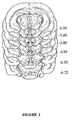
- all animals were anaesthetized and their brains removed and immediately placed on ice. The brains were cut in 50 ⁇ m sections, and placements of the injectors and the electrodes were examined (see Fig. 1 for histological verification of injection sites). Only those rats with injection tips located within the VTA were included in statistical analyses.
- one group of nicotine withdrawing and one group of control rats were injected with LY341495 (1 mg/kg); the remaining rats were injected with vehicle.
- percentage change from baseline reward threshold was calculated by expressing the drug-influenced threshold scores as a percentage of the previous days threshold (i.e. a drug-free baseline threshold). These percentages of baseline scores were subjected to two-factor repeated measures analyses of variance (ANOVA), with treatment drug dose as the within-subjects factor and pump content (nicotine or control) as the between-subjects factor.
- ANOVA two-factor repeated measures analyses of variance
- percentage change from baseline reward threshold was calculated by expressing the threshold scores obtained at each time-point during withdrawal as a percentage of thresholds for each rat on the day immediately prior to mini-pump removal. These percentages of baseline scores were subjected to three-factor repeated measures ANOVA.
- the within-subjects factor was the time after mini-pump removal, and the two between-subjects factors were pump content (nicotine or vehicle) and acute drug treatment (LY314582 or vehicle).
- response latency data were analyzed in the same manner as the threshold data. After statistically significant effects in the ANOVAs, post-hoc comparisons among means were conducted with the Fisher's LSD test.
- the present data provide strong evidence for a role of Group II metabotropic glutamate receptors in regulating the deficit in brain reward function associated with nicotine withdrawal by demonstrating that activation of mGluII receptors precipitated reward deficits in nicotine-treated rats similar to those observed during nicotine withdrawal. Further, activation of mGluII receptors located within the VTA also precipitated withdrawal-like reward deficits in nicotine treated rats, providing further evidence for an important role of the VTA in mediating the actions of nicotine on the brain's reward pathway (Hildebrand et al., 1999; Mansvelder and McGehee, 2000; Mansvelder et al., 2002). Finally, blockade of mGluII receptors attenuated the deficit in brain reward function observed in rats undergoing spontaneous nicotine withdrawal.
- mGluII receptor agonist LY354740 was shown to attenuate the increased auditory startle observed during spontaneous nicotine withdrawal (Helton et al., 1997).
- mGluII receptors located in different brain sites may differentially regulate various aspects of nicotine withdrawal.
- LY314582 Systemic administration of the selective mGluII receptor agonist LY314582 (2.5-7.5 mg/kg), but not the GABA B receptor agonist CGP44532 (0.065-0.5 mg/kg), precipitated withdrawal-like elevations in intracranial self-stimulation (ICSS) reward thresholds, a sensitive measure of reward function, in nicotine-dependent but not control rats.
- LY314582 did not affect response latencies, a measure of performance in the ICSS paradigm.
- Bilateral microinfusion of LY314582 (10-100 ng/side) into the ventral tegmental area (VTA) likewise precipitated threshold elevations in nicotine-dependent but not control rats.
- NBQX (0.001-1 mg/kg), a selective AMPA/Kainate ( ⁇ -amino-3-hydroxy-5-methyl-4-isoxazole propionate/kainate) receptor antagonist, precipitated withdrawal-like elevations in ICSS thresholds in nicotine-dependent but not control rats, whereas MPEP (0.01-3 mg/kg) and MK-801 (0.01-0.125 mg/kg), antagonists at mGlu5 (metabotropic glutamate5) and NMDA (N-methyl-D-aspartate) receptors respectively, did not.
- MPEP 0.01-3 mg/kg
- MK-801 0.01-0.125 mg/kg
- antagonists at mGlu5 metalabotropic glutamate5
- NMDA N-methyl-D-aspartate
- Nicotine is thought to achieve this, in part, by activation of excitatory glutamate transmission in the VTA (Schilström et al., 1998; Mansvelder and McGehee, 2000; Mansvelder et al., 2002).
- mGluII receptors located in the VTA are presynaptic autoreceptors that decrease glutamate transmission (Bonci et al., 1997; Wigmore and Lacey, 1998; Manzoni and Williams, 1999), it is likely that the increased sensitivity of mGluII receptors located in the VTA in nicotine-treated rats occurred in response to a pattern of prolonged activation of excitatory glutamate transmission by nicotine in this brain site.
- CRE cAMP response element
- mGluII receptors act as presynaptic autoreceptors in the VTA where they depress glutamate transmission. Therefore, it was hypothesized that mGluII receptors elevated reward thresholds in nicotine-withdrawing rats, at least in part, by decreasing glutamate transmission and that blockade of glutamate transmission at postsynaptic glutamate receptors would precipitate reward threshold elevations in nicotine-treated rats similar to those in rats undergoing spontaneous nicotine withdrawal.
- the AMPA/Kainate receptor antagonist NBQX precipitated elevations in reward thresholds in nicotine-treated but not control rats.
- This observation suggests that decreased glutamate transmission at AMPA/Kainate receptors contributes to the reward deficits associated with nicotine withdrawal.
- AMPA/Kainate receptors are the primary regulators of excitatory glutamate transmission throughout the mesoaccumbens reward pathway (Pennartz et al., 1990; Hu and White, 1996). Therefore, similar to an increase in mGluII receptor function, decreased AMPA receptor expression in nicotine-treated rats would be expected to decrease mesoaccumbens dopamine transmission and thereby act to counter the prolonged stimulatory effects of nicotine on this system.
- NMDA receptors play a crucial role in mediating the stimulatory effects of nicotine on mesoaccumbens dopamine transmission (Schilström et al., 1998; Fu et al., 2000; Mansvelder and McGehee, 2000). Therefore, it might have been expected that by blocking nicotine's stimulatory effects on reward pathways by antagonizing NMDA receptors, the counter-adaptive processes that occurred during prolonged nicotine treatment, such as increased sensitivity of mGluII receptors, would have given rise to elevations in ICSS thresholds.
- Nicotine self-administration by rats is thought to reflect the rewarding effects of nicotine, and has been shown to be sensitive to modulation of dopaminergic (Corrigall & Coen 1991; Picciotto and Corrigall 2002), cholinergic (Watkins et al. 1999; Corrigall et al. 2002; Picciotto and Corrigall 2002) and K-amino-butyric acid (GABA)-ergic (Dewey et al. 1999; Paterson and Markou 2002; Picciotto and Corrigall 2002) neurotransmission.
- dopaminergic Corrigall & Coen 1991
- Picciotto and Corrigall 2002 cholinergic
- GABA K-amino-butyric acid
- the eight subtypes of metabotropic glutamate receptors are divided into three groups, based on amino acid sequence homology, second messenger systems and pharmacology (Conn and Pin 1997).
- the Group I mGluRs comprise metabotropic glutamate receptor subtype 5 (mGluR5) and mGluR1, and act via stimulation of phospholipase C (Conn and Pin 1997).
- the distribution of mGluR5s has been characterized in detail, indicating heavy distribution in the NAcc, striatum and hippocampus in the rat brain (Shigemoto et al. 1993; Tallakssen-Greene et al. 1998).
- Metabotropic glutamate receptors have been shown to be involved in the modulation of neurotransmitter release (Cartmell and Schoepp 2000; Schoepp 2001), synaptic plasticity and learning (Holscher et al. 2001), neuroprotection (Battaglia et al. 2001, 2002), dopamine-dependent locomotor behaviors (for review, see Vezina and Kim 1999) and pain (for review, see Spooren et al. 2001).
- mice lacking mGluR5 will not acquire intravenous cocaine self-administration (Chiamulera et al. 2001).
- administration of the specific mGluR5 antagonist 2-methyl-6-(phenylethynyl)-pyridine (MPEP; Gasparini et al. 1999) resulted in a dose-dependent reduction in cocaine self-administration without affecting responding for food (Chiamulera et al. 2001).
- MPEP has been shown to have a wide variety of effects in a number of different behavioral paradigms in rodents, and the mGluR5 has been shown to be involved in cocaine self-administration and possibly longer-term effects of cocaine.
- the present study set out to determine the effects of MPEP on the reinforcing effects of intravenous nicotine in rats that regularly self-administer nicotine at one of two doses (0.03 and 0.01 mg/kg/infusion), and in drug-naive mice.
- the effect of MPEP administration on food-maintained responding in rats was investigated to determine the specificity of the effects of MPEP.
- the mouse self-administration procedure used here includes yoked control mice that allow the assessment of non-specific effects of pharmacological manipulations.
- Male Wistar rats (Charles River, Raleigh, NC) weighing 300-350 g upon arrival in the laboratory were group housed (two per cage) in a temperature- and humidity-controlled vivarium on a 12 hr reverse light-dark cycle (lights on at 10 am) with unrestricted access to water except during testing, and food-restricted to 20 g/day after acquiring nicotine self-administration behavior.
- Male DBA/2J mice (Harlan Laboratories, Indianapolis, IN) at the age of 10-12 weeks upon arrival in the laboratory were group housed (4 per cage) in a temperature- and humidity-controlled vivarium on a 12 hr reverse light-dark cycle (lights on at 6 am) with unrestricted access to food and water except during testing. All behavioral testing occurred during the dark phase of the light-dark cycle. All subjects were treated, housed and used in accordance with the National Institutes of Health guidelines and the Association for the Assessment and Accreditation of Laboratory Animal Care (AAALAC).
- (-)Nicotine hydrogen tartrate was purchased from Sigma (St. Louis, MO), dissolved in saline and the pH adjusted to 7.0 ( ⁇ 0.5) with sodium hydroxide. The solution was then filtered through a 0.22 ⁇ m syringe filter (Fisher Scientific, Pittsburgh, PA 15219) for sterilization purposes. Nicotine doses are reported as free base concentrations. MPEP was kindly donated by Novartis Pharma AG, dissolved in 0.9% sodium chloride, and administered intraperitoneally in a volume of 1 or 10 ml/kg with a pretreatment time of 30 or 15 minutes in rats and mice, respectively.
- mice All nicotine self-administration in mice took place in an apparatus (San Diego Instruments, San Diego, CA) that consisted of four identical test cages (8 x 8 x 8 cm), allowing simultaneous testing of two pairs of mice (see Semenova et al. 1995, 1999; Kuzmin et al. 1996a, 1997).
- the boxes were constructed form opaque plastic and contained two apertures: one for nose-pokes, and one for tail-fixing. All test session functions and data were controlled and recorded by computer.
- the two different schedules were employed to allow assessment of the effects of MPEP on responding for food under a reinforcement schedule (FR5 TO20 sec) identical to that used for nicotine, and under a reinforcement schedule (FR5 T021 0) that equated response rates for food to those seen for nicotine.
- Responding on the active lever resulted in delivery of nicotine solution in a volume of 0.1 ml/infusion over a 1 second period (Razel Scientific Instruments Inc, Stamford, CT), while responding on the inactive lever had no consequences.
- Rats were considered to have acquired stable operant responding when they pressed the active lever more than twice the number of times they pressed the inactive lever, received a minimum of 6 infusions or 90 pellets per 1 hour session, with less than 20% variation in the number of reinforcers earned per session. Rats took approximately two weeks to establish stable rates of operant responding. All test sessions were conducted for one hour per day, five days per week.
- mice were fixed to the surface of the apparatus during the testing sessions to allow drug delivery; the fixing of the tail allowed the mice to move all of their four paws, head and entire body.
- Infusions of drug or vehicle 1.6 ul/inf delivered over 1 second
- mice were administered to both mice in a pair, via the lateral tail-veins, contingent upon each nose-poke of one animal per pair (the active mouse).
- the only cue associated with the delivery of the drug or vehicle infusion was the noise of the pump. Mice were tested either once or twice, with approximately one month between each test.
- the second test only occurred in a subset of the original set of mice (2-7 pairs of mice from each of the original groups). This was done to increase the number of subjects/condition, and involved randomly assigning and testing these mice under a different set of conditions than in the original test (i.e., different nicotine and/or MPEP dose). Given the one month interval between the two tests for a limited subset of the mice, it is very unlikely that repeated testing affected the results.
- Saline or one of four nicotine doses were made available to different groups of animals. Each group consisted of 9-17 pairs of animals, including 2-7 mice per group that had previously undergone one testing session at least one month previously (see above). Pre-treatment with MPEP (0, 5, 10, 20 mg/kg intraperitoneally) occurred 15 minutes prior to the initiation of the test session.
- Data were analyzed using a two-way ANOVA, with MPEP dose as the within-subjects factor (4 levels) and reinforcer as the between-subjects factor (4 levels: 0.01 and 0.03 mg/kg/inf nicotine, and food pellets, available on the FR5 TO20 sec and FR5 TO210 sec schedules). Data were expressed as a percentage of baseline (defined as the mean of the preceding three days; active lever data) and also as the number of lever presses (inactive lever data only). The level of significance was set at p ⁇ 0.05.
- Nicotine self-administration data obtained after saline pre-treatment, were analyzed using a one-way ANOVA with nicotine (4 levels) defined as the between-subjects factor.
- R-criterion data were analyzed using two-way ANOVAs with MPEP dose (4 levels) and nicotine dose (4 levels) defined as the between-subjects factors.
- Pre-planned R-criterion data analyses were performed using one-way ANOVAs for each available dose of self-administered nicotine and saline, with MPEP dose (4 levels) defined as the between-subject factor.
- the data in the table include the sample size for each condition, expressed as the number of pairs of mice, and also rates of nose-pokes responses recorded during both pre-test and test sessions, under all conditions, for both active and passive subjects, expressed as mean responses per minute ⁇ SEM.
- the factors mouse active vs passive
- MPEP differentially affected nose-poke rates in the active versus the passive mice.
- mice demonstrated self-administration at one of the five doses tested across a wide range of nicotine doses.
- This procedure for self-administration in drug-naive mice has been used to study the self-administration of morphine (Semenova et al. 1995, 1999; Kuzmin et al. 1996a, 1997), cocaine (Kuzmin et al. 1996b; 1997), ethanol (Kuzmin et al., 1999), nicotine (Stolerman et al. 1999; Fattore et al. 2002), amphetamine (Cossu et al., 2001) and gamma-hydroxybutyric acid (Martellota et al. 1998).
- neurobiological substrates underlying lateral hypothalamic self-stimulation and intravenous nicotine self-administration may be quite different (Harrison et al. 2002), and it may be these differences that underlie the different effects of MPEP in the two studies.
- the anxiolytic-like effect of MPEP may be related to its effects on self-administration of nicotine and cocaine. Nicotine can be anxiogenic at higher doses (File et al. 1998; Irvine et al. 2001), although it also has been shown to be anxiolytic at lower doses (File et al. 1998; Szyndler et al. 2001).
- Administration of amphetamine, cocaine and nicotine all increase plasma levels of stress hormones in laboratory animals (for review, see Samyai et al. 2001). It has been hypothesized that the anxiogenic effects of chronic self-administered nicotine observed in rats may play a role in maintaining nicotine self-administration (Irvine et al. 2001).
- the present study indicated that MPEP pretreatment significantly reduced nicotine self-administration with no effect on food-maintained responding in rats and in drug-naive mice in the absence of any motor-suppressant activity. It is hypothesized here that MPEP administration modulated the postsynaptic response to nicotine-induced increased dopamine levels in the terminal field of the mesolimbic circuit. Nevertheless, given the limits of the present experiments and current knowledge on the precise location and function of mGluR5s, modes of action of MPEP at sites other than the NAcc and/or via an anxiolytic-like effect, cannot be ruled out. The present results may indicate a novel therapeutic target for anti-smoking, and more generally, anti-abuse medications.
- mice in which the gene for the mGlu5 receptor was deleted did not acquire cocaine self-administration behavior.
- the acquisition of food self-administration was unaffected in these mice, demonstrating that the decrease in cocaine consumption in these mice was not secondary to a deficit in learning processes (Chiamulera et al., 2001).
- the selective mGlu5 receptor antagonist MPEP decreased cocaine self-administration in wild-type control mice (Chiamulera et al., 2001).
- Example 2 MPEP decreased nicotine self-administration in both rats and mice, and attenuated cocaine- and morphine-induced conditioned place preference (McGeehan and Olive, 2003; Popik and Wrobel, 2002). More recently, blockade of metabotropic glutamate 2/3 (mGlu2/3) receptors has been shown to attenuate the behavioral actions of many drugs of abuse (David and Abrain, 2003).
- the mGlu2/3 receptor antagonist LY341495 attenuated the deficits in brain reward function, measured by elevations in ICSS reward thresholds, observed in rats undergoing spontaneous nicotine withdrawal (depression-like signs).
- mGlu5 and mGlu2/3 receptors play a crucial role in regulating the behavioral actions of various drugs of abuse including cocaine and nicotine, and depressive symptoms seen in both drug addiction and non-drug-induced depressions.
- ICSS intracranial self-stimulation
- the first aim of the present studies was to investigate the effects of MPEP on nicotine self-administration in rats, and on cocaine self-administration in rats with two different schedules of daily access (1 and 6 h) to cocaine self-administration.
- MPEP decreased the 'motivation' of rats to obtain cocaine or nicotine by examining whether MPEP decreased responding for cocaine or nicotine under a progressive ratio schedule of reinforcement.
- MPEP decreased the positive affective state associated with cocaine consumption, by examining if MPEP attenuated the lowering actions of acutely administered cocaine on ICSS thresholds.
- LY341495 previously shown to attenuate nicotine withdrawal (Kenny et al., 2003c), on nicotine self-administration in rats.
- simultaneous blockade of mGlu5 and mGlu2/3 receptors by combining MPEP and LY341495, had an additive inhibitory effect on nicotine self-administration behavior.
- Rats were Wistar rats weighing 300-320 g upon arrival at the laboratory. Rats were obtained from Charles River Laboratories (Raleigh, NC) and were housed in groups of two or three per cage, with food and water available ad libitum. Animals were maintained in a temperature-controlled vivarium under a 12 hr light/dark cycle (lights off at 10:00 am). In each case animals were tested during the dark portion of the light/dark cycle. All animals were treated in accordance with the guidelines of the National Institutes of Health regarding the principles of animal care. Animal facilities and experimental protocols were in accordance with the Association for the Assessment and Accreditation of Laboratory Animal Care.
- Cocaine hydrochloride and (-) nicotine hydrogen tartrate were purchased from Sigma Chemical Co., St. Louis, MO. 2-Methyl-6-[phenylethynyl]-pyridine) was synthesized according to procedures known in the art. LY341495 was obtained from Tocris. Drugs were prepared immediately before each administration. For systemic cocaine administration, cocaine was dissolved in sterile 0.9 % (w/v) saline, and administered by intraperitoneal (i.p.) injection in a volume of 1 ml/kg body weight, 10 min before the ICSS experimental session. For systemic MPEP administration, MPEP was dissolved in sterile water and administered by i.p.
- LY341495 was dissolved in sterile saline and administered by i.p. injection, in a volume of 3 ml/kg body weight, 30 min before the self-administration session.
- Intracranial self-stimulation training and testing took place in sixteen Plexiglas operant chambers (25 x 31 x 24 cm) (Med Associates, St. Albans, VT).
- the floors of the operant chambers were constructed of parallel aluminum rods spaced 1.25 cm apart.
- One wall contained a metal wheel manipulandum that required 0.2 N force to rotate it one-quarter of a turn. The wheel (5 cm in width) extended out of the wall -3 cm.
- Each testing chamber was enclosed within a light- and sound-attenuated chamber (62 x 63 x 43 cm).
- Intracranial stimulation was delivered by constant current stimulators (Stimtech model 1200; San Diego Instruments, San Diego, CA).
- Subjects were connected to the stimulation circuit through flexible bipolar leads (Plastics One, Roanoke, VA) attached to gold-contact swivel commutators mounted above the chamber.
- the stimulation parameters, data collection, and all test session functions were controlled by a microcomputer.
- Rats prepared with intravenous catheters were anaesthetized by inhalation of 1-3% isoflurane in oxygen and prepared with silastic catheters, surgically implanted in the jugular vein as described previously (Caine et al., 1993).
- the catheter was passed subcutaneously to a polyethylene assembly mounted on the animal's back.
- This assembly consisted of a guide cannula (Plastic One Co., Roanoke VA) attached to a 4 cm 2 piece of marlex mesh with epoxy. The marlex mesh was placed under the skin on the animal's back.
- Rats prepared with ICSS electrodes were anaesthetized by inhalation of 1-3% isoflurane in oxygen and positioned in a stereotaxic frame (Kopf Instruments, Tujunga, CA). The incisor bar was adjusted to 5 mm above the interaural line, and the skull exposed.
- Stainless steel bipolar stimulating electrodes (11 mm in length) were implanted into the posterior lateral hypothalamus (AP: -0.5 mm from bregma; ML: ⁇ 1.7 mm; DV: 8.3 mm from dura, with the incisor bar positioned 5 mm above the interaural line), according to the atlas of Pellegrino et al. (1979).
- Four indentations were made in the skull to accommodate screws that, together with the application of dental acrylic, held the electrode in place. Animals were allowed to recover from surgery for at least 7 days prior to training in the ICSS or self-administration procedures.
- Rats (n 14) were food restricted to maintain them at 85% of their normal body weight obtained under free-feeding conditions, then trained to press a lever for 45 mg food pellets on a fixed-ratio 5 (FR5) schedule of reinforcement.
- FR5 schedule of reinforcement Once stable responding for food reinforcement was achieved, rats were tested for cocaine self-administration during daily 1 h sessions for nine days on a FR5 schedule of reinforcement, when five responses on the lever resulted in the delivery of one cocaine injection (250 ⁇ g/injection dissolved in 0.1 ml of sterile 0.9 % sterile saline; delivered over 4 sec) and initiated a 20 sec time-out (TO) period, signaled by a light cue located above the lever, during which time responding on the lever was without consequence.
- TO 20 sec time-out
- Rats were considered to have acquired stable operant responding when they pressed the active lever more than twice the number of times they pressed the inactive lever, received a minimum of six infusions or 90 pellets per 1-h session, with less than 20% variation in the number of reinforcers earned per session. Rats took approximately 2 weeks to establish stable rates of operant responding. All test sessions were conducted for 1 h per day, 5 days per week.
- IMS Intracranial self-stimulation
- a one-quarter turn of the wheel manipulandum within 7.5 sec of the delivery of the non-contingent electrical stimulation resulted in the delivery of an electrical stimulus identical in all parameters to the non-contingent stimulus that initiated the trial.
- a variable inter-trial interval 7.5-12.5 sec, average of 10 sec
- another trial was initiated with the delivery of a non-contingent electrical stimulus.
- Failure to respond to the non-contingent stimulus within 7.5 sec resulted in the onset of the inter-trial interval.
- Responding during the inter-trial interval delayed the onset of the next trial by 12.5 sec.
- Current levels were varied in alternating descending and ascending series. A set of three trials was presented for each current intensity. Current intensities were altered in 5 ⁇ A steps.
- the threshold for each series was defined as the midpoint between two consecutive current intensities that yielded "positive scores” (animals responded for at least two of the three trials) and two consecutive current intensities that yielded "negative scores” (animals did not respond for two or more of the three trials).
- the overall threshold of the session was defined as the mean of the thresholds for the four individual series.
- Each testing session was -30 min in duration. The time between the onset of the non-contingent stimulus and a positive response was recorded as the response latency. The response latency for each test session was defined as the mean response latency of all trials during which a positive response occurred.
- rats were tested in the ICSS procedure once daily except for the time-course of cocaine's lowering actions on ICSS thresholds when rats were tested at time-points according to the experimental design.
- FR schedules of reinforcement provide important information on whether a drug is reinforcing.
- PR schedules of reinforcement each time an animal responds on the active lever to receive a drug infusion, the number of times that the animal must subsequently respond to receive the next infusion is progressively increased.
- Rats were injected with MPEP (0, 1, 3 or 9 mg/kg) 30 min prior to each PR session. All PR sessions lasted for 3 h. All subjects reached breaking-points during the 3 hour session. Break-point is defined as the highest ratio achieved before the session was terminated; the session was terminated if the subject failed to earn a drug infusion during one hour.
- MPEP was shown in Example 3.2 to decrease nicotine self-administration, under an FR, in rats and mice.
- the studies in this Example demonstrate that MPEP decreased cocaine and nicotine self-administration in rats (in the case of nicotine in mice also) under a FR, and decreased cocaine and nicotine self-administration in rats under a PR schedule of reinforcement.
- One possible mechanism by which MPEP may have decreased cocaine self-administration behavior was by decreasing the hedonic actions of cocaine.
- Cocaine-induced lowering of ICSS thresholds represents an accurate measure of cocaine's hedonic and euphorigenic actions.
- rats were first injected with either sterile water or MPEP (3mg/kg), then 20 min later with either saline or cocaine (10 mg/kg) 10 min prior to initiation of the first ICSS session.
- Rats received all injections according to a within-subjects Latin-square design, such that each rat received the four possible drug combinations (water-saline; water-cocaine; MPEP-saline; MPEP-cocaine).
- ICSS thresholds were then assessed 10, 40, 70 and 100 min after the second (saline or cocaine) injection. A period of 72 h were allowed to elapse between each injection day in the Latin-square design, during which daily ICSS thresholds continued to be assessed to ensure that ICSS thresholds returned to pre-injection baseline levels before the next drug administration.
- LY341495 was shown to attenuate nicotine withdrawal, as measured by decreased elevations in ICSS thresholds during spontaneous nicotine withdrawal in rats (Kenny et al., 2003c).
- mGlu2/3 receptors also play a role in regulating the reinforcing actions of nicotine
- LY341495 decreased nicotine self-administration under a FR schedule of reinforcement.
- rats were injected with LY341495 (0, 0.1, 0.5, 1, 3 or 5 mg/kg) according to a within-subjects Latin-square design, and the daily nicotine self-administration session was initiated 30 min later. A minimum of 48 h were allowed between each injection in the Latin-square design, during which rats had their daily nicotine self-administration session, to ensure that rates of responding for nicotine returned to pre-injection baseline before the next LY341495 administration.
- the number of cocaine responses in ShA and LgA rats during the 23 days prior to the first MPEP injection was analyzed by two-factor repeated measures analyses of variance (ANOVA).
- ANOVA two-factor repeated measures analyses of variance
- percent change from baseline number of cocaine responses was calculated by expressing the number of cocaine responses after MPEP treatment as a percentage of the baseline number of cocaine responses.
- mean raw thresholds and response latencies ( ⁇ SEM) are presented for each experiment in the results section.
- percentage change from baseline reward threshold was calculated by expressing the drug-influenced raw threshold scores as a percentage of the baseline thresholds.
- the baseline thresholds were the mean of the thresholds obtained on the three days before the first MPEP injection.
- the baseline number of nicotine responses was the mean number of nicotine responses on the five days prior to the first LY341495 injection.
- percent change from baseline number of nicotine responses was calculated by expressing the number of nicotine responses after LY341495 treatment as a percentage of the baseline number of nicotine responses.
- Progressive ratio data were expressed as highest ratio attained (i.e., break-point) or number of infusions earned (data expressed as raw values).
- post - hoc comparisons among means were conducted with Fisher's LSD test. The level of significance was set at .05.
- Post-hoc analysis demonstrated that 0.1 ( p ⁇ 0.01), 0.5 ( p ⁇ 0.05), 3 ( p ⁇ 0.01) and 5 ( p ⁇ 0.01) mg/kg LY341495 significantly decreased nicotine responding ( Fig. 13 ).
- MPEP was shown to decrease cocaine self-administration in wild-type control mice (Chiamulera et al., 2001), and genetically modified mice in which the mGlu5 deleted failed to acquire cocaine self-administration behavior, even though responding for food reinforcement was unaltered in these mice (Chiamulera et al., 2001).
- Example 2 above illustrates that MPEP decreases nicotine self-administration in rats and mice.
- the data in this Example are consistent with an important role for mGlu5 receptors in regulating cocaine and nicotine self-administration behavior in both drug-dependent and non-drug dependent individuals.
- MPEP decreased cocaine consumption by a similar magnitude in ShA and LgA rats. Thus, it is unlikely that the escalation in cocaine intake observed in LgA rats was associated with alterations in mGlu5 receptor regulation of cocaine self-administration behavior.
- Example 1 illustrates that blockade of mGlu2/3 receptors by administration of the mGlu2/3 receptor antagonist LY341495, attenuated the depression-like aspects of nicotine withdrawal in rats.
- LY341495 an antagonist at mGlu2/3 receptors, decreased nicotine consumption in rats, suggesting that blockade of mGluR2/3 receptors decreased the reinforcing effects of nicotine.
- blockade of mGluR2/3 receptors reverses the affective depression-like aspects of nicotine withdrawal.
- pharmacological treatments with dual antagonist actions at mGlu2 and/or mGluR3, and mGlu5 receptors 1) decrease consumption of drugs of abuse, such as nicotine and cocaine to a larger extent than blockade of either one receptor alone and 2) reverse the affective aspects of drug withdrawal, and possibly of drug dependence.
Landscapes
- Health & Medical Sciences (AREA)
- General Health & Medical Sciences (AREA)
- Life Sciences & Earth Sciences (AREA)
- Chemical & Material Sciences (AREA)
- Veterinary Medicine (AREA)
- Medicinal Chemistry (AREA)
- Animal Behavior & Ethology (AREA)
- Public Health (AREA)
- Pharmacology & Pharmacy (AREA)
- Addiction (AREA)
- Organic Chemistry (AREA)
- General Chemical & Material Sciences (AREA)
- Engineering & Computer Science (AREA)
- Bioinformatics & Cheminformatics (AREA)
- Chemical Kinetics & Catalysis (AREA)
- Nuclear Medicine, Radiotherapy & Molecular Imaging (AREA)
- Neurosurgery (AREA)
- Biomedical Technology (AREA)
- Neurology (AREA)
- Psychiatry (AREA)
- Epidemiology (AREA)
- Pain & Pain Management (AREA)
- Pharmaceuticals Containing Other Organic And Inorganic Compounds (AREA)
- Medicines That Contain Protein Lipid Enzymes And Other Medicines (AREA)
- Investigating Or Analysing Biological Materials (AREA)
- Pyridine Compounds (AREA)
- Acyclic And Carbocyclic Compounds In Medicinal Compositions (AREA)
Abstract
Description
- The present invention relates generally to methods for treating disorders associated with metabotropic glutamate receptors, and more specifically to methods for treating disorders associated with
metabotropic glutamate receptors - Glutamate receptors play a role in numerous neurological, neurodegenerative, psychiatric, and psychological disorders, and a variety of mammalian disease states are associated with aberrant activity of these receptors. Glutamate receptors have been classified as either "ionotropic" or "metabotropic". Ionotropic receptors are directly coupled to the opening of cation channels in the cell membranes of the neuron. Metabotropic receptors belong to the family of G-protein-coupled receptors and are coupled to systems that lead to enhanced phosphoinositide hydrolysis, activation of phospholipase D, increases or decreases in cAMP formation, and changes in ion channel function.
- Metabotropic glutamate receptors (mGluRs) are divided into three groups based on amino acid sequence homology, transduction mechanism and binding selectivity: Group I, Group II and Group III. Group I includes
metabotropic glutamate receptors 1 and 5 (mGluR1 and mGluR5), Group II includesmetabotropic glutamate receptors 2 and 3 (mGluR2 and mGluR3), and Group III includesmetabotropic glutamate receptors - It is only recently that researchers have begun to elucidate physiological roles for each mGluR group. For example, Group II metabotropic glutamate receptors (mGlull), including mGlu2 and mGlu3 receptors, are inhibitory autoreceptors located primarily on glutamatergic afferents throughout the mammalian brain where they decrease excitatory glutamate transmission (Cartmell and Schoepp, J Neurochem 75:889-907, 2000). GABAB receptors, which share close structural and functional homology to mGluII receptors (Schoepp, J. Pharmacol. Exp. Ther., 299:12-20, 2001), also negatively regulate glutamate transmission. Recently, activation of mGluII and GABAB receptors was shown to decrease excitatory glutamate transmission in the ventral tegmental area (VTA) and nucleus accumbens (NAcc) (Bonci et al., Eur. J. Neurosci., 9:2359-2359, 1997; Xi et al., J. Pharmacol. Exp. Ther., 300:162-171, 2002; Erhardt et al., Naunyn Schmiedebergs Arch. Pharmacol., 365:173-180, 2002), suggesting that these receptors may regulate the activity of the brain's reward circuitry. Accordingly, LY314582 and CGP44532, agonists at mGluII and GABAB receptors respectively, were shown to elevate intracranial self-stimulation (ICSS) reward thresholds in drug-naïve rats (Macey et al., Neuropharmacology, 40:676-685, 2001; Harrison et al., Psychopharmacology, 160:56-66, 2002), demonstrating that mGluII and GABAB receptors negatively regulate brain reward function.
- Moreover, there is accumulating evidence that the function of mGluII and GABAB receptors increases during the development of drug dependence. For example, prolonged morphine, cocaine or amphetamine treatment increased inhibitory regulation of glutamate transmission by mGluII and GABAB receptors located in the VTA and NAcc (Manzoni and Williams, J. Neurosci., 19:6629-6636, 1999; Xi et al., Soc. Neurosci., Abstr 27: 2596, 2001; Giorgetti et al., Neuroscience, 109:585-595, 2002).
- Fundytus et al (British journal of Pharmacology, ) describes that certain mGluR-modulators can be used to prevent non-established addictive disorders. Chiamulera et al (Nature Neuroscience, Vol 4 (9), 2001, pages 873 -874) describes that mGluR5-antagonists are useful to treat addictive disorders.
- Attempts at elucidating the physiological roles of Group I mGluRs suggest that activation of these receptors elicits neuronal excitation. Evidence indicates that this excitation is due to direct activation of postsynaptic mGluRs, but it also has been suggested that activation of presynaptic mGluRs occurs, resulting in increased neurotransmitter release (Baskys, Trends Pharmacol. Sci. 15:92, 1992, Schoepp, Neurochem. Int. 24:439, 1994, Pin et al., Neuropharmacology 34:1, 1995.) Thus, it has been proposed that antagonists for the Group I mGluRs may be useful in treating neurological disorders such as senile dementia, Parkinson's disease, Alzheimer's disease, Huntington's Chorea, pain, epilepsy, and head trauma.
- However, less is known about the potential therapeutic benefits that may be realized as a result of simultaneous antagonism of mGluRs belonging to different groups. Furthermore, little is known about whether antagonists of mGluRs are useful for treating disorders such as substance abuse. The invention addresses these issues and further provides related advantages.
- The present invention provides the subject-matter as disclosed in the claims.
- This disclosure encompasses methods for treating disorders associated with metabotropic glutamate receptors (mGluRs) by simultaneously inhibiting at least two mGluRs belonging to at least two different groups.
-
-
Figure 1 is a diagrammatic representation of coronal sections from the rat brain showing histological reconstruction of the injection sites in the ventral tegmental area (5.30-6.72 mm posterior to bregma, according to the atlas of Paxinos and Watson, 1986). Black circles indicate locations of injection tips located inside the VTA and included in statistical analysis. Data from rats with injection sites located outside the VTA were removed from the analyses. -
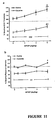
Figures 2A-2B illustrate the effects of LY314582 on ICSS thresholds and response latencies in nicotine-treated and control rats.Fig. 2 A, Data are expressed as mean (± SEM) percentage change from baseline threshold.Fig. 2 B, Data are expressed as mean (± SEM) percentage change from baseline response latency. **P<0.01, different from nicotine-treated rats after vehicle injection. ## P<0.01, different from control rats after injection with same dose of LY314582. -
Figures 3A-3B illustrate the effects of intra-ventral tegmental area LY314582 on ICSS thresholds and response latencies in nicotine-treated and control rats.Fig. 3 A, Data are expressed as mean (± SEM) percentage change from baseline threshold.Fig. 3 B, Data are expressed as mean (± SEM) percentage change from baseline response latency. ***P<0.001, different from nicotine-treated rats after vehicle injection. ## P<0.01, # p<0.05, different from control rats after injection with same dose of LY314582. -
Figures 4A-4B illustrate the effects of LY341495 on the elevations in ICSS thresholds in rats undergoing spontaneous nicotine withdrawal.Figure 4 A, Data are expressed as mean (± SEM) percentage change from baseline threshold in rats undergoing nicotine withdrawal.Figure 4 B, Data are expressed as mean (± SEM) percentage change from baseline threshold in control rats. ICSS thresholds and response latencies were tested 12, 18, 24, 36, 48 and 72 h after surgical removal of osmotic mini-pumps delivering nicotine (Fig. 3 A) or vehicle (Fig. 3 B). Rats received a single injection of LY341495 (1 mg/kg) orvehicle 30 min before the 18 h time-point (indicated by black arrow). ***P<0.001, different from rats undergoing nicotine withdrawal treated withvehicle 30 min before the 18 h time-point. -
Figure 5 illustrates the effects of NBQX on ICSS thresholds and response latencies in nicotine-treated and control rats. A, Data are expressed as mean (± SEM) percentage change from baseline threshold. B, Data are expressed as mean (± SEM) percentage change from baseline response latency. *P<0.05, **p<0.01, different from nicotine-treated rats after vehicle injection. # P<0.05, ## p<0.01, different from control rats after injection with same dose of NBQX. -
Figure 6 illustrates the effects of MPEP administration on nicotine- and food-maintained responding in the rat. The data are expressed as percent of baseline responding (mean ± SEM). Asterisks indicate significant differences from control conditions for each reinforcer (* p<0.05, ** p<0.01). -
Figures 7A-7D illustrate nicotine dose-response curves obtained after pretreatment with different doses of MPEP (mean ± SEM). The graphs in this figure depicts the nicotine dose-response curves obtained after pretreatment with 0 (Fig. 7A ,5 (Fig. 7B ), 10 (Fig. 7C ) and 20 (Fig. 7D ) mg/kg MPEP. The filled circles are results from saline controls (the same data repeated in all four panels) and open squares are results from MPEP treated subjects. The asterisk (*) indicates significant (p<0.05) differences in R-criterion value for different available nicotine doses compared to saline. The pound signs (#) indicate significant differences from self-administration of the 0.048 µg/inf nicotine dose for each MPEP dose (5,10 and 20 mg/kg) compared to saline pretreatment (p<0.05). -
Figures 8A-8B illustrate the effect of MPEP administration on intravenous self-administration of 0.048 µg/inf nicotine in DBA/2J mice (mean ± SEM). Panel A (left panel) depicts the effects of MPEP pretreatment on self-administration of this reliably self-administered nicotine dose (0.048 Tg/inf nicotine). Panel B (right panel) shows total self-injected nicotine dose when 0.048 µg/inf nicotine was available after pretreatment with MPEP (0, 5, 10 and 20 mg/kg). Asterisks (*) indicate significant differences after pretreatment with each MPEP dose (5, 10 and 20 mg/kg) compared to saline pretreatment (p<0.05). -
Figures 9A-9B illustrate the effects of MPEP administration on cocaine responding in Short Access (ShA) and Long Access (LgA) rats.Figure 9A shows development of escalation In cocaine Intake In the LgA rats; data are express as raw values.Figure 9B shows the effects of MPEP In ShA and LgA rats as percent of baseline responding (mean ± SEM). Panel C Indicates the effects of MPEP on cocaine self-administration (data expressed as percent of baseline responding (mean + SEM) with ShA and LgA rats combined). Asterisks indicate significant differences from control conditions for each reinforcer (*P<0.05, ** P<0.01). -
Figure 10 illustrates the effects of MPEP on cocaine-, nicotine- and food-maintained responding under a progressive-ratio schedule of reinforcement. Data are presented as the mean (± SEM) number of infusions/food pellets earned after MPEP pretreatment (left ordinal axis). The right ordinal axis shows the corresponding final ratios (i.e., break-points) reached. -
Figure 11 illustrates the effects of MPEP administration on the magnitude of cocaine-induced lowering of ICSS reward thresholds (a) and effects on response latencies in the same procedure (b). The data are expressed as percent of baseline (mean ± SEM). *P<0.05, *** p<0.001 from control; #p<0.05 compared with rats similarly treated with the same dose of MPEP, but did not receive cocaine. -
Figure 12 illustrates the effects of MPEP administration on the duration of cocaine-induced lowering of ICSS reward thresholds (a) and the effects on response latencies (b). The data are expressed as percent of baseline (mean ± SEM). *** p<0.001 from control. -
Figure 13 illustrates the effects of LY341495 (0.1-5 mg/kg) administration on nicotine responding in rats. The data are expressed as percent of baseline responding (mean ± SEM). -
Figure 14 illustrates the effects of LY341495 (0.5 mg/kg) alone, or in combination with a dose of MPEP (1 mg/kg) previously shown (seeFig. 13 above) to have no effect by itself on cocaine consumption, on nicotine responding in rats. The data are expressed as percent of baseline responding (mean ± SEM). -
Figure 15 illustrates the effects of LY341495 (1 mg/kg) combined with MPEP (1 mg/kg) on nicotine responding in rats. The data are expressed as percent of baseline responding (mean ± SEM). -
Figure 16 illustrates the effects of LY341495 (1 mg/kg) and of the drug combination LY341495 and MPEP (1 mg/kg and 9 mg/kg, respectively) on break-points (i.e., highest fixed ratio attained depicted on the right y-axis) and number of nicotine injections earned (depicted on the left y-axis) under a progressive ratio of reinforcement that reflects the motivation for drug-taking behavior. MPEP potentiated the break-point decreases induced by LY341495). Data are presented as the mean (± SEM) number of infusions earned after the drug treatments (left ordinal axis). The right ordinal axis shows the corresponding final ratios (i.e., break-points) reached. - The present invention is based on the following findings:
- a) Blockade of mGlu2 and mGlu3 receptors by an antagonist of mGluR2 and mGluR3 (also referred to herein as an "mGlu2/3 receptor antagonist"), for-example by administration of the mGlu2/3 receptor antagonist LY341495, attenuates the depression-like aspects of nicotine withdrawal in rats;
- b) Treatment with an mGlu5 receptor antagonist, such as MPEP, decreases cocaine and nicotine consumption in rats and mice.
- c) Treatment with an antagonist of mGlu2 and mGlu3 receptors, such as LY341495, decreases nicotine consumption in rats;
- d) Co-administration of a dose of an mGlu5 receptor antagonist, such as MPEP at 1 mg/kg, that has no effects on cocaine or nicotine self-administration potentiates the inhibitory effects of an mGlu2/3 receptor antagonist, such as LY341495 (0.5 mg/kg or 1 mg/kg), on nicotine self-administration; and
- e) The combination of an mGlu5 receptor antagonist at a concentration that decreases either cocaine or nicotine self-administration when administered alone, e.g., 9 mg/kg MPEP, when combined with an mGlu2/3 receptor antagonist at a concentration that decreases nicotine self-administration when administered alone, such as 1 mg/kg LY341495, is more effective at decreasing nicotine self-administration than any one drug alone.
- Based on these findings the present invention provides the subject-matter as disclosed in the claims.
- A combination of antagonists is used to achieve inhibition of
receptors mGluR 5 is used in certain aspects of the invention, to achieve inhibition ofmGluRs - Furthermore, this disclosure encompasses
- a combination comprising (a) at least one active ingredient selected from a
metabotropic glutamate receptor 2 antagonist and ametabotropic glutamate receptor 3 antagonist, and (b) at least onemetabotropic glutamate receptor 5 antagonist, in which the active ingredients are present in each case in free form or in the form of a pharmaceutically acceptable salt, and optionally at least one pharmaceutically acceptable carrier; for simultaneous, separate or sequential use, especially in the treatment of an addicitve disorder; - a combination comprising (a) at least one active ingredient which exhibits antagonistic activity against the
metabotropic glutamate receptor 2 and themetabotropic glutamate receptor 3, and (b) at least onemetabotropic glutamate receptor 5 antagonist, in which the active ingredients are present in each case in free form or in the form of a pharmaceutically acceptable salt, and optionally at least one pharmaceutically acceptable carrier; for simultaneous, separate or sequential use, especially in the treatment of an addicitve disorder. - The combinations mentioned above can be applied in the form of a combined preparation or a pharmaceutical composition.
- Additionally, this disclosure encompasses
- a method of treating a warm-blooded animal having an addicitve disorder comprising administering to the animal a combination according defined above in a quantity which is jointly therapeutically effective against an addicitve disorder and in which the compounds can also be present in the form of their pharmaceutically acceptable salts;
- a pharmaceutical composition comprising a quantity, which is jointly therapeutically effective against an addicitve disorder, of a pharmaceutical combination as defined above and at least one pharmaceutically acceptable carrier;
- the use of a combination as defined above for the preparation of a medicament for the treatment of an addicitve disorder; and
- a commercial package comprising a combination defined above together with instructions for simultaneous, separate or sequential use thereof in the treatment of an addicitve disorder.
- The term "a combined preparation", as used herein defines especially a "kit of parts" in the sense that the first and second active ingredient as defined above can be dosed independently or by use of different fixed combinations with distinguished amounts of the ingredients, i.e., simultaneously or at different time points. The parts of the kit of parts can then, e.g., be administered simultaneously or chronologically staggered, that is at different time points and with equal or different time intervals for any part of the kit of parts. Very preferably, the time intervals are chosen such that the effect on the treated disease in the combined use of the parts is larger than the effect which would be obtained by use of only any one of the active ingredients. The ratio of the total amounts of the
active ingredient 1 to theactive ingredient 2 to be administered in the combined preparation can be varied, e.g., in order to cope with the needs of a patient sub-population to be treated or the needs of the single patient which different needs can be due to age, sex, body weight, etc. of the patients. Preferably, there is at least one beneficial effect, e.g., a mutual enhancing of the effect of the first and second active ingredient, in particular a synergism, e.g. a more than additive effect, additional advantageous effects, less side effects, a combined therapeutic effect in a non-effective dosage of one or both of the first and second active ingredient, and especially a strong synergism the first and second active ingredient. - The pharmacological activity of a combination as defined above may, for example, be evidenced in preclinical studies known as such, e.g. in analogy to those described in the Examples.
- The pharmacological activity of a combination as defined above may, for example, also be demonstrated in a clinical study. Such clinical studies are preferably randomized, double-blind, clinical studies in patients with addictive disorders or depression. Such studies demonstrate, in particular, the synergism of the active ingredients of the combination as defined above. The beneficial effects on addictive disorders can be determined directly through the results of these studies or by changes in the study design which are known as such to a person skilled in the art.
- Antagonists and agonists of mGlu receptors are known in the art. Examples of some known antagonists and agonists are provided in the Table below and in the following paragraphs. Agonists include non-selective agonists: 1S,3 R-ACPD; 1S,3 S-ACPD; L-CCG-1. Antagonists include broad-spectrum, non-selective antagonists such as (S)-MCPG. It will be understood that based on the teachings of the present invention, virtually any
mGluR U.S. Pat. No. 6,407,094 (Adam et al., (2002 ) and 1-[(Z)-2-Cycloheptyloxy-2-(2,6-dichloro-phenyl)-vinyl]-1H-[1,2,4]triazole (Kolczewski et al. Bioorg. Med. Chem. Lett. 1999, 9, 2173-2176). Antagonists of both mGluR2 and mGluR3 are known in the art and include, for example, LY341495 (Kingston et al. Neuropharm. 1998, 37, 1-12)., LY366457 (O'Neill M.F., et al., Neuropharmacology, 45(5):565-74 (2003)), (2S)-alpha-ethylglutamic acid (EGLU) (See e.g., Neto, F. L., et al., Neurosci. Lett. 15;296(1):25-8 (2000)), and (2S,4S)-amino-4-(2,2-diphenylethyl)pentanedioic acid (Escribano, A., et al., Bioorg. Med Chem. Lett., 7;8(7):765-70 (1998)). Antagonists of mGluR5 are known in the art and include, for example, MPEP (2-methyl-6-(phenylethynyl)-pyridine) and MTEP (3-(2-Methyl-thiazol-4-ylethynyl)-pyridine (Cosford, N.D., et al., J. Med. Chem., 46(2):204-6 (2003)). Antagonists of mGluR1 include, for example, 3-methyl-aminothiophene dicarboxylic acid (3-MATIDA), (Moroni, F., Neuropharmacology, 42(6):741-51 (2002)). Antagonists of mGluR1 and mGluR5 (Group I antagonists), include, for example, 1-aminoindan-1,5-dicarboxylic acid (AIDA) (See e.g., Renaud, J., et al., Epilepsia, 43(11):1306-17 (2002)), (3aS,6aS)-6a-naphtalen-2-ylmethyl-5-methyliden-hexahydro-cyclopenta[c]furan-1-on (BAY 36-7620) (See e.g., De Vry, J., et al., Eur. J. Pharmacol. 5;428(2):203-14 (2001)), and the cyclobutylglycine (+/-)-2-amino-2-(3-cis and trans-carboxycyclobutyl-3-(9-thioxanthyl)propionic acid) (LY393053) (Chen, U., et al., Neuroscience, 95(3):787-93 (2000)). Other mGluR antagonists that can be used in the present invention include those disclosed inWO99/08678 - The structure of the active ingredients identified by code nos., generic or trade names may be taken from the actual edition of the standard compendium "The Merck Index" or from databases, e.g. Patents International (e.g. IMS World Publications). Any person skilled in the art is fully enabled to identify the active ingredients and, based on these references, likewise enabled to manufacture and test the pharmaceutical indications and properties in standard test models, both in vitro and in vivo.
Table of mGluR Agonists and Antagonists Group Receptor Subtype Receptor Agonist Receptor Antagonist Group I mGlu1 (S)-3,5-DHPG LY 367385 Quisqualate (S)-4-CPG CPCCOEt mGlu5 (S)-3,5-DHPG MPEP (RS)-CHPG (S)-4-CPG Z-CBQA MTEP Quisqualate Group II mGlu2 LY354740 LY341495 LY379268 ADED (2R,4R)-APDC EGlu DCG-IV MSOP mGlu3 LY354740 LY341495 LY379268 ADED (2R,4R)-APDC DCG-IV Group III mGlu4 L-AP4 DCG-IV LY379268 MAP4 L-SOP MSOP (RS)-PPG MPPG CPPG mGlu6 L-AP4 DCG-IV L-SOP (RS)-PPG (S)-HomoAMPA mGlu7 L-SOP DCG-IV (RS)-PPG MPPG mGlu8 L-AP4 DCG-IV LY354740 MAP4 LY379268 L-SOP (RS)-PPG - MPEP can be prepared according to the chemical procedures described in
WO99/02497 - As used herein, an "effective amount" of an antagonist is an amount that modulates the normal activity of
mGlu receptors - MPEP, in certain aspects of the invention, is administered in an amount of between about 0.01 and 25 mg/kg body weight. In certain aspects, MPEP is administered at a concentration equal to or greater than 1 mg/kg, for example between about 3 and about 20 mg/kg. In other aspects, MPEP is administered at a concentration of between about 5 and about 15 mg/kg. In other aspects, MPEP is administered at between about 7 and about 12 mg/kg, for example at 9 mg/kg.
- In one aspect of the invention, two or more antagonists are administered at sub-effective amounts, below which one or more of the antagonists are effective at treating the disorder on their own. For example, an mGluR5 antagonist can be administered at a sub-effective amount and an mGluR2/mGluR3 antagonist can be administered at an effective amount, or vice versa. MPEP can be administered at 1 mg/kg or less and LY341495 can be administered at an effective concentration, as indicated above. For example, MPEP can be administered at 0.1-3 mg/kg and LY341495 can be administered at 0.5-5 mg/kg. In one aspect illustrated in Example 3, MPEP is administered at 1 mg/kg and LY341495 is administered at 0.5 mg/kg. In addition, other specific aspects of the present invention include the combination of 1 mg/kg LY341495 and 1 mg/kg MPEP; and 1 mg/kg LY341495 and 9 mg/kg MPEP. As illustrated in Example 3, when used in combination, an mGluR5 antagonist enhances the effectiveness in treating an addictive disorder, such as nicotine addiction, of an mGluR2/R3 antagonist. As also illustrated in Example 3, when used in combination, an mGluR2/3 antagonist enhances the effectiveness in treating an addictive disorder, such as nicotine addiction, of an mGluR5 antagonist. It will be understood that the present invention provides a basis for further studies in humans to more precisely determine effective amounts in humans. Doses used in the Examples section for rodent studies provide a basis for the ranges of doses indicated herein for humans and other mammals.
- In certain aspects of the invention, for example, an amount of one or more mGluR2, or 3, and 5 antagonist is administered that is sufficient to diminish, inhibit, or eliminate desire for an addictive substance such as cocaine or nicotine. Furthermore, in certain aspects, an amount of an mGluR2, or 3, and 5 antagonist is administered that is sufficient to diminish, inhibit, or eliminate the reinforcing properties of an addictive substance, such as cocaine or nicotine. Diminution, inhibition, and/or elimination of any of these characteristics of the diseases targeted by the methods of the present invention indicate effective treatment of a metabotropic glutamate disorder.
- Disorders that can be effectively treated by modulating the activity of
mGluRs - It will be understood that the data provided in the Examples section for certain drugs of abuse, such as cocaine and nicotine, is applicable to other drugs of abuse as well. It has been extensively hypothesized that dependence on all major drugs of abuse is mediated by the same neurobiological and behavioral mechanisms (Markou et al. 1998; Markou A & Kenny PJ 2002 Neuroadaptations to chronic exposure to drugs of abuse: Relevance to depressive symptomatology seen across psychiatric diagnostic categories, Neurotoxicity Research, 4(4), 297-313.; Koob & Le Moal, Neuropsychopharmacology, 24(2):97-129 2001; Barr, A.M., Markou, A. and Phillips, A.G. (2002) A "crash" course on psychostimulant withdrawal as a model of depression, Trends in Pharmacological Sciences, 23(1), 475-482, incorporated in its entirety by reference; Cryan, J.F., Markou, A. and Lucki, I. (2002) Assessing antidepressant activity in rodents: Recent developments and future needs, Trends in Pharmacological Sciences, 23(5), 238-245). Thus, one would expect that a compound effective in treating one drug addiction is likely to be effective in treating another addiction also. For example, increase in serotonergic neurotransmission by co-administration of the selective serotonin reuptake inhibitor fluoxetine + the serotonin-1A receptor antagonist p-MPPI reversed the depression-like aspects of both amphetamine and nicotine withdrawal (Harrison, Liem & Markou, Neuropsychopharmacology 2001; incorporated in its entirety by reference). Further, withdrawal from all major drugs of abuse (nicotine, cocaine, amphetamine, alcohol, opiates, phencyclidine) results in elevations in brain reward thresholds reflecting a depression-like state (references in reviews Markou et al. 1998; Markou & Kenny 2002; Barr et al. 2002; Cryan et al. 2002; and original research reference for phencycline: Spielewoy, C. & Markou, A. 2003, Withdrawal from chronic treatment with phencyclidine induces long-lasting depression in brain reward function, Neuropsychopharmacology, 28, 1106-1116 and cocaine: Ahmed et al. 2002). Thus, treating such depression-like aspects of drug dependence and withdrawal may assist people in abstaining from drug use.
- In one aspect, the addictive disorder is nicotine addiction. In another aspect, the addictive disorder is cocaine addiction. In another aspect, the addictive disorder is alcohol addiction. In another aspect, the addictive disorder is opiate addiction. In another aspect, the addictive disorder is methamphetamine addiction. In another aspect, the addictive disorder is amphetamine addiction.
- This disclosure encompasses methods for treating a metabotropic glutamate disorder, wherein the subject is a mammalian subject, for example a human subject afflicted with a metabotropic glutamate receptor disorder, for example nicotine addiction or cocaine addiction. The examples herein illustrate said methods in rodents. However, it will be understood that said methods are expected to be efficacious in human subjects as well, due to the similarity between rodents and humans in the physiology of addictive disorders (Markou et al. 1998; Markou and Kenny 2002, incorporated in its entirety by reference), and the structure of mGlu receptors (Schoepp et al. Neuropharm. 1999, 38, 1431-1476). ; Schoepp DD (2001), J Pharmacol Exp Ther 299:12-20).
- "Simultaneous administration" of two or more antagonists is administration of the agonists to a subject within a short enough time period such that a sufficient concentration of each of the antagonists is present in the subject at the same time to modulate their respective mGlu receptor targets. Therefore, it will be recognized that the maximum time difference between administrations of antagonists that represent simultaneous administration depends on the half-life of the antagonists administered, the amount of antagonist administered, and the method and location by which the antagonists are administered, for example.
- For certain aspects of the methods disclosed herein, the antagonists are administered for periods of weeks, months, years, and possibly indefinitely for subjects exhibiting failure to abstain from drug use.
- This disclosure encompasses a method for inhibiting drug-taking behavior, and/or treating the depression-like state associated with drug use and dependence (Ahmed et al., 2002, incorporated herein in its entirety by reference), or with addictive drug withdrawal, that includes administering to a subject in need thereof, an effective amount of at least one antagonist which modulates mGluR2 and/or mGluR3, thereby treating consumption of the addictive substance, or the depression-like state of the addictive drug dependence or drug withdrawal states. This disclosure is based on the experimental evidence provided in Example 3 that treatment with an antagonist at mGlu2/3 receptors, such as LY341495, decreases addictive drug (e.g., nicotine) consumption in rats, as well as the evidence provided in Example 1 that treatment with an mGlu2/3 receptor antagonist, such as LY341495, can reverse the depression-like state associated with drug withdrawal. The addictive substance for example, is nicotine or cocaine, In certain aspects, the effective amount of at least one antagonist is administered to decrease nicotine consumption. For example, in one aspect an effective amount of an antagonist of mGluR2 and mGluR3 such as LY341495, is administered to decrease nicotine consumption. In certain aspects of this disclosure, an inhibitor of mGluR2 and/or mGluR3 is administered while a subject is experiencing withdrawal. In another aspect of this disclosure, an inhibitor of mGluR2 and/or mGluR3 is administered during a time period when a subject is actively using an addictive substance. In another aspect of this disclosure, an inhibitor of mGluR2 and/or mGluR3 is administered during a time period when a subject is actively experiencing depression associated with drug use.
- This disclosure encompasses a method for antagonizing at least two of mGluR2, mGluR3, and mGluR5, that includes simultaneously administering to a subject in need thereof, an amount of at least two antagonists that modulate at least two of mGluR2, mGluR3, and mGluR5. The amount of each antagonist is sufficient to modulate its target mGluR. This amount may be less than an effective amount of the antagonist when administered alone. However, the amount administered in these embodiments is sufficient so that the combination of antagonists is effective for treating a metabotropic disorder. In certain aspects, each antagonist is provided at an effective amount for treating a metabotropic glutamate disorder. In certain aspects, the subject is afflicted with a nicotine addiction, or a cocaine addiction. In certain aspects, an antagonist that modulates mGluR2 and mGluR3 is administered along with an antagonist that modulates mGluR5. For example, an effective amount of MPEP can be administered along with an effective amount of LY341495. In certain aspects, a sub-effective amount of MPEP is administered along with an effective amount of LY341495. In certain aspects, an effective amount of MPEP is administered along with a sub-effective amount of LY341495. In certain aspects, a sub-effective amount of MPEP is administered along with a sub-effective amount of LY341495.
- This disclosure encompasses a method for treating an addictive disorder, also referred to herein as substance abuse, that includes administering to a subject in need thereof, an effective amount of at least one antagonist that modulates at least one of mGluR2, 3, and 5 during a first time period, followed by administering at least one antagonist that modulates at least one of mGluR2 and/or 3 during a second time period. The first time period, for example, is a time period wherein the subject expects to be in an environment wherein, or exposed to stimuli in the presence of which, the subject habitually uses an addictive substance, or wherein the subject is actively using the addictive substance. The second time period, for example, is a time period wherein the subject is suffering from withdrawal. One aspect of this certain disclosure, for example, includes administering MPEP and/or LY341495 during a first time period, and administering LY341495 during a withdrawal period.
- This aspect is based on the finding presented in the Examples herein that administration of an antagonist of mGluR5 and/or an antagonists of mGluR2/3 decrease self-administration of an addictive drug such as nicotine or cocaine. Furthermore, this aspect is based on the finding that administration of an antagonist of mGluR2/3 reverses at least some of the negative effects of nicotine withdrawal. In one aspect, an antagonist of mGluR5 and an antagonist of mGluR2 and/or mGluR3 are administered and the depression-like symptoms of drug dependence and withdrawal are monitored. If withdrawal symptoms become too intense, administration of the mGluR5 antagonist can be terminated at least temporarily, while the mGluR2/3 antagonist can continue to be administered.
- The route of delivery of the antagonists employed for the invention is determined by the particular disorder. Antagonists may be delivered orally, intravenously, intraperitoneally, intramuscularly, subcutaneously, intranasally, and intradermally, as well as, by transdermal delivery (e.g., with a lipid-soluble carrier in a skin patch placed on skin), or even by gastrointestinal delivery (e.g., with a capsule or tablet). Furthermore, antagonists used in the methods disclosed herein, in certain aspects are delivered directly to the brain or certain regions of the brain to inhibit receptors at specific brain sites producing the desirable effect without inhibiting receptors at other brain sites, thus avoiding undesirable side-effects or actions that may counteract the beneficial therapeutic action mediated by the former site(s). The dosage will be sufficient to provide an effective amount of an antagonist either singly or in combination, as discussed above. Some variation in dosage will necessarily occur depending upon the condition of the patient being treated, and the physician will, in any event, determine the appropriate dose for the individual patient. The dose will depend, among other things, on the body weight, physiology, and chosen administration regimen.
- The antagonists employed the methods disclosed herein are administered alone or in combination with pharmaceutically acceptable carriers, in either single or multiple doses. Suitable pharmaceutical carriers include inert solid diluents or fillers, sterile aqueous solutions, and various nontoxic organic solvents. The pharmaceutical compositions formed by combining one or more antagonist with the pharmaceutically acceptable carrier are then readily administered in a variety of dosage forms such as tablets, lozenges, syrups, injectable solutions, and the like. These pharmaceutical carriers can, if desired, contain additional ingredients such as flavorings, binders, excipients, and the like. Thus, for purposes of oral administration, tablets containing various excipients such as sodium citrate, calcium carbonate, and calcium phosphate are employed along with various disintegrants such as starch, and preferably potato or tapioca starch, alginic acid, and certain complex silicates, together with binding agents such as polyvinylpyrolidone, sucrose, gelatin, and acacia. Additionally, lubricating agents, such as magnesium stearate, sodium lauryl sulfate, and talc are often useful for tableting purposes. Solid compositions of a similar type may also be employed as fillers in salt and hard-filled gelatin capsules. Preferred materials for this purpose include lactose or milk sugar and high molecular weight polyethylene glycols.
- When aqueous suspensions of elixirs are desired for oral administration, the antagonists may be combined with various sweetening or flavoring agents, colored matter or dyes, and if desired, emulsifying or suspending agents, together with diluents such as water, ethanol, propylene glycol, glycerin, and combinations thereof. For parenteral administration, solutions of preparation in sesame or peanut oil or in aqueous polypropylene glycol are employed, as well as sterile aqueous saline solutions of the corresponding water soluble pharmaceutically acceptable metal salts previously described. Such an aqueous solution should be suitably buffered if necessary and the liquid diluent first rendered isotonic with sufficient saline or glucose. These particular aqueous solutions are especially suitable for intravenous, intramuscular, subcutaneous, and intraperitoneal injection. The sterile aqueous media employed are all readily obtainable by standard techniques well known to those skilled in the art.
- This disclosure encompasses kits that are useful for carrying out the methods disclosed herein. The components of the kits depend on the specific method that is intended to be performed by the kit. For example, the kit can be useful for carrying out a method to treat a metabotropic glutamate disorder. In this aspect, the kit can include at least one container that contains an antagonist that modulates metabotropic glutamate receptor 2 (mGluR2), mGluR3, and/or mGluR5. In one aspect, the kit includes a first container with an inhibitor of mGluR5 and a second container with an inhibitor of mGluR2 and/or mGluR3. In one aspect, the kit includes a container of MPEP and a container of LY341495. The antagonists included in the test kit are provided in an amount and form that is sufficient to allow an effective amount to be administered to the subject. The kit for example, can also include instructions regarding effective use of the antagonists in the treatment of substance abuse. The kit in certain aspects includes information that is generally useful for an individual suffering from an addiction.
- The invention will now be described in greater detail by reference to the following nonlimiting examples.
- This example illustrates that an antagonist of mGluR2 and mGluR3 receptors and possibly an agonist of AMPA/Kainate glutamate receptors can lower the deficit in brain reward function associated with nicotine withdrawal in rats. Nicotine withdrawal precipitates an aversive abstinence syndrome in human smokers hypothesized to provide an important source of motivation contributing to the persistence of the smoking habit and relapse during abstinence (Kenny and Markou, 2001). The data provided in this example strongly suggest a role for Group II metabotropic glutamate receptors in generating the reward deficits associated with nicotine withdrawal by demonstrating that activation of mGluII receptors precipitated ICSS threshold elevations in nicotine-dependent rats similar to those observed during spontaneous nicotine withdrawal. Further, activation of mGluII receptors in the VTA also elevated thresholds in nicotine-dependent rats, providing further support for an important role of the VTA in mediating the actions of nicotine on reward pathways. Consistent with the above, blockade of mGluII receptors attenuated the reward deficits in rats undergoing spontaneous nicotine withdrawal. Finally, the data provided in this example also strongly suggest a role for AMPA/kainate metabotropic glutamate receptors in generating the reward deficits associated with nicotine withdrawal by demonstrating that antagonism of AMPA/kainite receptors precipitated ICSS threshold elevations in nicotine-dependent rats similar to those observed during spontaneous nicotine withdrawal.
- Subjects were 149 male Wistar rats weighing 300-320 g at the start of each experiment. Rats were obtained from Charles River Laboratories (Raleigh, NC) and were housed with food and water available ad libitum. Animals were maintained in a temperature-controlled vivarium under a 12 hr light/dark cycle (lights off at 10:00 am). In each case animals were tested during the dark portion of the light/dark cycle, except for the spontaneous nicotine withdrawal experiment when rats were tested at time-points according to the experimental design.
- (-)-Nicotine hydrogen tartrate salt ((-)-1-methyl-2-(3-pyridyl) pyrrolidine) and (+)-MK-801 hydrogen maleate (5R,10S)-(+)-5-Methyl-10,11-dihydro-5H-dibenzo(a,d)cyclohepten-5,1 0-imine hydrogen maleate) were purchased from Sigma Chemical Co., St. Louis, MO; LY341495 (2S-2-amino-2-(1S,2S-2-carboxycyc)opropan-1-yl)-3-(xanth-9-yl)propionic acid) and NBQX disodium (2,3-dioxo-6-nitro-1,2,3,4-tetrahydrobenzo(f)quinoxaline-7-sulphonamide disodium) were purchased from Tocris, Ballwin, MO. LY314582 (the racemic mixture of LY354740 ((+)-2-aminobicyclo(3.1.0)hexane-2,6-dicarboxylic acid)) and MPEP (2-methyl-6-(phenylethynyl)-pyridine) were synthesized. CGP44532 (3-Amino-2-(S)-hydroxypropyl-methyl-phosphinic acid) was generously provided by Novartis Pharma AG. Drugs were prepared immediately before each administration. For systemic administration, all drugs were dissolved in sterile water and administered by intraperitoneal injection, in a volume of 1 ml/kg body weight, 30 min before the experimental session. For direct intra-VTA administration, LY314582 was dissolved in artificial cerebrospinal fluid (aCSF) of the following composition (in mM): 126.6 NaCl, 27.4 NaHCO3, 2.4 KCl, 0.5 KH2PO4, 0.89 CaCl2, 0.8 MgCl2, 0.48 Na2HPO4 and 7.1 glucose, pH 7.4. Rats received intra-VTA injections immediately prior to the initiation of the experimental session. Unless otherwise stated, drug doses refer to the salt form.
- Intracranial self-stimulation training and testing took place in sixteen Plexiglas operant chambers (25 x 31 x 24 cm) (Med Associates, St. Albans, VT). One wall contained a metal wheel manipulandum that required 0.2 N force to rotate it one-quarter of a turn. The wheel (5 cm in width) extended out of the wall -3 cm. Intracranial stimulation was delivered by constant current stimulators. Subjects were connected to the stimulation circuit through flexible bipolar leads attached to gold-contact swivel commutators mounted above the chamber. The stimulation parameters, data collection, and all test session functions were controlled by a microcomputer.
- Placement of electrodes and cannulas. Rats were anaesthetized by inhalation of 1-3% halothane in oxygen and positioned in a stereotaxic frame (Kopf Instruments, Tujunga, CA). The incisor bar was adjusted to 5 mm above the interaural line, and the skull exposed. Stainless steel bipolar electrodes (11 mm in length) were implanted into the posterior lateral hypothalamus (AP: -0.5 mm from bregma; ML: ±1.7 mm; DV: 8.3 mm from dura). For the VTA infusion experiment, bilateral stainless steel guide cannulas were implanted 3 mm above the VTA (AP: -3.2 mm from bregma; ML: ±1.7 mm; DV: 5.3 mm from skull surface; angle of 10° from midline), at the same time that ICSS electrodes were implanted. Cannulas were kept patent using 14 mm long stainless steel stylets (30 gauge). Animals were allowed to recover from surgery for at least 7 days prior to training in the ICSS paradigm.
- Rats were anaesthetized by inhalation of 1-3% halothane in oxygen and prepared with Alzet osmotic mini-pumps (model 2ML4 (28 day); Alza Corporation, Palo Alto, CA) placed subcutaneously (back of the animal parallel to the spine). Pumps were filled with either sterile water or nicotine salt solution. The concentration of the nicotine salt solution was adjusted according to animal body weight, resulting in delivery of 9 mg/kg/day (3.16 mg/kg, free base). This dose of nicotine maintains stable plasma levels (-44 ng/ml) comparable to those obtained in human smokers consuming approximately 30 cigarettes per day (Benowitz, 1988, N Engl J Med 319:1318-1330). Following mini-pump implantation (or removal), the surgical wound was closed with 9 mm stainless steel wound clips and treated with topical antibiotic (Bacitracin) ointment.
- Animals were trained to respond according to a modification of the discrete-trial current-threshold procedure of Kornetsky and Esposito (Fed Proc 38:2473-2476, 1979), which has been described in detail previously (Markou and Koob, 1992 Physiol Behav 51:111-119). Briefly, a trial was initiated by the delivery of a non-contingent electrical stimulus. This electrical reinforcer had a train duration of 500 ms and consisted of 0.1 ms rectangular cathodal pulses that were delivered at a frequency of 50-100 Hz. The current intensity delivered was adjusted for each animal and typically ranged from 50 to 200 µA. A one-quarter wheel turn within 7.5 sec of the delivery of the non-contingent electrical stimulation resulted in the delivery of an electrical stimulus identical in all parameters to the non-contingent stimulus that initiated the trial. After a variable inter-trial interval (7.5-12.5 sec, average of 10 sec), another trial was initiated with the delivery of a non-contingent electrical stimulus. Failure to respond to the non-contingent stimulus within 7.5 sec resulted in the onset of the inter-trial interval. Responding during the inter-trial interval delayed the onset of the next trial by 12.5 sec. Current levels were varied in alternating descending and ascending series. A set of three trials was presented for each current intensity. Current intensities were altered in 5 µA steps. In each testing session, four alternating descending-ascending series were presented. The threshold for each series was defined as the midpoint between two consecutive current intensities that yielded "positive scores" (animals responded for at least two of the three trials) and two consecutive current intensities that yielded "negative scores" (animals did not respond for two or more of the three trials). The overall threshold of the session was defined as the mean of the thresholds for the four individual series. Each testing session was -30 min in duration. The latency between the onset of the non-contingent stimulus and a positive response was recorded as the response latency. The response latency for each test session was defined as the mean response latency of all trials during which a positive response occurred. After establishment of stable ICSS reward thresholds, rats were tested in the ICSS procedure once daily except for the spontaneous nicotine withdrawal experiment when rats were tested at time-points according to the experimental design.
- All injections were administered bilaterally in a volume of 0.5 µl/side given over 66 sec through 17 mm injectors. The injectors were connected to calibrated polyethylene-10 tubing preloaded with drug solution and protruded 3 mm below the ends of the cannulas into the VTA. After infusion, the injectors were kept in place for an additional 60 sec to allow for drug diffusion. Injectors were then removed and replaced with 14 mm wire stylets, and the animals then placed directly into the ICSS testing apparatus. Injections were made using a Harvard microinfusion pump (Model 975).
- Systemic administration experiments. These experiments investigated whether nicotine withdrawal, as measured by elevations in ICSS thresholds, could be precipitated in nicotine-treated rats by systemic administration of an agonist at mGluII receptors (LY314582), an agonist at GABAB receptors (CGP44532), or antagonists at mGlu5 (MPEP), NMDA (MK-801) or AMPA/Kainate (NBQX) glutamate receptors. For each drug tested, rats were trained in the ICSS paradigm until stable baseline responding was achieved, defined as ≤10% variation in thresholds for 3 consecutive days and requiring approximately 14 days of daily testing. In each case, drug-naïve rats were then allocated to two separate groups such that there was no difference in mean baseline ICSS thresholds or body weight between groups. One group was then prepared with subcutaneous osmotic mini-pumps delivering vehicle and the second group with mini-pumps delivering 9 mg/kg/day nicotine hydrogen tartrate (3.16 mg/kg/day nicotine free base). There was a minimum seven-day interval after mini-pump implantation, during which ICSS reward thresholds continued to be measured daily, before the effect of any systemically administered drug on reward thresholds was evaluated. This time period was sufficient to produce robust elevations in thresholds in nicotine-treated but not vehicle-treated rats upon abrupt removal of mini-pumps (i.e. spontaneous withdrawal) or administration of nicotinic receptor antagonists (i.e. precipitated withdrawal) (Malin et al., 1992, Pharmacol Biochem Behav 43:779-784; Malin et. al., 1994, Psychopharmacology 115:180-184; Hildebrand et al., 1997, Psychopharmacology 129:348-356; Hildebrand et al., 1999, Neuropsychopharmacology 21:560-574; Epping-Jordan et al., 1998, Nature 393:76-79; Watkins et al., 2000, J Pharmacol Exp Ther 292:1053-1064). Separate groups of nicotine-treated rats and their corresponding nicotine-naïve control group were then injected intraperitoneally with the mGluII receptor agonist LY314582 (0, 2.5, 0.5, 7.5 mg/kg; n=9 nicotine, n=11 control), the GABAB receptor agonist CGP44532 (0, 0.065, 0.125, 0.25, 0.5 mg/kg; n=5 nicotine, n=5 control), the mGlu5 receptor antagonist MPEP (0, 0.01, 0.05, 0.1 mg/kg; n=8 nicotine, n=7 vehicle or 0, 0.5, 1, 2, 3 mg/kg; n=13 nicotine, n=13 vehicle), the NMDA receptor antagonist MK-801 (0, 0.01, 0.05, 0.1, 0.175, 0.2 mg/kg; n=10 nicotine, n=9 control) or the AMPA/Kainate receptor antagonist NBQX (0, 0.01, 0.025, 0.05, 0.075, 0.1, 0.5, 1 mg/kg; n=10 nicotine, n=12 control) according to a within-subjects Latin square design and ICSS thresholds evaluated 30 min later. A minimum of 48 h were allowed between each injection in the Latin square design, during which ICSS thresholds continued to be measured, to ensure that ICSS thresholds returned to baseline. The doses of LY314582 and MPEP were chosen based on a previous study demonstrating that ≥10 mg/kg LY314582 and ≥3 mg/kg MPEP elevated ICSS thresholds in drug-naïve rats (Harrison et al., 2002, Psychopharmacology 160:56-66). The doses of CGP44532 were chosen based on a previous study demonstrating that ≥0.25 mg/kg elevated ICSS thresholds in drug-naïve rats (Macey et al., 2001, Neuropharmacology 40:676-685). For the potential demonstration of interaction effects it was important to include doses of the test drugs that did not alter thresholds under baseline conditions.
- After stable baseline ICSS responding was achieved (≤10% variation in threshold for 3 consecutive days), rats (n=15) with bilateral cannulas directed toward the VTA were allocated to two groups such that there were no differences in mean baseline reward thresholds or body weight between groups. One group was then prepared with subcutaneous osmotic mini-pumps delivering vehicle and the second group with mini-pumps delivering nicotine (3.16 mg/kg/day nicotine free base). Animals again were tested in the ICSS paradigm each day for seven days prior to drug treatment. Both groups of rats were then injected directly into the VTA, as described above, with LY314582 (0, 10, 50 and 100 ng/side; n=7 nicotine, n=8 control) according to a within-subjects Latin square design, and ICSS reward thresholds were evaluated immediately post-injection. There was a minimum 48 h interval between each injection, during which ICSS thresholds continued to be measured, to allow thresholds to return to baseline levels before further drug tests. At the conclusion of the experiment, all animals were anaesthetized and their brains removed and immediately placed on ice. The brains were cut in 50 µm sections, and placements of the injectors and the electrodes were examined (see
Fig. 1 for histological verification of injection sites). Only those rats with injection tips located within the VTA were included in statistical analyses. - Osmotic mini-pumps were surgically removed from nicotine-treated rats (n=15) (defined as rats having been prepared with mini-pumps delivering 3.16 mg/kg/day nicotine free-base for at least seven days) or corresponding control rats (n=17; rats prepared with vehicle-containing mini-pumps). All rats were then tested in the ICSS procedure at 12, 18, 24, 36, 48 and 72 hr after the removal of osmotic mini-pumps. These time points were chosen based on the time course of threshold elevations previously observed during spontaneous nicotine withdrawal after removal of nicotine-delivering osmotic mini-pumps (Harrison et al., 2001, Neuropsychopharmacology 25:55-71; K.L.). Based on the ICSS reward thresholds obtained at the 12 h time-point, nicotine-withdrawing rats were allocated to two groups such that there was no difference in the magnitude of reward threshold elevations between each group (117-67 ± 3.1%, n=8; 119.93 ± 3.5%, n=7). Similarly, control rats were allocated to two groups such that there was no difference in mean reward thresholds between these groups (106.45 ± 5.2%, n=7; 103.63 ± 3.6%, n=10). Thirty min before being tested at the 18 h time-point, one group of nicotine withdrawing and one group of control rats were injected with LY341495 (1 mg/kg); the remaining rats were injected with vehicle.
- For all experiments, except the spontaneous nicotine withdrawal experiment, percentage change from baseline reward threshold was calculated by expressing the drug-influenced threshold scores as a percentage of the previous days threshold (i.e. a drug-free baseline threshold). These percentages of baseline scores were subjected to two-factor repeated measures analyses of variance (ANOVA), with treatment drug dose as the within-subjects factor and pump content (nicotine or control) as the between-subjects factor. For the spontaneous nicotine withdrawal experiment, percentage change from baseline reward threshold was calculated by expressing the threshold scores obtained at each time-point during withdrawal as a percentage of thresholds for each rat on the day immediately prior to mini-pump removal. These percentages of baseline scores were subjected to three-factor repeated measures ANOVA. The within-subjects factor was the time after mini-pump removal, and the two between-subjects factors were pump content (nicotine or vehicle) and acute drug treatment (LY314582 or vehicle). For all experiments, response latency data were analyzed in the same manner as the threshold data. After statistically significant effects in the ANOVAs, post-hoc comparisons among means were conducted with the Fisher's LSD test.
- Intraperitoneal administration of the mGluII receptor agonist LY314582 (2.5-7.5 mg/kg) elevated ICSS reward thresholds in nicotine-treated but not control rats. This effect was reflected in a statistically significant effect of group (F (1,18)=7.43, p<0.05), a significant effect of dose (F(3,54)=5.02, p<0.005), and a significant group x dose interaction (F(3,54)=2.79, p<0.05). Post-hoc analysis revealed that the highest dose of LY314582 (7.5 mg/kg) elevated reward thresholds in nicotine-treated rats compared to vehicle treatment (p<0.01), and compared to control rats tested with the same dose (p<0.01) (
Fig. 2A ). In contrast to its effects on reward thresholds, LY314582 had no effect on response latencies in nicotine-treated or control rats (F(3,54)=0.59, NS) at any dose tested (Fig. 2 B). - As shown in Table 1, the selective GABAB receptor agonist CGP44532 did not precipitate reward threshold elevations in nicotine treated rats at the lowest doses tested (0.065-0.25 mg/kg), whereas at the highest dose tested, CGP44532 (0.5 mg/kg) elevated reward thresholds in nicotine-treated and control rats (F(4,32)=16.62, p<0.001). There was no difference in the effects of CGP44532 in nicotine-treated compared to control rats (group x dose interaction: F(4,32)=0.05, NS). CGP44532 also had no effect on response latencies at any dose tested (F(4,32)=0.30, NS).
Table 1. Effects of the GABAB receptor agonist CGP44532 on ICSS thresholds and response latencies in nicotine- and vehicle-treated rats CGP44532 (mg/kg) Vehicle Nicotine Thresholds Latencies Thresholds Latencies n=5 n=5 0 96.79 ± 2.8 95.51 ± 2.2 99.93 ± 4.1 100.31 ± 4.6 0.065 96.28 ± 3.1 97.31 ± 3.8 96.37 ± 3.2 106.02 ± 8.1 0.125 106.76 ± 3.2 102.34 ± 2.8 103.88 ± 7.2 98.15 ± 5.3 0.25 109.14 ± 5.1 105.03 ± 3.1 109.98 ± 5.4 99.05 ± 3.1 0.5 148.43 ± 16.6*** 106.13 ± 6.5 146.83 ± 14.3*** 98.11 ± 5.4 Data (mean ± SEM) are expressed as percentage of baseline ICSS threshold and response latency. Asterisks indicate statistically significant differences between CGP44532 and vehicle treatment. ***P<0.001 after significant two-way ANOVA with repeated measures. - As shown in
Figure 3 , bilateral microinfusion of LY314582 (10-100 ng/side) directly into the VTA significantly elevated reward thresholds in nicotine-treated but not control rats. Again there were significant effects of group (F (1,13)=4.81, p<0.05), dose (F(3,39)=4.77, p<0.01), and a significant group x dose interaction (F(3,39)=3.82, p<0.05). Post-hoc analyses revealed that doses of 50 and 100 ng/side LY314582 were sufficient to elevate reward thresholds in nicotine-treated rats without affecting thresholds in control rats. LY314582 had no effect on response latencies (F (3,39)=1.94, NS) in nicotine-treated or control rats after VTA administration (Fig. 3 B). - As shown in
Figure 4 , withdrawal from chronic nicotine treatment produced robust ICSS threshold elevations compared to control rats (F (1,27)=15.3, p=0.0006). Analysis of the significant group x dose x time interaction (F (5,135)=3.3, p=0.01) revealed the following: Nicotine-treated rats injected with vehicle demonstrated robust reward threshold elevations that reached a peak 24 h following mini-pump removal (Fig. 4 A). However, administration ofLY341495 30 min before the 18 h time-point significantly attenuated the elevations in reward thresholds in nicotine-withdrawing rats (p<0.001) (seeFig. 4A ), without affecting thresholds in control rats (Fig. 4 B). LY341495 had no effect on response latencies at any time-point after injection (F (1,27)=0.43, NS). - As illustrated in Table 2, MK-801 (dizocilpine) (0.01-0.2 mg/kg) lowered reward thresholds in nicotine-treated and control rats (F (6,66)=7.5, p<0.0001).
Table 2. Effects of the NMDA receptor antagonist MK-801 on ICSS thresholds and response latencies in nicotine- and vehicle-treated rats MK-801 (mg/kg) Vehicle Nicotine Thresholds Latencies Thresholds Latencies n=9 n=10 0 102.72 ± 3.9 99.04 ± 1.7 103.65 ± 1.7 93.73 ± 2.7 0.01 95.99 ± 3.3 100.00 ± 2.5 98.20 ± 6.1 95.41 ± 2.3 0.03 92.54 ± 2.6 103.14 ± 2.1 93.09 ± 3.9 94.64 ± 3.6 0.1 88.48 ± 5.6** 98.97 ± 3.9 89.42 ± 3.6 106.14 ± 4.4 0.15 87.14 ± 4.6** 101.60 ± 2.0 76.24 ± 4.7*** 93.65 ± 3.6 0.175 93.64 ± 3.4* 119.22 ± 11.9** 82.26 ± 3.7** 93.56 ± 4.2 0.2 82.47 ± 4.3*** 119.21 ± 9.4** 84.29 ± 3.0* 105.14 ± 1.9 Data (mean ± SEM) are expressed as percentage of baseline ICSS threshold and response latency. Asterisks indicate statistically significant differences between MK-801 and vehicle treatment. *P<0.05. **p<0.01, ***p<0.001 after significant two-way ANOVA with repeated measures. - MK-801 lowered reward thresholds by a similar magnitude in nicotine-treated and control rats and there was no group x dose interaction (F (6,66)=1.2, NS). Doses of MK-801 ≥0.2 mg/kg caused disruption in performance in the ICSS paradigm in both groups such that rats no longer responded for self-stimulation, and therefore doses higher than 0.2 mg/kg were not tested. Further, MK-801 did not precipitate withdrawal-like elevations in reward thresholds in nicotine-treated rats at any dose tested. MK-801 did significantly increase response latencies (F (6,72)=2.9, p<0.05). Post-hoc analysis demonstrated that as the dose of MK-801 increased so too did response latency, particularly in control rats, suggesting that performance was increasingly impaired at higher doses of MK-801.
- As shown in Table 3, low doses of MPEP (0.01-0.1 mg/kg) did not affect reward thresholds (F (3,39)=2.3, NS) or response latencies (F (3,39)=0.4, NS) in nicotine-treated or control rats. Higher doses of MPEP (0.5-3 mg/kg) elevated reward thresholds in nicotine-treated and control rats (F (4,96)=8.4, P<0.0001). However, MPEP elevated ICSS thresholds in both groups of rats by a similar magnitude, and there was no group x dose interaction (F (4,96)=0.7, NS). MPEP (0.5-3 mg/kg) had no effect on response latencies (F(4,96)=1.4, NS) in either group.
Table 3. Effects of the mGlu5 receptor antagonist MPEP on ICSS thresholds and response latencies in nicotine- and vehicle-treated rats Vehicle Nicotine MPEP (mg/kg) Thresholds Latencies Thresholds Latencies n=7 n=8 0 97.67 ± 2.0 104.78 ± 1.1 95.68 ± 3.5 101.79 ± 5.2 0.01 98.75 ± 3.5 99.75 ± 3.4 93.86 ± 6.0 101.50 ± 2.2 0.05 101.27 ± 4.1 104.87 ± 3.3 94.11 ± 2.6 103.48 ± 4.2 0.1 105.13 ± 3.2 105.13 ± 4.8 103.84 ± 1.2 102.54 ± 1.5 n=13 n=13 0 99.91 ± 1.8 99.41 ± 1.9 100.62 ± 3.3 100.76 ± 2.3 0.5 103.01 ± 2.7 103.20 ± 4.4 104.02 ± 2.2 99.47 ± 1.9 1 103.70 ± 3.0 100.72 ± 2.1 105.81 ± 3.3 99.12 ± 1.7 2 111.21 ± 2.3** 107.60 ± 2.6 121.17 ± 6.2** 101.31 ± 2.2 3 111.52 ± 4.8** 103.58 ± 2.3 119.11 ± 5.5** 102.22 ± 3.6 Data (mean ± SEM) are expressed as percentage of baseline ICSS threshold and response latency. Asterisks indicate statistically significant differences between MPEP and vehicle treatment. **P<0.01 after significant two-way ANOVA with repeated measures. - As illustrated in
Figure 5 , the AMPA/Kainate receptor antagonist NBQX (0.01-1 mg/kg) significantly altered ICSS reward thresholds in nicotine-treated but not control rats. This effect was reflected in a statistically significant effect of group (F (1,20)=1 0.82, p<0.005), a significant effect of dose (F (7,140)=2.8, p<0.01), and a significant group x dose interaction (F (7,140)=2.11, p<0.05). Post-hoc analysis revealed a bimodal action of NBQX on reward thresholds in nicotine-treated rats. Low doses of NBQX (0.025-0.1 mg/kg) elevated reward thresholds in nicotine-treated rats, whereas higher doses of NBQX (0.5-1 mg/kg) were less effective and did not significantly increase thresholds compared to vehicle treatment (Fig. 5 A). NBQX had no effect.on response latencies in nicotine-treated or control rats at any dose tested (F (7,140)=0.31, NS) (Fig. 5 B). - The present data provide strong evidence for a role of Group II metabotropic glutamate receptors in regulating the deficit in brain reward function associated with nicotine withdrawal by demonstrating that activation of mGluII receptors precipitated reward deficits in nicotine-treated rats similar to those observed during nicotine withdrawal. Further, activation of mGluII receptors located within the VTA also precipitated withdrawal-like reward deficits in nicotine treated rats, providing further evidence for an important role of the VTA in mediating the actions of nicotine on the brain's reward pathway (Hildebrand et al., 1999; Mansvelder and McGehee, 2000; Mansvelder et al., 2002). Finally, blockade of mGluII receptors attenuated the deficit in brain reward function observed in rats undergoing spontaneous nicotine withdrawal. Previously, the mGluII receptor agonist LY354740 was shown to attenuate the increased auditory startle observed during spontaneous nicotine withdrawal (Helton et al., 1997). One possible explanation for these observations is that mGluII receptors located in different brain sites may differentially regulate various aspects of nicotine withdrawal.
- Systemic administration of the selective mGluII receptor agonist LY314582 (2.5-7.5 mg/kg), but not the GABAB receptor agonist CGP44532 (0.065-0.5 mg/kg), precipitated withdrawal-like elevations in intracranial self-stimulation (ICSS) reward thresholds, a sensitive measure of reward function, in nicotine-dependent but not control rats. LY314582 did not affect response latencies, a measure of performance in the ICSS paradigm. Bilateral microinfusion of LY314582 (10-100 ng/side) into the ventral tegmental area (VTA) likewise precipitated threshold elevations in nicotine-dependent but not control rats. Further, a single injection of the mGluII receptor antagonist LY341495 (1 mg/kg) attenuated the elevations in reward thresholds in rats undergoing spontaneous nicotine withdrawal. Finally, because activation of mgluII receptors decreases glutamate transmission, it was hypothesized that blockade of postsynaptic glutamate receptors would also precipitate withdrawal-like reward deficits in nicotine-dependent rats. Accordingly, NBQX (0.001-1 mg/kg), a selective AMPA/Kainate (α-amino-3-hydroxy-5-methyl-4-isoxazole propionate/kainate) receptor antagonist, precipitated withdrawal-like elevations in ICSS thresholds in nicotine-dependent but not control rats, whereas MPEP (0.01-3 mg/kg) and MK-801 (0.01-0.125 mg/kg), antagonists at mGlu5 (metabotropic glutamate5) and NMDA (N-methyl-D-aspartate) receptors respectively, did not. Overall, these data demonstrate that inhibitory regulation of brain reward function by mGluII receptors located in the VTA was increased in nicotine-dependent rats, which contributed to the reward deficits associated with nicotine withdrawal. Further, it is likely that decreased glutamate transmission at AMPA/Kainate receptors also contributed to nicotine withdrawal-induced reward deficits.
- There is now compelling evidence that the aversive syndrome observed during periods of nicotine abstinence contributes to tobacco addiction (Kenny and Markou, 2001, Pharmacol Biochem Behav 70:531-549). Indeed, nicotine withdrawal recently was shown to precipitate a deficit in brain reward function, as measured by elevations in intracranial self-stimulation (ICSS) reward thresholds, similar in magnitude and duration to that observed in rats undergoing withdrawal from other major drugs of abuse (Epping-Jordan et al., 1998 Nature 393:76-79; Harrison et al., 2001 Neuropsychopharmacology 25:55-71). Moreover, this deficit in brain reward function has been proposed as a major motivational factor contributing to craving, relapse and continued tobacco consumption in human smokers (Epping-Jordan et al., 1998). However, in contrast to the intense investigation into the mechanisms by which nicotine produces its rewarding effects (see Picciotto and Corrigall, 2002 J Neurosci 22:3338-3341), little is known regarding the mechanisms mediating the reward deficits associated with nicotine withdrawal.
- A common feature of drugs of abuse including nicotine is their ability to increase dopamine transmission in the mesoaccumbens reward pathway and thereby facilitate brain reward function (Pontieri et al., 1996; Picciotto, 1998; Di Chiara, 2000). Nicotine is thought to achieve this, in part, by activation of excitatory glutamate transmission in the VTA (Schilström et al., 1998; Mansvelder and McGehee, 2000; Mansvelder et al., 2002). Therefore, because mGluII receptors located in the VTA are presynaptic autoreceptors that decrease glutamate transmission (Bonci et al., 1997; Wigmore and Lacey, 1998; Manzoni and Williams, 1999), it is likely that the increased sensitivity of mGluII receptors located in the VTA in nicotine-treated rats occurred in response to a pattern of prolonged activation of excitatory glutamate transmission by nicotine in this brain site.
- During nicotine withdrawal, when the stimulatory effects of nicotine on excitatory glutamate transmission were no longer present, increased mGluII receptor function in the VTA would be expected to decrease glutamate transmission and thereby decrease the activity of the brain's reward system. Electrophysiological and in vivo microdialysis studies are consistent with this hypothesis. For instance, Manzoni and Williams (1999) demonstrated that prolonged opiate treatment increased the inhibitory effects of mGluII receptor agonists on excitatory glutamate currents in VTA dopamine neurons. Similarly, repeated cocaine treatment increased the content and dimerization of mGluII receptors in the NAcc, and thereby increased the inhibitory effects of mGluII receptors on glutamate efflux in this brain site (Xi et al., 2001). It is interesting to note that similar studies also documented an increase in GABAB receptor function in the VTA after repeated treatment with opiates and amphetamine (Manzoni and Williams, 1999; Giorgetti et al., 2002). However, we found that regulation of brain reward function by GABAB receptors was unchanged in nicotine-treated rats compared to controls, suggesting that GABAB receptors are probably not involved in mediating the reward deficits associated with nicotine withdrawal.
- Previous studies have found that the mGluII receptor agonist LY354740 ameliorated the increased auditory startle response in rats undergoing spontaneous nicotine withdrawal (Helton et al., 1997). Similarly, agonists at mGluII receptors decreased physical signs of abstinence in rats undergoing opiate withdrawal (Fundytus and Coderre, 1997; Vandergriff and Rasmussen, 1999). These observations may appear at variance with the data presented here in which systemic and intra-VTA administration of a selective mGluII receptor agonist precipitated withdrawal-like reward deficits in nicotine-treated rats and blockade of these receptors reversed spontaneous nicotine withdrawal.
- However, there is accumulating evidence for a differential role of glutamate transmission in various aspects of drug withdrawal. For example, increased glutamate transmission, particularly in the locus coeruleus (LC) and amygdala (Zhang et al., 1994; Rasmussen, 1995; Taylor et al., 1997), is thought to play an important role in the expression of 'somatic' aspects of the opiate withdrawal syndrome, whereas decreased glutamate transmission in the mesoaccumbens reward system is thought to contribute to the reward and motivational deficits manifest during withdrawal from opiates and other drugs of abuse (Keys et al., 1998; Lu and Wolf, 1999; Manzoni and Williams, 1999; Giorgetti et al., 2002). Indeed, Shaw-Lutchman and colleagues (2002) recently demonstrated that cAMP response element (CRE)-mediated transcription, a marker of cellular activity, was increased in the LC and amygdala and decreased in the VTA in rats undergoing precipitated morphine withdrawal, suggesting that the activity of these site was altered in opposite directions during morphine withdrawal. Based on these observations, it is likely that a similar dissociation exists also for the role of glutamate in mediating different aspects of nicotine withdrawal. However, it is worth noting that affective aspects of drug withdrawal, and in particular the deficit in brain reward function, are considered more important in the maintenance of dependence to drugs compared to other symptoms of drug withdrawal (Markou et al., 1998; Kenny and Markou, 2001; Ahmed et al., 2002).
- Glutamate transmission regulates the excitability of mesoaccumbens dopamine neurons, and plays an essential role in mediating baseline activity of reward pathways (Kalivas and Stewart, 1991; Suaud-Chagny et al., 1992; Kalivas, 1993). As described above, mGluII receptors act as presynaptic autoreceptors in the VTA where they depress glutamate transmission. Therefore, it was hypothesized that mGluII receptors elevated reward thresholds in nicotine-withdrawing rats, at least in part, by decreasing glutamate transmission and that blockade of glutamate transmission at postsynaptic glutamate receptors would precipitate reward threshold elevations in nicotine-treated rats similar to those in rats undergoing spontaneous nicotine withdrawal.
- Accordingly, at low doses the AMPA/Kainate receptor antagonist NBQX precipitated elevations in reward thresholds in nicotine-treated but not control rats. This observation suggests that decreased glutamate transmission at AMPA/Kainate receptors contributes to the reward deficits associated with nicotine withdrawal. These data are also consistent with recent findings demonstrating that prolonged nicotine treatment decreased AMPA receptor immunoreactivity in the NAcc and VTA (Lee et al., 2001). Under normal conditions, AMPA/Kainate receptors are the primary regulators of excitatory glutamate transmission throughout the mesoaccumbens reward pathway (Pennartz et al., 1990; Hu and White, 1996). Therefore, similar to an increase in mGluII receptor function, decreased AMPA receptor expression in nicotine-treated rats would be expected to decrease mesoaccumbens dopamine transmission and thereby act to counter the prolonged stimulatory effects of nicotine on this system.
- Curiously, blockade of NMDA receptors in nicotine-treated rats did not precipitate reward threshold elevations, but instead lowered thresholds, reflecting a rewarding action in both nicotine-treated and control rats. There is considerable evidence that NMDA receptors play a crucial role in mediating the stimulatory effects of nicotine on mesoaccumbens dopamine transmission (Schilström et al., 1998; Fu et al., 2000; Mansvelder and McGehee, 2000). Therefore, it might have been expected that by blocking nicotine's stimulatory effects on reward pathways by antagonizing NMDA receptors, the counter-adaptive processes that occurred during prolonged nicotine treatment, such as increased sensitivity of mGluII receptors, would have given rise to elevations in ICSS thresholds.
- One explanation for these data is that many populations of NMDA receptors exist throughout the brain's reward circuitries, potentially with opposite actions on brain reward function. Indeed, antagonists at NMDA receptors are by themselves rewarding and have been shown to lower ICSS thresholds after direct intra-VTA administration (David et al., 1998). Blockade of mGlu5 receptors also did not precipitate nicotine withdrawal, but instead elevated ICSS thresholds in control and nicotine-treated rats. These data demonstrate that mGlu5 receptor blockade decreases brain reward function to a similar extent in both groups of rats.
- REFERENCES cited in Example 1:
- Ahmed SH, Kenny PJ, Koob GF, Markou A (2002), Nat Neurosci 5:625-626.
- Benowitz NL (1988), N Engl J Med 319:1318-1330.
- Bonci A, Grillner P, Siniscalchi A, Mercuri NB, Bernardi G (1997), Eur J Neurosci 9:2359-2369.
- Cartmell J, Schoepp DD (2000), J Neurochem 75:889-907.
- Chiamulera C, Epping-Jordan MP, Zocchi A, Marcon C, Cottiny C, Tacconi S, Corsi M, Orzi F, Conquet F (2001), Nat Neurosci 4:873-874.
- David V, Durkin TP, Cazala P (1998), Eur J Neurosci 10:1394-1402.
- Di Chiara G (2000), Eur J Pharmacol 393:295-314.
- Epping-Jordan MP, Watkins SS, Koob GF, Markou A (1998), Nature 393:76-79.
- Erhardt S, Mathe JM, Chergui K, Engberg G, Svensson TH (2002), Naunyn Schmiedebergs Arch Pharmacol 365:173-180.
- Fu Y, Matta SG, Gao W, Brower VG, Sharp BM (2000), J Pharmacol Exp Ther 294:458-465.
- Fundytus ME, Coderre TJ (1997), Br J Pharmacol 121:511-514.
- Giorgetti M, Hotsenpiller G, Froestl W, Wolf ME (2002), Neuroscience 109:585-595.
- Harrison AA, Liem YT, Markou A (2001), Neuropsychopharmacology 25:55-71.
- Harrison AA, Gasparini F, Markou A (2002), Psychopharmacology 160:56-66.
- Helton DR, Tizzano JP, Monn JA, Schoepp DD, Kallman MJ (1997), Neuropharmacology 36:1511-1516.
- Hildebrand BE, Nomikos GG, Bondjers C, Nisell M, Svensson TH (1997), Psychopharmacology 129:348-356.
- Hildebrand BE, Panagis G, Svensson TH, Nomikos GG (1999), Neuropsychopharmacology 21:560-574.
- Hu XT, White FJ (1996), Synapse 23:208-218.
- Kalivas PW (1993), Brain Res Brain Res Rev 18:75-113.
- Kalivas PW, Stewart J (1991), Brain Res Brain Res Rev 16:223-244.
- Kenny PJ, Markou A (2001), Pharmacol Biochem Behav 70:531-549.
- Keys AS, Mark GP, Emre N, Meshul CK (1998), Synapse 30:393-401.
- Kornetsky C, Esposito RU (1979), Fed Proc 38:2473-2476.
- Lee KJ, Kim DH, Shim IS, Choi SH, Min BH, Chun BG, Shin KH (2001), Soc Neurosci Abstr 27: 599.
- Lu W, Wolf ME (1999), Synapse 32:119-131.
- Macey DJ, Froestl W, Koob GF, Markou A (2001), Neuropharmacology 40:676-685.
- Malin DH, Lake JR, Newlin-Maultsby P, Roberts LK, Lanier JG, Carter VA, Cunningham JS, Wilson OB (1992), Pharmacol Biochem Behav 43:779-784.
- Malin DH, Lake JR, Carter VA, Cunningham JS, Hebert KM, Conrad DL, Wilson OB (1994), Psychopharmacology 115:180-184
- Mansvelder HD, McGehee DS (2000), Neuron 27:349-357.
- Mansvelder HD, Keath JR, McGehee DS (2002), Neuron 33:905-919.
- Manzoni OJ, Williams JT (1999), J Neurosci 19:6629-6636.
- Markou A, Koob GF (1992), Physiol Behav 51:111-119.
- Markou A, Kosten TR, Koob GF (1998), Neuropsychopharmacology 18:135-174.
- Paxinos G, Watson CH (1986) The rat brain in stereotaxic coordinates. London Academic Press, London, UK.
- Pennartz CM, Boeijinga PH, Lopes da Silva FH (1990), Brain Res 529:30-41.
- Picciotto MR (1998), Drug Alcohol Depend 51:165-172.
- Picciotto MR, Corrigall WA (2002), J Neurosci 22:3338-3341.
- Pontieri FE, Tanda G, Orzi F, Di Chiara G (1996), Nature 382:255-257.
- Rasmussen K (1995), Neuropsychopharmacology 13:295-300.
- Schilström B, Nomikos GG, Nisell M, Hertel P, Svensson TH (1998), Neuroscience 82:781-789.
- Schoepp DD (2001), J Pharmacol Exp Ther 299:12-20.
- Shaw-Lutchman TZ, Barrot M, Wallace T, Gilden L, Zachariou V, Impey S, Duman RS, Storm D, Nestler EJ (2002), J Neurosci. 22:3663-3672.
- Suaud-Chagny MF, Chergui K, Chouvet G, Gonon F (1992), Neuroscience 49:63-72. Taylor JR, Punch LJ, Elsworth JD (1997), Psychopharmacology 138:133-142.
- Vandergriff J, Rasmussen K (1999), Neuropharmacology 38:217-222.
- Watkins SS, Stinus L, Koob GF, Markou A (2000), J Pharmacol Exp Ther 292:1053-1064. Wigmore MA, Lacey MG (1998), Br J Pharmacol 123:667-674.
- Xi Z, Baker DA, Shen H; Carson DS, Kalivas PW (2002), J Pharmacol Exp Ther 300:162-171.
- Xi Z, Shen H, Carson D, Baker DA, Kalivas PW (2001), Soc Neurosci Abstr 27: 2596. Zhang T, Feng Y, Rockhold RW, Ho IK (1994), Life Sci 55:PL25-PL31.
- This example illustrates that blockade of mGluR5 decreases nicotine self-administration in both rats and mice, and are consistent with findings showing a role of mGluR5 in cocaine self-administration. Nicotine self-administration by rats is thought to reflect the rewarding effects of nicotine, and has been shown to be sensitive to modulation of dopaminergic (Corrigall & Coen 1991; Picciotto and Corrigall 2002), cholinergic (Watkins et al. 1999; Corrigall et al. 2002; Picciotto and Corrigall 2002) and K-amino-butyric acid (GABA)-ergic (Dewey et al. 1999; Paterson and Markou 2002; Picciotto and Corrigall 2002) neurotransmission. Additional work has suggested a possible role for glutamate in mediating the rewarding effects of nicotine (McGehee et al. 1995; Schilstrom et al. 2000; Reid et al. 2000). Specifically, neurochemical studies indicated that systemic nicotine administration resulted in significant increases in glutamate levels in the ventral tegmental area (VTA) and the nucleus accumbens (NAcc) (Reid et al. 2000; Schilstrom et al. 2000). Further, a recent electrophysiological study by Mansvelder and colleagues (2002) indicated a complex interaction between GABA-ergic and glutamatergic inputs to midbrain dopamine neurons at the level of the VTA in slices exposed to nicotine levels of similar concentration and duration as those experienced in smoker's brains. In summary, nicotine is thought to exert its rewarding effects by complex interactions of multiple neurotransmitters in the central nervous system. Chief amongst these is the mesolimbic dopaminergic system, although recently glutamate also has been shown to play an important role.
- The eight subtypes of metabotropic glutamate receptors (mGluR) are divided into three groups, based on amino acid sequence homology, second messenger systems and pharmacology (Conn and Pin 1997). The Group I mGluRs comprise metabotropic glutamate receptor subtype 5 (mGluR5) and mGluR1, and act via stimulation of phospholipase C (Conn and Pin 1997). The distribution of mGluR5s has been characterized in detail, indicating heavy distribution in the NAcc, striatum and hippocampus in the rat brain (Shigemoto et al. 1993; Tallakssen-Greene et al. 1998). Metabotropic glutamate receptors have been shown to be involved in the modulation of neurotransmitter release (Cartmell and Schoepp 2000; Schoepp 2001), synaptic plasticity and learning (Holscher et al. 2001), neuroprotection (Battaglia et al. 2001, 2002), dopamine-dependent locomotor behaviors (for review, see Vezina and Kim 1999) and pain (for review, see Spooren et al. 2001).
- Recently, and most relevant to the present study, it has been shown that mice lacking mGluR5 will not acquire intravenous cocaine self-administration (Chiamulera et al. 2001). In addition, administration of the specific mGluR5 antagonist 2-methyl-6-(phenylethynyl)-pyridine (MPEP; Gasparini et al. 1999) resulted in a dose-dependent reduction in cocaine self-administration without affecting responding for food (Chiamulera et al. 2001). Furthermore, it has been shown that repeated cocaine administration over one week resulted in significantly increased levels of mGluR5 mRNA expression in the nucleus accumbens shell and dorsal striatum that persisted for three weeks after the cessation of cocaine administration (Ghasemzadeh et al. 1999). In addition to cocaine self-administration, MPEP has been shown to have several effects in a variety of behavioral paradigms in laboratory animals. Previous work indicated that administration of MPEP in rodents has significant anxiolytic- and antidepressant-like effects (Spooren et al. 2000b; Tatarczynska et al. 2001). In addition, MPEP was shown to block fear conditioning (Schulz et al. 2001), exert anti-Parkinsonian-like effects (Ossowska et al. 2001; Breysse et al. 2002), and have anticonvulsant activity (Chapman et al. 2000) in rodents. In summary, MPEP has been shown to have a wide variety of effects in a number of different behavioral paradigms in rodents, and the mGluR5 has been shown to be involved in cocaine self-administration and possibly longer-term effects of cocaine.
- Based on previous findings summarized above indicating a role of mGluR5 receptors in mediating the rewarding effects of cocaine (Chiamulera et al., 2001), and also the role of glutamate in mediating the rewarding effects of nicotine, the present study set out to determine the effects of MPEP on the reinforcing effects of intravenous nicotine in rats that regularly self-administer nicotine at one of two doses (0.03 and 0.01 mg/kg/infusion), and in drug-naive mice. In addition, the effect of MPEP administration on food-maintained responding in rats was investigated to determine the specificity of the effects of MPEP. Further, the mouse self-administration procedure used here includes yoked control mice that allow the assessment of non-specific effects of pharmacological manipulations.
- Male Wistar rats (Charles River, Raleigh, NC) weighing 300-350 g upon arrival in the laboratory were group housed (two per cage) in a temperature- and humidity-controlled vivarium on a 12 hr reverse light-dark cycle (lights on at 10 am) with unrestricted access to water except during testing, and food-restricted to 20 g/day after acquiring nicotine self-administration behavior. Male DBA/2J mice (Harlan Laboratories, Indianapolis, IN) at the age of 10-12 weeks upon arrival in the laboratory were group housed (4 per cage) in a temperature- and humidity-controlled vivarium on a 12 hr reverse light-dark cycle (lights on at 6 am) with unrestricted access to food and water except during testing. All behavioral testing occurred during the dark phase of the light-dark cycle. All subjects were treated, housed and used in accordance with the National Institutes of Health guidelines and the Association for the Assessment and Accreditation of Laboratory Animal Care (AAALAC).
- (-)Nicotine hydrogen tartrate was purchased from Sigma (St. Louis, MO), dissolved in saline and the pH adjusted to 7.0 (±0.5) with sodium hydroxide. The solution was then filtered through a 0.22 µm syringe filter (Fisher Scientific, Pittsburgh, PA 15219) for sterilization purposes. Nicotine doses are reported as free base concentrations. MPEP was kindly donated by Novartis Pharma AG, dissolved in 0.9% sodium chloride, and administered intraperitoneally in a volume of 1 or 10 ml/kg with a pretreatment time of 30 or 15 minutes in rats and mice, respectively.
- Intravenous nicotine self-administration and food-maintained responding took place in twelve Plexiglas operant chambers each housed in a sound-attenuated box as described previously (Markou and Paterson 2001).
- All nicotine self-administration in mice took place in an apparatus (San Diego Instruments, San Diego, CA) that consisted of four identical test cages (8 x 8 x 8 cm), allowing simultaneous testing of two pairs of mice (see Semenova et al. 1995, 1999; Kuzmin et al. 1996a, 1997). The boxes were constructed form opaque plastic and contained two apertures: one for nose-pokes, and one for tail-fixing. All test session functions and data were controlled and recorded by computer.
- Approximately one week after preparation with catheters into the jugular vein (see Markou and Paterson 2001), rats were trained to self-administer nicotine (see Markou and Paterson 2001) at two doses (0.01 [n=9] and 0.03 [n=9] mg/kg/inf; free base) under a FR5 TO20 sec schedule. Two additional groups of rats were allowed to respond for food (45 mg Noyes food pellet) under a FR5 TO20 sec (n=10), and a FR5 TO210 sec (n=10) schedule. The two different schedules were employed to allow assessment of the effects of MPEP on responding for food under a reinforcement schedule (FR5 TO20 sec) identical to that used for nicotine, and under a reinforcement schedule (FR5 T021 0) that equated response rates for food to those seen for nicotine. Responding on the active lever resulted in delivery of nicotine solution in a volume of 0.1 ml/infusion over a 1 second period (Razel Scientific Instruments Inc, Stamford, CT), while responding on the inactive lever had no consequences. Rats were considered to have acquired stable operant responding when they pressed the active lever more than twice the number of times they pressed the inactive lever, received a minimum of 6 infusions or 90 pellets per 1 hour session, with less than 20% variation in the number of reinforcers earned per session. Rats took approximately two weeks to establish stable rates of operant responding. All test sessions were conducted for one hour per day, five days per week.
- Acute self-administration of nicotine was carried out using a previously described method (Semenova et al. 1995, 1999; Kuzmin et al. 1996a, 1997). The tails of the mice were fixed to the surface of the apparatus during the testing sessions to allow drug delivery; the fixing of the tail allowed the mice to move all of their four paws, head and entire body. Infusions of drug or vehicle (1.6 ul/inf delivered over 1 second) were administered to both mice in a pair, via the lateral tail-veins, contingent upon each nose-poke of one animal per pair (the active mouse). The only cue associated with the delivery of the drug or vehicle infusion was the noise of the pump. Mice were tested either once or twice, with approximately one month between each test. The second test only occurred in a subset of the original set of mice (2-7 pairs of mice from each of the original groups). This was done to increase the number of subjects/condition, and involved randomly assigning and testing these mice under a different set of conditions than in the original test (i.e., different nicotine and/or MPEP dose). Given the one month interval between the two tests for a limited subset of the mice, it is very unlikely that repeated testing affected the results.
- After acquiring stable nicotine self-administration at either 0.01 mg/kg/infusion (n=9) or 0.03 mg/kg/infusion (n=9), or stable food-maintained responding on the FR5 TO 20 sec schedule (n=10) or the
FR5 T021 0 sec schedule (n=10), drug testing was initiated. MPEP (0, 1, 3 and 9 mg/kg) was administered intraperitoneally 30 minutes before the session, according to a Latin Square design, with at least six days elapsing between each test dose. Drug was administered only when the animals had demonstrated stable self-administration behavior during the preceding 3 days, defined as less than 20% variation in daily performance. - Saline or one of four nicotine doses (0.016, 0.048, 0.16, 0.48 µg/inf) were made available to different groups of animals. Each group consisted of 9-17 pairs of animals, including 2-7 mice per group that had previously undergone one testing session at least one month previously (see above). Pre-treatment with MPEP (0, 5, 10, 20 mg/kg intraperitoneally) occurred 15 minutes prior to the initiation of the test session.
- Data were analyzed using a two-way ANOVA, with MPEP dose as the within-subjects factor (4 levels) and reinforcer as the between-subjects factor (4 levels: 0.01 and 0.03 mg/kg/inf nicotine, and food pellets, available on the FR5 TO20 sec and FR5 TO210 sec schedules). Data were expressed as a percentage of baseline (defined as the mean of the preceding three days; active lever data) and also as the number of lever presses (inactive lever data only). The level of significance was set at p<0.05.
- Data analyses were based on the comparison of both active and passive mouse nose-pokes in each pair, using the formula: R= log(AT/PT) - log(ABL/PBL), where (AT/PT) is the ratio of the total number of active versus passive mouse nose-pokes during the 30-min test, and (ABL/PBL) is the ratio of the total number of active versus passive mouse nose-pokes during the 10-min pre-test. The effect of the drug was considered as reinforcing, neutral or aversive when R was higher, equal or lower than zero, respectively. Some data-points (9/237 pairs of mice) were excluded from the final analyses based on whether or not they lay within 2 standard deviations of the group mean for that specific condition. Nicotine self-administration data, obtained after saline pre-treatment, were analyzed using a one-way ANOVA with nicotine (4 levels) defined as the between-subjects factor. R-criterion data were analyzed using two-way ANOVAs with MPEP dose (4 levels) and nicotine dose (4 levels) defined as the between-subjects factors. Pre-planned R-criterion data analyses were performed using one-way ANOVAs for each available dose of self-administered nicotine and saline, with MPEP dose (4 levels) defined as the between-subject factor. Appropriate individual comparisons were performed using the Student-Newman-Keuls post hoc test. The total self-injected doses of 0.048 µg/inf nicotine were analyzed using a one-way ANOVA with MPEP dose as the between-subjects factor, since analyses indicated that 0.048 µg/inf nicotine was the only dose reliably self-administered by the mice (see Results). Further, the raw nose-poke response rates for the nicotine dose that was reliably self-administered (0.048 µg/inf) were also subjected to a two-way ANOVA analysis with active/passive mouse as one factor, and MPEP dose as the second factor. Body weights and pre-test nose-poke activity levels were analyzed with three-way ANOVAs (nicotine dose, MPEP dose and mouse, i.e. active/passive, defined as between-subjects factors).
- A significant MPEP x Reinforcer interaction effect [F(9,102) = 4.22, p<0.001] indicated that MPEP affected nicotine self-administration and food-maintained responding differently (
Fig. 6 ; Table 4). Further, there were significant main effects of MPEP dose (F[3,102]=23.33, p<0.001) and reinforcer (F[3,34] = 14.07, p<0.001) (Fig. 7 ). Newman-Keuls post-hoc tests indicated that 3 and 9 mg/kg MPEP significantly reduced self-administration of the 0.01 mg/kg/infusion nicotine dose relative to the vehicle condition, while decreasing self-administration of the 0.03 mg/kg/inf dose only at 9 mg/kg. In contrast to the nicotine-maintained responding, food-maintained responding under either the FR5 TO20 sec or the FR5 T0210 sec schedules was not significantly reduced at any MPEP dose administered. Analysis of inactive lever data indicated that there was no effect of MPEP on inactive lever presses for any of the reinforcers, as indicated by the lack of a main effect of MPEP dose. There was an effect of reinforcer on inactive lever presses [F(3,34) = 4.47, p<0.01], but there was no significant MPEP x Reinforcer interaction.Table 4: Number of reinforcers earned during rat nicotine self-administration and food-maintained responding during the entire 1 hour session. The data are expressed as the range of raw values seen in all experimental subjects under baseline conditions, and also as the mean ± SEM of reinforcers earned after MPEP (0, 1, 3 and 9 mg/kg) pretreatment. Reinforcer Schedule 0 mg/ kg MPEP 1 mg/ kg MPEP 3 mg/ kg MPEP 9 mg/kg MPEP 0.01 mg/kg/inf nic FR5 TO20 sec 18.9 ± 2.8 21 ± 3.1 11 ± 2.7 9.1 ± 3.0 0.03 mg/kg/inf nic FR5 TO20 sec 12.9 ± 1.2 13 ± 1.9 11.4 ± 1.2 4.8 ± 1.5 45 mg food pellet FR5 TO20 sec 122.7 ± 6.0 131.3 ± 8.2 122.2 ± 7.4 109 ± 12.98 45 mg food pellet FR5 T0210 sec 16.1 ± 0.4 16.3 ± 0.3 15.2 ± 0.5 15.2 ± 0.6 - Statistical analysis of R-criterion data indicated that drug-naive mice acquired nicotine self-administration as indicated by a significant main effect of nicotine [F(4,71) = 3.4, p<0.05]. Post-hoc comparisons indicated that self-administration of the 0.048 µg/inf nicotine dose was significantly different from saline administration (
Figure 8 ). Statistical analyses of R-criterion data indicated there was a trend towards a significant interaction of MPEP x Nicotine dose [F(3,90 = 1.89, p = 0.056]. Based on pre-planned comparisons for the effect of MPEP on self-administration of each nicotine dose, one-way ANOVAs indicated that MPEP had a significant effect only on self-administration of the 0.048 µg/inf nicotine dose [F(3,46) = 3.53, p<0.05], that was actually the only nicotine dose to be reliably self-administered. Post-hoc comparisons indicated that MPEP significantly reduced nicotine self-administration at all doses tested (Fig. 8 ). Interestingly,Figure 8A appears to show a trend for 20 mg/kg MPEP to decrease the R-criterion below zero, perhaps indicating that this dose of MPEP makes nicotine aversive, under the test conditions. Analyses indicated no significant effect of MPEP on total self-injected nicotine dose (Fig. 8B ). Nevertheless, MPEP significantly decreased nose-poke responding in the active mice, as indicated by a Mouse (Active vs Passive) X MPEP interaction effect [F(3,96)=3.46, p <0.05)]. There was no difference between any of the experimental groups for pre-test nose-poke activity. In addition, there were no significant differences in body weights between the different conditions, as indicated by a lack of a significant three-way interaction. Table 5 shows the raw data for each group of mice, expressed as the number of nose-pokes per minute, recorded during the pre-test and during the self-administration session, for both active and passive mice.Table 5: Raw data from the mouse self-administration experiment. The data in the table include the sample size for each condition, expressed as the number of pairs of mice, and also rates of nose-pokes responses recorded during both pre-test and test sessions, under all conditions, for both active and passive subjects, expressed as mean responses per minute ± SEM. For the 0.048 µg/kg/inf nicotine dose, there was a significant interaction between the factors mouse (active vs passive) and the factor MPEP indicating that MPEP differentially affected nose-poke rates in the active versus the passive mice. Nicotine (µg/inf) MPEP (mg/kg) n active pre-test active test passive pre-test passive test 0 0 15 8.79 ± 0.98 4.62 ± 1.05 9.37 ± 1.11 4.05 ± 0.82 0 5 10 8.19 ± 1.03 4.99 ± 1.17 8.38 ± 0.96 6.41 ± 1.38 0 10 10 7.95 ± 0.99 4.92 ± 1.1 8.00 ± 1.06 5.86 ± 1.56 0 20 10 6.98 ± 1.18 5.96 ± 1.69 8.50 ± 1.43 6.33 ± 1.66 0.016 0 13 8.0 ± 1.22 3.88 ± 0.46 8.85 ± 1.25 4.56 ± 0.86 0.016 5 11 7.86 ± 0.87 2.62 ± 0.49 8.01 ± 0.91 3.46 ± 0.74 0.016 10 13 7.79 ± 0.83 6.48 ± 1.05 8.22 ± 0.87 4.26 ± 0.94 0.016 20 10 7.10 ± 0.87 5.48 ± 1.09 7.35 ± 0.85 8.77 ± 1.85 0.048 0 17 8.04 ± 0.89 5.42 ± 1.19 8.50 ± 1.07 3.06 ± 0.68 0.048 5 12 9.13 ± 1.37 3.43 ± 0.67 8.93 ± 1.36 4.45 ± 1.06 0.048 10 11 7.43 ± 0.98 3.92 ± 1.18 8.06 ± 1.39 5.83 ± 1.72 0.048 20 10 8.36 ± 1.07 3.56 ± 1.04 8.31 ± 1.28 5.29 ± 1.11 0.16 0 16 7.58 ± 0.77 3.63 ± 0.58 7.69 ± 0.88 3.9 ± 0.69 0.16 5 14 8.32 ± 0.94 4.67 ± 0.95 8.48 ± 3.31 4.32 ± 2.37 0.16 10 11 7.12 ± 0.66 4.19 ± 0.81 7.20 ± 0.69 4.62 ± 0.82 0.16 20 10 7.50 ± 1.25 5.06 ± 1.52 7.56 ± 1.32 7.97 ± 1.76 0.48 0 15 6.50 ± 0.90 2.29 ± 0.25 6.77 ± 0.87 3.28 ± 0.5 0.48 5 9 8.12 ± 1.17 3.04 ± 0.73 8.58 ± 1.38 3.25 ± 0.88 0.48 10 10 7.49 ± 0.86 3.58 ± 0.73 7.48 ± 0.88 3.81 ± 0.47 0.48 20 10 7.31 ± 0.98 4.67 ± 1.22 7.08 ± 0.94 4.35 ± 0.98 - The results of the present study indicated that MPEP administration selectively decreased nicotine self-administration in the rat with increased efficacy at the lower available nicotine dose, without affecting food-maintained responding on either of the two food-maintained schedules of reinforcement employed. In addition, MPEP administration in drug-naive mice was shown to suppress self-administration of the nicotine dose that was shown to be reliably self-administered (0.048 µg/inf nicotine). These data indicate that MPEP pretreatment reduced the reinforcing efficacy of self-administered intravenous nicotine in two different rodent species.
- In the rats there were no obvious motor suppressant effects that could account for the reduction in nicotine self-administration, as indicated by the maintenance of high levels of responding for food on either of the two schedules of reinforcement, one of which equated response rates to those seen for nicotine. In the mice experiment there was no effect of MPEP administration on nose-poke activity. Previous studies generally have indicated no effects of MPEP on locomotor activity in rodents. In rats, MPEP at doses of 2.5 -10 mg/kg, delivered intraperitoneally (i.p.), had no effect on exploratory locomotor activity in rats (Tatarczynska et al. 2001; Henry et al. 2002), although another study indicated that much higher doses of MPEP inhibited spontaneous locomotor activity; but even very high doses were without effect on rotarod performance (Spooren et al. 2000a). Similarly in mice, Tatarczynska and co-workers (2001) demonstrated that 30 mg/kg MPEP (i.p.) had no effect on rotarod performance, but a different study (Spooren et al. 2000a) showed that a much higher dose of MPEP reduced vertical activity; In summary, previous work and the present data on food-maintained responding in rats indicate that at the doses of MPEP used in the present study, non-specific motor effects are very unlikely to account for the reduced nicotine self-administration. Furthermore, the observed differences in the effects of MPEP on nicotine- versus food-maintained responding cannot be attributed to a rate-dependent effect, since the use of the FR5 TO210 sec schedule provided equivalent rates of responding for nicotine and food and even under these conditions MPEP did not affect responding for food.
- With the mouse self-administration technique used in the present study, mice demonstrated self-administration at one of the five doses tested across a wide range of nicotine doses. This procedure for self-administration in drug-naive mice has been used to study the self-administration of morphine (Semenova et al. 1995, 1999; Kuzmin et al. 1996a, 1997), cocaine (Kuzmin et al. 1996b; 1997), ethanol (Kuzmin et al., 1999), nicotine (Stolerman et al. 1999; Fattore et al. 2002), amphetamine (Cossu et al., 2001) and gamma-hydroxybutyric acid (Martellota et al. 1998). A wide range of nicotine doses was used in the present study because of uncertainty over the likely self-administered nicotine dose range in the DBA/2J mice used, and to allow for large shifts in the nicotine dose-response curve after MPEP pretreatment. Although only limited conclusions can be drawn from studies utilizing only one unit dose of the self-administered drug, the present mouse data are presented in the context of, and in addition to, the extensive self-administration studies in the rat. The partial restraint used in the mouse procedure could increase drug self-administration behavior (Piazza et al. 1990; Shaham et al. 1993; Ramsey and Van Rees 1993), although physical stress (i.e. foot shock) was shown previously not to affect self-administration of morphine using the present procedure (Kuzmin et al., 1996). In contrast to the mouse technique, the methodologies employed in the rat experiments in the present study examined self-administration behavior at two different unit doses of nicotine, and examined the maintenance rather than acquisition of nicotine self-administration. Furthermore, the rat studies included two food-maintained schedules of reinforcement, with one schedule (FR5 TO20sec) identical to the schedule used for the nicotine self-administration work, and another schedule (FR5 TO 210sec) used to equilibrate levels of responding for nicotine and food. Regarding the results obtained from the mouse experiment, MPEP was shown to significantly reduce self-administration of the 0.048 µg/inf nicotine dose, as measured by the R criterion. In contrast, although there was a trend towards an effect of MPEP on total nicotine intake, it was not significant. Nevertheless, the two-way ANOVA on the raw nose-poke data at the 0.048 µg/inf nicotine dose clearly indicated a differential effect of MPEP pretreatment on active versus passive mice, with the active mice exhibiting decreased nose-poke rates after MPEP administration. In summary, although the data obtained from the mouse experiment in the present study, considered in isolation, provide only limited evidence for the effect of MPEP on nicotine self-administration, they do provide converging evidence for the more complete and persuasive data provided in the rat experiments.
- The effects of MPEP on nicotine self-administration in rodents are consistent with those seen previously for cocaine self-administration in mice (Chiamulera et al. 2001). It was shown that mutant mice with an mGluR5 deletion would not acquire cocaine self-administration at any of the doses effective in the wild type controls, but food-maintained responding was unaffected. The effect of the mGluR5 deletion was confirmed via administration of MPEP in wild type mice, which was shown to dose-dependently reduce cocaine self-administration without affecting food-maintained responding. Interestingly, the authors demonstrated that cocaine administration resulted in similar increases in dopamine levels in the NAcc in both the mutant and wild type mice, perhaps indicating that increased midbrain dopamine levels alone are not sufficient to maintain cocaine self-administration. This hypothesis is supported by recent findings indicating that dopamine (D2) receptor knockout mice self-administer cocaine (Caine et al. 2002), and dopamine (D1) receptor knockouts acquire cocaine-induced conditioned place preference (Miner et al. 1995). Nevertheless, although there was no difference in the absolute level of NAcc dopamine levels between the mGluR5 knockout compared to the wild type mice, there was an apparent difference in the time taken for NAcc dopamine levels to increase to those levels. Perhaps it is this difference that resulted in the observed differences in cocaine self-administration and cocaine-induced hyperlocomotion between the wild type and the homozygous mGluR5-deficicent mutant mice.
- Regarding the rewarding effects of acute nicotine, a recent study (Harrison et al. 2002) investigated the effect of MPEP administration on nicotine reward as measured in a brain reward stimulation procedure. MPEP administration had no effect on the reward-lowering effect of 0.25 mg/kg nicotine (Harrison et al. 2002), although MPEP alone elevated brain reward thresholds. This discrepancy in results may be due to the much higher doses (0.125 and 0.25 mg/kg i.p.) of nicotine administered in the previous study (by the experimenter), compared to the effect of self-administered 0.03 or 0.01 mg/kg/inf nicotine, delivered repeatedly and intravenously. Importantly, the neurobiological substrates underlying lateral hypothalamic self-stimulation and intravenous nicotine self-administration may be quite different (Harrison et al. 2002), and it may be these differences that underlie the different effects of MPEP in the two studies.
- A number of studies have indicated a role for mGluRs in modulating dopamine neurotransmission in the striatum and NAcc, and generally, group I mGluRs (mGluR5 and mGluR1) are thought to be involved in modulation of post-synaptic responses (Schoepp 2001). Interestingly, it was found recently that intra-accumbens administration of a group I mGluR antagonist blocked the locomotor-activating effect of a D-1 receptor agonist (David and Abraini 2001). As stated above, it has been shown previously that mGluR5s are concentrated heavily in the NAcc, where significant increases in extracellular dopamine levels are seen after administration of nicotine. In addition, the absence of mGluR5s in mice resulted in the absence of cocaine self-administration and cocaine-induced hyperactivity, and yet cocaine-induced increases in NAcc dopamine were relatively unchanged (Chiamulera et al. 2001). Taken together with the present findings indicating the effect of MPEP on nicotine self-administration, one explanation is that mGluR5s play a modulatory role in the postsynaptic response to drug-induced dopamine release in the NAcc, thereby decreasing nicotine self-administration. Alternatively, given the role of glutamate in mediating the rewarding effects of both nicotine (Watkins et al. 2000) and cocaine (Zhang et al. 2001), it may be that dopamine plays a less critical role in mediating the rewarding effects of psychostimulants than is often hypothesized.
- The anxiolytic-like effect of MPEP may be related to its effects on self-administration of nicotine and cocaine. Nicotine can be anxiogenic at higher doses (File et al. 1998; Irvine et al. 2001), although it also has been shown to be anxiolytic at lower doses (File et al. 1998; Szyndler et al. 2001). Administration of amphetamine, cocaine and nicotine all increase plasma levels of stress hormones in laboratory animals (for review, see Samyai et al. 2001). It has been hypothesized that the anxiogenic effects of chronic self-administered nicotine observed in rats may play a role in maintaining nicotine self-administration (Irvine et al. 2001). Pretreatment with anxiolytic benzodiazepine compounds selectively reduced cocaine-maintained responding without affecting food-maintained behavior in rats (Goeders et al. 1989; 1993; Goeders 1997). Previous studies have indicated the anxiolytic-like effects of MPEP in rodents (Spooren et al. 2000b; Tatarczynska et al. 2001). It is possible therefore that the anxiolytic effects of MPEP may block the mildly heightened anxiety levels induced by nicotine, and thus may block part of its rewarding effects.
- In summary, the present study indicated that MPEP pretreatment significantly reduced nicotine self-administration with no effect on food-maintained responding in rats and in drug-naive mice in the absence of any motor-suppressant activity. It is hypothesized here that MPEP administration modulated the postsynaptic response to nicotine-induced increased dopamine levels in the terminal field of the mesolimbic circuit. Nevertheless, given the limits of the present experiments and current knowledge on the precise location and function of mGluR5s, modes of action of MPEP at sites other than the NAcc and/or via an anxiolytic-like effect, cannot be ruled out. The present results may indicate a novel therapeutic target for anti-smoking, and more generally, anti-abuse medications.
-
- Battaglia G, Bruno V, Pisani A, Centonze D, Catania MV, Calabresi P, Nicoletti F (2001), Mol Cell Neurosci 17:1071-1083
- Battaglia G, Fornai F, Busceti CL, Aloisi G, Cerrito F, De Blasi A, Melchiorri D, Nicoletti F (2002), J Neurosci 22(6):2135-2141
- Breysse N, Baunez C, Spooren W, Gasparini F, Amalric M (2002), J Neurosci 22(13):5669-5678
- Caine SB, Negus SS, Mello NK, Patel S, Bristow L, Kulagowski J, Vallone D, Saiardi A, Borrelli E (2002), J Neurosci 22(7):2977-2988
- Cartmell J, Schoepp DD (2000), J Neurochem 75:889-907
- Chapman AG, Nanan K, Williams M, Meldrum BS (2000), Neuropharmacology 39:1567-1574
- Chiamulera C, Epping-Jordan MP, Zocchi A, Marcon C, Cottiny C, Tacconi S, Corsi M, Orzi F, Conquet F (2001), Nature Neurosci 4(9):873-874
- Conn PJ, Pin J-P (1997), Annu Rev Pharmacol Toxicol 37:205-37
- Corrigall WA, Coen KM (1991), Psychopharmacology 104:171-176
- Corrigall WA, Coen KM, Zhang J, Adamson L (2002), Psychopharmacology 160:198-205 Cossu G, Ledent C, Fattore L, Imperato A, Bohme GA, Parmentier M, Fratta W (2001), Behav Brain Res 118(1):61-5
- David HN, Abraini JH (2001), Eur J Neurosci 13:2157-2164
- Dewey SL, Brodie JD, Gerasimov M, Horan B, Gardner EL, Ashby CR Jr. (1999), Synapse 31:76-86
- Fattore L, Cossu G, Martellotta MC, Fratta W (2002), Alcohol 37(5):495-498
- File SE, Kenny PJ, Ouagazzal A-M (1998), Behav Neurosci 112:1423-1429
- Gasparini F, Lingenhohl K, Stoehr N, Flor PJ, Heinrich M, Vranesic I, Biollaz M, Allgeier H, Heckendorn R, Urwyler S, Varney MA, Johnson EC, Hess SD, Rao SP, Sacaan Al, Santori EM, Velicelebi G, Kuhn R (1999), Neuropharmacology 38:1493-1503
- Ghasemzadeh MB, Nelson LC, Lu X-Y, Kalivas PW (1999), J Neurochem 72: 157-165 Goeders NE, McNulty MA, Mirkis S, McAllister KH (1989), Pharmacol Biochem Behav 33:859-866
- Goeders NE, McNulty MA, Guerin GF (1993), Pharmacol Biochem Behav 44:471-474 Goeders NE (1997), Psychoneuroendocrinology 22(4):237-259
- Harrison AA, Gasparini F, Markou A (2002), Psychopharmacology 160:56-66
- Henry SA, Lehmann-Masten V, Gasparini F, Geyer MA, Markou A (2002), Neuropharmacology. In Press.
- Holscher C, Gigg J, O'Mara SM (2001), Neurosci Biobehav Rev 23:399-410
- Irvine EE, Bagnalasta M, Marcon C, Motta C, Tessari M, File SE, Chiamulera C (2001), Psychopharmacology 153:315-320
- Kuzmin A, Semenova S, Zvartau EE, van Ree JM (1996a), Eur Neuropsychopharmacol 6:63-68
- Kuzmin A, Semenova S, Ramsey NF, Zvartau EE, van Ree JM (1996b), Eur J Pharmacol 295:19-25
- Kuzmin AV, Semenova S, Gerrits MA, Zvartau EE, van Ree JM (1997), Eur J Pharmacol 321 (3):265-271
- Kuzmin A, Semenova S, Zvartau E, De Vry J (1999), Eur Neuropsychopharmacol 9:197-203 Mansvelder HD, Keath JR, McGehee DS (2002), Neuron 33(6):905-919
- Markou A, Paterson NE (2001), Nic Tob Res 3:361-373
- Martellotta MC, Cossu G, Fattore L, Gessa GL, Fratta W (1998), Eur Neuropsychopharmacol 8(4):293-296
- McGehee DS, Heath MJS, Gelber S, Devay P, Role LW (1995), Science 269:1692-1696 Miner LL, Drago J, Chamberlain PM, Donovan D, Uhl GR (1995), Neuroreport 6(17):2314-2316
- Ossowska K, Konieczny J, Wolfarth S, Wieronska J, Pilc A (2001), Neuropharmacology 41:413-420
- Paterson NE, Markou A (2002), Synapse 44:252-253
- Piazza PV, Deminiere JM, Le Moal M, Simon H (1990), Brain Res 514:22-26
- Picciotto MR, Corrigall WA (2002), J Neurosci 22(9):3338-3341
- Ramsay NF and Van Ree JM (1993), Brain Res. 608:216-22
- Reid MS, Fox L, Ho LB, Berger SP (2000), Synapse 35(2):129-136
- Sarnyai Z, Shaham Y, Heinrichs SC (2001), Pharmacol Rev 53(2):209-243
- Schilstrom B, Fagerquist MV, Zhang X, Hertel P, Panagis G, Nomikos GG, Svensson TH (2000), Synapse 38(4):375-383
- Schoepp DD (2001), J Pharmacol Exp Ther 299:12-20
- Schulz B, Fendt M, Gaparini F, Lingenhohl K, Kuhn R, Koch M (2001), Neuropharmacology 41:1-7
- Semenova S, Kuzmin A, Zvartau E (1995), Pharmacol Biochem Behav 50(1):17-21 Semenova S, Danysz W, Bespalov A (1999), Eur J Pharmacol 378(1):1-8
- Shaham Y, Alvares K, Nespor SM and Grunberg NE (1992), Pharmacol Biochem Behav 41:615-619
- Shigemoto R, Nomura S, Ohishi H, Sugihara H, Nakanishi S, Mizuno N (1993), Neurosci Lett 163(1):53-57
- Spooren WPJM, Gasparini F, Bergmann R, Kuhn R (2000a), Eur J Pharmacol 406:403-410
- Spooren WPJM, Vassout A, Neijt HC, Kuhn R, Gasparini F, Roux S, Porsolt RD, Gentsch C (2000b), J Pharmacol Exp Ther 295:1267-1275
- Spooren WPJM, Gaparini F, Salt TE, Kuhn R (2001), Trends Pharmacol Sci 22(7):331-337
- Stolerman IP, Naylor C, Elmer GI, Goldberg SR (1999), Psychopharmacology 141(3):297-306.
- Szyndler J, Sienkiewicz-Jarosz H, Maciejak P, Siemiatkowski M, Rokicki D, Czlonkowska Al, Plaznik A (2001), Pharmacol Biochem Behav 69:511-518
- Tatarczynska E, Klodzinska A, Chojnacka-Wojcik E, Palucha A, Gasparini F, Kuhn R, Pilc A (2001), Br J Pharmacol 132:1423-1430
- Tallaksen-Greene SJ, Kaatz KW, Romano C, Albin RL (1998), Brain Res 780:210-217 Vezina P, Kim J-H (1999), Neurosci Biobehav Rev 23:577-589
- Watkins SS, Koob GF, Markou A (2000), Nicotine Tob Res. 2(1):19-37
- Zhang Y, Loonam TM, Noailles PA, Angulo JA (2001), Ann N Y Acad Sci 937:93-120
- This Example illustrates that blockade of glutamatergic transmission at mGlu5 and/or mGlu2/3 receptors decreases the reinforcing properties of cocaine and nicotine (present data; Paterson et al. 2003), and indicates that simultaneous blockade of these receptors has additive effects on inhibiting drug-taking behavior. Most drugs of abuse have been shown to increase excitatory glutamatergic transmission throughout brain reward circuitries (Kalivas and Duffy, 1998; Mansvelder and McGehee, 2000; Ungless et al., 2001; Wolf, 2003). Although the precise role of excitatory glutamatergic transmission in regulating brain reward circuitries is unclear, increases in excitatory glutamatergic transmission contribute to the reinforcing properties of addictive drugs. Indeed, blockade of glutamatergic transmission has been shown to decrease the rewarding actions of cocaine and other drugs of abuse (Harris and Aston-Jones, 2003; Laviolette and van der Kooy, 2003).
- There has been a recent interest in the role of the metabotropic glutamate 5 (mGlu5) receptor in regulating the reinforcing effects of addictive drugs based on the observations of Chiamulera and colleagues (2001) demonstrating that mice in which the gene for the mGlu5 receptor was deleted did not acquire cocaine self-administration behavior. However, the acquisition of food self-administration was unaffected in these mice, demonstrating that the decrease in cocaine consumption in these mice was not secondary to a deficit in learning processes (Chiamulera et al., 2001). Consistent with the above, the selective mGlu5 receptor antagonist MPEP decreased cocaine self-administration in wild-type control mice (Chiamulera et al., 2001). Similarly, as shown in Example 2 above, MPEP decreased nicotine self-administration in both rats and mice, and attenuated cocaine- and morphine-induced conditioned place preference (McGeehan and Olive, 2003; Popik and Wrobel, 2002). More recently, blockade of
metabotropic glutamate 2/3 (mGlu2/3) receptors has been shown to attenuate the behavioral actions of many drugs of abuse (David and Abrain, 2003). In addition, as illustrated in Example 1, the mGlu2/3 receptor antagonist LY341495 attenuated the deficits in brain reward function, measured by elevations in ICSS reward thresholds, observed in rats undergoing spontaneous nicotine withdrawal (depression-like signs). Taken together, these data suggest that mGlu5 and mGlu2/3 receptors play a crucial role in regulating the behavioral actions of various drugs of abuse including cocaine and nicotine, and depressive symptoms seen in both drug addiction and non-drug-induced depressions. - Acute cocaine administration has been shown to lower intracranial self-stimulation (ICSS) thresholds (Esposito et al., 1978; Frank et al., 1988; Kenny et al., 2003a; Kenny et al., 2003b; Kokkinidis and McCarter, 1990; Markou and Koob, 1992). Because ICSS directly activates brain reward circuitries (Olds and Millner, 1954), ICSS thresholds are thought to provide an operational measure of brain reward function. Thus, the lowering in ICSS thresholds observed after cocaine administration reflects an increase in brain reward function that most likely underlies cocaine's euphorigenic effects. This increase in brain reward function associated with cocaine consumption is considered relevant to the establishment and maintenance of cocaine self-administration behavior (Kenny et al., 2003b; Stewart et al., 1984).
- The first aim of the present studies was to investigate the effects of MPEP on nicotine self-administration in rats, and on cocaine self-administration in rats with two different schedules of daily access (1 and 6 h) to cocaine self-administration. Next, we investigated whether MPEP decreased the 'motivation' of rats to obtain cocaine or nicotine by examining whether MPEP decreased responding for cocaine or nicotine under a progressive ratio schedule of reinforcement. We then investigated whether MPEP decreased the positive affective state associated with cocaine consumption, by examining if MPEP attenuated the lowering actions of acutely administered cocaine on ICSS thresholds. Next, we examined the effects of the mGlu2/3 receptor antagonist LY341495, previously shown to attenuate nicotine withdrawal (Kenny et al., 2003c), on nicotine self-administration in rats. Finally, we examined whether simultaneous blockade of mGlu5 and mGlu2/3 receptors, by combining MPEP and LY341495, had an additive inhibitory effect on nicotine self-administration behavior.
- Subjects were Wistar rats weighing 300-320 g upon arrival at the laboratory. Rats were obtained from Charles River Laboratories (Raleigh, NC) and were housed in groups of two or three per cage, with food and water available ad libitum. Animals were maintained in a temperature-controlled vivarium under a 12 hr light/dark cycle (lights off at 10:00 am). In each case animals were tested during the dark portion of the light/dark cycle. All animals were treated in accordance with the guidelines of the National Institutes of Health regarding the principles of animal care. Animal facilities and experimental protocols were in accordance with the Association for the Assessment and Accreditation of Laboratory Animal Care.
- Cocaine hydrochloride and (-) nicotine hydrogen tartrate were purchased from Sigma Chemical Co., St. Louis, MO. 2-Methyl-6-[phenylethynyl]-pyridine) was synthesized according to procedures known in the art. LY341495 was obtained from Tocris. Drugs were prepared immediately before each administration. For systemic cocaine administration, cocaine was dissolved in sterile 0.9 % (w/v) saline, and administered by intraperitoneal (i.p.) injection in a volume of 1 ml/kg body weight, 10 min before the ICSS experimental session. For systemic MPEP administration, MPEP was dissolved in sterile water and administered by i.p. injection, in a volume of 1 ml/kg body weight, 30 min before the ICSS or self-administration session. For systemic LY341495 administration, LY341495 was dissolved in sterile saline and administered by i.p. injection, in a volume of 3 ml/kg body weight, 30 min before the self-administration session.
- Intracranial self-stimulation training and testing took place in sixteen Plexiglas operant chambers (25 x 31 x 24 cm) (Med Associates, St. Albans, VT). The floors of the operant chambers were constructed of parallel aluminum rods spaced 1.25 cm apart. One wall contained a metal wheel manipulandum that required 0.2 N force to rotate it one-quarter of a turn. The wheel (5 cm in width) extended out of the wall -3 cm. Each testing chamber was enclosed within a light- and sound-attenuated chamber (62 x 63 x 43 cm). Intracranial stimulation was delivered by constant current stimulators (Stimtech model 1200; San Diego Instruments, San Diego, CA). Subjects were connected to the stimulation circuit through flexible bipolar leads (Plastics One, Roanoke, VA) attached to gold-contact swivel commutators mounted above the chamber. The stimulation parameters, data collection, and all test session functions were controlled by a microcomputer.
- Cocaine and nicotine self-administration took place in 16 Plexiglas, sound-attenuated operant chambers (29 x 24 x 19.5 cm). In each chamber, one wall contained a metal retractable lever that was mounted 2.5 cm above the floor and required a 0.1 N force to be pressed. Plastic swivels, connected the animals to syringes operated by Razel pumps that delivered the drug. Data collection and all programming functions were controlled by an IBM-compatible microcomputer.
- Rats prepared with intravenous catheters were anaesthetized by inhalation of 1-3% isoflurane in oxygen and prepared with silastic catheters, surgically implanted in the jugular vein as described previously (Caine et al., 1993). The catheter was passed subcutaneously to a polyethylene assembly mounted on the animal's back. This assembly consisted of a guide cannula (Plastic One Co., Roanoke VA) attached to a 4 cm2 piece of marlex mesh with epoxy. The marlex mesh was placed under the skin on the animal's back. After surgery, catheters were flushed daily with 0.15 ml of a sterile antibiotic solution containing heparinized saline (30 USP units/ml) and Timentin (100 mg/ml; SmithKline Beecham Pharmaceuticals, Philadelphia, Pa.). Rats prepared with ICSS electrodes were anaesthetized by inhalation of 1-3% isoflurane in oxygen and positioned in a stereotaxic frame (Kopf Instruments, Tujunga, CA). The incisor bar was adjusted to 5 mm above the interaural line, and the skull exposed. Stainless steel bipolar stimulating electrodes (11 mm in length) were implanted into the posterior lateral hypothalamus (AP: -0.5 mm from bregma; ML: ±1.7 mm; DV: 8.3 mm from dura, with the incisor bar positioned 5 mm above the interaural line), according to the atlas of Pellegrino et al. (1979). Four indentations were made in the skull to accommodate screws that, together with the application of dental acrylic, held the electrode in place. Animals were allowed to recover from surgery for at least 7 days prior to training in the ICSS or self-administration procedures.
- Rats (n=14) were food restricted to maintain them at 85% of their normal body weight obtained under free-feeding conditions, then trained to press a lever for 45 mg food pellets on a fixed-ratio 5 (FR5) schedule of reinforcement. Once stable responding for food reinforcement was achieved, rats were tested for cocaine self-administration during daily 1 h sessions for nine days on a FR5 schedule of reinforcement, when five responses on the lever resulted in the delivery of one cocaine injection (250 µg/injection dissolved in 0.1 ml of sterile 0.9 % sterile saline; delivered over 4 sec) and initiated a 20 sec time-out (TO) period, signaled by a light cue located above the lever, during which time responding on the lever was without consequence. Thus, a FR5 T020 sec schedule of reinforcement was used.
- Approximately 1 week after preparation with catheters into the jugular vein, rats (n=8) were trained to self-administer nicotine (0.03 mg/kg per infusion, free base) under an FR5 TO20 sec schedule, similar to that described above for cocaine. Responding on the active lever resulted in delivery of nicotine solution in a volume of 0.1 ml per infusion over a 1 sec period (Razel Scientific Instruments Inc., Stamford, Conn., USA), while responding on the inactive lever had no consequences. Rats were considered to have acquired stable operant responding when they pressed the active lever more than twice the number of times they pressed the inactive lever, received a minimum of six infusions or 90 pellets per 1-h session, with less than 20% variation in the number of reinforcers earned per session. Rats took approximately 2 weeks to establish stable rates of operant responding. All test sessions were conducted for 1 h per day, 5 days per week.
- Rats (n=9) were trained to respond according to a modification of the discrete-trial current-threshold procedure of Kornetsky and Esposito (1979). Briefly, a trial was initiated by the delivery of a non-contingent electrical stimulus. This electrical reinforcer had a train duration of 500 ms and consisted of 0.1 msec rectangular cathodal pulses that were delivered at a frequency of 50-100 Hz. The frequency of the stimulation was selected for individual animals so that baseline current-intensity thresholds of each subject were within 50-200 □A, and thus allowed both threshold elevations and lowerings to be detected. The frequency was held constant throughout the experiment. A one-quarter turn of the wheel manipulandum within 7.5 sec of the delivery of the non-contingent electrical stimulation resulted in the delivery of an electrical stimulus identical in all parameters to the non-contingent stimulus that initiated the trial. After a variable inter-trial interval (7.5-12.5 sec, average of 10 sec), another trial was initiated with the delivery of a non-contingent electrical stimulus. Failure to respond to the non-contingent stimulus within 7.5 sec resulted in the onset of the inter-trial interval. Responding during the inter-trial interval delayed the onset of the next trial by 12.5 sec. Current levels were varied in alternating descending and ascending series. A set of three trials was presented for each current intensity. Current intensities were altered in 5 µA steps. In each testing session, four alternating descending-ascending series were presented. The threshold for each series was defined as the midpoint between two consecutive current intensities that yielded "positive scores" (animals responded for at least two of the three trials) and two consecutive current intensities that yielded "negative scores" (animals did not respond for two or more of the three trials). The overall threshold of the session was defined as the mean of the thresholds for the four individual series. Each testing session was -30 min in duration. The time between the onset of the non-contingent stimulus and a positive response was recorded as the response latency. The response latency for each test session was defined as the mean response latency of all trials during which a positive response occurred. After establishment of stable ICSS reward thresholds, rats were tested in the ICSS procedure once daily except for the time-course of cocaine's lowering actions on ICSS thresholds when rats were tested at time-points according to the experimental design.
- After training in the cocaine self-administration paradigm under a fixed ratio (FR) schedule of reinforcement, as described above, two balanced groups of rats were formed such that their rate of cocaine self-injections did not differ under baseline conditions. From
day 10 onwards (the 'escalation' period), access to cocaine self-administration was increased from 1 h to 6 h per daily session in one group of rats (Long Access or LgA rats; n=7). Previous studies have shown that this schedule of access to cocaine self-administration results in a progressive increase or 'escalation' in daily cocaine consumption (Ahmed and Koob, 1997; Ahmed et al. 2001). In the other group (Short Access or ShA rats; n=7), access to cocaine self-administration was maintained at 1 h per daily session. Previous studies have shown that this schedule of access to cocaine self-administration maintains a stable level of daily cocaine consumption. After 22 days of 1 h (ShA) or 6 h (LgA) daily access to cocaine self-administration, both groups of rats received their first MPEP injection. LgA and ShA rats were injected with MPEP (0, 1, 3 or 9 mg/kg) according to a within-subjects Latin-square design, and the daily cocaine self-administration session initiated 30 min later. A minimum of 48 h were allowed between each injection in the Latin-square design, during which LgA and ShA rats had their daily cocaine self-administration session, to ensure that rates of responding for cocaine returned to pre-injection baseline before the next MPEP administration. After completion of the Latin-square, all rats received an injection of MPEP (6 mg/kg), and the daily cocaine self-administration session was initiated 30 min later. - Under a fixed ratio schedule of reinforcement, as described above, an animal responds a 'fixed' number of times on an active lever to obtain a drug infusion. Fixed ratio (FR) schedules of reinforcement provide important information on whether a drug is reinforcing. In contrast, under a progressive ratio (PR) schedule of reinforcement, each time an animal responds on the active lever to receive a drug infusion, the number of times that the animal must subsequently respond to receive the next infusion is progressively increased. By determining how hard an animal is willing to work for a drug, while limiting total intake, the PR schedule allows better separation of motivation for drug consumption from possible satiating effects of cumulative drug doses (Stafford et al. 1998). Such characteristics result in theoretically different interpretations of the factors controlling drug-seeking behavior on a PR compared with a FR. For example, some researchers have recently suggested that FR schedules measure the pleasurable or hedonic effects of a drug (McGregor and Roberts 1995; Mendrek et al. 1998), whereas PR schedules provide a better measure of the incentive or the 'motivation' to obtain a drug (Markou et al., 1993). After acquisition of cocaine or nicotine self-administration under an FR, as described above, rats were switched to a PR schedule of reinforcement in which the following sequence of level presses was required to receive each subsequent infusion of nicotine or cocaine: 5, 10, 17, 24, 32, 42, 56, 73, 95, 124, 161, 208, etc. Rats were injected with MPEP (0, 1, 3 or 9 mg/kg) 30 min prior to each PR session. All PR sessions lasted for 3 h. All subjects reached breaking-points during the 3 hour session. Break-point is defined as the highest ratio achieved before the session was terminated; the session was terminated if the subject failed to earn a drug infusion during one hour.
- MPEP was shown in Example 3.2 to decrease nicotine self-administration, under an FR, in rats and mice. The studies in this Example (results described below) demonstrate that MPEP decreased cocaine and nicotine self-administration in rats (in the case of nicotine in mice also) under a FR, and decreased cocaine and nicotine self-administration in rats under a PR schedule of reinforcement. One possible mechanism by which MPEP may have decreased cocaine self-administration behavior was by decreasing the hedonic actions of cocaine. Cocaine-induced lowering of ICSS thresholds represents an accurate measure of cocaine's hedonic and euphorigenic actions. Thus, to test the hypothesis that MPEP attenuated the hedonic actions of cocaine, we examined whether MPEP blocked cocaine-induced lowering of ICSS thresholds. The dose of cocaine (10 mg/kg) used in these studies was chosen based on previous observations that this dose of cocaine induced maximal threshold lowering without affecting performance in the ICSS procedure used in the present study (Kenny et al., 2002b; Markou & Koob 1992), and was equivalent to the amount of cocaine consumed by ShA rats during their daily 1 h access to cocaine self-administration. Rats (n=9) were prepared with ICSS electrodes as described above, and trained in the ICSS procedure until stable thresholds were achieved (≤10% variation in thresholds over 5 consecutive days). To determine if MPEP attenuated the magnitude of cocaine's threshold-lowering effects, rats were injected with MPEP (0, 3, 6 or 9 mg/kg) according to a within-subjects Latin-
square design 30 min prior to initiation of the ICSS session. All rats then received asaline injection 20 min later, 10 min prior to initiation of the ICSS session. A period of 72 h were allowed to elapse between each injection day in the Latin-square design, during which daily ICSS thresholds continued to be assessed to ensure that ICSS thresholds returned to pre-injection baseline before the next drug administration. After completion of the Latin-square, all rats received an injection of MPEP (1 mg/kg), 30 min prior to initiation of the ICSS session, and asaline injection 10 min prior to the initiation of the ICSS session. After this treatment regimen, rats were once again injected with MPEP (0, 3, 6 or 9 mg/kg) according to a within-subjects Latin-square design 30 min prior to initiation of the ICSS session. All rats then received a cocaine (10 mg/kg) injection instead ofsaline 20 min later, 10 min prior to initiation of the ICSS session. A period of 72 h were allowed between each injection day in the Latin-square design, during which daily ICSS thresholds continued to be assessed to ensure that ICSS thresholds returned to pre-injection baseline before the next drug administration. After completion of the Latin-square, all rats received an injection of MPEP (1 mg/kg), 30 min prior to initiation of the ICSS session, and a cocaine (10 mg/kg)injection 10 min prior to the initiation of the ICSS session. - To determine if MPEP attenuated the duration of cocaine's threshold-lowering effects, rats were first injected with either sterile water or MPEP (3mg/kg), then 20 min later with either saline or cocaine (10 mg/kg) 10 min prior to initiation of the first ICSS session. Rats received all injections according to a within-subjects Latin-square design, such that each rat received the four possible drug combinations (water-saline; water-cocaine; MPEP-saline; MPEP-cocaine). ICSS thresholds were then assessed 10, 40, 70 and 100 min after the second (saline or cocaine) injection. A period of 72 h were allowed to elapse between each injection day in the Latin-square design, during which daily ICSS thresholds continued to be assessed to ensure that ICSS thresholds returned to pre-injection baseline levels before the next drug administration.
- Previously, the Group II metabotropic glutamate receptor antagonist LY341495 was shown to attenuate nicotine withdrawal, as measured by decreased elevations in ICSS thresholds during spontaneous nicotine withdrawal in rats (Kenny et al., 2003c). To examine whether mGlu2/3 receptors also play a role in regulating the reinforcing actions of nicotine, we examined whether LY341495 decreased nicotine self-administration under a FR schedule of reinforcement. After training in the nicotine self-administration paradigm, as described above, rats were injected with LY341495 (0, 0.1, 0.5, 1, 3 or 5 mg/kg) according to a within-subjects Latin-square design, and the daily nicotine self-administration session was initiated 30 min later. A minimum of 48 h were allowed between each injection in the Latin-square design, during which rats had their daily nicotine self-administration session, to ensure that rates of responding for nicotine returned to pre-injection baseline before the next LY341495 administration.
- Previously, MPEP was shown to decrease nicotine self-administration under a FR schedule in rats and mice (Paterson et al., 2003). The present studies demonstrate (results described below) that LY341495 similarly decreased nicotine self-administration in rats under a FR schedule. Thus, we hypothesized that simultaneous inhibition of mGlu5 and mGlu2/3 receptors, by MPEP and LY341495 respectively, may have additive inhibitory effects on nicotine self-administration in rats. Here we have shown (results described below) that LY341495 (0.5 mg/kg) decreased nicotine self-administration by approximately 35 percent. Thus: 1) we injected rats with this dose of LY341495 (0.5 mg/kg), in combination with a dose of MPEP (1 mg/kg) previously shown to have no effects on nicotine (Paterson et al., 2003) or cocaine (present results from
Experiment 1 reported here) self-administration, and assessed nicotine self-administration behavior under a FR schedule of reinforcement (30 minutes pretreatment); 2) we injected rats (30 min pretreatment) also with a dose of LY341495 (1 mg/kg) that was shown to have no effects on nicotine self-administration when administered alone in combination with 1 mg/kg MPEP (this dose of MPEP was also shown to have no effect on nicotine self-administration when administered alone) and assessed the effects of this drug combination treatment on nicotine self-administration; and 3) finally, we injected rats with the drug combination treatment of 1 mg/kg LY341494 and 9 mg/kg MPEP (dose of MPEP that decreases nicotine self-administration when administered on its own; Paterson et al. 2003) and examined the effects on nicotine self-administration under a progressive ratio schedule of reinforcement (30 min pretreatment). - During the escalation phase of the cocaine self-administration experiment, the number of cocaine responses in ShA and LgA rats during the 23 days prior to the first MPEP injection was analyzed by two-factor repeated measures analyses of variance (ANOVA). During the MPEP treatment phase, percent change from baseline number of cocaine responses was calculated by expressing the number of cocaine responses after MPEP treatment as a percentage of the baseline number of cocaine responses. For the ICSS experiments, mean raw thresholds and response latencies (± SEM) are presented for each experiment in the results section. For all ICSS experiments, percentage change from baseline reward threshold was calculated by expressing the drug-influenced raw threshold scores as a percentage of the baseline thresholds. The baseline thresholds were the mean of the thresholds obtained on the three days before the first MPEP injection. For the first ICSS experiment (the effects of MPEP on cocaine-induced threshold lowering), percentage of baseline scores were subjected to two-factor repeated-measures ANOVA, with MPEP dose (1-9 mg/kg) and cocaine dose (0 or 10 mg/kg) as the two within-subjects factors. For the second ICSS experiment (the effects of MPEP on the duration of cocaine-induced threshold lowering), percentage of baseline scores were subjected to three-factor repeated-measures ANOVA, with MPEP (0 or 3 mg/kg), cocaine (0 or 10 mg/kg) and time after second injection (10, 40, 70 and 100 min), as the three within-subjects factors. For all ICSS experiments, response latency data were analyzed in the same manner as the threshold data. The baseline number of nicotine responses was the mean number of nicotine responses on the five days prior to the first LY341495 injection. During the LY341495 treatment phase, percent change from baseline number of nicotine responses was calculated by expressing the number of nicotine responses after LY341495 treatment as a percentage of the baseline number of nicotine responses. Progressive ratio data were expressed as highest ratio attained (i.e., break-point) or number of infusions earned (data expressed as raw values). After statistically significant effects in the ANOVAs, post-hoc comparisons among means were conducted with Fisher's LSD test. The level of significance was set at .05.
- As can be seen in
Fig. 9A , the number of cocaine responses progressively increased in LgA rats compared to ShA rats during the escalation phase. This effect was reflected in a statistically significant main effect of Daily access (1 or 6 h) (F (1,21)=10.96, p<0.01), a significant main effect of Days of treatment (F (12,252)=10.96, p<0.001), and a significant Access x Days interaction (F (12,252)=1.69, p<0.05). MPEP (1-9 mg/kg) decreased cocaine self-administration in ShA and LgA rats (F (4,48)=9.34, p<0.001) (Fig. 9B ). Post-hoc analysis demonstrated that 3 (p<0.05), 6 (p<0.01) and 9 (p<0.001) mg/kg MPEP significantly decreased cocaine responding in ShA rats (Fig. 9B ). Post-hoc analysis demonstrated that only the highest dose of MPEP (9 mg/kg) significantly decreased cocaine responding in LgA rats (p<0.01) (Fig. 9B ). However, there was no Dose x Access interaction (F (12,252)=0.97, N.S.). When cocaine responding for the ShA and LgA rats was collapsed, MPEP significantly decreased cocaine responding (F (4,52)=9.36, p<0.001) (Fig. 9C ), and post-hoc analysis demonstrated that 3 (p<0.01), 6 (p<0.01) and 9 (p<0.001) mg/kg MPEP significantly decreased cocaine responding in the collapsed group (Fig. 9C ). - A two-way ANOVA with MPEP dose and reinforcer as the two factors revealed a significant interaction effect of the two factors [F(6,48)=3.95, p<.01], a main effect of MPEP [F(3,48)=3.95; p < .01] and no significant main effect of reinforcer [F(2,16)=1.41, p =0.27). As can be seen in
Fig. 10 , MPEP (1-9 mg/kg) decreased responding for cocaine (significant effect of MPEP in a one-way follow-up ANOVA after a significant interaction effect in the overall ANOVA: F(3,15)=12.76; p < .001) and nicotine (significant effect of MPEP in a one-way follow-up ANOVA after a significant interaction effect in the overall ANOVA: F(3,18)=11.28; p<.001) under a progressive ratio schedule of reinforcement, while having no statistically significant effect on responding for food (no effect of MPEP on food responding in a one-way follow-up ANOVA after a significant interaction effect in the overall ANOVA: F(3,15)=2.84; p = 0.07. Because progressive ratio schedules of reinforcement provide a measure of an animals 'motivation' to obtain the drug, these data demonstrate that MPEP decreased the motivation of rats to obtain cocaine or nicotine without affecting their motivation for food, thus demonstrating the specificity of the effects. - As can be seen in
Fig. 11A , cocaine (10 mg/kg) significantly lowered ICSS thresholds (F (1,8)=98.21, p<0.001). In contrast, MPEP significantly elevated ICSS thresholds (F (4,32)=8.22, p<0.001), and post-hoc analysis demonstrated that 6 (p<0.05) and 9 (p<0.01) mg/kg MPEP significantly elevated ICSS thresholds. There was no cocaine x MPEP interaction (F (4,32)=0.75, N.S.). Further analyses based on our a-priori hypotheses revealed that ICSS thresholds were significantly elevated in cocaine-treated rats that previously received MPEP (9 mg/kg) compared to cocaine-treated rats that received vehicle injection (p<0.05) (Fig. 11 A) . However, ICSS thresholds in cocaine-treated rats that previously received MPEP (9 mg/kg) were still significantly lowered compared to saline-treated rats pretreated with vehicle (p<0.001). Cocaine (10 mg/kg) significantly decreased ICSS response latencies (F (1,8)=42.13, p<0.001) (Fig. 11B ). In contrast, MPEP significantly increased response latencies (F (4,32)=2.8, p<0.05). Further analysis demonstrated that only the highest dose of MPEP (9 mg/kg) significantly increased response latencies (p<0.05) (Fig. 11B ). There was no cocaine x MPEP interaction (F (4,32)=2.16, N.S.). - As can be seen in
Fig. 12A , cocaine (10 mg/kg) significantly lowered ICSS thresholds (F (1,8)=62.73, p<0.001). This cocaine-induced lowering in ICSS thresholds was time-dependent; cocaine x time interaction (F (3,24)=30.75, p<0.001). Post-hoc analysis revealed that ICSS thresholds were significantly lowered in cocaine-treated rats, pretreated with vehicle, at 10 (p<0.001) and 40 (p<0.001) min after cocaine injection compared to saline-treated rats pretreated with vehicle. MPEP (3 mg/kg) had no effect on ICSS thresholds at any time-point (F (1,8)=0.002, N.S.), and there was no cocaine x MPEP x time interaction (F (3,24)=1.02, N.S.). Post-hoc analysis revealed that ICSS thresholds were significantly lowered in cocaine-treated rats, pretreated with MPEP, at 10 (p<0.001) and 40 (p<0.001) min after cocaine injection compared to vehicle-saline-treated rats. Cocaine significantly decreased ICSS response latencies (F (1,8)=12.65, p<0.01) (Fig. 12B ). This cocaine-induced lowering in response latencies was also time-dependent; cocaine x time interaction (F (3,24)=6.62, p<0.01). Post-hoc analysis revealed that response latencies were significantly decreased in cocaine-treated rats, pretreated with vehicle, at 10 (p<0.001) min after cocaine injection compared to saline-treated rats pretreated with vehicle. MPEP (3 mg/kg) had no effect on response latencies at any time-point (F (1,8)=2.67, N.S.), and there was no cocaine x MPEP x time interaction (F (3,24)=0.14, N.S.). Post-hoc analysis revealed that ICSS thresholds were significantly lowered in cocaine-treated rats, pretreated with MPEP, at 10 (p<0.001) min after cocaine injection compared to vehicle-saline-treated rats. - As seen in
Fig. 13 , LY341495 (0.1-5 mg/kg) decreased nicotine self-administration under a FR schedule (F (5,35)=3.75, p<0.01). Post-hoc analysis demonstrated that 0.1 (p<0.01), 0.5 (p<0.05), 3 (p<0.01) and 5 (p<0.01) mg/kg LY341495 significantly decreased nicotine responding (Fig. 13 ). - As seen in
Fig. 14 , a combination of LY341495 (0.5 mg/kg) and a dose of MPEP (1 mg/kg), shown in Example 2 above to have no effects on nicotine (See also, Paterson et al., 2003) or cocaine self-administration, significantly decreased responding for nicotine (F (2,17)=8.6, p<0.01). - Post-hoc analysis demonstrated that LY341495 (0.5 mg/kg) alone (p<0.05), and the combination of LY341495 (0.5 mg/kg) and MPEP (1 mg/kg) (p<0.01) significantly decreased nicotine self-administration. The combination of LY341495 (0.5 mg/kg) and MPEP (1 mg/kg) decreased nicotine self-administration by a greater magnitude that LY341495 (0.5 mg/kg) alone, although this effect just failed to reach statistical significance (p=0.053). Similarly, a dose of LY341495 (1 mg/kg), combined with a behaviorally inactive dose of MPEP (1 mg/kg) also decreased nicotine self-administration (
Fig. 15 ). Finally, additional data (Fig. 16 ) indicated that the combination of 9 mg/kg MPEP together with 1 mg/kg LY341494 significantly decreased nicotine self-administration under a progressive ratio schedule of reinforcement. - Recent observations from our laboratory have shown that repeated extended (6 h) access cocaine self-administration resulted in a progressive increase or 'escalation' in daily cocaine consumption in LgA rats (Ahmed and Koob, 1998; Ahmed et al., 2002). In contrast, ShA rats with restricted (1 h) access to cocaine self-administration maintained a stable pattern of daily cocaine consumption. The present data demonstrate that the mGlu5 receptor antagonist MPEP decreased cocaine consumption similarly in rats with ShA and LgA rats suggesting that blockade of mGluR5 receptors may decrease drug use in both drug-dependent and non-drug-dependent individuals. Previously, MPEP was shown to decrease cocaine self-administration in wild-type control mice (Chiamulera et al., 2001), and genetically modified mice in which the mGlu5 deleted failed to acquire cocaine self-administration behavior, even though responding for food reinforcement was unaltered in these mice (Chiamulera et al., 2001). Similarly, Example 2 above illustrates that MPEP decreases nicotine self-administration in rats and mice. Thus, the data in this Example are consistent with an important role for mGlu5 receptors in regulating cocaine and nicotine self-administration behavior in both drug-dependent and non-drug dependent individuals. However, MPEP decreased cocaine consumption by a similar magnitude in ShA and LgA rats. Thus, it is unlikely that the escalation in cocaine intake observed in LgA rats was associated with alterations in mGlu5 receptor regulation of cocaine self-administration behavior.
- The hedonic actions of cocaine are thought to play an important role in establishing and maintaining cocaine self-administration behavior (Stewart et al., 1984; Kenny et al., 2003a). Cocaine-induced lowering of ICSS thresholds is considered an accurate measure of cocaine's hedonic actions. Interestingly, doses of MPEP (1-9 mg/kg) that decreased cocaine self-administration did not attenuate the magnitude of the lowering in ICSS thresholds observed after systemic cocaine administration. Similarly, MPEP (3 mg/kg) did not attenuate the duration of time that cocaine lowered ICSS thresholds. Because cocaine-induced lowering of ICSS thresholds is an accurate measure of cocaine-induced facilitation of brain reward function, these observations suggest that MPEP decreased cocaine consumption even though the hedonic impact of cocaine remained intact. It is important to note that higher doses of MPEP (6-9 mg/kg) alone elevated ICSS thresholds, suggesting that mGlu5 receptors positively regulate baseline brain reward function. However, a low dose of MPEP (3 mg/kg), that had no effect on ICSS thresholds alone, significantly decreased cocaine self-administration behavior. Thus, it is unlikely that MPEP decreased cocaine self-administration behavior by decreasing baseline brain reward function and thereby inducing an aversive behavioral state. Overall, the data in this Example suggest that MPEP decreased cocaine self-administration (i.e., consumption) by a mechanism independent of cocaine's hedonic actions.
- One possible explanation for the above observations is that MPEP decreased the 'motivation' of rats to self-administer cocaine, but did not alter cocaine-induced increases in brain reward function (i.e., cocaine-induced euphoria). To test this possibility, we examined whether MPEP would decrease responding for cocaine and nicotine under a progressive ratio (PR) schedule of reinforcement. PR schedules provide a measure of an animals 'motivation' to obtain a drug of abuse. Interestingly, MPEP significantly lowered the break point for cocaine and nicotine under a PR schedule of reinforcement. This observation suggests that MPEP decreased the motivation of rats to obtain cocaine and nicotine, and thus leads to decreases in drug consumption.
- Next, we examined whether blockade of mGlu2/3 receptors would decrease nicotine self-administration in rats similar to blockade of mGlu5 receptors. Example 1 above, illustrates that blockade of mGlu2/3 receptors by administration of the mGlu2/3 receptor antagonist LY341495, attenuated the depression-like aspects of nicotine withdrawal in rats. The present data demonstrated that LY341495, an antagonist at mGlu2/3 receptors, decreased nicotine consumption in rats, suggesting that blockade of mGluR2/3 receptors decreased the reinforcing effects of nicotine. Most interestingly, co-administration of a dose of MPEP (1 mg/kg) that has no effects on cocaine or nicotine self-administration potentiated the inhibitory effects of LY341495 (0.5 mg/kg or 1 mg/kg) on nicotine self-administration. Further, the combination of 9 mg/kg MPEP that decreases either cocaine or nicotine self-administration when administered alone, when combined with 1 mg/kg LY341495, also decreased nicotine self-administration under a progressive ratio schedule of reinforcement ,and the effect was larger than with any one drug alone clearly demonstrating a potentiation of these effects. These observations suggest that simultaneous blockade of mGlu2/3 and mGlu5 receptors may have better efficacy in the treatment of drug addiction than blockade of either receptor subtype alone, and that such simultaneous blockade of mGlu2/3 and mGlu5 receptors decreases both drug consumption and the motivation to engage in drug-taking behaviors.
- Further, as illustrated in Example 1 above, blockade of mGluR2/3 receptors reverses the affective depression-like aspects of nicotine withdrawal. Thus, pharmacological treatments with dual antagonist actions at mGlu2 and/or mGluR3, and mGlu5 receptors: 1) decrease consumption of drugs of abuse, such as nicotine and cocaine to a larger extent than blockade of either one receptor alone and 2) reverse the affective aspects of drug withdrawal, and possibly of drug dependence. These effects on both drug consumption and drug withdrawal may contribute to increased abstinence rates among tobacco smokers, and drug users and abusers.
-
- Chiamulera, C., Epping-Jordan, M.P., Zocchi, A., Marcon, C., Cottiny, C., Tacconi, S., Corsi, M., Orzi, F., Conquet, F., 2001, Nat Neurosci, 4, 873-874.
- Esposito, R.U., Motola, A.H.,Kornetsky, C., 1978, Pharmacol Biochem Behav, 8, 437-439.
- Frank, R.A., Martz, S., Pommering, T., 1988, Pharmacol Biochem Behav, 29, 755-758.
- Harris, G.C.,Aston-Jones, G., 2003, Neuropsychopharmacology, 28, 73-76.
- Harrison, A.A., Liem, Y.T. and Markou, A. (2001), Neuropsychopharmacology, 25, 55-71.
- Kalivas, P.W.,Duffy, P., 1998, J Neurochem, 70, 1497-1502.
- Kenny, P.J., Polis, I., Koob, G.F.,Markou, A., 2003b, Eur J Neurosci, 17, 191-195.
- Kenny PJ, Gasparini F, Markou A. (2003c), J Pharmacol Exp Ther. 2003 Jun 12 [Epub ahead of print].
- Kokkinidis, L.,McCarter, B.D., 1990, Pharmacol Biochem Behav, 36, 463-471.
- Laviolette, S.R.,van der Kooy, D., 2003, Psychopharmacology (Berl), 166, 306-313.
- Mansvelder, H.D.,McGehee, D.S., 2000, Neuron, 27, 349-357.
- Markou, A. and Kenny, P.J. (2002), Neurotoxicity Research, 4(4), 297-313.
- Markou, A.,Koob, G.F., 1992, Physiol Behav, 51, 111-119.
- Markou, A. and Koob, G.F. (1993) Intracranial self-stimulation thresholds as a measure of reward. In: A. Sahgal (Ed.), Behavioural Neuroscience: A Practical Approach, vol. 2, IRL Press, Oxford, pp. 93-115.
- Markou, A., Kosten, T.R. and Koob, G.F. (1998), Neuropsychopharmacology, 18(3), 135-174.
- McGeehan, A.J.,Olive, M.F., 2003, Synapse, 47, 240-242.
- Popik, P.,Wrobel, M., 2002, Neuropharmacology, 43, 1210-1217.
- Stewart, J., de Wit, H.,Eikelboom, R., 1984, Psychol Rev, 91, 251-268.
- Ungless, M.A., Whistler, J.L., Malenka, R.C., Bonci, A., 2001, Nature, 411, 583-587.
- Wolf, M.E., 2003, Methods Mol Med, 79,13-31.
Claims (9)
- Use of a combination comprising(a) at least one active ingredient selected from a metabotropic glutamate receptor 2 antagonist and a metabotropic glutamate receptor 3 antagonist, and(b) at least one metabotropic glutamate receptor 5 antagonist,in which the active ingredients are present in each case in free form or in the form of a pharmaceutically acceptable salt, and
optionally at least one pharmaceutically acceptable carrier;
for the preparation of a medicament for the treatment of an addictive disorder. - Use of a combination comprising(a) at least one active ingredient which exhibits antagonistic activity against the metabotropic glutamate receptor 2 and the metabotropic glutamate receptor 3, and(b) at least one metabotropic glutamate receptor 5 antagonist,in which the active ingredients are present in each case in free form or in the form of a pharmaceutically acceptable salt, and
optionally at least one pharmaceutically acceptable carrier;
for the preparation of a medicament for the treatment of an addictive disorder. - Use according to any one of claims 1 to 2, wherein the combination is a combined preparation or a pharmaceutical composition.
- Use according to any one of claims 1 to 3, wherein the addictive disorder is nicotine addiction, alcohol addiction, opiate addiction, amphetamine addiction, methamphetamine addiction, or cocaine addiction.
- Use according to any one of claims 1 to 3, wherein the addictive disorder is nicotine addiction.
- Use according to any one of claims 1 to 3, wherein the addictive disorder is cocaine addiction.
- A combination comprising(a) at least one active ingredient selected from a metabotropic glutamate receptor 2 antagonist and a metabotropic glutamate receptor 3 antagonist, and(b) at least one metabotropic glutamate receptor 5 antagonist,in which the active ingredients are present in each case in free form or in the form of a pharmaceutically acceptable salt, and
optionally at least one pharmaceutically acceptable carrier. - A combination comprising(a) at least one active ingredient which exhibits antagonistic activity against the metabotropic glutamate receptor 2 and the metabotropic glutamate receptor 3, and(b) at least one metabotropic glutamate receptor 5 antagonist,in which the active ingredients are present in each case in free form or in the form of a pharmaceutically acceptable salt, and
optionally at least one pharmaceutically acceptable carrier. - Combination according to any one of claims 7 to 8, which is a combined preparation or a pharmaceutical composition.
Applications Claiming Priority (3)
| Application Number | Priority Date | Filing Date | Title |
|---|---|---|---|
| US40986702P | 2002-09-10 | 2002-09-10 | |
| US409867P | 2002-09-10 | ||
| PCT/EP2003/010061 WO2004024150A2 (en) | 2002-09-10 | 2003-09-10 | Mglu receptors antagonists for treating disorders associated with mglu receptors including addiction and depression |
Publications (2)
| Publication Number | Publication Date |
|---|---|
| EP1539149A2 EP1539149A2 (en) | 2005-06-15 |
| EP1539149B1 true EP1539149B1 (en) | 2012-01-04 |
Family
ID=31994019
Family Applications (1)
| Application Number | Title | Priority Date | Filing Date |
|---|---|---|---|
| EP03750512A Expired - Lifetime EP1539149B1 (en) | 2002-09-10 | 2003-09-10 | Combinations of metabotropic glutamate receptor antagonists and their use in treating addictive disorders |
Country Status (10)
| Country | Link |
|---|---|
| US (2) | US8354447B2 (en) |
| EP (1) | EP1539149B1 (en) |
| JP (3) | JP2006501265A (en) |
| CN (2) | CN102793698A (en) |
| AT (1) | ATE539768T1 (en) |
| AU (1) | AU2003270166A1 (en) |
| BR (1) | BR0314192A (en) |
| CA (1) | CA2498022C (en) |
| ES (1) | ES2381664T3 (en) |
| WO (1) | WO2004024150A2 (en) |
Cited By (1)
| Publication number | Priority date | Publication date | Assignee | Title |
|---|---|---|---|---|
| US8741348B2 (en) | 2002-12-20 | 2014-06-03 | Niconovum Ab | Physically and chemically stable nicotine-containing particulate material |
Families Citing this family (28)
| Publication number | Priority date | Publication date | Assignee | Title |
|---|---|---|---|---|
| SE521512C2 (en) | 2001-06-25 | 2003-11-11 | Niconovum Ab | Device for administering a substance to the front of an individual's oral cavity |
| AR059898A1 (en) | 2006-03-15 | 2008-05-07 | Janssen Pharmaceutica Nv | DERIVATIVES OF 3-CIANO-PIRIDONA 1,4-DISUSTITUTED AND ITS USE AS ALLOSTERIC MODULATORS OF MGLUR2 RECEIVERS |
| JP5694645B2 (en) | 2006-03-16 | 2015-04-01 | ニコノヴァム エービーNiconovum Ab | Improved snuff composition |
| TW200900065A (en) | 2007-03-07 | 2009-01-01 | Janssen Pharmaceutica Nv | 3-cyano-4-(4-pyridinyloxy-phenyl)-pyridin-2-one derivatives |
| TW200845978A (en) | 2007-03-07 | 2008-12-01 | Janssen Pharmaceutica Nv | 3-cyano-4-(4-tetrahydropyran-phenyl)-pyridin-2-one derivatives |
| SI2203439T1 (en) | 2007-09-14 | 2011-05-31 | Ortho Mcneil Janssen Pharm | 1',3'-disubstituted-4-phenyl-3,4,5,6-tetrahydro-2h, 1'h-y1, 4' bipyridinyl-2'-ones |
| ES2409215T3 (en) | 2007-09-14 | 2013-06-25 | Janssen Pharmaceuticals, Inc. | 1-3-disubstituted 4-phenyl-1H-pyridin-2-ones |
| BRPI0817101A2 (en) | 2007-09-14 | 2017-05-09 | Addex Pharmaceuticals Sa | 1,3-disubstituted 4- (aryl-x-phenyl) -1h-pyridin-2-ones |
| ES2637794T3 (en) | 2007-11-14 | 2017-10-17 | Janssen Pharmaceuticals, Inc. | Imidazo [1,2-A] pyridine derivatives and their use as positive allosteric modulators of MGLUR2 receptors |
| ES2439291T3 (en) | 2008-09-02 | 2014-01-22 | Janssen Pharmaceuticals, Inc. | 3-Azabicyclo [3.1.0] hexyl derivatives as modulators of metabotropic glutamate receptors |
| CA2738849C (en) | 2008-10-16 | 2016-06-28 | Addex Pharma S.A. | Indole and benzomorpholine derivatives as modulators of metabotropic glutamate receptors |
| ES2401691T3 (en) | 2008-11-28 | 2013-04-23 | Ortho-Mcneil-Janssen Pharmaceuticals, Inc. | Indole and benzoxacin derivatives as modulators of metabotropic glutamate receptors |
| ES2440001T3 (en) | 2009-05-12 | 2014-01-27 | Janssen Pharmaceuticals, Inc. | 1,2,4-Triazolo [4,3-A] pyridine derivatives and their use for the treatment or prevention of neurological and psychiatric disorders |
| SG176018A1 (en) | 2009-05-12 | 2011-12-29 | Janssen Pharmaceuticals Inc | 1,2,4-triazolo[4,3-a]pyridine derivatives and their use as positive allosteric modulators of mglur2 receptors |
| MY153913A (en) | 2009-05-12 | 2015-04-15 | Janssen Pharmaceuticals Inc | 7-aryl-1,2,4-triazolo[4,3-a]pyridine derivatives and their use as positive allosteric modulators of mglur2 receptors |
| CN103298809B (en) | 2010-11-08 | 2016-08-31 | 杨森制药公司 | 1,2,4-Triazolo[4,3-a]pyridine derivatives and their use as positive allosteric modulators of the MGLUR2 receptor |
| ES2552455T3 (en) | 2010-11-08 | 2015-11-30 | Janssen Pharmaceuticals, Inc. | 1,2,4-Triazolo [4,3-a] pyridine derivatives and their use as positive allosteric modulators of mGluR2 receptors |
| CA2814998C (en) | 2010-11-08 | 2019-10-29 | Janssen Pharmaceuticals, Inc. | 1,2,4-triazolo[4,3-a]pyridine derivatives and their use as positive allosteric modulators of mglur2 receptors |
| US8685404B2 (en) | 2011-01-31 | 2014-04-01 | Oregon Health & Science University | Recombinant T-cell receptor ligand for the treatment of cognitive and neuropsychiatric impairment induced by substance addiction |
| JO3368B1 (en) | 2013-06-04 | 2019-03-13 | Janssen Pharmaceutica Nv | 6, 7- dihydropyrazolu [5,1-a] pyrazine-4 (5 hands) -on compounds and their use as negative excretory regulators of Miglore 2 receptors. |
| JO3367B1 (en) | 2013-09-06 | 2019-03-13 | Janssen Pharmaceutica Nv | 1,2,4-TRIAZOLO[4,3-a]PYRIDINE COMPOUNDS AND THEIR USE AS POSITIVE ALLOSTERIC MODULATORS OF MGLUR2 RECEPTORS |
| US10537573B2 (en) | 2014-01-21 | 2020-01-21 | Janssen Pharmaceutica Nv | Combinations comprising positive allosteric modulators or orthosteric agonists of metabotropic glutamatergic receptor subtype 2 and their use |
| IL279202B2 (en) | 2014-01-21 | 2023-09-01 | Janssen Pharmaceutica Nv | Combinations comprising positive allosteric modulators or orthosteric agonists of metabotropic glutamatergic receptor subtype 2 and their use |
| KR20200035035A (en) | 2017-07-31 | 2020-04-01 | 노파르티스 아게 | Use of mabogluant for reducing cocaine use or preventing recurrence of cocaine |
| EP3870292A4 (en) | 2018-10-26 | 2022-11-09 | The Research Foundation for The State University of New York | COMBINATION OF A SPECIFIC SEROTONIN REUPSORPTION INHIBITOR AND A SEROTONIN 1A RECEPTOR PARTIAL AGONIST TO REDUCE L-DOPA-INDUCED DYSKINESIA |
| CN110151184A (en) * | 2019-04-19 | 2019-08-23 | 昆明依利科特科技有限公司 | Contactless drug addict's rapid detection system and method |
| AU2021397439A1 (en) * | 2020-12-11 | 2023-07-06 | Novartis Ag | Use of mglur5 antagonists for treating amphetamine addiction |
| CN114088427A (en) * | 2021-11-22 | 2022-02-25 | 昆明理工大学 | Performance test bench and test method for inerter/suspension |
Family Cites Families (3)
| Publication number | Priority date | Publication date | Assignee | Title |
|---|---|---|---|---|
| ATE250039T1 (en) * | 1999-10-15 | 2003-10-15 | Hoffmann La Roche | BENZODIAZEPINE DERIVATIVES AND THEIR USE AS METABOTROPIC GLUTAMA RECEPTOR ANTAGONISTS |
| GB0005700D0 (en) * | 2000-03-09 | 2000-05-03 | Glaxo Group Ltd | Therapy |
| US6916821B2 (en) * | 2001-04-02 | 2005-07-12 | Brown University | Methods of treating disorders with Group I mGluR antagonists |
-
2003
- 2003-09-10 US US10/527,525 patent/US8354447B2/en not_active Expired - Fee Related
- 2003-09-10 CN CN2012102160928A patent/CN102793698A/en active Pending
- 2003-09-10 CA CA2498022A patent/CA2498022C/en not_active Expired - Fee Related
- 2003-09-10 BR BR0314192-6A patent/BR0314192A/en not_active Application Discontinuation
- 2003-09-10 JP JP2004535478A patent/JP2006501265A/en not_active Withdrawn
- 2003-09-10 WO PCT/EP2003/010061 patent/WO2004024150A2/en not_active Ceased
- 2003-09-10 AU AU2003270166A patent/AU2003270166A1/en not_active Abandoned
- 2003-09-10 AT AT03750512T patent/ATE539768T1/en active
- 2003-09-10 EP EP03750512A patent/EP1539149B1/en not_active Expired - Lifetime
- 2003-09-10 CN CNA038250217A patent/CN1694701A/en active Pending
- 2003-09-10 ES ES03750512T patent/ES2381664T3/en not_active Expired - Lifetime
-
2010
- 2010-05-17 JP JP2010113270A patent/JP2010174039A/en active Pending
-
2012
- 2012-12-19 US US13/694,637 patent/US20130210849A1/en not_active Abandoned
-
2013
- 2013-11-07 JP JP2013231434A patent/JP2014074032A/en active Pending
Cited By (1)
| Publication number | Priority date | Publication date | Assignee | Title |
|---|---|---|---|---|
| US8741348B2 (en) | 2002-12-20 | 2014-06-03 | Niconovum Ab | Physically and chemically stable nicotine-containing particulate material |
Also Published As
| Publication number | Publication date |
|---|---|
| CN102793698A (en) | 2012-11-28 |
| WO2004024150A3 (en) | 2004-08-19 |
| ES2381664T3 (en) | 2012-05-30 |
| EP1539149A2 (en) | 2005-06-15 |
| WO2004024150A2 (en) | 2004-03-25 |
| US20130210849A1 (en) | 2013-08-15 |
| JP2010174039A (en) | 2010-08-12 |
| BR0314192A (en) | 2005-07-26 |
| CA2498022A1 (en) | 2004-03-25 |
| US20060148835A1 (en) | 2006-07-06 |
| AU2003270166A1 (en) | 2004-04-30 |
| JP2006501265A (en) | 2006-01-12 |
| CN1694701A (en) | 2005-11-09 |
| AU2003270166A8 (en) | 2004-04-30 |
| ATE539768T1 (en) | 2012-01-15 |
| US8354447B2 (en) | 2013-01-15 |
| CA2498022C (en) | 2012-10-23 |
| JP2014074032A (en) | 2014-04-24 |
Similar Documents
| Publication | Publication Date | Title |
|---|---|---|
| EP1539149B1 (en) | Combinations of metabotropic glutamate receptor antagonists and their use in treating addictive disorders | |
| Kenny et al. | Group II metabotropic and α-amino-3-hydroxy-5-methyl-4-isoxazole propionate (AMPA)/kainate glutamate receptors regulate the deficit in brain reward function associated with nicotine withdrawal in rats | |
| US7718677B2 (en) | Methods and compositions for reduction of side effects of therapeutic treatments | |
| Xi et al. | Hypothesis-driven medication discovery for the treatment of psychostimulant addiction | |
| US12311056B2 (en) | Composition and method for treatment of neuropsychiatric disorders | |
| De Sarro et al. | Effects of some excitatory amino acid antagonists on imipenem-induced seizures in DBA/2 mice | |
| Trommer et al. | NMDA receptor antagonists inhibit kindling epileptogenesis and seizure expression in developing rats | |
| Li et al. | The Cdk5 inhibitor β‐butyrolactone impairs reconsolidation of heroin‐associated memory in the rat basolateral amygdala | |
| Bruijnzeel et al. | Decreased sensitivity to the effects of dopamine D1-like, but not D2-like, receptor antagonism in the posterior hypothalamic region/anterior ventral tegmental area on brain reward function during chronic exposure to nicotine in rats | |
| Afreen | Treatment options of Parkinson’s disease: How far we are from the cure? | |
| CN112535683B (en) | Composition for treating major depressive disorder | |
| Kenny et al. | Group II metabotropic and AMPA/kainate glutamate receptors regulate the deficit in brain reward function associated with nicotine withdrawal in rats | |
| Webb | The Effects of Nicotine and Opioid Co-use on Dopaminergic and GABAergic Activity in the Ventral Tegmental Area | |
| AU2011203482B2 (en) | Methods and compositions for reduction of side effects of therapeutic treatments | |
| AU2004233564A1 (en) | Combination of desoxypeganine and mecamylamine for the treatment of alcohol abuse | |
| Soyka | Drug therapy: reviewing the evidence | |
| GB2468424A (en) | Composition for the reduction of side-effects of dopaminergic agents | |
| EA012033B1 (en) | Use of desoxypeganine for the treatment of schizophrenic psychoses |
Legal Events
| Date | Code | Title | Description |
|---|---|---|---|
| PUAI | Public reference made under article 153(3) epc to a published international application that has entered the european phase |
Free format text: ORIGINAL CODE: 0009012 |
|
| 17P | Request for examination filed |
Effective date: 20050411 |
|
| AK | Designated contracting states |
Kind code of ref document: A2 Designated state(s): AT BE BG CH CY CZ DE DK EE ES FI FR GB GR HU IE IT LI LU MC NL PT RO SE SI SK TR |
|
| AX | Request for extension of the european patent |
Extension state: AL LT LV MK |
|
| DAX | Request for extension of the european patent (deleted) | ||
| RAP1 | Party data changed (applicant data changed or rights of an application transferred) |
Owner name: NOVARTIS AG Owner name: THE SCRIPPS RESEARCH INSTITUTE Owner name: NOVARTIS PHARMA GMBH |
|
| 17Q | First examination report despatched |
Effective date: 20070511 |
|
| REG | Reference to a national code |
Ref country code: DE Ref legal event code: R079 Ref document number: 60339606 Country of ref document: DE Free format text: PREVIOUS MAIN CLASS: A61K0031440000 Ipc: A61K0045060000 |
|
| GRAP | Despatch of communication of intention to grant a patent |
Free format text: ORIGINAL CODE: EPIDOSNIGR1 |
|
| RIC1 | Information provided on ipc code assigned before grant |
Ipc: A61K 45/06 20060101AFI20110510BHEP Ipc: A61K 31/352 20060101ALI20110510BHEP Ipc: A61K 31/44 20060101ALI20110510BHEP Ipc: A61P 25/24 20060101ALI20110510BHEP Ipc: A61P 25/30 20060101ALI20110510BHEP |
|
| RTI1 | Title (correction) |
Free format text: COMBINATIONS OF METABOTROPIC GLUTAMATE RECEPTOR ANTAGONISTS AND THEIR USE IN TREATING ADDICTIVE DISORDERS |
|
| GRAS | Grant fee paid |
Free format text: ORIGINAL CODE: EPIDOSNIGR3 |
|
| GRAA | (expected) grant |
Free format text: ORIGINAL CODE: 0009210 |
|
| RAP1 | Party data changed (applicant data changed or rights of an application transferred) |
Owner name: THE SCRIPPS RESEARCH INSTITUTE Owner name: NOVARTIS AG |
|
| AK | Designated contracting states |
Kind code of ref document: B1 Designated state(s): AT BE BG CH CY CZ DE DK EE ES FI FR GB GR HU IE IT LI LU MC NL PT RO SE SI SK TR |
|
| REG | Reference to a national code |
Ref country code: GB Ref legal event code: FG4D |
|
| REG | Reference to a national code |
Ref country code: CH Ref legal event code: EP |
|
| REG | Reference to a national code |
Ref country code: AT Ref legal event code: REF Ref document number: 539768 Country of ref document: AT Kind code of ref document: T Effective date: 20120115 |
|
| REG | Reference to a national code |
Ref country code: IE Ref legal event code: FG4D |
|
| REG | Reference to a national code |
Ref country code: DE Ref legal event code: R096 Ref document number: 60339606 Country of ref document: DE Effective date: 20120301 |
|
| REG | Reference to a national code |
Ref country code: NL Ref legal event code: VDEP Effective date: 20120104 |
|
| REG | Reference to a national code |
Ref country code: ES Ref legal event code: FG2A Ref document number: 2381664 Country of ref document: ES Kind code of ref document: T3 Effective date: 20120530 |
|
| PG25 | Lapsed in a contracting state [announced via postgrant information from national office to epo] |
Ref country code: SI Free format text: LAPSE BECAUSE OF FAILURE TO SUBMIT A TRANSLATION OF THE DESCRIPTION OR TO PAY THE FEE WITHIN THE PRESCRIBED TIME-LIMIT Effective date: 20120104 |
|
| PG25 | Lapsed in a contracting state [announced via postgrant information from national office to epo] |
Ref country code: BE Free format text: LAPSE BECAUSE OF FAILURE TO SUBMIT A TRANSLATION OF THE DESCRIPTION OR TO PAY THE FEE WITHIN THE PRESCRIBED TIME-LIMIT Effective date: 20120104 Ref country code: BG Free format text: LAPSE BECAUSE OF FAILURE TO SUBMIT A TRANSLATION OF THE DESCRIPTION OR TO PAY THE FEE WITHIN THE PRESCRIBED TIME-LIMIT Effective date: 20120404 Ref country code: NL Free format text: LAPSE BECAUSE OF FAILURE TO SUBMIT A TRANSLATION OF THE DESCRIPTION OR TO PAY THE FEE WITHIN THE PRESCRIBED TIME-LIMIT Effective date: 20120104 |
|
| PG25 | Lapsed in a contracting state [announced via postgrant information from national office to epo] |
Ref country code: FI Free format text: LAPSE BECAUSE OF FAILURE TO SUBMIT A TRANSLATION OF THE DESCRIPTION OR TO PAY THE FEE WITHIN THE PRESCRIBED TIME-LIMIT Effective date: 20120104 Ref country code: GR Free format text: LAPSE BECAUSE OF FAILURE TO SUBMIT A TRANSLATION OF THE DESCRIPTION OR TO PAY THE FEE WITHIN THE PRESCRIBED TIME-LIMIT Effective date: 20120405 Ref country code: PT Free format text: LAPSE BECAUSE OF FAILURE TO SUBMIT A TRANSLATION OF THE DESCRIPTION OR TO PAY THE FEE WITHIN THE PRESCRIBED TIME-LIMIT Effective date: 20120504 |
|
| REG | Reference to a national code |
Ref country code: AT Ref legal event code: MK05 Ref document number: 539768 Country of ref document: AT Kind code of ref document: T Effective date: 20120104 |
|
| PG25 | Lapsed in a contracting state [announced via postgrant information from national office to epo] |
Ref country code: CY Free format text: LAPSE BECAUSE OF FAILURE TO SUBMIT A TRANSLATION OF THE DESCRIPTION OR TO PAY THE FEE WITHIN THE PRESCRIBED TIME-LIMIT Effective date: 20120104 |
|
| PG25 | Lapsed in a contracting state [announced via postgrant information from national office to epo] |
Ref country code: DK Free format text: LAPSE BECAUSE OF FAILURE TO SUBMIT A TRANSLATION OF THE DESCRIPTION OR TO PAY THE FEE WITHIN THE PRESCRIBED TIME-LIMIT Effective date: 20120104 Ref country code: RO Free format text: LAPSE BECAUSE OF FAILURE TO SUBMIT A TRANSLATION OF THE DESCRIPTION OR TO PAY THE FEE WITHIN THE PRESCRIBED TIME-LIMIT Effective date: 20120104 Ref country code: CZ Free format text: LAPSE BECAUSE OF FAILURE TO SUBMIT A TRANSLATION OF THE DESCRIPTION OR TO PAY THE FEE WITHIN THE PRESCRIBED TIME-LIMIT Effective date: 20120104 Ref country code: SE Free format text: LAPSE BECAUSE OF FAILURE TO SUBMIT A TRANSLATION OF THE DESCRIPTION OR TO PAY THE FEE WITHIN THE PRESCRIBED TIME-LIMIT Effective date: 20120104 Ref country code: EE Free format text: LAPSE BECAUSE OF FAILURE TO SUBMIT A TRANSLATION OF THE DESCRIPTION OR TO PAY THE FEE WITHIN THE PRESCRIBED TIME-LIMIT Effective date: 20120104 |
|
| PLBE | No opposition filed within time limit |
Free format text: ORIGINAL CODE: 0009261 |
|
| STAA | Information on the status of an ep patent application or granted ep patent |
Free format text: STATUS: NO OPPOSITION FILED WITHIN TIME LIMIT |
|
| PG25 | Lapsed in a contracting state [announced via postgrant information from national office to epo] |
Ref country code: SK Free format text: LAPSE BECAUSE OF FAILURE TO SUBMIT A TRANSLATION OF THE DESCRIPTION OR TO PAY THE FEE WITHIN THE PRESCRIBED TIME-LIMIT Effective date: 20120104 |
|
| 26N | No opposition filed |
Effective date: 20121005 |
|
| PG25 | Lapsed in a contracting state [announced via postgrant information from national office to epo] |
Ref country code: AT Free format text: LAPSE BECAUSE OF FAILURE TO SUBMIT A TRANSLATION OF THE DESCRIPTION OR TO PAY THE FEE WITHIN THE PRESCRIBED TIME-LIMIT Effective date: 20120104 |
|
| REG | Reference to a national code |
Ref country code: DE Ref legal event code: R097 Ref document number: 60339606 Country of ref document: DE Effective date: 20121005 |
|
| PG25 | Lapsed in a contracting state [announced via postgrant information from national office to epo] |
Ref country code: MC Free format text: LAPSE BECAUSE OF NON-PAYMENT OF DUE FEES Effective date: 20120930 |
|
| REG | Reference to a national code |
Ref country code: CH Ref legal event code: PL |
|
| REG | Reference to a national code |
Ref country code: IE Ref legal event code: MM4A |
|
| PG25 | Lapsed in a contracting state [announced via postgrant information from national office to epo] |
Ref country code: LI Free format text: LAPSE BECAUSE OF NON-PAYMENT OF DUE FEES Effective date: 20120930 Ref country code: CH Free format text: LAPSE BECAUSE OF NON-PAYMENT OF DUE FEES Effective date: 20120930 Ref country code: IE Free format text: LAPSE BECAUSE OF NON-PAYMENT OF DUE FEES Effective date: 20120910 |
|
| PGFP | Annual fee paid to national office [announced via postgrant information from national office to epo] |
Ref country code: ES Payment date: 20130813 Year of fee payment: 11 Ref country code: DE Payment date: 20130904 Year of fee payment: 11 |
|
| PGFP | Annual fee paid to national office [announced via postgrant information from national office to epo] |
Ref country code: FR Payment date: 20130910 Year of fee payment: 11 Ref country code: GB Payment date: 20130904 Year of fee payment: 11 |
|
| PG25 | Lapsed in a contracting state [announced via postgrant information from national office to epo] |
Ref country code: TR Free format text: LAPSE BECAUSE OF FAILURE TO SUBMIT A TRANSLATION OF THE DESCRIPTION OR TO PAY THE FEE WITHIN THE PRESCRIBED TIME-LIMIT Effective date: 20120104 |
|
| PG25 | Lapsed in a contracting state [announced via postgrant information from national office to epo] |
Ref country code: LU Free format text: LAPSE BECAUSE OF NON-PAYMENT OF DUE FEES Effective date: 20120910 |
|
| PGFP | Annual fee paid to national office [announced via postgrant information from national office to epo] |
Ref country code: IT Payment date: 20130909 Year of fee payment: 11 |
|
| PG25 | Lapsed in a contracting state [announced via postgrant information from national office to epo] |
Ref country code: HU Free format text: LAPSE BECAUSE OF FAILURE TO SUBMIT A TRANSLATION OF THE DESCRIPTION OR TO PAY THE FEE WITHIN THE PRESCRIBED TIME-LIMIT Effective date: 20030910 |
|
| REG | Reference to a national code |
Ref country code: DE Ref legal event code: R119 Ref document number: 60339606 Country of ref document: DE |
|
| GBPC | Gb: european patent ceased through non-payment of renewal fee |
Effective date: 20140910 |
|
| REG | Reference to a national code |
Ref country code: DE Ref legal event code: R119 Ref document number: 60339606 Country of ref document: DE Effective date: 20150401 |
|
| REG | Reference to a national code |
Ref country code: FR Ref legal event code: ST Effective date: 20150529 |
|
| PG25 | Lapsed in a contracting state [announced via postgrant information from national office to epo] |
Ref country code: GB Free format text: LAPSE BECAUSE OF NON-PAYMENT OF DUE FEES Effective date: 20140910 Ref country code: DE Free format text: LAPSE BECAUSE OF NON-PAYMENT OF DUE FEES Effective date: 20150401 |
|
| PG25 | Lapsed in a contracting state [announced via postgrant information from national office to epo] |
Ref country code: FR Free format text: LAPSE BECAUSE OF NON-PAYMENT OF DUE FEES Effective date: 20140930 Ref country code: IT Free format text: LAPSE BECAUSE OF NON-PAYMENT OF DUE FEES Effective date: 20140910 |
|
| REG | Reference to a national code |
Ref country code: ES Ref legal event code: FD2A Effective date: 20151026 |
|
| PG25 | Lapsed in a contracting state [announced via postgrant information from national office to epo] |
Ref country code: ES Free format text: LAPSE BECAUSE OF NON-PAYMENT OF DUE FEES Effective date: 20140911 |