EP1516620A1 - Novel use of ansamycin antibiotics and method of screening novel angiogenesis inhibitor - Google Patents
Novel use of ansamycin antibiotics and method of screening novel angiogenesis inhibitor Download PDFInfo
- Publication number
- EP1516620A1 EP1516620A1 EP03733506A EP03733506A EP1516620A1 EP 1516620 A1 EP1516620 A1 EP 1516620A1 EP 03733506 A EP03733506 A EP 03733506A EP 03733506 A EP03733506 A EP 03733506A EP 1516620 A1 EP1516620 A1 EP 1516620A1
- Authority
- EP
- European Patent Office
- Prior art keywords
- angiogenesis
- inhibiting
- screening
- present
- rifamycin
- Prior art date
- Legal status (The legal status is an assumption and is not a legal conclusion. Google has not performed a legal analysis and makes no representation as to the accuracy of the status listed.)
- Granted
Links
Images


Classifications
-
- A—HUMAN NECESSITIES
- A61—MEDICAL OR VETERINARY SCIENCE; HYGIENE
- A61K—PREPARATIONS FOR MEDICAL, DENTAL OR TOILETRY PURPOSES
- A61K31/00—Medicinal preparations containing organic active ingredients
- A61K31/33—Heterocyclic compounds
- A61K31/395—Heterocyclic compounds having nitrogen as a ring hetero atom, e.g. guanethidine or rifamycins
- A61K31/495—Heterocyclic compounds having nitrogen as a ring hetero atom, e.g. guanethidine or rifamycins having six-membered rings with two or more nitrogen atoms as the only ring heteroatoms, e.g. piperazine or tetrazines
- A61K31/496—Non-condensed piperazines containing further heterocyclic rings, e.g. rifampin, thiothixene or sparfloxacin
-
- A—HUMAN NECESSITIES
- A61—MEDICAL OR VETERINARY SCIENCE; HYGIENE
- A61P—SPECIFIC THERAPEUTIC ACTIVITY OF CHEMICAL COMPOUNDS OR MEDICINAL PREPARATIONS
- A61P27/00—Drugs for disorders of the senses
- A61P27/02—Ophthalmic agents
-
- A—HUMAN NECESSITIES
- A61—MEDICAL OR VETERINARY SCIENCE; HYGIENE
- A61P—SPECIFIC THERAPEUTIC ACTIVITY OF CHEMICAL COMPOUNDS OR MEDICINAL PREPARATIONS
- A61P29/00—Non-central analgesic, antipyretic or antiinflammatory agents, e.g. antirheumatic agents; Non-steroidal antiinflammatory drugs [NSAID]
-
- A—HUMAN NECESSITIES
- A61—MEDICAL OR VETERINARY SCIENCE; HYGIENE
- A61P—SPECIFIC THERAPEUTIC ACTIVITY OF CHEMICAL COMPOUNDS OR MEDICINAL PREPARATIONS
- A61P3/00—Drugs for disorders of the metabolism
- A61P3/08—Drugs for disorders of the metabolism for glucose homeostasis
- A61P3/10—Drugs for disorders of the metabolism for glucose homeostasis for hyperglycaemia, e.g. antidiabetics
-
- A—HUMAN NECESSITIES
- A61—MEDICAL OR VETERINARY SCIENCE; HYGIENE
- A61P—SPECIFIC THERAPEUTIC ACTIVITY OF CHEMICAL COMPOUNDS OR MEDICINAL PREPARATIONS
- A61P35/00—Antineoplastic agents
-
- A—HUMAN NECESSITIES
- A61—MEDICAL OR VETERINARY SCIENCE; HYGIENE
- A61P—SPECIFIC THERAPEUTIC ACTIVITY OF CHEMICAL COMPOUNDS OR MEDICINAL PREPARATIONS
- A61P43/00—Drugs for specific purposes, not provided for in groups A61P1/00-A61P41/00
-
- A—HUMAN NECESSITIES
- A61—MEDICAL OR VETERINARY SCIENCE; HYGIENE
- A61P—SPECIFIC THERAPEUTIC ACTIVITY OF CHEMICAL COMPOUNDS OR MEDICINAL PREPARATIONS
- A61P9/00—Drugs for disorders of the cardiovascular system
-
- G—PHYSICS
- G01—MEASURING; TESTING
- G01N—INVESTIGATING OR ANALYSING MATERIALS BY DETERMINING THEIR CHEMICAL OR PHYSICAL PROPERTIES
- G01N33/00—Investigating or analysing materials by specific methods not covered by groups G01N1/00 - G01N31/00
- G01N33/48—Biological material, e.g. blood, urine; Haemocytometers
- G01N33/50—Chemical analysis of biological material, e.g. blood, urine; Testing involving biospecific ligand binding methods; Immunological testing
- G01N33/5005—Chemical analysis of biological material, e.g. blood, urine; Testing involving biospecific ligand binding methods; Immunological testing involving human or animal cells
- G01N33/5008—Chemical analysis of biological material, e.g. blood, urine; Testing involving biospecific ligand binding methods; Immunological testing involving human or animal cells for testing or evaluating the effect of chemical or biological compounds, e.g. drugs, cosmetics
- G01N33/5011—Chemical analysis of biological material, e.g. blood, urine; Testing involving biospecific ligand binding methods; Immunological testing involving human or animal cells for testing or evaluating the effect of chemical or biological compounds, e.g. drugs, cosmetics for testing antineoplastic activity
Definitions
- the present invention relates to an angiogenesis inhibitor, and more particularly, to a novel angiogenesis inhibitor effective for inhibition of angiogenesis in malignant tumor, diabetic retinopathy, retinal angiogenesis, inflammatory diseases, cardiovascular diseases due to cardiovascular remodeling, etc., and to a method for screening angiogenesis-inhibiting substances.
- Angiogenesis is a process in which new blood vessels are generated from existing blood vessels, and it is known that angiogenesis is closely involved in an onset and development of diseases such as malignant (solid) tumor, diabetic retinopathy, or retinal angiogenesis, inflammatory diseases (rheumatism, etc.).
- diseases such as malignant (solid) tumor, diabetic retinopathy, or retinal angiogenesis, inflammatory diseases (rheumatism, etc.).
- solid tumors in order for solid tumors to grow, it is necessary to secure a supply route of nutrition and oxygen and an elimination route of wastes by angiogenesis.
- Angiogenesis plays an important role for tumor metastasis, an issue special concern for cancer treatment, since angiogenesis secures the blood supply.
- diabetic retinopathy angiogenesis itself is a pathological condition, and patients lose their eyesight if left untreated. Therefore, it is considered that inhibition of angiogenesis leads to prevention/treatment of diseases, and preventing/treating agents for angiogenesis are currently explored.
- angiogenesis promotes various pathological conditions mentioned above, inhibition of angiogenesis is expected to be beneficial in prevention/treatment of such conditions.
- studies in search for angiogenesis-inhibiting substances have been performed.
- many angiogenesis-inhibiting substances have been identified, and for some of them, clinical usefulness is now under investigation.
- angiogenesis inhibitors such as endostatin and angiostatin were once known to be the most potent agents for tumor dormancy therapy. They were expected to serve as ideal anticancer drugs with least adverse reactions because their systemic therapy regressed solid tumors in experimental animals remarkably (Cell, 88, 277-285, 1997) without any acquired resistance as experimental tumors do not develop resistance to multiple cycles of therapy unlike conventional anticancer drugs (Nature, 390, 404-407, 4997). However, in clinical practice, synthesis of an effective dosage of these high molecular proteins to elicit antitumor effect is difficult and costly and, consequently, business circles have already abandoned clinical applications of angiostatin, whose molecular weight is about 50000.
- Endostatin with lower molecular weight (about 20000), attracted attention and its clinical applications have started in terminal malignant tumor patients in U.S.A. However, its precise mechanisms of action as well as its receptors had been unknown.
- Endostatin inhibits the proliferation of endothelial cells and induces apoptosis under reduced serum culture condition (J. Biol. Chem., 274, 11721-11726, 1999), but since the effect was limited, and it was difficult to ascribe the potent effect to regress primary and metastatic cancers.
- Tumor cells attain accelerated proliferative characteristics not only by genomic mutation and deregulated gene expression but also by vigorously secreting many growth- and angiogenesis-promoting factors in an autocrine/paracrine fashion; and further, newly generated blood vessels supply abundant blood flow.
- potent intracellular signals specifically acting on endothelial cells must be induced. These mechanisms have been unknown for long time.
- Rifamycin in the culture liquid is a mixture comprising rifamycins A, B, C, D, E, etc., and rifamycin O is an oxidized type of rifamycin B.
- Rifamycin B and rifamycin O are induced into rifamycin S, and rifamycin S is reduced to rifamycin SV by ascorbic acid.
- 3-formyl rifamycin is made by 3-formylation of rifamycin.
- Rifampicin is induced from a substance made by 3-formylation of rifamycin SV.
- Rifamycin is collectively called as ansamycin antibiotics because it has an aromatic ring system to which an aliphatic bridge called ansa ring is connected.
- rifampicin is an ansamycin antibiotic developed from a collaboration of Ciba-Geigy (Switzerland) and Lepetit (Italy), and is induced from a substance made by 3-formylation of rifamycin SV.
- rifampicin is an ansamycin semisynthetic antibiotic having a structure of 3- ⁇ [(4-methyl-1-piperazinyl)imino]methyl ⁇ rifamycin, and is a substance which has excellent antituberculosis activity and has been used widely as an anti-tuberculous drug.
- Rifampicin has antibacterial activity not only to Gram-positive bacteria but also to Gram-negative bacillus, and has been used for brucellosis, chlamydia infection, and infection of Gram-positive bacteria such as staphylococcus as well as tuberculosis.
- Rifampicin is synthesized by reacting 3-formyl rifamycin SV with 1-amino-4-methylpiperazine in tetrahydrofran, and many synthetic methods including industrial synthetic methods are disclosed (Japanese Patent Publication Nos. 42-26800, 47-23303, 53-39400, 57-40155, 62-41671, 62-41672, and 62-41673).
- the object of the present invention is to provide a novel angiogenesis inhibitor which is safe and highly practical, more particularly, a novel angiogenesis inhibitor which is effective, safe and highly practical for inhibition of angiogenesis in various diseases such as malignant tumor, diabetic retinopathy, retinal angiogenesis and inflammatory diseases.
- the present invention provides a method for screening a novel angiogenesis-inhibiting substance which serves as an active ingredient of an angiogenesis inhibitor.
- rifampicin which has excellent antituberculous and antibacterial activity to both Gram-positive and negative bacteria and widely used to treat brucellosis, chlamydia infection, and staphylococcus infection as well as tuberculosis, has excellent angiogenesis-inhibiting activity.
- ansamycin antibiotics such as rifamycin SV or 3-formyl rifamycin have angiogenesis-inhibiting activity as well.
- ansamycin antibiotics such as rifampicin, etc.
- angiogenesis-inhibiting activity has its origin in the elucidation of endostatin-induced molecular signals by the present inventors.
- the present inventors have found a molecular mechanism involved in inhibition of angiogenesis by endostatin (FASEB Journal. 15, 1044-1053, 2001).
- Administration of endostatin at concentrations showing tumor regression in experimental animals markedly inhibited various immediately early response genes and apoptosis/cell-cycle/migration-associated genes expressed in cultured vascular endothelial cells under supplementation with serum, growth factors and angiogenesis factors.
- endostatin causes marginal endothelial cell proliferation, but marked inhibition of endothelial cell migration.
- the molecular responses, which are potent and wide spectrum of gene down-regulation by endostatin, are designated as "angiogenesis-inhibiting signals" by a present inventor.
- angiogenesis-inhibiting substances which detects "angiogenesis-inhibiting signals" constructed by the present inventors, it becomes possible to detect factors exerting endostatin-type signals among many substances, and to select a novel angiogenesis-inhibiting factor by examining tumor regression activity and angiogenesis-inhibiting activity.
- This screening method greatly reduces conventional processes, and further, allows to estimate dosages of peptides/proteins/drugs required to induce the effect comparable to that of endostatin in advance.
- the method enables to find novel factors clinically applicable to a therapy targeting new blood vessel formation in tumors. Further, when angiogenesis-inhibiting signals by endostatin are confirmed to correlate with tumor regression activity, in vitro activity of many synthetic peptides and compounds efficiently screened can be utilized.
- a test substance can be added to the supernatant of cultured vascular endothelial cells to detect angiogenesis-inhibiting signals, and, it becomes possible to select efficiently novel angiogenesis inhibitors from many substances.
- Peptides/proteins with smaller molecular weight and with structures applicable easily clinically can be preferentially selected, while potential side effects may be predicted for ingredients of drugs and food at effective concentrations to induce antiangiogenesis, in advance at the stage of screening.
- ansamycin antibiotics such as rifampicin have been found to induce strong angiogenesis-inhibiting activity among many candidate substances. Since ansamycins such as rifampicin have been widely used as antibiotics, their safety is well known and method for producing and administering them have been established. Therefore, it is expected that they can be used as highly practical angiogenesis inhibitors.
- the present invention comprises an angiogenesis inhibitor containing an ansamycin antibiotic or a pharmacologically acceptable derivative thereof as an active ingredient (“1"), the angiogenesis inhibitor according to "1", wherein the ansamycin antibiotic is rifampicin, rifamycin SV or 3-formyl rifamycin ("2"), the angiogenesis inhibitor according to "1” or “2", wherein the pharmacologically acceptable derivative is a pharmacologically acceptable salt or a hydrate thereof (“3"), the angiogenesis inhibitor according to any one of “1” to “3”, wherein angiogenesis in malignant tumor is inhibited ("4"), the angiogenesis inhibitor according to anyone of "1” to “3”, wherein angiogenesis in diabetic retinopathy is inhibited ("5"), the angiogenesis inhibitor according to anyone of "1” to “3”, wherein angiogenesis in retinal angiogenesis is inhibited ("6"), the angiogenesis inhibitor according to any one of "1” to “3”, wherein angiogenesis in an
- the present invention further comprises a method for screening an angiogenesis-inhibiting substance wherein a test substance is added to cultured vascular endothelial cells, and an angiogenesis-inhibiting signal based on gene expression level is detected (“9"), the method for screening an angiogenesis-inhibiting substance according to "9", wherein the angiogenesis-inhibiting signal based on reduced gene expression level in a cultured cell line is similar to the change induced by endostatin at a concentration showing a tumor regression effect (“10"), and the method for screening an angiogenesis-inhibiting substance according to "9” or “10", wherein the angiogenesis-inhibiting signal based on reduced gene expression level in a cultured cell line consists of one or more of an immediate early response gene or a related gene thereof, a growth/cell-cycle-related gene, a cell adhesion factor, a vasoactive factor, and a vasoactive factor receptor gene expressed in a vascular endothelial cell (“11").
- the present invention comprises angiogenesis inhibitors containing an ansamycin antibiotic or a pharmacologically acceptable derivative thereof as an active ingredient.
- the angiogenesis inhibitor can be used for inhibiting angiogenesis in malignant tumors, diabetic retinopathy, retinal angiogenesis and angiogenesis accompanying inflammatory diseases or cardiovascular remodeling, as an antitumor agent, a therapeutic agent for diabetic retinopathy, retinal angiogenesis, or inflammatory diseases, or a therapeutic agent for arteriosclerosis, angiopathy, etc., respectively.
- the active ingredients of the present invention comprise ansamycin antibiotics such as rifampicin, rifamycin SV, 3-formyl rifamycin, etc.
- the active ingredients of the present invention can be appropriately converted into, for example, pharmacologically acceptable derivatives in order to increase water-solubility for the purpose of easier administration (Japanese Patent Publication No. 5-44467).
- As one of the pharmacologically acceptable derivatives it is possible to convert the ingredients into the form of pharmacologically acceptable salts or hydrates thereof, which are used in formulation of medicines usually.
- any known producing methods can be used for preparing the active ingredients of the present invention such as rifampicin.
- angiogenesis inhibitor of the present invention For administration of the angiogenesis inhibitor of the present invention, appropriate administration method such as oral or parenteral administration (intravenous, intramuscular, subcutaneous administration, or instillation) can be used in accordance with subjects of administration.
- oral administration the active ingredients of the present invention can be formulated as a solid or liquid prescribed drug, for instance, in the form of tablets, granules, capsules, powders, troches, solutions, suspensions, or emulsions.
- parenteral administration the active ingredients of the present invention can be prepared as, for example, an injectable prescribed drug by using an appropriate solvent.
- solvent examples include water, aqueous solvents (sodium chloride solution, glucose solution, etc.), water-miscible solvents (ethyl alcohol, polyethylene glycol, propylene glycol, etc.), and nonaqueous solvents (corn oil, cottonseed oil, peanut oil, sesame oil, etc.).
- aqueous solvents sodium chloride solution, glucose solution, etc.
- water-miscible solvents ethyl alcohol, polyethylene glycol, propylene glycol, etc.
- nonaqueous solvents corn oil, cottonseed oil, peanut oil, sesame oil, etc.
- Dosage of the active ingredients of the present invention is appropriately determined according to subjects and forms of administration, however, as an example of dosage unit for oral administration, an amount containing about 50 ⁇ 1000 mg of the active ingredients, preferably, about 150 ⁇ 500 mg of the active ingredients, is exemplified.
- Rifampicin the active ingredients of the present invention
- the present invention contains a method for screening a novel angiogenesis-inhibiting substance.
- the method for screening a novel angiogenesis-inhibiting substance of the present invention is conducted by adding a test substance with the use of cultured vascular endothelial cells, and detecting angiogenesis-inhibiting signals based on gene expression levels.
- angiogenesis-inhibiting signals gene expression signals observedwhen endostatin is administered at a concentration showing tumor regression effects can be used.
- Examples of the angiogenesis-inhibiting signals based on gene expression include expression of one or more genes of immediate early response genes, their related genes, growth/cell-cycle-related genes, cell adhesion factors, vasoactive factors, and vasoactive factor receptor genes expressed in vascular endothelial cells.
- angiogenesis-inhibiting signal genes include: c-myc, c-fos as immediate early response genes expressed in vascular endothelial cells; max, mad, mxil as their related genes; mitogen activated protein kinase-1, mitogen activated protein kinase-2 as growth/cell-cycle-related genes; integrin- ⁇ v, integrin- ⁇ 3 as cell adhesion factor; endothelin-1 gene as a vasoactive factor; and ET-A, AT1, AT2, as vasoactive factor receptor genes.
- the method for screening a novel angiogenesis-inhibiting substance of the present invention to detect angiogenesis-inhibiting signals can be performed by already published technique with use of vascular endothelial cells, in particular, adult human dermal microvascular endothelial cells or human retinal endothelial cells.
- the quantification technique of gene expression is also already known.
- angiogenesis-inhibiting signals can be detected by quantifying mRNA levels.
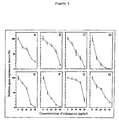
- RNAs were subjected to quantification of mRNA of various genes using LightCycler-based highly sensitive real-time quantitative PCR (FASEB J., 15, 1044-1053, 2001). The results are shown in Fig. 1.
- A represents the results of quantification of focal adhesion kinase gene
- B represents those of platelet endothelial cell adhesion molecule-1 (PECAM-1) genes
- C represents those of integrin- ⁇ v gene which is an adhesive factor
- D represents those of integrin- ⁇ 3 gene which is another adhesive factor
- E represents those of endothelin-1 gene which is a vasoconstrictive peptide
- F represents those of endothelin receptor subtype B (ET B ) gene
- G represents those of c-myc gene which is an immediate early response gene
- H represents those of Flt gene which is a subtype of vascular endothelial growth factor (VEGF) receptor, respectively.
- VEGF vascular endothelial growth factor
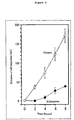
- Example 2 Inhibitory activity of rifampicin against proliferation of vascular endothelial cells
- Example 3 Inhibitory activity of rifampicin against migration of vascular endothelial cells
- Fig. 3 The advanced distances of vascular endothelial cells were markedly decreased by the addition of 40 ⁇ g/ml of rifampicin.
- rifampicin inhibited chemotactic migration of adult human dermal microvascular endothelial cells.
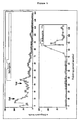
- Example 5 Experience of use in patients with hepatoma associated with hepatitis C-related liver cirrhosis
- the present inventor specializing in liver diseases administered rifampicin to patients with hepatitis C-related liver cirrhosis associated with lung tuberculosis, and noted a rapid drop in plasma ⁇ -fetoprotein levels.
- the present inventors further noted that hepatoma never recurred during the long term despite the repeated previous episodes of recurrence. Relationship between the changes of plasma ⁇ -fetoprotein levels and rifampicin administration in two patients is shown in Fig. 5.
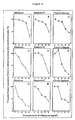
- Angiogenesis-inhibiting signals (the changes of gene expression levels) induced by addition of rifampicin, rifamycin SV and 3-formyl rifamycin
- A, B and C represent the quantification results of c-myc gene; D, E and F represent those of integrin- ⁇ v gene; G, H and I represent those of integrin- ⁇ 3 gene.
- A, D and G indicate the changes of mRNA levels after adding rifampicin;
- B, E and H indicate those after adding rifamycin SV;
- C, F and I indicate those after adding 3-formyl rifamycin.
- angiogenesis-inhibiting signals are markedly elicited by rifampicin in human retinal microvascular endothelial cells as well, which constitute diabetic retinopathy.
- rifamycin SV and 3-formyl rifamycin, derivatives of rifampicin exhibit similar activity potently.
- the present invention would provide angiogenesis inhibitors having potent angiogenesis-inhibiting activity and used for wide range of diseases including malignant tumor, diabetic retinopathy, retinal angiogenesis, inflammatory diseases and cardiovascular diseases, as an antitumor agent, a therapeutic agent for diabetic retinopathy, retinal angiogenesis, inflammatory diseases, or cardiovascular diseases, etc., respectively.
- angiogenesis inhibitors of the present invention are promising as highly practical angiogenesis inhibitors.
- the present invention also provides a method for screening a novel angiogenesis-inhibiting substance which serves as an active ingredient of angiogenesis inhibitors.
- the method for screening angiogenesis-inhibiting substances of the present invention which detects "angiogenesis-inhibiting signals" based on gene expression, allows to efficiently detect substances having angiogenesis-inhibiting activity among many substances whose action is unknown.
- This screening method greatly shortens conventional screening processes, and further, it makes it possible to estimate dosages of peptides/proteins/drugs required to express the effect comparable to that of the existing pharmaceutical, endostatin.
Landscapes
- Health & Medical Sciences (AREA)
- Life Sciences & Earth Sciences (AREA)
- Chemical & Material Sciences (AREA)
- Engineering & Computer Science (AREA)
- Medicinal Chemistry (AREA)
- General Health & Medical Sciences (AREA)
- Veterinary Medicine (AREA)
- Public Health (AREA)
- Animal Behavior & Ethology (AREA)
- Pharmacology & Pharmacy (AREA)
- Chemical Kinetics & Catalysis (AREA)
- Organic Chemistry (AREA)
- Nuclear Medicine, Radiotherapy & Molecular Imaging (AREA)
- General Chemical & Material Sciences (AREA)
- Bioinformatics & Cheminformatics (AREA)
- Immunology (AREA)
- Biomedical Technology (AREA)
- Hematology (AREA)
- Molecular Biology (AREA)
- Urology & Nephrology (AREA)
- Diabetes (AREA)
- Epidemiology (AREA)
- Toxicology (AREA)
- Physics & Mathematics (AREA)
- Pathology (AREA)
- General Physics & Mathematics (AREA)
- Tropical Medicine & Parasitology (AREA)
- Biotechnology (AREA)
- Cell Biology (AREA)
- Microbiology (AREA)
- Biochemistry (AREA)
- Analytical Chemistry (AREA)
- Food Science & Technology (AREA)
- Heart & Thoracic Surgery (AREA)
- Obesity (AREA)
- Ophthalmology & Optometry (AREA)
- Cardiology (AREA)
- Emergency Medicine (AREA)
- Pain & Pain Management (AREA)
- Rheumatology (AREA)
Abstract
Description
Claims (11)
- An angiogenesis inhibitor containing an ansamycin antibiotic or a pharmacologically acceptable derivative thereof as an active ingredient.
- The angiogenesis inhibitor according to claim 1, wherein the ansamycin antibiotic is rifampicin, rifamycin SV or 3-formyl rifamycin.
- The angiogenesis inhibitor according to claim 1 or 2, wherein the pharmacologically acceptable derivative is a pharmacologically acceptable salt or a hydrate thereof.
- The angiogenesis inhibitor according to any one of claims 1 to 3, wherein angiogenesis in malignant tumor is inhibited.
- The angiogenesis inhibitor according to any one of claims 1 to 3, wherein angiogenesis in diabetic retinopathy is inhibited.
- The angiogenesis inhibitor according to any one of claims 1 to 3, wherein angiogenesis in retinal angiogenesis is inhibited.
- The angiogenesis inhibitor according to any one of claims 1 to 3, wherein angiogenesis in an inflammatory disease is inhibited.
- The angiogenesis inhibitor according to any one of claims 1 to 3, wherein angiogenesis accompanying cardiovascular remodeling is inhibited.
- A method for screening an angiogenesis-inhibiting substance wherein a test substance is added to cultured vascular endothelial cells, and an angiogenesis-inhibiting signal based on gene expression level is detected.
- The method for screening an angiogenesis-inhibiting substance according to claim 9, wherein the angiogenesis-inhibiting signal based on reduced gene expression level in a cultured cell line is similar to the change induced by endostatin at a concentration showing a tumor regression effect.
- The method for screening an angiogenesis-inhibiting substance according to claim 9 or 10, wherein the angiogenesis-inhibiting signal based on reduced gene expression level in a cultured cell line consists of one or more of an immediate early response gene or a related gene thereof, a growth/cell-cycle-related gene, a cell adhesion factor, a vasoactive factor, and a vasoactive factor receptor gene expressed in a vascular endothelial cell.
Priority Applications (1)
| Application Number | Priority Date | Filing Date | Title |
|---|---|---|---|
| EP08168507A EP2016944A3 (en) | 2002-06-21 | 2003-06-19 | Angiogenesis inhibitor containing a derivative of rifampicin |
Applications Claiming Priority (5)
| Application Number | Priority Date | Filing Date | Title |
|---|---|---|---|
| JP2002181281 | 2002-06-21 | ||
| JP2002181281 | 2002-06-21 | ||
| JP2003118960A JP4393098B2 (en) | 2002-06-21 | 2003-04-23 | New uses of ansamycin antibiotics and screening methods for new angiogenesis inhibitors |
| JP2003118960 | 2003-04-23 | ||
| PCT/JP2003/007813 WO2004000307A1 (en) | 2002-06-21 | 2003-06-19 | Novel use of ansamycin antibiotics and method of screening novel angiogenesis inhibitor |
Related Child Applications (2)
| Application Number | Title | Priority Date | Filing Date |
|---|---|---|---|
| EP08168507A Division EP2016944A3 (en) | 2002-06-21 | 2003-06-19 | Angiogenesis inhibitor containing a derivative of rifampicin |
| EP08167827 Division | 2008-10-29 |
Publications (3)
| Publication Number | Publication Date |
|---|---|
| EP1516620A1 true EP1516620A1 (en) | 2005-03-23 |
| EP1516620A4 EP1516620A4 (en) | 2005-09-07 |
| EP1516620B1 EP1516620B1 (en) | 2009-01-14 |
Family
ID=30002254
Family Applications (2)
| Application Number | Title | Priority Date | Filing Date |
|---|---|---|---|
| EP08168507A Withdrawn EP2016944A3 (en) | 2002-06-21 | 2003-06-19 | Angiogenesis inhibitor containing a derivative of rifampicin |
| EP03733506A Expired - Lifetime EP1516620B1 (en) | 2002-06-21 | 2003-06-19 | Rifampicin for treating angiogenesis |
Family Applications Before (1)
| Application Number | Title | Priority Date | Filing Date |
|---|---|---|---|
| EP08168507A Withdrawn EP2016944A3 (en) | 2002-06-21 | 2003-06-19 | Angiogenesis inhibitor containing a derivative of rifampicin |
Country Status (6)
| Country | Link |
|---|---|
| US (2) | US20060035878A1 (en) |
| EP (2) | EP2016944A3 (en) |
| JP (1) | JP4393098B2 (en) |
| KR (2) | KR20070008719A (en) |
| DE (1) | DE60325855D1 (en) |
| WO (1) | WO2004000307A1 (en) |
Cited By (2)
| Publication number | Priority date | Publication date | Assignee | Title |
|---|---|---|---|---|
| EP2333546A4 (en) * | 2008-08-28 | 2011-12-21 | Nat Univ Corp Tokyo Med & Dent | METHOD OF SCREENING AN ANTIANGIOGENIC AGENT AND METHOD OF SCREENING THE GENE ASSOCIATED WITH THE ANTIANGIOGENIC SIGNAL |
| US8263120B2 (en) | 2004-06-25 | 2012-09-11 | Cosmo Technologies Ltd. | Oral antimicrobial pharmaceutical compositions |
Families Citing this family (9)
| Publication number | Priority date | Publication date | Assignee | Title |
|---|---|---|---|---|
| JP2008001720A (en) * | 2002-06-21 | 2008-01-10 | Japan Science & Technology Agency | New uses of ansamycin antibiotics and screening methods for new angiogenesis inhibitors |
| JP5061352B2 (en) * | 2006-01-04 | 2012-10-31 | 国立大学法人 東京医科歯科大学 | Liver disease therapeutic agent and liver function improving agent |
| WO2007148714A1 (en) * | 2006-06-21 | 2007-12-27 | Kaneka Corporation | Implant using rifamycin derivative |
| WO2007148713A1 (en) * | 2006-06-21 | 2007-12-27 | Kaneka Corporation | Drug for treating vascular disease or drug for controlling cell proliferation comprising rifamycin derivative as the active ingredient |
| JP2010111582A (en) * | 2007-02-15 | 2010-05-20 | Tokyo Medical & Dental Univ | Therapeutic agent for liver cancer comprising rifampicin as component |
| WO2016014437A1 (en) * | 2014-07-21 | 2016-01-28 | Hiroaki Serizawa | Ophthalmic compositions of rifamycins and uses thereof |
| US10709702B2 (en) * | 2015-10-08 | 2020-07-14 | Amd Therapeutics Llc | Treatment of skin disorders by topical administration of VEGF inhibitors |
| KR102613900B1 (en) * | 2015-11-13 | 2023-12-15 | 서울대학교 산학협력단 | Transgenic pigs expressing both TNFRI-Fc and HO-1 without Gal epitope and the use of thereof |
| KR101916801B1 (en) * | 2016-08-12 | 2018-11-08 | 경북대학교 산학협력단 | A drug screening method for diseases associated choroidal neovascularization using biomimetic three dimensional in vitro system |
Family Cites Families (11)
| Publication number | Priority date | Publication date | Assignee | Title |
|---|---|---|---|---|
| JPS5339400A (en) | 1976-09-22 | 1978-04-11 | Iwanouitsuchi Ponomar Arekusei | |
| JPS5740155A (en) | 1980-08-19 | 1982-03-05 | Ishikawajima Harima Heavy Ind Co Ltd | Overload safety device |
| JPS6241673A (en) | 1985-08-14 | 1987-02-23 | ハワ−ド エ− サツセ | Golf club |
| JPS6241672A (en) | 1985-08-15 | 1987-02-23 | 日本ドライケミカル株式会社 | Window glass crusher |
| JPS6241671A (en) | 1985-08-15 | 1987-02-23 | コスモ石油株式会社 | Gas blocking apparatus |
| GB8816620D0 (en) * | 1988-07-13 | 1988-08-17 | Lepetit Spa | Rifapentine hydrohalides |
| ATE130517T1 (en) * | 1990-08-08 | 1995-12-15 | Takeda Chemical Industries Ltd | INTRAVASCULAR EMBOLIZING AGENT CONTAINING A SUBSTANCE INHIBITING ANGIOGENESIS. |
| JPH0544467A (en) | 1991-08-19 | 1993-02-23 | Nippondenso Co Ltd | Engine water pump |
| US6406880B1 (en) * | 1997-05-02 | 2002-06-18 | Integrated Research Technology, Llc | Betaines as adjuvants to susceptibility testing and antimicrobial therapy |
| AU3980499A (en) * | 1998-05-11 | 1999-11-29 | Endowment for Research in Human Biology, Inc., The | Use of neomycin for treating angiogenesis-related diseases |
| JP2003517816A (en) * | 1999-08-11 | 2003-06-03 | イオス バイオテクノロジー, インコーポレイテッド | Novel methods of diagnosing angiogenesis, compositions and methods of screening for angiogenic regulators |
-
2003
- 2003-04-23 JP JP2003118960A patent/JP4393098B2/en not_active Expired - Fee Related
- 2003-06-19 KR KR1020067025459A patent/KR20070008719A/en not_active Ceased
- 2003-06-19 US US10/518,870 patent/US20060035878A1/en not_active Abandoned
- 2003-06-19 EP EP08168507A patent/EP2016944A3/en not_active Withdrawn
- 2003-06-19 DE DE60325855T patent/DE60325855D1/en not_active Expired - Lifetime
- 2003-06-19 KR KR1020047019629A patent/KR100678494B1/en not_active Expired - Fee Related
- 2003-06-19 EP EP03733506A patent/EP1516620B1/en not_active Expired - Lifetime
- 2003-06-19 WO PCT/JP2003/007813 patent/WO2004000307A1/en not_active Ceased
-
2009
- 2009-07-17 US US12/504,823 patent/US9333194B2/en not_active Expired - Lifetime
Cited By (5)
| Publication number | Priority date | Publication date | Assignee | Title |
|---|---|---|---|---|
| US8263120B2 (en) | 2004-06-25 | 2012-09-11 | Cosmo Technologies Ltd. | Oral antimicrobial pharmaceutical compositions |
| US8486446B2 (en) | 2004-06-25 | 2013-07-16 | Cosmo Technologies Ltd. | Oral antimicrobial pharmaceutical compositions |
| US8529945B2 (en) | 2004-06-25 | 2013-09-10 | Cosmo Technologies Ltd. | Oral antimicrobial pharmaceutical compositions |
| US8741948B2 (en) | 2004-06-25 | 2014-06-03 | Cosmo Technologies Ltd. | Oral antimicrobial pharmaceutical compositions |
| EP2333546A4 (en) * | 2008-08-28 | 2011-12-21 | Nat Univ Corp Tokyo Med & Dent | METHOD OF SCREENING AN ANTIANGIOGENIC AGENT AND METHOD OF SCREENING THE GENE ASSOCIATED WITH THE ANTIANGIOGENIC SIGNAL |
Also Published As
| Publication number | Publication date |
|---|---|
| KR100678494B1 (en) | 2007-02-06 |
| KR20050008773A (en) | 2005-01-21 |
| US20100004327A1 (en) | 2010-01-07 |
| EP1516620B1 (en) | 2009-01-14 |
| US20060035878A1 (en) | 2006-02-16 |
| JP4393098B2 (en) | 2010-01-06 |
| WO2004000307A1 (en) | 2003-12-31 |
| US9333194B2 (en) | 2016-05-10 |
| EP1516620A4 (en) | 2005-09-07 |
| JP2004075665A (en) | 2004-03-11 |
| KR20070008719A (en) | 2007-01-17 |
| EP2016944A3 (en) | 2009-12-02 |
| DE60325855D1 (en) | 2009-03-05 |
| EP2016944A2 (en) | 2009-01-21 |
Similar Documents
| Publication | Publication Date | Title |
|---|---|---|
| US9333194B2 (en) | Use of ansamycin antibiotics and method of screening novel angiogenesis inhibitor | |
| CN102274220B (en) | Use of sorafenib in preparing drugs for reversing multidrug resistance of tumors | |
| JP2005512961A5 (en) | ||
| EP3775171B1 (en) | Methods of treating minimal residual cancer | |
| US12595227B2 (en) | Compositions and methods for treatment of platinum-based chemotherapeutic resistant tumors | |
| KR102661138B1 (en) | Uses of ciglitazar and its related compounds | |
| Cheng et al. | The opioid growth factor (OGF)–OGF receptor axis uses the p16 pathway to inhibit head and neck cancer | |
| JP7797384B2 (en) | Compositions and methods for treating diseases and conditions by depleting mitochondrial or genomic DNA from the circulation | |
| EP3735969A1 (en) | Use of canagliflozin in preparation of anti-tumor medication | |
| Gao et al. | Study on the mechanism of Fisetin exerting anti‐liver cancer effects by regulating Neutrophil Extracellular Traps | |
| US20180016582A1 (en) | Dna aptamer binding to non-small cell lung cancer cells (h1975) | |
| HK1125864A (en) | Angiogenesis inhibitor containing a derivative of rifampicin | |
| Mahendran et al. | Tetrahydrobiopterin from cyanide‐degrading bacterium Bacillus pumilus strain SVD06 induces apoptosis in human lung adenocarcinoma cell (A549) | |
| JP2025503474A (en) | Compositions and methods for the diagnosis, treatment and prevention of renal disease | |
| JP2008001720A (en) | New uses of ansamycin antibiotics and screening methods for new angiogenesis inhibitors | |
| CN121081464B (en) | Application of small molecule inhibitor PZ1 in the treatment of KIT mutation-positive acute myeloid leukemia | |
| CN113876771B (en) | Small molecule drug targeting PABPC1 and application thereof in chronic myelogenous leukemia | |
| CN120305259B (en) | Application of small molecular compound for inhibiting HNF4 alpha degradation in preparation of medicines for treating liver cancer | |
| US10398672B2 (en) | Methods and compositions for targeting cancer stem cells | |
| CN114836529B (en) | Application of OGFR gene or protein encoded by OGFR gene in auxiliary diagnosis and treatment of myocardial injury | |
| CN115990162B (en) | Application of 4-hydroxy-2-pyridone alkaloids in the preparation of drugs for the treatment of gastric cancer | |
| K Venishetty et al. | Identification of novel agents for the treatment of brain metastases of breast cancer | |
| CN111150726B (en) | Application of 4-hydroxy-2-methylene butyric acid (5-formoxyl furan-2-methyl) ester in preparation of liver cancer treatment drug | |
| CN118416226A (en) | Therapeutic strategies and applications of KU complex inhibitors in targeted tumors | |
| CN121496059A (en) | Application of STX5 in Tumor Diagnosis, Treatment and Prognosis |
Legal Events
| Date | Code | Title | Description |
|---|---|---|---|
| PUAI | Public reference made under article 153(3) epc to a published international application that has entered the european phase |
Free format text: ORIGINAL CODE: 0009012 |
|
| 17P | Request for examination filed |
Effective date: 20041216 |
|
| AK | Designated contracting states |
Kind code of ref document: A1 Designated state(s): AT BE BG CH CY CZ DE DK EE ES FI FR GB GR HU IE IT LI LU MC NL PT RO SE SI SK TR |
|
| A4 | Supplementary search report drawn up and despatched |
Effective date: 20050727 |
|
| RIC1 | Information provided on ipc code assigned before grant |
Ipc: 7A 61K 31/496 B Ipc: 7A 61P 29/00 B Ipc: 7G 01N 33/50 B Ipc: 7A 61K 31/395 A Ipc: 7A 61P 3/10 B Ipc: 7A 61P 35/00 B Ipc: 7C 07D 498/18 B Ipc: 7A 61P 27/02 B Ipc: 7A 61P 9/00 B Ipc: 7G 01N 33/15 B Ipc: 7A 61P 43/00 B |
|
| RBV | Designated contracting states (corrected) |
Designated state(s): DE FR GB IT |
|
| 17Q | First examination report despatched |
Effective date: 20060529 |
|
| GRAP | Despatch of communication of intention to grant a patent |
Free format text: ORIGINAL CODE: EPIDOSNIGR1 |
|
| RTI1 | Title (correction) |
Free format text: RIFAMPICIN FOR TREATING ANGIOGENESIS |
|
| GRAS | Grant fee paid |
Free format text: ORIGINAL CODE: EPIDOSNIGR3 |
|
| GRAA | (expected) grant |
Free format text: ORIGINAL CODE: 0009210 |
|
| AK | Designated contracting states |
Kind code of ref document: B1 Designated state(s): DE FR GB IT |
|
| REG | Reference to a national code |
Ref country code: GB Ref legal event code: FG4D |
|
| REF | Corresponds to: |
Ref document number: 60325855 Country of ref document: DE Date of ref document: 20090305 Kind code of ref document: P |
|
| PLBE | No opposition filed within time limit |
Free format text: ORIGINAL CODE: 0009261 |
|
| STAA | Information on the status of an ep patent application or granted ep patent |
Free format text: STATUS: NO OPPOSITION FILED WITHIN TIME LIMIT |
|
| 26N | No opposition filed |
Effective date: 20091015 |
|
| REG | Reference to a national code |
Ref country code: FR Ref legal event code: PLFP Year of fee payment: 14 |
|
| REG | Reference to a national code |
Ref country code: FR Ref legal event code: PLFP Year of fee payment: 15 |
|
| REG | Reference to a national code |
Ref country code: FR Ref legal event code: PLFP Year of fee payment: 16 |
|
| PGFP | Annual fee paid to national office [announced via postgrant information from national office to epo] |
Ref country code: DE Payment date: 20210504 Year of fee payment: 19 Ref country code: FR Payment date: 20210506 Year of fee payment: 19 Ref country code: IT Payment date: 20210609 Year of fee payment: 19 |
|
| PGFP | Annual fee paid to national office [announced via postgrant information from national office to epo] |
Ref country code: GB Payment date: 20210506 Year of fee payment: 19 |
|
| REG | Reference to a national code |
Ref country code: DE Ref legal event code: R119 Ref document number: 60325855 Country of ref document: DE |
|
| GBPC | Gb: european patent ceased through non-payment of renewal fee |
Effective date: 20220619 |
|
| PG25 | Lapsed in a contracting state [announced via postgrant information from national office to epo] |
Ref country code: FR Free format text: LAPSE BECAUSE OF NON-PAYMENT OF DUE FEES Effective date: 20220630 |
|
| PG25 | Lapsed in a contracting state [announced via postgrant information from national office to epo] |
Ref country code: GB Free format text: LAPSE BECAUSE OF NON-PAYMENT OF DUE FEES Effective date: 20220619 Ref country code: DE Free format text: LAPSE BECAUSE OF NON-PAYMENT OF DUE FEES Effective date: 20230103 |
|
| PG25 | Lapsed in a contracting state [announced via postgrant information from national office to epo] |
Ref country code: IT Free format text: LAPSE BECAUSE OF NON-PAYMENT OF DUE FEES Effective date: 20220619 |