Technical Field
The present invention relates to novel condensed imidazole
derivatives useful as dipeptidyl peptidase-IV (DPPIV) inhibitors and
uses thereof.
Background Art
Dipeptidyl peptidase IV (DPPIV) is a serine protease which
specifically hydrolyzes dipeptide -X-Pro (X = arbitrary amino acid)
from the free N terminus of a polypeptide chain.
Glucose-dependent, insulin secretion-stimulating hormones,
known as incretins (GLP-1: Glucagon-Like Peptide-1 and GIP:
Glucose-dependent Insulinotropic Polypeptide) secreted in the
digestive tract following meals are rapidly hydrolyzed and
inactivated by DPPIV. When the hydrolysis by DPPIV is suppressed,
the action of incretin (GLP-1 and GIP) is enhanced, which in turn
increases the glucose-stimulated secretion of insulin from the β cells
of the pancreas. This has been shown to improve hyperglycemia in the
oral glucose tolerance test (see Diabetologia 1999 Nov, 42(11),
1324-31). In addition, GLP-1 is known to be involved in the
suppression of appetite and food intake. GLP-1 has also been reported
to have the effect of protecting the β cells of the pancreas by
enhancing β cell differentiation and proliferation.
Thus, a DPPIV inhibitor can be a useful therapeutic or preventive
agent for diseases with which GLP-1 and/or GIP are associated, such
as obesity and diabetes mellitus.
Furthermore, there are many reports suggesting a relationship
between dipeptidyl peptidase IV and various diseases as described
below. Thus, a DPPIV inhibitor can be a therapeutic agent for diseases
such as:
Some DPPIV inhibitors are disclosed in the Publication of US
patent No. 2002/0161001; International Publication WO 03/004496; and
Publication of US patent No. 2002/0198205. However, there is no known
DPPIV inhibitor having a hypoxanthine or imidazopyridazinone
structure backbone.
A compound having DPPIV-inhibiting activity that can be used
as a pharmaceutical agent is being anxiously sought as described above.
However, a compound with excellent DPPIV-inhibiting activity, which
is also highly useful as a clinically effective pharmaceutical is
yet to be discovered. Specifically, an objective of the present
invention is to provide compounds having DPPIV-inhibiting activity,
which can be used as preventive, therapeutic, or alleviating agents
for diabetes mellitus or such diseases.
Disclosure of the Invention
The present inventors conducted extensive studies in view of
the above background. As a result, they succeeded in synthesizing
novel condensed imidazole derivatives, including hypoxanthine and
imidazopyridazinone derivatives. To complete the present invention
they also found that these compounds had excellent DPPIV-inhibiting
activity. Specifically, the present invention comprises:
T1 represents a monocyclic or bicyclic 4- to 12-membered
heterocyclic group containing one or two nitrogen atoms in the
ring, that may have one or more substituents;
X represents a C1-6 alkyl group which may have one or more
substituents, a C2-6 alkenyl group which may have one or more
substituents, a C2-6 alkynyl group which may have one or more
substituents, a C6-10 aryl group which may have one or more
substituents, a 5 to 10-membered heteroaryl group which may have
one or more substituents, a C6-10 aryl C1-6 alkyl group which may
have one or more substituents, or a 5 to 10-membered heteroaryl
C1-6 alkyl group which may have one or more substituents;
Z1 and Z2 each independently represent a nitrogen atom or a group
represented by the formula -CR2=;
R1 and R2 each independently represent a group according to the
formula -A0-A1-A2
(wherein A0 represents a single bond or a C1-6 alkylene group,
which may have 1 to 3 substituents selected from group B
consisting of the substituents described below;
A1 represents a single bond, an oxygen atom, a sulfur atom,
a sulfinyl group, a sulfonyl group, a carbonyl group, a
group represented by the formula -O-CO-, a group
represented by the formula -CO-O-, a group represented by
the formula -NRA-, a group represented by the formula
-CO-NRA-, a group represented by the formula -NRA-CO-, a
group represented by the formula -SO2-NRA-, or a group
represented by the formula -NRA-SO2-;
A2 and RA each independently represent a hydrogen atom,
a halogen atom, a cyano group, a C1-6 alkyl group, a C3-8
cycloalkyl group, a C2-6 alkenyl group, a C2-6 alkynyl group,
C6-10 aryl group, a 5 to 10-membered heteroaryl group, a
4 to 8-membered heterocyclic group, a 5 to 10-membered
heteroaryl C1-6 alkyl group, a C6-10 aryl C1-6 alkyl group,
or a C2-7 alkylcarbonyl group;
however, A2 and RA each independently may have 1 to 3
substituents selected from the substituent group B
described below:
when Z2 is a group represented by the formula -CR2=, R1, and
R2 may in combination form a 5 to 7-membered ring;
except in cases where: [1] R1 is a hydrogen atom; Z1 is a nitrogen
atom; and Z2 is -CH=; and [2] Z1 is a nitrogen atom; and Z2 is
-C(OH)=;
<Substituent group B>
Substituent group B represents the group consisting of: a
hydroxyl group, a mercapto group, a cyano group, a nitro
group, a halogen atom, a trifluoromethyl group, a C1-6 alkyl
group which may have one or more substituents, a C3-8
cycloalkyl group, a C2-6 alkenyl group, a C2-6 alkynyl group,
a C6-10 aryl group, a 5 to 10-membered heteroaryl group, a
4 to 8-membered heterocyclic group, a C1-6 alkoxy group, a
C1-6 alkylthio group, a group represented by the formula
-SO2-NRB1-RB2, a group represented by the formula -NRB1-CO-RB2,
a group represented by the formula -NRB1-RB2 (where RB1 and
RB2 each independently represent a hydrogen atom or a C1-6
alkyl group), a group represented by the formula -CO-RB3
(where RB3 represents a 4 to 8-membered heterocyclic group),
a group represented by the formula -CO-RB4-RB5 and a group
represented by the formula -CH2-CO-RB4-RB5 (where RB4
represents a single bond, an oxygen atom, or a group
represented by the formula -NRB6-; RB5 and RB6 each
independently represent a hydrogen atom, a C1-6 alkyl group,
a C3-8 cycloalkyl group, a C2-6 alkenyl group, a C2-6 alkynyl
group, a C6-10 aryl group, a 5 to 10-membered heteroaryl group,
a 4 to 8-membered heterocyclic C1-6 alkyl group, a C6-10 aryl
C1-6 alkyl group, or a 5 to 10-membered heteroaryl C1-6 alkyl
group)), and [2] the compound according to [1], or a salt or hydrate thereof,
wherein T1 is,
a group represented by the following formula:
(wherein, n and m each independently represent 0 or 1) which may
have one or more substituents;
an azetidin-1-yl group which may have one or more substituents;
a pyrrolidin-1-yl group which may have one or more substituents;
a piperidin-1-yl group which may have one or more substituents; or
an azepan-1-yl group which may have one or more substituents; [3] the compound according to [1], or a salt or hydrate thereof,
wherein T1 is,
a group represented by the following formula :
(where n and m each independently represent 0 or 1);
an azetidin-1-yl group which may have an amino group;
a pyrrolidin-1-yl group which may have an amino group;
a piperidin-1-yl group which may have an amino group; or
an azepan-1-yl group which may have an amino group; [4] the compound according to [1], or a salt or hydrate thereof,
wherein T1 is a piperazin-1-yl group or a 3-aminopiperidin-1-yl group; [5] the compound according to [1], or a salt or hydrate thereof,
wherein T1 is a piperazin-1-yl group; [6] the compound according to any one of [1] to [5], or a salt or
hydrate thereof, wherein X is a group represented by the formula -X1-X2
(where X1 represents a single bond or a methylene group which may have
one or more substituents; X2 represents a C2-6 alkenyl group which may
have one or more substituents, a C2-6 alkynyl group may have one or
more substituents, or a phenyl group which may have one or more
substituents); [7] the compound according to any one of [1] to [5], or a salt or
hydrate thereof, wherein X is a group represented by the formula
-X11-X12 (where X11 represents a single bond or a methylene group; X12
represents a C2-6 alkenyl group, a C2-6 alkynyl group, or a phenyl group
which may have one or more substituents); [8] the compound according to [6] or [7], or a salt or hydrate thereof,
wherein the phenyl group that may have one or more substituents is
a phenyl group which may have at the 2-position a substituent selected
from the group consisting of a hydroxyl group, a fluorine atom, a
chlorine atom, a methyl group, an ethyl group, a fluoromethyl group,
a vinyl group, a methoxy group, an ethoxy group, an acetyl group,
a cyano group, a formyl group, and a C2-7 alkoxycarbonyl group; [9] the compound according to any one of [1] to [5], or a salt or
hydrate thereof, wherein X is a 3-methyl-2-buten-1-yl group, a
2-butyn-1-yl group, a benzyl group, or a 2-chlorophenyl group; [10] the compound according to any one of [1] to [5], or a salt or
hydrate thereof, wherein X is a 2-butyn-1-yl group; [11] the compound according to any one of [1] to [10], or a salt or
hydrate thereof, wherein either the Z1 or Z2 is a nitrogen atom; [12] the compound according to any one of [1] to [10], or a salt or
hydrate thereof, wherein,
Z1 is a nitrogen atom; and
Z2 is a group represented by the formula -CR2=
(where R2 is as defined above in [1]); [13] the compound according to any one of [1] to [10], or a salt or
a hydrate thereof, wherein,
Z2 is a nitrogen atom; and
Z1 is a group represented by the formula -CR2=
(where R2 is as defined above in [1]); [14] the compound according to any one of [1] to [13], or a salt or
hydrate thereof,
wherein R1 represents a hydrogen atom, or a group represented by the
formula -A10-A11-A12
(where A10 represents a C1-6 alkylene group which may have 1 to
3 substituents selected from the substituent group C described
below;
A11 represents a single bond, an oxygen atom, a sulfur atom or
a carbonyl group;
A12 represents a hydrogen atom, a C6-10 aryl group which may have
1 to 3 substituents selected from the substituent group C
described below, a 5 to 10-membered heteroaryl group which may
have 1 to 3 substituents selected from the substituent group
C described below, a 5 to 10-membered heteroaryl C1-6 alkyl group
which may have 1 to 3 substituents selected from the substituent
group C described below, or a C6-10 aryl C1-6 alkyl group which
may have 1 to 3 substituents selected from the substituent group
C described below:
<Substituent group C>
Substituent group C represents the group consisting of: a
hydroxyl group, a nitro group, a cyano group, a halogen atom,
a C1-6 alkyl group, a C1-6 alkoxy group, a C1-6 alkylthio group,
a trifluoromethyl group, a group represented by the formula
-NRC1-RC2 (where each of RC1 and RC2 independently represent a
hydrogen atom or C1-6 alkyl group), a group represented by the
formula -CO-RC3-RC4 and a group represented by the formula
-CH2-CO-RC3-RC4 (where RC3 represents a single bond, an oxygen
atom, or a group represented by the formula -NRC5-; RC4 and RC5
each independently represent a hydrogen atom or a C1-6 alkyl
group)); [15] the compound according to any one of [1] to [13], or a salt or
hydrate thereof,
wherein R1 is a hydrogen atom, a C1-6 alkyl group which may have 1 to
3 substituents selected from the substituent group C described below,
a 5 to 10-membered heteroaryl C1-6 alkyl group which may have 1 to
3 substituents selected from the substituent group C described below,
or a C6-10 aryl C1-6 alkyl group which may have 1 to 3 substituents
selected from the substituent group C described below:
<Substituent group C>
Substituent group C represents the group consisting of: a
hydroxyl group, a nitro group, a cyano group, a halogen atom,
a C1-6 alkyl group, a C1-6 alkoxy group, a C1-6 alkylthio group,
a trifluoromethyl group, a group represented by the formula
-NRC1-RC2 (where each of RC1 and RC2 independently represents a
hydrogen atom or a C1-6 alkyl group), a group represented by the
formula -CO-RC3-RC4 and a group represented by the formula
-CH2-CO-RC3-RC4 (where RC3 represents a single bond, an oxygen
atom, or a group represented by the formula -NRC5-; RC4 and RC5
each independently represent a hydrogen atom or a C1-6 alkyl
group); [16] the compound according to [14] or [15], or a salt or hydrate
thereof, wherein the substituent group C is a group consisting of
a cyano group, a C1-6 alkoxy group, a C2-7 alkoxycarbonyl group, and
a halogen atom; [17] the compound according to any one of [1] to [13], or a salt or
hydrate thereof, wherein R1 is a methyl group, a cyanobenzyl group,
a fluorocyanobenzyl group, a phenethyl group, a 2-methoxyethyl group,
or a 4-methoxycarbonylpyridin-2-yl group; [18] the compound according to any one of [1] to [13], or a salt or
hydrate thereof, wherein R1 is a methyl group or a 2-cyanobenzyl group; [19] the compound according to any one of [1] to [18], or a salt or
hydrate thereof,
wherein R2 is a hydrogen atom, a cyano group, or a group represented
by the formula -A21-A22.
(where A21 represents a single bond, an oxygen atom, a sulfur
atom, a sulfinyl group, a sulfonyl group, a carbonyl group, a
group represented by the formula -O-CO-, a group represented
by the formula -CO-O-, a group represented by the formula -NRA2-,
a group represented by the formula -CO-NRA2-, or a group
represented by the formula -NRA2-CO-;
A22 and RA2 each independently represent a hydrogen atom, a cyano
group, a C1-6 alkyl group, a C3-8 cycloalkyl group, a C2-6 alkenyl
group, a C2-6 alkynyl group, a C6-10 aryl group, a 5- to 10-membered
heteroaryl group, a 4- to 8-membered heterocyclic group, a 5-to
10-membered heteroaryl C1-6 alkyl group, or a C6-10 aryl C1-6
alkyl group;
however, A22 and RA2 each may independently have 1 to 3 substituents
selected from the substituent group D described below:
<Substituent group D>
Substituent group D represents the group consisting of: a
hydroxyl group, a cyano group, a nitro group, a halogen atom,
a C1-6 alkyl group, a C1-6 alkoxy group, a C1-6 alkylthio group,
a trifluoromethyl group, a group represented by the formula
-NRD1-RD2 (where RD1 and RD2 each independently represent a
hydrogen atom or a C1-6 alkyl group), a group represented by
the formula -CO-RD3 (where RD3 represents a 4 to 8-membered
heterocyclic group), and a group represented by the formula
-CO-RD4-RD5 (where RD4 represents a single bond, an oxygen atom,
or a group represented by the formula -NRD6-; RD5 and RD6 each
independently represent a hydrogen atom, a C3-8 cycloalkyl
group, or a C1-6 alkyl group)); [20] the compound according to any one of [1] to [18], or a salt or
hydrate thereof,
wherein R2 represents a hydrogen atom, a cyano group, a carboxy group,
a C2-7 alkoxycarbonyl group, a C1-6 alkyl group, a group represented
by the formula -CONRD7RD8 (where RD7 and RD8 each independently represent
a hydrogen atom or a C1-6 alkyl group), or a group represented by the
formula -A23-A24
(where A23 represents an oxygen atom, a sulfur atom or a group
represented by the formula -NRA3-;
A24 and RA3 each independently represent a hydrogen atom, a C1-6
alkyl group which may have a substituent selected from the
substituent group D1 described below, a C3-8 cycloalkyl group
which may have a substituent selected from the substituent group
D1 described below, a C2-6 alkenyl group which may have a
substituent selected from the substituent group D1 described
below, a C2-6 alkynyl group which may have a substituent selected
from the substituent group D1 described below, a phenyl group
which may have a substituent selected from the substituent group
D1 described below, or a 5 to 10-membered heteroaryl group which
may have a substituent selected from the substituent group D1
described below:
<Substituent group D1>
Substituent group D1 represents the group consisting of:
a carboxy group, a C2-7 alkoxycarbonyl group, a C1-6 alkyl
group, a group represented by the formula -CONRD7RD8 (where
RD7 and RD8 each independently represent a hydrogen atom or
C1-6 alkyl group), a pyrrolidin-1-ylcarbonyl group, a C1-6
alkyl group, and a C1-6 alkoxy group); [21] the compound according to any one of [1] to [18], or a salt or
hydrate thereof,
wherein R2 represents a hydrogen atom, a cyano group, a C1-6 alkoxy
group, or a group represented by the formula -A25-A26
(where A25 represents an oxygen atom, a sulfur atom, or a group
represented by the formula -NRA4;
A26 and RA4 each independently represent a hydrogen atom, a C1-6
alkyl group having a substituent selected from the substituent
group D1 described below, a C3-8 cycloalkyl group having a
substituent selected from the substituent group D1 described
below, or a phenyl group having a substituent selected from the
substituent group D1 described below:
<Substituent group D1>
Substituent group D1 represents the group consisting of:
a carboxy group, a C2-7 alkoxycarbonyl group, a C1-6 alkyl
group, a group represented by the formula -CONRD7RD8 (where
RD7 and RD8 each independently represent a hydrogen atom or
a C1-6 alkyl group), pyrrolidin-1-ylcarbonyl group, a C1-6
alkyl group, and a C1-6 alkoxy group); [22] the compound according to any one of [1] to [18], or a salt or
hydrate thereof,
wherein R2 is a hydrogen atom, a cyano group, a methoxy group, a
carbamoylphenyloxy group, or a group represented by the following
formula:
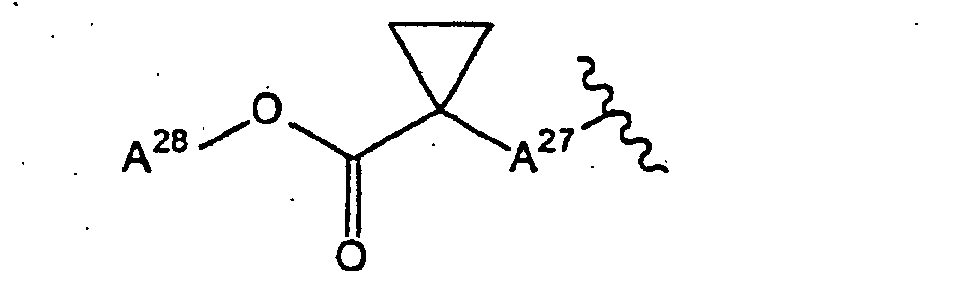
(where A27 represents an oxygen atom, a sulfur atom, or -NH-;
A28 and A29 each independently represent a hydrogen atom or a C1-6
alkyl group); [23] the compound according to any one of [1] to [18], or a salt or
hydrate thereof, wherein R2 is a hydrogen atom, a cyano group, or a
2-carbamoylphenyloxy group; [24] the compound according to [1], or a salt or hydrate thereof,
wherein the compound of formula (I) indicated above is any one selected
from the group consisting of:
7-(2-butynyl)-2-cyano-1-methyl-8-(piperazin-1-yl)-1,7-dihydropurin-6-one, 3-(2-butynyl)-5-methyl-2-(piperazin-1-yl)-3,5-dihydroimidazo[4,5-d]pyridazin-4-one, 2-(3-aminopiperidin-1-yl)-3-(2-butynyl)-5-methyl-3,5-dihydroimidazo[4,5-d]pyridazin-4-one, 2-[7-(2-butynyl)-1-methyl-6-oxo-8-(piperazin-1-yl)-6,7-dihydro-1H-purin-2-yloxy]benzamide, 7-(2-butynyl)-1-(2-cyanobenzyl)-6-oxo-8-(piperazin-1-yl)-6,7-dihydro-1H-purine-2-carbonitrile,
and 2-[3-(2-butynyl)-4-oxo-2-(piperazin-1-yl)-3,4-dihydroimidazo[4,5-d]pyridazin-5-ylmethyl]benzonitrile; [25] a pharmaceutical agent comprising a compound of any one of [1]
to [24] ; [26] a dipeptidyl peptidase IV inhibitor comprising a compound of
any one of [1] to [24]; [27] a pharmaceutical composition comprising a compound of any one
of [1] to [24] and an adjuvant useful for formulation; [28] a preventive or a therapeutic agent for diabetes mellitus, which
comprises a compound of any one of [1] to [24]; [29] a preventive or therapeutic agent, which comprises a compound
of any one of [1] to [24], for diabetes mellitus, obesity,
hyperlipidemia, AIDS, osteoporosis, a gastrointestinal disorder,
angiogenesis, infertility, an inflammatory disease, an allergic
disease, or cancer; [30] an immunomodulator, a hormone modulator, or an anti-rheumatic
drug, which comprises a compound of any one of [1] to [24]; [31] a therapeutic or preventive method for a disease in which the
inhibition of dipeptidyl peptidase IV is effective, wherein the method
comprises administering to a patient a compound of any one of [1]
to [24], or a salt or hydrate thereof, in a pharmaceutically effective
amount; [32] the use of a compound of any one of [1] to [24], or a salt or
hydrate thereof, in producing a pharmaceutical agent; [33] the use of a compound of any one of [1] to [24], or a salt or
hydrate thereof, in producing a therapeutic or preventive agent for
a disease in which the inhibition of dipeptidyl peptidase IV is
effective; [34] a compound represented by the following formula, or a salt or
hydrate thereof
wherein,
T0 represents,
a group represented by T1 described above in [1], a pyridyl group
which may have one or more substituents, a pyridinium group which
may have one or more substituents, a group represented by the
following formula:
a group, which may have one or more substituents, represented
by the following formula:
(where n and m each independently represent 0 or 1), or a group,
which may have one or more substituents, represented by the
following formula:
(where n and m each independently represent 0 or 1);
X0 represents a C3-8 cycloalkyl group which may have one or more
substituents, a C1-6 alkyl group which may have one or more
substituents, a C2-6 alkenyl group which may have one or more
substituents, a C2-6 alkynyl group which may have one or more
substituents, a C6-10 aryl group which may have one or more
substituents, a 5 to 10-membered heteroaryl group which may have
one or more substituents, a C6-10 aryl C1-6 alkyl group which may
have one or more substituents, or a 5 to 10-membered heteroaryl
C1-6 alkyl group which may have one or more substituents; and
R1, Z1 and Z2 are, as defined above in [1]; [35] a compound represented by the following formula, or a salt or
hydrate thereof,
wherein R1, R2, T1, Z1 and Z2 are, as defined above in [1]; [36] a compound represented by the following formula, or a salt or
hydrate thereof,
wherein R1, R2, T1, Z1 and Z2 are, as defined above in [1]; [37] a compound represented by the following formula, or a salt or
hydrate thereof,
wherein,
R1 is as defined above in [1];
Rp5 represents a t-butoxycarbonyloxy group, a trityl group or
a group represented by the formula -SO2NH2; and
T10 represents a halogen atom or a hydrogen atom; [38] a compound represented by the following formula, or a salt or
hydrate thereof,
wherein,
R1 is as defined above in [1]; and
T11 represents a halogen atom or a group represented by the
following formula:
(where T13 represents a t-butoxycarbonyl group, a
benzyloxycarbonyl group, or a formyl group)); [39] a compound represented by the following formula, or a salt or
hydrate thereof,
wherein,
R1 and X are as defined above in [1], respectively; and
T12 represents a halogen atom; [40] a compound represented by the following formula, or a salt or
hydrate thereof,
wherein,
X is as defined above in [1], except when X is a benzyl group;
T21 and T22 each independently represent a halogen atom; and
T11 represents a halogen atom or a group represented by the
following formula:
(where T13 represents a t-butoxycarbonyl group, a
benzyloxycarbonyl group, or a formyl group)); [41] a compound represented by the following formula, or a salt or
hydrate thereof
wherein,
X and R1 are as defined above in [1], respectively;
T22 represents a halogen atom; and
T13 represents a t-butoxycarbonyl group, a benzyloxycarbonyl
group, or a formyl group; [42] a compound represented by the following formula, or a salt or
hydrate thereof
wherein,
the ring of T
1 represents a monocyclic or bicyclic 6- to
12-membered heterocyclic group containing two nitrogen atoms
in the ring, which may have one or more substituents;
X represents a C
1-6 alkyl group which may have one or more
substituents, a C
2-6 alkenyl group which may have one or more
substituents, a C
2-6 alkynyl group which may have one or more
substituents, a C
6-10 aryl group which may have one or more
substituents, a 5 to 10-membered heteroaryl group which may have
one or more substituents, a C
6-10 aryl C
1-6 alkyl group which may
have one or more substituents, or a 5 to 10-membered heteroaryl
C
1-6 alkyl group which may have one or more substituents;
X may form a bond with an atom constituting the ring of T
1;
Z
1 and Z
2 each independently represent a nitrogen atom or a group
represented by the formula -CR
2=;
R
1 and R
2 independently represent a hydrogen atom, a 4- to
8-membered heterocyclic group which may have one or more
substituents, or a group represented by the formula -A
0-A
1-A
2
(where A
0 represents a single bond or a C
1-6 alkylene group
that may have 1 to 3 substituents selected from the
substituent group B described below; A1 represents a
single bond, an oxygen atom, a sulfur atom, a sulfinyl
group, a sulfonyl group, a carbonyl group, a group
represented by the formula -O-CO-, a group represented by
the formula -CO-O-, a group represented by the formula
-NR
A-, a group represented by the formula -CO-NR
A-, a group
represented by the formula -NR
A-CO-, a group represented
by the formula -SO
2-NR
A-, or a group represented by the
formula -NR
A-SO
2-;
A
2 and R
A each independently represent a hydrogen atom,
a C
1-6 alkyl group, a C
3-8 cycloalkyl group, a C
2-6 alkenyl
group, a C
2-6 alkynyl group, a C
6-10 aryl group, a 5 to
10-membered heteroaryl group, or a 4 to 8-membered
heterocyclic group. However, A
2 and R
A each may
independently have 1 to 3 substituents selected from the
substituent group B described below:
except in cases where: (i) both R
1 and R
2 are hydrogen atoms,
and (ii) R
2 is a hydroxyl group.
<Substituent B group>
Substituent group B represents the group consisting of:
a hydroxyl group, a cyano group, a halogen atom, a C
1-6
alkyl group, a C
3-8 cycloalkyl group, a C
2-6 alkenyl group,
a C
2-6 alkynyl group, a C
6-10 aryl group, a 5 to 10-membered
heteroaryl group, a 4 to 8-membered heterocyclic group,
a C
1-6 alkoxy group, a C
1-6 alkylthio group, and a group
represented by the formula -CO-R
B-R
B2 (where R
B represents
a single bond, an oxygen atom, or a group represented by
the formula -NR
B3-; R
B2 and R
B3 each independently
represent a hydrogen atom, a C
1-6 alkyl group, a C
3-8
cycloalkyl group, a C
2-6 alkenyl group, a C
2-6 alkynyl group,
a C
6-10 aryl group, a 5 to 10-membered heteroaryl group,
a C
6-10 aryl C
1-5 alkyl group, a 5 to 10-membered heteroaryl
C
1-6 alkyl group, a 1-pyrrolidinyl group, 1-morpholinyl
group, a 1-piperazinyl group, or a 1-piperidyl group));
Best Mode for Carrying Out the Invention
The present invention is illustrated in detail below.
Herein, a structural formula of a compound sometimes represents
a certain isomer for convenience of description. However, compounds
of the present invention may include all possible isomers, such as
structurally possible geometric isomers, optical isomers generated
due to the presence of asymmetric carbons, stereoisomers, tautomers,
and mixtures of isomers, and are not limited to formulae being used
for the convenience of description, and may be either of two isomers
or a mixture of both isomers. Thus, compounds of the present invention
may be either optically active compounds having an asymmetric carbon
atom in their molecules or their racemates, and are not restricted
to either of them but include both. Furthermore, compounds of the
present invention may exhibit crystalline polymorphism, but likewise
are not restricted to any one of these but may be in any one of these
crystal forms or exist as a mixture of two or more crystal forms.
Compounds of the present invention also include both anhydrous and
hydrated forms. Substances produced through in vivo metabolism of
compounds of the invention are also within the scope of claims.
The terms and symbols used herein are defined and the present
invention is described in detail below.
As used herein, the phrase "C1-6 alkyl group" refers to a linear
or branched alkyl group containing 1 to 6 carbon atoms, which is a
monovalent group obtained by removal of any one of the hydrogen atoms
from an aliphatic hydrocarbon containing 1 to 6 carbons, and
specifically, includes, for example, a methyl group, an ethyl group,
a 1-propyl group, a 2-propyl group, a 2-methyl-1-propyl group, a
2-methyl-2-propyl group, a 1-butyl group, a 2-butyl group, a 1-pentyl
group, a 2-pentyl group, a 3-pentyl group, a 2-methyl-1-butyl group,
a 3-methyl-1-butyl group, a 2-methyl-2-butyl group, a
3-methyl-2-butyl group, a 2,2-dimethyl-1-propyl group, a 1-hexyl
group, a 2-hexyl group, a 3-hexyl group, a 2-methyl-1-pentyl group,
a 3-methyl-1-pentyl group, a 4-methyl-1-pentyl-group, a
2-methyl-2-pentyl group, a 3-methyl-2-pentyl group, a
4-methyl-2-pentyl group, a 2-methyl-3-pentyl group, a
3-methyl-3-pentyl group, a 2,3-dimethyl-1-butyl group, a
3,3-dimethyl-1-butyl group, a 2,2-dimethyl-1-butyl group, a
2-ethyl-1-butyl group, a 3,3-dimethyl-2-butyl group, and a
2,3-dimethyl-2-butyl group.
As used herein, the phrase "C2-6 alkenyl group" refers to a linear
or branched alkenyl group containing 2 to 6 carbons, and specifically
includes, for example, a vinyl group, an allyl group, a 1-propenyl
group, a 2-propenyl group, a 1-butenyl group, a 2-butenyl group, a
3-butenyl group, a pentenyl group, and a hexenyl group.
As used herein, the phrase "C2-6 alkynyl group" refers to a linear
or branched alkynyl group containing 2 to 6 carbons, and specifically
includes, for example, an ethynyl group, a 1-propynyl group, a
2-propynyl group, a butynyl group, a pentynyl group, and a hexynyl
group.
As used herein, the phrase "C3-8 cycloalkyl group" refers to a
cyclic aliphatic hydrocarbon group containing 3 to 8 carbon atoms,
and specifically includes, for example, a cyclopropyl group, a
cyclobutyl group, a cyclopentyl group, a cyclohexyl group, a
cycloheptyl group, and a cyclooctyl group.
As used herein, the phrase "C1-6 alkylene group" refers to a
divalent group obtained by removal of another arbitrary hydrogen atom
from a "C1-6 alkyl group" defined above, and specifically includes,
for example, a methylene group, a 1,2-ethylene group, a 1,1-ethylene
group, a 1,3-propylene group, a tetramethylene group, a
pentamethylene group, and a hexamethylene group.
As used herein, the phrase "C3-8 cycloalkylene group" refers to
a divalent group obtained by removal of another arbitrary hydrogen
atom from a "C3-8 cycloalkyl group" defined above.
As used herein, the phrase "'C1-6 alkoxy group" refers to an oxy
group linked to a "C1-6 alkyl group" defined above, and specifically
includes, for example, a methoxy group, an ethoxy group, a 1-propyloxy
group, a 2-propyloxy group, a 2-methyl-1-propyloxy group, a
2-methyl-2-propyloxy group, a 1-butyloxy group, a 2-butyloxy group,
a 1-pentyloxy group, a 2-pentyloxy group, a 3-pentyloxy group, a
2-methyl-1-butyloxy group, a 3-methyl-1-butyloxy group, a
2-methyl-2-butyloxy group, a 3-methyl-2-butyloxy group, a
2,2-dimethyl-1-propyloxy group, a 1-hexyloxy group, a 2-hexyloxy
group, a 3-hexyloxy group, a 2-methyl-1-pentyloxy group, a
3-methyl-1-pentyloxy group, a 4-methyl-1-pentyloxy group, a
2-methyl-2-pentyloxy group, a 3-methyl-2-pentyloxy group, a
4-methyl-2-pentyloxy group, a 2-methyl-3-pentyloxy group, a
3-methyl-3-pentyloxy group, a 2,3-dimethyl-1-butyloxy group, a
3,3-dimethyl-1-butyloxy group, a 2,2-dimethyl-1-butyloxy group, a
2-ethyl-1-butyloxy group, a 3,3-dimethyl-2-butyloxy group, and a
2,3-dimethyl-2-butyloxy group.
As used herein, the phrase "C1-6 alkylthio group" refers to a
thio group linked to a "C1-6 alkyl group" defined above, and
specifically includes, for example, a methylthio group, an ethylthio
group, a 1-propylthio group, a 2-propylthio group, a butylthio group,
and a pentylthio group.
As used herein, the phrase "C2-7 alkoxycarbonyl group" refers
to a carbonyl group linked to a "C1-6 alkoxy group" defined above,
and specifically includes, for example, a methoxycarbonyl group, an
ethoxycarbonyl group, a 1-propyloxycarbonyl group, and a
2-propyloxycarbonyl group.
As used herein, the phrase "C2-7 alkylcarbonyl group" refers to
a carbonyl group linked to a "C1-6 alkyl group" defined above, and
specifically includes, for example, a methylcarbonyl group, an
ethylcarbonyl group, a 1-propylcarbonyl group, and a 2-propylcarbonyl
group.
As used herein, the term "halogen atom" refers to a fluorine
atom, a chlorine atom, a bromine atom, or an iodine atom.
As used herein, the phrase "C6-10 aryl group" refers to an aromatic
cyclic hydrocarbon group containing 6 to 10 carbon atoms, and
specifically includes, for example, a phenyl group, a 1-naphthyl group,
and a 2-naphthyl group.
As used herein, the term "heteroatom" refers to a sulfur atom,
an oxygen atom, or a nitrogen atom.
As used herein, the phrase "5 to 10-membered heteroaryl ring"
refers to an aromatic 5 to 10-membered ring containing one or more
heteroatoms, and specifically includes, for example, a pyridine ring,
a thiophene ring, a furan ring, a pyrrole ring, an oxazole ring, an
isoxazole ring, a thiazole ring, a thiadiazole ring, an isothiazole
ring, an imidazole ring, a triazole ring, a pyrazole ring, a furazan
ring, a thiadiazole ring, an oxadiazole ring, a pyridazine ring, a
pyrimidine ring, a pyrazine ring, a triazine ring, indole ring, an
isoindole ring, an indazole ring, a chromene ring, a quinoline ring,
an isoquinoline ring, a cinnoline ring, a quinazoline ring, a
quinoxaline ring, a naphthyridine ring, a phthalazine ring, a purine
ring, a pteridine ring, a thienofuran ring, an imidazothiazole ring,
a benzofuran ring, a benzothiophene ring, a benzoxazole ring, a
benzothiazole ring, a benzothiadiazole ring, a benzimidazole ring,
an imidazopyridine ring, a pyrrolopyridine ring, a pyrrolopyrimidine
ring, and a pyridopyrimidine ring. Preferable "5 to 10-membered
heteroaryl rings" include a pyridine ring, a thiophene ring, a furan
ring, a pyrrole ring, an imidazole ring, a 1,2,4-triazole ring, a
thiazole ring, a thiadiazole ring, a pyrazole ring, a furazan ring,
a thiadiazole ring, a pyridazine ring, a pyrimidine ring, a pyrazine
ring, an isoquinoline ring, a benzoxazole ring, a benzothiazole ring,
and a benzimidazole ring. The most preferable example is a pyridine
ring.
As used herein, the phrase "5 to 10-membered heteroaryl group"
refers to a monovalent or divalent group obtained by removal of any
one or two hydrogen atoms from a "5 to 10-membered heteroaryl ring"
described above.
As used herein, the phrase "4 to 8-membered heterocyclic ring"
refers to a non-aromatic ring in which:
Specifically, the 4 to 8-membered heterocyclic ring includes,
for example, an azetidine ring, a pyrrolidine ring, a piperidine ring,
an azepan ring, an azocane ring, a tetrahydrofuran ring, a
tetrahydropyran ring, a morpholine ring, a thiomorpholine ring, a
piperazine ring, a thiazolidine ring, a dioxane ring, an imidazoline
ring, a thiazoline ring, and a ring represented by one of the formulae:
(where s represents an integer from 1 to 3; T
3x represents a methylene
group, an oxygen atom or a group represented by the formula -NT
4x-,
wherein T
4x represents a hydrogen atom or C
1-6 alkyl group. Preferably
the "4- to 8-membered heterocyclic rings" include a pyrrolidine ring,
a piperidine ring, an azepan ring, a morpholine ring, a thiomorpholine
ring, a piperazine ring, a dihydrofuran-2-one ring, and a thiazolidine
ring.
As used herein, the phrase "4 to 8-membered heterocyclic group"
refers to a monovalent or divalent group obtained by removal of any
one or two hydrogen atoms from a "4 to 8-membered heterocycle"
described above. Preferably, the "4 to 8-membered heterocyclic
groups" include a piperidin-1-yl group, a pyrrolidin-1-yl group, and
a morpholin-4-yl group.
As used herein, the phrase "C6-10 aryl C1-6 alkyl group" refers
to a group obtained by substitution of a "C6-10 aryl group" defined
above for an arbitrary hydrogen atom in a "C1-6 alkyl group" defined
above, and specifically includes, for example, a benzyl group, a
phenethyl group, and a 3-phenyl-1-propyl group.
As used herein, the phrase "5 to 10-membered heteroaryl C1-6 alkyl
group" refers to a group obtained by substitution of a "5 to
10-membered heteroaryl group" defined above for an arbitrary hydrogen
atom in a "C1-6 alkyl group" defined above, and specifically, includes
for example, a 2-pyridylmethyl and a 2-thienylmethyl group.
As used herein, the phrase "4 to 8-membered heterocyclic C1-6
alkyl group" refers to a group obtained by substitution of a "4 to
8-membered heterocyclic group" defined above for an arbitrary
hydrogen atom in a "C1-6 alkyl group" defined above.
As used herein, the phrase "monocyclic or bicyclic 4 to
12-membered heterocyclic group containing one or two nitrogen atoms
in the ring, that may have one or more substituents" refers to a
non-aromatic cyclic group which may have one or more substituents.
In the non-aromatic cyclic groups:
Specifically, the group is represented by the formula:
(where n and m each independently represent 0 or 1; R
31 to R
44
independently represent a hydrogen atom or a substituent selected
from substituents referred to in the phrase "which may have one or
more substituents" (the substituent group S defined below); any two
of R
31 to R
44 may in combination form a C
1-6 alkylene group).
As used herein, the phrase "which may have one or more
substituents" means that a group may have one or more substituents
in any combination at replaceable positions. Specifically, such
substituents include, for example, a substituent selected from the
substituent group S defined below.
<Substituent group S>
(1) a halogen atom, (2) a hydroxyl group, (3) a mercapto group, (4) a nitro group, (5) a cyano group, (6) a formyl group, (7) a carboxyl group, (8) a trifluoromethyl group, (9) a trifluoromethoxy group, (10) an amino group, (11) an oxo group, (12) an imino group, and (13) a group represented by the formula -T1x-T2x (where T1x is
a single bond, a C1-6 alkylene group, an oxygen atom, a group
represented by the formula -CO-, a group represented by the formula
-S-, a group represented by the formula -S(O)-, a group represented
by the formula -S(O)2-, a group represented by the formula -O-CO-,
a group represented by the formula -CO-O-, a group represented by
the formula -NRT-, a group represented by the formula -CO-NRT-, a group
represented by the formula -NRT-CO-, a group represented by the formula
-SO2-NRT-, a group represented by the formula -NRT-SO2-, a group
represented by the formula -NH-CO-NRT- or a group represented by the
formula -NH-CS-NRT-;
T2x represents a hydrogen atom, a C1-6 alkyl group, a C3-8 cycloalkyl
group, a C2-6 alkenyl group, a C2-6 alkynyl group, a phenyl group, a
1-naphthyl group, a 2-naphthyl group, a 5 to 10-membered heteroaryl
group or a 4 to 8-membered heterocyclic group;
RT represents a hydrogen atom, a C1-6 alkyl group, a C3-8 cycloalkyl
group, a C2-6 alkenyl group or a C2-6 alkynyl group;
provided that T2x and RT each may independently have 1 to 3 substituents
selected from the substituent group T defined below).
<Substituent group T>
This group consists of: hydroxyl, cyano, a halogen atom, C1-6
alkyl, C3-8 cycloalkyl, C2-6 alkenyl, C2-6 alkynyl, phenyl, 1-naphthyl,
2-naphthyl, 5 to 10-membered heteroaryl, 4 to 8-membered heterocyclic
ring, C1-6 alkoxy, C1-6 alkylthio, C2-7 alkoxycarbonyl group, etc.
The <substituent group S> preferably consists of:
As used herein, the term "group represented by the formula:
(where n and m each independently represent 0 or 1), which may have
one or more substituents" refers to a group represented by the formula:
(where R
31 to R
44 independently represent a hydrogen atom or a group
selected from substituents referred to in the phrase "which may have
one or more substituents" defined above (the substituent group S
defined above); n and m each independently represent 0 or 1). The
case where m=n=0 is preferred. More preferably, the term refers to
a group represented by one of the formulae:
(where R
31, R
32, R
33, R
34, and R
35 independently represent a hydrogen
atom or a group selected from substituent groups referred to in the
phrase "which may have one or more substituents" (the substituent
group S defined above)); provided that, at least three of R
31, R
32,
R
33, R
34, and R
35 are hydrogen atoms Still more preferably, the term
refers to a group represented by one of the formulae:
Most preferably, the term refers to a group represented by the formula:
As used herein, the term "group represented by the formula:
(where n and m each independently represent 0 or 1) "refers to a group
represented by one of the formulae:
As used herein, the term "piperidin-1-yl group which may have
one or more substituents" refers to a "piperidin-1-yl group" which
may have one or more substituents selected from the groups referred
to in the phrase "which may have one or more substituents" (the
substituent group S defined above) at replaceable positions.
Preferably, the "piperidin-1-yl group which may have one or more
substituents" refers to a group represented by the formula:
(where R
31, R
32, R
33, R
34, and R
35 each independently represent a hydrogen
atom or a group selected from the substituents referred to in the
phrase "which may have one or more substituents" (the substituent
group S defined above)); provided that, at least three of R
31, R
32,
R
33, R
34, and R
35 are hydrogen atoms. Preferably, the term refers to
a group represented by one of the formulae:
or
More preferably, the term refers to a group represented by one of
the formulae:
As used herein, the phrase "azetidin-1-yl group may have one
or more substituents" refers to an "azetidin-1-yl group" which may
have one or more groups selected from the substituents referred to
in the phrase, "which may have one or more substituents" at replaceable
positions.
As used herein, the phrase "pyrrolidin-1-yl group may have one
or more substituents" refers to a "pyrrolidin-1-yl group" which may
have one or more groups selected from the substituents referred to
in the phrase "which may have one or more substituents" at replaceable
positions.
As used herein, the phrase "piperidin-1-yl group may have one
or more substituents" refers to a "piperidin-1-yl group" which may
have one or more groups selected from the substituents referred to
in the phrase "which may have one or more substituents" at replaceable
positions.
As used herein, the phrase "azepan-1-yl group may have one or
more substituents" refers to an "azepan-1-yl group" which may have
one or more groups selected from the substituents referred to in the
phrase "which may have one or more substituents" at replaceable
positions.
As used herein, the phrase "piperidin-1-yl group which may have
an amino group" refers to a "piperidin-1-yl group" which may have
an amino group at a replaceable position. Specifically, the
"piperidin-1-yl group which may have an amino group", for example,
refers to the group represented by one of the formulae:
and preferably, to the group represented by one of the formulae:
As used herein, the phrase "azetidin-1-yl group which may have
an amino group" refers to an "azetidin-1-yl group" which may have
an amino group at a replaceable position.
As used herein, the phrase "pyrrolidin-1-yl group which may have
an amino group" refers to a "pyrrolidin-1-yl group" which may have
an amino group at a replaceable position.
As used herein, the phrase "piperidin-1-yl group which may have
an amino group" refers to a "piperidin-1-yl group" which may have
an amino group at a replaceable position.
As used herein, the phrase "azepan-1-yl group which may have
an amino group" refers to an "azepan-1-yl group" which may have an
amino group at a replaceable position.
As used herein, the phrase "C1-6 alkyl group which may have one
or more substituents" in the substituent group B defined above refers
to a "C1-6 alkyl group" which may have one or more groups selected
from the substituents referred to in the phrase "which may have one
or more substituents" at replaceable positions. Preferably, the "C1-6
alkyl group which may have one or more substituents" refers to a C1-6
alkyl group which may have one or two substituents selected from the
group consisting of a cyano group, a carboxyl group, a C2-7
alkoxycarbonyl group, a group represented by the formula -NR3TCOR4T,
a group represented by the formula -CONR3TR4T (where R3T and R4T each
independently represent a hydrogen atom or a C1-6 alkyl group), and
a C1-6 alkoxy group.
In a compound represented by formula (I) indicated above, R1 and
R2 each independently represent a group of the formula -A0-A1-A2 (where
A0, A1, and A2 are as defined above); when both A0 and A1 are single
bonds, "-A0-A1-" represents a single bond.
In formula (I) indicated above, the phrase "when Z
2 represents
a group of the formula -CR
2=, R
1, and R
2 may in combination form a
5 to 7-membered ring" means that compounds represented by formula
(I) indicated above includes compounds (II) represented by the
formula:
(where Z
1, X, and T
1 are as defined above; A
T1 represents an oxygen
atom, a sulfur atom, a sulfinyl group, a sulfonyl group, a carbonyl
group, a methylene group which may have one or more substituents,
or a nitrogen atom which may have one or more substituents; A
T2
represents a C
2-6 alkylene group which may have one or more
substituents). In formula (II) shown above, A
T1 preferably represents
an oxygen atom, and A
T2 preferably represents a C
2-4 alkylene group:
As used herein, the phrase "cyanobenzyl group" refers to a benzyl
group having one cyano group, and specifically, includes, for example,
a 2-cyanobenzyl group, a 3-cyanobenzyl group, and a 4-cyanobenzyl
group.
As used herein, the phrase "fluorocyanobenzyl, group" refers to
a benzyl group having one fluorine atom and one cyano group, and
specifically, includes, for example, a 2-cyano-4-fluorobenzyl group
and a 2-cyano-6-fluorobenzyl group.
As used herein, the phrase "carbamoylphenoxy group" refers to
a phenoxy group having a group represented by the formula -CONH2, and
specifically, includes, for example, a 2-carbamoylphenoxy group, a
3-carbamoylphenoxy group, and a 4-carbamoylphenoxy group.
Herein, there is no limitation on the type of "salts" as long
as salts are pharmaceutically acceptable and derived from any
compound of the present invention. Such salts include, for example,
inorganic acid salts, organic acid salts, inorganic base salts,
organic base salts, and acidic or basic amino acid salts.
Examples of preferred inorganic salts include hydrochloride,
hydrobromide, sulfate, nitrate, and phosphate. Examples of
preferred organic salts include acetate, succinate, fumarate, maleate,
tartrate, citrate, lactate, stearate, benzoate, methanesulfonate,
and p-toluene sulfonate.
Examples of preferred inorganic base salts include: alkali metal
salts such as sodium salts and potassium salts; alkaline earth metal
salts such as calcium salts and magnesium salts; aluminum salts; and
ammonium salts. Examples of preferred organic base salts include
diethylamine salts, diethanolamine salts, meglumine salts, and
N,N'-dibenzylethylenediamine salts.
Examples of preferred acidic amino acid salts include aspartate
and glutamate. Examples of preferred basic amino acid salts include
arginine salts, lysine salts, and ornithine salts.
The present invention provides compounds represented by the
following formula (I), or salts or hydrates thereof:
wherein,
T
1 represents a monocyclic or bicyclic 4- to 12-membered
heterocyclic group containing one or two nitrogen atoms in the
ring, and may have one or more substituents;
X represents a C
1-6 alkyl group which may have one or more
substituents, a C
2-6 alkenyl group which may have one or more
substituents, a C
2-6 alkynyl group which may have one or more
substituents, a C
6-10 aryl group which may have one or more
substituents, a 5- to 10-membered heteroaryl group which may
have one or more substituents, a C
6-10 aryl C
1-6 alkyl group which
may have one or more substituents, or a 5- to 10-membered
heteroaryl C
1-6 alkyl group which may have one or more
substituents;
Z
1 and Z
2 each independently represent a nitrogen atom or a group
represented by the formula -CR
2=;
R
1 and R
2 each independently represent a group of the formula
-A
0-A
1-A
2
(where A
0 represents a single bond or a C
1-6 alkylene group
which may have 1 to 3 substituents selected from the
substituent group B described below;
A
1 represents a single bond, an oxygen atom, a sulfur atom,
a sulfinyl group, a sulfonyl group, a carbonyl group, a group
represented by the formula -O-CO-, a group represented by
the formula -CO-O-, a group represented by the formula -NR
A-,
a group represented by the formula -CO-NR
A-, a group
represented by the formula -NR
A-CO-, a group represented
by the formula -SO
2-NR
A-, or a group represented by the
formula -NR
A- SO
2-;
A
2 and R
A each independently represent a hydrogen atom, a
halogen atom, a cyano group, a C
1-6 alkyl group, a C
3-8
cycloalkyl group, a C
2-6 alkenyl group, a C
2-6 alkynyl group,
a C
6-10 aryl group, a 5 to 10-membered heteroaryl group, a
4 to 8-membered heterocyclic group, a 5 to 10-membered
heteroaryl C
1-6 alkyl group, a C
6-10 aryl C
1-6 alkyl group,
or a C
2-7 alkylcarbonyl group, provided that, A2 and R
A each
may independently have 1 to 3 substituents selected from
the substituent group B defined below);
when Z
2 represents a group of the formula -CR
2=, R
1 and R
2 may
in combination form a 5 to 7-membered ring.
However the cases where: [1] R
1 is a hydrogen atom; Z
1 is a nitrogen
atom; and Z
2 is -CH=; and [2] Z
1 is a nitrogen atom; and Z
2 is
-C(OH)= are excluded.
<Substituent B group>
The substituent group B represents the group consisting of: a
hydroxyl group, a mercapto group, a cyano group, a nitro group, a
halogen atom, a trifluoromethyl group, a C
1-6 alkyl group which may
have one or more substituents, a C
3-8 cycloalkyl group, a C
2-6 alkenyl
group, a C
2-6 alkynyl group, a C
6-10 aryl group, a 5 to 10-membered
heteroaryl group, a 4 to 8-membered heterocyclic group, a C
1-6 alkoxy
group, a C
1-6 alkylthio group, a group represented by the formula
-SO
2-NR
B1-R
B2, a group represented by the formula -NR
B1-CO-R
B2, a group
represented by the formula -NR
B1-R
B2 (where R
B1 and R
B2 each
independently represent a hydrogen atom or a C
1-6 alkyl group), a group
represented by the formula -CO-R
B3 (where R
B3 represents a 4 to
8-membered heterocyclic group), a group represented by the formula
-CO-R
B4-R
B5, and a group represented by the formula -CH
2-CO-R
B4-R
B5
(where R
B4 represents a single bond, an oxygen atom or a group
represented by the formula -NR
B6-; R
B5 and R
B6 each independently
represent a hydrogen atom, a C
1-6 alkyl group, a C
3-8 cycloalkyl group,
a C
2-6 alkenyl group, a C
2-6 alkynyl group, a C
6-10 aryl group, a 5 to
10-membered heteroaryl group, a 4 to 8-membered heterocyclic C
1-6 alkyl
group, a C
6-10 aryl C
1-6 alkyl group, or a 5 to 10-membered heteroaryl
C
1-6 alkyl group).
Preferable compounds represented by the formula (I) include,
for example, the following compounds:
wherein A10 represents a C1-6 alkylene group which may have
1 to 3 substituents selected from the substituent group
C described below;
A11 represents a single bond, an oxygen atom, a sulfur
atom, or a carbonyl group;
A12 represents a hydrogen atom, a C6-10 aryl group which
may have 1 to 3 substituents selected from the substituent
group C described below, a 5 to 10-membered heteroaryl
group which may have 1 to 3 substituents selected from
the substituent group C described below, a 5 to
10-membered heteroaryl C1-6 alkyl group which may have 1
to 3 substituents selected from the substituent group C
described below, or a C6-10 aryl C1-6 alkyl group which may
have 1 to 3 substituents selected from the substituent
group C described below;
<Substituent group C>
The substituent group C represents the group consisting of: a
hydroxyl group, a nitro group, a cyano group, a halogen atom, a C1-6
alkyl group, a C1-6 alkoxy group, a C1-6 alkylthio group, a
trifluoromethyl group, a group represented by the formula -NRC1-RC2,
(where each of RC1 and RC2 independently represent a hydrogen atom or
a C1-6 alkyl group), a group represented by the formula -CO-RC3-RC4 and
a group represented by the formula -CH2-CO-RC3-RC4 (where RC3 represents
a single bond, an oxygen atom or a group represented by the formula
-NRC5-; RC4 and RC5 each independently represent a hydrogen atom or
a C1-6 alkyl group); (14) compounds in which R1 is a hydrogen atom, a C1-6 alkyl group
which may have 1 to 3 substituents selected from the substituent group
C described below, a 5 to 10-membered heteroaryl C1-6 alkyl group which
may have 1 to 3 substituents selected from the substituent group C
described below, or a C6-10 aryl C1-6 alkyl group which may have 1 to
3 substituents selected from the substituent group C described below;
<Substituent group C>
The substituent group C represents the group consisting of: a
hydroxyl group, a nitro group, a cyano group, a halogen atom, a C1-6
alkyl group, a C1-6 alkoxy group, a C1-6 alkylthio group, a
trifluoromethyl group, a group represented by the formula -NRC1-RC2
(where RC1 and RC2 each independently represent a hydrogen atom, or
a C1-6 alkyl group), a group represented by the formula -CO-RC3-RC4 and
a group represented by the formula -CH2-CO-RC3-RC4 (where RC3 represents
a single bond, an oxygen atom, or a group represented by the formula
-NRC5-; RC4 and RC5 each independently represent a hydrogen atom or
a C1-6 alkyl group); (15) compounds in which, the substituent group C defined above
for a group of the formula -A10-A11-A12 that is represented by R1,
consists of a cyano group, a C1-6 alkoxy group, a C2-7 alkoxycarbonyl
group, and a halogen atom; (16) compounds in which R1 is a methyl group, a cyanobenzyl group,
a fluorocyanobenzyl group, a phenethyl group, a 2-methoxyethyl group
or a 4-methoxycarbonyl-pyridin-2-yl group; (17) compounds in which R1 is a methyl group or a 2-cyanobenzyl
group; (18) compounds in which R2 is a hydrogen atom, a cyano group,
or a group represented by the formula -A21-A22;
wherein A21 represents a single bond, an oxygen atom, a
sulfur atom, a sulfinyl group, a sulfonyl group, a
carbonyl group, a group represented by the formula -O-CO-,
a group represented by the formula -CO-O-, a group
represented by the formula -NRA2-, a group represented
by the formula -CO-NRA2-, or a group represented by the
formula -NRA2-CO-;
A22 and RA2 each independently represent a hydrogen atom,
a cyano group, a C1-6 alkyl group, a C3-8 cycloalkyl group,
a C2-6 alkenyl group, a C2-6 alkynyl group, a C6-10 aryl group,
a 5 to 10-membered heteroaryl group, a 4 to 8-membered
heterocyclic group, a 5 to 10-membered heteroaryl C1-6
alkyl group, or a C6-10 aryl C1-6 alkyl group, provided that,
A22 and RA2 each independently may have 1 to 3 substituents
selected from the substituent group D described below;
<Substituent group D>
The substituent group D represents the group consisting of a
hydroxyl group, a cyano group, a nitro group, a halogen atom, a C1-6
alkyl group, a C1-6 alkoxy group, a C1-6 alkylthio group, a
trifluoromethyl group, a group represented by the formula -NRD1-RD2
(where RD1 and RD2 each independently represent a hydrogen atom or a
C1-6 alkyl group), a group represented by the formula -CO-RD3 (where
RD3 represents a 4 to 8-membered heterocyclic group), and a group
represented by the formula -CO-RD4-RD5 (where RD4 represents a single
bond, an oxygen atom, or a group represented by the formula -NRD6-;
RD5 and RD6 each independently represent a hydrogen atom, a C3-8
cycloalkyl group or a C1-6 alkyl group); (19) a compound in which R2 is a hydrogen atom, a cyano group,
a carboxy group, a C2-7 alkoxycarbonyl group, a C1-6 alkyl group, a
group represented by the formula -CONRD7RD8 (where RD7 and RD8 each
independently represent a hydrogen atom or C1-6 alkyl group), a group
represented by the formula -A23-A24 (where A23 represents an oxygen
atom, a sulfur atom, or a group represented by the formula -NRA3-;
A24 and RA3 each independently represent a hydrogen atom, a C1-6 alkyl
group which may have a substituent selected from the substituent group
D1 described below, a C3-8 cycloalkyl group which may have a substituent
selected from the substituent group D1 described below, a C2-6 alkenyl
group which may have a substituent selected from the substituent group
D1 described below, a C2-6 alkynyl group which may have a substituent
selected from the substituent group D1 described below, a phenyl group
which may have a substituent selected from the substituent group D1
described below, or a 5 to 10-membered heteroaryl group which may
have a substituent selected from the substituent group D1 described
below;
<Substituent group D1>
The substituent group D1 represents the group consisting of a
carboxy group, a C2-7 alkoxycarbonyl group, a C1-6 alkyl group, a group
represented by the formula -CONRD7RD8 (where RD7 and RD8 each
independently represent a hydrogen atom or C1-6 alkyl group), a
pyrrolidin-1-ylcarbonyl group, a C1-6 alkyl group, and a C1-6 alkoxy
group; (20) compounds in which R2 is a hydrogen atom, a cyano group,
a C1-6 alkoxy group, or a group of the formula -A25-A26 (where A25
represents an oxygen atom, a sulfur atom, or a group represented by
the formula -NRA4-; A26 and RA4 each independently represent a hydrogen
atom, a C1-6 alkyl group having a substituent selected from the
substituent group D1 described below, a C3-8 cycloalkyl group having
a substituent selected from the substituent group D1 described below,
or a phenyl group having a substituent selected from the substituent
group D1 described below);
<Substituent group D1>
The substituent group D1 represents the group consisting of a
carboxyl group, a C2-7 alkoxycarbonyl group, a C1-6 alkyl group, a group
represented by the formula -CONRD7RD8 (where RD7 and RD8 each
independently represent a hydrogen atom or a C1-6 alkyl group), a
pyrrolidin-1-ylcarbonyl group, a C1-6 alkyl group, and a C1-6 alkoxy
group; (21) compounds in which R2 is a hydrogen atom, a cyano group,
a methoxy group, a carbamoylphenyloxy group, a group represented by
one of the formulae:
or
(where A27 represents an oxygen atom, a sulfur atom, or a group
represented by the formula -NH-;
A28 an A29 each independently represent a hydrogen atom or a C1-6 alkyl
group); (22) compounds in which R2 is a hydrogen atom, a cyano group,
or a carbamoylphenyloxy group.
Among the compounds shown above, with respect to Z1 and Z2, the
order of preference is (1) to (3) with (3) the most preferable; with
respect to T1, the order of preference is (4) to (7) with (7) the most
preferable; with respect to X, the order of preference is (8) to (12)
with (12) the most preferable; with respect to R1, the order of
preferenceis (13) to (17) with (17) the most preferable; with respect
to R2, the order of preference is (18) to (22) with (22) the most
preferable.
Furthermore, preferred compounds represented by above formula
(I) include compounds defined by any 2 to 5 embodiments selected from
the groups consisting of (1)-(3), (4)-(7), (8)-(12), (13)-(17), and
(18)-(22).
Preferable compounds include, for example, compounds defined
by the following specific combinations of embodiments:
Of these, for (ii) to (ix), preference increases in the order
(ii) to (ix) while for (x) to (xvii), preference increases in the
order (x) to (xvii).
Specific examples of compounds of the formula (I) are listed
in the following table, but are not limited thereto.
The abbreviations used in the table have the following meanings:
P1, piperazin-1-yl; P2, 3-amino-piperidin-1-yl; 2Btyn,
2-butyn-1-yl; 3Me2Bten, 3-methyl-2-buten-1-yl; Me, methyl; Et,
ethyl; 2-CNBen, 2-cyanobenzyl; 6F2CNBen, 6-fluoro-2-cyanobenzyl;
Phenethyl, 2-phenylethyl; 2Ph2OxEt, 2-phenyl-2-oxoethyl; -CR2=,
-CR
2=
| | Z1 | Z2 | T1 | X | R1 | R2 |
| 1 | N | -CR2= | P1 | 2Btyn | -CH3 | -H |
| 2 | N | -CR2= | P1 | 2Btyn | -CH3 | -CN |
| 3 | N | -CR2= | P1 | 2Btyn | -CH3 | -OMe |
| 4 | N | -CR2= | P1 | 2Btyn | -CH3 | -O-1-C2H4-1-CO2Et |
| 5 | N | -CR2= | P1 | 2Btyn | -CH3 | -O-CH2-CO2Et |
| 6 | N | -CR2= | P1 | 2Btyn | -CH3 | -O-1-cC3H4-1-CO2Et |
| 7 | N | -CR2= | P1 | 2Btyn | -CH3 | -S-CH2-CO2Me |
| 8 | N | -CR2= | P1 | 2Btyn | -CH3 | carbamoylphenyloxy |
| 9 | N | -CR2= | P1 | 2Btyn | 2-CNBen | -H |
| 10 | N | -CR2= | P1 | 2Btyn | 2-CNBen | -CN |
| 11 | N | -CR2= | P1 | 2Btyn | 2-CNBen | -OMe |
| 12 | N | -CR2= | P1 | 2Btyn | 2-CNBen | -O-1-C2H4-1-CO2Et |
| 13 | N | -CR2= | P1 | 2Btyn | 2-CNBen | -O-CH2-CO2Et |
| 14 | N | -CR2= | P1 | 2Btyn | 2-CNBen | -O-1-cC3H4-1-CO2Et |
| 15 | N | -CR2= | P1 | 2Btyn | 2-CNBen | -S-CH2-CO2Me |
| 16 | N | -CR2= | P1 | 2Btyn | 2-CNBen | carbamoylphenyloxy |
| 17 | N | -CR2= | P1 | 2Btyn | 6F2CNBen | -H |
| 18 | N | -CR2= | P1 | 2Btyn | 6F2CNBen | -CN |
| 19 | N | -CR2= | P1 | 2Btyn | 6F2CNBen | -OMe |
| 20 | N | -CR2= | P1 | 2Btyn | 6F2CNBen | -O-1-C2H4-1-CO2Et |
| 21 | N | -CR2= | P1 | 2Btyn | 6F2CNBen | -O-CH2-CO2Et |
| 22 | N | -CR2= | P1 | 2Btyn | 6F2CNBen | -O-1-cC3H4-1-CO2Et |
| 23 | N | -CR2= | P1 | 2Btyn | 6F2CNBen | -S-CH2-CO2-Me |
| 24 | N | -CR2= | P1 | 2Btyn | 6F2CNBen | carbamoylphenyloxy |
| 25 | N | -CR2= | P1 | 2Btyn | Phenethyl | -H |
| 26 | N | -CR2= | P1 | 2Btyn | Phenethyl | -CN |
| 27 | N | -CR2= | P1 | 2Btyn | Phenethyl | -OMe |
| 28 | N | -CR2= | P1 | 2Btyn | Phenethyl | -O-1-C2H4-1-CO2Et |
| 29 | N | -CR2= | P1 | 2Btyn | Phenethyl | -O-CH2-CO2Et |
| 30 | N | -CR2= | P1 | 2Btyn | Phenethyl | -O-1-cC3H4-1-CO2Et |
| 31 | N | -CR2= | P1 | 2Btyn | Phenethyl | -S-CH2-CO2Me |
| 32 | N | -CR2= | P1 | 2Btyn | Phenethyl | carbamoylphenyloxy |
| 33 | N | -CR2= | P1 | 2Btyn | 2Ph2OxEt | -H |
| 34 | N | -CR2= | P1 | 2Btyn | 2Ph2OxEt | -CN |
| 35 | N | -CR2= | P1 | 2Btyn | 2Ph2OxEt | -OMe |
| 36 | N | -CR2= | P1 | 2Btyn | 2Ph2OxEt | -O-1-C2H4-1-CO2Et |
| 37 | N | -CR2= | P1 | 2Btyn | 2Ph2OxEt | -O-CH2-CO2Et |
| 38 | N | -CR2= | P1 | 2Btyn | 2Ph2OxEt | -O-1-cC3H4-1-CO2Et |
| 39 | N | -CR2= | P1 | 2Btyn | 2Ph2OxEt | -S-CH2-CO2Me |
| 40 | N | -CR2= | P1 | 2Btyn | 2Ph2OxEt | carbamoylphenyloxy |
| 41 | N | -CR2= | P2 | 2Btyn | -CH3 | -H |
| 42 | N | -CR2= | P2 | 2Btyn | -CH3 | -CN |
| 43 | N | -CR2= | P2 | 2Btyn | -CH3 | -OMe |
| 44 | N | -CR2= | P2 | 2Btyn | -CH3 | -O-1-C2H4-1-CO2Et |
| 45 | N | -CR2= | P2 | 2Btyn | -CH3 | -O-CH2-CO2Et |
| 46 | N | -CR2= | P2 | 2Btyn | -CH3 | -O-1-cC3H4-1-CO2Et |
| 47 | N | -CR2= | P2 | 2Btyn | -CH3 | -S-CH2-CO2Me |
| 48 | N | -CR2= | P2 | 2Btyn | -CH3 | carbamoylphenyloxy |
| 49 | N | -CR2= | P2 | 2Btyn | 2-CNBen | -H |
| 50 | N | -CR2= | P2 | 2Btyn | 2-CNBen | -CN |
| 51 | N | -CR2= | P2 | 2Btyn | 2-CNBen | -OMe |
| 52 | N | -CR2= | P2 | 2Btyn | 2-CNBen | -O-1-C2H4-1-CO2Et |
| 53 | N | -CR2= | P2 | 2Btyn | 2-CNBen | -O-CH2-CO2Et |
| 54 | N | -CR2= | P2 | 2Btyn | 2-CNBen | -O-1-cC3H4-1-CO2Et |
| 55 | N | -CR2= | P2 | 2Btyn | 2-CNBen | -S-CH2-CO2Me |
| 56 | N | -CR2= | P2 | 2Btyn | 2-CNBen | carbamoylphenyloxy |
| 57 | N | -CR2= | P2 | 2Btyn | 6F2CNBen | -H |
| 58 | N | -CR2= | P2 | 2Btyn | 6F2CNBen | -CN |
| 59 | N | -CR2= | P2 | 2Btyn | 6F2CNBen | -OMe |
| 60 | N | -CR2= | P2 | 2Btyn | 6F2CNBen | -O-1-C2H4-1-CO2Et |
| 61 | N | -CR2= | P2 | 2Btyn | 6F2CNBen | -O-CH2-CO2Et |
| 62 | N | -CR2= | P2 | 2Btyn | 6F2CNBen | -O-1-cC3H4-1-CO2Et |
| 63 | N | -CR2= | P2 | 2Btyn | 6F2CNBen | -5-CH2-CO2Me |
| 64 | N | -CR2= | P2 | 2Btyn | 6F2CNBen | carbamoylphenyloxy |
| 65 | N | -CR2= | P2 | 2Btyn | Phenethyl | -H |
| 66 | N | -CR2= | P2 | 2Btyn | Phenethyl | -CN |
| 67 | N | -CR2= | P2 | 2Btyn | Phenethyl | -OMe |
| 68 | N | -CR2= | P2 | 2Btyn | Phenethyl | -O-1-C2H4-1-CO2Et |
| 69 | N | -CR2= | P2 | 2Btyn | Phenethyl | -O-CH2-CO2Et |
| 70 | N | -CR2= | P2 | 2Btyn | Phenethyl | -O-1-cC3H4-1-CO2Et |
| 71 | N | -CR2= | P2 | 2Btyn | Phenethyl | -S-CH2-CO2Me |
| 72 | N | -CR2= | P2 | 2Btyn | Phenethyl | carbamoylphenyloxy |
| 73 | N | -CR2= | P2 | 2Btyn | 2Ph2OxEt | -H |
| 74 | N | -CR2= | P2 | 2Btyn | 2Ph2OxEt | -CN |
| 75 | N | -CR2= | P2 | 2Btyn | 2Ph2OxEt | -OMe |
| 76 | N | -CR2= | P2 | 2Btyn | 2Ph2OxEt | -O-1-C2H4-1-CO2Et |
| 77 | N | -CR2= | P2 | 2Btyn | 2Ph2OxEt | -O-CH2-CO2Et |
| 78 | N | -CR2= | P2 | 2Btyn | 2Ph2OxEt | -O-1-cC3H4-1-CO2Et |
| 79 | N | -CR2= | P2 | 2Btyn | 2Ph2OxEt | -S-CH2-CO2Me |
| 80 | N | -CR2= | P2 | 2Btyn | 2Ph2OxEt | carbamoylphenyloxy |
| 81 | -CR2= | N | P1 | 2Btyn | -CH3 | -H |
| 82 | -CR2= | N | P1 | 2Btyn | -CH3 | -CN |
| 83 | -CR2= | N | P1 | 2Btyn | -CH3 | -OMe |
| 84 | -CR2= | N | P1 | 2Btyn | -CH3 | -CONH2 |
| 85 | -CR2= | N | P1 | 2Btyn | -CH3 | -O-CH2-CO2Et |
| 86 | -CR2= | N | P1 | 2Btyn | -CH3 | carbamoylphenyloxy |
| 87 | -CR2= | N | P1 | 2Btyn | 2-CNBen | -H |
| 88 | -CR2= | N | P1 | 2Btyn | 2-CNBen | -CN |
| 89 | -CR2= | N | P1 | 2Btyn | 2-CNBen | -OMe |
| 90 | -CR2= | N | P1 | 2Btyn | 2-CNBen | -CONH2 |
| 91 | -CR2= | N | P1 | 2Btyn | 2-CNBen | -O-CH2-CO2Et |
| 92 | -CR2= | N | P1 | 2Btyn | 2-CNBen | carbamoylphenyloxy |
| 93 | -CR2= | N | P1 | 2Btyn | 6F2CNBen | -H |
| 94 | -CR2= | N | P1 | 2Btyn | 6F2CNBen | -CN |
| 95 | -CR2= | N | P1 | 2Btyn | 6F2CNBen | -OMe |
| 96 | -CR2= | N | P1 | 2Btyn | 6F2CNBen | -CONH2 |
| 97 | -CR2= | N | P1 | 2Btyn | 6F2CNBen | -O-CH2-CO2Et |
| 98 | -CR2= | N | P1 | 2Btyn | 6F2CNBen | carbamoylphenyloxy |
| 99 | -CR2= | N | P1 | 2Btyn | Phenethyl | -H |
| 100 | -CR2= | N | P1 | 2Btyn | Phenethyl | -CN |
| 101 | -CR2= | N | P1 | 2Btyn | Phenethyl | -OMe |
| 102 | -CR2= | N | P1 | 2Btyn | Phenethyl | -CONH2 |
| 103 | -CR2= | N | P1 | 2Btyn | Phenethyl | -O-CH2-CO2Et |
| 104 | -CR2= | N | P1 | 2Btyn | Phenethyl | carbamoylphenyloxy |
| 105 | -CR2= | N | P1 | 2Btyn | 2Ph2OxEt | -H |
| 106 | -CR2= | N | P1 | 2Btyn | 2Ph2POxEt | -CN |
| 107 | -CR2= | N | P1 | 2Btyn | 2Ph2OxEt | -OMe |
| 108 | -CR2= | N | P1 | 2Btyn | 2Ph2OxEt | -CONH2 |
| 109 | -CR2= | N | P1 | 2Btyn | 2Ph2OxEt | -O-CH2-CO2Et |
| 110 | -CR2= | N | P1 | 2Btyn | 2Ph2OxEt | carbamoylphenyloxy |
| 111 | -CR2= | N | P2 | 2Btyn | -CH3 | -H |
| 112 | -CR2= | N | P2 | 2Btyn | -CH3 | -CN |
| 113 | -CR2= | N | P2 | 2Btyn | -CH3 | -OMe |
| 114 | -CR2= | N | P2 | 2Btyn | -CH3 | -CONH2 |
| 115 | -CR2= | N | P2 | 2Btyn | -CH3 | -O-CH2-CO2Et |
| 116 | -CR2= | N | P2 | 2Btyn | -CH3 | carbamoylphenyloxy |
| 117 | -CR2= | N | P2 | 2Btyn | 2-CNBen | -H |
| 118 | -CR2= | N | P2 | 2Btyn | 2-CNBen | -CN |
| 119 | -CR2= | N | P2 | 2Btyn | 2-CNBen | -OMe |
| 120 | -CR2= | N | P2 | 2Btyn | 2-CNBen | -CONH2 |
| 121 | -CR2= | N | P2 | 2Btyn | 2-CNBen | -O-CH2-CO2Et |
| 122 | -CR2= | N | P2 | 2Btyn | 2-CNBen | carbamoylphenyloxy |
| 123 | -CR2= | N | P2 | 2Btyn | 6F2CNBen | -H |
| 124 | -CR2= | N | P2 | 2Btyn | 6F2CNBen | -CN |
| 125 | -CR2= | N | P2 | 2Btyn | 6F2CNBen | -OMe |
| 126 | -CR2= | N | P2 | 2Btyn | 6F2CNBen | -CONH2 |
| 127 | -CR2= | N | P2 | 2Btyn | 6F2CNBen | -O-CH2-CO2Et |
| 128 | -CR2= | N | P2 | 2Btyn | 6F2CNBen | carbamoylphenyloxy |
| 129 | -CR2= | N | P2 | 2Btyn | Phenethyl | -H |
| 130 | -CR2= | N | P2 | 2Btyn | Phenethyl | -CN |
| 131 | -CR2= | N | P2 | 2Btyn | Phenethyl | -OMe |
| 132 | -CR2= | N | P2 | 2Btyn | Phenethyl | -CONH2 |
| 133 | -CR2= | N | P2 | 2Btyn | Phenethyl | -O-CH2-CO2Et |
| 134 | -CR2= | N | P2 | 2Btyn | Phenethyl | carbamoylphenyloxy |
| 135 | -CR2= | N | P2 | 2Btyn | 2Ph2OxEt | -H |
| 136 | -CR2= | N | P2 | 2Btyn | 2Ph2OxEt | -CN |
| 137 | -CR2= | N | P2 | 2Btyn | 2Ph2OxEt | -OMe |
| 138 | -CR2= | N | P2 | 2Btyn | 2Ph2OxEt | -CONH2 |
| 139 | -CR2= | N | P2 | 2Btyn | 2Ph2OxEt | -O-CH2-CO2Et |
| 140 | -CR2= | N | P2 | 2Btyn | 2Ph2OxEt | carbamoylphenyloxy |
| 141 | -CR2= | N | P2 | 3Me2Bten | -CH3 | -H |
| 142 | -CR2= | N | P2 | 3Me2Bten | -CH3 | -CN |
| 143 | -CR2= | N | P2 | 3Me2Bten | -CH3 | -OMe |
| 144 | -CR2= | N | P2 | 3Me2Bten | -CH3 | -CONH2 |
| 145 | -CR2= | N | P2 | 3Me2Bten | -CH3 | -O-CH2-CO2Et |
| 146 | -CR2= | N | P2 | 3Me2Bten | -CH3 | carbamoylphenyloxy |
| 147 | -CR2= | N | P2 | 3Me2Bten | 2-CNBen | -H |
| 148 | -CR2= | N | P2 | 3Me2Bten | 2-CNBen | -CN |
| 149 | -CR2= | N | P2 | 3Me2Bten | 2-CNBen | -OMe |
| 150 | -CR2= | N | P2 | 3Me2Bten | 2-CNBen | -CONH2 |
| 151 | -CR2= | N | P2 | 3Me2Bten | 2-CNBen | -O-CH2-CO2Et |
| 152 | -CR2= | N | P2 | 3Me2Bten | 2-CNBen | carbamoylphenyloxy |
| 153 | -CR2= | N | P2 | 3Me2Bten | 6F2CNBen | -H |
| 154 | -CR2= | N | P2 | 3Me2Bten | 6F2CNBen | -CN |
| 155 | -CR2= | N | P2 | 3Me2Bten | 6F2CNBen | -OMe |
| 156 | -CR2= | N | P2 | 3Me2Bten | 6F2CNBen | -CONH2 |
| 157 | -CR2= | N | P2 | 3Me2Bten | 6F2CNBen | -O-CH2-CO2Et |
| 158 | -CR2= | N | P2 | 3Me2Bten | 6F2CNBen | carbamoylphenyloxy |
| 159 | -CR2= | N | P2 | 3Me2Bten | Phenethyl | -H |
| 160 | -CR2= | N | P2 | 3Me2Bten | Phenethyl | -CN |
| 161 | -CR2= | N | P2 | 3Me2Bten | Phenethyl | -OMe |
| 162 | -CR2= | N | P2 | 3Me2Bten | Phenethyl | -CONH2 |
| 163 | -CR2= | N | P2 | 3Me2Bten | Phenethyl | -O-CH2-CO2Et |
| 164 | -CR2= | N | P2 | 3Me2Bten | Phenethyl | carbamoylphenyloxy |
| 165 | -CR2= | N | P2 | 3Me2Bten | 2Ph2OxEt | -H |
| 166 | -CR2= | N | P2 | 3Me2Bten | 2Ph2OxEt | -CN |
| 167 | -CR2= | N | P2 | 3Me2Bten | 2Ph2OxEt | -OMe |
| 168 | -CR2= | N | P2 | 3Me2Bten | 2Ph2OxEt | -CONH2 |
| 169 | -CR2= | N | P2 | 3Me2Bten | 2Ph2OxEt | -O-CH2-CO2Et |
| 170 | -CR2= | N | P2 | 3Me2Bten | 2Ph2OxEt | carbamoylphenyloxy |
| 171 | -CH= | -CR2= | P1 | 2Btyn | -CH3 | -H |
| 172 | -CH= | -CR2= | P1 | 2Btyn | -CH3 | -CN |
| 173 | -CH= | -CR2= | P1 | 2Btyn | -CH3 | -CO2Me |
| 174 | -CH= | -CR2= | P1 | 2Btyn | 2-CNBen | -H |
| 175 | -CH= | -CR2= | P1 | 2Btyn | 2-CNBen | -CN |
| 176 | -CH= | -CR2= | P1 | 2Btyn | 2-CNBen | -CO2Me |
| 177 | -CH= | -CR2= | P1 | 2Btyn | 6F2CNBen | -H |
| 178 | -CH= | -CR2= | P1 | 2Btyn | 6F2CNBen | -CN |
| 179 | -CH= | -CR2= | P1 | 2Btyn | 6F2CNBen | -CO2Me |
| 180 | -CH= | -CR2= | P1 | 2Btyn | Phenethyl | -H |
| 181 | -CH= | -CR2= | P1 | 2Btyn | Phenethyl | -CN |
| 182 | -CH= | -CR2= | P1 | 2Btyn | Phenethyl | -CO2Me |
| 183 | -CH= | -CR2= | P1 | 2Btyn | 2Ph2OxEt | -H |
| 184 | -CH= | -CR2= | P1 | 2Btyn | 2Ph2OxEt | -CN |
| 185 | -CH= | -CR2= | P1 | 2Btyn | 2Ph2OxEt | -CO2Me |
| 186 | -CH= | -CR2= | P1 | 3Me2Bten | -CH3 | -H |
| 187 | -CH= | -CR2= | P1 | 3Me2Bten | -CH3 | -CN |
| 188 | -CH= | -CR2= | P1 | 3Me2Bten | -CH3 | -CO2Me |
| 189 | -CH= | -CR2= | P1 | 3Me2Bten | 2-CNBen | -H |
| 190 | -CH= | -CR2= | P1 | 3Me2Bten | 2-CNBen | -CN |
| 191 | -CH= | -CR2= | P1 | 3Me2Bten | 2-CNBen | -CO2Me |
| 192 | -CH= | -CR2= | P1 | 3Me2Bten | 6F2CNBen | -H |
| 193 | -CH= | -CR2= | P1 | 3Me2Bten | 6F2CNBen | -CN |
| 194 | -CH= | -CR2= | P1 | 3Me2Bten | 6F2CNBen | -CO2Me |
| 195 | -CH= | -CR2= | P1 | 3Me2Bten | Phenethyl | -H |
| 196 | -CH= | -CR2= | P1 | 3Me2Bten | Phenethyl | -CN |
| 197 | -CH= | -CR2= | P1 | 3Me2Bten | Phenethyl | -CO2Me |
| 198 | -CH= | -CR2= | P1 | 3Me2Bten | 2Ph2OxEt | -H |
| 199 | -CH= | -CR2= | P1 | 3Me2Bten | 2Ph2OxEt | -CN |
| 200 | -CH= | -CR2= | P1 | 3Me2Bten | 2Ph2OxEt | -CO2Me |
| 201 | -CH= | -CR2= | P2 | 2Btyn | -CH3 | -H |
| 202 | -CH= | -CR2= | P2 | 2Btyn | -CH3 | -CN |
| 203 | -CH= | -CR2= | P2 | 2Btyn | -CH3 | -CO2Me |
| 204 | -CH= | -CR2= | P2 | 2Btyn | 2-CNBen | -H |
| 205 | -CH= | -CR2= | P2 | 2Btyn | 2-CNBen | -CN |
| 206 | -CH= | -CR2= | P2 | 2Btyn | 2-CNBen | -CO2Me |
| 207 | -CH= | -CR2= | P2 | 2Btyn | 6F2CNBen | -H |
| 208 | -CH= | -CR2= | P2 | 2Btyn | 6F2CNBen | -CN |
| 209 | -CH= | -CR2= | P2 | 2Btyn | 6F2CNBen | -CO2Me |
| 210 | -CH= | -CR2= | P2 | 2Btyn | Phenethyl | -H |
| 211 | -CH= | -CR2= | P2 | 2Btyn | Phenethyl | -CN |
| 212 | -CH= | -CR2= | P2 | 2Btyn | Phenethyl | -CO2Me |
| 213 | -CH= | -CR2= | P2 | 2Btyn | 2Ph2OxEt | -H |
| 214 | -CH= | -CR2= | P2 | 2Btyn | 2Ph2OxEt | -CN |
| 215 | -CH= | -CR2= | P2 | 2Btyn | 2Ph2OxEt | -CO2Me |
| 216 | -CH= | -CR2= | P2 | 3Me2Bten | -CH3 | -H |
| 217 | -CH= | -CR2= | P2 | 3Me2Bten | -CH3 | -CN |
| 218 | -CH= | -CR2= | P2 | 3Me2Bten | -CH3 | -CO2Me |
| 219 | -CH= | -CR2= | P2 | 3Me2Bten | 2-CNBen | -H |
| 220 | -CH= | -CR2= | P2 | 3Me2Bten | 2-CNBen | -CN |
| 221 | -CH= | -CR2= | P2 | 3Me2Bten | 2-CNBen | -CO2Me |
| 222 | -CH= | -CR2= | P2 | 3Me2Bten | 6F2CNBen | -H |
| 223 | -CH= | -CR2= | P2 | 3Me2Bten | 6F2CNBen | -CN |
| 224 | -CH= | -CR2= | P2 | 3Me2Bten | 6F2CNBen | -CO2Me |
| 225 | -CH= | -CR2= | P2 | 3Me2Bten | Phenethyl | -H |
| 226 | -CH= | -CR2= | P2 | 3Me2Bten | Phenethyl | -CN |
| 227 | -CH= | -CR2= | P2 | 3Me2Bten | Phenethyl | -CO2Me |
| 228 | -CH= | -CR2= | P2 | 3Me2Bten | 2Ph2OxEt | -H |
| 229 | -CH= | -CR2= | P2 | 3Me2Bten | 2Ph2OxEt | -CN |
| 230 | -CH= | -CR2= | P2 | 3Me2Bten | 2Ph2OxEt | -CO2Me |
Among the compounds listed above, Nos. 1, 2, 4, 6, 7, 8, 10,
13, 16, 41, 42, 44, 50, 53, 81, 85, 86, 87, 111, 141 and 183 are
preferable, and compound Nos. 2, 4, 8, 10, 81, 87 and 111 are more
preferable.
[Typical synthesis methods]
Representative methods for producing compounds of the present
invention, represented by formula (I) above are described below.
Each symbol in the production methods is defined below. R31 to
R42, n, m, R1, R2, X, A0, A1, A2, RA, and T1 are the same as defined
above.
U1 and U3 each independently represent a leaving group such as
a chlorine atom, a bromine atom, an iodine atom, a methanesulfonyloxy
group, or a p-toluenesulfonyloxy group.
Rp1, Rp2, and Rp3 each independently represent an -NH-protecting
group such as a pivalyloxymethyl group and a
trimethylsilylethoxymethyl group.
Rp4 represents a hydroxyl group-protecting group such as a
t-butyldimethylsilyl group and a t-butyldiphenylsilyl group.
Rp5 represents an NH-protecting group such as
N,N-dimethylsulfamoyl, trityl, benzyl, and t-butoxycarbonyl.
U2 and U4 each independently represent a chlorine atom, a bromine
atom, an iodine atom, a methanesulfonyloxy group, a
p-toluenesulfonyloxy group, a group represented by the formula
-B(OH)2, a 4,4,5,5-tetramethyl-1,3,2-dioxaboran-2-yl group, or a
group represented by the formula -Sn(Rz)3 (where Rz represents a C1-6
alkyl group).
Rx2 is a group represented by the formula -O-A2, a group
represented by the formula -S-A2, a group represented by the formula
-N(RA)A2, or a 4- to 8-membered heterocyclic group which may have one
or more substituents (for example, 1-pyrrolidinyl, 1-morpholinyl,
1-piperazinyl, or 1-piperidyl), etc.
Rx3 represents a group of the formula -A0-A1-A2, such as a cyano
group, a C1-6 alkyl group which may have one or more substituents,
a C3-8 cycloalkyl group which may have one or more substituents, a
C2-6 alkenyl group which may have one or more substituents, a C2-6
alkynyl group which may have one or more substituents, and a C6-10 aryl
group which may have one or more substituents.
A2COOR represents a C1-6 alkyl group, a C3-8 cycloalkyl group, a
C2-6 alkenyl group, a C2-6 alkynyl group, a C6-10 aryl group, a 5- to
10-membered heteroaryl group, a 4- to 8-membered heterocyclic group,
a 5- to 10-membered heteroaryl C1-6 alkyl group, or a C6-10 aryl C1-6
alkyl group, each of which contains an ester group.
A2COOH represents a C1-6 alkyl group, a C3-8 cycloalkyl group, a
C2-6 alkenyl group, a C2-6 alkynyl group, C6-10, aryl group, a 5- to
10-membered heteroaryl group, a 4- to 8-membered heterocyclic group,
a 5- to 10-membered heteroaryl C1-6 alkyl group, or a C6-10 aryl C1-6
alkyl group, each of which contains a carboxylic acid.
A2NO2 represents a C1-6 alkyl group, a C3-8 cycloalkyl group, a
C2-6 alkenyl group, a C2-6 alkynyl group, a C6-10 aryl group, a 5- to
10-membered heteroaryl group; a 4- to 8-membered heterocyclic group,
a 5- to 10-membered heteroaryl C1-6 alkyl group, or a C6-10 aryl C1-6
alkyl group, each of which contains a nitro group.
A2NH2 represents a C1-6 alkyl group, a C3-8 cycloalkyl group, a
C2-6 alkenyl group, a C2-6 -alkynyl group, a C6-10 aryl group, a 5- to
10-membered heteroaryl group, a 4- to 8-membered heterocyclic group,
a 5- to 10-membered heteroaryl C1-6 alkyl group, or a C6-10 aryl C1-6
alkyl group, each of which contains an amino group.
A2CN represents a C1-6 alkyl group, a C3-8 cycloalkyl group, a C2-6
alkenyl group, a C2-6 alkynyl group, a C6-10 aryl group, a 5- to
10-membered heteroaryl group, a 4- to 8-membered heterocyclic group,
a 5- to 10-membered heteroaryl C1-6 alkyl group, or a C6-10, aryl C1-6
alkyl group, each of which contains a nitrile group.
ACONH2 represents a C1-6 alkyl group, a C3-8 cycloalkyl group, a
C2-6 alkenyl group, a C2-6 alkynyl group, C6-10 aryl group, a 5- to
10-membered heteroaryl group, a 4- to 8-membered heterocyclic group,
a 5- to 10-membered heteroaryl C1-6 alkyl group, or a C6-10 aryl C1-6
alkyl group, each of which contains a carboxylic amide group.
M represents -MgCl, -MgBr, -Sn(Rz)3 (where Rz is as defined
above), etc.
The term "room temperature" refers to a temperature of about
20 to about 30°C.
T
1a is defined as the group represented by T
1, or represents a
group of the formula:
a group represented by the formula:
(where R
31 to R
44 are as defined above, except that any one of R
31 to
R
44 represents -NH-R
p3), or a group represented by the formula:
(where R
31 to R
40 are as defined above, except that any one of R
31 to
R
40 represents -NH-R
p3).
In examples of reactions represented by the following reaction
schemes, unless otherwise specified, quantities of reagents,
catalysts, and others, to be used (equivalent, weight%, and weight
ratio) are represented as ratios to a main compound in each reaction
scheme. A main compound refers to a compound represented by a chemical
formula in the reaction scheme and having the backbone of compounds
of the present invention.
Production method A
[Step A1]
In this step, an -NH-protecting reagent is reacted with compound
(1a) [CAS No. 56160-64-6] to give compound (2a). The reaction
conditions are selected depending on the type of -NH-protecting
reagent to be used. The reaction may be performed under conditions
that are generally used to introduce a protecting group using the
reagent.
An -NH-protecting reagent can be a reagent that is generally
used to introduce an -NH-protecting group. Specifically, such
-NH-protecting reagents include, for example, chloromethyl pivalate.
It is preferable to use 1 to 2 equivalents of a protecting reagent.
Solvents for the reaction include acetonitrile,
N,N-dimethylformamide, N-methylpyrrolidone, 1,4-dioxane,
tetrahydrofuran, and dimethoxyethane. N,N-dimethylformamide is
preferably used.
The reaction can be achieved in the presence of a base. Examples
of bases to be used in the reaction include cesium carbonate, lithium
carbonate, sodium carbonate, potassium carbonate, and sodium hydride.
Sodium hydride is preferably used. In this case, a base is preferably
used in an amount of 1 to 5 equivalents. The reaction can be conducted
at a temperature ranging from 0°C to 150°C. A preferred reaction
temperature is room temperature.
[Step A2]
In this step, compound (2a) is reacted with compound (2a-2) to
give compound (3a).
Compound (2a-2) can be any compound that is an electrophilic
reagent such as an alkyl halide. Specific examples include alkyl
halides such as iodomethane, iodoethane, iodopropane, and benzyl
bromide; alkenyl halides such as allyl bromide and
1-bromo-3-methyl-2-butene; and alkynyl halides such as propargyl
bromide and 1-bromo-2-butyne. One to two equivalents of an
electrophilic reagent are preferably used.
Solvents for the reaction include, for example, dimethyl
sulfoxide, N,N-dimethylformamide, N-methylpyrrolidone, dioxane,
tetrahydrofuran, and toluene.
The reaction can be achieved in the presence or absence of a
base. Examples of bases to be used in the reaction include lithium
hydroxide, sodium hydroxide, potassium hydroxide, lithium carbonate,
sodium carbonate, potassium carbonate, cesium carbonate, lithium
hydride, sodium hydride, potassium hydride, butyllithium,
methyllithium, lithium bis(trimethylsilyl)amide, sodium
bis(trimethylsilyl)amide, and potassium bis(trimethylsilyl)amide.
In this case, one to two equivalents of a base are preferably used.
The reaction can be conducted at a temperature ranging from 0°C to
150°C.
[Step A3]
In this step, the benzyl group at the 7-position is removed from
compound (3a) to give compound (4a).
Specifically, compound (4a) can be prepared from compound (3a),
for example, by catalytic reduction under a hydrogen atmosphere in
the presence of a metal catalyst, but the reaction conditions are
not limited thereto.
Specific solvents for the reaction include, for example,
methanol, ethanol, propanol, acetic acid, dimethyl sulfoxide,
N,N-dimethylformamide, N-methylpyrrolidone, dioxane,
tetrahydrofuran, and toluene. Examples of metal catalysts include
palladium carbon, platinum oxide, and Raney nickel. A metal catalyst
is preferably used at 0.5 to 50 weight%. A preferred hydrogen pressure
is 1 to 5 atm. The reaction can be conducted at a temperature ranging
from 0°C to 150°C.
[Step A4]
In this step, compound (4a) is reacted with compound (4a-2) to
give compound (5a).
Specific examples of compound (4a-2) are: alkyl halides such
as iodomethane, iodoethane, iodopropane, and benzyl bromide; alkenyl
halides such as allyl bromide and 1-bromo-3-methyl-2-butene; or
alkynyl halides such as propargyl bromide and 1-bromo-2-butyne
These halides are preferably used in an amount of one to two
equivalents.
Solvents for the reaction include dimethyl sulfoxide,
N,N-dimethylformamide, N-methylpyrrolidone, dioxane,
tetrahydrofuran, and toluene.
The reaction can be carried out in the presence or absence of
a base. Examples of bases to be used in the reaction include lithium
hydroxide, sodium hydroxide, potassium hydroxide, lithium carbonate,
sodium carbonate, potassium carbonate, cesium carbonate, lithium
hydride, sodium hydride, potassium hydride, butyllithium,
methyllithium, lithium bis(trimethylsilyl)amide, sodium
bis(trimethylsilyl)amide, and potassium bis(trimethylsilyl)amide.
In this case, 1 to 4 equivalents of a base are preferably used. The
reaction can be conducted at a temperature ranging from 0°C to 150°C.
Compound (5a) can be obtained by reacting compound (4a) with
compound (4a-2) in the presence of a copper catalyst and a base. In
this case, it is preferable to use 0.1 to 2 equivalents of a copper
catalyst and 1 to 10 equivalents of a base.
In this reaction, compound (4a-2) may be arylboronic acid,
heteroarylboronic acid, or such, in which X is a C6-10 aryl group which
may have one or more substituents or a 5- to 10-membered heteroaryl
group which may have one or more substituents, and U2 is -B(OH)2 or
such. One to three equivalents of compound (4a-2) are preferably
used.
In this case, reaction solvents include dichloromethane,
chloroform, 1,4-dioxane, tetrahydrofuran, toluene, pyridine,
N,N-dimethylformamide, and N-methylpyrrolidone.
Bases include triethylamine, diisopropyl ethyl amine, pyridine,
and N,N-dimethylaminopyridine. Copper catalysts include copper (II)
acetate, copper (II) trifluoroacetate, copper (II) chloride, and
copper (II) iodide. The reaction can be conducted at a temperature
ranging from 0°C to 150°C.
[Step A5]
In this step, compound (5a) is reacted with a halogenating agent
to give compound (6a).
Specific examples of halogenating agents include, for example,
N-chlorosuccinimide, N-bromosuccinimide, and N-iodosuccinimide. A
halogenating agent is preferably used in an amount of 1 to 4
equivalents.
Solvents for the reaction include acetonitrile,
N,N-dimethylformamide, N-methylpyrrolidone, 1,4-dioxane,
tetrahydrofuran, and dimethoxyethane. The reaction can be conducted
at a temperature ranging from 0°C to 150°C.
[Step A6]
In this step, compound (6a) is reacted with compound (7a) to
give compound (8a). In this case, 1 to 4 equivalents of compound (7a)
are preferably used.
The reaction can be carried out, for example, in a solvent such
as tetrahydrofuran, acetonitrile, N,N-dimethylformamide,
N-methylpyrrolidone, methanol, ethanol, 1,4-dioxane, toluene, and
xylene, or in the absence of a solvent. The reaction can be conducted
at a temperature ranging from 0°C to 200°C in the presence or absence
of a base. Examples of a base include triethylamine, potassium
carbonate, and 1,8-diazabicyclo[5,4,0]undecene. In this case, 1 to
4 equivalents of a base are preferably used.
[Step A7]
In this step, the -NH-protecting group at the 3-position of
compound (8a) is removed to give compound (9a). The reaction
conditions are selected depending on the type of -NH-protecting group
to be removed. The deprotection reaction may be preformed under
conditions that are generally used for the protecting group.
For example, when Rp2 is a pivalylokymethyl group, the reaction
can be carried out in methanol, or a mixed solution of methanol and
tetrahydrofuran, using a base such as sodiummethoxide, sodium hydride,
or 1,8-diazabicyclo[5,4,0]-7-undecene at a temperature of 0 to 150 °C.
In this case, 0.1 to 2 equivalents of a base are preferably used.
Alternatively, when Rp2 is a trimethylsilylethoxymethyl group,
the reaction can be carried out in a solvent such as acetonitrile,
N,N-dimethylformamide, N-methylpyrrolidone, 1,4-dioxane,
tetrahydrofuran, or dimethoxyethane, using a fluoride reagent such
as tetrabutyl ammonium fluoride or cesium fluoride at a temperature
of 0 to 150°C. In this case, 1 to 5 equivalents of a fluoride reagent
are preferably used.
[Step A8]
In this step, compound (9a) is chlorinated to give compound
(10a).
There are no particular limitations on the reaction condition's,
and the The reaction can be conducted under standard conditions for
chlorination. For example, the reaction can be carried out at a
temperature ranging from 0 to 150°C in a solvent such as phosphorus
oxychloride. In this case; it is preferable to use a 10 to 200 times
amount of halogenating agent by weight.
When Rp3 is a t-butoxycarbonyl group or such, which is removed
under the above-described conditions using phosphorus oxychloride
or such, the protecting group should be reintroduced.
There are no particular limitations on the reaction conditions
for the protection. In the case of the t-butoxycarbonyl group, the
reaction can be carried out using an -NH- protection reagent such
as di-t-butyl dicarbonate, in a solvent such as acetonitrile,
N,N-dimethylformamide, N-methylpyrrolidone, 1,4-dioxane,
tetrahydrofuran, or dimethoxyethane in the presence of a base such
as lithium hydroxide, sodium hydroxide, potassium hydroxide, lithium
carbonate, sodium carbonate, potassium carbonate, cesium carbonate,
potassium bicarbonate, sodium bicarbonate, or triethylamine at 0 to
150°C.
[Step A9]
In this step, compound (10a) is reacted with compound (11a-2)
to give compound (11a).
Compound (11a-2) includes alcohol compounds or phenol compounds
represented by A2-OH, amine compounds represented by A2(RA)NH or such,
and thiol compounds represented by A2-SH. In this case, compound
(11a-2) is preferably used in an amount of 1 to 10 equivalents or
5 to 100 times by weight.
Solvents for the reaction include acetonitrile,
N,N-dimethylformamide, N-methylpyrrolidone, 1,4-dioxane,
tetrahydrofuran, dimethoxyethane, methanol, and ethanol.
The reaction can be carried out in the presence or absence of
a base. Bases to be used in the reaction include lithium hydroxide,
sodium hydroxide, potassium hydroxide, lithium carbonate, sodium
carbonate, potassium carbonate, cesium carbonate, lithium hydride,
sodium hydride, potassium hydride, butyllithium, methyllithium,
lithium bis(trimethylsilyl)amide, sodium bis(trimethylsilyl)amide,
potassium bis(trimethylsilyl)amide, and triethylamine. In this case,
1 to 10 equivalents of a base is preferably used. The reaction can
be conducted at a temperature ranging from 0°C to 150°C.
[Step A10]
In this step, compound (10a) is reacted with compound (13a) in
the presence of a metal catalyst to give compound (12a). In this case,
1 to 50 equivalents of compound (13a) are preferably used.
Solvents for the reaction include acetonitrile,
N,N-dimethylformamide, N-methylpyrrolidone, 1,4-dioxane,
tetrahydrofuran, dimethoxyethane, methanol, and ethanol.
Metal catalysts include palladium catalyst and copper catalyst.
Palladium catalysts include tetrakis triphenylphosphine palladium,
palladium acetate, and dibenzylideneacetone palladium. Copper
catalyst include copper iodide. It is preferable to use 0.01 to 2
equivalents of a metal catalyst.
The reaction can be conducted in the presence of an
organophosphorous ligand. When the reaction is carried out in the
presence of an organophosphorous ligand, examples of the ligands
include o-tolyl phosphine and diphenylphosphinoferrocene. In this
case, it is preferable to use 1 to 5 equivalents of an
organophosphorous ligand to the metal catalyst.
The reaction can be carried out in the presence or absence of
a base. Bases to be used in the reaction include lithium hydroxide,
sodium hydroxide, potassium hydroxide, lithium carbonate, sodium
carbonate, potassium carbonate, cesium carbonate, lithium hydride,
sodium hydride, potassium hydride, potassium phosphate, lithium bis
trimethylsilyl amide, sodium bis trimethylsilyl amide, potassium bis
trimethylsilyl amide, and triethylamine. The reaction can be
conducted at a temperature ranging from 0°C to 150°C.
[Step A11]
In this step, compound (10a) is reacted with a cyanidation
reagent to give compound (14a).
Specifically, cyanidation reagents include, for example,
sodium cyanide and potassium cyanide. It is preferably used in an
amount of 1 to 20 equivalents.
Solvents for the reaction include, for example, acetonitrile,
N,N-dimethylformamide, N-methylpyrrolidone, 1,4-dioxane,
tetrahydrofuran, dimethoxyetharie, methanol, and ethanol. The
reaction can be conducted at a temperature ranging from 0°C to 150°C.
[Step A12]
In this step, the cyano group of compound (14a) is hydrolyzed
to give compound (15a). There are no particular limitations on the
reaction conditions, and the reaction can be carried out under
conditions generally used for the conversion of a cyano group to a
carbamoyl group by hydrolysis.
Solvents for the reaction include N,N-dimethylformamide,
N-methylpyrrolidone, 1,4-dioxane, tetrahydrofuran, dimethoxyethane,
methanol, ethanol, and a mixed solvent of tetrahydrofuran and
methanol.
The reaction can be carried out in the presence or absence of
a base. When a base is used, the reaction can be carried out using
an aqueous solution of a base such as potassium hydroxide, sodium
hydroxide, lithium hydroxide, or ammonia. The reaction can be
achieved after adding an aqueous solution of hydrogen peroxide
(preferably an aqueous solution of 30% hydrogen peroxide).
The reaction can be conducted at a temperature ranging from 0°C
to 150°C.
[Step A13]
In this step, Rp3 of compound (16a) is removed to give compound
(17a) Compounds (11a), (12a), (14a), (15a), and others can be used
as compound (16a).
The deprotection reaction for Rp3 can be carried out under
standard reaction conditions for removing an -NH-protecting group.
For example, when Rp3 is a t-butoxycarbonyl group, the reaction
can be carried out in the presence of an acid such as an anhydrous
methanol solution of hydrogen chloride, an anhydrous ethanol solution
of hydrogen chloride, an anhydrous dioxane solution of hydrogen
chloride, trifluoroacetic acid, or formic acid.
An alternative method for producing compound (10a) is described
below.
In this step, compound (18a) is chlorinated to give compound
(19a). There are no particular limitations on the reaction
conditions, and the reaction can be conducted under standard
conditions for chlorination. For example, the reaction can be
carried out in a solvent such as phosphorus oxychloride at a
temperature ranging from 0 to 150°C. Preferably 10 to 200 times by
weight of chlorination reagent is used.
When Rp3 is a t-butoxycarbonyl group or such, which is removed
under the above-described condition using phosphorus oxychloride or
such, the protecting group should be reintroduced.
There are no particular limitations on the reaction conditions
for the protection, and when Rp3 is a t-butoxycarbonyl group, the
reaction can be carried out using an -NH- protection reagent such
as di-t-butyl dicarbonate, in a solvent such as acetonitrile,
N,N-dimethylformamide, N-methylpyrrolidone, 1,4-dioxane,
tetrahydrofuran, and dimethoxyethane, in the presence of a base such
as lithium hydroxide, sodium hydroxide, potassium hydroxide, lithium
carbonate, sodium carbonate, potassium carbonate, cesium carbonate,
potassium bicarbonate, sodium bicarbonate, or triethylamine at a
temperature ranging from 0 to 150°C.
[Step A15]
In this step, compound (19a) is partially hydrolyzed to give
compound (20a). The reaction is carried out in the presence of a base
such as sodium acetate, potassium carbonate, or sodium hydroxide.
One to ten equivalents of a base are preferably used. Solvents for
the reaction include dimethyl sulfoxide, N-methylpyrrolidone,
tetrahydrofuran, water, and mixtures thereof. The reaction can be
conducted at a temperature ranging from 0°C to 100°C.
[Step A16]
In this step, compound (20a) is reacted with compound (21a) to
give compound (22a). The reaction can be conducted under the same
conditions as used in [Step A2] of production method A.
An alternative method for producing compound (19a) is described
below.
In this step, a substitution reaction is carried out using
compound (23a) [CAS No. 1076-22-8] and compound (4a-2) to give
compound (24a).
The reaction can be conducted under the same conditions as used
in [Step A4] of production method A.
[Step A18]
In this step, compound (24a) is reacted with a halogenating
agent to give compound (25a).
The reaction can be conducted under the same conditions as used
in [Step A5] of production method A.
[Step A19]
In this step, compound (25a) is chlorinated to give compound
(26a).
There are no particular limitations on the reaction conditions,
and compound (25a) can be reacted with phosphorus oxychloride,
phosphorus pentachloride, or a mixture thereof in a solvent or in
the absence of a solvent at a temperature of 0 to 150°C. Solvents
include, for example, toluene, acetonitrile, and dichloroethane.
[Step A20]
In this step, compound (26a) is reacted with compound (7a) to
give compound (19a).
The reaction can be conducted under the same conditions as used
in [Step A6] of production method A.
Production method B
[Step B1]
In this step, compound (1b) is benzylated and the sugar chain
is cleaved to give compound (2b).
There are no particular limitations on the reaction conditions.
Compound (2b) can be obtained by reacting compound (1b) with benzyl
bromide in a solvent such as acetonitrile, N,N-dimethylformamide,
N-methylpyrrolidone, dimethyl sulfoxide, 1,4-dioxane,
tetrahydrofuran, dimethoxyethane, methanol, or ethanol, at a
temperature of 0 to 150°C, adding 3 to 10 equivalents of hydrochloric
acid, and incubating the mixture at a temperature of 0 to 150°C to
cleave the sugar moiety. It is preferable to use 1 to 3 equivalents
of benzyl bromide.
[Step B2]
In this step, compound (2b) is reacted with a halogenating agent
to give compound (3b). The halogenation reaction can be conducted
under the same conditions as used in [Step A5] of production method
A.
[Step B3]
In this step, compound (3b) is reacted with compound (4b) to
give compound (5b). The reaction can be conducted under the same
conditions as used in [Step A6] of production method A.
[Step B4]
In this step, compound (5b) is reacted with compound (5b-2) to
give compound (6b). The reaction can be conducted under the same
condition as used in [Step A2] of production method A.
[Step B5]
In this step, Rp3 of compound (6b) is removed to give compound
(7b). The reaction can be conducted under the same conditions as used
in [Step A13] of production method A.
Production method B-2
Compound (9b) represented by the formula:
can be obtained by using compound (8b) represented by H-T
1a, instead
of compound (7a) in [Step A6] of production method A described above
under the same reaction conditions as used in [Step A6], and then
appropriately applying [Step A7] to [Step A13] described above.
Compound (10b) represented by the formula:
can be obtained by using compound (8b) represented by H-T
1a, instead
of compound (3b) in [Step B3] of production method B described above
under the same reaction conditions as used in [Step B3] and then
appropriately applying [Step B4] to [Step B6] described above.
Preferable examples of compound (8b) include piperidin-3-yl carbamic
acid
t-butyl ester.
In this step, compound (1c) is reacted with compound (1c-2) to
give compound (2c). The reaction can be conducted under the same
conditions as used in [Step A4] of production method A.
[Step C2]
In this step, compound (1c) is reacted with ethanol to give
compound (3c).
Compound (3c) can be obtained, for example, by heating an
ethanol solution of compound (2c) under reflux in the presence of
an acid such as sulfuric acid or hydrochloric acid. However, the
reaction conditions are not limited thereto. In this reaction, it
is preferable to use one to two equivalents of an acid.
[Step C3]
In this step, compound (2c) is reacted with ethanol to give
compounds (4c) and (5c). The reaction can be conducted under the same
conditions as used in [Step C2] of production method C.
[Step C4]
In this step, compound (3c) is reacted with compound (3c-2) to
give compounds (4c) and (5c). The reaction can be conducted under
the same conditions as used in [Step A4] of production method A.
[Step C5]
In this step, compound (4c) is reacted with compound (6c) to
give compound (7c). The reaction can be conducted under the same
conditions as used in [Step A6] of production method A.
[Step C6]
In this step, compound (7c) is thioamidated to give compound
(8c). Solvents for the reaction include methanol, ethanol,
N,N-dimethylformamide, N-methylpyrrolidone, 1,4-dioxane,
tetrahydrofuran, and dimethoxyethane. Thioamidation reagents
include ammonium sulfide, sodium sulfide, and hydrogen sulfide. It
is preferable to use 2 to 10 equivalents of a thioamidation reagent.
When hydrogen sulfide is used as the thioamidation reagent, the
reaction is carried out in the presence of a base such as triethylamine
or N,N-diisopropylethylamine. The reaction can be conducted at a
temperature ranging from 0°C to 150°C.
[Step C7]
In this step, compound (8c) is reacted with a methylating
reagent to give compound (9c). Methylating reagents include
trimethyl oxonium tetrafluoroborate, methyl sulfate, methyl iodide,
and trimethyl phosphite. It is preferable to use 1.0 to 1.5 equivalent
of the methylating reagent.
When trimethyl oxonium tetrafluoroborate is used as the
methylating reagent, compound (9c) can be obtained by carrying out
the reaction in a halogenated solvent such as dichloromethane at a
temperature ranging from 0°C to 50°C.
When methyl sulfate, methyl iodide, or trimethyl phosphite is
used as the methylating reagent, compound (9c) can be obtained by
carrying out the reaction in the presence of a base such as potassium
carbonate, triethylamine, or N,N-diisopropylethylamine. In this
case, it is preferable to use 1.0 to 1.5 equivalent of a base. Solvents
for the reaction include acetone, N,N-dimethylformamide,
N-methylpyrrolidone, 1,4-dioxane, tetrahydrofuran, and
dimethoxyethane. The reaction can be performed at a temperature
ranging from 0°C to 100°C.
[Step C8]
In this step, compound (9c) is hydrolyzed to give compound
(10c).
There are no particular limitations on the reaction conditions
for the hydrolysis. The reaction can be carried out in a mixed solvent
of ethanol and water in the presence of an acid such as sulfuric acid,
hydrochloric acid, or p-toluenesulfonic acid, at a temperature
ranging from 0°C to 80°C. In this case, it is preferable to use 5
to 50 equivalents of the acid.
When Rp3 is a group, such as a t-butoxycarbonyl group, which
is removed under the above-described condition, the protecting group
should be reintroduced. There are no particular limitations on the
reaction conditions for the introduction of this protecting group.
When Rp3 is a t-butoxycarbonyl group, the reaction can be carried out
using a reagent such as t-butyl dicarbonate in a solvent such as
dichloromethane, chloroform, N,N-dimethylformamide, or
tetrahydrofuran, in the presence of a base such as pyridine,
4-aminopyridine, triethylamine, and N,N-diisopropylethylamine, at
a temperature ranging from 0 to 80°C. In this case, it is preferable
to use 2 to 3 equivalents of a base.
[Step C9]
In this step, compound (10c) is reacted with a reducing agent
to give compound (11c).
There are no particular limitations on the reaction conditions
for the reduction. The reaction can be achieved by reacting compound
(10c) with hydrogen in the presence of Raney nickel in a solvent such
as benzene, ethanol, 2-propanol, or acetone, at a temperature ranging
from 0°C to 50°C, or alternatively reacting compound (10c) with a
reducing agent such as sodium borohydride, in a solvent such as
methanol, ethanol, or 2-methyl-2-propanol, or in a mixed solvent of
water and tetrahydrofuran at a temperature ranging from 0°C to 50°C,
or alternatively reacting compound (10c) with a reducing agent such
as sodium borohydride, in the presence of 1 to 5 equivalents of a
mercury salt such as mercuric acetate in a solvent such as methanol,
ethanol, or 2-methyl-2-propanol at a temperature ranging from 0°C
to 50°C. It is preferable to use two to three equivalents of a reducing
agent.
[Step C10]
In this step, compound (11c) is subjected to an oxidation
reaction to give compound (12c).
When an oxidant such as manganese dioxide, pyridinium
chlorochromate, or pyridinium dichromate is used in the oxidation
reaction, compound (12c) can be obtained by carrying out the reaction
in a solvent such as dichloromethane or chloroform, at a temperature
ranging from 20°C to 80°C. Alternatively, compound (12c) can also
be obtained by carrying out the reaction under standard conditions
for the oxidation of a primary alcohol to aldehyde, such as Swern
oxidation. It is preferable to use 5 to 20 equivalents of an oxidant.
[Step C11]
In this step, compound (12c) is reacted with compound (13c) to
give compound (17c). In this case, it is preferable to use 2 to 10
equivalents of compound (13c).
Compound (17c) can be obtained, for example, by combining
compounds (12c) and (13c) in a solvent such as methanol, ethanol,
1-methyl-2-pyrrolidone, 1,4-dioxane, tetrahydrofuran, or
dimethoxyethane, or in the absence of solvent, and reacting the
mixture at a temperature of 20 to 150°C. However, the reaction
conditions are not limited thereto.
[Step C12]
In this step, compound (12c) is reacted with hydrazine to give
compound (15c). The reaction can be conducted under the same
conditions as used in [Step C11] of production method C. It is
preferable to use 2 to 10 equivalents of hydrazine.
[Step C13]
In this step, a substitution reaction is carried out using
compound (15c) and compound (16c) to give compound (17c). The
reaction can be conducted under the same conditions as used in [Step
A2] of production method A. It is preferable to use 1 to 3 equivalents
of compound (16c).
[Step C14]
In this step, Rp3 of compound (17c) is removed to give compound
(14c). The reaction can be conducted under the same conditions as
used in [Step A13] of production method A.
[Step C15]
In this step, compound (5c) is reacted with compound (6c) to
give compound (18c). The reaction can be conducted under the same
conditions as used in [Step A6] of production method A.
[Step C16]
In this step, compound (18c) is hydrolyzed to give compound
(19c).
There are no particular limitations on the reaction conditions
for the hydrolysis. For example, compound (19c) can be obtained by
incubating compound (18c) in the presence of a base at a temperature
ranging from 0°C to 100°C.
Solvents for the reaction include methanol, ethanol,
tetrahydrofuran, water, or mixtures thereof. Bases include lithium
hydroxide, sodium hydroxide, and potassium hydroxide. It is
preferable to use 1 to 2 equivalents of a base.
[Step C17]
In this step, compound (19c) is reacted with a reducing agent
to give compound (20c). The reduction can be achieved under a standard
condition for the reduction of carboxylic acid to methyl alcohol.
Reducing agents include borane derivatives such as
borane-tetrahydrofuran complex and borane-methyl sulfide complex,
and sodium borohydride. It is preferable to use 5 to 30 equivalents
of a reducing agent.
When a borane derivative is used as a reducing agent, compound
(20c) can be obtained by carrying out the reaction using a solvent
such as 1,4-dioxane, tetrahydrofuran, or dimethoxyethane at a
temperature ranging from -78°C to 35°C.
Alternatively, when sodium borohydride is used as a reducing
agent, first, compound (19c) is reacted with an activator such as
isobutyl chloroformate, at a temperature ranging from -78°C to 20°C,
then reacted with a reducing agent such as sodium borohydride at a
temperature ranging from -78°C to 35°C, to obtain compound (20c).
Solvents for the reaction include 1,4-dioxane, tetrahydrofuran, and
dimethoxyethane.
[Step C18]
In this step, compound (20c) is thioamidated to give compound
(21c). The reaction can be conducted under the same conditions as
used in [Step C6] of production method C.
[Step C19]
In this step, compound (21c) is reacted with a silylating agent
in the presence of a base to give compound (22c).
Solvents for the reaction include dichloromethane,
N,N-dimethylformamide, 1,4-dioxane, tetrahydrofuran, and
dimethoxyethane. Bases include imidazole, pyridine,
4-dimethylaminopyridine, triethylamine, and
N,N-diisopropylethylamine. Silylating agents include
t-butyldimethylchlorosilane, and t-butylchlorodiphenylsilane. It
is preferable to use 1.0 to 1.5 equivalent of a base and 1.0 to 1.5
equivalent of a silylating agent. The reaction can be conducted at
a temperature ranging from 0°C to 80°C.
[Step C20]
In this step, compound (22c) is methylated to give compound
(23c).
The reaction can be conducted under the same condition as used
in [Step C7] of production method C.
[Step C21]
In this step, compound (23c) is hydrolyzed to give compound
(24c).
There are no particular limitations on the reaction conditions
for the hydrolysis. Compound (24c) can be obtained by carrying out
the reaction in a mixed solvent of ethanol and water in the presence
of an acid such as sulfuric acid, hydrochloric acid, or
p-toluenesulfonic acid, at a temperature ranging from 50°C to 100°C.
When such a reaction results in removal of -Rp3, -NH- is
re-protected through a protection reaction. Specifically, for
example, when Rp3 is a t-butoxycarbonyl group, the reaction can be
carried out using a reagent such as t-butyl dicarbonate, in a solvent
such as dichloromethane, chloroform, N,N-dimethylformamide, or
tetrahydrofuran, in the presence of a base such as pyridine,
4-aminopyridine, triethylamine, or N,N-diisopropyl ethylamine, at
a temperature ranging from 0 to 80°C. However, the reaction is not
limited thereto.
Production method D
[Step D1]
In this step, compound (1d) is reacted with compound (1d-2) to
give compound (2d).
Specifically, compound (1d-2) includes, for example, alkyl
halides such as iodomethane, iodoethane, iodopropane, benzyl bromide,
2-bromoacetophenone, chloromethyl benzyl ether, and
bromoacetonitrile; alkenyl halides such as allyl bromide and
1-bromo-3-methyl-2-butene; and alkynyl halides such as propargyl
bromide and 1-bromo-2-butyne. It is preferable to use 1 to 1.5
equivalent of compound (1d-2).
Solvents for the reaction include N,N-dimethylformamide,
N-methylpyrrolidone, tetrahydrofuran, 1,2-dimethoxyethane,
1,4-dioxane, and dichloromethane. The reaction can be carried out
in the presence or absence of a base. Bases to be used in the reaction
include 1,8-diazabicyclo[5,4,0]undecene, triethylamine,
N,N-diisopropylethylamine, and sodium hydride. In this case, it is
preferable to use 1 to 1.5 equivalent of the base. The reaction can
be conducted at a temperature ranging from 0°C to 150°C.
[Step D2]
In this step, compound (2d) is reacted with a nitrite salt to
give compound (3d).
Solvents for the reaction include a mixed solvent of water and
a solvent from N,N-dimethylformamide, N-methylpyrrolidone,
tetrahydrofuran, 1,2-dimethoxyethane, and 1,4-dioxane. Nitrite
salts include sodium nitrite and potassium nitrite. It is preferable
to use 3 to 5 equivalents of a nitrite. The reaction can be conducted
at a temperature ranging from 20°C to 120°C.
[Step D3]
In this step, compound (3d) is reacted with ammonia to give
compound (4d). It is preferable to use 10 to 20 equivalents of
ammonia.
The reaction can be carried out in a solvent such as methanol,
ethanol, or 1,4-dioxane at a temperature ranging from 20°C to 200°C.
[Step D4]
In this step, compound (4d) is subjected to catalytic reduction
under hydrogen atmosphere or in the presence of 2 to 3 equivalents
of hydrazine using a metal catalyst to give compound (5d).
Solvents for the reaction include methanol, ethanol,
N,N-dimethylformamide, tetrahydrofuran, 1,2-dimethoxyethane,
1,4-dioxane, water, or a mixed solvent thereof. Metal catalysts
include palladium carbon, platinum oxide, and Raney nickel. It is
preferable to use a metal catalyst in the amount of 0.5 to 10% by
weight. The reaction can be conducted at a temperature ranging from
0°C to 150°C.
[Step D5]
In this step, compound (5d) is reacted with an orthoformate
ester to give compound (6d).
The reaction is carried out in the presence of a carboxylic
anhydride such as acetic anhydride. Orthoformate esters include
methyl orthoformate, and ethyl orthoformate. It is preferable to use
1 to 20 times as much orthoformate ester by weight and 3 to 10
equivalents of carboxylic anhydride. The reaction can be conducted
at a temperature ranging from 20°C to 200°C.
[Step D6]
In this step, the NH group at the 1-position of compound (6d)
is protected to give compound (7d).
Protecting reagents include N,N-dimethylsulfamoyl chloride,
trityl chloride, di-t-butyl dicarbonate, and benzyl bromide. It is
preferable to use 1 to 1.5 equivalent of a protecting reagent.
Solvents for the reaction include dichloromethane, chloroform, carbon
tetrachloride, toluene, N,N-dimethylformamide, and tetrahydrofuran.
Bases include pyridine, 4-dimethylaminopyridine,
1,8-diazabicyclo[5,4,0]undecene, triethylamine, and
N,N-diisopropylethylamine. In typical cases, it is preferable to use
1.2 equivalents of a base. However, when the protecting reagent is
di-t-butyl dicarbonate, 0.005 to 0.1 equivalent of
4-dimethylaminopyridine is used preferably. The reaction can be
conducted at a temperature ranging from 20°C to 200°C.
[Step D7]
In this step, compound (7d) is chlorinated to give compound
(8d).
There are no particular limitations on the reaction conditions.
For example, the reaction is carried out as follows. Compound (7d)
is reacted with a base at a temperature ranging from -100 °C to 20°C,
and then a chlorinating reagent is reacted thereto. This reaction
produces compound (8d). Compound (8d) can also be obtained by
reacting compound (7d) with a base in the presence of a chlorination
reagent. Solvents for the reaction include, for example, diethyl
ether, tetrahydrofuran, 1,2-dimethoxyethane, and 1,4-dioxane.
Bases include n-butyllithium, t-butyllithium, lithium
diisopropylamide, lithium bis(trimethylsilyl)amide, and magnesium
diisopropylamide. It is preferable to use 1 to 1.5 equivalent of a
base. Chlorinating reagents include hexachloroethane, and N-chloro
succinimide. It is preferable to use 1 to 3 equivalents of a
chlorination reagent.
[Step D8]
In this step, compound (8d) is reacted with compound (9d) to
give compound (10d) The reaction can be conducted under the same
conditions as used in [Step A6] of production method A.
[Step D9]
In this step, a substitution reaction is carried out using
compound (10d) and compound (10d-2) to give compound (11d). The
reaction can be conducted under the same conditions as used in [Step
A4] of production method A.
[Step D10]
In this step, Rp3 of compound (11d) is removed to give compound
(12d). The reaction can be conducted under the same condition as used
in [Step A13] of production method A.
[Step D11]
In this step, the group at the 5-position of compound (11d) is
obtained by dealkylation to give compound (13d). There are no
particular limitations on the reaction conditions for the
dealkylation. For example, such a reaction can be achieved as
follows:
When R1 is a benzyloxymethyl group, compound (11d) is reacted
with 3 to 10 equivalents of boron tribromide, boron trichloride, or
such in a solution such as dichloromethane at a temperature ranging
from -100°C to 20°C. This reaction produces compound (13d).
When such a reaction results in removal of Rp3, -NH- is
re-protected through a protection reaction. Specifically, for
example, when Rp3 is a t-butoxycarbonyl group, the reaction can be
carried out using a reagent such as di-t-butyl dicarbonate, in a
solvent such as dichloromethane, chloroform, N,N-dimethylformamide,
or tetrahydrofuran, in the presence of a base such as pyridine,
4-aminopyridine, triethylamine, or N,N-diisopropylethylamine, at a
temperature ranging from 0 to 80°C. However, the reaction is not
limited thereto.
[Step D12]
In this step, compound (13d) is reacted with compound (13d-2)
to give compound (14d). The reaction can be conducted under the same
conditions as used in [Step D1] of production method D.
[Step D13]
In this step, Rp3 of compound (14d) is removed to give compound
(12d). The reaction can be conducted under the same conditions as
used in [Step A13] of production method A.
An alternative method for producing compound (11d) is described
below.
In this step, compound (8d) is deprotected to give compound
(15d).
The deprotection can be achieved under standard reaction
conditions depending on the type of protecting group. For example,
in the case of a t-butoxycarbonyl group, the deprotection can be
achieved by carrying out the reaction using a base such as sodium
hydroxide, potassium carbonate, and ammonia, in tetrahydrofuran,
N,N-dimethylformamide, methanol, ethanol, water, or a mixed solvent
thereof at a temperature ranging from 0°C to 100°C. When a solvent
and a base are added after chlorination in the previous step, the
deprotection can be achieved without isolating compound (8d).
[Step D15]
In this step, X is introduced into compound (15d) to give
compound (16d). The reaction can be conducted using X-U2 under the
same conditions as used in [Step A4] of production method A.
An alcohol (X-OH) can be introduced using Mitsunobu's reaction.
Specifically, compound (16d) can be obtained by reacting an alcohol
(X-OH) with an azodicarboxylic acid dialkyl ester and
triphenylphosphine in a solvent such as tetrahydrofuran, at a
temperature ranging from -70°C to 50°C.
[Step D16]
In this step, compound (16d) is reacted with compound (9d) to
give compound (11d).
The reaction can be conducted under the same conditions as used
in [Step A6] of production method A.
Production method E
Compound (1e) represented by the formula:
can be obtained by using compound (8b) represented by H-T
1a, instead
of compound (6c), in [Step C5] or [Step C15] of production method
C described above under the same reaction conditions as used in [Step
C5], and then appropriately applying [Step C6] to [Step C21] described
above.
Compound (1e) represented by the formula:
can be obtained by using compound (8b) represented by H-T
1a, instead
of compound (9d) in [Step D8] of production method D described above
under the same reaction conditions as used in [Step D8], and then
appropriately applying [Step D9] to [Step D13] described above.
In this step, the ester group of compound (1f) is hydrolyzed
to give compound (2f). The reaction can be conducted under the same
conditions as used in [Step C16] of production method C.
[Step F2]
In this step, Rp3 of compound (2f) is removed to give compound
(3f). The reaction can be conducted under the same conditions as used
in [Step A13] of production method A.
Production method G
[Step G1]
In this step, the nitro group of compound (1g) is reduced to
give compound (2g).
Solvents for the reaction include methanol, ethanol,
tetrahydrofuran, water, or mixtures thereof. Reducing agents
includes, iron, tin, and zinc. Catalysts include hydrochloric acid
and ammonium salts such as ammonium chloride. The reaction can be
conducted at a temperature ranging from 20°C to 120°C.
[Step G2]
In this step, Rp3 of compound (2g) is removed to give compound
(3g). The reaction can be conducted under the same conditions as used
in [Step A13] of production method A.
Production method H
[Step H1]
In this step, the nitrile group of compound (1h) is hydrolyzed
to give compound (2h).
There are no particular limitations on the reaction conditions.
For example, the reaction is carried out as follows. Compound (2h)
can be obtained by reacting compound (1h) with hydrogen peroxide in
the presence of a base at a temperature ranging from -20°C to 50°C.
Solvents include methanol, ethanol, tetrahydrofuran, water, or a
solvent mixture thereof. Bases include ammonia and alkyl amines such
as triethylamine.
[Step H2]
In this step, Rp3 of compound (2h) is removed to give compound
(3h). The reaction can be conducted under the same conditions as used
in [Step A13] of production method A.
Production method I
[Step I1]
In this step, compound (1i) is reacted with an alkyl metal agent
or an aryl metal agent to give compound (2i).
There are no particular limitations on the reaction conditions.
For example, the reaction is carried out as follows. Compound (1i)
may be reacted with an agent such as alkyllithium, aryllithium, alkyl
Grignard reagent, or aryl Grignard reagent, in a solvent such as
diethyl ether or tetrahydrofuran, at a temperature ranging from -100°C
to 100°C. Alternatively, the compound may be reacted with alkylzinc
or arylzinc in a solvent such as N,N-dimethylformamide or
1-methyl-2-pyrrolidone, at a temperature ranging from 0°C to 50°C.
[Step I2]
In this step, compound (2i) is oxidized to give compound (3i).
A typical reagent that is generally used in the oxidation of an alcohol
can be used as the oxidant. Specifically, for example, manganese
dioxide can be used as the oxidant in a solvent such as dichloromethane
or chloroform, at a temperature within the range of 20 to 100°C.
Alternatively, sulfur trioxide pyridine can be used as the oxidant
in a solvent such as dimethyl sulfoxide, at a temperature within the
range of 20 to 100°C. Alternatively, Dess-Martin periodinane may be
used in a solvent such as dichloromethane or chloroform, at a
temperature within the range of -50 to 50°C.
[Step I3]
In this step, compound (3i) is reacted with hydrazine to give
compound (4i). The reaction can be conducted under the same
conditions as used in [Step C12] of production method C.
[Step I4]
In this step, a substitution reaction is carried out using
compound (4i) and compound (5i) to give compound (6i). The reaction
can be conducted under the same conditions as used in [Step A2] of
production method A.
[Step I5]
In this step, Rp3 of compound (6i) is removed to give compound
(7i). The reaction can be conducted under the same conditions as used
in [Step A13] of production method A.
[Step I6]
In this step, Rp3 of compound (4i) is removed to give compound
(7i) when R1 of compound (7i) is H. The reaction can be conducted
under the same conditions as used in [Step A13] of production method
A.
Production method J
[Step J1]
In this step, compound (1j) is reacted with a cyanidation agent
in the presence of a catalyst to give compound (2j).
Cyanidation agents include sodium cyanide, and potassium
cyanide. Catalysts include acetic acid. Solvents include, for
example, acetonitrile. The reaction can be conducted at a
temperature ranging from 0°C to 100°C.
[Step J2]
In this step, the nitrile group of compound (2j) is hydrolyzed
to give compound (3j). The reaction can be conducted under the same
conditions as used in [Step H1] of production method H.
[Step J3]
In this step, the hydroxyl group of compound (3j) is oxidized
to give compound (4j) The reaction can be conducted under the same
conditions as used in [Step 12] of production method I.
[Step J4]
In this step, compound (4j) is reacted with compound (5j) to
give compound (6j). The reaction can be conducted under the same
conditions as used in [Step C11] of production method C.
[Step J5]
In this step, Rp3 of compound (6j) is removed to give compound
(7j). The reaction can be conducted under the same conditions as used
in [Step A13] of production method A.
[Step J6]
In this step, the carbamoyl group of compound (6j) is dehydrated
in the presence of a base to give compound (8j).
Dehydrating agents include, for example, phosphorus
oxychloride. Bases include alkyl amines such as triethylamine.
Solvents include dichloromethane, and chloroform. Alternatively,
the reaction can be carried out in the absence of solvent. The
reaction can be conducted at a temperature ranging from 0°C to 100°C.
[Step J7]
In this step, Rp3 of compound (8j) is removed to give compound
(9j). The reaction can be conducted under the same conditions as used
in [Step A13] of production method A.
Production method K
[Step K1]
In this step, a substitution reaction using compound (1k) and
compound (2k) is carried out to give compound (3k). The reaction can
be conducted under the same conditions as used in [Step A2] of
production method A.
[Step K2]
In this step, a substitution reaction using compound (3k) and
compound (4k) is carried out to give compound (5k).
Compound (5k) can be obtained, for example, by reacting a
mixture of compounds (3k) and (4k) in a solvent such as methanol,
ethanol, 1-methyl-2-pyrrolidone, 1,4-dioxane, tetrahydrofuran, or
dimethoxyethane, or in the absence of solvent at a temperature ranging
from 20°C to 200°C. However, the reaction conditions are not limited
thereto.
[Step K3]
In this step, compound (5k) is chlorinated to give compound (6k).
The reaction can be conducted under the same conditions as used in
[Step D7] of production method D.
[Step K4]
In this step, compound (6k) is reacted with compound (7k) to
give compound (8k). The reaction can be conducted under the same
conditions as used in [Step A6] of production method A.
[Step K5]
In this step, Rp5 of compound (8k) is removed to give compound
(9k).
The deprotection reaction for Rp5 can be carried out under
standard reaction conditions for removing an -NH-protecting group.
For example, when Rp5 is a benzyl group, the reaction can be
achieved using a metal such as lithium or sodium in liquid ammonia
at a temperature within the range of -78°C to -30°C.
[Step K6]
In this step, a substitution reaction using compound (9k) and
compound (10k) is carried out to give compound (11k). The reaction
can be conducted under the same conditions as used in [Step A4] of
production method A.
[Step K7]
In this step, Rp3 of compound (11k) is removed to give compound
(12k). The reaction can be conducted under the same conditions as
used in [Step A13] of production method A.
Production method L
[Step L1]
In this step, compound (11) is reacted with compound (21) in
the presence of an oxidant to give compound (31).
Oxidants include salts such as iron (III) chloride. Solvents
include methanol, ethanol, and water. The reaction can be conducted
at a temperature ranging from 20°C to 100°C.
When such a reaction results in removal of -Rp3, -NH- is
re-protected through a protection reaction. Specifically, for
example, when Pro3 is a t-butoxycarbonyl group, the reaction can be
carried out using a reagent such as di-t-butyl dicarbonate, in a
solvent such as dichloromethane, chloroform, N,N-dimethylformamide,
or tetrahydrofuran, in the presence of a base such as pyridine,
4-aminopyridine, triethylamine, or N,N-diisopropylethylamine, at a
temperature ranging from 0 to 80°C. However, the reaction is not
limited thereto.
[Step L2]
In this step, compound (31) is reacted with compound (41) to
give compound (51). The reaction can be conducted under the same
conditions as used in [Step A4] of production method A.
[Step L3]
In this step, Rp3 of compound (51) is removed to give compound
(61). The reaction can be conducted under the same conditions as used
in [Step A13] of production method A.
Production method M
[Step M1]
In this step, compound (1m) is reacted with compound (2m) to
give compound (3m). The reaction can be conducted under the same
conditions as used in [Step A6] of production method A.
[Step M2]
In this step, compound (3m) is reacted with compound (4m) to
give compound (5m). The reaction can be conducted under the same
conditions as used in [Step A4] of production method A.
[Step M3]
In this step, Rp3 of compound (5m) is removed to give compound
(6m). The reaction can be conducted under the same conditions as used
in [Step A13] of production method A.
Production method N
[Step N1]
In this step, compound (1n) is reacted with allylamine to give
compound (2n).
The reaction can be conducted at a temperature ranging from 20°C
to 150°C. Solvents for the reaction include methanol, ethanol, water,
and a mixed solvent thereof.
[Step N2]
In this step, compound (2n) is reduced while being chlorinated
to give compound (3n).
Reducing agents include tin salts such as tin chloride.
Solvents include concentrated hydrochloric acid. The reaction can
be conducted at a temperature ranging from 20°C to 150°C.
[Step N3]
In this step, compound (3n) is reacted with N,N'-disuccinimidyl
carbonate to give compound (4n).
The reaction can be achieved using a solvent such as
acetonitrile or tetrahydrofuran. The reaction can be conducted at
a temperature ranging from 20°C to 100°C.
[Step N4]
In this step, compound (4n) is reacted with compound (5n) to
give compound (6n). The reaction can be conducted under the same
conditions as used in [Step A4] of production method A.
[Step N5]
In this step, the allyl group is removed from compound (6n) to
give compound (7n).
Compound (7n) can be obtained, for example, by reacting compound
(6n) with osmic acid and sodium periodate in a solvent such as
tetrahydrofuran, 1,4-dioxane, 1,2-dimethoxyethane, or water at a
temperature ranging from 20°C to 100°C. However, the reaction
conditions are not limited to this example.
[Step N6]
In this step, compound (7n) is chlorinated to give compound
(8n).
There are no particular limitations on the reaction conditions.
The reaction can be conducted under standard reaction conditions to
be used for chlorination. Compound (8n) can be obtained, for example,
by using a reagent such as phosphorus pentachloride in a solvent such
as phosphorus oxychloride, at a temperature of 0 to 150°C.
[Step N7]
In this step, compound (8n) is reacted with compound (9n) to
give compound (10n). The reaction can be conducted under the same
conditions as used in [Step A6] of production method A.
[Step N8]
In this step, Rp3 of compound (10n) is removed to give compound
(11n). The reaction can be conducted under the same conditions as
used in [Step A13] of production method A.
Production method O
[Step O1]
In this step, the hydroxyl group of compound (1o) is oxidized
to give compound (2o). The reaction can be conducted under the same
conditions as used in [Step 12] of production method I.
[Step O2]
In this step, compound (2o) is reacted with ethyl
diethylphosphonoacetate in the presence of a base to give compound
(3o).
Bases include sodium hydride and lithium diisopropylamide.
Solvents include, for example, tetrahydrofuran and N,N-diformamide.
The reaction can be conducted at a temperature ranging from 0°C to
100°C.
[Step O3]
In this step, the ester of compound (3o) is hydrolyzed to give
compound (4o). The reaction can be conducted under the same condition
as used in [Step C16] of production method C.
[Step O4]
In this step, compound (4o) is reacted with diphenylphosphoryl
azide in the presence of a base to give compound (5o).
Solvents for the reaction include toluene, t-butanol,
tetrahydrofuran, and dichloromethane. Bases include tertiary amines
such as triethylamine and diisopropylethylamine. The reaction can
be conducted at a temperature ranging from -50°C to 50°C.
[Step O5]
In this step, compound (5o) is rearranged to give compound
(6o).
The reaction can be achieved in t-butanol at a temperature
ranging from 50°C to 100°C.
[Step O6]
In this step, the nitrile group of compound (6o) is hydrolyzed
to give compound (7o). The reaction can be conducted under the same
conditions as used in [Step H1] of production method H.
[Step O7]
In this step, compound (7o) is reacted with an acid to give
compound (8o).
Acids include hydrochloric acid, sulfuric acid, and
trifluoroacetic acid. Solvents include methanol, ethanol,
1,4-dioxane, water, and mixtures thereof. The reaction can be
conducted at a temperature ranging from 0°C to 50°C.
Production method P
[Step P1]
In this step, compound (1p) is protected to give compound (2p).
A typical NH group-protecting reagent that is generally used
in protecting NH groups can be used as an NH group-protecting reagent.
For example, when Rp3 is a t-butoxycarbonyl group, the reaction can
be achieved at a temperature ranging from 0 to 80°C using a reagent
such as di-t-butyl dicarbonate, in a solvent such as dichloromethane,
chloroform, N,N-dimethylformamide, and tetrahydrofuran, in the
presence of a base such as pyridine, 4-aminopyridine, triethylamine,
and N,N-diisopropylethylamine.
[Step P2]
In this step, compound (2p) is reacted with compound (3p) to
give compound (4p). The reaction can be conducted under the same
conditions as used in [Step A2] of production method A.
[Step P3]
In this step, Rp3 of compound (4p) is removed to give compound
(5p). The reaction can be conducted under the same conditions as used
in [Step A13] of production method A.
Production method Q
[Step Q1]
In this step, compound (1q) is hydrolyzed to give compound (2q).
Reaction solvents include tetrahydrofuran, methanol, and
ethanol. Acids include inorganic acids such as hydrochloric acid and
sulfuric acid. The reaction can be conducted at a temperature ranging
from 0°C to 100°C.
[Step Q2]
In this step, the hydroxyl group of compound (2q) is oxidized
to give compound (3q). The reaction can be conducted under the same
conditions as used in [Step I2] of production method I.
[Step Q3]
In this step, compound (3q) is reacted with methyl
ben zyloxycarbonyl amino (dimethoxyphosphoryl) acetate in the presence
of a base to give compound (4q).
Bases include sodium hydride, potassium t-butoxide, and
8-diazabicyclo[5.4.0]-7-undecene. Solvents include
dichloromethane, tetrahydrofuran, and N,N-dimethylformamide. The
reaction can be conducted at a temperature ranging from 0°C to 100°C.
[Step Q4]
In this-step, compound (4q) is reacted with sodium methoxide
to give compound (5q).
Methanol can be used as solvent. The reaction can be conducted
at a temperature ranging from 0°C to 80°C.
[Step Q5]
In this step, compound (5q) is reacted with compound (6q) to
give compound (7q). The reaction can be conducted under the same
conditions as used in [Step A2] of production method A.
[Step Q6]
In this step, compound (7q) is reacted with an acid to give
compound (8q). The reaction can be conducted under the same
conditions as used in [Step O7] of production method O.
[Step Q7]
In this step, Rp3 of compound (8q) is removed to give compound
(9q). The reaction can be conducted under the same conditions as used
in [Step A13] of production method A.
[Step Q8]
In this step, compound (7q) is reacted with ammonia to give
compound (10q).
Reaction solvents include methanol, ethanol, and water. The
reaction can be conducted at a temperature ranging from 20°C to 150°C.
[Step Q9]
In this step, Rp3 of compound (10q) is removed to give compound
(11q). The reaction can be conducted under the same conditions as
used in [Step A13] of production method A.
The compounds indicated below, salts thereof, or hydrates
thereof, are exceedingly useful as intermediates in the synthesis
of compound (I) of the present invention.
Compounds, or salts thereof, or hydrates thereof, represented
by the formula:
[where R
1 is defined as in [1] above;
R
p5 represents a
t-butoxycarbonyloxy group, a trityl group, or a group
represented by the formula -SO
2NH
2;
T
10 represents a halogen atom or a hydrogen atom];
Compounds, or salts thereof, or hydrates thereof, represented
by the formula:
[where R
1 is defined as in [1] above;
T
11 represents a halogen atom or a group represented by the formula:
T
13 represents a
t-butoxycarbonyl group, a benzyloxycarbonyl group,
or a formyl group];
Compounds, or salts thereof, or hydrates thereof, represented
by the formula:
[where R
1 and X are defined as in [1] above;
T
12 represents a halogen atom];
Compounds, or salts thereof, or hydrates thereof, represented
by the formula:
[where X is defined as in [1] above, but excluding the case where
X is a benzyl group;
T
21 and T
22 each independently represent a halogen atom;
T
11 represents a halogen atom or a group represented by the formula:
T
13 represents a
t-butoxycarbonyl group, a benzyloxycarbonyl group,
or a formyl group];
Compounds, or salts thereof, or hydrates thereof, represented
by the formula:
[where X and R
1 are defined as in [1] above;
T
22 represents a halogen atom;
T
13 represents a
t-butoxycarbonyl group, a benzyloxycarbonyl group,
or a formyl group].
The methods indicated above are representative methods for
producing compound (I) of the present invention. The starting
compounds and various reagents to be used in the methods for producing
compounds of the present invention may be salts or hydrates, or
solvates depending on the type of starting materials, solvents to
be used, or such, and are not limited as long as they do not inhibit
the reactions. The type of solvents to be used depends on the types
of starting compounds, reagents to be used, or such, and is not limited
as long as it does not inhibit the reactions and dissolves starting
materials to some extent. When compound (I) of the present invention
is obtained in a free form, such a compound can be converted to a
salt or a hydrate, which is a possible form of compound (I) described
above, according to a conventional method.
When compound (I) of the present invention is obtained as a salt
or a hydrate, such a product can be converted to a free form of compound
(I) described above according to a conventional method.
In addition, various isomers of compound (I) of the present
invention (for example, geometric isomers, enantiomers on the basis
of asymmetric carbon, rotamers, stereoisomers, and tautomers) can
be purified and isolated by typical isolation means, for example,
including recrystallization, diastereomer salt method, enzyme-based
separation, and various chromatographic methods (for example, thin
layer chromatography, column chromatography, and gas
chromatography).
Compounds of the present invention, salts thereof, or hydrates
thereof, can be formulated into tablets, powders, particles, granules,
coated tablets, capsules, syrups, troches, inhalants, suppositories,
injections, ointments, eye ointments, eye drops, nasal drops, ear
drops, epithem, lotions, etc. by conventional methods. Such
formulation can be achieved by using typical diluting agents, binders,
lubricants, colorants, flavoring agents, and, if required, stabilizers,
emulsifiers, absorbefacients, surfactants, pH modulators,
preservatives, antioxidants, etc., and materials commonly used as
ingredients of pharmaceutical preparations according to conventional
methods. For example, an oral preparation can be produced by
combining a compound of the present invention or a pharmaceutically
acceptable salt thereof with a diluting agent, and if required, a
binder, a disintegrating agent, a lubricant, a colorant, a flavoring
agent, or such, and formulating the mixture into powders, particles,
granules, tablets, coated tablets, capsules, or the like according
to conventional methods. Examples of the materials include, for
example, animal and vegetable oils such as soya bean oil, beef tallow,
and synthetic glyceride; hydrocarbons such as liquid paraffin,
squalane, and solid paraffin; ester oils such as octyldodecyl
myristate and isopropyl myristate; higher alcohols such as
cetostearyl alcohol and behenyl alcohol; silicon resins; silicone
oils; surfactants such as polyoxyethylene fatty acid ester, sorbitan
fatty acid ester, glycerol fatty acid ester, polyoxyethylene sorbitan
fatty acid ester, polyoxyethylene hydrogenated castor oil, and
polyoxyethylene polyoxypropylene block co-polymer; water-soluble
polymers such as hydroxyethyl cellulose, poly-acrylic acid,
carboxyvinyl polymer, polyethylene glycol, polyvinylpyrrolidone,
and methyl cellulose; lower alcohols such as ethanol and isopropanol;
polyhydric alcohols such as glycerol, propylene glycol, dipropylene
glycol, and sorbitol; sugars such as glucose and sucrose; inorganic
powder such as anhydrous silicic acid, magnesium aluminum silicate,
and aluminum silicate; and pure water. Diluting agents include, for
example, lactose, corn starch, white sugar, glucose, mannitol,
sorbitol, crystal cellulose, and silicon dioxide. Binders include,
for example, polyvinyl alcohol, polyvinyl ether, methyl cellulose,
ethyl cellulose, gum arabic, tragacanth, gelatin, shellac,
hydroxypropyl methyl cellulose, hydroxypropyl cellulose,
polyvinylpyrrolidone, polypropylene glycol-polyoxyethylene block
co-polymer, and meglumine. Disintegrating agents include, for
example, starch, agar, gelatin powder, crystalline cellulose, calcium
carbonate, sodium bicarbonate, calcium citrate, dextrin, pectin, and
calcium carboxymethyl cellulose. Lubricants include, for example,
magnesium stearate, talc, polyethylene glycol, silica, and
hydrogenated vegetable oil. Colorants include those
pharmaceutically acceptable. Flavoring agents include cocoa powder,
peppermint camphor, aromatic powder peppermint oil, Borneo camphor,
and cinnamon powder. Tablets and granules may be coated with sugar,
or if required, other appropriate coatings can be made. Solution,
such as syrups or injectable preparations, to be administered can
be formulated by combining a compound of the present invention or
a pharmaceutically acceptable salt thereof with a pH modulator, a
solubilizing agent, an isotonizing agent, or such, and if required,
with an auxiliary solubilizing agent, a stabilizer, or the like,
according to conventional methods. Methods for producing an external
preparation are not limited and such preparations can be produced
by conventional methods. Specifically, various materials typically
used for producing pharmaceuticals, quasi drugs, cosmetics, and such
can be used as base materials for the external formulation.
Specifically, base materials to be used include, for example, animal
and vegetable oils, mineral oils, ester oil, wax, higher alcohols,
fatty acids, silicone oil, surfactants, phospholipids, alcohols,
polyhydric alcohols, water-soluble polymers, clay minerals, and pure
water. Furthermore, external preparations of the present invention
can contain, as required, pH modulators, antioxidants, chelating
agents, antibacterial/ antifungal agents, coloring matters,
odoriferous substances, etc. But this does not limit the type of base
materials that are to be used in an external preparation of the present
invention. If required, the preparation may contain
differentiation inducers, blood flow improving agents, antimicrobial
agents, antiphlogistics, cell activators, vitamins, amino acids,
humectants, keratolytic agents, etc. The amount of base materials
listed above is adjusted within a concentration range used for
producing typical external preparations.
When a compound of the present invention, or a salt thereof,
or a hydrate thereof is administered, the forms of a compound are
not limited and a compound can be given orally or parenterally by
a conventional method. For example, a compound can be administered
as a dosage form such as tablets, powders, granules, capsules, syrups,
troches, inhalants, suppositories, injections, ointments, eye
ointments, eye drops, nasal drops, ear drops, epithems, and lotions.
The dose of a pharmaceutical of the present invention can be selected
appropriately based on symptom severity, age, sex, weight, forms of
compounds, type of salts, specific type of diseases, etc.
The dose varies depending on the patient's disease, symptom
severity, age and sex, drug susceptibility, etc. A pharmaceutical
agent of this invention is administered once or several times at a
dose of approx. 0.03 to approx. 1000 mg/adult/day, preferably 0.1
to 500 mg/adult/day, more preferably 0.1 to 100 mg/adult/day. An
injection can be given at a dose of approx. 1 to approx. 3000 µg/kg,
preferably approx. 3 to approx. 1000 µg/kg.
Compounds of the present invention can be produced, for example,
by the methods described in Examples below. However, the compounds
of the present invention are under no circumstances to be construed
as being limited to specific examples described below.
[Production Example]
Production Example 1
t-Butyl
4-[1-(2-butynyl)-6-methyl-7-oxo-6,7-dihydro-1H-imidazo[4,5-d]pyridazin-2-yl]piperazin-1-carboxylate
(a) t-Butyl 5-methyl-4-oxo-4,5-dihydroimidazo[4,5-d]pyridazine-1-carboxylate
A mixture consisting of 1.0 g of
5-methyl-3,5-dihydroimidazo[4,5-d]pyridazin-4-one, 16 mg of
4-dimethylaminopyridine, 1.6 g of di-t-butyl dicarbonate, and 5 ml
of tetrahydrofuran was stirred at room temperature overnight. Then,
a 0.5-ml tetrahydrofuran solution containing 300 mg of di-t-butyl
dicarbonate was added to the solution, and the resulting mixture was
stirred at room temperature for three hours. 5 ml of t-butyl methyl
ether was added to the reaction mixture, and the mixture was cooled
with ice. The resulting crystals were collected by filtration to give
1.63 g of the title compound.
1H-NMR(CDCl3)
δ 1.72 (s, 9H) 3.93 (s, 3H) 8.38 (s, 1H) 8.54 (s, 1H)
(b) 2-Chloro-5-methyl-1,5-dihydroimidazo[4,5-d]piridazin-4-one
8.4 ml of lithium hexamethyldisilazide (1.0 M tetrahydrofuran
solution) was added dropwise over one hour to a 300-ml tetrahydrofuran
solution containing 1.68 g of t-butyl
5-methyl-4-oxo-4,5-dihydroimidazo[4,5-d]pyridazine-1-carboxylate
and 4.15 g of hexachloroethane under a nitrogen atmosphere at 0°C.
The resulting mixture was stirred for 30 minutes. 2N ammonia water
was added to the solution, and the mixture was stirred for three hours.
Then, the reaction solution was concentrated to 50 ml, and washed
with 20 ml of t-butyl methyl ether. The solution was acidified with
concentrated hydrochloric acid. The resulting precipitate was
collected by filtration, and washed successively with 10 ml of water
and 10 ml of t-butyl methyl ether. Thus, 1.03 g of the title compound
was obtained.
1H-NMR(DMSO-d6)
δ 1.45 (s, 9H) 3.72 (s, 3H) 8.33 (s, 1H)
(c)
3-(2-Butynyl)-2-chloro-5-methyl-3,5-dihydroimidazo[4,5-d]pyridazin-4-one
7.72 g of 2-chloro-5 methyl-1,5-dihydroimidazo[4,5-d]pyridazin-4-one
was suspended in 400 ml of tetrahydrofuran under a
nitrogen atmosphere, and 14.22 g of triphenylphosphine and 3.85 g
of 2-butyn-1-ol were added thereto. The resulting mixture was cooled
to 0°C. A 100-ml tetrahydrofuran solution containing 12.55 g of
azodicarboxylic acid di-t-butyl ester was added dropwise, and the
reaction mixture was stirred for three hours. The reaction mixture
was concentrated under reduced pressure. 50 ml of dichloromethane
and 50 ml of trifluoroacetic acid were added to the residue, and the
mixture was stirred for 15 hours. The reaction mixture was
concentrated under reduced pressure. The resulting residue was
dissolved in 400 ml of ethyl acetate, and washed with a 200 ml of
a 5N aqueous sodium hydroxide solution. The aqueous layer was
extracted with 100 ml of ethyl acetate. The organic layers were
combined together, dried over magnesium sulfate, and concentrated
under reduced pressure. The resulting residue was purified by silica
gel column chromatography. Thus, 8.78 g of the title compound was
obtained from the fraction eluted with hexane-ethyl acetate (4:1).
1H-NMR (CDCl3)
δ 1.82 (t, J=2.3Hz, 3H) 3.87 (s, 3H) 5.32 (q, J=2.3Hz, 2H) 8.19
(s, 1H)
(d) t-Butyl
4-[1-(2-butynyl)-6-methyl-7-oxo-6,7-dihydro-1H-imidazo[4,5-d]pyridazin-2-yl]piperazine-1-carboxylate
5 ml of 1-methyl-2-pyrrolidone was added to a mixture consisting
of 1.183 g of 3-(2-butynyl)-2-chloro-5-methyl-3,5-dihydroimidazo
[4,5-d]pyridazin-4-one, 0.829 g of potassium carbonate, and 1.395
g of t-butyl piperazine-1-carboxylate under a nitrogen atmosphere.
The resulting mixture was heated at 130°C for 6 hours. The reaction
mixture was cooled, and 50 ml of water was added thereto. Then, the
mixture was extracted with 100 ml of ethyl acetate. The organic layer
was washed twice with 50 ml of water and then with 50 ml of an aqueous
solution saturated with sodium chloride. The organic layer was dried
over magnesium sulfate, and concentrated under reduced pressure. The
resulting residue was purified by silica gel column chromatography.
Thus, 1.916 g of the title compound was obtained from the fraction
eluted with hexane-ethyl acetate (1:4).
1H-NMR (CDCl3)
δ 1.52 (s, 9H) 1.83 (t, J=2.3Hz, 3H) 3.38-3.42 (m, 4H) 3.61-3.64
(m, 4H) 3.85 (s, 3H) 5.09 (q, J=2.3Hz, 2H) 8.13 (s, 1H)
Production Example 2
t-Butyl
4-[7-(2-butynyl)-2,6-dichloro-7H-purin-8-yl]piperazine-1-carboxylate
(a) 7-(2-Butynyl)-3-methyl-3,7-dihydropurine-2,6-dione
55.3 ml of 1-bromo-2-butyne and 84.9 g of anhydrous potassium
carbonate were added to a mixture of 100 g of 3-methyl xanthine [CAS
No. 1076-22-8] and 1000 ml of N,N-dimethylformamide. The resulting
mixture was stirred at room temperature for 18 hours. 1000 ml of water
was added to the reaction solution, and the mixture was stirred at
room temperature for 1 hour. The resulting white precipitate was
collected by filtration. The white solid was washed with water and
then t-butyl methyl ether. Thus, 112 g of the title compound was
obtained.
1H-NMR(DMSO-d6)
δ 1.82 (t, J=2.2Hz,3H) 3.34 (s, 3H) 5.06 (q, J=2.2Hz, 2H) 8.12
(s, 1H) 11.16 (br.s, 1H)
(b) 7-(2-Butynyl)-8-chloro-3-methyl-3,7-dihydropurine-2,6-dione
112 g of 7-(2-butynyl)-3-methyl-3,7-dihydropurine-2,6-dione
was dissolved in 2200 ml of N,N-dimethylformamide, and 75.3 g of
N-chlorosuccinimide was added thereto. The resulting mixture was
stirred at room temperature for five hours. 2200 ml of water was added
to the reaction solution, and the mixture was stirred at room
temperature for 1.5 hour. The white precipitate was collected by
filtration, and the white solid was washed with water and, with t-butyl
methyl ether. Thus, 117 g of the title compound was obtained.
1H-NMR(DMSO-d6)
δ 1.78 (t, J=2.0Hz,3H) 3.30 (s, 3H) 5.06 (q, J=2.0Hz, 2H) 11.34
(br.s, 1H)
(c) 7-(2-Butynyl)-2,6,8-trichloro-7H-purine
A mixture of 2.52 g of
7-(2-butynyl)-8-chloro-3-methyl-3,7-dihydropurine-2,6-dione and
100 ml of phosphorus oxychloride was stirred at 120°C for 14 hours.
After the reaction mixture had been cooled, 4.15 g of phosphorus
pentachloride was added to the solution. The resulting mixture was
stirred at 120 °C for 24 hours. After the reaction solution had been
cooled to room temperature, the solvent was evaporated under reduced
pressure. The residue was dissolved in tetrahydrofuran. The
solution was poured into a saturated sodium bicarbonate solution,
and the mixture was extracted with ethyl acetate. The resulting
organic layer was washed with water, then saturated brine, and was
then concentrated under reduced pressure. The residue was purified
by silica gel column chromatography (ethyl acetate: hexane = 1:3)
to give 2.40 g of the title compound.
1H-NMR(CDCl3)
δ 1.82 (t, J=2.4Hz, 3H) 5.21 (q, J=2.4Hz, 2H)
(d) t-Butyl
4-[7-(2-butynyl)-2,6-dichloro-7H-purin-8-yl]piperazine-1-carboxylate
A mixture of 2.4 g of 7-(2-butynyl)-2,6,8-trichloro-7H-purine,
1.46 g of sodium bicarbonate, 2.43 g of t-butyl
piperazine-1-carboxylate, and 45 ml of acetonitrile was stirred at
room temperature for 2 hours and 20 minutes. Then, 0.73 g of sodium
bicarbonate and 1.21 g of t-butyl piperazine-1-carboxylate were added,
and the resulting mixture was stirred at room temperature for 1 hour.
The reaction mixture was extracted with ethyl acetate-water, and the
organic layer was washed with 1N hydrochloric acid, dried over
anhydrous magnesium sulfate, and then concentrated under reduced
pressure. The residue was triturated with diethyl ether. The
crystals were collected by filtration, and washed with diethyl ether.
Thus, 3.0 g of the title compound was obtained as a white solid.
1H-NMR(DMSO-d6)
δ 1.42 (s, 9H) 1.83 (t, J=2Hz, 3H) 3.48-3.55 (m, 4H) 3.57-3.63
(m, 4H) 4.89 (q, J=2Hz, 2H)
[Example]
Example 1
Ethyl
[7-(2-chlorophenyl)-1-methyl-6-oxo-8-(piperazin-1-yl)-6,7-dihydro-1H-purin-2-yloxy]acetate
trifluoroacetate
(a) [7-Benzyl-2,6-dioxo-1,2,6,7-tetrahydropurin-3-yl]methyl
2,2-dimethylpropionate
8.66 g of 7-benzylxanthine was dissolved in 300 ml of
N,N-dimethylformamide, and 1.57 g of sodium hydride and 7.7 ml of
chloromethyl pivalate were added thereto. The resulting mixture was
stirred at room temperature overnight. The reaction solution was
diluted with ethyl acetate, and washed with water and 1N hydrochloric
acid. The organic layer was dried over anhydrous magnesium sulfate,
then filtered. The solvent was evaporated under reduced pressure.
The residue was purified by silica gel column chromatography. Thus,
2.66 g of the title compound was obtained from the fraction eluted
with hexane-ethyl acetate (1:1).
1H-NMR (CDCl3)
δ 1.18 (s, 9H) 5.45 (s, 2H) 6.06 (s, 2H) 7.34-7.39 (m, 5H) 7.58
(s, 1H) 8.18 (s, 1H).
(b)
[7-Benzyl-1-methyl-2,6-dioxo-1,2,6,7-tetrahydropurin-3-yl]methyl
2,2-dimethylpropionate
2.66 g of
[7-benzyl-2,6-dioxa-1,2,6,7-tetrahydropurin-3-yl]methyl
2,2-dimethylpropionate was dissolved in 30 ml of
N,N-dimethylformamide, and 1.6 g of potassium carbonate and 1 ml of
methyl iodide were added thereto. The mixture was stirred at room
temperature overnight. The reaction mixture was diluted with ethyl
acetate, and washed with water and 1N hydrochloric acid. The organic
layer was dried over anhydrous magnesium sulfate, then filtered. The
solvent was evaporated under reduced pressure. The residue was
triturated with toluene. Thus, 2.16 g of the title compound was
obtained.
1H-NMR (CDCl3)
δ 1.18 (s, 9H) 3.41 (s, 3H) 5.49 (s, 2H) 6.11 (s, 2H) 7.26-7.39
(m, 5H) 7.57 (s, 1H).
(c) [1-Methyl-2,6-dioxo-1,2,6,7-tetrahydropurin-3-yl]methyl
2,2-dimethylpropionate
2.349 g of
[7-benzyl-1-methyl-2,6-dioxo-1,2,6,7-tetrahydropurin-3-yl]methyl
2,2-dimethylpropionate was dissolved in 100 ml of acetic acid, and
1 g of 10% palladium carbon was added thereto. The mixture was stirred
under a hydrogen atmosphere at room temperature overnight. The
reaction mixture was filtered and concentrated to give 1.871 g of
the title compound.
1H-NMR (CDCl3)
δ 1.19 (s, 9H) 3.48 (s, 3H) 6.17 (s, 2H) 7.83 (s, 1H).
(d)
[7-(2-Chlorophenyl)-1-methyl-2,6-dioxo-1,2,6,7-tetrahydropurin-3-yl]methyl
2,2-dimethylopropionate
1.60 g of
[1-methyl-2,6-dioxo-1,2,6,7-tetrahydropurin-3-yl]methyl
2,2-dimethylpropionate, 1.83 g of 2-chlorophenylboronic acid, and
1.5 g of copper (II) acetate were suspended in 30 ml of
N,N-dimethylformamide, and 3 ml of pyridine was added thereto. The
mixture was stirred at room temperature for 3 days. The reaction
mixture was filtered through a short column filled with silica gel,
and the filtrate was diluted with ethyl acetate. The organic layer
was washed with 1N hydrochloric acid, water, and saturated saline,
and dried over anhydrous magnesium sulfate, then filtered. The
filtrate was concentrated. The residue was suspended in ether, and
the suspension was filtered. The filtrate was purified by silica gel
column chromatography. Thus, 724 mg of the title compound was
obtained from the fraction eluted with hexane-ethyl acetate (3:2).
(e) t-Butyl
4-[7-(2-chlorophenyl)-3-(2,2-dimethylpropionyloxymethyl)-1-methyl-2,6-dioxo-2,3,6,7-tetrahydro-1H-purin-8-yl]piperazine-1-carboxylate
724 mg of
[7-(2-chlorophenyl)-1-methyl-2,6-dioxo-1,2,6,7-tetrahydropurin-3-yl]methyl
2,2-dimethylpropionate was suspended in 15 ml of
N,N-dimethylformamide, and 760 mg of N-chlorosuccinimide was added
thereto. The reaction solution was stirred overnight, and then
diluted with ethyl acetate. The solution was washed with water and
1N hydrochloric acid, and dried over anhydrous magnesium sulfate,
then filtered. The filtrate was concentrated. Thus, 764 mg of
[8-chloro-7-(2-chlorophenyl)-1-methyl-2,6-dioxo-1,2,6,7-tetrahydropurin-3-yl]methyl
2,2-dimethylpropionate was obtained. This
compound was mixed with 4 g of t-butyl piperazine-1-carboxylate. The
mixture was heated at 150°C, and stirred for three hours. Ethyl
acetate and water were added to the reaction mixture, and the mixture
was separated. The organic layer was washed with 1N hydrochloric acid,
and dried over anhydrous magnesium sulfate, then filtered. The
filtrate was concentrated. The residue was purified by silica gel
column chromatography. Thus, 724 mg of the title compound was
obtained from the fraction eluted with hexane-ethyl acetate (3:2).
(f) t-Butyl
4-[7-(2-chlorophenyl)-1-methyl-2,6-dioxo-2,3,6,7-tetrahydro-1H-purin-8-yl]piperazine-1-carboxylate
t-Butyl 4-[7-(2-chlorophenyl)-3-(2,2-dimethylpropionyloxymethyl)-1-methyl-2,6-dioxo-2,3,6,7-tetrahydro-1H-purin-8-yl]pipe
razine-1-carboxylate was dissolved in a mixture of 10 ml of methanol
and 20 ml of tetrahydrofuran, and 200 mg of sodium hydride was added
thereto. The resulting mixture was stirred at room temperature
overnight. 1N hydrochloric acid was added to the reaction solution,
and the mixture was extracted with ethyl acetate. The organic layer
was dried over anhydrous magnesium sulfate, then filtered. The
filtrate was concentrated. The residue was suspended in ether and
the mixture was filtered. Thus, 450 mg of the title compound was
obtained.
1H-NMR(DMSO-d6)
δ 1.35 (s, 9H) 3.04 (s, 3H) 3.06-3.12 (m, 4H) 3.17-3.22 (m, 4H)
7.48 (dt, J=1.6, 7.6Hz, 1H) 7.53 (dt, J=2.0, 7.6Hz, 1H) 7.63 (dd,
J=2.0, 8.0Hz, 1H) 7.65 (dd, J=1.6, 8.0Hz, 1H).
(g) t-Butyl
4-[2-chloro-7-(2-chlorophenyl)-1-methyl-6-oxo-6,7-dihydro-1H-purin-8-yl]piperazine-1-carboxylate
(g-1), and t-butyl
4-[2,6-dichloro-7-(2-chlorophenyl)-7H-purin-8-yl]piperazine-1-carboxylate
(g-2)
78 mg of t-butyl
4-[7-(2-chlorophenyl)-1-methyl-2,6-dioxo-2,3,6,7-tetrahydro-1H-purin-8-yl]piperazine-1-carboxylate
was dissolved in 3 ml of
phosphorus oxychloride, and the mixture was stirred at 120°C overnight.
The reaction solution was concentrated, and the residue was dissolved
in 1 ml of tetrahydrofuran. This solution was poured into a suspension
consisting of 50 mg of di-t-butyl dicarbonate, 1 ml of tetrahydrofuran,
and 0.5 ml of water containing 100 mg of sodium bicarbonate. The
resulting mixture was stirred at room temperature for three hours.
The reaction mixture was diluted with ethyl acetate and washed with
water. The organic layer was dried over anhydrous magnesium sulfate,
then filtered. The filtrate was concentrated, and the residue was
purified by silica gel column chromatography. Thus, 16 mg of t-butyl
4-[2,6-dichloro-7-(2-chlorophenyl)-7H-purin-8-yl]piperazine-1-carboxylate
was obtained from the fraction eluted with hexane-ethyl
acetate (3:2), and
10 mg of t-butyl
4-[2-chloro-7-(2-chlorophenyl)-1-methyl-6-oxo-6,7-dihydro-1H-purin-8-yl]
piperazine-1-carboxylate was obtained from the fraction
eluted with hexane-ethyl acetate (1:9).
(h) Ethyl
[-7-(2-chlorophenyl)-1-methyl-6-oxo-8-(piperazin-1-yl)-6,7-dihydro-1H-purin-2-yloxy]
acetate trifluoroacetate
10 mg of t-butyl
4-[2-chloro-7-(2-chlorophenyl)-1-methyl-6-oxo-6,7-dihydro-1H-purin-8-yl]piperazine-1-carboxylate
and 10 mg of ethyl glycolate were
dissolved in 0.2 ml of N-methylpyrrolidone, and 10 mg of sodium hydride
was added thereto. The mixture was stirred at room temperature for
2 hours. The reaction solution was dissolved in ethyl acetate, and
the mixture was washed with 1N hydrochloric acid. Thus, 24 mg of
t-butyl
4-[7-(2-chlorophenyl)-2-ethoxycarbonylmethoxy-1-methyl-6-oxo-6,7-dihydro-1H-purin-8-yl]piperazine-1-carboxylate
was obtained. 8 mg
of this compound was dissolved in trifluoroacetic acid, and the
mixture was concentrated. The residue was purified by reverse-phase
high performance liquid chromatography (using an acetonitrile-water
mobile phase (containing 0.1% trifluoroacetic acid)) to give 2.11
mg of the title compound.
MS m/e (ESI) 447 (MH+-CF3COOH)
Example 2
[7-(2-chlorophenyl)-1-methyl-6-oxo-8-(piperazin-1-yl)-6,7-dihydro-1H-purin-2-yloxy]acetic
acid trifluoroacetate
16 mg of t-butyl
4-[7-(2-chlorophenyl)-2-ethoxycarbonylmethoxy-1-methyl-6-oxo-6,7-dihydro-1H-purin-8-yl]piperazine-1-carboxylate
was combined with
0.4 ml of methanol and 0.1 ml of a 5N aqueous sodium hydroxide solution,
and the mixture was allowed to stand at room temperature for two hours.
1N hydrochloric acid was added to the reaction solution. The
acidified solution was extracted with ethyl acetate. The organic
layer was concentrated, and the residue was dissolved in
trifluoroacetic acid. The mixture was concentrated, and the residue
was purified by reverse-phase high performance liquid chromatography
(using an acetonitrile-water mobile phase (containing 0.1%
trifluoroacetic acid)) to give 2.45 mg of the title compound.
MS m/e (ESI) 419 (MH+-CF3COOH)
Example 3
7-(2-Chlorophenyl)-2-cyclobutyloxy-8-(piperazin-1-yl)-1,7-dihydropurin-6-one
(a)
[7-Benzyl-3-(2,2-dimethylpropionyloxymethyl)-2,6-dioxo-2,3,6,7-tetrahydropurin-1-yl]methyl
2,2-dimethylpropionate
9.54 g of 7-benzylxanthine was dissolved in 250 ml of
N,N-dimethylformamide, and 17 g of potassium carbonate and 14.2 ml
of chloromethyl pivalate were added thereto. The mixture was stirred
at 50°C overnight. The reaction mixture was diluted with ethyl
acetate, and washed with water and 1N hydrochloric acid. The organic
layer was dried over anhydrous magnesium sulfate, then filtered. The
solvent was evaporated under reduced pressure, and the residue was
purified by silica gel column chromatography. Thus, 12.8 g of the
title compound was obtained from the fraction eluted with hexane-ethyl
acetate (3:2).
(b)
[3-(2,2-Dimethylpropionyloxymethyl)-2,6-dioxo-2,3,6,7-tetrahydropurin-1-yl]methyl
2,2-dimethylpropionate
The title compound was obtained by treating
[7-benzyl-3-(2,2-dimethyl propionyloxy
methyl)-2,6-dioxo-2,3,6,7-tetrahydropurin-1-yl]methyl
2,2-dimethylpropionate by the same method as used in Example (1c).
(c)
[7-(2-Chlorophenyl)-3-(2,2-dimethylpropionyloxymethyl)-2,6-dioxo-2,3,6,7-tetrahydropurin-1-yl]
methyl 2,2-dimethylpropionate
The title compound was obtained by treating [3-(2-2-dimethyl
propionyloxymethyl)-2-6-dioxo-2,3,6,7-tetrahydropurin-1-yl]methyl
2,2-dimethylpropionate by the same method as used in Example (1d).
1H-NMR (CDCl3)
δ 1.16 (s, 9H) 1.22 (s, 9H) 5.99 (s, 2H) 6.19 (s, 2H) 7.42-7.52
(m, 3H) 7.58-7.61 (m, 1H) 7.73 (s, 1H)
(d) t-Butyl
4-[7-(2-chlorophenyl)-1,3-bis-(2,2-dimethylpropionyloxymethyl)-2,6-dioxo-2,3,6,7-tetrahydro-1H-purin-8-yl]piperazine-1-carboxylate
The title compound was obtained by treating
[7-(2-chlorophenyl)-3-(2,2-dimethylpropionyloxymethyl)-2,6-dioxo-2,3,6,7-tetrahydropurin-1-yl]methyl
2,2-dimethylpropionate by the
same method as used in Example (1e).
1H-NMR(CDCl3)
δ 1.16 (s, 9H) 1.23 (s, 9H) 1.44 (s, 9H) 3.20-3.35 (m, 4H)
3.32-3.37 (m, 4H) 5.92 (s, 2H) 6.09 (s, 2H) 7.41-7.49 (m, 2H) 7.52-7.57
(m, 2H)
(e) t-Butyl
4-[7-(2-chlorophenyl)-1-(2,2-dimethylpropionyloxymethyl)-2,6-dioxo2,3,6,7-tetrahydro-1H-purin-8-yl]piperazine-1-carboxylate
2.227 g of t-butyl
4-[7-(2-chlorophenyl)-1,3-bis-(2,2-dimethylpropionyloxymethyl)-2,6-dioxo-2,3,6,7-tetrahydro-1H-purin-8-yl]piperazine-1-carboxylate
was dissolved in a mixture of 10 ml of tetrahydrofuran and 20 ml
of methanol, and 0.518 ml of 1,8-diazabicyclo[5,4,0]undec-7-ene was
added thereto. The mixture was stirred at room temperature overnight.
1N hydrochloric acid was added to the mixture, and the precipitated
solid was collected by filtration. The solid was dried to give 1.025
g of the title compound.
1H-NMR (CDCl3)
δ 1.16 (s, 9H) 1.44 (s, 9H) 3.22-3.24 (m, 4H) 3.33-3.35 (m, 4H)
5.90 (s, 2H) 7.43-7.47 (m, 2H) 7.51-7.57 (m, 2H) 8.71 (br, 1H)
(f)
7-(2-Chlorophenyl)-2-cyclobutyloxy-8-(piperazin-1-yl)-1,7-dihydropurin-6-one
8 mg of t-butyl
4-[7-(2-chlorophenyl)-1-(2,2-dimethylpropionyloxymethyl)-2,6-dio
xo-2,3,6,7-tetrahydro-1H- purin-8-yl]piperazine-1-carboxylate was
dissolved in 0.3 ml of N,N-dimethylformamide, and 0.05 ml of
bromocyclobutane and 20 mg of potassium carbonate were added thereto.
The mixture was stirred at 50°C overnight. Ethyl acetate was added
to the reaction mixture, and the mixture was washed with water. The
organic layer was concentrated. The residue was dissolved in
methanol, and 5 mg of sodium hydride was added to the solution. The
mixture was stirred at room temperature for three hours. The reaction
mixture was neutralized with 1N hydrochloric acid, and extracted with
ethyl acetate. The solvent was concentrated, and the residue was
dissolved in trifluoroacetic acid. The mixture was concentrated, and
the residue was purified by reverse-phase high performance liquid
chromatography (using an acetonitrile-water mobile phase (containing
0.1% trifluoroacetic acid)) to give 1.89 mg of the title compound.
MS m/e (ESI) 375 (MH+-CF3COOH)
Example 4
Methyl
2-[7-(2-butynyl)-1-methyl-6-oxo-8-(piperazin-1-yl)-6,7-dihydro-1H-purin-2-yloxy]phenylacetate
trifluoroacetate
(a)
[7-(2-Butynyl)-1-methyl-2,6-dioxo-1,2,6,7-tetrahydropurin-3-yl]methyl
2,2-dimethylpropionate
1.871g of
[1-methyl-2,6-dioxo-1,2,6,7-tetrahydropurin-3-yl]methyl
2,2-dimethylpropionate was dissolved in 30 ml of
N,N-dimethylformamide, and 1.5 g of potassium carbonate and 0.7 ml
of 2-butynyl bromide were added thereto. The mixture was stirred at
room temperature overnight. The reaction mixture was diluted with
ethyl acetate, and washed with water and 1N hydrochloric acid. The
organic layer was dried over anhydrous magnesium sulfate, then
filtered. The solvent was evaporated under reduced pressure, and the
residue was purified by silica gel column chromatography. Thus, 2.12
g of the title compound was obtained from the fraction eluted with
hexane-ethyl acetate (3:2).
(b) 7-(2-Butynyl)-1-methyl-3,7-dihdropurine-2,6-dione
The title compound was obtained by treating
[7-(2-butynyl)-1-methyl-2,6-dioxo-1,2,6,7-tetrahydropurin-3-yl]methyl
2,2-dimethylpropionate by the same method as used in Example
(1f).
1H-NMR (CDCl3)
δ 1.91 (t, J=2.4Hz, 3H) 3.39 (s, 3H) 5.10 (s, 2H) 7.93 (s, 1H)
10.62 (s, 1H).
(c) t-Butyl
4-[7-(2-butynyl)-1-methyl-2,6-dioxo-2,3,6,7-tetrahydro-1H-purin-8-yl]piperazine-1-carboxylate
The title compound was obtained by treating
7-(2-butynyl)-1-methyl-3,7-dihydropurine-2,6-dione by the same
method as used in Example (1e).
1H-NMR (CDCl3)
δ 1.48 (s, 9H) 1.83 (t, J=2.4Hz, 3H) 3.37 (s, 3H) 3.37-3.39 (m,
4H) 3.58-3.60 (m, 4H) 4.87 (s, 2H) 9.68 (s, 1H).
(d) Methyl
2-[7-(2-butynyl)-1-methyl-6-oxo-8-(piperazin-1-yl)-6,7-dihydro-1H-purin-2-yloxy]phenylacetate
trifluoroacetate
8 mg of t-butyl
4-[7-(2-butynyl)-1-methyl-2,6-dioxo-2,3,6,7-tetrahydro-1H-purin-8-yl]piperazine-1-carboxylate
and 10 mg of methyl
2-bromophenylacetate were dissolved in 0.2 ml of
N,N-dimethylformamide, and 10 mg of potassium carbonate was added
thereto. The mixture was stirred at 50°C overnight. Ethyl acetate
was added to the reaction solution, and the mixture was washed with
water and 1N hydrochloric acid. The organic layer was concentrated.
The residue was dissolved in trifluoroacetic acid, and the mixture
was concentrated. The residue was purified by reverse-phase high
performance liquid chromatography (using an acetonitrile-water
mobile phase (containing 0.1% trifluoroacetic acid)) to give 1.07
mg of the title compound.
MS m/e (ESI) 451 (MH+-CF3COOH)
Example 5
7-(2-Butynyl)-2-cyclohexyloxy-1-methyl-8-(piperazin-1-yl)-1,7-dihydropurin-6-one
trifluoroacetate
Using iodocyclohexane instead of methyl 2-bromophenylacetate
in Example (4d), the title compound was obtained by the same method
as used in Example 4.
MS m/e (ESI) 385 (MH+-CF3COOH)
Example 6
7-(2-Butynyl)-2-(2-butoxy)-1-methyl-8-(piperazin-1-yl)-1,7-dihydropurin-6-one
trifluoroacetate
Using 2-bromobutane instead of methyl 2-bromophenylacetate in
Example (4d), the title compound was obtained by the same method as
used in Example 4.
MS m/e (ESI) 359 (MH+-CF3COOH)
Example 7
7-(2-Butynyl)-2-cyclopentyloxy-1-methyl-8-(piperazin-1-yl)-1,7-dihydropurin-6-one
trifluoroacetate
Using bromocyclopentane instead of methyl 2-bromophenylacetate
in Example (4d), the title compound was obtained by the same method
as used in Example 4.
MS m/e (ESI) 371 (MH+-CF3COOH)
Example 8
Ethyl
2-[7-(2-butynyl)-1-methyl-6-oxo-B-(piperazin-1-yl)-6,7-dihydro-1H-purin-2-yloxy]butanoate
trifluoroacetate
Using 2-bromobutanoic acid ethyl ester instead of methyl
2-bromophenylacetate in Example (4d), the title compound was obtained
by the same method as used in Example 4.
MS m/e (ESI) 417 (MH+-CF3COOH)
Example 9
Ethyl
2-[7-(2-butynyl)-1-methyl-6-oxo-8-(piperazin-1-yl)-6,7-dihydro-1H-purin-2-yloxy]propionate
Using ethyl 2-bromopropionate instead of methyl
2-bromophenylacetate in Example (4d), trifluoroacetate of the title
compound was obtained by the same method as used in Example 4. The
compound was purified by chromatography using NH-silica gel (silica
gel whose surface had been modified with amino groups: Fuji Silysia
Chemical Ltd. NH-DM 2035). Thus, the title compound was obtained from
the fraction eluted with ethyl acetate-methanol (20:1).
MS m/e (ESI) 404(MH+)
Example 10
2-[7-(2-Butynyl)-1-methyl-6-oxo-8-(piperazin-1-yl)-6,7-dihydro-1H-purin-2-yloxy]propionic
acid trifluoroacetate
8 mg of t-butyl
4-[7-(2-butynyl)-1-methyl-2,6-dioxo-2,3,6,7-tetrahydro-1H-purin-8-yl]
piperazine-1-carboxylate and 10 mg of ethyl 2-bromopropionate
were dissolved in 0.2 ml of N,N-dimethylformamide, and 10 mg of
potassium carbonate was added thereto. The mixture was stirred at
50°C overnight. Ethyl acetate was added to the reaction solution,
and the mixture was washed with water and 1N hydrochloric acid. The
organic layer was concentrated to give t-butyl
4-[7-(2-butynyl)-2-(1-carboxyethoxy)-1-methyl-6-oxo-6,7-dihydro-1H-purin-8-yl]piperazine-1-carboxylate.
This compound was
dissolved in 0.4 ml of ethanol, and 0.1 ml of a 5N aqueous sodium
hydroxide solution was added thereto. The mixture was stirred at room
temperature for 3 hours. 1N-hydrochloric acid was added to the
solution, and the mixture was extracted with ethyl acetate. The
organic layer was concentrated, and the residue was dissolved in
trifluoroacetic acid. The mixture was concentrated, and the residue
was purified by reverse-phase high performance liquid chromatography
(using an acetonitrile-water mobile phase (containing 0.1%
trifluoroacetic acid)) to give 3.37 mg of the title compound.
MS m/e (ESI) 375 (MH+-CF3COOH)
Example 11
7-(2-Butynyl)-2-methoxy-1-methyl-8-(piperazin-1-yl)-1,7-dihydropurin-6-one
trifluoroacetate
(a) t-Butyl
4-[7-(2-butynyl)-2-chloro-1-methyl-6-oxo-6,7-dihydro-1H-purin-8-yl]piperazine-1-carboxylate
(a-1), and t-butyl
4-[7-(2-butynyl)-2,6-dichloro-7H-purin-8-yl]piperazine-1-carboxylate
(a-2)
5.127 g of t-butyl
4-[7-(2-butynyl)-1-methyl-2,6-dioxo-2,3,6,7-tetrahydro-1H-purin-8-yl]piperazine-1-carboxylate
was dissolved in 75 ml of phosphorus
oxychloride, and then the mixture was stirred at 120°C overnight.
The reaction solution was concentrated, and the residue was dissolved
in 50 ml of tetrahydrofuran. This solution was poured into a
suspension consisting of 7 g of di-t-butyl dicarbonate, 50 ml of
tetrahydrofuran, 100 g of sodium bicarbonate, and 200 ml of water,
and the mixture was stirred at room temperature for one hour. The
reaction mixture was diluted with ethyl acetate, and the mixture was
washed with water. The organic layer was dried over anhydrous
magnesium sulfate, then filtered. The filtrate was concentrated, and
the residue was purified by silica gel column chromatography. Thus,
1.348 g of t-butyl
4-[7-(2-butynyl)-2,6-dichloro-7H-purin-8-yl]piperazine-1-carboxylate
[1H-NMR(CDCl3) δ 1.50 (s, 9H) 1.87 (t, J=2.4Hz, 3H) 3.64 (m, 8H)
4.81 (q, J=2.4Hz, 2H)] was obtained from the fraction eluted with
hexane-ethyl acetate (1:1), and 1.238 g of t-butyl
4-[7-(2-butynyl)-2-chloro-1-methyl-6-oxo-6,7-dihydro-1H-purin-8-yl]piperazine-1-carboxylate
[1H-NMR(CDCl3) δ 1.49 (s, 9H) 1.83 (t, J=2.4Hz, 3H) 3.42-3.44 (m, 4H)
3.59-3.62 (m, 4H) 3.73 (s, 3H) 4.93 (q, J=2.4Hz, 2H)] was obtained
from the fraction eluted with hexane-ethyl acetate (1:9).
(b)
7-(2-Butynyl)-2-methoxy-1-methyl-8-(piperazin-1-yl)-1,7-dihydropurin-6-one
trifluoroacetate
8 mg of t-butyl
4-[7-(2-butynyl)-2-chloro-1-methyl-6-oxo-6,7-dihydro-1H-purin-8-yl]piperazine-1-carboxylate
was dissolved in 0.2 ml of methanol, and
10 mg of sodium hydride was added thereto. The mixture was stirred
at room temperature for one hour. 1N hydrochloric acid was added to
the reaction solution, and the mixture was extracted with ethyl
acetate. The organic layer was concentrated, and the residue was
dissolved in trifluoroacetic acid. The mixture was concentrated, and
the residue was purified by reverse-phase high performance liquid
chromatography (using an acetonitrile-water mobile phase (containing
0.1% trifluoroacetic acid)) to give 1.72 mg of the title compound.
MS m/e (ESI) 317 (MH+-CF3COOH)
Example 12
7-(2-Butynyl)-2-ethoxy-1-methyl-8-(piperazin-1-yl)-1,7-dihydropurin-6-one
Using ethanol instead of methanol in Example (11b), the
trifluoroacetate of the title compound was obtained by the same method
as used in Example 11. This compound was purified by chromatography
using NH-silica gel. Thus, the title compound was obtained from the
fraction eluted with ethyl acetate-methanol (20:1).
1H-NMR (CDCl3)
δ 1.42 (t, J=7.2Hz, 3H) 1.82 (t, J=2.4Hz, 3H) 3.02-3.06 (m, 4H)
3.40-3.42 (m, 4H) 3.46 (s, 3H) 4.51 (q, J=7.2Hz, 2H) 4.90 (q, J=2.4Hz,
2H).
MS m/e (ESI) 331(MH+)
Example 13
Ethyl
[7-(2-butynyl)-1-methyl-6-oxo-8-(piperazin-1-yl)-6,7-dihydro-1H-purin-2-yloxy]acetate
Example 14
[7-(2-Butynyl)-1-methyl-6-oxo-8-(piperazin-1-yl)-6,7-dihydro-1H-purin-2-yloxy]acetic
acid
Ethyl
[7-(2-butynyl)-1-methyl-6-oxo-8-(piperazin-1-yl)-6,7-dihydro-1H-purin-2-yloxy]acetate
trifluoroacetate and
[7-(2-butynyl)-1-methyl-6-oxo-8-(piperazin-1-yl)-6,7-dihydro-1H-purin-2-yloxy]acetic
acid trifluoroacetate [MS m/e (ESI)
361(MH+-CF3COOH)] were obtained by treating t-butyl
4-[7-(2-butynyl)-2-chloro-1-methyl-6-oxo-6,7-dihydro-1H-purin-8-yl]piperazine-1-carboxylate
using ethyl 2-hydroxyacetate, instead
of ethanol, by the same method as used in Example 11. Ethyl
[7-(2-butynyl)-1-methyl-6-oxo-8-(piperazin-1-yl)-6,7-dihydro-1H-purin-2-yloxy]
acetate trifluoroacetate was purified by
chromatography using NH-silica gel. Thus, ethyl
[7-(2-butynyl)-1-methyl-6-oxo-8-(piperazin-1-yl)-6,7-dihydro-1H-purin-2-yloxy]acetate
[1H-NMR(CDCl3) δ 1.29 (t, J=7.2Hz, 3H) 1.83 (t,
J=2.4Hz, 3H) 3.02-3.06 (m, 4H) 3.38-3.41 (m, 4H) 3.55 (s, 3H) 4.22
(q, J=7.2Hz, 2H) 4.90 (q, J=2.4Hz, 2H) 5.03 (s, 2H) ; MS m/e (ESI)
389(MH+)] was obtained from the fraction eluted with ethyl
acetate-methanol (20:1)
Example 15
7-(2-Butynyl)-2-(2-methoxyethoxy)-1-methyl-8-(piperazin-1-yl)-1,7-dihydropurin-6-one
trifluoroacetate
Using 2-methoxy ethanol instead of ethyl 2-hydroxyacetate in
Example 13, the title compound was obtained by the same method as
used in Example 13.
MS m/e (ESI) 361 (MH+-CF3COOH)
Example 16
Ethyl
1-[7-(2-butynyl)-1-methyl-6-oxo-8-(piperazin-1-yl)-6,7-dihydro-1H-purin-2-yloxy]cyclopropanecarboxylate
Using ethyl 1-hydroxycyclopropanecarboxylate instead of ethyl
2-hydroxyacetate in Example 13, the trifluoroacetate of the title
compound was obtained by the same method as used in Example 13. The
compound was purified by chromatography using NH-silica gel. Thus,
the title compound was obtained from the fraction eluted with ethyl
acetate-methanol (20:1).
1H-NMR (CDCl3)
δ 1.19 (t, J=7. 2Hz, 3H) 1.39-1.42 (m, 2H) 1.67-1.71 (m, 2H) 1.83
(t, J=2.4Hz, 3H) 3.02-3.05 (m, 4H) 3.37-3.40 (m, 4H) 3.49 (s, 3H)
4.14 (q, J=7.2Hz, 2H) 4.90 (q, J=2.4Hz, 2H)
MS m/e (ESI) 415 (MH+)
Example 17
1-[7-(2-Butynyl)-1-methyl-6-oxo-8-(piperazin-1-yl)-6,7-dihydro-1H-purin-2-yloxy]cyclopropanecarboxylic
acid trifluoroacetate
20 mg of t-butyl
4-[7-(2-butynyl)-2-chloro-1-methyl-6-oxo-6,7-dihydro-1H-purin-8-yl]piperazine-1-carboxylate
and 20 mg of ethyl
1-hydroxycyclopropanecarboxylate were dissolved in 0.2 ml of
N-methylpyrrolidone, and 10 mg of sodium hydride was added thereto.
The mixture was stirred at room temperature overnight. 1N
hydrochloric acid was added to the reaction solution, and the mixture
was extracted with ethyl acetate. The organic layer was concentrated
to give 63 mg of t-butyl
4-[7-(2-butynyl)-2-(1-ethoxycarbonylcyclopropyloxy)-1-methyl-6-oxo-6,7-dihydro-1H-purin-8-yl]piperazine-1-carboxylate.
This
compound was dissolved in a solution consisting of 0.4 ml of ethanol
and 0.1 ml of a 5N aqueous sodium hydroxide solution, and the mixture
was stirred at 50°C overnight. 1N hydrochloric acid solution was
added to the reaction solution, and the mixture was extracted with
ethyl acetate. The organic layer was concentrated to give 22 mg of
t-butyl
4-[7-(2-butynyl)-2-(1-carboxycyclopropyloxy)-1-methyl-6-oxo-6,7-dihydro-1H-purin-8-yl]piperazine-1-carboxylate.
11 mg of this
compound was dissolved in trifluoroacetic acid, and the mixture was
concentrated. The residue was purified by reverse-phase high
performance liquid chromatography (using an acetonitrile-water
mobile phase (containing 0.1% trifluoroacetic acid)) to give 1.64
mg of the title compound.
MS m/e (ESI) 387 (MH+-CF3COOH)
Example 18
1-[7-(2-Butynyl)-1-methyl-6-oxo-8-(piperazin-1-yl)-6,7-dihydro-1H-purin-2-yloxy]cyclopropanecarboxylic
amide trifluoroacetate
11 mg of t-butyl
4-[7-(2-butynyl)-2-(1-carboxycyclopropyloxy)-1-methyl-6-oxo-6,7-dihydro-1H-purin-8-yl]piperazine-1-carboxylate
was dissolved in 1
ml of tetrahydrofuran, and 0.05 ml of triethylamine and 0.05 ml of
ethyl chlorocarbonate were added thereto. The mixture was stirred
at room temperature for 15 minutes. 0.1 ml of 20% ammonia water was
added to the solution, and the mixture was stirred at room temperature
for 15 minutes. Water was added to the reaction solution, and the
mixture was extracted with ethyl acetate. The organic layer was
concentrated, and the residue was dissolved in trifluoroacetic acid.
The mixture was concentrated, and the residue was purified by
reverse-phase high performance liquid chromatography (using an
acetonitrile-water mobile phase (containing 0.1% trifluoroacetic
acid)) to give 1.18 mg of the title compound.
MS m/e (ESI) 386 (MH+-CF3COOH)
Example 19
7-(2-Butynyl)-1-methyl-2-(2-oxotetrahydrofuran-3-yloxy)-8-(piperazin-1-yl)-1,7-dihydropurin-6-one
trifluoroacetate
Using 3-hydroxydihydrofuran-2-one instead of ethyl
2-hydroxyacetate in Example 13, the title compound was obtained by
the same method as used in Example 13.
MS m/e (ESI) 387 (MH+-CF3COOH)
Example 20
7-(2-Butynyl)-1-methyl-2-phenoxy-8-(piperazin-1-yl)-1,7-dihydropurin-6-one
trifluoroacetate
Using phenol instead of ethyl 2-hydroxyacetate in Example 13,
the title compound was obtained by the same method as used in Example
13.
MS m/e (ESI) 379 (MH+-CF3COOH)
Example 21
Ethyl
[7-(2-butynyl)-1-methyl-6-oxo-8-(piperazin-1-yl)-6,7-dihydro-1H-purin-2-yl]acetate
trifluoroacetate
Using ethyl 2-(t-butoxycarbonyl)acetate instead of ethyl
2-hydroxyacetate in Example 13, the title compound was obtained by
the same method as used in Example 13.
MS m/e (ESI) 373 (MH+-CF3COOH)
Example 22
7-(2-Butyriyl)-1,2-dimethyl-8-(piperazin-1-yl)-1,7-dihydropurin-6-one
trifluoroacetate
8 mg of t-butyl
4-[7-(2-butynyl)-2-chloro-1-methyl-6-oxo-6,7-dihydro-1H-purin-8-yl]piperazine-1-carboxylate
and 2 mg of
tetrakis(triphenylphosphine)palladium were dissolved in 0.2 ml of
dioxane, and 0.2 ml of methyl zinc chloride (1.5 M tetrahydrofuran
solution) was added thereto. The mixture was stirred at 50°C for 0.5
hour. The reaction solution was concentrated, and the residue was
dissolved in trifluoroacetic acid. The mixture was concentrated, and
the residue was purified by reverse-phase high performance liquid
chromatography (using an acetonitrile-water mobile phase (containing
0.1% trifluoroacetic acid)) to give 4.56 mg of the title compound.
MS m/e (ESI) 301 (MH+-CF3COOH)
Example 23
7-(2-Butynyl)-1-methyl-2-butyl-8-(piperazin-1-yl)-1,7-dihydropurin-6-one
trifluoroacetate
8 mg of t-butyl
4-[7-(2-butynyl)-2-chloro-1-methyl-6-oxo-6,7-dihydro-1H-purin-8-yl]piperazine-1-carboxylate
and 2 mg of
tetrakis(triphenylphosphine)palladium were dissolved in 0.2 ml of
dioxane, and 0.3 ml of a mixed solution consisting of 0.5 ml of
butylmagnesium chloride (2.0 M diethyl ether solution) and 2 ml of
zinc chloride (0.5 M tetrahydrofuran solution) was added thereto.
The resulting mixture was stirred at 50°C for five hours. The reaction
solution was concentrated, and the residue was dissolved in
trifluoroacetic acid. The mixture was concentrated, and the residue
was purified by reverse-phase high performance liquid chromatography
(using an acetonitrile-water mobile phase (containing 0.1%
trifluoroacetic acid)) to give 3.38 mg of the title compound.
MS m/e (ESI) 343 (MH+-CF3COOH)
Example 24
7-(2-Butynyl)1-methyl-2-benzyl-8-(piperazin-1-yl)-1,7-dihydropurin-6-one
trifluoroacetate
The title compound was obtained using a mixed solution consisting
of 0.5 ml of benzylmagnesium chloride (2.0 M diethyl ether solution)
and 2 ml of zinc chloride (0.5 M tetrahydrofuran solution) by the
same method as used in Example 23.
MS m/e (ESI) 377 (MH+-CF3COOH)
Example 25
7-(2-Butynyl)-1-methyl-2-(2-phenylethyl)-8-(piperazin-1-yl)-1,7-dihydropurin-6-one
trifluoroacetate
The title compound was obtained using a mixed solution consisting
of 0.5 ml of phenethylmagnesium chloride (2.0 M diethyl ether
solution) and 2 ml of zinc chloride (0.5 M tetrahydrofuran solution)
by the same method as used in Example 23.
MS m/e (ESI) 391 (MH+-CF3COOH)
Example 26
7-(2-Butynyl)-1-methyl-2-phenyl-8-(piperazin-1-yl)-1,7-dihydropurin-6-one
trifluoroacetate
10 mg of t-butyl 4-[7-(2-butynyl)-2-chloro-1-methyl-6-oxo-6,7-dihydro-1H-purin-8-yl]piperazine-3-carboxylate
and 2 mg
of tetrakis(triphenylphosphine)palladium and 20 mg of
phenyltributyltin were dissolved in 0.2 ml of dioxane, and the mixture
was stirred at 80°C for 5 hours. The reaction solution was
concentrated, and the residue was dissolved in trifluoroacetic acid.
The mixture was concentrated, and the residue was purified by
reverse-phase high performance liquid chromatography (using an
acetonitrile-water mobile phase (containing 0.1% trifluoroacetic
acid)) to give 4.62 mg of the title compound.
MS m/e (ESI) 363 (MH+-CF3COOH)
Example 27
7-(2-Butyrryl)-1-methyl-2-amino-8-(piperazin-1-yl)-1,7-dihydropurin-6-one
trifluoroacetate
8 mg of t-butyl
4-[7-(2-butynyl)-2-chloro-1-methyl-6-oxo-6,7-dihydro-1H-purin-8-yl]piperazine-1-carboxylate
was dissolved in 0.2 ml of 20% aqueous
ammonia solution, and the mixture was stirred at 80°C for 5 hours.
The reaction solution was concentrated, and the residue was dissolved
in trifluoroacetic acid. The mixture was concentrated, and the
residue was purified by reverse-phase high performance liquid
chromatography (using an acetonitrile-water mobile phase (containing
0.1% trifluoroacetic acid)) to give 3.82 mg of the title compound.
MS m/e (ESI) 302 (MH+-CF3COOH)
Example 28
7-(2-Butynyl)-1-methyl-2-methylamino-(8-piperazin-1-yl)-1,7-dihydropurin-6-one
trifluoroacetate
8 mg of t-butyl 4-[7-(2-butynyl)-2-chloro-1-methyl-6-oxo-6,7-dihydro-1H-purin-8-yl]piperazine-1-carboxylate
was
dissolved in 0.2 ml of an aqueous solution of 40% methyl amine, and
the mixture was stirred at 80°C for 5 hours. The reaction solution
was concentrated, and the residue was dissolved in trifluoroacetic
acid. The mixture was concentrated, and the residue was purified by
reverse-phase high performance liquid chromatography (using an
acetonitrile-water mobile phase (containing 0.1% trifluoroacetic
acid)) to give 6.95 mg of the title compound.
MS m/e (ESI) 316 (MH+-CF3COOH)
Example 29
7-(2-Butynyl)-1-methyl-2-dimethylamino-8-(piperazin-1-yl)-1,7-di-hydropurin-6-one
trifluoroacetate
8 mg of t-butyl
4-[7-(2-butynyl)-2-chloro-1-methyl-6-oxo-6,7-dihydro-1H-purin-8-yl]
piperazine-1-carboxylate was dissolved in 0.2 ml of an aqueous
solution of 40% dimethylamine, and the mixture was stirred at 80°C
for 5 hours. The reaction solution was concentrated, and the residue
was dissolved in trifluoroacetic acid. The mixture was concentrated,
and the residue was purified by reverse-phase high performance liquid
chromatography (using an acetonitrile-water mobile phase (containing
0.1% trifluoroacetic acid)) to give 6.95 mg of the title compound.
1H-NMR (CDCl3)
δ 1.82 (t, J=2.4Hz, 3H) 2.83 (s, 6H) 3.02-3.05 (m, 4H) 3.39-3.42
(m, 4H) 3.56 (s, 3H) 4.90 (d, J=2.4Hz, 2H)
MS m/e (ESI) 330 (MH+-CF3COOH)
Example 30
Ethyl
[7-(2-butynyl)-1-methyl-6-oxo-8-(piperazin-1-yl)-6,7-dihydro-1H-purin-2-ylamino]acetate
trifluoroacetate
10 mg of t-butyl
4-[7-(2-butynyl)-2-chloro-1-methyl-6-oxo-6,7-dihydro-1H-purin-8-yl]piperazine-1-carboxylate
was dissolved in 0.15 ml of
1-methyl-2-pyrrolidone, and 15 mg of glycine ethyl ester
hydrochloride and 50 µl of triethylamine were added thereto. The
mixture was stirred at 80°C for 12 hours. Then, the reaction solution
was concentrated by flushing with nitrogen gas. The residue was
dissolved in 0.40 ml of trifluoroacetic acid, and the solution was
concentrated by flushing with nitrogen gas. The residue was purified
by reverse-phase high performance liquid chromatography (using an
acetonitrile-water mobile phase (containing 0.1% trifluoroacetic
acid)) to give 7.60 mg of the title compound.
MS m/e (ESI) 388 (MH+-CF3COOH)
Example 31
[7-(2-butynyl)-1-methyl-6-oxo-8-(piperazin-1-yl)-6,7-dihydro-1H-purin-2-ylamino]acetic
acid trifluoroacetate
6 mg of t-butyl
4-[7-(2-butynyl)-2-chloro-1-methyl-6-oxo-6,7-dihydro-1H-purin-8-yl]piperazine-1-carboxylate
was dissolved in 0.15 ml of 1-methyl-2-pyrrolidone,
and 15 mg of glycine t-butyl ester hydrochloride and
50 µl of triethylamine were added thereto. After the mixture had been
stirred at 80°C for 12 hours, the reaction solution was concentrated
by flushing with nitrogen gas. The resulting residue was dissolved
in 0.40 ml of trifluoroacetic acid, and the solution was concentrated
by flushing with nitrogen gas. The residue was purified by
reverse-phase high performance liquid chromatography (using an
acetonitrile-water mobile phase (containing 0.1% trifluoroacetic
acid)) to give 2.36 mg of the title compound.
MS m/e (ESI) 360 (MH+-CF3COOH)
Example 32
Ethyl
[N-[7-(2-butynyl)-1-methyl-6-oxo-8-(piperazin-1-yl)-6,7-dihydro-1H-purin-2-yl]methylamino]acetic
acid trifluoroacetate
Using N-methyl glycine ethyl ester hydrochloride instead of
glycine ethyl ester hydrochloride in Example 30, 2.06 mg of the title
compound was obtained by the same method as used in Example 30.
MS m/e (ESI) 402 (MH+-CF3COOH)
Example 33
Methyl
(S)-1-[7-(2-butynyl)-1-methyl-6-oxo-8-(piperazin-1-yl)-6,7-dihydro-1H-purin-2-yl]pyrrolidine-2-carboxylate
trifluoroacetate
Using L-proline methyl ester hydrochloride instead of glycine
ethyl ester hydrochloride in Example 30, 1.35 mg of the title compound
was obtained by the same method as used in Example 30.
MS m/e (ESI) 414 (MH+-CF3COOH)
Example 34
[N-[7-(2-butynyl)-1-methyl-6-oxo-8-(piperazin-1-yl)-6,7-dihydro-1H-purin-2-yl]methylamino]acetic
acid trifluoroacetate
Using N-methyl glycine t-butyl ester hydrochloride instead of
glycine ethyl ester hydrochloride in Example 30, 3.16 mg of the title
compound was obtained by the same method as used in Example 30.
MS m/e (ESI) 374 (MH+-CF3COOH)
Example 35
Methyl
(R)-1-[7-(2-butynyl)-1-methyl-6-oxo-8-(piperazin-1-yl)-6,7-dihydro-1H-purin-2-yl]pyrrolidine-2-carboxylate
trifluoroacetate
Using D-proline methyl ester hydrochloride instead of glycine
ethyl ester hydrochloride in Example 30, 0.74 mg of the title compound
was obtained by the same method as used in Example 30.
MS m/e (ESI) 414 (MH+-CF3COOH)
Example 36
Methyl
2-[7-(2-butynyl)-1-methyl-6-oxo-8-(piperazin-1-yl)-6,7-dihydro
1H-purin-2-ylamino]propionate trifluoroacetate
Using DL-alanine methyl ester hydrochloride instead of glycine
ethyl ester hydrochloride in Example 30, 1.20 mg of the title compound
was obtained by the same method as used in Example 30.
MS m/e (ESI) 388 (MH+-CF3COOH)
Example 37
Methyl
2-[7-(2-butynyl)-1-methyl-6-oxo-8-(piperazin-1-yl)-6,7-dihydro-1H-purin-2-ylamino]-2-methylpropionate
trifluoroacetate
Using methyl 2-aminoisobutylate hydrochloride instead of
glycine ethyl ester hydrochloride in Example 30, 1.18 mg of the title
compound was obtained by the same method as used in Example 30.
MS m/e (ESI) 402 (MH+-CF3COOH)
Example 38
Ethyl
(S)-2-[7-(2-butynyl)-1-methyl-6-oxo-8-(piperazin-1-yl)-6,7-dihydro-1H-purin-2-ylamino]propionate
trifluoroacetate
Using L-alanine ethyl ester hydrochloride instead of glycine
ethyl ester hydrochloride in Example 30, 2.38 mg of the title compound
was obtained by the same method as used in Example 30.
MS m/e (ESI) 402 (MH+-CF3COOH)
Example 39
(S)-2-[7-(2-butynyl)-1-methyl-6-oxo-8-(piperazin-1-yl)-6,7-dihydro-1H-purin-2-ylamino]propionic
acid trifluoroacetate
Using L-alanine t-butyl ester hydrochloride instead of glycine
ethyl ester hydrochloride in Example 30, 0.76 mg of the title compound
was obtained by the same method as used in Example 30.
MS m/e (ESI) 374 (MH+-CF3COOH)
Example 40
Ethyl
3-[7-(2-butynyl)-1-methyl-6-oxo-8-(piperazin-1-yl)-6,7-dihydro1H-purin-2-ylamino]propionate
trifluoroacetate
Using β-alanine ethyl ester hydrochloride instead of glycine
ethyl ester hydrochloride in Example 30, 0.85 mg of the title compound
was obtained by the same method as used in Example 30.
MS m/e (ESI) 402 (MH+-CF3COOH)
Example 41
7-(2-Butynyl)-2-(2-ethoxyethylamino)-1-methyl-8-(piperazin-1-yl)-1,7-dihydro-purin-6-one
trifluoroacetate
10 mg of t-butyl
4-[7-(2-butynyl)-2-chloro-1-methy.1-6-oxo-6-,7-dihydro-1H-purin-8-yl]
piperazine-1-carboxylate was dissolved in 0.15 ml of
1-methyl-2-pyrrolidone, and 20 µl of 2-ethoxyethylamine was added
thereto. After the mixture had been stirred at 80°C for 12 hours,
the reaction solution was concentrated by flushing with nitrogen.
The resulting residue was dissolved in 0.40 ml of trifluoroacetic
acid, and the mixture was concentrated by flushing with nitrogen gas.
The residue was purified by reverse-phase high performance liquid
chromatography (using an acetonitrile-water mobile phase (containing
0.1% trifluoroacetic acid)) to give 6.95 mg of the title compound.
MS m/e (ESI) 374 (MH+-CF3COOH)
Example 42
7-(2-Butynyl)-1-methyl-2-(morpholin-4-yl)-8-(piperazin-1-yl)-1,7-dihydropurin-6-one
trifluoroacetate
Using morpholine instead of 2-ethoxyethylamine in Example 41,
7.31 mg of the title compound was obtained by the same method as used
in Example 41.
MS m/e (ESI) 372 (MH+-CF3COOH)
Example 43
2-Benzylamino-7-(2-butynyl)-1-methyl-8-(piperazin-1-yl)-1,7-dihydropurin-6-one
trifluoroacate
Using benzylamine instead of 2-ethoxyethylamine in Example 41,
8.40 mg of the title compound was obtained by the same method as used
in Example 41.
MS m/e (ESI) 392 (MH+-CF3COOH)
Example 44
Ethyl
1-[7-(2-butynyl)-1-methyl-6-oxo-8-(piperazin-1-yl)-6,7-dihydro-1H-purin-2-yl]piperidine-4-carboxylate
trifluoroacetate
Using ethyl isonipecotate instead of 2-ethoxyethylamine in
Example 41, 7.43 mg of the title compound was obtained by the same
method as used in Example 41.
MS m/e (ESI) 442 (MH+-CF3COOH)
Example 45
2-(N-benzylmethylamino)-7-(2-butynyl)-1-methyl-8-(piperazin-1-yl)-1,7-dihydropurin-6-one
trifluoroacetate
Using N-methylbenzylamine instead of 2-ethoxyethylamine in
Example 41, 2.38 mg of the title compound was obtained by the same
method as used in Example 41.
MS m/e (ESI) 406 (MH+-CF3COOH)
Example 46
7-(2-Butynyl)-2-(4-chlorobenzylamino)-1-methyl-8-(piperazin-1-yl)-1,7-dihydropurin-6-one
trifluoroacetate
Using 4-chlorobenzylamine instead of 2-ethoxyethylamine in
Example 41, 2.84 mg of the title compound was obtained by the same
method as used in Example 41.
MS m/e (ESI) 426 (MH+-CF3COOH)
Example 47
7-(2-Butynyl)-2-(4-methoxybenzylamino)-1-methyl-8-(piperazin-1-yl)-1,7-dihydropurin-6-one
trifluoroacetate
Using 4-methoxybenzylamine, 3.77 mg of the title compound was
obtained by the same method as used in Example 41.
MS m/e (ESI) 422 (MH+-CF3COOH)
Example 48
7-(2-Butynyl)-1-methyl-2-(2-phenylethylamino)-8-(piperazin-1-yl)-1,7-dihydropurin-6-one
trifluoroacetate
Using phenethylamine instead of 2-ethoxyethylamine in Example
41, 2.70 mg of the title compound was obtained by the same method
as used in Example 41.
MS m/e (ESI) 406 (MH+-CF3COOH)
Example 49
7-(2-Butynyl)-1-methyl-2-[N-(2-phenylethyl)methylamino]-8-(piperazin-1-yl)-1,7-dihydropurin-6-one
trifluoroacetate
Using N-methylphenethylamine instead of 2-ethoxyethylamine in
Example 41, 2.17 mg of the title compound was obtained by the same
method as used in Example 41.
MS m/e (ESI) 420 (MH+-CF3COOH)
Example 50
Ethyl
1-[7-(2-butynyl)-1-methyl-6-oxo-8-(piperazin-1-yl)-6,7-dihydro-1H-purin-2-yl]piperidine-3-carboxylate
trifluoroacetate
Using ethyl nipecotate instead of 2-ethoxyethylamine in Example
41, 2.93 mg of the title compound was obtained by the same method
as used in Example 41.
MS m/e (ESI) 442 (MH+-CF3COOH)
Example 51
7-(2-Butynyl)-1-methyl-8-(piperazin-1-yl)-2-(pyridin-2-ylmethylamino)-1,7-dihydropurin-6-one
trifluoroacetate
Using 2-aminomethylpyridine instead of 2-ethoxyethylamine in
Example 41, 1.62 mg of the title compound was obtained by the same
method as used in Example 41.
MS m/e (ESI) 393 (MH+-CF3COOH)
Example 52
Ethyl
1-[7-(2-butynyl)-1-methyl-6-oxo-8-(piperazin-1-yl)-6,7-dihydro-1H-purin-2-yl]piperidine-2-carboxylate
trifluoroacetate
Using ethyl pipecolate instead of 2-ethoxyethylamine in Example
41, 0.97 mg of the title compound was obtained by the same method
as used in Example 41.
MS m/e (ESI) 442 (MH+-CF3COOH)
Example 53
(S)-1-[7-(2-Butynyl)-1-methyl-6-oxo-8-(piperazin-1-yl)-6,7-dihydro-1H-purin-2-yl]pyrrolidine-2-carboxylic
acid trifluoroacetate
Using L-proline t-butyl ester instead of 2-ethoxyethylamine in
Example 41, 4.07 mg of the title compound was obtained by the same
method as used in Example 41.
MS m/e (ESI) 400 (MH+-CF3COOH)
Example 54
7-(2-Butynyl)-2-diethylamino-1-methyl-8-(piperazin-1-yl)-1,7-dihydropurin-6-one
trifluoroacetate
Using diethylamine instead of 2-ethoxyethylamine in Example 41,
2.24 mg of the title compound was obtained by the same method as used
in Example 41.
MS m/e (ESI) 358 (MH+-CF3COOH)
Example 55
7-(2-Butynyl)-2-(N-ethylmethylamino)-1-methyl-8-(piperazin-1-yl)-1,7-dihydropurin-6-one
trifluoroacetate
Using N-ethylmethylamine instead of 2-ethoxyethylamine in
Example 41, 3.27 mg of the title compound was obtained by the same
method as used in Example 41.
MS m/e (ESI) 344 (MH+-CF3COOH)
Example 56
Ethyl
(R)-1-[7-(2-butynyl)-1-methyl-6-oxo-8-(piperazin-1-yl)-6,7-dihydro-1H-purin-2-yl]piperidine-3-carboxylate
trifluoroacetate
Using ethyl (R)-nipecotate instead of 2-ethoxyethylamine in
Example 41, 0.87 mg of the title compound was obtained by the same
method as used in Example 41.
MS m/e (ESI) 442 (MH+-CF3COOH)
Example 57
Ethyl
(S)-1-[7-(2-butynyl)-1-methyl-6-oxo-8-(piperazin-1-yl)-6,7-dihydro-1H-purin-2-yl]piperidine-3-carboxylate
trifluoroacetate
Using ethyl (L)-nipecotate instead of 2-ethoxyethylamine in
Example 41, 2.94 mg of the title compound was obtained by the same
method as used in Example 41.
MS mle (ESI) 442(MH+-CF3COOH)
Example 58
[N-[7-(2-Butynyl)-1-methyl-6-oxo-8-(piperazin-1-yl)-6,7-dihydro-1H-purin-2-yl]methylamino]acetonitrile
trifluoroacetate
Using methylaminoacetonitrile instead of 2-ethoxyethylamine in
Example 41, 1.00 mg of the title compound was obtained by the same
method as used in Example 41.
MS m/e (ESI) 355(MH+-CF3COOH)
Example 59
7-(2-Butynyl)-2-isopropylamino-1-methyl-8-(piperazin-1-yl)-1,7-dihydropurin-6-one
trifluoroacetate
6 mg of t-butyl
4-[7-(2-butynyl)-2-chioro-1-methyl-6-oxo-6,7-dihydro-1H-purin-8-yl]piperazine-1-carboxylate
was dissolved in 0.15 ml of
1-methyl-2-pyrrolidone, and 50 µl of isopropylamine was added thereto.
The mixture was stirred at 60°C for five hours, and then concentrated
by flushing with nitrogen gas. The residue was dissolved in 0.40 ml
of trifluoroacetic acid, and the mixture was concentrated by flushing
with nitrogen gas. The residue was purified by reverse-phase high
performance liquid chromatography (using an acetonitrile-water
mobile phase (containing 0.1% trifluoroacetic acid)) to give 2.28
mg of the title compound.
MS m/e (ESI) 344 (MH+-CF3COOH)
Example 60
7-(2-Butynyl)-1-methyl-8-(piperazin-1-yl)-2-(pyridin-2-ylamino)-1,7-dihydropurin-6-one
trifluoroacetate
6 mg of t-butyl
4-[7-(2-butynyl)-2-chloro-1-methyl-6-oxo-6,7-dihydro-1H-purin-8-yl]piperazine-1-carboxylate
was dissolved in 0.15 ml of
1-methyl-2-pyrrolidone, and 50 µl of 2-aminopyridine was added
thereto. The mixture was stirred at 110 °C for 12 hours, and then the
reaction solution was concentrated by flushing with nitrogen gas.
The residue was dissolved in 0.40 ml of trifluoroacetic acid, and
the mixture was concentrated by flushing with nitrogen gas. The
residue was purified by reverse-phase high performance liquid
chromatography (using an acetonitrile-water mobile phase (containing
0.1% trifluoroacetic acid)) to give 0.10 mg of the title compound.
MS m/e (ESI) 379 (MH+-CF3COOH)
Example 61
7-(2-Butynyl)-1-methyl-2-phenylamino-8-(piperazin-1-yl)-1,7-dihydropurin-6-one
trifluoroacetate
6 mg of t-butyl
4-[7-(2-butynyl)-2-chloro-1-methyl-6-oxo-6,7-dihydro-1H-purin-8-yl]piperazine-1-carboxylate
was dissolved in 0.15 ml of
1-methyl-2-pyrrolidone, and 100 µl of aniline was added thereto. The
mixture was stirred at 110°C for 12 hours, and then concentrated by
flushing with nitrogen gas. The residue was dissolved in 0.40 ml of
trifluoroacetic acid, and the mixture was concentrated by flushing
with nitrogen gas. The residue was purified by reverse-phase high
performance liquid chromatography (using an acetonitrile-water
mobile phase (containing 0.1% trifluoroacetic acid)) to give 3.23
mg of the title compound.
MS m/e (ESI) 378 (MH+-CF3COOH)
Example 62
1-[7-(2-Butynyl)-1-methyl-6-oxo-8-(piperazin-1-yl)-6,7-dihydro-1H-purin-2-yl]piperidine-3-carboxylic
acid trifluoroacetate
6 mg of t-butyl
4-[7-(2-butynyl),-2-chloro-1-methyl-6-oxo-6,7-dihydro-1H-purin-8-yl]piperazine-1-carboxylate
was dissolved in 0.15 ml of
1-methyl-2-pyrrolidone, and 20 µl of ethyl nipecotate was added
thereto. The mixture was stirred at 80°C for 12 hours, and then
concentrated by flushing with nitrogen gas. The residue was
dissolved in a solution consisting of 0.20 ml of ethanol and 0.20
ml of a 5N aqueous sodium hydroxide solution. The mixture was stirred
at room temperature for five hours, and then concentrated by flushing
with nitrogen gas. The residue was dissolved in 0.40 ml of
trifluoroacetic acid, and the mixture was concentrated by flushing
with nitrogen gas. The residue was purified by reverse-phase high
performance liquid chromatography (using an acetonitrile-water
mobile phase (containing 0.1% trifluoroacetic acid)) to give 1.92
mg of the title compound.
MS m/e (ESI) 414(MH+-CF3COOH)
Example 63
(R)-1-[7-(2-Butynyl)-1-methyl-6-oxo-8-(piperazin-1-yl)-6,7-dihydro-1H-purin-2-yl]pyrrolidine-2-carboxylic
acid trifluoroacetate
6 mg of t-butyl
4-[7-(2-butynyl)-2-chloro-1-methyl-6-oxo-6,7-dihydro-1H-purin-8-yl]piperazine-1-carboxylate
was dissolved in 0.15 ml of
1-methyl-2-pyrrolidone, and 15 mg of D-proline methyl ester
hydrochloride and 50 µl of triethylamine were added thereto. After
the resulting mixture had been stirred at 80°C for 12 hours, the
reaction solution was concentrated by flushing with nitrogen gas.
The residue was dissolved in a solution consisting of 0.20 ml of
ethanol and 0.20. ml of a 5N aqueous sodium hydroxide solution. The
mixture was stirred at room temperature for five hours, and then
concentrated by flushing with nitrogen gas. The residue was
dissolved in 0.40 ml of trifluoroacetic acid, and the mixture was
concentrated by flushing with nitrogen gas. The residue was purified
by reverse-phase high performance liquid chromatography (using an
a cetonitrile-water mobile phase (containing 0.1% trifluoroacetic
acid)) to give 3.42 mg of the title compound.
MS m/e (ESI) 400 (MH+-CF3COOH)
Example 64.
2-[7-(2-Butynyl)-1-methyl-6-oxo-8-(piperazin-1-yl)-6,7-dihydro
1H-purin-2-ylamino]propionic acid trifluoroacetate
Using DL-alanine methyl ester hydrochloride instead of D-proline
methyl ester hydrochloride in Example 63, 1.12 mg of the title compound
was obtained by the same method as used in Example 63.
MS m/e (ESI) 374 (MH+-CF3COOH)
Example 65
7-(2-Butynyl)-1-methyl-8-(piperazin-1-yl)-2-(pyridin-2-yl-methyloxy)-1,7-dihydropurin-6-one
trifluoroacetate
6 mg of t-butyl
4-[7-(2-butynyl)-2-chloro-1-methyl-6-oxo-6,7-dihydro-1H-purin-8-yl]piperazine-1-carboxylate
was dissolved in 0.15 ml of
1-methyl-2-pyrrolidone, and 25 µl of pyridin-2-ylmethanol and 5 mg
of sodium hydride were added thereto. The mixture was stirred at room
temperature for five hours, and then concentrated by flushing with
nitrogen gas. The residue was dissolved in 0.40 ml of trifluoroacetic
acid, and the mixture was concentrated by flushing with nitrogen gas.
The residue was purified by reverse-phase high performance liquid
chromatography (using an acetonitrile-water mobile phase (containing
0.1% trifluoroacetic acid)) to give 0.58 mg of the title compound.
MS m/e (ESI) 394 (MH+-CF3COOH)
Example 66
7-(2-Butynyl)-2-isopropoxy-1-methyl-8-(piperazin-1-yl)-1,7-dihydropurin-6-one
trifluoroacetate
6 mg of t-butyl
4-[7-(2-butynyl)-2-chloro-1-methyl-6-oxo-6,7-dihydro-1H-purin-8-yl]piperazine-1-carboxylate
was dissolved in 0.15 ml of
1-methyl-2-pyrrolidone, and 0.10 ml of isopropanol and 5 mg of sodium
hydride were added thereto. After the mixture was stirred at room
temperature for five hours, an aqueous solution saturated with
ammonium chloride was added to the reaction solution. The resulting
mixture was extracted with ethyl acetate. The organic layer was
concentrated. The residue was dissolved in 0.40 ml of
trifluoroacetic acid, and the mixture was concentrated by flushing
with nitrogen gas. The residue was purified by reverse-phase high
performance liquid chromatography (using an acetonitrile-water
mobile phase (containing 0.1% trifluoroacetic acid)) to give 2.68
mg of the title compound.
MS m/e (ESI) 345(MH+-CF3COOH)
Example 67
7-(2-Butynyl)-2-(2-butynyloxy)-1-methyl-8-(piperazin-1-yl)-1,7-dihydropurin-6-one
trifluoroacetate
Using 2-butyn-1-ol instead of isopropanol in Example 66, 3.40
mg of the title compound was obtained by the same method as used in
Example 66.
MS m/e (ESI) 355(MH+-CF3COOH)
Example 68
Methyl
[7-(2-butynyl)-1-methyl-6-oxo-8-(piperazin-1-yl)-6,7-dihydro-1H-purin-2-ylsulfanyl]acetate
trifluoroacetate
6 mg of t-butyl
4-[7-(2-butynyl)-2-chloro-1-methyl-6-oxo-6,7-dihydro-1H-purin-8-yl]piperazine-1-carboxylate
was dissolved in 0.15 ml of
1-methyl-2-pyrrolidone, and 20 µl of methyl mercaptoacetate and 6
mg of potassium carbonate were added thereto. The mixture was stirred
at room temperature for five hours. An aqueous solution saturated
with ammonium chloride was added to the reaction solution, and the
mixture was extracted with ethyl acetate. The organic layer was
concentrated, and the residue was dissolved in 0.40 ml of
trifluoroacetic acid. The solution was concentrated by flushing with
nitrogen gas. The residue was purified by reverse-phase high
performance liquid chromatography (using an acetonitrile-water
mobile phase (containing 0.1% trifluoroacetic acid)) to give 4.83
mg of the title compound.
MS m/e (ESI) 391(MH+-CF3COOH)
Example 69
Ethyl
2-[7-(2-butynyl)-1-methyl-6-oxo-8-(piperazin-1-yl)-6,7-dihydro
1H-purin-2-ylsulfanyl]propionate trifluoroacetate
Using ethyl 2-mercaptopropionate instead of methyl
mercaptoacetate in Example 68, 4.30 mg of the title compound was
obtained by the same method as used in Example 68.
MS m/e (ESI) 419(MH+-CF3COOH)
Example 70
Ethyl
3-[7-(2-butynyl)-1-methyl-6-oxo-8-(piperazin-1-yl)-6,7-dihydro-1H-purin-2-ylsulfanyl]propionate
trifluoroacetate
Using ethyl 3-mercaptopropionate instead of methyl
mercaptoacetate in Example 68, 3.75 mg of the title compound was
obtained by the same method as used in Example 68.
MS m/e (ESI) 419(MH+-CF3COOH)
Example 71
7-(2-Butynyl)-2-ethylsulfanyl-1-methyl-8-(piperazin-1-yl)-1,7-dihydropurin-6-one
trifluoroacetate
Using ethanethiol instead of methyl mercaptoacetate in Example
68, 4.70 mg of the title compound was obtained by the same method
as used in Example 68.
MS m/e (ESI) 347 (MH+-CF3COOH)
Example 72
7-(2-Butynyl)-2-(2-hydroxyethylsulfanyl)-1-methyl-8-(piperazin-1-yl)-1,7-dihydropurin-6-one
trifluoroacetate
Using 2-mercaptoethanol instead of methyl mercaptoacetate in
Example 68, 3.57 mg of the title compound was obtained by the same
method as used in Example 68.
MS m/e (ESI) 363 (MH+-CF3COOH)
Example 73
7-(2-Butynyl)-1-methyl-8-(piperazin-1-yl)-2-(pyridin-2-ylsulfanyl)-1,7-dihydropurin-6-one
trifluoroacetate
Using 2-mercaptopyridine instead of methyl mercaptoacetate in
Example 68, 4.66 mg of the title compound was obtained by the same
method as used in Example 68.
MS m/e (ESI) 396 (MH+-CF3COOH)
Example 74
7-(2-Butynyl)-1-methyl-2-methylsulfanyl-8-(piperazin-1-yl)-1,7-dihydropurin-6-one
trifluoroacetate
Using methyl mercaptan (30%; methanol solution) instead of
methyl mercaptoacetate in Example 68, 4.08 mg of the title compound
was obtained by the same method as used in Example 68.
MS m/e (ESI) 333 (MH+-CF3COOH)
Example 75
7-(2-Butynyl)-2-cyclohexylsulfanyl-1-methyl-8-(piperazin-1-yl)-1,7-dihydropurin-6-one
trifluoroacetate
Using cyclohexanethiol instead of methyl mercaptoacetate in
Example 68, 4.13 mg of the title compound was obtained by the same
method as used in Example 68.
MS m/e (ESI) 401(MH+-CF3COOH)
Example 76
7-(2-Butynyl)-2-isopropylsulfanyl-1-methyl-8-(piperazin-1-yl)-1,7-dihydropurin-6-one
trifluoroacetate
6 mg of t-butyl
4-[7-(2-butynyl)-2-chloro-1-methyl-6-oxo-6,7-dihydro-1H-purin-8-yl]piperazine-1-carboxylate
was dissolved in 0.15 ml of
1-methyl-2-pyrrolidone, and 15 mg of the sodium salt of
propane-2-thiol was added thereto. The mixture was stirred at room
temperature for five hours. A saturated ammonium chloride solution
was added to the reaction solution, and the mixture was extracted
with ethyl acetate. The organic layer was concentrated, and the
residue was dissolved in 0.40 ml of trifluoroacetic acid. The
solution was concentrated by flushing with nitrogen gas. The residue
was purified by reverse-phase high performance liquid chromatography
(using an acetonitrile-water mobile phase (containing 0.1%
trifluoroacetic acid)) to give 4.56 mg of the title compound.
MS m/e (ESI) 361 (MH+-CF3COOH)
Example 77
2-t-Butylsulfanyl-7-(2-butynyl)-1-methyl-8-(piperazin-1-yl)-1,7-dihydropurin-6-one
trifluoroacetate
Using the sodium salt of 2-methyl-2-propanethiol instead of the
sodium salt of propane-2-thiol in Example 76, 2.58 mg of the title
compound was obtained by the same method as used in Example 76.
MS m/e (ESI) 375 (MH+-CF3COOH)
Example 78
7-(2-Butynyl)-2-mercapto-1-methyl-8-(piperazin-1-yl)-1,7-dihydropurin-6-one
trifluoroacetate
Example 79
[7-(2-Butynyl)-1-methyl-6-oxo-8-(piperazin-1-yl)-6,7-dihydro-1H-purin-2-ylsulfanyl]acetic
acid trifluoroacetate
6 mg of t-butyl
4-[7-(2-butynyl)-2-chloro-1-methyl-6-oxo-6,7-dihydro-1H-purin-8-yl]piperazine-1-carboxylate
was dissolved in 0.15 ml of
N-methylpyrrolidone, and 20 µl of methyl mercaptoacetate and 6 mg
of potassium carbonate were added thereto. After the mixture had been
stirred at room temperature for five hours, an aqueous solution
saturated with ammonium chloride was added to the reaction solution.
The mixture was extracted with ethyl acetate. The organic layer was
concentrated. The resulting residue was dissolved in a solution
consisting of 0.20 ml of ethanol and 0.20 ml of a 5N aqueous sodium
hydroxide solution. The mixture was stirred at room temperature
overnight, and then concentrated by flushing with nitrogen gas. The
residue was dissolved in 0.40 ml of trifluoroacetic acid, and the
solution was concentrated by flushing with nitrogen gas. The residue
was purified by reverse-phase high performance liquid chromatography
(using an acetonitrile-water mobile phase (containing 0.1%
trifluoroacetic acid)) to give 0.96 mg of
7-(2-butynyl)-2-mercapto-1-methyl-8-(piperazin-1-yl)-1,7-dihydropurin-6-one
trifluoroacetate [MS m/e (ESI) 319 (MH+-CF3COOH) and 0.61
mg of
[7-(2-butynyl)-1-methyl-6-oxo-8-(piperazin-1-yl)-6,7-dihydro-1H-purin-2-ylsulfanyl]acetic
acid trifluoroacetate [MS mle
(ESI) 377 (MH+-CF3COOH)].
Example 80
7-(2-Butynyl)-2-ethanesulfinyl-1-methyl-8-(piperaziri-1-yl)-1,7-dihydropurin-6-one
trifluoroacetate
6 mg of t-butyl
4-[7-(2-butynyl)-2-chloro-1-methyl-6-oxo-6,7-dihydro-1H-purin-8-yl]piperazine-1-carboxylate
was dissolved in 0.15 ml of
1-methyl-2-pyrrolidone, and 20 µl of ethanethiol and 6 mg of potassium
carbonate were added thereto. The mixture was stirred at room
temperature for 5 hours. A saturated ammonium chloride solution was
added to the reaction solution, and the mixture was extracted with
ethyl acetate. The organic layer was concentrated. The residue was
dissolved in 0.30 ml of dichloromethane, and the mixture was cooled
to -78°C. 5 mg of m-chloroperbenzoic acid was added to the solution,
and the mixture was stirred at -78°C for 15 minutes. An aqueous
solution saturated with sodium sulfite was added to the reaction
solution, and the mixture was extracted with dichloromethane. The
organic layer was concentrated. The residue was dissolved in 0.40
ml of trifluoroacetic acid, and the solution was concentrated by
flushing with nitrogen gas. The residue was purified by
reverse-phase high performance liquid chromatography (using an
acetonitrile-water mobile phase (containing 0.1% trifluoroacetic
acid)) to give 3.21 mg of the title compound.
MS m/e (ESI) 363 (MH+-CF3COOH)
Example 81
7-(2-Butynyl)-2-ethanesulfonyl-1-methyl-8-(piperazin-1-yl)-1,7-dihydropurin-6-one
trifluoroacetate
6 mg of t-butyl
4-[7-(2-butynyl)-2-chloro-1-methyl-6-oxo-6,7-dihydro-1H-purin-8-yl]piperazine-1-carboxylate
was dissolved in 0.15 ml of
1-methyl-2-pyrrolidone, and 20 µl of ethanethiol and 6 mg of potassium
carbonate were added thereto. The mixture was stirred at room
temperature for 5 hours. A saturated ammonium chloride solution was
added to the reaction solution, and the mixture was extracted with
ethyl acetate. The organic layer was concentrated. The residue was
dissolved in 0.3 ml of dichloromethane, and the solution was cooled
to -78°C. 10 mg of m-chloroperbenzoic acid was added to the solution.
The mixture was stirred at -78°C for 15 minutes and then at 0°C for
15 minutes. An aqueous solution saturated with sodium sulfite was
added to the reaction solution, and the mixture was extracted with
dichloromethane. The organic layer was concentrated. The residue
was dissolved in trifluoroacetic acid, and the solution was
concentrated. The residue was purified by reverse-phase high
performance liquid chromatography (using an acetonitrile-water
mobile phase (containing 0.1% trifluoroacetic acid)) to give 1.19
mg of the title compound.
MS m/e (ESI) 379 (MH+-CF3COOH)
Example 82
7-(2-Butynyl)-2-cyano-1-methyl-8-(piperazin-1-yl)-1,7-dihydropurin-6-one
trifluoroacetate
8 mg of t-butyl
4-[7-(2-butynyl)-2-ch-loro-1-methyl-6-oxo-6,7-dihydro-1H-purin-8-yl]piperaz,ine-1-carboxylate
was dissolved in 0.2 ml of
N-methylpyrrolidone, and 10 mg of sodium cyanide was added thereto.
The mixture was stirred at 50°C for 1 hour. Water was added to the
reaction mixture, and the mixture was extracted with ethyl acetate.
The organic layer was concentrated to give 14 mg of t-butyl
4-[7-(2-butynyl)-2-cyano-1-methyl-6-oxo-6,7-dihydro-1H-purin-8-yl]piperazine-1-carboxylate.
5 mg of this compound was dissolved in
trifluoroacetic acid, and the solution was concentrated. The residue
was purified by reverse-phase high performance liquid chromatography
(using an acetonitrile-water mobile phase (containing 0.1%
trifluoroacetic acid)) to give 4.12 mg of the title compound.
MS m/e (ESI) 312 (MH+-CF3COOH)
Example 83
7-(2-Butyny3)-1-methyl-6-oxo-8-(piperazin-1-yl)-6,7-dihydro-1H
purine-2-carboxamide
(a) t-Butyl
4-[7-(2-butynyl)-2-carbamoyl-1-methyl-6-oxo-6,7-dihydro-1H-purin-8-yl]piperazine-1-carboxylate
176 mg of t-butyl
4-[7-(2-butynyl)-2-chloro-1-methyl-6-oxo-6,7-dihydro-1H-purin-8-yl]piperazine-1-carboxylate
was dissolved in 2 ml of
N-methylpyrrolidone, and 100 mg of sodium cyanide was added thereto.
The mixture was stirred at 50°C for 0.5 hour. Water was added to the
reaction mixture, and the mixture was extracted with ethyl acetate.
The organic layer was concentrated to give 170 mg of t-butyl
4-[7-(2-butynyl)-2-cyano-1-methyl-6-oxo-6,7-dihydro-1H-purin-8-yl]piperazine-1-carboxylate.
98 mg of this compound was dissolved in
a mixture of 3 ml of tetrahydrofuran and 2 ml of methanol, and 0.5
ml of an aqueous solution of 20% ammonia and 0.5 ml of an aqueous
solution of 30% hydrogen peroxide were added thereto. The mixture
was stirred at room temperature overnight. Ethyl acetate was added
to the reaction solution, and the mixture was washed with water. The
organic layer was dried over anhydrous magnesium sulfate, then
filtered. The solvent was evaporated under reduced pressure. The
residue was purified by silica gel column chromatography. Thus, 77
mg of the title compound was obtained from the fraction eluted with
ethyl acetate-methanol.
1H-NMR (CDCl3)
δ 1.49 (s, 9H) 1.83 (t, J=1.2Hz, 3H) 3.42-3.49 (m, 4H) 3.58-3.65
(m, 4H) 3.95 (s, 3H) 5.01 (d, J=2.4Hz, 2H) 5.54 (br, 1H) 7.61 (br,
1H)
(b)
7-(2-Butynyl)-1-methyl-6-oxo-8-(piperazin-1-yl)-6,7-dihydro-1H-purine-2-carboxamide
77 mg of t-butyl
4-[7-(2-butynyl)-2-carbamoyl-1-methyl-6-oxo-6,7-dihydro-1H-purin-8-yl]piperazine-1-carboxylate
was dissolved in 1 ml of
trifluoroacetic acid, and the solution was concentrated. The residue
was purified by chromatography using NH-silica gel. Thus, 49 mg of
the title compound was obtained from the fraction eluted with ethyl
acetate-methanol (5:1).
1H-NMR(CDCl3)
δ 1.83 (t, J=2.4Hz, 3H) 3.05-3.07 (m, 4H) 3.45-3.48 (m, 4H) 3.94
(s, 3H) 4.98 (s, 2H) 5.57 (br, 1H) 7.65 (br, 1H)
Example 84
7-(2-Butynyl)-2-carboxy-1-methyl-8-(piperazin-1-yl)-1,7-dihydropurin-6-one
trifluoroacetate
Example 85
7-(2-Butynyl)-1-methyl-8-(piperazin-1-yl)-1,7-dihydropurin-6-one
trifluoroacetate
12.5 mg of t-butyl
4-[7-(2-butynyl)-2-carbamoyl-1-methyl-6-oxo-6,7-dihydro-1H-purin-8-yl]piperazine-1-carboxylate
was dissolved in 0.3 ml of
tetrahydrofuran and 0.2 ml of methanol, and 0.05 ml of 2N sodium
hydroxide was added thereto. The mixture was stirred at 50°C for 2
hours. The reaction solution was concentrated, and the residue was
dissolved in trifluoroacetic acid. The mixture was concentrated.
The residue was purified by reverse-phase high performance liquid
chromatography (using an acetonitrile-water mobile phase (containing
0.1% trifluoroacetic acid)) to give 0.44 mg of
7-(2-butynyl)-2-carboxy-1-methyl-8-(piperazin-1-yl)-1,7-dihydropurin-6-one
trifluoroacetate [MS m/e (ESI) 331 (MH+-CF3COOH) and 6.4
mg of
7-(2-butynyl)-1-methyl-8-(piperazin-1-yl)-1,7-dihydropurin-6-one
trifluoroacetate [1H-NMR(CDCl3) δ 1.81 (t, J=2.4Hz, 3H) 3.54 (br, 4H)
3.63 (s, 3H) 3.83 (br, 4H) 5.02 (s, 2H) 8.20 (s, 1H); MS m/e (ESI)
287 (MH+-CF3COOH)].
Example 86
7-(2-Butynyl)-2-methoxy-1-(2-phenylethyl)-8-(piperazin-1-yl)-1,7-dihydropurin-6-one
hydrochloride
(a) [7-Benzyl-2,6-dioxo-1-(2-phenylethyl)-1,2,6,7-tetrahydropurin-3-yl]methyl
2,2-dimethylpropionate
A mixture consisting of 500 mg of
[7-benzyl-2,6-dioxo-1,2,6,7-tetrahydropurin-3-yl]methyl
2,2-dimethylpropionate, 0.38 ml of 2-bromoethyl benzene, 390 mg of
anhydrous potassium carbonate, and 5 ml of N,N-dimethylformamide was
stirred in an oil bath at 50°C for two hours. The reaction mixture
was extracted with ethyl acetate and water, and the organic layer
was washed with water and then with saturated saline. The organic
liquid was dried over anhydrous magnesium sulfate, and then
concentrated under reduced pressure. The residue was crystallized
with ethyl acetate-hexane to give 540 mg of the title compound.
1H-NMR (CDCl3)
δ 1.19 (s, 9H) 2.92-2.98 (m, 2H) 4.19-4.25 (m, 2H) 5.48 (s, 2H)
6.11 (s, 2H) 7.17-7.40 (m, 10H) 7.54 (s, 1H)
(b) [7-(2-Butynyl)-8-chloro-2,6-dioxo-1-(2-phenylethyl)-1,2,6,7-tetrahydropurin-3-yl]methyl
2,2-dimethyl propionate
A mixture consisting of 540 mg of
[7-benzyl-2,6-dioxo-1-(2-phenylethyl)-1,2,6,7-tetrahydropurin-3-yl]methyl
2,2-dimethylpropianate, 50 mg of 10% palladium carbon, and
8 ml of acetic acid was stirred under a hydrogen atmosphere at room
temperature overnight. The reaction mixture was filtered and then
concentrated under reduced pressure to give 410 mg of residue.
The entire residue was combined with 0.15 ml of 1-bromo-2-butyne,
300 mg of anhydrous potassium carbonate, and 5 ml of
N,N-dimethylformamide. The mixture was stirred at room temperature
for 2 hours. The reaction solution was extracted with ethyl acetate
and water. The organic layer was washed with water and then with
saturated brine. The organic liquid was dried over anhydrous
magnesium sulfate and concentrated under reduced pressure to give
470 mg of residue.
The entire residue was combined with 180 mg of
N-chlorosuccinimide and 5 ml of N,N-dimethylformamide. The mixture
was stirred at room temperature for 2 hours. After 0.5 ml of an aqueous
solution of 1M sodium thiosulfate had been added to the reaction
solution, the mixture was extracted with ethyl acetate and water.
The organic layer was washed with water and then with saturated brine.
The organic liquid was dried over anhydrous magnesium sulfate, and
then concentrated under reduced pressure. 380 mg of the title
compound was obtained by crystallization using ethyl acetate-hexane.
1H-NMR (CDCl3)
δ 1.21 (s, 9H) 1.83 (t, J=2Hz, 3H) 2.92-2.98 (m, 2H) 4.19-4.25
(m, 2H) 5.11 (q, J=2Hz, 2H) 6.05 (s, 2H) 7.18-7.32 (m, 5H)
(c) t-Butyl
4-[7-(2-butynyl)-2,6-dioxo-1-(2-phenylethyl)-2,3,6,7-tetrahydro-2H-purin-8-yl]piperazine-1-carboxylate
A mixture consisting of 380 mg
of [7-(2-butynyl)-8-chloro-2,6-dioxo-1-(2-phenylethyl)-1,2,6,7-tetrahydropurin-3-yl]methyl
2,2-dimethyl propionate, 460 mg of t-butyl
piperazine-1-carboxylate, and 0.5 ml of N-methylpyrrolidone was
stirred in an oil bath at 150°C for 15 minutes. The reaction mixture
was extracted with ethyl acetate and water, and the organic layer
was washed with water and then with saturated brine. The organic layer
was dried over anhydrous magnesium sulfate, and then concentrated
under reduced pressure. The residue was dissolved in ethyl
acetate/hexane (1/1). The solution was filtered through a small
amount of silica gel, and.then washed with ethyl acetate/hexane (1/1).
The filtrate was combined with the washing solution. The mixed
solution was concentrated under reduced pressure to give 570 mg of
residue.
The entire residue was combined with 5 ml of tetrahydrofuran
and 2.5 ml of methanol. 33 mg of sodium hydride was added to the
mixture, and the resulting mixture was stirred at room temperature
for 30 minutes. 1 ml of 1 N hydrochloric acid was added to the reaction
solution, and then the mixture was extracted with ethyl acetate and
water, then was washed with water and then with saturated brine. The
organic liquid was dried over anhydrous magnesium sulfate, and
concentrated under reduced pressure to give 350 mg of the title
compound.
1H-NMR (CDCl3)
δ 1.50 (s, 9H) 1.85 (t, J=2Hz, 3H) 2.91-2.98 (m, 2H) 3.37 (br.s,
4H) 3.56-3.62 (m, 4H) 4.15-4.22 (m, 2H) 4.87 (q, J=2Hz, 2H) 7.18-7.35
(m, 5H)
(d) t-Butyl 4-[7-(2-butynyl)-2-chloro-6-oxo-1-(2-phenylethyl)-6,7-dihydro-1H
purin-8-yl]piperazine-1-carboxylate
A mixture consisting of 290 mg of t-butyl
4-[7-(2-butynyl)-2,6-dioxo-1-(2-phenylethyl)-2,3,6,7-tetrahydro-1H-purin-8-yl]piperazine-1-carboxylate
and 4 ml of phosphorus
oxychloride was heated and stirred in an oil bath at 120 °C for 8 hours.
The reaction solution was concentrated under reduced pressure, and
the residue was dissolved in 5 ml of tetrahydrofuran. This solution
was added dropwise to a mixture consisting of 250 mg of di-t-butyl
dicarbonate, 10 ml of a saturated sodium bicarbonate solution, and
10 ml of tetrahydrofuran while the mixture was being stirred and cooled
with ice. The mixture was incubated at room temperature for 4 hours,
and then extracted with ethyl acetate. The organic layer was washed
with water then with saturated brine, dried over anhydrous
magnesium sulfate, and then concentrated under reduce pressure. The
residue was purified by silica gel column chromatography using 30
to 50% ethyl acetate/hexane. Then, the material was further purified
by reverse-phase column chromatography using 50 to 100%
methanol/water to give 60 mg of the title compound.
1H-NMR (CDCl3)
δ 1.49 (s, 9H) 1.84 (t, J=2Hz, 3H) 3.10-3.16 (m, 2H) 3.40-3.46
(m, 2H) 3.57-3.63 (m, 4H) 4.42-4.49 (m, 4H) 4.94 (q, J=2Hz, 2H)
7.21-7.34 (m, 5H)
(e)
7-(2-Butynyl)-2-methoxy-1-(2-phenylethyl)-8-(piperazin-1-yl)-1,7-dihydropurin-6-one
hydrochloride
10 mg of sodium hydride (60%; oily) was added to a mixture
consisting of 7 mg of t-butyl
4-[7-(2-butynyl)-2-chloro-6-oxo-1-(2-phenylethyl)-6,7-dihydro-1H-purin-8-yl]piperazine-1-carboxylate
and 0.5 ml of methanol. The
mixture was stirred at room temperature for 20 minutes. Water was
added to the reaction solution. The mixture was extracted with ethyl
acetate. The organic layer was washed with water and then with
saturated brine, and concentrated. 0.5 ml of trifluoroacetic acid
was added to the residue. The mixture was stirred at room temperature
for 30 minutes, and then concentrated. The residue was purified by
reverse-phase column chromatography using 20 to 80% methanol/water
(containing 0.1% concentrated hydrochloric acid) to give 4.3 mg of
the title compound.
1H-NMR (DMSO-d6)
δ 1.80 (br. s, 3H) 2.85 (t, J=7Hz, 2H) 3.28 (br.s, 4H) 3.48-3.54
(m, 4H) 3.83 (s, 3H) 4.15 (t, J=7Hz, 2H) 4.97 (br.s, 2H) 7.16-7.24
(m, 3H) 7.29 (t, J=8Hz, 2H) 9.08 (br.s, 2H)
Example 87
7-(2-Butynyl)-2-ethoxy-1-(2-phenylethyl)-8-(piperazin-1-yl)-1,7-dihydropurin-6-one
hydrochloride
Using ethanol instead of methanol in Example 86(e), the title
compound was synthesized by the same method as used in Example 86(e).
1H-NMR(DMSO-d6)
δ 1.28 (t, J=7Hz, 3H) 1.80 (s, 3H) 2.86 (t, J=7Hz, 2H) 3.27 (br.s,
4H) 3.46-3.53 (m, 4H) 4.15 (t, J=7Hz, 2H) 4.25 (q, J=7Hz, 2H) 4.97
(s, 2H) 7.17 (d, J=7Hz, 2H) 7.22 (t, J=7Hz, 1H) 7.29 (t, J=7Hz, 2H)
9.04 (br.s, 2H)
Example 88
Methyl
[7-(2-butynyl)-6-oxo-1-(2-phenylethyl)-8-(piperazin-1-yl)-6,7-dihydro-1H-purin-2-ylsulfanyl]acetate
hydrochloride
Using methyl thioglycolate instead of methanol and using
potassium carbonate as a base in Example 86(e), the title compound
was synthesized by the same method as used in Example 86.
1H-NMR(DMSO-d6)
δ 1.80 (s, 3H) 2.96 (t, J=8Hz, 2H) 3.29 (br.s, 4H) 3.50-3.56 (m,
4H) 3.68 (s, 3H) 4.16 (s, 2H) 4.23 (t, J=8Hz, 2H) 4.99 (s, 2H) 7.24-7.38
(m, 5H) 8.96 (br.s, 2H)
Example 89
Ethyl
[7-(2-butynyl)-6-oxo-1-(2-phenylethyl)-8-(piperazin-1-yl)-6,7-dihydro-1H-purin-2-ylamino]acetate
hydrochloride
Using glycine ethyl ester hydrochloride instead of methanol and
using potassium carbonate as a base in Example 86(e), the title
compound was synthesized by the same method as used in Example 86.
1H-NMR(DMSO-d6)
δ 1.22 (t, J=7Hz, 3H) 1.78 (s, 3H) 2.87 (t, J=8Hz, 2H) 3.26 (br.s,
4H) 3.47 (br.s, 4H) 4.05 (d, J=6Hz, 2H) 4.12 (q, J=7Hz, 2H) 4.21 (t,
J=8Hz, 2H) 4.89 (br.s, 2H) 7.17-7.35 (m, 5H) 7.51 (t, J=6Hz, 1H) 8.93
(br. s, 2H)
Example 90
2-[7-(2-Butynyl)-6-oxo-1-(2-phenylethyl)-8-(piperazin-1-yl)-6,7dihydro-1H-purin-2-ylamino]acetamide
hydrochloride
Using glycine amide hydrochloride instead of methanol and using
potassium carbonate as a base in Example 86(e), the title compound
was synthesized by the same method as used in Example 86.
1H-NMR(DMSO-d6)
δ 1.79 (s, 3H) 2.87 (t, J=8Hz, 2H) 3.26 (br.s, 4H) 3.52 (br.s,4H)
3.84 (d, J=5Hz, 2H) 4.19 (t, J=8Hz, 2H) 4.91 (s, 2H) 7.02 (s, 1H)
7.16-7.40 (m, 7H) 9.08 (br.s, 2H)
Example 91
Ethyl
N-[7-(2-butynyl)-6-oxo-1-(2-phenylethyl)-8-(piperazin-1-yl)-6,7-dihydro-1H-purin-2-yl]-N-methylaminoacetate
hydrochloride
Using N-methylglycine ethyl ester hydrochloride instead of
methanol and using potassium carbonate as a base in Example 86(e),
the title compound was synthesized by the same method as used in
Example 86.
1H-NMR(DMSO-d6)
δ 1.17 (t, J=7Hz, 3H) 1.80 (s, 3H) 2.76 (s, 3H) 2.96 (t, J=8Hz,
2H) 3.28 (br.s, 4H) 3.46-3.52 (m, 4H) 3.88 (s, 2H) 4.09 (q, J=7Hz,
2H) 4.27 (t, J=8Hz, 2H) 4.98 (s, 2H) 7.15-7.30 (m, 5H) 8.95 (br.s,
2H)
Example 92
Methyl
[7-(2-butynyl)-6-oxo-1-(2-phenylethyl)-8-(piperazin-1-yl)-6,7-dihydro-1H-purin-2-yloxy]
acetate hydrochloride
Using methyl glycolate instead of methanol in Example 86(e),
the title compound was synthesized by the same method as used in
Example 86.
1H-NMR (DMSO-d6)
δ 1.80 (s, 3H) 2.93 (t, J=8Hz, 2H) 3.28 (br.s, 4H) 3.49 (br.s,
4H) 3.72 (s, 3H) 4.20 (t, J=8Hz, 2H) 4.96 (s, 2H) 5.02 (s, 2H) 7.20-7.34
(m, 5H) 8.87 (br.s, 2H)
Example 93
7-(2-Butynyl)-2-(2-hydroxyethoxy)-1-(2-phenylethyl)-8-(piperazin-1-yl)-1,7-dihydropurin-6-one
hydrochloride
Using ethylene glycol instead of methanol in Example 86(e), the
title compound was synthesized by the same method as used in Example
86.
1H-NMR (DMSO-d6)
δ 1.80 (s, 3H) 2.88 (t, J=8Hz, 2H) 3.29 (br.s, 4H) 3.49 (br.s,
4H) 3.71 (t, J=6Hz, 2H) 4.18 (t, J=8Hz, 2H) 4.28 (t, J=6Hz, 2H) 4.97
(s, 2H) 7.16-7.32 (m, 5H) 8.90 (br.s, 2H)
Example 94
7-(2-Butynyl)-2-dimethylamino-1-(2-phenylethyl)-8-(piperazin-1-yl)-1,7-dihydropurin-6-one
hydrochloride
Using an aqueous solution of 50% dimethylamine instead of
methanol in Example 86(e), the title compound was synthesized by the
same method as used in Example 86.
1H-NMR (DMSO-d6)
δ 1.80 (s, 3H) 2.60 (s, 6H) 2.89 (t, J=8Hz, 2H) 3.28 (br.s, 4H)
3.49 (br.s, 4H) 4.26 (t, J=8Hz, 2H) 4.98 (s, 2H) 7.06-7.27 (m, 5H)
8.93 (br.s, 2H)
Example 95
7-(2-Butynyl)-2-chloro-8-(piperazin-1-yl)-1,7-dihydropurin-6-one
trifluoroacetate
(a) t-Butyl
4-[7-(2-butynyl)-2-chloro-6-oxo-6,7-dihydro-1H-purin-8-yl]piperazine-1-carboxylate
A mixture consisting of 1.0 g of t-butyl 4-[7-(2-butynyl)-2,6-dichloro-7H-purin-8-yl]piperazine-1-carboxylate,
580 mg of
sodium acetate, and 10 ml of dimethyl sulfoxide was stirred in an
oil bath at 80°C for 24 hours. The reaction solution was extracted
with ethyl acetate and water. The organic layer was washed with water
and then with saturated brine, then was dried over anhydrous magnesium
sulfate, and concentrated under reduced pressure. The residue was
purified by silica gel column chromatography using 50 to 70% ethyl
acetate/hexane and crystallized with ethyl acetate-hexane to give
800 mg of the title compound.
1H-NMR (CDCl3)
δ 1.49 (s, 9H) 1.83 (t, J=2Hz, 3H) 3.44 (br.s, 4H) 3.56-3.63 (m,
4H) 4.94 (q, J=2Hz, 2H)
(b)
7 (2-Butynyl)-2-chloro-8-(piperazin-1-yl)-1,7-dihydropurin-6-one
trifluoroacetate
8 mg of t-butyl
4-[7-(2-butynyl)-2-chloro-6-oxo-6,7-dihydro-1H-purin-8-yl]pipera-zine-1-carboxylate
was dissolved in trifluoroacetic acid, and the
solution was concentrated. The residue was purified by reverse-phase
high performance liquid chromatography (using an acetonitrile-water
mobile phase (containing 0.1% trifluoroacetic acid)) to give 3.45
mg of the title compound.
MS m/e (ESI) 307 (MH+-CF3COOH)
Example 96
2-[7-(2-Butynyl)-2-dimethylamino-6-oxo-8-(piperazin-1-yl)-6,7-dihydropurin-1-ylmethyl]benzonitrile
hydrochloride
(a) t-Butyl
4 [7-(2-butynyl)-2-chloro-1-(2-cyanobenzyl)-6-oxo-6,7-dihydro-1H-purin-8-yl]piperazine-1-carboxylate
A mixture consisting of 100 mg of t-butyl
4-[7-(2-butynyl)-2-chloro-6-oxo-6,7-dihydro-1H-purin-8-yl]piperazine-1-carboxylate,
60 mg of 2-cyanobenzyl bromide, 68 mg of anhydrous
potassium carbonate, and 1 ml of N,N-dimethylformamide was stirred
at room temperature for 4 hours. Ethyl acetate/hexane (1/1) and water
were added to the reaction solution. The insoluble material was
removed by filtration. The filtrate was extracted with ethyl acetate.
The organic layer was washed with water and then with saturated brine,
dried over anhydrous magnesium sulfate, and then concentrated under
reduced pressure. The residue was purified by silica gel column
chromatography using 30 to 50% ethyl acetate/hexane to give 50 mg
of the title compound.
1H-NMR(CDCl3)
δ 1.49 (s, 9H) 1.83 (t, J=2Hz, 3H) 3.43-3.49 (m, 4H) 3.58-3.64
(m, 4H) 4.95 (q, J=2Hz, 2H) 5.72 (s, 2H) 7.06 (d, J=8Hz, 1H) 7.39
(t, J=8Hz, 1H) 7.51 (t, J=8Hz, 1H) 7.71 (d, J=8Hz, 1H)
(b) t-Butyl
4-[7-(2-butynyl)-1-(2-cyanobenzyl)-2-dimethylamino-6-oxo-6,7-dihydro-1H-purin-8-yl]piperazine-1-carboxylate
A mixture consisting of 8 mg of t-butyl
4-[7-(2-butynyl)-2-chloro-1-(2-cyanobenzyl)-6-oxo-6,7-dihydro-1H-purin-8-yl]
piperazine-1-carboxylate,
20 µl of an aqueous solution of 50% dimethylamine, and 0.2 ml of
N,N-dimethylformamide was stirred at room temperature for 2 hours.
The reaction solution was extracted with ethyl acetate and water.
The organic layer was washed with water and with saturated brine,
and concentrated. The residue was separated by silica gel
thin-layer chromatography using 70% ethyl acetate/hexane to give 6.5
mg of the title compound.
1H-NMR (CDCl3)
δ 1.50 (s, 9H) 1.81 (t, J=2Hz, 3H) 2.73 (s, 6H) 3.38-3.45 (m,
4H) 3.56-3.64 (m, 4H) 4.91, (q, J=2Hz, 2H) 5.55 (s, 2H) 7.07 (d, J=8Hz,
1H) 7.32 (t, J=8Hz, 1H) 7.46, (t, J=8Hz, 1H) 7.65 (d, J=8Hz, 1H)
(c)
2-[7-(2-Butynyl)-2-dimethylamino-6-oxo-8-(piperazin-1-yl)-6,7-dihydropurin-1-ylmethyl]benzonitrile
hydrochloride
6.5 mg of t-butyl
4-[7-(2-butynyl)-1-(2-cyanobenzyl)-2-dimethylamino-6-oxo-6,7-dihydro-1H-purin-8-yl]
piper-azine-1-carboxylate was dissolved in 0.5
ml of trifluoroacetic acid, and the mixture was allowed to stand at
room temperature for 20 minutes. The reaction solution was
concentrated, and the residue was purified by reverse-phase column
chromatography using 20 to 80% methanol/water (containing 0.1%
concentrated hydrochloric acid) to give 6.4 mg of the title compound.
1H-NMR(DMSO-d6)
δ 1.76 (s, 3H) 2.69 (s, 6H) 3.28 (br.s, 4H) 3.51 (br.s, 4H) 4.91
(s, 2H) 5.40 (s, 2H) 7.04 (d, J=8Hz, 1H) 7.43 (t, J=8Hz, 1H) 7.60
(t, J=8Hz, 1H) 7.83 (d, J=8Hz, 1H) 8.90 (br.s, 2H)
Example 97
Methyl
[7-(2-butynyl)-1-(2-cyanobenzyl)-6-oxo-8-(piperazin-1-yl)-6,7-dihydro-1H-purin-2-ylsulfanyl]acetate
hydrochloride
Using methyl thioglycolate instead of dimethylamine and using
anhydrous potassium carbonate as a base in Example 96(b), the title
compound was synthesized by the same method as used in Example 96.
1H-NMR(DMSO-d6)
δ 1.79 (s, 3H) 3.29 (br.s, 4H) 3.56 (br.s, 4H) 3.65 (s, 3H) 4.12
(s, 2H) 4.99 (s, 2H) 5.48 (s, 2H) 7.10 (d, J=8Hz, 1H) 7.50 (t, J=8Hz,
1H) 7.65 (t, J=8Hz, 1H) 7.92 (d, J=8Hz, 1H) 8.95 (br.s, 2H)
Example 98
2-[7-(2-Butynyl)-2-methoxy-6-oxo-8-(piperazin-1-yl)-6,7-dihydropurin-1-ylmethyl]benzonitrile
hydrochloride
Using methanol instead of dimethylamine and using anhydrous
potassium carbonate as a base in Example 96(b), the title compound
was synthesized by the same method as used in Example 96.
1H-NMR(DMSO-d6)
δ 1.79 (s, 3H) 3.28 (br.s, 4H) 3.48-3.56 (m, 4H) 3.91 (s, 3H)
4.97 (s, 2H) 5.32 (s, 2H) 7.19 (d, J=8Hz, 1H) 7.48 (t, J=8Hz, 1H)
7.63 (t, J=8Hz, 1H) 7.87 (d, J=8Hz, 1H) 9.05 (br.s, 2H)
Example 99
Methyl
[7-(2-butynyl)-1-cyanomethyl-6-oxo-8-(piperazin-1-yl)-6,7-dihydro-1H-purin-2-ylsulfanyl]acetate
hydrochloride
(a) t-Butyl
4-[7-(2-butynyl)-2-chloro-1-cyanomethyl-6-oxo-6,7-dihydro-1H-purin-8-yl]piperazine-1-carboxylate
Using bromoacetonitrile instead of dimethylamine in Example
96(b), the title compound was synthesized by the same method as used
in Example 96(a).
1H-NMR (CDCl3)
δ 1.49 (s, 9H) 1.84 (t, J=2Hz, 3H) 3.43-3.49 (m, 4H) 3.58-3.63
(m, 4H) 4.91 (q, J=2Hz, 2H) 5.18 (s, 2H)
(b) Methyl
[7-(2-butynyl)-1-cyanomethyl-6-oxo-8-(piperazin-1-yl)-6,7-dihydro-1H-purin-2-ylsulfanyl]acetate
hydrochloride
Using the compound obtained in Example 99(a) described above
instead of the compound obtained in Example 96(a) in Example 97, the
title compound was synthesized by the same method as used in Example
97.
1H-NMR(DMSO-d6)
δ 1.80 (s, 3H) 3.29 (br.s, 4H) 3.55 (br.s, 4H) 3.68 (s, 3H) 4.22
(s, 2H) 4.98 (s, 2H) 5.21 (s, 2H) 8.93 (br.s, 2H)
Example 100
Methyl
[1,7-bis(2-butynyl)-6-oxo-8-(piperazin-1-yl)-6,7-dihydro-1H-purin-2-ylsulfanyl]acetate
hydrochloride
(a) t-Butyl
4-[1,7-bis(2-butynyl)-2-chloro-6-oxo-6,7-dihydro-1H-purin-8-yl]piperazine-1-carboxylate
Using 1-bromo-2-butyne instead of 2-cyanobenzyl bromide in
Example 96(a), the title compound was synthesized by the same method
as used in Example 96(a).
1H-NMR (CDCl3)
δ 1.49 (s, 9H) 1.80 (t, J=2Hz, 3H) 1.83 (t, J=2Hz, 3H) 3.40-3.45
(m, 4H) 3.57-3.62 (m, 4H) 4.93 (q, J=2Hz, 2H) 4.98 (q, J=2Hz, 2H)
(b) Methyl
[1,7-bis(2-butynyl)-6-oxo-8-(piperazin-1-yl)-6,7-dihydro-1H-purin-2-ylsulfanyl]acetate
hydrochloride
Using the compound obtained in Example 100(a) described above
instead of the compound obtained in Example 96(a) in Example 97, the
title compound was synthesized by the same method as used in Example
97.
1H-NMR(DMSO-d6)
δ 1.79 (s, 6H) 3.28 (br.s, 4H) 3.53 (br.s, 4H) 3.67 (s, 3H) 4.15
(s, 2H) 4.83 (s, 2H) 4.98 (s, 2H) 9.02 (br.s, 2H)
Example 101
1,7-Bis(2-butynyl)-6-oxo-8-(piperazin-1-yl)-6,7-dihydro-1H-purine-2-carbonitrile
hydrochloride
Using sodium cyanide instead of methyl thioglycolate in Example
100, the title compound was synthesized by the same method as used
in Example 100.
1H-NMR(DMSO-d6)
δ 1.81 (s, 3H) 1.82 (s, 3H) 3.28 (br.s, 4H) 3.56-3.63 (m, 4H)
4.95 (q, J=2Hz, 2H) 5.07 (q, J=2Hz, 2H) 9.04 (br.s, 2H)
Example 102
1,7-Bis(2-butynyl)-2-methoxy-8-(piperazin-1-yl)-1,7-dihydropurin-6-one
hydrochloride
Using methanol instead of methyl thioglycolate and using sodium
hydride as the base in Example 100, the title compound was synthesized
by the same method as used in Example 100.
1H-NMR(DMSO-d6)
δ 1.75 (s, 3H) 1.80 (s, 3H) 3.28 (br.s, 4H) 3.47-3.55 (m, 4H)
3.98 (s, 3H) 4.66 (s, 2H) 4.96 (s, 2H) 9.01 (br.s, 2H)
Example 103
Methyl
[1-allyl-7-(2-butynyl)-6-oxo-8-(piperazin-1-yl)-6,7-dihydro-1H-purin-2-ylsulfanyl]acetate
hydrochloride
(a) t-Butyl
4-[1-allyl-7-(2-butynyl)-2-chloro-6-oxo-6,7-dihydro-1H-purin-8-yl]piperazine-1-carboxylate
Using allyl bromide instead of 2-cyanobenzyl bromide in Example
96(a), the title compound was synthesized by the same method as used
in Example 96(a).
1H-NMR (CDCl3)
δ 1.49 (s, 9H) 1.83 (t, J=2Hz, 3H) 3.38-3.45 (m, 4H) 3.55-3.63
(m, 4H) 4.90 (d, J=5Hz, 2H) 4.93 (q, J=2Hz, 2H) 5.19-5.29 (m, 2H)
5.93 (ddt, J=10, 17, 5Hz, 1H)
(b) Methyl [1-allyl-7-(2-butynyl)-6-oxo-8-(piperazin-1-yl)-6,7-dihydro-1H-purin-2-ylsulfanyl]acetate
hydrochloride
Using the compound obtained in Example 103(a) described above
instead of the compound obtained in Example 96(a) in Example 97, the
title compound was synthesized by the same method as used in Example
97.
1H-NMR(DMSO-d6)
δ 1.79 (s, 3H) 3.27 (br.s, 4H) 3.48-3.56 (m, 4H) 3.66 (s, 3H)
4.12 (s, 2H) 4.70 (d, J=5Hz, 2H) 4.98 (br.s, 2H) 5.07 (d, J=17Hz,
1H) 5.21 (d, J=10Hz, 1H) 5.89 (ddt, J=10, 17, 5Hz, 1H) 9.07 (br.s,
2H)
Example 104
1-Allyl-7-(2-butynyl)-6-oxo-8-(piperazin-1-yl)-6,7-dihydro-1H-purine-2-carbonitrile
hydrochloride
The title compound was synthesized by using sodium cyanide,
instead of allyl bromide by the same method as used in Example 103.
1H-NMR (DMSO-d6)
δ 1.81 (t, J=2Hz, 3H) 3.29 (br. s, 4H) 3.57-3.64 (m, 4H) 4.81 (d,
J=5Hz, 2H) 5.04-5.10 (m, 3H) 5.26 (d, J=10Hz, 1H) 6.00 (ddt, J=10,
17, 5Hz, 1H) 9.12 (br.s, 2H)
Example 105
1-Allyl-7-(2-butynyl)-2-methoxy-8-(piperazin-1-yl)-1,7-dihydropurin-6-one
hydrochloride
Using methanol instead of methyl thioglycolate and using sodium
hydride as a base in Example 103, the title compound was synthesized
by the same method as used in Example 103.
1H-NMR (DMSO-d6)
δ 1.79 (t, J=2Hz, 3H) 3.27 (br.s, 4H) 3.48-3.56 (m, 4H) 3.93 (s,
3H) 4.55 (d, J=5Hz, 2H) 4.94-5.02 (m, 3H) 5.12 (d, J=10Hz, 1H) 5.87
(ddt, J=10, 17, 5Hz, 1H) 9.04 (br.s, 2H)
Example 106
Methyl
[7-(2-butynyl)-1-(2-methoxyethyl)-6-oxo-8-(piperazin-1-yl)-6,7-dihydro-1H-purine-2-ylsulfanyl]acetate
hydrochloride
(a) t-Butyl
4-[7-(2-butynyl)-1-(2-methoxyethyl)-2-chloro-6-oxo-6,7-dihydro-1H-purin-8-yl]piperazine-1-carboxylate
Using 2-bromoethyl methyl ether instead of 2-cyanobenzyl bromide
in Example 96(a), the title compound was synthesized by the same method
as used in Example 96(a).
1H-NMR (CDCl3)
δ 1.49 (s, 9H) 1.83 (t, J=2Hz, 3H) 3.36 (s, 3H) 3.39-3.45 (m,
4H) 3.56-3.61 (m, 4H) 3.69 (t, J=6Hz, 2H) 4.50 (t, J=6Hz, 2H) 4.92
(q, J=2Hz, 2H)
(b) Methyl
[7-(2-butynyl)-1-(2-methoxyethyl)-6-oxo-8-(piperazin-1-yl)-6,7-dihydro-1H-purine-2-ylsulfanyl]acetate
hydrochloride
Using the compound obtained in Example 106(a) described above
instead of the compound obtained in Example 96(a) in Example 97, the
title compound was synthesized by the same method as used in Example
97.
1H-NMR(DMSO-d6)
δ 1.80 (s, 3H) 3.25-3.32 (m, 7H) 3.50-3.55 (m, 4H) 3.61 (t, J=6Hz,
2H) 3.67 (s, 3H) 4.14 (s, 2H) 4.25 (t, J=6Hz, 2H) 4.98 (s, 2H) 9.00
(br.s, 2H)
Example 107
7-(2-Butynyl)-1-(2-methoxyethyl)-6-oxo-8-(piperazin-1-yl)-6,7-dihydro-1H-purine-2-carbonitrile
hydrochloride
Using sodium cyanide instead of methyl thioglycolate in Example
106, the title compound was synthesized by the same method as used
in Example 106.
1H-NMR (DMSO-d6)
δ 1.81 (s, 3H) 3.25 (s, 3H) 3.29 (br.s, 4H) 3.55-3.64 (m, 6H)
4.34 (t, J=5Hz, 2H) 5.08 (s, 2H) 9.05 (br.s, 2H)
Example 108
7-(2-Butynyl)-1-(2-methoxyethyl)-2-methoxy-8-(piperazin-1-yl)-1,7-dihydropurin-6-one
hydrochloride
Using methanol instead of methyl thioglycolate and using
anhydrous potassium carbonate as the base in Example 106, the title
compound was synthesized by the same method as used in Example 106.
1H-NMR(DMSO-d6)
δ 1.79 (s, 3H) 3.23 (s, 3H) 3.27 (br.s, 4H) 3.46-3.55 (m, 6H)
3.94 (s, 3H) 4.13 (t, J=6Hz, 2H), 4.96 (s, 2H), 9.03 (br.s, 2H)
Example 109
7-Benzyl-1-methyl-8-(piperazin-1-yl)-1,7-dihydropurin-6-one
trifluoroacetate
(a) 7-Benzyl-1,7-dihydropurin-6-one
18.23 g of inosine was dissolved in 90 ml of dimethyl sulfoxide,
and 16 ml of benzyl bromide was added thereto. The mixture was stirred
at room temperature overnight. The reaction solution was poured into
3 L of ethyl acetate. The resulting supernatant was removed and the
precipitated oil was dissolved in 10% hydrochloric acid (135 ml).
The solution was heated at 70°C with stirring for 4 hours. The
solution was cooled to room temperature, and then neutralized to pH
7 using a 5N aqueous sodium hydroxide solution. The precipitated
solid was collected by filtration, and dried to give 12.748 g of the
title compound.
(b) t-Butyl
4-(7-benzyl-6-oxo-6,7-dihydro-1H-purin-8-yl)piperazine-1-carboxylate
12.748 g of 7-benzyl-1,7-dihydropurin-6-one was dissolved in
150 ml of N,N-dimethylformamide, and 7.9 g of N-chlorosuccinimide
was added thereto. The reaction solution was stirred overnight, and
then diluted with ethyl acetate. The solution was washed with water
and 1N hydrochloric acid, and dried over anhydrous magnesium sulfate.
The solution was filtered, and the filtrate was concentrated to give
6.103 g of 7-benzyl-8-chloro-1,7-dihydropurin-6-one. This compound
was combined with 20 g of t-butyl piperazine-1-carboxylate, and the
mixture was heated at 150°C. After being stirred for one hour, the
reaction mixture was combined with ethyl acetate and water, and
partitioned. The organic layer was washed with 1N hydrochloric acid,
and dried over anhydrous magnesium sulfate. After filtration, the
filtrate was concentrated. The residue was purified by silica gel
column chromatography. Thus, 1.539 g of the title compound was
obtained from the fraction eluted with ethyl acetate-methanol (10:1).
1H-NMR (CDCl3)
δ 1.39 (s, 9H) 3.07-3.10 (m, 4H) 3.35-3.39 (m, 4H) 5.44 (s, 2H)
7.16-7.18 (m, 2H) 7.22-7,32 (m, 3H) 7.91 (s, 1H) 12.18 (s, 1H)
(c) 7-Benzyl-1-methyl-8-(piperazin-1-yl)-1,7-dihydropurin-6-one
trifluoroacetate
15 mg of t-butyl
4-(7-benzyl-6-oxo-6,7-dihydro-1H-purin-8-yl)piperazine-1-carboxylate
was dissolved in 1 ml of N,N-dimethylformamide, and 10 mg of
sodium hydride and 10 µl of methyl iodide were added thereto. The
mixture was stirred at room temperature for 3 days, then ethyl acetate
and water were added and the layers separated. The organic layer was
concentrated, and the residue was dissolved in trifluoroacetic acid.
The solution was concentrated. The residue was purified by
reverse-phase high performance liquid chromatography (using an
acetonitrile-water mobile phase (containing 0.1% trifluoroacetic
acid)) to give 4.31 mg of the title compound.
MS m/e (ESI) 325 (MH+-CF3COOH)
Example 110
7-Benzyl-1-ethyl-8-(piperazin-1-yl)-1,7-dihydropurin-6-one
trifluoroacetate
The title compound was obtained by using iodoethane, instead
of methyl iodide, by the same method as used in Example 109.
MS m/e (ESI) 339 (MH+-CF3COOH)
Example 111
Ethyl
[7-benzyl-6-oxo-8-(piperazin-1-yl)-6,7-dihydropurin-1-yl]acetate
trifluoroacetate
The title compound was obtained by using ethyl bromoacetate,
instead of methyl iodide, by the same method as used in Example 109.
MS m/e (ESI) 397 (MH+-CF3COOH)
Example 112
7-Benzyl-1-(2-methoxyethyl)-8-(piperazin-1-yl)-1,7-dihydropurin-6-one
trifluoroacetate
The title compound was obtained by using 2-methoxyethyl bromide,
instead of methyl iodide, by the same method as used in Example 109.
MS m/e (ESI) 369 (MH+-CF3COOH)
Example 113
7-Benzyl-1-(2-propynyl)-8-(piperazin-1-yl)-1,7-dihydropurin-6-one
trifluoroacetate
The title compound was obtained by using propargyl bromide,
instead of methyl iodide, by the same method as used in Example 109.
MS m/e (ESI) 349 (MH+-CF3COOH)
Example 114
7-Benzyl-1-cyanomethyl-8-(piperazin-1-yl)-1,7-dihydropurin-6-one
trifluoroacetate
The title compound was obtained by using bromoacetonitrile,
instead of methyl iodide, by the same method as used in Example 109.
MS m/e (ESI) 350 (MH+-CF3COOH)
Example 115
3-(2-Butynyl)-5-methyl-2-(piperazin-1-yl)-3,5-dihydroimidazo[4,5-d]pyridazin-4-one
trifluoroacetate
(a) Ethyl 2-bromo-3-(2-butynyl)-5-cyano-3H-imidazole-4-carboxylate
4.56 ml of sulfuric acid was added to 170 ml of ethanol containing
16.80 g of 2-bromo-1H-imidazole-4,5-dicarbonitrile [CAS No.
50847-09-1], and the mixture was heated under reflux for 48 hours.
The solution was cooled, and then 500 ml of ethyl acetate and 200
ml of water were added thereto. The organic layer was dried over
anhydrous magnesium sulfate, filtered,and concentrated under reduced
pressure. The residue was dissolved in N,N-dimethylformamide, and
14.1 g of potassium carbonate and 8.6 ml of 2-butynyl bromide were
added thereto. The mixture was stirred at room temperature for 18
hours. 500 ml of ethyl acetate was added to the solution, and the
mixture was washed three times with 300 ml of water, and then with
300 ml of a saturated sodium chloride solution. Then, the solution
was dried over anhydrous magnesium sulfate, and filtered. The
filtrate was concentrated under reduced pressure. The residue was
purified by silica gel column chromatography. Thus, 4.09 g of the
title compound was obtained from the fraction eluted with hexane-ethyl
acetate (9:1).
1H-NMR (CDCl3)
δ 1.43 (t, J=7.2Hz, 3H) 1.81 (s, 3H) 4.47 (q, J=7.2Hz, 2H) 5.16
(s, 2H)
(b) t-Butyl
4-[1-(2-butynyl)-4-cyano-5-ethoxycarboxyl-1H-imidazol-2-yl]piperazine-1-carboxylate
4.09 g of ethyl
2-bromo-3-(2-butynyl)-5-cyano-3H-imidazole-4-carboxylate was
combined with 7.70 g of t-butyl piperazine-1-carboxylate, and the
mixture was heated to 150°C with stirring for 50 minutes. The reaction
mixture was dissolved in toluene. The mixture was purified by silica
gel column chromatography. Thus, 4.47 g of the title compound was
obtained from the fraction eluted with hexane-ethyl acetate (2:1).
1H-NMR (CDCl3)
δ 1.43 (t, J=7.2Hz, 3H) 1.47 (s, 9H) 1.82 (t, J=2.3Hz, 3H)
3.08-3.13 (m, 4H) 3.57-3.61 (m, 4H) 4.44 (q, J=7.2Hz, 2H) 4.89 (q,
J=2.3Hz, 2H)
(c) t-Butyl
4-[1-(2-butynyl)-5-ethoxycarbonyl-4-thiocarbamoyl-1H-imidazol-2-yl]piperazine-1-carboxylate
5 ml of an aqueous solution of 50% ammonium sulfide was added
to a 20-ml ethanol solution containing 0.80 g of t-butyl
4-[1-(2-butynyl)-4-cyano-5-ethoxycarbonyl-1H-imidazol-2-yl]piperazine-1-carboxylate,
and the mixture was heated at 60°C for 14
hours. 100 ml of ethyl acetate and 50 ml of water were added to the
mixture, and the organic layer was washed successively with 50 ml
of water and 50 ml of a saturated sodium chloride solution. The
reaction solution was dried over anhydrous magnesium sulfate, then
filtered. The filtrate was concentrated under reduced pressure. The
residue was purified by silica gel column chromatography. Thus, 0.58
g of the title compound was obtained from the fraction eluted with
hexane-ethyl acetate (3:2).
1H-NMR (CDCl3)
δ 1.43 (t, J=7.2Hz, 3H) 1.48 (s, 9H) 1.82 (t, J=2.3Hz, 3H)
3.12-3.16 (m, 4H) 3.54-3.59 (m, 4H) 4.44 (q, J=7.2Hz, 2H) 4.89 (q,
J=2.3Hz, 2H) 7.41 (br.s, 1H) 8.88 (br.s, 1H)
(d) t-Butyl
4-[1-(2-butynyl)-5-ethoxycarbonyl-4-methylsulfanylcarbonimidoyl-1H-imidazol-2yl]piperazine-1-carboxylate
0.235 of trimethyl oxonium tetrafluoroborate was added to a 20-ml
dichloromethane solution of 0.58 g of t-butyl
4-[1-(2-butynyl)-5-ethoxycarbonyl-4-thiocarbamoyl-1H-imidazol-2-yl]piperazine-1-carboxylate,
and the mixture was stirred at room
temperature for 18 hours. 50 ml of dichloromethane was added to the
solution, and the mixture was washed with 20 ml of a saturated sodium
bicarbonate solution. The mixture was dried over anhydrous magnesium
sulfate, and concentrated under reduced pressure to give 0.55 g of
the title compound.
1H-NMR (CDCl3)
δ 1.41 (t, J=7.2Hz, 3H) 1.47 (s, 9H) 1.81 (t, J=2.3Hz, 3H) 2.39
(s, 3H) 3.12-3.1-6 (m, 4H) 3.56-3.59 (m, 4H) 4.42 (q, J=7.2Hz, 2H)
4.80 (q, J=2.3Hz, 2H)
(e) t-Butyl
4-[1-(2-butynyl)-5-ethoxycarbonyl-4-methylsulfanylcarbonyl-1H-imidazol-2-yl]piperazine-1-carboxylate
5 ml of a 2N aqueous solution of hydrochloric acid was added
to a 30-ml ethanol solution of 0.55 g of t-butyl
4-[1-(2-butynyl)-5-ethoxycarbonyl-4-methylsulfanylcarbonimidoyl-1H-imidazol-2-yl]
piperazine-1-carboxylate,
and the mixture was heated at 60°C for 5 hours. After the reaction
solution had been concentrated under reduced pressure, 25 ml of ethyl
acetate and 1N sodium hydroxide solution were added thereto. The
aqueous layer was extracted with 25 ml of ethyl acetate, and the
organic layers were combined together. The mixture was washed with
10 ml of a saturated sodium chloride solution containing 1 ml of 1N
sodium hydroxide solution, and dried over anhydrous magnesium sulfate.
The solution was filtered, and the filtrate was concentrated under
reduced pressure. The residue was dissolved in 10 ml of
dichloromethane, and 0.10 ml of triethylamine and 0.256 g of
di-t-butyl dicarbonate were added thereto. The mixture was stirred
at room temperature for 15 hours, and then 25 ml of ethyl acetate
was added thereto. The mixture was washed successively with 10 ml
of 0.1N hydrochloric acid, 10 ml of a saturated sodium bicarbonate
solution, and 10 ml of a saturated sodium chloride solution, and then
dried over anhydrous magnesium sulfate. The solution was
concentrated under reduced pressure. The residue was purified by
silica gel column chromatography. Thus, 0.15 g of the title compound
was obtained from the fraction eluted with hexane-ethyl acetate (4:1).
1H-NMR (CDCl3)
δ 1.43 (t, J=7.1Hz, 3H) 1.48 (s, 9H) 1.81 (t, J=2.3Hz, 3H) 2.40
(s, 3H) 3.16-3.20 (m, 4H) 3.55-3.59 (m, 4H) 4.35 (q, J=7.1Hz, 2H)
4.80 (q, J=2.3Hz, 2H)
(f) t-Butyl
4-[1-(2-butynyl)-5-ethoxycarbonyl-4-hydroxymethyl-1H-imidazol-2-yl]piperazine-1-carboxylate
0.187 g of mercury (II) acetate and 0.090 of sodium borohydride
were added to 8 ml of an ethanol solution containing 0.265 g of t-butyl
4-[1-(2-butynyl)-5-ethoxycarbonyl-4-methylsulfanylcarbonyl-1H-imidazol-2-yl]piperazine-1-carboxylate
at 0°C, and the
mixture was stirred at room temperature for 4 hours. After 0.187 g
of mercury (II) acetate and 0.090 of sodium borohydride had been added
to the solution, the mixture was stirred at room temperature for 15
hours. 100 ml of ethyl acetate and 50 ml of 0.5N hydrochloric acid
were added to the solution, and the organic layer was washed
successively with 50 ml of water and 50 ml of a saturated sodium
chloride solution. The mixture was dried over anhydrous magnesium
sulfate, and concentrated under reduced pressure. The residue was
purified by silica gel column chromatography. 0.172 g of the starting
material was collected from the fraction eluted with hexane-ethyl
acetate (4:1). Then, 0.061 g of the title compound was obtained from
the fraction eluted with hexane-ethyl acetate (1:4).
1H-NMR (CDCl3)
δ 1.42 (t, J=7.1Hz, 3H) 1.48 (s, 9H) 1.81 (t, J=2.3Hz, 3H)
3.17-3.21 (m, 4H) 3.41 (t, J=4.8Hz, 1H) 3.56-3.60 (m, 4H) 4.36 (q,
J=7.1Hz, 2H) 4.75 (d, J=4.8Hz, 2H) 4.81 (q, J=2.3Hz, 2H)
(g) t-Butyl
4-[1-(2-butynyl)-5-ethoxycarbonyl-4-formyl-1H-imidazol-2-yl]piperazine-1-carboxylate
0.120 g of manganese dioxide was added to a 2-ml dichloromethane
solution of 0.061 g of t-butyl
4-[1-(2-butynyl)-5-ethoxycarbonyl-4-hydroxymethyl-1H-imidazol-2-yl]piperazine-1-carboxylate,
and the mixture was stirred at room
temperature for 15 hours. The reaction solution was filtered through
celite, and the filtrate was concentrated under reduced pressure.
The residue was purified bysilica gel column chromatography. Thus,
0.055 g of the title compound was obtained from the fraction eluted
with hexane-ethyl acetate (7:3).
1H-NMR (CDCl3)
δ 1.42 (t, J=7.1Hz, 3H) 1.48 (s, 9H) 1.82 (t, J=2.3Hz, 3H)
3.23-3.26 (m, 4H) 3.55-3.59 (m, 4H) 4.45 (q, J=7.1Hz, 2H) 4.89 (q,
J=2.3Hz, 2H) 10.36 (s, 1H)
(h) t-Butyl
4-[1-(2-butynyl)-6-methyl-7-oxo-6,7-dihydro-1H-imidazo[4-,5-d]pyridazin-2-yl]piperazine-1-carboxylate
0.05 ml of methylhydrazine was added to a 2.5-ml ethanol solution
of 0.055 g of t-butyl
4-[1-(2-butynyl)-5-ethoxycarbonyl-4-formyl-1H-imidazol-2-yl]piperazine-1-carboxylate.
The mixture was stirred at 80°C for 15
hours, and then heated at 130°C for 14 hours. The reaction solution
was concentrated under reduced pressure. Then, the residue was
purified by silica gel column chromatography. Thus, 0.035 g of the
title compound was obtained from the fraction eluted with hexane-ethyl
acetate (1:1).
1H-NMR (CDCl3)
δ 1.52 (s, 9H) 1.83 (t, J=2.3Hz, 3H) 3.38-3.42 (m, 4H) 3.61-3.64
(m, 4H) 3.85 (s, 3H) 5.09 (q, J=2.3Hz, 2H) 8.13 (s, 1H)
MS m/e (ESI) 387.4 (MH+)
(i)
3-(2-Butynyl)-5-methyl-2-(piperazin-1-yl)-3,5-diYiydroimidazo[4,5-d]pyridazin-4-one
trifluoroacetate
0.4 ml of trifluoroacetic acid was added to a 0.4-ml
dichloromethane solution of 0.0351 g of t-butyl
4-[1-(2-butynyl)-6-methyl-7-oxo-6,7-dihydro-1H-imidazo[4,5-d]pyridazin-2-yl]piperazine-1-carboxylate,
and the mixture was stirred
at room temperature for one hour. The solvent was concentrated. The
residue was purified by reverse-phase high performance liquid
chromatography (using an acetonitrile-water mobile phase (containing
0.1% trifluoroacetic acid)) to give 0.0295 g of the title compound.
1H-NMR (CD3OD)
δ 1.83 (t, J=2.3Hz, 3H) 3.45-3.49 (m, 4H) 3.65-3.69 (m, 4H) 3.83
(s, 3H) 5.15 (q, J=2.3Hz, 2H) 8.20 (s, 1H)
MS m/e (ESI) 287.09 (MH+-CF3COOH)
Example 116
5-Benzyloxymethyl-3-(2-butynyl)-2-(piperazin-1-yl)-3,5-dihydro-imidazo[4,5-d]pyridazin-4-one
trifluoroacetate
(a)
5-Benzyloxymethyl-4-oxo-4, 5-dihydroimidazo[4,5-d]pyridazine-1-sulfonic
acid dimethylamide
2.08 g of triethylamine, 2.80 g of N,N-dimethyl sulfamoyl
chloride, and 0.22 g of 4-dimethylaminopyridine were added to 50 ml
of a dichloromethane solution of 3.04 g of 5-benzyloxymethylimmidazo[4,5-d]pyridazin-4-one
[CAS NO. 82137-50-6] (R. Paul
Gagnier, Michael J. Halat, and Brian A. Otter Journal of Heterocyclic
Chemistry, 21, p481, 1984), and the mixture was heated under reflux
for 4 hours. 250 ml of ethyl acetate was added to the solution, and
the mixture was washed successively with 50 ml of an aqueous solution
of 1N hydrochloric acid, 50 ml of a saturated sodium bicarbonate
solution, and 50 ml of a saturated sodium chloride solution. The
mixture was dried over anhydrous magnesium sulfate, and concentrated
under reduced pressure. The residue was purified by silica gel column
chromatography. Thus, 2.86 g of the title compound was obtained from
the fraction eluted with hexane-ethyl acetate (2:3).
1H-NMR (CDCl3)
δ 2.98 (s, 6H) 4.77 (s, 2H) 5.74 (s, 2H) 7.30-7.39 (m, 5H) 8.21
(s, 1H) 8.46 (s, 1H)
(b)
5-Benzyloxymethyl-2-chloro-4-oxo-4,5-dihydroimidazo[4,5-d]pyridazine-1-sulfonic
acid dimethylamide
5.3 ml of n-butyl lithium (2.0 M cyclohexane solution) was added
to a 150-ml tetrahydrofuran solution of 3.34 g.of
5-benzyloxymethyl-4-oxo-4,5-dihydroimidazo[4,5-d]pyridazine-1-sulfonic
acid dimethylamide under a nitrogen atmosphere at -78°C, and
the mixture was stirred at -78°C for one hour. Then, 20 ml of a
tetrahydrofuran solution of 3.26 g of hexachloroethane was added to
this solution. The mixture was allowed to warm to room temperature.
25 ml of a 5% aqueous solution of ammonium chloride was added to the
solution, and the mixture was extracted with 50 ml of ethyl acetate.
The organic layer was washed successively with 25 ml of water and
25 ml of a saturated sodium chloride solution, and then dried over
anhydrous magnesium sulfate. The organic liquid was concentrated
under reduced pressure. The residue was purified by silica gel column
chromatography. Thus, 2.31 g of the title compound was obtained from
the fraction eluted with hexane-ethyl acetate (2:3).
1H-NMR (CDCl3)
δ 3.12 (s, 6H) 4.77 (s, 2H) 5.70 (s, 2H) 7.30-7.39 (m, 5H) 8.48
(s, 1H)
(c) t-Butyl
4-(6-benzyloxymethyl-7-oxo-5,7-dihydro-1H-imidazo [4,5-d]pyridazin-2-yl)piperazine-1-carboxylate
A mixture consisting of 2.31 g of 5-benzyloxymethyl-2-chloro-4-oxo-4,5-dihydroimidazo[4,5-d]pyridazine-1-sulfonic
acid
dimethylamide and 4.49 g of t-butyl piperazine-1-carboxylate was
heated at 150°C under nitrogen atmosphere for 2.5 hours. The residue
was purified by silica gel column chromatography. Thus, 1.94 g of
the title compound was obtained from the fraction eluted with ethyl
acetate.
1H-NMR (CDCl3)
δ 3.54-3.58 (m, 4H) 3.71-3.75 (m, 4H) 4.68 (s, 2H) 5.65 (s, 2H)
7.25-7.35 (m, 5H) 8.21 (s, 1H) 12.58 (br.s, 1H)
(d) t-Butyl
4-[6-benzyloxymethyl-1-(2-butynyl)-7-oxo-6,7-dihydro-1H-imidazo[4,5-d]
pyridazin-2-yl]piperazine-1-carboxylate
0.74 g of potassium carbonate and 0.078 g of 2-butynyl bromide
were added to a 20-ml N,N-dimethylformamide solution of 0.216 g of
t-butyl 4-(6-benzyloxymethyl-7-oxo-6,7-dihydro-1H-imidazo[4,5-d]
pyridazin-2-yl) piperazine-1-carboxylate, and the mixture was
stirred at room temperature for 16 hours. Then, 50 ml of ethyl acetate
was added to the solution. The organic layer was washed three times
with 20 ml of water, and then with 10 ml of a saturated sodium chloride
solution. The solution was dried over anhydrous magnesium sulfate,
and then concentrated under reduced pressure. The residue was
purified by silica gel column chromatography. Thus, 0.139 g of the
title compound was obtained from the fraction eluted with hexane-ethyl
acetate (3:2).
1H-NMR (CDCl3)
δ 1.50 (s, 9H) 1.86 (t, J=2.3Hz, 3H) 3.38-3.44 (m, 4H) 3.61-3.66
(m, 4H) 4.72 (s, 2H) 5.10 (q, J=2.3Hz, 2H) 5.65 (s, 2H) 7.25-7.38
(m, 5H) 8.18 (s, 1H)
(e)
5-Benzyloxymethyl-3-(2-butyriyl)-2-(piperazin-1=yl)-3,5-dihydroimidazo[4,5-d]pyridazin-4-one
trifluoroacetate
0.0043 g of the title compound was obtained by treating 0.0073
g of t-butyl
4-[6-benzyloxymethyl-1-(2-butynyl)-7-oxo-6,7-dihydro-1H-imidazo[4,5-d]pyridazin-2-yl]piperazine-1-carboxylate
and purifying the
product by the same method as used in Example 115(i).
1H-NMR(CD3OD)
δ 1.83 (t, J=2.3Hz, 2H) 3.45-3.49 (m, 4H) 3.65-3.69 (m, 4H) 4.69
(s, 2H) 5.15 (q, J=2.3Hz, 2H) 5.64 (s, 2H) 7.17-7.32 (m, 5H) 8.20
(s, 1H)
MS m/e (ESI) 393.28 (MH+-CF3COOH)
Example 117
3-(2-Butynyl)-2-(piperazin-1-yl)-3,5-dihydroimidazo[4,5-d]pyridazin-4-one
trifluoroacetate
8 ml of a dichloromethane solution of 0.123 g of t-butyl
4-[6-benzyloxymethyl-1-(2-butynyl)-7-oxo-6,7-dihydro-1H-imidazo[4,5-d]pyridazin-2-yl]piperazine-1-carboxylate
was cooled to -78°C
under a nitrogen atmosphere, and 1.9 ml of boron trichloride (1.0
M dichloromethane solution) was added thereto. The mixture was
stirred at -78°C for five hours, and 10 ml of a 1:1 mixed solvent
of dichloromethane-methanol was added thereto. The mixture was
stirred at -78°C for two hours, and then allowed to warm to room
temperature. The solvent was concentrated under reduced pressure,
and 10 ml of methanol was added thereto. Then, the solution was again
concentrated under reduced pressure. The residue was dissolved in
3 ml of pyridine, and the mixture was heated under reflux for two
hours. 0.3 ml of this solution was concentrated under reduced
pressure. The residue was purified by reverse-phase high performance
liquid chromatography (using an acetonitrile-water mobile phase
(containing 0.1% trifluoroacetic acid)) to give 0.005 g of the title
compound.
1H-NMR (CD3OD)
δ 1.83 (t, J=2.3Hz, 3H) 3.45-3.49 (m, 4H) 3.65-3.69 (m, 4H) 5.16
(q, J=2.3Hz, 2H) 8.21 (s, 1H).
MS m/e (ESI) 273.16 (MH+-CF3COOH)
Example 118
2-[7-(2-Butynyl)-1-methyl-6-oxo-8-(piperazin-1-yl)-6,7-dihydro-1H-purin-2-yloxy]benzamide
hydrochloride
(a) t-Butyl
4-[7-(2-butynyl)-2-(2-carbamoylphenoxy)-1-methyl-6-oxo-6,7-dihydro-1H-purin-8-yl]piperazine-1-carboxylate
200 mg of t-butyl
4-[7-(2-butynyl)-2-chloro-1-methyl-6-oxo-6,7-dihydro-1H-purin-8-yl]piperazine-1-carboxylate
was dissolved in 2.0 ml of
1-methyl-2-pyrrolidone, and 85 mg of salicylamide and 129 mg of
potassium carbonate were added thereto. The mixture was stirred at
100°C for 2 hours. After the reaction mixture had been cooled to room
temperature, 5.0 ml of water was added thereto. After the mixture
had been stirred at room temperature for 1 hour, the white precipitate
was collected by filtration. The resulting white solid was washed
with water and ether to give of 221 mg of the title compound (89%).
1H-NMR(DMSO-d6)
δ 1.43 (s, 9H) 1.79 (t, J=2.5Hz, 3H) 3.23-3.27 (m, 4H) 3.36 (s,
3H) 3.48-3.52 (m, 4H) 4.95 (q, 2.5Hz, 2H) 6.59 (td, J=8.0, 1.0Hz,
1H) 6.63 (dd, J=8.0, 1.0Hz, 1H) 7.14 (ddd, J=8.0, 7.5, 2.0Hz, 1H)
7.80 (dd, J=7.5, 2.0Hz, 1H)
MS m/e (ESI) 522 (MH+)
(b)
2-[7-(2-Butynyl)-1-methyl-6-oxo-8-(piperazin-1-yl)-6,7-dihydro-1H-purin-2-yloxy]benzamide
hydrochloride
210 mg of t-butyl
4-[7-(2-butynyl)-2-(2-carbamoylphenoxy)-1-methyl-6-oxo-6,7-dihydro-1H-purin-8-yl]
piperazine-1-carboxylate was combined with 3.5 ml
of methanol and 2.1 ml of 4N hydrochloric acid-ethyl acetate solution.
After the mixture had been stirred at room temperature for 4 hours,
the reaction solution was concentrated by flushing with nitrogen gas.
The resulting residue was washed with ethanol and ethyl acetate to
give 177 mg of the title compound (96%).
1H-NMR(DMSO-d6)
δ 1.82 (t, J=2.3Hz, 3H) 3.28-3.32 (m, 4H) 3.48 (s, 3H) 3.54-3.58
(m, 4H) 5.04 (q, 2.3Hz, 2H) 6.96 (br.t, J=7.0Hz, 1H) 6.99 (br.d,
J=8.0Hz, 1H) 7.46 (ddd, J=8.0, 7.0, 1.5Hz, 1H) 7.93 (br.d, J=8.0Hz,
1H)
MS m/e (ESI) 422 (MH+-HCl)
Example 119
3-(2-Butynyl)-5-methyl-2-(piperazin-1-yi)-3,5-dihydroimidazo[4,5-d]pyridazin-4-one
(a) 5-Methyl-1-trityl-1,5-dihydroimidazo[4,5-d]pyridazin-4-one
78.8 g of 5-methyl-1,5-dihydroimidazo [4,5-d] pyridazin-4-one
[CAS No. 76756-58-6] (Shih-Fong Chen and Raymond P. Panzica, Journal
of Organic Chemistry 46, p2467, 1981) was suspended in 2.5 L of
dichloromethane at room temperature, and 78.8 of triethylamine was
added thereto. 176 g of trityl chloride was added to the mixture,
which was then stirred for three hours. 7.5L of ethyl acetate was
added to the mixture. After being washed successively with 3 L of
water and 3 L of a saturated sodium chloride solution, the mixture
was dried over anhydrous magnesium sulfate and concentrated under
reduced pressure. The residue was purified by silica gel column
chromatography. Thus, 136.5 g of the title compound was obtained from
the fraction eluted with hexane-ethyl acetate (20:80 to 0:100).
1H-NMR (CDCl3)
δ 3.79 (s, 3H) 6.92 (s, 1H) 7.07-7.13 (m, 6H) 7.32-7.40 (m, 9H)
7.87 (s, 1H)
(b)
2-Chloro-5-methyl-1-trityl-1,5-dihydroimidazo[4,5-d]pyridazin-4-one
220 ml of lithium hexamethyldisilazide (1.0 M tetrahydrofuran
solution) was added to a 4-L tetrahydrofuran solution of 68.3 g of
5-methyl-1-trityl-1,5-dihydroimidazo[4,5-d]pyridazin-4-one at
-75°C under a nitrogen atmosphere, and the mixture was stirred at
-75°C for 1 hour. Then, 200 ml of a tetrahydrofuran solution of 82.3
g of hexachloroethane was added to the solution. The mixture was
allowed to warm to -20°C. 5 L of 5% aqueous ammonium chloride was
added, and the mixture was extracted with 4 L of ethyl acetate. The
organic layer was washed successively with 5 L of water and 5 L of
a saturated sodium chloride solution. The solution was dried over
anhydrous magnesium sulfate, and concentrated under reduced pressure.
The residue was suspended in 150 ml of t-butyl methyl ether, and then
collected by filtration. The solid was washed twice with 100 ml of
t-butyl methyl ether to give 69.7 g of the title compound.
1H-NMR (CDCl3)
δ 3.78 (s, 3H) 5.81 (s, 1H) 7.25-7.27 (m, 6H) 7.28-7.38 (m, 9H)
(c) t-Butyl
4-(6-methyl-7-oxo-6,7-dihydro-1H-imidazo[4,5-d]pyridazin-2-yl)piperazine-1-carboxylate
69.7 g of 2-chloro-5-methyl-1-trityl-1,5-dihydroimidazo
[4,5-d] pyridazin-4-one was combined with 153.4 g of t-butyl
piperazine-1-carboxylate, and the mixture was stirred and heated to
100°C under nitrogen atmosphere. When the reaction mixture became
easily stirrable, the temperature was raised to 150°C. The mixture
was kept at this temperature for one hour. The reaction solution
allowed to cool and then suspended in 250 ml of t-butyl methyl ether:
The suspended material was collected by filtration. The solid was
washed twice with 200 ml of t-butyl methyl ether and three times with
200 ml of water. The solid was again washed twice with 200 ml of
t-butyl methyl ether, and dried to give 50.3 g of the title compound.
1H-NMR (CDCl3)
δ 1.50 (s, 9H) 3.56-3.62 (m, 4H) 3.73-3.80 (m; 4H) 3.87 (s, 3H)
8.16 (s, 1H) 12.65 (br.s, 1H)
(d) t-Butyl
4-[1-(2-butynyl)-6-methyl-7-oxo-6,7-dihydro-1H-imidazo[4,5-d]pyridazin-2-yl]piperazine-1-carboxylate
43.9 g of potassium carbonate and 27.8 ml of 2-butynyl bromide
were successively added to a 5.5-L N,N-dimethylformamide solution
of 88.4 g of t-butyl
4-(6-methyl-7-oxo-6,7-dihydro-1H-imidazo [4,5-d]
pyridazin-2-yl)piperazine-1-carboxylate at 15°C under a nitrogen
atmosphere. The reaction solution was stirred at room temperature
for 22 hours, and then poured into 10 L of water. The mixture was
extracted with 5 L of ethyl acetate. The organic layer was
successively washed twice with 5 L of water, and with 5 L of a saturated
sodium chloride solution. The aqueous layer was extracted twice with
3 L of ethyl acetate. The organic layers were combined together, and
then dried over anhydrous magnesium sulfate. The organic layer was
concentrated under reduced pressure. The residue was purified by
silica gel column chromatography. Thus, 54.3 g of the title compound
was obtained from the fraction eluted with hexane-ethyl acetate (3:2
to 3:7).
1H-NMR (CDCl3)
δ 1.52 (s, 9H) 1.83 (t, J=2.3Hz, 3H) 3.38-3.42 (m, 4H) 3.61-3.64
(m, 4H) 3.85 (s, 3H) 5.09 (q, J=2.3Hz, 2H) 8.13 (s, 1H)
(e)
3-(2-Butynyl)-5-methyl-2-(piperazin-1-yl)-3,5-dihydroimidazo[4,5-d]pyridazin-4-one
200 ml of trifluoroacetic acid was added to 200 ml of a
dichloromethane solution containing 54.3 g of t-butyl
4-[1-(2-butynyl)-6-methyl-7-oxo-6,7-dihydro-1H-imidazo[4,5-d]pyridazin-2-yl]piperazine-1-carboxylate,
and the mixture was stirred
at room temperature for 1 hour. The mixture was concentrated under
reduced pressure, the residue was dissolved in 500 ml of ethyl acetate.
1 L of 10% aqueous sodium bicarbonate solution was gradually added.
Then, 1 L of ethyl acetate and 500 ml of a 5N aqueous sodium hydroxide
solution were added to the solution. The organic layer was separated.
Then, the aqueous layer was extracted five times with 1 L of
dichloromethane. The organic layers were combined together, washed
with 500 ml of an aqueous solution of 2N sodium hydroxide, dried over
anhydrous magnesium sulfate, and concentrated under reduced pressure.
The residue was recrystallized from ethyl acetate to give 30.5g of
the crystalline title compound.
1H-NMR (CDCl3)
δ 1.84 (t, J=2.3Hz, 3H) 3.05-3.09 (m, 4H) 3.38-3. 44 (m, 4H) 3. 85
(s, 3H) 5.06 (q, J=2.3Hz, 2H) 8.13 (s, 3H)
Example 119-2
3-(2-Butynyl)-5-methyl-2-(piperazin-1-yl)-3,5-dihydroimidazo[4,5-d]pyridazin-4-one
toluene-4-sulfonate
98.7 mg of 3-(2-butynyl)-5-methyl-2-(piperazin-1-yl)-3,5-dihydroimidazo
[4,5-d] pyridazin-4-one was dissolved in 1 ml of ethanol,
and then 1 ml of an ethanol solution of 101 mg of p-toluenesulfonic
acid monohydrate was added thereto while the solution was being
stirred. The mixture was cooled with ice for two hours while being
stirred. The precipitate was collected by filtration, and then dried
under reduced pressure at 50°C for one hour to give 153.2 mg of the
title compound.
1H-NMR (DMSO-d6)
δ 1.79 (t, J= 2 Hz, 3H) 2.27 (s, 3H) 3.25-3.35 (m, 4H) 3. 50-3.54 (m,
4H) 3.70 (s, 3H) 5.13 (d, J = 2 Hz, 2H) 7.10 (d, J= 8 Hz, 2H) 7,47
(d, J = 8 Hz, 2H) 8.25 (s, 1H) 8.79 (br.s, 2H)
Furthermore, 107.95 mg of the title compound was recrystallized
from acetone, yielding 84.9 mg of crystalline product.
Example 120
2-(3-Aminopiperidin-1-yl)-3-(2-butynyl)-5-methyl-3,5-dihydroimidazo[4,5-d]pyridazin-4-one
trifluoroacetate
(a) 9H-fluoren-9-ylmethyl
3-t-butoxycarbonylaminopiperidine-1-carboxylate
1.84 g of diisopropylethylamine and 4.71 g of
diphenylphosphorylazide were added to 10 ml of a t-butanol solution
of 5.01 g of 9H-fluoren-9-ylmethyl
3-carboxypiperidine-1-carboxylate, and the mixture was heated at 60°C
under a nitrogen atmosphere for 18 hours. The reaction solution was
cooled, and 150 ml of ethyl acetate was added thereto. The organic
layer was washed successively with 100 ml of 5% aqueous sulfuric acid,
100 ml of 5% aqueous sodium bicarbonate solution, 100 ml of water,
and 100 ml of a saturated sodium chloride solution, and then dried
over anhydrous magnesium sulfate. The organic layer was concentrated
under reduced pressure. The residue was purified by silica gel column
chromatography. Thus, 1.88 g of the title compound was obtained from
the fraction eluted with hexane-ethyl acetate (4:1).
1H-NMR (CDCl3)
δ 1.45 (s, 9H) 1.45-1.72 (m, 3H) 1.82-1.87 (br.s, 1H) 3.09-3.30
(br.s, 2H) 3.58 (br.s, 2H) 3.82-3.98 (br.s, 1H) 4.24 (t, J=7.2 Hz,
1H) 4.27-4.48 (br.s, 2H) 4.52-4.59 (br.s, 1H) 7.32 (dd, J=10.3, 10.0
Hz, 2H) 7.39 (t, J=10.0 Hz, 2H) 7.59 (d, J=10.0 Hz, 2H) 7.75 (d, J=10.3
Hz, 2H)
(b) t-Butyl piperidin-3-ylcarbamate
25 ml of diethylamine was added to 250 ml of an ethanol solution
of 1.88 g of 9H-fluoren-9-ylmethyl
3-t-butoxycarbonylaminopiperidine-1-carboxylate, and the mixture
was stirred at room temperature for 18 hours. After the solution had
been concentrated under reduced pressure, the residue was dissolved
in a mixture consisting of 150 ml of toluene and 100 ml of 10% aqueous
citric acid solution. The aqueous layer was made alkaline with a 5N
aqueous sodium hydroxide solution, and then extracted twice with 100
ml of dichloromethane. The organic layers were combined together,
dried over anhydrous magnesium sulfate, and concentrated under
reduced pressure to give 0.79 g of the title compound.
1H-NMR (CDCl3)
δ 1.45 (s, 9H) 1.41-1.53 (m, 2H) 1.65-1.72 (m, 1H) 1.79-1.86 (m,
1H) 2.48-2.56 (m, 1H) 2.64-2.70 (m, 1H) 2.78-2.86 (m, 1H) 3.06 (dd,
J=12.0,4.0 Hz, 1H) 3.48-3.62 (br.s, 1H) 4.71-4.88 (br.s, 1H)
(c)
2-(3-Aminopiperidin-1-yl)-3-(2-butynyl)-5-methyl-3,5-dihydroimidazo[4,5-d]pyridazin-4-one
trifluoroacetate
0.020 g of 2-chloro-5-methyl-1-trityl-1,5-dihydroimidazo[4,5-d]pyridazine-4-one
and 0.040 g of t-butyl
piperidin-3-ylcarbamate were combined together, and the mixture was
heated under a nitrogen atmosphere at 150°C for 1 hour. The reaction
mixture was purified by silica gel column chromatography. Thus,
0.016 g of t-butyl,
[1-(6-methyl-7-oxo-6,7-dihydro-1H-imidazo[4,5-d]pyridazin-2-yl)piperidin-3-yl]
carbamate was obtained from the fraction eluted with
ethyl acetate. 0.0080 g of this compound was dissolved in 0.6 ml of
N,N-dimethylformamide, and then 0.0038 g of potassium carbonate and
0.003 ml of 2-butynyl bromide were added thereto. The mixture was
stirred at room temperature for 18 hours. The reaction mixture was
partitioned between 1 ml of ethyl acetate and 1 ml of water, and the
organic layer was concentrated. The residue was dissolved in 0.5 ml
of dichloromethane, and then 0.5 ml of trifluoroacetic acid was added
thereto. After 1 hour, the reaction solution was concentrated. The
residue was purified by reverse-phase high performance liquid
chromatography (using an acetonitrile-water mobile phase (containing
0.1% trifluoroacetic acid)) to give 0.0046 g of the title compound.
1H-NMR (CDCl3)
δ 1.74-1.80 (br.s, 1H) 1.82 (br.s, 3H) 1.96-2.19 (br.m, 3H)
3.43-3.79 (br.m, 5H) 3.86 (s, 3H) 5.05 (br.d, J=16.0 Hz, 1H) 5.23
(br.d, J=16.0 Hz, 1H) 8.15 (s, 1H)
Example 121
2-(3-Aminopiperidin-1-yl)-5-methyl-3-(3-methyl-2-butenyl)-3,5-dihydroimidazo[4,5-d]pyridazin-4-one
trifluoroacetate
0.0034 g of the title compound was obtained using 0.0080 g of
t-butyl
[1-(6-methyl-7-oxo-6,7-dihydro-1H-imidazo[4,5-d]pyridazin-2-yl)piperidin-3-yl]-carbamate
and 0.004 ml of 4-bromo-2-methyl-2-butene
by the same method as used in Example 120.
1H-NMR (CDCl3)
δ 1.66-1.74 (br.s, 1H) 1.76 (s, 3H) 1.80 (s, 3H) 1.96-2.20 (br.m,
3H) 3.20-3.79 (br.m, 5H) 3.85 (s, 3H) 4.90-5.05 (m, 2H) 5.37-5.42
(m, 1H) 8.15 (s, 1H)
Example 122
2-[7-(2-Butynyl)-1-methyl-6-oxo-8-(piperazin-1-yl)-6,7-dihydro-1H-purin-2-yloxy]benzamide
53.0 g of t-butyl
4-[7-(2-butynyl)-2-(2-carbamoylphenoxy)-1-methyl-6-oxo-6,7-dihydro-1H-purin-8-yl]piperazine-1-carboxylate
was dissolved in 160 ml
of trifluoroacetic acid, and the mixture was stirred at room
temperature for one hour. 1250 ml of a 2 M aqueous sodium hydroxide
solution was added drop wise to the reaction solution, and the mixture
was stirred at room temperature for one hour and 50 minutes. The
resulting white precipitate was collected by filtration. The white
solid was washed with water and then with ethanol, and dried at 60 °C
overnight to give 42.8 g of the title compound.
1H-NMR(DMSO-d6)
δ 1.78 (t, J=2.4 Hz, 3H) 2.82-2.86 (m, 4H) 3.18-3.22 (m, 4H) 3.36
(s, 3H) 4.91 (q, 2.4 Hz, 2H) 6.58 (td, J=8.4, 1.2 Hz, 1H) 6.63 (dd,
J=8.0, 0.8 Hz, 1H) 7.14 (ddd, J=8.0, 7.2, 2.0 Hz, 1H) 7.80 (dd, J=7.6,
2.0 Hz, 1H)
MS m/e (ESI) 422 (MH+)
Example 123
7-(2-Butynyl)-2-(3-hydroxypropylsulfanyl)-1-methyl-8-(piperazin-1-yl)-1,7-dihydropurin-6-one
trifluoroacetate
7 mg of t-butyl
4-[7-(2-butynyl)-2-chloro-1-methyl-6-oxo-6,7-dihydro-1H-purin-8-yl]piperazine-1-carboxylate
was dissolved in 0.15 ml of
1-methyl-2-pyrrolidone, and then 20 µl of 3-mercapto-1-propanol and
6 mg of potassium carbonate were added thereto. The mixture was
stirred at room temperature for five hours. A saturated ammonium
chloride solution was added to the reaction solution, and the mixture
was extracted with ethyl acetate. The organic layer was concentrated,
and 0.5 ml of 5N aqueous hydrochloric acid was added to the residue.
The mixture was concentrated by flushing with nitrogen gas. The
residue was purified by reverse-phase high performance liquid
chromatography (using an acetonitrile-water mobile phase (containing
0.1% trifluoroacetic acid)) to give 3.15 mg of the title compound.
MS m/e (ESI) 377 (MH+-CF3COOH)
Example 124
7-(2-Butynyl)-2-(2-hydroxypropylsulfanyl)-1-methyl-8-(piperazin-1-yl)-1,7-dihydropurin-6-one
trifluoroacetate
1.70 mg of the title compound was obtained by using
1-mercapto-2-propanol, instead of 3-mercapto-1-propanol, by the same
method as used in Example 123.
MS m/e (ESI) 377 (MH+-CF3COOH)
Example 125
7-(2-Butynyl)-2-(2,3-dihydroxypropylsulfanyl)-1-methyl-8-(piperazin-1-yl)-1,7-dihydropurin-6-one
trifluoroacetate
2.63 mg of the title compound was obtained by using
3-mercapto-1,2-propanediol, instead of 3-mercapto-1-propanol, by
the same method as used in Example 123.
MS m/e (ESI) 393 (MH+-CF3COOH)
Example 126
3-[7-(2-Butynyl)-1-methyl-6-oxo-8-(piperazin-1-yl)-6,7-dihydro-1H-purin-2-ylsulfanyl]propionic
acid trifluoroacetate
7 mg of t-butyl
4-[7-(2-butynyl)-2-chloro-1-methyl-6-oxo-6,7-dihydro-1H-purin-8-yl]piperazine-1-carboxylate
was dissolved in 0.15 ml of
1-methyl-2-pyrrolidone, and then 20 µl of 3-mercaptopropionic acid
and 6 mg of potassium carbonate were added thereto. The mixture was
stirred at room temperature for five hours. A saturated ammonium
chloride solution was added to the reaction solution, and the mixture
was extracted with ethyl acetate. The organic layer was concentrated,
and the residue was dissolved in 0.40 ml of trifluoroacetic acid.
The solution was concentrated by flushing with nitrogen gas. The
residue was purified by reverse-phase high performance liquid
chromatography (using an acetonitrile-water mobile phase (containing
0.1% trifluoroacetic acid)) to give 4.60 mg of the title compound.
MS m/e (ESI) 391 (MH+-CF3COOH)
Example 127
2-[7-(2-Butynyl)-1-methyl-6-oxo-8-(piperazin-1-yl)-6,7-dihydro-1H-purin-2-ylsulfanyl]propionic
acid trifluoroacetate
6.10 mg of the title compound was obtained by using
2-mercaptopropionic acid, instead of 3-mercaptopropionic acid, by
the same method as used in Example 126.
MS m/e (ESI) 391 (MH+-CF3COOH)
Example 128
2-s-Butylsulfanyl-7-(2-butynyl)-1-methyl-8-(piperazin-1-yl)-1,7-dihydropurin-6-one
trifluoroacetate
4.68 mg of the title compound was obtained by using butane-2-thiol,
instead of 3-mercaptopropionic acid, by the same method as used in
Example 126.
MS m/e (ESI) 375 (MH+-CF3COOH)
Example 129
7-(2-Butynyl)-1-methyl-8-(piperazin-1-yl)-2-propylsulfanyl-1,7-dihydropurin-6-one
trifluoroacetate
4.61 mg of the title compound was obtained by using propane-1-thiol,
instead of 3-mercaptopropionic acid, by the same method as used in
Example 126.
MS m/e (ESI) 361 (MH+-CF3COOH)
Example 130
7-(2-Butynyl)-1-methyl-2-cyclopentylsulfanyl-8-(piperazin-1-yl)-1,7-dihydropurin-6-one
trifluoroacetate
5.15 mg of the title compound was obtained by using
cyclopentanethiol, instead of 3-mercaptopropionic acid, by the same
method as used in Example 126.
MS m/e (ESI) 387 (MH+-CF3COOH)
Example 131
7-(2-Butynyl)-2-dodecylsulfanyl-1-methyl-8-(piperazin-1-yl)-1,7-dihydropurin-6-one
trifluoroacetate
4.96 mg of the title compound was obtained by using
dodecane-1-thiol, instead of 3-mercaptopropionic acid, by the same
method as used in Example 126.
MS m/e (ESI) 487 (MH+-CF3COOH)
Example 132
2-(2-Aminoethylsulfanyl)-7-(2-butynyl)-1-methyl-8-(piperazin-1-yl)-1,7-dihydropurin-6-one
trifluoroacetate
3.98 mg of the title compound was obtained by using
2-aminoethanethiol, instead of 3-mercaptopropionic acid, by the same
method as used in Example 126.
MS m/e (ESI) 362 (MH+-CF3COOH)
Example 133
7-(2-Butynyl)-1-methyl-8-(piperazin-1-yl)-2-(thiophen-2-ylsulfanyl)-1,7-dihydropurin-6-one
trifluoroacetate
5.11 mg of the title compound was obtained by using
thiophene-2-thiol, instead of 3-mercaptopropionic acid, by the same
method as used in Example 126.
MS m/e (ESI) 401(MH+-CF3COOH)
Example 134
7-(2-Butynyl)-1-methyl-8-(piperazin-1-yl)-2-(1H-[1,2,4]triazol-3-ylsulfanyl)-1,7-dihydropurin-6-one
trifluoroacetate
2.54 mg of the title compound was obtained by using
1H-[1,2,4]triazole-3-thiol, instead of 3-mercaptopropionic acid, by
the same method as used in Example 126.
MS m/e (ESI) 386 (MH+-CF3COOH)
Example 135
7-(2-Butynyl)-1-methyl-8-(piperazin-1-yl)-2-(pyridin-4-ylsulfanyl)-1,7-dihydropurin-6-one
trifluoroacetate
0.77 mg of the title compound was obtained by using
pyridine-4-thiol, instead of 3-mercaptopropionic acid, by the same
method as used in Example 126.
MS m/e (ESI) 396 (MH+-CF3COOH)
Example 136
7-(2-Butynyl)-1-methyl-2-phenylsulfanyl-8-(piperazin-1-yl)-1,7-dihydropurin-6-one
trifluoroacetate
1.44 mg of the title compound was obtained by using benzene thiol,
instead of 3-mercaptopropionic acid, by the same method as used in
Example 12.6.
MS m/e (ESI) 395 (MH+-CF3COOH)
Example 137
(R)-2-Amino-3-[7-(2-butynyl)-1-methyl-6-oxo-8-(piperazin-1-yl)-6,7-dihydro-1H-purin-2-ylsulfanyl]propionic
acid trifluoroacetate
4.38 mg of the title compound was obtained by using L-cystine,
instead of 3-mercaptopropionic acid, by the same method as used in
Example 126.
MS m/e (ESI) 406 (MH+-CF3COOH)
Example 138
7-(2-Butynyl)-2-(2-methylpropylsulfanyl)-1-methyl-8-(piperazin-1-yl)-1,7-dihydropurin-6-one
trifluoroacetate
4.52 mg of the title compound was obtained by using
2-methylpropane-1-thiol, instead of 3-mercaptopropionic acid, by the
same method as used in Example 126.
MS m/e (ESI) 375 (MH+-CF3COOH)
Example 139
7-(2-Butynyl)-2-(1,2-dimethyl
propylsulfanyl)-1-methyl-8-(piperazin-1-yl)-1,7-dihydropurin-6-one
trifluoroacetate
3.03 mg of the title compound was obtained by using
3-methylbutane-2-thiol, instead of 3-mercaptopropionic acid, by the
same method as used in Example 126.
MS m/e (ESI) 389 (MH+-CF3COOH)
Example 140
7-(2-Butynyl)-1-methyl-8-(piperazin-1-yl)-2-(pyrimidin-2-ylsulfanyl)-1,7-dihydropurin-6-one
trifluoroacetate
3.60 mg of the title compound was obtained by using
pyrimidine-2-thiol, instead of 3-mercaptopropionic acid, by the same
method as used in Example 126.
MS m/e (ESI) 397 (MH+-CF3COOH)
Example 141
7-(2-Butynyl)-2-(1H-imidazol-2-ylsulfanyl)-1-methyl-8-(piperazin-1-yl)-1,7-dihydropurin-6-one
trifluoroacetate
5.75 mg of the title compound was obtained by using
1H-imidazole-2-thiol, instead of 3-mercaptopropionic acid, by the
same method as used in Example 126.
MS m/e (ESI) 385 (MH+-CF3COOH)
Example 142
7-(2-Butynyl)-2-methyl-8-(piperazin-1-yl)-2-(thiazol-2-ylsulfanyl)-1,7-dihydropurin-6-one
trifluoroacetate
3.86 mg of the title compound was obtained by using
thiazole-2-thiol, instead of 3-mercaptopropionic acid, by the same
method as used in Example 126.
MS m/e (ESI) 402 (MH+-CF3COOH)
Example 143
7-(2-Butynyl)-2-(furan-2-ylmethylsulfanyl)-1-methyl-8-(piperazin-1-yl)-1,7-dihydropurin-6-one
trifluoroacetate
4.84 mg of the title compound was obtained by using
(furan-2-yl)methanethiol, instead of 3-mercaptopropionic acid, by
the same method as used in Example 126.
MS m/e (ESI) 399 (MH+-CF3COOH)
Example 144
2-[7-(2-Butynyl)-1-methyl-6-oxo-8-(piperazin-1-yl)-6,7-dihydro-1H-purin-2-ylsulfanyl]acetamide
trifluoroacetate
1.86 mg of the title compound was obtained by using
2-mercaptoacetamide, instead of 3-mercaptopropionic acid, by the same
method as used in Example 126.
MS m/e (ESI) 376 (MH+-CF3COOH)
Example 145
7-(2-Butynyl)-1-methyl-8-(piperazin-1-yl)-2-(thiophen-2-ylmethylsulfanyl)-1,7-dihydropurin-6-one
trifluoroacetate
3.35 mg of the title compound was obtained by using
(thiophen-2-yl)methanethiol, instead of 3-mercaptopropionic acid,
by the same method as used in Example 126.
MS m/e (ESI) 415 (MH+-CF3COOH)
Example 146
7-(2-Butynyl)-1-methyl-8-(piperazin-1-yl)-2-[1-(thiophen-2-yl)ethylsulfanyl]-1,7-dihydropurin-6-one
trifluoroacetate
0.51 mg of the title compound was obtained by using
1-(thiophen-2-yl)ethanethiol, instead of 3-mercaptopropionic acid,
by the same method as used in Example 126.
MS m/e (ESI) 429 (MH+-CF3COOH)
Example 147
7-(2-Butynyl)-1-methyl-2-(1-methyl-1H-imidazol-2-ylsulfanyl)-8-(piperazin-1-yl)-1,7-dihydropurin-6-one
trifluoroacetate
5 mg of t-butyl 4-[7-(2-butynyl)-2-chloro-1-methyl-6-oxo-6,7-dihydro-1H-purin-8-yl]piperazine-1-carboxylate
was dissolved in
0.15 ml of 1-methyl-2-pyrrolidone, and then 10 mg of
1-methyl-1H-imidazole-2-thiol and 8 mg of potassium carbonate were
added thereto. The mixture was stirred at room temperature for five
hours. A saturated ammonium chloride solution was added to the
reaction solution, and the mixture was extracted with ethyl acetate.
The organic layer was concentrated, and the residue was dissolved
in 0.40 ml of trifluoroacetic acid. The solution was concentrated
by flushing with nitrogen gas. The residue was purified by
reverse-phase high performance liquid chromatography (using an
acetonitrile-water mobile phase (containing 0.1% trifluoroacetic
acid)) to give 3.75 mg of the title compound.
MS m/e (ESI) 399(MH+-CF3COOH)
Example 148
7-(2-Butynyl)-1-methyl-2-(4-methylpyrimidin-2-ylsulfanyl)-8-(piperazin-1-yl)-1,7-dihydropurin-6-one
trifluoroacetate
4.00 mg of the title compound was obtained by using
4-methylpyrimidine-2-thiol, instead of
1-methyl-1H-imidazole-2-thiol, by the same method as used in Example
147.
MS m/e (ESI) 411 (MH+-CF3COOH)
Example 149
7-(2-Butynyl)-1-methyl-8-(piperazin-1-yl)-2-(pyrazin-2-ylsulfanyl)-1,7-dihydropurin-6-one
trifluoroacetate
4.00 mg of the title compound was obtained by using
pyrazine-2-thiol, instead of 1-methyl-1H-imidazole-2-thiol, by the
same method as used in Example 147.
MS m/e (ESI) 411 (MH+-CF3COOH)
Example 150
2-(Benzothiazol-2-ylsulfanyl)-7-(2-butynyl)-1-methyl-8-(piperazin-1-yl)-1,7-dihydropurin-6-one
trifluoroacetate
0.07 mg of the title compound was obtained by using
benzothiazole-2-thiol, instead of 1-methyl-1H-imidazole-2-thiol, by
the same method as used in Example 147.
MS m/e (ESI) 452 (MH+-CF3COOH)
Example 151
2-(1H-benzimidazol-2-ylsulfanyl)-7-(2-butynyl)-1-methyl-8-(piperazin-1-yl)-1,7-dihydropurin-6-one
trifluoroacetate
3.18 mg of the title compound was obtained by using
1H-benzimidazole-2-thiol, instead of 1-methyl-1H-imidazole-2-thiol,
by the same method as used in Example 147.
MS m/e (ESI) 435 (MH+-CF3COOH)
Example 152
2-(5-Amino-[1,3,4]thiadiazol-2-ylsulfanyl)-7-(2-butynyl)-1-methyl-8-(piperazin-1-yl)-1,7-dihydropurin-6-one
trifluoroacetate
3.62 mg of the title compound was obtained by using
5-amino-[1,3,4]thiadiazole-2-thiol, instead of
1-methyl-1H-imidazole-2-thiol, by the same method as used in Example
147.
MS m/e (ESI) 418 (MH+-CF3COOH)
Example 153
6-[7-(2-Butynyl)-1-methyl-6-oxo-8-(piperazin-1-yl)-6,7-dihydro-1H-purin-2-ylsulfanyl]nicotinic
acid trifluoroacetate
1.01 mg of the title compound was obtained by using
6-mercaptonicotinic acid, instead of 1-methyl-1H-imidazole-2-thiol,
by the same method as used in Example 147.
MS m/e (ESI) 440 (MH+-CF3COOH)
Example 154
7-(2-Butynyl)-2-(4-methoxyphenylsulfanyl)-1-methyl-8-(piperazin-1-yl)-1,7-dihydropurin-6-one
trifluoroacetate
4.14 mg of the title compound was obtained by using
4-methoxybenzenethiol, instead of 1-methyl-1H-imidazole-2-thiol, by
the same method as used in Example 147.
MS m/e (ESI) 425 (MH+-CF3COOH)
Example 155
7-(2-Butynyl)-1-methyl-2-(4-nitrophenylsulfanyl)-8-(piperazin-1-yl)-1,7-dihydropurin-6-one
trifluoroacetate
1.52 mg of the title compound was obtained by using
4-nitrobenzenethiol, instead of 1-methyl-1H-imidazole-2-thiol, by
the same method as used in Example 147.
MS m/e (ESI) 440 (MH+-CF3COOH)
Example 156
N-[2-[7-(2-butynyl)-1-methyl-6-oxo-8-(piperazin-1-yl)-6,7-dihydro-1H-purin-2-ylsulfanyl]ethyl]acetamide
trifluoroacetate
2.39 mg of the title compound was obtained by using
N-(2-mercaptoethyl)acetamide, instead of
1-methyl-1H-imidazole-2-thiol, by the same method as used in Example
147.
MS m/e (ESI) 404(MH+-CF3COOH)
Example 157
7-(2-Butynyl)-1-methyl-2-(5-methyl-[1,3,4]thiadiazol-2-ylsulfanyl)-8-(piperazin-1-yl)-1,7-dihydropurin-6-one
trifluoroacetate
1.24 mg of the title compound was obtained by using
5-methyl-[1,3,4]thiadiazole-2-thiol, instead of
1-methyl-1H-imidazole-2-thiol, by the same method as used in Example
147.
MS m/e (ESI) 417 (MH+-CF3COOH)
Example 158
7-(2-Butynyl)-2-(4,6-dimethylpyrimidin-2-ylsulfanyl)-1-methyl-8-(piperazin-1-yl)-1,7-dihydropurin-6-one
trifluoroacetate
3.11 mg of the title compound was obtained by using
4,6-dimethylpyrimidine-2-thiol, instead of
1-methyl-1H-imidazole-2-thiol, by the same method as used in Example
147.
MS m/e (ESI) 425 (MH+-CF3COOH)
Example 159
7-(2-Butynyl)-1-methyl-2-(4-methylthiazol-2-ylsulfanyl)-8-(piperazin-1-yl)-1,7-dihydropurin-6-one
trifluoroacetate
4.01 mg of the title compound was obtained by using
4-methylthiazol-2-thiol, instead of 1-methyl-1H-imidazole-2-thiol,
by the same method as used in Example 147.
MS m/e (ESI) 416 (MH+-CF3COOH)
Example 160
2-(Benzoxazol-2-ylsulfanyl)-7-(2-butynyl)-1-methyl-8-(piperazin-1-yl)-1,7-dihydropurin-6-one
trifluoroacetate
0.84 mg of the title compound was obtained by using
benzoxazole-2-thiol, instead of 1-methyl-1H-imidazole-2-thiol, by
the same method as used in Example 147.
MS m/e (ESI) 436 (MH+-CF3COOH)
Example 161
7-(2-Butynyl)-1-methyl-8-(piperazin-1-yl)-2-([1,3,4]thiadiazol-2-ylsulfanyl)-1,7-dihydropurin-6-one
trifluoroacetate
1.95 mg of the title compound was obtained by using
[1,3,4]thiadiazole-2-thiol, instead of
1-methyl-1H-imidazole-2-thiol, by the same method as used in Example
147.
MS m/e (ESI) 403 (MH+-CF3COOH)
Example 162
2-Allylsulfanyl-7-(2-butynyl)-17methyl-8-(piperazin-1-yl)-1,7-dihydropurin-6-one
trifluoroacetate
2.85 mg of the title compound was obtained by using allyl mercaptan,
instead of 1-methyl-1H-imidazole-2-thiol, by the same method as used
in Example 147.
MS m/e (ESI) 359 (MH+-CF3COOH)
Example 163
7-(2-Butynyl)-1-methyl-2-(3-methylsulfanylphenylamino)-8-(piperazin-1-yl)-1,7-dihydropurin-6-one
trifluoroacetate
1.32 mg of the title compound was obtained by using
3-methylsulfanylphenylamine, instead of
1-methyl-1H-imidazole-2-thiol, by the same method as used in Example
147.
MS m/e (ESI) 424 (MH+-CF3COOH)
Example 164
7-(2-Butynyl)-1-methyl-8-(piperazin-1-yl)-2-(thiomorpholin-4-yl)-1,7-dihydropurin-6-one
trifluoroacetate
5.33 mg of the title compound was obtained by using thiomorpholine,
instead of 1-methyl-1H-imidazole-2-thiol, by the same method as used
in Example 147.
MS m/e (ESI) 388 (MH+-CF3COOH)
Example 165
2-[7-(2-Butynyl)-1-methyl-6-oxo-8-(piperazin-1-yl)-6,7-dihydro-1H-purin-2-ylsulfanyl]-2-methylpropionic
acid trifluoroacetate
1.63 mg of the title compound was obtained by using
2-mercapto-2-methylpropionic acid, instead of
1-methyl-1H-imidazole-2-thiol, by the same method as used in Example
147.
MS m/e (ESI) 405 (MH+-CF3COOH)
Example 166
7-(2-Butynyl)-2-(N-isopropylmethylamino)-1-methyl-8-(piperazin-1-yl)-,1,7-dihydropurin-6-one
trifluoroacetate
6 mg of t-butyl
4-[7-(2-butynyl)-2-chloro-1-methyl-6-oxo-6,7-dihydro-1H-purin-8-yl]piperazine-1-carboxylate
was dissolved in 0.15 ml of
1-methyl-2-pyrrolidone, and then 30 µl of N-isopropylmethylamine was
added thereto. After the mixture was stirred at 80°C for 12 hours,
the reaction solution was concentrated by flushing with nitrogen gas.
The resulting residue was dissolved in 0.60 ml of trifluoroacetic
acid. The solution was concentrated by flushing with nitrogen gas.
The residue was purified by reverse-phase high performance liquid
chromatography (using an acetonitrile-water mobile phase (containing
0.1% trifluoroacetic acid)) to give 1.66 mg of the title compound.
MS m/e (ESI) 358 (MH+-CF3COOH)
Example 167
3-[7-(2-Butynyl)-1-methyl-6-oxo-8-(piperazin-1-yl)-6,7-dihydro-1H-purin-2-yloxy]benzonitrile
trifluoroacetate
5 mg of t-butyl 4-[7-(2-butynyl)-2-chloro-1-methyl-6-oxo-6,7-dihydro-1H-purin-8-yl]piperazine-1-carboxylate
was dissolved in 0.2
ml of 1-methyl-2-pyrrolidone, and then 5 mg of 3-cyanophenol and 8
mg of sodium hydride were added thereto. The mixture was stirred at
90°C for three hours. 1N hydrochloric acid was added to the reaction
solution, and the mixture was extracted with ethyl acetate. The
organic layer was concentrated, and the residue was dissolved in
trifluoroacetic acid. The solution was concentrated, and the residue
was purified by reverse-phase high performance liquid chromatography
(using an acetonitrile-water mobile phase (containing 0.1%
trifluoroacetic acid)) to give 1.02 mg of the title compound.
MS m/e (ESI) 404 (MH+-CF3COOH)
Example 168
4-[7-(2-butynyl)-1-methyl-6-oxo-8-(piperazin-1-yl)-6,7-dihydro-1H-purin-2-yloxy]benzonitrile
trifluoroacetate
2. 76 mg of the title compound was obtained by using 4-cyanophenol,
instead of 3-cyanophenol, by the same method as used in Example 167.
MS m/e (ESI) 404 (MH+-CF3COOH)
Example 169
7-(2-Butynyl)-1-methyl-8-(piperazin-1-yl)-2-(3-tolyloxy)-1,7-dihydropurin-6-one
trifluoroacetate
3.14 mg of the title compound was obtained by using 3-methylphenol,
instead of 3-cyanophenol, by the same method as used in Example 167.
MS m/e (ESI) 393 (MH+-CF3COOH)
Example 170
7-(2-Butynyl)-1-methyl-2-(2-methylsulfanylphenoxy)-8-(piperazin-1-yl)-1,7-dihydropurin-6-one
trifluoroacetate
3.50 mg of the title compound was obtained by using
2-methylsulfanylphenol, instead of 3-cyanophenol, by the same method
as used in Example 167.
MS m/e (ESI) 425 (MH+-CF3COOH)
Example 171
3-[7-(2-Butynyl)-1-methyl-6-oxo-8-(piperazin-1-yl)-6,7-dihydro-1H-purin-2-yloxy]benzoic
acid trifluoroacetate
5 mg of t-butyl
4-[7-(2-butynyl)-2-chloro-1-methyl-6-oxo-6,7-dihydro-1H-purin-8-yl]piperazine-1-carboxylate
and 10 mg of ethyl
3-hydroxybenzoate were dissolved in 0.2 ml of N-methylpyrrolidone,
and then 8 mg of sodium hydride was added thereto. The mixture was
stirred at 90°C for 3 hours. 1N hydrochloric acid was added to the
reaction solution, and the mixture was extracted with ethyl acetate.
The organic layer was concentrated, and the residue was dissolved
in a mixture consisting of 0.4 ml of ethanol and 0.1 ml of a 5N aqueous
sodium hydroxide solution. The mixture was stirred at 50°C overnight.
1N hydrochloric acid was added to the reaction solution, and the
mixture was extracted with ethyl acetate. The organic layer was
concentrated, and the residue was dissolved in trifluoroacetic acid.
The solution was concentrated, and the residue was purified by
reverse-phase high performance liquid chromatography (using an
acetonitrile-water mobile phase (containing 0.1% trifluoroacetic
acid)) to give 1.09 mg of the title compound.
MS m/e (ESI) 423 (MH+-CF3COOH)
Example 172
4-[7-(2-Butynyl)-1-methyl-6-oxo-8-(piperazin-1-yl)-6,7-dihydro-1H-purin-2-yloxy]benzoic
acid trifluoroacetate
1.55 mg of the title compound was obtained by using ethyl
4-hydroxybenzoate, instead of 3-hydroxybenzoic acid, by the same
method as used in Example 171.
MS m/e (ESI) 423 (MH+-CF3COOH)
Example 173
7-(2-Butynyl)-1-methyl-8-(piperazin-1-yl)-2-(2-tolyloxy)-1,7-dihydropurin-6-one
trifluoroacetate
7 mg of t-butyl
4-[7-(2-butynyl)-2-chloro-1-methyl-6-oxo-6,7-dihydro-1H-purin-8-yl]piperazine-1-carboxylate
was dissolved in 0.2 ml of
1-methyl-2-pyrrolidone, and then 5 mg of 2-methylphenol and 8 mg of
potassium carbonate were added thereto. The mixture was stirred at
90°C for five hours. 1N hydrochloric acid was added to the reaction
solution, and the mixture was extracted with ethyl acetate. The
organic layer was concentrated, and the residue was dissolved in
trifluoroacetic acid. The solution was concentrated, and the residue
was purified by reverse-phase high performance liquid chromatography
(using an acetonitrile-water mobile phase (containing 0.1%
trifluoroacetic acid)) to give 4.40 mg of the title compound.
MS m/e (ESI) 393 (MH+-CF3COOH)
Example 174
7-(2-Butynyl)-1-methyl-8-(piperazin-1-yl)-2-(4-tolyloxy)-1,7-dihydropurin-6-one
trifluoroacetate
3.95 mg of the title compound was obtained by using 4-methylphenol,
instead of 2-methylphenol, by the same method as used in Example 173.
MS m/e (ESI) 393 (MH+-CF3COOH)
Example 175
7-(2-Butynyl)-2-(2-methoxyphenoxy)-1-methyl-8-(piperazin-1-yl)-1,7-dihydropurin-6-one
trifluoroacetate
5.24 mg of the title compound was obtained by using 2-methoxyphenol,
instead of 2-methylphenol, by the same method as used in Example 173.
MS m/e (ESI) 409 (MH+-CF3COOH)
Example 176
7-(2-Butynyl)-2-(3-methoxyphenoxy)-1-methyl-8-(piperazin-1-yl)-1,7-dihydropurin-6-one
trifluoroacetate
2.84 mg of the title compound was obtained by using 3-methoxyphenol,
instead of 2-methylphenol, by the same method as used in Example 173.
MS m/e (ESI) 409 (MH+-CF3COOH)
Example 177
7-(2-Butynyl)-2-(4-methoxyphenoxy)-1-methyl-8-(piperazin-1-yl)-1,7-dihydropurin-6-one
trifluoroacetate
5.61 mg of the title compound was obtained by using 4-methoxyphenol,
instead of 2-methylphenol, by the same method as used in Example 173.
MS m/e (ESI) 409 (MH+-CF3COOH)
Example 178
4-[7-(2-Butynyl)-1-methyl-6-oxo-8-(piperazin-1-yl)-6,7-dihydro-1H-purin-2-yloxy]benzenesulfonamide
trifluoroacetate
4.21 mg of the title compound was obtained by using
4-hydroxybenzenesulfonamide, instead of 2-methylphenol, by the same
method as used in Example 173.
MS m/e (ESI) 458 (MH+-CF3COOH)
Example 179
4-[7-(2-Butynyl)-1-methyl-6-oxo-8-(piperazin-1-yl)-6,7-dihydro-1H-purin-2-yloxy]-3-methoxybenzonitrile
trifluoroacetate
4.24 mg of the title compound was obtained by using
4-hydroxy-3-methoxybenzonitrile, instead of 2-methylphenol, by the
same method as used in Example 173.
MS m/e (ESI) 434 (MH+-CF3COOH)
Example 180
2-[7-(2-Butynyl)-1-methyl-6-oxo-8-(piperazin-1-yl)-6,7-dihydro-1H-purin-2-yloxy]benzonitrile
trifluoroacetate
5.26 mg of the title compound was obtained by using 2-cyanophenol,
instead of 2-methylphenol, by the same method as used in Example 173.
MS m/e (ESI) 404 (MH+-CF3COOH)
Example 181
4-[7-(2-Butynyl)-1-methyl-6-oxo-8-(piperazin-1-yl)-6,7-dihydro-1H-purin-2-yloxy]benzamide
trifluoroacetate
4.80 mg of the title compound was obtained by using
4-hydroxybenzamide, instead of 2-methylphenol, by the same method
as used in Example 173.
MS m/e (ESI) 422 (MH+-CF3COOH)
Example 182
Ethyl
2-[7-(2-butynyl)-1-methyl-6-axo-8-(piperazin-1-yl)-6,7-dihydro-1H-purin-2-yloxy]benzoate
trifluoroacetate
4.38 mg of the title compound was obtained by using ethyl
2-hydroxybenzoate, instead of 2-methylphenol, by the same method as
used in Example 173.
MS m/e (ESI) 451 (MH+-CF3COOH)
Example 183
7-(2-Butynyl)-1-methyl-8-(piperazin-1-yl)-2-(pyrimidin-2-yloxy)-1,7-dihydropurin-6-one
trifluoroacetate
1.12 mg of the title compound was obtained by using pyrimidin-2-ol,
instead of 2-methylphenol, by the same method as used in Example 173.
MS m/e (ESI) 381 (MH+-CF3COOH)
Example 184
7-(2-Butynyl)-2-(4,6-dimethylpyrimidin-2-yloxy)-1-methyl-8-(piperazin-1-yl)-1,7-dihydropurin-6-one
trifluoroacetate
0.66 mg of the title compound was obtained by using
4,6-dimethylpyrimidin-2-ol, instead of 2-methylphenol, by the same
method as used in Example 173.
MS m/e (ESI) 409 (MH+-CF3COOH)
Example 185
3-[7-(2-Butynyl)-1-methyl-6-oxo-8-(piperazin-1-yl)-6,7-dihydro-1H-purin-2-yloxy]benzamide
trifluoroacetate
6 mg of t-butyl 4-[7-(2-butynyl)-2-chloro-1-methyl-6-oxo-6,7-dihydro-1H-purin-8-yl]piperazine-1-carboxylate
and 10 mg of ethyl
3-hydroxybenzoate were dissolved in 0.2 ml of N-methylpyrrolidone,
and then 10 mg of potassium carbonate was added thereto. The mixture
was stirred at 90°C for 3 hours. 1N hydrochloric acid was added to
the reaction solution, and the mixture was extracted with ethyl
acetate. The organic layer was concentrated, and the residue was
dissolved in 1.0 ml of ammonia (7N methanol solution). The mixture
was stirred at 50°C overnight. The reaction solution was
concentrated, and the residue was dissolved in trifluoroacetic acid.
The solution was concentrated, and the residue was purified by
reverse-phase high performance liquid chromatography (using an
acetonitrile-water mobile phase (containing 0.1% trifluoroacetic
acid)) to give 1.91 mg of the title compound.
MS m/e (ESI) 422 (MH+-CF3COOH)
Example 186
4-[7-(2-Butynyl)-1-methyl-6-oxo-8-(piperazin-1-yl)-6,7-dihydro-1H-purin-2-yloxy]-3,5-dimethylbenzoic
acid trifluoroacetate
7 mg of t-butyl 4-[7-(2-butynyl)-2-chloro-1-methyl-6-oxo-6,7-dihydro-1H-purin-8-yl]piperazine-1-carboxylate
was dissolved
in 0.2 ml of 1-methyl-2-pyrrolidone, and then 8 mg of
4-hydroxy-3,5-dimethylbenzoic acid and 8 mg of potassium carbonate
were added thereto. The mixture was stirred at 100°C for 2 hours.
1N hydrochloric acid was added to the reaction solution, and the
mixture was extracted with ethyl acetate. The organic layer was
concentrated, and the residue was dissolved in trifluoroacetic acid.
The solution was concentrated, and the residue was purified by
reverse-phase high performance liquid chromatography (using an
acetonitrile-water mobile phase (containing 0.1% trifluoroacetic
acid)) to give 2.71 mg of the title compound.
MS m/e (ESI) 451 (MH+-CF3COOH)
Example 187
4-[7-(2-Butynyl)-1-methyl-6-oxo-8-(piperazin-1-yl)-6,7-dihydro-1H-purin-2-yloxy]-3-fluorobenzoic
acid trifluoroacetate
3.49 mg of the title compound was obtained by using
3-fluoro-4-hydroxybenzoic acid, instead of
4-hydroxy-3,5-dimethylbenzoic acid, by the same method as used in
Example 186.
MS m/e (ESI) 441 (MH+-CF3COOH)
Example 188
[4-[7-(2-Butynyl)-1-methyl-6-oxo-8-(piperazin-1-yl)-6,7-dihydro-1H-purin-2-yloxy]phenyl]acetic
acid trifluoroacetate
3.45 mg of the title compound was obtained by using
(4-hydroxyphenyl)acetic acid, instead of
4-hydroxy-3,5-dimethylbenzoic acid, by the same method as used in
Example 186.
MS m/e (ESI) 437(MH+-CF3COOH)
Example 189
[2-[7-(2-Butynyl)-1-methyl-6-oxo-8-(piperazin-1-yl)-6,7-dihydro-1H-purin-2-yloxy]phenyl]
acetic acid trifluoroacetate
1.34 mg of the title compound was obtained by using
(2-hydroxyphenyl)acetic acid, instead of
4-hydroxy-3,5-dimethylbenzoic acid, by the same method as used in
Example 186.
MS m/e (ESI) 437(MH+-CF3COOH)
Example 190
2-(2-Acetylphenoxy)-7-(2-butynyl)-1-methyl-8-(piperazin-1-yl)-1,7-dihydropurin-6-one
trifluoroacetate
1.99 mg of the title compound was obtained by using
1-(2-hydroxyphenyl)ethanone, instead of
4-hydroxy-3,5-dimethylbenzoic acid, by the same method as used in
Example 186.
MS m/e (ESI) 421 (MH+-CF3COOH)
Example 191
7-(2-Butynyl)-2-(2,6-difluorophenoxy)-1-methyl-8-(piperazin-1-yl)-1,7-dihydropurin-6-one
trifluoroacetate
5.26 mg of the title compound was obtained by using
2,6-difluorophenol, instead of 4-hydroxy-3,5-dimethylbenzoic acid,
by the same method as used in Example 186.
MS m/e (ESI) 415 (MH+-CF3COOH)
Example 192
7-(2-Butynyl)-1-methyl-2-pentafluorophenoxy-8-(piperazin-1-yl)-1,7-dihydropurin-6-one
trifluoroacetate
5.61 mg of the title compound was obtained by using
2,3,4,5,6-pentafluorophenol, instead of
4-hydroxy-3,5-dimethylbenzoic acid, by the same method as used in
Example 186.
MS m/e (ESI) 469 (MH+-CF3COOH)
Example 193
7-(2-Butynyl)-1-methyl-8-(piperazin-1-yl)-2-[4-(pyrrolidine-1-carbonyl)phenoxy]-1,7-dihydropurin-6-one
trifluoroacetate
30 mg of t-butyl 4-[7-(2-butynyl)-2-chloro-1-methyl-6-oxo-6,7-dihydro-1H-purin-8-yl]piperazine-1-carboxylate
was
dissolved in 1 ml of 1-methyl-2-pyrrolidone, and then 15 mg of
1-(4-hydroxybenzoyl)pyrrolidine and 11 mg of potassium carbonate were
added thereto. The mixture was stirred at 100°C for 2.5 hours. Water
was added to the reaction solution, and the mixture was extracted
with ethyl acetate. The organic layer was concentrated, and the
residue was dissolved in trifluoroacetic acid. The solution was
concentrated, and the residue was purified by reverse-phase high
performance liquid chromatography (using an acetonitrile-water
mobile phase (containing 0.1% trifluoroacetic acid)) to give 23.7
mg of the title compound.
MS m/e (ESI) 476 (MH+-CF3COOH)
Example 194
2-[7-(2-Butynyl)-1-methyl-6-oxo-8-(piperazin-1-yl)-6,7-dihydro-1H-purin-2-yloxy]-N-[2-(piperidin-1-yl)ethyl]benzamide
trifluoroacetate
3.05 mg of the title compound was obtained by using
2-hydroxy-N-[2-(piperidin-1-yl)ethyl]benzamide by the same method
as used in Example 193.
MS m/e (ESI) 533 (MH+-CF3COOH)
Example 195
5-Acetyl-2-[7-(2-butynyl)-1-methyl-6-oxo-8-(piperazin-1-yl)-6,7-dihydro-1H-purin-2-yloxy]benzamide
trifluoroacetate
0.82 mg of the title compound was obtained by using 5-acetyl
salicylamide, instead of 1-(4-hydroxybenzoyl)pyrrolidine, by the
same method as used in Example 193.
MS m/e (ESI) 464 (MH+-CF3COOH)
Example 196
2-[7-(2-Butynyl)-1-methyl-6-oxo-8-(piperazin-1-yl)-6,7-dihydro-1H-purin-2-ylsulfanyl]benzoic
acid trifluoroacetate
0.70 mg of the title compound was obtained by using thiosalicylic
acid, instead of 1-(4-hydroxybenzoyl) pyrrolidine, by the same method
as used in Example 193.
MS m/e (ESI) 439 (MH+-CF3COOH)
Example 197
6-[7-(2-Butynyl)-1-methyl-6-oxo-8-(piperazin-1-yl)-6,7-dihydro-1H-purin-2-ylamino]nicotinamide
trifluoroacetate
1.43 mg of the title compound was obtained by using
6-amino-nicotinamide, instead of 1-(4-hydroxybenzoyl)pyrrolidine,
by the same method as used in Example 193.
MS m/e (ESI) 422 (MH+-CF3COOH)
Example 198
3-[7-(2-Butynyl)-1-methyl-6-oxo-8-(piperazin-1-yl)-6,7-dihydro-1H-purin-2-yloxy]pyridine-2-carboxylic
amide trifluoroacetate
1.44 mg of the title compound was obtained by using 3-hydroxy
picolinamide, instead of 1-(4-hydroxybenzoyl)pyrrolidine, by the
same method as used in Example 193.
MS m/e (ESI) 423 (MH+-CF3COOH)
Example 199
N-t-butyl-2-[7-(2-butynyl)-1-methyl-6-oxo-8-(piperazin-1-yl)-6,7-dihydro-1H-purin-2-ylamino]benzamide
trifluoroacetate
0.87 mg of the title compound was obtained by using
2-amino-N-t-butylbenzamide, instead of
1-(4-hydroxybenzoyl)pyrrolidine, by the same method as used in
Example 193.
MS m/e (ESI) 477 (MH+-CF3COOH)
Examples 200 and 201
2-[7-(2-Butynyl)-2-methyl-6-oxo-8-(piperazin-1-yl)-6,7-dihydro-1H-purin-2-ylamino]benzamide
trifluoroacetate
1.36 mg of the polar compound of the title compound and 0.39 mg
of the non-polar compound of the title compound were obtained by using
2-aminobenzamide, instead of 1-(4-hydroxybenzoyl)pyrrolidine, by
the same method as used in Example 193.
MS m/e (ESI) 477 (MH+-CF3COOH)
Example 202
N-[3-[7-(2-butynyl)-1-methyl-6-oxo-8-(piperazin-1-yl)-6,7-dihydro-1H-purin-2-yloxy]phenyl]acetamide
trifluoroacetate
10.79 mg of the title compound was obtained by using
3-acetamidophenol, instead of 1-(4-hydroxybenzoyl)pyrrolidine, by
the same method as used in Example 193.
MS m/e (ESI) 436 (MH+-CF3COOH)
Example 203
N-[4-[7-(2-butynyl)-1-methyl-6-oxo-8-(piperazin-1-yl)-6,7-dihydro-1H-purin-2-yloxy]phenyl]acetamide
trifluoroacetate
11.38 mg of the title compound was obtained by using
4-acetamidophenol, instead of 1-(4-hydroxybenzoyl)pyrrolidine, by
the same method as used in Example 193.
MS m/e (ESI) 436 (MH+-CF3COOH)
Example 204
2-[N-[7-(2-butynyl)-1-methyl-6-oxo-8-(piperazin-1-yl)-6,7-dihydro-1H-purin-2-yl]methylamino]benzoic
acid trifluoroacetate
3.48 mg of the title compound was obtained by using
N-methylanthranilic acid, instead of
1-(4-hydroxybenzoyl)pyrrolidine, by the same method as used in
Example 193.
MS m/e (ESI) 436 (MH+-CF3COOH)
Example 205
2-[7-(2-butynyl)-1-methyl-6-oxo-8-(piperazin-1-yl)-6,7-dihydro-1H-purin-2-yloxy]benzoic
acid trifluoroacetate
25.75 mg of the title compound was obtained by using salicylic
acid, instead of 1-(4-hydroxybenzoyl)pyrrolidine, by the same method
as used in Example 193.
MS m/e (ESI) 423 (MH+-CF3COOH)
Example 206
2-[7-(2-butynyl)-1-methyl-6-oxo-8-(piperazin-1-yl)-6,7-dihydio-1H-purin-2-ylamino]benzenesulfonamide
trifluoroacetate
0.91 mg of the title compound was obtained by using
2-aminobenzenesulfonamide, instead of
1-(4-hydroxybenzoyl)pyrrolidine, by the same method as used in
Example 193.
MS m/e (ESI) 457(MH+-CF3COOH)
Example 207
2-[7-(2-Butynyl)-1-methyl-6-oxo-8-(piperazin-1-yl)-6,7-dihydro-1H-purin-2-yl
sulfanyl]benzoic acid ethyl ester trifluoroacetate
0.66 mg of the title compound was obtained by using ethyl
thiosalicylate, instead of 1-(4-hydroxybenzoyl)pyrrolidine, by the
same method as used in Example 193.
MS m/e (ESI) 467 (MH+-CF3COOH)
Example 208
3-[7-(2-Butynyl)-1-methyl-6-oxo-8-(piperazin-1-yl)-6,7-dihydro-1H-purin-2-yloxy]pyridine-2-carboxylic
acid trifluoroacetate
4.36 mg of the title compound was obtained by using
3-hydroxypicolinic acid, instead of 1-(4-hydroxybenzoyl)pyrrolidine,
by the same method as used in Example 193.
MS m/e (ESI) 424 (MH+-CF3COOH)
Example 209
N-[2-[7-(2-butynyl)-1-methyl-6-oxo-8-(piperazin-1-yl)-6,7-dihydro-1H-purin-2-yloxy]phenyl]acetamide
trifluoroacetate
0.126 mg of the title compound was obtained by using
2-acetamidophenol, instead of 1-(4-hydroxybenzoyl)pyrrolidine, by
the same method as used in Example 193.
MS m/e (ESI) 436 (MH+-CF3COOH)
Example 210
2-[7-(2-butynyl)-1-methyl-6-oxo-8-(piperazin-1-yl)-6,7-dihydro-1H-purin-2-yloxy]-N,N-dimethylbenzamide
trifluoroacetate
100 mg of salicylic acid and 0.76 ml of a 2 M tetrahydrofuran
solution of dimethylamine were dissolved in 1 ml of
N,N-dimethylformamide, and then 109 µl of diethyl cyanophosphonate
and 250 µl of triethylamine were added thereto. The mixture was
stirred at room temperature for 5.5 hours. Water was added to the
reaction solution, and the mixture was extracted with ethyl acetate.
The organic layer was concentrated, and 20 mg of
4-[7-(2-butynyl)-2-chloro-1-methyl-6-oxo-6,7-dihydro-1H-purin-8-yl]piperazine-1-carboxylic
acid t-butyl ester,
potassium carbonate and 1 ml of 1-methyl-2-pyrrolidone were added
to a one-third aliquot of the residue. The mixture was stirred at
150°C for 1.5 hours. Water was added to the reaction solution, and
the mixture was extracted with ethyl acetate. The organic layer was
concentrated, and the residue was dissolved in trifluoroacetic acid.
The solution was concentrated, and the residue was purified by
reverse-phase high performance liquid chromatography (using an
acetonitrile-water mobile phase (containing 0.1% trifluoroacetic
acid)) to give 1.06 mg of the title compound.
MS m/e (ESI) 450 (MH+-CF3COOH)
Example 211
7-(2-Butynyl)-1-methyl-8-(piperazin-1-yl)-2-[2-(thiazolidine-3-carbonyl)phenoxy]-1,7-dihydropurin-6-one
trifluoroacetate
2.10 mg of the title compound was obtained by using thiazolidine,
instead of dimethylamine, by the same method as used in Example 210.
MS m/e (ESI) 494 (MH+-CF3COOH)
Example 212
7-(2-Butynyl)-1-methyl-8-(piperazin-1-yl)-2-[2-(pyrrolidine-1-carbonyl)phenoxy]-1,7-dihydropurin-6-one
trifluoroacetate
6.86 mg of the title compound was obtained by using pyrrolidine,
instead of dimethylamine, by the same method as used in Example 210.
MS m/e (ESI) 476 (MH+-CF3COOH)
Example 213
7-(2-Butynyl)-1-methyl-2-[2-(morpholine-4-carbonyl)phenoxy]-8-(piperazin-1-yl)-1,7-dihydropurin-6-one
trifluoroacetate
3.63 mg of the title compound was obtained by using morpholine,
instead of dimethylamine, by the same method as used in Example 210.
MS m/e (ESI) 492 (MH+-CF3COOH)
Example 214
[7-(2-butynyl)-1-methyl-6-oxo-8-(piperazin-1-yl)-6,7-dihydro-1H-purin-2-yl]acetonitrile
trifluoroacetate
Example 215
[7-(2-butynyl)-2-cyanomethyl-1-methyl-6-oxo-8-(piperazin-1-yl)-2,3,6,7-tetrahydro-1H-purin-2-yl]acetonitrile
trifluoroacetate
8 mg of 4-[7-(2-butynyl)-2-chloro-1-methyl-6-oxo-6,7-dihydro-1H-purin-8-yl]piperazine-1-carboxylic
acid t-butyl ester
was dissolved in 0.8 ml of acetonitrile, and then 8 mg of sodium hydride
was added thereto. The mixture was stirred at 60°C for three hours.
1N hydrochloric acid was added to the reaction solution, and the
mixture was extracted with ethyl acetate. The organic layer was
concentrated, and the residue was dissolved in trifluoroacetic acid.
The solution was concentrated, and the residue was purified by
reverse-phase high performance liquid chromatography (using an
acetonitrile-water mobile phase (containing 0.1% trifluoroacetic
acid)) to give 1.85 mg and 2.20 mg of the title compounds (Examples
214 and 215), respectively.
(Example 214) MS m/e (ESI) 326 (MH+-CF3COOH)
(Example 215) MS m/e (ESI) 367 (MH+-CF3COOH)
Example 216
7-(2-butynyl)-1-methyl-2-(2-oxopropyl)-8-(piperazin-1-yl)-1,7-dihydropurin-6-one
trifluoroacetate
8 mg of t-butyl 4-[7-(2-butynyl)-2-chloro-1-methyl-6-oxo-6,7-dihydro-1H-purin-8-yl]piperazine-1-carboxylate
was dissolved in 0.8
ml of acetone, and then 8 mg of sodium hydride was added thereto.
The mixture was stirred at 60°C for three hours. 1N hydrochloric acid
was added to the reaction solution, and the mixture was extracted
with ethyl acetate. The organic layer was concentrated, and the
residue was dissolved in trifluoroacetic acid. The solution was
concentrated, and the residue was purified by reverse-phase high
performance liquid chromatography (using an acetonitrile-water
mobile phase (containing 0.1% trifluoroacetic acid)) to give 1.17
mg of the title compound.
MS m/e (ESI) 343 (MH+-CF3COOH)
Example 217
7-(2-Butynyl)-2-ethynyl-1-methyl-8-(piperazin-1-yl)-1,7-dihydropurin-6-one
trifluoroacetate
50 µl of trimethylsilylacetylene was dissolved in 1.0 ml of
tetrahydrofuran, and then 0.27 ml of n-butyl lithium (1.56 M hexane
solution) was added thereto at -78°C. The mixture was stirred at 0°C
for 15 minutes, and then 1.0 ml of a tetrahydrofuran solution of 10
mg of t-butyl 4-[7-(2-butynyl)-2-chloro-1-methyl-6-oxo-6,7-dihydro-1H-purin-8-yl]piperazine-1-carboxylate
was
added to the reaction solution. After the mixture had been stirred
at room temperature for 30 minutes, a saturated ammonium chloride
solution was added to the reaction solution. The mixture was
extracted with ethyl acetate. The organic layer was concentrated,
and the residue was dissolved in 1.0 ml of methanol. 10 mg of potassium
carbonate was added to the solution. After the mixture had been
stirred at room temperature for 1 hour, a saturated ammonium chloride
solution was added to the reaction solution. The mixture was
extracted with ethyl acetate. The organic layer was concentrated,
and the residue was dissolved in trifluoroacetic acid. The solution
was concentrated, and the residue was purified by reverse-phase high
performance liquid chromatography (using an acetonitrile-water
mobile phase (containing 0.1% trifluoroacetic acid)) to give 1.06
mg of the title compound.
MS m/e (ESI) 311 (MH+-CF3COOH)
Example 218
7-(2-Butynyl)-1-methyl-8-(piperazin-1-yl)-2-(propane-2-sulfinyl)-1,7-dihydropurin-6-one
trifluoroacetate
6 mg of t-butyl 4-[7-(2-butynyl)-2-chloro-1-methyl-6-oxo-6,7-dihydra-1H-purin-8-yl]piperazine-1-carboxylate
was dissolved in
0.15 ml of 1-methyl-2-pyrrolidone, and then 20 µl of 2-propanethiol
and 6 mg of potassium carbonate were added thereto. The mixture was
stirred at room temperature for five hours. A saturated ammonium
chloride solution was added to the reaction solution, and the mixture
was extracted with ethyl acetate. The organic layer was concentrated,
and the residue was dissolved in 0.30 ml of dichloromethane. The
mixture was cooled to -78°C. 5 mg of m-chloroperbenzoic acid was added
to the mixture, and the resulting mixture was stirred at -78°C for
15 minutes. A saturated sodium sulfite solution was added to the
reaction solution, and the mixture was extracted with dichloromethane.
The organic layer was concentrated, and the residue was dissolved
in 0.40 ml of trifluoroacetic acid. The solution was concentrated
by flushing with nitrogen gas. The residue was purified by
reverse-phase high performance liquid: chromatography (using an
acetonitrile-water mobile phase (containing 0.1% trifluoroacetic
acid)) to give 0.89 mg of the title compound.
MS m/e (ESI) 377 (MH+-CF3COOH)
Example 219
N-acetyl-N-[7-(2-butynyl)-1-methyl-6-oxo-8-(piperazin-1-yl)-6,7-dihydro-1H-purin-2-yl]acetamide
trifluoroacetate
8 mg of t-butyl 4-[7-(2-butynyl)-2-chloro-1-methyl-6-oxo-6,7-dihydro-1H-purin-8-yl]piperazine-1-carboxylate
was dissolved in 0.2
ml of a 20% aqueous ammonia, and the mixture was stirred at 80°C for
5 hours. The reaction solution was concentrated, and the residue was
dissolved in 0.4 ml of pyridine. 0.05 ml of acetic anhydride was added
to the mixture. The resulting mixture was stirred at room temperature
for 48 hours. The reaction solution was concentrated, and the residue
was dissolved in trifluoroacetic acid. The solution was concentrated,
and the residue was purified by reverse-phase high performance liquid
chromatography (using an acetonitrile-water mobile phase (containing
0.1% trifluoroacetic acid)) to give 1.49 mg of the title compound.
MS m/e (ESI) 386 (MH+-CF3COOH)
Example 220
N-[7-(2-butynyl)-1-methyl-6-oxo-8-(piperazin-1-yl)-6,7-dihydro-1H-purin-2-yl]acetamide
trifluoroacetate
8 mg of t-butyl 4-[7-(2-butynyl)-2-chloro-1-methyl-6-oxo-6,7-dihydro-1H-purin-8-yl]piperazine-1-carboxylate
was dissolved in 0.2
ml of 20% aqueous ammonia, and the mixture was stirred at 80°C for
5 hours. The reaction solution was concentrated, and the residue was
dissolved in 0.4 ml of pyridine. 0.05 ml of acetic anhydride was added
to the solution. The mixture was stirred at room temperature for 48
hours. The reaction solution was concentrated, and the residue was
dissolved in methanol. 10 mg of potassium carbonate was added to the
solution. The mixture was stirred at room temperature for 6 hours.
The reaction solution was concentrated, and the residue was dissolved
in trifluoroacetic acid. The solution was concentrated, and the
residue was purified by reverse-phase high performance liquid
chromatography (using an acetonitrile-water mobile phase (containing
0.1% trifluoroacetic acid)) to give 1.36 mg of the title compound.
MS m/e (ESI) 344 (MH+-CF3COOH)
Example 221
[7-(2-Butynyl)-1-methyl-6-oxo-8-(piperazin-1-yl)-6,7-dihydro-1H-purin-2-yloxy]acetonitrile
trifluoroacetate
8 mg of t-butyl 4-[7-(2-butynyl)-2-chloro-1-methyl-6-oxo-6,7-dihydro-1H-purin-8-yl]piperazine-1-carboxylate
was dissolved in
0.15 ml of 1-methyl-2-pyrrolidone, and then 50 µl of hydroxy
acetonitrile and 5 mg of sodium hydride were added thereto. The
mixture was stirred at room temperature for one hour. 1N hydrochloric
acid was added to the reaction solution, and the mixture was extracted
with ethyl acetate. The organic layer was concentrated, and the
residue was dissolved in trifluoroacetic acid. The solution was
concentrated, and the residue was purified by reverse-phase high
performance liquid chromatography (using an acetonitrile-water
mobile phase (containing 0.1% trifluoroacetic acid)) to give 2.12
mg of the title compound.
MS m/e (ESI) 342 (MH+-CF3COOH)
Example 222
N-[7-(2-butynyl)-1-methyl-6-oxo-8-(piperazin-1-yl)-6,7-dihydro-1H-purin-2-yl]guanidine
trifluoroacetate
7 mg of t-butyl 4-[7-(2-butynyl)-2-chloro-1-methyl-6-oxo-6,7-dihydro-1H-purin-8-yl]piperazine-1-carboxylate
was dissolved in
0.15 ml of 1-methyl-2-pyrrolidone, and then 10 mg of guanidine was
added thereto. The mixture was stirred at 90°C for 12 hours. The
reaction solution was concentrated, and the residue was dissolved
in 1.0 ml of trifluoroacetic acid. The solution was concentrated by
flushing with nitrogen gas. The residue was purified by
reverse-phase high performance liquid chromatography (using an
acetonitrile-water mobile phase (containing 0.1% trifluoroacetic
acid)) to give 3.20 mg of the title compound.
MS m/e (ESI) 344 (MH+-CF3COOH)
Example 223
7-(2-Butynyl)-2-methylsulfanyl-8-(piperazin-1-yl)-1,7-dihydropurin-6-one
trifluoroacetate
(a) t-Butyl
4-[7-(2-butynyl)-2-chloro-6-oxo-1-(2-trimethylsilanylethoxymethyl)-6,7-dihydro-1H-purin-8-yl]piperazine-1-carboxylate
50 mg of t-butyl 4-[7-(2-butynyl)-2-chloro-6-oxo-6,7-dihyclro-1H-purin-8-yl]piperazine-1-carboxylate
was dissolved in 1.2
ml of N,H-dimethylformamide, and then 44 µl of
(2-chloromethoxyethyl)trimethylsilane and 34 mg of potassium
carbonate were added thereto. The mixture was stirred at room
temperature for 2 hours. A saturated aqueous ammonium chloride
solution was added to the reaction mixture, and the mixture was
extracted with ethyl acetate. The organic layer was concentrated,
and the residue was purified by silica gel chromatography to give
55 mg of the title compound.
1H-NMR (CDCl3)
δ 0.07 (s, 9H) 0.97 (t, J=8.4 Hz, 2H) 1.49 (s, 9H) 1.82 (t, J=2.4
Hz, 3H) 3.40-3.44 (m, 4H) 3.58-3.62 (m, 4H) 3.71 (t, J=8.4 Hz, 2H)
4.92 (q, J= 2.4 Hz, 2H) 5.67 (s, 2H)
(b) 7-(2-Butynyl)-2-methylsulfanyl-8-(piperazin-1-yl)-1,7-dihydropurin-6-one
trifluoroacetate
6 mg of t-butyl 4-[7-(2-butynyl)-2-chloro-6-oxo-1-(2-trimethylsilanylethoxyrnethyl)-6,7-dihydro-1H-purin-8-yl]piperazine-1-carb
oxylate was dissolved in 0.15 ml of 1-methyl-2-pyrrolidone, and then
50 µl of methyl mercaptan (30%; methanol solution) and 10 mg of
potassium carbonate were added thereto. The mixture was stirred at
room temperature for five hours. A saturated aqueous ammonium
chloride solution was added to the reaction solution, and the mixture
was extracted with ethyl acetate. The organic layer was concentrated,
and the residue was dissolved in 0.60 ml of trifluoroacetic acid.
The resulting mixture was stirred at room temperature for 5 hours.
Then, the solution was concentrated by flushing with nitrogen gas.
The residue was purified by reverse-phase high performance liquid
chromatography (using an acetonitrile-water mobile phase (containing
0.1% trifluoroacetic acid)) to give 3.99 mg of the title compound.
MS m/e (ESI) 319 (MH+-CF3COOH)
Example 224
7-(2-Butynyl)-2-isopropylsulfanyl-8-(piperazin-1-yl)-1,7-dihydropurin-6-one
trifluoroacetate
2.97 mg of the title compound was obtained by using propane-2-thiol
sodium salt, instead of methyl mercaptan, according to the method
described in Example 223.
MS m/e (ESI) 347 (MH+-CF3COOH)
Example 225
2-t-Butylsulfanyl-7-(2-butynyl)-8-(piperazin-1-yl)-1,7-dihydropurin-6-one
trifluoroacetate
2.99 mg of the title compound was obtained by using
2-methyl-2-propanethiol sodium salt, instead of methyl mercaptan,
according to the method described in Example 223.
MS m/e (ESI) 361 (MH+-CF3COOH)
Example 226
7-(2-Butynyl)-6-oxa-8-(piperazin-1-yl)-6,7-dihydro-1H-purine-2-carbonitrile
trifluoroacetate
6 mg of t-butyl 4-[7-(2-butynyl)-2-chloro-6-oxo-1-(2-trimethylsilanylethoxymethyl)-6,7-dihydro-1H-purin-8-yl]piperazine-1-carboxylate
was dissolved in 0.15 ml of 1-methyl-2-pyrrolidone, and then
8 mg of sodium cyanide and 10 mg of potassium carbonate were added
thereto. The mixture was stirred at 50°C for five hours. A saturated
aqueous ammonium chloride solution was added to the reaction solution,
and the mixture was extracted with ethyl acetate. The organic layer
was concentrated, and the residue was dissolved in 0.60 ml of
trifluoroacetic acid. The resulting mixture was stirred at room
temperature for 5 hours. Then, the solution was concentrated by
flushing with nitrogen gas. The residue was purified by
reverse-phase high performance liquid chromatography (using an
acetonitrile-water mobile phase (containing 0.1% trifluoroacetic
acid)) to give 1.46 mg of the title compound.
MS m/e (ESI) 298 (MH+-CF3COOH)
Example 227
2-[7-(2-Butynyl)-6-oxo-8-(piperazin-1-yl)-6,7-dihydro-1H-purin-2-yloxy]benzamide
trifluoroacetate
6 mg of t-butyl
4-[7-(2-butynyl)-2-chloro-6-oxo-1-(2-trimethylsilanylethoxymethyl)-6,7-dihydro-1H-purin-8-yl]piperazine-1-carboxylate
was
dissolved in 0.15 ml of 1-methyl-2-pyrrolidone, and then 8 mg of
salicylamide and 8 mg of potassium carbonate were added thereto. The
mixture was stirred at 100°C for three hours. A saturated ammonium
chloride solution was added to the reaction solution, and the mixture
was extracted with ethyl acetate. The organic layer was concentrated,
and the residue was dissolved in 0.80 ml of trifluoroacetic acid.
The mixture was stirred at room temperature for 5 hours. The solution
was concentrated by flushing with nitrogen gas. The residue was
purified by reverse-phase high performance liquid chromatography
(using an acetonitrile-water mobile phase (containing 0.1%
trifluoroacetic acid)) to give 2.45 mg of the title compound.
MS m/e (ESI) 408 (MH+-CF3COOH)
Example 228
4-[7-(2-Butynyl)-6-oxo-8-(piperazin-1-yl)-6,7-dihydro-1H-purin-2-yloxy]benzoic
acid trifluoroacetate
1.55 mg of the title compound was obtained by using
4-hydroxybenzoic acid, instead of salicylamide, according to the
method described in Example 227.
MS m/e (ESI) 409 (MH+-CF3COOH)
Example 229
7-(2-Butynyl)-1-(2-cyanobenzyl)-6-oxo-8-(piperazin-1-yl)-6,7-dihydro-1H-purine-2-carbonitrile
hydrochloride
(a) t-Butyl
4-[7-(2-butynyl)-2-cyano-1-(2-cyanobenzyl)-6-oxo-6,7-dihydro-1H-purin-8-yl]piperazine-1-carboxylate
A mixture consisting of 8 mg of t-butyl
4-[7-(2-butynyl)-2-chloro-1-(2-cyanobenzyl)-6-oxo-6,7-dihydro-1H-purin-8-yl]piperazine-1-carboxylate
obtained in Example 96(a), 10
mg of sodium cyanide and 0.3 ml of N,N-dimethylformamide was stirred
at room temperature for 4 hours. The reaction mixture was extracted
with ethyl acetate-water, and the organic layer was washed with water
and then with saturated brine. The organic layer was concentrated.
The residue was purified by thin layer chromatography (50% ethyl
acetate/hexane) to give 6.1 mg of the title compound.
1H-NMR ( CDCl3)
δ 1.50 (s, 9H) 1.83 (s, 3H) 3.50 (s, 4H) 3.58-3.64 (m, 4H) 4.99
(s, 2H) 5.74 (s, 2H) 7.02 (d, J=8 Hz, 1H) 7.44 (t, J=8 Hz, 1H) 7.55
(t, J=8 Hz, 1H) 7.74 (d, J=8 Hz, 1H)
(b) 7-(2-Butynyl)-1-(2-cyanobenzyl)-6-oxo-8-(piperazin-1-yl)-6,7-dihydro-1H-purine-2-carbonitrile
hydrochloride
A mixture consisting of 6.1 mg of t-butyl
4-[7-(2-butynyl)-2-cyano-1-(2-cyanobenzyl)-6-oxo-6,7-dihydro-1H-purin-8-yl]piperazine-1-carboxylate
and 0.2 ml of trifluoroacetic
acid was stirred at room temperature for 20 minutes. The reaction
solution was concentrated, and the residue was purified by
reverse-phase column chromatography using a 20% to 60% methanol/water
(0.1% concentrated hydrochloric acid) solvent to give 5.0 mg of the
title compound.
1H-NMR(DMSO-d6)
δ 1.80 (s, 3H) 3.30 (s, 4H) 3.60-3.70 (m, 4H) 5.09 (s, 2H) 5.60
(s, 2H) 7.27 (d, J=8 Hz, 1H) 7.54 (t, J=8 Hz, 1H) 7.68 (t, J=8 Hz,
1H) 7.94 (d, J=8 Hz, 1H) 9.36 (br.s, 2H)
Example 230
3-[7-(2-Butynyl)-1-(2-cyanobenzyl)-6-oxo-8-(piperazin-1-yl)-6,7-dihydro-1H-purin-2-yloxy]pyridine-2-carboxylic
amide
trifluoroacetate
7 mg of t-butyl
4-[7-(2-butynyl)-2-chloro-1-(2-cyanobenzyl)-6-oxo-6,7-dihydro-1H-purin-8-yl]piperazine-1-carboxylate
was dissolved in
0.2 ml of 1-methyl-2-pyrrolidone, and then 8 mg of
3-hydroxypyridine-2-carboxylic amide and 8 mg of potassium carbonate
were added thereto. The mixture was stirred at 100°C for 2 hours.
1N hydrochloric acid was added to the reaction mixture, and the mixture
was extracted with ethyl acetate. The organic layer was concentrated,
and the residue was dissolved in trifluoroacetic acid. The solution
was concentrated, and the residue was purified by reverse-phase high
performance liquid chromatography (using an acetonitrile-water
mobile phase (containing 0.1% trifluoroacetic acid)) to give 2.93
mg of the title compound.
MS m/e (ESI) 524 (MH+-CF3COOH)
Example 231
4-[7-(2-Butynyl)-1-(2-cyanobenzyl)-6-oxo-8-(piperazin-1-yl)-6,7-dihydro-1H-purin-2-yloxy]benzenesulfonamide
trifluoroacetate
1.90 mg of the title compound was obtained by using
4-hydroxybenzenesulfonamide, instead of
3-hydroxypyridine-2-carboxylic amide, according to the method
described in Example 230.
MS m/e (ESI) 559 (MH+-CF3COOH)
Example 232
2-[7-(2-Butynyl)-1-(2-cyanobenzyl)-6-oxo-8-(piperazin-1-yl)-6,7-dihydro-1H-purin-2-yloxy]benzonitrile
trifluoroacetate
2.15 mg of the title compound was obtained by using 2-cyanophenol,
instead of 3-hydroxypyridine-2-carboxylic amide, according to the
method described in Example 230.
MS m/e (ESI) 505 (MH+-CF3COOH)
Example 233
4-[7-(2-Butynyl)-1-(2-cyanobenzyl)-6-oxo-8-(piperazin-1-yl)-6,7-dihydro-1H-purin-2-yloxy]benzoic
acid trifluoroacetate
3.74 mg of the title compound was obtained by using
4-hydroxybenzoic acid, instead of 3-hydroxypyridine-2-carboxylic
amide, according to the method described in Example 230.
MS m/e (ESI) 524 (MH+-CF3COOH)
Example 234
2-[7-(2-Butynyl)-1-(2-cyanobenzyl)-6-oxo-8-(piperazin-1-yl)-6,7-dihydro-1H-purin-2-yloxy]benzamide
trifluoroacetate
3.74 mg of the title compound was obtained by using salicylamide,
instead of 3-hydroxypyridine-2-carboxylic amide, according to the
method described in Example 230.
MS m/e (ESI) 523 (MH+-CF3COOH)
Example 235
2-[7-(2-Butynyl)-1-(4-cyanobenzyl)-6-oxo-8-(piperazin-1-yl)-6,7-dihydro-1H-purin-2-yloxy]benzamide
trifluoroacetate
(a) t-Butyl
4-[7-(2-Butynyl)-2-chloro-1-(4-cyanobenzyl)-6-oxo-6,7-dihydro-2H-purin-8-yl]piperazine-1-carboxylate
100 mg of t-butyl
4-[7-(2-butynyl)-2-chloro-6-oxo-6,7-dihydro-1H-purin-8-yl]piperazine-1-carboxylate
was dissolved in 1.2 ml of
N,N-dimethylformamide, and then 97 mg of 4-cyanobenzyl bromide and
68 mg of potassium carbonate were added thereto. The mixture was
stirred at room temperature for 4 hours. A saturated aqueous ammonium
chloride solution was added to the reaction mixture, and the mixture
was extracted with ethyl acetate. The organic layer was concentrated,
and the residue was purified by silica gel chromatography to give
71 mg of the title compound.
1H-NMR (CDCl3)
δ 1.49 (s, 9H) 1.84 (t, J=2.5 Hz, 3H) 3.43-3.47 (m, 4H) 3.59-3.63
(m, 4H) 4.94 (q, 2.5 Hz, 2H) 5.53 (s, 2H) 7.42 (d, J=8.0 Hz, 2H) 7.62
(d, J=8.0 Hz, 2H)
(b)
2-[7-(2-Butynyl)-1-(4-cyanobenzyl)-6-oxo-8-(piperazin-1-yl)-6,7-dihydro-1H-purin-2-yloxy]benzamide
trifluoroacetate
12 mg of t-butyl
4-[7-(2-butynyl)-2-chloro-1-(4-cyanobenzyl)-6-oxo-6,7-dihydro-1H-purin-8-yl]piperazine-1-carboxylate
was dissolved in
0.3 ml of 1-methyl-2-pyrrolidone, and then 10 mg of salicylamide and
10 mg of potassium carbonate were added thereto. The mixture was
stirred at 100°C for 12 hours. 1N hydrochloric acid was added to the
reaction solution, and the mixture was extracted with ethyl acetate.
The organic layer was concentrated, and the residue was dissolved
in trifluoroacetic acid. The solution was concentrated, and the
residue was purified by reverse-phase high performance liquid
chromatography (using an acetonitrile-water mobile phase (containing
0.1% trifluoroacetic acid)) to give 6.69 mg of the title compound.
MS m/e (ESI) 523 (MH+-CF3COOH)
Example 236
7-(2-Butynyl)-1-(4-cyanobenzyl)-6-oxo-8-(piperazin-1-yl)-6,7-dihydro-1H-purine-2-carbonitrile
trifluoroacetate
12 mg of t-butyl
4-[7-(2-butynyl)-2-chloro-1-(4-cyanobenzyl)-6-oxo-6,7-dihydro-1H-purin-8-yl]piperazine-1-carboxylate
was dissolved
in 0.3 ml of 1-methyl-2-pyrrolidone, and then 10 mg of sodium cyanide
was added thereto. The mixture was stirred at 50°C for 2 hours. 1N
hydrochloric acid was added to the reaction solution, and the mixture
was extracted with ethyl acetate. The organic layer was concentrated,
and the residue was dissolved in trifluoroacetic acid. The solution
was concentrated, and the residue was purified by reverse-phase high
performance liquid chromatography (using an acetonitrile-water
mobile phase (containing 0.1% trifluoroacetic acid)) to give 3.87
mg of the title compound.
MS m/e (ESI) 413 (MH+-CF3COOH)
Example 237
4-[7-(2-Butynyl)-2-methylsulfanyl-6-oxo-8-(piperazin-1-yl)-6,7-dihydropurin-1-ylmethyl]benzonitrile
trifluoroacetate
12 mg of t-butyl
4-[7-(2-butynyl)-2-chloro-1-(4-cyanobenzyl)-6-oxo-6,7-dihydro-1H-purin-8-yl]piperazine-1-carboxylate
was dissolved
in 0.3 ml of 1-methyl-2-pyrrolidone, and then 20 µl of methyl mercaptan
(30%; methanol solution) and 10 mg of potassium carbonate were added
thereto. The mixture was stirred at 50°C for 2 hours. 1N
hydrochloric acid was added to the reaction solution, and the mixture
was extracted with ethyl acetate. The organic layer was concentrated,
and the residue was dissolved in trifluoroacetic acid. The solution
was concentrated, and the residue was purified by reverse-phase high
performance liquid chromatography (using an acetonitrile-water
mobile phase (containing 0.1% trifluoroacetic acid)) to give 6.69
mg of the title compound.
MS m/e (ESI) 434 (MH+-CF3COOH)
Example 238
2-[7-(2-Butynyl)-1-(3-cyanobenzyl)-6-oxo-8-(piperazin-1-yl)-6,7-dihydro-1H-purin-2-yloxy]benzamide
trifluoroacetate
(a) t-Butyl
4-[7-(2-butynyl)-2-chloro-1-(3-cyanobenzyl)-6-oxo-6,7-dihydro-1H-purin-8-yl]piperazine-1-carboxylate
100 mg of t-butyl
4-[7-(2-butynyl)-2-chloro-6-oxo-6,7-dihydro-1H-purin-8-yl]piperazine-1-carboxylate
was dissolved in 1.2 ml of
N,N-dimethylformamide, and then 97 mg of 3-cyanobenzyl bromide and
68 mg of potassium carbonate were added thereto. The mixture was
stirred at room temperature for 12 hours. Then, a saturated ammonium
chloride solution was added to the reaction solution, and the mixture
was extracted with ethyl acetate. The organic layer was concentrated,
and the residue was purified by silica gel chromatography to give
71 mg of the title compound.
1H-NMR (CDCl3)
δ 1.49 (s, 9H) 1.84 (t, J=2.5 Hz, 3H) 3.43-3.47 (m, 4H) 3.59-3.63
(m, 4H) 4.94 (q, 2.5 Hz, 2H) 5.53 (s, 2H) 7.42 (d, J=8.0 Hz, 2H) 7.62
(d, J=8.0 Hz, 2H)
(b)
2-[7-(2-Butynyl)-1-(3-cyanobenzyl)-6-oxo-8-(piperazin-1-yl)-6,7-dihydro-1H-purin-2-yloxy]benzamide
trifluoroacetate
12 mg of t-butyl
4-[7-(2-butynyl)-2-chloro-1-(3-cyanobenzyl)-6-oxo-6,7-dihydro-1H-purin-8-yl]piperazine-1-carboxylate
was dissolved
in 0.3 ml of 1-methyl-2-pyrrolidone, and then 10 mg of salicylamide
and 10 mg of potassium carbonate were added thereto. The mixture was
stirred at 100°C for five hours. 1N hydrochloric acid was added to
the reaction solution, and the mixture was extracted with ethyl
acetate. The organic layer was concentrated, and the residue was
dissolved in trifluoroacetic acid. The solution was concentrated,
and the residue was purified by reverse-phase high performance liquid
chromatography (using an acetonitrile-water mobile phase (containing
0.1% trifluoroacetic acid)) to give 8.76 mg of the title compound.
MS m/e (ESI) 523 (MH+-CF3COOH)
Example 239
7-(2-Butynyl)-1-(3-cyanobenzyl)-6-oxo-8-(piperazin-1-yl)-6,7-dih-ydro-1H-purine-2-carbonitrile
trifluoroacetate
12 mg of t-butyl
4-[7-(2-butynyl)-2-chloro-1-(3-cyanobenzyl)-6-oxo-6,7-dihydro-1H-purin-8-yl]piperazine-1-carboxylate
was dissolved in
0.3 ml of 1-methyl-2-pyrrolidone, and then 10 mg of sodium cyanide
was added thereto. The mixture was stirred at 50°C for 1 hour. 1N
hydrochloric acid was added to the reaction solution, and the mixture
was extracted with ethyl acetate. The organic layer was concentrated,
and the residue was dissolved in trifluoroacetic acid. The solution
was concentrated, and the residue was purified by reverse-phase high
performance liquid chromatography (using an acetonitrile-water
mobile phase (containing 0.1% trifluoroacetic acid)) to give 4.96
mg of the title compound.
MS m/e (ESI) 413 (MH+-CF3COOH)
Example 240
1-(2-Butynyl)-2-(piperazin-1-yl)-7,8-dihydro-1H,6H-5-oxa-1,3,4,8a-tetraazacyclopenta[b]naphthalen-9-one
hydrochloride
(a) t-Butyl
4-[7-(2-butynyl)-2-chloro-6-oxo-1-[3-(tetrahydropyran-2-yloxy)propyl]-6,7-dihydro-1H-purin-8-yl]piperazine-1-carboxylate
A mixture consisting of 20 mg of t-butyl 4-[7-(2-butynyl)-2-chloro-6-oxo-6,7-dihydro-1H-purin-8-yl]piperazine-1-carboxylate
obtained in Example 95(a), 20 µl of 2-(3-bromopropoxy)tetrahydropyran,
20 mg of anhydrous potassium carbonate and 0.2 ml of
N,N-dimethylformamide was stirred at room temperature overnight.
The reaction solution was extracted with ethyl acetate-water, and
the organic layer was washed with water and then with saturated brine.
The organic layer was then concentrated, and the residue was purified
by thin layer chromatography (70% ethyl acetate /hexane) to give 8
mg of the title compound.
1H-NMR (CDCl3)
δ 1.49 (s, 9H) 1.50-1.81 (m, 6H) 1.83 (t, J=2 Hz, 3H) 2.06 (quint,
J=7 Hz, 2H) 3.38-3.62 (m, 10H) 3.80-3.90 (m, 2H) 4.34-4.47 (m, 2H)
4.59 (t, J=3 Hz, 1H) 4.92 (q, J=2 Hz, 2H)
(b) t-Butyl
4-[1-(2-butynyl)-9-oxo-1,7,8,9-tetraazacyclopenta[b]naphthalen-2-yl]piperazine-1-carboxylate
A mixture consisting of 8 mg of t-butyl
4-[7-(2-butynyl)-2-chloro-6-oxo-1-[3-(tetrahydropyran-2-yloxy)propyl]-6,7-dihydro-1H-purin-8-yl]piperazine-1-carboxylate,
0.2 ml
of ethanol and a catalytic amount of para-toluenesulfonic acid
monohydrate was stirred at room temperature for 4 hours, and then
40 mg of anhydrous potassium carbonate was added thereto. The mixture
was further stirred overnight. The reaction solution was extracted
with ethyl acetate-water, and the organic layer was washed with water
and then with saturated brine. The organic layer was then
concentrated, and the residue was purified by thin layer
chromatography (20% methanol/ethyl acetate) to give 3 mg of the title
compound.
1H-NMR (CDCl3)
δ 1.48 (s, 9H) 1.82 (t, J=2 Hz 3H) 2.18-2.26 (m, 2H) 3.37-3.43
(m, 4H) 3.56-3.62 (m, 4H) 4.07 (t, J=6 Hz, 2H) 4.43 (t, J=5 Hz, 2H)
4.88 (q, J=2 Hz, 2H)
(c)
1-(2-Butynyl)-2-(piperazin-1-yl)-7,8-dihydro-1H, 6H-5-oxa-1,3,4,8a-tetraazacyclopenta[b]naphthalen-9-one
hydrochloride
A mixture consisting of 3 mg of t-butyl
4-[1-(2-butynyl)-9-oxo-1,7,8,9-tetraazacyclopenta[b]naphthalen-2-yl]piperazine-1-carboxylate
and 0.5 ml of trifluoroacetic acid was
stirred at room temperature for 20 minutes. Then, the solution was
concentrated, and the residue was purified by reverse-phase column
chromatography using 20% to 50% methanol/water (0.1% concentrated
hydrochloric acid) solvent to give 2.1 mg of the title compound.
1H-NMR (DMSO-d6)
δ 1.79 (s, 3H) 2.08-2.16 (m, 2H) 3.27 (br.s, 4H) 3.44-3.54 (m,
4H) 3.90 (t, J=6 Hz, 2H) 4.38 (t, J=5 Hz, 2H) 4.94 (s, 2H) 9.02 (br.s,
2H)
Example 241
1-(2-Butynyl)-2-(piperazin-1-yl)-6,7-dihydro-1H-5-oxa-1,3,4,7a-tetraaza-s-indacen-8-one
hydrochloride
In Example 240, the title compound was obtained by using
2-(2-bromoethoxy)tetrahydropyran, instead of
2-(3-bromopropoxy)tetrahydropyran, according to the method
described in Example 240.
1H-NMR (DMSO-d6)
δ 1.80 (s, 3H) 3.27 (br.s, 4H) 4.19 (t, J=8 Hz, 2H) 4.70 (t, J=8
Hz, 2H) 4.94 (s, 2H) 9.06 (br.s, 2H)
Example 242
8-(3-amino
piperidin-1-yl)-7-(2-butynyl)-1-(2-cyanobenzyl)-6-oxo-6,7-dihydro-1H-purine-2-carbonitrile
hydrochloride
(a) Benzyl 3-t-butoxycarbonylaminopiperidine-1-carboxylate
88 g of benzyl chloroformate (30% toluene solution) was added
dropwise to a mixture consisting of 24.3 g of ethyl
piperidine-3-carboxylate, 26 ml of triethylamine and 300 ml of ethyl
acetate over 30 minutes while the mixture was being cooled with ice.
The reaction mixture was filtered to remove insoluble material. The
filtrate was again filtered through a small amount of silica gel.
The filtrate was concentrated.
200 ml of ethanol and 40 ml of a 5 M aqueous sodium hydroxide
solution were added to the residue. The mixture was stirred at room
temperature overnight. The reaction solution was concentrated, and
200 ml of water was added to the residue. The mixture was extracted
with t-butyl methyl ether. 5 M aqueous hydrochloric acid was added
to the aqueous layer, and the mixture was extracted with ethyl acetate.
The organic layer was washed with water and then with saturated brine.
The organic layer was dried over anhydrous magnesium sulfate, and
then concentrated to give an oily residue (30.9 g).
A mixture consisting of 30 g of this residue, 24. 5 ml of diphenyl
phosphoryl azide, 15.9 ml of triethylamine and 250 ml of t-butanol
was stirred at room temperature for 1.5 hours. The mixture was further
stirred in an oil bath at 100°C for 20 hours. The reaction solution
was concentrated, and the residue was extracted with ethyl
acetate-water. The organic layer was washed with dilute aqueous
sodium bicarbonate solution and then with saturated brine. The
organic layer was dried over anhydrous magnesium sulfate, and then
concentrated. The residue was purified by silica gel column
chromatography using 10% to 20% ethyl acetate/hexane, followed by
recrystallization from ethyl acetate-hexane to give 21.4 g of the
title compound.
1H-NMR (CDCl3)
δ 1.43 (s, 9H) 1.48-1.92 (m, 4H) 3.20-3.80 (m, 5H) 4.58 (br. s,
1H) 5.13 (s, 2H) 7.26-7.40(m, 5H)
(b) t-Butyl piperidin-3-ylcarbamate
A mixture consisting of 109 of benzyl
3-t-butoxycarbonylaminopiperidine-1-carboxylate, 500 mg of 10%
palladium carbon and 100 ml of ethanol was stirred at room temperature
under a hydrogen atmosphere overnight. The catalyst was removed by
filtration. The filtrate was concentrated and dried to give 6.0 g
of the title compound.
1H-NMR (CDCl3)
δ 1.44 (s, 9H) 1.47-1.80 (m, 4H) 2.45-2.60 (m, 1H) 2.60-2.75 (m,
1H) 2.75-2.90 (m, 1H) 3.05 (dd, J=3 Hz, 12 Hz, 1H) 3.57 (br.s, 1H)
4.83 (br. s, 1H)
(c) t-Butyl
[1-[7-(2-butynyl)-2,6-dichloro-7H-purin-8-yl]piperidin-3-yl]carbamate
A mixture consisting of 1.25 g of
7-(2-butynyl)-2,6,8-trichloro-7H-purine, 1.0 g of t-butyl
piperidin-3-ylcarbamate and 10 ml of acetonitrile was stirred at room
temperature for 10 minutes. 0.63 ml of triethylamine was added
dropwise over 10 minutes, and then the mixture was continuously
stirred at room temperature for 30 minutes. The reaction solution
was partitioned between ethyl acetate and water, and the organic layer
was washed with saturated brine. The organic layer was dried over
anhydrous magnesium sulfate, and then concentrated. The residue was
crystallized with t-butyl methyl ether-hexane to give 1.79 g of the
title compound.
1H-NMR (CDCl3)
δ 1.43 (s, 9H) 1.60-2.02 (m, 4H) 1.83 (t, J=2 Hz, 3H) 3.32-3.41
(m, 1H) 3.42-3.52 (m, 1H) 3.67-3.76 (m, 1H) 3.80-3.91 (m, 1H) 4.76-4.90
(m, 3H)
(d) t-Butyl
[1-[7-(2-butynyl)-2-chloro-6-oxo-6,7-dihydro-1H-purin-8-yl]piperidin-3-yl]carbamate
A mixture consisting of 1.79 g of t-butyl
[1-[7-(2-butynyl)-2,6-dichloro-7H-purin-8-yl]piperidin-3-yl]carbamate,
1.0 g of sodium acetate and 18 ml of dimethyl sulfoxide was
stirred in an oil bath at 120°C for three hours. The mixture was
removed from the oil bath, and 18 ml of water was added to the reaction
solution. The mixture was cooled to room temperature. The crystals
were collected by filtration, and washed with water and then with
t-butyl methyl ether. The crystals were then dried to give 1.59 g
of the title compound.
1H-NMR(DMSO-d6)
δ 1.39 (s, 9H) 1.34-1.88 (m, 4H) 1.78 (s, 3H) 2.81 (t, J=11 Hz,
1H) 2.95 (t, J=11 Hz, 1H) 3.48-3.60 (m, 2H) 3.64 (d, J=6 Hz, 1H) 4.90
(s, 2H) 6.94 (d, J=8 Hz, 1H)
(e) t-Butyl
[1-[7-(2-butynyl)-2-chloro-1-(2-cyanobenzyl)-6-oxo-6,7-dihydro-1H-purin-8-yl]piperidin-3-yl]
carbamate
A mixture consisting of 100 mg of t-butyl
[1-[7-(2-butynyl)-2-chloro-6-oxo-6,7-dihydro-1H-purin-8-yl]piperidin-3-yl]carbamate,
66 mg of anhydrous potassium carbonate, 70 mg
of 2-cyanobenzyl bromide and 1 ml of N,N-dimethylformamide was stirred
at room temperature for five hours. The reaction solution was
partitioned between ethyl acetate and water, and the organic layer
was washed with water and then with saturated brine. The organic layer
was dried over anhydrous magnesium sulfate, and then concentrated.
The residue was purified by silica gel column chromatography using
50% ethyl acetate/hexane to give 44.7 mg of the title compound.
1H-NMR ( CDCl3)
δ 1.44 (s, 9H) 1.59-1.81 (m, 2H) 1.83 (t, J=2 Hz, 3H) 1.86-1.94
(m, 2H) 3.20-3.50 (m, 3H) 3.66 (d, J=7 Hz, 1H) 3.86 (br.s, 1H) 4.88-5.06
(m, 3H) 5.72 (s, 2H) 7.06 (d, J=8 Hz, 1H) 7.38 (t, J=8 Hz, 1H) 7.51
(t, J=8 Hz, 1H) 7.70 (d, J=8 Hz, 1H)
(f) t-Butyl
[1-[7-(2-butynyl)-2-cyano-1-(2-cyanobenzyl)-6-oxo-6,7-dihydro-1-purin-8-yl]piperidin-3-yl]
carbamate
A mixture consisting of 15 mg of t-butyl
[1-[7-(2-butynyl)-2-chloro-1-(2-cyanobenzyl)-6-oxo-6,7-dihydro-1H-purin-8-yl]piperidin-3-yl]carbamate,
20 mg of sodium cyanide and 0.2 ml of
N,N-dimethylformamide was stirred at room temperature for three hours.
The reaction solution was partitioned between ethyl acetate and water,
and the organic layer was washed with water and then with saturated
brine. Then, the organic layer was concentrated, and the residue was
purified by thin layer chromatography using 50% ethyl acetate/hexane
solvent (developed three times) to give 10.3 mg of the title compound.
1H-NMR (CDCl3)
δ 1.44 (s, 9H) 1.52-1.98 (m, 4H) 1.81 (t, J=2 Hz 3H) 3.24 (dd,
J=7 Hz, 12 Hz, 1H) 3.30-3.40 (m, 1H) 3.46-3.56 (m, 1H), 3.72 (d, J=12
Hz, 1H) 3.86 (br.s, 1H) 4.86-5.10 (m, 3H) 5.73 (s, 2H) 7.00 (d, J=8
Hz, 1H) 7.42 (t, J=8 Hz, 1H) 7.54 (dt, J=2 Hz, 8 Hz, 1H) 7.73 (dd,
J=2 Hz, 8 Hz, 1H)
(g) 8-(3-Aminopiperidin-1-yl)-7-(2-butynyl)-1-(2-cyanobenzyl)-6-oxo-6,7-dihydro-1H-purine-2-carbonitrile
hydrochloride
A mixture consisting of 10.3 mg of t-butyl
[1-[7-(2-butynyl)-2-cyano-1-(2-cyanobenzyl)-6-oxo- 6,7-dihydro-1H-purin-8-yl]
piperidin-3-yl]carbamate and 0.2 ml of trifluoroacetic
acid was stirred for 20 minutes. The reaction solution was
concentrated, and the residue was purified by reverse-phase column
chromatography using 20% to 80% methanol/water (0.1% concentrated
hydrochloric acid) solvent to give 8.0 mg of the title compound.
1H-NMR (DMSO-d6)
δ 1.60-1.74 (m, 2H) 1.79 (t, J=2 Hz, 3H) 1.88-2.03 (m, 2H) 3.14-3.28
(m, 2H) 3.42 (br.s, 1H) 3.52-3.82 (m, 2H) 4.98-5.12 (m, 2H) 5.58 (s,
2H) 7.26 (d, J=8 Hz, 1H) 7.53 (t, J=8 Hz, 1H) 7.66 (t, J=8 Hz, 1H)
7.93 (d, J=8 Hz, 1H) 8.16 (br.s, 3H)
Example 243
2-[8-(3-Amino
piperidin-1-yl)-7-(2-butynyl)-2-methoxy-6-oxo-6,7-dihydropurin-1-ylmethyl]benzonitrile
hydrochloride
A mixture consisting of 15 mg of t-butyl [1-[7-(2-butynyl)-2-chloro-1-(2-cyanobenzyl)-6-oxo-6,7-dihydro-1H-purin-8-yl]piperidin-3-yl]carbamate,
20 mg of anhydrous potassium carbonate and 0.2
ml of methanol was stirred for three hours. Subsequent steps were
carried out according to the same procedure as used in Examples 242
(f) and (g). Thus, the title compound was synthesized.
1H-NMR (DMSO-d6)
δ 1.58-1.72 (m, 2H) 1.84-1.94 (m, 1H) 1.96-2.04 (m, 1H) 3.08-3.20
(m, 2H) 3.36-3.70 (m, 3H) 3.90 (s, 3H) 4.90-5.02 (m, 2H) 5.32 (s,
2H) 7.20 (d, J=8 Hz, 1H) 7.47 (t, J=8 Hz, 1H) 7.63 (t, J=8 Hz, 1H)
7.87 (d, J=8 Hz, 1H) 8.12 (br.s, 3H)
Example 244
8-(3-Amino
piperidin-1-yl)-7-(2-butynyl)-6-oxo-1-(2-phenylethyl)-6,7-dihydro-1H-purine-2-carbonitrile
hydrochloride
(a) t-Butyl
[1-[7-(2-butynyl)-2-chloro-6-oxa-1-(2-phenylethyl)-6,7-dihydro-1H-purin-8-yl]piperidin-3-yl]carbamate
The title compound was obtained using 2-bromoethyl benzene,
instead of 2-cyanobenzyl bromide, according to the method described
in Example 242(e).
1H-NMR(CDCl3)
δ 1.44 (s, 9H) 1.58-1.80 (m, 2H) 1.83 (t, J=2 Hz, 3H) 1.86-1.94
(m, 2H) 3.00-3.06 (m, 2H) 3.20-3.50 (m, 3H) 3.60 (d, J=12 Hz, 1H)
3.85 (b.s, 1H) 4.42-4.48 (m, 2H) 4.88-5.04 (m, 3H) 7.02-7.34 (m, 5H)
(b)
8-(3-Aminopiperidin-1-yl)-7-(2-butynyl)-6-oxo-1-(2-phenylethyl)-6,7-dihydro-1H-purine-2-carbonitrile
hydrochloride
The title compound was synthesized by using t-butyl
[1-[7-(2-butynyl)-2-chloro-6-oxo-1-(2-phenylethyl)-6,7-dihydro-1H-purin-8-yl]piperidin-3-yl]carbamate
according to the method
described in Example 242 (f) and (g).
1H-NMR(DMSO-d6)
δ 1.60-1.72 (m, 2H) 1.83 (s, 3H) 1.88-2.06 (m, 3H) 3.04 (t, J=7
Hz, 2H) 3.35-3.60 (m, 2H) 3.75 (d, J=12 Hz, 1H) 4.35 (t, J=7 Hz, 2H)
5.09 (s, 2H) 7.18 (d, J=7 Hz, 2H) 7.22-7.34 (m, 3H) 8.16 (br.s, 3H)
Example 245
8-(3-Aminopiperidin-1-yl)-7-(2-butynyl)-2-methoxy-1-(2-phenylethyl)-1,7-dihydropurin-6-one
hydrochloride
The title compound was synthesized by using t-butyl
[1-[7-(2-butynyl)-2-chloro-6-oxo-1-(2-phenylethyl)-6,7-dihydro-1H-purin-8-yl]piperidin-3-yl]carbamate,
according to the method
described in Example 243.
1H-NMR (DMSO-d6)
δ 1.56-1.72 (m, 2H) 1.80 (t, J=2 Hz, 3H) 1.84-2.04 (m, 2H) 2.85
(t, J=7 Hz, 2H) 3.08-3.18 (m, 2H) 3.34-3.54 (m, 2H) 3.64 (d, J=12
Hz, 1H) 3.83 (s, 3H) 4.15 (t, J=7 Hz, 2H) 4.88-5.02 (m, 2H) 7.16-7.24
(m, 3H) 7.29 (t, J=7 Hz, 2H) 8.09 (br.s, 3H)
Example 246
8-(3-Aminopiperidin-1-yl)-7-(2-butynyl)-1-(4-cyanobenzyl)-6-oxo-6,7-dihydro-1H-purine-2-carbonitrile
hydrochloride
(a) t-Butyl
[1-[7-(2-butynyl)-2-chloro-2-(4-cyanobenzyi)-6-oxo-6,7-dihydro-1H-purin-8-yl]piperidin-3-yl]carbamate
The title compound was obtained by using 4-cyanobenzyl bromide,
instead of 2-cyanobenzyl bromide, according to the method described
in Example 242(e).
1H-NMR (CDCl3)
δ 1.44 (s, 9H) 1.58-1.80 (m, 2H) 1.82 (t, J=2 Hz, 3H), 1.85-1.95
(m, 2H) 3.18-3.26 (m, 1H) 3.29-3.37 (m, 1H) 3.40-3.48 (m, 1H) 3.65
(d, J=12 Hz, 1H) 3.86 (br.s, 1H) 4.86-5.04 (m, 3H) 5.22 (s, 2H) 7.41
(d, J=8 Hz, 2H) 7.62 (d, J=8 Hz, 2H)
(b)
8-(3-Aminopiperidin-1-yl)-7-(2-butynyl)-1-(4-cyanobenzyl)-6-oxo-6,7-dihydro-1H-purine-2-carbonitrile
hydrochloride
The title compound was synthesized by using t-butyl
[1-[7-(2-butynyl)-2-chloro-1-(4-cyanobenzyl)-6-oxo-6,7-dihydro-1H-purin-8-yl]piperidin-3-yl]carbamate
according to the method
described in Examples 242 (f) and (g).
1H-NMR(DMSO-d6)
δ 1.62-1.72 (m, 2H) 1.80 (s, 3H) 1.88-1.96 (m, 1H) 1.98-2.06 (m,
1H) 3.16-3.26 (m, 2H) 3.41 (br.s, 1H) 3.50-3.80 (m, 2H) 5.07 (s, 2H)
5.49 (s, 2H) 7.49 (d, J=8 Hz, 2H) 7.85 .(d, J=8 Hz, 2H) 8.16 (br.s,
3H)
Example 247
4-[8-(3-Aminopiperidin-1-yl)-7-(2-butynyl)-2-methoxy-6-oxo-6,7-dihydropurin-1-ylmethyl]benzonitrile
hydrochloride
The title compound was synthesized by using t-butyl
[1-[7-(2-butynyl)-2-chloro-1-(4-cyanobenzyl)-6-oxo-6,7-dihydro-1H-purin-8-yl]piperidin-3-yl]carbamate
according to the method
described in Example 243.
1H-NMR(DMSO-d6)
δ 1.58-1.70 (m, 2H) 1.79 (s, 3H) 1.84-2.04 (m, 2H) 3.08-3.20 (m,
2H) 3.36-3.70 (m, 3H) 3.89 (s, 3H) 4.88-5.02 (m, 2H) 5.22 (s, 2H)
7.39 (d, J=8 Hz, 2H) 7.79 (d, J=8 Hz, 2H) 8.14 (br.s, 3H)
Example 248
2-[8-(3-Aminopiperidin-1-yl)-7-(2-butynyl)-1-methyl-6-oxo-6,7-dihydro-1H-purin-2-yloxy]benzamide
trifluoroacetic acid salt
(a) t-Butyl
[1-[7-(2-butynyl)-2-chloro-1-methyl-6-oxo-6,7-dihydro-1H-purin-8yl]piperidin-3-yl]carbamate
700 mg of t-butyl
[1-[7-(2-butynyl)-2-chloro-6-oxo-6,7-dihydro-1H-purin-8-yl]piperidin-3-yl]carbamate
was dissolved in 7.0 ml of dimethyl sulfoxide,
and then 114 µl of methyl iodide and 299 mg of potassium carbonate
were added thereto. The mixture was stirred at room temperature for
30 minutes, and 40 ml of water was added to the reaction solution.
The mixture was stirred at room temperature for 30 minutes, and the
white precipitate was collected by filtration. The resulting white
solid was washed with water and then with hexane to give 540 mg of
the title compound.
1H-NMR (CDCl3)
δ 1.44 (s, 9H) 1.72-1.94 (m, 4H) 1.81 (t, J=2.4 Hz, 3H) 3.16-3.92
(m, 5H) 3.72 (s, 3H) 4.91 (dd, J= 17.6, 2.4 Hz, 1H) 5.01 (d, J=17.6
Hz, 1H)
(b)
2-[8-(3-Aminopiperidin-1-yl)-7-(2-butynyl)-1-methyl-6-oxo-6,7-dihydro-1H-purin-2-yloxy]benzamide
trifluoroacetate
10 mg of t-butyl
[2-[7-(2-butynyl)-2-chloro-1-methyl-6-oxo-6,7-dihydro-1H-purin-8-yl]piperidin-3-yl]carbamate
was dissolved in 0.3 ml of
1-methyl-2-pyrrolidone, and then 10 mg of salicylamide and 10 mg of
potassium carbonate were added thereto. The mixture was stirred at
100°C for 2 hours. 1N hydrochloric acid was added to the reaction
solution, and the mixture was extracted with ethyl acetate. The
organic layer was concentrated, and the residue was dissolved in
trifluoroacetic acid. The solution was concentrated, and the residue
was purified by reverse-phase high performance liquid chromatography
(using an acetonitrile-water mobile phase (containing 0.1%
trifluoroacetic acid)) to give 5.54 mg of the title compound.
MS m/e (ESI) 436 (MH+-CF3COOH)
Example 249
8-(3-Aminopiperidin-1-yl)-7-(2-butynyl)-1-methyl-6-oxo-6,7-dihydro-1H-purine-2-carbonitrile
trifluoroacetate
10 mg of t-butyl
[1-[7-(2-butynyl)-2-chloro-1-methyl-6-oxo-6,7-dihydro-1H-purin-8-yl]piperidin-3-yl]carbamate
dissolved in 0.3 ml of
1-methyl-2-pyrrolidone, and then 10 mg of sodium cyanide was added
thereto. The mixture was stirred at 60°C for 2 hours. 1N
hydrochloric acid was added to the reaction solution, and the mixture
was extracted with ethyl acetate. The organic layer was concentrated,
and the residue was dissolved in trifluoroacetic acid. The solution
was concentrated, and the residue was purified by reverse-phase high
performance liquid chromatography (using an acetonitrile-water
mobile phase (containing 0.1% trifluoroacetic acid)) to give 3.67
mg of the title compound.
MS m/e (ESI) 326 (MH+-CF3COOH)
Example 250
8-(3-Aminopiperidin-1-yl)-2-t-butylsulfanyl-7-(2-butynyl)-1-methyl-1,7-dihydropurin-6-one
trifluoroacetate
10 mg of t-butyl
[1-[7-(2-butynyl)-2-chloro-1-methyl-6-oxo-6,7-dihydro-1H-purin-8-yl]piperidin-3-yl]carbamate
was dissolved in 0.3 ml of
1-methyl-2-pyrrolidone, and then 10 mg of the sodium salt of
2-methyl-2-propanethiol was added thereto. The mixture was stirred
at room temperature for 2 hours. 1N hydrochloric acid was added to
the reaction solution, and the mixture was extracted with ethyl
acetate. The organic layer was concentrated, and the residue was
dissolved in trifluoroacetic acid. The solution was concentrated,
and the residue was purified by reverse-phase high performance liquid
chromatography (using an acetonitrile-water mobile phase (containing
0.1% trifluoroacetic acid)) to give 5.00 mg of the title compound.
MS m/e (ESI) 389 (MH+-CF3COOH)
Example 251
8-(3-Aminopiperidin-1-yl)-7-(2-butynyl)-2-methoxy-1-methyl-1,7-dihydropurin-6-one
trifluoroacetate
10 mg of t-butyl [1-[7-(2-butynyl)-2-chloro-1-methyl-6-oxo-6,7-dihydro-1H-purin-8-yl]piperidin-3-yl]carbamate
was dissolved in 0.6
ml of methanol, and then 8 mg of sodium hydride was added thereto.
The mixture was stirred at room temperature for one hour. 1N
hydrochloric acid was added to the reaction solution, and the mixture
was extracted with ethyl acetate. The organic layer was concentrated,
and the residue was dissolved in trifluoroacetic acid. The solution
was concentrated, and the residue was purified by reverse-phase high
performance liquid chromatography (using an acetonitrile-water
mobile phase (containing 0.1% trifluoroacetic acid)) to give 2.14
mg of the title compound.
MS m/e (ESI) 331 (MH+-CF3COOH)
Example 252
8-(3-Aminopiperidin-1-yl)-7-(2-butynyl)-2-diethylamino-1-methyl-1,7-dihydropurin-6-one
trifluoroacetate
10 mg of t-butyl
[1-[7-(2-butynyl)-2-chloro-1-methyl-6-oxo-6,7-dihydro-1H-purin-8-yl]piperidin-3-yl]carbamate
was dissolved in 0.3 ml of
1-methyl-2-pyrrolidone, and then 50 µl of diethylamine was added
thereto. The mixture was stirred at 60°C for 4 hours. 1N
hydrochloric acid was added to the reaction solution, and the mixture
was extracted with ethyl acetate. The organic layer was concentrated,
and the resulting residue was dissolved in trifluoroacetic acid. The
solution was concentrated, and the residue was purified by
reverse-phase high performance liquid chromatography (using an
acetonitrile-water mobile phase (containing 0.1% trifluoroacetic
acid)) to give 2.17 mg of the title compound.
MS m/e (ESI) 372 (MH+-CF3COOH)
Example 253
8-(3-Aminopiperidin-1-yl)-7-(2-butynyl)-1-methyl-2-(pyrrolidin-1-yl)-1,7-dihydropurin-6-one
trifluoroaceate
1.94 mg of the title compound was obtained by using pyrrolidine,
instead of diethylamine, according to the method described in Example
252.
MS m/e (ESI) 370 (MH+-CF3COOH)
Example 254
8-(3-Methylaminopiperidin-1-yl)-7-(2-butynyl)-1-methyl-6-oxo-6,7-dihydro-1H-purine-2-carbonitrile
hydrochloride
(a) t-Butyl N-methyl-N-(piperidin-3-yl)carbamate
0.4 g of sodium hydride (60%; in oil) was added to a mixture
consisting of 3.3 g of benzyl 3-t-butoxycarbonylaminopiperidine-1-carboxylate,
0.75 ml of methyl iodide and 20 ml of
N,N-dimethylformamide in a water bath at room temperature. The
mixture was stirred at room temperature for 4 hours. The reaction
solution was partitioned between ethyl acetate and water, and the
organic layer was washed with water and then with saturated brine.
The organic layer was dried over anhydrous magnesium sulfate, and
then concentrated. The residue was purified by silica gel column
chromatography using 10% to 20% ethyl acetate/hexane to give an oily
material (3.04 g). This whole ammount was combined with 20 ml of
ethanol and 10% palladium carbon. This mixture was stirred at room
temperature under a hydrogen atmosphere for five hours. After the
catalyst was removed by filtration, the filtrate was concentrated
to give 1.82 g of the title compound.
1H-NMR (CDCl3)
δ 1.46 (s, 9H) 1.48-1.64 (m, 2H) 1.72-1.84 (m, 2H) 2.43 (dt, J=3
Hz, 12 Hz, 1H) 2.60 (t, J=12 Hz, 1H) 2.75 (s, 3H) 2.74-3.02 (m, 2H)
3.86 (br.s, 1H)
(b) t-Butyl
N-[1-[7-(2-butynyl)-2,6-dichloro-7H-purin-8-yl]piperidin-3-yl]-N-methylcarbamate
The title compound was synthesized by using
7-(2-butynyl)-2,6,8-trichloro-7H-purine and t-butyl
piperidin-3-ylcarbamate according to the method described in Example
242 (c).
1H-NMR (CDCl3)
δ 1.48 (s, 9H) 1.70-2.02 (m, 7H) 2.83 (s, 3H) 3.00 (t, J=12 Hz,
1H) 3.14 (t, J=12 Hz, 1H) 3.96-4.25 (m, 3H) 4.80 (s, 2H)
(c) t-Butyl
N-[1-[7-(2-butynyl)-2-chloro-1-methyl-6-oxo-6,7-dihydro-1H-purin-8-yl]piperidin-3-yl]-N-methylcarbamate
A mixture consisting of 580 mg of t-butyl
N-[1-[7-(2-butynyl)-2,6-dichloro-7H-purin-8-yl]piperidin-3-yl]-N-methylcarbamate,
315 mg of sodium acetate and 6 ml of dimethyl
sulfoxide was stirred in an oil bath at 120°C for 7 hours. The reaction
solution was partitioned between ethyl acetate and water, and the
organic layer was washed with water and then with saturated brine.
The organic layer was dried over anhydrous magnesium sulfate, was
filtered through a small amount of silica gel. The filtrate was
concentrated, and the residue was crystallized with ethyl
acetate-hexane to give 420 mg of t-butyl
N-[1-[7-(2-butynyl)-2-chloro-6-oxo-6,7-dihydro-1H-purin-8-yl]piperidin-3-yl]-N-methylcarbamate.
A mixture consisting of an 100 mg
aliquot of the compound obtained above, 0.17 ml of methyl iodide,
48 mg of anhydrous potassium carbonate and 0.5 ml of
N,N-dimethylformamide was stirred at room temperature for 4 hours.
The reaction solution was partitioned between ethyl acetate and water,
and the organic layer was washed with water and then with saturated
brine. Then, the organic layer was concentrated, and the residue was
purified by silica gel column chromatography using 50% ethyl
acetate/hexane to give 104 mg of the title compound.
1H-NMR (CDCl3)
δ 1.47 (s, 9H) 1.62-1.74 (m, 1H) 1.81 (t, J=2 Hz, 3H) 1.82-1.96
(m, 3H) 2.82 (s, 3H) 2.86 (t, J=12 Hz, 1H) 3.02 (t, J=12 Hz, 1H)
3.68-3.82 (m, 2H) 3.72 (s, 3H) 4.20 (br. s, 1H) 4.90 (s, 2H)
(d)
7-(2-Butynyl)-1-methyl-8-(3-methylaminopiperidin-1-yl)-6-oxo-6,7-dihydro-1H-purine-2-carbonitrile
hydrochloride
The title compound was synthesized by using t-butyl
N-[1-[7-(2-butynyl)-2-chloro-1-methyl-6-oxo-6,7-dihydro-1H-purin-8-yl]piperidin-3-yl]-N-methylcarbamate
according to the method
described in Example 242 (f) and (g).
1H-NMR (DMSO-d6)
δ 1.60-1.77 (m, 2H) 1.81 (s, 3H) 1.84-2.00 (m, 1H) 2.02-2.12 (m,
1H) 2.60 (t, J=5 Hz, 3H) 3.17-3.40 (m, 3H) 3.46-3.56 (m, 1H) 3.79
(d, J=12 Hz, 1H) 5.00-5.15 (m, 2H) 9.01 (br.s, 2H)
Example 255
2-[7-(2-Butynyl)-1-methyl-8-(3-methylaminopiperidin-1-yl)-6-oxo-6,7-dihydro-1H-purin-2-yloxy]benzamide
hydrochloride
A mixture consisting of 20 mg of t-butyl
N-[1-[7-(2-butynyl)-2-chloro-1-methyl-6-oxo-,6,7-dihydro-1H-purin-8-yl]piperidin-3-yl]-N-methylcarbamate,
20 mg of
2-hydroxybenzamide, 20 mg of anhydrous potassium carbonate, and 0.3
ml of N-methyl-2-pyrrolidone was stirred in an oil bath at 80°C for
4 hours. Subsequent synthesis steps were carried out according to
the same procedure as used in Examples 242(f) and (g) to give the
title compound.
1H-NMR (DMSO-d6)
δ 1.69 (br.s, 2H) 1.82 (s, 3H) 1.92 (br.s, 1H) 2.07 (br.s, 1H)
2.62 (s, 3H) 3.10-3.40 (m, 4H) 3.48 (s, 3H) 3.76 (br.s, 1H) 5.02 (br.s,
2H) 6.96 (br.s, 2H) 7.44 (br.s, 1H) 7.91 (br.s, 1H) 8.81 (br.s, 2H)
Example 256
8-(3-Aminopyrrolidin-1-yl)-7-(2-butynyl)-1-methyl-6-oxo-6,7-dihydro-1H-purine-2-carbonitrile
hydrochloride
In Example 254, the title compound was synthesized by using t-butyl
pyrrolidin-3-ylcarbamate, instead of t-butyl
N-methyl-N-(piperidin-3-yl)carbamate, according to the method
described in Examples 254 (b), (c), and (d).
1H-NMR (DMSO-d6)
δ 1.81 (s, 3H) 2.13 (br.s, 1H) 2.32 (br.s, 1H) 3.64 (s, 3H)
3.74-3.86 (m, 2H) 3.93 (br.s, 3H) 5.19 (d,J=18Hz, 1H) 5.28 (d, J=18Hz,
1H) 8.32 (br.s, 3H)
Example 257
2-[8-(3-Aminopyrrolidin-1-yl)-7-(2-butynyl)-1-methyl-6-oxo-6,7-dihydro-1H-purin-2-yloxy]benzamide
hydrochloride
The title compound was synthesized by using 2-hydroxybenzamide
according to the method described in Examples 255 and 256.
1H-NMR(DMSO-d6)
δ 1.82 (s, 3H) 2.11 (br.s, 1H) 2.32 (br.s, 1H) 3.46 (s, 3H)
3.72-4.00 (m, 5H) 5.15 (d, J=19Hz, 1H) 5.23 (d, J=19Hz, 1H) 6.90-7.02
(m, 2H) 7.42-7.50 (m, 1H) 7.90-7.99 (m, 1H) 8.22 (br.s, 3H)
Example 258
3-(2-Butynyl)-2-(piperazin-1-yl)-5-(2-propynyl)-3,5-dihydroimidazo[4,5-d]pyridazin-4-one
trifluoroacetate
(a) t-Butyl
4-[1-(2-butynyl)-7-oxo-6,7-dihydro-1H-imidazo[4,5-d]pyridazin-2-yl]piperazine-1-carboxylate
0.299 g of triethylamine, 0.023 g of 4-dimethylaminopyridine and
0.645 g of di-t-butyl dicarbonate were added to 20 ml of an
N,N-dimethylformamide solution of 0.448 g of
3-(2-butynyl)-2-(piperazin-1-yl)-3,5-dihydroimidazo[4,5-d]pyridazin-4-one
trifluoroacetate at room temperature, and the mixture was
stirred for five hours. Then, 2 ml of a 5N aqueous sodium hydroxide
solution was added to this solution, and the mixture was stirred for
one hour. The reaction solution was poured into a mixture of 200 ml
of ethyl acetate and 100 ml of a saturated aqueous ammonium chloride
solution. The organic layer was washed twice with 100 ml of water
and then with 100 ml of a saturated sodium chloride solution. The
organic liquid was dried over magnesium sulfate, and concentrated
under reduced pressure. The residue was purified by silica gel column
chromatography. Thus, 0.298 g of the title compound was obtained from
the fraction eluted with ethyl acetate.
1H-NMR (CDCl3)
δ 1.50 (s, 9H) 1.84 (t, J=2.3Hz, 3H) 3.41 (m, 4H) 3.63 (m, 4H)
5.06 (q, J=2.3Hz, 2H) 8.17 (s, 1H) 9.92 (br.s, 1H)
(b)
3-(2-Butynyl)-2-(piperazin-1-yl)-5-(2-propynyl)-3,5-dihydroimidazo[4,5-d]pyridazin-4-one
trifluoroacetate
0.005 g of potassium carbonate and 0.003 ml of 3-bromo-1-propyne
were added to 0.5 ml of an N,N-dimethylformamide solution of 0.010
g of t-butyl
4-[1-(2-butynyl)-7-oxo-6, 7-dihydro-1H-imidazo[4,5-d]pyridazin-2-yl]piperazine-1-carboxylate,
and the mixture was stirred at room
temperature for 10 hours. 1 ml of ethyl acetate and 1 ml of water
were added to the reaction solution, and the layers were separated.
The organic layer was concentrated, and the resulting residue was
dissolved in a mixture consisting of 0.5 ml of dichloromethane and
0.5 ml of trifluoroacetic acid. The mixture was stirred for 1 hour,
and then concentrated. The residue was purified by reverse-phase
high performance liquid chromatography (using an acetonitrile-water
mobile phase (containing 0.1% trifluoroacetic acid)) to give 0.011
g of the title compound.
MS m/e (ESI) 311.29 (MH+-CF3COOH)
Example 259
[3-(2-Butynyl)-4-oxo-2-(piperazin-1-yl)-3,4-dihydroimidazo[4,5-d]pyridazin-5-yl]acetonitrile
trifluoroacetate
The title compound was obtained by using t-butyl
4-[1-(2-butynyl)-7-oxo-6,7-dihydro-1H-imidazo[4,5-d]pyridazin-2-yl]piperazine-1-carboxylate
and bromoacetonitrile according to the
method described in Example 258(b).
MS m/e (ESI) 312.28 (MH+-CF3COOH)
Example 260
3-(2-Butynyl)-5-(2-hydroxyethyl)-2-(piperazin-1-yl)-3,5-dihydroimidazo[4,5-d]pyridazin-4-one
trifluoroacetate
The title compound was obtained by using t-butyl
4-[1-(2-butynyl)-7-oxo-6,7-dihydro-1H-imidazo[4,5-d]pyridazin-2-yl]piperazine-1-carboxylate
and 2-bromoethanol according to the
method described in Example 258(b).
MS m/e (ESI) 317.30 (MH+-CF3COOH)
Example 261
3-(2-Butynyl)-5-(2-methoxyethyl)-2-(piperazin-1-yl)-3,5-dihydroimidazo[4,5-d]pyridazin-4-one
trifluoroacetate
The title compound was obtained by using t-butyl
4-[1-(2-butynyl)-7-oxo-6,7-dihydro-1H-imidazo[4,5-d]pyridazin-2-yl]piperazine-1-carboxylate
and bromoethyl methyl ether according
to the method described in Example 258(b).
MS m/e (ESI) 331.32 (MH+-CF3COOH)
Example 262
Ethyl
[3-(2-butynyl)-4-oxo-2-(piperazin-1-yl)-3,4-dihydroimidazo[4,5-d]pyridazin-5-yl]acetate
trifluoroacetate
The title compound was obtained by using t-butyl
4-[1-(2-butynyl)-7-oxo-6,7-dihydro-1H-imidazo[4,5-d]pyridazin-2-yl]piperazine-1-carboxylate
and ethyl bromoacetate according to the
method described in Example 258(b).
MS m/e (ESI) 359.13 (MH+-CF3COOH)
Example 263
3-(2-Butynyl)-5-(2-phenylethyl)-2-(piperazin-1-yl)-3,5-dihydroimidazo[4,5-d]pyridazin-4-one
trifluoroacetate
The title compound was obtained by using t-butyl
4-[1-(2-butynyl)-7-oxo-6,7-dihydro-1H-imidazo[4,5-d]pyridazin-2-yl]piperazine-1-carboxylate
and (2-bromoethyl)benzene according to
the method described in Example 258(b).
MS m/e (ESI) 377.34 (MH+-CF3COOH)
Example 264
3-(2-Butynyl)-5-(2-phenoxyethyl)-2-(piperazin-1-yl)-3,5-dihydroimidazo[4,5-d]pyridazin-4-one
trifluoroacetate
The title compound was obtained by using t-butyl
4-[1-(2-butynyl)-7-oxo-6,7-dihydro-1H-imidazo[4,5-d]pyridazin-2-yl]piperazine-1-carboxylate
and 2-bromoethyl phenyl ether according
to the method described in Example 258(b).
MS m/e (ESI) 393.32 (MH+-CF3COOH)
Example 265
3-(2-Butynyl)-5-(2-oxo-2-phenylethyl)-2-(piperazin-1-yl)-3,5-dihydroimidazo[4,5-d]pyridazin-4-one
trifluoroacetate
The title compound was obtained by using t-butyl
4-[1-(2-butynyl)-7-oxo-6,7-dihydro-1H-imidazo[4,5-d]pyridazin-2-yl]piperazine-1-carboxylate
and 2-bromoacetophenone according to
the method described in Example 258(b).
MS m/e (ESI) 391.32 (MH+-CF3COOH)
Example 266
3-(2-Butynyl)-5-[2-(3-methoxyphenyl)-2-oxoethyl]-2-(piperazin-1-yl)-3,5-dihydroimidazo[4,5-d]pyridazin-4-one
trifluoroacetate
The title compound was obtained by using t-butyl
4-[1-(2-butynyl)-7-oxo-6,7-dihydro-1H-imidazo[4,5-d]pyridazin-2-yl]piperazine-1-carboxylate
and 2-bromo-3'-methoxy acetophenone
according to the method described in Example 258(b).
MS m/e (ESI) 421.33 (MH+-CF3COOH)
Example 267
2-[3-(2-Butynyl)-4-oxo-2-(piperazin-1-yl)-3,4-dihydroimidazo[4,5-d]pyridazin-5-ylmethyl]benzonitrile
trifluaroabetate
The title compound was obtained by using t-butyl
4-[1-(2-butynyl)-7-oxo-6,7-dihydro-1H-imidazo[4,5-d]pyridazin-2-yl]piperazine-1-carboxylate
and 2-bromomethylbenzonitrile
according to the method described in Example 258(b).
1H-NMR (CD3OD)
δ 1.81 (t, J=2.5Hz, 3H) 3.45-3.49 (m, 4H) 3.66-3.70 (m, 4H) 5.15
(q, J=2.5Hz, 2H) 5.62 (s, 2H) 7.34 (dd, J=7.6,1.5Hz, 1H) 7.45 (td,
J=7.6,1.5Hz, 1H) 7.59 (td, J=7.6,1.7Hz, 1H) 7.75 (dd, J=7.6,1.7Hz,
1H) 8.25 (s, 1H)
MS m/e (ESI) 388.32 (MH+-CF3COOH)
Example 268
3-(2-Butynyl)-2-(piperazin-1-yl)-5-(2-trifluoromethylbenzyl)-3,5-dihydroimidazo[4,5-d]pyridazin-4-one
trifluoroacetate
The title compound was obtained by using t-butyl
4-[1-(2-butynyl)-7-oxo-6,7-dihydro-1H-imidazo[4,5-d]pyridazin-2-yl]piperazine-1-carboxylate
and 2-(trifluoromethyl)benzyl bromide
according to the method described in Example 258(b).
MS m/e (ESI) 431.21 (MH+-CF3COOH)
Example 269
3-(2-Butynyl)-2-(piperazin-1-yl)-5-(3-trifluoromethylbenzyl)-3,5-dihydroimidazo[4,5-d]pyridazin-4-one
trifluoroacetate
The title compound was obtained by using t-butyl
4-[1-(2-butynyl)-7-oxo-6,7-dihydro-1H-imidazo[4,5-d]pyridazin-2-yl]piperazine-1-carboxylate
and 3-(trifluoromethyl)benzyl bromide
according to the method described in Example 258(b).
MS m/e (ESI) 431.23 (MH+-CF3COOH)
Example 270
3-(2-Butynyl)-5-(2-nitrobenzyl)-2-(piperazin-1-yl)-3,5-dihydroimidazo[4,5-d]pyridazin-4-one
trifluoroacetate
The title compound was obtained by using t-butyl
4-[1-(2-butynyl)-7-oxo-6-7-dihydro-1H-imidazo[4,5-d]pyridazin-2-yl]piperazine-1-carboxylate
and 2-nitrobenzyl bromide according to
the method described in Example 258(b).
MS m/e (ESI) 408.25 (MH+-CF3COOH)
Example 271
3-[3-(2-Butynyl)-4-oxo-2-(piperazin-1-yl)-3,4-dihydroimidazo[4,5-d]pyridazin-5-ylmethyl]benzonitrile
trifluoroacetate
The title compound was obtained by using t-butyl
4-[1-(2-butynyl)-7-oxo-6,7-dihydro-1H-imidazo[4,5-d]pyridazin-2-yl]piperazine-1-carboxylate
and 3-bromomethylbenzonitrile
according to the method described in Example 258(b).
MS m/e (ESI) 388.27 (MH+-CF3COOH)
Example 272
4-[3-(2-Butynyl)-4-oxo-2-(piperazin-1-yl)-3,4-dihydroimidazo[4,5-d]pyridazin-5-ylmethyl]benzonitrile
trifluoroacetate
The title compound was obtained by using t-butyl
4-[1-(2-butynyl)-7-oxo-6,7-dihydro-1H-imidazo[4,5-d]pyridazin-2-yl]piperazine-1-carboxylate
and 4-bromomethylbenzonitrile
according to the method described in Example 258(b).
MS m/e (ESI) 388.29 (MH+-CF3COOH)
Example 273
Methyl
3-[3-(2-butynyl)-4-oxo-2-(piperazin-1-yl)-3,4-dihydroimidazo[4,5-d]pyridazin-5-ylmethyl]benzoate
trifluoroacetate
The title compound was obtained by using t-butyl
4-[1-(2-butynyl)-7-oxo-6,7-dihydro-1H-imidazo[4,5-d]pyridazin-2-yl]piperazine-1-carboxylate
and methyl 3-(bromomethyl)benzoate
according to the method described in Example 258(b).
MS m/e (ESI) 421.29 (MH+-CF3COOH)
Example 274
Methyl
4-[3-(2-butynyl)-4-oxo-2-(piperazin-1-yl)-3,4-dihydroimidazo[4,5-d]pyridazin-5-ylmethyl]benzoate
trifluoroacetate
The title compound was obtained by using t-butyl
4-[1-(2-butynyl)-7-oxo-6,7-dihydro-1H-imidazo[4,5-d]pyridazin-2-yl]piperazine-1-carboxylate
and methyl 4-(bromomethyl)benzoate
according to the method described in Example 258(b).
MS m/e (ESI) 421.31 (MH+-CF3COOH)
Example 275
Ethyl
5-[3-(2-butynyl)-4-oxo-2-(piperazin-1-yl)-3,4-dihydroimidazo[4,5-d]pyridazin-5-ylmethyl]furan-2-carboxylate
trifluoroacetate
The title compound was obtained by using t-butyl
4-[1-(2-butynyl)-7-oxo-6,7-dihydro-1H-imidazo[4,5-d]pyridazin-2-yl]piperazine-1-carboxylate
and ethyl
5-(bromomethyl)furan-2-carboxylate according to the method
described in Example 258(b).
MS m/e (ESI) 425.30 (MH+-CF3COOH)
Example 276
3-(2-Butynyl)-5-[2-(nitrophenyl)-2-oxoethyl]-2-(piperazin-1-yl)-3,5-dihydroimidazo[4,5-d]pyridazin-4-one
trifluoroacetate
The title compound was obtained by using t-butyl
4-[1-(2-butynyl)-7-oxo-6,7-dihydro-1H-imidazo[4,5-d]pyridazin-2-yl]piperazine-1-carboxylate
and 2-bromo-2'-nitroacetophenone
according to the method described in Example 258(b).
MS m/e (ESI) 436.2.8 (MH+-CF3COOH)
Example 277
4-[2-[3-(2-Butynyl)-4-oxo-2-(piperazin-1-yl)-3,4-dihydroimidazo[4,5-d]pyridazin-5-yl]acetyl]benzonitrile
trifluoroacetate
The title compound was obtained by using t-butyl
4-[1-(2-butynyl)-7-oxo-6,7-dihydro-1H-imidazo[4,5-d]pyridazin-2-yl]piperazine-1-carboxylate
and 2-bromo-4'-cyanoacetophenone
according to the method described in Example 258(b).
MS m/e (ESI) 416.31 (MH+-CF3COOH)
Example 278
3-(2-Butynyl)-5-[2-(4-methoxyphenyl)-2-oxoethyl]-2-(piperazin-1-yl)-3,5-dihydroimidazo[4,5-d]pyridazin-4-one
trifluoroacetate
The title compound was obtained by using t-butyl
4-[1-(2-butynyl)-7-oxo-6,7-dihydro-1H-imidazo[4,5-d]pyridazin-2-yl]piperazine-1-carboxylate
and 2-bromo-4'-methoxyacetophenone
according to the method described in Example 258(b).
MS m/e (ESI) 421.32 (MH+-CF3COOH)
Example 279
3-(2-Butynyl)-5-[2-(2-methoxyphenyl)-2-oxoethyl]-2-(piperazin-1-yl)-3,5-dihydroimidazo[4,5-d]pyridazin-4-one
trifluoroacetate
The title compound was obtained by using t-butyl
4-[1-(2-butynyl)-7-oxo-6,7-dihydro-1H-imidazo[4,5-d]pyridazin-2-yl]piperazine-1-carboxylate
and 2-bromo-2'-methoxyacetophenone
according to the method described in Example 258(b).
MS m/e (ESI) 421.33 (MH+-CF3COOH)
Example 280
4-[2-[3-(2-Butynyl)-4-oxo-2-(piperazin-1-yl)-3,4-dihydroimidazo[4,5-d]pyridazin-5-yl]ethyl]benzoic
acid trifluoroacetate
The title compound was obtained by using t-butyl
4-[1-(2-butynyl)-7-oxo-6,7-dihydro-1H-imidazo[4,5-d]pyridazin-2-yl]piperazine-1-carboxylate
and t-butyl 4-(2-bromoethyl)benzoate
according to the method described in Example 258(b).
MS m/e (ESI) 421.33 (MH+-CF3COOH)
Example 281
3-(2-Butynyl)-2-(piperazin-1-yl)-5-(pyridin-2-ylmethyl)-3,5-dihydroimidazo[4,5-d]pyridazin-4-one
bis trifluoroacetate
The title compound was obtained by using t-butyl
4-[1-(2-butynyl)-7-oxo-6,7-dihydro-1H-imidazo[4,5-d]pyridazin-2-yl]piperazine-1-carboxyate
and 2-(chloromethyl)pyridine
hydrochloride according to the method described in Example 258(b).
MS m/e (ESI) 364.24 (MH+-2CF3COOH)
Example 282
3-(2-Butynyl)-2-(piperazin-1-yl)-5-(pyridin-3-ylmethyl)-3,5-dihydroimidazo[4,5-d]pyridazin-4-one
bis trifluoroacetate
The title compound was obtained by using t-butyl
4-[1-(2-butynyl)-7-oxo-6,7-dihydro-1H-imidazo[4,5-d]pyridazin-2-yl]piperazine-1-carboxylate
and 3-(chloromethyl)pyridine
hydrochloride according to the method described in Example 258(b).
MS m/e (ESI) 364.30 (MH+-2CF3COOH)
Example 283
3-(2-Butynyl)-2-(piperazin-1-yl)-5-(pyridin-4-ylinethyl)-3,5-dihydroimidazo[4,5-d]
pyridazin-4-one bis trifluoroacetate
The title compound was obtained by using t-butyl
4-[1-(2-butynyl)-7-oxo-6,7-dihydro-1H-imidazo[4,5-d]pyridazin-2-yl]piperazine-1-carboxylate
and 4-(chloromethyl)pyridine
hydrochloride according to the method described in Example 258(b).
MS m/e (ESI) 364.26 (MH+-2CF3COOH)
Example 284
3-(2-Butynyl)-5-[2-oxo-2-(pyridin-2-yl)ethyl]-2-(piperazin-1-yl)-3,5-dihydroimidazo[4,5-d]pyridazin-4-one
bis trifluoroacetate
The title compound was obtained by using t-butyl
4-[1-(2-butynyl)-7-oxo-6,7-dihydro-1H-imidazo[4,5-d]pyridazin-2-yl]piperazine-1-carboxylate
and 2-(2-bromoacetyl)pyridine
hydrobromide according to the method described in Example 258(b).
MS m/e (ESI) 392.27 (MH+-2CF3COOH).
Example 285
3-(2-Butynyl)-5-[2-oxo-2-(pyridin-3-yl)ethyl]-2-(piperazin-1-yl)-3,5-dihydroimidazo[4,5-d]pyridazin-4-one
bis trifluoroacetate
The title compound was obtained by using t-butyl
4-[1-(2-butynyl)-7-oxo-6,7-dihydro-1H-imidazo[4,5-d]pyridazin-2-yl]piperazine-1-carboxylate
and 3-(2-bromoacetyl)pyridine
hydrobromide according to the method described in Example 258(b).
MS m/e (ESI) 392.27 (MH+-2CF3COOH)
Example 286
3-(2-Butynyl)-5-[2-oxo-2-(pyridin-4-yl)ethyl]-2-oxoethyl]]-2-(piperazin-1-yl)-3,5-dihydroimidazo[4,5-d]pyridazin-4-one
bis
trifluoroacetate
The title compound was obtained by using t-butyl
4-[1-(2-butynyl)-7-oxo-6,7-dihydro-1H-imidazo[4,5-d]pyridazin-2-yl]piperazine-1-carboxylate
and 4-(2-bromoacetyl)pyridine
hydrobromide according to the method described in Example 258(b).
MS m/e (ESI) 392.28 (MH+-2CF3COOH)
Example 287
3-(2-Butynyl)-5-(2-methoxypyridin-3-ylmethyl)-2-(piperazin-1-yl)-3,5-dihydroimidazo[4,5-d]pyridazin-4-one
trifluoroacetate
The title compound was obtained by using t-butyl
4-[1-(2-butynyl)-7-oxo-6,7-dihydro-1H-imidazo[4,5-d]pyridazin-2-yl]piperazine-1-carboxylate
and 3-(chloromethyl)-2-methoxypyridine
according to the method described in Example 258(b).
MS m/e (ESI) 394.30 (MH+-CF3COOH)
Example 288
Methyl
6-[3-(2-butynyl)-4-oxo-2-(piperazin-1-yl)-3,4-dihydroimidazo[4,5-d]pyridazin-5-ylmethyl]nicotinate
bis trifluoroacetate
The title compound was obtained by using t-butyl
4-[1-(2-butynyl)-7-oxo-5,7-dihydro-1H-imidazo[4,5-d]pyridazin-2-yl]piperazine-1-carboxylate
and methyl 6-(chloromethyl)nicotinate
according to the method described in Example 258(b).
MS m/e (ESI) 422.31 (MH+-CF3COOH)
Example 289
5-(6-Aminopyridin-3-ylmethyl)-3-(2-butynyl)-2-(piperazin-1-yl)-3,5-dihydroimidazo[4,5-d]pyridazin-4-one
trifluoroacetate
The title compound was obtained by using t-butyl
4-[1-(2-butynyl)-7-oxo-6,7-dihydro-1H-imidazo[4,5-d]pyridazin-2-yl]piperazine-1-carboxylate
and
2-(t-butoxycarbonylamino)-5-(bromomethyl) pyridine according to the
method described in Example 258(b).
MS m/e (ESI) 379.31 (MH+-CF3COOH)
Example 290
4-[3-(2-Butynyl)-4-oxo-2-(piperazin-1-yl)-3,4-dihydroimidazo[4,5-d]pyridazin-5-ylmethyl]-3-cyano-5-ethoxy-N-methylbenzamide
trifluoroacetate
The title compound was obtained by using t-butyl
4-[1-(2-butynyl)-7-oxo-6,7-dihydro-1H-imidazo[4,5-d]pyridazin-2-yl]piperazine-1-carboxylate
and
4-bromomethyl-3-cyano-5-ethoxy-N-methylbenzamide according to the
method described in Example 258(b).
MS m/e (ESI) 489.35 (MH+-CF3COOH)
Example 291
4-[3-(2-Butynyl)-4-oxo-2-(piperazin-1-yl)-3,4-dihydroimidazo[4,5-d]pyridazin-5-ylmethyl]-3,5-dicyano-N-methylbenzamide
trifluoroacetate
The title compound was obtained by using t-butyl
4-[1-(2-butynyl)-7-oxo-6,7-dihydro-1H-imidazo[4,5-d]pyridazin-2-yl]piperazine-1-carboxylate
and
4-bromomethyl-3;5.-dicyano-N-methylbenzamide according to the method
described in Example 258(b).
MS m/e (ESI) 470.33 (MH+-CF3COOH)
Example 292
4-[3-(2-Butynyl)-4-oxo-2-(piperazin-1-yl)-3,4-dihydroimidazo[4,5-d]pyridazin-5-ylmethyl]-3-cyano-5-fluoro-N-methylbenzamide
trifluoroacetate
The title compound was obtained by using t-butyl
4-[1-(2-butynyl)-7-oxo-6,7-dihydro-1H-imidazo[4,5-d]pyridazin-2-yl]piperazine-1-carboxylate
and
4-bromomethyl-3-cyano-5-fluoro-N-methylbenzamide according to the
method described in Example 258(b).
MS m/e (ESI) 463.33 (MH+-CF3COOH)
Example 293
4-[3-(2-Butynyl)-4-oxo-2-(piperazin-1-yl)-3,4-dihydroimidazo[4,5-d]pyridazin-5-ylmethyl]-5-cyano-2-ethoxy-N-methylbenzamide
trifluoroacetate
The title compound was obtained by using t-butyl
4-[1-(2-butynyl)-7-oxo-6,7-dihydro-1H-imidazo[4,5-d]pyridazin-2-yl]piperazine-1-carboxylate
and
4-bromomethyl-5-cyano-2-ethoxy-N-methylbenzamide according to the
method described in Example 258(b).
MS m/e (ESI) 489.35 (MH+-CF3COOH)
Example 294
5-[3-(2-Butynyl)-4-oxo-2-(piperazin-1-yl)-3,4-dihydroimidazo[4,5-d]pyridazin-5-ylmethyl]-2-fluorobenzonitrile
trifluoroacetate
The title compound was obtained by using t-butyl
4-[1-(2-butynyl)-7-oxo-6,7-dihydro-1H-imidazo[4,5-d]pyridazin-2-yl]piperazine-1-carboxylate
and 5-bromomethyl-2-fluorobenzonitrile
according to the method described in Example 258(b).
MS m/e (ESI) 406.15 (MH+-CF3COOH)
Example 295
2-[3-(2-Butynyl)-4-oxo-2-(piperazin-1-yl)-3,4-dihydroimidazo[4,5-d]pyridazin-5-ylmethyl]-5-fluorobenzonitrile
trifluoroacetate
The title compound was obtained by using t-butyl
4-[1-(2-butynyl)-7-oxo-6,7-dihydro-1H-imidazo[4,5-d]pyridazin-2-yl]piperazine-1-carboxylate
and 2-bromomethyl-5-fluorobenzonitrile
according to the method described in Example 258(b).
MS m/e (ESI) 406.16 (MH+-CF3COOH)
Example 296
4-[3-(2-Butynyl)-4-oxo-2-(piperazin-1-yl)-3,4-dihydroimidazo[4,5-d]pyridazin-5-ylmethyl]-3-fluorobenzonitrile
trifluoroacetate
The title compound was obtained by using t-butyl
4-[1-(2-butynyl)-7-oxo-6,7-dihydro-1H-imidazo[4,5-d]pyridazin-2-yl]piperazine-1-carboxylate
and4-bromomethyl-3-fluorobenzonitrile
according to the method described in Example 258(b).
MS m/e (ESI) 406.23 (MH+-CF3COOH)
Example 297
2-[3-(2-Butynyl)-4-oxo-2-(piperazin-1-yl)-3,4-dihydroimidazo[4,5-d]pyridazin-5-ylmethyl]-3-fluorobenzonitrile
trifluoroacetate
The title compound was obtained by using t-butyl
4-[1-(2-butynyl)-7-oxo-6,7-dihydro-1H-imidazo[4,5-d]pyridazin-2-yl]piperazine-1-carboxylate
and 2-bromomethyl-3'-fluorobenzonitrile
according to the method described in Example 258(b).
MS m/e (ESI) 406.25 (MH+-CF3COOH)
Example 298
3-(2-Butynyl)-5-(isoquinolin-1-ylmethyl)-2-(piperazin-1-yl)-3,5-dihydroimidazo[4,5-d]pyridazin-4-one
trifluoroacetate
The title compound was obtained by using t-butyl
4-[1-(2-butynyl)-7-oxo-6,7-dihydro-1H-imidazo[4,5-d]pyridazin-2-yl]piperazine-1-carboxylate
and 1-bromomethylisoquinoline
according to the method described in Example 258(b).
1H-NMR (CDCl3)
δ 1.80 (t, J=2.4Hz, 3H) 3.46 (m, 4H) 3.68 (m, 4H) 5.17 (q, J=2.4Hz,
2H) 6.22 (s, 2H) 7.94 (dd, J= 8.2,8.0Hz, 1H) 8.08 (t, J=8.2Hz, 1H)
8.21 (d, J=8.0Hz, 1H) 8.24 (d, J=6.4Hz, 1) 8.27 (s, 1H) 8.46 (d, J=6.4Hz,
1H) 8.68 (d, J=8.2Hz, 1H)
MS m/e (ESI) 414.32 (MH+-CF3COOH)
Example 299
3-(2-Butynyl)-5-(2-fluoropyridin-3-ylmethyl)-2-(piperazin-1-yl)-3,5-dihydroimidazo[4,5-d]pyridazin-4-one
trifluoroacetate
The title compound was obtained by using t-butyl
4-[1-(2-butynyl)-7-oxo-6,7-dihydro-1H-imidazo[4,5-d]pyridazin-2-yl]piperazine-1-carboxylate
and 3-(bromomethyl)-2-fluoropyridine
hydrochloride according to the method described in Example 258(b).
MS m/e (ESI) 384.22 (MH+-CF3COOH)
Example 300
3-(2-Butynyl)-5-(2-fluoropyridin-4-ylmethyl)-2-(piperazin-1-yl)-3,5-dihydroimidazo[4,5-d]pyridazin-4-one
trifluoroacetate
The title compound was obtained by using t-butyl
4-[1-(2-butynyl)-7-oxo-6,7-dihydro-1H-imidazo[4,5-d]pyridazin-2-yl]piperazine-1-carboxylate
and 4-(bromomethyl)-2-fluoropyridine
hydrochloride according to the method described in Example 258(b).
MS m/e (ESI) 384.20 (MH+-CF3COOH)
Example 301
3-(2-Butynyl)-5-(6-fluoropyridin-2-ylmethyl)-2-(piperazin-1-yl)-3,5-dihydroimidazo[4,5-d]pyridazin-4-one
trifluoroacetate
The title compound was obtained by using t-butyl-4-[1-(2-butynyl)-7-oxo-6,7-dihydro-1H-imidazo[4,5-d]pyridazin-2-yl]piperazine-1-carboxylate
and 2-(bromomethyl)-6-fluoropyridine
hydrochloride according to the method described in Example 258(b).
MS m/e (ESI) 384.22 (MH+-CF3COOH)
Example 302
2-[3-(2-Butynyl)-4-oxo-2-(piperazin-1-yl)-3,4-dihydroimidazo[4,5-d]pyridazin-5-ylmethyl]benzamide
trifluoroacetate
0.005 g of potassium carbonate and 0.007 g of
2-bromomethylbenzonitrile were added to a 0.5 ml
N,N-dimethylformamide solution containing 0.010 g of t-butyl
4-[1-(2-butynyl)-7-oxo-6,7-dihydro-1H-imidazo[4,5-d]pyridazin-2-yi]piperazine-1-carboxylate,
and the mixture was stirred at room
temperature for 20 hours. 1 ml of ethyl acetate and 1 ml of water
were added to the reaction solution, and the layers were separated.
The organic layer was concentrated, and the residue was dissolved
in 1.0 ml of methanol. 0.2 ml of aqueous ammonia solution and 0.2
ml of 31% aqueous hydrogen peroxide were added to the solution, and
the mixture was stirred at 5°C for 20 hours. 1 ml of ethyl acetate
and 1 ml of water were added to the reaction solution, and the layers
were separated. The organic layer was concentrated, and the
resulting residue was dissolved in a mixture consisting of 0.5 ml
of dichloromethane and 0.5 ml of trifluoroacetic acid. The mixture
was stirred for 1 hour, and then concentrated. The residue was
purified by reverse-phase high performance liquid chromatography
(using an acetonitrile-water mobile phase (containing 0.1%
trifluoroacetic acid)) to give 0.009 g the title compound.
MS m/e (ESI) 406.28 (MH+-CF3COOH)
Example 303
3-[3-(2-Butynyl)-4-oxo-2-(piperazin-1-yl)-3,4-dihydroimidazo[4,5-d]pyridazin-5-ylmethyl]benzamide
trifluoroacetate
The title compound was obtained by using t-butyl
4-[1-(2-butynyl)-7-oxo-6,7-dihydro-1H-imidazo[4,5-d]pyridazin-2-yl]piperazine-1-carboxylate
and 3-bromomethylbenzonitrile
according to the method described in Example 302.
MS m/e (ESI) 406.30 (MH+-CF3COOH)
Example 304
4-[3-(2-Butynyl)-4-oxo-2-(piperazin-1-yl)-3,4-dihydroimidazo[4,5-d]pyridazin-5-ylmethyl]benzamide
trifluoroacetate
The title compound was obtained by using t-butyl
4-[1-(2-butynyl)-7-oxo-6,7-dihydro-1H-imidazo[4,5-d]pyridazin-2-yl]piperazine-1-carboxylate
and 4-bromomethylbenzonitrile
according to the method described in Example 302.
MS m/e (ESI) 406.31 (MH+-CF3COOH)
Example 305
3-[3-(2-Butynyl)-4-oxo-2-(piperazin-1-yl)-3,4-dihydroimidazo[4,5-d]pyridazin-5-ylmethyl]benzoic
acid trifluoroacetate
0.005 g of potassium carbonate and 0.008 g of methyl
3-(bromomethyl)benzoate were added to a 0.5 ml N,N-dimethylformamide
solution of 0.010 g of t-butyl
4-[1-(2-butynyl)-7-oxo-6,7-dihydro-1H-imidazo[4,5-d]pyridazin-2-yl]piperaz-ine-1-carboxylate,
and the mixture was stirred at room
temperature for 20 hours. 1 ml of ethyl acetate and 1 ml of water
were added to the reaction mixture, and the layers were separated.
The organic layer was concentrated, and the residue was dissolved
in 1.0 ml of methanol. 0.1 ml of a 5N aqueous sodium hydroxide solution
was added to this solution, and the mixture was stirred at room
temperature for 20 hours. 1 ml of ethyl acetate and 1 ml of water
were added to the reaction solution. The solution was acidified using
concentrated hydrochloric acid, and the layers were separated. The
organic layer was concentrated, and the residue was dissolved in a
mixture consisting of 0.5 ml of dichloromethane and 0.5 ml of
trifluoroacetic acid. The mixture was stirred for one hour and then
concentrated. The residue was purified by reverse-phase high
performance liquid chromatography (using an acetonitrile-water
mobile phase (containing 0.1% trifluoroacetic acid)) to give 0.008
g of the title compound.
MS m/e (ESI) 407.29 (MH+-CF3COOH)
Example 306
4-[3-(2-Butynyl)-4-oxo-2-(piperazin-1-yl)-3,4-dihydroimidazo[4,5-d]pyridazin-5-ylmethyl]benzoic
acid trifluoroacetate
The title compound was obtained by using t-butyl
4-[1-(2-butynyl)-7-oxo-6,7-dihydro-1H-imidazo[4,5-d]pyridazin-2-yl]piperazine-1-carboxylate
and methyl 4-(bromomethyl)benzoate
according to the method described in Example 305.
MS m/e (ESI) 407.30 (MH+-CF3COOH)
Example 307
5-[3-(2-Butynyl)-4-oxo-2-(piperazin-1-yl)-3,4-dihydroimidazo[4,5-d]pyridazin-5-ylmethyl]furan-2-carboxylic
acid trifluoroacetate
The title compound was obtained by using t-butyl
4-[1-(2-butynyl)-7-oxo-6,7-dihydro-1H-imidazo[4,5-d]pyridazin-2-yl]piperazine-1-carboxylate
and ethyl
5-(bromomethyl)furan-2-carboxylate according to the method
described in Example 305.
MS m/e (ESI) 397.28 (MH+-CF3COOH)
Example 308
3-Benzyl-2-(piperazin-1-yl)-3,5-dihydroimidazo[4,5-d]pyridazin-4-one
trifluoroacetate
(a) t-Butyl
4-(1-benzyl-6-benzyloxymethyl-7-oxo-6,7-dihydro-1H-imidazo[4,5-d]pyridazin-2-yl)piperazine-1-carboxylate
The title compound was obtained by using t-butyl
4-(6-benzyloxymethyl-7-oxo-6,7-dihydro-1H-imidazo[4,5-d]pyridazin-2-yl)piperazine-1-carboxylate
and benzyl bromide according to the
method described in Example 116(d).
1H-NMR (CDCl3)
δ 1.48 (s, 9H) 3.13-3.18 (m, 4H) 3.50-3.54 (m, 4H) 4.72 (s, 2H)
5.61 (s, 2H) 5.65 (s, 2H) 7.20-7.35(m, 10H) 8.22 (s, 1H)
(b)
3-Benzyl-2-(piperazin-1-yl)-3,5-dihydroimidazo[4,5-d]pyridazin-4-one
trifluoroacetate
The title compound was obtained by treating t-butyl
4-(1-benzyl-6-benzyloxymethyl-7-oxo-6,7-dihydro-1H-imidazo[4,5-d]-pyridazin-2-yl)piperazine-1-carboxylate
according to the method
described in Example 117.
1H-NMR (CD3OD)
δ 3.31-3.37 (m, 4H) 3.40-3.46 (m, 4H) 5.68 (s, 2H) 7.22-7.36 (m,
5H) 8.25 (s, 1H)
MS m/e (ESI) 311.24 (MH+-CF3COOH)
Example 309
3-Benzyl-5-methyl-2-(piperazin-1-yl)-3,5-dihydroimidazo[4,5-d]pyridazin-4-one
trifluoroacetate
(a) t-Butyl
4-(1-benzyl-7-oxo-6,7-dihydro-1H-imidazo[4,5-d]pyridazin-2-yl)piperazine-1-carboxylate
The title compound was obtained by using
3-benzyl-2-(piperazin-1-yl)-3,5-dihydroimidazo [4,5-d]
pyridazin-4-one trifluoroacetate according to the method described
in Example 258(a).
1H-NMR (CDCl3)
δ 1.47 (s, 9H) 3.12-3.16 (m, 4H) 3.47-3.52 (m, 4H) 5.58 (s, 2H)
7.20-7.34(m, 5H) 8.20 (s, 1H) 10.04 (br.s, 1H)
(b)
3-Benzyl-5-methyl-2-(piperazin-1-yl)-3,5-dihydroimidazo[4,5-d]pyridazin-4-one
trifluoroacetate
The title compound was obtained by using t-butyl
4-(1-benzyl-7-oxo-6,7-dihydro-1H-imidazo[4,5-d]pyridazin-2-yl)piperazine-1-carboxylate
and methyl iodide according to the method
described in Example 258(b).
1H-NMR-( CD3OD)
δ 3.29-3.35 (m, 4H) 3.36-3.41 (m, 4H) 3.83 (s, 3H) 5.68 (s, 2H)
7.21-7.34(m, 5H) 8.20 (s, 1H)
MS m/e (ESI) 325.01 (MH+-CF3COOH)
Example 310
3-Benzyl-5-(2-oxo-2-phenylethyl)-2-(piperazin-1-yl)-3,5-dihydroimidazo[4,5-d]pyridazin-4-one
trifluoroacetate
The title compound was obtained by using t-butyl
4-[1-benzyl-7-oxo-6,7-dihydro-1H-imidazo[4,5-d]pyridazin-2-yl]piperazine-1-carboxylate
and 2-bromoacetophenone according to the
method described in Example 258(b).
1H-NMR (CD3OD)
δ 3.31-3.36 (m, 4H) 3.44-3.49 (m, 4H) 5.69 (s, 2H) 5.77 (s, 2H)
7.22-7.52(m, 8H) 8.06 (d, J=9.3Hz, 2H) 8.32 (s, 1H)
MS m/e (ESI) 429.39 (MH+-CF3COOH)
Example 311
3-Benzyl-5-(2-phenylethyl)-2-(piperazin-1-yl)-3,5-dihydroimidazo[4,5-d]pyridazin-4-one
trifluoroacetate
The title compound was obtained by using t-butyl
4-[1-benzyl-7-oxo-6,7-dihydro-1H-imidazo[4,5-d]pyridazin-2-yl]piperazine-1-carboxylate
and (2-bromoethyl) benzene according to the
method described in Example 258(b).
1H-NMR (CDCl3)
δ 3.11 (t, J=8.1Hz,2H) 3.24-3.29 (m, 4H) 3.37-3.42 (m, 4H) 4.46
(t, J=8.1Hz,2H) 5.58 (s, 2H) 7.09-7.34 (m, 10H) 8.20 (s, 1H)
MS m/e (ESI) 415. 54 (MH+-CF3COOH)
Example 312
3-Benzyl-5-(2-phenoxyethyl)-2-(piperazin-1-yl)-3,5-dihydroimidazo[4,5-d]pyridazin-4-one
trifluoroacetate
The title compound was obtained by using t-butyl
4-[1-benzyl-7-oxo-6,7-dihydro-1H-imidazo[4,5-d]pyridazin-2-yl]piperazine-1-carboxylate
and 2-bromoethyl phenyl ether according to
the method described in Example 258(b).
1H-NMR (CDCl3)
δ 3.21-3.24 (m, 4H) 3.37-3.42 (m, 4H) 4.37 (t, J=5.8Hz,2H) 4.64
(t, J=5.8Hz,2H) 5.58 (s, 2H) 6.86-6.94 (m, 3H) 7.07-7.34 (m, 7H)
8.21 (s, 1H)
MS m/e (ESI) 431.57 (MH+-CF3COOH)
Example 313
3-benzyl-2-(piperazin-1-yl)-5-(2-propynyl)-3,5-dihydroimidazo[4,5-d]pyridazin-4-one
trifluoroacetate
The title compound was obtained by using t-butyl
4-[1-benzyl-7-oxo-6,7-dihydro-1H-imidazo[4,5-d]pyridazin-2-yl]piperazine-1-carboxylate
and 3-bromo-1-propyne according to the method
described in Example 258(b).
MS m/e (ESI) 349.31 (MH+-CF3COOH)
Example 314
[3-Benzyl-4-oxo-2-(piperazin-1-yl)-3,4-dihydroimidazo[4,5-d]pyridazin-5-yl]acetonitrile
trifluoroacetate
The title compound was obtained by using t-butyl
4-[1-benzyl-7-oxo-6,7-dihydro-1H-imidazo[4,5-d]pyridazin-2-yl]piperazine-1-carboxylate
and bromoacetonitrile according to the method
described in Example 258(b).
MS m/e (ESI) 350.30 (MH+-CF3COOH)
Example 315
3-Benzyl-5-(2-hydroxyethyl)-2-(piperazin-1-yl)-3,5-dihydroimidazo[4,5-d]pyridazin-4-one
trifluoroacetate
The title compound was obtained by using t-butyl
4-[1-benzyl-7-oxo-6,7-dihydro-1H-imidazo[4,5-d]pyridazin-2-yl]piperazine-1-carboxylate
and 2-bromoethanol according to the method
described in Example 258(b).
MS m/e (ESI) 355.32 (MH+-CF3COOH)
Example 316
3-Benzyl-5-(2-methoxyethyl)-2-(piperazin-1-yl)-3,5-dihydroimidazo[4,5-d]pyridazin-4-one
trifluoroacetate
The title compound was obtained by using t-butyl
4-[1-benzyl-7-oxo-6,7-dihydro-1H-imidazo[4,5-d]pyridazin-2-yl]piperazine-1-carboxylate
and bromoethyl methyl ether according to the
method described in Example 258(b).
MS m/e (ESI) 369.35 (MH+-CF3COOH)
Example 317
Ethyl
[3-benzyl-4-oxo-2-(piperazin-1-yl)-3,4-dihydroimidazo[4,5-d]pyridazin-5-yl]acetate
trifluoroacetate
The title compound was obtained by using t-butyl
4-[1-benzyl-7-oxo-6,7-dihydro-1H-imidazo[4,5-d]pyridazin-2-yl]piperazine-1-carboxylate
and ethyl bromoacetate according to the method
described in Example 258(b).
MS m/e (ESI) 397.33 (MH+-CF3COOH)
Example 318
3-Benzyl-5-[2-(3-methoxyphenyl)-2-oxoethyl]-2-(piperazin-1-yl)-3,5-dihydroimidazo[4,5-d]pyridazin-4-one
trifluoroacetate
The title compound was obtained by using t-butyl
4-[1-benzyl-7-oxo-6,7-dihydro-1H-imidazo[4,5-d]pyridazin-2-yl]piperazine-1-carboxylate
and 2-bromo-3'-methoxyacetophenone
according to the method described in Example 258(b).
MS m/e (ESI) 459.34 (MH+-CF3COOH)
Example 319
2-[3-Benzyl-4-oxo-2-(piperazin-1-yl)-3,4-dihydroimidazo[4,5-d]pyridazin-5-ylmethyl]benzonitrile
trifluoroacetate
The title compound was obtained by using t-butyl
4-[1-benzyl-7-oxo-6,7-dihydro-1H-imidazo[4,5-d]pyridazin-2-yl]piperazine-1-carboxylate
and 2-bromomethylbenzonitrile according to
the method described in Example 258(b).
MS m/e (ESI) 326.33 (MH+-CF3COOH)
Example 320
5-Methyl-2-(piperazin-1-yl)-3-(2-propynyl)-3,5-dihydroimidazo[4,5-d]pyridazin-4-one
trifluoroacetate
The title compound was obtained by using t-butyl
4-(6-methyl-7-oxo-6,7-dihydro-1H-imidazo[4,5-d]pyridazin-2-yl)piperazine-1-carboxylate
and 3-bromo-1-propyne according to the method
described in Example 258(b).
1H-NMR (CD3OD)
δ 2.99 (t, J=3.3Hz, 1H) 3.45-3.49 (m, 4H) 3.65-3.69 (m, 4H) 3.83
(s, 3H) 5.75 (d, J=3.3Hz, 2H) 8.20 (s, 1H)
MS m/e (ESI) 273.1 (MH+-CF3COOH)
Example 321
3-(2-Butenyl)-5-methyl-2-(piperazin-1-yl)-3,5-dihydroimidazo[4,5-d]pyridazin-4-one
trifluoroacetate
The title compound was obtained by using t-butyl
4-(6-methyl-7-oxo-6,7-dihydro-1H-imidazo[4,5-d]pyridazin-2-yl)piperazine-1-carboxylate
and 1-bromo-2-butene according to the method
described in Example 258(b).
1H-NMR (CD3OD)
δ 1.69 and 1.84 (dd, J=6.3,1.3Hz and dd, J=6.3,1.3Hz, 3H) 3.43-3.48
(m, 4H) 3.54-3.58 (m, 4H) 3.82 and 3.84 (s, 3H) 4.94 and 5.07 (d,
J=6.5Hz and d, J=6.5Hz, 2H) 5.63-5.80 and 6.11-6.20 (m, 2H) 8.19 and
8.22 (s, 1H)
MS m/e (ESI) 289.2 (MH+-CF3COOH)
Example 322
5-Methyl-3-(2-pentenyl)-2-(piperazin-1-yl)-3,5-dihydroimidazo[4,5-d]pyridazin-4-one
trifluoroacetate
The title compound was obtained by using t-butyl
4-(6-methyl-7-oxo-6,7-dihydro-1H-imidazo[4,5-d]pyridazin-2-yl)piperazine-1-carboxylate
and 1-bromo-2-pentene according to the method
described in Example 258(b).
1H-NMR (CD3OD)
δ 0.97 and 1.08 (t, J=7.7Hz and t, J=7.7Hz, 3H) 2.04-2.27 (m, 2H)
3.42-3.46 (m, 4H) 3.54-3.58 (m, 4H) 3.81 and 3.84 (s, 3H) 4.91-4.96
(m, 2H) 5.59-5.81 and 6.14-6.22 (m, 2H) 8.19 and 8.22 (s, 1H)
MS m/e (ESI) 303.25 (MH+-CF3COOH)
Example 323
5-Methyl-3-(3-methyl-2-butenyl)-2-(piperazin-1-yl)-3,5-dihydroimidazo[4,5-d]pyridazin-4-one
trifluoroacetate
The title compound was obtained by using t-butyl
4-(6-methyl-7-oxo-6,7-dihydro-1H-imidazo[4,5-d]pyridazin-2-yl)piperazine-1-carboxylate
and 1-bromo-3-methyl-2-butene according to
the method described in Example 258(b).
1H-NMR (CD3OD)
δ 1.75 (s, 3H) 1.83 (s, 3H) 3.43-3.47 (m; 4H) 3.52-3.57 (m, 4H)
3.84 (s, 3H) 5.00 (d, J=6.8Hz, 2H) 5.40-5.45 (m, 1H) 8.17 (s, 1H)
MS m/e (ESI) 303.27 (MH+-CF3COOH)
Example 324
3-Cyclopropylmethyl-5-methyl-2-(piperazin-1-yl)-3,5-dihydroimidazo[4,5-d]pyridazin-4-one
trifluoroacetate
The title compound was obtained by using t-butyl
4-(6-methyl-7-oxo-6,7-dihydro-1H-imidazo[4,5-d]pyridazin-2-yl)piperazine-1-carboxyate
and cyclopropylmethyl bromide according to the
method described in Example 258(b).
1H-NMR (CD3OD)
δ 0.44-0.55 (m, 4H) 0.81-0.85 (m, 1H) 3.42-3.46 (m, 4H) 3.54-3.58
(m, 4H) 3.83 (s, 3H) 4.39 (d, J=6.6Hz, 2H) 8.21 (s, 1H)
MS m/e (ESI) 289.25 (MH+-CF3COOH)
Example 325
5-[2-(2-Aminophenyl)-2-oxoethyl]-3-(2-butynyl)-2-(piperazin-1-yl)-3,5-dihydroimidazo[4,5-d]pyridazin-4-one
bistrifluoroacetate
(a) t-Butyl
4-[1-(2-butynyl)-6-[2-(2-nitrophenyl)-2-oxoethyl]-7-oxo-6,7-dihydro-1H-imidazo[4,5-d]pyridazin-2-yl]piperazine-1-carboxylate
The title compound was obtained by using t-butyl
4-[1-(2-butynyl)-7-oxo-6,7-dihydro-1H-imidazo[4,5-d]pyridazin-2-yl]piperazine-1-carboxylate
and 2-bromo-2'-nitroacetophenone
according to the method described in Example 258(b).
1H-NMR (CDCl3)
δ 1.49 (s, 9H) 1.83 (t, J=2.3Hz, 3H) 3.37-3.44 (m, 4H) 3.50-3.55
(m, 4H) 5.04 (q, J=2.3Hz, 2H) 5.44 (s, 2H) 7.62 (m, 1H) 7.71-7.74
(m, 2H) 8.13 (d, J=7.9Hz, 1H) 8.21 (s, 1H)
(b)
5-[2-(2-Aminophenyl)-2-oxoethyl]-3-(2-butynyl)-2-(piperazin-1-yl)-3,5-dihydroimidazo[4,5-d]pyridazin-4-one
bistrifluoroacetate
2 ml of water, 0.070 g of iron and 0.007 g of ammonium chloride
were added to a 5 ml ethanol solution of 0.058 g of t-butyl
4-[1-(2-butynyl)-6-[2-(2-nitrophenyl)-2-oxoethyl]-7-oxo-6,7-dihy
dro-1H-imidazo[4,5-d]pyridazin-2-yl]piperazine-1-carboxylate, and
the mixture was heated under reflux for three hours. The reaction
mixture was filtered, and the filtrate was concentrated under reduced
pressure. The residue was dissolved in 4 ml of dichloromethane, and
4 ml of trifluoroacetic acid was added thereto. After the mixture
had been stirred for two hours, the solvent was concentrated under
reduced pressure. The residue was purified by reverse-phase high
performance liquid chromatography (using an acetonitrile-water
mobile phase (containing 0.1% trifluoroacetic acid)) to give 0.051
g of the title compound.
1H-NMR (CD3OD)
δ 1.82 (t, J=2.3Hz, 3H) 3.45-3.50 (m, 4H) 3.68-3.72 (m, 4H) 5.16
(q, J=2.3Hz, 2H) 5.68 (s, 2H) 6.56 (t, J=7.2Hz, 1H) 6.67 (d,
J=7.2Hz,1H) 7.30 (t, J=7.2Hz, 1H) 7.85 (d, J=7.2Hz, 1H) 8.25 (s, 1H)
MS m/e (ESI) 406.22 (MH+-2CF3COOH)
Example 326
3-(2-Butynyl)-5,7-dimethyl-2-(piperazin-1-yl)-3,5-dihydroimidazo[4,5-d]pyridazin-4-one
trifluoroacetate
(a) t-Butyl
4-[1-(2-butynyl)-5-ethoxycarbonyl-4-(1-hydroxyethyl)-1H-imidazol-2-yl]piperazine-1-carboxylate
0.5 ml of a 0.3 M tetrahydrofuran solution of methyl magnesium
bromide was added to a 3 ml tetrahydrofuran solution of 0.050 g of
t-butyl
4-[1-(2-butynyl)-5-ethoxycarbonyl-4-formyl-1H-imidazol-2-yl]piperazine-1-carboxylate
at -70°C under a nitrogen atmosphere, and the
mixture was allowed to warm to room temperature. 10 ml of a 5% aqueous
ammonium chloride solution was added to this solution, and the mixture
was extracted with 30 ml of ethyl acetate. The organic layer was
washed successively with 10 ml of water and 10 ml of a saturated sodium
chloride solution, and then dried over magnesium sulfate. The
organic layer was concentrated under reduced pressure. The residue
was purified by silica gel column chromatography. Thus, 0.049 g of
the title compound was obtained from the fraction eluted with ethyl
acetate-hexane (1:1).
1H-NMR (CDCl3)
δ 1.37 (t, J=7.1Hz, 3H) 1.47 (d, J=6.9Hz, 3H) 1.48 (s, 9H) 1.81
(t, J=2.3Hz, 3H) 3.17-3.22 (m, 4H) 3.55-3.59 (m, 4H) 3.84 (d, J=6.9Hz,
1H) 4.38 (q, J=7.1Hz, 2H) 4.78 (q, J=2.3Hz, 2H) 5.12 (quint, J=6.9Hz,
1H)
(b) t-Butyl
4-[4-acetyl-1-(2-butynyl)-5-ethoxycarbonyl-1H-imidazol-2-yl]piperazine-1-carboxylate
The title compound was obtained by using t-butyl
4-[1-(2-butynyl)-5-ethoxycarbonyl-4-(1-hydroxyethyl)-1H-imidazol-2-yl]
piperazine-1-carboxylate according to the method described
in Example 115(g).
1H-NMR(CDCl3)
δ 1.38 (t, J=7.1Hz, 3H) 1.48 (s, 9H) 1.79 (t, J=2.3Hz, 3H) 2.53
(s, 3H) 3.14-3.18 (m, 4H) 3.56-3.60 (m, 4H) 4.38 (q, J=7.1Hz, 2H)
4.77 (q, J=2.3Hz, 2H)
(c)
3-(2-Butynyl)-5,7-dimethyl-2-(piperazin-1-yl)-3,5-dihydroimidazo[4,5-d]pyridazin-4-one
trifluoroacetate
0.15 ml of methylhydrazine was added to a 3 ml ethanol solution
of 0.019 g of t-butyl
4-[4-acetyl-1-(2-butynyl)-5-ethoxycarbonyl-1H-imidazol-2-yl]piperazine-1-carboxylate,
and the mixture was heated at 110°C for 25 hours.
The solvent was concentrated under reduced pressure. The residue was
dissolved in 0.5 ml of dichloromethane, and 0.5 ml of trifluoroacetic
acid was added thereto. The solvent was concentrated under reduced
pressure. The residue was purified by reverse-phase high performance
liquid chromatography (using an acetonitrile-water mobile phase
(containing 0.1% trifluoroacetic acid)) to give 0.017 g of the title
compound.
MS m/e (ESI) 301.33 (MH+-CF3COOH)
Example 327
3-(2-Butynyl)-7-phenyl-2-(piperazin-1-yl)-3,5-dihydiroimidazo[4,5-d]
pyridazin-4-one trifluoroacetate
(a) t-Butyl
4-[1-(2-butynyl)-5-ethoxycarbonyl-4-(1-hydroxyphenylmethyl)-1H-imidazol-2-yl]piperazine-1-carboxylate
The title compound was obtained by using t-butyl
4-[1-(2-butynyl)-5-ethoxycarbonyl-4-formyl-1H-imidazol-2-yl]piperazine-1-carboxylate
and phenylmagnesium bromide according to the
method described in Example 326(a).
1H-NMR (CDCl3)
δ 1.33 (t, J=7.3Hz, 3H) 1.48 (s, 9H) 1.81 (t, J=2.2Hz, 3H) 3.16-3.27
(m, 4H) 3.55-3.59 (m, 4H) 4.24-4.34 (m, 2H) 4.39 (d, J=8.3Hz, 1H)
4.78 (q, J=2.2Hz, 2H) 6.09 (d, J=8.3Hz, 1H) 7.22 (t, J=8.0Hz, 1H)
7.30 (t, J=8.0Hz, 2H) 7.41 (d, J=8.0Hz,2H)
(b) t-Butyl
4-[4-benzoyl-1-(2-butynyl)-5-ethoxycarbonyl-1H-imidazol-2-yl]piperazine-1-carboxylate
The title compound was obtained by using t-butyl
4-[1-(2-butynyl)-5-ethoxycarbonyl-4-(1-hydroxyphenylmethyl)-1H-imidazol-2-yl]piperazine-1-carboxylate
according to the method
described in Example 115(g).
1H-NMR (CDCl3)
δ 0.92 (t, J=7.1Hz, 3H) 1.48 (s, 9H) 1.83 (t, J=2.3Hz, 3H) 3.22-3.28
(m, 4H) 3.57-3.62 (m, 4H) 4.03 (q, J=7.1Hz, 2H) 4.88 (q, J=2.3Hz,
2H) 7.43 (t, J=8.1Hz, 2H) 7.55 (t, J=8.1Hz, 1H) 7.92 (d, J=8.1Hz,
2H)
(c) t-Butyl 4-[1-(2-butynyl)-7-oxo-4-phenyl-6,7-dihydro-1H-imidazo[4,5-d]pyridazin-2-yl]
piperazine-1-carboxylate
The title compound was obtained by using t-butyl
4-[1-(2-butynyl)-5-ethoxycarbonyl-4-(1-hydroxyphenylmethyl)-1H-imidazol-2-yl]piperazine-1-carboxylate
and hydrazine according to
the method described in Example 115(h).
1H-NMR (CDCl3)
δ 1.50 (s, 9H) 1.83 (t, J=2.3Hz, 3H) 3.44-3.48 (m, 4H) 3.63-3.67
(m, 4H) 5.15 (q, J=2.3Hz, 2H) 7.40-7.50 (m, 3H) 8.34 (d, J=8.1Hz,
2H) 10.70 (s, 1H)
(d)
3-(2-Butynyl)-7-phenyl-2-(piperazin-1-yl)-3,5-dihydroimidazo[4,5-d]pyridazin-4-one
trifluoroacetate
The title compound was obtained by using t-butyl
4-[1-(2-butynyl)-7-oxo-4-phenyl-6,7-dihydro-1H-imidazo[4,5-d]pyridazin-2-yl]piperazine-1-carboxylate
according to the method
described in Example 115(i).
MS m/e (ESI) 349.30 (MH+-CF3COOH)
Example 328
3-(2-Butynyl)-5-methyl-7-phenyl-2-(piperazin-1-yl)-3,5-dihydroimidazo[4,5-d]pyridazin-4-one
trifluoroacetate
The title compound was obtained by using t-butyl
4-[1-(2-butynyl)-7-oxo-4-phenyl-6,7-dihydro-1H-imidazo[4,5-d]pyridazin-2-yl]piperazine-1-carboxylate
and methyl iodide according to
the method described in Example 258(b).
1H-NMR (CD3OD)
δ 1.83 (t, J=2.4Hz, 3H) 3.47-3.51 (m, 4H) 3.71-3.75 (m, 4H) 3.92
(s, 3H) 5.22 (q, J=2.4Hz, 2H) 7.43-7.48 (m, 3H) 8.35 (d, J=8.1Hz,
2H)
MS m/e (ESI) 363.31 (MH+-CF3COOH).
Example 329
[3-(2-Butynyl)-4-oxo-7-phenyl-2-(piperazin-1-yl)-3,4-dihydroimidazo[4,5-d]pyridazin-5-yl]acetic
acid trifluoroacetate
The title compound was obtained by using t-butyl
4-[1-(2-butynyl)-7-oxo-4-phenyl-6,7-dihydro-1H-imidazo[4,5-d]pyridazin-2-yl]piperazine-1-carboxylate
and t-butyl bromoacetate
according to the method described in Example 258(b).
MS m/e (ESI) 407.29 (MH+-CF3COOH)
Example 330
2-[3-(2-Butynyl)-4-oxo-7-phenyl-2-(piperazin-1-yl)-3,4-dihydroimidazo[4,5-d]pyridazin-5-ylmethyl]benzonitrile
trifluoroacetate
The title compound was obtained by using t-butyl
4-[1-(2-butynyl)-7-oxo-4-phenyl-6,7-dihydro-1H-imidazo[4,5-d]pyridazin-2-yl]piperazine-1-carboxylate
and 2-bromomethylbenzonitrile
according to the method described in Example 258(b).
MS m/e (ESI) 464.33 (MH+-CF3COOH)
Example 331
3-(2-Butynyl)-5-methyl-2-(piperazin-1-yl)-7-trifluoromethyl-3,5-dihydroimidazo[4,5-d]pyridazin-4-one
trifluoroacetate
(a) t-Butyl
4-[1-(2-butynyl)-5-ethoxycarbonyl-4-(2,2,2-trifluoro-1-hydroxyethyl)-1H-imidazol-2-yl]piperazine-1-carboxylate
0.065 g of zinc and a 2 ml N,N-dimethylformamide solution of 0.200
g of trifluoromethyl iodide were added to a 3 ml N,N-dimethylformamide
solution of 0.155 g of t-butyl
4-[1-(2-butynyl)-5-ethoxycarbonyl-4-formyl-1H-imidazol-2-yl]piperazine-1-carboxylate
under a nitrogen atmosphere, and the mixture
was stirred under sonication for 30 minutes. 30 ml of ethyl acetate
and 30 ml of a 5% ammmonium chloride solution were added to the mixture.
The organic layer was washed twice with 20 ml of water and then with
20 ml of a saturated sodium chloride solution, and dried over magnesium
sulfate. The organic liquid was concentrated under reduced pressure.
The residue was purified by silica gel column chromatography. Thus,
0.013 g of the title compound was obtained from the fraction eluted
with ethyl acetate-hexane (1:9).
1H-NMR (CDCl3)
δ 1.39 (t, J=6.9Hz, 3H) 1.48 (s, 9H) 1.83 (t, J=2.4Hz, 3H) 3.15-3.26
(m, 4H) 3.55-3.60 (m, 4H) 4.34 (qq, J=10.2, 6.9Hz, 2H) 4.53-4.64 (br.s,
1H) 4.83 (qq, J=17.6,2.4Hz, 2H) 5.39-5.47 (br.s, 1H)
(b)
3-(2-Butynyl)-5-methyl-2-(piperazin-1-yl)-7-trifluoromethyl-3,5-dihydroimidazo[4,5-d]pyridazin-4-one
trifluoroacetate
0.060 g of Dess-Martin reagent was added to a 4 ml dichloromethane
solution of 0.013 g of t-butyl
4-[1-(2-butynyl)-5-ethoxycarbonyl-4-(2,2,2-trifluoro-1-hydroxyethyl)-1H-imidazol-2-yl]piperazine-1-carboxylate,
and the mixture was
stirred at room temperature for 15 hours. 5 ml of dichloromethane,
10 ml of a saturated aqueous sodium bicarbonate solution and 0.100
g of sodium hydrogen sulfite were added to the solution. The organic
layer was dried over magnesium sulfate, and concentrated under reduced
pressure. The residue was dissolved in 4 ml of ethanol, and 0.2 ml
of methylhydrazine was added to the solution. The mixture was heated
at 110°C for 20 hours. The solvent was concentrated under reduced
pressure. The residue was dissolved in 0.5 ml of dichloromethane,
and 0.5 ml of trifluoroacetic acid was added thereto. The solvent
was concentrated under reduced pressure. The residue was purified
by reverse-phase high performance liquid chromatography (using an
acetonitrile-water mobile phase (containing 0.1% trifluoroacetic
acid)) to give 0.008 g of the title compound.
1H-NMR (CD3OD)
δ 1.83 (t, J=2.3Hz, 3H) 3.45-3.49 (m, 4H) 3.71-3.75 (m, 4H) 3.87
(s, 3H) 5.18 (q, J=2.3Hz, 2H)
MS m/e (ESI) 355.16 (MH+-CF3COOH)
Example 332
1-(2-Butynyl)-6-methyl-7-oxo-2-(piperazin-1-yl)-6,7-dihydroimidazo
[4,5-d] pyridazine-4-carboxamide trifluoroacetate
(a) t-Butyl
4-[1-(2-butynyl)-4-(cyano-hydroxymethyl)-5-methoxycarbonyl-1H-imidazol-2-yl]piperazine-1-carboxylate
0.200 g of sodium cyanide and 0.010 ml of acetic acid were added
to a 15 ml acetonitrile solution of t-butyl
4-[1-(2-butynyl)-5-methoxycarbonyl-4-formyl-1H-imidazol-2-yl]piperazine-1-carboxylate,
and the mixture was stirred at room
temperature for 16 hours. 100 ml of ethyl acetate was added to the
solution, and the mixture was washed twice with 50 ml of water and
then with 50 ml of a saturated sodium chloride solution. The organic
layer was dried over magnesium sulfate, and the solvent was
concentrated under reduced pressure. The residue was purified by
silica gel column chromatography. Thus, 0.274 g of the title compound
was obtained from the fraction eluted with ethyl acetate-hexane (2:3).
1H-NMR (CDCl3)
δ 1.49 (s, 9H) 1.83 (t, J=2.5Hz, 3H) 3.19-3.23 (m, 4H) 3.56-3.60
(m, 4H) 3.95 (s, 3H) 4.68 (d, J=9.0Hz, 1H) 4.82 (q, J=2.5Hz, 2H) 5.72
(d, J=9.0Hz, 1H)
(b) t-Butyl
4-[1-(2-butynyl)-4-(carbamoyl-hydroxymethyl)-5-methoxycarbonyl-1H-imidazol-2-yl]piperazine-1-carboxylate
3.2 ml of 30% aqueous hydrogen peroxide and 3.2 ml of 28% aqueous
ammonia solution were added to an 8 ml methanol solution of 0.274
g of t-butyl
4-[1-(2-butynyl)-4-(cyano-hydroxymethyl)-5-methoxycarbonyl-1H-imidazol-2-yl]piperazine-1-carboxylate
at 5°C, and the mixture was
stirred for 15 hours. 100 ml of a saturated sodium hydrogen sulfite
solution was added to the solution, and the mixture was extracted
twice with 100 ml of ethyl acetate. The organic layers were combined
together. The conbined organic layers were dried over magnesium
sulfate, and concentrated under reduced pressure. The residue was
purified by silica gel column chromatography. Thus, 0.039 g of the
title compound was obtained from the fraction eluted with
methanol-ethyl acetate (1:9).
1H-NMR (CDCl3)
δ 1.48 (s, 9H) 1.83 (t, J=2.5Hz, 3H) 3.13-3.25 (m, 4H) 3.54-3.57
(m, 4H) 3.91 (s, 3H) 4.33-4.37 (br.s, 1H) 4.77 (q, J=2.5Hz, 2H) 5.54
(s, 1H) 5.63 (s, 1H) 6.82 (s, 1H)
(c) t-Butyl
4-[4-aminooxalyl-1-(2-butynyl)-5-methoxycarbonyl-1H-imidazol-2-yl]piperazine-1-carboxylate
0.051 ml of triethylamine and a 1 ml dimethyl sulfoxide solution of
0.058 g of sulfur trioxide pyridine were added to a 2 ml
dichloromethane solution of 0.038 g of t-butyl
4-[1-(2-butynyl)-4-(carbamoyl-hydroxymethyl)-5-methoxycarbonyl-1H-imidazol-2-yl]piperazine-1-carboxylate
at 0°C, and the mixture was
stirred at room temperature for 15 hours. Then, 0.102 ml of
triethylamine and a 1 ml dimethyl sulfoxide solution of 0.116 g of
sulfur trioxide pyridine were added, and the mixture was stirred at
room temperature for 8 hours. 50 ml of ethyl acetate was added to
the solution, and the organic layer was washed successively with 20
ml of an aqueous solution of 1% sulfuric acid, 20 ml of a saturated
sodium bicarbonate solution, and 20 ml of a saturated sodium chloride
solution. The organic layer was dried over magnesium sulfate, and
concentrated under reduced pressure. The residue was purified by
silica gel column chromatography. Thus, 0.021 g of the title compound
was obtained from the fraction eluted with ethyl acetate-hexane (2:1).
1H-NMR (CDCl3)
δ 1.48 (s, 9H) 1.82 (t, J=2.5Hz, 3H) 3.19-3.23 (m, 4H) 3.56-3.59
(m, 4H) 3.84 (s, 3H) 4.84 (q, J=2.5Hz, 2H) 5.62 (br.s, 1H) 7.02 (br.s,
1H)
(d) t-Butyl
4-[1-(2-butynyl)-4-carbamoyl-6-methyl-7-oxo-6,7-dihydro-1H-dihydroimidazo[4,5-d]pyridazin-2-yl]piperazine-1-carboxylate
The title compound was obtained by using t-butyl
4-[4-aminooxalyl-1-(2-butynyl)-5-methoxycarbonyl-1H-imidazol-2-yl]piperazine-1-carboxylate
according to the method described in
Example 115(h).
1H-NMR(CDCl3)
δ 1.50 (s, 9H) 1.84 (t, J=2.3Hz, 3H) 3.46-3.50 (m, 4H) 3.63-3.66
(m, 4H) 3.99 (s, 3H) 5.12 (q, J=2.3Hz, 2H) 6.16 (s, 1H) 8.85 (s, 1H)
(e)
1-(2-Butynyl)-6-methyl-7-oxo-2-(piperazin-1-yl)-6,7-dihydroimidazo[4,5-d]pyridazine-4-carboxamide
trifluoroaceate.
The title compound was obtained by using t-butyl
4-[1-(2-butynyl)-4-carbamoyl-6-methyl-7-oxo-6,7-dihydro-1H-dihydroimidazo[4,5-d]pyridazin-2-yl]piperazine-1-carboxylate
according
to the method described in Example 115(i).
MS m/e (ESI) 330.18 (MH+-CF3COOH)
Example 333
1-(2-Butynyl)-6-methyl-7-oxo-2-(piperazin-1-yl)-6,7-dihydroimidazo[4,5-d]pyridazine-4-carbonitrile trifluoroacetate
0.030 ml of triethylamine and 0.015 ml of phosphorus oxychloride
were added to a 1 ml dichloromethane solution of 0.015 g of t-butyl
4-[1-(2-butynyl)-4-carbamoyl-6-methyl-7-oxo-6,7-dihydro-1H-dihydroimidazo[4,5-d]pyridazin-2-yl]piperazine-1-carboxylate,
and the
mixture was stirred at room temperature for 15 hours. 1 ml of
dichloromethane and 1 ml of trifluoroacetic acid were added to the
solution. After one hour, the solvent was concentrated under reduced
pressure. The residue was purified by reverse-phase high performance
liquid chromatography (using an acetonitrile-water mobile phase
(containing 0.1% trifluoroacetic acid)) to give 0.001 g of the title
compound.
1H-NMR (CD3OD)
δ 1.83 (t, J=2.3Hz, 3H) 3.45-3.49 (m, 4H) 3.74-3.78 (m, 4H) 3.88
(s, 3H) 5.18 (q, J=2.3Hz, 2H)
MS m/e (ESI) 312 . 25 (MH+-CF3COOH)
Example 334
3-(2-Butynyl)-7-dimethylamino-5-methyl-2-(piperazin-1-yl)-3,5-dihydroimidazo[4,5-d]pyridazin-4-one
trifluoroacetate
(a)
1-Benzyl-7-chloro-5-methyl-1,5-dihydroimidazo[4,5-d]pyridazin-4-one
0.604 g of potassium carbonate and 0.297 ml of methyl iodide were
added to a 30 ml N,N-dimethylformamide solution of 1.035 g of
1-benzyl-7-chloro-1,5-dihydroimidazo[4,5-d]pyridazin-4-one (J. A.
Carbon Journal of the American Chemical Society, 80, pp. 6083, 1958),
and the mixture was stirred at room temperature for 15 hours. 300
ml of ethyl acetate and 100 ml of water were added to the solution,
and the organic layer was washed twice with 100 ml of water and then
with 100 ml of a saturated sodium chloride solution. The organic layer
was dried over magnesium sulfate, and concentrated under reduced
pressure. The residue was purified by silica gel column
chromatography. Thus, 0.280 g of the title compound was obtained from
the fraction eluted with ethyl acetate.
1H-NMR (CDCl3)
δ 3.86 (s, 3H) 5.64 (s, 2H) 7.11-7.16 (m, 2H) 7.35-7.43 (m, 3H)
7.90 (s, 1H)
(b)
1-Benzyl-7-dimethylamino-5-methyl-1,5-dihydroimidazo[4,5-d]pyridazin-4-one
A 2 ml aqueous solution of 50% dimethylamine was added to a 2 ml
ethanol solution of 0.138 g of
1-benzyl-7-chloro-5-methyl-1,5-dihydroimidazo[4,5-d]pyridazin-4-one,
and the mixture was heated at 130°C for 72 hours. The reaction
solution was cooled to room temperature, and concentrated under
reduced pressure. The residue was purified by silica gel column
chromatography. Thus, 0.139 g of the title compound was obtained from
the fraction eluted with methanol-ethyl acetate (1:19).
1H-NMR (CDCl3)
δ 2.73 (s, 6H) 3.79 (s, 3H) 5.59 (s, 2H) 7.12-7.16 (m, 2H) 7.30-7.39
(m, 3H) 7.79 (s, 1H)
(c)
1-Benzyl-2-chloro-7-dimethylamino-5-methyl-1,5-dihydroimidazo[4,5d]pyridazin-4-one
1.15 ml of a 1 M tetrahydrofuran solution of dibutylmagnesium was
added to a 2 ml tetrahydrofuran solution of 0.320 ml of
diisopropylamine at room temperature under a nitrogen atmosphere,
and the mixture was stirred for 8 hours. This solution was added to
a 4 ml tetrahydrofuran solution of 0.162 g of
1-benzyl-7-dimethylamino-5-methyl-1,5-dihydroimidazo[4,5-d]pyridazin-4-one
at room temperature under a nitrogen atmosphere, and the
mixture was stirred at room temperature for 15 hours. Then, a 5 ml
tetrahydrofuran solution of 0.540 g of hexachloroethane was added
dropwise to the solution. After the mixture had been stirred for 4
hours, 30 ml of a 5% aqueous ammonium chloride solution was added
thereto. The mixture was extracted with 100 ml of ethyl acetate. The
organic layer was washed successively with 30 ml of water and 30 ml
of a saturated sodium chloride solution, and dried over magnesium
sulfate. The organic layer was concentrated under reduced pressure.
The residue was purified by silica gel column chromatography. Thus,
0.094 g of the title compound was obtained from the fraction eluted
with ethyl acetate-hexane (2:1).
1H-NMR (CDCl3)
δ 2.68 (s, 6H) 3.78 (s, 3H) 5.60 (s, 2H) 7.05-7.08 (m, 2H) 7.29-7.37
(m, 3H)
(d) t-Butyl
4-[1-benzyl-7-dimethylamino-5-methyl-4-oxo-4,5-dihydro-1H-imidazo[4,5-d]pyridazin-2-yl]piperazine-1-carboxylate
The title compound was obtained by using
1-benzyl-2-chloro-7-dimethylamino-5-methyl-1,5-dihydroimidazo[4,5-d]pyridazin-4-one
according to the method described in Example
116 (c).
1H-NMR (CDCl3)
δ 1.47 (s, 9H) 2.68 (s, 6H) 3.19-3.22 (m, 4H) 3.41-3.46 (m, 4H)
3.76 (s, 3H) 5.40 (s, 2H) 6.88 (m, 2H) 7.20-7.25 (m, 3H)
(e) t-Butyl
4-[7-dimethylamino-5-methyl-4-oxo-4,5-dihydro-1H-imidazo[4,5-d]pyridazin-2-yl]piperazine-1-carboxylate
A 5 ml tetrahydrofuran solution of 0.117 g of t-butyl
4-[1-benzyl-7-dimethylamino-5-methyl-4-oxo-4,5-dihydro-1H-imidazo[4,5-d]pyridazin-2-yl]piperazine-1-carboxylate
was added to 15 ml
of liquid ammonia, and 0.009 g of lithium was added to the mixture
under reflux. 1 ml of a 5% aqueous ammonium chloride solution was
added to the solution, and the solvent was evaporated off. The residue
was purified by reverse-phase high performance liquid chromatography
(using an acetonitrile-water mobile phase (containing 0.1%
trifluoroacetic acid)) to give 0.007 g of the title compound.
1H-NMR (CD3OD)
δ 1.48 (s, 9H) 3.11 (s, 6H) 3.55-3.58 (m, 8H) 3.69 (s, 3H)
(f)
3-(2-Butynyl)-7-dimethylamino-5-methyl-2-(piperazin-1-yl)-3,5-dihydroimidazo[4,5-d]pyridazin-4-one
trifluoroacetate
The title compound was obtained by using t-butyl
4-[7-dimethylamino-5-methyl-4-oxo-4,5-dihydro-1H-imidazo[4,5-d]pyridazin-2-yl]piperazine-1-carboxylate
and 1-bromo-2-butyne
according to the method described in Example 258(b).
1H-NMR (CD3OD)
δ 1.80 (t, J=2.3Hz, 3H) 2.75 (s, 6H) 3.44-3.48 (m, 4H) 3.62-3.65
(m, 4H) 3.68 (s, 3H) 5.16 (q, J=2.3Hz, 2H)
MS m/e (ESI) 330.16 (MH+-CF3COOH)
Example 335
3-(2-Butynyl)-5-methyl-2-(piperidin-4-yl)-3,5-dihydroimid
azo[4,5-d]pyridazin-4-one trifluoroacetate
(a)
5-Methyl-2-(piperidin-4-yl)-3,5-dihydroimidazo[4,5-d]pyridazin-4-one
trifluoroacetate
2.71 g of iron (III) chloride was added to a 16 ml ethanol solution
of 0.292 g of 4,5-diamino-2-methyl-2H-pyridazin-3-one [CAS No.
4725-76-2] (Martine Beljean-Leymarie, Michel Pays and Jean-Claude
Richer, Canadian Journal of Chemistry 61, pp. 2563, 1983) and 0.426
g of t-butyl 4-formylpiperidine-1-carboxylate, and the mixture was
heated under reflux for 6 hours. The reaction solution was cooled
to room temperature. The solution was filtered, and concentrated
under reduced pressure. The residue was purified by reverse-phase
high performance liquid chromatography (using an acetonitrile-water
mobile phase (containing 0.1% trifluoroacetic acid)) to give 0.061
g of the title compound.
1H-NMR(CD3OD)
δ 2.06-2.17 (m, 2H) 2.28-2.35 (m, 2H) 3.15-3.24 (m, 2H) 3.29-3.35
(m, 1H) 3.50-3.56 (m, 2H) 3.85 (s, 3H) 8.28 (s, 1H)
(b) t-Butyl
4-(6-methyl-7-oxo-6,7-dihydro-1H-imidazo[4,-5-d]pyridazin-2-yl)piperidine-1-carboxylate
The title compound was obtained by using
5-methyl-2-(piperidin-4-yl)-3,5-dihydroimidazo [4,5-d]
pyridazin-4-one trifluoroacetate according to the method described
in Example 258(a).
1H-NMR (CDCl3)
δ 1.50 (s, 9H) 2.00-2.16 (m, 4H) 2.85-2.99 (br.s, 2H) 3.23 (tt,
J=11.9,4.0Hz, 1H) 3.95 (s, 3H) 4.11-4.40 (br.s, 2H) 8.39 (s, 1H) 13.90
(s, 1H)
(c) t-Butyl
4-[1-(2-butynyl)-6-methyl-7-oxo-6,7-dihydro-1H-imidazo[4,5-d]pyridazin-2-yl]piperidine-1-carboxylate
The title compound was obtained by using t-butyl
4-(6-methyl-7-oxo-6,7-dihydro-1H-imidazo[4,5-d]pyridazin-2-yl)piperidine-1-carboxylate
according to the method described in Example
119(d).
1H-NMR (CDCl3)
δ 1.48 (s, 9H) 1.81 (t, J=2.3Hz,,3H) 1.93-2.00 (m, 4H) 2.85-2.96
(br.s, 2H) 3.14 (quint, J=7.9Hz, 1H) 3.85 (s, 3H) 4.16-4.37 (br.s,
2H) 5.39 (q, J=2.3Hz, 2H) 8.24 (s, 1H)
(d)
3-(2-Butynyl)-5-methyl-2-(piperidin-4-yl)-3,5-dihydroimidazo[4,5-d]pyridazin-4-one
trifluoroacetate
The title compound was obtained by using t-butyl
4-[1-(2-butynyl)-6-methyl-7-oxo-6,7-dihydro-1H-imidazo[4,5-d]pyridazin-2-yl]piperidine-1-carboxylate
according to the method
described in Example 115(i).
1H-NMR(CD3OD)
δ 1.80 (t, J=2.3Hz, 3H) 2.10-2.11 (m, 2H) 2.25-2.32 (m, 2H)
3.18-3.41 (m, 3H) 3.56-3.61 (m, 2H) 3.83 (s, 3H) 5.47 (t, J=2.3Hz,
2H) 8.27 (s, 1H)
MS m/e (ESI) 286.27 (MH+-CF3COOH)
Example 336
3-(2-Butynyl)-5-methyl-2-(piperazin-1-yl)-3,5-dihydroimidazo[4,5-c]pyridin-4-one
trifluoroacetate
(a) 3-(2-Butynyl)-4-chloro-3H-imidazo[4,5-c]pyridine
2.0 g of 4-chloro-1H-imidazo[4,5-c]pyridine, 1.37 ml of
1-bromo-2-butyne, and 1.98 g of potassium carbonate were suspended
in 15 ml of N,N-dimethylformamide, and the suspension was stirred
at room temperature for 18 hours. The reaction solution was diluted
with ethyl acetate, and washed with water. The organic layer was dried
over anhydrous magnesium sulfate, then filtered. The filtrate was
concentrated under reduced pressure. The residue was purified by
silica gel column chromatography. Thus, 1.79 g of a 1:1 mixture
consisting of the title compound and the compound alkylated at the
1-position was obtained from the fraction eluted with hexane-ethyl
acetate (1:2).
(b) 3-(2-Butynyl)-2,4-dichloro-3H-imidazo[4,5-c]pyridine
2.22 ml of a tetrahydrofuran solution of lithium diisopropylamide
was added dropwise to a 5 ml tetrahydrofuran solution of 490 mg of
3-(2-butynyl)-4-chloro-3H-imidazo [4,5-c] pyridine in a dry
ice-methanol bath, and the mixture was stirred below -66°C for 20
minutes. The resulting reaction mixture was added dropwise to a 2
ml tetrahydrofuran solution of 1.13 g of hexachloroethane while the
temperature of the mixture was controlled to be -63°C or lower. The
mixture was stirred for one hour and 40 minutes in the same bath,
and then a saturated aqueous ammonium chloride solution was added
thereto. The resulting mixture was extracted twice with ethyl
acetate, and the organic layer was dried over anhydrous magnesium
sulfate, then filtered. The filtrate was concentrated under reduced
pressure. Then, the resulting residue was purified by silica gel
column chromatography. Thus, 120 mg of brown oily material was
obtained from the fraction eluted with hexane-ethyl acetate (2:1).
1H-NMR (d6-DMSO)
δ : 1.78 (s, 3H) 5.29 (s, 2H) 7.70 (d, J=5.6Hz,1H) 8.21 (d, J=5.6Hz,
1H)
(c) t-Butyl
4-[3-(2-butynyl)-4-chloro-3H-imidazo[4,5-c]pyridin-2-yl]piperazine-1-carboxylate
211 mg of t-butyl
3-(2-butynyl)-2,4-dichloro-3H-imidazo[4,5-c]pyridine, 197 mg of
piperazine-1-carboxylate, and 222 mg of sodium bicarbonate were
dissolved in ethanol, and the mixture was stirred at 80°C for 30
minutes and then at room temperature for three hours and 20 minutes.
The reaction solution was diluted with ethyl acetate, and the solution
was washed with water. The organic layer was dried over anhydrous
magnesium sulfate, then filtered. The filtrate was concentrated
under reduced pressure. The residue was purified by silica gel column
chromatography. Thus, 244 mg of the title compound was obtained from
the fraction eluted with hexane-ethyl acetate (3:1).
1H-NMR (CDCl3)
δ : 1.52 (s, 9H) 1.87 (s, 3H) 3.47-3.49 (m, 4H) 3.65-3.68 (m, 4H)
4.94 (s, 2H) 7.41 (d, J=5.2Hz, 1H) 8.15 (d, J=5.2Hz, 1H)
(d)
3-(2-Butynyl)-5-methyl-2-(piperazin-1-yl)-3,5-dihydroimidazo[4,5-c]pyridin-4-one
trifluoroacetate
98 mg of sodium acetate was dissolved in 2 ml of dimethyl sulfoxide
containing 0.3 mmol of t-butyl
4-[3-(2-butynyl)-4-chloro-3H-imidazo[4,5-c]pyridin-2-yl]piperazine-1-carboxylate,
and the mixture was stirred at 120°C for 4 hours.
Then, 100 mg of potassium carbonate and 1 ml of methyl iodide were
added to the reaction solution. The mixture was stirred at room
temperature. The reaction solution was diluted with ethyl acetate,
and the solution was washed with water. The organic layer was dried
over anhydrous magnesium sulfate, then filtered. The filtrate was
concentrated under reduced pressure. The residue was purified by
silica gel column chromatography. 5 mg of the product obtained from
the fraction eluted with methanol-ethyl acetate (1:10) was dissolved
in 0.5 ml of trifluoroacetic acid, and the mixture was concentrated.
The residue was purified by reverse-phase high performance liquid
chromatography (using an acetonitrile-water mobile phase (containing
0.1% trifluoroacetic acid)) to give 0.55 mg of the title compound.
MS m/e (ESI) 286 (MH+-CF3COOH)
Example 337
3-Benzyl-2-(piperazin-1-yl)-3,5-dihydroimidazo [4,5-c]pyridin-4-one
trifluoroacetate
(a) Allyl-(3-nitropyridin-4-yl)amine
40 ml of allylamine was added to a 400 ml ethanol solution of 18.0
g of 4-ethoxy-3-nitropyridine hydrochloride, and the mixture was
heated under reflux for 8 hours. The reaction solution was
concentrated under reduced pressure. The residue was purified by
silica gel column chromatography. Thus, 13.6 g of the title compound
was obtained from the fraction eluted with ethyl acetate-hexane (1:1).
1H-NMR (CDCl3)
δ 4.00 (m, 2H) 5.29-5.35 (m, 2H) 5.87-5.98 (m, 1H) 6.63 (d, J=6.5Hz,
1H) 8.30 (d, J=6.5Hz, 1H) 8.31 (br.s, 1H) 9.23 (s, 1H)
(b) N*4*-allyl-2-chloropyridine-3,4-diamine
55 ml of 35% hydrochloric acid was added to 3.02 g of
allyl- (3-nitropyridin-4-yl) amine, and the mixture was heated to 90 °C.
19.1 g of tin chloride was added to the solution, and the mixture
was kept at 90°C for 30 minutes. The reaction solution was cooled
in an ice-water bath, and then 250 ml ice/water was added thereto.
The reaction solution was concentrated under reduced pressure, and
then 250 ml of ammonia-saturated methanol was added thereto. The
mixture was stirred for 20 hours. 750 ml of ethyl acetate was added
to the solution, and the mixture was filtered through celite. The
filtrate was concentrated under reduced pressure. The residue was
purified by silica gel column chromatography. Thus, 2.88 g of the
title compound was obtained from the fraction eluted with ethyl
acetate-hexane (1:1).
1H-NMR (CDCl3).
δ 3.29-3.58 (br.s, 2H) 3.84 (d, J=6.3Hz, 2H) 4.26-4.37 (br.s, 1H)
5.24 (d, J=11.0Hz, 1H) 5.29 (d, J=16.0Hz, 1H) 5.85-5.98 (ddt,
J=16.0,11.0,6.5Hz, 1H) 6.43 (d, J=6.5Hz, 1H) 7.66 (d, J=6.5Hz, 1H)
(c) 1-Allyl-4-chloro-1,3-dihydroimidazo[4,5-c]pyridin-2-one
A 400 ml acetonitrile solution of 4.46 g of N,N'-disuccinimidyl
carbonate was added to an acetonitrile solution containing 2.88 g
of N*4*-allyl-2-chloropyridine-3,4-diamine, and the mixture was
heated under reflux for 70 hours. The solvent was concentrated under
reduced pressure, and the residue was dissolved in a mixture
consisting of 500 ml of ethyl acetate and 300 ml of water. The organic
layer was washed twice with 100 ml of 1N hydrochloric acid and then
with 100 ml of a saturated sodium chloride solution. The organic layer
was dried over magnesium sulfate, and concentrated under reduced
pressure. The residue was purified by silica gel column
chromatography. Thus, 2.30 g of the title compound was obtained from
the fraction eluted with ethyl acetate-dichloromethane (1:1).
1H-NMR (CDCl3)
δ 4.51 (d, J=5.7Hz, 1H) 5.25 (d, J=16.0Hz, 1H) 5.30 (d,
J=10.9Hz, 1H) 5.85-5.95 (ddt, J=16.0, 10.9, 5.7Hz, 1H) 6.91 (d, J=6.9Hz,
1H) 8.10 (d, J=6.9Hz, 1H) 8.99 (br.s, 1H)
(d)
1-Allyl-3-benzyl-4-chloro-1,3-dihydroimidazo[4,5-c]pyridin-2-one
0.76 g of potassium carbonate and 0.94 g of benzyl bromide were
added to a 50 ml N,N-dimethylformamide solution of 1.05 g of
1-allyl-4-chloro-1,3-dihydroimidazo[4,5-c]pyridin-2-one, and the
mixture was stirred at room temperature for 14 hours. 300 ml of water
and 300 ml of ethyl acetate were added to the solution, and the organic
layer was washed three times with 100 ml of water and then with 100
ml of a saturated sodium chloride solution. The organic layer was
dried over magnesium sulfate, and concentrated under reduced pressure
to give 1.57 g of the title compound.
1H-NMR (CDCl3)
δ 4.56 (d, J=5.7Hz, 1H) 5.23 (d, J=16.0Hz, 1H) 5.30 (d,
J=10.9Hz,1H) 5.44 (s, 2H) 5.85-5.95 (ddt, J=16.0,10.9,5.7Hz, 1H) 6.91
(d, J=6.9Hz, 1H) 7.25-7.34 (m, 5H) 8.08 (d, J=6.9Hz, 1H) 8.99 (br.s,
1H)
(e) 3-Benzyl-4-chloro-1,3-dihydroimidazo[4,5-c]pyridin-2-one
1.5 ml of water, 1.06 g of 4-methyl morpholine N-oxide, 3 ml of
an aqueous solution of 2% osmic acid, and a 6 ml aqueous solution
of 1.94 g of sodium periodate were added to a 15 ml 1,4-dioxane solution
of 0.75. g of
1-allyl-3-benzyl-4-chloro-1,3-dihydroimidazo[4,5-c]pyridin-2-one,
and the mixture was heated at 60°C for 18 hours. 200 ml of water was
added to the solution, and the mixture was extracted with 100 ml of
ethyl acetate. The organic layer was washed twice with 50 ml of water
and then washed with 50 ml of a saturated sodium chloride solution.
The organic layer was dried over magnesium sulfate, and concentrated
under reduced pressure. The residue was purified by silica gel column
chromatography. Thus, 0.38 g of the title compound was obtained from
the fraction eluted with ethyl acetate-hexane (1:1).
1H-NMR (CDCl3)
δ 5.44 (s, 2H) 7.01 (d, J=6.5Hz, 1H) 7.30-7.38 (m, 5H) 8.08 (d,
J=6.5Hz, 1H) 9.18 (s, 1H)
(f) 3-Benzyl-2, 4-dichloro-1,3-dihydroimidazo[4,5-c] pyridine
5 ml of phosphorus oxychloride and 0.338 g of phosphorus
pentachloride were added to 0.383 g of
3-benzyl-4-chloro-1,3-dihydroimidazo[4,5-c]pyridin-2-one, and the
mixture was heated under reflux for 24 hours. The solvent was
concentrated under reduced pressure, and the residue was poured into
50 g of ice/water. The mixture was extracted with 100 ml of ethyl
acetate. The organic layer was dried over magnesium sulfate, and
concentrated under reduced pressure. The residue was purified by
silica gel column chromatography. Thus, 0.13 g of the title compound
was obtained from the fraction eluted with ethyl acetate-hexane (2:1).
1H-NMR(CDCl3)
δ 5.43 (s, 2H) 7.12 (d, J=6.5Hz, 1H) 7.30-7.38 (m, 5H) 8.18 (d,
J=6.5Hz, 1H)
(g) t-Butyl
4-(3-benzyl-4-chloro-3H-imidazo[4,5-c]pyridin-2-yl)piperazine-1-carboxylate
0.094 g of t-butyl piperazine-1-carboxylate was added to a 1 ml
N,N-dimethylformamide solution of 0.127 g of 3-benzyl-2,
4-dichloro-1,3-dihydroimidazo[4,5-c]pyridine, and the mixture was
heated at 150°C for two hours. 25 ml of ethyl acetate was added to
the mixture, and the organic layer was washed three times with 10
ml of water and then with 10 ml of an aqueous solution saturated with
sodium chloride. The organic liquid was dried over magnesium sulfate,
and concentrated under reduced pressure. The residue was purified
by silica gel column chromatography. Thus, 0.029 g of the title
compound was obtained from the fraction eluted with ethyl
acetate-hexane (3:2).
1H-NMR (CDCl3)
δ 1.44 (s, 9H) 3.21-3.25 (m, 4H) 3.49-3.53 (m, 4H) 5.53 (s, 2H)
7.08 (d, J=6.5Hz, 1H) 7.30-7.38 (m, 5H) 8.14 (d, J=6.5Hz, 1H)
(h) 3-Benzyl-2-(piperazin-1-yl)-3,5-dihydroimidazo[4,5-c]pyridin-4-one
trifluoroacetate
1 ml of water and 1 ml of 35% hydrochloric acid were added to a
2 ml N,N-dimethylformamide solution of 0.029 g of t-butyl
4-(3-benzyl-4-chloro-3H-imidazo[4,5-c]pyridin-2-yl)piperazine-1-carboxylate,
and the mixture was heated under reflux for 36 hours.
The solvent was concentrated under reduced pressure. The residue was
purified by reverse-phase high performance liquid chromatography
(using an acetonitrile-water mobile phase (containing 0.1%
trifluoroacetic acid)) to give 0.006 g of the title compound.
MS m/e (ESI) 310.29 (MH+-CF3COOH)
Example 338
3-(2-Butynyl)-2-(piperazin-1-yl)-3,5-dihydroimidazo[4,5-c]pyridin-4-one
trifluoroacetate
(a) 2-bromo-1-(2-butynyl)-1H-imidazole-4,5-dicarbonitrile
69.8 g of potassium carbonate and 50 ml N,N-dimethylformamide
solution of 74 ml of 1-bromo-2-butyne were added to a 520 ml
N,N-dimethylformamide solution of 90.6 g of
2-bromo-1H-imidazole-4,5-dicarbonitrile [CAS No 50847-09-1], and
the mixture was heated at 50 ° C for 8 hours. 1 L of ethyl acetate and
500 ml of water were added to the solution, and the organic layer
was washed twice with 500 ml of water and then with 500 ml of a saturated
sodium chloride solution. The organic layer was dried over magnesium
sulfate, and concentrated under reduced pressure. The residue was
purified by silica gel column chromatography. Thus, 48.0 g of the
title compound was obtained from the fraction eluted with ethyl
acetate-hexane (1:4).
1H-NMR (CDCl3)
δ 1.87 (t, J=2.3Hz, 3H) 4.85 (q, J=2.3Hz, 2H)
(b) Ethyl 2-bromo-1-(2-butynyl)-5-cyano-1H-imidazole-4-carboxylate
25 ml of concentrated sulfuric acid was added to a 500 ml ethanol
solution of 48.0 g of
2-bromo-1-(2-butynyl)-1H-imidazole-4,5-dicarbonitrile, and the
mixture was heated under reflux for 110 hours. The reaction solution
was cooled to room temperature, and then concentrated under reduced
pressure. The residue was dissolved in a mixture consisting of 500
ml of ethyl acetate and 500 ml of water, and the pH of the solution
was adjusted to 8 using potassium hydroxide. The aqueous layer was
extracted with 500 ml of ethyl acetate, and the organic layers were
combined together. The organic layer was dried over magnesium
sulfate, and concentrated under reduced pressure. The residue was
purified by silica gel column chromatography. Thus, 21.7 g of the
title compound was obtained from the fraction eluted with ethyl
acetate-hexane (1:3).
1H-NMR (CDCl3)
δ 1.43 (t, J=7.0Hz, 3H) 1.87 (t, J=2.3Hz, 3H) 4.46 (q, J=7.0Hz,
2H) 4.85 (q, J=2.3Hz, 2H)
(c) t-Butyl
4-[1-(2-butynyl)-5-cyano-4-ethoxycarbonyl-1H-imidazol-2-yl]
piperazine-1-carboxylate
25.1 g of the title compound was obtained by using 21.7 g of ethyl
2-bromo-1-(2-butynyl)-5-cyano-1H-imidazole-4-carboxylate
according to the method described in Example 115 (b).
1H-NMR (CDCl3)
δ 1.43 (t, J=7.0Hz, 3H) 1.49 (s, 9H) 1.87 (t, J=2.3Hz, 3H) 3.22-3.26
(m, 4H) 3.56-3.61 (m, 4H) 4.44 (q, J=7.0Hz, 2H) 4.68 (q, J=2.3Hz,
2H)
(d) t-Butyl 4-[1-(2-butynyl)-4-carboxy-5-cyano-1H-imidazol-2-yl]piperazine-1-carboxylate
16 ml of a 5N aqueous sodium hydroxide solution was added to a
500 ml ethanol solution of 25.1 g of t-butyl
4-[1-(2-butynyl)-5-cyano-4-ethoxycarbonyl-1H-imidazol-2-yl]piperazine-1-carboxylate,
and the mixture was stirred at room temperature
for two hours. Then, the solvent was concentrated under reduced
pressure. The residue was dissolved in a mixture consisting of 1L
of ethyl acetate and 500 ml of water. 50 ml of 2N hydrochloric acid
was added to the solution. The organic layer was washed with 200 ml
of a saturated sodium chloride solution, and dried over magnesium
sulfate. The organic liquid was concentrated under reduced pressure
to give 23.2 g of the title compound.
1H-NMR (CDCl3)
δ 1.49 (s, 9H) 1.87 (t, J=2.3Hz, 3H) 3.22-3.26 (m, 4H) 3.56-3.61
(m, 4H) 4.68 (q, J=2.3Hz, 2H)
(e) t-Butyl 4-[1-(2-butynyl)-5-cyano-4-hydroxymethyl-1H-imidazol-2-yl]piperazine-1-carboxylate
6.9 g of triethylamine and then 100 ml tetrahydrofuran solution
of 10.19 g of isobutyl chloroformate were added dropwise to 600 ml
of tetrahydrofuran containing 22.9 g of t-butyl
4-[1-(2-butynyl)-4-carboxy-5-cyano-1H-imidazol-2-yl]piperazine-1-carboxylate
at -10°C. After the precipitate had been
removed by filtration, the solution was again cooled to -10°C. A 100
ml aqueous solution of 9.45 g of sodium borohydride was added dropwise
to the solution. After one hour, 500 ml of ethyl acetate and 500 ml
of water were added to the solution. The pH of the solution was
adjusted to 5 using 1 N hydrochloric acid, and then adjusted to 10
using a saturated sodium bicarbonate solution. The organic layer was
washed successively with 500 ml of water and 500 ml of a saturated
sodium chloride solution. The organic layer was dried over magnesium
sulfate, and concentrated under reduced pressure. The residue was
purified by silica gel column chromatography. Thus, 19.1 g of the
title compound was obtained from the fraction eluted with ethyl
acetate-hexane (4:1).
1H-NMR (CDCl3)
δ 1.48 (s, 9H) 1.84 (t, J=2.3Hz, 3H) 2.26 (t, J=6.3Hz, 1H) 3.13-3.17
(m, 4H) 3.53-3.57 (m, 4H) 4.58 (q, J=2.3Hz, 2H) 4.64 (d, J=6.3Hz,
2H)
(f) t-Butyl
4-[1-(2-butynyl)-5-cyano-4-formyl-1H-imidazol-2-yl]piperazine-1-carboxylate
3.28 g of manganese dioxide was added to a 5 ml dichloromethane
solution of 1.35 g of t-butyl
4-[1-(2-butynyl)-5-cyano-4-hydroxymethyl-1H-imidazol-2-yl]piperazine-1-carboxylate.
The reaction solution was stirred at room
temperature for 15 hours, then stirred and heated under reflux for
five hours. The solution was filtered, and then concentrated under
reduced pressure. The residue was purified by silica gel column
chromatography. Thus, 1.11 g of the title compound was obtained from
the fraction eluted with ethyl acetate-hexane (2:3).
1H-NMR (CDCl3)
δ 1.50 (s, 9H) 1.88 (t, J=2.3Hz, 3H) 3.24-3.28 (m, 4H) 3.59-3.63
(m, 4H) 4.70 (q, J=2.3Hz, 2H) 9.87 (s, 1H)
(g) t-Butyl
4-[1-(2-butynyl)-5-cyano-4-(2-ethoxycarbonylvinyl)-1H-imidazol-2-yl]piperazine-1-carboxylate
0.038 g of sodium hydride was added to a 5 ml tetrahydrofuran
solution of 0.243 g of ethyl diethylphosphonoacetate at 5°C under
a nitrogen atmosphere. 0.310 g of t-butyl
4-[1-(2-butynyl)-5-cyano-4-formyl-1H-imidazol-2-yl]piperazine-1-carboxylate
dissolved in 5 ml of tetrahydrofuran was
added, and the mixture was stirred for 30 minutes. 50 ml of ethyl
acetate and 25 ml of 0.1N sodium hydroxide were added to the solution.
The organic layer was dried over magnesium sulfate, and concentrated
under reduced pressure. The residue was purified by silica gel column
chromatography. Thus, 0.380 g of the title compound was obtained from
the fraction eluted with ethyl acetate-hexane(3:7).
1H-NMR (CDCl3)
δ 1.33 (t, J=7.4Hz, 3H) 1.50 (s, 9H) 1.86 (t, J=2.3Hz, 3H) 3.19-3.23
(m, 4H) 3.55-3.59 (m, 4H) 4.25 (q, J=7.4Hz, 2H) 4.59 (q, J=2.3Hz,
2H) 6.70 (d, J=15.8Hz, 1H) 7.50 (d, J=15.8Hz, 1H)
(h) t-Butyl
4-[1-(2-butynyl)-5-cyano-4-(2-carboxyvinyl)-1H-imidazol-2-yl]piperazine-1-carboxylate
The title compound was obtained by using t-butyl
4-[1-(2-butynyl)-5-cyano-4-(2-ethoxycarbonylvinyl)-1H-imidazol-2-yl]piperazine-1-carboxylate
according to the method described in
Example 338(d).
1H-NMR (CDCl3)
δ 1.50 (s, 9H) 1.86 (t, J=2.3Hz; 3H) 3.19-3.23 (m, 4H) 3.55-3.59
(m, 4H) 4.59 (q, J=2.3Hz, 2H) 6.70 (d, J=15.8Hz, 1H) 7.50 (d, J=15.8Hz,
1H)
(i) t-Butyl
4-[1-(2-butynyl)-5-cyano-4-(2-azidecarbonylvinyl)-1H-imidazol-2-yl]
piperazine-1-carboxylate
A mixture consisting of 0.200 g of t-butyl
4-[1-(2-butynyl)-5-cyano,-4-(2-carboxyvinyl)-1H-imidazol-2-yl]piperazine-1-carboxylate,
0.073 ml of triethylamine, and a 2 ml t-butanol
solution of 0.108 ml of diphenylphosphoryl azide was heated at 50°C
under a nitrogen atmosphere for 4 hours. 50 ml of ethyl acetate was
added to the solution, and the mixture was washed with 20 ml of water.
The organic layer was dried over magnesium sulfate, and concentrated
under reduced pressure. The residue was purified by silica gel column
chromatography. Thus, 0.178 g of the title compound was obtained from
the fraction eluted with ethyl acetate-hexane (2:3).
1H-NMR (CDCl3)
δ 1.48 (s, 9H) 1.86 (t, J=2.2Hz, 3H) 3.19-3.23 (m, 4H) 3.55-3.59
(m, 4H) 4.59 (q, J=2.2Hz, 2H) 6.67 (d, J=15.4Hz, 1H) 7.56 (d, J=15.4Hz,
1H)
(j) t-Butyl
4-[4-(2-t-butoxycarbonylaminovinyl)-1-(2-butynyl)-5-cyano-1H-imidazol-2-yl]
piperazine-1-carboxylate
A 10 ml t-butanol solution of 0.178 g of t-butyl
4-[1-(2-butynyl)-5-cyano-4-(2-azide
carbonylvinyl)-1H-imidazol-2-yl] piperazine-1-carboxylate was
heated under reflux under a nitrogen atmosphere for 15 hours. The
solvent was concentrated under reduced pressure. The residue was
purified by silica gel column chromatography. Thus, 0.169 g of the
title compound was obtained from the fraction eluted with ethyl
acetate-hexane (9:11).
1H-NMR (CDCl3)
δ 1.48 (s, 9H) 1.84 (t, J=2.2Hz, 3H) 3.16-3.19 (m, 4H) 3.54-3.58
(m, 4H) 4.51 (q, J=2.2Hz, 2H) 5.83 (d, J=15.0Hz, 1H) 6.43-6.53 (m,
1H) 7.55-7.66 (m, 1H)
(k) t-Butyl
4-[4-(2-t-butoxycarbonylaminovinyl)-1-(2-butynyl)-5-carbamoyl-1H-imidazol-2-yl]
piperazine-1-carboxylate
The title compound was obtained by using t-butyl
4-[4-(2-t-butoxycarbonylaminovinyl)-1-(2-butynyl)-5-cyano-1H-imidazol-2-yl]
piperazine-1-carboxylate according to the method
described in Example 332(b).
1H-NMR (CDCl3)
δ 1.48 (s, 9H) 1.84 (t, J=2.2Hz, 3H) 3.21-3.25 (m, 4H) 3.54-3.58
(m, 4H) 4.68 (q, J=2.2Hz, 2H) 5.90 (br.s, 1H) 6.36 (br.d, J=14.8Hz,
1H) 6.92 (br.d, J= 8.4Hz, 1H) 7.45 (br.s, 1H) 7.52 (m, 1H)
(l)
3-(2-Butynyl)-2-(piperazin-1-yl)-3,5-dihydroimidazo[4,5-c]pyridin-4-one
trifluoroacetate
0.1 ml of 5N hydrochloric acid was added to a 0.3 ml ethanol
solution of 0.0075 g of t-butyl
4-[4-(2-t-butoxycarbonylaminovinyl)-1-(2-butynyl)-5-carbamoyl-1H-imidazol-2-yl]piperazine-1-carboxylate,
and the mixture was
stirred at room temperature for 15 hours. The solvent was
concentrated under reduced pressure. The residue was purified by
reverse-phase high performance liquid chromatography (using an
acetonitrile-water mobile phase (containing 0.1% trifluoroacetic
acid)) to give 0.0043 g of the title compound.
1H-NMR(CD3OD)
δ 1.81 (t, J=2.4Hz, 3H) 3.45-3.48 (m, 4H) 3.62-3.65 (m, 4H) 5.15
(q, J=2.4Hz, 2H) 6.60 (d, J=7.1Hz, 1H) 7.18 (d, J=7.1Hz, 1H)
MS m/e (ESI) 272.32 (MH+-CF3COOH)
Example 339:
3-(2-Butynyl)-5-(2-phenylethyl)-2-(piperazin-1-yl)-3,5-dihydroimidazo[4,5-c]pyridin-4-one
trifluoroacetate
(a) t-Butyl
4-[3-(2-butynyl)-4-oxo-4,5-dihydro-3H-imidazo[4,5-c]pyridin-2-yl]piperazine-1-carboxylate
The title compound was obtained by using
3-(2-butynyl)-2-(piperazin-1-yl)-3,5-dihydroimidazo[4,5-c]pyridin-4-one
trifluoroacetate according to the method described in Example
258(a).
1H-NMR (CDCl3)
δ 1.49 (s, 9H) 1.83 (t, J=2.3Hz, 3H) 3.35-3.39 (m, 4H) 3.60-3.64
(m, 4H) 5.07 (q, J=2.3Hz, 2H) 6.55 (d, J=7.1Hz, 1H) 6.97 (d, J=7.1Hz,
1H)
(b)
3-(2-Butynyl)-5-(2-phenylethyl)-2-(piperazin-1-yl)-3,5-dihydroimidazo[4,5-c]pyridin-4-one
trifluoroacetate
The title compound was obtained by using t-butyl
4-[3-(2-butynyl)-4-oxo-4,5-dihydro-3H-imidazo[4,5-c]pyridin-2-yl]piperazine-1-carboxylate
and (2-bromoethyl)benzene according to
the method described in Example 258(b).
1H-NMR (CD3OD)
δ 1.83 (t, J=2.4Hz, 3H) 3.05 (t, J=7.3Hz, 2H) 3.45-3.48 (m, 4H)
3.62-3.65 (m, 4H) 4.26 (t, J=7.3Hz, 2H) 5.18 (q, J=2.4Hz, 2H) 6.46
(d, J=7.3Hz, 1H) 7.15 (d, J=7.3Hz, 1H) 7.16-7.30 (m, 5H)
MS m/e (ESI) 376.36 (MH+-CF3COOH)
Example 340:
3-(2-Butynyl)-5-(2-phenoxyethyl)-2-(piperazin-1-yl)-3,5-dihydroimidazo[4,5-c]pyridin-4-one
trifluoroacetate
The title compound was obtained by using t-butyl
4-[3-(2-butynyl)-4-oxo-4,5-dihydro-3H-imidazo[4,5-c]pyridin-2-yl]piperazine-1-carboxylate
and 2-bromoethyl phenyl ether according
to the method described in Example 258(b).
1H-NMR (CD3OD).
δ 1.80 (t, J=2.4Hz, 3H) 3.45-3.48 (m, 4H) 3.62-3.65 (m, 4H) 4.30
(t, J=5.5Hz, 2H) 4.44 (t, J=5.5Hz, 2H) 5.16 (q, J=2.4Hz, 2H) 6.59.
(d,J=6.1Hz, 1H) 6.87-6.91 (m, 3H) 7.20-7.24 (m, 2H) 7.50 (d, J=6.1Hz
1H)
MS m/e (ESI) 392.34 (MH+-CF3COOH)
Example 341:
3-(2-Butynyl)-5-(2-oxo-2-phenylethyl)-2-(piperazin-1-yl)-3,5-dihydroimidazo[4,5-c]pyridin-4-one
trifluoroacetate
The title compound was obtained by using t-butyl
4-[3-(2-butynyl)-4-oxo-4,5-dihydro-3H-imidazo[4,5-c]pyridin-2-yl]piperazine-1-carboxylate
and 2-bromoacetophenone according to the
method described in Example 258(b).
1H-NMR (CD3OD)
δ 1.79 (t, J=2.3Hz, 3H) 3.46-3.50 (m, 4H) 3.64-3.68 (m, 4H) 5.16
(q, J=2.3Hz, 2H) 5.61 (s, 2H) 6.65 (d, J=7.3Hz, 1H) 7.37 (d, J=7.3Hz,
1H) 7.57 (t, J=8.0Hz, 2H) 7.69 (t, J=8.0Hz, 1H) 8.10 (d, J=8.0Hz,
2H)
MS m/e (ESI) 392.34 (MH+-CF3COOH)
Example 342:
2-[3-(2-Butynyl)-4-oxo-2-(piperazin-1-yl)-3,4-dihydroimidazo[4,5-c]pyridin-5-ylmethyl]benzonitrile
trifluoroacetate
The title compound was obtained by using t-butyl
4-[1-(2-butynyl)-7-oxo-6,7-dihydro-1H-imidazo[4,5-d]pyridin-2-yl]piperazine-1-carboxylate
and 2-bromomethylbenzonitrile according
to the method described in Example 258(b).
1H-NMR (CD3OD)
δ 1.78 (t, J=2.3Hz, 3H) 3.45-3.49 (m, 4H) 3.64-3.67 (m; 4H) 5.14
(q, J=2.3Hz, 2H) 5.47 (s, 2H) 6.67 (d, J=7.0Hz, 1H) 7.20 (dd,
J=7.2,1.0Hz, 1H) 7.46 (td, J=7.2,1.0Hz, 1H) 7.50 (d, J=7.0Hz, 1H)
7.60 (td, J=7,2,1.0Hz, 1H) 7.80 (dd, J=7.2,1.0Hz,1H)
MS m/e (ESI) 387.34 (MH+-CF3COOH)
Example 343
Methyl
3-(2-butynyl)-4-oxo-2-(piperazin-1-yl)-4,5-dihydroimidazo[4,5-c]pyridine-6-carboxylate
trifluoroacetate
(a) t-Butyl
4-[1-(2-butynyl)-4-hydroxymethyl-5-thiocarbamoyl-1H-imidazol-2-yl]pierazine-1-carboxylate
10 ml of a 50% aqueous solution of ammonium sulfide was added to
a 50 ml ethanol solution of 3.596 g of t-butyl
4-[1-(2-butynyl)-5-cyano-4-hydroxymethyl-1H-imidazol-2-yl]piperazine-1-carboxylate,
and the mixture was stirred at room temperature
for 16 hours. 400 ml of ethyl acetate was added to the solution, and
the mixture was washed three times with 100 ml of water and then with
100 ml of a saturated sodium chloride solution. The organic layer
was dried over magnesium sulfate, and concentrated under reduced
pressure. The residue was purified by silica gel column
chromatography. Thus, 3.221 g of the title compound was obtained from
the fraction eluted with ethyl acetate-hexane (4:1).
1H-NMR (CDCl3)
δ 1.49 (s, 9H) 1.84 (t, J=2.4Hz, 3H) 3.17-3.21 (m, 4H) 3.54-3.60
(m, 4H) 3.62 (t, J=5.8Hz, 1H) 4.68 (d, J=5.8Hz, 2H) 5.05 (q, J=2.4Hz,
2H) 7.35 (br.s, 1H) 8.46 (br.s, 1H)
(b) t-Butyl
4-[4-(t-butyldiphenylsilanyloxymethyl)-1-(2-butynyl)-5-thiocarbamoyl-1H-imidazol-2-yl]piperazine-1-carboxylate
0.668 g of imidazole and 2.70 g of t-butylchlorodiphenylsilane
were added to a 25 ml N,N-dimethylformamide solution of 3.221 g of
t-butyl
4-[1-(2-butynyl)-4-hydroxymethyl-5-thiocarbamoyl-1H-imidazol-2-yl]piperazine-1-carboxylate,
and the mixture was stirred at room
temperature for 16 hours. 300 ml of ethyl acetate was added to the
solution, and the organic layer was washed three times with 100 ml
of water and then with 100 ml of a saturated sodium chloride solution.
The organic layer was dried over magnesium sulfate, and concentrated
under reduced pressure. The residue was purified by silica gel column
chromatography. Thus, 4.357 g of the title compound was obtained from
the fraction eluted with ethyl acetate-hexane (2:3).
1H-NMR (CDCl3)
δ 1.05 (s, 9H) 1.49 (s, 9H) 1.84 (t, J=2.4Hz, 3H) 3.06-3.11 (m,
4H) 3.53-3.57 (m, 4H) 4.74 (s, 2H) 5.19 (q, J=2.4Hz, 2H) 7.31 (br.d,
J=4.1Hz, 1H) 7.37 (t, J=7.2Hz, 4H) 7.44 (d, J=7.2Hz, 2H) 7.63 (d,
J=7.2Hz, 4H) 9.28,(br.d, J=4.1Hz, 1H)
(c) t-Butyl
4-[4-(t-butyldiphenylsiianyloxymethyl)-1-(2-butynyl)-5-methylsulfanylcarbonimidoyl-1H-imidazol-2-yl]piperazine-1-carboxylate
1.23 g of trimethyloxonium tetrafluoroborate was added to a 100
ml dichloromethane solution of 4.351 g of t-butyl
4-[4-(t-butyldiphenylsilanyloxymethyl)-1-(2-butynyl)-5-thiocarbamoyl-1H-imidazol-2-yl]piperazine-1-carboxylate,
and the mixture was
stirred at room temperature for 15 hours. 300 ml of ethyl acetate
was added to the solution, and the organic layer was washed
successively with 100 ml of a saturated sodium bicarbonate solution
and 100 ml a saturated ammonium chloride solution. The organic layer
was dried over magnesium sulfate, and concentrated under reduced
pressure to give 4.439 g of the title compound.
1H-NMR(CDCl3)
δ 1.05 (s, 9H) 1.49 (s, 9H) 1.84 (br.s, 3H) 2.36 (br.s, 3H)
3.11-3.15 (m, 4H) 3.54-3.58 (m, 4H) 4.63 (br.s, 2H) 4.66 (br.s, 2H)
7.37 (t, J=7.2Hz, 4H) 7.44 (d, J=7.2Hz, 2H) 7.63 (d, J=7.2Hz, 4H)
(d) t-Butyl
4-[1-(2-butynyl)-4-hydroxymethyl-5-methylsulfanylcarbonyl-1H-imidazol-2-yl]piperazine-1-carboxylate
30 ml of 5N hydrochloric acid was added to a 100 ml tetrahydrofuran
solution of 5.05 g of t-butyl 4-[4-(t-butyl
diphenylsilanyloxymethyl)-1-(2-butynyl)-5-methylsulfanylcarbonimidoyl-1H-imidazol-2-yl]piperazine-1-carboxylate,
and the mixture
was stirred at room temperature for 22 hours. The solvent was
concentrated under reduced pressure. The residue was dissolved in
100 ml of dichloromethane, and 2.05 g of di-t-butyl dicarbonate was
added thereto. The solution was made alkaline with 5N sodium
hydroxide, and stirred for 2 hours. The organic layer was dried over
magnesium sulfate, and concentrated under reduced pressure. The
residue was purified by silica gel column chromatography. Thus, 2.24
g of the title compound was obtained from the fraction eluted with
ethyl acetate-hexane (2:3).
1H-NMR (CDCl3)
δ 1.49 (s, 9H) 1.84 (t, J=2.3Hz, 3H) 2.47 (s, 3H) 3.21-3.25 (m,
4H) 3.27 (t, J=5.6Hz, 1H) 3.56-3.60 (m, 4H) 4.81 (q, J=2.4Hz, 2H)
4.89 (d, J=5.6Hz, 2H)
(e) t-Butyl
4-[1-(2-butynyl)-4-formyl-5-methylsulfanylcarbonyl-1H-imidazol-2-
yl]piperazine-1-carboxylate
The title compound was obtained by using t-butyl
4-[1-(2-butynyl)-4-hydroxymethyl-5-methylsulfanylcarbonyl-1H-imidazol-2-yl]piperazine-1-carboxylate
according to the method
described in Example 115(g).
1H-NMR (CDCl3)
δ 1.48 (s, 9H) 1.84 (t, J=2.3Hz, 3H) 2.58 (s, 3H) 3.22-3.26 (m,
4H) 3.56-3.60 (m, 4H) 4.80 (q, J=2.4Hz, 2H) 9.88 (s, 1H)
(f)
2-(4-t-Butoxycarbonylpiperazin-1-yl)-3-(2-butynyl)-4-oxo-3,4-dihydroimidazo[4,5-c]pyridine-5,6-dicarboxylic
acid 5-benzyl ester
6-methyl ester
0.079 g of 1,8-diazabicyclo[5.4.0]-7-undecene and then 5 ml of
dichloromethane containing 0.194 g of t-butyl
4-[1-(2-butynyl)-4-formyl-5-methylsulfanylcarbonyl-1H-imidazol-2-yl]piperazine-1-carboxylate
were added to a 2 ml dichloromethane
solution of 0.174 g of methyl
benzyloxycarbonylamino-(dimethoxyphosphoryl)-acetate, and the
mixture was stirred at room temperature for 16 hours. The solvent
was concentrated under reduced pressure. The residue was purified
by silica gel column chromatography. Thus, 0.147 g of the title
compound was obtained from the fraction eluted with ethyl
acetate-hexane(3:2).
1H-NMR (CDCl3)
δ 1.49 (s, 9H) 1.83 (t, J=2.3Hz, 3H) 3.37-3.41 (m, 4H) 3.59-3.64
(m, 4H) 3.83 (s, 3H) 5.04 (q, J=2.3Hz, 2H) 5.46 (s, 2H) 7.33-7.38
(m, 3H) 7.41 (s, 1H) 7.45-7.48 (m, 2H)
(g) t-Butyl 4-[3-(2-butynyl)-4-oxo-6-trimethoxymethyl-4,5-dihydro-3H-imidazo[4,5-c]pyridin-2-yl]piperazine-1-carboxylate
0.023 g of sodium was added to 2 ml of methanol under a nitrogen
atmosphere. After hydrogen generation stopped, a 2 ml methanol
solution of 0.147 g of
2-(4-t-butoxycarbonypiperazin-1-yl)-3-(2-butynyl)-4-oxo-3,4-dihydroimidazo[4,5-c]pyridine-5,6-dicarboxylic
acid 5-benzyl ester
6-methyl ester was added to the solution. The mixture was stirred
at room temperature for 16 hours. Then, 40 ml of ethyl acetate, 20
ml of 5% aqueous ammonium chloride solution, and 1 ml of 1 N
hydrochloric acid were added to the solution. The organic layer was
dried over magnesium sulfate, and concentrated under reduced pressure.
The residue was purified by silica gel column chromatography. Thus,
0.108 g of the title compound was obtained from the fraction eluted
with ethyl acetate.
1H-NMR (CDCl3)
δ 1.50 (s, 9H) 1.83 (t, J=2.3Hz, 3H) 3.20 (s, 9H) 3.37-3.41 (m,
4H) 3.59-3.64 (m, 4H) 5.07 (q, J=2.3Hz, 2H) 6.82 (s, 1H) 8.60 (br.s,
1H)
(h) Methyl
3-(2-butynyl)-4-oxo-2-(piperazin-1-yl)-4,5-dihydroimidazo[4,5-c]pyridine-6-carboxylate
trifluoroacetate
The title compound was obtained by using t-butyl
4-[3-(2-butynyl)-4-oxo-6-trimethoxymethyl-4,5-dihydro-3H-imidazo[4,5-c]pyridin-2-yl]piperazin-1-carboxylate
according to the method
described in Example 338(1).
1H-NMR (CD3OD)
δ 1.81 (t, J=2.3Hz, 3H) 3.45-3.49 (m, 4H) 3.64-3.67 (m, 4H) 3.95
(s, 3H) 5.17 (q, J=2.3Hz, 2H) 7.35 (s, 1H)
MS m/e (ESI) 330.16 (MH+-CF3COOH)
Example 344
Methyl
3-(2-butynyl)-5-methyl-4-oxo-2-(piperazin-1-yl)-4,5-dihydroimidazo[4,5-c]pyridine-6-carboxylate
trifluoroacetate
0.024 g of potassium carbonate and 0.027 ml of methyl iodide were
added to a 2 ml N,N-dimethylformamide solution of 0.030 g of t-butyl
4-[3-(2-butynyl)-4-oxo-6-trimethoxymethyl-4,5-dihydro-3H-imidazo[4,5-c]pyridin-2-yl]piperazine-1-carboxylate,
and the mixture was
heated at 50°C for 48 hours. 2 ml of ethyl acetate and 2 ml of water
were added to the solution. The aqueous layer was extracted with 1
ml of ethyl acetate. The organic layers were combined together, and
then divided into equal halves. One of the halves was concentrated
by flushing with nitrogen gas, and the residue was dissolved in 0.5
ml of methanol. The solution was combined with 0.1 ml of 5N
hydrochloric acid, and the mixture was left for 1 hour. The solvent
was removed, and the residue was purified by reverse-phase high
performance liquid chromatography (using an acetonitrile-water
mobile phase (containing 0.1% trifluoroacetic acid)) to give 0.007
g of the title compound.
1H-NMR (CD3OD)
δ 1.81 (t, J=2.4Hz, 3H) 3.45-3.48 (m, 4H) 3.62-3.65 (m, 4H) 3.74
(s, 3H) 3.94 (s, 3H) 5.17 (q, J=2.4Hz, 2H) 7.25 (s, 1H)
MS m/e (ESI) 344.30 (MH+-CF3COOH)
Example 345
3-(2-Butynyl)-5-methyl-4-oxo-2-(piperazin-1-yl)-4,5-dihydroimidazo[4,5-c]pyridine-6-carboxylic
amide trifluoroacetate
The other half of the solution prepared in Example 344 was
concentrated by flushing with nitrogen gas. The residue was treated
with 1 ml of 28% ammonia water. The solution was heated under reflux
in a sealed tube for 48 hours. The solvent was concentrated under
reduced pressure. Subsequent synthetic steps were carried out
according to the same procedure as used in Example 115(i). Thus, 0.010
g of the title compound was synthesized.
MS m/e (ESI) 329.32 (MH+-CF3COOH)
Example 346
Methyl
3-(2-butynyl)-4-oxo-5-(2-oxo-2-phenylethyl)-2-(piperazin-1-yl)4,5-dihydroimidazo[4,5-c]pyridine-6-carboxylate
trifluoroacetate
The title compound was obtained by using t-butyl
4-[3-(2-butynyl)-4-oxo-6-trimethoxymethyl-4,5-dihydro-3H-imidazo[4,5-c]pyridin-2-yl]piperazine-1-carboxylate
and
2-bromoacetophenone according to the method described in Example 344.
MS m/e (ESI) 448.31 (MH+-CF3COOH)
Example 347
Methyl
3-(2-butynyl)-5-(2-cyanobenzyl)-4-oxo-2-(piperazin-1-yl)-4,5-dihydroimidazo[4,5-c]pyridine-6-carboxylate
trifluoroacetate
The title compound was obtained by using t-butyl
4-[3-(2-butynyl)-4-oxo-6-trimethoxymethyl-4,5-dihydro-3H-imidazo[4,5-c]pyridin-2-yl]piperazine-1-carboxylate
and 2-bromomethylbenzonitrile according to the method
described in Example 344.
MS m/e (ESI) 445.32 (MH+-CF3COOH)
Example 348
3-(2-Butynyl)-5-(2-cyanobenzyl)-4-oxo-2-(piperazin-1-yl)-4,5-dihydroimidazo[4,5-c]pyridine-6-carboxylic
amide trifluoroacetate
The title compound was obtained by using t-butyl
4-[3-(2-butynyl)-4-oxo-6-trimethoxymethyl-4,5-dihydro-3H-imidazo[4,5-c]pyridin-2-yl]piperazine-1-carboxylate
and
2-bromomethylbenzonitrile according to the method described in
Example 345.
MS m/e (ESI) 430.34 (MH+-CF3COOH)
Example 349
1-(2-Butynyl)-5-methyl-2-(piperazin-1-yl)-1,5-dihydroimidazo[4,5-d]pyridazin-4-one
trifluoroacetate
(a)-1
3-(2-butynyl)-2-chloro-5-methyl-3, 5-dihydroimidazo(4,5-d)pyridazin-4-one
and
(a)-2 1-(2-butynyl)-2-chloro-5-methyl-1,5-dihydroimidazo[4,5-d]pyridazin-4-one
0.166 g of potassium carbonate and 0.106 µl of 2-butynyl bromide
were added to a 10 ml N,N-dimethylformamide solution of 0.184 g of
2-chloro-5-methyl-1,5-dihydroimidazo[4,5-d]pyridazin-4-one, and
the mixture was stirred at room temperature for 18 hours. 50 ml of
ethyl acetate was added to the solution, and the mixture was washed
three times with 20 ml of water and then with 20 ml of a saturated
sodium chloride solution. The organic liquid was dried over
magnesium sulfate, and concentrated under reduced pressure. Then,
the residue was purified by silica gel column chromatography. Thus,
0.175 g of
3-(2-butynyl)-2-chloro-5-methyl-3,5-dihydroimidazo[4,5-d]pyridazin-4-one
was obtained from the fraction eluted with hexane-ethyl
acetate (4:1), and 0.033 g of
1-(2-butynyl)-2-chloro-5-methyl-1,5-dihydroimidazo[4,5-d]pyridazin-4-one
was obtained from the fraction eluted with hexane-ethyl
acetate (2:3).
3-(2-butynyl)-2-chloro-5-methyl-3,5-dihydroimidazo[4,5-d]pyridazin-4-one
1H-NMR (CDCl3)
δ 1.82 (t, J= 2.3Hz, 3H) 3.87 (s, 3H) 5.32 (q, J=2.3Hz, 2H) 8.19
(s, 1H)
1-(2-butynyl)-2-chloro-5-methyl-1,5-dihydroimidazo [4,5-d]
pyridazin-4-one
1H-NMR (CDCl3)
δ 1.87 (t, J=2.3Hz, 3H) 3.91 (s, 3H) 4.90 (q, J=2.3Hz, 2H) 8.20
(s, 1H)
(b) t-Butyl,
4-[1-(2-butynyl)-5-methyl-4-oxo-4,5-dihydro-1H-imidazo[4,5-d]pyridazin-2-yl]piperazine-1-carboxylate
The title compound was obtained by using
1-(2-butynyl)-2-chloro-5-methyl-1,5-dihydroimidazo[4,5-d]pyridazin-4-one
and t-butyl piperazine-1-carboxylate according to the method
described in Example 119(c).
1H-NMR(CDCl3)
δ 1.50 (s, 9H) 1.87 (t, J=2.3Hz, 3H) 3.30-3.34 (m, 4H) 3.59-3.63
(m, 4H) 3.90 (s, 3H) 4.70 (q, J=2.3Hz, 2H) 8.11 (s, 1H)
(c)
1-(2-Butynyl)-5-methyl-2-(piperazin-1-yl)-1,5-dihydroimidazo[4,5-d]pyridazin-4-one
trifluoroacetate
The title compound was obtained by using t-butyl
4-[5-methyl-1-(2-butynyl)-4-oxo-4,5-dihydro-1H-imidazo[4,5-d]pyridazin-2-yl]piperazine-1-carboxylate
according to the method
described in Example 115 (i).
1H-NMR(CD3OD)
δ 1.84 (t, J=2.4Hz, 3H) 3.44-3.48 (m, 4H) 3.58-3.62 (m, 4H) 3.86
(s, 3H) 4.96 (q, J=2.4Hz, 2H) 8.39 (s, 1H)
MS m/e (ESI) 287.17 (MH+-CF3COOH),
Example 350
2-[(1R*, 2R*)2-aminocyclohexylamino]-3-(2-butynyl)-5-methyl-3,5-dihydroimidazo[4,5-d]pyridazin-4-one
trifluoroacetate
The title compound was obtained by reacting
3-(2-butynyl)-2-chloro-5-methyl-3,5-dihydroimidazo[4,5-d]pyridazin-4-one
and trans-1,2-cyclohexanediamine by the method as used in
Example 119(c) and purifying the product by reverse-phase high
performance liquid chromatography.
1H-NMR (CD3OD)
δ 1.39-1.49 (m, 2H) 1.50-1.61 (m, 2H) 1.80 (t, J=2.3Hz, 3H)
1.85-1.92 (m, 2H) 2.11-2.18 (m, 2H) 3.19 (td, J=11.0,4.1Hz, 1H) 3.80
(s, 3H) 3.93 (td, J=11.0,4.2Hz, 1H) 4.91 (dq, J=18.0,2.3Hz, 1H) 5.44
(dq, J=18.0,2.3Hz, 1H) 8.07 (s, 1H)
MS m/e (ESI) 315.19 (MH+-CF3COOH)
Example 351
2-[(1R*, 2S*)2-aminocyclohexylamino]-3-(2-butynyl)-5-methyl-3,5-dihydroimidazo[4,5-d]pyridazin-4-one
trifluoroacetate
The title compound was obtained by reacting
3-(2-butynyl)-2-chloro-5-methyl-3,5-dihydroimidazo[4,5-d]pyridazin-4-one
and cis-1,2-cyclohexanediamine by the method as used in
Example 119(c) and purifying the product by reverse-phase high
performance liquid chromatography.
1H-NMR (CD3OD)
δ 1.54-1.68 (m, 3H) 1.71-1.81 (m, 2H) 1.83 (t, J=2.4Hz, 3H)
1.85-1.91 (m, 2H) 1.91-2.01 (m, 1H) 3.69 (m, 1H) 3.80 (s, 3H) 4.37
(m, 1H) 5.04 (dq, J=18.3,2.4Hz, 1H) 5.55 (dq, J=18.3, 2.4Hz, 1H) 8.09
(s, 1H)
MS m/e (ESI) 315.27 (MH+-CF3COOH)
Example 352
3-(2-Butynyl)-5-methyl-2-(1,2,3,6-tetrahydropyridin-4-yl)-3,5-dihydroimidazo[4,5-d]pyridazin-4-one
trifluoroacetate
(a)
5-Methyl-2-(pyridin-4-yl)-1,5-dihydroimidazo[4,5-d]pyridazin-4-one
0.560 g of 4,5-diamino-2-methyl-2H-pyridazin-3-one and 0.535 g of
4-pyridinecarbaldehyde were added to 10 ml of nitrobenzene, and the
mixture was heated at 190°C under a nitrogen atmosphere for three
hours. The reaction solution was cooled down, and the precipitate
was collected by filtration to give 0.381 g of the title compound.
1H-NMR (d6DMSO)
δ 3.78 (s, 3H) 8.14 (d, J=6.0Hz, 2H) 8.48 (s, 1H) 8.76 (d, J=6.0Hz,
2H)
MS m/e (ESI) 228. 1 (MH+)
(b)
3-(2-Butynyl)-5-methyl-2-(pyridin-4-yl)-3,5-dihydroimidazo[4,5-d]pyridazin-4-one
The title compound was obtained by using
5-methyl-2-(pyridin-4-yl)-1,5-dihydro-imidazo[4,5-d]pyridazin-4-one
and 2-butynyl bromide according to the method described in Example
119 (d).
1H-NMR (CDCl3)
δ 1.84 (t, J=2.3Hz, 3H) 3.91 (s, 3H) 5.37 (q, J=2.3Hz, 2H) 7.89
(d, J=6.1Hz, 2H) 8.32 (s, 1H) 8.85 (d,J=2.3Hz, 2H)
(c)
4-[1-(2-Butynyl)-6-methyl-7-oxo-6,7-dihydro-1H-imidazo[4,5-d]pyridazin-2-yl]-1-(4-methoxybenzyl)pyridinium
chloride
0.045 g of
3-(2-butynyl)-5-methyl-2-(pyridin-4-yl)-3,5-dihydroimidazo[4,5-d]pyridazin-4-one
and 0.060 µl of p-methoxybenzyl chloride were added
to 0.100 ml of N,N-dimethylformamide, and the mixture was stirred
at 65°C under a nitrogen atmosphere for 4 hours. The reaction solution
was cooled down, and 1 ml of acetone and 1 ml of diethyl ether were
added thereto. The precipitate was collected by filtration to give
0.060 g of the title compound.
1H-NMR (CD3OD)
δ 1.75 (t, J=2.3Hz, 3H) 3.74 (s, 3H) 3.77 (s, 3H) 5.64 (q, J=2.3Hz,
2H) 5.86 (s, 2H) 7.05 (d, J=8.3Hz, 2H) 7.54 (d, J=8.3Hz, 2H) 8.43
(s, 1H) 8.70 (d, J=6.3Hz, 2H) 9.24 (d, J=6.3Hz, 2H)
(d)
3-(2-Butynyl)-2-[1-(4-methoxybenzyl)-1,2,3,6-tetrahydropyridin-4-yl]-5-methyl-3,5-dihydroimidazo[4,5-d]pyridazin-4-one
0.020 g of sodium borohydride was added to a 5 ml methanol solution
of 0.060 g of
4-[1-(2-butynyl)-6-methyl-7-oxo-6,7-dihydro-1H-imidazo[4,5-d]pyridazin-2-yl]-1-(4-methoxybenzyl)pyridinium
chloride, and the
mixture was stirred for one hour. 15 ml of water and 0.1 ml of 5N
hydrochloric acid were added to the solution to quench the reducing
agent. Then, the solution was made alkaline with 1 ml of 5N sodium
hydroxide, and extracted with 30 ml of ethyl acetate. The organic
layer was dried over magnesium sulfate, and concentrated under reduced
pressure. The residue was purified by silica gel column
chromatography. Thus, 0.033 g of the title compound was obtained from
the fraction eluted with methanol-ethyl acetate (1:19).
1H-NMR (CDCl3)
δ 1.80 (t, J=2.4Hz, 3H) 2.71-2.78 (m, 4H) 3.25-3.28 (m, 2H) 3.62
(s, 2H) 3.82 (s, 3H) 3.87 (s, 3H) 5.30 (q, J=2.4Hz, 2H) 6.61 (m, 1H)
6.89 (d, J=9.1Hz, 2H) 7.30 (d, J=9.1Hz, 2H) 8.22 (s, 1H)
(e)
3-(2-Butynyl)-5-methyl-2-(1,2,3,6-tetrahydropyridin-4-yl)-3,5-dihydroimidazo[4,5-d]pyridazin-4-one
trifluoroacetate
0.10 ml of 1-chloroethyl chloroformate was added to a 2 ml
1,2-dichloroethane solution of 0.033 g of
3-(2-butynyl)-2-[1-(4-methoxybenzyl)-1,2,3,6-tetrahydropyridin-4-yl]-5-methyl-3,5-dihydroimidazo[4,5-d]pyridazin-4-one,
and the
mixture was heated under reflux for 90 minutes. 5 ml of methanol was
added to the solution, and the mixture was further heated under reflux
for 4 hours. The solvent was then concentrated under reduced pressure
The residue was purified by reverse-phase high performance liquid
chromatography to give 0.010 g of the title compound.
1H-NMR (CD3OD)
δ 1.81 (t, J=2.4Hz, 3H) 2.89-2.94 (m, 2H) 3.52 (t, J=6.2Hz, 2H)
3.84 (s, 3H) 4.01 (q, J=2.8Hz, 2H) 5.27 (q, J=2.4Hz, 2H) 6.67 (m,
1H) 8.30 (s, 1H)
MS m/e (ESI) 284.22 (MH+-CF3COOH)
[Assay Example 1]
DPPIV-inhibiting activity assay
Porcine kidney-derived DPP-IV was dissolved in a reaction buffer
(50mM Tris-HCl (pH 7.4)/0.1% BSA) at a concentration of 10 mµ/ml.
After 110 µl of this solution had been combined with 15 µl of an agent,
the mixture was incubated at room temperature for 20 minutes. 25 µl
of 2 mM Gly-Pro-p-nitroanilide was added (to a final concentration
of 0.33 mM) to the solution to initiate the enzyme reaction. The
reaction time was 20 minutes. 25 µl of 1N phosphoric acid solution
was added to the reaction solution to quench the reaction. Absorbance
of this solution at 405 nm was determined, and then the inhibition
rate for the enzyme reaction was calculated to determine the IC
50.
| Example No. | IC50 (µM) |
| Example 1 | 0.287 |
| Example 4 | 0.211 |
| Example 7 | 0.401 |
| Example 9 | 0.141 |
| Example 12 | 0.183 |
| Example 13 | 0.125 |
| Example 16 | 0.272 |
| Example 20 | 0.152 |
| Example 22 | 0.170 |
| Example 29 | 0.310 |
| Example 53 | 0.0469 |
| Example 64 | 0.126 |
| Example 73 | 0.0334 |
| Example 76 | 0.0865 |
| Example 79 | 0.0357 |
| Example 82 | 0.161 |
| Example 83 | 0.0274 |
| Example 86 | 0.00408 |
| Example 88 | 0.00289 |
| Example 98 | 0.00969 |
| Example 109 | 1.48 |
| Example 119 | 0.154 |
| Example 120 | 0.116 |
| Example 122 | 0.0153 |
| Example 129 | 0.115 |
| Example 142 | 0.0685 |
| Example 146 | 0.0817 |
| Example 159 | 0.0377 |
| Example 229 | 0.00897 |
| Example 230 | 0.000890 |
| Example 234 | 0.00174 |
| Example 235 | 0.00144 |
| Example 238 | 0.00119 |
| Example 243 | 0.00215 |
| Example 248 | 0.00640 |
| Example 266 | 0.00155 |
| Example 267 | 0.00722 |
| Example 297 | 0.00622 |
| Example 311 | 0.0775 |
| Example 341 | 0.00732 |
Each test compound was suspended in a 0.5% methyl cellulose (MC)
solution at the concentration indicated below in Table. The
suspension of a test compound, and of NVP DPP728 (US patent No.
6011155), or a 0.5% MC solution that was used as a medium control
group was given orally at a dose of 10 mL/kg. After 30 minutes, a
glucose solution was given orally at a dose of 10 mL/kg. The dose
of glucose given orally was 2 g/kg.
[Blood collection and determination of blood glucose levels]
Immediately before administering the test compound and NVP
DPP728, immediately before administering the glucose solution, and
30, 60, and 120 minutes after the administration, without anesthetic
the caudal vein was lightly cut with a razor blade to let blood out.
10 µl of blood was collected and immediately combined with 140 µl of
0.6 M perchloric acid. The sample was centrifuged at 1500 g at 4°C
for 10 minutes in a refrigerated centrifuge GS-6KR (Beckman Corp.).
The glucose concentration in the resulting supernatant was determined
using Glucose CII TEST WAKO (Wako Pure Chemical Industries).
Result:
The area under the blood glucose level time curve (AUC0-120; Area
Under the Curve) obtained from the curve of time vs. blood glucose
level between the start of glucose administration and 120 minutes
after administration was determined for each of the 0.5% MC
solution-treated group, NVP DPP728-treated group and test
compound-treated group. The improvement factor for glucose
tolerance of a test compound was determined by taking the AUC0-120 of
the 0.5% MC solution-treated group as 100% and the AUC0-120 of the NVP
DPP728 (10 mg/kg)-treatedgroup as 0% according to the formula
indicated below.
Improvement factor for glucose tolerance (%) = (AUC0-120 of the
group treated with a test compound - AUC0-120 of the group treated with
NVP DPP728 (10 mg/kg))/ AUC0-120 of the group treated with 0.5% MC
solution - AUC0-120 of the group treated with NVP DPP728 (10 mg/kg))
X 100
The lower the % value, the grater the improvement in the glucose
tolerance.
Some of the novel condensed imidazole derivatives of the present
invention were found to have significant effects on the glucose
tolerance of normal mice through the in vivo experiment described
above which comprised oral administration of the compounds at doses
of 0.1-10 (mg/kg).
[Assay Example 3]
Acceptable timing of administration in in vivo test
A drug for treating postprandial hyperglycemia is ideally
required to have comparable effectiveness in treating postprandial
hyperglycemia when it is given immediately before meals as well as
1 hour before meals. Thus, an excellent drug exhibiting higher
efficacy can be achieved by widening the range of acceptable timing
of administration
Method:
The respective tests described below were carried out in
combination with the
in vivo test (administration before 0.5 hour)
as described in Assay Example 2:
The improvement factor for glucose tolerance is estimated in each
test. The range of acceptable timing of administration can be
assessed by estimating whether comparable degrees of improvement are
obtained by the two types of administrations, preferably when the
dose difference is 3 times or lower, and most preferably estimating
whether comparable degrees of improvement are obtained by the two
types of administrations when the doses are identical. Such
representative compounds of the present invention (in particular,
compounds selected from the group consisting of those shown in
Examples 82, 119, 120, 122, 229, and 267) were shown to have
sufficiently wide ranges of acceptable timing of administration as
defined above.
[Assay Example 4]
Purpose: Effect of a test compound on the blood glucose level of fasted
male Wistar rats
(in vivo test)
Animal: male Wistar rats (purchased from Charles River Japan, Inc.)
Method:
[Preparation and administration of test compounds]
A test compound was suspended in 0.5% methyl cellulose (MC)
solution and administered orally at a dose of 5 mL/kg. The control
group was treated with a 0.5% MC solution. The solution was
administered orally at a dose of 5 mL/kg.
[Blood collection and determination of blood glucose levels]
Immediately before administering a test compound or 0.5% MC
solution, and 0.5, 1, and 3 hours after the administration, without
anesthetic the caudal vein was lightly cut with a razor blade to let
the blood out. 10 µL of blood was collected and combined with 140
µL of 0.6 M perchloric acid solution. The sample was centrifuged at
3000 g at 4°C for 10 minutes and the resultant supernatant was assayed
with the Glucose CII TEST WAKO (Wako Pure Chemical Industries).
Result:
Some of the novel condensed imidazole derivatives of the present
invention (in particular, compounds selected from the group
consisting of those shown in Examples 82, 119, 120, 122, 229, and
267) showed no significant change in the blood glucose level in blood
samples collected at any sampling time, as compared with the control
group treated with the medium alone in the in vivo experiment as
described above, where each compound was administered orally at a
dose of 10-30 (mg/kg).
[Assay Example 5]
Effect of a test compound on the glucose tolerance of male Zucker
fa/fa rat (obesity type II diabetes mellitus model animal) (in vivo
test)
Animal: male Zucker fa/fa rats (purchased from Charles River Japan,
Inc.)
Method:
[Preparation and administration of test compounds]
The test compound was suspended in 0.5% methyl cellulose (MC)
solution. The suspension of the test compound or a 0.5% MC solution
that was used as a medium-control group was given orally at a dose
of 5 mL/kg. After 0.5 hr, a glucose solution was given orally at a
dose of 5 mL/kg. The dose of glucose given orally was 2 g/kg.
[Blood collection method and determination of blood glucose, insulin,
and GLP-1 levels]
Immediately before administering a test compound or 0.5% MC
solution, immediately before the glucose loading, and 0.5, 1, 2, and
3 hours after the glucose loading, without anesthetic the caudal vein
was slightly cut with a razor blade to let blood out. 250 µl of blood
was collected using a heparin-coated capillary, and transferred into
a centrifuge tube. The sample was centrifuged at 10000 g at 4°C for
2 minutes. The levels of insulin and GLP-1 in the resultant
supernatant were determined with an insulin assay kit (Morinaga
Biochemical Institute) and Active GLP-1 ELISA kit (Linco),
respectively. At the same time, 10 µl of blood was collected and
combined with 140 µl of 0.6 M perchloric acid solution. The sample
was centrifuged at 3000 g at 4°C for 10 minutes, and the resultant
supernatant was assayed with the Glucose CII TEST WAKO (Wako Pure
Chemical Industries). Only the blood glucose level was determined
three hours after glucose loading.
Result:
The area under the blood glucose level (AUCGlu(0-3h)) between the
start of glucose administration and 3 hours after administration,
the area under insulin level time curve (AUCins(0-2h)), and the area
under GLP-1 level time curve (AUCGLP-1(0-2h)) were determined for each
of the 0.5% MC solution-treated group and eath of the test
compound-treated groups. The variation in glucose tolerance,
variations in the insulin level, and GLP-1 level due to the test
compound were determined by taking the AUC of the 0.5% MC
solution-treated group as 100% according to the following formula.
* The rate of change in glucose tolerance (%) = AUC0-3h of the
group treated with a test compound/ (AUC0-3h of the group treated with
0.5% MC solution) X 100
* The rate of change in insulin and GLP-1 level (%) = AUC0-2h of
the group treated with a test compound / (AUC0-2h of the group treated
with 0.5% MC solution) X 100
Some of the novel condensed imidazole derivatives of the present
invention (in particular, compounds selected from the group
consisting of those shown in Examples 82, 119, 120, 122, 229, and
267) were shown to change the insulin and GLP-1 levels at rates higher
than 100% and exhibit glucose tolerance at a rate of change lower
than 100% in the in vivo experiment as described above, where each
compound was administered orally at a dose of 0.1-10 (mg/kg).
[Assay Example 6]
<Assessment for drug-metabolizing enzyme (cytochrome P450)>
The inhibitory activity IC50 was determined using an expression
system for recombinant P450 and the fluorescent substrates (GENTEST
Corp.) indicated in Tables 2 and 3 according to the Assay Procedure
(WWW.gentest.com) prepared by GENTEST Corp. P450 molecular species
assessed were the five molecular species, CYP1A2, CYP2C9, CYP2C19,
CYP2D6, and CYP3A4. The experimental conditions used are shown below.
The fluorescence intensity was determined using a plate reader (CYTO
FLUOR Multi-Well Plate Reader Series 4000; PerSeptive Biosystems
Corp.). The degree of inhibition was determined as a mean value from
nine independent assays per second using as an index the intensity
fluorescence emitted from the metabolite of the fluorescent
substrate.
The substrates, metabolites, inhibitors, excitation
wavelengths, and fluorescence wavelengths used in the assay are shown
in Table 2.
| Molecular species of p450 | Substrate | Metabolite | Inhibitor | Excitation wavelength (nm) | Fluorescence wavelength (nm) |
| CYP1A2 | CEC | CHC | α-Naphthoflavone | 409 | 460 |
| CYP2C9 | MFC | HFC | Sulfaphenazole | 409 | 530 |
| CYP2C19 | CEC | CHC | Tranylcypromine | 409 | 460 |
| CYP2D6 | AMMC | AHMC | Quinidine | 390 | 460 |
| CYP3A4 | BFC | HFC | Ketoconazole | 409 | 530 |
The abbreviations for the substrates and metabolites are listed
in Table 3.
| CEC | 3-Cyano-7-ethoxycoumarin |
| CHC | 3-Cyano-7-hydroxycoumarin |
| MFC | 7-Methoxy-4-trifluoromethylcoumarin |
| HFC | 7-Hydroxy-4-trifluoromethylcoumarin |
| CEC | 7-Ethoxy-3-cyanocoumarin |
| CHC | 7-Hydroxy-3-cyanocoumarin |
| AMMC | 3-[2-(N,N-diethyl-N-methylamino)ethyl]-7-methoxy-4-methylcoumarin |
| AHMC | 3-[2-(N,N-diethylamino)ethyl]-7-hydroxy-4-methylcoumarin |
| BFC | 7-Benzyloxy-4-(trifluoromethyl)-coumarin |
| HFC | 7-hydroxy-4-(trifluoromethyl)-coumarin |
The compounds of the present invention were evaluated for their
ability to inhibit metabolic reactions due to P450 in Assay Example
6. This experiment showed that representative compounds of the
present invention (in particular, compounds selected from the group
consisting of those shown in Examples 82, 119, 120, 122, 229, and
267) exhibited 10 µM or higher IC50 values with respect to five out
of the P450 group of molecules, namely the molecular species, CYP1A2,
CYP2C9, CYP2C19, CYP2D6, and CYP3A4.
[Assay Example 7]
<Suppression of hERG channel current>
(1) Activity towards inhibiting the hERG channel current was
evaluated according to the report Zhou, Z et al, Biophysical Journal,
74(1), 230-241 (1998).
(2) This experiment was carried out using HEK-293 cells into
which the hERG channel gene (subtype 1) had been introduced (the cell
line was established by the inventors).
(3) One to several days before the experiment, cells were plated
on a poly-lysine-coated glass plate. The cells were cultured until
the day of the experiment. At the start of the experiment, the
cell-seeded glass plate was transferred into a bath for current
measurement. The hERG channel current was measured by the voltage
clamp method using the patch clamp technique. The current was
measured using a current amplifier (Axon Instruments). The current
was recorded and analyzed using pCLAMP software (Axon Instruments).
(4) The hERG channel current was induced by applying to the cells
a depolarizing pulse from a holding potential of -80 mV to +20 mV
for 5 seconds and to -50 mV for 4 seconds, at 20 second intervals.
After the current became stable in a control solution, the cells were
perfused with solutions containing various concentrations of test
compounds.
(5) The amplitude of the hERG channel current was defined as
the peak value of the tail current observed upon restoring the
potential to -50 mV. The inhibiting effect of a test compound on the
hERG channel current (IC50) was estimated based on the change in the
peak value of tail current upon addition of the test compound at
various concentrations. The peak value of tail current recorded for
a normal solution was taken as 100%.
<Test result>
Representative compounds of the present invention (in particular,
compounds selected from the group consisting of those shown in
Examples 82, 119,120, 122, 229, and 267) were evaluated for their
ability to inhibit the hERG channel current in Assay Example 7. The
IC50 values of the compounds were 30 µM or higher.
The structural formulae for the compounds in Production examples
and Examples described above are shown below.
The present invention provides condensed imidazole derivatives
having a DPPIV-inhibiting activity.
Accordingly, the condensed imidazole derivatives of the present
invention are useful as therapeutic and preventive agents, for example,
for diabetes mellitus, obesity, hyperlipidemia, AIDS, osteoporosis,
gastrointestinal disorders, angiogenesis, infertility, as
anti-inflammatory agents, anti-allergy agents, immunomodulators,
hormone regulators, anti-rheumatic drugs, and anti-cancer agents.
Furthermore, using their glucose tolerance improving action as
an index, these compounds were tested to assess their efficacy after
oral administration. In result, it was confirmed that these
compounds were sufficiently effective, thereby demonstrating their
usefulness as pharmaceuticals.

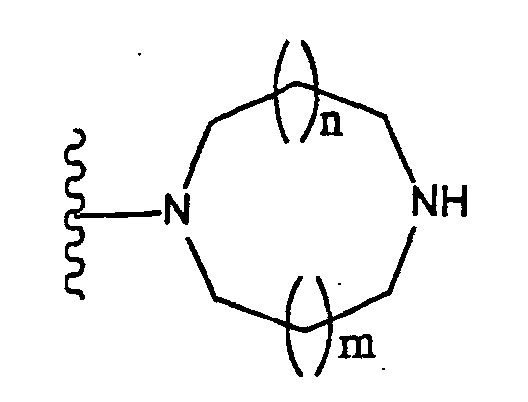

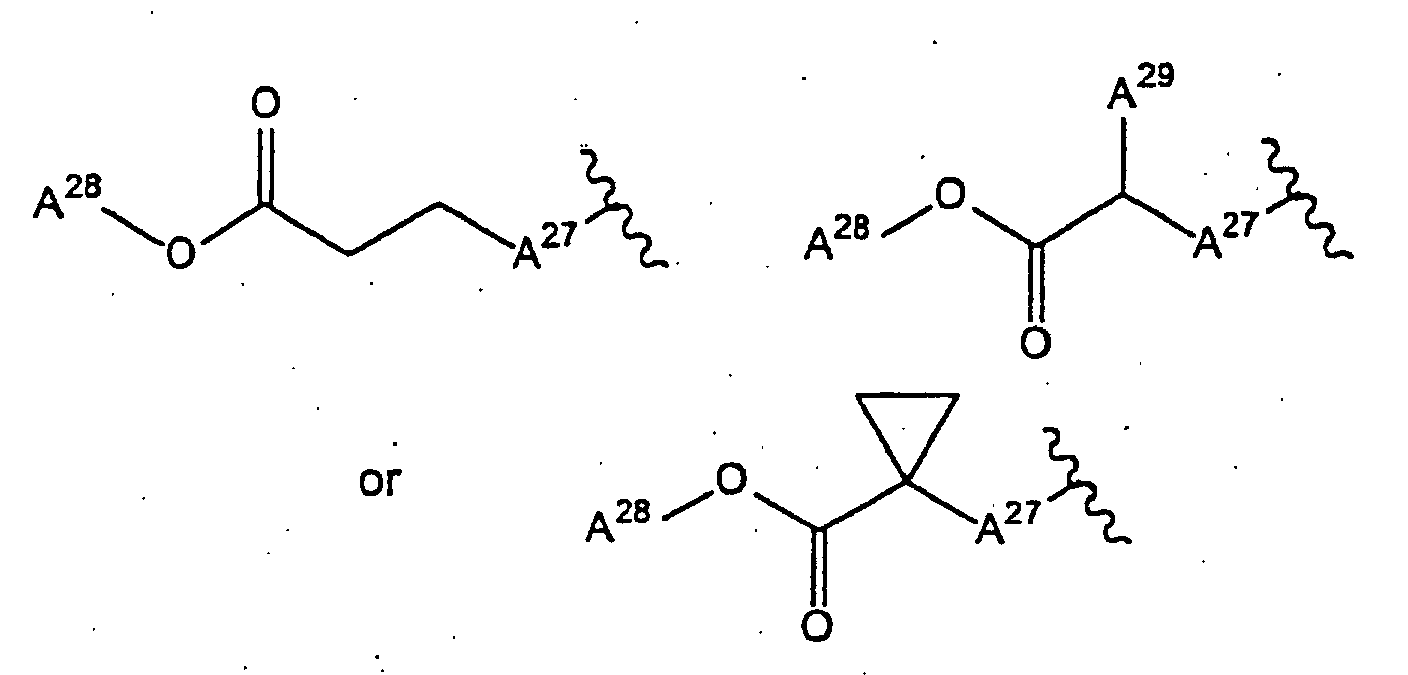
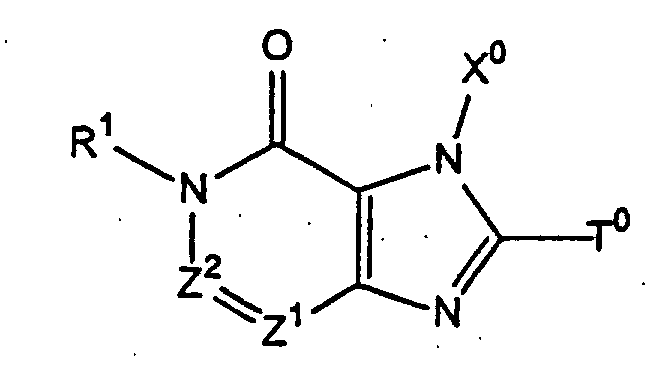


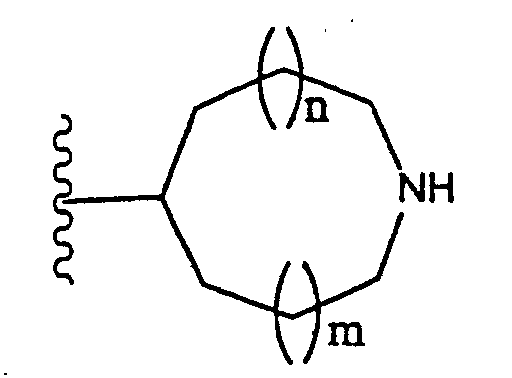

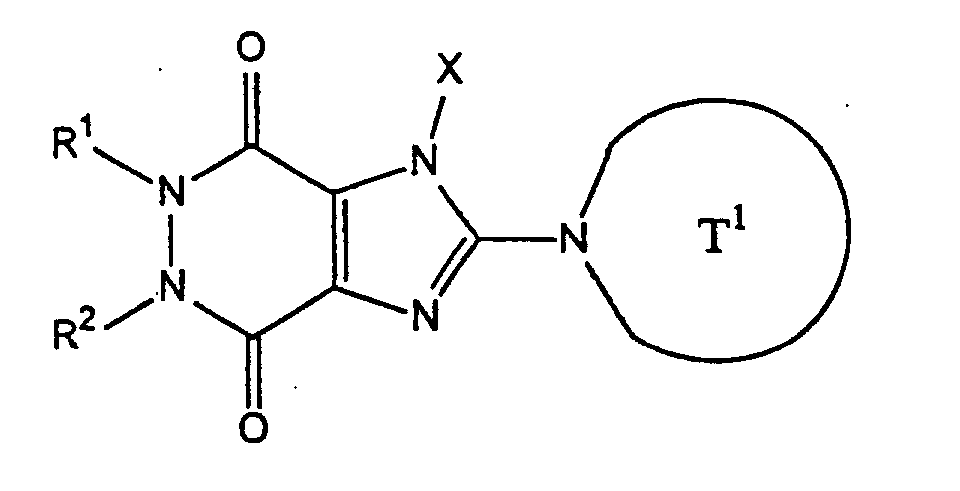
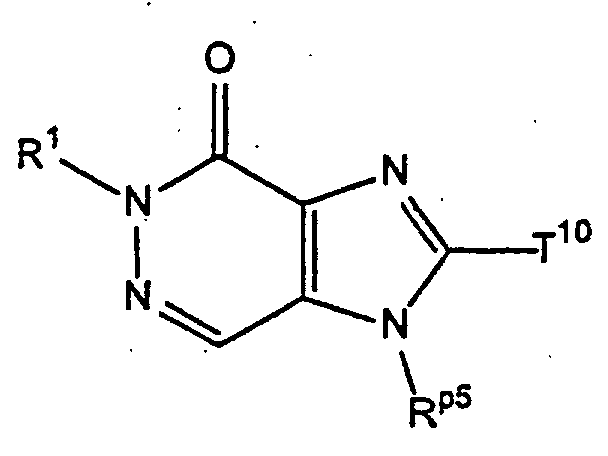
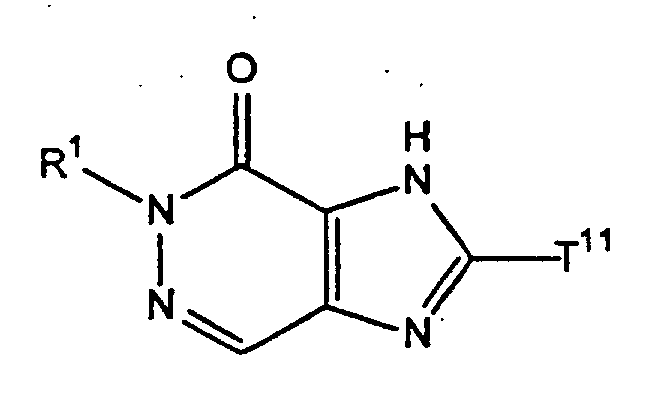
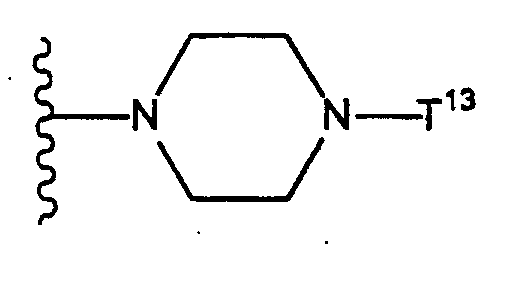

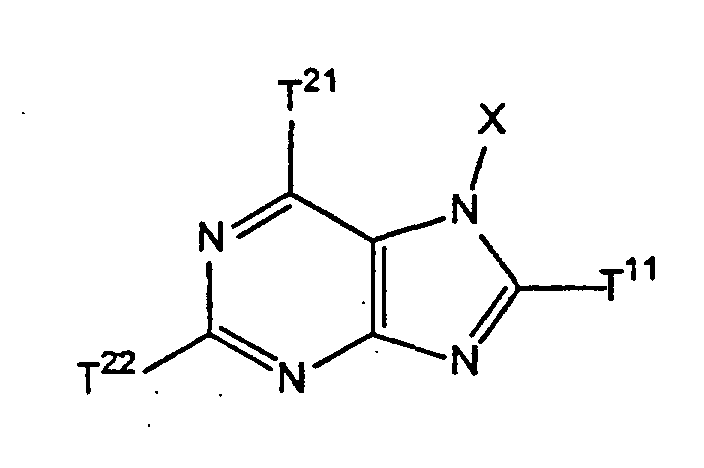


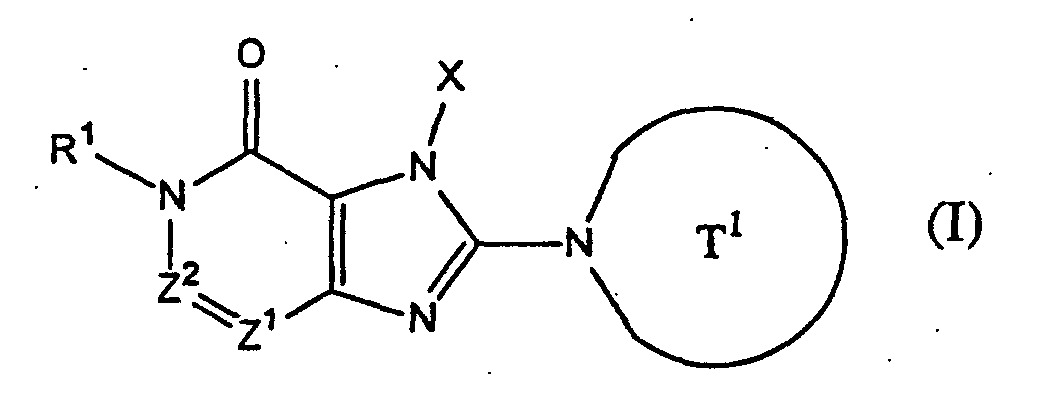
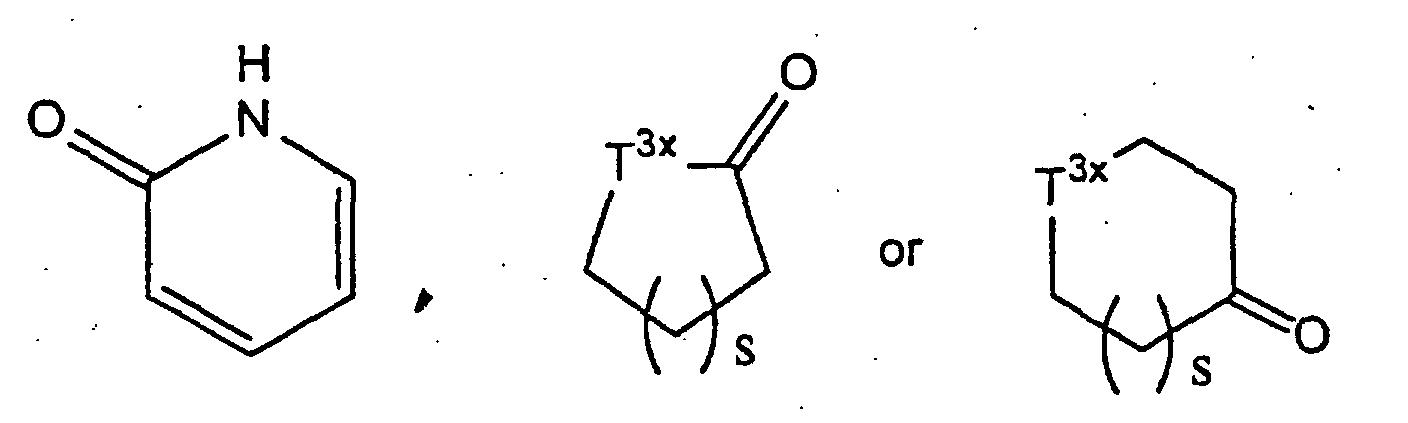
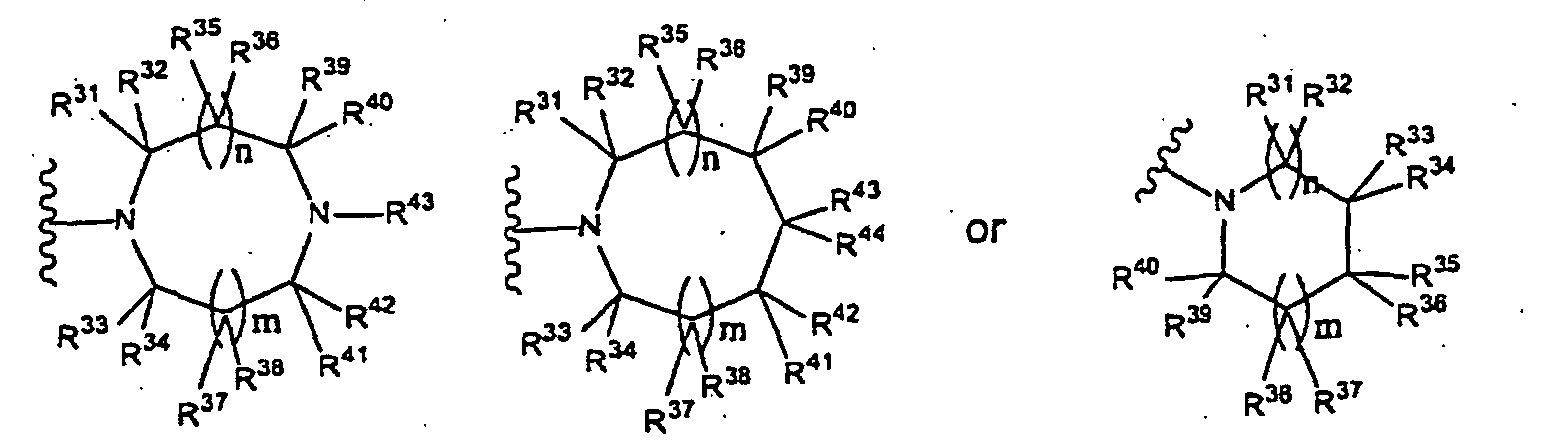


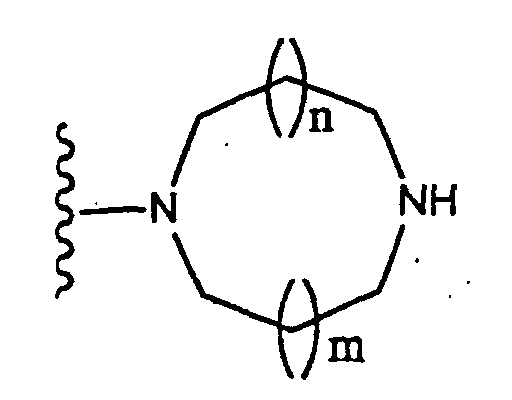
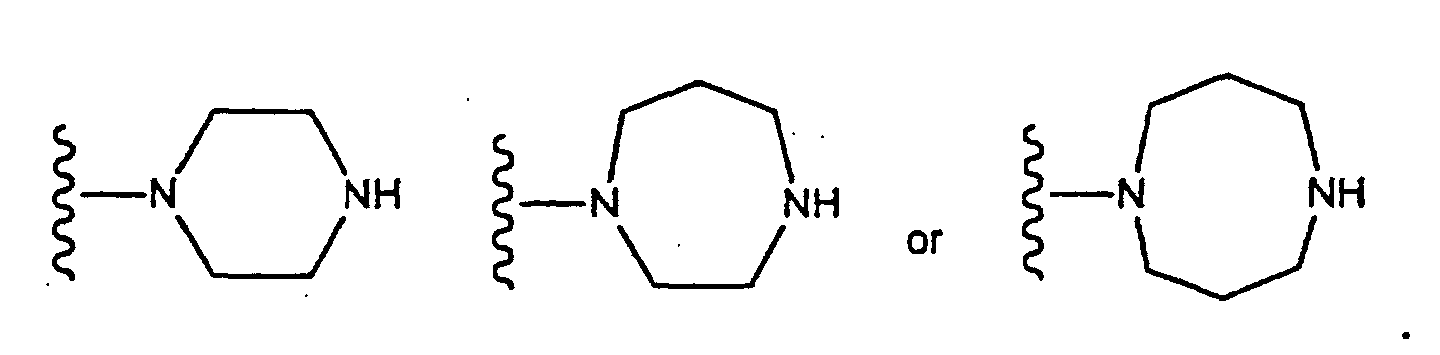





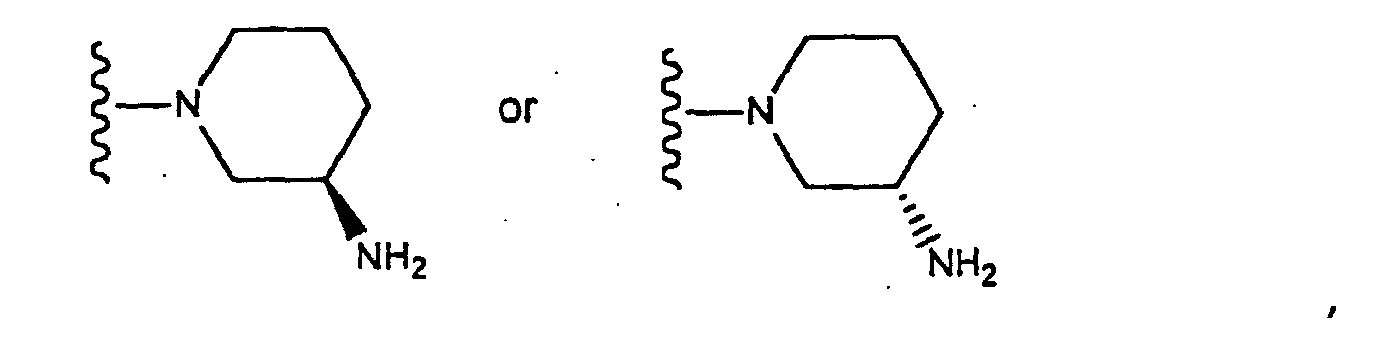
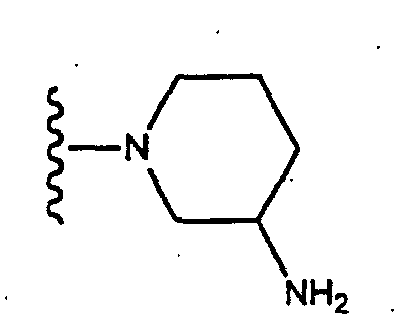
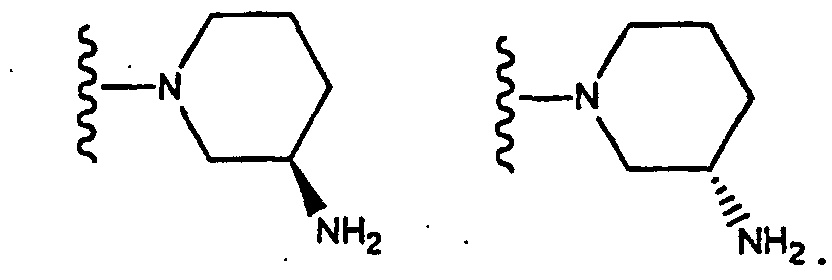
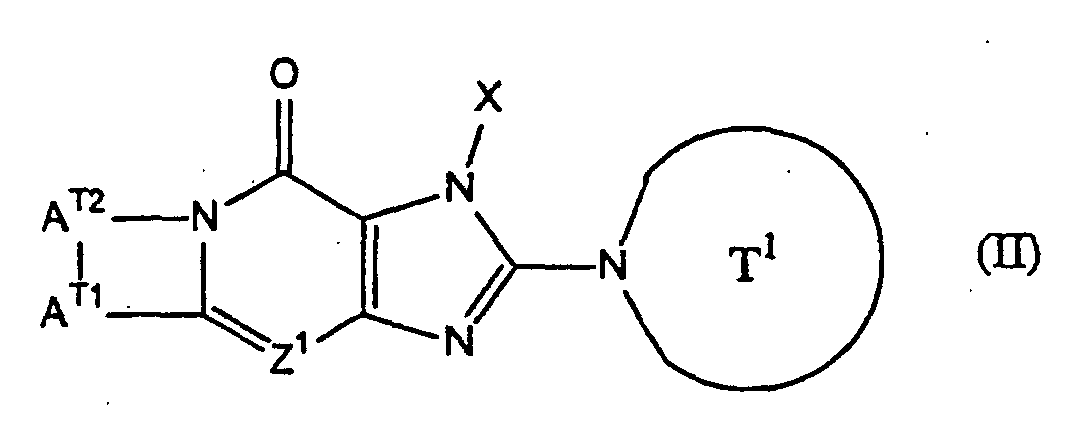

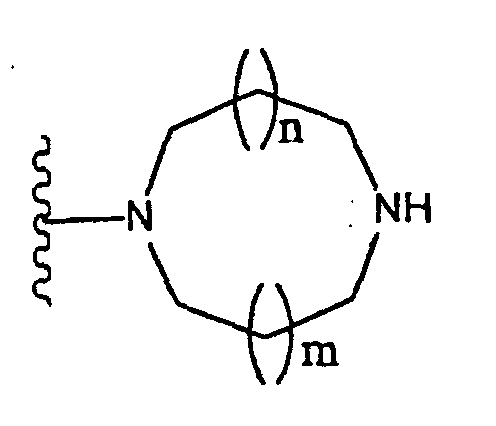


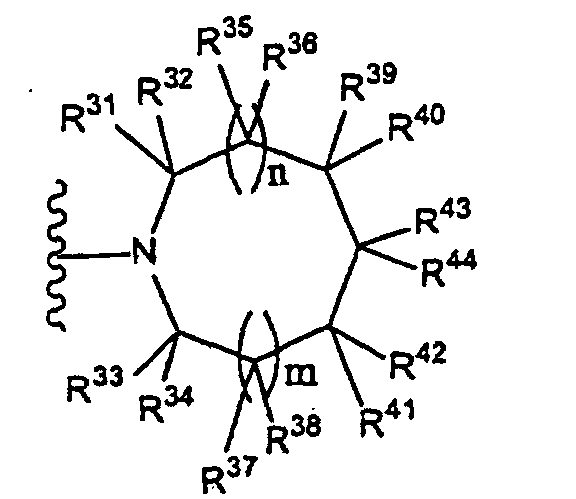
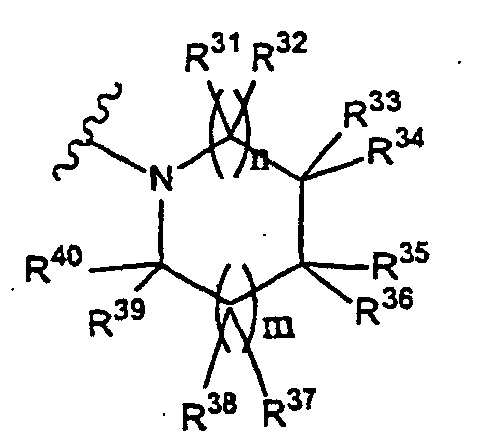

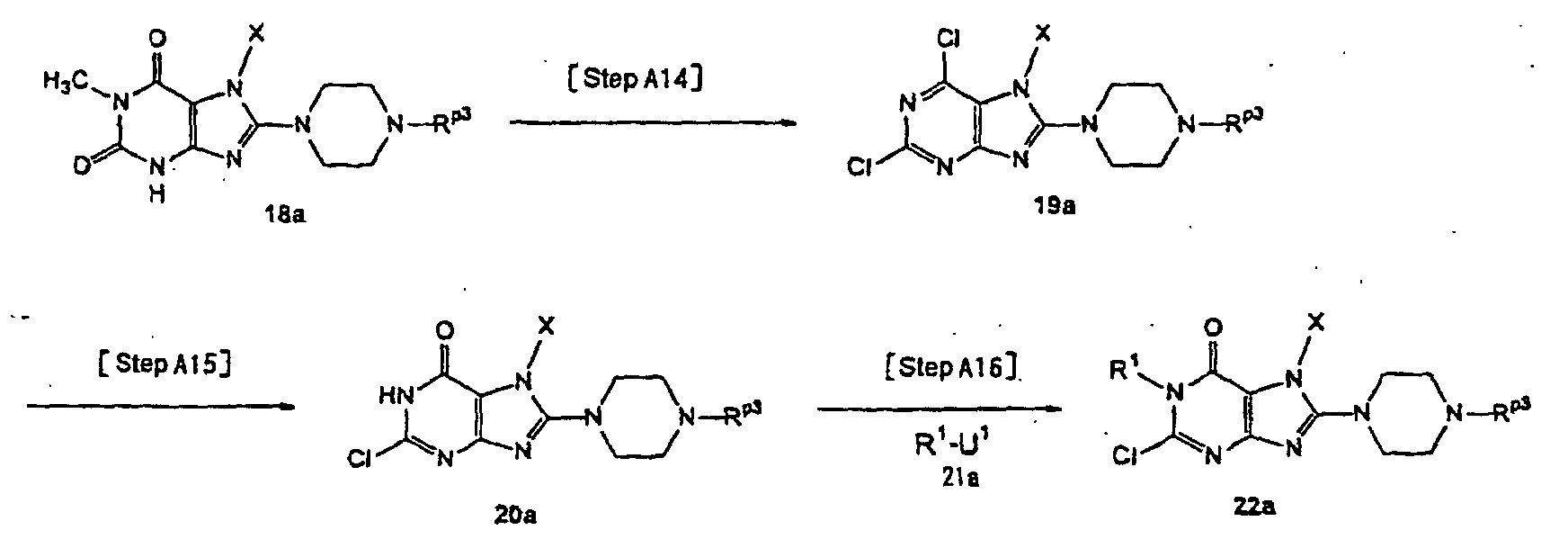
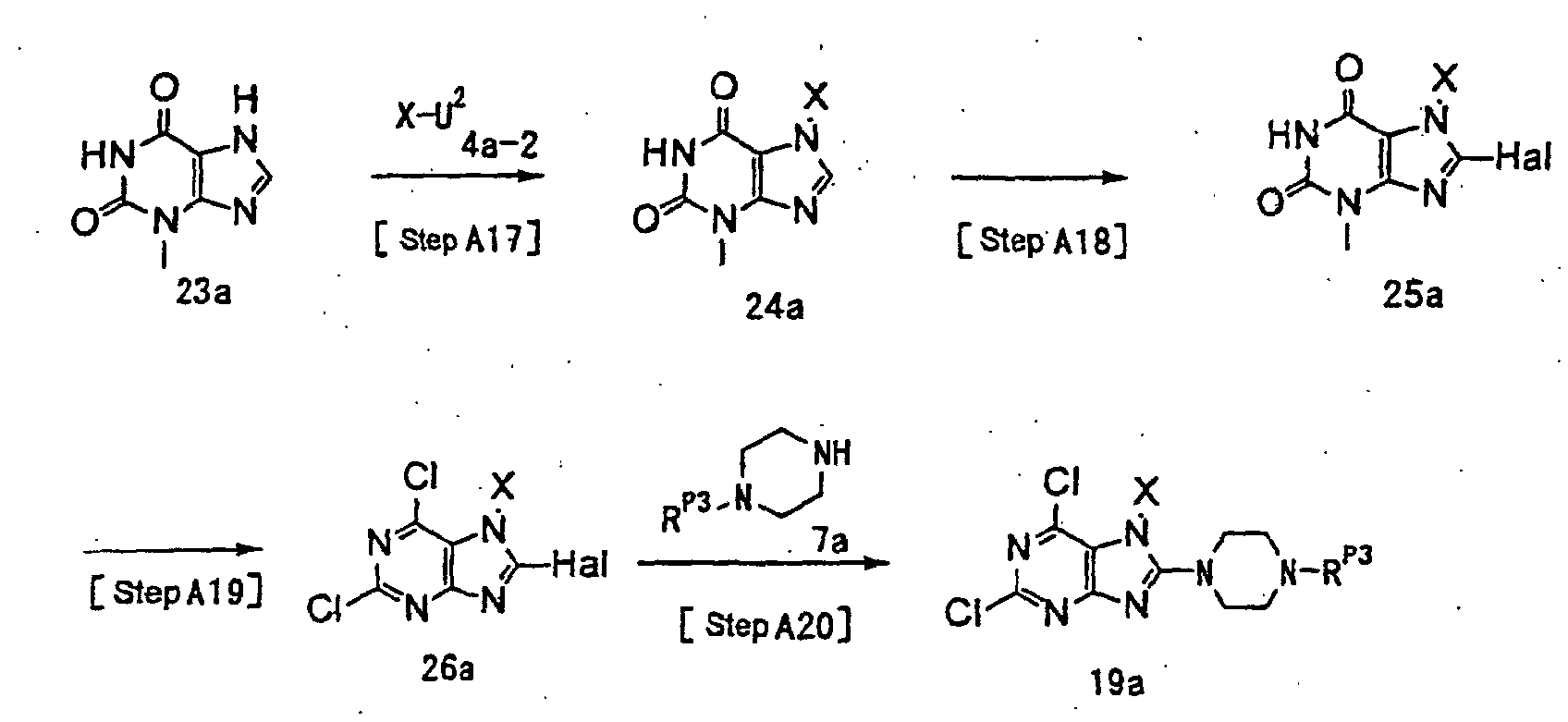
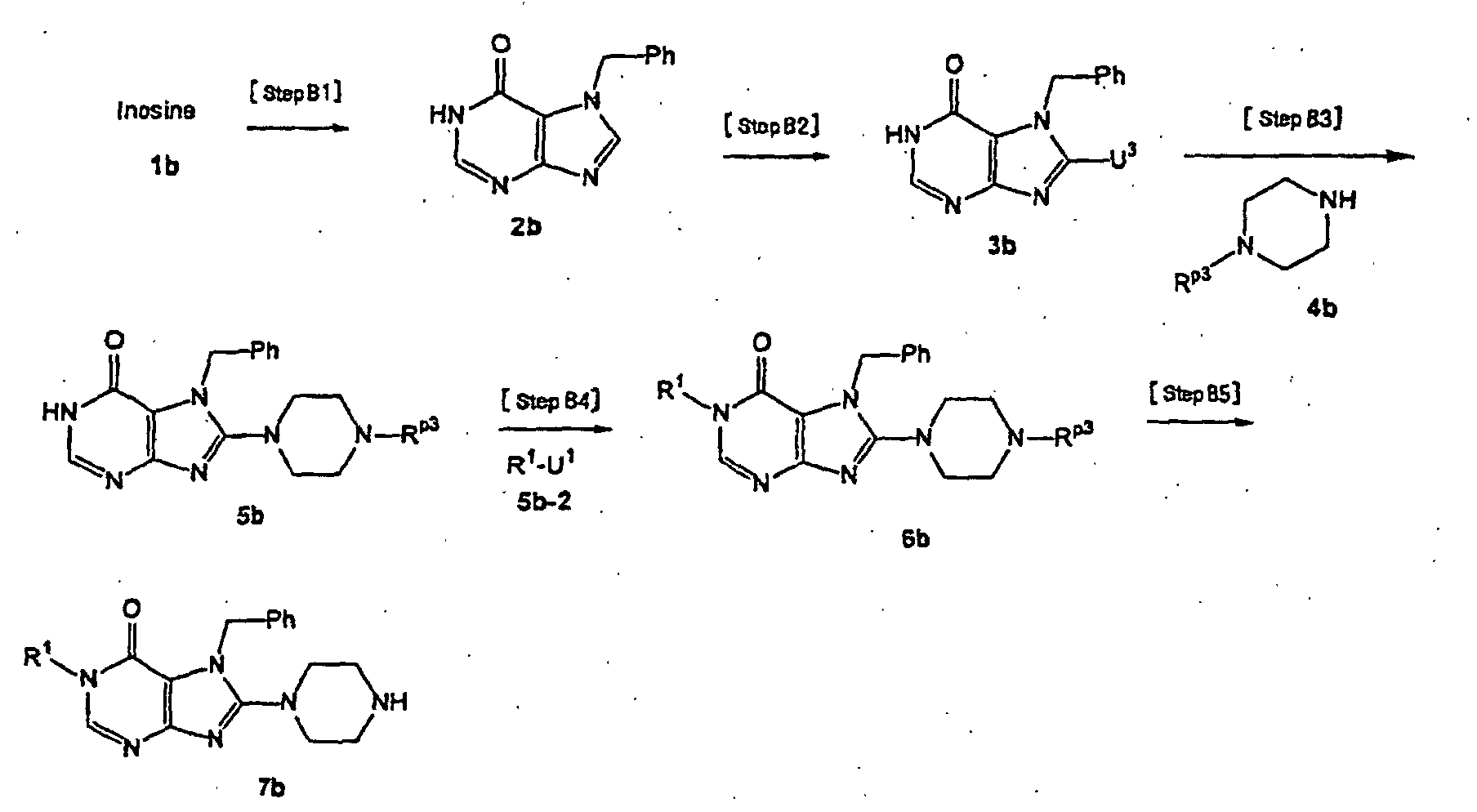
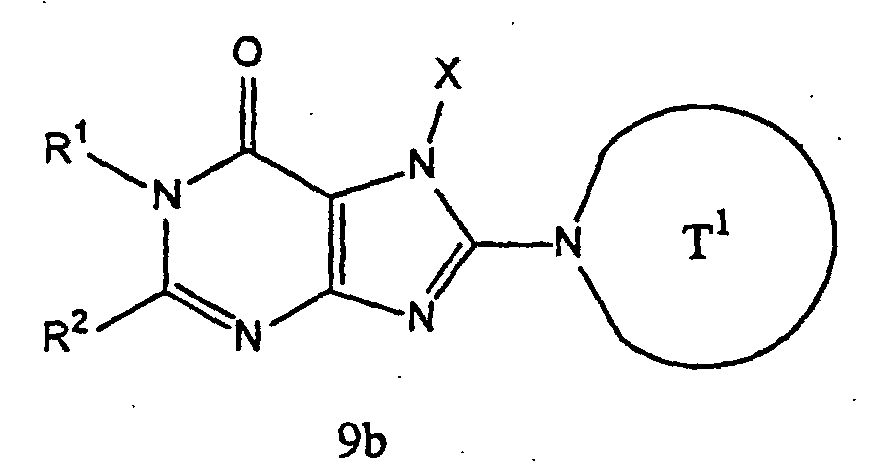


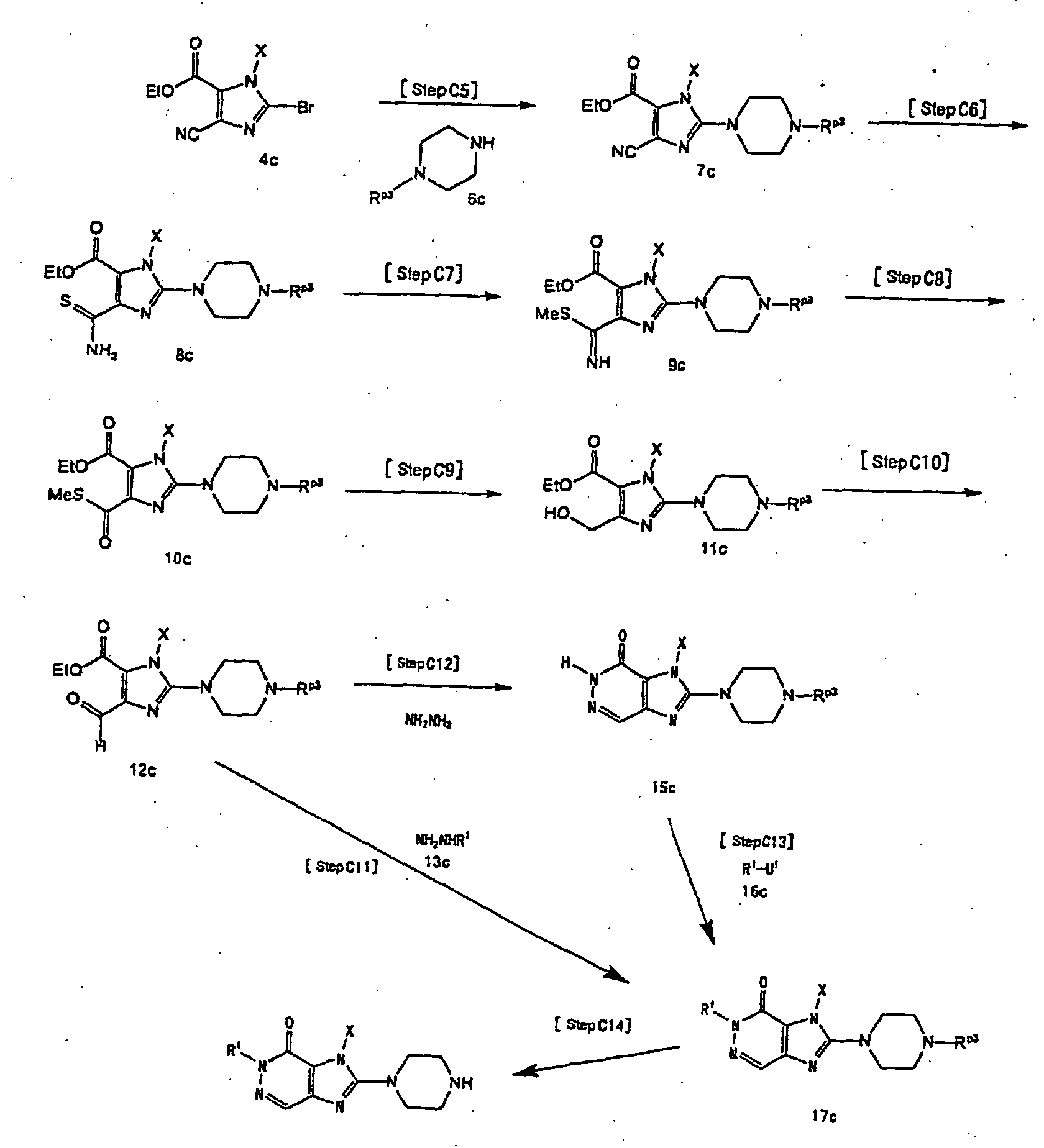


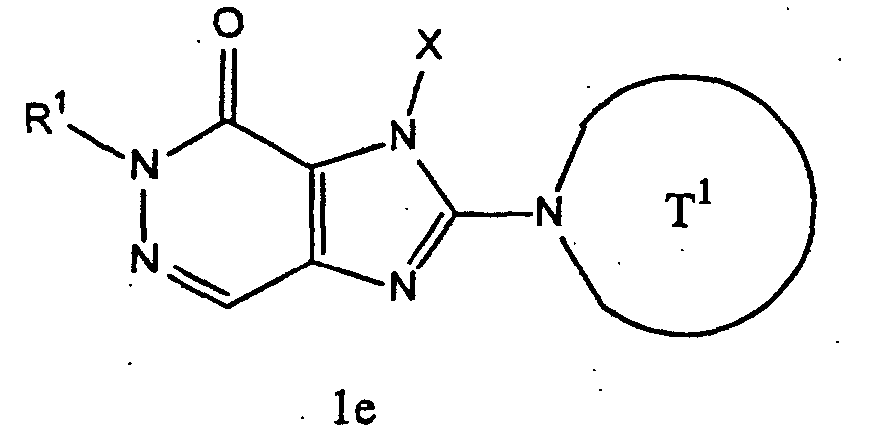

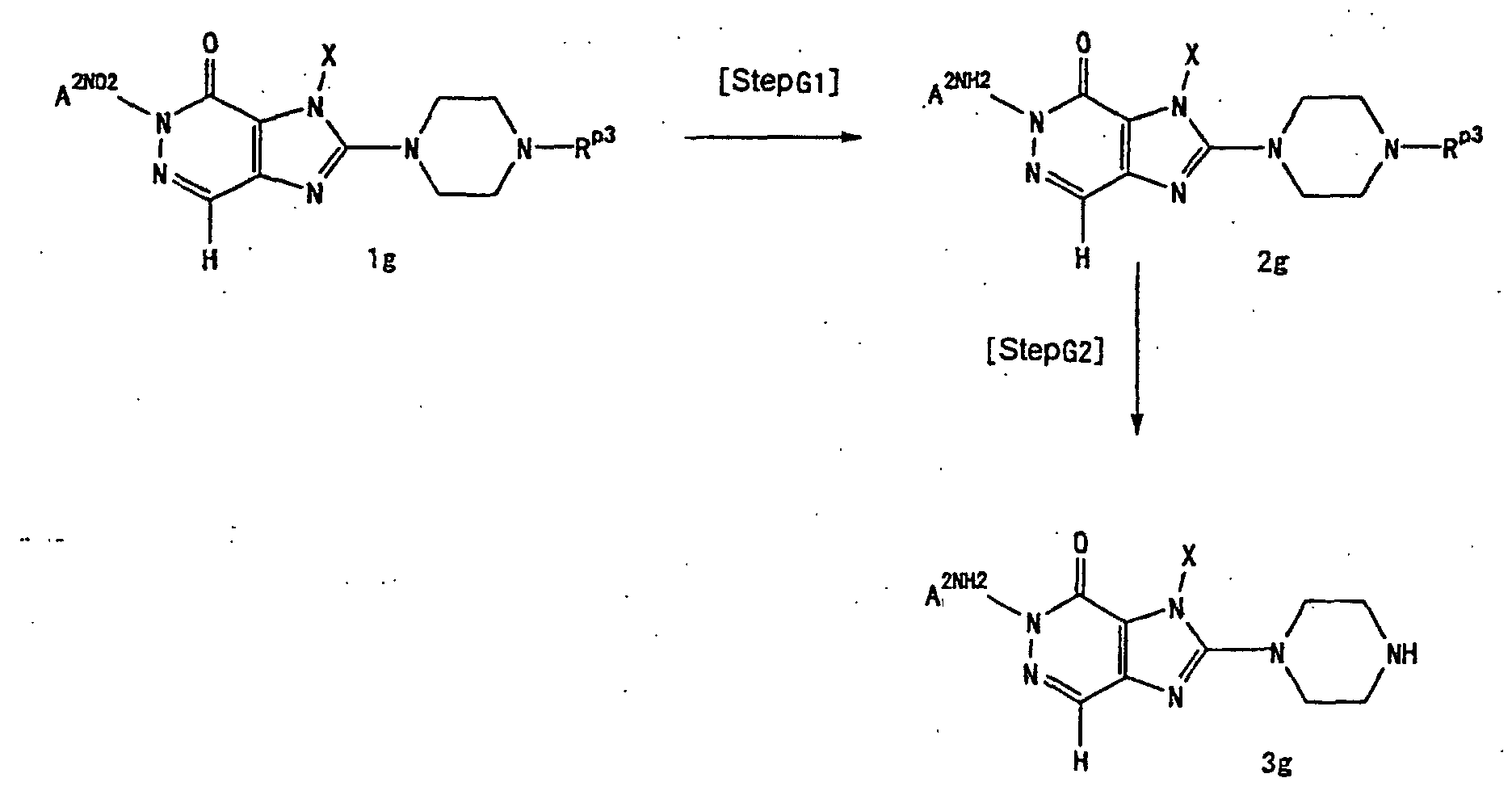

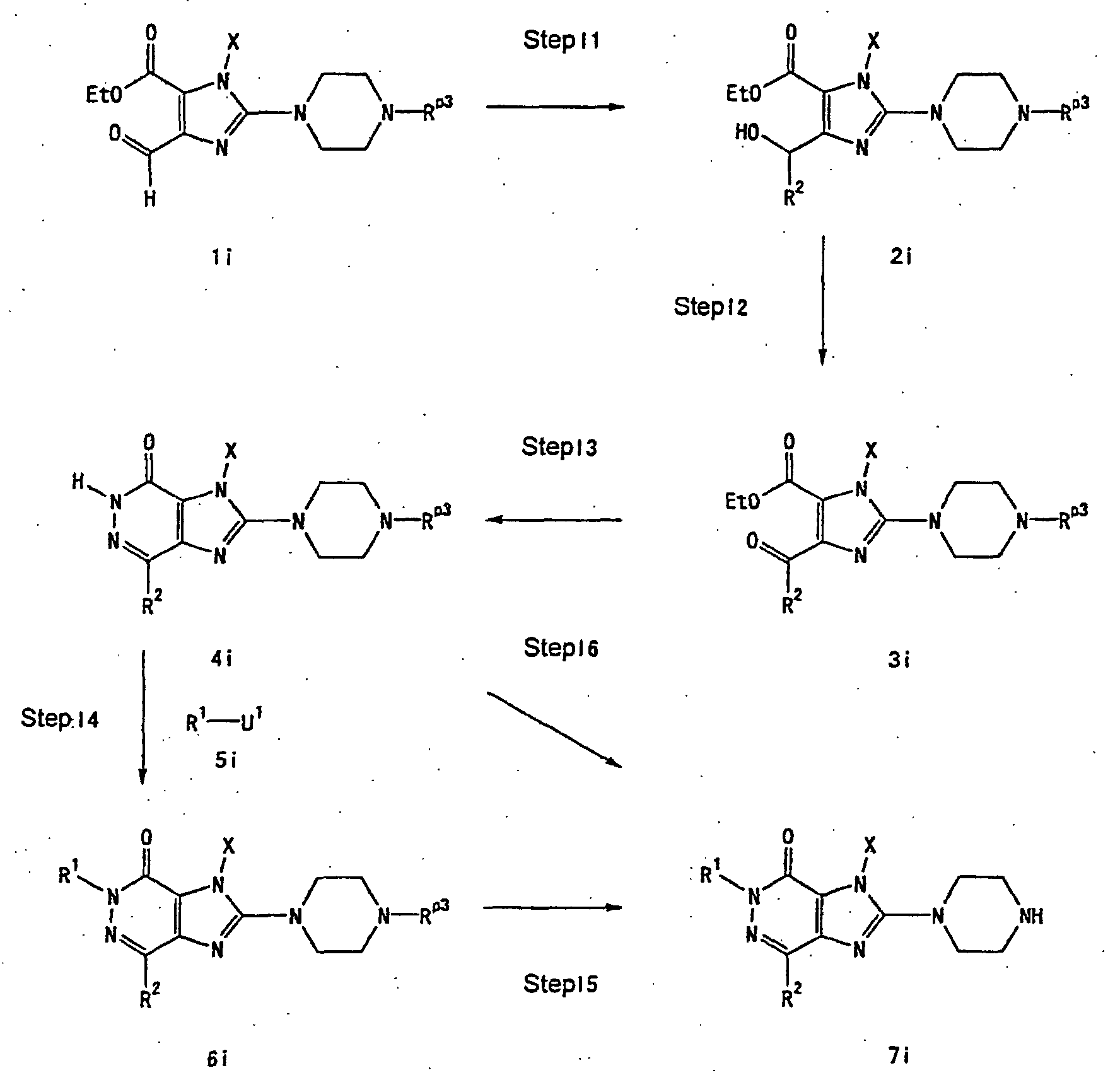


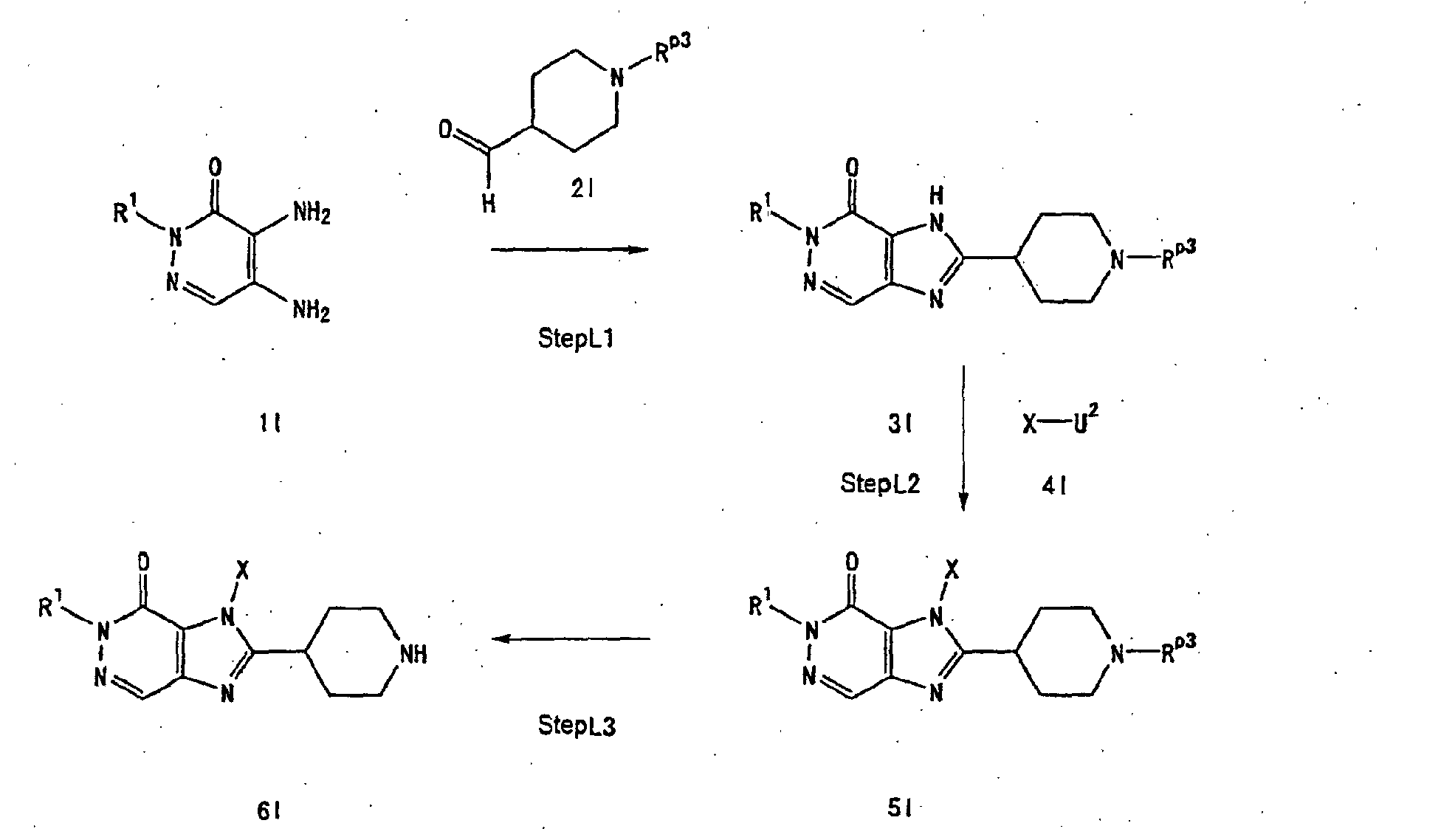

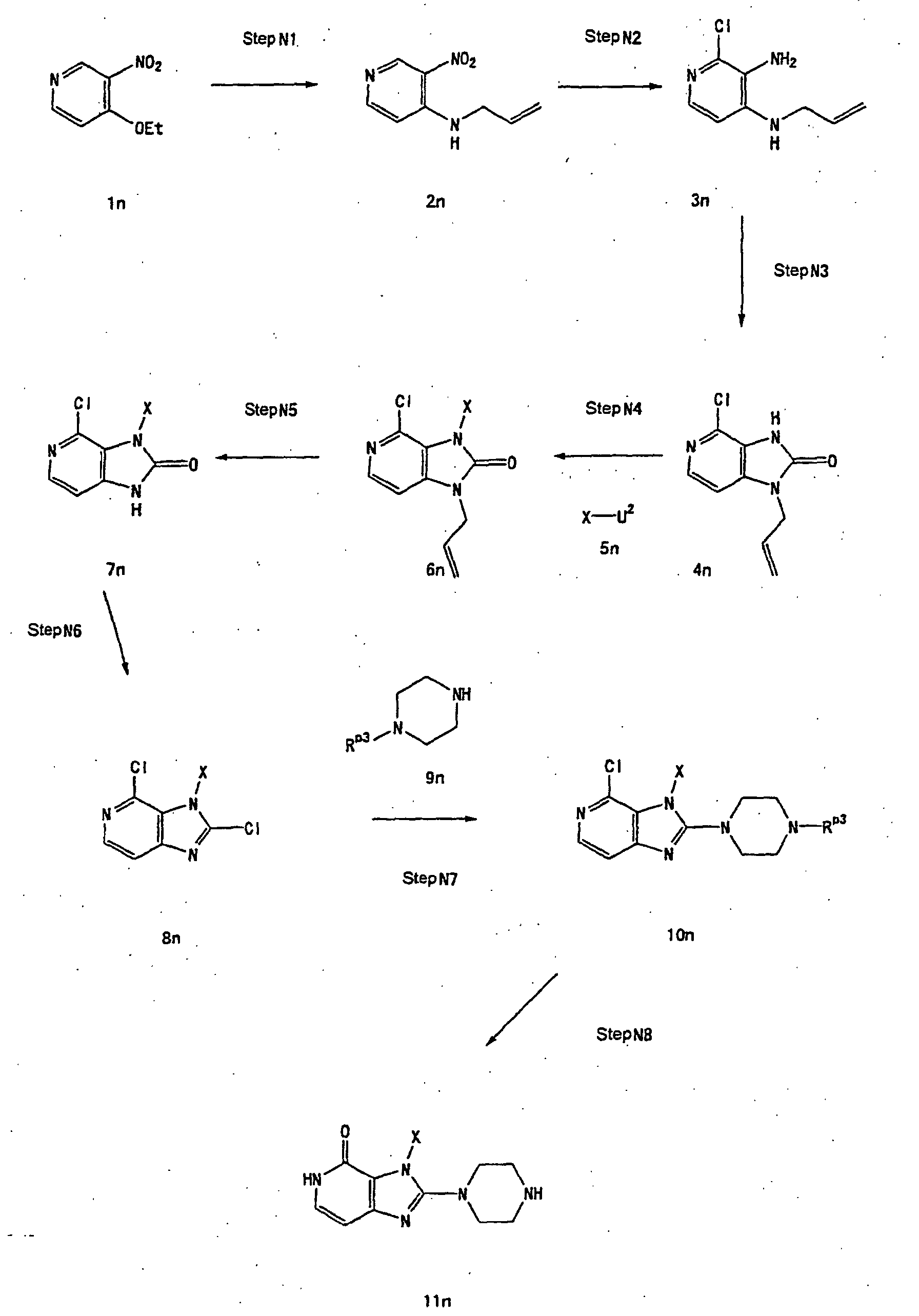
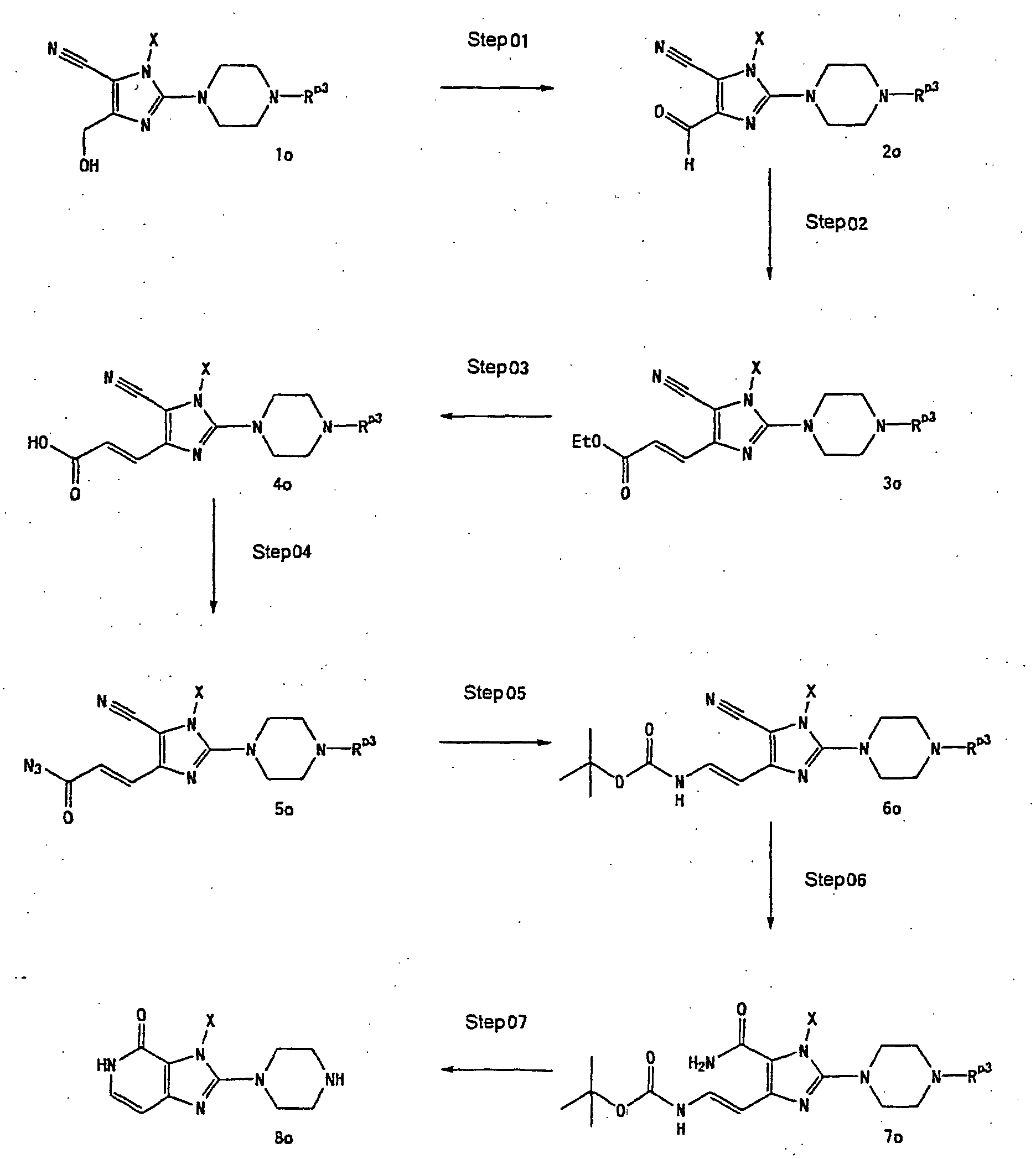
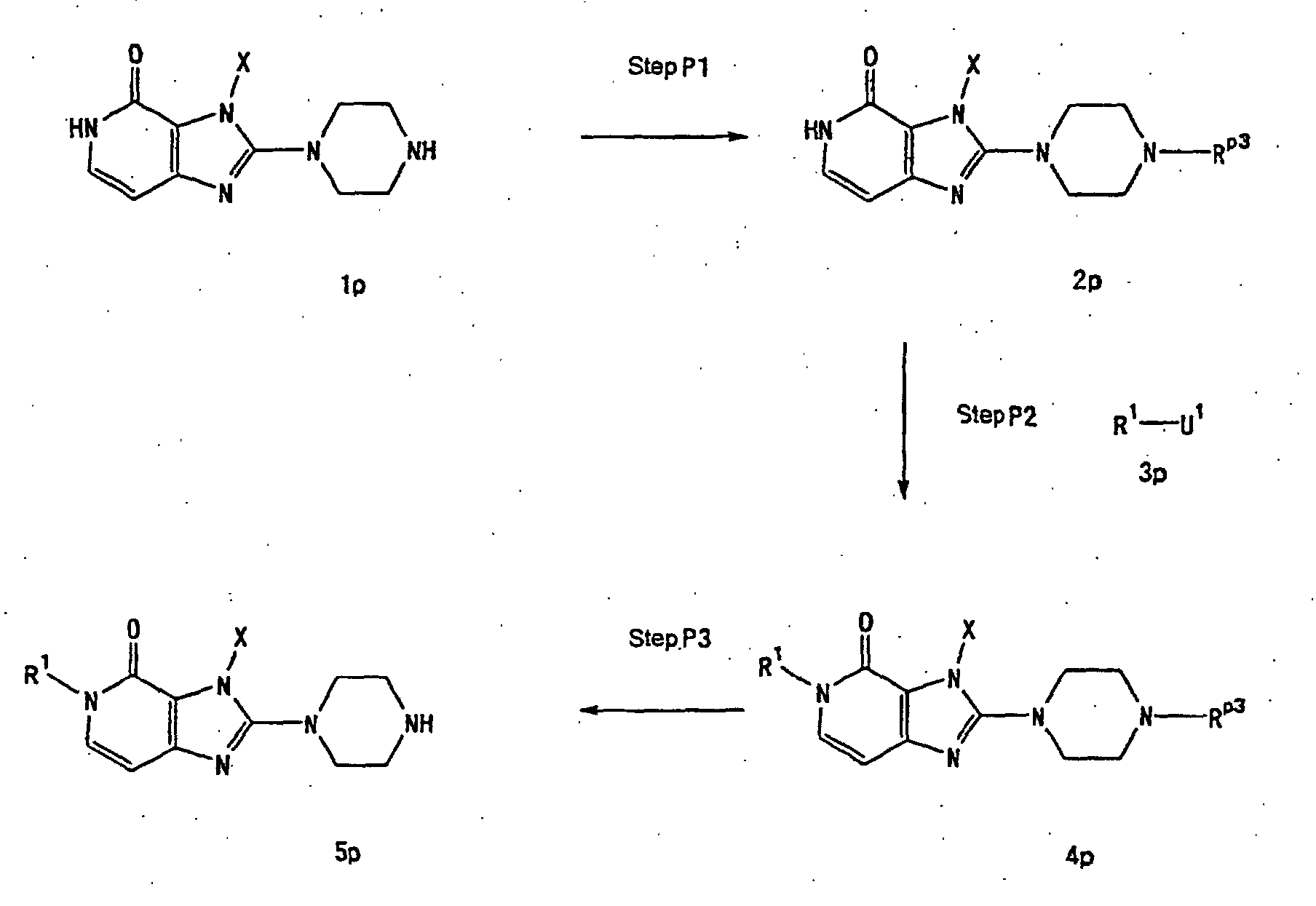


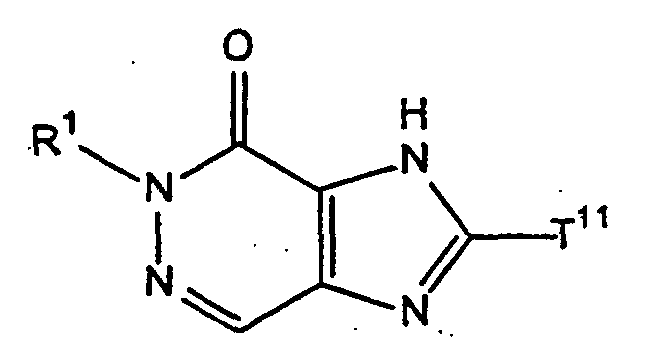

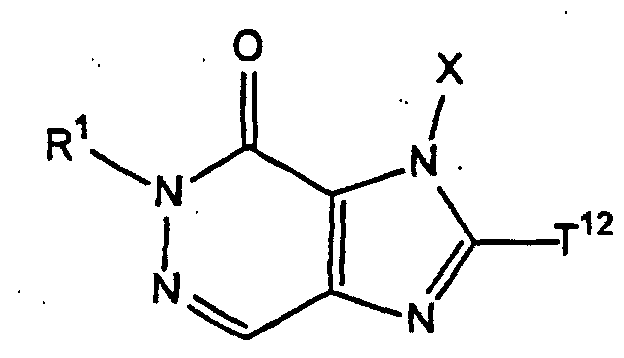

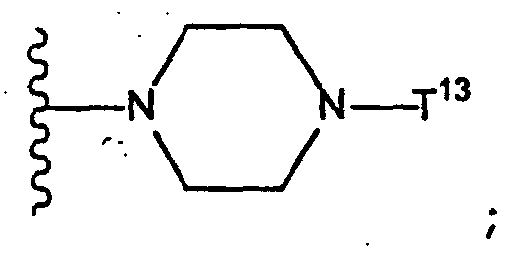
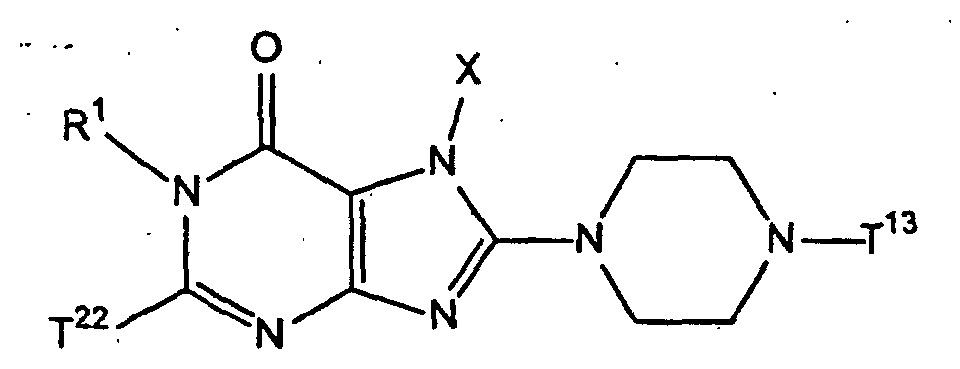


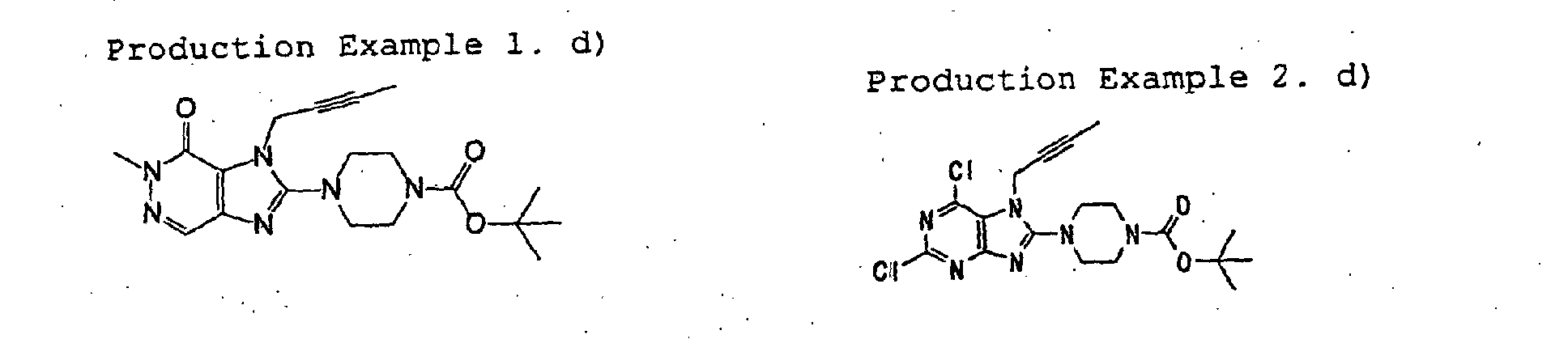


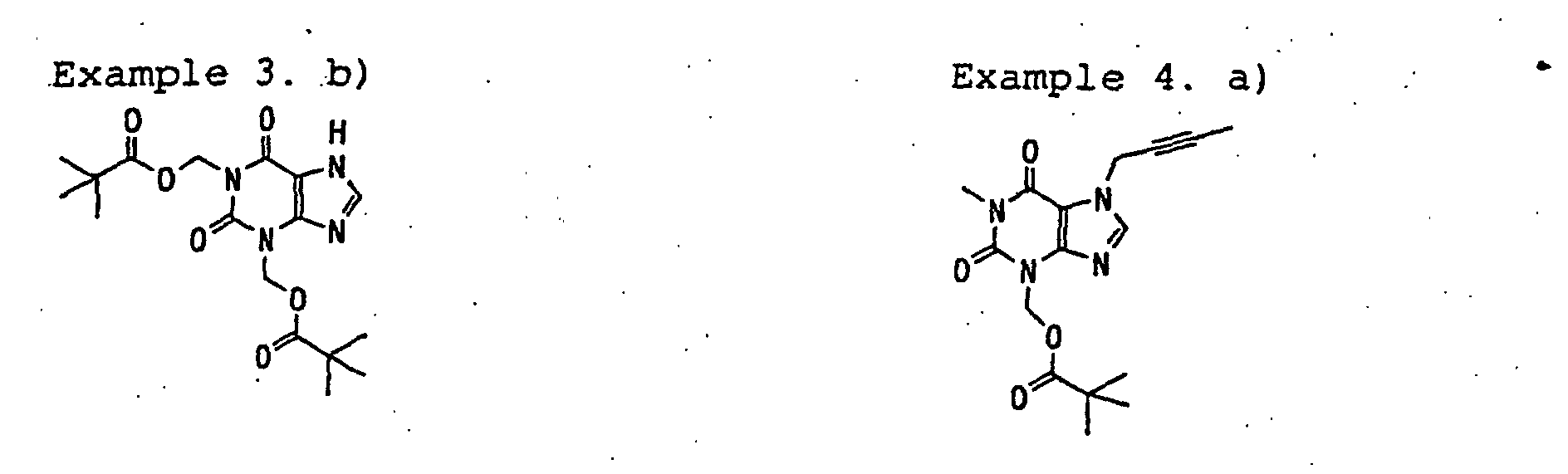



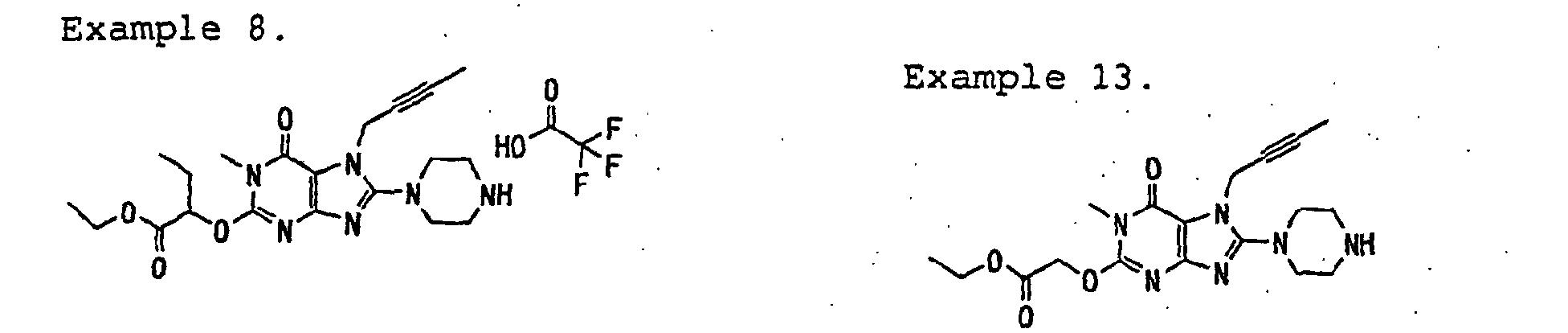
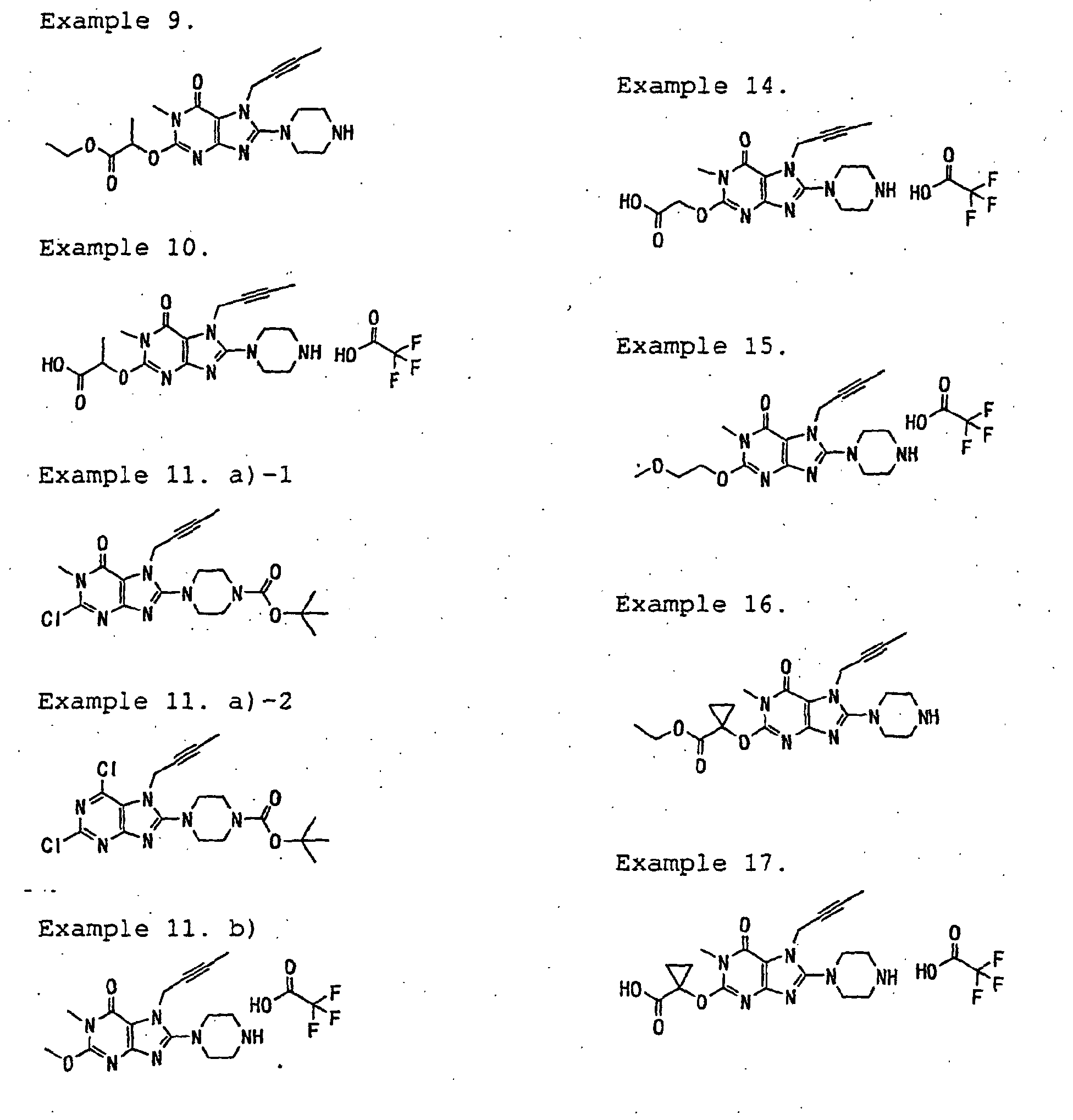


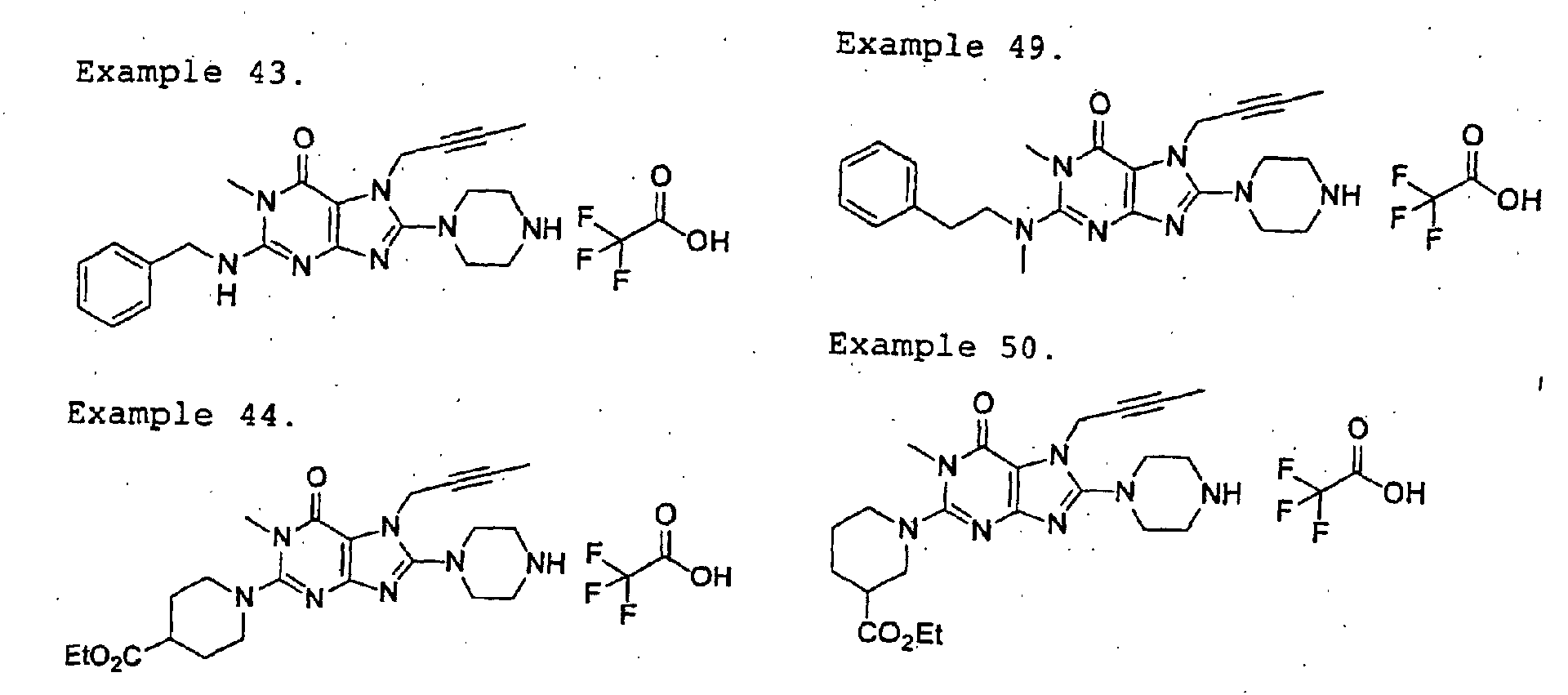
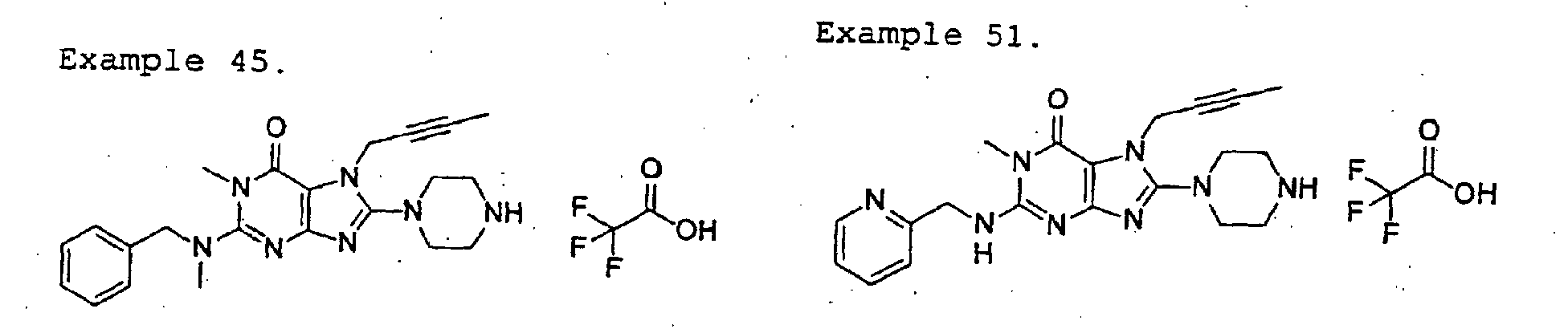
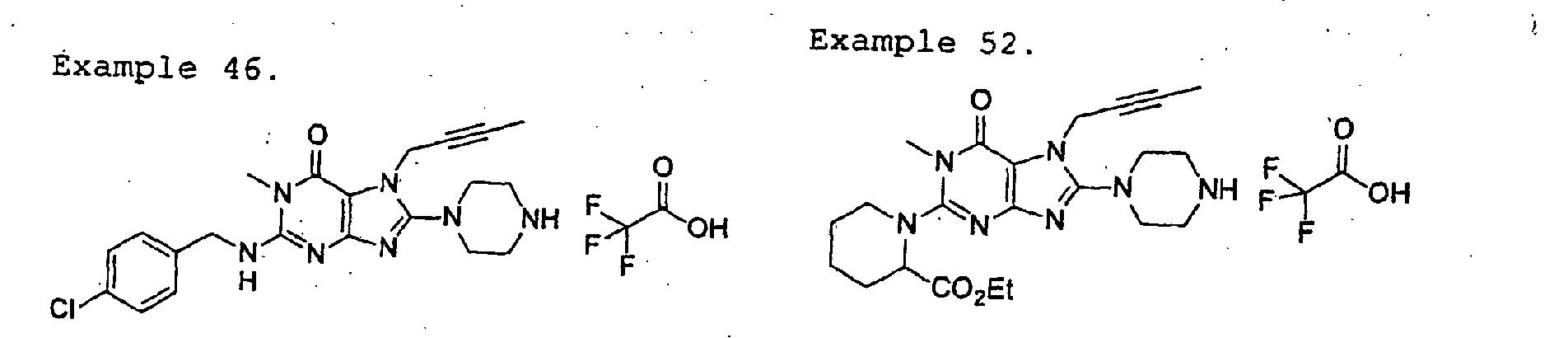




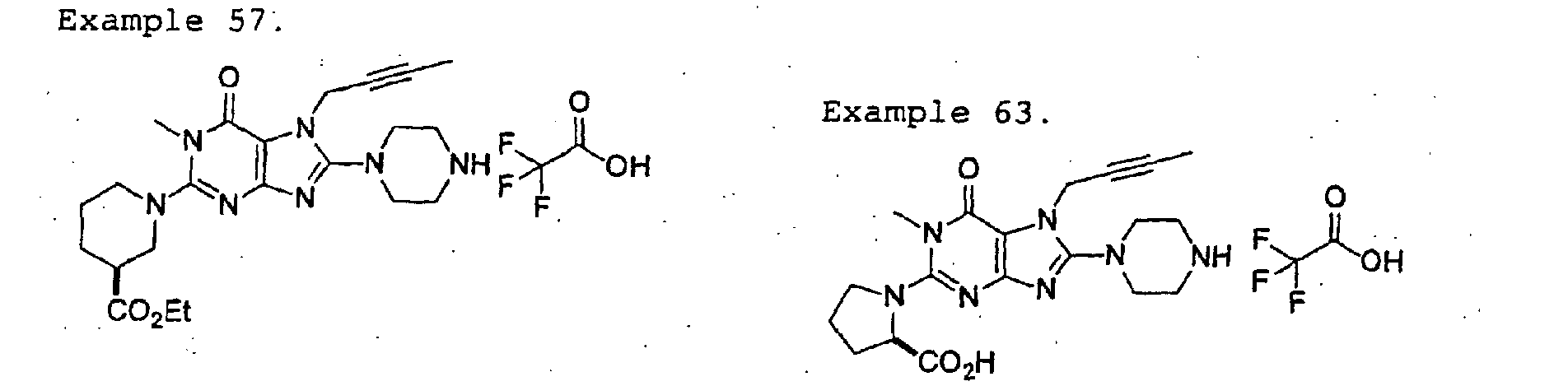


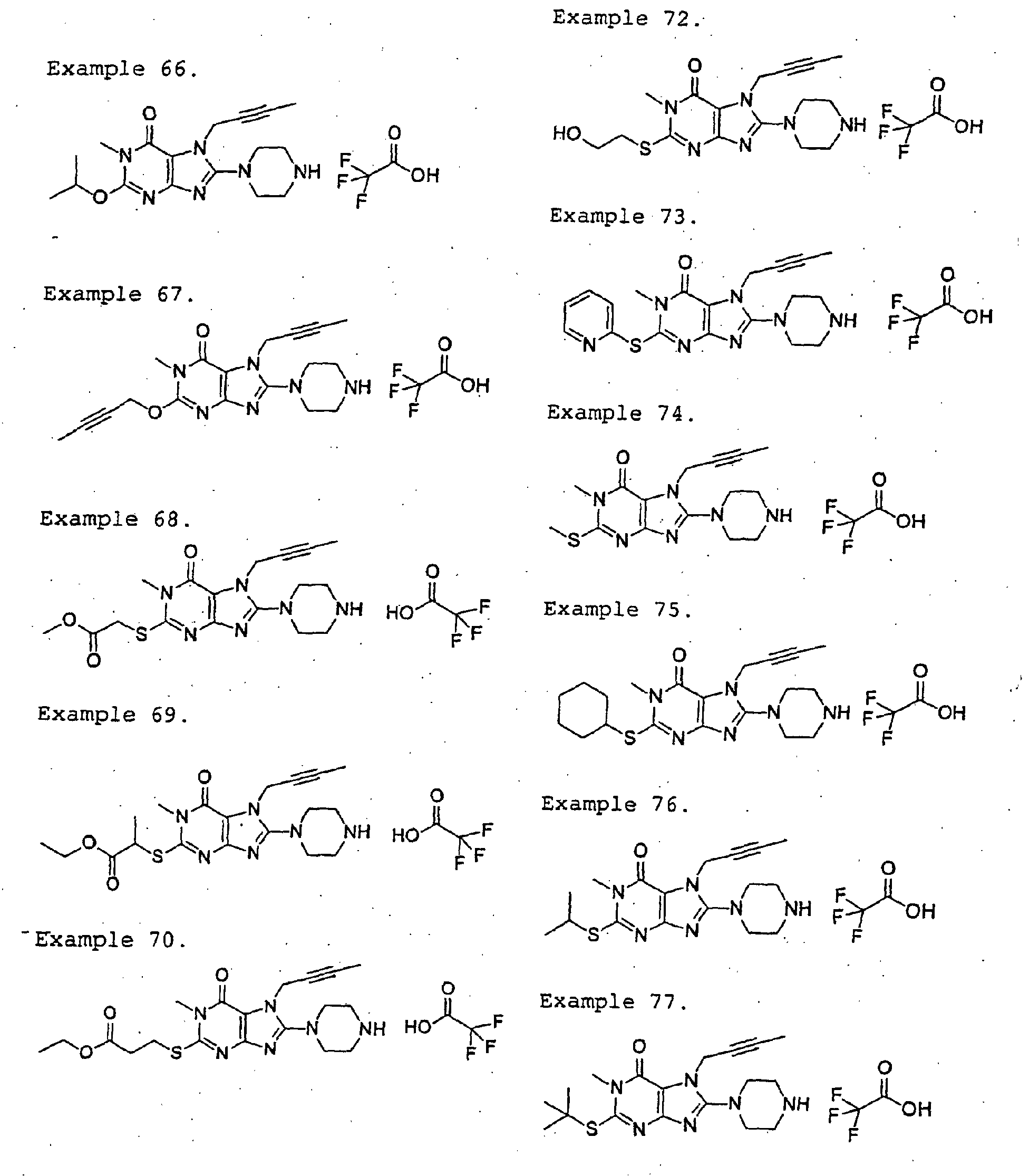


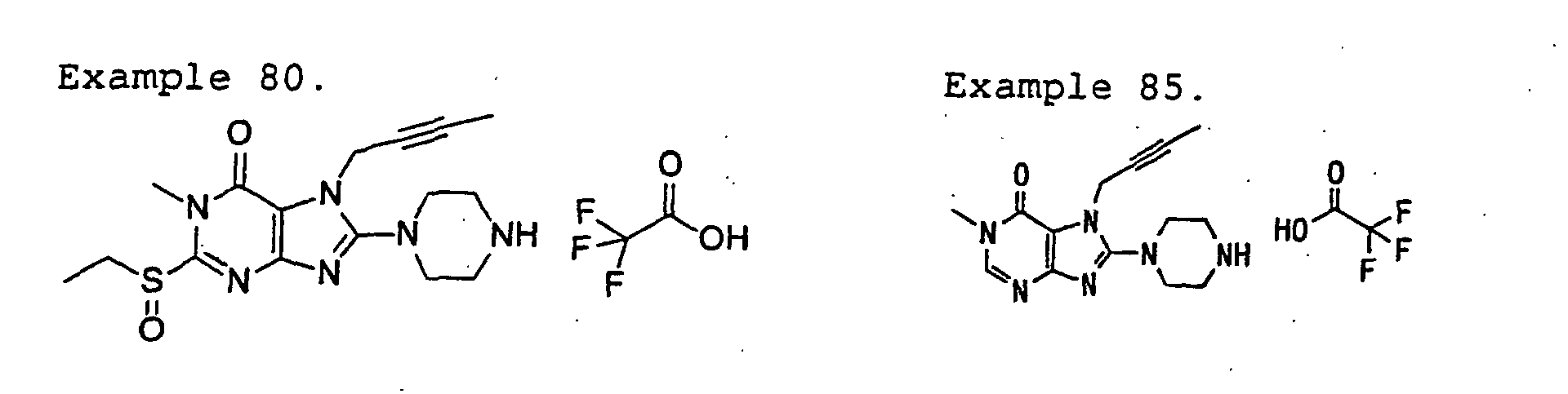
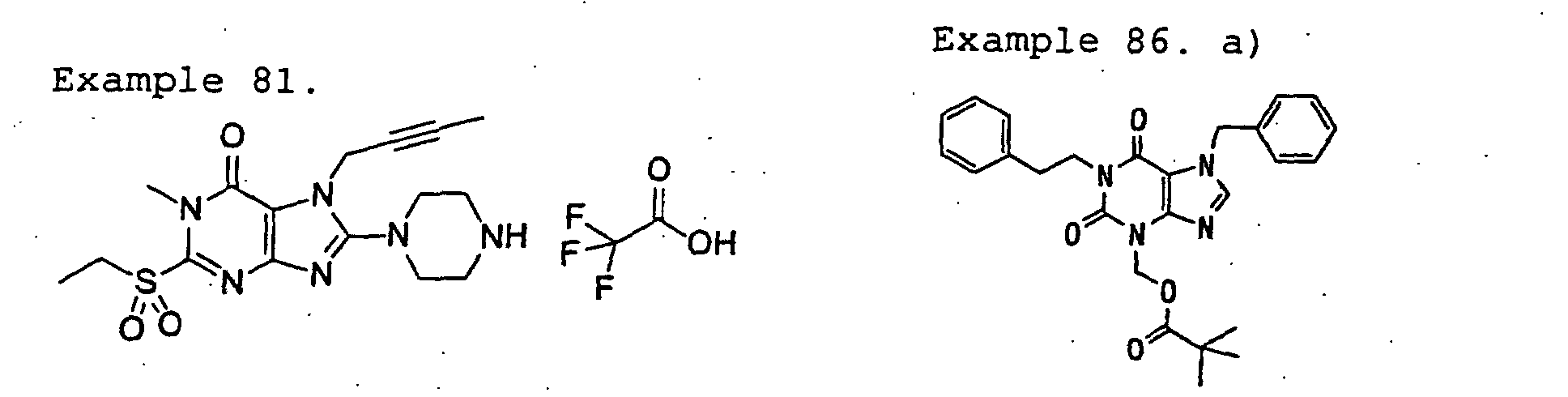

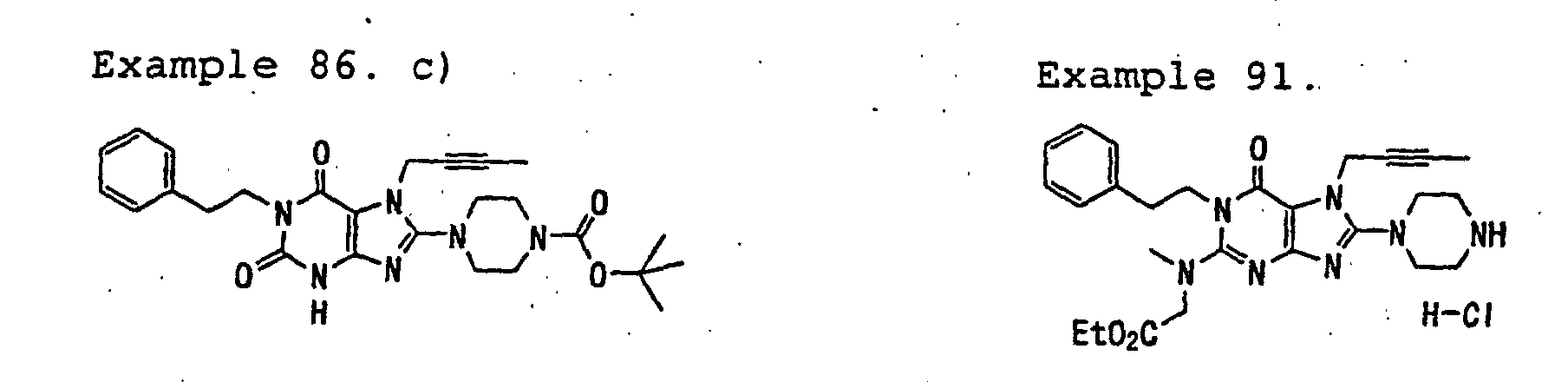
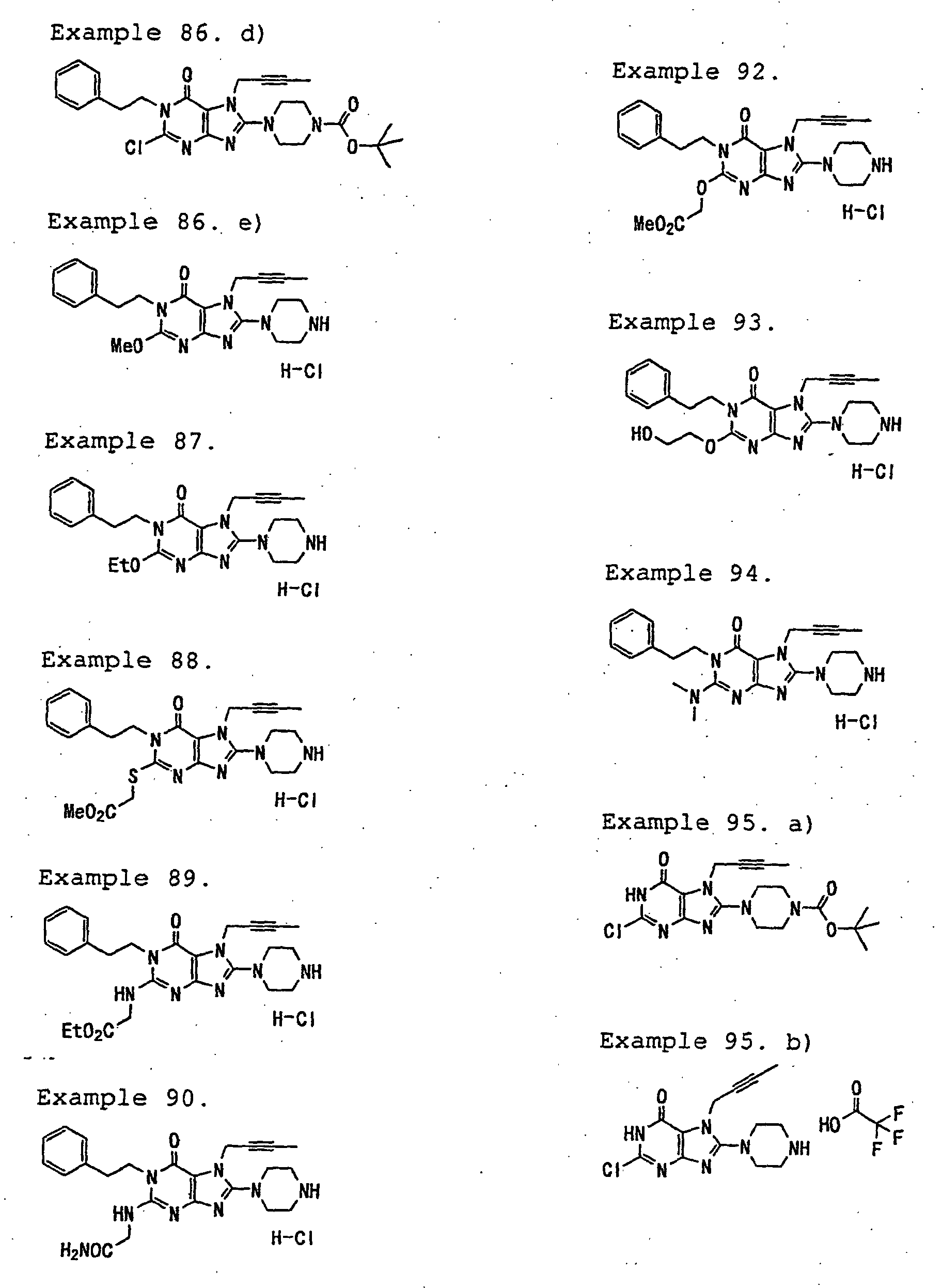
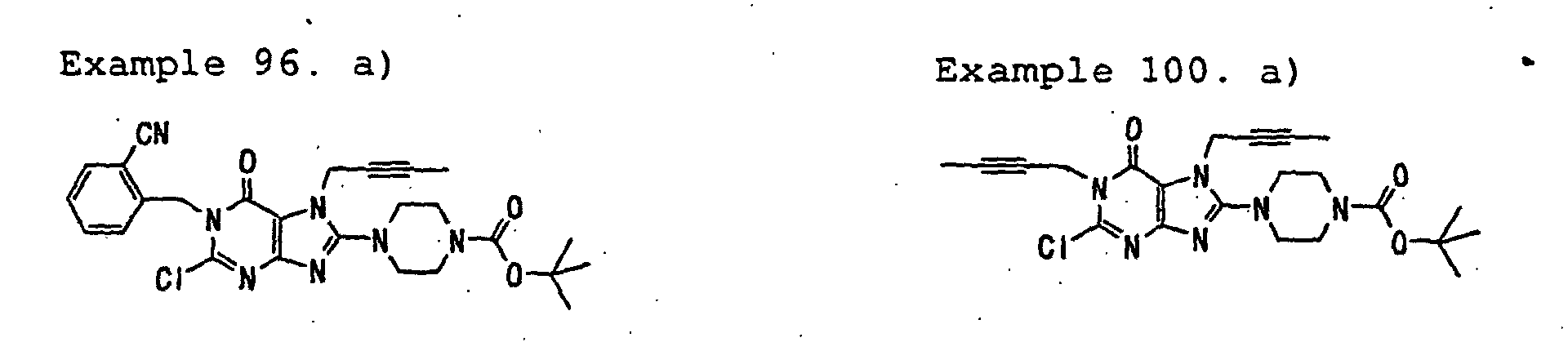
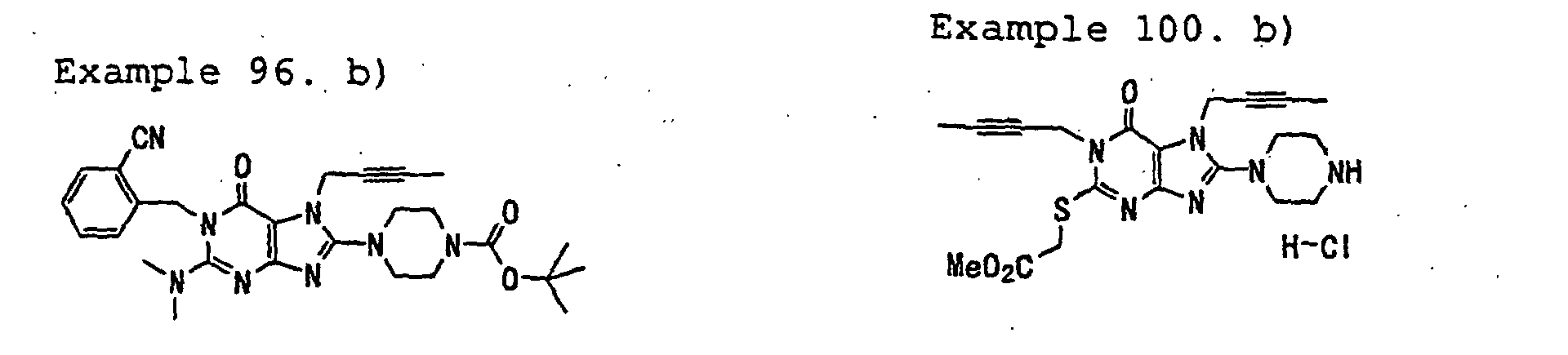


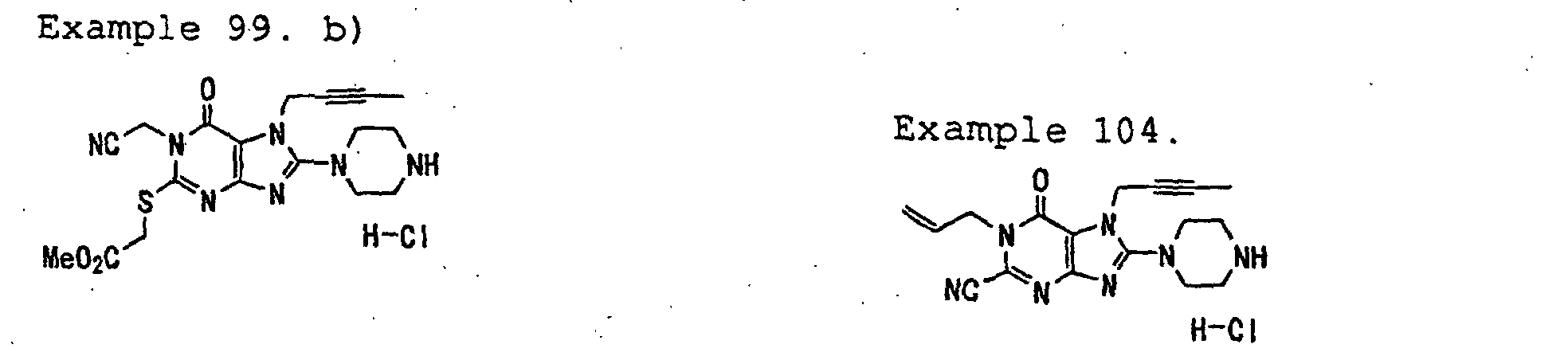

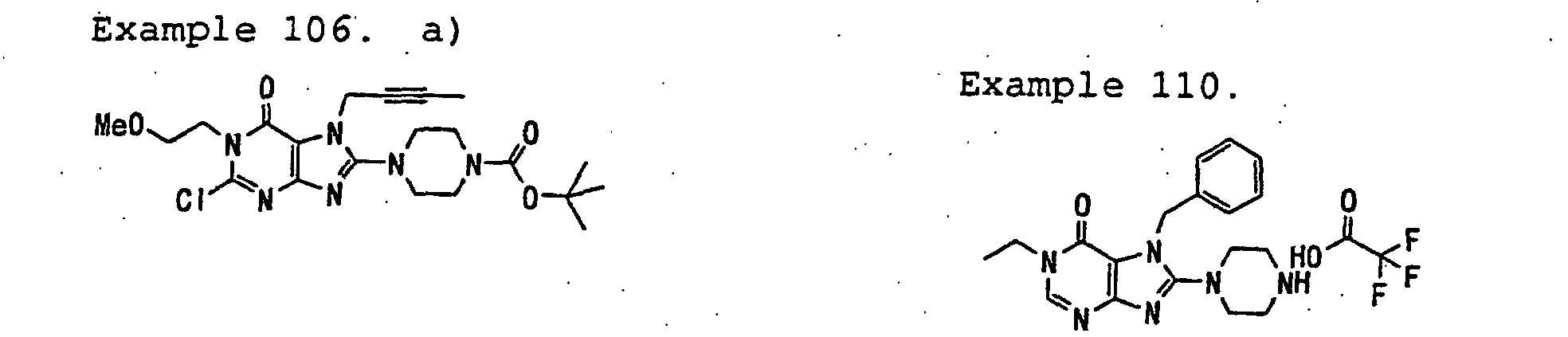







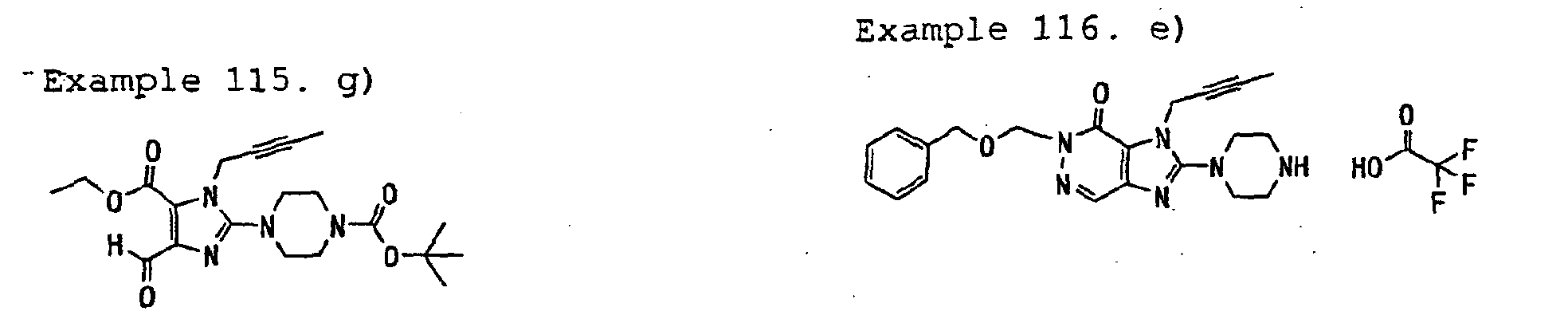
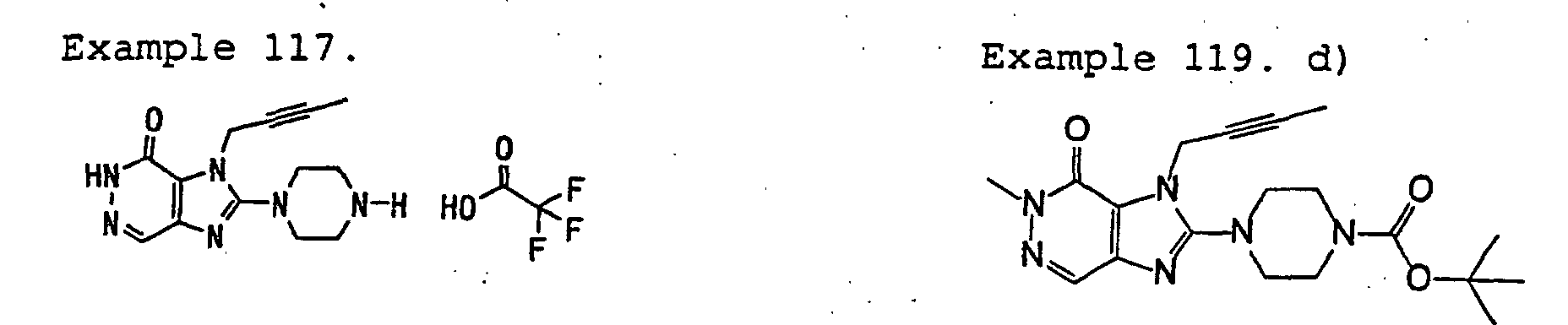

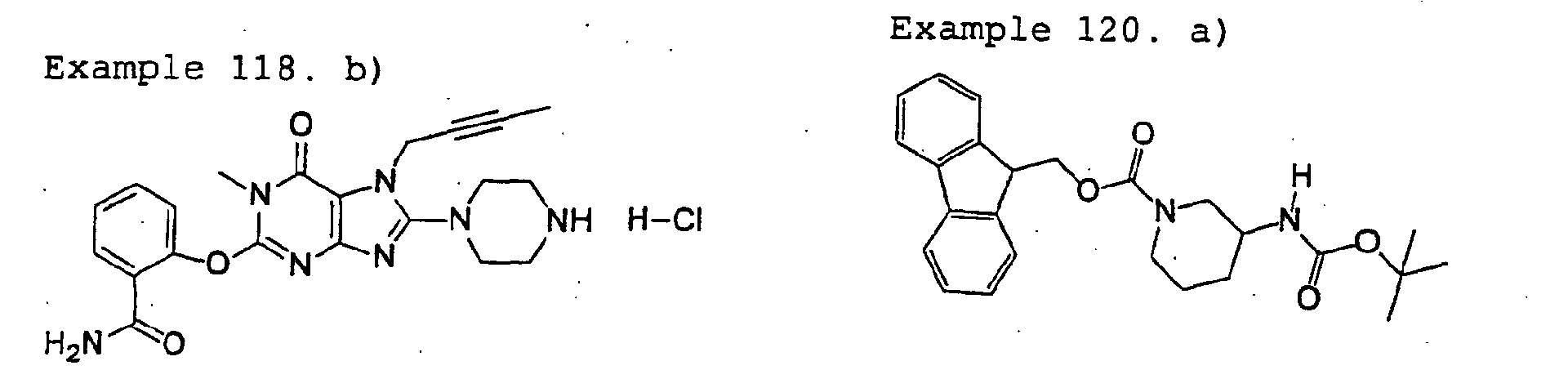
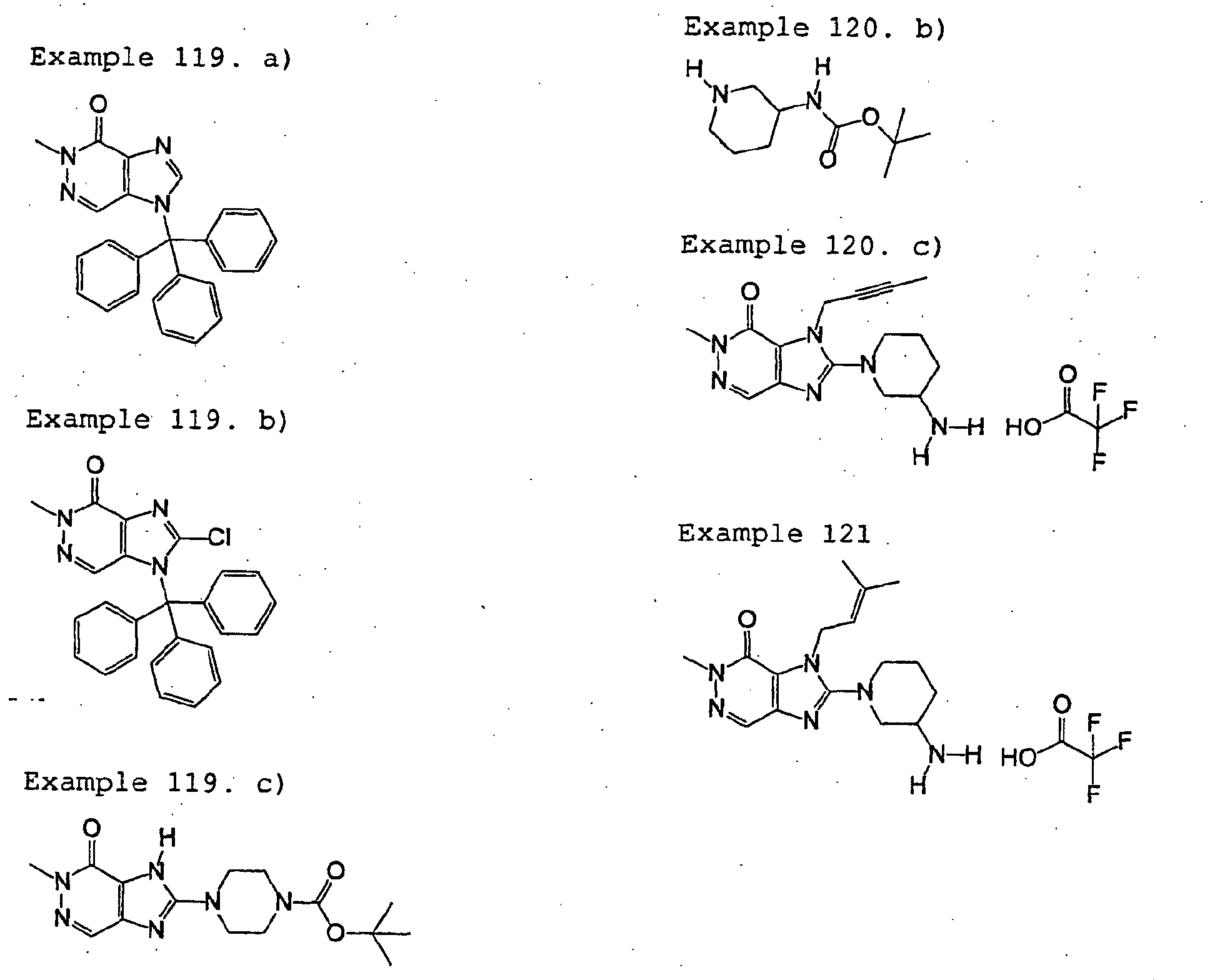

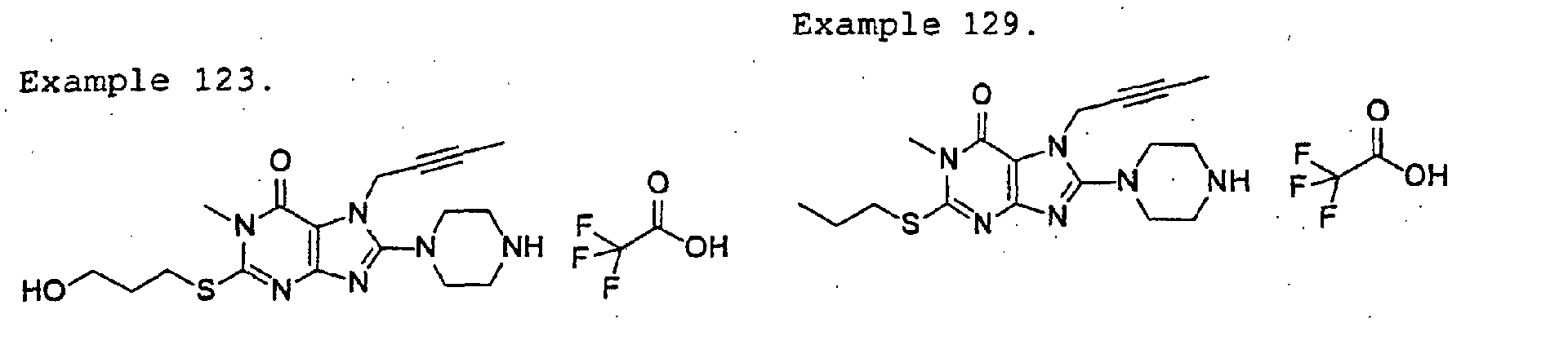
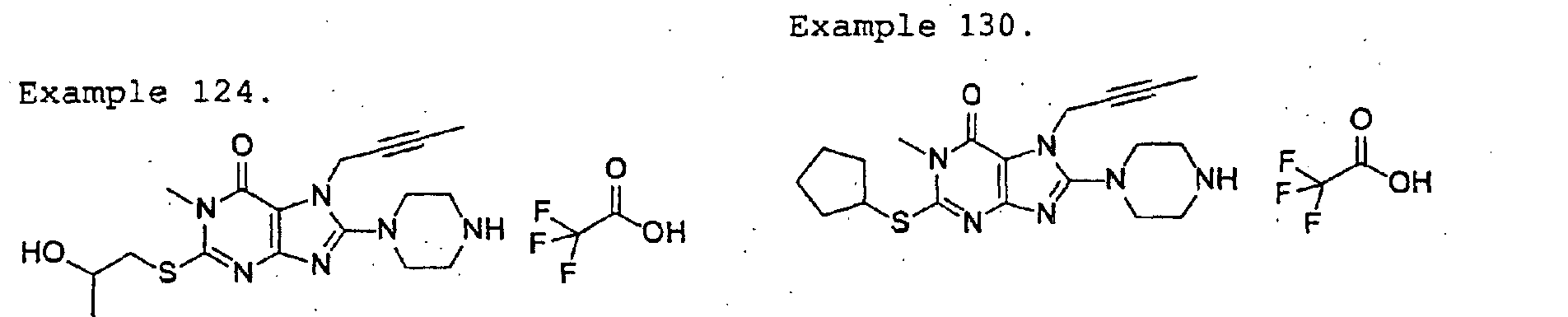


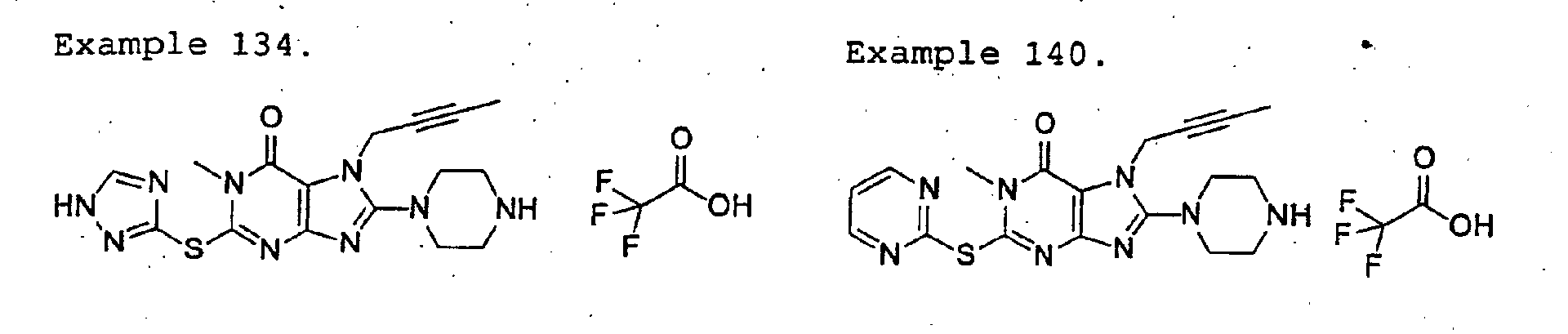
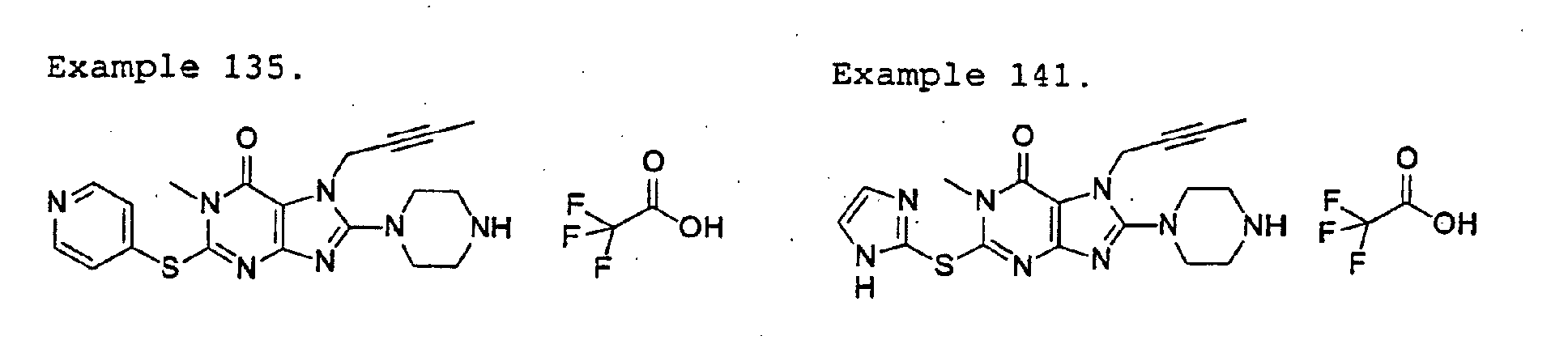

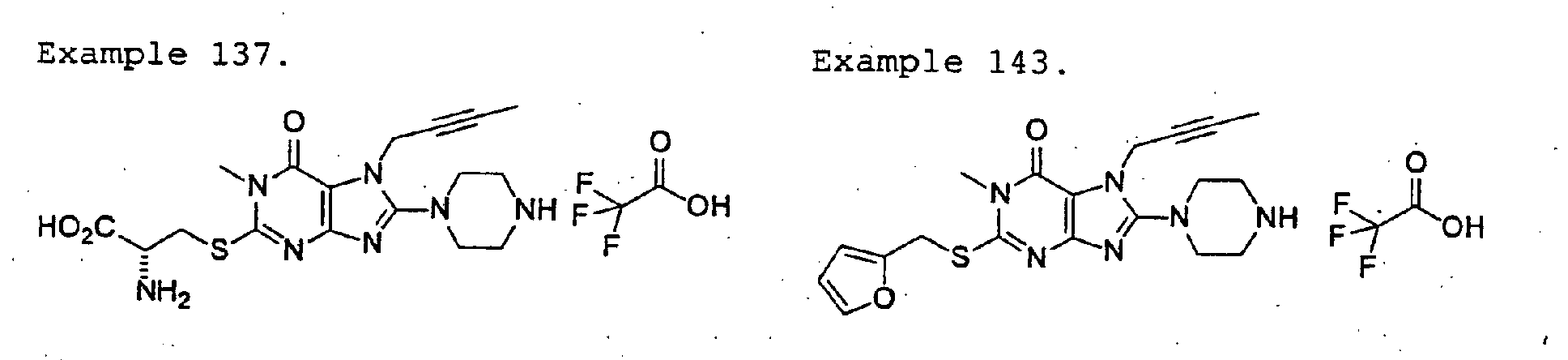

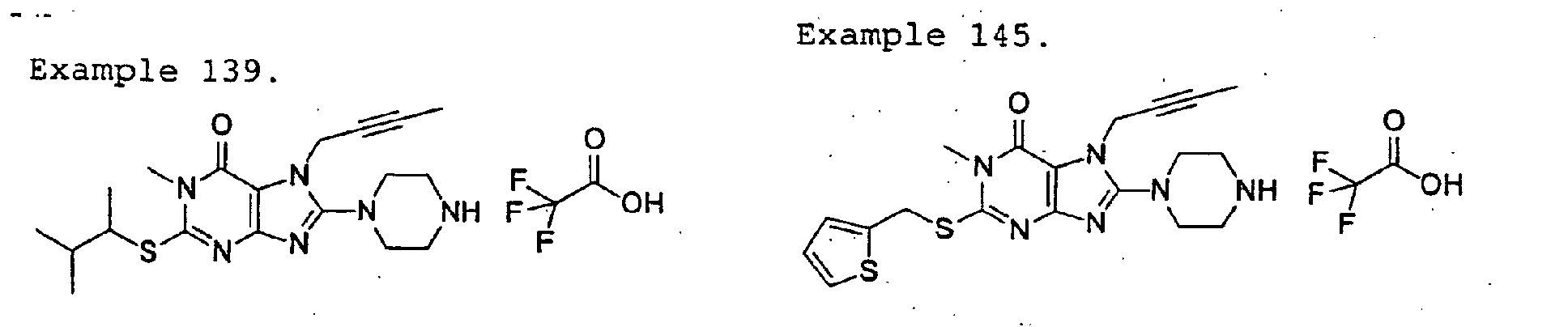

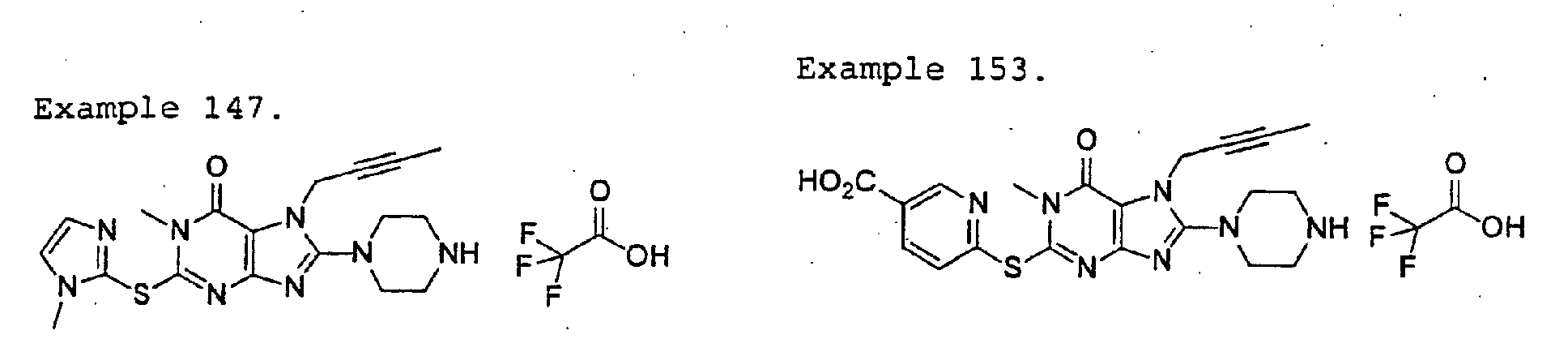
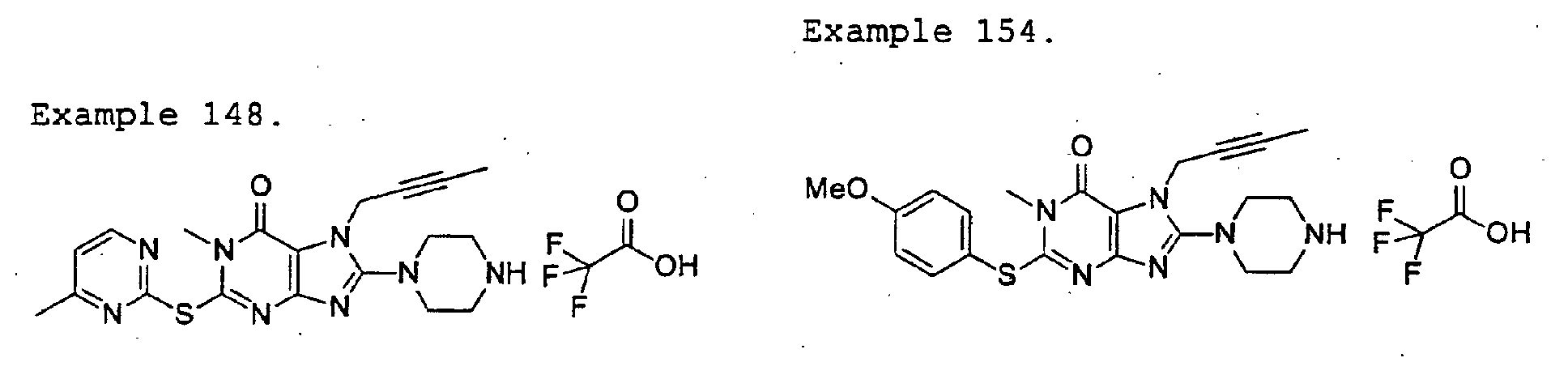
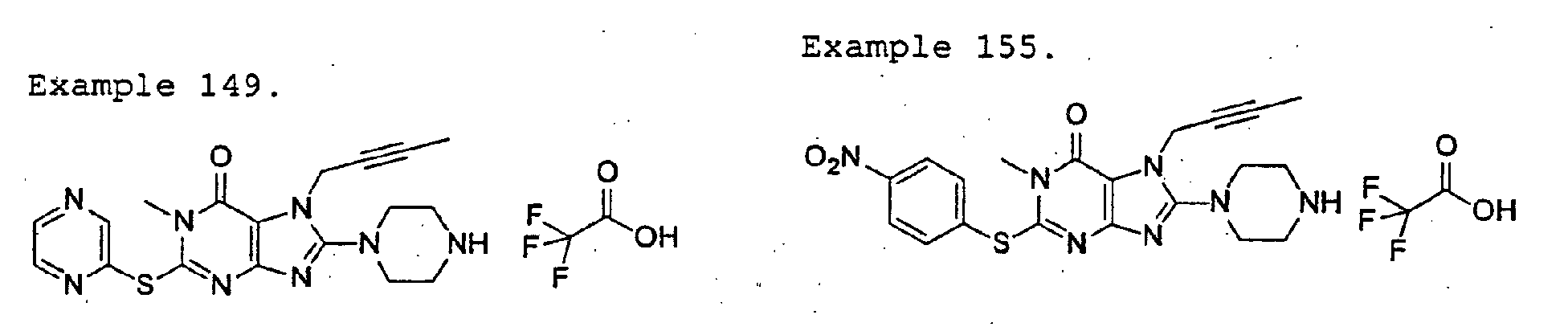


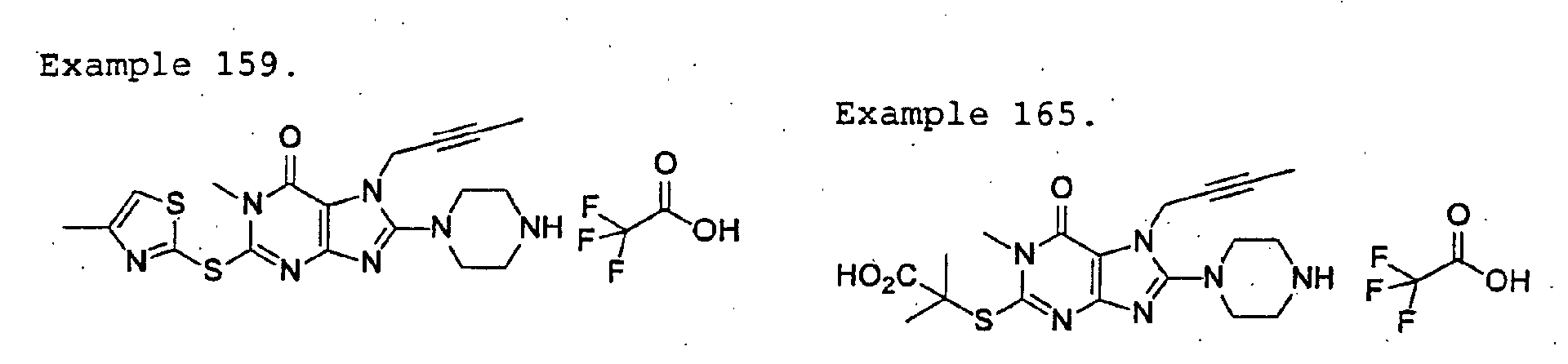
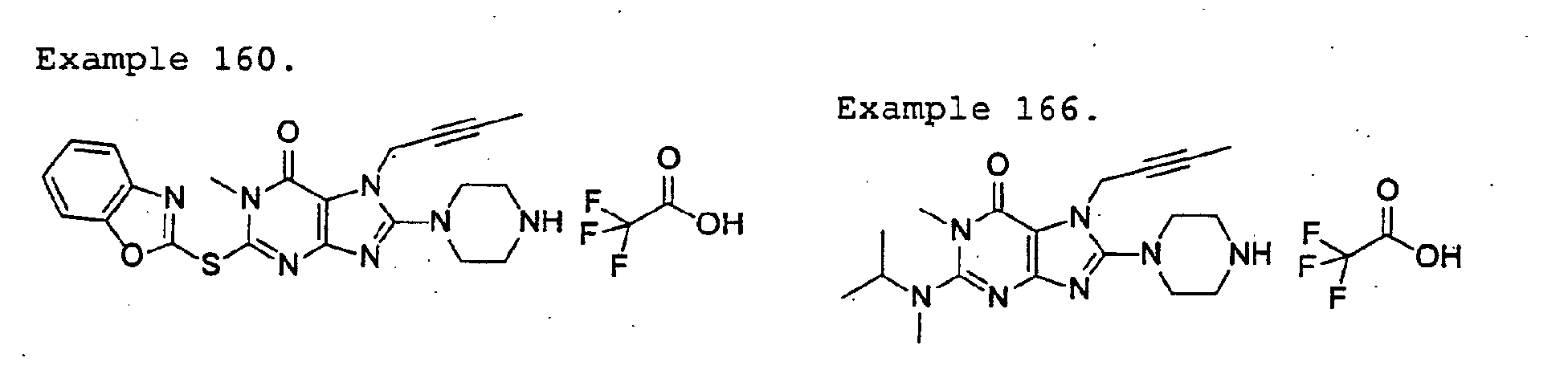
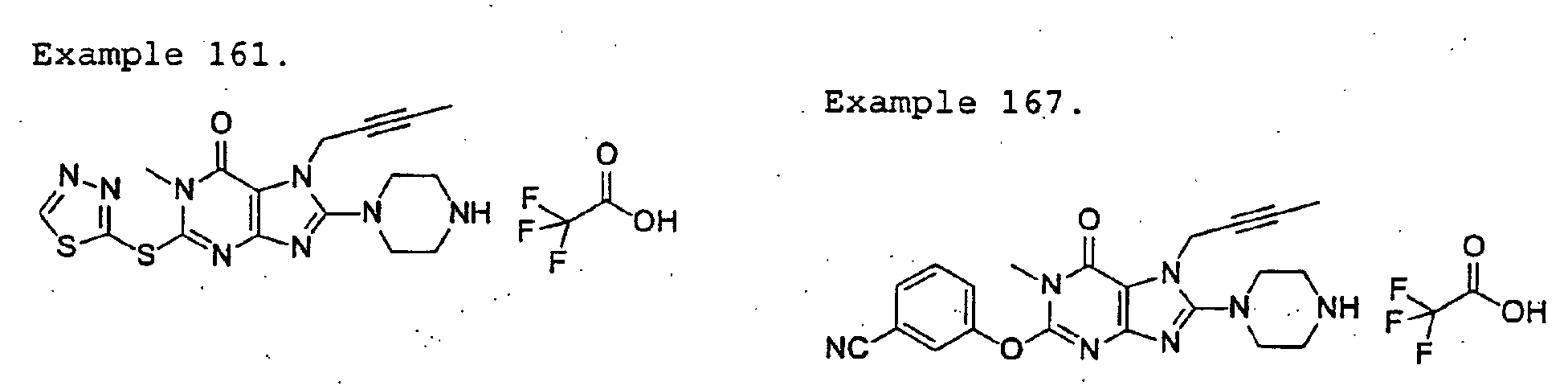


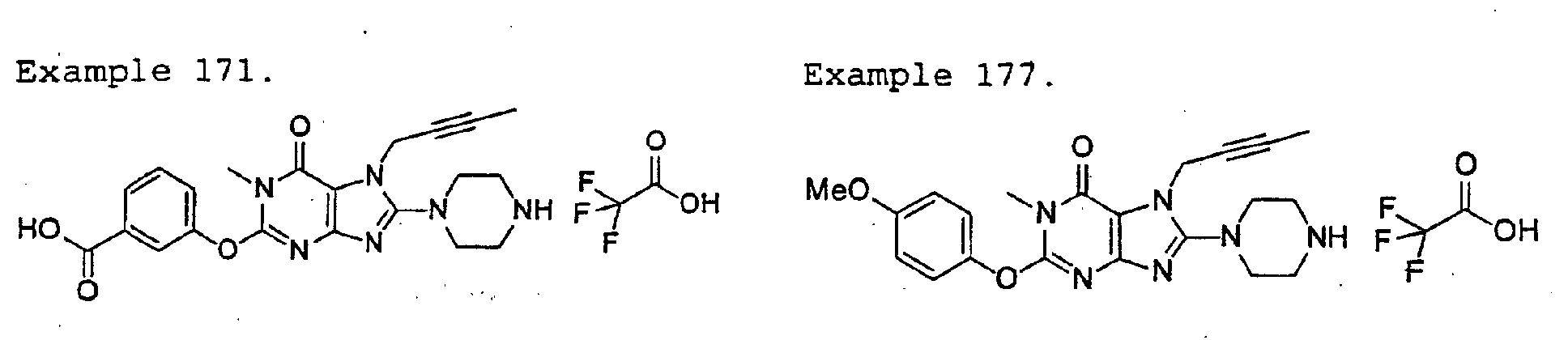

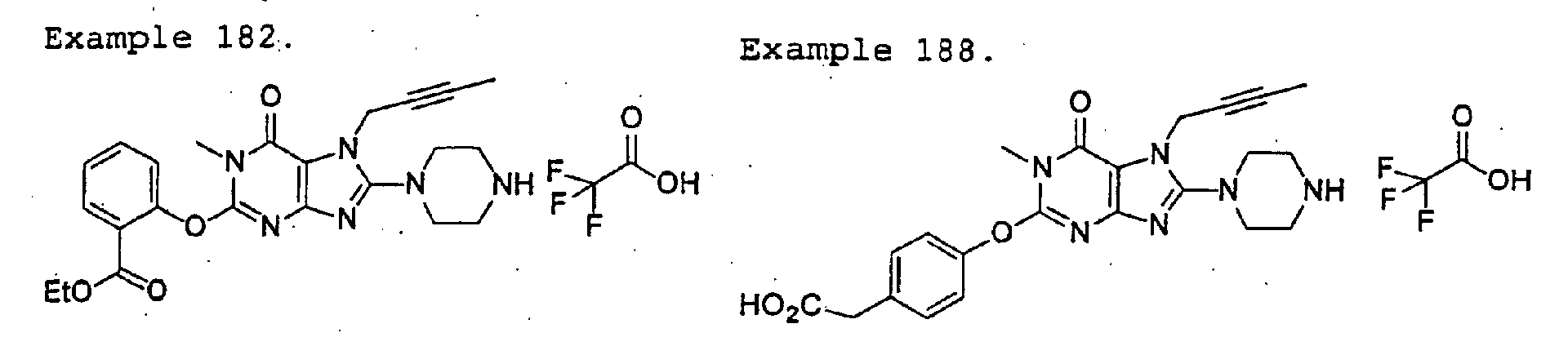


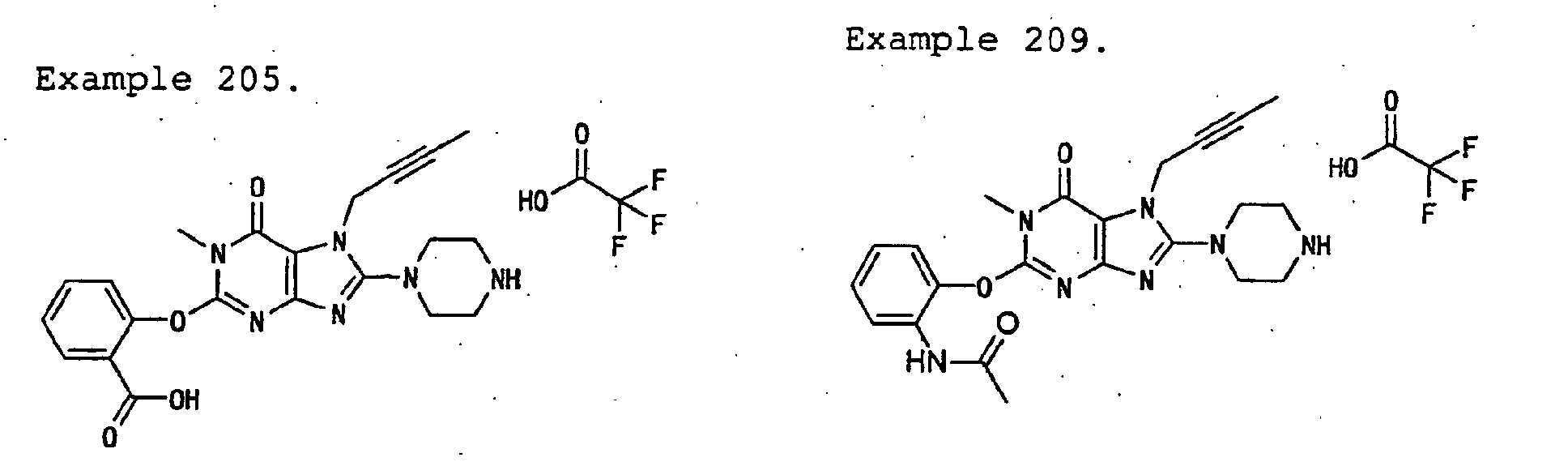
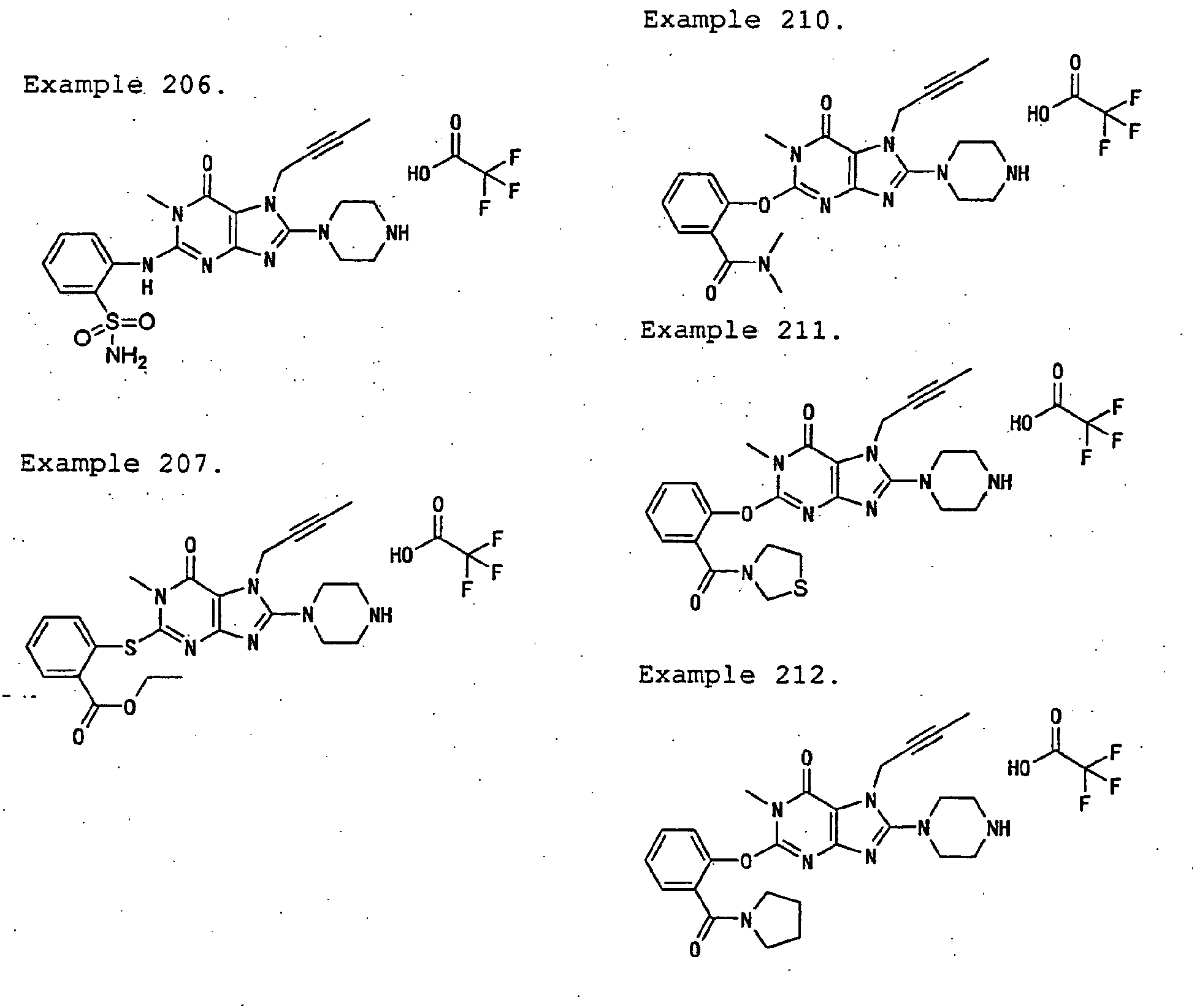
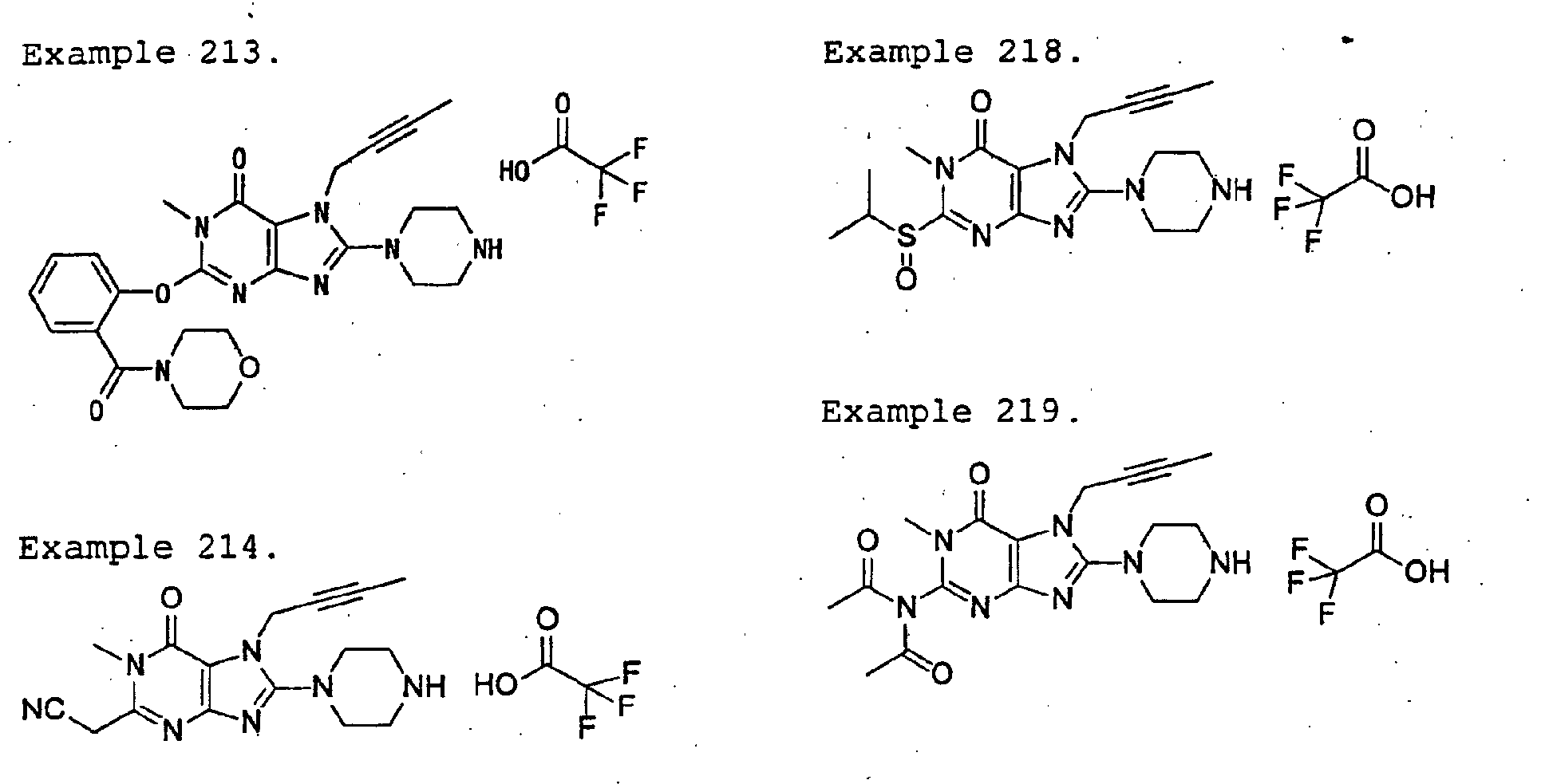
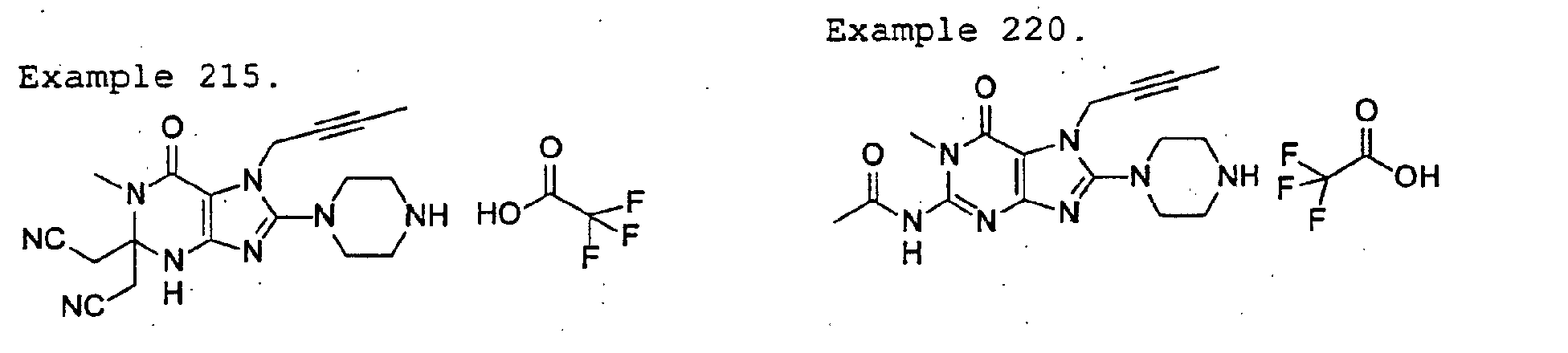

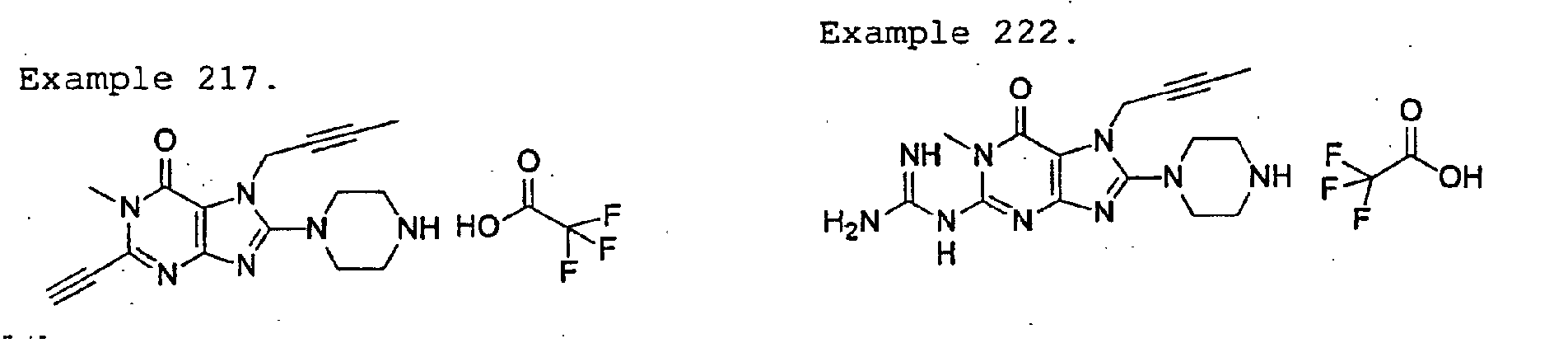
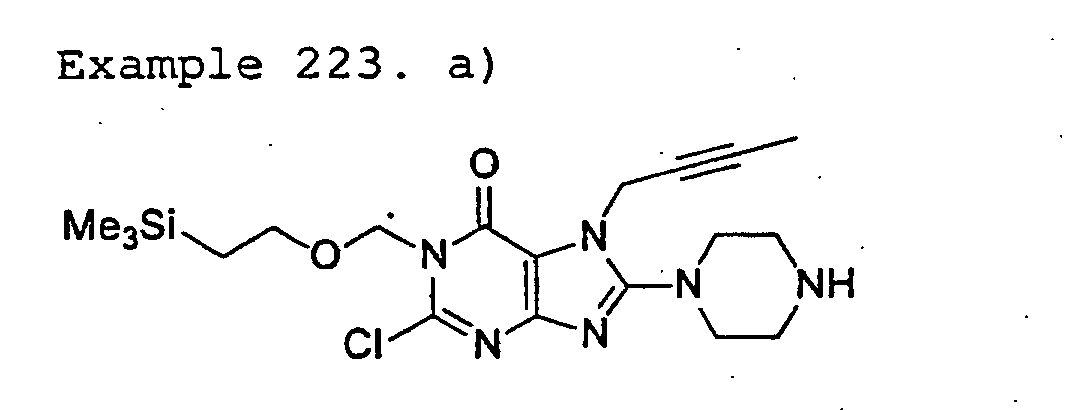

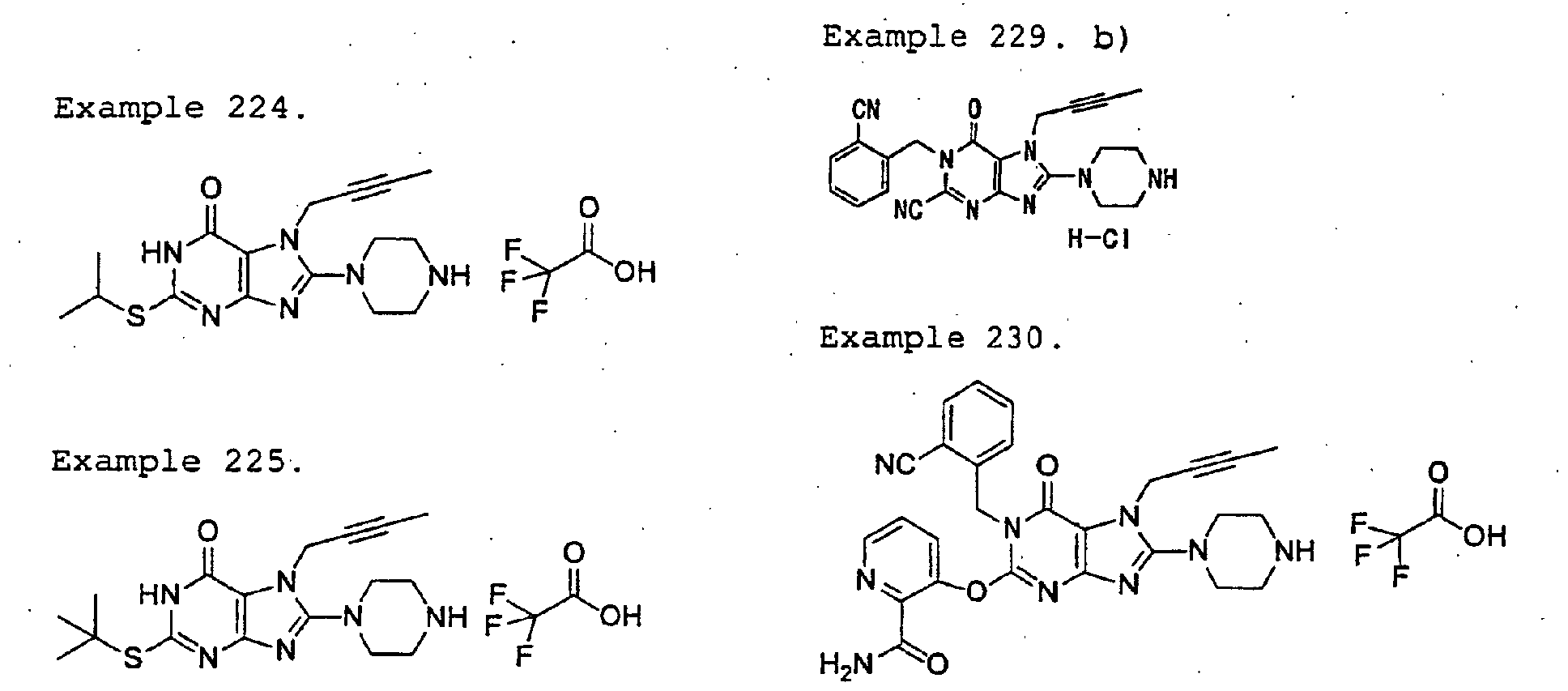


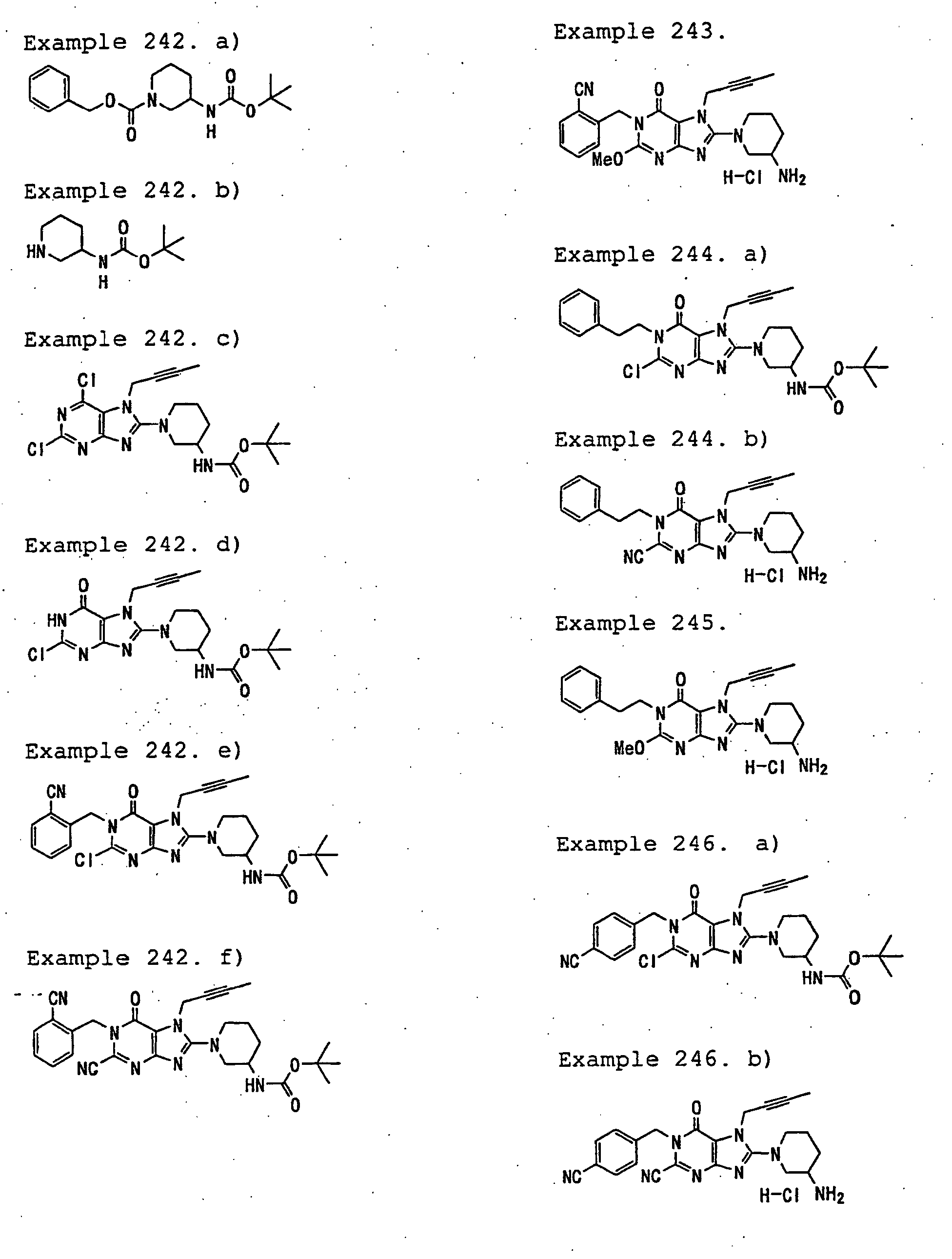
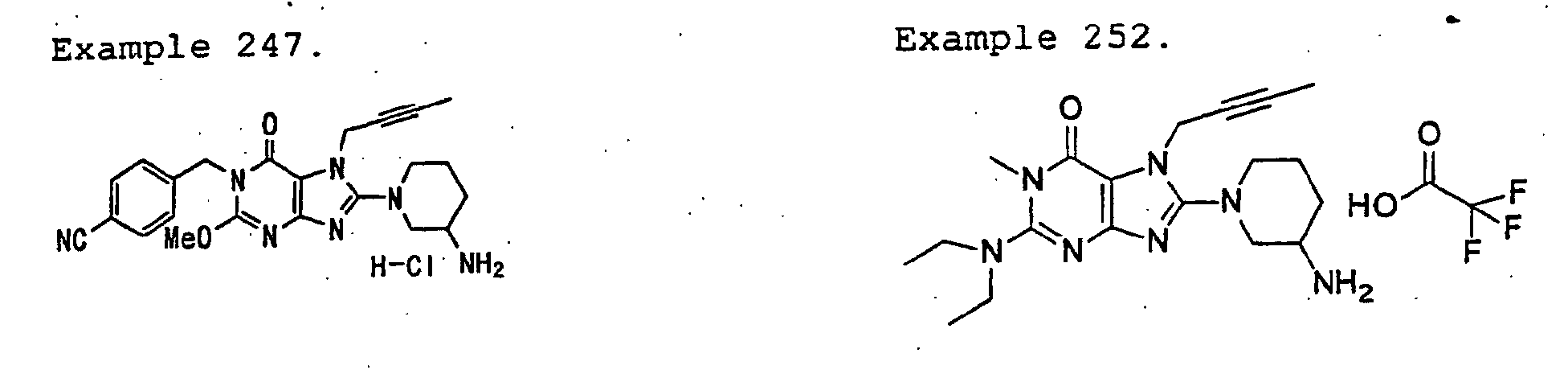

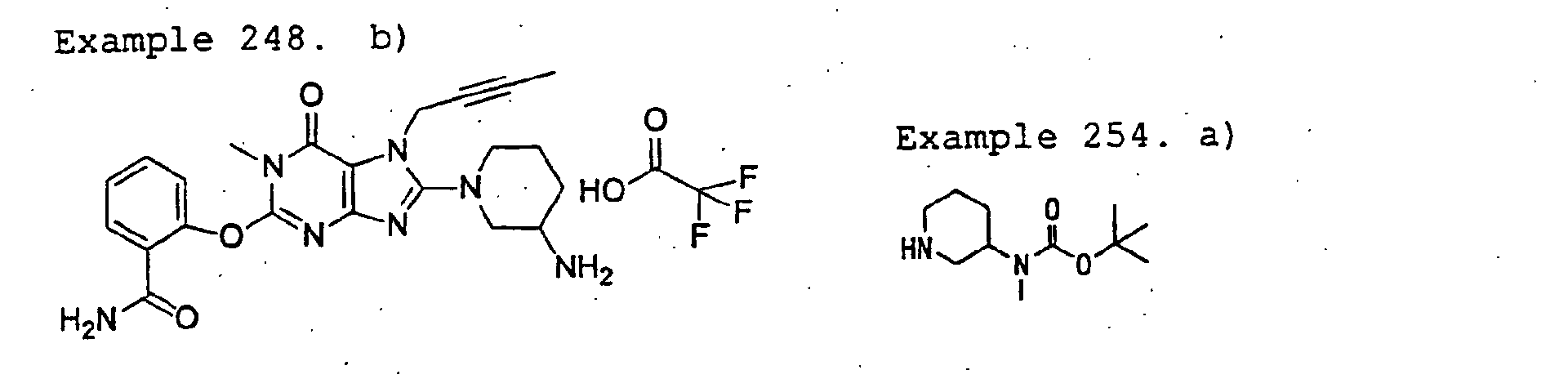



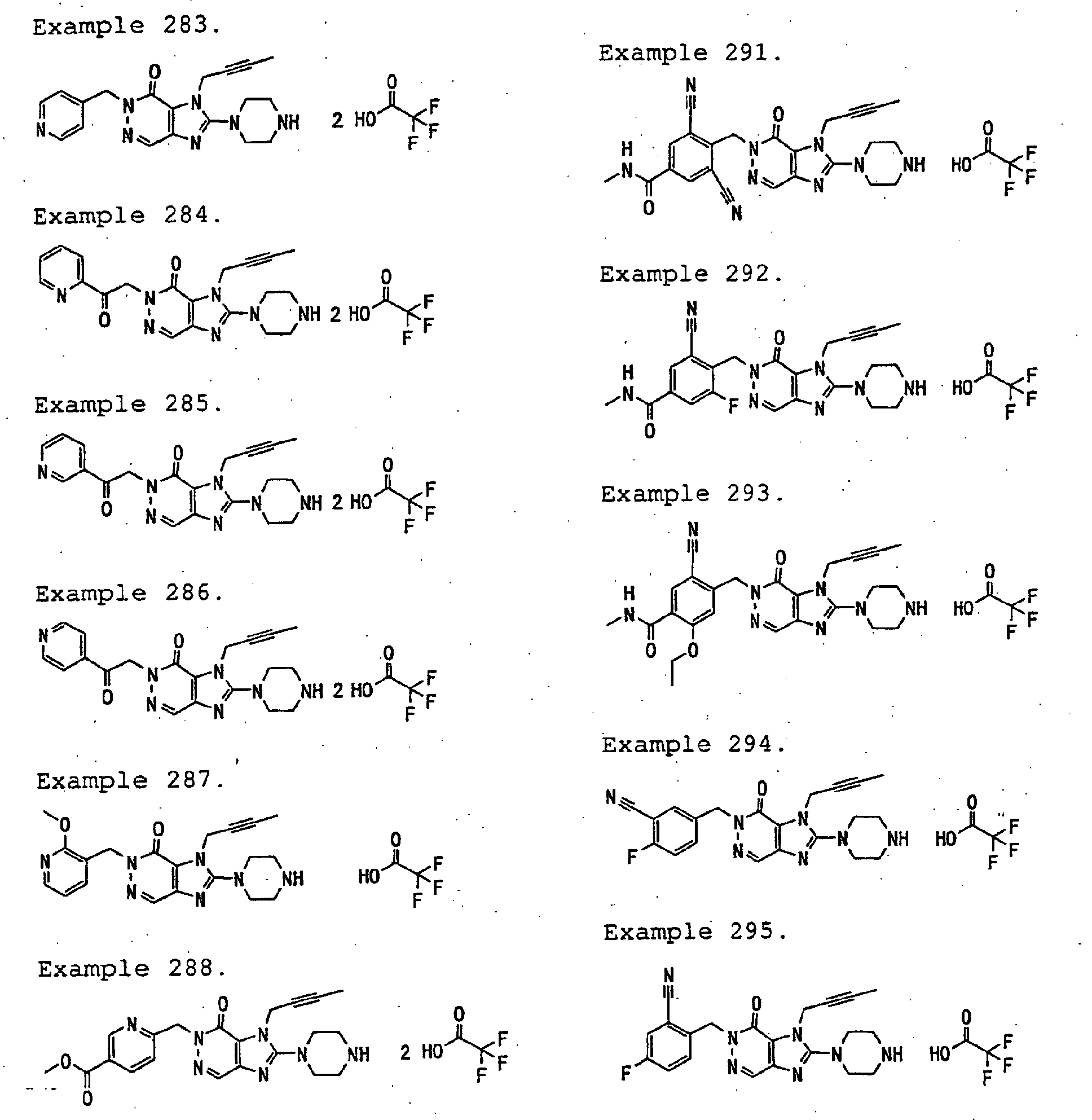





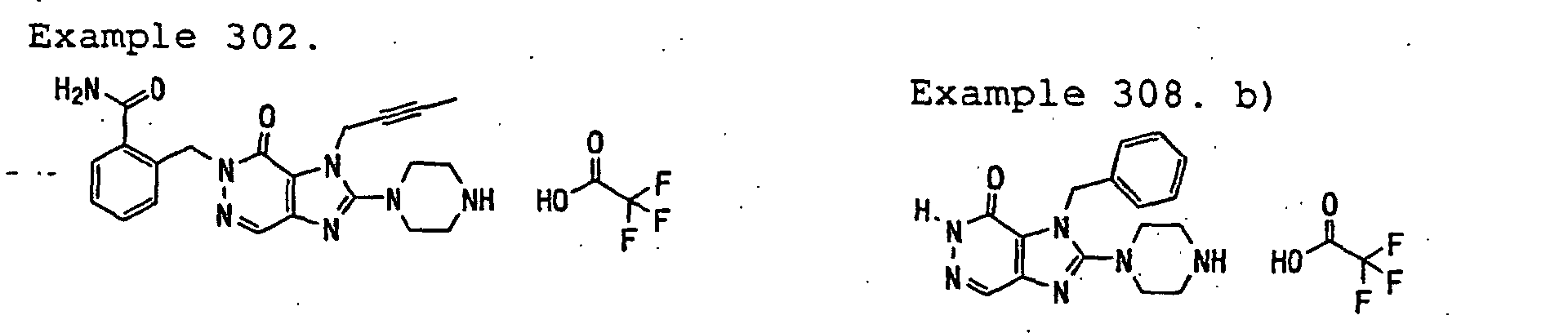







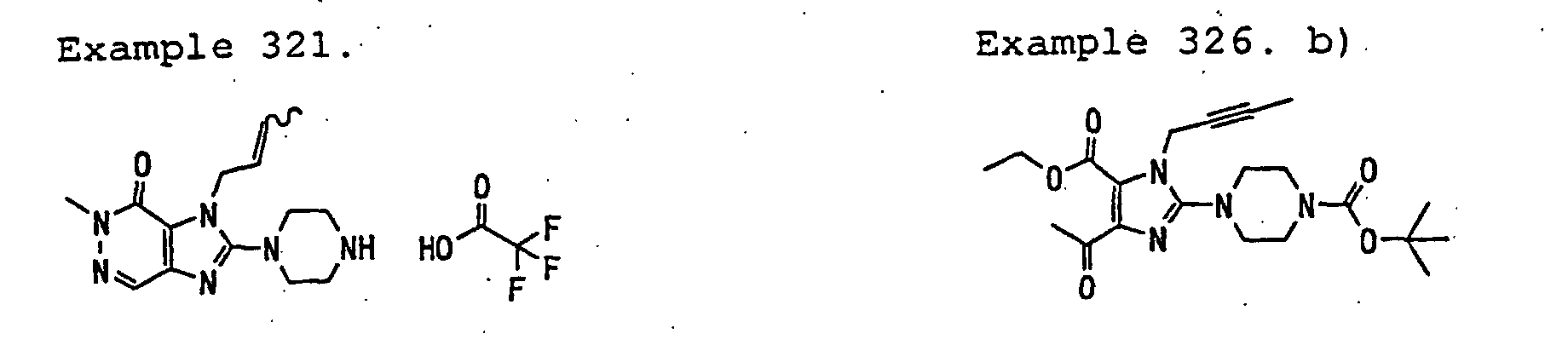
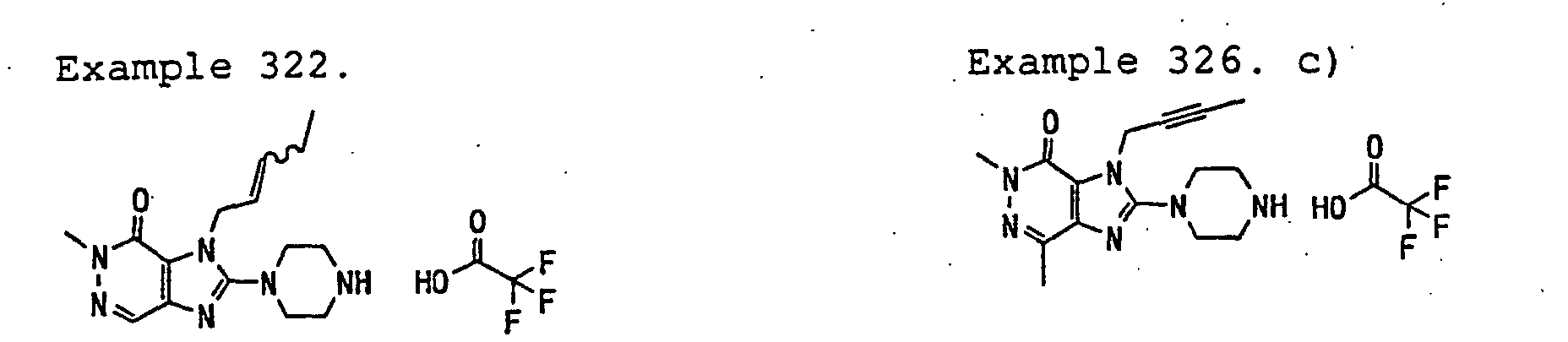
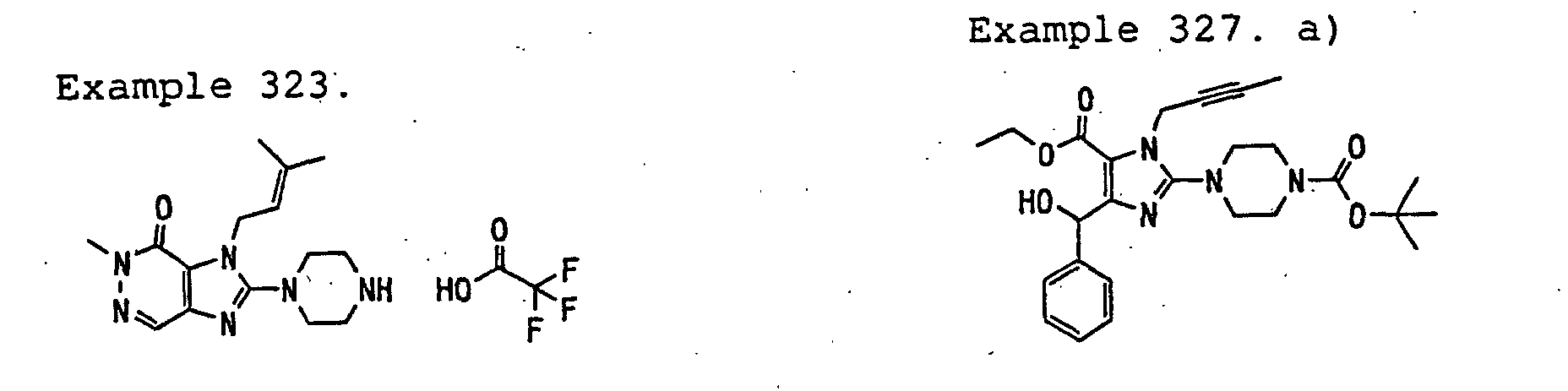


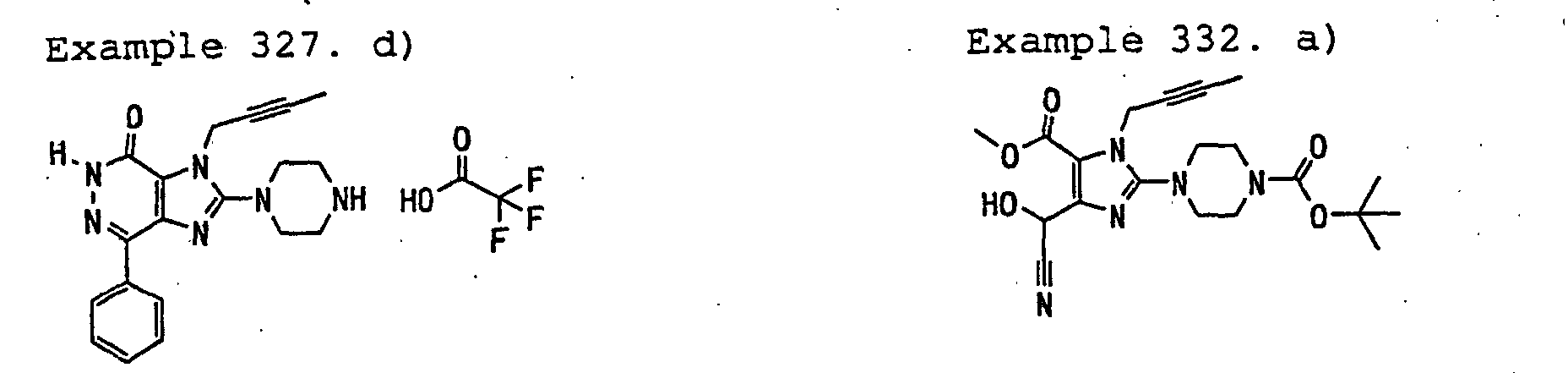
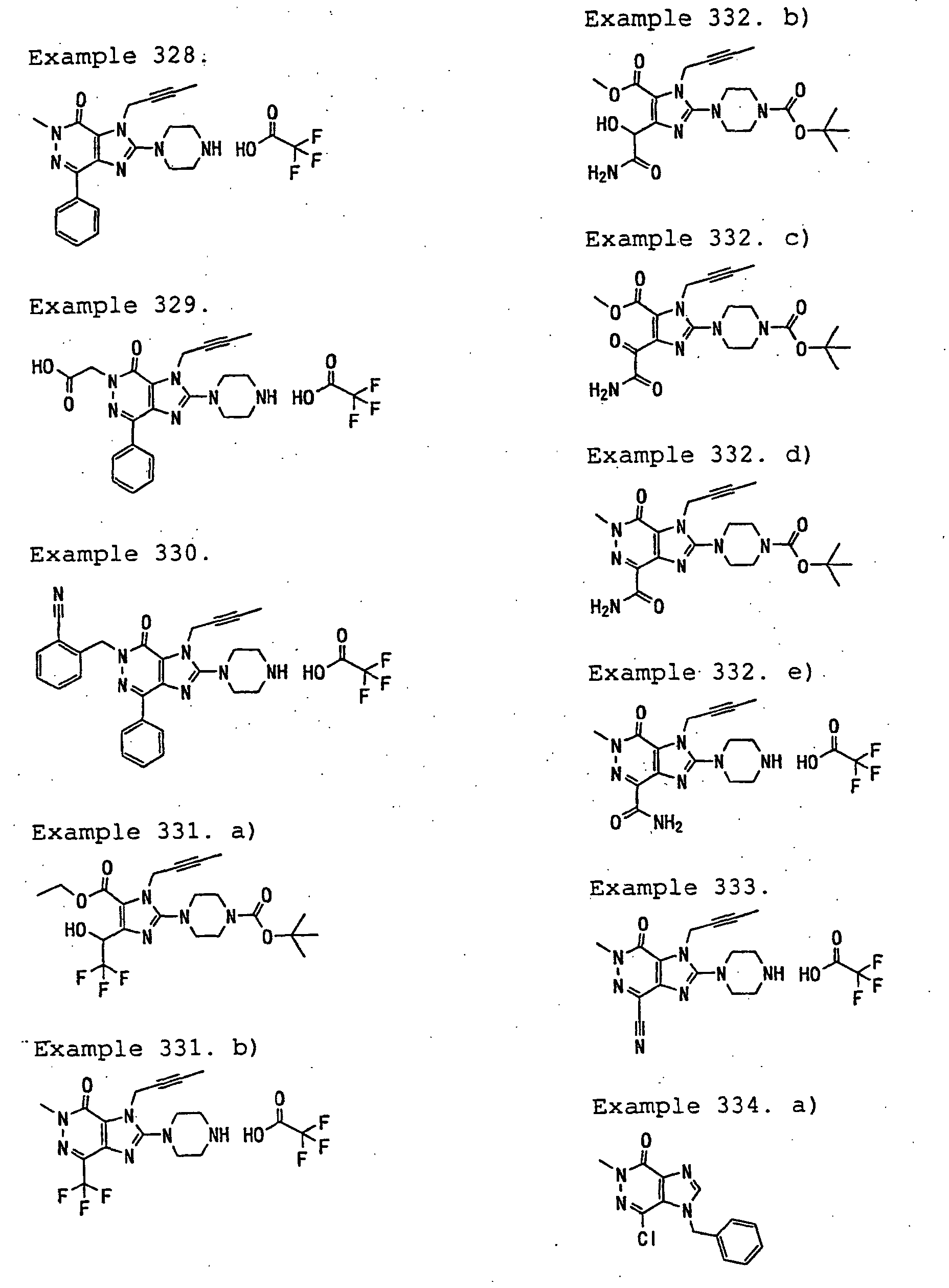
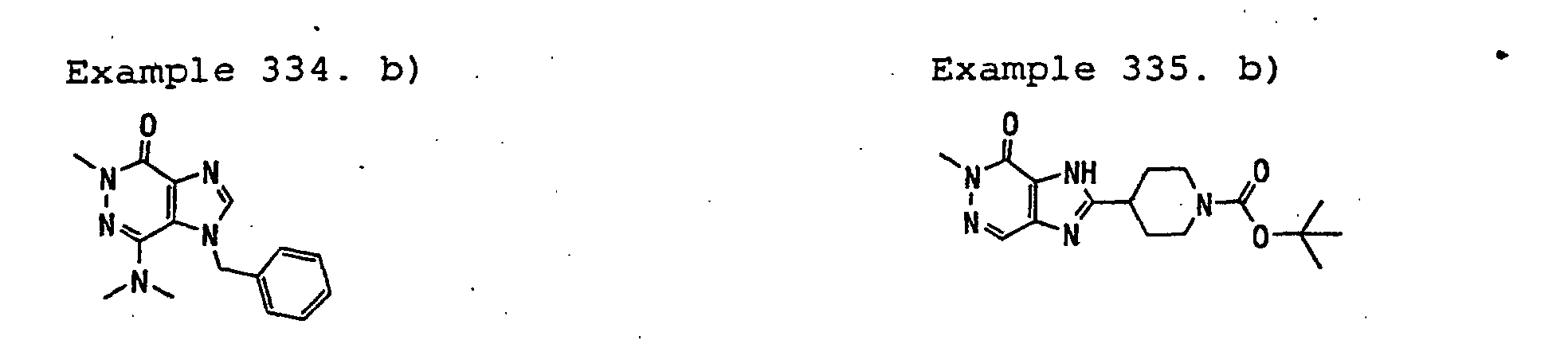
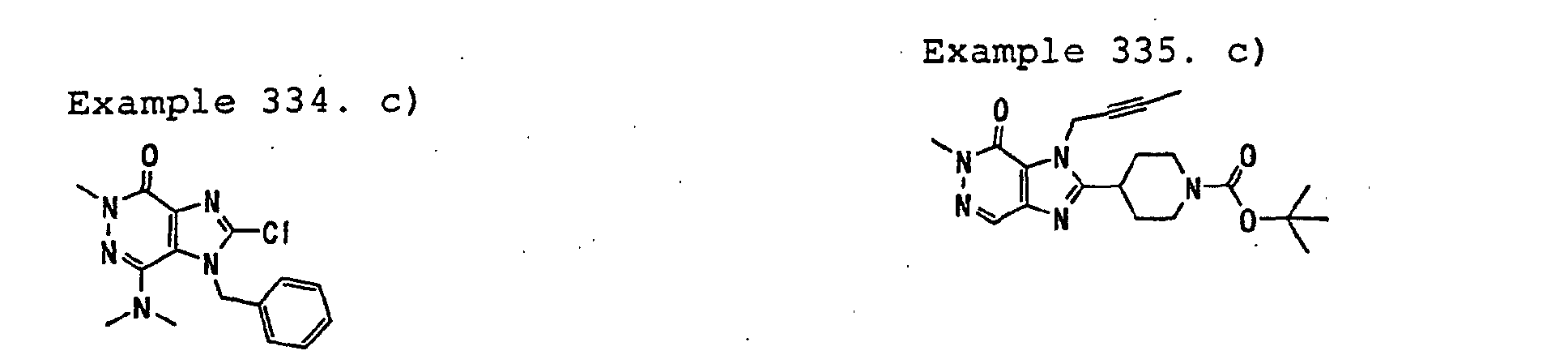


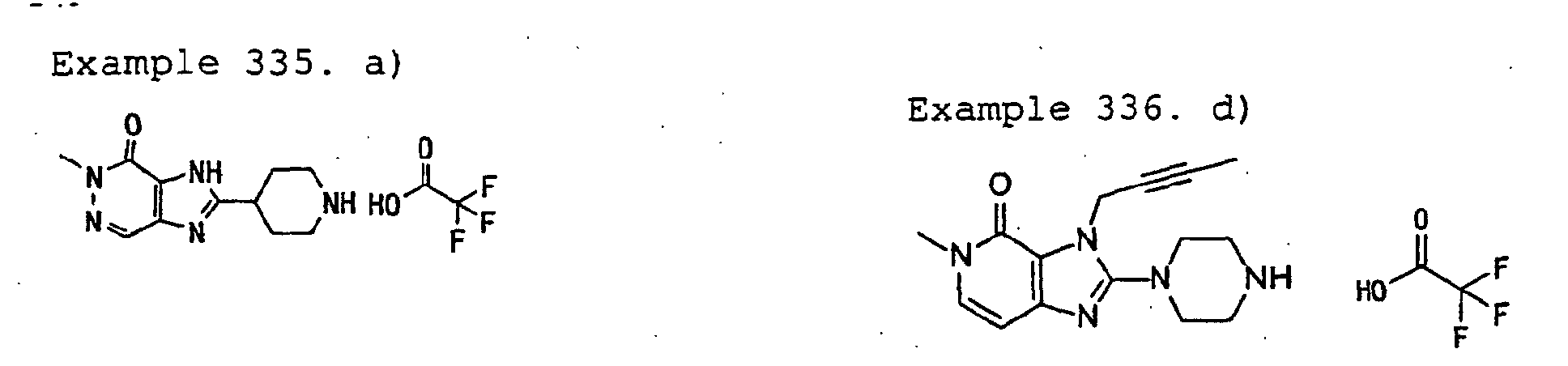
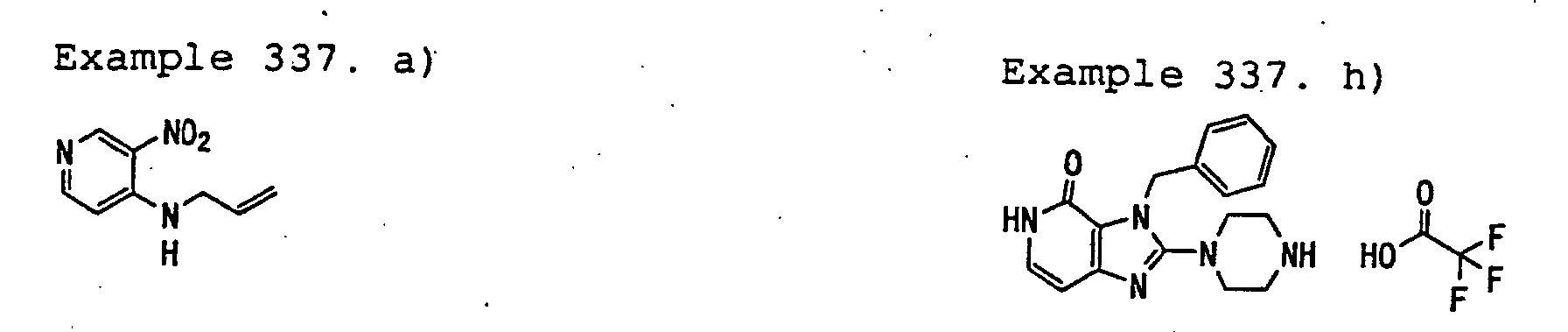
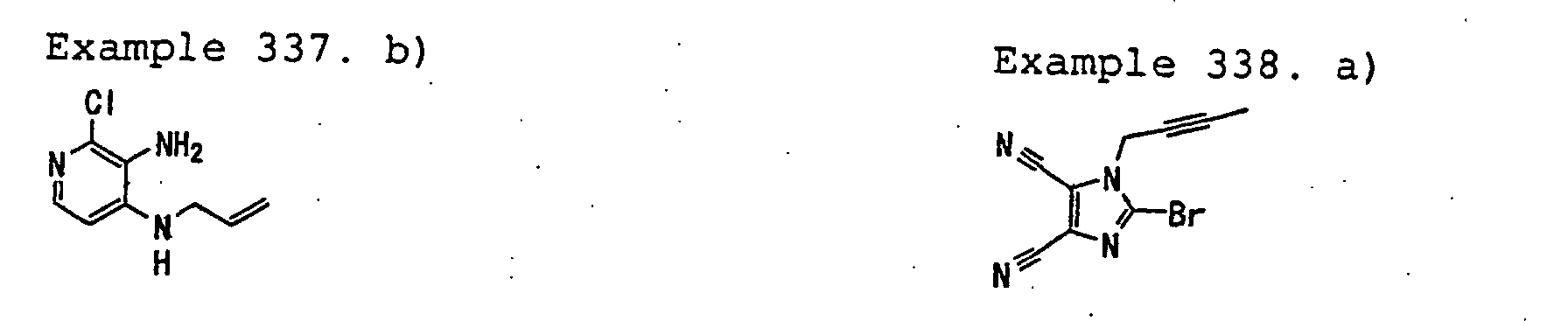

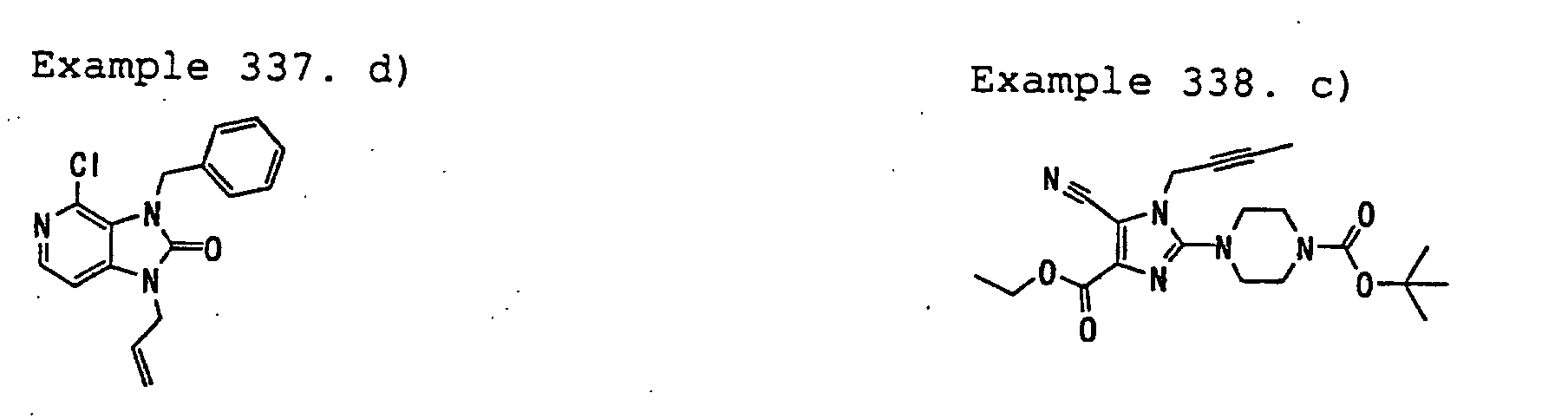

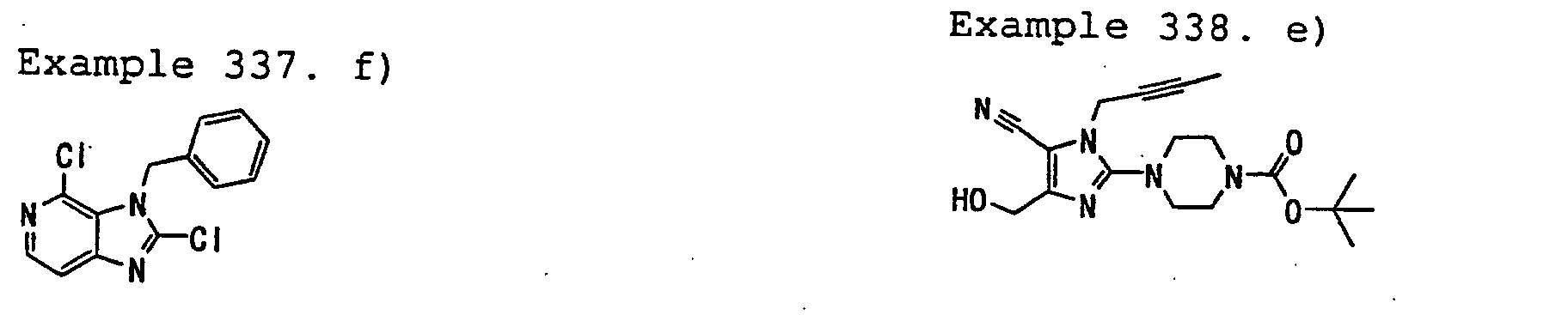
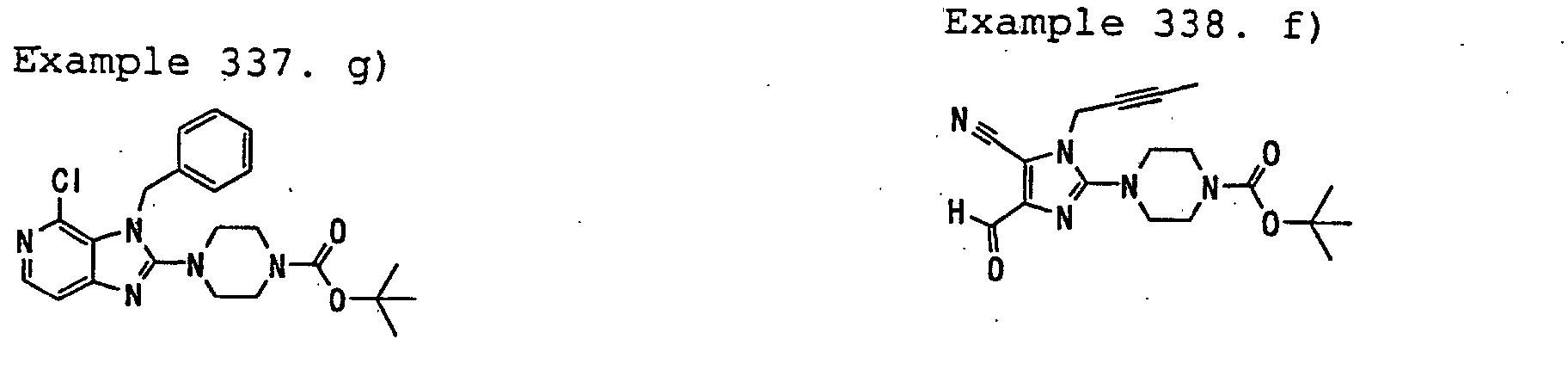



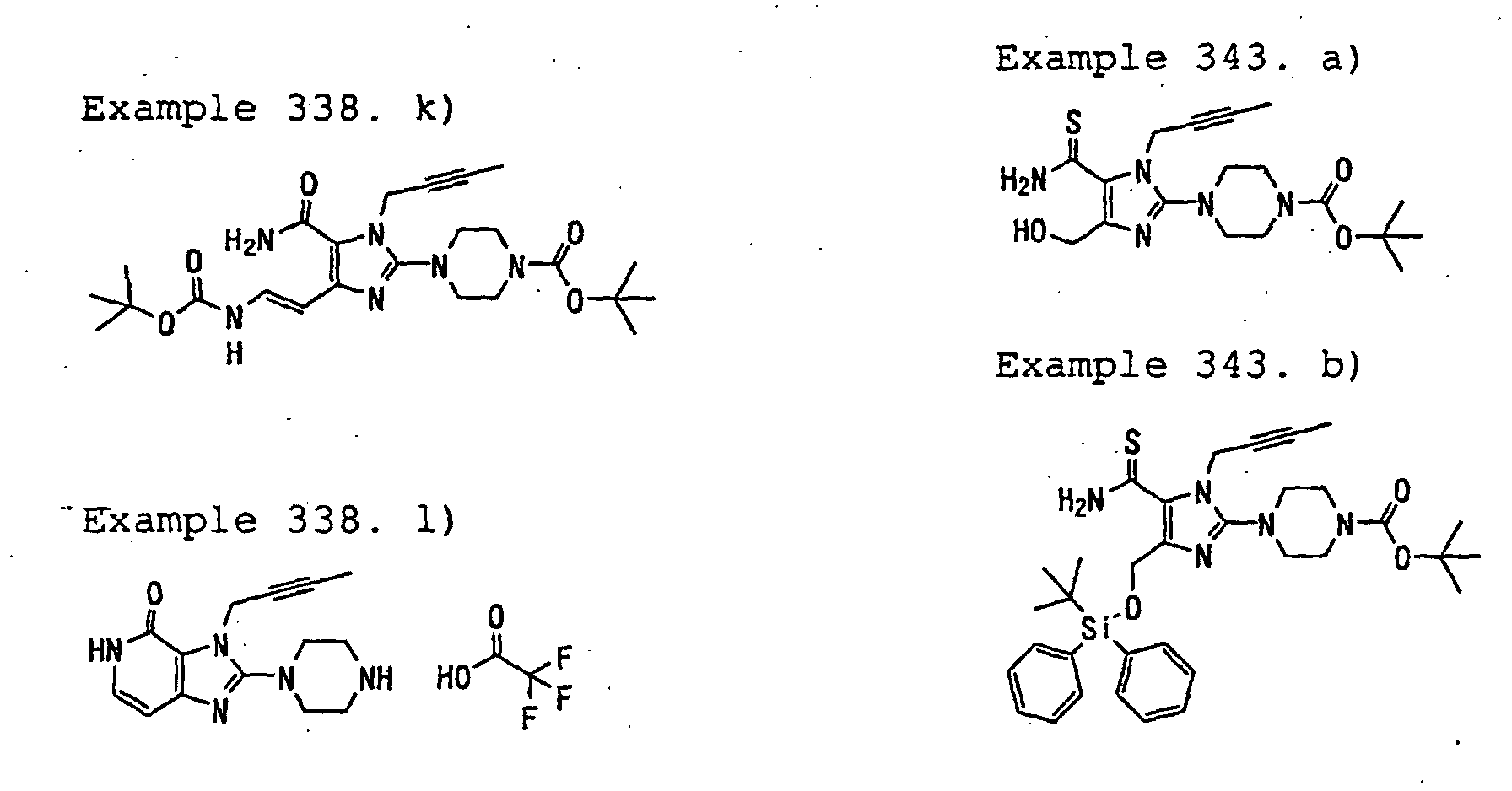
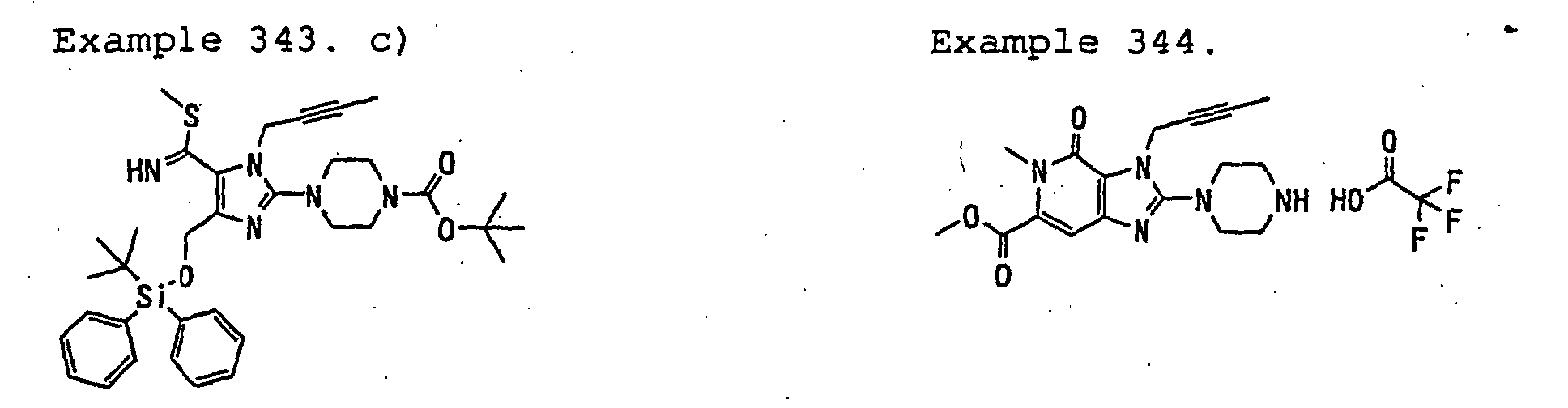
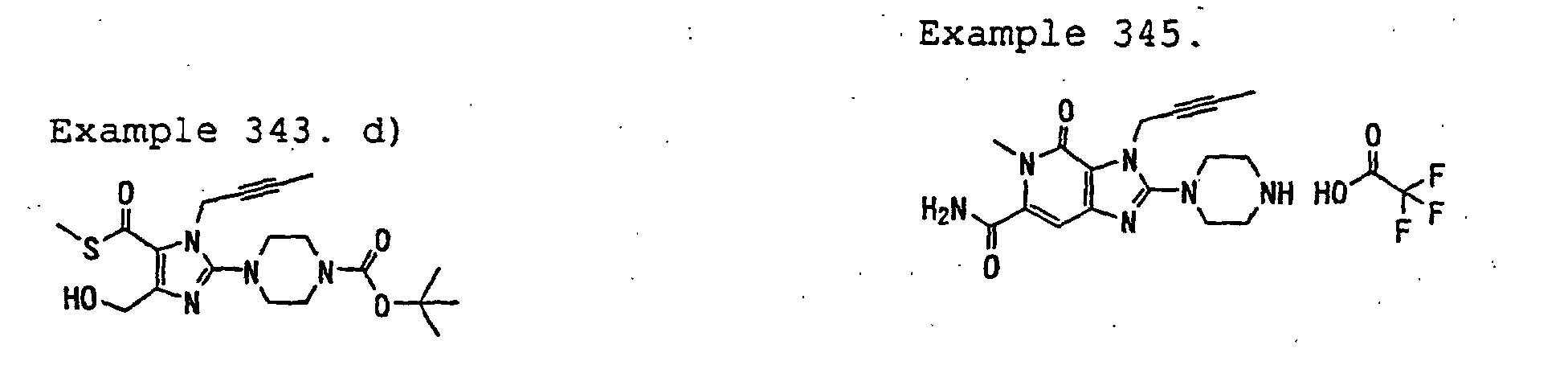
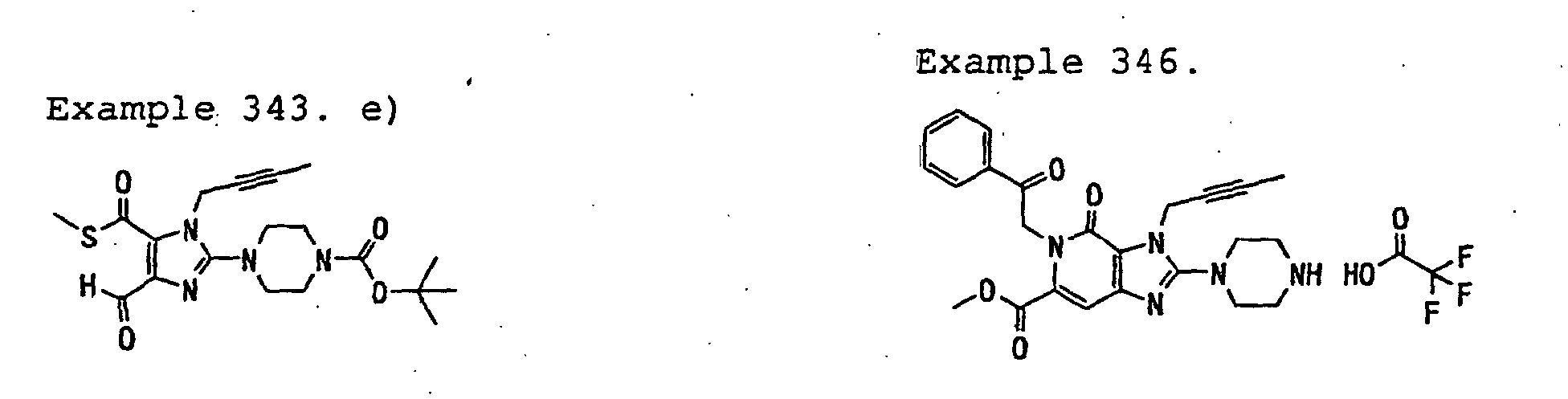

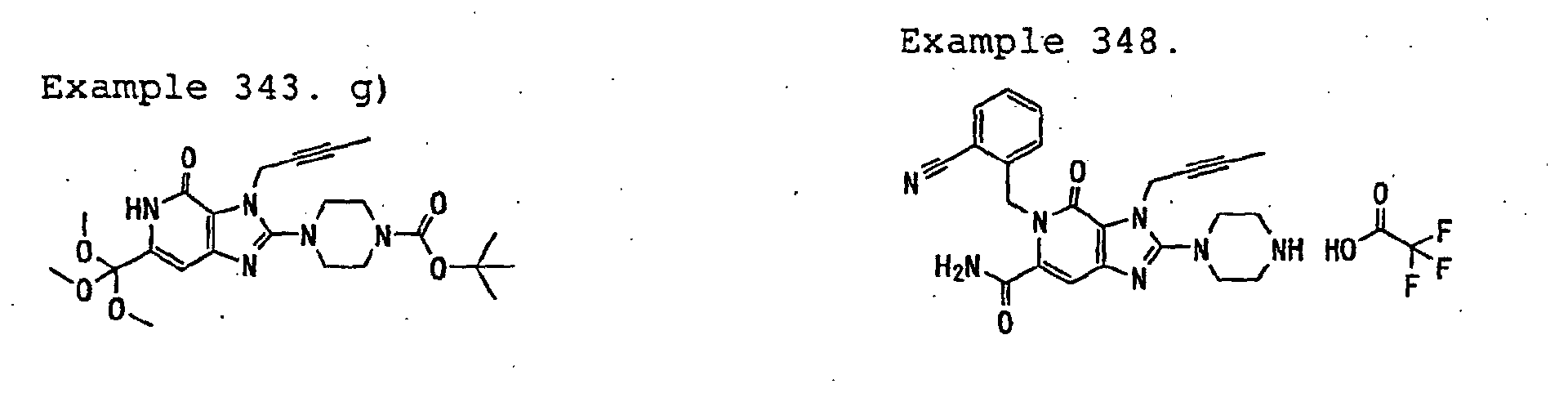
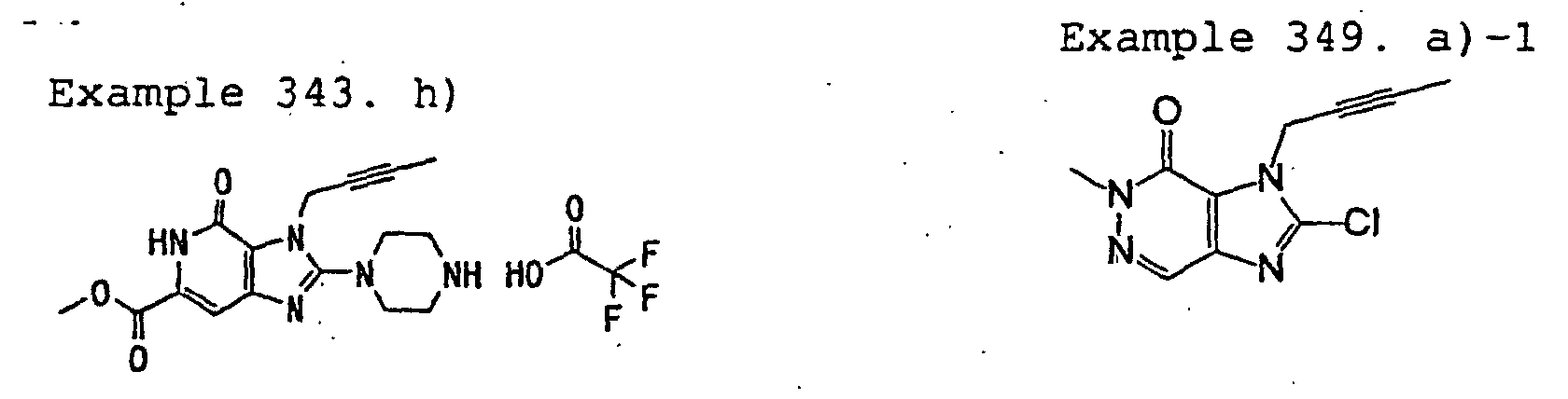

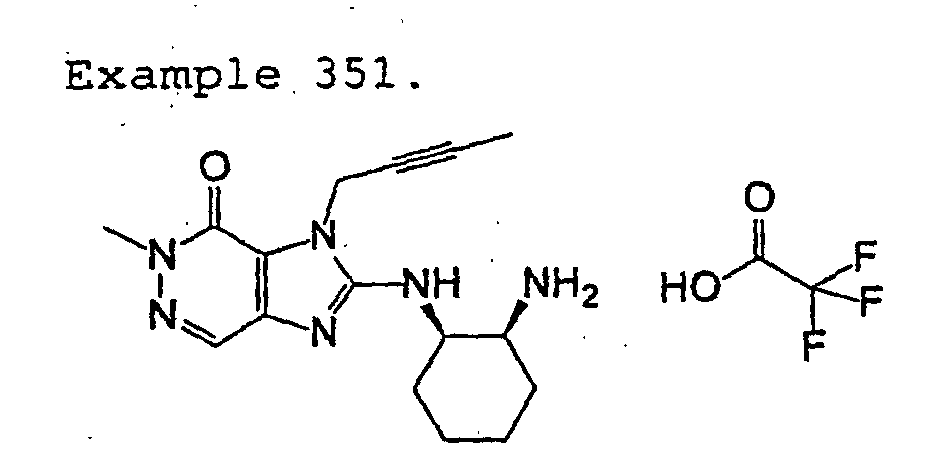
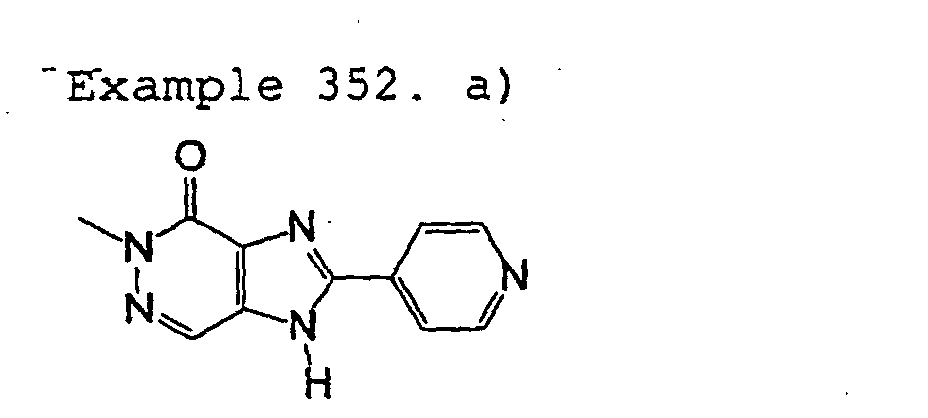

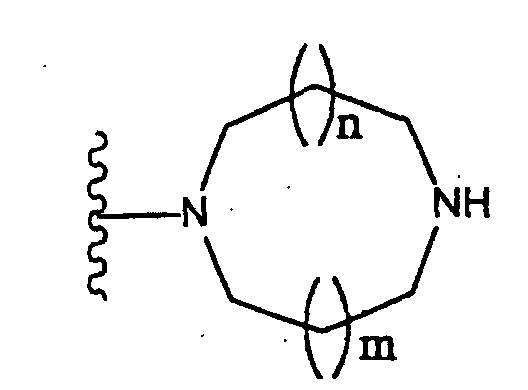
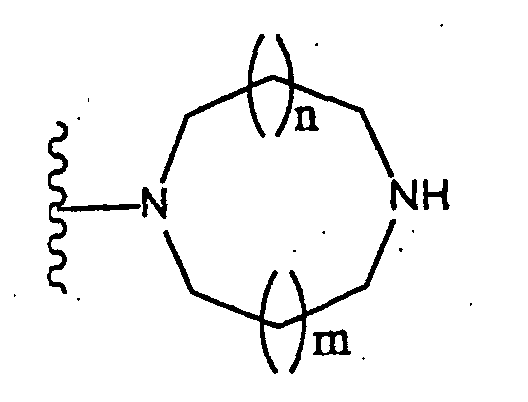
 (where A27 represents an oxygen atom, a sulfur atom, or -NH-; A28 and A29 each independently represent a hydrogen atom or a C1-6 alkyl group).