FIELD OF THE INVENTION
The present invention relates to a light-sensitive
sheet comprising a support, a first light-sensitive
layer, a barrier layer and a second light-sensitive layer
in this order. Each of the first and second light sensitive
layers independently contains a binder, a polymerizable
compound and a photo-polymerization initiator. The
invention also relates a light-sensitive laminate comprising
a substrate, a second light-sensitive layer, a
barrier layer and a first light-sensitive layer in this
order. The invention particularly relates to a light-sensitive
sheet or a light-sensitive laminate that can be
advantageously used for preparation of a printed circuit
board. The invention further relates to a process for
forming an image pattern or a circuit pattern using the
light-sensitive laminate. The invention furthermore relates
to a process for forming a circuit pattern on a
printed circuit board by using the light-sensitive sheet
or the light-sensitive laminate.
BACKGROUND OF THE INVENTION
A light-sensitive sheet comprising a support and a
light-sensitive layer is widely used as a material for
forming an image pattern. In more detail, the light-sensitive
sheets are used to prepare printed circuit
boards, display elements (e.g., color filter, column,
rib, spacer, partition) or other imaging products (e.g.,
printing plate, hologram, micromachine, proof).
A printed circuit board is prepared by forming a
circuit pattern with a photo-litho process. The photo-litho
process uses the light-sensitive sheet comprising a
transparent support (e.g., polyethylene terephthalate
film) and a light-sensitive layer. The light-sensitive
(transferring) sheet is sometimes referred to as a dry
film-resist in the field of photo-litho process.
A printed circuit board having through-holes can be
prepared, for example by the steps of:
A metal plating layer in a through-hole can be protected
according to a method using a tenting film formed
at step (6). The method is generally referred to as a
tenting method.
A multi-layered printed circuit board often has a
via-hole in place of (or in addition to) the through-hole.
The via-hole connects the layers in the circuit. A
metal plating layer in the via-hole should be also protected
with the tenting film to form a circuit pattern.
A recent printed circuit board is required to be
more densely integrated. Accordingly, a light-sensitive
sheet is required to give a circuit pattern with high
resolution. A thin light-sensitive layer is effective in
improving resolution of the light-sensitive sheet. On
the other hand, a tenting film formed by hardening the
light-sensitive layer has a function of protecting the
through-hole or the via-hole in the printed circuit
board, as is described above. A thin tenting film formed
from the thin light-sensitive layer is liable to break
while dissolving the unhardened area of the light-sensitive
layer in a developing solution to remove the
unhardened area, or while subjecting the bared metal
plating layer to an etching treatment.
Therefore, the light-sensitive sheet has been improved
to form a strong tenting film as well as a pattern
with high resolution.
Japanese Patent Provisional Publication No.
10(1998)-142789 discloses a light-sensitive sheet improved
in components of the light-sensitive layer. The
light-sensitive layer comprises a binder having carboxyl
group, monomers comprising a specific vinylurethane compound
and a specific acrylate compound, and a photo-polymerization
initiator.
Japanese Patent Provisional Publication No. 8(1996)-54732
discloses a light-sensitive sheet improved in a
layered structure. The light-sensitive sheet comprises a
support, a first light-sensitive layer and a second
light-sensitive layer in this order. The first light-sensitive
layer is soluble in an alkaline solution, has
low fluidity when heated, and is sensitive to an active
energy ray. The second light-sensitive layer is soluble
in an alkaline solution, and has high fluidity when
heated, and is sensitive to an active energy ray. The
light-sensitive sheet has through-holes. The through-holes
are filled with the second light-sensitive layer to
protect the metal layer in the holes.
Japanese Patent Provisional Publication No.
10(1998)-111573 discloses a light-sensitive resin
laminate comprising a support, a first light-sensitive
layer and a second light-sensitive layer. The two light-sensitive
layers contain different vinyl copolymers, but
they further contain the same specific monofunctional
monomer. The light-sensitive laminate is improved in adhesion
and resolution.
Japanese Patent Provisional Publication No. 3(1991)-17650
discloses a photo-resist comprising a support, a
non-adhesive light-sensitive layer and an adhesive light-sensitive
layer. The publication also discloses a process
of preparation of a printed circuit board from the
photo-resist. According to the publication, the photo-resist
is improved in tenting performance and the resolution.
In the field of printing plates, Japanese Patent
Publication No. 37(1962)-1306 discloses a light-sensitive
plate for preparation of a printing relief. The light-sensitive
plate comprises a substrate and at least two
photo-polymerizable layers (thickness: 25 µm to 2.5 mm).
The photo-polymerizable layers are polymerized at different
rates. The photo-polymerizable layer near the substrate
can be polymerized more rapidly than the other
layer. The publication reports that the light-sensitive
plate gives a relief image in which an area of the top
face (printing face) of the relief is smaller than an
area of the bottom (base) of the relief.
SUMMARY OF THE INVENTION
An object of the present invention is to provide a
light-sensitive sheet and a light-sensitive laminate
which can easily form a desired pattern relief having
some different thicknesses.
Another object of the invention is to prepare a desired
pattern relief having some different thicknesses
from a light-sensitive sheet or a light-sensitive laminate
according to an industrially advantageous process.
A further object of the invention is to provide a
light-sensitive sheet that gives a pattern with high
resolution and a tough tenting film, and is advantageously
used for preparation of a printed circuit board.
A furthermore object of the invention is to prepare
a printed circuit board having holes such as a through-hole
and a via-hole from a light-sensitive sheet according
to an industrially advantageous process.
The first embodiment of the present invention provides
a light-sensitive sheet comprising a support, a
first light-sensitive layer, a barrier layer and a second
light-sensitive layer in this order, wherein each of the
first and second light sensitive layers independently
contains a binder, a polymerizable compound and a photo-polymerization
initiator, and wherein light-sensitivity
of the second light-sensitive layer is higher than light-sensitivity
of the first light-sensitive layer.
The first embodiment of the invention is preferably
conducted as follows.
0.005 < A/B < 0.5
in which A is the light energy required for completing
hardening reaction of the second light-sensitive layer,
and B is the light energy required for completing hardening
reaction of the first light-sensitive layer. (11) Light energy required for completing hardening
reaction of the second light-sensitive layer and light
energy required for initiating hardening reaction of the
first light-sensitive layer satisfy the condition of:
1 < C/A < 10
in which A is the light energy required for completing
hardening reaction of the second light-sensitive layer,
and C is that for initiating hardening reaction of the
first light-sensitive layer. (12) Each of the first and second light-sensitive
layers independently further contains a sensitizer, and
an amount of the sensitizer contained in the second
light-sensitive layer is larger than an amount of the
sensitizer contained in the first light-sensitive layer. (13) An amount of the photo-polymerization initiator
contained in the second light-sensitive layer is larger
than an amount of the photo-polymerization initiator contained
in the first light-sensitive layer. (14) An amount of the polymerizable compound contained
in the second light-sensitive layer is larger than
an amount of the polymerizable compound contained in the
first light-sensitive layer. (15) The first light-sensitive layer has a thickness
in the range of 1 to 100 µm, the second light-sensitive
layer has a thickness in the range of 0.1 to 15 µm, and
the thickness of the first light-sensitive layer is larger
than the thickness of the second light-sensitive
layer. (16) The first light-sensitive layer has absorption
of light in the range of 0.1 to 1.0 at wavelength of 405
nm. (17) The first light-sensitive layer or the second
light-sensitive layer contains a compound having the absorption
maximum within wavelength region of 380 to 430
nm. (18) The first light-sensitive layer or the second
light-sensitive layer contains a sensitizer having the
absorption maximum within wavelength region of 380 to 430
nm. (19) The support comprises a transparent polymer
film. (20) The light-sensitive sheet has a shape of a long
film. (21) The light-sensitive sheet is wound up into a
roll. (22) The light-sensitive sheet comprises the support,
the first light-sensitive layer, the second light-sensitive
layer and a protective film in this order, and
adhesion forces between the support and the first light-sensitive
layer and between the protective film and the
second light-sensitive layer satisfy the condition of:
Su > Pr
in which Su is the adhesion force between the support and
the first light-sensitive layer, and Pr is the adhesion
force between the protective film and the second light-sensitive
layer. (23) The light-sensitive sheet is used for preparation
of a printed circuit board.
The second embodiment of the invention provides a
light-sensitive laminate comprising a substrate, a second
light-sensitive layer, a barrier layer and a first light-sensitive
layer in this order, wherein each of the first
and second light sensitive layers independently contains
a binder, a polymerizable compound and a photo-polymerization
initiator, and light-sensitivity of the
first light-sensitive layer is lower than light-sensitivity
of the second light-sensitive layer.
The second embodiment of the invention is preferably
conducted as follows.
0.005 < A/B < 0.5
in which A is the light energy required for completing
hardening reaction of the second light-sensitive layer,
and B is the light energy required for completing hardening
reaction of the first light-sensitive layer. (11) Light energy required for completing hardening
reaction of the second light-sensitive layer and light
energy required for initiating hardening reaction of the
first light-sensitive layer satisfy the condition of:
1 < C/A < 10
in which A is the light energy required for completing
hardening reaction of the second light-sensitive layer,
and C is that for initiating hardening reaction of the
first light-sensitive layer. (12) Each of the first and second light-sensitive
layers independently further contains a sensitizer, and
an amount of the sensitizer contained in the second
light-sensitive layer is larger than an amount of the
sensitizer contained in the first light-sensitive layer. (13) An amount of the photo-polymerization initiator
contained in the second light-sensitive layer is larger
than an amount of the photo-polymerization initiator contained
in the first light-sensitive layer. (14) An amount of the polymerizable compound contained
in the second light-sensitive layer is larger than
an amount of the polymerizable compound contained in the
first light-sensitive layer. (15) The first light-sensitive layer has a thickness
in the range of 1 to 100 µm, the second light-sensitive
layer has a thickness in the range of 0.1 to 15 µm, and
the thickness of the first light-sensitive layer is larger
than the thickness of the second light-sensitive
layer. (16) The he first light-sensitive layer has absorption
of light in the range of 0.1 to 1.0 at wavelength of
405 nm. (17) The first light-sensitive layer or the second
light-sensitive layer contains a compound having the absorption
maximum within wavelength region of 380 to 430
nm. (18) The first light-sensitive layer or the second
light-sensitive layer contains a sensitizer having the
absorption maximum within wavelength region of 380 to 430
nm. (19) The substrate is a substrate of printed circuit. (20) The light-sensitive laminate comprises the substrate,
the second light-sensitive layer, the first
light-sensitive layer and a support in this order.
The third embodiment of the invention provides a
process for forming an image pattern, which comprises the
steps of:
The third embodiment of the invention is preferably
conducted as follows.
The fourth embodiment of the invention provides a
process for forming an image pattern, which comprises the
steps of:
The fourth embodiment of the invention is preferably
conducted as follows.
The fifth embodiment of the invention provides a
process for forming a circuit pattern, which comprises
the steps of:
The fifth embodiment of the invention is preferably
conducted as follows.
The sixth embodiment of the invention provides a
process for forming a circuit pattern, which comprises
the steps of:
The sixth embodiment of the invention is preferably
conducted as follows.
The light-sensitive sheet or the light-sensitive
laminate according to the present invention can form
hardened areas which are different in thicknesses within
desired areas by controlling an amount of applied light
(amount of exposure). The light-sensitive sheet or the
light-sensitive laminate according to the invention can
form a hardened layer having a desired thickness within a
desired area (namely, can form a three-dimensional image),
can form an image having a desired transparency to
light within a desired area (namely, can form an image
having a desired density), or can form an image having a
desired film-strength within a desired area. For example,
a thick hardened area can be formed where the layer
should have high film-strength. Further, an image pattern
having a thin hardened layer can be formed where the
image should have high resolution.
The above-mentioned effect is obtained by two or
more light-sensitive layers (the first and second light-sensitive
layers), which have a difference in sensitivity.
If a light-sensitive sheet having only two or more
light-sensitive layers is stored for a long term, the
difference in the sensitivity is sometimes reduced. For
example, a component of one light-sensitive layer might
migrate to another light-sensitive layer while storing
the light-sensitive sheet. Further, a component might
migrate from one light-sensitive layer to another light-sensitive
layer by mixing two or more layers might be
mixed while preparing the light-sensitive sheet having
only two or more light-sensitive layers.
In the present invention, a barrier layer is provided
between the first light-sensitive layer and the
second light-sensitive layer. The barrier layer has a
function of preventing a component of the light-sensitive
layer from migration. Accordingly, the barrier layer
keeps the difference in sensitivity between two light-sensitive
layers. Therefore, it is easy to form a hardened
layer having a desired thickness within a desired
area. It is also easy to change transmittance of light
within a desired area. Further, it is easy to form a
hardened layer having desired membrane strength within a
desired area.
The light-sensitive sheet or the light-sensitive
laminate according to the present invention can be advantageously
used in producing a printed circuit board, particularly
a printed circuit board having holes such as a
through-hole and a via-hole. A relatively thin hardened
layer giving high resolution can be formed according to
the present invention within the area where wiring of the
circuit pattern is located. A relatively thick hardened
layer having high film-strength can be formed according
to the present invention within the areas where the holes
are located. Therefore, a printed circuit board of high
resolution can be produced according to an industrially
advantageous tenting process.
BRIEF DESCRIPTION OF THE DRAWINGS
Fig. 1 is a sectional view schematically illustrating
a light-sensitive sheet according to the invention
comprising two light-sensitive layers.
Fig. 2 is a sectional view schematically illustrating
another light-sensitive sheet according to the invention
comprising two light-sensitive layers.
Fig. 3 is a graph showing a relation between thickness
of the hardened layer and the amount of exposure
when a light-sensitive sheet according to the invention
is exposed to light incident upon the support-side.
Fig. 4 is a sectional view schematically illustrating
a further light-sensitive sheet according to the invention.
Fig. 5 is a sectional view schematically illustrating
a furthermore light-sensitive sheet according to the
invention.
Fig. 6 is a sectional view schematically illustrating
a patterned image (patterned hardened layer) formed
from a light-sensitive sheet according to the invention
comprising three light-sensitive layers.
Fig. 7 schematically illustrates steps for preparation
of a printed circuit board according to the invention.
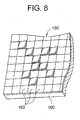
Fig. 8 schematically illustrates DMD (Digital Micromirror
Device).
Fig. 9 schematically illustrates (A) a micromirror
inclined at an angle of +α (on) and (B) a micromirror inclined
at an angle of -α (off).
Fig. 10 schematically illustrates (A) a scanning
trace of an image (exposure beam) reflected from the micromirror
of not inclined DMD and (B) a scanning trace of
the exposure beam reflected from the micromirror of inclined
DMD.
DETAILED DESCRIPTION OF THE INVENTION
[Barrier layer]
The barrier layer is provided between the first
light-sensitive layer and the second light-sensitive
layer. The barrier layer prevents penetration or diffusion
of not only internal substances contained in the
light-sensitive layers, the support or the protective
film but also external substances such as oxygen and water.
Particularly, the barrier layer has a function of
preventing a component of the light-sensitive layer from
migration to prevent change of the sensitivity or the
physical characteristic of the light-sensitive layer.
The barrier layer preferably contains a resin, and
more preferably mainly comprises a resin having an affinity
with water or a lower alcohol having 1 to 4 carbon
atoms.
In the present specification, the term "affinity"
means that the resin can be emulsified in, dispersed,
swollen with, dissolved in, partially dissolved in, or
wetted with water or the alcohol. The barrier layer most
preferably mainly comprises a resin that is soluble in
water or a lower alcohol having 1 to 4 carbon atoms.
The resin of the barrier layer can be the same as
the binder of the light-sensitive layer (described below).
However, the polymer preferably used in the barrier
layer is usually different from the binder preferably
used in the light-sensitive layer. The polymer preferably
used in the barrier layer can be dissolved in an
alcohol or water, dispersed in an alcohol or water, emulsified
in water or dissolved in an alkaline solution.
Examples of the polymers include polyvinyl alcohol (including
denatured polyvinyl alcohol), polyvinyl pyrrolidone,
water-soluble polyamide, gelatin, cellulose and derivatives
thereof. Two or more polymers can be used in
combination. Another polymer (e.g., an acrylic polymer,
an amide polymer, an ester polymer) can be used in combination
with the above-mentioned main polymer provided
that the additional polymer does not degrade the solubility
or the like of the main polymer. The barrier layer
can further contain a thermally plastic resin or a component
of an intermediate layer (described in Japanese Patent
No. 2794242).
The barrier layer has a thickness preferably of 0.1
to 5 µm, more preferably of 0.5 to 4 µm, and most preferably
of 1 to 3 µm.
In the process for forming an image or circuit pattern,
the barrier layer is removed with the neighboring
first and second light-sensitive layers within the area
where the first and second light-sensitive layers should
be removed. On the other hand, the barrier layer remains
with the neighboring first and second light-sensitive
layers within the area where the first and second light-sensitive
layers should not be removed. The barrier
layer is preferably removed with the first light-sensitive
layer (rather than remains with the second
light-sensitive layer) within the area where the first
light-sensitive layer should be removed, and the second
light-sensitive layer should not be removed.
The barrier layer can contain a polymerizable compound.
The polymerizable compound has a polymerizable
functional group. The polymerizable compound includes a
compound of a high molecular weight (oligomer, polymer)
as well as a compound of a low molecular weight (monomer).
The barrier layer preferably contains a polymerizable
compound of a low molecular weight and a polymer
(resin) having a function as a binder, or contains a polymerizable
compound of a high molecular weight (resin)
having a function as a binder.
The polymerizable compound can be polymerized with
light by a function of a photo-polymerization initiator,
which is contained in the first or second light-sensitive
layer or is optionally contained in the barrier layer.
The photo-polymerization initiator contained in the barrier
layer can be transferred form the first or second
light-sensitive layer in preparation of the light-sensitive
sheet. Accordingly, the barrier layer can have
sensitivity to light. However, the light-sensitivity of
the barrier layer is preferably lower than the light-sensitivity
of the first light-sensitive layer. The
strength of the sensitivity is preferably in order of the
second light-sensitive layer, the first light-sensitive
layer and the barrier layer.
The polymerizable compound preferably has a ring-opening
polymerizable group or an addition polymerizable
group. An addition polymerizable group is more preferred,
and an ethylenically unsaturated group is most
preferred.
The polymerizable compound preferably has two or
more polymerizable groups.
The polymerizable compound of a low molecular weight
is the same as the polymerizable compound contained in
the light-sensitive layer (described below). The polymerizable
compound of a low molecular weight contained in
the barrier layer preferably has an affinity to water or
a lower alcohol having 1 to 4 carbon atoms. The polymerizable
compound is more preferably soluble in water or
a lower alcohol having 1 to 4 carbon atoms.
A binder is preferably used in combination with the
polymerizable compound of a low molecular weight. The
binder preferably has an affinity to water or a lower alcohol
having 1 to 4 carbon atoms. The polymerizable compound
is more preferably soluble in water or a lower alcohol
having 1 to 4 carbon atoms.
The weight ratio of the polymerizable compound of a
low molecular weight to the binder (resin) is preferably
in the range of 90:10 to 1:99, more preferably in the
range of 70:30 to 5:95, and most preferably in the range
of 60:40 to 5:95.
Two or more polymerizable compounds of a low molecular
weight can be used in combination. The polymerizable
compound of a low molecular weight can be used in combination
with a polymerizable compound of a high molecular
weight (described below).
The polymerizable compound of a high molecular
weight (resin) can be obtained by introducing a polymerizable
functional group into a polymer having a function
as a binder. Examples of the polymers having a
function as a binder include examples of the binders used
in the light-sensitive layer (described below). However,
the polymer preferably used in the barrier layer is usually
different from the binder preferably used in the
light-sensitive layer. The polymer used in the barrier
layer preferably has an affinity to water or a lower alcohol
having 1 to 4 carbon atoms. The polymer is more
preferably soluble in water or a lower alcohol having 1
to 4 carbon atoms.
The molecular weight of the polymerizable compound
of a high molecular weight is preferably not less than
500, and more preferably not less than 1,000.
Examples of the polymers having an affinity to water
or a lower alcohol having 1 to 4 carbon atoms include
polyvinyl alcohol, a denatured polyvinyl alcohol, polyvinyl
pyrrolidone, water-soluble polyamide, gelatin and
cellulose. Polyvinyl alcohol and a denatured polyvinyl
alcohol are preferred.
A polymerizable functional group can be introduced
into the polymer by reacting a functional group of the
polymer (e.g., hydroxyl, amino) with a compound having a
polymerizable functional group and a group reactive to
the functional group of the polymer (e.g., carboxyl,
sulfo, hydroxyl, acid halide, acid anhydride, methylol,
isocyanate).
Examples of the compounds having a polymerizable
functional group and carboxyl (as a group reactive to the
functional group of the polymer) include (meth)acrylic
acid, itaconic acid, cinnamic acid, acrylic dimmer, vinylbenzoic
acid and vinyloxybenzoic acid.
Examples of the compounds having a polymerizable
functional group and sulfo (as a group reactive to the
functional group of the polymer) include 2-acrylamido-2-methylpropnesulfonic
acid and styrenesulfonic acid.
Examples of the compounds having a polymerizable
functional group and hydroxyl (as a group reactive to the
functional group of the polymer) include 2-hydroxyethyl
(meth)acrylate.
Examples of the (cyclic) acid anhydrides having a
polymerizable functional group include maleic anhydride,
itaconic anhydride. A compound obtained by introducing
an ethylenically unsaturated group into another acid anhydride
(e.g., phthalic anhydride, succinic anhydride)
can also be used as a carboxylic acid having a polymerizable
functional group.
Examples of the compounds having a polymerizable
functional group and methylol (as a group reactive to the
functional group of the polymer) include methylol(meth)acrylamide.
Examples of the compounds having a polymerizable
functional group and isocyanato (as a group reactive to
the functional group of the polymer) include 2-(meth)acryloyloxyethyl
isocyanate, (meth)acryloyl isocyanate,
1-(4-vinylphenyl)-1-methylethyl isocyanate and 1-(4-isopropenylphenyl)-1-methylethyl
isocyanate.
A water-soluble polyurethane resin having a polymerizable
functional group (described in Japanese Patent
Provisional Publication Nos. 3(1991)-168209 and 7(1995)-25958)
can be used as a polymerizable compound of a high
molecular weight (resin) having a function as a binder.
The water-soluble polyurethane resin having a polymerizable
functional group can be obtained by reacting a diol
having carboxyl and polyoxyalkylene glycol with a polyisocyanate,
reacting the formed product with a
(meth)acrylate having hydroxyl, and neutralizing carboxyl
contained in the obtained resin with an amine. The water-soluble
polyurethane resin having a polymerizable
functional group can also be obtained by reacting a
polyol containing a quarternary ammonium salt, and reacting
the formed product with a (meth)acrylate having hydroxyl.
An epoxy resin having a polymerizable functional
group (described in Japanese Patent Provisional Publication
No. 4(1992)-211413) can also be used as a polymerizable
compound of a high molecular weight (resin) having a
function as a binder. The epoxy resin having a polymerizable
functional group can be obtained by reacting an
epoxy acrylate with an acid anhydride, and neutralizing
the reaction product with an amine.
A monomer having an affinity to water or a lower alcohol
having 1 to 4 carbon atoms (e.g., vinyl pyrrolidone)
can be copolymerized with a monomer having two or
more polymerizable functional groups (e.g., allyl
(meth)acrylate) to keep a part of the polymerizable functional
groups as a polymerizable functional group of a
formed polymer.
A copolymer of acryloylmorpholine with
(meth)acrylate having hydroxyl can be reacted with
methacryloylethyl isocyanate to obtain a polymer (described
in Japanese Patent Provisional Publication No.
9(1997)-146270). The obtained polymer can be used as a
polymerizable compound of a high molecular weight (resin)
having a function as a binder.
Two or more polymerizable compounds of a high molecular
weight can be used in combination. The polymerizable
compound of a high molecular weight can be used
in combination with another polymer having no polymerizable
functional group (e.g., poly(meth)acrylate ester,
polyamide, polyester). The polymer having no polymerizable
functional group preferably has an affinity to water
or a lower alcohol having 1 to 4 carbon atoms. The polymer
is more preferably soluble in water or a lower alcohol
having 1 to 4 carbon atoms.
[Basic structure of light-sensitive sheet]
Fig. 1 is a sectional view schematically illustrating
a light-sensitive sheet comprising two light-sensitive
layers.
As is shown in Fig. 1, a light-sensitive sheet 10
comprises a support 11, a first light-sensitive layer 12,
a barrier layer 13 and a second light-sensitive layer 14
in this order. Each of the first light-sensitive layer
12 and the second light-sensitive layer 14 independently
comprises a light-sensitive resin composition containing
a binder, a polymerizable compound and a photo-polymerization
initiator. When the light-sensitive resin
composition is exposed to light, the light-sensitive
resin composition is hardened. The present invention is
characterized in that the second light-sensitive layer 14
is more sensitive to light than the first light-sensitive
layer 12. Sensitivity to light corresponds inversely to
an amount of light energy (amount of exposure) required
for completing hardening reaction of the layer. When the
sensitivity is high, a small amount of light energy the
layer is required for a hardening reaction. The definition
that light-sensitivity of the second light-sensitive
layer 14 is higher than light-sensitivity of the first
light-sensitive layer 12 means that light energy required
for completing hardening reaction of the second light-sensitive
layer is smaller than light energy required for
completing hardening reaction of the first light-sensitive
layer. Light energy required for initiating
hardening reaction of the second light-sensitive layer is
preferably smaller than light energy required for initiating
hardening reaction of the first light-sensitive
layer.
Fig. 2 is a sectional view schematically illustrating
a light-sensitive sheet comprising two light-sensitive
layers and a protective film.
As is shown in Fig. 2, a light-sensitive sheet 10
comprises a support 11, a first light-sensitive layer 12,
a barrier layer 13, a second light-sensitive layer 14 and
a protective film 15 in this order.
The first light-sensitive layer has a thickness
preferably of 1 to 100 µm, more preferably of 5 to 80 µm,
and most preferably of 10 to 50 µm.
The second light-sensitive layer has a thickness
preferably of 0.1 to 15 µm, more preferably of 1 to 12
µm, and most preferably of 3 to 10 µm.
The thickness of the first light-sensitive layer is
preferably larger than the thickness of the second light-sensitive
layer.
The thickness of the barrier layer is described
above.
The light-sensitive sheet further comprises layers
other than those shown in Fig. 1 or 2. For example, an
optional layer can be provided between the support 11 and
the first light-sensitive layer 12 or between the protective
film 15 and the second light-sensitive layer 14.
Examples of the optional layers include a releasing or
adhesion layer, an anti-halation layer or a barrier
layer. The releasing or adhesion layer adjusts a releasing
or adhesion forth between a layer and the support or
the substrate. The barrier layer prevents penetration or
diffusion of not only internal substances contained in
the light-sensitive layers, the support or the protective
film but also external substances such as oxygen and water.
Fig. 3 shows a relation between hardening of the
light-sensitive layer and the amount of exposure when the
light-sensitive sheet or the light-sensitive laminate is
exposed to light.
The light-sensitive sheet of Fig. 1 (or a light-sensitive
sheet obtained by peeling the protective film
from the light-sensitive sheet of Fig. 2) is transferred
to a substrate to form a light-sensitive laminate.
A light-sensitive laminate having a transparent support
can be irradiated with light from an opposite side
to the side of the substrate. The light-sensitive layers
can be exposed to the light passed through the transparent
support. The light-sensitive layers can be exposed
to light from an opposite side to the side of the substrate
after the transparent support is peeled from the
light-sensitive laminate. Fig. 3 is a graph (sensitivity
curve) showing a relation between the amount of light exposure
and thickness of the hardened layer formed by developing
treatment. In Fig. 3, the amount of light exposure
is plotted on the horizontal axis. The thickness of
the hardened layer obtained by exposing to light and subjecting
to developing treatment is plotted on the vertical
axis. The D on the vertical axis represents thickness
of the hardened layer formed from only the second
light-sensitive layer, and the E represents the total
thickness of the hardened layers formed from both first
and second light-sensitive layers.
In exposing the light-sensitive laminate to light,
light travels through the first light-sensitive layer and
the barrier layer to the second light-sensitive layer.
As shown in Fig. 3, a hardening reaction of the second
light-sensitive layer preferably begins with a less
amount of light energy earlier than a hardening reaction
of the first light-sensitive layer. The first light-sensitive
layer is preferably hardened with increasing
the amount of light energy after the whole second light-sensitive
layer is hardened. The whole first light-sensitive
layer is hardened with further increasing the
amount of light energy.
The ratio of light-sensitivity of the second light-sensitive
layer to light-sensitivity of the first light-sensitive
layer is preferably in the range of 2 to 200,
more preferably in the range of 2.5 to 100, and most
preferably in the range of 3 to 50.
The definition that light-sensitivity of the second
light-sensitive layer is higher than light-sensitivity of
the first light-sensitive layer means A < B, namely that
light energy required for completing hardening reaction
of the second light-sensitive layer (A) is smaller than
light energy required for completing hardening reaction
of the first light-sensitive layer (B). Light energy required
for initiating hardening reaction of the second
light-sensitive layer (S) is preferably smaller than
light energy required for initiating hardening reaction
of the first light-sensitive layer (C).
Light energy required for initiating the hardening
reaction of the second light-sensitive layer (S) is preferably
in the range of 0.05 to 10 mJ/cm2, more preferably
in the range of 0.1 to 5 mJ/cm2, and most preferably in
the range of 0.15 to 2.5 mJ/cm2.
Light energy required for completing the hardening
reaction of the second light-sensitive layer (A) is preferably
in the range of 0.1 to 20 mJ/cm2, more preferably
in the range of 0.2 to 15 mJ/cm2, and most preferably in
the range of 0.4 to 10 mJ/cm2.
Light energy required for initiating the hardening
reaction of the first light-sensitive layer (C) is preferably
larger than light energy required for completing
the hardening reaction of the second light-sensitive
layer (A).
The ratio (C/A) of light energy required for initiating
the hardening reaction of the first light-sensitive
layer (C) to light energy required for completing the
hardening reaction of the second light-sensitive layer
(A) is preferably in the range of 1 to 10, more preferably
in the range of 1.1 to 9, and most preferably in the
range of 1.3 to 8.
The light energy required for initiating the hardening
reaction of the first light-sensitive layer (C) is
preferably in the range of 0.1 to 200 mJ/cm2, more preferably
in the range of 1 to 100 mJ/cm2, and most preferably
in the range of 2 to 50 mJ/cm2.
The ratio (A/B) of light energy required for completing
the hardening reaction of the second light-sensitive
layer (A) to light energy required for completing
the hardening reaction of the first light-sensitive
layer (B) is preferably in the range of 0.005 to 0.5,
more preferably in the range of 0.01 to 0.4, and most
preferably in the range of 0.02 to 0.35.
The light-sensitive layer preferably has appropriate
absorption of light (or optical density) at the wavelength
of light used at the step of exposing the light-sensitive
laminate. The absorption of light is particularly
important in an upper layer (namely the first
light-sensitive layer), from which the light-sensitive
laminate is exposed to light.
If the absorption of light (or optical density) of
the first light-sensitive layer is high at the wavelength
of light used at the step of exposing the light-sensitive
laminate, the first light-sensitive layer might reduce
the amount of light reaching the second light-sensitive
layer. If the amount of light reaching the second light-sensitive
layer is low, hardening reaction of the second
light-sensitive layer might proceed insufficiently. In
the case that absorption of light in the first light-sensitive
layer is 0.3, transmittance of light in the
first light-sensitive layer is 50%, and light reaching
the second light-sensitive layer is 50% of light emitted
from the light source. In the case that absorption of
light in the first light-sensitive layer is 0.6, transmittance
of light in the first light-sensitive layer is
25%, and light reaching the second light-sensitive layer
is 25% of light emitted from the light source. In the
case that absorption of light in the first light-sensitive
layer is more than 0.1, transmittance of light
in the first light-sensitive layer is less than 10%, and
light scarcely reaches the second light-sensitive layer.
Accordingly, the absorption of light (or optical
density) of the upper layer is preferably adjusted to
keep the light-sensitivity of the lower layer.
The first light-sensitive layer has absorption of
light preferably in the range of 0.1 to 1.0, more preferably
in the range of 0.1 to 0.8, and most preferably in
the range of 0.1 to 0.6 at wavelength of 405 nm.
The second light-sensitive layer has absorption of
light preferably in the range of 0.1 to 1.5, more preferably
in the range of 0.1 to 1.0.
The absorption of light can be controlled by adjusting
an amount of a compound having the absorption maximum
within a wavelength region of 380 to 430 nm, which preferably
is a sensitizer.
The light-sensitive sheet can comprise three or more
light-sensitive layers.
Fig. 4 is a sectional view schematically illustrating
a light-sensitive sheet comprising three light-sensitive
layers.
As is shown in Fig. 4, a light-sensitive sheet 50
comprises a support 51, a first light-sensitive layer 52,
a barrier layer 53, a second light-sensitive layer 54 and
a third light-sensitive layer 55 in this order.
Fig. 5 is a sectional view schematically illustrating
a light-sensitive sheet comprising three light-sensitive
layers and a protective film.
As is shown in Fig. 5, a light-sensitive sheet 50
comprises a support 51, a first light-sensitive layer 52,
a barrier layer 53, a second light-sensitive layer 54, a
third light-sensitive layer 55 and a protective film 56
in this order.
A light-sensitive layer far from the support is
preferably more sensitive to light than another light-sensitive
layer near the support in a light-sensitive
sheet comprising three light-sensitive layers. The third
light-sensitive layer (which is the farthest from the
support) preferably has the highest sensitivity. The
second light-sensitive layer (which is positioned at a
middle distance from the support) preferably has the second
highest sensitivity. The first light-sensitive layer
(which is the nearest to the support) preferably has the
lowest sensitivity.
Fig. 6 is a sectional view schematically illustrating
a patterned image (patterned hardened layer) formed
from the light-sensitive sheet comprising three light-sensitive
layers.
The light-sensitive sheet comprising three light-sensitive
layers shown in Fig. 4 or 5 is exposed to light
with the light energy controlled according to a desired
pattern. For example, the exposure is changed among
three levels X, Y and Z. On an area where only the third
light-sensitive layer is to be hardened, the light is applied
in the smallest exposure amount X. On another area
where the third and second light-sensitive layers are
both to be hardened, the light is applied in the middle
exposure amount Y. On still another area where all the
third, second and first light-sensitive layers are to be
hardened, the light is applied in the largest exposure
amount Z. A pattern having three different thicknesses
can be formed on a substrate 57 from one light-sensitive
sheet, as is shown in Fig. 6. The pattern consists of an
area where only the third light-sensitive layer 55 is
hardened, an area where the third and second light- sensitive
layers 55, 54 are both hardened and an area
where all the third, second and first light- sensitive
layers 55, 54, 52 are hardened, as is shown in Fig. 6.
A pattern having four or more different thicknesses
can be prepared from one light-sensitive sheet having
four or more light-sensitive layers. Sensitivities of
the four or more light-sensitive layers are preferably
increased according to distance from the transparent support.
The light-sensitive sheet according to the present
invention can form a hardened layer having desired thicknesses
by the steps of exposure and development. The
thickness of the hardened layer can be optionally controlled
by changing the amount of exposure (amount of
light energy). The amount of exposure is changed according
to the image pattern. The pattern can comprise an
area where only one light-sensitive layer nearest to the
substrate can be hardened, an area where a desired number
of the light-sensitive layers are hardened and an area
where all the light-sensitive layers are hardened. Accordingly,
one light-sensitive sheet according to the invention
can form hardened areas having desired different
thicknesses within desired areas, can form an image having
desired different film-strength within desired areas,
or can form an image having desired different color densities
within desired areas.
The light-sensitive sheet according to the invention
is advantageously used for preparation of a printed circuit
board, particularly a printed circuit board having a
through-hole or a via-hole. The light-sensitive sheet
according to the invention can form a thin hardened layer
with high resolution within an area where wiring of the
circuit pattern is positioned. The light-sensitive sheet
according to the invention can also form a thick hardened
layer having high film-strength within an area where the
through-hole or via-hole is positioned. The light-sensitive
sheet according to the invention can form a
hardened resin pattern having a film-strength to be used
in the tenting process. The light-sensitive sheet according
to the invention can also form a hardened resin
pattern with high resolution.
A light-sensitive sheet having a sensitivity curve
shown in Fig. 3 comprises light-sensitive layers in which
sensitivities of the light-sensitive layers are increased
with increasing the distance of the light-sensitive layers
from the support. All the known sensitizing techniques
can be used to make the two or more light-sensitive
layers having different light-sensitivities.
For example, a highly sensitive photo-polymerization initiator
can be used to increase the light-sensitivity. A
highly sensitive sensitizer can also be used to form a
highly light-sensitive layer. An amount of the photo-polymerization
initiator or the sensitizer can be increased
to increase the light-sensitivity. A content of
a polymerizable compound in a light-sensitive layer can
be increased to increase the light-sensitivity. Further,
an amount of a polymerization inhibitor or a polymerization
retarder can be reduced to obtain a relatively high
light-sensitivity. In the case where the light-sensitive
sheet has two light-sensitive layers, the highly sensitive
photo-polymerization initiator or the sensitizer can
be incorporated in the second light-sensitive layer. The
photo-polymerization initiator or sensitizer can be more
incorporated in the second light-sensitive layer than in
the first light-sensitive layer. Further, the polymerizable
compound can be more incorporated in the second
light-sensitive layer than in the first light-sensitive
layer.
[Binder]
The binder contained in a light-sensitive layer is
preferably soluble or swollen in an alkaline aqueous solution.
A binder soluble or swollen in an alkaline aqueous
solution generally is a polymer having an acidic
group (e.g., carboxylic acid group, sulfonic acid group,
phosphoric acid group). The binder preferably is a polymer
having carboxyl. The acidic group can be dissociated
or in the form of a salt.
A main chain of the polymer preferably comprises a
vinyl polymer, polyurethane, polyamide (including polyamic
acid) or epoxy resin (including denatured epoxy
resin). The binder preferably is a vinyl polymer having
carboxylic acid group because it has adequate solubility
in a coating solvent and in a developing solution, because
it can be easily prepared, and because characters
of a film prepared from it can be easily controlled. The
vinyl polymer can be used in combination with other polymers
(e.g., polyester, polyamide, polyurethane, epoxy
resin, polyvinyl alcohol, gelatin).
The vinyl polymer having carboxylic acid group preferably
is a copolymer of (1) vinyl monomer having carboxylic
acid group and (2) vinyl monomer not having carboxylic
acid group.
Examples of the (meth)acrylic esters include methyl
(meth)acrylate, ethyl (meth)acrylate, propyl
(meth)acrylate, isopropyl (meth)acrylate, butyl
(meth)acrylate, isobutyl (meth)acrylate, t-butyl
(meth)acrylate, hexyl (meth)acrylate, cyclohexyl
(meth)acrylate, t-butylcyclohexyl (meth)acrylate, 2-ethylhexyl
(meth)acrylate, t-octyl (meth)acrylate, dodecyl
(meth)acrylate, octadecyl (meth)acrylate, acetoxyethyl
(meth)acrylate, phenyl (meth)acrylate, 2-hydroxyethyl
(meth)acrylate, 2-methoxy-ethyl
(meth)acrylate, 2-ethoxyethyl (meth)acrylate, 2-(2-methoxyethoxy)ethyl
(meth)acrylate, 3-phenoxy-2-hydroxypropyl
(meth)acrylate, benzyl (meth)acrylate, diethylene
glycol monomethyl ether (meth)acrylate, diethylene glycol
monoethyl ether (meth)acrylate, diethylene glycol monophenyl
ether (meth)acrylate, triethylene glycol monomethyl
ether (meth)acrylate, triethylene glycol monoethyl
ether (meth)acrylate, polyethylene glycol monomethyl
ether (meth)acrylate, polyethylene glycol monoethyl
ether (meth)acrylate, β-phenoxyethoxyethyl acrylate, nonylphenoxy
polyethylene glycol (meth)acrylate, dicyclopentanyl
(meth)acrylate, dicyclopentenyl
(meth)acrylate, dicyclopentenyloxyethyl (meth)acrylate,
trifluoroethyl (meth)acrylate, octafluoropentyl
(meth)acrylate, perfluorooctylethyl (meth)acrylate, tribromophenyl
(meth)acrylate, and tribromophenyloxyethyl
(meth)acrylate.
Examples of the crotonic esters include butyl crotonate
and hexyl crotonate.
Examples of the vinyl esters include vinyl acetate,
vinyl propionate, vinyl butylate, vinyl methoxyacetate
and vinyl benzoate.
Examples of the maleic diesters include dimethyl
maleate, diethyl maleate and dibutyl maleate.
Examples of the fumaric diesters include dimethyl
fumarate, diethyl fumarate and dibutyl fumarate.
Examples of the itaconic diesters include dimethyl
itaconate, diethyl itaconate and dibutyl itaconate.
Examples of the (meth)acrylamides include
(meth)acrylamide, N-methyl(meth)acrylamide, N-ethyl(meth)acrylamide,
N-propyl(meth)acrylamide, N-isopropyl(meth)acrylamide,
N-butyl(meth)acrylamide, N-t-butyl
(meth)acrylamide, N-cyclohexyl(meth)acrylamide, N-(2-methoxyethyl)(meth)acrylamide,
N,N-dimethyl(meth)acrylamide,
N,N-diethyl(meth)acrylamide, N-phenyl(meth)acrylamide,
N-benzyl(meth)acrylamide,
(meth)acryloylmorpholine, and diacetone acrylamide.
Examples of the substituted styrenes include methylstyrene,
dimethylstyrene, trimethylstyrene, ethylstyrene,
isopropylstyrene, butylstyrene, hydroxystyrene, methoxystyrene,
butoxystyrene, acetoxystyrene, chlorostyrene,
dichlorostyrene, bromostyrene, chloromethylstyrene, hydroxystyrene
protected with a group (e.g., t-Boc) capable
of being eliminated by acidic substance, methyl vinylbenzoate
and α-methylstyrene.
Examples of the vinyl ethers include methyl vinyl
ether, butyl vinyl ether, hexyl vinyl ether and methoxyethyl
vinyl ether.
Examples of the vinyl-substituted heterocyclic compounds
include vinylpyridine, vinylpyrrolidone, vinylcarbazole,
N-vinylimidazole, and vinylcaprolactone.
Examples of the N-vinylamides include N-vinylformamide
and N-vinylacetamide.
Examples of the sulfonic acids having vinyl include
2-acrylamide-2-methylpropanesulfonic acid.
Examples of the phosphoric esters having vinyl include
mono(2-acryloyloxyethyl) phosphate and mono(1-methyl-2-acryloyloxyethyl)
phosphate.
The urethane or urea having vinyl can be synthesized
by an addition reaction of an isocyanate with a compound
having hydroxyl (alcohol, phenol), a primary amine or a
secondary amine. Vinyl can be contained in the isocyanate,
the compound having hydroxyl (alcohol, phenol),
the primary amine or the secondary amine. In other
words, an isocyanate having vinyl, a compound having vinyl
and hydroxyl, a primary amine having vinyl or a secondary
amine having vinyl can be used in the reaction.
Examples of the isocyanates having vinyl are represented
by the following formulas.
CH2=CR-COO-CH2CH2-NCO
CH2=CR-CO-NCO
CH2=CR-p-Ph-C(CH3)2-NCO
In the formulas, R is hydrogen or methyl, and p-Ph
is 1,4-phenylene.
Examples of the isocyanates not having vinyl include
cyclohexyl isocyanate, butyl isocyanate, toluyl isocyanate,
benzyl isocyanate and phenyl isocyanate.
The compound having both vinyl and hydroxyl is preferably
one of the compounds represented by the following
formulas.
CH2=CR-CO(-O-CH2CH2-)nOH
CH2=CR-CO(-O-CH2CH(CH3)-)nOH
CH2=CR-p-Ph-OH
CH2=CR-CO-NH-p-Ph-OH
CH2=CR-CO-O-CH2-CHOH-CH3
In the formulas, R is hydrogenor methyl, p-Ph is
1,4-phenylene, and n is an integer of 1 or more.
Examples of the alcohols not having vinyl include
methanol, ethanol, propanol, isopropanol, butanol, sec-butanol,
t-butanol, hexanol, 2-ethylhexanol, decanol, dodecanol,
octadecanol, cyclopentanol, cyclohexanol, benzyl
alcohol and phenylethyl alcohol. Examples of the substituted
alcohols not having vinyl include trifluoroethanol,
methoxy-ethanol and phenoxyethanol. Examples of the phenols
not having vinyl include phenol, cresol and naphthol.
Examples of the substituted phenols not having
vinyl include chlorophenol, dichlorophenol, methoxyphenol
and acetoxyphenol.
Examples of the amines having vinyl include vinylbenzylamine.
Examples of the amines not having vinyl include alkylamines
(e.g., methylamine, ethylamine, propylamine,
isopropylamine, butylamine, sec-butylamine, t-butylamine,
hexylamine, 2-ethylhexylamine, decylamine, dodecylamine,
octadecylamine, dimethylamine, diethylamine, dibutylamine,
dioctylamine), cyclic alkylamines (e.g.,
cyclopentylamine, cyclohexylamine), aralkylamines (e.g.,
benzylamine, phenetylamine), arylamines (e.g., aniline,
toluylamine, xylylnaphthyl amine), N-methyl-N-benzylamine,
substituted alkyl-amines (e.g., trifluoroethylamine,
hexafluoroisopropylamine, methoxypropylamine)
and substituted arylamines (e.g., methoxyaniline).
(2) Vinyl monomer not having carboxyl preferably is
methyl (meth)acrylate, ethyl (meth)acrylate, butyl
(meth)acrylate, benzyl (meth)acrylate, 2-ethylhexyl
(meth)acrylate, styrene, chlorostyrene, bromostyrene or
hydroxystyrene.
The vinyl polymer can be synthesized, for example
according to a solution polymerization process, which
comprises the steps of dissolving a corresponding monomer
in a appropriate solvent to form a solution, adding a
radical polymerization initiator to the solution, and polymerizing
the monomer in the solution. The polymer can
also be synthesized according to an emulsion polymerization
process, which comprises the steps of dispersing or
emulsifying the monomer in an aqueous medium to prepare a
dispersion or emulsion and polymerizing the monomer in
the dispersion or emulsion.
Examples of the solvents used in the solution polymerization
process include alcohols (e.g., methanol, ethanol,
propanol, isopropanol, 1-methoxy-2-propanol), ketones
(e.g., acetone, methyl ethyl ketone, methyl isobutyl
ketone), esters (e.g., methoxypropyl acetate, ethyl
lactate, ethyl acetate), nitriles (e.g., acetonitrile),
ethers (e.g., tetrahydrofuran), amides (e.g., dimethyl
formamide), halogenated hydrocarbons (e.g., chloroform)
and hydrocarbons (e.g., toluene). Two or more solvents
can be mixed to be used in the solution polymerization
process.
Examples of the radical polymerization initiators
include azo compounds (e.g., 2,2'-azobisisobuthylonitrile
(AIBN), 2.2'-azobis-2,4'-dimethylvaleronitrile), peroxides
(e.g., benzoyl peroxide) and persulfates (e.g., potassium
persulfate, ammonium persulfate).
In that case that a copolymer used as a binder, the
copolymer used in any light-sensitive layer comprises a
repeating unit having carboxyl in an amount preferably of
5 to 50 mol.%, more preferably of 10 to 40 mol.%, and
most preferably of 15 to 35 mol.%, based on the total
amount of all the repeating units.
The polymer has a weight average molecular weight
preferably of 2,000 to 300,000, and more preferably of
4,000 to 150,000.
Two or more polymers can be used in combination as a
binder. The two or more polymers can differ in the components,
in the weight average molecular weight or in the
dispersion.
Japanese Patent No. 2,873,889 describes resins soluble
in an alkaline aqueous solution, which can be used in
the light-sensitive layer.
The content of binder in any light-sensitive layer
is preferably in the range of 10 to 90 wt.%, more preferably
in the range of 20 to 80 wt.%, and most preferably
in the range of 40 to 80 wt.%.
The content of the binder in the second light-sensitive
layer can be smaller than the content of the
binder in the first light-sensitive layer. In place of
the binder, the content of polymerizable compound in the
second light-sensitive layer can be larger than the content
of the polymerizable compound the binder in the
first light-sensitive layer to control the sensitivity.
[Polymerizable compound]
The polymerizable compound includes a compound of a
high molecular weight (oligomer, polymer) as well as a
compound of a low molecular weight (monomer).
The polymerizable compound preferably has a ring-opening
polymerizable group or an addition polymerizable
group. An addition polymerizable group is more preferred,
and an ethylenically unsaturated group is most
preferred.
The polymerizable compound preferably has two or
more polymerizable groups.
The polymerizable compound can be categorized into a
polymerizable urethane compound, a polymerizable aromatic
compound or a polymerizable aliphatic compound.
The polymerizable urethane compound has at least one
polymerizable group and at least one urethane bond (-NH-CO-O-)
in its molecular structure.
The polymerizable urethane compound is described in
Japanese Patent Publication Nos. 48(1973)-41708, 5(1993)-50737,
7(1995)-7208 and Japanese Patent Provisional Publication
Nos. 51(1976)-37193, 2001-154346 and 2001-356476.
The urethane bond is generally formed by a reaction
of isocyanate with alcohol or phenol. The alcohol or
phenol preferably has a polymerizable group.
The isocyanate is preferably a polyisocyanate having
two or more isocyanate groups in its molecular structure.
Examples of the diisocyanate include hexamethylene diisocyanate,
trimethylhexamethylene diisocyanate, isophorone
diisocyanate, xylene diisocyanate, toluene diisocyanate,
phenylene diisocyanate, norbornane diisocyanate, diphenyl
diisocyanate, diphenylmethane diisocyanate and 3,3'-dimethyl-4,4'-diphenyl
diisocyanate. Further, a product
of polyaddition between diisocyanate and difunctional alcohol
(the product has a molecular structure in which
isocyanate group is positioned at each end) can be used
as the isocyanate. A trimer of diisocyanate (e.g., isocyanurate)
or an addition product between diisocyanate
and a polyfunctional alcohol (e.g., trimethylol propane,
pentaerythritol, glycerol) can be also used as the polyisocyanate.
The polyfunctional alcohol can be an addition
product with an alkylene oxide (e.g., ethylene oxide).
Examples of the alcohols having a polymerizable
group include 2-hydroxyethyl (meth)acrylate, 2-hydroxypropyl
(meth)acrylate, 4-hydroxybutyl
(meth)acrylate, polyalkylene glycol mono(meth)acrylate,
trimethylolpropane di(meth)acrylate and pentaerythritol
(meth)acrylate. Examples of the polyalkylene glycol
mono(meth)acrylate include diethylene glycol
mono(meth)acrylate, triethylene glycol
mono(meth)acrylate, tetraethylene glycol
mono(meth)acrylate, octaethylene glycol
mono(meth)acrylate, dipropylene glycol
mono(meth)acrylate, tripropylene glycol
mono(meth)acrylate, tetrapropylene glycol
mono(meth)acrylate, octapropylene glycol
mono(meth)acrylate, dibutylene glycol mono(meth)acrylate,
tributylene glycol mono(moth)acrylate, tetrabutylene glycol
mono(meth)acrylate and octabutylene glycol
mono(meth)acrylate. The polyalkylene glycol
mono(meth)acrylate can contain a polyalkylene glycol moiety,
which can be a copolymer comprising different alkylene
oxide units (for example, ethylene oxide and propylene
oxide). The copolymer can be a random, block or
alternative copolymer.
The polymerizable urethane compound can be a compound
having isocyanurate ring, such as
tri((meth)acryloyloxy-ethyl) isocyanurate,
di(meth)acrylized isocyanurate, tri(meth)acrylate derived
from ethylene oxide-denatured isocyanuric acid.
The polymerizable aromatic compound has at least one
polymerizable group and at least one aromatic ring in its
molecular structure.
The polymerizable aromatic compound is categorized
into a monofunctional polymerizable aromatic compound or
a polyfunctional polymerizable aromatic compound.
The polyfunctional polymerizable aromatic compound
is preferred to the monofunctional polymerizable aromatic
compound.
Preferred examples of the polyfunctional polymerizable
aromatic compounds include esters of carboxylic acids
having ethylenically unsaturated groups with polyhydric
phenols or polyhydric alcohols, amides of carboxylic
acids having ethylenically unsaturated groups with polyfunctional
amines, urethanes of polyhydric phenols with
ethylenically unsaturated isocyanates, addition products
of carboxylic acids having ethylenically unsaturated
groups with polyfunctional glycidyl compounds, addition
products of polyvalent isocyanates with ethylenically unsaturated
alcohols, esters of polyfunctional acids with
ethylenically unsaturated alcohols, aromatic compounds
having two or more ethylenically unsaturated groups, and
esters of carboxylic acids having ethylenically unsaturated
groups with alcohols having ethylenically unsaturated
groups.
The polyfunctional polymerizable aromatic compound
more preferably is an ester of carboxylic acid having
ethylenically unsaturated group with polyhydric phenol or
polyhydric alcohol (an ester of carboxylic acid having
ethylenically unsaturated group with polyhydric phenol,
an ester of carboxylic acid having ethylenically unsaturated
group with polyhydric aromatic alcohol or an ester
of aromatic carboxylic acid having ethylenically unsaturated
group with polyhydric alcohol), or an amide of carboxylic
acid having ethylenically unsaturated group with
polyfunctional amine (an amide of carboxylic acid having
ethylenically unsaturated group with polyfunctional aromatic
amine or an amide of aromatic carboxylic acid having
ethylenically unsaturated group with polyfunctional
amine).
The polyfunctional polymerizable aromatic compound
further preferably is an ester of carboxylic acid having
ethylenically unsaturated group with polyhydric phenol,
an ester of carboxylic acid having ethylenically unsaturated
group with polyhydric aromatic alcohol, or an amide
of carboxylic acid having ethylenically unsaturated group
and polyfunctional aromatic amine.
Examples of the polyhydric phenols and the polyhydric
aromatic alcohols include polystyrene oxide, xylenediol,
di(β-hydroxyethoxy)benzene, 1,5-dihydroxy-1,2,3,4-tetrahydro-nathphalene,
2,2-diphenyl-1,3-propanediol,
hydroxybenzyl alcohol, hydroxyethyl resorcinol,
1-phenyl-1,2-ethanediol, 2,3,5,6-tetramethyl-p-xylene-α,α'-diol,
1,1,4,4-tetra-phenyl-1,4-butanediol,
1,1,4,4-tetraphenyl-2-butine-1,4-diol, 1,1'-bi(2-naphthol),
dihydroxynephthalene, 1,1'-methylene-di-2-naphthol,
1,2,4-benzenetriol, biphenol, 2,2'-bis(4-hydroxyphenyl)butane,
1,1-bis(4-hydroxyphenyl)-cyclohexane,
bis(hydroxyphenyl)methane, catechol, 4-chloro
resorcinol, hydroquinone, hydroxybenzyl alcohol,
methyl-hydroquinone, methylene-2,4,6-trihydroxybenzoate,
fluoroglycinol, pyrogallol, resorcinol, α-(1-aminoethyl)-p-hydroxybenzyl
alcohol, and 3-amino-4-hydroxyphenyl sulfone.
The polymerizable aromatic compound can have a
bisphenol structure. Examples of the polymerizable aromatic
compounds having the bisphenol structure include
2,2-bis(4-(3-(meth)acryloyloxy-2-hydroxypropoxy)phenyl)propane,
2,2-bis(4-((meth)acryloyloxyethoxy)phenyl)propane,
2,2-bis(4-((meth)acryloyloxypoly(2-20)ethoxy)phenyl)propane
(e.g.,
2,2-bis(4-((meth)acryloyloxydiethoxy)phenyl)propane, 2,2-bis(4-((meth)acryloyloxytetraethoxy)phenyl)propane,
2,2-bis(4-((meth)acryloyloxypentaethoxy)phenyl)propane,
2,2-bis(4-((meth)acryloyloxydecaethoxy)phenyl)propane,
2,2-bis(4-((meth)acryloyloxypentadecaethoxy)phenyl)propane),
2,2-bis(4-((meth)acryloyloxypropoxy)phenyl)propane, and
2,2-bis(4-((meth)acryloyloxypoly(2-20)propoxy)phenyl)propane
(e.g., 2,2-bis(4-((meth)acryloyloxydipropoxy)phenyl)propane,
2,2-bis(4-((meth)acryloyloxytetrapropoxy)phenyl)propane,
2,2-bis(4-((meth)acryloyloxypentapropoxy)phenyl)propane,
2,2-bis(4-((meth)acryloyloxydecapropoxy)phenyl)propane,
2,2-bis(4-((meth)acryloyloxypentadecapropoxy)phenyl)propane).
The polyether moiety can comprise the polyethylene
oxide structure and the polyethylene propylene structure
(for example, compounds disclosed in International Publication
Pamphlet No. 01/98832). The polymerizable aromatic
compound having the bisphenol structure is commercially
available (for example, BPE-200, BPE-500, BPE-1000,
Shin Nakamura Chemicals Co., Ltd).
The polymerizable aromatic compounds further include
a polymerizable compound having a bisphenol structure and
a urethane group. The polymerizable compounds having a
bisphenol structure and a urethane group include a compound
obtained by adding a compound having an isocyanato
group and a polymerizable group (e.g., 2-isocyanatoethyl
(meth)acrylate, α,α-dimethylvinylbenzyl isocyanate) to a
compound having a bisphenol structure and hydroxyl at the
end of the molecular structure.
The polymerizable aliphatic compound is categorized
into a monofunctional polymerizable aliphatic compound or
a polyfunctional polymerizable aliphatic compound.
The polyfunctional polymerizable aliphatic compound
is preferred to the monofunctional polymerizable aliphatic
compound.
Examples of the polyfunctional polymerizable aliphatic
compound include esters of aliphatic carboxylic
acids having ethylenically unsaturated groups with polyhydric
alcohols, amides of aliphatic carboxylic acids
having ethylenically unsaturated groups with polyfunctional
aliphatic amines, addition products of aliphatic
carboxylic acids having ethylenically unsaturated groups
with polyvalent aliphatic glycidyl compounds, addition
products of polyvalent aliphatic isocyanates with
ethylenically unsaturated alcohols, esters of polyfunctional
aliphatic acids with ethylenically unsaturated alcohols,
divinyl ethers, and esters of aliphatic carboxylic
acids having ethylenically unsaturated groups with
alcohols having ethylenically unsaturated groups.
The polyfunctional polymerizable aliphatic compound
more preferably is an ester of aliphatic carboxylic acid
having ethylenically unsaturated group (unsaturated fatty
acid) with polyhydric aliphatic alcohol or an amide of
aliphatic carboxylic acid (unsaturated fatty acid) having
ethylenically unsaturated group with polyacidic aliphatic
amine.
Examples of the aliphatic carboxylic acids having
ethylenically unsaturated group (unsaturated fatty acid)
include acrylic acid, methacrylic acid, itaconic acid,
crotonic acid, isocrotonic acid, and maleic acid.
Examples of the polyhydric aliphatic alcohols include
ethylene glycol, poly(2-18)ethylene glycol, propylene
glycol, poly(2-18)propylene glycol, neopentyl glycol,
neopentyl glycol denatured with ethylene oxide, neopentyl
glycol denatured with propylene oxide, trimethylolpropane
tri(hydroxypropyl) ether, trimethylolethane, 1,3-propanediol,
methylene glycol, 1,4-cyclohexanediol,
1,2,4-butanetriol, 1,5-pentanediol, pentaerythritol,
dipentaerythritol, sorbitol, dimethyloldicyclopentane,
tricyclodecanediol, neopentyl glycol, trimethylolpropane
denatured with neopentyl glycol, an addition product of
trimethylolpropane with ethylene oxide, polybutylene glycol
and glycerol.
Examples of the esters of (meth)acrylic acid with
polyhydric aliphatic alcohol include ethylene glycol
di(meth)acrylate, poly(2-18)ethylene glycol
di(meth)acrylate, propylene glycol di(meth)acrylate,
poly(2 -18)propylene glycol di(meth)acrylate, neopentyl
glycol di(meth)acrylate, ethylene oxide-denatured neopentyl
glycol di(meth)acrylate, propylene oxide-denatured
neopentyl glycol di(meth)acrylate, trimethylolpropanetri(meth)acrylate,
trimethylolpropane di(meth)acrylate,
trimethylolpropane tri((meth)acryloyloxypropyl) ether,
trimethylolethane tri(meth)acrylate, 1,3-propanediol
di(meth)acrylate, 1,3-butanediol di(meth)acrylate, 1,4-butanediol
di(meth)acrylate, 1,6-hexanediol
di(meth)acrylate, tetra-methylene glycol
di(meth)acrylate, 1,4-cyclohexanediol di(meth)acrylate,
1,2,4-butanetriol tri(meth)acrylate, 1,5-pentanediol
(meth)acrylate, pentaerythritol di(meth)acrylate, pentaerythritol
tri(meth)acrylate, pentaerythritol
tetra(meth)acrylate, dipentaerythritol
penta(meth)acrylate, dipentaerythritol
hexa(meth)acrylate, sorbitol tri(meth)acrylate, sorbitol
tetra(meth)acrylate, sorbitol penta(meth)acrylate, sorbitol
hexa(meth)acrylate, dimethyloldicyclopentanedi(meth)acrylate,
tricyclodecanedi(meth)acrylate,
neopentyl glycol di(meth)acrylate, and trimethylolpropane
di(meth)acrylate denatured with neopentyl glycol.
Examples of the poly(2-18)ethylene glycol
di(meth)acrylates include diethylene glycol
di(meth)acrylate, triethylene glycol di(meth)acrylate,
tetraethylene glycol di(meth)acrylate, nonaethylene glycol
di(meth)acrylate, dodecaethylene glycol
di(meth)acrylate, and tetradecaethylene glycol
di(meth)acrylate.
Examples of the poly(2-18)propylene glycol
di(meth)acrylates include dipropylene glycol
di(meth)acrylate, tripropylene glycol di(meth)acrylate,
tetrapropylene glycol di(meth)acrylate, dodecapropylene
glycol di(meth)acrylate
Examples of the other esters include a
tri(meth)acrylic ester of addition product of trimethylolpropane
with ethylene oxide, polybutylene glycol
di(meth)acrylate, glycerol di(meth)acrylate, and glycerol
tri(meth)acrylate.
Examples of the ester of (meth)acrylic acid and
polyhydric aliphatic alcohol further include
di(meth)acrylate of alkylene glycol having ethylene glycol
chain and propylene glycol chain (disclosed in International
Publication Pamphlet No. 01/98832).
The ester of (meth)acrylic acid with polyhydric aliphatic
alcohol preferably is ethylene glycol
di(meth)acrylate, polyethylene glycol di(meth)acrylate,
propylene glycol di(meth)acrylate, polypropylene glycol
di(meth)acrylate, di(meth)acrylate of alkylene glycol
having ethylene glycol chain and propylene glycol chain,
trimethylolpropane tri(meth)acrylate, pentaerythritol
tetra(meth)acrylate, pentaerythritol tri(meth)acrylate,
pentaerythritol di(meth)acrylate, dipentaerythritol
penta(meth)acrylate, dipentaerythritol
hexa(meth)acrylate, glycerol tri(meth)acrylate, diglycerol
di(meth)acrylate, 1,3-propanediol di(meth)acrylate,
1,2,4-butanetriol tri(meth)acrylate, 1,4-cyclohexanediol
di(meth)acrylate, 1,5-pentanediol (meth)acrylate, neopentyl
glycol di(meth)acrylate, or tri(meth)acrylic ester of
addition product of trimethylolpropane with ethylene oxide.
The polyhydric aliphatic alcohol can have a molecular
structure in which the hydroxyls are positioned at
both ends of the polyester chain. Japanese Patent Provisional
Publication No. 48(1973)-64183, Japanese Patent
Publication Nos. 49(1974)-43191 and 52(1977)-30490 describe
the (meth)acrylic polyesters and the oligomers
thereof.
The polyhydric aliphatic alcohol include an alcohol
of aliphatic heterocyclic compound. Examples of the esters
of (meth)acrylic acid with alcohol of aliphatic heterocyclic
compound include tri((meth)acryloyloxyethyl)
isocyanurate, isocyanuric di(meth)acrylate, and
ethylenoxide-denatured isocyanuric di(meth)acrylate.
Examples of the esters of itaconic acid with polyhydric
aliphatic alcohol include ethylene glycol diitaconate,
propylene glycol diitaconate, 1,3-butanediol diitaconate,
1,4-butanediol diitaconate, tetramethylene glycol
diitaconate, pentaerythritol diitaconate, and sorbitol
tetraitaconate.
Examples of the esters of crotonic acid with polyhydric
aliphatic alcohol include ethylene glycol dicrotonate,
tetramethylene glycol dicrotonate, pentaerythritol
dicrotonate, and sorbitol tetracrotonate.
Examples of the esters of isocrotonic acid with
polyhydric aliphatic alcohol include ethylene glycol
diisocrotonate, pentaerythritol diisocrotonate, and sorbitol
tetraisocrotonate.
Examples of the esters of maleic acid with polyhydric
aliphatic alcohol include ethylene glycol dimalate,
triethylene glycol dimalate, pentaerythritol dimalate,
and sorbitol tetramalate.
Examples of the amides of aliphatic carboxylic acid
having ethylenically unsaturated group with polyacidic
aliphatic amine include methylenebis(meth)acrylamide,
ethylenebis(meth)acrylamide, 1,6-hexamethylenebis(meth)acrylamide,
octamethylene-bis(meth)acrylamide,
diethylentriaminetris(meth)acrylamide,
and diethylentriaminebis(meth)acrylamide.
Examples of the addition products of carboxylic acid
having ethylenically unsaturated group with
polyfunctional glycidyl compound include butanediol-1,4-diglycidyl
ether, cyclohexanedimethanolglycidyl ether,
ethylene glycol diglycidyl ether, diethylene glycoldiglycidyl
ether, dipropylene glycoldiglycidyl ether, hexanedioldiglycidyl
ether, trimethylolpropanetriglycidyl
ether, pentaerythritol tetraglycidyl ether, and glyceroltriglycidyl
ether.
The ester of polyhydric fatty acid with ethylenically
unsaturated alcohol preferably is an ester of allyl
alcohol or vinyl alcohol.
Examples of the esters of allyl alcohol include diallyl
adipate, diallyl malonate, and triallyl isocyanurate.
Examples of the esters of vinyl alcohol include divinyl
succinate, divinyl adipate, divinylbutane-1,4-disulfonate.
Examples of the aliphatic divinyl ethers include butamediol-1.4-divinyl
ether, cyclohexanedimethanoldivinyl
ether, ethylene glycoldivinyl ether, diethylene glycoldivinyl
ether, dipropylene glycoldivinyl ether, hexanedioldivinyl
ether, trimethylolpropanetrivinyl ether,
pentaerythritoltetravinyl ether, and glyceroltrivinyl
ether. The divinyl ether behaves as not only a ring-opening
polymerizable compound (e.g., epoxy compound) but
also a cationic polymerizable compound.
Examples of the ester of aliphatic carboxylic acid
having ethylenically unsaturated group and aliphatic alcohol
having ethylenically unsaturated group include N-β-hydroxyethyl-β-(methacrylamide)ethylacrylate,
N,N-bis(β-methacryloyloxyethyl)acrylamide,
and allyl methacryalte.
Examples of the polyfunctional polymerizable aliphatic
compound other than the ethylenically unsaturated
polymerizable compound include epoxy compounds (e.g., butanediol-1,4-diglycidyl
ether, cyclohexanedimethanoldiglycidyl
ether, ethylene glycoldiglycidyl ether, diethylene
glycoldiglycidyl ether, dipropylene glycoldiglycidyl
ether, hexanedioldiglycidyl ether, trimethylolpropanetriglycidyl
ether, pentaerythritoltetraglycidyl ether,
and glyceroltriglycidyl ether. The epoxy compounds are
described in International Patent Publication No.
01/22165.
Each light-sensitive layer contains the polymerizable
compound preferably in an amount of 5 to 90 wt.%,
more preferably in an amount of 15 to 70 wt.%, and most
preferably in an amount of 20 to 60 wt.%.
Two or more polymerizable compounds can be used in
combination. A polyfunctional polymerizable compound is
contained preferably in an amount of 5 wt.% or more, more
preferably 20 wt.% or more, and most preferably 40 wt.%
or more based on the total amount of the polymerizable
compound.
The amount of the polymerizable compound contained
in the second light-sensitive layer can be larger than
the first light-sensitive layer to control the sensitivities
of the layers.
[Photo-polymerization initiator]
The photo-polymerization initiator is preferably
sensitive to light within the ultraviolet to visible region.
The photo-polymerization initiator preferably contains
a component having a molar extinction coefficient
of 50 or more in the wavelength region of 300 to 800 nm.
The wavelength region is preferably in the range of 330
to 500 nm. The photo-polymerization initiator can be an
activator that reacts with photo-excited sensitizer to
give an active radical. The photo-polymerization initiator
includes a cationic polymerization initiator, which
initiates the cationic polymerization of polymerizable
compound.
Examples of the photo-polymerization initiators include
triazine compounds having halogennated hydrocarbon
groups, oxadiazole compounds having halogenated hydrocarbons,
oxime compounds, hexaarylbiimidazole, organic peroxides,
thio compounds, ketone compounds, aromatic anium
salts, acridine compounds, phenylglycine compounds (e.g.,
N-phenylglycine), polyhalogenated compounds, coumarin
compounds, amines, aminofluoran (e.g., ODB, ODBH), Crystal
Violet Lactone (e.g., Leuco Crystal Violet), acylphosphine
oxide, metallocenes, vicinal polyketaldonyl
compounds, acyloin ether compounds, aromatic acyloin compounds
substituted with α-hydrocarbons, polynuclear
quinone compounds, organic boron compounds, radical generator,
triarylsulfonium (e.g., (phenylthiophenyl)diphenylsulfonium)
salts (e.g., salts with
hexafluoroantimony or hexafluorophosphate), and phosphonium
salts or onium salts effectively working as cationic
polymerization initiator.
Triazine compounds having halogenated hydrocarbon
groups, oxime compounds, hexaarylbiimidazole and ketone
compounds are preferred in consideration of sensitivity,
shelf life and adhesion (between the light-sensitive
layer and the printed circuit substrate).
The triazine compounds having halogenated hydrocarbon
groups are described in Wakabayashi, et. al., Bull.
Chem. Soc. Japan, 42, 2924(1969), F.C. Schaefer et. al.,
J. Org. Chem. 29, 1527(1964), British Patent No.
1,388,492, German Patent No. 3,337,024, U.S. patent No.
4,239,850, Japanese Patent Provisional Publication Nos.
53(1978)-133428, 62(1987)-58241, 5(1993)-34920 and
5(1993)-281728.
The halogennated hydrocarbon group preferably is a
halogenated aliphatic group, more preferably is a halogenated
alkyl group, further preferably is a halogenated
aliphatic group having 1 to 6 carbon atoms, and most
preferably a halogenated methyl.
The halogen atom of the halogenated hydrocarbon
group preferably is fluorine, chlorine or bromine, more
preferably is chlorine or bromine, and most preferably is
chlorine.
The triazine compound preferably has at least two
halogenated hydrocarbon groups. A 1,3,5-triazine compound
having at least two halogenated hydrocarbon groups
is preferred. The most preferred compound is a 1,3,5-triazine
compound in which all the 2-, 4- and 6 positions
have substituent groups, at least two of which are halogenated
hydrocarbon groups.
The particularly preferred compound is 2-substituted-4,6-bis(trichloro)-1,3,5-triazine.
Examples
of the substituent groups at the 2-position include
phenyl, 4-chlorophenyl, 2-tolyl, 4-methoxyphenyl, 2,4-dichlorophenyl,
trichloromethyl, methyl, nonyl, α,α,β-trichloroethyl,
styryl, 4-methylstyryl, 4-methoxystyryl,
4-methoxynaphtho-1-yl, 4-ethoxynaphtho-1-yl, 4-(2-ethoxyethyl)-naphtho-1-yl,
4,7-dimethoxynaphtho-1-yl,
acenaphtho-5-yl, 4-(4-methoxystyryl)phenyl, 1-naphthylvinylenephenyl,
chlorostyrylphenyl, 4-thienyl-2-vinylphenyl,
4-thienyl-3-vinylphenyl, 4-furyl-2-vinylphenyl,
4-benzofuryl-2-vinylphenyl, 4-phenylethynylphenyl,
4-naphthyl-1-ethynylphenyl, 4-(4-tolylethynyl)phenyl,
4-(4-methoxyphenyl)ethynylphenyl, 4-(4-isopropylphenylethynyl)phenyl,
4-(4-ethylphenylethynyl)phenyl,
4-trifluoromethylphenyl, 2,6-difluorophenyl,
2,6-dichlorophenyl, 2,6-dibromophenyl,
and 4-(N,N-diethoxycarbonylmethylamino)-3-bromophenyl.
Examples of other triazine compounds having halogenated
hydrocarbon groups include 2-(4-methoxystyryl)-4-amino-6-trichloromethyl-1,3,5-triazine,
2-methyl-4,6-bis(tribromomethyl)-1,3,5-triazine,
2,4,6-tris(tribromomethyl)-1,3,5-triazine,
2,4,6-tris(dibromomethyl)-1,3,5-triazine,
2-amino-4-methyl-6-tri(bromomethyl)-1,3,5-triazine,
2,4,6-tris(trifluoromethyl)-1,3,5-triazine, and
2-(4-chlorophenyl)-4,6-bis(tribromomethyl)-1,3,5-triazine.
The oxadiazole compounds having halogenatuted hydrocarbon
groups are described in U.S. Patent No. 4,212,976.
Examples of the halogenated hydrocarbons are the
same as those described about the halogenated hydrocarbon
groups of the triazine compounds.
A preferred compound is a 1,3,4-oxadiazole compound
having a halogenated hydrocarbon group. A more preferred
compound is a 1,3,4-oxadiazole compound in which both 2-and
5 positions have substituent groups, at least one of
which is a halogenated hydrocarbon group.
A particularly preferred compound is a 2-trichloromethyl-5-substituted-1,3,4-oxadiazole.
Examples
of the substituent groups at the 5-position include
phenyl, 4-chlorophenyl, 1-naphthyl, 2-naphthyl, styryl,
4-chlorostyryl, 4-methoxy-styryl and 4-butoxystyryl.
Examples of other oxadiazole compounds having halogenated
hydrocarbon groups include 2-tribromomethyl-5-phenyl-1,3,4-oxadiazole,
2-tribromomethyl-5-(2-naphthyl)-1,3,4-oxadiazole,
and 2-tribromomethyl-5-styryl-1,3,4-oxadiazole.
Examples of the oxime compounds are shown in the
following formulas.
International Publication Pamphlet No. 00/52529 describes
hexaarylbiimidazole. Hexaarylbiimidazole can be
synthesized according to Bull. Chem. Soc. Japan, 33,
565(1965) and J. Org. Chem., 36(16), 2262 (1971).
The hexaarylbiimidazole preferably is 2,2'-bis-substiututed-4,4',5,5'-tetraphenylbiimidazole.
Examples
of the substituent groups at the 2,2'-positions include
2-chlorophenyl, 2-fluorophenyl, 2-bromophenyl, 2,4-dichlorophenyl,
4-methoxyphenyl, 2-nitrophenyl, 2-methylphenyl
and 2-trifluoromethylphenyl.
Examples of other hexaarylbiimidazoles include 2,2'-bis(2-chlorophenyl)-4,4',5,5'-tetra(3-methoxyphenyl)
biimidazole and 2,2'-bis(2-chlorophenyl)-4,4',5.5'-tetra(4-methoxyphenyl)
biimidazole.
Examples of the ketone compounds include benzophenone,
a substituted benzophenone, 4-aminoacetophenone,
benzyl(bibenzoyl), anthraquinone, 2-t-butylanthraquinone,
2-methylanthraquinone, phenanthraquinone, xanthone, thioxanthone,
2-chlorothioxanthone, 2,4-diethylthioxanthone,
fluorenone, 2-benzyl-dimethylamino-1-(4-morpholinophenyl)-1-butanone,
2-methyl-1-[4-(methylthio)phenyl]-2-morpholino-1-propanone,
2-hydroxy-2-methyl-[4-(1-methylvinyl)phenyl]-propanol
oligomer,
benzoin, benzoin ether (e.g., benzoin methyl ether, benzoin
ethyl ether, benzoin propyl ether, benzoin isopropyl
ether, benzoin phenyl ether, benzoin dimethyl ketal), acridone,
chloroacridone, N-methylacridone, N-butylacridone
and N-butylchloroacridone.
Examples of the substituted benzophenones include 2-methylbenzophenone,
3-methylbenzophenone, 4-methylbenzophenone,
4-methoxybenzophenone, 2-chlorobenzophenone, 4-chlorobenzophenone,
4-bromobenzophenone, 2-carboxybenzophenone,
2-ethoxycarbonylbenzophenone, benzophenonetetracarboxylic
acid, tetramethyl ester thereof, 4,4'-bis(dialkylamino)benzophenone
(e.g., 4,4'-bis(dimethylamino)benzophenone,
4,4'-bis(dicyclohexylamino)benzophenone,
4,4'-bis(diethylamino)benzophenone,
4,4'-bis(dihydroxyethylamino)benzophenone),
4-methoxy-4'-dimethylaminobenzo-phenone,
4,4'-dimethoxybenzophenone,
and 4-dimethylamino-benzophenone.
Examples of the acridine compounds include 9-phenylacridine,
and 1,7-bis(9,9'-acridinyl)heptane.
Examples of the polyhalogenated compounds include
carbon tetrabromide, phenyl tribromomethyl sulfone, and
phenyl trichloromethyl ketone.
Examples of the coumarin compounds include 3-(2-benzofuroyl)-7-diethylaminocoumarin,
3-(2-benzofuroyl)-7-(1-pyrrolidinyl)coumarin,
3-benzoyl-7-diethylaminocoumarin,
3-(2-methoxybenzoyl)-7-diethylaminocoumarin,
3-(4-dimethyl-aminobenzoyl)-7-diethylaminocoumarin,
3,3'-carbonylbis(5,7-dipropoxycoumarin),
3,3'-carbonylbis(7-diethylaminocoumarin),
3-benzoyl-7-methoxycoumarin, 3-(2-furoyl)-7-diethylaminocoumarin,
3-(4-diethylaminocinnamoyl)-7-diethylaminocoumarin,
7-methoxy-3-(3-pyridylcarbonyl)-coumarin,
3-benzoyl-5,7-dipropoxycoumarin, and 7-benzotriazole-2-ylcoumarin.
The coumarin compounds are described
in Japanese Patent Provisional Publication Nos.
5(1993)-19475, 7(1995)-271028, 2002-363206, 2002-363207,
2002-363208 and 2002-363209.
Examples of the amines include ethyl 4-dimeylamonobenzoate,
butyl 4-dimeylamonobenzoate, phenethyl 4-dimeylamonobenzoate,
2-phthalimidemethyl 4-dimeylamonobenzoate,
2-methacryloyloxyethyl 4-dimeylamonobenzoate,
pentamethylene bis(4-dimethylaminobenzoate), phenethyl 3-dimeylamonobenzoate,
pentamethylene 3-dimeylamonobenzoate,
4-dimethylaminobenzaldehyde, 2-chloro-4-dimethylamino-benzaldehyde,
4-dimethylaminobenzyl
alcohol, ethyl(4-dimethylaminobenzoyl)
acetate, 4-piperidinoacetophenone,
4-dimethylaminobenzoin, N,N-dimethyl-4-toluidine, N,N-diethyl-3-phenetidine,
tribenzyl amine, dibenzylphenyl
amine, N-methyl-N-phenylbenzyl amine, 4-bromo-N,N-dimethyl-aniline,
and tridecyl amine.
Examples of the acylphosphine oxide include
bis(2,4,6-trimethylbenzoyl)phenylphosphine oxide,
bis(2,6-dimethoxy-benzoyl)-2,4,4-trimethylpentylphenylphosphine
oxide, and Lucirin TPO.
Examples of the metallocenes include bis(η5-2,4-cyclopentadiene-1-yl)-bis(2,6-difluoro-3-(1H-pyrrole-1-yl)-phenyl)titanium,
and η5-cyclopentadienyl-η6-cumenyl-iron(1+)-hexafluorophosphate(1-).
Other photo-polymerization initiators are described
in Japanese Patent Publication Nos. 57(1982)-1819,
57(1982)-6096, Japanese Patent Provisional Publication
Nos. 53(1978)-133428, 2002-229194, U.S. Patent Nos.
2,367,660, 2,448,828, 2,722,512, 2,951,758, 3,046,127,
3,615,455 and International Publication Pamphlet No.
01/71428.
Two or more photo-polymerization initiators can be
used in combination. Examples of the combinations include
a set of hexaarylbiimidazole and 4-amino ketone
(disclosed in U.S. Patent No. 3,549,367), a set of benzothiazole
compound and trihalomethyl-1,3,5-triazine compound
(disclosed in Japanese Patent Publication No.
51(1976)-48516), a set of aromatic ketone compound (e.g.,
thioxanthone) and hydrogen donor (e.g., compound containing
dialkylamino, phenol compound), a set of hexaarylbiimidazole
and titanocene, and a set of coumarin compound,
titanocene and phenylglycine compound.
Each light-sensitive layer contains the photo-polymerization
initiator preferably in an amount of 0.1
to 30 wt.%, more preferably in an amount of 0.5 to 20
wt.%, and most preferably in an amount of 0.5 to 15 wt.%.
The contents of photo-polymerization initiator in
the light-sensitive layers can be controlled so that the
light-sensitive layers have different sensitivities. For
example, the second light-sensitive layer is made to contain
much initiator than the first light-sensitive layer.
The initiator content in the second light-sensitive layer
is preferably 1.5 to 100 times, more preferably 1.8 to 50
times, most preferably 2 to 20 times as much as that in
the first light-sensitive layer.
[Sensitizer]
Sensitizers can be incorporated into the light-sensitive
layers to control the sensitivities or the
wavelength range in which the layers are sensitive. In
the case where the energy-ray (electromagnetic wave) active
in exposure is a visible or ultraviolet ray or a
visible laser beam, the sensitizer is excited by the active
energy ray to interact with other substances (e.g.,
radical generator, acid generator) and to generate a
radical or an acid.
Examples of the sensitizers include polynuclear aromatic
compounds (e.g., pyrene, perylene, triphenylene),
xanthene compounds (e.g. fluorescein, eosine, erythrosine,
Rhodamine B, rose bengal), cyanine compounds (e.g.,
indocarbocyane, thiacarbocyane, oxycarbocyane), merocyanine
compounds (e.g., merocyanine, carbomerocyanine),
thiazine compounds (e.g., thionine, methylene blue, Toluidine
Blue), acridine compounds (e.g., acridine orange,
chloroflavin, acriflavin), anthraquinone compounds (e.g.,
anthraquinone), squarilium compounds (e.g., squarilium),
acridone compounds (e.g., acridone, chloroacridone, N-methyacridone,
N-butylacridone, N-butyl-chloroacridone),
coumarin compounds (e.g., 3-(2-benzofuroyl)-7-diethylaminocoumarin,
3-(2-benzofuroyl)-7-(1-pyrrolidinyl)coumarin,
3-benzoyl-7-diethylaminocoumarin,
3-(2-methoxybenzoyl)-7-diethylamino-coumarin, 3-(4-dimethylaminobenzoyl)-7-diethylaminocoumarin,
3,3'-carbonylbis(5,7-dipropoxycoumarin),
3,3'-carbonyl-bis(7-diethylaminocoumarin),
3-benzoyl-7-methoxycoumarin, 3-(2-furoyl)-7-diethylaminocoumarin,
3-(4-diethylaminocinnamoyl)-7-diethylaminocoumarin,
7-methoxy-3-(3-pyridyl-carbonyl)coumarin,
and 3-benzoyl-5,7-dipropoxycoumarin.
The coumarin compounds are described in Japanese
Patent Provisional Publication Nos. 5(1993)-19475,
7(1995)-271028, 2002-363206, 2002-363207, 2002-363208 and
2002-363209.
A combination of photo-polymerization initiator and
sensitizer is a system of electron transfer type (disclosed
in Japanese Patent Provisional Publication No.
2001-305734). The system of electron transfer type can
be categorized into (1) a set of a sensitizing dye and an
initiator of electron donor type, (2) a set of a sensitizing
dye and an initiator of electron acceptor type and
(3) a set of a sensitizing dye and initiators of electron
donor type and electron acceptor type (three-component
system).
Each of the first light-sensitive layer and second
light-sensitive layer can contain the sensitizer. The
content of sensitizer in each layer is preferably in the
range of 0.05 to 30 wt.%, more preferably in the range of
0.1 to 20 wt.%, and most preferably in the range of 0.2
to 10 wt.%.
The contents of sensitizer in the light-sensitive
layers can be controlled so that the layers can have different
sensitivities. For example, the second light-sensitive
layer can contain much sensitizer than the
first light-sensitive layer. The content of the sensitizer
in the second light-sensitive layer preferably is
1.5 to 100 times, more preferably is 1.8 to 50 times, and
most preferably is 2 to 20 times as much as the content
of the sensitizer in the first light-sensitive layer.
The sensitizer can be added not in the first light-sensitive
layer but in the second light-sensitive layer.
[Polymerization inhibitor]
Polymerization inhibitors can be added in the light-sensitive
layers to prevent the polymerizable compound
from polymerizing after preparing the light-sensitive
sheet and before using the light-sensitive sheet.
Examples of the polymerization inhibitors include 4-methoxyphenol,
hydroquinone, alkyl-substituted hydroquinone,
aryl-substituted hydroquinone, t-butylcatechol,
pyrogallol, 2-hydroxybenzophenone, 4-methoxy-2-hydroxybenzophenone,
copper(I) chloride, phenothiazine,
chloranil, naphthylamine, β-naphthol, 2,6-di-t-butyl-4-cresol,
2,2'-methylenebis(4-methyl-6-t-butylphenol),
pyridine, nitrobenzene, dinitrobenzene, picric acid, 4-toluidine,
methylene blue, a reaction product of copper
and organic chelate agent, methyl salicylate, phenothiazine,
nitroso compounds, and chelate of aluminum and nitroso
compound.
Each of the first and second light-sensitive layers
can contain the polymerization inhibitor. The content of
inhibitor in each layer is preferably in the range of
0.001 to 5 wt.%, more preferably in the range of 0.005 to
2 wt.%, and most preferably in the range of 0.01 to 1
wt.%, based on the amount of the polymerizable compound.
[Plasticizer]
Plasticizers can be added to the light-sensitive
layers to control physical characters (flexibility) of
the light-sensitive layers.
Examples of the plasticizers include phthalates
(e.g., dimethyl phthalate, dibutyl phthalate, diisobutyl
phthalate, diheptyl phthalate, dioctyl phthalate, dicyclohexyl
phthalate, ditridecyl phthalate, butylbenzyl
phthalate, diisodecyl phthalate, diphenyl phthalate, diallyl
phthalate, octylcapryl phthalate), esters of other
aliphatic dibasic acids (e.g., diisobutyl adipate, dioctyl
adipate, dimethyl sebacate, dibutyl sebacate, dioctyl
sebacate, dioctyl azelate, dibutyl maleate, dioctyl 4,5-diepoxycyclohexane-1,2-dicarboxylate),
esters of glycol
(e.g., triethylene glycol diacetate, tetraethylene glycol
diacetate, dimethyl glycol phthalate, triethylene glycol
dicaprate), glycolic esters (e.g., ethylphthalyl ethyl
glycolate, methylphthalyl butyl glycolate), phosphoric
esters (e.g., tricresyl phosphate, triphenyl phosphate),
amides (e.g., 4-toluenesulfonaminde, benzenesulfonamide,
N-butylbenzenesulfonamide, N-butylacetamide), other esters
of aliphatic dibasic acids (e.g., glycerol triacetate,
butyl laurate), esters of aliphatic tribasic acids
(e.g., triethyl citrate, tributyl citrate), and glycols
(e.g., polyethylene glycol, polypropylene glycol).
Each of the first and second light-sensitive layers
can contain the plasticizer. The content of plasticizer
in each layer is preferably in the range of 0.1 to 50
wt.%, more preferably in the range of 0.5 to 40 wt.%, and
most preferably in the range of 1 to 30 wt.%, based on
the total weight of the layer.
[Color former]
Color formers (as printing-out agent) can be added
to the light-sensitive layers to form a visible image
after exposing the light-sensitive layers to light.
Examples of the color formers include aminotriarylmethane
compounds, aminoxanthine compounds, aminothioxanthene
compounds, amino-9,10-dihydroacridine compounds,
aminophenoxazine compounds, aminophenothiazine compounds,
aminodihydrophenazine compounds, aminophenylmethane compounds,
diphenylamine compounds, aminohydrocinnamates,
hydrazine compounds, amino-2,3-dihydroanthraquinone compounds,
phenethylaniline compounds, acyl-substituted and
amino-substituted leuco dyes, leuco compounds not having
oxidizable hydrogens but being oxidizable into color former
compounds, leucoindigoid dyes, and organic amines
oxidizable into coupler forms. Particularly preferred
are triarylmethane compounds (e.g., Leuco Crystal Violet).
Examples of the aminotriarylmethane compounds include
tris(4-dimetylaminophenyl)methane (Leuco Crystal
Violet), tris(4-dietylaminophenyl)methane, tris(4-dimetylamino-2-methylphenyl)methane,
tris(4-dietylamino-2-methylphenyl)methane,
tris(4-dibutylaminophenyl)-[4-(2-cyanoethyl)methylaminophenyl]methane,
bis(4-dimethylaminophenyl)-2-quinolylmethane,
and tris(4-dibromoaminophenyl)methane.
Examples of the aminoxanthine compounds include 3,6-bis(dimethylamino)-9-phenylxanthine,
and 3-amino-6-dimethylamino-2-methylamino-2-methyl-9-(2-chlorophenyl)xanthine.
Examples of the aminothioxanthene compounds include
3,6-bis(diethylamino)-9-(2-ethoxycarbonylphenyl)thioxanthene,
and 3,6-bis(dimethylamino)thioxanthene.
Examples of the amino-9,10-dihydroacridine compounds
include 3,6-bis(diethylamino)-9,10-dihydro-9-phenylacridine,
and 3,6-bis(benzylamino)-9,10-dihydro-9-methylacridine.
Examples of the aminophenoxazine compounds include
3,7-bis(diethylamino)phenoxazine.
Examples of the aminophenothiazine compounds include
3,7-bis(diethylamino)phenothiazine.
Examples of the aminodihydrophenazine compounds include
3,7-bis(diethylamino)-5-hexyl-5,10-dihydrophenazine.
Examples of the aminophenylmethane compounds include
bis(4-dimethylaminophenyl)anilinomethane.
Examples of the diphenylamine compounds include 4-amino-4'-dimethyldiphenylamine.
Examples of the aminohydrocinnamates include methyl
4-amono-α,β-dicyanohydrocinnamate.
Examples of the hydrazine compounds include 1-(2-naphthyl)-2-phenylhydrazine.
Examples of the amino-2,3-dihydroanthraquinone compounds
include 1,4-bis(ethylamino)-2,3-dihydroanthraquinone.
Examples of the phenethylaniline compounds include
N,N-diethyl-4-phenethylaniline.
Examples of the acyl-substituted and amino-substituted
leuco dyes include 10-acetyl-3,7-bis(dimethylamino)pheno-thiazine.
Examples of the leuco compounds, which do not have
oxidizable hydrogens but can be oxidized into color former
include tris(4-diethylamino-2-tolyl)ethoxycarbonylmethane.
Examples of the organic amines, which can be oxidized
into color formers include ethylenediamine, diphenylamine,
N,N-dimethylaniline, methylenediamine,
triphenylamine and N-vinylcarbazole, which are described
in U.S. Patent Nos. 3,042,515 and 3,042,517.
The color former in the form of a leuco comound can
be used in combination with a halogenated organic compound
to develop color.
Examples of the halogenated organic compounds include
halogenated hydrocarbons, halogenated alcohols,
halogenated ketones, halogenated ethers, halogenated esters,
halogenated amides, halogenated sulfones, halogenated
phosphates, and halogenated heterocyclic compounds.
In the halogen compound, two or more halogen atoms
are preferably bound to one carbon atom. It is more
preferred that three or more halogen atoms be bound to
one carbon atom.
Examples of the halogenated hydrocarbons include
carbon tetrabromide, iodoform, ethylene bromide, methylene
bromide, amyl bromide, isoamyl bromide, amyl iodide,
isobutylene bromide, butyl iodide, diphenylmethyl bromide,
hexachloroethane, 1,2-dibromoethane, 1,1,2,2-tetrabromoethane,
1,2-dibromo-1,1,2-trichloroethane,
1,2,3-tribromopropane, 1-bromo-4-chlorobutane, 1,2,3,4-tetrabromobutane,
tetrachlorocyclopropane, hexachlorocyclopentane,
dibromocyclohexane, and 1,1,1-trichloro-2,2-bis(4-chlorophenyl)ethane.
Examples of the halogenated alcohols include 2,2,2-trichloroethanol,
tribromoethanol, 1,3-dichloro-2-propanol,
1,1,1-trichloro-2-propanol,
di(iodohenxamethylene)aminoisopropanol, tribromo-t-butyl
alcohol, and 2,2,3-trichlorobutane-1,4-diol.
Examples of the halogenated ketones include 1,1-dichloroacetone,
1,3-dichloroacetone, hexachloroacetone,
hexabromoacetone, 1,1,3,3-tetrachloroacetone, 1,1,1-trichloroacetone,
3,4-dibromo-2-butanone, 1,4-dichloro-2-butanone,
and dibromocyclohexanone.
Examples of the halogenated ethers include 2-bromoethyl
methyl ether, 2-bromoethyl ethyl ether, di(2-bromoethyl)
ether, and 1,2-dichloroethyl ethyl ether.
Examples of the halogenated esters include bromoethyl
acetate, ethyl trichloroacetate, trichloroethyl
trichloroacetate, homopolymer or copolymer of 2,3-dibromopropyl
acrylate, trichloroethyl dibromopropionate,
and ethyl α,β-dichloroacrylate.
Examples of the halogenated amides include chloroacetamide,
bromoacetamide, dichloroacetamide, trichloroacetamide,
tribromoacetamide, trichloroethyltrichloroacetamide,
2-bromoisopropionamide, 2,2,2-trichloropropionamide,
N-chlorosuccinimide, and N-bromosuccinimide.
Examples of the halogenated sulfones include tribromomethyl
phenyl sulfone, 4-nitrophenyl tribromomethyl
sulfone, and 4-chlorophenyl tribromomethyl sulfone.
Examples of the halogenated phosphates include
tris(2,3-dibromopropyl) phosphate.
Examples of the halogenated heterocyclic compound
include 2,4-bis(trichloromethyl)-6-phenyltriazole.
Particularly preferred halogen compounds are tribromomethyl
phenyl sulfone and 2,4-bis(trichloromethyl)-6-phenyltriazole.
Two or more halogenated organic compounds can be
used in combination.
Each of the first and second light-sensitive layers
can contain the color former. The content of the color
former in each layer is preferably in the range of 0.01
to 20 wt.%, more preferably in the range of 0.05 to 10
wt.%, and most preferably in the range of 0.1 to 5 wt.%,
based on the total weight of the layer.
Each of the first and second light-sensitive layers
can contain the halogenated organic compound. The content
of halogenated organic compound in each layer is
preferably in the range of 0.001 to 5 wt.%, more preferably
in the range of 0.005 to 1 wt.%, based on the total
weight of the layer.
[Dye]
Dyes can be added in the light-sensitive layers to
shield the layers from light in a particular wavelength
range. The dyes can improve the light-sensitive layers
in handling and stability while storing the light-sensitive
sheet.
Examples of the dyes include Brilliant Green (e.g.,
sulfate salt thereof), Eosine, Ethyl Violet, Erythrocin
B, Methyl Green, Crystal Violet, Basic fuchsin, Phenolphthalein,
1,3-diphenyltriazine, Alizarin Red S, Thymolphthalein,
Methyl Violet 2B, Quinaldine Red, Rose Bengal,
Matanyl Yellow, thymolsulfophthalein, Xylenol Blue,
Methyl Orange, Orange IV, diphenylthiocarbazone, 2,7-dichlorofluorescein,
Paramethyl Red, Congo Red, benzopurpurin
4B, α-Naphthyl Red, Nile Blue A, phenacetaline,
Methyl Violet, Malachite Green, parafuchsine, Oil Blue
#603 (Orient Chemical Industries Co., ltd), Rhodamine B,
Rhodamine 6G, and Victoria Pure Blue BOH. Cationic dyes
are preferred.
Cationic dyes can have counter anions, which are
preferably residues of organic or inorganic acids. Examples
of the acids include bromic acid, iodic acid, sulfuric
acid, phosphoric acid, oxalic acid, methanesulfonic
acid, and toluenesulfonic acid. Oxalate salts of Malachite
Green and sulfate salts of Malachite Green are particularly
preferred.
Each of the first and second light-sensitive layers
can contain the dye. The content of the dye in each
layer is preferably in the range of 0.001 to 10 wt.%,
more preferably in the range of 0.01 to 5 wt.%, most
preferably in the range of 0.1 to 2 wt.%, based on the
total weight of the layer.
[Adhesion promoter]
Adhesion promoters can be added to the layers to improve
adhesion between the layers or between the substrate
and the light-sensitive sheet.
Adhesion promoters are described in Japanese Patent
Provisional Publication Nos. 5(1993)-11439, 5(1993)-341532
and 6(1994)-43638.
Examples of the adhesion promoters include benzimidazole,
benzoxizole, benzthiazole, 2-mercaptobenzimidazole,
2-mercaptobenzoxazole, 2-mercaptobenzthiazole,
3-morpholinomethyl-1-phenyltriazole-2-thione,
5-amino-3-morpholinomethylthiadiazole-2-thione,
2-mercapto-5-methylthiothiadiazole,
triazole, tetrazole, benzotriazole,
carboxybenzotriazole, and benzotriazole having
amino group. Silane coupling agents can also be used as
the adhesion promoters.
Each of the first and second light-sensitive layers
can contain the adhesion promoter. The content of adhesion
promoter in each layer is preferably in the range of
0.001 to 20 wt.%, more preferably in the range of 0.01 to
10 wt.%, and most preferably in the range of 0.1 to 5
wt.%, based on the total weight of the layer.
[Surface active agent]
Surface active agent can be incorporated into the
light-sensitive layers to reduce unevenness on the surface
of the light-sensitive sheet. The unevenness is often
caused in preparation of the light-sensitive sheet.
The surface active agents include an anionic surface
active agent, a cationic surface active agent, a nonionic
surface active agent, an amphoteric surface active agent
and a fluorine-containing surface active agent. A fluorine-containing
high-molecular surface active agent can
be also preferably used as the surface active agent. An
example of the fluorine-containing high-molecular surface
active agent is a polymer obtained by polymerizing an
(meth)acrylic ester having fluorinated aliphatic group,
which contains fluorine atoms in an amount of 40 wt.% or
more, and 3 to 20 carbon atoms. In the fluorinated aliphatic
group, hydrogen atoms attached to first, second
and third carbon atoms numbered from the free terminal
are preferably replaced with fluorine atoms.
Each of the first and second light-sensitive layers
can contain the surface active agent. The content of
surface active agent in each layer is preferably in the
range of 0.001 to 10 wt.%, based on the solid content of
coating solution for forming the layer.
[Other components]
The light-sensitive layers can contain other optional
components (e.g., pigment, electro-conductive particles,
filler, anti-foaming agent, fire retardant, leveling
agent, releasing accelerator, oxidation inhibitor,
flavor, thermal cross-linking agent, surface tension
controller, chain transferring agent).
Each of the first and second light-sensitive layers
can contain the auxiliary components.
The optional components in the light-sensitive layers
are described in, for example, J. Coser, "Light Sensitive
Systems", Chapter 5.
The light-sensitive layers can contain organic sulfur
compounds, peroxides, redox compounds, azo compounds,
diazo compounds, light-reductive dyes or organic halogen
compounds.
Examples of the organic sulfur compounds include
dibutyl disulfide, dibenzyl disulfide, 2-mercaptobenzthiazole,
2-mercaptooxazole, thiophenol,
ethyltrichloromethane-sulfenate and 2-mercaptobenzimidazole.
Examples of the peroxides include di-t-butyl peroxide,
benzoyl peroxide and methyl ethyl ketone peroxide.
The redox compounds are combinations of peroxides
and reducing agents. Examples of the combinations include
a set of iron(II) ion and perfulfate ion and a set
of iron(III) ion and peroxide ion.
Examples of the azo and diazo compounds include diazonium
compounds (e.g., α,α'-azobisbutyronitrile, 2-azobis-2-methylbutyronitrile,
4-aminodiphenylamine).
Examples of the light-reductive dyes include rose
bengal, erythrosine, eosine, acriflavine, riboflavine,
and thionine.
[Preparation of light-sensitive sheet]
In preparation of the light-sensitive sheet, the
components of the light-sensitive layers are dissolved,
emulsified or dispersed in a solvent (water or organic
solvent) to prepare a coating solution (solution of
light-sensitive resin composition) for forming each of
the first and second light-sensitive layers.
Examples of the organic solvents include alcohols
(e.g., methanol, ethanol, propanol, isopropanol, butanol,
sec-butanol, hexanol), ketones (e.g., acetone, methyl
ethyl ketone, methyl isobutyl ketone, cyclohexanone,
disiobutyl ketone), esters (e.g., ethyl acetate, butyl
acetate, amyl acetate, methyl sulfate, ethyl propionate,
dimethyl phthalate, ethyl benzoate, methoxypropyl acetate),
aromatic hydrocarbons (e.g., toluene, xylene, benzene,
ethylbenzene), halogenated hydrocarbons (e.g., carbon
tetrachloride, trichloroethylene, chloroform, 1,1,1-trichloroethane,
methylene chloride, monochlorobenzene),
ethers (e.g., tetrahydrofuran, diethyl ether, ethylene
glycol monomethyl ether, ethylene glycol monoethyl ether,
1-methoxy-2-propanol), amides (e.g., dimethylformamide,
dimethylacetamide), sulfoxides (e.g., dimethyl sulfoxide)
and sulfolane.
Two or more solvents can be used in combination.
The surface active agent can be added to the coating
solution.
The solvent of a polymer solution for the barrier
layer may be the same as the solvent for the light-sensitive
layers (described above). However, the solvent
for the barrier layer preferably is water or a mixture of
water and a solvent rather than the organic solvent. The
solvent in the mixture is preferably miscible with water,
and more preferably is alcohol, and most preferably is a
lower alcohol having 1 to 4 carbon atoms (e.g., methanol,
ethanol, propanol, isopropanol, butanol). The polymer
solution preferably has a solid content in the range of
10 to 90 wt.%.
The coating solution for first light-sensitive layer
is coated on the support, and then dried to form the
first light-sensitive layer. The coating solution for
barrier layer is coated on the first light-sensitive
layer, and then dried to form the barrier layer. The
coating solution for second light-sensitive layer is
coated on the barrier layer, and then dried to form the
second light-sensitive layer. The coating solutions for
the layers can be coated simultaneously on the support.
Examples of the coating method include spray method,
roll-coating method, spin-coating method, slit coating
method, extrusion coating method, curtain coating method,
die coating method, gravure coating method, wire-bar
coating method and knife coating method.
The coated solutions are dried preferably at 60 to
110°C. The drying time is preferably in the range of 30
seconds to 15 minutes.
The above procedures can be repeated three times for
more to form three or more light-sensitive layers.
The total thickness of the light-sensitive layers
can be arranged in the range of 10 µm to 1 mm, where
three or more light-sensitive layers are formed.
[Support and protective film]
The support preferably has a surface from which the
light-sensitive layers can be peeled. The support is
preferably highly transparent, and preferably has a
smooth surface.
The support is preferably a polymer film. Example
of the polymer include polyethylene terephthalate, polyethylene
naphthalate, polyethylene, cellulose polymers
(e.g., cellulose triacetate, cellulose diacetate), alkyl
esters of poly(meth)acrylic acid, polyvinyl chloride,
polyvinyl acetate, polyvinyl alcohol, polycarbonate,
polystyrene, cellophane, polyamide, polyimide, polytetrafluoroethylene
and polytrifluoroethylene. Copolymers of
the above (e.g., vinyl-chloride-vinyl acetate copolymer)
are also usable. Two or more polymers can be used in
combination.
Particularly preferred is polyethylene terephthalate.
The thickness of the support is preferably in the
range of 2 to 150 µm, more preferably in the range of 5
to 100 µm, and most preferably in the range of 8 to 50
µm.
The light-sensitive sheet is preferably in the shape
of a long film. The support is preferably in the shape
of a long film. The length of the film is preferably 10
to 20,000 m.
A protective film can be provided on the second
light-sensitive layer in the light-sensitive sheet.
The protective film can be the polymer films described
about the support. The protective film can be
paper or paper laminated with a polymer film (e.g., polyethylene
film or polypropylene film) in addition to the
polymer films. A polyethylene film or a polypropylene
film is preferred.
The protective film has a thickness preferably in
the range of 5 to 100 µm, more preferably in the range of
8 to 50 µm, and most preferably in the range of 10 to 30
µm.
It is necessary to control adhesion forces Su and Pr
between the support and the first light-sensitive layer
and between the protective film and the second light-sensitive
layer, respectively to satisfy the condition of
Su > Pr.
Examples of the combinations of the support/protective
film include polyethylene terephthalate
film/polypropylene film, polyethylene terephthalate
film/polyethylene film, polyvinyl chloride
film/cellophane film, polyimide film/polypropylene film,
and polyethylene terephthalate film/polyethylene
terephthalate film.
The support or the protective film can be subjected
to surface treatment to control the adhesion forces as is
mentioned above. For example, the support is subjected
to surface treatment to enhance the adhesion onto the
light-sensitive layer. Examples of the surface treatment
include corona discharge treatment, flame treatment, ultraviolet
(UV) treatment, high-frequency treatment, glow
discharge treatment, active plasma treatment and laser
treatment. An undercoating layer can be provided on the
support as a surface treatment.
In the case that light-sensitive sheets are piled up
in storage, the protective film (top) of one sheet is in
contact with the support (bottom) of another sheet placed
thereon. In that case, static friction between the support
and the protective film is important. The coefficient
of static friction between the support and the protective
film is preferably in the range of 0.3 to 1.4,
and more'preferably in the range of 0.5 to 1.2.
A light-sensitive sheet in the shape of a long film
is preferably wound up around a cylindrical core into a
roll while storing the light-sensitive sheet. The light-sensitive
sheet in the shape of a long film can be slit,
and then wound up into some rolls in the range of 100 to
1,000 m to improve handling for users. The sheet is
preferably wound up to arrange the support outside.
The rolled light-sensitive sheet can be slit as a
rectangular shape.
The sectioned surfaces are preferably covered with
separators (which are moisture-proof or contain desiccating
agents) to protect the edge of the light-sensitive
sheet (from edge fusion). The moisture-proof packaging
materials are also preferably used in packaging the
light-sensitive sheet.
The protective film can be subjected to the surface
treatment to enhance the adhesion onto the light-sensitive
layer. For example, the protective film can be
coated with an undercoating layer made of polymer (e.g.,
polyoliganosiloxane, fluorinated polyolefin, polyfluoroethylene,
polyvinyl alcohol). A coating solution containing
the polymer is coated, and dried on the protective
film to form the undercoating layer. The coating
solution is dried at a temperature preferably of 30 to
150°C, more preferably of 50 to 120°C. The drying time
is preferably in the range of 1 to 30 minutes.
[Other layers]
The light-sensitive sheet can comprise other optional
layers (e.g., cushion layer, releasing layer, adhesive
layer, light-absorbing layer, surface-protective
layer).
[Substrate]
The light-sensitive sheet is transferred to a substrate.
The substrate can be a known substrate conventionally
used for producing a printed circuit board
(e.g., copper-clad laminate). A glass plate (e.g., plate
of soda-glass), a film of synthesis resin and a sheet of
paper or metal can also be used as the substrate. The
substrate can have a smooth or rough surface, which is
determined according to the use of the substrate.
On the substrate, the second light-sensitive layer,
the barrier layer and the first light-sensitive layer are
laminated in this order to prepare a light-sensitive
laminate. The second light-sensitive layer contains the
binder, the polymerizable compound and the photo-polymerization
initiator. The first light-sensitive
layer also contains the binder, the polymerizable compound
and the photo-polymerization initiator. The light-sensitivity
of the first light-sensitive layer is lower
than the sensitivity of the second light-sensitive layer.
In more detail, the light-sensitive sheet is laminated
on the substrate to prepare the light-sensitive
laminate. The support of the light-sensitive sheet can
be peeled from the light-sensitive laminate.
The light-sensitive sheet can be used as an image-forming
or pattern-forming material to prepare a printed
circuit board, an element of displaying device (e.g.,
color filter, rib, spacer, partition), a hologram, a micromachine
or a proof. The light-sensitive sheet is
preferably used for preparation of a printed circuit
board or an element of displaying device. The light-sensitive
sheet is more preferably used to prepare a
printed circuit board.
The substrate preferably is a substrate for preparation
of a printed circuit board.
[Pattern-forming process]
A desired pattern can be formed from the light-sensitive
sheet by the steps of:
The formed pattern is a relief consisting of areas
where both of the first and second light-sensitive layers
are hardened and where the layers are removed.
The desired pattern can be also formed from the
light-sensitive sheet by the steps of:
The formed pattern is a relief consisting of the areas
where the first and second light-sensitive layers are
hardened, where only the second light-sensitive layer is
hardened, and where the surface of the substrate is
bared.
In the above procedures, the step (3), in which the
support is peeled from the light-sensitive laminate, is
performed between the steps (1) and (2) instead of between
the steps (2) and (4).
The light exposure of the step uses a light source
that emits electromagnetic wave, which activates the
photo-polymerization initiator or the sensitizer. In the
case where the light-sensitive laminate is exposed to
light through the support, the light must be in such
wavelength range that it can pass through the support.
The wavelength is preferably in the range of 300 to 1,500
nm, more preferably in the range of 320 to 800 nm (ultraviolet
to visible region), and most preferably in the
range of 330 to 650 nm. Examples of the light source include
a (ultra)high pressure mercury lamp, a xenon lamp,
a carbon-arc lamp, a halogen lamp, a fluorescent lamp
(for a copying machine), a LED and a semiconductor laser.
An electron beam and X-ray can be also used. Two ore
more light sources can be used in combination.
In the light-exposure step, a laser beam is preferably
used to scan the first light-sensitive layer-side
surface of the light-sensitive laminate. The laser beam
is in the wavelength region of preferably 200 to 1,500
nm, more preferably 300 to 800 nm, further preferably 370
to 650 nm, and most preferably 400 to 450 nm.
A digital exposure is preferred to an analogue exposure.
The digital exposure can be conducted by forming a
control signal based on information of pattern formation,
modulating light according to the control signal, and using
the modulated light. The exposure means of the digital
exposure comprises for example, a light source and a
light modulator having a function of modulating light
form the light source according to the information of the
pattern formation.
The light modulator preferably comprises multiple
imaging elements. The light modulator preferably is a
spatial modulator. Examples of the spatial light modulators
include a digital Micromirror device (DMD), a spatial
light modulator (SLM) of a micro electro mechanical
system (MEMS) type, a transparent light modulator of photoelectric
effect (PLZT element), a liquid crystal (FLC)
light shutter. DMD is particularly preferred.
The light modular preferably has a means for forming
pattern signal. The means forms a control signal according
to information of pattern formation. The light modulator
modulates light according to the control signal
formed by the means for forming pattern signal.
The control signal preferably is digital signal.
Fig. 8 schematically illustrates DMD (Digital Micromirror
Device).
As is shown in Fig. 8, DMD 150 is a mirror device
comprising many (for example, 1024 x 768) micromirrors
162 arranged in lattice provided on SRAM cell (memory
cell) 160. At the top of each of the pixels, a micromirror
162 is supported by a pillar. A reflective substance
(such as aluminum) is deposited on the surface of the micromirror
162. The reflective index of the micromirror
is not less than 90%.
The pitch in arrangement of the micromirror is 13.7
µm along each of the longitudinal and latitudinal directions
in Fig 8. SRAM cell 160 arranged under the micromirror
162 is supported by a pillar having a hinge and
a yoke. The SRAM cell is contained in CMOS of a silicon
gate, which is usually prepared in a production line of
semiconductor memory. The cell is monolithic as a whole.
When digital signal is written in SRAM cell 16 of
DMD 150, the micromirror 162 supported by the pillar is
inclined at an angle in the range of degree of ±α (for
example, ±12°) based on the substrate of the DMD 150 centering
the diagonal line.
Fig. 9 schematically illustrates (A) a micromirror
inclined at an angle of +α (on) and (B) a micromirror inclined
at an angle of -α (off).
The incline of the micromirror 162 is controlled in
each of the pixels of the DMD 150 as is shown in Fig. 9
according to the pattern information. The laser light B
incident on DMD 150 is reflected to a direction according
to the incline of the micromirrors 162.
The on and off of the micromirror 162 is controlled
by a controller connected to DMD 150. A light absorber
(now shown) is arranged to the direction of the laser
light B reflected from the micromirror 162 in the off
state.
DMD 150 is preferably so arranged that the shorter
side of DMD is slightly inclined from the secondary scanning
direction at a certain angle (for example, 0.1° to
5°).
Fig. 10 schematically illustrates (A) a scanning
trace of an image (exposure beam) reflected from the micromirror
of not inclined DMD and (B) a scanning trace of
the exposure beam reflected from the micromirror of inclined
DMD.
In DMD 150, many (for example, 1,024) micromirrors
are lined along the longitudinal direction, and many (for
example 756) lines are arranged along the latitudinal direction.
As is shown in Fig. 10(B), the pitch P2 of the scanning
trace (scanning line) of the exposure beam 153 reflected
by each of the inclined micromirrors is shorter
than the pitch P1 of the scanning line reflected by each
of not inclined micromirrors. Therefore, the resolution
of the image can be improved, compared by the original
resolution of DMD. On the other hand, the inclined angle
of DMD is very small. Accordingly, the scanning width of
W2 where DMD is inclined is almost the same as the scanning
width of W1 where DMD is not inclined.
In the case that a light-sensitive laminate is exposed
to light through a support, light should be a electromagnetic
wave (e.g., ultraviolet to visible light,
electron beam, X ray, laser light) that can permeate the
support, and can activate a photo-polymerization initiator
or a sensitizer. Laser light is preferred, and a
synthetic laser comprising two or more kinds of light
The means for the synthetic laser preferably has
multiple laser sources, multimode optical fiber, and a
concentration optical system which can combine laser
light emitted from the multiple laser sources to send it
to the multimode optical fiber.
[Process for producing a printed circuit board]
The light-sensitive sheet can be used to prepare a
printed circuit board, especially a printed circuit board
having holes such as a through-hole and a via-hole.
A desired circuit (wiring) pattern can be formed on
a substrate of printed circuit board from the light-sensitive
sheet by the steps of:
The formed pattern consists of areas where both of
the first and second light-sensitive layers are hardened
to cover the substrate and where the layers are removed
to bare the surface of the substrate.
The desired pattern can be also formed on the substrate
of printed circuit board from the light-sensitive
sheet by the steps of:
The formed circuit pattern consists of areas where
the first and second light-sensitive layers are hardened
to cover the holes, where only the second light-sensitive
layer is hardened to cover the surface of the support and
where the substrate surface is bared.
The term "neighborhoods" of the holes means areas
needed for fixing a hardened resin film (tenting film)
covering the holes on the substrate. The area referred
to as a land (or pad).
In the procedures, the step (3), in which the support
is peeled from the light-sensitive laminate, is performed
between the steps (1) and (2) instead of between
the steps (2) and (4).
In the case that the light-sensitive laminate is exposed
to light through the support at the step (2), a
light source gives off light passing through the support.
The light activates the photo-polymerization initiator or
the sensitizer. The light source preferably is a laser.
After the above procedure, the substrate on which
the circuit pattern is formed is subjected to plating or
etching treatment to prepare a printed circuit board.
The plating or etching treatment is, for example, performed
according to a known subtractive method or to a
known additive method (semi-additive method, full-additive
method). The substrate is preferably subjected
to etching treatment of the subtractive method. The
hardened resin residue remaining on the thus-treated substrate
can be peeled, and then, if the semi-additive
method is adopted, copper in the bared area can be etched
to produce a desired printed circuit board. Even a
multi-layered printed circuit board can be also produced
in the same manner as descried above.
A process of preparation of a printed circuit board
having a through-hole from the light-sensitive sheet is
explained in detail referring to Fig. 7. Fig. 7 schematically
illustrates a process by which the printed circuit
board is produced from the light-sensitive sheet
shown in Fig. 1 or 2.
First, as shown in Fig. 7(A), a substrate 21 for
producing a printed circuit board is used. The substrate
21 has a through-hole 22 and a surface covered with a
metal plating layer 23. The substrate 21 can be a copper
clad laminate, an insulating base (e.g., glass-epoxy
base) having a copper-plating layer provided thereon, or
a copper-plating layer-provided laminated substrate in
which bases and insulating films are alternatively layered.
Second, as shown in Fig. 7(B), a light-sensitive
sheet 10 is placed on the substrate 21 so that the second
light-sensitive layer 14 can be in contact with the substrate
21. If the light-sensitive sheet has a protective
film, the light-sensitive sheet 10 is placed on the substrate
21 after the protect film is peeled and removed
from the light-sensitive sheet. The light-sensitive
sheet and the substrate are then pressed to laminate by
means of a pressing roller 31 (laminating step). Thus, a
light-sensitive laminate comprising the substrate 21, the
second light-sensitive layer 14, the barrier layer 13,
the first light-sensitive layer 12 and the support 11 in
this order is produced. The laminating step can be carried
out at room temperature (15 to 30°C) or at an elevated
temperature (30 to 180°C). The temperature is
preferably in the range of 60 to 140°C. The pressure applied
to the light-sensitive laminate of the light-sensitive
sheet and the substrate is preferably in the
range of 1 to 10 kg/cm2. The light-sensitive laminate is
preferably transferred under the roller 31 at a speed of
preferably 1 to 3 m/minute. The substrate 21 can be preheated.
The laminating step can be carried out under a
reduced pressure.
The light-sensitive laminate can be directly prepared
without using the light-sensitive sheet. The
light-sensitive laminate comprising a substrate, a second
light-sensitive layer, a barrier layer and a first light-sensitive
layer in this order can prepared by coating the
coating solution for forming the second light-sensitive
layer of the light-sensitive sheet, the coating solution
for forming the barrier layer and the coating solution
for forming the first-light sensitive layer on the substrate
in this order, and drying the layers.
Third, as shown in Fig. 7(C), light is applied onto
the light-sensitive laminate from the support 11-side, to
harden the light-sensitive layers. In this step, if
needed (for example, in the case where the support is insufficiently
transparent), the light-sensitive laminate
can be irradiated with the light after the support is
peeled off. The areas where wiring of the circuit pattern
is to be formed on the substrate 21 are exposed to
the light having energy needed to harden only the second
light-sensitive layer 14 according to a predetermined
pattern, to form a hardened layer 16 for circuit pattern
(exposure step for circuit pattern). On the other hand,
the area where a mouth of through-hole 22 and neighborhood
thereof is located is exposed to the light having
enough energy to harden both first and second light- sensitive
layers 12 and 14, to form a hardened layer 17
for protecting the metal layer in the through-hole (exposure
step for hole-area). The exposure steps for circuit
pattern and for hole-area can be independently performed,
but are preferably carried out at the same time. The exposure
can be carried out by applying light through a
photo-mask or by applying a laser beam in a laser-exposing
apparatus. The latter is suitable for producing
various products in small lots because an expensive
photo-mask is unnecessary and troubles caused by the mask
can be avoided.
In the case where the light is applied through a
photo-mask, the exposure can be carried out twice.
First, the light having energy needed to harden only the
second light-sensitive layer 14 is applied through a
photo-mask for forming the hardened layer 16 (for circuit
pattern). After that, the light having enough energy to
harden both first and second light- sensitive layers 12
and 14 is applied through another photo-mask for forming
the hardened layer 17 (for protecting the metal layer in
the through-hole). It is also possible to perform the
exposure only once. In that case, a photo-mask in which
the area corresponding to the hardened layer 16 (for circuit
pattern) is made less transparent than that corresponding
to the hardened layer 17 (for protecting the
metal layer in the through-hole) is used. In the case
where a laser beam is used in a laser-exposing apparatus,
the exposure amount of laser beam is preferably controlled
according to the areas.
Fourth, as shown in Fig. 7(D), the support 11 is
peeled from the light-sensitive laminate if it still remains
(support-peeling step).
Fifth, as shown in Fig. 7(E), the first and second
light-sensitive layers and the barrier layer in the unhardened
area on the substrate 21 are dissolved and removed
in an appropriate developing solution, to form a
pattern consisting of the hardened layer 16 (for circuit
pattern) and the hardened layer 17 (for protecting the
metal layer in the through-hole) and to bare the metal
plating layer 23 in the unhardened area on the surface of
the substrate.
Examples of the developing solution include alkaline
aqueous solutions, aqueous developers and organic solvents.
A weak alkaline aqueous solution is preferred.
Examples of the basic component of the weak alkaline
aqueous solution include lithium hydroxide, sodium hydroxide,
potassium hydroxide, lithium carbonate, sodium
carbonate, potassium carbonate, lithium hydrogencarbonate,
sodium hydrogencarbonate, potassium hydrogencarbonate,
sodium phosphate, potassium phosphate, sodium pyrophosphate,
potassium pyrophosphate and borax. The pH
value of the weak alkaline aqueous solution is preferably
in the range of 8 to 12, more preferably in the range of
9 to 11. A concrete example of the developing solution
is 0.1 to 5 wt.% aqueous solution of sodium or potassium
carbonate. The temperature of the developing solution is
preferably in the range of 25 to 40°C.
The developing solution can contain surface active
agents, anti-foaming agents, organic bases (e.g., ethylenediamine,
ethanolamine, tetramethylammonium hydroxide,
diethylenetriamine, triethylenepentamine, morpholine,
triethanolamine), and organic solvents accelerating development
(e.g., alcohols, ketones, esters, ethers, amides,
lactones). The developing solution can be an aqueous
developer prepared by mixing organic solvent and water
or alkaline aqueous solution, or can be an organic
solvent alone.
After the development, after-treatments such as after-heating
and after-exposure can be carried out to accelerate
the hardening reaction in the hardened areas.
Instead of the above-described wet developing process, a
dry developing process can be adopted.
Sixth, as shown in Fig. 7(F), the metal plating
layer 23 in the bared area is dissolved and removed in an
etching solution (etching step). Since the mouth of
through-hole 22 is covered with a hardened resin composition
(tenting film) 17, the etching solution is prevented
from flowing into the through-hole and from corroding the
metal plating layer in the through-hole. Accordingly,
the metal plating layer in the through-hole can remain in
a desired pattern during the etching step. In this way,
a circuit pattern 24 is formed on the substrate 21. In
the case where the metal plating layer is made of copper,
the etching solution can be copper(III) chloride solution,
iron (III) chloride solution, alkaline etching solution
or hydrogen peroxide etching solution. In consideration
of etching factor, iron (III) chloride solution
is preferred.
Finally, as shown in Fig. 7(G), the hardened layers
16, 17 remaining as the residues 18 are removed with a
strong alkaline aqueous solution (hardened residue-removing
step). The basic component of the strong alkaline
aqueous solution is preferably a hydroxide of alkali
metal (e.g., sodium hydroxide, potassium hydroxide). The
pH value of the strong alkaline aqueous solution is preferably
in the range of 12 to 14, more preferably in the
range of 13 to 14. A concrete example of the strong alkaline
aqueous solution is 1 to 10 wt.% aqueous solution
of sodium or potassium hydroxide.
Even a multi-layered printed circuit board can be
also prepared in the above manner. The light-sensitive
sheet can be subjected to plating treatment in place of
the etching treatment described above. Examples of the
plating include copper-plating (e.g., copper sulfate
plating, copper pyrophosphate plating), solder plating
(e.g., high throw solder plating), Watts bath (nickel
sulfate-nickel chloride) plating, nickel plating (e.g.,
nickel sulfamate plating), and gold plating (e.g., soft
gold plating, hard gold plating).
EXAMPLE 1
A polyethylene terephthalate film (thickness: 20 µm)
was coated with a coating solution comprising the following
components. The coating solution was dried to form a
first light-sensitive layer (thickness: 25 µm).
| Coating solution for first light-sensitive layer |
| Methyl methacrylate/2-ethylhexyl acrylate/benzyl methacrylate/methacylic acid copolymer (molar ratio = 55/11.7/4.5/28.8; weight average molecular weight: 90,000; Glass transition temperature (Tg): 70°C) | 15 weight parts |
| Dodecapropylene glycol diacrylate | 6.5 weight parts |
| Tetraethylene glycol dimethacrylate | 1.5 weight part |
| 4,4'-Bis(diethylamino)benzophenone | 0.04 weight part |
| Benzophenone | 1.0 weight part |
| 4-Toluenesulfonamide | 0.5 weight part |
| Malachite Green (oxalate salt) | 0.02 weight part |
| 1,2,4-Triazole | 0.01 weight part |
| Leuco Crystal Violet | 0.2 weight part |
| Tribromomethyl phenyl sulfone | 0.1 weight part |
| Methyl ethyl ketone | 30 weight parts |
The first light-sensitive layer was then coated with
a coating solution comprising the following components,
and then dried to form a barrier layer (thickness: 1.6
µm).
| Coating solution for barrier layer |
| Polyvinyl alcohol (PVA205, Kuraray Co., Ltd.) | 13 weight parts |
| Polyvinyl pyrrolidone | 6 weight parts |
| Water | 200 weight parts |
| Methanol | 180 weight parts |
The barrier layer was then coated with a coating solution
comprising the following components, and then
dried to form a second light-sensitive layer (thickness:
5 µm).
| Coating solution for second light-sensitive layer |
| Copolymer of methyl methacrylate/2-ethylhexyl acrylate/benzyl methacrylate/methacylic acid (molar ratio: 55/11.7/4.5/28.8; weight average molecular weight: 90,000; glass transition temperature (Tg): 7 0°C) | 0.5 weight part |
| Dodecapropylene glycol diacrylate | 15 weight parts |
| Tetraethylene glycol dimethacrylate | 6.5 weight parts |
| 4,4'-Bis(diethylamino)benzophenone | 1.5 weight part |
| Benzophenone 3.0 weight parts 4-Toluenesulfonamide | 0.4 weight part |
| Malachite Green (oxalate salt) | 0.02 weight part |
| 1,2,4-Triazole | 0.01 weight part |
| Leuco Crystal Violet | 0.2 weight part |
| Tribromomethyl phenyl sulfone | 0.1 weight part |
| Methyl ethyl ketone | 10 weight parts |
| 1-Methoxy-2-propanol | 20 weight parts |
A polyethylene film (thickness: 12 µm) was laminated
on the second light-sensitive layer to prepare a light-sensitive
sheet.
The deviation of thickness of each layer is within
the range of ±5%. The sensitivity of the light-sensitive
sheet was measured in the manner described after. The
results are as follows:
| Shortest development time: | 30 seconds; |
| Light energy (A) required for completing hardening reaction of the second light-sensitive layer: | 4 mJ/cm2; |
| Light energy (B) required for completing hardening reaction of the first light-sensitive layer: | 40 mJ/cm2; |
| Light energy (C) required for initiating hardening reaction of the first light-sensitive layer: | 14 mJ/cm2; |
| Ratio of energies C/A: | 3.5; |
| Ratio of energies A/B: | 0.1; and |
| Ratio of the sensitivity of the second light-sensitive layer to the sensitivity of the first light-sensitive layer: | 10. |
The procedure of Example 1 was repeated except that
0.4 weight part of 4,4'-bis(diethylamino)benzophenone and
3.0 weight parts of benzophenone in the coating solution
for second light-sensitive layer were replaced with 0.16
weight part of N-methylacridone and 1.04 weight parts of
2,2'-bis(2-chlorophenyl)-4,4',5,5'-tetraphenylbiimidazole,
respectively, to prepare a light-sensitive
sheet.
The deviation of thickness of each layer is within
the range of ±5%. The sensitivity of the prepared light-sensitive
sheet was measured in the manner described after.
The results are as follows:
| Shortest development time | 30 seconds; |
| Light energy (A) required for completing hardening reaction of the second light-sensitive layer | 2 mJ/cm2; |
| Light energy (B) required for completing hardening reaction of the first light-sensitive layer | 40 mJ/cm2; |
| Light energy (C) required for initiating hardening reaction of the first light-sensitive layer | 14 mJ/cm2; |
| Ratio of energies C/A | 7; |
| Ratio of energies A/B | 0.05; and |
| Ratio of the sensitivity of the second light-sensitive layer to the sensitivity of the first light-sensitive layer | 20. |
The procedure of Example 1 was repeated except that
the amount of the methyl methacrylate/2-ethylhexyl acrylate/benzyl
methacrylate/methacylic acid copolymer in the
coating solution for second light-sensitive layer was
changed from 15 weight parts to 13 weight parts, the
amount of dodecapolypropylene glycol diacrylate in the
coating solution for second light-sensitive layer was
changed from 6.5 weight parts to 8.1 weight parts, and
the amount of tetraethylene glycol dimethacrylate in the
coating solution for second light-sensitive layer was
changed from 1.5 weight parts to 1.9 weight parts to prepare
a light-sensitive sheet.
The deviation of thickness of each layer is within
the range of ±5%. The sensitivity of the prepared light-sensitive
sheet was measured in the manner described after.
The results are as follows:
| Shortest development time | 30 seconds, |
| Light energy (A) required for completing hardening reaction of the second light-sensitive layer | 2 mJ/cm2, |
| Light energy (B) required for completing hardening reaction of the first light-sensitive layer | 40 mJ/cm2, |
| Light energy (C) required for initiating hardening reaction of the first light-sensitive layer | 14 mJ/cm2, |
| Ratio of energies C/A | 7, |
| Ratio of energies A/B | 0.05, and |
| Ratio of the sensitivity of the second light-sensitive layer to the sensitivity of the first light-sensitive layer | 20 |
The procedure of Example 3 was repeated except that
0.4 weight part of 4,4'-bis(diethylamino)benzophenone and
3.0 weight parts of benzophenone in the coating solution
for second light-sensitive layer were replaced with 0.16
weight part of N-methylacridone and 1.04 weight parts of
2,2'-bis(2-chlorophenyl)-4,4',5,5'-tetraphenylbisimidazole,
respectively, and that the first
light-sensitive layer was formed from a coating solution
comprising the following components, to prepare a light-sensitive
sheet.
The deviation of thickness of each layer is within
±5%. The sensitivity of the prepared light-sensitive
sheet was measured in the manner described after. The
results are as follows:
| Shortest development time | 30 seconds; |
| Light energy (A) required for completing hardening reaction of the second light-sensitive layer | 1 mJ/cm2; |
| Light energy (B) required for completing hardening reaction of the first light-sensitive layer | 10 mJ/cm2; |
| Light energy (C) required for initiating hardening reaction of the first light-sensitive layer | 3 mJ/cm2; |
| Ratio of energies C/A | 3; |
| Ratio of energies A/B | 0.1; and |
| Ratio of the sensitivity of the second light-sensitive layer to the sensitivity of the first light-sensitive layer | 10. |
| Coating solution for first light-sensitive layer |
| Copolymer of methyl methacrylate/2-ethylhexyl acrylate/benzyl methacrylate/methacylic acid (molar ratio: 55/11.7/4.5/28.8, weight average molecular weight: 90,000, glass transition temperature (Tg): 70°C) | 24 weight parts |
| Addition product of hexamethylene diisocyanate and octaethyleneoxide mono(meth)acrylate (1/2, by molar ratio) | 12 weight parts |
| N-methylacridone | 0.2 weight part |
| 2,2'-Bis(o-chlorophenyl)-4,4',5,5'-tetraphenyl-bisimidazole | 0.8 weight part |
| 2-Mercaptobenzimidazole | 0.2 weight part |
| 4-Toluenesulfonamide | 0.8 weight part |
| Malachite Green (oxalate salt) | 0.03 weight part |
| 1,2,4-Triazole | 0.03 weight part |
| Leuco Crystal Violet | 0.32 weight part |
| Tribromomethyl phenyl sulfone | 0.25 weight part |
| Methyl ethyl ketone | 55 weight parts |
| 1-Methoxy-2-propanol | 8 weight parts |
The procedure of Example 1 was repeated except that
the thickness of the first light-sensitive layer was
change to 30 µm and that the barrier layer and the second
light-sensitive layer were not provided, to prepare a
light-sensitive sheet.
The sensitivity of the prepared light-sensitive
sheet was measured in the manner described after. The
results are as follows:
| Shortest development time: | 25 seconds; |
| Light energy (B) required for completing hardening reaction of the light-sensitive layer: | 40 mJ/cm2; and |
| Light energy (C) required for initiating hardening reaction of the light-sensitive layer: | 14 mJ/cm2. |
The procedure of Example 1 was repeated except that
the first light-sensitive layer and the barrier layer
were not provided, to prepare a light-sensitive sheet
comprising only the second light-sensitive layer of 5 µm
thickness.
The sensitivity of the prepared light-sensitive
sheet was measured in the manner described after. The
results are as follows:
Shortest development time
and | 10 seconds or less; |
| Light energy (B) required for completing hardening reaction of the second light-sensitive layer | 4 mJ/cm2. |
A surface of a copper clad laminate (having no
through-hole) was polished, washed with water, and dried
to prepare a substrate. Onto the thus-treated surface,
the light-sensitive sheet was laminated so that the second
light-sensitive layer of the light-sensitive sheet
might be in contact with the substrate, and pressed by
means of a laminator (MODEL 8B-720-PH, Taisei Laminator
Co., ltd.) while the protective film of the light-sensitive
sheet being peeled off. The prepared light-sensitive
laminate comprised the copper clad laminate,
the second light-sensitive layer, the first light-sensitive
layer and the polyethylene terephthalate film,
layered in this order. The pressing for lamination was
carried out under the conditions that the temperature of
the pressing roller was 105°C, the pressure given by the
roller was 3 kg/cm2, and the speed at which the light-sensitive
laminate passed under the roller was 1
m/minute. After the polyethylene terephthalate film was
peeled from the light-sensitive laminate, 1 wt.% sodium
carbonate aqueous solution at 30°C was sprayed at the
pressure of 0.15 Mpa onto the whole light-sensitive layers
on the copper clad laminate. The time from beginning
to spray the sodium carbonate solution until dissolving
and removing the light-sensitive layers was measured, and
was defined as the shortest development time.
(2) Sensitivity
The light-sensitive sheet was fixed on the substrate
in the same manner as described above (1). Onto the
light-sensitive layers of the light-sensitive sheet, a
laser beam of 405 nm was applied through the polyethylene
terephthalate film while the light energy was step-by-step
increased from 0.1 mJ/cm2 to 100 mJ/cm2 by such an
increasing step that an increased energy might be 2.5
times as large as the previous energy. The thus-hardened
layers were left at room temperature for 10 minutes, and
then the polyethylene terephthalate film was peeled from
the light-sensitive laminate. Onto the whole layers on
the copper clad laminate, 1 wt.% sodium carbonate aqueous
solution at 30°C was sprayed at the pressure of 0.15 Mpa
for twice the shortest development time measured above
(1) so that the unhardened resin might be dissolved and
removed. The thickness of the remaining hardened
layer(s) was measured and plotted against the applied
light energy, to obtain a sensitivity curve. On the basis
of the obtained sensitivity curve, the light energy
giving the thickness of 5 µm (light energy A), that giving
the thickness of 30 µm (light energy B) and that
first giving the thickness of more than 5 µm (light energy
C) were estimated.
(3) Resolution
The procedure of (1) was repeated to prepare a
light-sensitive laminate comprising a copper clad laminate,
a second light-sensitive layer, a first light-sensitive
layer and a polyethylene terephthalate film,
layered in this order. The light-sensitive laminate was
left at room temperature (23°C, 55%RH) for 10 minutes,
and then exposed to a laser beam of 405 nm through the
polyethylene terephthalate film. The laser beam was
moved so that a striped pattern might be formed. The
pattern comprised lines and spaces among them at the ratio
of 1/1, and the width of each line was step-by-step
increased from 10 µm to 50 µm by such an increasing step
that a line might be wider than the next line by 5 µm.
The laser beam had energy needed to harden the second
light-sensitive layer. The exposed light-sensitive laminate
was left at room temperature for 10 minutes, and
then the polyethylene terephthalate film was peeled from
the light-sensitive laminate. Onto the whole layers on
the copper clad laminate, 1 wt.% sodium carbonate aqueous
solution at 30°C was sprayed at the pressure of 0.15 Mpa
for twice the shortest development time measured above
(1) so that the unhardened resin might be dissolved and
removed. The pattern made of the hardened resin on the
copper clad laminate was observed through an optical microscope,
to measure width of the narrowest line having
no defect or fault. The thus-measured width was defined
as the resolution. The smaller the resolution is, the
better the light-sensitive sheet is.
(4) Printed circuit board
A copper clad laminate provided with a through-hole
of 3 mm diameter in which a copper-plating layer was
formed on the inner wall was used. The surface of the
copper clad laminate was polished, washed with water, and
dried. The protective film was peeled from the light-sensitive
sheet, and then the light-sensitive sheet was
laminated on the thus-treated surface in the above manner
so that the second light-sensitive layer of the light-sensitive
sheet might be in contact with the copper clad
laminate. Thus, a light-sensitive laminate comprising
the copper clad laminate, the second light-sensitive
layer, the first light-sensitive layer and the polyethylene
terephthalate film, layered in this order was produced.
The light-sensitive laminate was left at room
temperature (23°C, 55%RH) for 10 minutes, and then exposed
to a laser beam of 405 nm through the polyethylene
terephthalate film. The laser beam having energy needed
to harden only the second light-sensitive layer was applied
according to a predetermined pattern, to form a
hardened layer corresponding to wiring of the circuit
pattern. On the other hand, the area where a mouth of
the through-hole and neighborhood thereof is located is
exposed to the laser beam having enough energy to harden
both first and second light-sensitive layers. After the
polyethylene terephthalate film was peeled from the exposed
light-sensitive laminate, 1 wt.% sodium carbonate
aqueous solution at 30°C was sprayed in the above manner
so that the unhardened resin was dissolved and removed,
to form a relief of the hardened layer(s). The pattern
of the relief was observed through an optical microscope,
to confirm whether the hardened layer(s) on the pattern
came off or not and whether the tenting film was broken
or not.
Independently, the thickness of the hardened
layer(s) was measured with a laser microscope (VK-9500,
Keyence Corp.). As a result, it was found that the
thicknesses at the circuit pattern and at the mouth of
through-hole were 5 µm and 30 µm, respectively.
The patterned surface was then sprayed with
iron(III) chloride enchant (etching solution containing
iron(III) chloride), to dissolve and remove the copper
layer not covered with the hardened layer (namely, in the
bared area). The surface was further sprayed with 2 wt.%
sodium hydroxide aqueous solution, to remove the relief
of hardened resin. Thus, a printed circuit board provided
with a through-hole was produced. On the thus-produced
board, the copper layer in the circuit pattern
was clearly formed. The produced printed circuit board
was observed with the eyes to confirm whether troubles
occurred or not on the copper-plating layer in the
through-hole.
The results are set forth in Table 1.
| Light-sensitive sheet | Resolution (µm) | Coming off of hardened layer | Break of tenting film | Trouble of copper-plating in through-hole |
| Example 1 | 20 | Not | Not | Not |
| Example 2 | 20 | Not | Not | Not |
| Example 3 | 20 | Not | Not | Not |
| Example 4 | 20 | Not | Not | Not |
| Comp. Ex. 1 | 40 | Not | Not | Not |
| Comp. Ex. 2 | 20 | Not | Broken everywhere | Occurred (no copper remained) |
A polyethylene terephthalate film (thickness: 20 µm)
was coated with a coating solution comprising the following
components. The coating solution was dried to form a
first light-sensitive layer (thickness: 20 m).
| Coating solution for first light-sensitive layer |
| Methyl methacrylate/2-ethylhexyl acrylate/benzyl methacrylate/methacylic acid copolymer (molar ratio = 55/11.7/4.5/28.8; weight average molecular weight: 90,000; Glass transition temperature (Tg): 70°C) | 15 weight parts |
| Dodecapropylene glycol diacrylate | 6.5 weight parts |
| Tetraethylene glycol dimethacrylate | 1.5 weight part |
| 4,4'-Bis(diethylamino)benzophenone | 0.04 weight part |
| Benzophenone | 1.0 weight part |
| 4-Toluenesulfonamide | 0.5 weight part |
| Malachite Green (oxalate salt) | 0.02 weight part |
| 1,2,4-Triazole | 0.01 weight part |
| Leuco Crystal Violet | 0.2 weight part |
| Tribromomethyl phenyl sulfone | 0.1 weight part |
| Methyl ethyl ketone | 30 weight parts |
The first light-sensitive layer was then coated with
a coating solution comprising the following components,
and then dried to form a barrier layer (thickness: 1.6
µm).
| Coating solution for barrier layer |
| Polyvinyl alcohol (PVA205, Kuraray Co., Ltd.) | 13 weight parts |
| Polyvinyl pyrrolidone | 6 weight parts |
| Water | 200 weight parts |
| Methanol | 180 weight parts |
The barrier layer was then coated with a coating solution
comprising the following components, and then
dried to form a second light-sensitive layer (thickness:
10 µm).
| Coating solution for second light-sensitive layer |
| Copolymer of methyl methacrylate/2-ethylhexyl acrylate/benzyl methacrylate/methacylic acid (molar ratio: 55/11.7/4.5/28.8; weight average molecular weight: 90,000; glass transition temperature (Tg): 70°C) | 24 weight parts |
| Addition product (molar ratio: 1/2) hexamethylene diisocyanate/octaethyleneoxide mono(meth)acrylate | of 12 weight parts |
| N-methylacrydone | 0.2 weight part |
| 2,2'-Bis(2-chlorophenyl)-4,4',5,5'-tetraphenylbiimidazole | 0.8 weight part |
| 2-Mercaptobenzimidazole | 0.2 weight parts |
| 4-Toluenesulfonamide | 0.8 weight part |
| Malachite Green (oxalate salt) | 0.03 weight part |
| 1,2,4-Triazole | 0.03 weight part |
| Leuco Crystal Violet | 0.32 weight part |
| Tribromomethyl phenyl sulfone | 0.25 weight part |
| Methyl ethyl ketone | 55 weight parts |
| 1-Methoxy-2-propanol | 8 weight parts |
The second light-sensitive layer was then coated
with a coating solution comprising the above-mentioned
components for the barrier layer, and then dried to form
a barrier layer (thickness: 1.6 µm).
The barrier layer was then coated with a coating solution
comprising the following components, and then
dried to form a third light-sensitive layer (thickness: 5
µm).
| Coating solution for third light-sensitive layer |
| Copolymer of methyl methacrylate/2-ethylhexyl acrylate/benzyl methacrylate/methacylic acid (molar ratio: 40/26.7/4.5/28.8; weight average molecular weight: 90,000; glass transition temperature (Tg): 50°C) | 13 weight parts |
| Dodecapropylene glycol diacrylate | 8.1 weight parts |
| Tetraethylene glycol dimethacrylate | 1.9 weight part |
| N-methylacrydone | 0.16 weight part |
| 2,2'-Bis(2-chlorophenyl)-4,4',5,5'-tetraphenylbiimidazole | 1.04 weight part |
| 4-Toluenesulfonamide | 0.5 weight part |
| Malachite Green (oxalate salt) | 0.02 weight part |
| 1,2,4-Triazole | 0.01 weight part |
| Leuco Crystal Violet | 0.2 weight part |
| Tribromomethyl phenyl sulfone | 0.1 weight part |
| Methyl ethyl ketone | 10 weight parts |
| 1-Methoxy-2-propanol | 20 weight parts |
A polyethylene film (thickness: 12 µm) was laminated
on the third light-sensitive layer to prepare a light-sensitive
sheet.
The deviation of thickness of each layer is within
the range of ±5%. The sensitivity of the light-sensitive
sheet was measured in the manner described after. The
results are as follows:
| Shortest development time: | 30 seconds; |
| Light energy required for completing hardening reaction of the third light-sensitive layer: | 1 mJ/cm2; |
| Light energy required for completing hardening reaction of the second light-sensitive layer: | 8 mJ/cm2; |
| Light energy required for initiating hardening reaction of the second light-sensitive layer: | 3 mJ/cm2; |
| Light energy required for completing hardening reaction of the first light-sensitive layer: | 35 mJ/cm2; |
| Light energy required for initiating hardening reaction of the first light-sensitive layer: | 14 mJ/cm2; |
| Ratio of energies C/A (second/third): | 8/3; |
| Ratio of energies A/B (third/second): | 3/14; |
| Ratio of energies C/A (first/second): | 1.75; and |
| Ratio of energies A/B (second/first): | 8/35. |
A light-sensitive laminate was prepared in the same
manner as in Example 1. The obtained light-sensitive
laminate comprises a copper clad laminate, the third
light-sensitive layer, the barrier layer, the second
light-sensitive layer, the barrier layer, the first
light-sensitive layer and the polyethylene terephthalate
film. The light-sensitive laminate was left for 10 minutes
at room temperature (23°C) and relative humidity of
55%.
Onto the light-sensitive layers of the light-sensitive
sheet, a laser beam of 405 nm was applied corresponding
to a pattern through the polyethylene
terephthalate film while the light energy was changed.
The polyethylene terephthalate film was peeled from the,
laminate. The laminate was developed in the same manner
as in Example 1.
As a result, a pattern having different thickness
was formed as is shown in Fig. 6. The thickness of the
area where light of low energy was irradiated was 5 µm,
the thickness of the area where light of middle energy
was irradiated was 16.6 µm, and the thickness of the area
where light of high energy was irradiated was 38.2 µm.
EXAMPLE 6
A polyethylene terephthalate film (thickness: 20 µm)
was coated with a coating solution comprising the following
components. The coating solution was dried to form a
first light-sensitive layer (thickness: 25 µm).
| Coating solution for first light-sensitive layer |
| Methyl methacrylate/2-ethylhexyl acrylate/benzyl methacrylate/methacylic acid copolymer (molar ratio = 55/11.7/4.5/28.8; weight average molecular weight: 90,000; Glass transition temperature (Tg): 70°C) | 15 weight parts |
| Addition product (molar ratio: 1/2) of hexamethylene diisocyanate/octaethyleneoxide mono(meth)acrylate | 8 weight parts |
| 4,4'-Bis(diethylamino)benzophenone | 0.04 weight part |
| Benzophenone | 1.0 weight part |
| 4-Toluenesulfonamide | 0.5 weight part |
| Malachite Green (oxalate salt) | 0.02 weight part |
| 1,2,4-Triazole | 0.01 weight part |
| Leuco Crystal Violet | 0.2 weight part |
| Tribromomethyl phenyl sulfone | 0.1 weight part |
| Methyl ethyl ketone | 30 weight parts |
The first light-sensitive layer was then coated with
a coating solution comprising the following components,
and then dried to form a barrier layer (thickness: 1.6
µm).
The barrier layer was then coated with a coating solution
comprising the following components, and then
dried to form a second light-sensitive layer (thickness:
5 µm).
| Coating solution for second light-sensitive layer |
| Methyl methacrylate/2-ethylhexyl acrylate/benzyl methacrylate/methacylic acid copolymer (molar ratio 55/11.7/4.5/28.8; weight average molecular weight: 90,000; Glass transition temperature (Tg): 70°C) | = 15 weight parts |
| Dodecapropylene glycol diacrylate | 6.5 weight parts |
| Tetraethylene glycol dimethacrylate | 1.5 weight part |
| 4,4'-Bis(diethylamino)benzophenone | 0.4 weight part |
| Benzophenone | 3.0 weight parts |
| 4-Toluenesulfonamide | 0.5 weight part |
| Malachite Green (oxalate salt) | 0.02 weight part |
| 1,2,4-Triazole | 0.01 weight part |
| Leuco Crystal Violet | 0.2 weight part |
| Tribromomethyl phenyl sulfone | 0.1 weight part |
| Methyl ethyl ketone | 10 weight parts |
| 1-Methoxy-2-propanol | 20 weight parts |
A polyethylene film (thickness: 12 µm) was laminated
on the second light-sensitive layer to prepare a light-sensitive
sheet.
The deviation of thickness of each layer is within
the range of ±5%. The sensitivity of the light-sensitive
sheet was measured in the same manner as in Example 1.
The results are as follows:
| Shortest development time: | 30 seconds; |
| Light energy (A) required for completing hardening reaction of the second light-sensitive layer: | 4 mJ/cm2; |
| Light energy (B) required for completing hardening reaction of the first light-sensitive layer: | 40 mJ/cm2; |
| Light energy (C) required for initiating hardening reaction of the first light-sensitive layer: | 14 mJ/cm2; |
| Ratio of energies C/A: | 3.5; |
| Ratio of energies A/B: | 0.1; and |
| Ratio of the sensitivity of the second light-sensitive layer to the sensitivity of the first light-sensitive layer: | 10. |
In 90 weight parts of water, 10 weight parts of
polyvinyl alcohol (PVA205, Kuraray Co., Ltd.) was dissolved.
To the solution, a solution of 2.3 weight parts
of methylolacrylamide in 20.7 weight parts of water and
0.002 weight part of hydroquinone were added. To the
mixture, 0.04 weight part of sulfuric acid was added.
The mixture was reacted at 40°C for 4 hours to prepare a
10 wt% aqueous solution of a denatured polyvinyl alcohol
having a side chain containing an acrylamido group.
A light-sensitive sheet was prepared in the same
manner as in Example 6, except that the following coating
solution was used.
| Coating solution for barrier layer |
| The prepared 10 wt.% aqueous solution of the polyvinyl alcohol derivative | 130 weight parts |
| Polyvinyl pyrrolidone | 6 weight parts |
| Water | 83 weight parts |
| Methanol | 180 weight parts |
The deviation of thickness of each layer is within
the range of ±5%. The sensitivity of the light-sensitive
sheet was measured in the same manner as in Example 1.
The results are as follows:
| Shortest development time: | 30 seconds; |
| Light energy (A) required for completing hardening reaction of the second light-sensitive layer: | 4 mJ/cm2; |
| Light energy (B) required for completing hardening reaction of the first light-sensitive layer: | 40 mJ/cm2; |
| Light energy (C) required for initiating hardening reaction of the first light-sensitive layer: | 14 mJ/cm2; |
| Ratio of energies C/A: | 3.5; |
| Ratio of energies A/B: | 0.1; and |
Ratio of the sensitivity of the second light-sensitive
layer to the sensitivity of the first light-sensitive
layer: 10.
EXAMPLE 8
A light-sensitive sheet was prepared in the same
manner as in Example 6, except that the following coating
solution was used.
| Coating solution for barrier layer |
| Polyvinyl alcohol (PVA205, Kuraray Co., Ltd.) | 13 weight parts |
| Polyvinyl pyrrolidone | 3 weight parts |
| Nonapropylene glycol diacrylate | 3 weight parts |
| Water | 200 weight parts |
| Methanol | 180 weight parts |
The deviation of thickness of each layer is within
the range of ±5%. The sensitivity of the light-sensitive
sheet was measured in the same manner as in Example 1.
The results are as follows:
| Shortest development time: | 30 seconds; |
| Light energy (A) required for completing hardening reaction of the second light-sensitive layer: | 4 mJ/cm2; |
| Light energy (B) required for completing hardening reaction of the first light-sensitive layer: | 40 mJ/cm2; |
| Light energy (C) required for initiating hardening reaction of the first light-sensitive layer: | 14 mJ/cm2; |
| Ratio of energies C/A: | 3.5; |
| Ratio of energies A/B: | 0.1; and |
| Ratio of the sensitivity of the second light-sensitive layer to the sensitivity of the first light-sensitive layer: | 10. |
The procedure of Example 6 was repeated except that
the thickness of the first light-sensitive layer was
change to 30 µm and that the barrier layer and the second
light-sensitive layer were not provided, to prepare a
light-sensitive sheet.
The sensitivity of the prepared light-sensitive
sheet was measured in the manner described after. The
results are as follows:
| Shortest development time: | 25 seconds; |
| Light energy (B) required for completing hardening reaction of the light-sensitive layer: | 40 mJ/cm2; and |
| Light energy (C) required for initiating hardening reaction of the light-sensitive layer: | 14 mJ/cm2. |
The procedure of Example 6 was repeated except that
the first light-sensitive layer and the barrier layer
were not provided, to prepare a light-sensitive sheet
comprising only the second light-sensitive layer of 5 µm
thickness.
The sensitivity of the prepared light-sensitive
sheet was measured in the manner described after. The
results are as follows:
Shortest development time
and | 10 seconds or less; |
| Light energy (B) required for completing hardening reaction of the second light-sensitive layer | 4 mJ/cm2. |
The light-sensitive sheets prepared in Examples 6-8
and Comparative Examples 3 & 4 are evaluated in the same
manner as in Example 1. The results are set forth in Table
1.
| Light-sensitive sheet | Resolution (µm) | Break of tenting film | Trouble of copper-plating in through-hole | Stability after preparation |
| | | 3 mm | 0.2 mm |
| Example 6 | 20 | Not | Not | Not | Good |
| Example 7 | 20 | Not | Not | Not | Good |
| Example 8 | 20 | Not | Not | Not | Good |
| Comp. Ex. 3 | 40 | Not | Not | Not | - |
| Comp. Ex. 4 | 20 | Broken everywhere | Broken everywhere | Occurred | - |
(Remark)
-: Stability was not evaluated because the light-sensitive sheets of the comparison examples do not have two or more light-sensitive layers having different sensitivities. |
A polyethylene terephthalate film (thickness: 20 µm)
was coated with a coating solution comprising the following
components. The coating solution was dried to form a
first light-sensitive layer (thickness: 20 µm).
| Coating solution for first light-sensitive layer |
| Methyl methacrylate/2-ethylhexyl acrylate/benzyl methacrylate/methacylic acid copolymer (molar ratio 55/11.7/4.5/28.8; weight average molecular weight: 90,000; Glass transition temperature (Tg): 70°C) | = 15 weight parts |
| Dodecapropylene glycol diacrylate | 6.5 weight parts |
| Tetraethylene glycol dimethacrylate | 1.5 weight parts |
| N-methylacridone | 0.08 weight part |
| Benzophenone | 1.0 weight part |
| 4-Toluenesulfonamide | 0.5 weight part |
| Malachite Green (oxalate salt) | 0.02 weight part |
| 3-Morpholinomethyl-1-phenyltriazol-2-thione | 0.01 weight part |
| Leuco Crystal Violet | 0.2 weight part |
| Tribromomethyl phenyl sulfone | 0.1 weight part |
| Methyl ethyl ketone | 30 weight parts |
The first light-sensitive layer was then coated with
a coating solution comprising the following components,
and then dried to form a barrier layer (thickness: 1.6
µm).
| Coating solution for barrier layer |
| The polyvinyl alcohol derivative used in Example 6 | 13 weight parts |
| Polyvinyl pyrrolidone | 6 weight parts |
| Water | 200 weight parts |
| Methanol | 180 weight parts |
The barrier layer was then coated with a coating solution
comprising the following components, and then
dried to form a second light-sensitive layer (thickness:
10 µm).
| Coating solution for second light-sensitive layer |
| Copolymer of methyl methacrylate/2-ethylhexyl acrylate/benzyl methacrylate/methacylic acid (molar ratio: 55/11.7/4.5/28.8; weight average molecular weight: 90,000; glass transition temperature (Tg): 70°C) | 24 weight parts |
| Addition product (molar ratio: 1/2) of hexamethylene diisocyanate/octaethyleneoxide mono(meth)acrylate | 12 weight parts |
| N-methylacrydone | 0.2 weight part |
| 2,2'-Bis(2-chlorophenyl)-4,4',5,5'-tetraphenylbiimidazole | 0.8 weight part |
| 2-Mercaptobenzimidazole | 0.2 weight parts |
| 4-Toluenesulfonamide | 0.8 weight part |
| Malachite Green (oxalate salt) | 0.03 weight part |
| 1,2,4-Triazole | 0.03 weight part |
| Leuco Crystal Violet | 0.32 weight part |
| Tribromomethyl phenyl sulfone | 0.25 weight part |
| Methyl ethyl ketone | 55 weight parts |
| 1-Methoxy-2-propanol | 8 weight parts |
The second light-sensitive layer was then coated
with a coating solution comprising the above-mentioned
components for the barrier layer, and then dried to form
a barrier layer (thickness: 1.6 µm).
The barrier layer was then coated with a coating solution
comprising the following components, and then
dried to form a third light-sensitive layer (thickness: 5
µm).
| Coating solution for third light-sensitive layer |
| Copolymer of methyl methacrylate/2-ethylhexyl acrylate/benzyl methacrylate/methacylic acid (molar ratio: 40/26.7/4.5/28.8; weight average molecular weight: 90,000; glass transition temperature (Tg): 50°C) | 13 weight parts |
| Dodecapropylene glycol diacrylate | 8.1 weight parts |
| Tetraethylene glycol dimethacrylate | 1.9 weight part |
| N-methylacrydone | 0.16 weight part |
| 2,2'-Bis(2-chlorophenyl)-4,4',5,5'-tetraphenylbiimidazole | 1.04 weight part |
| 4-Toluenesulfonamide | 0.5 weight part |
| Malachite Green (oxalate salt) | 0.02 weight part |
| 1,2,4-Triazole | 0.01 weight part |
| Leuco Crystal Violet | 0.2 weight part |
| Tribromomethyl phenyl sulfone | 0.1 weight part |
| Methyl ethyl ketone | 10 weight parts |
| 1-Methoxy-2-propanol | 20 weight parts |
A polyethylene film (thickness: 12 µm) was laminated
on the second light-sensitive layer to prepare a light-sensitive
sheet.
The deviation of thickness of each layer is within
the range of ±5%. The sensitivity of the light-sensitive
sheet was measured in the same manner as in Example 1.
The results are as follows:
| Light energy required for completing hardening reaction of the third light-sensitive layer | 1 mJ/cm2; |
| Light energy required for completing hardening reaction of the second light-sensitive layer | 8 mJ/cm2; |
| Light energy required for initiating hardening reaction of the second light-sensitive layer | 3 mJ/cm2; |
| Light energy required for completing hardening reaction of the first light-sensitive layer | 35 mJ/cm2; |
| Light energy required for initiating hardening reaction of the first light-sensitive layer | 14 mJ/cm2; |
| Ratio of energies C/A (second/third) | 8/3; |
| Ratio of energies A/B (third/second): | 3/14; |
| Ratio of energies C/A (first/second): | 1.75; and |
| Ratio of energies A/B (second/first): | 8/35. |
A light-sensitive laminate was prepared in the same
manner as in Example 1. The obtained light-sensitive
laminate comprises a copper clad laminate, the third
light-sensitive layer, the barrier layer, the second
light-sensitive layer, the barrier layer, the first
light-sensitive layer and the polyethylene terephthalate
film. The light-sensitive laminate was left for 10 minutes
at room temperature (23°C) and relative humidity of
55%.
Onto the light-sensitive layers of the light-sensitive
sheet, a laser beam of 405 nm was applied corresponding
to a pattern through the polyethylene
terephthalate film while the light energy was changed.
The polyethylene terephthalate film was peeled from the
laminate. The laminate was developed in the same manner
as in Example 1.
As a result, a pattern having different thickness
was formed as is shown in Fig. 6. The thickness of the
area where light of low energy was irradiated was 5 µm,
the thickness of the area where light of middle energy
was irradiated was 16.6 µm, and the thickness of the area
where light of high energy was irradiated was 38.2 µm.
EXAMPLE 10
A polyethylene terephthalate film (thickness: 20 µm)
was coated with a coating solution comprising the following
components. The coating solution was dried to form a
first light-sensitive layer (thickness: 20 µm). The absorption
of light at wavelength of 405 nm was 0.3. The
transmittance of light was 50%. The absorption of light
at wavelength of 365 nm was less than 0.2.
| Coating solution for first light-sensitive layer |
| Methyl methacrylate/2-ethylhexyl acrylate/benzyl methacrylate/methacylic acid copolymer (molar ratio = 55/11.7/4.5/28.8; weight average molecular weight: 90,000; Glass transition temperature (Tg): 70°C) | 15 weight parts |
| Dodecapropylene glycol diacrylate | 6.5 weight parts |
| Tetraethylene glycol dimethacrylate | 1.5 weight parts |
| N-methylacridone | 0.08 weight part |
| Benzophenone | 1.0 weight part |
| 4-Toluenesulfonamide | 0.5 weight part |
| Malachite Green (oxalate salt) | 0.02 weight part |
| 3-Morpholinomethyl-1-phenyltriazol-2-thione | 0.01 weight part |
| Leuco Crystal Violet | 0.2 weight part |
| Tribromomethyl phenyl sulfone | 0.1 weight part |
| Methyl ethyl ketone | 30 weight parts |
The first light-sensitive layer was then coated with
a coating solution comprising the following components,
and then dried to form a barrier layer (thickness: 1.6
µm).
| Coating solution for barrier layer |
| Polyvinyl alcohol (PVA205, Kuraray Co., Ltd.) | 13 weight parts |
| Polyvinyl pyrrolidone (PVPK30, GAF) | 6 weight parts |
| Water | 200 weight parts |
| Methanol | 180 weight parts |
The barrier layer was then coated with a coating solution
comprising the following components, and then
dried to form a second light-sensitive layer (thickness:
5 µm). The absorption of light at wavelength of 405 nm
was 0.3. The absorption of light at wavelength of 365 nm
was less than 0.2.
| Coating solution for second light-sensitive layer |
| Copolymer of methyl methacrylate/2-ethylhexyl acrylate/benzyl methacrylate/methacylic acid (molar ratio: 55/11.7/4.5/28.8; weight average molecular weight: 90,000; glass transition temperature (Tg): 50°C) | 15 weight parts |
| Dodecapropylene glycol diacrylate | 6.5 weight parts |
| Tetraethylene glycol dimethacrylate | 1.5 weight parts |
| N-methylacridone | 0.16 weight part |
| Benzophenone | 3.0 weight parts |
| 4-Toluenesulfonamide | 0.5 weight part |
| Malachite Green (oxalate salt) | 0.02 weight part |
| 3-Morpholinomethyl-1-phenyltriazol-2-thione | 0.01 weight part |
| Leuco Crystal Violet | 0.2 weight part |
| Tribromomethyl phenyl sulfone | 0.1 weight part |
| Methyl ethyl ketone | 30 weight parts |
A polyethylene film (thickness: 12 µm) was laminated
on the second light-sensitive layer to prepare a light-sensitive
sheet.
EXAMPLE 11
The procedure of Example 10 was repeated except that
the amount of N-methylacridone in the first light-sensitive
layer was changed from 0.08 weight part to 0.12
weight part, to prepare a light-sensitive sheet.
The absorption of light of the first light-sensitive
layer at wavelength of 405 nm was 0.45. The transmittance
of light through the first light-sensitive layer
was 36%.
EXAMPLE 12
The procedure of Example 10 was repeated except that
the amount of N-methylacridone in the first light-sensitive
layer was changed from 0.08 weight part to 0.20
weight part, to prepare a light-sensitive sheet.
The absorption of light of the first light-sensitive
layer at wavelength of 405 nm was 0.75. The transmittance
of light through the first light-sensitive layer
was 18%.
The light-sensitivities of the light-sensitive
sheets were evaluated in the same manner as in Example 1.
The results are set forth in Table 3.
| Light-sensitive sheet | Light absorp tion of first layer | Transmittance of first layer | Light energy A (mJ) | Light energy B (mJ) | Light energy C (mJ) | C-A (mJ) |
| Example 10 | 0.30 | 50% | 4.0 | 20 | 10 | 6.0 |
| Example 11 | 0.45 | 36% | 5.5 | 15 | 8 | 2.5 |
| Example 12 | 0.75 | 18% | 6.0 | 15 | 8 | 2.0 |
As is shown in Table 3, the light-sensitive sheets
of Examples 10-12 (in which light-absorption of the first
light-sensitive layer at the wavelength of 405 nm is 1.0
or less) has a large difference between A (light energy
required for completing hardening reaction of the second
light-sensitive layer) and C (light energy required for
initiating hardening reaction of the first light-sensitive
layer). The large difference means that the
amount of the light energy can determine whether the
first and second light-sensitive layers are hardened or
only the second light-sensitive layer is hardened (only
the second layer remains).