EP1502960A1 - Method of detecting rheumatoid arthritis by detecting overexpression of wnt - Google Patents
Method of detecting rheumatoid arthritis by detecting overexpression of wnt Download PDFInfo
- Publication number
- EP1502960A1 EP1502960A1 EP03723207A EP03723207A EP1502960A1 EP 1502960 A1 EP1502960 A1 EP 1502960A1 EP 03723207 A EP03723207 A EP 03723207A EP 03723207 A EP03723207 A EP 03723207A EP 1502960 A1 EP1502960 A1 EP 1502960A1
- Authority
- EP
- European Patent Office
- Prior art keywords
- expression
- wnt
- rheumatoid arthritis
- detecting
- frp
- Prior art date
- Legal status (The legal status is an assumption and is not a legal conclusion. Google has not performed a legal analysis and makes no representation as to the accuracy of the status listed.)
- Withdrawn
Links
Images

Classifications
-
- C—CHEMISTRY; METALLURGY
- C12—BIOCHEMISTRY; BEER; SPIRITS; WINE; VINEGAR; MICROBIOLOGY; ENZYMOLOGY; MUTATION OR GENETIC ENGINEERING
- C12Q—MEASURING OR TESTING PROCESSES INVOLVING ENZYMES, NUCLEIC ACIDS OR MICROORGANISMS; COMPOSITIONS OR TEST PAPERS THEREFOR; PROCESSES OF PREPARING SUCH COMPOSITIONS; CONDITION-RESPONSIVE CONTROL IN MICROBIOLOGICAL OR ENZYMOLOGICAL PROCESSES
- C12Q1/00—Measuring or testing processes involving enzymes, nucleic acids or microorganisms; Compositions therefor; Processes of preparing such compositions
- C12Q1/68—Measuring or testing processes involving enzymes, nucleic acids or microorganisms; Compositions therefor; Processes of preparing such compositions involving nucleic acids
- C12Q1/6876—Nucleic acid products used in the analysis of nucleic acids, e.g. primers or probes
- C12Q1/6883—Nucleic acid products used in the analysis of nucleic acids, e.g. primers or probes for diseases caused by alterations of genetic material
-
- C—CHEMISTRY; METALLURGY
- C12—BIOCHEMISTRY; BEER; SPIRITS; WINE; VINEGAR; MICROBIOLOGY; ENZYMOLOGY; MUTATION OR GENETIC ENGINEERING
- C12Q—MEASURING OR TESTING PROCESSES INVOLVING ENZYMES, NUCLEIC ACIDS OR MICROORGANISMS; COMPOSITIONS OR TEST PAPERS THEREFOR; PROCESSES OF PREPARING SUCH COMPOSITIONS; CONDITION-RESPONSIVE CONTROL IN MICROBIOLOGICAL OR ENZYMOLOGICAL PROCESSES
- C12Q2600/00—Oligonucleotides characterized by their use
- C12Q2600/158—Expression markers
Definitions
- the present invention relates to the method for detection of rheumatoid arthritis by monitoring the upregulation of expression of WNT , especially WNT 10B, in joint synovial fluid or in peripheral blood by a reverse transcription (RT) PCR analysis.
- RT reverse transcription
- FRP secreted frizzled-related protein
- RA rheumatoid arthritis
- the criteria consists of, 1) stiffness which continues more than one hour in the morning, 2) swelling in more than three joints, 3) swelling and deformity in joints of the hand, 4) symmetrical swelling of the joint, 5) aberration of the hand joints verified by radiography, 6) subcutaneous nodules, and 7) positive reaction of rheumatoid factor by blood examination.
- rheumatoid factor As a biochemical examination, measuring the serum levels of rheumatoid factor are widely utilized to predict the onset of RA. However, it is a controversial issue that the rheumatoid factor can reflect the onset because of high frequency of false-positive and false-negative cases.
- the WNT family was cloned as an oncogenic gene family and consists of 19 paralogues in the human genome. It stimulates an expression of c-Myc and Cyclin D 1 and enhances proliferation of tumor cells and endothelial cells (Wright, M., Aikawa, M. Szto, W. and Papkoff, J. Identification of a WNT-responsive signal transduction pathway in primary endothelial cells. Biochem. Biophys. Res. Commun. 263:384-388, 1999). Recently, it is reported that RA synovium increase the expression of WNT 1 and WNT5A , and the production of inflammatory cytokines including Interleukin 6, 8, and 15 (refer to Sen.
- the subject of the present invention is the providing of RA specific diagnosis method which detects the upregulation of WNT expression in the joint synovial tissue and fluids and peripheral blood, and enable us to diagnose RA in the early stage and to start the preventive therapeutics.
- WNT is expressed in various types of developing organs and plays a pivotal role in the organogenesis and morphogenesis of embryonic stage (Moon, R. A. Brown, J. D. and Torres, M. WNTs modulate cell fate and behavior during vertebrate development. Trends Genet. 13: 157-162, 1997.). However, since the expression ceases after the completion of organogenesis, it is predicted that WNT does not have a predominant role in maintaining the integrity of adult organs. Therefore, aberrant activation of the WNT expression may contribute to cause or stimulate the pathological changes observed in RA synovium.
- the inventor of the present invention has clarified and compared the profiling of expression pattern of WNTs and FRPs , specific inhibitors of the WNT family, between patients with RA in which the pathological changes of synovium is associated and with OA which is not related to the synovial abnormalities.
- WNT10B was specifically expressed in RA synovium but other WNT members were less frequently or negligibly expressed in RA and OA synovium.
- WNT10B specifically localized to synovial surface cells and endothelial cells in RA tissues.
- FRPs were specifically expressed OA synovium, especially, FRP1 expression was identified in all of the OA tissues, and localized in synovial surface cells and endothelial cells, which were identical to that of RA tissues. Above data predicts that the expression of FRPs may prevent the action of WNT and the subsequent pathological activation.
- WNT10B and FRP1 discriminates the nature of RA and OA synovium
- a novel RA-specific diagnosis method could be established by detecting the presence of WNT and FRP, in particular WNT10B and FRP1 , in joint synovial fluid or peripheral blood, and the subject of the present invention can be dissolved.
- the present invention is (1) a method to detect rheumatoid arthritis by detecting at least the upregulation of expression of WNT 10B in joint synovial fluid, in joint synovial tissue or in peripheral blood.
- the present invention is (2) the method to detect rheumatoid arthritis of (1), wherein at least the upregulation of expression of WNT10B is detected by RT-PCR analysis.
- the present invention is (3) the method to detect rheumatoid arthritis of (1) or (2), wherein at least inhabitation of expression of FRP is detected in parallel.
- the present invention is (4) the method to detect rheumatoid arthritis of (3), wherein at least an inhabitation of expression of FRP is detected in parallel.
- Fig.1 shows the expression of WNT gene by RT-PCR analysis.
- Lanes 1-5 indicate the expression of WNT 3, WNT5A , WNT10B and WNT14 in RA synovial tissue
- lanes 6-9 indicate expression of WNT 3, WNT5A , WNT10B and WNT14 in OA synovial tissue.
- Fig.2 shows the expression of FRP gene by RT-PCR analysis.
- Lanes 1-5 indicate the expression of FRP1 , FRP2 , FRP3 and FRP4 and FRP5 in RA synovial tissue
- lanes 6-9 indicate expression of FRP1 , FRP2 , FRP3, FRP4 and FRP5 in OA synovial tissue.
- WNT 10B was detected in four of five RA synovium but limited to one of four OA cases by RT-PCR. Little or no expression of other WNT members was detected. Representative results by RT-PCR were shown in Fig.1. FRP 1 was detected in all of four OA cases analyzed, FRP 2 and FRP4 in 2/4 cases, FRP 3 and FRP 5 were observed in 1/4 case. In RA samples, each FRP gene was expressed in 1/5 case or not expressed. Expression of FRPs was represented in Fig.2. Table 2 summarized the results of RT-PCR: +; presence of expression, -; absence of expression, ND; not determined.
- Formalin- or paraformaldehyde-fixed and paraffin-embedded tissue sections of human RA or OA synovium were deparaffinized, rehydrated in ethanol series, and treated in a microwave oven (500 W, 4 minutes, 3 times) in 0.01 M sodium citrate buffer (pH6.0).
- tissue sections was incubated with normal goat serum, normal donkey serum, normal rabbit serum or 1% bovine serum albumin at room temperature for 30 minutes, and with goat anti-Wnt10b antibody (1 ⁇ g/ml, Santa Cruz Biotechnology, Santa Cruz, CA, U.S.A.), goat anti-Frp1 antibody (2 ⁇ g/ml, Santa Cruz Biotechnology, Santa Cruz, CA, U.S.A.), or rabbit anti-von Willbrand Factor (vWF) antibody (200-fold dilution, DAKO, Carpinteria, CA, U.S.A.).
- goat anti-Wnt10b antibody 1 ⁇ g/ml, Santa Cruz Biotechnology, Santa Cruz, CA, U.S.A.
- goat anti-Frp1 antibody 2 ⁇ g/ml, Santa Cruz Biotechnology, Santa Cruz, CA, U.S.A.
- rabbit anti-von Willbrand Factor (vWF) antibody 200-fold dilution, DAKO, Carpinteria, CA, U.S.A
- Alexa Fluor 546 anti-rabbit IgG Alexa Flour 546 anti-goat IgG
- Alexa Flour 546 anti-goat IgG Molecular Probes, Eugene, OR, U.S.A.
- FITC-labeled anti-goat IgG Vector, Burlingame, CA, U.S.A.
- the profiling of expression pattern of WNTs and FRPs in RA and OA synovial tissues was clarified. That is, by RT-PCR analysis using gene-specific primer sets, especially, by the positive and/or negative of amplification of the genes by RT- PCR analysis for WNT 10B or combinatorial detection of WNT 10B and FRP 1, the early RA specific diagnosis without false-positive reaction is accomplished. Accordingly, easy and reliable RA-specific diagnosis can be accomplished, and can provide an excellent technique which has high industrial applicability.
Landscapes
- Chemical & Material Sciences (AREA)
- Life Sciences & Earth Sciences (AREA)
- Proteomics, Peptides & Aminoacids (AREA)
- Health & Medical Sciences (AREA)
- Organic Chemistry (AREA)
- Wood Science & Technology (AREA)
- Analytical Chemistry (AREA)
- Zoology (AREA)
- Genetics & Genomics (AREA)
- Engineering & Computer Science (AREA)
- Pathology (AREA)
- Immunology (AREA)
- Microbiology (AREA)
- Molecular Biology (AREA)
- Biotechnology (AREA)
- Biophysics (AREA)
- Physics & Mathematics (AREA)
- Biochemistry (AREA)
- Bioinformatics & Cheminformatics (AREA)
- General Engineering & Computer Science (AREA)
- General Health & Medical Sciences (AREA)
- Measuring Or Testing Involving Enzymes Or Micro-Organisms (AREA)
Abstract
Description
- The present invention relates to the method for detection of rheumatoid arthritis by monitoring the upregulation of expression of WNT, especially WNT 10B, in joint synovial fluid or in peripheral blood by a reverse transcription (RT) PCR analysis. In addition, it includes the method for detection of secreted frizzled-related protein (FRP) in parallel with that of WNT.
- For the diagnosis of rheumatoid arthritis (RA), the criteria which was advocated by the American College of Rheumatology is adapted worldwide. The criteria consists of, 1) stiffness which continues more than one hour in the morning, 2) swelling in more than three joints, 3) swelling and deformity in joints of the hand, 4) symmetrical swelling of the joint, 5) aberration of the hand joints verified by radiography, 6) subcutaneous nodules, and 7) positive reaction of rheumatoid factor by blood examination. To diagnose patients as RA, it is required to ascertain more than 4 criteria, and the criteria 1) - 4) should continue over 6 weeks. Since disease onset is insidious in most cases and the diagnosis criteria is largely depending on clinical findings, several months or years can elapse before a firm diagnosis can be ascertained. The delay of the diagnosis reduces the effectiveness of conservative therapies, and urge patients to burden with the mental, physical and economical demands.
- As a biochemical examination, measuring the serum levels of rheumatoid factor are widely utilized to predict the onset of RA. However, it is a controversial issue that the rheumatoid factor can reflect the onset because of high frequency of false-positive and false-negative cases.
- Therefore, there is an urgent need to develop a novel strategy that makes possible to diagnose patients suffered from RA in the early stage with high specificity (http://www.rheuma-net.or.jp/).
- The WNT family was cloned as an oncogenic gene family and consists of 19 paralogues in the human genome. It stimulates an expression of c-Myc and
Cyclin D 1 and enhances proliferation of tumor cells and endothelial cells (Wright, M., Aikawa, M. Szto, W. and Papkoff, J. Identification of a WNT-responsive signal transduction pathway in primary endothelial cells. Biochem. Biophys. Res. Commun. 263:384-388, 1999). Recently, it is reported that RA synovium increase the expression ofWNT 1 and WNT5A, and the production of inflammatory cytokines including Interleukin 6, 8, and 15 (refer to Sen. M., Lauterbach, K., EI-Gabawy, H., Firestein, G.S., Corr, M. and Carson, D. A. Expression and function of wingless and frizzled homologs in rheumatoid arthritis. Proc. Natl. ACAD. Sci. USA. 97: 2791-2796, 2000). In contrast, the synovial tissue from osteoarthritic (OA) patients did not express WNT1 and WNT5A. - Further, in Japanese Patent Laid-Open Publication 11-113580, specifically, in lines 1-3 of the fourth column, the art regarding diagnostic assay for diseases relating WNT-11 activity or level is referred, and from □0033□ to □0034□said diagnostic assay is explained. However, there is no refer explaining that the RA specific diagnosis is possible by detecting the RA specific expression of WNT, especially WNT10B. Further, the expression of WNT11 at RA joint synovium, and the diagnostic assay by WNT11 detection is not included in the RA specific diagnosis method of the present invention.
- The subject of the present invention is the providing of RA specific diagnosis method which detects the upregulation of WNT expression in the joint synovial tissue and fluids and peripheral blood, and enable us to diagnose RA in the early stage and to start the preventive therapeutics.
- WNT is expressed in various types of developing organs and plays a pivotal role in the organogenesis and morphogenesis of embryonic stage (Moon, R. A. Brown, J. D. and Torres, M. WNTs modulate cell fate and behavior during vertebrate development. Trends Genet. 13: 157-162, 1997.). However, since the expression ceases after the completion of organogenesis, it is predicted that WNT does not have a predominant role in maintaining the integrity of adult organs. Therefore, aberrant activation of the WNT expression may contribute to cause or stimulate the pathological changes observed in RA synovium.
- The inventor of the present invention, has clarified and compared the profiling of expression pattern of WNTs and FRPs, specific inhibitors of the WNT family, between patients with RA in which the pathological changes of synovium is associated and with OA which is not related to the synovial abnormalities. WNT10B was specifically expressed in RA synovium but other WNT members were less frequently or negligibly expressed in RA and OA synovium. In addition, WNT10B specifically localized to synovial surface cells and endothelial cells in RA tissues.
- On the contrary, FRPs were specifically expressed OA synovium, especially, FRP1 expression was identified in all of the OA tissues, and localized in synovial surface cells and endothelial cells, which were identical to that of RA tissues. Above data predicts that the expression of FRPs may prevent the action of WNT and the subsequent pathological activation.
- Since the expression of WNT10B and FRP1 discriminates the nature of RA and OA synovium, a novel RA-specific diagnosis method could be established by detecting the presence of WNT and FRP, in particular WNT10B and FRP1, in joint synovial fluid or peripheral blood, and the subject of the present invention can be dissolved.
- The present invention is (1) a method to detect rheumatoid arthritis by detecting at least the upregulation of expression of WNT10B in joint synovial fluid, in joint synovial tissue or in peripheral blood. Desirably, the present invention is (2) the method to detect rheumatoid arthritis of (1), wherein at least the upregulation of expression of WNT10B is detected by RT-PCR analysis. More desirably, the present invention is (3) the method to detect rheumatoid arthritis of (1) or (2), wherein at least inhabitation of expression of FRP is detected in parallel. Furthermore desirably, the present invention is (4) the method to detect rheumatoid arthritis of (3), wherein at least an inhabitation of expression of FRP is detected in parallel.
- Fig.1 shows the expression of WNT gene by RT-PCR analysis. Lanes 1-5 indicate the expression of WNT3, WNT5A, WNT10B and WNT14 in RA synovial tissue, and lanes 6-9 indicate expression of WNT3, WNT5A, WNT10B and WNT14 in OA synovial tissue.
- Fig.2 shows the expression of FRP gene by RT-PCR analysis. Lanes 1-5 indicate the expression of FRP1, FRP2, FRP3 and FRP4 and FRP5 in RA synovial tissue, and lanes 6-9 indicate expression of FRP1, FRP2, FRP3, FRP4 and FRP5 in OA synovial tissue.
- The present invention will be illustrated in more in detail. 1. Profiling the expression pattern of WNTs and their specific inhibitors, FRPs, which were specifically detected in RA and OA synovium, respectively.
- (1) Total RNA was isolated from patients suffered from RA (five cases) or OA (four cases) undergoing total joint replacement surgery according to the Chomczynski and Sacchi method. To prevent contamination of genomic DNA, RNA samples were treated by RNase-free DNaseI at 37°C for 30 minutes.
- (2) 1st strand cDNA (50 µl) was synthesized from 5µg of total RNA using oligo
d(T) primer (Gibco BRL, Giathusberg, Germany) and reverse transcriptase
(SuperScriptII, Gibco BRL). After incubation of 1µl of cDNA at 94°C for 5
minutes, PCR reaction was carried out using gene-specific primer sets, novel
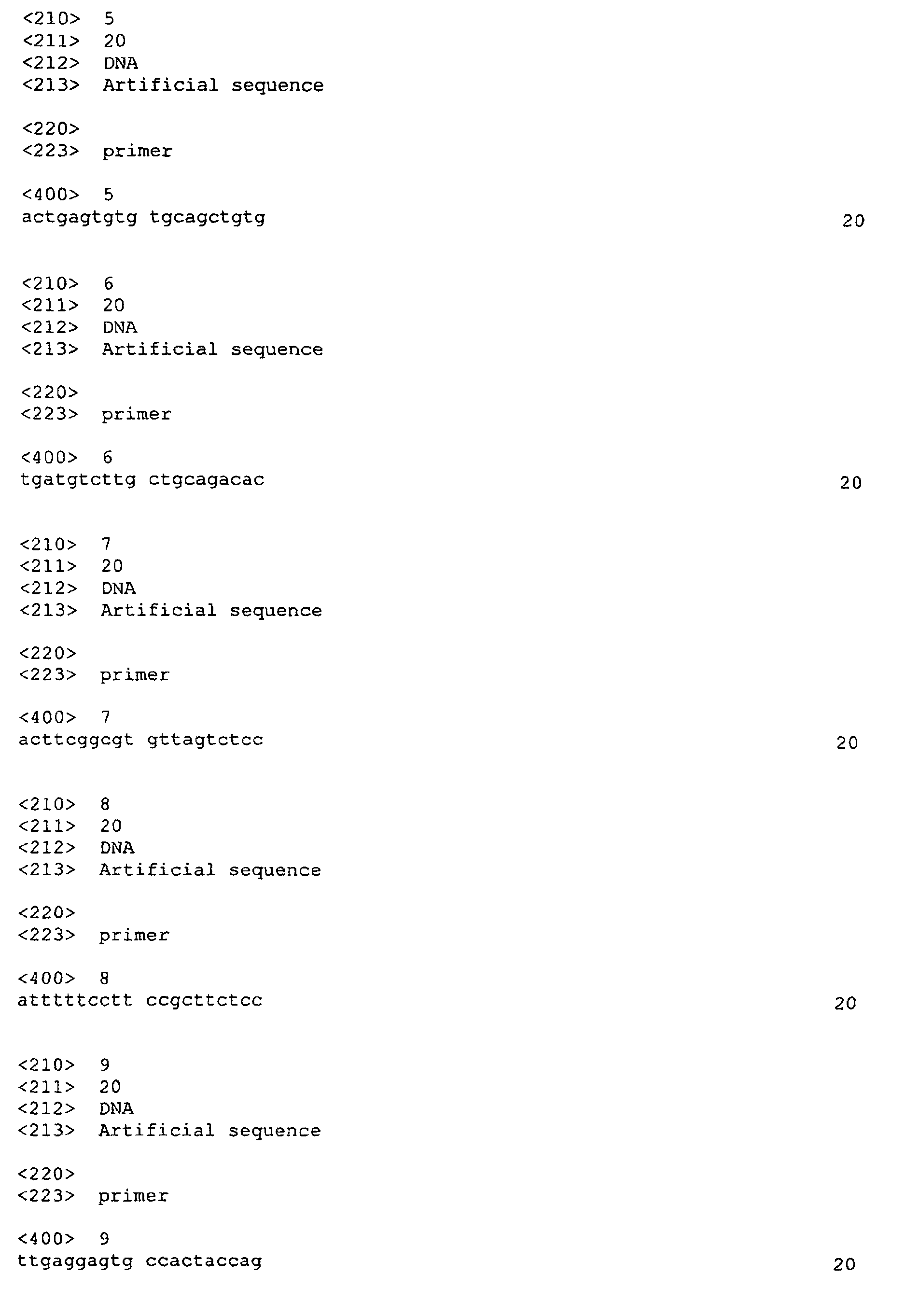
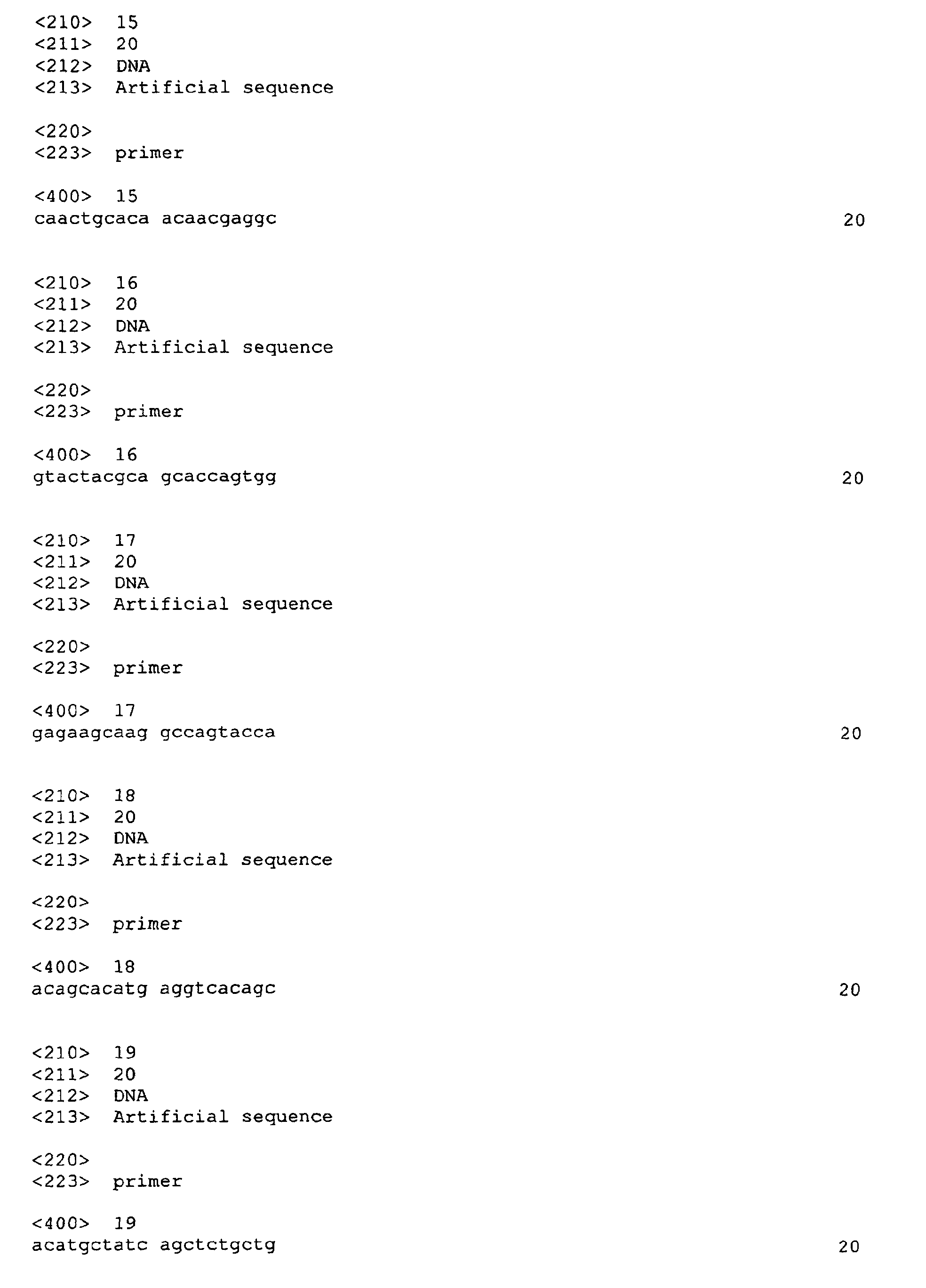
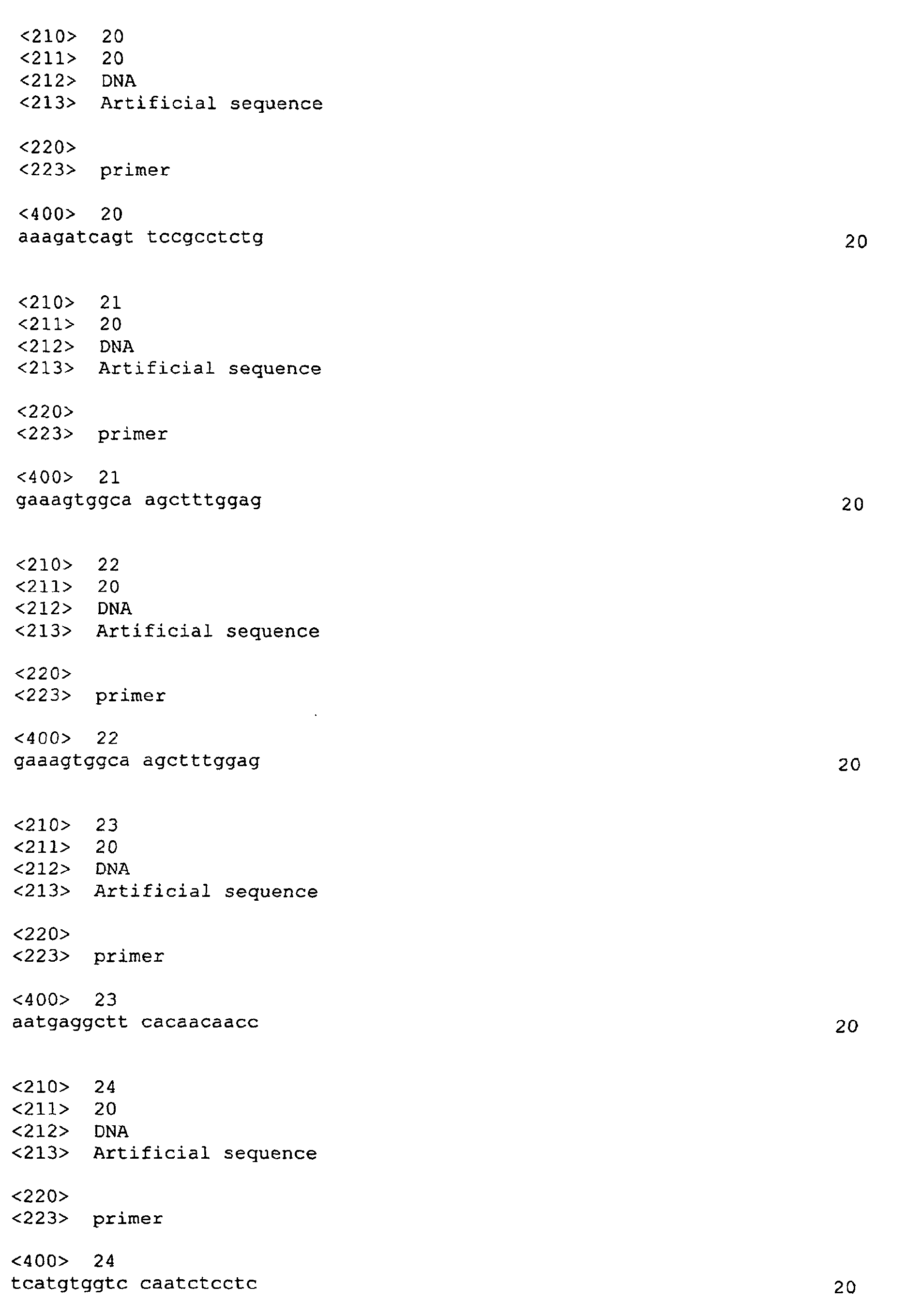
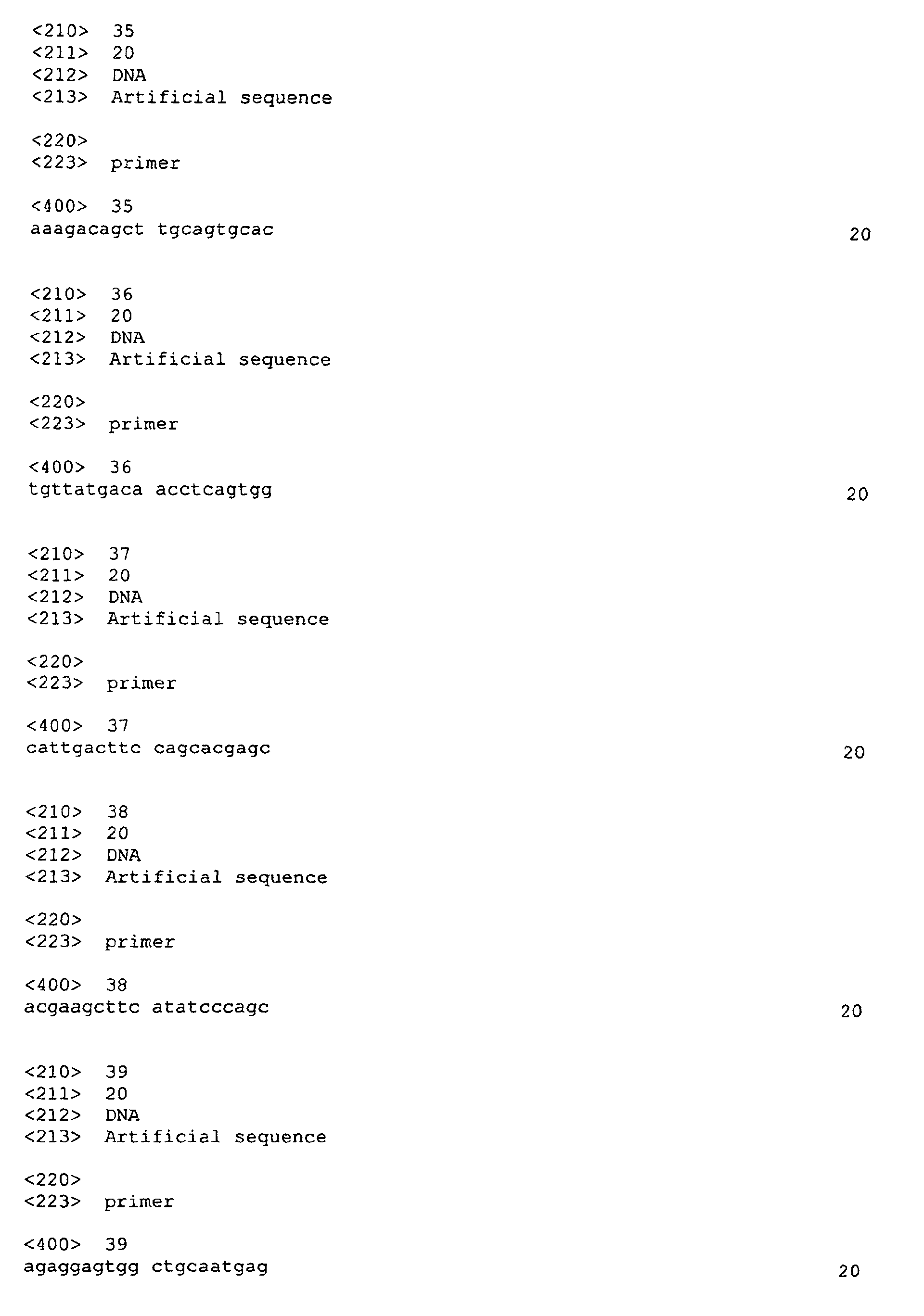
base series indicated in Table 1, and Taq DNA polymerase (Gibco BRL).
Denaturing was carried out on 50µl of each reaction mixtures at 94°C for 30
seconds, at proper annealing temperature indicated in Table 1 for 30 seconds,
and extension at 72°C for one minute. These procedures were set as the one
cycle, and additional 29 cycles were repeated. The reaction mixture was
analyzed by gel electrophoresis on 2% agarose gels and the presence of
gene-specific amplification was confirmed.

-
- WNT10B was detected in four of five RA synovium but limited to one of four OA cases by RT-PCR. Little or no expression of other WNT members was detected. Representative results by RT-PCR were shown in Fig.1. FRP1 was detected in all of four OA cases analyzed, FRP2 and FRP4 in 2/4 cases, FRP3 and FRP5 were observed in 1/4 case. In RA samples, each FRP gene was expressed in 1/5 case or not expressed. Expression of FRPs was represented in Fig.2. Table 2 summarized the results of RT-PCR: +; presence of expression, -; absence of expression, ND; not determined.
RA OA 1 2 3 4 5 6 7 8 9 WNT1 - - - - - - ND - - WNT2 - - - - - - ND - - WNT2B - - - - - - ND - - WNT3 - - - - - - - - - WNT4 - - - - - - ND - - WNT5A - - + - - - - - - WNT5B - - - + - - ND + - WNT6 - - - - - - ND - - WNT7A - - - - - - ND - - WNT8A - - - - - - ND - - WNT8B - - - - - - ND - - WNT10A - - - - - - ND - - WNT10B + + + + - - - + - WNT11 - - - - - - ND + - WNT14 - - - + - - - + - FRP1 - - - + - + + + + FRP2 - - - + - - - + + FRP3 - - - - - - - + - FRP4 - - - + - - - + + FRP5 - - - - - - - + - - Formalin- or paraformaldehyde-fixed and paraffin-embedded tissue sections of human RA or OA synovium were deparaffinized, rehydrated in ethanol series, and treated in a microwave oven (500 W, 4 minutes, 3 times) in 0.01 M sodium citrate buffer (pH6.0). After the treatment, the tissue sections was incubated with normal goat serum, normal donkey serum, normal rabbit serum or 1% bovine serum albumin at room temperature for 30 minutes, and with goat anti-Wnt10b antibody (1 µg/ml, Santa Cruz Biotechnology, Santa Cruz, CA, U.S.A.), goat anti-Frp1 antibody (2 µg/ml, Santa Cruz Biotechnology, Santa Cruz, CA, U.S.A.), or rabbit anti-von Willbrand Factor (vWF) antibody (200-fold dilution, DAKO, Carpinteria, CA, U.S.A.). And then, incubated with Alexa Fluor 546 anti-rabbit IgG, Alexa Flour 546 anti-goat IgG (Molecular Probes, Eugene, OR, U.S.A.), or FITC-labeled anti-goat IgG (Vector, Burlingame, CA, U.S.A.) at room temperature for 90 minutes, and tissue localization of each antigen was examined by a fluorescene microscope.
- In RA synovium, WNT 10B localized in synovial surface cells and endothelial cells. In OA synovium, the reaction was not observed. On the contrary,
FRP 1 localized in synovial surface cells and endothelial cells in OA tissues, but not in RA tissues. - Localization of WNT10B and FRP1 in endothelial cells was confirmed by a double immunostaining technique using anti-vWF antibody, which specifically recognizes endothelial cells.
- From the immunohistostaining micrograms obtained by said staining technique, WNT10B-positive cells in RA synovium and FRP1-positive cell in OA synovium, which confirmed the specific expression pattern in RA and OA synovial tissues, respectively.
- By the present invention, the profiling of expression pattern of WNTs and FRPs in RA and OA synovial tissues was clarified. That is, by RT-PCR analysis using gene-specific primer sets, especially, by the positive and/or negative of amplification of the genes by RT- PCR analysis for WNT10B or combinatorial detection of WNT10B and FRP1, the early RA specific diagnosis without false-positive reaction is accomplished. Accordingly, easy and reliable RA-specific diagnosis can be accomplished, and can provide an excellent technique which has high industrial applicability.




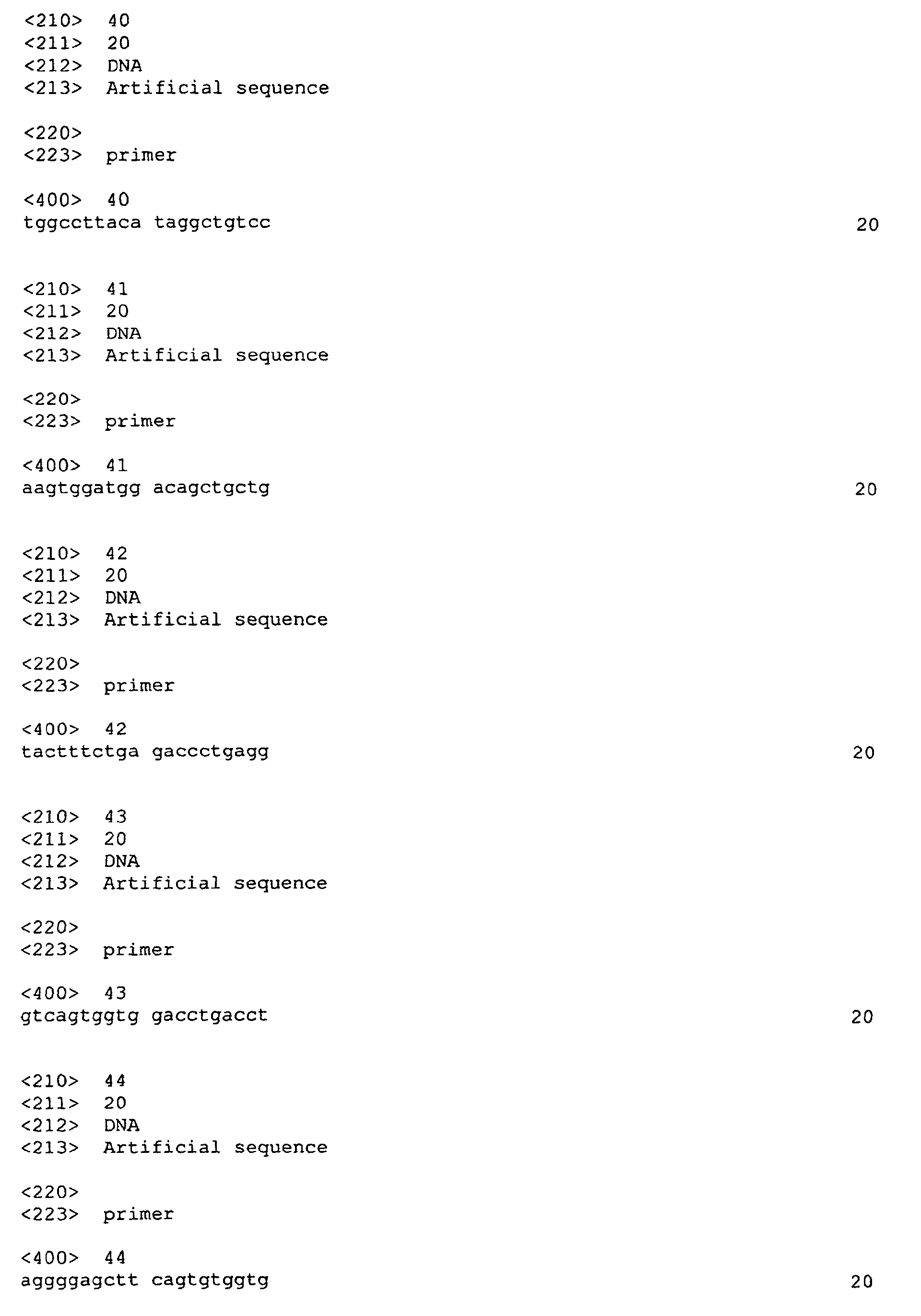
Claims (4)
- A method to detect rheumatoid arthritis by detecting at least the upregulation of expression of WNT10B in joint synovial fluid, in joint synovial tissue or in peripheral blood.
- The method to detect rheumatoid arthritis of claim 1, wherein at least the upregulation of expression of WNT10B is detected by RT-PCR analysis.
- The method to detect rheumatoid arthritis of claim 1, wherein at least inhabitation of expression of FRP is detected in parallel.
- The method to detect rheumatoid arthritis of claim 2, wherein at least an inhabitation of expression of FRP is detected in parallel.
Applications Claiming Priority (3)
| Application Number | Priority Date | Filing Date | Title |
|---|---|---|---|
| JP2002130883A JP2003319784A (en) | 2002-05-02 | 2002-05-02 | Method for detecting rheumatoid arthritis by detecting enhanced expression of WNT (a) |
| JP2002130883 | 2002-05-02 | ||
| PCT/JP2003/005358 WO2003093508A1 (en) | 2002-05-02 | 2003-04-25 | Method of detecting rheumatoid arthritis by detecting overexpression of wnt |
Publications (2)
| Publication Number | Publication Date |
|---|---|
| EP1502960A1 true EP1502960A1 (en) | 2005-02-02 |
| EP1502960A4 EP1502960A4 (en) | 2005-12-21 |
Family
ID=29397334
Family Applications (1)
| Application Number | Title | Priority Date | Filing Date |
|---|---|---|---|
| EP03723207A Withdrawn EP1502960A4 (en) | 2002-05-02 | 2003-04-25 | TECHNIQUE FOR DETECTION OF RHEUMATOID ARTHRITIS BY DETECTION OF OVEREXPRESSION OF WNT |
Country Status (4)
| Country | Link |
|---|---|
| US (1) | US20050221321A1 (en) |
| EP (1) | EP1502960A4 (en) |
| JP (1) | JP2003319784A (en) |
| WO (1) | WO2003093508A1 (en) |
Cited By (2)
| Publication number | Priority date | Publication date | Assignee | Title |
|---|---|---|---|---|
| EP2336769A1 (en) * | 2009-12-18 | 2011-06-22 | F. Hoffmann-La Roche AG | Trigger assay for differentiating between rheumatic and non-rheumatic disorders |
| EP2390346A1 (en) * | 2010-05-28 | 2011-11-30 | Universiteit Twente | Osteoarthrosis markers |
-
2002
- 2002-05-02 JP JP2002130883A patent/JP2003319784A/en not_active Withdrawn
-
2003
- 2003-04-25 EP EP03723207A patent/EP1502960A4/en not_active Withdrawn
- 2003-04-25 US US10/511,910 patent/US20050221321A1/en not_active Abandoned
- 2003-04-25 WO PCT/JP2003/005358 patent/WO2003093508A1/en not_active Ceased
Non-Patent Citations (3)
| Title |
|---|
| KAZUSHI IMAI, MASAKO MORIKAWA, JEANINE D'ARMIENTO, HIDEO MATSUMOTO, KOICHIRO KOMIYA, YASUNORI OKADA: "Differential expression of WNTs and FRPs in the synovium of rheumatoid arthritis and osteoarthritis" BIOCHEMICAL AND BIOPHYSICAL RESEARCH COMMUNICATIONS, vol. 345, no. 4, 14 June 2006 (2006-06-14), pages 1615-1620, United States * |
| No further relevant documents disclosed * |
| See also references of WO03093508A1 * |
Cited By (3)
| Publication number | Priority date | Publication date | Assignee | Title |
|---|---|---|---|---|
| EP2336769A1 (en) * | 2009-12-18 | 2011-06-22 | F. Hoffmann-La Roche AG | Trigger assay for differentiating between rheumatic and non-rheumatic disorders |
| EP2390346A1 (en) * | 2010-05-28 | 2011-11-30 | Universiteit Twente | Osteoarthrosis markers |
| WO2011149352A1 (en) * | 2010-05-28 | 2011-12-01 | Universiteit Twente | Osteoarthrosis markers |
Also Published As
| Publication number | Publication date |
|---|---|
| JP2003319784A (en) | 2003-11-11 |
| US20050221321A1 (en) | 2005-10-06 |
| EP1502960A4 (en) | 2005-12-21 |
| WO2003093508A1 (en) | 2003-11-13 |
Similar Documents
| Publication | Publication Date | Title |
|---|---|---|
| Ramos et al. | Fibroblasts from idiopathic pulmonary fibrosis and normal lungs differ in growth rate, apoptosis, and tissue inhibitor of metalloproteinases expression | |
| Kawasaki et al. | Up-regulated gene expression in the conjunctival epithelium of patients with Sjögren's syndrome | |
| Hernandez et al. | Differential gene expression in astrocytes from human normal and glaucomatous optic nerve head analyzed by cDNA microarray | |
| Charles et al. | The collection of NFATc1-dependent transcripts in the osteoclast includes numerous genes non-essential to physiologic bone resorption | |
| Lee et al. | Association between interleukin 17/interleukin 17 receptor gene polymorphisms and papillary thyroid cancer in Korean population | |
| Shimizu et al. | A single nucleotide polymorphism in the matrix metalloproteinase-1 and interleukin-8 gene promoter predicts poor prognosis in tongue cancer | |
| JP2015504514A5 (en) | ||
| US20130090255A1 (en) | Biological Markers of Chronic Wound Tissue and Methods of Using for Criteria in Surgical Debridement | |
| Yun et al. | An interferon-inducible signature of airway disease from blood gene expression profiling | |
| Tsoi et al. | Cytokine responses in nonlesional psoriatic skin as clinical predictor to anti-TNF agents | |
| US20190323060A1 (en) | Fibrosis susceptibility il22ra2 gene and uses thereof | |
| JP2026012758A (en) | Method for determining a patient's risk of developing a healthcare-associated infection | |
| Kim et al. | TGF-ß1 polymorphism determines the progression of joint damage in rheumatoid arthritis | |
| WO2016042114A1 (en) | Cxcl14 as a biomarker of hedgehog pathway activity for the diagnosis, prognosis and treatment of idiopathic pulmonary fibrosis | |
| Martin et al. | Whole blood transcriptomics reveals granulocyte colony‐stimulating factor as a mediator of cardiopulmonary bypass‐induced systemic inflammatory response syndrome | |
| Moudi et al. | Interleukin 1 receptor antagonist and 2′-5′-oligoadenylate synthetase-like molecules as novel biomarkers for multiple sclerosis patients in Bahrain | |
| Hassan et al. | The molecular basis for sonographic cervical shortening at term: identification of differentially expressed genes and the epithelial-mesenchymal transition as a function of cervical length | |
| Holloway et al. | ADAM33 expression in atherosclerotic lesions and relationship of ADAM33 gene variation with atherosclerosis | |
| CA3152279A1 (en) | Methods for determining responsiveness to anti-tumor necrosis factor therapy in the treatment of psoriasis | |
| Ambler et al. | Microarray expression profiling in adhesion and normal peritoneal tissues | |
| US20050221321A1 (en) | Method of detecting rheumatoid arthritis by detecting overexpression of wnt | |
| Xiao et al. | Renal-on-Chip microfluidic platform with a force-sensitive resistor (ROC-FS) for molecular pathogenesis analysis of hydronephrosis | |
| Thomas et al. | Angiogenic expression profile of normal and neurofibromin-deficient human Schwann cells | |
| Lien et al. | Association of blood active matrix metalloproteinase-3 with carotid plaque score from a community population in Taiwan | |
| WO2017079551A1 (en) | Methods for diagnosis and prognosis of venous thrombosis |
Legal Events
| Date | Code | Title | Description |
|---|---|---|---|
| PUAI | Public reference made under article 153(3) epc to a published international application that has entered the european phase |
Free format text: ORIGINAL CODE: 0009012 |
|
| 17P | Request for examination filed |
Effective date: 20041123 |
|
| AK | Designated contracting states |
Kind code of ref document: A1 Designated state(s): AT BE BG CH CY CZ DE DK EE ES FI FR GB GR HU IE IT LI LU MC NL PT RO SE SI SK TR |
|
| RBV | Designated contracting states (corrected) |
Designated state(s): CH DE DK FR GB LI SE |
|
| A4 | Supplementary search report drawn up and despatched |
Effective date: 20051107 |
|
| 17Q | First examination report despatched |
Effective date: 20060515 |
|
| STAA | Information on the status of an ep patent application or granted ep patent |
Free format text: STATUS: THE APPLICATION IS DEEMED TO BE WITHDRAWN |
|
| 18D | Application deemed to be withdrawn |
Effective date: 20080529 |