EP1496076A1 - Hydrophilic polymer derivate with y type branch and preparation method of it medical composite comprising above compound - Google Patents
Hydrophilic polymer derivate with y type branch and preparation method of it medical composite comprising above compound Download PDFInfo
- Publication number
- EP1496076A1 EP1496076A1 EP03709581A EP03709581A EP1496076A1 EP 1496076 A1 EP1496076 A1 EP 1496076A1 EP 03709581 A EP03709581 A EP 03709581A EP 03709581 A EP03709581 A EP 03709581A EP 1496076 A1 EP1496076 A1 EP 1496076A1
- Authority
- EP
- European Patent Office
- Prior art keywords
- group
- peg
- conjugate
- derivative
- polyethylene glycol
- Prior art date
- Legal status (The legal status is an assumption and is not a legal conclusion. Google has not performed a legal analysis and makes no representation as to the accuracy of the status listed.)
- Granted
Links
- 0 **(*=C)[N+](*)[O-] Chemical compound **(*=C)[N+](*)[O-] 0.000 description 3
Images


Classifications
-
- C—CHEMISTRY; METALLURGY
- C08—ORGANIC MACROMOLECULAR COMPOUNDS; THEIR PREPARATION OR CHEMICAL WORKING-UP; COMPOSITIONS BASED THEREON
- C08G—MACROMOLECULAR COMPOUNDS OBTAINED OTHERWISE THAN BY REACTIONS ONLY INVOLVING UNSATURATED CARBON-TO-CARBON BONDS
- C08G65/00—Macromolecular compounds obtained by reactions forming an ether link in the main chain of the macromolecule
- C08G65/02—Macromolecular compounds obtained by reactions forming an ether link in the main chain of the macromolecule from cyclic ethers by opening of the heterocyclic ring
- C08G65/32—Polymers modified by chemical after-treatment
- C08G65/329—Polymers modified by chemical after-treatment with organic compounds
-
- A—HUMAN NECESSITIES
- A61—MEDICAL OR VETERINARY SCIENCE; HYGIENE
- A61K—PREPARATIONS FOR MEDICAL, DENTAL OR TOILETRY PURPOSES
- A61K47/00—Medicinal preparations characterised by the non-active ingredients used, e.g. carriers or inert additives; Targeting or modifying agents chemically bound to the active ingredient
- A61K47/50—Medicinal preparations characterised by the non-active ingredients used, e.g. carriers or inert additives; Targeting or modifying agents chemically bound to the active ingredient the non-active ingredient being chemically bound to the active ingredient, e.g. polymer-drug conjugates
- A61K47/51—Medicinal preparations characterised by the non-active ingredients used, e.g. carriers or inert additives; Targeting or modifying agents chemically bound to the active ingredient the non-active ingredient being chemically bound to the active ingredient, e.g. polymer-drug conjugates the non-active ingredient being a modifying agent
- A61K47/56—Medicinal preparations characterised by the non-active ingredients used, e.g. carriers or inert additives; Targeting or modifying agents chemically bound to the active ingredient the non-active ingredient being chemically bound to the active ingredient, e.g. polymer-drug conjugates the non-active ingredient being a modifying agent the modifying agent being an organic macromolecular compound, e.g. an oligomeric, polymeric or dendrimeric molecule
- A61K47/59—Medicinal preparations characterised by the non-active ingredients used, e.g. carriers or inert additives; Targeting or modifying agents chemically bound to the active ingredient the non-active ingredient being chemically bound to the active ingredient, e.g. polymer-drug conjugates the non-active ingredient being a modifying agent the modifying agent being an organic macromolecular compound, e.g. an oligomeric, polymeric or dendrimeric molecule obtained otherwise than by reactions only involving carbon-to-carbon unsaturated bonds, e.g. polyureas or polyurethanes
- A61K47/60—Medicinal preparations characterised by the non-active ingredients used, e.g. carriers or inert additives; Targeting or modifying agents chemically bound to the active ingredient the non-active ingredient being chemically bound to the active ingredient, e.g. polymer-drug conjugates the non-active ingredient being a modifying agent the modifying agent being an organic macromolecular compound, e.g. an oligomeric, polymeric or dendrimeric molecule obtained otherwise than by reactions only involving carbon-to-carbon unsaturated bonds, e.g. polyureas or polyurethanes the organic macromolecular compound being a polyoxyalkylene oligomer, polymer or dendrimer, e.g. PEG, PPG, PEO or polyglycerol
-
- A—HUMAN NECESSITIES
- A61—MEDICAL OR VETERINARY SCIENCE; HYGIENE
- A61P—SPECIFIC THERAPEUTIC ACTIVITY OF CHEMICAL COMPOUNDS OR MEDICINAL PREPARATIONS
- A61P35/00—Antineoplastic agents
-
- C—CHEMISTRY; METALLURGY
- C08—ORGANIC MACROMOLECULAR COMPOUNDS; THEIR PREPARATION OR CHEMICAL WORKING-UP; COMPOSITIONS BASED THEREON
- C08L—COMPOSITIONS OF MACROMOLECULAR COMPOUNDS
- C08L2203/00—Applications
- C08L2203/02—Applications for biomedical use
Definitions
- the F terminal group plays a key role.
- Derivatives with different terminal groups have different uses. The introduction of these functional groups determines the applicable fields and structures of these derivatives. In respect of the desired use, the following methods can be used to modify the terminal functional group:
- active functional groups such as amino, carboxyl and hydroxyl groups, which bind with monosaccharides, polysaccharides, nucleosides, polynucleosides, phosphoryl and the like in vivo, to form active pharmacological structures.
- the PEG derivatives with the modified terminal functional group can conjugate to the drug molecules in the same way to take the place of a bio-organic molecule and overcome the shortcomings of short physiological half-lives and low therapeutic effect.
- the following model is a general ester synthesis reaction.
- the Y-shape hydrophilic polymer derivatives of the present invention can form conjugates with drug molecules through proper functional groups. These functional groups can link the free amino, hydroxyl or thiol group of proteins, polypeptides and other natural drugs with the polymer derivatives. For proteins and peptides with high molecular weight, one molecule can link with one or more PEG derivatives to improve the physiological effects of the drug molecules in vivo. For the active components of a natural drug with low molecular weight, one PEG derivative can be linked to one or more drug molecules through proper functional groups to ensure a proper drug concentration and the function of sustained release.
- the drug molecules included in the conjugates of the present invention are the active ingredients separated from nature plants, such as paclitaxel, camptothecin, cinobufagin, clycyrrhetinic acid and scopoletin.
- the drugs are the ingredients of natural medicines used in the treatment of tumors, such as paclitaxel, camptothecin, and derivatives thereof.
- Prefered drugs also include interferons, such as ⁇ - and ⁇ -interferon.
- the conjugates of the present invention can be administered in the form of pure compounds or suitable pharmaceutical compositions, via any acceptable routes or being included in a reagent for similar use.
- the conjugates can be administered via oral, nasal, parenteral, topical, transdermal, rectal or injection routes in the form of solid, semisolid, lyophilized powder or liquid, for example, tablets, suppositories, pills, soft and hard gelatin capsules, powder, solution, suspention and aerosols.
- the unit dosage form is suitable for a precise-dosage and easy administration.
- the composition includes conventional pharmaceutical carriers or excipients and the conjugate(s) of the present invention as the active ingredient(s). Furthermore, it also can include other agents, carriers and excipients.
- compositions which can be administered as liquid such as solutions and suspensions can be prepared by dissolving and dispersing the conjugate of the present invention (about 0.5-20%) and optionally a the pharmaceutical excipient into a carrier.
- composition applied will include an effective amount of the conjugate of the present invention for the treatment of corresponding disease.
- Y-shape branched PEG derivative of Mw 10000 ((MeO-PEG) 2 -N-CH 2 CH 2 OH, from example 1) and 0.1 g of di-succinimidyl carbonate were dissolved in 20 ml of acetonitrile. 0.1 ml of pyridine was added to the solution. The reaction mixture was stirred under the protection of nitrogen overnight. The solvent was removed by rotary evaporation and the residue was dried under vacuum. The solid residue was added to 10 ml of dry dichloromethane. The undissolved solid was filtered.
- mPEG-glycine (3) or mPEG-alanine (4) of molecular weight 5000 was dissolved in 20 ml of dichloromethane.
- 1g of mPEG carboxyethyl NHS ester (mPEG-O-CH 2 -CO-NHS, molecular weight 5000) and 0.1 ml of triethylamine were added to the solution.
- the solution was stirred overnight.
- the solvent was removed under vacuum and the residue was added to ethyl ether.
- the precipitate was collected by filtration and dried under vacuum.
- the product (Y-shape branched PEG acid) was further purified by ion exchange chromatography. Yield: 0.98g (50%).
- Y-shape branched mPEG acid 0.5g was dissolved in 10ml dichloromethane. 7mg of N-hydroxylsuccinimide (NHS) and 13mg of dicyclohexylcarbodiimide (DCC) was added to the solution. The solution was stirred at room temperature for 6 hours. The solvent was removed under vacuum. The residue was added to 20 ml of isopropyl alcohol (IPA). The product was collected by filtration and dried under vacuum.
- NHS N-hydroxylsuccinimide
- DCC dicyclohexylcarbodiimide
- mPEG-glycine (3) or mPEG-alanine (4) of molecular weight 5000 (from example 3 or 4) was dissolved in 20 ml of dichloromethane.
- 1g of mPEG NHS carbonate (mPEGO-CO-NHS) of Mw 5000 Dalton and 0.1 ml of triethylamine were added to the solution.
- the solution was stirred overnight.
- the solvent was removed under vacuum and the residue was added to ethyl ether.
- the precipitate was collected by filtration and dried under vacuum.
- the product (Y-shape branched PEG acid) was further purified by ion exchange chromatography. Yield 0.98g (50%)
- Y-shape branched polyethylene glycol succinimidyl ester from example 2 , 5 or 6 was dissolved in 5 ml of buffered ⁇ -interferon solution with interferon concentration 5 mg/ml (pH 7.4).
- PEG and ⁇ -interferon were at ratio of 3:1.
- the solution was gently shaken for 1 hour at 4 °C and then 5 hours at room temperature.
- the solution was diluted to a final interferon concentration of 0.5 mg/ml and purified by HPLC with gel column.
- the mono-substituted Y-shape branched PEG conjugate of ⁇ -interferon was collected. SDS-PAGE showed the product contained no free ⁇ -interferon.
- Y-shape branched polyethylene glycol succinimidyl ester (Example 5 or 6) was dissolved in 5 ml of buffered ⁇ -interferon solution with interferon concentration of 1 mg/ml (pH 7.4). In the reaction solution, PEG and ⁇ -interferon were at ratio of 3:1. The solution was gently shaken for 7hours. The solution was purified by HPLC with gel column. The mono-substituted Y-shape branched PEG conjugate of ⁇ -interferon was collected. SDS-PAGE and CE showed the product contains no free ⁇ -interferon.
- Y-shape branched PEG carboxylic acid (Example 5 or 6) was dissolved in 10 ml dichloromethane. 120 mg of glycine-camptothecin, 50 mg of dimethylamino pyridine and 95 mg of dicyclohexylcarbodiimide were added to the solution. The solution was stirred at room temperature for 6 hours. The solvent was removed under vacuum. The residue was dissolved in 20 ml of 1,4-dioxane. The precipitate was removed by filtration. The solution was concentrated, and the residue was added to 20ml of ethyl ether. The precipitate was collected by filtration, washed with ethyl ether and dried under vacuum. Yield: 0.8g (80%), Mp: 56-58°C.
- Y-shape branched PEG carboxylic acid (Example 5 or 6) was dissolved in 10 ml dichloromethane. 60 mg of Cinobufagin, 12 mg 1-Hydroxybenzotriazole, 16 mg of dimethylamino pyridine and 40 mg of dicyclohexylcarbodiimide were added to the solution. The solution was stirred at room temperature for 6 hours. The solvent was removed under vacuum. The residue was added to 20 ml of isopropyl alcohol. The precipitate was collected by filtration, washed with ether and dried under vacuum. Yield: 0.75g (75%), Mp: 57-59°C.
- Y-shape branched PEG carboxylic acid (Example 5 or 6) was dissolved in 20 ml of dichloromethane. 30 mg of Cinobufagin, 20mg of 1-Hydroxybenzotriazole, 20 mg of dimethylamino pyridine and 38 mg of dicyclohexyl- carbodiimide were added to the solution. The solution was stirred at room temperature for 12 hours under the protection of nitrogen. The solvent was concentrated under vacuum. The residue was added to 20 ml of 1,4-dioxane. The precipitate was collected by filtration, washed with ether and dried by air exhaust. The solvent was removed under vacuum.
- Y-shape branched PEG carboxylic acid (Example 5 or 6) was dissolved in 10 ml of dichloromethane. 0.2 ml of thionyl chloride was added to the solution. The solution was stirred for 2 hours. The solvent and impurities having low boiling point were removed under vacuum. 10ml of dichloromethane solution having 70 mg clycyrrhetinic acid was added, and dissolved by mixing. Then 60mg 4-dimethylamino pyridine was added. The reaction mixture was stirred for 12 hours at room temperature under the protection of nitrogen gas. The solvent was concentrated under vacuum. The residue was added into 20ml of isopropyl alcohol. The precipitate was collected by filtration, washed with ethyl ether, dried by air exhaust, and further dried under vacuum. Yield: 0.6 g (60%). M.p.: 58 ⁇ 60°C.
- composition comprises the conjugate of the present invention.
- Component Conjugate prepared in Example 8 2 g 0.9% saline 100 ml
- Example 8 The conjugate prepared in Example 8 was dissolved in 0.9% saline to obtain 100ml solution for intravenous injection, which was filtered through 0.2 ⁇ m membrane and packed aseptically. The powder for injection was obtained by freeze-drying.
Landscapes
- Health & Medical Sciences (AREA)
- Chemical & Material Sciences (AREA)
- Medicinal Chemistry (AREA)
- General Chemical & Material Sciences (AREA)
- Organic Chemistry (AREA)
- Pharmacology & Pharmacy (AREA)
- Chemical Kinetics & Catalysis (AREA)
- Life Sciences & Earth Sciences (AREA)
- Animal Behavior & Ethology (AREA)
- General Health & Medical Sciences (AREA)
- Public Health (AREA)
- Veterinary Medicine (AREA)
- Epidemiology (AREA)
- Engineering & Computer Science (AREA)
- Polymers & Plastics (AREA)
- Bioinformatics & Cheminformatics (AREA)
- Nuclear Medicine, Radiotherapy & Molecular Imaging (AREA)
- Medicinal Preparation (AREA)
- Polyethers (AREA)
- Medicines That Contain Protein Lipid Enzymes And Other Medicines (AREA)
- Organic Low-Molecular-Weight Compounds And Preparation Thereof (AREA)
- Materials For Medical Uses (AREA)
- Pharmaceuticals Containing Other Organic And Inorganic Compounds (AREA)
- Acyclic And Carbocyclic Compounds In Medicinal Compositions (AREA)
- Heterocyclic Carbon Compounds Containing A Hetero Ring Having Oxygen Or Sulfur (AREA)
Abstract
Description





| Component | |
| Conjugate prepared in Example 8 | 2 g |
| 0.9% saline | 100 ml |
Claims (21)
- A Y-shaped branched hydrophilic polymer derivative represented by formula I:wherein
 Pa and Pb are hydrophilic polymers, which are the same or different;j is an integer from 1 to 12;Ri is selected from the group consisting of H, a C1-12 substituted or unsubstituted alkyl, a substituted aryl, an aralkyl, and a heteroalkyl;X1 and X2 independently are linking groups, wherein X1 is (CH2)n, and X2 is selected from the group consisting of (CH2)n, (CH2)nOCO, (CH2)nNHCO and (CH2)nCO, wherein n is an integer of from 1-10; andF is a functional group selected from the group consisting of a hydroxyl group, a carboxyl group, an ester group, carboxylic acid chloride, hydrazide, maleimide and pyridine disulfide, being capable of reacting with an amino group, a hydroxyl group or a thiol group of a therapeutic agent or a substrate to form a covalent linkage.
 - The hydrophilic polymer derivative of claim 1 wherein the hydrophilic polymer is selected from the group consisting of polyethylene glycol, polypropylene glycol, polyvinyl alcohol, polyacrylmorpholine and copolymers thereof.
- The hydrophilic polymer derivative of claim 2 wherein the hydrophilic polymer is polyethylene glycol.
- A Y-shaped branched polyethylene glycol derivative represented by formula II:wherein
 Pa and Pb are polyethylene glycols, which are the same or different;n and j are independently an integer from 1 to 12;Ri is selected from the group consisting of H, a C1-12 substituted or unsubstituted alkyl, a substituted aryl, an aralkyl, and a heteroalkyl; andF is a functional group selected from the group consisting of a hydroxyl group, a carboxyl group, an ester group, carboxylic acid chloride, hydrazide, maleimide and pyridine disulfide, being capable of reacting with an amino group, a hydroxyl group or a thiol group of a therapeutic agent or a substrate to form a covalent linkage.
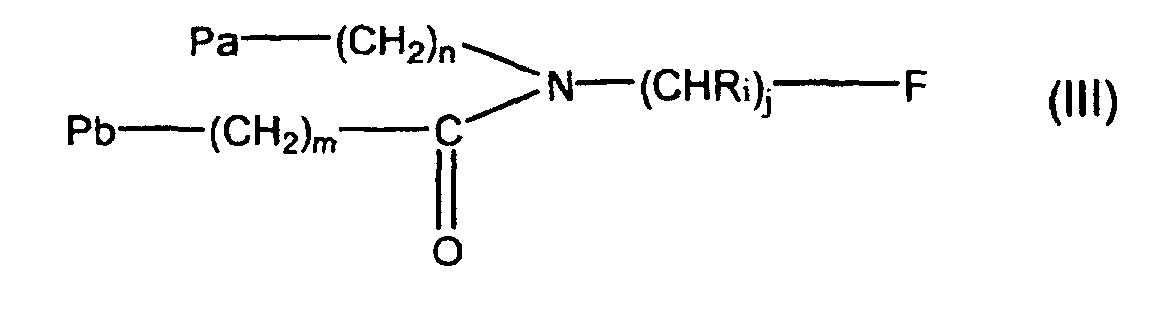
 - A Y-shaped branched polyethylene glycol derivative represented by formula III:wherein
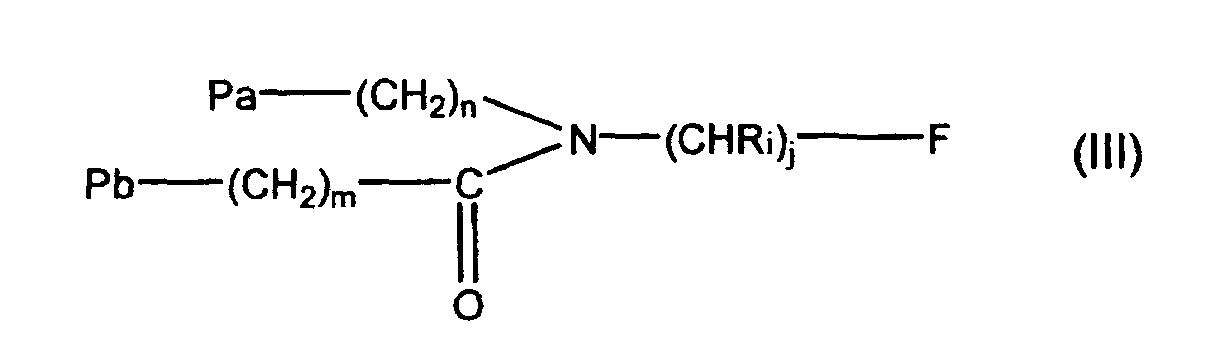 Pa and Pb are polyethylene glycols, which are the same or different;n, m and j are independently an integer from 1 to 12;Ri is selected from the group consisting of H, a C1-12 substituted or unsubstituted alkyl, a substituted aryl, an aralkyl, and a heteroalkyl; andF is a functional group selected from the group consisting of a hydroxyl group, a carboxyl group, an ester group, carboxylic acid chloride, hydrazide, maleimide and pyridine disulfide, being capable of reacting with an amino group, a hydroxyl group or a thiol group of a therapeutic agent or a substrate to form a covalent linkage.
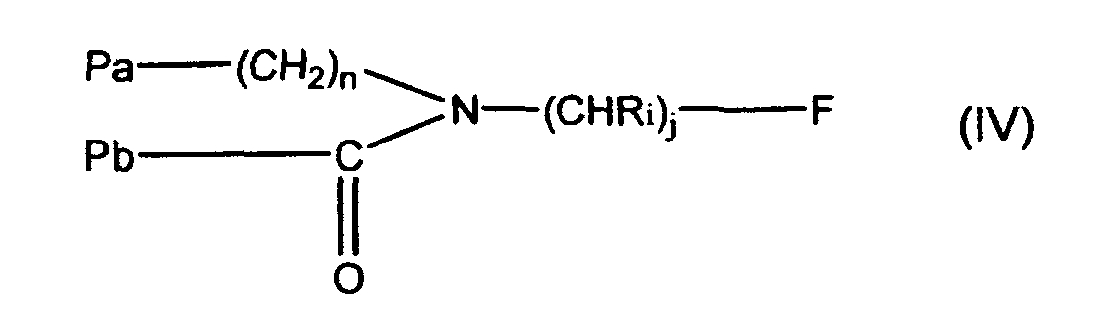
 - A Y-shaped branched polyethylene glycol derivative represented by formula IV:wherein
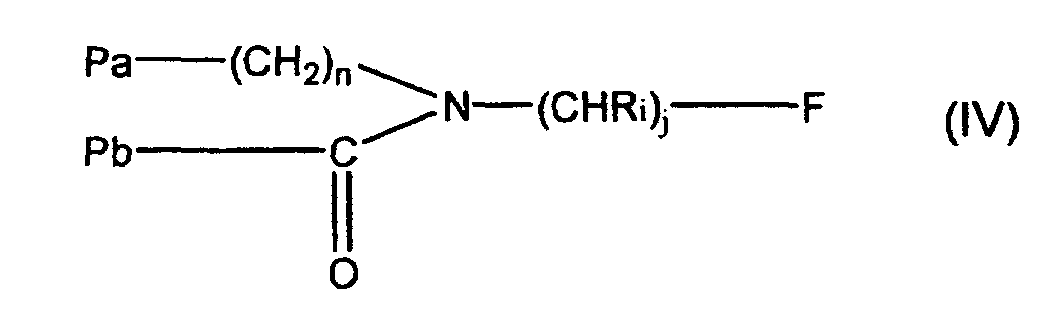 Pa and Pb are polyethylene glycols, which are the same or different;n and j are independently an integer from 1 to 12;Ri is selected from the group consisting of H, a C1-12 substituted or unsubstituted alkyl, a substituted aryl, an aralkyl, and a heteroalkyl; andF is a functional group selected from the group consisting of a hydroxyl group, a carboxyl group, an ester group, carboxylic acid chloride, hydrazide, maleimide and pyridine disulfide, being capable of reacting with an amino group, a hydroxyl group or a thiol group of a therapeutic agent or a substrate to form a covalent linkage.
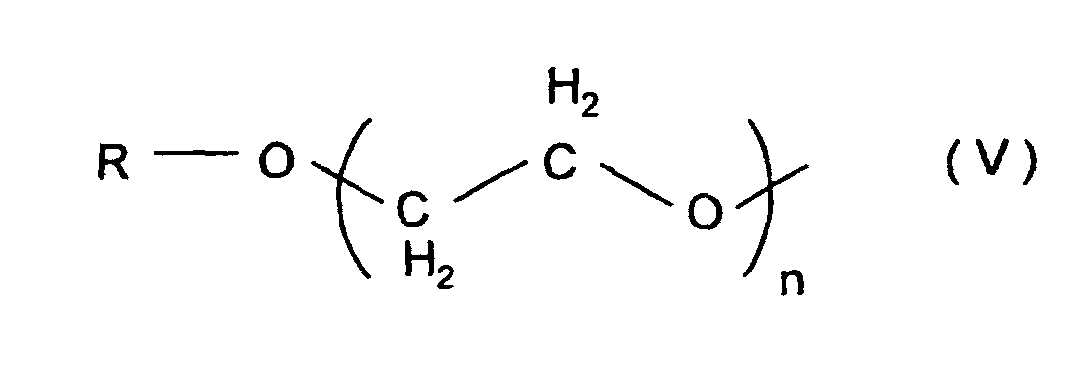
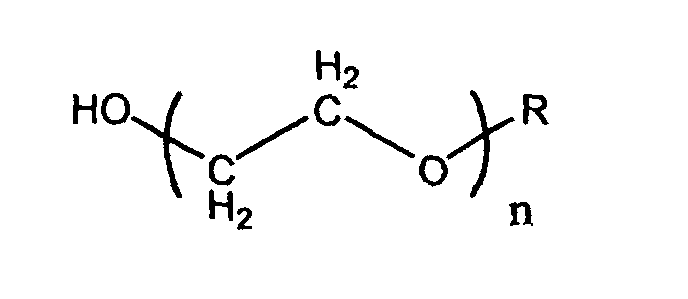
 - The derivative of any one of claims 1 to 6, wherein Pa and Pb are the same or different PEGs of formula (V):wherein
 R is H, a C1-12 alkyl, a cycloalkyl or an aralkyl; andn is an integer, representing the degree of polymerization.
 - The derivative of claim 7, wherein R is selected from the group consisting of H, methyl, ethyl, isopropyl, cyclopropyl, cyclobutyl, cyclohexyl and benzyl.
- The derivative of claim 7, wherein the molecular weight of PEG is from about 300 to 60000.
- A method to prepare the PEG derivative of claim 4, comprising :at 0°C initiating the polymerization of ethylene oxide with N,N-di-2-hydroxylethyl-2-benzyloxyethyl amine in the presence of a catalyst;alkylating terminal hydroxyl groups;removing benzyl groups by catalytic hydrogenation; andderivatizing the new hydroxyl group to incorporate the terminal group F..
- A method to prepare the PEG derivative of claim 5 or 6, comprising:reacting one methoxyl polyethylene glycol mesylate with an amino acid under basic conditions to produce a reactive product; andreacting the reactive product obtained above with another methoxyl polyethylene glycol derivative, and further derivatizing to incorporate a terminal group F.
- The method of claim 11, wherein the another methoxyl polyethylene glycol derivative is mPEG-carboxyethyl NHS ester.
- A conjugate formed by reacting the derivative of any one of claims 1, 4, 5 and 6 with drug molecules through the terminal group F.
- A copolymer of the derivatives of any one of claim 1, 4, 5 and 6 and other polymers linked through the terminal group F.
- The conjugate of claim 13 wherein the drug is selected from the group consisting of amino acids, proteins, enzymes, nucleosides, saccharides, organic acids, glycosides, flavonoids, anthraquinones, terpenoids, phenylpropanoid phenols, steroids, glycoside of the steroids and alkaloids of the steroids.
- The conjugate of claim 13 wherein the drug is an active component of a natural medicine.
- The conjugate of claim 16 wherein the active component is cinobufagin, clycyrrhetinic acid or scopoletin.
- The conjugate of claim 13 wherein the drug is an anti-tumor agent.
- The conjugate of claim 18 wherein the anti-tumor agent is selected from the group consisting of paclitaxel, camptothecin, interferon and derivatives thereof.
- The conjugate of claim 19 wherein the interferon is α-, β-or γ-interferon.
- A pharmaceutical composition comprising the conjugate according to any one of claims 13 to 20 and optionally a pharmaceutically acceptable carrier and excipient.
Applications Claiming Priority (3)
| Application Number | Priority Date | Filing Date | Title |
|---|---|---|---|
| CN0200147 | 2002-03-13 | ||
| WOPCT/CN02/00147 | 2002-03-13 | ||
| PCT/CN2003/000179 WO2003076490A1 (en) | 2002-03-13 | 2003-03-12 | Hydrophilic polymer derivate with y type branch and preparation method of it medical composite comprising above compound |
Publications (3)
| Publication Number | Publication Date |
|---|---|
| EP1496076A1 true EP1496076A1 (en) | 2005-01-12 |
| EP1496076A4 EP1496076A4 (en) | 2006-06-21 |
| EP1496076B1 EP1496076B1 (en) | 2007-07-25 |
Family
ID=27792878
Family Applications (1)
| Application Number | Title | Priority Date | Filing Date |
|---|---|---|---|
| EP03709581A Expired - Lifetime EP1496076B1 (en) | 2002-03-13 | 2003-03-12 | Hydrophilic polymer derivate with y type branch and preparation method of it medical composite comprising above compound |
Country Status (9)
| Country | Link |
|---|---|
| US (3) | US8003089B2 (en) |
| EP (1) | EP1496076B1 (en) |
| JP (1) | JP4272537B2 (en) |
| CN (1) | CN1243779C (en) |
| AT (1) | ATE368066T1 (en) |
| AU (1) | AU2003221291A1 (en) |
| DE (1) | DE60315145T2 (en) |
| ES (1) | ES2291620T3 (en) |
| WO (1) | WO2003076490A1 (en) |
Cited By (15)
| Publication number | Priority date | Publication date | Assignee | Title |
|---|---|---|---|---|
| WO2005061005A3 (en) * | 2003-12-23 | 2005-11-03 | Celltech R&D Ltd | Branched polyethylene glycol for linking polymer residues to antibodies |
| WO2006124000A1 (en) * | 2005-05-20 | 2006-11-23 | Agency For Science, Technology And Research | Aldehyde conjugated flavonoid preparations |
| WO2009121210A1 (en) | 2008-04-03 | 2009-10-08 | 厦门伯赛基因转录技术有限公司 | Double-stranded polyethylene glycol modified growth hormone, preparation method and application thereof |
| EP2186830A4 (en) * | 2007-09-04 | 2010-10-20 | Biosteed Gene Expression Tech | POLYETHYLENE GLYCOL-MODIFIED ALPHA 2B INTERFERON AND PREPARATION METHOD AND APPLICATIONS THEREOF |
| EP2196475A4 (en) * | 2007-09-04 | 2010-10-20 | Biosteed Gene Expression Tech | INTERFERON ALPHA 2a MODIFIED BY POLYETHYLENE GLYCOL, ITS SYNTHESIS PROCESS AND APPLICATION |
| US7858080B2 (en) | 2005-05-20 | 2010-12-28 | Agency For Science, Technology And Research | Aldehyde conjugated flavonoid preparations |
| WO2011070264A1 (en) * | 2009-12-11 | 2011-06-16 | L'oreal | Use of benzyloxy-ethylamine derivatives as a preservative, preservation method, and compositions |
| WO2012004008A1 (en) | 2010-07-09 | 2012-01-12 | Fresenius Kabi Deutschland Gmbh | Conjugates comprising hydroxyalkyl starch and a cytotoxic agent and process for their preparation |
| WO2012004005A1 (en) | 2010-07-09 | 2012-01-12 | Fresenius Kabi Deutschland Gmbh | Conjugates comprising hydroxyalkyl starch and a cytotoxic agent and process for their preparation |
| WO2012004009A1 (en) | 2010-07-09 | 2012-01-12 | Fresenius Kabi Deutschland Gmbh | Conjugates comprising hydroxyalkyl starch and a cytotoxic agent and process for their preparation |
| WO2012004007A1 (en) | 2010-07-09 | 2012-01-12 | Fresenius Kabi Deutschland Gmbh | Conjugates comprising hydroxyalkyl starch and a cytotoxic agent and process for their preparation |
| WO2012055573A1 (en) | 2010-10-29 | 2012-05-03 | Noxxon Pharma Ag | Use of hepcidin binding nucleic acids for depletion of hepcidin from the body |
| EP2081957A4 (en) * | 2006-11-14 | 2013-05-08 | Shanghai Huayi Bio Lab Co Ltd | EXENDIN OR ANALOGUE OF EXENDIN MODIFIED BY PEG, COMPOSITIONS THEREOF AND USE THEREOF |
| EP2236521A4 (en) * | 2007-12-29 | 2013-07-10 | Biosteed Gene Expression Tech Co Ltd | Y-type polyethylene glycol modified g-csf and preparation method and use thereof |
| US11359089B2 (en) | 2017-03-30 | 2022-06-14 | Jenkem Technology Co., Ltd. (Beijing) | Method for preparing Y-branched hydrophilic polymer carboxylic acid derivative |
Families Citing this family (33)
| Publication number | Priority date | Publication date | Assignee | Title |
|---|---|---|---|---|
| DE10209822A1 (en) | 2002-03-06 | 2003-09-25 | Biotechnologie Ges Mittelhesse | Coupling of low molecular weight substances to a modified polysaccharide |
| DE10209821A1 (en) | 2002-03-06 | 2003-09-25 | Biotechnologie Ges Mittelhesse | Coupling of proteins to a modified polysaccharide |
| WO2003076490A1 (en) | 2002-03-13 | 2003-09-18 | Beijing Jiankai Technology Co., Ltd. | Hydrophilic polymer derivate with y type branch and preparation method of it medical composite comprising above compound |
| MXPA05002594A (en) | 2002-09-11 | 2005-05-27 | Fresenius Kabi Gmbh | Hasylated polypeptides, especially hasylated erythropoietin. |
| DE10326303A1 (en) * | 2003-06-11 | 2004-12-30 | Celares Gmbh | Reagents for modifying biopharmaceuticals, their manufacture and use |
| WO2005014655A2 (en) | 2003-08-08 | 2005-02-17 | Fresenius Kabi Deutschland Gmbh | Conjugates of hydroxyalkyl starch and a protein |
| AR048035A1 (en) | 2004-03-11 | 2006-03-22 | Fresenius Kabi De Gmbh | CONJUGADOS DE ALMIDON DE HIDROXIALQUILO AND A PROTEIN, PREPARED BY REDUCING AMINATION |
| AU2006304856A1 (en) * | 2005-10-21 | 2007-04-26 | Synageva Biopharma Corp. | Glycolated and glycosylated poultry derived therapeutic proteins |
| US20080171696A1 (en) * | 2005-10-21 | 2008-07-17 | Avigenics, Inc. | Pharmacodynamically enhanced therapeutic proteins |
| US20090285780A1 (en) * | 2006-05-24 | 2009-11-19 | Chyi Lee | Peg linker compounds and biologically active conjugates thereof |
| CN101168594B (en) * | 2006-10-24 | 2011-07-27 | 北京键凯科技有限公司 | Polyglycol active derivative with oligopeptide as framework, preparation method thereof and conjugate of with pharmaceutical molecule |
| CN101835482A (en) * | 2007-08-20 | 2010-09-15 | 安佐制药股份有限公司 | Polymeric linkers containing pyridyl disulfide moieties |
| EP2070950A1 (en) | 2007-12-14 | 2009-06-17 | Fresenius Kabi Deutschland GmbH | Hydroxyalkyl starch derivatives and process for their preparation |
| CN101701068B (en) * | 2009-10-30 | 2011-09-21 | 北京化工大学 | A pH-responsive Y-shaped drug delivery material and its preparation method |
| JP2011105792A (en) * | 2009-11-12 | 2011-06-02 | Japan Science & Technology Agency | Block copolymer, block copolymer-metal complex composite material, and hollow structure carrier using the same |
| CN103083680B (en) * | 2011-11-07 | 2014-12-24 | 北京键凯科技有限公司 | Polyethylene glycol (PEG)-amino acid oligopeptide-irinotecan combo and its medicinal composition |
| JP5999659B2 (en) * | 2011-12-14 | 2016-09-28 | 国立大学法人 筑波大学 | Novel branched polyethylene glycol and its use |
| WO2014114262A1 (en) * | 2013-01-28 | 2014-07-31 | 天津键凯科技有限公司 | Water soluble polymer-amino acid oligopeptide-medicine combination, preparation method therefore, and use thereof |
| US9700633B2 (en) | 2013-01-28 | 2017-07-11 | Jenkem Technology Co., Ltd., Tianjin Branch | Conjugates of water soluble polymer-amino acid oligopeptide-drug, preparation method and use thereof |
| CN103965458B (en) * | 2013-01-28 | 2017-02-15 | 天津键凯科技有限公司 | Polyethylene glycol-amino acid oligopeptide-dasatinib conjugate and pharmaceutical composition thereof |
| CN104109235B (en) * | 2014-05-30 | 2017-07-18 | 厦门赛诺邦格生物科技股份有限公司 | A kind of single functionalized poly (ethylene glycol), preparation method and its bio-related substance with nitrogen-atoms branch centers |
| CN106146325B (en) * | 2015-04-24 | 2019-01-29 | 北京键凯科技股份有限公司 | A kind of Y type multicondensed ethylene glycol derivative and preparation method thereof |
| CN107446908A (en) * | 2016-06-01 | 2017-12-08 | 湖南华腾制药有限公司 | Polyethyleneglycol modified L L-Asparaginasums of branching type and preparation method thereof |
| CN106750250B (en) * | 2016-12-21 | 2019-04-23 | 沈阳化工大学 | Polyethylene glycol oleanolic acid derivative with amino acid as linking arm and preparation method and application thereof |
| CN108530637B (en) * | 2017-03-05 | 2021-03-30 | 厦门赛诺邦格生物科技股份有限公司 | Preparation method of single-functionalized branched polyethylene glycol |
| WO2018177055A1 (en) * | 2017-03-30 | 2018-10-04 | 北京键凯科技股份有限公司 | Method for preparing y-branched hydrophilic polymer carboxylic acid derivative |
| CN108530642B (en) * | 2017-11-24 | 2021-01-15 | 四川大学 | Biodegradable triblock hetero-arm star-shaped amphiphilic polymer material and preparation method thereof |
| CN109400868B (en) * | 2018-11-30 | 2021-01-15 | 吉林化工学院 | Synthesis method of polyethylene glycol mono-anisole compound |
| JP2023541816A (en) | 2020-08-27 | 2023-10-04 | イノージ・セラピューティクス・コーポレイション | Methods and compositions for treating autoimmune diseases and cancer |
| CN112898561A (en) * | 2021-01-27 | 2021-06-04 | 大连理工大学 | Maleimide-terminated polyphenylene ether and preparation method thereof |
| EP4509544A4 (en) | 2022-04-12 | 2025-07-02 | Xiamen Sinopeg Biotech Co Ltd | Nonlinear pegylated lipid with tertiary amine and use thereof |
| CN117510828A (en) | 2022-07-28 | 2024-02-06 | 厦门赛诺邦格生物科技股份有限公司 | A three-arm polyethylene glycol derivative containing amino acid residues |
| JP2026505416A (en) | 2023-02-09 | 2026-02-13 | シェ、ヤンホイ | Treatment of atopic dermatitis with polyethylene glycol-modified interleukin 2, glucocorticoid, and hyaluronic acid |
Family Cites Families (28)
| Publication number | Priority date | Publication date | Assignee | Title |
|---|---|---|---|---|
| BE756287A (en) * | 1969-09-17 | 1971-03-17 | Hoechst Ag | ETHYLENE-IMINE POLYADDITION PRODUCTS USED FOR TEXTILE APPROPRIATION |
| GB1361627A (en) * | 1970-08-04 | 1974-07-30 | Marumo H | Detergent composition |
| IT956228B (en) * | 1972-04-15 | 1973-10-10 | Snia Viscosa | METHOD AND ADDITIVES FOR GIVING ANTISTATIC PROPERTIES TO POLYAMIDE COMPOSITION AND POLYAMIDE PRODUCTS OBTAINED ACCORDING TO THIS METHOD AND WITH THE USE OF SUCH ADDITIVES |
| US4520145A (en) * | 1982-07-21 | 1985-05-28 | The Boots Company Plc | Modified thermosetting imide resins with improved fracture toughness |
| DE3730797A1 (en) | 1987-09-14 | 1989-03-23 | Siegel Rolf | Materials having a non-thrombogenic surface |
| GB2215806B (en) | 1988-02-15 | 1992-02-05 | Hakko Co | Method of applying a lining to a pipeline |
| US5122614A (en) * | 1989-04-19 | 1992-06-16 | Enzon, Inc. | Active carbonates of polyalkylene oxides for modification of polypeptides |
| JPH0362814A (en) * | 1989-07-29 | 1991-03-18 | Nisshinbo Ind Inc | Hydrophilic polycarbodiimide polymer, pulp-like substance from the same and its production |
| JP2902201B2 (en) * | 1991-03-18 | 1999-06-07 | ストックハウゼン ルイジアナ リミティド | Method for reducing residual acrylic acid content of superabsorbent polymer |
| US5382657A (en) * | 1992-08-26 | 1995-01-17 | Hoffmann-La Roche Inc. | Peg-interferon conjugates |
| US5349001A (en) * | 1993-01-19 | 1994-09-20 | Enzon, Inc. | Cyclic imide thione activated polyalkylene oxides |
| US5824701A (en) * | 1993-10-20 | 1998-10-20 | Enzon, Inc. | Taxane-based prodrugs |
| US5840900A (en) * | 1993-10-20 | 1998-11-24 | Enzon, Inc. | High molecular weight polymer-based prodrugs |
| US5919455A (en) * | 1993-10-27 | 1999-07-06 | Enzon, Inc. | Non-antigenic branched polymer conjugates |
| US5643575A (en) * | 1993-10-27 | 1997-07-01 | Enzon, Inc. | Non-antigenic branched polymer conjugates |
| US5879923A (en) * | 1995-06-26 | 1999-03-09 | Daiichi Pure Chemicals Co., Ltd. | Stable plasmin solution |
| US5672662A (en) * | 1995-07-07 | 1997-09-30 | Shearwater Polymers, Inc. | Poly(ethylene glycol) and related polymers monosubstituted with propionic or butanoic acids and functional derivatives thereof for biotechnical applications |
| US5977163A (en) * | 1996-03-12 | 1999-11-02 | Pg-Txl Company, L. P. | Water soluble paclitaxel prodrugs |
| US6258351B1 (en) * | 1996-11-06 | 2001-07-10 | Shearwater Corporation | Delivery of poly(ethylene glycol)-modified molecules from degradable hydrogels |
| CN1164533A (en) | 1997-01-09 | 1997-11-12 | 云南汉德技术发展有限公司 | Water-soluble anticancer compound-polyamino acid toxol ester |
| US6824766B2 (en) * | 1998-04-17 | 2004-11-30 | Enzon, Inc. | Biodegradable high molecular weight polymeric linkers and their conjugates |
| US6153655A (en) * | 1998-04-17 | 2000-11-28 | Enzon, Inc. | Terminally-branched polymeric linkers and polymeric conjugates containing the same |
| US7060708B2 (en) | 1999-03-10 | 2006-06-13 | New River Pharmaceuticals Inc. | Active agent delivery systems and methods for protecting and administering active agents |
| WO2001057067A1 (en) | 2000-02-04 | 2001-08-09 | Supratek Pharma Inc. | Ligand for vascular endothelial growth factor receptor |
| CN1125097C (en) | 2000-07-05 | 2003-10-22 | 天津大学 | Precursor of polyglycol carried taxusol or polyene taxusol |
| CN100475269C (en) * | 2002-03-05 | 2009-04-08 | 北京键凯科技有限公司 | Binding agent of hydrophilic polymer-glutamic acid oligopeptide and medicinal molecular, composition containing said binding agent and use thereof |
| WO2003076490A1 (en) | 2002-03-13 | 2003-09-18 | Beijing Jiankai Technology Co., Ltd. | Hydrophilic polymer derivate with y type branch and preparation method of it medical composite comprising above compound |
| DK1580216T3 (en) | 2002-10-31 | 2014-08-18 | Nippon Kayaku Kk | High molecular weight derivatives of camptothecins |
-
2003
- 2003-03-12 WO PCT/CN2003/000179 patent/WO2003076490A1/en not_active Ceased
- 2003-03-12 AT AT03709581T patent/ATE368066T1/en active
- 2003-03-12 ES ES03709581T patent/ES2291620T3/en not_active Expired - Lifetime
- 2003-03-12 JP JP2003574704A patent/JP4272537B2/en not_active Expired - Fee Related
- 2003-03-12 AU AU2003221291A patent/AU2003221291A1/en not_active Abandoned
- 2003-03-12 CN CNB038011050A patent/CN1243779C/en not_active Expired - Lifetime
- 2003-03-12 US US10/507,452 patent/US8003089B2/en active Active
- 2003-03-12 EP EP03709581A patent/EP1496076B1/en not_active Expired - Lifetime
- 2003-03-12 DE DE60315145T patent/DE60315145T2/en not_active Expired - Lifetime
-
2010
- 2010-05-17 US US12/781,173 patent/US20100221213A1/en not_active Abandoned
-
2011
- 2011-06-17 US US13/163,080 patent/US20110243892A1/en not_active Abandoned
Cited By (27)
| Publication number | Priority date | Publication date | Assignee | Title |
|---|---|---|---|---|
| US7736635B2 (en) | 2003-12-23 | 2010-06-15 | Ucb Pharma S.A. | Branched molecular scaffolds for linking polymer residues to biologically active moieties |
| AU2004305291B2 (en) * | 2003-12-23 | 2010-06-24 | Ucb Pharma S.A. | Branched polyethylene glycol for linking polymer residues to antibodies |
| WO2005061005A3 (en) * | 2003-12-23 | 2005-11-03 | Celltech R&D Ltd | Branched polyethylene glycol for linking polymer residues to antibodies |
| WO2006124000A1 (en) * | 2005-05-20 | 2006-11-23 | Agency For Science, Technology And Research | Aldehyde conjugated flavonoid preparations |
| US8410165B2 (en) | 2005-05-20 | 2013-04-02 | Agency For Science, Technology And Research | Aldehyde conjugated flavonoid preparations |
| US8138163B2 (en) | 2005-05-20 | 2012-03-20 | Agency For Science, Technology And Research | Aldehyde conjugated flavonoid preparations |
| US7858080B2 (en) | 2005-05-20 | 2010-12-28 | Agency For Science, Technology And Research | Aldehyde conjugated flavonoid preparations |
| EP2081957A4 (en) * | 2006-11-14 | 2013-05-08 | Shanghai Huayi Bio Lab Co Ltd | EXENDIN OR ANALOGUE OF EXENDIN MODIFIED BY PEG, COMPOSITIONS THEREOF AND USE THEREOF |
| US9175060B2 (en) | 2006-11-14 | 2015-11-03 | Shanghai Benemae Pharmaceutical Corporation | PEG modified exendin or exendin analog and compositions and use thereof |
| AU2007358605B2 (en) * | 2007-09-04 | 2011-09-08 | Biosteed Gene Expression Tech. Co., Ltd. | Polyethylene glycol modified interferon alpha 2b and preparation method and applications thereof |
| EP2196475A4 (en) * | 2007-09-04 | 2010-10-20 | Biosteed Gene Expression Tech | INTERFERON ALPHA 2a MODIFIED BY POLYETHYLENE GLYCOL, ITS SYNTHESIS PROCESS AND APPLICATION |
| KR101502645B1 (en) * | 2007-09-04 | 2015-03-13 | 바이오스티드 진 익스프레션 테크. 컴파니 리미티드 | Polyethylene glycol modified interferon alpha 2b and preparation method and applications thereof |
| AU2007358605B8 (en) * | 2007-09-04 | 2012-02-02 | Biosteed Gene Expression Tech. Co., Ltd. | Polyethylene glycol modified interferon alpha 2b and preparation method and applications thereof |
| EP2186830A4 (en) * | 2007-09-04 | 2010-10-20 | Biosteed Gene Expression Tech | POLYETHYLENE GLYCOL-MODIFIED ALPHA 2B INTERFERON AND PREPARATION METHOD AND APPLICATIONS THEREOF |
| EP2236521A4 (en) * | 2007-12-29 | 2013-07-10 | Biosteed Gene Expression Tech Co Ltd | Y-type polyethylene glycol modified g-csf and preparation method and use thereof |
| US9840546B2 (en) | 2008-04-03 | 2017-12-12 | Biosteed Gene Expression Tech. Co., Ltd. | Double-stranded polyethylene glycol modified growth hormone, preparation method and application thereof |
| WO2009121210A1 (en) | 2008-04-03 | 2009-10-08 | 厦门伯赛基因转录技术有限公司 | Double-stranded polyethylene glycol modified growth hormone, preparation method and application thereof |
| FR2953720A1 (en) * | 2009-12-11 | 2011-06-17 | Oreal | USE OF BENZYLOXY ETHYLAMINE DERIVATIVES AS A PRESERVATIVE, METHOD OF PRESERVATION AND COMPOSITIONS |
| WO2011070264A1 (en) * | 2009-12-11 | 2011-06-16 | L'oreal | Use of benzyloxy-ethylamine derivatives as a preservative, preservation method, and compositions |
| US9427604B2 (en) | 2009-12-11 | 2016-08-30 | L'oreal | Use of benzyloxy-ethylamine derivatives as a preservative, preservation method, and compositions |
| WO2012004005A1 (en) | 2010-07-09 | 2012-01-12 | Fresenius Kabi Deutschland Gmbh | Conjugates comprising hydroxyalkyl starch and a cytotoxic agent and process for their preparation |
| WO2012004007A1 (en) | 2010-07-09 | 2012-01-12 | Fresenius Kabi Deutschland Gmbh | Conjugates comprising hydroxyalkyl starch and a cytotoxic agent and process for their preparation |
| WO2012004006A1 (en) | 2010-07-09 | 2012-01-12 | Fresenius Kabi Deutschland Gmbh | Conjugates comprising hydroxyalkyl starch and a cytotoxic agent and process for their preparation |
| WO2012004009A1 (en) | 2010-07-09 | 2012-01-12 | Fresenius Kabi Deutschland Gmbh | Conjugates comprising hydroxyalkyl starch and a cytotoxic agent and process for their preparation |
| WO2012004008A1 (en) | 2010-07-09 | 2012-01-12 | Fresenius Kabi Deutschland Gmbh | Conjugates comprising hydroxyalkyl starch and a cytotoxic agent and process for their preparation |
| WO2012055573A1 (en) | 2010-10-29 | 2012-05-03 | Noxxon Pharma Ag | Use of hepcidin binding nucleic acids for depletion of hepcidin from the body |
| US11359089B2 (en) | 2017-03-30 | 2022-06-14 | Jenkem Technology Co., Ltd. (Beijing) | Method for preparing Y-branched hydrophilic polymer carboxylic acid derivative |
Also Published As
| Publication number | Publication date |
|---|---|
| JP2005520006A (en) | 2005-07-07 |
| EP1496076A4 (en) | 2006-06-21 |
| WO2003076490A1 (en) | 2003-09-18 |
| US20050180946A1 (en) | 2005-08-18 |
| US20100221213A1 (en) | 2010-09-02 |
| DE60315145D1 (en) | 2007-09-06 |
| WO2003076490A8 (en) | 2004-10-28 |
| CN1556828A (en) | 2004-12-22 |
| ATE368066T1 (en) | 2007-08-15 |
| DE60315145T2 (en) | 2008-04-30 |
| CN1243779C (en) | 2006-03-01 |
| EP1496076B1 (en) | 2007-07-25 |
| JP4272537B2 (en) | 2009-06-03 |
| US8003089B2 (en) | 2011-08-23 |
| ES2291620T3 (en) | 2008-03-01 |
| US20110243892A1 (en) | 2011-10-06 |
| AU2003221291A1 (en) | 2003-09-22 |
Similar Documents
| Publication | Publication Date | Title |
|---|---|---|
| EP1496076B1 (en) | Hydrophilic polymer derivate with y type branch and preparation method of it medical composite comprising above compound | |
| EP1489125B1 (en) | Compound of hydrophilic polymer-polycarboxyl oligopeptide and medicines, medical composite comprising above compound and use of above compound in medicines | |
| CA2636599C (en) | Modified macromolecule | |
| CN101700401B (en) | Polyalkylene glycol with moiety for conjugating biologicallyactive compound | |
| CN103755949B (en) | Multi-arm polyethylene glycol derivative and with the binding substances of medicine and gel | |
| US6294697B1 (en) | Discrete-length polyethylene glycols | |
| US11208530B2 (en) | Multi-arm polyethylene glycol, preparation method and uses thereof | |
| JP6790133B2 (en) | Multi-arm polyethylene glycol and its active derivatives | |
| LT3174B (en) | Polyethylene glycol -interferon conjugates | |
| WO2005121181A1 (en) | Multi-drop tree branching polyethylene glycol-oligopeptides and active derivates and pharmaceutical compounds there of | |
| CN100374443C (en) | Combination of hydrophilic polymer-tripterygium wilfordii extract and its pharmaceutical composition | |
| WO2013067767A1 (en) | Polyethylene glycol-amino acid oligopeptide-irinotecan drug conjugate and drug composition thereof | |
| US20050220753A1 (en) | Hydrophilic polymers-flavoids conjugates and pharmaceutical compositions comprising them | |
| CN101306203B (en) | Combination of hydrophilic polymer-boxwood extract and its pharmaceutical composition | |
| US7708978B2 (en) | Targeted hydrophilic polymer, binders with interferon and medical composite comprising above binders | |
| CN111346234A (en) | Deferoxamine-eight-arm star-shaped polyethylene glycol conjugate and application thereof | |
| CN1556801A (en) | Hydrophilic polymer-flavone conjugate and pharmaceutical composition comprising the conjugate | |
| HK1209631B (en) | Modified macromolecule |
Legal Events
| Date | Code | Title | Description |
|---|---|---|---|
| PUAI | Public reference made under article 153(3) epc to a published international application that has entered the european phase |
Free format text: ORIGINAL CODE: 0009012 |
|
| 17P | Request for examination filed |
Effective date: 20041008 |
|
| AK | Designated contracting states |
Kind code of ref document: A1 Designated state(s): AT BE BG CH CY CZ DE DK EE ES FI FR GB GR HU IE IT LI LU MC NL PT RO SE SI SK TR |
|
| AX | Request for extension of the european patent |
Extension state: AL LT LV MK |
|
| A4 | Supplementary search report drawn up and despatched |
Effective date: 20060522 |
|
| RIC1 | Information provided on ipc code assigned before grant |
Ipc: C08G 65/00 20060101AFI20030925BHEP Ipc: A61K 47/48 20060101ALI20060516BHEP |
|
| 17Q | First examination report despatched |
Effective date: 20060905 |
|
| GRAP | Despatch of communication of intention to grant a patent |
Free format text: ORIGINAL CODE: EPIDOSNIGR1 |
|
| GRAS | Grant fee paid |
Free format text: ORIGINAL CODE: EPIDOSNIGR3 |
|
| GRAA | (expected) grant |
Free format text: ORIGINAL CODE: 0009210 |
|
| AK | Designated contracting states |
Kind code of ref document: B1 Designated state(s): AT BE BG CH CY CZ DE DK EE ES FI FR GB GR HU IE IT LI LU MC NL PT RO SE SI SK TR |
|
| REG | Reference to a national code |
Ref country code: GB Ref legal event code: FG4D |
|
| REG | Reference to a national code |
Ref country code: CH Ref legal event code: EP |
|
| REG | Reference to a national code |
Ref country code: IE Ref legal event code: FG4D |
|
| REF | Corresponds to: |
Ref document number: 60315145 Country of ref document: DE Date of ref document: 20070906 Kind code of ref document: P |
|
| REG | Reference to a national code |
Ref country code: CH Ref legal event code: NV Representative=s name: DR. GRAF & PARTNER INTELLECTUAL PROPERTY |
|
| ET | Fr: translation filed | ||
| PG25 | Lapsed in a contracting state [announced via postgrant information from national office to epo] |
Ref country code: BG Free format text: LAPSE BECAUSE OF FAILURE TO SUBMIT A TRANSLATION OF THE DESCRIPTION OR TO PAY THE FEE WITHIN THE PRESCRIBED TIME-LIMIT Effective date: 20071025 Ref country code: FI Free format text: LAPSE BECAUSE OF FAILURE TO SUBMIT A TRANSLATION OF THE DESCRIPTION OR TO PAY THE FEE WITHIN THE PRESCRIBED TIME-LIMIT Effective date: 20070725 Ref country code: NL Free format text: LAPSE BECAUSE OF FAILURE TO SUBMIT A TRANSLATION OF THE DESCRIPTION OR TO PAY THE FEE WITHIN THE PRESCRIBED TIME-LIMIT Effective date: 20070725 Ref country code: PT Free format text: LAPSE BECAUSE OF FAILURE TO SUBMIT A TRANSLATION OF THE DESCRIPTION OR TO PAY THE FEE WITHIN THE PRESCRIBED TIME-LIMIT Effective date: 20071226 |
|
| NLV1 | Nl: lapsed or annulled due to failure to fulfill the requirements of art. 29p and 29m of the patents act | ||
| REG | Reference to a national code |
Ref country code: ES Ref legal event code: FG2A Ref document number: 2291620 Country of ref document: ES Kind code of ref document: T3 |
|
| PG25 | Lapsed in a contracting state [announced via postgrant information from national office to epo] |
Ref country code: GR Free format text: LAPSE BECAUSE OF FAILURE TO SUBMIT A TRANSLATION OF THE DESCRIPTION OR TO PAY THE FEE WITHIN THE PRESCRIBED TIME-LIMIT Effective date: 20071026 Ref country code: DK Free format text: LAPSE BECAUSE OF FAILURE TO SUBMIT A TRANSLATION OF THE DESCRIPTION OR TO PAY THE FEE WITHIN THE PRESCRIBED TIME-LIMIT Effective date: 20070725 |
|
| PG25 | Lapsed in a contracting state [announced via postgrant information from national office to epo] |
Ref country code: CZ Free format text: LAPSE BECAUSE OF FAILURE TO SUBMIT A TRANSLATION OF THE DESCRIPTION OR TO PAY THE FEE WITHIN THE PRESCRIBED TIME-LIMIT Effective date: 20070725 Ref country code: SK Free format text: LAPSE BECAUSE OF FAILURE TO SUBMIT A TRANSLATION OF THE DESCRIPTION OR TO PAY THE FEE WITHIN THE PRESCRIBED TIME-LIMIT Effective date: 20070725 |
|
| PLBE | No opposition filed within time limit |
Free format text: ORIGINAL CODE: 0009261 |
|
| STAA | Information on the status of an ep patent application or granted ep patent |
Free format text: STATUS: NO OPPOSITION FILED WITHIN TIME LIMIT |
|
| PG25 | Lapsed in a contracting state [announced via postgrant information from national office to epo] |
Ref country code: SE Free format text: LAPSE BECAUSE OF FAILURE TO SUBMIT A TRANSLATION OF THE DESCRIPTION OR TO PAY THE FEE WITHIN THE PRESCRIBED TIME-LIMIT Effective date: 20071025 Ref country code: RO Free format text: LAPSE BECAUSE OF FAILURE TO SUBMIT A TRANSLATION OF THE DESCRIPTION OR TO PAY THE FEE WITHIN THE PRESCRIBED TIME-LIMIT Effective date: 20070725 |
|
| 26N | No opposition filed |
Effective date: 20080428 |
|
| PG25 | Lapsed in a contracting state [announced via postgrant information from national office to epo] |
Ref country code: MC Free format text: LAPSE BECAUSE OF NON-PAYMENT OF DUE FEES Effective date: 20080331 |
|
| PG25 | Lapsed in a contracting state [announced via postgrant information from national office to epo] |
Ref country code: IE Free format text: LAPSE BECAUSE OF NON-PAYMENT OF DUE FEES Effective date: 20080312 Ref country code: EE Free format text: LAPSE BECAUSE OF FAILURE TO SUBMIT A TRANSLATION OF THE DESCRIPTION OR TO PAY THE FEE WITHIN THE PRESCRIBED TIME-LIMIT Effective date: 20070725 |
|
| PG25 | Lapsed in a contracting state [announced via postgrant information from national office to epo] |
Ref country code: SI Free format text: LAPSE BECAUSE OF FAILURE TO SUBMIT A TRANSLATION OF THE DESCRIPTION OR TO PAY THE FEE WITHIN THE PRESCRIBED TIME-LIMIT Effective date: 20070725 |
|
| PG25 | Lapsed in a contracting state [announced via postgrant information from national office to epo] |
Ref country code: CY Free format text: LAPSE BECAUSE OF FAILURE TO SUBMIT A TRANSLATION OF THE DESCRIPTION OR TO PAY THE FEE WITHIN THE PRESCRIBED TIME-LIMIT Effective date: 20070725 |
|
| REG | Reference to a national code |
Ref country code: CH Ref legal event code: PFA Owner name: BEIJING JIANKAI TECHNOLOGY CO., LTD. Free format text: BEIJING JIANKAI TECHNOLOGY CO., LTD.#BUILDING C-4F, SHANGDI XINXILU NO. 2, PIONEERING PARK, HAIDIAN DISTRICT#100085 BEIJING (CN) -TRANSFER TO- BEIJING JIANKAI TECHNOLOGY CO., LTD.#BUILDING C-4F, SHANGDI XINXILU NO. 2, PIONEERING PARK, HAIDIAN DISTRICT#100085 BEIJING (CN) |
|
| PG25 | Lapsed in a contracting state [announced via postgrant information from national office to epo] |
Ref country code: LU Free format text: LAPSE BECAUSE OF NON-PAYMENT OF DUE FEES Effective date: 20080312 Ref country code: HU Free format text: LAPSE BECAUSE OF FAILURE TO SUBMIT A TRANSLATION OF THE DESCRIPTION OR TO PAY THE FEE WITHIN THE PRESCRIBED TIME-LIMIT Effective date: 20080126 |
|
| PG25 | Lapsed in a contracting state [announced via postgrant information from national office to epo] |
Ref country code: TR Free format text: LAPSE BECAUSE OF FAILURE TO SUBMIT A TRANSLATION OF THE DESCRIPTION OR TO PAY THE FEE WITHIN THE PRESCRIBED TIME-LIMIT Effective date: 20070725 |
|
| REG | Reference to a national code |
Ref country code: FR Ref legal event code: PLFP Year of fee payment: 14 |
|
| REG | Reference to a national code |
Ref country code: FR Ref legal event code: PLFP Year of fee payment: 15 |
|
| REG | Reference to a national code |
Ref country code: FR Ref legal event code: PLFP Year of fee payment: 16 |
|
| PGFP | Annual fee paid to national office [announced via postgrant information from national office to epo] |
Ref country code: GB Payment date: 20220324 Year of fee payment: 20 Ref country code: DE Payment date: 20220322 Year of fee payment: 20 Ref country code: CH Payment date: 20220324 Year of fee payment: 20 Ref country code: AT Payment date: 20220318 Year of fee payment: 20 |
|
| PGFP | Annual fee paid to national office [announced via postgrant information from national office to epo] |
Ref country code: FR Payment date: 20220323 Year of fee payment: 20 Ref country code: BE Payment date: 20220322 Year of fee payment: 20 |
|
| PGFP | Annual fee paid to national office [announced via postgrant information from national office to epo] |
Ref country code: IT Payment date: 20220331 Year of fee payment: 20 Ref country code: ES Payment date: 20220420 Year of fee payment: 20 |
|
| REG | Reference to a national code |
Ref country code: DE Ref legal event code: R071 Ref document number: 60315145 Country of ref document: DE |
|
| REG | Reference to a national code |
Ref country code: CH Ref legal event code: PL |
|
| REG | Reference to a national code |
Ref country code: BE Ref legal event code: MK Effective date: 20230312 |
|
| REG | Reference to a national code |
Ref country code: GB Ref legal event code: PE20 Expiry date: 20230311 |
|
| REG | Reference to a national code |
Ref country code: AT Ref legal event code: MK07 Ref document number: 368066 Country of ref document: AT Kind code of ref document: T Effective date: 20230312 |
|
| REG | Reference to a national code |
Ref country code: ES Ref legal event code: FD2A Effective date: 20230426 |
|
| PG25 | Lapsed in a contracting state [announced via postgrant information from national office to epo] |
Ref country code: GB Free format text: LAPSE BECAUSE OF EXPIRATION OF PROTECTION Effective date: 20230311 |
|
| PG25 | Lapsed in a contracting state [announced via postgrant information from national office to epo] |
Ref country code: ES Free format text: LAPSE BECAUSE OF EXPIRATION OF PROTECTION Effective date: 20230313 |