EP1495002B1 - Benzamide derivatives useful as histone deacetylase inhibitors - Google Patents
Benzamide derivatives useful as histone deacetylase inhibitors Download PDFInfo
- Publication number
- EP1495002B1 EP1495002B1 EP03712442A EP03712442A EP1495002B1 EP 1495002 B1 EP1495002 B1 EP 1495002B1 EP 03712442 A EP03712442 A EP 03712442A EP 03712442 A EP03712442 A EP 03712442A EP 1495002 B1 EP1495002 B1 EP 1495002B1
- Authority
- EP
- European Patent Office
- Prior art keywords
- alkyl
- amino
- optionally substituted
- group
- heterocyclic group
- Prior art date
- Legal status (The legal status is an assumption and is not a legal conclusion. Google has not performed a legal analysis and makes no representation as to the accuracy of the status listed.)
- Expired - Lifetime
Links
- 0 C*c1ccnc(NCc2cccnc2)n1 Chemical compound C*c1ccnc(NCc2cccnc2)n1 0.000 description 15
- QSYSRWBYJLNHOO-UHFFFAOYSA-N CC(/C(/C)=C1\N=C[N](C)(C)/C1=N/CCCN=C)=C Chemical compound CC(/C(/C)=C1\N=C[N](C)(C)/C1=N/CCCN=C)=C QSYSRWBYJLNHOO-UHFFFAOYSA-N 0.000 description 1
- DRBNVWFEFYEPSA-WQRBJENGSA-N CC/C=C(/NCCCN1CCOCC1)\N=C/C Chemical compound CC/C=C(/NCCCN1CCOCC1)\N=C/C DRBNVWFEFYEPSA-WQRBJENGSA-N 0.000 description 1
Classifications
-
- C—CHEMISTRY; METALLURGY
- C07—ORGANIC CHEMISTRY
- C07D—HETEROCYCLIC COMPOUNDS
- C07D239/00—Heterocyclic compounds containing 1,3-diazine or hydrogenated 1,3-diazine rings
- C07D239/02—Heterocyclic compounds containing 1,3-diazine or hydrogenated 1,3-diazine rings not condensed with other rings
- C07D239/24—Heterocyclic compounds containing 1,3-diazine or hydrogenated 1,3-diazine rings not condensed with other rings having three or more double bonds between ring members or between ring members and non-ring members
- C07D239/26—Heterocyclic compounds containing 1,3-diazine or hydrogenated 1,3-diazine rings not condensed with other rings having three or more double bonds between ring members or between ring members and non-ring members with only hydrogen atoms, hydrocarbon or substituted hydrocarbon radicals, directly attached to ring carbon atoms
-
- A—HUMAN NECESSITIES
- A61—MEDICAL OR VETERINARY SCIENCE; HYGIENE
- A61P—SPECIFIC THERAPEUTIC ACTIVITY OF CHEMICAL COMPOUNDS OR MEDICINAL PREPARATIONS
- A61P25/00—Drugs for disorders of the nervous system
- A61P25/14—Drugs for disorders of the nervous system for treating abnormal movements, e.g. chorea, dyskinesia
-
- A—HUMAN NECESSITIES
- A61—MEDICAL OR VETERINARY SCIENCE; HYGIENE
- A61P—SPECIFIC THERAPEUTIC ACTIVITY OF CHEMICAL COMPOUNDS OR MEDICINAL PREPARATIONS
- A61P35/00—Antineoplastic agents
-
- A—HUMAN NECESSITIES
- A61—MEDICAL OR VETERINARY SCIENCE; HYGIENE
- A61P—SPECIFIC THERAPEUTIC ACTIVITY OF CHEMICAL COMPOUNDS OR MEDICINAL PREPARATIONS
- A61P43/00—Drugs for specific purposes, not provided for in groups A61P1/00-A61P41/00
-
- A—HUMAN NECESSITIES
- A61—MEDICAL OR VETERINARY SCIENCE; HYGIENE
- A61P—SPECIFIC THERAPEUTIC ACTIVITY OF CHEMICAL COMPOUNDS OR MEDICINAL PREPARATIONS
- A61P7/00—Drugs for disorders of the blood or the extracellular fluid
- A61P7/06—Antianaemics
-
- C—CHEMISTRY; METALLURGY
- C07—ORGANIC CHEMISTRY
- C07D—HETEROCYCLIC COMPOUNDS
- C07D211/00—Heterocyclic compounds containing hydrogenated pyridine rings, not condensed with other rings
- C07D211/04—Heterocyclic compounds containing hydrogenated pyridine rings, not condensed with other rings with only hydrogen or carbon atoms directly attached to the ring nitrogen atom
- C07D211/06—Heterocyclic compounds containing hydrogenated pyridine rings, not condensed with other rings with only hydrogen or carbon atoms directly attached to the ring nitrogen atom having no double bonds between ring members or between ring members and non-ring members
- C07D211/08—Heterocyclic compounds containing hydrogenated pyridine rings, not condensed with other rings with only hydrogen or carbon atoms directly attached to the ring nitrogen atom having no double bonds between ring members or between ring members and non-ring members with hydrocarbon or substituted hydrocarbon radicals directly attached to ring carbon atoms
- C07D211/18—Heterocyclic compounds containing hydrogenated pyridine rings, not condensed with other rings with only hydrogen or carbon atoms directly attached to the ring nitrogen atom having no double bonds between ring members or between ring members and non-ring members with hydrocarbon or substituted hydrocarbon radicals directly attached to ring carbon atoms with substituted hydrocarbon radicals attached to ring carbon atoms
- C07D211/34—Heterocyclic compounds containing hydrogenated pyridine rings, not condensed with other rings with only hydrogen or carbon atoms directly attached to the ring nitrogen atom having no double bonds between ring members or between ring members and non-ring members with hydrocarbon or substituted hydrocarbon radicals directly attached to ring carbon atoms with substituted hydrocarbon radicals attached to ring carbon atoms with hydrocarbon radicals, substituted by carbon atoms having three bonds to hetero atoms with at the most one bond to halogen, e.g. ester or nitrile radicals
-
- C—CHEMISTRY; METALLURGY
- C07—ORGANIC CHEMISTRY
- C07D—HETEROCYCLIC COMPOUNDS
- C07D213/00—Heterocyclic compounds containing six-membered rings, not condensed with other rings, with one nitrogen atom as the only ring hetero atom and three or more double bonds between ring members or between ring members and non-ring members
- C07D213/02—Heterocyclic compounds containing six-membered rings, not condensed with other rings, with one nitrogen atom as the only ring hetero atom and three or more double bonds between ring members or between ring members and non-ring members having three double bonds between ring members or between ring members and non-ring members
- C07D213/04—Heterocyclic compounds containing six-membered rings, not condensed with other rings, with one nitrogen atom as the only ring hetero atom and three or more double bonds between ring members or between ring members and non-ring members having three double bonds between ring members or between ring members and non-ring members having no bond between the ring nitrogen atom and a non-ring member or having only hydrogen or carbon atoms directly attached to the ring nitrogen atom
- C07D213/24—Heterocyclic compounds containing six-membered rings, not condensed with other rings, with one nitrogen atom as the only ring hetero atom and three or more double bonds between ring members or between ring members and non-ring members having three double bonds between ring members or between ring members and non-ring members having no bond between the ring nitrogen atom and a non-ring member or having only hydrogen or carbon atoms directly attached to the ring nitrogen atom with substituted hydrocarbon radicals attached to ring carbon atoms
- C07D213/54—Radicals substituted by carbon atoms having three bonds to hetero atoms with at the most one bond to halogen, e.g. ester or nitrile radicals
- C07D213/56—Amides
-
- C—CHEMISTRY; METALLURGY
- C07—ORGANIC CHEMISTRY
- C07D—HETEROCYCLIC COMPOUNDS
- C07D213/00—Heterocyclic compounds containing six-membered rings, not condensed with other rings, with one nitrogen atom as the only ring hetero atom and three or more double bonds between ring members or between ring members and non-ring members
- C07D213/02—Heterocyclic compounds containing six-membered rings, not condensed with other rings, with one nitrogen atom as the only ring hetero atom and three or more double bonds between ring members or between ring members and non-ring members having three double bonds between ring members or between ring members and non-ring members
- C07D213/04—Heterocyclic compounds containing six-membered rings, not condensed with other rings, with one nitrogen atom as the only ring hetero atom and three or more double bonds between ring members or between ring members and non-ring members having three double bonds between ring members or between ring members and non-ring members having no bond between the ring nitrogen atom and a non-ring member or having only hydrogen or carbon atoms directly attached to the ring nitrogen atom
- C07D213/60—Heterocyclic compounds containing six-membered rings, not condensed with other rings, with one nitrogen atom as the only ring hetero atom and three or more double bonds between ring members or between ring members and non-ring members having three double bonds between ring members or between ring members and non-ring members having no bond between the ring nitrogen atom and a non-ring member or having only hydrogen or carbon atoms directly attached to the ring nitrogen atom with hetero atoms or with carbon atoms having three bonds to hetero atoms with at the most one bond to halogen, e.g. ester or nitrile radicals, directly attached to ring carbon atoms
- C07D213/72—Nitrogen atoms
- C07D213/74—Amino or imino radicals substituted by hydrocarbon or substituted hydrocarbon radicals
-
- C—CHEMISTRY; METALLURGY
- C07—ORGANIC CHEMISTRY
- C07D—HETEROCYCLIC COMPOUNDS
- C07D215/00—Heterocyclic compounds containing quinoline or hydrogenated quinoline ring systems
- C07D215/02—Heterocyclic compounds containing quinoline or hydrogenated quinoline ring systems having no bond between the ring nitrogen atom and a non-ring member or having only hydrogen atoms or carbon atoms directly attached to the ring nitrogen atom
- C07D215/12—Heterocyclic compounds containing quinoline or hydrogenated quinoline ring systems having no bond between the ring nitrogen atom and a non-ring member or having only hydrogen atoms or carbon atoms directly attached to the ring nitrogen atom with substituted hydrocarbon radicals attached to ring carbon atoms
-
- C—CHEMISTRY; METALLURGY
- C07—ORGANIC CHEMISTRY
- C07D—HETEROCYCLIC COMPOUNDS
- C07D237/00—Heterocyclic compounds containing 1,2-diazine or hydrogenated 1,2-diazine rings
- C07D237/02—Heterocyclic compounds containing 1,2-diazine or hydrogenated 1,2-diazine rings not condensed with other rings
- C07D237/06—Heterocyclic compounds containing 1,2-diazine or hydrogenated 1,2-diazine rings not condensed with other rings having three double bonds between ring members or between ring members and non-ring members
- C07D237/08—Heterocyclic compounds containing 1,2-diazine or hydrogenated 1,2-diazine rings not condensed with other rings having three double bonds between ring members or between ring members and non-ring members with only hydrogen atoms, hydrocarbon or substituted hydrocarbon radicals, directly attached to ring carbon atoms
-
- C—CHEMISTRY; METALLURGY
- C07—ORGANIC CHEMISTRY
- C07D—HETEROCYCLIC COMPOUNDS
- C07D239/00—Heterocyclic compounds containing 1,3-diazine or hydrogenated 1,3-diazine rings
- C07D239/02—Heterocyclic compounds containing 1,3-diazine or hydrogenated 1,3-diazine rings not condensed with other rings
- C07D239/24—Heterocyclic compounds containing 1,3-diazine or hydrogenated 1,3-diazine rings not condensed with other rings having three or more double bonds between ring members or between ring members and non-ring members
- C07D239/28—Heterocyclic compounds containing 1,3-diazine or hydrogenated 1,3-diazine rings not condensed with other rings having three or more double bonds between ring members or between ring members and non-ring members with hetero atoms or with carbon atoms having three bonds to hetero atoms with at the most one bond to halogen, directly attached to ring carbon atoms
- C07D239/32—One oxygen, sulfur or nitrogen atom
- C07D239/42—One nitrogen atom
-
- C—CHEMISTRY; METALLURGY
- C07—ORGANIC CHEMISTRY
- C07D—HETEROCYCLIC COMPOUNDS
- C07D241/00—Heterocyclic compounds containing 1,4-diazine or hydrogenated 1,4-diazine rings
- C07D241/02—Heterocyclic compounds containing 1,4-diazine or hydrogenated 1,4-diazine rings not condensed with other rings
- C07D241/10—Heterocyclic compounds containing 1,4-diazine or hydrogenated 1,4-diazine rings not condensed with other rings having three double bonds between ring members or between ring members and non-ring members
- C07D241/14—Heterocyclic compounds containing 1,4-diazine or hydrogenated 1,4-diazine rings not condensed with other rings having three double bonds between ring members or between ring members and non-ring members with hetero atoms or with carbon atoms having three bonds to hetero atoms with at the most one bond to halogen, e.g. ester or nitrile radicals, directly attached to ring carbon atoms
- C07D241/20—Nitrogen atoms
-
- C—CHEMISTRY; METALLURGY
- C07—ORGANIC CHEMISTRY
- C07D—HETEROCYCLIC COMPOUNDS
- C07D251/00—Heterocyclic compounds containing 1,3,5-triazine rings
- C07D251/02—Heterocyclic compounds containing 1,3,5-triazine rings not condensed with other rings
- C07D251/12—Heterocyclic compounds containing 1,3,5-triazine rings not condensed with other rings having three double bonds between ring members or between ring members and non-ring members
- C07D251/14—Heterocyclic compounds containing 1,3,5-triazine rings not condensed with other rings having three double bonds between ring members or between ring members and non-ring members with hydrogen or carbon atoms directly attached to at least one ring carbon atom
- C07D251/16—Heterocyclic compounds containing 1,3,5-triazine rings not condensed with other rings having three double bonds between ring members or between ring members and non-ring members with hydrogen or carbon atoms directly attached to at least one ring carbon atom to only one ring carbon atom
- C07D251/18—Heterocyclic compounds containing 1,3,5-triazine rings not condensed with other rings having three double bonds between ring members or between ring members and non-ring members with hydrogen or carbon atoms directly attached to at least one ring carbon atom to only one ring carbon atom with nitrogen atoms directly attached to the two other ring carbon atoms, e.g. guanamines
-
- C—CHEMISTRY; METALLURGY
- C07—ORGANIC CHEMISTRY
- C07D—HETEROCYCLIC COMPOUNDS
- C07D277/00—Heterocyclic compounds containing 1,3-thiazole or hydrogenated 1,3-thiazole rings
- C07D277/02—Heterocyclic compounds containing 1,3-thiazole or hydrogenated 1,3-thiazole rings not condensed with other rings
- C07D277/20—Heterocyclic compounds containing 1,3-thiazole or hydrogenated 1,3-thiazole rings not condensed with other rings having two or three double bonds between ring members or between ring members and non-ring members
- C07D277/22—Heterocyclic compounds containing 1,3-thiazole or hydrogenated 1,3-thiazole rings not condensed with other rings having two or three double bonds between ring members or between ring members and non-ring members with only hydrogen atoms, hydrocarbon or substituted hydrocarbon radicals, directly attached to ring carbon atoms
- C07D277/24—Radicals substituted by oxygen atoms
-
- C—CHEMISTRY; METALLURGY
- C07—ORGANIC CHEMISTRY
- C07D—HETEROCYCLIC COMPOUNDS
- C07D277/00—Heterocyclic compounds containing 1,3-thiazole or hydrogenated 1,3-thiazole rings
- C07D277/02—Heterocyclic compounds containing 1,3-thiazole or hydrogenated 1,3-thiazole rings not condensed with other rings
- C07D277/20—Heterocyclic compounds containing 1,3-thiazole or hydrogenated 1,3-thiazole rings not condensed with other rings having two or three double bonds between ring members or between ring members and non-ring members
- C07D277/22—Heterocyclic compounds containing 1,3-thiazole or hydrogenated 1,3-thiazole rings not condensed with other rings having two or three double bonds between ring members or between ring members and non-ring members with only hydrogen atoms, hydrocarbon or substituted hydrocarbon radicals, directly attached to ring carbon atoms
- C07D277/30—Radicals substituted by carbon atoms having three bonds to hetero atoms with at the most one bond to halogen, e.g. ester or nitrile radicals
-
- C—CHEMISTRY; METALLURGY
- C07—ORGANIC CHEMISTRY
- C07D—HETEROCYCLIC COMPOUNDS
- C07D295/00—Heterocyclic compounds containing polymethylene-imine rings with at least five ring members, 3-azabicyclo [3.2.2] nonane, piperazine, morpholine or thiomorpholine rings, having only hydrogen atoms directly attached to the ring carbon atoms
- C07D295/04—Heterocyclic compounds containing polymethylene-imine rings with at least five ring members, 3-azabicyclo [3.2.2] nonane, piperazine, morpholine or thiomorpholine rings, having only hydrogen atoms directly attached to the ring carbon atoms with substituted hydrocarbon radicals attached to ring nitrogen atoms
- C07D295/14—Heterocyclic compounds containing polymethylene-imine rings with at least five ring members, 3-azabicyclo [3.2.2] nonane, piperazine, morpholine or thiomorpholine rings, having only hydrogen atoms directly attached to the ring carbon atoms with substituted hydrocarbon radicals attached to ring nitrogen atoms substituted by carbon atoms having three bonds to hetero atoms with at the most one bond to halogen, e.g. ester or nitrile radicals
- C07D295/155—Heterocyclic compounds containing polymethylene-imine rings with at least five ring members, 3-azabicyclo [3.2.2] nonane, piperazine, morpholine or thiomorpholine rings, having only hydrogen atoms directly attached to the ring carbon atoms with substituted hydrocarbon radicals attached to ring nitrogen atoms substituted by carbon atoms having three bonds to hetero atoms with at the most one bond to halogen, e.g. ester or nitrile radicals with the ring nitrogen atoms and the carbon atoms with three bonds to hetero atoms separated by carbocyclic rings or by carbon chains interrupted by carbocyclic rings
-
- C—CHEMISTRY; METALLURGY
- C07—ORGANIC CHEMISTRY
- C07D—HETEROCYCLIC COMPOUNDS
- C07D307/00—Heterocyclic compounds containing five-membered rings having one oxygen atom as the only ring hetero atom
- C07D307/02—Heterocyclic compounds containing five-membered rings having one oxygen atom as the only ring hetero atom not condensed with other rings
- C07D307/34—Heterocyclic compounds containing five-membered rings having one oxygen atom as the only ring hetero atom not condensed with other rings having two or three double bonds between ring members or between ring members and non-ring members
- C07D307/38—Heterocyclic compounds containing five-membered rings having one oxygen atom as the only ring hetero atom not condensed with other rings having two or three double bonds between ring members or between ring members and non-ring members with substituted hydrocarbon radicals attached to ring carbon atoms
- C07D307/54—Radicals substituted by carbon atoms having three bonds to hetero atoms with at the most one bond to halogen, e.g. ester or nitrile radicals
-
- C—CHEMISTRY; METALLURGY
- C07—ORGANIC CHEMISTRY
- C07D—HETEROCYCLIC COMPOUNDS
- C07D401/00—Heterocyclic compounds containing two or more hetero rings, having nitrogen atoms as the only ring hetero atoms, at least one ring being a six-membered ring with only one nitrogen atom
- C07D401/02—Heterocyclic compounds containing two or more hetero rings, having nitrogen atoms as the only ring hetero atoms, at least one ring being a six-membered ring with only one nitrogen atom containing two hetero rings
- C07D401/04—Heterocyclic compounds containing two or more hetero rings, having nitrogen atoms as the only ring hetero atoms, at least one ring being a six-membered ring with only one nitrogen atom containing two hetero rings directly linked by a ring-member-to-ring-member bond
-
- C—CHEMISTRY; METALLURGY
- C07—ORGANIC CHEMISTRY
- C07D—HETEROCYCLIC COMPOUNDS
- C07D401/00—Heterocyclic compounds containing two or more hetero rings, having nitrogen atoms as the only ring hetero atoms, at least one ring being a six-membered ring with only one nitrogen atom
- C07D401/02—Heterocyclic compounds containing two or more hetero rings, having nitrogen atoms as the only ring hetero atoms, at least one ring being a six-membered ring with only one nitrogen atom containing two hetero rings
- C07D401/06—Heterocyclic compounds containing two or more hetero rings, having nitrogen atoms as the only ring hetero atoms, at least one ring being a six-membered ring with only one nitrogen atom containing two hetero rings linked by a carbon chain containing only aliphatic carbon atoms
-
- C—CHEMISTRY; METALLURGY
- C07—ORGANIC CHEMISTRY
- C07D—HETEROCYCLIC COMPOUNDS
- C07D401/00—Heterocyclic compounds containing two or more hetero rings, having nitrogen atoms as the only ring hetero atoms, at least one ring being a six-membered ring with only one nitrogen atom
- C07D401/02—Heterocyclic compounds containing two or more hetero rings, having nitrogen atoms as the only ring hetero atoms, at least one ring being a six-membered ring with only one nitrogen atom containing two hetero rings
- C07D401/12—Heterocyclic compounds containing two or more hetero rings, having nitrogen atoms as the only ring hetero atoms, at least one ring being a six-membered ring with only one nitrogen atom containing two hetero rings linked by a chain containing hetero atoms as chain links
-
- C—CHEMISTRY; METALLURGY
- C07—ORGANIC CHEMISTRY
- C07D—HETEROCYCLIC COMPOUNDS
- C07D403/00—Heterocyclic compounds containing two or more hetero rings, having nitrogen atoms as the only ring hetero atoms, not provided for by group C07D401/00
- C07D403/02—Heterocyclic compounds containing two or more hetero rings, having nitrogen atoms as the only ring hetero atoms, not provided for by group C07D401/00 containing two hetero rings
- C07D403/12—Heterocyclic compounds containing two or more hetero rings, having nitrogen atoms as the only ring hetero atoms, not provided for by group C07D401/00 containing two hetero rings linked by a chain containing hetero atoms as chain links
-
- C—CHEMISTRY; METALLURGY
- C07—ORGANIC CHEMISTRY
- C07D—HETEROCYCLIC COMPOUNDS
- C07D405/00—Heterocyclic compounds containing both one or more hetero rings having oxygen atoms as the only ring hetero atoms, and one or more rings having nitrogen as the only ring hetero atom
- C07D405/02—Heterocyclic compounds containing both one or more hetero rings having oxygen atoms as the only ring hetero atoms, and one or more rings having nitrogen as the only ring hetero atom containing two hetero rings
- C07D405/06—Heterocyclic compounds containing both one or more hetero rings having oxygen atoms as the only ring hetero atoms, and one or more rings having nitrogen as the only ring hetero atom containing two hetero rings linked by a carbon chain containing only aliphatic carbon atoms
-
- C—CHEMISTRY; METALLURGY
- C07—ORGANIC CHEMISTRY
- C07D—HETEROCYCLIC COMPOUNDS
- C07D409/00—Heterocyclic compounds containing two or more hetero rings, at least one ring having sulfur atoms as the only ring hetero atoms
- C07D409/02—Heterocyclic compounds containing two or more hetero rings, at least one ring having sulfur atoms as the only ring hetero atoms containing two hetero rings
- C07D409/04—Heterocyclic compounds containing two or more hetero rings, at least one ring having sulfur atoms as the only ring hetero atoms containing two hetero rings directly linked by a ring-member-to-ring-member bond
-
- C—CHEMISTRY; METALLURGY
- C07—ORGANIC CHEMISTRY
- C07D—HETEROCYCLIC COMPOUNDS
- C07D417/00—Heterocyclic compounds containing two or more hetero rings, at least one ring having nitrogen and sulfur atoms as the only ring hetero atoms, not provided for by group C07D415/00
- C07D417/02—Heterocyclic compounds containing two or more hetero rings, at least one ring having nitrogen and sulfur atoms as the only ring hetero atoms, not provided for by group C07D415/00 containing two hetero rings
- C07D417/06—Heterocyclic compounds containing two or more hetero rings, at least one ring having nitrogen and sulfur atoms as the only ring hetero atoms, not provided for by group C07D415/00 containing two hetero rings linked by a carbon chain containing only aliphatic carbon atoms
-
- C—CHEMISTRY; METALLURGY
- C07—ORGANIC CHEMISTRY
- C07D—HETEROCYCLIC COMPOUNDS
- C07D487/00—Heterocyclic compounds containing nitrogen atoms as the only ring hetero atoms in the condensed system, not provided for by groups C07D451/00 - C07D477/00
- C07D487/02—Heterocyclic compounds containing nitrogen atoms as the only ring hetero atoms in the condensed system, not provided for by groups C07D451/00 - C07D477/00 in which the condensed system contains two hetero rings
- C07D487/04—Ortho-condensed systems
-
- C—CHEMISTRY; METALLURGY
- C07—ORGANIC CHEMISTRY
- C07D—HETEROCYCLIC COMPOUNDS
- C07D495/00—Heterocyclic compounds containing in the condensed system at least one hetero ring having sulfur atoms as the only ring hetero atoms
- C07D495/02—Heterocyclic compounds containing in the condensed system at least one hetero ring having sulfur atoms as the only ring hetero atoms in which the condensed system contains two hetero rings
- C07D495/04—Ortho-condensed systems
Definitions
- This invention relates to benzamide derivatives, or pharmaceutically acceptable salts or in vivo hydrolysable esters or amides thereof.
- These benzamide derivatives possess histone deacetylase (HDAC) inhibitory activity and accordingly have value in the treatment of disease states associated with cancer ( Marks et al., Nature Reviews, 1, 194-202, (2001 )), cystic fibrosis ( Li, S. et al, J. Biol. Chem., 274, 7803-7815, (1999 )), Huntingdons chorea ( Steffan, J. S. et al., Nature, 413, 739-743, (2001 )) and sickle cell anaemia ( Gabbianelli, M.
- HDAC histone deacetylase
- the invention also relates to processes for the manufacture of said benzamide derivatives, to pharmaceutical compositions containing them and to their use in the manufacture of medicaments to inhibit HDAC in a warm-blooded animal, such as man.
- DNA is compacted to prevent transcription factor accessibility.
- this compact DNA is made available to DNA-binding proteins, thereby allowing the induction of gene transcription ( Beato, M., J. Med. Chem., 74, 711-724 (1996 ); Wolffe, A. P., Nature, 387, 16-17 (1997 )).
- Nuclear DNA associates with histones to form a complex known as chromatin.
- the core histones termed H2A, H2B, H3 and H4 surrounded by 146 base pairs of DNA form the fundamental unit of chromatin, the nucleosome.
- the N-terminal tails of the core histones contain lysines that are sites for post-transcriptional acetylation. Acetylation neutralizes the potential of the side chain to form a positive charge on the lysine side chain, and is thought to impact chromatin structure.
- Histone Deacetylases are zinc-containing enzymes which catalyse the removal of acetyl groups from the ⁇ -amino termini of lysine residues clustered near the amino terminus of nucleosomal histones.
- HDACs may be divided into two classes, the first (HDAC 1, 2, 3 and 8) represented by yeast Rpd3-like proteins, and the second (HDAC 4, 5, 6, 7, 9 and 10) represented by yeast Hda1-like proteins.
- the reversible process of acetylation is important in transcriptional regulation and cell-cycle progression.
- HDAC deregulation has been associated with several cancers and HDAC inhibitors, such as Trichostatin A (a natural product isolated from Streptomyces hygroscopicus ), have been shown to exhibit significant anti-tumour effects and inhibition of cell-growth ( Meinke, P. T., Current Medicinal Chemistry, 8, 211-235S (2001 )).
- Trichostatin A causes arrest of rat fibroblasts at the G1 and G2 phases of the cell cycle, thereby implicating HDAC in cell cycle regulation.
- Trichostatin A has been shown to induce terminal differentiation, inhibit cell growth, and prevent the formation of tumours in mice ( Finnin et al., Nature, 401, 188-193 (1999 )).
- WO01/38322 discloses certain benzamide derivatives that are inhibitors of the enzyme histone deacetylase.
- the present invention provides a compound of the formula ( I ): wherein:
- alkyl includes both straight and branched chain alkyl groups.
- C 1-8 alkyl and “C 1-6 alkyl” includes methyl, ethyl, propyl, isopropyl, pentyl, hexyl, heptyl, and t-butyl.
- references to individual alkyl groups such as 'propyl,' are specific for the straight-chained version only and references to individual branched chain alkyl groups such as 'isopropyl' are specific for the branched chain version only.
- halo refers to fluoro, chloro, bromo and iodo.
- a “heterocyclyl” is a saturated, partially saturated or unsaturated, mono or bicyclic ring containing 3-12 atoms of which at least one atom is chosen from nitrogen, sulphur or oxygen, which may, unless otherwise specified, be carbon or nitrogen linked, wherein a ring sulphur atom may be optionally oxidised to form the S-oxide(s).
- a “heterocyclyl” is a saturated, partially saturated or unsaturated, monocyclic ring containing 5 or 6 atoms of which at least one atom is chosen from nitrogen, sulphur or oxygen or a 8-10 membered bicyclic ring which may, unless otherwise specified, be carbon or nitrogen linked, wherein a ring sulphur atom may be optionally oxidised to form S-oxide(s).
- heterocyclyl examples and suitable values of the term "heterocyclyl” are thiazolidinyl, pyrrolidinyl, 1,3-benzodioxolyl, 1,2,4-oxadiazolyl, 2-azabicyclo[2.2.1]heptyl, morpholinyl, tetrahydrofuranyl, furanyl, tetrahydropyranyl, piperidinyl, piperazinyl, thiomorpholinyl, 1,3-dioxolanyl, homopiperazinyl, thienyl, pyrrolyl, pyrazolyl, oxadiazolyl, tetrazolyl, oxazolyl, thienopyrimidinyl, thienopyridinyl, thieno[3,2d]pyrimidinyl, 1,3,5-triazinyl, purinyl, 1,2,3,4-tetrahydroquinolinyl, benzimid
- a “heterocyclic group” is a saturated, partially saturated or unsaturated, mono or bicyclic ring containing 3-12 atoms of which at least one atom is chosen from nitrogen, sulphur or oxygen, which may, unless otherwise specified, be carbon or nitrogen linked, wherein a CH 2 group can optionally be replaced by a C(O), and wherein a ring sulphur atom may be optionally oxidised to form the S-oxide(s).
- a “heterocyclic group” is a saturated, partially saturated or unsaturated, monocyclic ring containing 5 or 6 atoms of which at least one atom is chosen from nitrogen, sulphur or oxygen or a 9 or 10 membered bicyclic ring which may, unless otherwise specified, be carbon or nitrogen linked, wherein a CH 2 group can optionally be replaced by a C(O), and wherein a ring sulphur atom may be optionally oxidised to form S-oxide(s).
- heterocyclic group examples and suitable values of the term "heterocyclic group" are pyrrolidinyl, 2-pyrrolidonyl 2,5-dioxopyrrolidinyl, 2,4-dioxoimidazolidinyl, 2-oxo-1,3,4-triazolinyl, oxazolidinyl, 2-oxazolidonyl, 5,6-dihydro-uracilyl, 1,3-benzodioxolyl, 1,2,4-oxadiazolyl, 2-azabicyclo[2.2.1]heptyl, morpholinyl, 2-oxotetrahydrofuranyl, tetrahydrofuranyl, furanyl, tetrahydropyranyl, piperidinyl, piperazinyl, thiomorpholinyl, 1,1-dioxothiomorpholinyl, 1,3-dioxolanyl, homopiperazinyl, thiophenyl
- aryl is, for example, phenyl, indenyl, indanyl, naphthyl, tetrahydronaphthyl or fluorenyl, preferably phenyl.
- C 1-6 alkanoyloxy is acetoxy.
- Examples of “C 1-8 alkoxycarbonyl”, “C 1-6 alkoxycarbonyl” and C 1-4 alkoxycarbonyl include methoxycarbonyl, ethoxycarbonyl, n- and t-butoxycarbonyl.
- Examples of C 2-6 alkynyl are ethynyl and 2-propynyl.
- Examples of “C 1-6 alkoxy” include methoxy, ethoxy and propoxy.
- Examples of “C 1-6 alkanoylamino” and C 1-3 alkanoylamino include formamido, acetamido and propionylamino.
- C 1-6 alkylS(O) a wherein a is 0 to 2 include C 1-4 alkylsulphonyl, C 1-3 alkylS(O) a , methylthio, ethylthio, methylsulphinyl, ethylsulphinyl, mesyl and ethylsulphonyl.
- Examples of "C 1-8 alkanoyl”, “C 1-6 alkanoyl” and C 1-4 alkanoyl include C 1-3 alkanoyl, propionyl and acetyl.
- N -C 1-6 alkylamino and N -(C 1-3 alkyl)amino include methylamino and ethylamino.
- N,N -(C 1-6 alkyl) 2 amino and N,N -(C 1-2 alkyl) 2 amino include di- N -methylamino, di-( N -ethyl)amino, di-( N -butyl)amino and N -ethyl- N -methylamino.
- C 2-8 alkenyl are C 2-6 alkenyl and C 2-3 alkenyl, and include vinyl, allyl, and 1-propenyl.
- N -(C 1-8 alkyl)sulphamoyl and" N -(C 1-6 alkyl)sulphamoyl are N -(C 1-3 alkyl)sulphamoyl, N -(methyl)sulphamoyl and N -(ethyl)sulphamoyl.
- N -(C 1-6 alkyl) 2 sulphamoyl are N,N -(C 1-3 alkyl) 2 sulphanloyl, N,N -(dimethyl)sulphamoyl and N -(methyl)- N -(ethyl)sulphamoyl.
- N -(C 1-8 alkyl)carbamoyl and " N -(C 1-6 alkyl)carbamoyl” are N -(C 1-4 alkyl)carbamoyl, N -(C 1-3 alkyl)carbamoyl, methylaminocarbonyl, and ethylaminocarbonyl.
- N,N -(C 1-8 alkyl) 2 carbamoyl and " N,N -(C 1-6 alkyl) 2 carbamoyl” are N,N -(C 1-4 alkyl)carbamoyl, N,N -(C 1-2 alkyl) 2 carbamoyl, dimethylaminocarbonyl and methylethylaminocarbonyl.
- Examples of “(heterocyclic group)C 1-6 alkyl” include piperidin-1-ylmethyl, piperidin-1-ylethyl, piperdin-1-ylpropyl, pyridylmethyl, 3-morpholinopropyl, 2-morpholinoethyl and 2-pyrimid-2-ylethyl.
- Examples of “(heterocyclic group)C 1-6 alkoxy” include (heterocyclic group)methoxy, (heterocyclic group)ethoxy and (heterocyclic group)propoxy.
- Examples of “arylC 1-6 alkyl” include benzyl, 2-phenylethyl, 2-phenylpropyl and 3-phenylpropyl
- Examples of “aryloxy” include phenoxy and naphthyloxy.
- Examples of “C 3-8 cycloalkyl” include cyclopropyl and cyclohexyl.
- Examples of “C 3-8 cycloalkylC 1-6 alkyl” include cyclopropylmethyl and 2-cyclohexylpropyl.
- Examples of “C 1-6 alkoxycarbonylamino” include methoxycarbonylamino and t-butoxycarbonylamino.
- arylC 1-6 alkyl comprises C 1-6 alkyl substituted by aryl and such a group includes benzyl, 2-phenylethyl, 2-phenylpropyl and 3-phenylpropyl.
- a suitable pharmaceutically acceptable salt of a compound of the invention is, for example, an acid-addition salt of a compound of the invention which is sufficiently basic, for example, an acid-addition salt with, for example, an inorganic or organic acid, for example acetic, hydrochloric, hydrobromic, sulphuric, phosphoric, trifluoroacetic, citric or maleic acid.
- a suitable pharmaceutically acceptable salt of a compound of the invention which is sufficiently acidic is an alkali metal salt, for example a sodium or potassium salt, an alkaline earth metal salt, for example a calcium or magnesium salt, an ammonium salt or a salt with an organic base which affords a physiologically-acceptable cation, for example a salt with methylamine, dimethylamine, trimethylamine, piperidine, morpholine or tris-(2-hydroxyethyl)amine.
- an alkali metal salt for example a sodium or potassium salt
- an alkaline earth metal salt for example a calcium or magnesium salt
- an ammonium salt or a salt with an organic base which affords a physiologically-acceptable cation
- a salt with methylamine, dimethylamine, trimethylamine, piperidine, morpholine or tris-(2-hydroxyethyl)amine for example a salt with methylamine, dimethylamine, trimethylamine, piperidine, morpholine or tris-(2-hydroxye
- the compounds of the formula (I) may be administered in the form of an in vivo hydrolysable ester or in vivo hydrolysable amide of a compound of the formula (I).
- An in vivo hydrolysable ester of a compound of the formula (I) containing carboxy or hydroxy group is, for example, a pharmaceutically acceptable ester which is hydrolysed in the human or animal body to produce the parent acid or alcohol.
- Suitable pharmaceutically acceptable esters for carboxy include C 1-6 alkoxymethyl esters for example methoxymethyl, C 1-6 alkanoyloxymethyl esters for example pivaloyloxymethyl, phthalidyl esters, C 3-8 cycloalkoxycarbonyloxyC 1-6 alkyl esters for example 1-cyclohexylcarbonyloxyethyl; 1,3-dioxolen-2-onylmethyl esters for example 5-methyl-1,3-dioxolen-2-onylmethyl; and C 1-6 alkoxycarbonyloxyethyl esters for example 1-methoxycarbonyloxyethyl and may be formed at any carboxy group in the compounds of this invention.
- An in vivo hydrolysable ester of a compound of the formula (I) containing a hydroxy group includes inorganic esters such as phosphate esters and ⁇ -acyloxyalkyl ethers and related compounds which as a result of the in vivo hydrolysis of the ester breakdown to give the parent hydroxy group.
- inorganic esters such as phosphate esters and ⁇ -acyloxyalkyl ethers and related compounds which as a result of the in vivo hydrolysis of the ester breakdown to give the parent hydroxy group.
- ⁇ -acyloxyalkyl ethers include acetoxymethoxy and 2,2-dimethylpropionyloxy-methoxy.
- a selection of in vivo hydrolysable ester forming groups for hydroxy include alkanoyl, benzoyl, phenylacetyl and substituted benzoyl and phenylacetyl, alkoxycarbonyl (to give alkyl carbonate esters), dialkylcarbamoyl and N -( N,N- dialkylaminoethyl)- N -alkylcarbamoyl (to give carbamates), N,N -dialkylaminoacetyl and carboxyacetyl.
- substituents on benzoyl include morpholino and piperazino linked from a ring nitrogen atom via a methylene group to the 3- or 4- position of the benzoyl ring.
- a suitable value for an in vivo hydrolysable amide of a compound of the formula (I) containing a carboxy group is, for example, a N -C 1-6 alkyl or N,N -di-C 1-6 alkyl amide such as N -methyl, N -ethyl, N -propyl, N,N -dimethyl, N -ethyl- N -methyl or N , N -diethyl amide.
- Some compounds of the formula (I) may have chiral centres and/or geometric isomeric centres ( E - and Z - isomers), and it is to be understood that the invention encompasses all such optical, diastereoisomers and geometric isomers that possess HDAC inhibitory activity.
- the invention relates to any and all tautomeric forms of the compounds of the formula (I) that possess HDAC inhibitory activity.
- Ring A R 1 , R 2 , R 3 , R 4 , m, n and p are as follows. Such values may be used where appropriate with any of the definitions, claims or embodiments defined hereinbefore or hereinafter.
- Ring A is pyridin-4-yl, pyridin-3-yl, pyridin-2-yl, quinolin-8-yl, pyrimidin-6-yl, pyrimidin-5-yl, pyrimidin-4-yl, morpholin-4-yl, piperidin-4-yl, piperidin-3-yl, piperdin-2-yl, piperazin-4-yl, pyridazin-5-yl, pyrazin-6-yl, thiazol-2-yl, thien-2-yl, thieno[3,2d]pyrimidinyl, thieno[3,2b]pyrimidinyl, thieno[3,2b]pyridinyl, purin-6-yl or triazin-6-yl; wherein if Ring A contains an -NH- moiety that nitrogen may be optionally substituted by a group selected from K.
- Ring A is a pyridyl, quinolyl, pyrimidyl, morpholinyl, piperidinyl, piperazinyl, pyradazinyl, pyrazinyl, thiazyl or furanyl.
- Ring A is a pyridin-4-yl, pyridin-3-yl, pyridin-2-yl, quinoline-8-yl, pyradizin-2-yl, furan-3-yl, morpholinyl, thiazol-2-yl, pyrimidin-6-yl, piperidin-4-yl or piperazin-4-yl.
- Ring A is pyridin-4-yl, pyridin-3-yl, quinoline-8-yl, piperidin-4-yl or piperazin-4-yl.
- R 1 is a substituent on carbon and is selected from halo, amino, C 1-6 alkyl, C 1-6 alkoxy, N-(C,_ 6 alkyl)amino, aryl, aryloxy, arylC 1-6 alkyl, heterocyclic group, (heterocyclic group)C 1-6 alkyl, or a group (B-E-); wherein R 1 , including group (B-E-), may be optionally substituted on carbon by one or more W; and wherein if R 1 is a heterocyclic group or a (heterocyclic group) C 1-6 alkyl that contains an -NH- moiety that nitrogen may be optionally substituted by J;
- W is hydroxy, mercapto, C 1-6 alkyl, C 1-6 alkoxy, N , N -(C 1-6 alkyl) 2 amino or a group (B'-E'-); wherein W, including group (B'-E'-), may be optionally substituted on carbon by one or more Y;
- Y and Z are independently selected from halo, nitro, cyano, hydroxy, C 1-6 alkoxy, N,N -(C 1-6 alkyl) 2 amino or C 1-6 alkanoylamino;
- G, J and K are independently selected from C 1-8 alkyl, C 2-8 alkenyl, C 1-8 alkanoyl, aryl, arylC 1-6 alkyl or (heterocyclic group)C 1-6 alkyl; wherein G, J and K may be optionally substituted on carbon by one or more Q; and wherein if said heterocyclic group contains an - NH- moiety that nitrogen may be optionally substituted by hydrogen or C 1-6 alkyl;
- Q is cyano, hydroxy, C 1-6 alkoxy, C 1-6 alkanoyloxy, C 1-6 alkoxycarbonyl, C 1-6 alkoxycarbonylamino, aryl, aryloxy or a group (B"-E"-); wherein Q, including group (B"-E"-), may be optionally substituted on carbon by one or more Z;
- B, B' and B" are independently selected from C 1-6 alkyl, C 2-6 alkenyl, C 2-6 alkynyl, C 3-8 cycloalkyl, C 3-8 cycloalkylC 1-6 alkyl, aryl, arylC 1-6 alkyl, heterocyclic group, (heterocyclic group)C 1-6 alkyl, phenyl or phenylC 1-6 alkyl; wherein B, B' and B" may be optionally substituted on carbon by one or more D; and wherein if said heterocyclic group contains an -NH- moiety that nitrogen may be optionally substituted by a group selected from G;
- E, E' and E" are independently selected from -N(R a )-, -O-, -C(O)O-, -OC(O)-, -C(O)-, -N(R a )C(O)-, -N(R a )C(O)N(R b )-, -N(R a )C(O)O-, -OC(O)N(R a )-, -C(O)N(R a )-, -S(O) r -, -SO 2 N(R a )-, -N(R a )SO 2 -; wherein R a and R b are independently selected from hydrogen or C 1-6 alkyl optionally substituted by one or more F and r is 0-2;
- D and F are independently selected from halo, C 1-6 alkoxy or N,N -(C 1-6 alkyl) 2 amino.
- R 1 is a substituent on carbon and is selected from fluoro, chloro, amino, methyl, ethyl, propyl, methoxy, N -methylamino, N -ethylamino, N -propylamino, N -butylamino, phenyl, naphthylethyl, piperizin-1-yl, piperdin-1-yl, piperdin-4-yl, 2-(thiomethyl)-pyrimidin-4-yl, tetrahydrofuran-2-ylmethyl, tetrahydropyran-2-ylmethyl, 1,2,5-thiadiazol-3-ylethyl, piperdin-1-ylmethyl, pyridin-2-ylmethyl, or a group (B-E-); wherein R 1 , including group (B-E-), may be optionally substituted on carbon by one or more W; and wherein if R 1 is a heterocyclic group or a (heterocyclic group)C
- W is hydroxy, methyl, ethyl, ethoxy, N,N -(diethyl)amino, N,N -(dibutyl)amino, or a group (B'-E'-); wherein W, including group (B'-E'-), may be optionally substituted on carbon by one or more Y;
- Y and Z are independently selected from fluoro, chloro, bromo, nitro, cyano hydroxy, methoxy, N,N -(dimethyl)amino or methylcarbonylamino;
- G, J and K are independently selected from methyl, ethyl, propyl, pentyl, 2-methylbutyl, butyl, acetyl, benzyl, 3-(pyrrol-1-yl)propyl or pyrrolidin-2-one-(5 S )-methyl; wherein G, J and K may be optionally substituted on carbon by one or more Q; and wherein if said heterocyclic group contains an -NH- moiety that nitrogen may be optionally substituted by hydrogen or methyl;
- Q is cyano, hydroxy, methoxy, ethoxy, methylcarbonyloxy, methoxycarbonyl, t-butoxycarbonlyamino, phenyl or a group (B"-E"-); wherein Q, including group (B"-E"-), may be optionally substituted on carbon by one or more Z;
- B, B' and B" are independently selected from methyl, ethyl, propyl, cyclohexyl, phenyl, benzyl, 1,2,3,4-tetrahydroquinolinyl, 3-morpholinopropyl, 2-morpholinoethyl, 2-pyrrolidin-1-ylethyl, 3-morpholinopropyl, 3-(4-methylpiperazin-1-yl)propyl, 2-piperidin-1-ylethyl, 3-piperidin-1-ylpropyl, pyridin-3-ylmethyl or imidazol-1-ylpropyl; wherein B, B' and B" may be optionally substituted on carbon by one or more D; and wherein if said heterocyclic group contains an -NH- moiety that nitrogen may be optionally substituted by a group selected from G;
- E, E' and E" are independently selected from -N(R a )-, -O-, -C(O)-, -NHC(O)-, - N(R a )C(O)O-; wherein R a is hydrogen or methyl optionally substituted by one or more F;
- D and F are independently selected from fluoro, methoxy or ethoxy.
- R 1 is fluoro, chloro, amino, methyl, methoxy, 3-morpholin-4-ylpropylamino, (3-morpholin-4-yl)ethylamino, acetyl, benzyl, methoxycarbonylmethyl, 2-pyrrolidin-1-ylethoxy, 3-morpholinopropoxy, N -(2-fluorophenyl)propanamide, 4-(diethylamino)phenylcarbonylmethyl, 3-(4-methylpiperazin-1-yl)propylamino, 2-piperidin-1-ylethylamino, 2-[ N , N -(diethyl)amino]ethylamino, pyridin-3-ylmethylamino, 3-piperidin-1-ylpropylamino, imidazol-1-ylpropylamino, 3-methoxypropylamino, 3-morpholinopropylamino, piperazin-1-yl, N -ethylamin
- R 1 is halo, amino, C 1-6 alkyl, C 1-6 alkoxy, C 1-3 alkanoyloxy, N -(C 1-3 alkyl)amino, N,N -(C 1-3 alkyl) 2 amino, C 1-3 alkanoylamino, N -(C 1-3 alkyl)carbamoyl, N,N -(C 1-3 alkyl) 2 carbamoyl.
- R 1 is halo, amino, C 1-6 alkyl or C 1-6 alkoxy.
- R 1 is halo, amino, methyl or methoxy.
- n 0, 1, 2, 3 or 4; wherein the values of R 1 may be the same or different.
- n 0, 1, or 2; wherein the values of R 1 may be the same or different.
- m 0 or 1.
- R 2 is halo
- R 2 is fluoro or chloro.
- R 2 is fluoro
- n 0, 1 or 2
- R 2 may be the same or different.
- n 0 or 1.
- n 0.
- n 1.
- R 3 is amino or hydroxy.
- R 3 is amino
- R 3 is hydroxy
- R 4 is halo, nitro, cyano, hydroxy, trifluoromethyl, trifluoromethoxy, amino, carboxy or carbamoyl.
- R 4 is halo, cyano, trifluoromethyl or trifluoromethoxy.
- R 4 is halo
- R 4 is 0, 1 or 2
- R 4 may be the same or different.
- p 0 or 1.
- preferred compounds of the invention are any one of the Examples, or a pharmaceutically acceptable salt or an in vivo hydrolysable ester or amide thereof.
- Another aspect of the present invention provides a process for preparing a compound of formula (I) or a pharmaceutically acceptable salt or an in vivo hydrolysable ester thereof which process (wherein Ring A, R 1 , R 2 , R 3 , R 4 , m, n and p are, unless otherwise specified, as defined in formula (I) ) comprises of:
- a suitable base for process (a), (b) or (c) is, for example, an organic amine base such as, for example, pyridine, 2,6-lutidine, collidine, 4-dimethylaminopyridine, triethylamine, morpholine, N -methylmorpholine or diazabicyclo[5.4.0]undec-7-ene, or, for example, an alkali or alkaline earth metal carbonate or hydroxide, for example sodium carbonate, potassium carbonate, calcium carbonate, sodium hydroxide or potassium hydroxide, or, for example, an alkali metal hydride, for example sodium hydride, or a metal alkoxide such as sodium ethoxide.
- an organic amine base such as, for example, pyridine, 2,6-lutidine, collidine, 4-dimethylaminopyridine, triethylamine, morpholine, N -methylmorpholine or diazabicyclo[5.4.0]undec-7-ene
- a suitable reactive group X is, for example, a halo, alkoxy, aryloxy or sulphonyloxy group, for example a chloro, bromo, methoxy, phenoxy, methanesulphonyloxy, trifluromethanesulphonyloxy or toluene-4-sulphonyloxy group.
- the reactions are conveniently carried out in the presence of a suitable inert solvent or diluent, for example an alkanol or ester such as methanol, ethanol, isopropanol or ethyl acetate, a halogenated solvent such as methylene chloride, chloroform or carbon tetrachloride, an ether such as tetrahydrofuran, 1,2-dimethoxyethane or 1,4-dioxan, an aromatic solvent such as toluene, or a dipolar aprotic solvent such as N , N -dimethylformamide, N,N -dimethylacetamide, N- methylpyrrolidin-2-one or dimethylsulphoxide.
- a suitable inert solvent or diluent for example an alkanol or ester such as methanol, ethanol, isopropanol or ethyl acetate, a halogenated solvent such as methylene chloride, chloroform
- a suitable value for the ligands L 1 and L 2 which are present on the boron atom include, for example, a hydroxy, (1-4C)alkoxy or (1-6C)alkyl ligand, for example a hydroxy, methoxy, ethoxy, propoxy, isopropoxy, butoxy, methyl, ethyl, propyl, isopropyl or butyl ligand.
- the ligands L 1 and L 2 may be linked such that, together with the boron atom to which they are attached, they form a ring.
- L 1 and L 2 together may define an oxy-(2-4C)alkylene-oxy group, for example an oxyethyleneoxy or oxytrimethyleneoxy group such that, together with the boron atom to which they are attached, they form a cyclic boronic acid ester group;
- a suitable catalyst for process (a) or (b) includes, for example, a metallic catalyst such as a palladium(0), palladium(II), nickel(0) or nickel(II) catalyst, for example tetrakis(triphenylphosphine)palladium(O), palladium(II) chloride, palladium(II) bromide, bis(triphenylphosphine)palladium(II) chloride, tetrakis(triphenylphosphine)nickel(0), nickel(II) chloride, nickel(II) bromide or bis(triphenylphosphine)nickel(II) chloride.
- a free radical initiator may conveniently be added, for example an azo compound such as azo(bisisobutyronitrile);
- aromatic substitution reactions include the introduction of a nitro group using concentrated nitric acid, the introduction of an acyl group using, for example, an acyl halide and Lewis acid (such as aluminium trichloride) under Friedel Crafts conditions; the introduction of an alkyl group using an alkyl halide and Lewis acid (such as aluminium trichloride) under Friedel Crafts conditions; and the introduction of a halo group.
- modifications include the reduction of a nitro group to an amino group by for example, catalytic hydrogenation with a nickel catalyst or treatment with iron in the presence of hydrochloric acid with heating; oxidation of alkylthio to alkylsulphinyl or alkylsulphonyl.
- a suitable protecting group for an amino or alkylamino group is, for example, an acyl group, for example an alkanoyl group such as acetyl, an alkoxycarbonyl group, for example a methoxycarbonyl, ethoxycarbonyl or t-butoxycarbonyl group, an arylmethoxycarbonyl group, for example benzyloxycarbonyl, or an aroyl group, for example benzoyl.
- the deprotection conditions for the above protecting groups necessarily vary with the choice of protecting group.
- an acyl group such as an alkanoyl or alkoxycarbonyl group or an aroyl group may be removed for example, by hydrolysis with a suitable base such as an alkali metal hydroxide, for example lithium or sodium hydroxide.
- a suitable base such as an alkali metal hydroxide, for example lithium or sodium hydroxide.
- an acyl group such as a t-butoxycarbonyl group may be removed, for example, by treatment with a suitable acid as hydrochloric, sulphuric or phosphoric acid or trifluoroacetic acid and an arylmethoxycarbonyl group such as a benzyloxycarbonyl group may be removed, for example, by hydrogenation over a catalyst such as palladium-on-carbon, or by treatment with a Lewis acid for example boron tris(trifluoroacetate).
- a suitable alternative protecting group for a primary amino group is, for example, a phthaloyl group which may be removed by treatment with an alkylamine, for example dimethylaminopropylamine, or with hydrazine.
- a suitable protecting group for a hydroxy group is, for example, an acyl group, for example an alkanoyl group such as acetyl, an aroyl group, for example benzoyl, or an arylmethyl group, for example benzyl.
- the deprotection conditions for the above protecting groups will necessarily vary with the choice of protecting group.
- an acyl group such as an alkanoyl or an aroyl group may be removed, for example, by hydrolysis with a suitable base such as an alkali metal hydroxide, for example lithium or sodium hydroxide.
- a suitable base such as an alkali metal hydroxide, for example lithium or sodium hydroxide.
- an arylmethyl group such as a benzyl group may be removed, for example, by hydrogenation over a catalyst such as palladium-on-carbon.
- a suitable protecting group for a carboxy group is, for example, an esterifying group, for example a methyl or an ethyl group which may be removed, for example, by hydrolysis with a base such as sodium hydroxide, or for example a t-butyl group which may be removed, for example, by treatment with an acid, for example an organic acid such as trifluoroacetic acid, or for example a benzyl group which may be removed, for example, by hydrogenation over a catalyst such as palladium-on-carbon.
- a base such as sodium hydroxide
- a t-butyl group which may be removed, for example, by treatment with an acid, for example an organic acid such as trifluoroacetic acid, or for example a benzyl group which may be removed, for example, by hydrogenation over a catalyst such as palladium-on-carbon.
- the protecting groups may be removed at any convenient stage in the synthesis using conventional techniques well known in the chemical art.
- the following assays can be used to measure the effects of the compounds of the present invention as HDAC inhibitors, as inhibitors in vitro of pooled histone deacetylases from nuclear extracts prepared from the human cervical cancer cell line HeLa, as inhibitors in vitro of recombinant human HDAC1 produced in Hi5 insect cells, and as inducers in nitro of Histone H3 acetylation in whole cells.
- HDAC inhibitors were screened against pooled histone deacetylases from nuclear extracts prepared from the human cervical cancer cell line HeLa.
- the deacetylase assays were carried out in a 40 ⁇ l reaction.
- 2.5 ⁇ g of nuclear extract diluted in 15 ⁇ l of reaction buffer 25 mM TrisHCl (pH 8), 137 mM NaCl, 2.7 mM KCl, 1 mM MgCl 2
- reaction buffer 25 mM TrisHCl (pH 8), 137 mM NaCl, 2.7 mM KCl, 1 mM MgCl 2
- 25 ⁇ M fluor-de-lys substrate (Biomol) diluted in 20 ⁇ l of buffer was then added to the reaction and incubated for one hour at ambient temperature.
- the reaction was stopped by addition of an equal volume (40 ⁇ l) fluor de lys developer (Biomol) containing Trichostatin A at 2 ⁇ M.
- IC 50 values for HDAC enzyme inhibitors were determined by performing dose response curves with individual compounds and determining the concentration of inhibitor producing fifty percent decrease in the maximal signal (no inhibitor control).
- HDAC inhibitors were screened against recombinant human HDAC1 produced in Hi5 insect cells.
- the enzyme was cloned with a FLAG tag at the C-terminal of the gene and affinity purified using Anti-FLAG M2 agarose from SIGMA (A2220).
- the deacetylase assays were carried out in a 50 ⁇ l reaction. 75ng of enzyme diluted in 15 ⁇ l of reaction buffer (25 mM TrisHCl (pH 8), 137 mM NaCl, 2.7 mM KCl,1 mM MgCl 2 ) was mixed with either buffer alone (5 ⁇ l) or buffer containing compound (10 ⁇ l) for 30 minutes at ambient temperature. 50 ⁇ M fluor-de-lys substrate (Biomol) diluted in 25 ⁇ l of buffer was then added to the reaction and incubated for one hour at ambient temperature. The reaction was stopped by addition of an equal volume (50 ⁇ l) fluor de lys developer (Biomol) containing Trichostatin A at 2 ⁇ M.
- reaction buffer 25 mM TrisHCl (pH 8), 137 mM NaCl, 2.7 mM KCl,1 mM MgCl 2
- IC 50 values for HDAC enzyme inhibitors were determined by performing dose response curves with individual compounds and determining the concentration of inhibitor producing fifty percent decrease in the maximal signal (no inhibitor control).
- Histone H3 acetylation in whole cells using immunohistochemistry and analysis using the Cellomics arrayscan were seeded in 96 well plates at 1x10 4 cells/well, and allowed to adhere overnight. They were treated with inhibitors for 24 hours and then fixed in 1.8% formaldehyde in tris buffered saline (TBS) for one hour. Cells were permeabilized with ice-cold methanol for 5 minutes, rinsed in TBS and then blocked in TBS 3% low-fat dried milk for 90 minutes. Cells were then incubated with polyclonal antibodies specific for the acetylated histone H3 (Upstate #06-599) diluted 1 in 500 in TBS 3% milk for one hour.
- TBS tris buffered saline
- EC 50 values for HDAC inhibitors were determined by performing dose response curves with individual compounds and then determining the concentration of inhibitor producing fifty percent of the maximal signal (reference compound control - Trichostatin A (Sigma)).
- a pharmaceutical composition which comprises a compound of the formula (I), or a pharmaceutically acceptable salt or in vivo hydrolysable ester or amide thereof, as defined hereinbefore in association with a pharmaceutically-acceptable diluent or carrier.
- composition may be in a form suitable for oral administration, for example as a tablet or capsule, for parenteral injection (including intravenous, subcutaneous, intramuscular, intravascular or infusion) as a sterile solution, suspension or emulsion, for topical administration as an ointment or cream or for rectal administration as a suppository.
- parenteral injection including intravenous, subcutaneous, intramuscular, intravascular or infusion
- sterile solution emulsion
- topical administration as an ointment or cream or for rectal administration as a suppository.
- compositions may be prepared in a conventional manner using conventional excipients.
- the compound of formula (I) will normally be administered to a warm-blooded animal at a unit dose within the range 5-5000 mg per square meter body area of the animal, i.e. approximately 0.1-100 mg/kg, and this normally provides a therapeutically-effective dose.
- a unit dose form such as a tablet or capsule will usually contain, for example 1-250 mg of active ingredient.
- Preferably a daily dose in the range of 1-50 mg/kg is employed.
- the daily dose will necessarily be varied depending upon the host treated, the particular route of administration, and the severity of the illness being treated. Accordingly the optimum dosage may be determined by the practitioner who is treating any particular patient.
- the compounds defined in the present invention are effective cell cycle inhibitors (anti-cell proliferation agents), which property is believed to arise from their HDAC inhibitory properties.
- the compounds of the present invention may be involved in the inhibition of angiogenesis, activation of apoptosis and differentiation. Accordingly the compounds of the present invention are expected to be useful in the treatment of diseases or medical conditions mediated alone or in part by HDAC enzymes, i.e. the compounds may be used to produce a HDAC inhibitory effect in a warm-blooded animal in need of such treatment.
- the compounds of the present invention provide a method for treating the proliferation of malignant cells characterised by inhibition of HDAC enzymes, i.e. the compounds may be used to produce an anti-proliferative effect mediated alone or in part by the inhibition of HDACs.
- a compound of the formula (I), or a pharmaceutically acceptable salt or in vivo hydrolysable ester or amide thereof, as defined hereinbefore in the manufacture of a medicament for use in the production of a cell cycle inhibitory (anti-cell-proliferation) effect in a warm-blooded animal such as man.
- Cancers that are amenable to treatment with the present invention include oesophageal cancer, myeloma, hepatocellular, pancreatic and cervical cancer, Ewings tumour, neuroblastoma, kaposis sarcoma, ovarian cancer, breast cancer, colorectal cancer, prostate cancer, bladder cancer, melanoma, lung cancer [including non small cell lung cancer (NSCLC) and small cell lung cancer (SCLC)], gastric cancer, head and neck cancer, brain cancer, renal cancer, lymphoma and leukaemia.
- NSCLC non small cell lung cancer
- SCLC small cell lung cancer
- a compound of the formula (I), or a pharmaceutically acceptable salt or in vivo hydrolysable ester or amide thereof, as defined hereinbefore, is provided for use in a method of treating inflammation of the joint (especially rheumatoid arthritis, osteoarthritis and gout), inflammation of the gastro-intestinal tract (especially inflammatory bowel disease, ulcerative colitis and gastritis), inflammation of the skin (especially psoriasis, eczema, dermatitis), multiple sclerosis, atherosclerosis, spondyloarthropathies (ankylosing spondylitis, psoriatic arthritis, arthritis connected to ulcerative colitis), AIDS-related neuropathies, systemic lupus erythematosus, asthma, chronic obstructive lung diseases, bronchitis, pleuritis, adult respiratory distress syndrome, sepsis, and acute and chronic hepatitis (either viral, bacterial or toxic).
- inflammation of the joint especially r
- a compound of the formula (I), or a pharmaceutically acceptable salt or in vivo hydrolysable ester or amide thereof, as defined hereinbefore, is provided for use as a medicament in the treatment of inflammation of the joint (especially rheumatoid arthritis, osteoarthritis and gout), inflammation of the gastro-intestinal tract (especially inflammatory bowel disease, ulcerative colitis and gastritis), inflammation of the skin (especially psoriasis, eczema, dermatitis), multiple sclerosis, atherosclerosis, spondyloarthropathies (ankylosing spondylitis, psoriatic arthritis, arthritis connected to ulcerative colitis), AIDS-related neuropathies, systemic lupus erythematosus, asthma, chronic obstructive lung diseases, bronchitis, pleuritis, adult respiratory distress syndrome, sepsis, and acute and chronic hepatitis (either viral, bacterial or toxic).
- the size of the dose required for the therapeutic or prophylactic treatment of a particular cell-proliferation disease will necessarily be varied depending on the host treated, the route of administration and the severity of the illness being treated.
- a unit dose in the range, for example, 1-100 mg/kg, preferably 1-50 mg/kg is envisaged.
- the HDAC inhibitory activity defined hereinbefore may be applied as a sole therapy or may involve, in addition to a compound of the invention, one or more other substances and/or treatments. Such conjoint treatment may be achieved by way of the simultaneous, sequential or separate administration of the individual components of the treatment.
- the other component(s) of such conjoint treatment in addition to the cell cycle inhibitory treatment defined hereinbefore may be: surgery, radiotherapy or chemotherapy.
- Such chemotherapy may include one or more of the following categories of anti-tumour agents:
- a pharmaceutical product comprising a compound of the formula (I) as defined hereinbefore and an additional anti-tumour substance as defined hereinbefore for the conjoint treatment of cancer.
- the compounds of formula (I) and their pharmaceutically acceptable salts or in vivo hydrolysable esters or amides thereof are also useful as pharmacological tools in the development and standardisation of in vitro and in vivo test systems for the evaluation of the effects of inhibitors of cell cycle activity in laboratory animals such as cats, dogs, rabbits, monkeys, rats and mice, as part of the search for new therapeutic agents.
- the definition of the compound of formula (I) includes the compounds N-(2-amino-6-hydroxyphenyl)-4-(1-methylhomopiperazin-4-yl)benzamide; N-(2-amino-6-methylphenyl)4-(1-methylhomopiperazin-4-yl)benzamide; N-(2-aminophenyl)-4-(1-t-butoxycarbonylhomopiperazin-4-yl)benzamide; and N-(2-aminophenyl)-4-(1-methylhomopiperazin-4-yl)benzamide.
- N-(2-t-Butoxycarbonylaminophenyl)-4-pyridin-4-ylbenzamide (Method 1; 100 mg, 0.26 mmol), 1,4-dioxane (2 ml) and a 4M solution of hydrogen chloride in dioxane (2 ml) were stirred at ambient temperature for approximately 20 hours.
- N-(2-Aminophenyl)-4-piperidin-4-ylbenzamide (Example 5, 48 mg, 0.16 mmol) was stirred and dissolved in anhydrous DMF (2 ml) at ambient temperature. Potassium carbonate (23 mg, 0.16 mmol) was added followed by iodomethane (0.01 ml, 0.16 mmol) and the mixture stirred for 3 hours. The reaction mixture was diluted with water (20 ml) and extracted with ethyl acetate.
- N-(2-t-Butoxycarbonylaminophenyl)-4-(1-methylpiperazin-4-yl)benzamide (Method 16, 196 mg, 0.48 mmol) was dissolved in a 1M solution of hydrogen chloride in diethyl ether (7.2 ml, 7.2 mmol) and stirred at ambient temperature for 24 hours. The resultant precipitate was collected by filtration and washed with diethyl ether. To the solid was added a 2M solution of aqueous sodium hydroxide (5 ml) and the mixture extracted with ethyl acetate.
- N-(2-Aminophenyl)-4-[2-(3-morpholinoaminopropyl)-pyrimidin-6-yl]benzamide trihydrochloride (Method 19, 28 mg, 0.052 mmol) was dissolved in water (2 ml) and basified to pH 10 by the of addition of 28% aqueous ammonium hydroxide solution (2 drops).
- N-(2-Aminophenyl)-4-[2-(3-morpholinoaminoethyl)-pyrimidin-6-yl]benzamide trihydrochloride (Method 24, 22 mg, 0.042 mmol) was reacted in an analogous manner to that described for Example 7 to afford the title compound as a pale yellow solid (12 mg, 68%); NMR (DMSO-d 6 ): 2.45 (m, 4H), 2.54 (m, 2H), 3.51 (m, 2H), 3.59 (m, 4H), 4.92 (s, 2H), 6.62 (t, 1H), 6.80 (d, 1H), 6.99 (t, 1H), 7.07 (t, 1H), 7.20 (d, 1H), 7.24 (d, 1H), 8.11 (d, 2H), 8.23 (d, 2H), 8.40 (d, 1H), 9.74 (s, 1H); Mass Spectrum: M+H + 419.
- N-(2-t-butoxycarbonylaminophenyl)-4-[5-(piperidin-1-ylmethyl)-1,3-thiazol-2-yl]benzamide (Method 51, 271 mg, 0.54 mmol) was suspended in 1,4 dioxane (4 ml) and a 4M solution of hydrogen chloride in 1,4-dioxane (4 ml) added. The reaction mixture was stirred at ambient temperature for 17 hours. The resultant precipitate was collected by filtration, washed with diethyl ether and air dried to yield the title compound as its hydrochloride salt.
- N-(2-aminophenyl)-4-piperidine-4-ylbenzamide (Example 5, 162 mg, 0.55 mmol), potassium carbonate (153 mg, 1.1 mmol) and (2-fluorophenyl)-3-bromopropionamide (149 mg, 0.61 mmol) in DMF (5 ml) were stirred at ambient temperature for approximately 20 hours. The mixture was concentrated in vacuo and the residue partitioned between water and ethyl acetate. The organic layer was separated, dried over magnesium sulfate and evaporated.
- N-(2-aminophenyl)-4-piperidin-4-ylbenzamide (Example 5, 30 mg, 0.10 mmol) was stirred and dissolved in N,N-dimethylacetamide (2 ml) and acetic anhydride (0.01 ml, 0.11 mmol) added. The reaction was stirred at ambient temperature for 1 hour and then partitioned between water and ethyl acetate.
- the starting materials for the above examples are either commercially available or are readily prepared by standard methods from known materials.
- the following reactions are illustrations but not limitations of the preparation of some of the starting materials used in the above reactions.
- N-(2-t-Butoxycarbonylaminophenyl)-4-bromobenzamide (Method 14; 136 mg, 0.33 mmol), pyridine-4-boronic acid (48 mg, 0.39 mmol), tetrakis (triphenylphosphine) palladium (5 mg, 0.005 mmol), THF (2 ml) and a saturated aqueous solution of sodium hydrogen carbonate (2 ml) were stirred at 55°C under an atmosphere of argon for 96 hours. The cooled mixture was partitioned between ethyl acetate and water. The organics were washed with brine, dried over magnesium sulfate, filtered and evaporated, to give the title compound (103 mg, 80%), which was used without further purification; Mass Spectrum : M+H + 390.
- N-(2-t-Butoxycarbonylaminophenyl)-4-bromobenzamide (Method 14; 200 mg, 0.5 mmol), 8-quinoline boronic acid (104 mg, 0.6 mmol), tetrakis (triphenylphosphine)palladium (8 mg, 0.007 mmol), 1,2-dimethoxyethane (3 ml) and a saturated aqueous solution of sodium hydrogen carbonate (3 ml) were stirred at 80°C under an atmosphere of argon for 20 hours. The mixture was allowed to cool before being partitioned between ethyl acetate and water. The organics were washed with brine, dried over magnesium sulfate, filtered and evaporated.
- Meth 13 11 pyrimidin-6-yl Mass Spectrum : (M+H + - tBu) 335.
- Meth 13 12 2-chloro-pyrimidin-6-yl NMR Spectrum : (DMSO-d 6 ) 1.46 (s, 9H), 7.23 (m, 2H), 7.57 (t, 2H), 8.15 (d, 2H), 8.29 (d, 1H), 8.38 (d, 2H), 8.73 (br, 1H), 8.91 (d, 1H), 10.00 (s, 1H); Meth 13 Mass Spectrum : (M+H + - tBu) 369.
- N-(2-t-Butoxycarbonylaminophenyl)-4-bromobenzamide (Method 14; 3.0 g, 7.7 mmol) was added to a solution of bis-pinacolato diboron (2.3g, 9.2 mmol), 1,1'-bis(diphenylphosphino)ferrocenedichloropalladium (II) chloride (157 mg, 0.19 mmol) and potassium acetate (2.3 g, 23 mmol) in DMF (48 ml) at 80°C under an atmosphere of argon for 20 hours. The mixture was allowed to cool and the solvent removed in vacuo. The residue was partitioned between ethyl acetate and water.
- 4-(4,6-Dimethoxy-1,3,5-triazinyl-2-yl)-4-methylmorpholinium chloride was prepared according to the literature procedure described in Kunishima, M., Kawachi, C., Morita, J., Terao, K., Iwasaki, F., Tani, S., Tetrahedron, 1999, 55,13159-13170 .
- N-(2-t-Butoxyaminophenyl)-4-[2-(3-morpholinoaminopropyl)-pyrimidin-6-yl]benzamide (Method 20, 64 mg, 0.120 mmol) was suspended in 1,4 dioxane (1.5 ml) and a 4M solution of hydrogen chloride in 1,4-dioxane (1 ml) added. The reaction mixture was stirred at ambient temperature for 64 hours. The reaction mixture was diluted with diethyl ether, and the resultant precipitate was collected by filtration, washed with diethyl ether and air dried, to yield the title compound (as its hydrochloride salt) as an off white solid (62 mg, 95%); Mass Spectrum : M+H + 433.
- N-(2-t-Butoxyaminophenyl)-4-(2-methylsulfonyl-pyrimidin-6-yl)benzamide (Method 21, 62.5 mg, 0.133 mmol) was dissolved in a mixture of THF (2 ml) and N,N- dimethylacetamide (2 ml) and N-(3-aminopropyl)morpholine (60 ⁇ l, 0.411 mmol) added. The reaction mixture was heated to 50°C and stirred for 2 hours. The reaction mixture was then cooled and solvents removed under reduced pressure.
- N-(2-t-Butoxyaminophenyl)-4-(2-thiomethyl-pyrimidin-6-yl)benzamide (Method 22, 140 mg, 0.32 mmol) was dissolved in methanol (8 ml) and a small amount of ethyl acetate, followed by a solution of Oxone ® (630 mg, 1.02 mmol) in water (4 ml). The resultant suspension was stirred at ambient temperature for 1 hour before being partitioned between ethyl acetate and a mixture of water and saturated sodium bicarbonate. The organic phase was separated and the aqueous phase extracted with further aliquots of ethyl acetate.
- N-(2-t-Butoxyaminophenyl)-4-(2-methylsulfonyl-pyrimidin-6-yl)benzamide (Method 21, 62.5 mg, 0.133 mmol) was reacted with N -(2-aminoethyl)morpholine (60 ⁇ l, 0.457 mmol) in an analogous manner to that described in method 20 to yield the title compound as a pale yellow solid (66 mg, 96%);
- NMR Spectrum (DMSO-d 6 ) 1.46 (s, 9H), 2.45 (brm, 4H), 3.30 (m, 2H), 3.50 (brm, 2H), 3.58 (m, 4H), 7.14 (t, 1H), 7.17 (m, 1H), 7.22 (m, 1H), 7.25 (d, 1H), 7.57 (d, 2H), 8.09 (d, 2H), 8.27 (d, 2H), 8.42 (d, 1H), 8.73 (s, 1H), 9.94 (s, 1H); Mass
- reaction mixture was allowed to cool before being partitioned between ethyl acetate and water.
- the organics were separated and aqueous extracted further with ethyl acetate.
- the combined organic layers were then combined, washed with brine, dried over magnesium sulfate, filtered and evaporated.
- N-(2-t-butoxycarbonylaminophenyl)-4-(4,4,5,5-tetramethyl-1,3,2-dioxaborolan-2-yl)benzamide (Method 13, 3.9 g, 8.9 mmol) was reacted with 2,4-dichloropyrimidine (3.06 g, 20.5 mmol).
- N-(2-t-butoxycarbonylaminophenyl)-4-(4,4,5,5-tetramethyl-1,3,2-dioxaborolan-2-yl) benzamide (Method 13, 4.0 g, 9.12 mmol), 5-bromo-2-chloropyrimidine (1.76 g, 9.12 mmol), tetrakis(triphenylphosphine) palladium (527 mg, 0.46 mmol), 1,2-dimethoxyethane (40 ml) and a saturated aqueous solution of sodium hydrogen carbonate (40 ml) were stirred at 80°C under an atmosphere of argon for 18 hours. The cooled mixture was concentrated under reduced pressure.
- N-(2-t-butoxycarbonylaminophenyl)-4-(4,4,5,5-tetramethyl-1,3,2-dioxaborolan-2-yl)benzamide (Method 13, 219 mg, 0.5 mmol) was reacted with (2-chloro-1,3-thiazol-5-yl)methyl N-phenylcarbamate (136 mg, 0.5 mmol).
- the crude residue stirred in ethyl acetate/water for 16 hours before being filtered, and the aqueous removed using a Varian Chem Elut Column (CE1010).
- the resulting solution was concentrated and purified by flash chromatography on silica, eluting with methanol/dichloromethane (0-30%) to give the title compound; Mass Spectrum: M+H + -Boc 489.
- N-(2-t-butoxycarbonylaminophenyl)-4-(4,4,5,5-tetramethyl-1,3,2-dioxaborolan-2-yl)benzamide (Method 13) (318 mg, 0.72 mmol) was added followed by tetrakis(triphenylphosphine) palladium (100 mg, 0.09 mmol) and the mixture stirred at 80°C for 18 hours. The cooled mixture was partitioned between ethyl acetate and water. The organic phase was separated, then washed with water and dried over magnesium sulfate, filtered and evaporated.
- 1,2,3,4-tetrahydroquinoline (10 g, 75 mmol) was dissolved in benzene (40 ml) and cooled to 10 °C.
- a solution of bromoacetyl bromide (16 g, 80 mmol) in benzene (40 ml) was added dropwise over 1 hour. The mixture was stirred for a further 15 minutes.
- a 2M aqueous solution of sodium hydroxide (500 ml) was added. The organic layer was separated, washed with water (100 ml), dried over magnesium sulfate and evaporated to afford the crude product as an oil.
Landscapes
- Chemical & Material Sciences (AREA)
- Organic Chemistry (AREA)
- Health & Medical Sciences (AREA)
- General Health & Medical Sciences (AREA)
- Animal Behavior & Ethology (AREA)
- Veterinary Medicine (AREA)
- Chemical Kinetics & Catalysis (AREA)
- General Chemical & Material Sciences (AREA)
- Medicinal Chemistry (AREA)
- Nuclear Medicine, Radiotherapy & Molecular Imaging (AREA)
- Public Health (AREA)
- Pharmacology & Pharmacy (AREA)
- Life Sciences & Earth Sciences (AREA)
- Bioinformatics & Cheminformatics (AREA)
- Engineering & Computer Science (AREA)
- Hematology (AREA)
- Diabetes (AREA)
- Psychology (AREA)
- Biomedical Technology (AREA)
- Neurology (AREA)
- Neurosurgery (AREA)
- Pharmaceuticals Containing Other Organic And Inorganic Compounds (AREA)
- Pyridine Compounds (AREA)
- Plural Heterocyclic Compounds (AREA)
- Hydrogenated Pyridines (AREA)
- Thiazole And Isothizaole Compounds (AREA)
- Furan Compounds (AREA)
- Nitrogen Condensed Heterocyclic Rings (AREA)
- Heterocyclic Carbon Compounds Containing A Hetero Ring Having Oxygen Or Sulfur (AREA)
- Quinoline Compounds (AREA)
Description
- This invention relates to benzamide derivatives, or pharmaceutically acceptable salts or in vivo hydrolysable esters or amides thereof. These benzamide derivatives possess histone deacetylase (HDAC) inhibitory activity and accordingly have value in the treatment of disease states associated with cancer (Marks et al., Nature Reviews, 1, 194-202, (2001)), cystic fibrosis (Li, S. et al, J. Biol. Chem., 274, 7803-7815, (1999)), Huntingdons chorea (Steffan, J. S. et al., Nature, 413, 739-743, (2001)) and sickle cell anaemia (Gabbianelli, M. et al., Blood, 95, 3555-3561, (2000)), and accordingly are useful in methods of treatment of a warm-blooded animal, such as man. The invention also relates to processes for the manufacture of said benzamide derivatives, to pharmaceutical compositions containing them and to their use in the manufacture of medicaments to inhibit HDAC in a warm-blooded animal, such as man.
- In the eukaryotic cell, DNA is compacted to prevent transcription factor accessibility. When the cell is activated this compact DNA is made available to DNA-binding proteins, thereby allowing the induction of gene transcription (Beato, M., J. Med. Chem., 74, 711-724 (1996); Wolffe, A. P., Nature, 387, 16-17 (1997)). Nuclear DNA associates with histones to form a complex known as chromatin. The core histones, termed H2A, H2B, H3 and H4 surrounded by 146 base pairs of DNA form the fundamental unit of chromatin, the nucleosome. The N-terminal tails of the core histones contain lysines that are sites for post-transcriptional acetylation. Acetylation neutralizes the potential of the side chain to form a positive charge on the lysine side chain, and is thought to impact chromatin structure.
- Histone Deacetylases (HDACs) are zinc-containing enzymes which catalyse the removal of acetyl groups from the ε-amino termini of lysine residues clustered near the amino terminus of nucleosomal histones. HDACs may be divided into two classes, the first (HDAC 1, 2, 3 and 8) represented by yeast Rpd3-like proteins, and the second (HDAC 4, 5, 6, 7, 9 and 10) represented by yeast Hda1-like proteins. The reversible process of acetylation is important in transcriptional regulation and cell-cycle progression. HDAC deregulation has been associated with several cancers and HDAC inhibitors, such as Trichostatin A (a natural product isolated from Streptomyces hygroscopicus), have been shown to exhibit significant anti-tumour effects and inhibition of cell-growth (Meinke, P. T., Current Medicinal Chemistry, 8, 211-235S (2001)). Yoshida et al, Exper. Cell Res., 177, 122-131 (1988) teaches that Trichostatin A causes arrest of rat fibroblasts at the G1 and G2 phases of the cell cycle, thereby implicating HDAC in cell cycle regulation. Furthermore, Trichostatin A has been shown to induce terminal differentiation, inhibit cell growth, and prevent the formation of tumours in mice (Finnin et al., Nature, 401, 188-193 (1999)).
-
WO01/38322 - To date only a few inhibitors of HDAC are known in the art. There is thus a need to identify additional HDAC inhibitors.
- Accordingly, the present invention provides a compound of the formula (I):

- Ring A is a pyridyl, quinolyl, indolyl, pyrimidinyl, morpholinyl, piperidinyl, piperazinyl, pyradazinyl, pyrazinyl, thiazolyl, thienyl, thienopyrimidinyl, thienopyridinyl, purinyl, triazinyl, oxazolyl, pyrazolyl, or furanyl; , wherein if said heterocyclyl contains an - NH- moiety that nitrogen may be optionally substituted by a group selected from K;
- R1 is a substituent on carbon and is selected from halo, nitro, cyano, hydroxy, trifluoromethyl, trifluoromethoxy, amino, carboxy, carbamoyl, mercapto, sulphamoyl, C1-6alkyl, C2-6alkenyl, C2-6alkynyl, C1-6alkoxy, C1-6alkanoyl, C1-6alkanoyloxy, N-(C1-6alkyl)amino, N,N-(C1-6alkyl)2amino, C1-6alkanoylamino, N-(C1-6alkyl)carbamoyl, N,N-(C1-6alkyl)2carbamoyl, C1-6alkylS(O)a wherein a is 0 to 2, C1-6alkoxycarbonyl, N-(C1-6alkyl)sulphamoyl, N,N-(C1-6alkyl)2sulphamoyl, aryl, aryloxy, arylC1-6alkyl, heterocyclic group, (heterocyclic group)C1-6alkyl, or a group (B-E-); wherein R1, including group (B-E-), may be optionally substituted on carbon by one or more W; and wherein if R1 is a heterocyclic group or a (heterocyclic group)C1-6alkyl that contains an -NH- moiety that nitrogen may be optionally substituted by J;
- W is halo, nitro, cyano, hydroxy, trifluoromethyl, trifluoromethoxy, amino, carboxy, carbamoyl, mercapto, sulphamoyl, C1-6alkyl, C2-6alkenyl, C2-6alkynyl, C1-6alkoxy, C1-6alkanoyl, C1-6alkanoyloxy, N-(C1-6alkyl)amino. N,N-(C1-6alkyl)2amino, C1-6alkanoylamino, N-(C1-6alkyl)carbamoyl, N,N-(C1-6alkyl)2carbamoyl, C1-6alkylS(O)a wherein a is 0 to 2, C1-6alkoyycarbonyl, N-(C1-6alkyl)sulphamoyl, N,N-(C1-6alkyl)2sulphamoyl, or a group (B'-E'-); wherein W, including group (B'-E'-), may be optionally substituted on carbon by one or more Y;
- Y and Z are independently selected from halo, nitro, cyano, hydroxy, trifluoromethyl, trifluoromethoxy, amino, carboxy, carbamoyl, mercapto, sulphamoyl, C1-6alkyl, C2-6alkenyl, C1-6alkynyl, C1-6alkoxy, C1-6alkanoyl, C1-6alkanoyloxy, N-(C1-6alkyl)amino, N,N-(C1-6alkyl)2amino, C1-6alkanoylamino, N-(C1-6alkyl)carbamoyl, N,N-(C1-6alkyl)2carbamoyl, C1-6alkylS(O)a wherein a is 0 to 2, C1-6alkoxycarbonyl, N-(C1-6alkyl)sulphamoyl or N,N-(C1-6alkyl)2sulphamoyl;
- G, J and K are independently selected from C1-8alkyl, C2-8alkenyl, C1-8alkanoyl, C1-8alkylsulphonyl, C1-8alkoxycarbonyl, carbamoyl, N-(C1-8alkyl)carbamoyl, N,N-(C1-8alkyl)carbamoyl, benzyloxycarbonyl, benzoyl, phenylsulphonyl, aryl, arylC1-6alkyl or (heterocyclic group)C1-6alkyl; wherein G, J and K may be optionally substituted on carbon by one or more Q; and wherein if said heterocyclic group contains an -NH- moiety that nitrogen may be optionally substituted by hydrogen or C1-6alkyl;
- Q is halo, nitro, cyano, hydroxy, trifluoromethyl, trifluoromethoxy, amino, carboxy, carbamoyl, mercapto, sulphamoyl, C1-6alkyl, C1-6alkenyl, C2-6alkynyl, C1-6alkoxy, C1-6alkanoyl, C1-6alkanoyloxy, N-(C1-6alkyl)amino, N,N-(C1-6alkyl)2amino, C1-6alkanoylamino, N-(C1-6alkyl)carbamoyl, N,N-(C1-6alkyl)2carbamoyl, C1-6alkylS(O)a wherein a is 0 to 2, C1-6alkoxycarbonyl, C1-6alkoxycarbonylamino, N-(C1-6alkyl)sulphamoyl, N,N-(C1-6alkyl)2sulphamoyl, aryl, aryloxy, aryl C1-6alkyl, arylC1-6alkoxy, heterocyclic group, (heterocyclic group)C1-6alkyl, (heterocyclic group)C1-6alkoxy, or a group (B"-E"-); wherein Q, including group (B"-E"-), may be optionally substituted on carbon by one or more Z;
- B, B' and B" are independently selected from C1-6alkyl, C2-6alkenyl, C2-6alkynyl, C3-8cycloalkyl, C3-8cycloalkylC1-6alkyl, aryl, arylC1-6alkyl, heterocyclic group, (heterocyclic group)C1-6alkyl, phenyl or phenylC1-6alkyl; wherein B, B' and B" may be optionally substituted on carbon by one or more D; and wherein if said heterocyclic group contains an -NH- moiety that nitrogen may be optionally substituted by a group selected from G;
- E, E' and E" are independently selected from -N(Ra)-, -O-, -C(O)O-, -OC(O)-, -C(O)-, -N(Ra)C(O)-, -N(R3)C(O)N(Rb)-, -N(Ra)C(O)O-, -OC(O)N(Ra)-, -C(O)N(Ra)-, -S(O)r-, -SO2N(Ra)-, -N(Ra)SO2-; wherein Ra and Rb are independently selected from hydrogen or C1-6alkyl optionally substituted by one or more F and r is 0-2;
- D and F are independently selected from halo, nitro, cyano, hydroxy, trifluoromethyl, trifluoromethoxy, amino, carboxy, carbamoyl, mercapto, sulphamoyl, C1-6alkyl, C2-6alkenyl, C2-6alkynyl, C1-6alkoxy, C1-6alkanoyl, C1-6alkanoyloxy, N-(C1-6alkyl)amino, N,N-(C1-6alkyl)2amino, C1-6alkanoylamino, N-(C1-6alkyl)carbamoyl, N,N-(C1-6alkyl)2carbamoyl, C1-6alkylS(O)a wherein a is 0 to 2, C1-6alkoxycarbonyl, N-(C1-6alkyl)sulphamoyl or N,N-(C1-6alkyl)2sulphamoyl;
- m is 0, 1, 2, 3 or 4; wherein the values of R1 may be the same or different;
- R2 is halo;
- n is 0, 1 or 2; wherein the values of R2 may be the same or different;
- R3 is amino or hydroxy;
- R4 is halo, nitro, cyano, hydroxy, trifluoromethyl, trifluoromethoxy, amino, carboxy, carbamoyl, mercapto, sulphamoyl, C1-3alkyl, C2-3alkenyl, C2-3alkynyl, C1-3alkoxy, C1-3alkanoyl, C1-3alkanoyloxy, N-(C1-3alkyl)amino, N,N-(C1-3alkyl)2amino, C1-3alkanoylamino, N-(C1-3alkyl)carbamoyl, N,N-(C1-3alkyl)2carbamoyl, C1-3alkylS(O)a wherein a is 0 to 2, C1-3alkoxycarbonyl, N-(C1-3alkyl)sulphamoyl, N,N-(C1-3alkyl)2sulphamoyl;
- p is 0, 1 or 2; wherein the values of R4 may be the same or different;
- or a pharmaceutically acceptable salt or in vivo hydrolysable ester or amide thereof;
- In this specification the term "alkyl" includes both straight and branched chain alkyl groups. For example, "C1-8alkyl" and "C1-6alkyl" includes methyl, ethyl, propyl, isopropyl, pentyl, hexyl, heptyl, and t-butyl. However, references to individual alkyl groups such as 'propyl,' are specific for the straight-chained version only and references to individual branched chain alkyl groups such as 'isopropyl' are specific for the branched chain version only. The term "halo" refers to fluoro, chloro, bromo and iodo.
- Where optional substituents are chosen from "one or more" groups it is to be understood that this definition includes all substituents being chosen from one of the specified groups or the substituents being chosen from two or more of the specified groups.
- A "heterocyclyl" is a saturated, partially saturated or unsaturated, mono or bicyclic ring containing 3-12 atoms of which at least one atom is chosen from nitrogen, sulphur or oxygen, which may, unless otherwise specified, be carbon or nitrogen linked, wherein a ring sulphur atom may be optionally oxidised to form the S-oxide(s). Preferably a "heterocyclyl" is a saturated, partially saturated or unsaturated, monocyclic ring containing 5 or 6 atoms of which at least one atom is chosen from nitrogen, sulphur or oxygen or a 8-10 membered bicyclic ring which may, unless otherwise specified, be carbon or nitrogen linked, wherein a ring sulphur atom may be optionally oxidised to form S-oxide(s). Examples and suitable values of the term "heterocyclyl" are thiazolidinyl, pyrrolidinyl, 1,3-benzodioxolyl, 1,2,4-oxadiazolyl, 2-azabicyclo[2.2.1]heptyl, morpholinyl, tetrahydrofuranyl, furanyl, tetrahydropyranyl, piperidinyl, piperazinyl, thiomorpholinyl, 1,3-dioxolanyl, homopiperazinyl, thienyl, pyrrolyl, pyrazolyl, oxadiazolyl, tetrazolyl, oxazolyl, thienopyrimidinyl, thienopyridinyl, thieno[3,2d]pyrimidinyl, 1,3,5-triazinyl, purinyl, 1,2,3,4-tetrahydroquinolinyl, benzimidazolyl, benzthiazolyl, benzoxazolyl, benzothienyl, benzofuranyl, indazolyl, quinazolinyl, cinnolinyl, phthalazinyl, quinoxalinyl, napthyridinyl, benzotriazolyl, pyrrolothienyl, imidazothienyl, isoxazolyl, imidazolyl, thiadiazolyl, isothiazolyl, 1,2,3-triazolyl, 1,2,4-triazolyl, pyranyl, indolyl, pyrimidyl, thiazolyl, pyrazinyl, pyridazinyl, pyridyl,- quinolyl, quinazolinyl, and 1-isoquinolinyl.
- A "heterocyclic group" is a saturated, partially saturated or unsaturated, mono or bicyclic ring containing 3-12 atoms of which at least one atom is chosen from nitrogen, sulphur or oxygen, which may, unless otherwise specified, be carbon or nitrogen linked, wherein a CH2 group can optionally be replaced by a C(O), and wherein a ring sulphur atom may be optionally oxidised to form the S-oxide(s). Preferably a "heterocyclic group" is a saturated, partially saturated or unsaturated, monocyclic ring containing 5 or 6 atoms of which at least one atom is chosen from nitrogen, sulphur or oxygen or a 9 or 10 membered bicyclic ring which may, unless otherwise specified, be carbon or nitrogen linked, wherein a CH2 group can optionally be replaced by a C(O), and wherein a ring sulphur atom may be optionally oxidised to form S-oxide(s). Examples and suitable values of the term "heterocyclic group" are pyrrolidinyl, 2-pyrrolidonyl 2,5-dioxopyrrolidinyl, 2,4-dioxoimidazolidinyl, 2-oxo-1,3,4-triazolinyl, oxazolidinyl, 2-oxazolidonyl, 5,6-dihydro-uracilyl, 1,3-benzodioxolyl, 1,2,4-oxadiazolyl, 2-azabicyclo[2.2.1]heptyl, morpholinyl, 2-oxotetrahydrofuranyl, tetrahydrofuranyl, furanyl, tetrahydropyranyl, piperidinyl, piperazinyl, thiomorpholinyl, 1,1-dioxothiomorpholinyl, 1,3-dioxolanyl, homopiperazinyl, thiophenyl, thienopyridinyl, thienopyrimidinyl, thieno[3,2d]pyrimidinyl, 1,3,5-triazinyl, purinyl, quinolinyl, isoquinolinyl, 1,2,3,4-tetrahydroquinolinyl, tetrahydroisoquinolinyl, imidazolyl, benzimidazolyl, benzothiazolyl, benzoxazolyl, benzothiophenyl, benzofuranyl, indazolyl, quinazolinyl, cinnolinyl, phthalazinyl, quinoxalinyl, napthyridinyl, oxazolyl, isoxazolyl, pyrrolyl, tetrazolyl, thiadiazolyl, isothiazolyl, 1,2,3-triazolyl, 1,2,4-triazolyl, pyranyl, indolyl, isoindolyl, pyrimidinyl, thiazolyl, pyrazolyl, 3-pyrrolinyl, pyrazinyl, pyridazinyl, pyridinyl, pyridonyl, pyrimidonyl and 1-isoquinolinyl.
- An "aryl" group is, for example, phenyl, indenyl, indanyl, naphthyl, tetrahydronaphthyl or fluorenyl, preferably phenyl.
- An example of "C1-6alkanoyloxy" is acetoxy. Examples of "C1-8alkoxycarbonyl", "C1-6alkoxycarbonyl" and C1-4alkoxycarbonyl include methoxycarbonyl, ethoxycarbonyl, n- and t-butoxycarbonyl. Examples of C2-6alkynyl are ethynyl and 2-propynyl. Examples of "C1-6alkoxy" include methoxy, ethoxy and propoxy. Examples of "C1-6alkanoylamino" and C1-3alkanoylamino include formamido, acetamido and propionylamino. Examples of "C1-6alkylS(O)a wherein a is 0 to 2" include C1-4alkylsulphonyl, C1-3alkylS(O)a, methylthio, ethylthio, methylsulphinyl, ethylsulphinyl, mesyl and ethylsulphonyl. Examples of "C1-8alkanoyl", "C1-6alkanoyl" and C1-4alkanoyl include C1-3alkanoyl, propionyl and acetyl. Examples of "N-C1-6alkylamino" and N-(C1-3alkyl)amino include methylamino and ethylamino. Examples of "N,N-(C1-6alkyl)2amino" and N,N-(C1-2alkyl)2amino include di-N-methylamino, di-(N-ethyl)amino, di-(N-butyl)amino and N-ethyl-N-methylamino. Examples of "C2-8alkenyl" are C2-6alkenyl and C2-3alkenyl, and include vinyl, allyl, and 1-propenyl. Examples of "N-(C1-8alkyl)sulphamoyl" and"N-(C1-6alkyl)sulphamoyl" are N-(C1-3alkyl)sulphamoyl, N-(methyl)sulphamoyl and N-(ethyl)sulphamoyl. Examples of "N-(C1-6alkyl)2sulphamoyl" are N,N-(C1-3alkyl)2sulphanloyl, N,N-(dimethyl)sulphamoyl and N-(methyl)-N-(ethyl)sulphamoyl. Examples of "N-(C1-8alkyl)carbamoyl" and "N-(C1-6alkyl)carbamoyl" are N-(C1-4alkyl)carbamoyl, N-(C1-3alkyl)carbamoyl, methylaminocarbonyl, and ethylaminocarbonyl. Examples of "N,N-(C1-8alkyl)2carbamoyl" and "N,N-(C1-6alkyl)2carbamoyl" are N,N-(C1-4alkyl)carbamoyl, N,N-(C1-2alkyl)2carbamoyl, dimethylaminocarbonyl and methylethylaminocarbonyl. Examples of "(heterocyclic group)C1-6alkyl" include piperidin-1-ylmethyl, piperidin-1-ylethyl, piperdin-1-ylpropyl, pyridylmethyl, 3-morpholinopropyl, 2-morpholinoethyl and 2-pyrimid-2-ylethyl. Examples of "(heterocyclic group)C1-6alkoxy" include (heterocyclic group)methoxy, (heterocyclic group)ethoxy and (heterocyclic group)propoxy. Examples of "arylC1-6alkyl" include benzyl, 2-phenylethyl, 2-phenylpropyl and 3-phenylpropyl Examples of "aryloxy" include phenoxy and naphthyloxy. Examples of "C3-8cycloalkyl" include cyclopropyl and cyclohexyl. Examples of "C3-8cycloalkylC1-6alkyl" include cyclopropylmethyl and 2-cyclohexylpropyl. Examples of "C1-6alkoxycarbonylamino" include methoxycarbonylamino and t-butoxycarbonylamino.
- Within this specification composite terms are used to describe groups comprising more that one functionality such as arylC1-6alkyl. Such terms are to be interpretted as is understood by a person skilled in the art. For example arylC1-6alkyl comprises C1-6alkyl substituted by aryl and such a group includes benzyl, 2-phenylethyl, 2-phenylpropyl and 3-phenylpropyl.
- A suitable pharmaceutically acceptable salt of a compound of the invention is, for example, an acid-addition salt of a compound of the invention which is sufficiently basic, for example, an acid-addition salt with, for example, an inorganic or organic acid, for example acetic, hydrochloric, hydrobromic, sulphuric, phosphoric, trifluoroacetic, citric or maleic acid. In addition a suitable pharmaceutically acceptable salt of a compound of the invention which is sufficiently acidic is an alkali metal salt, for example a sodium or potassium salt, an alkaline earth metal salt, for example a calcium or magnesium salt, an ammonium salt or a salt with an organic base which affords a physiologically-acceptable cation, for example a salt with methylamine, dimethylamine, trimethylamine, piperidine, morpholine or tris-(2-hydroxyethyl)amine.
- The compounds of the formula (I) may be administered in the form of an in vivo hydrolysable ester or in vivo hydrolysable amide of a compound of the formula (I).
- An in vivo hydrolysable ester of a compound of the formula (I) containing carboxy or hydroxy group is, for example, a pharmaceutically acceptable ester which is hydrolysed in the human or animal body to produce the parent acid or alcohol. Suitable pharmaceutically acceptable esters for carboxy include C1-6alkoxymethyl esters for example methoxymethyl, C1-6alkanoyloxymethyl esters for example pivaloyloxymethyl, phthalidyl esters, C3-8cycloalkoxycarbonyloxyC1-6alkyl esters for example 1-cyclohexylcarbonyloxyethyl; 1,3-dioxolen-2-onylmethyl esters for example 5-methyl-1,3-dioxolen-2-onylmethyl; and C1-6alkoxycarbonyloxyethyl esters for example 1-methoxycarbonyloxyethyl and may be formed at any carboxy group in the compounds of this invention.
- An in vivo hydrolysable ester of a compound of the formula (I) containing a hydroxy group includes inorganic esters such as phosphate esters and α-acyloxyalkyl ethers and related compounds which as a result of the in vivo hydrolysis of the ester breakdown to give the parent hydroxy group. Examples of α-acyloxyalkyl ethers include acetoxymethoxy and 2,2-dimethylpropionyloxy-methoxy. A selection of in vivo hydrolysable ester forming groups for hydroxy include alkanoyl, benzoyl, phenylacetyl and substituted benzoyl and phenylacetyl, alkoxycarbonyl (to give alkyl carbonate esters), dialkylcarbamoyl and N-(N,N-dialkylaminoethyl)-N-alkylcarbamoyl (to give carbamates), N,N-dialkylaminoacetyl and carboxyacetyl. Examples of substituents on benzoyl include morpholino and piperazino linked from a ring nitrogen atom via a methylene group to the 3- or 4- position of the benzoyl ring.
- A suitable value for an in vivo hydrolysable amide of a compound of the formula (I) containing a carboxy group is, for example, a N-C1-6alkyl or N,N-di-C1-6alkyl amide such as N-methyl, N-ethyl, N-propyl, N,N-dimethyl, N-ethyl-N-methyl or N,N-diethyl amide.
- Some compounds of the formula (I) may have chiral centres and/or geometric isomeric centres (E- and Z- isomers), and it is to be understood that the invention encompasses all such optical, diastereoisomers and geometric isomers that possess HDAC inhibitory activity.
- The invention relates to any and all tautomeric forms of the compounds of the formula (I) that possess HDAC inhibitory activity.
- Further values of Ring A, R1, R2, R3, R4, m, n and p are as follows. Such values may be used where appropriate with any of the definitions, claims or embodiments defined hereinbefore or hereinafter.
- Ring A is pyridin-4-yl, pyridin-3-yl, pyridin-2-yl, quinolin-8-yl, pyrimidin-6-yl, pyrimidin-5-yl, pyrimidin-4-yl, morpholin-4-yl, piperidin-4-yl, piperidin-3-yl, piperdin-2-yl, piperazin-4-yl, pyridazin-5-yl, pyrazin-6-yl, thiazol-2-yl, thien-2-yl, thieno[3,2d]pyrimidinyl, thieno[3,2b]pyrimidinyl, thieno[3,2b]pyridinyl, purin-6-yl or triazin-6-yl; wherein if Ring A contains an -NH- moiety that nitrogen may be optionally substituted by a group selected from K.
- Ring A is a pyridyl, quinolyl, pyrimidyl, morpholinyl, piperidinyl, piperazinyl, pyradazinyl, pyrazinyl, thiazyl or furanyl.
- Ring A is a pyridin-4-yl, pyridin-3-yl, pyridin-2-yl, quinoline-8-yl, pyradizin-2-yl, furan-3-yl, morpholinyl, thiazol-2-yl, pyrimidin-6-yl, piperidin-4-yl or piperazin-4-yl.
- Ring A is pyridin-4-yl, pyridin-3-yl, quinoline-8-yl, piperidin-4-yl or piperazin-4-yl.
- R1 is a substituent on carbon and is selected from halo, amino, C1-6alkyl, C1-6alkoxy, N-(C,_6alkyl)amino, aryl, aryloxy, arylC1-6alkyl, heterocyclic group, (heterocyclic group)C1-6alkyl, or a group (B-E-); wherein R1, including group (B-E-), may be optionally substituted on carbon by one or more W; and wherein if R1 is a heterocyclic group or a (heterocyclic group) C1-6alkyl that contains an -NH- moiety that nitrogen may be optionally substituted by J;
- W is hydroxy, mercapto, C1-6alkyl, C1-6alkoxy, N,N-(C1-6alkyl)2amino or a group (B'-E'-); wherein W, including group (B'-E'-), may be optionally substituted on carbon by one or more Y;
- Y and Z are independently selected from halo, nitro, cyano, hydroxy, C1-6alkoxy, N,N-(C1-6alkyl)2amino or C1-6alkanoylamino;
- G, J and K are independently selected from C1-8alkyl, C2-8alkenyl, C1-8alkanoyl, aryl, arylC1-6alkyl or (heterocyclic group)C1-6alkyl; wherein G, J and K may be optionally substituted on carbon by one or more Q; and wherein if said heterocyclic group contains an - NH- moiety that nitrogen may be optionally substituted by hydrogen or C1-6alkyl;
- Q is cyano, hydroxy, C1-6alkoxy, C1-6alkanoyloxy, C1-6alkoxycarbonyl, C1-6alkoxycarbonylamino, aryl, aryloxy or a group (B"-E"-); wherein Q, including group (B"-E"-), may be optionally substituted on carbon by one or more Z;
- B, B' and B" are independently selected from C1-6alkyl, C2-6alkenyl, C2-6alkynyl, C3-8cycloalkyl, C3-8cycloalkylC1-6alkyl, aryl, arylC1-6alkyl, heterocyclic group, (heterocyclic group)C1-6alkyl, phenyl or phenylC1-6alkyl; wherein B, B' and B" may be optionally substituted on carbon by one or more D; and wherein if said heterocyclic group contains an -NH- moiety that nitrogen may be optionally substituted by a group selected from G;
- E, E' and E" are independently selected from -N(Ra)-, -O-, -C(O)O-, -OC(O)-, -C(O)-, -N(Ra)C(O)-, -N(Ra)C(O)N(Rb)-, -N(Ra)C(O)O-, -OC(O)N(Ra)-, -C(O)N(Ra)-, -S(O)r-, -SO2N(Ra)-, -N(Ra)SO2-; wherein Ra and Rb are independently selected from hydrogen or C1-6alkyl optionally substituted by one or more F and r is 0-2;
- D and F are independently selected from halo, C1-6alkoxy or N,N-(C1-6alkyl)2amino.
- R1 is a substituent on carbon and is selected from fluoro, chloro, amino, methyl, ethyl, propyl, methoxy, N-methylamino, N-ethylamino, N-propylamino, N-butylamino, phenyl, naphthylethyl, piperizin-1-yl, piperdin-1-yl, piperdin-4-yl, 2-(thiomethyl)-pyrimidin-4-yl, tetrahydrofuran-2-ylmethyl, tetrahydropyran-2-ylmethyl, 1,2,5-thiadiazol-3-ylethyl, piperdin-1-ylmethyl, pyridin-2-ylmethyl, or a group (B-E-); wherein R1, including group (B-E-), may be optionally substituted on carbon by one or more W; and wherein if R1 is a heterocyclic group or a (heterocyclic group)C1-6alkyl that contains an -NH- moiety that nitrogen may be optionally substituted by J;
- W is hydroxy, methyl, ethyl, ethoxy, N,N-(diethyl)amino, N,N-(dibutyl)amino, or a group (B'-E'-); wherein W, including group (B'-E'-), may be optionally substituted on carbon by one or more Y;
- Y and Z are independently selected from fluoro, chloro, bromo, nitro, cyano hydroxy, methoxy, N,N-(dimethyl)amino or methylcarbonylamino;
- G, J and K are independently selected from methyl, ethyl, propyl, pentyl, 2-methylbutyl, butyl, acetyl, benzyl, 3-(pyrrol-1-yl)propyl or pyrrolidin-2-one-(5S)-methyl; wherein G, J and K may be optionally substituted on carbon by one or more Q; and wherein if said heterocyclic group contains an -NH- moiety that nitrogen may be optionally substituted by hydrogen or methyl;
- Q is cyano, hydroxy, methoxy, ethoxy, methylcarbonyloxy, methoxycarbonyl, t-butoxycarbonlyamino, phenyl or a group (B"-E"-); wherein Q, including group (B"-E"-), may be optionally substituted on carbon by one or more Z;
- B, B' and B" are independently selected from methyl, ethyl, propyl, cyclohexyl, phenyl, benzyl, 1,2,3,4-tetrahydroquinolinyl, 3-morpholinopropyl, 2-morpholinoethyl, 2-pyrrolidin-1-ylethyl, 3-morpholinopropyl, 3-(4-methylpiperazin-1-yl)propyl, 2-piperidin-1-ylethyl, 3-piperidin-1-ylpropyl, pyridin-3-ylmethyl or imidazol-1-ylpropyl; wherein B, B' and B" may be optionally substituted on carbon by one or more D; and wherein if said heterocyclic group contains an -NH- moiety that nitrogen may be optionally substituted by a group selected from G;
- E, E' and E" are independently selected from -N(Ra)-, -O-, -C(O)-, -NHC(O)-, - N(Ra)C(O)O-; wherein Ra is hydrogen or methyl optionally substituted by one or more F;
- D and F are independently selected from fluoro, methoxy or ethoxy.
- R1 is fluoro, chloro, amino, methyl, methoxy, 3-morpholin-4-ylpropylamino, (3-morpholin-4-yl)ethylamino, acetyl, benzyl, methoxycarbonylmethyl, 2-pyrrolidin-1-ylethoxy, 3-morpholinopropoxy, N-(2-fluorophenyl)propanamide, 4-(diethylamino)phenylcarbonylmethyl, 3-(4-methylpiperazin-1-yl)propylamino, 2-piperidin-1-ylethylamino, 2-[N,N-(diethyl)amino]ethylamino, pyridin-3-ylmethylamino, 3-piperidin-1-ylpropylamino, imidazol-1-ylpropylamino, 3-methoxypropylamino, 3-morpholinopropylamino, piperazin-1-yl, N-ethylamino, 4-methylpiperazin-1-yl, 1-(3-phenoxy)propyl, 1-(3-cyanophenyl)methyl, 1-(4-cyanophenyl)methyl, tetrahydrofuran-2-ylmethyl, 1-(3-benzyloxy)propyl, 3-methoxybenzyl, 2,3-dihydroxypropyl, 2-(methylcarbonyloxy)ethyl, 3-(pyrrol-1-yl)propyl, 1-[3-(2-methoxyethoxy)]propyl, 2-(4-acetamidophenyoxy)ethyl, 2-(t-butoxycarbonylamino)ethyl, 2-(t-butoxycarbonylamino)propyl, 2-[(2-methoxyphenyl)oxy]ethyl, (1,2,3,4-tetrahydroquinolin-1-yl)acetyl, 2-[N-(2-fluorophenyl)ylacetamide]ethyl, methoxycarbonylmethyl, 2-(ethoxy)ethyl, 4-methylpent-3-enyl, tetrahydropyran-2-ylmethyl, 1-(2S)-2-methylbutyl, 4-(benzyloxy)butyl, 2-[4-(nitro)phenoxy)]ethyl, 2-[N,N-(dibutyl)amino]ethylamino, 3-[(N-methyl-N-phenyl)amino]propylamino, N-3-[2-(dimethylamino)ethoxy]propylamino, 2-[4-(acetamido)phenoxy]ethyl, 2-[4-(hydroxyphenoxy)]ethyl, 1,2,5-thiadiazol-3-ylethyl, piperdin-1-ylmethyl, 2-[4-(chloro)phenoxy]ethyl, pyrrolidin-2-one-(5S)-methyl, phenylaminocarbonyloxymethyl, cyclohexylaminocarbonyloxymethyl, 2-(thiomethyl)-pyrimidin-4-yl or pyridin-2-ylmethyl.
- R1 is halo, amino, C1-6alkyl, C1-6alkoxy, C1-3alkanoyloxy, N-(C1-3alkyl)amino, N,N-(C1-3alkyl)2amino, C1-3alkanoylamino, N-(C1-3alkyl)carbamoyl, N,N-(C1-3alkyl)2carbamoyl.
- R1 is halo, amino, C1-6alkyl or C1-6alkoxy.
- R1 is halo, amino, methyl or methoxy.
- m is 0, 1, 2, 3 or 4; wherein the values of R1 may be the same or different.
- m is 0, 1, or 2; wherein the values of R1 may be the same or different.
- m is 0 or 1.
- m is 0.
- m is 1.
- R2 is halo.
- R2 is fluoro or chloro.
- R2 is fluoro.
- n is 0, 1 or 2, wherein the values of R2 may be the same or different.
- n is 0 or 1.
- n is 0.
- n is 1.
- R3 is amino or hydroxy.
- R3 is amino.
- R3 is hydroxy.
- R4 is halo, nitro, cyano, hydroxy, trifluoromethyl, trifluoromethoxy, amino, carboxy or carbamoyl.
- R4 is halo, cyano, trifluoromethyl or trifluoromethoxy.
- R4 is halo.
- p is 0, 1 or 2, wherein the values of R4 may be the same or different.
- p is 0 or 1.
- p is 0.
- p is 1.
- Therefore in an additional aspect of the invention there is provided a compound of formula (I) (as depicted above) wherein:
- Ring A is a pyridyl, quinolyl, indolyl, pyrimidinyl, morpholinyl, piperidinyl, piperazinyl, pyradazinyl, pyrazinyl, thiazolyl, thienyl, thienopyrimidinyl, thienopyridinyl, purinyl, triazinyl, oxazolyl, pyrazolyl, or furanyl; wherein if Ring A contains an -NH- moiety that nitrogen may be optionally substituted by a group selected from K;
- R1 is a substituent on carbon and is selected from halo, amino, C1-6alkyl, C1-6alkoxy, N-(C1-6alkyl)amino, aryl, aryloxy, arylC1-6alkyl, heterocyclic group, (heterocyclic group)C1-6alkyl, or a group (B-E-); wherein R1, including group (B-E-), may be optionally substituted on carbon by one or more W; and wherein if R1 is a heterocyclic group or a (heterocyclic group)C1-6alkyl that contains an -NH- moiety that nitrogen may be optionally substituted by J;
- W is hydroxy, mercapto, C1-6alkyl, C1-6alkoxy, N,N-(C1-6alkyl)2amino or a group (B'-E'-); wherein W, including group (B'-E'-), may be optionally substituted on carbon by one or more Y;
- Y and Z are independently selected from halo, nitro, cyano, hydroxy, C1-6alkoxy, N,N-(C1-6alkyl)2amino or C1-6alkanoylamino;G, J and K are independently selected from C1-8alkyl, C2-8alkenyl, C1-8alkanoyl, aryl, arylC1-6alkyl or (heterocyclic group)C1-6alkyl; wherein G, J and K may be optionally substituted on carbon by one or more Q; and wherein if said heterocyclic group contains an - NH- moiety that nitrogen may be optionally substituted by hydrogen or C1-6alkyl;
- Q is cyano, hydroxy, C1-6alkoxy, C1-6alkanoyloxy, C1-6alkoxycarbonyl, C1-6alkoxycarbonylamino, aryl, aryloxy or a group (B"-E"-); wherein Q, including group (B"-E"-), may be optionally substituted on carbon by one or more Z;
- B, B' and B" are independently selected from C1-6alkyl, C2-6alkenyl, C2-6alkynyl, C3-8cycloalkyl, C3-8cycoalkylC1-6alkyl, aryl, arylC1-6alkyl, heterocyclic group, (heterocyclic group)C1-6alkyl, phenyl or phenylC1-6alkyl; wherein B, B' and B" may be optionally substituted on carbon by one or more D; and wherein if said heterocyclic group contains an -NH- moiety that nitrogen may be optionally substituted by a group selected from G;
- E, E' and E" are independently selected from -N(Ra)-, -O-, -C(O)O-, -OC(O)-, -C(O)-, -N(Ra)C(O)-, -N(Ra)C(O)N(Ra)-, -N(Ra)C(O)O-, -OC(O)N(Ra)-, -C(O)N(Ra)-, -S(O)r-, -SO2N(Ra)-, -N(Ra)SO2-; wherein Ra and Rb are independently selected from hydrogen or C1-6alkyl optionally substituted by one or more F and r is 0-2;
- D and F are independently selected from halo, C1-6alkoxy or N,N-(C1-6alkyl)2amino;
- m is 0, 1, 2, 3 or 4; wherein the values of R1 may be the same or different;
- R2 is fluoro or chloro;
- n is 0, 1 or 2, wherein the values of R2 may be the same or different;
- R3 is amino or hydroxy;
- R4 is halo, nitro, cyano, hydroxy, trifluoromethyl, trifluoromethoxy, amino, carboxy or carbamoyl;
- p is 0, 1 or 2, wherein the values of R4 may be the same or different;
- or a pharmaceutically acceptable salt or in vivo hydrolysable ester or amide thereof.
- Therefore in an additional aspect of the invention there is provided a compound of formula (I) (as depicted above) wherein:
- Ring A is pyridin-4-yl, pyridin-3-yl, pyridin-2-yl, quinolin-8-yl, pyrimidin-6-yl, pyrimidin-5-yl, pyrimidin-4-yl, morpholin-4-yl, piperidin-4-yl, piperidin-3-yl, piperdin-2-yl, piperazin-4-yl, pyridazin-5-yl, pyrazin-6-yl, thiazol-2-yl, thien-2-yl, thieno[3,2d]pyrimidinyl, thieno[3,2b]pyrimidinyl, thieno[3,2b]pyridinyl, purin-6-yl or triazin-6-yl; wherein if Ring A contains an -NH- moiety that nitrogen may be optionally substituted by a group selected from K;
- R1 is a substituent on carbon and is selected from fluoro, chloro, amino, methyl, ethyl, propyl, methoxy, N-methylamino, N-ethylamino, N-propylamino, N-butylamino, phenyl, naphthylethyl, piperazin-1-yl, piperidin-1-yl, piperidin-4-yl, 2-(thiomethyl)-pyrimidin-4-yl, tetrahydrofuran-2-ylmethyl, tetrahydropyran-2-ylmethyl, 1,2,5-thiadiazol-3-ylethyl, piperidin-1-ylmethyl, pyridin-2-ylmethyl, or a group (B-E-); wherein R1, including group (B-E-), may be optionally substituted on carbon by one or more W; and wherein if R1 is a heterocyclic group or a (heterocyclic group)C1-6alkyl that contains an -NH- moiety that nitrogen may be optionally substituted by J;
- W is hydroxy, methyl, ethyl, ethoxy, N,N-(diethyl)amino, N,N-(dibutyl)amino, or a group (B'-E'-); wherein W, including group (B'-E'-), may be optionally substituted on carbon by one or more Y;
- Y and Z are independently selected from fluoro, chloro, bromo, nitro, cyano, hydroxy, methoxy, N,N-(dimethyl)amino or methylcarbonylamino;
- G, J and K are independently selected from methyl, ethyl, propyl, pentyl, 2-methylbutyl, butyl, acetyl, benzyl, 3-(pyrrol-1-yl)propyl or pyrrolidin-2-one-(5S)-methyl; wherein G, J and K may be optionally substituted on carbon by one or more Q; and wherein if said heterocyclic group contains an -NH- moiety that nitrogen may be optionally substituted by hydrogen or methyl;
- Q is cyano, hydroxy, methoxy, ethoxy, methylcarbonyloxy, methoxycarbonyl, t-butoxycarbonylamino, phenyl or a group (B"-E"-); wherein Q, including group (B"-E"-), may be optionally substituted on carbon by one or more Z;
- B, B' and B" are independently selected from methyl, ethyl, propyl, cyclohexyl, phenyl, benzyl, 1,2,3,4-tetrahydroquinolinyl, 3-morpholinopropyl, 2-morpholinoethyl, 2-pyrrolidin-1-ylethyl, 3-morpholinopropyl, 3-(4-methylpiperazin-1-yl)propyl, 2-piperidin-1-ylethyl, 3-piperidin-1-ylpropyl, pyridin-3-ylmethyl or imidazol-1-ylpropyl; wherein B, B' and B" may be optionally substituted on carbon by one or more D; and wherein if said heterocyclic group contains an -NH- moiety that nitrogen may be optionally substituted by a group selected from G;
- E, E' and E" are independently selected from -N(R3)-, -O-, -C(O)-, -NHC(O)-, - N(Ra)C(O)O-; wherein Ra is hydrogen or methyl optionally substituted by one or more F;
- D and F are independently selected from fluoro, methoxy or ethoxy;
- m is 0, 1, or 2; wherein the values of R1 may be the same or different;
- R2 is fluoro;
- n is 0 or 1;
- R3 is amino;
- R4 is halo;
- p is 0, 1 or 2, wherein the values of R4 may be the same or different;
- or a pharmaceutically acceptable salt or in vivo hydrolysable ester or amide thereof.
- In another aspect of the invention, preferred compounds of the invention are any one of the Examples, or a pharmaceutically acceptable salt or an in vivo hydrolysable ester or amide thereof.
- In another aspect of the invention there is provided a compound of the formula (I) or a or a pharmaceutically acceptable salt thereof.
- Another aspect of the present invention provides a process for preparing a compound of formula (I) or a pharmaceutically acceptable salt or an in vivo hydrolysable ester thereof which process (wherein Ring A, R1, R2, R3, R4, m, n and p are, unless otherwise specified, as defined in formula (I)) comprises of:
- (a) The reaction of a compound of the formula (II)


- (b) The reaction of a compound of the formula (IV)


- (c) The reaction, in the presence of 4-(4,6-dimethoxy-1,3,5-triazinyl-2-yl)-4-methylmorpholinium chloride, of a compound of the formula (VI)


- i) converting a compound of the formula (I) into another compound of the formula (I); and/or
- ii) removing any protecting groups.
- A suitable base for process (a), (b) or (c) is, for example, an organic amine base such as, for example, pyridine, 2,6-lutidine, collidine, 4-dimethylaminopyridine, triethylamine, morpholine, N-methylmorpholine or diazabicyclo[5.4.0]undec-7-ene, or, for example, an alkali or alkaline earth metal carbonate or hydroxide, for example sodium carbonate, potassium carbonate, calcium carbonate, sodium hydroxide or potassium hydroxide, or, for example, an alkali metal hydride, for example sodium hydride, or a metal alkoxide such as sodium ethoxide.
- A suitable reactive group X is, for example, a halo, alkoxy, aryloxy or sulphonyloxy group, for example a chloro, bromo, methoxy, phenoxy, methanesulphonyloxy, trifluromethanesulphonyloxy or toluene-4-sulphonyloxy group. The reactions are conveniently carried out in the presence of a suitable inert solvent or diluent, for example an alkanol or ester such as methanol, ethanol, isopropanol or ethyl acetate, a halogenated solvent such as methylene chloride, chloroform or carbon tetrachloride, an ether such as tetrahydrofuran, 1,2-dimethoxyethane or 1,4-dioxan, an aromatic solvent such as toluene, or a dipolar aprotic solvent such as N,N-dimethylformamide, N,N-dimethylacetamide, N-methylpyrrolidin-2-one or dimethylsulphoxide. The reactions are conveniently carried out at a temperature in the range, for example, 10 to 250°C, preferably in the range 40 to 80°C;
- A suitable value for the ligands L1 and L2 which are present on the boron atom include, for example, a hydroxy, (1-4C)alkoxy or (1-6C)alkyl ligand, for example a hydroxy, methoxy, ethoxy, propoxy, isopropoxy, butoxy, methyl, ethyl, propyl, isopropyl or butyl ligand. Alternatively the ligands L1 and L2 may be linked such that, together with the boron atom to which they are attached, they form a ring. For example, L1 and L2 together may define an oxy-(2-4C)alkylene-oxy group, for example an oxyethyleneoxy or oxytrimethyleneoxy group such that, together with the boron atom to which they are attached, they form a cyclic boronic acid ester group;
- A suitable catalyst for process (a) or (b) includes, for example, a metallic catalyst such as a palladium(0), palladium(II), nickel(0) or nickel(II) catalyst, for example tetrakis(triphenylphosphine)palladium(O), palladium(II) chloride, palladium(II) bromide, bis(triphenylphosphine)palladium(II) chloride, tetrakis(triphenylphosphine)nickel(0), nickel(II) chloride, nickel(II) bromide or bis(triphenylphosphine)nickel(II) chloride. In addition a free radical initiator may conveniently be added, for example an azo compound such as azo(bisisobutyronitrile);
- It will be appreciated that certain of the various ring substituents in the compounds of the present invention may be introduced by standard aromatic substitution reactions or generated by conventional functional group modifications either prior to or immediately following the processes mentioned above, and as such are included in the process aspect of the invention. Such reactions and modifications include, for example, introduction of a substituent by means of an aromatic substitution reaction, reduction of substituents, alkylation of substituents and oxidation of substituents. The reagents and reaction conditions for such procedures are well known in the chemical art. Particular examples of aromatic substitution reactions include the introduction of a nitro group using concentrated nitric acid, the introduction of an acyl group using, for example, an acyl halide and Lewis acid (such as aluminium trichloride) under Friedel Crafts conditions; the introduction of an alkyl group using an alkyl halide and Lewis acid (such as aluminium trichloride) under Friedel Crafts conditions; and the introduction of a halo group. Particular examples of modifications include the reduction of a nitro group to an amino group by for example, catalytic hydrogenation with a nickel catalyst or treatment with iron in the presence of hydrochloric acid with heating; oxidation of alkylthio to alkylsulphinyl or alkylsulphonyl.
- It will also be appreciated that in some of the reactions mentioned herein it may be necessary/desirable to protect any sensitive groups in the compounds. The instances where protection is necessary or desirable and suitable methods for protection are known to those skilled in the art. Conventional protecting groups may be used in accordance with standard practice (for illustration see T.W. Green, Protective Groups in Organic Synthesis, John Wiley and Sons, 1991). Thus, if reactants include groups such as amino, carboxy or hydroxy it may be desirable to protect the group in some of the reactions mentioned herein.
- A suitable protecting group for an amino or alkylamino group is, for example, an acyl group, for example an alkanoyl group such as acetyl, an alkoxycarbonyl group, for example a methoxycarbonyl, ethoxycarbonyl or t-butoxycarbonyl group, an arylmethoxycarbonyl group, for example benzyloxycarbonyl, or an aroyl group, for example benzoyl. The deprotection conditions for the above protecting groups necessarily vary with the choice of protecting group. Thus, for example, an acyl group such as an alkanoyl or alkoxycarbonyl group or an aroyl group may be removed for example, by hydrolysis with a suitable base such as an alkali metal hydroxide, for example lithium or sodium hydroxide. Alternatively an acyl group such as a t-butoxycarbonyl group may be removed, for example, by treatment with a suitable acid as hydrochloric, sulphuric or phosphoric acid or trifluoroacetic acid and an arylmethoxycarbonyl group such as a benzyloxycarbonyl group may be removed, for example, by hydrogenation over a catalyst such as palladium-on-carbon, or by treatment with a Lewis acid for example boron tris(trifluoroacetate). A suitable alternative protecting group for a primary amino group is, for example, a phthaloyl group which may be removed by treatment with an alkylamine, for example dimethylaminopropylamine, or with hydrazine.
- A suitable protecting group for a hydroxy group is, for example, an acyl group, for example an alkanoyl group such as acetyl, an aroyl group, for example benzoyl, or an arylmethyl group, for example benzyl. The deprotection conditions for the above protecting groups will necessarily vary with the choice of protecting group. Thus, for example, an acyl group such as an alkanoyl or an aroyl group may be removed, for example, by hydrolysis with a suitable base such as an alkali metal hydroxide, for example lithium or sodium hydroxide. Alternatively an arylmethyl group such as a benzyl group may be removed, for example, by hydrogenation over a catalyst such as palladium-on-carbon.
- A suitable protecting group for a carboxy group is, for example, an esterifying group, for example a methyl or an ethyl group which may be removed, for example, by hydrolysis with a base such as sodium hydroxide, or for example a t-butyl group which may be removed, for example, by treatment with an acid, for example an organic acid such as trifluoroacetic acid, or for example a benzyl group which may be removed, for example, by hydrogenation over a catalyst such as palladium-on-carbon.
- The protecting groups may be removed at any convenient stage in the synthesis using conventional techniques well known in the chemical art.
- The following assays can be used to measure the effects of the compounds of the present invention as HDAC inhibitors, as inhibitors in vitro of pooled histone deacetylases from nuclear extracts prepared from the human cervical cancer cell line HeLa, as inhibitors in vitro of recombinant human HDAC1 produced in Hi5 insect cells, and as inducers in nitro of Histone H3 acetylation in whole cells.
- HDAC inhibitors were screened against pooled histone deacetylases from nuclear extracts prepared from the human cervical cancer cell line HeLa.
- The deacetylase assays were carried out in a 40 µl reaction. 2.5 µg of nuclear extract diluted in 15 µl of reaction buffer (25 mM TrisHCl (pH 8), 137 mM NaCl, 2.7 mM KCl, 1 mM MgCl2) was mixed with either buffer alone (5 µl) or buffer containing compound (5 µl) for 30 minutes at ambient temperature. 25 µM fluor-de-lys substrate (Biomol) diluted in 20 µl of buffer was then added to the reaction and incubated for one hour at ambient temperature. The reaction was stopped by addition of an equal volume (40 µl) fluor de lys developer (Biomol) containing Trichostatin A at 2 µM. The reaction was allowed to develop for 30 minutes at ambient temperature and then fluorescence measured at an excitation wavelength of 360 nM and an emission wavelength of 465 nM. IC50 values for HDAC enzyme inhibitors were determined by performing dose response curves with individual compounds and determining the concentration of inhibitor producing fifty percent decrease in the maximal signal (no inhibitor control).
- HDAC inhibitors were screened against recombinant human HDAC1 produced in Hi5 insect cells. The enzyme was cloned with a FLAG tag at the C-terminal of the gene and affinity purified using Anti-FLAG M2 agarose from SIGMA (A2220).
- The deacetylase assays were carried out in a 50 µl reaction. 75ng of enzyme diluted in 15 µl of reaction buffer (25 mM TrisHCl (pH 8), 137 mM NaCl, 2.7 mM KCl,1 mM MgCl2) was mixed with either buffer alone (5 µl) or buffer containing compound (10 µl) for 30 minutes at ambient temperature. 50 µM fluor-de-lys substrate (Biomol) diluted in 25 µl of buffer was then added to the reaction and incubated for one hour at ambient temperature. The reaction was stopped by addition of an equal volume (50 µl) fluor de lys developer (Biomol) containing Trichostatin A at 2 µM. The reaction was allowed to develop for 30 minutes at ambient temperature and then fluorescence measured at an excitation wavelength of 360 nM and an emission wavelength of 465 nM. IC50 values for HDAC enzyme inhibitors were determined by performing dose response curves with individual compounds and determining the concentration of inhibitor producing fifty percent decrease in the maximal signal (no inhibitor control).
- Histone H3 acetylation in whole cells using immunohistochemistry and analysis using the Cellomics arrayscan. A549 cells were seeded in 96 well plates at 1x10⁴ cells/well, and allowed to adhere overnight. They were treated with inhibitors for 24 hours and then fixed in 1.8% formaldehyde in tris buffered saline (TBS) for one hour. Cells were permeabilized with ice-cold methanol for 5 minutes, rinsed in TBS and then blocked in TBS 3% low-fat dried milk for 90 minutes. Cells were then incubated with polyclonal antibodies specific for the acetylated histone H3 (Upstate #06-599) diluted 1 in 500 in TBS 3% milk for one hour. Cells were rinsed three times in TBS and then incubated with fluorescein conjugated secondary antibodies (Molecular Probes #A11008) & Hoechst 333542 (1 µg/ml) (Molecular Probes #H3570) in TBS 1% Bovine serum albumin (Sigma #B6917) for one hour. Unbound antibody was removed by three rinses with TBS and after the final rinse 100 µl of TBS was added to the cells and the plates sealed and analysed using the Cellomics arrayscan.
- EC50 values for HDAC inhibitors were determined by performing dose response curves with individual compounds and then determining the concentration of inhibitor producing fifty percent of the maximal signal (reference compound control - Trichostatin A (Sigma)).
- Although the pharmacological properties of the compounds of the formula (I) vary with structural change as expected, in general activity possessed by compounds of the Formula I, may be demonstrated at the following concentrations or doses in one or more of the above tests (a) and (b):-
- Test (a):-
- IC50 in the range, for example, < 50.0 µM;
- Test (b):-
- IC50 in the range, for example, < 2.5 µM;
- Test (c):-
- EC50 in the range, for example, < 9.0 µM;
- According to a further aspect of the invention there is provided a pharmaceutical composition which comprises a compound of the formula (I), or a pharmaceutically acceptable salt or in vivo hydrolysable ester or amide thereof, as defined hereinbefore in association with a pharmaceutically-acceptable diluent or carrier.
- The composition may be in a form suitable for oral administration, for example as a tablet or capsule, for parenteral injection (including intravenous, subcutaneous, intramuscular, intravascular or infusion) as a sterile solution, suspension or emulsion, for topical administration as an ointment or cream or for rectal administration as a suppository.
- In general the above compositions may be prepared in a conventional manner using conventional excipients.
- The compound of formula (I) will normally be administered to a warm-blooded animal at a unit dose within the range 5-5000 mg per square meter body area of the animal, i.e. approximately 0.1-100 mg/kg, and this normally provides a therapeutically-effective dose. A unit dose form such as a tablet or capsule will usually contain, for example 1-250 mg of active ingredient. Preferably a daily dose in the range of 1-50 mg/kg is employed. However the daily dose will necessarily be varied depending upon the host treated, the particular route of administration, and the severity of the illness being treated. Accordingly the optimum dosage may be determined by the practitioner who is treating any particular patient.
- We have found that the compounds defined in the present invention, or a pharmaceutically acceptable salt or in vivo hydrolysable ester or amide thereof, are effective cell cycle inhibitors (anti-cell proliferation agents), which property is believed to arise from their HDAC inhibitory properties. We also believe that the compounds of the present invention may be involved in the inhibition of angiogenesis, activation of apoptosis and differentiation. Accordingly the compounds of the present invention are expected to be useful in the treatment of diseases or medical conditions mediated alone or in part by HDAC enzymes, i.e. the compounds may be used to produce a HDAC inhibitory effect in a warm-blooded animal in need of such treatment. Thus the compounds of the present invention provide a method for treating the proliferation of malignant cells characterised by inhibition of HDAC enzymes, i.e. the compounds may be used to produce an anti-proliferative effect mediated alone or in part by the inhibition of HDACs.
- According to one aspect of the present invention there is provided a compound of the formula (I), or a pharmaceutically acceptable salt or in vivo hydrolysable ester or amide thereof, as defined hereinbefore for use in a method of treatment of the human or animal body by therapy.
- Thus according to a further aspect of the invention there is provided a compound of the formula (I), or a pharmaceutically acceptable salt or in vivo hydrolysable ester or amide thereof, as defined hereinbefore for use as a medicament.
- According to a further aspect of the invention there is provided the use of a compound of the formula (I), or a pharmaceutically acceptable salt or in vivo hydrolysable ester or amide thereof, as defined hereinbefore in the manufacture of a medicament for use in the production of a HDAC inhibitory effect in a warm-blooded animal such as man.
- According to a further aspect of the invention there is provided the use of a compound of the formula (I), or a pharmaceutically acceptable salt or in vivo hydrolysable ester or amide thereof, as defined hereinbefore in the manufacture of a medicament for use in the production of a cell cycle inhibitory (anti-cell-proliferation) effect in a warm-blooded animal such as man.
- According to a further feature of the invention there is a compound of the formula (I), or a pharmaceutically acceptable salt or in vivo hydrolysable ester or amide thereof, as defined hereinbefore in the manufacture of a medicament for use in the treatment of cancer.
- According to an additional feature of this aspect of the invention there is provided a compound of the formula (I), or a pharmaceutically acceptable salt or in vivo hydrolysable ester or amide thereof, as defined hereinbefore, for use in the treatment of cancer.
- In a further aspect of the present invention there is provided the use of a compound of the formula (I), or a pharmaceutically acceptable salt or in vivo hydrolysable ester or amide thereof, as defined hereinbefore, in the manufacture of a medicament for use in lung cancer, colorectal cancer, breast cancer, prostate cancer, lymphoma and leukaemia.
- Cancers that are amenable to treatment with the present invention include oesophageal cancer, myeloma, hepatocellular, pancreatic and cervical cancer, Ewings tumour, neuroblastoma, kaposis sarcoma, ovarian cancer, breast cancer, colorectal cancer, prostate cancer, bladder cancer, melanoma, lung cancer [including non small cell lung cancer (NSCLC) and small cell lung cancer (SCLC)], gastric cancer, head and neck cancer, brain cancer, renal cancer, lymphoma and leukaemia.
- There is further provided is a compound of the formula (I), or a pharmaceutically acceptable salt or in vivo hydrolysable ester or amide thereof, as defined hereinbefore, for use in a method of treating inflammatory diseases, autoimmune diseases and allergic/atopic diseases.
- In particular a compound of the formula (I), or a pharmaceutically acceptable salt or in vivo hydrolysable ester or amide thereof, as defined hereinbefore, is provided for use in a method of treating inflammation of the joint (especially rheumatoid arthritis, osteoarthritis and gout), inflammation of the gastro-intestinal tract (especially inflammatory bowel disease, ulcerative colitis and gastritis), inflammation of the skin (especially psoriasis, eczema, dermatitis), multiple sclerosis, atherosclerosis, spondyloarthropathies (ankylosing spondylitis, psoriatic arthritis, arthritis connected to ulcerative colitis), AIDS-related neuropathies, systemic lupus erythematosus, asthma, chronic obstructive lung diseases, bronchitis, pleuritis, adult respiratory distress syndrome, sepsis, and acute and chronic hepatitis (either viral, bacterial or toxic).
- Further provided is a compound of the formula (I), or a pharmaceutically acceptable salt or in vivo hydrolysable ester or amide thereof, as defined hereinbefore, for use as a medicament in the treatment of inflammatory diseases, autoimmune diseases and allergic/atopic diseases in a warm-blooded animal such as man.
- In particular a compound of the formula (I), or a pharmaceutically acceptable salt or in vivo hydrolysable ester or amide thereof, as defined hereinbefore, is provided for use as a medicament in the treatment of inflammation of the joint (especially rheumatoid arthritis, osteoarthritis and gout), inflammation of the gastro-intestinal tract (especially inflammatory bowel disease, ulcerative colitis and gastritis), inflammation of the skin (especially psoriasis, eczema, dermatitis), multiple sclerosis, atherosclerosis, spondyloarthropathies (ankylosing spondylitis, psoriatic arthritis, arthritis connected to ulcerative colitis), AIDS-related neuropathies, systemic lupus erythematosus, asthma, chronic obstructive lung diseases, bronchitis, pleuritis, adult respiratory distress syndrome, sepsis, and acute and chronic hepatitis (either viral, bacterial or toxic)..
- Further provided is the use of a compound of the formula (I), or a pharmaceutically acceptable salt or in vivo hydrolysable ester or amide thereof, as defined hereinbefore, in the manufacture of a medicament for use in the treatment of inflammatory diseases, autoimmune diseases and allergic/atopic diseases in a warm-blooded animal such as man.
- As stated above the size of the dose required for the therapeutic or prophylactic treatment of a particular cell-proliferation disease will necessarily be varied depending on the host treated, the route of administration and the severity of the illness being treated. A unit dose in the range, for example, 1-100 mg/kg, preferably 1-50 mg/kg is envisaged.
- The HDAC inhibitory activity defined hereinbefore may be applied as a sole therapy or may involve, in addition to a compound of the invention, one or more other substances and/or treatments. Such conjoint treatment may be achieved by way of the simultaneous, sequential or separate administration of the individual components of the treatment. In the field of medical oncology it is normal practice to use a combination of different forms of treatment to treat each patient with cancer. In medical oncology the other component(s) of such conjoint treatment in addition to the cell cycle inhibitory treatment defined hereinbefore may be: surgery, radiotherapy or chemotherapy. Such chemotherapy may include one or more of the following categories of anti-tumour agents:
- (i) other cell cycle inhibitory agents that work by the same or different mechanisms from those defined hereinbefore, for example cyclin dependent kinase (CDK) inhibitors, in particular CDK2 inhibitors;
- (ii) cytostatic agents such as antioestrogens (for example tamoxifen, toremifene, raloxifene, droloxifene, iodoxyfene), progestogens (for example megestrol acetate), aromatase inhibitors (for example anastrozole, letrazole, vorazole, exemestane), antiprogestogens, antiandrogens (for example flutamide, nilutamide, bicalutamide, cyproterone acetate), LHRH agonists and antagonists (for example goserelin acetate, luprolide), inhibitors of testosterone 5α-dihydroreductase (for example finasteride), anti-invasion agents (for example metalloproteinase inhibitors like marimastat and inhibitors of urokinase plasminogen activator receptor function) and inhibitors of growth factor function, (such growth factors include for example vascular endothelial growth factor, epithelial growth factor, platelet derived growth factor and hepatocyte growth factor such inhibitors include growth factor antibodies, growth factor receptor antibodies, tyrosine kinase inhibitors and serine/threonine kinase inhibitors);
- (iii) antiproliferative/antineoplastic drugs and combinations thereof, as used in medical oncology, such as antimetabolites (for example antifolates like methotrexate, fluoropyrimidines like 5-fluorouracil, purine and adenosine analogues, cytosine arabinoside); antitumour antibiotics (for example anthracyclines like doxorubicin, daunomycin, epirubicin and idarubicin, mitomycin-C, dactinomycin, mithramycin); platinum derivatives (for example cisplatin, carboplatin); alkylating agents (for example nitrogen mustard, melphalan, chlorambucil, busulphan, cyclophosphamide, ifosfamide, nitrosoureas, thiotepa); antimitotic agents (for example vinca alkaloids like vincrisitine and taxoids like taxol, taxotere); topoisomerase inhibitors (for example epipodophyllotoxins like etoposide and teniposide, amsacrine, topotecan);
- (iv) antiangiogenic agents that work by different mechanisms from those defined hereinbefore (for example receptor tyrosine kinases like Tie-2, inhibitors of integrin αvβ3 function, angiostatin, razoxin, thalidomide), and including vascular targeting agents; and
- (v) differentiation agents (for example retinoic acid and vitamin D).
- According to this aspect of the invention there is provided a pharmaceutical product comprising a compound of the formula (I) as defined hereinbefore and an additional anti-tumour substance as defined hereinbefore for the conjoint treatment of cancer.
- In addition to their use in therapeutic medicine, the compounds of formula (I) and their pharmaceutically acceptable salts or in vivo hydrolysable esters or amides thereof, are also useful as pharmacological tools in the development and standardisation of in vitro and in vivo test systems for the evaluation of the effects of inhibitors of cell cycle activity in laboratory animals such as cats, dogs, rabbits, monkeys, rats and mice, as part of the search for new therapeutic agents.
- For the benefit of the reader, where a pharmaceutical composition comprising a compound of formula (I), or the use of a compound of formula (I) as a medicament, or the use of a compound of formula (I) in a method of treatment, or the use of a compound of formula (I) in the manufacture of a medicament, or the use of a compound of formula (I) in the treatment of cancer, is described herein, it is to be understood that here, the definition of the compound of formula (I) includes the compounds N-(2-amino-6-hydroxyphenyl)-4-(1-methylhomopiperazin-4-yl)benzamide; N-(2-amino-6-methylphenyl)4-(1-methylhomopiperazin-4-yl)benzamide; N-(2-aminophenyl)-4-(1-t-butoxycarbonylhomopiperazin-4-yl)benzamide; and N-(2-aminophenyl)-4-(1-methylhomopiperazin-4-yl)benzamide.
- The invention will now be illustrated in the following Examples in which, generally:
- (i) operations were carried out at ambient temperature, i.e. in the range 17 to 25°C and under an atmosphere of an inert gas such as argon unless otherwise stated;
- (ii) evaporations were carried out by rotary evaporation in vacuo and work-up procedures were carried out after removal of residual solids by filtration;
- (iii) column chromatography (by the flash procedure) and medium pressure liquid chromatography (MPLC) were performed on Merck Kieselgel silica (Art. 9385) or Merck Lichroprep RP-18 (Art. 9303) reversed-phase silica obtained from E. Merck, Darmstadt, Germany or high pressure liquid chromatography (HPLC) was performed on C18 reverse phase silica, for example on a Dynamax C-18 60Å preparative reversed-phase column;
- (iv) yields, where present, are not necessarily the maximum attainable;
- (v) in general, the structures of the end-products of the Formula (I) were confirmed by nuclear magnetic resonance (NMR) and/or mass spectral techniques; fast-atom bombardment (FAB) mass spectral data were obtained using a Platform spectrometer and, where appropriate, either positive ion data or negative ion data were collected; NMR chemical shift values were measured on the delta scale [proton magnetic resonance spectra were determined using a Jeol JNM EX 400 spectrometer operating at a field strength of 400 MHz, Varian Gemini 2000 spectrometer operating at a field strength of 300MHz or a Bruker AM300 spectrometer operating at a field strength of 300MHz]; the following abbreviations have been used: s, singlet; d, doublet; t, triplet; q, quartet; m, multiplet; br, broad;
- (vi) intermediates were not generally fully characterised and purity was assessed by thin layer chromatographic, HPLC, infra-red (IR) and/or NMR analysis;
- (vii) melting points are uncorrected and were determined using a Mettler SP62 automatic melting point apparatus or an oil-bath apparatus; melting points for the end-products of the formula (I) were determined after crystallisation from a conventional organic solvent such as ethanol, methanol, acetone, ether or hexane, alone or in admixture;
- (viii) the following abbreviations have been used:-
- DMF N,N-dimethylformamide
- DMSO dimethylsulphoxide
- THF tetrahydrofuran
- N-(2-t-Butoxycarbonylaminophenyl)-4-pyridin-4-ylbenzamide (Method 1; 100 mg, 0.26 mmol), 1,4-dioxane (2 ml) and a 4M solution of hydrogen chloride in dioxane (2 ml) were stirred at ambient temperature for approximately 20 hours. The resultant precipitate was collected by filtration and washed with iso-hexane and diethyl ether and dried in vacuo to give the title compound as its hydrochloride (43 mg, 46%); NMR Spectrum: (DMSO-d6) 7.31 (m, 2H), 7.39 (t, 1H), 7.54 (t, 1H), 8.17 (d, 2H), 8.30 (d, 2H), 8.40 (d, 2H), 8.96 (d, 2H), 10.62 (s, 1H); Mass Spectrum: M+H+ 290.
- Using an analogous procedure to that described in Example 1, the appropriate N-(2-t-butoxycarbonylaminophenyl)-benzamide starting material was reacted to give the compounds described in Table 1. Unless otherwise stated, each compound was obtained as its hydrochloride salt.
Table 1 
Note R1 Analytical Data SM 1 quinolin-8-yl NMR Spectrum: (DMSO-d6) 7.37 (t, 1H), 7.49 (t, 1H), 7.62 (d, 1H), 7.78 (m, 5H), 7.93 (d, 1H), 8.18 (d, 1H), 8.31 (d, 2H), 8.72 (d, 1H), 9.04 (dd, 1H), 10.75 (s, 1H); Mass Spectrum: M+H+ 340. Meth 2 2 pyridin-3-yl NMR Spectrum: (DMSO-d6) 7.32 (m, 2H), 7.43 (d, 1H), 7.57 (d, 1H), 7.95 (dd, 1H), 8.03 (d, 2H), 8.27 (d, 2H), 8.72 (d, 1H), 8.83 (d, 1H), 9.25 (s, 1H), 10.60 (s, 1H); Mass Spectrum: M+H+ 290. Meth 3 3 pyridin-2-yl Formic acid salt NMR Spectrum: (DMSO-d6): 6.63 (t, 1H), 6.80 (d, 1H), 6.98 (t, 1H), 7.23 (d, 1H), 7.44 (t, 1H), 7.95 (t, 1H), 8.13 (m, 3H), 8.22 (d, 2H), 8.72 (d, 1H), 9.74 (s, 1H); Mass Spectrum: M+H+ 290. Meth 4 4 6-(methoxy)-1,2-pyrazul-3-yl NMR Spectrum: (DMSO-d6) 4.09 (s, 3H), 7.32 (m, 4H), 7.49 (m, 1H), 8.24 (m, 5H), 10.46 (s, 1H); Mass . Spectrum: M+H+ 321. Meth 5 5 furan-3-yl NMR Spectrum: (DMSO-d6) 7.09 (s, 1H, 7.25 (m, 3H), 7.58 (d, 1H), 7.83 (d, 3H), 8.06 (d, 2H), 8.33 (s, 1H), 10.32 (s, 1H); Mass Spectrum: M+H+ 279. Meth 6 6 2-methylpyridin-4-yl NMR Spectrum: (DMSO-d6) 2.82 (s, 3H), 7.21 (m, 1H), 7.29 (m, 2H), 7.51 (d, 2H), 8.20 (d, 2H), 8.31 (m, 3H), 8.41 (s, 1H), 8.89 (d, 1H), 10.51 (s, 1H); Mass Spectrum: M+H+ 304. Meth 7 7 2-fluoropyridin-4-yl NMR Spectrum: (DMSO-d6) 7.26-7.33 (m, 3H), 7.49 (d, 1H), 7.68 (s, 1H), 7.83 (m, 1H), 8.08 (d, 2H), 8.23 (d, . 2H), 8.37 (d, 1H), 10.50 (s, 1H); Mass Spectrum: M+H+ 308. Meth 8 8 thiazol-2-yl NMR Spectrum: (DMSO-d6) 7.39 (t, 1H), 7.48 (t, 1H), 7.56 (d, 1H), 7.64 (d, 1H), 7.92 (d, 1H), 8.02 (d, 1H), 8.13 (d, 2H), 8.27 (d, 2H), 10.77 (s, 1H); Mass Spectrum: M+H+ 296. Meth 9 9 Z-amino-pyrimidin-6-yl NMR Spectrum: (DMSO-d6) 7.32 (m, 2H), 7.41 (m, 1H), 7.57 (m, 2H), 8.30 (m, 4H), 8.51 (d, 1H), 10.64 (s, 1H); Mass Spectrum: M+H+ 306. Meth 10 10 pyrimidin-6-yl NMR Spectrum: (DMSO-d6) 7.33 (m, 3H), 7.52 (m, 1H), 8.25 (m, 3H), 8.40 (d, 2H), 8.95 (d, 1H), 9.33 (s, 1H), 10.52 (s, 1H); Mass Spectrum: M+H+ 291. Meth 11 11 2-chloro-pyrimidin-6-yl NMR Spectrum: (DMSO-d6) 7.39 (m, 2H), 7.46 (dd, 1H), 7.58 (dd, 1H), 8.30 (m, 3H), 8.39 (d, 2H), 8.93 (d, 1H), 10.72 (s, 1H); Mass Spectrum: M+H+ 325. Meth 12 - A solution of 1-(N-t-butoxycarbonylamino)-2-aminobenzene (Method 17; 104 mg, 0.5 mmol) in DMF (1.6 ml) was added to 4-morpholinobenzoic acid (149 mg, 0.5 mmol) followed by 4-(4,6-dimethoxy-1,3,5-triazinyl-2-yl)-4-methylmorpholinium chloride (Method 18, 138 mg, 0.5 mmol) and the reaction mixture stirred at ambient temperature for 48 hours. The solvent was removed in vacuo and the resultant residue partitioned between ethyl acetate and water. The organic phase was separated, then washed with water, brine and dried over sodium sulfate then filtered. The organic extracts were concentrated by half and a 4M solution of hydrogen chloride in 1,4-dioxane (1 ml) added. The reaction mixture was stirred at ambient temperature for a further 64 hours and the resultant precipitate was collected by filtration. This solid was purified by preparative mass triggered HPLC, eluting with an increasing gradient of acetonitrile in water (which contains 5% (v/v) of a 1% (v/v) solution of formic acid in methanol) to afford the title compound (17 mg, 12%); NMR Spectrum: (DMSO-d6) 3.25 (m, 4H), 3.76 (m, 4H), 4.83 (s, 2H), 6.60 (m, 1H), 6.79 (dd, 1H), 6.96 (m, 1H), 7.01 (d, 2H), 7.16 (dd, 1H), 7.90 (d, 2H), 9.31 (brs, 1H); Mass Spectrum: M+H+ 298.
- N-(2-Aminophenyl)-4-piperidin-4-ylbenzamide (Example 5, 48 mg, 0.16 mmol) was stirred and dissolved in anhydrous DMF (2 ml) at ambient temperature. Potassium carbonate (23 mg, 0.16 mmol) was added followed by iodomethane (0.01 ml, 0.16 mmol) and the mixture stirred for 3 hours. The reaction mixture was diluted with water (20 ml) and extracted with ethyl acetate. The combined extracts were washed once with brine, dried over magnesium sulfate, filtered and the solvent evaporated to give the title compound as a colourless solid (16 mg, 32%); NMR Spectrum: (DMSO-d6) 1.70 (m, 4H), 1.96 (m, 2H), 2.18 (s, 3H), 2.85 (m, 2H), 3.03 (m, 1H), 4.84 (b, 2H), 6.57 (m, 1H), 6.76 (d, 1H), 6.95 (m, 1H), 7.16 (d, 1H), 7.36 (d, 2H), 7.99 (d, 2H), 9.54 (b, 1H); Mass Spectrum: M+H+ 310.
- A 4M solution of hydrogen chloride in dioxane (5 ml, 20 mmol) was added to a stirred solution of N-(2-t-butoxycarbonylaminophenyl)-4-(1-t-butoxycarbonylpiperidin-4-yl)benzamide (Method 15, 693 mg, 1.40 mmol) in 1,4-dioxane (5 ml) and the mixture stirred at ambient temperature for 18 hours. The resultant precipitate was filtered and washed with diethyl ether. The resultant solid was dissolved in water and basified to pH 12 with 2M solution of aqueous sodium hydroxide. The resultant precipitate was filtered, washed with water and dried is vacuo to give the title compound (338 mg, 82%); NMR Spectrum: (DMSO-d6) 1.52 (m, 2H), 1.69 (m, 2H), 2.60 (m, 3H), 3.02 (m, 2H), 4.84 (br, 2H), 6.58 (m, 1H), 6.76 (d, 1H), 6.95 (m, 1H), 7.16 (d, 1H), 7.34 (d, 2H), 7.89 (d, 2H), 9.53 (br, 1H); Mass Spectrum: M+H+ 296.
- N-(2-t-Butoxycarbonylaminophenyl)-4-(1-methylpiperazin-4-yl)benzamide (Method 16, 196 mg, 0.48 mmol) was dissolved in a 1M solution of hydrogen chloride in diethyl ether (7.2 ml, 7.2 mmol) and stirred at ambient temperature for 24 hours. The resultant precipitate was collected by filtration and washed with diethyl ether. To the solid was added a 2M solution of aqueous sodium hydroxide (5 ml) and the mixture extracted with ethyl acetate. The organic extract was dried over magnesium sulfate, filtered and evaporated to afford the title compound as a colourless solid (16 mg, 11%); NMR Spectrum: (CDCl3) 2.36 (s, 3H), 2.57 (t, 4H), 3.33 (t, 4H), 3.88 (br, 2H), 6.81 (m, 2H, 6.91 (d, 2H) 7.06 (t, 1H), 7.27 (d, 1H), 7.79 (s, 1H), 7.80 (m, 2H); Mass Spectrum: M+H+ 311.
- N-(2-Aminophenyl)-4-[2-(3-morpholinoaminopropyl)-pyrimidin-6-yl]benzamide trihydrochloride (Method 19, 28 mg, 0.052 mmol) was dissolved in water (2 ml) and basified to pH 10 by the of addition of 28% aqueous ammonium hydroxide solution (2 drops). The resultant precipitate was collected by filtration and dried under vacuum at 40°C overnight to afford the title compound as a yellow solid (9 mg, 40%); NMR (DMSO-d6): 1.75 (m, 2H), 2.37 (m, 6H), 3.41 (brim, 2H), 3.59 (m, 4H), 4.92 (s, 2H), 6.62 (t, 1H), 6.80 (d, 1H), 6.99 (t, 1H), 7.21 (m, 2H), 7.28 (t, 1H), 8.11 (d, 2H), 8.22 (d, 2H), 8.39 (d, 1H), 9.74 (s, 1H); Mass Spectrum: M+H+ 433.
- N-(2-Aminophenyl)-4-[2-(3-morpholinoaminoethyl)-pyrimidin-6-yl]benzamide trihydrochloride (Method 24, 22 mg, 0.042 mmol) was reacted in an analogous manner to that described for Example 7 to afford the title compound as a pale yellow solid (12 mg, 68%); NMR (DMSO-d6): 2.45 (m, 4H), 2.54 (m, 2H), 3.51 (m, 2H), 3.59 (m, 4H), 4.92 (s, 2H), 6.62 (t, 1H), 6.80 (d, 1H), 6.99 (t, 1H), 7.07 (t, 1H), 7.20 (d, 1H), 7.24 (d, 1H), 8.11 (d, 2H), 8.23 (d, 2H), 8.40 (d, 1H), 9.74 (s, 1H); Mass Spectrum: M+H+ 419.
- Using an analogous procedure to that described in Example 1, the appropriate N-(2-t-butoxycarbonylaminophenyl)benzamide starting material was reacted to give the compounds described in Table 2. Unless otherwise stated, each compound was obtained as its hydrochloride salt.
Table 2 
Note R1 Analytical Data SM 1 
NMR Spectrum: (DMSO-d6) 1.39 (m, 1H), 1.70 (m, 1H), 1.79 (m, 4H), 2.06 (m, 2H), 2.85 (m, 2H), 3.12 (m, 2H), 3.52 (m, 2H), 4.41 (d, 2H), 7.33 (m, 2H), 7.41 (m, 2H), 7.59 (m, 1H), 8.27 (d, 2H), 8.32 (d, 2H), 8.48 (d, 1H), 10.10 (s, 1H), 10.61 (s, 1H); Mass Spectrum: M+H+ 431. Meth 29 2 
NMR Spectrum: (DMSO-d6) 2.17 (qn, 2H) 3.42 (m, 2H), 4.33 (t, 2H), 7.30 (m, 2H), 7.37 (m, 2H), 7.57 (m, 1H), 7.75 (brm, 2H), 7.85 (t, 1H), 8.26 (s, 4H), 8.45 (d, 1H), 9.21 (s, 1H), 10.56 (s, 1H); Mass Spectrum: M+H+ 414. Meth 30 3 
NMR Spectrum: (DMSO-d6) 2.08 (m, 2H, 2.84 (s, 3H), 3.28 (m, 2H, 3.49 (brm, 6H), 3.69 (brm, 4H), 7.32 (m, 2H), 7.40 (m, 2H), 7.57 (m, 1H), 7.74 (brm, 1H), 8,26 (d, 2H), 8.32 (m, 2H), 8.47 (d, 1H), 10.58 (s, 1H); Mass Spectrum: M+H+ 446. Meth 31 4 
NMR Spectrum: (DMSO-d6) 1.22 (t, 6H), 1.69 (m, 2H, 1.77 (m, 2H), 3.08 (m, 6H), 3.50 (m, 2H), 7.33 (m, 2H, 7.44 (m, 2H), 7.60 (m, 1H), 7.98 (brs, 1H), 8.30 (m, 4H), 8.48 (d, 1H), 10.12 (s, 1H), 10.64 (s, 1H); Mass Spectrum: M+H+ 433. Meth 32 5 
NMR Spectrum: (DMSO-d6) 1.25 (t, 6H), 3.22 (qn, 4H), 3.30 (q, 2H), 3.80 (brm, 2H), 7.32 (m, 2H), 7.40 (m, 2H), 7.56 (m, 1H), 7.61 (brs, 1H), 8.25 (d, 2H), 8.32 (d, 2H), 8.50 (d, 1H), 10.14 (brs, 1H), 10.57 (s, 1H); Mass Spectrum: M+H+ 405. Meth 33 6 
NMR Spectrum: (DMSO-d6) 4.82 (s, 2H), 7.35 (m, 2H), 7.41 (d, 1H), 7.45 (m, 1H), 7.59 (m, 1H), 8.02 (dd, 1H), 8.19 (brs, 1H), 8.42 (s, 4H], 8.48 (m, 1H), 8.58 (m, 1H), 8.81 (d, 1H), 8.92 (s, 1H), 10.62 (s, 1H); Mass Spectrum: M+H+ 397. Meth 34 7 
NMR Spectrum: (DMSO-d6) 1.41 (m, 1H), 1.73 (m, 1H), 1.80 (m, 4H), 2.95 (m, 2H), 3.30 (m, 2H, 3.54 (m, 2H), 3.81 (m, 2H), 7.30 (m, 2H), 7.35 (m, 1H), 7.40 (d, 1H), 7.53 (d, 1H), 7.63 (brs, 1H), 8.24 (d, 2H), 8.31 (d, 2H), 8.49 (d, 1H), 9.93 (brs, 1H), 10.51 (s, 1H); Mass Spectrum: M+H+ 417. Meth 35 8 
NMR Spectrum: (DMSO-db) 1.86 (qn, 2H), 3.26 (s, 3H), 3.45 (t, 2H), 3.50 (brm, 2H), 7.32 (m, 2H), 7.39 (m, 2H), 7.54 (m, 1H), 8.24 (d, 2H), 8.33 (d, 2H), 8.47 (d, 1H), 10.56 (s, 1H); Mass Spectrum: M+H+ 378. Meth 36 9 
NMR Spectrum: (DMSO-d6) 2.25 (m, 2H) 3.08 (m, 2H), 3.27 (m, 2H), 3.45 (d, 2H), 3.85 (t, 2H), 3.97 (m, 2H), 4.43 (t, 2H), 7.24 (s, 1H), 7.36 (t, 1H), 7.43 (t, 1H), 7.44 (d, 1H), 7.51 (d, 1H), 7.62 (d, 1H), 7.98 (d, 2H), 8.27 (d, 2H), 8.29 (d, 1H), 10.67 (s, 1H), 11.26 (s, 1H); Mass Spectrum: M+H+ 433. Meth 37 10 
NMR Spectrum: (DMSO-d6) 2.76 (s, 3H), 7.28 (m, 3H), 7.51 (d, 1H), 7.93 (d, 1H), 8.05 (d, 2H), 8.27 (d, 2H), 8.75 (d, 1H), 9.17 (s, 1H), 10.46 (s, 1H); Mass Spectrum: M+H+ 304. Meth 38 11 
NMR Spectrum: (DMSO-d6) 1.36 (m, 1H), 1.78-1.66 (m, 5H) 2.05 (m, 2H), 2.86 (q, 2H), 3.13 (m, 2H), 3.57 (m, 4H), 7.36 (m, 4H), 7.53 (d, 1H), 8.23 (d, 2H), 8.32 (d, 2H), 8.37 (d, 1H), 9.78 (brs, 1H) 10.59 (s, 1H); Mass Spectrum: M+H+ 487. Meth 39 12. 
NMR Spectrum: (DMSO-d6) 7.39 (t, 1H), 7.45 (t, 1H), 7.51 (d, 1H), 7.63 (d, 1H), 7.80 (d, 1H), 8.34 (d, 2H), 8.39 (d, 2H), 8.65 (d, 1H), 9.35 (s, 1H), 10.77 (s, 1H); Mass Spectrum: M+H+ 347. Meth 40 13 
NMR Spectrum (DMSO-d6): 1.39 (m, 1H), 1.70 (m, 1H), 1.78 (m, 4H), 2.02 (m, 2H), 2.86 (m, 2H), 3.08 (m, 2H), 3.42 (m, 4H), 7.37 (m, 2H), 7.48 (d, 1H), 7.61 (d, 1H), 7.86 (d, 2H), 8.21 (d, 2H), 8.81 (s, 2H), 10.17 (s, 1H), 10.56 (s, 1H); Mass Spectrum: M+H+ 431. Meth 41 14 
NMR Spectrum (DMSO-d6): 2.03 (m, 2H), 2.82 (t, 3H), 3.23 (t, 2H), 3.45 (m, 6H), 3.67 (m, 4H), 7.34 (t, 1H), 7.42 (t, 1H), 7.50 (d, 1H), 7.62 (d, 1H), 7.85 (d, 2H), 8.21 (d,2H), 8.81 (s, 2H), 10.60 (s, 1H); Mass Spectrum: M+H+ 446. Meth 42 15 
NMR Spectrum (DMSO-d6): 2.00 (m, 2H), 3.08 (m, 2H), 3.18 (m, 2H), 3.43 (m, 4H), 3.87 (m 2H), 4.00 (m, 2H), 7.34 (m, 2H), 7.42 (d, 1H) 7.58 (d, 1H), 7.87 (d, 2H), 8.19 (d, 2H), 8.82 (s, 2H), 10.46 (s, 1H), 10.82 (s, 1H); Mass Spectrum: M+H+ 433. Meth 43 16 
NMR Spectrum (DMSO-d6): 1.91 (m, 2H), 2.05 (m, 2H), 3.13 (m, 2H), 3.68 (m, 4H), 4.75 (t, 2H), 7.36 (m, 2H), 7.47 (d, 1H), 7.60 (d, 1H), 8.00 (d, 2H), 8.26 (d, 2H), 9.11 (s, 2H), 10.60 (s, 1H), 10.80 (s, 1H); Mass Spectrum: M+H+ 404. Meth 45 17 
NMR Spectrum: 2.10 (m, 2H), 3.06 (m, 2H), 3.21 (M, 2H), 3.43 (d, 2H), 3.55 (m, 2H), 3.84 (m, 2H), 3.94 (m, 2H), 7.37 (m, 2H), 7.42 (m, 1H), 7.51 (d, 1H), 7.64 (d, 1H), 8.23 (d, 2H), 8.37 (d 2H), 8.40 (d, 1H), 10.75, (s, 1H), 11.10 (brs, 1H); Mass Spectrum: M+H+ 489. Meth 65 18 
NMR Spectrum: (DMSO-d6) 1.41 (m, 1H), 1.72 (m, 1H), 1.80 (m, 4H), 2.96 (m, 2H), 3.32 (q, 2H), 3.57 (m, 2H), 3.83 (m, 2H), 7.34 (m, 2H), 7.38 (d, 1H), 7.41 (m, 1H), 7.58 (m, 1M, 8.25 (d, 2H), 8.35 (d, 2H), 8.39 (d, 1H), 9.92 (s, 1H), 10.63 (s, 1H); Mass Spectrum: M+H+ 474. Meth 66 19 
NMR Spectrum: (DMSO-d6): 1.20 (m, 5H), 1.54 (d, 1H), 1.69 (d, 2H), 1.78 (d, 2H), 3.30 (m, 1H), 5.28 (s, 2H), 7.29 (d, 1H), 7.38 (t, 1H), 7.44 (t, 1H), 7.52 (d, 1H), 7.62 (d, 1H), 8.00 (s, 1H), 8.10 (d, 2H), 8.25 (d, 2H), 10.66 (s, 1H); Mass Spectrum: M+H+ 451. Meth 67 20 
NMR Spectrum: (DMSO-d6): 2.59 (s, 3H), 4.93 (s, 2H), 6.62 (t, 1H), 6.81 (d, 1H), 7.01 (t, 1H), 7.20 (d, 1H), 7.75 (d, 1H), 7.84 (d, 1H), 7.94 (d, 2H), 8.08 (d, 2H), 8.15 (d. 1H), 8.65 (d, 1H), 9.75 (s, 1H); Mass Spectrum: M+H+ 419 Meth 68 21 
NMR Spectrum: (DMSO-d6) 7.34 (t, 1H), 7.44 (t, 1H), 7.60 (d, 1H), 7.70 (d, 1H), 7.96 (m, 2H), 8.10 (d, 2H), 8.44 (d, 2H), 8.67 (m, 1H), 9.08 (m, 1H), 10.88 (s, 1H); Mass Spectrum; M+H+ 346. Meth 74 22 
NMR Spectrum: (DMSO-d6) 7.37 (m, 1H), 7.43 (t, 1H), 7.49 (dd, 1H), 7.61 (dd, 1H), 7.76 (d, 1H), 8.11 (d, 1H), 8.17 (d, 2H), 8.33 (d, 2H), 9.21 (s, 1H), 10.73 (s, 1H); Mass Spectrum: M+H+ 347. Meth 75 - Using an analogous procedure to that described in Example 1, the appropriate N-(2-t-butoxycarbonylaminophenyl)benzamide starting material was reacted to give the compounds described in Table 3. Unless otherwise stated, each compound was obtained as its hydrochloride salt.
Table 3 
1 3-pyridyl NMR Spectrum: (DMSO-d6): 7.40 (m, 2H), 7.50 (d, 1H), 7.63 (d, 1H), 7.91 (t, 1H), 7.99 (t, 1H), 8.18 (m, 2H), 8.58 (d, 1H), 8.89 (d, 1H), 9.10 (s, 1H), 10.76 (s, 1H); Mass Spectrum: M+H+ 308. Meth 44 - Using an analogous procedure to that described in Example 7, the appropriate N-(2-aminophenyl)-benzamide hydrochloride salt starting material was reacted to give the compounds described in Table 4. Unless otherwise stated, each compound was obtained as its free base.
Table 4 
Note R1 Analytical Data SM 1 
NMR Spectrum: (DMSO-d6) 1.74 (m, 2H), 2.42 (brm, 4H), 3.34 (m, 4H), 3.60 (m, 4H), 4.91 (s, 2H), 6.62 (t, 2H), 6.81 (m, 3H), 6.99 (t, 1H), 7.20 (d, 1H), 7.79 (d, 2H), 8.09 (m, 3H), 9.72 (s, 1H); Mass Spectrum: M+H+ 432. Meth 46 2 
NMR Spectrum: (DMSO-d6) 3.92 (s, 3H), 5.00 (brs, 2H), 6.63 (t, 1H), 6.82 (d, 1H), 7.01 (m, 1H), 7.23 (d, 1H), 8.20 (d, 2H), 8.70 (s, 1H), 8.98 (d, 2H), 9.06 (s, 1H), 9.82 (s, 1H); Mass Spectrum: M+H+ 345. Meth 47 3 
NMR Spectrum: (DMSO-d6) 2.84 (m, 4H), 3.61 (m, 4H), 4.62 (s, 2H), 6.62 (t, 1H), 6.80 (d, 1H), 6.99 (t, 1H), 7.21 (d, 1H), 8.09 (d, 2H), 8.21 (d, 2H), 8.31 (s, 1H), 8.53 (s, 1H), 9.72 (s, 1H); Mass Spectrum: M+H+ 375. Meth 48 4 
NMR Spectrum: (DMSO-d6 @ 373K) 1.22 (t, 6H) 3.43 (qn, 4H), 4.72 (brs, 2H), 6.65 (t, 1H), 6.83 (d, 1H), 6.90 (m, 2H), 7.01 (t, 1H), 7.28 (d, 1H), 8.06 (d, 2H), 8.39 (d, 2H), 9.44 (s, 1H); Mass Spectrum: M+H+ 378. Meth 49 5 
NMR Spectrum: (DMSO-d6) 2.26 (s, 3H), 2.43 (m, 4H), 3.86 (m, 4H), 4.92 (s, 2H), 6.62 (t, 1H), 6.81 (d, 1H), 6.99 (t, 1H), 7.20 (d, 1H), 7.31 (d, 1H), 8.11 (d, 2H), 8.26 (d, 2H), 8.50 (d, 1H), 9.75 (s, 1H); Mass Spectrum: M+H+ 389. Meth 50 - N-(2-t-butoxycarbonylaminophenyl)-4-[5-(piperidin-1-ylmethyl)-1,3-thiazol-2-yl]benzamide (Method 51, 271 mg, 0.54 mmol) was suspended in 1,4 dioxane (4 ml) and a 4M solution of hydrogen chloride in 1,4-dioxane (4 ml) added. The reaction mixture was stirred at ambient temperature for 17 hours. The resultant precipitate was collected by filtration, washed with diethyl ether and air dried to yield the title compound as its hydrochloride salt. The crude solid was purified using an Oasis MCX column, eluting with methanol/dichloromethane (0-100%) then 2M ammonia in methanol/methanol (0-20%) to give the title compound as its free base (119 mg, 56%); NMR Spectrum: (DMSO-d6) 1.40 (m, 2H), 1.50 (m, 4H), 2.41 (m, 4H), 3.74 (s, 2H), 4.94 (s, 2H), 6.61 (t, 1H), 6.80 (d, 1H), 6.99 (t, 1H), 7.18 (d, 1H), 7.80 (s, 1H), 8.06 (d, 2H), 8.09 (d, 2H), 9.78 (s, 1H); Mass Spectrum: M+H+ 402.
- To a solution of dimethylaminoethoxypropylamine (2.02 mg, 12.5 µmol) in N,N-dimethylacetamide (125 µl), was added a solution of N-(2-aminophenyl)-4-[2-(methylsulfonyl)pyrimidin-4-yl]benzamide (Method 62, 2.2 mg, 5 µmol) in N,N-dimethylacetamide (100 µl). The reaction mixture was heated to 50°C and agitated for a period of 16 hours, before being evaporated to dryness to give the title compound; Mass Spectrum: M+H+ 435.
- Using an analogous procedure to that described in Example 13, N-(2-aminophenyl)-4-[2-(methylsulfonyl)pyrimidin-4-yl]benzamide (Method 62) was reacted with the appropriate amine to give the compounds described in Table 5.
Table 5 
Note R1 Analytical Data SM 1 
Mass Spectrum: M+H+ 453. CAS 53485-07-7 2 
Mass Spectrum: M+H+ 461. CAS 3529-09-7 - Using an analogous procedure to that described in Example 5, the appropriate N-(2-aminophenyl)benzamide hydrochloride salt starting material was reacted to give the compounds described in Table 6. Unless otherwise stated, each compound was obtained as its free base.
Table 6 
Note R1 Analytical Data SM 1 
NMR Spectrum: (DMSO-d6): 4.93 (s, 2H), 5.46 (s, 2H), 6.62 (t, 1H), 6.80 (d, 1H), 7.01 (m, 2H), 7.21 (d, 1H), 7.32 (m, 2H), 7.50 (d, 2H), 8.10 (m, 5H), 9.78 (s, 1H), 9.83 (s, 1H); Mass Spectrum: M+H+ 445 Meth 70 - To a solution of 4-(4-t-butoxycarbonylpiperazin-1-yl)benzoic acid (1.0 g, 3.3 mmol) and 1-(t-butoxycarbonylamino)-2-aminobenzene (Method 17, 0.68 g, 3.3 mmol) in DMF (10 ml) was added 4-(4,6-dimethoxy-1,3,5-triazinyl-2-yl)-4-methylmorpholinium chloride (1.1 g, 4.0 mmol) (Method 18). The mixture was stirred at ambient temperature for 20 hours. The mixture was concentrated in vacuo and the residue partitioned between water and ethyl acetate. The organic phase was separated and the aqueous reextracted with ethyl acetate. The combined organic extracts were dried over magnesium sulfate and evaporated. The residue was purified by flash chromatography (eluting with 4:1-1:1 isohexane/ethyl acetate). The product was dissolved in 1,4-dioxane (2.5 ml) and treated with a 4M solution of hydrogen chloride in 1,4-dioxane (2.5 ml). The mixture was stirred at ambient temperature for 4 hours. The resulting solid was collected by filtration, trated with a 2M aqueous solution of sodium hydroxide and extracted with ethyl acetate. The organic extract was dried over magnesium sulfate to afford the title compound as a colourless solid (176 mg, 92%); NMR Spectrum: (DMSO-d6) 2.89 (t, 4H), 3.25 (t, 4H), 4.90 (s, 2H), 6.66 (t, 1H), 6.84 (d, 1H), 7.01 (m, 3H), 7.21 (d, 1H), 7.92 (d, 2H), 9.48 (s, 1H); Mass Spectrum: M+H+ 297.
- To a solution of N-(2-t-butoxycarbonylaminophenyl)-4-pyridin-3-ylbenzamide (2.0 g, 5.1 mmol) (Method 3) in ethanol (20 ml) was added Pt02 (200 mg) and the resulting mixture was heated at 80°C under an atmosphere of hydrogen at 80 Bar for 16 hours. The mixture was allowed to cool and was filtered and evaporated to afford (RS)-N-(2-t-butoxycarbonylaminophenyl)-4-piperidin-3-ylbenzamide (1.9 g, 94%).
- To a solution of (RS)-N-(2-t-butoxycarbonylaminophenyl)-4-piperidin-3-ylbenzamide (1.0 g, 2.5 mmol) in 1,4-dioxane (9.5 ml) was added a solution of hydrogen chloride (4M in 1,4-dioxane, 9.5 ml, 38 mmol) and the mixture stirred at ambient temperature for 6 hours. The solid formed was collected by filtration, washed with diethyl ether and dried in vacuo. It was treated with a 2M solution of aqueous sodium hydroxide and extracted three times with ethyl acetate. The combined organic extracts were dried over magnesium sulfate and evaporated to afford the product as a colourless solid (0.73 g, 99%); NMR Spectrum: (DMSO-d6) 1.71 (m, 4H), 2.61 (m, 2H), 2.75 (m, 1H), 3.03 (m, 2H), 4.92 (s, 2H), 6.65 (t, 1H), 6.83 (d, 1H), 7.02 (t, 1H), 7.23 (d, 1H), 7.42 (d, 2H), 7.96 (d, 2H), 9.61 (s, 1H); Mass Spectrum: M+H+ 296.
- t-Butyl 4-{4-[({2-[(t-butoxycarbonyl)amino]phenyl}amino)carbonyl]phenyl}-3,6-dihydropyridine-1(2H)-carboxylate (Method 71, 62 mg, 0.13 mmol) was stirred and dissolved in 1,4-dioxane (0.4 ml) and a 4M solution of hydrogen chloride in 1,4-dioxane (0.4 ml) added. The reaction mixture was stirred at ambient temperature for 24 hours. The resultant precipitate was collected by filtration, washed with diethyl ether and dried in vacuo at 60°C to yield the title compound as an off white solid (34 mg, 89%); NMR Spectrum: (DMSO-d6) 2.70 (m, 2H), 3.30 (m, 2H), 3.76 (m, 2H), 6.33 (m, 1H), 7.23 (m, 2H), 7.33 (m, 1H), 7.49 (m, 1H), 7.61 (d, 2H), 8.10 (d, 2H), 9.27 (s, 1H); Mass Spectrum: M+H+ 294.
- N-(2-aminophenyl)-4-piperidine-4-ylbenzamide (Example 5, 162 mg, 0.55 mmol), potassium carbonate (153 mg, 1.1 mmol) and (2-fluorophenyl)-3-bromopropionamide (149 mg, 0.61 mmol) in DMF (5 ml) were stirred at ambient temperature for approximately 20 hours. The mixture was concentrated in vacuo and the residue partitioned between water and ethyl acetate. The organic layer was separated, dried over magnesium sulfate and evaporated. The residue was purified by flash chromatography (eluting with 0-25% methanol/dichloromethane to afford the product as a colourless solid (76 mg, 30%); NMR Spectrum: (CDCl3) 1.92 (m, 4H), 2.18 (m, 1H), 2.57 (t, 2H), 2.64 (m, 2H) 2.72 (t, 2H), 3.19 (d, 2H), 3.62 (s, 2H), 6.80 (m, 2H), 7.05 (m, 4H), 7.31 (d, 1H), 7.34 (d, 2H), 7.87 (d, 2H), 8.08 (s, 1H), 8.44 (t, 1H), 11.39 (s, 1H); Mass Spectrum: M+H+ 461.
- N-(2-aminophenyl)-4-piperidin-4-ylbenzamide (Example 5, 30 mg, 0.10 mmol) was stirred and dissolved in N,N-dimethylacetamide (2 ml) and acetic anhydride (0.01 ml, 0.11 mmol) added. The reaction was stirred at ambient temperature for 1 hour and then partitioned between water and ethyl acetate. The organic layer was separated, washed with brine and dried over magnesium sulfate, filtered and evaporated to give the title compound as a colourless solid (23 mg, 68%); NMR Spectrum: (DMSO-d6) 1.48 (m, 1H), 1.64 (m, 1H), 1.79 (m, 2H), 2.02 (s, 3H), 2.59 (m, 1H), 2.84 (m, 1H), 3.13 (m, 1H), 3.92 (d, 1H), 4.53 (d, 1H), 4.85 (s, 2H), 6.58 (m, 1H), 6.76 (d, 1H), 6.95 (m, 1H), 7.15 (d, 1H), 7.37 (d, 2H), 7.90 (d, 2H), 9.55 (s, 1H); Mass Spectrum : M+H+ 338.
- Using an analogous procedure to that described in Example 19, N-(2-aminophenyl)-4-piperidin-4-ylbenzamide (Example 5) was reacted to give the compounds described in Table 7.
Table 7 
Note R1 Analytical Data SM 1 
NMR Spectrum: (DMSO-d 6 ) 1.39 (s, 9H), 1.59 (m, 2H), 1.71 (m, 2H), 1.78 (m, 2H), 2.02 (m, 2H), 2.34 (m, 2H), 2.61 (m, 1H), 2.98 (m, 4H), 4.87 (s, 2H), 6.60 (t, 1H), 6.78 (d, 1H), 6.83 (s, 1H), 6.97 (t, 1H), 7.17 (d, 1H), 7.38 (d, 2H), 7.91 (d, 2H), 9.56 (s, 1H); Mass Spectrum: M+H+ 453. 2 
NMR Spectrum: (DMSO-d6) 1.73 (m, 4H), 2.07 (m, 2H), 2.53 (m, 1H), 2.92 (m, 2H), 3.51 (s, 2H), 4.85 (s, 2H), 6.56 (t, 1H), 6.76 (d, 1H), 6.95 (t, 1H), 7.15 (d, 1H), 7.31 (m, 7H), 7.89 (d, 2H), 9.53 (s, 1H); Mass Spectrum: M+H+ 386. 3 
NMR Spectrum: (DMSO-d6) 1.73 (m, 4H), 2.37 (m, 7H), 2.98 (t, 2H), 3.30 (m, 2H), 3.71 (m, 1H), 4.88 (s, 2H), 6.60 (t, 1H), 6.78 (d, 1H), 6.97 (t, 1H), 7.16 (d, 1H), 7.38 (d, 2H), 7.55 (s, 1H), 7.91 (d, 2H), 9.58 (s, 1H); Mass Spectrum: M+H+ 393. 4 
NMR Spectrum: (DMSO-d6) 1.73 (m, 4H), 2.18 (t, 2H), 2.59 (m, 1H), 2.75 (t, 2H), 3.09 (d, 2H), 3.76 (s, 3H), 4.09 (t, 2H), 4.89 (s, 2H), 6.60 (t, 1H), 6.79 (d, 1H), 6.89 (m, 2H), 6.99 (m, 3H), 7.18 (d, 1H), 7.39 (d, 2H), 7.92 (d, 2H), 9.60 (s, 1H); Mass Spectrum: M+H+ 446. 5 
NMR Spectrum: (CDCl3) 1.88 (m, 4H), 2.29 (m, 2H), 2.62 (m, 1H), 2.90 (t, 2H), 3.18 (m, 2H), 3.89 (s, 2H), 4.18 (t, 2H), 6.86 (m, 2H), 6.96 (m, 3H), 7.11 (t, 1H), 7.31 (m, 5H), 7.86 (d, 2H), 7.90 (s, 1H); Mass Spectrum: M+H+ 416. 6 
NMR Spectrum: (DMSO-d6) 1.73 (m, 4H), 2.00 (s, 3H), 2.16 (t, 2H), 2.46 (m, 1H), 2.72 (t, 2H), 3.07 (m, 2H), 4.06 (t, 2H), 4.89 (s, 2H), 6.59 (t, 1H), 6.78 (d, 1H), 6.89 (d, 2H), 6.96 (t, 1H), 7.17 (d, 1H), 7.39 (d, 2H), 7.47 (d, 2H), 7.91 (d, 2H), 9.58 (s, 1H), 9.77 (s, 1H); Mass Spectrum: M+H+ 473. CAS no 57011-90-2 Justus Liebigs Ann. Chem. 1899, 287. DE 85988 7 
NMR Spectrum: (DMSO-d6) 1.61 (m, 2H), 1.74 (m, 2H), 2.20 (t, 2H), 2.67 (m, 1H), 2.73 (t, 2H), 2.92 (m, 2H), 3.27 (m, 2H), 3.34 (s, 2H), 3.75 (t, 2H), 4.86 (s, 2H), 6.60 (t, 1H), 6.78 (d, 1H), 6.97 (t, 1H), 7.09 (t, 1H), 7.18 (m, 3H), 7.35 (d, 2H), 7.60 (m, 1H), 7.91 (d, 2H), 9.55 (s, 1H); Mass Spectrum: M+H+ 470. Method 73 8 
NMR Spectrum: (DMSO-d6) 1.73 (m, 4H), 2.16 (m, 2H), 2.60 (m, 1H), 2.74 (t, 2H), 3.07 (m, 2H), 4.10 (t, 2H), 4.88 (s, 2H), 6.60 (t, 1H), 6.78 (d, 1H), 6.98 (m, 3H), 7.17 (d, 1H), 7.33 (d, 2H), 7.39 (d, 2H), 7.91 (d, 2H), 9.56 (s, 1H); Mass Spectrum: M+H+ 450. 9 
NMR Spectrum: (DMSO-d6) 1.75 (m, 4H), 2.18 (m, 2H), 2.61 (m, 1H), 2.96 (m, 2H), 4.86 (s, 2H), 6.60 (t, 1H), 6.79 (d, 1H), 6.97 (t, 1H), 7.18 (d, 1H), 7.27 (t, 1H), 7.39 (d, 2H), 7.48 (d, 1H), 7.78 (t, 1H), 7.92 (d, 2H), 8.50 (d, 1H), 9.56 (s, 1H); Mass Spectrum: M+H+ 388. 10 
Mass Spectrum: M+H+ 411 11 
Mass Spectrum: M+H+ 4.11 12 
Mass Spectrum: M+H+ 416 13 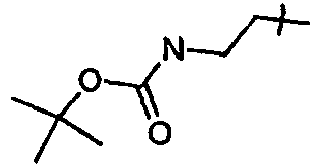
Mass Spectrum: M+H+ 439 14 
Mass Spectrum: M+H+ 412 15 
Mass Spectrum: M+H+ 370 16 
Mass Spectrum: M+H+ 380 17 
Mass Spectrum: M+H+ 444 18 
Mass Spectrum: M+H+ 403 19 
Mass Spectrum: M+H+ 382 - To a solution of 4-bromobenzoic acid (1.0 g, 3.3 mmol) in DMF (5 ml) was added benzotriazolyloxytripyrollidinophosphonium hexafluorophosphate (99 mg, 0.19 mmol) and the mixture stirred at ambient temperature for 30 minutes. N-(2-aminophenyl)-4-piperidin-4-ylbenzamide (Example 5, 50 mg, 0.17 mmol) was added and the mixture stirred for a further 24 hours. The resulting solution was absorbed onto an SCX-2 column, washed with methanol (2 column volumes) and eluted with a 2M solution of ammonia in methanol (2 column volumes) to afford the product. This was purified by flash chromatography (eluting with 0-20% methanol/dichloromethane) to afford the title compound as a colourless solid (29 mg, 18%); NMR Spectrum: (DMSO-d6) 1.70 (m, 4H), 2.60 (m, 1H), 2.91 (m, 2H), 3.31 (m, 2H), 4.89 (s, 2H), 6.60 (t, 1H), 6.78 (d, 1H), 6.97 (t, 1H), 7.16 (d, 1H), 7.43 (d, 4H), 7.67 (d, 2H), 7.93 (d, 2H), 9.60 (s, 1H); Mass Spectrum: M+H+ 478.
- Using an analogous procedure to that described in Example 19, (RS)-N-(2-aminophenyl)-4-piperidin-3-ylbenzamide was reacted to give the compounds described in Table 8.
Table 8 
Note R1 Analytical Data SM 1 (racemic) NMR Spectrum: (DMSO-d6) 1.47 (m, 1H), 1.66 (m, 2H), 1.85 (m, 1H), 2.30 (m, 2H), 2.88 (m, 3H), 3.29 (m, 1H), 3.62 (s, 3H), 4.87 (s, 2H), 6.61 (t, 1H), 6.79 (d, 1H), 6.98 (t, 1H), 7.18 (d, 1H), 7.40 (d, 2H), 7.92 (d, 2H), 9.57 (s, 1H); Mass Spectrum: M+H+ 368. 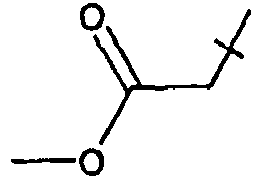
2 (racemic and 1:1 mixture of diastereomers) NMR Spectrum: (CDCl3) 1.42 (m, 1H), 1.88 (m, 3H), 2.39 (m, 3H), 2.93 (m, 4H), 3.67 and 3.99 (m, 1H), 3.80 (m, 2H), 6.78 (m, 2H), 7.02 (t, 1H), 7.28 (m, 3H), 7.72 (s, 1H), 7.77 (d, 2H); Mass Spectrum: M+H+ 380. 
3 
NMR Spectrum: (DMSO-d 6 ) 1.48 (m, 2H), 1.68 (m, 1H), 1.80 (m, 1H), 1.90 (t, 2H), 2.15 (t, 1H), 2.22 (t, 1H), 2.72 (m, 2H), 2.82 (m, 1H), 2.90 (s, 2H), 3.73 (m, 2H), 4.86 (s, 2H), 6.60 (t, 1H), 6.78 (d, 1H), 6.97 (t, 1H), 7.14 (m, 4H), 7.36 (d, 2H), 7.57 (m, 1H), 7.91 (d, 2H), 9.56 (s, 1H); Mass Spectrum: M+H+ 469. Method 73 4 (racemic) Mass Spectrum: M+H+ 461 CAS no. 13288-06-7 J. Prakt. Chem., 1881, 242 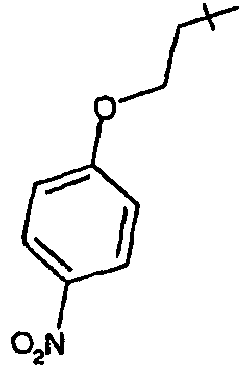
5 
Mass Spectrum: M+H+ 366 6 (racemic) Mass Spectrum: M+H+ 386 
7 (racemic) Mass Spectrum: M+H+ 458 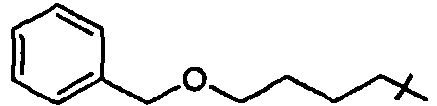
8 (racemic) Mass Spectrum: M+H+ 485 
9 (racemic) Mass Spectrum: M+H+ 432 
10 (racemic) Mass Spectrum: M+H+ 394 CAS no. 53012-70-7 J. Het. Chem. 1984, 1157 
11 (racemic) Mass Spectrum: M+H+ 466 
12 (racemic) Mass Spectrum: M+H+ 378 
13 (racemic) Mass Spectrum: M+H+ 473 CAS no 57011-90-2 Justus Liebigs Ann. Chem. 1899, 287 DE 85988 
14 (racemic) Mass Spectrum: M+H+ 368 
15 (racemic) Mass Spectrum: M+H+ 394 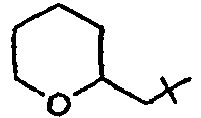
- Using an analogous procedure to that described in Example 19, N-(2-aminophenyl)-4-piperazin-1-ylbenzamide (Example 16) was reacted to give the compounds described in Table 9.
Table 9 
Note R1 Analytical Data SM 1 
NMR Spectrum: (CDCl3) 2.62 (t, 2H), 2.78 (m, 6H), 3.45 (m, 4H), 6.83 (m, 2H), 7.07 (m, 3H), 7.26 (s, 1H), 7.31 (d, 1H), 7.74 (s, 1H), 7.84 (d, 2H), 7.96 (d, 2H), 8.41 (t, 1H), 11.07 (s, 1H); Mass Spectrum: M+H+ 462. 2 
NMR Spectrum: (CDCl3) 2.74 (m, 4H), 3.29 (s, 2H), 3.37 (m, 4H), 3.74 (s, 3H), 6.71 (m, 2H), 6.90 (d, 2H), 7.06 (t, 1H), 7.28 (d, 1H), 7.77 (s, 1H), 7.80 (d, 2H); Mass Spectrum: M+H+ 369. 3 
NMR Spectrum: (CDCl3) 2.61 (m, 4H), 3.33 (m, 4H), 3.57 (s, 2H), 6.81 (m, 4H), 6.91 (m, 2H), 7.06 (m, 2H), 7.34 (m, 3H), 7.72 (s, 1H), 7.80 (d, 2H); Mass Spectrum: M+H+ 387. 4 
NMR Spectrum: (CDCl3) 1.21 (t, 6H), 2.77 (4H), 3.43 (m, 10H), 3.78 (s, 2H), 6.62 (d, 2H), 6.83 (m, 2H), 6.93 (d, 2H), 7.07 (t, 1H), 7.30 (d, 1H), 7.69 (s, 1H), 7.81 (d, 2H), 7.93 (d, 2H); Mass Spectrum: M+H+ 486. - The starting materials for the above examples are either commercially available or are readily prepared by standard methods from known materials. For example the following reactions are illustrations but not limitations of the preparation of some of the starting materials used in the above reactions.
- N-(2-t-Butoxycarbonylaminophenyl)-4-bromobenzamide (Method 14; 136 mg, 0.33 mmol), pyridine-4-boronic acid (48 mg, 0.39 mmol), tetrakis(triphenylphosphine) palladium (5 mg, 0.005 mmol), THF (2 ml) and a saturated aqueous solution of sodium hydrogen carbonate (2 ml) were stirred at 55°C under an atmosphere of argon for 96 hours. The cooled mixture was partitioned between ethyl acetate and water. The organics were washed with brine, dried over magnesium sulfate, filtered and evaporated, to give the title compound (103 mg, 80%), which was used without further purification; Mass Spectrum: M+H+ 390.
- N-(2-t-Butoxycarbonylaminophenyl)-4-bromobenzamide (Method 14; 200 mg, 0.5 mmol), 8-quinoline boronic acid (104 mg, 0.6 mmol), tetrakis(triphenylphosphine)palladium (8 mg, 0.007 mmol), 1,2-dimethoxyethane (3 ml) and a saturated aqueous solution of sodium hydrogen carbonate (3 ml) were stirred at 80°C under an atmosphere of argon for 20 hours. The mixture was allowed to cool before being partitioned between ethyl acetate and water. The organics were washed with brine, dried over magnesium sulfate, filtered and evaporated. The resultant residue was purified by flash column chromatography, eluting with methanol/dichloromethane (0-10%), to give the title compound (201 mg, 84%); NMR Spectrum: (DMSO-d6): 1.47 (s, 9H), 7.20 (m, 2H), 7.60 (m, 4H), 7.73 (t, 1H), 7.84 (t, 3H), 8.06 (d, 2H), 8.47 (d, 1H), 8.68 (s, 1H). 8.93 (m, 1H), 9.91 (s, 1H), Mass Spectrum: M+H+: 440.
- The title compound was prepared using an analogous procedure of Method 2 and used without further purification; Mass Spectrum: M+H+ 390.
- N-(2-t-Butoxycarbonylaminophenyl)-4-(4,4,5,5-tetramethyl-1,3,2-dioxaborolan-2-yl) benzamide (Method 13; 132 mg, 0.3 mmol), 2-bromopyridine (40 mg, 0.25 mmol), tetrakis(triphenylphosphine)palladium (4 mg, 0.004 mmol), 1,2-dimethyoxyethane (1.5 ml) and a saturated aqueous solution of sodium hydrogen carbonate (1.5 ml) were stirred at 80-85°C under an atmosphere of argon for 24 hours. The mixture was allowed to cool before being partitioned between ethyl acetate and water. The organics were separated, washed with brine, dried over magnesium sulfate, filtered and evaporated to yield the title compound (86 mg, 74%) which was used in the next reaction without further purification; Mass Spectrum: M+H+ 390.
- Using an analogous procedure to that described in Method 4, the N-(2-t-butoxycarbonylaminophenyl)-4-(4,4,5,5-tetramethyl-1,3,2-dioxaborolan-2-yl) benzamide starting material was reacted with the appropriate bromo compound to give the compounds described in Table 10. Where required, the crude residues were purified by flash column chromatography, eluting with methanol/dichloromethane (1:10).
Table 10 
Method R1 Analytical Data SM 5 6-(methoxy)-1,2-pyrazin-3-yl NMR Spectrum: (DMSO-d6) 1.44 (s, 9H), 4.09 (s, 3H), 7.14 (m, 2H), 7.34 (d, 1H), 7.57 (t, 2H), 8.09 (d, 2H), 8.22 (d, 2H), 8.26 (d, 1H); Mass Spectrum: M+H+ 421. Meth 13 6 furan-3-yl Mass Spectrum: (M+H+ -tBu) 323. Meth 13 7 2-methylpridin-4-yl NMR Spectrum: (DMSO-d6) 1.46 (s, 9H), 2.57 (s, 3H), 7.20 (m, 2H), 7.59 (m, 3H), 7.69 (s, 1H), 7.98 (d, 2H), 8.10 (d, 2H), 8.56 (d, 1H), 8.67 (s, 1H), 9.92 (s, 1H); Mass Spectrum: M+H+ 404. Meth 13 8 2-fluoropyridin-4-yl NMR Spectrum: (DMSO-d6) 1.46 (s, 9H), 7.20 (m, 2H), 7.57 (m, 2H), 7.65 (s, 1H), 7.81 (m, 1H), 8.06 (d, 2H), 8.12 (d, 2H), 8.37 (d, 1H), 8.68 (s, 1H), 9.94 (s, 1H); Meth 13 Mass Spectrum: (M+H+ - Boc) 308. 9 thiazol-2-yl Mass Spectrum: (M+H+ - tBu) 340. Meth 13 10 2-amino-pyrimidn-6-yl Mass Spectrum: (M+Na+) 428. Meth 13 11 pyrimidin-6-yl Mass Spectrum: (M+H+ - tBu) 335. Meth 13 12 2-chloro-pyrimidin-6-yl NMR Spectrum: (DMSO-d6) 1.46 (s, 9H), 7.23 (m, 2H), 7.57 (t, 2H), 8.15 (d, 2H), 8.29 (d, 1H), 8.38 (d, 2H), 8.73 (br, 1H), 8.91 (d, 1H), 10.00 (s, 1H); Meth 13 Mass Spectrum: (M+H+ - tBu) 369. - N-(2-t-Butoxycarbonylaminophenyl)-4-bromobenzamide (Method 14; 3.0 g, 7.7 mmol) was added to a solution of bis-pinacolato diboron (2.3g, 9.2 mmol), 1,1'-bis(diphenylphosphino)ferrocenedichloropalladium (II) chloride (157 mg, 0.19 mmol) and potassium acetate (2.3 g, 23 mmol) in DMF (48 ml) at 80°C under an atmosphere of argon for 20 hours. The mixture was allowed to cool and the solvent removed in vacuo. The residue was partitioned between ethyl acetate and water. The organics were washed with brine, dried over magnesium sulphate and evaporated to give the title compound (3.9 g, quantitative), which was used without further purification; NMR Spectrum: (DMSO-d 6 ) 1.14 (s, 6H), 1.31 (s, 9H), 1.43 (s, 6H), 7.16 (m, 2H), 7.52 (m, 2H). 7.79 (d, 2H), 7.95 (d, 2H), 8.66 (s, 1H), 9.86 (s, 1H); Mass Spectrum: (M+H+-Boc) 383.
- 4-(4,6-Dimethoxy-1,3,5-triazinyl-2-yl)-4-methylmorpholinium chloride (Method 18; 5.4 g, 19.4 mmol) was added to a solution of 4-bromobenzoic acid (3.5 g, 17.4 mmol) and 1-(N-t-butoxycarbonylamino)-2-aminobenzene (Method 17; 4.3 g, 20.9 mmol) in DMF (100 ml) and stirred at ambient temperature for 20 hours. The reaction mixture was partitioned between water and ethyl acetate. The organics were washed with a saturated aqueous solution of sodium hydrogen carbonate, water, 1M aqueous hydrochloric acid, water and brine, before being dried over magnesium sulfate. The organics were then evaporated to give the title compound (7.1 g, quantitative), which was used without further purification. NMR Spectrum: (DMSO-d 6 ): 1.45 (s, 9H), 7.18 (m, 2H), 7.54 (m, 2H), 7.76 (d, 2H). 7.90 (d, 2H), 8.63 (s, 1H), 9.86 (s, 1H); Mass Spectrum: (M+H+ - Boc) 291.
- 1-(N-t-Butoxycarbonylamino)-2-aminobenzene (Method 17, 3.1 g, 14.7 mmol) was added to a stirred solution of 4-(1-t-butoxycarbonylpiperidin-4-yl)benzoic acid (4.1 g, 13.4 mmol) in DMF (50 ml) and the mixture stirred at ambient temperature for 10 minutes. 4-(4,6-dimethoxy-1,3,5-triazinyl-2-yl)-4-methylmorpholinium chloride (Method 18, 4.45 g, 16.1 mmol) was added and the mixture stirred at ambient temperature for 24 hours. The solvent was evaporated and the residue was dissolved in ethyl acetate (100 ml) and washed with water. The organics were dried over magnesium sulfate, filtered and evaporated. The resultant gum was purified by flash chromatography using 1% methanol/dichloromethane to give the title compound as a foam (5.44 g, 82%); NMR Spectrum: (DMSO-d6) 1.41 (s, 9H), 1.43 (s, 9H), 1.54 (m, 2H), 1.77 (m, 2H), 2.79 (m, 3H), 4.08 (m, 2H), 7.15 (m, 2H), 7.40 (d, 2H), 7.52 (m, 2H), 7.87 (d, 2H), 8.60 (br, 1H), 9.74 (br, 1H), Mass Spectrum: (M+H+-Boc) 396.
- 4-(1-Methylpiperazin-4-yl)benzoic acid (250 mg, 1.13 mmol) and 1-(N-t-butoxycarbonylamino)-2-aminobenzene (Method 17, 331 mg, 1.59 mmol) were dissolved in DMF (3 ml). 4-(4,6-dimethoxy-1,3,5-triazinyl-2-yl)-4-methylmorpholinium chloride (Method 18, 313 mg, 1.13 mmol) was added and the resulting solution was stirred for 20 hours at ambient temperature. The solution was poured into water and extracted several times with ethyl acetate. The combined organic extracts were dried over magnesium sulfate and evaporated. The residue was purified by flash chromatography (eluting with 99:1→9:1 dichloromethane:methanol) to afford the title compound as a colourless gum which crystallised on trituration (240 mg, 52%); Mass Spectrum: M+H+ 411.
- The title compound was prepared according to the literature method described in Seto, C, T.; Mathias, J. P.; Whitesides, G. M.; J. Am. Chem. Soc.,1993, 115, 1321-1329.
- 4-(4,6-Dimethoxy-1,3,5-triazinyl-2-yl)-4-methylmorpholinium chloride was prepared according to the literature procedure described in Kunishima, M., Kawachi, C., Morita, J., Terao, K., Iwasaki, F., Tani, S., Tetrahedron, 1999, 55,13159-13170.
- N-(2-t-Butoxyaminophenyl)-4-[2-(3-morpholinoaminopropyl)-pyrimidin-6-yl]benzamide (Method 20, 64 mg, 0.120 mmol) was suspended in 1,4 dioxane (1.5 ml) and a 4M solution of hydrogen chloride in 1,4-dioxane (1 ml) added. The reaction mixture was stirred at ambient temperature for 64 hours. The reaction mixture was diluted with diethyl ether, and the resultant precipitate was collected by filtration, washed with diethyl ether and air dried, to yield the title compound (as its hydrochloride salt) as an off white solid (62 mg, 95%); Mass Spectrum: M+H+ 433.
- N-(2-t-Butoxyaminophenyl)-4-(2-methylsulfonyl-pyrimidin-6-yl)benzamide (Method 21, 62.5 mg, 0.133 mmol) was dissolved in a mixture of THF (2 ml) and N,N-dimethylacetamide (2 ml) and N-(3-aminopropyl)morpholine (60 µl, 0.411 mmol) added. The reaction mixture was heated to 50°C and stirred for 2 hours. The reaction mixture was then cooled and solvents removed under reduced pressure. The resultant oil was purified by elution through silica with a 5% methanol in dichloromethane, to yield the title compound as a colourless solid (65 mg, 92%); NMR Spectrum: (DMSO-d6) 1.45 (s, 9H), 1.74 (m, 2H), 2.37 (m, 6H), 3.40 (br, 2H), 3.59 (m, 4H), 7.20 (m, 2H), 7.23 (d, 1H), 7.34 (t, 1H), 7.57 (d, 1H), 8.08 (d, 2H), 8.26 (d, 2H), 8.40 (m, 1H), 8.72 (s, 1H), 9.94 (s, 1H); Mass Spectrum: M+H+ 534.
- N-(2-t-Butoxyaminophenyl)-4-(2-thiomethyl-pyrimidin-6-yl)benzamide (Method 22, 140 mg, 0.32 mmol) was dissolved in methanol (8 ml) and a small amount of ethyl acetate, followed by a solution of Oxone® (630 mg, 1.02 mmol) in water (4 ml). The resultant suspension was stirred at ambient temperature for 1 hour before being partitioned between ethyl acetate and a mixture of water and saturated sodium bicarbonate. The organic phase was separated and the aqueous phase extracted with further aliquots of ethyl acetate. The combined organic extracts were washed with brine and dried over magnesium sulfate. Evaporation to dryness afforded the title compound as an off white powder (126 mg, 84%); NMR Spectrum: (DMSO-d6) 1.45 (s, 9H), 3.54 (s, 3H), 7.20 (m, 2H), 7.57 (t, 2H), 8.18 (d, 2H), 8.48 (d, 2H), 8.54 (s, 1H), 8.73 (s, 1H), 9.20 (d, 1H), 10.02 (s, 1H); Mass Spectrum: (M+H+ -Boc) 369.
- 4-Iodo-2-methylthiopyrimidine (Method 23, 360 mg, 1.43 mmol) was reacted with N-(2-t-butoxycarbonylaminophenyl)-4-(4,4,5,5-tetramethyl-1,3,2-dioxaborolan-2-yl) benzamide (Method 13, 631 mg, 1.44 mmol) in an analogous manner to that described in Method 4 to yield the crude title compound. This was purified by elution through silica with a solution of ethyl acetate in isohexane (25% to 50% (v/v)) to afford the pure title compound as a pale yellow foam (306 mg, 49%); NMR Spectrum: (DMSO-d6) 1.45 (s, 9H), 2.63 (s, 3H), 7.20 (m, 2H), 7.57 (t, 2H), 7.91 (d, 1H), 8.13 (d, 2H), 8.37 (d, 2H), 8.72 (s, 1H), 8.77 (d, 1H), 9.97 (s, 1H); Mass Spectrum: (M+H+ - tBu) 381.
- 4-Chloro-2-methylthiopyrimidine (5 g, 31.15 mmol) was added dropwise to a cooled 57% aqueous hydriodic acid solution (0°C). Stirring was continued at 0°C for 30 minutes, before warming to ambient temperature and stirring for 24 hours. Aqueous sodium bicarbonate was then carefully added and the resultant suspension basified to pH 9 by addition of sodium carbonate. The mixture was extracted with ethyl acetate and the extracts dried over magnesium sulfate and concentrated by reduced pressure. The resultant solid was dissolved in boiling isohexane and cooled by refridgeration overnight. The resultant solid was filtered and dried to afford the title compound as colourless needles (5.4 g, 69%); NMR Spectrum: (CDCl3) 2.55 (s, 3H), 7.40 (d, 1H), 7.98 (d, 1H); Mass Spectrum: M+H+ 253.
- N-(2-t-Butoxyaminophenyl)-4-[2-(3-morpholinoaminoethyl)-pyrimidin-6-yl]benzamide (Method 25, 59 mg, 0.113 mmol) was reacted in an analogous manner to that described for Method 19 to yield the title compound (as its hydrochloride salt) as a beige solid (56 mg, 94%); Mass Spectrum: M+H+419.
- N-(2-t-Butoxyaminophenyl)-4-(2-methylsulfonyl-pyrimidin-6-yl)benzamide (Method 21, 62.5 mg, 0.133 mmol) was reacted with N-(2-aminoethyl)morpholine (60 µl, 0.457 mmol) in an analogous manner to that described in method 20 to yield the title compound as a pale yellow solid (66 mg, 96%); NMR Spectrum: (DMSO-d 6 ) 1.46 (s, 9H), 2.45 (brm, 4H), 3.30 (m, 2H), 3.50 (brm, 2H), 3.58 (m, 4H), 7.14 (t, 1H), 7.17 (m, 1H), 7.22 (m, 1H), 7.25 (d, 1H), 7.57 (d, 2H), 8.09 (d, 2H), 8.27 (d, 2H), 8.42 (d, 1H), 8.73 (s, 1H), 9.94 (s, 1H); Mass Spectrum: M+H+ 519.
- To a 24mm x 150mm pyrex tube, charged with 3-aminopropylpiperidine (73 mg, 0.51 mmol), was added a solution of N-(2-t-butoxycarbonylaminophenyl)-4-(2-chloropyrimidin-4-yl)benzamide (Method 52, 85 mg, 0.20 mmol) in N,N-dimethylacetamide (4.6 ml). The reaction mixture was then heated to 50°C and stirred for 16 hours, before being evaporated to dryness. The resultant residue was purified by flash chromatography, on silica (10 g), eluting with methanol/dichloromethane (5-15%), to give the title compound (48 mg, 45%); Mass Spectrum: M+H+ 531.
- Using an analogous procedure to that described in Method 29, the N-(2-t-butoxycarbonylaminophenyl)-4-(2-chloropyrimidin-4-yl)benzamide starting material (Method 52) was reacted with the appropriate amine to give the compounds described in Table 11. Where required, the crude residues were purified by flash column chromatography, on silica (10 g), eluting with methanol/dichloromethane (5-15%).
Table 11 
Method R1 Analytical Data SM 30 
Mass Spectrum: M+H+ 514. 31 
Mass Spectrum: M+H+ 546. 32 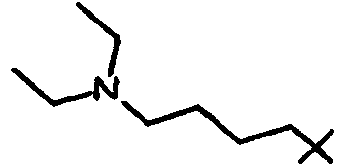
Mass Spectrum: M+H+ 533. 33 
Mass Spectrum: M+H+ 505. 34 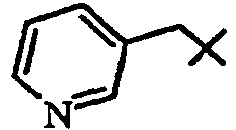
Mass Spectrum: M+H+ 497. 35 
Mass Spectrum: M+H+ 517. 36 
Mass Spectrum: M+H+ 478. Meth 52 - To a suspension of sodium hydride in tetrahydrofuran (1 ml) was added, dropwise, via syringe, a solution of 3-N-morpholinopropanol (147 mg, 1.01 mmol). The reaction mixture was stirred, under an argon atmosphere, for 30 minutes, then added, via cannula, to a solution of N-(2-t-butoxycarbonylaminophenyl)-2-fluoropyridin-4-ylbenzamide (Method 8, 119 mg, 0.29 mmol) in tetrahydrofuran (2 ml). The mixture was then stirred, under an argon atmosphere, for 2 hours at ambient temperature, before being heated to 50°C and stirred for a further 5.5 hours. The reaction mixture was allowed to cool before being partitioned between ethyl acetate and water. The organics were separated and aqueous extracted further with ethyl acetate. The combined organic layers were then combined, washed with brine, dried over magnesium sulfate, filtered and evaporated. The resultant residue was purified by flash chromatography, on silica (20 g), eluting with methanol/dichloromethane (0-10%), to give the title compound (70 mg, 45%); NMR Spectrum: (DMSO-d6) 1.46 (s, 9H), 1.92 (m, 2H), 2.38 (m, 4H), 2.45 (m, 2H), 3.59 (t, 4H), 4.36 (t, 2H), 7.20 (m, 3H), 7.39 (dd, 1H), 7.57 (d, 2H), 7.97 (d, 2H), 8.08 (d, 2H), 8.26 (d, 1H), 8.67 (s, 1H), 9.91 (s, 1H); Mass Spectrum: M+H+ 533.
- Using an analogous procedure to that described in Method 4, N-(2-t-butoxycarbonylaminophenyl)-4-(4,4,5,5-tetramethyl-1,3,2-dioxaborolan-2-yl) benzamide (Method 13, 1.20 g, 2.74 mmol) was reacted with 2-methyl-5-bromopyridine (505 mg, 2.94 mmol). The crude residue was purified by flash chromatography on silica (90 g), eluting with ethyl acetate/isohexane (40-100%) to give the title compound (504 mg, 46%); NMR Spectrum: (DMSO-d6) 1.46 (s, 9H), 2.51 (s, 3H), 7.19 (m, 2H), 7.40 (d, 1H), 7.58 (m, 2H), 7.91 (d, 2H), 8.08, (d, 3H), 8.66 (s, 1H), 8.86 (d, 1H), 9.89 (s, 1H); Mass Spectrum: M+H+ 404.
- A solution of 3-aminopropylpiperidine (60 µl, 0.38 mmol) and N-(2-t-butoxycarbonylaminophenyl)-4-[2-(methylsulfonyl)thieno[3,2-d]pyrimidin-4-yl]benzamide (Method 54, 81 mg, 0.15 mmol) in N,N-dimethylacetamide was heated first to 50°C for 23 hours and then further heated to 75°C for a period of 16 hours. The reaction mixture was evaporated to dryness and the crude residue purified by flash chromatography, on silica (10 g), eluting with methanol/dichloromethane (0-15%) to give the title compound (23 mg, 26%); Mass Spectrum: M+H+ 587.
- Using an analogous procedure to that described in Method 4, 4-chlorothieno[3,2-d]pyrimidine (538 mg, 3.15 mmol) was reacted with N-(2-t-butoxycarbonylaminophenyl)-4-(4,4,5,5-tetramethyl-1,3,2-dioxaborolan-2-yl) benzamide (Method 13, 1.53 g, 3.50 mmol). The crude residue was purified by flash chromatography, on silica, eluting with ethyl acetate/hexane (25-75%) to give the title compound (1.08 g, 69%); NMR Spectrum: (DMSO-d 6 ) 1.47 (s, 9H), 7.21 (m, 2H), 7.57 (t, 2H), 7.79 (d, 1H), 8.23 (d, 2H), 8.34 (d, 2H), 8.64 (d, 1H), 8.75 (s, 1H), 9.35 (s, 1H), 10.03 (s, 1H); Mass Spectrum: M+H+ 447.
- To a solution of N-(2-t-butoxycarbonylaminophenyl)-4-(2-chloropyrimidin-5-yl)benzamide (Method 53, 80 mg, 0.19 mmol) in N,N-dimethylacetamide (3.5 ml) was added 3-aminopropylpiperidine (108 mg 0.76 mmol). The reaction mixture was stirred at 50°C for 20 hours, before being allowed to cool. The reaction mixture was partitioned between water and ethyl acetate, before being filtered under gravity, through a Varian Chem Elut (CE1010) diatomaceous earth column. The resulting solution was then concentrated under reduced pressure and purified by flash column chromatography, eluting with methanol/dichloromethane (0-20%), to give the title compound, which was used without further purification; Mass Spectrum: M+H+ 531.
- Using an analogous procedure to that described in method 41, the N-(2-t-butoxycarbonylaminophenyl)-4-(2-chloropyrimidin-5-yl)benzamide (Method 53) was reacted with the appropriate amine to give the compounds described in Table 12. Where required, the crude residues were purified by flash column chromatography, on silica (10 g), eluting with methanol/dichloromethane (0-20%).
Table 12 
Method R1 Analytical Data SM 42 
Mass Spectrum: M+H+ 546 43 
Mass Spectrum: M+H+ 533. - t-Butyl 2-[(4-bromo-3-fluorobenzoyl)amino]phenylcarbamate (Method 63, 205 mg, 0.5 mmol), 3-pyridine boronic acid (74 mg, 0.6 mmol), tetrakis(triphenylphosphine) palladium (104 mg, 0.09 mmol), 1,2-dimethoxyethane (3 ml) and a saturated aqueous solution of sodium hydrogen carbonate (3 ml) were stirred at 80°C under an atmosphere of argon for 48 hours. The cooled mixture was partitioned between ethyl acetate and water. The aqueous layer was removed using Varian Chem Elut column (CE1010) and the resulting solution was then concentrated under reduced pressure and purified by flash column chromatography, eluting with ethyl acetate/isohexane (25-75%), to give the title compound (186 mg, 91%). Mass Spectrum: M+H+ 408.
- Using an analogous procedure to that described in Method 44, N-(2-t-butoxycarbonylaminophenyl)-4-(4,4,5,5-tetramethyl-1,3,2-dioxaborolan-2-yl) benzamide (Method 13, 219 mg, 0.5 mmol) was reacted with 5-bromo-2-(2-pyrrolidin-1-ylethoxy)pyrimidine (Method 64, 36 mg, 0.5 mmol) to give the title compound (71 mg; 28%). Mass Spectrum: M+H+ 504.
- Using an analogous procedure to that described in Example 1, the appropriate N-(2-t-butoxycarbonylaminophenyl)benzamide starting material was reacted to give the compounds described in Table 13, as their hydrochloride salt.
Table 13 
Method R1 Analytical Data SM 46 
Mass Spectrum: M+H+ 432. Meth 56 47 
Used without further purification. Meth 57 48 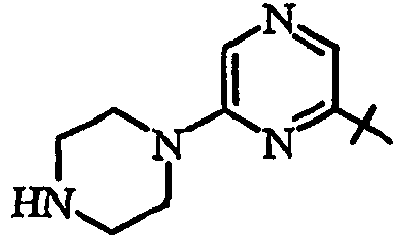
Mass Spectrum: M+H+ 375. Meth 58 49 
Mass Spectrum: M+H+ 378 Meth 59 50 
Mass Spectrum: M+H+ 389 Meth 60 - Using an analogous procedure to that described in Method 44, N-(2-t-butoxycarbonylaminophenyl)-4-(4,4,5,5-tetramethyl-1,3,2-dioxaborolan-2-yl) benzamide (Method 13, 219 mg, 0.5 mmol) was reacted with 1-[(2-chloro-1,3-thiazol-5-yl)methyl]piperidine (108 mg, 0.5 mmol) to give the title compound (271 mg, >100%) which was carried through the next step; Mass Spectrum: M+H+ 493.
- Using an analogous procedure to that described in Method 4, N-(2-t-butoxycarbonylaminophenyl)-4-(4,4,5,5-tetramethyl-1,3,2-dioxaborolan-2-yl)benzamide (Method 13, 3.9 g, 8.9 mmol) was reacted with 2,4-dichloropyrimidine (3.06 g, 20.5 mmol). The crude residue was purified by flash chromatography on silica, eluting with ethyl acetate/isohexane (1:1) to give the title compound (1.2 g, 32%); NMR Spectrum: (DMSO-d6) 1.45 (s, 9H), 7.23 (m, 2H), 7.57 (t, 2H), 8.15 (d, 2H), 8.29 (d, 1H), 8.38 (d, 2H), 8.73 (s, 1H), 8.91 (d, 1H), 10.00 (s, 1H); Mass Spectrum: M-H- 423.
- N-(2-t-butoxycarbonylaminophenyl)-4-(4,4,5,5-tetramethyl-1,3,2-dioxaborolan-2-yl) benzamide (Method 13, 4.0 g, 9.12 mmol), 5-bromo-2-chloropyrimidine (1.76 g, 9.12 mmol), tetrakis(triphenylphosphine) palladium (527 mg, 0.46 mmol), 1,2-dimethoxyethane (40 ml) and a saturated aqueous solution of sodium hydrogen carbonate (40 ml) were stirred at 80°C under an atmosphere of argon for 18 hours. The cooled mixture was concentrated under reduced pressure. The residue was then stirred with ethyl acetate for 1 hour and the resultant solid collected by suction filtration and dried to give the title compound (2.38 g; 61%); NMR Spectrum: (DMSO-d 6 ) 1.47 (s, 9H), 7.20 (m, 2H), 7.58 (d, 2H), 8.02 (d, 2H), 8.11 (d, 2H), 8.66 (s, 1H), 9.23 (s, 2H), 10.93 (s, 1H); Mass Spectrum: M+H+ - tBu 369.
- To a cooled (0°C) solution of N-(2-t-butoxycarbonylaminophenyl)-4-[2-(methylthio)thieno[3,2-d]pyrimidin-4-yl]benzamide (Method 55, 960 mg, 1.95mg) in DMF (40 ml), was added meta-chloroperbenzoic acid (57%, 630 mg, 2.08 mmol) and the reaction mixture stirred, allowing warming to ambient temperature. After 3 hours a further portion of meta-chloroperbenzoic acid (70%, 589 mg, 2.40 mmol) was added and stirring continued for 2 hours. The reaction mixture was then carefully poured into aqueous sodium metabisulfite solution (0.25M, 100ml), before addition of ethyl acetate (100ml). The insoluble material was removed by filtration and dried in vacuo to yield the title compound (586 mg, 57%); NMR Spectrum: (DMSO-d 6 ) 1.46 (s, 9H), 3.57 (s, 3H), 7.18 (t, 1H), 7.24 (t, 1H), 7.59 (m, 2H), 8.00 (d, 1H), 8.27 (d, 2H), 8.41 (d, 2H), 8.75 (s, 1H), 8.90 (d, 1H), 10.07 (s, 1H); Mass Spectrum:M+Na+ 547.
- Using an analogous procedure to that described in Method 4, N-(2-t-butoxycarbonylaminophenyl)-4-(4,4,5,5-tetramethyl-1,3,2-dioxaborolan-2-yl) benzamide (Method 13) was reacted with the appropriate halide to give the compounds described in Table 14. Where appropriate compounds were filtered from reaction mixtures following partitioning or if required, the crude residues were purified by flash column chromatography, on silica eluting with methanol/dichloromethane (0-20%).
Table 14 
Method R1 Analytical Data SM 55 
NMR Spectrum: (DMSO-d 6 ) 1.46 (s, 9H), 2.67 (s, 3H), 7.17 (t, 1H), 7.23 (t, 1H), 7.59 (t, 2H), 7.65 (d, 1H), 8.22 (d, 2H), 8.30 (d, 2H), 8.59 (d, 1H), 8.75 (brs, 1H), 10.03 (s, 1H); Mass Spectrum: M+H+ 493. [CAS 176530-47-5] 56 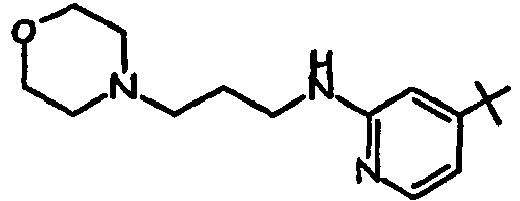
NMR Spectrum: (DMSO-d 6 ) 1.46 (s, 9H), 1.72 (m, 2H), 2.37 (m, 6H), 3.33 (m, 2H), 3.58 (t, 4H), 6.62 (t, 1H), 6.77 (s, 1H), 6.83 (d, 1H), 7.19 (m, 2H), 7.56 (d, 2H), 7.81 (d, 2H), 8.07 (m, 3H), 8.66 (s, 1H), 9.89 (s, 1H); Mass Spectrum: M+H+ 532. Meth 61 57 
NMR Spectrum: (DMSO-d 6 ) 1.47 (s, 9H), 3.92 (s, 3H), 7.18 (m, 2H), 7.59 (m, 2H), 8.18 (d, 2H), 8.70 (s, 1H), 9.00 (d, 2H), 9.06 (s, 1H), 9.97 (brs, 1H); Mass Spectrum: M+H+ 445. [CAS 2346-74-9] 58 
Mass Spectrum: M+H+ -Boc 376. [CAS 61655-58-1] 59 
Mass Spectrum: M+H+ 479. [CAS 122-34-9] - Using an analogous procedure to that described in Method 41, the N-(2-t-butoxycarbonylaminophenyl)-4-(2-chloropyrimidin-4-yl)benzamide (Method 52, 59 mg, 0.14 mmol) was reacted with 1-methylpiperazine (77 mg, 0.69 mmol) and residue purified by flash chromatography eluting with methanol/dichloromethane (0-20%) to give the title compound (48 mg, 71%); Mass Spectrum: M+H+ 489.
- A solution of 4-iodo-2-fluoropyridine (2.32 g, 10.00 mmol) and N-(3-aminopropyl)morpholine (4.2 ml, 26.00 mmol) in N,N-dimethylacetamide (30 ml) was heated to 100°C for 20 hours before being concentrated in vacuo, to afford the crude title compound which was used without any further purification; Mass Spectrum: M+H+ 348.
- Using an analogous procedure to that described in Example 1, N-(2-t-butoxycarbonylaminophenyl)-4-[2-(methylsulfonyl)pyrimidin-4-yl]benzamide (Method 21, 1.097 g, 2.34 mmol) was reacted to give the title compound as its hydrochloride salt (1.01 g, 98%);_NMR Spectrum: (DMSO-d6) 3.53 (s, 3H), 7.31 (m, 3H), 7.52 (d, 1H), 8.30 (d, 2H), 8.48 (d, 2H), 8.53 (d, 1H), 9.20 (d, 1H), 10.56 (s, 1H); Mass Spectrum: M+H+ 369.
- 1-(N-t-butoxycarbonylamino)-2-aminobenzene (Method 17, 1.25 g, 6 mmol) was reacted with 4-bromo-3-fluorobenzoic acid (1.1 g, 5.0 mmol) in an analogous manner to that described in Method 16 to give the title compound, which was used without further purification; Mass Spectrum: (M+H+ - Boc) 311.
- To a solution of N-2-hydroxyethylpyrrolidine (0.9 ml, 7.71 mmol) and 5-bromo-2-chloropyrimidine (1.2 g, 6.20 mmol), in DMF (7 ml), was added sodium hydride (60% in mineral oil, 0.35 g, 8.75 mmol). The mixture was stirred, under argon, at ambient temperature for 1 hour, before being heated to 90°C and stirred for a further hour. The reaction mixture was then partitioned between ethyl acetate and water. The organics were separated, dried over magnesium sulfate and evaporated to dryness. The resultant oil was purified by flash chromatography on silica, eluting with an increasing gradient of methanol in dichloromethane (which contained 1% aqueous ammonia solution, 0.88 M) to give the title compound (640 mg, 38%); NMR Spectrum: (CDCl3) 1.76 (m, 4H), 2.39 (m, 4H), 3.90 (t, 2H), 4.48 (t, 2H), 8.50 (s, 2H); Mass Spectrum: M+H+ 272.
- Using an analogous procedure to that described in Method 39, N-(2-t-butoxycarbonylaminophenyl)-4-[2-(methylsulfonyl)thieno[3,2-d]pyrimidin-4-yl]benzamide (Method 54) was reacted with the appropriate amine to give the compounds described in Table 15. The resultant residues, where required, were purified by flash chromatography on silica, eluting with methanol/dichloromethane (0-15%).
Table 15 
Method R1 Analytical Data SM 65 
Used without further purification. 66 
Mass Spectrum: M+H+ 573. - Using an analogous procedure to that described in Method 4, N-(2-t-butoxycarbonylaminophenyl)-4-(4,4,5,5-tetramethyl-1,3,2-dioxaborolan-2-yl) benzamide (Method 13, 219 mg, 0.5 mmol) was reacted with (2-chloro-1,3-thiazol-5-yl)methyl cyclohexylcarbamate (138 mg, 0.5 mmol). The crude residue was stirred in ethyl acetate for 16 hours before being filtered, mixed with water and the aqueous removed using a Varian Chem Elut Column (CE1010). The resulting solution was concentrated and purified by flash chromatography on silica, eluting with methanol/dichloromethane (0-30%) to give the title compound; Mass Spectrum: M+H+ 551.
- Using an analogous procedure to that described in Method 4, N-(2-t-butoxycarbonylaminophenyl)-4-(4,4,5,5-tetramethyl-1,3,2-dioxaborolan-2-yl) benzamide (Method 13,219 mg, 0.5 mmol) was reacted with 4-(5-bromothien-2-yl)-2-(methylthio)pyrimidine (145 mg, 0.5 mmol). The crude residue stirred in ethyl acetate/water for 1 hour before being filtered, and the aqueous removed using a Varian Chem Elut Column (CE1010). The resulting solution was concentrated and recrystallised from methanol to give the title compound; Mass Spectrum: M+H+-Boc 463.
- Using an analogous procedure to that described in Method 4, N-(2-t-butoxycarbonylaminophenyl)-4-(4,4,5,5-tetramethyl-1,3,2-dioxaborolan-2-yl)benzamide (Method 13, 219 mg, 0.5 mmol) was reacted with (2-chloro-1,3-thiazol-5-yl)methyl N-phenylcarbamate (136 mg, 0.5 mmol). The crude residue stirred in ethyl acetate/water for 16 hours before being filtered, and the aqueous removed using a Varian Chem Elut Column (CE1010). The resulting solution was concentrated and purified by flash chromatography on silica, eluting with methanol/dichloromethane (0-30%) to give the title compound; Mass Spectrum: M+H+-Boc 489.
- Using an analogous procedure to that described in Example 12, the appropriate N-(2-t-butoxycarbonylaminophenyl)benzamide starting material was reacted to give the compound described in Table 16, as its hydrochloride salt.
Table 16 Structure Analytical Data SM 
Mass Spectrum: M+H+ 445. Meth 695 - A saturated solution of sodium hydrogen carbonate (3 ml) was added to a stirred solution of t-butyl 4-{[(trifluoromethyl)sulfonyl]oxy}-3,6-dihydropyridine-1(2H)-carboxylate (Method 72,200 mg, 0.60 mmol) in 1,2-dimethoxyethane (3 ml). N-(2-t-butoxycarbonylaminophenyl)-4-(4,4,5,5-tetramethyl-1,3,2-dioxaborolan-2-yl)benzamide (Method 13) (318 mg, 0.72 mmol) was added followed by tetrakis(triphenylphosphine) palladium (100 mg, 0.09 mmol) and the mixture stirred at 80°C for 18 hours. The cooled mixture was partitioned between ethyl acetate and water. The organic phase was separated, then washed with water and dried over magnesium sulfate, filtered and evaporated. The resultant residue was purified by flash column chromatography (eluting with 0-15% methanol in dichloromethane) to give the title compound (220 mg, 74%); NMR Spectrum: (DMSO-d6) 1.42 (s, 9H), 1.43 (s, 9H), 2.48 (m, 2H), 3.55 (m, 2H), 4.02 (m, 2H), 6.31 (s, 1H), 7.17 (m, 2H), 7.52 (m, 2H), 7.58 (d, 2H), 7.92 (d, 2H), 8.62 (s, 1H), 9.79 (s, 1H); Mass Spectrum: M+H+ 494.
- A 1.6 M solution of n-butyllithium in hexanes (6.9 ml, 11 mmol) was added to a stirred solution of diisopropylamine (1.5 ml, 11 mmol) in THF at -78°C and the mixture stirred for 30 minutes. A solution of t-butyl 4-oxopiperidine-1-carboxylate (2.0 g, 10 mmol) in THF was added and after 20 minutes a solution of N-phenyl-bis(trifluoromethanesulfonimide) (3.9 g, 11 mmol) in THF was added. The mixture was stirred at ambient temperature overnight and the solvent evaporated. The resultant residue was partioned between diethyl ether and a 2M solution of aqueous sodium hydroxide, the organic layer separated, washed once with brine and dried over magnesium sulfate, filtered and evaporated to give the title compound (3.01 g, 83%); NMR Spectrum: (DMSO-d6) 1.48 (s, 9H), 2.44 (m, 2H), 3.63 (t, 2H), 4.04 (d, 2H), 5.76 (s, 1H).
- 1,2,3,4-tetrahydroquinoline (10 g, 75 mmol) was dissolved in benzene (40 ml) and cooled to 10 °C. A solution of bromoacetyl bromide (16 g, 80 mmol) in benzene (40 ml) was added dropwise over 1 hour. The mixture was stirred for a further 15 minutes. A 2M aqueous solution of sodium hydroxide (500 ml) was added. The organic layer was separated, washed with water (100 ml), dried over magnesium sulfate and evaporated to afford the crude product as an oil. This was purified by distillation under reduced pressure followed by recrystallisation from 60-80 petroleum ether to afford the product as a colourless solid (12.5 g, 66%). Anal. Calc. for C11H12ONBr gives C 52.0%, H 4.8%, N 5.5%, Br 31.4%; found C 51.9%, 4.8%, N 5.6%, Br 30.9%.
- Using an analogous procedure to that described in Method 4, N-(2-t-Butoxycarbonylaminophenyl)-4-(4,4,5,5-tetramethyl-1,3,2-dioxaborolan-2-yl)benzamide (Method 13) was reacted with the requisite chloroheterocycle to give the compounds described in Table 17
Table 17 
Method R1 Analytical Data SM 74 
Mass Spectrum: M+H+ 446. Meth 76 75 
NMR Spectrum: (DMSO-d6) 1.47 (s, 9H), 7.21 (m, 2H), 7.58 (m, 2H), 7.78 (d, 1H), 8.12 (d, 1H), 8.19 (m, 4H), 8.71 (s, 1H), 9.23 (s, 1H), 10.01 (s, 1H); Mass Spectrum: M+H+ 347. - Thieno[3,2,b]pyridin-7-ol (200 mg; 1.32 mmol) was added to thionyl chloride (1.57 g; 13.2 mmol), followed by a drop of DMF. The solution was stirred at 80°C for 4 hours. The cooled solution was diluted with ethyl acetate and neutralised to pH 7 with a saturated solution of sodium hydrogen carbonate (25 ml). The organic layer was washed with brine, dried and concentrated to yield the title compound (112 mg; 50%); Mass Spectrum: M+H+ 170.
N-(2-aminophenyl)-4-{5-[(3,4,5-trimethoxyphenylamino)methyl]thiophen-2-ylmethyl}benzamide;
N-(2-aminophenyl)-4-{5-(indan-2-ylaminomethyl)thiophen-2-ylmethyl}benzamide;
N-(2-aminophenyl)-4-{5-(pyridine-2-ylaminomethyl)thiophen-2-ylmethyl}benzamide;
N-(2-aminophenyl)-4-morpholin-4-ylbenzamide; or
N-(2-aminophenyl)-4-(3,5-dimethylpyrazol-1-yl)benzamide.
Claims (15)
- A compound of the formula (I):
 Ring A is a pyridyl, quinolyl, indolyl, pyrimidinyl, morpholinyl, piperidinyl, piperazinyl, pyradazinyl, pyrazinyl, thiazolyl, thienyl, thienopyrimidinyl, thienopyridinyl, purinyl, triazinyl, oxazolyl, pyrazolyl, or furanyl; wherein if Ring A contains an -NH- moiety that nitrogen may be optionally substituted by a group selected from K;R1 is a substituent on carbon and is selected from halo, nitro, cyano, hydroxy, trifluoromethyl, trifluoromethoxy, amino, carboxy, carbamoyl, mercapto, sulphamoyl, C1-6alkyl, C2-6alkenyl, C2-6alkynyl, C1-6alkoxy, C1-6alkanoyl, C1-6alkanoyloxy, N-(C1-6alkyl)amino, N,N-(C1-6alkyl)2amino, C1-6alkanoylamino; N-(C1-6alkyl)carbamoyl, N,N-(C1-6-alkyl)2Carbamoyl, C1-6alkylS(O)a wherein a is 0 to 2, C1-6alkoxycarbonyl, N-(C1-6alkyl)sulphamoyl, N,N-(C1-6alkyl)2sulphamoyl, aryl, aryloxy, arylC1-6alkyl, heterocyclic group, (heterocyclic group)C1-6alkyl, or a group (B-E-); wherein R1, including group (B-E-), may be optionally substituted on carbon by one or more W; and wherein if R1 is a heterocyclic group or a (heterocyclic group)C1-6alkyl that contains an -NH- moiety that nitrogen may be optionally substituted by J;W is halo, nitro, cyano, hydroxy, trifluoromethyl, trifluoromethoxy, amino, carboxy, carbamoyl, mercapto, sulphamoyl, C1-6alkyl, C2-6alkenyl, C2-6alkynyl, C1-6alkoxy, C1-6alkanoyl, C1-6alkanoyloxy, N-(C1-6alkyl)amino, N,N-(C1-6alkyl)2amino, C1-6alkanoylamino, N-(C1-6-alkyl)carbamoyl, N,N-(C1-6alkyl)2carbamoyl, C1-6alkylS(O)a wherein a is 0 to 2, C1-6alkoxycarbonyl, N-(C1-6alkyl)sulphamoyl, N,N-(C1-6alkyl)2sulphamoyl, or a group (B'-E'-); wherein W, including group (B'-E'-), may be optionally substituted on carbon by one or more Y;Y and Z are independently selected from halo, nitro, cyano, hydroxy, trifluoromethyl, trifluoromethoxy, amino, carboxy, carbamoyl, mercapto, sulphamoyl, C1-6alkyl, C2-6alkenyl, C2-6alkynyl, C1-6alkoxy, C1-6alkanoyl, C1-6alkanoyloxy, N-(C1-6alkyl)amino, N,N-(C1-6alkyl)2amino, C1-6alkanoylamino, N-(C1-6alkyl)carbamoyl, N,N-(C1-6alkyl)2carbamoyl, C1-6alkylS(O)a wherein a is 0 to 2, C1-6alkoxycarbonyl, N-(C1-6alkyl)sulphamoyl or N,N-(C1-6alkyl)2sulphamoyl;G, J and K are independently selected from C1-8alkyl, C2-8alkenyl, C1-8alkanoyl, C1-8alkylsulphonyl, C1-8alkoxycarbonyl, carbamoyl, N-(C1-8alkyl)carbamoyl, N,N-(C1-8alkyl)carbamoyl, benzyloxycarbonyl, benzoyl, phenylsulphonyl, aryl, arylC1-6alkyl or (heterocyclic group)C1-6alkyl; wherein G, J and K may be optionally substituted on carbon by one or more Q; and wherein if said heterocyclic group contains an -NH- moiety that nitrogen may be optionally substituted by hydrogen or C1-6alkyl;Q is halo, nitro, cyano, hydroxy, trifluoromethyl, trifluoromethoxy, amino, carboxy, carbamoyl, mercapto, sulphamoyl, C1-6alkyl, C2-6alkenyl, C2-6alkynyl, C1-6alkoxy, C1-6alkanoyl, C1-6alkanoyloxy, N-(C1-6alkyl)amino, N,N-(C1-6alkyl)2amino, C1-6alkanoylamino, N-(C1-6alkyl)carbamoyl, N,N-(C1-6-alkyl)2carbamoyl, C1-6alkylS(O)a wherein a is 0 to 2, C1-6alkoxycarbonyl, C1-6alkoxycarbonylamino, N-(C1-6alkyl)sulphamoyl, N,N-(C1-6alkyl)2sulphamoyl, aryl, aryloxy, aryl C1-6alkyl, arylC1-6alkoxy, heterocyclic group, (heterocyclic group)C1-6alkyl, (heterocyclic group)C1-6alkoxy, or a group (B"-E"-); wherein Q, including group (B"-E"-), may be optionally substituted on carbon by one or more Z;B, B' and B" are independently selected from C1-6alkyl, C2-6alkenyl, C2-6alkynyl, C3-8cycloalkyl, C3-8cycloalkylC1-6alkyl, aryl, arylC1-6alkyl, heterocyclic group, (heterocyclic group)C1-6alkyl, phenyl or phenylC1-6alkyl; wherein B, B' and B" may be optionally substituted on carbon by one or more D; and wherein if said heterocyclic group contains an -NH- moiety that nitrogen may be optionally substituted by a group selected from G;E, E' and E" are independently selected from -N(Ra)-, -O-, -C(O)O-, -OC(O)-, -C(O)-, -N(Ra)C(O)-, -N(Ra)C(O)N(Rb)-, -N(Ra)C(O)O-, -OC(O)N(Ra)-, -C(O)N(Ra)-, -S(O)r-, -SO2N(Ra)-, -N(Ra)SO2-; wherein Ra and Rb are independently selected from hydrogen or C1-6alkyl optionally substituted by one or more F and r is 0-2;D and F are independently selected from halo, nitro, cyano, hydroxy, trifluoromethyl, trifluoromethoxy, amino, carboxy, carbamoyl, mercapto, sulphamoyl, C1-6alkyl, C2-6alkenyl, C2-6alkynyl, C1-6alkoxy, C1-6alkanoyl, C1-6alkanoyloxy, N-(C1-6alkyl)amino, N,N-(C1-6alkyl)2amino, C1-6alkanoylamino, N-(C1-6alkyl)carbamoyl, N,N-(C1-6alkyl)2carbamoyl, C1-6alkylS(O)a wherein a is 0 to 2, C1-6alkoxycarbonyl, N-(C1-6alkyl)sulphamoyl or N,N-(C1-6alkyl)2sulphamoyl;m is 0, 1, 2, 3 or 4; wherein the values of R1 may be the same or different;R2 is halo;n is 0, 1 or 2; wherein the values of R1 may be the same or different;R3 is amino or hydroxy;R4 is halo, nitro, cyano, hydroxy, trifluoromethyl, trifluoromethoxy, amino, carboxy, carbamoyl, mercapto, sulphamoyl, C1-3alkyl, C2-3alkenyl, C2-3alkynyl, C1-3alkoxy, C1-3alkanoyl, C1-3alkanoyloxy, N-(C1-3alkyl)amino, N,N-(C1,3alkyl)2amino, C1-3alkanoylamino, N-(C1-3alkyl)carbamoyl, N,N-(C1-3alkyl)2carbamoyl, C1-3alkylS(O)a wherein a is 0 to 2, C1-3alkoxycarbonyl, N-(C1-3alkyl)sulphamoyl, N,N-(C1-3alkyl)2sulphamoyl;p is 0, 1 or 2; wherein the values of R4 may be the same or different;or a pharmaceutically acceptable salt or in vivo hydrolysable ester or amide thereof;with the proviso that said compound is not
N-(2-aminophenyl)-4-{5-[(3,4,5-trimethoxyphenylamino)methyl]thiophen-2-ylmethyl}benzamide;
N-(2-aminophenyl)-4-{5-(indan-2-ylaminomethyl)thiophen-2-ylmethyl}benzamide;
N-(2-aminophenyl)-4-{5-(pyridine-2-ylaminomethyl)thiophen-2-ylmethyl}benzamide;
N-(2-aminophenyl)-4-morpholin-4-ylbenzamide; or
N-(2-aminophenyl)-4-(3,5-dimethylpyrazol-1-yl)benzamide. - A compound of the formula (I) according to claim 1wherein: Ring A is pyridin-4-yl, pyridin-3-yl, pyridin-2-yl, quinolin-8-yl, pyrimidin-6-yl, pyrimidin-5-yl, pyrimidin-4-yl, morpholin-4-yl, piperidin-4-yl, piperidin-3-yl, piperdin-2-yl, piperazin-4-yl, pyridazin-5-yl, pyrazin-6-yl, thiazol-2-yl, thien-2-yl, thieno[3,2d]pyrimidinyl, thieno[3,2b]pyrimidinyl, thieno[3,2b]pyridinyl, purin-6-yl or triazin-6-yl; wherein if Ring A contains an -NH- moiety that nitrogen may be optionally substituted by a group selected from K.
- A compound according to claim 1, wherein:Ring A is a pyridin-4-yl, pyridin-3-yl, quinolin-8-yl, piperidin-4-yl or piperazin-4-yl wherein if Ring A contains an -NH- moiety that nitrogen may be optionally substituted by a group selected from K;m is 0, 1 or 2; wherein the values of R1 are the same or different;n is 0;R3 is amino; andp is 0.
- A compound of the formula (I) according to claim 1 wherein:R1 is a substituent on carbon and is selected from halo, amino, C1-6alkyl, C1-6alkoxy, N-(C1-6alkyl)amino, aryl, aryloxy, arylC1-6alkyl, heterocyclic group, (heterocyclic group)C1-6alkyl, or a group (B-E-); wherein R1, including group (B-E-), may be optionally substituted on carbon by one or more W; and wherein if R1 is a heterocyclic group or a (heterocyclic group)C1-6alkyl that contains an -NH- moiety that nitrogen may be optionally substituted by J;W is hydroxy, mercapto, C1-6alkyl, C1-6alkoxy, N,N-(C1-6alkyl)2amino or a group (B'-E'-); wherein W, including group (B'-E'-), may be optionally substituted on carbon by one or more Y;Y and Z are independently selected from halo, nitro, cyano, hydroxy, C1-6alkoxy, N,N-(C1-6alkyl)2amino or C1-6alkanoylamino;G, J and K are independently selected from C1-8alkyl, C2-8alkenyl, C1-8alkanoyl, aryl, arylC1-6alkyl or (heterocyclic group)C1-6alkyl; wherein G, J and K may be optionally substituted on carbon by one or more Q; and wherein if said heterocyclic group contains an - NH- moiety that nitrogen may be optionally substituted by hydrogen or C1-6alkyl;Q is cyano, hydroxy, C1-6alkoxy, C1-6alkanoyloxy, C1-6alkoxycarbonyl, C1-6alkoxycarbonylamino, aryl, aryloxy or a group (B"-E"-); wherein Q, including group (B"-E"-), may be optionally substituted on carbon by one or more Z;B, B' and B" are independently selected from C1-6alkyl, C2-6alkenyl, C2-6alkynyl, C3-8cycloalkyl, C3-8cycloalkylC1-6alkyl, aryl, arylC1-6alkyl, heterocyclic group, (heterocyclic group)C1-6alkyl, phenyl or phenylC1-6alkyl; wherein B, B' and B" may be optionally substituted on carbon by one or more D; and wherein if said heterocyclic group contains an -NH- moiety that nitrogen may be optionally substituted by a group selected from G;E, E' and E" are independently selected from -N(Ra)-, -O-, -C(O)O-, -OC(O)-, -C(O)-, -N(Ra)C(O)-, -N(Ra)C(O)N(Rb)-, -N(Ra)C(O)O-, -OC(O)N(Ra)-, -C(O)N(Ra)-, -S(O)r-, -SO2N(Ra)-, -N(Ra)SO2-; wherein Ra and Rb are independently selected from hydrogen or C1-6alkyl optionally substituted by one or more F and r is 0-2;D and F are independently selected from halo, C1-6alkoxy or N,N-(C1-6alkyl)2amino.
- A compound of the formula (I) according to claim 1 wherein m is 1.
- A compound of the formula (I) according to claim 1 wherein R2 is fluoro and n is 0 or 1.
- A compound of the formula (I) according to claim 1 wherein R3 is amino.
- A compound of the formula (I) according to claim 1 wherein p is 0.
- A compound of formula (I) according to claim 1 wherein:Ring A is a pyridyl, quinolyl, indolyl, pyrimidinyl, morpholinyl, piperidinyl, piperazinyl, pyradazinyl, pyrazinyl, thiazolyl, thienyl, thienopyrimidinyl, thienopyridinyl, purinyl, triazinyl, oxazolyl, pyrazolyl, or furanyl; wherein if Ring A contains an -NH- moiety that nitrogen may be optionally substituted by a group selected from K;R1 is a substituent on carbon and is selected from halo, amino, C1-6alkyl, C1-6alkoxy, N-(C1-6alkyl)amino, aryl, aryloxy, arylC1-6alkyl, heterocyclic group, (heterocyclic group)C1-6alkyl, or a group (B-E-); wherein R1, including group (B-E-), may be optionally substituted on carbon by one or more W; and wherein if R1 is a heterocyclic group or a (heterocyclic group)C1-6alkyl that contains an -NH- moiety that nitrogen may be optionally substituted by J;W is hydroxy, mercapto, C1-6alkyl, C1-6alkoxy, N,N-(C1-6alkyl)2amino or a group (B'-E'-); wherein W, including group (B'-E'-), may be optionally substituted on carbon by one or more Y;Y and Z are independently selected from halo, nitro, cyano, hydroxy, C1-6alkoxy, N,N-(C1-6alkyl)2amino or C1-6alkanoylamino;G, J and K are independently selected from C1-8alkyl, C2-8alkenyl, C1-8alkanoyl, aryl, arylC1-6alkyl or (heterocyclic group)C1-6alkyl; wherein G, J and K may be optionally substituted on carbon by one or more Q; and wherein if said heterocyclic group contains an - NH- moiety that nitrogen may be optionally substituted by hydrogen or C1-6alkyl;Q is cyano, hydroxy, C1-6alkoxy, C1-6alkanoyloxy, C1-6alkoxycarbonyl, C1-6alkoxycarbonylamino, aryl, aryloxy or a group (B"-E"-); wherein Q, including group (B"-E"-), may be optionally substituted on carbon by one or more Z;B, B' and B" are independently selected from C1-6alkyl, C2-6alkenyl, C2-6alkynyl, C3-8cycloalkyl, C3-8cycloalkylC1-6alkyl, aryl, arylC1-6alkyl, heterocyclic group, (heterocyclic group)C1-6alkyl, phenyl or phenylC1-6alkyl; wherein B, B' and B" may be optionally substituted on carbon by one or more D; and wherein if said heterocyclic group contains an -NH- moiety that nitrogen may be optionally substituted by a group selected from G;E, E' and E" are independently selected from -N(Ra)-, -O-, -C(O)O-, -OC(O)-, -C(O)-, -N(Ra)C(O)-, -N(Ra)C(O)N(Rb)- -N(R3)C(O)O -, -OC(O)N(Ra)-, -C(O)N(Ra)-, -S(O)r-, -SO2N(Ra)-, -N(Ra)SO2-; wherein Ra and Rb are independently selected from hydrogen or C1-6alkyl optionally substituted by one or more F and r is 0-2;D and F are independently selected from halo, C1-6alkoxy or N,N-(C1-6alkyl)2amino;m is 0, 1, 2, 3 or 4; wherein the values of R1 may be the same or different;R2 is fluoro or chloro;n is 0, 1 or 2, wherein the values of R2 may be the same or different;R3 is amino or hydroxy;R4 is halo, nitro, cyano, hydroxy, trifluoromethyl, trifluoromethoxy, amino, carboxy or carbamoyl;p is 0, 1 or 2, wherein the values of R4 may be the same or different;or a pharmaceutically acceptable salt or in vivo hydrolysable ester or amide thereof.
- A compound of formula (I) according to claim 1 wherein:Ring A is pyridin-4-yl, pyridin-3-yl, pyridin-2-yl, quinolin-8-yl, pyrimidin-6-yl, pyrimidin-5-yl, pyrimidin-4-yl, morpholin-4-yl, piperidin-4-yl, piperidin-3-yl, piperdin-2-yl, piperazin-4-yl, pyridazin-5-yl, pyrazin-6-yl, thiazol-2-yl, thien-2-yl, thieno[3,2d]pyrimidinyl, thieno[3,2b]pyrimidinyl, thieno[3,2b]pyridinyl, purin-6-yl or triazin-6-yl; wherein if Ring A contains an -NH- moiety that nitrogen may be optionally substituted by a group selected from K;R1 is a substituent on carbon and is selected from fluoro, chloro, amino, methyl, ethyl, propyl, methoxy, N-methylamino, N-ethylamino, N-propylamino, N-butylamino, phenyl, naphthylethyl, piperazin-1-yl, piperidin-1-yl, piperidin-4-yl, 2-(thiomethyl)-pyrimidin-4-yl, tetrahydrofuran-2-ylmethyl, tetrahydropyran-2-ylmethyl, 1,2,5-thiadiazol-3-ylethyl, piperidin-1-ylmethyl, pyridin-2-ylmethyl, or a group (B-E-); wherein R1, including group (B-E-), may be optionally substituted on carbon by one or more W; and wherein if R1 is a heterocyclic group or a (heterocyclic group)C1-6alkyl that contains an -NH- moiety that nitrogen may be optionally substituted by J;W is hydroxy, methyl, ethyl, ethoxy, N,N-(diethyl)amino, N,N-(dibutyl)amino, or a group (B'-E'-); wherein W, including group (B'-E'-), may be optionally substituted on carbon by one or more Y;Y and Z are independently selected from fluoro, chloro, bromo, nitro, cyano, hydroxy, methoxy, N,N-(dimethyl)amino or methylcarbonylamino;G, J and K are independently selected from methyl, ethyl, propyl, pentyl, 2-methylbutyl, butyl, acetyl, benzyl, 3-(pyrrol-1-yl)propyl or pyrrolidin-2-one-(5S)-methyl; wherein G, J and K may be optionally substituted on carbon by one or more Q; and wherein if said heterocyclic group contains an -NH- moiety that nitrogen may be optionally substituted by hydrogen or methyl;Q is cyano, hydroxy, methoxy, ethoxy, methylcarbonyloxy, methoxycarbonyl, t-butoxycarbonylamino, phenyl or a group (B"-E"-); wherein Q, including group (B"-E"-), may be optionally substituted on carbon by one or more Z;B, B' and B" are independently selected from methyl, ethyl, propyl, cyclohexyl, phenyl, benzyl, 1,2,3,4-tetrahydroquinolinyl, 3-morpholinopropyl, 2-morpholinoethyl, 2-pyrrolidin-1-ylethyl, 3-morpholinopropyl, 3-(4-methylpiperazin-1-yl)propyl, 2-piperidin-1-ylethyl, 3-piperidin-1-ylpropyl, pyridin-3-ylmethyl or imidazol-1-ylpropyl; wherein B, B' and B" may be optionally substituted on carbon by one or more D; and wherein if said heterocyclic group contains an -NH- moiety that nitrogen may be optionally substituted by a group selected from G;E, E' and E" are independently selected from -N(Ra)-, -O-, -C(O)-, -NHC(O)-, - N(Ra)C(O)O-; wherein Ra is hydrogen or methyl optionally substituted by one or more F;D and F are independently selected from fluoro, methoxy or ethoxy;m is 0, 1, or 2; wherein the values of R1 may be the same or different;R2 is fluoro;n is 0 or 1;R3 is amino;R4 is halo;p is 0, 1 or 2, wherein the values of R4 may be the same or different;or a pharmaceutically acceptable salt or in vivo hydrolysable ester or amide thereof.
- A process for preparing a compound of formula (I) or a pharmaceutically acceptable salt or an in vivo hydrolysable ester thereof, according to claim 1, which process comprises of:(a) the reaction of a compound of the formula (II)

 (b) the reaction of a compound of the formula (IV)
 (c) the reaction, in the presence of 4-(4,6-dimethoxy-1,3,5-triazinyl-2-yl)-4-methylmorpholinium chloride, of a compound of the formula (VI)
 i) converting a compound of the formula (I) into another compound of the formula (I); and/orii) removing any protecting groups.
 - A pharmaceutical composition which comprises a compound of the formula (I), or a pharmaceutically acceptable salt or in vivo hydrolysable ester or amide thereof, according to any one of claims 1 to 10 in association with a pharmaceutically-acceptable diluent or carrier.
- A compound of the formula (I), or a pharmaceutically acceptable salt or in vivo hydrolysable ester or amide thereof, according to any one of claims 1 to 10 for use as a medicament.
- A compound of the formula (I), or a pharmaceutically acceptable salt or in vivo hydrolysable ester or amide thereof, according to any one of claims 1 to 10 for use in the production of a HDAC inhibitory effect in a warm-blooded animal such as man.
- A compound of the formula (I), or a pharmaceutically acceptable salt or in vivo hydrolysable ester or amide thereof, according to any one of claims 1 to 10 for use in the treatment of cancer.
Priority Applications (2)
| Application Number | Priority Date | Filing Date | Title |
|---|---|---|---|
| SI200332207T SI1495002T1 (en) | 2002-04-05 | 2003-04-02 | Benzamide derivatives useful as histone deacetylase inhibitors |
| CY20121101133T CY1113483T1 (en) | 2002-04-05 | 2012-11-22 | BENZAMIDIUM PRODUCERS USEFUL AS HISTORICAL DESTINATION SUSPENDS |
Applications Claiming Priority (5)
| Application Number | Priority Date | Filing Date | Title |
|---|---|---|---|
| GB0207863A GB0207863D0 (en) | 2002-04-05 | 2002-04-05 | Benzamide derivatives |
| GB0207863 | 2002-04-05 | ||
| GB0229930A GB0229930D0 (en) | 2002-12-21 | 2002-12-21 | Benzamide derivatives |
| GB0229930 | 2002-12-21 | ||
| PCT/GB2003/001442 WO2003087057A1 (en) | 2002-04-05 | 2003-04-02 | Benzamide derivatives useful as histone deacetylase inhibitors |
Publications (2)
| Publication Number | Publication Date |
|---|---|
| EP1495002A1 EP1495002A1 (en) | 2005-01-12 |
| EP1495002B1 true EP1495002B1 (en) | 2012-09-05 |
Family
ID=29252435
Family Applications (1)
| Application Number | Title | Priority Date | Filing Date |
|---|---|---|---|
| EP03712442A Expired - Lifetime EP1495002B1 (en) | 2002-04-05 | 2003-04-02 | Benzamide derivatives useful as histone deacetylase inhibitors |
Country Status (25)
| Country | Link |
|---|---|
| US (3) | US20050171103A1 (en) |
| EP (1) | EP1495002B1 (en) |
| JP (1) | JP4471665B2 (en) |
| KR (1) | KR101066508B1 (en) |
| CN (2) | CN101805309A (en) |
| AR (1) | AR039257A1 (en) |
| AU (1) | AU2003217054B2 (en) |
| BR (1) | BR0308875A (en) |
| CA (1) | CA2480356C (en) |
| CY (1) | CY1113483T1 (en) |
| DK (1) | DK1495002T3 (en) |
| EG (1) | EG25655A (en) |
| ES (1) | ES2392963T3 (en) |
| IL (2) | IL164373A0 (en) |
| IS (1) | IS2895B (en) |
| MX (1) | MXPA04009689A (en) |
| MY (1) | MY142177A (en) |
| NO (1) | NO330119B1 (en) |
| NZ (1) | NZ535143A (en) |
| PL (1) | PL372967A1 (en) |
| PT (1) | PT1495002E (en) |
| RU (1) | RU2376287C2 (en) |
| SI (1) | SI1495002T1 (en) |
| TW (1) | TWI319387B (en) |
| WO (1) | WO2003087057A1 (en) |
Cited By (1)
| Publication number | Priority date | Publication date | Assignee | Title |
|---|---|---|---|---|
| WO2013169858A1 (en) | 2012-05-08 | 2013-11-14 | The Broad Institute, Inc. | Diagnostic and treatment methods in patients having or at risk of developing resistance to cancer therapy |
Families Citing this family (155)
| Publication number | Priority date | Publication date | Assignee | Title |
|---|---|---|---|---|
| US6897220B2 (en) | 2001-09-14 | 2005-05-24 | Methylgene, Inc. | Inhibitors of histone deacetylase |
| WO2003024448A2 (en) | 2001-09-14 | 2003-03-27 | Methylgene, Inc. | Inhibitors of histone deacetylase |
| US7868204B2 (en) | 2001-09-14 | 2011-01-11 | Methylgene Inc. | Inhibitors of histone deacetylase |
| US7071190B2 (en) | 2002-02-15 | 2006-07-04 | Rigel Pharmaceuticals, Inc. | Inhibitors to tubulin polymerization |
| EA007270B1 (en) | 2002-03-13 | 2006-08-25 | Янссен Фармацевтика Н.В. | Piperazinyl-, piperadinyl- and morpholinyl-derivatives as novel inhibitors of histone deacetylase |
| AU2003218737B2 (en) | 2002-03-13 | 2008-04-10 | Janssen Pharmaceutica N.V. | Inhibitors of histone deacetylase |
| CA2495354A1 (en) * | 2002-08-20 | 2004-03-04 | Yamanouchi Pharmaceutical Co., Ltd. | An agent for inhibiting articular cartilage extracellular matrix degradation |
| US7154002B1 (en) | 2002-10-08 | 2006-12-26 | Takeda San Diego, Inc. | Histone deacetylase inhibitors |
| US7250514B1 (en) | 2002-10-21 | 2007-07-31 | Takeda San Diego, Inc. | Histone deacetylase inhibitors |
| KR20050122210A (en) | 2003-03-17 | 2005-12-28 | 다케다 샌디에고, 인코포레이티드 | Histone deacetylase inhibitors |
| PT2017276E (en) * | 2003-09-22 | 2011-04-05 | Euro Celtique Sa | Phenyl-carboxamide compounds useful for treating pain |
| CA2539117A1 (en) * | 2003-09-24 | 2005-04-07 | Methylgene Inc. | Inhibitors of histone deacetylase |
| TW200533357A (en) | 2004-01-08 | 2005-10-16 | Millennium Pharm Inc | 2-(amino-substituted)-4-aryl pyrimidines and related compounds useful for treating inflammatory diseases |
| EP1713775A4 (en) * | 2004-01-30 | 2009-08-12 | Smithkline Beecham Corp | Chemical compounds |
| EP1735319B1 (en) * | 2004-03-26 | 2017-05-03 | MethylGene Inc. | Inhibitors of histone deacetylase |
| US7253204B2 (en) | 2004-03-26 | 2007-08-07 | Methylgene Inc. | Inhibitors of histone deacetylase |
| PL1781639T3 (en) | 2004-07-28 | 2012-07-31 | Janssen Pharmaceutica Nv | Substituted indolyl alkyl amino derivatives as novel inhibitors of histone deacetylase |
| UA86066C2 (en) | 2004-07-28 | 2009-03-25 | Янссен Фармацевтика Н.В. | Substituted propenyl piperazine derivatives as novel inhibitors of histone deacetylase |
| AR050926A1 (en) * | 2004-09-03 | 2006-12-06 | Astrazeneca Ab | BENZAMIDE DERIVATIVES AS INHIBITORS OF HISTONADESACETILASE (HDAC) |
| EP1802577A1 (en) * | 2004-10-15 | 2007-07-04 | Bayer Pharmaceuticals Corporation | Indane amides with antiproliferative activity |
| JP2008516989A (en) * | 2004-10-19 | 2008-05-22 | コンパス ファーマシューティカルズ リミティド ライアビリティ カンパニー | Compositions and their use as antitumor agents |
| JP2008524246A (en) | 2004-12-16 | 2008-07-10 | タケダ サン ディエゴ インコーポレイテッド | Histone deacetylase inhibitor |
| GB0427758D0 (en) * | 2004-12-18 | 2005-01-19 | Astrazeneca Ab | Novel benzamide compounds |
| BRPI0519424B8 (en) | 2004-12-28 | 2021-05-25 | Athenex Inc | compounds, composition and use of said compounds for the preparation of a medicament for preventing or treating a cell proliferation disorder or microbial infection |
| US7968574B2 (en) | 2004-12-28 | 2011-06-28 | Kinex Pharmaceuticals, Llc | Biaryl compositions and methods for modulating a kinase cascade |
| GB0500828D0 (en) * | 2005-01-15 | 2005-02-23 | Astrazeneca Ab | Benzamide derivatives |
| GB0501146D0 (en) * | 2005-01-20 | 2005-02-23 | Astrazeneca Ab | Novel benzamide derivatives |
| EP2946810A1 (en) | 2005-02-03 | 2015-11-25 | TopoTarget UK Limited | Combination therapy using an HDAC inhibitor and Vincristine for treating cancer |
| EP1874295A4 (en) | 2005-04-20 | 2009-08-12 | Merck & Co Inc | BENZOTHIOPHENE DERIVATIVES |
| EP1874294A4 (en) | 2005-04-20 | 2010-12-01 | Merck Sharp & Dohme | HYDROXAMIC ACID DERIVATIVES OF BENZOTHIOPHENE WITH CARBAMATE, UREA, AMIDE AND SULFAMIDE SUBSTITUTIONS |
| CN101163690A (en) | 2005-04-20 | 2008-04-16 | 默克公司 | Benzothiophene Hydroxamic Acid Derivatives |
| GB0509223D0 (en) | 2005-05-05 | 2005-06-15 | Chroma Therapeutics Ltd | Enzyme inhibitors |
| GB0509225D0 (en) | 2005-05-05 | 2005-06-15 | Chroma Therapeutics Ltd | Inhibitors of enzymatic activity |
| EP1719508A1 (en) * | 2005-05-06 | 2006-11-08 | Yih-Lin Chung | Use of histone deacetylase inhibitors for the prevention or treatment of joint destruction |
| WO2006122319A2 (en) | 2005-05-11 | 2006-11-16 | Takeda San Diego, Inc. | Histone deacetylase inhibitors |
| CN102579417B (en) | 2005-05-13 | 2014-11-26 | 托波塔吉特英国有限公司 | Pharmaceutical formulations of HDAC inhibitors |
| AU2006248938B2 (en) | 2005-05-18 | 2011-09-29 | Janssen Pharmaceutica N.V. | Substituted aminopropenyl piperidine or morpholine derivatives as novel inhibitors of histone deacetylase |
| EP1731911A1 (en) | 2005-06-07 | 2006-12-13 | Institut National De La Sante Et De La Recherche Medicale (Inserm) | Method of detecting encephalopathies |
| JP2008546793A (en) | 2005-06-24 | 2008-12-25 | メルク エンド カムパニー インコーポレーテッド | Modified malonic acid derivative |
| JP2009501721A (en) * | 2005-07-12 | 2009-01-22 | アカディア ファーマシューティカルズ インコーポレイテッド | Compounds with activity at the retinoic acid receptor |
| ZA200800901B (en) | 2005-07-14 | 2010-05-26 | Takeda San Diego Inc | Histone deacetylase inhibitors |
| GB0521244D0 (en) * | 2005-10-19 | 2005-11-30 | Astrazeneca Ab | Benzamide compounds |
| EP1943232B1 (en) | 2005-10-27 | 2011-05-18 | Janssen Pharmaceutica NV | Squaric acid derivatives as inhibitors of histone deacetylase |
| US8026260B2 (en) | 2005-11-03 | 2011-09-27 | Merck Sharp & Dohme Corp. | Histone deacetylase inhibitors with aryl-pyrazolyl-motifs |
| EP2361619A1 (en) | 2005-11-10 | 2011-08-31 | TopoTarget UK Limited | Histone deacetylase (hdac) inhibitors (pxd-101) alone for the treatment of hematological cancer |
| AR057579A1 (en) | 2005-11-23 | 2007-12-05 | Merck & Co Inc | SPIROCICLICAL COMPOUNDS AS INHIBITORS OF ACETYLASE HISTONE (HDAC) |
| GB0526351D0 (en) * | 2005-12-23 | 2006-02-01 | Astrazeneca Ab | Novel benzamide derivatives |
| GB0526352D0 (en) * | 2005-12-23 | 2006-02-01 | Astrazeneca Ab | Benzamide derivatives |
| US8101616B2 (en) | 2006-01-19 | 2012-01-24 | Janssen Pharmaceutica N.V. | Pyridine and pyrimidine derivatives as inhibitors of histone deacetylase |
| DE602007001190D1 (en) | 2006-01-19 | 2009-07-09 | Janssen Pharmaceutica Nv | AMINOPHENYL DERIVATIVES AS NEW INHIBITORS OF HISTONDEACETYLASE |
| DK1979328T3 (en) | 2006-01-19 | 2013-03-25 | Janssen Pharmaceutica Nv | Pyridine and pyrimidine derivatives as histone deacetylase inhibitors |
| JP5247470B2 (en) | 2006-01-19 | 2013-07-24 | ジヤンセン・フアーマシユーチカ・ナームローゼ・フエンノートシヤツプ | Pyridine and pyrimidine derivatives as inhibitors of histone deacetylase |
| US7834011B2 (en) | 2006-01-19 | 2010-11-16 | Janssen Pharmaceutica N.V. | Heterocyclylalkyl derivatives as novel inhibitors of histone deacetylase |
| CA2635015C (en) | 2006-01-19 | 2014-06-03 | Janssen Pharmaceutica N.V. | Substituted indolyl-alkyl-amino-derivatives as inhibitors of histone deacetylase |
| CA2640091A1 (en) * | 2006-01-25 | 2007-08-02 | Synta Pharmaceuticals Corp. | Vinyl-phenyl derivatives for inflammation and immune-related uses |
| CA2642813A1 (en) | 2006-02-28 | 2007-09-07 | Merck & Co., Inc. | Inhibitors of histone deacetylase |
| TW200740769A (en) | 2006-03-16 | 2007-11-01 | Astrazeneca Ab | Novel process |
| ES2452820T3 (en) | 2006-04-07 | 2014-04-02 | Methylgene, Inc. | Benzamide derivatives as histone deacetylase inhibitors |
| CA2649861A1 (en) | 2006-04-26 | 2007-11-08 | Merck & Co., Inc. | Disubstituted aniline compounds |
| JP2009537529A (en) | 2006-05-18 | 2009-10-29 | メルク エンド カムパニー インコーポレーテッド | Aryl fused spiro ring compounds |
| CN101595084B (en) | 2006-06-29 | 2013-01-02 | 金克斯医药品有限公司 | Diaryl compositions and methods for modulating kinase cascades |
| EP1889830A1 (en) * | 2006-07-10 | 2008-02-20 | Pharmeste S.r.l. | Biarylcarboxyarylamides as vanilloid-1 receptor modulators |
| JP2009544611A (en) | 2006-07-20 | 2009-12-17 | メルク エンド カムパニー インコーポレーテッド | Phosphorus derivatives as histone deacetylase inhibitors |
| GB0619753D0 (en) | 2006-10-06 | 2006-11-15 | Chroma Therapeutics Ltd | Enzyme inhibitors |
| JP5043120B2 (en) | 2006-10-30 | 2012-10-10 | クロマ セラピューティクス リミテッド | Hydroxamates as inhibitors of histone deacetylase |
| US7935697B2 (en) | 2006-12-28 | 2011-05-03 | Kinex Pharmaceuticals, Llc | Compositions for modulating a kinase cascade and methods of use thereof |
| TWI457336B (en) | 2006-12-28 | 2014-10-21 | Kinex Pharmaceuticals Llc | Composition and methods for modulating a kinase cascade |
| US7939529B2 (en) | 2007-05-17 | 2011-05-10 | Kinex Pharmaceuticals, Llc | Process for the preparation of compositions for modulating a kinase cascade and methods of use thereof |
| US8030344B2 (en) | 2007-03-13 | 2011-10-04 | Methylgene Inc. | Inhibitors of histone deacetylase |
| KR20090125209A (en) | 2007-03-28 | 2009-12-03 | 산텐 세이야꾸 가부시키가이샤 | Intraocular pressure lowering agent containing a compound having a histone deacetylase inhibitory effect as an active ingredient |
| JO2972B1 (en) | 2007-06-08 | 2016-03-15 | جانسين فارماسوتيكا ان. في | Piperidine/Piperazine derivatives |
| WO2008148840A1 (en) | 2007-06-08 | 2008-12-11 | Janssen Pharmaceutica N.V. | Piperidine/piperazine derivatives |
| PE20090362A1 (en) | 2007-06-08 | 2009-04-04 | Janssen Pharmaceutica Nv | PIPERIDINE / PIPERAZINE DERIVATIVES AS DGAT MODULATORS |
| AU2008269154B2 (en) | 2007-06-27 | 2014-06-12 | Merck Sharp & Dohme Llc | 4-carboxybenzylamino derivatives as histone deacetylase inhibitors |
| US8461189B2 (en) | 2007-06-27 | 2013-06-11 | Merck Sharp & Dohme Corp. | Pyridyl derivatives as histone deacetylase inhibitors |
| WO2009009041A2 (en) | 2007-07-06 | 2009-01-15 | Kinex Pharmaceuticals, Llc | Compositions and methods for modulating a kinase cascade |
| AU2008281877A1 (en) * | 2007-08-02 | 2009-02-05 | F. Hoffmann-La Roche Ag | The use of benzamide derivatives for the treatment of CNS disorders |
| CA2700173C (en) | 2007-09-25 | 2016-10-11 | Topotarget Uk Limited | Methods of synthesis of certain hydroxamic acid compounds |
| US8293513B2 (en) * | 2007-12-14 | 2012-10-23 | Georgetown University | Histone deacetylase inhibitors |
| JP5564033B2 (en) | 2008-03-27 | 2014-07-30 | ジヤンセン・フアーマシユーチカ・ナームローゼ・フエンノートシヤツプ | Aza-bicyclohexyl substituted indolylalkylamino derivatives as novel inhibitors of histone deacetylase |
| PE20140572A1 (en) | 2008-06-05 | 2014-05-16 | Janssen Pharmaceutica Nv | DRUG COMBINATIONS INCLUDING A DGAT INHIBITOR AND A PPAR AGONIST |
| AU2009289649B2 (en) | 2008-09-03 | 2016-05-05 | Biomarin Pharmaceutical Inc. | Compositions including 6-aminohexanoic acid derivatives as HDAC inhibitors |
| JP5702293B2 (en) | 2008-11-10 | 2015-04-15 | バーテックス ファーマシューティカルズ インコーポレイテッドVertex Pharmaceuticals Incorporated | Compounds useful as inhibitors of ATR kinase |
| BRPI0924084B1 (en) | 2008-12-19 | 2021-12-21 | Vertex Pharmaceuticals Incorporated | PYRAZINE DERIVATIVES AND PHARMACEUTICAL COMPOSITION INCLUDING THEM |
| EP2221053A1 (en) * | 2009-02-20 | 2010-08-25 | Albert-Ludwigs-Universität Freiburg | Pharmaceutical composition comprising protein methyltransferase I inhibitors and its use for treating tumour diseases |
| GB0903480D0 (en) | 2009-02-27 | 2009-04-08 | Chroma Therapeutics Ltd | Enzyme Inhibitors |
| EP2421368A4 (en) * | 2009-04-20 | 2013-01-09 | Inst Oneworld Health | COMPOUNDS, COMPOSITIONS AND METHODS COMPRISING PYRIDAZINE SULFONAMIDE DERIVATIVES |
| CN101906076B (en) * | 2009-06-04 | 2013-03-13 | 深圳微芯生物科技有限责任公司 | Naphthaline amide derivative serving as protein kinase inhibitor and histone deacetylase inhibitor and preparation method and application thereof |
| US8614234B2 (en) * | 2009-09-03 | 2013-12-24 | Allergan, Inc. | Compounds as tyrosine kinase modulators |
| US9340555B2 (en) | 2009-09-03 | 2016-05-17 | Allergan, Inc. | Compounds as tyrosine kinase modulators |
| KR101781663B1 (en) | 2010-01-13 | 2017-09-25 | 템페로 파마슈티칼즈, 인크. | Compounds for inhibiting histone deacetylase enzymes and methods of making the same |
| WO2011088192A1 (en) | 2010-01-13 | 2011-07-21 | Tempero Pharmaceuticals, Inc. | Compounds and methods |
| ES2645367T3 (en) | 2010-04-16 | 2017-12-05 | Athenex, Inc. | Compositions and methods for cancer prevention and treatment |
| WO2011143422A1 (en) | 2010-05-12 | 2011-11-17 | Vertex Pharmaceuticals Incorporated | 2 -aminopyridine derivatives useful as inhibitors of atr kinase |
| US9062008B2 (en) | 2010-05-12 | 2015-06-23 | Vertex Pharmaceuticals Incorporated | Compounds useful as inhibitors of ATR kinase |
| EP2569287B1 (en) | 2010-05-12 | 2014-07-09 | Vertex Pharmaceuticals Inc. | Compounds useful as inhibitors of atr kinase |
| AU2011253025A1 (en) | 2010-05-12 | 2012-11-29 | Vertex Pharmaceuticals Incorporated | Compounds useful as inhibitors of ATR kinase |
| JP2013526538A (en) | 2010-05-12 | 2013-06-24 | バーテックス ファーマシューティカルズ インコーポレイテッド | Compounds useful as ATR kinase inhibitors |
| US8962631B2 (en) | 2010-05-12 | 2015-02-24 | Vertex Pharmaceuticals Incorporated | Compounds useful as inhibitors of ATR kinase |
| WO2011163527A1 (en) | 2010-06-23 | 2011-12-29 | Vertex Pharmaceuticals Incorporated | Pyrrolo- pyrazine derivatives useful as inhibitors of atr kinase |
| WO2012068589A2 (en) * | 2010-11-19 | 2012-05-24 | Constellation Pharmaceuticals | Modulators of methyl modifying enzymes, compositions and uses thereof |
| US8957066B2 (en) | 2011-02-28 | 2015-02-17 | Biomarin Pharmaceutical Inc. | Histone deacetylase inhibitors |
| US10059723B2 (en) | 2011-02-28 | 2018-08-28 | Biomarin Pharmaceutical Inc. | Histone deacetylase inhibitors |
| JP6250403B2 (en) | 2011-02-28 | 2017-12-20 | バイオマリン ファーマシューティカル インク | Histone deacetylase inhibitor |
| WO2012138938A1 (en) | 2011-04-05 | 2012-10-11 | Vertex Pharmaceuticals Incorporated | Aminopyrazine compounds useful as inhibitors of tra kinase |
| EP2701699B1 (en) | 2011-04-28 | 2019-10-16 | The Broad Institute, Inc. | Inhibitors of histone deacetylase |
| JP2014517079A (en) | 2011-06-22 | 2014-07-17 | バーテックス ファーマシューティカルズ インコーポレイテッド | Compounds useful as ATR kinase inhibitors |
| JP2014522818A (en) | 2011-06-22 | 2014-09-08 | バーテックス ファーマシューティカルズ インコーポレイテッド | Compounds useful as ATR kinase inhibitors |
| EP2723745A1 (en) | 2011-06-22 | 2014-04-30 | Vertex Pharmaceuticals Inc. | Compounds useful as inhibitors of atr kinase |
| GB201111630D0 (en) * | 2011-07-07 | 2011-08-24 | Cancer Rec Tech Ltd | Novel compounds and their use |
| MX2014003796A (en) | 2011-09-30 | 2015-01-16 | Vertex Pharma | Compounds useful as inhibitors of atr kinase. |
| WO2013049720A1 (en) | 2011-09-30 | 2013-04-04 | Vertex Pharmaceuticals Incorporated | Compounds useful as inhibitors of atr kinase |
| IN2014CN02501A (en) | 2011-09-30 | 2015-06-26 | Vertex Pharma | |
| WO2013049719A1 (en) | 2011-09-30 | 2013-04-04 | Vertex Pharmaceuticals Incorporated | Compounds useful as inhibitors of atr kinase |
| SG10201606774UA (en) | 2011-09-30 | 2016-10-28 | Vertex Pharma | Processes for making compounds useful as inhibitors of atr kinase |
| WO2013071093A1 (en) | 2011-11-09 | 2013-05-16 | Vertex Pharmaceuticals Incorporated | Pyrazine compounds useful as inhibitors of atr kinase |
| EP2776429A1 (en) | 2011-11-09 | 2014-09-17 | Vertex Pharmaceuticals Incorporated | Compounds useful as inhibitors of atr kinase |
| US8841449B2 (en) | 2011-11-09 | 2014-09-23 | Vertex Pharmaceuticals Incorporated | Compounds useful as inhibitors of ATR kinase |
| EP2776422A1 (en) | 2011-11-09 | 2014-09-17 | Vertex Pharmaceuticals Incorporated | Compounds useful as inhibitors of atr kinase |
| EP2776421A1 (en) | 2011-11-09 | 2014-09-17 | Vertex Pharmaceuticals Incorporated | Compounds useful as inhibitors of atr kinase |
| US9206128B2 (en) | 2011-11-18 | 2015-12-08 | Constellation Pharmaceuticals, Inc. | Modulators of methyl modifying enzymes, compositions and uses thereof |
| WO2013075084A1 (en) | 2011-11-18 | 2013-05-23 | Constellation Pharmaceuticals | Modulators of methyl modifying enzymes, compositions and uses thereof |
| WO2013078320A1 (en) * | 2011-11-21 | 2013-05-30 | Constellation Pharmaceuticals | Modulators of methyl modifying enzymes, compositions and uses thereof |
| SG11201404630UA (en) * | 2012-02-09 | 2014-09-26 | Merck Patent Gmbh | Furo [3, 2 - b] - and thieno [3, 2 - b] pyridine derivatives as tbk1 and ikk inhibitors |
| CA2862289C (en) | 2012-02-10 | 2019-11-26 | Constellation Pharmaceuticals, Inc. | Modulators of methyl modifying enzymes, compositions and uses thereof |
| US20140044802A1 (en) | 2012-04-05 | 2014-02-13 | Vertex Pharmaceuticals Incorporated | Compounds useful as inhibitors of atr kinase and combination therapies thereof |
| JP6337255B2 (en) * | 2012-07-27 | 2018-06-06 | ザ ブロード インスティテュート, インコーポレーテッドThe Broad Institute, Inc. | Inhibitors of histone deacetylase |
| ITRM20120405A1 (en) | 2012-08-09 | 2014-02-10 | C N C C S Scarl Collezione Naziona Le Dei Compost | COMPOUNDS FOR USE IN THE TREATMENT OF DISORDERS THAT ARE AMELIORATED BY INHIBITION OF HDAC |
| JP6499076B2 (en) | 2012-08-30 | 2019-04-10 | アセネックス インコーポレイテッド | N- (3-Fluorobenzyl) -2- (5- (4-morpholinophenyl) pyridin-2-yl) acetamide as a Protein Tyrosine Kinase Modulator |
| DK2904406T3 (en) | 2012-10-04 | 2018-06-18 | Vertex Pharma | METHOD OF DETERMINING THE ATR INHIBITION, INCREASED DNA DAMAGE |
| US8912198B2 (en) | 2012-10-16 | 2014-12-16 | Vertex Pharmaceuticals Incorporated | Compounds useful as inhibitors of ATR kinase |
| SMT202000713T1 (en) | 2012-12-07 | 2021-03-15 | Vertex Pharma | Pyrazolo[1,5-a]pyrimidines useful as inhibitors of atr kinase for the treatment of cancer diseases |
| WO2014151142A1 (en) | 2013-03-15 | 2014-09-25 | Constellation Pharmaceuticals, Inc. | Modulators of methyl modifying enzymes, compositions and uses thereof |
| PT2970139T (en) * | 2013-03-15 | 2018-08-01 | Biomarin Pharm Inc | Hdac inhibitors |
| JP2016512815A (en) | 2013-03-15 | 2016-05-09 | バーテックス ファーマシューティカルズ インコーポレイテッドVertex Pharmaceuticals Incorporated | Condensed pyrazolopyrimidine derivatives useful as inhibitors of ATR kinase |
| WO2015003360A2 (en) | 2013-07-11 | 2015-01-15 | Agios Pharmaceuticals, Inc. | Therapeutically active compounds and their methods of use |
| WO2015023915A1 (en) | 2013-08-15 | 2015-02-19 | Constellation Pharmaceuticals, Inc. | Indole derivatives as modulators of methyl modifying enzymes, compositions and uses thereof |
| ES2862126T3 (en) | 2013-10-10 | 2021-10-07 | Acetylon Pharmaceuticals Inc | Pyrimidine-hydroxyamide compounds as histone deacetylase inhibitors |
| HUE046727T2 (en) | 2013-12-06 | 2020-03-30 | Vertex Pharma | 2-amino-6-fluoro-n-[5-fluoro-pyridin-3-yl]pyrazolo[1,5-a]pyrimidin-3-carboxamide compound useful as atr kinase inhibitor, its preparation, different solid forms and radiolabelled derivatives thereof |
| CN107074863B (en) | 2014-06-05 | 2019-12-03 | 沃泰克斯药物股份有限公司 | Methods of making ATR kinase inhibitors and their different solid forms |
| PL3157566T3 (en) | 2014-06-17 | 2019-10-31 | Vertex Pharma | Method for treating cancer using a combination of chk1 and atr inhibitors |
| SG11201700094TA (en) | 2014-07-07 | 2017-02-27 | Acetylon Pharmaceuticals Inc | Treatment of leukemia with histone deacetylase inhibitors |
| WO2016028971A1 (en) * | 2014-08-21 | 2016-02-25 | Bristol-Myers Squibb Company | Tied-back benzamide derivatives as potent rock inhibitors |
| WO2016144703A1 (en) | 2015-03-06 | 2016-09-15 | Pharmakea, Inc. | Fluorinated lysyl oxidase-like 2 inhibitors and uses thereof |
| WO2016144702A1 (en) | 2015-03-06 | 2016-09-15 | Pharmakea, Inc. | Lysyl oxidase-like 2 inhibitors and uses thereof |
| CA2990660A1 (en) * | 2015-07-02 | 2017-01-05 | Biomarin Pharmaceutical Inc. | Histone deacetylase inhibitors |
| US10577350B2 (en) | 2015-08-28 | 2020-03-03 | Constellation Pharmaceuticals, Inc. | Crystalline forms of (R)-N-((4-methoxy-6-methyl-2-oxo-1,2-dihydropyridin-3-yl)methyl)-2-methyl-1-(1-(1-(2,2,2-trifluoroethyl)piperidin-4-yl)ethyl)-1H-indole-3-carboxamide |
| KR102678021B1 (en) | 2015-09-30 | 2024-06-26 | 버텍스 파마슈티칼스 인코포레이티드 | Pharmaceutical composition for cancer treatment comprising an ATR inhibitor, used in combination with a DNA damaging agent |
| MX2019002612A (en) | 2016-09-07 | 2019-08-21 | Pharmakea Inc | Uses of a lysyl oxidase-like 2 inhibitor. |
| EP3529242A1 (en) | 2016-10-19 | 2019-08-28 | Constellation Pharmaceuticals, Inc. | Synthesis of inhibitors of ezh2 |
| TWI741040B (en) * | 2016-10-20 | 2021-10-01 | 德商拜耳作物科學公司 | Process for preparing 3-alkylsulphanyl-2-chloro-n-(1-alkyl-1h-tetrazol-5-yl)-4-trifluoromethylbenzamides |
| WO2019134087A1 (en) * | 2018-01-04 | 2019-07-11 | 北京大学深圳研究生院 | Compound simultaneously inhibiting lsd1 and hdac targets and application thereof |
| JP2021510733A (en) | 2018-01-12 | 2021-04-30 | ケーディーエーシー セラピューティクス,インコーポレーテッドKdac Therapeutics, Inc. | Combination of selective histone deacetylase 3 (HDAC3) inhibitor and immunotherapeutic agent for the treatment of cancer |
| BR112020023072A2 (en) | 2018-05-11 | 2021-02-02 | Temple University-Of The Commonwealth System Of Higher Education | new functionalized lactams as modulators of the 5-hydroxytryptamine 7 receptor and their method of use |
| CN113368114B (en) * | 2020-03-10 | 2022-04-22 | 四川大学 | Antitumor application of morpholine pyrimidine compounds |
Family Cites Families (26)
| Publication number | Priority date | Publication date | Assignee | Title |
|---|---|---|---|---|
| CH117273A4 (en) * | 1973-01-26 | 1976-07-15 | ||
| CH187973A4 (en) * | 1973-02-09 | 1977-03-31 | Hoechst Ag | Process for the optical brightening of textile materials |
| DE2918965A1 (en) * | 1979-05-11 | 1980-11-20 | Bayer Ag | BENZOFURANE CONNECTIONS AND THEIR USE AS OPTICAL BRIGHTENERS |
| IT1232252B (en) * | 1989-02-22 | 1992-01-28 | Rotta Research Lab | DERIVATIVES OF N N PHENYL BENZAMIDE WITH ANTI-ULTER AND ANTIALLERIC ACTIVITY AND PROCEDURE FOR THEIR PREPARATION |
| JPH05239069A (en) * | 1992-02-28 | 1993-09-17 | Canon Inc | Liquid crystal compound, liquid crystal composition containing the same, liquid crystal element having the same, display method and display device using the same |
| US6174905B1 (en) | 1996-09-30 | 2001-01-16 | Mitsui Chemicals, Inc. | Cell differentiation inducer |
| JP3354090B2 (en) | 1996-09-30 | 2002-12-09 | シエーリング アクチエンゲゼルシャフト | Differentiation inducer |
| JPH11269140A (en) | 1998-03-23 | 1999-10-05 | Mitsui Chem Inc | Differentiation-inducing agent |
| JPH11269146A (en) | 1998-03-24 | 1999-10-05 | Mitsui Chem Inc | Differentiation-inducting agent |
| JP4405602B2 (en) | 1998-04-16 | 2010-01-27 | バイエル・シエーリング・ファーマ アクチエンゲゼルシャフト | Histone deacetylase inhibitor |
| JPH11335375A (en) | 1998-05-20 | 1999-12-07 | Mitsui Chem Inc | Benzamide derivative having histone deacetylase inhibiting action |
| JP4390024B2 (en) * | 1999-04-23 | 2009-12-24 | アステラス製薬株式会社 | Novel diazepane derivatives or salts thereof |
| CA2391952C (en) * | 1999-11-23 | 2012-01-31 | Methylgene Inc. | Inhibitors of histone deacetylase |
| AU776053B2 (en) * | 2000-03-31 | 2004-08-26 | Astellas Pharma Inc. | Diazepan derivatives or salts thereof |
| JP2002161084A (en) | 2000-11-28 | 2002-06-04 | Sumitomo Pharmaceut Co Ltd | Heterocyclic derivatives |
| WO2003024448A2 (en) * | 2001-09-14 | 2003-03-27 | Methylgene, Inc. | Inhibitors of histone deacetylase |
| DE10204115A1 (en) * | 2002-02-01 | 2003-08-07 | Bayer Cropscience Ag | DELTA · 1 · -pyrrolines |
| US7148257B2 (en) * | 2002-03-04 | 2006-12-12 | Merck Hdac Research, Llc | Methods of treating mesothelioma with suberoylanilide hydroxamic acid |
| NZ550185A (en) | 2002-03-04 | 2008-10-31 | Merck Hdac Res Llc | Methods of inducing terminal differentiation Methods of inducing terminal differentiation |
| AU2003220119A1 (en) | 2002-03-07 | 2003-09-22 | University Of Delaware | Methods, compositions, and kits for enhancing oligonucleotide-mediated nucleic acid sequence alteration using compositions comprising a histone deacetylase inhibitor, lambda phage beta protein, or hydroxyurea |
| ATE395343T1 (en) | 2002-03-13 | 2008-05-15 | Janssen Pharmaceutica Nv | SULFONYL DERIVATIVES AS HISTONE DEACETYLASE INHIBITORS |
| AU2003218737B2 (en) | 2002-03-13 | 2008-04-10 | Janssen Pharmaceutica N.V. | Inhibitors of histone deacetylase |
| EA007270B1 (en) | 2002-03-13 | 2006-08-25 | Янссен Фармацевтика Н.В. | Piperazinyl-, piperadinyl- and morpholinyl-derivatives as novel inhibitors of histone deacetylase |
| CA2476067C (en) | 2002-03-13 | 2011-09-20 | Janssen Pharmaceutica N.V. | Carbonylamino-derivatives as novel inhibitors of histone deacetylase |
| ES2306880T3 (en) | 2002-03-13 | 2008-11-16 | Janssen Pharmaceutica Nv | DERIVATIVES OF SULFONYLAMINE AS NEW INHIBITORS OF HISTONE DEACETILASE. |
| US20050123397A1 (en) * | 2003-12-03 | 2005-06-09 | Mcardle Nathan J. | Compressor diffuser |
-
2003
- 2003-03-25 TW TW092106629A patent/TWI319387B/en not_active IP Right Cessation
- 2003-04-02 PL PL03372967A patent/PL372967A1/en unknown
- 2003-04-02 PT PT03712442T patent/PT1495002E/en unknown
- 2003-04-02 KR KR1020047015754A patent/KR101066508B1/en not_active Expired - Fee Related
- 2003-04-02 US US10/509,941 patent/US20050171103A1/en not_active Abandoned
- 2003-04-02 CN CN201010144649A patent/CN101805309A/en active Pending
- 2003-04-02 EP EP03712442A patent/EP1495002B1/en not_active Expired - Lifetime
- 2003-04-02 SI SI200332207T patent/SI1495002T1/en unknown
- 2003-04-02 IL IL16437303A patent/IL164373A0/en active IP Right Grant
- 2003-04-02 BR BR0308875-8A patent/BR0308875A/en not_active Application Discontinuation
- 2003-04-02 CN CNA038074311A patent/CN1642915A/en active Pending
- 2003-04-02 ES ES03712442T patent/ES2392963T3/en not_active Expired - Lifetime
- 2003-04-02 WO PCT/GB2003/001442 patent/WO2003087057A1/en not_active Ceased
- 2003-04-02 JP JP2003584013A patent/JP4471665B2/en not_active Expired - Fee Related
- 2003-04-02 RU RU2004132844/04A patent/RU2376287C2/en not_active IP Right Cessation
- 2003-04-02 CA CA2480356A patent/CA2480356C/en not_active Expired - Fee Related
- 2003-04-02 AU AU2003217054A patent/AU2003217054B2/en not_active Ceased
- 2003-04-02 DK DK03712442.7T patent/DK1495002T3/en active
- 2003-04-02 MX MXPA04009689A patent/MXPA04009689A/en active IP Right Grant
- 2003-04-02 NZ NZ535143A patent/NZ535143A/en not_active IP Right Cessation
- 2003-04-03 MY MYPI20031256A patent/MY142177A/en unknown
- 2003-04-04 AR ARP030101185A patent/AR039257A1/en not_active Application Discontinuation
-
2004
- 2004-10-01 IS IS7483A patent/IS2895B/en unknown
- 2004-10-03 EG EGNA2004000099 patent/EG25655A/en active
- 2004-10-03 IL IL164373A patent/IL164373A/en not_active IP Right Cessation
- 2004-10-19 NO NO20044444A patent/NO330119B1/en not_active IP Right Cessation
-
2008
- 2008-09-16 US US12/211,510 patent/US20090029991A1/en not_active Abandoned
-
2010
- 2010-09-10 US US12/879,367 patent/US8247562B2/en not_active Expired - Fee Related
-
2012
- 2012-11-22 CY CY20121101133T patent/CY1113483T1/en unknown
Cited By (1)
| Publication number | Priority date | Publication date | Assignee | Title |
|---|---|---|---|---|
| WO2013169858A1 (en) | 2012-05-08 | 2013-11-14 | The Broad Institute, Inc. | Diagnostic and treatment methods in patients having or at risk of developing resistance to cancer therapy |
Also Published As
Similar Documents
| Publication | Publication Date | Title |
|---|---|---|
| US8247562B2 (en) | Benzamide derivatives useful as histone deacetylase inhibitors | |
| EP1501508B1 (en) | Inhibitors of histone deacetylase | |
| US20210130340A1 (en) | Inhibitors of cyclin-dependent kinases | |
| US9475817B2 (en) | Pyrazole substituted imidazopyrazines as casein kinase 1 d/e inhibitors | |
| US7897778B2 (en) | Benzamide compounds | |
| US20080119451A1 (en) | Novel Benzamide Derivatives | |
| US20100075942A1 (en) | N-phenyl-4-pyridin-2-yl-benzamide derivatives as histone deacylase (hdac) inhibitors for the treatment of cancer | |
| HK1071359B (en) | Benzamide derivatives useful as histone deacetylase inhibitors | |
| HK1072365B (en) | Inhibitors of histone deacetylase | |
| SA03240136B1 (en) | Bostone deacetylase | |
| ZA200407502B (en) | Benzamide derivatives useful as histone deacetylase inhibitors |
Legal Events
| Date | Code | Title | Description |
|---|---|---|---|
| PUAI | Public reference made under article 153(3) epc to a published international application that has entered the european phase |
Free format text: ORIGINAL CODE: 0009012 |
|
| 17P | Request for examination filed |
Effective date: 20041105 |
|
| AK | Designated contracting states |
Kind code of ref document: A1 Designated state(s): AT BE BG CH CY CZ DE DK EE ES FI FR GB GR HU IE IT LI LU MC NL PT RO SE SI SK TR |
|
| AX | Request for extension of the european patent |
Extension state: AL LT LV MK |
|
| REG | Reference to a national code |
Ref country code: HK Ref legal event code: DE Ref document number: 1071359 Country of ref document: HK |
|
| 17Q | First examination report despatched |
Effective date: 20070125 |
|
| GRAP | Despatch of communication of intention to grant a patent |
Free format text: ORIGINAL CODE: EPIDOSNIGR1 |
|
| RTI1 | Title (correction) |
Free format text: BENZAMIDE DERIVATIVES USEFUL AS HISTONE DEACETYLASE INHIBITORS |
|
| GRAS | Grant fee paid |
Free format text: ORIGINAL CODE: EPIDOSNIGR3 |
|
| GRAA | (expected) grant |
Free format text: ORIGINAL CODE: 0009210 |
|
| AK | Designated contracting states |
Kind code of ref document: B1 Designated state(s): AT BE BG CH CY CZ DE DK EE ES FI FR GB GR HU IE IT LI LU MC NL PT RO SE SI SK TR |
|
| AX | Request for extension of the european patent |
Extension state: AL LT LV |
|
| REG | Reference to a national code |
Ref country code: GB Ref legal event code: FG4D |
|
| REG | Reference to a national code |
Ref country code: CH Ref legal event code: EP |
|
| REG | Reference to a national code |
Ref country code: AT Ref legal event code: REF Ref document number: 574058 Country of ref document: AT Kind code of ref document: T Effective date: 20120915 |
|
| REG | Reference to a national code |
Ref country code: IE Ref legal event code: FG4D |
|
| REG | Reference to a national code |
Ref country code: DE Ref legal event code: R096 Ref document number: 60342012 Country of ref document: DE Effective date: 20121031 |
|
| REG | Reference to a national code |
Ref country code: RO Ref legal event code: EPE |
|
| REG | Reference to a national code |
Ref country code: PT Ref legal event code: SC4A Free format text: AVAILABILITY OF NATIONAL TRANSLATION Effective date: 20121109 |
|
| REG | Reference to a national code |
Ref country code: DK Ref legal event code: T3 |
|
| REG | Reference to a national code |
Ref country code: NL Ref legal event code: T3 |
|
| REG | Reference to a national code |
Ref country code: SE Ref legal event code: TRGR |
|
| REG | Reference to a national code |
Ref country code: ES Ref legal event code: FG2A Ref document number: 2392963 Country of ref document: ES Kind code of ref document: T3 Effective date: 20121217 |
|
| REG | Reference to a national code |
Ref country code: SK Ref legal event code: T3 Ref document number: E 12877 Country of ref document: SK |
|
| REG | Reference to a national code |
Ref country code: EE Ref legal event code: FG4A Ref document number: E007383 Country of ref document: EE Effective date: 20121108 |
|
| REG | Reference to a national code |
Ref country code: GR Ref legal event code: EP Ref document number: 20120402697 Country of ref document: GR Effective date: 20130122 |
|
| REG | Reference to a national code |
Ref country code: HK Ref legal event code: GR Ref document number: 1071359 Country of ref document: HK |
|
| PLBE | No opposition filed within time limit |
Free format text: ORIGINAL CODE: 0009261 |
|
| STAA | Information on the status of an ep patent application or granted ep patent |
Free format text: STATUS: NO OPPOSITION FILED WITHIN TIME LIMIT |
|
| REG | Reference to a national code |
Ref country code: HU Ref legal event code: AG4A Ref document number: E015731 Country of ref document: HU |
|
| 26N | No opposition filed |
Effective date: 20130606 |
|
| REG | Reference to a national code |
Ref country code: DE Ref legal event code: R097 Ref document number: 60342012 Country of ref document: DE Effective date: 20130606 |
|
| REG | Reference to a national code |
Ref country code: FR Ref legal event code: PLFP Year of fee payment: 14 |
|
| REG | Reference to a national code |
Ref country code: FR Ref legal event code: PLFP Year of fee payment: 15 |
|
| PGFP | Annual fee paid to national office [announced via postgrant information from national office to epo] |
Ref country code: FR Payment date: 20170313 Year of fee payment: 15 Ref country code: MC Payment date: 20170310 Year of fee payment: 15 Ref country code: EE Payment date: 20170329 Year of fee payment: 15 Ref country code: RO Payment date: 20170321 Year of fee payment: 15 Ref country code: GR Payment date: 20170313 Year of fee payment: 15 |
|
| PGFP | Annual fee paid to national office [announced via postgrant information from national office to epo] |
Ref country code: BG Payment date: 20170330 Year of fee payment: 15 Ref country code: CZ Payment date: 20170314 Year of fee payment: 15 Ref country code: SK Payment date: 20170313 Year of fee payment: 15 Ref country code: GB Payment date: 20170329 Year of fee payment: 15 Ref country code: LU Payment date: 20170324 Year of fee payment: 15 Ref country code: BE Payment date: 20170313 Year of fee payment: 15 |
|
| PGFP | Annual fee paid to national office [announced via postgrant information from national office to epo] |
Ref country code: NL Payment date: 20170412 Year of fee payment: 15 Ref country code: ES Payment date: 20170317 Year of fee payment: 15 |
|
| PGFP | Annual fee paid to national office [announced via postgrant information from national office to epo] |
Ref country code: IE Payment date: 20170410 Year of fee payment: 15 Ref country code: DK Payment date: 20170411 Year of fee payment: 15 Ref country code: DE Payment date: 20170329 Year of fee payment: 15 Ref country code: CH Payment date: 20170412 Year of fee payment: 15 |
|
| PG25 | Lapsed in a contracting state [announced via postgrant information from national office to epo] |
Ref country code: TR Free format text: LAPSE BECAUSE OF NON-PAYMENT OF DUE FEES Effective date: 20140402 |
|
| PGFP | Annual fee paid to national office [announced via postgrant information from national office to epo] |
Ref country code: AT Payment date: 20170327 Year of fee payment: 15 Ref country code: IT Payment date: 20170420 Year of fee payment: 15 Ref country code: FI Payment date: 20170410 Year of fee payment: 15 Ref country code: SE Payment date: 20170411 Year of fee payment: 15 Ref country code: SI Payment date: 20170320 Year of fee payment: 15 Ref country code: PT Payment date: 20170403 Year of fee payment: 15 |
|
| PGFP | Annual fee paid to national office [announced via postgrant information from national office to epo] |
Ref country code: HU Payment date: 20170321 Year of fee payment: 15 |
|
| PGFP | Annual fee paid to national office [announced via postgrant information from national office to epo] |
Ref country code: CY Payment date: 20170323 Year of fee payment: 15 |
|
| REG | Reference to a national code |
Ref country code: LT Ref legal event code: MM9D Effective date: 20180402 |
|
| REG | Reference to a national code |
Ref country code: DE Ref legal event code: R119 Ref document number: 60342012 Country of ref document: DE |
|
| REG | Reference to a national code |
Ref country code: EE Ref legal event code: MM4A Ref document number: E007383 Country of ref document: EE Effective date: 20180430 |
|
| REG | Reference to a national code |
Ref country code: DK Ref legal event code: EBP Effective date: 20180430 |
|
| PG25 | Lapsed in a contracting state [announced via postgrant information from national office to epo] |
Ref country code: CZ Free format text: LAPSE BECAUSE OF NON-PAYMENT OF DUE FEES Effective date: 20180402 Ref country code: MC Free format text: LAPSE BECAUSE OF NON-PAYMENT OF DUE FEES Effective date: 20180430 |
|
| REG | Reference to a national code |
Ref country code: CH Ref legal event code: PL |
|
| REG | Reference to a national code |
Ref country code: SE Ref legal event code: EUG |
|
| REG | Reference to a national code |
Ref country code: NL Ref legal event code: MM Effective date: 20180501 |
|
| REG | Reference to a national code |
Ref country code: AT Ref legal event code: MM01 Ref document number: 574058 Country of ref document: AT Kind code of ref document: T Effective date: 20180402 |
|
| REG | Reference to a national code |
Ref country code: BE Ref legal event code: MM Effective date: 20180430 |
|
| GBPC | Gb: european patent ceased through non-payment of renewal fee |
Effective date: 20180402 |
|
| REG | Reference to a national code |
Ref country code: SK Ref legal event code: MM4A Ref document number: E 12877 Country of ref document: SK Effective date: 20180402 |
|
| REG | Reference to a national code |
Ref country code: IE Ref legal event code: MM4A |
|
| PG25 | Lapsed in a contracting state [announced via postgrant information from national office to epo] |
Ref country code: HU Free format text: LAPSE BECAUSE OF NON-PAYMENT OF DUE FEES Effective date: 20180403 Ref country code: AT Free format text: LAPSE BECAUSE OF NON-PAYMENT OF DUE FEES Effective date: 20180402 Ref country code: GR Free format text: LAPSE BECAUSE OF NON-PAYMENT OF DUE FEES Effective date: 20181106 Ref country code: SK Free format text: LAPSE BECAUSE OF NON-PAYMENT OF DUE FEES Effective date: 20180402 Ref country code: SE Free format text: LAPSE BECAUSE OF NON-PAYMENT OF DUE FEES Effective date: 20180403 Ref country code: DE Free format text: LAPSE BECAUSE OF NON-PAYMENT OF DUE FEES Effective date: 20181101 Ref country code: EE Free format text: LAPSE BECAUSE OF NON-PAYMENT OF DUE FEES Effective date: 20180430 Ref country code: LU Free format text: LAPSE BECAUSE OF NON-PAYMENT OF DUE FEES Effective date: 20180402 Ref country code: RO Free format text: LAPSE BECAUSE OF NON-PAYMENT OF DUE FEES Effective date: 20180402 Ref country code: NL Free format text: LAPSE BECAUSE OF NON-PAYMENT OF DUE FEES Effective date: 20180501 Ref country code: PT Free format text: LAPSE BECAUSE OF NON-PAYMENT OF DUE FEES Effective date: 20181002 Ref country code: CY Free format text: LAPSE BECAUSE OF NON-PAYMENT OF DUE FEES Effective date: 20180402 Ref country code: FI Free format text: LAPSE BECAUSE OF NON-PAYMENT OF DUE FEES Effective date: 20180402 |
|
| REG | Reference to a national code |
Ref country code: SI Ref legal event code: KO00 Effective date: 20181205 |
|
| PG25 | Lapsed in a contracting state [announced via postgrant information from national office to epo] |
Ref country code: BE Free format text: LAPSE BECAUSE OF NON-PAYMENT OF DUE FEES Effective date: 20180430 Ref country code: CH Free format text: LAPSE BECAUSE OF NON-PAYMENT OF DUE FEES Effective date: 20180430 Ref country code: SI Free format text: LAPSE BECAUSE OF NON-PAYMENT OF DUE FEES Effective date: 20180403 Ref country code: LI Free format text: LAPSE BECAUSE OF NON-PAYMENT OF DUE FEES Effective date: 20180430 Ref country code: GB Free format text: LAPSE BECAUSE OF NON-PAYMENT OF DUE FEES Effective date: 20180402 |
|
| PG25 | Lapsed in a contracting state [announced via postgrant information from national office to epo] |
Ref country code: IE Free format text: LAPSE BECAUSE OF NON-PAYMENT OF DUE FEES Effective date: 20180402 Ref country code: IT Free format text: LAPSE BECAUSE OF NON-PAYMENT OF DUE FEES Effective date: 20180402 Ref country code: FR Free format text: LAPSE BECAUSE OF NON-PAYMENT OF DUE FEES Effective date: 20180430 |
|
| PG25 | Lapsed in a contracting state [announced via postgrant information from national office to epo] |
Ref country code: DK Free format text: LAPSE BECAUSE OF NON-PAYMENT OF DUE FEES Effective date: 20180430 |
|
| PG25 | Lapsed in a contracting state [announced via postgrant information from national office to epo] |
Ref country code: BG Free format text: LAPSE BECAUSE OF NON-PAYMENT OF DUE FEES Effective date: 20190430 |
|
| REG | Reference to a national code |
Ref country code: ES Ref legal event code: FD2A Effective date: 20190911 |
|
| PG25 | Lapsed in a contracting state [announced via postgrant information from national office to epo] |
Ref country code: ES Free format text: LAPSE BECAUSE OF NON-PAYMENT OF DUE FEES Effective date: 20180403 |