EP1489910B1 - A new antiviral agent from indian horse chestnut aesculus indica - Google Patents
A new antiviral agent from indian horse chestnut aesculus indica Download PDFInfo
- Publication number
- EP1489910B1 EP1489910B1 EP02716994A EP02716994A EP1489910B1 EP 1489910 B1 EP1489910 B1 EP 1489910B1 EP 02716994 A EP02716994 A EP 02716994A EP 02716994 A EP02716994 A EP 02716994A EP 1489910 B1 EP1489910 B1 EP 1489910B1
- Authority
- EP
- European Patent Office
- Prior art keywords
- aescin
- composition
- virus
- plants
- effective
- Prior art date
- Legal status (The legal status is an assumption and is not a legal conclusion. Google has not performed a legal analysis and makes no representation as to the accuracy of the status listed.)
- Expired - Lifetime
Links
Images
Classifications
-
- A—HUMAN NECESSITIES
- A01—AGRICULTURE; FORESTRY; ANIMAL HUSBANDRY; HUNTING; TRAPPING; FISHING
- A01N—PRESERVATION OF BODIES OF HUMANS OR ANIMALS OR PLANTS OR PARTS THEREOF; BIOCIDES, e.g. AS DISINFECTANTS, AS PESTICIDES OR AS HERBICIDES; PEST REPELLANTS OR ATTRACTANTS; PLANT GROWTH REGULATORS
- A01N65/00—Biocides, pest repellants or attractants, or plant growth regulators containing material from algae, lichens, bryophyta, multi-cellular fungi or plants, or extracts thereof
- A01N65/08—Magnoliopsida [dicotyledons]
-
- A—HUMAN NECESSITIES
- A01—AGRICULTURE; FORESTRY; ANIMAL HUSBANDRY; HUNTING; TRAPPING; FISHING
- A01N—PRESERVATION OF BODIES OF HUMANS OR ANIMALS OR PLANTS OR PARTS THEREOF; BIOCIDES, e.g. AS DISINFECTANTS, AS PESTICIDES OR AS HERBICIDES; PEST REPELLANTS OR ATTRACTANTS; PLANT GROWTH REGULATORS
- A01N43/00—Biocides, pest repellants or attractants, or plant growth regulators containing heterocyclic compounds
- A01N43/02—Biocides, pest repellants or attractants, or plant growth regulators containing heterocyclic compounds having rings with one or more oxygen or sulfur atoms as the only ring hetero atoms
- A01N43/04—Biocides, pest repellants or attractants, or plant growth regulators containing heterocyclic compounds having rings with one or more oxygen or sulfur atoms as the only ring hetero atoms with one hetero atom
- A01N43/14—Biocides, pest repellants or attractants, or plant growth regulators containing heterocyclic compounds having rings with one or more oxygen or sulfur atoms as the only ring hetero atoms with one hetero atom six-membered rings
- A01N43/16—Biocides, pest repellants or attractants, or plant growth regulators containing heterocyclic compounds having rings with one or more oxygen or sulfur atoms as the only ring hetero atoms with one hetero atom six-membered rings with oxygen as the ring hetero atom
-
- A—HUMAN NECESSITIES
- A01—AGRICULTURE; FORESTRY; ANIMAL HUSBANDRY; HUNTING; TRAPPING; FISHING
- A01N—PRESERVATION OF BODIES OF HUMANS OR ANIMALS OR PLANTS OR PARTS THEREOF; BIOCIDES, e.g. AS DISINFECTANTS, AS PESTICIDES OR AS HERBICIDES; PEST REPELLANTS OR ATTRACTANTS; PLANT GROWTH REGULATORS
- A01N65/00—Biocides, pest repellants or attractants, or plant growth regulators containing material from algae, lichens, bryophyta, multi-cellular fungi or plants, or extracts thereof
-
- A—HUMAN NECESSITIES
- A01—AGRICULTURE; FORESTRY; ANIMAL HUSBANDRY; HUNTING; TRAPPING; FISHING
- A01N—PRESERVATION OF BODIES OF HUMANS OR ANIMALS OR PLANTS OR PARTS THEREOF; BIOCIDES, e.g. AS DISINFECTANTS, AS PESTICIDES OR AS HERBICIDES; PEST REPELLANTS OR ATTRACTANTS; PLANT GROWTH REGULATORS
- A01N65/00—Biocides, pest repellants or attractants, or plant growth regulators containing material from algae, lichens, bryophyta, multi-cellular fungi or plants, or extracts thereof
- A01N65/08—Magnoliopsida [dicotyledons]
- A01N65/10—Apiaceae or Umbelliferae [Carrot family], e.g. parsley, caraway, dill, lovage, fennel or snakebed
-
- A—HUMAN NECESSITIES
- A01—AGRICULTURE; FORESTRY; ANIMAL HUSBANDRY; HUNTING; TRAPPING; FISHING
- A01N—PRESERVATION OF BODIES OF HUMANS OR ANIMALS OR PLANTS OR PARTS THEREOF; BIOCIDES, e.g. AS DISINFECTANTS, AS PESTICIDES OR AS HERBICIDES; PEST REPELLANTS OR ATTRACTANTS; PLANT GROWTH REGULATORS
- A01N65/00—Biocides, pest repellants or attractants, or plant growth regulators containing material from algae, lichens, bryophyta, multi-cellular fungi or plants, or extracts thereof
- A01N65/08—Magnoliopsida [dicotyledons]
- A01N65/20—Fabaceae or Leguminosae [Pea or Legume family], e.g. pea, lentil, soybean, clover, acacia, honey locust, derris or millettia
-
- A—HUMAN NECESSITIES
- A01—AGRICULTURE; FORESTRY; ANIMAL HUSBANDRY; HUNTING; TRAPPING; FISHING
- A01N—PRESERVATION OF BODIES OF HUMANS OR ANIMALS OR PLANTS OR PARTS THEREOF; BIOCIDES, e.g. AS DISINFECTANTS, AS PESTICIDES OR AS HERBICIDES; PEST REPELLANTS OR ATTRACTANTS; PLANT GROWTH REGULATORS
- A01N65/00—Biocides, pest repellants or attractants, or plant growth regulators containing material from algae, lichens, bryophyta, multi-cellular fungi or plants, or extracts thereof
- A01N65/08—Magnoliopsida [dicotyledons]
- A01N65/38—Solanaceae [Potato family], e.g. nightshade, tomato, tobacco or chilli pepper
-
- A—HUMAN NECESSITIES
- A01—AGRICULTURE; FORESTRY; ANIMAL HUSBANDRY; HUNTING; TRAPPING; FISHING
- A01N—PRESERVATION OF BODIES OF HUMANS OR ANIMALS OR PLANTS OR PARTS THEREOF; BIOCIDES, e.g. AS DISINFECTANTS, AS PESTICIDES OR AS HERBICIDES; PEST REPELLANTS OR ATTRACTANTS; PLANT GROWTH REGULATORS
- A01N65/00—Biocides, pest repellants or attractants, or plant growth regulators containing material from algae, lichens, bryophyta, multi-cellular fungi or plants, or extracts thereof
- A01N65/40—Liliopsida [monocotyledons]
Definitions
- the present invention relates to a composition containing aescin obtained from Indian horse chestnut ( Aesculus indica) as an antiviral agent
- this invention relates to ⁇ -aescin present in horse chestnut (Aesculus indica seeds) which is a natural source to inhibit cucumber mosaic virus.
- the antiviral activity of ⁇ -aescin against CMV is better than Amantadine, 2-Thiouracil, Zidovudine and Acyclovir, commercial antiviral products available in the market.
- Another usage of the present invention is meaningful utilization of Indian horse chestnut (Aesculus indica seeds) growing wild in temperate region for production of ⁇ -aescin, which has been identified as a potent antiviral agent.
- Aesculus indica Hook. (Hippocastanaceae) (Indian horse chestnut) is known as Bankhor in Hindi.
- the tree is very handsome and generally found in rich, moist, shady ravines of Kashmir, Himachal Pradesh and Tamilurban up to Nepal. It is often planted as ornamental tree on the hills.
- the tree sheds leaves from October to early December and the new leaves appear in April, and flowers during April-June when it is extremely attractive.
- the shoots and leaves are also used as fodder and fruits eaten by cattle.
- the hill tribes also eat them, by steeping the shoots and leaves in water to remove the bitter components.
- the seeds are powdered and mixed with wheat flour.
- the crushed fruit is used for washing clothes. Analysis of the seeds gave: moisture, 3.5; reducing sugars (as dextrose), .83; sucrose, 9.07; starch, 38.3; water sol, 36.4; and crushed seeds, if fed to cattle, are reported to improve the quality and quantity of milk. Seeds are also given to horses for colic.
- the seeds contain oil, which is used in rheumatism and applied to wounds.
- the wood is creamy white or pale pinkish white when freshly cut, becomes pinkish brown on exposure, with light brown lines; the heartwood is not distinct.
- the timber is dull, with a smooth feel, and without any characteristic odour. It is light to moderately heavy (Sp. Gr. 0.43-0.57; wt, 479-560 kg/cum), soft, straight-or narrowly and shallowly interlocked - grained and sometimes waxy-grained. It is easy to saw, finishes to a smooth surface and takes good polish. The timber seasons well without much degrade.
- the timber is largely used for building, packing cases, water-troughs, planking, cooperage, platters, tea-boxes, boat-fittings, cabinet-making and turnery articles; it is also suitable for mathematical instruments, shoe-heels and match-splints.
- the wood is also used for bobbins.
- the hardwood, after suitable dyeing and waxing, has been found to be suitable for high quality pencils. Selected portions are useful for high paneling in railway carriages, and for sports-goods.
- the bark is made into a paste for application on painful, dislocated joints. Extract of the stem bark is reported to possess fungicidal properties. The roots are used as a cure for leucorrhoea. (Annon., 1985, The Wealth of India: Raw Material, CSIR, New Delhi, 1,95).
- A. indica has been investigated for chemical and biological studies by different groups.
- Starch (25%) from Indian horse chestnut on dry basis was reported (Uppal, I. S., 1952, Starch from Indian horse chestnuts and its chemical examination, J. Ind. Chem. Soc., 15, 178-80).
- Two flavonoids glycosides namely, rutin and astragalin from the chloroform extract of the stems, a flavonoids glycoside quercitrin, ⁇ -sitosterol and a triterpenoid saponin, aescin from the leaves (Ikram, M., Khan M.
- Aesculus species also known as horse chestnuts are used as food, feed and fodder, for the production of alcohol. They possess therapeutic importance in human and veterinary medicines, e.g. in the treatment of fevers, for use in curing piles, obstinate constipation, of mammary induration and cancer.
- the meal of horse chestnuts is employed to cleanse oily skin). Due to their saponins content, the seeds possess toxic properties.
- Alcoholic extracts of seeds of A. hippocastanum shows hemolytic, antiedema and other pharmacological properties. Extracts have been also applied in cosmetics whereas the oil extracted from A. indica seeds exhibits a significant anti-inflammatory activity in carrageenin-induced edema in rats.
- Aescin is known for its anti-inflammatory and anti-endemic activities and is used in tropical applications of ointment and oral preparations for the treatment of peripheral vascular diseases (Bruneton, J., 1995, Pharmacognosy, phytochemistry and medicinal plants, Paris, France, Lavoisier). Hypoglycemic and anti-inflammatory activities of different derivatives of aescin isolated from horse chestnut seeds has been demonstrated (Yoshikawa, M., Murakami, T., Yamahara, J., 1998, Bioactive saponins and glycosides.
- Horse chestnut extract is reported to have beneficial effects , on venous insufficiency and associated conditions. Aescin exhibited potent anti-inflammatory activity, also reduces capillary fragility and therefore, helped to prevent leakage of fluid which can cause swelling into surrounding tissues. Horse chestnut extract was also found to have powerful anti-oxidant activity than Vitamin -E. Among 65 plant extracts tested, horse chestnut extract was shown to have one of the highest 'active-oxygen' scavenging abilities. It exhibited a potent cell protective effect. These activities are linked with anti-ageing properties of anti-oxidants. The extract is also rich in a number of flavonoids, such as derivatives of quercetin and kaempferol.
- Flavonoids also have protective effect on blood vessels, and are well known, powerful antioxidants (Wilkinson, J.A., Brown, A. M. G., 1999, Horse chestnut-Aesculus hippocastanum. Potential application in cosmetic skin-care products, International Journal of Cosmetic Science, Vol. 21(6), 437-447.
- compositions containing aescin have been prepared for treatment of various types of edema and venous circulatory system disorders.
- the dry seeds processed to form pellets with dextrin.
- the final products can be best provided as hard gelatin capsule or matrix tablets containing extract (Tobin, J., Heese, G. U., 1999, Production of pharmaceutical formulation containing aescin for treatment of edema & venous disorder EP, 900563A1).
- a cosmetic and paramedical composition containing aqueous-ethanol extracts of marigold, horse chestnut, licorice, aqueous extracts of silverweed, walnut tree leaves, lavender resinoid and Roman chamomile with ethanol-water carrier in fixed proportions.
- the above preparation serves as a base material for excellent cosmetic composition, curative cosmetic & curative products.
- curative cosmetic & curative products Haxay, G., Kelen, A., Ranky, S. K., Gulyas, A., Simonovits, E., Vinezenee, K. J., Szepesi, G., Kesera, P., Selmeczi, A., Putz, P., 1992, Cosmetic and paramedical composition containing plant extracts, US 5080901).
- aescin complexes with ⁇ -sitosterol or cholesterol and phospholipids as a pharmaceutical composition such as anti-an inflammatory acid vasotonic agent is described (Bombardelli E., Patri G., Pozzi R., 1992, Complexes of aescin, ⁇ -sitosterol or cholesterol and phospholipids and pharmaceutical compositions containing them, US 5118671).
- a new invention which relates to a medicament containing a standard dry extract of horse chestnut seeds active against various types of edema and diseases of venous circulatory system and a process for manufacturing of this medicament.
- the powder is extracted with alcohol and water to obtain an alcohol tincture.
- the tincture is mixed with dextrin and spray-dried for further formation of pellets with poly vinyl pyrrolidone and talcum. This is further moistened with alcohol and palletizing is done with the help of a mixer/granulator apparatus or marumerizer, spheronizer or other pelletizing material.
- the above preparation containing the standard extract is useful for treatment of venous circulatory disorders venous insufficiency inflammations, edema including brain edema or swelling (Toblin, J., Heese, G. U., 2000, Production of pharmaceutical formulations for treatment of edema and venous disorders, US 6077534).
- Aescin also known as escin, is a mixture of triterpene saponins and is the main bioactive constituent of horse chestnut seeds, twigs, sprouts and leaves (Mete, K. O., Kara, M., Kara, S., 1994, Quantitative determination of escin. A comparative study of HPLC and TLC-densitometry, Fitorick, 65, 439-443). Aescin exists in two forms as ⁇ -aescin and ⁇ -aescin.
- ⁇ -Aescin is made up of 30 components, which are derived from protoaescigenun and barringtogenol, occurring in the ratio of 8:2 (Bombardelli, E., Morazzoni, P., Griffini, A., 1996, Aesculus hippocastanum L., Fitorick, 67, 483-511). Seed oil contains 65-70% oleic acid. Other constituents include phenolic acids, coumarin derivative Aesculin, hydrocarbons such as squalene and nonacosane and cyclitols (Stankovic, S. K., Bastic, M. B., Jovanovic, J.
- CMV Cucumber mosaic virus
- CMV is a member of cucumo virus group, first reported in Cucumis sativus from USA (Price, W. C., 1934, Phytopathology, 24, 695-700). It is distributed all over the world. Their infection on natural hosts leads to severe mosaic, stunting, and reduction of leaf lamina and reduced fruit yield. It can be transmitted mechanically and by aphid vectors.
- CMV inoculation on Chenopodium amaranticolor and C. quinoa results in chlorotic and necrotic local lesion.
- Cucumis sativus it leads to systemic mosaic.
- Cucumis sativus, Nicotiana clevelandii, N. glutinosa and N. tabacum act as maintenance and propagation hosts for CMV (In Viruses of plants, Description and lists from VIDE database, ed., Brunt, A. A., Carbfree, K., Daltwitz, M. J., Gibbs, A. J., Watson, L., CAB international, pp 477-486)
- Amelia, V., Vicente, M., 1984, Effect of tiazofurin on tomato plants infected with tomato spotted wilt virus, Antiviral Res., 4, 325-331) and Pyrazofurin are used for the inhibition of virus replication. These compounds are effective against at least 16 plant viruses (Hansen, A. J., 1989, Antiviral chemicals for plant disease control, Critical Review in Plant Sciences, 8 (1), 45-88).
- Ribavirin Approximately 1000 ppm Ribavirin is needed to inhibit local lesion development and to prevent infection with susceptible viruses such as PVX and CLSV. PNRSV seems to be resistant to Ribavirin (Hansen, A. J., 1984, Effect of ribavinin on green ring mottle saucan agent and necrotic rings spot virus in Prunus species, Plant Dis. Rep., 68, 216-218). Carnation Mottle Virus can be completely eliminated from meristem tip after five weeks of treatment of Ribavirin @ 5 mg / liter (Wang, B., Zu, M.K., Yu, S. Q., Zhang, R. P., 1990, Elimination of carnation mottle virus from carnation plants, Chinese J.
- Ribavirin @ 20- 100 mg per liter was highly effective in elimination of CMV or LSV on lilies in in-vitro cultures (Kim, J. V., Lee, S. V., Kim, H. R., Choi, J. K., 1994, Effect of virazole on elimination of viruses (LSV and CMV) from infected lily plants, J. Agri. Sci. Crop Protection, 36, 370-374).
- Combination of thermotherapy (35°C for 4 weeks) with Ribavirin (50 5m) was observed to be more effective in decreasing number of virus infected bulblets (Pin San, X. U., Niimi,Y., Xo, P.
- ribavirin When applied to plants soon after inoculation, ribavirin prevented establishment of the viroid (Belles-JM; Hansen-AJ; Granell-A; Conejero V., 1986, Antiviroid effects of ribavirin on citrus exocortis viroid infection in Gynura aurantiaca DC, Physiological-and-Molecular-Plant-Pathology, 61-65)
- 1-Morpholino methyl- tetrahydro-2- (1H)- pyrimidinone (DD13) also exhibits protective effect in 97-100% plants infected with CMV and ToMV as evaluated using sensitive tests like ELISA and immuno-fluorescence (Yordanova, A., Karparov, A., Stoimenova, E., Starcheva, M., 1996, Antiphytoviral activity of 1-morpholinomethyl-tetrahydro2 (1H)-pyrimidinone (DD13), Plant Pathology, 45, 547-551).
- Drugs like Bavistin 50WP Methyl-2-benzimidazol carbamate (.05 and 0.1%), resorcinol (0.5 and 0.1) and thuja (30X potancy) reveals high effectivity against CMV on sweet pepper (Cheema, S. S., Chahal, A. S., Bansal, R. D., Kapur, S. P., 1991, Efficacy of bioproducts and chemicals against cucumber mosaic virus on sweet pepper under screen house conditions various, Indian J. Virology, 7, 169-175).
- Citrinus), Carum capitum (Trachyspermum ammi), Ocimum sanctum and Peperomiea pellucida were evaluated for inhibitory activity against cowpea mosaic virus (CPMV), mung bean mosaic virus (MBMV), bean common mosaic virus (BCMV) and southern bean mosaic virus (SBMV).
- Ocimum sanctum at 3000 ppm gave the best inhibition of 89.6, 90, 92.7, 88.2 % against CPMV, MBMV, BCMV and SBMV respectively (Rao, G. P., Pandey, A. K., Shukla, K., 1986, Essential oils of some higher plants vis- a -vis some legume viruses, Indian perfumer, 30(4), 483-486).
- Saponins glycosidic plant constituents are known for their wide- spread occurrence in plants and their detergent and pesticidal like activities. Several biological activities are associated with saponins like antimicrobial activity, antitumour activity, molluscicidal activity etc.
- saponins like gymnemic acids from Gymnema sylvestre are inhibitory, as are aescin, cyclamin A, primula saponins and theasaponin (Rao, G. S., Sinsheimer, J. E., Cochran, K. W., 1974, Antiviral activity of triterpenoid saponins containing acylated ⁇ -amyrin aglycone, J. Pharm. Sci., 63, 471-473). These are reported to be involved in early viral infection events, involving inhibition of virus- host cell attachment. They are also active in-vivo.
- Aescin inhibited the infectivity of influenza virus infectivity in-vitro. At its estimated maximum tolerated concentration (12.5 ⁇ g/ml), it inhibited influenza A 2 (Japan 305) by 92%. By comparison, the anti-influenza agent amantadine inhibited the same strain of influenza by 98% at a concentration of 25 mg/ml, 1/4 of its estimated maximum tolerated concentration.
- Glycyrrhizin an another saponin found to have antiviral activity and inhibits in vitro growth and cytopathogenicity of several DNA and RNA viruses including herpes simplex virus type 1 (HSV-1), Newcastle disease virus, vesicular stomatitis virus, polio virus type-1 (Pompei, R., Flore, O., Marccialis, M.
- VZV Varicella-Zoster virus
- Saikosaponin-d from the roots of Bupleurum falcatum (Umbelliferae) causes inactivation of measles and herpes viruses at concentration greater than 5 ⁇ M in-vitro.
- Quinovic acid glycosides from Uncaria tomentosa (Rubiaceae) and Guettarda platypoda (Rubiaceae) has been found to have in-vitro inhibitory effect against vesicular stomatitis virus (a minus-strand RNA virus) (Aquino, R., De Simone, F., Pizza, C., Conti, C., Stein, M. L., 1989, Plant metabolites. Structure and in-vitro antiviral activity of quinovic acid glycosides from Uncaria tomentosa and Guettarda platypoda, J. Nat. Prod., 52, 679-695).
- Asterosaponins from Asterias torbesi, Acanthaster planci and Asterina pectinifera are reported to inhibit influenza virus multiplication (Shimizu, Y., 1971, Antiviral substances in starfish, Experientia, 27, 1188-1189).
- Triterpenoid Virucidal HSV Polio Other viruses Time of effect Active in vivo Gymnemic acid A -- ---- ++influenza +rhinovirus Immediately before or after virus addition +Influenza in mice
- the main object of the present investigation is to evaluate the antiviral activity of Aescin from Indian horse chestnut (Aesculus indica seeds).
- Another object of the present invention is to compare antiviral activity of aescin with Amantadine, 2-thiouracil, Zidovudine and Acyclovir, other commercially available antiviral products on the market.
- Still another object of the present investigation is to provide control measures for cucumber mosaic virus.
- Yet another object of the present investigation is to provide a more efficient antiviral natural product than Amantadine, 2-thiouracil, Zidovudine and Acyclovir, commercially available antiviral agents.
- Yet another object of the present investigation is to provide a new use of aescin, a component of pharmaceutical importance and meaningful utilization of Indian horse chestnut (Aesculus indica seeds) growing wild in the high hills of Himalaya which otherwise go unutilized every year in hundreds of tonnes.
- the present invention provides an effective anti-viral composition
- ⁇ -aescin obtained from the Indian horse chestnut (Aesculus indica seeds) growing wild in the high hills of Himalayas.
- the said composition is more effective than any other known antiviral agent used to control the growth of cucumber mosaic virus (CMV) affecting plants like vegetable plants, fruit plants, seeds, leaves, ornamental plants and other plants.
- CMV cucumber mosaic virus
- the present invention provides an antiviral composition
- an antiviral composition comprising an effective amount of ⁇ -Aescin obtained from the Indian Horse Chestnut ( Aesculus indica) against Cucumber mosaic virus (CMV) which attacks a greater variety of vegetables, ornamentals, weeds and other plants than any other virus.
- CMV Cucumber mosaic virus
- One more embodiment of the invention relates to the growth inhibition activity of the composition against cucumber mosaic virus, which is up to 94%.
- composition is more effective than other known antiviral agents namely viz. Amatadine, 2-Thiouracil, Zidovudine and Acyclovir
- Still another embodiment of the invention provides a composition containing ⁇ -Aescin, which is up to 50% more effective than Amatadine.
- Still another embodiment of the invention provides a composition containing ⁇ -Aescin, which is up to 100% more effective than 2-Thiouracil.
- Still another embodiment of the invention relates to a composition of ⁇ -Aescin more effective than Zidovudine by about 40%.
- the said antiviral composition containing ⁇ -Aescin is more effective than Acyclovir by about 60%.
- the effective dosage of ⁇ -Aescin is in the range of 1000-2000 PPM.
- the said composition can also be used with additives, diluents or carriers.
- the said composition protects the most important vegetables selected from the group consisting of cucumbers, beans, spinach, tomatoes, bananas, peppers and crucifers from attack by CMV.
- the said composition protects other important crops such as gladioli, melons, squash, celery and beets from CMV attack.
- One more embodiment of the present invention relates to isolation of ⁇ -Aescin, a New Antiviral Agent from Indian Horse Chestnut (Aesculus indica) which comprises (a) collection, drying and grinding of seeds (b) extraction of powdered seeds to yield aescin as white amorphous powder with required specification.
- the powder obtained from step (b) was evaluated by preparing a pure culture of Cucumber mosaic virus and application of pure isolates in ppm concentration on leaves of Chenopodium amaranticolor to find out the efficacy of ⁇ -aescin.
- ⁇ -Aescin was obtained from Indian horse chestnut (Aesculus indica seeds) by a process of extraction and purification to yield a white amorphous powder of required specifications.
- ⁇ -aescin was tested against cucumber mosaic virus.
- ⁇ -aescin and Amantadine, 2-thiouracil, Zidovudine and Acyclovir were compared for inhibition of cucumber mosaic virus.
- the Culture of cucumis mosaic virus was maintained both in natural host and on Cucumis sativus as maintenance and propagating host.
- leaves of 15 days old inoculated host plant were ground in phosphate buffer pH-7.2 and used for the screening of antiviral activity.
- ⁇ -aescin Activity of ⁇ -aescin was tested against cucumber mosaic virus in different dilution. Tests were performed by using 1000 ppm and 2000 ppm of the above plant extract. The phytotoxic effect appeared on Chenopodium amaranticolor leaves, the bioassay plant for virus. The aescin was mixed with crude sap containing the virus and incubated at room temperature for 24 hours. After incubation sap containing the virus was inoculated individually on the bioassay hosts along with an abrasive to monitor the inhibitory effect.
- the ⁇ -aescin and amantadine at 1000ppm were mixed with crude sap containing the virus separately and incubated at room temperature for 24 hours. After incubation sap containing the virus was inoculated individually on Chenopodium amaranticolor leaves, on bioassay host along with an abrasive to monitor the inhibitory effect.
- the ⁇ -aescin and 2-Thiouracil at 1000ppm were mixed with crude sap containing the virus separately and incubated at room temperature for 24 hours. After incubation sap containing the virus was inoculated individually on Chenopodium amaranticolor leaves, on bioassay host along with an abrasive to monitor the inhibitory effect.
- the ⁇ -aescin and Zidovudine at 1000ppm were mixed with crude sap containing the virus separately and incubated at room temperature for 24 hours. After incubation sap containing the virus was inoculated individually on Chenopodium amaranticolor leaves, on bioassay host along with an abrasive to monitor the inhibitory effect.
- the ⁇ -aescin and Acyclovir at 1000ppm were mixed with crude sap containing virus separately and incubated at room temperature for 24 hours. After incubation sap containing the virus was inoculated individually on Chenopodium amaranticolor leaves, on bioassay host along with an abrasive to monitor the inhibitory effect.
Landscapes
- Life Sciences & Earth Sciences (AREA)
- Health & Medical Sciences (AREA)
- General Health & Medical Sciences (AREA)
- Engineering & Computer Science (AREA)
- Natural Medicines & Medicinal Plants (AREA)
- Zoology (AREA)
- Plant Pathology (AREA)
- Dentistry (AREA)
- Wood Science & Technology (AREA)
- Agronomy & Crop Science (AREA)
- Environmental Sciences (AREA)
- Biotechnology (AREA)
- Microbiology (AREA)
- Mycology (AREA)
- Pest Control & Pesticides (AREA)
- Medicines Containing Plant Substances (AREA)
- Agricultural Chemicals And Associated Chemicals (AREA)
Abstract
Description
- The present invention relates to a composition containing aescin obtained from Indian horse chestnut (Aesculus indica) as an antiviral agent
- More particularly this invention relates to β-aescin present in horse chestnut (Aesculus indica seeds) which is a natural source to inhibit cucumber mosaic virus. The antiviral activity of β-aescin against CMV is better than Amantadine, 2-Thiouracil, Zidovudine and Acyclovir, commercial antiviral products available in the market. Another usage of the present invention is meaningful utilization of Indian horse chestnut (Aesculus indica seeds) growing wild in temperate region for production of β-aescin, which has been identified as a potent antiviral agent.
- Aesculus indica Hook. (Hippocastanaceae) (Indian horse chestnut) is known as Bankhor in Hindi. A large, deciduous tree, with a short, straight, cylindrical bole and spreading crown, 30m in height and 7.5m in girth in favourable localities, distributed in the Himalayas from Kashmir to west Nepal, at altitudes of 900-3,600m. The tree is very handsome and generally found in rich, moist, shady ravines of Kashmir, Himachal Pradesh and Uttar Pradesh up to Nepal. It is often planted as ornamental tree on the hills. The tree sheds leaves from October to early December and the new leaves appear in April, and flowers during April-June when it is extremely attractive. The shoots and leaves are also used as fodder and fruits eaten by cattle. At times of scarcity, the hill tribes also eat them, by steeping the shoots and leaves in water to remove the bitter components. Sometimes the seeds are powdered and mixed with wheat flour. The crushed fruit is used for washing clothes. Analysis of the seeds gave: moisture, 3.5; reducing sugars (as dextrose), .83; sucrose, 9.07; starch, 38.3; water sol, 36.4; and crushed seeds, if fed to cattle, are reported to improve the quality and quantity of milk. Seeds are also given to horses for colic. The seeds contain oil, which is used in rheumatism and applied to wounds. The wood is creamy white or pale pinkish white when freshly cut, becomes pinkish brown on exposure, with light brown lines; the heartwood is not distinct. The timber is dull, with a smooth feel, and without any characteristic odour. It is light to moderately heavy (Sp. Gr. 0.43-0.57; wt, 479-560 kg/cum), soft, straight-or narrowly and shallowly interlocked - grained and sometimes waxy-grained. It is easy to saw, finishes to a smooth surface and takes good polish. The timber seasons well without much degrade.
- The timber is largely used for building, packing cases, water-troughs, planking, cooperage, platters, tea-boxes, boat-fittings, cabinet-making and turnery articles; it is also suitable for mathematical instruments, shoe-heels and match-splints. The wood is also used for bobbins. The hardwood, after suitable dyeing and waxing, has been found to be suitable for high quality pencils. Selected portions are useful for high paneling in railway carriages, and for sports-goods. The bark is made into a paste for application on painful, dislocated joints. Extract of the stem bark is reported to possess fungicidal properties. The roots are used as a cure for leucorrhoea. (Annon., 1985, The Wealth of India: Raw Material, CSIR, New Delhi, 1,95).
- A. indica has been investigated for chemical and biological studies by different groups. Starch (25%) from Indian horse chestnut on dry basis was reported (Uppal, I. S., 1952, Starch from Indian horse chestnuts and its chemical examination, J. Ind. Chem. Soc., 15, 178-80). Two flavonoids glycosides namely, rutin and astragalin from the chloroform extract of the stems, a flavonoids glycoside quercitrin, β-sitosterol and a triterpenoid saponin, aescin from the leaves (Ikram, M., Khan M. I., Kawano, N., 1978, Chemical investigation of Aesculus indica, Planta Medica, 34, 337-338; Ikram, M., Khan M. I., 1978, Chemical investigation of Aesculus indica Part-II, Fitoterapia, 49, 247-248). Aliphatic compounds namely n-hentriacontane, n-hentriacontanol and palmitone along with β-sitosterol from various extractives of leaves and a coumrin glycoside (aesculin) and quercetin L-rhamnoside (Mukherjee, K. S Bhattacharya, M. K.,Ghosh, P. K.,., 1983, Phytochemical investigation of Aesculus indica Linn. And Fragaria indica Andr., J. Indian Chem. Soc., 60, 507-508). Different triterpene glycosides (3-5) from Indian horse chestnuts were also reported by other workers (Singh, B., Agrawal, P. K., Thakur, R. S., 1986, Aesculuside-A, a new triterpene glycoside from Aesculus indica, Planta Medica, 52, 409-410; Sati, O. P., Rana, U., 1987, A new molluscicidal triterpenic glycoside from Aesculus indica, Int. J. Crude Drug Res., 25, 158-160; Singh, B., Agrawal, P. K., Thakur, R. S., 1986, Aesculuside-B, a new triterpene glycoside from Aesculus indica, J. Nat. Prod., 50, 781-783).
- In a comparative study of phytochemicals in Aesculus indica and A. hippocastanum seeds, husk and leaves depicted the differences between the species. Aesculin and its aglycone, aesculetin were not detected in leaves and husk of two species. Seeds and leaves had similar components whereas they varied in husk. The content of aescin found to be 13.4% (w/w) in A. indica whereas A. hippocastanum contained 9.5%. Lauric, palmitic, myristic stearic, arachidic and oleic acid were detected by capillary GC. (Srijayanta S.; Raman A.; Goodwin B.L.) A comparative study of the constituents of Aesculus hippocastanum and A. indica, Jour. Med. Food, Vol. 2(2), 1999, 45-50). Earlier reports, indicated the presence of aescin in A. hippocastanum as more than 13% (Shibata, S., 1977, New natural products and plant drugs with pharmacological, biological and therapeutical activity (Wagner H., Wulff, P. ed.) p 177, Springer, Berlin), whereas it was reported to be 3-6% in A. hippocastanum (Hostettmann, K. Marston, 1995, A., Saponins, in Chemistry and Pharmacology of Natural Products, Cambridge University Press)
- The seeds of Aesculus species also known as horse chestnuts are used as food, feed and fodder, for the production of alcohol. They possess therapeutic importance in human and veterinary medicines, e.g. in the treatment of fevers, for use in curing piles, obstinate constipation, of mammary induration and cancer. The meal of horse chestnuts is employed to cleanse oily skin). Due to their saponins content, the seeds possess toxic properties. Alcoholic extracts of seeds of A. hippocastanum shows hemolytic, antiedema and other pharmacological properties. Extracts have been also applied in cosmetics whereas the oil extracted from A. indica seeds exhibits a significant anti-inflammatory activity in carrageenin-induced edema in rats. Sometimes, addition of other plant extracts or chemical compounds enhances their activity or caused a change in biological effects (Hostettmann, K. Marston, 1995, A., Saponins, in Chemistry and Pharmacology of Natural Products, Cambridge University Press; Kirtikar, K.R., Basu, B.D., 1935, Glossary of Indian Medicinal Plants L.M. Basu, Allahabad, India Vol. I, p. 626; Singh, B. Agrawal, P. K., 1996, Chemistry and Biological Activity of Aescin, in Supplements to Cultivation and Utilization of Medicinal Plants, (Eds. S.S. Handa and M.K. Kaul PP 457-476 (RRL Jammu CSIR).
- Aescin is known for its anti-inflammatory and anti-endemic activities and is used in tropical applications of ointment and oral preparations for the treatment of peripheral vascular diseases (Bruneton, J., 1995, Pharmacognosy, phytochemistry and medicinal plants, Paris, France, Lavoisier). Hypoglycemic and anti-inflammatory activities of different derivatives of aescin isolated from horse chestnut seeds has been demonstrated (Yoshikawa, M., Murakami, T., Yamahara, J., 1998, Bioactive saponins and glycosides. XII horse chestnut, (2), structure of escin IIIb, IV and VI and isoescins la, Ib and V, acylated polyhydroxy oleanane triterpene oligoglycosides, from the seeds of the horse chestnut tree (Aesculus hippocastanum L., Hippocastanaceae), Chemical and pharmaceutical bulletin 46, 1764-1769)
- Horse chestnut extract is reported to have beneficial effects , on venous insufficiency and associated conditions. Aescin exhibited potent anti-inflammatory activity, also reduces capillary fragility and therefore, helped to prevent leakage of fluid which can cause swelling into surrounding tissues. Horse chestnut extract was also found to have powerful anti-oxidant activity than Vitamin -E. Among 65 plant extracts tested, horse chestnut extract was shown to have one of the highest 'active-oxygen' scavenging abilities. It exhibited a potent cell protective effect. These activities are linked with anti-ageing properties of anti-oxidants. The extract is also rich in a number of flavonoids, such as derivatives of quercetin and kaempferol. Flavonoids also have protective effect on blood vessels, and are well known, powerful antioxidants (Wilkinson, J.A., Brown, A. M. G., 1999, Horse chestnut-Aesculus hippocastanum. Potential application in cosmetic skin-care products, International Journal of Cosmetic Science, Vol. 21(6), 437-447.
- Pharmaceutical preparations containing aescin have been prepared for treatment of various types of edema and venous circulatory system disorders. The dry seeds extract processed to form pellets with dextrin. The final products can be best provided as hard gelatin capsule or matrix tablets containing extract (Tobin, J., Heese, G. U., 1999, Production of pharmaceutical formulation containing aescin for treatment of edema & venous disorder EP, 900563A1). A cosmetic and paramedical composition containing aqueous-ethanol extracts of marigold, horse chestnut, licorice, aqueous extracts of silverweed, walnut tree leaves, lavender resinoid and Roman chamomile with ethanol-water carrier in fixed proportions. The above preparation serves as a base material for excellent cosmetic composition, curative cosmetic & curative products. (Hangay, G., Kelen, A., Ranky, S. K., Gulyas, A., Simonovits, E., Vinezenee, K. J., Szepesi, G., Kesera, P., Selmeczi, A., Putz, P., 1992, Cosmetic and paramedical composition containing plant extracts, US 5080901). The use of aescin complexes with β-sitosterol or cholesterol and phospholipids as a pharmaceutical composition such as anti-an inflammatory acid vasotonic agent is described (Bombardelli E., Patri G., Pozzi R., 1992, Complexes of aescin, β-sitosterol or cholesterol and phospholipids and pharmaceutical compositions containing them, US 5118671).
- In a new invention, which relates to a medicament containing a standard dry extract of horse chestnut seeds active against various types of edema and diseases of venous circulatory system and a process for manufacturing of this medicament. In this process the powder is extracted with alcohol and water to obtain an alcohol tincture. The tincture is mixed with dextrin and spray-dried for further formation of pellets with poly vinyl pyrrolidone and talcum. This is further moistened with alcohol and palletizing is done with the help of a mixer/granulator apparatus or marumerizer, spheronizer or other pelletizing material. The above preparation containing the standard extract is useful for treatment of venous circulatory disorders venous insufficiency inflammations, edema including brain edema or swelling (Toblin, J., Heese, G. U., 2000, Production of pharmaceutical formulations for treatment of edema and venous disorders, US 6077534).
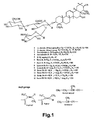
- Aescin also known as escin, is a mixture of triterpene saponins and is the main bioactive constituent of horse chestnut seeds, twigs, sprouts and leaves (Mete, K. O., Kara, M., Kara, S., 1994, Quantitative determination of escin. A comparative study of HPLC and TLC-densitometry, Fitoterapia, 65, 439-443). Aescin exists in two forms as α-aescin and β-aescin. β-Aescin is made up of 30 components, which are derived from protoaescigenun and barringtogenol, occurring in the ratio of 8:2 (Bombardelli, E., Morazzoni, P., Griffini, A., 1996, Aesculus hippocastanum L., Fitoterapia, 67, 483-511). Seed oil contains 65-70% oleic acid. Other constituents include phenolic acids, coumarin derivative Aesculin, hydrocarbons such as squalene and nonacosane and cyclitols (Stankovic, S. K., Bastic, M. B., Jovanovic, J. A., 1987, Ontogenetic distribution of hydrocarbons in horse chestnut seed (Aesculus hippocastanum L.), Herba Polonica, 33, 3-8). Aesculin extracted from the bark of horse chestnut is used in preparations for the treatment of peripheral vascular diseases, hoemorrhoids and cosmetics designed to ameliorate ageing skin (Bombardelli, E., Morazzoni, P., Griffini, A., 1996, Aesculus hippocastanum L., Fitoterapia, 67, 483-511). Overall, seeds contain 3% water, 3% ash, 11% crude protein, 5% oil and 74% carbohydrates (Duke, J. A., 1985, CRC Handbook of medicinal herbs, Boca Raton, FL, CRC Press). Recently eight bioactive saponins including four new compounds have been reported from Aesculus chinensis. The major being escin la (6), escin Ib (7), isoescin la (8) and isoescin Ib (9) and the new compounds escin IVc (22α-tigloyl-28-acetyl protoaescigenin-3β-O-[β -D-glucopyranosyl (1-2)] [β -D-glucoppyranosyl (1-4)]-β-D-glucopyranosiduronic acid) (10), escin IVd (2α-Angeloyl-28-acetlyprotoaescigenin-3β-O-[β-D-glucopyranosyl (1-2)] [β -D-glucopyranosyl (1-4)]-β-D-gluco-pyranosiduronic acid) (11), escin IVe (28-tigloylproaescigenin-3β-O-[β-D-glucopyranosyl (1-2)] [β -D-glucopyranosyl (1-4)]-β -D-gluco-pyrahosiduronic acid) (12), escin IVf (28-angeloylprotoaescigenin-3β-O-[β-D-glucopyranosyl (1-2)] [β -D-glucopyranosyl (1-4)]-β -D-gluco-pyranosiduronic acid) (13). These compounds were reported to have inhibitory activity against HIV-1 protease. (Yang X-W.; Zhao J.; Cin Y-X.; Lin X-H.; Mac-M.; Hattori M.; Zhang L-H.; 1999, Anti-HIV-1 Protease Triterpenoid saponins from the seeds of Aesculus chinensis, Jour. Nat. Prod., 62(11) 1510-1513). Some of the major compounds present in aescin are listed in fig 1.
- Cucumber mosaic virus (CMV) is world wide in distribution perhaps has a wider range of hosts and attacks a greater variety of vegetables, ornamentals, weeds and other plants than any other virus. Among the most important vegetables affected by CMV are cucumbers, beans, spinach, tomatoes, bananas, peppers, crucifers etc. Other important crops affected by CMV are gladioli, melons, squash, celery and beets. So, it causes substantial amount of damages to all crops. To reduce disease incidence in the field, production of disease free plants and chemical control of vectors are important aspects (Matthew, R.E.F., 1991, In Plant Virology, Academic Press, San Diego).
- CMV is a member of cucumo virus group, first reported in Cucumis sativus from USA (Price, W. C., 1934, Phytopathology, 24, 695-700). It is distributed all over the world. Their infection on natural hosts leads to severe mosaic, stunting, and reduction of leaf lamina and reduced fruit yield. It can be transmitted mechanically and by aphid vectors.
- Chenopodium amaranticolor, C. quinoa, Cucumis sativus, Vigna unguiculata, Lycopersicon esculentum, N. glutinosa and N. tabacum act as diagnostically susceptible hosts. CMV inoculation on Chenopodium amaranticolor and C. quinoa results in chlorotic and necrotic local lesion. However on Cucumis sativus it leads to systemic mosaic. Cucumis sativus, Nicotiana clevelandii, N. glutinosa and N. tabacum act as maintenance and propagation hosts for CMV (In Viruses of plants, Description and lists from VIDE database, ed., Brunt, A. A., Carbfree, K., Daltwitz, M. J., Gibbs, A. J., Watson, L., CAB international, pp 477-486)
- There are a number of plant extracts and pure isolates of plant extracts and pure isolates which contain substances that interfere with or inhibit infection of viruses. Synthetic compounds like Ribavirin (Lozoya-Saldana, H., Dawson, W. O., Marashige, T., 1984, Effect of ribavirin and adenine arabinoside on tobacco mosaic virus in Nicotiana tabacum L. var. xanthim tissue cultures, Plant Cell Tissue Org. Cult., 3, 41-48), Tiazaturin (Cancer, J. Amelia, V., Vicente, M., 1984, Effect of tiazofurin on tomato plants infected with tomato spotted wilt virus, Antiviral Res., 4, 325-331) and Pyrazofurin are used for the inhibition of virus replication. These compounds are effective against at least 16 plant viruses (Hansen, A. J., 1989, Antiviral chemicals for plant disease control, Critical Review in Plant Sciences, 8 (1), 45-88).
- Approximately 1000 ppm Ribavirin is needed to inhibit local lesion development and to prevent infection with susceptible viruses such as PVX and CLSV. PNRSV seems to be resistant to Ribavirin (Hansen, A. J., 1984, Effect of ribavinin on green ring mottle saucan agent and necrotic rings spot virus in Prunus species, Plant Dis. Rep., 68, 216-218). Carnation Mottle Virus can be completely eliminated from meristem tip after five weeks of treatment of Ribavirin @ 5 mg / liter (Wang, B., Zu, M.K., Yu, S. Q., Zhang, R. P., 1990, Elimination of carnation mottle virus from carnation plants, Chinese J. of virol., 6, 341-346). Ribavirin @ 20- 100 mg per liter was highly effective in elimination of CMV or LSV on lilies in in-vitro cultures (Kim, J. V., Lee, S. V., Kim, H. R., Choi, J. K., 1994, Effect of virazole on elimination of viruses (LSV and CMV) from infected lily plants, J. Agri. Sci. Crop Protection, 36, 370-374). Combination of thermotherapy (35°C for 4 weeks) with Ribavirin (50 5m) was observed to be more effective in decreasing number of virus infected bulblets (Pin San, X. U., Niimi,Y., Xo, P. S., 1999, Evaluation of virus-free bulblet production by antiviral and/or heat treatment in in-vitro scale cultures of Lilium longiflorum 'Georgia' and L. X 'Casablanca', J. Japanese Society for Horticultural Science, 68, 640-647). This compound is also effective against viriods. Treatments of infected plants with ribavirin at 300-1400 mg/litre reduced virioid levels and led to almost complete remission of symptoms on newly developed leaves. When applied to plants soon after inoculation, ribavirin prevented establishment of the viroid (Belles-JM; Hansen-AJ; Granell-A; Conejero V., 1986, Antiviroid effects of ribavirin on citrus exocortis viroid infection in Gynura aurantiaca DC, Physiological-and-Molecular-Plant-Pathology, 61-65)
- 1-Morpholino methyl- tetrahydro-2- (1H)- pyrimidinone (DD13) also exhibits protective effect in 97-100% plants infected with CMV and ToMV as evaluated using sensitive tests like ELISA and immuno-fluorescence (Yordanova, A., Karparov, A., Stoimenova, E., Starcheva, M., 1996, Antiphytoviral activity of 1-morpholinomethyl-tetrahydro2 (1H)-pyrimidinone (DD13), Plant Pathology, 45, 547-551).
- Drugs like Bavistin 50WP Methyl-2-benzimidazol carbamate (.05 and 0.1%), resorcinol (0.5 and 0.1) and thuja (30X potancy) reveals high effectivity against CMV on sweet pepper (Cheema, S. S., Chahal, A. S., Bansal, R. D., Kapur, S. P., 1991, Efficacy of bioproducts and chemicals against cucumber mosaic virus on sweet pepper under screen house conditions various, Indian J. Virology, 7, 169-175). Other synthetic antivirals are purine base analogue 8' azaguanine (Hecht, H., Diercks, R., 1978, Effect of antiviral agents on potato virus Y in intact potato plants II. Antimetabolites and other antiviral substances, Bayerisches-Landwirtschaftliches-Jahrbuch, 55 (4), 433-457), adenine arabinoside (Lozoya-Saldana, H., Dowson, W. O., Rev Mex., 1986, Effect de ribavirin adenina arabinosida sorbre el virus mosaico del tabac el virus moteado clorotico del chicaro de vace in-vivo, Fitopatrol, 3, 38-42), Uracil (Dubey, L. N., Joshi, R. D., 1976, Some studies on the inhibition of cucumber mosaic virus in chilli (Capsicum annuum L.). 1. Effect of pyrimidine analogues and 2,4-D, Indian-Journal-of-Microbiology, 16(1), 34-36), 5-Azauracil (Cassells, A. C., Long, R. D., 1982, The elimination of potato viruses X, Y, S and M in meristem and explant cultures of potato in the presence of virazole, Potato Res., 25, 165-173) and other large number of cyclic compounds and non-cyclic azyne compounds (Schuster, G., Heinisch, L., Schulze, W., Ulbright, H., Willitzer H., 1984, Antiphytovirole verbindungen mit nich and zyklischer Azin - struktur, Phytopathol, 111, 97-113).
- The essential oil of Melaleuca alternifolia (Maidan & Betche) cheel (Tea tree) also has antiviral activity against TMV (Bishop C.D., 1995, Antiviral activity essential oil of Melaleuca alternifolia (Maidan & Betche) cheel (Tea tree) against tobacco mosaic virus, J. of essential oil Research, 7(6), 641-644). Essential oils of Ageratum conyzoides, Callistemon lanceolatus (G. Citrinus), Carum capitum (Trachyspermum ammi), Ocimum sanctum and Peperomiea pellucida were evaluated for inhibitory activity against cowpea mosaic virus (CPMV), mung bean mosaic virus (MBMV), bean common mosaic virus (BCMV) and southern bean mosaic virus (SBMV). Ocimum sanctum at 3000 ppm gave the best inhibition of 89.6, 90, 92.7, 88.2 % against CPMV, MBMV, BCMV and SBMV respectively (Rao, G. P., Pandey, A. K., Shukla, K., 1986, Essential oils of some higher plants vis- a -vis some legume viruses, Indian perfumer, 30(4), 483-486).
- Out of 18 essential oils, the essential oil of Acorus calamus, Angelica glauca, Artemisia vulgaris, Cedrus deodara, Cinamomum tamala, C. camphora, Cymobopogon winterianus, Hedychium spicatum, Juniperus macropoda, Pycnanthemum flexuosum, Saussurea lappa, and Veleriana wallichii were found to have antiviral activity against Carnation ring spot virus and Carnation Vein Mottle virus (Singh, B., Joshi, V. P., Raja Ram, Sharma, A. and Zaidi, A. A., 2000, Antiviral activity of some naturally occurring essential oils against carnation viruses, Indian Perfumer, 449, 271-274).
- Saponins, glycosidic plant constituents are known for their wide- spread occurrence in plants and their detergent and pesticidal like activities. Several biological activities are associated with saponins like antimicrobial activity, antitumour activity, molluscicidal activity etc.
- Several saponins like gymnemic acids from Gymnema sylvestre (Asclepiadaceae) are inhibitory, as are aescin, cyclamin A, primula saponins and theasaponin (Rao, G. S., Sinsheimer, J. E., Cochran, K. W., 1974, Antiviral activity of triterpenoid saponins containing acylated β-amyrin aglycone, J. Pharm. Sci., 63, 471-473). These are reported to be involved in early viral infection events, involving inhibition of virus- host cell attachment. They are also active in-vivo. Aescin inhibited the infectivity of influenza virus infectivity in-vitro. At its estimated maximum tolerated concentration (12.5µg/ml), it inhibited influenza A2 (Japan 305) by 92%. By comparison, the anti-influenza agent amantadine inhibited the same strain of influenza by 98% at a concentration of 25 mg/ml, 1/4 of its estimated maximum tolerated concentration.
- Glycyrrhizin, an another saponin found to have antiviral activity and inhibits in vitro growth and cytopathogenicity of several DNA and RNA viruses including herpes simplex virus type 1 (HSV-1), Newcastle disease virus, vesicular stomatitis virus, polio virus type-1 (Pompei, R., Flore, O., Marccialis, M. A., Pani, A., Loddo, B., 1979, Glycyrrhizin acid inhibits virus growth and inactivates virus particles, Nature, 281, 689-690) and Varicella-Zoster virus (VZV) (Baba, M., Shigeta, S., 1987, Antiviral activity of glycyrrhizin against varicella-zoster virus in-vitro, Antiviral Res., 7,99-107).
- Saikosaponin-d, from the roots of Bupleurum falcatum (Umbelliferae) causes inactivation of measles and herpes viruses at concentration greater than 5µM in-vitro.
- Quinovic acid glycosides from Uncaria tomentosa (Rubiaceae) and Guettarda platypoda (Rubiaceae) has been found to have in-vitro inhibitory effect against vesicular stomatitis virus (a minus-strand RNA virus) (Aquino, R., De Simone, F., Pizza, C., Conti, C., Stein, M. L., 1989, Plant metabolites. Structure and in-vitro antiviral activity of quinovic acid glycosides from Uncaria tomentosa and Guettarda platypoda, J. Nat. Prod., 52, 679-695).
- Asterosaponins from Asterias torbesi, Acanthaster planci and Asterina pectinifera are reported to inhibit influenza virus multiplication (Shimizu, Y., 1971, Antiviral substances in starfish, Experientia, 27, 1188-1189). While crossasterosides B and D from Crossaster papposus inhibit plaque formation of pseudorabies virus (
Suid herpes virus 1, SHV-1) by 43% and 27% respectively at a dose of 1 µg/ml (Anderson, L., Bohlin, L., lorizzi, M., Riccio, R., Minale, L., Moreno-Loez, W., 1989, Biological activity of saponins and saponins like compounds from starfish and brittle stars, Toxicon, 27, 179 -188).Antiviral activity of Triterpenoids Triterpenoid Virucidal HSV Polio Other viruses Time of effect Active in vivo Gymnemic acid A -- ---- ++influenza +rhinovirus Immediately before or after virus addition +Influenza in mice Glycyrrhetinic acid +HSV only ++ --- +VSV +NDV +Vaccinia Immediately after virus addition Glycyrrhizin +slight effect ++ --- ++VZV +SFV +HIV-1 measles Coxackic +Hepatitis in humans +healing of Herpes Zoster Hydroxy-protoprimulagenin +HSV only ++ + VSV Vaccinia adenovirus Immediately before or immediately after virus addition HSV Keratitis in rabbits Carbenoxolone/ cicloxolone +HSV ++ Best immediately after virus addition HSVlesions in humans - As such aescin finds widespread use in the prevention and treatment of peripheral vascular disorders (Rothkopf, V. H., Vogel, G., 1976, Neue Befunde Zur Wirksamkeit und zum Wirkungs mechanismus des Rosskastanien-saponins Aescin, Arzneimittel forsch., 26, 225-235) and in the treatment of venous stasis, ulcus curis, dysmenorrhoea and haemorrhoids. But there is no report regarding the antiviral activity of aescin against viruses infecting plants as well as against cucumber mosaic virus.
- So we tried to evaluate the antiviral activity of this compound against cucumber mosaic virus, which infects various crops.
- The main object of the present investigation is to evaluate the antiviral activity of Aescin from Indian horse chestnut (Aesculus indica seeds).
- Another object of the present invention is to compare antiviral activity of aescin with Amantadine, 2-thiouracil, Zidovudine and Acyclovir, other commercially available antiviral products on the market.
- Still another object of the present investigation is to provide control measures for cucumber mosaic virus.
- Yet another object of the present investigation is to provide a more efficient antiviral natural product than Amantadine, 2-thiouracil, Zidovudine and Acyclovir, commercially available antiviral agents.
- Yet another object of the present investigation is to provide a new use of aescin, a component of pharmaceutical importance and meaningful utilization of Indian horse chestnut (Aesculus indica seeds) growing wild in the high hills of Himalaya which otherwise go unutilized every year in hundreds of tonnes.
- In accordance, the present invention provides an effective anti-viral composition comprising β-aescin, obtained from the Indian horse chestnut (Aesculus indica seeds) growing wild in the high hills of Himalayas. The said composition is more effective than any other known antiviral agent used to control the growth of cucumber mosaic virus (CMV) affecting plants like vegetable plants, fruit plants, seeds, leaves, ornamental plants and other plants.
- Accordingly, the present invention provides an antiviral composition comprising an effective amount of β-Aescin obtained from the Indian Horse Chestnut (Aesculus indica) against Cucumber mosaic virus (CMV) which attacks a greater variety of vegetables, ornamentals, weeds and other plants than any other virus.
- One more embodiment of the invention relates to the growth inhibition activity of the composition against cucumber mosaic virus, which is up to 94%.
- In another embodiment of the invention, wherein the said composition is more effective than other known antiviral agents namely viz. Amatadine, 2-Thiouracil, Zidovudine and Acyclovir
- Still another embodiment of the invention provides a composition containing β-Aescin, which is up to 50% more effective than Amatadine.
- Still another embodiment of the invention provides a composition containing β-Aescin, which is up to 100% more effective than 2-Thiouracil.
- Still another embodiment of the invention relates to a composition of β-Aescin more effective than Zidovudine by about 40%.
- Yet another embodiment, the said antiviral composition containing β-Aescin is more effective than Acyclovir by about 60%.
- Yet another embodiment of the invention, the effective dosage of β-Aescin is in the range of 1000-2000 PPM.
- One more embodiment of the invention, the said composition can also be used with additives, diluents or carriers.
- Still another embodiment of the invention, the said composition protects the most important vegetables selected from the group consisting of cucumbers, beans, spinach, tomatoes, bananas, peppers and crucifers from attack by CMV.
- Still another embodiment, the said composition protects other important crops such as gladioli, melons, squash, celery and beets from CMV attack.
- One more embodiment of the present invention relates to isolation of β-Aescin, a New Antiviral Agent from Indian Horse Chestnut (Aesculus indica) which comprises (a) collection, drying and grinding of seeds (b) extraction of powdered seeds to yield aescin as white amorphous powder with required specification. The powder obtained from step (b) was evaluated by preparing a pure culture of Cucumber mosaic virus and application of pure isolates in ppm concentration on leaves of Chenopodium amaranticolor to find out the efficacy of β-aescin.
- The process of extraction and purification of β-aescin from powdered Indian horse chestnut (Aesculus indica) is being disclosed separately in another co-pending application.
- In an embodiment of the present invention, β-Aescin was obtained from Indian horse chestnut (Aesculus indica seeds) by a process of extraction and purification to yield a white amorphous powder of required specifications.
- In another embodiment of the present invention, β-aescin was tested against cucumber mosaic virus.
- In yet another embodiment of the present invention, β-aescin and Amantadine, 2-thiouracil, Zidovudine and Acyclovir, other commercially available antiviral agents were compared for inhibition of cucumber mosaic virus.
-
- Fig.1 shows some of the major triterpene glycosides present in aescin.
- The Culture of cucumis mosaic virus was maintained both in natural host and on Cucumis sativus as maintenance and propagating host. For inoculation of virus, leaves of 15 days old inoculated host plant were ground in phosphate buffer pH-7.2 and used for the screening of antiviral activity.
- Activity of β-aescin was tested against cucumber mosaic virus in different dilution. Tests were performed by using 1000 ppm and 2000 ppm of the above plant extract. The phytotoxic effect appeared on Chenopodium amaranticolor leaves, the bioassay plant for virus. The aescin was mixed with crude sap containing the virus and incubated at room temperature for 24 hours. After incubation sap containing the virus was inoculated individually on the bioassay hosts along with an abrasive to monitor the inhibitory effect.
- The β-aescin and amantadine at 1000ppm were mixed with crude sap containing the virus separately and incubated at room temperature for 24 hours. After incubation sap containing the virus was inoculated individually on Chenopodium amaranticolor leaves, on bioassay host along with an abrasive to monitor the inhibitory effect.
- The β-aescin and 2-Thiouracil at 1000ppm were mixed with crude sap containing the virus separately and incubated at room temperature for 24 hours. After incubation sap containing the virus was inoculated individually on Chenopodium amaranticolor leaves, on bioassay host along with an abrasive to monitor the inhibitory effect.
- The β-aescin and Zidovudine at 1000ppm were mixed with crude sap containing the virus separately and incubated at room temperature for 24 hours. After incubation sap containing the virus was inoculated individually on Chenopodium amaranticolor leaves, on bioassay host along with an abrasive to monitor the inhibitory effect.
- The β-aescin and Acyclovir at 1000ppm were mixed with crude sap containing virus separately and incubated at room temperature for 24 hours. After incubation sap containing the virus was inoculated individually on Chenopodium amaranticolor leaves, on bioassay host along with an abrasive to monitor the inhibitory effect.
Treatment of CMV with 1000-ppm β-aescin S NO No of lesions on Average No of lesions % Test Control Test Control Inhibition 1 14 142 1.4 14.2 90.14 2 23 236 2.3 23.6 90.25 3 18 189 1.8 18.9 90.47 Treatment of CMV with 2000-ppm β-aescin No of lesions on Average No of lesions % S NO Test Control Test Control Inhibition 1 7 114 0.7 11.4 93.85 2 14 228 1.4 22.8 93.85 3 10 171 1.0 17.1 94.15 Treatment of CMV with 1000-ppm β-aescin and 1000-ppm Amantadine as control S NO No of lesions on Average No of lesions % Inhibition Test Control Test Control 1 23 45 2.3 4.5 48.8 2 20 40 2.0 4.0 50 3 24 48 2.4 4.8 50 Treatment of CMV with 1000-ppm β-aescin and 1000-ppm 2-Thiouracil as control S NO No of lesions on Average No of lesions % Test Control Test Control Inhibition 1 0 19 0 1.9 100 2 0 17 0 1.7 100 3 0 11 0 1.1 100 Treatment of CMV with 1000-ppm β-aescin and 1000-ppm Zidovudine as control S NO No of lesions on Average No of lesions % Test Control Test Control Inhibition 1 11 18 1.1 1.8 38.8 2 27 45 2.7 4.5 40 3 19 31 1.9 3.1 38.7 Treatment of CMV with 1000-ppm β-aescin and 1000-ppm acyclovir as control S NO No of lesions on Average No of lesions % Test Control Test Control Inhibition 1 17 40 1.7 4.0 57.5 2 4 10 0.4 1.0 60 3 10 25 1.0 2.5 60 - The main advantages of the present invention are:
- 1. Aesculus indica plant grows wild in temperate and sub-temperate regions of the Himalayan belt from Jammu & Kashmir, Himachal Pradesh, Uttranchal and Northeastern states is hence easily available in bulk quality.
- 2. Seeds are used for the production of aescin which are a renewable source from the plant and hence no threat to biodiversity.
- 3. β-Aescin is a natural product and hence no threat to the environment.
- 4. Application of β-aescin ensures quick and efficient recovery from viral infections.
- 5. It also helps in plant virus management.
- 6. β-Aescin is a more potent antiviral agent than commercially available antivirals.
- 7. A cheap, eco-friendly and easily available antiviral natural compound.
- 8. β-Aescin is produced form A. indica and Aesculus species. As the plant grows wild and it is produced from seeds, which are a renewable source and hundreds of tonns of material, goes unutilized every year. In the laboratory powdered seeds are processed by a simplified process. The antiviral drugs available on the market are prepared from synthetic reactions involving numbers of steps and hence are costly and generally out of approach to common people or farmers. Hence aescin will help as a material easily available and a potent antiviral agent.
Claims (9)
- An antiviral composition comprising an effective amount of β-Aescin obtained from the Indian Horse Chestnut (Aesculus indica) against Cucumber mosaic virus which attacks a great variety of vegetables, ornamentals, weeds and other plants.
- The composition as claimed in claim 1, wherein the said composition inhibits the growth of cucumber mosaic virus up to 94%.
- The composition as claimed in claim 1, wherein the said composition is more effective than other known antiviral agents namely viz. Amatadine, 2-Thiouracil, Zidovudine and Acyclovir
- The composition as claimed in claim 1 is up to 50% more effective than Amatadine.
- The composition as claimed in claim 1 is up to 100% more effective than 2-Thiouracil.
- The composition as claimed in claim 1 is up to 40% more effective than Zidovudine.
- The composition as claimed in claim 1 is up to 60% more effective than Acyclovir.
- The composition as claimed in claim 1, wherein the effective dosage of β-Aescin is in the range of 1000-2000 PPM.
- The composition as claimed in claim 1 can also be used with additives, diluents or carriers.
Applications Claiming Priority (1)
| Application Number | Priority Date | Filing Date | Title |
|---|---|---|---|
| PCT/IB2002/001129 WO2003079795A1 (en) | 2002-03-25 | 2002-03-25 | A new antiviral agent from indian horse chestnut aesculus indica |
Publications (2)
| Publication Number | Publication Date |
|---|---|
| EP1489910A1 EP1489910A1 (en) | 2004-12-29 |
| EP1489910B1 true EP1489910B1 (en) | 2007-04-11 |
Family
ID=28053164
Family Applications (1)
| Application Number | Title | Priority Date | Filing Date |
|---|---|---|---|
| EP02716994A Expired - Lifetime EP1489910B1 (en) | 2002-03-25 | 2002-03-25 | A new antiviral agent from indian horse chestnut aesculus indica |
Country Status (5)
| Country | Link |
|---|---|
| EP (1) | EP1489910B1 (en) |
| JP (1) | JP4363989B2 (en) |
| AU (1) | AU2002247915A1 (en) |
| DE (1) | DE60219533T2 (en) |
| WO (1) | WO2003079795A1 (en) |
Cited By (1)
| Publication number | Priority date | Publication date | Assignee | Title |
|---|---|---|---|---|
| CN109295080A (en) * | 2018-09-19 | 2019-02-01 | 昆明理工大学 | The use of ginseng β-arosinol synthase gene Pjβ-AS |
Families Citing this family (3)
| Publication number | Priority date | Publication date | Assignee | Title |
|---|---|---|---|---|
| EP2005824A1 (en) † | 2007-06-21 | 2008-12-24 | Bayer CropScience AG | Active agent suspensions in glycerine |
| WO2018029292A1 (en) * | 2016-08-11 | 2018-02-15 | INSERM (Institut National de la Santé et de la Recherche Médicale) | Method for treating glioma |
| CN118749525B (en) * | 2024-09-02 | 2024-11-08 | 云南省农业科学院生物技术与种质资源研究所 | Application of beta-sitosterol compound |
Family Cites Families (6)
| Publication number | Priority date | Publication date | Assignee | Title |
|---|---|---|---|---|
| US3110711A (en) * | 1960-06-14 | 1963-11-12 | Klinge Co Chem Pharm Fab | Process of producing two escin isomers from horse chestnut extracts, and products |
| JPS6072823A (en) * | 1983-09-29 | 1985-04-24 | Chisso Corp | Antiviral agent |
| JPS6440494A (en) * | 1987-08-04 | 1989-02-10 | Nissan Chemical Ind Ltd | Saponins exhibiting cardiotonic activity |
| DD268615A1 (en) * | 1988-02-16 | 1989-06-07 | Univ Leipzig | MEANS FOR CONTROLLING PLANT VIRUSES |
| JPH0725718A (en) * | 1993-07-07 | 1995-01-27 | Mitsui Norin Kk | Anti plant virus agent |
| JPH11193242A (en) * | 1997-12-26 | 1999-07-21 | Itouen Ltd | Anti-influenza virus agent |
-
2002
- 2002-03-25 AU AU2002247915A patent/AU2002247915A1/en not_active Abandoned
- 2002-03-25 DE DE60219533T patent/DE60219533T2/en not_active Expired - Lifetime
- 2002-03-25 EP EP02716994A patent/EP1489910B1/en not_active Expired - Lifetime
- 2002-03-25 WO PCT/IB2002/001129 patent/WO2003079795A1/en not_active Ceased
- 2002-03-25 JP JP2003577638A patent/JP4363989B2/en not_active Expired - Fee Related
Cited By (2)
| Publication number | Priority date | Publication date | Assignee | Title |
|---|---|---|---|---|
| CN109295080A (en) * | 2018-09-19 | 2019-02-01 | 昆明理工大学 | The use of ginseng β-arosinol synthase gene Pjβ-AS |
| CN109295080B (en) * | 2018-09-19 | 2021-08-20 | 昆明理工大学 | The use of ginseng β-arosinol synthase gene Pjβ-AS |
Also Published As
| Publication number | Publication date |
|---|---|
| WO2003079795A1 (en) | 2003-10-02 |
| JP2005520841A (en) | 2005-07-14 |
| EP1489910A1 (en) | 2004-12-29 |
| DE60219533D1 (en) | 2007-05-24 |
| JP4363989B2 (en) | 2009-11-11 |
| AU2002247915A1 (en) | 2003-10-08 |
| DE60219533T2 (en) | 2008-01-31 |
Similar Documents
| Publication | Publication Date | Title |
|---|---|---|
| Erdem et al. | Blessings in disguise: a review of phytochemical composition and antimicrobial activity of plants belonging to the genus Eryngium | |
| Bhattacharya et al. | Dalbergia sissoo-An important medical plant | |
| Pavela | Acaricidal properties of extracts of some medicinal and culinary plants against Tetranychus urticae Koch. | |
| Jain et al. | Ethanobotany, phytochemical and pharmacological aspects of Thuja orientalis. A review | |
| Jawale | Larvicidal activity of some saponin containing plants against the dengue vector Aedes aegypti | |
| Shrirangasami et al. | Chemistry behind in neem (Azadirachta indica) as medicinal value to living forms-A review | |
| Deepti et al. | Allelopathic activity of genus Euphorbia | |
| Parveen et al. | Chamomile | |
| Srivastava et al. | A brief review on phytopharmacological reports on Albizia procera | |
| KR100738647B1 (en) | Plant virus control agent containing gall bladder extract | |
| Bharti et al. | A review on phytochemical pharmacological and biological activities of thuja occidentalis | |
| Khanpara et al. | A complete review on medicinal plant: Margosa Tree | |
| Sahoo et al. | Review on phytopharmacological activity of Curcuma amada Roxb.(Mango ginger) | |
| JP4363989B2 (en) | A novel antiviral agent derived from Indian Tochinoki and Aesculus indica | |
| Yasin et al. | Comperative phyto toxicological and anti inflammatory effects of leaves extracts of holoptelea integrifolia | |
| Gopalakrishnan et al. | Efficacy of major plant extracts/molecules on field insect pests | |
| Chowdhury et al. | Evaluation of thrombolytic and membrane stabilizing activities of four medicinal plants of Bangladesh. | |
| Ahuja et al. | An ethnomedical, phytochemical and pharmacological profile of Artemisia parviflora Roxb | |
| Rahuman | Efficacies of medicinal plant extracts against blood-sucking parasites | |
| ZA200408058B (en) | A new antiviral agent from indian horse chestnut aesculus indica | |
| Musara et al. | Ethnobotanical uses, botany, biological and chemical properties of Duranta erecta Linn. | |
| Murthy et al. | Ethnobotany of the Neem Tree (Azadirachta Indica a. Juss): A Review | |
| Ganorkar et al. | Antidiabetic and Other 25 Potential Features of Azadirachta indica A. Juss.(Neem) | |
| Singh et al. | Insecticidal and biological activities of Acorus calamus Linn.: a valuable medicinal and aromatic plant. | |
| Kumar et al. | Herbal pesticides, a natural weapon to control the insect pests: A review |
Legal Events
| Date | Code | Title | Description |
|---|---|---|---|
| PUAI | Public reference made under article 153(3) epc to a published international application that has entered the european phase |
Free format text: ORIGINAL CODE: 0009012 |
|
| 17P | Request for examination filed |
Effective date: 20041025 |
|
| AK | Designated contracting states |
Kind code of ref document: A1 Designated state(s): AT BE CH CY DE DK ES FI FR GB GR IE IT LI LU MC NL PT SE TR |
|
| AX | Request for extension of the european patent |
Extension state: AL LT LV MK RO SI |
|
| GRAP | Despatch of communication of intention to grant a patent |
Free format text: ORIGINAL CODE: EPIDOSNIGR1 |
|
| GRAS | Grant fee paid |
Free format text: ORIGINAL CODE: EPIDOSNIGR3 |
|
| GRAA | (expected) grant |
Free format text: ORIGINAL CODE: 0009210 |
|
| AK | Designated contracting states |
Kind code of ref document: B1 Designated state(s): DE GB NL |
|
| REG | Reference to a national code |
Ref country code: GB Ref legal event code: FG4D |
|
| REF | Corresponds to: |
Ref document number: 60219533 Country of ref document: DE Date of ref document: 20070524 Kind code of ref document: P |
|
| PLBE | No opposition filed within time limit |
Free format text: ORIGINAL CODE: 0009261 |
|
| STAA | Information on the status of an ep patent application or granted ep patent |
Free format text: STATUS: NO OPPOSITION FILED WITHIN TIME LIMIT |
|
| 26N | No opposition filed |
Effective date: 20080114 |
|
| PGFP | Annual fee paid to national office [announced via postgrant information from national office to epo] |
Ref country code: GB Payment date: 20100322 Year of fee payment: 9 |
|
| PGFP | Annual fee paid to national office [announced via postgrant information from national office to epo] |
Ref country code: DE Payment date: 20100331 Year of fee payment: 9 |
|
| PGFP | Annual fee paid to national office [announced via postgrant information from national office to epo] |
Ref country code: NL Payment date: 20110316 Year of fee payment: 10 |
|
| GBPC | Gb: european patent ceased through non-payment of renewal fee |
Effective date: 20110325 |
|
| PG25 | Lapsed in a contracting state [announced via postgrant information from national office to epo] |
Ref country code: DE Free format text: LAPSE BECAUSE OF NON-PAYMENT OF DUE FEES Effective date: 20111001 |
|
| PG25 | Lapsed in a contracting state [announced via postgrant information from national office to epo] |
Ref country code: GB Free format text: LAPSE BECAUSE OF NON-PAYMENT OF DUE FEES Effective date: 20110325 |
|
| REG | Reference to a national code |
Ref country code: DE Ref legal event code: R119 Ref document number: 60219533 Country of ref document: DE Effective date: 20111001 |
|
| REG | Reference to a national code |
Ref country code: NL Ref legal event code: V1 Effective date: 20121001 |
|
| PG25 | Lapsed in a contracting state [announced via postgrant information from national office to epo] |
Ref country code: NL Free format text: LAPSE BECAUSE OF NON-PAYMENT OF DUE FEES Effective date: 20121001 |