FIELD OF THE INVENTION
The present invention relates to a moving image data
creation system, a moving image data creation method, and a
moving image data creation program for creating a moving
image based on still image data provided by a customer, as
well as an information recording medium.
BACKGRAOUD OF THE INVENTION
In recent years, there has been an increase in
customers who process photographs taken by cameras, as
digital image data. For example, in a digital camera, image
data stored on an information recording medium such as a
memory card is read at a computer terminal such as a personal
computer, and the photograph image can be viewed on the
personal computer by reproducing the image data with image
display software installed on the personal computer.
Furthermore, the service of converting photographs
taken with a film camera to digital images is being offered.
The customer may for example, take the negative film of
photographs that were taken to a photo service shop such as a
lab or to a shop where photo orders may be placed such as a
convenience store, and after the negative film is developed
at the photo service shop or the like, the image data is read
by a scanner or the like, and the read image is written onto
an information recording medium such as a CD-R.
Furthermore, the customer who receives the information
recording medium such as the CD-R which has the image data
written thereon, may view the photograph images on a personal
computer at home by reproducing the image with image display
software, and thus even customers who do not own a digital
camera can handle photographs as digital image data.
However, in the above-described services, because the
presumption is made that the image data will be viewed on a
computer terminal such as a personal computer or the like, a
personal computer is needed in order to view the image data,
and also the customer must have some amount of proficiency in
operating personal computers. Thus, for a customer who is
not accustomed to operating personal computers, when the
information recording medium is received, the photographs
cannot be enjoyed with the ease it would be enjoyed in case
where the photograph image is output as a photograph print.
There are methods of continuously displaying data
images using electronic album software or slide show
software, but in these cases also the electronic album
software or slideshow software must be installed on a
personal computer beforehand. Furthermore, because it is the
customer who must operate the software as well, it is
difficult for customers who are not comfortable with personal
computers to view the photograph images using these methods.
On the other hand, in recent years, moving image
players for home use such as DVD players are being provided
at low prices. Like most home use electronic devices, images
and sound can be played with these moving image players for
home use by carrying out simple operations, and even
customers who are not accustomed to personal computers can
easily operate these devices. However, because these moving
image players for home use cannot usually use formats such as
JPEG which is for recording still images, photograph images
read from film or those obtained by digital cameras cannot be
shown using these moving image players.
SUMMARY OF THE INVENTION
The present invention was conceived in view of the
above-described problems, and the main objects thereof are to
provide a moving image data creation system, a moving image
data creation method and a moving image data creation program
by which a photograph image can be easily shown on a moving
image player for home use such as a DVD player or on a
computer terminal such as a personal computer, as well as an
information recording medium on which the moving image data
played by said program is recorded.
In order to achieve the aforementioned objectives, the
moving image data creation system comprises at least: a means
for reading a plurality of still image data from a developed
film; a means for creating for each of the plurality of still
image data, difference data which denotes the difference
between a number of still image data, said number being
calculated from a preset display time for one image; a means
for creating a moving image by adding the difference data to
each of the plurality of still image data; and a means for
recording at least the moving image data and the still image
data in the listed order, onto an information recording
medium.
Furthermore, the moving image data creation system
comprises at least: a means for reading a plurality of still
image data from an information recording medium provided by
the customer; a means for creating for each of the plurality
of still image data, difference data which denotes the
difference between a number of still image data, said number
being calculated from a preset display time for one image; a
means for creating a moving image by adding the difference
data to each of the plurality of still image data; and a
means for recording at least the moving image data and the
still image data in that order, on an information recording
medium.
In this invention, the aforementioned difference data
comprises: data in which the difference when compared with a
corresponding still image is 0, and data in which the
difference when compared with a corresponding still image is
0 as well as change data which is calculated based on a
preset screen switching effects. The moving image creation
means may be configured such that the data whose difference
is 0 and the change data are added to the still image data in
that order.
Further, the recording means of this invention records
on an information recording medium, a slideshow execution
program which allows the computer to function as a means for
displaying the still image data as slides.
In this invention, the recording means may be
configured such that music data to be played at the time of
slide display of the still image data is recorded on the
information recording medium. The moving image data creation
system may also be equipped with a communicating means for
communicating with a server which distributes music data via
a communication network, and the music data information
received from the server is recorded on the information
recording medium.
Furthermore, in the present invention, it is preferable
that the information recording medium is a CD-R or DVD-R, and
that the moving image data is recorded in the information
recording region at the inner circumference side of the
information recording medium.
In addition, the moving image data creation method of
this invention at least comprises: a step of reading the
still image data from the developed film using a reading
means; a step of using the difference data creation means to
create for each of the plurality of still image data,
difference data which denotes the difference between a number
of still image data, said number being calculated from a
preset display time for one image; a step of creating moving
image data by adding the difference data to each still image
data using the moving image data creation means; and a step
of recording at least the moving image data and the still
image data on the information recording medium in that order
using the recording means.
Furthermore, the moving image data creation method of
this invention at least comprises: a step of reading still
image data from an information recording medium provided by
the customer using a reading means; a step of using the
difference data creation means to create for each of the
plurality of still image data, difference data which denotes
the difference between a number of still image data, said
number being calculated from a preset display time for one
image; a step of creating moving image data by adding the
difference data to each still image data using the moving
image data creation means; and; a step of recording at least
the moving image data and the still image data in that order,
on an information recording medium using the recording means.
Also, the moving image data creation method of this
invention comprises at least: a step of reading still image
data from the developed film using a reading means; a step of
using an information recording means to record on an
information recording medium, at least the still image data,
and a moving image data creation program which functions as a
means for creating for each still image data, a number of
difference data, the number being calculated from the preset
display time for one image as well as a means for creating.
the moving image by adding the difference data to each of the
plurality of still image data.
The present invention may be configured such that the
display time for one image or the screen switching effect is
set based on the slide effects of the slide show performed at
the customer's computer terminal, and moving image data is
thereby created at the customer's computer terminal.
Furthermore, the moving image data creation program
causes the computer to function as: a means for sequentially
extracting read still image data from a film or an
information recording medium provided by the customer; a
means for calculating the number of data added to each of the
still image data from a preset display time for one image; a
means for creating difference data whose difference compared
to the still image data is 0; a means for creating moving
image data by sequentially combining data in which the number
of difference data is added to each of the still image data
in the order with which the screens are displayed.
Also, the moving image data creation program causes the
computer to function as: a means for sequentially extracting
read still image data from a film or an information recording
medium provided by the customer; a means for calculating the
number of data added to each of the still image data from the
preset display time for one image; a means for creating
difference data whose difference compared to the still image
data is 0; a means for creating change data in which the
difference compared to the still image data is calculated
based on a preset switching effect; a means for creating
moving image data by sequentially combining data in which the
number of difference data and of the change data has been
added, with each of the still image data in order with which
the screens are displayed.
Also, the information recording medium of this
invention has recorded thereon a plurality of still image
data read from a film or an information recording medium
provided by a customer and moving image data created by
adding to each of the plurality of still image data, a number
of difference data indicating the difference between said
still image data and a number of still image data, said
number being calculated from a preset display time for one
image.
In this manner, in the moving image data creation
system of this invention, moving image data is created from
still image data read from a film or an information recording
medium brought in by the customer, and because recorded on
the information recording medium are moving image data, still
image data, a slide show execution program, and if necessary
music data, a customer who is not accustomed to operating a
computer may enjoy the photograph images by showing them as
moving data on a moving image player for home use such as a
DVD player. Furthermore, the customer who is accustomed to
operating a computer may display the still image data using a
slide show execution program or may show the moving image
data with a moving image playing program installed on the
computer. The customer may thus view the photograph image
using a preferred method.
In addition to the still image data and the slide show
execution program, by recording on the information recording
medium, a moving image data creation program which causes the
computer to function as a means for creating moving image
data from still image data, the customer may simulate a slide
effect for the still image data using a slide show execution
program on a home personal computer, and because moving image
data can subsequently be created based on the slide effect
using the slide image data creation program, the moving image
data created from the still image data can be customized. As
a result the customer can enjoy a slide show that better
suits his or her preferences.
BRIEF DESCRIPTION OF THE DRAWINGS
Fig. 1 shows the configuration of the moving image data
creation system of the first embodiment of this invention.
Fig. 2 is a block diagram showing the configuration of
the lab of the moving image data creation system of the first
embodiment of this invention.
Fig. 3 is a flow chart showing the steps in the moving
image data creation method of the first embodiment of this
invention.
Fig. 4 shows the data recording regions of the
information recording medium of the first embodiment of this
invention.
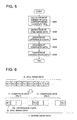
Fig. 5 is a flowchart of the steps for creating the
moving image data of the first embodiment of this invention.
Fig. 6 shows the configuration of the moving image data
of the first embodiment of this invention.
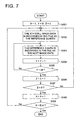
Fig. 7 is a flowchart showing a specific example of
steps for creating the moving image data of the first
embodiment of this invention.
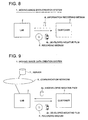
Fig. 8 shows another configuration of the moving image
data creation system of the first embodiment of this
invention.
Fig. 9 shows yet another configuration of the moving
image data creation system of the first embodiment of this
invention.
Fig. 10 is a flow chart showing the steps in the moving
image data creation method of the second embodiment of this
invention.
Fig. 11 shows the configuration of the moving image
data of the second embodiment of this invention.
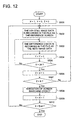
Fig. 12 is a flowchart showing a specific example of
steps for creating the moving image data of the second
embodiment of this invention.
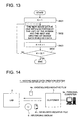
Fig. 13 is a flowchart showing another specific example
of steps for creating the moving image data of the second
embodiment of this invention.
Fig. 14 shows the configuration of the moving image
data creation system of the third embodiment of this
invention.
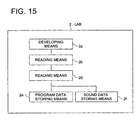
Fig. 15 shows the configuration of the lab for the
moving image data creation system of the third embodiment of
this invention.
Fig. 16 is a flow chart showing the steps in the moving
image data creation method of the third embodiment of this
invention.
DETAILED DESCRIPTION OF THE PREFERRED EMBODIMENT
One preferable embodiment of the moving image data
system of this invention comprises: a means for developing
film provided by the customer at a photo service shop such as
a lab; a means for reading a plurality of still image data
from the developed film; a means for creating for each still
image data, a number of difference data, said number
calculated from the preset display time for one image; a
means creating moving image data by adding the difference
data to each still image data; a means for recording on a
information recording medium, the moving image data, still
image data, a slide show execution program which functions as
a means for allowing the computer to perform a slide display
of said still image data, and if necessary music data to be
played when the still images are being displayed as a slide
show. The customer who receives the information recording
medium may view the photograph image on any of devices such
as a moving image player for home use such as a DVD player
and the like, or a computer terminal such as a personal
computer and the like.
That is to say, fixed time display of still image data,
or the switching operation thereof is MPEG encoded as
continuous moving image data, and if necessary sound data for
music which is played so as to correspond with the moving
image data is also encoded, and then recorded as one file or
as a series of files at a first position of an information
recording medium such as a CD-R or DVD-R, and subsequently
the original still image information which was used in
creating the moving image, is recorded in a still image
format such as JPEG.
When an information recording medium on which recording
has been done in this manner is played in a moving image
player for home use such as a DVD player, because only the
portion that was recorded first is recognized, it can be
played as only a moving image data disk. Furthermore, since
many DVD players have a function in which the first image of
each chapter can be displayed as a list, and a function for
jumping between chapters and the like, the operating ability
when playing the image data can be improved by pre-recording
the display time for each still image data as a chapter.
Also, when the information recording medium on which
recording has been done in the aforementioned manner is
played on a computer terminal such as personal computer or
the like, because all the files can be viewed on the personal
computer, the still image data can be viewed using a slide
show execution program recorded on the information recording
medium. Furthermore, the moving image data maybe viewed
using MPEG decoding software.
By recording a moving image data creation program on
the information recording medium, in addition to the still
image data and the slide show execution program, the customer
may simulate a slide show on the personal computer by setting
the slide effects (display time for one image, method for
image switching and the like) based on preference, and moving
data may be created thereafter, based on the slide effects
set using the moving image data creation program.
Embodiments of the present invention are described
using the accompanying drawings in order to describe the
aforementioned embodiments of the present invention in
further detail.
[Embodiment 1]
Firstly, the moving image data creation system and
moving image data creation method, as well as the information
recording medium of the first embodiment of the present
invention will be described with reference to Figs. 1 through
9. Fig. 1 shows the configuration of the moving image data
creation system of the first embodiment of this invention in
frame format. Fig. 2 is a block diagram showing the means
installed in a photo service shop such as a lab where moving
image data is created. Fig. 3 is a flow chart showing the
steps in the method for creating the moving image data of
this example, while Fig. 4 shows the configuration of the
recording regions of the information recording medium. Figs.
5 and 7 are flowcharts of the steps for creating the moving
image data. Fig. 6 shows the configuration of the moving
image data in frame format. Figs. 8 and 9 show other
configurations of the moving image data creation system of
this example.
It is to be noted that "still image data" in the
following description refers to one independent image data
group and to all the pixels of the data written in their
original state due to file formatting, as well as data
written as compressed data to avoid redundancy. The most
frequently used method is that in which the file is
compressed in JPEG format and then written, but files which
have been compressed in other formats or uncompressed files
may also be used.
Furthermore, "moving image data" refers to data in
which the display is such that images are switched at a fixed
time interval. For example, in MPEG files and the like, the
reference image data is written as independent data, and it
is possible to show the image using only the reference image
data, but after that only the difference between the image
and the reference image is recorded, and thus the image is
shown for the first time after being compared with the
reference image.
Firstly, the configuration of the moving image data
creation system will be described with reference to Fig. 1.
The moving image data creation system 1 of this embodiment
comprises a customer 3 who provides the undeveloped negative
film 4a as a photograph image and a lab 2 in which the
undeveloped negative film 4a is developed and the still image
data is read, then moving image data is created based on the
read still image data and the written onto an information
recording medium 5 such as a CD-R, DVD-R or the like.
Furthermore, as shown in Fig. 2, the lab 2 comprises: a
developing means 2a for developing the undeveloped negative
film 4a provided by the customer 3; a reading means 2b for
reading the still image data from the developed film; a
moving image data creation means 2c for creating moving image
data from still image data; a writing means 2d for writing
moving image data, still image data, music data, and a slide
show execution program onto the information recording medium
5; a program data storing means 2e for storing the slide show
execution program, and a music data storing means 2f for
recording music data.
It is to be noted that the aforementioned means may be
configured separately, or alternatively 2 or more means such
as the developing means 2a, the reading means 2b, the moving
image data creation means 2c, and the writing means 2d may be
configured as one unit. Also, in the case where music data
is not recorded on the information recording medium 5, it is
not necessary to provide music data storing means 2f.
Furthermore, a printer which creates ordinary prints based on
image data read by the reading means 2b may be provided. The
type of printer is not particularly limited, and various
types of printer such as an inkjet printer, an
electrophotographic printer, or a silver salt printer may be
used.
Furthermore, in the example described above, at the lab
2, the customer 3 requests development of the undeveloped
negative film 4a and creation of the information recording
medium 5 on which the moving data is recorded, but the
configuration may be such that the request is done via an
order shop such as a convenience store or the like. In
addition, this description is based on the customer 3
providing the image data as the undeveloped negative film 4a,
but a developed negative film or a positive film (developed
or undeveloped) may be supplied. Also, as shown in Fig. 8,
information recording mediums 6 like memory cards and CDRs
which include compact flash (registered trademark), smart
media, memory stick (registered trademark), multimedia card,
SD memory card on which image data obtained by a print or a
digital camera is recorded may also be provided.
The steps performed by using the moving image data
creation system 1 having the aforementioned configuration are
described with reference to the flow chart in Fig. 3, from
the point where the customer 3 takes in the undeveloped
negative film 4a to the lab 2 a to when the customer 3
obtains the information recording medium 5 which has recorded
thereon moving image data, still image data, music data, and
a slide show execution program.
First in step S101, the customer 3 takes the
undeveloped negative film 4a in which photographing was done
using a film camera to a photo service shop such as a lab 2
or the like and requests development of the undeveloped
negative film 4a and creation of the information recording
medium 5. The photograph images recorded on the undeveloped
negative film 4a may be photograph images taken by the
customer or those taken by another customer. Furthermore,
the photograph image is not limited to those obtained by
photographing with a camera, and may be image data obtained
from communication networks such as the internet and the
like, or image data processed by the customer using image
processing software.
Subsequently, the development processing is started at
the lab 2 which received the request for development, but in
the case where music data which is to be played along with
the still image data in the slide show is to be recorded on
the information recording medium 5, the lab 2 shows the
customer 3 a list of music data which is stored on the music
data recording means 2f, and the customer 3 selects the
desired music data from the list. It is to be noted that in
the case where the music data is not recorded on the
information recording medium 5, this step may be omitted.
Alternatively, the lab 2 may set the music data or else
provided a music data selection terminal at the lab 2, and
the customer may select the music data at this terminal.
In step S103, the lab 2 develops the undeveloped
negative film 4a using the developing means 2a, and in step
S104, the developed negative film is read using a reading
means 2b such as a scanner and the like to thereby obtain the
still image data. The format of this still image data may be
any format that is readable by the computer owned by the
customer 3, and JPEG, BMP, and JIF and like data formats may
be used, and the customer 3 may select the format of the
still image data to be recorded on information recording
medium 5. It is to be noted that in the case where the
customer 3 provides the image data as a developed negative
film or as an information recording medium 6, the development
processing of step S103 may be omitted. Furthermore, when
the image data is provided as information recording medium 6,
the still image data may be read directly from the
information recording medium 6 in step S104.
In step S105, moving image data is created using the
moving image data creation means 2c, based on the still image
data read by the reading means 2b. Specific examples of
steps for creating the moving image data are described in the
following. It is to be noted that the format for the moving
image data can be any format that can be recognized by a
moving image player for home use such as MPEG1 MPEG2, and the
configuration may be such that the customer 3 may select the
format of the data image to be recorded on information
recording medium 5.
In step S106, the still image data which was read, the
moving image data which was created, the music data, and the
slide show execution program are written onto the information
recording medium 5 in a state that is readable by a computer.
As stated above, the information recording medium 5 may be
any one which can be played on a moving image player for home
use such as CD-R, DVD-R and the like. In addition, at the
time of writing, in order that the moving image data can be
played on a moving image player for home use such as a DVD
player, it is preferable that the moving image data is first
written, and then the still image data, and the music image
data, and the slide show execution program are written
thereafter in that order. When the data is written in that
order, the information recording medium 5 is configured as
shown in Fig. 4, such that the moving image data recording
region 5a is formed at the innermost circumferential portion;
and the still image data recording region 5b, the music data
recording region 5c, the program recording region 5d are
formed in succession at the outer side thereof.
It is to be noted that that the order of the still
image data recording region 5b, the music data recording
region 5c, the program recording region 5d is not limited to
that shown in the figure, and any order is permissible
provided that the still image data recording region 5a is at
the innermost circumferential portion. Furthermore, in the
case where a slide show execution program is installed in the
computer owned by customer 3 beforehand, the writing of the
slide show execution program can be omitted, and the customer
3 may make a selection to determine whether or not a slide
show execution program is recorded on the information
recording medium 5.
Subsequently in step S107, the lab 2 provides the
customer 3 with the information recording medium 5 and the
developed negative film 4b, and the customer 3 views the
image using a moving image player for home use such as a DVD
player or a computer terminal such as a personal computer.
Next, the steps of creating the moving image data from
the still image data will be described with reference to
Figs. 5 through 7.
The moving image data creation method of this
embodiment is carried out using the moving image data
creation means 2c. As shown in Figs. 5 and 6, the steps
performed by the moving image data creation means 2c are:
step S201 of calculating the number of image data displayed
within a certain time, from the preset time using the slide
effect for displaying one still image data; step S202 of
sequentially extracting a plurality of still image data 9
read by the reading means 2b; step S203 of creating the
aforementioned number of difference data (in this embodiment,
the same images are displayed and thus difference is "0" and
will be referred to as 0 data 10a hereinafter); step S204 of
creating composite data 11 in which the 0 data 10a which was
created is added to the extracted still image data 9; and
step S205 of creating moving image data 12 by linking
together composite data 11.
In other words, in the moving image data creation
method of this embodiment, the still image data 9 are not
just simply linked together, but rather, a number of
difference 0 data, said number being calculated from the
display time, are added to each still image data, and the
composite data 11 comprising the still image data and the
difference 0 data is thereby created. By carrying out this
type of process, moving image data 12 is created which has
the same display effect as when still image data are shown as
a slide show.
Specific examples of steps for creating the moving
image data are described in the following with reference to
Fig. 7. When creating the moving image data, the frame rate
may be freely set, but it should be set at 60 frames/second
in order to be viewed on an ordinary television. In addition
there are 30 screens for 1 reference screen, and the display
is switched at 5 second intervals.
Firstly, in step S301, X (the still image data number)
is set to 1, Y (the number of image data displayed in 0.5
seconds) is 0, and Z (the number of times Y is repeated) is
set to 0. Next in step S302, the xth still image data is
recorded in the file as the reference screen.
In steps S303 to S305, image data in which there is
difference 0 between said image and the previous image is
added to the file as the image data which is 1/60 second
after. This is repeated 29 times and image data groups are
created which are displayed for 0.5 seconds.
Next in steps S306 and S307, the operation for creating
the image data group is repeated 9 times and composite data
that are displayed for 5 seconds are created.
In steps S308 and S309, by repeating the operation of
creating the composite data a number of times equivalent to
the number of still image data, moving image data is created
in which each still image data is displayed for 5 seconds.
MPEG1 is the image format used for this moving image
data, and if this is recorded on CD-R as the information
recording medium 5, a VideoCD disk is created which can be
played on an ordinary DVD player. VideoCD specifications
have stipulations for music data, and if music data is added
in accordance with these stipulations, moving image data with
music can be created.
Furthermore, MPEG2 is used as the image format for the
moving image data, and if this is recorded on DVD-R as the
information recording medium 5, a DVD-Video disk is created
which can be played on an ordinary DVD player. DVD-Video
specifications have stipulations for music data, and if music
data is added in accordance with these stipulations, moving
image data with music can be created.
When the information recording medium 5 is played on a
personal computer, if an execution file (slide show execution
program) is installed beforehand in the personal computer,
the still image data, the display time thereof, and switching
effect options and the like will be saved in the execution
file. However, this execution file is only compatible with
computers having the same execution file installed therein.
Thus, saving the execution file on the information recording
medium 5 together with the still image data, the display time
thereof, and switching effect options, has the advantage that
there is no longer any need to be concerned about whether or
not the same execution file has been installed.
The slide show execution program recorded on the
information recording medium 5 is preferably the program
disclosed in Patent Application No. 2002-13789 which was
previously filed by the present inventors. In this program,
the still image data and the music data are not independently
displayed/played, but rather are linked to each other and
displayed/played, and thus a slide show can be enjoyed in
which the still image data and the music data are played
together as one.
More specifically, the slide show execution program
allows the computer to function as a music data analysis
means which performs: the process of calculating play time
for the music data; the process of extracting the tempo and
phrases of the music data as well as sound data and pauses;
the process of setting the display timing of the still image
data and like processes, and also as an image data analysis
means which performs: the process of extracting specific
forms or colors from the still image data; the process of
selecting music data to match image data using the
characteristics of the still image data.
Furthermore, the slide show may be set up such that the
playing time of the music data is extracted from the format
or size, or header information or the like of the music data,
and the playing time of the music data is divided by the
number of still image data to thereby calculate the display
time for one still image data and then the play completion
time of the music data are made to coincide with the display
completion time for the still image data, or the play
completion time of a plurality of music data may coincide
with the display completion time of the still image data.
The tempo of the music data may be extracted from the
degree of strength, wave frequency and the like thereof, and
the music slide effect time (for example, the fade in/fade
out time) may be set so as to match the tempo of the music
data. In the case where the tempo of the music is fast, the
slide effect too is sped up, and on the other hand, when the
tempo of the music is slow, the time for the slide effect is
made longer, and thus the tempo of the music and the slide
effect are caused to match.
In addition, the slide show may be set up such that the
sound data and pauses of the music data may be extracted from
the degree of strength, wave frequency and the like thereof,
and the music may be divided into phrases, and for example,
still image data for one photo is displayed during one
phrase, and by causing the phrase of the music data and
display of the still image data to occur simultaneously,
there is a sense of harmony between the music and image and
the effect of the slide show is thereby improved.
By using the moving image data creation system 1 of the
present invention in this manner, when the customer 3
provides the undeveloped negative film 4a or the information
recording medium 6, at the lab 2, still image data is read;
moving image data is created based on preset slide effects;
and then the moving image data, the still image data, and if
necessary sound music data and a slide show execution program
are written onto an information recording medium 5 in a form
that is readable by a computer. Thus the customer 3 may
enjoy the photograph image using any of devices like a moving
image player for home use such as a DVD player and the like
or a computer terminal such as a personal computer or the
like.
It is to be noted although the configuration which was
described above includes a means 2f for storing the music
data at the lab 2, and as shown in Fig. 9, the lab 2 may
connect to the server 7 which provides music data
distribution service via the communication network 8. By
having this type of configuration, there is no need to store
music data, or to perform operations to update this data at
the lab 2, and the customer 3 can always be provided with the
latest music.
[Embodiment 2]
Next the moving image data creation method of the
second embodiment of this invention is described with
reference to Figs. 10 through 13. Fig. 10, 12 and 13 are
flow charts of the steps for creating the moving image data,
while Fig. 11 shows the configuration of the moving image
data in frame format.
In the foregoing first embodiment, the moving image
data is created based on the slide effect by which the still
image data is switched in a very shot space of time.
However, at the time when the switch is made from one still
image data to the next still image data, moving image data
may be created in which the screen can be gradually switched
using a prescribed slide effect.
The steps for creating the moving image data having
this type of slide effect are described in Figs. 10 through
13.
As shown in Figs. 10 and 11, the steps performed at the
moving image data creation means 2c are: step S401 of
calculating the number of image data displayed within a
certain time based on the preset time for displaying one
still image data by using the slide effect; step S402 of
sequentially extracting a plurality of still image data 9
read by the reading means 2b; step S403 of creating a number
of difference data which is the number of the same images of
the aforementioned number; step S404 of creating difference
data 10 (referred to as change data 10b hereinafter) which is
the number of images displaying the image switching effect of
the aforementioned number; and step S405 of creating
composite data 11 in which the created 0 data 10a and the
change data 10b are added to the extracted still image data
9; and step S406 of creating moving image data 12 by linking
together composite data 11.
The following is a description of examples of specific
steps for creating the moving image data with reference to
Figs. 12 and 13. The condition for creating the moving image
data are such that the frame rate is 60 frames/second; there
are 30 screens for 1 reference screen; the image is switched
at 5 second intervals; and the change for switching is
created in the last 0.5 seconds of the 5 second interval. It
is to be noted that image switching effect is one that can be
set in a slide show and can be freely selected from examples
such as: one in which the screen switching effect is like
that of turning pages; one in which the effect is such that
the screen gradually disappears/appears; one in which the
page moves vertically and left to right. The example
described herein however, is such that the switching effect
is from the left and moves gradually to the next image.
Firstly, in step S501, X (the still image data number)
is set to 1, Y (the number of image data displayed in 0.5
seconds) is 0, and Z (the repetition frequency of Y) is set
to 0. Next in step S502, the Xth still image data is
recorded in the file as the reference screen.
In steps S503 to S505, image data in which there is
difference 0 between said image and the previous image is
added to the file as the image data which is 1/60 second
after. This is repeated 29 times and image data groups are
created which are displayed for 0.5 seconds.
Next in steps S506 and S507, the operation for creating
the image data group is repeated 9 times and composite data
that are displayed for 4.5 seconds are created.
The image switching effect is carried out thereafter,
but because this example is one in which the switch to the
next image is done gradually from the left, the process is as
shown in Fig. 13. Specifically, in step S601 K (the number
of change data) is set to equal 1, and the next image data is
one in which 1/30 is at the left end of the screen and image
data other than this one are denoted as having difference 0
(step S602). Thereafter, at steps S603 and S604, this
operation is repeated 29 times and composite data which are
displayed for 0.5 seconds are thereby created.
In steps S509 and S510, the operation for creating the
composite data is repeated the same number of times as the
number of still image data, and thus moving data is created
in which one still image data is displayed for 4.5 seconds
and the switch to the next still image data is made in 0.5
seconds.
In this embodiment, because the moving image data is
created in this manner by switching the screens with a
prescribed slide effect, the photographic images can be
played more effectively using any of devices such as a moving
image player for home use like a DVD player and the like, or
computer terminals such as a personal computer and the like.
[Embodiment 3]
Next the moving image data creation system, the moving
image data creation method, the moving image data creation
program, and the information recording medium in the third
embodiment of this invention is described with reference to
Figs. 14 through 16. Fig. 14 shows the configuration of the
moving image data creation system of the third embodiment in
frame format, while Fig. 15 is a block diagram of the means
installed in a photo service shop such a lab and the like.
Fig. 16 is a flow chart showing the steps for creating the
moving image data of this example.
In the above-described Embodiments 1 and 2, the
creation of the moving image data was done in lab 2, but in
order to create the moving image data, slide effects such as
the display time and screen switching effect for one still
image data must be preset, and in some cases the slide effect
set by the lab 2 is not consistent with the preferences of
customer 3 who has received the information recording medium
5. Thus this example is characterized by the fact that the
customer 3 carries out the slide show using the personal
computer at home, and thereby creates the moving image data
on his or her own after trying the various slide effects.
As shown in Fig. 14, the moving image data creation
system 1 of this embodiment comprises a customer 3 who
provides the undeveloped negative film 4a as a photograph
image; a lab 4 in which the undeveloped negative film 4a is
developed and the still image data is read, and the read
image data, the slide show execution program, moving image
data creation program are written onto an information
recording medium 5 such as a CD-R, DVD-R or the like; and a
personal computer 3a at which the moving image data is
created using the information recording medium 5.
As shown in Fig. 15, the lab 2 comprises: a developing
means 2a for developing the undeveloped negative film 4a
provided by the customer 3; a reading means 2b for reading
the still image data from the developed film; a writing means
2d for writing still image data, music data, a slide show
execution program, and a moving image data creation program
onto the information recording medium 5; a program data
storing means 2e for storing the slide show execution program
and a moving image data creation program, and a music data
storing means 2f for recording music data.
It is to be noted that as in the first embodiment, each
of the above means may be configured separately, or at least
the developing means 2a and the reading means 2b may be
provided as a single unit. Also, in the case where music
data is not recorded on the information recording medium 5,
it is not necessary to provide music data storing means 2f.
Furthermore, a printer such as an inkjet printer, an
electrophotographic printer, a silver salt printer or the
like which creates ordinary prints based on image data read
by the reading means 2b may be provided. The request may be
made via an order shop such as a convenience store and the
like, and an information recording medium 6 such as a memory
card or CD-R or the like is provided on which is recorded,
image data obtained from the developed positive or negative
film, photograph print or digital camera.
The steps performed by using the moving image data
creation system 1 having the aforementioned configuration are
described with reference to the flow chart in Fig. 16, from
the point where the customer 3 takes in the undeveloped
negative film 4a to the lab 2, to when the customer 3 obtains
the information recording medium 5 which has recorded thereon
still image data, music data, a slide show execution program
and a moving image data creation program.
First, in step S701, the customer 3 takes in the
undeveloped negative film 4a with which photographing was
done using a film camera to a photo service shop such as a
lab 2 or the like and requests development of the undeveloped
negative film 4a and creation of the information recording
medium 5. At that time, if music data to be played along
with the still image data in the slide show is to be recorded
on the information recording medium 5, in step S702, lab 2
shows the customer 3 a list of music data recorded on the
music data recording means 2f, and the customer 3 selects the
desired music data from the list. It is to be noted that if
music data is not to be recorded on the information recording
medium 5, this step may be omitted.
Furthermore, in step S703, the lab 2 develops the
undeveloped negative film 4a using the developing means 2a,
and in step S704, the developed negative film is read using a
reading means 4b such as a scanner and the like to obtain the
still image data. The format of this still image data may be
any format that is readable by the computer owned by the
customer 3 and the format by which the still image data is
read may be selected by the customer 3. It is to be noted
that in the case where the customer 3 provides the image data
as a developed negative film or as an information recording
medium 6, the development processing in step S703 is omitted.
Furthermore, when the image data is provided as information
recording medium 6, the still image data may be read directly
from the information recording medium 6 in step S704.
In step S705, the read still image data, the music
data; the slide show execution program, and the moving image
data creation program are written onto an information
recording medium 5 such as a CD-R, DVD-R or the like in a
form that is readable by the computer. It is to be noted
that this example presumes that the information recording
medium 5 will be read by a personal computer 3a and thus the
order in which data is written on the information recording
medium 5 at the time of writing can be freely set. In the
subsequent step S706, the lab 2 provides the customer 3 with
the information recording medium 5 and the developed film 4b.
As is the case for the moving image data creation means
in Embodiment 2, the moving image data creation program which
is recorded on the information recording medium 5 causes the
computer to function as: a means for calculating the number
of image data displayed within a certain time from the preset
time for displaying one still image data by using the slide
effect; a means for sequentially extracting a plurality of
still image data 9 read by the reading means 2b; a means for
creating a number of difference data 10a, which is equivalent
to the number of the same images displayed of the
aforementioned calculated number; a means for creating a
number of change data 10b which is equivalent to number of
screen switching effects displayed of aforementioned
calculated number; a means for creating composite data 11 in
which the difference 0 data 10a which was created and the
change data 10b are added to the extracted still image data
9; and a means for creating moving image data 12 by linking
together composite data 11.
Next in step S707, the customer 3 who has obtained the
information recording medium 5 uses a personal computer at
home to display the still image data as slides using the
slide show execution program recorded on the information
recording medium 5, and thereby displays the still image data
as slides. At the slide effect setting screen, slide effects
such as display time for one still image data and display
screen switching effect are adjusted, and this simulates the
effect moving image data display.
In addition, in step S708, if the customer 3 runs the
moving image data creation program on the personal computer
3a, the moving image data creation program refers to the
change conditions such as display time and the like at the
time of screen switching, which are based on the set slide
effect. The computer is thereby caused to function as the
aforementioned means, and thus moving image data is created
from still image data.
Because still image data created in this manner can be
displayed with the desired slide effect, a display effect
that is suitable for the photograph image belonging to
customer 3 can be achieved. Furthermore, if customer 3
wishes to give the created moving image data to friends and
acquaintances as a gift, the moving image data may be written
by itself, or along with still image data, music data, or a
slide show execution program on an information recording
medium 5 such as a CD-R or a DVD-R. Also, the customer 3 who
has received the information recording medium 5 may view the
moving image data or the still image data on a moving image
player for home use such as a DVD player, or on a computer
terminal such a personal computer.
In this manner, information recording medium 5 created
by the moving image data creation system 1 of this example
has recorded thereon a slide show execution program, a moving
image data creation program and if necessary, music data, in
addition to the still image data. Because the customer 3 can
actually simulate a slide show on the personal computer 3a,
and then create moving image data, the moving image data can
be customized, and this moving image data can be recorded on
CD-R, DVD-R or the like and given as gifts to friends and
acquaintances. Thus friends and acquaintances can play a
slide show which has been arranged with a personal flair on a
DVD player and the like without any difficulty.
It is to be noted as was the case in Embodiment 1, the
lab 2 may connect to the server 7 which provides music data
distribution service via the communication network 8. Also,
in each of the above examples, the customer 3 takes in an
undeveloped negative film 4a or an information recording
medium 6 to the lab 2. However, this invention is not
limited to these examples, and still image data from the
customer 3 may be received from web sites which do printing
services, or the moving image data and the like which was
created may be recorded on a information recording medium 5
and provided to a customer, or the moving image data and the
like may be sent via a communications network.
As described in the foregoing, the following effects
are achieved by the moving image data creation system, moving
image data creation method, and moving image data creation
program, along with the information recording medium of this
invention.
The first effect of this invention is that by simply
providing a film from photographing done with a film camera
or an information recording medium on which image data taken
by digital camera has been recorded, the customer may view
photograph images on a moving image player for home use such
as a DVD player or the like, or on a computer terminal such
as a personal computer.
This is because the photo service shop such as a lab
which develops film is equipped with a means for creating
moving image data based on still image data read from a film,
and the moving image data is provided to the customer on a
information recording medium in a state that is playable by a
moving image player for home use.
Furthermore, the second effect of the invention is that
a moving image data is created which can be displayed with
the slide effects that the customer prefers.
This is because by recording the moving image data
creation program on the information recording medium, once
the customer simulates a slide show and sets the slide
effect, he or she may automatically create moving image data
which reflect these settings.