EP1478742B1 - Identification of 3-ketosteroid 9-alfa-hydroxylase genes and microorganisms blocked in 3-ketosteroid 9-alfa-hydroxylase activity - Google Patents
Identification of 3-ketosteroid 9-alfa-hydroxylase genes and microorganisms blocked in 3-ketosteroid 9-alfa-hydroxylase activity Download PDFInfo
- Publication number
- EP1478742B1 EP1478742B1 EP03714925A EP03714925A EP1478742B1 EP 1478742 B1 EP1478742 B1 EP 1478742B1 EP 03714925 A EP03714925 A EP 03714925A EP 03714925 A EP03714925 A EP 03714925A EP 1478742 B1 EP1478742 B1 EP 1478742B1
- Authority
- EP
- European Patent Office
- Prior art keywords
- gene
- seq
- ksha
- ketosteroid
- kshb
- Prior art date
- Legal status (The legal status is an assumption and is not a legal conclusion. Google has not performed a legal analysis and makes no representation as to the accuracy of the status listed.)
- Expired - Lifetime
Links
- 108090000623 proteins and genes Proteins 0.000 title claims abstract description 56
- 230000000694 effects Effects 0.000 title claims abstract description 24
- 244000005700 microbiome Species 0.000 title claims abstract description 24
- 150000003431 steroids Chemical class 0.000 claims abstract description 19
- 101150038144 kshA gene Proteins 0.000 claims description 35
- 101150100531 kshB gene Proteins 0.000 claims description 32
- 101150083365 hmp gene Proteins 0.000 claims description 25
- 238000012224 gene deletion Methods 0.000 claims description 21
- 238000000034 method Methods 0.000 claims description 19
- 230000002779 inactivation Effects 0.000 claims description 9
- 238000006356 dehydrogenation reaction Methods 0.000 claims description 7
- 241000316848 Rhodococcus <scale insect> Species 0.000 claims description 6
- 238000002360 preparation method Methods 0.000 claims description 5
- 241000203809 Actinomycetales Species 0.000 claims description 4
- LUJVUUWNAPIQQI-UHFFFAOYSA-N (+)-androsta-1,4-diene-3,17-dione Natural products O=C1C=CC2(C)C3CCC(C)(C(CC4)=O)C4C3CCC2=C1 LUJVUUWNAPIQQI-UHFFFAOYSA-N 0.000 claims description 3
- LUJVUUWNAPIQQI-QAGGRKNESA-N androsta-1,4-diene-3,17-dione Chemical compound O=C1C=C[C@]2(C)[C@H]3CC[C@](C)(C(CC4)=O)[C@@H]4[C@@H]3CCC2=C1 LUJVUUWNAPIQQI-QAGGRKNESA-N 0.000 claims description 3
- 229960005205 prednisolone Drugs 0.000 claims description 3
- OIGNJSKKLXVSLS-VWUMJDOOSA-N prednisolone Chemical compound O=C1C=C[C@]2(C)[C@H]3[C@@H](O)C[C@](C)([C@@](CC4)(O)C(=O)CO)[C@@H]4[C@@H]3CCC2=C1 OIGNJSKKLXVSLS-VWUMJDOOSA-N 0.000 claims description 3
- 230000000593 degrading effect Effects 0.000 claims description 2
- 239000002773 nucleotide Substances 0.000 abstract description 27
- 125000003729 nucleotide group Chemical group 0.000 abstract description 27
- 102000004169 proteins and genes Human genes 0.000 abstract description 27
- 108091033319 polynucleotide Proteins 0.000 abstract description 22
- 102000040430 polynucleotide Human genes 0.000 abstract description 22
- 239000002157 polynucleotide Substances 0.000 abstract description 22
- 108091028043 Nucleic acid sequence Proteins 0.000 abstract description 8
- 125000003275 alpha amino acid group Chemical group 0.000 abstract description 8
- 230000000813 microbial effect Effects 0.000 abstract description 4
- 150000007523 nucleic acids Chemical group 0.000 abstract description 4
- 230000015556 catabolic process Effects 0.000 abstract description 3
- 238000006731 degradation reaction Methods 0.000 abstract description 3
- 241000187561 Rhodococcus erythropolis Species 0.000 description 33
- 108020004414 DNA Proteins 0.000 description 30
- AEMFNILZOJDQLW-QAGGRKNESA-N androst-4-ene-3,17-dione Chemical compound O=C1CC[C@]2(C)[C@H]3CC[C@](C)(C(CC4)=O)[C@@H]4[C@@H]3CCC2=C1 AEMFNILZOJDQLW-QAGGRKNESA-N 0.000 description 25
- 229960005471 androstenedione Drugs 0.000 description 25
- AEMFNILZOJDQLW-UHFFFAOYSA-N androstenedione Natural products O=C1CCC2(C)C3CCC(C)(C(CC4)=O)C4C3CCC2=C1 AEMFNILZOJDQLW-UHFFFAOYSA-N 0.000 description 25
- 239000012634 fragment Substances 0.000 description 20
- 210000004027 cell Anatomy 0.000 description 16
- 238000010276 construction Methods 0.000 description 11
- 239000013612 plasmid Substances 0.000 description 11
- 239000000523 sample Substances 0.000 description 11
- 239000013598 vector Substances 0.000 description 11
- 238000010367 cloning Methods 0.000 description 9
- 238000005805 hydroxylation reaction Methods 0.000 description 9
- 150000001413 amino acids Chemical class 0.000 description 8
- 229920001817 Agar Polymers 0.000 description 7
- 102100034503 Protein phosphatase 1 regulatory subunit 3A Human genes 0.000 description 7
- 239000008272 agar Substances 0.000 description 7
- 238000004458 analytical method Methods 0.000 description 7
- 229910052500 inorganic mineral Inorganic materials 0.000 description 7
- 239000011707 mineral Substances 0.000 description 7
- 229920001184 polypeptide Polymers 0.000 description 7
- 102000004196 processed proteins & peptides Human genes 0.000 description 7
- 108090000765 processed proteins & peptides Proteins 0.000 description 7
- 239000013611 chromosomal DNA Substances 0.000 description 6
- 238000012217 deletion Methods 0.000 description 6
- 230000037430 deletion Effects 0.000 description 6
- 101000818123 Acholeplasma phage L2 Uncharacterized 17.2 kDa protein Proteins 0.000 description 5
- 101000818121 Haemophilus phage HP1 (strain HP1c1) Uncharacterized 18.2 kDa protein in rep-hol intergenic region Proteins 0.000 description 5
- 101000790842 Klebsiella pneumoniae Uncharacterized 65.4 kDa protein in cps region Proteins 0.000 description 5
- 101000781204 Orgyia pseudotsugata multicapsid polyhedrosis virus Uncharacterized 36.6 kDa protein Proteins 0.000 description 5
- 229930182558 Sterol Natural products 0.000 description 5
- 230000001580 bacterial effect Effects 0.000 description 5
- 238000009396 hybridization Methods 0.000 description 5
- 101150086911 kstD gene Proteins 0.000 description 5
- 239000002609 medium Substances 0.000 description 5
- 150000003432 sterols Chemical class 0.000 description 5
- 235000003702 sterols Nutrition 0.000 description 5
- 241000588724 Escherichia coli Species 0.000 description 4
- 238000000137 annealing Methods 0.000 description 4
- 230000004071 biological effect Effects 0.000 description 4
- 238000006243 chemical reaction Methods 0.000 description 4
- 230000002950 deficient Effects 0.000 description 4
- 238000002474 experimental method Methods 0.000 description 4
- 239000013604 expression vector Substances 0.000 description 4
- 231100000350 mutagenesis Toxicity 0.000 description 4
- 238000002703 mutagenesis Methods 0.000 description 4
- 230000002441 reversible effect Effects 0.000 description 4
- IAZDPXIOMUYVGZ-UHFFFAOYSA-N Dimethylsulphoxide Chemical compound CS(C)=O IAZDPXIOMUYVGZ-UHFFFAOYSA-N 0.000 description 3
- 108090000790 Enzymes Proteins 0.000 description 3
- 102000004190 Enzymes Human genes 0.000 description 3
- 108010044467 Isoenzymes Proteins 0.000 description 3
- 101100309436 Streptococcus mutans serotype c (strain ATCC 700610 / UA159) ftf gene Proteins 0.000 description 3
- 230000036983 biotransformation Effects 0.000 description 3
- 230000000295 complement effect Effects 0.000 description 3
- 230000029087 digestion Effects 0.000 description 3
- 239000003550 marker Substances 0.000 description 3
- 230000002829 reductive effect Effects 0.000 description 3
- 230000010076 replication Effects 0.000 description 3
- 108091008146 restriction endonucleases Proteins 0.000 description 3
- 101150025220 sacB gene Proteins 0.000 description 3
- 238000012216 screening Methods 0.000 description 3
- 239000013605 shuttle vector Substances 0.000 description 3
- 230000009466 transformation Effects 0.000 description 3
- 101710116689 3-oxosteroid 1-dehydrogenase Proteins 0.000 description 2
- 101000818089 Acholeplasma phage L2 Uncharacterized 25.6 kDa protein Proteins 0.000 description 2
- 241000186063 Arthrobacter Species 0.000 description 2
- 101000770875 Autographa californica nuclear polyhedrosis virus Uncharacterized 14.2 kDa protein in PK1-LEF1 intergenic region Proteins 0.000 description 2
- 101000736909 Campylobacter jejuni Probable nucleotidyltransferase Proteins 0.000 description 2
- OKTJSMMVPCPJKN-UHFFFAOYSA-N Carbon Chemical compound [C] OKTJSMMVPCPJKN-UHFFFAOYSA-N 0.000 description 2
- 108020004705 Codon Proteins 0.000 description 2
- WQZGKKKJIJFFOK-GASJEMHNSA-N Glucose Natural products OC[C@H]1OC(O)[C@H](O)[C@@H](O)[C@@H]1O WQZGKKKJIJFFOK-GASJEMHNSA-N 0.000 description 2
- 101000748060 Haemophilus phage HP1 (strain HP1c1) Uncharacterized 8.3 kDa protein in rep-hol intergenic region Proteins 0.000 description 2
- 101000623276 Herpetosiphon aurantiacus Uncharacterized 10.2 kDa protein in HgiBIM 5'region Proteins 0.000 description 2
- 101000623175 Herpetosiphon aurantiacus Uncharacterized 10.2 kDa protein in HgiCIIM 5'region Proteins 0.000 description 2
- 101000626850 Herpetosiphon aurantiacus Uncharacterized 10.2 kDa protein in HgiEIM 5'region Proteins 0.000 description 2
- 101000768313 Klebsiella pneumoniae Uncharacterized membrane protein in cps region Proteins 0.000 description 2
- 125000000570 L-alpha-aspartyl group Chemical group [H]OC(=O)C([H])([H])[C@]([H])(N([H])[H])C(*)=O 0.000 description 2
- 125000002842 L-seryl group Chemical group O=C([*])[C@](N([H])[H])([H])C([H])([H])O[H] 0.000 description 2
- 101000804418 Methanothermobacter thermautotrophicus (strain ATCC 29096 / DSM 1053 / JCM 10044 / NBRC 100330 / Delta H) Uncharacterized protein MTH_1463 Proteins 0.000 description 2
- 241000186359 Mycobacterium Species 0.000 description 2
- 241000187654 Nocardia Species 0.000 description 2
- 101000770870 Orgyia pseudotsugata multicapsid polyhedrosis virus Uncharacterized 37.2 kDa protein Proteins 0.000 description 2
- 240000004808 Saccharomyces cerevisiae Species 0.000 description 2
- 238000012300 Sequence Analysis Methods 0.000 description 2
- FAPWRFPIFSIZLT-UHFFFAOYSA-M Sodium chloride Chemical compound [Na+].[Cl-] FAPWRFPIFSIZLT-UHFFFAOYSA-M 0.000 description 2
- 241000700605 Viruses Species 0.000 description 2
- 238000009825 accumulation Methods 0.000 description 2
- 230000003321 amplification Effects 0.000 description 2
- 230000008827 biological function Effects 0.000 description 2
- 230000015572 biosynthetic process Effects 0.000 description 2
- 229910052799 carbon Inorganic materials 0.000 description 2
- 239000013043 chemical agent Substances 0.000 description 2
- 230000002759 chromosomal effect Effects 0.000 description 2
- 230000021615 conjugation Effects 0.000 description 2
- 230000002068 genetic effect Effects 0.000 description 2
- 238000010353 genetic engineering Methods 0.000 description 2
- 239000008103 glucose Substances 0.000 description 2
- JYGXADMDTFJGBT-VWUMJDOOSA-N hydrocortisone Chemical compound O=C1CC[C@]2(C)[C@H]3[C@@H](O)C[C@](C)([C@@](CC4)(O)C(=O)CO)[C@@H]4[C@@H]3CCC2=C1 JYGXADMDTFJGBT-VWUMJDOOSA-N 0.000 description 2
- 230000001771 impaired effect Effects 0.000 description 2
- 238000013507 mapping Methods 0.000 description 2
- 239000011159 matrix material Substances 0.000 description 2
- 239000007003 mineral medium Substances 0.000 description 2
- 238000012986 modification Methods 0.000 description 2
- 230000004048 modification Effects 0.000 description 2
- 238000010369 molecular cloning Methods 0.000 description 2
- 231100000219 mutagenic Toxicity 0.000 description 2
- 230000003505 mutagenic effect Effects 0.000 description 2
- 238000003199 nucleic acid amplification method Methods 0.000 description 2
- 235000015097 nutrients Nutrition 0.000 description 2
- 238000009877 rendering Methods 0.000 description 2
- 238000012163 sequencing technique Methods 0.000 description 2
- 241000894007 species Species 0.000 description 2
- 125000002328 sterol group Chemical group 0.000 description 2
- 238000006467 substitution reaction Methods 0.000 description 2
- 238000013518 transcription Methods 0.000 description 2
- 230000035897 transcription Effects 0.000 description 2
- 201000008827 tuberculosis Diseases 0.000 description 2
- 238000011144 upstream manufacturing Methods 0.000 description 2
- 238000005406 washing Methods 0.000 description 2
- 108091032973 (ribonucleotides)n+m Proteins 0.000 description 1
- SNMVJSSWZSJOGL-PLOWYNNNSA-N 9alpha-hydroxyandrost-4-en-3,17-dione Chemical compound O=C1CC[C@]2(C)[C@@]3(O)CC[C@](C)(C(CC4)=O)[C@@H]4[C@@H]3CCC2=C1 SNMVJSSWZSJOGL-PLOWYNNNSA-N 0.000 description 1
- ROFVEXUMMXZLPA-UHFFFAOYSA-N Bipyridyl Chemical group N1=CC=CC=C1C1=CC=CC=N1 ROFVEXUMMXZLPA-UHFFFAOYSA-N 0.000 description 1
- 241000282693 Cercopithecidae Species 0.000 description 1
- 108091026890 Coding region Proteins 0.000 description 1
- 108091033380 Coding strand Proteins 0.000 description 1
- 241000186216 Corynebacterium Species 0.000 description 1
- 230000006820 DNA synthesis Effects 0.000 description 1
- 241000196324 Embryophyta Species 0.000 description 1
- 108010074122 Ferredoxins Proteins 0.000 description 1
- 102000003983 Flavoproteins Human genes 0.000 description 1
- 108010057573 Flavoproteins Proteins 0.000 description 1
- 241000233866 Fungi Species 0.000 description 1
- 206010064571 Gene mutation Diseases 0.000 description 1
- 241000238631 Hexapoda Species 0.000 description 1
- 125000002061 L-isoleucyl group Chemical group [H]N([H])[C@]([H])(C(=O)[*])[C@](C([H])([H])[H])([H])C(C([H])([H])[H])([H])[H] 0.000 description 1
- 241001465754 Metazoa Species 0.000 description 1
- 108010074633 Mixed Function Oxygenases Proteins 0.000 description 1
- 102000008109 Mixed Function Oxygenases Human genes 0.000 description 1
- 241000187479 Mycobacterium tuberculosis Species 0.000 description 1
- 101710192343 NADPH:adrenodoxin oxidoreductase, mitochondrial Proteins 0.000 description 1
- 102100036777 NADPH:adrenodoxin oxidoreductase, mitochondrial Human genes 0.000 description 1
- 241000187681 Nocardia sp. Species 0.000 description 1
- 108090000854 Oxidoreductases Proteins 0.000 description 1
- 102000004316 Oxidoreductases Human genes 0.000 description 1
- 108090000417 Oxygenases Proteins 0.000 description 1
- 102000004020 Oxygenases Human genes 0.000 description 1
- 101710104207 Probable NADPH:adrenodoxin oxidoreductase, mitochondrial Proteins 0.000 description 1
- 241000185994 Pseudarthrobacter oxydans Species 0.000 description 1
- 101100326275 Rhodococcus globerulus bphC1 gene Proteins 0.000 description 1
- 241000187562 Rhodococcus sp. Species 0.000 description 1
- 229930006000 Sucrose Natural products 0.000 description 1
- CZMRCDWAGMRECN-UGDNZRGBSA-N Sucrose Chemical compound O[C@H]1[C@H](O)[C@@H](CO)O[C@@]1(CO)O[C@@H]1[C@H](O)[C@@H](O)[C@H](O)[C@@H](CO)O1 CZMRCDWAGMRECN-UGDNZRGBSA-N 0.000 description 1
- DGEZNRSVGBDHLK-UHFFFAOYSA-N [1,10]phenanthroline Chemical compound C1=CN=C2C3=NC=CC=C3C=CC2=C1 DGEZNRSVGBDHLK-UHFFFAOYSA-N 0.000 description 1
- 230000009471 action Effects 0.000 description 1
- 238000007792 addition Methods 0.000 description 1
- 125000000539 amino acid group Chemical group 0.000 description 1
- 229960000723 ampicillin Drugs 0.000 description 1
- AVKUERGKIZMTKX-NJBDSQKTSA-N ampicillin Chemical compound C1([C@@H](N)C(=O)N[C@H]2[C@H]3SC([C@@H](N3C2=O)C(O)=O)(C)C)=CC=CC=C1 AVKUERGKIZMTKX-NJBDSQKTSA-N 0.000 description 1
- 230000000692 anti-sense effect Effects 0.000 description 1
- 230000008901 benefit Effects 0.000 description 1
- 230000000975 bioactive effect Effects 0.000 description 1
- 238000012512 characterization method Methods 0.000 description 1
- 210000004978 chinese hamster ovary cell Anatomy 0.000 description 1
- 239000002299 complementary DNA Substances 0.000 description 1
- 150000001875 compounds Chemical class 0.000 description 1
- 230000007423 decrease Effects 0.000 description 1
- 230000007812 deficiency Effects 0.000 description 1
- 238000001514 detection method Methods 0.000 description 1
- 238000006911 enzymatic reaction Methods 0.000 description 1
- 230000007717 exclusion Effects 0.000 description 1
- 230000006870 function Effects 0.000 description 1
- 238000012239 gene modification Methods 0.000 description 1
- 230000005017 genetic modification Effects 0.000 description 1
- 235000013617 genetically modified food Nutrition 0.000 description 1
- 210000005260 human cell Anatomy 0.000 description 1
- 229960000890 hydrocortisone Drugs 0.000 description 1
- 238000011534 incubation Methods 0.000 description 1
- 230000006698 induction Effects 0.000 description 1
- 238000003780 insertion Methods 0.000 description 1
- 230000037431 insertion Effects 0.000 description 1
- 238000002955 isolation Methods 0.000 description 1
- 229930027917 kanamycin Natural products 0.000 description 1
- 229960000318 kanamycin Drugs 0.000 description 1
- SBUJHOSQTJFQJX-NOAMYHISSA-N kanamycin Chemical compound O[C@@H]1[C@@H](O)[C@H](O)[C@@H](CN)O[C@@H]1O[C@H]1[C@H](O)[C@@H](O[C@@H]2[C@@H]([C@@H](N)[C@H](O)[C@@H](CO)O2)O)[C@H](N)C[C@@H]1N SBUJHOSQTJFQJX-NOAMYHISSA-N 0.000 description 1
- 229930182823 kanamycin A Natural products 0.000 description 1
- 230000002147 killing effect Effects 0.000 description 1
- 230000000670 limiting effect Effects 0.000 description 1
- 238000004519 manufacturing process Methods 0.000 description 1
- 239000000463 material Substances 0.000 description 1
- 239000002207 metabolite Substances 0.000 description 1
- 239000000203 mixture Substances 0.000 description 1
- 238000002887 multiple sequence alignment Methods 0.000 description 1
- 230000035772 mutation Effects 0.000 description 1
- 102000039446 nucleic acids Human genes 0.000 description 1
- 108020004707 nucleic acids Proteins 0.000 description 1
- 230000008520 organization Effects 0.000 description 1
- 230000036961 partial effect Effects 0.000 description 1
- 230000037361 pathway Effects 0.000 description 1
- 239000012071 phase Substances 0.000 description 1
- 238000007747 plating Methods 0.000 description 1
- 125000003367 polycyclic group Polymers 0.000 description 1
- 230000001323 posttranslational effect Effects 0.000 description 1
- 239000002243 precursor Substances 0.000 description 1
- 238000012545 processing Methods 0.000 description 1
- 230000000750 progressive effect Effects 0.000 description 1
- 238000000746 purification Methods 0.000 description 1
- 230000008707 rearrangement Effects 0.000 description 1
- 238000003259 recombinant expression Methods 0.000 description 1
- 150000003839 salts Chemical class 0.000 description 1
- 230000008684 selective degradation Effects 0.000 description 1
- 230000035945 sensitivity Effects 0.000 description 1
- 238000002741 site-directed mutagenesis Methods 0.000 description 1
- 239000011780 sodium chloride Substances 0.000 description 1
- 239000001509 sodium citrate Substances 0.000 description 1
- NLJMYIDDQXHKNR-UHFFFAOYSA-K sodium citrate Chemical compound O.O.[Na+].[Na+].[Na+].[O-]C(=O)CC(O)(CC([O-])=O)C([O-])=O NLJMYIDDQXHKNR-UHFFFAOYSA-K 0.000 description 1
- 239000007790 solid phase Substances 0.000 description 1
- 108010005378 steroid 9-alpha-hydroxylase Proteins 0.000 description 1
- -1 steroid compounds Chemical class 0.000 description 1
- 239000003270 steroid hormone Substances 0.000 description 1
- 239000000758 substrate Substances 0.000 description 1
- 239000005720 sucrose Substances 0.000 description 1
- 238000003786 synthesis reaction Methods 0.000 description 1
- 230000008685 targeting Effects 0.000 description 1
- 238000001890 transfection Methods 0.000 description 1
- 230000001131 transforming effect Effects 0.000 description 1
- 108700026220 vif Genes Proteins 0.000 description 1
- 238000005303 weighing Methods 0.000 description 1
Images



Classifications
-
- C—CHEMISTRY; METALLURGY
- C12—BIOCHEMISTRY; BEER; SPIRITS; WINE; VINEGAR; MICROBIOLOGY; ENZYMOLOGY; MUTATION OR GENETIC ENGINEERING
- C12N—MICROORGANISMS OR ENZYMES; COMPOSITIONS THEREOF; PROPAGATING, PRESERVING, OR MAINTAINING MICROORGANISMS; MUTATION OR GENETIC ENGINEERING; CULTURE MEDIA
- C12N9/00—Enzymes; Proenzymes; Compositions thereof; Processes for preparing, activating, inhibiting, separating or purifying enzymes
- C12N9/0004—Oxidoreductases (1.)
- C12N9/0071—Oxidoreductases (1.) acting on paired donors with incorporation of molecular oxygen (1.14)
-
- C—CHEMISTRY; METALLURGY
- C12—BIOCHEMISTRY; BEER; SPIRITS; WINE; VINEGAR; MICROBIOLOGY; ENZYMOLOGY; MUTATION OR GENETIC ENGINEERING
- C12P—FERMENTATION OR ENZYME-USING PROCESSES TO SYNTHESISE A DESIRED CHEMICAL COMPOUND OR COMPOSITION OR TO SEPARATE OPTICAL ISOMERS FROM A RACEMIC MIXTURE
- C12P33/00—Preparation of steroids
Definitions
- the invention relates to isolated polynucleotide sequences encoding 3-ketosteroid 9 ⁇ -hydroxylase components, to microorganisms blocked in 3-ketosteroid 9 ⁇ -hydroxylase activity, to a method for the preparation of said microorganisms, and to the use of such microorganisms in steroid ⁇ 1 -dehydrogenation.
- KSH 3-ketosteroid 9 ⁇ -hydroxylase
- KSH 3-Ketosteroid 9 ⁇ -hydroxylase
- Rhodococcus Datcheva, V.K. et al. Steroids (1989) 54:271-286 ; Van der Geize et al. FEMS Microbiol. Lett. (2001) 205: 197-202 , Nocardia ( Strijewski, A. Eur. J. Biochem. (1982) 128:125-135 ), Arthrobacter ( Dutta, R.K. et al. J. Basic Microbiol. (1992) 32:317-324 ) and Mycobacterium ( Wovcha, M.G. et al. Biochim Biophys Acta (1978) 531:308-321 ). Bacterial strains lacking KSH activity are being considered important in sterol/steroid biotransformation.
- Mutants blocked in KSH activity will be able to perform only the KSTD (3-ketosteroid ⁇ 1 -dehydrogenase) reaction, thereby allowing selective ⁇ 1 -dehydrogenation of steroid compounds.
- Examples are the cortisol biotransformation into prednisolone and the AD biotransformation into ADD.
- Sterol bioconversion by mutants blocked at the level of steroid 9 ⁇ -hydroxylation may also carry out a selective degradation of the sterol side chain thereby accumulating AD and/or ADD which are excellent precursors for the synthesis of bioactive steroid hormones.
- the isolated polynucleotide sequences of two genes designated kshA and kshB of Rhodococcus erythropolis are now provided: SEQ ID NO:1 and SEQ ID NO:2, respectively.
- KshA protein is encoded by nucleotides 499-1695 of SEQ ID NO:1 and KshB protein by nucleotides 387-1427 of SEQ ID NO:2.
- polynucleotides comprising the complete coding DNA sequences of the nucleotides 499-1695 of SEQ ID NO:1 and of the nucleotides 387-1427 of SEQ ID NO:2, respectively.
- the invention also includes sequences coding for the same amino acid sequences of the KshA protein and the KshB protein. Also portions of the coding sequences coding for individual domains of the expressed protein are part of the invention as well as allelic and species variations thereof.
- a gene is expressed as a splicing variant, resulting in the inclusion of an additional exon sequence, or the exclusion of an exon. Also a partial exon sequence may be included or excluded.
- a gene may also be transcribed from alternative promotors that are located at different positions within a gene, resulting in transcripts with different 5' ends. Transcription may also terminate at different sites, resulting in different 3' ends of the transcript.
- sequences as well as the proteins encoded by these sequences all are expected to perform the same or similar functions and form also part of the invention.
- sequence information as provided herein should not be so narrowly construed as to require inclusion of erroneously identified bases.
- the specific sequence disclosed herein can be readily used to isolate the complete genes which in turn can easily be subjected to further sequence analyses thereby identifying sequencing errors.
- the present invention further relates to polynucleotides having slight variations or having polymorphic sites.
- Polynucleotides having slight variations encode polypeptides which retain the same biological function or activity as the natural, mature protein.
- the DNA according to the invention may be obtained from cDNA using suitable probes derived from SEQ ID NO:1 or SEQ ID NO:2.
- the coding sequence might be genomic DNA, or prepared using DNA synthesis techniques.
- the polynucleotide may also be in the form of RNA. If the polynucleotide is DNA, it may be in single stranded or double stranded form. The single strand might be the coding strand or the non-coding (anti-sense) strand.
- the present invention further relates to polynucleotides which have at least 70%, preferably 80%, more preferably 90%, even more preferred 95%, and highly preferably 98% and most preferred at least 99% identity with the entire DNA sequence of the nucleotides 499-1695 of SEQ ID NO: I and of the nucleotides 387-1427 of SEQ ID NO:2, respectively.
- Such polynucleotides encode polypeptides which retain the same biological function or activity as the natural, mature protein.
- fragments of the above mentioned polynucleotides which code for domains of the protein which still are capable of binding to substrates are embodied in the invention.
- the percentage of identity between two sequences can be determined with programs such as Clustal W 1.7 ( Thompson J. D., et al. Nucleic Acids Res.(1994) 22: 4673-4680: "CLUSTALW: improving the sensitivity of progressive multiple sequence alignment through sequence weighing, position-specific gap penalties and weight matrix .") used in default settings.
- the percentage identity generally is defined by the number of identical residues between the two sequences divided by the total number of residuesof the known sequence. Similarity is defined as a combination of identity together with all semi-conserved amino acid residues in the alignment according to the groups as defined in ClustalW 1.7:
- any method for detection of (poly)nucleotides known in the art for such purpose is included herewith.
- nucleotide elongation methods / amplification methods may be considered, but also, such method may comprise the steps of: hybridizing to a sample a probe specific for a polynucleotide encoding an amino acid sequence ofKshA or KshB under conditions effective for said probe to hybridize specifically to said polynucleotide and determining the hybridization of said probe to polynucleotides in said sample.
- the term "specific" in this respect means that the majority of hybridization takes place with a polynucleotide of this invention.
- said probe comprises at least 25 of the nucleotides of SEQ ID NO:1 or SEQ ID NO:2. More preferred, the probe comprises 50, and in particular preferred more than 100, nucleotides of SEQ ID NO: 1 or SEQ ID NO:2. Most preferred, the probe consists of a polynucleotide of nucleotides selected from the nucleotides 499-1695 of SEQ ID NO:1 and of the nucleotides 387-1427 of SEQ ID NO:2, respectively.
- Appropriate stringency conditions which promote DNA hybridization for example, 6.0 x sodium chloride/sodium citrate (SSC) at about 45 °C, followed by a wash of 2.0 x SSC at 50 °C, are known to those skilled in the art or can be found in Current Protocols in Molecular Biology, John Wiley & Sons, N.Y. (1989), 6.3.1-6.3.6 .
- the salt concentration in the wash step can be selected from low stringency of about 2.0 x SSC at 50 °C to a high stringency of about 0.2 x SSC at 50 °C.
- the temperature in the wash step can be increased from low stringency conditions at room temperature, about 22 °C, to high stringency conditions at about 65 °C.
- the polynucleotides of this invention may also be used for targeting specific genes, e.g . for the purpose of gene disruption in other species (see for example WO 01/31050 and references cited therein).
- sequence of the newly identified polynucleotide of the present invention may also be used in the preparation of vector molecules for the expression of the encoded protein in suitable host cells.
- a wide variety of host cell and cloning vehicle combinations may be usefully employed in cloning the nucleic acid sequences coding for the proteins KshA or KshB or parts thereof.
- useful cloning vehicles may include chromosomal, non-chromosomal and synthetic DNA sequences such as various known bacterial plasmids and wider host range plasmids and vectors derived from combinations of plasmids and phage or virus DNA.
- Vehicles for use in expression of the polynucleotides of the present invention or a part thereof comprising a functional domain will further comprise control sequences operably linked to the nucleic acid sequence coding for the protein.
- control sequences generally comprise a promoter sequence and sequences which regulate and/or enhance expression levels.
- control and other sequences can vary depending on the host cell selected.
- Suitable expression vectors are for example bacterial or yeast plasmids, wide host range plasmids and vectors derived from combinations of plasmid and phage or virus DNA. Vectors derived from chromosomal DNA are also included. Furthermore an origin of replication and/or a dominant selection marker can be present in the vector according to the invention.
- the vectors according to the invention are suitable for transforming a host cell. Integrative vectors may also be regarded as suitable expression vehicles. Recombinant expression vectors comprising DNA of the invention as well as cells transformed with said DNA or said expression vector also form part of the present invention.
- Suitable host cells according to the invention are bacterial host cells, yeast and other fungi, insect, plant or animal host cells such as Chinese Hamster Ovary cells or monkey cells or human cell lines.
- a host cell which comprises DNA or expression vector according to the invention is also within the scope of the invention.
- the engineered host cells can be cultured in conventional nutrient media which can be modified e.g. for appropriate selection, amplification or induction of transcription.
- the culture conditions such as temperature, pH, nutrients etc. are well known to those ordinary skilled in the art.
- a protein comprising the amino acid sequence encoded by any of the above described DNA molecules.
- the protein according to the invention comprises an amino acid sequence encoded by the nucleotides 499-1695 of SEQ ID NO:1 or of the nucleotides 387-1427 of SEQ ID NO:2, respectively.
- proteins resulting from post translational processing which proteins are encoded by the polynucleotide of this invention.
- functional equivalents that is proteins homologous to amino acid sequences of KshA and KshB or parts thereof having variations of the sequence while still maintaining functional characteristics, are included in the invention.
- polypeptides according to the present invention also include polypeptides comprising an amino acid sequence encoded by the nucleotides 499-1695 of SEQ ID NO:1 or of the nucleotides 387-1427 of SEQ ID NO :2, respectively, but further polypeptides with a similarity of at least 70%, preferably 80%, more preferably 90%, and even more preferred 95%. Also portions of such polypeptides still capable of conferring biological effects are included.
- Another aspect of the present invention are genetically modified microorganisms.
- the genes encoding KSH activity must be identified and their nucleotide sequence must be known.
- the two genes of this invention designated kshA and kshB, were identified in Rhodococcus erythropolis SQ1 to encode KSH.
- These genes were cloned by functional complementation of two UV mutants, designated strains RG1-UV26 and RG1-UV39, both impaired in 9 ⁇ -hydroxylation of AD(D). They were isolated via an extensive screening of W irradiated cells of R. erythropolis strain RG1 (van der Geize, R. et al. FEMS Microbiol. Lett.
- Strains RG1-UV26 and RG1-UV39 were unable to grow on AD and ADD, but grew normally on 9OHAD, indicating deficient KSH activity.
- a genomic library of R. erythropolis RG1 was constructed using Rhodococcus-E. coli shuttle vector pRESQ ( Fig. 1 ). Sau3A digested chromosomal DNA of R. erythropolis RG1 was sized by sucrose gradient to 6-10 kb and ligated into Bgl II digested pRESQ. Transformation of E. coli Top10F' (Invitrogen Corp.) with this ligation mixture generated a gene library of approximately 15,000 transformants in which approximately 90% of the constructs contained insert. An average insert size of 6 kb was estimated. No complications with stability or rearrangements were apparent. The gene library represents the complete genome (p>0.99) assuming a genome size of approximately 6 Mb.
- KshA encodes a 398 amino acid protein (KshA).
- KshA showed high similarity (58% identity; 84% similarity) to a hypothetical protein encoded by gene Rv3526 (DDBJ/EMBL/GenBank accession no. CAB05051) in Mycobacterium tuberculosis ( Cole, S.T. et al. Nature (1998) 393: 537-544 ).
- Rv3526 is thus expected to be the homologue of kshA in M. tuberculosis.
- Comparison of the obtained nucleotide sequence of kshA to databases further revealed that kshA is identical (97%) to a hypothetical gene (ORF12), found by Maeda, M.
- erythropolis RG9 is derived from R. erythropolis SQ1.
- Strain RG9 is derived from kstD kstD2 mutant R. erythropolis RG8 using pKSH126 ( Fig. 3 ).
- Strain RG8 lacks both 3-ketosteroid ⁇ 1 -dehydrogenase isoenzymes (KSTD1 and KSTD2; described in WO 01/31050 ).
- another aspect of this invention is a microorganism blocked in 3-ketosteroid 9 ⁇ -hydroxylase activity characterized in that it is a genetically modified microorganism, in particular of the family of Actinomycetales, preferably of the Rhodococcus genus and most preferred of Rhodococcus erythropolis. Also preferred is a strain, wherein at least one gene encoding 3-ketosteroid ⁇ 1 -dehydrogenase activity is inactivated, preferably by unmarked gene deletion. In particular preferred are the strains RG2, RG4 and RG9.
- an aspect of the present invention is a method to construct a genetically modified strain of a steroid degrading microorganism lacking the ability to degrade the steroid nucleus, the method comprising inactivation of the genes encoding KSH-activity, preferably the gene kshA and/or the gene kshB.
- the inactivation of the gene(s) is accomplished by targeted, preferably unmarked, gene deletion.
- a further aspect of the present invention is the use of a genetically modified microorganism in steroid ⁇ 1 -dehydrogenation, in particular in the preparation of 1,4-androstadiene-3,17-dione and prednisolone.
- the microorganism for such use has been obtained by targeted gene inactivation, preferably umarked gene deletion, of the genes encoding KSH-activity in a microorganism of the family of Actinomycetales, preferably the gene kshA and/or the gene kshB.
- Preferred microorganism for this use is selected from the genetically modified strains RG2, RG4 and RG9.
- the micro-organism strains Rhodococcus erythropolis RG2, RG4 and RG9 have been deposited at the Deutsche Sammlung von Mikroorganismen und Zellkulturen GmbH (DSMZ), Mascheroder Weg 1b, D-35124 Braunschweig, Germany under the accession numbers DSM 14544, DSM 14545 and DSM 14546, respectively. These deposits have been made under the terms of the Budapest Treaty.
- a pZErO-2.1 (Invitrogen Corp. San Diego, Calif.) derivative was constructed in which the Bam HI site was replaced by a Bgl II site ( Fig. 1 ).
- a Sac I -Stu I fragment of pZErO-2.1, containing the lacZ-ccdB gene, was duplicated by PCR using a mutagenic forward primer (5' ACC GAGCTCAGATCT ACTAGTAACGGC 3', SEQ ID NO:3), containing the desired Bgl II restriction site (double underlined) and a Sac I restriction site (underlined), and reverse primer (5' ATTC AGGCCT GACATTTATATTCCCC 3', SEQ ID NO:4) with a Stu I restriction site (underlined).
- the obtained PCR product was digested with restriction enzymes Sac I and Stu I and ligated in Sac I -Stu I digested pZErO-2.1 (pRES14).
- the aphII gene from pWJ5 Jäger, W.A. et al. (1992). J Bacteriol 174:5462-5465 ) was cloned as blunted Hind III- Bam HI fragment (Klenow fill in) into Eco RV digested pBlueScript (II) KS to construct pBsKm1.
- the unique Bgl II site in pBsKml was destroyed by Bgl II digestion followed by Klenow fill in (pRES4).
- the ampicillin cassette present in pRES4 was removed by self ligation following Bsp HI digestion (pRES9).
- a 2.5 kb Bgl II -Xba I fragment of pMVS301 ( Vogt-Singer, M.F. et al., (1988) J. Bacteriol. 170:638-645 ), containing the region for autonomous replication in Rhodococcus sp., was subsequently ligated into Bam HI -Xba I digested pRES9 to construct pRES11.
- Construction of pRESQ (6.55 kb) was completed by ligating a 4.15 kb Bsp HI lNco I fragment of pRES11 into Bsp HI -Nco I digested pRES14.
- Late exponential phase R. erythropolis RG1 ( kstD mutant) cells (2.10 8 CFUs ⁇ ml -1 ) grown in 10 mM glucose mineral medium were sonicated for a short period of time to obtain single cells. Diluted (10 4 ) samples were spread on glucose mineral agar medium and irradiated for 15-20 sec with a UV lamp (Philips TAW 15W) at a distance of 27 cm, on average resulting in 95% killing of cells. After 4 days of incubation, colonies that had appeared were replica plated on AD (0.5 g ⁇ l -1 solubilized in DMSO (50 mg ⁇ ml -1 )) mineral agar medium. A screening for AD(D) growth deficient mutants of R .
- erythropolis RG1 able to grow on 90HAD mineral medium yielded 2 mutants that were clearly impaired in the KSH reaction. These mutants, designated strain RG1-UV26 and strain RG1-UV39, showed no growth after 3-4 days with either AD or ADD as sole carbon and energy source, while growth on 9OHAD mineral agar medium was normal.
- the R. erythropolis strain RG1 gene library was introduced into strain RG1-UV39 by electrotransformation to complement its mutant phenotype ( Fig. 2 ).
- a clone was isolated containing a 6 kb insert (pKSH101) that was able to restore growth of strain RG1 -UV39 on AD mineral agar medium.
- Restriction enzyme mapping analysis, subcloning in pRESQ and subsequent complementation experiments resulted in identification of a 1.8 kb Bam HI -Sau 3A DNA fragment (pKSH106) that was still able to complement strain RG1-UV39 ( Fig. 2 ).
- the Asp 718 restriction enzyme thus is located within the ORF responsible for complementation.
- the identified ORF of 1,041 nt was designated kshB (387-1427 of SEQ ID NO:2; GC content, 62.3%) encoding a putative protein of 346 amino acids with a calculated molecular weight of 37.1 kDa (KshB).
- telomere deletion For unmarked in-frame gene deletion of kshA ( ⁇ kshA) pKSH126 was constructed.
- a 1.3 kb fragment (PCR product 1) was obtained from pKSH101 using a primer ( Fig. 3 primer 1) annealing to sequences upstream of kshA (5' CGCGGGCCCATCGAGAGCACGTT 3', SEQ ID NO:5), and a primer ( Fig. 3 primer 2) annealing to the 5'-end of the kshA gene (5' GCG CCCGGG TCCGAGTGCCATGTCTTC 3', SEQ ID NO:6) containing a Sma I site (underlined).
- PCR product 2 (840 bp) was obtained from SQ1 chromosomal DNA using forward primer ( Fig. 3 primer 3) annealing to the 3' end of the kshA gene (5'GCG CCCGGG ACAACCTCCTGATTCGCAGTC 3', SEQ ID NO:7), including a Sma I restriction site (underlined), and reverse primer ( Fig.
- Unmarked in-frame deletion of the kshA gene was obtained by introducing the mutagenic vector pKSH126 in strain SQ1 followed by sacB counter selection ( WO 01/31050 ). Wild type kshA gene was reduced to an ORF ( ⁇ kshA ) of 30 nt, encoding only 9 amino acids (MALGPGTTS). Gene deletion of kshA was confirmed by Southern analysis of Bam HI digested chromosomal DNA using the 2 kb insert of pKSH126 as a probe: a 2.05 kb wild type Bam HI DNA fragment was reduced to 0.88 kb in the gene deletion mutant strains. The resulting strain is designated R. erythropolis RG2.
- pKSH212 was made ( Fig. 4 ).
- pKSH201 was fused to a PCR product (1,275 bp) obtained from pKSH202 as a template.
- PCR product was obtained with forward primer 5' GCGGGTACCGATCGCCTGAAGATCGAGT 3' (SEQ ID NO:9) and reverse primer 5' GCGAAGCTTGCCGGCGTCGCAGCTCTGTG 3' (SEQ ID NO:10) and ligated (blunt) into Eco RV digested pBlueScript(II) KS (pKSH210).
- kshB mutants were screened by replica plating on AD mineral agar plates, which enabled us to isolate kshB mutants unable to grow on AD. Southern analysis was performed on Asp 718 digested chromosomal DNA of wild type and three AD growth deficient mutants. Hybridization with the complete kshB gene showed that kshB was not present in the genome of the putative kshB mutants. A clear hybridization signal (4.3 kb fragment) was exclusively found with wild type chromosomal DNA.
- Strains RG2 and RG4 were plated on mineral agar media containing AD, ADD or 9OHAD as sole carbon and energy source. Both strains showed no growth on AD(D), whereas growth on 9OHAD was comparable to strain SQ1. These phenotypes are in agreement with those found with UV mutant strains RG1-UV26 and RC1-UV39. Bioconversion of AD (1g ⁇ l -1 ) with strain SQ1 results in AD utilization but not in accumulation of ADD or other metabolites. Bioconversion of AD (1 g ⁇ l -1 ) by strain RG2 or strain RG4 resulted in comparable accumulation levels of ADD (varying between 0.3-0.5 g ⁇ l -1 after 168 h).
- AD(D) 9 ⁇ -hydroxylation thus is blocked by inactivation of either kshA or kshB, demonstrating the essential role of both KshA and KshB in KSH activity in R. erythropolis SQ1.
- Mutant strain RG9 thus confirms that kshA encodes AD 9 ⁇ -hydroxylase activity and that, contrary to the KSTD isoenzymes, no further KSH isoenzymes are present in R. erythropolis SQ1.
Landscapes
- Chemical & Material Sciences (AREA)
- Life Sciences & Earth Sciences (AREA)
- Organic Chemistry (AREA)
- Zoology (AREA)
- Engineering & Computer Science (AREA)
- Wood Science & Technology (AREA)
- Health & Medical Sciences (AREA)
- Genetics & Genomics (AREA)
- Bioinformatics & Cheminformatics (AREA)
- Microbiology (AREA)
- General Engineering & Computer Science (AREA)
- Biotechnology (AREA)
- General Health & Medical Sciences (AREA)
- Biochemistry (AREA)
- Medicinal Chemistry (AREA)
- Molecular Biology (AREA)
- Biomedical Technology (AREA)
- Chemical Kinetics & Catalysis (AREA)
- General Chemical & Material Sciences (AREA)
- Micro-Organisms Or Cultivation Processes Thereof (AREA)
- Preparation Of Compounds By Using Micro-Organisms (AREA)
- Immobilizing And Processing Of Enzymes And Microorganisms (AREA)
- Enzymes And Modification Thereof (AREA)
Abstract
Description
- The invention relates to isolated polynucleotide sequences encoding 3-ketosteroid 9α-hydroxylase components, to microorganisms blocked in 3-ketosteroid 9α-hydroxylase activity, to a method for the preparation of said microorganisms, and to the use of such microorganisms in steroid Δ1-dehydrogenation.
- To date very limited knowledge is available on 3-ketosteroid 9α-hydroxylase (KSH), the enzyme performing the 9α-hydroxylation of 4-androstene-3,17-dione (AD) and 1,4-androstadiene-3,17-dione (ADD) in microbial sterol/steroid degradation. No nucleotide sequences of the genes encoding KSH components have been reported. Furthermore, difficulties are faced during enzyme purification procedures (Chang, F. N. et al. Biochemistry (1964) 3:1551-1557; Strijewski, A. Eur. J. Biochem. (1982) 128:125-135). A three-component monooxygenase with KSH activity has been partially purified from Nocardia sp. M117 and was found to constitute a three-component enzyme system, composed of a flavoprotein reductase and two ferredoxin proteins (Strijewski, A. Eur. J. Biochem. (1982) 128:125-135). In Arthrobacter oxydans 317, 9α-hydroxylation of the steroid poly-cyclic ring structure appeared plasmid-borne (Dutta, R.K. et al. J. Basic Microbiol. (1992) 32:317-324). Nucleotide sequence analysis of the plasmid, however, was not reported.
- The lack of genetic data has hampered the construction of molecularly defined mutant strains with desired properties (i.e. blocked 9α-hydroxylation of steroids) by genetic engineering. Mutants have been isolated by classical mutagenesis, but these strains usually are inadequate in industrial processes mostly due to genetic instability and/or low bioconversion efficiencies. Molecularly defined mutants have advantages compared to mutants generated by classical mutagenesis. The constructed mutants are genetically stable and the introduced mutations are well-defined genetic modifications. Construction of genetically engineered strains make the widespread use of chemical agents to block 9α-hydroxylation (e.g. α,α-dipyridyl, o-phenanthroline) obsolete. Chemical agents used to block KSH activity mostly are not reaction specific and inhibit other important enzymatic reactions (e.g. sterol 26-hydroxylation in sterol side chain degradation), which may have negative effects on sterol bioconversion efficiency. The use of defined mutants by genetic engineering overcomes these problems.
- 3-Ketosteroid 9α-hydroxylase (KSH) is a key-enzyme in the microbial steroid ring B-opening pathway. KSH catalyzes the conversion of AD into 9α-hydroxy-4-androstene-3,17-dione (9OHAD) and ADD into the chemically unstable compound [9OHADD]. KSH activity has been found in many bacterial genera (Martin, C.K.A. Adv. Appl. Microbiol. (1977) 22: 29-58; Kieslich, K. J Basic Microbiol. (1985) 25: 461-474; Mahato, S.B. et al. Steroids (1997) 62: 332-345): e.g. Rhodococcus (Datcheva, V.K. et al. Steroids (1989) 54:271-286; Van der Geize et al. FEMS Microbiol. Lett. (2001) 205: 197-202, Nocardia (Strijewski, A. Eur. J. Biochem. (1982) 128:125-135), Arthrobacter (Dutta, R.K. et al. J. Basic Microbiol. (1992) 32:317-324) and Mycobacterium (Wovcha, M.G. et al. Biochim Biophys Acta (1978) 531:308-321). Bacterial strains lacking KSH activity are being considered important in sterol/steroid biotransformation. Mutants blocked in KSH activity will be able to perform only the KSTD (3-ketosteroid Δ1-dehydrogenase) reaction, thereby allowing selective Δ1-dehydrogenation of steroid compounds. Examples are the cortisol biotransformation into prednisolone and the AD biotransformation into ADD. Sterol bioconversion by mutants blocked at the level of steroid 9α-hydroxylation may also carry out a selective degradation of the sterol side chain thereby accumulating AD and/or ADD which are excellent precursors for the synthesis of bioactive steroid hormones.
- According to one aspect of the present invention, the isolated polynucleotide sequences of two genes, designated kshA and kshB of Rhodococcus erythropolis are now provided: SEQ ID NO:1 and SEQ ID NO:2, respectively. KshA protein is encoded by nucleotides 499-1695 of SEQ ID NO:1 and KshB protein by nucleotides 387-1427 of SEQ ID NO:2. Thus, in particular preferred are polynucleotides comprising the complete coding DNA sequences of the nucleotides 499-1695 of SEQ ID NO:1 and of the nucleotides 387-1427 of SEQ ID NO:2, respectively.
Furthermore, to accommodate codon variability the invention also includes sequences coding for the same amino acid sequences of the KshA protein and the KshB protein. Also portions of the coding sequences coding for individual domains of the expressed protein are part of the invention as well as allelic and species variations thereof. Sometimes, a gene is expressed as a splicing variant, resulting in the inclusion of an additional exon sequence, or the exclusion of an exon. Also a partial exon sequence may be included or excluded. A gene may also be transcribed from alternative promotors that are located at different positions within a gene, resulting in transcripts with different 5' ends. Transcription may also terminate at different sites, resulting in different 3' ends of the transcript. These sequences as well as the proteins encoded by these sequences all are expected to perform the same or similar functions and form also part of the invention. The sequence information as provided herein should not be so narrowly construed as to require inclusion of erroneously identified bases. The specific sequence disclosed herein can be readily used to isolate the complete genes which in turn can easily be subjected to further sequence analyses thereby identifying sequencing errors. - The present invention further relates to polynucleotides having slight variations or having polymorphic sites. Polynucleotides having slight variations encode polypeptides which retain the same biological function or activity as the natural, mature protein.
- The DNA according to the invention may be obtained from cDNA using suitable probes derived from SEQ ID NO:1 or SEQ ID NO:2. Alternatively, the coding sequence might be genomic DNA, or prepared using DNA synthesis techniques. The polynucleotide may also be in the form of RNA. If the polynucleotide is DNA, it may be in single stranded or double stranded form. The single strand might be the coding strand or the non-coding (anti-sense) strand.
The present invention further relates to polynucleotides which have at least 70%, preferably 80%, more preferably 90%, even more preferred 95%, and highly preferably 98% and most preferred at least 99% identity with the entire DNA sequence of the nucleotides 499-1695 of SEQ ID NO: I and of the nucleotides 387-1427 of SEQ ID NO:2, respectively. Such polynucleotides encode polypeptides which retain the same biological function or activity as the natural, mature protein. Alternatively, also fragments of the above mentioned polynucleotides which code for domains of the protein which still are capable of binding to substrates are embodied in the invention. - The percentage of identity between two sequences can be determined with programs such as Clustal W 1.7 (Thompson J. D., et al. Nucleic Acids Res.(1994) 22: 4673-4680: "CLUSTALW: improving the sensitivity of progressive multiple sequence alignment through sequence weighing, position-specific gap penalties and weight matrix.") used in default settings. The percentage identity generally is defined by the number of identical residues between the two sequences divided by the total number of residuesof the known sequence.
Similarity is defined as a combination of identity together with all semi-conserved amino acid residues in the alignment according to the groups as defined in ClustalW 1.7: - '*' = identity = indicates positions which have a single, fully conserved residue
- ':' = semi-conserved = indicates that one of the following 'strong' groups is fully conserved. STA, NEQK, NHQK, NDEQ, QHRK, MILV, MILF, HY, FYW.
- '.' = semi-conserved = indicates that one of the following 'weaker' groups is fully conserved. CSA, ATV, SAG, STNK, STPA, SGND, SNDEQK, NDEQHK, NEQHRK, FVLIM, HFY.
- Also within the scope of this invention are functional homologues of the new genes e.g. in the family of Actinomycetales (e.g. Rhodococcus, Nocardia, Arthrobacter, Corynebacterium and Mycobacterium).
- In order to identify such genes with similar action in other microorganisms, any method for detection of (poly)nucleotides known in the art for such purpose is included herewith. For example, nucleotide elongation methods / amplification methods may be considered, but also, such method may comprise the steps of: hybridizing to a sample a probe specific for a polynucleotide encoding an amino acid sequence ofKshA or KshB under conditions effective for said probe to hybridize specifically to said polynucleotide and determining the hybridization of said probe to polynucleotides in said sample. The term "specific" in this respect means that the majority of hybridization takes place with a polynucleotide of this invention. Preferably, said probe comprises at least 25 of the nucleotides of SEQ ID NO:1 or SEQ ID NO:2. More preferred, the probe comprises 50, and in particular preferred more than 100, nucleotides of SEQ ID NO: 1 or SEQ ID NO:2. Most preferred, the probe consists of a polynucleotide of nucleotides selected from the nucleotides 499-1695 of SEQ ID NO:1 and of the nucleotides 387-1427 of SEQ ID NO:2, respectively. Appropriate stringency conditions which promote DNA hybridization, for example, 6.0 x sodium chloride/sodium citrate (SSC) at about 45 °C, followed by a wash of 2.0 x SSC at 50 °C, are known to those skilled in the art or can be found in Current Protocols in Molecular Biology, John Wiley & Sons, N.Y. (1989), 6.3.1-6.3.6. For example, the salt concentration in the wash step can be selected from low stringency of about 2.0 x SSC at 50 °C to a high stringency of about 0.2 x SSC at 50 °C. In addition, the temperature in the wash step can be increased from low stringency conditions at room temperature, about 22 °C, to high stringency conditions at about 65 °C.
Alternatively, the polynucleotides of this invention may also be used for targeting specific genes, e.g. for the purpose of gene disruption in other species (see for exampleWO 01/31050 - The sequence of the newly identified polynucleotide of the present invention, SEQ ID NO: and SEQ ID NO:2 may also be used in the preparation of vector molecules for the expression of the encoded protein in suitable host cells. A wide variety of host cell and cloning vehicle combinations may be usefully employed in cloning the nucleic acid sequences coding for the proteins KshA or KshB or parts thereof. For example, useful cloning vehicles may include chromosomal, non-chromosomal and synthetic DNA sequences such as various known bacterial plasmids and wider host range plasmids and vectors derived from combinations of plasmids and phage or virus DNA. Vehicles for use in expression of the polynucleotides of the present invention or a part thereof comprising a functional domain will further comprise control sequences operably linked to the nucleic acid sequence coding for the protein. Such control sequences generally comprise a promoter sequence and sequences which regulate and/or enhance expression levels. Of course control and other sequences can vary depending on the host cell selected.
- Suitable expression vectors are for example bacterial or yeast plasmids, wide host range plasmids and vectors derived from combinations of plasmid and phage or virus DNA. Vectors derived from chromosomal DNA are also included. Furthermore an origin of replication and/or a dominant selection marker can be present in the vector according to the invention. The vectors according to the invention are suitable for transforming a host cell. Integrative vectors may also be regarded as suitable expression vehicles.
Recombinant expression vectors comprising DNA of the invention as well as cells transformed with said DNA or said expression vector also form part of the present invention.
Suitable host cells according to the invention are bacterial host cells, yeast and other fungi, insect, plant or animal host cells such as Chinese Hamster Ovary cells or monkey cells or human cell lines. Thus, a host cell which comprises DNA or expression vector according to the invention is also within the scope of the invention. The engineered host cells can be cultured in conventional nutrient media which can be modified e.g. for appropriate selection, amplification or induction of transcription. The culture conditions such as temperature, pH, nutrients etc. are well known to those ordinary skilled in the art. - The techniques for the preparation of DNA or the vector according to the invention as well as the transformation or transfection of a host cell with said DNA or vector are standard and well known in the art, see for instance Sambrook et al., Molecular Cloning: A laboratory Manual. 2nd Ed., Cold Spring Harbor Laboratory, Cold Spring Harbor, NY, 1989.
- In another aspect of the invention, there is provided for a protein comprising the amino acid sequence encoded by any of the above described DNA molecules. Preferably, the protein according to the invention comprises an amino acid sequence encoded by the nucleotides 499-1695 of SEQ ID NO:1 or of the nucleotides 387-1427 of SEQ ID NO:2, respectively. Also part of the invention are proteins resulting from post translational processing, which proteins are encoded by the polynucleotide of this invention.
Also functional equivalents, that is proteins homologous to amino acid sequences of KshA and KshB or parts thereof having variations of the sequence while still maintaining functional characteristics, are included in the invention.
The variations that can occur in a sequence may be demonstrated by (an) amino acid difference(s) in the overall sequence or by deletions, substitutions, insertions, inversions or additions of (an) amino acid(s) in said sequence. Amino acid substitutions that are expected not to essentially alter biological activities, have been described. Amino acid replacements between related amino acids or replacements which have occurred frequently in evolution are, inter alia Ser/Ala, Ser/Gly, Asp/Gly, Asp/Asn, Ile/Val (see Dayhof, M.D., Atlas of protein sequence and structure, Nat. Biomed. Res. Found., Washington D.C., 1978, vol. 5, suppl. 3). Based on this information Lipman and Pearson developed a method for rapid and sensitive protein comparison (Science,1985, 227,1435-1441) and determining the functional similarity between homologous polypeptides. It will be clear that also polynucleotides coding for such variants are part of the invention.
The polypeptides according to the present invention also include polypeptides comprising an amino acid sequence encoded by the nucleotides 499-1695 of SEQ ID NO:1 or of the nucleotides 387-1427 of SEQ ID NO :2, respectively, but further polypeptides with a similarity of at least 70%, preferably 80%, more preferably 90%, and even more preferred 95%. Also portions of such polypeptides still capable of conferring biological effects are included. - Another aspect of the present invention are genetically modified microorganisms. For the construction of mutant strains incapable of 9α-hydroxylation, the genes encoding KSH activity must be identified and their nucleotide sequence must be known. The two genes of this invention, designated kshA and kshB, were identified in Rhodococcus erythropolis SQ1 to encode KSH. These genes were cloned by functional complementation of two UV mutants, designated strains RG1-UV26 and RG1-UV39, both impaired in 9α-hydroxylation of AD(D). They were isolated via an extensive screening of W irradiated cells of R. erythropolis strain RG1 (van der Geize, R. et al. FEMS Microbiol. Lett. Submitted 2001), a kstD (encoding 3-ketosteroid Δ1-dehydrogenase = KSTD1) gene deletion mutant of strain SQ1. Strains RG1-UV26 and RG1-UV39 were unable to grow on AD and ADD, but grew normally on 9OHAD, indicating deficient KSH activity.
- For functional complementation of the KSH deficient mutant strains RG1-UV26 and RG1-UV39 and cloning of the kshA and kshB genes, a genomic library of R. erythropolis RG1 was constructed using Rhodococcus-E. coli shuttle vector pRESQ (
Fig. 1 ). Sau3A digested chromosomal DNA of R. erythropolis RG1 was sized by sucrose gradient to 6-10 kb and ligated into BglII digested pRESQ. Transformation of E. coli Top10F' (Invitrogen Corp.) with this ligation mixture generated a gene library of approximately 15,000 transformants in which approximately 90% of the constructs contained insert. An average insert size of 6 kb was estimated. No complications with stability or rearrangements were apparent. The gene library represents the complete genome (p>0.99) assuming a genome size of approximately 6 Mb. - Introducing the R. erythropolis RG1 genomic library into strains RG1-UV39 and RG1-UV26 and subsequent screening for complementation of KSH deficiency, resulted in the cloning of two independent DNA fragments containing the kshA gene and the kshB gene, respectively (
Fig. 2 ). - Analysis of these genes revealed that kshA encodes a 398 amino acid protein (KshA). KshA showed high similarity (58% identity; 84% similarity) to a hypothetical protein encoded by gene Rv3526 (DDBJ/EMBL/GenBank accession no. CAB05051) in Mycobacterium tuberculosis (Cole, S.T. et al. Nature (1998) 393: 537-544). Rv3526 is thus expected to be the homologue of kshA in M. tuberculosis. Comparison of the obtained nucleotide sequence of kshA to databases further revealed that kshA is identical (97%) to a hypothetical gene (ORF12), found by Maeda, M. et al. (Appl. Environ. Microbiol. (1995) 61:549-555) in R. erythropolis strain TA421 (DDBJ/EMBL/GenBank accession no. D88013) upstream of bphC1 (
Fig. 3 ). In analogy with the molecular organization found in strain TA421, a hypothetical ORF11, identified in this strain downstream of ORF12, was also identified downstream of kshA in strain SQ1. The nucleotide sequences of the DNA fragments of strain SQ1 and strain TA421 were therefore merged and the resulting theoretical nucleotide sequence was used for the successful construction ofplasmid pKSH126 (Fig. 3 ) used for the introduction of an unmarked in-frame kshA gene deletion in R. erythropolis strain SQ1 (rendering strain RG2) and strain RG8 (rendering strain RG9).
The kshB gene encodes a 346 amino acid protein (KshB). Database similarity searches revealed that KshB showed high similarity to ferredoxin reductase components of multi-component oxygenases. Highest similarity (56% identity; 85% similarity) was found with Rv3571 of M. tuberculosis (DDBJ/EMBL/GenBank accession no.A70606). - Inactivation of kshA or kshB by unmarked gene deletion renders molecularly defined and genetically stable mutant strains capable of selective Δ1-dehydrogenation of AD producing ADD that is not further metabolized due to absence of KSH activity (see
WO 01/31050 WO 01/31050 Fig. 3 ), a kshB mutant R. erythropolis RG4 using pKSH212 (Fig. 4 ) and a kstD kstD2 kshA mutant R. erythropolis RG9. Strains RG2 and RG4 are derived from R. erythropolis SQ1. Strain RG9 is derived from kstD kstD2 mutant R. erythropolis RG8 using pKSH126 (Fig. 3 ). Strain RG8 lacks both 3-ketosteroid Δ1-dehydrogenase isoenzymes (KSTD1 and KSTD2; described inWO 01/31050
Thus, another aspect of this invention is a microorganism blocked in 3-ketosteroid 9α-hydroxylase activity characterized in that it is a genetically modified microorganism, in particular of the family of Actinomycetales, preferably of the Rhodococcus genus and most preferred of Rhodococcus erythropolis. Also preferred is a strain, wherein at least one gene encoding 3-ketosteroid Δ1-dehydrogenase activity is inactivated, preferably by unmarked gene deletion. In particular preferred are the strains RG2, RG4 and RG9.
Also an aspect of the present invention is a method to construct a genetically modified strain of a steroid degrading microorganism lacking the ability to degrade the steroid nucleus, the method comprising inactivation of the genes encoding KSH-activity, preferably the gene kshA and/or the gene kshB. Preferably, the inactivation of the gene(s) is accomplished by targeted, preferably unmarked, gene deletion. - A further aspect of the present invention is the use of a genetically modified microorganism in steroid Δ1-dehydrogenation, in particular in the preparation of 1,4-androstadiene-3,17-dione and prednisolone. Preferably, the microorganism for such use has been obtained by targeted gene inactivation, preferably umarked gene deletion, of the genes encoding KSH-activity in a microorganism of the family of Actinomycetales, preferably the gene kshA and/or the gene kshB. Preferred microorganism for this use is selected from the genetically modified strains RG2, RG4 and RG9.
- The micro-organism strains Rhodococcus erythropolis RG2, RG4 and RG9 have been deposited at the Deutsche Sammlung von Mikroorganismen und Zellkulturen GmbH (DSMZ), Mascheroder Weg 1b, D-35124 Braunschweig, Germany under the accession numbers DSM 14544, DSM 14545 and DSM 14546, respectively. These deposits have been made under the terms of the Budapest Treaty.
- Methods to construct vehicles to be used in the mutagenesis protocol are well known (Sambrook et al., Molecular Cloning: a Laboratory Manual, Cold Spring Harbor Laboratory Press, Cold Spring Harbor, latest edition). Furthermore, techniques for site directed mutagenesis, ligation of additional sequences, PCR, sequencing of DNA and construction of suitable expression systems are all, by now, well known in the art. Portions or all of the DNA encoding the desired protein can be constructed synthetically using standard solid phase techniques, preferably to include restriction sites for ease of ligation.
Modifications and variations of the method for introducing disrupted gene mutations, targeted gene inactivation, and in particular unmarked gene deletion as well as transformation and conjugation will be obvious to those skilled in the art from the detailed description of the invention. Such modifications and variations are intended to come within the scope of present application. A person skilled in the art will understand how to use the methods and materials described and referred to in this document in order to construct micro-organisms lacking KSH activity. - The following examples are illustrative for the invention and should in no way be interpreted as limiting the scope of the invention.
-
-
Figure 1 . The pZErO-2.1 (curved thin line) based Rhodococcus-E. coli shuttle vector pRESQ used for constructing a genomic library of R. erythropolisRG 1. rep: 2.5 kb region of pMVS301 coding for autonomous replication in Rhodococcus sp (thick curved line). lacZ-ccdB: marker for positive selection in E. coli. aphII: kanamycin resistance marker for selection in Rhodococcus and E. coli. -
Figure 2 . Strategy for the separate cloning and identification of the kshA and kshB genes encoding KSH activity in R. erythropolis SQ1 by functional complementation of UV mutant strains RG1-UV39 (A) and RG1-UV26 (B), respectively, using several pRESQ derived constructs. -
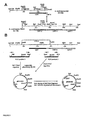
Figure 3. (A) Overview of the 2.6 kb DNA fragment of R. erythropolis SQ1 encoding kshA and its 4.1 kb counterpart in R. erythropolis TA421. The grey bar of ORF12, together with the black arrow (proposed size of ORF12 by Maeda et al. (1995)), represents the actual size of ORF12 in R. erythropolis TA421, which is identical (97%) to kshA. The "X" indicates the point of merger of the two sequences. (B) Scheme of the theoretically merged nucleotide sequences of the DNA fragments of strain SQ1 and strain TA421, and its use in the construction of plasmid pKSH126 for unmarked in-frame kshA gene deletion in strain SQ1 and strain RG8. Numbers 1-4 indicate the primers used to obtainPCR products -
Figure 4 . Cloning scheme for the construction of plasmid pKSH212 used in the construction of kshB unmarked gene deletion mutant strain RG4 from parent strain SQ1. - A pZErO-2.1 (Invitrogen Corp. San Diego, Calif.) derivative was constructed in which the BamHI site was replaced by a BglII site (
Fig. 1 ). A SacI-StuI fragment of pZErO-2.1, containing the lacZ-ccdB gene, was duplicated by PCR using a mutagenic forward primer (5' ACCGAGCTCAGATCTACTAGTAACGGC 3', SEQ ID NO:3), containing the desired BglII restriction site (double underlined) and a SacI restriction site (underlined), and reverse primer (5' ATTCAGGCCTGACATTTATATTCCCC 3', SEQ ID NO:4) with a StuI restriction site (underlined). The obtained PCR product was digested with restriction enzymes SacI and StuI and ligated in SacI-StuI digested pZErO-2.1 (pRES14). The aphII gene from pWJ5 (Jäger, W.A. et al. (1992). J Bacteriol 174:5462-5465) was cloned as blunted HindIII-BamHI fragment (Klenow fill in) into EcoRV digested pBlueScript (II) KS to construct pBsKm1. The unique BglII site in pBsKml was destroyed by BglII digestion followed by Klenow fill in (pRES4). The ampicillin cassette present in pRES4 was removed by self ligation following BspHI digestion (pRES9). A 2.5 kb BglII-XbaI fragment of pMVS301 (Vogt-Singer, M.F. et al., (1988) J. Bacteriol. 170:638-645), containing the region for autonomous replication in Rhodococcus sp., was subsequently ligated into BamHI-XbaI digested pRES9 to construct pRES11. Construction of pRESQ (6.55 kb) was completed by ligating a 4.15 kb BspHIlNcoI fragment of pRES11 into BspHI-NcoI digested pRES14. - Late exponential phase R. erythropolis RG1 (= kstD mutant) cells (2.108 CFUs·ml-1) grown in 10 mM glucose mineral medium were sonicated for a short period of time to obtain single cells. Diluted (104) samples were spread on glucose mineral agar medium and irradiated for 15-20 sec with a UV lamp (Philips TAW 15W) at a distance of 27 cm, on average resulting in 95% killing of cells. After 4 days of incubation, colonies that had appeared were replica plated on AD (0.5 g·l-1 solubilized in DMSO (50 mg·ml-1)) mineral agar medium. A screening for AD(D) growth deficient mutants of R. erythropolis RG1 able to grow on 90HAD mineral medium yielded 2 mutants that were clearly impaired in the KSH reaction. These mutants, designated strain RG1-UV26 and strain RG1-UV39, showed no growth after 3-4 days with either AD or ADD as sole carbon and energy source, while growth on 9OHAD mineral agar medium was normal.
- The R. erythropolis strain RG1 gene library was introduced into strain RG1-UV39 by electrotransformation to complement its mutant phenotype (
Fig. 2 ). A clone was isolated containing a 6 kb insert (pKSH101) that was able to restore growth of strain RG1 -UV39 on AD mineral agar medium. Restriction enzyme mapping analysis, subcloning in pRESQ and subsequent complementation experiments resulted in identification of a 1.8 kb BamHI-Sau3A DNA fragment (pKSH106) that was still able to complement strain RG1-UV39 (Fig. 2 ). This 1.8 kb insert was cloned into pBlueScript (III) KS and its nucleotide sequence determined. Nucleotide sequence analysis revealed a single 1,197 nt ORF (kshA, 499-1695 of SEQ ID NO:1) encoding a putative protein of 398 aa (KshA).
Complementation of R. erythropolis RG1-UV26 with the strain RG1 gene library resulted in isolation of clone pKSH200 able to restore growth of strain RG1-UV26 on AD mineral agar medium (Fig. 2 ). By subsequent restriction mapping analysis, subcloning and complementation experiments of pKSH200 we identified a 2.8 kb BglII-Sau3A fragment (pKSH202) which was still able to restore the mutant phenotype of strain RG1-UV26 (Fig. 2 ). This fragment was subcloned into pBlueScript (II) KS and its nucleotide sequence was determined. The ORF responsible for complementing the RGI-UV26 mutant phenotype was identified from a subsequent complementation experiment. An Asp718 restriction site mapped on the 2.8 kb fragment was used to construct pKSH205, which could no longer complement the mutant phenotype (Fig. 2 ). The Asp718 restriction enzyme thus is located within the ORF responsible for complementation. The identified ORF of 1,041 nt was designated kshB (387-1427 of SEQ ID NO:2; GC content, 62.3%) encoding a putative protein of 346 amino acids with a calculated molecular weight of 37.1 kDa (KshB). - For unmarked in-frame gene deletion of kshA (ΔkshA) pKSH126 was constructed. A 1.3 kb fragment (PCR product 1) was obtained from pKSH101 using a primer (
Fig. 3 primer 1) annealing to sequences upstream of kshA (5' CGCGGGCCCATCGAGAGCACGTT 3', SEQ ID NO:5), and a primer (Fig. 3 primer 2) annealing to the 5'-end of the kshA gene (5' GCGCCCGGGTCCGAGTGCCATGTCTTC 3', SEQ ID NO:6) containing a SmaI site (underlined). Primers forPCR product 2 were developed using the nucleotide sequence of the merged sequences of strain SQ1 and strain TA421 (DDBJ/EMBL/GenBank accession no. D88013). PCR product 2 (840 bp) was obtained from SQ1 chromosomal DNA using forward primer (Fig. 3 primer 3) annealing to the 3' end of the kshA gene (5'GCGCCCGGGACAACCTCCTGATTCGCAGTC 3', SEQ ID NO:7), including a SmaI restriction site (underlined), and reverse primer (Fig. 3 primer 4) annealing to ORF11 (5' GCGTCTAGAGTGGAAGAGCATTCCCTCGCA 3', SEQ ID NO:8), including a XbaI restriction site (underlined). The SmaI restriction site was introduced to give an in-frame deletion of kshA following ligation of this PCR fragment behind the 5'-truncated kshA gene fromPCR product 1. Finally, a 2.05 kb SalI-XbaI fragment from pKSH125 was ligated into pK18mobsacB vector (pKSH126).
Unmarked in-frame deletion of the kshA gene was obtained by introducing the mutagenic vector pKSH126 in strain SQ1 followed by sacB counter selection (WO 01/31050 - For unmarked in-frame gene deletion of KshB construct pKSH212 was made (
Fig. 4 ). For this purpose pKSH201 was fused to a PCR product (1,275 bp) obtained from pKSH202 as a template. PCR product was obtained with forward primer 5' GCGGGTACCGATCGCCTGAAGATCGAGT 3' (SEQ ID NO:9) and reverse primer 5' GCGAAGCTTGCCGGCGTCGCAGCTCTGTG 3' (SEQ ID NO:10) and ligated (blunt) into EcoRV digested pBlueScript(II) KS (pKSH210). At the 5'-terminal end of this PCR product an Asp718 restriction site, preceding the stop codon of kshB (see forward primer), was introduced to ensure proper in-frame deletion of kshB after ligation with the Asp718 restriction site of pKSH201. At the 3'-terminal end a HindIII restriction site (see reverse primer) was added, compatible to the HindIII restriction site of pKSH201, for cloning purposes. PCR product was isolated from pKSH210 by Asp718-HindIII digestion (1,263 bp) and ligated into Asp718-HindIII digested pKSH201 (Fig. 2 ) (pKSH211), thereby introducing the desired kshB in-frame deletion (Fig. 4 ). Finally, a BamHI-HindHI DNA fragment (2.2 kb) containing the kshB deletion was ligated into pK18mobsacB (seeWO 01/31050
Plasmid pKSH212 was introduced into R. erythropolis SQ1 by conjugation using Escherichia coli S17-1. Unmarked kshB gene deletion was obtained using the sacB counter selectable system (WO 01/31050 - Use of a genetically modified strains RG1-UV26, RG1-UV39, RG2, RG4 and RG9 in steroid Δ1-dehydrogenation.
- Strains RG2 and RG4 were plated on mineral agar media containing AD, ADD or 9OHAD as sole carbon and energy source. Both strains showed no growth on AD(D), whereas growth on 9OHAD was comparable to strain SQ1. These phenotypes are in agreement with those found with UV mutant strains RG1-UV26 and RC1-UV39. Bioconversion of AD (1g·l-1) with strain SQ1 results in AD utilization but not in accumulation of ADD or other metabolites. Bioconversion of AD (1 g·l-1) by strain RG2 or strain RG4 resulted in comparable accumulation levels of ADD (varying between 0.3-0.5 g·l-1 after 168 h). AD(D) 9α-hydroxylation thus is blocked by inactivation of either kshA or kshB, demonstrating the essential role of both KshA and KshB in KSH activity in R. erythropolis SQ1. In AD bioconversion experiments with strain RG9, neither a decline in the initial AD concentration nor 90HAD formation was observed. Mutant strain RG9 thus confirms that kshA encodes AD 9α-hydroxylase activity and that, contrary to the KSTD isoenzymes, no further KSH isoenzymes are present in R. erythropolis SQ1.
-
- <110>
<120> Microbial delta-1-dehydrogenation of steroids
<130>
<160> 10
<170> PatentIn version 3.1 - SEQ ID NO:1
- <210> 1
<211> 1770
<212> DNA
<213> Rhodococcus erythropolis SQ1 - <400> 1


- SEQ ID NO:2
- <210> 2
<211> 1500
<212> DNA
<213> Rhodococcus erythropolis SQ1
<400> 2

- SEQ ID NO:3
- <210> 3
<211> 27
<212> DNA
<213> artificial: primer - <400> 3
accgagctca gatctactag taacggc 27 - SEQ ID NO:4
- <210> 4
<211> 26
<212> DNA
<213> artificial: primer - <400> 4
attcaggcct gacatttata ttcccc 26 - SEQ ID NO:5
- <210> 5
<211> 23
<212> DNA
<213> artificial: primer - <400> 5
cgcgggccca tcgagagcac gtt 23 - SEQ ID NO:6
- <210> 6
<211> 27
<212> DNA
<213> artificial: primer - <400> 6
gcgcccgggt ccgagtgcca tgtcttc 27 - SEQ ID NO:7
- <210> 7
<211> 30
<212> DNA
<213> artificial: primer - <400> 7
gcgcccggga caacctcctg attcgcagtc 30 - SEQ ID NO:8
- <210> 8
<211> 30
<212> DNA
<213> artificial: primer - <400> 8
gcgtctagag tggaagagca ttccctcgca 30 - SEQ ID NO:9
- <210> 9
<211> 28
<212> DNA
<213> artificial: primer - <400> 9
gcgggtaccg atcgcctgaa gatcgagt 28 - SEQ ID NO:10
- <210> 10
<211> 29
<212> DNA
<213> artificial: primer - <400> 10
gcgaagcttg ccggcgtcgc agctctgtg 29
Claims (7)
- A method to construct a genetically modified strain of a steroid degrading microorganism lacking the ability to degrade the steroid nucleus, the method comprising inactivation of the genes encoding KSH-activity, the gene kshA of SEQ ID NO:1, and/or the gene kshB of SEQ ID NO:2.
- The method of claim 1, wherein the inactivation of the gene(s) is accomplished by targeted, preferably unmarked, gene deletion.
- A microorganism blocked in 3-ketosteroid 9α-hydroxylase activity characterized in that it is a genetically modified microorganism, preferably of the family of Actinomycetales, obtainable by the method according to claim 1 or 2.
- The microorganism of claim 3, being of the Rhodococcus genus.
- The microorganism according to any one of claims 3 or 4, wherein also at least one gene encoding 3-ketosteroid Δ1-dehydrogenase activity is inactivated, preferably by unmarked gene deletion.
- The microorganism according to any one of claims 3-5, being selected from the genetically modified microorganism RG2, RG4 and RG9, DSM 14544, DSM 14545 and DSM 14546 respectively
- A use of a genetically modified microorganism according to claims 3-6 in steroid Δ1-dehydrogenation, preferably in the preparation of 1,4-androstadiene-3,17-dione and prednisolone.
Priority Applications (1)
| Application Number | Priority Date | Filing Date | Title |
|---|---|---|---|
| EP03714925A EP1478742B1 (en) | 2002-02-21 | 2003-02-19 | Identification of 3-ketosteroid 9-alfa-hydroxylase genes and microorganisms blocked in 3-ketosteroid 9-alfa-hydroxylase activity |
Applications Claiming Priority (4)
| Application Number | Priority Date | Filing Date | Title |
|---|---|---|---|
| EP02075723 | 2002-02-21 | ||
| EP02075723 | 2002-02-21 | ||
| EP03714925A EP1478742B1 (en) | 2002-02-21 | 2003-02-19 | Identification of 3-ketosteroid 9-alfa-hydroxylase genes and microorganisms blocked in 3-ketosteroid 9-alfa-hydroxylase activity |
| PCT/EP2003/050025 WO2003070925A2 (en) | 2002-02-21 | 2003-02-19 | Identification of 3-ketosteroid 9-alfa-hydroxylase genes and microorganisms blocked in 3-ketosteroid 9-alfa-hydroxylase activity |
Publications (2)
| Publication Number | Publication Date |
|---|---|
| EP1478742A2 EP1478742A2 (en) | 2004-11-24 |
| EP1478742B1 true EP1478742B1 (en) | 2010-04-21 |
Family
ID=27741192
Family Applications (1)
| Application Number | Title | Priority Date | Filing Date |
|---|---|---|---|
| EP03714925A Expired - Lifetime EP1478742B1 (en) | 2002-02-21 | 2003-02-19 | Identification of 3-ketosteroid 9-alfa-hydroxylase genes and microorganisms blocked in 3-ketosteroid 9-alfa-hydroxylase activity |
Country Status (8)
| Country | Link |
|---|---|
| US (3) | US7223579B2 (en) |
| EP (1) | EP1478742B1 (en) |
| JP (1) | JP2005517443A (en) |
| AT (1) | ATE465247T1 (en) |
| AU (1) | AU2003219134A1 (en) |
| DE (1) | DE60332213D1 (en) |
| ES (1) | ES2342271T3 (en) |
| WO (1) | WO2003070925A2 (en) |
Families Citing this family (6)
| Publication number | Priority date | Publication date | Assignee | Title |
|---|---|---|---|---|
| DE102006057218A1 (en) * | 2006-12-01 | 2008-06-05 | Gkn Driveline International Gmbh | Drive arrangement with intermediate shaft and coupling unit |
| WO2009024572A1 (en) * | 2007-08-21 | 2009-02-26 | N.V. Organon | Method for the production of modified steroid degrading microorganisms and their use |
| BRPI1005827A2 (en) * | 2009-02-23 | 2016-03-08 | Univ Groningen | pharmaceutical composition and method for treating an individual suffering from a disease caused by a bacterium |
| ES2732749T3 (en) | 2014-02-27 | 2019-11-25 | Consejo Superior Investigacion | Selective recombinant Mycobacterium smegmatis mc2 155 mutants and their use for the production of 1,4-androstadien-3,17-dione or 4-androsten-3,17-dione from natural sterols |
| GB2577037A (en) * | 2018-08-09 | 2020-03-18 | Cambrex Karlskoga Ab | Genetically-modified bacteria and uses thereof |
| CN114621965B (en) * | 2022-02-15 | 2023-10-03 | 复旦大学 | A kind of 3-sterone-Δ1-dehydrogenase mutant and its application |
Family Cites Families (2)
| Publication number | Priority date | Publication date | Assignee | Title |
|---|---|---|---|---|
| DE3521111A1 (en) * | 1985-06-10 | 1986-12-11 | Schering AG, 1000 Berlin und 4709 Bergkamen | METHOD FOR PRODUCING 4-ANDROSTEN-3,17-DION AND 1,4-ANDROSTADIENE-3,17-DION |
| EP1232278A1 (en) | 1999-10-22 | 2002-08-21 | Akzo Nobel N.V. | MICROBIAL 9$g(a)-HYDROXYLATION OF STEROIDS |
-
2003
- 2003-02-19 AT AT03714925T patent/ATE465247T1/en not_active IP Right Cessation
- 2003-02-19 AU AU2003219134A patent/AU2003219134A1/en not_active Abandoned
- 2003-02-19 EP EP03714925A patent/EP1478742B1/en not_active Expired - Lifetime
- 2003-02-19 ES ES03714925T patent/ES2342271T3/en not_active Expired - Lifetime
- 2003-02-19 DE DE60332213T patent/DE60332213D1/en not_active Expired - Lifetime
- 2003-02-19 WO PCT/EP2003/050025 patent/WO2003070925A2/en not_active Ceased
- 2003-02-19 JP JP2003569818A patent/JP2005517443A/en not_active Withdrawn
- 2003-02-19 US US10/504,034 patent/US7223579B2/en not_active Expired - Fee Related
-
2007
- 2007-01-18 US US11/654,748 patent/US7514236B2/en not_active Expired - Fee Related
- 2007-04-03 US US11/695,809 patent/US7432075B2/en not_active Expired - Fee Related
Also Published As
| Publication number | Publication date |
|---|---|
| EP1478742A2 (en) | 2004-11-24 |
| JP2005517443A (en) | 2005-06-16 |
| ATE465247T1 (en) | 2010-05-15 |
| ES2342271T3 (en) | 2010-07-05 |
| DE60332213D1 (en) | 2010-06-02 |
| US7432075B2 (en) | 2008-10-07 |
| US20070178550A1 (en) | 2007-08-02 |
| WO2003070925A9 (en) | 2005-01-06 |
| WO2003070925A2 (en) | 2003-08-28 |
| US7223579B2 (en) | 2007-05-29 |
| US20070111277A1 (en) | 2007-05-17 |
| WO2003070925A3 (en) | 2004-04-08 |
| US7514236B2 (en) | 2009-04-07 |
| US20060040343A1 (en) | 2006-02-23 |
| AU2003219134A1 (en) | 2003-09-09 |
Similar Documents
| Publication | Publication Date | Title |
|---|---|---|
| US7432075B2 (en) | Indentification of 3-ketosteroid 9-alfa-hydroxylase genes and microorganisms blocked in 3-ketosteroid 9-alfa-hydroxylase activity | |
| JP2012040016A (en) | Thermophilic microorganism with inactivated lactate dehydrogenase (ldh) gene for ethanol production | |
| JP2005512514A (en) | Genes coding for buyer / bilger monooxygenase | |
| CN1224716C (en) | Microbial 9alpha-hydroxylation of steroids | |
| JP4801151B2 (en) | Modified microorganism with inactivated lactate dehydrogenase gene | |
| Bergeron et al. | Identification and mapping of the gene translation products involved in the first steps of the Comamonas testosteroni B-356 biphenyl/chlorobiphenyl biodegradation pathway | |
| US8759024B2 (en) | Process for the production of riboflavin | |
| EP1570063A1 (en) | New expression system from rhodococcus | |
| WO2006066758A1 (en) | Mutant of the prob gene from coryneform bacteria | |
| AU2022302574A1 (en) | Strain for producing highly concentrated l-glutamic acid, and l-glutamic acid production method using same | |
| US20040171119A1 (en) | Reductase gene and use of the same | |
| IL118714A (en) | Isolated cell which contains at least one dna sequence coding for a protein with a sucrose isomerase activity and processes for the preparation thereof | |
| EP1481064B1 (en) | Fermentation process | |
| Konovalova et al. | Degradation of 4-chlorophenol by the strain Rhodococcus opacus 6a | |
| US20050227356A1 (en) | Novel compositions and methods for genetic manipulation of Rhodococcus bacteria | |
| JP2004504025A (en) | A gene encoding Comamonas cyclopentanone 1,2-monooxygenase in Escherichia coli | |
| Gilmour et al. | Genetic transfer of lactate‐utilizing ability in the rumen bacterium Selenomonas ruminantium | |
| US20090186390A1 (en) | Method for the Production of Modified Steroid Degrading Microorganisms and their Use | |
| ZA200501158B (en) | Nucleotide sequences that encode deregulated phosphoglycerate dehydrogenases of coryneform bacteria and method for producing L-serine | |
| van der Geize | Engineering of steroid biotransformation in rhodococcus | |
| Horinouchi et al. | Testosterone degradation genes in Comamonas testosteroni TA441 II: ORF12 and tesD, E, F, G | |
| HUP0000718A2 (en) | A DNA fragment containing a gene related to biotin biosynthesis and a method for its use | |
| JPWO1996019571A1 (en) | DNA encoding maleate isomerase and its use | |
| JPH10313871A (en) | DNA encoding maleate isomerase and use thereof |
Legal Events
| Date | Code | Title | Description |
|---|---|---|---|
| PUAI | Public reference made under article 153(3) epc to a published international application that has entered the european phase |
Free format text: ORIGINAL CODE: 0009012 |
|
| AK | Designated contracting states |
Kind code of ref document: A2 Designated state(s): AT BE BG CH CY CZ DE DK EE ES FI FR GB GR HU IE IT LI LU MC NL PT SE SI SK TR |
|
| AX | Request for extension of the european patent |
Extension state: AL LT LV MK RO |
|
| 17P | Request for examination filed |
Effective date: 20041008 |
|
| RIN1 | Information on inventor provided before grant (corrected) |
Inventor name: VAN DER MEIJDEN, PETER Inventor name: DIJKHUIZEN, LUBBERT Inventor name: HESSELS, GERDA Inventor name: VAN DER GEIZE, ROBERT |
|
| 17Q | First examination report despatched |
Effective date: 20050518 |
|
| RAP1 | Party data changed (applicant data changed or rights of an application transferred) |
Owner name: N.V. ORGANON |
|
| 17Q | First examination report despatched |
Effective date: 20050518 |
|
| GRAP | Despatch of communication of intention to grant a patent |
Free format text: ORIGINAL CODE: EPIDOSNIGR1 |
|
| GRAS | Grant fee paid |
Free format text: ORIGINAL CODE: EPIDOSNIGR3 |
|
| GRAA | (expected) grant |
Free format text: ORIGINAL CODE: 0009210 |
|
| AK | Designated contracting states |
Kind code of ref document: B1 Designated state(s): AT BE BG CH CY CZ DE DK EE ES FI FR GB GR HU IE IT LI LU MC NL PT SE SI SK TR |
|
| REG | Reference to a national code |
Ref country code: GB Ref legal event code: FG4D |
|
| REG | Reference to a national code |
Ref country code: CH Ref legal event code: EP |
|
| REG | Reference to a national code |
Ref country code: NL Ref legal event code: T3 |
|
| REG | Reference to a national code |
Ref country code: CH Ref legal event code: NV Representative=s name: ISLER & PEDRAZZINI AG |
|
| REG | Reference to a national code |
Ref country code: IE Ref legal event code: FG4D |
|
| REF | Corresponds to: |
Ref document number: 60332213 Country of ref document: DE Date of ref document: 20100602 Kind code of ref document: P |
|
| REG | Reference to a national code |
Ref country code: ES Ref legal event code: FG2A Ref document number: 2342271 Country of ref document: ES Kind code of ref document: T3 |
|
| PG25 | Lapsed in a contracting state [announced via postgrant information from national office to epo] |
Ref country code: SE Free format text: LAPSE BECAUSE OF FAILURE TO SUBMIT A TRANSLATION OF THE DESCRIPTION OR TO PAY THE FEE WITHIN THE PRESCRIBED TIME-LIMIT Effective date: 20100421 |
|
| REG | Reference to a national code |
Ref country code: HU Ref legal event code: AG4A Ref document number: E008414 Country of ref document: HU |
|
| PG25 | Lapsed in a contracting state [announced via postgrant information from national office to epo] |
Ref country code: AT Free format text: LAPSE BECAUSE OF FAILURE TO SUBMIT A TRANSLATION OF THE DESCRIPTION OR TO PAY THE FEE WITHIN THE PRESCRIBED TIME-LIMIT Effective date: 20100421 Ref country code: FI Free format text: LAPSE BECAUSE OF FAILURE TO SUBMIT A TRANSLATION OF THE DESCRIPTION OR TO PAY THE FEE WITHIN THE PRESCRIBED TIME-LIMIT Effective date: 20100421 Ref country code: SI Free format text: LAPSE BECAUSE OF FAILURE TO SUBMIT A TRANSLATION OF THE DESCRIPTION OR TO PAY THE FEE WITHIN THE PRESCRIBED TIME-LIMIT Effective date: 20100421 |
|
| PG25 | Lapsed in a contracting state [announced via postgrant information from national office to epo] |
Ref country code: GR Free format text: LAPSE BECAUSE OF FAILURE TO SUBMIT A TRANSLATION OF THE DESCRIPTION OR TO PAY THE FEE WITHIN THE PRESCRIBED TIME-LIMIT Effective date: 20100722 Ref country code: CY Free format text: LAPSE BECAUSE OF FAILURE TO SUBMIT A TRANSLATION OF THE DESCRIPTION OR TO PAY THE FEE WITHIN THE PRESCRIBED TIME-LIMIT Effective date: 20100421 |
|
| PG25 | Lapsed in a contracting state [announced via postgrant information from national office to epo] |
Ref country code: EE Free format text: LAPSE BECAUSE OF FAILURE TO SUBMIT A TRANSLATION OF THE DESCRIPTION OR TO PAY THE FEE WITHIN THE PRESCRIBED TIME-LIMIT Effective date: 20100421 Ref country code: PT Free format text: LAPSE BECAUSE OF FAILURE TO SUBMIT A TRANSLATION OF THE DESCRIPTION OR TO PAY THE FEE WITHIN THE PRESCRIBED TIME-LIMIT Effective date: 20100823 Ref country code: DK Free format text: LAPSE BECAUSE OF FAILURE TO SUBMIT A TRANSLATION OF THE DESCRIPTION OR TO PAY THE FEE WITHIN THE PRESCRIBED TIME-LIMIT Effective date: 20100421 |
|
| PLBE | No opposition filed within time limit |
Free format text: ORIGINAL CODE: 0009261 |
|
| STAA | Information on the status of an ep patent application or granted ep patent |
Free format text: STATUS: NO OPPOSITION FILED WITHIN TIME LIMIT |
|
| PG25 | Lapsed in a contracting state [announced via postgrant information from national office to epo] |
Ref country code: CZ Free format text: LAPSE BECAUSE OF FAILURE TO SUBMIT A TRANSLATION OF THE DESCRIPTION OR TO PAY THE FEE WITHIN THE PRESCRIBED TIME-LIMIT Effective date: 20100421 Ref country code: BE Free format text: LAPSE BECAUSE OF FAILURE TO SUBMIT A TRANSLATION OF THE DESCRIPTION OR TO PAY THE FEE WITHIN THE PRESCRIBED TIME-LIMIT Effective date: 20100421 Ref country code: SK Free format text: LAPSE BECAUSE OF FAILURE TO SUBMIT A TRANSLATION OF THE DESCRIPTION OR TO PAY THE FEE WITHIN THE PRESCRIBED TIME-LIMIT Effective date: 20100421 |
|
| 26N | No opposition filed |
Effective date: 20110124 |
|
| REG | Reference to a national code |
Ref country code: NL Ref legal event code: V1 Effective date: 20110901 |
|
| PG25 | Lapsed in a contracting state [announced via postgrant information from national office to epo] |
Ref country code: MC Free format text: LAPSE BECAUSE OF NON-PAYMENT OF DUE FEES Effective date: 20110228 |
|
| REG | Reference to a national code |
Ref country code: CH Ref legal event code: PL |
|
| GBPC | Gb: european patent ceased through non-payment of renewal fee |
Effective date: 20110219 |
|
| PG25 | Lapsed in a contracting state [announced via postgrant information from national office to epo] |
Ref country code: LI Free format text: LAPSE BECAUSE OF NON-PAYMENT OF DUE FEES Effective date: 20110228 Ref country code: CH Free format text: LAPSE BECAUSE OF NON-PAYMENT OF DUE FEES Effective date: 20110228 |
|
| REG | Reference to a national code |
Ref country code: FR Ref legal event code: ST Effective date: 20111102 |
|
| REG | Reference to a national code |
Ref country code: IE Ref legal event code: MM4A |
|
| PG25 | Lapsed in a contracting state [announced via postgrant information from national office to epo] |
Ref country code: IT Free format text: LAPSE BECAUSE OF NON-PAYMENT OF DUE FEES Effective date: 20110219 Ref country code: NL Free format text: LAPSE BECAUSE OF NON-PAYMENT OF DUE FEES Effective date: 20110901 |
|
| REG | Reference to a national code |
Ref country code: DE Ref legal event code: R119 Ref document number: 60332213 Country of ref document: DE Effective date: 20110901 |
|
| PG25 | Lapsed in a contracting state [announced via postgrant information from national office to epo] |
Ref country code: IE Free format text: LAPSE BECAUSE OF NON-PAYMENT OF DUE FEES Effective date: 20110219 Ref country code: FR Free format text: LAPSE BECAUSE OF NON-PAYMENT OF DUE FEES Effective date: 20110228 |
|
| PG25 | Lapsed in a contracting state [announced via postgrant information from national office to epo] |
Ref country code: GB Free format text: LAPSE BECAUSE OF NON-PAYMENT OF DUE FEES Effective date: 20110219 |
|
| REG | Reference to a national code |
Ref country code: ES Ref legal event code: FD2A Effective date: 20120411 |
|
| PG25 | Lapsed in a contracting state [announced via postgrant information from national office to epo] |
Ref country code: ES Free format text: LAPSE BECAUSE OF NON-PAYMENT OF DUE FEES Effective date: 20110220 |
|
| PG25 | Lapsed in a contracting state [announced via postgrant information from national office to epo] |
Ref country code: LU Free format text: LAPSE BECAUSE OF NON-PAYMENT OF DUE FEES Effective date: 20110219 |
|
| PG25 | Lapsed in a contracting state [announced via postgrant information from national office to epo] |
Ref country code: DE Free format text: LAPSE BECAUSE OF NON-PAYMENT OF DUE FEES Effective date: 20110901 |
|
| PG25 | Lapsed in a contracting state [announced via postgrant information from national office to epo] |
Ref country code: TR Free format text: LAPSE BECAUSE OF FAILURE TO SUBMIT A TRANSLATION OF THE DESCRIPTION OR TO PAY THE FEE WITHIN THE PRESCRIBED TIME-LIMIT Effective date: 20100421 Ref country code: BG Free format text: LAPSE BECAUSE OF FAILURE TO SUBMIT A TRANSLATION OF THE DESCRIPTION OR TO PAY THE FEE WITHIN THE PRESCRIBED TIME-LIMIT Effective date: 20100721 |
|
| PG25 | Lapsed in a contracting state [announced via postgrant information from national office to epo] |
Ref country code: HU Free format text: LAPSE BECAUSE OF NON-PAYMENT OF DUE FEES Effective date: 20110220 |