EP1471153A2 - Transcriptional activity assay - Google Patents
Transcriptional activity assay Download PDFInfo
- Publication number
- EP1471153A2 EP1471153A2 EP04006035A EP04006035A EP1471153A2 EP 1471153 A2 EP1471153 A2 EP 1471153A2 EP 04006035 A EP04006035 A EP 04006035A EP 04006035 A EP04006035 A EP 04006035A EP 1471153 A2 EP1471153 A2 EP 1471153A2
- Authority
- EP
- European Patent Office
- Prior art keywords
- compound
- ifn
- biological activity
- peg
- modified
- Prior art date
- Legal status (The legal status is an assumption and is not a legal conclusion. Google has not performed a legal analysis and makes no representation as to the accuracy of the status listed.)
- Ceased
Links
- 0 C*OC(NCC(C(**)=O)NC(O*=*)=O)=O Chemical compound C*OC(NCC(C(**)=O)NC(O*=*)=O)=O 0.000 description 1
Images


Classifications
-
- C—CHEMISTRY; METALLURGY
- C12—BIOCHEMISTRY; BEER; SPIRITS; WINE; VINEGAR; MICROBIOLOGY; ENZYMOLOGY; MUTATION OR GENETIC ENGINEERING
- C12Q—MEASURING OR TESTING PROCESSES INVOLVING ENZYMES, NUCLEIC ACIDS OR MICROORGANISMS; COMPOSITIONS OR TEST PAPERS THEREFOR; PROCESSES OF PREPARING SUCH COMPOSITIONS; CONDITION-RESPONSIVE CONTROL IN MICROBIOLOGICAL OR ENZYMOLOGICAL PROCESSES
- C12Q1/00—Measuring or testing processes involving enzymes, nucleic acids or microorganisms; Compositions therefor; Processes of preparing such compositions
- C12Q1/68—Measuring or testing processes involving enzymes, nucleic acids or microorganisms; Compositions therefor; Processes of preparing such compositions involving nucleic acids
- C12Q1/6809—Methods for determination or identification of nucleic acids involving differential detection
Definitions
- the present invention relates to a novel method for determining the biological activity of compounds which can modulate gene transcription, and based on this method, a method for the determination of the relative biological activity of a compound and a method for the identification of compounds which modulate gene transcription.
- the methods of this invention are particularly useful for identifying compounds that may be of use in the treatment of diseases which depend on the modulation of gene transcription within affected cells and tissues.
- the biological activity of compounds that regulate cellular functions such as cell proliferation or viral protection is commonly determined by measuring increases or decreases of binding activities of these factors and/or compounds either to native or recombinant receptors in vitro, or in cell-based binding assays.
- a disadvantage of these assays for the evaluation of the biological activity of compounds resides in the fact that the binding affinity does not necessarily correlate with the biological activity of a compound.
- a more direct and, therefore, more reliable determination of the biological activity of compounds can be achieved by well known assays such a cell proliferation, cell survival or cell migration assays. Such assays are, however, more cumbersome, especially for larger scale screenings.
- compounds which regulate such cellular activities also modulate gene transcription.
- the biological activity of such compounds may be determined by measuring the modulation of gene transcription, which is commonly done by reporter assays, which necessitate the generation of recombinant cells expressing a suitable reporter construct.
- the biological activity of such compounds may be determined by measuring the expression of suitable target genes, eg. by Northern Blot analysis or quantitative PCR, which is, however, not efficient.
- the problem of the present invention was to provide a reliable and easy method for the determination of the biological activity of a modulator of transcriptional activity which lacks the disadvantages of binding assays, but is more efficient than the commonly used activity assays.
- the biological activity of a compound can be determined more reliably by using a novel method based on the determination of the general transcriptional gene response induced by said compound comprising quantitation of signal intensities of genes which are transcriptionally regulated by said compound.
- the present invention provides a novel method for determining the biological activity of a compound which can modulate gene transcription, comprising the steps of a) contacting a host with a compound; b) determining the general transcriptional gene response of the host; and c) quantitating the general transcriptional gene response induced by said compound.
- the biological activity of said compound is given by the sum of the normalized average difference of signal intensities quantitated in step c).
- the general transcriptional gene response is determined by an DNA array technology.
- the array technology is an oligonucleotide array technology.
- the DNA or oligonucleotide arrays are high density DNA or oligonucleotide arrays.
- oligonucleotide arrays are GeneChip arrays.
- general transcriptional gene response refers to the biological activity of a compound given by the sum of the normalized average difference of signal intensities of genes regulated by said compound in a responsive host.
- the determination of the general transcriptional gene response is achieved by hybridizing labeled cDNA from the treated hosts with DNA or more preferably oligonucleotide arrays.
- the raw data of the arrays is then measured, eg. with a confocal laser scanner (Hewlett Packard, U.S.) as a non-limiting example, and pixel levels are analyzed using commonly known methods.
- the expression level for each gene is calculated as a normalized average difference of intensity as compared to hybridization to mismatched oligonucleotides, and expressed in arbitrary units (AD).
- AD arbitrary units
- Four criteria are applied to select differentially expressed genes: (1) The intensity value of treated cells was at least two fold higher than the intensity value of untreated cells. (2) The intensity value in the treated cells should be higher or at least 50 arbitrary units (AD). (3) The intensity value of the untreated cells should be lower than 50 AD. (4) The standard deviation has to be significantly lower than the absolute change in average difference and the calculated confidence level of a gene is set to greater than 97% (p value ⁇ 0.03).
- the general transcriptional gene response of the host induced by a compound is then quantitated by obtaining the sum of the normalized average difference of signal intensities (sum of arbitrary units, ⁇ AD).
- the host used for the method of the present invention may be a whole non-human organism, which includes, but is not limited to a transgenic or a knockout animal; specific types of tissue from any species, which includes, but is not limited to liver, heart, kidney, or primary cell isolates, such as blood cells or primary cells isolated from a tissue, or cell lines.
- the host or hosts used to determine the biological activity of a compound by the present invention has to be responsive to a compound of interest.
- responsive refers to the ability of a host to exhibit elevated or reduced transcription of genes in response to a compound.
- a melanoma cell line ME15 (CNCM I-2546 in WO02/18633) can be used to determine the biological activity of PEG-IFN or PEG-IFN isoforms by the method of the present invention.
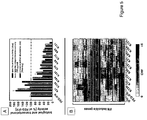
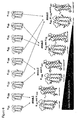
- the major advantages of the present invention as compared to the commonly used activity assays or methods for determining gene transcription such as reporter assays or Northern Blotting are that the method does not require the preparation of any cell lines transfected with reporter constructs, and it allows for an easy and efficient analysis of a multitude of genes that are transcriptionally regulated, thus rendering the activity assays more efficient and reliable. Furthermore, as shown in Figure 4, binding activities do not always correlate with biological activity, while the determination of the transcriptional activity of compounds based on the determination of the general transcriptional gene response does correlate. Thus, the method of the present invention allows a more accurate determination of the biological activity of compounds than do binding assays.
- the compound of the method hereinbefore described is a modified compound, more preferably a modified protein, even more preferably a pegylated protein, or most preferably, a specific isolated isoform of a pegylated protein.
- the pegylated protein is erythropoietin (EPO) or interferon (IFN).
- PEG-IFN includes IFN- ⁇ s derived from any natural material (e.g., leukocytes, fibroblasts, lymphocytes) or material derived therefrom (e.g. cell lines), or those prepared with recombinant DNA technology. Details of the cloning of IFN ⁇ and the direct expression thereof, especially in E. coli, have been the subject of many publications. The preparation of recombinant IFN ⁇ s is known, for example from Goeddel et al. (1980) Nature 284, 316-320 and (1981), Nature 290, 20-26, and European Patents Nos. 32134, 43980 and 211148.
- IFN ⁇ I IFN ⁇ I
- IFN ⁇ 2 IFN ⁇ 2
- subtypes including but not limited to IFN ⁇ 2A, IFN ⁇ 2B, IFN ⁇ 2C and IFN ⁇ II (also designated IFN ⁇ II or ⁇ -IFN).
- IFN ⁇ also includes consensus IFN ⁇ available from Amgen or mixtures of natural and/or recombinant IFN ⁇ s.
- the use of IFN ⁇ 2A is preferred.
- the manufacture of IFN ⁇ 2A is described in European Patents Nos. 43980 and 211148.
- the IFN- ⁇ is conjugated to a polymer such as a polyalkylene glycol (substituted or unsubstituted), for example, polyethylene glycol, to form PEG-IFN- ⁇ conjugate.
- Conjugation may be accomplished by means of various linkers known in the art, in particular by linkers such as those disclosed in European Patent Applications, Publication Nos. 0510356, 0593868 and 0809996.
- the molecular weight of the polymer which is preferably polyethylene glycol, may range from 300 to 70.000 daltons, and one or more, preferably one to three, polymers may be conjugated to the IFN- ⁇ .
- a preferred PEG-IFN- ⁇ conjugate has the formula: where R and R' are methyl, X is NH, and n and n' are individually or both either 420 or 520.
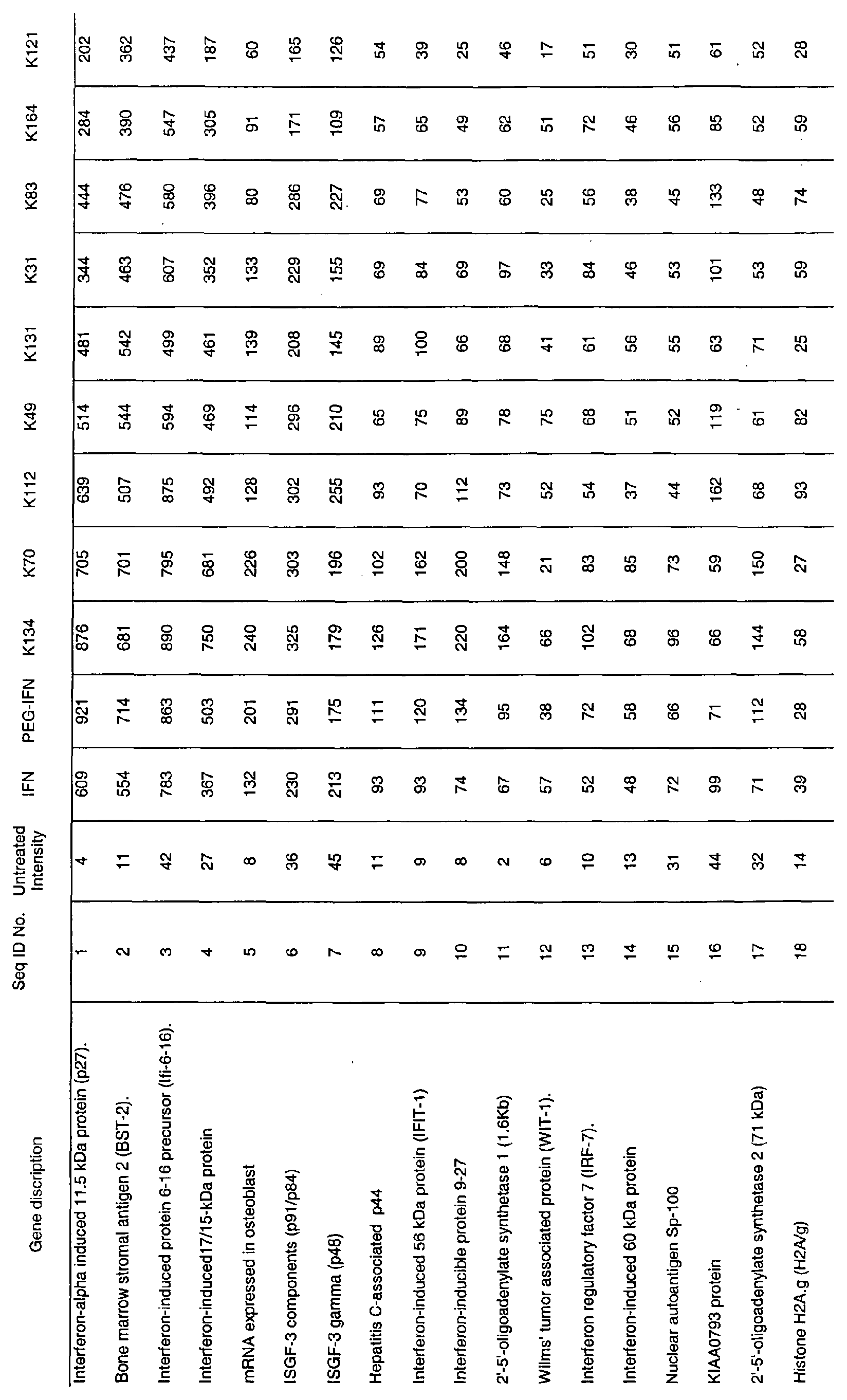
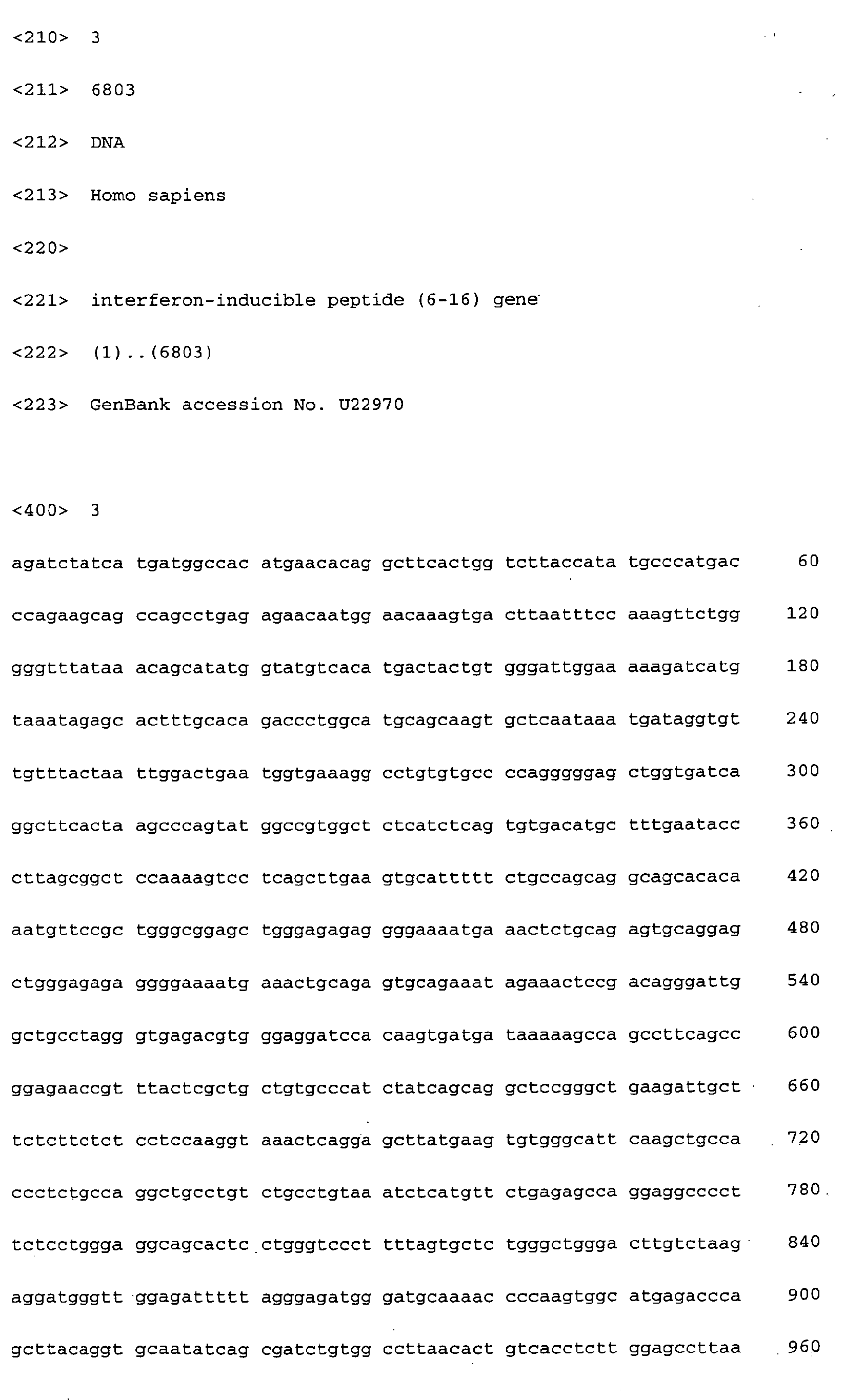
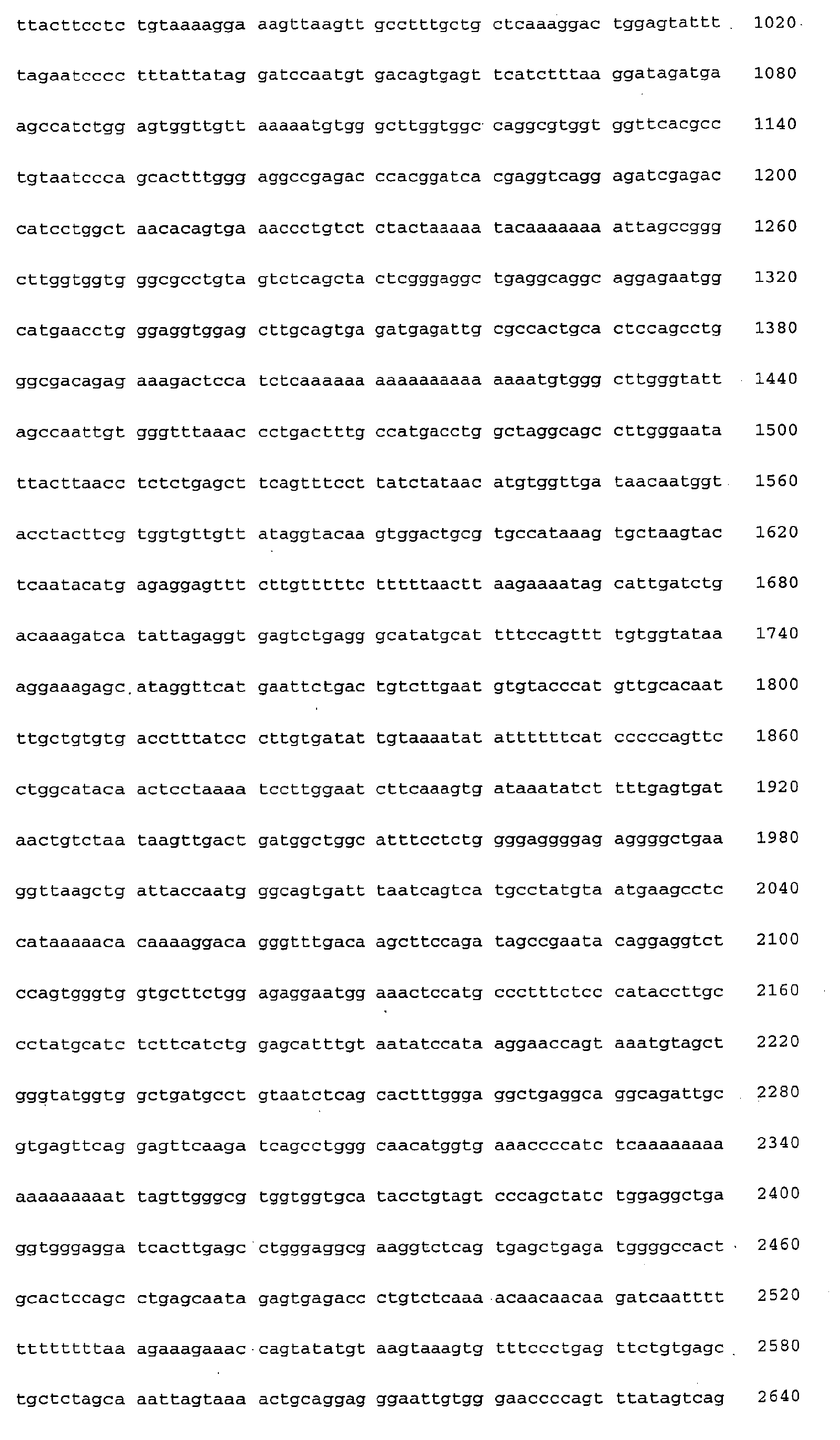
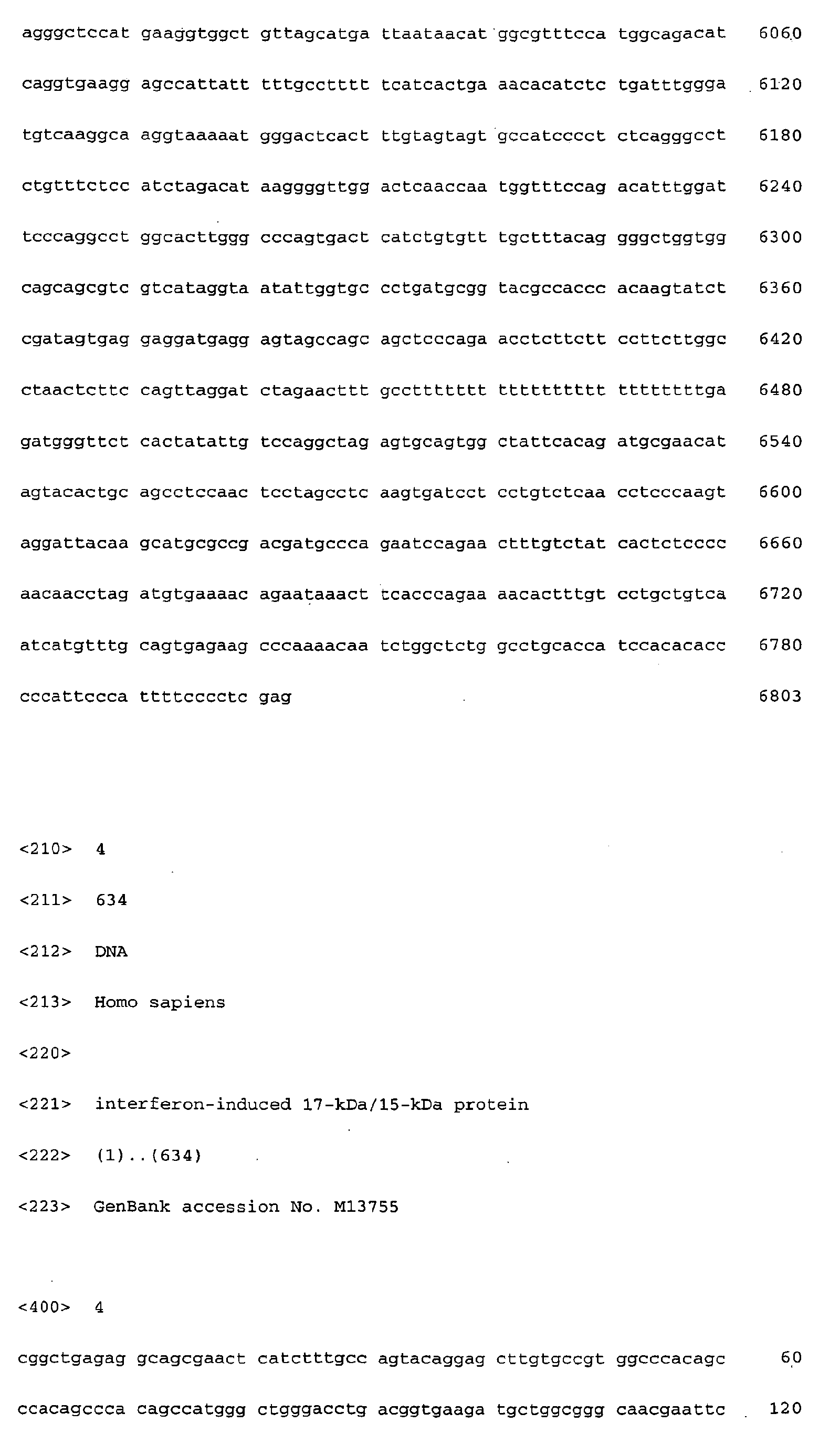
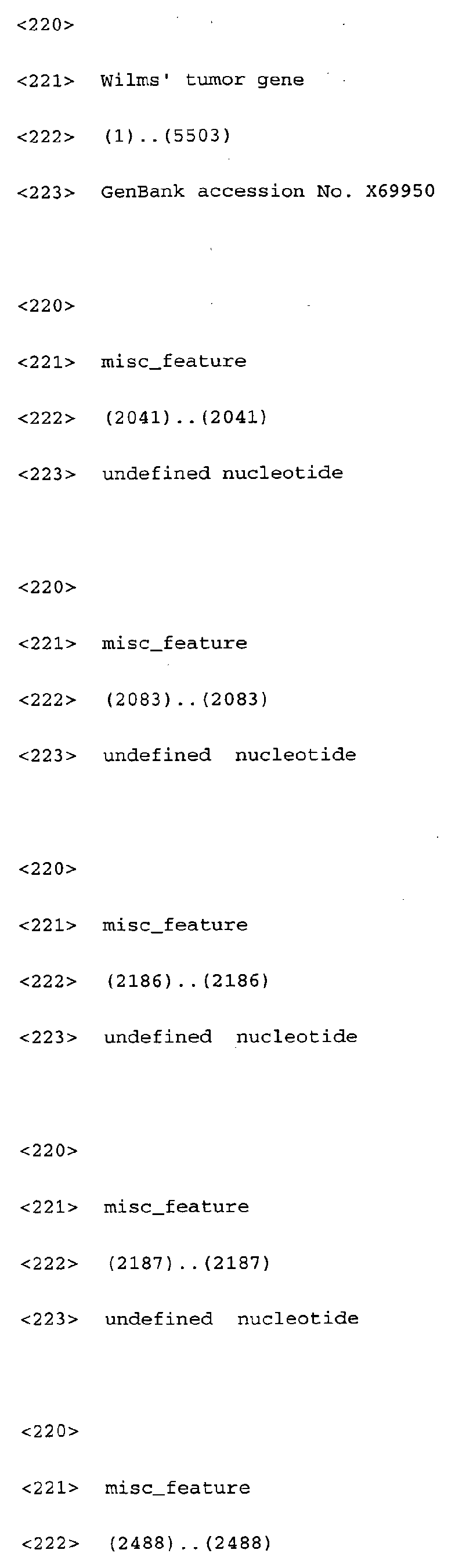
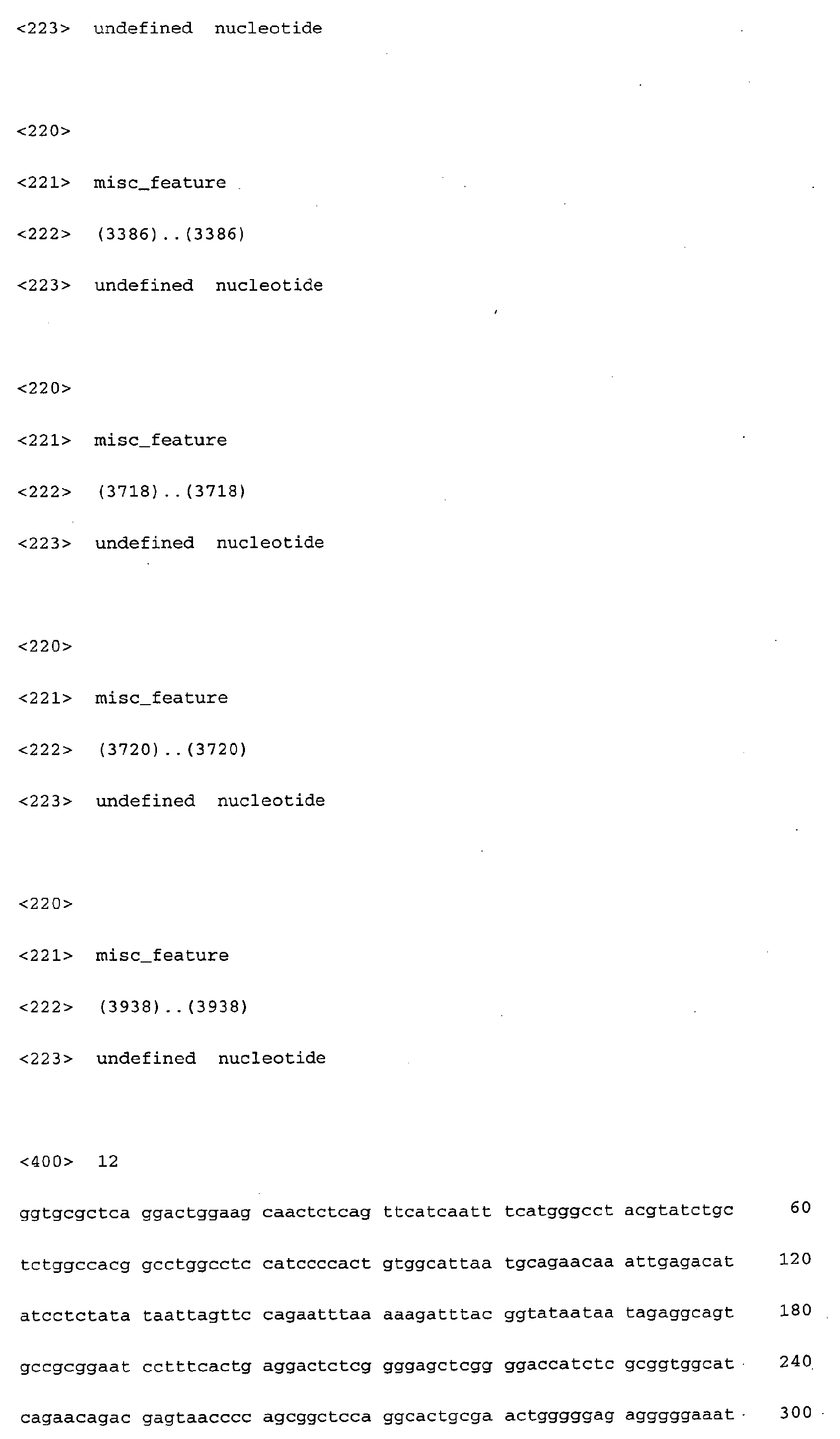
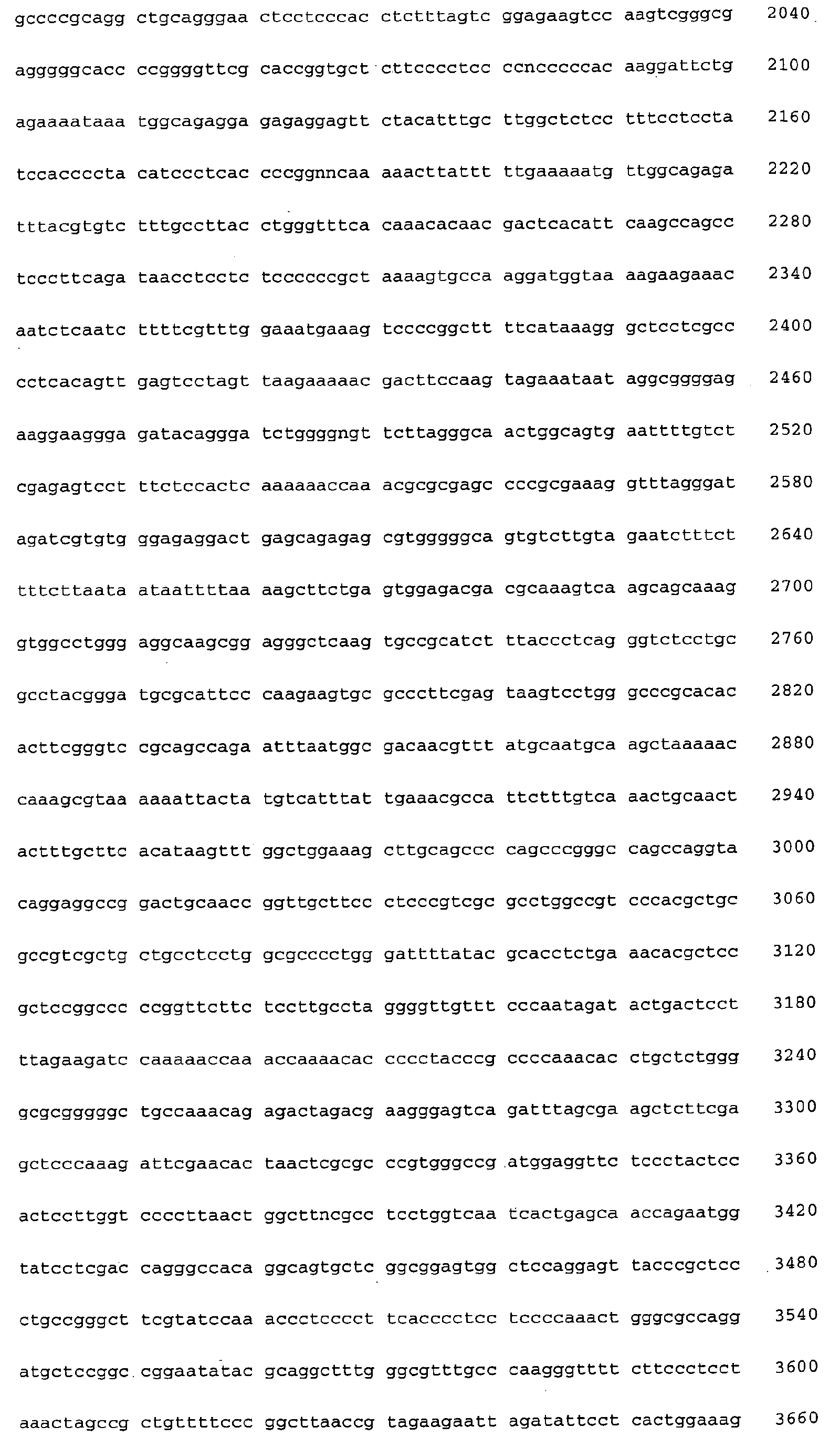
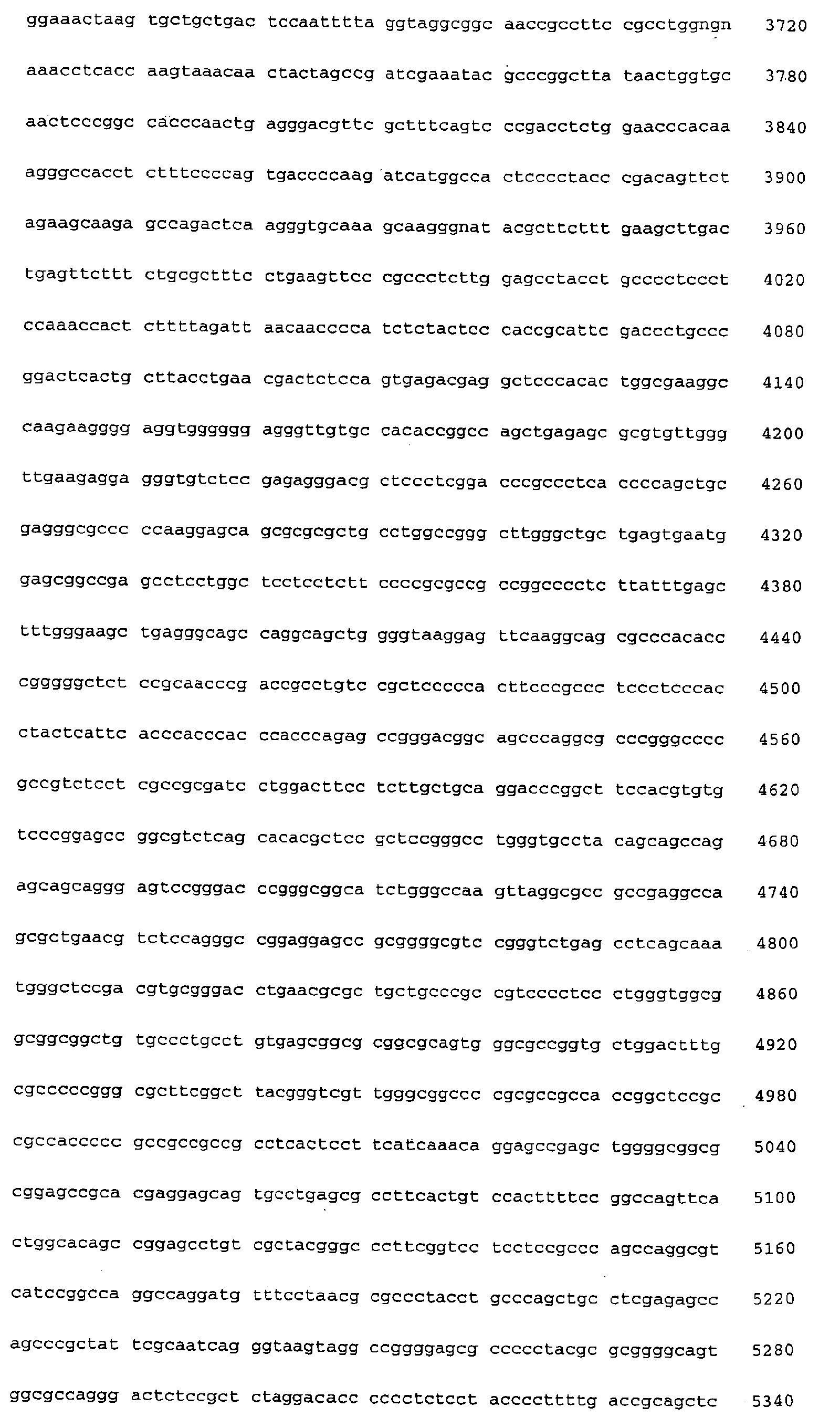
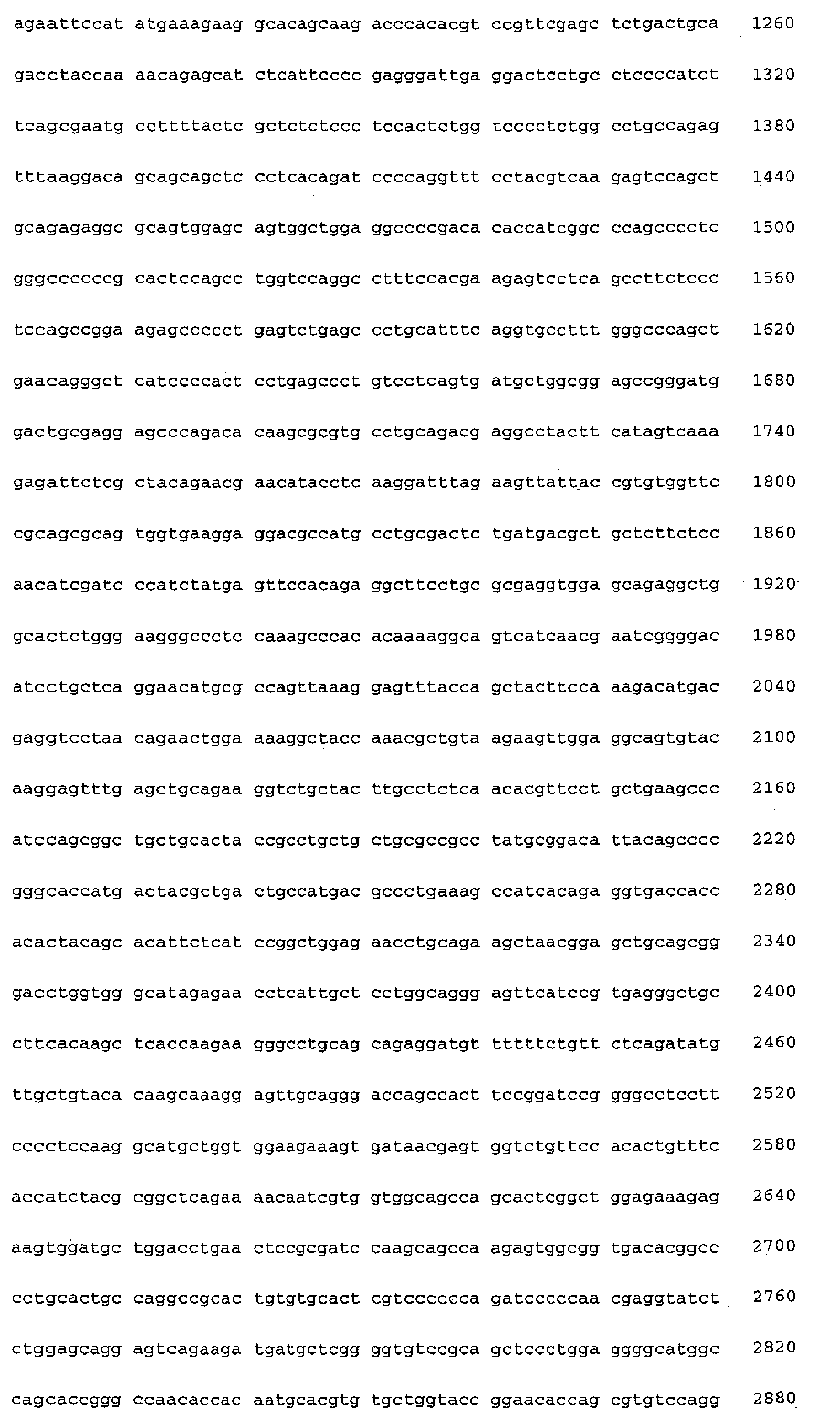
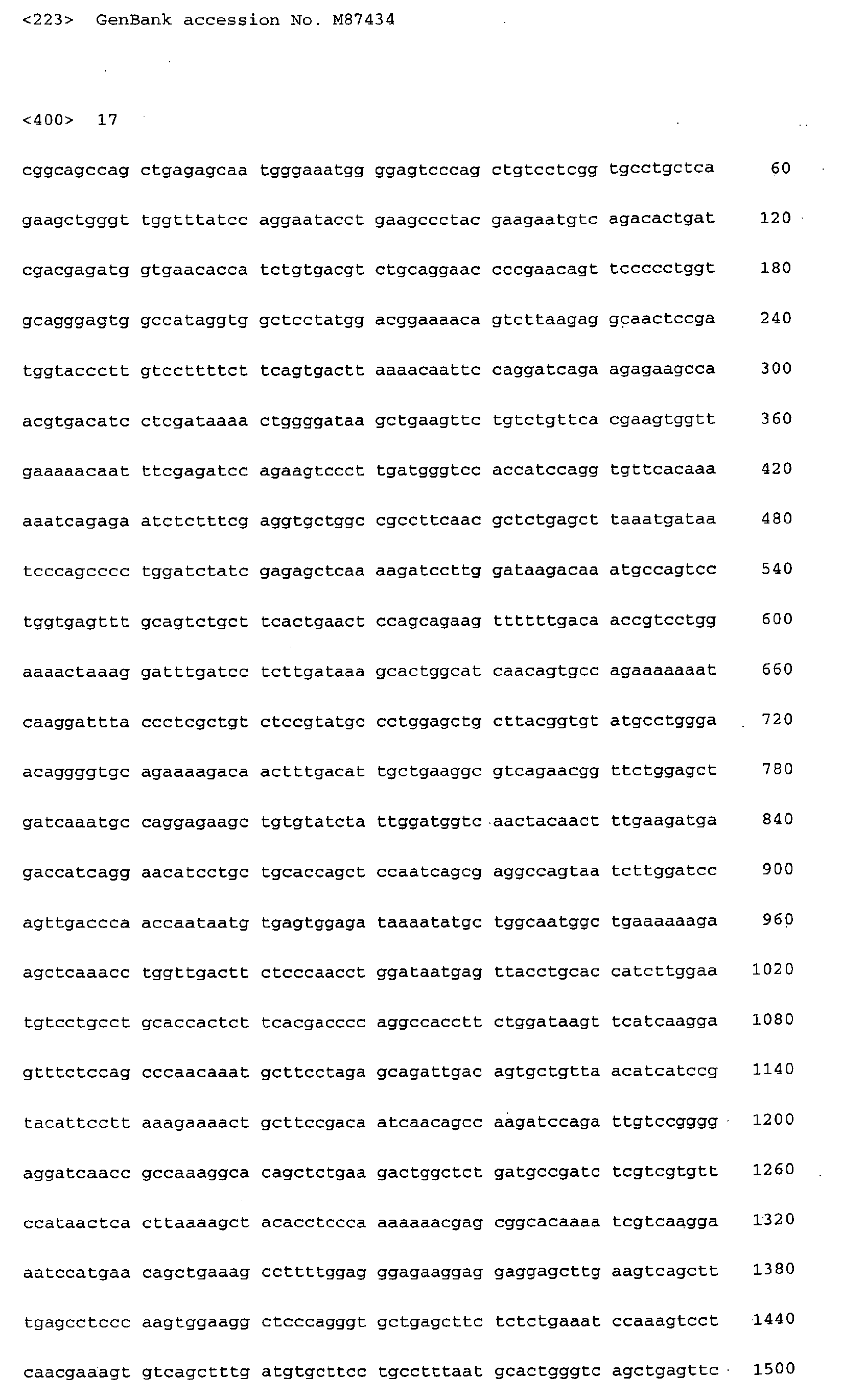
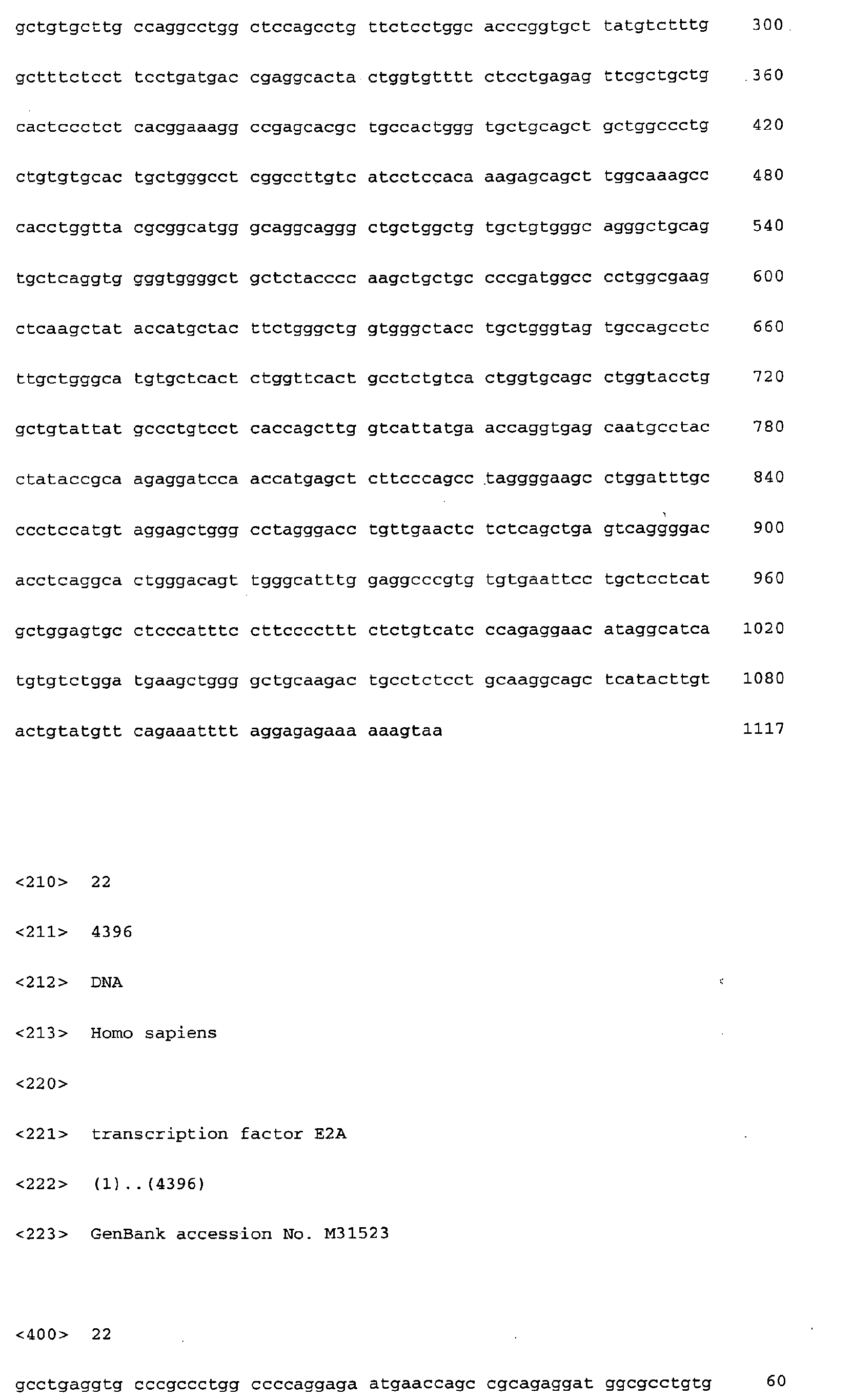
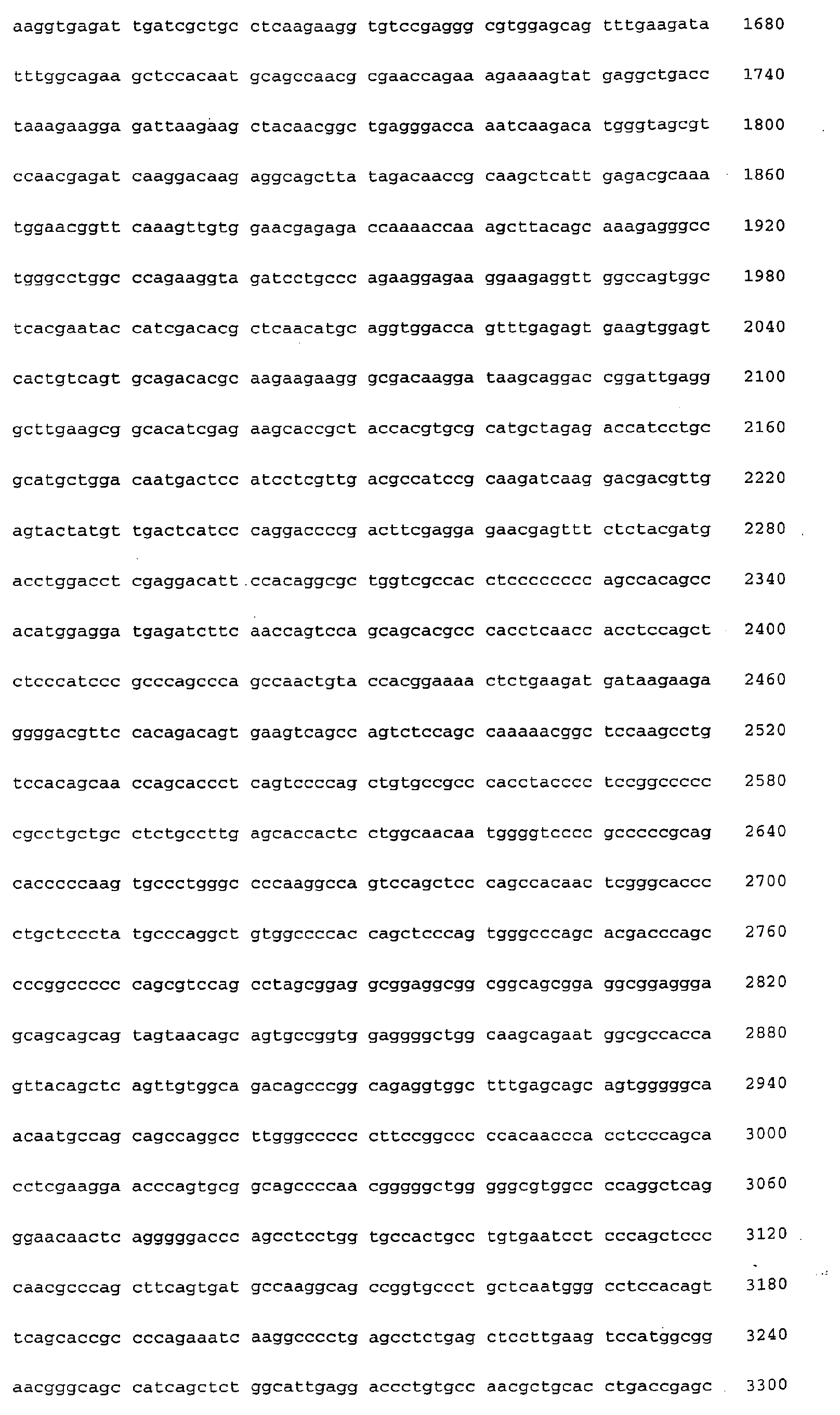
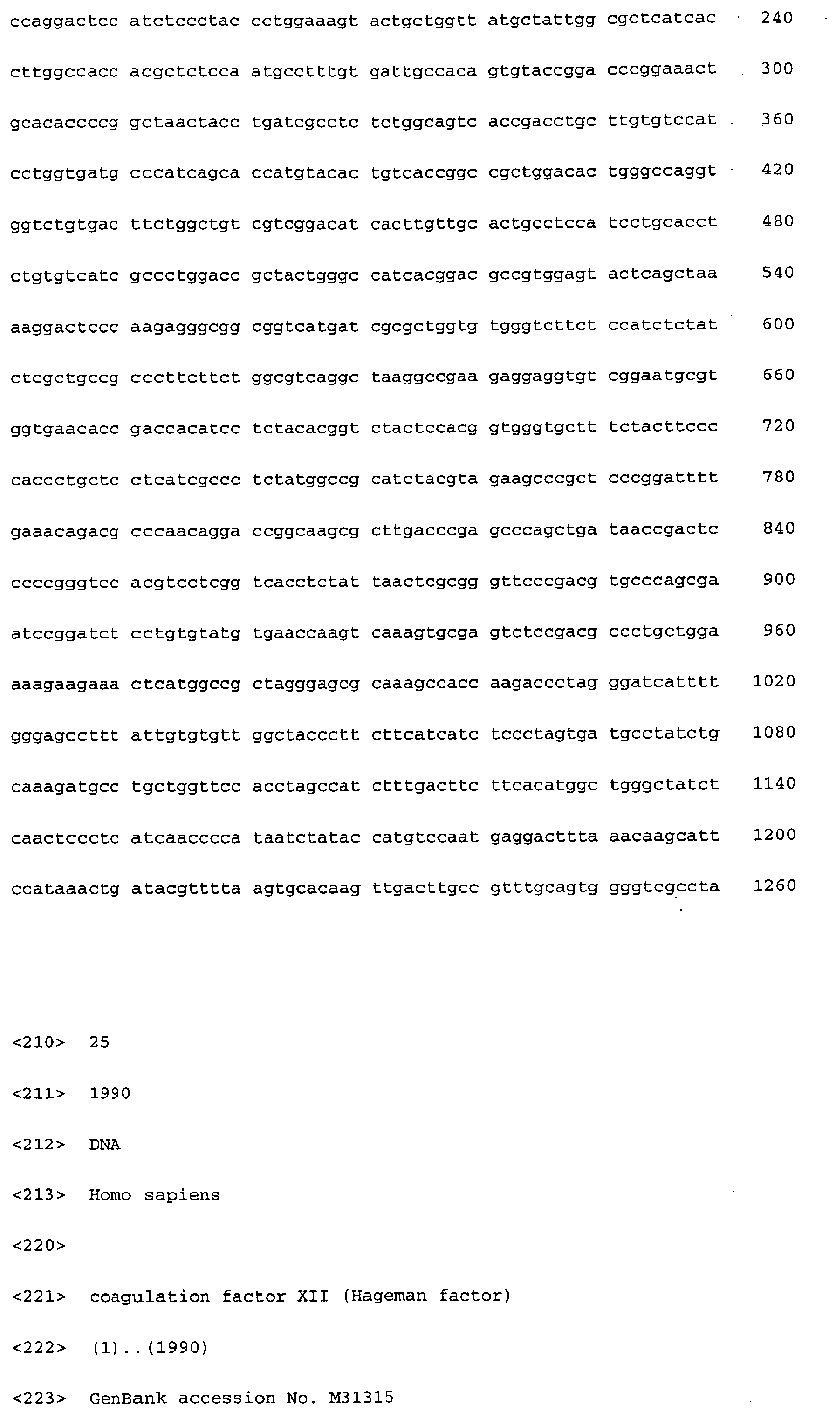
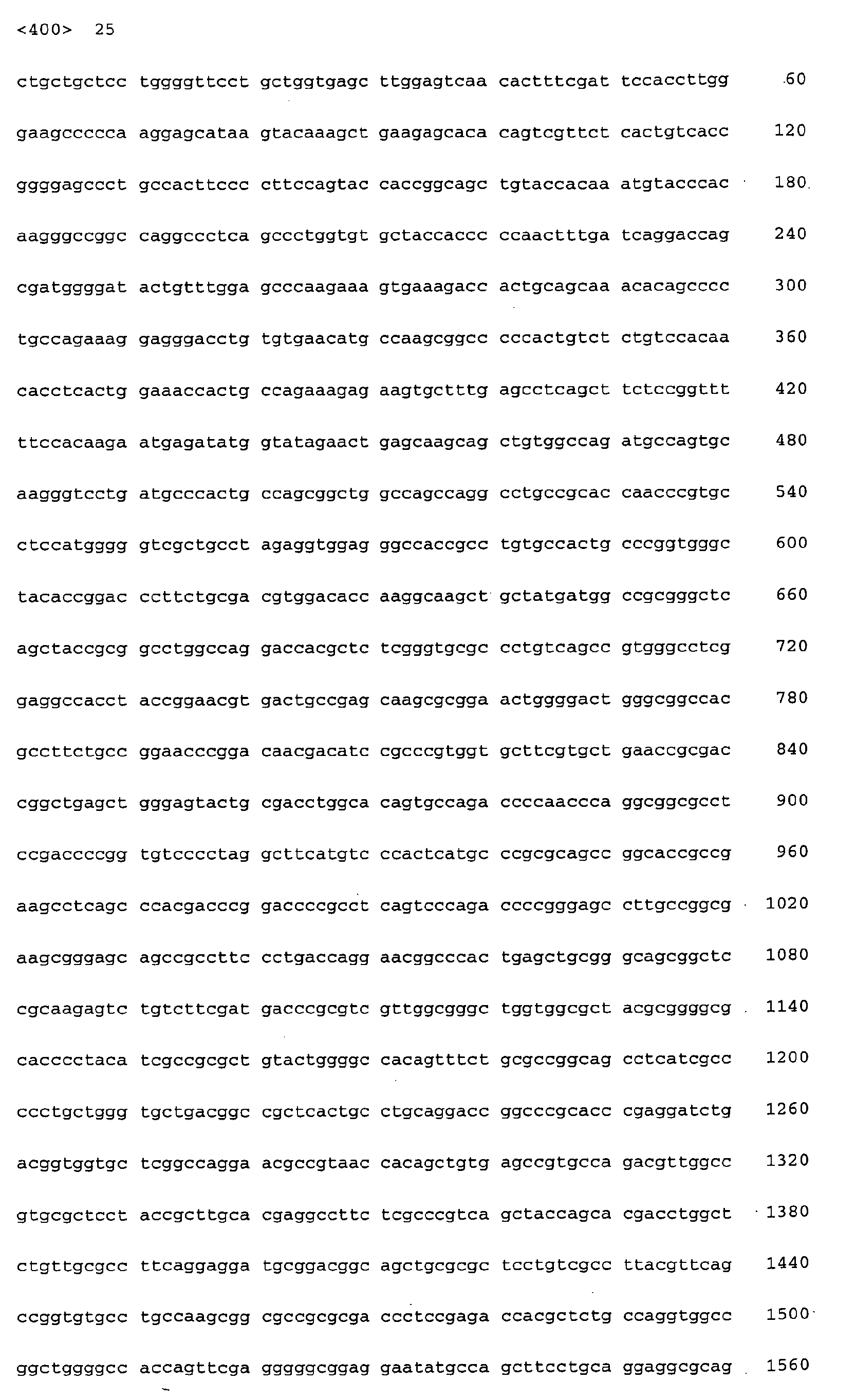
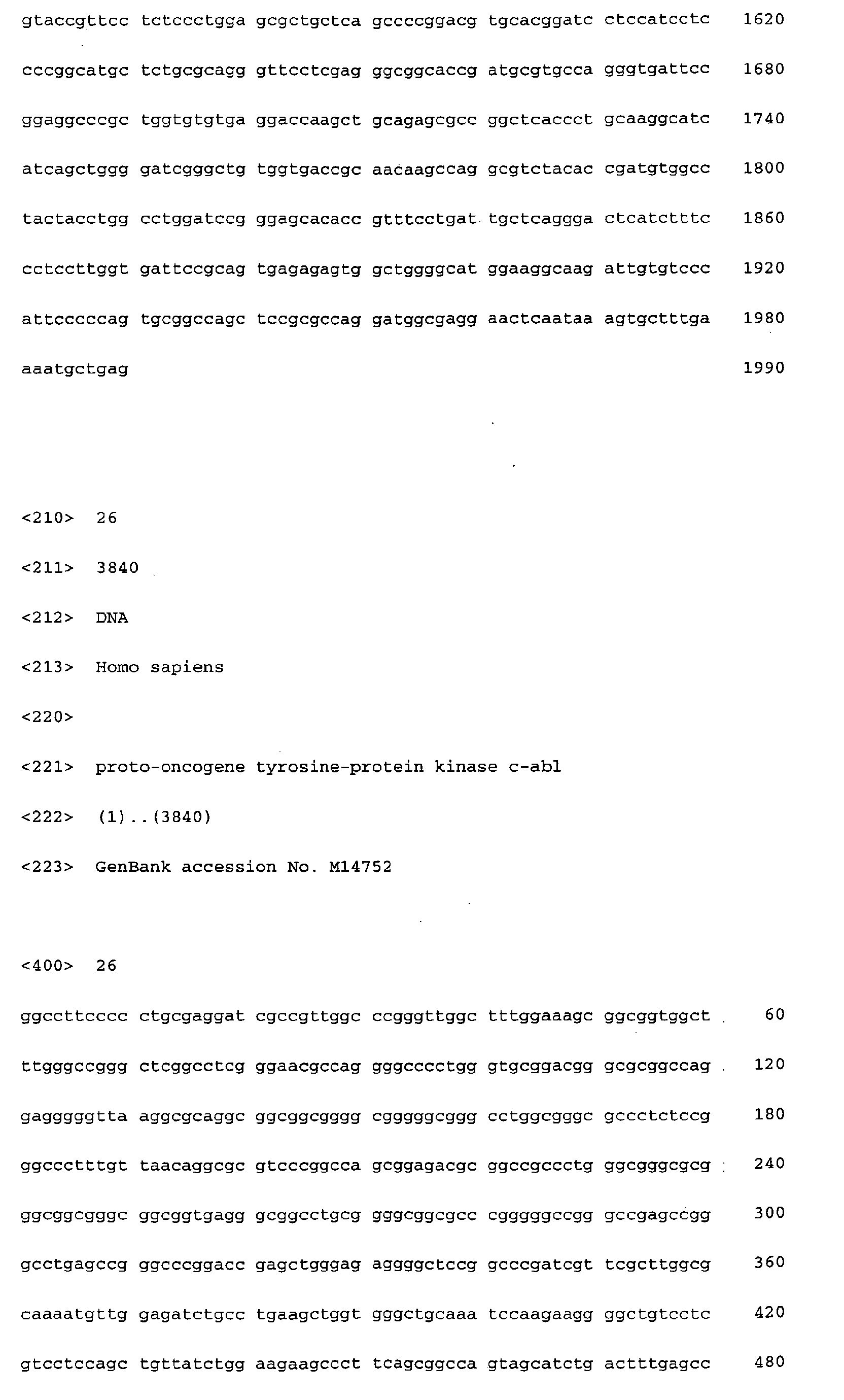
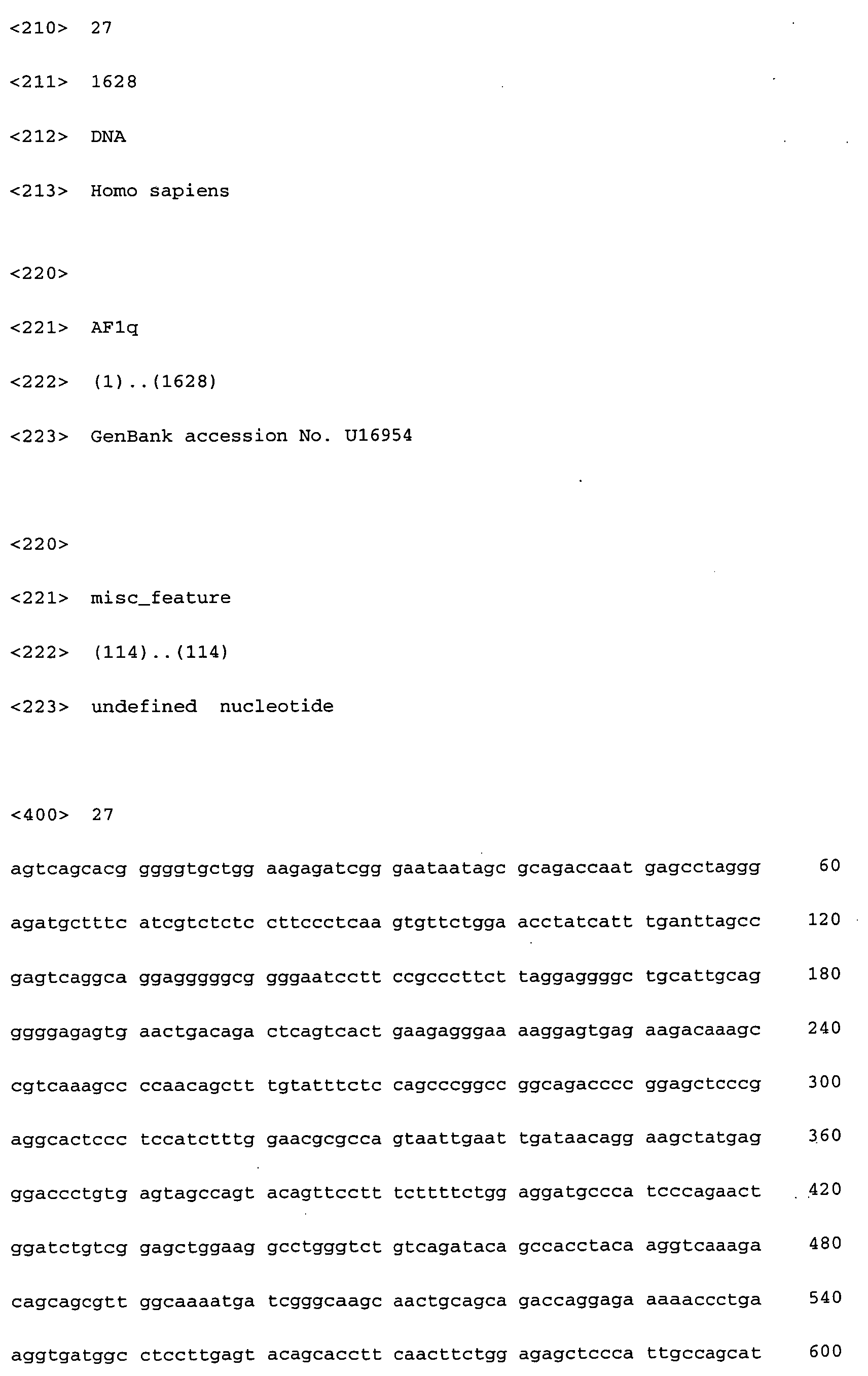
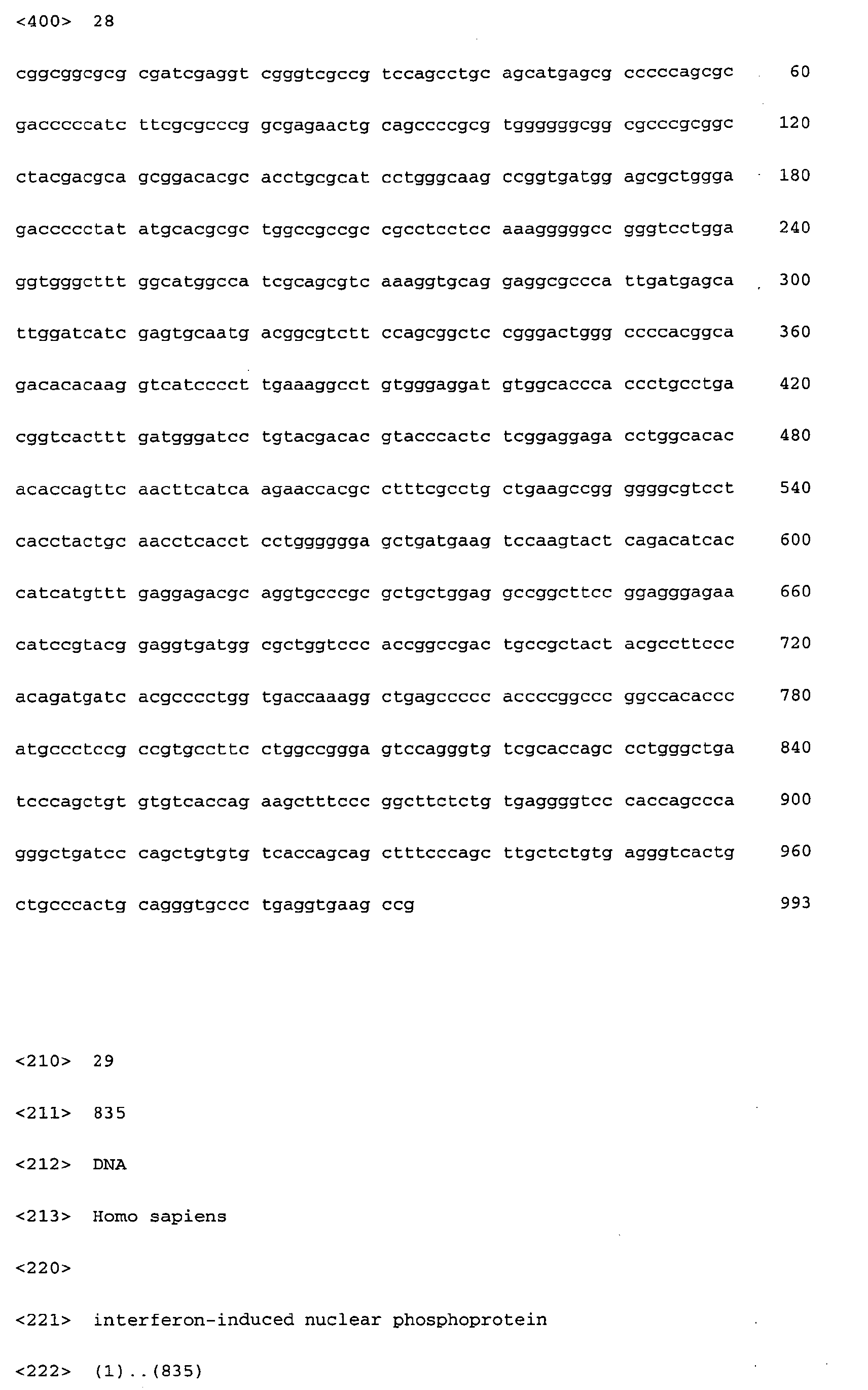
- the transcriptionally regulated genes are one or more genes selected from the group consisting of Seq ID No. 1 to 29, which are also listed in Table 1.
- the method of the present invention is suitable for the analysis of any compound that modulates gene transcription in any type of host. Modulation of gene transcription includes both upregulation or downregulation of gene transcription.
- the method hereinbefore described is the basis for a method for determining the relative biological activity of a modified compound, comprising measuring the biological activity of the modified compound and the respective unmodified compound by the method hereinbefore described, wherein the relative transcriptional activity of the modified protein is determined by calculating the ratio of the biological activity of the modified compound and the biological activity of the unmodified compound.
- the modified compound is a chemically or enzymatically modifed compound. More preferably, the modified compound is a pegylated protein.
- this method provides an easy assay to compare the biological activity of modified compounds with their unmodified counterparts.
- the present invention allows to select the isoform of a compound with the highest biological activity isolated from a mixture of isoforms, most preferably from pegylated proteins.
- the compounds whose biological activity can be determined by the method of this invention include any compound that can modulate gene transcription.
- These compounds can be proteins, polypeptides, nucleic acids, polymers or small molecules. Many proteins, polypeptides, nucleic acids, polymers or small molecules can modulate gene transcription, either directly, by acting as transcription factors, or indirectly, by inducing signaling cascades that ultimately up- or down-regulate gene transcription or alternatively, by interfering with other compounds that modulate gene transcription.
- the following list of compounds whose biological activity can be determined by the method of the present invention exemplifies in a non-limiting way the kinds of compounds, including proteins and polypeptides, for which the method of the present invention can be used.
- hormones such as retinoid acic
- nuclear hormone receptors which are transcription factors
- A. Rowe Retinoid X receptors, Int. J. Biochem. Cell Biol., 29 (1997), 275-278; and CK. Glass: Some new twists in the regulation of gene expression by thyroid hormone and retinoic acid receptors, J. Endorinol, 150 (1996), 349-357).
- the method of the present invention may be used to determine the biological activity of such hormones and their nuclear hormone receptors, and it may also be used to identify compounds that interfere with the transcriptional activity of such nuclear hormone receptors.
- the present invention may, for example, be useful for identifying and analyzing inhibitors of nuclear hormone receptors such as RXR or LXR.
- hormones that activate nuclear hormone receptors may also be used to determine the biological activity of other hormones which activate signaling cascades that lead up to the modulation of gene transcription.
- hormones include erythropoietin (Epo), which is known to modulate gene transcription (Z.Z.Chong et al: Hematopoietic factor erythropoietin foster neuroprotection through novel signal transduction cascades, J. Cereb. Blood Flow Metab., 22 (2002), 503-514; D.M. Wojchowski and T.C. He: Signal transduction in the erythropoietin receptor system, Stem.
- Epo erythropoietin
- Cytokines and growth factors are known to induce signaling cascades that lead to a modulation of gene transcription.
- the method of the present invention may also be used to identify agonists or antagonists of cytokines and growth factors, and to determine their biological activity.
- cytokines and growth factors include, but are not limited to, Interferons, Tumor Necrosis Factor, Vascular Endothelial Growth Factor (T. Hanada and A. Yoshimura: Regulation of cytokine signaling and inflammation, Cytokine Growth Factor Rev., 13 (2002), 413-421; and Y. Sato et al.: Properties of two VEGF receptors, Flt-1 and KDR, in signal transduction, Ann. NY. Acad. Sci., 902 (2000), 201-207).
- the method of the present invention may be used to determine the biological activity of modified or mutated proteins or polypeptides. Modification may be achieved either chemically or enzymatically.
- a non-limiting example for this application is the determination of the biological activity of different isoforms of pegylated Interferon, which is shown in the Figures attached to this application.
- the present invention provides for determining the relative biological activity of a modified compound, comprising measuring the biological activity of the modified compound and the respective unmodified compound by the method hereinbefore described, wherein the relative transcriptional activity of the modified protein is determined by calculating the ratio of the biological activity of the modified compound and the biological activity of the unmodified compound.
- the modified compound is a chemically or enzymatically modifed compound.
- the modified compound is a pegylated protein.
- the method of the present invention may also be used for identifying and characterizing modulators of enzymes which, as a downstream event, can cause a modulation of gene transcription.
- a non-limiting example for such enzymes are phosphodiesterases (PDE), preferably PDE4, most preferably PDE4D isoenzymes.
- PDE4D isoenzymes are preferably selected from the group consisting of PDE4D1, PDE4D2, PDE4D3, PDE4D4, PDE4D5, PDE4D6, PDE4D7 and PDE4D8.
- PDEs degrade cyclic AMP, a second messenger which can modulate gene transcription (G.S. McKnight: Cyclic AMP second messenger systems, Curr.
- Cilostazol a cAMP phosphodiesterase inhibitor, attenuates the production of monocyte chemoattractant protein-1 in response to tumor necrosis factor-alpha in vascular endothelial cells, Hormone Metabolic Research, 29 (1997) 491-495).
- the method of the present invention may be used for screening of modulators of such enzymes.
- Functional antibodies are antibodies that either inhibit or stimulate the function(s) of the protein that they bind to. This type of antibodies has been raised against numerous target proteins, and some of these antibodies are also of therapeutic value. Amongst these are, as a non-limiting example, anti-Her2/ErbB2 antibodies, also called Herceptin antibodies. These antibodies are being successfully used in the treatment of breast cancer. They function by inhibiting the activation of human epidermal growth factor receptor Her2/ErbB2, which plays a pivotal role in many types of cancer, including breast cancer. Like many other growth factor receptors, Her2, when bound by its ligand(s), mediates signaling including modulation of gene transcription.
- Herceptin is capable of modulating gene transcription in cells that express Her2/ErbB2 (A.H. Talukder et al.: Antihuman epidermal growth factor receptor 2 antibody herceptin inhibits autocrine motility factor (AMF) expression and potentiates antitumor effects of AMF inhibitors, Clin. Cancer Res. 8 (2002), 3285-3289; and R. Mandler et al.: Modification in synthesis strategy improve the yield and efficacy of geldanamycin-herceptin immunoconjugates, Bioconjugate Chemistry, 13 (2002), 786-791).
- AMF autocrine motility factor
- the method of the present invention may be used in determining which antibody displays the highest biological activity and would be the most suited for therapeutic use.
- the method of the present invention is also suitable for determining the biological activity of antibodies, eg. for the identification of inhibitory or stimulating antibodies.
- the antibody is an antibody of therapeutic value.
- the antibody is a Herceptin antibody.
- the present invention provides a method for identifying compounds that indirectly modulate gene transcription comprising determining the biological activity of a first compound which is a known modulator of gene transcription by the methods hereinbefore described in the presence or absence of a second compound, wherein a compound which indirectly modulates gene transcription is identified if the biological activity of the first compound measured in the presence of said second compound is significantly different from the biological activity of the first compound measured in the absence of said second compound.
- the present invention provides a compound identified by the methods hereinbefore described which modulates gene transcription.
- a use of the methods hereinbefore described for identifying a compound which modulates gene transcription is provided as well.
- the present invention also provides a kit comprising components for carrying out the methods hereinbefore described.
- said components comprise a DNA array, more preferably an oligonucleotide array.
- a pharmaceutical composition comprising a compound identified by the methods hereinbefore described and a pharmaceutically acceptable carrier.
- Any conventional carrier material can be utilized.
- the carrier material can be an organic or inorganic one suitable for eteral, percutaneous or parenteral administration.
- Suitable carriers include water, gelatin, gum arabic, lactose, starch, magnesium stearate, talc, vegetable oils, polyalkylene-glycols, petroleum jelly and the like.
- the pharmaceutical preparations may contain other pharmaceutically active agents. Additional additives such as flavoring agents, stabilizers, emulsifying agents, buffers and the like may be added in accordance with accepted practices of pharmaceutical compounding.
- the present invention provides a method for the production of a pharmaceutical composition comprising the steps of identifying a compound by the method of the present invention, modifying the identified compound and formulating the compound obtained with a pharmaceutically acceptable carrier or diluent.
- the present invention also provides a use of a compound identified by the methods hereinbefore described or a pharmaceutically acceptable salt thereof for the preparation of a medicament for the treatment of a disease, preferably of a viral disease or of a cancer.
- pharmaceutically acceptable is employed herein to refer to those compounds, materials, compositions, and/or dosage forms which are, within the scope of sound medical judgment, suitable for use in contact with the tissues of human beings and animals without excessive toxicity, irritation, allergic response, or other problem or complication, commensurate with a reasonable benefit/risk ratio.
- pharmaceutically acceptable salts refer to derivatives of the identified agents wherein the parent agent is modified by making acid or base salts thereof.
- pharmaceutically acceptable salts include, but are not limited to, mineral or organic acid salts of basic residues such as amines; alkali or organic salts of acidic residues such as carboxylic acids; and the like.
- the pharmaceutically acceptable salts include the conventional non-toxic salts or the quaternary ammonium salts of the parent compound formed, for example, from non-toxic inorganic or organic acids.
- such conventional non-toxic salts include those derived from inorganic acids such as hydrochloric, hydrobromic, sulfuric, sulfamic, phosphoric, nitric and the like; and the salts prepared from organic acids such as acetic, propionic, succinic, glycolic, stearic, lactic, malic, tartaric, citric, ascorbic, pamoic, maleic, hydroxymaleic, phenylacetic, glutamic, benzoic, salicylic, sulfanilic, 2-acetoxybenzoic, fumaric, benzenesulfonic, toluenesulfonic, methanesulfonic, ethane disulfonic, oxalic, isethionic, and the like.
- inorganic acids such as hydrochloric, hydrobromic, sulfuric, sulfamic, phosphoric, nitric and the like
- organic acids such as acetic, propionic, succinic, glycolic
- Interferon alpha-2a plays an important role in mediating antiviral and anti-proliferative responses and in modulating immune responses (G.R. Stark: How cells respond to interferons, Annu. Rev. Biochem. 67 (1998), 227-264). These biological activities make IFN important as an inhibitor of disease pathogenesis and useful in the treatment of viral infection and some cancers (S. Zeuzem, et al. : Peginterferon alfa-2a in patients with chronic hepatitis C, New England Journal of Medicine 343 (2000), 1666-1172). Since 1986 recombinant human IFN (ROFERON-A) has become an important therapeutic agent to treat patients with viral and oncological diseases (S. Zeuzem et al.: Peginterferon alfa-2a (40 kDa) monotherapy: a novel agent for chronic hepatitis C therapy, Expert Opinion on Investigational Drugs 10 (2001), 2201-2213).
- IFN treatment in the clinic is partly limited due to its short serum half-life (4-6 h). Peak concentrations of IFN occur 3-8 h following iv. or sc. administration and large fluctuations in serum concentrations can occur after each dose. After 24 h , the amount of exogenous IFN remaining in the body is negligible such that the thrice-weekly regimen used is unlikely to maintain concentrations required for antiviral activity (J.M. Harris et al.: Pegylation: A novel process for modifying pharmacokinetics, Clin. Pharmacokinet. 40 (2001), 539-551; P.
- Bailonet al. Rational design of a potent, long-lasting form of interferon: A 40 kDa branched polyethylene glycol-conjugated Interferon-2a for the treatment of hepatitis C Bioconjugate Chem. 12 (2001), 195-202).
- IFN administration frequency is dependent on the disease.
- the standard therapeutic application of IFN consists of 3 million international units administered subcutaneously three times per week for up to 48 weeks (J.M. Harris et al.: Pegylation: A novel process for modifying pharmacokinetics, Clin. Pharmacokinet. 40 (2001), 539-551), while certain oncological indications may require daily administration (P. Bailon et al.: Rational design of a potent, long-lasting form of interferon: A 40 kDa branched polyethylene glycol-conjugated Interferon-2a for the treatment of hepatitis C, Bioconjugate Chem. 12 (2001), 195-202).
- PEG poly(ethylene glycol)
- PEG-IFN branched 40kDa PEG
- M.C. Perry and B. Jarvis Peginterferon- ⁇ -2a (40 kD): A review of its use in the management of chronic hepatitis C, Drugs 15 (2001), 2263-2288; and M.W. Lamb and E.N. Martin: Weight-Based versus fixed dosing of peginterferon (40 kDa) alfa-2a, The Annals of Pharmacotherapy 36 (2002), 933-938).
- the PEG-IFN was manufactured by Hoffmann-La Roche Inc.
- the pegylated interferon alpha-2a was prepared by the conjugation of lysine ⁇ -amino groups at the surface of the interferon molecule with an activated branched polyethylene glycol derivative of molecular weight 40000 Da (Bailon, P. et al.: Rational design of a potent, long-lasting form of interferon: A 40 kDa branched polyethylene glycol-conjugated Interferon-2a for the treatment of hepatitis C. Bioconjugate Chem. 12 (2001); 195-202; EP809996).
- the isolation and characterization of the isomers of PEG-IFN is described below. All other reagents and chemicals were of the highest purity available.
- PEG-IFN consists of a mixture of monopegylated IFN molecules. In each molecule one single lysine is chemically modified by the attachment of a PEG moiety resulting in a mixture of several species. Due to the presence of eleven lysines and a free N-terminal amino group twelve monopegylated species are expected, but only nine lysine-modified species could be found (K31, K49, K70, K83, K112, K121, K131, K134 and K164).
- a two-step isolation and purification scheme was used to prepare the monopegylated isoforms of PEG-interferon alpha 2a.
- the protein concentration of the PEG-IFN alpha 2a isomer was determined by spectrophotometry, based on the 280 nm absorption of the protein moiety of the PEG-IFN alpha 2a.
- FIG. 1 An analytical elution profile of 180 ⁇ g of PEG-IFN alpha 2a is shown in Fig. 1.
- the result of this method is a separation into 8 peaks, 2 peaks with baseline separation and 6 with partial separation.
- the decrease of the baseline absorption towards the end of the chromatogram suggests that there were no other monopegylated species of IFN alpha 2a eluting at higher retention time.
- the analytical IE-HPLC was used to check the purity of the individual isomers with respect to contamination with other positional isomers in the IEC fractions.
- the peaks 2, 3, 4, 4a, 5 and 7 had more than 98%, the peaks 1 and 8 had 93% and peak 6 had 88 % purity.
- a solution of 20 mg/ml ⁇ -cyano-4-hydroxycinnamic acid and 12 mg/ml nitrocellulose in acetone/isopropanol 40/60 (v/v) was used as matrix (thick-layer application).
- 0.5 ⁇ L of matrix was placed on the target and allowed to dry.
- 1.0 ⁇ L of sample was added.
- the spectra were obtained in linear positive ionization mode with an accelerating voltage of 20.000 V and a grid voltage of 95 %. At least 190 laser shots covering the complete spot were accumulated for each spectrum.
- Des-Arg 1 -bradykinin and bovine insulin were used for internal calibration.
- the peptides were characterized by reverse-phase high-performance liquid chromatography (RP-HPLC) Peptide Mapping.
- the IEC fractions were reduced, alkylated and digested with endoproteinase Lys-C as described for the MALDI-TOF MS peptide mapping.
- the analysis of the digested isomers was carried out on a Waters Alliance HPLC system with a Vydac RP-C18 analytical column (5 ⁇ m, 2.1 ⁇ 250 mm) and a precolumn with the same packing material. Elution was performed with an acetonitrile gradient from 1 % to 95 % for 105 min in water with a flow rate of 0.2 mL/min. Both solvents contained 0.1 % (v/v) TFA. 100 ⁇ L of each digested sample were injected and monitored at 215 nm.
- SE-HPLC was performed with a Waters Alliance 2690 HPLC system equipped with a TosoHaas TSK gel G 4000 SWXL column (7.8 x 300 mm). Proteins were eluted using a mobile phase containing 0.02 M NaH 2 PO 4 , 0.15 M NaCl, 1 % (v/v) diethylene glycol and 10 % (v/v) ethanol (pH 6.8) at a flow rate of 0.4 mL/min and detected at 210 nm. The injection amounts were 20 ⁇ g of each isomers. Size Exclusion HPLC and SDS-PAGE were used to determine the amount of oligo-PEG-IFN alpha 2a forms and aggregates in the different IEC fractions.
- the reference material contains 2.3 % aggregates and 2.2 % oligomers. Peaks 1, 4, 4a, 5, 6 and 8 contain ⁇ 0.7 % of the oligopegylated IFN alpha 2a forms, whereas in peaks 2, 3, and 7 the percentage of the oligopegylated IFN alpha 2a forms are under the detection limit ( ⁇ 0.2 %). In the case of the aggregates a different trend could be seen. In all peaks the amount of aggregates is below 0.9 %.
- SDS-PAGE was carried out both under non-reducing and under reducing conditions using Tris-Glycine gels of 16 % (1.5 mm, 10 well).
- Novex Mark 12 molecular weight markers with a mass range from 2.5 to 200 kDa were used for calibration, bovine serum albumin (BSA) was used as sensitivity standard (2 ng).
- BSA bovine serum albumin
- the running conditions were 125 V and 6 W for 120 min.
- the proteins were fixed and stained using the silver staining kit SilverXpress from Novex.
- the gels that were recorded under non-reducing conditions for the IEC fractions 1 - 8 show a pattern that is comparable to that of the PEG-IFN alpha 2a reference standard. Under reducing conditions, the gels show an increase in intensity of the minor bands at about 90 kDa as compared to the standard. Between 6 and 10 kDa protein fragments appear for peaks 6, 7 and 8. Both bands together correspond to approximately 1 % of clipped material. In the lanes of isomer 1, 5, 6, 7, 8 additional bands with more than 100 kDa can be seen which are also present in the standard. These can be assigned to oligomers. Thus SDS-PAGE confirms the results of the SE-HPLC analysis.
- the antiviral activities of the isolated isomers were determined by the reduction of the cytopathic effect of vesicular stomatitis virus (VSV) on Madin-Darby bovine kidney (MDBK) cells.
- VSV vesicular stomatitis virus
- MDBK Madin-Darby bovine kidney
- the cell lines were cultured in MEM-medium containing 10% fetal bovine serum.
- the isomers and PEG-IFN were diluted to a final concentration of 10 ng/ml (assay starting concentration) for the detection of the effective concentration. This effective concentration (EC 50 ) was determined as the concentration needed for 50% protection of the cells against the VSV.
- the cell culture was challenged with VSV 4 hours after addition of the PEG-IFN isomers. After 18 hours growth at 37°C the cells were stained with crystal violet® to determine the number of intact cells.
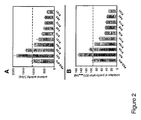
- Figure 2A shows the specific activities (U/ ⁇ g, grey columns) of the isomers.
- all positional isomers had activity, however at a different level.
- the isomers K31 with 170% and K134 with 125% display higher values than PEG-IFN.
- K164 was equal to the mixture whereas the activities of K49, K70, K83, K112, K121 and K131 were lower.
- Example 10 Anti-proliferative Activity Assay.
- a primary cell culture of human melanoma metastases cells (ME15) was used. This cell line was deposited on August 17, 2000 under the terms of the Budapest Treaty at the Collection Nationale de Cultures de Microorganismes, Institut Pasteur, Paris under the registration number CNCM 1-2546. The cell line was cultured in RPMI medium supplemented with 10% FCS, 2 mM glutamine, 1mM sodium pyruvate, 10 mM non-essential amino acids and HEPES buffer (all from Gibco Life Sciences, UK). When confluent, the cells were passaged by trypsinization.
- Approximately 5000-6000 cells per well in a flat bottom 96 well plate were used as a start point for the cell proliferation assay in the presence or in the absence of the individual concentrations of IFN, PEG-IFN and the isomers over a period of a 5 day period.
- the number of living cells was then determined using a cell staining kit (Promega, Madison, USA) based on the colorimetric detection of the cleavage of the tetrazolium salt MTS into formazan.
- the MTS reaction solution was added according to the manufacturer's recommendation for a period of 4 hours at 37°C, after this period the absorption at 490 nm was recorded in a spectrophotometer.
- the specific anti-proliferative activity of the isomers was determined by using an IFN- sensitive melanoma cell line (ME15) and a commercial assay. Positional isomers and PEG-IFN as references were used at a concentration of 100 U/ml ( Figure 2B). The biological unit (U) for the isomers which was used for the experiments was defined and determined in the antiviral assay hereinbefore described, with PEG-IFN as standard reference.
- results rank the activity essentially in the same order as in the antiviral assay indicating that same activities are derived from a common trigger or signaling event.
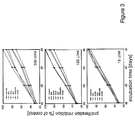
- PEG-IFN used at a concentration of 500 U/ml exhibits identical anti-proliferative activity as compared to the isomer K134 used at 125 U/ml after 5 days, while IFN and K121 exhibit lower or no anti-proliferative activity after 5 days when used at a concentration of at least 125 U/ml.
- Example 11 Expression and purification of the recombinant extracellular domain of the Interferon Receptor 2 from E. coli :
- the extracellular domain of the Interferon Receptor 2 was cloned into a pET15b-vector (Invitrogen, US) with an N-terminal His-Tag®.
- This vector construct was used to express IFNR2-EC in E.coli.
- the target protein precipitated in the cells in the form of inclusion bodies.
- the E. coli pellet after the fermentation in full medium was resuspended in lysis buffer containing 50 mM Tris, 10% saccharose, 0.02% sodium azide, 10 mM magnesium chloride and EDTA-free protease inhibitor. After the homogenization in a French Press and centrifugation (13000 rpm) the inclusion bodies were solubilized in 8 M urea.
- the first chromatography step was a nickel chelate chromatography with a linear gradient from 0-500 mM imidazol over 10 column volumes.
- the pooled peak of IFNR2 was dialyzed against 8 M urea to remove the imidazol. After this dialysis the sample was diluted to 0.1 A 280 with 8 M urea containing 150 mM Tris/HCL pH 8.0 and stored at room temperature until the Ellman assays were negative.
- the oxidized IFNR2-EC was dialyzed against 50 mM Tris pH 8.4 for refolding. 50 mM Tris pH 8.4 was also the starting buffer for the second chromatography.
- the second chromatography step was with an anion ion-exchange resin (HiTrap Q HP, 5 ⁇ 5ml, Amersham Biosciences) with a gradient of 0-500 mM NaCl.
- the immobilization of the IFNR2-EC was achieved by labeling with biotin.
- the biotinylated protein was anchored to a streptavidin sensor surface (SA Sensor, BIAcore).
- a 8.65 mM solution of biotinamidocaproate-n-hydroxysuccinimide ester (Fluka) in DMSO was added to the solution to give a final concentration of the biotinylating reagent of 86.5 ⁇ M.
- the mixture was allowed to react for 1h before it was dialyzed over night against a Hepes buffer (10 mM, pH 8.4, 150 mM NaCl) to remove low molecular weight reaction products. This solution was used in the immobilization procedure.
- Immobilization was achieved by contacting the solution of the biotinylated protein with the SA sensor surface.
- the amount of immobilized protein was controlled via the contact time.
- 4000 RU corresponding to approximately 4 ng/mm 2 of protein were immobilized.
- Binding experiments were performed in Hepes buffer (10 mM Hepes, 150 mM NaCl, 3 mM EDTA, 0.005% polysorbate 20, pH 7.4) as the running buffer.
- Interferon solution was prepared by diluting stock solutions of the proteins with running buffer. The flow velocity was set to 5 ⁇ l/min for all binding experiments. The interferon solutions were contacted for a time interval of 5 min with the immobilized IFNR2-EC.
- K D dissociation constant
- the table shows the measured affinity and kinetic data.
- the calculation for the kinetic constant is based on the kinetic model of a 1/1 complex formation.
- the IFNR2-EC was labeled with biotin. This biotinylated protein was anchored to a streptavidin sensor surface (SA Sensor, Biacor). Binding experiments were performed in Hepes buffer (10 mM Hepes, 150 mM NaCl, 3 mM EDTA, 0.005% polysorbate 20, pH 7.4) as the running buffer.
- the obtained K D -values indicate that the pegylation of IFN causes a decrease in the affinity towards the INFR2-EC.
- the affinity deficit is dependent on the position of pegylation.
- the affinity change is generally due to a change in the association constants (k on ). For instance, isomer K134 changes the affinity roughly by a factor of 15. k on is reduced by a factor of more than 10, whereas k off is increased only by a factor of approximately 4.
- Example 13 Transcriptional response of the isomers compared to IFN
- DNA microarrays which permit simultaneous measurement of the expression levels of thousands of genes, provide a comprehensive frame-work to determine how the positional isomers affect cellular metabolism and regulation on a genomic scale.
- ME15 cells were incubated for 48h with 100 U/ml of IFN, PEG-IFN or PEG-IFN isoforms. After 48h the cultured cells were harvested by scraping and the total cellular RNA was extracted with RNA-BeeTM. From each sample 10 ⁇ g of the total cellular RNA were reverse transcribed (Invitrogen, U.S.), labeled (Ambion, U.S.) and processed by using commercial kits according to the supplier's instructions. The methods of the alkaline heat fragmentation and the following hybridization of the cDNA with the U95Av2 GeneChip arrays were standard procedure provided by the manufacturer of the microchips (Affymetrix, U.S.).
- the raw data of the arrays were measured with a confocal laser scanner (Hewlett Packard, U.S.) and pixel levels were analyzed using GeneChip v3.1 software (Affymetrix, U.S.).
- the expression level for each gene was calculated as normalized average difference of fluorescence intensity as compared to hybridization to mismatched oligonucleotides, expressed in arbitrary units (AD).
- AD arbitrary units
- the standard deviation had to be significantly smaller than the absolute change in average difference and the calculated confidence level of a gene was set to greater than 97% (p value ⁇ 0.03).
- the data of the microarray chips were also analyzed for transcriptional-specific side-effects which may indicate undesirable effects on the metabolism or vitality of cells by any isomer.
- the criteria for these analyses were similar to those described before, the only difference was that the data for each isomer were cross-compared. The result of this analysis showed no specific side-effect of any positional isomer.
- the ME15 cell line were cultured 48 hours in absence (untreated cell) or in presence of 100 U/ml IFN or a PEG-IFN sample.
- the expression level for each gene was calculated as normalised average difference of fluorescence intensity as compared to hybridisation to mismatched oligonucleotide, expressed in arbitrary units.
- Each investigation of the samples were measured in triplicate with labelled cRNA from three different cell plates.
- the criteria for a differentially expression of a gene by treatments with IFN or a PEG-IFN sample compared to the untreated cells were: if the mean value increase was at least twofold higher as in the untreated cells and the main value in the treated cells should be higher or at least 50 units. The mean value of the untreated cells should be lower than 50 units.
- the standard deviation had to be significantly smaller than the absolute change in average difference and the calculated confidence level of a gene was set greater than 97% (p value ⁇ 0.03).
Landscapes
- Chemical & Material Sciences (AREA)
- Life Sciences & Earth Sciences (AREA)
- Organic Chemistry (AREA)
- Analytical Chemistry (AREA)
- Zoology (AREA)
- Wood Science & Technology (AREA)
- Proteomics, Peptides & Aminoacids (AREA)
- Health & Medical Sciences (AREA)
- Engineering & Computer Science (AREA)
- Microbiology (AREA)
- Immunology (AREA)
- Molecular Biology (AREA)
- Biotechnology (AREA)
- Biophysics (AREA)
- Physics & Mathematics (AREA)
- Biochemistry (AREA)
- Bioinformatics & Cheminformatics (AREA)
- General Engineering & Computer Science (AREA)
- General Health & Medical Sciences (AREA)
- Genetics & Genomics (AREA)
- Medicines That Contain Protein Lipid Enzymes And Other Medicines (AREA)
- Measuring Or Testing Involving Enzymes Or Micro-Organisms (AREA)
Abstract
Description


The figure shows the specific antiviral activity [U/µg] of the positional isomers. The antiviral activity was determined in MDBK cells infected with vesicular stomatitis virus.
This figure indicates the specific inhibition of proliferation [OD490nm/µg] on the ME15 cells with 100 U/ml of the each positional isomer and PEG-IFN.
The results present the averages of three assays performed independently. The specific antiviral activity and specific anti-proliferative activity of PEG-IFN is given for comparison (hatched line).
| PEG-peptides identified by comparison of the Lys-C digest spectra of the isomers and the reference standard. | |||
| Identified PEG Sites in the separated PEG-IFN Species | |||
| Peak | missing peaks in peptide map | ||
| PEG-IFN | PEG site | Mr (DA) | Sequence |
| Peak 1 | K31 | A, E | 24-49 |
| Peak 2 | K134 | I, I' | 134-164 |
| Peak 3 | K131 | C | 122-131 |
| Peak 4 | K121 | B, C | 113-131 |
| Peak 4a | K164 | b | 134-164 |
| Peak 5 | K70 | D, F | 50-83 |
| Peak 6 | K83 | D, H | 71-112 |
| Peak 7 | K49 | E, F | 32-70 |
| Peak 8 | K112 | B, H | 84-121 |
Size Exclusion HPLC and SDS-PAGE were used to determine the amount of oligo-PEG-IFN alpha 2a forms and aggregates in the different IEC fractions. The reference material contains 2.3 % aggregates and 2.2 % oligomers.
| Kinetic constants for the interaction of wild-type IFN; PEG-IFN and several positional isomers | |||
| kon [105 M-1xs-1] | Koff [10-2 S-1] | KDkin [nM] | |
| IFN | 12.5 | 1.14 | 9.12 |
| PEG-IFN | 0.27 | 2.3 | 851 |
| K31 | n.d. | n.d. | n.d. (> 1mM) |
| K134 | 0.87 | 3.96 | 455 |
| K131 | 0.96 | 2.8 | 289 |
| K121 | 0.83 | 2.33 | 279 |
| K164 | 0.652 | 2.19 | 335 |





















Claims (21)
- A method for determining the biological activity of a compound which can modulate gene transcription, comprising the steps ofa) contacting a host with a compound;b) determining the general transcriptional gene response of the host; andc) quantitating the general transcriptional gene response induced by said compound.
- The method of claim 1, wherein the general transcriptional gene response is determined by a DNA array technology.
- The method of claim 2, wherein the DNA array technology is an oligonucleotide array technology.
- The method of any one of claims 1 to 3, wherein the compound is a modified compound.
- The method of claim 4, wherein the modified compound is a modified protein.
- The method of claim 5, wherein the modified protein is a pegylated protein.
- The method of claim 6, wherein the pegylated protein is a specific isolated isoform of a pegylated protein.
- The method of claims 6 or 7, wherein the pegylated protein is Epo or INF.
- The method of any one of claims 1 to 8 wherein the transcriptionally regulated genes are one or more genes selected from the group consisting of Seq ID No. 1 to 29.
- A method for determining the relative biological activity of a modified compound, comprising measuring the biological activity of the modified compound and the respective unmodified compound by the method of any one of claims 1 to 7, wherein the relative transcriptional activity of the modified protein is determined by calculating the ratio of the biological activity of the modified compound and the biological activity of the unmodified compound.
- The method of claim 8, wherein the modified compound is a chemically or enzymatically modifed compound.
- The method of claim 9, wherein the modified compound is a pegylated protein.
- A method for identifying compounds that indirectly modulate gene transcription comprising determining the biological activity of a first compound which is a known modulator of gene transcription by the method of any one of claims 1 to 9 in the presence or absence of a second compound, wherein a compound which indirectly modulates gene transcription is identified if the biological activity of the first compound measured in the presence of said second compound is significantly different from the biological activity of the first compound measured in the absence of said second compound.
- The method of claim 13 wherein the known modulator of gene transcription is Epo or IFN.
- A compound identified by the methods of claims 1 to 14 which modulates gene transcription.
- Use of the method of claims 1 to 14 for identifying a compound which modulates gene transcription.
- A kit comprising components for carrying out the methods according to claims 1 to 14.
- The kit of claim 17 wherein said components comprise a DNA array.
- A pharmaceutical composition comprising a compound of claim 15 and a pharmaceutically acceptable carrier.
- Use of a compound of claim 15 or a pharmaceutically acceptable salt thereof for the preparation of a medicament for the treatment of a disease, preferably a viral disease or of a cancer.
- The methods, compounds, kit and uses as hereinbefore described, especially with reference to the foregoing examples.
Priority Applications (1)
| Application Number | Priority Date | Filing Date | Title |
|---|---|---|---|
| EP04006035A EP1471153A3 (en) | 2003-03-21 | 2004-03-13 | Transcriptional activity assay |
Applications Claiming Priority (3)
| Application Number | Priority Date | Filing Date | Title |
|---|---|---|---|
| EP03006263 | 2003-03-21 | ||
| EP03006263 | 2003-03-21 | ||
| EP04006035A EP1471153A3 (en) | 2003-03-21 | 2004-03-13 | Transcriptional activity assay |
Publications (2)
| Publication Number | Publication Date |
|---|---|
| EP1471153A2 true EP1471153A2 (en) | 2004-10-27 |
| EP1471153A3 EP1471153A3 (en) | 2005-06-15 |
Family
ID=32963785
Family Applications (1)
| Application Number | Title | Priority Date | Filing Date |
|---|---|---|---|
| EP04006035A Ceased EP1471153A3 (en) | 2003-03-21 | 2004-03-13 | Transcriptional activity assay |
Country Status (1)
| Country | Link |
|---|---|
| EP (1) | EP1471153A3 (en) |
Cited By (2)
| Publication number | Priority date | Publication date | Assignee | Title |
|---|---|---|---|---|
| WO2016193110A1 (en) | 2015-05-29 | 2016-12-08 | Koninklijke Philips N.V. | Methods of prostate cancer prognosis |
| WO2018099884A1 (en) | 2016-12-01 | 2018-06-07 | Koninklijke Philips N.V. | Risk scores based on human phosphodiesterase 4d variant 7 expression |
Family Cites Families (5)
| Publication number | Priority date | Publication date | Assignee | Title |
|---|---|---|---|---|
| EP1328880A4 (en) * | 2000-10-12 | 2004-12-15 | Iconix Pharm Inc | INTERACTIVE CORRELATION OF COMPOUND DATA AND GENOMIC DATA |
| WO2002032957A1 (en) * | 2000-10-16 | 2002-04-25 | Chugai Seiyaku Kabushiki Kaisha | Peg-modified erythropoietin |
| GB0031080D0 (en) * | 2000-12-20 | 2001-01-31 | Novartis Ag | Organic compounds |
| AU2002303645A1 (en) * | 2001-05-04 | 2002-11-18 | Axiom Biotechnologies, Inc. | Matrix assays in genomically indexed cells |
| WO2004045545A2 (en) * | 2002-11-18 | 2004-06-03 | Fox Chase Cancer Center | Compositions and methods for the treatment of cancer, screening of putative anti-cancer compounds, and assessing cancer progression |
-
2004
- 2004-03-13 EP EP04006035A patent/EP1471153A3/en not_active Ceased
Cited By (5)
| Publication number | Priority date | Publication date | Assignee | Title |
|---|---|---|---|---|
| WO2016193110A1 (en) | 2015-05-29 | 2016-12-08 | Koninklijke Philips N.V. | Methods of prostate cancer prognosis |
| CN108738329A (en) * | 2015-05-29 | 2018-11-02 | 皇家飞利浦有限公司 | Prostate cancer method of prognosis |
| US11198909B2 (en) | 2015-05-29 | 2021-12-14 | Koninklijke Philips N.V. | Risk scores based on human phosphodiesterase 4D variant 7 expression |
| US11827938B2 (en) | 2015-05-29 | 2023-11-28 | Koninklijke Philips N.V. | Methods of prostate cancer prognosis |
| WO2018099884A1 (en) | 2016-12-01 | 2018-06-07 | Koninklijke Philips N.V. | Risk scores based on human phosphodiesterase 4d variant 7 expression |
Also Published As
| Publication number | Publication date |
|---|---|
| EP1471153A3 (en) | 2005-06-15 |
Similar Documents
| Publication | Publication Date | Title |
|---|---|---|
| O'brien et al. | Expression of cyr61, a growth factor-inducible immediate-early gene | |
| Foser et al. | Isolation, structural characterization, and antiviral activity of positional isomers of monopegylated interferon α-2a (PEGASYS) | |
| Smerz-Bertling et al. | Both interleukin 4 and interleukin 13 induce tyrosine phosphorylation of the 140-kDa subunit of the interleukin 4 receptor | |
| JP5208733B2 (en) | Recombinant interferon α2 (IFNα2) mutant | |
| TWI642682B (en) | Glucagon analog | |
| Harwig et al. | Purification of cysteine-rich bioactive peptides from leukocytes by continuous acid-urea-polyacrylamide gel electrophoresis | |
| Hansen et al. | The genes for the trophoblast interferons and the related interferon-alpha II possess distinct 5 ‘-promoter and 3 ‘-flanking sequences. | |
| JP2018535964A (en) | Treatment of steroid-induced hyperglycemia with fibroblast growth factor (FGF) 1 analog | |
| US7319933B2 (en) | Gene transcription assay method | |
| JP2653653B2 (en) | Interferon-induced genes and enzymes | |
| KR101483814B1 (en) | Interferon alpha 2a modified by polyethylene glycol, its synthesis process and application | |
| Schwarz et al. | Interferon regulatory factor-1 is inducible by prolactin, interleukin-2 and concanavalin A in T cells | |
| US6284505B1 (en) | Excitatory amino acid transporter (EAAT) 5 protein from homo sapiens | |
| EP1471153A2 (en) | Transcriptional activity assay | |
| CZ20024094A3 (en) | Pharmaceutical preparation intended for treating sclerosis multiplex and containing novel interferon | |
| US20040110189A1 (en) | Isolated nucleic acid molecules which encode T cell inducible factors (TIFs), the proteins encoded, and uses thereof | |
| NZ218631A (en) | Single chain angiogenic factor protein and methods for its production | |
| WO2009150491A2 (en) | Interferon epsilon (ifne1) as a marker for targeted cancer therapy | |
| Kim et al. | Species specific antiviral activity of porcine interferon-α8 (IFNα8) | |
| Richmond et al. | Melanoma growth stimulatory activity: physiology, biology, structure/function, and role in disease | |
| US6809175B1 (en) | Cadherin derived growth factor and its use | |
| WO2000069910A1 (en) | Chemokine-like factors having cell chemokinesis function and proliferation-stimulating activity | |
| Parker et al. | Specific binding of human interferon-γ to particulates from hemolymph and protocerebrum of tobacco hornworm (Manduca sexta) larvae | |
| US20020098497A1 (en) | Use of human phermone polypeptides | |
| US20050148507A1 (en) | Method for the production of an N-terminally modified chemotactic factor |
Legal Events
| Date | Code | Title | Description |
|---|---|---|---|
| PUAI | Public reference made under article 153(3) epc to a published international application that has entered the european phase |
Free format text: ORIGINAL CODE: 0009012 |
|
| AK | Designated contracting states |
Kind code of ref document: A2 Designated state(s): AT BE BG CH CY CZ DE DK EE ES FI FR GB GR HU IE IT LI LU MC NL PL PT RO SE SI SK TR |
|
| AX | Request for extension of the european patent |
Extension state: AL LT LV MK |
|
| PUAL | Search report despatched |
Free format text: ORIGINAL CODE: 0009013 |
|
| AK | Designated contracting states |
Kind code of ref document: A3 Designated state(s): AT BE BG CH CY CZ DE DK EE ES FI FR GB GR HU IE IT LI LU MC NL PL PT RO SE SI SK TR |
|
| AX | Request for extension of the european patent |
Extension state: AL LT LV MK |
|
| 17P | Request for examination filed |
Effective date: 20051215 |
|
| AKX | Designation fees paid |
Designated state(s): CH DE ES FR GB IT LI |
|
| AXX | Extension fees paid |
Extension state: LV Payment date: 20051215 Extension state: LT Payment date: 20051215 |
|
| STAA | Information on the status of an ep patent application or granted ep patent |
Free format text: STATUS: THE APPLICATION HAS BEEN REFUSED |
|
| 18R | Application refused |
Effective date: 20091015 |