EP1455809B1 - Inhibitors of hepatitis c virus - Google Patents
Inhibitors of hepatitis c virus Download PDFInfo
- Publication number
- EP1455809B1 EP1455809B1 EP02795860A EP02795860A EP1455809B1 EP 1455809 B1 EP1455809 B1 EP 1455809B1 EP 02795860 A EP02795860 A EP 02795860A EP 02795860 A EP02795860 A EP 02795860A EP 1455809 B1 EP1455809 B1 EP 1455809B1
- Authority
- EP
- European Patent Office
- Prior art keywords
- mmol
- compound
- tert
- yloxy
- methoxy
- Prior art date
- Legal status (The legal status is an assumption and is not a legal conclusion. Google has not performed a legal analysis and makes no representation as to the accuracy of the status listed.)
- Expired - Lifetime
Links
- 241000711549 Hepacivirus C Species 0.000 title abstract description 56
- 239000003112 inhibitor Substances 0.000 title description 6
- 150000001875 compounds Chemical class 0.000 claims abstract description 151
- 208000015181 infectious disease Diseases 0.000 claims abstract description 12
- 241000124008 Mammalia Species 0.000 claims abstract description 9
- 239000008194 pharmaceutical composition Substances 0.000 claims abstract description 9
- 150000003839 salts Chemical class 0.000 claims description 21
- 229920006395 saturated elastomer Polymers 0.000 claims description 14
- 125000000623 heterocyclic group Chemical group 0.000 claims description 12
- 230000002401 inhibitory effect Effects 0.000 claims description 11
- 125000004169 (C1-C6) alkyl group Chemical group 0.000 claims description 10
- 101800001838 Serine protease/helicase NS3 Proteins 0.000 claims description 10
- 125000003118 aryl group Chemical group 0.000 claims description 10
- 125000001559 cyclopropyl group Chemical group [H]C1([H])C([H])([H])C1([H])* 0.000 claims description 7
- 125000005843 halogen group Chemical group 0.000 claims description 7
- 229910052757 nitrogen Inorganic materials 0.000 claims description 7
- IJGRMHOSHXDMSA-UHFFFAOYSA-N nitrogen Substances N#N IJGRMHOSHXDMSA-UHFFFAOYSA-N 0.000 claims description 7
- 125000006272 (C3-C7) cycloalkyl group Chemical group 0.000 claims description 6
- 125000004191 (C1-C6) alkoxy group Chemical group 0.000 claims description 5
- 239000003937 drug carrier Substances 0.000 claims description 5
- 125000005842 heteroatom Chemical group 0.000 claims description 5
- 229910052760 oxygen Inorganic materials 0.000 claims description 5
- 229910052717 sulfur Chemical group 0.000 claims description 5
- 125000000000 cycloalkoxy group Chemical group 0.000 claims description 4
- 125000000956 methoxy group Chemical group [H]C([H])([H])O* 0.000 claims description 4
- NINIDFKCEFEMDL-UHFFFAOYSA-N Sulfur Chemical group [S] NINIDFKCEFEMDL-UHFFFAOYSA-N 0.000 claims description 3
- QVGXLLKOCUKJST-UHFFFAOYSA-N atomic oxygen Chemical group [O] QVGXLLKOCUKJST-UHFFFAOYSA-N 0.000 claims description 3
- QJGQUHMNIGDVPM-UHFFFAOYSA-N nitrogen group Chemical group [N] QJGQUHMNIGDVPM-UHFFFAOYSA-N 0.000 claims description 3
- 239000001301 oxygen Chemical group 0.000 claims description 3
- 125000001997 phenyl group Chemical group [H]C1=C([H])C([H])=C(*)C([H])=C1[H] 0.000 claims description 3
- 239000011593 sulfur Chemical group 0.000 claims description 3
- 125000002947 alkylene group Chemical group 0.000 claims description 2
- 125000004429 atom Chemical group 0.000 claims description 2
- 238000000034 method Methods 0.000 abstract description 153
- 150000002678 macrocyclic compounds Chemical class 0.000 abstract description 3
- 230000000069 prophylactic effect Effects 0.000 abstract 1
- 230000001225 therapeutic effect Effects 0.000 abstract 1
- OKKJLVBELUTLKV-UHFFFAOYSA-N Methanol Chemical compound OC OKKJLVBELUTLKV-UHFFFAOYSA-N 0.000 description 315
- 239000000243 solution Substances 0.000 description 159
- 239000000203 mixture Substances 0.000 description 136
- XEKOWRVHYACXOJ-UHFFFAOYSA-N Ethyl acetate Chemical compound CCOC(C)=O XEKOWRVHYACXOJ-UHFFFAOYSA-N 0.000 description 135
- 238000002360 preparation method Methods 0.000 description 115
- YMWUJEATGCHHMB-UHFFFAOYSA-N Dichloromethane Chemical compound ClCCl YMWUJEATGCHHMB-UHFFFAOYSA-N 0.000 description 95
- OKKJLVBELUTLKV-MZCSYVLQSA-N Deuterated methanol Chemical compound [2H]OC([2H])([2H])[2H] OKKJLVBELUTLKV-MZCSYVLQSA-N 0.000 description 93
- 238000005160 1H NMR spectroscopy Methods 0.000 description 89
- 238000004895 liquid chromatography mass spectrometry Methods 0.000 description 81
- WYURNTSHIVDZCO-UHFFFAOYSA-N Tetrahydrofuran Chemical compound C1CCOC1 WYURNTSHIVDZCO-UHFFFAOYSA-N 0.000 description 78
- XLYOFNOQVPJJNP-UHFFFAOYSA-N water Substances O XLYOFNOQVPJJNP-UHFFFAOYSA-N 0.000 description 76
- HEMHJVSKTPXQMS-UHFFFAOYSA-M Sodium hydroxide Chemical compound [OH-].[Na+] HEMHJVSKTPXQMS-UHFFFAOYSA-M 0.000 description 69
- 239000002904 solvent Substances 0.000 description 69
- 238000004949 mass spectrometry Methods 0.000 description 62
- HEDRZPFGACZZDS-MICDWDOJSA-N Trichloro(2H)methane Chemical compound [2H]C(Cl)(Cl)Cl HEDRZPFGACZZDS-MICDWDOJSA-N 0.000 description 56
- 235000019439 ethyl acetate Nutrition 0.000 description 53
- 230000014759 maintenance of location Effects 0.000 description 52
- VLKZOEOYAKHREP-UHFFFAOYSA-N n-Hexane Chemical class CCCCCC VLKZOEOYAKHREP-UHFFFAOYSA-N 0.000 description 48
- 239000007787 solid Substances 0.000 description 46
- -1 2-methypropyl Chemical group 0.000 description 41
- VEXZGXHMUGYJMC-UHFFFAOYSA-N Hydrochloric acid Chemical compound Cl VEXZGXHMUGYJMC-UHFFFAOYSA-N 0.000 description 39
- DTQVDTLACAAQTR-UHFFFAOYSA-N trifluoroacetic acid Substances OC(=O)C(F)(F)F DTQVDTLACAAQTR-UHFFFAOYSA-N 0.000 description 39
- 239000011541 reaction mixture Substances 0.000 description 37
- 239000000047 product Substances 0.000 description 36
- 239000002253 acid Substances 0.000 description 35
- LFKDJXLFVYVEFG-UHFFFAOYSA-N tert-butyl carbamate Chemical compound CC(C)(C)OC(N)=O LFKDJXLFVYVEFG-UHFFFAOYSA-N 0.000 description 33
- RTZKZFJDLAIYFH-UHFFFAOYSA-N Diethyl ether Chemical compound CCOCC RTZKZFJDLAIYFH-UHFFFAOYSA-N 0.000 description 30
- WMFOQBRAJBCJND-UHFFFAOYSA-M Lithium hydroxide Chemical compound [Li+].[OH-] WMFOQBRAJBCJND-UHFFFAOYSA-M 0.000 description 30
- 0 C*(C*C(C1)C1(*(*)*)C(*1CC2(CC2)CC1)=O)C(C(C*)C(*)O)=C Chemical compound C*(C*C(C1)C1(*(*)*)C(*1CC2(CC2)CC1)=O)C(C(C*)C(*)O)=C 0.000 description 29
- UIIMBOGNXHQVGW-UHFFFAOYSA-M Sodium bicarbonate Chemical compound [Na+].OC([O-])=O UIIMBOGNXHQVGW-UHFFFAOYSA-M 0.000 description 28
- GBLRQXKSCRCLBZ-YVQAASCFSA-N (1R,2S,1'R,2'S)-doxacurium Chemical compound COC1=C(OC)C(OC)=CC(C[C@H]2[N@+](CCC3=C2C(=C(OC)C(OC)=C3)OC)(C)CCCOC(=O)CCC(=O)OCCC[N@@+]2(C)[C@@H](C3=C(OC)C(OC)=C(OC)C=C3CC2)CC=2C=C(OC)C(OC)=C(OC)C=2)=C1 GBLRQXKSCRCLBZ-YVQAASCFSA-N 0.000 description 27
- 229960002429 proline Drugs 0.000 description 27
- 238000003556 assay Methods 0.000 description 26
- 210000004027 cell Anatomy 0.000 description 25
- 238000006243 chemical reaction Methods 0.000 description 25
- 239000000284 extract Substances 0.000 description 25
- 239000000872 buffer Substances 0.000 description 22
- ZMANZCXQSJIPKH-UHFFFAOYSA-N Triethylamine Chemical compound CCN(CC)CC ZMANZCXQSJIPKH-UHFFFAOYSA-N 0.000 description 21
- GQHTUMJGOHRCHB-UHFFFAOYSA-N 2,3,4,6,7,8,9,10-octahydropyrimido[1,2-a]azepine Chemical compound C1CCCCN2CCCN=C21 GQHTUMJGOHRCHB-UHFFFAOYSA-N 0.000 description 20
- VYPSYNLAJGMNEJ-UHFFFAOYSA-N Silicium dioxide Chemical compound O=[Si]=O VYPSYNLAJGMNEJ-UHFFFAOYSA-N 0.000 description 20
- FAPWRFPIFSIZLT-UHFFFAOYSA-M Sodium chloride Chemical compound [Na+].[Cl-] FAPWRFPIFSIZLT-UHFFFAOYSA-M 0.000 description 20
- PEDCQBHIVMGVHV-UHFFFAOYSA-N Glycerine Chemical compound OCC(O)CO PEDCQBHIVMGVHV-UHFFFAOYSA-N 0.000 description 18
- 239000000725 suspension Substances 0.000 description 18
- 238000002953 preparative HPLC Methods 0.000 description 17
- XKRFYHLGVUSROY-UHFFFAOYSA-N Argon Chemical compound [Ar] XKRFYHLGVUSROY-UHFFFAOYSA-N 0.000 description 16
- LVZWSLJZHVFIQJ-UHFFFAOYSA-N Cyclopropane Chemical compound C1CC1 LVZWSLJZHVFIQJ-UHFFFAOYSA-N 0.000 description 16
- PFKFTWBEEFSNDU-UHFFFAOYSA-N carbonyldiimidazole Chemical compound C1=CN=CN1C(=O)N1C=CN=C1 PFKFTWBEEFSNDU-UHFFFAOYSA-N 0.000 description 16
- 238000010992 reflux Methods 0.000 description 16
- JGFZNNIVVJXRND-UHFFFAOYSA-N N,N-Diisopropylethylamine (DIPEA) Chemical compound CCN(C(C)C)C(C)C JGFZNNIVVJXRND-UHFFFAOYSA-N 0.000 description 15
- ZMXDDKWLCZADIW-UHFFFAOYSA-N N,N-Dimethylformamide Chemical compound CN(C)C=O ZMXDDKWLCZADIW-UHFFFAOYSA-N 0.000 description 15
- SJRJJKPEHAURKC-UHFFFAOYSA-N N-Methylmorpholine Chemical compound CN1CCOCC1 SJRJJKPEHAURKC-UHFFFAOYSA-N 0.000 description 15
- 125000004494 ethyl ester group Chemical group 0.000 description 15
- 230000007935 neutral effect Effects 0.000 description 15
- 238000000746 purification Methods 0.000 description 15
- PNPBGYBHLCEVMK-UHFFFAOYSA-N benzylidene(dichloro)ruthenium;tricyclohexylphosphanium Chemical compound Cl[Ru](Cl)=CC1=CC=CC=C1.C1CCCCC1[PH+](C1CCCCC1)C1CCCCC1.C1CCCCC1[PH+](C1CCCCC1)C1CCCCC1 PNPBGYBHLCEVMK-UHFFFAOYSA-N 0.000 description 14
- 238000003818 flash chromatography Methods 0.000 description 14
- 229910000030 sodium bicarbonate Inorganic materials 0.000 description 14
- 238000011282 treatment Methods 0.000 description 14
- 150000001408 amides Chemical class 0.000 description 13
- 239000012267 brine Substances 0.000 description 13
- 239000011984 grubbs catalyst Substances 0.000 description 13
- HPALAKNZSZLMCH-UHFFFAOYSA-M sodium;chloride;hydrate Chemical compound O.[Na+].[Cl-] HPALAKNZSZLMCH-UHFFFAOYSA-M 0.000 description 13
- 229920002554 vinyl polymer Polymers 0.000 description 13
- 102000035195 Peptidases Human genes 0.000 description 12
- 108091005804 Peptidases Proteins 0.000 description 12
- YXFVVABEGXRONW-UHFFFAOYSA-N Toluene Chemical compound CC1=CC=CC=C1 YXFVVABEGXRONW-UHFFFAOYSA-N 0.000 description 12
- 150000001413 amino acids Chemical class 0.000 description 12
- 239000012043 crude product Substances 0.000 description 12
- 239000003921 oil Substances 0.000 description 12
- 235000019198 oils Nutrition 0.000 description 12
- 229920002477 rna polymer Polymers 0.000 description 12
- 241000023308 Acca Species 0.000 description 11
- CSNNHWWHGAXBCP-UHFFFAOYSA-L Magnesium sulfate Chemical compound [Mg+2].[O-][S+2]([O-])([O-])[O-] CSNNHWWHGAXBCP-UHFFFAOYSA-L 0.000 description 11
- BZLVMXJERCGZMT-UHFFFAOYSA-N Methyl tert-butyl ether Chemical compound COC(C)(C)C BZLVMXJERCGZMT-UHFFFAOYSA-N 0.000 description 11
- 239000004365 Protease Substances 0.000 description 11
- 235000001014 amino acid Nutrition 0.000 description 11
- 239000003153 chemical reaction reagent Substances 0.000 description 11
- 239000000758 substrate Substances 0.000 description 11
- WORJRXHJTUTINR-UHFFFAOYSA-N 1,4-dioxane;hydron;chloride Chemical compound Cl.C1COCCO1 WORJRXHJTUTINR-UHFFFAOYSA-N 0.000 description 10
- 229940024606 amino acid Drugs 0.000 description 10
- 150000002148 esters Chemical class 0.000 description 10
- 239000012044 organic layer Substances 0.000 description 10
- RAXXELZNTBOGNW-UHFFFAOYSA-N 1H-imidazole Chemical compound C1=CNC=N1 RAXXELZNTBOGNW-UHFFFAOYSA-N 0.000 description 9
- 108091003079 Bovine Serum Albumin Proteins 0.000 description 9
- IAZDPXIOMUYVGZ-WFGJKAKNSA-N Dimethyl sulfoxide Chemical compound [2H]C([2H])([2H])S(=O)C([2H])([2H])[2H] IAZDPXIOMUYVGZ-WFGJKAKNSA-N 0.000 description 9
- 239000007821 HATU Substances 0.000 description 9
- 229910052681 coesite Inorganic materials 0.000 description 9
- 238000010168 coupling process Methods 0.000 description 9
- 229910052906 cristobalite Inorganic materials 0.000 description 9
- WMSPXQIQBQAWLL-UHFFFAOYSA-N cyclopropanesulfonamide Chemical compound NS(=O)(=O)C1CC1 WMSPXQIQBQAWLL-UHFFFAOYSA-N 0.000 description 9
- 239000012074 organic phase Substances 0.000 description 9
- XHXFXVLFKHQFAL-UHFFFAOYSA-N phosphoryl trichloride Chemical compound ClP(Cl)(Cl)=O XHXFXVLFKHQFAL-UHFFFAOYSA-N 0.000 description 9
- 108090000765 processed proteins & peptides Proteins 0.000 description 9
- 239000000377 silicon dioxide Substances 0.000 description 9
- 239000011780 sodium chloride Substances 0.000 description 9
- 229910052682 stishovite Inorganic materials 0.000 description 9
- 229910052905 tridymite Inorganic materials 0.000 description 9
- UNILWMWFPHPYOR-KXEYIPSPSA-M 1-[6-[2-[3-[3-[3-[2-[2-[3-[[2-[2-[[(2r)-1-[[2-[[(2r)-1-[3-[2-[2-[3-[[2-(2-amino-2-oxoethoxy)acetyl]amino]propoxy]ethoxy]ethoxy]propylamino]-3-hydroxy-1-oxopropan-2-yl]amino]-2-oxoethyl]amino]-3-[(2r)-2,3-di(hexadecanoyloxy)propyl]sulfanyl-1-oxopropan-2-yl Chemical compound O=C1C(SCCC(=O)NCCCOCCOCCOCCCNC(=O)COCC(=O)N[C@@H](CSC[C@@H](COC(=O)CCCCCCCCCCCCCCC)OC(=O)CCCCCCCCCCCCCCC)C(=O)NCC(=O)N[C@H](CO)C(=O)NCCCOCCOCCOCCCNC(=O)COCC(N)=O)CC(=O)N1CCNC(=O)CCCCCN\1C2=CC=C(S([O-])(=O)=O)C=C2CC/1=C/C=C/C=C/C1=[N+](CC)C2=CC=C(S([O-])(=O)=O)C=C2C1 UNILWMWFPHPYOR-KXEYIPSPSA-M 0.000 description 8
- VHYFNPMBLIVWCW-UHFFFAOYSA-N 4-Dimethylaminopyridine Chemical compound CN(C)C1=CC=NC=C1 VHYFNPMBLIVWCW-UHFFFAOYSA-N 0.000 description 8
- LFQSCWFLJHTTHZ-UHFFFAOYSA-N Ethanol Chemical compound CCO LFQSCWFLJHTTHZ-UHFFFAOYSA-N 0.000 description 8
- ONIBWKKTOPOVIA-UHFFFAOYSA-N Proline Natural products OC(=O)C1CCCN1 ONIBWKKTOPOVIA-UHFFFAOYSA-N 0.000 description 8
- JUJWROOIHBZHMG-UHFFFAOYSA-N Pyridine Chemical compound C1=CC=NC=C1 JUJWROOIHBZHMG-UHFFFAOYSA-N 0.000 description 8
- 239000008346 aqueous phase Substances 0.000 description 8
- 229910052786 argon Inorganic materials 0.000 description 8
- 239000002585 base Substances 0.000 description 8
- 239000002024 ethyl acetate extract Substances 0.000 description 8
- 239000010410 layer Substances 0.000 description 8
- 235000013930 proline Nutrition 0.000 description 8
- WSLDOOZREJYCGB-UHFFFAOYSA-N 1,2-Dichloroethane Chemical compound ClCCCl WSLDOOZREJYCGB-UHFFFAOYSA-N 0.000 description 7
- JKMHFZQWWAIEOD-UHFFFAOYSA-N 2-[4-(2-hydroxyethyl)piperazin-1-yl]ethanesulfonic acid Chemical compound OCC[NH+]1CCN(CCS([O-])(=O)=O)CC1 JKMHFZQWWAIEOD-UHFFFAOYSA-N 0.000 description 7
- KPLXXWHGAQYTID-UHFFFAOYSA-N benzylidene-[1,3-bis(2,4,6-trimethylphenyl)imidazolidin-2-ylidene]ruthenium;tricyclohexylphosphane Chemical compound C1CCCCC1P(C1CCCCC1)C1CCCCC1.CC1=CC(C)=CC(C)=C1N(CCN1C=2C(=CC(C)=CC=2C)C)C1=[Ru]=CC1=CC=CC=C1 KPLXXWHGAQYTID-UHFFFAOYSA-N 0.000 description 7
- 125000004432 carbon atom Chemical group C* 0.000 description 7
- 125000003178 carboxy group Chemical group [H]OC(*)=O 0.000 description 7
- 239000012707 chemical precursor Substances 0.000 description 7
- 239000003795 chemical substances by application Substances 0.000 description 7
- 230000008878 coupling Effects 0.000 description 7
- 238000005859 coupling reaction Methods 0.000 description 7
- 230000000694 effects Effects 0.000 description 7
- RSBFMCGEQFBZBE-QMGYSKNISA-N ethyl (1s,2r)-1-amino-2-ethenylcyclopropane-1-carboxylate;hydrochloride Chemical compound Cl.CCOC(=O)[C@]1(N)C[C@@H]1C=C RSBFMCGEQFBZBE-QMGYSKNISA-N 0.000 description 7
- 238000002866 fluorescence resonance energy transfer Methods 0.000 description 7
- 238000009472 formulation Methods 0.000 description 7
- LPNYRYFBWFDTMA-UHFFFAOYSA-N potassium tert-butoxide Chemical compound [K+].CC(C)(C)[O-] LPNYRYFBWFDTMA-UHFFFAOYSA-N 0.000 description 7
- 229940124530 sulfonamide Drugs 0.000 description 7
- 238000010626 work up procedure Methods 0.000 description 7
- MFESWOGPAQIIMU-RSIIILKRSA-N (1s,4r,6s,13s,17r)-7-trans-13-tert-butoxycar-bonylamino-17-(7-methoxy-2-phenylquinolin-4-yloxy)-2,14-dioxo-3,15-diazatricyclo[13.3.0.04,6] octadec-7-ene-4-carboxylic acid Chemical compound N=1C2=CC(OC)=CC=C2C(O[C@H]2CN3[C@H](C(N[C@@]4(C[C@H]4/C=C/CCCC[C@@H](C3=O)NC(=O)OC(C)(C)C)C(O)=O)=O)C2)=CC=1C1=CC=CC=C1 MFESWOGPAQIIMU-RSIIILKRSA-N 0.000 description 6
- 238000001644 13C nuclear magnetic resonance spectroscopy Methods 0.000 description 6
- QTBSBXVTEAMEQO-UHFFFAOYSA-N Acetic acid Chemical compound CC(O)=O QTBSBXVTEAMEQO-UHFFFAOYSA-N 0.000 description 6
- 239000007995 HEPES buffer Substances 0.000 description 6
- 102000014150 Interferons Human genes 0.000 description 6
- 108010050904 Interferons Proteins 0.000 description 6
- 239000007864 aqueous solution Substances 0.000 description 6
- 239000012131 assay buffer Substances 0.000 description 6
- 230000015572 biosynthetic process Effects 0.000 description 6
- AXVPZCXEMXVIHQ-UHFFFAOYSA-N ethyl 2-propylhexadec-5-enoate Chemical compound CCCCCCCCCCC=CCCC(CCC)C(=O)OCC AXVPZCXEMXVIHQ-UHFFFAOYSA-N 0.000 description 6
- 238000002474 experimental method Methods 0.000 description 6
- 238000004128 high performance liquid chromatography Methods 0.000 description 6
- 229940079322 interferon Drugs 0.000 description 6
- 239000012071 phase Substances 0.000 description 6
- 230000008569 process Effects 0.000 description 6
- 239000002002 slurry Substances 0.000 description 6
- 125000000391 vinyl group Chemical group [H]C([*])=C([H])[H] 0.000 description 6
- SZUVGFMDDVSKSI-WIFOCOSTSA-N (1s,2s,3s,5r)-1-(carboxymethyl)-3,5-bis[(4-phenoxyphenyl)methyl-propylcarbamoyl]cyclopentane-1,2-dicarboxylic acid Chemical compound O=C([C@@H]1[C@@H]([C@](CC(O)=O)([C@H](C(=O)N(CCC)CC=2C=CC(OC=3C=CC=CC=3)=CC=2)C1)C(O)=O)C(O)=O)N(CCC)CC(C=C1)=CC=C1OC1=CC=CC=C1 SZUVGFMDDVSKSI-WIFOCOSTSA-N 0.000 description 5
- KQZLRWGGWXJPOS-NLFPWZOASA-N 1-[(1R)-1-(2,4-dichlorophenyl)ethyl]-6-[(4S,5R)-4-[(2S)-2-(hydroxymethyl)pyrrolidin-1-yl]-5-methylcyclohexen-1-yl]pyrazolo[3,4-b]pyrazine-3-carbonitrile Chemical compound ClC1=C(C=CC(=C1)Cl)[C@@H](C)N1N=C(C=2C1=NC(=CN=2)C1=CC[C@@H]([C@@H](C1)C)N1[C@@H](CCC1)CO)C#N KQZLRWGGWXJPOS-NLFPWZOASA-N 0.000 description 5
- VIPQGIJWKLGMHM-UHFFFAOYSA-N 2-propylhexadec-5-enoic acid Chemical compound CCCCCCCCCCC=CCCC(C(O)=O)CCC VIPQGIJWKLGMHM-UHFFFAOYSA-N 0.000 description 5
- DYHSDKLCOJIUFX-UHFFFAOYSA-N Di-tert-butyl dicarbonate Substances CC(C)(C)OC(=O)OC(=O)OC(C)(C)C DYHSDKLCOJIUFX-UHFFFAOYSA-N 0.000 description 5
- KCXVZYZYPLLWCC-UHFFFAOYSA-N EDTA Chemical compound OC(=O)CN(CC(O)=O)CCN(CC(O)=O)CC(O)=O KCXVZYZYPLLWCC-UHFFFAOYSA-N 0.000 description 5
- 102000004190 Enzymes Human genes 0.000 description 5
- 108090000790 Enzymes Proteins 0.000 description 5
- 108020004684 Internal Ribosome Entry Sites Proteins 0.000 description 5
- 102000012479 Serine Proteases Human genes 0.000 description 5
- 108010022999 Serine Proteases Proteins 0.000 description 5
- 229920004890 Triton X-100 Polymers 0.000 description 5
- 229940098773 bovine serum albumin Drugs 0.000 description 5
- 150000001732 carboxylic acid derivatives Chemical class 0.000 description 5
- FZFAMSAMCHXGEF-UHFFFAOYSA-N chloro formate Chemical compound ClOC=O FZFAMSAMCHXGEF-UHFFFAOYSA-N 0.000 description 5
- 229940126543 compound 14 Drugs 0.000 description 5
- 229940125877 compound 31 Drugs 0.000 description 5
- 239000003085 diluting agent Substances 0.000 description 5
- 229940088598 enzyme Drugs 0.000 description 5
- 150000002466 imines Chemical class 0.000 description 5
- 230000005764 inhibitory process Effects 0.000 description 5
- 239000000543 intermediate Substances 0.000 description 5
- 229910052943 magnesium sulfate Inorganic materials 0.000 description 5
- 235000019341 magnesium sulphate Nutrition 0.000 description 5
- 108090000623 proteins and genes Proteins 0.000 description 5
- 230000010076 replication Effects 0.000 description 5
- 238000003756 stirring Methods 0.000 description 5
- 239000000126 substance Substances 0.000 description 5
- GHYOCDFICYLMRF-UTIIJYGPSA-N (2S,3R)-N-[(2S)-3-(cyclopenten-1-yl)-1-[(2R)-2-methyloxiran-2-yl]-1-oxopropan-2-yl]-3-hydroxy-3-(4-methoxyphenyl)-2-[[(2S)-2-[(2-morpholin-4-ylacetyl)amino]propanoyl]amino]propanamide Chemical compound C1(=CCCC1)C[C@@H](C(=O)[C@@]1(OC1)C)NC([C@H]([C@@H](C1=CC=C(C=C1)OC)O)NC([C@H](C)NC(CN1CCOCC1)=O)=O)=O GHYOCDFICYLMRF-UTIIJYGPSA-N 0.000 description 4
- ZVCMWNFQYIQWSY-NSHDSACASA-N (2s)-2-[(2-methylpropan-2-yl)oxycarbonylamino]non-8-enoic acid Chemical compound CC(C)(C)OC(=O)N[C@H](C(O)=O)CCCCCC=C ZVCMWNFQYIQWSY-NSHDSACASA-N 0.000 description 4
- QFLWZFQWSBQYPS-AWRAUJHKSA-N (3S)-3-[[(2S)-2-[[(2S)-2-[5-[(3aS,6aR)-2-oxo-1,3,3a,4,6,6a-hexahydrothieno[3,4-d]imidazol-4-yl]pentanoylamino]-3-methylbutanoyl]amino]-3-(4-hydroxyphenyl)propanoyl]amino]-4-[1-bis(4-chlorophenoxy)phosphorylbutylamino]-4-oxobutanoic acid Chemical compound CCCC(NC(=O)[C@H](CC(O)=O)NC(=O)[C@H](Cc1ccc(O)cc1)NC(=O)[C@@H](NC(=O)CCCCC1SC[C@@H]2NC(=O)N[C@H]12)C(C)C)P(=O)(Oc1ccc(Cl)cc1)Oc1ccc(Cl)cc1 QFLWZFQWSBQYPS-AWRAUJHKSA-N 0.000 description 4
- RYHBNJHYFVUHQT-UHFFFAOYSA-N 1,4-Dioxane Chemical compound C1COCCO1 RYHBNJHYFVUHQT-UHFFFAOYSA-N 0.000 description 4
- ONBQEOIKXPHGMB-VBSBHUPXSA-N 1-[2-[(2s,3r,4s,5r)-3,4-dihydroxy-5-(hydroxymethyl)oxolan-2-yl]oxy-4,6-dihydroxyphenyl]-3-(4-hydroxyphenyl)propan-1-one Chemical compound O[C@@H]1[C@H](O)[C@@H](CO)O[C@H]1OC1=CC(O)=CC(O)=C1C(=O)CCC1=CC=C(O)C=C1 ONBQEOIKXPHGMB-VBSBHUPXSA-N 0.000 description 4
- LMDZBCPBFSXMTL-UHFFFAOYSA-N 1-ethyl-3-(3-dimethylaminopropyl)carbodiimide Chemical compound CCN=C=NCCCN(C)C LMDZBCPBFSXMTL-UHFFFAOYSA-N 0.000 description 4
- NQUPXNZWBGZRQX-UHFFFAOYSA-N 7-methoxy-1h-quinolin-4-one Chemical compound OC1=CC=NC2=CC(OC)=CC=C21 NQUPXNZWBGZRQX-UHFFFAOYSA-N 0.000 description 4
- HBAQYPYDRFILMT-UHFFFAOYSA-N 8-[3-(1-cyclopropylpyrazol-4-yl)-1H-pyrazolo[4,3-d]pyrimidin-5-yl]-3-methyl-3,8-diazabicyclo[3.2.1]octan-2-one Chemical class C1(CC1)N1N=CC(=C1)C1=NNC2=C1N=C(N=C2)N1C2C(N(CC1CC2)C)=O HBAQYPYDRFILMT-UHFFFAOYSA-N 0.000 description 4
- WEVYAHXRMPXWCK-UHFFFAOYSA-N Acetonitrile Chemical compound CC#N WEVYAHXRMPXWCK-UHFFFAOYSA-N 0.000 description 4
- 108020004414 DNA Proteins 0.000 description 4
- 101000851058 Homo sapiens Neutrophil elastase Proteins 0.000 description 4
- 108060001084 Luciferase Proteins 0.000 description 4
- 239000005089 Luciferase Substances 0.000 description 4
- IMNFDUFMRHMDMM-UHFFFAOYSA-N N-Heptane Chemical compound CCCCCCC IMNFDUFMRHMDMM-UHFFFAOYSA-N 0.000 description 4
- 229910019213 POCl3 Inorganic materials 0.000 description 4
- NQRYJNQNLNOLGT-UHFFFAOYSA-N Piperidine Chemical compound C1CCNCC1 NQRYJNQNLNOLGT-UHFFFAOYSA-N 0.000 description 4
- SMWDFEZZVXVKRB-UHFFFAOYSA-N Quinoline Chemical compound N1=CC=CC2=CC=CC=C21 SMWDFEZZVXVKRB-UHFFFAOYSA-N 0.000 description 4
- 239000004480 active ingredient Substances 0.000 description 4
- 125000000217 alkyl group Chemical group 0.000 description 4
- QGZKDVFQNNGYKY-UHFFFAOYSA-N ammonia Natural products N QGZKDVFQNNGYKY-UHFFFAOYSA-N 0.000 description 4
- 238000004458 analytical method Methods 0.000 description 4
- 125000002915 carbonyl group Chemical group [*:2]C([*:1])=O 0.000 description 4
- 239000003054 catalyst Substances 0.000 description 4
- 238000003776 cleavage reaction Methods 0.000 description 4
- 229940125797 compound 12 Drugs 0.000 description 4
- 229940126142 compound 16 Drugs 0.000 description 4
- 230000009089 cytolysis Effects 0.000 description 4
- 239000012894 fetal calf serum Substances 0.000 description 4
- 150000003840 hydrochlorides Chemical class 0.000 description 4
- 238000002347 injection Methods 0.000 description 4
- 239000007924 injection Substances 0.000 description 4
- 238000004811 liquid chromatography Methods 0.000 description 4
- NCBZRJODKRCREW-UHFFFAOYSA-N m-anisidine Chemical compound COC1=CC=CC(N)=C1 NCBZRJODKRCREW-UHFFFAOYSA-N 0.000 description 4
- 238000004519 manufacturing process Methods 0.000 description 4
- 239000000463 material Substances 0.000 description 4
- BLWYXBNNBYXPPL-YFKPBYRVSA-N methyl (2s)-pyrrolidine-2-carboxylate Chemical compound COC(=O)[C@@H]1CCCN1 BLWYXBNNBYXPPL-YFKPBYRVSA-N 0.000 description 4
- 239000000546 pharmaceutical excipient Substances 0.000 description 4
- BASFCYQUMIYNBI-UHFFFAOYSA-N platinum Chemical compound [Pt] BASFCYQUMIYNBI-UHFFFAOYSA-N 0.000 description 4
- 230000036515 potency Effects 0.000 description 4
- UMJSCPRVCHMLSP-UHFFFAOYSA-N pyridine Natural products COC1=CC=CN=C1 UMJSCPRVCHMLSP-UHFFFAOYSA-N 0.000 description 4
- 230000007017 scission Effects 0.000 description 4
- 239000007858 starting material Substances 0.000 description 4
- 239000011550 stock solution Substances 0.000 description 4
- 238000003786 synthesis reaction Methods 0.000 description 4
- LPQZERIRKRYGGM-UHFFFAOYSA-N tert-butyl pyrrolidine-1-carboxylate Chemical compound CC(C)(C)OC(=O)N1CCCC1 LPQZERIRKRYGGM-UHFFFAOYSA-N 0.000 description 4
- GBLRQXKSCRCLBZ-AJSYEDJNSA-N (1S,2R,1'S,2'R)-doxacurium Chemical class COC1=C(OC)C(OC)=CC(C[C@@H]2[N@@+](CCC3=C2C(=C(OC)C(OC)=C3)OC)(C)CCCOC(=O)CCC(=O)OCCC[N@+]2(C)[C@H](C3=C(OC)C(OC)=C(OC)C=C3CC2)CC=2C=C(OC)C(OC)=C(OC)C=2)=C1 GBLRQXKSCRCLBZ-AJSYEDJNSA-N 0.000 description 3
- GLGNXYJARSMNGJ-VKTIVEEGSA-N (1s,2s,3r,4r)-3-[[5-chloro-2-[(1-ethyl-6-methoxy-2-oxo-4,5-dihydro-3h-1-benzazepin-7-yl)amino]pyrimidin-4-yl]amino]bicyclo[2.2.1]hept-5-ene-2-carboxamide Chemical compound CCN1C(=O)CCCC2=C(OC)C(NC=3N=C(C(=CN=3)Cl)N[C@H]3[C@H]([C@@]4([H])C[C@@]3(C=C4)[H])C(N)=O)=CC=C21 GLGNXYJARSMNGJ-VKTIVEEGSA-N 0.000 description 3
- MTCFGRXMJLQNBG-REOHCLBHSA-N (2S)-2-Amino-3-hydroxypropansäure Chemical compound OC[C@H](N)C(O)=O MTCFGRXMJLQNBG-REOHCLBHSA-N 0.000 description 3
- FPIRBHDGWMWJEP-UHFFFAOYSA-N 1-hydroxy-7-azabenzotriazole Chemical compound C1=CN=C2N(O)N=NC2=C1 FPIRBHDGWMWJEP-UHFFFAOYSA-N 0.000 description 3
- XQQCKLXQBPEFGM-UHFFFAOYSA-N 2-(4-chloro-7-methoxyquinolin-2-yl)-4-propan-2-yl-1,3-thiazole Chemical compound N=1C2=CC(OC)=CC=C2C(Cl)=CC=1C1=NC(C(C)C)=CS1 XQQCKLXQBPEFGM-UHFFFAOYSA-N 0.000 description 3
- WYCYQIZNCHAQOM-UHFFFAOYSA-N 2-propylheptadecanoic acid Chemical compound CCCCCCCCCCCCCCCC(C(O)=O)CCC WYCYQIZNCHAQOM-UHFFFAOYSA-N 0.000 description 3
- BAZSITKSXXHTNS-UHFFFAOYSA-N 4-chloro-7-methoxy-2-phenylquinoline Chemical compound N=1C2=CC(OC)=CC=C2C(Cl)=CC=1C1=CC=CC=C1 BAZSITKSXXHTNS-UHFFFAOYSA-N 0.000 description 3
- RDWHKWXYJQUZNS-UHFFFAOYSA-N 4-propan-2-yl-1,3-thiazole-2-carboxylic acid Chemical compound CC(C)C1=CSC(C(O)=O)=N1 RDWHKWXYJQUZNS-UHFFFAOYSA-N 0.000 description 3
- JZVUAOCDNFNSGQ-UHFFFAOYSA-N 7-methoxy-2-phenyl-1h-quinolin-4-one Chemical compound N=1C2=CC(OC)=CC=C2C(O)=CC=1C1=CC=CC=C1 JZVUAOCDNFNSGQ-UHFFFAOYSA-N 0.000 description 3
- 102000004225 Cathepsin B Human genes 0.000 description 3
- 108090000712 Cathepsin B Proteins 0.000 description 3
- 108090000317 Chymotrypsin Proteins 0.000 description 3
- 229910002249 LaCl3 Inorganic materials 0.000 description 3
- 239000004472 Lysine Substances 0.000 description 3
- 238000005481 NMR spectroscopy Methods 0.000 description 3
- 229930193140 Neomycin Natural products 0.000 description 3
- 101800001020 Non-structural protein 4A Proteins 0.000 description 3
- 239000012124 Opti-MEM Substances 0.000 description 3
- OFBQJSOFQDEBGM-UHFFFAOYSA-N Pentane Chemical class CCCCC OFBQJSOFQDEBGM-UHFFFAOYSA-N 0.000 description 3
- NBIIXXVUZAFLBC-UHFFFAOYSA-N Phosphoric acid Chemical compound OP(O)(O)=O NBIIXXVUZAFLBC-UHFFFAOYSA-N 0.000 description 3
- RWRDLPDLKQPQOW-UHFFFAOYSA-N Pyrrolidine Chemical compound C1CCNC1 RWRDLPDLKQPQOW-UHFFFAOYSA-N 0.000 description 3
- 108010052090 Renilla Luciferases Proteins 0.000 description 3
- MTCFGRXMJLQNBG-UHFFFAOYSA-N Serine Natural products OCC(N)C(O)=O MTCFGRXMJLQNBG-UHFFFAOYSA-N 0.000 description 3
- PMZURENOXWZQFD-UHFFFAOYSA-L Sodium Sulfate Chemical compound [Na+].[Na+].[O-]S([O-])(=O)=O PMZURENOXWZQFD-UHFFFAOYSA-L 0.000 description 3
- QAOWNCQODCNURD-UHFFFAOYSA-N Sulfuric acid Chemical compound OS(O)(=O)=O QAOWNCQODCNURD-UHFFFAOYSA-N 0.000 description 3
- RSBFMCGEQFBZBE-CIRBGYJCSA-N [(1r,2s)-2-ethenyl-1-ethoxycarbonylcyclopropyl]azanium;chloride Chemical compound Cl.CCOC(=O)[C@@]1(N)C[C@H]1C=C RSBFMCGEQFBZBE-CIRBGYJCSA-N 0.000 description 3
- LJOOWESTVASNOG-UFJKPHDISA-N [(1s,3r,4ar,7s,8s,8as)-3-hydroxy-8-[2-[(4r)-4-hydroxy-6-oxooxan-2-yl]ethyl]-7-methyl-1,2,3,4,4a,7,8,8a-octahydronaphthalen-1-yl] (2s)-2-methylbutanoate Chemical compound C([C@H]1[C@@H](C)C=C[C@H]2C[C@@H](O)C[C@@H]([C@H]12)OC(=O)[C@@H](C)CC)CC1C[C@@H](O)CC(=O)O1 LJOOWESTVASNOG-UFJKPHDISA-N 0.000 description 3
- LNUFLCYMSVYYNW-ZPJMAFJPSA-N [(2r,3r,4s,5r,6r)-2-[(2r,3r,4s,5r,6r)-6-[(2r,3r,4s,5r,6r)-6-[(2r,3r,4s,5r,6r)-6-[[(3s,5s,8r,9s,10s,13r,14s,17r)-10,13-dimethyl-17-[(2r)-6-methylheptan-2-yl]-2,3,4,5,6,7,8,9,11,12,14,15,16,17-tetradecahydro-1h-cyclopenta[a]phenanthren-3-yl]oxy]-4,5-disulfo Chemical compound O([C@@H]1[C@@H](COS(O)(=O)=O)O[C@@H]([C@@H]([C@H]1OS(O)(=O)=O)OS(O)(=O)=O)O[C@@H]1[C@@H](COS(O)(=O)=O)O[C@@H]([C@@H]([C@H]1OS(O)(=O)=O)OS(O)(=O)=O)O[C@@H]1[C@@H](COS(O)(=O)=O)O[C@H]([C@@H]([C@H]1OS(O)(=O)=O)OS(O)(=O)=O)O[C@@H]1C[C@@H]2CC[C@H]3[C@@H]4CC[C@@H]([C@]4(CC[C@@H]3[C@@]2(C)CC1)C)[C@H](C)CCCC(C)C)[C@H]1O[C@H](COS(O)(=O)=O)[C@@H](OS(O)(=O)=O)[C@H](OS(O)(=O)=O)[C@H]1OS(O)(=O)=O LNUFLCYMSVYYNW-ZPJMAFJPSA-N 0.000 description 3
- CLZISMQKJZCZDN-UHFFFAOYSA-N [benzotriazol-1-yloxy(dimethylamino)methylidene]-dimethylazanium Chemical compound C1=CC=C2N(OC(N(C)C)=[N+](C)C)N=NC2=C1 CLZISMQKJZCZDN-UHFFFAOYSA-N 0.000 description 3
- 239000003929 acidic solution Substances 0.000 description 3
- 150000001412 amines Chemical class 0.000 description 3
- 239000012298 atmosphere Substances 0.000 description 3
- 230000037396 body weight Effects 0.000 description 3
- KXDHJXZQYSOELW-UHFFFAOYSA-N carbonic acid monoamide Natural products NC(O)=O KXDHJXZQYSOELW-UHFFFAOYSA-N 0.000 description 3
- AOGYCOYQMAVAFD-UHFFFAOYSA-N chlorocarbonic acid Chemical class OC(Cl)=O AOGYCOYQMAVAFD-UHFFFAOYSA-N 0.000 description 3
- 238000004587 chromatography analysis Methods 0.000 description 3
- 229960002376 chymotrypsin Drugs 0.000 description 3
- 229940125773 compound 10 Drugs 0.000 description 3
- 229940125758 compound 15 Drugs 0.000 description 3
- 229940127204 compound 29 Drugs 0.000 description 3
- HYMXQESPSIAYCN-UHFFFAOYSA-N cyclobutanesulfonamide Chemical compound NS(=O)(=O)C1CCC1 HYMXQESPSIAYCN-UHFFFAOYSA-N 0.000 description 3
- FAMRKDQNMBBFBR-BQYQJAHWSA-N diethyl azodicarboxylate Substances CCOC(=O)\N=N\C(=O)OCC FAMRKDQNMBBFBR-BQYQJAHWSA-N 0.000 description 3
- 238000010790 dilution Methods 0.000 description 3
- 239000012895 dilution Substances 0.000 description 3
- LOKCTEFSRHRXRJ-UHFFFAOYSA-I dipotassium trisodium dihydrogen phosphate hydrogen phosphate dichloride Chemical compound P(=O)(O)(O)[O-].[K+].P(=O)(O)([O-])[O-].[Na+].[Na+].[Cl-].[K+].[Cl-].[Na+] LOKCTEFSRHRXRJ-UHFFFAOYSA-I 0.000 description 3
- ULRFKRWOBHUQRN-UHFFFAOYSA-L dipotassium;[azanidylidene(carboxylato)azaniumyl]formate Chemical compound [K+].[K+].[O-]C(=O)[N+](=[N-])C([O-])=O ULRFKRWOBHUQRN-UHFFFAOYSA-L 0.000 description 3
- 238000010828 elution Methods 0.000 description 3
- 125000003754 ethoxycarbonyl group Chemical group C(=O)(OCC)* 0.000 description 3
- NBJXCTLFPNBZSG-XPUUQOCRSA-N ethyl (1s,2r)-1-amino-2-ethenylcyclopropane-1-carboxylate Chemical compound CCOC(=O)[C@]1(N)C[C@@H]1C=C NBJXCTLFPNBZSG-XPUUQOCRSA-N 0.000 description 3
- NTNZTEQNFHNYBC-UHFFFAOYSA-N ethyl 2-aminoacetate Chemical compound CCOC(=O)CN NTNZTEQNFHNYBC-UHFFFAOYSA-N 0.000 description 3
- 239000012634 fragment Substances 0.000 description 3
- 102000052502 human ELANE Human genes 0.000 description 3
- 239000005457 ice water Substances 0.000 description 3
- 238000000338 in vitro Methods 0.000 description 3
- ZLVXBBHTMQJRSX-VMGNSXQWSA-N jdtic Chemical compound C1([C@]2(C)CCN(C[C@@H]2C)C[C@H](C(C)C)NC(=O)[C@@H]2NCC3=CC(O)=CC=C3C2)=CC=CC(O)=C1 ZLVXBBHTMQJRSX-VMGNSXQWSA-N 0.000 description 3
- ICAKDTKJOYSXGC-UHFFFAOYSA-K lanthanum(iii) chloride Chemical compound Cl[La](Cl)Cl ICAKDTKJOYSXGC-UHFFFAOYSA-K 0.000 description 3
- 230000000670 limiting effect Effects 0.000 description 3
- 239000007788 liquid Substances 0.000 description 3
- 238000003468 luciferase reporter gene assay Methods 0.000 description 3
- RFBGCLJPWWZJFY-PMPSAXMXSA-N methyl (2s,4r)-4-hydroxy-1-[(2s)-2-[(2-methylpropan-2-yl)oxycarbonylamino]non-8-enoyl]pyrrolidine-2-carboxylate Chemical compound COC(=O)[C@@H]1C[C@@H](O)CN1C(=O)[C@H](CCCCCC=C)NC(=O)OC(C)(C)C RFBGCLJPWWZJFY-PMPSAXMXSA-N 0.000 description 3
- 150000004702 methyl esters Chemical class 0.000 description 3
- 230000004048 modification Effects 0.000 description 3
- 238000012986 modification Methods 0.000 description 3
- 229960004927 neomycin Drugs 0.000 description 3
- 239000002953 phosphate buffered saline Substances 0.000 description 3
- 238000012746 preparative thin layer chromatography Methods 0.000 description 3
- 125000002924 primary amino group Chemical group [H]N([H])* 0.000 description 3
- PMZDQRJGMBOQBF-UHFFFAOYSA-N quinolin-4-ol Chemical compound C1=CC=C2C(O)=CC=NC2=C1 PMZDQRJGMBOQBF-UHFFFAOYSA-N 0.000 description 3
- 238000003757 reverse transcription PCR Methods 0.000 description 3
- 239000000523 sample Substances 0.000 description 3
- 125000001424 substituent group Chemical group 0.000 description 3
- 150000003456 sulfonamides Chemical class 0.000 description 3
- 230000002459 sustained effect Effects 0.000 description 3
- 125000000999 tert-butyl group Chemical group [H]C([H])([H])C(*)(C([H])([H])[H])C([H])([H])[H] 0.000 description 3
- FPGGTKZVZWFYPV-UHFFFAOYSA-M tetrabutylammonium fluoride Chemical compound [F-].CCCC[N+](CCCC)(CCCC)CCCC FPGGTKZVZWFYPV-UHFFFAOYSA-M 0.000 description 3
- 238000002560 therapeutic procedure Methods 0.000 description 3
- PUPZLCDOIYMWBV-UHFFFAOYSA-N (+/-)-1,3-Butanediol Chemical compound CC(O)CCO PUPZLCDOIYMWBV-UHFFFAOYSA-N 0.000 description 2
- NUZYZCAWAYTJHA-VXTIEVSGSA-N (1s,4r,6s,12s,16r)-7-trans-12-tert-butoxycarbonyl-amino-16-(7-methoxy-2-phenylquinolin-4-yloxy)-2,13-dioxo-3,14-diazatricyclo-[12.3.0.04,6]heptadec-7-ene-4-carboxylic acid ethyl ester Chemical compound O([C@H]1CN2C(=O)[C@@H](C(=O)OC(C)(C)C)CCC/C=C/[C@@H]3C[C@]3(NC(=O)[C@]2(N)C1)C(=O)OCC)C(C1=CC=C(OC)C=C1N=1)=CC=1C1=CC=CC=C1 NUZYZCAWAYTJHA-VXTIEVSGSA-N 0.000 description 2
- GFHWOKUXKUUKQJ-UHFFFAOYSA-N (2-amino-4-methoxyphenyl)-phenylmethanone Chemical compound NC1=CC(OC)=CC=C1C(=O)C1=CC=CC=C1 GFHWOKUXKUUKQJ-UHFFFAOYSA-N 0.000 description 2
- WWTBZEKOSBFBEM-SPWPXUSOSA-N (2s)-2-[[2-benzyl-3-[hydroxy-[(1r)-2-phenyl-1-(phenylmethoxycarbonylamino)ethyl]phosphoryl]propanoyl]amino]-3-(1h-indol-3-yl)propanoic acid Chemical compound N([C@@H](CC=1C2=CC=CC=C2NC=1)C(=O)O)C(=O)C(CP(O)(=O)[C@H](CC=1C=CC=CC=1)NC(=O)OCC=1C=CC=CC=1)CC1=CC=CC=C1 WWTBZEKOSBFBEM-SPWPXUSOSA-N 0.000 description 2
- BENKAPCDIOILGV-RQJHMYQMSA-N (2s,4r)-4-hydroxy-1-[(2-methylpropan-2-yl)oxycarbonyl]pyrrolidine-2-carboxylic acid Chemical compound CC(C)(C)OC(=O)N1C[C@H](O)C[C@H]1C(O)=O BENKAPCDIOILGV-RQJHMYQMSA-N 0.000 description 2
- IWZSHWBGHQBIML-ZGGLMWTQSA-N (3S,8S,10R,13S,14S,17S)-17-isoquinolin-7-yl-N,N,10,13-tetramethyl-2,3,4,7,8,9,11,12,14,15,16,17-dodecahydro-1H-cyclopenta[a]phenanthren-3-amine Chemical compound CN(C)[C@H]1CC[C@]2(C)C3CC[C@@]4(C)[C@@H](CC[C@@H]4c4ccc5ccncc5c4)[C@@H]3CC=C2C1 IWZSHWBGHQBIML-ZGGLMWTQSA-N 0.000 description 2
- UDQTXCHQKHIQMH-KYGLGHNPSA-N (3ar,5s,6s,7r,7ar)-5-(difluoromethyl)-2-(ethylamino)-5,6,7,7a-tetrahydro-3ah-pyrano[3,2-d][1,3]thiazole-6,7-diol Chemical compound S1C(NCC)=N[C@H]2[C@@H]1O[C@H](C(F)F)[C@@H](O)[C@@H]2O UDQTXCHQKHIQMH-KYGLGHNPSA-N 0.000 description 2
- RMXLHIUHKIVPAB-OWOJBTEDSA-N (e)-1,4-dibromobut-2-ene Chemical compound BrC\C=C\CBr RMXLHIUHKIVPAB-OWOJBTEDSA-N 0.000 description 2
- SCYULBFZEHDVBN-UHFFFAOYSA-N 1,1-Dichloroethane Chemical compound CC(Cl)Cl SCYULBFZEHDVBN-UHFFFAOYSA-N 0.000 description 2
- NNTPEAXKKUPBHQ-UHFFFAOYSA-N 1-bromo-3-methylbutan-2-one Chemical compound CC(C)C(=O)CBr NNTPEAXKKUPBHQ-UHFFFAOYSA-N 0.000 description 2
- RYFISDBWPQLURN-UHFFFAOYSA-N 1-o-tert-butyl 2-o-methyl 4-(7-methoxyquinolin-4-yl)oxypyrrolidine-1,2-dicarboxylate Chemical compound C1N(C(=O)OC(C)(C)C)C(C(=O)OC)CC1OC1=CC=NC2=CC(OC)=CC=C12 RYFISDBWPQLURN-UHFFFAOYSA-N 0.000 description 2
- YSUIQYOGTINQIN-UZFYAQMZSA-N 2-amino-9-[(1S,6R,8R,9S,10R,15R,17R,18R)-8-(6-aminopurin-9-yl)-9,18-difluoro-3,12-dihydroxy-3,12-bis(sulfanylidene)-2,4,7,11,13,16-hexaoxa-3lambda5,12lambda5-diphosphatricyclo[13.2.1.06,10]octadecan-17-yl]-1H-purin-6-one Chemical compound NC1=NC2=C(N=CN2[C@@H]2O[C@@H]3COP(S)(=O)O[C@@H]4[C@@H](COP(S)(=O)O[C@@H]2[C@@H]3F)O[C@H]([C@H]4F)N2C=NC3=C2N=CN=C3N)C(=O)N1 YSUIQYOGTINQIN-UZFYAQMZSA-N 0.000 description 2
- TVTJUIAKQFIXCE-HUKYDQBMSA-N 2-amino-9-[(2R,3S,4S,5R)-4-fluoro-3-hydroxy-5-(hydroxymethyl)oxolan-2-yl]-7-prop-2-ynyl-1H-purine-6,8-dione Chemical compound NC=1NC(C=2N(C(N(C=2N=1)[C@@H]1O[C@@H]([C@H]([C@H]1O)F)CO)=O)CC#C)=O TVTJUIAKQFIXCE-HUKYDQBMSA-N 0.000 description 2
- QBWKPGNFQQJGFY-QLFBSQMISA-N 3-[(1r)-1-[(2r,6s)-2,6-dimethylmorpholin-4-yl]ethyl]-n-[6-methyl-3-(1h-pyrazol-4-yl)imidazo[1,2-a]pyrazin-8-yl]-1,2-thiazol-5-amine Chemical compound N1([C@H](C)C2=NSC(NC=3C4=NC=C(N4C=C(C)N=3)C3=CNN=C3)=C2)C[C@H](C)O[C@H](C)C1 QBWKPGNFQQJGFY-QLFBSQMISA-N 0.000 description 2
- NJRIADSYSDPBCS-UHFFFAOYSA-N 4-(7-methoxyquinolin-4-yl)oxy-1-[(2-methylpropan-2-yl)oxycarbonyl]pyrrolidine-2-carboxylic acid Chemical compound C=1C=NC2=CC(OC)=CC=C2C=1OC1CC(C(O)=O)N(C(=O)OC(C)(C)C)C1 NJRIADSYSDPBCS-UHFFFAOYSA-N 0.000 description 2
- KNDOFJFSHZCKGT-UHFFFAOYSA-N 4-chloroquinoline Chemical compound C1=CC=C2C(Cl)=CC=NC2=C1 KNDOFJFSHZCKGT-UHFFFAOYSA-N 0.000 description 2
- TYMLOMAKGOJONV-UHFFFAOYSA-N 4-nitroaniline Chemical compound NC1=CC=C([N+]([O-])=O)C=C1 TYMLOMAKGOJONV-UHFFFAOYSA-N 0.000 description 2
- VJUROJBWDHBLOX-UHFFFAOYSA-N 5-[(3-methoxyanilino)methylidene]-2,2-dimethyl-1,3-dioxane-4,6-dione Chemical compound COC1=CC=CC(NC=C2C(OC(C)(C)OC2=O)=O)=C1 VJUROJBWDHBLOX-UHFFFAOYSA-N 0.000 description 2
- LPNKOGRVCUDLBO-UHFFFAOYSA-N 7-methoxy-2-(4-propan-2-yl-1,3-thiazol-2-yl)-1h-quinolin-4-one Chemical compound N=1C2=CC(OC)=CC=C2C(O)=CC=1C1=NC(C(C)C)=CS1 LPNKOGRVCUDLBO-UHFFFAOYSA-N 0.000 description 2
- PAYRUJLWNCNPSJ-UHFFFAOYSA-N Aniline Chemical compound NC1=CC=CC=C1 PAYRUJLWNCNPSJ-UHFFFAOYSA-N 0.000 description 2
- FERIUCNNQQJTOY-UHFFFAOYSA-N Butyric acid Chemical compound CCCC(O)=O FERIUCNNQQJTOY-UHFFFAOYSA-N 0.000 description 2
- BQXUPNKLZNSUMC-YUQWMIPFSA-N CCN(CCCCCOCC(=O)N[C@H](C(=O)N1C[C@H](O)C[C@H]1C(=O)N[C@@H](C)c1ccc(cc1)-c1scnc1C)C(C)(C)C)CCOc1ccc(cc1)C(=O)c1c(sc2cc(O)ccc12)-c1ccc(O)cc1 Chemical compound CCN(CCCCCOCC(=O)N[C@H](C(=O)N1C[C@H](O)C[C@H]1C(=O)N[C@@H](C)c1ccc(cc1)-c1scnc1C)C(C)(C)C)CCOc1ccc(cc1)C(=O)c1c(sc2cc(O)ccc12)-c1ccc(O)cc1 BQXUPNKLZNSUMC-YUQWMIPFSA-N 0.000 description 2
- 102000005927 Cysteine Proteases Human genes 0.000 description 2
- 108010005843 Cysteine Proteases Proteins 0.000 description 2
- QOSSAOTZNIDXMA-UHFFFAOYSA-N Dicylcohexylcarbodiimide Chemical compound C1CCCCC1N=C=NC1CCCCC1 QOSSAOTZNIDXMA-UHFFFAOYSA-N 0.000 description 2
- 206010012812 Diffuse cutaneous mastocytosis Diseases 0.000 description 2
- IAZDPXIOMUYVGZ-UHFFFAOYSA-N Dimethylsulphoxide Chemical compound CS(C)=O IAZDPXIOMUYVGZ-UHFFFAOYSA-N 0.000 description 2
- DHMQDGOQFOQNFH-UHFFFAOYSA-N Glycine Chemical compound NCC(O)=O DHMQDGOQFOQNFH-UHFFFAOYSA-N 0.000 description 2
- 208000005176 Hepatitis C Diseases 0.000 description 2
- 101000600434 Homo sapiens Putative uncharacterized protein encoded by MIR7-3HG Proteins 0.000 description 2
- SIKJAQJRHWYJAI-UHFFFAOYSA-N Indole Chemical compound C1=CC=C2NC=CC2=C1 SIKJAQJRHWYJAI-UHFFFAOYSA-N 0.000 description 2
- KDXKERNSBIXSRK-YFKPBYRVSA-N L-lysine Chemical compound NCCCC[C@H](N)C(O)=O KDXKERNSBIXSRK-YFKPBYRVSA-N 0.000 description 2
- KDXKERNSBIXSRK-UHFFFAOYSA-N Lysine Natural products NCCCCC(N)C(O)=O KDXKERNSBIXSRK-UHFFFAOYSA-N 0.000 description 2
- 102000005741 Metalloproteases Human genes 0.000 description 2
- 108010006035 Metalloproteases Proteins 0.000 description 2
- 108060004795 Methyltransferase Proteins 0.000 description 2
- YNAVUWVOSKDBBP-UHFFFAOYSA-N Morpholine Chemical compound C1COCCN1 YNAVUWVOSKDBBP-UHFFFAOYSA-N 0.000 description 2
- AHVYPIQETPWLSZ-UHFFFAOYSA-N N-methyl-pyrrolidine Natural products CN1CC=CC1 AHVYPIQETPWLSZ-UHFFFAOYSA-N 0.000 description 2
- OPFJDXRVMFKJJO-ZHHKINOHSA-N N-{[3-(2-benzamido-4-methyl-1,3-thiazol-5-yl)-pyrazol-5-yl]carbonyl}-G-dR-G-dD-dD-dD-NH2 Chemical compound S1C(C=2NN=C(C=2)C(=O)NCC(=O)N[C@H](CCCN=C(N)N)C(=O)NCC(=O)N[C@H](CC(O)=O)C(=O)N[C@H](CC(O)=O)C(=O)N[C@H](CC(O)=O)C(N)=O)=C(C)N=C1NC(=O)C1=CC=CC=C1 OPFJDXRVMFKJJO-ZHHKINOHSA-N 0.000 description 2
- 235000019502 Orange oil Nutrition 0.000 description 2
- 229910019142 PO4 Inorganic materials 0.000 description 2
- GLUUGHFHXGJENI-UHFFFAOYSA-N Piperazine Chemical compound C1CNCCN1 GLUUGHFHXGJENI-UHFFFAOYSA-N 0.000 description 2
- 229920001213 Polysorbate 20 Polymers 0.000 description 2
- 102100037401 Putative uncharacterized protein encoded by MIR7-3HG Human genes 0.000 description 2
- KAESVJOAVNADME-UHFFFAOYSA-N Pyrrole Chemical compound C=1C=CNC=1 KAESVJOAVNADME-UHFFFAOYSA-N 0.000 description 2
- LOUPRKONTZGTKE-WZBLMQSHSA-N Quinine Chemical compound C([C@H]([C@H](C1)C=C)C2)C[N@@]1[C@@H]2[C@H](O)C1=CC=NC2=CC=C(OC)C=C21 LOUPRKONTZGTKE-WZBLMQSHSA-N 0.000 description 2
- IWUCXVSUMQZMFG-AFCXAGJDSA-N Ribavirin Chemical compound N1=C(C(=O)N)N=CN1[C@H]1[C@H](O)[C@H](O)[C@@H](CO)O1 IWUCXVSUMQZMFG-AFCXAGJDSA-N 0.000 description 2
- PZBFGYYEXUXCOF-UHFFFAOYSA-N TCEP Chemical compound OC(=O)CCP(CCC(O)=O)CCC(O)=O PZBFGYYEXUXCOF-UHFFFAOYSA-N 0.000 description 2
- YTPLMLYBLZKORZ-UHFFFAOYSA-N Thiophene Chemical compound C=1C=CSC=1 YTPLMLYBLZKORZ-UHFFFAOYSA-N 0.000 description 2
- 230000002378 acidificating effect Effects 0.000 description 2
- VSCWAEJMTAWNJL-UHFFFAOYSA-K aluminium trichloride Chemical compound Cl[Al](Cl)Cl VSCWAEJMTAWNJL-UHFFFAOYSA-K 0.000 description 2
- 229910021529 ammonia Inorganic materials 0.000 description 2
- 239000003708 ampul Substances 0.000 description 2
- 230000000840 anti-viral effect Effects 0.000 description 2
- 239000003443 antiviral agent Substances 0.000 description 2
- XRWSZZJLZRKHHD-WVWIJVSJSA-N asunaprevir Chemical compound O=C([C@@H]1C[C@H](CN1C(=O)[C@@H](NC(=O)OC(C)(C)C)C(C)(C)C)OC1=NC=C(C2=CC=C(Cl)C=C21)OC)N[C@]1(C(=O)NS(=O)(=O)C2CC2)C[C@H]1C=C XRWSZZJLZRKHHD-WVWIJVSJSA-N 0.000 description 2
- HUMNYLRZRPPJDN-UHFFFAOYSA-N benzaldehyde Chemical compound O=CC1=CC=CC=C1 HUMNYLRZRPPJDN-UHFFFAOYSA-N 0.000 description 2
- KGNDCEVUMONOKF-UGPLYTSKSA-N benzyl n-[(2r)-1-[(2s,4r)-2-[[(2s)-6-amino-1-(1,3-benzoxazol-2-yl)-1,1-dihydroxyhexan-2-yl]carbamoyl]-4-[(4-methylphenyl)methoxy]pyrrolidin-1-yl]-1-oxo-4-phenylbutan-2-yl]carbamate Chemical compound C1=CC(C)=CC=C1CO[C@H]1CN(C(=O)[C@@H](CCC=2C=CC=CC=2)NC(=O)OCC=2C=CC=CC=2)[C@H](C(=O)N[C@@H](CCCCN)C(O)(O)C=2OC3=CC=CC=C3N=2)C1 KGNDCEVUMONOKF-UGPLYTSKSA-N 0.000 description 2
- 230000001684 chronic effect Effects 0.000 description 2
- 229940125904 compound 1 Drugs 0.000 description 2
- 229940125810 compound 20 Drugs 0.000 description 2
- 229940126086 compound 21 Drugs 0.000 description 2
- 229940126208 compound 22 Drugs 0.000 description 2
- 229940125833 compound 23 Drugs 0.000 description 2
- 229940125961 compound 24 Drugs 0.000 description 2
- 229940125846 compound 25 Drugs 0.000 description 2
- 229940125851 compound 27 Drugs 0.000 description 2
- 229940125936 compound 42 Drugs 0.000 description 2
- PFWWSGFPICCWGU-UHFFFAOYSA-N cyclopropanesulfonyl chloride Chemical compound ClS(=O)(=O)C1CC1 PFWWSGFPICCWGU-UHFFFAOYSA-N 0.000 description 2
- XUJNEKJLAYXESH-UHFFFAOYSA-N cysteine Natural products SCC(N)C(O)=O XUJNEKJLAYXESH-UHFFFAOYSA-N 0.000 description 2
- 235000018417 cysteine Nutrition 0.000 description 2
- 230000005860 defense response to virus Effects 0.000 description 2
- 238000001514 detection method Methods 0.000 description 2
- ZBCBWPMODOFKDW-UHFFFAOYSA-N diethanolamine Chemical compound OCCNCCO ZBCBWPMODOFKDW-UHFFFAOYSA-N 0.000 description 2
- 239000002552 dosage form Substances 0.000 description 2
- 239000003480 eluent Substances 0.000 description 2
- YMBMCMOZIGSBOA-UHFFFAOYSA-N ethyl 2-amino-2-sulfanylideneacetate Chemical compound CCOC(=O)C(N)=S YMBMCMOZIGSBOA-UHFFFAOYSA-N 0.000 description 2
- IYWKKZAAUKWYNT-UHFFFAOYSA-N ethyl 4-propan-2-yl-1,3-thiazole-2-carboxylate Chemical compound CCOC(=O)C1=NC(C(C)C)=CS1 IYWKKZAAUKWYNT-UHFFFAOYSA-N 0.000 description 2
- WHQLQYRFIHPMNA-UHFFFAOYSA-N ethyl acetate;oxolane Chemical compound C1CCOC1.CCOC(C)=O WHQLQYRFIHPMNA-UHFFFAOYSA-N 0.000 description 2
- 125000001495 ethyl group Chemical group [H]C([H])([H])C([H])([H])* 0.000 description 2
- 230000005284 excitation Effects 0.000 description 2
- 239000006260 foam Substances 0.000 description 2
- 239000011521 glass Substances 0.000 description 2
- JAXFJECJQZDFJS-XHEPKHHKSA-N gtpl8555 Chemical compound OC(=O)C[C@H](N)C(=O)N[C@@H](CCC(O)=O)C(=O)N[C@@H](C(C)C)C(=O)N[C@@H](C(C)C)C(=O)N1CCC[C@@H]1C(=O)N[C@H](B1O[C@@]2(C)[C@H]3C[C@H](C3(C)C)C[C@H]2O1)CCC1=CC=C(F)C=C1 JAXFJECJQZDFJS-XHEPKHHKSA-N 0.000 description 2
- 238000010438 heat treatment Methods 0.000 description 2
- 239000012456 homogeneous solution Substances 0.000 description 2
- XMBWDFGMSWQBCA-UHFFFAOYSA-N hydrogen iodide Chemical compound I XMBWDFGMSWQBCA-UHFFFAOYSA-N 0.000 description 2
- 239000004615 ingredient Substances 0.000 description 2
- 230000000977 initiatory effect Effects 0.000 description 2
- 238000007918 intramuscular administration Methods 0.000 description 2
- 238000001990 intravenous administration Methods 0.000 description 2
- BPHPUYQFMNQIOC-NXRLNHOXSA-N isopropyl beta-D-thiogalactopyranoside Chemical compound CC(C)S[C@@H]1O[C@H](CO)[C@H](O)[C@H](O)[C@H]1O BPHPUYQFMNQIOC-NXRLNHOXSA-N 0.000 description 2
- 239000012139 lysis buffer Substances 0.000 description 2
- 239000002609 medium Substances 0.000 description 2
- 125000002496 methyl group Chemical group [H]C([H])([H])* 0.000 description 2
- 239000012452 mother liquor Substances 0.000 description 2
- 230000035772 mutation Effects 0.000 description 2
- YVDCLIBWNUYSOF-UHFFFAOYSA-N n-(2-acetyl-5-methoxyphenyl)-4-methyl-1,3-thiazole-2-carboxamide Chemical compound COC1=CC=C(C(C)=O)C(NC(=O)C=2SC=C(C)N=2)=C1 YVDCLIBWNUYSOF-UHFFFAOYSA-N 0.000 description 2
- IOMMMLWIABWRKL-WUTDNEBXSA-N nazartinib Chemical compound C1N(C(=O)/C=C/CN(C)C)CCCC[C@H]1N1C2=C(Cl)C=CC=C2N=C1NC(=O)C1=CC=NC(C)=C1 IOMMMLWIABWRKL-WUTDNEBXSA-N 0.000 description 2
- 231100000252 nontoxic Toxicity 0.000 description 2
- 230000003000 nontoxic effect Effects 0.000 description 2
- 230000003287 optical effect Effects 0.000 description 2
- 239000010502 orange oil Substances 0.000 description 2
- 239000000137 peptide hydrolase inhibitor Substances 0.000 description 2
- 229910052697 platinum Inorganic materials 0.000 description 2
- 239000000256 polyoxyethylene sorbitan monolaurate Substances 0.000 description 2
- 235000010486 polyoxyethylene sorbitan monolaurate Nutrition 0.000 description 2
- 239000000843 powder Substances 0.000 description 2
- 239000002244 precipitate Substances 0.000 description 2
- 102000004196 processed proteins & peptides Human genes 0.000 description 2
- 125000001436 propyl group Chemical group [H]C([*])([H])C([H])([H])C([H])([H])[H] 0.000 description 2
- 125000006239 protecting group Chemical group 0.000 description 2
- 235000018102 proteins Nutrition 0.000 description 2
- 102000004169 proteins and genes Human genes 0.000 description 2
- 229960000329 ribavirin Drugs 0.000 description 2
- HZCAHMRRMINHDJ-DBRKOABJSA-N ribavirin Natural products O[C@@H]1[C@H](O)[C@@H](CO)O[C@H]1N1N=CN=C1 HZCAHMRRMINHDJ-DBRKOABJSA-N 0.000 description 2
- 238000000926 separation method Methods 0.000 description 2
- 210000002966 serum Anatomy 0.000 description 2
- 239000011734 sodium Substances 0.000 description 2
- 229910052938 sodium sulfate Inorganic materials 0.000 description 2
- UWRKQMIXNLKXLN-LUVPZUCWSA-N tert-butyl (2s,4r)-2-[[(1r,2s)-2-ethenyl-1-ethoxycarbonylcyclopropyl]carbamoyl]-4-quinolin-4-yloxypyrrolidine-1-carboxylate Chemical compound O=C([C@H]1N(C[C@@H](C1)OC=1C2=CC=CC=C2N=CC=1)C(=O)OC(C)(C)C)N[C@]1(C(=O)OCC)C[C@H]1C=C UWRKQMIXNLKXLN-LUVPZUCWSA-N 0.000 description 2
- PQUKETKSMYBCTL-UHFFFAOYSA-N tert-butyl 2-[[1-(cyclopropylsulfonylcarbamoyl)-2-ethenylcyclopropyl]carbamoyl]-4-(7-methoxyquinolin-4-yl)oxypyrrolidine-1-carboxylate Chemical compound C=1C=NC2=CC(OC)=CC=C2C=1OC(CN1C(=O)OC(C)(C)C)CC1C(=O)NC1(C(=O)NS(=O)(=O)C2CC2)CC1C=C PQUKETKSMYBCTL-UHFFFAOYSA-N 0.000 description 2
- VIVCQALBTLKLPH-UHFFFAOYSA-N tert-butyl n-[1-[2-[[1-(cyclopropylsulfonylcarbamoyl)-2-ethenylcyclopropyl]carbamoyl]-4-(7-methoxyquinolin-4-yl)oxypyrrolidin-1-yl]-1-oxonon-8-en-2-yl]carbamate Chemical compound C=1C=NC2=CC(OC)=CC=C2C=1OC(CN1C(=O)C(CCCCCC=C)NC(=O)OC(C)(C)C)CC1C(=O)NC1(C(=O)NS(=O)(=O)C2CC2)CC1C=C VIVCQALBTLKLPH-UHFFFAOYSA-N 0.000 description 2
- YLQBMQCUIZJEEH-UHFFFAOYSA-N tetrahydrofuran Natural products C=1C=COC=1 YLQBMQCUIZJEEH-UHFFFAOYSA-N 0.000 description 2
- WGTYBPLFGIVFAS-UHFFFAOYSA-M tetramethylammonium hydroxide Chemical compound [OH-].C[N+](C)(C)C WGTYBPLFGIVFAS-UHFFFAOYSA-M 0.000 description 2
- 150000003568 thioethers Chemical class 0.000 description 2
- 230000009466 transformation Effects 0.000 description 2
- GETQZCLCWQTVFV-UHFFFAOYSA-N trimethylamine Chemical compound CN(C)C GETQZCLCWQTVFV-UHFFFAOYSA-N 0.000 description 2
- RIOQSEWOXXDEQQ-UHFFFAOYSA-N triphenylphosphine Chemical compound C1=CC=CC=C1P(C=1C=CC=CC=1)C1=CC=CC=C1 RIOQSEWOXXDEQQ-UHFFFAOYSA-N 0.000 description 2
- 239000003981 vehicle Substances 0.000 description 2
- 238000005406 washing Methods 0.000 description 2
- DGVVWUTYPXICAM-UHFFFAOYSA-N β‐Mercaptoethanol Chemical compound OCCS DGVVWUTYPXICAM-UHFFFAOYSA-N 0.000 description 2
- AOSZTAHDEDLTLQ-AZKQZHLXSA-N (1S,2S,4R,8S,9S,11S,12R,13S,19S)-6-[(3-chlorophenyl)methyl]-12,19-difluoro-11-hydroxy-8-(2-hydroxyacetyl)-9,13-dimethyl-6-azapentacyclo[10.8.0.02,9.04,8.013,18]icosa-14,17-dien-16-one Chemical compound C([C@@H]1C[C@H]2[C@H]3[C@]([C@]4(C=CC(=O)C=C4[C@@H](F)C3)C)(F)[C@@H](O)C[C@@]2([C@@]1(C1)C(=O)CO)C)N1CC1=CC=CC(Cl)=C1 AOSZTAHDEDLTLQ-AZKQZHLXSA-N 0.000 description 1
- WZJFNBOANOQARV-ODXZIHAQSA-N (1S,4R,6S,7E,12S,16R)-1-amino-16-(7-methoxy-2-phenylquinolin-4-yl)oxy-12-[(2-methylpropan-2-yl)oxycarbonyl]-2,13-dioxo-3,14-diazatricyclo[12.3.0.04,6]heptadec-7-ene-4-carboxylic acid Chemical compound N=1C2=CC(OC)=CC=C2C(O[C@@H]2C[C@@]3(N)C(=O)N[C@@]4(C[C@H]4/C=C/CCC[C@@H](C(=O)N3C2)C(=O)OC(C)(C)C)C(O)=O)=CC=1C1=CC=CC=C1 WZJFNBOANOQARV-ODXZIHAQSA-N 0.000 description 1
- GALLMPFNVWUCGD-INEUFUBQSA-N (1r,2s)-1-azaniumyl-2-ethenylcyclopropane-1-carboxylate Chemical compound OC(=O)[C@@]1(N)C[C@H]1C=C GALLMPFNVWUCGD-INEUFUBQSA-N 0.000 description 1
- XAZOEZNXZFURMS-WCBFGBOISA-N (1s, 4r, 6s, 14s,18r)-7-cis-14-tert-butoxycarbonylamino-18-(7-methoxy-2-phenylquinol-in-4-yloxy)-2,15-dioxo-3,16-diazatricyclo[14.3.0.04,6]-nonadec-7-ene-4-carboxylic acid Chemical compound N=1C2=CC(OC)=CC=C2C(O[C@H]2CN3[C@H](C(N[C@@]4(C[C@H]4\C=C/CCCCC[C@@H](C3=O)NC(=O)OC(C)(C)C)C(O)=O)=O)C2)=CC=1C1=CC=CC=C1 XAZOEZNXZFURMS-WCBFGBOISA-N 0.000 description 1
- GJENWHHPTLVNME-WMQAEDQYSA-N (1s, 4r, 6s, 14s,18r)-7-cis-[4-methanesulfonylaminocarbonyl-2,15-dioxo-18-(quinolin-4-yloxy)-3,16-diazatricyclo[14.3.0.04,6]-nonadec-7-en-14-yl]-carbamic acid tert-butyl ester Chemical compound O=C1[C@@H](NC(=O)OC(C)(C)C)CCCCC\C=C/[C@@H]2C[C@@]2(C(=O)NS(C)(=O)=O)NC(=O)[C@@H]2C[C@@H](OC=3C4=CC=CC=C4N=CC=3)CN21 GJENWHHPTLVNME-WMQAEDQYSA-N 0.000 description 1
- DRRNVUHHHNBAEZ-TVWSSNOCSA-N (1s,4r,6s,12s,16r)-7-trans-12-tert-butoxycar-bonyiamino-16-(7-methoxy-2-phenylquinolin-4-yloxy)-2,13-dioxo-3,14-diazatricyclo[12.3.0.04,6]heptadec-7-ene-4-carboxylic acid Chemical compound N=1C2=CC(OC)=CC=C2C(O[C@H]2CN3[C@H](C(N[C@@]4(C[C@H]4/C=C/CCC[C@@H](C3=O)NC(=O)OC(C)(C)C)C(O)=O)=O)C2)=CC=1C1=CC=CC=C1 DRRNVUHHHNBAEZ-TVWSSNOCSA-N 0.000 description 1
- SVPRQDFOQBVBJI-WXFGAQGTSA-N (1s,4r,6s,14s,18r)-7-cis-14-tert-butoxycarbonylamino-18-(7-methoxy-2-phenylquinolin-4-yloxy)-2,15-dioxo-3,16-diazatricyclo[14.3.0.04,6]nonadec-7-ene-4-carboxylic acid ethyl ester Chemical compound O([C@H]1CN2C(=O)[C@@H](NC(=O)OC(C)(C)C)CCCCC\C=C/[C@@H]3C[C@]3(NC(=O)[C@@H]2C1)C(=O)OCC)C(C1=CC=C(OC)C=C1N=1)=CC=1C1=CC=CC=C1 SVPRQDFOQBVBJI-WXFGAQGTSA-N 0.000 description 1
- TXTWXQXDMWILOF-UHFFFAOYSA-N (2-ethoxy-2-oxoethyl)azanium;chloride Chemical compound [Cl-].CCOC(=O)C[NH3+] TXTWXQXDMWILOF-UHFFFAOYSA-N 0.000 description 1
- BENKAPCDIOILGV-MLWJPKLSSA-N (2s)-4-hydroxy-1-[(2-methylpropan-2-yl)oxycarbonyl]pyrrolidine-2-carboxylic acid Chemical compound CC(C)(C)OC(=O)N1CC(O)C[C@H]1C(O)=O BENKAPCDIOILGV-MLWJPKLSSA-N 0.000 description 1
- YHUATPJHXVLGOC-DOMZBBRYSA-N (2s,4r)-1-[(2-methylpropan-2-yl)oxycarbonyl]-4-quinolin-4-yloxypyrrolidine-2-carboxylic acid Chemical compound C1[C@@H](C(O)=O)N(C(=O)OC(C)(C)C)C[C@@H]1OC1=CC=NC2=CC=CC=C12 YHUATPJHXVLGOC-DOMZBBRYSA-N 0.000 description 1
- OMMAVELVJUFTFD-ILXRZTDVSA-N (2s,4r)-4-hydroxy-1-[(2s)-2-[(2-methylpropan-2-yl)oxycarbonylamino]non-8-enoyl]pyrrolidine-2-carboxylic acid Chemical compound C=CCCCCC[C@H](NC(=O)OC(C)(C)C)C(=O)N1C[C@H](O)C[C@H]1C(O)=O OMMAVELVJUFTFD-ILXRZTDVSA-N 0.000 description 1
- XDPCNPCKDGQBAN-BYPYZUCNSA-N (3s)-oxolan-3-ol Chemical compound O[C@H]1CCOC1 XDPCNPCKDGQBAN-BYPYZUCNSA-N 0.000 description 1
- WRIDQFICGBMAFQ-UHFFFAOYSA-N (E)-8-Octadecenoic acid Natural products CCCCCCCCCC=CCCCCCCC(O)=O WRIDQFICGBMAFQ-UHFFFAOYSA-N 0.000 description 1
- LRANPJDWHYRCER-UHFFFAOYSA-N 1,2-diazepine Chemical compound N1C=CC=CC=N1 LRANPJDWHYRCER-UHFFFAOYSA-N 0.000 description 1
- OGYGFUAIIOPWQD-UHFFFAOYSA-N 1,3-thiazolidine Chemical compound C1CSCN1 OGYGFUAIIOPWQD-UHFFFAOYSA-N 0.000 description 1
- WZZBNLYBHUDSHF-DHLKQENFSA-N 1-[(3s,4s)-4-[8-(2-chloro-4-pyrimidin-2-yloxyphenyl)-7-fluoro-2-methylimidazo[4,5-c]quinolin-1-yl]-3-fluoropiperidin-1-yl]-2-hydroxyethanone Chemical compound CC1=NC2=CN=C3C=C(F)C(C=4C(=CC(OC=5N=CC=CN=5)=CC=4)Cl)=CC3=C2N1[C@H]1CCN(C(=O)CO)C[C@@H]1F WZZBNLYBHUDSHF-DHLKQENFSA-N 0.000 description 1
- FYWDEEUCCVRSPL-UHFFFAOYSA-N 1-chloro-2h-quinoline Chemical compound C1=CC=C2N(Cl)CC=CC2=C1 FYWDEEUCCVRSPL-UHFFFAOYSA-N 0.000 description 1
- PJUPKRYGDFTMTM-UHFFFAOYSA-N 1-hydroxybenzotriazole;hydrate Chemical compound O.C1=CC=C2N(O)N=NC2=C1 PJUPKRYGDFTMTM-UHFFFAOYSA-N 0.000 description 1
- IPVYMXZYXFFDGW-UHFFFAOYSA-N 1-methylpiperidin-4-ol;hydrochloride Chemical compound Cl.CN1CCC(O)CC1 IPVYMXZYXFFDGW-UHFFFAOYSA-N 0.000 description 1
- AVFZOVWCLRSYKC-UHFFFAOYSA-N 1-methylpyrrolidine Chemical compound CN1CCCC1 AVFZOVWCLRSYKC-UHFFFAOYSA-N 0.000 description 1
- 125000001637 1-naphthyl group Chemical group [H]C1=C([H])C([H])=C2C(*)=C([H])C([H])=C([H])C2=C1[H] 0.000 description 1
- MZMNEDXVUJLQAF-YUMQZZPRSA-N 1-o-tert-butyl 2-o-methyl (2s,4s)-4-hydroxypyrrolidine-1,2-dicarboxylate Chemical compound COC(=O)[C@@H]1C[C@H](O)CN1C(=O)OC(C)(C)C MZMNEDXVUJLQAF-YUMQZZPRSA-N 0.000 description 1
- DFHKGIGGYIDCMD-UHFFFAOYSA-N 14-tert-butoxycarbonylamino-2,15-dioxo-18-(quinolin-4-yloxy)-3,16-diaza tricyclo[14.3.0.04,6]nonadec-7-ene-4-carboxylic acid Chemical compound O=C1C(NC(=O)OC(C)(C)C)CCCCCC=CC2CC2(C(O)=O)NC(=O)C2CC(OC=3C4=CC=CC=C4N=CC=3)CN21 DFHKGIGGYIDCMD-UHFFFAOYSA-N 0.000 description 1
- JUUBFHLPTCPVBO-UHFFFAOYSA-N 2,2-dimethylpropyl carbonochloridate Chemical compound CC(C)(C)COC(Cl)=O JUUBFHLPTCPVBO-UHFFFAOYSA-N 0.000 description 1
- HZAXFHJVJLSVMW-UHFFFAOYSA-N 2-Aminoethan-1-ol Chemical compound NCCO HZAXFHJVJLSVMW-UHFFFAOYSA-N 0.000 description 1
- FMYBFLOWKQRBST-UHFFFAOYSA-N 2-[bis(carboxymethyl)amino]acetic acid;nickel Chemical compound [Ni].OC(=O)CN(CC(O)=O)CC(O)=O FMYBFLOWKQRBST-UHFFFAOYSA-N 0.000 description 1
- QKNYBSVHEMOAJP-UHFFFAOYSA-N 2-amino-2-(hydroxymethyl)propane-1,3-diol;hydron;chloride Chemical compound Cl.OCC(N)(CO)CO QKNYBSVHEMOAJP-UHFFFAOYSA-N 0.000 description 1
- KVVDRQDTODKIJD-UHFFFAOYSA-N 2-cyclopropylacetic acid Chemical compound OC(=O)CC1CC1 KVVDRQDTODKIJD-UHFFFAOYSA-N 0.000 description 1
- FOHSVPIFZASOED-UHFFFAOYSA-N 2-fluoroethyl carbonochloridate Chemical compound FCCOC(Cl)=O FOHSVPIFZASOED-UHFFFAOYSA-N 0.000 description 1
- YEDUAINPPJYDJZ-UHFFFAOYSA-N 2-hydroxybenzothiazole Chemical compound C1=CC=C2SC(O)=NC2=C1 YEDUAINPPJYDJZ-UHFFFAOYSA-N 0.000 description 1
- MGOLNIXAPIAKFM-UHFFFAOYSA-N 2-isocyanato-2-methylpropane Chemical compound CC(C)(C)N=C=O MGOLNIXAPIAKFM-UHFFFAOYSA-N 0.000 description 1
- BSKHPKMHTQYZBB-UHFFFAOYSA-N 2-methylpyridine Chemical compound CC1=CC=CC=N1 BSKHPKMHTQYZBB-UHFFFAOYSA-N 0.000 description 1
- 125000001622 2-naphthyl group Chemical group [H]C1=C([H])C([H])=C2C([H])=C(*)C([H])=C([H])C2=C1[H] 0.000 description 1
- 125000003903 2-propenyl group Chemical group [H]C([*])([H])C([H])=C([H])[H] 0.000 description 1
- LQJBNNIYVWPHFW-UHFFFAOYSA-N 20:1omega9c fatty acid Natural products CCCCCCCCCCC=CCCCCCCCC(O)=O LQJBNNIYVWPHFW-UHFFFAOYSA-N 0.000 description 1
- FPQQSJJWHUJYPU-UHFFFAOYSA-N 3-(dimethylamino)propyliminomethylidene-ethylazanium;chloride Chemical compound Cl.CCN=C=NCCCN(C)C FPQQSJJWHUJYPU-UHFFFAOYSA-N 0.000 description 1
- SYBYTAAJFKOIEJ-UHFFFAOYSA-N 3-Methylbutan-2-one Chemical compound CC(C)C(C)=O SYBYTAAJFKOIEJ-UHFFFAOYSA-N 0.000 description 1
- PBVAJRFEEOIAGW-UHFFFAOYSA-N 3-[bis(2-carboxyethyl)phosphanyl]propanoic acid;hydrochloride Chemical compound Cl.OC(=O)CCP(CCC(O)=O)CCC(O)=O PBVAJRFEEOIAGW-UHFFFAOYSA-N 0.000 description 1
- BMYNFMYTOJXKLE-UHFFFAOYSA-N 3-azaniumyl-2-hydroxypropanoate Chemical compound NCC(O)C(O)=O BMYNFMYTOJXKLE-UHFFFAOYSA-N 0.000 description 1
- 125000004080 3-carboxypropanoyl group Chemical group O=C([*])C([H])([H])C([H])([H])C(O[H])=O 0.000 description 1
- MCSXGCZMEPXKIW-UHFFFAOYSA-N 3-hydroxy-4-[(4-methyl-2-nitrophenyl)diazenyl]-N-(3-nitrophenyl)naphthalene-2-carboxamide Chemical compound Cc1ccc(N=Nc2c(O)c(cc3ccccc23)C(=O)Nc2cccc(c2)[N+]([O-])=O)c(c1)[N+]([O-])=O MCSXGCZMEPXKIW-UHFFFAOYSA-N 0.000 description 1
- IYTJRMRETHPZAC-UHFFFAOYSA-N 4,4-dibenzylpiperidine Chemical compound C1CNCCC1(CC=1C=CC=CC=1)CC1=CC=CC=C1 IYTJRMRETHPZAC-UHFFFAOYSA-N 0.000 description 1
- LPNANKDXVBMDKE-UHFFFAOYSA-N 5-bromopent-1-ene Chemical compound BrCCCC=C LPNANKDXVBMDKE-UHFFFAOYSA-N 0.000 description 1
- QSBYPNXLFMSGKH-UHFFFAOYSA-N 9-Heptadecensaeure Natural products CCCCCCCC=CCCCCCCCC(O)=O QSBYPNXLFMSGKH-UHFFFAOYSA-N 0.000 description 1
- QTBSBXVTEAMEQO-UHFFFAOYSA-M Acetate Chemical compound CC([O-])=O QTBSBXVTEAMEQO-UHFFFAOYSA-M 0.000 description 1
- 239000004475 Arginine Substances 0.000 description 1
- 102100024630 Asc-type amino acid transporter 1 Human genes 0.000 description 1
- 229910015844 BCl3 Inorganic materials 0.000 description 1
- 244000063299 Bacillus subtilis Species 0.000 description 1
- 235000014469 Bacillus subtilis Nutrition 0.000 description 1
- CPELXLSAUQHCOX-UHFFFAOYSA-M Bromide Chemical compound [Br-] CPELXLSAUQHCOX-UHFFFAOYSA-M 0.000 description 1
- WKBOTKDWSSQWDR-UHFFFAOYSA-N Bromine atom Chemical compound [Br] WKBOTKDWSSQWDR-UHFFFAOYSA-N 0.000 description 1
- COVZYZSDYWQREU-UHFFFAOYSA-N Busulfan Chemical compound CS(=O)(=O)OCCCCOS(C)(=O)=O COVZYZSDYWQREU-UHFFFAOYSA-N 0.000 description 1
- VZFBLOCYBPXGAD-QWRGUYRKSA-N C(=O)(OC(C)(C)C)[C@]1([C@@](C1)(N)C(=O)O)C=C Chemical compound C(=O)(OC(C)(C)C)[C@]1([C@@](C1)(N)C(=O)O)C=C VZFBLOCYBPXGAD-QWRGUYRKSA-N 0.000 description 1
- XIAQHONLQTWOLW-UHFFFAOYSA-N CC(C)(C)C(C(OC1COCC1)=O)N Chemical compound CC(C)(C)C(C(OC1COCC1)=O)N XIAQHONLQTWOLW-UHFFFAOYSA-N 0.000 description 1
- NUJMTBRJXROCOI-UHFFFAOYSA-N CC(C)(C)CC(NC)=O Chemical compound CC(C)(C)CC(NC)=O NUJMTBRJXROCOI-UHFFFAOYSA-N 0.000 description 1
- ZVCMWNFQYIQWSY-UHFFFAOYSA-N CC(C)(C)OC(NC(CCCCCC=C)C(O)=O)=O Chemical compound CC(C)(C)OC(NC(CCCCCC=C)C(O)=O)=O ZVCMWNFQYIQWSY-UHFFFAOYSA-N 0.000 description 1
- XGFVWYABUVVCGO-KSTCFQQZSA-N CC(C)(C)OC(NCC(N(CC(C1)=C)[C@@H]1C(N[C@](CC=C)(C/C=C\CCCSC)C(NS(C1CC1)(=O)=O)=O)=O)=O)=O Chemical compound CC(C)(C)OC(NCC(N(CC(C1)=C)[C@@H]1C(N[C@](CC=C)(C/C=C\CCCSC)C(NS(C1CC1)(=O)=O)=O)=O)=O)=O XGFVWYABUVVCGO-KSTCFQQZSA-N 0.000 description 1
- LQIMZUPFMSNHTM-QMMMGPOBSA-N CC(C)(C)OC(N[C@@H](CCC=C)C(O)=O)=O Chemical compound CC(C)(C)OC(N[C@@H](CCC=C)C(O)=O)=O LQIMZUPFMSNHTM-QMMMGPOBSA-N 0.000 description 1
- UWRKQMIXNLKXLN-FYYQMSMESA-N CCOC([C@@](C1)(C1C=C)NC([C@H](CC(C1)Oc2ccnc3c2cccc3)N1C(OC(C)(C)C)=O)=O)=O Chemical compound CCOC([C@@](C1)(C1C=C)NC([C@H](CC(C1)Oc2ccnc3c2cccc3)N1C(OC(C)(C)C)=O)=O)=O UWRKQMIXNLKXLN-FYYQMSMESA-N 0.000 description 1
- PXSIBEPCOOCMOL-UHFFFAOYSA-N COC1=CC2=NCCC(O)=C2C=C1 Chemical compound COC1=CC2=NCCC(O)=C2C=C1 PXSIBEPCOOCMOL-UHFFFAOYSA-N 0.000 description 1
- XEXFDPCDMRUGGI-UHFFFAOYSA-N COC1=CC=C2C(OC(CC3C(NC(C4)(C4C=CCCC4N)C(N)=O)=O)CN3C4=O)=CC(C3=CC=CC=C3)=NC2=C1.Cl.Cl Chemical compound COC1=CC=C2C(OC(CC3C(NC(C4)(C4C=CCCC4N)C(N)=O)=O)CN3C4=O)=CC(C3=CC=CC=C3)=NC2=C1.Cl.Cl XEXFDPCDMRUGGI-UHFFFAOYSA-N 0.000 description 1
- BJUJUFIVCXLANK-UHFFFAOYSA-N COC1=CC=C2C(OC(CC3C(NC(C4)(C4C=CCCCC4N)C(N)=O)=O)CN3C4=O)=CC(C3=CC=CC=C3)=NC2=C1.Cl.Cl Chemical compound COC1=CC=C2C(OC(CC3C(NC(C4)(C4C=CCCCC4N)C(N)=O)=O)CN3C4=O)=CC(C3=CC=CC=C3)=NC2=C1.Cl.Cl BJUJUFIVCXLANK-UHFFFAOYSA-N 0.000 description 1
- NBUQHWQLDAZBDI-LBWUWVIQSA-N C[C@@H](C1CCCCCCCC[C@@H](C(N(C2)[C@H](C)C[C@H]2Oc2cc(-c3ccccc3)nc3cc(OC)ccc23)=O)NC(OCC(C)(C)C)=O)[C@@]1(C(NS(C1CC1)(=O)=O)=O)NC=O Chemical compound C[C@@H](C1CCCCCCCC[C@@H](C(N(C2)[C@H](C)C[C@H]2Oc2cc(-c3ccccc3)nc3cc(OC)ccc23)=O)NC(OCC(C)(C)C)=O)[C@@]1(C(NS(C1CC1)(=O)=O)=O)NC=O NBUQHWQLDAZBDI-LBWUWVIQSA-N 0.000 description 1
- LERYHRBKYBJYOI-UHFFFAOYSA-N C[IH]CC(OC1CCOCC1)=O Chemical compound C[IH]CC(OC1CCOCC1)=O LERYHRBKYBJYOI-UHFFFAOYSA-N 0.000 description 1
- CNTYTKBUILXIOJ-UHFFFAOYSA-N C[I](C(C(OC1CCCC1)=O)=N)I Chemical compound C[I](C(C(OC1CCCC1)=O)=N)I CNTYTKBUILXIOJ-UHFFFAOYSA-N 0.000 description 1
- IWGMVMIQBPXWBX-UHFFFAOYSA-N C[N](C)(C)C(C(OC1CCCC1)=O)N Chemical compound C[N](C)(C)C(C(OC1CCCC1)=O)N IWGMVMIQBPXWBX-UHFFFAOYSA-N 0.000 description 1
- OYPRJOBELJOOCE-UHFFFAOYSA-N Calcium Chemical compound [Ca] OYPRJOBELJOOCE-UHFFFAOYSA-N 0.000 description 1
- VEXZGXHMUGYJMC-UHFFFAOYSA-M Chloride anion Chemical compound [Cl-] VEXZGXHMUGYJMC-UHFFFAOYSA-M 0.000 description 1
- 235000001258 Cinchona calisaya Nutrition 0.000 description 1
- KRKNYBCHXYNGOX-UHFFFAOYSA-K Citrate Chemical compound [O-]C(=O)CC(O)(CC([O-])=O)C([O-])=O KRKNYBCHXYNGOX-UHFFFAOYSA-K 0.000 description 1
- 108091026890 Coding region Proteins 0.000 description 1
- 229940126657 Compound 17 Drugs 0.000 description 1
- 235000019750 Crude protein Nutrition 0.000 description 1
- FBPFZTCFMRRESA-KVTDHHQDSA-N D-Mannitol Chemical compound OC[C@@H](O)[C@@H](O)[C@H](O)[C@H](O)CO FBPFZTCFMRRESA-KVTDHHQDSA-N 0.000 description 1
- 102000053602 DNA Human genes 0.000 description 1
- 108010002156 Depsipeptides Proteins 0.000 description 1
- FEWJPZIEWOKRBE-JCYAYHJZSA-N Dextrotartaric acid Chemical compound OC(=O)[C@H](O)[C@@H](O)C(O)=O FEWJPZIEWOKRBE-JCYAYHJZSA-N 0.000 description 1
- XBPCUCUWBYBCDP-UHFFFAOYSA-N Dicyclohexylamine Chemical compound C1CCCCC1NC1CCCCC1 XBPCUCUWBYBCDP-UHFFFAOYSA-N 0.000 description 1
- 241000710188 Encephalomyocarditis virus Species 0.000 description 1
- 241000588722 Escherichia Species 0.000 description 1
- GKKZMYDNDDMXSE-UHFFFAOYSA-N Ethyl 3-oxo-3-phenylpropanoate Chemical compound CCOC(=O)CC(=O)C1=CC=CC=C1 GKKZMYDNDDMXSE-UHFFFAOYSA-N 0.000 description 1
- PIICEJLVQHRZGT-UHFFFAOYSA-N Ethylenediamine Chemical compound NCCN PIICEJLVQHRZGT-UHFFFAOYSA-N 0.000 description 1
- 206010016654 Fibrosis Diseases 0.000 description 1
- 239000004606 Fillers/Extenders Substances 0.000 description 1
- VZCYOOQTPOCHFL-OWOJBTEDSA-N Fumaric acid Chemical compound OC(=O)\C=C\C(O)=O VZCYOOQTPOCHFL-OWOJBTEDSA-N 0.000 description 1
- WQZGKKKJIJFFOK-GASJEMHNSA-N Glucose Natural products OC[C@H]1OC(O)[C@H](O)[C@@H](O)[C@@H]1O WQZGKKKJIJFFOK-GASJEMHNSA-N 0.000 description 1
- 239000004471 Glycine Substances 0.000 description 1
- 229940122604 HCV protease inhibitor Drugs 0.000 description 1
- 206010019663 Hepatic failure Diseases 0.000 description 1
- 241000282412 Homo Species 0.000 description 1
- OAKJQQAXSVQMHS-UHFFFAOYSA-N Hydrazine Chemical compound NN OAKJQQAXSVQMHS-UHFFFAOYSA-N 0.000 description 1
- UFHFLCQGNIYNRP-UHFFFAOYSA-N Hydrogen Chemical compound [H][H] UFHFLCQGNIYNRP-UHFFFAOYSA-N 0.000 description 1
- PMMYEEVYMWASQN-DMTCNVIQSA-N Hydroxyproline Chemical compound O[C@H]1CN[C@H](C(O)=O)C1 PMMYEEVYMWASQN-DMTCNVIQSA-N 0.000 description 1
- DGAQECJNVWCQMB-PUAWFVPOSA-M Ilexoside XXIX Chemical compound C[C@@H]1CC[C@@]2(CC[C@@]3(C(=CC[C@H]4[C@]3(CC[C@@H]5[C@@]4(CC[C@@H](C5(C)C)OS(=O)(=O)[O-])C)C)[C@@H]2[C@]1(C)O)C)C(=O)O[C@H]6[C@@H]([C@H]([C@@H]([C@H](O6)CO)O)O)O.[Na+] DGAQECJNVWCQMB-PUAWFVPOSA-M 0.000 description 1
- 239000007836 KH2PO4 Substances 0.000 description 1
- AHLPHDHHMVZTML-BYPYZUCNSA-N L-Ornithine Chemical compound NCCC[C@H](N)C(O)=O AHLPHDHHMVZTML-BYPYZUCNSA-N 0.000 description 1
- ODKSFYDXXFIFQN-BYPYZUCNSA-P L-argininium(2+) Chemical compound NC(=[NH2+])NCCC[C@H]([NH3+])C(O)=O ODKSFYDXXFIFQN-BYPYZUCNSA-P 0.000 description 1
- ZDXPYRJPNDTMRX-VKHMYHEASA-N L-glutamine Chemical compound OC(=O)[C@@H](N)CCC(N)=O ZDXPYRJPNDTMRX-VKHMYHEASA-N 0.000 description 1
- 229930182816 L-glutamine Natural products 0.000 description 1
- AGPKZVBTJJNPAG-WHFBIAKZSA-N L-isoleucine Chemical compound CC[C@H](C)[C@H](N)C(O)=O AGPKZVBTJJNPAG-WHFBIAKZSA-N 0.000 description 1
- FYYHWMGAXLPEAU-UHFFFAOYSA-N Magnesium Chemical compound [Mg] FYYHWMGAXLPEAU-UHFFFAOYSA-N 0.000 description 1
- TWRXJAOTZQYOKJ-UHFFFAOYSA-L Magnesium chloride Chemical compound [Mg+2].[Cl-].[Cl-] TWRXJAOTZQYOKJ-UHFFFAOYSA-L 0.000 description 1
- OFOBLEOULBTSOW-UHFFFAOYSA-L Malonate Chemical compound [O-]C(=O)CC([O-])=O OFOBLEOULBTSOW-UHFFFAOYSA-L 0.000 description 1
- 229930195725 Mannitol Natural products 0.000 description 1
- AFVFQIVMOAPDHO-UHFFFAOYSA-N Methanesulfonic acid Chemical compound CS(O)(=O)=O AFVFQIVMOAPDHO-UHFFFAOYSA-N 0.000 description 1
- 102000016943 Muramidase Human genes 0.000 description 1
- 108010014251 Muramidase Proteins 0.000 description 1
- ONXPDKGXOOORHB-BYPYZUCNSA-N N(5)-methyl-L-glutamine Chemical compound CNC(=O)CC[C@H](N)C(O)=O ONXPDKGXOOORHB-BYPYZUCNSA-N 0.000 description 1
- 108010062010 N-Acetylmuramoyl-L-alanine Amidase Proteins 0.000 description 1
- MBBZMMPHUWSWHV-BDVNFPICSA-N N-methylglucamine Chemical compound CNC[C@H](O)[C@@H](O)[C@H](O)[C@H](O)CO MBBZMMPHUWSWHV-BDVNFPICSA-N 0.000 description 1
- 229910003844 NSO2 Inorganic materials 0.000 description 1
- 239000007832 Na2SO4 Substances 0.000 description 1
- 102100033174 Neutrophil elastase Human genes 0.000 description 1
- 101800001019 Non-structural protein 4B Proteins 0.000 description 1
- 239000005642 Oleic acid Substances 0.000 description 1
- ZQPPMHVWECSIRJ-UHFFFAOYSA-N Oleic acid Natural products CCCCCCCCC=CCCCCCCCC(O)=O ZQPPMHVWECSIRJ-UHFFFAOYSA-N 0.000 description 1
- AHLPHDHHMVZTML-UHFFFAOYSA-N Orn-delta-NH2 Natural products NCCCC(N)C(O)=O AHLPHDHHMVZTML-UHFFFAOYSA-N 0.000 description 1
- UTJLXEIPEHZYQJ-UHFFFAOYSA-N Ornithine Natural products OC(=O)C(C)CCCN UTJLXEIPEHZYQJ-UHFFFAOYSA-N 0.000 description 1
- 108010067372 Pancreatic elastase Proteins 0.000 description 1
- 102000016387 Pancreatic elastase Human genes 0.000 description 1
- 206010033645 Pancreatitis Diseases 0.000 description 1
- 206010033647 Pancreatitis acute Diseases 0.000 description 1
- 229930182555 Penicillin Natural products 0.000 description 1
- JGSARLDLIJGVTE-MBNYWOFBSA-N Penicillin G Chemical compound N([C@H]1[C@H]2SC([C@@H](N2C1=O)C(O)=O)(C)C)C(=O)CC1=CC=CC=C1 JGSARLDLIJGVTE-MBNYWOFBSA-N 0.000 description 1
- YGYAWVDWMABLBF-UHFFFAOYSA-N Phosgene Chemical compound ClC(Cl)=O YGYAWVDWMABLBF-UHFFFAOYSA-N 0.000 description 1
- 239000004793 Polystyrene Substances 0.000 description 1
- ZLMJMSJWJFRBEC-UHFFFAOYSA-N Potassium Chemical compound [K] ZLMJMSJWJFRBEC-UHFFFAOYSA-N 0.000 description 1
- 101150096292 Ppme1 gene Proteins 0.000 description 1
- 229940124158 Protease/peptidase inhibitor Drugs 0.000 description 1
- CZPWVGJYEJSRLH-UHFFFAOYSA-N Pyrimidine Chemical compound C1=CN=CN=C1 CZPWVGJYEJSRLH-UHFFFAOYSA-N 0.000 description 1
- 208000017442 Retinal disease Diseases 0.000 description 1
- 206010038923 Retinopathy Diseases 0.000 description 1
- KJTLSVCANCCWHF-UHFFFAOYSA-N Ruthenium Chemical compound [Ru] KJTLSVCANCCWHF-UHFFFAOYSA-N 0.000 description 1
- 229910005948 SO2Cl Inorganic materials 0.000 description 1
- 229910006074 SO2NH2 Inorganic materials 0.000 description 1
- 229940124639 Selective inhibitor Drugs 0.000 description 1
- 101150081875 Slc7a10 gene Proteins 0.000 description 1
- KEAYESYHFKHZAL-UHFFFAOYSA-N Sodium Chemical compound [Na] KEAYESYHFKHZAL-UHFFFAOYSA-N 0.000 description 1
- QAOWNCQODCNURD-UHFFFAOYSA-L Sulfate Chemical compound [O-]S([O-])(=O)=O QAOWNCQODCNURD-UHFFFAOYSA-L 0.000 description 1
- 239000012317 TBTU Substances 0.000 description 1
- 108010006785 Taq Polymerase Proteins 0.000 description 1
- FZWLAAWBMGSTSO-UHFFFAOYSA-N Thiazole Chemical compound C1=CSC=N1 FZWLAAWBMGSTSO-UHFFFAOYSA-N 0.000 description 1
- GSEJCLTVZPLZKY-UHFFFAOYSA-N Triethanolamine Chemical compound OCCN(CCO)CCO GSEJCLTVZPLZKY-UHFFFAOYSA-N 0.000 description 1
- 241000700605 Viruses Species 0.000 description 1
- JVVXZOOGOGPDRZ-SLFFLAALSA-N [(1R,4aS,10aR)-1,4a-dimethyl-7-propan-2-yl-2,3,4,9,10,10a-hexahydrophenanthren-1-yl]methanamine Chemical compound NC[C@]1(C)CCC[C@]2(C)C3=CC=C(C(C)C)C=C3CC[C@H]21 JVVXZOOGOGPDRZ-SLFFLAALSA-N 0.000 description 1
- BBAWTPDTGRXPDG-UHFFFAOYSA-N [1,3]thiazolo[4,5-b]pyridine Chemical compound C1=CC=C2SC=NC2=N1 BBAWTPDTGRXPDG-UHFFFAOYSA-N 0.000 description 1
- SORGEQQSQGNZFI-UHFFFAOYSA-N [azido(phenoxy)phosphoryl]oxybenzene Chemical compound C=1C=CC=CC=1OP(=O)(N=[N+]=[N-])OC1=CC=CC=C1 SORGEQQSQGNZFI-UHFFFAOYSA-N 0.000 description 1
- FGDQGIKMWOAFIK-UHFFFAOYSA-N acetonitrile;phosphoric acid Chemical compound CC#N.OP(O)(O)=O FGDQGIKMWOAFIK-UHFFFAOYSA-N 0.000 description 1
- WETWJCDKMRHUPV-UHFFFAOYSA-N acetyl chloride Chemical compound CC(Cl)=O WETWJCDKMRHUPV-UHFFFAOYSA-N 0.000 description 1
- 238000005903 acid hydrolysis reaction Methods 0.000 description 1
- 230000009471 action Effects 0.000 description 1
- 239000012042 active reagent Substances 0.000 description 1
- 201000003229 acute pancreatitis Diseases 0.000 description 1
- 125000002015 acyclic group Chemical group 0.000 description 1
- 230000003044 adaptive effect Effects 0.000 description 1
- 239000002671 adjuvant Substances 0.000 description 1
- 239000000443 aerosol Substances 0.000 description 1
- 150000001298 alcohols Chemical class 0.000 description 1
- 229910052783 alkali metal Inorganic materials 0.000 description 1
- 229910052784 alkaline earth metal Inorganic materials 0.000 description 1
- 238000005865 alkene metathesis reaction Methods 0.000 description 1
- 125000003342 alkenyl group Chemical group 0.000 description 1
- 150000004703 alkoxides Chemical class 0.000 description 1
- 125000003545 alkoxy group Chemical group 0.000 description 1
- 125000000304 alkynyl group Chemical group 0.000 description 1
- AZDRQVAHHNSJOQ-UHFFFAOYSA-N alumane Chemical class [AlH3] AZDRQVAHHNSJOQ-UHFFFAOYSA-N 0.000 description 1
- 229910000147 aluminium phosphate Inorganic materials 0.000 description 1
- DKNWSYNQZKUICI-UHFFFAOYSA-N amantadine Chemical compound C1C(C2)CC3CC2CC1(N)C3 DKNWSYNQZKUICI-UHFFFAOYSA-N 0.000 description 1
- 229960003805 amantadine Drugs 0.000 description 1
- 125000003277 amino group Chemical group 0.000 description 1
- 150000003863 ammonium salts Chemical class 0.000 description 1
- HOPRXXXSABQWAV-UHFFFAOYSA-N anhydrous collidine Natural products CC1=CC=NC(C)=C1C HOPRXXXSABQWAV-UHFFFAOYSA-N 0.000 description 1
- ODKSFYDXXFIFQN-UHFFFAOYSA-N arginine Natural products OC(=O)C(N)CCCNC(N)=N ODKSFYDXXFIFQN-UHFFFAOYSA-N 0.000 description 1
- 125000003710 aryl alkyl group Chemical group 0.000 description 1
- 238000011914 asymmetric synthesis Methods 0.000 description 1
- 230000002358 autolytic effect Effects 0.000 description 1
- 230000001580 bacterial effect Effects 0.000 description 1
- 230000008901 benefit Effects 0.000 description 1
- JUHORIMYRDESRB-UHFFFAOYSA-N benzathine Chemical compound C=1C=CC=CC=1CNCCNCC1=CC=CC=C1 JUHORIMYRDESRB-UHFFFAOYSA-N 0.000 description 1
- WPYMKLBDIGXBTP-UHFFFAOYSA-N benzoic acid group Chemical group C(C1=CC=CC=C1)(=O)O WPYMKLBDIGXBTP-UHFFFAOYSA-N 0.000 description 1
- 125000001797 benzyl group Chemical group [H]C1=C([H])C([H])=C(C([H])=C1[H])C([H])([H])* 0.000 description 1
- 125000002619 bicyclic group Chemical group 0.000 description 1
- 239000011230 binding agent Substances 0.000 description 1
- 230000000975 bioactive effect Effects 0.000 description 1
- 239000012455 biphasic mixture Substances 0.000 description 1
- GDTBXPJZTBHREO-UHFFFAOYSA-N bromine Substances BrBr GDTBXPJZTBHREO-UHFFFAOYSA-N 0.000 description 1
- 229910052794 bromium Inorganic materials 0.000 description 1
- 125000001246 bromo group Chemical group Br* 0.000 description 1
- KXVUSQIDCZRUKF-UHFFFAOYSA-N bromocyclobutane Chemical compound BrC1CCC1 KXVUSQIDCZRUKF-UHFFFAOYSA-N 0.000 description 1
- 125000004106 butoxy group Chemical group [*]OC([H])([H])C([H])([H])C(C([H])([H])[H])([H])[H] 0.000 description 1
- 125000000484 butyl group Chemical group [H]C([*])([H])C([H])([H])C([H])([H])C([H])([H])[H] 0.000 description 1
- 229910052791 calcium Inorganic materials 0.000 description 1
- 239000011575 calcium Substances 0.000 description 1
- 239000002775 capsule Substances 0.000 description 1
- 229910052799 carbon Inorganic materials 0.000 description 1
- 150000001735 carboxylic acids Chemical class 0.000 description 1
- 238000000423 cell based assay Methods 0.000 description 1
- 238000004113 cell culture Methods 0.000 description 1
- 230000008859 change Effects 0.000 description 1
- 150000005829 chemical entities Chemical class 0.000 description 1
- 239000007795 chemical reaction product Substances 0.000 description 1
- 125000001309 chloro group Chemical group Cl* 0.000 description 1
- VDANGULDQQJODZ-UHFFFAOYSA-N chloroprocaine Chemical compound CCN(CC)CCOC(=O)C1=CC=C(N)C=C1Cl VDANGULDQQJODZ-UHFFFAOYSA-N 0.000 description 1
- 229960002023 chloroprocaine Drugs 0.000 description 1
- OEYIOHPDSNJKLS-UHFFFAOYSA-N choline Chemical compound C[N+](C)(C)CCO OEYIOHPDSNJKLS-UHFFFAOYSA-N 0.000 description 1
- 229960001231 choline Drugs 0.000 description 1
- 238000013375 chromatographic separation Methods 0.000 description 1
- LOUPRKONTZGTKE-UHFFFAOYSA-N cinchonine Natural products C1C(C(C2)C=C)CCN2C1C(O)C1=CC=NC2=CC=C(OC)C=C21 LOUPRKONTZGTKE-UHFFFAOYSA-N 0.000 description 1
- 230000007882 cirrhosis Effects 0.000 description 1
- 208000019425 cirrhosis of liver Diseases 0.000 description 1
- UTBIMNXEDGNJFE-UHFFFAOYSA-N collidine Natural products CC1=CC=C(C)C(C)=N1 UTBIMNXEDGNJFE-UHFFFAOYSA-N 0.000 description 1
- 239000012230 colorless oil Substances 0.000 description 1
- 230000006957 competitive inhibition Effects 0.000 description 1
- 229940125782 compound 2 Drugs 0.000 description 1
- 229940126214 compound 3 Drugs 0.000 description 1
- 229940125898 compound 5 Drugs 0.000 description 1
- 238000001816 cooling Methods 0.000 description 1
- 239000007822 coupling agent Substances 0.000 description 1
- 239000013058 crude material Substances 0.000 description 1
- 238000002425 crystallisation Methods 0.000 description 1
- 230000008025 crystallization Effects 0.000 description 1
- 230000001351 cycling effect Effects 0.000 description 1
- 125000001995 cyclobutyl group Chemical group [H]C1([H])C([H])([H])C([H])(*)C1([H])[H] 0.000 description 1
- 125000000582 cycloheptyl group Chemical group [H]C1([H])C([H])([H])C([H])([H])C([H])([H])C([H])(*)C([H])([H])C1([H])[H] 0.000 description 1
- 125000000113 cyclohexyl group Chemical group [H]C1([H])C([H])([H])C([H])([H])C([H])(*)C([H])([H])C1([H])[H] 0.000 description 1
- XCIXKGXIYUWCLL-UHFFFAOYSA-N cyclopentanol Chemical compound OC1CCCC1 XCIXKGXIYUWCLL-UHFFFAOYSA-N 0.000 description 1
- JMFVWNKPLURQMI-UHFFFAOYSA-N cyclopentyl carbamate Chemical compound NC(=O)OC1CCCC1 JMFVWNKPLURQMI-UHFFFAOYSA-N 0.000 description 1
- 125000001511 cyclopentyl group Chemical group [H]C1([H])C([H])([H])C([H])([H])C([H])(*)C1([H])[H] 0.000 description 1
- 125000000131 cyclopropyloxy group Chemical group C1(CC1)O* 0.000 description 1
- 230000003247 decreasing effect Effects 0.000 description 1
- 230000003111 delayed effect Effects 0.000 description 1
- 230000002939 deleterious effect Effects 0.000 description 1
- 238000011033 desalting Methods 0.000 description 1
- 238000013461 design Methods 0.000 description 1
- 239000008121 dextrose Substances 0.000 description 1
- 235000005911 diet Nutrition 0.000 description 1
- 230000037213 diet Effects 0.000 description 1
- 235000014113 dietary fatty acids Nutrition 0.000 description 1
- HPNMFZURTQLUMO-UHFFFAOYSA-N diethylamine Chemical compound CCNCC HPNMFZURTQLUMO-UHFFFAOYSA-N 0.000 description 1
- 238000007865 diluting Methods 0.000 description 1
- 125000000118 dimethyl group Chemical group [H]C([H])([H])* 0.000 description 1
- USIUVYZYUHIAEV-UHFFFAOYSA-N diphenyl ether Chemical compound C=1C=CC=CC=1OC1=CC=CC=C1 USIUVYZYUHIAEV-UHFFFAOYSA-N 0.000 description 1
- MKRTXPORKIRPDG-UHFFFAOYSA-N diphenylphosphoryl azide Chemical compound C=1C=CC=CC=1P(=O)(N=[N+]=[N-])C1=CC=CC=C1 MKRTXPORKIRPDG-UHFFFAOYSA-N 0.000 description 1
- 229940042399 direct acting antivirals protease inhibitors Drugs 0.000 description 1
- BNIILDVGGAEEIG-UHFFFAOYSA-L disodium hydrogen phosphate Chemical compound [Na+].[Na+].OP([O-])([O-])=O BNIILDVGGAEEIG-UHFFFAOYSA-L 0.000 description 1
- 229910000397 disodium phosphate Inorganic materials 0.000 description 1
- 235000019800 disodium phosphate Nutrition 0.000 description 1
- 239000012153 distilled water Substances 0.000 description 1
- 239000000890 drug combination Substances 0.000 description 1
- 239000000839 emulsion Substances 0.000 description 1
- 238000005516 engineering process Methods 0.000 description 1
- 238000006911 enzymatic reaction Methods 0.000 description 1
- 238000001952 enzyme assay Methods 0.000 description 1
- 239000002532 enzyme inhibitor Substances 0.000 description 1
- 229940125532 enzyme inhibitor Drugs 0.000 description 1
- 238000011067 equilibration Methods 0.000 description 1
- NYIZHYVCYHJRMK-KIJMMFSSSA-N ethyl (1S,4R,6S,7E,11S)-15-(7-methoxy-2-phenylquinolin-4-yl)oxy-11-[(2-methylpropan-2-yl)oxycarbonylamino]-2,12-dioxo-3,13-diazatricyclo[11.3.0.04,6]hexadec-7-ene-4-carboxylate Chemical compound O=C([C@@H](NC(=O)OC(C)(C)C)CC/C=C/[C@@H]1C[C@]1(NC(=O)[C@@H]1C2)C(=O)OCC)N1CC2OC(C1=CC=C(OC)C=C1N=1)=CC=1C1=CC=CC=C1 NYIZHYVCYHJRMK-KIJMMFSSSA-N 0.000 description 1
- QDOBLAWVRONFHS-DDFMFRKTSA-N ethyl (1S,4R,6S,7E,12S,16R)-16-(7-methoxy-2-phenylquinolin-4-yl)oxy-12-[(2-methylpropan-2-yl)oxycarbonylamino]-2,13-dioxo-3,14-diazatricyclo[12.3.0.04,6]heptadec-7-ene-4-carboxylate Chemical compound O([C@H]1CN2C(=O)[C@@H](NC(=O)OC(C)(C)C)CCC/C=C/[C@@H]3C[C@]3(NC(=O)[C@@H]2C1)C(=O)OCC)C(C1=CC=C(OC)C=C1N=1)=CC=1C1=CC=CC=C1 QDOBLAWVRONFHS-DDFMFRKTSA-N 0.000 description 1
- MUWAMLYKLZSGPE-NOZJJQNGSA-N ethyl (1r,2s)-2-ethenyl-1-[(2-methylpropan-2-yl)oxycarbonylamino]cyclopropane-1-carboxylate Chemical compound CC(C)(C)OC(=O)N[C@]1(C(=O)OCC)C[C@H]1C=C MUWAMLYKLZSGPE-NOZJJQNGSA-N 0.000 description 1
- CNGKXDJVWNYHJL-UHFFFAOYSA-N ethyl 2-propylheptadec-5-enoate Chemical compound CCCCCCCCCCCC=CCCC(CCC)C(=O)OCC CNGKXDJVWNYHJL-UHFFFAOYSA-N 0.000 description 1
- UREBWPXBXRYXRJ-UHFFFAOYSA-N ethyl acetate;methanol Chemical compound OC.CCOC(C)=O UREBWPXBXRYXRJ-UHFFFAOYSA-N 0.000 description 1
- FAMRKDQNMBBFBR-UHFFFAOYSA-N ethyl n-ethoxycarbonyliminocarbamate Chemical compound CCOC(=O)N=NC(=O)OCC FAMRKDQNMBBFBR-UHFFFAOYSA-N 0.000 description 1
- 229940012017 ethylenediamine Drugs 0.000 description 1
- 230000029142 excretion Effects 0.000 description 1
- 239000013604 expression vector Substances 0.000 description 1
- 238000000605 extraction Methods 0.000 description 1
- 239000000194 fatty acid Substances 0.000 description 1
- 229930195729 fatty acid Natural products 0.000 description 1
- 150000004665 fatty acids Chemical class 0.000 description 1
- 238000000855 fermentation Methods 0.000 description 1
- 230000004151 fermentation Effects 0.000 description 1
- 239000000945 filler Substances 0.000 description 1
- 239000012065 filter cake Substances 0.000 description 1
- 239000000706 filtrate Substances 0.000 description 1
- 238000001914 filtration Methods 0.000 description 1
- 125000001153 fluoro group Chemical group F* 0.000 description 1
- 125000000524 functional group Chemical group 0.000 description 1
- 239000007789 gas Substances 0.000 description 1
- 238000001030 gas--liquid chromatography Methods 0.000 description 1
- 239000007903 gelatin capsule Substances 0.000 description 1
- 238000007429 general method Methods 0.000 description 1
- 150000002367 halogens Chemical group 0.000 description 1
- 230000036541 health Effects 0.000 description 1
- 208000006454 hepatitis Diseases 0.000 description 1
- 231100000283 hepatitis Toxicity 0.000 description 1
- 206010073071 hepatocellular carcinoma Diseases 0.000 description 1
- 239000008241 heterogeneous mixture Substances 0.000 description 1
- 125000004051 hexyl group Chemical group [H]C([H])([H])C([H])([H])C([H])([H])C([H])([H])C([H])([H])C([H])([H])* 0.000 description 1
- 239000001257 hydrogen Substances 0.000 description 1
- 229910052739 hydrogen Inorganic materials 0.000 description 1
- 230000007062 hydrolysis Effects 0.000 description 1
- 238000006460 hydrolysis reaction Methods 0.000 description 1
- NPZTUJOABDZTLV-UHFFFAOYSA-N hydroxybenzotriazole Substances O=C1C=CC=C2NNN=C12 NPZTUJOABDZTLV-UHFFFAOYSA-N 0.000 description 1
- 230000002519 immonomodulatory effect Effects 0.000 description 1
- 239000002955 immunomodulating agent Substances 0.000 description 1
- 229940121354 immunomodulator Drugs 0.000 description 1
- 239000012535 impurity Substances 0.000 description 1
- 238000000099 in vitro assay Methods 0.000 description 1
- PZOUSPYUWWUPPK-UHFFFAOYSA-N indole Natural products CC1=CC=CC2=C1C=CN2 PZOUSPYUWWUPPK-UHFFFAOYSA-N 0.000 description 1
- RKJUIXBNRJVNHR-UHFFFAOYSA-N indolenine Natural products C1=CC=C2CC=NC2=C1 RKJUIXBNRJVNHR-UHFFFAOYSA-N 0.000 description 1
- 230000002458 infectious effect Effects 0.000 description 1
- 238000001802 infusion Methods 0.000 description 1
- 150000007529 inorganic bases Chemical class 0.000 description 1
- 229940047124 interferons Drugs 0.000 description 1
- 125000002346 iodo group Chemical group I* 0.000 description 1
- 229960000310 isoleucine Drugs 0.000 description 1
- AGPKZVBTJJNPAG-UHFFFAOYSA-N isoleucine Natural products CCC(C)C(N)C(O)=O AGPKZVBTJJNPAG-UHFFFAOYSA-N 0.000 description 1
- QXJSBBXBKPUZAA-UHFFFAOYSA-N isooleic acid Natural products CCCCCCCC=CCCCCCCCCC(O)=O QXJSBBXBKPUZAA-UHFFFAOYSA-N 0.000 description 1
- 125000001449 isopropyl group Chemical group [H]C([H])([H])C([H])(*)C([H])([H])[H] 0.000 description 1
- CTAPFRYPJLPFDF-UHFFFAOYSA-N isoxazole Chemical compound C=1C=NOC=1 CTAPFRYPJLPFDF-UHFFFAOYSA-N 0.000 description 1
- 239000011344 liquid material Substances 0.000 description 1
- LZWQNOHZMQIFBX-UHFFFAOYSA-N lithium;2-methylpropan-2-olate Chemical compound [Li+].CC(C)(C)[O-] LZWQNOHZMQIFBX-UHFFFAOYSA-N 0.000 description 1
- UBJFKNSINUCEAL-UHFFFAOYSA-N lithium;2-methylpropane Chemical compound [Li+].C[C-](C)C UBJFKNSINUCEAL-UHFFFAOYSA-N 0.000 description 1
- 210000004185 liver Anatomy 0.000 description 1
- 201000007270 liver cancer Diseases 0.000 description 1
- 208000019423 liver disease Diseases 0.000 description 1
- 208000007903 liver failure Diseases 0.000 description 1
- 231100000835 liver failure Toxicity 0.000 description 1
- 208000014018 liver neoplasm Diseases 0.000 description 1
- 239000007937 lozenge Substances 0.000 description 1
- 239000000314 lubricant Substances 0.000 description 1
- 238000003670 luciferase enzyme activity assay Methods 0.000 description 1
- 239000006166 lysate Substances 0.000 description 1
- 239000004325 lysozyme Substances 0.000 description 1
- 229960000274 lysozyme Drugs 0.000 description 1
- 235000010335 lysozyme Nutrition 0.000 description 1
- 229910052749 magnesium Inorganic materials 0.000 description 1
- 239000011777 magnesium Substances 0.000 description 1
- 239000000594 mannitol Substances 0.000 description 1
- 235000010355 mannitol Nutrition 0.000 description 1
- 239000003550 marker Substances 0.000 description 1
- GXHFUVWIGNLZSC-UHFFFAOYSA-N meldrum's acid Chemical compound CC1(C)OC(=O)CC(=O)O1 GXHFUVWIGNLZSC-UHFFFAOYSA-N 0.000 description 1
- 230000002503 metabolic effect Effects 0.000 description 1
- HNQIVZYLYMDVSB-UHFFFAOYSA-N methanesulfonimidic acid Chemical compound CS(N)(=O)=O HNQIVZYLYMDVSB-UHFFFAOYSA-N 0.000 description 1
- NJGIAKIPSDCYAC-LURJTMIESA-N methyl (2r)-2-[(2-methylpropan-2-yl)oxycarbonylamino]-3-sulfanylpropanoate Chemical compound COC(=O)[C@H](CS)NC(=O)OC(C)(C)C NJGIAKIPSDCYAC-LURJTMIESA-N 0.000 description 1
- 150000007522 mineralic acids Chemical class 0.000 description 1
- 239000012046 mixed solvent Substances 0.000 description 1
- 125000002950 monocyclic group Chemical group 0.000 description 1
- 229910000402 monopotassium phosphate Inorganic materials 0.000 description 1
- BIWAANGVJRZDHD-UHFFFAOYSA-N n-[1-(cyclopropylsulfonylcarbamoyl)-2-ethenylcyclopropyl]-4-(7-methoxyquinolin-4-yl)oxypyrrolidine-2-carboxamide Chemical compound C=1C=NC2=CC(OC)=CC=C2C=1OC(C1)CNC1C(=O)NC1(C(=O)NS(=O)(=O)C2CC2)CC1C=C BIWAANGVJRZDHD-UHFFFAOYSA-N 0.000 description 1
- 239000012299 nitrogen atmosphere Substances 0.000 description 1
- 239000000346 nonvolatile oil Substances 0.000 description 1
- 238000010899 nucleation Methods 0.000 description 1
- ZQPPMHVWECSIRJ-KTKRTIGZSA-N oleic acid Chemical compound CCCCCCCC\C=C/CCCCCCCC(O)=O ZQPPMHVWECSIRJ-KTKRTIGZSA-N 0.000 description 1
- 150000007524 organic acids Chemical class 0.000 description 1
- 150000007530 organic bases Chemical class 0.000 description 1
- 125000000962 organic group Chemical group 0.000 description 1
- 239000003960 organic solvent Substances 0.000 description 1
- 229960003104 ornithine Drugs 0.000 description 1
- LMYJGUNNJIDROI-UHFFFAOYSA-N oxan-4-ol Chemical compound OC1CCOCC1 LMYJGUNNJIDROI-UHFFFAOYSA-N 0.000 description 1
- LXPXWKCKQMBYBS-UHFFFAOYSA-N oxan-4-yl carbonochloridate Chemical compound ClC(=O)OC1CCOCC1 LXPXWKCKQMBYBS-UHFFFAOYSA-N 0.000 description 1
- 125000004430 oxygen atom Chemical group O* 0.000 description 1
- 230000020477 pH reduction Effects 0.000 description 1
- NXJCBFBQEVOTOW-UHFFFAOYSA-L palladium(2+);dihydroxide Chemical compound O[Pd]O NXJCBFBQEVOTOW-UHFFFAOYSA-L 0.000 description 1
- QNGNSVIICDLXHT-UHFFFAOYSA-N para-ethylbenzaldehyde Natural products CCC1=CC=C(C=O)C=C1 QNGNSVIICDLXHT-UHFFFAOYSA-N 0.000 description 1
- 238000007911 parenteral administration Methods 0.000 description 1
- 230000001575 pathological effect Effects 0.000 description 1
- 229940049954 penicillin Drugs 0.000 description 1
- 238000005897 peptide coupling reaction Methods 0.000 description 1
- 238000003359 percent control normalization Methods 0.000 description 1
- 230000035699 permeability Effects 0.000 description 1
- NBIIXXVUZAFLBC-UHFFFAOYSA-K phosphate Chemical compound [O-]P([O-])([O-])=O NBIIXXVUZAFLBC-UHFFFAOYSA-K 0.000 description 1
- 239000010452 phosphate Substances 0.000 description 1
- 239000008363 phosphate buffer Substances 0.000 description 1
- 239000006187 pill Substances 0.000 description 1
- 229920000137 polyphosphoric acid Polymers 0.000 description 1
- 229920002223 polystyrene Polymers 0.000 description 1
- 229910052700 potassium Inorganic materials 0.000 description 1
- 239000011591 potassium Substances 0.000 description 1
- GNSKLFRGEWLPPA-UHFFFAOYSA-M potassium dihydrogen phosphate Chemical compound [K+].OP(O)([O-])=O GNSKLFRGEWLPPA-UHFFFAOYSA-M 0.000 description 1
- 238000011533 pre-incubation Methods 0.000 description 1
- 239000002243 precursor Substances 0.000 description 1
- 230000002265 prevention Effects 0.000 description 1
- MFDFERRIHVXMIY-UHFFFAOYSA-N procaine Chemical compound CCN(CC)CCOC(=O)C1=CC=C(N)C=C1 MFDFERRIHVXMIY-UHFFFAOYSA-N 0.000 description 1
- 229960004919 procaine Drugs 0.000 description 1
- VVWRJUBEIPHGQF-MDZDMXLPSA-N propan-2-yl (ne)-n-propan-2-yloxycarbonyliminocarbamate Chemical compound CC(C)OC(=O)\N=N\C(=O)OC(C)C VVWRJUBEIPHGQF-MDZDMXLPSA-N 0.000 description 1
- VVWRJUBEIPHGQF-UHFFFAOYSA-N propan-2-yl n-propan-2-yloxycarbonyliminocarbamate Chemical compound CC(C)OC(=O)N=NC(=O)OC(C)C VVWRJUBEIPHGQF-UHFFFAOYSA-N 0.000 description 1
- 238000011321 prophylaxis Methods 0.000 description 1
- 230000002797 proteolythic effect Effects 0.000 description 1
- 230000006337 proteolytic cleavage Effects 0.000 description 1
- 230000005180 public health Effects 0.000 description 1
- 150000003242 quaternary ammonium salts Chemical class 0.000 description 1
- 229960000948 quinine Drugs 0.000 description 1
- 238000001953 recrystallisation Methods 0.000 description 1
- 230000002829 reductive effect Effects 0.000 description 1
- 238000002165 resonance energy transfer Methods 0.000 description 1
- 230000004044 response Effects 0.000 description 1
- 238000004366 reverse phase liquid chromatography Methods 0.000 description 1
- 230000002441 reversible effect Effects 0.000 description 1
- 238000007363 ring formation reaction Methods 0.000 description 1
- OHRURASPPZQGQM-GCCNXGTGSA-N romidepsin Chemical compound O1C(=O)[C@H](C(C)C)NC(=O)C(=C/C)/NC(=O)[C@H]2CSSCC\C=C\[C@@H]1CC(=O)N[C@H](C(C)C)C(=O)N2 OHRURASPPZQGQM-GCCNXGTGSA-N 0.000 description 1
- 238000002390 rotary evaporation Methods 0.000 description 1
- 229910052707 ruthenium Inorganic materials 0.000 description 1
- 238000012216 screening Methods 0.000 description 1
- 125000002914 sec-butyl group Chemical group [H]C([H])([H])C([H])([H])C([H])(*)C([H])([H])[H] 0.000 description 1
- 238000002805 secondary assay Methods 0.000 description 1
- 239000012056 semi-solid material Substances 0.000 description 1
- 239000003001 serine protease inhibitor Substances 0.000 description 1
- 239000000741 silica gel Substances 0.000 description 1
- 229910002027 silica gel Inorganic materials 0.000 description 1
- 229910052708 sodium Inorganic materials 0.000 description 1
- 235000017557 sodium bicarbonate Nutrition 0.000 description 1
- 238000002415 sodium dodecyl sulfate polyacrylamide gel electrophoresis Methods 0.000 description 1
- 239000012312 sodium hydride Substances 0.000 description 1
- 229910000104 sodium hydride Inorganic materials 0.000 description 1
- 235000011152 sodium sulphate Nutrition 0.000 description 1
- 239000011343 solid material Substances 0.000 description 1
- 230000003381 solubilizing effect Effects 0.000 description 1
- 239000012453 solvate Substances 0.000 description 1
- 238000001228 spectrum Methods 0.000 description 1
- 239000007921 spray Substances 0.000 description 1
- 239000012058 sterile packaged powder Substances 0.000 description 1
- 230000004936 stimulating effect Effects 0.000 description 1
- 239000012258 stirred mixture Substances 0.000 description 1
- 238000007920 subcutaneous administration Methods 0.000 description 1
- 239000007929 subcutaneous injection Substances 0.000 description 1
- 238000010254 subcutaneous injection Methods 0.000 description 1
- KDYFGRWQOYBRFD-UHFFFAOYSA-N succinic acid Chemical compound OC(=O)CCC(O)=O KDYFGRWQOYBRFD-UHFFFAOYSA-N 0.000 description 1
- IIACRCGMVDHOTQ-UHFFFAOYSA-M sulfamate Chemical compound NS([O-])(=O)=O IIACRCGMVDHOTQ-UHFFFAOYSA-M 0.000 description 1
- 150000003462 sulfoxides Chemical class 0.000 description 1
- YBBRCQOCSYXUOC-UHFFFAOYSA-N sulfuryl dichloride Chemical compound ClS(Cl)(=O)=O YBBRCQOCSYXUOC-UHFFFAOYSA-N 0.000 description 1
- 239000006228 supernatant Substances 0.000 description 1
- 239000000829 suppository Substances 0.000 description 1
- 239000000375 suspending agent Substances 0.000 description 1
- GFYHSKONPJXCDE-UHFFFAOYSA-N sym-collidine Natural products CC1=CN=C(C)C(C)=C1 GFYHSKONPJXCDE-UHFFFAOYSA-N 0.000 description 1
- 208000024891 symptom Diseases 0.000 description 1
- 239000006188 syrup Substances 0.000 description 1
- 235000020357 syrup Nutrition 0.000 description 1
- 239000003826 tablet Substances 0.000 description 1
- 230000008685 targeting Effects 0.000 description 1
- 229940095064 tartrate Drugs 0.000 description 1
- 125000004213 tert-butoxy group Chemical group [H]C([H])([H])C(O*)(C([H])([H])[H])C([H])([H])[H] 0.000 description 1
- MPEUPJFWGDSMGP-RZEXIUAMSA-N tert-butyl N-[(1S,4R,6S,7E,12S,16R)-1-carbamoyl-4-cyclopropylsulfonyl-16-(7-methoxy-2-phenylquinolin-4-yl)oxy-2,13-dioxo-3,14-diazatricyclo[12.3.0.04,6]heptadec-7-en-12-yl]carbamate Chemical compound O=S([C@]12C[C@H]1/C=C/CCC[C@@H](C(=O)N1C[C@@H](C[C@@]1(C(=O)N2)C(N)=O)OC=1C2=CC=C(C=C2N=C(C=1)C=1C=CC=CC=1)OC)NC(=O)OC(C)(C)C)(=O)C1CC1 MPEUPJFWGDSMGP-RZEXIUAMSA-N 0.000 description 1
- ZTELMIJERNRSQC-PENAIKMQSA-N tert-butyl N-[(1S,4R,6S,7E,12S,16R)-4-(cyclopropylsulfonylcarbamoyl)-16-(7-methoxy-2-phenylquinolin-4-yl)oxy-2,13-dioxo-3,14-diazatricyclo[12.3.0.04,6]heptadec-7-en-12-yl]carbamate Chemical compound O=C([C@@]12C[C@H]1/C=C/CCC[C@@H](C(=O)N1[C@H](C(N2)=O)C[C@H](C1)OC=1C2=CC=C(C=C2N=C(C=1)C=1C=CC=CC=1)OC)NC(=O)OC(C)(C)C)NS(=O)(=O)C1CC1 ZTELMIJERNRSQC-PENAIKMQSA-N 0.000 description 1
- CHOVUPXJZZAJMY-UHFFFAOYSA-N tert-butyl n-[1-[2-[[1-(cyclopropylsulfonylcarbamoyl)-2-ethenylcyclopropyl]carbamoyl]-4-(7-methoxyquinolin-4-yl)oxypyrrolidin-1-yl]-3,3-dimethyl-1-oxobutan-2-yl]carbamate Chemical compound C=1C=NC2=CC(OC)=CC=C2C=1OC(CN1C(=O)C(NC(=O)OC(C)(C)C)C(C)(C)C)CC1C(=O)NC1(C(=O)NS(=O)(=O)C2CC2)CC1C=C CHOVUPXJZZAJMY-UHFFFAOYSA-N 0.000 description 1
- 125000005931 tert-butyloxycarbonyl group Chemical group [H]C([H])([H])C(OC(*)=O)(C([H])([H])[H])C([H])([H])[H] 0.000 description 1
- 150000003536 tetrazoles Chemical class 0.000 description 1
- 238000004809 thin layer chromatography Methods 0.000 description 1
- 229930192474 thiophene Natural products 0.000 description 1
- 206010043778 thyroiditis Diseases 0.000 description 1
- VZCYOOQTPOCHFL-UHFFFAOYSA-N trans-butenedioic acid Natural products OC(=O)C=CC(O)=O VZCYOOQTPOCHFL-UHFFFAOYSA-N 0.000 description 1
- 238000001890 transfection Methods 0.000 description 1
- 230000001052 transient effect Effects 0.000 description 1
- 230000014616 translation Effects 0.000 description 1
- FAQYAMRNWDIXMY-UHFFFAOYSA-N trichloroborane Chemical compound ClB(Cl)Cl FAQYAMRNWDIXMY-UHFFFAOYSA-N 0.000 description 1
- WLPUWLXVBWGYMZ-UHFFFAOYSA-N tricyclohexylphosphine Chemical compound C1CCCCC1P(C1CCCCC1)C1CCCCC1 WLPUWLXVBWGYMZ-UHFFFAOYSA-N 0.000 description 1
- 239000001226 triphosphate Substances 0.000 description 1
- LENZDBCJOHFCAS-UHFFFAOYSA-N tris Chemical compound OCC(N)(CO)CO LENZDBCJOHFCAS-UHFFFAOYSA-N 0.000 description 1
- GPRLSGONYQIRFK-MNYXATJNSA-N triton Chemical compound [3H+] GPRLSGONYQIRFK-MNYXATJNSA-N 0.000 description 1
- 238000005199 ultracentrifugation Methods 0.000 description 1
- 210000000689 upper leg Anatomy 0.000 description 1
- 230000029812 viral genome replication Effects 0.000 description 1
- 238000009736 wetting Methods 0.000 description 1
- 239000000080 wetting agent Substances 0.000 description 1
Classifications
-
- C—CHEMISTRY; METALLURGY
- C07—ORGANIC CHEMISTRY
- C07K—PEPTIDES
- C07K5/00—Peptides containing up to four amino acids in a fully defined sequence; Derivatives thereof
- C07K5/04—Peptides containing up to four amino acids in a fully defined sequence; Derivatives thereof containing only normal peptide links
- C07K5/08—Tripeptides
- C07K5/0802—Tripeptides with the first amino acid being neutral
- C07K5/0804—Tripeptides with the first amino acid being neutral and aliphatic
-
- A—HUMAN NECESSITIES
- A61—MEDICAL OR VETERINARY SCIENCE; HYGIENE
- A61P—SPECIFIC THERAPEUTIC ACTIVITY OF CHEMICAL COMPOUNDS OR MEDICINAL PREPARATIONS
- A61P31/00—Antiinfectives, i.e. antibiotics, antiseptics, chemotherapeutics
- A61P31/12—Antivirals
- A61P31/14—Antivirals for RNA viruses
-
- A—HUMAN NECESSITIES
- A61—MEDICAL OR VETERINARY SCIENCE; HYGIENE
- A61K—PREPARATIONS FOR MEDICAL, DENTAL OR TOILETRY PURPOSES
- A61K38/00—Medicinal preparations containing peptides
Definitions
- HCV Hepatitis C virus
- IFN interferon
- IFN treatment is suboptimal, however, as a sustained antiviral response is produced in less than 30% of treated patients. Further, IFN treatment induces an array of side effects of varying severity in upwards of 90% of patients (eg: acute pancreatitis, depression, retinopathy, thyroiditis). Therapy with a combination of IFN and ribavirin has provided a slightly higher sustained response rate, but not alleviated the IFN-induced side effects.
- protease inhibitors particularly those selectively targeting HCV serine protease, has great potential to be useful in treating HCV infections in patients by inhibiting HCV replication.
- the present invention describes selective inhibitors of the HCV NS3/NS4A serine protease complex of improved chemical design relative to the previously described invention, that have the potential to demonstrate suitable whole cell permeability for the treatment of HCV-infected patients.
- the present invention relates to compounds of Formula I, including pharmaceutically acceptable salts thereof, wherein:
- the present invention also relates to a pharmaceutical composition, useful for inhibiting HCV NS3 protease, or for treating patients infected with the hepatitis C virus, comprising a therapeutically effective amount of a compound of the present invention and a pharmaceutically acceptable carrier.
- the present invention further relates to the use of the compounds of the invention in a method of treating mammals infected with hepatitis C virus.
- the present invention relates to the use of the compounds of the invention in a method of inhibiting HCV NS3 protease.
- halo as used herein means a halogen substituent selected from bromo, chloro, fluoro or iodo.
- C 1-6 alkyl as used herein means acyclic, straight or branched chain alkyl substituents containing from 1 to six carbon atoms and includes, for example, methyl, ethyl, propyl, butyl, tert-butyl, hexyl, 1-methylethyl, 1-methylpropyl, 2-methypropyl, 1,1-dimethylethyl.
- C 1-6 alkoxy as used herein means the radical -O(C1-6 alkyl) wherein alkyl is as defined above containing up to six carbon atoms.
- Alkoxy includes, for example, methoxy, ethoxy, propoxy, 1-methylethoxy, butoxy and 1,1-dimethylethoxy. The latter radical is known commonly as tert-butoxy.
- C 3-7 cycloalkyl as used herein means a cycloalkyl substituent containing from three to seven carbon atoms and includes, for example, cyclopropyl, cyclobutyl, cyclopentyl, cyclohexyl and cycloheptyl.
- C 3-7 cycloalkoxy as used herein means a C 3-7 cycloalkyl group linked to an oxygen atom, such as, for example, butyloxy or cyclopropyloxy.
- C 6 or 10 aryl as used herein means either an aromatic monocyclic group containing 6 carbon atoms or an aromatic bicyclic group containing 10 carbon atoms, for example, aryl includes phenyl, 1-naphthyl or 2-naphthyl.
- carboxy(C 1-6 alkyl) as used herein means a carboxyl group (COOH).linked through a C 1-6 alkyl group as defined above and includes, for example, butyric acid.
- heterocycle means a monovalent radical derived by removal of a hydrogen from a five-, six-, or seven-membered saturated or unsaturated (including aromatic) heterocycle containing from one to four heteroatoms selected from nitrogen, oxygen and sulfur.
- heterocycle includes heterocycles, as defined above, that are fused to one or more other ring structure.
- heterocycles include, but are not limited to, pyrrolidine, tetrahydrofuran, thiazolidine, pyrrole, thiophene, diazepine, 1H-imidazole, isoxazole, thiazole, tetrazole, piperidine, 1,4-dioxane, 4-morpholine, pyridine, pyrimidine, thiazolo[4,5-b]-pyridine, quinoline, or indole, or the following heterocycles:
- C 1-6 alkyl-heterocycle means a heterocyclic radical as defined above linked through a chain or branched alkyl group, wherein alkyl as defined above containing from 1 to 6 carbon atoms.
- Examples of C 1-6 alkyl-Het include:
- the compounds of the present invention have the structure of Formula II wherein R 1 , R 2 , R 3 , R 4 , R 5 and Q are as defined for Formula I.
- R 1 is cyclopropyl.
- R 2 is phenyl.
- R 3 is methoxy.
- R 4 is NH 2 or tert -butoxycarbonylNH-.
- R 4 is NH 2 or tert -butoxycarbonylNH-
- n is 1-5.
- n is 3 or 4.
- Compounds of the present invention can form salts by the addition of a pharmaceutically acceptable acid.
- the acid addition salts are formed from a compound of Formula I and a pharmaceutically acceptable inorganic acid, including but not limited to hydrochloric, hydrobromic, hydroiodic, sulfuric, phosphoric, or organic acid such as p-toluenesulfonic, methanesulfonic, acetic, benzoic, citric, malonic, fumaric, maleic, oxalic, succinic, sulfamic, or tartaric.
- a pharmaceutically acceptable inorganic acid including but not limited to hydrochloric, hydrobromic, hydroiodic, sulfuric, phosphoric, or organic acid such as p-toluenesulfonic, methanesulfonic, acetic, benzoic, citric, malonic, fumaric, maleic, oxalic, succinic, sulfamic, or tartaric.
- examples of such pharmaceutically acceptable salts include chloride, bromide, iodide, sulfate, phosphate, methanesulfonate, citrate, acetate, malonate, fumarate, sulfamate, and tartrate.
- Salts of an amine group may also comprise quaternary ammonium salts in which the amino nitrogen carries a suitable organic group such as an alkyl, alkenyl, alkynyl or aralkyl moiety.
- Base addition salts include those derived from inorganic bases which include, for example, alkali metal salts (e.g. sodium and potassium), alkaline earth metal salts (e.g. calcium and magnesium), aluminum salts and ammonium salts.
- alkali metal salts e.g. sodium and potassium
- alkaline earth metal salts e.g. calcium and magnesium
- aluminum salts e.g. aluminum salts and ammonium salts.
- suitable base addition salts include salts of physiologically acceptable organic bases such as trimethylamine, triethylamine, morpholine, pyridine, piperidine, picoline, dicyclohexylamine, N,N'-dibenzylethylenediamine, 2-hydroxyethylamine, bis-(2-hydroxyethyl)amine, tri-(2-hydroxyethyl)amine, procaine, dibenzylpiperidine, N-benzyl-p-phenethylamine, dehydroabietylamine, N,N'-bishydroabietylamine, glucamine, N-methylglucamine, collidine, quinine, quinoline, ethylenediamine, ornithine, choline, N,N'-benzylphenethylamine, chloroprocaine, diethanolamine, diethylamine, piperazine, tris(hydroxymethyl)aminomethane and tetramethylammonium hydroxide and basic amino acids such
- compounds of the present invention may exhibit polymorphism.
- the present invention also encompasses any such polymorphic form.
- Compounds of the present invention also contain two or more chiral centers and exist in different optically active forms.
- compounds of Formula I may include a cyclopropyl of formula wherein C 1 and C 2 each represent an asymmetric carbon atom at positions 1 and 2 of the cyclopropyl ring.
- the presence of these two asymetric centers means that the compounds of formula I can exist as mixtures of diastereomers, such as the diastereomers of compounds of Formula II wherein Q is configured either syn to the amide or syn to the carbonyl as shown below.
- the structures can be viewed as:
- the present invention includes both enantiomers and mixtures of enantiomers such as racemic mixtures.
- racemic mixtures can be prepared and thereafter separated into individual optical isomers, or these optical isomers can be prepared by chiral synthesis.
- the enantiomers may be resolved by methods known to those skilled in the art, for example, by formation of diastereoisomeric salts which may be separated by crystallization, gas-liquid or liquid chromatography, selective reaction of one enantiomer with an enantiomer-specific reagent. It will be appreciated that where the desired enantiomer is converted into another chemical entity by a separation technique, then an additional step is required to form the desired enantiomeric form. Alternatively, specific enantiomers may be synthesized by asymmetric synthesis using optically active reagents, substrates, catalysts or solvents, or by converting one enantiomer into the other by asymmetric transformation.
- Certain compounds of the present invention may also exist in different stable conformational forms which may be separable. Torsional asymmetry due to restricted rotation about an asymmetric single bond, for example because of steric hindrance or ring strain, may permit separation of different conformers.
- the present invention includes each conformational isomer of these compounds and mixtures thereof.
- Certain compounds of the present invention may exist in zwitterionic form and the present invention includes each zwitterionic form of these compounds and mixtures thereof.
- the compounds of the present invention are useful in the inhibition of HCV NS3 protease, as well as, the prevention or treatment of infection by the hepatitis C virus and the treatment of consequent pathological conditions.
- the treatment involves administering to a patient, in need of such treatment, a compound of the present invention, or a pharmaceutically acceptable salt thereof, or a pharmaceutical composition comprising a pharmaceutical carrier and a therapeutically effective amount of a compound of the present invention, or a pharmaceutically acceptable salt thereof.
- the present invention can be administered in conjunction with immunomodulators, such as ⁇ -, ⁇ -, or ⁇ -interferons; other antiviral agents such as ribavirin, amantadine; other inhibitors of HCV NS3 protease; inhibitors of other targets in the HCV life cycle, which include but not limited to, helicase, polymerase, metalloprotease, or internal ribosome entry site (IRES); or combinations thereof.
- immunomodulators such as ⁇ -, ⁇ -, or ⁇ -interferons
- other antiviral agents such as ribavirin, amantadine
- other inhibitors of HCV NS3 protease inhibitors of other targets in the HCV life cycle, which include but not limited to, helicase, polymerase, metalloprotease, or internal ribosome entry site (IRES); or combinations thereof.
- the additional agents may be combined with the compounds of this invention to create a single dosage form. Alternatively these additional agents may be separately administered to a ma
- Such methods are useful in decreasing HCV NS3 protease activity in a mammal. These methods are useful for inhibiting viral replication in a mammal.
- the pharmaceutical composition comprises only a compound of this invention as the active component, such methods may additionally comprise the step of administering to said mammal an agent selected from an immunomodulatory agent, an antiviral agent, a HCV protease inhibitor, or an inhibitor of other targets in the HCV life cycle such as helicase, polymerase, or metalloprotease or IRES.
- additional agent may be administered to the mammal prior to, concurrently with, or following the administration of the compositions of this invention.
- the compounds of the present invention are also useful in the preparation and execution of screening or replication assays for antiviral compounds. Furthermore, the compounds of the present invention are useful in establishing or determining the binding site of other antiviral compounds to HCV NS3 protease, for example, by competitive inhibition.
- the compounds of the present invention may be administered orally, parenterally (including subcutaneous injections, intravenous, intramuscular, intrasternal injection or infusion techniques), by inhalation spray or rectally, in dosage unit formulations containing conventional non-toxic pharmaceutically acceptable carriers, adjuvants and vehicles.
- a pharmaceutical composition of the present invention comprises an effective amount of a compound of Formula I in association with a pharmaceutically acceptable carrier, excipient or diluent.
- the active ingredient in such formulations comprises from 0.1 percent to 99.9 percent by weight of the formulation.
- pharmaceutically acceptable it is meant that the carrier, diluent or excipient must be compatible with the other ingredients of the formulation and not deleterious to the recipient thereof.
- compositions of this invention are prepared by known procedures using well-known and readily available ingredients.
- the compositions of this invention may be formulated so as to provide quick, sustained or delayed release of the active ingredient after administration to the patient by employing procedures well known in the art.
- the active ingredient will usually be admixed with a carries, or diluted by a carrier, or enclosed within a carrier which may be in the form of a capsule, sachet, paper or other container.
- the carrier serves as a diluent, it may be a solid, semi-solid or liquid material which acts as a vehicle, excipient or medium for the active ingredient.
- compositions can be in the form of tablets, pills, powders, beadlets, lozenges, sachets, elixirs, suspensions, emulsions, solutions, syrups, aerosols, (as a solid or in a liquid medium), soft and hard gelatin capsules, suppositories, sterile injectable solutions, sterile packaged powders and the like.
- the compounds can be administered by a variety of routes including oral, intranasally, rectal, transdermal, subcutaneous, intravenous, intramuscular and intranasal.
- compositions When administered orally, these compositions are prepared according to techniques well-known in the art of pharmaceutical formulation.
- the compound is typically formulated with excipients such as binders, fillers, lubricants, extenders, diluents, disintegration agents and the like as are known in the art.
- the compound is formulated in pharmaceutically acceptable non-toxic, parenterally-acceptable diluents or solvents, such as mannitol, 1,3-butanediol, water, 5 percent dextrose, Ringer's solution or isotonic sodium chloride solution, or suitable dispersing or wetting and suspending agents, such as sterile, bland, fixed oils, including synthetic mono- or diglycerides, and fatty acids, including oleic acid.
- suitable diluents or solvents such as mannitol, 1,3-butanediol, water, 5 percent dextrose, Ringer's solution or isotonic sodium chloride solution, or suitable dispersing or wetting and suspending agents, such as sterile, bland, fixed oils, including synthetic mono- or diglycerides, and fatty acids, including oleic acid.
- a compound of the present invention, or a salt or solvate thereof can be formulated in unit dosage formulations comprising a dose between about 0.1 mg and about 1000 mg, or more, according to the particular treatment involved.
- An example of a unit dosage formulation comprises 5 mg of a compound of the present invention in a 10 mL sterile glass ampoule.
- Another example of a unit dosage formulation comprises about 10 mg of a compound of the present invention as a pharmaceutically acceptable salt in 20 mL of isotonic saline contained in a sterile ampoule.
- the compounds of the present invention can also be administered to humans in a dosage range of 1 to 100 mg/kg body weight in divided doses.
- One preferred dosage range is 1 to 20 mg/kg body weight orally in divided doses.
- the specific dose level and frequency of dosage for any particular patient may be varied and will depend upon a variety of factors including the activity of the specific compound employed, the metabolic stability and length of action of that compound, the route of administration, the age, body weight, general health, sex, diet, mode and time of administration, rate of excretion, drug combination, the severity of the particular condition, and the host undergoing therapy.
- compounds of the present invention having the structure of Formula I, II or III, such as those compounds of Formula IIIA and IIIB, shown below, were synthesized, as shown in the following scheme, indirectly from compounds of formula IV, and directly from compounds of formula VIIA or VIIB.
- the ⁇ -carboxylic acid of a compound of Formula VIIA or VIIB is coupled with R 1 SO 2 NH 2 , which was prepared by treatment of R 1 SO 2 Cl in ammonia saturated tetrahydrofuran solution, in the presence of peptide coupling agent, such as CDI or EDAC, and in the presence of a base, such as 4-dimethylaminopyridine (4-DMAP) and/or 1,8-diazabicyclo [5.4.0]undec-7-ene (DBU), to form a compound of Formula I, II or III.
- peptide coupling agent such as CDI or EDAC
- a base such as 4-dimethylaminopyridine (4-DMAP) and/or 1,8-diazabicyclo [5.4.0]undec-7-ene (DBU)
- Compounds having the structure of Formula IV can also be prepared by coupling chemical precursor A with chemical precursor B as shown below.
- Chemical precursor A which is shown above, may be synthesized as described in the following.
- the ethyl ester (A1) is condensed with the appropriate aniline (A2), in the presence of acid, to form an imine.
- the imine is then cyclized by heating at about 260-280°C to give the corresponding 4-hydroxyquinoline (A3).
- the 4-hydroxyquinoline (A3) is subsequently refluxed with phosphorous oxychloride to form a 4-chloroquinoline (A4).
- Boc-4(R)-hydroxyproline (A5) in a suitable solvent such as DMSO, is then treated with a base, for example, sodium hydride or potassium tert- butoxide, to form an alkoxide of A5 which is then reacted with the 4-chloroquinoline (A4) to give chemical precursor A.
- a base for example, sodium hydride or potassium tert- butoxide
- Chemical precursor B which is also shown above, may be synthesized as described in the following scheme with slight modifications depicted in the experimental herein.
- Solution percentages express a weight to volume relationship, and solution ratios express a volume to volume relationship, unless stated otherwise.
- Nuclear magnetic resonance (NMR) spectra were recorded either on a Bruker 300, 400 or 500 MHz spectrometer; the chemical shifts ( ⁇ ) are reported in parts per million. Flash chromatography was carried out on silica gel (SiO 2 ) evident to one skilled in the art. All Liquid Chromatography (LC) data were recorded on a Shimadzu LC-10AS liquid chromatograph using a SPD-10AV UV-Vis detector and Mass Spectrometry (MS) data were determined with a Micromass Platform for LC in electrospray mode (ES+).
- LC Liquid Chromatography
- each compound was analyzed, by LC/MS, using one of five methodologies, having the following conditions.
- Step 1a Preparation of 4-hydroxy-2-phenyl-7-methoxy-quinoline
- the mixture was cooled to rt, partitioned multiple times with aqueous HCl (10%, 3x500mL), aqueous NaOH (1.0 N, 2x200mL), water (3x200 mL), and the organic layer dried (MgSO 4 ) and concentrated in vacuo to supply an oily residue (329.5g).
- the crude product was heated in an oil bath (280 °C) for 80 min using a Dean-Stark apparatus (about 85 mL liquid was collected).
- the reaction mixture was cooled down to rt, the solid residue triturated with CH 2 Cl 2 (400 mL), the resulting suspension filtered, and the filter cake washed with more CH 2 Cl 2 (2x150 mL).
- the 4-hydroxy-2-phenyl-7-methoxyquinoline (21.7g, 86.4mmole) was suspended in POCl 3 (240 mL). The suspension was refluxed for 2 hours. After removal of the POCl 3 in vacuo, the residue was partitioned between EtOAc (1L), and cold aqueous NaOH (generated from 1.0N 200 mL NaOH and 20 mL 10.0 N NaOH) and stirred for 15 min. The organic layer was washed with water (2x200mL), brine (200mL), dried (MgSO 4 ), and concentrated in vacuo to supply 4-chloro-2-phenyl-7-methoxyquinoline (21.0g, 90%) as a light brown solid.
- Step 1c Preparation of N -Boc (2 S ,4 R )-(2-phenyl-7-methoxy quinoline-4-oxo)proline
- Step 1d Preparation of racemic (1 R ,2 S )/(1 S ,2 R )-1-amino-2-vinylcyclopropane carboxylic acid ethyl ester hydrochloride (Method A and Method B) and chiral resolution of this racemate for the preparation of N- (1 R , 2 S )-1-amino-2-vinylcyclopropane carboxylic acid ethyl ester hydrochloride (Method C)
- Step d The named compound was made (Step d) racemic by each of the following methods A and B. This racemate could also be resolved to afford chiral Boc-(1 R , 2 S )-1-amino-2-vinylcyclopropyl carboxylic acid ester which was deprotected under acid conditions to afford (1 R , 2 S )-1-amino-2-vinylcyclopropane carboxylic acid ester hydrochloride (Method C).
- Glycine ethyl ester hydrochloride (303.8 g, 2.16 mole) was suspended in tert -butylmethyl ether (1.6 L). Benzaldehyde (231 g, 2.16 mole) and anhydrous sodium sulfate (154.6 g, 1.09 mole) were added and the mixture cooled to 0 °C using an ice-water bath. Triethylamine (455 mL, 3.26 mole) was added dropwise over 30 min and the mixture stirred for 48 h at rt. The reaction was then quenched by addition of ice-cold water (1 L) and the organic layer was separated.
- N -Boc-(1 R ,2 S )/(1 S ,2 R )-1-amino-2-vinylcyclopropane carboxylic acid ethyl ester (9.39 g, 36.8 mmol) was dissolved in 4 N HCl/dioxane (90ml, 360 mmol) and was stirred for 2 h at rt. The reaction mixture was concentrated to supply (1 R ,2 S )/(1 S ,2 R )-1-amino-2-vinylcyclopropane carboxylic acid ethyl ester hydrochloride in quanitative yield (7 g, 100%).
- a solution of phosphate buffer (pH 8.0, 6.12 g, KH 2 PO 4 , 121.41 g, Na 2 PO 4 , in 9 L of water) was warmed to 40°C in a jacketed reactor with a mechanical stirrer. If needed, the pH was adjusted to 8.0 with the addition of phosphoric acid.
- N -BOC (1 R ,2 S )-1-amino-2-vinylcyclopropanecarbox-ylic acid ethyl ester (8.5 g, 33.3 mmol) was stirred under an N 2 atmosphere with 200 mL of 4N HCl/dioxane (Aldrich) at rt for 3 h. The solvent was removed under reduced pressure keeping the temperature below 40 C. This gave 6.57 g (-100%) of (1 R ,2 S )-1-amino-2-vinylcyclopropanecarboxylic acid ethyl ester hydrochloride as a light tan solid.
- Step 1e Preparation of 2( S )-(1( R )-ethoxycarbonyl-2( S )-vinylcyclopropylcarbamoyl)-4( R )-(7-methoxy-2-phenyl-quinolin-4-yloxy)pyrrolidine-1-carboxylic acid tert -butyl ester (thigh Rf Diastereomer) and 2( S )-(1( S )-ethoxycarbonyl-2( R )-vinylcyclopropylcarbamoyl)-4( R )-(7-methoxy-2-phenylquinolin-4-yloxy)-pyrrolidine-1-carboxylic acid tert -butyl ester (Low Rf Diastereomer)
- the solution was stirred at rt for one day and then was washed with pH 4.0 buffer (4x50 mL).
- the organic layer was washed with saturated aqueous NaHCO 3 (100 mL), the aqueous washing extracted with ethyl acetate (150 mL), and the organic layer backwashed with pH 4.0 buffer (50 mL), and saturated aqueous NaHCO 3 (50 mL).
- Step 1g Preparation of 1- ⁇ [1-(2( S )- tert -butoxycarbonylamino-hex-5-enoyl)-4-(7-methoxy-2-phenyl-quinolin-4( R )-yloxy)pyrrolidine-2( S )-carbonyl]-1( R )-amino]-2( S )-vinyl-cyclopropanecarboxylic acid ethyl ester
- Step 1h Preparation of (1 S ,4 R ,6 S ,11 S )-7- trans -11- tert- butoxycarbonylamino-15-(7-methoxy-2-phenylquinolin-4-yloxy)-2,12-dioxo-3,13-diazatricyclo[11.3.0.04,6]hexadec-7-ene-4-carboxylic acid ethyl ester
- Step 1i Preparation of (1 S ,4 R ,6 S ,11 S ,15 R )-7- trans -11- tert -butoxycarbonylamino-15-(7-methoxy-2-phenyl-quinolin-4-yloxy)-2,12-dioxo-3,13-diazatricyclo[11.3.0.0 4,6 ]hexadec-7-ene-4-carboxylic acid
- Step 1j Preparation of Compound 1, Example 1 (1 S ,4 R ,6 S ,11 S ,15 R )-7- trans -[4-Cyclopropanesulfonyl-aminocarbonyl-15-(7-methoxy-2-phenylquinolin-4-yloxy)-2,12-dioxo-3,13-diazatricyclo[11.3.0.0 9,6 ]hexa-dec-7-en-11-yl]carbamic acid tert -butyl ester
- Step 2k Preparation of Compound 2, Example 2 (1 S ,4 R ,6 S ,11 S ,15 R )-7- trans -Cyclopropanesulfonic acid [11-amino-15-(7-methoxy-2-phenylquinolin-4-yloxy)-2,12-dioxo-3,13-diazatricyclo-[11.3. 0.0 4,6 ]hexadec-7-ene-4-carbonyl]amide dihydrochloride
- Step 3g Preparation of 1- ⁇ [1-(2( S )- tert- butoxycarbonylamino-hept-6-enoyl)-4-(7-methoxy-2-phenylquinolin-9( R )-yloxy)pyrrolidine-2( S )-carbonyl]-1( R )-amino]-2( S )-vinyl-cyclopropanecarboxylic acid ethyl ester
- Step 3h Preparation of (1 S, 4 R, 6 S, 12 S, 16 R )-7- trans -12- tert- butoxycarbonylamino-16-(7-methoxy-2-phenylquinol-in-4-yloxy)-2,13-dioxo-3,14-diazatricyclo[12.3.0.0 4,6 ]-heptadec-7-ene-4-carboxylic acid ethyl ester
- Step 3i Preparation of (1 S, 4 R, 6S,12 S, 16 R )-7 -trans -12- tert- butoxycarbonylamino-16-(7-methoxy-2-phenyl-quinolin-4-yloxy)-2,13-dioxo-3,14-diazatricyclo-[12.3.0.0 4,6 ]heptadec-7-ene-4-carboxylic acid
- Step 3j Preparation of Compound 3, Example 3 (1 S, 4 R, 6 S, 12 S, 16 R )-7- trans -[4-Cyclopropanesulfonyl-aminocarbonyl-16-(7-methoxy-2-phenylquinolin-4-yloxy)-2,13-dioxo-3,14-diazatricyclo[12.3.0.0 4,6 ]heptadec-7-en-12-yl]carbamic acid tert- butyl ester
- Step 1j (144.9 mg, 0.216 mmol) of (1 S, 4 R, 6 S, 12 S, 16 R )-7- trans -12- tert- butoxycarbonyl-amino-16-(7-methoxy-2-phenylquinolin-4-yloxy)-2,13-dioxo-3,14-diazatricyclo[12.3.0.0 4,6 ]heptadec-7-ene-4-carboxylic acid was converted to 92 mg (56%) of the product (1 S, 4 R, 6 S, 12 S, 16 R )-7- trans -[4-cyclopropane-sulfonylaminocarbonyl-16-(7-methoxy-2-phenylquinolin-4-yloxy)-2,13-dioxo-3,14-diazatricyclo[12.3.0.0 4,6 ]-heptadec-7-en-12-yl]carbamic acid tert- butyl ester
- Step 4k Preparation of Compound 4, Example 4 (1 S, 4 R, 6 S, 12 S, 16 R )-7- trans -Cyclopropanesulfonic acid [12-amino-16-(7-methoxy-2-phenylquinolin-4-yloxy)-2,13-dioxo-3,14-diazatricyclo [12.3.0.0 4,6 ]heptadec-7-ene-4-carbonyl]amide dihydrochloride
- Step 5g Preparation of 1- ⁇ [1-(2( S )- tert- Butoxycarbonylamino-oct-7-enoyl)-4-(7-methoxy-2-phenyl-quinolin-4( R )-yloxy)pyrrolidine-2( S )-carbonyl]-1( R )-amino]-2( S )-vinylcyclopropanecarboxylic acid ethyl ester
- Step 5h Preparation of (1 S, 4 R, 6 S, 13 S, 17 R )-7- trans -13- tert -butoxycarbonylamino-17-(7-methoxy-2-phenylquin-olin-4-yloxy)-2,14-dioxo-3,15-diazatricyclo-[13.3.0.0 4,6 ]octadec-7-ene-4-carboxylic acid ethyl ester and (1 S, 4 R, 6 S, 13 S, 17 R )-7- cis -13- tert- butoxycarbonylamino-17-(7-methoxy-2-phenylquinolin-4-yloxy)-2,14-dioxo-3,15-diazatricyclo[13.3.0.0 4,6 ]octadec-7-ene-4-carboxylic acid ethyl ester
- step 1h 1- ⁇ [1-(2( S )- tert- butoxycarbonylamino-oct-7-enoyl)-4-(7-methoxy-2-phenylquinolin-4( R )-yloxy)-pyrrolidine-2( S )-carbonyl]-1( R )-amino]-2( S )-vinyl-cyclopropanecarboxylic acid ethyl ester (1.16 g, 1.565 mmol) was reacted with 275 mg and 225 mg portions of Grubbs catalyst to afford (1 S, 4 R, 6 S, 13 S, 17 R )-7- trans -13- tert- butoxycarbonyl-amino-17-(7-methoxy-2-phenylquinolin-4-yloxy)-2,14-dioxo-3,15-diazatricyclo-[13.3.0.0 4,6 ]octadec-7-ene-4-carbox
- Step 5i Preparation of (1 S, 4 R, 6 S, 13 S, 17 R )-7- trans -13- tert- butoxycarbonylamino-17-(7-methoxy-2-phenylquin-olin-4-yloxy)-2,14-dioxo-3,15-diazatricyclo-[13.3.0.0 4,6 ]octadec-7-ene-4-carboxylic acid
- Step 5j Preparation of Compound 5, Example 5 (1 S, 4 R, 6 S, 13 S, 17 R )-7- trans -[4-Cyclopropanesul-fonylamino-carbonyl-17-(7-methoxy-2-phenylquinolin-4-yloxy)-2,14-dioxo-3,15-diazatricyclo[13.3.0.0 4,6 ]octa-dec-7-en-13-yl]carbamic acid tert- butyl ester
- Step 6k Preparation of Compound 6, Example 6 (1 S, 4 R, 6 S, 13 S, 17 R )-7- trans -Cyclopropanesulfonic acid [13-amino-17-(7-methoxy-2-phenylquinolin-4-yloxy)-2,14-dioxo-3,15-diazatricyclo [13.3.0.0 4,6 ]octadec-7-ene-4-carbonyl]amide dihydrochloride
- Step 7h Preparation of (1 S, 4 R, 6 S, 13 S, 17 R )-7- cis -13- tert- butoxycarbonylamino-17-(7-methoxy-2-phenylquin-olin-4-yloxy)-2,14-dioxo-3,15-diazatricyclo-[13.3.0.0 4,6 ]octadec-7-ene-4-carboxylic acid ethyl ester
- This step of this particular sequence uses the product of step 5g as the starting point.
- reaction mixture was cooled to rt, the mixture degassed again, 140 mg portion of Grubbs catalyst added, and the mixture heated to reflux for 14 h.
- the reaction mixture was cooled again to rt, the mixture degassed again, 140 mg portion of Grubbs catalyst added, and the mixture heated to reflux for a final 4 h.
- Step 7i Preparation of (1 S, 4 R, 6 S, 13 S, 17 R )-7- cis -13- tert- butoxycarbonylamino-17-(7-methoxy-2-phenylquin-olin-4-yloxy)-2,14-dioxo-3,15-diazatricyclo-[13.3.0.0 4,6 ]octa-dec-7-ene-4-carboxylic acid
- Step 7j Preparation of Compound 7, Example 7 (1 S, 4 R, 6 S, 13 S, 17 R )-7- cis -[4-Cyclopropanesulfonylamino-carbonyl-17-(7-methoxy-2-phenylquinolin-4-yloxy)-2,14-dioxo-3,15-diazatricyclo[13.3.0.0 4,6 ]octadec-7-en-13-yl]carbamic acid tert- butyl ester
- Step 8k Preparation of Compound 8, Example 8 (1 S, 4 R, 6 S, 13 S, 17 R )-7- cis -Cyclopropanesulfonic acid [13-amino-17-(7-methoxy-2-phenylquinolin-4-yloxy)-2,14-dioxo-3,15-diazatricyclo[13.3.0.0 4,6 ]octadec-7-ene-4-carbonyl]amide dihydrochloride
- Step 9g Preparation of 1- ⁇ [1-(2( S )- tert- butoxycarbonylamino-non-8-enoyl)-4-(7-methoxy-2-phenylquinolin-4( R )-yloxy)pyrrolidine-2( S )-carbonyl]-1( R )-amino]-2( S )-vinylcyclopropanecarboxylic acid ethyl ester
- Step 9h Preparation of (1 S, 4 R, 6 S, 14 S, 18 R )-7- cis -14- tert- butoxycarbonylamino-18-(7-methoxy-2-phenylquinol-in-4-yloxy)-2,15-dioxo-3,16-diazatricyclo[14.3.0.0 4,6 ]-nonadec-7-ene-4-carboxylic acid ethyl ester
- reaction mixture was cooled to rt, the mixture degassed again, 150 mg portion of Grubbs catalyst added, and the mixture heated to reflux for 3 h.
- the reaction mixture was cooled again to rt, the mixture degassed again, 150 mg portion of Grubbs catalyst added, and the mixture heated to reflux for a final 9 h.
- Step 9i Preparation of (1 S, 4 R, 6 S, 14 S, 18 R )-7- cis -14- tert- butoxycarbonylamino-18-(7-methoxy-2-phenylquinol-in-4-yloxy)-2,15-dioxo-3,16-diazatricyclo[14.3.0.0 4,6 ] -nonadec-7-ene-4-carboxylic acid
- Step 9j Preparation of Compound 9, Example 9 (1 S, 4 R, 6 S, 14 S, 18 R )-7- cis -[4-Cyclopropanesulfonylamino-carbonyl-18-(7-methoxy-2-phenylquinolin-4-yloxy)-2,15-dioxo-3,16-diazatricyclo[14.3.0.0 4,6 ]nonadec-7-en-14-yl]carbamic acid tert- butyl ester
- Step 10k Preparation of Compound 10, Example 10 Preparation of (1 S, 9 R, 6 S, 14 S, 18 R )-7- cis -Cyclopropanesulfonic acid [14-amino-18-(7-methoxy-2-phenylquinol-in-4-yloxy)-2,15-dioxo-3,16-diazatricyclo[14.3.0.0 4,6 ]-nonadec-7-ene-4-carbonyl]amide dihydrochloride
- Steps 11A-11B Preparation of 7-Methoxyquinolin-4-ol from m -anisidine.
- Step 11A To a solution of m- anisidine (58 g, 471 mmol) in 800 mL of CH 3 CN was added Meldrum's acid (75g, 518 mmol), and trimethylformate (60g, 565 mmol). The heterogeneous mixture was refluxed for 2 h went into solution. The solvent was removed in vacuo, 30 mL of MeOH added, and the resulting precipitate filtered and washed with 10-15 mL of MeOH. The MeOH addition/filtration procedure was repeated on the concentrated mother liquor.
- Step 11B To a solution of 500 g of Ph 2 O heated to 250 °C was added 108.7g (392 mmol) of 5-[(3-Methoxyphenyl-amino)methylene]-2,2-dimethyl-[1,3]dioxane-4,6-dione in portions over a 30 min period. The mixture was heated an additional 15 min, cooled to rt, diluted with 800 mL of hexanes and the resulting slurry stirred overnite. The hexanes was decanted off, the solid residue dissolved in 600 mL of MeOH at reflux, cooled to rt and the resulting solid filtered and washed with minimal CH 2 Cl 2 .
- Step 11C Preparation of BOC- N- P2[(4 R )-(7-methoxy-quinoline-4-oxo)proline methyl ester]4-(7-methoxyquinolin-4yloxy)-pyrrolidine-1,2-dicarboxylic acid 1- tert- butyl ester 2-methyl ester from BOC- L -CIS-HYP-OH and 7-methoxyquinolin-4-ol.
- Step 11C To a solution of 12.24 g (49.8 mmol) of BOC-L-CIS-HYP-OH (BOC-CIS-HYP-OME, N - ⁇ - tert- butoxycarbonyl- cis -L-4-Hydroxyproline methylester) and 26.14g (99.7 mmol) of PPh 3 in 200 mL of THF cooled to 0 °C, was added a solution of 17.36 g (99.7 mmol) of DEAD and 8.73 g (49.8 mmol) of 7-methoxyquinolin-4-ol in 700 mL of THF over a 45 min period.
- BOC-CIS-HYP-OME N - ⁇ - tert- butoxycarbonyl- cis -L-4-Hydroxyproline methylester
- Step 11D Preparation of BOC- N- P2[(4 R )-(7-methoxyquinoline-4-oxo)proline]-OH, 4-(7-methoxyquinolin4yl-oxy)-pyrrolidine-1,2-dicarboxylic acid 1- tert- butyl ester from BOC- N- P2[(4 R )-(7-methoxyquinoline-4-oxo)proline methyl ester], 4-(7-methoxyquinolin-4yloxy)-pyrrolidine-1,2-dicarboxylic acid 1- tert- butyl ester 2-methyl ester.
- Step 11D To a solution of 8.54 g (21.2 mmol) of BOC- N- P2[(4 R )-(7-methoxyquinoline-4-oxo)proline methyl ester] in 600 mL of 5:1 THF/MeOH, was added a solution of 4.0 g (167 mmol) of LiOH in 150 mL of water. The mixture was stirred overnite, the pH adjusted to pH 7 using 6N aqueous HCl, and the solution concentrated until only the water layer remained. The solution was adjusted to pH 4 using 6N aqueous HCl, NaCl added to saturate the mixture and was partitioned repeatedly with first EtOAc and then THF as the product was aqueous soluble.
- Step 11E Coupling of (1 R, 2 S /1 S ,2 R )-Vinyl Acca)-CO 2 Et HCl Salt P1 Moiety with Boc (4 R )-(7-methoxyquinoline-4-oxo)-S-proline P2 Moiety to make BOCN - P2[(4 R )-7-methoxyquinoline-4-oxo) proline]-P1(1 R, 2 S /1 S ,2 R )-vinylAcca-COOEt and chromatographic separation of BOCN-P2[(4 R )-(7-methoxyquinoline-4-oxo)- S -proline]-P1(1 R, 2 S VinylAcca)-CO 2 Et (most bioactive isomer) and BOCN-P2[(4 R )-(7-methoxyquinoline-4-oxo)-S-proline)-P1(1 S ,2 R Vinyl Acca)-CO 2 Et Diastereomers.
- Step 11E To a solution of 4.50 g (11.60 mmol) of Boc-4( R )-(7-methoxyquinoline-4-oxo)proline, 2.66 g (13.9 mmol) of the HCl salt of vinyl Acca (existing as a 1:1 mixture of diastereoisomers (1 R, 2 S /1 S ,2 R where cyclopropyl carboxyethyl group is syn to vinyl moiety), 10 mL (57.4 mmol) of DIPEA, and 2.13 g (13.9 mmol) of HOBT.H 2 O in 150 mL of CH 2 Cl 2 was added 5.27 g (13.9 mmol) of the coupling reagent HBTU, and the mixture stirred overnite.
- the solution was diluted with 200 mL of CH 2 Cl 2 and was partitioned with pH 4.0 buffer (2x50 mL). The organic layer was washed with saturated aqueous NaHCO 3 (2x50mL), water (2x50mL), and brine (2x50mL).
- Step 11F Preparation of N-BOC-P2[(4R)-(7-methoxyquinoline-4-oxo)-S-proline]-P1(1 R, 2 S VinylAcca)-CO 2 H or (1R,2S) Vinyl Acca P1 Isomer of ⁇ 1-[2-(1-Cyclopropanesulfonylaminocarbon-yl-2-vinyl-cyclopropylcarbamoyl)-4-(7-methoxyquinolin-4-yloxy)pyrrolidine-1-carbonyl]-2,2-dimethylpropyl ⁇ -carbamic acid tert -butyl ester.
- Step 11F To a solution of 794 mg (1.51 mmol) of N-BOC-P2[(4R)-(7-methoxyquinoline-4-oxo)-S-proline]-P1 (1 R, 2 S VinylAcca)-CO 2 Et (from step 11E) in 68 mL of 12% MeOH/THF was added a solution of 218 mg (9.08 mmol) of lithium hydroxide in 30 mL of water and the mixture stirred 16h. The pH was adjusted to neutral by addition of 6N aqueous HCl, concentrated until only the water remained, the solution adjusted to pH 4 using aqueous 1N HCl and was then extracted with 50% THF-EtOAc (5 X 200-mL portions).
- Step 11G Preparation of N-BOC-P2[(4R)-(7-methoxyquinoline-4-oxo)-S-proline]-P1(1 R, 2S VinylAcca)-CONHSO 2 Cyclopropane or (1R,2S) Vinyl Acca P1 Diastereomer of 2-(1-Cyclopropane-sulfonylamino-carbonyl-2-vinylcyclopropylcarbamoyl)-4-(7-methoxy-quinolin-4-yloxy)pyrrolidine-1-carboxylic acid tert -butyl ester.
- Step 11G To a solution of 399.5 mg (0.668 mmol) of N-BOC-P2[(4R)-(7-methoxyquinoline-4-oxo)-S-proline]-P1(1 R ,2 S VinylAcca)-CO 2 H in THF (4 mL), was added CDI (434 mg, 2.68 mmol), and the resulting solution refluxed for 60 min and allowed to cool down to rt. Cyclopropylsulfonamide (406 mg, 3.35 mmol) was added in one portion before the addition of a neat solution of DBU (0.50 mL, 3.35 mmol).
- Steps 11H and 11I Preparation of BOCNH-P3(2(S)- tert- butoxycarbonylamino-8-nonenoyl)-P2[(4R)-(7-methoxyguinoline-4-oxo)-S-proline]-P1(1 R ,2 S -VinylAcca)-CONHSO 2 Cyclopropane or (1 R, 2S) P1 Isomer of ⁇ 1-[2-(1-Cyclopropanesulfonylaminocarbonyl-2-vinyl-cyclopropylcarbamoyl)-4-(7-methoxyquinolin-4-yloxy)-pyrrolidine-1-carbonyl]-oct-7-enyl ⁇ carbamic acid tert- butyl ester.
- Steps 11H A total of 600 mg (1.0 mmol) of BOC-P2 [(4R)-(7-methoxyquinoline-4-oxo)- S- proline]-P1(1R,2S Vinyl Acca-CONHSO 2 Cyclopropane), (1R,2S) VinylAcca P1 isomer of 2-(1-Cyclopropanesulfonylaminocarbonyl-2-vinylcyclopropyl-carbamoyl)-4-(7-methoxyquinolin-4-yloxy)pyrrolidine-1-carboxylic acid tert-butyl ester, was dissolved in 4N HCl/dioxane (4ml, 16 mmol) and was stirred for 3h at rt.
- Step 11I) The HN-P2[(4R)-(7-methoxyquinoline-4-oxo)-S-proline]-P1(1R,2S Vinyl Acca)-CONHSO 2 Cyclopropane, Bis HCl Salt from step 11H, was suspended in 20 mL of dichloromethane. To this mixture was added 352 mg (1.30 mmol) of 2(S)- tert -butoxycarbonylamino-8-nonenoic acid purchased from RSP Amino Acids, HOAT (82 mg, 0.60 mmol), DIPEA (0.74 ml, 5.0 mmol), and HATU (494 mg, 1.30 mmol) at rt.
- 2(S)- tert -butoxycarbonylamino-8-nonenoic acid purchased from RSP Amino Acids, HOAT (82 mg, 0.60 mmol), DIPEA (0.74 ml, 5.0 mmol), and HATU (494
- Step 11J) To a solution of BOCNH-P3(2(S)- tert- butoxycarbonylamino-8-nonenoyl)-P2[(4R)-(7-methoxyquinoline-4-oxo)-S-proline]-P1(1 R, 2 S- VinylAcca)-CONHSO 2 Cyclopropane or (1R,2S) P1 Isomer of ⁇ 1-[2-(1-Cyclopropanesulfonylaminocarbonyl-2-vinylcyclopropyl-carbamoyl)-9-(7-methoxyquinolin-4-yloxy)-pyrrolidine-1-carbonyl]-oct-7-enyl ⁇ carbamic acid tert-butyl ester from Step 11I (537 mg, 0.712 mmol) in 0.7L of Argon degassed 1,2-DCE, was added 60 mg of Grubbs catalyst, the mixture degassed under Ar and heated to reflux for 4
- the reaction mixture was cooled to rt, the mixture degassed once more, an additional 60 mg portion of Grubbs catalyst added, and the mixture heated to reflux for 4 h.
- the reaction mixture was cooled to rt, the mixture degassed once more, and a final 60 mg portion of Grubbs catalyst added, and the mixture heated to reflux for 2 h.
- the mixture was cooled to rt, stirred 9 h more and the resulting dark brown solution concentrated in vacuo and purified using three Analtech 1000 ⁇ PTLC plates (20X40 cm, eluted sequentially with 0% to 3% MeOH in CH 2 Cl 2 to afford 80mg of crude product.
- Step i of Method B) To a solution of 400 mg (0.584 mmol) of (1 S ,4 R ,6 S ,13 S ,17 R )-7- cis -13- tert -butoxycarbonylamino-17-(7-methoxy-2-phenylquinolin-4-yloxy)-2,14-dioxo-3,15-diazatricyclo[13.3.0.0 4,6 ]octa-dec-7-ene-4-carboxylic acid and 1.90 g (11.7 mmol) of potassium diazodicarboxylate in 20 mL of MeOH, was added a solution of 1.34 mL (22.4 mmol) of glacial AcOH in 19 mL of MeOH slowly dropwise via syringe pump over 5 h, followed by stirring for an additional 6 h.
- Step ii/12j-Method B Preparation of Compound 13, Example 12, Preparation of (1 S ,4 R ,6 R ,13 S ,17 R )-[4-Cyclopropanesulfonylaminocarbonyl-17-(7-methoxy-2-phenyl-quinolin-4-yloxy)-2,14-dioxo-3,15-diazatricyclo[13.3.0.04,6]octadec-13-yl]-carbamic acid tert-butyl ester, Compound 13, Example 12.
- Step B-Step ii/Step 12j Following the procedural and purification conditions of Step 1j, except preparative HPLC/Extractive workup was used instead of normal phase chromatography, 260 mg (0.38 mmol) of (1 S ,4 R ,6 R ,13 S ,17 R )-13- tert -Butoxycarbonyl-amino-17-(7-methoxy-2-phenyl-quinolin-4-yloxy)-2,14-dioxo-3,15-diazatricyclo[13.3.0.04,6]octa-decane-4-carboxylic acid was converted to 192 mg (64%) (1 S ,4 R ,6 R ,13 S ,17 R )-[4-Cyclopropanesulfonylamino-carbonyl-17-(7-methoxy-2-phenylquinolin-4-yloxy)-2,14-dioxo-3,15-diazatricyclo[13.3.
- Method B-Stepiii/Step 13k Preparation of Compound 14, Example 13, (1 S ,4 R ,6 R ,13 S ,17 R )-Cyclopropanesulfonic acid [13-amino-17-(7-methoxy-2-phenylquinolin-4-yloxy)-2,14-dioxo-3,15-diazatricyclo[13.3.0.0 4,6 ]-octadecane-4-carbonyl]amide dihydrochloride
- Step i or Method B) To a solution of 470 mg (0.67 mmol) of (1 S ,4 R ,6 S ,14 S ,18 R )-8- cis -14- tert- butoxycarbonylamino-18-(7-methoxy-2-phenylquinolin-4-yloxy)-2,15-dioxo-3,16-diazatricyclo[14.3.0.0 4,6 ]nona-dec-7-ene-4-carboxylic acid and 1.90 g (11.7 mmol) of potassium diazodicarboxylate (prepared as in Org. React .
- the resulting residue was dissolved in 18 mL of MeOH and injected nine times (9 x 2 mL injections) onto a preparative HPLC column: Xterra C18 30X100 mm S5, 30%to 75% Solvent B/A for 30 min gradient, hold time 5 min; where Solvent A is 10% MeOH/90% H 2 O with 0.1%TFA , Solvent B is 90%MeOH/10% H 2 O with 0.1%TFA and flow rate is 40 ml/min).
- the pH of the combined fractions was adjusted to neutral using 6N aqueous NaOH solution and the MeOH removed in vacuo.
- the solution was adjusted to pH 4 using 3N aqueous HCl solution, and repeatedly extracted with EtOAC.
- Step ii/14j-Method B Preparation of Compound 15, Example 14, Preparation of (1 S ,4 R ,6 R ,14 S ,18 R )-[4-Cyclopropanesulfonylaminocarbonyl-18-(7-methoxy-2-phenylquinolin-4-yloxy)-2,15-dioxo-3,16-diazatricyclo-[14.3.0.0 4,6 ]nonadec-14-yl]carbamic acid tert -butyl ester.
- Step B-Step ii/Step 14j Following the analogous procedural and purification conditions of Steps 1j and 12j, respectively, 100 mg (0.143 mmol) of (1 S ,4 R ,6 R ,14 S ,18 R )-14- tert -Butoxycarbonylamino-18-(7-methoxy-2-phenyl-quinolin-4-yloxy)-2,15-dioxo-3,16-diazatricyclo[14.3.0.0 4,6 ]nonadecane-4-carboxylic acid was converted to 108 mg (93%) (1 S ,4 R ,6 R ,14 S )-[4-Cyclopropanesulfonylaminocarbonyl-18-(7-methoxy-2-phenyl-quinolin-4-yloxy)-2,15-dioxo-3,16-diazatricyclo-[14.3.0.0 4,6 ]nonadec-14-yl]carbamic acid
- Method B-Stepiii/Step 15k Preparation of Compound 16, Example 15, (1 S ,4 R ,6 R ,14 S ,18 R )-Cyclopropanesulfonic acid [14-amino-18-(7-methoxy-2-phenylquinolin-4-yloxy)-2,15-dioxo-3,16-diazatricyclo[14.3.0.0 4,6 ]-nonadecane-4-carbonyl]amide dihydrochloride
- Step 16j Preparation of Compound 17, Example 16 (1 S ,4 R ,6 S ,13 S ,17 R )-7- cis -[4-Cyclobutanesulfonylamino-carbonyl-17-(7-methoxy-2-phenylquinolin-4-yloxy)-2,14-dioxo-3,15-diazatricyclo,[13.3.0.0 4,6 ]octadec-7-en-13-yl]carbamic acid tert -butyl ester
- Step 16j Following the analogous procedural conditions of Steps 1j except cyclobutylsulfonamide was substituted for cyclopropylsulfonamide as well using the following preparative HPLC/Extractive Workup Purification: HPLC Column Xterra C18 30X100 mm S5, 35% to 85% Solvent B/A for 23 min gradient, hold time 4 min; where Solvent A is 10% MeOH/90% H 2 O with 0.1%TFA, Solvent B is 90%MeOH/10% H 2 O with 0.1%TFA and flow rate is 30 ml/min. The pH of the combined fractions was adjusted to neutral using 6N aqueous NaOH solution and the MeOH removed in vacuo.
- Step 17j Following the procedural and purification conditions of Step 1j, except preparative HPLC/Extractive workup was used instead of normal phase chromatography, 56 mg (0.082 mmol) of (1 S ,4 R ,6 R ,13 S ,17 R )-13- tert- Butoxycarbonylamino-17-(7-methoxy-2-phenyl-quinolin-4-yloxy)-2,14-dioxo-3,15-diazatricyclo[13.3.0.04,6]octadecane-4-carboxylic acid was converted to 12 mg (20%) of (1 S ,4 R ,6 R ,13 S ,17 R )-[4-Cyclobutanesulfonylaminocarbonyl-17-(7-methoxy-2-phenylquinolin-4-yloxy)-2,14-dioxo-3,15-diazatricyclo-[13.3.0.0 4,6 ]octadec-13-yl]
- Step 18j Following the analogous procedural and purification conditions of Steps 1j and 17j, respectively, 50 mg (0.071 mmol) of (1 S , 4 R , 6 R , 14 S , 18 R )-14- tert -Butoxycarbonylamino-18-(7-methoxy-2-phenyl-quinolin-4-yloxy)-2,15-dioxo-3,16-diazatricyclo[14.3.0.0 4,6 ]nonadecane-4-carboxylic acid was converted to 22 mg (38%) of (1 S , 4 R , 6 R , 14 S , 18 R )-[4-Cyclobutanesulfonylaminocarbonyl-18-(7-methoxy-2-phenyl-quinolin-4-yloxy)-2,15-dioxo-3,16-diazatricyclo[14.3.0.0 4,6 ]nonadec-14-yl]carbamic acid tert -butyl
- Step 191 Preparation of Compound 20, Example 19 Preparation of (1 S ,4 R ,6 S ,14 S ,18 R )-7- cis -Cyclopropanesulfonic acid [14-(3- tert -butylureido)-18-(7-methoxy-2-phenyl-quinolin-4-yloxy)-2,15-dioxo-3,16-diazatricyclo[14.3.0.0 4,6 ]nona-dec-7-ene-4-carbonyl]amide
- Step 191 To a suspension of 59 mg (0.0762 mmol) of compound 10 and 53.4 ⁇ L (0.381 mmol) of Et 3 N in 2 mL of CH 2 Cl 2 , was added 24 ⁇ L (0.208 mmol) of tert -butyl isocyanate (Aldrich). The mixture was stirred 18h, concentrated in vacuo and dissolved up in 2 mL of MeOH.
- This solution was injected onto a preparative HPLC using the following conditions: Column Xterra C18 30X100 mm S5, 37% to 85% Solvent B/A for 30 min gradient, hold time 5 min; where Solvent A is 10% MeOH/90% H 2 O with 0.1%TFA, Solvent B is 90%MeOH/10% H 2 O with 0.1%TFA and flow rate is 35 ml/min).
- Solvent A is 10% MeOH/90% H 2 O with 0.1%TFA
- Solvent B is 90%MeOH/10% H 2 O with 0.1%TFA and flow rate is 35 ml/min).
- the pH of the combined fractions was adjusted to neutral using 6N aqueous NaOH solution and the MeOH removed in vacuo.
- the solution was adjusted to pH 4 using 3N aqueous HCl solution, and repeatedly extracted with EtOAC.
- Step 201 Preparation of Compound 21, Example 20
- Step 201) To a suspension of 59 mg (0.0762 mmol) of compound 10 and 53.4 ⁇ L (0.381 mmol) of Et 3 N in 2 mL of CH 2 Cl 2 , was added 20 ⁇ L (0.208 mmol) of 2-fluoroethyl chloroformate (Aldrich). The mixture was stirred 18h, concentrated in vacuo and dissolved up in 2 mL of MeOH.
- This solution was injected onto a preparative HPLC using the following conditions: Column Xterra C18 30X100 mm S5, 30% to 80% Solvent B/A for 30 min gradient, hold time 2 min; where Solvent A is 10% MeOH/90% H 2 O with 0.1%TFA, Solvent B is 90%MeOH/10% H 2 O with 0.1%TFA and flow rate is 35 ml/min).
- Solvent A is 10% MeOH/90% H 2 O with 0.1%TFA
- Solvent B is 90%MeOH/10% H 2 O with 0.1%TFA and flow rate is 35 ml/min).
- the pH of the combined fractions was adjusted to neutral using 6N aqueous NaOH solution and the MeOH removed in vacuo.
- the solution was adjusted to pH 4 using 3N aqueous HCl solution, and repeatedly extracted with EtOAC.
- Step 211 Preparation of Compound 22, Example 21 Preparation of (1 S ,4 R ,6 R ,14 S ,18 R )-[4-Cyclopropane-sulfonylaminocarbonyl-18-(7-methoxy-2-phenylquinolin-4-yloxy)-2,15-dioxo-3,16-diazatricyclo[14.3.0.0 4,6 ]-nonadec-14-yl]carbamic acid 2,2-dimethylpropyl ester
- Step 211) To a suspension of 45 mg (0.058 mmol) of compound 16 and 42 ⁇ L (0.29 mmol) of Et 3 N in 2 mL of CH 2 Cl 2 , was added 26 ⁇ L (0.174 mmol) of neopentyl chloroformate (Aldrich). The mixture was stirred 18h, concentrated in vacuo and dissolved up in 2 mL of MeOH.
- This solution was injected onto a preparative HPLC using the following conditions: Column Xterra C18 30X100 mm S5, 30% to 80% Solvent B/A for 29 min gradient, hold time 2 min; where Solvent A is 10% MeOH/90% H 2 O with 0.1%TFA, Solvent B is 90%MeOH/10% H 2 O with 0.1%TFA and flow rate is 35 ml/min).
- Solvent A is 10% MeOH/90% H 2 O with 0.1%TFA
- Solvent B is 90%MeOH/10% H 2 O with 0.1%TFA and flow rate is 35 ml/min).
- the pH of the combined fractions was adjusted to neutral using 6N aqueous NaOH solution and the MeOH removed in vacuo.
- the solution was adjusted to pH 4 using 3N aqueous HCl solution, and repeatedly extracted with EtOAC.
- Step 221 Preparation of Compound 23, Example 22 Preparation of (1 S ,4 R ,6 R ,14 S ,18 R )-[4-Cyclopropanesulfonyl-aminocarbonyl-18-(7-methoxy-2-phenylquinolin-4-yloxy)-2,15-dioxo-3,16-diazatricyclo[14.3.0.0 4,6 ]nonadec-14-yl]carbamic acid tetrahydro[4H]pyran-4-yl ester
- Step 221) To a suspension of 45 mg (0.058 mmol) of compound 16 and 42 ⁇ L (0.29 mmol) of Et 3 N in 2 mL of CH 2 Cl 2 , was added 217 ⁇ L (0.174 mmol) of -0.8M tetrahydro[4H]pyran-4-yl chloroformate (prepared from Aldrich quality tetrahydro[4H]pyran-4-ol using the same method as in the preparation of 3(S)-oxo-tetrahydrofuran chloroformate) in CH 2 Cl 2 . The mixture was stirred 18h, concentrated in vacuo and dissolved up in 2 mL of MeOH.
- This solution was injected onto a preparative HPLC using the following conditions: Column Xterra C18 30X100 mm S5, 30% to 80% Solvent B/A for 29 min gradient, hold time 2 min; where Solvent A is 10% MeOH/90% H 2 O with 0.1%TFA, Solvent B is 90%MeOH/10% H 2 O with 0.1%TFA and flow rate is 35 ml/min).
- Solvent A is 10% MeOH/90% H 2 O with 0.1%TFA
- Solvent B is 90%MeOH/10% H 2 O with 0.1%TFA and flow rate is 35 ml/min).
- the pH of the combined fractions was adjusted to neutral using 6N aqueous NaOH solution and the MeOH removed in vacuo.
- the solution was adjusted to pH 4 using 3N aqueous HCl solution, and repeatedly extracted with EtOAC.
- Step 231 Preparation of Compound 24, Example 23 Preparation of (1 S ,4 R ,6 R ,14 S ,17 R )- N -[4-Cyclopropane-sulfonylaminocarbonyl-17-(7-methoxy-2-phenylquinolin-4-yloxy)-2,14-dioxo-3,15-diazatricyclo[13.3.0.0 4,6 ]-octadec-13-yl]-2-cyclopropylacetamide
- Step 231) To a suspension of 50 mg (0.065 mmol) of compound 14, 14 mg (0.139 mmol) of cyclopropyl acetic acid and 97 ⁇ L of DIPEA in 2 mL of CH 2 Cl 2 , was added 53 mg (0.139 mmol) of HATU. The mixture was stirred 18h, concentrated in vacuo and dissolved up in 2 mL of MeOH.
- This solution was injected onto a preparative HPLC using the following conditions: Column Xterra C18 30X100 mm S5, 30% to 80% Solvent B/A for 30 min gradient, hold time 2 min; where Solvent A is 10% MeOH/90% H 2 O with 0.1%TFA, Solvent B is 90%MeOH/10% H 2 O with 0.1%TFA and flow rate is 35 ml/min).
- Solvent A is 10% MeOH/90% H 2 O with 0.1%TFA
- Solvent B is 90%MeOH/10% H 2 O with 0.1%TFA and flow rate is 35 ml/min).
- the pH of the combined fractions was adjusted to neutral using 6N aqueous NaOH solution and the MeOH removed in vacuo.
- the solution was adjusted to pH 4 using 3N aqueous HCl solution, and repeatedly extracted with EtOAC.
- Step 241 Preparation of Compound 25, Example 24 Preparation of (1 S ,4 R ,6 R ,14 S ,17 R )-[4-Cyclopropanesulfonylaminocarbonyl-17-(7-methoxy-2-henylquinolin-4-yloxy)-2,14-dioxo-3,15-diazatricyclo[13.3.0.0 4,6 ]octa-dec-13-yl]carbamic acid cyclopentyl ester
- Step 241) To a suspension of 50 mg (0.065 mmol) of compound 14, and 47 ⁇ L (0.32 mmol) of Et 3 N in 2 mL of CH 2 Cl 2 , was added 300 ⁇ L (0.20 mmol) of ⁇ 0.67M cycloopentyl chloroformate (prepared from Aldrich quality cyclopentanol using the same method as in the preparation of 3(S)-oxo-tetrahydrofuran chloroformate) in CH 2 Cl 2 . The mixture was stirred 18h, concentrated in vacuo and dissolved up in 2 mL of MeOH.
- ⁇ 0.67M cycloopentyl chloroformate prepared from Aldrich quality cyclopentanol using the same method as in the preparation of 3(S)-oxo-tetrahydrofuran chloroformate
- This solution was injected onto a preparative HPLC using the following conditions: Column Xterra C18 30X100 mm S5, 30% to 80% Solvent B/A for 30 min gradient, hold time 2 min; where Solvent A is 10% MeOH/90% H 2 O with 0.1%TFA, Solvent B is 90%MeOH/10% H 2 O with 0.1%TFA and flow rate is 35 ml/min).
- Solvent A is 10% MeOH/90% H 2 O with 0.1%TFA
- Solvent B is 90%MeOH/10% H 2 O with 0.1%TFA and flow rate is 35 ml/min).
- the pH of the combined fractions was adjusted to neutral using 6N aqueous NaOH solution and the MeOH removed in vacuo.
- the solution was adjusted to pH 4 using 3N aqueous HCl solution, and repeatedly extracted with EtOAC.
- Step 251 Preparation of Compound 26, Example 25 Preparation of (1 S ,4 R ,6 R ,14 S ,17 R ,3' S )-[4-Cyclopropane-sulfonyl-aminocarbonyl-17-(7-methoxy-2-phenylquinolin-4-yloxy)-2,14-dioxo-3,15-diazatricyclo[13.3.0.0 4,6 ]-octadec-13-yl]-carbamic acid tetrahydrofuran-3'-yl ester
- Step 251 To a suspension of 50 mg (0.065 mmol) of compound 14, and 47 ⁇ L (0.32 mmol) of Et 3 N in 2 mL of CH 2 Cl 2 , was added 300 ⁇ L (0.20 mmol) of -0.67M 3(S)-oxo-tetrahydrofuran chloroformate (prepared as described above) in CH 2 Cl 2 . The mixture was stirred 18h, concentrated in vacuo and dissolved up in 2 mL of MeOH.
- This solution was injected onto a preparative HPLC using the following conditions: Column Xterra C18 30X100 mm S5, 30% to 80% Solvent B/A for 30 min gradient, hold time 2 min; where Solvent A is 10% MeOH/90% H 2 O with 0.1%TFA, Solvent B is 90%MeOH/10% H 2 O with 0.1%TFA and flow rate is 35 ml/min).
- Solvent A is 10% MeOH/90% H 2 O with 0.1%TFA
- Solvent B is 90%MeOH/10% H 2 O with 0.1%TFA and flow rate is 35 ml/min).
- the pH of the combined fractions was adjusted to neutral using 6N aqueous NaOH solution and the MeOH removed in vacuo.
- the solution was adjusted to pH 4 using 3N aqueous HCl solution, and repeatedly extracted with EtOAC.
- steps (A)-(G) show the preparation of the intermediate, the product of step (G).
- Step A) To a solution of 4.0 g (46.5 mmol) of 3-methyl-2-butanone (Aldrich) in 50 mL of MeOH was added dropwise a solution of 2.4 mL (46.5 mmol) of bromine over 40 min. The mixture was stirred 1.5h, diluted with 300 mL of pentane, washed with sat. aqueous NaHCO 3 , dried (MgSO 4 ) and concentrated to afford 5.81 g of impure 1-Bromo-3-methyl-butan-2-one which was taken directly into the step B.
- Step B A neat solution of 5.58g (34 mmol) of 1-Bromo-3-methyl-butan-2-one and 4.50g (34 mmol) of ethyl thioxamate (Aldrich) was heated at 70 °C over 18h and then cooled to room temperature. The mixture was partitioned between salt.
- Step C) To a solution of 3.12 g (15.7 mmol) of 4-isopropylthiazole-2-carboxylic acid ethyl ester in 32 mL of 75% THF/MeOH, was added 110 mg (31.3 mmol) of LiOH in 8 mL of H 2 O.
- Step D To a solution of 21.8g (172 mmol) of m- anisidine in 800 mL of CH 2 Cl 2 cooled to -50 °C, was added 172 mL (172 mmol) of 1M BCl 3 in heptane over 20 min to produce an amber colored mixture which was stirred 1 h. To this mixture was added 12.2 mL (172 mmol) of AcCl and 22.9g (172 mmol) of AlCl 3 . The mixture was allowed to warm to room temperature overnite, poured into ice water, the solution adjusted to pH 9 using 10% aqueous NaOH and was extracted repeatedly using EtOAC.
- Step E To a suspension of 2.59g (15.7 mmol) of 2-amino-4-methoxybenzophenone (product of step D) and 2.68g (15.7 mmol) of 4-isopropylthiazole-2-carboxylic acid (product of step C) in 75 mL of pyridine cooled to -30 °C, was added 1.93 mL (23.5 mmol) of POCl 3 slowly dropwise over 5 min. The mixture was stirred 3 h, warmed to room temperature and was stirred overnite. The reaction mixture was poured into ice water, and extracted several times with EtOAc.
- Step F To a solution of 2.5g (7.85 mmol) of 4-methylthiazole-2-carboxylic acid (2-acetyl-5-methoxyphenyl)amide (product of step E) in 50 mL of THF, was added 19 mL (19 mmol) of 1M KOtBu in THF. The mixture was heated to 70 °C for 3h, cooled to rt and stirred overnight. The mixture was concentrated, cold water added to form a suspension. The mixture was then acidified to pH 4, filtered and dried.
- Step G A suspension of 1.3g (4.3 mmol) of 2-(4-Isopropylthiazol-2-yl)-7-methoxyquinolin-4-ol, product of step F, in 60 mL of POCl 3 was heated to reflux for 2h. The solvent was removed in vacuo, the residue diluted with ice cold water and the mixture adjusted to pH 9 while cooling to 0 °C. This aqueous solution was extracted several times with EtOAc.
- Example 26 (1 S , 4 R , 6 S , 14 S ,18 R )-7- cis -14- tert -butoxycarbonylamino-18-hydroxy-2,15-dioxo-3,16-diazatricyclo[14.3.0.0 4,6 ]nonadec-7-ene-4-carboxylic acid using Steps 26i-26iv.
- Step 26i Preparation of 1-(2( S )- tert- Butoxycarbonylamino-non-8-enoyl)-4( R )-hydroxy-pyrrolidine-2( S )-carboxylic acid methyl ester
- Step 26ii Preparation of 1- ⁇ [1-(2 ( S )- tert- Butoxycarbonylamino-non-8-enoyl)-4( R )-hydroxy-pyrrolidine-2( S )carbonyl]-(1 R )-amino ⁇ -2( S )-vinyl-cyclopropanecarboxylic acid ethyl ester
- Step 26iii Preparation of (1 S ,4 R ,6 S ,14 S ,18 R )-7- cis -14- tert -butoxycarbonylamino-18-hydroxy-2,15-dioxo-3,16-diazatricyclo[14.3.0.0 4,6 ]nonadec-7-ene-4-carboxylic acid ethyl ester
- Step 26iv Preparation of Example 26, (1 S ,4 R ,6 S ,14 S ,18 R )-7- cis -14- tert -butoxycarbonylamino-18-hydroxy-2,15-dioxo-3,16-diazatricyclo[14.3.0.0 4,6 ]-nonadec-7-ene-4-carboxylic acid
- Example 26 (1 S ,4 R ,6 S ,14 S ,18 R )-7- cis -14- tert -butoxycarbonylamino-18-hydroxy-2,15-dioxo-3,16-diazatricyclo[14.3.0.0 4,6 ]-nonadec-7-ene-4-carboxylic acid as a gray solid.
- Step H To a suspension of 58 mg (0.125 mmol) of (1 S ,4 R ,6 S ,14 S ,18 R )-7- cis -14- tert -butoxycarbonylamino-18-hydroxy-2,15-dioxo-3,16-diazatricyclo[14.3.0.0 4,6 ]-nonadec-7-ene-4-carboxylic acid, Example 26, and 31 mg (0.125 mmol) of LaCl 3 in 1.2 mL of DMF cooled to -78 °C was added 0.62 mL (0.62 mmol) of 1M KOtBU in THF, followed by 4-Chloro-2-(4-isopropylthiazol-2-yl)-7-methoxyquinoline, product of step G.
- This solution was injected onto a preparative HPLC using the following conditions: Column Xterra 30X100 mm S5, 30% to 100% Solvent B/A for 18 min gradient, hold time 5 min; where Solvent A is 10% MeOH/90% H 2 O with 0.1%TFA, Solvent B is 90%MeOH/10% H 2 O with 0.1%TFA and flow rate is 40 ml/min).
- Solvent A is 10% MeOH/90% H 2 O with 0.1%TFA
- Solvent B is 90%MeOH/10% H 2 O with 0.1%TFA and flow rate is 40 ml/min).
- the pH of the combined fractions was adjusted to neutral using 6N aqueous NaOH solution and the MeOH removed in vacuo.
- the solution was adjusted to pH 4 using 3N aqueous HCl solution, and repeatedly extracted with EtOAC.
- Step I Preparation of Compound 27, Example 27, (1 S ,4 R ,6 S ,14 S ,18 R )-7- cis - ⁇ 4-Cyclopropanesulfonylamino-carbonyl-18-[2-(2-isopropylthiazol-4-yl)-7-methoxy-quinolin-4-yloxy]-2,15-dioxo-3,16-diazatricyclo-[14.3.0.0 4,6 ]nonadec-7-en-14-yl ⁇ carbamic acid tert -butyl ester)
- Step I To a solution of 18 mg (0.024 mmol) of (1 S ,4 R ,6 S ,14 S ,18 R )-7- cis -14- tert -Butoxycarbonylamino-18-[2-(2-isopropylthiazol-4-yl)-7-methoxyquinolin-4-yloxy]-2,15-dioxo-3,16-diazatricyclo[14.3.0.0 4,6 ]nona-dec-7-ene-4-carboxylic acid (product of Step H) in 2 mL of THF, was added CDI (29 mg, 0.036 mmol), and the resulting solution refluxed for 60 min and allowed to cool down to rt.
- CDI 29 mg, 0.036 mmol
- Example 30 Compound 29, (1 S ,4 R ,6 S ,14 S ,18 R )-7- cis -[4-Cyclopropanesulfonyl-aminocarbonyl-2,15-dioxo-18-(quinolin-4-yloxy)-3,16-diazatricyclo[14.3.0.0 4,6 ]nonadec-7-en-14-yl]carbamic acid tert -butyl ester
- Step 30A Preparation of 4( R )-(Quinolin-4-yloxy)-pyrrolidine-1,2( S )-dicarboxylic acid 1- tert -butyl ester
- Step 30A A suspension of Boc-L-4-hydroxyproline [ N- Boc (2 S ,4 R )-hydroxyproline] (10 g, 43'.3 mmol) (CHEM-IMPEX International) in DMSO (150 mL) was cooled in an ice bath for - 3 minutes, and then t-BuOK (12.1 g, 108.2 mmol) was added. The mixture was stirred for a few minutes until a solid mass formed. At this time the reaction mixture was allowed to warm to rt over 1.5 h to give a clear colorless solution. 1-Chloroquinoline (7.7 g, 47.2 mmol) was added in two portions 10 min apart. The reaction was stirred for 24 h at rt.
- Step 30B Preparation of (2 S )-(1( R )-ethoxycarbonyl-2( S )-vinylcyclopropylcarbamoyl)-4( R )-(quinolin-4-yloxy)pyrrolidine-1-carboxylic acid tert -butyl ester
- Step 30B A stirred slurry of 4( R )-(Quinolin-4-yloxy)-pyrrolidine-1,2( S )-dicarboxylic acid 1- tert -butyl ester_(5.0 g, 14 mmol) in a mixture of 100 mL of methylene chloride and 100 mL of DMF was treated sequentially with N-methyl morpholine (3 mL, 27.3 mmol), HATU (PE biosystems) (6.3 g, 16.5 mmol), and 1 R ,2 S -1-amino-2-vinylcyclopropane carboxylic acid ethyl ester hydrochloride (3.2 g, 16.7 mmol).
- Step 30C Preparation of 1- ⁇ [4( R )-(Quinolin-4-yloxy)-pyrrolidine-2( S )-carbonyl]-1( R )-amino ⁇ -2( S )-vinyl-cyclopropanecarboxylic acid ethyl ester bis hydrochloride
- Step 30C A stirred slurry of (2 S )-(1( R )-ethoxycarbonyl-2( S )-vinylcyclopropylcarbamoyl)-4( R )-(quinolin-4-yloxy)pyrrolidine-1-carboxylic acid tert- butyl ester (7.0 g, 14.1 mmol) was treated with 150 mL (300 mmol) of 2 N HCl/ether (Aldrich) for 24 h.
- Step 30D Preparation of 1- ⁇ [1-(2( S )-tert-Butoxycarbonylamino-non-8-enoyl)-4( R )-(quinolin-4-yloxy)pyrrolidine-2( S )-carbonyl]-1( R )-amino ⁇ -2( S )-vinylcyclopropanecarboxylic acid ethyl ester
- Step 30D A solution of 2( S )- tert -butoxycarbonyl amino-8-nonenoic acid (1.3 g, 4.79 mmol, purchased from RSP Amino Acids) dissolved in 100 mL of dichloromethane was treated sequentially with 1- ⁇ [4( R )-(Quinolin-4-yloxy)pyrrolidine-2( S )-carbonyl]-1( R )-amino ⁇ -2 ( S ) -vinyl-cyclopropanecarboxylic acid ethyl ester bis hydrochloride (2.0 g, 4.28 mmol), N-methyl morpholine (1.5 mL, 13.6 mmol), and HATU (PE biosystems) (1.
- Step 30E Preparation of (1 S, 4 R, 6 S ,14 S ,18 R ) - 7 -cis -[14-tert-Butoxycarbonylamino-2,15-dioxo-18-(quinolin-4-yloxy)-3,16-diaza-tricyclo(14.3.0.0 4,6 nonadec-7-ene-4-carboxylic acid ethyl ester
- Step 30E A solution of 1- ⁇ [1-(2( S )-tert-Butoxycarbonylamino-non-8-enoyl)-4( R )-(quinolin-4-yloxy)pyrrolidine-2( S )-carbonyl]-1( R )-amino ⁇ -2( S )-vinylcyclopropanecarboxylic acid ethyl ester (1.6 g, 2.46 mmol)in 2 L of methylene chloride was flushed with N 2 for 0.5 h.
- Step 30F Preparation of (1 S ,4 R ,6 S ,14 S ,18 R )-7- cis -[14-tert-Butoxycarbonylamino-2,15-dioxo-18-(quinolin-4-yloxy)-3,16-diaza-tricyclo[14.3.0.0 4,6 ]nonadec-7-ene-4-carboxylic acid
- Step 30F A solution of (1 S ,4 R ,6 S ,14 S ,18 R )-7 -cis- [14-tert-Butoxycarbonylamino-2,15-dioxo-18-(quinolin-4-yloxy)-3,16-diazatricyclo[14.3.0.0 4,6 ]nonadec-7-ene-4-carboxylic acid ethyl ester (1.10 g, 1.77 mmol) was dissolved in the mixed solvent system: THF (8 mL), methanol (2 mL), and water (4 mL). Powdered lithium hydroxide (425 mg, 17.7 mmol) was added.
- Step 30G Preparation of Compound 29 of Example 30, (1 S ,4 R ,6 S ,14 S ,18 R )-7- cis -[4-Cyclopropanesulfonylamino-carbonyl-2,15-dioxo-18-(quinolin-4-yloxy)-3,16-diazatricyclo[14.3.0.0 4,6 ]nonadec-7-en-14-yl]-carbamic acid tert -butyl ester
- Step 30G To a solution of (1 S ,4 R ,6 S ,14 S ,18 R )-7- cis- 14-tert-Butoxycarbonylamino-2,15-dioxo-18-(quinolin-4-yloxy)-3,16-diazatricyclo[14.3.0.0 4,6 ]-nonadec-7-ene-4-carboxylic acid (100 mg, 0.17 mmol) was dissolved in 3 mL of THF was added CDI (38 mg, 0.24 mmol), and the mixture heated to reflux for one hour.
- Example 31 Preparation of Compound 30, (1 S ,9 R ,6 S ,14 S ,18 R )-7- cis -(4-Methanesulfonylamino- carbonyl-2,15-dioxo-18-(quinolin-4-yloxy)-3,16-diaza tricyclo[14.3.0.0 4,6 ]nonadec-7-en-14-yl)-carbamic acid tert-butyl ester
- Example 32 2( S )-tert-butoxycarbonylamino-3-pentenylsulfanylpropionic acid methyl ester (Example 32) for use in Example 33.
- Step 1 To a solution of N -Boc-cysteine methyl ester (3.36 g, 0.014 mol)in methanol (166 mL)at RT was added triethylamine (10.8 mL) and 1-bromopent-4-ene (3.19 g, 21 mmol, 1.5 equivalents) and the resulting solution was stirred at room temperature overnight. The mixture was then concentrated in vacuo and the resulting residual mixture was purified using flash chromatography (hexane, ethyl acetate gradient) to provide 1.76 g (41%) of the desired thioether.
- Step 2 The thioether product of step 1 (9.51 g, 31.4 mmol) was added to a mixture of 1M LiOH in water (200mL) and THF (200mL) and the resulting mixture was stirred at room temperature overnight. The reaction mixture was then acidified using 1N hydrochloric acid and the resulting mixture was extracted several times with ethyl acetate. The extracts were combined, dried'over magnesium sulfate, and concentrated in vacuo to provide the desired acid which was used as is in the next reaction.
- Example 33 Compound 31, (1 S ,4 R ,6 S ,14 S ,18 R )-7- cis -[4-Cyclopropanesulfonyl-aminocarbonyl-18-(7-methoxy-2-phenyl-quinolin-4-yloxy)-2,15-dioxo-12-thia-3,1 6-diazatricyclo[14.3.0.0 4,6 ]nonadec-7-en-14-yl]-carbamic acid tert -butyl ester.
- Step 33A Preparation of 1- ⁇ [1-(2( S )-tert-Butoxycarbonylamino-3-pent-4-enylsulfanylpropionyl)-4( R )-(7-methoxy-2-phenylquinolin-4-yloxy)pyrrolidine-2( S )-carbonyl]- 1( R )-amino ⁇ -2( S )-vinylcyclopropanecarboxylic acid ethyl ester.
- Step 33A Note: the product of Step 1f (1- ⁇ [4-(7-Methoxy-2-phenylquinolin-4( R )-yloxy)pyrrolidine-2( S )-carbonyl]-1( R )-amino ⁇ -2( S )-vinylcyclopropanecarboxylic acid ethyl ester was used as starting material for the preparation of Compound 31.
- Step 33B Preparation of 14- tert -Butoxycarbonylamino-18-(7-methoxy-2-phenyl-quinolin-4-yloxy)-2,15-dioxo-12-thia-3,16-diaza-tricyclo[14.3.0.0 4,6 ]nonadec-7-ene-4-carboxylic acid ethyl ester
- Step 33B The tripeptide ester product of step 33A (390 mg, 505 ⁇ mol) was dissolved in degassed (nitrogen purged) dichloroethane (145mL), Tricyclohexylphosphine[1,3-bis(2,4,6-trimethylphenyl)-4,5-dihydroimidazol-2-ylidene]-[benzylidene]-ruthenium (IV) dichloride (Strem) (45 mg, 53 umol) was added, and the reaction mixture was heated to 45 C and maintained at this temperature for 5 hr. At this time, additional ruthenium catalyst (45 mg, 53 umol)was added to the reaction mixture and heating was maintained overnight.
- Step 33C Preparation of (1 S ',4 R ,6 S ,14 S , 18R )-7- cis -14-tert-Butoxycarbonylamino-18-(7-methoxy-2-phenyl-quinolin-4-yloxy)-2,15-dioxo-12-thia-3,16-diaza-tricyclo[14.3.0.0 4,6 ]nonadec-7-ene-4-carboxylic acid
- Step 33C The macrocycle tripeptide ester product of step 33B (149.8 mg, 201 ⁇ mol) was dissolved in a mixture of THF (4.1mL), MeOH(1.9mL), H 2 O(0.45mL) containing LiOH (97 mg, 4.04 mmol) and the resulting mixture was at stirred at room temperature overnight. The reaction was quenched by the addition of aqueous HCl (0.1N) and the resulting mixture was extracted with ethyl acetate.
- Step 33D Preparation of Example 33, Compound 31, (1 S ,4 R ,6 S ,14 S , 18R )-7- cis -[4-Cyclopropanesulfonyl-aminocarbonyl-18-(7-methoxy-2-phenyl-quinolin-4-yloxy)-2,15-dioxo-12-thia-3,16-diazatricyclo[14.3.0.0 4,6 ] nonadec-7-en-14-yl]-carbamic acid tert -butyl ester
- Step 33D The macrocycle acid product of step 33C (77.9 mg, 109 umol, 1 eq.) was dissolved in THF (770 ⁇ L) and CDI (21.1 mg, 130 umol, 1.2 eq.) was added. The mixture was then heated to reflux and maintained at that temperature for 2h. The reaction mixture was then cooled to room temperature,cyclopropylsulfonamide (15.5 mg, 128 umol, 1.2eq) and DBU (18.7 uL, 125 umol, 1.2eq) were added, and the resulting mixture was stirred at room temperature overnight. LC/MS analysis indicated the product mixture consisted of a mixture of starting material and desired product.
- Example 33 Compound 31, (1 S ,4 R ,6 S ,14 S , 18R )-7- cis -[4-Cyclopropanesulfonyl-aminocarbonyl-18-(7-methoxy-2-phenyl-quinolin-4-yloxy)-2,15-dioxo-12-thia-3,16-diaza-tricyclo[14.3.0.0 4,6 ]nonadec-7-en-14-yl]-carbamic acid tert -butyl ester (30.6 mg, 34%).
- Example 34 Preparation of Compound 32, (1 S ,4 R ,6 S ,14 S , 18R )-7- cis -[4-Cyclopropanesulfonyl-aminocarbonyl-18-(7-methoxy-2-phenyl-quinolin-4-yloxy)-2,12,12,15-tetraoxo-12,16-thia-3,16-diazatricyclo[14.3.0.0 4, 6 ]nonadec-7-en-14-yl]carbamic acid tert -butyl ester
- Oxone Step To a solution of Compound 31 (9.5 mg, 11.6 umole) in methanol (0.276 mL) was added pH 7 buffer (0.093 mL) and the solution was cooled in an ice bath. Oxone (21 mg, 34.8 umol, 3 eq.) was added and the reaction was equilibrated to room temperature and stirred for two hours. Water was then added to the reaction mixture and the resulting mixture was extracted with three times with ethyl acetate.
- Example 34 Compound 32, (1 S ,4 R ,6 S ,14 S ,18 R )-7- cis -[4-Cyclopropanesulfonyl-aminocarbonyl-18-(7-methoxy-2-phenyl-quinolin-4-yloxy)-2,12,12,15-tetraoxo-12,16-thia-3,16-diazatricyclo[14.3.0.0 4,6 ]nonadec-7-en-14-yl]carbamic acid tert -butyl ester (9.8 mg, 32%).
- Each of the Compounds shown in Table 1 and Table 2 of Example 35 are tripeptide acyl sulfonamides. These compounds can each be prepared from the corresponding carboxylic acid in a sulfonamide coupling process which converts the carboxylic acid to the said acyl sulfonamide. Examples of this process are found in the present application in the synthesis of Compounds 1 through 34.
- the carboxylic acids which are used as starting materials for the formation of the acyl sulfonamides shown in Table 1 can be prepared (for one example, see steps 9a-9i of Example 9 for the preparation of the carboxylic acid of step 9i) by the methods described in the present application and also from the teachings of International Application PCT/CA00/00353 (Publication No, WO 00/59929 ).
- Example 35 Cmp R 1 R 2 R 3 R 5 R 4 Q 35 36 37 38 39 40 41 42 43 44 45 46 47 48 49 50 51 52 53 54 55 56 57 58 59 60 61 62 63 69 65 70 71 72 73 74 75 76 81 82 92 93 94 95 96 97 98 103 104 105 106 107 108 109 114 115 116 117 118 119 120 Table 2 of Example 35 Cmp R 1 R 2 R 3 R 5 R 4 206 207 208 209 212 213 214 215 216 217 219 330 331 333 334 336 337 338 340 390 391 393 394 396 397 398 400 420 421 423 424 426 427 428 430 435 436 437 438 439 440 441 442 443 444 445 447
- a suitable coupling reagent is then added.
- a non-limiting example of a coupling reagent is carbonyldiimidazole.
- the resulting solution is then stirred at room temperature for approximately 30 min and then heated at reflux for a period of 30 min.
- the solution is then cooled to room temperature and a sulfonamide is then added.
- cyclopropylsulfonamide is added in one portion, followed by the addition of a base.
- a base used in this transformation is DBU.
- the resulting reaction is stirred for 24 h, after which it is subjected to a work-up procedure.
- This work-up procedure can involve first diluting the reaction mixture with an organic solvent such as ethyl acetate then washing the resulting mixture with an aqueous solution as for example an aqueous solution buffered to a pH of four. The organic phase is then separated and washed with brine. The organic extract is then dried (MgSO 4 ) and concentrated under vacuum to provide a crude product.
- the crude product can be purified using conventional practices, such as but not limited to, flash chromatography, preparative thin layer chromatography (TLC) or reverse phase chromatography to provide the desire acylsulfonamide compound 441.
- This in vitro assay was to measure the inhibition of HCV NS3 protease complexes, derived from the BMS, H77C or J4L6S strains, as described below, by compounds of the present invention. This assay provides an indication of how effective compounds of the present invention would be in inhibiting HCV proteolytic activity.
- Serum from an HCV-infected patient was obtained from Dr. T. Wright, San Francisco Hospital.
- An engineered full-length cDNA (compliment deoxyribonucleic acid) template of the HCV genome was constructed from DNA fragments obtained by reverse transcription-PCR (RT-PCR) of serum RNA (ribonucleic acid) and using primers selected on the basis of homology between other genotype 1a strains. From the determination of the entire genome sequence, a genotype 1a was assigned to the HCV isolate according to the classification of Simmonds et al. (See P Simmonds, KA Rose, S Graham, SW Chan, F McOmish, BC Dow, EA Follett, PL Yap and H Marsden, J. Clin.
- the amino acid sequence of the nonstructural region, NS2-5B was shown to be >97% identical to HCV genotype 1a (H77C) and 87% identical to genotype 1b (J4L6S).
- the infectious clones, H77C (1a genotype) and J4L6S (1b genotype) were obtained from R. Purcell (NIH) and the sequences are published in Genbank (AAB67036 , see Yanagi,M., Purcell,R.H., Emerson,S.U. and Bukh,J. Proc. Natl. Acad. Sci. U.S.A.
- the BMS, H77C and J4L6S strains were used for production of recombinant NS3/4A protease complexes.
- DNA encoding the recombinant HCV NS3/4A protease complex (amino acids 1027 to 1711) for these strains were manipulated as described by P. Gallinari et al. (see Gallinari P, Paolini C, Brennan D, Nardi C, Steinkuhler C, De Francesco R. Biochemistry. 38(17):5620-32, (1999 )). Briefly, a three-lysine solubilizing tail was added at the 3'-end of the NS4A coding region.
- the cysteine in the P1 position of the NS4A-NS4B cleavage site (amino acid 1711) was changed to a glycine to avoid the proteolytic cleavage of the lysine tag. Furthermore, a cysteine to serine mutation was introduced by PCR at amino acid position 1454 to prevent the autolytic cleavage in the NS3 helicase domain.
- the variant DNA fragment was cloned in the pET21b bacterial expression vector (Novagen)and the NS3/4A complex was expressed in E scherichia. coli strain BL21 (DE3) (Invitrogen) following the protocol described by P. Gallinari et al.
- NS3/4A expression was induced with 0.5mM Isopropyl ⁇ -D-1-thiogalactopyranoside (IPTG) for 22hr at 20°C.
- IPTG Isopropyl ⁇ -D-1-thiogalactopyranoside
- lysis buffer 10mL/g
- pH7.5 20% glycerol
- 500mM Sodium Chloride (NaCl) 0.5% Triton-X100
- lug/ml lysozyme 5mM Magnesium Chloride (MgCl 2 )
- lug/ml DnaseI 5mM ⁇ -Mercaptoethanol ( ⁇ ME)
- EDTA Protease inhibitor - Ethylenediamine Tetraacetic acid
- the homogenate was sonicated and clarified by ultra-centrifugation at 235000g for 1hr at 4°C. Imidazole was added to the supernatant to a final concentration of 15mM and the pH adjusted to 8.0.
- the crude protein extract was loaded on a Nickel-Nitrilotriacetic acid (Ni-NTA) column pre-equilibrated with buffer B (25mM HEPES, pH8.0, 20% glycerol, 500mM NaCl, 0.5% Triton-X100, 15mM imidazole, 5mM ⁇ ME). The sample was loaded at a flow rate of 1mL/min. The column was washed with 15 column volumes of buffer C (same as buffer B except with 0.2% Triton-X100). The protein was eluted with 5 column volumes of buffer D (same as buffer C except with 200mM [midazole).
- NS3/4A protease complex-containing fractions were pooled and loaded on a desalting column Superdex-S200 pre-equilibrated with buffer D (25mM HEPES, pH7.5, 20% glycerol, 300mM NaCl, 0.2% Triton-X100, 10mM ⁇ ME). Sample was loaded at a flow rate of 1mL/min. NS3/4A protease complex-containing fractions were pooled and concentrated to approximately 0.5mg/ml. The purity of the NS3/4A protease complexes, derived from the BMS, H77C and J4L6S strains, were judged to be greater than 90% by SDS-PAGE and mass spectrometry analyses.
- the enzyme was stored at -80°C, thawed on ice and diluted prior to use in assay buffer.
- the substrate used for the NS3/4A protease assay was RET S1 (Resonance Energy Transfer Depsipeptide Substrate; AnaSpec, Inc. cat # 22991) (FRET peptide), described by Taliani et al. in Anal. Biochem. 240(2):60-67 (1996 ).
- the sequence of this peptide is loosely based on the NS4A/NS4B natural cleavage site except there is an ester linkage rather than an amide bond at the cleavage site.
- the peptide substrate was incubated with one of the three recombinant NS3/4A complexes, in the absence or presence of a compound of the present invention, and the formation of fluorescent reaction product was followed in real time using a Cytofluor Series 4000.
- HEPES and Glycerol were obtained from GIBCO-BRL.
- Dimethyl' Sulfoxide (DMSO) and bovine serum albumin (BSA) were obtained from Sigma.
- DMSO dimethyl' Sulfoxide
- BSA bovine serum albumin
- ⁇ -Mercaptoethanol was obtained from Bio Rad: Assay buffer: 50mM HEPES, pH7.5; 0.15M NaCl; 0.1% Triton; 15% Glycerol;10mM ⁇ ME. Substrate: 2 ⁇ M final concentration (from a 2mM stock solution in DMSO stored at -20°C).
- HCV NS3/4A type 1a (1b) 2-3 nM final concentration (from a 5 ⁇ M stock solution in 25mM HEPES, pH7.5, 20% glycerol, 300mM NaCl, 0.2% Triton-X100, 10mM ⁇ ME).
- the assay was made more sensitive by adding 50 ⁇ g/ml BSA to the assay buffer and reducing the end protease concentration to 300 pM.
- the assay was performed in a 96-well polystyrene black plate from Falcon. Each well contained 25 ⁇ l NS3/4A protease complex in assay buffer, 50 ⁇ l of a compound of the present invention in 10% DMSO/assay buffer and 25 ⁇ l substrate in assay buffer. A control (no compound) was also prepared on the same assay plate. The enzyme complex was mixed with compound or control solution for 1 min before initiating the enzymatic reaction by the addition of substrate. The assay plate was read immediately using the Cytofluor Series 4000 (Perspective Biosystems). The instrument was set to read an emission of 340nm and excitation of 490nm at 25°C. Reactions were generally followed for approximately 15 minutes.
- the percent inhibition was calculated with the following equation: 100 - ⁇ ⁇ F inh / ⁇ ⁇ F con x 100 where ⁇ F is the change in fluorescence over the linear range of the curve.
- ⁇ F is the change in fluorescence over the linear range of the curve.
- IC 50 50% effective concentration
- the specificity assays were performed to demonstrate the selectivity of the compounds of the present invention in inhibiting HCV NS3/4A protease as compared to other serine or cysteine proteases.
- the specificities of compounds of the present invention were determined against a variety of serine proteases: human neutrophil elastase (HNE), porcine pancreatic elastase (PPE) and human pancreatic chymotrypsin and one cysteine protease: human liver cathepsin B.
- HNE human neutrophil elastase
- PPE porcine pancreatic elastase
- chymotrypsin human liver cathepsin B.
- pNA colorimetric p-nitroaniline
- Each assay included a 2hr enzyme-inhibitor preincubation at RT followed by addition of substrate and hydrolysis to ⁇ 30% conversion as measured on a Spectramax Pro microplate reader.
- Compound concentrations varied from 100 to 0.4 ⁇ M depending on their potency.
- the percentage of inhibition was calculated using the formula: 1 - UV inh - UV blank / UV ctl - UV blank x 100
- HCV replicon whole cell system was established as described by Lohmann V, Korner F, Koch J, Herian U, Theilmann L, Bartenschlager R., Science 285(5424):110-3 (1999 ). This system enabled us to evaluate the effects of our HCV Protease compounds on HCV RNA replication. Briefly, using the HCV strain 1B sequence described in the Lohmann paper (Assession number:AJ238799), an HCV cDNA was generated encoding the 5' internal ribosome entry site (IRES), the neomycin resistance gene, the EMCV (encephalomyocarditis viurs)-IRES and the HCV nonstructural proteins, NS3-NS5B, and 3' non-translated region (NTR).
- IRS internal ribosome entry site
- EMCV encephalomyocarditis viurs
- Huh7 cells constitutively expressing the HCV replicon, were grown in Dulbecco's Modified Eagle Media (DMEM) containing 10% Fetal calf serum (FCS) and 1mg/ml G418 (Gibco-BRL). Cells were seeded the night before (1.5 x 10 4 cells/well) in 96-well tissue-culture sterile plates. Compound and no compound controls were prepared in DMEM containing 4% FCS, 1:100 Penicillin / Streptomysin, 1:100 L-glutamine and 5% DMSO in the dilution plate (0.5% DMSO final concentration in the assay). Compound / DMSO mixes were added to the cells and incubated for 4 days at 37°C.
- DMEM Dulbecco's Modified Eagle Media
- FCS Fetal calf serum
- G418 Gibco-BRL
- lysis assay reagent containing the FRET peptide (RET S1, as described for the in vitro enzyme assay).
- the lysis assay reagent was made from 5X cell Luciferase cell culture lysis reagent(Promega #E153A) diluted to 1X with distilled water, NaCl added to 150 mM final, the FRET peptide diluted to 10 ⁇ M final from a 2 mM stock in 100% DMSO.
- the plate was then placed into the Cytofluor 4000 instrument which had been set to 340nm excitation / 490 emission, automatic mode for 21 cycles and the plate read in a kinetic mode. EC 50 determinations were carried out as described for the IC 50 determinations.
- RNA assays Two different secondary assays were used to confirm EC 50 determinations from the replicon FRET assay. These included a quantitative RNA assay and a transient luciferase cell reporter assay. For the quantitative RNA assay, compound / no compound controls were incubated with the cells as described for the replicon FRET assay. After 4 days, cells were lyzed using the Rneasy kit (Qiagen). Purified total RNA was normalized using RiboGreen ( Jones LJ, Yue ST, Cheung CY, Singer VL, Anal.
- RNA made to a volume of 5 ⁇ l ( ⁇ 1ng) was added to a 20 ⁇ l Ready-Mix containing the following: 1.25X Thermoscript reaction mix (containing Magnesium Sulfate and 2-deoxynucleoside 5'-triphosphates (dNTPs)), 3mM dNTPs, 200nM forward primer (sequence: 5'-gggagagccatagtggtctgc-3'), 600nM reverse primer (5'-cccaaatctccaggcattga-3'), 100nM probe (5'-6-FAM-cggaattgccaggacgaccgg-HHQ-1-3') (FAM: Fluorescein-aminohexyl amidite; BHQ: Black Hole Quencher), 1 ⁇ M Rox reference dye (Invitrogen cat # 12223-012) and Thermoscript Plus Platinum Taq polymerase mixture.
- Thermoscript reaction mix containing Magnesium Sulfate and 2-deoxynu
- the luciferase reporter assay was also used to confirm compound potency in the replicon. Utilization of a replicon luciferase reporter assay was first described by Krieger et al ( Krieger N, Lohmann V, and Bartenschlager R, J. Virol. 75(10):4614-4624 (2001 )). The replicon construct described for our FRET assay was modified by replacing the resistance gene neomycin with the Blasticidin-resistance gene fused to the N-terminus of the humanized form of Renilla luciferase (restriction sites Asc1 / Pme1 used for the subcloning).
- the adaptive mutation at position 1179 was also introduced ( Blight KJ, Kolykhalov, AA, Rice, CM, Science 290(5498):1972-1974 ).
- the luciferase reporter assay was set up by seeding huh7 cells the night before at a density of 2 x 10 6 cells per T75 flask. Cells were washed the next day with 7.5ml Opti-MEM. Following the Invitrogen protocol, 40 ⁇ l DMRIE-C was vortexed with 5 ml Opti-MEM before adding 5 ⁇ g HCV reporter replicon RNA. The mix was added to the washed huh7 cells and left for 4 hours at 37°C.
- % control average luciferase signal in experimental wells + compound average luciferase signal in DMSO control wells - compound
- IC 50 ranges used in this table are: A is ⁇ 50 ⁇ M; B is ⁇ 5 ⁇ M; C is ⁇ 0.5 ⁇ M; D is ⁇ 0.05 ⁇ M. All of the compounds of the present invention that were tested were found to have IC 50 s of 9 ⁇ M or less against the BMS HCV NS3/4A complex. Preferred compounds had IC 50 s of 0.021 ⁇ M, as was found for Compound 6, or less. Further, compounds of the present invention, which were tested against more than one type of NS3/4A complex, were found to have similar inhibitory properties; somewhat better inhibitory properties were exhibited against strain J4L6S.
- Representative compounds of the present invention were also assessed in the HCV replicon cell assay the results of which are provided in the Table. These EC 50 ranges used in this table are: A is ⁇ 50 ⁇ M; B is ⁇ 5 ⁇ M; C is ⁇ 0.5 ⁇ M; D is ⁇ 0.05 ⁇ M. Compounds of the present invention were found to have EC50s of about 13.3 ⁇ M or less. Preferred compounds have EC50s of about 0.124 ⁇ M, as found for Compound 6, or less. More preferred compounds of the present invention were found to have EC50s of 0.01 ⁇ M or less.
- HLE 30 ⁇ M
- PPE 100 ⁇ M
- Chymotrypsin 100 ⁇ M
- Cathepsin B 100 ⁇ M.
Landscapes
- Chemical & Material Sciences (AREA)
- Health & Medical Sciences (AREA)
- Life Sciences & Earth Sciences (AREA)
- Organic Chemistry (AREA)
- Medicinal Chemistry (AREA)
- Molecular Biology (AREA)
- General Health & Medical Sciences (AREA)
- Biophysics (AREA)
- Biochemistry (AREA)
- Proteomics, Peptides & Aminoacids (AREA)
- Genetics & Genomics (AREA)
- Virology (AREA)
- Pharmacology & Pharmacy (AREA)
- Animal Behavior & Ethology (AREA)
- Communicable Diseases (AREA)
- Public Health (AREA)
- Veterinary Medicine (AREA)
- General Chemical & Material Sciences (AREA)
- Oncology (AREA)
- Nuclear Medicine, Radiotherapy & Molecular Imaging (AREA)
- Chemical Kinetics & Catalysis (AREA)
- Medicines That Contain Protein Lipid Enzymes And Other Medicines (AREA)
- Pharmaceuticals Containing Other Organic And Inorganic Compounds (AREA)
- Medicines Containing Material From Animals Or Micro-Organisms (AREA)
Abstract
Description
- This application claims the benefit of
U.S. Provisional Application Serial Numbers 60/382,103 filed May 20, 2002 60/344,080 filed December 20, 2001 - Hepatitis C virus (HCV) is the major etiological agent of 90% of all cases of non-A, non-B hepatitis (Choo et al., 1989, Kuo et al., 1989). The incidence of HCV infection is becoming an increasingly severe public health concern with 2-15% individuals infected worldwide. While primary infection with HCV is often asymptomatic, most HCV infections progress to a chronic state that can persist for decades. Of those with chronic HCV infections, it is believed that about 20-50% will eventually develop chronic liver disease (e.g. cirrhosis) and 20-30% of these cases will lead to liver failure or liver cancer. As the current HCV-infected population ages, the morbidity and mortality associated with HCV are expected to triple.
- An approved treatment for HCV infection uses interferon (IFN) which indirectly effects HCV infection by stimulating the host antiviral response. IFN treatment is suboptimal, however, as a sustained antiviral response is produced in less than 30% of treated patients. Further, IFN treatment induces an array of side effects of varying severity in upwards of 90% of patients (eg: acute pancreatitis, depression, retinopathy, thyroiditis). Therapy with a combination of IFN and ribavirin has provided a slightly higher sustained response rate, but not alleviated the IFN-induced side effects.
- The use of protease inhibitors, particularly those selectively targeting HCV serine protease, has great potential to be useful in treating HCV infections in patients by inhibiting HCV replication.
- Amongst the compounds that have demonstrated efficacy in inhibiting HCV replication, as selective HCV serine protease inhibitors, are the macrocyclic peptide compounds disclosed in International Application
PCT/CAOO/00353 WO 00/59929 US 6,323,180 ,WO 02/060926 WO 2004/037855 ,WO 03/064455 WO 2004/039833 . - The present invention describes selective inhibitors of the HCV NS3/NS4A serine protease complex of improved chemical design relative to the previously described invention, that have the potential to demonstrate suitable whole cell permeability for the treatment of HCV-infected patients.
- The present invention relates to compounds of Formula I, including pharmaceutically acceptable salts thereof,

- (a) R1 is unsubstituted C3-7 cycloalkyl;
- (b) R2 is H, halo, C1-6 alkyl, C1-6 alkoxy, C1-6 cycloalkoxy, C6 or 10 aryl or heterocycle; wherein heterocyle is a five-, six-, or seven-membered saturated or unsaturated heterocycle containing from one to four heteroatoms selected from nitrogen, oxygen and sulfur; said aryl or heterocycle being substituted with R24; wherein R24 is H, halo, or C1-6 alkyl;
- (c) R3 is H, halo, C1-6 alkoxy or C3-6 cycloalkoxy;
- (d) R4 is NH2, or -NH-R31; wherein R31 is -C(O)-R32, C(O)-NHR32 or C(O)-OR3,; wherein R32 is C1-C6 alkyl, or C3-7cycloalkyl;
- (e) R5 is H; and
- (f) Q is a three to nine atom saturated or unsaturated alkylene chain optionally containing one to three heteroatoms independently selected from O or S.
- The present invention also relates to a pharmaceutical composition, useful for inhibiting HCV NS3 protease, or for treating patients infected with the hepatitis C virus, comprising a therapeutically effective amount of a compound of the present invention and a pharmaceutically acceptable carrier.
- The present invention further relates to the use of the compounds of the invention in a method of treating mammals infected with hepatitis C virus.
- Additionally, the present invention relates to the use of the compounds of the invention in a method of inhibiting HCV NS3 protease.
- As used herein, the following definitions apply unless otherwise noted. With reference to the instances where (R) or (S) is used to designate the configuration of a substituent in context to the whole compound and not in context to the substituent alone.
- The term "halo" as used herein means a halogen substituent selected from bromo, chloro, fluoro or iodo.
- The term "C1-6 alkyl" as used herein means acyclic, straight or branched chain alkyl substituents containing from 1 to six carbon atoms and includes, for example, methyl, ethyl, propyl, butyl, tert-butyl, hexyl, 1-methylethyl, 1-methylpropyl, 2-methypropyl, 1,1-dimethylethyl.
- The term "C1-6 alkoxy" as used herein means the radical -O(C1-6 alkyl) wherein alkyl is as defined above containing up to six carbon atoms. Alkoxy includes, for example, methoxy, ethoxy, propoxy, 1-methylethoxy, butoxy and 1,1-dimethylethoxy. The latter radical is known commonly as tert-butoxy.
- The term "C3-7 cycloalkyl" as used herein means a cycloalkyl substituent containing from three to seven carbon atoms and includes, for example, cyclopropyl, cyclobutyl, cyclopentyl, cyclohexyl and cycloheptyl.
- The term "C3-7 cycloalkoxy" as used herein means a C3-7 cycloalkyl group linked to an oxygen atom, such as, for example, butyloxy or cyclopropyloxy.
- The term "C6 or 10 aryl" as used herein means either an aromatic monocyclic group containing 6 carbon atoms or an aromatic bicyclic group containing 10 carbon atoms, for example, aryl includes phenyl, 1-naphthyl or 2-naphthyl.
- The term "carboxy(C1-6 alkyl)" as used herein means a carboxyl group (COOH).linked through a C1-6 alkyl group as defined above and includes, for example, butyric acid.
- The term "heterocycle", as used herein means a monovalent radical derived by removal of a hydrogen from a five-, six-, or seven-membered saturated or unsaturated (including aromatic) heterocycle containing from one to four heteroatoms selected from nitrogen, oxygen and sulfur. Furthermore, the term heterocycle includes heterocycles, as defined above, that are fused to one or more other ring structure. Examples of suitable heterocycles include, but are not limited to, pyrrolidine, tetrahydrofuran, thiazolidine, pyrrole, thiophene, diazepine, 1H-imidazole, isoxazole, thiazole, tetrazole, piperidine, 1,4-dioxane, 4-morpholine, pyridine, pyrimidine, thiazolo[4,5-b]-pyridine, quinoline, or indole, or the following heterocycles:

- The term "C1-6 alkyl-heterocycle" as used herein, means a heterocyclic radical as defined above linked through a chain or branched alkyl group, wherein alkyl as defined above containing from 1 to 6 carbon atoms. Examples of C1-6 alkyl-Het include:

- In a preferred embodiment, the compounds of the present invention have the structure of Formula II

- For compounds of Formula II, it is preferred that R1 is cyclopropyl. In addition, it is preferred that R2 is phenyl. It is further preferred that R3 is methoxy. Furthermore, it is further preferred that R4 is NH2 or tert-butoxycarbonylNH-. It is also preferred that Q is -(CH2)nCH=C- wherein n is 1-5. It is more preferred that n is 3 or 4.
- In a more preferred embodiment, the compounds of the present invention have the structure of Formula III

- In another preferred embodiment for compounds of Formula II, wherein:
- R2 is

- R4 is

- Compounds of the present invention, by virtue of their basic moiety, can form salts by the addition of a pharmaceutically acceptable acid. The acid addition salts are formed from a compound of Formula I and a pharmaceutically acceptable inorganic acid, including but not limited to hydrochloric, hydrobromic, hydroiodic, sulfuric, phosphoric, or organic acid such as p-toluenesulfonic, methanesulfonic, acetic, benzoic, citric, malonic, fumaric, maleic, oxalic, succinic, sulfamic, or tartaric. Thus, examples of such pharmaceutically acceptable salts include chloride, bromide, iodide, sulfate, phosphate, methanesulfonate, citrate, acetate, malonate, fumarate, sulfamate, and tartrate.
- Salts of an amine group may also comprise quaternary ammonium salts in which the amino nitrogen carries a suitable organic group such as an alkyl, alkenyl, alkynyl or aralkyl moiety.
- Compounds of the present invention, which are substituted with a acidic group, may exist as salts formed through base addition. Such base addition salts include those derived from inorganic bases which include, for example, alkali metal salts (e.g. sodium and potassium), alkaline earth metal salts (e.g. calcium and magnesium), aluminum salts and ammonium salts. In addition, suitable base addition salts include salts of physiologically acceptable organic bases such as trimethylamine, triethylamine, morpholine, pyridine, piperidine, picoline, dicyclohexylamine, N,N'-dibenzylethylenediamine, 2-hydroxyethylamine, bis-(2-hydroxyethyl)amine, tri-(2-hydroxyethyl)amine, procaine, dibenzylpiperidine, N-benzyl-p-phenethylamine, dehydroabietylamine, N,N'-bishydroabietylamine, glucamine, N-methylglucamine, collidine, quinine, quinoline, ethylenediamine, ornithine, choline, N,N'-benzylphenethylamine, chloroprocaine, diethanolamine, diethylamine, piperazine, tris(hydroxymethyl)aminomethane and tetramethylammonium hydroxide and basic amino acids such as lysine, arginine and N-methylglutamine. These salts may be prepared by methods known to those skilled in the art.
- In addition, compounds of the present invention, or a salt thereof, may exhibit polymorphism. The present invention also encompasses any such polymorphic form.
- Compounds of the present invention (Formula I, II or III) also contain two or more chiral centers and exist in different optically active forms. For example, compounds of Formula I may include a cyclopropyl of formula


- Alternatively, the structures can be viewed as:

- The present invention includes both enantiomers and mixtures of enantiomers such as racemic mixtures.
- As illustrated in the examples, the racemic mixtures can be prepared and thereafter separated into individual optical isomers, or these optical isomers can be prepared by chiral synthesis.
- The enantiomers may be resolved by methods known to those skilled in the art, for example, by formation of diastereoisomeric salts which may be separated by crystallization, gas-liquid or liquid chromatography, selective reaction of one enantiomer with an enantiomer-specific reagent. It will be appreciated that where the desired enantiomer is converted into another chemical entity by a separation technique, then an additional step is required to form the desired enantiomeric form. Alternatively, specific enantiomers may be synthesized by asymmetric synthesis using optically active reagents, substrates, catalysts or solvents, or by converting one enantiomer into the other by asymmetric transformation.
- Certain compounds of the present invention may also exist in different stable conformational forms which may be separable. Torsional asymmetry due to restricted rotation about an asymmetric single bond, for example because of steric hindrance or ring strain, may permit separation of different conformers. The present invention includes each conformational isomer of these compounds and mixtures thereof.
- Certain compounds of the present invention may exist in zwitterionic form and the present invention includes each zwitterionic form of these compounds and mixtures thereof.
- The compounds of the present invention are useful in the inhibition of HCV NS3 protease, as well as, the prevention or treatment of infection by the hepatitis C virus and the treatment of consequent pathological conditions. The treatment involves administering to a patient, in need of such treatment, a compound of the present invention, or a pharmaceutically acceptable salt thereof, or a pharmaceutical composition comprising a pharmaceutical carrier and a therapeutically effective amount of a compound of the present invention, or a pharmaceutically acceptable salt thereof.
- It will be appreciated by those skilled in the art that reference herein to treatment extends to prophylaxis as well as the treatment of established infections or symptoms. This includes initiating treatment pre- and post-exposure to the virus. In addition, the present invention can be administered in conjunction with immunomodulators, such as α-, β-, or γ-interferons; other antiviral agents such as ribavirin, amantadine; other inhibitors of HCV NS3 protease; inhibitors of other targets in the HCV life cycle, which include but not limited to, helicase, polymerase, metalloprotease, or internal ribosome entry site (IRES); or combinations thereof. The additional agents may be combined with the compounds of this invention to create a single dosage form. Alternatively these additional agents may be separately administered to a mammal as part of a multiple dosage form.
- These methods are useful in decreasing HCV NS3 protease activity in a mammal. These methods are useful for inhibiting viral replication in a mammal. If the pharmaceutical composition comprises only a compound of this invention as the active component, such methods may additionally comprise the step of administering to said mammal an agent selected from an immunomodulatory agent, an antiviral agent, a HCV protease inhibitor, or an inhibitor of other targets in the HCV life cycle such as helicase, polymerase, or metalloprotease or IRES. Such additional agent may be administered to the mammal prior to, concurrently with, or following the administration of the compositions of this invention.
- The compounds of the present invention are also useful in the preparation and execution of screening or replication assays for antiviral compounds. Furthermore, the compounds of the present invention are useful in establishing or determining the binding site of other antiviral compounds to HCV NS3 protease, for example, by competitive inhibition.
- The compounds of the present invention may be administered orally, parenterally (including subcutaneous injections, intravenous, intramuscular, intrasternal injection or infusion techniques), by inhalation spray or rectally, in dosage unit formulations containing conventional non-toxic pharmaceutically acceptable carriers, adjuvants and vehicles.
- This invention also provides a pharmaceutical composition for use in the above-described therapeutic method. A pharmaceutical composition of the present invention comprises an effective amount of a compound of Formula I in association with a pharmaceutically acceptable carrier, excipient or diluent.
- The active ingredient in such formulations comprises from 0.1 percent to 99.9 percent by weight of the formulation. By "pharmaceutically acceptable" it is meant that the carrier, diluent or excipient must be compatible with the other ingredients of the formulation and not deleterious to the recipient thereof.
- The present pharmaceutical compositions are prepared by known procedures using well-known and readily available ingredients. The compositions of this invention may be formulated so as to provide quick, sustained or delayed release of the active ingredient after administration to the patient by employing procedures well known in the art. In making the compositions of the present invention, the active ingredient will usually be admixed with a carries, or diluted by a carrier, or enclosed within a carrier which may be in the form of a capsule, sachet, paper or other container. When the carrier serves as a diluent, it may be a solid, semi-solid or liquid material which acts as a vehicle, excipient or medium for the active ingredient. Thus, the compositions can be in the form of tablets, pills, powders, beadlets, lozenges, sachets, elixirs, suspensions, emulsions, solutions, syrups, aerosols, (as a solid or in a liquid medium), soft and hard gelatin capsules, suppositories, sterile injectable solutions, sterile packaged powders and the like.
- The compounds can be administered by a variety of routes including oral, intranasally, rectal, transdermal, subcutaneous, intravenous, intramuscular and intranasal.
- When administered orally, these compositions are prepared according to techniques well-known in the art of pharmaceutical formulation. For oral administration, the compound is typically formulated with excipients such as binders, fillers, lubricants, extenders, diluents, disintegration agents and the like as are known in the art.
- For parenteral administration, the compound is formulated in pharmaceutically acceptable non-toxic, parenterally-acceptable diluents or solvents, such as mannitol, 1,3-butanediol, water, 5 percent dextrose, Ringer's solution or isotonic sodium chloride solution, or suitable dispersing or wetting and suspending agents, such as sterile, bland, fixed oils, including synthetic mono- or diglycerides, and fatty acids, including oleic acid.
- A compound of the present invention, or a salt or solvate thereof, can be formulated in unit dosage formulations comprising a dose between about 0.1 mg and about 1000 mg, or more, according to the particular treatment involved. An example of a unit dosage formulation comprises 5 mg of a compound of the present invention in a 10 mL sterile glass ampoule. Another example of a unit dosage formulation comprises about 10 mg of a compound of the present invention as a pharmaceutically acceptable salt in 20 mL of isotonic saline contained in a sterile ampoule.
- The compounds of the present invention can also be administered to humans in a dosage range of 1 to 100 mg/kg body weight in divided doses. One preferred dosage range is 1 to 20 mg/kg body weight orally in divided doses. It will be understood, however, that the specific dose level and frequency of dosage for any particular patient may be varied and will depend upon a variety of factors including the activity of the specific compound employed, the metabolic stability and length of action of that compound, the route of administration, the age, body weight, general health, sex, diet, mode and time of administration, rate of excretion, drug combination, the severity of the particular condition, and the host undergoing therapy.
- General methods useful for the synthesis of compounds embodied in this invention are shown below. The preparations shown below are disclosed for the purpose of illustration and are not meant to be interpreted as limiting the processes to make the compounds by any other methods.
- It will be appreciated by those skilled in the art that a number of methods are available for the preparation of the compounds of the present invention. These compounds may be prepared by processes which include processes known in the chemical art for the production of structurally analogous compounds or by a novel process described herein. A process for the preparation of these compounds (or a pharmaceutically acceptable salt thereof) and novel intermediates for the manufacture of these compounds provide further features of the invention and are illustrated by the following procedures in which the meanings of the generic radicals are as defined above, unless otherwise specified. It will be recognized that it may be preferred or necessary to prepare such a compound in which a functional group is protected using a conventional protecting group then to remove the protecting group to provide a compound of the present invention.
- For example, compounds of the present invention, having the structure of Formula I, II or III, such as those compounds of Formula IIIA and IIIB, shown below, were synthesized, as shown in the following scheme, indirectly from compounds of formula IV, and directly from compounds of formula VIIA or VIIB.


- The α-carboxylic acid of a compound of Formula VIIA or VIIB is coupled with R1SO2NH2, which was prepared by treatment of R1SO2Cl in ammonia saturated tetrahydrofuran solution, in the presence of peptide coupling agent, such as CDI or EDAC, and in the presence of a base, such as 4-dimethylaminopyridine (4-DMAP) and/or 1,8-diazabicyclo [5.4.0]undec-7-ene (DBU), to form a compound of Formula I, II or III.
- Compounds having the structure of Formula IV, VI, VIIA or VIIB can be prepared as described herein, and in non-provisional application
U.S.S.N. 10/001,850 filed November 20, 2001 PCT/CA00/00353 , Publication No.WO 00/59929, published October 12, 2000 U.S. Patent 6,323,180 granted November 27, 2001 (corresponding to International Application NumberPCT/CA99/00736 , Publication No.WO 00/09543 U.S. Patent 6,323,180 is incorporated, in its entirety, herein by reference. - Compounds having the structure of Formula IV can also be prepared by coupling chemical precursor A with chemical precursor B as shown below.

- Chemical precursor A, which is shown above, may be synthesized as described in the following.

- In this scheme, the ethyl ester (A1) is condensed with the appropriate aniline (A2), in the presence of acid, to form an imine. The imine is then cyclized by heating at about 260-280°C to give the corresponding 4-hydroxyquinoline (A3). The 4-hydroxyquinoline (A3) is subsequently refluxed with phosphorous oxychloride to form a 4-chloroquinoline (A4).
- Commercially available Boc-4(R)-hydroxyproline (A5), in a suitable solvent such as DMSO, is then treated with a base, for example, sodium hydride or potassium tert-butoxide, to form an alkoxide of A5 which is then reacted with the 4-chloroquinoline (A4) to give chemical precursor A.
- Alternate means of forming the chemical precursor A, and of forming fragments or precursors of chemical precursor (A), are described in International Application Number
PCT/CA00/00353 , Publication No.WO 00/59929 U.S. Patent 6,323,180 granted November 27, 2001 (corresponding to International Application NumberPCT/CA99/00736 , Publication No.WO 00/09543 U.S. Patent 6,323,180 is incorporated, in its entirety, herein by reference. - Chemical precursor B, which is also shown above, may be synthesized as described in the following scheme with slight modifications depicted in the experimental herein.

- Treatment of commercially available or easily obtainable imine (B1) with 1,4-dihalobutene (B2) in presence of a base produces, provides the resulting imine (B3). Acid hydrolysis of B3 then provides B, which has an allyl'substituent syn to the carboxyl group. It is preferred that for compounds B3 and B that the vinyl group is syn to the ester.
- The specific examples that follow illustrate the syntheses of the compounds of the instant invention, and are not to be construed as limiting the invention in sphere or scope. The methods may be adapted to variations in order to produce compounds embraced by this invention but not specifically disclosed. Further, variations of the methods to produce the same compounds in somewhat different manner will also be evident to one skilled in the art.
- Chemical abbreviations commonly used to identify chemical compounds in the literature include Bn: benzyl; Boc: tert-butyloxycarbonyl {Me3COC(O)}; BSA: bovine serum albumin; CDI: carbonyldiimidazole; DBU: 1,8-diazabicyclo[5.4.0]-undec-7-ene; CH2Cl2=DCM: methylene chloride; DEAD: diethylazodicarboxylate; DIAD: diisopropylazodicarboxylate; DIEA: diisopropylethylamine; DIPEA: diisopropylethylamine; 4-DMAP: 4-dimethylaminopyridine; DCC: 1,3-dicyclohexyl-carbodiimide; DMF: dimethylformamide; DMSO: dimethylsulfoxide; DPPA: diphenylphosphoryl azide; EDAC: ethyldimethylaminopropylcarbodimide hydrochloride; EDTA: ethylenediaminetetraacetic acid; Et: ethyl; EtOH: ethanol; EtOAc: ethyl acetate; Et2O: diethyl ether; Grubb's Catalyst: bis(tricyclohexylphosphine)benzylidene ruthenium (IV) dichloride; HATU: [O-7-azabenzotriazol-1-yl)-1, HBTU: [O-(1H-benzotriazol-1-yl)-N,N,N',N'-tetramethyluronium hexafluorophosphate; PYBROP: Bromo-tris-pyrrolidino-phosphonium hexafluorophosphate; HOAT, 1-hydroxy-7-azabenzotriazole; HPLC: high performance liquid chromatography; MS: mass spectrometry; Me: methyl; MeOH: methanol; NMM: N-methylmorpholine; NMP: N-methylpyrrol-idine; Pr: propyl; Succ: 3-carboxypropanoyl; PPA: polyphosphoric acid; TBAF: tetra-n-butylammonium fluoride; 1,2-DCE or DCE: 1,2-dichloroethane; TBTU:2-(1H-benzotriazole-1-yl)-1,1,3,3-tetramethyluronium tetrafluoroborate; TFA: trifluoroacetic acid; THF: tetrahydrofuran
- Solution percentages express a weight to volume relationship, and solution ratios express a volume to volume relationship, unless stated otherwise. Nuclear magnetic resonance (NMR) spectra were recorded either on a Bruker 300, 400 or 500 MHz spectrometer; the chemical shifts (δ) are reported in parts per million. Flash chromatography was carried out on silica gel (SiO2) evident to one skilled in the art. All Liquid Chromatography (LC) data were recorded on a Shimadzu LC-10AS liquid chromatograph using a SPD-10AV UV-Vis detector and Mass Spectrometry (MS) data were determined with a Micromass Platform for LC in electrospray mode (ES+).
- Unless otherwise noted, each compound was analyzed, by LC/MS, using one of five methodologies, having the following conditions.
- Columns:
- (Method A) - YMC ODS S7 C18 3.0x50 mm
- (Method B) - YMC ODS-A S7 C18 3.0x50 mm
- (Method C) - YMC S7 C18 3.0x50 mm
- (Method D) - YMC Xterra ODS S7 3.0x50 mm
- (Method E) - YMC Xterra ODS S7 3.0x50 mm
- (Method F) - YMC ODS-A S7 C18 3.0x50 mm
- (Method G) - YMC C18 S5 4.6x50 mm]
- (Method H) - Xterra S7 3.0x50 mm
- (Method I) - Xterra S7 C18 3.0x50 mm
- Gradient:
- 100% Solvent A/0% Solvent B to
- 0% Solvent A/100% Solvent B
- Gradient time: 2 min. (A, B, D, F, G, H, I); 8 min. (C, E)
- Hold time: 1 min. (A, B, D, F, G, H, I); 2 min. (C, E)
- Flow rate: 5 mL/min
- Detector Wavelength: 220 nm
- Solvent A: 10% MeOH / 90% H2O / 0.1% TFA
- Solvent B: 10% H2O / 90% MeOH / 0.1% TFA.
- (Method J) - YMC Xterra ODS S7 3.0x50 mm
- Gradient:
- 100% Solvent A/0% Solvent B to
- 0% Solvent A/100% Solvent B
- Gradient time: 4 min (A)
- Hold time: 1 min (A); 2 min
- Flow rate: 4 mL/min
- Detector Wavelength: 220 nm
- Solvent A: 10% MeOH / 90% H2O / 0.1% TFA
- Solvent B: 10% H2O / 90% MeOH / 0.1% TFA.
- The compounds and chemical intermediates of the present invention, described in the following examples, were prepared according to the following methods. For the description of the examples, in a synthetic step such as 1a, the numeral refers to the example number and the letter refers to the relative sequential step in the sequence.
-

- To a solution of m-anisidine (300g, 2.44 mole) and ethyl benzoylacetate (234.2g, 1.22mole) in toluene (2.0 L) was added HCl (4.0 N in dioxane, 12.2 mL, 48.8 mmole). The resulting solution was refluxed for 6.5 hr using a Dean-Stark apparatus (about 56 ml of aqueous solution was collected). The mixture was cooled to rt, partitioned multiple times with aqueous HCl (10%, 3x500mL), aqueous NaOH (1.0 N, 2x200mL), water (3x200 mL), and the organic layer dried (MgSO4) and concentrated in vacuo to supply an oily residue (329.5g). The crude product was heated in an oil bath (280 °C) for 80 min using a Dean-Stark apparatus (about 85 mL liquid was collected). The reaction mixture was cooled down to rt, the solid residue triturated with CH2Cl2 (400 mL), the resulting suspension filtered, and the filter cake washed with more CH2Cl2 (2x150 mL). The resulting solid was dried in vacuo (50 °C; 1 torr; 1 day) affording analytically pure 4-hydroxy-7-methoxy -2-phenylquinoline as a light brown solid (60.7g, 20% overall): 1H NMR δ (DMSO) 3.86 (s, 3H), 6.26 (s, 1H), 6.94 (dd, J=9.0, 2.4 Hz, 1H), 7.21, (d, J=2,4 Hz, 1H), 7.56∼7.61 (m, 3H), 7.80∼7.84 (m, 2H), 8.00 (d, J=9.0 Hz, 1H), 11.54 (s, 1H); 13C NMR (DMSO-d6) δ 55.38, 99.69, 107.07, 113.18, 119.22, 126.52, 127.17, 128.97, 130.34, 134.17, 142.27, 149.53, 161.92, 176.48.
-

- The 4-hydroxy-2-phenyl-7-methoxyquinoline (21.7g, 86.4mmole) was suspended in POCl3 (240 mL). The suspension was refluxed for 2 hours. After removal of the POCl3 in vacuo, the residue was partitioned between EtOAc (1L), and cold aqueous NaOH (generated from 1.0N 200 mL NaOH and 20 mL 10.0 N NaOH) and stirred for 15 min. The organic layer was washed with water (2x200mL), brine (200mL), dried (MgSO4), and concentrated in vacuo to supply 4-chloro-2-phenyl-7-methoxyquinoline (21.0g, 90%) as a light brown solid. 1H NMR (DMSO-d6) δ 3.97 (s, 3H), 7.36 (dd, J=9.2, 2.6 Hz, 1H), 7.49-7.59 (m, 4H), 8.08 (d, J=9.2 Hz, 1H), 8.19 (s, 1H), 8.26-8.30 (m, 2H) : 13C NMR (DMSO-d6) δ 55.72, 108.00, 116.51, 119.52, 120.48, 124.74, 127.26, 128.81, 130.00, 137.58, 141.98, 150.20, 156.65, 161.30. LC-MS (Method D: retention time: 1.547), MS m/z 270 (M++1) .
-

- To a suspension of N-Boc (2S,4R)-hydroxyproline (16.44g, 71.1mmol) (Fluka) in DMSO (250mL) was added t-BuOK (19.93g, 177.6mmol) at 0°C. The generated mixture was stirred for 1.5 hour and then 4-chloro-7-methoxy-2-phenylquinoline (21.02g, 77.9 mmol) added in three portions over 1 h. The reaction was stirred for one day, the reaction mixture was poured into cold water (1.5L) and washed with Et2O (4x200mL). The aqueous solution was acidified to pH 4.6, filtered to obtain a white solid, and dried in vacuo to supply the product, N-Boc (2S,4R)-(2-phenyl-7-methoxyquinoline-4-oxo)proline (32.5g, 98%): 1H NMR (DMSO) δ 1.30, 1.32 (2s, 9H), 2.27-2.31 (m, 1H), 2.58-2.69 (m, 1H), 3.73 (s, 2H), 3.88 (s, 3H), 4.30-4.35 (m, 1H), 5.72 (s, 1H), 7.11-7.17 (m, 1H), 7.35-7.57 (m, 5H), 7.92-7.97 (m, 1H), 8.24 (d, J=9.0 Hz, 2H), 12.76 (bs, 1H); LC-MS (Method D: retention time: 2.01; MS m/z 465 (M++H).
-

- The named compound was made (Step d) racemic by each of the following methods A and B. This racemate could also be resolved to afford chiral Boc-(1R, 2S)-1-amino-2-vinylcyclopropyl carboxylic acid ester which was deprotected under acid conditions to afford (1R, 2S)-1-amino-2-vinylcyclopropane carboxylic acid ester hydrochloride (Method C).
-

- Glycine ethyl ester hydrochloride (303.8 g, 2.16 mole) was suspended in tert-butylmethyl ether (1.6 L). Benzaldehyde (231 g, 2.16 mole) and anhydrous sodium sulfate (154.6 g, 1.09 mole) were added and the mixture cooled to 0 °C using an ice-water bath. Triethylamine (455 mL, 3.26 mole) was added dropwise over 30 min and the mixture stirred for 48 h at rt. The reaction was then quenched by addition of ice-cold water (1 L) and the organic layer was separated. The aqueous phase was extracted with tert-butylmethyl ether (0.5 L) and the combined organic phases washed with a mixture of saturated aqueous NaHCO3 (1 L) and brine (1 L). The solution was dried over MgSO4 concentrated in vacuo to afford 392.4 g of the N-benzyl imine product as a thick yellow oil that was used directly in the next step. 1H NMR (CDCl3, 300 MHz) δ 1.32 (t, J=7.1 Hz, 3H), 4.24 (q, J=7.1 Hz, 2H), 4.41 (d, J=1.1 Hz, 2H), 7.39-7.47 (m, 3H), 7.78-7.81 (m, 2H), 8.31 (s, 1H).
-

- To a suspension of lithium tert-butoxide (84.06 g, 1.05 mol) in dry toluene (1.2 L), was added dropwise a mixture of the N-benzyl imine of glycine ethyl ester (100.4 g, 0.526 mol) and trans-1,4-dibromo-2-butene (107.0 g, 0.500 mol) in dry toluene (0.6 L) over 60 min. After completion of the addition, the deep red mixture was quenched by addition of water (1 L) and tert-butylmethyl ether (TBME, 1 L). The aqueous phase was separated and extracted a second time with TBME (1 L). The organic phases were combined, 1 N HCl (1 L) was added and the mixture stirred at room temperature for 2 h. The organic phase was separated and extracted with water (0.8 L). The aqueous phases were then combined, saturated with salt (700 g), TBME (1 L) was added and the mixture cooled to 0 °C. The stirred mixture was then basified to pH 14 by the dropwise addition of 10 N NaOH, the organic layer separated, and the aqueous phase extracted with TBME (2 x 500 mL). The combined organic extracts were dried (MgSO4) and concentrated to a volume of 1L. To this solution of free amine, was added BOC2O or di-tert-butyldicarbonate (131.0 g, 0.6 mol) and the mixture stirred 4 days at rt. Additional di-tert-butyldicarbonate (50 g, 0.23 mol) was added to the reaction, the mixture refluxed for 3 h, and was then allowed cool to room temperature overnight. The reaction mixture was dried over MgSO4 and concentrated in vacuo to afford 80 g of crude material. This residue was purified by flash chromatography (2.5 Kg of SiO2, eluted with 1% to 2% MeOH/CH2Cl2) to afford 57 g (53%) of racemic N-Boc-(1R,2S)/(1S,2R)-1-amino-2-vinylcyclopropane carboxylic acid ethyl ester as a yellow oil which solidified while sitting in the refrigerator: 1H NMR (CDCl3, 300 MHz) δ 1.26 (t, J=7.1 Hz, 3H), 1.46 (s, 9H), 1.43-1.49 (m, 1H), 1.76-1.82 (br m, 1H), 2.14 (q, J=8.6 Hz, 1H), 4.18 (q, J=7.2 Hz, 2H), 5.12 (dd J=10.3, 1.7 Hz, 1H), 5.25 (br s, 1H), 5.29 (dd, J=17.6, 1.7 Hz, 1H), 5.77 (ddd, J=17.6, 10.3, 8.9 Hz, 1H); MS m/z 254.16 (M-1)
-

- N-Boc-(1R,2S)/(1S,2R)-1-amino-2-vinylcyclopropane carboxylic acid ethyl ester (9.39 g, 36.8 mmol) was dissolved in 4 N HCl/dioxane (90ml, 360 mmol) and was stirred for 2 h at rt. The reaction mixture was concentrated to supply (1R,2S)/(1S,2R)-1-amino-2-vinylcyclopropane carboxylic acid ethyl ester hydrochloride in quanitative yield (7 g, 100%). 1H NMR (methanol-d4) δ 1.32 (t, J=7.1, 3H), 1.72 (dd, J=10.2, 6.6 Hz, 1H), 1.81 (dd, J=8.3, 6.6 Hz, 1H), 2.38 (q, J=8.3 Hz, 1H), 4.26-4.34 (m, 2H), 5.24 (dd, 10.3, 1.3 Hz, 1H) 5.40 (d, J=17.2, 1H), 5.69-5.81 (m, 1H).
-

- To a solution of potassium tert-butoxide (11.55 g, 102.9 mmol) in THF (450 mL) at -78 °C was added the commercially available N,N-dibenzyl imine of glycine ethyl ester (25.0 g, 93.53 mmol) in THF (112 mL). The reaction mixture was warmed to 0 °C, stirred for 40 min, and was then cooled back to -78 °C. To this solution was added trans-1,4-dibromo-2-butene (20.0 g, 93.50 mmol), the mixture stirred for 1 h at 0°C and was cooled back to -78°C. Potassium tert-butoxide (11.55 g, 102.9 mmol) was added, the mixture immediately warmed to 0°C, and was stirred one more hour before concentrating in vacuo. The crude product was taken up in Et2O (530 mL), 1N aq. HCl solution (106 mL, 106 mmol) added and the resulting biphasic mixture stirred for 3.5 h at rt. The layers were separated and the aqueous layer was washed with Et2O (2x) and basified with a saturated aq. NaHCO3 solution. The desired amine was extracted with Et2O (3x) and the combined organic extract was washed with brine, dried (MgSO4), and concentrated in vacuo to obtain the free amine. This material was treated with a 4N HCl solution in dioxane (100 mL, 400 mmol) and concentrated to afford (1R,2S)/(1S,2R)-1-amino-2-vinylcyclopropane carboxylic acid ethyl ester hydrochloride as a brown semisolid (5.3 g, 34% yield) identical to the material obtained from procedure A, except for the presence of a small unidentified aromatic impurity (8%).
-

- A solution of phosphate buffer (pH 8.0, 6.12 g, KH2PO4, 121.41 g, Na2PO4, in 9 L of water) was warmed to 40°C in a jacketed reactor with a mechanical stirrer. If needed, the pH was adjusted to 8.0 with the addition of phosphoric acid. A solution (1.8 kg) of protease enzyme from Bacillus globigii (Sigma) was added and the pH of the resulting mixture was adjusted to 8.0 by the addition of 50% NaOH. To this mixture was then added the racemic ester (180 g, 0.75 mmol) as a DMSO solution (1.8 L) over a period of 2 hours. A few ml of 50% NaOH was added in the first 4 hours to keep the pH at 8.0. Aliquots (1 ml) were taken from the reaction mixture at various times and analyzed by the following procedure: 1) Acidification to pH 4 by addition of 6(N) sulfuric acid. 2) The aliquot (1 ml) was extracted with MTBE (2 ml) and the MTBE extract divided into two portions and evaporated. 3) One portion was redissolved in acetonitrile and analyzed by HPLC to determine the conversion: HPLC Column: YMC Propack C-18, 150 X 4.6 mm, S-3 µm. 40°C Solvent: Gradient 0.2% H3PO4-CH3CN 70:30 to 10:90 in 15 minutes, Re-equilibration back to original at 16 minutes and continue till 20 min before next injection. Flow Rate: 1 ml/min, Detection: UV 210 nm. Elution Time: Acid 4.7 min, Ester 8 min
4) The second portion portion was redissolved in the mobile phase and analyzed by HPLC to determine the enantiomeric excess: Column: Chiralpak AD, Room Temperature, Solvent: Heptane:Ethanol (Absolute, 200 proof):Trifluoroacetic acid (97.4:2.5:0.1) Flow rate: 1 ml/min, Detection: UV 210 nm Elution: Desired (1R,2S) enantiomer 9.2 min, Undesired (1S,2R) enantiomer 9.7 min - Note: The reaction was terminated when the analysis showed that the enantiomeric excess of the ester has reached the desired level (usually ee>95% in 16-24 hrs). After 22 hours, the reaction was cooled to room temperature. The pH was 7.75. Analyses of an aliquot (as above) showed acid to ester ratio of 55:45. Sodium hydroxide (10%) was added to the reaction mixture to bring the pH to 8.5. The aqueous layer was extracted with MTBE (2 X 6 Liter) until no ester remained in the aqueous layer. The MTBE extracts were washed with 5% NaHCO3 (4 Liter) to remove any acid remaining and then with water (2 X 4 L). The solvent is evaporated to give the ester 87.9g (97%, based on theoretical maximum yield 90g) as a yellow oil.
-

- N-BOC (1R,2S)-1-amino-2-vinylcyclopropanecarbox-ylic acid ethyl ester (8.5 g, 33.3 mmol) was stirred under an N2 atmosphere with 200 mL of 4N HCl/dioxane (Aldrich) at rt for 3 h. The solvent was removed under reduced pressure keeping the temperature below 40 C. This gave 6.57 g (-100%) of (1R,2S)-1-amino-2-vinylcyclopropanecarboxylic acid ethyl ester hydrochloride as a light tan solid. 1H NMR (300 MHz, CD3OD) δ 1.31 (t, J=7.0 Hz, 3 H), 1.69-1.82 (m, 2 H), 2.38 (q, J=8.8 Hz, 1 H), 4.29 (q, J=7.0 Hz, 2 H), 5.22 (d, J=10.3 Hz, 1 H), 5.40 (d, J=17.2 Hz, 1 H), 5.69-5.81 (m, 1 H). LC-MS (Method J, retention time: 0.58 min), MS m/2 156 (M++1).
-

- Method A: To a solution of Boc-(2S,4R)-(2-phenyl-7-methoxyquinoline-4-oxo)proline (11.0 g, 23.7 mmole), (1R,2S)/(1S,2R)-1-amino-2-vinylcyclopropane carboxylic acid ethyl ester hydrochloride where carboxy group is syn to vinyl moiety (5.40 g, 28.2 mmole), NMM (20.8 mL; 18.9 mmole) in 500 mL of 50% CH2Cl2/THF was added the coupling reagent PyBrop or Bromotrispyrrolidinophosphonium hexafluorophosphate (16.0 g, 34.3 mmole) in three portions in 10 min at 0 °C. The solution was stirred at rt for one day and then was washed with pH 4.0 buffer (4x50 mL). The organic layer was washed with saturated aqueous NaHCO3 (100 mL), the aqueous washing extracted with ethyl acetate (150 mL), and the organic layer backwashed with pH 4.0 buffer (50 mL), and saturated aqueous NaHCO3 (50 mL). The organic solution was dried (MgSO4), concentrated and purified using a Biotage 65M column (eluted with 50% EtOAc/Hexanes) to provide over 7.5 g of a 1:1 mixture of (1R,2S) and (1S,2R) cyclopropane diastereomers (50% overall) or alternatively elution using a slow to 15% to 60% EtOAc in hexanes gradient to supply 3.54 g, 25% overall of the high Rf eluted (1R,2S) cyclopropane diastereomer and 3.54 g, 25% overall of the low Rf eluted (1S,2R) cyclopropane diastereomer.
- Method B: To a solution of (1R,2S)/(1S,2R)-1-amino-2-vinylcyclopropane carboxylic acid ethyl ester hydrochloride (7.5 g, 39.1 mmol) was combined with diisopropylethylamine (32.5 mL, 186 mmol) in dichloromethane (150 mL). To the resulting mixture was added HOBT hydrate (6.85 g, 44.7 mmol) and N-Boc (2S,4R)-(2-phenyl-7-methoxyquinoline-4-oxo)proline (17.3 g, 37.3 mmol) followed by addition of HBTU (16.96 g, 44.7 mmol). A slight exotherm occurred immediately, and the mixture was stirred at room temperature overnight. The mixture was then concentrated in vacuo and redissolved in ethyl acetate (600 mL). The solution was washed with water (2 x 200 mL), then with 10% aqueous sodium bicarbonate (2 x 200 mL), then with water (150 mL) and finally with brine (150 mL). The organic was dried over anhydrous magnesium sulfate and filtered, and the filtrate was concentrated in vacuo to a beige glassy solid. Purification was performed in multiple batches (7 g each) by flash chromatography on a Biotage Flash 75M cartridge (66% hexanes/ethyl acetate) to provide the high Rf eluted (1R,2S) cyclopropane diastereomer (9.86 g total, 44.0% yield), followed by the low Rf eluted cyclopropane diastereomer (10.43 g total, 46.5% yield). A total of 1.97 g of mixed fractions were recovered to give an overall conversion of 99.3% to the two diastereomers.
- Data for 2(S)-(1(R)-ethoxycarbonyl-2(S)-vinyl-cyclopropylcarbamoyl)-4(R)-(7-methoxy-2-phenylquinolin-4-yloxy)pyrrolidine-1-carboxylic acid tert-butyl ester (High Rf Cyclopropane Diastereomer): 1H NMR (CDCl3) δ 1.22 (t, J=7.1 Hz, 3H), 1.44 (s, 9H), 1.48-1.58 (m, 1H), 1.89 (bs, 1H), 2.05-2.20 (m, 1H), 2.4 (bs, 1H), 2.90 (bs, 1H), 3.80, 3.87 (2bs, 2H), 3.94 (s, 3H), 4.07-4.22 (m, 2H), 4.56 (bs, 1H), 5.13 (d, J=10.2 Hz, 1H), 5.30 (d, J=17.1 Hz, 1H), 5.70-5.82 (m, 1H), 7.03 (bs, 1H), 7.09 (dd, J=9.1, 2 Hz, 1H), 7.42∼7.53 (m, 4H), 7.61 (bs, 1H), 7.96 (d, J=9.1 Hz, 1H), 8.05 (d, J=7.2 Hz, 2H); 1H NMR (methanol-d4) δ 1.23 (t, J = 7.2 Hz, 3H), 1.4 (s, 4H), 1.45 (s, 6H), 1.73 (dd, J = 7.9, 1.5 Hz, 0.4H), 1.79 (dd, J = 7.8, 2.4 Hz, 0.6H), 2.21 (q, J = 8.2 Hz, 1H), 2.44-2.49 (m, 1H), 2.66-2.72 (m, 0.4H), 2.73-2.78 (m, 0.6H), 3.93-3.95 (m, 2H), 3.96 (s, 3H), 4.10-4.17 (m, 2H), 4.44 (q, J = 7.8 Hz, 1H), 5.13 (d, J = 10.7 Hz, 1H), 5.31 (d, J = 17.7Hz, 0.4H), 5.32 (d, J = 17.4 Hz, 0.6H), 5.49 (bs, 1H), 5.66-5.82 (m, 1H), 7.16 (dd, J = 9.2, 2.5 Hz, 1H), 7.26 (s, 1H), 7.42 (d, J = 2.4 Hz, 1H), 7.48-7.55 (m, 3H), 8.02-8.05 (m, 3H); 13C NMR (CDCl3) δ 14.22; 22.83, 28.25, 33.14, 33.58, 39.92, 51.84, 55.47, 58.32, 61.30, 75.86, 81.27, 98.14, 107.42, 115.00, 117.84, 118.27, 122.63, 123.03, 127.50, 128.72, 129.26, 133.39, 140.06, 151.23, 159.16, 160.34, 161.35, 169.78, 171.68. LC-MS (Method D: retention time: 1.62), MS m/z 602 (M++1).
- Data for 2(S)-(1(S)-ethoxycarbonyl-2(R)-vinylcyclopropylcarbamoyl)-4(R)-(7-methoxy-2-phenyl-quinolin-4-yloxy)pyrrolidine-1-carboxylic acid tert-butyl ester (Low Rf Cyclopropane Diastereomer): 1H NMR (CDCl3) δ 1.25 (t, J=7.2 Hz, 3 H), 1.45 (s, 9 H), 1.35-1.52 (m, 1 H), 1.85 (bs, 1 H), 2.13∼2.22 (m, 1H), 2.4 (bs, 1 H), 2.95 (bs, 1 H), 3.83 (bs, 2 H), 3.99 (s, 3 H), 4.13 (q, J=7.2 Hz,2 H), 4.59 (s, 1 H), 5.16 (d, J=10.8 Hz, 1 H), 5.33 (d, J=17.2 Hz, 1 H), 5.40 (bs, 1 H), 5.74-5.86 (m, 1 H), 7.06 (s, 1 H), 7.14 (dd, J=9.2, 2.3 Hz, 1 H), 7.46-7.6 (m, 3 H), 8.00 (d, J=9.2, 1 H), 8.08, 8.10 (2s, 2H). LC-MS (Method D: retention time: 1.66), MS m/z 602 (M++1).
-

- 5.88g (9.77mmol) of 2(S)-(1(R)-ethoxycarbonyl-2(S)-vinylcyclopropylcarbamoyl)-4(R)-(7-methoxy-2-phenylquinolin-4-yloxy)pyrrolidine-1-carboxylic acid tert-butyl ester (High Rf Cyclopropane Diastereomer) was dissolved in HCl/dioxane (4.0M; 200ml) and was stirred for 2.5 h at rt. The reaction mixture was concentrated to supply the titled compound which was directly used in the next step. 1H NMR (methanol-d4) δ 1.25 (t, J=7.1 Hz, 3H), 1.51 (dd, J=9.6, 5.4 Hz, 1H), 1.78 (dd, J=8.1, 5.5 Hz, 1H), 2.30 (dd, J=17.7,8.7 Hz, 1H), 2.27-2.67 (m, 1H), 3.06 (dd, J=14.6, 7.4 Hz, 1H), 3.56-3.76 (m, 3H), 3.99 (s, 2H), 4.07 (s, 3H), 4.16 (q, 2H), 4.77 (dd, J=10.4, 7.4 Hz, 1H), 5.13 (dd, J=10.3, 1.7 Hz), 5.33 (dd, J=17.1, 1.7 Hz), 5.71-5.81 (m, 1H), 6.06 (bs, 1H), 7.49 (dd, J=9.4, 2.3 Hz, 1H), 7.66-7.77 (m, 4H), 8.12-816 (m, 2H), 8.55 (d, J=9.4 Hz, 1H). 13C NMR (methanol-d4) δ 14.77, 23.23, 34.86, 37.25, 41.19, 43.90, 52.66, 60.35, 62.32, 62.83, 68.27, 72.58, 73.70, 81.21, 100.70, 102.44, 116.13, 118.67, 122.25, 126.93, 130.27, 130.94, 133.19, 134.14, 134.89, 143.79, 158.39, 166.84, 167.44, 169.57, 171.33. LC-MS (Method D: retention time: 1.55), MS m/z 502 (M++1)
-

-

- To suspension of (0.600g; 1.04mmol) of 1-{[4-(7-Methoxy-2-phenylquinolin-4(R)-yloxy)pyrrolidine-2(S)-carbonyl]-1(R)-amino]-2(S)-vinylcyclopropanecarboxylic acid ethyl ester, dihydrochloride, 2(S)-tert-butoxycarbonyl-amino-5-hexenoic acid purchased from RSP Amino Acids (0.34g, 1.46mmol), NMM (0.57ml, 5.22mmol) in DMF (5mL) was added HATU (0.56g, 1.46 mmol) at 0 °C. After being stirred for 2 days, the reaction mixture was diluted with EtOAc (200 mL), washed with pH 4.0 buffer (2x30 mL), saturated aqueous NaHCO3 (30 mL), brine (30mL), dried (MgSO4), purified by a Biotage 40 M column (eluted with 30% to 60% EtOAc in Hexanes) to supply the titled compound, 1-{[1-(2(S)-tert-butoxycarbonylamino-hex-5-enoyl)-4-(7-methoxy-2-phenyl-quinolin-4(R)-yloxy)-pyrrolidine-2(S)-carbonyl]-1(R)-amino]-2(S)-vinyl-cyclopropanecarboxylic acid ethyl ester, as a yellow oil (0.56g, 76%): 1H NMR (300 MHz, CDCl3) δ 1.20 (t, J=7 Hz, 3H), 1.39 (s, 9H), 1.43-1.48 (m, 1H), 1.64-1.92 (m, 4H), 2.10-2.20 (m, 2H), 2.36-2.44 (m, 1H), 2.91-2.99 (m, 1H), 3.94 (s, 3H), 4.04-4.22 (m, 2H), 4.29 (d, J=11 Hz, 1H), 4.46-4.51 (m, 1H), 4.81 (dd, J=8.1, 5.5 Hz, 1H), 4.98-5.15 (m, 4H), 5.29 (dd, J=17.2, 1.5 Hz, 1H), 5.41 (brs, 1H), 5.67-5.86 (m, 2H), 7.04 (s, 1H), 7.08 (dd, J=9.2, 2.6 Hz, 1H), 7.42-7.64 (m, 4H), 7.97-8.06 (m, 3H). LC-MS (Method E-retention time: 1.59), MS m/z 713 (M++1).
-

- To a solution of 1-{[1-(2(S)-tert-butoxycarbonylamino-hex-5-enoyl)-4-(7-methoxy-2-phenyl-quinolin-4(R)-yloxy)-pyrrolidine-2(S)-carbonyl]-1(R)-amino}-2(S)-vinyl-cyclopropanecarboxylic acid ethyl ester (360 mg, 0.505 mmol) in 0.25L of Argon degassed 1,2-DCE, was added 70 mg of Grubbs catalyst, the mixture degassed under Ar and heated to reflux for 3 h. The reaction mixture was cooled to rt, the mixture degassed once more, a final 70 mg portion of Grubbs catalyst added, and the mixture heated to reflux for 12 h. The dark brown solution was concentrated in vacuo, purified by a Biotage 40 M column (eluted with 30% to 65% EtOAc in Hexanes) to supply the intermediate (1S,4R,6S,11S, 15R)-7-trans-11-tert-butoxycarbonylamino-15-(7-methoxy-2-phenylquinolin-4-yloxy)-2,12-dioxo-3,13-diazatricyclo-[11.3.0.04,6]hexadec-7-ene-4-carboxylic acid ethyl ester (165 mg, 46%) as a pale yellow oil: 1H NMR (500 MHz, CD3OD) δ 1. 12 (s, 9H), 1.23 (t, J=7Hz, 3H), 1.41 (dd, J=7.5, 5.8 Hz, 1H), 1.64-1.71 (m, 2H), 2.04-2.18 (m, 2H), 2.32 (m, 2H), 2.60-2.70 (m, 2H), 3.95 (s, 3H), 4.11-4.23 (m, 4H), 4.34 (m, 1H), 4.64 (m, 1H), 5.25 (m, 1H), 5.54 (d, J=15.3 Hz, 1H), 5.65 (s,1H), 7.18 (dd, J=9.2, 2.4 Hz, 1H), 7.29 (s, 1H), 7.40 (d, J=2.4 Hz, 1H), 7.56-7.59 (m, 3H), 8.02-8.04 (m, 2H), 8.09 (d,J=9.2 Hz, 1H). LC-MS (Method E-retention time: 1.66), MS m/z 685 (M++1).
- To a solution of (1S,4R,6S,11S,15R)-7-trans-11-tert-butoxycarbonylamino-15-(7-methoxy-2-phenylquinolin-4-yloxy)-2,12-dioxo-3,13-diazatricyclo[11.3.0.09,6]hexadec-7-ene-4-carboxylic acid ethyl ester (80 mg,0.12 mmol) in 7 mL of 4:2:1 THF/H2O/MeOH was added 28 mg of LiOH (0.70 mmol), the mixture stirred 24 h, the solution adjusted to pH 7, and the mixture concentrated until only the water layer remained. The solution was adjusted to pH 4, the acidic aqueous solution extracted with EtOAc (3 x 100 mL portions) and the organic extracts combined, dried (MgSO4) and concentrated to afford (1S,4R,6S,11S,15R)-7-trans-11-tert-butoxycarbonyl-amino-15-(7-methoxy-2-phenylquinolin-4-yloxy)-2,12-dioxo-3,13-diazatricyclo[11.3.0.04'6]hexa-dec-7-ene-4-carboxylic acid (62.2 mg, 80%): 1H NMR (300 MHz, CD3OD) δ 1.12 (s, 9H), 1.18-2.48 (m, 8H), 2.65-2.69 (m, 1H), 3.94 (s, 3H), 4.18-4.34 (m, 3H), 4.83 (t, J=8 Hz, 1H), 5.30-5.38 (m, 2H), 5.53-5.61 (m, 2H), 7.14 (dd, J=9.2, 2.4 Hz, 1H), 7.24 (s, 1H), 7.39 (d, J=2.4 Hz, 1H), 7.48-7.64 (m, 3H), 8.02-8.07 (m, 3H). LC-MS (Method E-retention time: 1.45), MS m/z 657 (M++1). HRMS m/z (M+H)+ calcd for C36H41N4O8: 657.2924, found 657.2924.

- To a solution of 100 mL of THF cooled to 0 °C was bubbled in gaseous ammonia until saturation was reached. To this solution was added a solution of 5 g (28.45 mmol) of cyclopropylsulfonyl chloride (purchased from Array Biopharma) in 50 mL of THF, the solution warmed to rt overnite and stirred one additional day. The mixture was concentrated until 1-2 mL of solvent remained, applied on to 30 g plug of SiO2 (eluted with 30% to 60% EtOAc/Hexanes) to afford 3.45g (100%) of cyclopropyl sulfonamide as a white solid. 1H NMR (Methanol-d4) δ 0.94-1.07 (m, 4H), 2.52-2.60 (m, 1H); 13C NMR (methanol-d4) δ 5.92, 33.01.

- To a solution of 5.0 g (37.0 mmol) of cyclobutyl bromide in 30 mL of anhydrous diethyl ether (Et2O) cooled to -78 °C was added 44 mL (74.8 mmol) of 1.7M tert-butyl lithium in pentanes and the solution slowly warmed to -35 °C over 1.5 h. This mixture was cannulated slowly into a solution of 5.0 g (37.0 mmol) freshly distilled sulfuryl chloride in 100 mL of hexanes cooled to -40 °C, warmed to 0 °C over 1 h and carefully concentrated in vacuo. This mixture was redissolved in Et2O, washed once with some ice-cold water, dried (MgSO4) and concentrated carefully. This mixture was redissolved in 20 mL of THF, added dropwise to 500 mL of saturated NH3 in THF and was allowed to stir overnite. The mixture was concentrated in vacuo to a crude yellow solid and was recrystallized from the minimum amount of CH2Cl2 in hexanes with 1-2 drops of MeOH to afford 1.90 g (38%) of cyclobutylsulfonamide as a white solid. 1H NMR (CDCl3) δ 1.95-2.06 (m, 2H), 2.30-2.54 (m, 4H), 3.86 (p, J=8 Hz, 1H), 4.75 (brs, 2H); 13C NMR (CDCl3) δ 16.43, 23.93, 56.29. HRMS m/z (M-H)- calcd for C4H8NSO2: 134.0276, found 134.0282.
-

- To a solution of (1S,4R,6S,11S,15R)-7-trans-11-tert-Butoxycarbonylamino-15-(7-methoxy-2-phenylquin-olin-4-yloxy)-2,12-dioxo-3,13-diazatricyclo[11.3.0.04,6]hexadec-7-ene-4-carboxylic acid (47.7 mg, 0.0726 mmol) in THF (2 mL) was added was added CDI (16.5mg, 0.102 mmol) in one portion under argon. The resulting solution was stirred for 30 min, refluxed for 30 min and allowed to cool down to rt. Cyclopropylsulfonamide (12.3 mg, 0.102 mmol was added in one portion before the addition of a neat solution of DBU (0.016 mL, 0.102 mmol). The reaction was stirred for 24 h, diluted with EtOAc (100mL) and washed pH 4.0 buffer (3x20mL), brine (20mL), dried (MgSO4) and purified using one preparative TLC plate (Analtech 20x40 cm 1000 uM thickness) to supply (1S,4R,6S,11S,15R)-7-trans-[4-cyclopropanesulfonyl-aminocarbonyl-15-(7-methoxy-2-phenylquinolin-4-yloxy)-2,12-dioxo-3,13-diazatricyclo[11.3.0.04,6]hexadec-7-en-11-yl]carbamic acid tert-butyl ester, Compound 1, Example 1, as a foam (31.8 mg, 58%): 1H NMR (300 MHz, CD3OD) δ 0.86-1.43 (m, 5H), 1.15 (s, 9H), 1.63-1.73 (m, 2H), 2.03-2.20 (m, 2H), 2.27-2.41 (m, 2H), 2.56-2.80 (m, 3H), 3.92 (s, 3H), 4.16-4.37 (m, 3H), 4.83 (t, J=8 Hz, 1H), 5.28-5.36 (m, 1H), 5.52-5.56 (m, 2H), 7.09 (dd, J=9.2, 2.2 Hz, 1H), 7.22 (s, 1H), 7.37 (d, J=2.2 Hz, 1H), 7.44-7.54 (m, 3H), 8.00-8.04 (m, 3H). LC-MS (Method D-retention time: 1.43), MS m/z 760 (M++1). HRMS m/z (M+H)+ calcd for C39H46SN5O9: 760.3016, found 760.3002.
-

- A solution of 2 mL (8 mmol) of 4N HCl/dioxane was added to 11 mg (0.014 mmol) of (1S,4R,6S,11S,15R)-7-trans-[4-cyclopropanesulfonylaminocarbonyl-15-(7-methoxy-2-phenylquinolin-4-yloxy)-2,12-dioxo-3,13-diazatricyclo-[11.3.0.04,6]hexadec-7-en-11-yl]carbamic acid tert-butyl ester, the mixture stirred 2h, concentrated and dried (50 °C; 20 torr; 12h) to afford 10.5 mg (-100%) of (1S,4R,6S,11S,15R)-7-trans-cyclopropanesulfonic acid [11-amino-15-(7-methoxy-2-phenylquinolin-4-yloxy)-2,12-dioxo-3,13-diazatricyclo-[11.3.0.04,6]hexadec-7-ene-4-carbonyl]amide dihydrochloride as a white solid: 1H NMR (300 MHz, CD3OD) δ 0.87-1.41 (m, 8H), 1.70 (m, 1H), 2.16 (s, 1H), 2.30 (m, 1H), 2.45 (m, 1H), 2.65 (m, 1H), 2.96 (m, 1H), 4.05 (s, 3H), 4.33 (s, 3H), 4.48 (m, 1H), 5.46-5.67 (m, 2H), 5.99 (s, 1H), 7.45 (m, 1H), 7.58-7.85 (m, 5H), 8.12 (brs, 2H), 8.35 (m, 1H). LC-MS (Method E-retention time: 1.09), MS m/z 660 (M++1). HRMS m/z (M+H)+ calcd for C34H38SN5O7: 660.2492, found 660.2492.
-

-

- Following the procedure of Step 1g, except that (0.356g, 1.46 mmol) of 2(S)-tert-butoxycarbonylamino-6-heptenoic acid purchased from RSP Amino Acids, was coupled in place of 2(S)-tert-butoxycarbonylamino-5-hexenoic acid, to give the titled compound, 1-{[1-(2(S)-tert-butoxycarbonylamino-hept-6-enoyl)-4-(7-methoxy-2-phenylquinolin-4(R)-yloxy)pyrrolidine-2(S)-carbonyl]-1(R)-amino]-2(S)-vinylcyclopropanecarboxylic acid ethyl ester as a yellow oil (0.600g, 79%): 1H NMR (CDCl3) δ (300 MHz, CDCl3); 1.21 (t, J=7 Hz, 3H), 1.40 (s, 9H), 1.42-2.18 (m, 9H), 2.36-2.45 (m, 1H), 2.91-2.99 (m, 1H), 3.94 (s, 3H), 4.05-4.22 (m, 2H), 4.26-4.30 (m, 1H), 4.39-4.49 (m, 1H), 4.83 (dd, J=8.2, 5.6 Hz, 1H), 4.92-5.14 (m, 4H), 5.29 (dd, J=17.2, 1.4 Hz, 1H), 5.41 (brs, 1H), 5.63-5.80 (m, 2H), 7.04 (s, 1H), 7.09 (dd, J=9, 2 Hz, 1H), 7.42-7.54 (m, 4H), 8.00-8.05 (m, 3H). LC-MS (Method E-retention time: 1.53), MS m/z 727 (M++1).

- Following the experimental and purification procedure of Step 1h, 1-{[1-(2(S)-tert-butoxycarbonylamino-hept-6-enoyl)-4-(7-methoxy-2-phenylquinolin-4(R)-yloxy)-pyrrolidine-2(S)-carbonyl]-1(R)-amino]-2(S)-vinyl-cyclopropanecarboxylic acid ethyl ester (404 mg, 0.555 mmol) was reacted with two 75 mg portions of Grubbs catalyst to afford (1S, 4R, 6S, 12S, 16R)-7-trans-12-tert-butoxycarbonylamino-16-(7-methoxy-2-phenylquinolin-4-yloxy)-2,13-dioxo-3,14-diazatricyclo[12.3.0.04,6]hepta-dec-7-ene-4-carboxylic acid ethyl ester (190 mg, 49%): 1H NMR (500 MHz, CD3OD) δ, 1.22 (t, J=7 Hz, 3H), 1.26 (s, 9H), 1.32-1.43 (m, 3H), 1.59-1.64 (m, 1H), 1.77-1.90 (m, 3H), 2.11 (brs, 1H), 2.29-2.34 (m, 1H), 2.60-2.65 (m, 1H), 2.70-2.74 (m, 1H), 3.93 (s, 3H), 4.07-4.18 (m, 3H), 4.30 (d, J=7.6 Hz, 1H), 4.52 (d, J=11.3 Hz, 1H), 4.67 (t, J=8.2 Hz, 1H), 5.35 (dd, J=15.7, 6.0 Hz, 1H), 5.50-5.56 (m, 1H), 5.60 (brs, 1H), 7.10 (dd, J=9.2, 2 Hz, 1H), 7.26 (s, 1H), 7.37 (d, J=2 Hz, 1H), 7.53-7.57 (m, 3H), 8.00, 8.01 (2s, 2H), 8.17 (d, J=9.2 Hz, 1H). LC-MS (Method E-retention time: 1.58), MS m/z 699 (M++1).
-

- Following the experimental and purification procedure of Step 1i, (1S, 4R, 6S, 12S,16R)-7-trans-12-tert-butoxycarbonyl-amino-16-(7-methoxy-2-phenylquinolin-4-yloxy)-2,13-dioxo-3,14-diazatricyclo-[12.3.0.04,6]heptadec-7-ene-4-carboxylic acid ethyl ester (185 mg, 0.265 mmol) was reacted with 64 mg (1.6 mmol) of LiOH in 15.5 mL of 9:5:1.5 of THF/H2O/MeOH to afford (1S,4R,6S,12S,16R)-7-trans-12-tert-butoxycar-bonylamino-16-(7-methoxy-2-phenylquinolin-4-yloxy)-2,13-dioxo-3,14-diazatricyclo[12.3.0.04,6]heptadec-7-ene-4-carboxylic acid (180mg, 100%): 1H NMR (300 MHz, CD3OD) δ 1.24 (s, 9H), 1.33-1.43 (m, 1H), 1.61-1.97 (m, 6H), 2.10 (brs, 1H), 2.28-2.36 (m, 1H), 2.70 (m, 2H), 3.94 (s, 3H), 4.17 (d, J=10.6 Hz, 1H), 4.28 (d, J=4.8 Hz, 1H), 4.65-4.70 (m, 1H), 5.34 (dd, J=15.7, 5.9 Hz, 2H), 5.53-5.62 (m, 2H), 7.14 (d, J=9 Hz, 1H), 7.32 (s, 1H), 7.39 (s, 1H), 7.56 (m, 3H), 8.01-8.02 (m, 2H), 8.22 (d, J=9.2 Hz, 1H). LC-MS (Method E-retention time: 1.49), MS m/z 671 (M++1). HRMS m/z (M+H)+ calcd for C37H43N4O8: 671.3081, found 671.3080.
-

- Applying the procedural and purification practices of Step 1j, (144.9 mg, 0.216 mmol) of (1S,4R,6S,12S,16R)-7-trans-12-tert-butoxycarbonyl-amino-16-(7-methoxy-2-phenylquinolin-4-yloxy)-2,13-dioxo-3,14-diazatricyclo[12.3.0.04,6]heptadec-7-ene-4-carboxylic acid was converted to 92 mg (56%) of the product (1S,4R,6S,12S,16R)-7-trans-[4-cyclopropane-sulfonylaminocarbonyl-16-(7-methoxy-2-phenylquinolin-4-yloxy)-2,13-dioxo-3,14-diazatricyclo[12.3.0.04,6]-heptadec-7-en-12-yl]carbamic acid tert-butyl ester: 1H NMR (300 MHz, CD3OD) δ 0.81-0.88 (m, 2H), 1.00-1.05 (m, 2H), 1.15-1.19 (m, 1H), 1.32 (s, 9H), 1.42 (m, 1H), 1.59-1.68 (m, 1H), 1.77-1.93 (m, 4H), 2.08-2.26 (m, 2H), 2.60-2.73 (m, 3H), 3.94 (s, 3H), 4.21-4.34 (m, 2H), 4.43 (d, J=11 Hz, 1H), 4.56-4.62 (m, 1H), 5.28-5.36 (m, 1H), 5.46-5.55 (m, 2H), 7.07 (dd, J=9.5, 2.4 Hz, 1H), 7.27 (s, 1H), 7.37 (d, J=2.4 Hz, 1H), 7.42-7.49 (m, 3H), 8.01, 8.03 (2s, 2H), 8.18 (d, J=9.5 Hz, 1H). LC-MS (Method D-retention time: 1.48), MS mlz 774 (M++1). HRMS m/z (M+H)+ calcd for C40H48SN5O9: 774.3173, found 774.3173.
-

- A solution of 5 mL (20 mmol) of 4N HCl/dioxane was added to 10.8 mg (0.014 mmol) of (1S,4R,6S,12S,16R)-7-trans-[4-cyclopropanesulfonyl-aminocarbonyl-16-(7-methoxy-2-phenyl-quinolin-4-yloxy)-2,13-dioxo-3,14-diazatricyclo[12.3.0.04,6]hexa-dec-7-en-12-yl]carbamic acid tert-butyl ester, the mixture stirred 2h, concentrated and dried (50°C; 20 torr; 12h) to afford 10.6 mg (∼100%) of (1S,4R,6S,12S,16R)-7-trans-cyclopropanesulfonic acid [12-amino-16-(7-methoxy-2-phenylquinolin-4-yloxy)-2,13-dioxo-3,14-diazatricyclo-[12.3.0.04,6]heptadec-7-ene-4-carbonyl]amide dihydrochloride as a white solid: 1H NMR (300 MHz, CD3OD) δ 0.89 (m, 1H), 1.05-2.12 (m, 11H), 2.18-2.26 (m, 1H), 2.41-2.49 (m, 1H), 2.62-2.99 (m, 2H), 4.05 (s, 3H), 4.30 (m, 2H), 4.44-4.46 (m, 2H), 5.15-5.23 (m, 1H), 5.68-5.75 (m, 1H), 5.96 brs, 1H), 7.45 (d. J=9 Hz, 1H), 7.57 (s, 1H), 7.63-7.73 (m, 4H), 8.08-8.13 (m, 2H), 8.38 (d, J=9 Hz, 1H). LC-MS (Method E-retention time: 1.10), MS m/z 674 (M++1). HRMS m/z (M+H)+ calcd for C35H40SN5O7: 674.2649, found 674.2655.
-
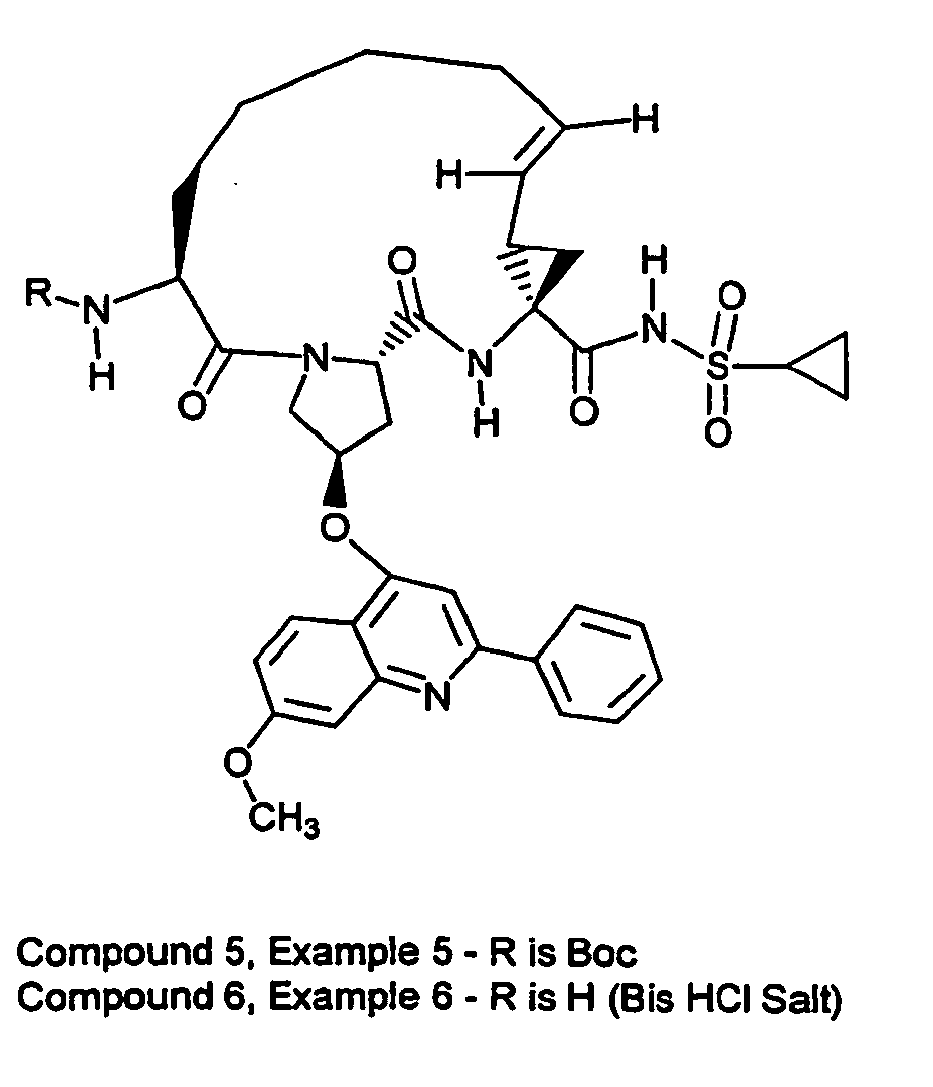
-

- Following the procedure of Step 1g, except that (0.35g, 1.4mmol) of 2(S)-tert-butoxycarbonylamino-7-octenoic acid purchased from RSP Amino Acids, was coupled in place of 2(S)-tert-butoxycarbonylamino-5-hexenoic acid, to give 1-{[1-(2(S)-tert-Butoxycarbonylamino-oct-7-enoyl)-4-(7-methoxy-2-phenyl-quinolin-4(R)-yloxy)pyrrolidine-2(S)-carbonyl]-1(R)-amino]-2(S)-vinylcyclopropanecarboxylic acid ethyl ester as a yellow oil (0.58g, 75%): 1H NMR (300 MHz, CDCl3) δ 1.20 (t, J=7 Hz, 3H), 1.32-1.47 (m, 5H), 1.39 (s, 9H), 1.54-1.68 (m, 2H), 1.68-2.05 (m, 3H), 2.09-2.18 (m, 1H), 2.35-2.48 (m, 1H), 2.89-2.99 (m, 1H), 3.93 (s, 3H), 4.02-4.22 (m, 2H), 4.27 (d, J=11.3 Hz, 1H), 4.38-4.47 (m, 1H), 4.80-4.98 (m, 3H), 5.06-5.14 (m, 2H), 5.28 (dd, J=17.2, 1.5 Hz, 1H), 5.41 (brs, 1H), 5.63-5.81 (m, 2H), 7.03 (s, 1H), 7.07 (dd, J=9.2, 2.6 Hz, 1H), 7.41-7.57 (m, 4H), 7.98-8.04 (m, 3H). LC-MS (Method A-retention time: 1.81), MS m/z 741 (M++1).

- Following the experimental and purification procedure of step 1h, 1-{[1-(2(S)-tert-butoxycarbonylamino-oct-7-enoyl)-4-(7-methoxy-2-phenylquinolin-4(R)-yloxy)-pyrrolidine-2(S)-carbonyl]-1(R)-amino]-2(S)-vinyl-cyclopropanecarboxylic acid ethyl ester (1.16 g, 1.565 mmol) was reacted with 275 mg and 225 mg portions of Grubbs catalyst to afford (1S,4R,6S,13S,17R)-7-trans-13-tert-butoxycarbonyl-amino-17-(7-methoxy-2-phenylquinolin-4-yloxy)-2,14-dioxo-3,15-diazatricyclo-[13.3.0.04,6]octadec-7-ene-4-carboxylic acid ethyl ester (90 mg, 8%) and (1S,4R,6S,13S,17R)-7-cis-13-tert-butoxycarbonylamino-17-(7-methoxy-2-phenylquinolin-4-yloxy)-2,14-dioxo-3,15-diazatricyclo[13.3.0.04,6]octadec-7-ene-4-carboxylic acid ethyl ester (222 mg, 20%). Data for trans- or E-olefin isomer: 1H NMR (500 MHz, CD3OD) δ 1.14-1.48 (m, 6H), 1.21 (t, J=7.0 Hz, 3H), 1.34 (s, 9H), 1.51-1.63 (m, 2H), 1.76 (s, 1H), 1.81-1.91 (m, 2H), 2.00-2.08 (m, 1H), 2.50 (q, J=8 Hz, 1H), 2.61-2.66 (m, 1H), 2.75-2.80 (m, 1H), 3.95 (s, 3H), 4.04-4.18 (m, 2H), 4.40-4.44 (m, 1H), 4.54 (d, J=11.6 Hz, 1H), 4.79 (t, J=7.3 Hz, 1H), 5.04 (dd, J=15.6, 7.6 Hz, 1H), 5.16 (d, J=8.2 Hz, 1H), 5.46 (brs, 1H), 5.53-5.59 (m, 1H), 7.04 (s, 1H), 7.07 (dd, J=9.2, 2.4 Hz, 1H), 7.42-7.52 (m, 4H), 8.03-8.10 (m, 3H). LC-MS (Method E-retention time: 1.89), MS m/z 713 (M++1). Data for cis-or Z-olefin isomer: 1H NMR (300 MHz, CDCl3) δ 1.15-1.62 (m, 5H), 1.21 (t, J=7 Hz, 3H), 1.38 (s, 9H), 1.91 (dd, J=8.1, 5.9 Hz, 1H), 1.97-2.02 (m, 5H), 2.33-2.41 (m, 1H), 3.03-3.11 (m, 1H), 3.95 (s, 3H), 4.06-4.18 (m, 3H), 4.27 (d, J=11 Hz, 1H), 4.54 (m, 1H), 4.93 (dd, J=8.2, 4.2 Hz, 1H), 5.27-5.40 (m, 2H), 5.71-5.80 (m, 1H), 7.05 (s, 1H), 7.08 (dd, J=9.2, 2.6 Hz, 1H), 7.43-7.53 (m, 4H), 8.02 (d, J=9.2 Hz, 1H), 8.05-8.07 (2s, 2H). LC-MS (Method E-retention time: 1.80), MS m/z 713 (M++1).

- Following the experimental and purification procedure of Step 2i, (1S,4R,6S,13S,17R)-7-trans-13-tert-butoxycarbonyl-amino-17-(7-methoxy-2-phenylquin-olin-4-yloxy)-2,14-dioxo-3,15-diazatricyclo-[13.3.0.04,6]octadec-7-ene-4-carboxylic acid ethyl ester (185 mg, 0.265 mmol) was reacted with 64 mg (1.6 mmol) of LiOH in 15.5 mL of 9:5:1.5 of THF/H2O/MeOH to afford (1S,4R,6S,13S,17R)-7-trans-13-tert-butoxycar-bonylamino-17-(7-methoxy-2-phenylquinolin-4-yloxy)-2,14-dioxo-3,15-diazatricyclo[13.3.0.04,6]octadec-7-ene-4-carboxylic acid (180mg, 100%): 1H NMR (300 MHz, CD3OD) δ 1.14 (s, 9H), 1.20-1.51(m, 5H), 1.53-1.58 (m, 1H), 1.70 (dd, J=9.9, 5.1 Hz, 1H), 1.86 (brs, 1H), 2.06 (brs, 1H), 2.28-2.59 (m, 3H), 2.65-2.73 (m, 1H), 3.94 (s, 3H), 4.07 (dd, J=11.3, 2.6 Hz, 1H), 4.23 (d, J=8.4 Hz, 1H), 4.64-4.70 (m, 2H), 5.54-5.68 (m, 3H), 7.10 (dd, J=9, 2 Hz, 1H), 7.26 (s, 1H), 7.39 (d, J=2.2 Hz, 1H), 8.02, 8.04 (2s, 2H), 8.12 (d, J=9.1 Hz, 1H). LC-MS (Method E-retention time: 1.57), MS m/z 685 (M++1). HRMS m/z (M+H)+ calcd for C38H45N4O8: 685.3238, found 685.3241.
-

- Using the procedural and purification conditions of Step 2j, 35.6 mg (0.052 mmol) of (1S,4R,6S,13S, 17R)-7-trans-13-tert-butoxycarbonyl-amino-17-(7-methoxy-2-phenylquinolin-4-yloxy)-2,14-dioxo-3,15-diazatricyclo-[13.3.0.04,6]octadec-7-ene-4-carboxylic acid was converted to 30 mg (73%) (1S,4R,6S,13S,17R)-7-trans-[4-cyclopropanesulfonylaminocarbonyl-17-(7-methoxy-2-phenylquinolin-4-yloxy)-2,14-dioxo-3,15-diazatricyclo-[13.3.0.04,6]octadec-7-en-13-yl]carbamic acid tert-butyl ester: 1H NMR (300 MHz, CD3OD) δ 0.85-1.51 (m, 8H), 1.16 (s, 9H), 1.64-1.76 (m, 3H), 1.87 (m, 1H), 2.10 (m, 1H), 2.32 (m, 1H), 2.44 (m, 1H), 2.52-2.72 (m, 2H), 2.83 (brs, 1H), 3.94 (s, 3H), 4.10-4.15 (m, 1H), 4.23-4.32 (m, 1H), 4.61-4.69 (m, 2H), 5.49-5.64 (m, 3H), 7.08 (dd, J=9.2, 2.2 Hz, 1H), 7.23 (s, 1H), 7.37 (d, J=2.2 Hz, 1H), 7.46-7.56 (m, 3H), 8.03-8.09 (m, 3H). LC-MS (Method E-retention time: 1.57), MS m/z 788 (M++1). HRMS m/z (M+H)+ calcd for C41H50SN5O9: 788.3329, found 788.3337.
-

- A solution of 2 mL (8 mmol) of 4N HCl/dioxane was added to 10.5 mg (0.014 mmol) of (1S,4R,6S,13S,17R)-7-trans-[4-cyclopropanesulfonylaminocarbonyl-17-(7-methoxy-2-phenylquinolin-4-yloxy)-2,14-dioxo-3,15-diazatricyclo-[13.3.0.04,6]octadec-7-en-13-yl]carbamic acid tert-butyl ester, the mixture stirred 2h, concentrated and dried (50 °C; 20 torr; 12h) to afford 10.0 mg (~100%) of (1S,4R,6S,13S,17R)-7-trans-Cyclopropanesulfonic acid [13-amino-17-(7-methoxy-2-phenylquinolin-4-yloxy)-2,14-dioxo-3,15-diazatricyclo[13.3.0.04,6]octadec-7-ene-4-carbonyl]amide dihydrochloride as a white solid: 1H NMR (300 MHz, CD3OD) δ 0.86-2.03 (m, 14H), 2.17 (brs, 1H), 2.52-3.00 (m, 3H), 4.06 (s, 3H), 4.16-4.53 (m, 4H), 5.36 (t, J=10.6 Hz, 1H), 5.65-5.72 (m, 1H), 5.97 (brs, 1H), 7.44-7.47 (m, 1H), 7.59-7.74 (m, 5H), 8.12 (m, 2H), 8.38-8.41(m, 1H). LC-MS (Method E-retention time: 1.16), MS m/z 688 (M++1). HRMS m/z (M+H)+ calcd for C36H42SN5O7: 688.2805, found 688.2793.
-

-

- This step of this particular sequence uses the product of step 5g as the starting point. To a solution of 1-{[1-(2(S)-tert-butoxycarbonylamino-oct-7-enoyl)-4-(7-methoxy-2-phenylquinolin-4(R)-yloxy)pyrrolidine-2(S)-carbonyl]-1(R)-amino]-2(S)-vinylcyclopropanecarboxylic acid ethyl ester (1.44 g, 1.93 mmol) in 2.5L of Argon degassed 1,2-DCE, was added 150 mg of Grubbs catalyst, the mixture degassed under Ar and heated to reflux for 3 h. The reaction mixture was cooled to rt, the mixture degassed again, 140 mg portion of Grubbs catalyst added, and the mixture heated to reflux for 14 h. The reaction mixture was cooled again to rt, the mixture degassed again, 140 mg portion of Grubbs catalyst added, and the mixture heated to reflux for a final 4 h. The dark brown solution was concentrated in vacuo, purified by a Biotage 40 M column (eluted with 15% to 65% EtOAc in hexanes) to supply (1S,4R,6S,13S,17R)-7-cis-13-tert-butoxycarbonylamino-17-(7-methoxy-2-phenylquinolin-4-yloxy)-2,14-dioxo-3,15-diazatricyclo[13.3.0.04,6]octadec-7-ene-4-carboxylic acid ethyl ester (720 mg, 52%). Data for cis- or Z-olefin isomer, (1S,4R,6S,13S,17R)-7-cis-13-tert-butoxycarbonylamino-17-(7-methoxy-2-phenylquinolin-4-yloxy)-2,14-dioxo-3,15-diazatricyclo[13.3.0.04,6]octa-dec-7-ene-4-carboxylic acid ethyl ester: 1H NMR (300 MHz, CDCl3) δ 1.15-1.62 (m, 5H), 1.21 (t, J=7 Hz, 3H), 1.38 (s, 9H), 1.91 (dd, J=8.1, 5.9 Hz, 1H), 1.97-2.02 (m, 5H), 2.33-2.41 (m, 1H), 3.03-3.11 (m, 1H), 3.95 (s, 3H), 4.06-4.18 (m, 3H), 4.27 (d, J=11 Hz, 1H), 4.54 (m, 1H), 4.93 (dd, J=8.2, 4.2 Hz, 1H), 5.27-5.40 (m, 2H), 5.71-5.80 (m, 1H), 7.05 (s, 1H), 7.08 (dd, J=9.2, 2.6 Hz, 1H), 7.43-7.53 (m, 4H), 8.02 (d, J=9.2 Hz, 1H), 8.05-8.07 (2s, 2H). LC-MS (Method E-retention time: 1.80), MS m/z 713 (M++1).
-
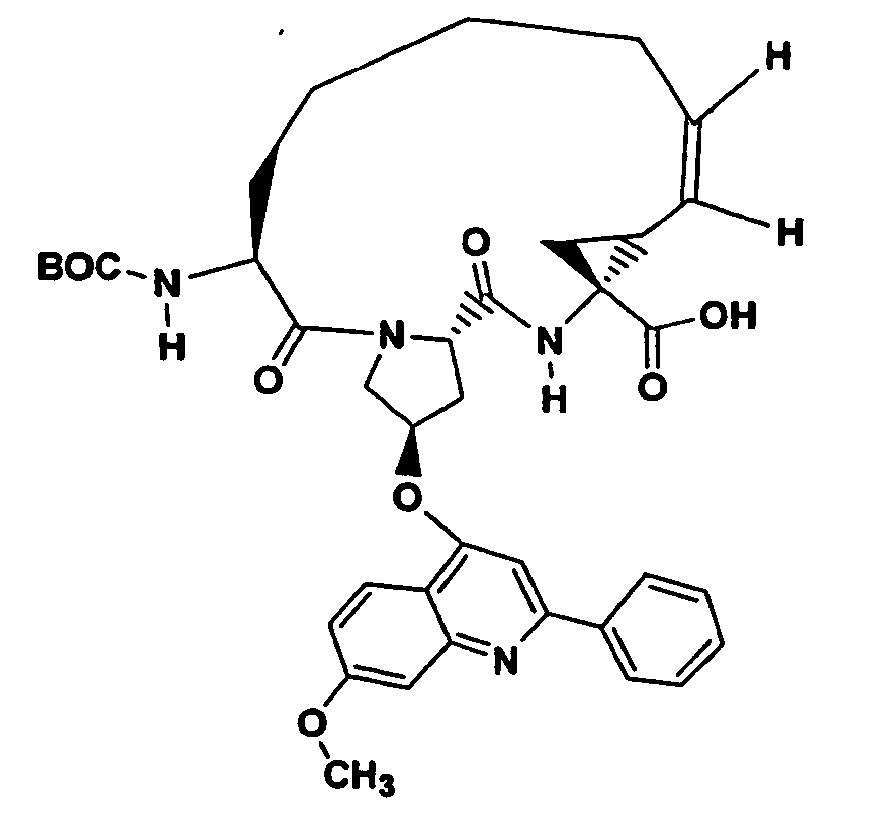
- Following the experimental and purification procedure of Step 1i, (1S,4R,6S,13S,17R)-7-cis-13-tert-butoxycarbonylamino-17-(7-methoxy-2-phenyl-quinolin-4-yloxy)-2,14-dioxo-3,15-diazatricyclo [13.3.0.04,6]octadec-7-ene-4-carboxylic acid ethyl ester (290 mg, 0.406 mmol) was reacted with 100 mg (2.5 mmol) of LiOH in 23.9 mL of 14.4:7.7:1.8 of THF/H2O/MeOH to afford (1S,4R,6S,13S,17R)-7-cis-13-tert-butoxy-carbonylamino-17-(7-methoxy-2-phenylquin-olin-4-yloxy)-2,14-dioxo-3,15-diazatricyclo-[13.3.0.04,6]octadec-7-ene-4-carboxylic acid (279 mg, 100%): 1H NMR (300 MHz, CD3OD) δ 0.97-1.05 (m, 2H), 1.14 (s, 9H), 1.20-1.55 (m, 5H), 1.60-1.73 (m, 2H), 1.85 (brs, 1H), 2.06-2.22 (m, 1H), 2.29 (brs, 1H), 2.52-2.73 (m, 2H), 3.93 (s, 3H), 4.14-4.19 (m, 1H), 4.26 (d, J=9.5 Hz, 1H), 4.56-4.67 (m, 2H), 5.47-5.53 (m, 2H), 5.71-5.78 (m, 1H), 7.08 (dd, J=9.1, 2.2 Hz, 1H), 7.22 (s, 1H), 7.37 (d, J=2.2 Hz, 1H), 7.45-7.56 (m, 3H), 8.02, 8.04 (2s, 2H), 8.09 (d, J=9.1 Hz, 1H). LC-MS (Method E-retention time: 1.60), MS m/z 685 (M++1).
-

- Following the procedural and purification conditions of Step 1j, 219 mg (0.31 mmol) of (1S,4R,6S,13S,17R)-7-cis-13-tert-butoxycarbonylamino-17-(7-methoxy-2-phenylquinolin-4-yloxy)-2,14-dioxo-3,15-diazatricyclo-[13.3.0.04,6]octadec-7-ene-4-carboxylic acid was converted to 94 mg (40%) (1S,4R,6S,13S,17R)-7-cis-[4-cyclopropanesulfonylamino-carbonyl-17-(7-methoxy-2-phenylquinolin-4-yloxy)-2,14-dioxo-3,15-diazatricyclo[13.3.0.04,6]octadec-7-en-13-yl]carbamic acid tert-butyl ester: 1H NMR (300 MHz, CD3OD) δ 0.90-1.50 (m, 9H), 1.16 (s, 9H), 1.64-1.74 (m, 2H), 1.85(brs, 1H), 2.08 (brs, 1H), 2.30 (brs, 1H), 2.44 (brs, 1H), 2.53-2.71 (m, 2H), 2.84 (brs, 1H), 3.92 (s, 3H), 4.05-4.12 (m, 1H), 4.24 (d, J=9.5 Hz, 1H), 4.60-4.69 (m, 2H), 5.44-5.63 (m, 3H), 7.06 (dd, J=9.2, 2.2 Hz, 1H), 7.20 (s, 1H), 7.35 (d, J=2.2 Hz, 1H), 7.45-7.56 (m, 3H), 8.02-8.08 (m, 3H). LC-MS (Method D-retention time: 1.55), MS m/z 788 (M++1).
-

- A solution of 5 mL (20 mmol) of 4N HCl/dioxane was added to 21 mg (0.027 mmol) of (1S,4R,6S,13S,17R)-7-Cis-[4-Cyclopropanesulfonylaminocarbonyl-17-(7-methoxy-2-phenylquinolin-4-yloxy)-2,14-dioxo-3,15-diazatricyclo-[13.3.0.04,6]octadec-7-en-13-yl]carbamic acid tert-butyl ester, the mixture stirred 2h, concentrated and dried (50 °C; 20 torr; 12h) to afford 20 mg (~100%) of (1S,4R,6S,13S,17R)-7-cis-Cyclopropanesulfonic acid [13-amino-17-(7-methoxy-2-phenylquinolin-4-yloxy)-2,14-dioxo-3,15-diazatricy-clo[13.3.0.04,6]octadec-7-ene-4-carbonyl]amide dihydrochloride as a white solid: 1H NMR (500 MHz, CD3OD) δ 1.03-1.16 (m, 3H), 1.25-1.33 (m, 2H), 1.35-1.57 (m, 3H), 1.65-1.71 (m, 2H), 1.76-1.84 (m, 1H), 1.94-2.01 (m, 1H), 2.10-2.21(m, 2H), 2.38-2.43 (m, 1H), 2.67-2.72 (m, 1H), 2.85 (dd, J=14.6, 7.9 Hz, 1H), 2.93-2.98 (m, 1H), 4.06 (s, 3H), 4.24 (dd, J=12.2, 3.7 Hz, 1H), 4.40, 4.42 (2s, 2H), 4.80-4.81 (m, 1H), 5.53-5.57 (m, 1H), 5.67-5.74 (m, 1H), 5.95 (s, 1H), 7.45 (dd, J=9, 2 Hz, 1H), 7.57 (d, J=2 Hz,1H) 7.61 (s, 1H), 7.70-7.77 (m, 3H), 8.09-8.10 (m, 2H), 8.37 (d, J=9.2 Hz, 1H). LC-MS (Method E-retention time: 1.21), MS m/z 688 (M++1).
-

-

- Following the procedure of Step 1g, except that (0.78g, 3.0mmol) of 2 (S)-tert-butoxycarbonylamino-8-nonenoic acid purchased from RSP Amino Acids, was coupled in place of 2(S)-tert-butoxycarbonylamino-5-hexenoic acid, gave 1-{[1-(2(S)-tert-butoxycarbonylamino-non-8-enoyl)-4-(7-methoxy-2-phenylquinolin-4(R)-yloxy)pyrrolidine-2(S)-carbonyl]-1(R)-amino}-2(S)-vinylcyclopropanecarboxylic acid ethyl ester as a yellow oil (1.55g, 82%): 1H NMR (300 MHz, CDCl3) δ 1.15-1.78 (m, 9H), 1.20 (t, J=7 Hz, 3H), 1.39 (s, 9H), 1.84 (dd, J=8.1, 5.5 Hz, 1H), 1.91-2.04 (m, 2H), 2.14 (q, J=8.8 Hz, 1H), 2.35-2.48 (m, 1H), 2.89-3.00 (m, 1H), 3.93 (s, 3H), 4.02-4.20 (m, 2H), 4.28 (d, J=11.7 Hz, 1H), 4.39-4.47 (m, 1H), 4.80-4.99 (m, 1H), 5.06-5.14 (m, 2H), 5.27 (dd, J=17, 1.3 Hz, 1H), 5.40 (brs, 1H), 5.65-5.81 (m, 2H), 7.03 (s, 1H), 7.07 (dd, J=9.1, 2.6 Hz, 1H), 7.42-7.57 (m, 4H), 7.99-8.05 (m, 3H). LC-MS (Method E-retention time: 1.79), MS m/z 755 (M++1).

- To a solution of 1-{[1-(2(S)-tert-butoxycarbonylamino-non-8-enoyl)-4-(7-methoxy-2-phenylquinolin-4(R)-yloxy)-pyrrolidine-2(S)-carbonyl]-1(R)-amino]-2(S)-vinylcyclopropanecarboxylic acid ethyl ester (1.50 g, 1.99 mmol) in 2.4L of Argon degassed 1,2-DCE, was added 150 mg of Grubbs catalyst, the mixture degassed under Ar and heated to reflux for 3 h. The reaction mixture was cooled to rt, the mixture degassed again, 150 mg portion of Grubbs catalyst added, and the mixture heated to reflux for 3 h. The reaction mixture was cooled again to rt, the mixture degassed again, 150 mg portion of Grubbs catalyst added, and the mixture heated to reflux for a final 9 h. The dark brown solution was concentrated in vacuo, purified by a Biotage 40 M column (eluted with 15% to 65% EtOAc in hexanes) to supply (1S,4R,6S,14S,18R)-7-cis-14-tert-butoxycarbonylamino-18-(7-methoxy-2-phenylquinolin-4-yloxy)-2,15-dioxo-3,16-diazatricyclo[14.3.0.04,6]nonadec-7-ene-4-carboxylic acid ethyl ester (1.08 g, 75%): 1H NMR (300 MHz, CDCl3) δ 1.10-1.42 (m, 6H), 1.17 (t, J=7 Hz, 3H), 1.33 (s, 9H), 1.54 (dd, J=9.5, 5.5 Hz, 1H), 1.62 (m, 1H), 1.73 (dd, J=8.5, 5.5 Hz, 1H), 1.75-1.86 (m, 1H), 2.01-2.24 (m, 3H), 2.39-2.47 (m, 1H), 2.81-2.89 (m, 1H), 3.91 (s, 3H), 3.98-4.17 (m, 3H), 4.34 (d, J=11.0 Hz, 1H), 4.46 (m, 1H), 4.77 (dd, J=8.1, 5.5 Hz, 1H), 5.21-5.27 (m, 1H), 5.39 (m, 1H), 5.48-5.57 (m, 1H), 6.99 (s, 1H), 7.04 (dd, J=9.1, 2.2 Hz, 1H), 7.38 (d, J=2.2 Hz, 1H), 7.42-7.50 (m, 3H), 7.95-8.01 (m, 3H). LC-MS (Method E-retention time: 1.71), MS m/z 727 (M++1).

- Following an analogous experimental and purification procedure to Step 1i, (1S,4R,6S,19S,18R)-7-cis-14-tert-butoxycarbonylamino-18-(7-methoxy-2-phenylquinolin-4-yloxy)-2,15-dioxo-3,16-diazatricyclo[14.3.0.04,6]nonadec-7-ene-4-carboxylic acid ethyl ester (225 mg, 0.309 mmol) was reacted with 78 mg (2.0 mmol) of LiOH in 20.8 mL of 12.4:6.6:1.8 of THF/H2O/MeOH to afford (1S,4R,6S,14S,18R)-7-cis-14-tert-butoxycarbonylamino-18-(7-methoxy-2-phenylquinol-in-4-yloxy)-2,15-dioxo-3,16-diazatricyclo[14.3.0.04,6]-nonadec-7-ene-4-carboxylic acid (178 mg, 82%): 1H NMR (500 MHz, CD3OD) δ 1.12-1.54 (m, 8H), 1.19 (s, 9H), 1.59 (dd, J=8.4, 5.0 Hz, 1H), 1.64 (dd, J=9.8, 4.9 Hz, 1H), 1.75-1.82 (m, 1H), 1.87-1.94 (m, 1H), 2.31 (q, J=9 Hz, 1H), 2.52-2.57 (m, 1H), 2.69 (dd, J=14, 7.5 Hz, 1H), 3.92 (s, 3H), 4.01 (dd, J=11.6, 3.2 Hz, 1H), 4.19 (dd, J=10.4, 2.4 Hz, 1H), 4.65 (t, J=8 Hz, 1H), 4.75 (d, J=11.6 Hz, 1H), 5.33 (t, J=9.6 Hz, 1H), 5.55-5.60 (m, 2H), 7.08 (dd, J=9.2, 2.1 Hz, 1H), 7.25 (s, 1H), 7.37 (d, J=2 Hz, 1H), 7.51-7.57 (m, 3H), 8.02-8.05 (m, 2H), 8.15 (d, J=9.2 Hz, 1H). LC-MS (Method E-retention time: 1.61), MS m/z 699 (M++1). HRMS m/z (M+H)+ calcd for C39H47N4O8: 699.3394, found 699.3395.
-

- Following the procedure of Step 1j, 136.5 mg (0.195 mmol) of (1S,4R,6S,13S,18R)-7-cis-14-tert-butoxycarbonylamino-18-(7-methoxy-2-phenylquinolin-4-yloxy)-2,15-dioxo-3,16-diazatricyclo-[14.3.0.04,6]nonadec-7-ene-4-carboxylic acid was converted to 115 mg (76%) (1S,4R,6S,13S,18R)-7-cis-[4-Cyclopropanesulfonylaminocarbonyl-18-(7-methoxy-2-phenyl-quinolin-4-yloxy)-2,15-dioxo-3,16-diazatricyclo-[14.3.0.04,6]nonadec-7-en-14-yl]carbamic acid tert-butyl ester: 1H NMR (500 MHz, CD3OD) 0.97-1.54 (m, 11H), 1.20 (s, 9H), 1.59 (m, 1H), 1.71 (m, 1H), 1.75-1.89 (m, 2H), 2.35-2.43 (m, 1H), 2.47-2.75 (m, 3H), 2.87-2.91 (m, 1H), 3.92 (s, 3H), 3.97-4.05 (m, 1H), 4.17 (d, J=10.4 Hz, 1H), 4.64 (t, J=7.6 Hz, 1H), 5.07 (m, 1H), 5.54 (brs, 1H), 5.63 (brs, 1H), 7.04 (d, J=8.6 Hz, 1H), 7.21 (brs, 1H), 7.36 (s, 1H), 7.48-7.55 (m, 3H), 8.02, 8.03 (2s, 2H), 8.15 (d, J=8.5 Hz, 1H). LC-MS (Method E-retention time: 1.64), MS m/z 802 (M++1). HRMS m/z (M+H)+ calcd for C42H52SN5O9: 802.3486, found 802.3481.
-

- A solution of 5 mL (20 mmol) of 4N HCl/dioxane was added to 26 mg (0.032 mmol) of (1S,4R,6S,13S,18R)-7-cis-[4-cyclopropanesulfonylaminocarbonyl-18-(7-methoxy-2-phenylquinolin-4-yloxy)-2,15-dioxo-3,16-diazatricyclo-[14.3.0.04,6]nonadec-7-en-14-yl]carbamic acid tert-butyl ester, the mixture stirred 2h, concentrated and dried (50 °C; 20 torr; 12h) to afford 24.0 mg (∼100%) of (1S,4R,6S,14S,18R)-7-cis-cyclopropanesulfonic acid [14-amino-18-(7-methoxy-2-phenylquinolin-4-yloxy)-2,15-dioxo-3,16-diazatricyclo[14.3.0.04,6]nonadec-7-ene-4-carbonyl]amide dihydrochloride as a white solid: 1H NMR (300 MHz, CD3OD) δ 0.96-2.05 (m, 16H), 2.24-2.34 (m, 1H), 2.52 (ms, 1H), 2.73 (m, 1H), 2.91 (m, 2H), 3.57-3.74 (m, 1H), 4.06 (s, 3H), 4.17 (m, 1H), 4.37 (m, 1H), 4.48 (m 2H), 5.07-5.14 (m, 1H), 5.66-5.75 (m, 1H), 5.95 (m, 1H), 7,47 (m, 1H), 7.60-7.75 (m, 5H), 8.12 (m, 2H), 8.39-8.41 (m, 1H) LC-MS (Method E-retention time: 1.24), MS m/z 702 (M++1). HRMS m/z (M+H)+ calcd for C37H44SN5O7: 702.2962, found 702.2976.

-

- Step 11A) To a solution of m-anisidine (58 g, 471 mmol) in 800 mL of CH3CN was added Meldrum's acid (75g, 518 mmol), and trimethylformate (60g, 565 mmol). The heterogeneous mixture was refluxed for 2 h went into solution. The solvent was removed in vacuo, 30 mL of MeOH added, and the resulting precipitate filtered and washed with 10-15 mL of MeOH. The MeOH addition/filtration procedure was repeated on the concentrated mother liquor. The resulting combined solid was dried (~20 torr, 45 °C overnite) to afford (117.6g, 90%) of the intermediate 5-[(3-Methoxyphenyl-amino)methylene]-2,2-dimethyl-[1,3]dioxane-4,6-dione.
- Step 11B) To a solution of 500 g of Ph2O heated to 250 °C was added 108.7g (392 mmol) of 5-[(3-Methoxyphenyl-amino)methylene]-2,2-dimethyl-[1,3]dioxane-4,6-dione in portions over a 30 min period. The mixture was heated an additional 15 min, cooled to rt, diluted with 800 mL of hexanes and the resulting slurry stirred overnite. The hexanes was decanted off, the solid residue dissolved in 600 mL of MeOH at reflux, cooled to rt and the resulting solid filtered and washed with minimal CH2Cl2. The analogous recrystallization procedure was followed to afford a total of 20.73 g (30%) of 7-methoxyquinolin-4-ol as a light brown solid. 1H NMR (methanol-d4) δ 3.87 (s, 3H), 6.23 d, J=7.3 Hz, 1H), 6.68 (d, J=2.4 Hz, 1H), 6.96 (dd, J=9.0, 2.4 Hz, 1H), 8.11 (d, J=9 Hz, 1H); LC-MS (retention time: 0.77, method D), MS m/z 176 (M++1).
- Step 11C) To a solution of 12.24 g (49.8 mmol) of BOC-L-CIS-HYP-OH (BOC-CIS-HYP-OME, N-α-tert-butoxycarbonyl-cis-L-4-Hydroxyproline methylester) and 26.14g (99.7 mmol) of PPh3 in 200 mL of THF cooled to 0 °C, was added a solution of 17.36 g (99.7 mmol) of DEAD and 8.73 g (49.8 mmol) of 7-methoxyquinolin-4-ol in 700 mL of THF over a 45 min period. The mixture was slowly allowed to warm to rt overnite, concentrated in vacuo and the residue purified over a Biotage 65M (eluted with 0% to 10% MeOH-EtOAc) to afford 12.78g (64%) of the desired product BOC-N-P2[(4R)-(7-methoxyquinoline-4-oxo)pro-line methyl ester], 4-(7-methoxyquinolin-4yloxy)-pyrrolidine-1,2-dicarboxylic acid 1-tert-butyl ester 2-methyl ester as a colorless glass. 1H NMR (CDCl3) δ 1.36 (s, 9H),
- 2.26-2.35 (m, 1H), 2.57-2.68 (m, 1H), 3.71 (s, 3H), 3.75-3.92 (m, 2H), 3.86, 3.87 (two s (rotamers) 3H), 4.41-4.53 (m, 1H), 5.09 (m, 1H), 6.52 (d, J=5.5 Hz, 1H), 7.06-7.09 (m, 1H), 7.24-7.26 (m, 1H), 7.94 (d, J=9.1 Hz, 1H), 8.50-8.56 (m, 1H); LC-MS (retention time: 1.34, method D), MS m/e 403 (M++1).
- Step 11D) To a solution of 8.54 g (21.2 mmol) of BOC-N-P2[(4R)-(7-methoxyquinoline-4-oxo)proline methyl ester] in 600 mL of 5:1 THF/MeOH, was added a solution of 4.0 g (167 mmol) of LiOH in 150 mL of water. The mixture was stirred overnite, the pH adjusted to pH 7 using 6N aqueous HCl, and the solution concentrated until only the water layer remained. The solution was adjusted to pH 4 using 6N aqueous HCl, NaCl added to saturate the mixture and was partitioned repeatedly with first EtOAc and then THF as the product was aqueous soluble. The combined organic layers were dried (MgSO4) and concentrated to afford 8.18 g (99%) of BOC-N-P2[(4R)-(7-methoxy-quinoline-4-oxo)proline]-OH, 4-(7-methoxyquinolin-4yloxy)-pyrrolidine-1,2-dicarboxylic acid 1-tert-butyl ester as a white solid. 1H NMR (CDCl3-Methanol-d4) δ 1.42 (s, 9H), 2.40-2.49 (m, 1H), 2.68-2.77 (m, 1H), 3.88 (m, 2H), 3.94 (s, 3H), 4.41-4.53 (m, 1H), 5.32 (m, 1H), 6.86-6.92 (m, 1H), 7.21 (dd, J=9, 2 Hz, 1H), 7.30 (d, J=2 Hz, 1H), 8.05-8.10 (m, 1H), 8.62 (d, J=6 Hz, 1H); LC-MS (retention time 1.20, method A), MS m/z 389 (M++1).

- Step 11E) To a solution of 4.50 g (11.60 mmol) of Boc-4(R)-(7-methoxyquinoline-4-oxo)proline, 2.66 g (13.9 mmol) of the HCl salt of vinyl Acca (existing as a 1:1 mixture of diastereoisomers (1R,2S/1S,2R where cyclopropyl carboxyethyl group is syn to vinyl moiety), 10 mL (57.4 mmol) of DIPEA, and 2.13 g (13.9 mmol) of HOBT.H2O in 150 mL of CH2Cl2 was added 5.27 g (13.9 mmol) of the coupling reagent HBTU, and the mixture stirred overnite. The solution was diluted with 200 mL of CH2Cl2 and was partitioned with pH 4.0 buffer (2x50 mL). The organic layer was washed with saturated aqueous NaHCO3 (2x50mL), water (2x50mL), and brine (2x50mL). The organic solution was dried (MgSO4), concentrated and purified using a Biotage 65M column (eluted with 0% to 9% MeOH/EtOAc) to provide of BOC-NH-P2[(4R)-(7-methoxyquinoline-4-oxo)-S-proline]-P1(1R,2S vinyl acca P1 moiety)-COOEt as the initial eluted isomer (2.21 g, 36% overall), followed by 1.13 g (19%) of pure lower Rf isomer BOC-NH-P2[(4R)-(7-methoxyquinoline-4-oxo)-S-proline]-P1(1S,2R Vinyl Acca P1 moiety)-CO2Et. Mixed fractions were also obtained. Data for BOCN-P2[(4R)-(7-methoxyquinoline-4-oxo)-S-proline]-P1(1R,2S)-(VinylAcca)-COOEt: 1H NMR (CDCl3) δ 1.16 (t, J=7 Hz, 3H), 1.35 (s, 9H), 1.37-1.47 (m, 1H), 1.74-1.88 (m, 1H), 2.04-2.13(m, 1H), 2.32-2.46(m, 1H), 2.58-2.69 (m, 1H), 3.76 (m, 1H), 3.87 (s ,3H), 4.02-4.13 (m, 2H), 4.30-4.44 (m, 1H), 5.05-5.19 (m, 2H), 5.24 (d, J=17 Hz, 1H), 5.63-5.71 (m, 1H), 6.61 (m, 1H), 7.07 (dd, J=9, 2Hz, 1H), 7.22 (d, J=2 Hz, 1H), 7.76-7.83 (m, 1H), 7.92 (d, J=9 Hz, 1H), 8.50 (d, J=5 Hz, 1H). LC-MS (retention time: 1.38, method A), MS m/z 526 (M++1).
Data for BOC-NH-P2[(4R)-(7-methoxyquinoline-4-oxo)-S-proline]-P1(1S,2R Vinyl Acca P1 moiety)-CO2Et: 1H NMR (methanol-d4) δ 1.23 (t, J=7 Hz, 3H), 1.38 (s, 9H), 1.45 (dd, J=9.5, 5.5 Hz, 1H), 1.77-1.87 (m, 1H), 2.10-2.16 (m, 1H), 2.37 (m, 1H), 2.73 (m, 1H), 3.77 (m, 1H), 3.90 (s, 3H), 4.07-4.15 (m, 2H), 4.46 (m, 1H), 5.10 (d, J=10 Hz, 1H), 5.21 (m, 1H), 5.27 (d, J=17 Hz, 1H), 5.69-5.76 (m, 1H), 6.64 (m, 1H), 7.10 (dd, J=9.2, 2.2 Hz, 1H), 7.27 (m, 1H), 7.95 (d, J=9.2 Hz, 1H), 8.56 (d, J=5 Hz, 1H). LC-MS (retention time: 1.45, method B), MS m/z 526 (M++1).
- Step 11F) To a solution of 794 mg (1.51 mmol) of N-BOC-P2[(4R)-(7-methoxyquinoline-4-oxo)-S-proline]-P1 (1R,2S VinylAcca)-CO2Et (from step 11E) in 68 mL of 12% MeOH/THF was added a solution of 218 mg (9.08 mmol) of lithium hydroxide in 30 mL of water and the mixture stirred 16h. The pH was adjusted to neutral by addition of 6N aqueous HCl, concentrated until only the water remained, the solution adjusted to pH 4 using aqueous 1N HCl and was then extracted with 50% THF-EtOAc (5 X 200-mL portions). The combined organic layers were dried (MgSO4) and concentrated to afford 808 mg of crude which was dried further to provide 752 mg (100%) of N-BOC-P2[(4R)-(7-methoxyquinoline-4-oxo)-S-proline]-P1(1R,2S VinylAcca)-CO2H. 1H NMR (Methanol-d4) δ 1.37-1.43 (m, 1H), 1.39 (s, 9H), 1.69-1.78 (m, 1 H), 2.16-2.24 (m, 1H), 2.44-2.54 (m, 1H), 2.64-2.74 (m, 1H), 3.89-3.94 (m, 2H), 3.96 (s, 3H), 4.40-4.43 (m, 1H), 5.11 (d, J=10 Hz, 1H), 5.31 (d, J=17 Hz, 1H), 5.40 (m, 1H), 5.79-5.87 (m, 1H), 6.91 (s, 1H), 7.04 (d, J=6 Hz, 1H), 7.25 (dd, J=9.1, 2 Hz, 1H), 7.29 (m, 1H), 8.09 (d, J=9.1 Hz, 1H), 8.66 (d, J=6 Hz, 1H). LC-MS (retention time: 1.05, method H). MS m/z 498 (M++1).
- Step 11G) To a solution of 399.5 mg (0.668 mmol) of N-BOC-P2[(4R)-(7-methoxyquinoline-4-oxo)-S-proline]-P1(1R,2S VinylAcca)-CO2H in THF (4 mL), was added CDI (434 mg, 2.68 mmol), and the resulting solution refluxed for 60 min and allowed to cool down to rt. Cyclopropylsulfonamide (406 mg, 3.35 mmol) was added in one portion before the addition of a neat solution of DBU (0.50 mL, 3.35 mmol). The reaction was stirred for 16 h, diluted with 50% THF-EtOAc (200mL) and washed with brine saturated pH 4.0 buffer (2x40mL), dried (MgSO4) and chromatographed over a Biotage 25M column (eluted with 0% to 15% MeOH in CH2Cl2) to supply 217 mg (54%) of the desired product N-BOC-P2[(4R)-(7-methoxyquinoline-4-oxo)-S-proline]-P1(1R,2S VinylAcca)-CONHSO2Cyclopropane. 1H NMR (Methanol-d4) δ 1.01-1.10 (m, 2H), 1.11-1.18 (m, 1H), 1.20-1.27 (m, 1H), 1.39-1.48 (m, 1H), 1.44 (s, 9H), 1.87 (dd, J=8, 5 Hz, 1H), 2.01-2.38 (m, 2H), 2.57 (dd, J=14, 7 Hz, 1H), 2.91-2.96 (m, 1H), 3.83-3.92 (m, 2H), 3.94 (s, 3H), 4.36-4.39 (m, 1H), 5.11 (d, J=10 Hz, 1H), 5.29 (d, J=17 Hz, 1H), 5.38 (m, 1H), 5.74-5.81 (m, 1H), 6.91 (d, J=5.5 Hz, 1H), 7.20 (dd, J=9.2, 2.4 Hz, 1H), 7.29 (m, 1H), 8.07 (d, J=9.2 Hz, 1H), 8.60 (d, J=5.5 Hz, 1H). LC-MS (retention time: 1.28, method I). MS m/z 601 (M++1)
- Steps 11H) A total of 600 mg (1.0 mmol) of BOC-P2 [(4R)-(7-methoxyquinoline-4-oxo)-S-proline]-P1(1R,2S Vinyl Acca-CONHSO2Cyclopropane), (1R,2S) VinylAcca P1 isomer of 2-(1-Cyclopropanesulfonylaminocarbonyl-2-vinylcyclopropyl-carbamoyl)-4-(7-methoxyquinolin-4-yloxy)pyrrolidine-1-carboxylic acid tert-butyl ester, was dissolved in 4N HCl/dioxane (4ml, 16 mmol) and was stirred for 3h at rt. The reaction mixture was concentrated to supply the crude HN-P2[(4R)-(7-methoxyquinoline-4-oxo)-S-proline]-P1(1R,2S Vinyl Acca) -CONHSO2Cyclopropane, Bis HCl Salt: (1R,2S)-Vinyl Acca P1 isomer of 4-(7-Methoxyquinolin-4-yloxy)-pyrrolidine-2-carboxylic acid (1-cyclopropane-sulfonylaminocarbonyl-2-vinylcyclopropyl)amide dihy-drochloride as a tan solid which was used immediately in Step 11I.
- Step 11I) The HN-P2[(4R)-(7-methoxyquinoline-4-oxo)-S-proline]-P1(1R,2S Vinyl Acca)-CONHSO2Cyclopropane, Bis HCl Salt from step 11H, was suspended in 20 mL of dichloromethane. To this mixture was added 352 mg (1.30 mmol) of 2(S)-tert-butoxycarbonylamino-8-nonenoic acid purchased from RSP Amino Acids, HOAT (82 mg, 0.60 mmol), DIPEA (0.74 ml, 5.0 mmol), and HATU (494 mg, 1.30 mmol) at rt. The reaction mixture was stirred 16h, and the majority of the CH2Cl2 removed in vacuo. The mixture was diluted with saturated pH 4.0 buffer (150 mL), and extracted into EtOAc (4x200 mL). The combined organic layers were dried (MgSO4) concentrated and purified over a Biotage 40M column (eluted with 0% to 15% MeOH in CH2Cl2) to afford 574 mg (76%) of BOCNH-P3(2(R/S)-tert-butoxycarbonylamino-8-nonenoic acid)-P2[(4R)-(7-methoxyquinoline-4-oxo)-S-proline]-P1(1R,2S-VinylAcca)-CONHSO2Cyclopropane or (1R,2S) P1 Isomer of {1-[2-(1-Cyclopropanesulfonylaminocarbonyl-2-vinyl-cyclopropylcarbamoyl)-4-(7-methoxyquinolin-4-yloxy)-pyrrolidine-1-carbonyl]-oct-7-enyl}carbamic acid tert-butyl ester. LC-MS m/e 754 (retention time: 1.64, method I).

- Step 11J) To a solution of BOCNH-P3(2(S)-tert-butoxycarbonylamino-8-nonenoyl)-P2[(4R)-(7-methoxyquinoline-4-oxo)-S-proline]-P1(1R,2S-VinylAcca)-CONHSO2Cyclopropane or (1R,2S) P1 Isomer of {1-[2-(1-Cyclopropanesulfonylaminocarbonyl-2-vinylcyclopropyl-carbamoyl)-9-(7-methoxyquinolin-4-yloxy)-pyrrolidine-1-carbonyl]-oct-7-enyl}carbamic acid tert-butyl ester from Step 11I (537 mg, 0.712 mmol) in 0.7L of Argon degassed 1,2-DCE, was added 60 mg of Grubbs catalyst, the mixture degassed under Ar and heated to reflux for 4 h. The reaction mixture was cooled to rt, the mixture degassed once more, an additional 60 mg portion of Grubbs catalyst added, and the mixture heated to reflux for 4 h. The reaction mixture was cooled to rt, the mixture degassed once more, and a final 60 mg portion of Grubbs catalyst added, and the mixture heated to reflux for 2 h. The mixture was cooled to rt, stirred 9 h more and the resulting dark brown solution concentrated in vacuo and purified using three Analtech 1000µ PTLC plates (20X40 cm, eluted sequentially with 0% to 3% MeOH in CH2Cl2 to afford 80mg of crude product. This material was further purified using four 500 µ E-Merck PTLC plates to afford 10 mg of Compound 11, Example 11, (1S,4R,6S,13S,18R)-7-cis-[4-Cyclopropanesulfonyl-aminocarbonyl-18-(7-methoxy-2-phenyl-quinolin-4-yloxy)-2,15-dioxo-3,16-diazatricyclo[14.3.0.04,6]-nonadec-7-en-14-yl]carbamic acid tert-butyl ester and P3 Epimer Compound 12, Example 11, (1S, 4R, 6S, 13R,18R)-7-cis-[4-Cyclopropanesulfonylaminocarbonyl-18-(7-methoxy-2-phenyl-quinolin-4-yloxy)-2,15-dioxo-3,16-diazatricyclo-[14.3.0.04,6]nonadec-7-en-14-yl]carbamic acid tert-butyl ester. Data for Compound 11: 1H NMR (CD3OD) δ 0.87-1.10 (m, 4H), 1.15-2.01 (m, 11H), 1.21 (s, 9H), 2.19-2.29 (m, 1H), 2.45-2.73 (m, 3H), 2.83-2.92 (m, 1H), 3.93 (s, 3H), 4.11-4.17 (m, 1H), 4.20-4.29 (m, 1H), 4.60-4.69 (m, 2H), 5.21-5.27 (m, 1H), 5.47 (m, 1H), 5.54-5.63 (m, 1H), 6.96 (d, J=5.5 Hz, 1H), 7.10 (dd, J=9.5, 2.5 Hz, 1H), 7.27 (d, J=2.5 Hz, 1H), 8.17 (d, J=9.5 Hz, 1H), 8.61(d, J=5.5 Hz, 1H). LC-MS m/e 726 (retention time: 1.57, method A). Data for Compound 12: 1H NMR (CD3OD) δ 0.79-0.99 (m, 2H), 1.00-1.65 (m, 9H), 1.15 (s, 9H), 1.80-2.05 (m, 4H), 2.32-2.57 (m, 2H), 2.59-2.83 (m, 2H), 2.84-2.92 (m, 1H), 3.92 (s, 3H), 4.03-4.16 .(m, 1H), 4.27-4.31 (m, 1H), 4.53-4.78 (m, 2H), 5.42 (m, 3H), 6.91 (d, J=5 Hz, 1H), 7.11 (dd, J=9.2, 2.2 Hz, 1H), 7.26 (d, J=2.2 Hz, 1H), 8.11 (d, J=9.2 Hz, 1H), 8.60(d, J=5 Hz, 1H). LC-MS m/e 726 (retention time: 1.49, method A).
-

- Method A. A solution of 30 mg (0.038 mmol) of (1S,4R,6S,13S,17R)-7-cis-[4-Cyclopropanesulfonyl-aminocarbonyl-17-(7-methoxy-2-phenylquinolin-4-yloxy)-2,14-dioxo-3,15-diazatricyclo[13.3.0.04,6] octadec-7-en-13-yl]carbamic acid tert-butyl ester, Compound 7, Example 7, was dissolved in 15 mL of MeOH and then evacuated via vacuum and degassed repeatedly under Ar. To this solution was added 15 mg of 20% Pd(OH)2/C and the mixture evacuated and put under 1 atmosphere of H2 gas three times and finally allowed to stir under 1 atmosphere of H2 over 45 minutes. The reaction contents were then then evacuated and put under Argon, filtered over celite and the resulting crude residue purified over preparative HPLC (column: Xterra C18 S5 30X75 mm, 35%to 80% Solvent B/A for 28 min gradient, hold time 3 min; where Solvent A is 10% MeOH/90% H2O with 0.1%TFA, Solvent B is 90%MeOH/10% H2O with 0.1%TFA and flow rate is 40 ml/min). Compound 13, Example 12 eluted first (8.8 mg, 29.3%), followed by 15 mg of mixed fractions containing Compound 13 and an unidentified product: 1H NMR (methanol-d4) δ 0.84-2.08 (m, 26H), 2.51-2.69 (m, 1H), 2.74-2.78 (m, 1H), 2.91-3.01 (m, 1H), 3.96 (s, 3H), 4.04-4.09 (m, 1H), 4.17 (d, J=11 Hz, 1H), 4.72 (t, J=8 Hz, 1H), 4.97 (d, J=12 Hz, 1H), 5.64 m, 1H), 7.13 (dd, 9, 1.6 Hz, 1H), 7.32 (s, 1H), 7.40 (d, J=1.6 Hz, 1H), 7.53-7.62 (m, 3H), 8.02-8.05 (m, 2H), 8.15 (d, J=9 Hz, 1H). LC-MS m/e 790 (retention time: 2.55, method D, except gradient time increased from 2 to 3 min).

- Step i of Method B) To a solution of 400 mg (0.584 mmol) of (1S,4R,6S,13S,17R)-7-cis-13-tert-butoxycarbonylamino-17-(7-methoxy-2-phenylquinolin-4-yloxy)-2,14-dioxo-3,15-diazatricyclo[13.3.0.04,6]octa-dec-7-ene-4-carboxylic acid and 1.90 g (11.7 mmol) of potassium diazodicarboxylate in 20 mL of MeOH, was added a solution of 1.34 mL (22.4 mmol) of glacial AcOH in 19 mL of MeOH slowly dropwise via syringe pump over 5 h, followed by stirring for an additional 6 h. To this mixture was added an additional 380 mg of potassium diazodicarboxylate (prepared as in Org. React. 1991, 40, p.91), followed by 400 µL of glacial AcOH in 4 mL of MeOH via syringe pump over 70 min. The mixture was stirred overnite, diluted with 200 mL of Et2O, filtered and concentrated in vacuo. The residue was chromatographed over 20 g of SiO2 (eluted with 5% MeOH/CH2Cl2) to afford 450 mg of crude which was dissolved in 12 mL of MeOH and injected six times (6 x 2 mL injections) onto a preparative HPLC column: Xterra C18 30X100 mm S5, 30%to 85% Solvent B/A for 25 min gradient, hold time 5 min; where Solvent A is 10% MeOH/90% H2O with 0.1%TFA, Solvent B is 90%MeOH/10% H2O with 0.1%TFA and flow rate is 40 ml/min). The pH of the combined fractions was adjusted to neutral using 6N aqueous NaOH solution and the MeOH removed in vacuo. The solution was adjusted to pH 4 using 3N aqueous HCl solution, and repeatedly extracted with EtOAC. The combined extracts were dried (MgSO4) and concentrated to afford 360 mg (90%) of (1S,4R,6R,13S,17R)-13-tert-Butoxycarbonylamino-17-(7-methoxy-2-phenyl-quinolin-4-yloxy)-2,14-dioxo-3,15-diazatricyclo[13.3.0.04,6]octadecane-4-carboxylic acid: 1H NMR (methanol-d4) δ 1.10 (s, 9 H), 1.34 (m, 12 H), 1.68 (m, 1 H), 1.84 (m, 1 H), 2.05 (s, 1 H), 2.58 (m, 1 H), 2.71 (m, 1 H) 3.94 (s, 3 H), 4.05 (dd, J=11.4, 2.9 Hz, 1 H), 4.16 (dd, J=11.8, 2.9 Hz, 1 H), 4.67 (t, J=8.1 Hz, 1 H), 4.90 (m, 1 H), 5.61 (s, 1 H), 7.10 (dd, J=9, 2 Hz, 1 H), 7.29 (s, 1 H), 7.38 (d, J=2 Hz, 1 H), 7.55 (m, 3 H), 8.03 (d, J=6.7 Hz, 2 H), 8.13 (d, J=9 Hz, 1 H). LC-MS m/e 687 (retention time: 2.84, method D, except gradient time increased from 2 to 4 min). LC-MS m/e 687 (retention time: 2.84, method D, except gradient time increased from 2 to 4 min).
-

- Method B-Step ii/Step 12j) Following the procedural and purification conditions of Step 1j, except preparative HPLC/Extractive workup was used instead of normal phase chromatography, 260 mg (0.38 mmol) of (1S,4R,6R,13S,17R)-13-tert-Butoxycarbonyl-amino-17-(7-methoxy-2-phenyl-quinolin-4-yloxy)-2,14-dioxo-3,15-diazatricyclo[13.3.0.04,6]octa-decane-4-carboxylic acid was converted to 192 mg (64%) (1S,4R,6R,13S,17R)-[4-Cyclopropanesulfonylamino-carbonyl-17-(7-methoxy-2-phenylquinolin-4-yloxy)-2,14-dioxo-3,15-diazatricyclo[13.3.0.04,6]octadec-13-yl]carbamic acid tert-butyl ester, Compound 13, Example 12 identical spectroscopically to that prepared in Method A. Representative Preparative HPLC /Extractive Workup Conditions: Xterra C18 30X100 mm S5, 35% to 100% Solvent B/A for 25 min gradient, hold time 5 min; where Solvent A is 10% MeOH/90% H2O with 0.1%TFA, Solvent B is 90%MeOH/10% H2O with 0.1%TFA and flow rate is 40 ml/min). The pH of the combined fractions was adjusted to neutral using 6N aqueous NaOH solution and the MeOH removed in vacuo. The solution was adjusted to pH 4 using 3N aqueous HCl solution, and repeatedly extracted with EtOAC. The combined extracts were dried (MgSO4) and concentrated to afford the aforementioned amount of Compound 13.
-

- Method B-Step iii/Step 13k) A solution of 2.5 mL (10 mmol) of 4N HCl/dioxane was added to 161 mg (0.204 mmol) of (1S,4R,6R,13S)-[4-Cyclopropanesulfonylamino-carbonyl-17-(7-methoxy-2-phenylquinolin-4-yloxy)-2,14-dioxo-3,15-diazatricyclo[13.3.0.04,6]octadec-13-yl]carbamic acid tert-butyl ester, the mixture stirred 3h, concentrated and dried (40 °C; 20 torr; 24h) to afford 156 mg (~100%) of Compound 14, Example 13, (1S,4R,6R,13S,17R)-Cyclopropanesulfonic acid [13-amino-17-(7-methoxy-2-phenylquinolin-4-yloxy)-2,14-dioxo-3,15-diazatricyclo[13.3.0.04,6]octadecane-4-carbonyl]amide dihydrochloride as a white solid: 1H NMR (500 MHz, CD3OD) δ 1.03-1.26 (m, 3 H), 1.26-1.75 (m, 14 H), 1.84 (s, 1 H), 2.02 (m, 1 H), 2.75 (m, 1 H), 2.85 (m, 1 H), 2.96 (m, 1 H), 4.05 (s, 3 H), 4.23 (m, 1 H), 4.31 (s, 1 H), 4.46 (d, J = 11.29 Hz, 1 H), 5.95 (s, 1 H), 7.44 (d, J = 8.85 Hz, 1 H), 7.57 (s, 1 H), 7.61 (s, 1 H), 7.75 (dd, J = 8.55, 7.32 Hz, 3 H), 8.13 (d, J = 6.71 Hz, 1 H), 8.38 (d, J = 9.16 Hz, 1 H). LC-MS m/e 690 (retention time: 2.10, method D, except gradient time increased from 2 to 4 min).
-


- Step i or Method B) To a solution of 470 mg (0.67 mmol) of (1S,4R,6S,14S,18R)-8-cis-14-tert-butoxycarbonylamino-18-(7-methoxy-2-phenylquinolin-4-yloxy)-2,15-dioxo-3,16-diazatricyclo[14.3.0.04,6]nona-dec-7-ene-4-carboxylic acid and 1.90 g (11.7 mmol) of potassium diazodicarboxylate (prepared as in Org. React. 1991, 40, p.91) in 20 mL of MeOH, was added a solution of 1.34 mL (22.4 mmol) of glacial AcOH in 20 mL of MeOH slowly dropwise via syringe pump over 6.5 h. This procedure was repeated twice, but using a 12 h time interval instead of 6.5 h during which the reaction was stopped at approximately 90% completion. The mixture was concentrated in vacuo and then chromatographed over 20 g of SiO2 (eluted with 5% MeOH/CH2Cl2). The resulting residue was dissolved in 18 mL of MeOH and injected nine times (9 x 2 mL injections) onto a preparative HPLC column: Xterra C18 30X100 mm S5, 30%to 75% Solvent B/A for 30 min gradient, hold time 5 min; where Solvent A is 10% MeOH/90% H2O with 0.1%TFA, Solvent B is 90%MeOH/10% H2O with 0.1%TFA and flow rate is 40 ml/min). The pH of the combined fractions was adjusted to neutral using 6N aqueous NaOH solution and the MeOH removed in vacuo. The solution was adjusted to pH 4 using 3N aqueous HCl solution, and repeatedly extracted with EtOAC. The combined extracts were dried (MgSO4) and concentrated to afford 278 mg (59%) of (1S,4R,6R,14S,18R)-14-tert-Butoxycarbonylamino-18-(7-methoxy-2-phenyl-quinolin-4-yloxy)-2,15-dioxo-3,16-diazatricycl o[14.3.0.04,6]nonadecane-4-carboxylic acid: 1H NMR (500 MHz, methanol-d4) . δ 1.23 (s, 9 H), 1.12-1.49 (m, 11 H), 1.50-1.67 (m, 4 H), 1.71-1.86 (m, 2 H), 2.54-2.60 (m, 1 H), 2.65-2.72 (m, 1 H), 3.94 (s, 3 H), 4.05 (dd, J=11.29, 3.36 Hz, 1 H), 4.28-4.33 (m, 1 H), 4.65 (d, J=11.29 Hz, 1 H), 4.70 (t, J=8.09 Hz, 1 H), 5.55-5.61 (m, 1 H), 7.07-7.15 (m, 1 H), 7.28 (s, 1 H), 7.38 (d, J=1.83 Hz, 1 H), 7.50-7.59 (m, 3 H), 8.04 (d, J=7.02 Hz, 2 H), 8.15 (d, J=9.16 Hz, 1 H). LC-MS m/e 701 (retention time: 3.01, method D, except gradient time increased from 2 to 4 min).
-

- Method B-Step ii/Step 14j) Following the analogous procedural and purification conditions of Steps 1j and 12j, respectively, 100 mg (0.143 mmol) of (1S,4R,6R,14S,18R)-14-tert-Butoxycarbonylamino-18-(7-methoxy-2-phenyl-quinolin-4-yloxy)-2,15-dioxo-3,16-diazatricyclo[14.3.0.04,6]nonadecane-4-carboxylic acid was converted to 108 mg (93%) (1S,4R,6R,14S)-[4-Cyclopropanesulfonylaminocarbonyl-18-(7-methoxy-2-phenyl-quinolin-4-yloxy)-2,15-dioxo-3,16-diazatricyclo-[14.3.0.04,6]nonadec-14-yl]carbamic acid tert-butyl ester, Compound 15, Example 14: 1H NMR (500 MHz, methanol-d4) δ 1.20 (m, 9 H) 0.83-1.83 (m, 21 H), 2.48 (s, 1 H), 2.73 (s, 1 H), 2.95 (s, 1 H), 3.94 (s, 3 H), 4.04 (m, 1 H), 4.24 (m, 1 H), 4.67 (m, 2 H), 5.60 (s, 1 H), 7.12 (m, J=8.85 Hz, 1 H), 7.30 (s, 1 H), 7.38 (s, 1 H), 7.57 (m, J=6.10 Hz, 3 H), 8.03 (m, J=5.80 Hz, 2 H), 8.16 (d, J=8.85 Hz, 1 H). LC-MS m/e 804 (retention time: 1.73, method D.
-

- Method B-Step iii/Step 15k) A solution of 2.5 mL (10 mmol) of 4N HCl/dioxane was added to 101 mg (0.126 mmol) of (1S,4R,6R,14S,18R)-[4-Cyclopropanesulfonyl-amino-carbonyl-18-(7-methoxy-2-phenylquinolin-4-yloxy)-2,15-dioxo-3,16-diazatricyclo[14.3.0.04,6]nona-dec-14-yl]carbamic acid tert-butyl ester (Compound 15 from Example 14), the mixture stirred 3h, concentrated and dried (40 °C; 20 torr; 24h) to afford 98 mg (-100%) of Compound 16, Example 15, (1S,4R,6R,14S,18R)-Cyclopropanesulfonic acid [14-amino-18-(7-methoxy-2-phenylquin-olin-4-yloxy)-2,15-dioxo-3,16-diazatricyclo[14.3.0.04,6]nonadecane-4-carbonyl]amide dihydrochloride as a white solid: 1H NMR (500 MHz, CD3OD) δ 1.05-1.77 (m, 19 H), 1.88 (m, 2 H), 2.60 (m, 1 H), 2.90 (m, 1 H), 2.96 (m, 1 H), 4.05 (s, 3 H), 4.21 (m, 1 H), 4.41 (m, 1 H), 4.46 (s, 1 H), 5.93 (s, 1 H), 7.44 (d, J=8.55 Hz, 1 H), 7.58 (s, 1 H), 7.62 (s, 1 H), 7.74 (m, 3 H), 8.10 (m, J=7.02 Hz, 2 H), 8.33 (d, J=9.16 Hz, 1 H). LC-MS m/e 704 (retention time: 2.24, method D, except gradient time increased from 2 to 4 min).
-
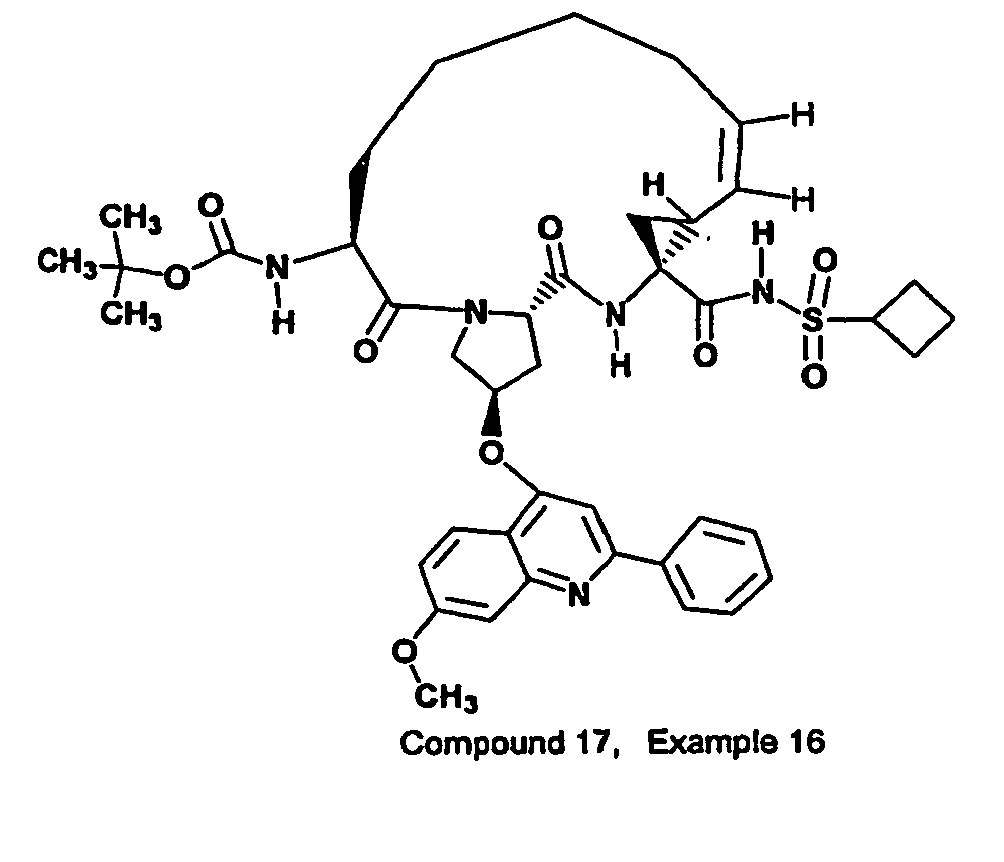
- Step 16j) Following the analogous procedural conditions of Steps 1j except cyclobutylsulfonamide was substituted for cyclopropylsulfonamide as well using the following preparative HPLC/Extractive Workup Purification: HPLC Column Xterra C18 30X100 mm S5, 35% to 85% Solvent B/A for 23 min gradient, hold time 4 min; where Solvent A is 10% MeOH/90% H2O with 0.1%TFA, Solvent B is 90%MeOH/10% H2O with 0.1%TFA and flow rate is 30 ml/min. The pH of the combined fractions was adjusted to neutral using 6N aqueous NaOH solution and the MeOH removed in vacuo. The solution was adjusted to pH 4 using 3N aqueous HCl solution, and repeatedly extracted with EtOAC. The combined extracts were dried (MgSO4) and concentrated to give the resulting conversion: 52 mg (0.076 mmol) of (1S,4R,6S,13S,17R)-7-cis-13-tert-butoxycarbonylamino-17-(7-methoxy-2-phenylquinolin-4-yloxy)-2,14-dioxo-3,15-diazatricyclo[13.3.0.04,6]octa-dec-7-ene-4-carboxylic acid was converted to 12 mg (20%) of (1S,4R,6S,13S,17R)-7-cis-[4-Cyclobutanesulfonylamino-carbonyl-17-(7-methoxy-2-phenylquinolin-4-yloxy)-2,14-dioxo-3,15-diazatricyclo[13.3.0.04,6]octadec-7-en-13-yl]carbamic acid tert-butyl ester: 1H NMR (500 MHz, CD3OD) δ 1.18 (s, 9 H), 1.23-1.56 (m, 11 H), 1.76 (m, 1 H), 1.98-2.13 (m, 3 H), 2.15-2.34 (m, 2 H), 2.48 (m, 1 H), 2.62 (m, 1 H), 2.74 (m, 1 H), 3.98 (m, 3 H), 4.29 (m, 3 H), 4.66 (m, 1 H), 5.41 (m, 1 H), 5.64 (m, 2 H), 7.12 (d, J=8.85 Hz, 1 H), 7.29 (s, 1 H), 7.42 (m, 1 H), 7.56 (m, 3 H), 8.10 (m, 3 H). LC-MS (Method D-retention time: 1.61), MS m/z 802 (M++1).
-
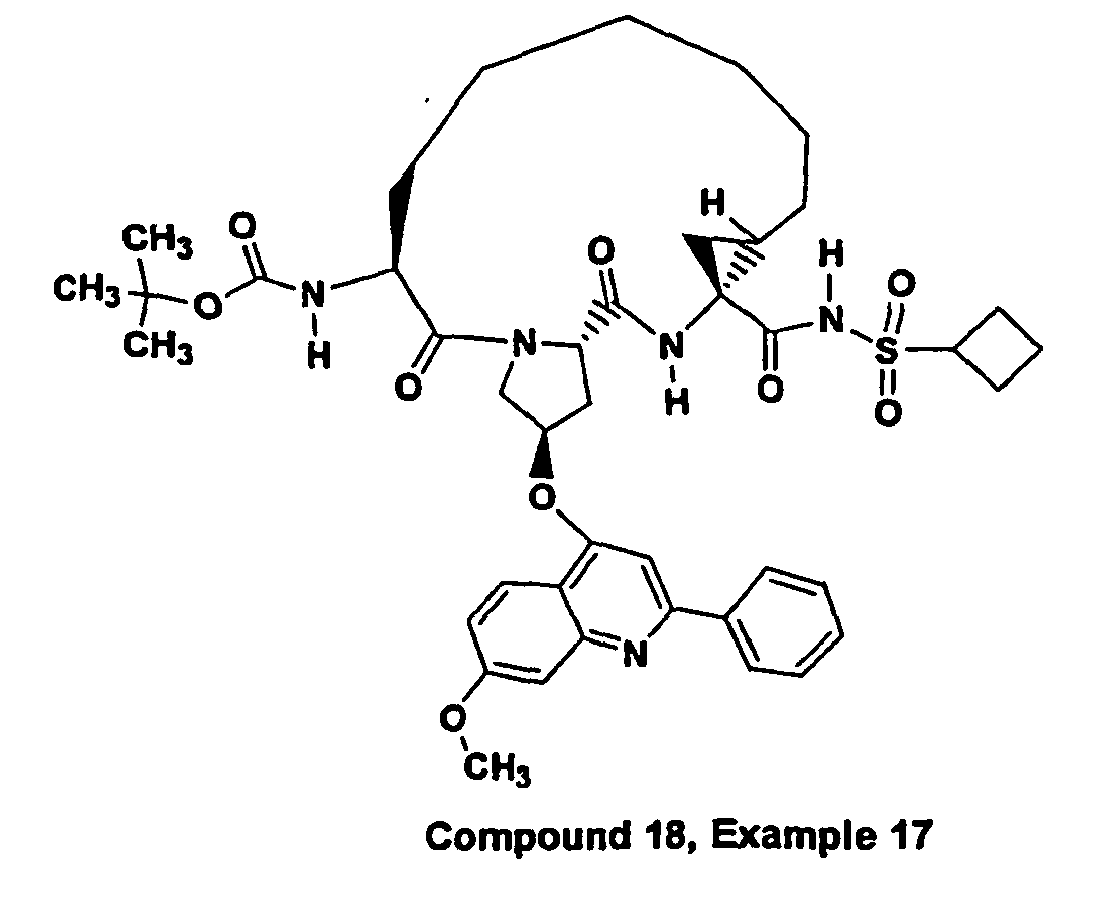
-

- Step 18j) Following the analogous procedural and purification conditions of Steps 1j and 17j, respectively, 50 mg (0.071 mmol) of (1S, 4R, 6R, 14S, 18R)-14-tert-Butoxycarbonylamino-18-(7-methoxy-2-phenyl-quinolin-4-yloxy)-2,15-dioxo-3,16-diazatricyclo[14.3.0.04,6]nonadecane-4-carboxylic acid was converted to 22 mg (38%) of (1S, 4R, 6R, 14S, 18R)-[4-Cyclobutanesulfonylaminocarbonyl-18-(7-methoxy-2-phenyl-quinolin-4-yloxy)-2,15-dioxo-3,16-diazatricyclo[14.3.0.04,6]nonadec-14-yl]carbamic acid tert-butyl ester, Compound 19, Example 18: 1H NMR (500 MHz, Solvent methanol-d4) δ 1.21 (s, 9 H), 1.14-1.88 (m, 20 H), 2.35 (m, 2 H), 2.53 (m, 3 H), 2.83 (dd, J=13.4, 6.4 Hz, 1 H), 4.01 (s, 3 H), 4.12 (d, J=11.3 Hz, 1 H), 4.27 (m, 1 H), 4.36 (m, 1 H), 4.70 (m, 1 H), 5.73 (m, 1 H), 7.21 (d, J=9.2 Hz, 1 H), 7.41 (m, 1 H), 7.46 (m, 1 H), 7.64 (m, 3 H), 8.08 (m, 2 H), 8.25 (d, J=9.2 Hz, 1 H). LC-MS m/e 818 (retention time: 1.75, method D.

- Step 191) To a suspension of 59 mg (0.0762 mmol) of compound 10 and 53.4 µL (0.381 mmol) of Et3N in 2 mL of CH2Cl2, was added 24 µL (0.208 mmol) of tert-butyl isocyanate (Aldrich). The mixture was stirred 18h, concentrated in vacuo and dissolved up in 2 mL of MeOH. This solution was injected onto a preparative HPLC using the following conditions: Column Xterra C18 30X100 mm S5, 37% to 85% Solvent B/A for 30 min gradient, hold time 5 min; where Solvent A is 10% MeOH/90% H2O with 0.1%TFA, Solvent B is 90%MeOH/10% H2O with 0.1%TFA and flow rate is 35 ml/min). The pH of the combined fractions was adjusted to neutral using 6N aqueous NaOH solution and the MeOH removed in vacuo. The solution was adjusted to pH 4 using 3N aqueous HCl solution, and repeatedly extracted with EtOAC. The combined extracts were dried (MgSO4) and concentrated to afford 30 mg (49%) of Compound 20, Example 19: 1H NMR (500 MHz, methanol-d4) δ 1.03 (s, 9 H) 1.11 (m, 3 H) 1.30 (m, 5 H) 1.49 (m, 5 H) 1.65 (m, 1 H) 1.78 (m, 2 H) 1.91 (m, 1 H) 2.41 (m, 1 H) 2.69 (dd, J=14.04, 4.58 Hz, 2 H) 2.85 (m, 1 H) 2.94 (m, 1 H) 4.07 (s, 3 H) 4.13 (dd, J=12.2, 3.4 Hz, 1 H) 4.25 (d, J=10.4 Hz, 1 H) 4.75 (m, 1 H) 4.98 (d, J=12.2 Hz, 1 H) 5.11 (m, 1 H) 5.74 (m, 1 H) 5.91 (s, 1 H) 7.40 (dd, J=9.3, 2.4 Hz, 1 H) 7.55 (m, 1 H) 7.67 (s, 1 H) 7.77 (m, 3 H) 8.10 (d, J=7.6 Hz, 1 H) 8.42 (d, J=9.3 Hz, 1 H). LC-MS m/e 801 (retention time: 2.88, method D, except gradient time increased from 2 to 4 min).

- Step 201) To a suspension of 59 mg (0.0762 mmol) of compound 10 and 53.4 µL (0.381 mmol) of Et3N in 2 mL of CH2Cl2, was added 20 µL (0.208 mmol) of 2-fluoroethyl chloroformate (Aldrich). The mixture was stirred 18h, concentrated in vacuo and dissolved up in 2 mL of MeOH. This solution was injected onto a preparative HPLC using the following conditions: Column Xterra C18 30X100 mm S5, 30% to 80% Solvent B/A for 30 min gradient, hold time 2 min; where Solvent A is 10% MeOH/90% H2O with 0.1%TFA, Solvent B is 90%MeOH/10% H2O with 0.1%TFA and flow rate is 35 ml/min). The pH of the combined fractions was adjusted to neutral using 6N aqueous NaOH solution and the MeOH removed in vacuo. The solution was adjusted to pH 4 using 3N aqueous HCl solution, and repeatedly extracted with EtOAC. The combined extracts were dried (MgSO4) and concentrated to afford 38 mg (64%) of Compound 21, Example 20: 1H NMR (500 MHz, methanol-d4) δ 1.05 (m, 3 H) 1.25-1.89 (m, 8 H) 1.62 (dd, J=9.5, 5.49 Hz, 1 H) 1.74 (dd, J=8.1, 5.34 Hz, 1 H) 1.84 (m, 2 H) 2.3.9 (m, 1 H) 2.66 (m, 2 H) 2.83 (m, 1 H) 2.91 (m, 1 H) 3.87 (m, 2 H) 4.06 (s, 3 H) 4.09 (m, 1 H) 4.22 (m, 1 H) 4.30 (m, 1 H) 4.40 (m, 1 H) 4.71 (m, 1 H) 5.08 (m, 1 H) 5.70 (m, 1 H) 5.91 (s, 1 H) 7.41 (m, 1 H) 7.53 (s, 1 H) 7.65 (s, 1 H) 7.73 (m, 3 H) 8.07 (d, J=7.6 Hz, 2 H) 8.39 (d, J=9.2 Hz, 1 H). LC-MS m/e 792 (retention time: 2.66, method D, except gradient time increased from 2 to 4 min).

- Step 211) To a suspension of 45 mg (0.058 mmol) of compound 16 and 42 µL (0.29 mmol) of Et3N in 2 mL of CH2Cl2, was added 26 µL (0.174 mmol) of neopentyl chloroformate (Aldrich). The mixture was stirred 18h, concentrated in vacuo and dissolved up in 2 mL of MeOH. This solution was injected onto a preparative HPLC using the following conditions: Column Xterra C18 30X100 mm S5, 30% to 80% Solvent B/A for 29 min gradient, hold time 2 min; where Solvent A is 10% MeOH/90% H2O with 0.1%TFA, Solvent B is 90%MeOH/10% H2O with 0.1%TFA and flow rate is 35 ml/min). The pH of the combined fractions was adjusted to neutral using 6N aqueous NaOH solution and the MeOH removed in vacuo. The solution was adjusted to pH 4 using 3N aqueous HCl solution, and repeatedly extracted with EtOAC. The combined extracts were dried (MgSO4) and concentrated to afford 35 mg (74%) of Compound 22, Example 21: 1H NMR (500 MHz, methanol-d4) δ 0.81 (s, 9 H), 1.10-1.25 (m, 4 H), 1.27-1.79 (m, 16 H), 1.86 (m, 1 H) 2.60 (m, 1 H) 2.90 (m, 1 H), 3.01 (m, 1 H), 3.18 (d, J=10.1 Hz, 1 H), 3.35 (m, 1 H), 4.07 (m, 3 H), 4.13 (m, 1 H), 4.26 (m, 1 H), 4.76 (m, 1 H), 4.90 (m, 1 H), 5.93 (m, 1 H), 7.43 (m, 1 H), 7.55 (m, 1 H), 7.68 (m, 1 H), 7.79 (m, 3 H), 8.12 (m, 2 H), 8.39 (d, J=9.2 Hz, 1 H). LC-MS m/e 818 (retention time: 3.21, method D, except gradient time increased from 2 to 4 min).
-

- This procedure was used for the preparation of non-commercially available chloroformates. To a solution of 5.96 g (67.6 mmol) of commercially available reagents (S)-3-hydroxytetrahydrofuran and pyridine (5.8 mL; 72 mmol) in THF (150 mL) cooled to 0 °C was added a 1.93 M solution of phosgene in toluene (48 mL, 92.6 mmol over 10 min under argon. The resulting solution was allowed to warm to rt over 2 h, the resulting solid filtered, and the mother liquor carefully concentrated in vacuo at room temperature until theoretical mass was obtained. The resulting residue was dissolved in 100 mL of THF to prepare a 0.68M stock solution of 3(S)-oxo-tetrahydrofuran chloroformate that could be stored in the freezer until use. In analogous fashion, other commercially available alcohols could be converted to 0.68M stock solutions of the corresponding chloroformates.

- Step 221) To a suspension of 45 mg (0.058 mmol) of compound 16 and 42 µL (0.29 mmol) of Et3N in 2 mL of CH2Cl2, was added 217 µL (0.174 mmol) of -0.8M tetrahydro[4H]pyran-4-yl chloroformate (prepared from Aldrich quality tetrahydro[4H]pyran-4-ol using the same method as in the preparation of 3(S)-oxo-tetrahydrofuran chloroformate) in CH2Cl2. The mixture was stirred 18h, concentrated in vacuo and dissolved up in 2 mL of MeOH. This solution was injected onto a preparative HPLC using the following conditions: Column Xterra C18 30X100 mm S5, 30% to 80% Solvent B/A for 29 min gradient, hold time 2 min; where Solvent A is 10% MeOH/90% H2O with 0.1%TFA, Solvent B is 90%MeOH/10% H2O with 0.1%TFA and flow rate is 35 ml/min). The pH of the combined fractions was adjusted to neutral using 6N aqueous NaOH solution and the MeOH removed in vacuo. The solution was adjusted to pH 4 using 3N aqueous HCl solution, and repeatedly extracted with EtOAC. The combined extracts were dried (MgSO4), concentrated, and rechromatographed over a Biotage 12M column (eluted with 0 to 8% MeOH/CH2Cl2) to afford 14.2 mg (30%) of Compound 23, Example 22: 1H NMR (500 MHz, CDCl3) δ 1.24 (m, 25 H), 2.48 (m, 1 H) 2.64 (m, 1 H), 2.93 (m, 1 H), 3.44 (m, 2 H), 3.83 (m, 2 H), 3.93 (s, 3 H), 4.05 (m, 1 H), 4.39 (d, J=11.3 Hz, 1 H), 4.45 (t, J=6.9 Hz, 1 H), 4.65 (m, 2 H), 5.36 (m, 2 H,) 6.95 (s, 1 H), 7.02 (dd, J=9.0, 2.3 Hz, 1 H), 7.49 (m, 4 H), 7.93 (d, J=8.8 Hz, 1H), 8.03 (d, J=7.3 Hz, 2 H), 10.26 (s, 1 H). LC-MS m/e 832 (retention time: 2.90, method D, except gradient time increased from 2 to 4 min).

- Step 231) To a suspension of 50 mg (0.065 mmol) of compound 14, 14 mg (0.139 mmol) of cyclopropyl acetic acid and 97 µL of DIPEA in 2 mL of CH2Cl2, was added 53 mg (0.139 mmol) of HATU. The mixture was stirred 18h, concentrated in vacuo and dissolved up in 2 mL of MeOH. This solution was injected onto a preparative HPLC using the following conditions: Column Xterra C18 30X100 mm S5, 30% to 80% Solvent B/A for 30 min gradient, hold time 2 min; where Solvent A is 10% MeOH/90% H2O with 0.1%TFA, Solvent B is 90%MeOH/10% H2O with 0.1%TFA and flow rate is 35 ml/min). The pH of the combined fractions was adjusted to neutral using 6N aqueous NaOH solution and the MeOH removed in vacuo. The solution was adjusted to pH 4 using 3N aqueous HCl solution, and repeatedly extracted with EtOAC. The combined extracts were dried (MgSO4) and concentrated to afford 20 mg (40%) of Compound 24, Example 23: 1H NMR (500 MHz, methanol-d4) δ -0.01 (m, 2 H), 0.30 (m, 2 H), 0.66 (m, 1 H), 0.88 (m, 1 H), 1.08 (m, 3 H), 1.24-1.68 (m, 13 H), 1.75 (m, 1 H), 1.91 (m, 3 H), 2.63 (m, 1 H), 2.81 (s, 1 H), 2.98 (m, 1 H), 4.02 (s, 3 H), 4.15 (m, 1 H), 4.41 (m, 1 H), 4.73 (t, J=8.1 Hz, 1 H), 4.94 (d, J=11.6 Hz, 1 H), 5.86 (s, 1 H), 7.31 (dd, J=9.2, 2.2 Hz, 1 H), 7.50 (d, J=2.2 Hz, 1 H), 7.58 (s, 1 H), 7.69 (m, 3 H), 8.08 (m, 2 H), 8.27 (d, J=9.2 Hz, 1 H). LC-MS m/e 772 (retention time: 2.77, method D, except gradient time increased from 2 to 4 min).

- Step 241) To a suspension of 50 mg (0.065 mmol) of compound 14, and 47 µL (0.32 mmol) of Et3N in 2 mL of CH2Cl2, was added 300 µL (0.20 mmol) of ~0.67M cycloopentyl chloroformate (prepared from Aldrich quality cyclopentanol using the same method as in the preparation of 3(S)-oxo-tetrahydrofuran chloroformate) in CH2Cl2. The mixture was stirred 18h, concentrated in vacuo and dissolved up in 2 mL of MeOH. This solution was injected onto a preparative HPLC using the following conditions: Column Xterra C18 30X100 mm S5, 30% to 80% Solvent B/A for 30 min gradient, hold time 2 min; where Solvent A is 10% MeOH/90% H2O with 0.1%TFA, Solvent B is 90%MeOH/10% H2O with 0.1%TFA and flow rate is 35 ml/min). The pH of the combined fractions was adjusted to neutral using 6N aqueous NaOH solution and the MeOH removed in vacuo. The solution was adjusted to pH 4 using 3N aqueous HCl solution, and repeatedly extracted with EtOAC. The combined extracts were dried (MgSO4) and concentrated to afford 26 mg (50%) of Compound 25, Example 24: 1H NMR (500 MHz, methanol-d4) δ 1.02-1.17 (m, 3 H), 1.20-1.67 (m, 22 H), 1.72 (m, 1 H), 1.88 (m, 1 H), 2.63 (m, 1 H), 2.86 (m, 1 H), 2.98 (m, 1 H), 4.03 (s, 3 H), 4.08 (m, 1 H), 4.16 (m, 1 H), 4.28 (m, 1 H), 4.78 (m, 1 H), 5.02 (d, J=11.0 Hz, 1 H), 5.89 (m, 1 H), 7.38 (m, 1 H), 7.51 (d, J=2.1 Hz, 1 H), 7.64 (s; 1 H), 7.73 (m, 3 H), 8.06 (d, J=7.6 Hz, 2 H), 8.34 (d, J=9.5 Hz, 1 H). LC-MS m/e 802 (retention time: 3.00, method D, except gradient time increased from 2 to 4 min).

- Step 251) To a suspension of 50 mg (0.065 mmol) of compound 14, and 47 µL (0.32 mmol) of Et3N in 2 mL of CH2Cl2, was added 300 µL (0.20 mmol) of -0.67M 3(S)-oxo-tetrahydrofuran chloroformate (prepared as described above) in CH2Cl2. The mixture was stirred 18h, concentrated in vacuo and dissolved up in 2 mL of MeOH. This solution was injected onto a preparative HPLC using the following conditions: Column Xterra C18 30X100 mm S5, 30% to 80% Solvent B/A for 30 min gradient, hold time 2 min; where Solvent A is 10% MeOH/90% H2O with 0.1%TFA, Solvent B is 90%MeOH/10% H2O with 0.1%TFA and flow rate is 35 ml/min). The pH of the combined fractions was adjusted to neutral using 6N aqueous NaOH solution and the MeOH removed in vacuo. The solution was adjusted to pH 4 using 3N aqueous HCl solution, and repeatedly extracted with EtOAC. The combined extracts were dried (MgSO4) and concentrated and chromatographed over a Biotage 12M column (eluted with 0% to 8% MeOH/CH2Cl2) to afford 10 mg (25%) of Compound 26, Example 25: 1H NMR (500 MHz, CDCl3) δ 1.20 (m, 18 H), 1.73 (m, 2 H), 1.93 (m, 2 H), 2.59 (m, 1 H), 2.69 (m, 1 H), 2.95 (m, 1 H), 3.74 (m, 3 H), 3.93 (s, 3 H), 4.07 (m, 1 H), 4.31 (m, 1 H), 4.65 (t, J=7.48 Hz, 1 H), 4.71 (d, J=11.3 Hz, 1 H), 4.96 (s, 1 H), 5.37 (d, J=6.7 Hz, 1 H), 5.43 (s, 1 H), 7.02 (m, 3 H), 7.50 (m, 3 H), 8.07 (d, J=7.3 Hz, 2 H) 10.83 (s, 1 H). LC-MS m/e 804 (retention time: 2.69, method D, except gradient time increased from 2 to 4 min).
- The following steps (A)-(G) show the preparation of the intermediate, the product of step (G).

- Step A) To a solution of 4.0 g (46.5 mmol) of 3-methyl-2-butanone (Aldrich) in 50 mL of MeOH was added dropwise a solution of 2.4 mL (46.5 mmol) of bromine over 40 min. The mixture was stirred 1.5h, diluted with 300 mL of pentane, washed with sat. aqueous NaHCO3, dried (MgSO4) and concentrated to afford 5.81 g of impure 1-Bromo-3-methyl-butan-2-one which was taken directly into the step B.
- Step B) A neat solution of 5.58g (34 mmol) of 1-Bromo-3-methyl-butan-2-one and 4.50g (34 mmol) of ethyl thioxamate (Aldrich) was heated at 70 °C over 18h and then cooled to room temperature. The mixture was partitioned between salt. aqueous NaHCO3 and EtOAc, the EtOAc layer dried (MgSO4), concentrated and chromatographed over SiO2 (eluted with 2% to 40% EtOAc/hexanes) to afford 3.4 g (48% overall) of 4-isopropylthiazole-2-carboxylic acid ethyl ester as an oil: 1H NMR (500 MHz, CDCl3) δ 1.32 (d, J=7 Hz, 6 H), 1.42 (t, J=7.2 Hz, 3 H), 3.23 (m, 1 H), 4.46 (q, J=7.2 Hz, 2 H), 7.18 (s, 1 H).
- Step C) To a solution of 3.12 g (15.7 mmol) of 4-isopropylthiazole-2-carboxylic acid ethyl ester in 32 mL of 75% THF/MeOH, was added 110 mg (31.3 mmol) of LiOH in 8 mL of H2O. The mixture was stirred overnite, the solution adjusted to pH 5 using 1N aqueous HCl solution and concentrated in vacuo to afford 4-isopropylthiazole-2-carboxylic acid as a white solid (2.97g including salts) which was used directly in Step E: 1H NMR (500 MHz, methanol-d4) δ 1.29 (d, J=6.7 Hz, 6H), 3.20 (m, 1 H), 7.39 (m, 1 H).

- Step D) To a solution of 21.8g (172 mmol) of m-anisidine in 800 mL of CH2Cl2 cooled to -50 °C, was added 172 mL (172 mmol) of 1M BCl3 in heptane over 20 min to produce an amber colored mixture which was stirred 1 h. To this mixture was added 12.2 mL (172 mmol) of AcCl and 22.9g (172 mmol) of AlCl3. The mixture was allowed to warm to room temperature overnite, poured into ice water, the solution adjusted to pH 9 using 10% aqueous NaOH and was extracted repeatedly using EtOAC. The combined organic extracts were washed with brine, dried (MgSO4), concentrated and the resulting solid recrystallized from the minimal amount of MeOH in CH2Cl2/hexanes (50%) to afford 13.4 g (47%)of slightly impure 2-amino-4-methoxybenzophenone as a crystalline solid. The solid could be taken directly into the next reaction or purified to absolute purity over SiO2 (eluted with 0% to 14% MeOH/CH2Cl2) : 1H NMR (500 MHz, CDCl3) δ 2.50 (s, 3 H), 3.79 (s, 3 H), 6.05 (d, J=2.4 Hz, 1 H), 6.21 (dd, J=8.8, 2.4 Hz, 1 H), 6.38 (m, 2 H), 7.62 (d, J=8.8 Hz, 1 H).
- Step E) To a suspension of 2.59g (15.7 mmol) of 2-amino-4-methoxybenzophenone (product of step D) and 2.68g (15.7 mmol) of 4-isopropylthiazole-2-carboxylic acid (product of step C) in 75 mL of pyridine cooled to -30 °C, was added 1.93 mL (23.5 mmol) of POCl3 slowly dropwise over 5 min. The mixture was stirred 3 h, warmed to room temperature and was stirred overnite. The reaction mixture was poured into ice water, and extracted several times with EtOAc. The combined EtOAc extracts were dried (MgSO4), concentrated and chromatographed over SiO2 (eluted with 0% to 15% MeOH/EtOAc) to afford 2.57g (51%) of 4-Methylthiazole-2-carboxylic acid (2-acetyl-5-methoxyphenyl)amide as a yellow solid: 1H NMR (500 MHz, CDCl3) δ 1.41 (d, J=6.7 Hz, 6 H), 2.64 (s, 3 H), 3.24 (m, 1 H), 3.91 (s, 3 H), 6.67 (dd, J=9, 2.5 Hz, 1 H), 7.18 (s, 1 H), 7.86 (d, J=9 Hz, 1 H), 8.56 (d, J=2.5 Hz, 1 H), 13.48 (s, 1 H).
- Step F) To a solution of 2.5g (7.85 mmol) of 4-methylthiazole-2-carboxylic acid (2-acetyl-5-methoxyphenyl)amide (product of step E) in 50 mL of THF, was added 19 mL (19 mmol) of 1M KOtBu in THF. The mixture was heated to 70 °C for 3h, cooled to rt and stirred overnight. The mixture was concentrated, cold water added to form a suspension. The mixture was then acidified to pH 4, filtered and dried. The resulting solid was chromatographed over SiO2 (eluted with 0% to 25% MeOH in CH2Cl2) to afford 1.31g (56%) of 2-(4-Isopropylthiazol-2-yl)-7-methoxyquinolin-4-ol as a beige solid: 1H NMR (300 MHz, DMSO-D6) δ 1.32 (d, J=6.6 Hz, 6 H), 3.14 (m, 1H), 3.89 (s, 3 H), 7.06 (s, 1 H), 7.38 (s, 1 H), 7.51 (s, 1 H), 7.99 (d, J=9.2 Hz, 1 H), 11.77 (m, 1 H). LC-MS m/e 301 (retention time: 1.53, method D).
- Step G) A suspension of 1.3g (4.3 mmol) of 2-(4-Isopropylthiazol-2-yl)-7-methoxyquinolin-4-ol, product of step F, in 60 mL of POCl3 was heated to reflux for 2h. The solvent was removed in vacuo, the residue diluted with ice cold water and the mixture adjusted to pH 9 while cooling to 0 °C. This aqueous solution was extracted several times with EtOAc. The combined EtOAc extracts were washed once with brine, pH 4 buffer, dried (MgSO4), and concentrated to afford 0.89g (64%) of 4-Chloro-2-(4-isopropylthiazol-2-yl)-7-methoxyquinoline as a yellow solid: 1H NMR (500 MHz, CDCl3) δ 1.38 (d, J=7 Hz, 6 H), 3.19 (m, 1 H), 3.98 (s, 3 H), 7.06 ; (s, 1 H), 7.26 (m, 1 H), 7.47 (d, J=2 Hz, 1 H), 8.10 (d, J=9 Hz, 1 H), 8.31 (s, 1 H). LC-MS m/e 319 (retention time: 2.20, method D).
-
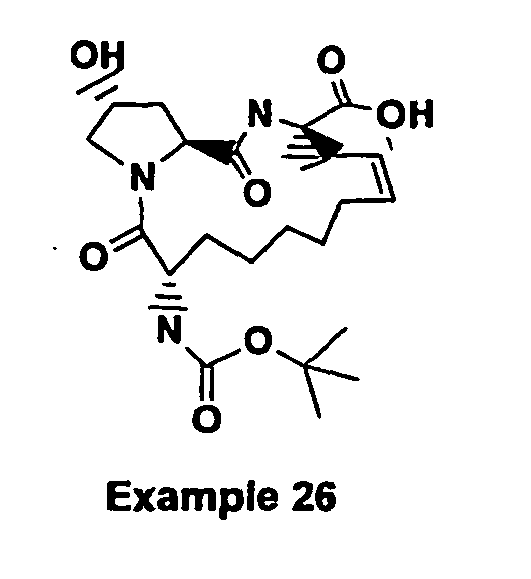
-

- A solution of 2(S)-tert-butoxycarbonylamino-8-nonenoic acid (purchased from RSP Amino Acids)(3.5 g, 12.9 mmol) in 200 mL of DCM was treated sequentially with 4(R)-hydroxypyrrolidine-2(S)-carboxylic acid methyl ester hydrocholoride (2.15 g, 11.8 mmol), N-methyl morpholine (4.25 mL, 38.6 mmol), and HATU (5.37 g, 14.1 mmol). The reaction mixture was stirred at rt under N2 for 3 days, and then concentrated in vacuo. The residue was partitioned between ethyl acetate and pH 4 buffer (biphthalate). The organic phase was washed with sat. aq. NaHCO3, dried (MgSO4), and concentrated in vacuo to give the crude product. Flash chromatography (50% ethyl acetate/hexane to 100% ethyl acetate) gave 4.7 g (∼100%) of 1-(2(S)-tert-Butoxycarbonylamino-non-8-enoyl)-4(R)-hydroxy-pyrrolidine-2(S)-carboxylic acid methyl ester as a colorless oil: 1H NMR (500 MHz, CD3OD) δ 1.33-1.50 (m, 8 H), 1.46 (s, 9 H), 1.57 (m, 1 H), 1.72 (m, 1 H) 2.08 (m, 2 H), 2.28 (m, 1 H), 3.72 (s, 3 H,) 3.75-3.87 (m, 2 H), 4.36 (m, 1 H), 4.51 (bs, 1 H), 4.57 (t, J=8.2 Hz, 1 H), 4.95 (d, J=10.4 Hz, 1 H), 5.01 (m, 1 H), 5.83 (m, 1 H). LC-MS (Method J, retention time: 3.01 min), MS m/z 399 (M++1).
-

- 1-(2(S)-tert-Butoxycarbonylamino-non-8-enoyl)-4(R)-hydroxy-pyrrolidine-2(S)-carboxylic acid methyl ester (4.7 g, 11.8 mmol) was dissolved in THF (80 mL), methanol (20 mL), and water (40 mL). Powdered lithium hydroxide(5.6 g, 233 mmol) was added. The light yellow slurry was stirred at rt under N2 for 16 h, and then concentrated in vacuo. The residue was partioned between ether and water. The ether phase was discarded, and the aqueous phase was treated with 1N HCl until the pH was 4. This acidic solution was extracted with EtOAc (3x). The combined EtOAc extracts were dried (MgSO4) and concentrated in vacuo to give 4.36 g (96%) of 1-(2(S)-tert-butoxycarbonylamino-8-nonenoyl)-4(R)-hydroxy-pyrrolidine-2(S)-carboxylic acid as a white solid. This acid was then dissolved in 150 mL of DMF and (1R,2S)-1-amino-2-vinylcyclopropane carboxylic acid ethyl ester hydrochloride (2.61 g, 13.6 mmol), N-methyl morpholine (2.5 mL, 22.6 mmol), HATU (5.2 g, 13.7 mmol) was added. The reaction mixture was stirred at rt under N2 for 16 h, and then concentrated in vacuo. The residue was partitioned between ethyl acetate and pH 4 buffer (biphthalate). The organic phase was washed with sat. aq. NaHCO3, dried (MgSO4), and concentrated in vacuo to give the crude product. Flash chromatography (60%-80% ethyl acetate/hexane) gave 6.0 g (98%) of 1-{[1-(2(S)-tert-Butoxycarbonylamino-non-8-enoyl)-4(R)-hydroxy-pyrrolidine-2(S)carbonyl]-(1R)-amino}-2(S)-vinyl-cyclopropanecarboxylic acid ethyl ester as a white solid: 1H NMR (500 MHz, CD3OD) δ 1.25 (t, J=7.2 Hz, 3 H), 1.33-1.80 (m, 10 H), 1.46 (s, 9 H), 2.09 (m, 3 H), 2.25 (m, 2 H), 3.76 (m, 2 H), 4.14 (m, 2 H), 4.27 (dd, J=8.5, 5.2 Hz, 1 H), 4.50 (m, 2 H), 4.94 (d, J=10.1 Hz, 1 H), 5.01 (dd, J=17.1, 1.8 Hz, 1 H), 5.11 (dd, J=10.4, 1.8 Hz, 1 H), 5.30 (d, J=15.6 Hz, 1 H), 5.80 (m, 2 H), 8.57 (s, 1 H). LC-MS (Method J, retention time: 3.21 min), MS m/z 522 (M++1).
-

- A solution of 1-{[1-(2(S)-tert-Butoxycarbonyl-amino-non-8-enoyl)-4(R)-hydroxy-pyrrolidine-2(S)carbonyl]-(1R)-amino}-2(S)-vinylcyclopropane-carboxylic acid ethyl ester (800 mg, 1.53 mmol) in 2 L of methylene chloride was flushed with N2 for 0.5 h. Then tricyclohexylphosphine[1,3-bis(2,4,6-trimethyl-phenyl)-4,5-dihydroimidazol-2-ylidene][benzylidene]-ruthenium (IV) dichloride (Strem) (64 mg, 0.075 mmol) was added, and the mixture was flushed with N2 for another 10 min. The light orange homogeneous solution was refluxed for 2 h to give a dark orange solution. The reaction mixture was cooled to rt and concentrated in vacuo to give an orange oil. Flash chromatography (ethyl acetate) gave 460 mg (61%) of (1S,4R,6S,14S,18R)-7-cis-14-tert-butoxycarbonylamino-18-hydroxy-2,15-dioxo-3,16-diazatricyclo[14.3.0.04,6]-nonadec-7-ene-4-carboxylic acid ethyl ester as a gray solid. 1H NMR (500 MHz, CDCl3) δ 1.19 (t, J=7.2 Hz, 3 H), 1.42 (s, 9 H), 1.22-1.8 (m, 8 H), 1.87 (m, 2 H), 2.03-2.22 (m, 4 H), 2.63 (m, 1 H), 3.65 (m, 1 H), 4.09 (m, 3 H), 4.45 (m, 1 H), 4.56 (s, 1 H), 4.82 (m, 1 H), 5.23 (m, 1 H), 5.51 (s, 1 H), 7.16 (s, 1 H). LC-MS (Method J, retention time: 2.97 min), MS m/z 494 (M++1).
-

- To a solution of (1S,4R,6S,14S,18R)-7-cis-14-tert-butoxycarbonylamino-18-hydroxy-2,15-dioxo-3,16-diazatricyclo[14.3.0.04,6]-nonadec-7-ene-4-carboxylic acid ethyl ester (493 mg, 1.0 mmol) in THF (4 mL), methanol (1 mL), and water (2 mL), was added powdered lithium hydroxide(480 mg, 20 mmol), and the light yellow slurry stirred at rt under N2 for 16 h. The mixture was then concentrated in vacuo and the residue partioned between ether and water. The ether phase was discarded, and the aqueous phase was treated with 1 N HCl until pH 4. This acidic solution was extracted with EtOAc three times. The combined EtOAc extracts were dried (MgSO4) and concentrated in vacuo to give 460 mg (98%) of Example 26, (1S,4R,6S,14S,18R)-7-cis-14-tert-butoxycarbonylamino-18-hydroxy-2,15-dioxo-3,16-diazatricyclo[14.3.0.04,6]-nonadec-7-ene-4-carboxylic acid as a gray solid. 1H NMR (500 MHz, CD3OD) δ ppm 1.26 (t, J=7.2 Hz, 3 H), 1.35-1.52 (m, 15 H), 1.57-1.68 (m, 3 H), 1.79 (m, 1 H), 2.04 (m, 1 H), 2.16-2.41 (m, 3 H), 3.80 (dd, J=10.7, 4.3 Hz, 1 H), 3.88 (m, 1 H), 4.38 (dd, J=8.9, 3.1 Hz, 1 H) , 4.55 (m, 2 H), 5.39 (t, J=9.8 Hz, 1 H), 5.58 (m, 1 H). LC-MS (Method J, retention time: 2.64 min), MS m/z 466 (M++1).
H) 1 M KOtBu in THF; LaCl3

- Step H) To a suspension of 58 mg (0.125 mmol) of (1S,4R,6S,14S,18R)-7-cis-14-tert-butoxycarbonylamino-18-hydroxy-2,15-dioxo-3,16-diazatricyclo[14.3.0.04,6]-nonadec-7-ene-4-carboxylic acid, Example 26, and 31 mg (0.125 mmol) of LaCl3 in 1.2 mL of DMF cooled to -78 °C was added 0.62 mL (0.62 mmol) of 1M KOtBU in THF, followed by 4-Chloro-2-(4-isopropylthiazol-2-yl)-7-methoxyquinoline, product of step G. The mixture was stirred one hour and warmed to rt showing little conversion to the product. Approximately 0.75 equivalent of solid KOtBU was added (10 mg), and the mixture stirred overnite. After 14h, approximately one-half equivalent of 4-Chloro-2-(4-isopropylthiazol-2-yl)-7-methoxyquinoline (22mg) and LaCl3 (16 mg) were added, and the mixture stirred overnite. The mixture was quenched with pH 4 buffer and extracted into EtOAc. The combined EtOAc extracts were dried (MgSO4), concentrated in vacuo and dissolved up in 2 mL of MeOH. This solution was injected onto a preparative HPLC using the following conditions: Column Xterra 30X100 mm S5, 30% to 100% Solvent B/A for 18 min gradient, hold time 5 min; where Solvent A is 10% MeOH/90% H2O with 0.1%TFA, Solvent B is 90%MeOH/10% H2O with 0.1%TFA and flow rate is 40 ml/min). The pH of the combined fractions was adjusted to neutral using 6N aqueous NaOH solution and the MeOH removed in vacuo. The solution was adjusted to pH 4 using 3N aqueous HCl solution, and repeatedly extracted with EtOAC. The combined EtOAc extracts were dried (MgSO4) and concentrated in vacuo to provide 22 mg (31%) of (1S,4R,6S,14S,18R)-7-cis-14-tert-Butoxycarbonylamino-18-[2-(2-isopropylthiazol-4-yl)-7-methoxyquinolin-4-yloxy]-2,15-dioxo-3,16-diazatricyclo[14.3. 0.04,6]nona-dec-7-ene-4-carboxylic acid: 1H NMR (500 MHz, Methanol-d4) δ 1.08-1.67 (m, 11 H), 1.39 (s, 9 H), 1.41 (d, J=7.0 Hz, 6 H), 1.78 (m, 1 H), 1.93 (m, 1 H), 2.32 (q, J=9 Hz, 1 H), 2.74 (m, 1 H), 3.23 (m, 1 H), 3.97 (m, 3 H), 4.07 (d, J=9 Hz, 1 H), 4.20 (d, J=8.2 Hz, 1 H), 4.66 (t, J=8.2 Hz, 1 H), 4.76 (d, J=11.3 Hz, 1 H), 5.36 (m, 1 H), 5.59 (m, 1 H), 5.64 (s, 1 H), 6.91 (s, 1 H), 7.13 (d, J=8.9 Hz, 1 H), 7.42 (s, 1 H), 7.45 (s, 1 H), 7.70 (s, 1 H), 8.19 (d, J=8.9 Hz, 1 H), 8.68 (s, 1 H). LC-MS m/e 748 (retention time: 203, method D).
- Step I) To a solution of 18 mg (0.024 mmol) of (1S,4R,6S,14S,18R)-7-cis-14-tert-Butoxycarbonylamino-18-[2-(2-isopropylthiazol-4-yl)-7-methoxyquinolin-4-yloxy]-2,15-dioxo-3,16-diazatricyclo[14.3.0.04,6]nona-dec-7-ene-4-carboxylic acid (product of Step H) in 2 mL of THF, was added CDI (29 mg, 0.036 mmol), and the resulting solution refluxed for 60 min and allowed to cool down to rt. Cyclopropylsulfonamide (4.4 mg, 0.036 mmol) was added in one portion before the addition of a neat solution of DBU (5.1 µL, 0.034 mmol). The reaction was stirred for 16 h, diluted to 2 mL of methanol and injected onto a preparative HPLC using the following conditions: Column Xterra 30X100 mm S5, 30% to 100% Solvent B/A for 30 min gradient, hold time 5 min; where Solvent A is 10% MeOH/90% H2O with 0.1%TFA, Solvent B is 90%MeOH/10% H2O with 0.1%TFA and flow rate is 40 ml/min). The pH of the combined fractions was adjusted to neutral using 6N aqueous NaOH solution and the MeOH removed in vacuo. The solution was adjusted to pH 4 using 3N aqueous HCl solution, and repeatedly extracted with EtOAC. The combined EtOAc extracts were dried (MgSO4) and concentrated in vacuo to provide 6.4 mg (31%) Compound 27, Example 27, as a foam: 1H NMR (500 MHz, Methanol-d4) δ 0.96-1.56(m, 17 H), 1.18 (s, 9 H), 1.61 (dd, J=9.5, 5.5 Hz, 1 H), 1.72 (dd, J=8.1, 5.3 Hz, 1 H), 1.84 (m, 2 H), 2.38 (m, 1 H), 2.61 (m, 1 H), 2.70 (m, 1 H), 2.80 (m, 1 H), 2.90 (m, 1 H), 3.24 (m, 1 H), 3.96 (s, 3 H), 4.07 (m, 1 H), 4.15 (d, J=10.7 Hz, 1 H), 4.66 (m, 1 H), 4.86 (m, 1 H), 5.08 (m, 1 H), 5.69 (m, 2 H), 7.13 (d, J=9.2 Hz, 1 H), 7.43 (s, 1 H), 7.45 (s, 1 H), 7.70 (s, 1 H), 8.20 (d, J=9.2 Hz, 1 H). LC/MS m/e 851 (retention time: 1.98, method D).
-

-

- Step 30A) A suspension of Boc-L-4-hydroxyproline [N-Boc (2S,4R)-hydroxyproline] (10 g, 43'.3 mmol) (CHEM-IMPEX International) in DMSO (150 mL) was cooled in an ice bath for - 3 minutes, and then t-BuOK (12.1 g, 108.2 mmol) was added. The mixture was stirred for a few minutes until a solid mass formed. At this time the reaction mixture was allowed to warm to rt over 1.5 h to give a clear colorless solution. 1-Chloroquinoline (7.7 g, 47.2 mmol) was added in two portions 10 min apart. The reaction was stirred for 24 h at rt. The dark reaction mixture was partitioned between ether (500 mL) and water (700 mL). The aqueous phase was acidified to pH 4 using 4 N HCl. The resulting white precipitate was filtered and then washed with water (200 mL) to give the titled product of Step 30A as an off-white solid (13 g, 84%): 1H NMR (500 MHz, DMSO) δ 1.32, 1.35 (2s, 9 H), 2.36 (m, 1 H), 2.66 (m, 1 H), 3.73 (m, 2 H), 4.35 (m, 1 H), 5.34 (s, 1 H), 7.06 (d, J=5.2 Hz, 1 H), 7.56 (t, J=8.2 Hz, 1 H), 7.75 (t, J=8.2 Hz, 1 H), 7.95 (d, J=8.2 Hz, 1 H), 8.11 (t, J=8.2 Hz, 1 H), 8.72 (d, J=5.2 Hz, 1 H). LC-MS (Method J, retention time: 1.87 min), MS m/z (M++1).
-

- Step 30B) A stirred slurry of 4(R)-(Quinolin-4-yloxy)-pyrrolidine-1,2(S)-dicarboxylic acid 1-tert-butyl ester_(5.0 g, 14 mmol) in a mixture of 100 mL of methylene chloride and 100 mL of DMF was treated sequentially with N-methyl morpholine (3 mL, 27.3 mmol), HATU (PE biosystems) (6.3 g, 16.5 mmol), and 1R,2S-1-amino-2-vinylcyclopropane carboxylic acid ethyl ester hydrochloride (3.2 g, 16.7 mmol). The solution was stirred at rt under N2 for 18 h, and then concentrated in vacuo to give 10 g of a brown oil. This oil was partitioned between ethyl acetate and sat. aq. NaHCO3. The organic phase was washed with brine, dried (MgSO4), and concentrated in vacuo. Flash chromatography (10% MeOH in ethyl acetate) gave 7.0 g (100%) of the titled product of Step 30B as a yellow solid: 1H NMR (300 MHz, CD3OD) δ 1.25 (t, J=7.3 Hz, 3 H), 1.44, 1.39 (2 s, 10 H), 1.79 (m, 1 H), 2.20 (m, 1 H), 2.43 (m, 1 H), 2.71 (m, 1 H), 3.92 (m, 2 H), 4.15 (q, J=7.3 Hz, 2 H), 4.42 (m, 1 H), 5.11 (m, 1 H), 5.29-5.39 (m, 2 H), 5.75 (m, 1 H), 7.05 (d, J=5.5 Hz, 1 H), 7.57 (t, J=8.1 Hz, 1 H), 7.76 (t, J=8.4 Hz, 1 H), 7.95 (d, J=8.4 Hz, 1 H), 8.16 (d, J=8.4 Hz, 1 H), 8.69 (d, J=5.5 Hz, 1 H). LC-MS (Method J, retention time: 2.35 min), MS m/z 496 (M++1).
-

- Step 30C) A stirred slurry of (2S)-(1(R)-ethoxycarbonyl-2(S)-vinylcyclopropylcarbamoyl)-4(R)-(quinolin-4-yloxy)pyrrolidine-1-carboxylic acid tert-butyl ester (7.0 g, 14.1 mmol) was treated with 150 mL (300 mmol) of 2 N HCl/ether (Aldrich) for 24 h. The reaction mixture was concentrated in vacuo to give 7.0 g (94%)of the titled product from step 30C as a yellow solid: 1H NMR (500 MHz, CD3OD) δ 1.28 (t, J=7.0 Hz, 3 H), 1.52 (dd, J=5.5 Hz, 4.0 Hz, 1 H), 1.65 (dd, J=7.6 Hz, 6.7 Hz, 1 H), 1.83 (dd, J=5.5 Hz, 2.7 HZ, 1 H), 2.29 (q, J=8.8 Hz, 1 H), 2.65 (m, 1 H), 3.02 (m, 2 H), 4.00 (s, 2 H), 4.20 (q, J=7.0 Hz, 2 H), 4.74 (dd, J=7.6 HZ, 2.7 Hz, 1 H), 5.17 (d, J=10.4 Hz, 1 H), 5.35 (d, J=17.1 Hz, 1 H), 5.81 (m, 1 H), 5.95 (m, 1 H), 7.69 (d, J=6.7 Hz, 1 H), 7.98 (t, J=8.2 Hz, 1 H), 8.19 (m, 2 H), 8.66 (d, J=8.2 Hz, 1 H), 9.14 (d, J=6.7 Hz, 1 H). LC-MS (Method J, retention time: 1.34 min), MS m/z 396 (M++1-2HCl).
-

- Step 30D) A solution of 2(S)-tert-butoxycarbonyl amino-8-nonenoic acid (1.3 g, 4.79 mmol, purchased from RSP Amino Acids) dissolved in 100 mL of dichloromethane was treated sequentially with 1-{[4(R)-(Quinolin-4-yloxy)pyrrolidine-2(S)-carbonyl]-1(R)-amino}-2 (S) -vinyl-cyclopropanecarboxylic acid ethyl ester bis hydrochloride (2.0 g, 4.28 mmol), N-methyl morpholine (1.5 mL, 13.6 mmol), and HATU (PE biosystems) (1. 92 g, 5.05 mmol). The reaction mixture was stirred at rt under N2 for 16 h, and then concentrated in vacuo. The residue was partitioned between ethyl acetate and pH 4 buffer (biphthalate). The organic phase was washed with sat. aq. NaHCO3, dried (MgSO4), and concentrated in vacuo to give 2.2 g of the crude product. Flash chromatography (10% methanol/ethyl acetate) gave 2.0 g (73%) of the titled product of Step 30D as a yellow solid: 1H NMR (500 MHz, CD3OD) δ 1.27 (s, 9 H), 1.21-1.45 (m, 10 H), 1.63 (dd, J=11.29, 6.71 Hz, 2 H) 1.75 (m, 1 H) 2.04 (m, 2 H) 2.28 (q, J=8.75 Hz, 1 H) 2.44 (m, 1 H) 2.76 (m, 1 H) 4.01-4.25 (m, 4 H) 4.55 (d, J=12.21 Hz, 1 H) 4.67 (t, J=8.55 Hz, 1 H) 4.93 (d, J=10.07 Hz, 1 H) 5.00 (d, J=15.26 Hz, 1 H) 5.12 (dd, J=10.38, 1.83 Hz, 1 H) 5.31 (dd, J=17.24, 1.68 Hz, 1 H) 5.51 (s, 1 H) 5.79 (m, 2 H) 7.08 (d, J=5.49 Hz, 1 H) 7.56 (t, J=7.32 Hz, 1 H) 7.77 (t, J=7.48 Hz, 1 H) 7.97 (d, J=8.54 Hz, 1 H) 8.27 (d, J=8.55 Hz, 1 H) 8.73 (d, J=5.19 Hz, 1 H). LC-MS (Method J, retention time: 3.06 min), MS m/z 649 (M++1).
-
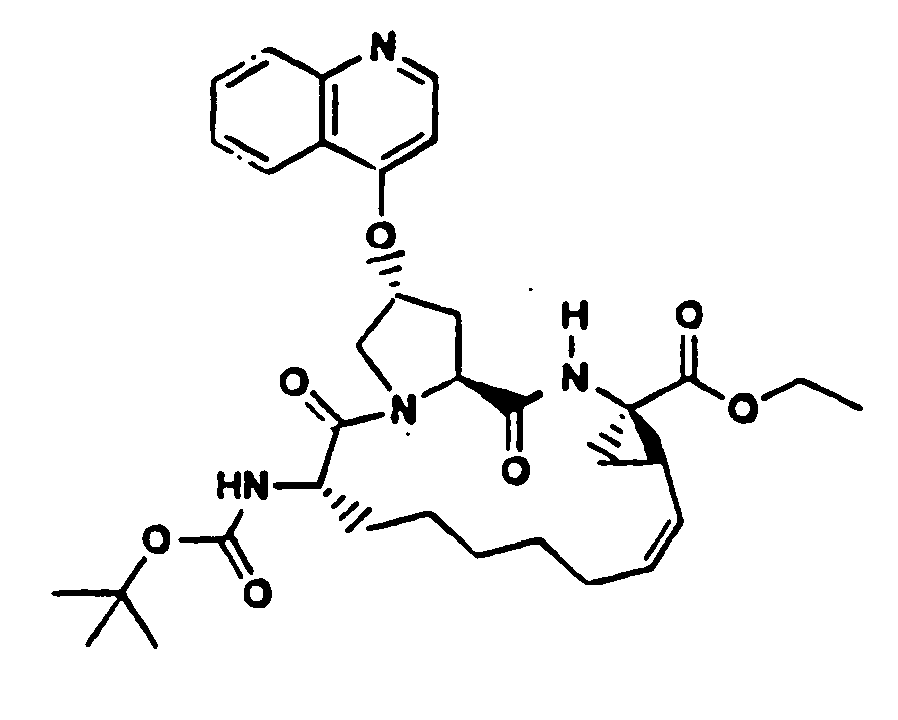
- Step 30E) A solution of 1-{[1-(2(S)-tert-Butoxycarbonylamino-non-8-enoyl)-4(R)-(quinolin-4-yloxy)pyrrolidine-2(S)-carbonyl]-1(R)-amino}-2(S)-vinylcyclopropanecarboxylic acid ethyl ester (1.6 g, 2.46 mmol)in 2 L of methylene chloride was flushed with N2 for 0.5 h. Then tricyclohexylphosphine[1,3-bis(2,4,6-trimethylphenyl)-4,5-dihydroimidazol-2-ylidene]-[benzylidene]-ruthenium (IV) dichloride (Strem) (150 mg, 0.17 mmol) was added, and the mixture was flushed with N2 for another 10 min. The light orange homogeneous solution was refluxed for 16 h. Another 50 mg of the Ru catalyst was added, and the reaction mixture was refluxed for another 8 h. Finally, another 50 mg of the Ru catalyst was added and stirring was continued for 3 days at rt. The reaction mixture was concentrated in vacuo to give 1.7 g of an orange oil. Flash chromatography (ethyl acetate to 5% methanol in ethyl acetate) gave 1.1 g (68%) of the titled product of Step 30E as a white solid: 1H NMR (500 MHz, CD3OD), δ 1.19 (s, 9 H), 1.26 (t, J=7.0 Hz, 3 H), 1.29-1.59 (m, 7 H), 1.63 (dd, J=8.5 Hz, 4.8 Hz, 1 H), 1.67 (dd, J=9.5 Hz, 4.8 Hz, 1 H), 1.78-1.85 (m, 1 H), 1.92-1.99 (m, 1 H), 2.50 (m, 2 H), 2.70 (m, 1 H), 2.85 (q, J=8.8 Hz, 1 H), 4.06 (d, J=11.9 Hz, 1 H), 4.10-4.18 (m, 2 H), 4.23 (d, J=10.7 Hz, 1 H), 4.68 (m, 1 H), 4.79 (d, J=11.3 Hz, 1 H), 5.37 (t, J=10.1 Hz, 1 H), 5.53 (s, 1 H), 5.64 (m, 1 H), 7.08 (d, J=5.5 Hz, 1 H), 7.52 (t, J=7.6 Hz, 1 H), 7.75 (t, J=8.2 Hz, 1 H), 7.95 (d, J=8.2 Hz, 1 H), 8.72 (d, J=5.5 Hz, 1 H). (LC-MS (Method J,retention time: 2.71 min), MS m/z 621 (M++1).
-
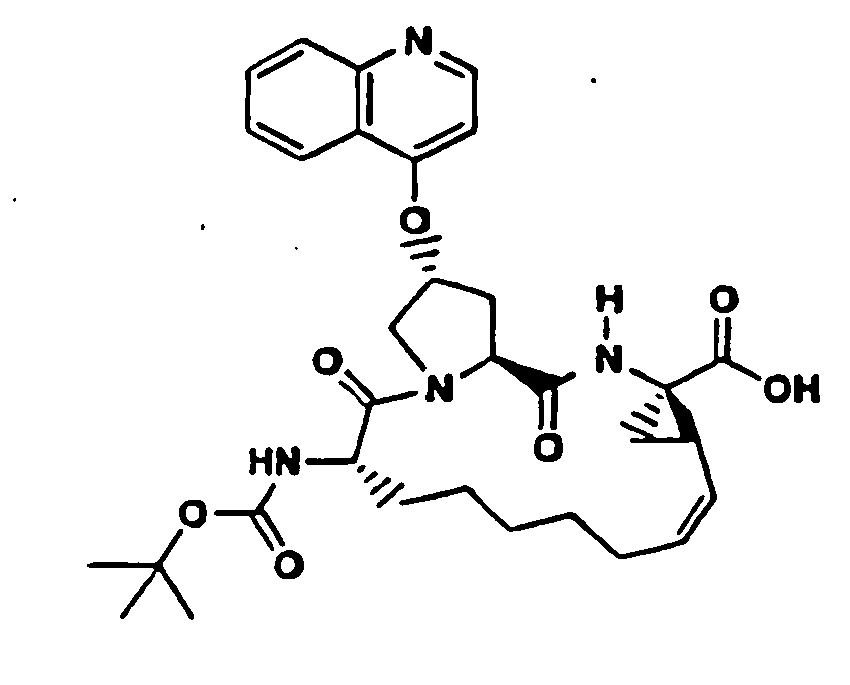
- Step 30F) A solution of (1S,4R,6S,14S,18R)-7-cis-[14-tert-Butoxycarbonylamino-2,15-dioxo-18-(quinolin-4-yloxy)-3,16-diazatricyclo[14.3.0.0 4,6 ]nonadec-7-ene-4-carboxylic acid ethyl ester (1.10 g, 1.77 mmol) was dissolved in the mixed solvent system: THF (8 mL), methanol (2 mL), and water (4 mL). Powdered lithium hydroxide (425 mg, 17.7 mmol) was added. The light yellow slurry was stirred at rt under N2 for 16 h, and then concentrated in vacuo. The residue was partitioned between ether and water. The ether phase was discarded, and the aqueous phase was treated with 1 N HCl until the pH was 4. This acidic solution was extracted with ethyl acetate four times. The combined ethyl acetate extracts were dried (MgSO4) and concentrated in vacuo to give the product of step 30F (0.90 g, 86%) as a white solid: 1H NMR (300 MHz, CD3OD) δ 1.16 (s, 9 H), 1.24 (m, 1 H), 1.33-1.55 (m, 6 H), 1.61 (m, 2 H), 1.79 (m, 1 H), 1.92 (m, 1 H), 2.32 (q, J=8.8 Hz, 1 H), 2.58 (m, 2 H), 2.68 (m, 1 H), 4.05 (d, J=10.6 Hz, 1 H), 4.22 (m, 1 H), 4.64 (t, J=8.8 Hz, 1 H), 4.74 (m, 1 H), 5.36 (t, J=10.6 Hz, 1 H), 5.99 (s, 1 H), 5.61 (m, 1 H), 7.07 (d, J=5.5 Hz, 1 H), 7.49 (t, J=7.7 Hz, 1 H), 7.73 (t, J=7.7 Hz, 1 H), 7.92 (d, J=8.8 Hz, 1 H), 8.30 (d, J=8.8 Hz, 1 H), 8.70 (d, J=5.5 Hz, 1 H). LC-MS (Method J, retention time: 2.54 min), MS m/z 593 (M++1).
-

- Step 30G) To a solution of (1S,4R,6S,14S,18R)-7-cis-14-tert-Butoxycarbonylamino-2,15-dioxo-18-(quinolin-4-yloxy)-3,16-diazatricyclo[14.3.0.0 4,6 ]-nonadec-7-ene-4-carboxylic acid (100 mg, 0.17 mmol) was dissolved in 3 mL of THF was added CDI (38 mg, 0.24 mmol), and the mixture heated to reflux for one hour. The mixture was cooled to rt and treated sequentially with cyclopropylsulfonamide (29 mg, 0.24 mmol) and DBU (36 mg, 0.24 mmol). After stirring for 24 h at rt, THF was removed by rotary evaporation. The residue was partitioned between ethyl acetate and pH 4 buffer. The organic phase was dried (MgSO4) and concentrated in vacuo to give the crude product. Flash chromatography (10% MeOH/methylene chloride) gave 50 mg (42%) of the titled product, Compound 29 of Example 30, (1S,4R,6S,14S,18R)-7-cis-[4-Cyclopropanesulfonyl-aminocarbonyl-2,15-dioxo-18-(quinolin-4-yloxy)-3,16-diazatricyclo[14.3.0.0 4,6 ]nonadec-7-en-14-yl]carbamic acid tert-butyl ester as a white powder: 1H NMR (500 MHz, CD3OD) δ 1.01 (m, 1 H), 1.18 (s, 9 H), 1.07-1.60 (m, 10 H), 1.65 (dd, J=9.5 Hz, 5.2 Hz, 1 H), 1.76 (dd, J=8.2 Hz, 5.5 Hz, 1 H), 1.86 (m, 2 H), 2.40 (m, 1H), 2.58 (m, 1 H), 2.68 (m, 1 H), 2.76 (m, 1 H), 2.93 (m, 1 H), 4.07 (d, J=10.7 Hz, 1 H), 4.19 (m, 1 H), 4.68 (dd, J=7.3 Hz, 1.81 Hz, 1 H), 4.85 (m, 1H), 5.14 (t, J=7.6 Hz, 1 H), 5.55 (s, 1 H), 5.70 (m, 1 H), 6.68 (d, J=5.8 Hz, 1 H), 7.09 (d, J=5.2 Hz, 1 H), 7.51 (t, J=7.0 Hz, 1 H), 7.76 (t, J=7.0 Hz, 1 H), 7.95 (d, J=8.2 Hz, 1 H), 8.33 (d, J=8.2 Hz, 1 H), 8.72 (d, J=5.5 Hz, 1 H). LC-MS (Method A, retention time: 2.58 min), MS m/z 696 (M++1).
-

- (1S,4R,6S,14S,18R)-7-cis-[14-tert-butoxycarbonylamino-2,15-dioxo-18-(quinolin-4-yloxy)-3,16-diaza tricyclo[14.3.0.0 4,6 ]nonadec-7-ene-4-carboxylic acid, the product of Step F in Example 30 (50 mg, 0.075 mmol) was reacted in analogous fashion with methanesulfonamide (12 mg, 0.12 mmol) as described in the preceding procedure above to give 10 mg (20%) of (1S,4R,6S,14S,18R)-7-cis-[4-methane-sulfonylaminocarbonyl-2,15-dioxo-18-(quinolin-4-yloxy)-3,16-diazatricyclo[14.3.0.04,6]-nonadec-7-en-14-yl]-carbamic acid tert-butyl ester as a white solid: 1H NMR (300 MHz, CDCl3) δ 1.26 (s, 9 H), 1.22-1.94 (m, 11 H), 2.27 (m, 1 H), 2.55 (m, 1 H), 2.67 (m, 2 H), 3.17 (s, 3 H), 4.05 (m, 1 H), 4.27 (m, 1 H), 4.61 (t, J=8.1 Hz, 1 H), 4.73 (d, J=11.0 Hz, 1 H), 4.96-5.02 (m, 2 H), 5.35 (s, 1 H), 5.71 (q, J=8.8 Hz, 1 H), 6.73 (d, J=5.1 Hz, 1 H), 6.93 (bs, 1 H), 7.43 (t, J=7.7 Hz, 1 H), 7.69 (t, J=7.7 Hz, 1 H), 8.06 (d, J=8.8 Hz, 1 H), 8.15 (d, J=7.7 Hz, 1 H), 8.77 (d, J=5.5 Hz, 1 H). LC-MS (Method A, retention time: 2.43 min), MS m/z 670 (M++1).
-

- Step 1: To a solution of N-Boc-cysteine methyl ester (3.36 g, 0.014 mol)in methanol (166 mL)at RT was added triethylamine (10.8 mL) and 1-bromopent-4-ene (3.19 g, 21 mmol, 1.5 equivalents) and the resulting solution was stirred at room temperature overnight. The mixture was then concentrated in vacuo and the resulting residual mixture was purified using flash chromatography (hexane, ethyl acetate gradient) to provide 1.76 g (41%) of the desired thioether. 1H NMR (500 MHz, CDCl3) δ 1.43 (s, 9H), 1.64 (m, 2H), 2.11 (m, 2H), 2.51 (m, 2H), 2.95 (m, 2H), 3.75 (s, 3H), 4.51 (m, 1H), 4.95-5.03 (m, 2H), 5.34 (m, 1H), 5.80 (1H, m). LC-MS (Method H, except gradient time was 3 min., and flow rate was 4 ml/min, retention time: 2.29 min), MS m/z 304 (M++1).
- Step 2: The thioether product of step 1 (9.51 g, 31.4 mmol) was added to a mixture of 1M LiOH in water (200mL) and THF (200mL) and the resulting mixture was stirred at room temperature overnight. The reaction mixture was then acidified using 1N hydrochloric acid and the resulting mixture was extracted several times with ethyl acetate. The extracts were combined, dried'over magnesium sulfate, and concentrated in vacuo to provide the desired acid which was used as is in the next reaction.
-

-
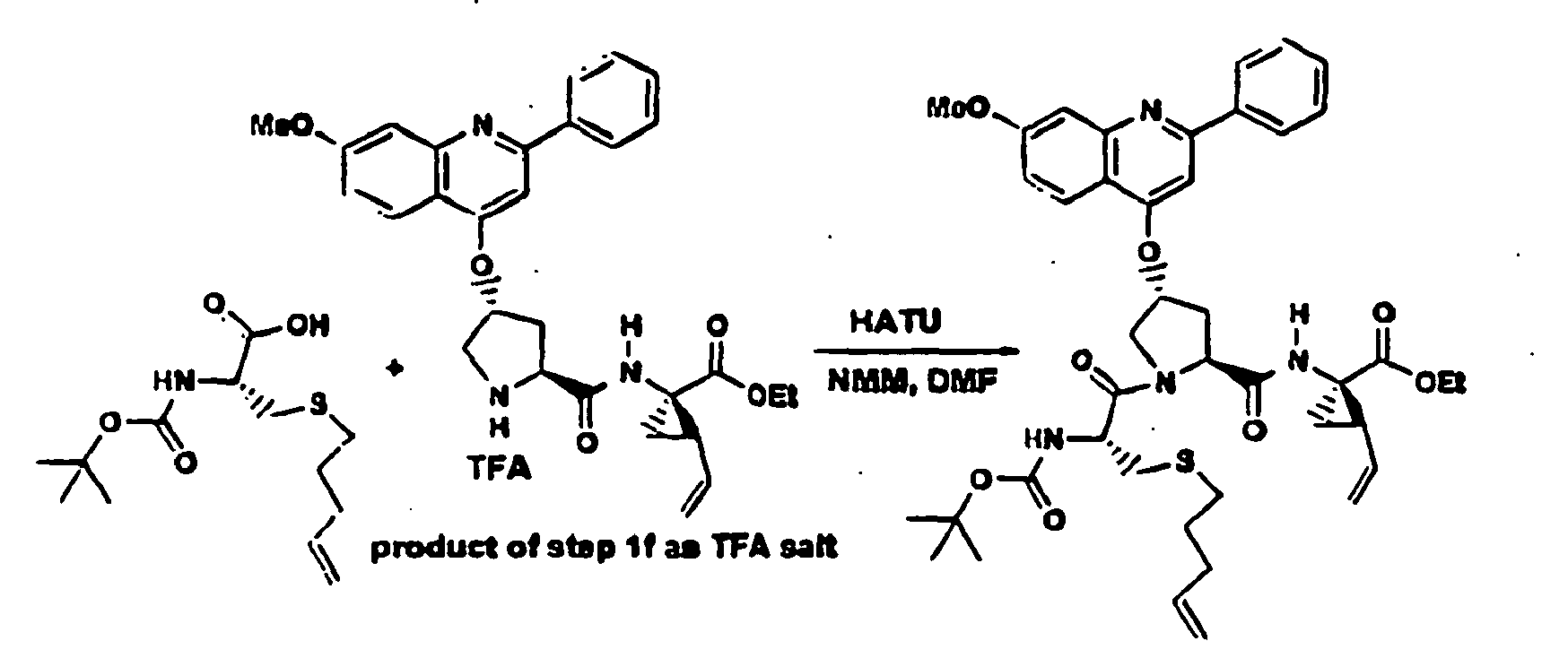
- Step 33A) Note: the product of Step 1f (1-{[4-(7-Methoxy-2-phenylquinolin-4(R)-yloxy)pyrrolidine-2(S)-carbonyl]-1(R)-amino}-2(S)-vinylcyclopropanecarboxylic acid ethyl ester was used as starting material for the preparation of Compound 31. The carboxylic acid (282 mg, 976 µmol) of example 32 was added to a DMF solution containing HATU (445mg, 1.17 mmol, 1.2 eq.), NMR (375 uL, 3.42 mmol, 3.5 eq.) and the TFA salt of the product of step If (600mg, 976 umol, leq.) and the resulting solution was stirred at room temperature over night. The resulting mixture was quenched by the addition of pH4 buffer and the resulting mixture was extracted (3X) with ethyl acetate. The extracts were combined, washed with brine, dried over magnesium sulfate and concentrated in vacuo. The crude product mixture was purified by flash chromatography (hexane, ethyl acetate) to provide the product of Step 33A (753 mg, 84%). 1H NMR (500 MHz, CDCl3) δ 1.20-1.25 (m, 3H), 1.36 (s, 9H), 1.54-1.68 (m, 4H), 1.88 (m, 1H), 2.10-2.20 (m,3H), 2.55 -2.64 (m, 2H), 2.73-2.97 (m,3H), 4.08-4.15 (m, 3H), 4.35 (m, 1H), 4.68 (m, 1H), 4.90-5.04 (m, 3H), 5.10 (m, 1H), 5.27-5.44 (m, 3H), 5.68-5.82 (m, 2H), 7.05-7.09 (m, 2H), 7.42-7.59 (m, 4H), 7.92-8.19 (m, 3H).
-

- Step 33B) The tripeptide ester product of step 33A (390 mg, 505 µmol) was dissolved in degassed (nitrogen purged) dichloroethane (145mL), Tricyclohexylphosphine[1,3-bis(2,4,6-trimethylphenyl)-4,5-dihydroimidazol-2-ylidene]-[benzylidene]-ruthenium (IV) dichloride (Strem) (45 mg, 53 umol) was added, and the reaction mixture was heated to 45 C and maintained at this temperature for 5 hr. At this time, additional ruthenium catalyst (45 mg, 53 umol)was added to the reaction mixture and heating was maintained overnight. The reaction mixture was then concentrated in vacuo and purified by flash chromatography (hexanes, ethyl acetate) to provide 159.4 mg (42%) of the desired olefin metathesis cyclization product of Step 33B. 1H NMR (500 MHz, CDCl3) δ 1.24 (t, J= 7Hz, 3H), 1.37 (m, 1H), 1.41 (s, 9H), 1.50-1.75 (m, 3H), 1.85 (m, 1H), 1.96 (m, 1H), 2.13 (m, 1H), 2.21-2.45 (m, 3H), 2.52 (m, 1H), 2.81 (m, 1H), 3.07-3.15 (m, 3H), 4.12-4.25 (m, 3H), 4.85 (m, 1H), 5.09 (m, 1H), 5.37-5.42 (m, 2H), 5.5 (m, 1H), 5.6 (m, 1H), 7.05 (s, 1H), 7.09 (m, 1H), 7.40-7.58 (m, 4H), 8.00-8.10 (m, 3H). ). LC-MS (Method H, except gradient time was 2 min, flow rate was 5 ml/min, and retention time: 1.55 min), MS m/z 745(M++1).
-

- Step 33C) The macrocycle tripeptide ester product of step 33B (149.8 mg, 201 µmol) was dissolved in a mixture of THF (4.1mL), MeOH(1.9mL), H2O(0.45mL) containing LiOH (97 mg, 4.04 mmol) and the resulting mixture was at stirred at room temperature overnight. The reaction was quenched by the addition of aqueous HCl (0.1N) and the resulting mixture was extracted with ethyl acetate. The organic extracts were dried with magnesium sulfate and concentrated in vacuo to provide a crude product mixture that was purified using flash chromotography (ethyl acetate, then 10%MeOH/CH2Cl2 as eluent) to provide the desired macrocycle carboxylic acid (109.3 mg, 76%). 1H NMR (500 MHz, DMSO-d6) δ 1.1 (m, 1H), 1.16 (s, 9H), 1.36 (m, 1H), 1.41-1.55 (m, 3H), 1.60 (m, 1H), 1.95 (m, 1H), 2.27 (m, 1H), 2.32-2.43 (m, 2H), 2.45-2.60 (m, 3H), 2.71 (m, 1H), 2.90 (m, 1H), 3.92 (s, 3H), 4.05 (m, 1H), 4.25-4.55 (m, 2H), 5.42-5.70 (m, 3H), 7.10 (m, 1H), 7.19 (m, 1H), 7.32-7.62 (m, 3H), 7.75 (m, 1), 8.04 (m, 1H), 8.24-8.30 (m, 2H), 8.50 (s, 1H). LC-MS (Method H, except gradient time was 2 min., and flow rate was 5 ml/min, retention time: 1.48 min), MS m/z 717(M++1).
-

- Step 33D) The macrocycle acid product of step 33C (77.9 mg, 109 umol, 1 eq.) was dissolved in THF (770 µL) and CDI (21.1 mg, 130 umol, 1.2 eq.) was added. The mixture was then heated to reflux and maintained at that temperature for 2h. The reaction mixture was then cooled to room temperature,cyclopropylsulfonamide (15.5 mg, 128 umol, 1.2eq) and DBU (18.7 uL, 125 umol, 1.2eq) were added, and the resulting mixture was stirred at room temperature overnight. LC/MS analysis indicated the product mixture consisted of a mixture of starting material and desired product. The resulting mixture was partitioned between methylene chloride and 1N aqueous HCl, followed by back extraction of the aqueous layer. The combined extracts were dried over magnesium sulfate and concentrated in vacuo. The mixture of starting material and desired product was then resubjected to the above described reaction conditions using identical amounts of reagents. After the duration of the reaction the reaction mixture was worked up as before and then further purified by chromatography (Biotage 12M column, 75% ethyl acetate/hexane) to provide the desired macrocycle sulfonamide, Example 33, Compound 31, (1S,4R,6S,14S,18R)-7-cis-[4-Cyclopropanesulfonyl-aminocarbonyl-18-(7-methoxy-2-phenyl-quinolin-4-yloxy)-2,15-dioxo-12-thia-3,16-diaza-tricyclo[14.3.0.04,6]nonadec-7-en-14-yl]-carbamic acid tert-butyl ester (30.6 mg, 34%). 1H NMR (500 MHz, methanol-d4) δ 0.90-1.50 (m, 7H), 1.24 (2, 9H), 1.55 (m, 1H), 2.60-2.67 (m, 2H), 2.83 (m, 1H), 2.15 (m, 1H), 2.30-2.47 (m, 2H), 2.5-2.9 (m, 7H), 3.8 (s, 3H), 4.22 (m, 1H), 4.35-4.41 (m, 2H), 4.7 (m, 1H), 5.38 (m, 1H), 5.48-5.68 (m, 2H), 6.82 (m, 1H), 7.06 (m, 1H), 7.25 (s, 1H), 7.35 (s, 1H), 7.49-7.60 (m, 3H), 8.03-8.15 (m, 3H). LC-MS (Method H, except gradient time was 2 min., flow rate was 5 ml/min, and retention time: 1.48 min), MS m/z 820(M++1).
-

- Oxone Step) To a solution of Compound 31 (9.5 mg, 11.6 umole) in methanol (0.276 mL) was added pH 7 buffer (0.093 mL) and the solution was cooled in an ice bath. Oxone (21 mg, 34.8 umol, 3 eq.) was added and the reaction was equilibrated to room temperature and stirred for two hours. Water was then added to the reaction mixture and the resulting mixture was extracted with three times with ethyl acetate. The combined organic extracts were concentratd in vacuo and the crude product was purified by preparative TLC (Hexane: Ethyl acetate, 1:3 eluent)to provide the desired product Example 34, Compound 32, (1S,4R,6S,14S,18R)-7-cis-[4-Cyclopropanesulfonyl-aminocarbonyl-18-(7-methoxy-2-phenyl-quinolin-4-yloxy)-2,12,12,15-tetraoxo-12,16-thia-3,16-diazatricyclo[14.3.0.04,6]nonadec-7-en-14-yl]carbamic acid tert-butyl ester (9.8 mg, 32%). 1H NMR (500 MHz, methanol-d4) δ 0.74-0.94 (m, 3H), 1.0-1.08 (m, 2H), 1.26 (s, 9H), 1.22-1.33 (m, 2H), 1.58 (m, 1H), 1.76-1.82 (m, 2H), 2.04 (m, 1H), 2.17 (m, 1H), 2.32-2.40 (m, 2H), 2.60 (m, 1H), 2.82-2.89 (m, 2H), 3.65-3.78 (m, 2H), 3.95 (s, 3H), 4.38-4.45 (m, 2H), 4.75-4.99 (m, 3H), 5.48-5.62 (m, 3H), 7.14 (m, 1H), 7.29 (s, 1H), 7.42 (m, 1H), 7.46-7.58 (m, 3H), 8.06-8.18 (m, 3H). LC-MS (Method H, except gradient time was 2 min, flow rate was 5 ml/min, and retention time: 1.29 min), MS m/z 852 (M++1).
- Each of the Compounds shown in Table 1 and Table 2 of Example 35 are tripeptide acyl sulfonamides. These compounds can each be prepared from the corresponding carboxylic acid in a sulfonamide coupling process which converts the carboxylic acid to the said acyl sulfonamide. Examples of this process are found in the present application in the synthesis of Compounds 1 through 34. The carboxylic acids which are used as starting materials for the formation of the acyl sulfonamides shown in Table 1 can be prepared (for one example, see steps 9a-9i of Example 9 for the preparation of the carboxylic acid of step 9i) by the methods described in the present application and also from the teachings of International Application
PCT/CA00/00353 (Publication No,WO 00/59929 Table 1 of Example 35 
Cmp R1 R2 R3 R5 R4 Q 35 


36 


37 


38 


39 


40 


41 


42 
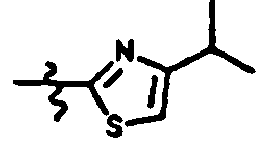


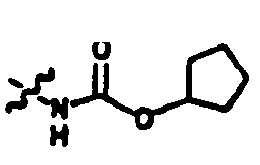

43 


44 




45 


46 


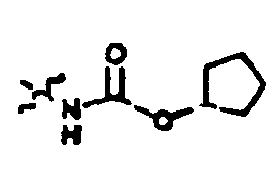

47 


48 


49 


50 


51 


52 

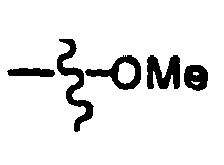


53 


54 


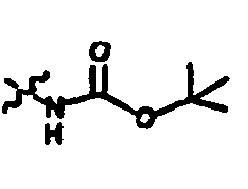

55 


56 


57 


58 


59 
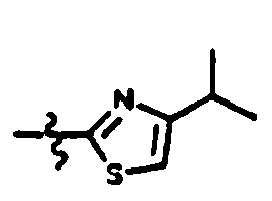


60 


61 


62 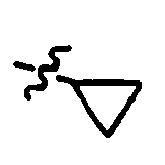


63 


69 


65 


70 


71 


72 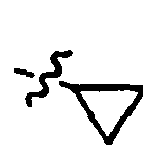


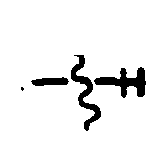


73 


74 
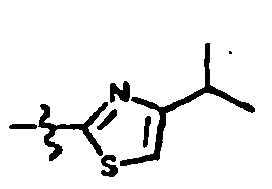


75 


76 

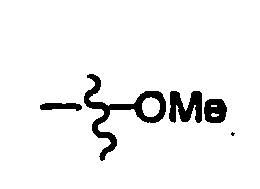
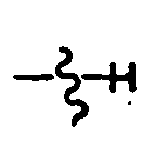


81 


82 


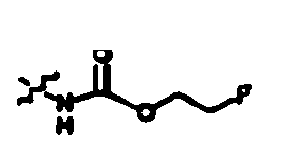

92 


93 


94 


95 
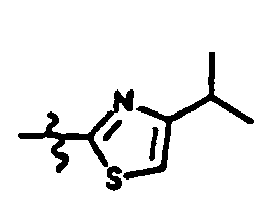


96 


97 


98 


103 


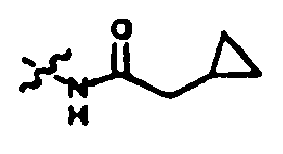

104 


105 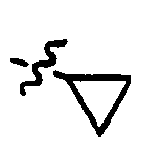

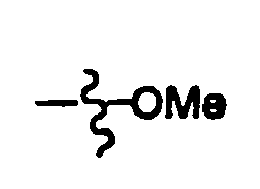


106 


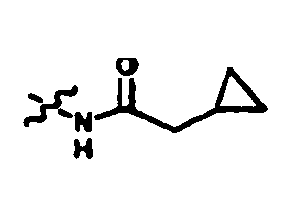

107 


108 


109 


114 


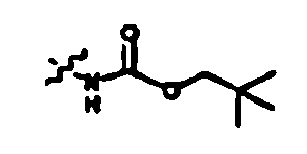

115 


116 


117 


118 


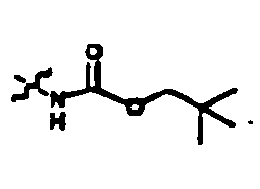

119 

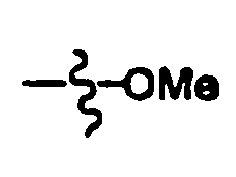
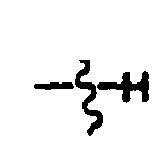


120 
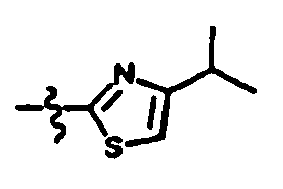


Table 2 of Example 35 
Cmp R1 R2 R3 R5 R4 206 


207 


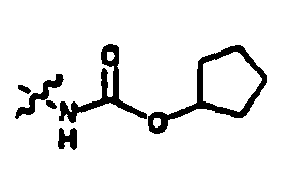

208 

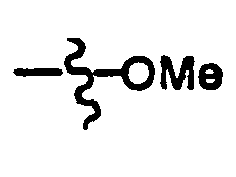


209 


212 


213 


214 


215 


216 


217 


219 


330 


331 

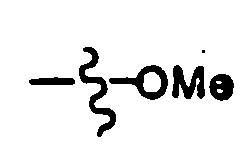


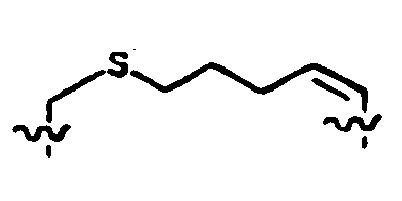
333 


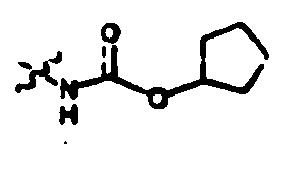

334 


336 


337 


338 


340 

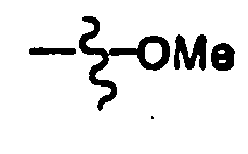


390 

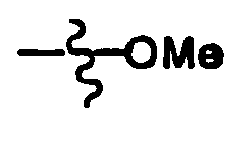


391 


393 


394 


396 


397 


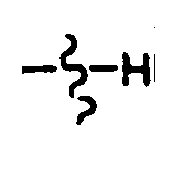


398 


400 


420 
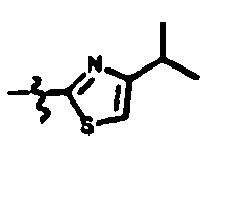


421 


423 


424 




426 




427 




428 


430 


435 


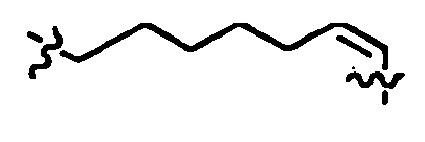
436 
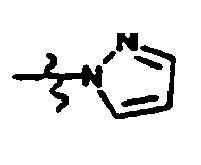
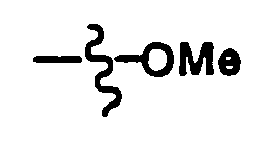


437 


438 


439 


440 


441 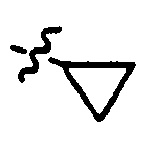


442 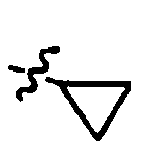


443 
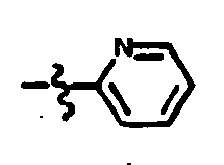

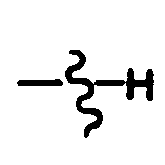
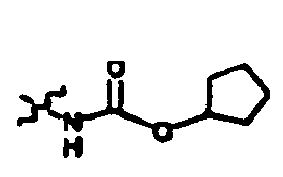
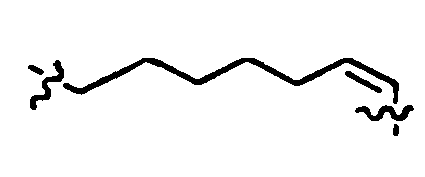
444 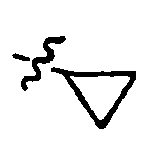


445 

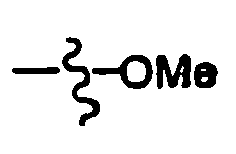


447 
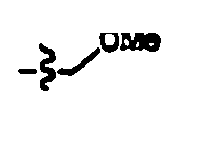


- A nonlimiting example of the above coupling process is shown for the preparation of compound 441 (where R1 =, R2 =
 R3 = OMe, R3 = H, R4 =
 Q =
Q =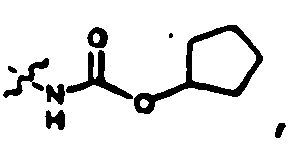 ). The starting.material carboxylic acid Compound 441A can be prepared as described in International Application
PCT/CA00/00353 (Publication No,WO 00/59929 
- In the sulfonamide coupling step a tripeptide carboxylic acid, for example 441A (where R1 =R2 =
 R3 = OMe, R5 = H, R4 =
 Q =
Q = ) is dissolved in a suitable solvent, as for example THF or dichloroethane, under an in inert atmosphere, as example argon or nitrogen. A suitable coupling reagent is then added. A non-limiting example of a coupling reagent is carbonyldiimidazole. The resulting solution is then stirred at room temperature for approximately 30 min and then heated at reflux for a period of 30 min. The solution is then cooled to room temperature and a sulfonamide is then added. In the present example cyclopropylsulfonamide is added in one portion, followed by the addition of a base. An example of a base used in this transformation is DBU. The resulting reaction is stirred for 24 h, after which it is subjected to a work-up procedure. This work-up procedure can involve first diluting the reaction mixture with an organic solvent such as ethyl acetate then washing the resulting mixture with an aqueous solution as for example an aqueous solution buffered to a pH of four. The organic phase is then separated and washed with brine. The organic extract is then dried (MgSO4) and concentrated under vacuum to provide a crude product. The crude product can be purified using conventional practices, such as but not limited to, flash chromatography, preparative thin layer chromatography (TLC) or reverse phase chromatography to provide the desire acylsulfonamide compound 441.
- The purpose of this in vitro assay was to measure the inhibition of HCV NS3 protease complexes, derived from the BMS, H77C or J4L6S strains, as described below, by compounds of the present invention. This assay provides an indication of how effective compounds of the present invention would be in inhibiting HCV proteolytic activity.
- Serum from an HCV-infected patient was obtained from Dr. T. Wright, San Francisco Hospital. An engineered full-length cDNA (compliment deoxyribonucleic acid) template of the HCV genome (BMS strain) was constructed from DNA fragments obtained by reverse transcription-PCR (RT-PCR) of serum RNA (ribonucleic acid) and using primers selected on the basis of homology between other genotype 1a strains. From the determination of the entire genome sequence, a genotype 1a was assigned to the HCV isolate according to the classification of Simmonds et al. (See P Simmonds, KA Rose, S Graham, SW Chan, F McOmish, BC Dow, EA Follett, PL Yap and H Marsden, J. Clin. Microbiol., 31(6), 1493-1503 (1993)). The amino acid sequence of the nonstructural region, NS2-5B, was shown to be >97% identical to HCV genotype 1a (H77C) and 87% identical to genotype 1b (J4L6S). The infectious clones, H77C (1a genotype) and J4L6S (1b genotype) were obtained from R. Purcell (NIH) and the sequences are published in Genbank (AAB67036, see Yanagi,M., Purcell,R.H., Emerson,S.U. and Bukh,J. Proc. Natl. Acad. Sci. U.S.A. 94(16),8738-8743 (1997); AF054247, see Yanagi,M., St Claire,M., Shapiro,M., Emerson,S.U., Purcell,R.H. and Bukh,J, Virology 244 (1), 161-172. (1998)).
- The BMS, H77C and J4L6S strains were used for production of recombinant NS3/4A protease complexes. DNA encoding the recombinant HCV NS3/4A protease complex (amino acids 1027 to 1711) for these strains were manipulated as described by P. Gallinari et al. (see Gallinari P, Paolini C, Brennan D, Nardi C, Steinkuhler C, De Francesco R. Biochemistry. 38(17):5620-32, (1999)). Briefly, a three-lysine solubilizing tail was added at the 3'-end of the NS4A coding region. The cysteine in the P1 position of the NS4A-NS4B cleavage site (amino acid 1711) was changed to a glycine to avoid the proteolytic cleavage of the lysine tag. Furthermore, a cysteine to serine mutation was introduced by PCR at amino acid position 1454 to prevent the autolytic cleavage in the NS3 helicase domain. The variant DNA fragment was cloned in the pET21b bacterial expression vector (Novagen)and the NS3/4A complex was expressed in Escherichia. coli strain BL21 (DE3) (Invitrogen) following the protocol described by P. Gallinari et al. (see Gallinari P, Brennan D, Nardi C, Brunetti M, Tomei L, Steinkuhler C, De Francesco R., J Virol. 72(8):6758-69 (1998)) with modifications. Briefly, NS3/4A expression was induced with 0.5mM Isopropyl β-D-1-thiogalactopyranoside (IPTG) for 22hr at 20°C. A typical fermentation (10L) yielded approximately 80g of wet cell paste. The cells were resuspended in lysis buffer (10mL/g) consisting of 25mM N-(2-Hydroxyethyl)Piperazine-N'-(2-Ethane Sulfonic acid) (HEPES), pH7.5, 20% glycerol, 500mM Sodium Chloride (NaCl), 0.5% Triton-X100, lug/ml lysozyme, 5mM Magnesium Chloride (MgCl2), lug/ml DnaseI, 5mM β-Mercaptoethanol (βME), Protease inhibitor - Ethylenediamine Tetraacetic acid (EDTA) free (Roche), homogenized and incubated for 20 mins at 4°C. The homogenate was sonicated and clarified by ultra-centrifugation at 235000g for 1hr at 4°C. Imidazole was added to the supernatant to a final concentration of 15mM and the pH adjusted to 8.0. The crude protein extract was loaded on a Nickel-Nitrilotriacetic acid (Ni-NTA) column pre-equilibrated with buffer B (25mM HEPES, pH8.0, 20% glycerol, 500mM NaCl, 0.5% Triton-X100, 15mM imidazole, 5mM βME). The sample was loaded at a flow rate of 1mL/min. The column was washed with 15 column volumes of buffer C (same as buffer B except with 0.2% Triton-X100). The protein was eluted with 5 column volumes of buffer D (same as buffer C except with 200mM [midazole).
- NS3/4A protease complex-containing fractions were pooled and loaded on a desalting column Superdex-S200 pre-equilibrated with buffer D (25mM HEPES, pH7.5, 20% glycerol, 300mM NaCl, 0.2% Triton-X100, 10mM βME). Sample was loaded at a flow rate of 1mL/min. NS3/4A protease complex-containing fractions were pooled and concentrated to approximately 0.5mg/ml. The purity of the NS3/4A protease complexes, derived from the BMS, H77C and J4L6S strains, were judged to be greater than 90% by SDS-PAGE and mass spectrometry analyses.
- The enzyme was stored at -80°C, thawed on ice and diluted prior to use in assay buffer. The substrate used for the NS3/4A protease assay was RET S1 (Resonance Energy Transfer Depsipeptide Substrate; AnaSpec, Inc. cat # 22991) (FRET peptide), described by Taliani et al. in Anal. Biochem. 240(2):60-67 (1996). The sequence of this peptide is loosely based on the NS4A/NS4B natural cleavage site except there is an ester linkage rather than an amide bond at the cleavage site. The peptide substrate was incubated with one of the three recombinant NS3/4A complexes, in the absence or presence of a compound of the present invention, and the formation of fluorescent reaction product was followed in real time using a Cytofluor Series 4000.
- The reagents were as follow: HEPES and Glycerol (Ultrapure) were obtained from GIBCO-BRL. Dimethyl' Sulfoxide (DMSO) and bovine serum albumin (BSA) were obtained from Sigma. β-Mercaptoethanol was obtained from Bio Rad: Assay buffer: 50mM HEPES, pH7.5; 0.15M NaCl; 0.1% Triton; 15% Glycerol;10mM βME. Substrate: 2 µM final concentration (from a 2mM stock solution in DMSO stored at -20°C). HCV NS3/4A type 1a (1b), 2-3 nM final concentration (from a 5µM stock solution in 25mM HEPES, pH7.5, 20% glycerol, 300mM NaCl, 0.2% Triton-X100, 10mM βME). For compounds with potencies approaching the assay limit, the assay was made more sensitive by adding 50 µg/ml BSA to the assay buffer and reducing the end protease concentration to 300 pM.
- The assay was performed in a 96-well polystyrene black plate from Falcon. Each well contained 25µl NS3/4A protease complex in assay buffer, 50µl of a compound of the present invention in 10% DMSO/assay buffer and 25µl substrate in assay buffer. A control (no compound) was also prepared on the same assay plate. The enzyme complex was mixed with compound or control solution for 1 min before initiating the enzymatic reaction by the addition of substrate. The assay plate was read immediately using the Cytofluor Series 4000 (Perspective Biosystems). The instrument was set to read an emission of 340nm and excitation of 490nm at 25°C. Reactions were generally followed for approximately 15 minutes.
- The percent inhibition was calculated with the following equation:

- All of the compounds tested were found to have IC50s of 9 µM or less. Further, compounds of the present invention, which were tested against more than one type of NS3/4A complex were found to have similar inhibitory properties though the compounds uniformly demonstrated greater potency against the 1b strains as compared to the 1a strains.
- The specificity assays were performed to demonstrate the selectivity of the compounds of the present invention in inhibiting HCV NS3/4A protease as compared to other serine or cysteine proteases.
- The specificities of compounds of the present invention were determined against a variety of serine proteases: human neutrophil elastase (HNE), porcine pancreatic elastase (PPE) and human pancreatic chymotrypsin and one cysteine protease: human liver cathepsin B. In all cases a 96-well plate format protocol using colorimetric p-nitroaniline (pNA) substrate specific for each enzyme was used as described previously (
U.S. Patent 6,323,180 ) with some modifications to the serine protease assays. All enzymes were purchased from Sigma while the substrates were from Bachem. - Each assay included a 2hr enzyme-inhibitor preincubation at RT followed by addition of substrate and hydrolysis to ~30% conversion as measured on a Spectramax Pro microplate reader. Compound concentrations varied from 100 to 0.4 µM depending on their potency.
- The final conditions for each assay were as follows:
- 50mM Tris(hydroxymethyl)aminomethane hydrochloride (Tris-HCl) pH8, 0.5M Sodium Sulfate (Na2SO4), 50mM NaCl, 0.1mM EDTA, 3% DMSO, 0.01% Tween-20 with: 133 µM succ-AAA-pNA and 20nM HNE or 8nM PPE; 100 µM succ-AAPF-pNA and 250pM Chymotrypsin.
- 100mM NaHPO4 (Sodium Hydrogen Phosphate) pH 6, 0.1mM EDTA, 3% DMSO, 1mM TCEP (Tris(2-carboxyethyl)phosphine hydrochloride), 0.01% Tween-20, 30µM Z-FR-pNA and 5nM Cathepsin B (enzyme stock activated in buffer containing 20mM TCEP before use).
- The percentage of inhibition was calculated using the formula:

- A non-linear curve fit was applied to the inhibition-concentration data, and the 50% effective concentration (IC50) was calculated by the use of Excel X1-fit software.
- An HCV replicon whole cell system was established as described by Lohmann V, Korner F, Koch J, Herian U, Theilmann L, Bartenschlager R., Science 285(5424):110-3 (1999). This system enabled us to evaluate the effects of our HCV Protease compounds on HCV RNA replication. Briefly, using the HCV strain 1B sequence described in the Lohmann paper (Assession number:AJ238799), an HCV cDNA was generated encoding the 5' internal ribosome entry site (IRES), the neomycin resistance gene, the EMCV (encephalomyocarditis viurs)-IRES and the HCV nonstructural proteins, NS3-NS5B, and 3' non-translated region (NTR). In vitro transcripts of the cDNA were transfected into the human hepatoma cell line, Huh7. Selection for cells constitutively expressing the HCV replicon was achieved in the presence of the selectable marker, neomycin (G418). Resulting cell lines were characterized for positive and negative strand RNA production and protein production over time.
- Huh7 cells, constitutively expressing the HCV replicon, were grown in Dulbecco's Modified Eagle Media (DMEM) containing 10% Fetal calf serum (FCS) and 1mg/ml G418 (Gibco-BRL). Cells were seeded the night before (1.5 x 10⁴ cells/well) in 96-well tissue-culture sterile plates. Compound and no compound controls were prepared in DMEM containing 4% FCS, 1:100 Penicillin / Streptomysin, 1:100 L-glutamine and 5% DMSO in the dilution plate (0.5% DMSO final concentration in the assay). Compound / DMSO mixes were added to the cells and incubated for 4 days at 37°C. After 4 days, plates were rinsed thoroughly with Phosphate-Buffered Saline (PBS) (3 times 150µl). The cells were lysed with 25µl of a lysis assay reagent containing the FRET peptide (RET S1, as described for the in vitro enzyme assay). The lysis assay reagent was made from 5X cell Luciferase cell culture lysis reagent(Promega #E153A) diluted to 1X with distilled water, NaCl added to 150 mM final, the FRET peptide diluted to 10 µM final from a 2 mM stock in 100% DMSO. The plate was then placed into the Cytofluor 4000 instrument which had been set to 340nm excitation / 490 emission, automatic mode for 21 cycles and the plate read in a kinetic mode. EC50 determinations were carried out as described for the IC50 determinations.
- Two different secondary assays were used to confirm EC50 determinations from the replicon FRET assay. These included a quantitative RNA assay and a transient luciferase cell reporter assay. For the quantitative RNA assay, compound / no compound controls were incubated with the cells as described for the replicon FRET assay. After 4 days, cells were lyzed using the Rneasy kit (Qiagen). Purified total RNA was normalized using RiboGreen (Jones LJ, Yue ST, Cheung CY, Singer VL, Anal. Chem., 265(2):368-74 (1998)) and relative quantitation of HCV RNA expression assessed using the Taqmann procedure (Kolykhalov AA, Mihalik K, Feinstone SM, Rice CM, Journal of Virology 74, 2046-2051 (2000)) and the Platinum Quantitative RT-PCR Thermoscript One-Step kit (Invitrogen cat # 11731-015). Briefly, RNA made to a volume of 5µl (≤ 1ng) was added to a 20µl Ready-Mix containing the following: 1.25X Thermoscript reaction mix (containing Magnesium Sulfate and 2-deoxynucleoside 5'-triphosphates (dNTPs)), 3mM dNTPs, 200nM forward primer (sequence: 5'-gggagagccatagtggtctgc-3'), 600nM reverse primer (5'-cccaaatctccaggcattga-3'), 100nM probe (5'-6-FAM-cggaattgccaggacgaccgg-HHQ-1-3') (FAM: Fluorescein-aminohexyl amidite; BHQ: Black Hole Quencher), 1µM Rox reference dye (Invitrogen cat # 12223-012) and Thermoscript Plus Platinum Taq polymerase mixture. All primers were designed with ABI Prism 7700 software and obtained from Biosearch Technologies, Novato, CA. Samples containing known concentrations of HCV RNA transcript were run as standards. Using the following cycling protocol (50°C, 30 min; 95°C, 5 min; 40 cycles of 95°C, 15 sec, 60°C, 1 min), HCV RNA expression was quantitated as described in the Perkin Elmer manual using the ABI Prism 7700 Sequence Detector.
- The luciferase reporter assay was also used to confirm compound potency in the replicon. Utilization of a replicon luciferase reporter assay was first described by Krieger et al (Krieger N, Lohmann V, and Bartenschlager R, J. Virol. 75(10):4614-4624 (2001)). The replicon construct described for our FRET assay was modified by replacing the resistance gene neomycin with the Blasticidin-resistance gene fused to the N-terminus of the humanized form of Renilla luciferase (restriction sites Asc1 / Pme1 used for the subcloning). The adaptive mutation at position 1179 (serine to isoleucine) was also introduced (Blight KJ, Kolykhalov, AA, Rice, CM, Science 290(5498):1972-1974). The luciferase reporter assay was set up by seeding huh7 cells the night before at a density of 2 x 10⁶ cells per T75 flask. Cells were washed the next day with 7.5ml Opti-MEM. Following the Invitrogen protocol, 40 µl DMRIE-C was vortexed with 5 ml Opti-MEM before adding 5 µg HCV reporter replicon RNA. The mix was added to the washed huh7 cells and left for 4 hours at 37°C. In the mean time, serial compound dilutions and no compound controls were prepared in DMEM containing 10% FCS and 5% DMSO in the dilution plate (0.5% DMSO final concentration in the assay). Compound / DMSO mixes were added to each well of a 24-well plate. After 4 hours, the transfection mix was aspirated, and cells washed with 5ml of Opti-MEM before trypsinization. Trypsinized cells were resuspended in 10% DMEM and seeded at 2 x 10⁴ cells/well in the 24-well plates containing compound or no compound controls. Plates were incubated for 4 days. After 4 days, media was removed and cells washed with PBS. 100µl 1x Renilla Luciferase Lysis Buffer (Promega) was immediately added to each well and the plates either frozen at -80°C for later analysis, or assayed after 15 mins of lysis. Lysate (40µl) from each well was transferred to a 96-well black plate (clear bottom) followed by 200 µl 1x Renilla Luciferase assay substrate. Plates were read immediately on a Packard TopCount NXT using a luminescence program.
- The percentage inhibition was calculated using the formula below:

- The values were graphed and analyzed using XLFit to obtain the EC50 value.
- The following Table lists compounds of the present invention which were assayed in vitro according to the method previously described. These IC50 ranges used in this table are: A is <50µM; B is <5µM; C is <0.5µM; D is <0.05µM. All of the compounds of the present invention that were tested were found to have IC50s of 9µM or less against the BMS HCV NS3/4A complex. Preferred compounds had IC50s of 0.021µM, as was found for Compound 6, or less. Further, compounds of the present invention, which were tested against more than one type of NS3/4A complex, were found to have similar inhibitory properties; somewhat better inhibitory properties were exhibited against strain J4L6S. Representative compounds of the present invention were also assessed in the HCV replicon cell assay the results of which are provided in the Table. These EC50 ranges used in this table are: A is <50µM; B is <5µM; C is <0.5µM; D is <0.05µM. Compounds of the present invention were found to have EC50s of about 13.3µM or less. Preferred compounds have EC50s of about 0.124µM, as found for Compound 6, or less. More preferred compounds of the present invention were found to have EC50s of 0.01µM or less.
- In the specificity assays, the same compound was found to have the following activity: HLE = 30µM; PPE > 100µM; Chymotrypsin > 100µM; Cathepsin B > 100µM. These results indicate this family of compounds are highly specific for the NS3 protease and many of these members inhibit HCV replicon replication.
Compound IC50 EC50 Compound IC50 EC50 1 B A 2 B 3 B A 4 A 5 D D 6 D C 7 D D 8 D C 9 D D 10 D D 11 D D 12 C C 13 D D 14 D D 15 D D 16 D D 17 D C 18 D D 19 D D 20 D D 21 D D 22 D D 23 D D 24 D D 25 D D 26 D D 27 D D 28 D D 29 D D 30 D B 31 D D 32 D D 33 D D 34 D D
Claims (14)
- A compound of formula I, including pharmaceutically acceptable salts thereof,
 (a) R1 is unsubstituted C3-7 cycloalkyl;(b) R2 is H, halo, C1-6 alkyl, C1-6 alkoxy, C3-6 cycloalkoxy, C6 or 10 aryl or heterocycle; wherein heterocyle is a five-, six-, or seven-membered saturated or unsaturated heterocycle containing from one to four heteroatoms selected from nitrogen, oxygen and sulfur; said aryl or heterocycle being substituted with R24;
wherein R24 is H, halo or C1-6 alkyl;(c) R3 is H, halo, C1-6alkoxy or C3-6cycloalkoxy;(d) R4 is NH2, or -NH-R31; wherein R11 is -C(O)-R32, C(O)-NHR32 or C(O)-OR32, wherein R32 is C1-6 alkyl or C3-7cycloalkyl;(e) R3 is H; and(f) Q is a three to nine atom saturated or unsaturated alkylene chain optionally containing one to three heteroatoms independently selected from O or S. - A compound of Claim 1 having the formula

- A compound of claim 1 or 2 wherein R1 is cyclopropyl.
- A compound of any one of the preceding claims wherein R2 is phenyl.
- A compound of any one of the preceding claims wherein R3 is methoxy.
- A compound of any one of the preceding claims wherein R4 is NH2 or tert-butoxycarbonyLNH-.
- A compound of any one of the preceding claims wherein
Q is -(CH2)nCH=C- and n is 1 - 5. - A compound of claim 7 wherein n is 3 or 4.
- A compound of claim 1 having the formula
 (a) R4 is NH2 or tert-butoxycarbonylNH-;(b) Q is - (CH2)nCH=C-; and(c) n is 1-5.
 - A compound of claim 9 wherein n is 3 or 4.
- A compound of claim 1 or 2 wherein:R2 is
 R4 is
R4 is and R1 is cyclopropyl.
 - A pharmaceutical composition, comprising a compound of claims 1 - 11, and a pharmaceutically acceptable carrier.
- A compound of claims 1 - 11 for use in therapeutically treating a mammal by inhibiting HCV NS3 protease.
- A compound of claims 1 - 11 for use in therapeutically treating an HCV infection in a mammal.
Applications Claiming Priority (5)
| Application Number | Priority Date | Filing Date | Title |
|---|---|---|---|
| US34408001P | 2001-12-20 | 2001-12-20 | |
| US344080P | 2001-12-20 | ||
| US38210302P | 2002-05-20 | 2002-05-20 | |
| US382103P | 2002-05-20 | ||
| PCT/US2002/039926 WO2003053349A2 (en) | 2001-12-20 | 2002-12-13 | Inhibitors of hepatitis c virus |
Publications (3)
| Publication Number | Publication Date |
|---|---|
| EP1455809A2 EP1455809A2 (en) | 2004-09-15 |
| EP1455809A4 EP1455809A4 (en) | 2007-08-22 |
| EP1455809B1 true EP1455809B1 (en) | 2011-06-15 |
Family
ID=26993746
Family Applications (1)
| Application Number | Title | Priority Date | Filing Date |
|---|---|---|---|
| EP02795860A Expired - Lifetime EP1455809B1 (en) | 2001-12-20 | 2002-12-13 | Inhibitors of hepatitis c virus |
Country Status (5)
| Country | Link |
|---|---|
| US (1) | US6867185B2 (en) |
| EP (1) | EP1455809B1 (en) |
| AT (1) | ATE512976T1 (en) |
| AU (1) | AU2002360592A1 (en) |
| WO (1) | WO2003053349A2 (en) |
Cited By (5)
| Publication number | Priority date | Publication date | Assignee | Title |
|---|---|---|---|---|
| US8420596B2 (en) | 2008-09-11 | 2013-04-16 | Abbott Laboratories | Macrocyclic hepatitis C serine protease inhibitors |
| US8937041B2 (en) | 2010-12-30 | 2015-01-20 | Abbvie, Inc. | Macrocyclic hepatitis C serine protease inhibitors |
| US8951964B2 (en) | 2010-12-30 | 2015-02-10 | Abbvie Inc. | Phenanthridine macrocyclic hepatitis C serine protease inhibitors |
| US9333204B2 (en) | 2014-01-03 | 2016-05-10 | Abbvie Inc. | Solid antiviral dosage forms |
| US10201584B1 (en) | 2011-05-17 | 2019-02-12 | Abbvie Inc. | Compositions and methods for treating HCV |
Families Citing this family (167)
| Publication number | Priority date | Publication date | Assignee | Title |
|---|---|---|---|---|
| US7119072B2 (en) * | 2002-01-30 | 2006-10-10 | Boehringer Ingelheim (Canada) Ltd. | Macrocyclic peptides active against the hepatitis C virus |
| CA2369711A1 (en) * | 2002-01-30 | 2003-07-30 | Boehringer Ingelheim (Canada) Ltd. | Macrocyclic peptides active against the hepatitis c virus |
| MY140680A (en) | 2002-05-20 | 2010-01-15 | Bristol Myers Squibb Co | Hepatitis c virus inhibitors |
| US20050075279A1 (en) * | 2002-10-25 | 2005-04-07 | Boehringer Ingelheim International Gmbh | Macrocyclic peptides active against the hepatitis C virus |
| US20050159345A1 (en) * | 2002-10-29 | 2005-07-21 | Boehringer Ingelheim International Gmbh | Composition for the treatment of infection by Flaviviridae viruses |
| US7601709B2 (en) | 2003-02-07 | 2009-10-13 | Enanta Pharmaceuticals, Inc. | Macrocyclic hepatitis C serine protease inhibitors |
| AU2004211637C1 (en) * | 2003-02-07 | 2010-08-19 | Enanta Pharmaceuticals, Inc. | Macrocyclic hepatitis C serine protease inhibitors |
| EP1629000B1 (en) * | 2003-04-16 | 2009-02-18 | Bristol-Myers Squibb Company | Macrocyclic isoquinoline peptide inhibitors of hepatitis c virus |
| US7176208B2 (en) | 2003-04-18 | 2007-02-13 | Enanta Pharmaceuticals, Inc. | Quinoxalinyl macrocyclic hepatitis C serine protease inhibitors |
| HRP20080014T3 (en) | 2003-05-21 | 2008-02-29 | Boehringer Ingelheim International Gmbh | Hepatitis c inhibitor compounds |
| US7273851B2 (en) | 2003-06-05 | 2007-09-25 | Enanta Pharmaceuticals, Inc. | Tri-peptide hepatitis C serine protease inhibitors |
| CA2528375C (en) | 2003-06-18 | 2013-11-19 | Tranzyme Pharma, Inc. | Macrocyclic antagonists of the motilin receptor |
| US7125845B2 (en) | 2003-07-03 | 2006-10-24 | Enanta Pharmaceuticals, Inc. | Aza-peptide macrocyclic hepatitis C serine protease inhibitors |
| RS20060197A (en) * | 2003-09-22 | 2008-09-29 | Boehringer Ingelheim International Gmbh., | Macrocyclic peptides active against the hepatitis c virus |
| US7491794B2 (en) * | 2003-10-14 | 2009-02-17 | Intermune, Inc. | Macrocyclic compounds as inhibitors of viral replication |
| TW201245229A (en) * | 2003-10-14 | 2012-11-16 | Hoffmann La Roche | Macrocyclic carboxylic acids and acylsulfonamides as inhibitors of HCV replication |
| US7309708B2 (en) | 2003-11-20 | 2007-12-18 | Birstol-Myers Squibb Company | Hepatitis C virus inhibitors |
| WO2005053735A1 (en) | 2003-11-20 | 2005-06-16 | Boehringer Ingelheim International Gmbh | Method of removing transition metals, especially from metathesis reaction products |
| ATE495185T1 (en) * | 2004-01-21 | 2011-01-15 | Boehringer Ingelheim Int | MACROCYCLIC PEPTIDES ACTIVE AGAINST HEPATITIS C VIRUS |
| KR20120090077A (en) | 2004-01-30 | 2012-08-16 | 얀센 알 앤드 디 아일랜드 | Hcv ns-3 serine protease inhibitors |
| UY28758A1 (en) | 2004-02-20 | 2005-09-30 | Boehringer Ingelheim Int | VIRAL POLYMERASE INHIBITORS |
| JP4654239B2 (en) | 2004-03-15 | 2011-03-16 | ベーリンガー インゲルハイム インターナショナル ゲゼルシャフト ミット ベシュレンクテル ハフツング | Method for preparing macrocyclic dipeptide suitable for treatment of hepatitis C virus infection |
| AU2005228894B9 (en) * | 2004-03-30 | 2011-10-13 | Intermune, Inc. | Macrocyclic compounds as inhibitors of viral replication |
| WO2005116054A1 (en) * | 2004-05-25 | 2005-12-08 | Boehringer Ingelheim International, Gmbh | Process for preparing acyclic hcv protease inhibitors |
| WO2006000085A1 (en) | 2004-06-28 | 2006-01-05 | Boehringer Ingelheim International Gmbh | Hepatitis c inhibitor peptide analogs |
| DK1778702T3 (en) * | 2004-07-16 | 2011-10-17 | Gilead Sciences Inc | Antiviral compounds |
| UY29016A1 (en) * | 2004-07-20 | 2006-02-24 | Boehringer Ingelheim Int | ANALOGS OF INHIBITING DIPEPTIDES OF HEPATITIS C |
| JP4914355B2 (en) | 2004-07-20 | 2012-04-11 | ベーリンガー インゲルハイム インターナショナル ゲゼルシャフト ミット ベシュレンクテル ハフツング | Hepatitis C inhibitor peptide analog |
| WO2007001406A2 (en) * | 2004-10-05 | 2007-01-04 | Chiron Corporation | Aryl-containing macrocyclic compounds |
| US7323447B2 (en) | 2005-02-08 | 2008-01-29 | Bristol-Myers Squibb Company | Hepatitis C virus inhibitors |
| NZ562167A (en) * | 2005-03-08 | 2011-01-28 | Boehringer Ingelheim Int | Process for preparing macrocyclic compounds |
| WO2006119061A2 (en) | 2005-05-02 | 2006-11-09 | Merck & Co., Inc. | Hcv ns3 protease inhibitors |
| US7592336B2 (en) | 2005-05-10 | 2009-09-22 | Bristol-Myers Squibb Company | Hepatitis C virus inhibitors |
| US7601686B2 (en) | 2005-07-11 | 2009-10-13 | Bristol-Myers Squibb Company | Hepatitis C virus inhibitors |
| TWI387603B (en) * | 2005-07-20 | 2013-03-01 | Merck Sharp & Dohme | Hcv ns3 protease inhibitors |
| JP5249028B2 (en) | 2005-07-25 | 2013-07-31 | インターミューン・インコーポレーテッド | Novel macrocyclic inhibitor of hepatitis C virus replication |
| DK1919899T3 (en) * | 2005-07-29 | 2011-08-01 | Tibotec Pharm Ltd | Macrocyclic inhibitors of hepatitis C virus |
| PE20070210A1 (en) * | 2005-07-29 | 2007-04-16 | Tibotec Pharm Ltd | MACROCYCLIC COMPOUNDS AS INHIBITORS OF HEPATITIS C VIRUS |
| US7700552B2 (en) | 2005-07-29 | 2010-04-20 | Medivir Ab | Macrocyclic inhibitors of hepatitis C virus |
| TWI412535B (en) * | 2005-07-29 | 2013-10-21 | Tibotec Pharm Ltd | Macrocylic inhibitors of hepatitis c virus |
| PE20070343A1 (en) * | 2005-07-29 | 2007-05-12 | Medivir Ab | MACRO CYCLIC INHIBITORS OF HEPATITIS C VIRUS |
| PL1919898T3 (en) * | 2005-07-29 | 2011-06-30 | Tibotec Pharm Ltd | Macrocyclic inhibitors of hepatitis c virus |
| PE20070211A1 (en) | 2005-07-29 | 2007-05-12 | Medivir Ab | MACROCYCLIC COMPOUNDS AS INHIBITORS OF HEPATITIS C VIRUS |
| ES2373685T3 (en) * | 2005-07-29 | 2012-02-07 | Tibotec Pharmaceuticals | MACROCYCLIC INHIBITORS OF HEPATITIS VIRUS C. |
| UA93377C2 (en) * | 2005-07-29 | 2011-02-10 | Тиботек Фармасьютикелз Лтд. | Macrocyclic inhibitors of hepatitis c virus |
| JP5015154B2 (en) | 2005-08-12 | 2012-08-29 | ベーリンガー インゲルハイム インターナショナル ゲゼルシャフト ミット ベシュレンクテル ハフツング | Viral polymerase inhibitor |
| GEP20104956B (en) | 2005-10-11 | 2010-04-12 | Array Biopharma Inc | Compounds for inhibiting hepatitis c viral replication and use thereof |
| US7772183B2 (en) | 2005-10-12 | 2010-08-10 | Bristol-Myers Squibb Company | Hepatitis C virus inhibitors |
| US7741281B2 (en) | 2005-11-03 | 2010-06-22 | Bristol-Myers Squibb Company | Hepatitis C virus inhibitors |
| US7816348B2 (en) | 2006-02-03 | 2010-10-19 | Boehringer Ingelheim International Gmbh | Viral polymerase inhibitors |
| KR20090024834A (en) | 2006-07-05 | 2009-03-09 | 인터뮨, 인크. | New Inhibitors of Hepatitis C Virus Replication |
| EP2049474B1 (en) | 2006-07-11 | 2015-11-04 | Bristol-Myers Squibb Company | Hepatitis c virus inhibitors |
| CA2657618C (en) | 2006-07-13 | 2016-10-11 | Achillion Pharmaceuticals, Inc. | 4-amino-4-oxobutanoyl peptides as inhibitors of viral replication |
| EP1886685A1 (en) | 2006-08-11 | 2008-02-13 | INSERM (Institut National de la Santé et de la Recherche Médicale) | Methods, uses and compositions for modulating replication of hcv through the farnesoid x receptor (fxr) activation or inhibition |
| US7687459B2 (en) * | 2006-08-11 | 2010-03-30 | Enanta Pharmaceuticals, Inc. | Arylalkoxyl hepatitis C virus protease inhibitors |
| JP2010500978A (en) | 2006-08-17 | 2010-01-14 | ベーリンガー インゲルハイム インターナショナル ゲゼルシャフト ミット ベシュレンクテル ハフツング | Viral polymerase inhibitor |
| MX2009003452A (en) | 2006-10-10 | 2009-04-14 | Medivir Ab | Hcv nucleoside inhibitor. |
| AU2007309488B2 (en) * | 2006-10-24 | 2012-10-11 | Merck Sharp & Dohme Corp. | HCV NS3 protease inhibitors |
| EP2079479B1 (en) * | 2006-10-24 | 2014-11-26 | Merck Sharp & Dohme Corp. | Hcv ns3 protease inhibitors |
| CN101568346B (en) * | 2006-10-27 | 2015-11-25 | 默沙东公司 | HCV NS3 protease inhibitor |
| US8343477B2 (en) | 2006-11-01 | 2013-01-01 | Bristol-Myers Squibb Company | Inhibitors of hepatitis C virus |
| US20080108632A1 (en) * | 2006-11-02 | 2008-05-08 | Taigen Biotechnology Co., Ltd. | Hcv protease inhibitors |
| US7772180B2 (en) | 2006-11-09 | 2010-08-10 | Bristol-Myers Squibb Company | Hepatitis C virus inhibitors |
| US7763584B2 (en) | 2006-11-16 | 2010-07-27 | Bristol-Myers Squibb Company | Hepatitis C virus inhibitors |
| US8003604B2 (en) | 2006-11-16 | 2011-08-23 | Bristol-Myers Squibb Company | Hepatitis C virus inhibitors |
| US7888464B2 (en) | 2006-11-16 | 2011-02-15 | Bristol-Myers Squibb Company | Hepatitis C virus inhibitors |
| US20080292587A1 (en) * | 2007-04-26 | 2008-11-27 | Ying Sun | Oximyl dipeptide hepatitis c protease inhibitors |
| KR20100024920A (en) * | 2007-05-03 | 2010-03-08 | 인터뮨, 인크. | Novel macrocyclic inhibitors of hepatitis c virus replication |
| MX2009012093A (en) * | 2007-05-10 | 2010-01-25 | Intermune Inc | Novel peptide inhibitors of hepatitis c virus replication. |
| US20090005387A1 (en) * | 2007-06-26 | 2009-01-01 | Deqiang Niu | Quinoxalinyl macrocyclic hepatitis c virus serine protease inhibitors |
| MX2009013830A (en) * | 2007-06-29 | 2010-03-01 | Gilead Sciences Inc | Antiviral compounds. |
| MX2009013827A (en) | 2007-06-29 | 2010-03-01 | Gilead Sciences Inc | Antiviral compounds. |
| AR067180A1 (en) * | 2007-06-29 | 2009-09-30 | Gilead Sciences Inc | ANTIVIRAL COMPOUNDS |
| EP2188274A4 (en) | 2007-08-03 | 2011-05-25 | Boehringer Ingelheim Int | Viral polymerase inhibitors |
| US8419332B2 (en) * | 2007-10-19 | 2013-04-16 | Atlas Bolt & Screw Company Llc | Non-dimpling fastener |
| WO2009055335A2 (en) * | 2007-10-25 | 2009-04-30 | Taigen Biotechnology Co., Ltd. | Hcv protease inhibitors |
| CA2708150A1 (en) | 2007-12-05 | 2009-06-18 | Enanta Pharmaceuticals, Inc. | Fluorinated tripeptide hcv serine protease inhibitors |
| WO2009076747A1 (en) | 2007-12-19 | 2009-06-25 | Boehringer Ingelheim International Gmbh | Viral polymerase inhibitors |
| WO2009082697A1 (en) * | 2007-12-21 | 2009-07-02 | Avila Therapeutics, Inc. | Hcv protease inhibitors and uses thereof |
| US8293705B2 (en) | 2007-12-21 | 2012-10-23 | Avila Therapeutics, Inc. | HCV protease inhibitors and uses thereof |
| US8309685B2 (en) * | 2007-12-21 | 2012-11-13 | Celgene Avilomics Research, Inc. | HCV protease inhibitors and uses thereof |
| CA2710144A1 (en) | 2007-12-21 | 2009-07-02 | Avila Therapeutics, Inc. | Hcv protease inhibitors and uses thereof |
| US8202996B2 (en) | 2007-12-21 | 2012-06-19 | Bristol-Myers Squibb Company | Crystalline forms of N-(tert-butoxycarbonyl)-3-methyl-L-valyl-(4R)-4-((7-chloro-4-methoxy-1-isoquinolinyl)oxy)-N- ((1R,2S)-1-((cyclopropylsulfonyl)carbamoyl)-2-vinylcyclopropyl)-L-prolinamide |
| KR20100118991A (en) | 2008-02-04 | 2010-11-08 | 아이데닉스 파마슈티칼스, 인코포레이티드 | Macrocyclic serine protease inhibitors |
| KR20110005869A (en) * | 2008-04-15 | 2011-01-19 | 인터뮨, 인크. | Novel Macrocyclic Inhibitors of Hepatitis C Virus Replication |
| US8163921B2 (en) | 2008-04-16 | 2012-04-24 | Bristol-Myers Squibb Company | Hepatitis C virus inhibitors |
| CN101580535B (en) * | 2008-05-16 | 2012-10-03 | 太景生物科技股份有限公司 | Hepatitis C virus protease inhibitors |
| US8044023B2 (en) | 2008-05-29 | 2011-10-25 | Bristol-Myers Squibb Company | Hepatitis C virus inhibitors |
| US7964560B2 (en) | 2008-05-29 | 2011-06-21 | Bristol-Myers Squibb Company | Hepatitis C virus inhibitors |
| WO2010014134A1 (en) | 2008-07-02 | 2010-02-04 | Idenix Pharamaceuticals, Inc. | Compounds and pharmaceutical compositions for the treatment of viral infections |
| US8207341B2 (en) | 2008-09-04 | 2012-06-26 | Bristol-Myers Squibb Company | Process or synthesizing substituted isoquinolines |
| EP2337583A1 (en) * | 2008-09-17 | 2011-06-29 | Boehringer Ingelheim International GmbH | Combination of hcv ns3 protease inhibitor with interferon and ribavirin |
| US8044087B2 (en) | 2008-09-29 | 2011-10-25 | Bristol-Myers Squibb Company | Hepatitis C virus inhibitors |
| US8563505B2 (en) | 2008-09-29 | 2013-10-22 | Bristol-Myers Squibb Company | Hepatitis C virus inhibitors |
| ES2527166T3 (en) | 2008-12-10 | 2015-01-21 | Achillion Pharmaceuticals, Inc. | New 4-amino-4-oxobutanoyl peptides as inhibitors of viral replication |
| NZ592705A (en) * | 2008-12-10 | 2013-02-22 | Achillion Pharmaceuticals Inc | 4-amino-4-oxobutanoyl peptide cyclic analogues, inhibitors of viral replication |
| US8283310B2 (en) | 2008-12-15 | 2012-10-09 | Bristol-Myers Squibb Company | Hepatitis C virus inhibitors |
| TW201034663A (en) * | 2008-12-19 | 2010-10-01 | Gilead Sciences Inc | HCV NS3 protease inhibitors |
| WO2010080874A1 (en) | 2009-01-07 | 2010-07-15 | Scynexis, Inc. | Cyclosporine derivative for use in the treatment of hcv and hiv infection |
| JP2012516351A (en) * | 2009-01-30 | 2012-07-19 | アナコール ファーマシューティカルズ,インコーポレーテッド | Compound |
| US8102720B2 (en) * | 2009-02-02 | 2012-01-24 | Qualcomm Incorporated | System and method of pulse generation |
| AR075584A1 (en) * | 2009-02-27 | 2011-04-20 | Intermune Inc | THERAPEUTIC COMPOSITIONS THAT INCLUDE beta-D-2'-DESOXI-2'-FLUORO-2'-C-METHYLYCTIDINE AND A CARDIEX ISOINDOL ACID DERIVATIVE AND ITS USES. COMPOUND. |
| JP5690286B2 (en) | 2009-03-04 | 2015-03-25 | イデニク プハルマセウティカルス,インコーポレイテッド | Phosphothiophene and phosphothiazole HCV polymerase inhibitors |
| US8377962B2 (en) | 2009-04-08 | 2013-02-19 | Idenix Pharmaceuticals, Inc. | Macrocyclic serine protease inhibitors |
| CN102458444A (en) | 2009-05-13 | 2012-05-16 | 英安塔制药有限公司 | Macrocyclic compounds as hepatitis c virus inhibitors |
| US8232246B2 (en) * | 2009-06-30 | 2012-07-31 | Abbott Laboratories | Anti-viral compounds |
| US9284307B2 (en) | 2009-08-05 | 2016-03-15 | Idenix Pharmaceuticals Llc | Macrocyclic serine protease inhibitors |
| EP2477980B1 (en) * | 2009-09-15 | 2016-06-08 | Taigen Biotechnology Co., Ltd. | Hcv protease inhibitors |
| WO2011038293A1 (en) * | 2009-09-28 | 2011-03-31 | Intermune, Inc. | Cyclic peptide inhibitors of hepatitis c virus replication |
| BR112012010110A2 (en) | 2009-10-30 | 2019-09-24 | Boehringer Ingelheim Int | hcv combination therapy dosage regimens comprising bi201335, interferon alfa and ribavirin |
| US20110117055A1 (en) | 2009-11-19 | 2011-05-19 | Macdonald James E | Methods of Treating Hepatitis C Virus with Oxoacetamide Compounds |
| WO2011063502A1 (en) * | 2009-11-24 | 2011-06-03 | Boehringer Ingelheim International Gmbh | Hepatitis c inhibitor compounds |
| JP2013511561A (en) * | 2009-11-24 | 2013-04-04 | ベーリンガー インゲルハイム インターナショナル ゲゼルシャフト ミット ベシュレンクテル ハフツング | Hepatitis C inhibitor compound |
| SG181797A1 (en) | 2009-12-18 | 2012-07-30 | Idenix Pharmaceuticals Inc | 5,5-fused arylene or heteroarylene hepatitis c virus inhibitors |
| US20110178107A1 (en) * | 2010-01-20 | 2011-07-21 | Taigen Biotechnology Co., Ltd. | Hcv protease inhibitors |
| TWI515000B (en) | 2010-04-01 | 2016-01-01 | 伊迪尼克製藥公司 | Compounds and pharmaceutical compositions for the treatment of viral infections |
| HUE028384T2 (en) | 2010-09-21 | 2016-12-28 | Enanta Pharm Inc | HCV serine protease inhibitors derived from macrocyclic proline |
| AP3770A (en) | 2010-11-18 | 2016-08-31 | Metalysis Ltd | Electrolysis apparatus |
| US9353100B2 (en) | 2011-02-10 | 2016-05-31 | Idenix Pharmaceuticals Llc | Macrocyclic serine protease inhibitors, pharmaceutical compositions thereof, and their use for treating HCV infections |
| WO2012107589A1 (en) | 2011-02-11 | 2012-08-16 | INSERM (Institut National de la Santé et de la Recherche Médicale) | Methods and pharmaceutical compositions for the treatment and prevention of hcv infections |
| CN103842369A (en) | 2011-03-31 | 2014-06-04 | 埃迪尼克斯医药公司 | Compounds and pharmaceutical compositions for the treatment of viral infections |
| US20120252721A1 (en) | 2011-03-31 | 2012-10-04 | Idenix Pharmaceuticals, Inc. | Methods for treating drug-resistant hepatitis c virus infection with a 5,5-fused arylene or heteroarylene hepatitis c virus inhibitor |
| US8957203B2 (en) | 2011-05-05 | 2015-02-17 | Bristol-Myers Squibb Company | Hepatitis C virus inhibitors |
| US8691757B2 (en) * | 2011-06-15 | 2014-04-08 | Bristol-Myers Squibb Company | Hepatitis C virus inhibitors |
| WO2013039855A1 (en) | 2011-09-12 | 2013-03-21 | Idenix Pharmaceuticals, Inc. | Compounds and pharmaceutical compositions for the treatment of viral infections |
| AR088441A1 (en) | 2011-09-12 | 2014-06-11 | Idenix Pharmaceuticals Inc | SUBSTITUTED CARBONYLOXYMETHYLPHOSPHORAMIDATE COMPOUNDS AND PHARMACEUTICAL COMPOSITIONS FOR THE TREATMENT OF VIRAL INFECTIONS |
| TW201331221A (en) | 2011-10-14 | 2013-08-01 | Idenix Pharmaceuticals Inc | Substituted 3',5'-cyclic phosphates of purine nucleotide compounds and pharmaceutical compositions for the treatment of viral infections |
| CA3131037A1 (en) | 2011-11-30 | 2013-06-06 | Emory University | Antiviral jak inhibitors useful in treating or preventing retroviral and other viral infections |
| CA2863002A1 (en) | 2012-01-11 | 2013-07-18 | Abbvie Inc. | Processes for making hcv protease inhibitors |
| WO2013133927A1 (en) | 2012-02-13 | 2013-09-12 | Idenix Pharmaceuticals, Inc. | Pharmaceutical compositions of 2'-c-methyl-guanosine, 5'-[2-[(3-hydroxy-2,2-dimethyl-1-oxopropyl)thio]ethyl n-(phenylmethyl)phosphoramidate] |
| US9296778B2 (en) | 2012-05-22 | 2016-03-29 | Idenix Pharmaceuticals, Inc. | 3′,5′-cyclic phosphate prodrugs for HCV infection |
| EP2852604B1 (en) | 2012-05-22 | 2017-04-12 | Idenix Pharmaceuticals LLC | 3',5'-cyclic phosphoramidate prodrugs for hcv infection |
| AP3913A (en) | 2012-05-22 | 2016-11-26 | Idenix Pharamaceuticals Inc | D-amino acid compounds for liver disease |
| UA119315C2 (en) | 2012-07-03 | 2019-06-10 | Гіліад Фармассет Елелсі | HEPATITIS VIRUS INHIBITORS C |
| EP2903988A1 (en) | 2012-10-08 | 2015-08-12 | AbbVie Inc. | Compounds useful for making hcv protease inhibitors |
| SG11201502750UA (en) | 2012-10-08 | 2015-06-29 | Idenix Pharmaceuticals Inc | 2'-chloro nucleoside analogs for hcv infection |
| SI2909205T1 (en) | 2012-10-19 | 2017-02-28 | Bristol-Myers Squibb Company | 9-methyl substituted hexadecahydrocyclopropa(e)pyrrolo(1,2-a)(1,4)diazacyclopentadecinyl carbamate derivatives as non-structural 3 (ns3) protease inhibitors for the treatment of hepatitis c virus infections |
| US20140112886A1 (en) | 2012-10-19 | 2014-04-24 | Idenix Pharmaceuticals, Inc. | Dinucleotide compounds for hcv infection |
| EP2909222B1 (en) | 2012-10-22 | 2021-05-26 | Idenix Pharmaceuticals LLC | 2',4'-bridged nucleosides for hcv infection |
| EP2914598B1 (en) | 2012-11-02 | 2017-10-18 | Bristol-Myers Squibb Company | Hepatitis c virus inhibitors |
| US9643999B2 (en) | 2012-11-02 | 2017-05-09 | Bristol-Myers Squibb Company | Hepatitis C virus inhibitors |
| EP2914613B1 (en) | 2012-11-02 | 2017-11-22 | Bristol-Myers Squibb Company | Hepatitis c virus inhibitors |
| US9409943B2 (en) | 2012-11-05 | 2016-08-09 | Bristol-Myers Squibb Company | Hepatitis C virus inhibitors |
| EP2920195A1 (en) | 2012-11-14 | 2015-09-23 | IDENIX Pharmaceuticals, Inc. | D-alanine ester of rp-nucleoside analog |
| US20140140952A1 (en) | 2012-11-14 | 2014-05-22 | Idenix Pharmaceuticals, Inc. | D-Alanine Ester of Sp-Nucleoside Analog |
| EP2935304A1 (en) | 2012-12-19 | 2015-10-28 | IDENIX Pharmaceuticals, Inc. | 4'-fluoro nucleosides for the treatment of hcv |
| US9309275B2 (en) | 2013-03-04 | 2016-04-12 | Idenix Pharmaceuticals Llc | 3′-deoxy nucleosides for the treatment of HCV |
| WO2014137930A1 (en) | 2013-03-04 | 2014-09-12 | Idenix Pharmaceuticals, Inc. | Thiophosphate nucleosides for the treatment of hcv |
| US9580463B2 (en) | 2013-03-07 | 2017-02-28 | Bristol-Myers Squibb Company | Hepatitis C virus inhibitors |
| JP2016513732A (en) | 2013-03-15 | 2016-05-16 | アキリオン ファーマシューティカルズ,インコーポレーテッド | Sobaprevir polymorph and method for producing the same |
| WO2014145600A1 (en) | 2013-03-15 | 2014-09-18 | Achillion Pharmaceuticals, Inc. | Ach-0142684 sodium salt polymorphs, composition including the same, and method of manufacture thereof |
| US9006423B2 (en) | 2013-03-15 | 2015-04-14 | Achillion Pharmaceuticals Inc. | Process for making a 4-amino-4-oxobutanoyl peptide cyclic analogue, an inhibitor of viral replication, and intermediates thereof |
| EP2981542B1 (en) | 2013-04-01 | 2021-09-15 | Idenix Pharmaceuticals LLC | 2',4'-fluoro nucleosides for the treatment of hcv |
| US10005779B2 (en) | 2013-06-05 | 2018-06-26 | Idenix Pharmaceuticals Llc | 1′,4′-thio nucleosides for the treatment of HCV |
| WO2015017713A1 (en) | 2013-08-01 | 2015-02-05 | Idenix Pharmaceuticals, Inc. | D-amino acid phosphoramidate pronucleotides of halogeno pyrimidine compounds for liver disease |
| WO2015042375A1 (en) | 2013-09-20 | 2015-03-26 | Idenix Pharmaceuticals, Inc. | Hepatitis c virus inhibitors |
| WO2015061683A1 (en) | 2013-10-25 | 2015-04-30 | Idenix Pharmaceuticals, Inc. | D-amino acid phosphoramidate and d-alanine thiophosphoramidate pronucleotides of nucleoside compounds useful for the treatment of hcv |
| WO2015066370A1 (en) | 2013-11-01 | 2015-05-07 | Idenix Pharmaceuticals, Inc. | D-alanine phosphoramidate pronucleotides of 2'-methyl 2'-fluoro guanosine nucleoside compounds for the treatment of hcv |
| EP3074399A1 (en) | 2013-11-27 | 2016-10-05 | Idenix Pharmaceuticals LLC | 2'-dichloro and 2'-fluoro-2'-chloro nucleoside analogues for hcv infection |
| EP3083654A1 (en) | 2013-12-18 | 2016-10-26 | Idenix Pharmaceuticals LLC | 4'-or nucleosides for the treatment of hcv |
| WO2015134780A1 (en) | 2014-03-05 | 2015-09-11 | Idenix Pharmaceuticals, Inc. | Solid prodrug forms of 2'-chloro-2'-methyl uridine for hcv |
| US20170066779A1 (en) | 2014-03-05 | 2017-03-09 | Idenix Pharmaceuticals Llc | Solid forms of a flaviviridae virus inhibitor compound and salts thereof |
| WO2015134561A1 (en) | 2014-03-05 | 2015-09-11 | Idenix Pharmaceuticals, Inc. | Pharmaceutical compositions comprising a 5,5-fused heteroarylene flaviviridae inhibitor and their use for treating or preventing flaviviridae infection |
| WO2015161137A1 (en) | 2014-04-16 | 2015-10-22 | Idenix Pharmaceuticals, Inc. | 3'-substituted methyl or alkynyl nucleosides for the treatment of hcv |
| WO2016127859A1 (en) * | 2015-02-13 | 2016-08-18 | Sunshine Lake Pharma Co., Ltd. | Compounds as hepatitis c inhibitors and uses thereof in medicine |
| WO2018026877A1 (en) | 2016-08-05 | 2018-02-08 | Calitor Sciences, Llc | Process for preparing substituted quinolin-4-ol compounds |
| CN115368301B (en) * | 2022-07-18 | 2023-10-20 | 常州琦诺生物科技有限公司 | Preparation method of 4-hydroxy-7-methoxyquinoline |
Family Cites Families (9)
| Publication number | Priority date | Publication date | Assignee | Title |
|---|---|---|---|---|
| US6323180B1 (en) | 1998-08-10 | 2001-11-27 | Boehringer Ingelheim (Canada) Ltd | Hepatitis C inhibitor tri-peptides |
| UA74546C2 (en) * | 1999-04-06 | 2006-01-16 | Boehringer Ingelheim Ca Ltd | Macrocyclic peptides having activity relative to hepatitis c virus, a pharmaceutical composition and use of the pharmaceutical composition |
| CA2429359A1 (en) | 2000-11-20 | 2002-08-08 | Bristol-Myers Squibb Company | Hepatitis c tripeptide inhibitors |
| CA2369711A1 (en) | 2002-01-30 | 2003-07-30 | Boehringer Ingelheim (Canada) Ltd. | Macrocyclic peptides active against the hepatitis c virus |
| CA2370396A1 (en) | 2002-02-01 | 2003-08-01 | Boehringer Ingelheim (Canada) Ltd. | Hepatitis c inhibitor tri-peptides |
| CA2369970A1 (en) | 2002-02-01 | 2003-08-01 | Boehringer Ingelheim (Canada) Ltd. | Hepatitis c inhibitor tri-peptides |
| US6828301B2 (en) | 2002-02-07 | 2004-12-07 | Boehringer Ingelheim International Gmbh | Pharmaceutical compositions for hepatitis C viral protease inhibitors |
| US20050075279A1 (en) * | 2002-10-25 | 2005-04-07 | Boehringer Ingelheim International Gmbh | Macrocyclic peptides active against the hepatitis C virus |
| US20050159345A1 (en) * | 2002-10-29 | 2005-07-21 | Boehringer Ingelheim International Gmbh | Composition for the treatment of infection by Flaviviridae viruses |
-
2002
- 2002-12-12 US US10/317,451 patent/US6867185B2/en not_active Expired - Lifetime
- 2002-12-13 AT AT02795860T patent/ATE512976T1/en not_active IP Right Cessation
- 2002-12-13 WO PCT/US2002/039926 patent/WO2003053349A2/en not_active Ceased
- 2002-12-13 EP EP02795860A patent/EP1455809B1/en not_active Expired - Lifetime
- 2002-12-13 AU AU2002360592A patent/AU2002360592A1/en not_active Abandoned
Cited By (10)
| Publication number | Priority date | Publication date | Assignee | Title |
|---|---|---|---|---|
| US8420596B2 (en) | 2008-09-11 | 2013-04-16 | Abbott Laboratories | Macrocyclic hepatitis C serine protease inhibitors |
| US8642538B2 (en) | 2008-09-11 | 2014-02-04 | Abbvie, Inc. | Macrocyclic hepatitis C serine protease inhibitors |
| US9309279B2 (en) | 2008-09-11 | 2016-04-12 | Abbvie Inc. | Macrocyclic hepatitis C serine protease inhibitors |
| US8937041B2 (en) | 2010-12-30 | 2015-01-20 | Abbvie, Inc. | Macrocyclic hepatitis C serine protease inhibitors |
| US8951964B2 (en) | 2010-12-30 | 2015-02-10 | Abbvie Inc. | Phenanthridine macrocyclic hepatitis C serine protease inhibitors |
| US10201584B1 (en) | 2011-05-17 | 2019-02-12 | Abbvie Inc. | Compositions and methods for treating HCV |
| US10201541B1 (en) | 2011-05-17 | 2019-02-12 | Abbvie Inc. | Compositions and methods for treating HCV |
| US9333204B2 (en) | 2014-01-03 | 2016-05-10 | Abbvie Inc. | Solid antiviral dosage forms |
| US9744170B2 (en) | 2014-01-03 | 2017-08-29 | Abbvie Inc. | Solid antiviral dosage forms |
| US10105365B2 (en) | 2014-01-03 | 2018-10-23 | Abbvie Inc. | Solid antiviral dosage forms |
Also Published As
| Publication number | Publication date |
|---|---|
| US20040038872A1 (en) | 2004-02-26 |
| AU2002360592A8 (en) | 2003-07-09 |
| AU2002360592A1 (en) | 2003-07-09 |
| US6867185B2 (en) | 2005-03-15 |
| EP1455809A4 (en) | 2007-08-22 |
| ATE512976T1 (en) | 2011-07-15 |
| WO2003053349A3 (en) | 2004-01-15 |
| WO2003053349A2 (en) | 2003-07-03 |
| EP1455809A2 (en) | 2004-09-15 |
Similar Documents
| Publication | Publication Date | Title |
|---|---|---|
| US6867185B2 (en) | Inhibitors of hepatitis C virus | |
| EP1505945B1 (en) | Substituted cycloalkyl p1' hepatitis c virus inhibitors | |
| EP1506000B1 (en) | Heterocyclicsulfonamide hepatitis c virus inhibitors | |
| EP1506172B1 (en) | Hepatitis c virus inhibitors | |
| JP4688815B2 (en) | Hepatitis C virus inhibitor | |
| EP1687018B1 (en) | Hepatitis c virus inhibitors | |
| EP1951743B1 (en) | Hepatitis c virus inhibitors | |
| ES2389054T3 (en) | Hepatitis C virus inhibitors | |
| EP1337550B1 (en) | Hepatitis c tripeptide inhibitors | |
| JP2010508362A (en) | Hepatitis C virus inhibitor | |
| EP2813500B1 (en) | Intermediates for the preparation of hepatitis C virus inhibitors | |
| EP2089385B1 (en) | Inhibitors of hepatitis c virus | |
| JP2010508361A (en) | Hepatitis C virus inhibitor | |
| NZ536539A (en) | Compounds which inhibit the functioning of the NS3 protease encoded by Hepatitis C virus (HCV) | |
| JP2011521911A (en) | Hepatitis C virus inhibitor | |
| AU2002248147A1 (en) | Hepatitis C tripeptide inhibitors | |
| CN102099359A (en) | Hepatitis c virus inhibitors | |
| ES2366432T3 (en) | HEPATITIS VIRUS INHIBITORS C. |
Legal Events
| Date | Code | Title | Description |
|---|---|---|---|
| PUAI | Public reference made under article 153(3) epc to a published international application that has entered the european phase |
Free format text: ORIGINAL CODE: 0009012 |
|
| 17P | Request for examination filed |
Effective date: 20040617 |
|
| AK | Designated contracting states |
Kind code of ref document: A2 Designated state(s): AT BE BG CH CY CZ DE DK EE ES FI FR GB GR IE IT LI LU MC NL PT SE SI SK TR |
|
| AX | Request for extension of the european patent |
Extension state: AL LT LV MK RO |
|
| A4 | Supplementary search report drawn up and despatched |
Effective date: 20070720 |
|
| RIC1 | Information provided on ipc code assigned before grant |
Ipc: A61P 31/14 20060101ALN20070717BHEP Ipc: C07K 14/81 20060101ALI20070717BHEP Ipc: C07K 5/08 20060101AFI20070717BHEP Ipc: A61K 38/12 20060101ALI20070717BHEP |
|
| 17Q | First examination report despatched |
Effective date: 20080529 |
|
| GRAP | Despatch of communication of intention to grant a patent |
Free format text: ORIGINAL CODE: EPIDOSNIGR1 |
|
| GRAS | Grant fee paid |
Free format text: ORIGINAL CODE: EPIDOSNIGR3 |
|
| GRAA | (expected) grant |
Free format text: ORIGINAL CODE: 0009210 |
|
| AK | Designated contracting states |
Kind code of ref document: B1 Designated state(s): AT BE BG CH CY CZ DE DK EE ES FI FR GB GR IE IT LI LU MC NL PT SE SI SK TR |
|
| AX | Request for extension of the european patent |
Extension state: AL LT LV MK RO |
|
| REG | Reference to a national code |
Ref country code: GB Ref legal event code: FG4D Ref country code: CH Ref legal event code: EP |
|
| REG | Reference to a national code |
Ref country code: IE Ref legal event code: FG4D |
|
| REG | Reference to a national code |
Ref country code: DE Ref legal event code: R096 Ref document number: 60240303 Country of ref document: DE Effective date: 20110721 |
|
| REG | Reference to a national code |
Ref country code: NL Ref legal event code: VDEP Effective date: 20110615 |
|
| REG | Reference to a national code |
Ref country code: ES Ref legal event code: FG2A Ref document number: 2366432 Country of ref document: ES Kind code of ref document: T3 Effective date: 20111020 |
|
| PG25 | Lapsed in a contracting state [announced via postgrant information from national office to epo] |
Ref country code: SE Free format text: LAPSE BECAUSE OF FAILURE TO SUBMIT A TRANSLATION OF THE DESCRIPTION OR TO PAY THE FEE WITHIN THE PRESCRIBED TIME-LIMIT Effective date: 20110615 |
|
| LTIE | Lt: invalidation of european patent or patent extension |
Effective date: 20110615 |
|
| PG25 | Lapsed in a contracting state [announced via postgrant information from national office to epo] |
Ref country code: SI Free format text: LAPSE BECAUSE OF FAILURE TO SUBMIT A TRANSLATION OF THE DESCRIPTION OR TO PAY THE FEE WITHIN THE PRESCRIBED TIME-LIMIT Effective date: 20110615 Ref country code: AT Free format text: LAPSE BECAUSE OF FAILURE TO SUBMIT A TRANSLATION OF THE DESCRIPTION OR TO PAY THE FEE WITHIN THE PRESCRIBED TIME-LIMIT Effective date: 20110615 Ref country code: FI Free format text: LAPSE BECAUSE OF FAILURE TO SUBMIT A TRANSLATION OF THE DESCRIPTION OR TO PAY THE FEE WITHIN THE PRESCRIBED TIME-LIMIT Effective date: 20110615 Ref country code: CY Free format text: LAPSE BECAUSE OF FAILURE TO SUBMIT A TRANSLATION OF THE DESCRIPTION OR TO PAY THE FEE WITHIN THE PRESCRIBED TIME-LIMIT Effective date: 20110615 Ref country code: GR Free format text: LAPSE BECAUSE OF FAILURE TO SUBMIT A TRANSLATION OF THE DESCRIPTION OR TO PAY THE FEE WITHIN THE PRESCRIBED TIME-LIMIT Effective date: 20110916 |
|
| PG25 | Lapsed in a contracting state [announced via postgrant information from national office to epo] |
Ref country code: BE Free format text: LAPSE BECAUSE OF FAILURE TO SUBMIT A TRANSLATION OF THE DESCRIPTION OR TO PAY THE FEE WITHIN THE PRESCRIBED TIME-LIMIT Effective date: 20110615 Ref country code: NL Free format text: LAPSE BECAUSE OF FAILURE TO SUBMIT A TRANSLATION OF THE DESCRIPTION OR TO PAY THE FEE WITHIN THE PRESCRIBED TIME-LIMIT Effective date: 20110615 |
|
| PG25 | Lapsed in a contracting state [announced via postgrant information from national office to epo] |
Ref country code: CZ Free format text: LAPSE BECAUSE OF FAILURE TO SUBMIT A TRANSLATION OF THE DESCRIPTION OR TO PAY THE FEE WITHIN THE PRESCRIBED TIME-LIMIT Effective date: 20110615 Ref country code: EE Free format text: LAPSE BECAUSE OF FAILURE TO SUBMIT A TRANSLATION OF THE DESCRIPTION OR TO PAY THE FEE WITHIN THE PRESCRIBED TIME-LIMIT Effective date: 20110615 Ref country code: PT Free format text: LAPSE BECAUSE OF FAILURE TO SUBMIT A TRANSLATION OF THE DESCRIPTION OR TO PAY THE FEE WITHIN THE PRESCRIBED TIME-LIMIT Effective date: 20111017 |
|
| PG25 | Lapsed in a contracting state [announced via postgrant information from national office to epo] |
Ref country code: SK Free format text: LAPSE BECAUSE OF FAILURE TO SUBMIT A TRANSLATION OF THE DESCRIPTION OR TO PAY THE FEE WITHIN THE PRESCRIBED TIME-LIMIT Effective date: 20110615 |
|
| PLBE | No opposition filed within time limit |
Free format text: ORIGINAL CODE: 0009261 |
|
| STAA | Information on the status of an ep patent application or granted ep patent |
Free format text: STATUS: NO OPPOSITION FILED WITHIN TIME LIMIT |
|
| 26N | No opposition filed |
Effective date: 20120316 |
|
| PG25 | Lapsed in a contracting state [announced via postgrant information from national office to epo] |
Ref country code: DK Free format text: LAPSE BECAUSE OF FAILURE TO SUBMIT A TRANSLATION OF THE DESCRIPTION OR TO PAY THE FEE WITHIN THE PRESCRIBED TIME-LIMIT Effective date: 20110615 |
|
| REG | Reference to a national code |
Ref country code: DE Ref legal event code: R097 Ref document number: 60240303 Country of ref document: DE Effective date: 20120316 |
|
| PG25 | Lapsed in a contracting state [announced via postgrant information from national office to epo] |
Ref country code: MC Free format text: LAPSE BECAUSE OF NON-PAYMENT OF DUE FEES Effective date: 20111231 |
|
| REG | Reference to a national code |
Ref country code: CH Ref legal event code: PL |
|
| REG | Reference to a national code |
Ref country code: IE Ref legal event code: MM4A |
|
| PG25 | Lapsed in a contracting state [announced via postgrant information from national office to epo] |
Ref country code: IE Free format text: LAPSE BECAUSE OF NON-PAYMENT OF DUE FEES Effective date: 20111213 Ref country code: CH Free format text: LAPSE BECAUSE OF NON-PAYMENT OF DUE FEES Effective date: 20111231 Ref country code: LI Free format text: LAPSE BECAUSE OF NON-PAYMENT OF DUE FEES Effective date: 20111231 |
|
| PG25 | Lapsed in a contracting state [announced via postgrant information from national office to epo] |
Ref country code: LU Free format text: LAPSE BECAUSE OF NON-PAYMENT OF DUE FEES Effective date: 20111213 |
|
| PG25 | Lapsed in a contracting state [announced via postgrant information from national office to epo] |
Ref country code: BG Free format text: LAPSE BECAUSE OF FAILURE TO SUBMIT A TRANSLATION OF THE DESCRIPTION OR TO PAY THE FEE WITHIN THE PRESCRIBED TIME-LIMIT Effective date: 20110915 |
|
| PG25 | Lapsed in a contracting state [announced via postgrant information from national office to epo] |
Ref country code: TR Free format text: LAPSE BECAUSE OF FAILURE TO SUBMIT A TRANSLATION OF THE DESCRIPTION OR TO PAY THE FEE WITHIN THE PRESCRIBED TIME-LIMIT Effective date: 20110615 |
|
| PGFP | Annual fee paid to national office [announced via postgrant information from national office to epo] |
Ref country code: DE Payment date: 20131211 Year of fee payment: 12 Ref country code: GB Payment date: 20131211 Year of fee payment: 12 |
|
| PGFP | Annual fee paid to national office [announced via postgrant information from national office to epo] |
Ref country code: ES Payment date: 20131112 Year of fee payment: 12 Ref country code: IT Payment date: 20131213 Year of fee payment: 12 Ref country code: FR Payment date: 20131209 Year of fee payment: 12 |
|
| REG | Reference to a national code |
Ref country code: DE Ref legal event code: R119 Ref document number: 60240303 Country of ref document: DE |
|
| GBPC | Gb: european patent ceased through non-payment of renewal fee |
Effective date: 20141213 |
|
| REG | Reference to a national code |
Ref country code: FR Ref legal event code: ST Effective date: 20150831 |
|
| PG25 | Lapsed in a contracting state [announced via postgrant information from national office to epo] |
Ref country code: GB Free format text: LAPSE BECAUSE OF NON-PAYMENT OF DUE FEES Effective date: 20141213 Ref country code: DE Free format text: LAPSE BECAUSE OF NON-PAYMENT OF DUE FEES Effective date: 20150701 |
|
| PG25 | Lapsed in a contracting state [announced via postgrant information from national office to epo] |
Ref country code: FR Free format text: LAPSE BECAUSE OF NON-PAYMENT OF DUE FEES Effective date: 20141231 |
|
| PG25 | Lapsed in a contracting state [announced via postgrant information from national office to epo] |
Ref country code: IT Free format text: LAPSE BECAUSE OF NON-PAYMENT OF DUE FEES Effective date: 20141213 |
|
| REG | Reference to a national code |
Ref country code: ES Ref legal event code: FD2A Effective date: 20160601 |
|
| PG25 | Lapsed in a contracting state [announced via postgrant information from national office to epo] |
Ref country code: ES Free format text: LAPSE BECAUSE OF NON-PAYMENT OF DUE FEES Effective date: 20141214 |