EP1452601A1 - Enhanced expression of fusion polypeptides with a biotinylation tag - Google Patents
Enhanced expression of fusion polypeptides with a biotinylation tag Download PDFInfo
- Publication number
- EP1452601A1 EP1452601A1 EP03004326A EP03004326A EP1452601A1 EP 1452601 A1 EP1452601 A1 EP 1452601A1 EP 03004326 A EP03004326 A EP 03004326A EP 03004326 A EP03004326 A EP 03004326A EP 1452601 A1 EP1452601 A1 EP 1452601A1
- Authority
- EP
- European Patent Office
- Prior art keywords
- seq
- polypeptide
- nucleic acid
- fusion polypeptide
- terminal
- Prior art date
- Legal status (The legal status is an assumption and is not a legal conclusion. Google has not performed a legal analysis and makes no representation as to the accuracy of the status listed.)
- Withdrawn
Links
Images

Classifications
-
- C—CHEMISTRY; METALLURGY
- C07—ORGANIC CHEMISTRY
- C07K—PEPTIDES
- C07K1/00—General methods for the preparation of peptides, i.e. processes for the organic chemical preparation of peptides or proteins of any length
- C07K1/107—General methods for the preparation of peptides, i.e. processes for the organic chemical preparation of peptides or proteins of any length by chemical modification of precursor peptides
- C07K1/1072—General methods for the preparation of peptides, i.e. processes for the organic chemical preparation of peptides or proteins of any length by chemical modification of precursor peptides by covalent attachment of residues or functional groups
- C07K1/1077—General methods for the preparation of peptides, i.e. processes for the organic chemical preparation of peptides or proteins of any length by chemical modification of precursor peptides by covalent attachment of residues or functional groups by covalent attachment of residues other than amino acids or peptide residues, e.g. sugars, polyols, fatty acids
-
- C—CHEMISTRY; METALLURGY
- C07—ORGANIC CHEMISTRY
- C07K—PEPTIDES
- C07K2319/00—Fusion polypeptide
Definitions
- the present invention relates to nucleic acids encoding a polypeptide capable of being biotinylated by holocarboxylase synthetase.
- the present invention relates to the formation of fusion polypeptides comprising an N-terminal polypeptide capable of being biotinylated by holocarboxylase synthetase and a C-terminal polypeptide with a biological function.
- the invention relates to the enhanced formation of such fusion polypeptides by means of expression in vitro or in vivo E.coli-based expression systems.
- the invention therefore relates to the field of molecular biology, but given the diverse uses for recombinant proteins, the invention also relates to the fields of chemistry, pharmacology, biotechnology, and medical diagnostics.
- the enzyme holocarboxylase synthetase of E.coli (BirA, a biotin ligase) catalyzes in vivo the biotinylation, that is the covalent addition of biotin to the ⁇ -amino group of a lysine side chain in its natural substrate, biotin carboxyl carrier protein (BCCP) (Cronan, J.E., Jr., et al., J. Biol. Chem. 265 (1990) 10327-10333).
- BCCP biotin carboxyl carrier protein
- This protein is a subunit of acetyl-CoA carboxylase.
- the reaction is catalysed by the biotin-protein ligase, the product of the BirA gene (Cronan, J.E., Jr., Cell 58 (1989) 427-429).
- a BirA substrate consisting of a sequence of 13 amino acids was defined as a biotinylation polypeptide in fusion polypeptides (Schatz, P.J., Biotechnology 11 (1993) 1138-1143).
- WO 95/04069 describes biotinylation peptides that can be fused to other peptides or proteins of interest using recombinant DNA techniques. The resulting fusion polypeptides can be biotinylated in vivo or in vitro by BirA holocarboxylase synthetase. Particularly WO 95/04069 describes the expression of such fusion polypeptides in E.coli and anticipates expression in cell-free expression systems. But both documents are completely silent regarding the impact of the nucleic acid sequence that is encoding an N-terminal biotinylation polypeptide on the expressed quantity of the fusion polypeptide.
- US 5,723,584, US 5,874,239, US 5,932,433 and US 6,265,552 provide further amino acid sequences for biotinylation polypeptides to be used for generating fusions with polypeptides of interest.
- N-terminally tagged fusion polypeptides the documents describe the chemical synthesis of nucleic acid sequences that were biased in order to fit a consensus biotinylation polypeptide sequence. However, the documents are completely silent regarding the impact of the nucleic acid sequence that is encoding an N-terminal biotinylation polypeptide on the expressed quantity of the fusion polypeptide.
- the biotinylation polypeptide used in the present invention (SEQ ID NO: 1, AviTagTM) is comprised in the pAN-4, pAN-5, pAN-6 series of expression vectors distributed by Avidity Inc., Denver, Colorado, USA.
- the set of 3 different pAN vectors are designed for cloning and expression of N-terminal tagged fusion polypeptides in each reading frame.
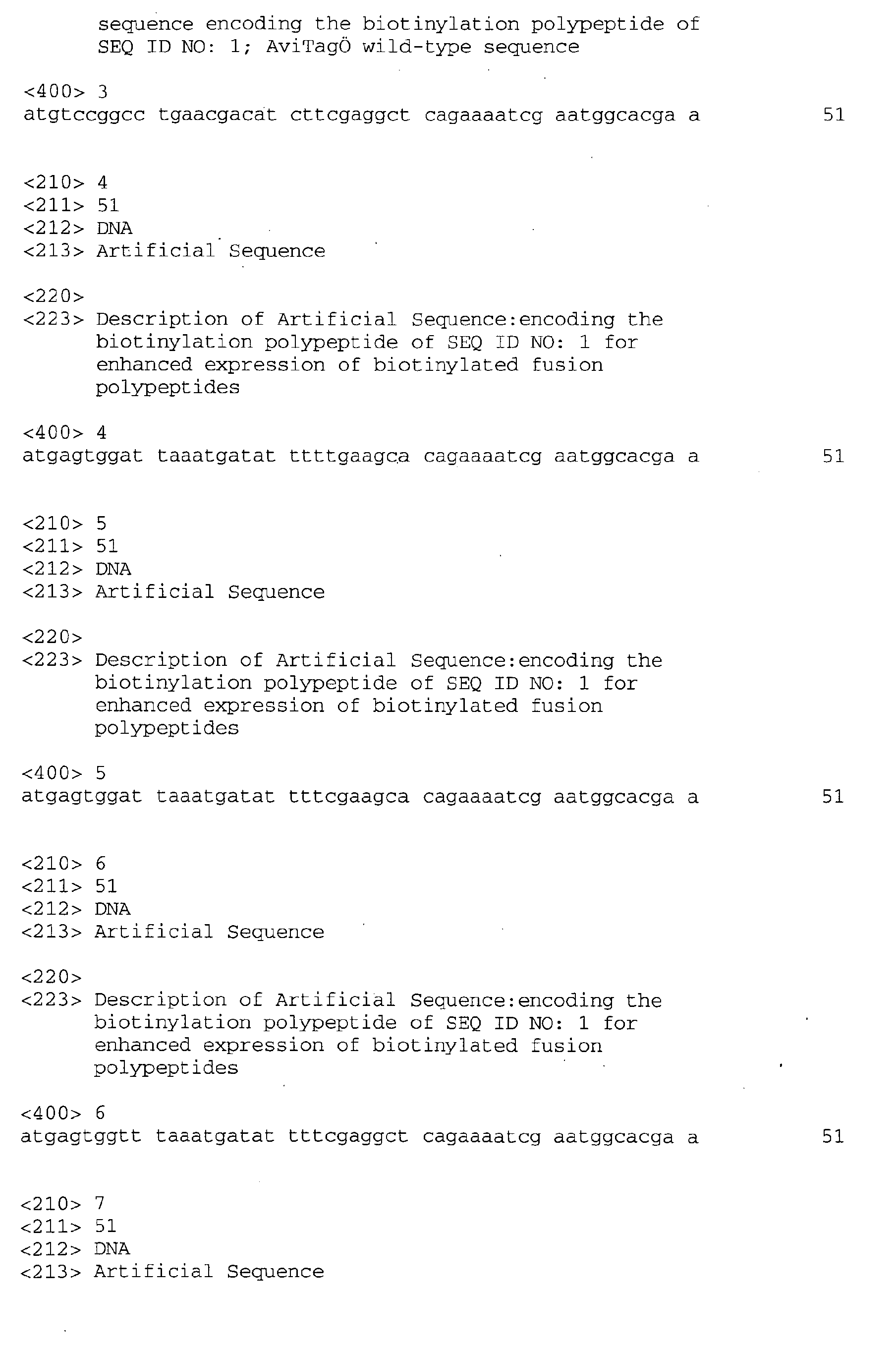
- the DNA sequence encoding the biotinylation polypeptide is the DNA sequence of SEQ ID NO: 3.
- E.coli-based cellular expression systems are well-known to the art and include US 5,232,840 regarding an optimised ribosome-binding site. Particularly cellular E.coli expression systems using the T7 promoter are described in US 4,952,496, US 5,693,489 and US 5,869,320.
- Codon usage is one of the best known parameters impacting on the expressed quantity of a polypeptide. Genes in both prokaryotes and eukaryotes show a non-random usage of synonymous codons.
- the systematic analysis of codon usage patterns in E. coli led to the following observations (de Boer, H.A., and Kastelein, R.A., In: Maximizing gene expression, Reznikoff, W.S., and Gold, L., (eds.), Butterworths, Boston, 1986, pp. 225-285): (1) There is a bias for one or two codons for almost all degenerate codon families. (2) Certain codons are most frequently used by all different genes irrespective of the abundance of the protein.
- the problem to be solved is to provide the means to further enhance in a cell-free as well as in a cellular expression system the formation of a fusion polypeptide that comprises a biotinylation polypeptide.
- the invention provides the means to enhance in E.coli-based expression systems the formation of fusion polypeptides containing as an N-terminal tag a biotinylation polypeptide. It was surprisingly found that specifically exchanging in the nucleic acid sequence encoding the biotinylation polypeptide nucleotides at 11 discrete positions enhances the formation of the total fusion polypeptide by at least 40%.
- the invention therefore provides nucleic acids encoding a polypeptide capable of being biotinylated by holocarboxylase synthetase.
- the invention provides an expression vector comprising a nucleic acid according to the invention.
- the invention provides a method of preparing a biotinylated polypeptide in a cell-free polypeptide synthesis reaction mixture.
- the invention provides use of a nucleic acid according to the invention for constructing, by way of genetic engineering, a nucleic acid encoding a fusion polypeptide and expressing the same, whereby the fusion polypeptide consists of an N-terminal polypeptide capable of being biotinylated by holocarboxylase synthetase, and a C-terminal polypeptide with a biological function.
- polypeptide with a biological function refers to a polypeptide which possesses a biological function or activity which is identified through a defined functional assay and which is associated with a particular biologic, morphologic, or phenotypic alteration in a cell or a virus.
- polypeptides with a biological function are receptors, transcription factors, kinases, polypeptide subunits of complexes, or antibodies.
- polypeptide with a biological function also encompasses "functional fragments" thereof, thus including all fragments of a the polypeptide with a biological function that retain an activity of the polypeptide.
- Functional fragments for example, can vary in size from a polypeptide fragment as small as, e.g., an epitope capable of binding an antibody molecule to a large polypeptide capable of participating in the characteristic induction or programming of phenotypic changes within a cell.
- polypeptide with a biological function encompasses a hybrid polypeptide, that is to say a fusion of two or more polypeptides with biological functions.
- polypeptide denotes a polymer composed of amino acid monomers joined by peptide bonds.
- a “peptide bond” is a covalent bond between two amino acids in which the ⁇ -amino group of one amino acid is bonded to the ⁇ -carboxyl group of the other amino acid. All amino acid or polypeptide sequences, unless otherwise designated, are written from the amino terminus (N-terminus) to the carboxy terminus (C-terminus).
- Amino acid identification uses the three-letter abbreviations as well as the single-letter alphabet of amino acids, i.e. Asp D Aspartic acid, Ile I Isoleucine, Thr.
- T Threonine Leu L Leucine, Ser S Serine, Tyr Y Tyrosine, Glu E Glutamic acid, Phe F Phenylalanine, Pro P Proline, His H Histidine, Gly G Glycine, Lys K Lysine, Ala A Alanine, Arg R Arginine, Cys C Cysteine, Trp W Tryptophan, Val V Valine, Gln Q Glutamine, Met M Methionine, Asn N Asparagine.
- biotinylation polypeptide is a "polypeptide capable of being biotinylated by holocarboxylase synthetase".
- the amino acid sequence of the biotinylation polypeptide provides a sequence motif containing an acceptor site for "biotinylation", that is the covalent attachment of a biotin molecule by holocarboxylase synthetase.
- tagging or “tagging a target sequence” refers to introducing by recombinant methods a nucleic acid encoding a "tag” such as a biotinylation polypeptide into a polypeptide-encoding nucleic acid, i.e. a "target sequence” so that the recombinant nucleic acid encodes a fusion polypeptide which comprises the tag at its C- or N-terminus.
- a tag such as a biotinylation polypeptide
- fusion polypeptide refers to a polypeptide which has been tagged, e.g. with a biotinylation polypeptide.
- the amino acid sequence of a fusion polypeptide may comprise the amino acid sequence of the biotinylation polypeptide and the amino acid sequence of a target polypeptide.
- the target polypeptide itself is a polypeptide with a biological function.
- Nucleic acid refers to DNA or RNA which may be single- or doublestranded, and represents the sense strand when single-stranded. Nucleic acids are polymers with nucleotides as monomers. Nucleotides are composed of a phosphate moiety, a sugar moiety (ribose or deoxyribose) and an aglyconic heterocyclic moiety, the so-called nucleobase. In a nucleic acid sequence a single letter defines a nucleotide by its nucleobase, i.e. adenine (A), guanine (G), cytosine (C) and thymine (T) or uracil (U).
- A adenine
- G guanine
- C cytosine
- T thymine
- U uracil
- Nucleic acids encoding fusion polypeptides can be prepared by chemical methods or by genetic engineering.
- a fusion polypeptide can be obtained by means of "expression" of a nucleic acid encoding the same, that is as a result of transcription and translation the nucleic acid.
- a nucleic acid is "operably linked" when it is placed into a functional relationship with another nucleic acid.
- a nucleic acid encoding a biotinylation polypeptide is operably linked to a nucleic acid encoding a polypeptide with a biological function if it is expressed as a fusion polypeptide capable of being biotinylated;
- a promoter is operably linked to a coding sequence if it affects the transcription of the sequence; or a ribosome binding site is operably linked to a coding sequence if it is positioned so as to facilitate translation.
- operably linked means that the nucleic acids being linked are contiguous and, in the case of a nucleic acid encoding, e.g., a biotinylation polypeptide, contiguous and in reading phase.
- a nucleic acid encoding e.g., a biotinylation polypeptide
- linking is accomplished by ligation at convenient restriction sites. If such sites do not exist then synthetic oligonucleotide adaptors or linkers are used in accord with conventional practice.
- nucleic acid sequences are written in the direction from the 5' (stands for prime) end to the 3' end also referred to as 5' to 3'.
- the nucleic acid sequences of the invention that encode a polypeptide of SEQ ID NO: 1 are different from previously published nucleic acid sequences such as SEQ ID NO: 3 because of the degeneracy of the genetic code and encode the same polypeptide.
- Degenerate code stands for a genetic code in which a particular amino acid can be coded by two or more different codons. Degeneracy occurs because of the fact that of the 64 possible base triplets, 3 are used to code the stop signals, and the other 61 are left to code for only 20 different amino acids.
- expression system is well understood in the art to mean either an in vitro system or cellular or multicellular organism capable of translating or transcribing and translating nucleotide sequences to produce polypeptides.
- An example for an in vitro expression system that is to say a cell-free polypeptide synthesis reaction mixture, is described in Zubay, G., Annu. Rev. Genet. 7 (1973) 267-287. Spirin et al. developed in 1988 a continuous-flow cell-free translation and coupled transcription/translation system in which a relatively high amount of protein synthesis occurs (Spirin, A.S., et al., Science 242 (1988) 1162-1164).
- the invention provides a nucleic acid of SEQ ID NO: 2 encoding a polypeptide of SEQ ID NO: 1 capable of being biotinylated by holocarboxylase synthetase, characterised in that said nucleic acid differs from SEQ ID NO: 3 by nucleotide exchanges at 6 or more positions selected from the group consisting of the positions 4, 5, 6, 9, 10, 12, 15, 18, 21, 24 or 30, and said nucleic acid, as compared to SEQ ID NO: 3, enhances the formation of a fusion polypeptide, consisting of an N-terminal polypeptide according to SEQ ID NO: 1 and a C-terminal polypeptide with a biological function, by means of expression from a nucleic acid encoding said fusion polypeptide in a cell-free polypeptide synthesis reaction mixture in that at least 40% more fusion polypeptide is formed, whereby the nucleic acid encoding said fusion polypeptide consists of a nucleic acid encoding said N-termin
- the nucleic acid that is containing A or T at position 4, C or G at position 5, C or T at position 6, A, C or T at position 9, C or T at position 10, A or G at position 12, C or T at position 15, C or T at position 18, C or T at position 21, C or T at position 24, and A or T at position 30, is characterised in that between 5 and 11 nucleotides at said positions are identical to the nucleotides at the same positions in SEQ ID NO: 4, with the proviso that all nucleotides at said positions are identical to the nucleotides at the same positions in SEQ ID NO: 3 or SEQ ID NO: 4, or 10 nucleotides at said positions except position 9 are identical to the nucleotides at the same positions in SEQ ID NO: 4 or SEQ ID NO: 3, and the nucleotide at position 9 is T.
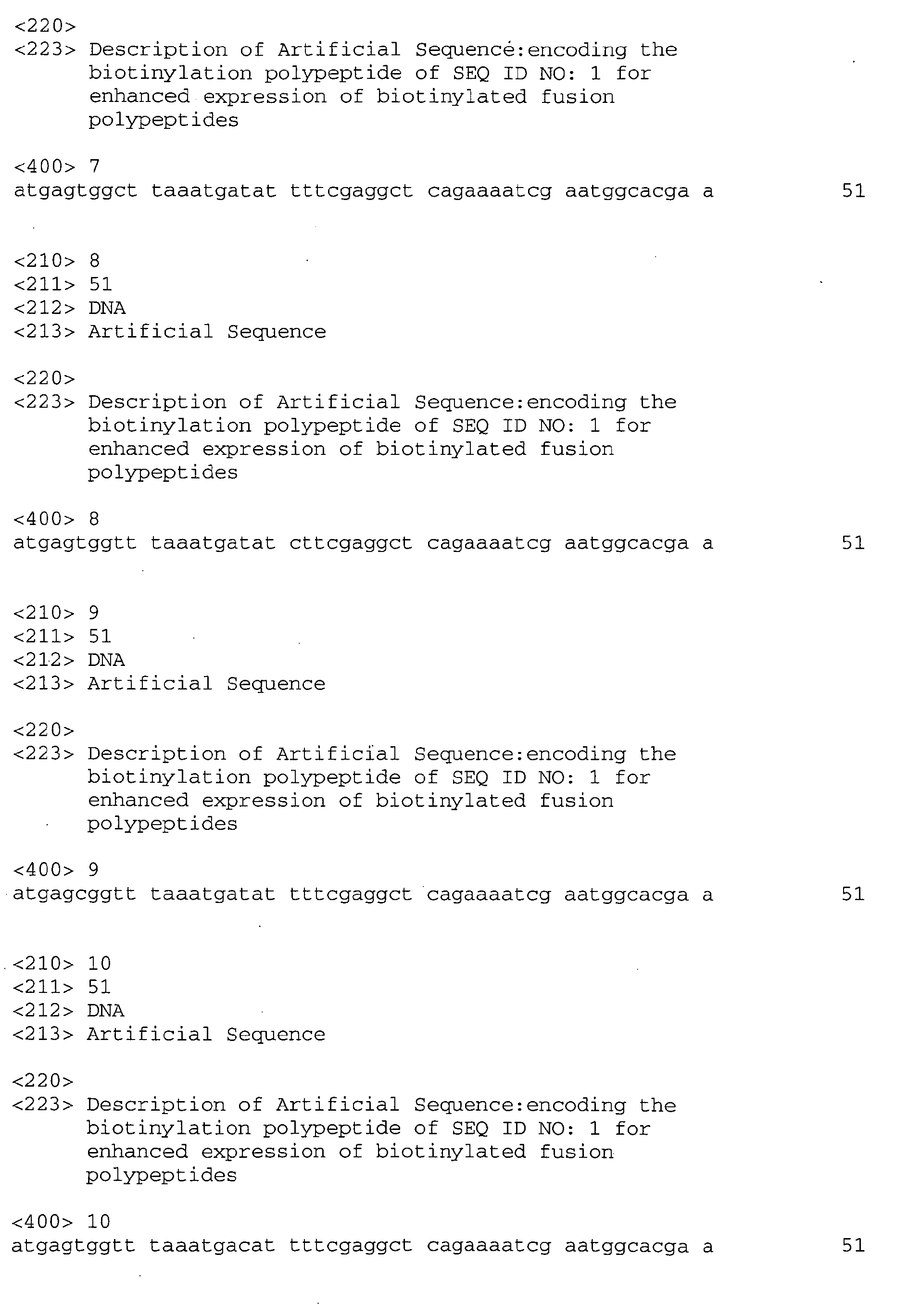
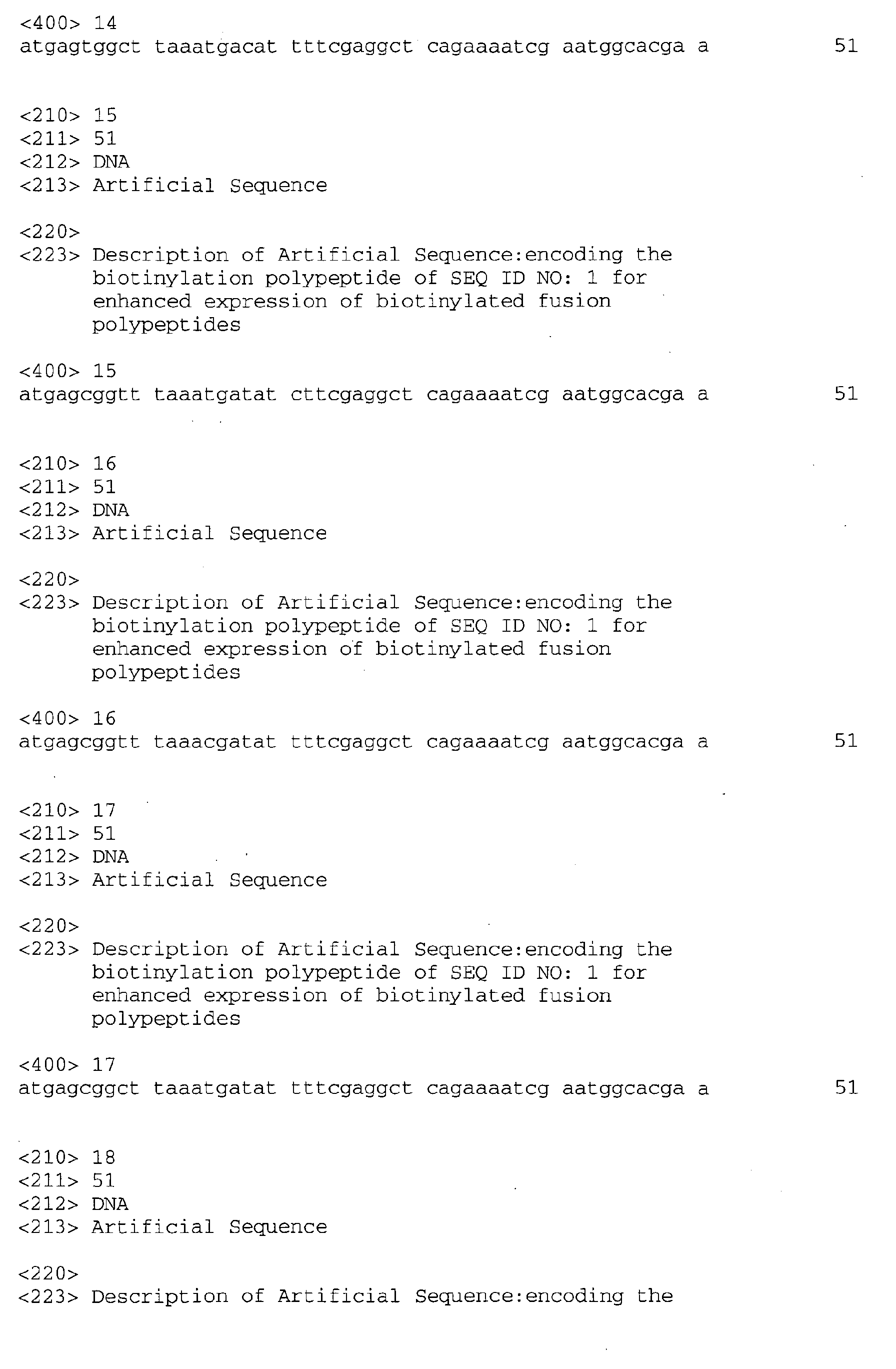
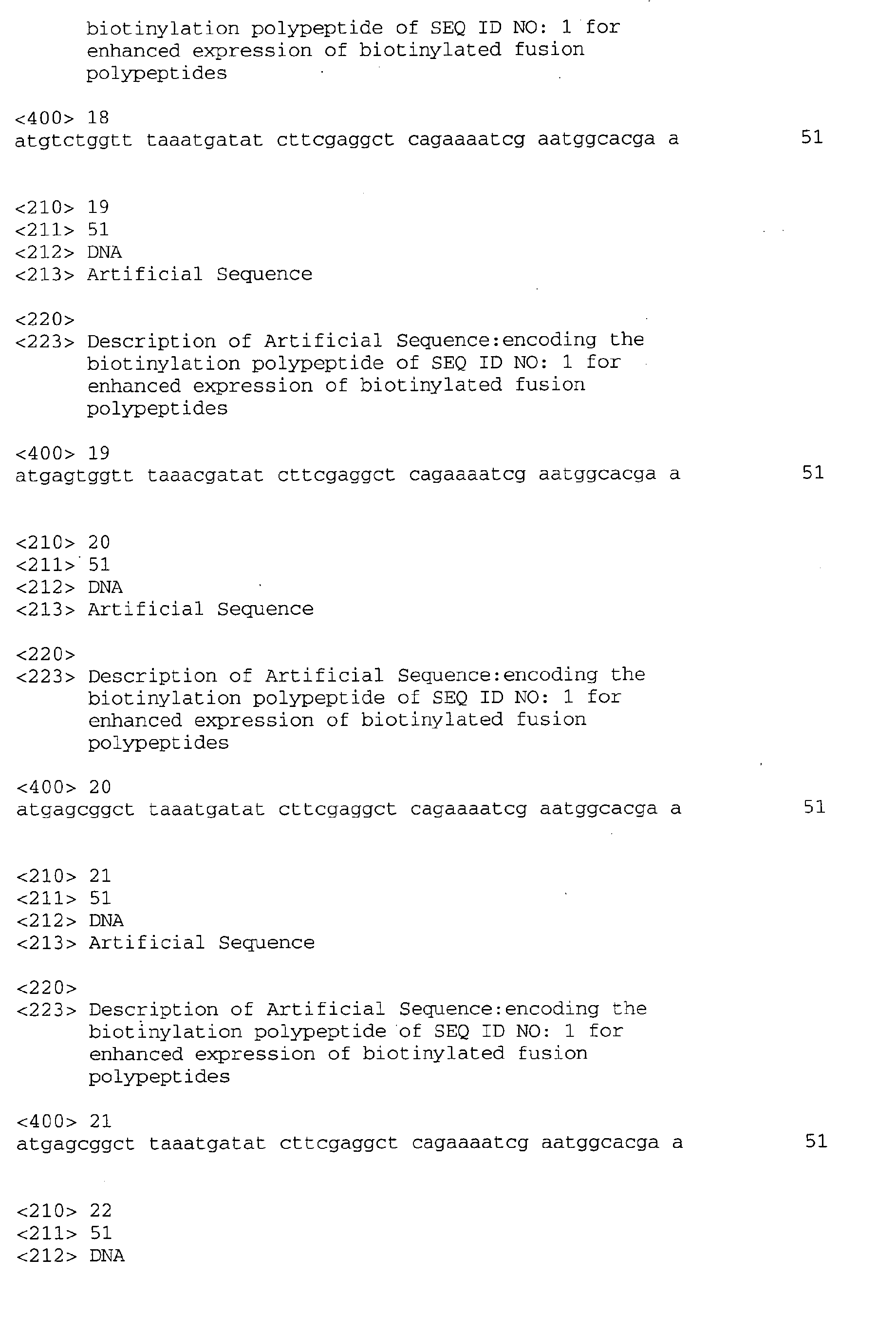
- the nucleic acid is characterised in that the nucleic acid is selected from the group consisting of SEQ ID NO: 4, SEQ ID NO: 5, SEQ ID NO: 6, SEQ ID NO: 7, SEQ ID NO: 8, SEQ ID NO: 9, SEQ ID NO: 10, SEQ ID NO: 11, SEQ ID NO: 12, SEQ ID NO: 13, SEQ ID NO: 14, SEQ ID NO: 15, SEQ ID NO: 16, SEQ ID NO: 17, SEQ ID NO: 18, SEQ ID NO: 19, SEQ ID NO: 20, SEQ ID NO: 21, SEQ ID NO: 22, SEQ ID NO: 23 or SEQ ID NO: 24.
- Another aspect of the invention is an expression vector comprising a nucleic acid according to the invention.
- Yet another aspect of the invention is a method of preparing a biotinylated polypeptide in a cell-free polypeptide synthesis reaction mixture which contains an RNA polymerase, ribosomes, tRNA, ATP, GTP, nucleotides and amino acids, comprising the steps of (a) forming in said reaction mixture a fusion polypeptide, consisting of an N-terminal polypeptide according to SEQ ID NO: 1 and a C-terminal polypeptide with a biological function, by means of expression from a nucleic acid consisting of a nucleic acid according to any of the claims 1 to 3 operably linked to a nucleic acid encoding the C-terminal polypeptide; (b) biotinylating said fusion polypeptide in the presence of biotin and holocarboxylase synthetase; (c) isolating said biotinylated fusion polypeptide from said mixture; or incubating said mixture with immobilised avidin or strept
- RNA polymerase is a DNA-dependent RNA polymerase.
- a very much preferred RNA polymerase is T7 RNA polymerase.
- Holocarboxylase synthetase (EC6.3.4.15, biotin protein ligase, BirA) is an enzyme that catalyses in E.coli the covalent attachment of biotin to its natural substrate, that is BCCP.
- Biotin ligase is highly specific and reacts only on biotinylation polypeptides showing a very high degree of conservation in the primary structure of the biotin attachment domain. This domain includes preferably the highly conserved AMKM tetrapeptide (Chapman-Smith, A., and Cronan, J.E., Jr., J. Nutr. 129, 2S Suppl., (1999) 477S-484S).
- Recombinant BirA enzyme is described in WO 99/37785.
- holocarboxylase synthetase can be added to an in vitro expression system as an active enzyme or can be added as a nucleic acid (in an expression vector, e.g. RNA, DNA) which is expressed (transcribed/translated) in the system like the fusion polypeptide.
- an expression vector e.g. RNA, DNA
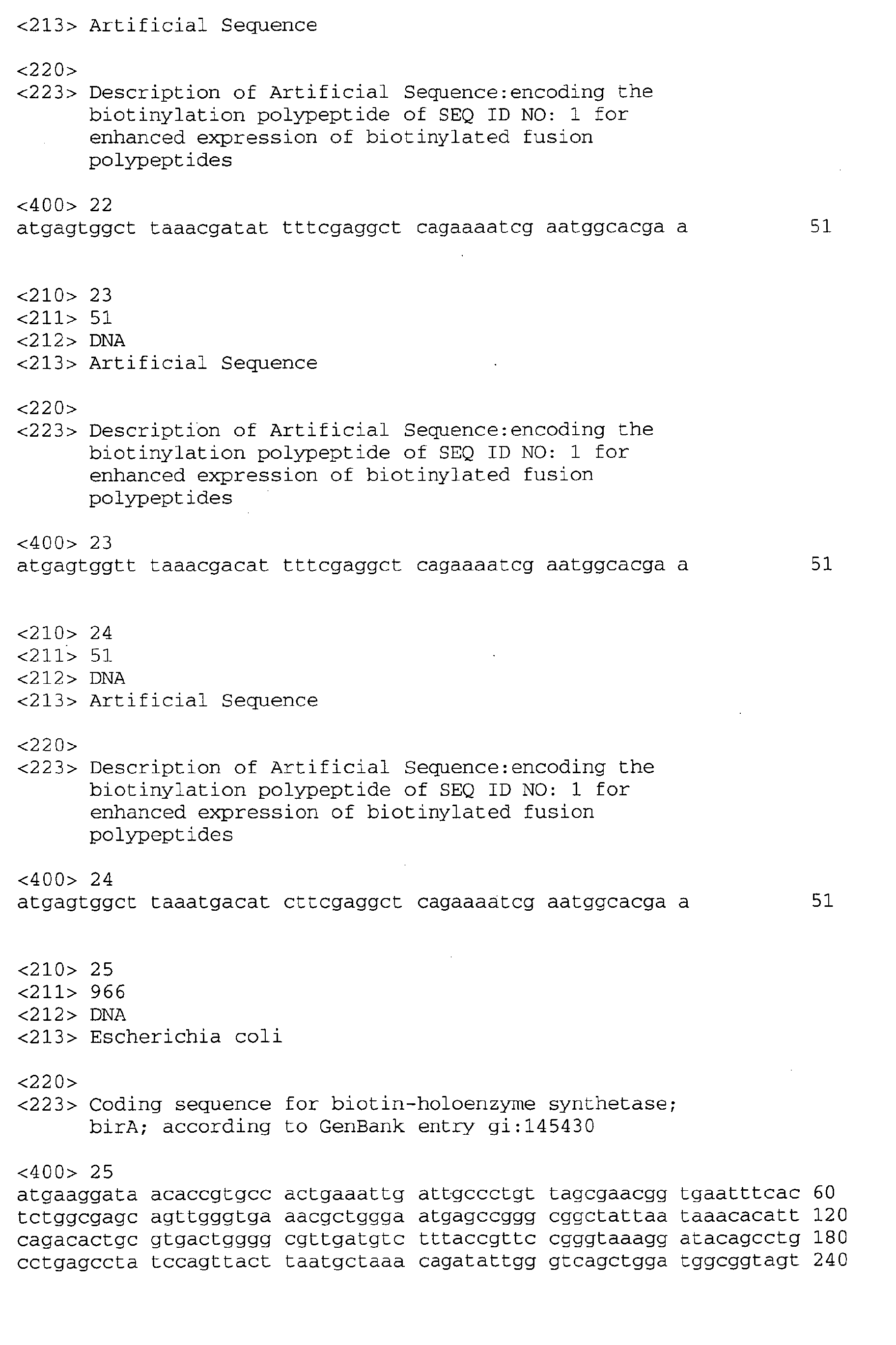
- the method is characterised in that the reaction mixture contains a nucleic acid encoding holocarboxylase synthetase according to SEQ ID NO: 25 that is expressed in said reaction mixture to provide holocarboxylase synthetase polypeptide.
- an active enzyme it is used preferably in an amount of about 10,000 to 15,000 units, preferably 12,500 units.
- a preferred active enzyme (EC6.3.4.15) is supplied by Avidity Inc. (Denver, Colorado, USA).
- the method is characterised in that the reaction mixture contains a nucleic acid encoding holocarboxylase synthetase according to SEQ ID NO: 25 that is expressed in the reaction mixture to provide holocarboxylase synthetase polypeptide.
- the amount of nucleic acid depends on the expression rate of the used vector and the necessary amount of BirA enzyme in the reaction mixture. 1 ng of BirA plasmid DNA (e.g.
- E.coli expression vector such as pIVEX vectors, supplied by Roche Diagnostics GmbH, Mannheim, Germany; http://www.biochem.roche.com/RTS), or even less, is sufficient for a quantitative biotinylation reaction of the tagged fusion polypeptides.
- the maximum yield of expressed and specifically biotinylated fusion polypeptide is achieved, when the desired fusion polypeptide-encoding plasmid DNA is added at 10-15 ⁇ g and the plasmid DNA, being responsible for the coexpression of BirA, is introduced with an amount between 1-10ng.
- the ratio of fusion polypeptide-encoding plasmid DNA to BirA-encoding plasmid DNA was found to be optimal at a ratio of about 1500:1. It was found that the same level as above is sufficient for quantitative biotinylation of the expressed fusion protein.
- D(+)-biotin was added at 1 to 10 ⁇ M, preferably in about 2 ⁇ M to the reaction mixture.
- biotinylation occurs under standard reaction conditions, preferably within 10 to 30 hours at 20°C to 36°C, most preferably at about 30°C, and the reaction mixture is preferably, after dialysis, for concentration and buffer exchange, centrifuged.
- the solution is, due to its high purity, directly used for immobilisation of the fusion polypeptide on surfaces which contain immobilised avidin or streptavidin (e.g. microtiter plates or biosensors) without further purification.
- immobilised avidin or streptavidin e.g. microtiter plates or biosensors
- biotinylated polypeptides which can be bound to surfaces in ligand binding experiments, e.g. surface plasmon resonance spectroscopy or ELISA assays.
- biotinylated polypeptides produced according to the present invention can be purified further under native conditions using matrices containing immobilised (preferably monomeric) avidin, streptavidin, or derivatives thereof.
- immobilised (preferably monomeric) avidin, streptavidin, or derivatives thereof A variety of useful physically (Kohanski, R.A., and Lane, M.D., Methods Enzymol. 184 (1990) 194-200), chemically (Morag, E., et al., Anal. Biochem. 243 (1996) 257-263) and genetically (Sano, T., and Cantor, C.R., Proc. Natl. Acad. Sci.USA 92 (1995) 3180-3184) modified forms of avidin or streptavidin have been described that still bind biotin specifically but with weaker affinity to facilitate a one step purification procedure.
- Yet another aspect of the invention is use of a nucleic acid according to any of the claims 1 to 3 for constructing, by way of genetic engineering, a nucleic acid encoding a fusion polypeptide, whereby the fusion polypeptide consists of an N-terminal polypeptide of SEQ ID NO: 1 and a C-terminal polypeptide with a biological function.
- Methods for constructing by way of genetic engineering are well known to the art and are described, in e.g. Sambrook, Fritsch & Maniatis, Molecular Cloning, A Laboratory Manual, 3rd edition, CSHL Press, 2001.
- Yet another aspect of the invention is use of a nucleic acid according to the invention for expressing a fusion polypeptide, whereby the fusion polypeptide consists of an N-terminal polypeptide of SEQ ID NO: 1 and a C-terminal polypeptide with a biological function.
- a preferred embodiment of the invention is the use characterised in that the fusion polypeptide is expressed in a cell-free polypeptide synthesis reaction mixture.
- a preferred cell-free polypeptide synthesis reaction mixture is the RTS500 in vitro expression system supplied by Roche Diagnostics (Mannheim, Germany; catalogue number 3246817).
- a preferred E.coli strain is a BL21 (DE 3) strain. Even more preferred is a BL21 (DE 3) Lys S strain. These strains express an active T7 RNA polymerase.
- Such a strain can be used to transcribe a gene carried by an expression vector, whereby the vector comprises, e.g., a nucleic acid encoding a fusion polypeptide that is operably linked to the T7 promoter.
- Examples for vectors that have incorporated the T7 promoter and that are capable of being transcribed in the BL21 (DE 3) strain or the BL21 (DE 3) Lys S strain of E.coli are pET vectors (Novagen Inc., Madison, Wisconsin, USA) or pIVEX vectors (Roche Diagnostics GmbH, Mannheim, Germany). Methods for expressing fusion polypeptides are well known to the art and are described (e.g. in: Sambrook, Fritsch & Maniatis, Molecular Cloning, A Laboratory Manual, 3rd edition, CSHL Press, 2001. Also in: Gu, J., et al., Biotechniques 17 (1994) 257, 260, 262).
- the AviTagTM biotinylation polypeptide comprises a sequence of 15-17 amino acid residues and can be used as a tag in fusion polypeptides.
- the AviTagTM is capable of being biotinylated at a lysine residue by a biotin protein ligase such as the polypeptide encoded by the E.coli BirA gene (Murtif, V.L., and Samols, D., J. Biol. Chem. 262 (1987) 11813-11816).
- the AviTagTM biotinylation polypeptide used for the present invention is represented by SEQ ID NO: 1.
- a DNA sequence encoding the AviTagTM and expression vectors in which the DNA sequence is incorporated are commercially available from Avidity Inc. (Denver, Colorado, USA).
- the original DNA sequence of which variants were generated is SEQ ID NO: 3. This sequence is also referred to as "wildtype sequence” or "wildtype DNA sequence”.
- optimised mutant variants of the AviTagTM encoding DNA sequence that is to say variants that enhance the expression of a fusion polypeptide that comprises the AviTagTM biotinylation polypeptide
- the wildtype DNA sequence was placed in-frame in front of the test protein green fluorescent protein (GFP; Crameri., A., et al., Nat. Biotechnol. 14 (1996) 315-319) by using conventional cloning methods (Sambrook, Fritsch & Maniatis, Molecular Cloning, A Laboratory Manual, 3rd edition, CSHL Press, 2001).
- GFP green fluorescent protein
- the mutated sequences that were synthesised exploited the codon usage for each amino acid without changing the primary sequence.
- N any base
- Y pyrimidine (C or T)
- R purine (G or A)
- H not G (i.e. A, T or C).
- a PCR reaction was made with the pIVEX-GFP WT Avitag (SEQ ID NO: 29) vector as template.
- the restriction enzymes XbaI and NcoI the restriction enzymes were cleaved, firstly at the XbaI site in the forward primer and secondly at the NcoI site in the reverse primer.
- the pIVEX-GFP WT Avitag vector was cleaved with the same restriction enzymes and the vector fragment was isolated.
- the plasmids were ligated and subsequently transformed into a BL21 (DE 3) Lys S strain of E.coli (Novagen Inc., Madison, Wisconsin, USA) and plated out on LB medium with ampicillin (100 ⁇ g/ml) and IPTG (0.2 mM). After one day of growth bacterial colonies were screened under UV light for GFP expression. The colonies with the brightest fluorescence as judged by visual inspection were picked and plasmids from these colonies were isolated. The AviTagTM-encoding DNA of these plasmids was subjected to sequence analysis.
- the screening procedure resulted in a number of mutant variants of the wildtype sequence encoding the AviTagTM, whereby these variants stimulated a visibly increased GFP signal as compared to the signal of control transformants expressing the pIVEX-GFP WT Avitag vector.
- mutant variants of the wildtype sequence i.e. DNA sequences encoding a polypeptide of SEQ ID NO: 1 capable of being biotinylated by holocarboxylase synthetase, are represented in SEQ ID NO: 4, SEQ ID NO: 5, SEQ ID NO: 6, SEQ ID NO: 7, SEQ ID NO: 8, SEQ ID NO: 9, SEQ ID NO: 10, SEQ ID NO: 11, SEQ ID NO: 12, SEQ ID NO: 13, SEQ ID NO: 14, SEQ ID NO: 15, SEQ ID NO: 16, SEQ ID NO: 17, SEQ ID NO: 18, SEQ ID NO: 19, SEQ ID NO: 20, SEQ ID NO: 21, SEQ ID NO: 22, SEQ ID NO: 23, and SEQ ID NO: 24.
- the wildtype sequence was compared with SEQ ID NO: 4, SEQ ID NO: 5, SEQ ID NO: 6, SEQ ID NO: 7, SEQ ID NO: 8, SEQ ID NO: 9, SEQ ID NO: 10, SEQ ID NO: 11, SEQ ID NO: 12, SEQ ID NO: 13, SEQ ID NO: 14, SEQ ID NO: 15, SEQ ID NO: 16, SEQ ID NO: 17, SEQ ID NO: 18, SEQ ID NO: 19, SEQ ID NO: 20, SEQ ID NO: 21, SEQ ID NO: 22, SEQ ID NO: 23, and SEQ ID NO: 24, and a consensus sequence was derived for the mutant variants.
- the consensus DNA sequence encoding SEQ ID NO: 1 was found to differ from the wildtype sequence, that is the sequence according to SEQ ID NO: 3, by nucleotide exchanges at 6 or more positions selected from the group consisting of the positions 4, 5, 6, 9, 10, 12, 15, 18, 21, 24 or 30.
- consensus DNA sequence was found to contain A or T at position 4, C or G at position 5, C, or T at position 6, A, C or T at position 9, C or T at position 10, A or G at position 12, C or T at position 15, C or T at position 18, C or T at position 21, C or T at position 24, and A or T at position 30.
- the consensus sequence is given in SEQ ID NO: 2.
- nucleotides at said positions were found to be identical to the nucleotides at the same positions in SEQ ID NO: 4, with the proviso that all nucleotides at said positions were found to be identical to the nucleotides at the same positions in SEQ ID NO: 3 or SEQ ID NO: 4, or 10 nucleotides at said positions except position 9 were found to be identical to the nucleotides at the same positions in SEQ ID NO: 4 or SEQ ID NO: 3, and the nucleotide at position 9 was then found to be T.
- the mutated AviTagTM sequence according to SEQ ID NO: 12 was inserted in-frame in front of the chloramphenicol acetyl transferase (CAT) gene and the erythropoietin (EPO) gene by way of a PCR cloning approach analogous to the approach described in Example 1.
- CAT chloramphenicol acetyl transferase
- EPO erythropoietin
- control plasmids pIVEX-2.8 CAT WT Avitag and pIVEX-2.8 EPO WT Avitag were generated that differed from pIVEX-2.8 CAT mut Avitag and pIVEX-2.8 EPO mut Avitag in that the wildtype AviTagTM sequence, i.e. SEQ ID NO: 3 replaced SEQ ID NO: 12.
- All four of these plasmids were then used for a polypeptide synthesis reaction using the RTS 500 HY Kit (Roche Diagnostics GmbH, Mannheim, Germany) as an in-vitro expression system. Each plasmid was used for a separate in-vitro expression.
- the polypeptide synthesis reactions were performed identically and in line with the instructions of the supplier. After the reactions were ended, 0.5 ⁇ l aliquots of each reaction mixture were directly applied on an SDS-PAGE gel. Another aliquot of each reaction was centrifuged for 15 min at 30,000 x g. The supernatants were removed and the pellet fractions were resuspended in the original volume of SDS sample buffer. Again 0.5 ⁇ l were applied on the same SDS Page gel.
- Figure 1 shows the result.
- the fusion polypeptides encoded by the wildtype AviTagTM DNA sequence that was operably linked to the coding sequences of either CAT or EPO were present in smaller quantities as opposed to those fusion polypeptides in which the N-terminal tag was encoded by the mutated sequence of SEQ ID NO: 12.
- EPO in its unglycosylated form can be detected primarily in the pellet fraction.
- the amounts of expressed fusion polypeptides were quantified by way of densitometric measurements of coomassie-stained bands in SDS gels that were obtained using the Lumi Imager F1 and the LumiAnalyst Software (Roche Diagnostics GmbH, Mannheim, Germany). Measurements were made according to the instructions of the manufacturer. Each analysed each gel contained control lanes in which defined amounts of marker proteins were electrophoresed in order to provide reference points for quantification. Table 1 provides results from the parallel experiments described in Example 3 and Figure 1.
- mutant variant of the wildtype sequence as given in SEQ ID NO: 12 enhances the formation of the fusion polypeptide, consisting of an N-terminal polypeptide according to SEQ ID NO: 1 and a C-terminal polypeptide with a biological function in that at least 40% more fusion polypeptide is formed.
Landscapes
- Chemical & Material Sciences (AREA)
- Organic Chemistry (AREA)
- General Health & Medical Sciences (AREA)
- Genetics & Genomics (AREA)
- Health & Medical Sciences (AREA)
- Life Sciences & Earth Sciences (AREA)
- Biochemistry (AREA)
- Biophysics (AREA)
- General Chemical & Material Sciences (AREA)
- Analytical Chemistry (AREA)
- Medicinal Chemistry (AREA)
- Molecular Biology (AREA)
- Proteomics, Peptides & Aminoacids (AREA)
- Chemical Kinetics & Catalysis (AREA)
- Peptides Or Proteins (AREA)
- Preparation Of Compounds By Using Micro-Organisms (AREA)
- Micro-Organisms Or Cultivation Processes Thereof (AREA)
Abstract
The invention provides the means to enhance in E.coli-based expression systems the
formation of fusion polypeptides containing as an N-terminal tag a biotinylation
polypeptide. By way of specifically exchanging in the nucleic acid sequence encoding the
biotinylation polypeptide nucleotides at 11 discrete positions enhances the formation of the
total fusion polypeptide by at least 40%.
Description
- The present invention relates to nucleic acids encoding a polypeptide capable of being biotinylated by holocarboxylase synthetase. In particular, the present invention relates to the formation of fusion polypeptides comprising an N-terminal polypeptide capable of being biotinylated by holocarboxylase synthetase and a C-terminal polypeptide with a biological function. More particularly, the invention relates to the enhanced formation of such fusion polypeptides by means of expression in vitro or in vivo E.coli-based expression systems. The invention therefore relates to the field of molecular biology, but given the diverse uses for recombinant proteins, the invention also relates to the fields of chemistry, pharmacology, biotechnology, and medical diagnostics.
- The enzyme holocarboxylase synthetase of E.coli (BirA, a biotin ligase) catalyzes in vivo the biotinylation, that is the covalent addition of biotin to the ε-amino group of a lysine side chain in its natural substrate, biotin carboxyl carrier protein (BCCP) (Cronan, J.E., Jr., et al., J. Biol. Chem. 265 (1990) 10327-10333). In E.coli only BCCP is biotinylated. This protein is a subunit of acetyl-CoA carboxylase. The reaction is catalysed by the biotin-protein ligase, the product of the BirA gene (Cronan, J.E., Jr., Cell 58 (1989) 427-429).
- A BirA substrate consisting of a sequence of 13 amino acids was defined as a biotinylation polypeptide in fusion polypeptides (Schatz, P.J., Biotechnology 11 (1993) 1138-1143). WO 95/04069 describes biotinylation peptides that can be fused to other peptides or proteins of interest using recombinant DNA techniques. The resulting fusion polypeptides can be biotinylated in vivo or in vitro by BirA holocarboxylase synthetase. Particularly WO 95/04069 describes the expression of such fusion polypeptides in E.coli and anticipates expression in cell-free expression systems. But both documents are completely silent regarding the impact of the nucleic acid sequence that is encoding an N-terminal biotinylation polypeptide on the expressed quantity of the fusion polypeptide.
- US 5,723,584, US 5,874,239, US 5,932,433 and US 6,265,552 provide further amino acid sequences for biotinylation polypeptides to be used for generating fusions with polypeptides of interest. Regarding N-terminally tagged fusion polypeptides, the documents describe the chemical synthesis of nucleic acid sequences that were biased in order to fit a consensus biotinylation polypeptide sequence. However, the documents are completely silent regarding the impact of the nucleic acid sequence that is encoding an N-terminal biotinylation polypeptide on the expressed quantity of the fusion polypeptide.
- The biotinylation polypeptide used in the present invention (SEQ ID NO: 1, AviTag™) is comprised in the pAN-4, pAN-5, pAN-6 series of expression vectors distributed by Avidity Inc., Denver, Colorado, USA. The set of 3 different pAN vectors are designed for cloning and expression of N-terminal tagged fusion polypeptides in each reading frame. The DNA sequence encoding the biotinylation polypeptide is the DNA sequence of SEQ ID NO: 3.
- Moreover, a synthetic BirA biotinylation polypeptide that was identified by combinatorial methods and consisted of a sequence of 23 amino acids was used to define a minimum sequence required for biotinylation that consisted of a sequence of 14 amino acids (Beckett, D., et al., Protein Sci. 8 (1999) 921-929). The 14-mer was proposed to mimic the acceptor function of BCCP as the natural BirA substrate. The impact of the nucleic acid sequence encoding biotinylation polypeptide on the expressed quantity of the fusion polypeptide was not investigated.
- US 6,326,157 describes the construction of fusion polypeptides consisting of green fluorescent protein tagged with a biotinylation polypeptide. However, the document is completely silent regarding the impact of the nucleic acid sequence that is encoding an N-terminal biotinylation polypeptide on the expressed quantity of the fusion polypeptide.
- E.coli-based cellular expression systems are well-known to the art and include US 5,232,840 regarding an optimised ribosome-binding site. Particularly cellular E.coli expression systems using the T7 promoter are described in US 4,952,496, US 5,693,489 and US 5,869,320.
- Codon usage is one of the best known parameters impacting on the expressed quantity of a polypeptide. Genes in both prokaryotes and eukaryotes show a non-random usage of synonymous codons. The systematic analysis of codon usage patterns in E. coli led to the following observations (de Boer, H.A., and Kastelein, R.A., In: Maximizing gene expression, Reznikoff, W.S., and Gold, L., (eds.), Butterworths, Boston, 1986, pp. 225-285): (1) There is a bias for one or two codons for almost all degenerate codon families. (2) Certain codons are most frequently used by all different genes irrespective of the abundance of the protein. (3) Highly expressed genes exhibit a greater degree of codon bias than do poorly expressed ones. (4) The frequency of use of synonymous codons usually reflects the abundance of their cognate tRNAs. These observations imply that heterologous genes enriched with codons that are rarely used by E. coli may not be expressed efficiently in E. coli.
- However, it appears to be difficult to generally and unambiguously predict whether the content of low-usage codons in a specific gene might adversely affect the efficiency of its expression in E.coli. Regarding the efficiency of translation of a polypeptide in E.coli, several influencing factors are superimposed, e.g. positional effects of certain codons, the clustering or interspersion of the rarely used codons, as well as the secondary structure of the mRNA. Nevertheless, from a practical point of view, the codon context of specific genes can have adverse effects on the quantity of expressed polypeptide levels. Usually, this problem is rectified by the alteration of the codons in question, whereby codons in the entire coding sequence are addressed. Another way to address this problem is to co-express the cognate tRNA genes (Makrides, S.C., Microbiol. Rev. 60 (1996) 512-538).
- It is also known for in vitro translation systems that adding tRNAs that pair with rarely used codons can increase the expressed quantity of a polypeptide. An example for an in vitro translation system is the RTS 500 System that is distributed by Roche Diagnostics GmbH, Mannheim, Germany (catalogue number 3246817). In this expression system that comprises E.coli lysates, transcription and translation take place simultaneously in a reaction compartment of the reaction device. Substrates and energy components essential for a sustained reaction are continuously supplied via a semipermeable membrane. At the same time, potentially inhibitory reaction by-products are diluted via diffusion through the same membrane into the feeding compartment. Polypeptide is expressed for up to 24 hours yielding up to 5 mg of polypeptide.
- Both, for cellular and for cell-free expression systems it is unclear if and to what extent the nucleic acid sequence encoding an N-terminal tag, such as a biotinylation polypeptide, alone can impact on the expressed quantity of a fusion polypeptide. Therefore, the problem to be solved is to provide the means to further enhance in a cell-free as well as in a cellular expression system the formation of a fusion polypeptide that comprises a biotinylation polypeptide.
- The invention provides the means to enhance in E.coli-based expression systems the formation of fusion polypeptides containing as an N-terminal tag a biotinylation polypeptide. It was surprisingly found that specifically exchanging in the nucleic acid sequence encoding the biotinylation polypeptide nucleotides at 11 discrete positions enhances the formation of the total fusion polypeptide by at least 40%.
- Therefore, in a first aspect, the invention therefore provides nucleic acids encoding a polypeptide capable of being biotinylated by holocarboxylase synthetase. In a further aspect, the invention provides an expression vector comprising a nucleic acid according to the invention. In yet a further aspect, the invention provides a method of preparing a biotinylated polypeptide in a cell-free polypeptide synthesis reaction mixture. In yet a further aspect, the invention provides use of a nucleic acid according to the invention for constructing, by way of genetic engineering, a nucleic acid encoding a fusion polypeptide and expressing the same, whereby the fusion polypeptide consists of an N-terminal polypeptide capable of being biotinylated by holocarboxylase synthetase, and a C-terminal polypeptide with a biological function.
- Certain terms are used with particular meaning, or are defined for the first time, in this description of the present invention. For the purposes of the present invention, the following terms are defined by their art-accepted definitions, when such exist, except that when those definitions conflict or partially conflict with the definitions set forth below. In the event of a conflict in definition, the meaning of the terms are first defined by the definitions set forth below.
- The term "comprising" is used in the description of the invention and in the claims to mean "including, but not necessarily limited to".
- As used herein, the term "polypeptide with a biological function" refers to a polypeptide which possesses a biological function or activity which is identified through a defined functional assay and which is associated with a particular biologic, morphologic, or phenotypic alteration in a cell or a virus. Examples for polypeptides with a biological function are receptors, transcription factors, kinases, polypeptide subunits of complexes, or antibodies.
- The term "polypeptide with a biological function" also encompasses "functional fragments" thereof, thus including all fragments of a the polypeptide with a biological function that retain an activity of the polypeptide. Functional fragments, for example, can vary in size from a polypeptide fragment as small as, e.g., an epitope capable of binding an antibody molecule to a large polypeptide capable of participating in the characteristic induction or programming of phenotypic changes within a cell.
- Minor modifications of the primary amino acid sequences of a "polypeptide with a biological function" may result in polypeptides which have substantially equivalent activity as compared to the unmodified counterpart polypeptide. Such modifications may be deliberate, as by site-directed mutagenesis, or may be spontaneous. Further, C- or N-terminal addition of one or more amino acids, insertion of one or more amino acids, as well as deletion of one or more amino acids can also result in a modification of the structure of the resultant molecule without significantly altering its activity. All of the polypeptides produced by these modifications are included under the term "polypeptide with a biological function" as long as the biological activity of the polypeptide still exists.
- Additionally, the term "polypeptide with a biological function" encompasses a hybrid polypeptide, that is to say a fusion of two or more polypeptides with biological functions.
- The term "polypeptide" denotes a polymer composed of amino acid monomers joined by peptide bonds. A "peptide bond" is a covalent bond between two amino acids in which the α-amino group of one amino acid is bonded to the α-carboxyl group of the other amino acid. All amino acid or polypeptide sequences, unless otherwise designated, are written from the amino terminus (N-terminus) to the carboxy terminus (C-terminus). Amino acid identification uses the three-letter abbreviations as well as the single-letter alphabet of amino acids, i.e. Asp D Aspartic acid, Ile I Isoleucine, Thr. T Threonine, Leu L Leucine, Ser S Serine, Tyr Y Tyrosine, Glu E Glutamic acid, Phe F Phenylalanine, Pro P Proline, His H Histidine, Gly G Glycine, Lys K Lysine, Ala A Alanine, Arg R Arginine, Cys C Cysteine, Trp W Tryptophan, Val V Valine, Gln Q Glutamine, Met M Methionine, Asn N Asparagine.
- The term "biotinylation polypeptide" is a "polypeptide capable of being biotinylated by holocarboxylase synthetase". The amino acid sequence of the biotinylation polypeptide provides a sequence motif containing an acceptor site for "biotinylation", that is the covalent attachment of a biotin molecule by holocarboxylase synthetase.
- As used herein, the term "tagging" or "tagging a target sequence" refers to introducing by recombinant methods a nucleic acid encoding a "tag" such as a biotinylation polypeptide into a polypeptide-encoding nucleic acid, i.e. a "target sequence" so that the recombinant nucleic acid encodes a fusion polypeptide which comprises the tag at its C- or N-terminus.
- The term "fusion polypeptide" refers to a polypeptide which has been tagged, e.g. with a biotinylation polypeptide. For example, the amino acid sequence of a fusion polypeptide may comprise the amino acid sequence of the biotinylation polypeptide and the amino acid sequence of a target polypeptide. The target polypeptide itself is a polypeptide with a biological function.
- "Nucleic acid" as used herein refers to DNA or RNA which may be single- or doublestranded, and represents the sense strand when single-stranded. Nucleic acids are polymers with nucleotides as monomers. Nucleotides are composed of a phosphate moiety, a sugar moiety (ribose or deoxyribose) and an aglyconic heterocyclic moiety, the so-called nucleobase. In a nucleic acid sequence a single letter defines a nucleotide by its nucleobase, i.e. adenine (A), guanine (G), cytosine (C) and thymine (T) or uracil (U).
- Nucleic acids encoding fusion polypeptides can be prepared by chemical methods or by genetic engineering. A fusion polypeptide can be obtained by means of "expression" of a nucleic acid encoding the same, that is as a result of transcription and translation the nucleic acid.
- A nucleic acid is "operably linked" when it is placed into a functional relationship with another nucleic acid. For example, a nucleic acid encoding a biotinylation polypeptide is operably linked to a nucleic acid encoding a polypeptide with a biological function if it is expressed as a fusion polypeptide capable of being biotinylated; a promoter is operably linked to a coding sequence if it affects the transcription of the sequence; or a ribosome binding site is operably linked to a coding sequence if it is positioned so as to facilitate translation. Generally, operably linked means that the nucleic acids being linked are contiguous and, in the case of a nucleic acid encoding, e.g., a biotinylation polypeptide, contiguous and in reading phase. As for DNA, linking is accomplished by ligation at convenient restriction sites. If such sites do not exist then synthetic oligonucleotide adaptors or linkers are used in accord with conventional practice.
- All nucleic acid sequences are written in the direction from the 5' (stands for prime) end to the 3' end also referred to as 5' to 3'. The nucleic acid sequences of the invention that encode a polypeptide of SEQ ID NO: 1 are different from previously published nucleic acid sequences such as SEQ ID NO: 3 because of the degeneracy of the genetic code and encode the same polypeptide. Degenerate code stands for a genetic code in which a particular amino acid can be coded by two or more different codons. Degeneracy occurs because of the fact that of the 64 possible base triplets, 3 are used to code the stop signals, and the other 61 are left to code for only 20 different amino acids.
- The term "expression system" is well understood in the art to mean either an in vitro system or cellular or multicellular organism capable of translating or transcribing and translating nucleotide sequences to produce polypeptides. An example for an in vitro expression system, that is to say a cell-free polypeptide synthesis reaction mixture, is described in Zubay, G., Annu. Rev. Genet. 7 (1973) 267-287. Spirin et al. developed in 1988 a continuous-flow cell-free translation and coupled transcription/translation system in which a relatively high amount of protein synthesis occurs (Spirin, A.S., et al., Science 242 (1988) 1162-1164). Examples of application of such systems are documented by Pratt, J.M., et al., Nucleic Acids Research 9 (1981) 4459-4479, and Pratt et al., In: Transcription and Translation: A Practical Approach, Hames and Higgins (eds.), 1984, pp. 179-209, IRL Press. Further developments of the cell-free protein synthesis are described in US 5,478,730, US 5,571,690, EP 0932664, WO 99/50436, WO 00/58493, and WO 00/55353. Cellular expression systems that are based on E.coli are described in US 5,232,840, US 4,952,496, US 5,693,489 and US 5,869,320.
- A first aspect, the invention provides a nucleic acid of SEQ ID NO: 2 encoding a polypeptide of SEQ ID NO: 1 capable of being biotinylated by holocarboxylase synthetase, characterised in that said nucleic acid differs from SEQ ID NO: 3 by nucleotide exchanges at 6 or more positions selected from the group consisting of the
positions - In a preferred embodiment of the invention, the nucleic acid that is containing A or T at position 4, C or G at
position 5, C or T atposition 6, A, C or T at position 9, C or T at position 10, A or G at position 12, C or T at position 15, C or T at position 18, C or T at position 21, C or T at position 24, and A or T at position 30, is characterised in that between 5 and 11 nucleotides at said positions are identical to the nucleotides at the same positions in SEQ ID NO: 4, with the proviso that all nucleotides at said positions are identical to the nucleotides at the same positions in SEQ ID NO: 3 or SEQ ID NO: 4, or 10 nucleotides at said positions except position 9 are identical to the nucleotides at the same positions in SEQ ID NO: 4 or SEQ ID NO: 3, and the nucleotide at position 9 is T. - In another preferred embodiment of the invention, the nucleic acid is characterised in that the nucleic acid is selected from the group consisting of SEQ ID NO: 4, SEQ ID NO: 5, SEQ ID NO: 6, SEQ ID NO: 7, SEQ ID NO: 8, SEQ ID NO: 9, SEQ ID NO: 10, SEQ ID NO: 11, SEQ ID NO: 12, SEQ ID NO: 13, SEQ ID NO: 14, SEQ ID NO: 15, SEQ ID NO: 16, SEQ ID NO: 17, SEQ ID NO: 18, SEQ ID NO: 19, SEQ ID NO: 20, SEQ ID NO: 21, SEQ ID NO: 22, SEQ ID NO: 23 or SEQ ID NO: 24.
- Another aspect of the invention is an expression vector comprising a nucleic acid according to the invention.
- Yet another aspect of the invention is a method of preparing a biotinylated polypeptide in a cell-free polypeptide synthesis reaction mixture which contains an RNA polymerase, ribosomes, tRNA, ATP, GTP, nucleotides and amino acids, comprising the steps of (a) forming in said reaction mixture a fusion polypeptide, consisting of an N-terminal polypeptide according to SEQ ID NO: 1 and a C-terminal polypeptide with a biological function, by means of expression from a nucleic acid consisting of a nucleic acid according to any of the
claims 1 to 3 operably linked to a nucleic acid encoding the C-terminal polypeptide; (b) biotinylating said fusion polypeptide in the presence of biotin and holocarboxylase synthetase; (c) isolating said biotinylated fusion polypeptide from said mixture; or incubating said mixture with immobilised avidin or streptavidin under such conditions that said biotinylated fusion polypeptide is bound to said immobilised avidin or streptavidin. - A preferred RNA polymerase is a DNA-dependent RNA polymerase. A very much preferred RNA polymerase is T7 RNA polymerase.
- Holocarboxylase synthetase (EC6.3.4.15, biotin protein ligase, BirA) is an enzyme that catalyses in E.coli the covalent attachment of biotin to its natural substrate, that is BCCP. Biotin ligase is highly specific and reacts only on biotinylation polypeptides showing a very high degree of conservation in the primary structure of the biotin attachment domain. This domain includes preferably the highly conserved AMKM tetrapeptide (Chapman-Smith, A., and Cronan, J.E., Jr., J. Nutr. 129, 2S Suppl., (1999) 477S-484S). Recombinant BirA enzyme is described in WO 99/37785. In order to biotinylate fusion polypeptides, holocarboxylase synthetase can be added to an in vitro expression system as an active enzyme or can be added as a nucleic acid (in an expression vector, e.g. RNA, DNA) which is expressed (transcribed/translated) in the system like the fusion polypeptide.
- Therefore, in a preferred embodiment of the invention, the method is characterised in that the reaction mixture contains a nucleic acid encoding holocarboxylase synthetase according to SEQ ID NO: 25 that is expressed in said reaction mixture to provide holocarboxylase synthetase polypeptide. If added as an active enzyme, it is used preferably in an amount of about 10,000 to 15,000 units, preferably 12,500 units. A preferred active enzyme (EC6.3.4.15) is supplied by Avidity Inc. (Denver, Colorado, USA).
- In another preferred embodiment of the invention, the method is characterised in that the reaction mixture contains a nucleic acid encoding holocarboxylase synthetase according to SEQ ID NO: 25 that is expressed in the reaction mixture to provide holocarboxylase synthetase polypeptide. The amount of nucleic acid depends on the expression rate of the used vector and the necessary amount of BirA enzyme in the reaction mixture. 1 ng of BirA plasmid DNA (e.g. on the basis of a commercially available E.coli expression vector such as pIVEX vectors, supplied by Roche Diagnostics GmbH, Mannheim, Germany; http://www.biochem.roche.com/RTS), or even less, is sufficient for a quantitative biotinylation reaction of the tagged fusion polypeptides. The maximum yield of expressed and specifically biotinylated fusion polypeptide is achieved, when the desired fusion polypeptide-encoding plasmid DNA is added at 10-15µg and the plasmid DNA, being responsible for the coexpression of BirA, is introduced with an amount between 1-10ng. The ratio of fusion polypeptide-encoding plasmid DNA to BirA-encoding plasmid DNA was found to be optimal at a ratio of about 1500:1. It was found that the same level as above is sufficient for quantitative biotinylation of the expressed fusion protein. D(+)-biotin was added at 1 to 10 µM, preferably in about 2 µM to the reaction mixture.
- After the expression of the fusion polypeptide in the cell-free expression system, biotinylation occurs under standard reaction conditions, preferably within 10 to 30 hours at 20°C to 36°C, most preferably at about 30°C, and the reaction mixture is preferably, after dialysis, for concentration and buffer exchange, centrifuged.
- In a preferred embodiment of the invention, the solution is, due to its high purity, directly used for immobilisation of the fusion polypeptide on surfaces which contain immobilised avidin or streptavidin (e.g. microtiter plates or biosensors) without further purification.
- According to the invention it is possible to produce highly pure biotinylated polypeptides which can be bound to surfaces in ligand binding experiments, e.g. surface plasmon resonance spectroscopy or ELISA assays.
- If required, biotinylated polypeptides produced according to the present invention can be purified further under native conditions using matrices containing immobilised (preferably monomeric) avidin, streptavidin, or derivatives thereof. A variety of useful physically (Kohanski, R.A., and Lane, M.D., Methods Enzymol. 184 (1990) 194-200), chemically (Morag, E., et al., Anal. Biochem. 243 (1996) 257-263) and genetically (Sano, T., and Cantor, C.R., Proc. Natl. Acad. Sci.USA 92 (1995) 3180-3184) modified forms of avidin or streptavidin have been described that still bind biotin specifically but with weaker affinity to facilitate a one step purification procedure.
- Yet another aspect of the invention is use of a nucleic acid according to any of the
claims 1 to 3 for constructing, by way of genetic engineering, a nucleic acid encoding a fusion polypeptide, whereby the fusion polypeptide consists of an N-terminal polypeptide of SEQ ID NO: 1 and a C-terminal polypeptide with a biological function. Methods for constructing by way of genetic engineering are well known to the art and are described, in e.g. Sambrook, Fritsch & Maniatis, Molecular Cloning, A Laboratory Manual, 3rd edition, CSHL Press, 2001. - Yet another aspect of the invention is use of a nucleic acid according to the invention for expressing a fusion polypeptide, whereby the fusion polypeptide consists of an N-terminal polypeptide of SEQ ID NO: 1 and a C-terminal polypeptide with a biological function.
- A preferred embodiment of the invention is the use characterised in that the fusion polypeptide is expressed in a cell-free polypeptide synthesis reaction mixture. A preferred cell-free polypeptide synthesis reaction mixture is the RTS500 in vitro expression system supplied by Roche Diagnostics (Mannheim, Germany; catalogue number 3246817).
- Another preferred embodiment of the invention is the use characterised in that the fusion polypeptide is expressed in E.coli. A preferred E.coli strain is a BL21 (DE 3) strain. Even more preferred is a BL21 (DE 3) Lys S strain. These strains express an active T7 RNA polymerase. Such a strain can be used to transcribe a gene carried by an expression vector, whereby the vector comprises, e.g., a nucleic acid encoding a fusion polypeptide that is operably linked to the T7 promoter. Examples for vectors that have incorporated the T7 promoter and that are capable of being transcribed in the BL21 (DE 3) strain or the BL21 (DE 3) Lys S strain of E.coli are pET vectors (Novagen Inc., Madison, Wisconsin, USA) or pIVEX vectors (Roche Diagnostics GmbH, Mannheim, Germany). Methods for expressing fusion polypeptides are well known to the art and are described (e.g. in: Sambrook, Fritsch & Maniatis, Molecular Cloning, A Laboratory Manual, 3rd edition, CSHL Press, 2001. Also in: Gu, J., et al., Biotechniques 17 (1994) 257, 260, 262).
- The following examples, references, sequence listing and figures are provided to aid the understanding of the present invention, the true scope of which is set forth in the appended claims. It is understood that modifications can be made in the procedures set forth without departing from the spirit of the invention.
-
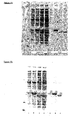
- Figure 1A
- In vitro expression (see Example 3) of fusion polypeptides from pIVEX-2.8
CAT WT Avitag with the wildtype sequence encoding the N-terminal
tag (
lane 1, 5), pIVEX-2.8 CAT mut Avitag with the sequence of SEQ ID NO: 12 encoding the N-terminal tag (lane 2, 6), pIVEX-2.8 EPO WT Avitag with the wildtype sequence encoding the N-terminal tag (lane 3, 7), pIVEX-2.8 EPO mut Avitag with the sequence of SEQ ID NO: 12 encoding the N-terminal tag (lane 4, 8). The total protein suspension of each cell-free polypeptide synthesis reaction mixture was applied in lanes 1-4, the pellet fraction in lane 5-8. - Figure 1B
- Densitometric analysis as described in Example 4 was performed on the areas indicated.
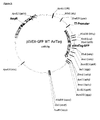
- Figure 2
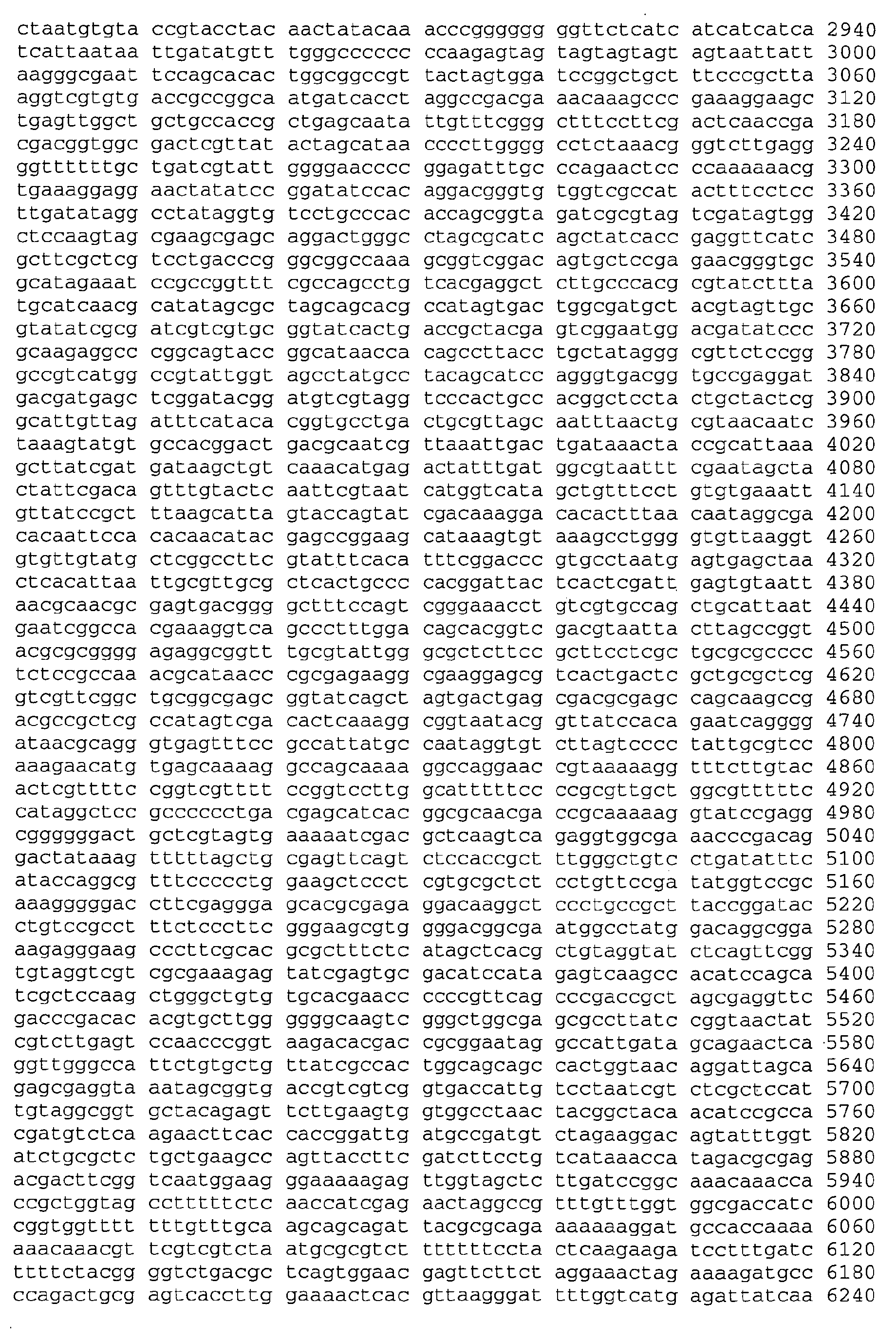
- pIVEX-GFP WT Avitag
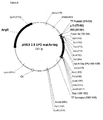
- Figure 3
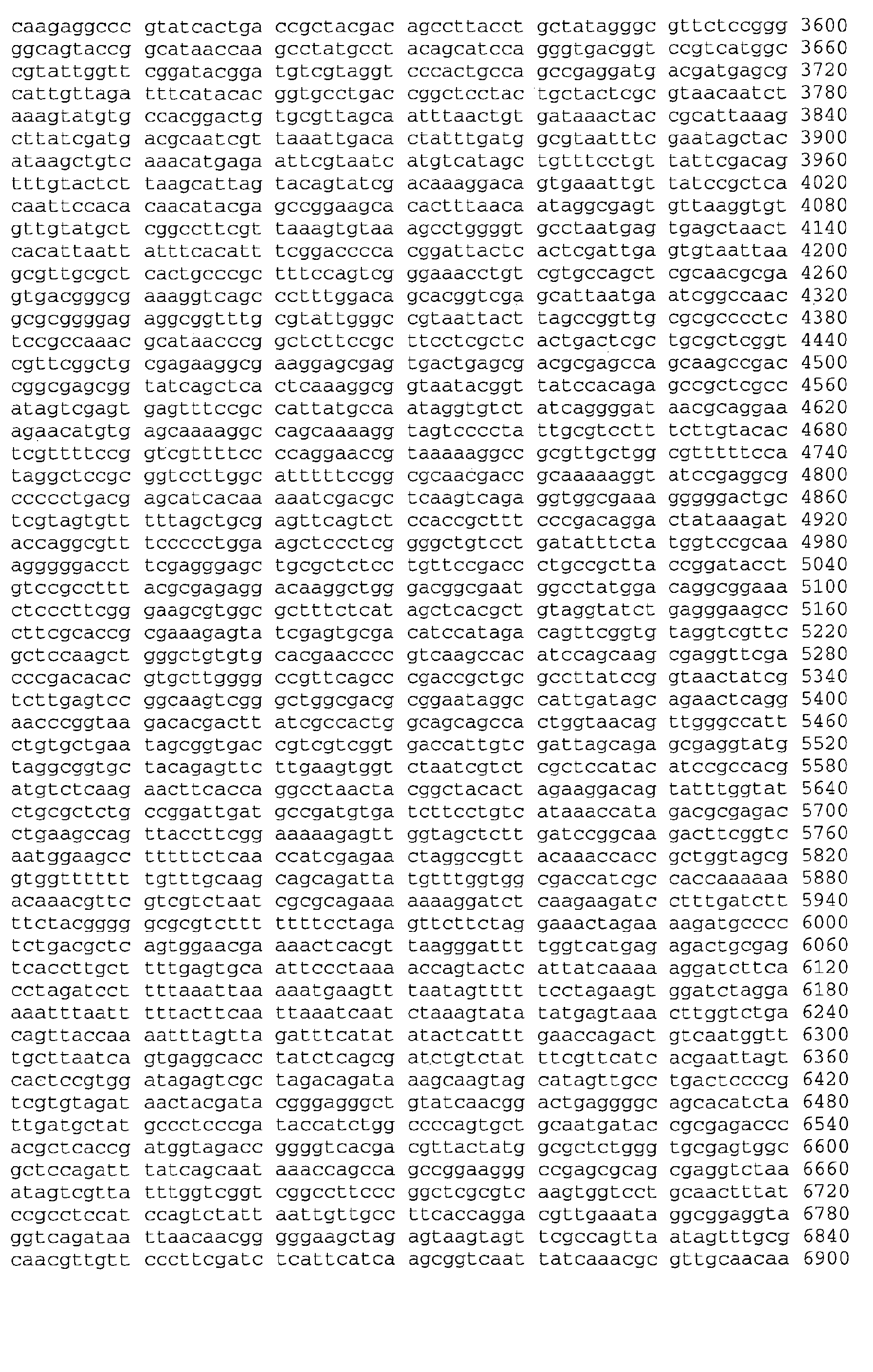
- pIVEX-2.8 CAT mut Avitag; the site denoted "Xa factor" indicates a cleavage site for factor Xa protease.
- Figure 4
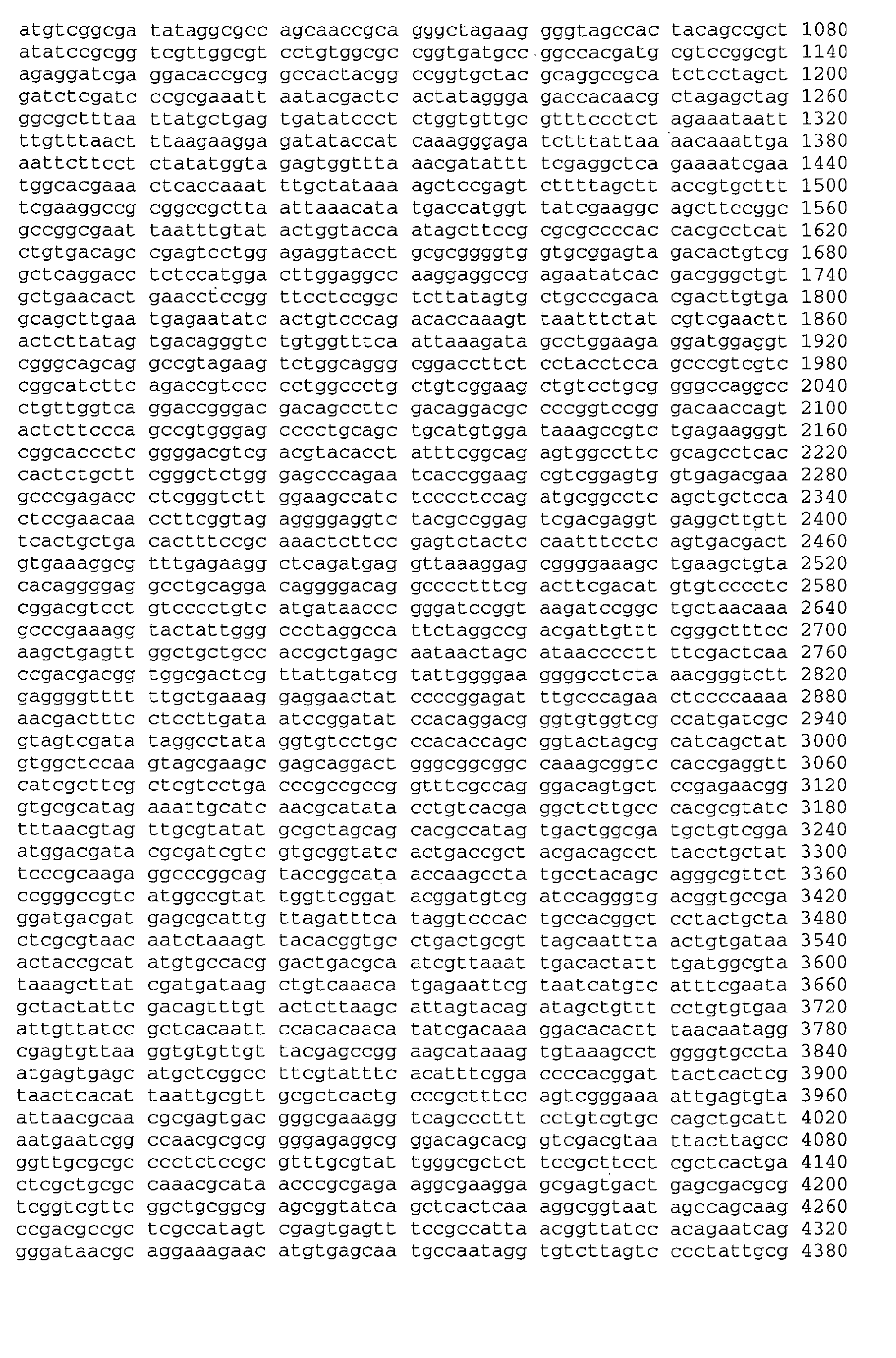
- pIVEX-2.8 EPO mut Avitag; the site denoted "Xa factor" indicates a cleavage site for factor Xa protease.
- The AviTag™ biotinylation polypeptide comprises a sequence of 15-17 amino acid residues and can be used as a tag in fusion polypeptides. The AviTag™ is capable of being biotinylated at a lysine residue by a biotin protein ligase such as the polypeptide encoded by the E.coli BirA gene (Murtif, V.L., and Samols, D., J. Biol. Chem. 262 (1987) 11813-11816). The AviTag™ biotinylation polypeptide used for the present invention is represented by SEQ ID NO: 1. A DNA sequence encoding the AviTag™ and expression vectors in which the DNA sequence is incorporated are commercially available from Avidity Inc. (Denver, Colorado, USA). The original DNA sequence of which variants were generated is SEQ ID NO: 3. This sequence is also referred to as "wildtype sequence" or "wildtype DNA sequence".
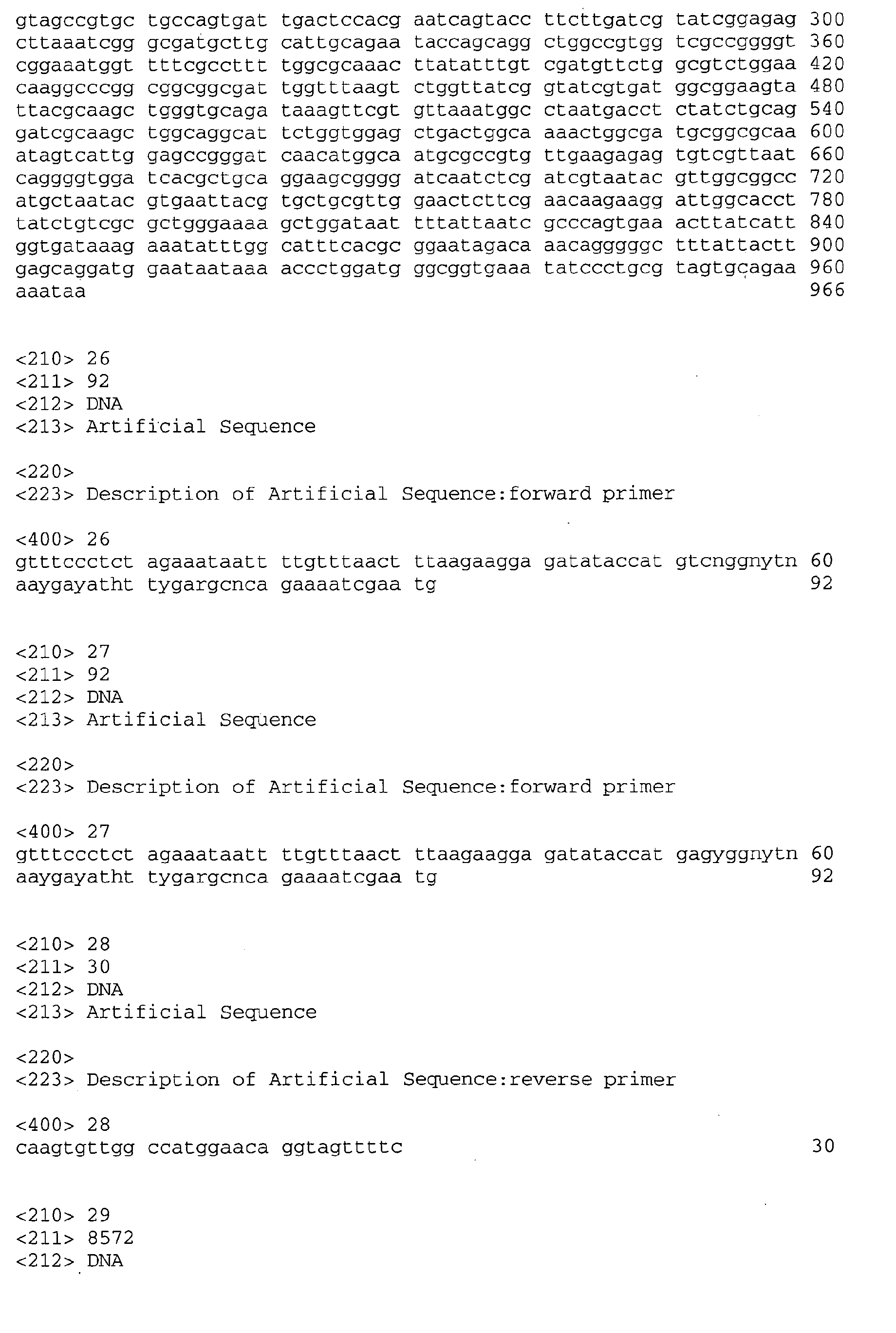
- For the purpose of generating optimised mutant variants of the AviTag™ encoding DNA sequence, that is to say variants that enhance the expression of a fusion polypeptide that comprises the AviTag™ biotinylation polypeptide, the wildtype DNA sequence was placed in-frame in front of the test protein green fluorescent protein (GFP; Crameri., A., et al., Nat. Biotechnol. 14 (1996) 315-319) by using conventional cloning methods (Sambrook, Fritsch & Maniatis, Molecular Cloning, A Laboratory Manual, 3rd edition, CSHL Press, 2001). To create mutant sequences of the first ten codons of the wildtype sequence the following two sets of degenerated oligonucleotides were synthesised. The mutated sequences that were synthesised exploited the codon usage for each amino acid without changing the primary sequence. The bases that were changed are indicated in SEQ ID NO: 26 and SEQ ID NO: 27 using the following code: N = any base, Y = pyrimidine (C or T), R = purine (G or A), H = not G (i.e. A, T or C). Thus, two sets of forward primers were generated of which the respective consensus sequences are given in SEQ ID NO: 26 and SEQ ID NO: 27. Each set represented a mixture of primer molecules that essentially represented the possible combinations as defined by the bases that were changed.
- In combination with the reverse primer according to SEQ ID NO: 28 that was selected to match an internal sequence of the GFP gene, a PCR reaction was made with the pIVEX-GFP WT Avitag (SEQ ID NO: 29) vector as template. Using the restriction enzymes XbaI and NcoI the PCR products were cleaved, firstly at the XbaI site in the forward primer and secondly at the NcoI site in the reverse primer. In parallel, the pIVEX-GFP WT Avitag vector was cleaved with the same restriction enzymes and the vector fragment was isolated.
- Subsequently, the cleaved fragments were inserted into the pIVEX-GFP Avitag vector fragments.
- The plasmids were ligated and subsequently transformed into a BL21 (DE 3) Lys S strain of E.coli (Novagen Inc., Madison, Wisconsin, USA) and plated out on LB medium with ampicillin (100 µg/ml) and IPTG (0.2 mM). After one day of growth bacterial colonies were screened under UV light for GFP expression. The colonies with the brightest fluorescence as judged by visual inspection were picked and plasmids from these colonies were isolated. The AviTag™-encoding DNA of these plasmids was subjected to sequence analysis. The screening procedure resulted in a number of mutant variants of the wildtype sequence encoding the AviTag™, whereby these variants stimulated a visibly increased GFP signal as compared to the signal of control transformants expressing the pIVEX-GFP WT Avitag vector.
- The mutant variants of the wildtype sequence, i.e. DNA sequences encoding a polypeptide of SEQ ID NO: 1 capable of being biotinylated by holocarboxylase synthetase, are represented in SEQ ID NO: 4, SEQ ID NO: 5, SEQ ID NO: 6, SEQ ID NO: 7, SEQ ID NO: 8, SEQ ID NO: 9, SEQ ID NO: 10, SEQ ID NO: 11, SEQ ID NO: 12, SEQ ID NO: 13, SEQ ID NO: 14, SEQ ID NO: 15, SEQ ID NO: 16, SEQ ID NO: 17, SEQ ID NO: 18, SEQ ID NO: 19, SEQ ID NO: 20, SEQ ID NO: 21, SEQ ID NO: 22, SEQ ID NO: 23, and SEQ ID NO: 24.
- The wildtype sequence was compared with SEQ ID NO: 4, SEQ ID NO: 5, SEQ ID NO: 6, SEQ ID NO: 7, SEQ ID NO: 8, SEQ ID NO: 9, SEQ ID NO: 10, SEQ ID NO: 11, SEQ ID NO: 12, SEQ ID NO: 13, SEQ ID NO: 14, SEQ ID NO: 15, SEQ ID NO: 16, SEQ ID NO: 17, SEQ ID NO: 18, SEQ ID NO: 19, SEQ ID NO: 20, SEQ ID NO: 21, SEQ ID NO: 22, SEQ ID NO: 23, and SEQ ID NO: 24, and a consensus sequence was derived for the mutant variants.
- Accordingly, the consensus DNA sequence encoding SEQ ID NO: 1 was found to differ from the wildtype sequence, that is the sequence according to SEQ ID NO: 3, by nucleotide exchanges at 6 or more positions selected from the group consisting of the
positions - Furthermore, the consensus DNA sequence was found to contain A or T at position 4, C or G at
position 5, C, or T atposition 6, A, C or T at position 9, C or T at position 10, A or G at position 12, C or T at position 15, C or T at position 18, C or T at position 21, C or T at position 24, and A or T at position 30. The consensus sequence is given in SEQ ID NO: 2. - Furthermore, between 5 and 11 nucleotides at said positions were found to be identical to the nucleotides at the same positions in SEQ ID NO: 4, with the proviso that all nucleotides at said positions were found to be identical to the nucleotides at the same positions in SEQ ID NO: 3 or SEQ ID NO: 4, or 10 nucleotides at said positions except position 9 were found to be identical to the nucleotides at the same positions in SEQ ID NO: 4 or SEQ ID NO: 3, and the nucleotide at position 9 was then found to be T.
- The mutated AviTag™ sequence according to SEQ ID NO: 12 was inserted in-frame in front of the chloramphenicol acetyl transferase (CAT) gene and the erythropoietin (EPO) gene by way of a PCR cloning approach analogous to the approach described in Example 1. As a result, the plasmids pIVEX-2.8 CAT mut Avitag and pIVEX-2.8 EPO mut Avitag were generated. In addition, the control plasmids pIVEX-2.8 CAT WT Avitag and pIVEX-2.8 EPO WT Avitag were generated that differed from pIVEX-2.8 CAT mut Avitag and pIVEX-2.8 EPO mut Avitag in that the wildtype AviTag™ sequence, i.e. SEQ ID NO: 3 replaced SEQ ID NO: 12.
- All four of these plasmids, i.e. those containing the mutant variants as well as the wildtype controls, were then used for a polypeptide synthesis reaction using the RTS 500 HY Kit (Roche Diagnostics GmbH, Mannheim, Germany) as an in-vitro expression system. Each plasmid was used for a separate in-vitro expression. The polypeptide synthesis reactions were performed identically and in line with the instructions of the supplier. After the reactions were ended, 0.5 µl aliquots of each reaction mixture were directly applied on an SDS-PAGE gel. Another aliquot of each reaction was centrifuged for 15 min at 30,000 x g. The supernatants were removed and the pellet fractions were resuspended in the original volume of SDS sample buffer. Again 0.5 µl were applied on the same SDS Page gel.
- After the run SDS gels were stained with Coomassie Brilliant Blue. Figure 1 shows the result. The fusion polypeptides encoded by the wildtype AviTag™ DNA sequence that was operably linked to the coding sequences of either CAT or EPO were present in smaller quantities as opposed to those fusion polypeptides in which the N-terminal tag was encoded by the mutated sequence of SEQ ID NO: 12. EPO in its unglycosylated form can be detected primarily in the pellet fraction. This result exemplifies, that a mutant variant of the DNA sequence encoding the AviTag™ biotinylation polypeptide, as compared to the wildtype sequence, enhances the formation of a fusion polypeptide, consisting of an N-terminal polypeptide according to SEQ ID NO: 1 and a C-terminal polypeptide with a biological function, by means of expression from a nucleic acid encoding said fusion polypeptide in a cell-free polypeptide synthesis reaction mixture.
- The amounts of expressed fusion polypeptides were quantified by way of densitometric measurements of coomassie-stained bands in SDS gels that were obtained using the Lumi Imager F1 and the LumiAnalyst Software (Roche Diagnostics GmbH, Mannheim, Germany). Measurements were made according to the instructions of the manufacturer. Each analysed each gel contained control lanes in which defined amounts of marker proteins were electrophoresed in order to provide reference points for quantification. Table 1 provides results from the parallel experiments described in Example 3 and Figure 1.
Quantification of fusion polypeptides expressed by the RTS 500 HY Kit using the expression vectors Vector SDS gel lane Densitometric readout Concentration [mg/ml] pIVEX-2.8 CAT WT Avitag 1 31.841 0.5 pIVEX-2.8 CAT mut Avitag 2 237.345 6.5 pIVEX-2.8 EPO WT Avitag 3 94.040 2.3 pIVEX-2.8 EPO mut Avitag 4 129.975 3.3 pIVEX-2.8 CAT WT Avitag 5 5.255 0 pIVEX-2.8 CAT mut Avitag 6 188.364 5.0 pIVEX-2.8 EPO WT Avitag 7 43.288 0.8 pIVEX-2.8 EPO mut Avitag 8 70.833 1.6 - The results indicate that the mutant variant of the wildtype sequence as given in SEQ ID NO: 12 enhances the formation of the fusion polypeptide, consisting of an N-terminal polypeptide according to SEQ ID NO: 1 and a C-terminal polypeptide with a biological function in that at least 40% more fusion polypeptide is formed.
-
- Beckett, D., et al., Protein Sci. 8 (1999) 921-929
- Chapman-Smith, A., and Cronan, J.E., Jr., J. Nutr. 129, 2S Suppl., (1999) 477S-484S
- Crameri., A., et al., Nat. Biotechnol. 14 (1996) 315-319
- Cronan, J.E., Jr., Cell 58 (1989) 427-429
- Cronan, J.E., Jr., et al., J. Biol. Chem. 265 (1990) 10327-10333
- de Boer, H.A., and Kastelein, R.A., In: Maximizing gene expression, Reznikoff, W.S., and Gold, L., (eds.), Butterworths, Boston, 1986, pp. 225-285
- EP 0932664
- Gu, J., et al., Biotechniques 17 (1994) 257, 260, 262
- Kohanski, R.A., and Lane, M.D., Methods Enzymol. 184 (1990) 194-200
- Makrides, S.C., Microbiol. Rev. 60 (1996) 512-538
- Morag, E., et al., Anal. Biochem. 243 (1996) 257-263
- Murtif, V.L., and Samols, D., J. Biol. Chem. 262 (1987) 11813-11816
- Pratt et al., In: Transcription and Translation: A Practical Approach, Hames and Higgins (eds.), 1984, pp. 179-209, IRL Press
- Pratt, J.M., et al., Nucleic Acids Research 9 (1981) 4459-4479
- Sambrook, Fritsch & Maniatis, Molecular Cloning, A Laboratory Manual, 3rd edition, CSHL Press, 2001
- Sano, T., and Cantor, C.R., Proc. Natl. Acad. Sci.USA 92 (1995) 3180-3184
- Schatz, P.J., Biotechnology 11 (1993) 1138-1143
- Spirin, A.S., et al., Science 242 (1988) 1162-1164
- US 4,952,496
- US 5,232,840
- US 5,693,489
- US 5,869,320
- US 4,952,496
- US 5,232,840
- US 5,478,730
- US 5,571,690
- US 5,693,489
- US 5,723,584
- US 5,869,320
- US 5,874,239
- US 5,932,433
- US 6,265,552
- US 6,326,157
- WO 00/55353
- WO 00/58493
- WO 95/04069
- WO 99/37785
- WO 99/50436
- Zubay, G., Annu. Rev. Genet. 7 (1973) 267-287
-







Claims (10)
- A nucleic acid of SEQ ID NO: 2 encoding a polypeptide of SEQ ID NO: 1 capable of being biotinylated by holocarboxylase synthetase,
characterised in that
said nucleic acid differs from SEQ ID NO: 3 by nucleotide exchanges at 6 or more positions selected from the group consisting of the positions 4, 5, 6, 9, 10, 12, 15, 18, 21, 24 or 30,
and
said nucleic acid, as compared to SEQ ID NO: 3, enhances the formation of a fusion polypeptide, consisting of an N-terminal polypeptide according to SEQ ID NO: 1 and a C-terminal polypeptide with a biological function, by means of expression from a nucleic acid encoding said fusion polypeptide in a cell-free polypeptide synthesis reaction mixture in that at least 40% more fusion polypeptide is formed,
whereby
the nucleic acid encoding said fusion polypeptide consists of a nucleic acid encoding said N-terminal polypeptide operably linked to a nucleic acid encoding said C-terminal polypeptide. - The nucleic acid according to claim 1
that is containing A or T at position 4, C or G at position 5, C, or T at position 6, A, C or T at position 9, C or T at position 10, A or G at position 12, C or T at position 15, C or T at position 18, C or T at position 21, C or T at position 24, and A or T at position 30,
characterised in that
between 5 and 11 nucleotides at said positions are identical to the nucleotides at the same positions in SEQ ID NO: 4,
with the proviso that
all nucleotides at said positions are identical to the nucleotides at the same positions in SEQ ID NO: 3 or SEQ ID NO: 4,
or
10 nucleotides at said positions except position 9 are identical to the nucleotides at the same positions in SEQ ID NO: 4 or SEQ ID NO: 3, and the nucleotide at position 9 is T. - A nucleic acid according to any of the claims 1 and 2,
characterised in that
the nucleic acid is selected from the group consisting of
SEQ ID NO: 4, SEQ ID NO: 5, SEQ ID NO: 6, SEQ ID NO: 7, SEQ ID NO: 8, SEQ ID NO: 9, SEQ ID NO: 10, SEQ ID NO: 11, SEQ ID NO: 12, SEQ ID NO: 13, SEQ ID NO: 14, SEQ ID NO: 15, SEQ ID NO: 16, SEQ ID NO: 17, SEQ ID NO: 18, SEQ ID NO: 19, SEQ ID NO: 20, SEQ ID NO: 21, SEQ ID NO: 22, SEQ ID NO: 23 or SEQ ID NO: 24. - An expression vector comprising a nucleic acid according to any of the claims 1 to 3.
- A method of preparing a biotinylated polypeptide in a cell-free polypeptide synthesis reaction mixture which contains an RNA polymerase, ribosomes, tRNA, ATP, GTP, nucleotides and amino acids,
comprising the steps of(a) forming in said reaction mixture a fusion polypeptide, consisting of an N-terminal polypeptide according to SEQ ID NO: 1 and a C-terminal polypeptide with a biological function, by means of expression from a nucleic acid consisting of a nucleic acid according to any of the claims 1 to 3 operably linked to a nucleic acid encoding the C-terminal polypeptide;(b) biotinylating said fusion polypeptide in the presence of biotin and holocarboxylase synthetase;(c) isolating said biotinylated fusion polypeptide from said mixture; or incubating said mixture with immobilised avidin or streptavidin under such conditions that said biotinylated fusion polypeptide is bound to said immobilised avidin or streptavidin. - The method according to claim 5,
characterised in that
the reaction mixture contains a nucleic acid encoding holocarboxylase synthetase according to SEQ ID NO: 25 that is expressed in said reaction mixture to provide holocarboxylase synthetase polypeptide. - Use of a nucleic acid according to any of the claims 1 to 3 for constructing, by way of genetic engineering, a nucleic acid encoding a fusion polypeptide, whereby the fusion polypeptide consists of an N-terminal polypeptide of SEQ ID NO: 1 and a C-terminal polypeptide with a biological function.
- Use of a nucleic acid according to any of the claims 1 to 3 for expressing a fusion polypeptide, whereby the fusion polypeptide consists of an N-terminal polypeptide of SEQ ID NO: 1 and a C-terminal polypeptide with a biological function.
- The use according to claim 8, characterised in that the fusion polypeptide is expressed in a cell-free polypeptide synthesis reaction mixture.
- The use according to claim 8, characterised in that the fusion polypeptide is expressed in E.coli.
Priority Applications (5)
| Application Number | Priority Date | Filing Date | Title |
|---|---|---|---|
| EP03004326A EP1452601A1 (en) | 2003-02-28 | 2003-02-28 | Enhanced expression of fusion polypeptides with a biotinylation tag |
| CA002513742A CA2513742A1 (en) | 2003-02-28 | 2004-02-27 | Enhanced expression of fusion polypeptides with a biotinylation tag |
| PCT/EP2004/001973 WO2004076670A1 (en) | 2003-02-28 | 2004-02-27 | Enhanced expression of fusion polypeptides with a biotinylation tag |
| EP04715289A EP1599589A1 (en) | 2003-02-28 | 2004-02-27 | Enhanced expression of fusion polypeptides with a biotinylation tag |
| US11/211,339 US20060046285A1 (en) | 2003-02-28 | 2005-08-25 | Enhanced expression of fusion polypeptides with a biotinylation tag |
Applications Claiming Priority (1)
| Application Number | Priority Date | Filing Date | Title |
|---|---|---|---|
| EP03004326A EP1452601A1 (en) | 2003-02-28 | 2003-02-28 | Enhanced expression of fusion polypeptides with a biotinylation tag |
Publications (1)
| Publication Number | Publication Date |
|---|---|
| EP1452601A1 true EP1452601A1 (en) | 2004-09-01 |
Family
ID=32748811
Family Applications (2)
| Application Number | Title | Priority Date | Filing Date |
|---|---|---|---|
| EP03004326A Withdrawn EP1452601A1 (en) | 2003-02-28 | 2003-02-28 | Enhanced expression of fusion polypeptides with a biotinylation tag |
| EP04715289A Withdrawn EP1599589A1 (en) | 2003-02-28 | 2004-02-27 | Enhanced expression of fusion polypeptides with a biotinylation tag |
Family Applications After (1)
| Application Number | Title | Priority Date | Filing Date |
|---|---|---|---|
| EP04715289A Withdrawn EP1599589A1 (en) | 2003-02-28 | 2004-02-27 | Enhanced expression of fusion polypeptides with a biotinylation tag |
Country Status (4)
| Country | Link |
|---|---|
| US (1) | US20060046285A1 (en) |
| EP (2) | EP1452601A1 (en) |
| CA (1) | CA2513742A1 (en) |
| WO (1) | WO2004076670A1 (en) |
Cited By (1)
| Publication number | Priority date | Publication date | Assignee | Title |
|---|---|---|---|---|
| US7658930B2 (en) * | 2005-02-02 | 2010-02-09 | Peng Cui | Kit for detecting the antibody of HCV and its preparing method |
Families Citing this family (29)
| Publication number | Priority date | Publication date | Assignee | Title |
|---|---|---|---|---|
| US20040067532A1 (en) | 2002-08-12 | 2004-04-08 | Genetastix Corporation | High throughput generation and affinity maturation of humanized antibody |
| US7795411B2 (en) * | 2006-10-05 | 2010-09-14 | Fred Hutchinson Cancer Research Center | Vectors for expressing in vivo biotinylated recombinant proteins |
| US12529164B2 (en) | 2007-09-14 | 2026-01-20 | Adimab, Llc | Rationally designed, synthetic antibody libraries and uses therefor |
| EP3124497B1 (en) | 2007-09-14 | 2020-04-15 | Adimab, LLC | Rationally designed, synthetic antibody libraries and uses therefor |
| US8877688B2 (en) | 2007-09-14 | 2014-11-04 | Adimab, Llc | Rationally designed, synthetic antibody libraries and uses therefor |
| CA2813133C (en) | 2010-10-01 | 2023-10-31 | National Research Council Of Canada | Anti-ceacam6 antibodies and uses thereof |
| US9771416B2 (en) | 2010-10-25 | 2017-09-26 | National Research Council Of Canada | Clostridium difficile-specific antibodies and uses thereof |
| BR112013019150A2 (en) | 2011-01-28 | 2019-09-24 | Nat Res Council Canada | engineering of the scope of immunoglobulin |
| AU2014385799B2 (en) | 2014-03-06 | 2020-10-22 | National Research Council Of Canada | Insulin-like growth factor 1 receptor -specific antibodies and uses thereof |
| NZ724869A (en) | 2014-03-06 | 2022-07-01 | Nat Res Council Canada | Insulin-like growth factor 1 receptor -specific antibodies and uses thereof |
| NZ724868A (en) | 2014-03-06 | 2022-07-01 | Nat Res Council Canada | Insulin-like growth factor 1 receptor -specific antibodies and uses thereof |
| US10098973B2 (en) | 2014-10-10 | 2018-10-16 | National Research Council Of Canada | Anti-tau antibody and uses thereof |
| CA2988912C (en) | 2015-06-10 | 2023-09-12 | National Research Council Of Canada | Carbonic anhydrase ix-specific antibodies and uses thereof |
| CA2996996A1 (en) | 2015-08-31 | 2017-03-09 | National Research Council Of Canada | Tgf-.beta.-receptor ectodomain fusion molecules and uses thereof |
| JP7059494B2 (en) | 2016-07-06 | 2022-04-26 | ナショナル リサーチ カウンシル オブ カナダ | Humanized antibodies that cross the blood-brain barrier and their use |
| CA3031289A1 (en) | 2016-07-18 | 2018-01-25 | Helix Biopharma Corp. | Car immune cells to treat cancer |
| US10906973B2 (en) | 2016-12-12 | 2021-02-02 | National Research Council Of Canada | Antibody variants transmigrating the blood-brain barrier and uses thereof |
| CA3051377A1 (en) | 2017-01-27 | 2018-08-02 | National Research Council Of Canada | Hemagglutinin-specific antibodies and uses thereof |
| KR20240095466A (en) | 2017-01-30 | 2024-06-25 | 내션얼 리서치 카운슬 오브 캐나다 | Blood-Brain Barrier Transmigrating Compounds and Uses Thereof |
| JP7231553B2 (en) | 2017-03-02 | 2023-03-01 | ナショナル リサーチ カウンシル オブ カナダ | TGF-B-receptor ectodomain fusion molecule and uses thereof |
| EP4074734A1 (en) | 2017-08-04 | 2022-10-19 | The Hospital for Sick Children | Nanoparticle platform for antibody and vaccine delivery |
| WO2019102265A1 (en) | 2017-11-23 | 2019-05-31 | Theraphage Inc. | Peptide displaying bacteriophage nanoparticles and related compositions and methods |
| WO2019204912A1 (en) | 2018-04-24 | 2019-10-31 | National Research Council Of Canada | Blood-brain barrier transmigrating therapeutic compounds and uses thereof |
| WO2020056522A1 (en) | 2018-09-21 | 2020-03-26 | National Research Council Of Canada | Intrabodies for reducing fut8 activity |
| US12392777B2 (en) | 2019-04-02 | 2025-08-19 | National Research Council Of Canada | Antibody variants with pH-dependent antigen binding for selective targeting of solid tumors |
| KR20240101591A9 (en) | 2021-10-16 | 2025-12-10 | 더 호스피탈 포 식 칠드런 | Modified multibody constructs, compositions and methods |
| JP2024537398A (en) | 2021-10-16 | 2024-10-10 | ザ・ホスピタル・フォー・シック・チルドレン | Modified Multibody Constructs, Compositions, and Methods Targeting SARS-CoV-2 |
| WO2023197079A1 (en) | 2022-04-14 | 2023-10-19 | The Hospital For Sick Children | Pfcsp-based immunogens and related composition and methods |
| WO2024164074A1 (en) | 2023-02-07 | 2024-08-15 | National Research Council Of Canada | Broadly reactive anti-vhh antibodies |
Citations (4)
| Publication number | Priority date | Publication date | Assignee | Title |
|---|---|---|---|---|
| GB2216530A (en) * | 1988-03-22 | 1989-10-11 | Mini Agriculture & Fisheries | Genetic material for expression of biotin synthetase enzymes |
| WO1995004069A1 (en) * | 1993-07-30 | 1995-02-09 | Affymax Technologies N.V. | Biotinylation of proteins |
| US20020142355A1 (en) * | 2000-11-14 | 2002-10-03 | Baylor College Of Medicine | Methods for the in vivo biotin labeling of polypeptides |
| EP1295894A1 (en) * | 2001-09-25 | 2003-03-26 | F. Hoffmann-La Roche Ag | Method for an in vitro sequence specific biotinylation of polypeptides |
-
2003
- 2003-02-28 EP EP03004326A patent/EP1452601A1/en not_active Withdrawn
-
2004
- 2004-02-27 CA CA002513742A patent/CA2513742A1/en not_active Abandoned
- 2004-02-27 WO PCT/EP2004/001973 patent/WO2004076670A1/en not_active Ceased
- 2004-02-27 EP EP04715289A patent/EP1599589A1/en not_active Withdrawn
-
2005
- 2005-08-25 US US11/211,339 patent/US20060046285A1/en not_active Abandoned
Patent Citations (4)
| Publication number | Priority date | Publication date | Assignee | Title |
|---|---|---|---|---|
| GB2216530A (en) * | 1988-03-22 | 1989-10-11 | Mini Agriculture & Fisheries | Genetic material for expression of biotin synthetase enzymes |
| WO1995004069A1 (en) * | 1993-07-30 | 1995-02-09 | Affymax Technologies N.V. | Biotinylation of proteins |
| US20020142355A1 (en) * | 2000-11-14 | 2002-10-03 | Baylor College Of Medicine | Methods for the in vivo biotin labeling of polypeptides |
| EP1295894A1 (en) * | 2001-09-25 | 2003-03-26 | F. Hoffmann-La Roche Ag | Method for an in vitro sequence specific biotinylation of polypeptides |
Non-Patent Citations (3)
| Title |
|---|
| CRONAN J E ET AL: "BIOTINYLATION OF PROTEINS IN VIVO: A USEFUL POSTTRANSLATION MODIFICATION FOR PROTEIN ANALYSIS", METHODS IN ENZYMOLOGY, ACADEMIC PRESS INC, SAN DIEGO, CA, US, vol. 326, 2000, pages 440 - 458, XP001106343, ISSN: 0076-6879 * |
| MAKRIDES: "Strategies for Achieving High-Level Expression of Genes in Escherichia coli", MICROBIOLOGICAL REVIEWS, AMERICAN SOCIETY FOR MICROBIOLOGY, WASHINGTON, DC, US, vol. 60, no. 3, 1 September 1996 (1996-09-01), pages 512 - 538, XP002095235, ISSN: 0146-0749 * |
| NAKAMURA Y ET AL: "CODON USAGE TABULATED FROM INTERNATIONAL DNA SEQUENCE DATABASES: STATUS FOR THE YEAR 2000", NUCLEIC ACIDS RESEARCH, OXFORD UNIVERSITY PRESS, SURREY, GB, vol. 28, no. 1, January 2000 (2000-01-01), pages 292, XP002941557, ISSN: 0305-1048, Retrieved from the Internet <URL:www.kazusa.or.jp/codon/> [retrieved on 20030718] * |
Cited By (1)
| Publication number | Priority date | Publication date | Assignee | Title |
|---|---|---|---|---|
| US7658930B2 (en) * | 2005-02-02 | 2010-02-09 | Peng Cui | Kit for detecting the antibody of HCV and its preparing method |
Also Published As
| Publication number | Publication date |
|---|---|
| EP1599589A1 (en) | 2005-11-30 |
| CA2513742A1 (en) | 2004-09-10 |
| WO2004076670A1 (en) | 2004-09-10 |
| US20060046285A1 (en) | 2006-03-02 |
Similar Documents
| Publication | Publication Date | Title |
|---|---|---|
| US20060046285A1 (en) | Enhanced expression of fusion polypeptides with a biotinylation tag | |
| KR102481388B1 (en) | Heat-resistant reverse transcriptase mutants | |
| Zuberek et al. | Phosphorylation of eIF4E attenuates its interaction with mRNA 5′ cap analogs by electrostatic repulsion: intein-mediated protein ligation strategy to obtain phosphorylated protein | |
| US6265552B1 (en) | Biotinylation of proteins | |
| US9988619B2 (en) | Non-natural amino acid tRNA synthetases for pyridyl tetrazine | |
| AU2003238441B2 (en) | Protein tag comprising a biotinylation domain and method for increasing solubility and determining folding state | |
| JP4972191B2 (en) | Methods and compositions for peptide, protein and peptide mimetic synthesis | |
| JP7744244B2 (en) | Composition for translation and method for producing peptide | |
| AU2003238441A1 (en) | Protein tag comprising a biotinylation domain and method for increasing solubility and determining folding state | |
| Cunningham et al. | Optimizing synthesis and expression of transmembrane peptides and proteins | |
| CN114787198A (en) | Method for producing physiologically active peptide and peptide comprising short chain linker | |
| US20250207113A1 (en) | Modified terminal deoxynucleotidyl transferase polymerases | |
| JP2004531225A5 (en) | ||
| JP7538532B2 (en) | Method for producing a peptide library | |
| CA2485837A1 (en) | Methods and dna constructs for high yield production of polypeptides | |
| US20080187957A1 (en) | Method for sequence specific biotinylation | |
| WO2023170302A1 (en) | C-jun antagonist peptides | |
| JP6643763B2 (en) | Method for producing peptide having azole derivative skeleton | |
| EP1295894B1 (en) | Method for an in vitro sequence specific biotinylation of polypeptides | |
| JP2023509578A (en) | Polypeptide tags and their use in in vitro protein synthesis | |
| WO2021100833A1 (en) | Modification of trna t-stem for enhancing n-methyl amino acid incorporation | |
| WO2015127365A2 (en) | Calcium-independent sortase a mutants | |
| AU2002255488B2 (en) | Process and compositions for peptide, protein and peptidomimetic synthesis | |
| Gudkov et al. | Direct Expression of PCR Products in Cell-Free Translation Systems | |
| AU2002255488A1 (en) | Process and compositions for peptide, protein and peptidomimetic synthesis |
Legal Events
| Date | Code | Title | Description |
|---|---|---|---|
| PUAI | Public reference made under article 153(3) epc to a published international application that has entered the european phase |
Free format text: ORIGINAL CODE: 0009012 |
|
| AK | Designated contracting states |
Kind code of ref document: A1 Designated state(s): AT BE BG CH CY CZ DE DK EE ES FI FR GB GR HU IE IT LI LU MC NL PT SE SI SK TR |
|
| AX | Request for extension of the european patent |
Extension state: AL LT LV MK RO |
|
| STAA | Information on the status of an ep patent application or granted ep patent |
Free format text: STATUS: THE APPLICATION IS DEEMED TO BE WITHDRAWN |
|
| 18D | Application deemed to be withdrawn |
Effective date: 20040804 |