EP1439221B1 - PDE core construct - Google Patents
PDE core construct Download PDFInfo
- Publication number
- EP1439221B1 EP1439221B1 EP20030028083 EP03028083A EP1439221B1 EP 1439221 B1 EP1439221 B1 EP 1439221B1 EP 20030028083 EP20030028083 EP 20030028083 EP 03028083 A EP03028083 A EP 03028083A EP 1439221 B1 EP1439221 B1 EP 1439221B1
- Authority
- EP
- European Patent Office
- Prior art keywords
- polypeptide
- pde
- pde4d
- sequence
- polypeptides
- Prior art date
- Legal status (The legal status is an assumption and is not a legal conclusion. Google has not performed a legal analysis and makes no representation as to the accuracy of the status listed.)
- Expired - Lifetime
Links
Images


Classifications
-
- C—CHEMISTRY; METALLURGY
- C12—BIOCHEMISTRY; BEER; SPIRITS; WINE; VINEGAR; MICROBIOLOGY; ENZYMOLOGY; MUTATION OR GENETIC ENGINEERING
- C12N—MICROORGANISMS OR ENZYMES; COMPOSITIONS THEREOF; PROPAGATING, PRESERVING, OR MAINTAINING MICROORGANISMS; MUTATION OR GENETIC ENGINEERING; CULTURE MEDIA
- C12N9/00—Enzymes; Proenzymes; Compositions thereof; Processes for preparing, activating, inhibiting, separating or purifying enzymes
- C12N9/14—Hydrolases (3)
- C12N9/16—Hydrolases (3) acting on ester bonds (3.1)
Definitions
- the invention relates to modified phosphodiesterase (PDE) polypeptides with altered physicochemical properties which are particularly useful in screening assays for the identification of agonists or antagonists of PDEs, the polynucleotides encoding such modified PDE polypeptides, antibodies against such polypeptides, methods of preparation and uses of such polypeptides.
- PDE modified phosphodiesterase
- the phosphodiesterases represent a family of enzymes that catalyze the hydrolysis of the various cyclic nucleoside monophosphates (including cAMP). These cyclic nucleotides have been found to act as second messengers within the cells by carrying impulses from cell surface receptors having bound various hormones and neurotransmitters to the inside of the cells.
- the task of phosphodiesterases is to degrade these cyclic mononucleotides once their messenger role is completed thereby regulating the level of cyclic nucleotides within the cells and maintaining cyclic nucleotide homeostasis.
- PDE1 to PDE10 Ten families of PDEs have been identified, designated PDE1 to PDE10. Within each family there are two or more related but distinct gene products (A, B, C, etc.) and for each of these alternative mRNA processing gives rise to multiple splice variants, identified by an additional arabic numeral in accordance with the most recent nomenclature recommendation (Molecular Pharmacology 46, 399-405, 1994).
- All PDE gene products identified so far have one catalytic and a least one regulatory domain.
- the catalytic domain lies towards the carboxylic acid terminus of each PDE protein and has the greatest homology between the PDE families, being >75% homologous at the amino acid level (Perry and Higgs, Curr. Opinion Chem. Biol. 2, 472-481, 1998).
- each of the more than 30 known PDEs have individually distinct substrate specificities, kinetic characteristics, regulatory properties and cellular and subcellular distributions (Houslay and Milligan, Trends in Biochem. Sci. 22, 217-224, 1997).
- PDEs 4, 7 and 8 are highly specific for cAMP.
- PDEs 5, 6, 9 and 10 are selective for cGMP.
- PDE3s bind cAMP and cGMP with similar affinity, but hydrolyse cAMP most efficiently, cGMP rather poorly. PDE3s are, therefore, negatively regulated in their cAMP hydrolysing ability by cGMP.
- PDEs 1 and 2 hydrolyse both cAMP and cGMP, but with PDE1 the relative efficiencies vary with isoenzyme subtype (Perry and Higgs, Curr. Opinion Chem. Biol. 2,472-481,1998).
- the amino terminal ends of PDEs consist of the regulatory domains, which are very different both between families and between variants within families.
- This region contains variously: a binding domain for Ca2+-calmodulin (CaM) in PDE1 ; non-catalytic cGMP-35 binding sites in PDEs 2, 5 and 6; a binding domain for the signalling G-protein transducin in PDE6.
- the amino terminal region also contains protein- and membrane-targeting sequences in several PDE3s and PDE4s, as well as protein kinase phosphorylation sites in PDEs 1, 3, 4 and 5. These phosphorylation sites are likely to be important in regulation of catalytic activity and/or subcellular location (Perry and Higgs, Curr. Opinion Chem. Biol. 2, 472-481, 1998).
- PDE4 enzymes share a common structure, as deduced from their amino acid sequences (Beavo and Reifsnyder, Trends Pharmacol. Sci. 11, 150-155, 1990; Bolger at al., Mol. Cell Biol. 13, 6558-6571, 1993; Houslay, Sullivan and Bolger, Adv. Pharmacol. 44, 225-242, 1998).
- PDE4A, PDE4B, PDE4C, PDE4D share common C-terminal regions, different for each family, and catalytic domains that for all PDE4 isoforms are very similar (84% homology over about 360 amino acids across all PDE4s; Houslay, Sullivan and Bolger, Adv. Pharmacol. 44, 225-242, 1998).
- the sequence in "long form” PDE4s can be divided into 5 regions, three of which are isoform-specific (N-terminal region, linker regions 1 and 2, or LR1 and LR2) and two, more conserved regions, that are broadly similar between all isoforms, the upstream conserved regions 1 and 2 (UCR1 and UCR2).
- "Short form” PDE4s e.g. PDE4A1, PDE4B2, PDE4D1, PDE4D2, lack UCR1 and LR1 plus differing amounts of the N-terminal region of UCR2.
- PKA phosphorylation sites for a variety of kinases, including PKA (e.g.
- Specific PDE4 inhibition may be useful over a very wide range of disease areas. These include: asthma, atopic dermatitis, depression, reperfusion injury, septic shock, toxic shock, autoimmune diabetes, AIDS, Crohn's disease, multiple sclerosis, cerebral ischemia, psoriasis, allograft rejection, restenosis, stroke, ulcerative colitis, cachexia, cerebral malaria, allergic rhinoconjunctivitis, osteoarthritis, rheutmatoid arthritis, autoimmune encephalomyelitis (Houslay, Sullivan and Bolger, Adv. Pharmacol. 44, 225-242, 1998, WO02/074992).
- PDE4 inhibition helps to increase cAMP in bronchial smooth muscle, thereby producing a modest bronchodilatory effect, of use in the alleviation of asthmatic symptoms. But perhaps most importantly, inhibition of PDE4s is now a recognised method by which to suppress immune and inflammatory cell responses (Hughes et al. Drug Discov. Today 2, 89-101, 1997; Torphy, Am. J.Respir. Crit. Care Med. 157, 351-370, 1998; Teixeira et al., Trends Pharm. Sci. 18, 164-171,1997).
- PDE4s play major roles in modulating the activity of virtually every cell type involved in the inflammatory process.
- Immune and inflammatory conditions occur when recruitment of leukocytes from the blood compartment into tissues is either uncontrolled, inappropriate, prolonged or directed against self.
- asthma rheumatoid arthritis and multiple sclerosis
- infiltration of tissues with inflammatory cells is prolonged and intense, leading ultimately to severe (and self-perpetuating) damage and loss of function.
- Acute disregulation of the immune system occurs in such conditions as acute respiratory distress syndrome (ARDS) where an overwhelming and generalised inflammatory response can frequently lead to death.
- ARDS acute respiratory distress syndrome
- inflammation may play a part in defining the extent of injury resulting from reperfusion following ischaemia, at least in brain and lung (Entman and Smith, Cardiovasc. Res. 28, 1301-1311, 1994).
- the PDE4D phosphodiesterases which are the most preferred focus of the present invention, exist in mammals in the form of isoenzymes (which represent different molecular forms of the same enzyme polypeptide). These phosphodiesterases are localized in the cytosol of the cell and are unassociated with any known membraneous structures.
- the PDE4D isoenzymes specifically degrade cAMP and are a common target for such pharmacological agents as antidepressants (for example, rolipram).
- Several splice forms of PDE4D are known. The short forms, PDE4D1 and PDE4D2, lack UCR1 and LR1 sites.
- screening assays are used that are either whole cell assays in which the cells are treated with the inhibitor and cAMP hydrolysis is measured, or in vitro assays which use purified PDE4D isoenzymes either isolated from their natural sources or from cells overexpressing recombinant PDE4D isoenzymes.
- assays are described e.g. in WO00/09504, WO01/35979, WO01/68600 and WO98/45268.
- WO01/35979 describes the purification of recombinant PDE4D expressed in Saccharomyces Cerevisiae.
- PDE4D poypeptide does not have optimal physicochemical characteristics, especially with respect to aggregate formation. Aggregate formation can lead to protein precipitation and is known to potentially decrease the activity of enzymes, compared to the authentic oligomeric molecules. Thus, aggregation of the native forms of PDE4D polypeptides in screening assays aimed at identifying agonists or antagonists of PDE4D phosphodiesterase activity negatively affects the quality of these assays.
- polypeptide refers to a polymer of amino acids, and not to a specific length. Thus, peptides, oligopeptides and proteins are included within the definition of polypeptide.
- biochemical properties refers to the propensity of polypeptides to monomer formation, oligomer formation or aggregate formation.
- aggregation and “aggregate formation” as used herein are used interchangeably and refer to the type of association of polypeptide chains which, in contrast to oligomer formation, is an irreversible process and does not follow the law of mass interaction. Aggregation progresses in a time dependent manner and does not stop when a defined number of chains have associated. Aggregation of polypeptides can lead to protein precipitation because the molecular size of the aggregate is so dramatically increased that the solubility of the molecules is impaired. Aggregation is also known to potentially decrease the activity of the enzyme as compared to authentic oligomeric molecules.
- oligomer formation refers to a reversible association of polypeptide chains whereby the ratio of oligomeric proteins and monomeric proteins at a certain protein concentration and at thermodynamic equilibrium is described by the association constant.
- non-aggregated refers to polypeptides that are present either as oligomers or monomers or a mixture of oligomers and monomers at equilibrium according to the law of mass interaction.
- aggregate formation of the polypeptides of this invention is determined by quantitation of the fractions of a gelfiltration experiment in which aggregated PDE elutes, and of the fractions in which non-aggregated PDE elutes. The degree of aggregation is calculated in percent of non-aggregated PDE based on total (aggregated and non-aggregated) PDE.
- aggregated PDE is considered to elute in fractions 2 to 4, in which aggregated molecules of at least 2 Mio Daltons elute, and non-aggregated PDE is considered to elute in fractions 5 to 11, corresponding to the fractions in which molecules of about 0.3 Mio Daltons elute, when the following conditions are used for gel filtration: 50 ⁇ l of Ni-NTA agarose purified isoform preparation are injected into a Superose 12 size exclusion column (type PC3.2/30; Amersham Pharmacia Biotech), equilibrated with 50 mM TrisHCl pH 7.7, 100 mM NaCl, 0.5 mM MgCl2 at a flow rate of 0.1 ml/min at 4°C. Chromatograms are recorded at 278 nm. Starting from the elution volume onwards, the column eluate is collected as 50 ⁇ l fractions.
- long form PDE refers to PDE isoforms which comprise an isoform specific N-terminal domain, linker regions LR1 and/or LR2, and upstream conserved regions UCR1 and UCR2.
- UCR1 start refers to the first amino acid of the UCR1 domain of PDE4D, as annotated in SEQ ID No. 1 to 7.
- LF1 site refers to the first amino acid of the splice site of PDE4D as indicated in SEQ ID No. 1-7.
- amino acids upstream of LF1 refers to the position of an amino acid counted from the LF-1 site towards the amino terminus of the native protein.
- D3 refers to the PDE4D3 isoform.
- D4 refers to the PDE4D4 isoform.
- D5 refers to the PDE4D5 isoform.
- D6 refers to the PDE4D6 isoform as provided by WO02/074992.
- D7 refers to the PDE4D7 isoform as provided by WO02/074992.
- D8 refers to the PDE4D8 isoform as provided by WO02/074992.
- the polypeptide sequences of the human PDE4D isoforms D3, D4, D5, D6, D7, and D8 are shown in SEQ ID No.1 and 3-7.
- Ser54 refers to the Ser residue in position 54 of PDE4D3, and to the Ser residue in the respective position of any of the other PDE polypeptides.
- the position corresponding to Ser54 of PDE4D3 is annotated in SEQ ID No. 1 to 7 for the different isoforms and the core sequence which is common to all the PDE4D isoforms.
- Ser579 refers to the Ser residue in position 579 of PDE4D3, and to the Ser residue in the respective position of any of the other PDE polypeptides.
- the position corresponding to Ser579 of PDE4D3 is annotated in SEQ ID No. 1 to 7 for the different isoforms and the core sequence which is common to all the PDE4D isoforms.
- tubulin association refers to the tubulin content of purified PDE preparations.
- agonist also refers to activators, and the term “antagonist” also refers to inhibitors of PDE phosphodiesterase activity.
- the disadvantage of native recombinant PDE polypeptides resides in the formation of aggregates of the polypeptides, which gives rise to sub-optimal conditions for the identification of modulators of PDE phosphodiesterase activity in screening assays since aggregate formation is known to lead to polypeptide precipitation and to potentially impair activity of a polypeptide.
- the present invention is directed to the generation of long form PDE 4 polypeptides with improved physicochemical properties which are particularly useful for the purpose of identifying agonists or antagonists of these enzymes.
- the invention provides a polypeptide comprising a long form PDE4 polypeptide sequence, with an amino-terminal deletion wherein the proportion of non-aggregated long form PDE4 in the total protein preparation is from 55 %, preferably from 60%, more preferably from 65%, most perferably from 68% to 100%, preferably to 90 %, more preferably to 80 %, most preferably to 70% of total protein, as determined by the quantitation of eluted fractions from a gel filtration of the long form PDE4 fractions. Quantitation is performed as follows: Equal volume aliquots of fractions from Size Exclusion Chromatography, run as hereinbefore described, are analyzed by SDS-PAGE (one gel per run and isoform, Figure 3).
- Optical densities of Coomassie stained long form PDE4 are integrated as follows: After electrophoresis the Coomassie stained polyacrylamide gel was imaged by a video imaging system ( Figure 1). Optical densities of PDE bands were integrated using a Macintosh computer and the public domain software "NIH Image", version 1.61 (developed at the U.S. National Institutes of Health and available on the Internet at http://rsb.info.nih.gov/nih-image/). The integrated arbitrary units per PDE band as returned by the software reflect the relative PDE concentrations within the original pools. Integrated densities from PDE bands of fractions 2-4 are added up, giving a relative amount of aggregated PDE, PDE agg ( Figure 3).
- fractions contain molecules of at least 2 Mio Daltons.
- integrated densities from PDE bands of fractions 5-11 are added up, giving a relative amount of non-aggregated PDE, PDE non-agg .
- PDE total molecules in the range of 0.3 Mio Daltons elute.
- Relative amount of total PDE, PDE total is given by the sum of PDE agg and PDE non-agg .
- the percentage of non-aggregated PDE is given by the ratio of PDE non-agg and PDE total , multiplied by 100.
- the polypeptide sequence is a PDE4D polypeptide sequence, preferably a long form PDE4D polypeptide sequence.
- deletion mutants can be generated by using site directed mutagenesis, e.g. by using PCR (Sambrook et al., Molecular Cloning: A Laboratory Manual (1989), Cold Spring Harbor Laboratory Press, New York, USA).
- the polypeptide comprises a PDE polypeptide sequence starting between 25 amino acids, preferably between 20 amino acids, more preferably between 15 amino acids, even more perferably between 10 amino acids, most preferably between 5 amino acids upstream of LF1 and the LF1 site.
- the PDE long form polypeptide sequence starts at any amino acid located between the LF1 splice site and the first amino acid of the UCR1 start of the native long form PDE4 polypeptide.
- these sites are identical in all of the long form PDE4D isoforms.
- the amino-terminal deletion is such that the PDE polypeptide sequence starts at the LF1 splice site of the native PDE polypeptide.
- This PDE polypeptide sequence is referred to as the "core construct".
- the core construct spans a sequence of PDE which is shared by all isoforms.
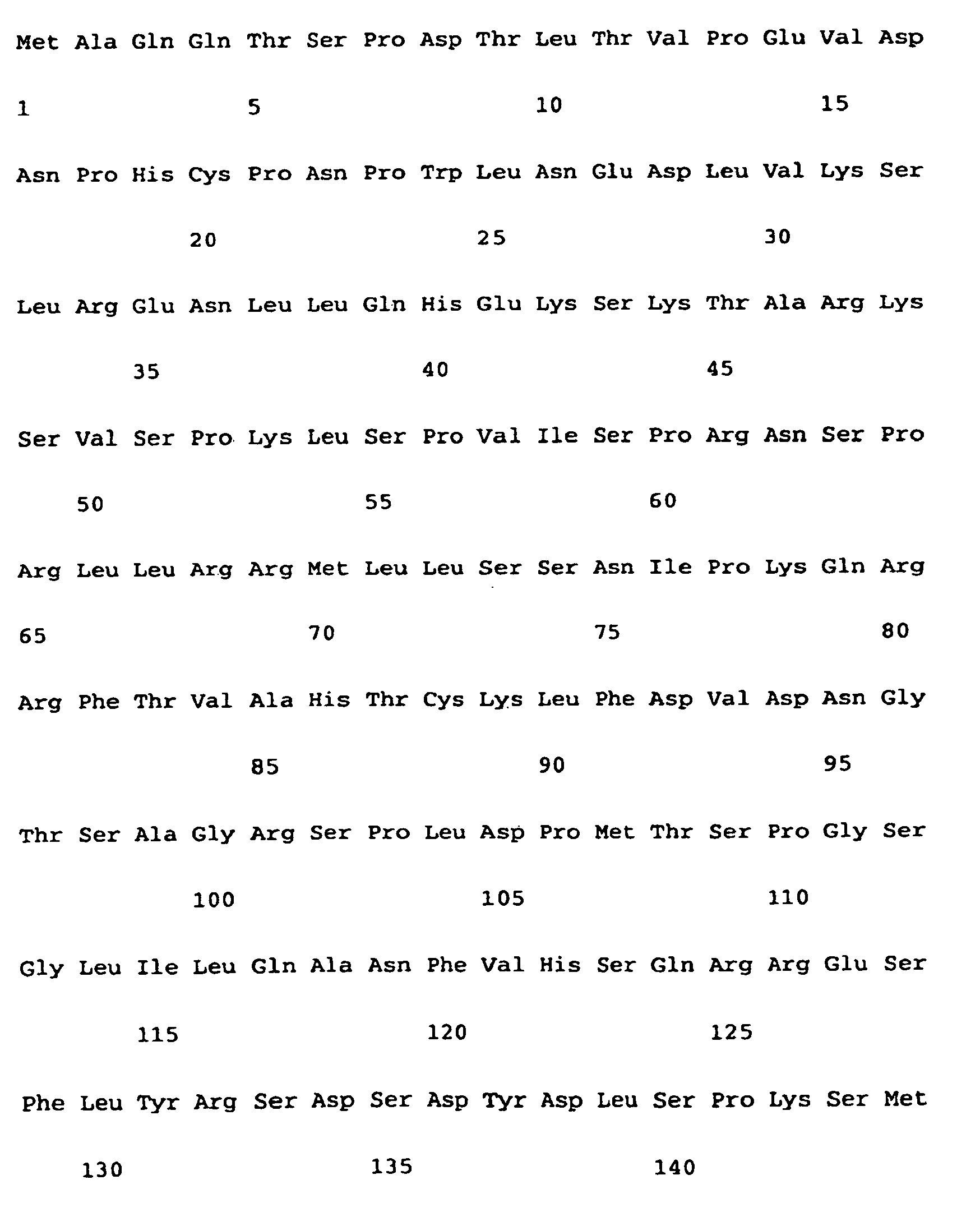
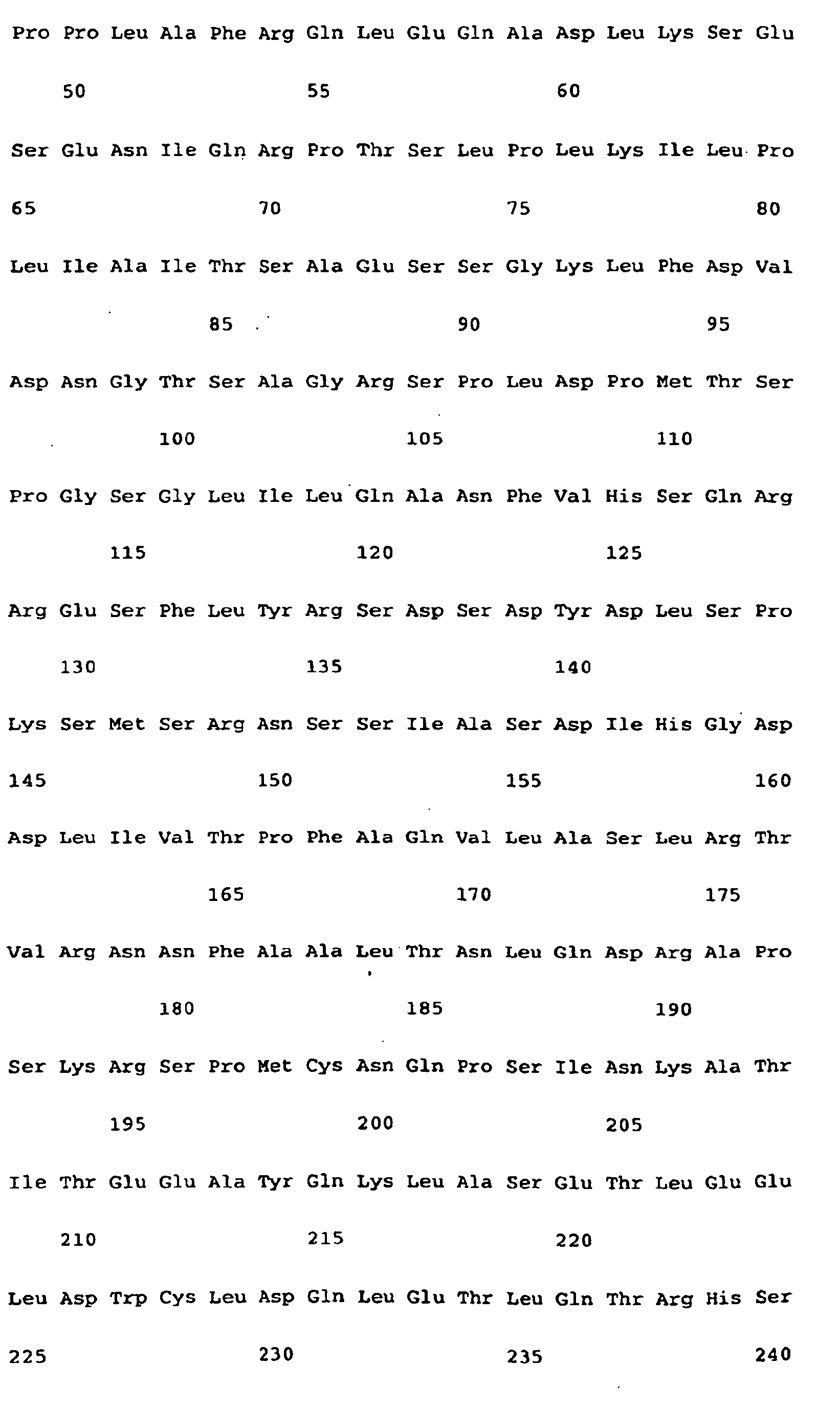
- the core construct sequence of PDE4D is shown in SEQ ID No. 2.
- the start of the PDE polypeptide sequence is located 13 amino acids upstream of the UCR1 start of the native PDE polypeptide.
- the location of this position in the long form PDE4D isoforms and the core construct of PDE4D is shown in SEQ ID No. 1-7.
- the basis for the generation of the above mentioned long form PDE4 polypeptide with an amino-terminal deletion and improved physicochemical characteristics can be any isoform of long form PDE4, with the exception of PDE4A.
- the long form PDE4 polypeptide sequence is an isoform of PDE4D selected from the group consisting of D3, D4, D5, D6, D7, and D8.
- the present invention also extends to further isoforms of long form PDE4D that have not yet been identified.
- mutants of the long form PDE4 polypeptide herein before described are mutants of the long form PDE4 polypeptide herein before described.
- a long form PDE 4 polypeptide sequence comprising one or more mutations of Serine residues.
- said Serines are mutated to either Alanine or Aspartic acid.
- said Serine residues are selected from the group consisting of Ser54 and Ser579.
- Serines represent targets for phosphorylation of long form PDE 4 polypeptides. Phosphorylation of some of these sites has been shown to activate or ihibit the phosphodiesterase activity of PDEs.
- the long form PDE 4 polypeptide hereinbefore described exhibits decreased tubulin association, thus allowing to obtain purer long form PDE 4 polypeptide preparations.
- the ratio of PDE molecules per tubulin molecules in the preparation of PDE polypeptide is calculated by quantitation of SDS-PAGE.
- the ratio of PDE molecules per tubulin molecules is at least 5, preferably at least 10, more preferably at least 15, even more preferably at least 20, most preferably at least 25 molecules of PDE per molecules of tubulin.
- the tubulin content of PDE preparations is determined as follows: Equal volume aliquots of fractions from SEC are analyzed by SDS-PAGE (one gel per run and isoform, Figure 3). Optical densities of Coomassie stained PDE and tubulin bands are integrated as described hereinbefore for PDE aggregation quantitation. Integrated densities from PDE bands of fractions 2-11 are added up, giving a relative amount of total PDE, PDE total . Likewise, integrated densities from tubulin bands of fractions 2-11 are added up, giving tubulin 2-11 , and thereby the relative amount of total tubulin, tubulin total . The ratio of PDE and tubulin (Figure 4C) is identical with the ratio of the relative amount of total PDE4D, PDE tot , and relative amount of total tubulin, tubulin total , on a mass per mass basis.
- the long form PDE 4 polypeptides from which the peptide of this invention is generated by amino-terminal deletion as hereinbefore described include polypeptides that are substantially homologous or identical to the polypeptides shown in SEQ ID No. 1-7 and have, in their native form, the phosphodiesterase activity and specificity long form of PDE 4 .
- these long form PDE 4 polypeptides also include the previously published polypeptide sequences of PDE4D3 to D8 as defined in U50159 (D3), L20969 (D4), S:1059276 (D5) and the sequences for D6, D7 and D8 as disclosed in WO02/074992.
- two polypeptides are substantially homologous or identical when the amino acid sequences are at least 45-55%, typically at least 70-75%, more typically at least 80-85%, and most typically greater than 90% or more homologous or identical.
- the sequences are aligned for optimal comparison purposes (e.g., gaps can be introduced in the sequence of one polypeptide for optimal alignment with the other polypeptide or nucleic acid molecule).
- the amino acid residues or nucleotides at corresponding amino acid positions are then compared. When a position in one sequence is occupied by the same amino acid residue as the corresponding position in the other sequence, then the molecules are homologous at that position.
- amino acid “homology” is equivalent to amino acid “identity”.
- the percent homology between the two sequences is a function of the number of identical positions shared by the sequences (i . e ., percent homology equals the number of identical positions/total number of positions times 100).
- the long form PDE 4 polypeptide sequences of the present invention are preferably mammalian, most preferably human.
- the present invention also includes variants of the polypeptides hereinbefore described with deletions, insertions, inversions, repeats, and substitutions selected according to general rules known in the art so as to have little effect on activity. For example, guidance concerning how to make phenotypically silent amino acid substitutions is provided in Bowie, Science 247 (1990), 1306-1310, wherein the authors indicate that there are two main strategies for studying the tolerance of an amino acid sequence to change.
- the present invention provides polynucleotides that comprise polynucleotide sequences that encode the long form PDE 4 polypeptide sequences hereinbefore described.
- polynucleotide sequence encoding the "core construct" of PDE4D is shown in SEQ ID No. 8.
- the present invention relates to all polynucleotides comprising polynucleotide sequences encoding any of the PDE polypeptide sequences hereinbefore described.
- the present invention provides an expression vector or virus comprising a polynucleotide sequence that encodes the long form PDE 4 polypeptide sequences hereinbefore described and which is capable of directing expression of the polynucleotide sequence in a compatible prokaryotic or eukaryotic host cell.
- the invention also provides a prokaryotic or eukaryotic host cell transformed or infected with such an expression vector or virus.
- the invention further provides a process for the production of such a polypeptide comprising culturing the host cell expressing the long form PDE 4 polypeptide sequences hereinbefore described in a suitable medium so that said polypeptide is expressed, and purifying said polypeptide from the cells.
- the virus used for the expression of a modified long form PDE 4 polypeptide is a recombinant baculovirus.
- Methods of generating recombinant baculoviruses for expression of recombinant proteins are well known to the man skilled in the art.
- the recombinant baculovirus is based on pFASTBac as the transfer vector.
- the host cell of a preferred embodiment of the invention is an insect cell. Insect cells that can be infected with recombinant baculoviruses for the purpose of expressing recombinant proteins are well known in the art.
- the preferred process for the production of a modified long form PDE 4 polypeptide is a process comprising culturing the insect cell expressing the long form PDE 4 polypeptide sequences hereinbefore described in a suitable medium so that said polypeptide is expressed, and purifying said polypeptide from the insect cell.
- the long form PDE4 polypeptide may also comprise a tag.
- tags and the methods to join them with polynucleotide sequences encoding a polypeptide are well known to the person skilled in the art, e.g. myc-tag, FLAG-tag, six Histidine tags (hereinafter referred to as 6xHis tag).
- 6xHis tag six Histidine tags
- tags may be joined to either side of the polypeptide.
- Some tags are known which may also be removed enzymatically from the purified polypeptide, e.g. FLAG-tag fused to the amino-terminus of a protein may be removed by digestion with bovine enterokinase (Hopp, T.P.(1988) Biotechnology, 6, 1204-1210).
- the long from PDE4 polypeptides hereinbefore described are linked at their C-terminus to a 6xHis tag.
- 6xHis tags for ease of purification of recombinant polypeptides, and methods of purification of 6xHis tagged polypeptides are well known (e.g. in Sisk et al. (1994) J. Virol. 68, 766, and Petty, K.J. (1996) in: Ausubel, F.M. et al., eds. Current Protocols in Molecular Biology, Vol. 2, New York: John Wiley and Sons).
- the polypeptide of the present invention is purified.
- a polypeptide is said to be “purified” when it is substantially free of cellular material when it it isolated from recombinant and non-recombinant cells.
- a polypeptide can be joined to another polypeptide with which it is not normally associated in a cell (e.g. in a "fusion protein") and still be “purified”.
- the polypeptides of the present invention are purified.
- the polypeptides of the invention can be purified to homogeneity. It is understood, however, that preparations in which the polypeptide is not purified to homogeneity are useful.
- the critical feature is that the preparation allows for the desired function of the polypeptide, even in the presence of considerable amounts of other components.
- the invention encompasses various degrees of purity.
- the language "substantially free of cellular material” includes preparations of the polypeptide having less than about 30% (by dry weight) other proteins (i.e., contaminating protein), less than about 20% other proteins, less than about 10% other proteins, or less than about 5% other proteins.
- a polypeptide is recombinantly produced, it can also be substantially free of culture medium, i.e., culture medium represents less than about 20%, less than about 10%, or less than about 5% of the volume of the polypeptide preparation.
- the present invention also provides for a use of the polypeptides hereinbefore described for identifying an agonist or antagonist of phosphodiesterase activity.
- the polypeptides of the present invention can be used for a process of identifying and obtaining a drug candidate for therapy of a vascular disorder, said process comprising measuring the activation or inhibition of the phosphodiesterase activity of any of the above mentioned polypeptides.
- a drug candidate may be a compound that is either an agonist or an antagonist of the phosphodiesterase activity of PDE.
- the present invention also provides a screening assay for the identification of agonists or antagonists of phosphodiesterase activity comprising at least one of the above described polypeptides.
- the polypeptides hereinbefore described can be used for crystallization. Crystals of the polypeptides are useful for assaying the interaction of compounds with phosphodiesterases.
- the present invention provides a kit for identifying agonists or antagonists of phosphodiesterase activity comprising at least one of the polypeptides hereinbefore described, and a radioactive or IMKP - FP phosphodiesterase kit.
- isoform relates to the natural PDE4D splice variants D3 and D5-D8 and the invented core variant, DC.
- a cDNA encoding the core fragment that is common for all the PDE4D isoforms 3-8 starting with the amino acid sequence FDV carboxyterminal to the LF1 splice site was generated by PCR using a 5' oligonucleotide with a HindIII cloning site (gatgaattcaagctttttgatgtggacaatggcaca) introducing two additional amino acids (K and L) in front of the FDV sequence.
- a set of primers was used that either generated the native sequence (gtgatatctcattatcacgtgtcaggagaacgatcatctatgaca) or added a sequence encoding 6xHis residues (gtgatatctcattatcaa tgggatggtgatggtgcgtgtcaggagaacgatcatctatgac) to enable rapid purification of the recombinant proteins.
- the cDNA encoding the core construct was cloned as a EcoRI-EcoRV fragment into the expression vector pENTR TM 1a (GIBCO/BRL) Isoforms (except core construct):
- the cDNAs were cloned into the pFASTBAC1 vector (Life Technologies. Inc) for expression in insect cells and the products were confirmed by sequencing. After recombination into the baculovirus genome the purified viral DNAs were transformed into the insect cells. Sf9 cells were cultured at 27°C in TC100 medium (BioWhittaker) with 5% (v/v) fetal calf serum. Virus stocks were generated with a titer of 1.5x 10 9 pfu/ml. For large scale production of the isoforms 1-24 L fermentations of Sf9 cells were infected with a MOI of 1.
- the 6xHis tagged PDE4D polypeptides DC, D3, D5, D6, D7 and D8 were produced in Sf9 cells in 1L spinner flasks using SF1 medium in the absence of serum. Infected cells were harvested 3 days after infection with the recombinant baculoviruses.
- the PDE4D core construct DC was produced in a 24 L Airlifter Fermenter with 15 L medium (SF1 with 0% serum), 0.15 L lipids and 9 L Sf9 cells. During the entire fermentation procedure the cells were cultured at pH 6.2, 27.0+/- 0.2°C and a pO 2 of 30.0+/- 0.5 %. Cells were grown for 3 days. The cell number at infection was 2.3x10 6 cells/ml. Cells were infected with 450 ml recombinant baculovirus. Cells were harvested at 68h post infection and the cell pellet as well as the concentrated supernatant stored at -80°C until further processing.
- Sf9 cells from 1 liter culture broth, overexpressing the respective isoform, were resuspended on ice in 50 ml 50 mM HEPES pH 7.8, 300 mM NaCl 10 mM imidazole, 1 mM DTT, supplemented with protease inhibitors (one protease inhibitor cocktail tablet "complete, EDTA-free”; Roche). Opening of cells was performed by use of a 50 ml Dounce homogenizator and the homogeneous mixture was centrifuged for 1 hour at 70'000 g and 4°C (Kontron TFT 45.94 rotor at 30'000 rpm).
- the supernate was filtrated through a filter with a pore size of 1.2 ⁇ M (Minisart; Sartorius, Germany) and then applied to a 6 ml Ni-NTA agarose column at 2 ml/min. After equilibration with 50 mM HEPES pH 7.8, 300 mM NaCl, 10 mM imidazole, protein was eluted with a linear 30 ml gradient from 10 to 230 mM imidazole in the same buffer. Fractions containing the PDE4D isoform as analyzed by Coomassie stained SDS-PAGE were pooled and stored frozen at -80°C. Fresh Ni-NTA agarose material was used for every different PDE4D isoform preparation in order to prevent cross contamination of isoforms.
- Ni-NTA agarose purified isoform preparations were estimated by SDS-PAGE. Equal volume amounts of isoform preparations were applied to a gradient gel (4-12% NuPage; Invitrogen). After electrophoresis the Coomassie stained polyacrylamide gel was imaged by a video imaging system ( Figure 1). Optical densities of PDE4D bands were integrated using a Macintosh computer and the public domain software "NIH Image", version 1.61 (developed at the U.S. National Institutes of Health and available on the Internet at http://rsb.info.nih.gov/nih-image/).
- Activities of equal volume amounts of 10 6 -fold diluted purified isoforms were determined by use of a commercial radioactive phosphodiesterase assay (cAMP-dependent phosphodiesterase [ 3 H] assay; Amersham Pharmacia Biotech), following the instructions of the manufacturer.
- the obtained arbitrary activity units reflect the relative PDE4D activities within the original pools ( Figure 1, "activity").
- Equal volume aliquots of fractions from SEC were analyzed by SDS-PAGE (one gel per run and isoform, Figure 3).
- Optical densities of Coomassie stained PDE4D and tubulin bands were integrated as described above. Integrated densities from PDE4D bands of fractions 2-4 were added up, giving a relative amount of aggregated PDE4D, PDE agg ( Figure 3).
- integrated densities from PDE4D bands of fractions 5-11 were added up, giving a relative amount of non-aggregated PDE4D, PDE non-agg .
- Relative amount of total PDE4D, PDE total is given by the sum of PDE agg and PDE non-agg .
- the percentage of non-aggregated PDE is given by the ratio of PDE non-agg and PDE total , multiplied by 100 ( Figure 4B).
- An IMAP FP-Assay was used for the determination of phosphodiesterase activity.
- the phosphodiesterase activity of the core contruct and PDE4D3 was measured using the HEFP Phosphodiesterase Assay Kit (Molecular Devices).
- 2 ⁇ l of PDE4D3 or PDE4D core construct, 2 ⁇ l of cAMP (to a final concentration of 40 nM) and 1 ⁇ l of test substance or carrier were incubated for 45 min on a shaker.
- 12 ⁇ l of Binding Solution provided by the kit (with beads diluted 1:320) were added, and the reaction mixture incubated on a shaker for 2 hours.
- Fluorescence polarisation of the samples was measured in a Packard BioScience Fusion a-FP HT using as an emission filter a Polarizer 535, and as an excitation filter, Fluorescein 485/20.
- Inhibition of the phosphodiesterase activity of the PDE4D core construct was determined using Rolipram as inhibitor, and using PDE4D core construct at 30 ng/ml.
Landscapes
- Life Sciences & Earth Sciences (AREA)
- Chemical & Material Sciences (AREA)
- Health & Medical Sciences (AREA)
- Genetics & Genomics (AREA)
- Organic Chemistry (AREA)
- Engineering & Computer Science (AREA)
- Bioinformatics & Cheminformatics (AREA)
- Zoology (AREA)
- Wood Science & Technology (AREA)
- Molecular Biology (AREA)
- Microbiology (AREA)
- Biotechnology (AREA)
- Biomedical Technology (AREA)
- Biochemistry (AREA)
- General Engineering & Computer Science (AREA)
- General Health & Medical Sciences (AREA)
- Medicinal Chemistry (AREA)
- Enzymes And Modification Thereof (AREA)
- Micro-Organisms Or Cultivation Processes Thereof (AREA)
Description
- The invention relates to modified phosphodiesterase (PDE) polypeptides with altered physicochemical properties which are particularly useful in screening assays for the identification of agonists or antagonists of PDEs, the polynucleotides encoding such modified PDE polypeptides, antibodies against such polypeptides, methods of preparation and uses of such polypeptides.
- The phosphodiesterases (PDEs) represent a family of enzymes that catalyze the hydrolysis of the various cyclic nucleoside monophosphates (including cAMP). These cyclic nucleotides have been found to act as second messengers within the cells by carrying impulses from cell surface receptors having bound various hormones and neurotransmitters to the inside of the cells. The task of phosphodiesterases is to degrade these cyclic mononucleotides once their messenger role is completed thereby regulating the level of cyclic nucleotides within the cells and maintaining cyclic nucleotide homeostasis.
- Ten families of PDEs have been identified, designated PDE1 to PDE10. Within each family there are two or more related but distinct gene products (A, B, C, etc.) and for each of these alternative mRNA processing gives rise to multiple splice variants, identified by an additional arabic numeral in accordance with the most recent nomenclature recommendation (Molecular Pharmacology 46, 399-405, 1994).
- All PDE gene products identified so far have one catalytic and a least one regulatory domain. The catalytic domain lies towards the carboxylic acid terminus of each PDE protein and has the greatest homology between the PDE families, being >75% homologous at the amino acid level (Perry and Higgs, Curr. Opinion Chem. Biol. 2, 472-481, 1998). Nevertheless, each of the more than 30 known PDEs have individually distinct substrate specificities, kinetic characteristics, regulatory properties and cellular and subcellular distributions (Houslay and Milligan, Trends in Biochem. Sci. 22, 217-224, 1997).
-
PDEs PDEs PDEs - The amino terminal ends of PDEs consist of the regulatory domains, which are very different both between families and between variants within families. This region contains variously: a binding domain for Ca2+-calmodulin (CaM) in PDE1 ; non-catalytic cGMP-35 binding sites in
PDEs PDEs - Of particular interest to this invention are the PDE4 enzymes. PDE4 enzymes share a common structure, as deduced from their amino acid sequences (Beavo and Reifsnyder, Trends Pharmacol. Sci. 11, 150-155, 1990; Bolger at al., Mol. Cell Biol. 13, 6558-6571, 1993; Houslay, Sullivan and Bolger, Adv. Pharmacol. 44, 225-242, 1998). Members of each gene family (PDE4A, PDE4B, PDE4C, PDE4D) share common C-terminal regions, different for each family, and catalytic domains that for all PDE4 isoforms are very similar (84% homology over about 360 amino acids across all PDE4s; Houslay, Sullivan and Bolger, Adv. Pharmacol. 44, 225-242, 1998).
- From N-terminus to catalytic region, the sequence in "long form" PDE4s can be divided into 5 regions, three of which are isoform-specific (N-terminal region,
linker regions regions 1 and 2 (UCR1 and UCR2). "Short form" PDE4s, e.g. PDE4A1, PDE4B2, PDE4D1, PDE4D2, lack UCR1 and LR1 plus differing amounts of the N-terminal region of UCR2. Throughout all regions are potential phosphorylation sites for a variety of kinases, including PKA (e.g. Ser 54 in human PDE4D3), mitogen activated protein kinases (e.g. Ser 487 of human PDE4B2), casein kinase II (e.g. Ser 489 of PDE4B2) and calcium-diacylglycerol dependent protein kinases (Houslay, Sullivan and Bolger, Adv. Pharmacol. 44, 225-242, 1998). Phosphorylations at some of these sites have been shown to activate the PDEs (e.g. Ser 54), others serve to inhibit. There is also evidence that some phosphorylations serve to prime the enzymes ready for subsequent activation by further phosphorylation at a different site or sites (Houslay, Sullivan and Bolger, Adv. Pharmacol. 44, 225-242, 1998). Other auto-regulatory sites may be found in the N-terminal sequence of certain PDE4s (Bolger at al., Mol. Cell Biol. 13, 6558-6571, 1993, Mc Phee et al., Biochem. J. 310, 965-974,1995). - Specific PDE4 inhibition may be useful over a very wide range of disease areas. These include: asthma, atopic dermatitis, depression, reperfusion injury, septic shock, toxic shock, autoimmune diabetes, AIDS, Crohn's disease, multiple sclerosis, cerebral ischemia, psoriasis, allograft rejection, restenosis, stroke, ulcerative colitis, cachexia, cerebral malaria, allergic rhinoconjunctivitis, osteoarthritis, rheutmatoid arthritis, autoimmune encephalomyelitis (Houslay, Sullivan and Bolger, Adv. Pharmacol. 44, 225-242, 1998, WO02/074992). In the area of asthma, PDE4 inhibition helps to increase cAMP in bronchial smooth muscle, thereby producing a modest bronchodilatory effect, of use in the alleviation of asthmatic symptoms. But perhaps most importantly, inhibition of PDE4s is now a recognised method by which to suppress immune and inflammatory cell responses (Hughes et al. Drug Discov.
Today 2, 89-101, 1997; Torphy, Am. J.Respir. Crit. Care Med. 157, 351-370, 1998; Teixeira et al., Trends Pharm. Sci. 18, 164-171,1997). - PDE4s play major roles in modulating the activity of virtually every cell type involved in the inflammatory process. Immune and inflammatory conditions occur when recruitment of leukocytes from the blood compartment into tissues is either uncontrolled, inappropriate, prolonged or directed against self. In asthma, rheumatoid arthritis and multiple sclerosis, infiltration of tissues with inflammatory cells is prolonged and intense, leading ultimately to severe (and self-perpetuating) damage and loss of function. Acute disregulation of the immune system occurs in such conditions as acute respiratory distress syndrome (ARDS) where an overwhelming and generalised inflammatory response can frequently lead to death. There is also substantial evidence which suggests that inflammation may play a part in defining the extent of injury resulting from reperfusion following ischaemia, at least in brain and lung (Entman and Smith, Cardiovasc. Res. 28, 1301-1311, 1994).
- The PDE4D phosphodiesterases, which are the most preferred focus of the present invention, exist in mammals in the form of isoenzymes (which represent different molecular forms of the same enzyme polypeptide). These phosphodiesterases are localized in the cytosol of the cell and are unassociated with any known membraneous structures. The PDE4D isoenzymes specifically degrade cAMP and are a common target for such pharmacological agents as antidepressants (for example, rolipram). Several splice forms of PDE4D are known. The short forms, PDE4D1 and PDE4D2, lack UCR1 and LR1 sites. Rather than these, interest of the present invention focuses on the long isoforms, of which 6 are known, namely PDE4D3, PDE4D4, PDE4D5, PDE4D6, PDE4D7 and PDE4D8. All of these have in common the LR1 and UCR1 sites and the domains located at the C-terminus of these sites, but they have different N-terminal domains. Isoforms PDE4D6, D7 and D8 were recently disclosed in WO02/074992.
- For identification of compounds that inhibit PDE4D isoenzymes, screening assays are used that are either whole cell assays in which the cells are treated with the inhibitor and cAMP hydrolysis is measured, or in vitro assays which use purified PDE4D isoenzymes either isolated from their natural sources or from cells overexpressing recombinant PDE4D isoenzymes. Such assays are described e.g. in WO00/09504, WO01/35979, WO01/68600 and WO98/45268. WO01/35979 describes the purification of recombinant PDE4D expressed in Saccharomyces Cerevisiae. The use of recombinant native forms of PDE4D for the identification of PDE agonists or antagonists has the disadvantage that the PDE4D poypeptide does not have optimal physicochemical characteristics, especially with respect to aggregate formation. Aggregate formation can lead to protein precipitation and is known to potentially decrease the activity of enzymes, compared to the authentic oligomeric molecules. Thus, aggregation of the native forms of PDE4D polypeptides in screening assays aimed at identifying agonists or antagonists of PDE4D phosphodiesterase activity negatively affects the quality of these assays. In addition, the use of assays based on individual recombinant PDE4D isoforms has the disadvantage of potentially resulting in the identification of agonists or antagonists that are specific for a single isoform of a PDE4D only, instead of agonists or antagonists which act on all long or short form PDE4D isoforms together.
- Figure 1: Specific phosphodiesterase activity for the different PDE4D isoforms D3 and D5 to D8, and the PDE4D core construct (DC).
- Figure 2: Aggregate formation by different PDE4D isoforms and the core construct. In this figure, the gel filtration profiles of different isoforms of PDE4D (D3, D5, D6, D7, D8), and the core construct (DC) are shown. The first elution peak represents PDE4D aggregates. The pronounced shoulder in the elution profile of DC, where polypeptides of approx. 300,000 Dalton elute, indicates a decrease in aggregation of DC, as compared to the five isoforms of PDE4D.
- Figure 3: Quantitation of aggregation of the core construct (DC) of PDE4D, and of the tubulin content of the core construct perparations. In A), the elution profile of DC is shown, with the fractions indicated on the bottom. B) shows an SDS-PAGE of the different fractions from the gelfiltration. C) shows the analysis of optical densities of individual fractions corresponding to the Coomassie stained SDS-PAGE in B).
- Figure 4: Differences in aggregation and tubulin content of different isoforms and the core construct of PDE. A) SDS-PAGE gels are shown for DC and five isoforms of PDE4D which were analysed as described above. B) The percentage of non-aggregated PDE4D is shown for the core construct and the isoforms D3 and D5 to D8, based on total PDE4D protein. DC has the highest percentage of non-aggregated PDE4D, as compared to the five isoforms. C) This figure shows the ratio between PDE4D and tubulin for DC and the isoforms D3 and D5 to D8, based on total PDE mass and total tubulin mass. As can be seen, the tubulin content of DC is significantly lower than that of the five PDE4D isoforms indicated.
- Figure 5: Activity assay. Phosphodiesterase activity is shown both for the PDE4D core construct (DC) and PDE4D3 (D3).
- Figure 6: Rolipram inhibition. Phosphodiesterase activity of the PDE4D core construct (DC) can be inhibited by Rolipram. The IC50 of DC phosphodiesterase activity by Rolipram inhibition was 0.34+/- 0.06 mM.
- The term "polypeptide" as used herein, refers to a polymer of amino acids, and not to a specific length. Thus, peptides, oligopeptides and proteins are included within the definition of polypeptide.
- The term "physicochemical properties" as used herein refers to the propensity of polypeptides to monomer formation, oligomer formation or aggregate formation.
- The terms "aggregation" and "aggregate formation" as used herein are used interchangeably and refer to the type of association of polypeptide chains which, in contrast to oligomer formation, is an irreversible process and does not follow the law of mass interaction. Aggregation progresses in a time dependent manner and does not stop when a defined number of chains have associated. Aggregation of polypeptides can lead to protein precipitation because the molecular size of the aggregate is so dramatically increased that the solubility of the molecules is impaired. Aggregation is also known to potentially decrease the activity of the enzyme as compared to authentic oligomeric molecules.
- The term "oligomer formation" as used herein refers to a reversible association of polypeptide chains whereby the ratio of oligomeric proteins and monomeric proteins at a certain protein concentration and at thermodynamic equilibrium is described by the association constant.
- The term "non-aggregated" refers to polypeptides that are present either as oligomers or monomers or a mixture of oligomers and monomers at equilibrium according to the law of mass interaction.
- The term "improved physicochemical properties" as used herein refers to a decrease in aggregate formation of polypeptides. For the purpose of definition, aggregate formation of the polypeptides of this invention is determined by quantitation of the fractions of a gelfiltration experiment in which aggregated PDE elutes, and of the fractions in which non-aggregated PDE elutes. The degree of aggregation is calculated in percent of non-aggregated PDE based on total (aggregated and non-aggregated) PDE. For the purpose of the definition of aggregation, aggregated PDE is considered to elute in
fractions 2 to 4, in which aggregated molecules of at least 2 Mio Daltons elute, and non-aggregated PDE is considered to elute infractions 5 to 11, corresponding to the fractions in which molecules of about 0.3 Mio Daltons elute, when the following conditions are used for gel filtration: 50 µl of Ni-NTA agarose purified isoform preparation are injected into a Superose 12 size exclusion column (type PC3.2/30; Amersham Pharmacia Biotech), equilibrated with 50 mM TrisHCl pH 7.7, 100 mM NaCl, 0.5 mM MgCl2 at a flow rate of 0.1 ml/min at 4°C. Chromatograms are recorded at 278 nm. Starting from the elution volume onwards, the column eluate is collected as 50 µl fractions. - The term "long form PDE" as used herein refers to PDE isoforms which comprise an isoform specific N-terminal domain, linker regions LR1 and/or LR2, and upstream conserved regions UCR1 and UCR2.
- The term "UCR1 start" as used herein refers to the first amino acid of the UCR1 domain of PDE4D, as annotated in SEQ ID No. 1 to 7.
- The term "LF1 site" as used herein refers to the first amino acid of the splice site of PDE4D as indicated in SEQ ID No. 1-7.
- The term "amino acids upstream of LF1" refers to the position of an amino acid counted from the LF-1 site towards the amino terminus of the native protein.
- The term "D3" as used herein refers to the PDE4D3 isoform. The term "D4" as used herein refers to the PDE4D4 isoform. The term "D5" as used herein refers to the PDE4D5 isoform. The term "D6" as used herein refers to the PDE4D6 isoform as provided by WO02/074992. The term "D7" as used herein refers to the PDE4D7 isoform as provided by WO02/074992. The term "D8" as used herein refers to the PDE4D8 isoform as provided by WO02/074992. The polypeptide sequences of the human PDE4D isoforms D3, D4, D5, D6, D7, and D8 are shown in SEQ ID No.1 and 3-7.
- The term "Ser54" as used herein refers to the Ser residue in position 54 of PDE4D3, and to the Ser residue in the respective position of any of the other PDE polypeptides. The position corresponding to Ser54 of PDE4D3 is annotated in SEQ ID No. 1 to 7 for the different isoforms and the core sequence which is common to all the PDE4D isoforms.
- The term "Ser579" as used herein refers to the Ser residue in position 579 of PDE4D3, and to the Ser residue in the respective position of any of the other PDE polypeptides. The position corresponding to Ser579 of PDE4D3 is annotated in SEQ ID No. 1 to 7 for the different isoforms and the core sequence which is common to all the PDE4D isoforms.
- The term "tubulin association" as used herein refers to the tubulin content of purified PDE preparations.
- As used herein, the term "agonist" also refers to activators, and the term "antagonist" also refers to inhibitors of PDE phosphodiesterase activity.
- The disadvantage of native recombinant PDE polypeptides resides in the formation of aggregates of the polypeptides, which gives rise to sub-optimal conditions for the identification of modulators of PDE phosphodiesterase activity in screening assays since aggregate formation is known to lead to polypeptide precipitation and to potentially impair activity of a polypeptide. The present invention is directed to the generation of long form PDE4 polypeptides with improved physicochemical properties which are particularly useful for the purpose of identifying agonists or antagonists of these enzymes.
- The problem of aggregate formation of recombinant long form PDE4 polypeptides was overcome in the present invention by generating a polypeptide comprising a long form PDE4 polypeptide sequence with the exception of the PDE4A polypeptide sequence, with an amino-terminal deletion between the L71 splice site and the UCR1 start said polypeptide exhibiting decreased aggregate formation, as shown in Figures 2 and 3. These polypeptides have a specific activity that is comparable to the specific activity of the native recombinant proteins, as is shown in Figure 1. In a preferred embodiment, the invention provides a polypeptide comprising a long form PDE4 polypeptide sequence, with an amino-terminal deletion wherein the proportion of non-aggregated long form PDE4 in the total protein preparation is from 55 %, preferably from 60%, more preferably from 65%, most perferably from 68% to 100%, preferably to 90 %, more preferably to 80 %, most preferably to 70% of total protein, as determined by the quantitation of eluted fractions from a gel filtration of the long form PDE4 fractions. Quantitation is performed as follows: Equal volume aliquots of fractions from Size Exclusion Chromatography, run as hereinbefore described, are analyzed by SDS-PAGE (one gel per run and isoform, Figure 3). Optical densities of Coomassie stained long form PDE4 are integrated as follows: After electrophoresis the Coomassie stained polyacrylamide gel was imaged by a video imaging system (Figure 1). Optical densities of PDE bands were integrated using a Macintosh computer and the public domain software "NIH Image", version 1.61 (developed at the U.S. National Institutes of Health and available on the Internet at http://rsb.info.nih.gov/nih-image/). The integrated arbitrary units per PDE band as returned by the software reflect the relative PDE concentrations within the original pools. Integrated densities from PDE bands of fractions 2-4 are added up, giving a relative amount of aggregated PDE, PDEagg (Figure 3). These fractions contain molecules of at least 2 Mio Daltons. Similarly, integrated densities from PDE bands of fractions 5-11 are added up, giving a relative amount of non-aggregated PDE, PDEnon-agg. In fractions 5-11, molecules in the range of 0.3 Mio Daltons elute. Relative amount of total PDE, PDEtotal, is given by the sum of PDEagg and PDEnon-agg. The percentage of non-aggregated PDE is given by the ratio of PDEnon-agg and PDEtotal, multiplied by 100.
- In an even more preferred embodiment, the polypeptide sequence is a PDE4D polypeptide sequence, preferably a long form PDE4D polypeptide sequence.
- Methods of generating amino-terminal deletion mutants of polypeptides are well known. Such deletion mutants can be generated by using site directed mutagenesis, e.g. by using PCR (Sambrook et al., Molecular Cloning: A Laboratory Manual (1989), Cold Spring Harbor Laboratory Press, New York, USA).
- In one embodiment of the present invention, the polypeptide comprises a PDE polypeptide sequence starting between 25 amino acids, preferably between 20 amino acids, more preferably between 15 amino acids, even more perferably between 10 amino acids, most preferably between 5 amino acids upstream of LF1 and the LF1 site.
- In another embodiment the PDE long form polypeptide sequence starts at any amino acid located between the LF1 splice site and the first amino acid of the UCR1 start of the native long form PDE4 polypeptide. In the case of the most preferred embodiment of the long form PDE4 polypeptide, PDE4D, these sites are identical in all of the long form PDE4D isoforms.
- In another more preferred embodiment of the present invention, the amino-terminal deletion is such that the PDE polypeptide sequence starts at the LF1 splice site of the native PDE polypeptide. This PDE polypeptide sequence is referred to as the "core construct". The core construct spans a sequence of PDE which is shared by all isoforms. The core construct sequence of PDE4D is shown in SEQ ID No. 2.
- In another more preferred embodiment of the present invention, the start of the PDE polypeptide sequence is located 13 amino acids upstream of the UCR1 start of the native PDE polypeptide. The location of this position in the long form PDE4D isoforms and the core construct of PDE4D is shown in SEQ ID No. 1-7.
- The basis for the generation of the above mentioned long form PDE4 polypeptide with an amino-terminal deletion and improved physicochemical characteristics can be any isoform of long form PDE4, with the exception of PDE4A. For the most perferred embodiment the long form PDE4 polypeptide sequence is an isoform of PDE4D selected from the group consisting of D3, D4, D5, D6, D7, and D8. However, the present invention also extends to further isoforms of long form PDE4D that have not yet been identified.
- Also of use to the present invention are mutants of the long form PDE4 polypeptide herein before described. Of particular interest is a long form PDE4 polypeptide sequence comprising one or more mutations of Serine residues. Preferably, said Serines are mutated to either Alanine or Aspartic acid. In a most preferred embodiment, said Serine residues are selected from the group consisting of Ser54 and Ser579. Such Serines represent targets for phosphorylation of long form PDE4 polypeptides. Phosphorylation of some of these sites has been shown to activate or ihibit the phosphodiesterase activity of PDEs.
- Methods of generating amino acid substitutions in polypeptides are well known to those skilled in the art of Molecular Biology, e.g. methods such as site directed mutagenesis as described in Sambrook et al., Molecular Cloning: A Laboratory Manual (1989), Cold Spring Harbor Laboratory Press, New York, USA.
- In another preferred embodiment of the present invention, the long form PDE4 polypeptide hereinbefore described exhibits decreased tubulin association, thus allowing to obtain purer long form PDE4 polypeptide preparations. To determine the decrease in tubulin association, the ratio of PDE molecules per tubulin molecules in the preparation of PDE polypeptide is calculated by quantitation of SDS-PAGE. Preferably, the ratio of PDE molecules per tubulin molecules is at least 5, preferably at least 10, more preferably at least 15, even more preferably at least 20, most preferably at least 25 molecules of PDE per molecules of tubulin. The tubulin content of PDE preparations is determined as follows: Equal volume aliquots of fractions from SEC are analyzed by SDS-PAGE (one gel per run and isoform, Figure 3). Optical densities of Coomassie stained PDE and tubulin bands are integrated as described hereinbefore for PDE aggregation quantitation. Integrated densities from PDE bands of fractions 2-11 are added up, giving a relative amount of total PDE, PDEtotal. Likewise, integrated densities from tubulin bands of fractions 2-11 are added up, giving tubulin2-11, and thereby the relative amount of total tubulin, tubulintotal. The ratio of PDE and tubulin (Figure 4C) is identical with the ratio of the relative amount of total PDE4D, PDEtot, and relative amount of total tubulin, tubulintotal, on a mass per mass basis.
- The long form PDE4 polypeptides from which the peptide of this invention is generated by amino-terminal deletion as hereinbefore described include polypeptides that are substantially homologous or identical to the polypeptides shown in SEQ ID No. 1-7 and have, in their native form, the phosphodiesterase activity and specificity long form of PDE4. In particular, these long form PDE4 polypeptides also include the previously published polypeptide sequences of PDE4D3 to D8 as defined in U50159 (D3), L20969 (D4), S:1059276 (D5) and the sequences for D6, D7 and D8 as disclosed in WO02/074992. As used herein, two polypeptides (or a region of the polypeptides) are substantially homologous or identical when the amino acid sequences are at least 45-55%, typically at least 70-75%, more typically at least 80-85%, and most typically greater than 90% or more homologous or identical. To determine the percent homology or identity of two amino acid sequences, the sequences are aligned for optimal comparison purposes (e.g., gaps can be introduced in the sequence of one polypeptide for optimal alignment with the other polypeptide or nucleic acid molecule). The amino acid residues or nucleotides at corresponding amino acid positions are then compared. When a position in one sequence is occupied by the same amino acid residue as the corresponding position in the other sequence, then the molecules are homologous at that position. As used herein, amino acid "homology" is equivalent to amino acid "identity". The percent homology between the two sequences is a function of the number of identical positions shared by the sequences (i.e., percent homology equals the number of identical positions/total number of positions times 100). The long form PDE4 polypeptide sequences of the present invention are preferably mammalian, most preferably human. The present invention also includes variants of the polypeptides hereinbefore described with deletions, insertions, inversions, repeats, and substitutions selected according to general rules known in the art so as to have little effect on activity. For example, guidance concerning how to make phenotypically silent amino acid substitutions is provided in Bowie, Science 247 (1990), 1306-1310, wherein the authors indicate that there are two main strategies for studying the tolerance of an amino acid sequence to change.
- The present invention provides polynucleotides that comprise polynucleotide sequences that encode the long form PDE4 polypeptide sequences hereinbefore described. As an example for a sequence comprised in such a polynucleotide, the polynucleotide sequence encoding the "core construct" of PDE4D is shown in SEQ ID No. 8. However, the present invention relates to all polynucleotides comprising polynucleotide sequences encoding any of the PDE polypeptide sequences hereinbefore described.
- The present invention provides an expression vector or virus comprising a polynucleotide sequence that encodes the long form PDE4 polypeptide sequences hereinbefore described and which is capable of directing expression of the polynucleotide sequence in a compatible prokaryotic or eukaryotic host cell. The invention also provides a prokaryotic or eukaryotic host cell transformed or infected with such an expression vector or virus. The invention further provides a process for the production of such a polypeptide comprising culturing the host cell expressing the long form PDE4 polypeptide sequences hereinbefore described in a suitable medium so that said polypeptide is expressed, and purifying said polypeptide from the cells. In a preferred embodiment, the virus used for the expression of a modified long form PDE4 polypeptide is a recombinant baculovirus. Methods of generating recombinant baculoviruses for expression of recombinant proteins are well known to the man skilled in the art. Preferably, the recombinant baculovirus is based on pFASTBac as the transfer vector. The host cell of a preferred embodiment of the invention is an insect cell. Insect cells that can be infected with recombinant baculoviruses for the purpose of expressing recombinant proteins are well known in the art. The preferred process for the production of a modified long form PDE4 polypeptide is a process comprising culturing the insect cell expressing the long form PDE4 polypeptide sequences hereinbefore described in a suitable medium so that said polypeptide is expressed, and purifying said polypeptide from the insect cell. To facilitate purification, the long form PDE4 polypeptide may also comprise a tag. Different types of such tags and the methods to join them with polynucleotide sequences encoding a polypeptide are well known to the person skilled in the art, e.g. myc-tag, FLAG-tag, six Histidine tags (hereinafter referred to as 6xHis tag). A review on tagging of proteins can be found e.g. in Fritze and Anderson, Methods in Enzymology (2000) 327, 3-16. It is well known that such tags may be joined to either side of the polypeptide. Some tags are known which may also be removed enzymatically from the purified polypeptide, e.g. FLAG-tag fused to the amino-terminus of a protein may be removed by digestion with bovine enterokinase (Hopp, T.P.(1988) Biotechnology, 6, 1204-1210). In a preferred embodiment the long from PDE4 polypeptides hereinbefore described are linked at their C-terminus to a 6xHis tag. The use of such 6xHis tags for ease of purification of recombinant polypeptides, and methods of purification of 6xHis tagged polypeptides are well known (e.g. in Sisk et al. (1994) J. Virol. 68, 766, and Petty, K.J. (1996) in: Ausubel, F.M. et al., eds. Current Protocols in Molecular Biology, Vol. 2, New York: John Wiley and Sons).
- In a preferred embodiment, the polypeptide of the present invention is purified. As used herein, a polypeptide is said to be "purified" when it is substantially free of cellular material when it it isolated from recombinant and non-recombinant cells. A polypeptide, however, can be joined to another polypeptide with which it is not normally associated in a cell (e.g. in a "fusion protein") and still be "purified". Preferably, the polypeptides of the present invention are purified. The polypeptides of the invention can be purified to homogeneity. It is understood, however, that preparations in which the polypeptide is not purified to homogeneity are useful. The critical feature is that the preparation allows for the desired function of the polypeptide, even in the presence of considerable amounts of other components. Thus, the invention encompasses various degrees of purity. In one embodiment, the language "substantially free of cellular material" includes preparations of the polypeptide having less than about 30% (by dry weight) other proteins (i.e., contaminating protein), less than about 20% other proteins, less than about 10% other proteins, or less than about 5% other proteins. When a polypeptide is recombinantly produced, it can also be substantially free of culture medium, i.e., culture medium represents less than about 20%, less than about 10%, or less than about 5% of the volume of the polypeptide preparation.
- The present invention also provides for a use of the polypeptides hereinbefore described for identifying an agonist or antagonist of phosphodiesterase activity.
- The polypeptides of the present invention can be used for a process of identifying and obtaining a drug candidate for therapy of a vascular disorder, said process comprising measuring the activation or inhibition of the phosphodiesterase activity of any of the above mentioned polypeptides. Different methods for measuring phosphodiesterase activity are known, eg. from Owens et al., Biochem. J. (1997) 326, 53-60. Such a drug candidate may be a compound that is either an agonist or an antagonist of the phosphodiesterase activity of PDE.
- The present invention also provides a screening assay for the identification of agonists or antagonists of phosphodiesterase activity comprising at least one of the above described polypeptides. In addition, the polypeptides hereinbefore described can be used for crystallization. Crystals of the polypeptides are useful for assaying the interaction of compounds with phosphodiesterases.
- Furthermore, the present invention provides a kit for identifying agonists or antagonists of phosphodiesterase activity comprising at least one of the polypeptides hereinbefore described, and a radioactive or IMKP - FP phosphodiesterase kit.
- The invention will be further described by the following non-limiting examples.
- In the following the term "isoform" relates to the natural PDE4D splice variants D3 and D5-D8 and the invented core variant, DC.
- A cDNA encoding the core fragment that is common for all the PDE4D isoforms 3-8 starting with the amino acid sequence FDV carboxyterminal to the LF1 splice site was generated by PCR using a 5' oligonucleotide with a HindIII cloning site (gatgaattcaagctttttgatgtggacaatggcaca) introducing two additional amino acids (K and L) in front of the FDV sequence. At the 3' end a set of primers was used that either generated the native sequence (gtgatatctcattatcacgtgtcaggagaacgatcatctatgaca) or added a sequence encoding 6xHis residues (gtgatatctcattatcaa tgggatggtgatggtgcgtgtcaggagaacgatcatctatgac) to enable rapid purification of the recombinant proteins. The cDNA encoding the core construct was cloned as a EcoRI-EcoRV fragment into the expression vector pENTR™1a (GIBCO/BRL)
Isoforms (except core construct): - The DNA fragments encoding the isoform specific N-termini were generated by using synthetic oligonucleotides with terminal restriction enzyme sites for EcoRI and HindIII incorporated for directional cloning. These isoform specific DNA fragments were fused to the core construct sequence via the HindIII site introducing two additional amino acid residues (K and L). The integrity of the clones was confirmed by DNA sequencing prior to expression.
- The cDNAs were cloned into the pFASTBAC1 vector (Life Technologies. Inc) for expression in insect cells and the products were confirmed by sequencing. After recombination into the baculovirus genome the purified viral DNAs were transformed into the insect cells. Sf9 cells were cultured at 27°C in TC100 medium (BioWhittaker) with 5% (v/v) fetal calf serum. Virus stocks were generated with a titer of 1.5x 10⁹ pfu/ml. For large scale production of the isoforms 1-24 L fermentations of Sf9 cells were infected with a MOI of 1.
- In one example, the 6xHis tagged PDE4D polypeptides DC, D3, D5, D6, D7 and D8 were produced in Sf9 cells in 1L spinner flasks using SF1 medium in the absence of serum. Infected cells were harvested 3 days after infection with the recombinant baculoviruses.
- In another example, the PDE4D core construct DC was produced in a 24 L Airlifter Fermenter with 15 L medium (SF1 with 0% serum), 0.15 L lipids and 9 L Sf9 cells. During the entire fermentation procedure the cells were cultured at pH 6.2, 27.0+/- 0.2°C and a pO2 of 30.0+/- 0.5 %. Cells were grown for 3 days. The cell number at infection was 2.3x10⁶ cells/ml. Cells were infected with 450 ml recombinant baculovirus. Cells were harvested at 68h post infection and the cell pellet as well as the concentrated supernatant stored at -80°C until further processing.
- Sf9 cells from 1 liter culture broth, overexpressing the respective isoform, were resuspended on ice in 50
ml 50 mM HEPES pH 7.8, 300mM NaCl 10 mM imidazole, 1 mM DTT, supplemented with protease inhibitors (one protease inhibitor cocktail tablet "complete, EDTA-free"; Roche). Opening of cells was performed by use of a 50 ml Dounce homogenizator and the homogeneous mixture was centrifuged for 1 hour at 70'000 g and 4°C (Kontron TFT 45.94 rotor at 30'000 rpm). The supernate was filtrated through a filter with a pore size of 1.2 µM (Minisart; Sartorius, Germany) and then applied to a 6 ml Ni-NTA agarose column at 2 ml/min. After equilibration with 50 mM HEPES pH 7.8, 300 mM NaCl, 10 mM imidazole, protein was eluted with a linear 30 ml gradient from 10 to 230 mM imidazole in the same buffer. Fractions containing the PDE4D isoform as analyzed by Coomassie stained SDS-PAGE were pooled and stored frozen at -80°C. Fresh Ni-NTA agarose material was used for every different PDE4D isoform preparation in order to prevent cross contamination of isoforms. - Relative concentrations of Ni-NTA agarose purified isoform preparations were estimated by SDS-PAGE. Equal volume amounts of isoform preparations were applied to a gradient gel (4-12% NuPage; Invitrogen). After electrophoresis the Coomassie stained polyacrylamide gel was imaged by a video imaging system (Figure 1). Optical densities of PDE4D bands were integrated using a Macintosh computer and the public domain software "NIH Image", version 1.61 (developed at the U.S. National Institutes of Health and available on the Internet at http://rsb.info.nih.gov/nih-image/). The integrated arbitrary units per PDE4D band as returned by the software reflect the relative PDE4D concentrations within the original pools (Figure 1, "amount"). Identities of PDE4D and tubulin bands had been verified by independent SDS-PAGE, excision of corresponding bands, trypsin cleavage and identification of tryptic peptides by MALDI-MS.
- Activities of equal volume amounts of 106-fold diluted purified isoforms were determined by use of a commercial radioactive phosphodiesterase assay (cAMP-dependent phosphodiesterase [3H] assay; Amersham Pharmacia Biotech), following the instructions of the manufacturer. The obtained arbitrary activity units reflect the relative PDE4D activities within the original pools (Figure 1, "activity").
- Relative specific activities of PDE4D isoforms were calculated by dividing relative activity values by relative concentration values (Figure 1, "specific activity").
- 50 µl of Ni-NTA agarose purified isoform preparation was injected into a Superose 12 size exclusion column (type PC3.2/30; Amersham Pharmacia Biotech), equilibrated with 50 mM TrisHCl pH 7.7, 100 mM NaCl, 0.5 mM MgCl2 at a flow rate of 0.1 ml/min at 4°C. Chromatograms were recorded at 278 nm. Starting from the elution volume, the column eluate was collected as 50 µl fractions (Figure 2).
- Equal volume aliquots of fractions from SEC were analyzed by SDS-PAGE (one gel per run and isoform, Figure 3). Optical densities of Coomassie stained PDE4D and tubulin bands were integrated as described above. Integrated densities from PDE4D bands of fractions 2-4 were added up, giving a relative amount of aggregated PDE4D, PDEagg (Figure 3). Similarly, integrated densities from PDE4D bands of fractions 5-11 were added up, giving a relative amount of non-aggregated PDE4D, PDEnon-agg. Relative amount of total PDE4D, PDEtotal, is given by the sum of PDEagg and PDEnon-agg. The percentage of non-aggregated PDE is given by the ratio of PDEnon-agg and PDEtotal, multiplied by 100 (Figure 4B).
- Similarly, integrated densities from tubulin bands of fractions 2-11 were added up, giving tubulin2-11, and thereby the relative amount of total tubulin, tubulintotal. The ratio of PDE and tubulin (Figure 4C) is identical with the ratio of relative amount of total PDE4D, PDEtot, and relative amount of total tubulin, tubulintotal.
- An IMAP FP-Assay was used for the determination of phosphodiesterase activity. The phosphodiesterase activity of the core contruct and PDE4D3 was measured using the HEFP Phosphodiesterase Assay Kit (Molecular Devices). 2 µl of PDE4D3 or PDE4D core construct, 2 µl of cAMP (to a final concentration of 40 nM) and 1 µl of test substance or carrier were incubated for 45 min on a shaker. 12 µl of Binding Solution provided by the kit (with beads diluted 1:320) were added, and the reaction mixture incubated on a shaker for 2 hours. Fluorescence polarisation of the samples was measured in a Packard BioScience Fusion a-FP HT using as an emission filter a Polarizer 535, and as an excitation filter, Fluorescein 485/20. Inhibition of the phosphodiesterase activity of the PDE4D core construct was determined using Rolipram as inhibitor, and using PDE4D core construct at 30 ng/ml.
-
- <110> F. Hoffmann-La Roche AG
- <120> Modified PDE4D polypeptides
- <130> case 21507
- <160> 6
- <170> PatentIn version 3.1
- <210> 1
- <211> 673
- <212> PRT
- <213> Homo sapiens
- <220>
- <221> PDE4D3
- <222> (1)..(673)
- <223>
- <220>
- <221> LF1_splice_site
- <222> (17)..(17)
- <223>
- <220>
- <221> Ser579
- <222> (579)..(579)
- <223>
- <220>
- <221> Ser54
- <222> (54)..(54)
- <223>
- <220>
- <221> UCR1_site_-13
- <222> (37)..(37)
- <223>
- <220>
- <221> UCR1_start
- <222> (50)..(50)
- <223>
- <400> 1


- <210> 2
- <211> 664
- <212> PRT
- <213> Homo sapiens
- <220>
- <221> PDE4D_core
- <222> (1)..(664)
- <223>
- <220>
- <221> LF1_splice_site
- <222> (2)..(2)
- <223>
- <220>
- <221> UCR1_site
- <222> (35)..(35)
- <223>
- <220>
- <221> UCR1_site_-13
- <222> (22)..(22)
- <223>
- <220>
- <221> SER54
- <222> (39)..(39)
- <223>
- <220>
- <221> SER579
- <222> (564)..(564)
- <223>
- <400> 2


- <210> 3
- <211> 747
- <212> PRT
- <213> Homo sapiens
- <220>
- <221> PDE4D5
- <222> (1)..(747)
- <223>
- <220>
- <221> isoform_specific_N-terminus
- <222> (1)..(90)
- <223>
- <220>
- <221> LF1_splice_site
- <222> (91)..(91)
- <223>
- <220>
- <221> UCR1_site
- <222> (124)..(124)
- <223>
- <220>
- <221> UCR1_site-13
- <222> (111)..(111)
- <223>
- <220>
- <221> Ser54
- <222> (128)..(128)
- <223>
- <220>
- <221> Ser579
- <222> (653)..(653)
- <223>
- <400> 3


- <210> 4
- <211> 689
- <212> PRT
- <213> Homo sapiens
- <220>
- <221> PDE4D6
- <222> (1)..(689)
- <223>
- <220>
- <221> isoform_specific_N-terminus
- <222> (1)..(32)
- <223>
- <220>
- <221> LF1_splice_site
- <222> (33)..(33)
- <223>
- <220>
- <221> UCR1_start
- <222> (66)..(66)
- <223>
- <220>
- <221> UCR1_start-13
- <222> (53)..(53)
- <223>
- <220>
- <221> Ser54
- <222> (70)..(70)
- <223>
- <220>
- <221> Ser579
- <222> (595)..(595)
- <223>
- <400> 4


- <210> 5
- <211> 750
- <212> PRT
- <213> Homo sapiens
- <220>
- <221> PDE4D7
- <222> (1)..(750)
- <223>
- <220>
- <221> isoform_specific_N-terminus
- <222> (1)..(93)
- <223>
- <220>
- <221> LF1_splice_site
- <222> (94)..(94)
- <223>
- <220>
- <221> UCR1_start
- <222> (127)..(127)
- <223>
- <220>
- <221> UCR1_start-13
- <222> (114)..(114)
- <223>
- <220>
- <221> Ser54
- <222> (131)..(131)
- <223>
- <220>
- <221> Ser579
- <222> (656)..(656)
- <223>
- <400> 5



- <210> 6
- <211> 679
- <212> PRT
- <213> Homo sapiens
- <220>
- <221> PDE4D8
- <222> (1)..(679)
- <223>
- <220>
- <221> isoform_specific_N-terminus
- <222> (1)..(23)
- <223>
- <220>
- <221> LF1_splice_site
- <222> (23)..(23)
- <223>
- <220>
- <221> UCR1_start
- <222> (56)..(56)
- <223>
- <220>
- <221> UCR1_start-13
- <222> (43)..(43)
- <223>
- <220>
- <221> Ser54
- <222> (60)..(60)
- <223>
- <220>
- <221> Ser579
- <222> (585)..(585)
- <223>
- <400> 6


- <210> 7
- <211> 809
- <212> PRT
- <213> Homo sapiens
- <220>
- <221> PDE4D4
- <222> (1)..(809)
- <223>
- <220>
- <221> LF1_splice_site
- <222> (153)..(153)
- <223>
- <220>
- <221> UCR_1_start
- <222> (186)..(186)
- <223>
- <220>
- <221> UCR1_start_-13
- <222> (173)..(173)
- <223>
- <220>
- <221> Ser54
- <222> (190)..(190)
- <223>
- <220>
- <221> Ser579
- <222> (715)..(715)
- <223>
- <400> 7


- <210> 8
- <211> 1974
- <212> DNA
- <213> Homo sapiens
- <220>
- <221> PDE4D_core_contruct
- <222> (1)..(1974)
- <223>
- <400> 8


-
- <110> F. Hoffmann-La Roche AG
- <120> Modified PDE4D polypeptides
- <130> case 21507
- <160> 6
- <170> PatentIn version 3.1
- <210> 1
- <211> 673
- <212> PRT
- <213> Homo sapiens
- <220>
- <221> PDE4D3
- <222> (1)..(673)
- <223>
- <220>
- <221> LF1_splice_site
- <222> (17)..(17)
- <223>
- <220>
- <221> Ser579
- <222> (579)..(579)
- <223>
- <220>
- <221> Ser54
- <222> (54)..(54)
- <223>
- <220>
- <221> UCR1_site_-13
- <222> (37)..(37)
- <223>
- <220>
- <221> UCR1_start
- <222> (50)..(50)
- <223>
- <400> 1


- <210> 2
- <211> 664
- <212> PRT
- <213> Homo sapiens
- <220>
- <221> PDE4D_core
- <222> (1)..(664)
- <223>
- <220>
- <221> LF1_splice_site
- <222> (2)..(2)
- <223>
- <220>
- <221> UCR1_site
- <222> (35)..(35)
- <223>
- <220>
- <221> UCR1_site_-13
- <222> (22)..(22)
- <223>
- <220>
- <221> SER54
- <222> (39)..(39)
- <223>
- <220>
- <221> SER579
- <222> (564)..(564)
- <223>
- <400> 2


- <210> 3
- <211> 747
- <212> PRT
- <213> Homo sapiens
- <220>
- <221> PDE4D5
- <222> (1)..(747)
- <223>
- <220>
- <221> isoform_specific_N-terminus
- <222> (1)..(90)
- <223>
- <220>
- <221> LF1_splice_site
- <222> (91)..(91)
- <223>
- <220>
- <221> UCR1_site
- <222> (124)..(124)
- <223>
- <220>
- <221> UCR1_site-13
- <222> (111)..(111)
- <223>
- <220>
- <221> Ser54
- <222> (128)..(128)
- <223>
- <220>
- <221> Ser579
- <222> (653)..(653)
- <223>
- <400> 3


- <210> 4
- <211> 689
- <212> PRT
- <213> Homo sapiens
- <220>
- <221> PDE4D6
- <222> (1)..(689)
- <223>
- <220>
- <221> isoform_specific_N-terminus
- <222> (1)..(32)
- <223>
- <220>
- <221> LF1_splice_site
- <222> (33)..(33)
- <223>
- <220>
- <221> UCR1_start
- <222> (66)..(66)
- <223>
- <220>
- <221> UCR1_start-13
- <222> (53)..(53)
- <223>
- <220>
- <221> Ser54
- <222> (70)..(70)
- <223>
- <220>
- <221> Ser579
- <222> (595)..(595)
- <223>
- <400> 4


- <210> 5
- <211> 750
- <212> PRT
- <213> Homo sapiens
- <220>
- <221> PDE4D7
- <222> (1)..(750)
- <223>
- <220>
- <221> isoform_specific_N-terminus
- <222> (1)..(93)
- <223>
- <220>
- <221> LF1_splice_site
- <222> (94)..(94)
- <223>
- <220>
- <221> UCR1_start
- <222> (127)..(127)
- <223>
- <220>
- <221> UCR1_start-13
- <222> (114)..(114)
- <223>
- <220>
- <221> Ser54
- <222> (131)..(131)
- <223>
- <220>
- <221> Ser579
- <222> (656)..(656)
- <223>
- <400> 5

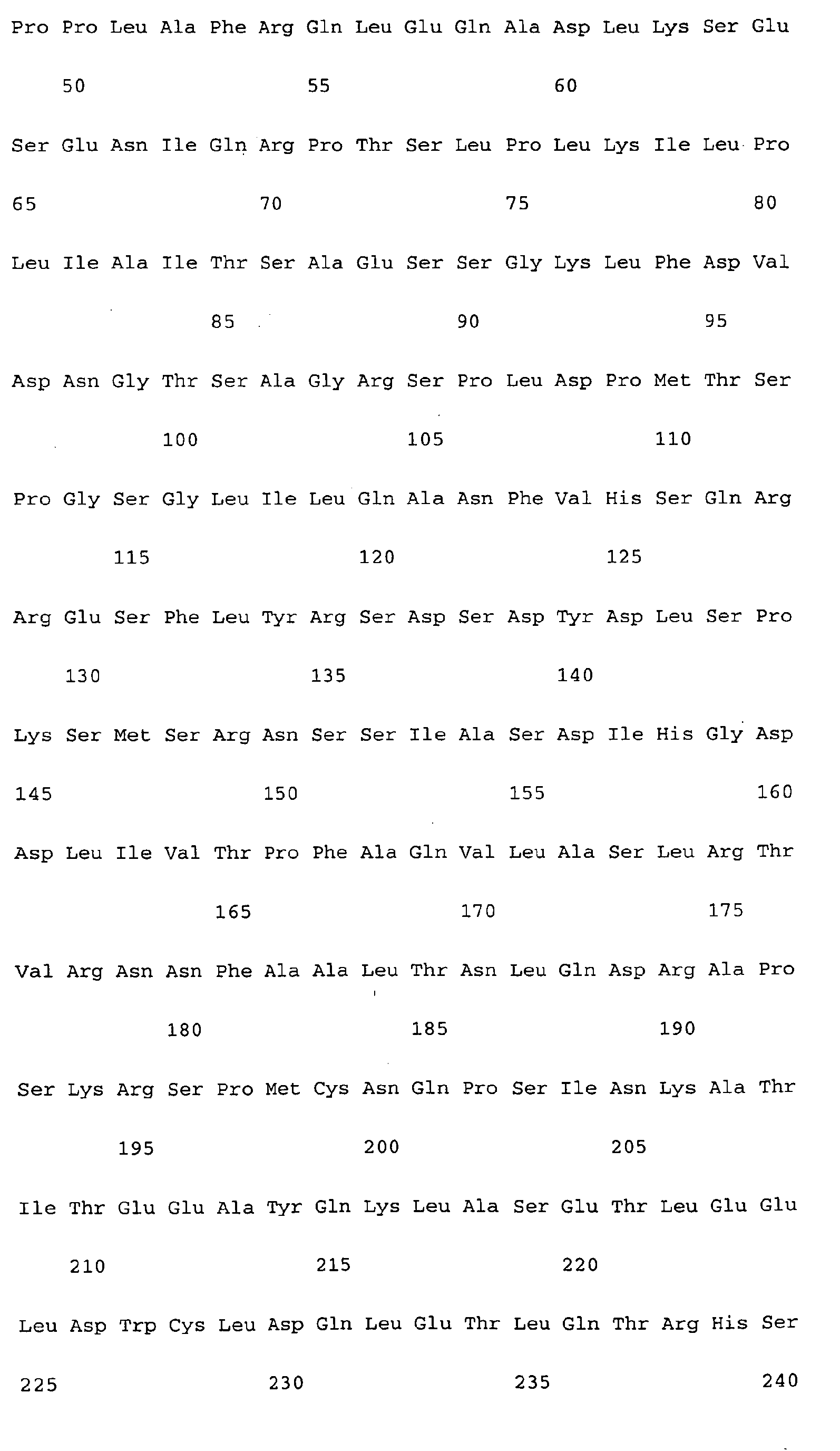


- <210> 6
- <211> 679
- <212> PRT
- <213> Homo sapiens
- <220>
- <221> PDE4D8
- <222> (1)..(679)
- <223>
- <220>
- <221> isoform_specific_N-terminus
- <222> (1)..(23)
- <223>
- <220>
- <221> LF1_splice_site
- <222> (23)..(23)
- <223>
- <220>
- <221> UCR1_start
- <222> (56)..(56)
- <223>
- <220>
- <221> UCR1_start-13
- <222> (43)..(43)
- <223>
- <220>
- <221> Ser54
- <222> (60)..(60)
- <223>
- <220>
- <221> Ser579
- <222> (585)..(585)
- <223>
- <400> 6


- <210> 7
- <211> 809
- <212> PRT
- <213> Homo sapiens
- <220>
- <221> PDE4D4
- <222> (1)..(809)
- <223>
- <220>
- <221> LF1_splice_site
- <222> (153)..(153)
- <223>
- <220>
- <221> UCR_1_start
- <222> (186)..(186)
- <223>
- <220>
- <221> UCR1_start_-13
- <222> (173)..(173)
- <223>
- <220>
- <221> Ser54
- <222> (190)..(190)
- <223>
- <220>
- <221> Ser579
- <222> (715)..(715)
- <223>
- <400> 7



- <210> 8
- <211> 1974
- <212> DNA
- <213> Homo sapiens
- <220>
- <221> PDE4D_core_contruct
- <222> (1)..(1974)
- <223>
- <400> 8
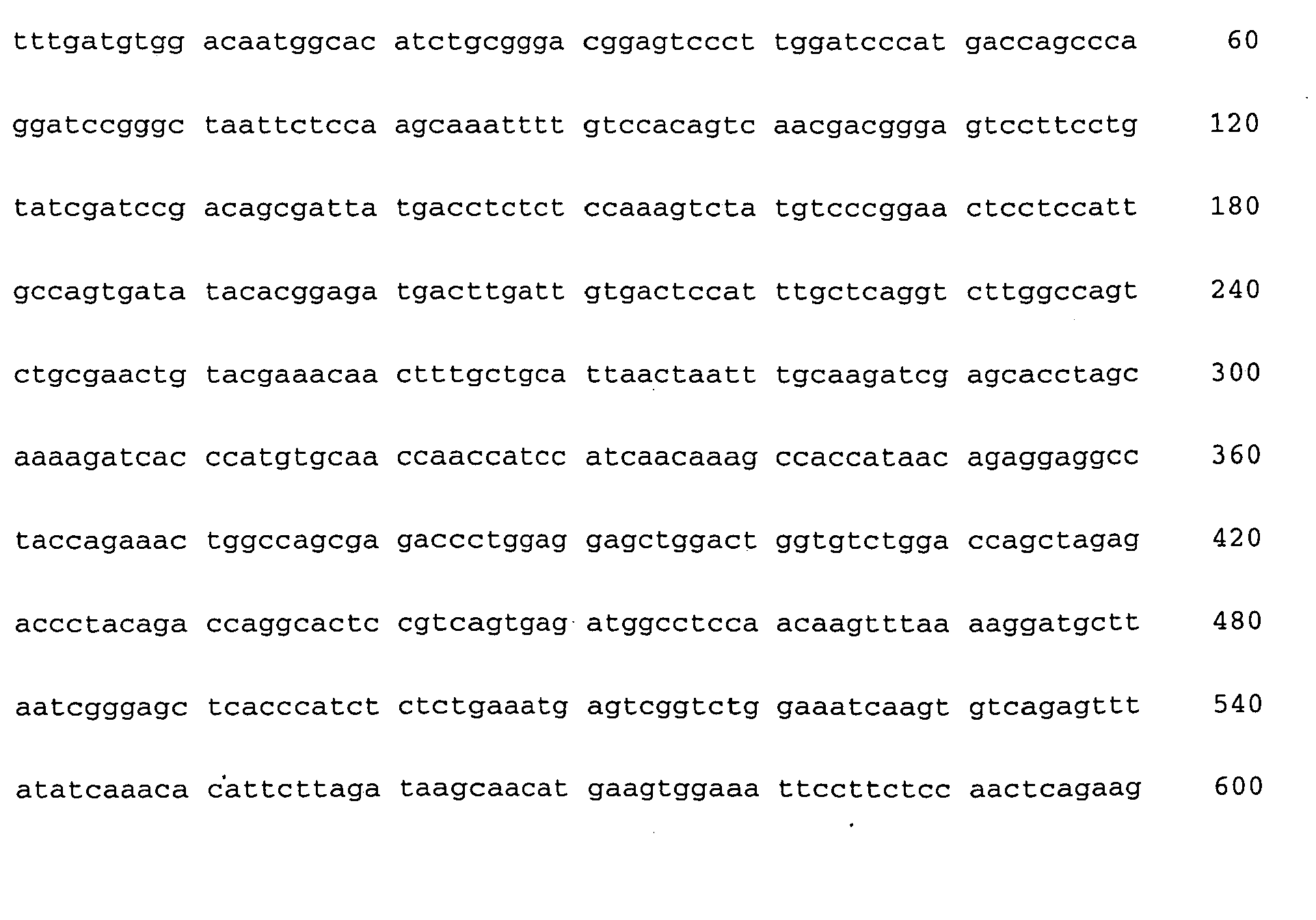

Claims (22)
- A polypeptide comprising a long form PDE4 polypeptide sequence with an amino-terminal deletion, wherein the polypeptide sequence starts at any amino acid located between the LF1 splice site and the first amino acid of the UCR1 start of the native long form PDE4 polypeptide, said polypeptide exhibiting decreased aggregate formation.
- The polypeptide of claim 1 wherein said PDE4 polypeptide sequence is a PDE4D polypeptide sequence.
- The polypeptide of any of claims 1 to 2, wherein the polypeptide sequence starts at the LF1 splice site of the native PDE4 polypeptide.
- The polypeptide of any of claims 1 to 3, wherein the PDE4 polypeptide sequence start is located 13 amino acids upstream of the UCR1 start of the native PDE4 polypeptide.
- The polypeptide of any of claims 2 to 4 wherein the PDE4D polypeptide sequence is a sequence of an isoform selected from the group consisting of D3, D4, D5, D6, D7, and D8.
- The polypeptide of claims 1 to 5 wherein said polypeptide comprises one or more mutations of Serine residues.
- The polypeptide of claim 6 wherein said Serine residues are mutated to either Alanine or Aspartic acid.
- The polypeptide of claims 6 or 7 wherein said Serine residues are selected from the group consisting of Ser residues corresponding to Ser54 and Ser579 in Seq ID No. 1.
- The polypeptide of any one of claims 1 to 5 wherein said polypeptide exhibits decreased tubulin association.
- A polynucleotide sequence encoding a polypeptide as claimed in claims 1 to 9.
- An expression vector or virus comprising a polynucleotide sequence as claimed in claim 10 and being capable of directing expression of the polynucleotide sequence in a compatible prokaryotic or eukaryotic host cell.
- A virus as claimed in claim 11 wherein the virus is a recombinant baculovirus.
- A prokaryotic or eukaryotic host cell transformed or infected with the expression vector or virus of claims 11 or 12.
- A host cell as claimed in claim 13, wherein the host cell is an insect cell.
- A process for the production of a polypeptide as claimed in claims 1 to 9, comprising culturing the host cell of claims 13 or 14 in a suitable medium so that said polypeptide is expressed, and purifying said polypeptide from the cells.
- A process for the production of a polypeptide as claimed in claim 15 wherein the host cell is an insect cell.
- A polypeptide according to claims 1 to 9 produced by the process of claims 15 or 16.
- A screening assay for the identification of agonists or antagonists of phosphodiesterase activity comprising at least one of the polypeptides of claims 1 to 9.
- A process for identifying a drug candidate for therapy of an inflammatory disease, said process comprising measuring the activation or inhibition of the phosphodiesterase activity of any of the polypeptides claimed in claims 1 to 9.
- Use of a polypeptide of claims 1 to 9 for identifying an agonist or antagonist of phosphodiesterase activity.
- Use of a polypeptide of claims 1 to 9 for crystallization.
- A kit for identifying agonists or antagonists of phosphodiesterase activity comprising at least one of the polypeptides of claims 1 to 9 and a radioactive or IMAP-FP phosphodiesterase kit.
Priority Applications (1)
| Application Number | Priority Date | Filing Date | Title |
|---|---|---|---|
| EP20030028083 EP1439221B1 (en) | 2002-12-17 | 2003-12-09 | PDE core construct |
Applications Claiming Priority (3)
| Application Number | Priority Date | Filing Date | Title |
|---|---|---|---|
| EP02028057 | 2002-12-17 | ||
| EP02028057 | 2002-12-17 | ||
| EP20030028083 EP1439221B1 (en) | 2002-12-17 | 2003-12-09 | PDE core construct |
Publications (2)
| Publication Number | Publication Date |
|---|---|
| EP1439221A1 EP1439221A1 (en) | 2004-07-21 |
| EP1439221B1 true EP1439221B1 (en) | 2007-01-24 |
Family
ID=32598784
Family Applications (1)
| Application Number | Title | Priority Date | Filing Date |
|---|---|---|---|
| EP20030028083 Expired - Lifetime EP1439221B1 (en) | 2002-12-17 | 2003-12-09 | PDE core construct |
Country Status (1)
| Country | Link |
|---|---|
| EP (1) | EP1439221B1 (en) |
Families Citing this family (10)
| Publication number | Priority date | Publication date | Assignee | Title |
|---|---|---|---|---|
| US7879840B2 (en) | 2005-08-25 | 2011-02-01 | The Trustees Of Columbia University In The City Of New York | Agents for preventing and treating disorders involving modulation of the RyR receptors |
| US8022058B2 (en) | 2000-05-10 | 2011-09-20 | The Trustees Of Columbia University In The City Of New York | Agents for preventing and treating disorders involving modulation of the RyR receptors |
| US7393652B2 (en) | 2000-05-10 | 2008-07-01 | The Trustees Of Columbia University In The City Of New York | Methods for identifying a chemical compound that directly enhances binding of FKBP12.6 to PKA-phosphorylated type 2 ryanodine receptor (RyR2) |
| US7718644B2 (en) | 2004-01-22 | 2010-05-18 | The Trustees Of Columbia University In The City Of New York | Anti-arrhythmic and heart failure drugs that target the leak in the ryanodine receptor (RyR2) and uses thereof |
| US7544678B2 (en) | 2002-11-05 | 2009-06-09 | The Trustees Of Columbia University In The City Of New York | Anti-arrythmic and heart failure drugs that target the leak in the ryanodine receptor (RyR2) |
| AU2004220548A1 (en) | 2003-03-07 | 2004-09-23 | The Trustees Of Columbia University, In The City Of New York | Type 1 ryanodine receptor-based methods |
| WO2004090157A1 (en) * | 2003-04-10 | 2004-10-21 | F. Hoffmann-La Roche Ag | The use of pde4d in the screening for medicaments against atherosclerosis |
| US8710045B2 (en) | 2004-01-22 | 2014-04-29 | The Trustees Of Columbia University In The City Of New York | Agents for preventing and treating disorders involving modulation of the ryanodine receptors |
| WO2006071603A2 (en) * | 2004-12-16 | 2006-07-06 | The Trustees Of Columbia University In The City Of New York | Phosphodiesterase 4d in the ryanodine receptor complex protects against heart failure |
| US7704990B2 (en) | 2005-08-25 | 2010-04-27 | The Trustees Of Columbia University In The City Of New York | Agents for preventing and treating disorders involving modulation of the RyR receptors |
Family Cites Families (2)
| Publication number | Priority date | Publication date | Assignee | Title |
|---|---|---|---|---|
| AU2001289034A1 (en) * | 2000-09-12 | 2002-03-26 | Joseph A. Beavo | Novel pdes and uses thereof |
| US20030054531A1 (en) * | 2001-03-19 | 2003-03-20 | Decode Genetics Ehf, | Human stroke gene |
-
2003
- 2003-12-09 EP EP20030028083 patent/EP1439221B1/en not_active Expired - Lifetime
Also Published As
| Publication number | Publication date |
|---|---|
| EP1439221A1 (en) | 2004-07-21 |
Similar Documents
| Publication | Publication Date | Title |
|---|---|---|
| CN111183220B (en) | Tool for glycan analysis | |
| US20160251636A1 (en) | New methods to produce active tert | |
| EP1439221A1 (en) | PDE core construct | |
| Wei et al. | Expression and reconstitution of calcineurin A and B subunits | |
| KR101294982B1 (en) | Fusionpolypeptide comprising protein scaffold and method for screening the peptide library specific for target protein using the same | |
| KR102420704B1 (en) | Method for increasing stability of target protein immobilized in silica nanoparticle by salt treatment | |
| US20050106581A1 (en) | Modified phosphodiesterase polypeptides with altered physiochemical properties | |
| JP5863046B2 (en) | Improved porcine liver esterase | |
| JP2003521912A (en) | Mammalian sphingosine-1-phosphate phosphatase | |
| CN104781275A (en) | Modified APOL1 polypeptides | |
| Rao-Naik et al. | Ubiquitin-specific proteases from Arabidopsis thaliana: cloning of AtUBP5 and analysis of substrate specificity of AtUBP3, AtUBP4, and AtUBP5 using Escherichia coli in vivo and in vitro assays | |
| Liu et al. | Cloning and preliminary characterization of a 105 kDa protein with an N-terminal kinase-like domain | |
| WO1996039527A1 (en) | Cell-cycle regulatory proteins from human pathogens, and uses related thereto | |
| US20090298108A1 (en) | Method for Identifying PDE11 Modulators | |
| Maranville et al. | The carboxyl terminus of coffee bean α-galactosidase is critical for enzyme activity | |
| US7732209B2 (en) | Hyperactive, non-phosphorylated, mutant transposases of mariner mobile genetic elements | |
| JP2008500824A (en) | Identification method of PDE5 modulator | |
| CN114807086A (en) | Holidai connector dissociation enzyme DrRuvC and coding gene and application thereof | |
| von Besser et al. | Molecular cloning and characterization of ornithine decarboxylase cDNA of the nematode Panagrellus redivivus | |
| JP4191479B2 (en) | Shrimp Alkaline Phosphatase | |
| JP2002524047A (en) | IKR-1 and IKR-2 protein kinases related to I kappa B kinase | |
| ZHANG et al. | Expression, purification and crystal structure of a truncated acylpeptide hydrolase from Aeropyrum pernix K1 | |
| HanHui et al. | Expression, Purification and in vitro Nmyristoylation of Human Src N terminal Region | |
| WO2002083883A2 (en) | Human phosphodiesterase 9a isoform | |
| JP2002355048A (en) | Ribonucleotide reductase R1 and its inhibitory peptide |
Legal Events
| Date | Code | Title | Description |
|---|---|---|---|
| PUAI | Public reference made under article 153(3) epc to a published international application that has entered the european phase |
Free format text: ORIGINAL CODE: 0009012 |
|
| AK | Designated contracting states |
Kind code of ref document: A1 Designated state(s): AT BE BG CH CY CZ DE DK EE ES FI FR GB GR HU IE IT LI LU MC NL PT RO SE SI SK TR |
|
| AX | Request for extension of the european patent |
Extension state: AL LT LV MK |
|
| 17P | Request for examination filed |
Effective date: 20050121 |
|
| AKX | Designation fees paid |
Designated state(s): CH DE FR GB LI |
|
| GRAP | Despatch of communication of intention to grant a patent |
Free format text: ORIGINAL CODE: EPIDOSNIGR1 |
|
| GRAS | Grant fee paid |
Free format text: ORIGINAL CODE: EPIDOSNIGR3 |
|
| GRAA | (expected) grant |
Free format text: ORIGINAL CODE: 0009210 |
|
| AK | Designated contracting states |
Kind code of ref document: B1 Designated state(s): CH DE FR GB LI |
|
| REG | Reference to a national code |
Ref country code: GB Ref legal event code: FG4D |
|
| REG | Reference to a national code |
Ref country code: CH Ref legal event code: EP |
|
| REF | Corresponds to: |
Ref document number: 60311409 Country of ref document: DE Date of ref document: 20070315 Kind code of ref document: P |
|
| ET | Fr: translation filed | ||
| PLBE | No opposition filed within time limit |
Free format text: ORIGINAL CODE: 0009261 |
|
| STAA | Information on the status of an ep patent application or granted ep patent |
Free format text: STATUS: NO OPPOSITION FILED WITHIN TIME LIMIT |
|
| 26N | No opposition filed |
Effective date: 20071025 |
|
| REG | Reference to a national code |
Ref country code: FR Ref legal event code: PLFP Year of fee payment: 13 |
|
| REG | Reference to a national code |
Ref country code: FR Ref legal event code: PLFP Year of fee payment: 14 |
|
| REG | Reference to a national code |
Ref country code: FR Ref legal event code: PLFP Year of fee payment: 15 |
|
| PGFP | Annual fee paid to national office [announced via postgrant information from national office to epo] |
Ref country code: FR Payment date: 20171120 Year of fee payment: 15 |
|
| PGFP | Annual fee paid to national office [announced via postgrant information from national office to epo] |
Ref country code: GB Payment date: 20171128 Year of fee payment: 15 Ref country code: CH Payment date: 20171025 Year of fee payment: 15 |
|
| PGFP | Annual fee paid to national office [announced via postgrant information from national office to epo] |
Ref country code: DE Payment date: 20171221 Year of fee payment: 15 |
|
| REG | Reference to a national code |
Ref country code: DE Ref legal event code: R119 Ref document number: 60311409 Country of ref document: DE |
|
| REG | Reference to a national code |
Ref country code: CH Ref legal event code: PL |
|
| GBPC | Gb: european patent ceased through non-payment of renewal fee |
Effective date: 20181209 |
|
| PG25 | Lapsed in a contracting state [announced via postgrant information from national office to epo] |
Ref country code: DE Free format text: LAPSE BECAUSE OF NON-PAYMENT OF DUE FEES Effective date: 20190702 Ref country code: FR Free format text: LAPSE BECAUSE OF NON-PAYMENT OF DUE FEES Effective date: 20181231 |
|
| PG25 | Lapsed in a contracting state [announced via postgrant information from national office to epo] |
Ref country code: CH Free format text: LAPSE BECAUSE OF NON-PAYMENT OF DUE FEES Effective date: 20181231 Ref country code: LI Free format text: LAPSE BECAUSE OF NON-PAYMENT OF DUE FEES Effective date: 20181231 Ref country code: GB Free format text: LAPSE BECAUSE OF NON-PAYMENT OF DUE FEES Effective date: 20181209 |