EP1437042A1 - Hair follicle-reconstitution system and animal carrying the same - Google Patents
Hair follicle-reconstitution system and animal carrying the same Download PDFInfo
- Publication number
- EP1437042A1 EP1437042A1 EP02767910A EP02767910A EP1437042A1 EP 1437042 A1 EP1437042 A1 EP 1437042A1 EP 02767910 A EP02767910 A EP 02767910A EP 02767910 A EP02767910 A EP 02767910A EP 1437042 A1 EP1437042 A1 EP 1437042A1
- Authority
- EP
- European Patent Office
- Prior art keywords
- cells
- mouse
- hair
- melanocytes
- derived
- Prior art date
- Legal status (The legal status is an assumption and is not a legal conclusion. Google has not performed a legal analysis and makes no representation as to the accuracy of the status listed.)
- Ceased
Links
- 210000004209 hair Anatomy 0.000 title claims abstract description 97
- 241001465754 Metazoa Species 0.000 title claims description 83
- 210000004027 cell Anatomy 0.000 claims abstract description 97
- 210000002752 melanocyte Anatomy 0.000 claims abstract description 88
- 210000003780 hair follicle Anatomy 0.000 claims abstract description 46
- 210000001339 epidermal cell Anatomy 0.000 claims abstract description 38
- XUMBMVFBXHLACL-UHFFFAOYSA-N Melanin Chemical compound O=C1C(=O)C(C2=CNC3=C(C(C(=O)C4=C32)=O)C)=C2C4=CNC2=C1C XUMBMVFBXHLACL-UHFFFAOYSA-N 0.000 claims description 26
- 230000000694 effects Effects 0.000 claims description 22
- 229940079593 drug Drugs 0.000 claims description 20
- 239000003814 drug Substances 0.000 claims description 20
- 238000000034 method Methods 0.000 claims description 19
- 210000004927 skin cell Anatomy 0.000 claims description 18
- 210000003491 skin Anatomy 0.000 claims description 14
- 238000011156 evaluation Methods 0.000 claims description 10
- 238000011580 nude mouse model Methods 0.000 claims description 10
- 230000002950 deficient Effects 0.000 claims description 9
- 238000002054 transplantation Methods 0.000 claims description 7
- 210000002615 epidermis Anatomy 0.000 claims description 6
- 230000008859 change Effects 0.000 claims description 5
- 238000012544 monitoring process Methods 0.000 claims description 5
- 238000011579 SCID mouse model Methods 0.000 claims description 2
- 239000000126 substance Substances 0.000 claims description 2
- 239000003795 chemical substances by application Substances 0.000 claims 1
- 230000002708 enhancing effect Effects 0.000 claims 1
- 239000004615 ingredient Substances 0.000 claims 1
- 230000037308 hair color Effects 0.000 abstract description 8
- 238000010171 animal model Methods 0.000 abstract description 5
- 241000699666 Mus <mouse, genus> Species 0.000 description 38
- 239000007788 liquid Substances 0.000 description 17
- 230000002500 effect on skin Effects 0.000 description 12
- 210000004207 dermis Anatomy 0.000 description 11
- 102000004142 Trypsin Human genes 0.000 description 10
- 108090000631 Trypsin Proteins 0.000 description 10
- 239000012588 trypsin Substances 0.000 description 10
- 230000009471 action Effects 0.000 description 9
- 108090000623 proteins and genes Proteins 0.000 description 8
- 238000012216 screening Methods 0.000 description 8
- 239000002953 phosphate buffered saline Substances 0.000 description 7
- 241000894007 species Species 0.000 description 7
- 210000001519 tissue Anatomy 0.000 description 7
- 239000006285 cell suspension Substances 0.000 description 6
- 239000012091 fetal bovine serum Substances 0.000 description 6
- 239000011159 matrix material Substances 0.000 description 6
- 230000003213 activating effect Effects 0.000 description 5
- 230000008569 process Effects 0.000 description 5
- 238000011830 transgenic mouse model Methods 0.000 description 5
- 230000003779 hair growth Effects 0.000 description 4
- 210000002510 keratinocyte Anatomy 0.000 description 4
- 230000036564 melanin content Effects 0.000 description 4
- 239000011148 porous material Substances 0.000 description 4
- 230000004936 stimulating effect Effects 0.000 description 4
- 239000000725 suspension Substances 0.000 description 4
- ALYNCZNDIQEVRV-UHFFFAOYSA-N 4-aminobenzoic acid Chemical compound NC1=CC=C(C(O)=O)C=C1 ALYNCZNDIQEVRV-UHFFFAOYSA-N 0.000 description 3
- 102000029816 Collagenase Human genes 0.000 description 3
- 108060005980 Collagenase Proteins 0.000 description 3
- 230000001133 acceleration Effects 0.000 description 3
- 229960002424 collagenase Drugs 0.000 description 3
- 230000004069 differentiation Effects 0.000 description 3
- 239000013604 expression vector Substances 0.000 description 3
- 210000003953 foreskin Anatomy 0.000 description 3
- 210000000056 organ Anatomy 0.000 description 3
- 238000002360 preparation method Methods 0.000 description 3
- 102000004190 Enzymes Human genes 0.000 description 2
- 108090000790 Enzymes Proteins 0.000 description 2
- LFQSCWFLJHTTHZ-UHFFFAOYSA-N Ethanol Chemical compound CCO LFQSCWFLJHTTHZ-UHFFFAOYSA-N 0.000 description 2
- 108010043121 Green Fluorescent Proteins Proteins 0.000 description 2
- 102000004144 Green Fluorescent Proteins Human genes 0.000 description 2
- 241000699670 Mus sp. Species 0.000 description 2
- 108700008625 Reporter Genes Proteins 0.000 description 2
- 230000003247 decreasing effect Effects 0.000 description 2
- LOKCTEFSRHRXRJ-UHFFFAOYSA-I dipotassium trisodium dihydrogen phosphate hydrogen phosphate dichloride Chemical compound P(=O)(O)(O)[O-].[K+].P(=O)(O)([O-])[O-].[Na+].[Na+].[Cl-].[K+].[Cl-].[Na+] LOKCTEFSRHRXRJ-UHFFFAOYSA-I 0.000 description 2
- 201000010099 disease Diseases 0.000 description 2
- 208000037265 diseases, disorders, signs and symptoms Diseases 0.000 description 2
- 229940088598 enzyme Drugs 0.000 description 2
- 210000000981 epithelium Anatomy 0.000 description 2
- 238000002474 experimental method Methods 0.000 description 2
- 239000005090 green fluorescent protein Substances 0.000 description 2
- 230000012010 growth Effects 0.000 description 2
- 230000031774 hair cycle Effects 0.000 description 2
- 238000001727 in vivo Methods 0.000 description 2
- 239000003550 marker Substances 0.000 description 2
- 230000005012 migration Effects 0.000 description 2
- 238000013508 migration Methods 0.000 description 2
- 102000004169 proteins and genes Human genes 0.000 description 2
- 239000000243 solution Substances 0.000 description 2
- 210000000130 stem cell Anatomy 0.000 description 2
- 108091003079 Bovine Serum Albumin Proteins 0.000 description 1
- KCXVZYZYPLLWCC-UHFFFAOYSA-N EDTA Chemical compound OC(=O)CN(CC(O)=O)CCN(CC(O)=O)CC(O)=O KCXVZYZYPLLWCC-UHFFFAOYSA-N 0.000 description 1
- 239000006145 Eagle's minimal essential medium Substances 0.000 description 1
- 241000699660 Mus musculus Species 0.000 description 1
- 102000003425 Tyrosinase Human genes 0.000 description 1
- 108060008724 Tyrosinase Proteins 0.000 description 1
- 238000002835 absorbance Methods 0.000 description 1
- 238000005054 agglomeration Methods 0.000 description 1
- 230000002776 aggregation Effects 0.000 description 1
- 229960004050 aminobenzoic acid Drugs 0.000 description 1
- 230000003444 anaesthetic effect Effects 0.000 description 1
- 230000003698 anagen phase Effects 0.000 description 1
- 238000004458 analytical method Methods 0.000 description 1
- 210000004102 animal cell Anatomy 0.000 description 1
- 230000003778 catagen phase Effects 0.000 description 1
- 238000004113 cell culture Methods 0.000 description 1
- 210000002808 connective tissue Anatomy 0.000 description 1
- 239000002537 cosmetic Substances 0.000 description 1
- 238000009826 distribution Methods 0.000 description 1
- 230000003203 everyday effect Effects 0.000 description 1
- 210000003754 fetus Anatomy 0.000 description 1
- 230000003325 follicular Effects 0.000 description 1
- 238000007710 freezing Methods 0.000 description 1
- 238000002825 functional assay Methods 0.000 description 1
- 230000009395 genetic defect Effects 0.000 description 1
- 239000001963 growth medium Substances 0.000 description 1
- 229940088597 hormone Drugs 0.000 description 1
- 239000005556 hormone Substances 0.000 description 1
- 230000006872 improvement Effects 0.000 description 1
- 230000006698 induction Effects 0.000 description 1
- 238000004519 manufacturing process Methods 0.000 description 1
- 239000002609 medium Substances 0.000 description 1
- 230000008099 melanin synthesis Effects 0.000 description 1
- 108020004999 messenger RNA Proteins 0.000 description 1
- 230000002093 peripheral effect Effects 0.000 description 1
- 230000035755 proliferation Effects 0.000 description 1
- 230000002040 relaxant effect Effects 0.000 description 1
- 210000004918 root sheath Anatomy 0.000 description 1
- 210000001732 sebaceous gland Anatomy 0.000 description 1
- 230000004083 survival effect Effects 0.000 description 1
- 230000003797 telogen phase Effects 0.000 description 1
- 230000008719 thickening Effects 0.000 description 1
- 210000001541 thymus gland Anatomy 0.000 description 1
- 230000009261 transgenic effect Effects 0.000 description 1
- 238000005406 washing Methods 0.000 description 1
Images
Classifications
-
- C—CHEMISTRY; METALLURGY
- C12—BIOCHEMISTRY; BEER; SPIRITS; WINE; VINEGAR; MICROBIOLOGY; ENZYMOLOGY; MUTATION OR GENETIC ENGINEERING
- C12N—MICROORGANISMS OR ENZYMES; COMPOSITIONS THEREOF; PROPAGATING, PRESERVING, OR MAINTAINING MICROORGANISMS; MUTATION OR GENETIC ENGINEERING; CULTURE MEDIA
- C12N5/00—Undifferentiated human, animal or plant cells, e.g. cell lines; Tissues; Cultivation or maintenance thereof; Culture media therefor
- C12N5/10—Cells modified by introduction of foreign genetic material
- C12N5/12—Fused cells, e.g. hybridomas
- C12N5/16—Animal cells
-
- C—CHEMISTRY; METALLURGY
- C12—BIOCHEMISTRY; BEER; SPIRITS; WINE; VINEGAR; MICROBIOLOGY; ENZYMOLOGY; MUTATION OR GENETIC ENGINEERING
- C12N—MICROORGANISMS OR ENZYMES; COMPOSITIONS THEREOF; PROPAGATING, PRESERVING, OR MAINTAINING MICROORGANISMS; MUTATION OR GENETIC ENGINEERING; CULTURE MEDIA
- C12N5/00—Undifferentiated human, animal or plant cells, e.g. cell lines; Tissues; Cultivation or maintenance thereof; Culture media therefor
- C12N5/06—Animal cells or tissues; Human cells or tissues
- C12N5/0697—Artificial constructs associating cells of different lineages, e.g. tissue equivalents
- C12N5/0698—Skin equivalents
-
- A—HUMAN NECESSITIES
- A01—AGRICULTURE; FORESTRY; ANIMAL HUSBANDRY; HUNTING; TRAPPING; FISHING
- A01K—ANIMAL HUSBANDRY; AVICULTURE; APICULTURE; PISCICULTURE; FISHING; REARING OR BREEDING ANIMALS, NOT OTHERWISE PROVIDED FOR; NEW BREEDS OF ANIMALS
- A01K67/00—Rearing or breeding animals, not otherwise provided for; New or modified breeds of animals
- A01K67/027—New or modified breeds of vertebrates
- A01K67/0271—Chimeric vertebrates, e.g. comprising exogenous cells
-
- C—CHEMISTRY; METALLURGY
- C12—BIOCHEMISTRY; BEER; SPIRITS; WINE; VINEGAR; MICROBIOLOGY; ENZYMOLOGY; MUTATION OR GENETIC ENGINEERING
- C12N—MICROORGANISMS OR ENZYMES; COMPOSITIONS THEREOF; PROPAGATING, PRESERVING, OR MAINTAINING MICROORGANISMS; MUTATION OR GENETIC ENGINEERING; CULTURE MEDIA
- C12N5/00—Undifferentiated human, animal or plant cells, e.g. cell lines; Tissues; Cultivation or maintenance thereof; Culture media therefor
- C12N5/06—Animal cells or tissues; Human cells or tissues
- C12N5/0602—Vertebrate cells
- C12N5/0625—Epidermal cells, skin cells; Cells of the oral mucosa
- C12N5/0626—Melanocytes
-
- C—CHEMISTRY; METALLURGY
- C12—BIOCHEMISTRY; BEER; SPIRITS; WINE; VINEGAR; MICROBIOLOGY; ENZYMOLOGY; MUTATION OR GENETIC ENGINEERING
- C12N—MICROORGANISMS OR ENZYMES; COMPOSITIONS THEREOF; PROPAGATING, PRESERVING, OR MAINTAINING MICROORGANISMS; MUTATION OR GENETIC ENGINEERING; CULTURE MEDIA
- C12N5/00—Undifferentiated human, animal or plant cells, e.g. cell lines; Tissues; Cultivation or maintenance thereof; Culture media therefor
- C12N5/06—Animal cells or tissues; Human cells or tissues
- C12N5/0602—Vertebrate cells
- C12N5/0625—Epidermal cells, skin cells; Cells of the oral mucosa
- C12N5/0627—Hair cells
-
- A—HUMAN NECESSITIES
- A01—AGRICULTURE; FORESTRY; ANIMAL HUSBANDRY; HUNTING; TRAPPING; FISHING
- A01K—ANIMAL HUSBANDRY; AVICULTURE; APICULTURE; PISCICULTURE; FISHING; REARING OR BREEDING ANIMALS, NOT OTHERWISE PROVIDED FOR; NEW BREEDS OF ANIMALS
- A01K2227/00—Animals characterised by species
- A01K2227/10—Mammal
- A01K2227/105—Murine
-
- A—HUMAN NECESSITIES
- A01—AGRICULTURE; FORESTRY; ANIMAL HUSBANDRY; HUNTING; TRAPPING; FISHING
- A01K—ANIMAL HUSBANDRY; AVICULTURE; APICULTURE; PISCICULTURE; FISHING; REARING OR BREEDING ANIMALS, NOT OTHERWISE PROVIDED FOR; NEW BREEDS OF ANIMALS
- A01K2267/00—Animals characterised by purpose
- A01K2267/03—Animal model, e.g. for test or diseases
-
- C—CHEMISTRY; METALLURGY
- C12—BIOCHEMISTRY; BEER; SPIRITS; WINE; VINEGAR; MICROBIOLOGY; ENZYMOLOGY; MUTATION OR GENETIC ENGINEERING
- C12N—MICROORGANISMS OR ENZYMES; COMPOSITIONS THEREOF; PROPAGATING, PRESERVING, OR MAINTAINING MICROORGANISMS; MUTATION OR GENETIC ENGINEERING; CULTURE MEDIA
- C12N2502/00—Coculture with; Conditioned medium produced by
- C12N2502/09—Coculture with; Conditioned medium produced by epidermal cells, skin cells, oral mucosa cells
- C12N2502/094—Coculture with; Conditioned medium produced by epidermal cells, skin cells, oral mucosa cells keratinocytes
-
- C—CHEMISTRY; METALLURGY
- C12—BIOCHEMISTRY; BEER; SPIRITS; WINE; VINEGAR; MICROBIOLOGY; ENZYMOLOGY; MUTATION OR GENETIC ENGINEERING
- C12N—MICROORGANISMS OR ENZYMES; COMPOSITIONS THEREOF; PROPAGATING, PRESERVING, OR MAINTAINING MICROORGANISMS; MUTATION OR GENETIC ENGINEERING; CULTURE MEDIA
- C12N2502/00—Coculture with; Conditioned medium produced by
- C12N2502/13—Coculture with; Conditioned medium produced by connective tissue cells; generic mesenchyme cells, e.g. so-called "embryonic fibroblasts"
- C12N2502/1323—Adult fibroblasts
Definitions
- This invention relates to experimental animals which carry a hair-follicle reconstitution system, and to a cell-system by which to prepare said experimental animals and also to the use thereof.
- chimera animals and transgenic animals which can stably reproduce animal reaction that is directed to a specific objective have been developed chiefly as a model of specific diseases or for the purpose of explicating the cause of specific diseases.
- a nude mouse to be used for assaying hair-follicle reconstitution, on which hair germ (hair-follicle progenitor cells which exist as keratinocyte agglomeration on the skin of neonatal mouse) has been transplanted together with hair-inducible dermal papilla cells (derived from mustache of rat) (Lichti et al., J. Invest. Dermatol. 101: 124129, 1993).
- a phenomenon which is to be referred to together with hair induction is the color tone of hair.
- the color tone of hair is considered, in most cases, to be given by melanin which is produced by melanocytes in the vicinity of hair matrix and is supplied to hair-forming cells. It is said that the main cause of the graying of hair is that such melanocytes have ceased to produce melanin or produce only a very small amount of melanin, or that melanocytes have decreased or disappeared.
- melanocytes which have sharply decreased or disappeared from hair follicles through catagen (a period when hair ceases to grow, hair follicles are shortened, and club hair is formed) and telogen, is complemented in the next anagen and adjusts the color tone of hair (or, it is unknown from where melanocytes come), etc.
- anti-graying activity or "anti-graying effect” means a hair graying-inhibitory property which can be evaluated by at least one activity of melanocytes selected from the group consisting of growth acceleration, migration activity acceleration, differentiation ability acceleration, survivability improvement and melanin-productivity, which activity is indicated by the color of hair.
- so-called reconstituted hair follicles as explained above can be obtained by the addition of extraneous melanocytes whether they may be homogenous or heterogenous, and that melanocytes in thus reconsitituted hair follicles can be maintained active.
- this invention provides a system for hair follicle-reconstitution which comprises a combination of dermal papilla cells and epidermal cells and further melanocytes which are extraneous to these cells.
- this invention provides a reconstituted hair follicles-carrying animal which is prepared by the transplantation of the above-mentioned system onto a recipient animal.
- this invention further provides a method to evaluate the melanocyte-activating capability of a certain means which method is characterized by preparing the above-mentioned chimera animal as a subject, treating said subject animal with a certain means, monitoring the activity of melanocytes in reconstituted hair follicles of thus treated subject animal, and finding a correlation between the degree of change of said activity in comparison with an untreated control and the melanocyte-activating capability of said means.
- DP skin papilla cells
- dermal papilla cells means a concept which broadly includes cells which constitute a tissue called dermal papilla in the lowermost part of hair follicle, and dermal papilla with its peripheral cells and tissues so long as they serve to achieve the objective of this invention.
- An example of such a tissue is dermis which contains hair papilla cells.
- such cells when mouse-derived ones are taken as an example, can be obtained from a neonate (to be used within four days of birth) which is born from a transgenic mouse (Ver-LacZ) into which an expression vector composed of a suitable reporter gene [e.g., LacZ gene, green fluorescent protein (GFP)] connected to the downstream of Vercican promoter has been introduced, by taking the expression of the reporter gene as a sign.
- a suitable reporter gene e.g., LacZ gene, green fluorescent protein (GFP)
- GFP green fluorescent protein
- Epidermal cells are cells which constitute the major part of epidermis or epithelium of skin, and are formed from a layer of basement cells which is in contact with dermis.
- epidermal cells derived from neonate (or fetus) are preferably used as the above-mentioned epidermal cells.
- cell culture in the form of keratinocyte is also usable. Such cells may be prepared from skin of desired donor animal by any known method.
- the above-mentioned hair papilla cells or dermis which contains hair papilla cells and epidermal cells are usable regardless of the species of donor animal so long as they can be transplanted on recipient animal.
- Donor animal is, however, preferably homogenous to recipient animal.
- both of the above-mentioned cells may be derived from mouse.
- both of the cells do not need to be derived from the same strain of mice.
- hair papilla cells or dermis which contains hair papilla cells are obtained from either of the above-mentioned transgenic mouse (e.g., Ver-LacZ strain) in which hair papilla cells are easily confirmed, and that epidermal cells are obtained from mouse selected from the group consisting of ICR strain having albinic nature (with a genetic defect in tyrosinase) and melanocyte-deficient strain (e.g., W sh /W sb mouse).
- epidermal cells obtained from such an albinic or melanocyte-deficient animal are preferably used since they facilitate the monitoring of the behavior of extraneous melanocytes as mentioned later.
- the above-mentioned transgenic mouse may be derived from mouse selected from the group consisting of ICR strain and melanocyte-deficient strain.
- extraneous melanocytes means that melanocytes are different in origin from hair papilla cells and epidermal cells.
- melanocytes include not only melanocytes derived from an animal of a species different from that of animals from which hair papilla cells or epidermal cells are derived, but also melanocytes derived from an animal which is the same in terms of species and strain as, but is individually different from, animals from which hair papilla cells or epidermal cells are derived. This means that, even though endogenous melanocytes are mixed with a preparation of hair papilla cells or epidermal cells, additional melanocytes other than said endogenous ones are necessarily contained in the intended system.
- melanocytes are preferably derived from an animal other than mouse, e.g., human being.
- Such a preferable combination makes it possible to trace, in reconstituted hair follicles, the distribution of melanocytes regardless of the state of differentiation of melanocytes (e.g., the use of antibody to human melanocytes or of specific antibody to human being, or the use of specific gene sequence of human being or of specific gene sequence of human melanocytes).
- This invention is characterized also in that, in so-called chimera reconstituted hair follicles which comprise hair papilla cells (mouse), epidermal cells (mouse) and melanocytes (human being), melanocytes maintain their activity (e.g., melanin-producing activity).
- This invention is further characterized by its capability of searching out means which can act on human melanocytes in an evaluation method as mentioned later.
- Melanocytes to be used in this invention may be derived from animal of any species so long as they can produce melanin to achieve the objective of this invention.
- human-derived melanocytes are preferably used as explained above.
- Melanocytes may be prepared from any suitable tissue such as epidermis and foreskin by any publicly known method. Products on the market are also usable.
- human-derived cultured melanocytes are available from Cascade Co. or Kurashiki Boseki K.K. under the name of NHEM cells.
- Hair papilla cells and epidermal cells are preferably derived from animal of the same species as recipient animal. Concrete examples of such an animal include mouse and rat in view of the objective of this invention.
- the "system for reconstituting hair follicles" of this invention comprises a combination of the above-mentioned hair papilla cells, epidermal cells and extraneous melanocytes.
- the wording "system ... comprises " not only means that the system includes the above-mentioned cells as one, but also means an embodiment wherein the cells are separately stored, e.g., kept in separate containers, so that they may be used as one in the future. Hence, so long as the cells are used for the purpose of achieving the above-mentioned system, it falls within the scope of this invention.
- the phrase "for reconstituting hair follicles" means that the system can bring about reconstituted hair follicles (or chimeric hair follicles) which serve as an organ to support hair restoration or hair growth in recipient animal.
- hair follicles or chimeric hair follicles
- Examples of such an organ include hair papilla cells, hair matrix, follicular epidermal cells and tissues (e.g., root sheath), sebaceous glands and connective tissue which surrounds hair follicles.
- the system of this invention When transplanted onto a suitable recipient animal, the system of this invention as mentioned above provides a chimera animal which carries reconstituted hair follicles.
- a chimera animal has active (preferably xenogenic animal-derived) melanocytes in hair follicles, and is therefore useful for the evaluation of means (including drug and environment) which may influence the function or activity of melanocytes.
- Recipient animal is preferably an immunodeficient animal regardless of the origin of cells which are contained in the system to be transplanted on said animal.
- any will do so long as the animal of the species is usable as an experimental animal and meets the purpose of this invention.
- Preferable examples include mouse and rat.
- nude mouse which has a thymus deficient phenotype if mouse is to be taken as an example.
- nude mouse e.g., Balb/c nu/nu strain
- SCID mouse e.g., Balb/c SCID
- nude rat e.g., F344/N Jcl rnu
- Reconstituted hair follicles which are obtained by using such a recipient animal as mentioned above, and by using such epidermal cells as derived from albinic mouse (e.g., ICR strain) or melanocyte-deficient mouse (e.g., W sh /W sh ) are especially preferable since it is easy to trace the activity of melanocytes which are contained in said hair follicles.
- albinic mouse e.g., ICR strain
- melanocyte-deficient mouse e.g., W sh /W sh
- melanin-containing hair is induced and grown from reconstituted hair follicles so long as the above-mentioned especially preferable recipient animal and epidermal cells are used.
- the production of melanin is observed also in a region which surrounds hair follicles.
- the color of hair does not change, e.g., from gray to white, during said period, and, thus, it is confirmed that melanin-producing melanocytes exist in reconstituted hair follicles for a long time.
- the color of hair when a large amount of human-derived melanocytes is mixed in transplantation, the color of hair generally looks dark. On this account, it is considered that the color of reconstituted hair depends on the amount of melanin produced by human-derived melanocytes around dermal papilla cells.
- the above-mentioned system of this invention for reconstituting hair follicles may be transplanted on recipient animal by any publicly known method.
- said system when said system is to be transplanted on the back portion of nude mouse, there are used about 500,000 to 10,000,000, preferably about 1,000,000 to about 4,000,000, dermal papilla cells, about 1,000,000 to 40,000,000, preferably about 10,000,000 to about 20,000,000, mouse epidermal cells, and about 500,000 to 10,000,000, preferably about 1,000,000 to 5,000,000, cultured human melanocytes (DARK) in a circle with a diameter of 1 cm on said back portion.
- DARK cultured human melanocytes
- chimera animal which carries such reconstituted hair follicles as mentioned above, melanin-containing hair is induced from reconstituted hair follicles and grown for a long period of time. It is considered therefore that cells, tissue or organ such as melanocytes, hair papilla and hair matrix which participate in hair-growing or hair color thickening are working normally.
- chimera animal in accordance with this invention is usable for:
- melanocyte-activating drugs or melanocyte-activating chemicals in accordance with this invention include drugs which deepen the hair color by stimulating and activating some or all of the growth, differentiation, proliferation, survival and migration activity of melanocytes, the activity being indicated by hair color.
- An embodiment of this invention which is to be used in the above-explained manner is a method to evaluate melanocyte-activating ability which comprises:
- melanocyte-activating ability can be evaluated by the amount of melanin in hair which has been regrown from reconstituted hair follicles. It may also be possible to evaluate, by the degree of hair restoration and hair growth, the influence of the means of step (B) on one or both of dermal papilla cells and hair matrix.
- a means include environment in which the subject animal is put, e.g., a stressful environment and a relaxing environment in contrast thereto, drugs which are applied to reconstituted hair follicles of subject animal or which are injected subcutaneously to subject animal, or drugs with which melanocytes are previously treated, or drugs which are perorally administered. Drugs may be added to the above-mentioned system for reconstituting hair follicles when a reconstituted hair follicles-carrying chimera animal is prepared.
- the above-mentioned monitoring of melanocytes may be conducted by assaying, through any known method, enzyme per se in melanin-biosynthesis course or by assaying DNA or mRNA which encodes such an enzyme, when reconstituted hair follicles are to be prepared with use of human-derived melanocytes.
- there may be measured melanin content in a hair which has newly been regrown or grown after a hair of chimera animal is pulled out or cut, or in a hair which has newly been regrown after one hair cycle is over.
- Example 1 Mouse-derived hair papilla cells
- Per one recipient animal there are used, for operation, dermal cells in an amount corresponding to two neonates. These dermal cells are not used simultaneously with isolated hair papilla cells. Cells in said amount are suspended with use of a liquid such as DMEM + 10 % FBS, and are then left to stand still on ice until immediately before use or freeze-preserved.
- a liquid such as DMEM + 10 % FBS
- Example 4 Human-derived cultivated melanocytes
- Example II-1 A case where mouse-derived hair papilla cells are used:
- Necessities The following II-(1-1), (1-2) and (1-3), each in a suitable amount, are mixed to be used as "cell suspension liquid” for "process to prepare reconstituted hair follicles".
- Example II-2 A case where mouse dermis is used:
- Recipient animal e.g., Balb/c nu/nu strain nude mouse; at least five-week old;
- valve Silicone-made dome-like cap having a diameter of about 1 cm
- Cell suspension liquid Comprises melanocytes, epidermal cells, dermal cells or dermal papilla cells. Cells are each prepared in the above•mentioned manner. Cells are suspended in about 150 ⁇ l of culture liquid (such as DMEM + 10 % FBS), and are then left to stand still on ice or freeze-preserved, from which cell suspension liquid is prepared immediately before operation.
- culture liquid such as DMEM + 10 % FBS
- Table 1 shows concrete conditions (system for reconstituting hair follicles; mark + indicates cells which are contained in system) for preparing reconstituted hair follicles-carrying animal in accordance with the above-mentioned cells and process, hair color and the skin color of the portion of transplantation.
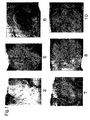
- Attached Figure 1 is a photograph in place of drawing which shows the state of back portion of animals prepared by Experiment Nos. 2, 5, 6, 7, 8 and 10.
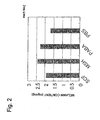
- Example II-2 the system of Experiment No. 7 for the reconstitution of hair follicles was transplanted onto nude mice. After about three to four weeks, reconstituted hair was pulled out. After the hair was pulled out, solutions which respectively contained stem cells factor (hereinafter referred to as SCF; 30 ng per gram of animal), ⁇ -melanocytes-stimulating hormone (hereinafter referred to as MSH; 1 pmol per gram of animal) and p -aminobenzoic acid (hereinafter referred to as PABA; 50 ng per gram of animal) or phosphate-buffered saline (PBS: for control) were subcutaneously injected to mice every day, which was repeated for one week.
- SCF stem cells factor
- MSH ⁇ -melanocytes-stimulating hormone
- PABA p -aminobenzoic acid
- PBS phosphate-buffered saline
- Fig. 2 shows that the addition of each factor significantly increases melanin content in restored hair.
- the chimera animal of this invention is usable at least for the screening of anti-hair graying drugs.
- This invention provides chimera animal with a stable phenotype which is suitable for the screening of anti-hair graying drugs.
- This invention is therefore applicable in experimental animal-supplying industries, and also in medical industries, cosmetic industries, etc., which develop effective anti-hair graying drugs with use of said animals.
Landscapes
- Health & Medical Sciences (AREA)
- Engineering & Computer Science (AREA)
- Life Sciences & Earth Sciences (AREA)
- Biomedical Technology (AREA)
- Zoology (AREA)
- Genetics & Genomics (AREA)
- Bioinformatics & Cheminformatics (AREA)
- Organic Chemistry (AREA)
- Chemical & Material Sciences (AREA)
- Wood Science & Technology (AREA)
- Biotechnology (AREA)
- Cell Biology (AREA)
- General Engineering & Computer Science (AREA)
- Microbiology (AREA)
- Biochemistry (AREA)
- General Health & Medical Sciences (AREA)
- Dermatology (AREA)
- Environmental Sciences (AREA)
- Biodiversity & Conservation Biology (AREA)
- Animal Husbandry (AREA)
- Animal Behavior & Ethology (AREA)
- Micro-Organisms Or Cultivation Processes Thereof (AREA)
- Investigating Or Analysing Biological Materials (AREA)
- Measuring Or Testing Involving Enzymes Or Micro-Organisms (AREA)
- Cosmetics (AREA)
Abstract
This invention provides an experimental animal which
carries hair follicles which have been reconstituted with use of hair
papilla cells, epidermal cells and melanocytes which are
extraneous to these cells. Such an experimental animal is usable
for evaluating factors which influence hair restoration and the
depth of hair color.
Description
This invention relates to experimental animals which carry a
hair-follicle reconstitution system, and to a cell-system by which to
prepare said experimental animals and also to the use thereof.
Various kinds of chimera animals and transgenic animals which
can stably reproduce animal reaction that is directed to a specific
objective have been developed chiefly as a model of specific diseases or
for the purpose of explicating the cause of specific diseases. For
example, there has been developed a nude mouse, to be used for assaying
hair-follicle reconstitution, on which hair germ (hair-follicle progenitor
cells which exist as keratinocyte agglomeration on the skin of neonatal
mouse) has been transplanted together with hair-inducible dermal
papilla cells (derived from mustache of rat) (Lichti et al., J. Invest.
Dermatol. 101: 124129, 1993).
Furthermore, in a mouse on which both cultured keratinocytes
derived from hair germ of neonatal mouse and dermal papilla cells have
been transplanted, it is confirmed by means of histological analysis of
transplantation region that epithelium and hair follicles have been
completely reconstituted as tissues (Kamimura et al., J. Invest.
Dermatol. 109: 534540, 1997). It has been suggested that such
reconstituted hair follicles are usable for the reliable functional assay of
in vivo hair-induction.
A phenomenon which is to be referred to together with hair
induction is the color tone of hair. The color tone of hair is considered,
in most cases, to be given by melanin which is produced by melanocytes
in the vicinity of hair matrix and is supplied to hair-forming cells. It is
said that the main cause of the graying of hair is that such melanocytes
have ceased to produce melanin or produce only a very small amount of
melanin, or that melanocytes have decreased or disappeared. In
connection with hair cycle, however, it is unknown how melanocytes,
which have sharply decreased or disappeared from hair follicles through
catagen (a period when hair ceases to grow, hair follicles are shortened,
and club hair is formed) and telogen, is complemented in the next
anagen and adjusts the color tone of hair (or, it is unknown from where
melanocytes come), etc.
Thus, it would be worthwhile to provide a means to adjust the
color tone of hair, or an in vivo evaluation system which can evaluate
whether or not a certain means is capable of preventing the graying of
hair or has an anti-graying effect. Hence, the objective of the present
invention is to provide such an evaluation system. In this specification,
"anti-graying activity" or "anti-graying effect" means a hair
graying-inhibitory property which can be evaluated by at least one
activity of melanocytes selected from the group consisting of growth
acceleration, migration activity acceleration, differentiation ability
acceleration, survivability improvement and melanin-productivity,
which activity is indicated by the color of hair.
In their study for the purpose of attaining the above-mentioned
objective, the inventors of this invention have found out that so-called
reconstituted hair follicles as explained above can be obtained by the
addition of extraneous melanocytes whether they may be homogenous or
heterogenous, and that melanocytes in thus reconsitituted hair follicles
can be maintained active.
Thus, this invention provides a system for hair
follicle-reconstitution which comprises a combination of dermal papilla
cells and epidermal cells and further melanocytes which are extraneous
to these cells.
As another embodiment, this invention provides a reconstituted
hair follicles-carrying animal which is prepared by the transplantation of
the above-mentioned system onto a recipient animal.
As another embodiment, this invention further provides a method
to evaluate the melanocyte-activating capability of a certain means
which method is characterized by preparing the above-mentioned
chimera animal as a subject, treating said subject animal with a certain
means, monitoring the activity of melanocytes in reconstituted hair
follicles of thus treated subject animal, and finding a correlation between
the degree of change of said activity in comparison with an untreated
control and the melanocyte-activating capability of said means.
In the present specification, the term "dermal papilla cells"
(hereinafter sometimes referred to as DP) means a concept which
broadly includes cells which constitute a tissue called dermal papilla in
the lowermost part of hair follicle, and dermal papilla with its peripheral
cells and tissues so long as they serve to achieve the objective of this
invention. An example of such a tissue is dermis which contains hair
papilla cells. Although non-restrictive, such cells, when mouse-derived
ones are taken as an example, can be obtained from a neonate (to be used
within four days of birth) which is born from a transgenic mouse
(Ver-LacZ) into which an expression vector composed of a suitable
reporter gene [e.g., LacZ gene, green fluorescent protein (GFP)]
connected to the downstream of Vercican promoter has been introduced,
by taking the expression of the reporter gene as a sign. As for dermis
which contains hair papilla cells, dermis which is taken from skin by a
normal preparation method usually contains hair papilla cells, and is
therefore also usable, as it is, for dermal papilla cells of this invention.
"Epidermal cells", on the other hand, are cells which constitute
the major part of epidermis or epithelium of skin, and are formed from a
layer of basement cells which is in contact with dermis. When mouse is
taken as an example, epidermal cells derived from neonate (or fetus) are
preferably used as the above-mentioned epidermal cells. Also usable is
cell culture in the form of keratinocyte. Such cells may be prepared
from skin of desired donor animal by any known method.
The above-mentioned hair papilla cells or dermis which contains
hair papilla cells and epidermal cells are usable regardless of the species
of donor animal so long as they can be transplanted on recipient animal.
Donor animal is, however, preferably homogenous to recipient animal.
Although non-restrictive, when the recipient animal is mouse, both of
the above-mentioned cells may be derived from mouse. On the other
hand, both of the cells do not need to be derived from the same strain of
mice. It is therefore acceptable that hair papilla cells or dermis which
contains hair papilla cells are obtained from either of the
above-mentioned transgenic mouse (e.g., Ver-LacZ strain) in which hair
papilla cells are easily confirmed, and that epidermal cells are obtained
from mouse selected from the group consisting of ICR strain having
albinic nature (with a genetic defect in tyrosinase) and
melanocyte-deficient strain (e.g., Wsh/Wsb mouse). According to this
invention, epidermal cells obtained from such an albinic or
melanocyte-deficient animal are preferably used since they facilitate the
monitoring of the behavior of extraneous melanocytes as mentioned later.
Also the above-mentioned transgenic mouse may be derived from mouse
selected from the group consisting of ICR strain and
melanocyte-deficient strain.
In this specification, the term "extraneous" in "extraneous
melanocytes" means that melanocytes are different in origin from hair
papilla cells and epidermal cells. Hence, melanocytes include not only
melanocytes derived from an animal of a species different from that of
animals from which hair papilla cells or epidermal cells are derived, but
also melanocytes derived from an animal which is the same in terms of
species and strain as, but is individually different from, animals from
which hair papilla cells or epidermal cells are derived. This means that,
even though endogenous melanocytes are mixed with a preparation of
hair papilla cells or epidermal cells, additional melanocytes other than
said endogenous ones are necessarily contained in the intended system.
Although non-restrictive, however, when hair papilla cells and
epidermal cells are derived from mouse, melanocytes are preferably
derived from an animal other than mouse, e.g., human being. Such a
preferable combination makes it possible to trace, in reconstituted hair
follicles, the distribution of melanocytes regardless of the state of
differentiation of melanocytes (e.g., the use of antibody to human
melanocytes or of specific antibody to human being, or the use of specific
gene sequence of human being or of specific gene sequence of human
melanocytes). This invention is characterized also in that, in so-called
chimera reconstituted hair follicles which comprise hair papilla cells
(mouse), epidermal cells (mouse) and melanocytes (human being),
melanocytes maintain their activity (e.g., melanin-producing activity).
This invention is further characterized by its capability of searching out
means which can act on human melanocytes in an evaluation method as
mentioned later.
Melanocytes to be used in this invention may be derived from
animal of any species so long as they can produce melanin to achieve the
objective of this invention. In order to make the best use of the
above-mentioned characteristic features, however, human-derived
melanocytes are preferably used as explained above. Melanocytes may
be prepared from any suitable tissue such as epidermis and foreskin by
any publicly known method. Products on the market are also usable.
For example, human-derived cultured melanocytes are available from
Cascade Co. or Kurashiki Boseki K.K. under the name of NHEM cells.
Hair papilla cells and epidermal cells, on the other hand, are
preferably derived from animal of the same species as recipient animal.
Concrete examples of such an animal include mouse and rat in view of
the objective of this invention.
The "system for reconstituting hair follicles" of this invention
comprises a combination of the above-mentioned hair papilla cells,
epidermal cells and extraneous melanocytes. The wording "system ...
comprises ..." not only means that the system includes the
above-mentioned cells as one, but also means an embodiment wherein
the cells are separately stored, e.g., kept in separate containers, so that
they may be used as one in the future. Hence, so long as the cells are
used for the purpose of achieving the above-mentioned system, it falls
within the scope of this invention. The phrase "for reconstituting hair
follicles" means that the system can bring about reconstituted hair
follicles (or chimeric hair follicles) which serve as an organ to support
hair restoration or hair growth in recipient animal. Examples of such
an organ include hair papilla cells, hair matrix, follicular epidermal cells
and tissues (e.g., root sheath), sebaceous glands and connective tissue
which surrounds hair follicles.
When transplanted onto a suitable recipient animal, the system
of this invention as mentioned above provides a chimera animal which
carries reconstituted hair follicles. Such a chimera animal has active
(preferably xenogenic animal-derived) melanocytes in hair follicles, and
is therefore useful for the evaluation of means (including drug and
environment) which may influence the function or activity of
melanocytes. Recipient animal is preferably an immunodeficient
animal regardless of the origin of cells which are contained in the system
to be transplanted on said animal. As for the species of such an animal,
any will do so long as the animal of the species is usable as an
experimental animal and meets the purpose of this invention.
Preferable examples include mouse and rat. Immunodeficient ones
among these animals include nude mouse which has a thymus deficient
phenotype if mouse is to be taken as an example. When the purpose of
this invention is taken into consideration, nude mouse (e.g., Balb/c nu/nu
strain), SCID mouse (e.g., Balb/c SCID) and nude rat (e.g., F344/N Jcl
rnu), each on the market, are in particular desirable as recipient animal.
Reconstituted hair follicles which are obtained by using such a recipient
animal as mentioned above, and by using such epidermal cells as derived
from albinic mouse (e.g., ICR strain) or melanocyte-deficient mouse (e.g.,
Wsh/Wsh) are especially preferable since it is easy to trace the activity of
melanocytes which are contained in said hair follicles.
According to this invention, even though the above-mentioned
melanocytes are derived from human being, melanin-containing hair is
induced and grown from reconstituted hair follicles so long as the
above-mentioned especially preferable recipient animal and epidermal
cells are used. The production of melanin is observed also in a region
which surrounds hair follicles. Furthermore, according to the
observation of hair by stereoscopic microscope six weeks after the
transplantation, the color of hair does not change, e.g., from gray to
white, during said period, and, thus, it is confirmed that
melanin-producing melanocytes exist in reconstituted hair follicles for a
long time. Moreover, when a large amount of human-derived
melanocytes is mixed in transplantation, the color of hair generally looks
dark. On this account, it is considered that the color of reconstituted
hair depends on the amount of melanin produced by human-derived
melanocytes around dermal papilla cells.
The above-mentioned system of this invention for reconstituting
hair follicles may be transplanted on recipient animal by any publicly
known method. For instance, when said system is to be transplanted
on the back portion of nude mouse, there are used about 500,000 to
10,000,000, preferably about 1,000,000 to about 4,000,000, dermal
papilla cells, about 1,000,000 to 40,000,000, preferably about 10,000,000
to about 20,000,000, mouse epidermal cells, and about 500,000 to
10,000,000, preferably about 1,000,000 to 5,000,000, cultured human
melanocytes (DARK) in a circle with a diameter of 1 cm on said back
portion.
In a chimera animal which carries such reconstituted hair
follicles as mentioned above, melanin-containing hair is induced from
reconstituted hair follicles and grown for a long period of time. It is
considered therefore that cells, tissue or organ such as melanocytes, hair
papilla and hair matrix which participate in hair-growing or hair color
thickening are working normally. Thus, chimera animal in accordance
with this invention is usable for:
Incidentally, melanocyte-activating drugs or
melanocyte-activating chemicals in accordance with this invention
include drugs which deepen the hair color by stimulating and activating
some or all of the growth, differentiation, proliferation, survival and
migration activity of melanocytes, the activity being indicated by hair
color.
An embodiment of this invention which is to be used in the
above-explained manner is a method to evaluate melanocyte-activating
ability which comprises:
In the above-mentioned method, melanocyte-activating ability
can be evaluated by the amount of melanin in hair which has been
regrown from reconstituted hair follicles. It may also be possible to
evaluate, by the degree of hair restoration and hair growth, the influence
of the means of step (B) on one or both of dermal papilla cells and hair
matrix. Examples of such a means include environment in which the
subject animal is put, e.g., a stressful environment and a relaxing
environment in contrast thereto, drugs which are applied to
reconstituted hair follicles of subject animal or which are injected
subcutaneously to subject animal, or drugs with which melanocytes are
previously treated, or drugs which are perorally administered. Drugs
may be added to the above-mentioned system for reconstituting hair
follicles when a reconstituted hair follicles-carrying chimera animal is
prepared.
The above-mentioned monitoring of melanocytes may be
conducted by assaying, through any known method, enzyme per se in
melanin-biosynthesis course or by assaying DNA or mRNA which
encodes such an enzyme, when reconstituted hair follicles are to be
prepared with use of human-derived melanocytes. In another method,
there may be measured melanin content in a hair which has newly been
regrown or grown after a hair of chimera animal is pulled out or cut, or
in a hair which has newly been regrown after one hair cycle is over.
This invention is further concretely explained by the following
examples, which are provided for the purpose of facilitating the
understanding of this invention, and are not intended to restrict the
scope of this invention.
Per one recipient animal, there are used, for operation, dermal
cells in an amount corresponding to two neonates. These dermal cells
are not used simultaneously with isolated hair papilla cells. Cells in
said amount are suspended with use of a liquid such as DMEM + 10 %
FBS, and are then left to stand still on ice until immediately before use
or freeze-preserved.
Necessities: The following II-(1-1), (1-2) and (1-3), each in a suitable
amount, are mixed to be used as "cell suspension liquid" for "process to
prepare reconstituted hair follicles".
In place of the above-mentioned II-(1-1), skin is taken, on the day
before operation, from neonate of albinic mouse (e.g., ICR strain), and,
on the day of operation, is treated with collagenase, and, thus, "cell
suspension liquid" is prepared. Thus prepared cell suspension liquid
may be used after freeze-preserved.
Recipient animal (e.g., Balb/c nu/nu strain nude mouse; at least
five-week old);
Silicone-made dome-like cap having a diameter of about 1 cm
(hereinafter referred to as valve);
Anesthetic;
Operating scissors, pincette, suturing apparatus;
Micropipette;
"Cell suspension liquid": Comprises melanocytes, epidermal
cells, dermal cells or dermal papilla cells. Cells are each prepared in
the above•mentioned manner. Cells are suspended in about 150 µl of
culture liquid (such as DMEM + 10 % FBS), and are then left to stand
still on ice or freeze-preserved, from which cell suspension liquid is
prepared immediately before operation.
The following Table 1 shows concrete conditions (system for
reconstituting hair follicles; mark + indicates cells which are contained
in system) for preparing reconstituted hair follicles-carrying animal in
accordance with the above-mentioned cells and process, hair color and
the skin color of the portion of transplantation. Attached Figure 1 is a
photograph in place of drawing which shows the state of back portion of
animals prepared by Experiment Nos. 2, 5, 6, 7, 8 and 10.

In accordance with «Process» of Example II-2, the system
of Experiment No. 7 for the reconstitution of hair follicles was
transplanted onto nude mice. After about three to four weeks,
reconstituted hair was pulled out. After the hair was pulled out,
solutions which respectively contained stem cells factor
(hereinafter referred to as SCF; 30 ng per gram of animal),
α-melanocytes-stimulating hormone (hereinafter referred to as
MSH; 1 pmol per gram of animal) and p-aminobenzoic acid
(hereinafter referred to as PABA; 50 ng per gram of animal) or
phosphate-buffered saline (PBS: for control) were subcutaneously
injected to mice every day, which was repeated for one week.
After the hair which had been restored again grew
sufficiently (about after three weeks), thus restored hair was cut
with scissors and collected. After the hair was dissolved, melanin
content was measured by absorbance. Results are shown in Fig. 2.
Fig. 2 shows that the addition of each factor significantly increases
melanin content in restored hair. Thus, the chimera animal of
this invention is usable at least for the screening of anti-hair
graying drugs.
This invention provides chimera animal with a stable
phenotype which is suitable for the screening of anti-hair graying
drugs. This invention is therefore applicable in experimental
animal-supplying industries, and also in medical industries,
cosmetic industries, etc., which develop effective anti-hair graying
drugs with use of said animals.
Claims (15)
- A system for hair follicle-reconstitution which comprises a combination of hair papilla cells or hair papilla cells-containing dermal cells, epidermal cells and melanocytes which are extraneous to these cells.
- A system of claim 1 wherein extraneous melanocytes are of origin which is extraneous to hair papilla cells, hair papilla cells-containing dermal cells and epidermal cells.
- A system of claim 1 wherein extraneous melanocytes are derived from human being, wherein hair papilla cells or hair papilla cells-containing dermal cells and epidermal cells are derived from the same or different homogenous animal strain, and wherein said animal is selected from the group consisting of mouse and rat.
- A system of claim 1 wherein extraneous melanocytes are derived from human being, wherein hair papilla cells-containing dermal cells are derived from mouse selected from the group consisting of ICR-strain albinic mouse and melanocyte-deficient strain mouse, and wherein epidermal cells are derived from mouse selected from the group consisting of ICR-strain albinic mouse and melanocyte-deficient strain mouse.
- A system of claim 1 wherein extraneous melanocytes are human skin cultivated melanocytes, wherein hair papilla cells or hair papilla cells-containing dermal cells are selected from the group consisting of mouse-isolated hair papilla cells, ICR-strain albinic mouse-derived dermal cells and Wsh/Wsh mouse-derived dermal cells, and wherein epidermal cells are selected from the group consisting of ICR-albinic mouse-derived epidermal cells and Wsh/Wsh mouse-derived epidermal cells.
- A reconstituted hair follicles-carrying chimera animal which is prepared by the transplantation, onto a recipient animal, of a system for hair follicle-reconstitution which comprises a combination of hair papilla cells or hair papilla cells-containing dermal cells, epidermal cells and melanocytes which are extraneous to these cells.
- A chimera animal of claim 6 wherein recipient animal is an immunodeficient animal and extraneous melanocytes are derived from human being.
- A chimera animal of claim 6 wherein recipient animal is an immunodeficient animal which is selected from the group consisting of nude mouse, SCID mouse and nude rat.
- A chimera animal of claim 6 wherein recipient animal is nude mouse, extraneous melanocytes are derived from human being, hair papilla cells-containing dermal cells are derived from mouse selected from the group consisting of ICR-strain albinic mouse and melanocyte-deficient strain mouse, and wherein epidermal cells are derived from mouse selected from the group consisting of ICR-strain albinic mouse and melanocyte-deficient strain mouse.
- A chimera animal of claim 6 wherein recipient animal is nude mouse, extraneous melanocytes are derived from human skin cultivated melanocytes, hair papilla cells or hair papilla cells-containing dermal cells are selected from the group consisting of mouse-isolated hair papilla cells, ICR-albinic mouse-derived dermal cells and Wsh/Wsh mouse-derived dermal cells, and wherein epidermal cells are selected from the group consisting of ICR-albinic mouse-derived epidermal cells and Wsh/Wsh mouse-derived epidermal cells.
- A method to evaluate the melanocyte-activating capability of a certain means which method is characterized by:preparing, as a subject, a reconstituted hair follicles-carrying chimera animal by means of transplanting, onto a recipient animal, a system for hair follicle-reconstitution which comprises a combination of hair papilla cells or hair papilla cells-containing dermal cells, epidermal cells and melanocytes which are extraneous to these cells;treating said subject animal with said certain means;monitoring the activity of melanocytes in reconstituted hair follicles of thus treated subject animal; andfinding a correlation between the degree of change (or difference) of said activity in comparison with an untreated control and the melanocyte-activating capability of said means.
- An evaluation method of claim 11 wherein melanocytes are derived from human being, and the degree of change in the activity of melanocytes is determined by the amount of melanin either in hair which has been regrown from reconstituted hair follicles or in epidermis near said hair follicles.
- An evaluation method of claim 11 wherein the melanocyte-activating capability is detected for the sake of the evaluation of anti-hair graying activity.
- An evaluation method of claim 11 wherein said means is a chemical substance or a drug.
- An anti-hair graying agent which comprises, as an effective ingredient, a drug which has been found, by the evaluation method of claim 11, to be capable of enhancing the activity of melanocytes.
Applications Claiming Priority (3)
| Application Number | Priority Date | Filing Date | Title |
|---|---|---|---|
| JP2001270100 | 2001-09-06 | ||
| JP2001270100 | 2001-09-06 | ||
| PCT/JP2002/009082 WO2003022043A1 (en) | 2001-09-06 | 2002-09-06 | Hair follicle-reconstitution system and animal carrying the same |
Publications (2)
| Publication Number | Publication Date |
|---|---|
| EP1437042A1 true EP1437042A1 (en) | 2004-07-14 |
| EP1437042A4 EP1437042A4 (en) | 2006-05-03 |
Family
ID=19095799
Family Applications (1)
| Application Number | Title | Priority Date | Filing Date |
|---|---|---|---|
| EP02767910A Ceased EP1437042A4 (en) | 2001-09-06 | 2002-09-06 | Hair follicle-reconstitution system and animal carrying the same |
Country Status (5)
| Country | Link |
|---|---|
| US (2) | US20040247572A1 (en) |
| EP (1) | EP1437042A4 (en) |
| KR (1) | KR20040029451A (en) |
| CN (1) | CN1297320C (en) |
| WO (1) | WO2003022043A1 (en) |
Cited By (5)
| Publication number | Priority date | Publication date | Assignee | Title |
|---|---|---|---|---|
| US7198641B2 (en) | 2000-08-08 | 2007-04-03 | Aderans Research Institute, Inc. | Scaffolds for tissue engineered hair |
| WO2007047707A1 (en) * | 2005-10-17 | 2007-04-26 | Aderans Research Institute, Inc. | Method of delivering hair follicle progenitor cells to the skin |
| US7597885B2 (en) | 2004-03-26 | 2009-10-06 | Aderans Research Institute, Inc. | Tissue engineered biomimetic hair follicle graft |
| EP2623106A4 (en) * | 2010-09-29 | 2014-03-26 | Shiseido Co Ltd | COMPOSITION FOR THE REGENERATION OF THE FOLLICLE CONTAINING CONNECTIVE TISSUE CELL CELLS EXPRESSING CD36 |
| US8980628B2 (en) | 2006-03-17 | 2015-03-17 | Aderans Research Institute, Inc. | Hair follicle precursor production by co-culturing mammalian dermal papilla cells and keratinocytes |
Families Citing this family (8)
| Publication number | Priority date | Publication date | Assignee | Title |
|---|---|---|---|---|
| KR101156797B1 (en) * | 2003-10-06 | 2012-06-18 | 가부시키가이샤 시세이도 | Animal having regenerated hair follicle |
| KR100616752B1 (en) * | 2004-11-29 | 2006-08-31 | 박정극 | Method for manufacturing dermal papilla tissue having hair follicle inducing ability |
| CN100362972C (en) * | 2004-12-24 | 2008-01-23 | 李宇 | Artificial hair papilla replacement structure and manufacturing method thereof |
| US20070148138A1 (en) | 2005-11-22 | 2007-06-28 | Aderans Research Institute, Inc. | Hair follicle graft from tissue engineered skin |
| US7985537B2 (en) | 2007-06-12 | 2011-07-26 | Aderans Research Institute, Inc. | Methods for determining the hair follicle inductive properties of a composition |
| CN103502440B (en) * | 2011-02-24 | 2016-06-29 | 株式会社器官再生工学 | The in check transplanting of hair color regenerates the manufacture method of the former base of hair follicle, comprises the compositions of the transplanting regeneration former base of hair follicle and the implantation method of the regeneration former base of hair follicle |
| CN103785064B (en) * | 2013-08-26 | 2015-02-25 | 济南磐升生物技术有限公司 | Human skin module and application thereof |
| CN104877953B (en) * | 2014-02-28 | 2018-06-01 | 上海尚瑞生物医药科技有限公司 | Promote the preparation method of the skin preparation of melanocyte pigment generation |
Family Cites Families (4)
| Publication number | Priority date | Publication date | Assignee | Title |
|---|---|---|---|---|
| US5352440A (en) * | 1988-03-30 | 1994-10-04 | Trustees Of Boston University | Methods for increasing melanin content in melanocytes using diacylglycerols and uses thereof |
| US5885822A (en) * | 1996-08-20 | 1999-03-23 | David A. Paslin | Method and system for growing molluscum contagiosum in xenografts to immunocompromised hosts |
| US20010048917A1 (en) * | 1998-03-09 | 2001-12-06 | Warren Hoeffler | Skin equivalent and methods of forming and using same |
| GB9925964D0 (en) * | 1999-11-03 | 1999-12-29 | Jahoda Colin A B | Hair transplantation |
-
2002
- 2002-09-06 EP EP02767910A patent/EP1437042A4/en not_active Ceased
- 2002-09-06 WO PCT/JP2002/009082 patent/WO2003022043A1/en not_active Ceased
- 2002-09-06 US US10/488,708 patent/US20040247572A1/en not_active Abandoned
- 2002-09-06 KR KR10-2004-7002913A patent/KR20040029451A/en not_active Ceased
- 2002-09-06 CN CNB028172442A patent/CN1297320C/en not_active Expired - Fee Related
-
2007
- 2007-10-02 US US11/905,595 patent/US20080109915A1/en not_active Abandoned
Cited By (6)
| Publication number | Priority date | Publication date | Assignee | Title |
|---|---|---|---|---|
| US7198641B2 (en) | 2000-08-08 | 2007-04-03 | Aderans Research Institute, Inc. | Scaffolds for tissue engineered hair |
| US7597885B2 (en) | 2004-03-26 | 2009-10-06 | Aderans Research Institute, Inc. | Tissue engineered biomimetic hair follicle graft |
| WO2007047707A1 (en) * | 2005-10-17 | 2007-04-26 | Aderans Research Institute, Inc. | Method of delivering hair follicle progenitor cells to the skin |
| US8980628B2 (en) | 2006-03-17 | 2015-03-17 | Aderans Research Institute, Inc. | Hair follicle precursor production by co-culturing mammalian dermal papilla cells and keratinocytes |
| EP2623106A4 (en) * | 2010-09-29 | 2014-03-26 | Shiseido Co Ltd | COMPOSITION FOR THE REGENERATION OF THE FOLLICLE CONTAINING CONNECTIVE TISSUE CELL CELLS EXPRESSING CD36 |
| US10172332B2 (en) | 2010-09-29 | 2019-01-08 | Shiseido Company, Ltd. | Method for regenerating hair follicles using CD36-expressing dermal sheath cells |
Also Published As
| Publication number | Publication date |
|---|---|
| CN1551726A (en) | 2004-12-01 |
| US20080109915A1 (en) | 2008-05-08 |
| US20040247572A1 (en) | 2004-12-09 |
| KR20040029451A (en) | 2004-04-06 |
| EP1437042A4 (en) | 2006-05-03 |
| WO2003022043A1 (en) | 2003-03-20 |
| CN1297320C (en) | 2007-01-31 |
Similar Documents
| Publication | Publication Date | Title |
|---|---|---|
| US20080109915A1 (en) | Hair follicle-reconstitution system and animal carrying the same | |
| DE69927600T2 (en) | BIOTECHNICALLY CONSTRUCTED TISSUE AND METHOD FOR THE PRODUCTION AND USE THEREOF | |
| Rogers et al. | Cultivation of murine hair follicles as organoids in a collagen matrix | |
| HUT56393A (en) | Three dimensional cell and tissue culturing systems | |
| US10398736B2 (en) | Compositions and methods for producing reconstituted skin | |
| WO1999045770A1 (en) | Skin equivalent and methods of forming and using same | |
| EP1226234B1 (en) | Hair transplantation | |
| EP3473705A1 (en) | Method for producing artificial skin having hair follicles, sebaceous glands, and pores | |
| US5229271A (en) | Method of testing of hair growth substances on hair follicles prepared by mechanically severing of hair shaft | |
| Yoo et al. | Hair follicular cell/organ culture in tissue engineering and regenerative medicine | |
| Watson et al. | Sheep vibrissa dermal papillae induce hair follicle formation in heterotypic skin equivalents | |
| JP4373652B2 (en) | Hair follicle reconstitution system and its carrying animal | |
| Williams et al. | Isolation and culture of follicular papillae from murine vibrissae: an introductory approach | |
| EP1865884B1 (en) | Skin substitutes with improved purity | |
| KR101974672B1 (en) | Reconstructed scalp model and process for screening active molecules | |
| KR101156868B1 (en) | Composition for regenerating hair follicle | |
| JP5164439B2 (en) | Hair papilla cell culture method | |
| WO1999045894A2 (en) | Cosmetic compositions | |
| JPH09140377A (en) | Induction of hair follicles derived from human hair papilla cells | |
| JP4212280B2 (en) | In vivo hair growth induction method for human hair and non-human animal having human hair | |
| Arase et al. | Experimental approaches for the reconstitution of hair in vitro | |
| Wen-zheng | Epithelial Cell Culture and Its Clinical Application in the Treatment of Burns | |
| HK40004535A (en) | Method for producing artificial skin having hair follicles, sebaceous glands, and pores |
Legal Events
| Date | Code | Title | Description |
|---|---|---|---|
| PUAI | Public reference made under article 153(3) epc to a published international application that has entered the european phase |
Free format text: ORIGINAL CODE: 0009012 |
|
| 17P | Request for examination filed |
Effective date: 20040406 |
|
| AK | Designated contracting states |
Kind code of ref document: A1 Designated state(s): AT BE BG CH CY CZ DE DK EE ES FI FR GB GR IE IT LI LU MC NL PT SE SK TR |
|
| A4 | Supplementary search report drawn up and despatched |
Effective date: 20060316 |
|
| 17Q | First examination report despatched |
Effective date: 20070928 |
|
| STAA | Information on the status of an ep patent application or granted ep patent |
Free format text: STATUS: THE APPLICATION HAS BEEN REFUSED |
|
| 18R | Application refused |
Effective date: 20091022 |