EP1430025B1 - Methods and compositions for treating or preventing bacterial infection - Google Patents
Methods and compositions for treating or preventing bacterial infection Download PDFInfo
- Publication number
- EP1430025B1 EP1430025B1 EP01274515A EP01274515A EP1430025B1 EP 1430025 B1 EP1430025 B1 EP 1430025B1 EP 01274515 A EP01274515 A EP 01274515A EP 01274515 A EP01274515 A EP 01274515A EP 1430025 B1 EP1430025 B1 EP 1430025B1
- Authority
- EP
- European Patent Office
- Prior art keywords
- pylori
- compound
- pharmaceutically acceptable
- acceptable salt
- infection
- Prior art date
- Legal status (The legal status is an assumption and is not a legal conclusion. Google has not performed a legal analysis and makes no representation as to the accuracy of the status listed.)
- Expired - Lifetime
Links
- 239000000203 mixture Substances 0.000 title claims abstract description 22
- 238000000034 method Methods 0.000 title abstract description 28
- 208000035143 Bacterial infection Diseases 0.000 title abstract description 11
- 208000022362 bacterial infectious disease Diseases 0.000 title abstract description 11
- 208000037265 diseases, disorders, signs and symptoms Diseases 0.000 claims abstract description 69
- 201000010099 disease Diseases 0.000 claims abstract description 37
- 208000035475 disorder Diseases 0.000 claims abstract description 32
- 208000015181 infectious disease Diseases 0.000 claims abstract description 31
- 241000590002 Helicobacter pylori Species 0.000 claims abstract description 29
- 229940037467 helicobacter pylori Drugs 0.000 claims abstract description 28
- 150000001875 compounds Chemical class 0.000 claims description 74
- 239000003795 chemical substances by application Substances 0.000 claims description 28
- 150000003839 salts Chemical class 0.000 claims description 25
- 229940126409 proton pump inhibitor Drugs 0.000 claims description 14
- LSQZJLSUYDQPKJ-NJBDSQKTSA-N amoxicillin Chemical compound C1([C@@H](N)C(=O)N[C@H]2[C@H]3SC([C@@H](N3C2=O)C(O)=O)(C)C)=CC=C(O)C=C1 LSQZJLSUYDQPKJ-NJBDSQKTSA-N 0.000 claims description 11
- 229960003022 amoxicillin Drugs 0.000 claims description 11
- 229960002626 clarithromycin Drugs 0.000 claims description 11
- AGOYDEPGAOXOCK-KCBOHYOISA-N clarithromycin Chemical compound O([C@@H]1[C@@H](C)C(=O)O[C@@H]([C@@]([C@H](O)[C@@H](C)C(=O)[C@H](C)C[C@](C)([C@H](O[C@H]2[C@@H]([C@H](C[C@@H](C)O2)N(C)C)O)[C@H]1C)OC)(C)O)CC)[C@H]1C[C@@](C)(OC)[C@@H](O)[C@H](C)O1 AGOYDEPGAOXOCK-KCBOHYOISA-N 0.000 claims description 11
- LSQZJLSUYDQPKJ-UHFFFAOYSA-N p-Hydroxyampicillin Natural products O=C1N2C(C(O)=O)C(C)(C)SC2C1NC(=O)C(N)C1=CC=C(O)C=C1 LSQZJLSUYDQPKJ-UHFFFAOYSA-N 0.000 claims description 11
- 208000007882 Gastritis Diseases 0.000 claims description 10
- 238000011282 treatment Methods 0.000 claims description 10
- 229940079593 drug Drugs 0.000 claims description 9
- 239000003814 drug Substances 0.000 claims description 9
- 229960000282 metronidazole Drugs 0.000 claims description 9
- VAOCPAMSLUNLGC-UHFFFAOYSA-N metronidazole Chemical compound CC1=NC=C([N+]([O-])=O)N1CCO VAOCPAMSLUNLGC-UHFFFAOYSA-N 0.000 claims description 9
- 208000008469 Peptic Ulcer Diseases 0.000 claims description 8
- 206010017758 gastric cancer Diseases 0.000 claims description 6
- 210000002784 stomach Anatomy 0.000 claims description 6
- 241000282414 Homo sapiens Species 0.000 claims description 5
- 208000005718 Stomach Neoplasms Diseases 0.000 claims description 5
- 208000023652 chronic gastritis Diseases 0.000 claims description 5
- 238000002347 injection Methods 0.000 claims description 5
- 239000007924 injection Substances 0.000 claims description 5
- 239000008194 pharmaceutical composition Substances 0.000 claims description 5
- 239000000546 pharmaceutical excipient Substances 0.000 claims description 5
- 201000011549 stomach cancer Diseases 0.000 claims description 5
- 241000124008 Mammalia Species 0.000 claims description 4
- 239000003937 drug carrier Substances 0.000 claims description 4
- 201000011587 gastric lymphoma Diseases 0.000 claims description 4
- 238000010253 intravenous injection Methods 0.000 claims description 4
- 238000011200 topical administration Methods 0.000 claims description 4
- 206010017886 Gastroduodenal ulcer Diseases 0.000 claims description 3
- 206010025323 Lymphomas Diseases 0.000 claims description 3
- 208000009956 adenocarcinoma Diseases 0.000 claims description 3
- 231100000029 gastro-duodenal ulcer Toxicity 0.000 claims description 3
- 239000007926 intracavernous injection Substances 0.000 claims description 3
- 238000010255 intramuscular injection Methods 0.000 claims description 3
- 239000007927 intramuscular injection Substances 0.000 claims description 3
- 239000000612 proton pump inhibitor Substances 0.000 claims description 3
- 238000010254 subcutaneous injection Methods 0.000 claims description 3
- 239000007929 subcutaneous injection Substances 0.000 claims description 3
- 238000002360 preparation method Methods 0.000 claims description 2
- 241000588724 Escherichia coli Species 0.000 abstract description 34
- RTZKZFJDLAIYFH-UHFFFAOYSA-N Diethyl ether Chemical compound CCOCC RTZKZFJDLAIYFH-UHFFFAOYSA-N 0.000 description 26
- 230000000694 effects Effects 0.000 description 26
- VEXZGXHMUGYJMC-UHFFFAOYSA-N Hydrochloric acid Chemical compound Cl VEXZGXHMUGYJMC-UHFFFAOYSA-N 0.000 description 24
- 108091005804 Peptidases Proteins 0.000 description 20
- 102000035195 Peptidases Human genes 0.000 description 20
- 239000000243 solution Substances 0.000 description 19
- JUJWROOIHBZHMG-UHFFFAOYSA-N Pyridine Chemical compound C1=CC=NC=C1 JUJWROOIHBZHMG-UHFFFAOYSA-N 0.000 description 16
- 241000894006 Bacteria Species 0.000 description 15
- 235000019833 protease Nutrition 0.000 description 14
- 239000003242 anti bacterial agent Substances 0.000 description 13
- 239000013078 crystal Substances 0.000 description 13
- 239000000725 suspension Substances 0.000 description 13
- HEMHJVSKTPXQMS-UHFFFAOYSA-M Sodium hydroxide Chemical compound [OH-].[Na+] HEMHJVSKTPXQMS-UHFFFAOYSA-M 0.000 description 12
- YXFVVABEGXRONW-UHFFFAOYSA-N Toluene Chemical compound CC1=CC=CC=C1 YXFVVABEGXRONW-UHFFFAOYSA-N 0.000 description 12
- -1 alkyl sulfonic acid Chemical compound 0.000 description 12
- 230000012010 growth Effects 0.000 description 11
- 210000004027 cell Anatomy 0.000 description 10
- 239000000706 filtrate Substances 0.000 description 10
- 238000001914 filtration Methods 0.000 description 10
- 230000000977 initiatory effect Effects 0.000 description 10
- 239000002198 insoluble material Substances 0.000 description 10
- QTBSBXVTEAMEQO-UHFFFAOYSA-N Acetic acid Chemical compound CC(O)=O QTBSBXVTEAMEQO-UHFFFAOYSA-N 0.000 description 9
- OKKJLVBELUTLKV-UHFFFAOYSA-N Methanol Chemical group OC OKKJLVBELUTLKV-UHFFFAOYSA-N 0.000 description 9
- XLYOFNOQVPJJNP-UHFFFAOYSA-N water Substances O XLYOFNOQVPJJNP-UHFFFAOYSA-N 0.000 description 9
- 230000004543 DNA replication Effects 0.000 description 8
- 239000010410 layer Substances 0.000 description 8
- 238000004895 liquid chromatography mass spectrometry Methods 0.000 description 8
- VLKZOEOYAKHREP-UHFFFAOYSA-N n-Hexane Chemical compound CCCCCC VLKZOEOYAKHREP-UHFFFAOYSA-N 0.000 description 8
- UMJSCPRVCHMLSP-UHFFFAOYSA-N pyridine Natural products COC1=CC=CN=C1 UMJSCPRVCHMLSP-UHFFFAOYSA-N 0.000 description 8
- 239000007787 solid Substances 0.000 description 8
- LFQSCWFLJHTTHZ-UHFFFAOYSA-N Ethanol Chemical compound CCO LFQSCWFLJHTTHZ-UHFFFAOYSA-N 0.000 description 7
- 230000000844 anti-bacterial effect Effects 0.000 description 7
- 229940088710 antibiotic agent Drugs 0.000 description 7
- 230000001580 bacterial effect Effects 0.000 description 7
- 244000309464 bull Species 0.000 description 7
- YETFLAUJROGBMC-UHFFFAOYSA-N (4-carboxyphenyl)-(diaminomethylidene)azanium;chloride Chemical compound Cl.NC(N)=NC1=CC=C(C(O)=O)C=C1 YETFLAUJROGBMC-UHFFFAOYSA-N 0.000 description 6
- QOSSAOTZNIDXMA-UHFFFAOYSA-N Dicylcohexylcarbodiimide Chemical compound C1CCCCC1N=C=NC1CCCCC1 QOSSAOTZNIDXMA-UHFFFAOYSA-N 0.000 description 6
- 102000004190 Enzymes Human genes 0.000 description 6
- 108090000790 Enzymes Proteins 0.000 description 6
- 230000015572 biosynthetic process Effects 0.000 description 6
- 230000032823 cell division Effects 0.000 description 6
- KFZMGEQAYNKOFK-UHFFFAOYSA-N isopropyl alcohol Natural products CC(C)O KFZMGEQAYNKOFK-UHFFFAOYSA-N 0.000 description 6
- 230000002265 prevention Effects 0.000 description 6
- 208000024891 symptom Diseases 0.000 description 6
- 238000003786 synthesis reaction Methods 0.000 description 6
- QIMITEITQPSURU-UHFFFAOYSA-N 4-[(diaminomethylideneamino)methyl]benzoic acid;hydrochloride Chemical compound Cl.NC(=N)NCC1=CC=C(C(O)=O)C=C1 QIMITEITQPSURU-UHFFFAOYSA-N 0.000 description 5
- 0 C*(C)C(C=C1)=CCC1C1=CC[C@](*C(C=C**(*)C(*)=*)=CC)*=*1 Chemical compound C*(C)C(C=C1)=CCC1C1=CC[C@](*C(C=C**(*)C(*)=*)=CC)*=*1 0.000 description 5
- 230000006820 DNA synthesis Effects 0.000 description 5
- 241001465754 Metazoa Species 0.000 description 5
- 239000004365 Protease Substances 0.000 description 5
- 230000002401 inhibitory effect Effects 0.000 description 5
- 239000000651 prodrug Substances 0.000 description 5
- 229940002612 prodrug Drugs 0.000 description 5
- 235000019419 proteases Nutrition 0.000 description 5
- 239000002904 solvent Substances 0.000 description 5
- 239000000126 substance Substances 0.000 description 5
- 230000001360 synchronised effect Effects 0.000 description 5
- 231100000419 toxicity Toxicity 0.000 description 5
- 230000001988 toxicity Effects 0.000 description 5
- SRAWGZGWKCCCKW-UHFFFAOYSA-N 4-phenylbenzoic acid;hydrochloride Chemical compound Cl.C1=CC(C(=O)O)=CC=C1C1=CC=CC=C1 SRAWGZGWKCCCKW-UHFFFAOYSA-N 0.000 description 4
- 241000699670 Mus sp. Species 0.000 description 4
- ISWSIDIOOBJBQZ-UHFFFAOYSA-N Phenol Chemical compound OC1=CC=CC=C1 ISWSIDIOOBJBQZ-UHFFFAOYSA-N 0.000 description 4
- YXVFYQXJAXKLAK-UHFFFAOYSA-N biphenyl-4-ol Chemical compound C1=CC(O)=CC=C1C1=CC=CC=C1 YXVFYQXJAXKLAK-UHFFFAOYSA-N 0.000 description 4
- XUFQPHANEAPEMJ-UHFFFAOYSA-N famotidine Chemical compound NC(N)=NC1=NC(CSCCC(N)=NS(N)(=O)=O)=CS1 XUFQPHANEAPEMJ-UHFFFAOYSA-N 0.000 description 4
- 229960001596 famotidine Drugs 0.000 description 4
- 239000003112 inhibitor Substances 0.000 description 4
- IWDCLRJOBJJRNH-UHFFFAOYSA-N p-cresol Chemical compound CC1=CC=C(O)C=C1 IWDCLRJOBJJRNH-UHFFFAOYSA-N 0.000 description 4
- 108090000623 proteins and genes Proteins 0.000 description 4
- 238000000746 purification Methods 0.000 description 4
- 241000894007 species Species 0.000 description 4
- 235000014469 Bacillus subtilis Nutrition 0.000 description 3
- 108020000946 Bacterial DNA Proteins 0.000 description 3
- WQZGKKKJIJFFOK-GASJEMHNSA-N Glucose Natural products OC[C@H]1OC(O)[C@H](O)[C@@H](O)[C@@H]1O WQZGKKKJIJFFOK-GASJEMHNSA-N 0.000 description 3
- 241000589989 Helicobacter Species 0.000 description 3
- 241000282412 Homo Species 0.000 description 3
- 206010028980 Neoplasm Diseases 0.000 description 3
- FAPWRFPIFSIZLT-UHFFFAOYSA-M Sodium chloride Chemical compound [Na+].[Cl-] FAPWRFPIFSIZLT-UHFFFAOYSA-M 0.000 description 3
- 208000007107 Stomach Ulcer Diseases 0.000 description 3
- QAOWNCQODCNURD-UHFFFAOYSA-N Sulfuric acid Chemical compound OS(O)(=O)=O QAOWNCQODCNURD-UHFFFAOYSA-N 0.000 description 3
- 235000011054 acetic acid Nutrition 0.000 description 3
- 238000013459 approach Methods 0.000 description 3
- 125000003118 aryl group Chemical group 0.000 description 3
- WPYMKLBDIGXBTP-UHFFFAOYSA-N benzoic acid Chemical compound OC(=O)C1=CC=CC=C1 WPYMKLBDIGXBTP-UHFFFAOYSA-N 0.000 description 3
- 125000000319 biphenyl-4-yl group Chemical group [H]C1=C([H])C([H])=C([H])C([H])=C1C1=C([H])C([H])=C([*])C([H])=C1[H] 0.000 description 3
- 201000011510 cancer Diseases 0.000 description 3
- 210000000349 chromosome Anatomy 0.000 description 3
- KRKNYBCHXYNGOX-UHFFFAOYSA-N citric acid Chemical compound OC(=O)CC(O)(C(O)=O)CC(O)=O KRKNYBCHXYNGOX-UHFFFAOYSA-N 0.000 description 3
- 238000011161 development Methods 0.000 description 3
- 230000018109 developmental process Effects 0.000 description 3
- 239000002158 endotoxin Substances 0.000 description 3
- 238000005516 engineering process Methods 0.000 description 3
- 150000002148 esters Chemical class 0.000 description 3
- 238000009472 formulation Methods 0.000 description 3
- 230000002496 gastric effect Effects 0.000 description 3
- 230000036541 health Effects 0.000 description 3
- 238000004128 high performance liquid chromatography Methods 0.000 description 3
- 238000001727 in vivo Methods 0.000 description 3
- 230000005764 inhibitory process Effects 0.000 description 3
- 229920006008 lipopolysaccharide Polymers 0.000 description 3
- 238000012986 modification Methods 0.000 description 3
- 230000004048 modification Effects 0.000 description 3
- 230000035772 mutation Effects 0.000 description 3
- 239000003921 oil Substances 0.000 description 3
- 238000010992 reflux Methods 0.000 description 3
- 230000010076 replication Effects 0.000 description 3
- 238000002560 therapeutic procedure Methods 0.000 description 3
- MYPYJXKWCTUITO-UHFFFAOYSA-N vancomycin Natural products O1C(C(=C2)Cl)=CC=C2C(O)C(C(NC(C2=CC(O)=CC(O)=C2C=2C(O)=CC=C3C=2)C(O)=O)=O)NC(=O)C3NC(=O)C2NC(=O)C(CC(N)=O)NC(=O)C(NC(=O)C(CC(C)C)NC)C(O)C(C=C3Cl)=CC=C3OC3=CC2=CC1=C3OC1OC(CO)C(O)C(O)C1OC1CC(C)(N)C(O)C(C)O1 MYPYJXKWCTUITO-UHFFFAOYSA-N 0.000 description 3
- 238000005160 1H NMR spectroscopy Methods 0.000 description 2
- HJEJVYDEAHRADD-UHFFFAOYSA-N 4-(4-hydroxyphenyl)-3-[(4-methylphenyl)methyl]benzoic acid Chemical compound C1=CC(C)=CC=C1CC1=CC(C(O)=O)=CC=C1C1=CC=C(O)C=C1 HJEJVYDEAHRADD-UHFFFAOYSA-N 0.000 description 2
- 125000004860 4-ethylphenyl group Chemical group [H]C1=C([H])C(=C([H])C([H])=C1*)C([H])([H])C([H])([H])[H] 0.000 description 2
- KMTDMTZBNYGUNX-UHFFFAOYSA-N 4-methylbenzyl alcohol Chemical compound CC1=CC=C(CO)C=C1 KMTDMTZBNYGUNX-UHFFFAOYSA-N 0.000 description 2
- 125000000590 4-methylphenyl group Chemical group [H]C1=C([H])C(=C([H])C([H])=C1*)C([H])([H])[H] 0.000 description 2
- 241000193830 Bacillus <bacterium> Species 0.000 description 2
- 241000283690 Bos taurus Species 0.000 description 2
- SCHOGKSUAMOQKD-UHFFFAOYSA-N CNC(S)=N.OS(=O)(=O)OS(O)(=O)=O Chemical compound CNC(S)=N.OS(=O)(=O)OS(O)(=O)=O SCHOGKSUAMOQKD-UHFFFAOYSA-N 0.000 description 2
- OKTJSMMVPCPJKN-UHFFFAOYSA-N Carbon Chemical compound [C] OKTJSMMVPCPJKN-UHFFFAOYSA-N 0.000 description 2
- 108020004414 DNA Proteins 0.000 description 2
- ULGZDMOVFRHVEP-RWJQBGPGSA-N Erythromycin Chemical compound O([C@@H]1[C@@H](C)C(=O)O[C@@H]([C@@]([C@H](O)[C@@H](C)C(=O)[C@H](C)C[C@@](C)(O)[C@H](O[C@H]2[C@@H]([C@H](C[C@@H](C)O2)N(C)C)O)[C@H]1C)(C)O)CC)[C@H]1C[C@@](C)(OC)[C@@H](O)[C@H](C)O1 ULGZDMOVFRHVEP-RWJQBGPGSA-N 0.000 description 2
- VZCYOOQTPOCHFL-OWOJBTEDSA-N Fumaric acid Chemical compound OC(=O)\C=C\C(O)=O VZCYOOQTPOCHFL-OWOJBTEDSA-N 0.000 description 2
- CSNNHWWHGAXBCP-UHFFFAOYSA-L Magnesium sulfate Chemical compound [Mg+2].[O-][S+2]([O-])([O-])[O-] CSNNHWWHGAXBCP-UHFFFAOYSA-L 0.000 description 2
- 102000004316 Oxidoreductases Human genes 0.000 description 2
- 108090000854 Oxidoreductases Proteins 0.000 description 2
- 206010034133 Pathogen resistance Diseases 0.000 description 2
- NBIIXXVUZAFLBC-UHFFFAOYSA-N Phosphoric acid Chemical compound OP(O)(O)=O NBIIXXVUZAFLBC-UHFFFAOYSA-N 0.000 description 2
- AUNGANRZJHBGPY-SCRDCRAPSA-N Riboflavin Chemical compound OC[C@@H](O)[C@@H](O)[C@@H](O)CN1C=2C=C(C)C(C)=CC=2N=C2C1=NC(=O)NC2=O AUNGANRZJHBGPY-SCRDCRAPSA-N 0.000 description 2
- WQDUMFSSJAZKTM-UHFFFAOYSA-N Sodium methoxide Chemical compound [Na+].[O-]C WQDUMFSSJAZKTM-UHFFFAOYSA-N 0.000 description 2
- HEDRZPFGACZZDS-MICDWDOJSA-N Trichloro(2H)methane Chemical compound [2H]C(Cl)(Cl)Cl HEDRZPFGACZZDS-MICDWDOJSA-N 0.000 description 2
- 102000004142 Trypsin Human genes 0.000 description 2
- 108090000631 Trypsin Proteins 0.000 description 2
- 108010046334 Urease Proteins 0.000 description 2
- 239000002253 acid Substances 0.000 description 2
- 150000001413 amino acids Chemical class 0.000 description 2
- QCTBMLYLENLHLA-UHFFFAOYSA-N aminomethylbenzoic acid Chemical compound NCC1=CC=C(C(O)=O)C=C1 QCTBMLYLENLHLA-UHFFFAOYSA-N 0.000 description 2
- 229960003375 aminomethylbenzoic acid Drugs 0.000 description 2
- 230000000711 cancerogenic effect Effects 0.000 description 2
- 230000010261 cell growth Effects 0.000 description 2
- 238000012512 characterization method Methods 0.000 description 2
- 238000006243 chemical reaction Methods 0.000 description 2
- 239000003153 chemical reaction reagent Substances 0.000 description 2
- 238000001816 cooling Methods 0.000 description 2
- 230000034994 death Effects 0.000 description 2
- 231100000517 death Toxicity 0.000 description 2
- ZUOUZKKEUPVFJK-UHFFFAOYSA-N diphenyl Chemical compound C1=CC=CC=C1C1=CC=CC=C1 ZUOUZKKEUPVFJK-UHFFFAOYSA-N 0.000 description 2
- 239000002552 dosage form Substances 0.000 description 2
- 210000003495 flagella Anatomy 0.000 description 2
- 239000012530 fluid Substances 0.000 description 2
- OVBPIULPVIDEAO-LBPRGKRZSA-N folic acid Chemical compound C=1N=C2NC(N)=NC(=O)C2=NC=1CNC1=CC=C(C(=O)N[C@@H](CCC(O)=O)C(O)=O)C=C1 OVBPIULPVIDEAO-LBPRGKRZSA-N 0.000 description 2
- 210000001035 gastrointestinal tract Anatomy 0.000 description 2
- 239000005457 ice water Substances 0.000 description 2
- 238000000338 in vitro Methods 0.000 description 2
- 230000028709 inflammatory response Effects 0.000 description 2
- 108020004999 messenger RNA Proteins 0.000 description 2
- 230000004060 metabolic process Effects 0.000 description 2
- BDAGIHXWWSANSR-UHFFFAOYSA-N methanoic acid Natural products OC=O BDAGIHXWWSANSR-UHFFFAOYSA-N 0.000 description 2
- 239000012044 organic layer Substances 0.000 description 2
- 230000008520 organization Effects 0.000 description 2
- 208000011906 peptic ulcer disease Diseases 0.000 description 2
- 125000001997 phenyl group Chemical group [H]C1=C([H])C([H])=C(*)C([H])=C1[H] 0.000 description 2
- 239000013612 plasmid Substances 0.000 description 2
- 239000000843 powder Substances 0.000 description 2
- 239000003755 preservative agent Substances 0.000 description 2
- 101150012212 prlC gene Proteins 0.000 description 2
- 239000000047 product Substances 0.000 description 2
- 230000002035 prolonged effect Effects 0.000 description 2
- 238000011160 research Methods 0.000 description 2
- 230000004044 response Effects 0.000 description 2
- 101150036579 ribBA gene Proteins 0.000 description 2
- 239000011780 sodium chloride Substances 0.000 description 2
- 238000004809 thin layer chromatography Methods 0.000 description 2
- JOXIMZWYDAKGHI-UHFFFAOYSA-N toluene-4-sulfonic acid Chemical compound CC1=CC=C(S(O)(=O)=O)C=C1 JOXIMZWYDAKGHI-UHFFFAOYSA-N 0.000 description 2
- 231100000331 toxic Toxicity 0.000 description 2
- 230000002588 toxic effect Effects 0.000 description 2
- VZCYOOQTPOCHFL-UHFFFAOYSA-N trans-butenedioic acid Natural products OC(=O)C=CC(O)=O VZCYOOQTPOCHFL-UHFFFAOYSA-N 0.000 description 2
- 239000012588 trypsin Substances 0.000 description 2
- 239000002753 trypsin inhibitor Substances 0.000 description 2
- HRBCRTNCSWSWCO-UHFFFAOYSA-N 1-[(4-ethylphenyl)methyl]-4-(4-hydroxyphenyl)cyclohexa-2,4-diene-1-carboxylic acid Chemical compound C1=CC(CC)=CC=C1CC1(C(O)=O)C=CC(C=2C=CC(O)=CC=2)=CC1 HRBCRTNCSWSWCO-UHFFFAOYSA-N 0.000 description 1
- STGMWBGIQJJHMR-UHFFFAOYSA-N 1-[(diaminomethylideneamino)methyl]cyclohexane-1-carboxylic acid Chemical compound NC(=N)NCC1(C(O)=O)CCCCC1 STGMWBGIQJJHMR-UHFFFAOYSA-N 0.000 description 1
- 125000004201 2,4-dichlorophenyl group Chemical group [H]C1=C([H])C(*)=C(Cl)C([H])=C1Cl 0.000 description 1
- 101710116056 3,4-dihydroxy-2-butanone 4-phosphate synthase Proteins 0.000 description 1
- BMYNFMYTOJXKLE-UHFFFAOYSA-N 3-azaniumyl-2-hydroxypropanoate Chemical compound NCC(O)C(O)=O BMYNFMYTOJXKLE-UHFFFAOYSA-N 0.000 description 1
- OSWFIVFLDKOXQC-UHFFFAOYSA-N 4-(3-methoxyphenyl)aniline Chemical compound COC1=CC=CC(C=2C=CC(N)=CC=2)=C1 OSWFIVFLDKOXQC-UHFFFAOYSA-N 0.000 description 1
- UHUJHCXAKIEKKB-UHFFFAOYSA-N 4-(4-hydroxyphenyl)-1-[(4-methylphenyl)methyl]cyclohexa-2,4-diene-1-carboxylic acid Chemical compound C1=CC(C)=CC=C1CC1(C(O)=O)C=CC(C=2C=CC(O)=CC=2)=CC1 UHUJHCXAKIEKKB-UHFFFAOYSA-N 0.000 description 1
- VWJCNFWZGHDRRG-UHFFFAOYSA-N 4-(4-hydroxyphenyl)-1-methylcyclohexa-2,4-diene-1-carboxylic acid Chemical compound C1=CC(C)(C(O)=O)CC=C1C1=CC=C(O)C=C1 VWJCNFWZGHDRRG-UHFFFAOYSA-N 0.000 description 1
- YGBVJRMNRQWATG-UHFFFAOYSA-N 4-(4-hydroxyphenyl)-1-methylcyclohexa-2,4-diene-1-carboxylic acid;4-(4-hydroxyphenyl)-1-[(4-methylphenyl)methyl]cyclohexa-2,4-diene-1-carboxylic acid Chemical compound C1=CC(C)(C(O)=O)CC=C1C1=CC=C(O)C=C1.C1=CC(C)=CC=C1CC1(C(O)=O)C=CC(C=2C=CC(O)=CC=2)=CC1 YGBVJRMNRQWATG-UHFFFAOYSA-N 0.000 description 1
- JTGCXYYDAVPSFD-UHFFFAOYSA-N 4-(4-hydroxyphenyl)benzoic acid Chemical compound C1=CC(C(=O)O)=CC=C1C1=CC=C(O)C=C1 JTGCXYYDAVPSFD-UHFFFAOYSA-N 0.000 description 1
- JBRMEFWJFBHUKG-UHFFFAOYSA-N 4-[(diaminomethylideneamino)methyl]cyclohexane-1-carboxylic acid Chemical compound NC(N)=NCC1CCC(C(O)=O)CC1 JBRMEFWJFBHUKG-UHFFFAOYSA-N 0.000 description 1
- NNJMFJSKMRYHSR-UHFFFAOYSA-N 4-phenylbenzoic acid Chemical compound C1=CC(C(=O)O)=CC=C1C1=CC=CC=C1 NNJMFJSKMRYHSR-UHFFFAOYSA-N 0.000 description 1
- 101150076489 B gene Proteins 0.000 description 1
- 108020004513 Bacterial RNA Proteins 0.000 description 1
- 239000005711 Benzoic acid Substances 0.000 description 1
- 108091003079 Bovine Serum Albumin Proteins 0.000 description 1
- 241000282465 Canis Species 0.000 description 1
- 108010053835 Catalase Proteins 0.000 description 1
- 102100035882 Catalase Human genes 0.000 description 1
- YDBZHAURQZKJSG-UHFFFAOYSA-N Cl.N(C(=N)N)CC1=CC=C(C(=O)O)C=C1.Cl Chemical compound Cl.N(C(=N)N)CC1=CC=C(C(=O)O)C=C1.Cl YDBZHAURQZKJSG-UHFFFAOYSA-N 0.000 description 1
- 229920000858 Cyclodextrin Polymers 0.000 description 1
- AUNGANRZJHBGPY-UHFFFAOYSA-N D-Lyxoflavin Natural products OCC(O)C(O)C(O)CN1C=2C=C(C)C(C)=CC=2N=C2C1=NC(=O)NC2=O AUNGANRZJHBGPY-UHFFFAOYSA-N 0.000 description 1
- FEWJPZIEWOKRBE-JCYAYHJZSA-N Dextrotartaric acid Chemical compound OC(=O)[C@H](O)[C@@H](O)C(O)=O FEWJPZIEWOKRBE-JCYAYHJZSA-N 0.000 description 1
- 241000588722 Escherichia Species 0.000 description 1
- 241001522878 Escherichia coli B Species 0.000 description 1
- 241001333951 Escherichia coli O157 Species 0.000 description 1
- 239000001116 FEMA 4028 Substances 0.000 description 1
- 241000282324 Felis Species 0.000 description 1
- 108010023555 GTP Cyclohydrolase Proteins 0.000 description 1
- 102000036509 GTP Cyclohydrolase Human genes 0.000 description 1
- 101710094141 GTP cyclohydrolase-2 Proteins 0.000 description 1
- 206010017964 Gastrointestinal infection Diseases 0.000 description 1
- 206010019375 Helicobacter infections Diseases 0.000 description 1
- 241001473949 Helicobacter pylori NCTC 11637 = CCUG 17874 = ATCC 43504 Species 0.000 description 1
- 102100027612 Kallikrein-11 Human genes 0.000 description 1
- 101100356737 Listeria monocytogenes serovar 1/2a (strain ATCC BAA-679 / EGD-e) ribCF gene Proteins 0.000 description 1
- AFVFQIVMOAPDHO-UHFFFAOYSA-N Methanesulfonic acid Chemical compound CS(O)(=O)=O AFVFQIVMOAPDHO-UHFFFAOYSA-N 0.000 description 1
- 102000016397 Methyltransferase Human genes 0.000 description 1
- 108060004795 Methyltransferase Proteins 0.000 description 1
- 241000699666 Mus <mouse, genus> Species 0.000 description 1
- 101100476480 Mus musculus S100a8 gene Proteins 0.000 description 1
- 241000282339 Mustela Species 0.000 description 1
- OVBPIULPVIDEAO-UHFFFAOYSA-N N-Pteroyl-L-glutaminsaeure Natural products C=1N=C2NC(N)=NC(=O)C2=NC=1CNC1=CC=C(C(=O)NC(CCC(O)=O)C(O)=O)C=C1 OVBPIULPVIDEAO-UHFFFAOYSA-N 0.000 description 1
- GRYLNZFGIOXLOG-UHFFFAOYSA-N Nitric acid Chemical compound O[N+]([O-])=O GRYLNZFGIOXLOG-UHFFFAOYSA-N 0.000 description 1
- 108700026244 Open Reading Frames Proteins 0.000 description 1
- 229930182555 Penicillin Natural products 0.000 description 1
- JGSARLDLIJGVTE-MBNYWOFBSA-N Penicillin G Chemical compound N([C@H]1[C@H]2SC([C@@H](N2C1=O)C(O)=O)(C)C)C(=O)CC1=CC=CC=C1 JGSARLDLIJGVTE-MBNYWOFBSA-N 0.000 description 1
- 108010047320 Pepsinogen A Proteins 0.000 description 1
- 108010038006 Peptide Nanotubes Proteins 0.000 description 1
- 206010035664 Pneumonia Diseases 0.000 description 1
- 241000288906 Primates Species 0.000 description 1
- OFOBLEOULBTSOW-UHFFFAOYSA-N Propanedioic acid Natural products OC(=O)CC(O)=O OFOBLEOULBTSOW-UHFFFAOYSA-N 0.000 description 1
- 101000955367 Pseudomonas putida Transcriptional regulatory protein XylR Proteins 0.000 description 1
- 230000006819 RNA synthesis Effects 0.000 description 1
- 108010086211 Riboflavin synthase Proteins 0.000 description 1
- 241000283984 Rodentia Species 0.000 description 1
- VYPSYNLAJGMNEJ-UHFFFAOYSA-N Silicium dioxide Chemical compound O=[Si]=O VYPSYNLAJGMNEJ-UHFFFAOYSA-N 0.000 description 1
- 241000191940 Staphylococcus Species 0.000 description 1
- 241000191963 Staphylococcus epidermidis Species 0.000 description 1
- 101100010154 Streptomyces ribosidificus rbmA gene Proteins 0.000 description 1
- KDYFGRWQOYBRFD-UHFFFAOYSA-N Succinic acid Natural products OC(=O)CCC(O)=O KDYFGRWQOYBRFD-UHFFFAOYSA-N 0.000 description 1
- FEWJPZIEWOKRBE-UHFFFAOYSA-N Tartaric acid Natural products [H+].[H+].[O-]C(=O)C(O)C(O)C([O-])=O FEWJPZIEWOKRBE-UHFFFAOYSA-N 0.000 description 1
- 239000004098 Tetracycline Substances 0.000 description 1
- IQFYYKKMVGJFEH-XLPZGREQSA-N Thymidine Chemical compound O=C1NC(=O)C(C)=CN1[C@@H]1O[C@H](CO)[C@@H](O)C1 IQFYYKKMVGJFEH-XLPZGREQSA-N 0.000 description 1
- 101710152431 Trypsin-like protease Proteins 0.000 description 1
- 208000025865 Ulcer Diseases 0.000 description 1
- 108010059993 Vancomycin Proteins 0.000 description 1
- 150000007513 acids Chemical class 0.000 description 1
- 230000009471 action Effects 0.000 description 1
- 239000004480 active ingredient Substances 0.000 description 1
- 239000008186 active pharmaceutical agent Substances 0.000 description 1
- 230000002411 adverse Effects 0.000 description 1
- NIGUVXFURDGQKZ-UQTBNESHSA-N alpha-Neup5Ac-(2->3)-beta-D-Galp-(1->4)-[alpha-L-Fucp-(1->3)]-beta-D-GlcpNAc Chemical compound O[C@H]1[C@H](O)[C@H](O)[C@H](C)O[C@H]1O[C@H]1[C@H](O[C@H]2[C@@H]([C@@H](O[C@]3(O[C@H]([C@H](NC(C)=O)[C@@H](O)C3)[C@H](O)[C@H](O)CO)C(O)=O)[C@@H](O)[C@@H](CO)O2)O)[C@@H](CO)O[C@@H](O)[C@@H]1NC(C)=O NIGUVXFURDGQKZ-UQTBNESHSA-N 0.000 description 1
- 230000004075 alteration Effects 0.000 description 1
- 229910000147 aluminium phosphate Inorganic materials 0.000 description 1
- 230000001668 ameliorated effect Effects 0.000 description 1
- 238000004458 analytical method Methods 0.000 description 1
- 230000000845 anti-microbial effect Effects 0.000 description 1
- 230000000692 anti-sense effect Effects 0.000 description 1
- 239000000427 antigen Substances 0.000 description 1
- 102000036639 antigens Human genes 0.000 description 1
- 108091007433 antigens Proteins 0.000 description 1
- 239000004599 antimicrobial Substances 0.000 description 1
- 239000007864 aqueous solution Substances 0.000 description 1
- 239000008135 aqueous vehicle Substances 0.000 description 1
- 244000052616 bacterial pathogen Species 0.000 description 1
- SRSXLGNVWSONIS-UHFFFAOYSA-N benzenesulfonic acid Chemical compound OS(=O)(=O)C1=CC=CC=C1 SRSXLGNVWSONIS-UHFFFAOYSA-N 0.000 description 1
- 229940092714 benzenesulfonic acid Drugs 0.000 description 1
- 235000010233 benzoic acid Nutrition 0.000 description 1
- WHGYBXFWUBPSRW-FOUAGVGXSA-N beta-cyclodextrin Chemical compound OC[C@H]([C@H]([C@@H]([C@H]1O)O)O[C@H]2O[C@@H]([C@@H](O[C@H]3O[C@H](CO)[C@H]([C@@H]([C@H]3O)O)O[C@H]3O[C@H](CO)[C@H]([C@@H]([C@H]3O)O)O[C@H]3O[C@H](CO)[C@H]([C@@H]([C@H]3O)O)O[C@H]3O[C@H](CO)[C@H]([C@@H]([C@H]3O)O)O3)[C@H](O)[C@H]2O)CO)O[C@@H]1O[C@H]1[C@H](O)[C@@H](O)[C@@H]3O[C@@H]1CO WHGYBXFWUBPSRW-FOUAGVGXSA-N 0.000 description 1
- 235000011175 beta-cyclodextrine Nutrition 0.000 description 1
- 229960004853 betadex Drugs 0.000 description 1
- 238000002306 biochemical method Methods 0.000 description 1
- 230000004071 biological effect Effects 0.000 description 1
- 239000000090 biomarker Substances 0.000 description 1
- 125000006269 biphenyl-2-yl group Chemical group [H]C1=C([H])C([H])=C(C([H])=C1[H])C1=C(*)C([H])=C([H])C([H])=C1[H] 0.000 description 1
- 230000037396 body weight Effects 0.000 description 1
- 239000000872 buffer Substances 0.000 description 1
- 239000008366 buffered solution Substances 0.000 description 1
- KDYFGRWQOYBRFD-NUQCWPJISA-N butanedioic acid Chemical compound O[14C](=O)CC[14C](O)=O KDYFGRWQOYBRFD-NUQCWPJISA-N 0.000 description 1
- 101150114014 cagA gene Proteins 0.000 description 1
- 239000002775 capsule Substances 0.000 description 1
- 231100000357 carcinogen Toxicity 0.000 description 1
- 231100000315 carcinogenic Toxicity 0.000 description 1
- 239000003183 carcinogenic agent Substances 0.000 description 1
- 239000000969 carrier Substances 0.000 description 1
- 230000022131 cell cycle Effects 0.000 description 1
- 239000013611 chromosomal DNA Substances 0.000 description 1
- 210000001072 colon Anatomy 0.000 description 1
- 230000002860 competitive effect Effects 0.000 description 1
- 238000013329 compounding Methods 0.000 description 1
- 239000006071 cream Substances 0.000 description 1
- 230000006378 damage Effects 0.000 description 1
- 230000003247 decreasing effect Effects 0.000 description 1
- 230000001419 dependent effect Effects 0.000 description 1
- 238000001212 derivatisation Methods 0.000 description 1
- 238000013461 design Methods 0.000 description 1
- 238000001514 detection method Methods 0.000 description 1
- 239000008121 dextrose Substances 0.000 description 1
- 238000003745 diagnosis Methods 0.000 description 1
- 208000019836 digestive system infectious disease Diseases 0.000 description 1
- 238000010790 dilution Methods 0.000 description 1
- 239000012895 dilution Substances 0.000 description 1
- XBDQKXXYIPTUBI-UHFFFAOYSA-N dimethylselenoniopropionate Natural products CCC(O)=O XBDQKXXYIPTUBI-UHFFFAOYSA-N 0.000 description 1
- 239000002270 dispersing agent Substances 0.000 description 1
- 239000006185 dispersion Substances 0.000 description 1
- 230000036267 drug metabolism Effects 0.000 description 1
- 238000002651 drug therapy Methods 0.000 description 1
- 230000002183 duodenal effect Effects 0.000 description 1
- 208000000718 duodenal ulcer Diseases 0.000 description 1
- 210000001198 duodenum Anatomy 0.000 description 1
- 201000006549 dyspepsia Diseases 0.000 description 1
- 239000000839 emulsion Substances 0.000 description 1
- 230000002255 enzymatic effect Effects 0.000 description 1
- 210000002615 epidermis Anatomy 0.000 description 1
- 210000002919 epithelial cell Anatomy 0.000 description 1
- 229960003276 erythromycin Drugs 0.000 description 1
- CCIVGXIOQKPBKL-UHFFFAOYSA-N ethanesulfonic acid Chemical compound CCS(O)(=O)=O CCIVGXIOQKPBKL-UHFFFAOYSA-N 0.000 description 1
- 238000011156 evaluation Methods 0.000 description 1
- 230000017188 evasion or tolerance of host immune response Effects 0.000 description 1
- 239000000284 extract Substances 0.000 description 1
- 239000012894 fetal calf serum Substances 0.000 description 1
- 239000000796 flavoring agent Substances 0.000 description 1
- 235000019634 flavors Nutrition 0.000 description 1
- 239000007850 fluorescent dye Substances 0.000 description 1
- 239000006260 foam Substances 0.000 description 1
- 229960000304 folic acid Drugs 0.000 description 1
- 235000019152 folic acid Nutrition 0.000 description 1
- 239000011724 folic acid Substances 0.000 description 1
- 235000019253 formic acid Nutrition 0.000 description 1
- 239000001530 fumaric acid Substances 0.000 description 1
- 238000010230 functional analysis Methods 0.000 description 1
- 208000010749 gastric carcinoma Diseases 0.000 description 1
- 210000001156 gastric mucosa Anatomy 0.000 description 1
- 201000005917 gastric ulcer Diseases 0.000 description 1
- 239000000499 gel Substances 0.000 description 1
- 238000001502 gel electrophoresis Methods 0.000 description 1
- 230000002068 genetic effect Effects 0.000 description 1
- 238000009650 gentamicin protection assay Methods 0.000 description 1
- 150000002334 glycols Chemical class 0.000 description 1
- 230000003301 hydrolyzing effect Effects 0.000 description 1
- 239000012535 impurity Substances 0.000 description 1
- 238000001802 infusion Methods 0.000 description 1
- 239000003978 infusion fluid Substances 0.000 description 1
- 230000002452 interceptive effect Effects 0.000 description 1
- 210000000936 intestine Anatomy 0.000 description 1
- 238000002955 isolation Methods 0.000 description 1
- 210000002429 large intestine Anatomy 0.000 description 1
- 230000002045 lasting effect Effects 0.000 description 1
- 239000002502 liposome Substances 0.000 description 1
- 239000007788 liquid Substances 0.000 description 1
- 238000001294 liquid chromatography-tandem mass spectrometry Methods 0.000 description 1
- 210000004185 liver Anatomy 0.000 description 1
- 229910052943 magnesium sulfate Inorganic materials 0.000 description 1
- VZCYOOQTPOCHFL-UPHRSURJSA-N maleic acid Chemical compound OC(=O)\C=C/C(O)=O VZCYOOQTPOCHFL-UPHRSURJSA-N 0.000 description 1
- 239000011976 maleic acid Substances 0.000 description 1
- 230000010534 mechanism of action Effects 0.000 description 1
- 230000002503 metabolic effect Effects 0.000 description 1
- 229920000609 methyl cellulose Polymers 0.000 description 1
- 239000001923 methylcellulose Substances 0.000 description 1
- 238000002493 microarray Methods 0.000 description 1
- 150000007522 mineralic acids Chemical class 0.000 description 1
- 239000002808 molecular sieve Substances 0.000 description 1
- 238000010172 mouse model Methods 0.000 description 1
- 210000003097 mucus Anatomy 0.000 description 1
- DUWWHGPELOTTOE-UHFFFAOYSA-N n-(5-chloro-2,4-dimethoxyphenyl)-3-oxobutanamide Chemical compound COC1=CC(OC)=C(NC(=O)CC(C)=O)C=C1Cl DUWWHGPELOTTOE-UHFFFAOYSA-N 0.000 description 1
- UPSFMJHZUCSEHU-JYGUBCOQSA-N n-[(2s,3r,4r,5s,6r)-2-[(2r,3s,4r,5r,6s)-5-acetamido-4-hydroxy-2-(hydroxymethyl)-6-(4-methyl-2-oxochromen-7-yl)oxyoxan-3-yl]oxy-4,5-dihydroxy-6-(hydroxymethyl)oxan-3-yl]acetamide Chemical compound CC(=O)N[C@@H]1[C@@H](O)[C@H](O)[C@@H](CO)O[C@H]1O[C@H]1[C@H](O)[C@@H](NC(C)=O)[C@H](OC=2C=C3OC(=O)C=C(C)C3=CC=2)O[C@@H]1CO UPSFMJHZUCSEHU-JYGUBCOQSA-N 0.000 description 1
- 229910017604 nitric acid Inorganic materials 0.000 description 1
- 108020004707 nucleic acids Proteins 0.000 description 1
- 150000007523 nucleic acids Chemical class 0.000 description 1
- 102000039446 nucleic acids Human genes 0.000 description 1
- 239000002674 ointment Substances 0.000 description 1
- 108090000859 oligopeptidase A Proteins 0.000 description 1
- 150000007524 organic acids Chemical class 0.000 description 1
- 235000005985 organic acids Nutrition 0.000 description 1
- 239000006201 parenteral dosage form Substances 0.000 description 1
- 239000006072 paste Substances 0.000 description 1
- 230000001717 pathogenic effect Effects 0.000 description 1
- 230000001575 pathological effect Effects 0.000 description 1
- 229940049954 penicillin Drugs 0.000 description 1
- 239000002049 peptide nanotube Substances 0.000 description 1
- 230000004260 plant-type cell wall biogenesis Effects 0.000 description 1
- 230000016833 positive regulation of signal transduction Effects 0.000 description 1
- 230000002335 preservative effect Effects 0.000 description 1
- 230000008569 process Effects 0.000 description 1
- 238000004393 prognosis Methods 0.000 description 1
- 230000035755 proliferation Effects 0.000 description 1
- 235000019260 propionic acid Nutrition 0.000 description 1
- 125000006239 protecting group Chemical group 0.000 description 1
- 238000001243 protein synthesis Methods 0.000 description 1
- 102000004169 proteins and genes Human genes 0.000 description 1
- 230000002797 proteolythic effect Effects 0.000 description 1
- 230000005180 public health Effects 0.000 description 1
- 210000004203 pyloric antrum Anatomy 0.000 description 1
- LISFMEBWQUVKPJ-UHFFFAOYSA-N quinolin-2-ol Chemical compound C1=CC=C2NC(=O)C=CC2=C1 LISFMEBWQUVKPJ-UHFFFAOYSA-N 0.000 description 1
- 230000002829 reductive effect Effects 0.000 description 1
- 238000012827 research and development Methods 0.000 description 1
- 101150060382 ribC gene Proteins 0.000 description 1
- 101150003625 ribD gene Proteins 0.000 description 1
- 101150073450 ribE gene Proteins 0.000 description 1
- 229960002477 riboflavin Drugs 0.000 description 1
- 235000019192 riboflavin Nutrition 0.000 description 1
- 239000002151 riboflavin Substances 0.000 description 1
- 108010064662 riboflavin deaminase Proteins 0.000 description 1
- JQXXHWHPUNPDRT-WLSIYKJHSA-N rifampicin Chemical compound O([C@](C1=O)(C)O/C=C/[C@@H]([C@H]([C@@H](OC(C)=O)[C@H](C)[C@H](O)[C@H](C)[C@@H](O)[C@@H](C)\C=C\C=C(C)/C(=O)NC=2C(O)=C3C([O-])=C4C)C)OC)C4=C1C3=C(O)C=2\C=N\N1CC[NH+](C)CC1 JQXXHWHPUNPDRT-WLSIYKJHSA-N 0.000 description 1
- 229960001225 rifampicin Drugs 0.000 description 1
- 230000000630 rising effect Effects 0.000 description 1
- 230000028327 secretion Effects 0.000 description 1
- 230000035945 sensitivity Effects 0.000 description 1
- URGAHOPLAPQHLN-UHFFFAOYSA-N sodium aluminosilicate Chemical compound [Na+].[Al+3].[O-][Si]([O-])=O.[O-][Si]([O-])=O URGAHOPLAPQHLN-UHFFFAOYSA-N 0.000 description 1
- 238000001228 spectrum Methods 0.000 description 1
- 239000003381 stabilizer Substances 0.000 description 1
- 230000000087 stabilizing effect Effects 0.000 description 1
- 238000010561 standard procedure Methods 0.000 description 1
- 239000007858 starting material Substances 0.000 description 1
- 201000000498 stomach carcinoma Diseases 0.000 description 1
- 238000012916 structural analysis Methods 0.000 description 1
- 239000000758 substrate Substances 0.000 description 1
- 229940124530 sulfonamide Drugs 0.000 description 1
- 150000003456 sulfonamides Chemical class 0.000 description 1
- 239000000375 suspending agent Substances 0.000 description 1
- 238000001308 synthesis method Methods 0.000 description 1
- 238000010189 synthetic method Methods 0.000 description 1
- 235000002906 tartaric acid Nutrition 0.000 description 1
- 239000011975 tartaric acid Substances 0.000 description 1
- 229960002180 tetracycline Drugs 0.000 description 1
- 229930101283 tetracycline Natural products 0.000 description 1
- 235000019364 tetracycline Nutrition 0.000 description 1
- 150000003522 tetracyclines Chemical class 0.000 description 1
- 238000011287 therapeutic dose Methods 0.000 description 1
- 238000011285 therapeutic regimen Methods 0.000 description 1
- 230000000699 topical effect Effects 0.000 description 1
- 230000001052 transient effect Effects 0.000 description 1
- 230000014616 translation Effects 0.000 description 1
- 230000032258 transport Effects 0.000 description 1
- ODLHGICHYURWBS-LKONHMLTSA-N trappsol cyclo Chemical compound CC(O)COC[C@H]([C@H]([C@@H]([C@H]1O)O)O[C@H]2O[C@@H]([C@@H](O[C@H]3O[C@H](COCC(C)O)[C@H]([C@@H]([C@H]3O)O)O[C@H]3O[C@H](COCC(C)O)[C@H]([C@@H]([C@H]3O)O)O[C@H]3O[C@H](COCC(C)O)[C@H]([C@@H]([C@H]3O)O)O[C@H]3O[C@H](COCC(C)O)[C@H]([C@@H]([C@H]3O)O)O3)[C@H](O)[C@H]2O)COCC(O)C)O[C@@H]1O[C@H]1[C@H](O)[C@@H](O)[C@@H]3O[C@@H]1COCC(C)O ODLHGICHYURWBS-LKONHMLTSA-N 0.000 description 1
- 201000008827 tuberculosis Diseases 0.000 description 1
- 231100000397 ulcer Toxicity 0.000 description 1
- 229960003165 vancomycin Drugs 0.000 description 1
- MYPYJXKWCTUITO-LYRMYLQWSA-N vancomycin Chemical compound O([C@@H]1[C@@H](O)[C@H](O)[C@@H](CO)O[C@H]1OC1=C2C=C3C=C1OC1=CC=C(C=C1Cl)[C@@H](O)[C@H](C(N[C@@H](CC(N)=O)C(=O)N[C@H]3C(=O)N[C@H]1C(=O)N[C@H](C(N[C@@H](C3=CC(O)=CC(O)=C3C=3C(O)=CC=C1C=3)C(O)=O)=O)[C@H](O)C1=CC=C(C(=C1)Cl)O2)=O)NC(=O)[C@@H](CC(C)C)NC)[C@H]1C[C@](C)(N)[C@H](O)[C@H](C)O1 MYPYJXKWCTUITO-LYRMYLQWSA-N 0.000 description 1
- 239000003981 vehicle Substances 0.000 description 1
- 150000003952 β-lactams Chemical class 0.000 description 1
Images


Classifications
-
- A—HUMAN NECESSITIES
- A61—MEDICAL OR VETERINARY SCIENCE; HYGIENE
- A61K—PREPARATIONS FOR MEDICAL, DENTAL OR TOILETRY PURPOSES
- A61K31/00—Medicinal preparations containing organic active ingredients
- A61K31/21—Esters, e.g. nitroglycerine, selenocyanates
- A61K31/215—Esters, e.g. nitroglycerine, selenocyanates of carboxylic acids
- A61K31/235—Esters, e.g. nitroglycerine, selenocyanates of carboxylic acids having an aromatic ring attached to a carboxyl group
- A61K31/24—Esters, e.g. nitroglycerine, selenocyanates of carboxylic acids having an aromatic ring attached to a carboxyl group having an amino or nitro group
-
- C—CHEMISTRY; METALLURGY
- C07—ORGANIC CHEMISTRY
- C07C—ACYCLIC OR CARBOCYCLIC COMPOUNDS
- C07C279/00—Derivatives of guanidine, i.e. compounds containing the group, the singly-bound nitrogen atoms not being part of nitro or nitroso groups
- C07C279/18—Derivatives of guanidine, i.e. compounds containing the group, the singly-bound nitrogen atoms not being part of nitro or nitroso groups having nitrogen atoms of guanidine groups bound to carbon atoms of six-membered aromatic rings
-
- A—HUMAN NECESSITIES
- A61—MEDICAL OR VETERINARY SCIENCE; HYGIENE
- A61P—SPECIFIC THERAPEUTIC ACTIVITY OF CHEMICAL COMPOUNDS OR MEDICINAL PREPARATIONS
- A61P1/00—Drugs for disorders of the alimentary tract or the digestive system
- A61P1/04—Drugs for disorders of the alimentary tract or the digestive system for ulcers, gastritis or reflux esophagitis, e.g. antacids, inhibitors of acid secretion, mucosal protectants
-
- A—HUMAN NECESSITIES
- A61—MEDICAL OR VETERINARY SCIENCE; HYGIENE
- A61P—SPECIFIC THERAPEUTIC ACTIVITY OF CHEMICAL COMPOUNDS OR MEDICINAL PREPARATIONS
- A61P31/00—Antiinfectives, i.e. antibiotics, antiseptics, chemotherapeutics
- A61P31/04—Antibacterial agents
-
- A—HUMAN NECESSITIES
- A61—MEDICAL OR VETERINARY SCIENCE; HYGIENE
- A61P—SPECIFIC THERAPEUTIC ACTIVITY OF CHEMICAL COMPOUNDS OR MEDICINAL PREPARATIONS
- A61P35/00—Antineoplastic agents
-
- C—CHEMISTRY; METALLURGY
- C07—ORGANIC CHEMISTRY
- C07C—ACYCLIC OR CARBOCYCLIC COMPOUNDS
- C07C279/00—Derivatives of guanidine, i.e. compounds containing the group, the singly-bound nitrogen atoms not being part of nitro or nitroso groups
- C07C279/04—Derivatives of guanidine, i.e. compounds containing the group, the singly-bound nitrogen atoms not being part of nitro or nitroso groups having nitrogen atoms of guanidine groups bound to acyclic carbon atoms of a carbon skeleton
- C07C279/14—Derivatives of guanidine, i.e. compounds containing the group, the singly-bound nitrogen atoms not being part of nitro or nitroso groups having nitrogen atoms of guanidine groups bound to acyclic carbon atoms of a carbon skeleton being further substituted by carboxyl groups
-
- G—PHYSICS
- G01—MEASURING; TESTING
- G01N—INVESTIGATING OR ANALYSING MATERIALS BY DETERMINING THEIR CHEMICAL OR PHYSICAL PROPERTIES
- G01N2291/00—Indexing codes associated with group G01N29/00
- G01N2291/02—Indexing codes associated with the analysed material
- G01N2291/021—Gases
- G01N2291/0217—Smoke, combustion gases
-
- G—PHYSICS
- G01—MEASURING; TESTING
- G01N—INVESTIGATING OR ANALYSING MATERIALS BY DETERMINING THEIR CHEMICAL OR PHYSICAL PROPERTIES
- G01N2291/00—Indexing codes associated with group G01N29/00
- G01N2291/04—Wave modes and trajectories
- G01N2291/042—Wave modes
- G01N2291/0423—Surface waves, e.g. Rayleigh waves, Love waves
Definitions
- the invention relates to compositions and methods for treating or preventing diseases or disorders caused by or associated with certain bacterial infection, especially Escherichia coli (E coli) or Helicobacter pylori (H. pylori) infection.
- E coli Escherichia coli
- H. pylori Helicobacter pylori
- H. pylon a gram-negative spiral bacterium
- EP 0775692 discloses guanidinomethyl cyclohexane carboxylic ester derivatives useful as anti-microbial against helicobacter pylori.
- NASH National Institute of Health
- PPI proton-pump inhibitor
- antibacterial agent to eradicate H. pylori
- PPI proton-pump inhibitor
- JAMA, 272:65-69 (1994 ) Since then, oral administration of metronidazole, PPI, and clarithromycin and amoxicillin is put to practice, being able to cure the infection in up to 80-90% of the cases.
- the present invention addresses this and other related needs in the art.
- the present invention adds to the repertoire of anti-bacteria agents by providing drugs which would inhibit DNA replication initiation in certain bacteria.
- the present invention is directed to a compound, or a pharmaceutically acceptable salt thereof, having the following formula II (NE-2001):
- the compound, or its pharmaceutically acceptable salt thereof is provided in the form of a pharmaceutical composition, either alone or in combination with a pharmaceutically acceptable carrier or excipient.
- Kits comprising the above compound for treating or preventing a disease or disorder caused by or associated with bacterial infection, e.g , E . coli or H. pylori infection, are also provided.
- the compound of the present invention may be used in method for treating or preventing a disease or disorder caused by or associated with bacterial infection, which method comprises administering, to a subject to which such treatment or prevention is needed or desirable, an effective amount of an agent that selectively inhibits bacterial DNA replication initiation, or a pharmaceutically acceptable salt thereof, thereby said disease or disorder is treated or prevented.
- the disease or disorder is caused by or associated with E . coli or H. pylori infection.
- the disease or disorder caused by or associated with the bacterial, especially, E. coli or H. pylori infection is treated or prevented by administering to the subject an effective amount of a compound, or a pharmaceutically acceptable salt thereof, having the following formula II (NE-2001) :
- the present invention is directed to a combination, which combination comprises an agent that selectively inhibits bacterial DNA replication initiation in E . coli or H. pylori, or a pharmaceutically acceptable salt thereof, and an anti- H . pylori or anti- E. coli agent
- the combination comprises a compound, or a pharmaceutically acceptable salt thereof, having the following formula II (NE-2001):
- Helicobacter refers to a genus of helical, curved, or straight microaerophilic bacteria with rounded ends and multiple sheathed flagella (unipolar or bipolar and lateral) with terminal bulbs. It forms nonpigmented, translucent colonies, usually 1-2 mm in diameter. It is usually catalase and oxidase positive. It is found in gastric mucosa of primates, including human beings and ferrets. Some species are associated with gastric and peptic ulcers.
- Helicobacter pylori refers to species of the genus of Helicobacter. It is an S-shaped or curved Gram negative bacteria, non-spore forming, and can be flagellate. It is found in human stomach and was originally named Campylobacter pyloridis. Infection with H. pylori produces urease and is associated with several gastroduodenal diseases including gastritis and gastric, duodenal, and peptic ulcers.
- a disease or disorder caused by H. pylori infection refers to a disease or disorder caused by H. pylori infection alone or in combination with other agents and/or conditions, whether inheritable and/or acquired.
- an anti- H . pylori agent does not encompass the compound of the present invention, i.e., a compound having the following formula II (NE-2001) :
- E. coli E. coli
- E. coli E. coli
- a rod-shaped Gram negative bacillus abundant in the large intestine (colon) of mammals. It is normally non-pathogenic; but certain strains, e.g ., the E. coli O157 strain, common in the intestines of cattle, has recently caused a number of deaths.
- a disease or disorder caused by E. coli infection refers to a disease or disorder caused by E. coli infection alone or in combination with other agents and/or conditions, whether inheritable and/or acquired.
- an effective amount of a compound for treating a particular disease is an amount that is sufficient to ameliorate, or in some manner reduce the symptoms associated with the disease. Such, amount may be administered as a single dosage or may be administered according to a regimen, whereby it is effective. The amount may cure the disease but, typically, is administered in order to ameliorate the symptoms of the disease. Repeated administration may be required to achieve the desired amelioration of symptoms.
- esters or other derivatives include any salts, esters or derivatives that may be readily prepared by those of skill in this art using known methods for such derivatization and that produce compounds that may be administered to animals or humans without substantial toxic effects and that - either are pharmaceutically active or are prodrugs.
- treatment means any manner in which the symptoms of a condition, disorder or disease are ameliorated or otherwise beneficially altered. Treatment also encompasses any pharmaceutical use of the compositions herein.
- amelioration of the symptoms of a particular disorder by administration of a particular pharmaceutical composition refers to any lessening, whether permanent or temporary, lasting or transient that can be attributed to or associated with administration of the composition.
- substantially pure means sufficiently homogeneous to appear free of readily detectable impurities as determined by standard methods of analysis, such as thin layer chromatography (TLC), gel electrophoresis and high performance liquid chromatography (HPLC), used by those of skill in the art to assess such purity, or sufficiently pure such that further purification would not detectably alter the physical and chemical properties, such as enzymatic and biological activities, of the substance.
- TLC thin layer chromatography
- HPLC high performance liquid chromatography
- a prodrug is a compound that, upon in vivo administration, is metabolized or otherwise converted to the biologically, pharmaceutically or therapeutically active form of the compound.
- the pharmaceutically active compound is modified such that the active compound will be regenerated by metabolic processes.
- the prodrug may be designed to alter the metabolic stability or the transport characteristics of a drug, to mask side effects or toxicity, to improve the flavor of a drug or to alter other characteristics or properties of a drug.
- substantially identical or homologous or similar varies with the context as understood by those skilled in the relevant art and generally means at least 70%, preferably means at least 80%, more preferably at least 90%, and most preferably at least 95% identity.
- composition refers to any mixture. It may be a solution, a suspension, liquid, powder, paste, aqueous, non-aqueous or any combination thereof.
- a “combination” refers to any association between two or among more items.
- the term "subject” embraces human as well as other animal species, such as, for example, canine, feline, bovine, porcine, rodent, and the like. It will be understood by the skilled practitioner that the subject is one appropriate to the desirability of treating or preventing diseases or disorders caused by or associated with certain bacterial infection, e.g., E . coli or H. pylori infection.
- the present invention adds to the repertoire of anti-bacteria agents by providing drugs which would inhibit DNA replication initiation in certain bacteria.
- the present invention is directed to a compound, or a pharmaceutically acceptable salt thereof, having the following formula II (NE-2001) :
- compound contemplated herein encompasses all pharmaceutically active species of the compound, or solutions thereof, or mixtures thereof.
- the compound contemplated herein also encompasses hydrated versions, such as aqueous solutions, hydrolyzed products or ionized products of the compound; and the compound may contain different number of attached water molecules.
- the compound of the present invention can be prepared or synthesized according to any suitable methods. Preferably, synthetic methods illustrated in the following Section F are used to prepare the compound.
- the compound, or its pharmaceutically acceptable salt thereof is provided in the form of a pharmaceutical composition, either alone or in combination with a pharmaceutically acceptable carrier or excipient.
- the compound of the present invention can be prepared as its pharmaceutically acceptable salts with any suitable acids.
- inorganic acids such as hydrochloric acid, hydrobromic acid, nitric acid, sulfuric acid, and phosphoric acid, etc.
- organic acids such as formic acid, acetic acid, propanoic acid, benzoic acid, maleic acid, fumaric acid, succinic acid, tartaric acid, citric acid, etc.
- alkyl sulfonic acid such as methyl sulfonic acid, ethyl sulfonic acid, etc.
- aryl sulfonic acid such as benzene sulfonic acid, p-toluene sulfonic acid, etc, can be used.
- the compounds of the present invention may be used in a method for treating or preventing a disease or disorder caused by or associated with bacterial infection, which method comprises administering, to a subject to which such treatment or prevention is needed or desirable, an effective amount of an agent that selectively inhibits bacterial DNA replication initiation, or a pharmaceutically acceptable salt thereof, thereby said disease or disorder is treated or prevented.
- the disease or disorder is caused by or associated with E . coli or H . pylori infection.
- the disease or disorder caused by or associated with the bacterial, especially, E . coli or H. pylori infection is treated or prevented by administering to the subject an effective amount of a compound, or a pharmaceutically acceptable salt thereof, having the following formula II (NE-2001) :
- Any subject can be treated by the discloses method.
- a mammal and more preferably, a human, is treated by the disclosed method.
- the disclosed method can be used to treat or prevent any disease or disorder caused by E. coli or H. pylori infection.
- the disease or disorder caused by H. pylori infection to be treated or prevented is chronic gastritis, gastroduodenal ulcer, adenocarcinoma of the distal stomach, gastric lymphoma or gastric cancer.
- the disclosed method can be used to treat or prevent disease or disorder caused by infection of any E . coli or H. pylori strains.
- disease or disorder caused by the following H. pylori strains can be treated or prevented:
- the compound of the present invention can be used alone or can be used in combination with an anti- H. pylori agent Any suitable anti- H. pylori agent can be used in combination with the compound of the present invention.
- exemplary anti- H . pylori agents include proton-pump inhibitor (PPI), metronidazole, clarithromycin, amoxicillin and famotidine ( Gaschwantler et al., Eur. J. Gastroenterol Hepatol., 10(7):579-82 (1998 )).
- the compound of the present invention is used without administering an anti- H. pylori agent such as PPI, metronidazole, clarithromycin, amoxicillin and famotidine. More preferably, the compound of the present invention is used to treat or prevent diseases or disorders caused by a H. pylori resistant strain induced by PPI, metronidazole, clarithromycin amoxicillin or famotidine treatment.
- an anti- H. pylori agent such as PPI, metronidazole, clarithromycin, amoxicillin and famotidine.
- the compound of the present invention can be administered by any suitable methods.
- the compound or a pharmaceutically acceptable salt thereof of the present invention can be administered by intracavernous injection, subcutaneous injection, intravenous injection, intramuscular injection, intradermal injection, oral administration, or topical administration.
- the disclosed method further comprises a step of diagnosing or pragnosing H. pylori infection in the subject.
- Any suitable method for diagnosing or pragnosing H. pylori injection can be used.
- the prognosis or diagnosis can be based upon the detection and/or identification of any or all H. pylori protein(s) such as its enzymes, antigens and antibodies, nucleic acid(s), or other pathological or clinical markers and symptoms.
- the diagnosing or pragnosing methods disclosed in WO 01/44815 and U.S. Patent No. 5,571,674 can be used.
- the present invention is directed to a combination, which combination comprises
- any suitable anti- H . pylori agent can be used in the present combination.
- the anti- H . pylori agent used in the combination is PPI, metronidazole, clarithromycin, amoxicillin or famotidine.
- the above combination may be used in a method for treating or preventing a disease or disorder caused by bacterial infection, e.g., E. coli or H. pylori infection, is provided, which method comprises administering, to a subject to which such treatment or prevention is needed or desirable, an effective amount of the above combination, or a pharmaceutically acceptable salt thereof, thereby said disease or disorder is treated or prevented.
- a disease or disorder caused by bacterial infection e.g., E. coli or H. pylori infection
- kit comprises the compound of the present invention, or a pharmaceutically acceptable salt thereof, and an instruction for using said compound or pharmaceutically acceptable salt in treating or preventing a disease or disorder caused by a bacterial infection, e.g., E. coli or H. pylori infection.
- a disease or disorder caused by a bacterial infection e.g., E. coli or H. pylori infection.
- kit comprises the above combination, and an instruction for using said combination in treating or preventing a disease or disorder caused by a bacterial infection, e.g., E. coli or H. pylori infection.
- a disease or disorder caused by a bacterial infection e.g., E. coli or H. pylori infection.
- the compounds of the present invention may be formulated for any suitable administration route, such as intracavernous injection, subcutaneous injection, intravenous injection, intramuscular injection, intradermal injection, oral or topical administration.
- the method may employ formulations for injectable administration in unit dosage form, in ampoules or in multidose containers, with an added preservative.
- the formulations may take such forms as suspensions, solutions or emulsions in oily or aqueous vehicles, and may contain formulatory agents such as suspending, stabilizing and/or dispersing agents.
- the active ingredient may be in powder form for constitution with a suitable vehicle, sterile pyrogen-free water or other solvents, before use.
- Topical administration in the present invention may employ the use of a foam, gel, cream, ointment, transdermal patch, or paste.
- compositions and methods for their administration that may be employ for use in this invention include, but are not limited to those described in U.S. Patent Nos. 5,736,154 ; 6,197,801 B1 ; 5,741,511 ; 5,886,039 ; 5,941,868 ; 6,258,374 B1 ; and 5,686,102 .
- the magnitude of a therapeutic dose in the treatment or prevention will vary with the severity of the condition to be treated and the route of administration.
- the dose, and perhaps dose frequency will also vary according to age, body weight, condition and response of the individual patient.
- the attending physician would know how to and when to terminate, interrupt or adjust therapy to lower dosage due to toxicity, or adverse effects. Conversely, the physician would also know how to and when to adjust treatment to higher levels if the clinical response is not adequate (precluding toxic side effects).
- Dosage forms include tablets, troches, cachet, dispersions, suspensions, solutions, capsules, patches, and the like. See, Remington's Pharmaceutical Sciences.
- the compound of the present invention may be combined as the active in intimate admixture with a pharmaceutical carrier or excipient, such as beta-cyclodextrin and 2-hydroxy-propyl-beta-cyclodextrin, according to conventional pharmaceutical compounding techniques.
- a pharmaceutical carrier or excipient such as beta-cyclodextrin and 2-hydroxy-propyl-beta-cyclodextrin, according to conventional pharmaceutical compounding techniques.
- the carrier may take a wide form of preparation desired for administration, topical or parenteral.
- similar pharmaceutical media may be employed, water, glycols, oils, buffers, sugar, preservatives, liposomes, and the like known to those of skill in the art.
- parenteral compositions include, but are not limited to dextrose 5% w/v, normal saline or other solutions.
- the total dose of the compound of the present invention, alone or in combination with other agents to be administered may be administered in a vial of intravenous fluid, ranging from about 1 ml to 2000 ml.
- the volume of dilution fluid will vary according to the total dose administered.
- kits for carrying out the therapeutic regimens of the invention comprise in one or more containers therapeutically effective amounts of the compound of the present invention, alone or in combination with other agents, in pharmaceutically acceptable form.
- Preferred pharmaceutical forms would be in combination with sterile saline, dextrose solution, or buffered solution, or other pharmaceutically acceptable sterile fluid.
- the composition may be lyophilized or dessicated; in this instance, the kit optionally further comprises in a container a pharmaceutically acceptable solution, preferably sterile, to reconstitute the complex to form a solution for injection purposes.
- Exemplary pharmaceutically acceptable solutions are saline and dextrose solution.
- kits of the invention further comprises a needle or syringe, preferably packaged in sterile form, for injecting the composition, and/or a packaged alcohol pad. Instructions are optionally included for administration of composition by a physician or by the patient.
- Figure 1 illustrates the effects of GMCHA derivatives on cell growth, DNA synthesis and proteinase In activity in synchronized E. coli Cells.
- Left Growth of synchronized cells in the absence of compound PH04.
- (a) Viable cell number and [ 3 H] thymidine uptake were determined at 5-min intervals, and proteinase In activity was determined at 30-sec intervals. Time zero was set at the first sign of cell division.
- (b) and (c) Appearance of proteinase In activity at -30 min and +30 min, respectively.
- P, Q, and R represent the cell division period, the period between cell division and initiation of chromosome replication, and the period between initiation of chromosome replication and cell division, respectively.
- GMCHA derivatives were originally identified as synthetic trypsin inhibitors in vitro, we investigated whether a trypsin-like protease could be detected in E. coli extracts using as fluorogenic substrate Boc-Val-Pro-Arg-NH-Mec. ( Kato et al., Eur. J. Biochem., 210:1007-1014 (1992 )). We detected a single activity and had purified it to homogeneity. This was achieved in eight steps, with a 2,880-fold purification and a yield of 15 percent. The purified enzyme has a molecular mass of ⁇ 66 kDa and an isoelectric point of 4.9.
- this E. coli protease Based upon pH optimum, hydrolytic activity on various synthetic substrates, and effects of various known proteolytic inhibitors, this E. coli protease has very different specificity than mammalian trypsin or any of known bacterial enzymes. Most exciting is the finding that the sensitivity of the purified enzyme to various GMCHA derivatives paralleled exactly their inhibitory effects on E. coli (Table 1). This latter finding may suggest that this protease is the molecular target within the E. coli cell for this class of growth inhibitory compounds. We had gone on to demonstrate, using synchronized E. coli cultures, that expression of this protease is restricted to just before the initiation of chromosomal DNA replication ( Fig. 2 , left).
- the prlC gene encoded a 67kDa protein with two active sites for proteinase In and oligopeptidase A.
- Jiang et al., J. Biochem., 124:980-985 (1998 ) A proteinase In like proteinase was partially purified from B. Subtilis and it was stonily inhibited by various esters of GMCHA, and their effects were co-related with their inhibitory effects on the growth of the bacteria. ( Irisawa et al., Biol. Pharm. Bull., 16:1211-1215 (1993 )). These results strongly suggest the ubiquitous occurrence of proteinase In or proteinase In-like proteinase in various bacteria, and a strong inhibitor for the proteinase is useful as an new type of antibacterial agent.
- H. pylori infects approximately 60% of people throughout the world and is the most common gastrointestinal infection worldwide. Some people develop gastritis, peptic ulcers and even gastric cancer as a result of infection. As it is a spiral shaped, thickly coated bacteria, with several flagellaes in its outer surface, it is very well adapted to the micro-environment of the upper gastrointestinal (GI) tract and hard to be eradicated.
- GI gastrointestinal
- NE-2001 has specific and selective actions on H. pylori, and thus can be used in more cost-effective methods of multi-drug therapies.
- HP1100-HPLC system including binary pump, on-line degasser, auto-sampler, thermostatted column compartment, diode-array detector.
- the column is ZORBAX ODS (4.6*250mm).
- Flow rate is 1mL/min.
- the detector wave is 254nm.
- MICs ( ⁇ g/ml) of several substances against 9 strains (ATCC43504, ATCC43629, ATCC43526,ATCC43579,ATCC49503,ATCCS 1110,ATCC51652,ATCC51653, ATCC51932) of H. pylori were examined.
- NE-2001 had minimal inhibitory concentrations (MICs) ranging from 0.10 to 0. 48 ⁇ g/ml. Summary is shown in the following Table 3. Table 3. Summary of MIC Range against H. pylori Substance MIC Range ( ⁇ g/ml) NE-2001 0.10-0.48 Amoxicillin 0.01-0.08 Clarithromycin 0.01-0.90 Metronidazole 0.65-2.45
- Figure 2 illustrates the anti- H. pylori effects of the compound NE-2001. Bactericidal effect was examined at various concentration (0.15-2.50 ⁇ g/ml) for 168 hours. The representative curve was shown in Fig 2 . NE-2001 showed strong bactericidal effect against H. pylori. No visible organism was detected in 3hr at a concentration of ⁇ 1.25 ⁇ g/ml. NE-2001 showed bactericidal effect against H. pylori in all tested pH range (pH3-7) (See Figure 3 ).
- Figure 3 Illustrates the anti- H.pylori effects of the compound NE-2001 at various pH values.
- the appearance frequency of natural resistant mutations against NE-2001 was examined (Table 4). Obviously no natural resistant bacteria appeared at all tested concentration of NE-2001 (0.30-1.20 ⁇ g/ml).
- Table 4 Appearance Frequency of Natural Resistant Mutation against NE-2001 Organism Selected Concentration Of NE-2001 ( ⁇ g/ml) Frequency H.pylori ATCC43504 0.30 ⁇ 3.4 ⁇ 10 -8 0.30 ⁇ 3.4 ⁇ 10 -8 1.20 ⁇ 3.4 ⁇ 10 -8
- NE-2001 A study on a single dose toxicity of NE-2001 was performed orally in male mice. At a dose of 2000mg/kg of NE-2001 (maximum dose prepared as 0.5% methylcellulose suspension), no animal deaths occurred and all animals gained weight. General toxicity was also observed in neither cases. Apparently, NE-2001 is a safe (Table 5). Table 5. NE-2001 Single Dose Toxicity in Mice Animal /Age Mouse/6 Weeks Administration Route Oral Sex Male No. Of Animals/ Group 5 LD 50 (mg/kg) >2000
Landscapes
- Chemical & Material Sciences (AREA)
- Organic Chemistry (AREA)
- Health & Medical Sciences (AREA)
- Veterinary Medicine (AREA)
- Medicinal Chemistry (AREA)
- Pharmacology & Pharmacy (AREA)
- Life Sciences & Earth Sciences (AREA)
- Animal Behavior & Ethology (AREA)
- General Health & Medical Sciences (AREA)
- Public Health (AREA)
- Nuclear Medicine, Radiotherapy & Molecular Imaging (AREA)
- General Chemical & Material Sciences (AREA)
- Chemical Kinetics & Catalysis (AREA)
- Oncology (AREA)
- Communicable Diseases (AREA)
- Engineering & Computer Science (AREA)
- Bioinformatics & Cheminformatics (AREA)
- Emergency Medicine (AREA)
- Epidemiology (AREA)
- Pharmaceuticals Containing Other Organic And Inorganic Compounds (AREA)
- Acyclic And Carbocyclic Compounds In Medicinal Compositions (AREA)
- Organic Low-Molecular-Weight Compounds And Preparation Thereof (AREA)
- Medicines That Contain Protein Lipid Enzymes And Other Medicines (AREA)
- Medicines Containing Material From Animals Or Micro-Organisms (AREA)
Abstract
Description
- The invention relates to compositions and methods for treating or preventing diseases or disorders caused by or associated with certain bacterial infection, especially Escherichia coli (E coli) or Helicobacter pylori (H. pylori) infection.
- Ever since antibiotics became commercially available in the 1940s, they were regarded as magic bullets in eliminating bacteria without doing many harms to the patients. However, with each passing decade, an increasing number of antibiotics are no longer effective against a rising number of antibiotic resistant strains. Infections such as tuberculosis and pneumonia are becoming untreatable as they were before the discovery of antibiotics. We are now confronted with a serious worldwide public health crisis (Neu, Science, 257:1064-1073, (1992))
- Since the discovery of penicillin in 1929, we now have over 150 antibiotics. They belong to several classes of antibiotics and have different mechanism of actions (Lyon and Skurray, Microbiol. Rev., 51:88-134, (1987)). In general, these compounds are made by living organisms that inhibit growth and proliferation of bacteria. For example, vancomycin and β-lactam can block cell wall synthesis (Chopra et al., Antimicrob. Agents Chemother., 41:497-503, (1997); and Nicolaou et al., Scientific American, 48-52 May (2001)). Erythromycin and tetracycline can disrupt protein synthesis. Sulfonamide interferes with folic acid metabolism, rifampin can block RNA synthesis, and quinolone inhibits DNA replication.
- To combat the bacterial resistance, new approaches of treating bacteria infections are under research and development. These new approaches involve giving new life to existing antibiotics such as molecular alteration. Recently, a new class of antibiotics "self-assembling peptide nanotubes" generated interests (Associated Press New, July 25, 2001). This compound uses rings of microscopic amino acids that form tubes to push through the surface of bacterium. There are also many new developments in the genomic areas. They entail interfering with bacterial RNA (rRNA) and messenger RNA (mRNA). A new technique called in vivo expression technology (IVET) that can tag bacteria genes is also under research. In addition, a promising approach is the antisense therapy for treating bacterial infections (Jasny et al., Science, 286:443-491, (1999)).
- A class of antibacterial which seems to target a specific protease involved in DNA synthesis has been identified (Kato et al., Biol. Pharm. Bull., 16:120-124 (1998); Irisawa et al., Biol. Pharm. Bull., 16:621-626 (1993); Irisawa et al., Biol. Pharm. Bull., 16:1211-1215 (1993); Kato et al., J. Enzyme Inhibition, 8:25-37 (1994); Kato et al., Eur. J. Biochem., 210:1007-1014 (1992); and (Kato et al., Biol. Pharm. Bull., 16:552-557 (1993)). This class of compounds, which acts as competitive trypsin inhibitors in vitro, is made up of various aromatic esters of trans-4-guanidinomethylcyclohexanecarboxylic acid (GMCHA) (See the following formula I):

- Helicobacter pylori (H. pylon), a gram-negative spiral bacterium, was first isolated from a patient with chronic gastritis by Warren and Marshall in 1983 (Warren et al., Lancet, 1:1273-1275 (1983)). A lot of evidence has showed close relationship between gastroduodenal disease and H. pylori. Thus, it is assumed that H. pylori is an important bacterial pathogen which induces chronic gastritis and is associated with gastroduodenal ulcer, adenocarcinoma of the distal stomach, and gastric lymphoma in humans. Recently, the World Health Organization classified H. pylori as a
group 1 carcinogen responsible for its leading role in the development of gastric cancer (International Agency for Research on Cancer. World Health Organization, Lyon, France, Monograph on the evaluation of carcinogenic risk to humans. 61:177-240,1994). -
EP 0775692 discloses guanidinomethyl cyclohexane carboxylic ester derivatives useful as anti-microbial against helicobacter pylori. In 1994, National Institute of Health (NIH) recommended a regimen with simultaneous administration of proton-pump inhibitor (PPI) and antibacterial agent to eradicate H. pylori (Helicobacter Pylori in peptic ulcer disease: NIH consensus development panel on Helicobacter Pylori in peptic ulcer disease. (JAMA, 272:65-69 (1994)). Since then, oral administration of metronidazole, PPI, and clarithromycin and amoxicillin is put to practice, being able to cure the infection in up to 80-90% of the cases. However, the application of antibacterial agents causes a serious problem which induces the resistant strain of H. pylori to the reagent. Actually, the resistant strains to methonidazole, clarithromycin and amoxicillin have already been reported (Zwet et al., Lancet, 352: 1595 (1998)). Other severe problems caused by the administration of PPI and antibacterial agent are that PPI induces indigestion and large amounts of antibacterial agent result severe in destruction of the bacterial flora in digestive tract. - Therefore, it is very important to find out a new type of active anti-bacteria compound. The present invention addresses this and other related needs in the art.
- The present invention adds to the repertoire of anti-bacteria agents by providing drugs which would inhibit DNA replication initiation in certain bacteria. In one aspect, the present invention is directed to a compound, or a pharmaceutically acceptable salt thereof, having the following formula II (NE-2001):

- Also preferably, the compound, or its pharmaceutically acceptable salt thereof, is provided in the form of a pharmaceutical composition, either alone or in combination with a pharmaceutically acceptable carrier or excipient. Kits comprising the above compound for treating or preventing a disease or disorder caused by or associated with bacterial infection, e.g, E. coli or H. pylori infection, are also provided.
- The compound of the present invention may be used in method for treating or preventing a disease or disorder caused by or associated with bacterial infection, which method comprises administering, to a subject to which such treatment or prevention is needed or desirable, an effective amount of an agent that selectively inhibits bacterial DNA replication initiation, or a pharmaceutically acceptable salt thereof, thereby said disease or disorder is treated or prevented. Preferably, the disease or disorder is caused by or associated with E. coli or H. pylori infection. Also preferably, the disease or disorder caused by or associated with the bacterial, especially, E. coli or H. pylori infection, is treated or prevented by administering to the subject an effective amount of a compound, or a pharmaceutically acceptable salt thereof, having the following formula II (NE-2001) :

- In another aspect, the present invention is directed to a combination, which combination comprises an agent that selectively inhibits bacterial DNA replication initiation in E. coli or H. pylori, or a pharmaceutically acceptable salt thereof, and an anti-H. pylori or anti-E. coli agent Preferably, the combination comprises a compound, or a pharmaceutically acceptable salt thereof, having the following formula II (NE-2001):

-
-
Figure 1 illustrates effects of the compound PH04 on cell growth, DNA synthesis and proteinase In activity in synchronized E. coli Cells. -
Figure 2A and 2B illustrates the anti-H. pylori effects of the compound NE-2001. -
Figure 3A and3B illustrates the anti-H. pylori effects of the compound NE-2001 at various pH values. - For clarity of disclosure, and not by way of limitation, the detailed description of the invention is divided into the subsections that follow.
- Unless defined otherwise, all technical and scientific terms used herein have the same meaning as is commonly understood by one of ordinary skill in the art to which this invention belongs.
- As used herein, "a" or "an" means "at least one" or "one or more."
- As used herein, a "Helicobacter" refers to a genus of helical, curved, or straight microaerophilic bacteria with rounded ends and multiple sheathed flagella (unipolar or bipolar and lateral) with terminal bulbs. It forms nonpigmented, translucent colonies, usually 1-2 mm in diameter. It is usually catalase and oxidase positive. It is found in gastric mucosa of primates, including human beings and ferrets. Some species are associated with gastric and peptic ulcers.
- As used herein, a "Helicobacter pylori" refers to species of the genus of Helicobacter. It is an S-shaped or curved Gram negative bacteria, non-spore forming, and can be flagellate. It is found in human stomach and was originally named Campylobacter pyloridis. Infection with H. pylori produces urease and is associated with several gastroduodenal diseases including gastritis and gastric, duodenal, and peptic ulcers.
- As used herein, "a disease or disorder caused by H. pylori infection" refers to a disease or disorder caused by H. pylori infection alone or in combination with other agents and/or conditions, whether inheritable and/or acquired.
- As used herein, "an anti-H. pylori agent" does not encompass the compound of the present invention, i.e., a compound having the following formula II (NE-2001) :

- As used herein, a "Escherichia coli (E. coli)" refers to the archetypal bacterium for biochemists, used very extensively in experimental work. It is a rod-shaped Gram negative bacillus abundant in the large intestine (colon) of mammals. It is normally non-pathogenic; but certain strains, e.g., the E. coli O157 strain, common in the intestines of cattle, has recently caused a number of deaths.
- As used herein, "a disease or disorder caused by E. coli infection" refers to a disease or disorder caused by E. coli infection alone or in combination with other agents and/or conditions, whether inheritable and/or acquired.
- As used herein, "an effective amount" of a compound for treating a particular disease is an amount that is sufficient to ameliorate, or in some manner reduce the symptoms associated with the disease. Such, amount may be administered as a single dosage or may be administered according to a regimen, whereby it is effective. The amount may cure the disease but, typically, is administered in order to ameliorate the symptoms of the disease. Repeated administration may be required to achieve the desired amelioration of symptoms.
- As used herein, "pharmaceutically acceptable salts, esters or other derivatives" include any salts, esters or derivatives that may be readily prepared by those of skill in this art using known methods for such derivatization and that produce compounds that may be administered to animals or humans without substantial toxic effects and that - either are pharmaceutically active or are prodrugs.
- As used herein, "treatment" means any manner in which the symptoms of a condition, disorder or disease are ameliorated or otherwise beneficially altered. Treatment also encompasses any pharmaceutical use of the compositions herein.
- As used herein, "amelioration" of the symptoms of a particular disorder by administration of a particular pharmaceutical composition refers to any lessening, whether permanent or temporary, lasting or transient that can be attributed to or associated with administration of the composition.
- As used herein, "substantially pure" means sufficiently homogeneous to appear free of readily detectable impurities as determined by standard methods of analysis, such as thin layer chromatography (TLC), gel electrophoresis and high performance liquid chromatography (HPLC), used by those of skill in the art to assess such purity, or sufficiently pure such that further purification would not detectably alter the physical and chemical properties, such as enzymatic and biological activities, of the substance. Methods for purification of the compounds to produce substantially chemically pure compounds are known to those of skill in the art. A substantially chemically pure compound may, however, be a mixture of stereoisomers or isomers. In such instances, further purification might increase the specific activity of the compound.
- As used herein, a "prodrug" is a compound that, upon in vivo administration, is metabolized or otherwise converted to the biologically, pharmaceutically or therapeutically active form of the compound. To produce a prodrug, the pharmaceutically active compound is modified such that the active compound will be regenerated by metabolic processes. The prodrug may be designed to alter the metabolic stability or the transport characteristics of a drug, to mask side effects or toxicity, to improve the flavor of a drug or to alter other characteristics or properties of a drug. By virtue of knowledge ofpharmacodynamic processes and drug metabolism in vivo, those of skill in this art, once a pharmaceutically active compound is known, can design prodrugs of the compound (see, e.g., Nogrady (1985) Medicinal Chemistry A Biochemical Approach, Oxford University Press, New York, pages 388-392).
- The term "substantially" identical or homologous or similar varies with the context as understood by those skilled in the relevant art and generally means at least 70%, preferably means at least 80%, more preferably at least 90%, and most preferably at least 95% identity.
- As used herein, a "composition" refers to any mixture. It may be a solution, a suspension, liquid, powder, paste, aqueous, non-aqueous or any combination thereof.
- As used herein, a "combination" refers to any association between two or among more items.
- As employed herein, the term "subject" embraces human as well as other animal species, such as, for example, canine, feline, bovine, porcine, rodent, and the like. It will be understood by the skilled practitioner that the subject is one appropriate to the desirability of treating or preventing diseases or disorders caused by or associated with certain bacterial infection, e.g., E. coli or H. pylori infection.
- As used herein, the abbreviations for any protective groups, amino acids and other compounds, are, unless indicated otherwise, in accord with their common usage, recognized abbreviations, or the IUPAC-IUB Commission on Biochemical Nomenclature (see, (1972) Biochem, 11:1726).
- The present invention adds to the repertoire of anti-bacteria agents by providing drugs which would inhibit DNA replication initiation in certain bacteria. In one aspect, the present invention is directed to a compound, or a pharmaceutically acceptable salt thereof, having the following formula II (NE-2001) :

- The term compound contemplated herein encompasses all pharmaceutically active species of the compound, or solutions thereof, or mixtures thereof. The compound contemplated herein also encompasses hydrated versions, such as aqueous solutions, hydrolyzed products or ionized products of the compound; and the compound may contain different number of attached water molecules.
- The compound of the present invention can be prepared or synthesized according to any suitable methods. Preferably, synthetic methods illustrated in the following Section F are used to prepare the compound.
- Also preferably, the compound, or its pharmaceutically acceptable salt thereof, is provided in the form of a pharmaceutical composition, either alone or in combination with a pharmaceutically acceptable carrier or excipient.
- The compound of the present invention can be prepared as its pharmaceutically acceptable salts with any suitable acids. For example, inorganic acids, such as hydrochloric acid, hydrobromic acid, nitric acid, sulfuric acid, and phosphoric acid, etc., can be used. In another example, organic acids, such as formic acid, acetic acid, propanoic acid, benzoic acid, maleic acid, fumaric acid, succinic acid, tartaric acid, citric acid, etc., can be used. In still another example, alkyl sulfonic acid, such as methyl sulfonic acid, ethyl sulfonic acid, etc., can be used. In yet another example, aryl sulfonic acid, such as benzene sulfonic acid, p-toluene sulfonic acid, etc, can be used.
- The compounds of the present invention may be used in a method for treating or preventing a disease or disorder caused by or associated with bacterial infection, which method comprises administering, to a subject to which such treatment or prevention is needed or desirable, an effective amount of an agent that selectively inhibits bacterial DNA replication initiation, or a pharmaceutically acceptable salt thereof, thereby said disease or disorder is treated or prevented.
- Preferably, the disease or disorder is caused by or associated with E. coli or H. pylori infection. Also preferably, the disease or disorder caused by or associated with the bacterial, especially, E. coli or H. pylori infection, is treated or prevented by administering to the subject an effective amount of a compound, or a pharmaceutically acceptable salt thereof, having the following formula II (NE-2001) :

- Any subject can be treated by the discloses method. Preferably, a mammal, and more preferably, a human, is treated by the disclosed method.
- The disclosed method can be used to treat or prevent any disease or disorder caused by E. coli or H. pylori infection. Preferably, the disease or disorder caused by H. pylori infection to be treated or prevented is chronic gastritis, gastroduodenal ulcer, adenocarcinoma of the distal stomach, gastric lymphoma or gastric cancer.
- The disclosed method can be used to treat or prevent disease or disorder caused by infection of any E. coli or H. pylori strains. For example, the disease or disorder caused by the following H. pylori strains can be treated or prevented:
- 1: Wang et al., Negative selection ofT cells by Helicobacter pylori as a model for bacterial strain selection by immune evasion. J Immunol. 2001 Jul 15;167(2):926-34.
- 2: Peek RM Jr.,. Helicobacter pylori strain-specific activation of signal transduction cascades related to gastric inflammation. J Physiol Gastrointest Liver Physiol. 2001 Apr; 280(4):G525-30.
- 3: Israel et al., Helicobacter pylori strain-specific differences in genetic content, identified y microarray, influence host inflammatory responses. Clin Invest. 2001 Mar; 107(5):611-20.
- 4: Vitkute et al., Specificities of eleven different DNA methyltransferases of Helicobacter pylori train 26695. Bacteriol. 2001 Jan; 183(2):443-50.
- 5: DeLoney and Schiller, Characterization of an In vitro-selected amoxicillin-resistant strain of Helicobacter pylori. Antimicrob Agents Chemother. 2000 Dec; 44(12):3368-73.
- 6: Hua et al., Isolation of a single strain of Helicobacter pylori from the antrum and body of individual patients. Eur J Gastroenterol Hepatol. 2000 Oct; 12(10):1129-34.
- 7: Occhialini et al., Distribution of open reading frames of plasticity region of strain J99 in Helicobacter pylori strains isolated from gastric carcinoma and gastritis patients in Costa Rica. Infect Immun. 2000 Nov; 68(11):6240-9.
- 8: Fassbinder et al., Structural and functional analysis of the riboflavin synthesis genes encoding GTP cyclohydrolase II (ribA), DHBP synthase (ribBA), riboflavin synthase (ribC), and riboflavin deaminase/reductase (ribD) from Helicobacter pylori strain P1. FEMS Microbiol Lett. 2000 Oct 15; 191(2):191-7.
- 9: Enroth et al., Helicobacter pylori strain types and risk of gastric cancer: a case-control study. Cancer Epidemiol Biomarkers Prev. 2000 Sep; 9(9): 981-5.
- 10: Petersen et al., Role of strain type, AGS cells and fetal calf serum in Helicobacter pylori adhesion and invasion assays. FEMS Immunol Med Microbiol. 2000 Sep; 29(1):59-67.
- 11: Matsui et al., Recurrence of gastric ulcer dependent upon strain differences of Helicobacter pylori in urease B gene. Dig Dis Sci. 2000 Jan; 45(1):49-54.
- 12: Queiroz et al., Factors associated with Helicobacter pylori infection by a cagA-positive strain in children. J Infect Dis. 2000 Feb; 181(2):626-30.
- 13: Monteiro et al., Lipopolysaccharide structures of Helicobacter pylori genomic strains 26695 and J99, mouse model H. pylori Sydney strain, H. pylori P466 carrying sialyl Lewis X, and H. pylori UA915 expressing Lewis B classification of H. pylori lipopolysaccharides into glycotype families. Eur J Biochem. 2000 Jan; 267(2):305-20.
- 14: Peek et al., Helicobacter pylori strain-specific genotypes and modulation of the gastric epithelial cell cycle. Cancer Res. 1999 Dec 15; 59(24):6124-31.
- 15: Aspinall et al., A structural comparison of lipopolysaccharides from two strains of Helicobacter pylori, of which one strain (442) does and the other strain (471) does not stimulate pepsinogen secretion. Glycobiology. 1999 Nov; 9(11):1235-45.
- 16: Enroth et al., Occurrence of resistance mutation and clonal expansion in Helicobacter pylori multiple-strain infection: a potential risk in clarithromycin-based therapy. Clin Infect Dis. 1999 Jun; 28(6):1305-7.
- 17: Hua et al., Predominance of a single strain of Helicobacter pylori in gastric antrum. Helicobacter. 1999 Mar; 4(1):28-32.
- 18: van Doom et al., Helicobacter pylori-associated gastritis in mice is host and strain specific. Infect Immun. 1999 Jun; 67(6):3040-6.
- 19: van Doom et al., The inflammatory response in CD1 mice shortly after infection with a CagA+/VacA+ Helicobacter pylori strain. Clin Exp Immunol. 1999 Mar;115(3):421-7.
- 20: De Ungria et al., Molecular characterization and interstrain variability of pHPS1, a plasmid isolated from the Sydney strain (SSI) of Helicobacter pylori. Plasmid. 1999 Mar; 41(2):97-109.
- In treating or preventing a disease or disorder caused by H. pylori infection, the compound of the present invention can be used alone or can be used in combination with an anti-H. pylori agent Any suitable anti-H. pylori agent can be used in combination with the compound of the present invention. Such exemplary anti-H. pylori agents include proton-pump inhibitor (PPI), metronidazole, clarithromycin, amoxicillin and famotidine (Gaschwantler et al., Eur. J. Gastroenterol Hepatol., 10(7):579-82 (1998)).
- In a preferred embodiment, the compound of the present invention is used without administering an anti-H. pylori agent such as PPI, metronidazole, clarithromycin, amoxicillin and famotidine. More preferably, the compound of the present invention is used to treat or prevent diseases or disorders caused by a H. pylori resistant strain induced by PPI, metronidazole, clarithromycin amoxicillin or famotidine treatment.
- The compound of the present invention, alone or in combination with other suitable anti-H. pylori agents, can be administered by any suitable methods. For example, the compound or a pharmaceutically acceptable salt thereof of the present invention can be administered by intracavernous injection, subcutaneous injection, intravenous injection, intramuscular injection, intradermal injection, oral administration, or topical administration.
- In a specific embodiment, the disclosed method further comprises a step of diagnosing or pragnosing H. pylori infection in the subject. Any suitable method for diagnosing or pragnosing H. pylori injection can be used. The prognosis or diagnosis can be based upon the detection and/or identification of any or all H. pylori protein(s) such as its enzymes, antigens and antibodies, nucleic acid(s), or other pathological or clinical markers and symptoms. For example, the diagnosing or pragnosing methods disclosed in
WO 01/44815 U.S. Patent No. 5,571,674 can be used. - In another aspect, the present invention is directed to a combination, which combination comprises
- a compound, or a pharmaceutically acceptable salt thereof, having the following formula II (NE-2001):

- Any suitable anti-H. pylori agent can be used in the present combination. In a specific embodiment, the anti-H. pylori agent used in the combination is PPI, metronidazole, clarithromycin, amoxicillin or famotidine.
- The above combination may be used in a method for treating or preventing a disease or disorder caused by bacterial infection, e.g., E. coli or H. pylori infection, is provided, which method comprises administering, to a subject to which such treatment or prevention is needed or desirable, an effective amount of the above combination, or a pharmaceutically acceptable salt thereof, thereby said disease or disorder is treated or prevented.
- In yet another specific embodiment, a kit is provided, which kit comprises the compound of the present invention, or a pharmaceutically acceptable salt thereof, and an instruction for using said compound or pharmaceutically acceptable salt in treating or preventing a disease or disorder caused by a bacterial infection, e.g., E. coli or H. pylori infection.
- In yet specific embodiment, a kit is provided, which kit comprises the above combination, and an instruction for using said combination in treating or preventing a disease or disorder caused by a bacterial infection, e.g., E. coli or H. pylori infection.
- According to the present invention, the compounds of the present invention, alone or in combination with other agents, carriers or excipients, may be formulated for any suitable administration route, such as intracavernous injection, subcutaneous injection, intravenous injection, intramuscular injection, intradermal injection, oral or topical administration. The method may employ formulations for injectable administration in unit dosage form, in ampoules or in multidose containers, with an added preservative. The formulations may take such forms as suspensions, solutions or emulsions in oily or aqueous vehicles, and may contain formulatory agents such as suspending, stabilizing and/or dispersing agents. Alternatively, the active ingredient may be in powder form for constitution with a suitable vehicle, sterile pyrogen-free water or other solvents, before use. Topical administration in the present invention may employ the use of a foam, gel, cream, ointment, transdermal patch, or paste.
- Pharmaceutically acceptable compositions and methods for their administration that may be employ for use in this invention include, but are not limited to those described in
U.S. Patent Nos. 5,736,154 ;6,197,801 B1 ;5,741,511 ;5,886,039 ;5,941,868 ;6,258,374 B1 ; and5,686,102 . - The magnitude of a therapeutic dose in the treatment or prevention will vary with the severity of the condition to be treated and the route of administration. The dose, and perhaps dose frequency, will also vary according to age, body weight, condition and response of the individual patient.
- It should be noted that the attending physician would know how to and when to terminate, interrupt or adjust therapy to lower dosage due to toxicity, or adverse effects. Conversely, the physician would also know how to and when to adjust treatment to higher levels if the clinical response is not adequate (precluding toxic side effects).
- Any suitable route of administration may be used. Dosage forms include tablets, troches, cachet, dispersions, suspensions, solutions, capsules, patches, and the like. See, Remington's Pharmaceutical Sciences.
- In practical use, the compound of the present invention, alone or in combination with other agents, may be combined as the active in intimate admixture with a pharmaceutical carrier or excipient, such as beta-cyclodextrin and 2-hydroxy-propyl-beta-cyclodextrin, according to conventional pharmaceutical compounding techniques. The carrier may take a wide form of preparation desired for administration, topical or parenteral. In preparing compositions for parenteral dosage form, such as intravenous injection or infusion, similar pharmaceutical media may be employed, water, glycols, oils, buffers, sugar, preservatives, liposomes, and the like known to those of skill in the art. Examples of such parenteral compositions include, but are not limited to
dextrose 5% w/v, normal saline or other solutions. The total dose of the compound of the present invention, alone or in combination with other agents to be administered may be administered in a vial of intravenous fluid, ranging from about 1 ml to 2000 ml. The volume of dilution fluid will vary according to the total dose administered. - The invention also provides for kits for carrying out the therapeutic regimens of the invention. Such kits comprise in one or more containers therapeutically effective amounts of the compound of the present invention, alone or in combination with other agents, in pharmaceutically acceptable form. Preferred pharmaceutical forms would be in combination with sterile saline, dextrose solution, or buffered solution, or other pharmaceutically acceptable sterile fluid. Alternatively, the composition may be lyophilized or dessicated; in this instance, the kit optionally further comprises in a container a pharmaceutically acceptable solution, preferably sterile, to reconstitute the complex to form a solution for injection purposes. Exemplary pharmaceutically acceptable solutions are saline and dextrose solution.
- In another embodiment, a kit of the invention further comprises a needle or syringe, preferably packaged in sterile form, for injecting the composition, and/or a packaged alcohol pad. Instructions are optionally included for administration of composition by a physician or by the patient.
- Different modifications of GMCHA were found to have differing inhibitory effects on the growth of E. coli (Table 1). For example, while the phenyl ester (PH01) derivative had an IC50 of >200 µM on E. coli growth, various modifications at the 4-methylpheny (PH02), 4-ethylphenyl (PH03), 4-tert-butylphenyl (PH04), and 4-biphenyl (BP01) decreased from >200, to 167, to 45, and to 26µM, respectively. Significantly, the effects of these compounds were not restricted to E. coli. (Irisawa et al., Biol. Pharm. Bull., 16:1211-1215 (1993); and Kato et al., J. Enzyme Inhibition, 8:25-37 (1994)). The relative effects of individual members of this class of molecules remained the same whether the target cells were E. coli, B. Subtilis, S. aureus or S. epidermidis (Table 2). In each case, the most effective compound remained the 4-biphenyl (BP01) derivative. Interestingly, the IC50 for a specific compound varied significantly for different bacterial species, with almost a two-log difference between those that were tested. For the 4-biphenyl ester (BP01), for example, it seemed that Staphylococcus was one log more sensitive than Bacillus, which was in turn one log more sensitive than Escherichia.
Table 1. Effects of GMCHA Derivatives on E. coli Growth and Proteinase In Activity COMPOUND STRUCTURE E.coli Growth E. coli Proteinase In Trypsin IC50(µM) IC50 (µM) Kt (µM) PH01 Phenyl 
>200 >200 110 PH02 4-Methylphenyl 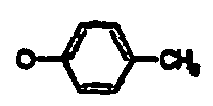
>200 >200 78 PH03 4-Ethylphenyl 
167 >200 48 PH04 4-tert-Butylphenyl 
45 38 64 PH05 2,4-Dichlorophenyl 
92 62 46 PH06 2,4,6-Trichlorophenyl 
44 35 273 BP01 4-Biphenyl 
26 17 54 BP02 2-Biphenyl 
74 83 187 Table 2. Effects of Various Aromatic Esters of GMCHA on the Growth of Different Bacterial Species COMPOUND STRUCTURE E. coli B. subtilis S. aureus S. epidermis IC50 IC100 IC50 IC100 IC50 IC100 IC50 IC100 PH01 Phenyl 
>200 >200 >200 >200 151 >200 128 >200 PH02 4-Methylphenyl 
>200 >200 >200 >200 47 120 48 120 PH03 4-Ethylphenl 
167 >200 129 >200 15 50 14 50 PH04 4-tert-Butylphenyl 
45 90 26 50 3.4 15 2.9 10 BP01 4-Biphenyl 
26 40 4 10 0.6 2 0.4 1.5 -
Figure 1 illustrates the effects of GMCHA derivatives on cell growth, DNA synthesis and proteinase In activity in synchronized E. coli Cells. Left, Growth of synchronized cells in the absence of compound PH04. (a), Viable cell number and [3H] thymidine uptake were determined at 5-min intervals, and proteinase In activity was determined at 30-sec intervals. Time zero was set at the first sign of cell division. (b) and (c), Appearance of proteinase In activity at -30 min and +30 min, respectively. P, Q, and R represent the cell division period, the period between cell division and initiation of chromosome replication, and the period between initiation of chromosome replication and cell division, respectively. Right, Growth of synchronized cells in the presence of 27µM compound PH04. (a), The inhibitor was added at -8 min (arrow). The sample was as described above. Note that without PH04, duration of P, Q, R1, and R2 was 15, 15,15, and 10 min, respectively, whereas with PH04, DNA synthesis was initiated at 30min and DNA synthetic activity doubled at 65min. The R1 period was prolonged from 15 to 35 min. (b), Appearance of proteinase activity at about 30 min as in control cells, but had a prolonged half-life. - Since the GMCHA derivatives were originally identified as synthetic trypsin inhibitors in vitro, we investigated whether a trypsin-like protease could be detected in E. coli extracts using as fluorogenic substrate Boc-Val-Pro-Arg-NH-Mec. (Kato et al., Eur. J. Biochem., 210:1007-1014 (1992)). We detected a single activity and had purified it to homogeneity. This was achieved in eight steps, with a 2,880-fold purification and a yield of 15 percent. The purified enzyme has a molecular mass of ~66 kDa and an isoelectric point of 4.9. Based upon pH optimum, hydrolytic activity on various synthetic substrates, and effects of various known proteolytic inhibitors, this E. coli protease has very different specificity than mammalian trypsin or any of known bacterial enzymes. Most exciting is the finding that the sensitivity of the purified enzyme to various GMCHA derivatives paralleled exactly their inhibitory effects on E. coli (Table 1). This latter finding may suggest that this protease is the molecular target within the E. coli cell for this class of growth inhibitory compounds. We had gone on to demonstrate, using synchronized E. coli cultures, that expression of this protease is restricted to just before the initiation of chromosomal DNA replication (
Fig. 2 , left). (Kato et al., Biol.Pharm. Bull., 16:552-557 (1993)). Furthermore, addition of the 4-tert-butylphenyl (PH04) derivative after DNA synthesis had initiated did not affect that round of cell division but retarded the next cycle. However, addition of the inhibitor prior to the initiation of DNA replication resulted in prolongation of that same round of cell division (Fig. 1 , right). Together, these results suggest that this protease probably participates directly in the initiation of chromosome replication in E. coli, and that it is the target of inhibition by the aromatic esters of GMCHA. We named this enzyme proteinase In, and its gene was identical with prlC. The prlC gene encoded a 67kDa protein with two active sites for proteinase In and oligopeptidase A. (Jiang et al., J. Biochem., 124:980-985 (1998)). A proteinase In like proteinase was partially purified from B. Subtilis and it was stonily inhibited by various esters of GMCHA, and their effects were co-related with their inhibitory effects on the growth of the bacteria. (Irisawa et al., Biol. Pharm. Bull., 16:1211-1215 (1993)). These results strongly suggest the ubiquitous occurrence of proteinase In or proteinase In-like proteinase in various bacteria, and a strong inhibitor for the proteinase is useful as an new type of antibacterial agent. - Since its discovery in 1983, in the mucus linings of the stomachs of patients with chronic gastritis, scientists have made detailed studies of H. pylori. Strong evidence exists to support the hypothesis that H. pylori may cause ulcers in the stomach and duodenum.
- H. pylori infects approximately 60% of people throughout the world and is the most common gastrointestinal infection worldwide. Some people develop gastritis, peptic ulcers and even gastric cancer as a result of infection. As it is a spiral shaped, thickly coated bacteria, with several flagellaes in its outer surface, it is very well adapted to the micro-environment of the upper gastrointestinal (GI) tract and hard to be eradicated.
- Here we are aiming to synthesize series compounds, and have found that NE-2001


- HP1100-HPLC system, including binary pump, on-line degasser, auto-sampler, thermostatted column compartment, diode-array detector. The column is ZORBAX ODS (4.6*250mm). Mobile phase is methanol/water=90:10 (0.1% acetic acid). Flow rate is 1mL/min. The detector wave is 254nm.
- All solvents are HPLC grade. MS spectra are obtained by API 2000 LC/MS/MS system. 1H-NMR data are from Analysis Center of East China University of Science and Technology. All starting materials are publicly available in the market.
- A solution of 4-(4-hydroxyphenyl) benzoic acid 21.4g (0.1mol) in 500mL absolute methanol in a flask equipped Soxhlet apparatus filled with A4 molecular sieve. Then dropped 2.0mL concentrated sulfuric acid. The mixture refluxed for 72hrs. After removal the solvent by vacuum, the residual oil dissolved in 100mL toluene, washed to pH=7 with water. The organic layer was dried by MgSO4 and filtered. The obtained filter liquor was added a certain quantity of activated charcoal and heated to reflux for 10~15min and filtered. Removed the solvent to obtain a white crystal, 4-Methyl-4'-hydroxybiphenyl-4-carboxylate 18.2g (yield 80%).
- A suspension of 4-Methyl-4-hydroxybiphenyl-4-carboxylate 9.0g (40.0mmol), 4-methylbenzylalcohol 24.4g (200.0mmol), sodium methoxide 1.0g (4.0mmol), toluene 20.0mL, under N2 prevention, was heated to reflux 2.5hrs. During the reaction, added additional 20.0mL toluene in order to bring out the resultant methanol under reflux. Then cooled to room temperature, added 10mL acetic acid and ice 40g to adjust the pH=5. The obtained organic layer was concentrated under reduced pressure to remove solvent and the excess 4-methylbenzylalcohol. Cooled to obtain brownish oil. Stood to produce the crude crystals slowly. Recrystallized from toluene/n-hexane to give a white crystal, 4-(4-methylbenzyl)-4'-hydroxybiphenyl-4-carboxylate 7.3g (yield 71%).
1H-NMR(500MHz,CDCl3): δ2.35(s, 3H), 5.35(s, 2H), 6.90(d, 2H), 7.15(d, 2H), 7.35(d, 2H), 7.50(d, 2H), 7.60(d, 2H), 8.10(d, 2H) - 2N NaOH solution 72mL was added to a solution of methyl isothiourea disulfate 20.0g (0.14mol) in 36mL water with cooling in ice bath, and stirred. Then 21.0g (0.138mol) 4-aminomethylbenzoic acid in 140mL 2N NaOH solution was added dropwise. The mixture was left to stand overnight at room temperature and then chilled in ice water for 1 hr. The precipitated white crystals were filtered off and washed with cold water. The filtrate was dissolve in warm 1N HCl and insoluble material was removed by filtration. The solution was concentrated in vacuum to crystallize. The colorless prisms crystallized when the solution was cooled, then filtered and dried, gave 4-guanidinomethylbenzoic acid hydrochloride 22.1g (yield 70%). LC/MS=194(M+H)
- 2N NaOH solution 36mL was added to a solution of methyl isothiourea disulfate 10.0g (0.07mol) in 36mL water with cooling in ice bath, and stirred, then 9.5g (0.069mol) 4-aminomethylbenzoic acid in 2N NaOH solution 70mL was added dropwise. The mixture was left to stand overnight at room temperature and then chilled in ice water for 1hr. The precipitated white crystals were filtered off and washed with cold water. The filtrate was dissolve in warm 1N HCl and insoluble material was removed by filtration. The solution was concentrated in vacuum to crystallize. The colorless prisms crystallized when the solution was cooled, then filtered and dried, gave 4-guanidinobenzoic acid hydrochloride 10.0g (yield 67%).
LGMS=180(M+H) - A suspension of 4-methylbenzyl-4'-hydroxybiphenyl-4-carboxylate, 2.42g(0.010mol), 4-Guanidinomethyl benzoic acid hydrochloride 2.3g (0.010mol) and dicyclohexylcabodiimide 4.1g(0.020mol) in pyridine 150ml was stirred at room temperature for 48hrs, after removed of insoluble materials by filtration. The filtrate was evaporated to dryness and residue solid was treated with 0.1N hydrochloric acid (50mL) and ether (50mL), The aqueous layer was washed with ether again and concentrated to 20ml, the resulting crystals were recrystallized in ethanol/hexane, gave 4-(4-methylbenxyl)-4'[guanidinomethylbenzoyloxy] biphenyl -4-carboxylate Hydrochloride 2.9g (yield 55%).
LC/MS=494(M+H) - A suspension of 4-methylbenzyl-4'-hydroxybiphenyl-4-carboxylate, 2.42g(0.010mol), 4-Guanidinobenzoic acid hydrochloride 2.2g (0.010mol) and dicyclohexylcabodiimide 4.1 g(0.020mol) in pyridine 150ml was stirred at room temperature for 48hrs, after removed of insoluble materials by filtration. The filtrate was evaporated to dryness and residue solid was treated with 0.1N hydrochloric acid (50mL) and ether (50mL), The aqueous layer was washed with ether again and concentrated to 20ml, the resulting crystals were recrystallized in ethanol/hexane, gave 4-(4-methylbenzyl)-4'-[guanidinobenzoyloxy] biphenyl-4-carboxylate Hydrochloride 3.0g(yield 60%).
LCIMS=482(M+H) - A suspension of 4-guanidinomethylbenzoic acid hydrochloride 2.3g (0.010mol), phenol 1.0g (0.011mol) and dicyclohexylcarbodimide 4.1g (0.020mol) in pyridine (150ml) was stirred at room temperature for 48hrs. After removal of insoluble materials by filtration, the filtrate was evaporated to dryness and residual solid was treated with 0.1N hydrochloric acid (50ml), washed with ether. The aqueous layer was concentrated to 20ml, the resulting crystals were filtered and washed with isopropanol / isopropyl ether, gave 4-Phenyl-4'- guanidinomethylbenzoate hydrochloride 2.3g (yield 75%).
LC/MS=269(M+H) - A suspension of 4-guanidinobenzoic acid hydrochloride 2.2g (0.010mol), phenol 1.0g (0.011 mol) and dicyclohexylcarbodimide 4.1g (0.020mol) in pyridine (150ml) was stirred at room temperature for 48hrs. After removal of insoluble materials by filtration, the filtrate was evaporated to dryness and residual solid was treated with 0.1N hydrochloric acid (50ml), washed with ether. The aqueous layer was concentrated to 20ml, the resulting crystals were filtered and washed with isopropanol / isopropyl ether, gave 4-Phenyl-4'- guanidinobenzoate hydrochloride 2.2g (yield 75%).
LC/MS=255(M+H) - A suspension of 4-guanidinomethylbenzoic acid hydrochloride 2.3g(0.010mol), 4-phenylphenol 1.7g (0.010mol) and dicyclohexylcarbodimide 4.1g (0.020mol) in pyridine (150ml) was stirred at room temperature for 48hrs. After removal of insoluble materials by filtration, the filtrate was evaporated to dryness and residual solid was treated with 0.1N hydrochloric acid (50ml), washed with ether. The aqueous layer was concentrated to 20ml, the resulting crystals were filtered and washed with isopropanol / isopropyl ether, gave 4-(4-biphenyl)-4'- guanidinomethylbenzoate hydrochloride 2.5g (yield 65%).
LC/MS=346 (M+H) - A suspension of 4-guanidinobenzoic acid hydrochloride 2.2g(0.010mol), 4-phenylphenol 1.7g (0.010mol) and dicyclohexylcarbodimide 4.1 g (0.020mol) in pyridine (150ml) was stirred at room temperature for 48hrs. After removal of insoluble materials by filtration, the filtrate was evaporated to dryness and residual solid was treated with 0.1N hydrochloric acid (50ml), washed with ether. The aqueous layer was concentrated to 20ml, the resulting crystals were filtered and washed with isopropanol / isopropyl ether, gave 4-(4-biphenyl)-4'- guanidinobenzoate hydrochloride 2.6g (yield 70%).
LC/MS=332 (M+H) - A suspension of 4-guanidinomethylbenzoic acid hydrochloride 2.3g (0.010mol), 4-methylphenol 1.1g (0.010mol) and dicyclohexyl-carbodimide 4.1g (0.020mol) in pyridine (150ml) was stirred at room temperature for 48hrs. After removal of insoluble materials by filtration, the filtrate was evaporated to dryness and residual solid was treated with 0.1N hydrochloric acid (50ml), washed with ether. The aqueous layer was concentrated to 20ml, the resulting crystals were filtered and washed with isopropanol /isopropyl ether, gave 4-(4-methylpbenyl) -4'- guanidinomethylbenzoate hydrochloride 2.4g (yield 75%).
LC/MS=284 (M+H) - A suspension of 4-guanidinobenzoic acid hydrochloride 2.2g(0.010mol), 4-methylphenol 1.1g (0.010mol) and dicyclohexyl- carbodimide 4.1 g (0.020mol) in pyridine (150ml) was stirred at room temperature for 48hrs. After removal of insoluble materials by filtration, the filtrate was evaporated to dryness and residual solid was treated with 0.1N hydrochloric acid (50ml), washed with ether. The aqueous layer was concentrated to 20ml, the resulting crystals were filtered and washed with isopropanol /isopropyl ether, gave 4-(4-methylphenyl) -4'- guanidinobenzoate hydrochloride 2.2g (yield 75%).
LC/MS=270 (M+H) -
- 1.
US Patent 4, 348,410 - 2. J.O.C. vol. 33 (1985) 652
- 3. Wenren et al Reactions of drugs synthesis published by chemical industry of China.
- 4. Chen fener et al Synthesis methods of organic drug published by Pharmaceutical science technology of China
- A novel compound reported here 4-(4-methylbenzyl)-4'-[guanidinomethylbenzoyloxy] biphenyl-4-carboxylate, NE-2001, specifically inhibited the growth of H. pylori and completely eradicated H. pylori at various pH.
- MICs (µg/ml) of several substances against 9 strains (ATCC43504, ATCC43629, ATCC43526,ATCC43579,ATCC49503,ATCCS 1110,ATCC51652,ATCC51653, ATCC51932) of H. pylori were examined. NE-2001 had minimal inhibitory concentrations (MICs) ranging from 0.10 to 0. 48 µg/ml. Summary is shown in the following Table 3.
Table 3. Summary of MIC Range against H. pylori Substance MIC Range (µg/ml) NE-2001 0.10-0.48 Amoxicillin 0.01-0.08 Clarithromycin 0.01-0.90 Metronidazole 0.65-2.45 -
Figure 2 illustrates the anti-H. pylori effects of the compound NE-2001. Bactericidal effect was examined at various concentration (0.15-2.50µg/ml) for 168 hours. The representative curve was shown inFig 2 . NE-2001 showed strong bactericidal effect against H. pylori. No visible organism was detected in 3hr at a concentration of ≥ 1.25µg/ml. NE-2001 showed bactericidal effect against H. pylori in all tested pH range (pH3-7) (SeeFigure 3 ). -
Figure 3 . Illustrates the anti-H.pylori effects of the compound NE-2001 at various pH values. The appearance frequency of natural resistant mutations against NE-2001 was examined (Table 4). Obviously no natural resistant bacteria appeared at all tested concentration of NE-2001 (0.30-1.20µg/ml).Table 4. Appearance Frequency of Natural Resistant Mutation against NE-2001 Organism Selected Concentration Of NE-2001 (µg/ml) Frequency H.pylori ATCC43504 0.30 < 3.4×10⁻⁸ 0.30 < 3.4×10⁻⁸ 1.20 < 3.4×10⁻⁸ - A study on a single dose toxicity of NE-2001 was performed orally in male mice. At a dose of 2000mg/kg of NE-2001 (maximum dose prepared as 0.5% methylcellulose suspension), no animal deaths occurred and all animals gained weight. General toxicity was also observed in neither cases. Apparently, NE-2001 is a safe (Table 5).
Table 5. NE-2001 Single Dose Toxicity in Mice Animal /Age Mouse/6 Weeks Administration Route Oral Sex Male No. Of Animals/ Group 5 LD50 (mg/kg) >2000 - The above examples are included for illustrative purposes only and is not intended to limit the scope of the invention. Since modifications will be apparent to those of skill in this art, it is intended that this invention be limited only by the scope of the appended claims.
Claims (16)
- The compound, or a pharmaceutically acceptable salt thereof, having the following formula II:

- A pharmaceutical composition, which composition comprises the compound of claim 1.
- The pharmaceutical composition of claim 2, which further comprises a pharmaceutically acceptable carrier or excipient.
- The use of a compound as defined in claim 1, or a pharmaceutically acceptable salt thereof in the preparation of a medication.
- The use of claim 4, wherein the medication is for treating or preventing a disease or disorder caused by Helicobacter pylori (H. pylori) infection.
- The use of claim 4 or 5, wherein the subject is a mammal.
- The use of claim 6, wherein the mammal is a human.
- The use of any of claims 4 to 7, wtherein the disease or disorder caused by H. pylori infection to treated or prevented is chronic gastritis, gastroduodenal ulcer, adenocarcinoma of the distal stomach, gastric lymphoma or gastric cancer.
- The use of any of claims 4 to 8, wherein the subject is treated without administering an anti-H. pylori agent.
- The use of claim 9, wherein the anti-H. pylori agent is proton-pump inhibitor (PPI), metronidazole, clarithromycin or amoxicillin.
- The use of any of claims 4 to 10, wherein the H. pylori is a resistant strain induced by PPI, metronidazole, clarithromycin or amoxicillin treatment.
- The use of any of claims 4 to 11, wherein the compound or a pharmaceutically acceptable salt thereof is administered by intracavernous injection, subcutaneous injection, intravenous injection, intramuscular injection, intradermal injection, oral administration, or topical administration.
- A combination, which combination comprises the compound of claim 1 or pharmaceutically acceptable salt thereof, and an anti-H. pylori agent.
- The combination of claim 13, wherein the anti-H. pylori agent is PPI, metronidazole, clarithromycin or amoxicillin.
- A kit, which kit comprises the compound of claim 1, or pharmaceutically acceptable salt thereof, or the combination of claims 13 or 14, and an instruction for using said compound or pharmaceutically acceptable salt in treating or preventing a disease or disorder caused by H. pylori infection.
- The compound of claim 1, or a pharmaceutically acceptable salt thereof, for treating or preventing a disease or disorder caused by Helicobacter pylori (H. pylori) infection.
Applications Claiming Priority (3)
| Application Number | Priority Date | Filing Date | Title |
|---|---|---|---|
| CNB011422890A CN1203055C (en) | 2001-09-26 | 2001-09-26 | Method and composition for treating or preventing bacterial infection |
| CN01142289 | 2001-09-26 | ||
| PCT/CN2001/001499 WO2003029201A1 (en) | 2001-09-26 | 2001-10-23 | Methods and compositions for treating or preventing bacterial infection |
Publications (3)
| Publication Number | Publication Date |
|---|---|
| EP1430025A1 EP1430025A1 (en) | 2004-06-23 |
| EP1430025A4 EP1430025A4 (en) | 2005-04-27 |
| EP1430025B1 true EP1430025B1 (en) | 2009-01-14 |
Family
ID=4676742
Family Applications (1)
| Application Number | Title | Priority Date | Filing Date |
|---|---|---|---|
| EP01274515A Expired - Lifetime EP1430025B1 (en) | 2001-09-26 | 2001-10-23 | Methods and compositions for treating or preventing bacterial infection |
Country Status (10)
| Country | Link |
|---|---|
| US (1) | US6734212B2 (en) |
| EP (1) | EP1430025B1 (en) |
| JP (1) | JP4102303B2 (en) |
| KR (1) | KR100884848B1 (en) |
| CN (1) | CN1203055C (en) |
| AT (1) | ATE420852T1 (en) |
| AU (1) | AU2002220465B2 (en) |
| CA (1) | CA2460006A1 (en) |
| DE (1) | DE60137459D1 (en) |
| WO (1) | WO2003029201A1 (en) |
Families Citing this family (8)
| Publication number | Priority date | Publication date | Assignee | Title |
|---|---|---|---|---|
| JPH07235803A (en) * | 1994-02-25 | 1995-09-05 | Nec Corp | Coaxial high power low pass filter |
| GB0129260D0 (en) * | 2001-12-06 | 2002-01-23 | Eisai London Res Lab Ltd | Pharmaceutical compositions and their uses |
| CN1810777B (en) * | 2005-01-24 | 2010-09-29 | 上海东浩医药生物企业有限公司 | Compound for preventing and treating bacterial infection and its preparation and use |
| WO2007143880A1 (en) * | 2006-06-09 | 2007-12-21 | Shanghai East Best Biopharmaceutical Enterprises Co., Ltd. | Compounds for preventing and treating bacterial infection and its preparation and use |
| US8476350B2 (en) * | 2008-12-24 | 2013-07-02 | Exxonmobil Research And Engineering Company | Triglyceride plasticizer and process of making |
| WO2023192165A1 (en) * | 2022-03-27 | 2023-10-05 | Tranexamic Technologies, Llc | Tranexamic class arginine and histidine mimics as therapeutic agents |
| US20250222066A1 (en) * | 2022-06-30 | 2025-07-10 | University Of Utah Research Foundation | Compositions and methods of treating, preventing or inhibiting a facultative anaerobe infection |
| CN116735870A (en) * | 2023-05-16 | 2023-09-12 | 重庆新赛亚生物科技有限公司 | Helicobacter pylori magnetic particle chemiluminescence detection reagents, kits, detection methods and applications |
Family Cites Families (19)
| Publication number | Priority date | Publication date | Assignee | Title |
|---|---|---|---|---|
| DE1905813A1 (en) * | 1968-07-04 | 1970-03-05 | Akad Wissenschaften Ddr | Benzyl or phenyl guanidobenzoates, potent trypsin - inhibitors, preventing activation of trypsinogen |
| US4191709A (en) * | 1978-02-06 | 1980-03-04 | Imperial Chemical Industries Limited | Manufacture of amines from alcohols with zeolite FU-1 catalysts |
| US4191779A (en) | 1978-03-17 | 1980-03-04 | Stanley Drug Products, Inc. | Method of treating bacterial infections |
| AU541738B2 (en) | 1979-09-20 | 1985-01-17 | Nippon Chemiphar Co. Ltd. | Cyclohexane carboxylic acid derivatives |
| JPS5869897A (en) * | 1981-10-20 | 1983-04-26 | Gakuzo Tamura | Dna gene |
| JPS6229566A (en) * | 1985-07-30 | 1987-02-07 | Taiyo Yakuhin Kogyo Kk | Novel guanidinomthylbenzoic acid derivative |
| US5247084A (en) | 1985-11-12 | 1993-09-21 | Ono Pharmaceutical Co., Ltd. | Derivatives of p-guanidinobenzoic acid |
| JPS63218652A (en) * | 1987-03-09 | 1988-09-12 | Taiyo Yakuhin Kogyo Kk | Novel guanidinomethylbenzoic acid derivative and remedy for peptic ulcer containing said derivative |
| JPH01139528A (en) * | 1987-11-24 | 1989-06-01 | Showa Denko Kk | Antiulcerative |
| SE463851B (en) | 1988-09-02 | 1991-02-04 | Amsu Ltd | COMPOSITION FOR TREATMENT OF ERECT DYSFUNCTION THROUGH URETRA |
| US5571674A (en) | 1989-09-18 | 1996-11-05 | The Trustees Of Columbia University In The City Of New York | DNA oligomers for use in detection of campylobacter pylori and methods of using such DNA oligomers |
| DE4221256C2 (en) | 1992-06-26 | 1997-07-10 | Lancaster Group Ag | Galenic composition for topical use |
| WO1996006825A1 (en) * | 1994-08-30 | 1996-03-07 | Teikoku Chemical Industries Co., Ltd. | Guanidinomethyl cyclohexane carboxylic ester derivative |
| US5741511A (en) | 1995-04-12 | 1998-04-21 | Sam Yang Co., Ltd. | Transdermal drug delivery device for treating erectile dysfunction |
| WO1997023256A1 (en) | 1995-12-22 | 1997-07-03 | Localmed, Inc. | Localized intravascular delivery of growth factors for promotion of angiogenesis |
| US5736154A (en) | 1996-03-11 | 1998-04-07 | Fuisz Technologies Ltd. | Transdermal delivery system |
| SE9703226D0 (en) | 1997-09-08 | 1997-09-08 | Astra Ab | New pharmaceutical composition |
| US6197801B1 (en) | 1998-01-14 | 2001-03-06 | Usa Doctors Products, Inc. | Injectable pharmaceutical composition for treatment and reversal of erectile dysfunction |
| TWI237695B (en) | 1999-12-14 | 2005-08-11 | Joy Biomedical Corp | Helicobacter pylori antigens in blood |
-
2001
- 2001-09-26 CN CNB011422890A patent/CN1203055C/en not_active Expired - Fee Related
- 2001-10-10 US US09/975,136 patent/US6734212B2/en not_active Expired - Fee Related
- 2001-10-23 KR KR1020047003972A patent/KR100884848B1/en not_active Expired - Fee Related
- 2001-10-23 WO PCT/CN2001/001499 patent/WO2003029201A1/en not_active Ceased
- 2001-10-23 AU AU2002220465A patent/AU2002220465B2/en not_active Ceased
- 2001-10-23 CA CA002460006A patent/CA2460006A1/en not_active Abandoned
- 2001-10-23 EP EP01274515A patent/EP1430025B1/en not_active Expired - Lifetime
- 2001-10-23 DE DE60137459T patent/DE60137459D1/en not_active Expired - Fee Related
- 2001-10-23 AT AT01274515T patent/ATE420852T1/en not_active IP Right Cessation
- 2001-10-23 JP JP2003532455A patent/JP4102303B2/en not_active Expired - Fee Related
Also Published As
| Publication number | Publication date |
|---|---|
| ATE420852T1 (en) | 2009-01-15 |
| KR20040037089A (en) | 2004-05-04 |
| US20030125384A1 (en) | 2003-07-03 |
| US6734212B2 (en) | 2004-05-11 |
| CN1410419A (en) | 2003-04-16 |
| EP1430025A4 (en) | 2005-04-27 |
| KR100884848B1 (en) | 2009-02-23 |
| CA2460006A1 (en) | 2003-04-10 |
| AU2002220465B2 (en) | 2008-03-20 |
| WO2003029201A1 (en) | 2003-04-10 |
| DE60137459D1 (en) | 2009-03-05 |
| CN1203055C (en) | 2005-05-25 |
| JP4102303B2 (en) | 2008-06-18 |
| JP2005504123A (en) | 2005-02-10 |
| EP1430025A1 (en) | 2004-06-23 |
Similar Documents
| Publication | Publication Date | Title |
|---|---|---|
| ODAKE et al. | Inhibition of Helicobacter pylori urease activity by hydroxamic acid derivatives | |
| US6114310A (en) | Efflux pump inhibitors | |
| JPH11503913A (en) | Efflux pump inhibitor | |
| US20140249073A1 (en) | Broad spectrum antibiotics | |
| US6303617B1 (en) | Serotonin-like 9-substituted hypoxanthine and methods of use | |
| US6734212B2 (en) | Methods and compositions for treating or preventing bacterial infection | |
| WO2007100663A2 (en) | Polyamines and their use as antibacterial and sensitizing agents | |
| EP1511472B1 (en) | Compounds useful in the treatment of anthrax and inhibiting lethal factor | |
| AU2002220465A1 (en) | Methods and compositions for treating or preventing bacterial infection | |
| Granata et al. | Synthesis of a calix [4] arene derivative exposing multiple units of fucose and preliminary investigation as a potential broad-spectrum antibiofilm agent | |
| EP3200776B1 (en) | Beta lactamase inhibitors | |
| US10501493B2 (en) | Broad spectrum antibiotics | |
| CN107106533B (en) | Synergistic compositions for the treatment of microbial infections | |
| WO2001068085A1 (en) | A method for stimulation of defensin production | |
| CN108409608A (en) | Aryl nitrogen mustard histone deacetylases inhibitor and its preparation method and application | |
| Khan et al. | Molecular docking and in vitro antibacterial activity of chiral phthalimide on ESBL producing gram negative bacteria. | |
| EP1041983A1 (en) | Application of enzyme prodrugs as anti-infective agents | |
| WO1994027615A1 (en) | Oligomer conjugates and their use | |
| JP2025525741A (en) | Lipooligourea, pharmaceutical compositions, and lipooligourea for use as a medicament | |
| WO2011060976A1 (en) | Tryptamine-derived compounds as antibacterial agents | |
| TWI310375B (en) | Methods and compositions for treating bacterial infection | |
| CN102786536A (en) | Sulbactam amoxicillin amide complex for treatment of acute bacterial infection of pig and synthesis method | |
| FI81807C (en) | PROCEDURE FOR FRAMSTATION OF 2,3-DIAMINO-2,3-DIDESOXYHEXOSDERIVATIVER. | |
| WO2007143880A1 (en) | Compounds for preventing and treating bacterial infection and its preparation and use | |
| CN114907288B (en) | Application of nitrobenzene compounds in preparation of pseudomonas aeruginosa quorum sensing inhibitor |
Legal Events
| Date | Code | Title | Description |
|---|---|---|---|
| PUAI | Public reference made under article 153(3) epc to a published international application that has entered the european phase |
Free format text: ORIGINAL CODE: 0009012 |
|
| 17P | Request for examination filed |
Effective date: 20040423 |
|
| AK | Designated contracting states |
Kind code of ref document: A1 Designated state(s): AT BE CH CY DE DK ES FI FR GB GR IE IT LI LU MC NL PT SE TR |
|
| AX | Request for extension of the european patent |
Extension state: AL LT LV MK RO SI |
|
| REG | Reference to a national code |
Ref country code: HK Ref legal event code: DE Ref document number: 1067113 Country of ref document: HK |
|
| RIC1 | Information provided on ipc code assigned before grant |
Ipc: 7A 61K 31/155 B Ipc: 7C 07C 279/14 B Ipc: 7C 07C 279/04 A Ipc: 7C 07C 279/18 B |
|
| A4 | Supplementary search report drawn up and despatched |
Effective date: 20050310 |
|
| 17Q | First examination report despatched |
Effective date: 20061221 |
|
| GRAP | Despatch of communication of intention to grant a patent |
Free format text: ORIGINAL CODE: EPIDOSNIGR1 |
|
| GRAS | Grant fee paid |
Free format text: ORIGINAL CODE: EPIDOSNIGR3 |
|
| GRAA | (expected) grant |
Free format text: ORIGINAL CODE: 0009210 |
|
| AK | Designated contracting states |
Kind code of ref document: B1 Designated state(s): AT BE CH CY DE DK ES FI FR GB GR IE IT LI LU MC NL PT SE TR |
|
| REG | Reference to a national code |
Ref country code: GB Ref legal event code: FG4D |
|
| REG | Reference to a national code |
Ref country code: CH Ref legal event code: EP |
|
| REG | Reference to a national code |
Ref country code: IE Ref legal event code: FG4D |
|
| REF | Corresponds to: |
Ref document number: 60137459 Country of ref document: DE Date of ref document: 20090305 Kind code of ref document: P |
|
| PG25 | Lapsed in a contracting state [announced via postgrant information from national office to epo] |
Ref country code: NL Free format text: LAPSE BECAUSE OF FAILURE TO SUBMIT A TRANSLATION OF THE DESCRIPTION OR TO PAY THE FEE WITHIN THE PRESCRIBED TIME-LIMIT Effective date: 20090114 |
|
| NLV1 | Nl: lapsed or annulled due to failure to fulfill the requirements of art. 29p and 29m of the patents act | ||
| PG25 | Lapsed in a contracting state [announced via postgrant information from national office to epo] |
Ref country code: ES Free format text: LAPSE BECAUSE OF FAILURE TO SUBMIT A TRANSLATION OF THE DESCRIPTION OR TO PAY THE FEE WITHIN THE PRESCRIBED TIME-LIMIT Effective date: 20090425 Ref country code: FI Free format text: LAPSE BECAUSE OF FAILURE TO SUBMIT A TRANSLATION OF THE DESCRIPTION OR TO PAY THE FEE WITHIN THE PRESCRIBED TIME-LIMIT Effective date: 20090114 |
|
| PG25 | Lapsed in a contracting state [announced via postgrant information from national office to epo] |
Ref country code: AT Free format text: LAPSE BECAUSE OF FAILURE TO SUBMIT A TRANSLATION OF THE DESCRIPTION OR TO PAY THE FEE WITHIN THE PRESCRIBED TIME-LIMIT Effective date: 20090114 Ref country code: PT Free format text: LAPSE BECAUSE OF FAILURE TO SUBMIT A TRANSLATION OF THE DESCRIPTION OR TO PAY THE FEE WITHIN THE PRESCRIBED TIME-LIMIT Effective date: 20090615 Ref country code: SE Free format text: LAPSE BECAUSE OF FAILURE TO SUBMIT A TRANSLATION OF THE DESCRIPTION OR TO PAY THE FEE WITHIN THE PRESCRIBED TIME-LIMIT Effective date: 20090414 |
|
| PG25 | Lapsed in a contracting state [announced via postgrant information from national office to epo] |
Ref country code: BE Free format text: LAPSE BECAUSE OF FAILURE TO SUBMIT A TRANSLATION OF THE DESCRIPTION OR TO PAY THE FEE WITHIN THE PRESCRIBED TIME-LIMIT Effective date: 20090114 |
|
| PG25 | Lapsed in a contracting state [announced via postgrant information from national office to epo] |
Ref country code: DK Free format text: LAPSE BECAUSE OF FAILURE TO SUBMIT A TRANSLATION OF THE DESCRIPTION OR TO PAY THE FEE WITHIN THE PRESCRIBED TIME-LIMIT Effective date: 20090114 |
|
| PLBE | No opposition filed within time limit |
Free format text: ORIGINAL CODE: 0009261 |
|
| STAA | Information on the status of an ep patent application or granted ep patent |
Free format text: STATUS: NO OPPOSITION FILED WITHIN TIME LIMIT |
|
| 26N | No opposition filed |
Effective date: 20091015 |
|
| PG25 | Lapsed in a contracting state [announced via postgrant information from national office to epo] |
Ref country code: MC Free format text: LAPSE BECAUSE OF NON-PAYMENT OF DUE FEES Effective date: 20091031 |
|
| REG | Reference to a national code |
Ref country code: CH Ref legal event code: PL |
|
| REG | Reference to a national code |
Ref country code: IE Ref legal event code: MM4A |
|
| REG | Reference to a national code |
Ref country code: FR Ref legal event code: ST Effective date: 20100630 |
|
| PG25 | Lapsed in a contracting state [announced via postgrant information from national office to epo] |
Ref country code: FR Free format text: LAPSE BECAUSE OF NON-PAYMENT OF DUE FEES Effective date: 20091102 Ref country code: DE Free format text: LAPSE BECAUSE OF NON-PAYMENT OF DUE FEES Effective date: 20100501 |
|
| PG25 | Lapsed in a contracting state [announced via postgrant information from national office to epo] |
Ref country code: LI Free format text: LAPSE BECAUSE OF NON-PAYMENT OF DUE FEES Effective date: 20091031 Ref country code: IE Free format text: LAPSE BECAUSE OF NON-PAYMENT OF DUE FEES Effective date: 20091023 Ref country code: GR Free format text: LAPSE BECAUSE OF FAILURE TO SUBMIT A TRANSLATION OF THE DESCRIPTION OR TO PAY THE FEE WITHIN THE PRESCRIBED TIME-LIMIT Effective date: 20090415 Ref country code: CH Free format text: LAPSE BECAUSE OF NON-PAYMENT OF DUE FEES Effective date: 20091031 |
|
| PG25 | Lapsed in a contracting state [announced via postgrant information from national office to epo] |
Ref country code: GB Free format text: LAPSE BECAUSE OF NON-PAYMENT OF DUE FEES Effective date: 20091023 |
|
| REG | Reference to a national code |
Ref country code: HK Ref legal event code: WD Ref document number: 1067113 Country of ref document: HK |
|
| PG25 | Lapsed in a contracting state [announced via postgrant information from national office to epo] |
Ref country code: IT Free format text: LAPSE BECAUSE OF FAILURE TO SUBMIT A TRANSLATION OF THE DESCRIPTION OR TO PAY THE FEE WITHIN THE PRESCRIBED TIME-LIMIT Effective date: 20090114 |
|
| PG25 | Lapsed in a contracting state [announced via postgrant information from national office to epo] |
Ref country code: LU Free format text: LAPSE BECAUSE OF NON-PAYMENT OF DUE FEES Effective date: 20091023 |
|
| PG25 | Lapsed in a contracting state [announced via postgrant information from national office to epo] |
Ref country code: TR Free format text: LAPSE BECAUSE OF FAILURE TO SUBMIT A TRANSLATION OF THE DESCRIPTION OR TO PAY THE FEE WITHIN THE PRESCRIBED TIME-LIMIT Effective date: 20090114 |
|
| PG25 | Lapsed in a contracting state [announced via postgrant information from national office to epo] |
Ref country code: CY Free format text: LAPSE BECAUSE OF FAILURE TO SUBMIT A TRANSLATION OF THE DESCRIPTION OR TO PAY THE FEE WITHIN THE PRESCRIBED TIME-LIMIT Effective date: 20090114 |