EP1427403B1 - Valproic acid for the treatment of breast cancer, colon cancer, head and neck cancer, small cell lung carcinoma and cancer of the blood cells in combination with irradiation - Google Patents
Valproic acid for the treatment of breast cancer, colon cancer, head and neck cancer, small cell lung carcinoma and cancer of the blood cells in combination with irradiation Download PDFInfo
- Publication number
- EP1427403B1 EP1427403B1 EP02777129A EP02777129A EP1427403B1 EP 1427403 B1 EP1427403 B1 EP 1427403B1 EP 02777129 A EP02777129 A EP 02777129A EP 02777129 A EP02777129 A EP 02777129A EP 1427403 B1 EP1427403 B1 EP 1427403B1
- Authority
- EP
- European Patent Office
- Prior art keywords
- cancer
- treatment
- use according
- valproic acid
- cells
- Prior art date
- Legal status (The legal status is an assumption and is not a legal conclusion. Google has not performed a legal analysis and makes no representation as to the accuracy of the status listed.)
- Expired - Lifetime
Links
Images

Classifications
-
- A—HUMAN NECESSITIES
- A61—MEDICAL OR VETERINARY SCIENCE; HYGIENE
- A61K—PREPARATIONS FOR MEDICAL, DENTAL OR TOILETRY PURPOSES
- A61K45/00—Medicinal preparations containing active ingredients not provided for in groups A61K31/00 - A61K41/00
- A61K45/06—Mixtures of active ingredients without chemical characterisation, e.g. antiphlogistics and cardiaca
-
- A—HUMAN NECESSITIES
- A61—MEDICAL OR VETERINARY SCIENCE; HYGIENE
- A61K—PREPARATIONS FOR MEDICAL, DENTAL OR TOILETRY PURPOSES
- A61K31/00—Medicinal preparations containing organic active ingredients
- A61K31/185—Acids; Anhydrides, halides or salts thereof, e.g. sulfur acids, imidic, hydrazonic or hydroximic acids
- A61K31/19—Carboxylic acids, e.g. valproic acid
-
- A—HUMAN NECESSITIES
- A61—MEDICAL OR VETERINARY SCIENCE; HYGIENE
- A61K—PREPARATIONS FOR MEDICAL, DENTAL OR TOILETRY PURPOSES
- A61K31/00—Medicinal preparations containing organic active ingredients
- A61K31/185—Acids; Anhydrides, halides or salts thereof, e.g. sulfur acids, imidic, hydrazonic or hydroximic acids
- A61K31/19—Carboxylic acids, e.g. valproic acid
- A61K31/20—Carboxylic acids, e.g. valproic acid having a carboxyl group bound to a chain of seven or more carbon atoms, e.g. stearic, palmitic, arachidic acids
-
- A—HUMAN NECESSITIES
- A61—MEDICAL OR VETERINARY SCIENCE; HYGIENE
- A61K—PREPARATIONS FOR MEDICAL, DENTAL OR TOILETRY PURPOSES
- A61K31/00—Medicinal preparations containing organic active ingredients
- A61K31/28—Compounds containing heavy metals
-
- A—HUMAN NECESSITIES
- A61—MEDICAL OR VETERINARY SCIENCE; HYGIENE
- A61K—PREPARATIONS FOR MEDICAL, DENTAL OR TOILETRY PURPOSES
- A61K31/00—Medicinal preparations containing organic active ingredients
- A61K31/59—Compounds containing 9, 10- seco- cyclopenta[a]hydrophenanthrene ring systems
-
- A—HUMAN NECESSITIES
- A61—MEDICAL OR VETERINARY SCIENCE; HYGIENE
- A61P—SPECIFIC THERAPEUTIC ACTIVITY OF CHEMICAL COMPOUNDS OR MEDICINAL PREPARATIONS
- A61P35/00—Antineoplastic agents
-
- A—HUMAN NECESSITIES
- A61—MEDICAL OR VETERINARY SCIENCE; HYGIENE
- A61P—SPECIFIC THERAPEUTIC ACTIVITY OF CHEMICAL COMPOUNDS OR MEDICINAL PREPARATIONS
- A61P43/00—Drugs for specific purposes, not provided for in groups A61P1/00-A61P41/00
Definitions
- the present invention relates to the use of the drug valproic acid and pharmaceutically acceptable salts thereof for a sensitizing treatment of human cancers in combination with established therapeutic principles.
- the invention also relates to the use of those compounds for the treatment of tumor metastases and minimal residual disease.
- the invention includes the manufacture of a clinically used medicament for the treatment of human cancers.
- HDACs histone deacetylases
- Both, HAT and HDAC activities can be recruited to target genes in complexes with sequence specific transcription factors and their cofactors.
- Nuclear receptors of the steroid/retinoid receptor superfamily such as retinoic acid receptor or thyroid hormone receptor are prototypical examples of transcription factors recruiting HAT and HDAC-associated cofactors depending on their status of activation by an appropriate ligand. In the absence of ligand these nuclear receptors interact with corepressors, e.g. N-CoR and SMRT.
- the corepressors form large protein complexes containing histone deacetylases and thereby inhibit transcription (Pazin and Kadonaga, 1997; Cell 89, 325-8).
- the corepressor complex Upon ligand binding the corepressor complex dissociates and is replaced by coactivator proteins, e.g. SRC-1 and CBP, which exist in multiprotein complexes harboring histone acetyltransferase activity.
- coactivator proteins e.g. SRC-1 and CBP, which exist in multiprotein complexes harboring histone acetyltransferase activity.
- the ligand-induced switch of nuclear receptors from repression to activation thus reflects the exchange of corepressor and coactivator complexes with antagonistic enzymatic activities (Glass and Rosenfeld, 2000, Genes Dev 14, 121-41).
- Mammalian histone deacetylases can be divided into three subclasses (Cress and Seto, 2000, J Cell Physiol 184, 1-16; Gray and Ekstrom 2001, Exp Cell Res 262, 75-83).
- Class I enzymes are homologues of the yeast RPD3 protein and include the mammalian HDAC1, HDAC2, HDAC3 and HDAC8 enzymes with molecular masses ranging from 42 to 55 kDa.
- Class II histone deacetylases HDAC4, HDAC5, HDAC6 and HDAC7 are larger proteins (about 120 to 130 kDa) which are related to the yeast HDA1 protein.
- Histone deacetylases bind to many different proteins and usually exist in large complexes within the cell. Many of the associated proteins seem to be involved in either targeting HDACs to their substrates or to transcriptional repressors.
- the Rb-associated proteins RbAP46 and RbAP48 are usually considered as integral parts of the HDAC enzyme complex responsible for the recognition of nucleosomal substrates (Taunton et al., 1996, Science 272, 408-11; Verreault et al., 1996, Cell 87, 95-104).
- the corepressors N-CoR, SMRT and Sin3 are bridging factors required for the recruitment of HDACs to transcription factors (Pazin and Kadonaga, 1997, Cell 88, 737-40).
- Histone deacetylases are also components of the nucleosome remodeling and deacetylase (NuRD) complex which also contains RbAP46 and RbAP48, Mi-2 and MTA2 (Zhang, Y. et al., 1999, Genes Dev 13, 1924-35). Given the large number of HDAC isoenzymes and interacting proteins it is conceivable that complex composition could modulate substrate specificity and target HDACs even to non-histone proteins.
- RAR fusion proteins resulting from chromosomal translocations involve either the promyelocytic leukemia protein (PML) or the promyelocytic zinc finger protein (PLZF) (de The, 1996, Faseb J 10, 955-60). Both fusion proteins can interact with components of the corepressor complex.
- PML promyelocytic leukemia protein
- PLAZF promyelocytic zinc finger protein
- corepressor-mediated aberrant repression may be causal for pathogenesis in APL is supported by the finding that inhibitors of corepressor-associated HDAC activity are capable of overcoming the differentiation block in cells containing the PLZF-RAR fusion protein.
- the translocation t(8;21) results in the AML1/ETO fusion protein, in which the transactivation domain of transcription factor AML1 is replaced by almost the entire ETO protein.
- the translocation partner ETO has been reported to interact with N-CoR, SMRT, mSin3 and HDACs (Lutterbach et al., 1998, Mol Cell Biol 18, 7176-84; Gelmetti et al., 1998, Mol Cell Biol 18, 7185-91; Wang et al., 1998, Proc Natl Acad Sci U S A 95, 10860-5; Hildebrand et al., 2001, J Biol Chem 276, 9889-95).
- the fusion protein recruits corepressor complexes containing HDAC activity instead of coactivators.
- the oncogenic potential and transcriptional repressor activity of the translocation product AML1/ETO requires oligomerization (Minucci et al., 2000, Mol Cell 5, 811-20).
- non-Hodgkin's lymphoma translocations and point mutations frequently lead to overexpression of the BCL-6 oncogene product which has been implicated in the control of B-cell proliferation.
- BCL-6 is a transcription factor which has been shown to interact with the corepressors N-CoR and SMRT, aberrant repression as in acute leukemias could also be involved in the pathogenesis of non-Hodgkin's lymphoma (Huynh and Bardwell, 1998, Oncogene 17, 2473-84).
- RTH Resistance to Thyroid Hormone
- TR ⁇ thyroid hormone receptor beta
- HDAC inhibitors are potentially promising candidate drugs for differentiation therapy of cancer and the treatment of certain endocrine diseases.
- VPA antiepileptic drug valproic acid
- PCT/EP01/07704 histone deacetylases
- Valproic acid has multiple biological activities which depend on different molecular mechanisms of action:
- VPA derivatives allowed to determine that the different activities are mediated by different molecular mechanisms of action. Teratogenicity and antiepileptic activity follow different modes of action because compounds could be isolated which are either preferentially teratogenic or preferentially antiepileptic (Nau et al., 1991, Pharmacol. Toxicol. 69, 310-321). Activation of PPAR ⁇ was found to be strictly correlated with teratogenicity (Lampen et al., 1999, Toxicol. Appl. Pharmacol. 160, 238-249) suggesting that, both, PPAR ⁇ activation and teratogenicity require the same molecular activity of VPA.
- Antiepileptic and sedating activities follow different structure activity relationships and thus obviously depend on a primary VPA activity distinct from HDAC inhibition.
- the mechanism of hepatotoxicity is poorly understood and it is unknown whether it is associated with formation of the VPA-CoA ester.
- HDAC inhibition appears not to require CoA ester formation.
- tumor therapies consist of the combinatorial treatment of patients with more than one anti-tumor therapeutic reagent. Examples are the combined use of irradiation treatment together with chemotherapeutic and/or cytotoxic reagents and more recently the combination of irradiation treatment with immunological therapies such as the use of tumor cell specific therapeutic antibodies.
- immunological therapies such as the use of tumor cell specific therapeutic antibodies.
- the possibility to combine individual treatments with each other in order to identify such combinations which are more effective than the individual approaches alone requires extensive pre-clinical and clinical testing. It is not possible to predict which combinations show an additive or even synergistic effect.
- another purpose is the potential decrease of the doses of the individual components in the resulting combinations in order to decrease unwanted or harmful side effects caused by higher doses of the individual components.
- the present invention aims at providing a medicament which is useful for the treatment of human cancer.
- VPA has unexpected beneficial effects when used for the treatment of potentially many different types of human cancer in combination with a whole variety of other anti-tumor therapies which are individually based on strikingly different modes of action.
- the potential therapeutic use of VPA as a component of many anti-tumor drug combinations may not be limited to combinations with drugs having particular molecular mechanisms. This in fact may render VPA a drug to be combined with the majority of existing anti-tumor approaches.
- the precise mode of action which is employed by VPA is not fully understood, but its differentiation inducing potential may be the basis to sensitize tumor cells for the activity of such a wide range of anti-tumor drugs.
- This surprisingly broad potential of VPA is expected to be based on its activity as an inhibitor of specific sets of enzymes having HDAC activity.
- the present invention relates to the use of VPA and pharmaceutically acceptable salts thereof for the manufacture of a medicament for the treatment of human cancer in combination with irradiation treatment wherein the human cancer is selected from the group consisting of breast cancer, colon cancer, head and neck cancer, small cell lung carcinoma and cancer of blood cells.
- the anti-tumoral activity of such combinatorial treatments compared to the use of each component alone can thus be increased and - if desired - the doses of the individual components of such combinatorial treatments may be lowered in order to decrease unwanted side effects related to individual drugs.
- the term "combinatorial treatment” refers to a treatment of an individual with at least two different therapeutic agents.
- the individual is treated with valproic acid or a pharmaceutically acceptable salt thereof which constitutes the first therapeutic agent.
- the second therapeutic agent is radiation therapy.
- a combinatorial treatment may include a third or even further therapeutic agent.
- valproic acid or the pharmaceutically acceptable salt thereof and the second and optionally further therapeutic agent can be administered simultaneously, or VPA or a pharmaceutically acceptable salt thereof can be administered prior to or after the second therapeutic agent. Administration of VPA or a pharmaceutically acceptable salt thereof prior to the second therapeutic agent or simultaneous administration is preferred.
- VPA or a pharmaceutically acceptable salt thereof can be administered to a cancer patient pre- or post-radiation therapy to treat or ameliorate the effects of cancer.
- the time between the two treatments is shorter than 10 days.
- compositions of valproic acid can be used for combinatorial therapy of cancer.
- Valproic acid or a pharmaceutically acceptable salt thereof is used for the manufacture of a medicament to sensitize human cancer cells for treatment efficacy in combination therapy with clinically established anti-cancer therapeutic agents.
- Cancer cells are sensitized upon contact with a sensitizing agent when a lower dose of a given anti-cancer agent is required to achieve a certain anti-cancer effect compared with cancer cells which have not been contacted with said sensitizing agent.
- Anti-cancer effects may be reduction in tumor mass, inhibition of proliferation and/or cytotoxicity. Methods to determine anti-tumor effects are known to those skilled in the art.
- VPA or pharmaceutically acceptable salts thereof are used for a combinatorial treatment of human cancer or for the manufacture of a medicament for a combinatorial treatment of human cancer.
- the combinatorial treatment may comprise a known anti-tumor therapy.
- the most efficient way of treatment is to surgically remove the tumor mass.
- drug therapy is infrequently used.
- the tumor has usually grown to such a size and/or has spread through the body to such an extent that resection is no longer a suitable treatment option.
- drug therapy is used either to reduce the size of the tumor before resection, or to eliminate residual cancer cells (minimal residual disease) in the body after tumor resection.
- chemotherapeutic and cytotoxic reagents include chemotherapeutic and cytotoxic reagents, differentiation-inducing reagents (e.g. retinoic acid, vitamin D, cytokines), hormonal therapy, immunological approaches and, more recently, the development of anti-angiogenic approaches.
- differentiation-inducing reagents e.g. retinoic acid, vitamin D, cytokines
- hormonal therapy e.g. retinoic acid, vitamin D, cytokines
- immunological approaches e.g. retinoic acid, vitamin D, cytokines
- Valproic acid and pharmaceutically acceptable salts thereof exhibit a HDAC inhibitory activity and frequently and unexpectedly cause a synergistic therapeutic effect upon combinatorial therapy with one or several other anti-cancer treatments which target mechanisms strikingly different from each other.
- Valproic acid or a pharmaceutically acceptable salt thereof is usually capable of sensitizing human cancer cells. Therefore, valproic acid or a pharmaceutically acceptable salt thereof is also termed the sensitizing agent herein.
- the dosage of the second therapeutic agent in a combination therapy can be signifcantly reduced to achieve an anti-tumor effect when used in combination with the sensitizing agent.
- the dosage of the second therapeutic agent preferably can be reduced by at least 25% compared to the dosage usually administered in clinical anti-cancer therapy. More preferably, the dosage can be reduced by at least 50%.
- the "dosage usually administered in clinical anti-cancer therapy” is defined herein as the amount of anti-cancer agent per sm (m 2 ) or kg body weight (BW) of the patient per day (for references and dosing details see also S. Seeber and J. Scblin, Therapiedane Onkologie, Springer-Verlag, 2. Auflage 1998, ISBN 3-540-58586-9).
- anti-cancer agents and daily dosages usually administered include
- the daily dosages of radiation can be significantly reduced in a combinatorial treatment with the sensitizing agent, compared to their usual dosages when administered alone or with other therapeutic principles.
- the following daily dosages may be used in the combinatorial treatment according to the invention:
- Valproic acid or a pharmaceutically acceptable salt thereof may be useful for inhibiting mammalian (for use of cell lines in in vitro assays and animal models systems) and in particular human (in vivo and in vitro) histone deacetylases HDAC 1-3 and 8 (class I), HDAC 4-7 (class II), as well as a recently identified new class of histone deacetylases with homology to the yeast SIR2 protein including several putative mammalian members (lmai et al., 2000, Nature 403, 795-800) and for the use in cancer treatment in combination with other cancer therapies.
- valproic acid or a pharmaceutically acceptable salt thereof inhibits only a subset of HDACs.
- Yet another aspect of the invention is the use of valproic acid or a pharmaceutically acceptable salt thereof for the manufacture of a medicament for the combinatorial treatment of a disease in which the induction of hyperacetylation of histones has a beneficial effect, e.g. resulting in differentiation and/or apoptosis of a patient's tumor cells and thus causing a clinical improvement of the patient's condition.
- diseases are estrogen receptor-dependent and independent breast cancer, colon cancer, head and neck cancer, small cell lung carcinoma.
- the combinatorial treatment of the present invention is particularly useful for treating minimal residual tumor disease or tumor metastases.
- the compounds and salts thereof can be formulated as pharmaceutical compositions (e.g. powders, granules, tablets, pills, capsules, injections, solutions, foams, enemas and the like) comprising at least one such compound alone or in admixture with pharmaceutically acceptable carriers, excipients and/or diluents.
- the pharmaceutical compositions can be formulated in accordance with a conventional method. Specific dose levels for any particular patient will be employed depending upon a variety of factors including the activity of specific compounds employed, the age, body weight, general health, sex, diet, time of administration, route of administration, rate of excretion, drug combination, and the severity of the particular disease undergoing therapy.
- the sensitizing agent will preferably be administered in an appropriate amount, for example, selected from the range of 10 mg/kg to 100 mg/kg body weight a day orally or intravenously.
- the dose levels are not specifically restricted as long as serum levels of 0.05 mM to 3 mM, preferably of 0.4 mM to 1.2 mM are achieved.
- the present invention provides novel possibilities to treat various cancer diseases.
- Applicant found that the HDAC inhibitory and cellular differentiation-inducing activity of VPA and pharmaceutically acceptable salts thereof can be used successfully in combination with well established and clinically used therapeutic drugs for the treatment of tumor cells of different origins.
- Such VPA and pharmaceutically acceptable salts thereof based combinatorial treatment is considered to generate superior therapeutic success in human tumor patients than the corresponding therapeutic drugs used on their own.
- Such combinatorial treatments could result in a decrease of the therapeutic doses of e.g. chemotherapeutic reagents required and could thus limit the currently observed, partly very serious side effects of frequently used therapies.
- aspects of the present invention are the combination of VPA or pharmaceutically acceptable salts thereof with radiation therapy (e.g. x-rays or gamma rays).
- radiation therapy e.g. x-rays or gamma rays.
- VPA VPA
- pharmaceutically acceptable salts thereof for the inhibition of tumor metastasis and therefore the extinction of minimal residual disease.
- VPA may be employed for the inhibition of tumor metastases formation and thus for the treatment of minimal residual disease. This was successfully tested by using in vivo models of renal and breast carcinomas.
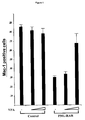
- FIG. 1 shows the effect of VPA on the differentiation block of hematopoietic progenitors in vitro: VPA cooperates with cytokines in restoring the differentiative potential of PML-RAR expressing cells (reference example) and must therefore be regarded as a sensitizing and synergistically acting reagent for the differentiation inducing activity of cytokines.
- Figure 2 shows that VPA sensitizes PML-RAR expressing cells to X-ray treatment in vitro (Example 1) and causes synergistic therapeutic activities in this combination.
- VPA cooperates with cytokines in restoring the differentiative potential of PML-RAR expressing cells.
- VPA must therefore be regarded as a sensitizing reagent for the differentiation inducing activity of cytokines ( Figure 1).
- VPA treatment did not affect differentiation of control cells whereas expression of PML-RAR caused a strong differentiation block (Figure 1) which could not be overcome when the cytokines described where used as the only treatment.
- VPA (1 mM, in right panels, labeled PML-RAR) almost completely reverted the differentiation block imposed by PML-RAR ( Figure 1).
- RA RA-establishes and sensitizes the cells for a state permissive for differentiation, then induced by cytokines, presumably by inhibiting the action of the HDAC complex recruited to target genes by PML-RAR.
- This activity of VPA must be regarded as a synergistic activity since the treatment with cytokines alone does not lead to a significant release of the differentiation block in these PML-RAR cells as mentioned above.
- Murine hematopoietic progenitors were purified from the bone marrow of 129 mice on the basis of the absence of lineage differentiation markers (lin-). Lin- cells were grown for 48 hours in the presence of IL-3 (20 ng/ml), IL-6 (20 ng/ml), SCF (100 ng/ml), and then attached to non-tissue culture treated plates coated with Retronectin (Takara-Shuzo). Cells were then transduced by incubation with the supernatant from Phoenix ecotropic packaging cells (supplemented with fresh serum, and IL-3, IL-6, and SCF as above), transiently transfected with the control retroviral vector PINCO, or PINCO-PML-RAR.
- IL-3 20 ng/ml
- IL-6 20 ng/ml
- SCF 100 ng/ml
- Retronectin Retronectin
- GFP+ cells were sorted by FACS, and seeded in methylcellulose plates supplemented as above, plus G-CSF (60 ng/ml) and GM-CSF (20 ng/ml). Where indicated, sodium valproate (VPA, from left to right 0.2 or 1mM) was added to the differentiation medium. After 8-10 days, cells were analyzed for the presence of the myeloid differentiation marker Mac-1 by FACS. VPA did not cause significant changes in the number of Mac-1 + cells, nor in the number of colonies in control cells up to concentrations of 1mM. At higher concentrations (>3 mM) a reduction in the number of colonies was observed, most likely due to induction of cell death (data not shown).
- Lin- cells were transduced with the indicated vectors (control: PINCO, empty vector encoding GFP alone), and GFP+ cells were sorted by FACS. GFP+ cells were then plated in differentiation medium, in the absence or in the presence of VPA (from left to right 0.2 and 1mM). Differentiation was assessed after 8-10 days by analysis of the myeloid differentiation marker Mac-1.
- VPA sensitizes PML-RAR expressing cells to X-ray treatment in vitro and causes a synergistic therapeutic effect (Figure 2).
- VPA led to a re-sensitization of PML-RAR expressing cells, with a complete and clearly synergistic disappearance of colonies in VPA treated cells ( Figure 2). It appears therefore, that VPA may be combined with X-rays to rescue the sensitivity of cells that have become resistant (e.g. through expression of an oncogenic fusion protein) to X-ray treatment alone and may cause synergistic therapeutic success rates.
- Lin- cells were transduced as described for figure 1 ( see also methods in the reference example for details), and sorted by FACS. 12 hours after sorting, cells were washed with PBS, and then incubated for 8-12 hours in medium with cytokines [data presented in figure 2 using IL-3 (20 ng/ml), IL-6 (20 ng/ml), SCF (100 ng/ml), G-CSF (60 ng/ml), GM-CSF (20 ng/ml)] or without cytokines (data not shown). At the end of the incubation, cells were exposed to an X-ray source (2 Gy total exposure), and incubated for additional 12-16 hours in the presence or in the absence of VPA. Finally, cells were plated in methylcellulose containing medium (StemCell Technologies) in the presence of cytokines (IL3, IL6, SCF, G- and GM-CSF) for 8-10 days.
- cytokines IL3, IL6, SCF, G- and GM-CSF
Landscapes
- Health & Medical Sciences (AREA)
- Chemical & Material Sciences (AREA)
- Medicinal Chemistry (AREA)
- Pharmacology & Pharmacy (AREA)
- Life Sciences & Earth Sciences (AREA)
- Animal Behavior & Ethology (AREA)
- General Health & Medical Sciences (AREA)
- Public Health (AREA)
- Veterinary Medicine (AREA)
- Epidemiology (AREA)
- Organic Chemistry (AREA)
- Chemical Kinetics & Catalysis (AREA)
- General Chemical & Material Sciences (AREA)
- Nuclear Medicine, Radiotherapy & Molecular Imaging (AREA)
- Bioinformatics & Cheminformatics (AREA)
- Engineering & Computer Science (AREA)
- Medicines That Contain Protein Lipid Enzymes And Other Medicines (AREA)
- Acyclic And Carbocyclic Compounds In Medicinal Compositions (AREA)
- Pharmaceuticals Containing Other Organic And Inorganic Compounds (AREA)
- Medicines Containing Material From Animals Or Micro-Organisms (AREA)
- Medicines Containing Antibodies Or Antigens For Use As Internal Diagnostic Agents (AREA)
- Investigating Or Analysing Biological Materials (AREA)
Abstract
Description
- VPA is an antiepileptic drug.
- VPA is teratogenic. When used as an antiepileptic drug during pregnancy VPA can induce birth defects (neural tube closure defects and other malformations) in a few percent of born children. In mice, VPA is teratogenic in the majority of mouse embryos when properly dosed.
- VPA activates a nuclear hormone receptor (PPARδ). Several additional transcription factors are also derepressed but some factors are not significantly derepressed (glucocorticoid receptor, PPARα).
- VPA occasionally causes hepatotoxicity, which may depend on poorly metabolized esters with coenzyme A.
To this end it was now surprisingly found that VPA has unexpected beneficial effects when used for the treatment of potentially many different types of human cancer in combination with a whole variety of other anti-tumor therapies which are individually based on strikingly different modes of action. Thus, the potential therapeutic use of VPA as a component of many anti-tumor drug combinations may not be limited to combinations with drugs having particular molecular mechanisms. This in fact may render VPA a drug to be combined with the majority of existing anti-tumor approaches. Here, the precise mode of action which is employed by VPA is not fully understood, but its differentiation inducing potential may be the basis to sensitize tumor cells for the activity of such a wide range of anti-tumor drugs. This surprisingly broad potential of VPA is expected to be based on its activity as an inhibitor of specific sets of enzymes having HDAC activity.
- Radiation
- 20-60 Gy
- Radiation
- 10-45 Gy
Thus, another aspect of the invention is the use of VPA and pharmaceutically acceptable salts thereof for the inhibition of tumor metastasis and therefore the extinction of minimal residual disease.
The most likely basis for this therapeutic success of VPA is its activity as a novel inhibitor of enzymes having HDAC activity. However, since e.g. TSA does not display this synergistic activities to the same extent VPA does, it appears that the fine tuned mechanistic targeting achieved by VPA appears to be superior to other HDAC inhibitors. In addition, VPA may be employed for the inhibition of tumor metastases formation and thus for the treatment of minimal residual disease. This was successfully tested by using in vivo models of renal and breast carcinomas.
Claims (11)
- The use of valproic acid or a pharmaceutically acceptable salt thereof for the manufacture of a medicament for the treatment of human cancer in combination with irradiation treatment, wherein the human cancer is selected from the group consisting of breast cancer, colon cancer, head and neck cancer, small cell lung carcinoma and cancer of blood cells.
- A use according to claim 1 wherein the combination treatment further includes anti-tumor therapy selected from the group consisting of treatment with differentiation inducing drugs, treatment with chemotherapeutic drugs, treatment with cytotoxic drugs, hormone therapy, immunotherapy, anti-angiogenic therapy and/or gene therapy.
- A use according to claim 1 or 2 wherein valproic acid is an inhibitor of enzymes having HDAC activity and causes an additive or synergistic therapeutic effect.
- A use according to claim 3 wherein the enzyme having histone deacetylase activity is a mammalian, preferably a human histone deacetylase.
- A use according to claim 3 or 4 wherein the human histone deacetylase is selected from the group consisting of HDACs 1-8 and members of the SIR2 protein family.
- A use according to anyone of claims 3 to 5 wherein valproic acid specifically inhibits only a subset of HDACs.
- A use according to anyone of claims 1 to 6 wherein valproic acid is used for the induction of differentiation of cells.
- A use according to anyone of claims 1 to 6 wherein valproic acid is used for the induction of differentiation of transformed cells.
- A use according to anyone of claims 1 to 6 wherein valproic acid is used for the induction of apoptosis of transformed cells.
- A use according to anyone of claims 1 to 9 wherein the induction of hyperacetylation of histones or other proteins functionally regulated by acetylation has a beneficial effect for the treatment of human cancer.
- A use according to anyone of claims 1 to 10 wherein valproic acid or a pharmaceutically acceptable salt thereof is tube administered as a first therapeutic agent, and V radiation therapy is tube administered as a second therapeutic agent, characterized in that the daily dosage of said radiation therapy is significantly reduced compared to the daily dosage of the radiation therapy when administered alone.
Priority Applications (4)
| Application Number | Priority Date | Filing Date | Title |
|---|---|---|---|
| EP05101081A EP1529527A3 (en) | 2001-09-18 | 2002-09-17 | Valproic acid for a combination treatment of human cancers, tumor metastasis and minimal residual disease |
| EP05019659A EP1602371A3 (en) | 2001-09-18 | 2002-09-17 | Valproic acid and derivatives for the sensitisation of human cancer cells to increase efficacy in a combination therapy |
| EP02777129A EP1427403B8 (en) | 2001-09-18 | 2002-09-17 | Valproic acid for the treatment of breast cancer, colon cancer, head and neck cancer, small cell lung carcinoma and cancer of the blood cells in combination with irradiation |
| CY20061100277T CY1105552T1 (en) | 2001-09-18 | 2006-02-28 | VALPROIC ACID AND DERIVATIVES FOR THE COMBINATION THERAPEUTIC TREATMENT OF HUMAN CANCER AND FOR THE TREATMENT OF TUMOR METASTASIS AND MINIMAL RESIDUAL DISEASE |
Applications Claiming Priority (4)
| Application Number | Priority Date | Filing Date | Title |
|---|---|---|---|
| EP01121722 | 2001-09-18 | ||
| EP01121722A EP1293205A1 (en) | 2001-09-18 | 2001-09-18 | Valproic acid and derivatives thereof for the combination therapy of human cancers, for the treatment of tumour metastasis and minimal residual disease |
| PCT/EP2002/010419 WO2003024442A2 (en) | 2001-09-18 | 2002-09-17 | Valproic acid and derivatives for the combinatorial therapeutic treatment of human cancers and for the treatment of tumor metastasis and minimal residual disease |
| EP02777129A EP1427403B8 (en) | 2001-09-18 | 2002-09-17 | Valproic acid for the treatment of breast cancer, colon cancer, head and neck cancer, small cell lung carcinoma and cancer of the blood cells in combination with irradiation |
Related Child Applications (4)
| Application Number | Title | Priority Date | Filing Date |
|---|---|---|---|
| EP05101081A Division EP1529527A3 (en) | 2001-09-18 | 2002-09-17 | Valproic acid for a combination treatment of human cancers, tumor metastasis and minimal residual disease |
| EP05019659A Division EP1602371A3 (en) | 2001-09-18 | 2002-09-17 | Valproic acid and derivatives for the sensitisation of human cancer cells to increase efficacy in a combination therapy |
| EP05101081.7 Division-Into | 2005-02-14 | ||
| EP05019659.1 Division-Into | 2005-09-09 |
Publications (3)
| Publication Number | Publication Date |
|---|---|
| EP1427403A2 EP1427403A2 (en) | 2004-06-16 |
| EP1427403B1 true EP1427403B1 (en) | 2005-12-28 |
| EP1427403B8 EP1427403B8 (en) | 2006-03-22 |
Family
ID=8178602
Family Applications (4)
| Application Number | Title | Priority Date | Filing Date |
|---|---|---|---|
| EP01121722A Withdrawn EP1293205A1 (en) | 2001-09-18 | 2001-09-18 | Valproic acid and derivatives thereof for the combination therapy of human cancers, for the treatment of tumour metastasis and minimal residual disease |
| EP02777129A Expired - Lifetime EP1427403B8 (en) | 2001-09-18 | 2002-09-17 | Valproic acid for the treatment of breast cancer, colon cancer, head and neck cancer, small cell lung carcinoma and cancer of the blood cells in combination with irradiation |
| EP05101081A Withdrawn EP1529527A3 (en) | 2001-09-18 | 2002-09-17 | Valproic acid for a combination treatment of human cancers, tumor metastasis and minimal residual disease |
| EP05019659A Withdrawn EP1602371A3 (en) | 2001-09-18 | 2002-09-17 | Valproic acid and derivatives for the sensitisation of human cancer cells to increase efficacy in a combination therapy |
Family Applications Before (1)
| Application Number | Title | Priority Date | Filing Date |
|---|---|---|---|
| EP01121722A Withdrawn EP1293205A1 (en) | 2001-09-18 | 2001-09-18 | Valproic acid and derivatives thereof for the combination therapy of human cancers, for the treatment of tumour metastasis and minimal residual disease |
Family Applications After (2)
| Application Number | Title | Priority Date | Filing Date |
|---|---|---|---|
| EP05101081A Withdrawn EP1529527A3 (en) | 2001-09-18 | 2002-09-17 | Valproic acid for a combination treatment of human cancers, tumor metastasis and minimal residual disease |
| EP05019659A Withdrawn EP1602371A3 (en) | 2001-09-18 | 2002-09-17 | Valproic acid and derivatives for the sensitisation of human cancer cells to increase efficacy in a combination therapy |
Country Status (11)
| Country | Link |
|---|---|
| US (1) | US20050038113A1 (en) |
| EP (4) | EP1293205A1 (en) |
| JP (1) | JP2005512961A (en) |
| AT (1) | ATE314063T1 (en) |
| AU (1) | AU2002338716B2 (en) |
| CA (1) | CA2460713A1 (en) |
| CY (1) | CY1105552T1 (en) |
| DE (1) | DE60208397T2 (en) |
| DK (1) | DK1427403T3 (en) |
| ES (1) | ES2252519T3 (en) |
| WO (1) | WO2003024442A2 (en) |
Families Citing this family (42)
| Publication number | Priority date | Publication date | Assignee | Title |
|---|---|---|---|---|
| US7154002B1 (en) | 2002-10-08 | 2006-12-26 | Takeda San Diego, Inc. | Histone deacetylase inhibitors |
| US7250514B1 (en) | 2002-10-21 | 2007-07-31 | Takeda San Diego, Inc. | Histone deacetylase inhibitors |
| KR20050122210A (en) * | 2003-03-17 | 2005-12-28 | 다케다 샌디에고, 인코포레이티드 | Histone deacetylase inhibitors |
| MXPA05012464A (en) * | 2003-05-21 | 2006-01-30 | Novartis Ag | Combination of histone deacetylase inhibitors with chemotherapeutic agents. |
| EP1491188A1 (en) | 2003-06-25 | 2004-12-29 | G2M Cancer Drugs AG | Topical use of valproic acid for the prevention or treatment of skin disorders |
| JP2007504131A (en) * | 2003-08-29 | 2007-03-01 | エートン ファーマ インコーポレーティッド | Combination treatment of cancer |
| WO2005065681A1 (en) * | 2003-12-19 | 2005-07-21 | Takeda San Diego, Inc. | N- hydroxy-3-(3-(1h-imidazol-2-yl)-phenyl)-acrylamide derivatives and related compounds as histone deacetylase (hdac) inhibitors for the treatment of cancer |
| WO2005066151A2 (en) * | 2003-12-19 | 2005-07-21 | Takeda San Diego, Inc. | Histone deacetylase inhibitors |
| US7951780B2 (en) | 2004-02-25 | 2011-05-31 | Astellas Pharma Inc. | Antitumor agent |
| JP2008524246A (en) | 2004-12-16 | 2008-07-10 | タケダ サン ディエゴ インコーポレイテッド | Histone deacetylase inhibitor |
| EP2946810A1 (en) | 2005-02-03 | 2015-11-25 | TopoTarget UK Limited | Combination therapy using an HDAC inhibitor and Vincristine for treating cancer |
| US7869590B2 (en) * | 2005-04-12 | 2011-01-11 | Broadcom Corporation | Method and system for hardware accelerator for implementing f9 integrity algorithm in WCDMA compliant handsets |
| WO2006122319A2 (en) * | 2005-05-11 | 2006-11-16 | Takeda San Diego, Inc. | Histone deacetylase inhibitors |
| CN102579417B (en) | 2005-05-13 | 2014-11-26 | 托波塔吉特英国有限公司 | Pharmaceutical formulations of HDAC inhibitors |
| ZA200800901B (en) | 2005-07-14 | 2010-05-26 | Takeda San Diego Inc | Histone deacetylase inhibitors |
| EP2361619A1 (en) | 2005-11-10 | 2011-08-31 | TopoTarget UK Limited | Histone deacetylase (hdac) inhibitors (pxd-101) alone for the treatment of hematological cancer |
| BRPI0520686A2 (en) * | 2005-11-16 | 2009-05-19 | Univ Mexico Nacional Autonoma | use of transcriptome modifying agents associated with cancer chemotherapy or radiotherapy |
| RU2389484C2 (en) * | 2005-11-18 | 2010-05-20 | Универсидад Насиональ Аутонома Де Мексико | Application of anticancer transcript modifying agents and chemotherapy or radiotherapy |
| WO2007084390A2 (en) * | 2006-01-13 | 2007-07-26 | Takeda San Diego, Inc. | Histone deacetylase inhibitors |
| JP5113038B2 (en) * | 2006-03-23 | 2013-01-09 | テムリック株式会社 | Cancer treatment kit and pharmaceutical composition for cancer treatment |
| CA2649877A1 (en) | 2006-04-24 | 2007-12-21 | Gloucester Pharmaceuticals | Gemcitabine combination therapy |
| DE102006022877B4 (en) | 2006-05-15 | 2009-01-29 | Sartorius Stedim Biotech Gmbh | Method for determining the viability of cells in cell cultures |
| WO2007146730A2 (en) | 2006-06-08 | 2007-12-21 | Gloucester Pharmaceuticals | Deacetylase inhibitor therapy |
| CA2661024A1 (en) * | 2006-08-28 | 2008-03-06 | The Regents Of The University Of California | Small molecule potentiator of hormonal therapy for breast cancer |
| EP2091525A1 (en) * | 2006-12-06 | 2009-08-26 | Sapporo Medical University | Potentiation of cellular immunity using histone deacetylase (hdac) inhibitors |
| GB0625283D0 (en) * | 2006-12-19 | 2007-01-24 | Cyclacel Ltd | Combination |
| JP2010514801A (en) | 2006-12-29 | 2010-05-06 | グラスター ファーマシューティカルズ, インコーポレイテッド | Purification of romidepsin |
| CA2726734C (en) * | 2007-06-06 | 2014-10-07 | University Of Maryland, Baltimore | Hdac inhibitor ms-275 and aromatase inhibitors for the treatment of cancer |
| CA2700173C (en) | 2007-09-25 | 2016-10-11 | Topotarget Uk Limited | Methods of synthesis of certain hydroxamic acid compounds |
| WO2010064422A1 (en) * | 2008-12-02 | 2010-06-10 | 静岡県公立大学法人 | Method for killing tumor by photosensitization treatment under conditions where histone is highly acetylated |
| US8491927B2 (en) | 2009-12-02 | 2013-07-23 | Nimble Epitech, Llc | Pharmaceutical composition containing a hypomethylating agent and a histone deacetylase inhibitor |
| MX342913B (en) | 2010-07-12 | 2016-10-19 | Celgene Corp * | Romidepsin solid forms and uses thereof. |
| US8859502B2 (en) | 2010-09-13 | 2014-10-14 | Celgene Corporation | Therapy for MLL-rearranged leukemia |
| KR101733189B1 (en) | 2010-10-06 | 2017-05-08 | (주)아모레퍼시픽 | Composition for promotion of growing nail or toenail |
| DK2688572T3 (en) * | 2011-03-21 | 2017-06-12 | Valcuria Ab | PHARMACEUTICAL COMPOSITION WITH AN HDAC INHIBITOR AND A STEROID AND USE THEREOF |
| AU2013202506B2 (en) | 2012-09-07 | 2015-06-18 | Celgene Corporation | Resistance biomarkers for hdac inhibitors |
| AU2013202507B9 (en) | 2012-11-14 | 2015-08-13 | Celgene Corporation | Inhibition of drug resistant cancer cells |
| NZ630311A (en) | 2013-12-27 | 2016-03-31 | Celgene Corp | Romidepsin formulations and uses thereof |
| JP6551963B2 (en) * | 2014-05-14 | 2019-07-31 | 国立大学法人京都大学 | Method for producing megakaryocyte precursor cells |
| KR102567244B1 (en) * | 2014-06-12 | 2023-08-16 | 세다르스-신나이 메디칼 센터 | Compositions and methods for treating cancers |
| GB202102606D0 (en) * | 2021-02-24 | 2021-04-07 | Univ Oxford Innovation Ltd | Treatment of ovarian cancer minimal residual disease |
| WO2023008459A1 (en) * | 2021-07-27 | 2023-02-02 | 東レ株式会社 | Medicament for treatment and/or prevention of cancer |
Family Cites Families (17)
| Publication number | Priority date | Publication date | Assignee | Title |
|---|---|---|---|---|
| US4935450A (en) * | 1982-09-17 | 1990-06-19 | Therapeutical Systems Corporation | Cancer therapy system for effecting oncolysis of malignant neoplasms |
| CA1339034C (en) * | 1988-08-22 | 1997-04-01 | Paul A. Tremblay | Platinum complexes of single isomer neoalkyl acids |
| JPH0279969A (en) * | 1988-09-19 | 1990-03-20 | Shigeyoshi Fujimoto | Method for inducing and activating cytotoxic t-cell |
| FR2697752B1 (en) * | 1992-11-10 | 1995-04-14 | Rhone Poulenc Rorer Sa | Antitumor compositions containing taxane derivatives. |
| TW248552B (en) * | 1993-06-01 | 1995-06-01 | Onoda Yakuhin Kogyo Kk | |
| US6300373B1 (en) * | 1993-09-10 | 2001-10-09 | American Biogenetic Sciences, Inc. | Antiproliferative and neurotrophic molecules |
| US5672746A (en) * | 1994-08-30 | 1997-09-30 | American Biogenetic Sciences, Inc. | Antiproliferative and neurotrophic molecules |
| US5786344A (en) * | 1994-07-05 | 1998-07-28 | Arch Development Corporation | Camptothecin drug combinations and methods with reduced side effects |
| DE69718029T2 (en) * | 1996-10-11 | 2003-10-16 | The Regents Of The University Of California, Oakland | CANCER IMMUNOTHERAPY USING TUMOR CELLS COMBINED WITH LYMPHOCYTIC BLENDS |
| US6110970A (en) * | 1997-03-11 | 2000-08-29 | Beacon Laboratories, Inc. | Nitrogen-containing oxyalkylene esters and uses thereof |
| US6124495A (en) * | 1997-03-11 | 2000-09-26 | Beacon Laboratories, Inc. | Unsaturated oxyalkylene esters and uses thereof |
| US6110955A (en) * | 1997-03-11 | 2000-08-29 | Beacon Laboratories, Inc. | Metabolically stabilized oxyalkylene esters and uses thereof |
| US6043389A (en) * | 1997-03-11 | 2000-03-28 | Mor Research Applications, Ltd. | Hydroxy and ether-containing oxyalkylene esters and uses thereof |
| US5939455A (en) * | 1997-03-11 | 1999-08-17 | Beacon Laboratories, Inc. | Therapeutic augmentation of oxyalkylene diesters and butyric acid derivatives |
| US6028102A (en) * | 1998-02-24 | 2000-02-22 | Yissum Research Development Company Of The Hebrew University Of Jerusalem | Anticonvulsant drugs and pharmaceutical compositions thereof |
| EP1244461A2 (en) * | 1999-12-23 | 2002-10-02 | The Ontario Cancer Institute | INHIBITION OF GSK-3$g(b) |
| EP1170008A1 (en) * | 2000-07-07 | 2002-01-09 | Chemotherapeutisches Forschungsinstitut Georg-Speyer-Haus | Valproic acid and derivatives thereof as histone deacetylase inhibitors |
-
2001
- 2001-09-18 EP EP01121722A patent/EP1293205A1/en not_active Withdrawn
-
2002
- 2002-09-17 DE DE60208397T patent/DE60208397T2/en not_active Expired - Lifetime
- 2002-09-17 DK DK02777129T patent/DK1427403T3/en active
- 2002-09-17 EP EP02777129A patent/EP1427403B8/en not_active Expired - Lifetime
- 2002-09-17 WO PCT/EP2002/010419 patent/WO2003024442A2/en not_active Ceased
- 2002-09-17 JP JP2003528538A patent/JP2005512961A/en active Pending
- 2002-09-17 EP EP05101081A patent/EP1529527A3/en not_active Withdrawn
- 2002-09-17 AU AU2002338716A patent/AU2002338716B2/en not_active Ceased
- 2002-09-17 CA CA002460713A patent/CA2460713A1/en not_active Abandoned
- 2002-09-17 ES ES02777129T patent/ES2252519T3/en not_active Expired - Lifetime
- 2002-09-17 AT AT02777129T patent/ATE314063T1/en active
- 2002-09-17 US US10/489,770 patent/US20050038113A1/en not_active Abandoned
- 2002-09-17 EP EP05019659A patent/EP1602371A3/en not_active Withdrawn
-
2006
- 2006-02-28 CY CY20061100277T patent/CY1105552T1/en unknown
Also Published As
| Publication number | Publication date |
|---|---|
| US20050038113A1 (en) | 2005-02-17 |
| ATE314063T1 (en) | 2006-01-15 |
| EP1427403B8 (en) | 2006-03-22 |
| AU2002338716B2 (en) | 2007-08-16 |
| CY1105552T1 (en) | 2010-07-28 |
| DK1427403T3 (en) | 2006-04-03 |
| DE60208397T2 (en) | 2006-07-13 |
| EP1602371A2 (en) | 2005-12-07 |
| ES2252519T3 (en) | 2006-05-16 |
| EP1529527A2 (en) | 2005-05-11 |
| WO2003024442A2 (en) | 2003-03-27 |
| EP1529527A3 (en) | 2005-05-25 |
| DE60208397D1 (en) | 2006-02-02 |
| CA2460713A1 (en) | 2003-03-27 |
| EP1293205A1 (en) | 2003-03-19 |
| JP2005512961A (en) | 2005-05-12 |
| EP1602371A3 (en) | 2006-11-15 |
| WO2003024442A3 (en) | 2003-09-18 |
| EP1427403A2 (en) | 2004-06-16 |
Similar Documents
| Publication | Publication Date | Title |
|---|---|---|
| ES2252519T3 (en) | VALPROIC ACID FOR THE TREATMENT OF CANCER OF MAMA, CANCER DE COLON, CANCER OF HEAD AND NECK, CARCINOMA OF SMALL CELLS OF PULMON AND LEUKEMIA, IN COMBINATION WITH RADIOTHERAPY. | |
| AU2002338716A1 (en) | Valproic acid and derivatives for the combinatorial therapeutic treatment of human cancers and for the treatment of tumor metastasis and minimal residual disease | |
| Doi et al. | Role of Lysine‐Specific Demethylase 1 in Metabolically Integrating Osteoclast Differentiation and Inflammatory Bone Resorption Through Hypoxia‐Inducible Factor 1α and E2F1 | |
| Konopleva et al. | Peroxisome proliferator-activated receptor γ and retinoid X receptor ligands are potent inducers of differentiation and apoptosis in leukemias | |
| He et al. | Histone deacetylase inhibitors induce remission in transgenic models of therapy-resistant acute promyelocytic leukemia | |
| Kowshik et al. | Astaxanthin inhibits JAK/STAT-3 signaling to abrogate cell proliferation, invasion and angiogenesis in a hamster model of oral cancer | |
| Ferrara et al. | Histone deacetylase-targeted treatment restores retinoic acid signaling and differentiation in acute myeloid leukemia | |
| Altucci et al. | RAR and RXR modulation in cancer and metabolic disease | |
| Jia et al. | Cardamonin reduces chemotherapy-enriched breast cancer stem-like cells in vitro and in vivo | |
| EP1170008A1 (en) | Valproic acid and derivatives thereof as histone deacetylase inhibitors | |
| JP2022017495A (en) | Combination therapy to treat cancer | |
| Sunami et al. | Inhibition of the NAD-dependent protein deacetylase SIRT2 induces granulocytic differentiation in human leukemia cells | |
| AU2001283925A1 (en) | Valproic acid and derivatives thereof as histone deacetylase inhibitors | |
| Garcia-Bates et al. | Peroxisome proliferator-activated receptor γ overexpression suppresses growth and induces apoptosis in human multiple myeloma cells | |
| Rice et al. | The acute promyelocytic leukaemia success story: curing leukaemia through targeted therapies | |
| Martinet et al. | Interpreting clinical assays for histone deacetylase inhibitors | |
| Brown et al. | Combination Chemoprevention of HER2/neu-Induced Breast Cancer Using a Cyclooxygenase-2 Inhibitor and a Retinoid X Receptor–Selective Retinoid | |
| Kortenhorst et al. | Acetylation and histone deacetylase inhibitors in cancer | |
| Lo Coco et al. | Progress in differentiation induction as a treatment for acute promyelocytic leukemia and beyond | |
| US11684601B2 (en) | Treatment of cancer with combinations of agents | |
| Kolesar et al. | A randomized, placebo-controlled, double-blind, dose escalation, single dose, and steady-state pharmacokinetic study of 9cUAB30 in healthy volunteers | |
| Okudaira et al. | NIK-333 inhibits growth of human T-cell leukemia virus type I-infected T-cell lines and adult T-cell leukemia cells in association with blockade of nuclear factor-κB signal pathway | |
| AU2007207869B2 (en) | Valproic acid and derivatives for the combinatorial therapeutic treatment of human cancers and for the treatment of tumor metastasis and minimal residual disease | |
| Lindner et al. | Thioredoxin reductase plays a critical role in IFN retinoid-mediated tumor-growth control in vivo | |
| Park et al. | Auranofin promotes retinoic acid‐or dihydroxyvitamin D3‐mediated cell differentiation of promyelocytic leukaemia cells by increasing histone acetylation |
Legal Events
| Date | Code | Title | Description |
|---|---|---|---|
| PUAI | Public reference made under article 153(3) epc to a published international application that has entered the european phase |
Free format text: ORIGINAL CODE: 0009012 |
|
| 17P | Request for examination filed |
Effective date: 20040226 |
|
| AK | Designated contracting states |
Kind code of ref document: A2 Designated state(s): AT BE BG CH CY CZ DE DK EE ES FI FR GB GR IE IT LI LU MC NL PT SE SK TR |
|
| AX | Request for extension of the european patent |
Extension state: AL LT LV MK RO SI |
|
| RIN1 | Information on inventor provided before grant (corrected) |
Inventor name: WELS, WINFRIED, STEPHAN Inventor name: GRONER, BERND Inventor name: MINUCCI, SAVERIO Inventor name: GOETTLICHER, MARTIN Inventor name: HERRLICH, PETER, A. Inventor name: HEINZEL, THORSTEN Inventor name: HENTSCH, BERND Inventor name: PELICCI, PIER, GIUSEPPE |
|
| 17Q | First examination report despatched |
Effective date: 20050425 |
|
| GRAP | Despatch of communication of intention to grant a patent |
Free format text: ORIGINAL CODE: EPIDOSNIGR1 |
|
| RIC1 | Information provided on ipc code assigned before grant |
Ipc: 7A 61P 35/00 B Ipc: 7A 61K 31/19 A |
|
| RTI1 | Title (correction) |
Free format text: VALPROIC ACID FOR THE TREATMENT OF BREAST CANCER, COLON CANCER, HEAD AND NECK CANCER, SMALL CELL LUNG CARCINOMA AND CANCE |
|
| GRAS | Grant fee paid |
Free format text: ORIGINAL CODE: EPIDOSNIGR3 |
|
| GRAA | (expected) grant |
Free format text: ORIGINAL CODE: 0009210 |
|
| AK | Designated contracting states |
Kind code of ref document: B1 Designated state(s): AT BE BG CH CY CZ DE DK EE ES FI FR GB GR IE IT LI LU MC NL PT SE SK TR |
|
| REG | Reference to a national code |
Ref country code: GB Ref legal event code: FG4D |
|
| REG | Reference to a national code |
Ref country code: CH Ref legal event code: EP |
|
| RAP2 | Party data changed (patent owner data changed or rights of a patent transferred) |
Owner name: TOPOTARGET GERMANY AG |
|
| RIN2 | Information on inventor provided after grant (corrected) |
Inventor name: PELICCI, PIER, GIUSEPPE Inventor name: GRONER, BERND Inventor name: HENTSCH, BERND Inventor name: GOETTLICHER, MARTIN Inventor name: WELS, WINFRIED, STEPHAN Inventor name: HERRLICH, PETER, A. Inventor name: MINUCCI, SAVERIO Inventor name: HEINZEL, THORSTEN |
|
| REG | Reference to a national code |
Ref country code: IE Ref legal event code: FG4D |
|
| REF | Corresponds to: |
Ref document number: 60208397 Country of ref document: DE Date of ref document: 20060202 Kind code of ref document: P |
|
| REG | Reference to a national code |
Ref country code: CH Ref legal event code: NV Representative=s name: PATENTANWAELTE SCHAAD, BALASS, MENZL & PARTNER AG |
|
| NLT2 | Nl: modifications (of names), taken from the european patent patent bulletin |
Owner name: TOPOTARGET GERMANY AG Effective date: 20060111 |
|
| REG | Reference to a national code |
Ref country code: SE Ref legal event code: TRGR Ref country code: GR Ref legal event code: EP Ref document number: 20060400151 Country of ref document: GR |
|
| REG | Reference to a national code |
Ref country code: DK Ref legal event code: T3 |
|
| REG | Reference to a national code |
Ref country code: EE Ref legal event code: FG4A Ref document number: E000245 Country of ref document: EE Effective date: 20060228 |
|
| REG | Reference to a national code |
Ref country code: ES Ref legal event code: FG2A Ref document number: 2252519 Country of ref document: ES Kind code of ref document: T3 |
|
| ET | Fr: translation filed | ||
| PLBE | No opposition filed within time limit |
Free format text: ORIGINAL CODE: 0009261 |
|
| STAA | Information on the status of an ep patent application or granted ep patent |
Free format text: STATUS: NO OPPOSITION FILED WITHIN TIME LIMIT |
|
| 26N | No opposition filed |
Effective date: 20060929 |
|
| PGFP | Annual fee paid to national office [announced via postgrant information from national office to epo] |
Ref country code: CH Payment date: 20100923 Year of fee payment: 9 Ref country code: ES Payment date: 20100921 Year of fee payment: 9 Ref country code: IE Payment date: 20100921 Year of fee payment: 9 Ref country code: MC Payment date: 20100920 Year of fee payment: 9 |
|
| PGFP | Annual fee paid to national office [announced via postgrant information from national office to epo] |
Ref country code: AT Payment date: 20100920 Year of fee payment: 9 Ref country code: BG Payment date: 20100924 Year of fee payment: 9 Ref country code: CZ Payment date: 20100907 Year of fee payment: 9 Ref country code: EE Payment date: 20100923 Year of fee payment: 9 Ref country code: FI Payment date: 20100920 Year of fee payment: 9 Ref country code: FR Payment date: 20100930 Year of fee payment: 9 Ref country code: IT Payment date: 20100924 Year of fee payment: 9 Ref country code: LU Payment date: 20100922 Year of fee payment: 9 Ref country code: SE Payment date: 20100921 Year of fee payment: 9 Ref country code: SK Payment date: 20100916 Year of fee payment: 9 Ref country code: TR Payment date: 20100914 Year of fee payment: 9 |
|
| PGFP | Annual fee paid to national office [announced via postgrant information from national office to epo] |
Ref country code: GB Payment date: 20100924 Year of fee payment: 9 Ref country code: GR Payment date: 20100922 Year of fee payment: 9 |
|
| PGFP | Annual fee paid to national office [announced via postgrant information from national office to epo] |
Ref country code: DK Payment date: 20100923 Year of fee payment: 9 Ref country code: NL Payment date: 20100921 Year of fee payment: 9 Ref country code: PT Payment date: 20100906 Year of fee payment: 9 |
|
| PGFP | Annual fee paid to national office [announced via postgrant information from national office to epo] |
Ref country code: BE Payment date: 20100921 Year of fee payment: 9 Ref country code: CY Payment date: 20100914 Year of fee payment: 9 Ref country code: DE Payment date: 20100830 Year of fee payment: 9 |
|
| REG | Reference to a national code |
Ref country code: PT Ref legal event code: MM4A Free format text: LAPSE DUE TO NON-PAYMENT OF FEES Effective date: 20120319 |
|
| BERE | Be: lapsed |
Owner name: *TOPOTARGET GERMANY A.G. Effective date: 20110930 |
|
| REG | Reference to a national code |
Ref country code: NL Ref legal event code: V1 Effective date: 20120401 |
|
| PG25 | Lapsed in a contracting state [announced via postgrant information from national office to epo] |
Ref country code: CZ Free format text: LAPSE BECAUSE OF NON-PAYMENT OF DUE FEES Effective date: 20110917 Ref country code: MC Free format text: LAPSE BECAUSE OF NON-PAYMENT OF DUE FEES Effective date: 20110930 |
|
| REG | Reference to a national code |
Ref country code: CH Ref legal event code: PL Ref country code: DK Ref legal event code: EBP |
|
| GBPC | Gb: european patent ceased through non-payment of renewal fee |
Effective date: 20110917 |
|
| REG | Reference to a national code |
Ref country code: GR Ref legal event code: ML Ref document number: 20060400151 Country of ref document: GR Effective date: 20120403 |
|
| PG25 | Lapsed in a contracting state [announced via postgrant information from national office to epo] |
Ref country code: IT Free format text: LAPSE BECAUSE OF NON-PAYMENT OF DUE FEES Effective date: 20110917 Ref country code: FI Free format text: LAPSE BECAUSE OF NON-PAYMENT OF DUE FEES Effective date: 20110917 Ref country code: PT Free format text: LAPSE BECAUSE OF NON-PAYMENT OF DUE FEES Effective date: 20120319 |
|
| REG | Reference to a national code |
Ref country code: SK Ref legal event code: MM4A Ref document number: E 456 Country of ref document: SK Effective date: 20110917 |
|
| REG | Reference to a national code |
Ref country code: EE Ref legal event code: MM4A Ref document number: E000245 Country of ref document: EE Effective date: 20110930 |
|
| REG | Reference to a national code |
Ref country code: IE Ref legal event code: MM4A |
|
| REG | Reference to a national code |
Ref country code: FR Ref legal event code: ST Effective date: 20120531 |
|
| PG25 | Lapsed in a contracting state [announced via postgrant information from national office to epo] |
Ref country code: BE Free format text: LAPSE BECAUSE OF NON-PAYMENT OF DUE FEES Effective date: 20110930 Ref country code: CY Free format text: LAPSE BECAUSE OF NON-PAYMENT OF DUE FEES Effective date: 20110917 |
|
| REG | Reference to a national code |
Ref country code: SE Ref legal event code: EUG |
|
| REG | Reference to a national code |
Ref country code: DE Ref legal event code: R119 Ref document number: 60208397 Country of ref document: DE Effective date: 20120403 |
|
| PG25 | Lapsed in a contracting state [announced via postgrant information from national office to epo] |
Ref country code: EE Free format text: LAPSE BECAUSE OF NON-PAYMENT OF DUE FEES Effective date: 20110930 Ref country code: NL Free format text: LAPSE BECAUSE OF NON-PAYMENT OF DUE FEES Effective date: 20120401 Ref country code: LI Free format text: LAPSE BECAUSE OF NON-PAYMENT OF DUE FEES Effective date: 20110930 Ref country code: DE Free format text: LAPSE BECAUSE OF NON-PAYMENT OF DUE FEES Effective date: 20120403 Ref country code: SK Free format text: LAPSE BECAUSE OF NON-PAYMENT OF DUE FEES Effective date: 20110917 Ref country code: CH Free format text: LAPSE BECAUSE OF NON-PAYMENT OF DUE FEES Effective date: 20110930 Ref country code: IE Free format text: LAPSE BECAUSE OF NON-PAYMENT OF DUE FEES Effective date: 20110917 |
|
| PG25 | Lapsed in a contracting state [announced via postgrant information from national office to epo] |
Ref country code: GR Free format text: LAPSE BECAUSE OF NON-PAYMENT OF DUE FEES Effective date: 20120403 Ref country code: FR Free format text: LAPSE BECAUSE OF NON-PAYMENT OF DUE FEES Effective date: 20110930 Ref country code: GB Free format text: LAPSE BECAUSE OF NON-PAYMENT OF DUE FEES Effective date: 20110917 |
|
| PG25 | Lapsed in a contracting state [announced via postgrant information from national office to epo] |
Ref country code: DK Free format text: LAPSE BECAUSE OF NON-PAYMENT OF DUE FEES Effective date: 20110930 |
|
| REG | Reference to a national code |
Ref country code: AT Ref legal event code: MM01 Ref document number: 314063 Country of ref document: AT Kind code of ref document: T Effective date: 20110917 |
|
| PG25 | Lapsed in a contracting state [announced via postgrant information from national office to epo] |
Ref country code: AT Free format text: LAPSE BECAUSE OF NON-PAYMENT OF DUE FEES Effective date: 20110917 |
|
| PG25 | Lapsed in a contracting state [announced via postgrant information from national office to epo] |
Ref country code: SE Free format text: LAPSE BECAUSE OF NON-PAYMENT OF DUE FEES Effective date: 20110918 |
|
| PG25 | Lapsed in a contracting state [announced via postgrant information from national office to epo] |
Ref country code: LU Free format text: LAPSE BECAUSE OF NON-PAYMENT OF DUE FEES Effective date: 20110917 |
|
| PG25 | Lapsed in a contracting state [announced via postgrant information from national office to epo] |
Ref country code: BG Free format text: LAPSE BECAUSE OF NON-PAYMENT OF DUE FEES Effective date: 20120630 |
|
| REG | Reference to a national code |
Ref country code: ES Ref legal event code: FD2A Effective date: 20131030 |
|
| PG25 | Lapsed in a contracting state [announced via postgrant information from national office to epo] |
Ref country code: ES Free format text: LAPSE BECAUSE OF NON-PAYMENT OF DUE FEES Effective date: 20110918 Ref country code: TR Free format text: LAPSE BECAUSE OF NON-PAYMENT OF DUE FEES Effective date: 20110917 |