EP1415651A1 - Preventives/remedies for cholinergic neuropathy - Google Patents
Preventives/remedies for cholinergic neuropathy Download PDFInfo
- Publication number
- EP1415651A1 EP1415651A1 EP02755819A EP02755819A EP1415651A1 EP 1415651 A1 EP1415651 A1 EP 1415651A1 EP 02755819 A EP02755819 A EP 02755819A EP 02755819 A EP02755819 A EP 02755819A EP 1415651 A1 EP1415651 A1 EP 1415651A1
- Authority
- EP
- European Patent Office
- Prior art keywords
- formula
- compound
- alkyl
- pharmaceutical agent
- agent
- Prior art date
- Legal status (The legal status is an assumption and is not a legal conclusion. Google has not performed a legal analysis and makes no representation as to the accuracy of the status listed.)
- Withdrawn
Links
- XYWHTJGCQCAAJD-UHFFFAOYSA-N CC([N](C)(C)OC)[O](C)C Chemical compound CC([N](C)(C)OC)[O](C)C XYWHTJGCQCAAJD-UHFFFAOYSA-N 0.000 description 1
- SECXISVLQFMRJM-UHFFFAOYSA-N CN(CCC1)C1=O Chemical compound CN(CCC1)C1=O SECXISVLQFMRJM-UHFFFAOYSA-N 0.000 description 1
- MCTWTZJPVLRJOU-UHFFFAOYSA-N C[n]1cncc1 Chemical compound C[n]1cncc1 MCTWTZJPVLRJOU-UHFFFAOYSA-N 0.000 description 1
- 0 Cc1c(*)[o]c2c1c(NC(*)=O)c(CCCC1)c1n2 Chemical compound Cc1c(*)[o]c2c1c(NC(*)=O)c(CCCC1)c1n2 0.000 description 1
Images



Classifications
-
- C—CHEMISTRY; METALLURGY
- C07—ORGANIC CHEMISTRY
- C07D—HETEROCYCLIC COMPOUNDS
- C07D491/00—Heterocyclic compounds containing in the condensed ring system both one or more rings having oxygen atoms as the only ring hetero atoms and one or more rings having nitrogen atoms as the only ring hetero atoms, not provided for by groups C07D451/00 - C07D459/00, C07D463/00, C07D477/00 or C07D489/00
- C07D491/02—Heterocyclic compounds containing in the condensed ring system both one or more rings having oxygen atoms as the only ring hetero atoms and one or more rings having nitrogen atoms as the only ring hetero atoms, not provided for by groups C07D451/00 - C07D459/00, C07D463/00, C07D477/00 or C07D489/00 in which the condensed system contains two hetero rings
- C07D491/04—Ortho-condensed systems
-
- A—HUMAN NECESSITIES
- A61—MEDICAL OR VETERINARY SCIENCE; HYGIENE
- A61K—PREPARATIONS FOR MEDICAL, DENTAL OR TOILETRY PURPOSES
- A61K31/00—Medicinal preparations containing organic active ingredients
- A61K31/33—Heterocyclic compounds
- A61K31/395—Heterocyclic compounds having nitrogen as a ring hetero atom, e.g. guanethidine or rifamycins
- A61K31/435—Heterocyclic compounds having nitrogen as a ring hetero atom, e.g. guanethidine or rifamycins having six-membered rings with one nitrogen as the only ring hetero atom
- A61K31/4353—Heterocyclic compounds having nitrogen as a ring hetero atom, e.g. guanethidine or rifamycins having six-membered rings with one nitrogen as the only ring hetero atom ortho- or peri-condensed with heterocyclic ring systems
- A61K31/4355—Heterocyclic compounds having nitrogen as a ring hetero atom, e.g. guanethidine or rifamycins having six-membered rings with one nitrogen as the only ring hetero atom ortho- or peri-condensed with heterocyclic ring systems the heterocyclic ring system containing a five-membered ring having oxygen as a ring hetero atom
-
- A—HUMAN NECESSITIES
- A61—MEDICAL OR VETERINARY SCIENCE; HYGIENE
- A61P—SPECIFIC THERAPEUTIC ACTIVITY OF CHEMICAL COMPOUNDS OR MEDICINAL PREPARATIONS
- A61P21/00—Drugs for disorders of the muscular or neuromuscular system
- A61P21/04—Drugs for disorders of the muscular or neuromuscular system for myasthenia gravis
-
- A—HUMAN NECESSITIES
- A61—MEDICAL OR VETERINARY SCIENCE; HYGIENE
- A61P—SPECIFIC THERAPEUTIC ACTIVITY OF CHEMICAL COMPOUNDS OR MEDICINAL PREPARATIONS
- A61P25/00—Drugs for disorders of the nervous system
-
- A—HUMAN NECESSITIES
- A61—MEDICAL OR VETERINARY SCIENCE; HYGIENE
- A61P—SPECIFIC THERAPEUTIC ACTIVITY OF CHEMICAL COMPOUNDS OR MEDICINAL PREPARATIONS
- A61P25/00—Drugs for disorders of the nervous system
- A61P25/14—Drugs for disorders of the nervous system for treating abnormal movements, e.g. chorea, dyskinesia
-
- A—HUMAN NECESSITIES
- A61—MEDICAL OR VETERINARY SCIENCE; HYGIENE
- A61P—SPECIFIC THERAPEUTIC ACTIVITY OF CHEMICAL COMPOUNDS OR MEDICINAL PREPARATIONS
- A61P25/00—Drugs for disorders of the nervous system
- A61P25/14—Drugs for disorders of the nervous system for treating abnormal movements, e.g. chorea, dyskinesia
- A61P25/16—Anti-Parkinson drugs
-
- A—HUMAN NECESSITIES
- A61—MEDICAL OR VETERINARY SCIENCE; HYGIENE
- A61P—SPECIFIC THERAPEUTIC ACTIVITY OF CHEMICAL COMPOUNDS OR MEDICINAL PREPARATIONS
- A61P25/00—Drugs for disorders of the nervous system
- A61P25/20—Hypnotics; Sedatives
-
- A—HUMAN NECESSITIES
- A61—MEDICAL OR VETERINARY SCIENCE; HYGIENE
- A61P—SPECIFIC THERAPEUTIC ACTIVITY OF CHEMICAL COMPOUNDS OR MEDICINAL PREPARATIONS
- A61P25/00—Drugs for disorders of the nervous system
- A61P25/28—Drugs for disorders of the nervous system for treating neurodegenerative disorders of the central nervous system, e.g. nootropic agents, cognition enhancers, drugs for treating Alzheimer's disease or other forms of dementia
-
- A—HUMAN NECESSITIES
- A61—MEDICAL OR VETERINARY SCIENCE; HYGIENE
- A61P—SPECIFIC THERAPEUTIC ACTIVITY OF CHEMICAL COMPOUNDS OR MEDICINAL PREPARATIONS
- A61P27/00—Drugs for disorders of the senses
- A61P27/02—Ophthalmic agents
- A61P27/06—Antiglaucoma agents or miotics
-
- A—HUMAN NECESSITIES
- A61—MEDICAL OR VETERINARY SCIENCE; HYGIENE
- A61P—SPECIFIC THERAPEUTIC ACTIVITY OF CHEMICAL COMPOUNDS OR MEDICINAL PREPARATIONS
- A61P43/00—Drugs for specific purposes, not provided for in groups A61P1/00-A61P41/00
-
- C—CHEMISTRY; METALLURGY
- C07—ORGANIC CHEMISTRY
- C07D—HETEROCYCLIC COMPOUNDS
- C07D495/00—Heterocyclic compounds containing in the condensed system at least one hetero ring having sulfur atoms as the only ring hetero atoms
- C07D495/02—Heterocyclic compounds containing in the condensed system at least one hetero ring having sulfur atoms as the only ring hetero atoms in which the condensed system contains two hetero rings
- C07D495/04—Ortho-condensed systems
Definitions
- the present invention relates to an agent for the prophylaxis or therapy of cholinergic nerve disorders, and particularly relates to an agent for the prophylaxis or therapy of cholinergic nerve disorders, which contains, as an active ingredient, a pharmaceutical agent capable of increasing the choline transporter number on a cell membrane of a cholinergic nerve terminal.
- acetylcholine esterase inhibitors show efficacy by suppressing the decomposition of acetylcholine released from the acetylcholinergic nerve terminal, thereby increasing the concentration of acetylcholine in synaptic cleft.
- These pharmaceutical agents have been commonly reported to cause clinical side effects due to excessive activation of acetylcholinergic nerve even in non-targeted organs, such as vomition, nausea, gastrointestinal symptoms and the like.
- a clinical administration method involving a titration period, wherein a dose is varied progressively from low dose to optimal efficacy dose, has been employed.
- the titration period accompanies variations in the therapeutic dose, thus lowering the compliance of medication, and means that the efficacy of a pharmaceutical agent is essentially associated with the occurrence of side effects. This may also mean that the setting of such titration period is a side effect caused by hyperstimulation of the acetylcholinergic nerve.
- the problem of side effects and the control of administration dose force a great burden on patients as well as on caregivers, and there is a great demand on a pharmaceutical agent that causes little side effect and is easy to take.
- Choline is a substrate used for acetylcholine synthesis, and it is widely known that the rate-limiting step in acetylcholine synthesis is a high-affinity choline uptake (HACU).
- HACU high-affinity choline uptake
- 4-acylamino-5,6,7,8-tetrahydrofuro[2,3-b]quinoline derivatives have been reported to enhance high-affinity choline uptake in acetylcholinergic nerve terminal (JP-A-8-104633, Bessho T.
- Another object of the present invention is to provide a method of screening a compound useful for the prophylaxis and/or therapy of cholinergic nerve disorders, which is based on a new mode of action.
- the present inventors have conducted intensive studies noting the behavior of choline transporters in view of the above-mentioned objects, and found that HACU can be improved significantly and continuously by increasing the choline transporter number on a cell membrane, particularly by acting on intracellular localized changes of choline transporters, thereby to increase the choline transporter number on a cell membrane, and obtained a specific compound having such an action mechanism, which resulted in the completion of the present invention.
- administration of not more than twice a day which has been considered to be unattainable heretofore, has been enabled. Accordingly, the present invention provides the following.
- the present invention is described in detail in the following.
- the C 2 -C 6 alkyl at R 1 , R 1 ' and R 1 " in the present invention is preferably C 2 -C 4 alkyl, such as ethyl, n-propyl, isopropyl, n-butyl, sec-butyl, tert-butyl and the like.
- the C 1 -C 6 alkyl at R 3 and R 3 ' is preferably C 1 -C 4 alkyl, such as methyl, ethyl, n-propyl, isopropyl, n-butyl, sec-butyl, tert-butyl and the like.
- the cycloalkyl at R 3 is preferably C 3 -C 6 cycloalkyl, such as cyclopropyl, cyclobutyl, cyclopentyl, cyclohexyl and the like.
- the C 1 -C 6 alkyl at R 4 -R 6 is preferably C 1 -C 4 alkyl, such as methyl, ethyl, n-propyl, isopropyl, n-butyl, sec-butyl, tert-butyl and the like.
- the C 1 -C 4 alkyl at R 7 -R 14 , R 9 ' and R 10 ' is preferably C 1 -C 4 alkyl, such as methyl ethyl, n-propyl, isopropyl, n-butyl, sec-butyl, tert-butyl and the like.
- the aralkyl at R 15 and R 15 ' is phenyl substituted with C 1 -C 4 alkyl, such as benzyl, phenethyl and the like.
- the acid to form an acid addition salt of a compound of the formula (I) includes, for example, inorganic acids such as hydrochloric acid, hydrobromic acid, hydriodic acid, sulfuric acid, phosphoric acid and the like, and organic acids such as oxalic acid, maleic acid, fumaric acid, lactic acid, malic acid, citric acid, tartaric acid, benzoic acid, methanesulfonic acid, camphersulfonic acid and the like.
- the acid addition salt to be administered should be acceptable as a pharmaceutical agent.
- the above-mentioned compound of the formula (I) and an acid addition salt thereof may be in the form of a hydrate or solvate and these hydrates and solvates are also encompassed in the compound that is an active ingredient of the present invention.
- the above-mentioned compound of the formula (I) may have an optical enantiomer, which is also encompassed in the compound that is an active ingredient of the present invention.
- the production method of the compounds of the formula (I) and the like, which are contained in the pharmaceutical agents and medicaments of the present invention as an active ingredient, is not particularly limited. For example, they can be synthesized easily according to the method described in JP-A-3-218361 (JP patent No. 2546919) and appropriately using the method known in the pertinent field.
- translocation intracellular localized changes
- 4-acylamino-5,6,7,8-tetrahydrofuro[2,3-b]quinoline derivative and the like of the above-mentioned formula (Ib) has an improving action on various cholinergic nerve disorders and can be used as an agent for the therapy or prophylaxis of dementia caused by Alzheimer's disease, Huntington's disease, Pick' disease, Down's syndrome, Parkinson's disease and the like.
- this derivative can be used as an agent for the therapy or prophylaxis of tardive dyskinesia, myasthenia gravis, glaucoma, dysgryphia and the like.
- the choline transporter is a substance responsible for the choline uptake.
- the transporter has been identified one after another in rat and human in recent years and clarified to have twelve transmembrane domains and a homology with a glucose transporter family (rat: Nature Neuroscience No. 3, pp. 120-125, 2000, human: FEBS Letters vol. 484, pp. 92-97, 2000, Biochemical and Biophysical Research Communications vol. 276, pp. 862-867, 2000).
- the cell membrane of cholinergic nerve terminal is not particularly limited as long as it expresses a choline transporter. It is preferably a cell membrane derived from hippocampus, which is used in the examples to be mentioned below.
- the present invention provides a pharmaceutical agent capable of increasing the number of choline transporters on the cell membrane surface of a cholinergic nerve terminal, and a pharmaceutical agent capable of increasing the number thereof on the cell membrane surface by acting on intracellular localized changes of the choline transporter.
- a pharmaceutical agent capable of increasing the number of choline transporters on the cell membrane surface of a cholinergic nerve terminal, and a pharmaceutical agent capable of increasing the number thereof on the cell membrane surface by acting on intracellular localized changes of the choline transporter.
- Such pharmaceutical agent is exemplified by one preferably containing the aforementioned 4-acylamino-5,6,7,8-tetrahydrofuro[2,3-b]quinoline derivative of the formula (Ib) as an active ingredient.
- the present invention further provides a new method of screening a compound useful for the prophylaxis or therapy of cholinergic nerve disorders.
- the screening method of the present invention includes at least the steps of (1) bringing a test compound with a cell membrane of the cholinergic nerve terminal and (2) counting the transporters on the surface of the cell membrane, and judging the usefulness of the compound.
- the test compound here embraces any compound intended for the application to the prophylaxis or therapy of cholinergic nerve disorders, whether it is known or unknown.
- the cell membrane of the cholinergic nerve terminal to be prepared for the screening method of the present invention is not particularly limited as long as it is a membrane sample of a cell that expresses a choline transporter (see above), which is preferably hippocampal synaptosome.
- the membrane sample is a membrane sample prepared from an animal that has been administered in advance with a specific inhibitor (e.g., specific neurotoxin, AF64A) against the cholinergic nerve to lower HACU, so that the effect would be clearer.
- a specific inhibitor e.g., specific neurotoxin, AF64A
- the preparation method of the membrane sample is known.
- the membrane sample is brought into contact with the test compound according to a method typically employed.
- the membrane sample and the test compound are incubated in a suitable buffer, such as Ringer's solution and the like, at a suitable temperature for a suitable time period.
- the transporter number on the cell membrane surface can be counted by a method typically employed in the pertinent field or a combination of such methods.
- a method wherein a labeled product of hemicholinium-3, which is a ligand specific to the choline transporter, is utilized a method wherein an antibody specific to the choline transporter is prepared and a labeled product of the antibody is utilized, and the like.
- the compound of the above-mentioned formula (I), particularly 4-acylamino-5,6,7,8-tetrahydrofuro[2,3-b]quinoline derivative of the formula (Ib), and the like are used as a pharmaceutical agent, they are administered alone or in combination with a pharmacologically acceptable carrier.
- the composition is determined according to the solubility and chemical property of the compound, administration route, administration schedule and the like.
- the compound may be processed into a dosage form such as granules, fine particles, powders, tablets, hard capsules, soft capsules, syrups, emulsions, suspensions, liquids and the like and orally administered. It may be prepared into an injection for intravenous, intramuscular administration or subcutaneous administration and administered.
- the compound may be prepared into a powder for injection or may be prepared when in use.
- An organic or inorganic, solid or liquid carrier or diluent for pharmaceutical agents suitable for oral, transrectal, parenteral or local administration can be used together with the 4-acylamino-5,6,7,8-tetrahydrofuro[2,3-b]quinoline derivative of the above-mentioned formula (Ib) and the like.
- the excipient to be used for production of solid preparation includes, for example, lactose, sucrose, starch, talc, cellulose, dextrin, Kaolin, calcium carbonate and the like.
- Liquid preparations for oral administration such as emulsion, syrup, suspension, liquid and the like contain an inert diluent generally used, such as water, vegetable oil and the like.
- This preparation may contain, besides the inert diluent, auxiliary agents such as moistening agent, suspending agent, sweetener, flavoring agent, coloring agent, preservative and the like.
- auxiliary agents such as moistening agent, suspending agent, sweetener, flavoring agent, coloring agent, preservative and the like.
- the solvent or suspending agent to be used for preparations for parenteral administration may be, for example, water, propylene glycol, polyethylene glycol, benzyl alcohol, ethyl oleate, lecithin and the like.
- the preparation method may be a conventional one.
- the clinical dose in the case of oral administration is a daily dose of 1-2000 mg, preferably 1-500 mg, for an adult as an active ingredient compound, which is increased or decreased as appropriate according to age, symptom, disease state, and presence or otherwise of concurrent administration.
- the frequency of administration is once a day of a daily dose, or two or three times of administrations a day at suitable intervals, or intermittent administration.
- a daily dose of 0.1-100 mg, preferably 0.1-50 mg is given to an adult.
- the compound of the above formula (I) can increase the choline transporter number on the surface of the cell membrane of cholinergic nerve terminal, particularly that it acts on the intracellular localized changes of the choline transporter to increase its number on the cell membrane surface, which in turn has clarified that the compound of the above formula (I) can be sufficiently administered not more than twice a day, preferably once a day.
- the pharmaceutical agent of the present invention capable of increasing the choline transporter number on the cell membrane surface of a cholinergic nerve terminal, particularly a pharmaceutical agent capable of increasing the choline transporter number on the cell membrane surface by acting on the intracellular localized changes thereof, is packaged together with a written matter stating that the pharmaceutical agent can or should be used for the prophylaxis or therapy of cholinergic nerve disorders, whereby a pharmaceutical product is preferably provided.
- Fig. 1 Compound A significantly improved the choline uptake of hippocampal membrane samples having reduced choline uptake due to the AF64A treatment. It has been reported that promoted high-affinity choline uptake can be observed after Ca 2+ -dependent acetylcholine release or depolarization induced by high K + stimulation, but it is unknown if the promotion is based on the expression of a new transporter or derived from an increased activity of already existent respective transporters (Can. J. Physiol. Pharmacol. 1986). The improving action on choline uptake observed at this time was further analyzed in detail.
- translocation refers to the activity control based on changes in the amount of transporters on the surface of the membrane wherein the transporters localized in an intracellular pool (transporter store) and membrane surface are made to come and go between them.
- GLT4 glucose transporter family having an analog structure of a twelve transmembrane domain type
- SERTs which is a 5-HT transporter of the amine transporter family
- GAT1 which is a GABA transporter
- EAAC1 glutamic acid transporter that structurally has eight transmembrane domains.
- this control model was studied based on the response of a glucose transporter to insulin, but, given the possible quick activity-dependent functional control, it is drawing much attention with regard to the neurological systems.
- the choline transporter is highly likely on this system, because it belongs in a glucose transporter family and shows extremely quick increase and decrease of choline transport at a synaptosome level.
- 4-acylamino-5,6,7,8-tetrahydrofuro[2,3-b]quinoline derivative is considered to have an action to draw out the transporters in the intracellular choline transporter store onto a nerve terminal, namely, have a point of action on the translocation of high-affinity choline transporters.
- Example 3 Sustention of action on high-affinity choline uptake
- the compound of the formula (I), particularly 4-acylamino-5,6,7,8-tetrahydrofuro[2,3-b]quinoline derivative has the above-mentioned mechanism, the promoting action on the high-affinity choline uptake is considered to be dependent on the density of high-affinity choline transporters on the nerve terminal, and therefore, to show a shift independent of the elimination rate of a drug.
- the sustained promoting action on the high-affinity choline uptake was examined by monitoring the changes in efficacy when the aforementioned AF64A-treated rats were subjected to single and consecutive administration(s) of a drug.
- the non-specific uptake was that in the presence of hemicholinium-3 (10 ⁇ M) in a sodium ion free Ringer's solution.
- hemicholinium-3 (10 ⁇ M) in a sodium ion free Ringer's solution.
- the improving effect on the water maze-learning disorder observed in the AF64A-treated rats was also studied at a given time after drug administration for 8 consecutive days.
- the water maze-learning disorder test was performed according to the method disclosed in JP-A-8-104633.
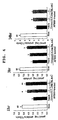
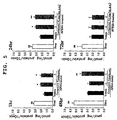
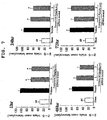
- Fig. 4 - Fig. 7 The time-course HACU promoting action by single administration (Fig. 4) reveals a significant promotion of HACU at 1 and 3 h after administration. This efficacy attenuated 24 h later. In contrast, by the administration for 8 consecutive days (Fig. 5), a significant HACU promoting action was observed even after 24 h from the final administration. This effect was sustained until 48 h later and disappeared in 72 h. To examine the effect of consecutive administration, the efficacy at 24 h after administration for 4 consecutive days, 8 consecutive days and 16 consecutive days was also examined (Fig. 6), but significant HACU promotion was not observed after the administration for 4 consecutive days.
- sustained efficacy can be expected even after disappearance of the pharmaceutical agent from the blood.
- the choline transporter number on the nerve terminal increases due to the accumulation of efficacy by single administration, whereby reinforcement of efficacy and sustention of the action are designed.
- the present inventors have intensively studied the detailed action mechanism of the high-affinity choline uptake promoting action of 4-acylamino-5,6,7,8-tetrahydrofuro[2,3-b]quinoline derivative. As a result, it has been first elucidated that this pharmaceutical agent has an action of changing the intracellular locality of high-affinity choline transporters, thereby to promote transfer thereof onto the nerve terminal, unlike a known pharmaceutical agent having an acetylcholinergic nerve activating action.
- the decreased administration frequency itself means improved compliance of patients in need of the treatment with the pharmaceutical agent, and a reduced burden on the caregiver of the patient.
- an overlooked dose of a pharmaceutical agent results in radical changes in disease conditions.
- An agent for the prophylaxis or therapy of cholinergic nerve disorder which contains, as an active ingredient, a pharmaceutical agent, particularly 4-acylamino-5,6,7,8-tetrahydrofuro[2,3-b]quinoline derivative, having an action mechanism found in the present invention can avoid the risk associated with the drug administration itself, due to the property of the inventive agent. Even if medication is overlooked, interrupted administration of a pharmaceutical agent does not lead to a radical change in the disease state, because the density of the high-affinity choline transporters on the nerve terminal decreases gradually following the physiological disappearance rate.
- the present invention provides a pharmaceutical agent based on the system wherein redundant transporters pooled in a nerve terminal is pulled out onto the nerve terminal to provide choline, which is a substrate of acetylcholine synthesis.
- the amount of the transporters utilizable for the promotion of choline uptake is limited in the body, and the pharmaceutical agent is based on the action mechanism for restoring the level of neuroactivity inherently possessed by the nerve but weakened by disease and disorder. Therefore, the side effects due to the excessive stimulation of the acetylcholinergic nerve, as can be seen with acetylcholine esterase inhibitors, are not expressed, thereby obliterating the need for a titration period.
Landscapes
- Health & Medical Sciences (AREA)
- Chemical & Material Sciences (AREA)
- Organic Chemistry (AREA)
- General Health & Medical Sciences (AREA)
- Bioinformatics & Cheminformatics (AREA)
- Veterinary Medicine (AREA)
- Public Health (AREA)
- Medicinal Chemistry (AREA)
- Engineering & Computer Science (AREA)
- Pharmacology & Pharmacy (AREA)
- Life Sciences & Earth Sciences (AREA)
- Animal Behavior & Ethology (AREA)
- Nuclear Medicine, Radiotherapy & Molecular Imaging (AREA)
- Chemical Kinetics & Catalysis (AREA)
- General Chemical & Material Sciences (AREA)
- Neurology (AREA)
- Neurosurgery (AREA)
- Biomedical Technology (AREA)
- Psychology (AREA)
- Ophthalmology & Optometry (AREA)
- Epidemiology (AREA)
- Hospice & Palliative Care (AREA)
- Psychiatry (AREA)
- Anesthesiology (AREA)
- Orthopedic Medicine & Surgery (AREA)
- Physical Education & Sports Medicine (AREA)
- Pharmaceuticals Containing Other Organic And Inorganic Compounds (AREA)
- Acyclic And Carbocyclic Compounds In Medicinal Compositions (AREA)
Abstract
An agent for prophylaxis or therapy of cholinergic nerve
disorder, which contains, as an active ingredient, a
pharmaceutical agent capable of increasing the choline
transporter number on the cell membrane surface of
cholinergic nerve terminal or a pharmaceutical agent capable
of increasing the choline transporter number on the cell
membrane surface by acting on intracellular localized changes
of the choline transporters.
Provision of a pharmaceutical agent is possible, which
does not require consideration of half-life in blood but
affords dramatic administration frequency of two times or
less a day in consideration of the mechanism of efficacy.
This means improved compliance of patients in need of the
treatment with the pharmaceutical agent and reduced burden on
the caregiver of the patient.
Description
The present invention relates to an agent for the
prophylaxis or therapy of cholinergic nerve disorders, and
particularly relates to an agent for the prophylaxis or therapy
of cholinergic nerve disorders, which contains, as an active
ingredient, a pharmaceutical agent capable of increasing the
choline transporter number on a cell membrane of a cholinergic
nerve terminal.
With the hope of achieving an improving effect on the
symptoms of dementia, which are considered to be attributable to
lower cholinergic nerve functions as seen in the diseases such
as Alzheimer's disease, Huntington's disease, Pick' disease,
Down's syndrome, Parkinson's disease and the like, and further
of achieving an improving effect on tardive dyskinesia,
myasthenia gravis, glaucoma, dysgryphia and the like, some
acetylcholine esterase inhibitors have been marketed in recent
years and put to clinical use. The acetylcholine esterase
inhibitors show efficacy by suppressing the decomposition of
acetylcholine released from the acetylcholinergic nerve terminal,
thereby increasing the concentration of acetylcholine in
synaptic cleft. These pharmaceutical agents have been commonly
reported to cause clinical side effects due to excessive
activation of acetylcholinergic nerve even in non-targeted
organs, such as vomition, nausea, gastrointestinal symptoms and
the like. In an attempt to decrease expression of such side
effects, a clinical administration method involving a titration
period, wherein a dose is varied progressively from low dose to
optimal efficacy dose, has been employed. The titration period
accompanies variations in the therapeutic dose, thus lowering
the compliance of medication, and means that the efficacy of a
pharmaceutical agent is essentially associated with the
occurrence of side effects. This may also mean that the setting
of such titration period is a side effect caused by
hyperstimulation of the acetylcholinergic nerve. The problem of
side effects and the control of administration dose force a
great burden on patients as well as on caregivers, and there is
a great demand on a pharmaceutical agent that causes little side
effect and is easy to take.
In the meantime, 4-acylamino-5,6,7,8-tetrahydrofuro[2,3-b]quinoline
derivatives represented by the formula (Ib) to be
mentioned below, wherein each symbol is as defined below, have
been developed as a pharmaceutical agent that ameliorates
symptoms of, for example, dementia seemingly attributable to
lower cholinergic nerve functions as seen in the aforementioned
diseases.
Choline is a substrate used for acetylcholine synthesis,
and it is widely known that the rate-limiting step in
acetylcholine synthesis is a high-affinity choline uptake (HACU).
The above-mentioned 4-acylamino-5,6,7,8-tetrahydrofuro[2,3-b]quinoline
derivatives have been reported to enhance high-affinity
choline uptake in acetylcholinergic nerve terminal (JP-A-8-104633,
Bessho T. et al., Effect of the novel high affinity
choline uptake enhancer 2-(2-Oxo-pyrrolidin-1-yl)-N-(2,3-dimethyl-5,6,7,8-tetrahydrofuro[2,3-b]quinolin-4-yl)acetoamide
on deficits of water mazelearning in rats. Arzneimittel-Forschung/Drug
Research 46(1), 4, 369-373 (1996)). On the other
hand, the above-mentioned compound has been reported to show a
cell death suppressive effect by pre-ischemia administration in
a rat transient cerebral ischemic model (JP-A-8-92100), and also
clarified to have a nerve cell protecting effect. In addition,
while no efficacy was shown by a single administration of the
above-mentioned compound in a passive avoidance response test
using a basal forebrain (BF) destruction model, which is a
cholinergic nervous system disorder model, consecutive
administration first showed an improving effect and this action
was confirmed even 24 hr after the final administration. A
single administration of the above-mentioned compound failed to
show efficacy and the action mechanism in the BF destruction
model is unknown at the moment. However, it is known that,
generally in a BF destruction model, after preparing the
disorder model, a nerve having a lower level of disorder in the
vicinity of the disorder area is compensatorily activated and
gradually recovers from the disorder, and that this recovery
process is promoted by a neurotrophic factor and a neuroactive
drug such as nootropic. In the case of the above-mentioned
compound, too, the recovery process from the disorder was
considered to have been promoted because recovery of
acetylcholine content was observed in an administration group
(Bessho T. et al., Effects of repeated administration of MKC-231
a novel choline uptake enhancer, on cholinergic deficits in
basal forebrain-lesioned rats. Jap. J. Pharmacol. 73, Suppl.,
173 (1997)). These non-clinical efficacy studies suggest the
possibility of the above-mentioned compound having a function
improving action that activates cholinergic nerve based on
promotion of choline uptake, as well as cell disorder protecting
action that promotes suppression of denatured cell death and
recovery of cell disorder.
Inasmuch as a non-clinical efficacy study model reflects a
certain aspect of a disease, logical inference of the clinical
application method and dose from the test results essentially
requires a pharmacokinetic understanding and understanding of
the action mechanism of the drug. From the studies to the
present, however, the action of the above-mentioned compound is
clear but the site and mode of action are not known. For
clinical application of this drug having a short blood half-life
of about 0.7 hr, therefore, it is generally understood that the
administration frequency to patients needs to be set to at least
3 times a day to maintain effective blood concentration as long
as possible. The administration frequency of twice a day or
once a day by increasing the single dose is considered to be
practically impossible due to the risk of causing side effects
and the like.
It is therefore an object of the present invention to
provide an agent for the prophylaxis or therapy of various
neurological disorders caused by lower cholinergic nerve
functions, which agent is free of titration period, causes less
side effects and permits easy control of doses. Another object
of the present invention is to provide a method of screening a
compound useful for the prophylaxis and/or therapy of
cholinergic nerve disorders, which is based on a new mode of
action.
The present inventors have conducted intensive studies
noting the behavior of choline transporters in view of the
above-mentioned objects, and found that HACU can be improved
significantly and continuously by increasing the choline
transporter number on a cell membrane, particularly by acting on
intracellular localized changes of choline transporters, thereby
to increase the choline transporter number on a cell membrane,
and obtained a specific compound having such an action mechanism,
which resulted in the completion of the present invention. In
addition, by the elucidation of such action mechanism,
administration of not more than twice a day, which has been
considered to be unattainable heretofore, has been enabled.
Accordingly, the present invention provides the following.

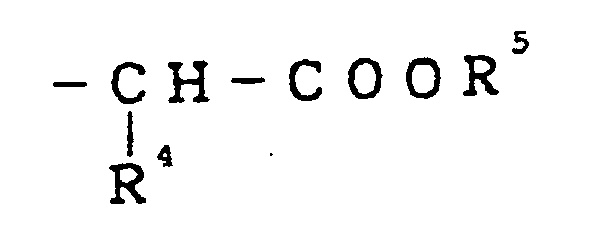

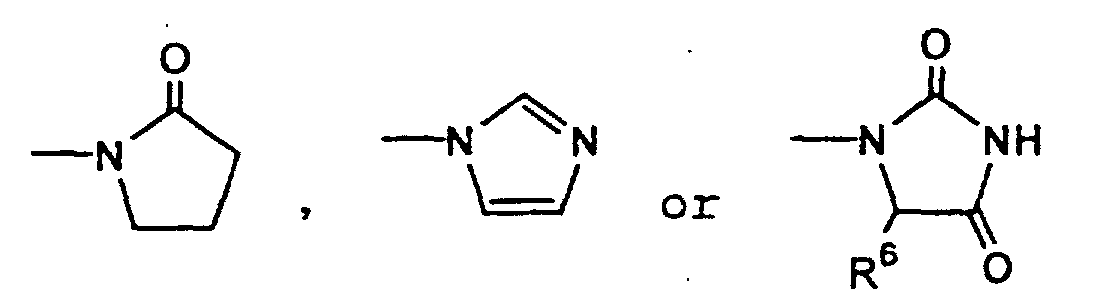

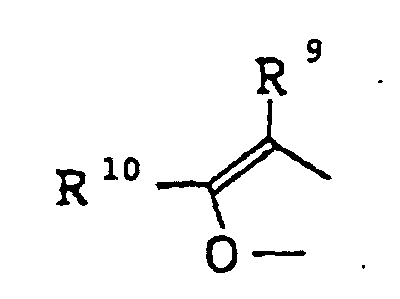
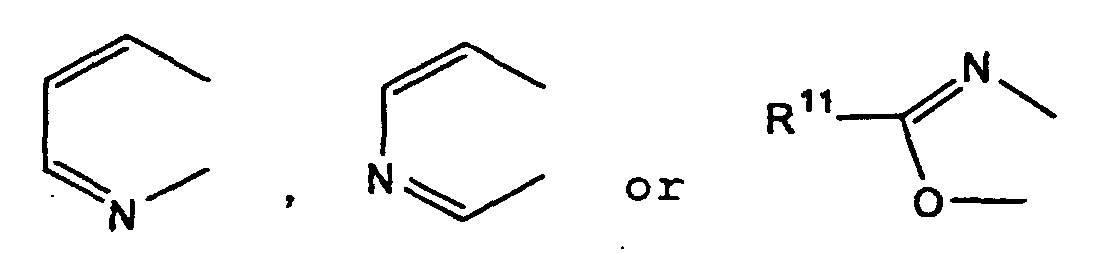

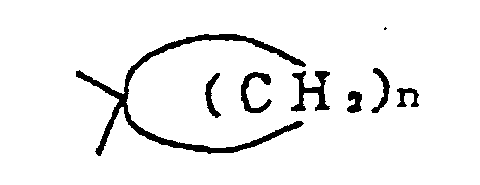

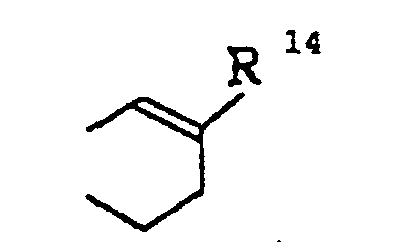


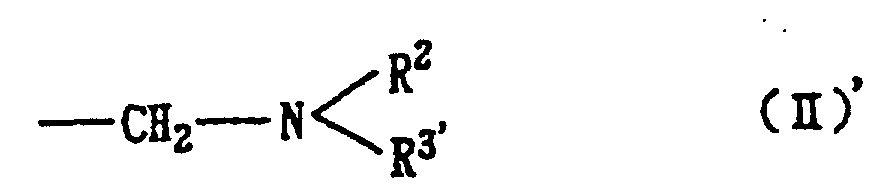

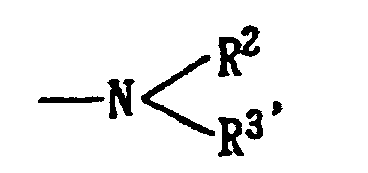

R9' and R10' are each independently C1-C4 alkyl; and
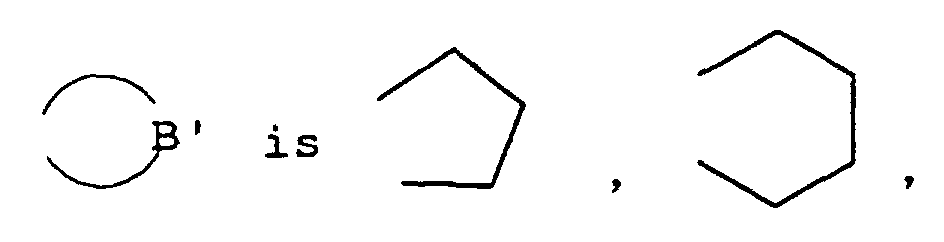


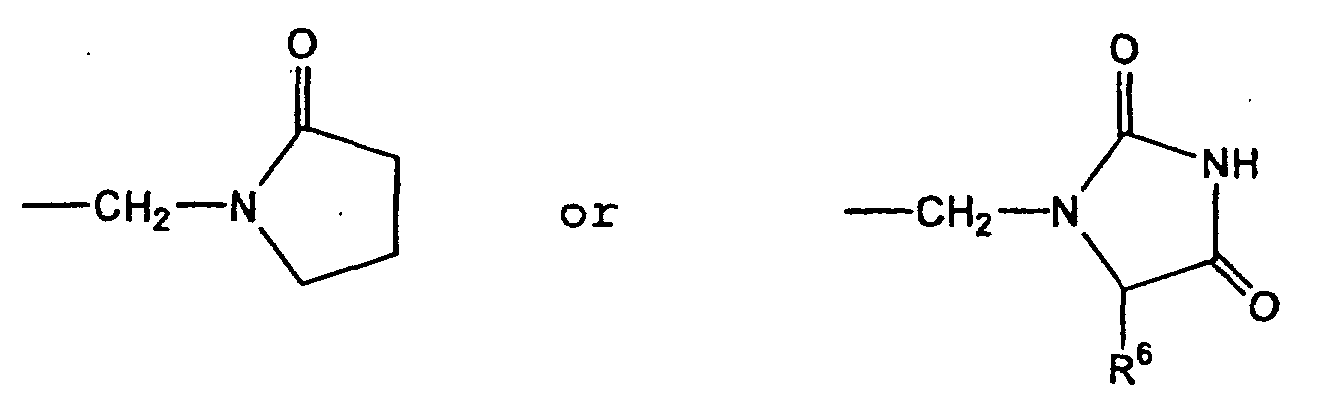
R9 and R10 are each independently hydrogen atom or C1-C4 alkyl.
The present invention is described in detail in the
following. The C2-C6 alkyl at R1, R1' and R1" in the present
invention is preferably C2-C4 alkyl, such as ethyl, n-propyl,
isopropyl, n-butyl, sec-butyl, tert-butyl and the like.
The C1-C6 alkyl at R3 and R3' is preferably C1-C4 alkyl, such
as methyl, ethyl, n-propyl, isopropyl, n-butyl, sec-butyl, tert-butyl
and the like. The cycloalkyl at R3 is preferably C3-C6
cycloalkyl, such as cyclopropyl, cyclobutyl, cyclopentyl,
cyclohexyl and the like.
The C1-C6 alkyl at R4-R6 is preferably C1-C4 alkyl, such as
methyl, ethyl, n-propyl, isopropyl, n-butyl, sec-butyl, tert-butyl
and the like.
The C1-C4 alkyl at R7-R14, R9' and R10' is preferably C1-C4
alkyl, such as methyl ethyl, n-propyl, isopropyl, n-butyl, sec-butyl,
tert-butyl and the like.
The aralkyl at R15 and R15' is phenyl substituted with C1-C4
alkyl, such as benzyl, phenethyl and the like.
In the present invention, the acid to form an acid
addition salt of a compound of the formula (I) [encompassing the
compounds of the formula (Ia) and the formula (Ib), hereinafter
these compounds are also generally referred to conveniently as a
compound of the formula (I)] includes, for example, inorganic
acids such as hydrochloric acid, hydrobromic acid, hydriodic
acid, sulfuric acid, phosphoric acid and the like, and organic
acids such as oxalic acid, maleic acid, fumaric acid, lactic
acid, malic acid, citric acid, tartaric acid, benzoic acid,
methanesulfonic acid, camphersulfonic acid and the like. The
acid addition salt to be administered should be acceptable as a
pharmaceutical agent.
The above-mentioned compound of the formula (I) and an
acid addition salt thereof may be in the form of a hydrate or
solvate and these hydrates and solvates are also encompassed in
the compound that is an active ingredient of the present
invention. The above-mentioned compound of the formula (I) may
have an optical enantiomer, which is also encompassed in the
compound that is an active ingredient of the present invention.
The production method of the compounds of the formula (I) and
the like, which are contained in the pharmaceutical agents and
medicaments of the present invention as an active ingredient, is
not particularly limited. For example, they can be synthesized
easily according to the method described in JP-A-3-218361 (JP
patent No. 2546919) and appropriately using the method known in
the pertinent field.
The above-mentioned compound of the formula (I),
particularly a compound of the formula (Ia), particularly
preferably a compound of the formula (Ib), i.e., 4-acylamino-5,6,7,8-tetrahydrofuro[2,3-b]quinoline
derivative and the like,
remarkably increase the choline transporter number on the cell
membrane surface of a cholinergic nerve terminal, as mentioned
in examples to be mentioned below, and remarkably increase the
number by particularly acting on intracellular localized changes
(hereinafter to be also referred to as translocation) of the
choline transporter by promoting transfer of the transporters to
the cell membrane surface. By increasing the transporter number
on the cell membrane surface, the choline uptake can be promoted
and the cholinergic nerve is activated. Therefore, 4-acylamino-5,6,7,8-tetrahydrofuro[2,3-b]quinoline
derivative and the like
of the above-mentioned formula (Ib) has an improving action on
various cholinergic nerve disorders and can be used as an agent
for the therapy or prophylaxis of dementia caused by Alzheimer's
disease, Huntington's disease, Pick' disease, Down's syndrome,
Parkinson's disease and the like. Moreover, this derivative can
be used as an agent for the therapy or prophylaxis of tardive
dyskinesia, myasthenia gravis, glaucoma, dysgryphia and the like.
The choline transporter is a substance responsible for the
choline uptake. The transporter has been identified one after
another in rat and human in recent years and clarified to have
twelve transmembrane domains and a homology with a glucose
transporter family (rat: Nature Neuroscience No. 3, pp. 120-125,
2000, human: FEBS Letters vol. 484, pp. 92-97, 2000, Biochemical
and Biophysical Research Communications vol. 276, pp. 862-867,
2000).
In the context of the present invention, the cell membrane
of cholinergic nerve terminal is not particularly limited as
long as it expresses a choline transporter. It is preferably a
cell membrane derived from hippocampus, which is used in the
examples to be mentioned below.
Based on the action mechanism wherein a high-affinity
choline uptake (HACU) is promoted by increasing the choline
transporter number on the cell membrane surface, whereby the
cholinergic nerve is activated, the present invention provides a
pharmaceutical agent capable of increasing the number of choline
transporters on the cell membrane surface of a cholinergic nerve
terminal, and a pharmaceutical agent capable of increasing the
number thereof on the cell membrane surface by acting on
intracellular localized changes of the choline transporter.
Such pharmaceutical agent is exemplified by one preferably
containing the aforementioned 4-acylamino-5,6,7,8-tetrahydrofuro[2,3-b]quinoline
derivative of the formula (Ib) as
an active ingredient. The present invention further provides a
new method of screening a compound useful for the prophylaxis or
therapy of cholinergic nerve disorders. The screening method of
the present invention includes at least the steps of (1)
bringing a test compound with a cell membrane of the cholinergic
nerve terminal and (2) counting the transporters on the surface
of the cell membrane, and judging the usefulness of the compound.
The test compound here embraces any compound intended for the
application to the prophylaxis or therapy of cholinergic nerve
disorders, whether it is known or unknown. The cell membrane of
the cholinergic nerve terminal to be prepared for the screening
method of the present invention is not particularly limited as
long as it is a membrane sample of a cell that expresses a
choline transporter (see above), which is preferably hippocampal
synaptosome. More preferably, it is a membrane sample prepared
from an animal that has been administered in advance with a
specific inhibitor (e.g., specific neurotoxin, AF64A) against
the cholinergic nerve to lower HACU, so that the effect would be
clearer. The preparation method of the membrane sample is known.
The membrane sample is brought into contact with the test
compound according to a method typically employed. For example,
the membrane sample and the test compound are incubated in a
suitable buffer, such as Ringer's solution and the like, at a
suitable temperature for a suitable time period. The
transporter number on the cell membrane surface can be counted
by a method typically employed in the pertinent field or a
combination of such methods. For example, a method wherein a
labeled product of hemicholinium-3, which is a ligand specific
to the choline transporter, is utilized, a method wherein an
antibody specific to the choline transporter is prepared and a
labeled product of the antibody is utilized, and the like.
When the compound of the above-mentioned formula (I),
particularly 4-acylamino-5,6,7,8-tetrahydrofuro[2,3-b]quinoline
derivative of the formula (Ib), and the like are used as a
pharmaceutical agent, they are administered alone or in
combination with a pharmacologically acceptable carrier. The
composition is determined according to the solubility and
chemical property of the compound, administration route,
administration schedule and the like. For example, the compound
may be processed into a dosage form such as granules, fine
particles, powders, tablets, hard capsules, soft capsules,
syrups, emulsions, suspensions, liquids and the like and orally
administered. It may be prepared into an injection for
intravenous, intramuscular administration or subcutaneous
administration and administered.
The compound may be prepared into a powder for injection
or may be prepared when in use. An organic or inorganic, solid
or liquid carrier or diluent for pharmaceutical agents suitable
for oral, transrectal, parenteral or local administration can be
used together with the 4-acylamino-5,6,7,8-tetrahydrofuro[2,3-b]quinoline
derivative of the above-mentioned formula (Ib) and
the like. The excipient to be used for production of solid
preparation includes, for example, lactose, sucrose, starch,
talc, cellulose, dextrin, Kaolin, calcium carbonate and the like.
Liquid preparations for oral administration such as emulsion,
syrup, suspension, liquid and the like contain an inert diluent
generally used, such as water, vegetable oil and the like. This
preparation may contain, besides the inert diluent, auxiliary
agents such as moistening agent, suspending agent, sweetener,
flavoring agent, coloring agent, preservative and the like. It
is also possible to prepare the derivative as a liquid
preparation to be filled in a capsule made of an absorbable
substance, such as gelatin. The solvent or suspending agent to
be used for preparations for parenteral administration, namely,
injection and the like, may be, for example, water, propylene
glycol, polyethylene glycol, benzyl alcohol, ethyl oleate,
lecithin and the like. The preparation method may be a
conventional one.
The clinical dose in the case of oral administration is a
daily dose of 1-2000 mg, preferably 1-500 mg, for an adult as an
active ingredient compound, which is increased or decreased as
appropriate according to age, symptom, disease state, and
presence or otherwise of concurrent administration. The
frequency of administration is once a day of a daily dose, or
two or three times of administrations a day at suitable
intervals, or intermittent administration. For administration
by injection, a daily dose of 0.1-100 mg, preferably 0.1-50 mg,
is given to an adult.
It has been clarified in the present invention that the
compound of the above formula (I) can increase the choline
transporter number on the surface of the cell membrane of
cholinergic nerve terminal, particularly that it acts on the
intracellular localized changes of the choline transporter to
increase its number on the cell membrane surface, which in turn
has clarified that the compound of the above formula (I) can be
sufficiently administered not more than twice a day, preferably
once a day.
The pharmaceutical agent of the present invention capable
of increasing the choline transporter number on the cell
membrane surface of a cholinergic nerve terminal, particularly a
pharmaceutical agent capable of increasing the choline
transporter number on the cell membrane surface by acting on the
intracellular localized changes thereof, is packaged together
with a written matter stating that the pharmaceutical agent can
or should be used for the prophylaxis or therapy of cholinergic
nerve disorders, whereby a pharmaceutical product is preferably
provided.
The present invention is explained in more detail in the
following by way of Examples. The present invention is not
limited by the following Examples as long as the invention is
within the scope of the present invention. As the compound of
the above-mentioned formula (I), 2-(2-oxopyrrolidin-1-yl)-N-(2,3-dimethyl-5,6,7,8-tetrahydrofuro[2,3-b]quinolin-4-yl)acetamide
(hereinafter Compound A), which is one of the 4-acylamino-5,6,7,8-tetrahydrofuro[2,3-b]quinoline
derivatives of
the formula (Ib), was synthesized according to the method
described in JP-A-3-218361 and subjected to the following
experiments.
The action of the compound of the formula (I),
particularly 4-acylamino-5,6,7,8-tetrahydrofuro[2,3-b]quinoline
derivative, on the high-affinity choline uptake was examined
using [3H]choline and hippocampal synaptosome (membrane sample).
AF64A (3 µmol), which is a neurotoxin specific to the
cholinergic nerve, was administered to male Wistar rats into the
cerebral ventricles bilaterally. The rats were subjected to an
experiment after a recovery period of about 10 days.
Hippocampal membrane samples (P2 fraction) were prepared by a
conventional method from these animals and the animals that
underwent a sham operation. These membrane samples were
incubated in Ringer's solution with Compound A at each
concentration or a solvent (vehicle) at 37°C for 30 min. [3H]
Choline was added to the reaction mixture, and the mixture was
incubated for 10 min. After the completion of the incubation,
the membrane samples were filtrated on a glass fiber filter
using a cell harvester and washed three times with a buffer.
After thorough drying, a scintillator was added and the
radioactivity of the membrane samples was measured on a liquid
scintillation counter. Non-specific uptake was done under ice-cooling.
The results are shown in Fig. 1. Compound A significantly
improved the choline uptake of hippocampal membrane samples
having reduced choline uptake due to the AF64A treatment. It
has been reported that promoted high-affinity choline uptake can
be observed after Ca2+-dependent acetylcholine release or
depolarization induced by high K+ stimulation, but it is unknown
if the promotion is based on the expression of a new transporter
or derived from an increased activity of already existent
respective transporters (Can. J. Physiol. Pharmacol. 1986). The
improving action on choline uptake observed at this time was
further analyzed in detail.
The action of the compound of the formula (I),
particularly 4-acylamino-5,6,7,8-tetrahydrofuro[2,3-b]quinoline
derivative, relative to the density of the high-affinity choline
transporter on the nerve terminal was examined using
[3H]hemicholinium-3, which is a specific labeled ligand of a
high-affinity choline transporter (SYNAPSE No. 1, pp. 293-303,
1987). The aforementioned AF64A-treated rats were used in this
test, too. Hippocampal membrane samples (P2 fraction) were
prepared according to a conventional method from the AF64A-treated
animals and the sham operation animals. These membrane
samples were incubated in Ringer's solution with Compound A at
each concentration or a solvent (vehicle) at 37°C for 30 min.
After the completion of the incubation, the drug was removed
from the reaction mixture by centrifugation at 4°C and the
membrane samples were washed. The drug-treated membrane samples
thus obtained were suspended in a solution containing [3H]
hemicholinium-3, and incubated overnight at 4°C. After the
completion of the incubation, the membrane samples were
filtrated on a glass fiber filter using a cell harvester and
washed three times with a buffer. After thorough drying, a
scintillator was added and the radioactivity of the membrane
samples was measured on a liquid scintillation counter. The
non-specific binding was done in the presence of 10 µM non-specific
hemicholinium-3. For the analysis of binding mode,
Scatchard-plot was used and the maximum binding Bmax and
dissociation constant Kd were calculated.
The results are shown in Fig. 2 and Fig. 3. With the
incubation in advance with 4-acylamino-5,6,7,8-tetrahydrofuro[2,3-b]quinoline
derivative, the binding of
[3H]hemicholinium-3 on the hippocampal membrane sample increased
dose-dependently (Fig. 2). This binding was applied to the
Scatchard-plot analysis. As a result, it was clarified that the
action of 4-acylamino-5,6,7,8-tetrahydrofuro[2,3-b]quinoline
derivative was not on dissociation constant Kd, which is an
index reflecting the binding affinity, but an increasing action
on the maximum binding Bmax, which is an index reflecting
changes in the transporter number on the surface of the membrane
(Fig. 3).
Recent studies on the functional control of transporters
have been focused on the following two control mechanisms. One
is a functional control involving phosphorylation of transporter
itself, and activation and inactivation by structural changes
and the like, wherein the importance of phosphorylated
modification site on each transporter for the activity control
of transporter has been noted. Choline transporter is also
speculated to have a site that can be phosphorylated by protein
kinase, such as PKC and PKA.
Another mechanism drawing attention is functional control
by translocation. This refers to the activity control based on
changes in the amount of transporters on the surface of the
membrane wherein the transporters localized in an intracellular
pool (transporter store) and membrane surface are made to come
and go between them.
The presence of such mechanism has been suggested in GLT4
of glucose transporter family having an analog structure of a
twelve transmembrane domain type, SERTs which is a 5-HT
transporter of the amine transporter family, GAT1 which is a
GABA transporter, and EAAC1 of glutamic acid transporter that
structurally has eight transmembrane domains. At first, this
control model was studied based on the response of a glucose
transporter to insulin, but, given the possible quick activity-dependent
functional control, it is drawing much attention with
regard to the neurological systems. The choline transporter is
highly likely on this system, because it belongs in a glucose
transporter family and shows extremely quick increase and
decrease of choline transport at a synaptosome level. Such
results suggest that mere incubation of the compound of the
formula (I), particularly 4-acylamino-5,6,7,8-tetrahydrofuro[2,3-b]quinoline
derivative, with hippocampal
membrane samples would quickly increase the transporter number
on the membrane. Membrane samples do not have a nucleus, and
therefore, the transporter number cannot be increased by new
protein synthesis. This leads to the conclusion that the
increase in the transporter number on a cell membrane is derived
from the pool in the cells. Thus, 4-acylamino-5,6,7,8-tetrahydrofuro[2,3-b]quinoline
derivative is considered to have
an action to draw out the transporters in the intracellular
choline transporter store onto a nerve terminal, namely, have a
point of action on the translocation of high-affinity choline
transporters.
Because the compound of the formula (I), particularly 4-acylamino-5,6,7,8-tetrahydrofuro[2,3-b]quinoline
derivative, has
the above-mentioned mechanism, the promoting action on the high-affinity
choline uptake is considered to be dependent on the
density of high-affinity choline transporters on the nerve
terminal, and therefore, to show a shift independent of the
elimination rate of a drug. To clarify this point, the
sustained promoting action on the high-affinity choline uptake
was examined by monitoring the changes in efficacy when the
aforementioned AF64A-treated rats were subjected to single and
consecutive administration(s) of a drug. In the test, Compound
A at each concentration or a solvent (vehicle) was administered
singly or consecutively to AF64A-treated animals and the animals
that underwent a sham operation. After a given time, the
animals were slaughtered and hippocampal membrane samples (P2
fraction) were prepared by a conventional method. These
membrane samples were incubated in Ringer's solution
supplemented with [3H] choline at 37°C for 10 min. After the
completion of the incubation, the membrane samples were
filtrated on a glass fiber filter using a cell harvester and
washed three times with a buffer. After thorough drying, a
scintillator was added and the radioactivity of the membrane
samples was measured on a liquid scintillation counter. The
non-specific uptake was that in the presence of hemicholinium-3
(10 µM) in a sodium ion free Ringer's solution. To establish
the close relationship between the efficacy observed here and an
improving action on the dementia symptoms, the improving effect
on the water maze-learning disorder observed in the AF64A-treated
rats was also studied at a given time after drug
administration for 8 consecutive days.
The water maze-learning disorder test was performed
according to the method disclosed in JP-A-8-104633.
The results are shown in Fig. 4 - Fig. 7. The time-course
HACU promoting action by single administration (Fig. 4) reveals
a significant promotion of HACU at 1 and 3 h after
administration. This efficacy attenuated 24 h later. In
contrast, by the administration for 8 consecutive days (Fig. 5),
a significant HACU promoting action was observed even after 24 h
from the final administration. This effect was sustained until
48 h later and disappeared in 72 h. To examine the effect of
consecutive administration, the efficacy at 24 h after
administration for 4 consecutive days, 8 consecutive days and 16
consecutive days was also examined (Fig. 6), but significant
HACU promotion was not observed after the administration for 4
consecutive days. By the administration for 16 consecutive days,
the same level of improving effect as with the administration
for 8 consecutive days was observed. In a behavioral test, too,.
a significant improving effect on learning disorder was observed
at 24 h after and 48 h after the administration for 8
consecutive days (Fig. 7).
It is apparent from this experiment that a high-affinity
choline uptake promoting action by 4-acylamino-5,6,7,8-tetrahydrofuro[2,3-b]quinoline
derivative is noticeably
sustainable, as compared to the elimination time of a drug from
the blood. The 4-acylamino-5,6,7,8-tetrahydrofuro[2,3-b]quinoline
derivative leads out the transporters onto the nerve
terminal, increases the choline transporter number on the nerve
terminal, which decreased due to the disease state, and promotes
high-affinity choline uptake. This action is considered to
continue until the transporters are drawn out from the nerve
terminal by translocation. In other words, the sustention of
efficacy depends not on drug concentration in blood but
metabolytic turnover of transporters. As a result, sustained
efficacy can be expected even after disappearance of the
pharmaceutical agent from the blood. By consecutive
administration, moreover, the choline transporter number on the
nerve terminal increases due to the accumulation of efficacy by
single administration, whereby reinforcement of efficacy and
sustention of the action are designed.
The present inventors have intensively studied the
detailed action mechanism of the high-affinity choline uptake
promoting action of 4-acylamino-5,6,7,8-tetrahydrofuro[2,3-b]quinoline
derivative. As a result, it has been first
elucidated that this pharmaceutical agent has an action of
changing the intracellular locality of high-affinity choline
transporters, thereby to promote transfer thereof onto the nerve
terminal, unlike a known pharmaceutical agent having an
acetylcholinergic nerve activating action. According to this
action mechanism, a certain level of drug concentration is
required for the expression of the action, but the efficacy once
expressed shifts independently of disappearance of drug
concentration, because it shifts depending on the physiological
disappearance rate of the density of the high-affinity choline
transporters on the nerve terminal.
This in turn means provision of a pharmaceutical agent
that does not require administration frequency of at least 3
times a day in view of half life in blood, but permits striking
administration frequency of not more than twice a day,
preferably once a day, in consideration of the mechanism of
efficacy. The decreased administration frequency itself means
improved compliance of patients in need of the treatment with
the pharmaceutical agent, and a reduced burden on the caregiver
of the patient.
In the chronic diseases such as dementia, an overlooked
dose of a pharmaceutical agent results in radical changes in
disease conditions. An agent for the prophylaxis or therapy of
cholinergic nerve disorder, which contains, as an active
ingredient, a pharmaceutical agent, particularly 4-acylamino-5,6,7,8-tetrahydrofuro[2,3-b]quinoline
derivative, having an
action mechanism found in the present invention can avoid the
risk associated with the drug administration itself, due to the
property of the inventive agent. Even if medication is
overlooked, interrupted administration of a pharmaceutical agent
does not lead to a radical change in the disease state, because
the density of the high-affinity choline transporters on the
nerve terminal decreases gradually following the physiological
disappearance rate.
The present invention provides a pharmaceutical agent
based on the system wherein redundant transporters pooled in a
nerve terminal is pulled out onto the nerve terminal to provide
choline, which is a substrate of acetylcholine synthesis. The
amount of the transporters utilizable for the promotion of
choline uptake is limited in the body, and the pharmaceutical
agent is based on the action mechanism for restoring the level
of neuroactivity inherently possessed by the nerve but weakened
by disease and disorder. Therefore, the side effects due to the
excessive stimulation of the acetylcholinergic nerve, as can be
seen with acetylcholine esterase inhibitors, are not expressed,
thereby obliterating the need for a titration period.
This application is based on a patent application No.
238476/2001 filed in Japan.
Claims (26)
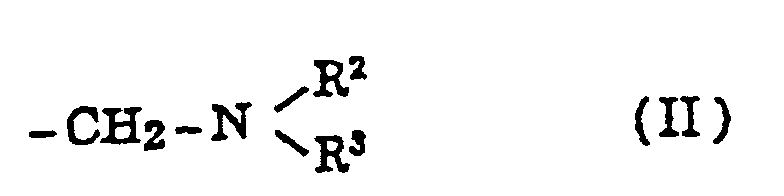
- A pharmaceutical agent for increasing the choline transporter number on the cell membrane surface of a cholinergic nerve terminal, which agent comprises, as an active ingredient, a compound of the formula (I)wherein R1 is C2-C6 alkyl or the formula (II)
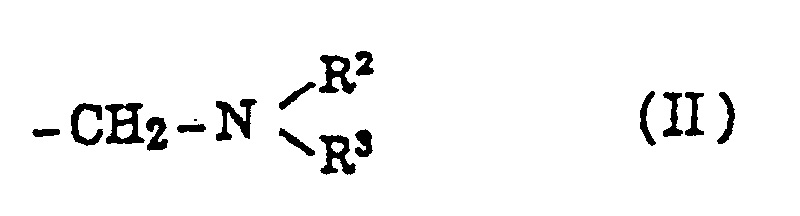
 wherein R2 is hydrogen atom or acetyl and R3 is C1-C6 alkyl, cycloalkyl or
 wherein R4 and R5 are each independently hydrogen atom or C1-C6 alkyl, and in
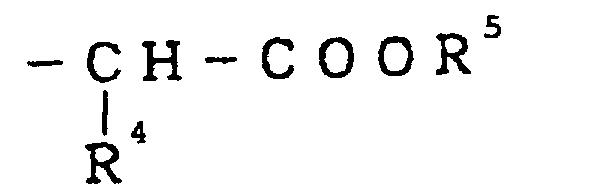 of the formula (II) , R2 and R3 may in combination form
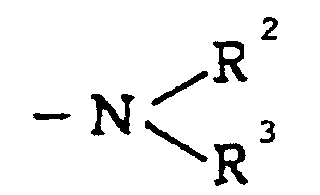 wherein R6 is hydrogen atom or C1-C6 alkyl;
 wherein R7 and R8 are each independently hydrogen atom or C1-C4 alkyl,
 wherein R9 and R10 are each independently hydrogen atom or C1-C4 alkyl,
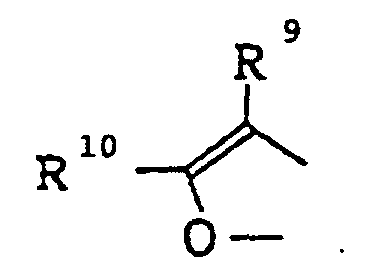 wherein R11 is hydrogen atom or C1-C4 alkyl; and
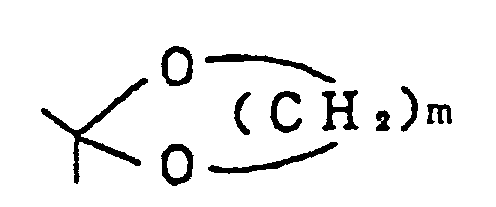
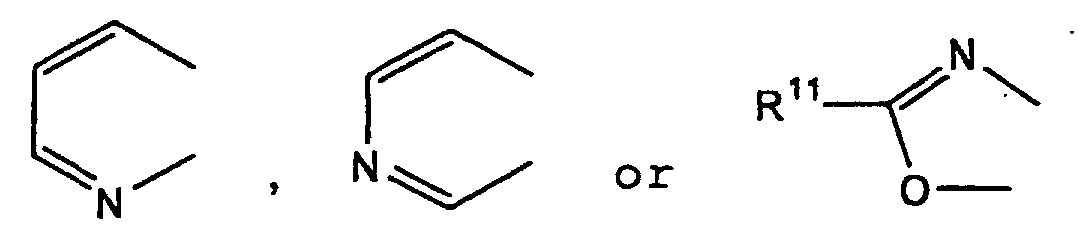 wherein R12 and R13 are each independently C1-C4 alkyl or may in combination form
 wherein n is an integer of 2 to 6, or
 wherein m is an integer of 2 or 3,
 wherein R14 is hydrogen atom or C1-C4 alkyl,
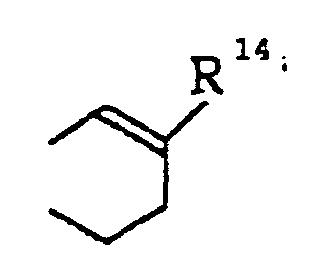 wherein R15 is hydrogen atom or aralkyl, or
 provided that when
 and R7 should not be hydrogen atom, optical enantiomers thereof, an acid addition salt thereof or a hydrate or solvate thereof.
- The pharmaceutical agent of claim 1, wherein the compound of the formula (I) is a compound of the formula (Ia)wherein R1' is C2-C6 alkyl or the formula (II)'
 wherein R2 is hydrogen atom or acetyl, and R3' is C1-C6alkyl or
 wherein R4 and R5 are each independently hydrogen atom or C1-C6 alkyl, and in
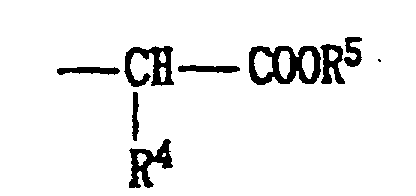 of the formula (II)', R2 and R3' may in combination form
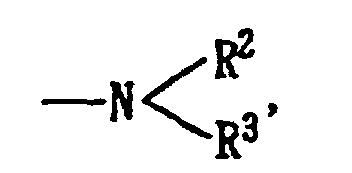 wherein R6 is hydrogen atom or C1-C6 alkyl;
R9' and R10' are each independently C1-C4 alkyl; and wherein R15' is aralkyl, or

- The pharmaceutical agent of claim 1, wherein the compound of the formula (I) is a 4-acylamino-5,6,7,8-tetrahydrofuro[2,3-b]quinoline derivative of the formula (Ib)wherein R1'' is C2-C6 alkyl,
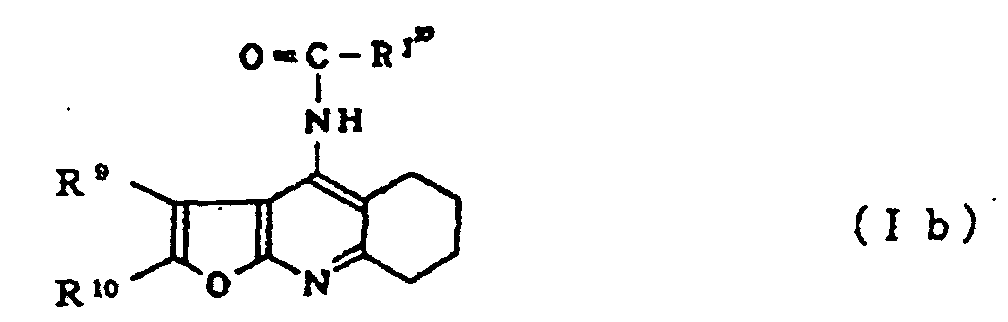 wherein R6 is hydrogen atom or C1-C6 alkyl; and
R9 and R10 are each independently hydrogen atom or C1-C4 alkyl. - The pharmaceutical agent of claim 1, wherein the compound of the formula (I) is 2-(2-oxopyrrolidin-1-yl)-N-(2,3-dimethyl-5,6,7,8-tetrahydrofuro[2,3-b]quinolin-4-yl)acetamide.
- A pharmaceutical agent for increasing the choline transporter number on the cell membrane surface by acting on intracellular localized changes of the choline transporters, which agent comprises, as an active ingredient, a compound of the formula (I) of claim 1, optical enantiomers thereof, an acid addition salt thereof or a hydrate or solvate thereof.
- The pharmaceutical agent of claim 5, wherein the compound of the formula (I) is a compound of the formula (Ia) of claim 2.
- The pharmaceutical agent of claim 5, wherein the compound of the formula (I) is 4-acylamino-5,6,7,8-tetrahydrofuro[2,3-b]quinoline derivative represented by the formula (Ib) of claim 3.
- The pharmaceutical agent of claim 5, wherein the compound of the formula (I) is 2-(2-oxopyrrolidin-1-yl)-N-(2,3-dimethyl-5,6,7,8-tetrahydrofuro[2,3-b]quinolin-4-yl)acetamide.
- An agent for the prophylaxis or therapy of a cholinergic nerve disorder, which comprises, as an active ingredient, a pharmaceutical agent that increases the choline transporter number on the cell membrane surface of the cholinergic nerve terminal.
- The prophylactic or therapeutic agent of claim 9, wherein the pharmaceutical agent is the agent of any of claims 1 to 4.
- An agent for the prophylaxis or therapy of a cholinergic nerve disorder, which comprises, as an active ingredient, a pharmaceutical agent that acts on intracellular localized changes of choline transporters to increase the choline transporter number on the cell membrane surface.
- The prophylactic or therapeutic agent of claim 11, wherein the pharmaceutical agent is the agent of any of claims 5 to 8.
- The prophylactic or therapeutic agent of any of claims 9 to 12, wherein the cholinergic nerve disorder is dementia caused by Alzheimer's disease, Huntington's disease, Pick' disease, Down's syndrome or Parkinson's disease, tardive dyskinesia, myasthenia gravis, glaucoma or dysgryphia.
- The prophylactic or therapeutic agent of any of claims 9 to 13, which is administered not more than twice a day.
- The prophylactic or therapeutic agent of any of claims 9 to 14, which causes reduced side effects due to hyperstimulation of acetylcholinergic nerve.
- A commercial package comprising a pharmaceutical agent of any of claims 1 to 4 and a written matter associated therewith, the written matter stating that the pharmaceutical agent can or should be used for the prophylaxis and/or therapy of a cholinergic nerve disorder.
- A commercial package comprising a pharmaceutical agent of any of claims 5 to 8 and a written matter associated therewith, the written matter stating that the pharmaceutical agent can or should be used for the prophylaxis and/or therapy of a cholinergic nerve disorder.
- The commercial package of claim 16 or 17, wherein the written matter states that the pharmaceutical agent is administered not more than twice a day.
- A method of screening a compound useful for the prophylaxis and/or therapy of a cholinergic nerve disorder, which comprises at least the steps of(1) bringing a test compound into contact with a cell membrane of a cholinergic nerve terminal, and(2) counting the transporter number on a surface of the cell membrane.
- A pharmaceutical agent for the prophylaxis or therapy of cholinergic nerve disorder, which comprises, as an active ingredient, a compound of the formula (I) described in claim 1, optical enantiomers thereof, an acid addition salt thereof or a hydrate or solvate thereof and which is administered not more than twice a day.
- The prophylactic or therapeutic agent of claim 20, wherein the compound of the formula (I) is a compound of the formula (Ia) described in claim 2.
- The prophylactic or therapeutic agent of claim 20, wherein the compound of the formula (I) is a 4-acylamino-5,6,7,8-tetrahydrofuro[2,3-b]quinoline derivative of the formula (Ib) described in claim 3.
- The prophylactic or therapeutic agent of claim 20, wherein the compound of the formula (I) is 2-(2-oxopyrrolidin-1-yl)-N-(2,3-dimethyl-5,6,7,8-tetrahydrofuro[2,3-b]quinolin-4-yl)acetamide.
- The prophylactic or therapeutic agent of any of claims 20 to 23, wherein the cholinergic nerve disorder is dementia caused by Alzheimer's disease, Huntington's disease, Pick' disease, Down's syndrome or Parkinson's disease, tardive dyskinesia, myasthenia gravis, glaucoma or dysgryphia.
- The prophylactic or therapeutic agent of any of claims 20 to 23, wherein the cholinergic nerve disorder is dementia caused by Alzheimer's disease, tardive dyskinesia, myasthenia gravis, glaucoma or dysgryphia.
- The prophylactic or therapeutic agent of any of claims 20 to 25, which is administered once a day.
Applications Claiming Priority (3)
| Application Number | Priority Date | Filing Date | Title |
|---|---|---|---|
| JP2001238476 | 2001-08-06 | ||
| JP2001238476 | 2001-08-06 | ||
| PCT/JP2002/007960 WO2003013522A1 (en) | 2001-08-06 | 2002-08-05 | Preventives/remedies for cholinergic neuropathy |
Publications (2)
| Publication Number | Publication Date |
|---|---|
| EP1415651A1 true EP1415651A1 (en) | 2004-05-06 |
| EP1415651A4 EP1415651A4 (en) | 2005-11-09 |
Family
ID=19069376
Family Applications (1)
| Application Number | Title | Priority Date | Filing Date |
|---|---|---|---|
| EP02755819A Withdrawn EP1415651A4 (en) | 2001-08-06 | 2002-08-05 | PROPHYLACTIC / THERAPEUTIC COMPOSITIONS FOR CHOLINERGIC NEUROPATHY |
Country Status (5)
| Country | Link |
|---|---|
| US (1) | US20040235884A1 (en) |
| EP (1) | EP1415651A4 (en) |
| JP (1) | JPWO2003013522A1 (en) |
| CA (1) | CA2456594A1 (en) |
| WO (1) | WO2003013522A1 (en) |
Cited By (1)
| Publication number | Priority date | Publication date | Assignee | Title |
|---|---|---|---|---|
| WO2008030651A1 (en) * | 2006-09-08 | 2008-03-13 | Braincells, Inc. | Combinations containing a 4-acylaminopyridine derivative |
Family Cites Families (8)
| Publication number | Priority date | Publication date | Assignee | Title |
|---|---|---|---|---|
| FI91401C (en) * | 1987-03-17 | 1994-06-27 | Hoechst Roussel Pharma | Process for the preparation of therapeutically active substituted 9-aminotetrahydroacrines and related compounds |
| JP2546919B2 (en) * | 1989-11-08 | 1996-10-23 | 三菱化学株式会社 | 9-acylaminotetrahydroacridine derivative |
| CA2029497C (en) * | 1989-11-08 | 2002-06-04 | Kunihiro Ninomiya (Deceased) | 4-acylaminopyridine derivative |
| HU213107B (en) * | 1994-02-23 | 1997-02-28 | Egyt Gyogyszervegyeszeti Gyar | Process for producing acetic acid derivatives and pharmaceutical compositions containing them |
| JPH0892100A (en) * | 1994-09-21 | 1996-04-09 | Mitsubishi Chem Corp | Drugs for treating and preventing nervous system disorders |
| JPH08104633A (en) * | 1994-10-07 | 1996-04-23 | Mitsubishi Chem Corp | Drugs for treating and preventing cholinergic nervous system disorders |
| WO1996030372A1 (en) * | 1995-03-24 | 1996-10-03 | Japan Tobacco Inc. | Diazabicyclo[3.3.1]nonane derivatives and intermediates thereof, medicinal use of the same, and processes for producing the same |
| JP4018304B2 (en) * | 1999-08-27 | 2007-12-05 | 独立行政法人科学技術振興機構 | High affinity choline transporter |
-
2002
- 2002-08-05 US US10/486,051 patent/US20040235884A1/en not_active Abandoned
- 2002-08-05 EP EP02755819A patent/EP1415651A4/en not_active Withdrawn
- 2002-08-05 CA CA002456594A patent/CA2456594A1/en not_active Abandoned
- 2002-08-05 JP JP2003518531A patent/JPWO2003013522A1/en active Pending
- 2002-08-05 WO PCT/JP2002/007960 patent/WO2003013522A1/en not_active Ceased
Cited By (2)
| Publication number | Priority date | Publication date | Assignee | Title |
|---|---|---|---|---|
| WO2008030651A1 (en) * | 2006-09-08 | 2008-03-13 | Braincells, Inc. | Combinations containing a 4-acylaminopyridine derivative |
| US7998971B2 (en) | 2006-09-08 | 2011-08-16 | Braincells Inc. | Combinations containing a 4-acylaminopyridine derivative |
Also Published As
| Publication number | Publication date |
|---|---|
| CA2456594A1 (en) | 2003-02-20 |
| US20040235884A1 (en) | 2004-11-25 |
| WO2003013522A1 (en) | 2003-02-20 |
| JPWO2003013522A1 (en) | 2004-12-02 |
| EP1415651A4 (en) | 2005-11-09 |
Similar Documents
| Publication | Publication Date | Title |
|---|---|---|
| US5629312A (en) | Use of lamotrigine for treating AIDS-related neural disorders | |
| ES2284740T3 (en) | TERFENADINE CARBOXYLATE AND THE TREATMENT OF CUTANEOUS IRRITATION. | |
| CA2184842C (en) | New stabilized galenic formulations comprising an acid labile benzimidazole compound and its preparation | |
| US20090176855A1 (en) | Treatment of bipolar disorders and associated symptoms | |
| JP7829235B2 (en) | Treatment methods for behavioral change | |
| EP2747754A1 (en) | Morphinan-derivatives for treating diabetes and related disorders | |
| JP2003505430A (en) | Use of long-chain N-alkyl derivatives of deoxynojirimycin and the enzyme glucocerebrosidase for the preparation of a medicament for the treatment of disorders of glycolipid abnormal accumulation | |
| KR20030016230A (en) | Use of Pramipexole for the Treatment of Addictive Disorders | |
| US20180296501A1 (en) | Methods of treating developmental encephalopathies | |
| US5616618A (en) | Threo-3-(3,4-dihydroxyphenyl)serine analgesic composition | |
| WO2020191047A1 (en) | Use of gabaa receptor modulators for treatment of pain | |
| CN1051226C (en) | Use of tricyclic compounds for the preparation of a medicament for the treatment of memory recognition disorders | |
| US20040235884A1 (en) | Preventives/remedies for cholinergic neuropathy | |
| AU2008257322B2 (en) | Use of 4-cyclopropylmethoxy-N-(3,5-dichloro-1-oxidopyridin-4-yl)-5-(methoxy)pyridine-2-carboxamide for the treatment of motor disorders related to Parkinson's disease | |
| JP4727990B2 (en) | Morphine-6-glucuronide salt | |
| US20070231273A1 (en) | Method for Decreasing Blood Glucose Levels | |
| AU2017204652B2 (en) | Treatment of Type I and Type II diabetes | |
| US20090062338A1 (en) | Nitroxides for use in treating or preventing cardiovascular disease | |
| CA1302888C (en) | Therapeutic agent for the treatment of disorders associated with cerebral ischemia | |
| KR100574378B1 (en) | Use of 2-amino-6-trifluoromethoxy-benzothiazole for the prevention or treatment of cerebellar dysfunction | |
| EP2356988A1 (en) | Therapeutic agent for chorioretinal degenerative diseases comprising pyridine-3-carbaldehyde o-(piperidin-1-yl-propyl)-oxime derivative as active ingredient | |
| EP0784973A2 (en) | Quinoxaline derivatives for treating tinnitus | |
| WO2025152110A1 (en) | Drug combination for treating alzheimer's disease and pharmaceutical composition thereof | |
| EP1893208B1 (en) | Pharmaceutical composition comprising a 1-(3-chlorophenyl)-3-alkylpiperazine for treating apetite disorder | |
| NZ520826A (en) | Compositions and methods for treating allergic and inflammatory conditions with cough containing a non-sedating histamine and an expectorant |
Legal Events
| Date | Code | Title | Description |
|---|---|---|---|
| PUAI | Public reference made under article 153(3) epc to a published international application that has entered the european phase |
Free format text: ORIGINAL CODE: 0009012 |
|
| 17P | Request for examination filed |
Effective date: 20040221 |
|
| AK | Designated contracting states |
Kind code of ref document: A1 Designated state(s): AT BE BG CH CY CZ DE DK EE ES FI FR GB GR IE IT LI LU MC NL PT SE SK TR |
|
| AX | Request for extension of the european patent |
Extension state: AL LT LV MK RO SI |
|
| STAA | Information on the status of an ep patent application or granted ep patent |
Free format text: STATUS: THE APPLICATION HAS BEEN WITHDRAWN |
|
| 18W | Application withdrawn |
Effective date: 20050917 |
|
| A4 | Supplementary search report drawn up and despatched |
Effective date: 20050923 |