EP1405558A1 - Method of elevating glutamic acid content in plant and plants having elevated glutamic acid content - Google Patents
Method of elevating glutamic acid content in plant and plants having elevated glutamic acid content Download PDFInfo
- Publication number
- EP1405558A1 EP1405558A1 EP02743817A EP02743817A EP1405558A1 EP 1405558 A1 EP1405558 A1 EP 1405558A1 EP 02743817 A EP02743817 A EP 02743817A EP 02743817 A EP02743817 A EP 02743817A EP 1405558 A1 EP1405558 A1 EP 1405558A1
- Authority
- EP
- European Patent Office
- Prior art keywords
- activity
- plant
- glutamate
- plants
- amino acid
- Prior art date
- Legal status (The legal status is an assumption and is not a legal conclusion. Google has not performed a legal analysis and makes no representation as to the accuracy of the status listed.)
- Withdrawn
Links
Images


Classifications
-
- C—CHEMISTRY; METALLURGY
- C12—BIOCHEMISTRY; BEER; SPIRITS; WINE; VINEGAR; MICROBIOLOGY; ENZYMOLOGY; MUTATION OR GENETIC ENGINEERING
- C12N—MICROORGANISMS OR ENZYMES; COMPOSITIONS THEREOF; PROPAGATING, PRESERVING, OR MAINTAINING MICROORGANISMS; MUTATION OR GENETIC ENGINEERING; CULTURE MEDIA
- C12N9/00—Enzymes; Proenzymes; Compositions thereof; Processes for preparing, activating, inhibiting, separating or purifying enzymes
- C12N9/10—Transferases (2.)
- C12N9/1096—Transferases (2.) transferring nitrogenous groups (2.6)
-
- C—CHEMISTRY; METALLURGY
- C12—BIOCHEMISTRY; BEER; SPIRITS; WINE; VINEGAR; MICROBIOLOGY; ENZYMOLOGY; MUTATION OR GENETIC ENGINEERING
- C12N—MICROORGANISMS OR ENZYMES; COMPOSITIONS THEREOF; PROPAGATING, PRESERVING, OR MAINTAINING MICROORGANISMS; MUTATION OR GENETIC ENGINEERING; CULTURE MEDIA
- C12N15/00—Mutation or genetic engineering; DNA or RNA concerning genetic engineering, vectors, e.g. plasmids, or their isolation, preparation or purification; Use of hosts therefor
- C12N15/09—Recombinant DNA-technology
- C12N15/63—Introduction of foreign genetic material using vectors; Vectors; Use of hosts therefor; Regulation of expression
- C12N15/79—Vectors or expression systems specially adapted for eukaryotic hosts
- C12N15/82—Vectors or expression systems specially adapted for eukaryotic hosts for plant cells, e.g. plant artificial chromosomes (PACs)
- C12N15/8241—Phenotypically and genetically modified plants via recombinant DNA technology
- C12N15/8242—Phenotypically and genetically modified plants via recombinant DNA technology with non-agronomic quality (output) traits, e.g. for industrial processing; Value added, non-agronomic traits
- C12N15/8243—Phenotypically and genetically modified plants via recombinant DNA technology with non-agronomic quality (output) traits, e.g. for industrial processing; Value added, non-agronomic traits involving biosynthetic or metabolic pathways, i.e. metabolic engineering, e.g. nicotine, caffeine
- C12N15/8251—Amino acid content, e.g. synthetic storage proteins, altering amino acid biosynthesis
Definitions
- the present invention relates to a method for increasing glutamate content of a plant and/or a seed, a plant and/or a seed having an increased glutamate content, use of a plant and/or a seed having an increased glutamate content for the production of foods, and a food containing a plant and/or a seed having an increased glutamate content.
- glutamate is commonly present in proteins and is known as a tasty ingredient contained in tomatoes, soy beans, adzuki beans, broad beans, kidney beans, peas, etc. and also in foods made by the fermentation of soy beans or the like.
- Glutamate is synthesized in the early stage of the biosynthesis of amino acids in higher plants, and it serves as an amino group donor for major amino acids such as alanine, glycine, serine, proline and arginine.
- Glutamine and asparagine synthesized in leaves are carried into seeds through sieve tubes and used for synthesizing the above-described major amino acids after glutamate is synthesized.
- Enzymes which transfer the amino group of glutamine are believed to function in the compartmentalized tissues such as a seed coat, an embryosac fluid and a cotyledon based on the role of each function which is strictly regulated.
- glutamate is the donor of an amino group for various reactions occurring in vivo including protein synthesis and is metabolized through biosynthesis pathways which are diversely and complicatedly regulated.
- the reports include, for example, a report that free glutamate content of roots of tobacco and corn was increased by the introduction of glutamate dehydrogenase genes, and a report that free lysine accumulated in soybean seeds when a gene encoding a protein having a high lysine content was excessively expressed in leaves.
- Alanine aminotransferase is known as one of enzymes concerning the metabolism of glutamate. This enzyme catalyzes a reaction of transferring amino group of L-alanine into ⁇ -ketoglutarate and the reverse reaction thereof. This enzyme constitutes a part of the above-described glutamate metabolism. It is also known that this enzyme has an activity of catalyzing reactions of transferring amino group from alanine to glyoxylate and also from glutamate to glyoxylate for synthesizing glycine (Biochem. J. 195:235-239, 1981).
- alanine aminotransferase existing in peroxisomes has glutamate glyoxylate aminotransferase activity, namely, an activity of synthesizing ⁇ -ketoglutarate and glycine using glutamate and glyoxylate as the substrates [Noguchi T. and HAYASHI S., Biochem. J. 195-235-239 (1981); Orzechowski et al., Acta Biochem. Pol.: 447-457 (1999) and Orzechowski et al., Acta Physiol. Plant 21: 331-334 (1999)].
- the object of the present invention is to provide a method for increasing glutamate content of a plant and/or a seed, a plant and/or a seed having an increased glutamate content, use of a plant and/or a seed having an increased glutamate content for the production of a food, and a food containing a plant and/or a seed having an increased glutamate content.
- the inventors have found that glutamate content of plants and/or seeds can be increased by inhibiting glutamate glyoxylate aminotransferase (GGT) activity.
- the present invention has been completed on the basis of this finding.
- the present invention provides a method for increasing glutamate content of plants and/or seeds by lacking or reducing GGT activity, and the plants and/or seeds wherein a GGT activity is lacked or reduced and particularly plants and/or seeds having a glutamate content higher than that of corresponding wild type plants cultured under the same conditions.
- the present invention relates to a method for increasing glutamate content of plants and/or seeds by lacking or reducing GGT activity by inhibiting the function of genes encoding a protein having GGT activity, and the plants having lacked or reduced GGT activity, in particular, plants and seeds having lacked or reduced GGT activity and having glutamate content higher than that of corresponding wild type plants cultured under the same conditions.
- the object of the present invention is to increase glutamate content of plants and/or seeds. This object can be attained by removing or reducing GGT activity.
- the functions of a gene encoding GGT are inhibited.
- the term "the function of a gene encoding glutamate glyoxylate aminotransferase (or GGT)" as used herein indicates the function of a gene to express glutamate glyoxylate aminotransferase having the activity of wild type glutamate glyoxylate aminotransferase.
- an expression "the function of a gene encoding glutamate glyoxylate aminotransferase (or GGT) is inhibited” involves, for example, a case wherein the gene itself is disrupted, a case wherein the expression of the gene is inhibited at the transcription or translation level and a case wherein the gene is modified and, as a result, the expressed protein has no activity of the wild type GGT.
- the deletion or reduction of GGT activity by inhibiting the function of the genes encoding GGT can be attained by, for example, disrupting GGT genes or transforming the plant with genetic constructs for inhibiting the expression.
- the object of the present invention can be attained by lacking or reducing GGT activity as described above.
- the enzymatic activity may be deleted or reduced at any of the transcriptional level, translational level and protein level.
- the plant having the lowered activity may be screened by acclimating the plant to various growing conditions and determining GGT activity using a method which will be described below. It is also possible to delete or to reduce the activity by modifying or disrupting the genes encoding GGT in the plant genome. It is also possible to remove or to reduce GGT activity by antisense or cosuppression method. Particularly in the present invention, from the viewpoint of the stability of the properties, disruption of GGT genes is preferred.
- Such a gene disruption can be achieved by the insertion of a transposon, insertion of T-DNA or mutagenesis by the treatment with a mutagen such as EMS.
- a mutagen such as EMS.
- the ordinary techniques of gene disruption by the insertion of transposon or T-DNA or the treatment with the mutagen are well known by those skilled in the art.
- desired transformed plants can be easily obtained by screening the library to find the plants containing disrupted GGT genes.
- Such a library is commercially available.
- the plants of the present invention have not more than about 80 %, preferably not more than about 50 % and more preferably not more than 30 %, of GGT activity at some stage of the development, in any of the total protein, fresh weight or a leaf.
- the deletion or reduction of GGT activity in the present invention preferably occurs in a peroxisome, particularly in a peroxisome in a photosynthesis tissue.
- the photosynthesis tissue may be any tissue conducting the photosynthesis under ordinary cultivation conditions, such as leaves, stems and siliques.
- the plants having a glutamate content increased by the method of the present invention have not more than about 80 %, preferably not more than about 50 % and more preferably not more than 30 %, of the GGT activity in the total protein extracted preferably from the photosynthesis tissues, more preferably from a peroxisome in the photosynthesis tissue, of the GGT activity in tissue or in the intracellular organs per fresh weight or of the GGT activity in the tissue or the intracellular organs per leaf.
- glutamate glyoxylate aminotransferase indicates a protein having glutamate glyoxylate aminotransferase activity, which may be also abbreviated to "GGT”.
- GTT glutamate glyoxylate aminotransferase
- gene encoding glutamate glyoxylate aminotransferase involves all the nucleic acid fragments encoding a protein having the glutamate glyoxylate aminotransferase activity.
- the GGT genes used as the target in the present invention can also be obtained from plants.
- DNA base sequence information of GGT genes can be obtained by retrieving it from a database using "alanine aminotransferase" as a keyword.
- sequence information the full-length cDNA can be obtained by RT-PCR, 5'-RACE and 3'-RACE. It is also possible to obtain the cDNA by screening cDNA library by hybridization with a suitable probe according to the known sequence information. The probes used for the screening can be prepared according to the amino acid or DNA sequence of GGT.
- the interested GGT is localized in a peroxisome, particularly a peroxisome in the photosynthesis tissues as described above.
- the localization of GGT in the peroxisome can be deduced from the presence of N-terminal sequence or C terminal sequence characteristic to protein localized in the peroxisome. It is also possible to confirm the localization by fusing a reporter gene such as GFP or GUS to GGT gene while keeping the localization in the peroxisome, expressing GGT in the cell and determining it. In another method, the localization can be confirmed by detection of expressed tagged-GGT with a specific antibody.
- the plants of the present invention can be obtained by screening GGT gene-disrupted plants in the library. By suitable combination of the primers and probes, it is also possible to confirm how the GGT genes are disrupted in those plants.
- the screening method and analysis methods are well known in the art, and one can refer to, for example, "Shokubutsu no Genome Kenkyu Protocol (Protocol of Study of Plant genome)" (published by Shujunsha). Even when such a library is unavailable, by using genetic engineering methods such as transposon and T-DNA, it is possible to obtain such gene-disrupted plants, particularly plants having disrupted GGT genes or plants defective or inhibitive in GGT activity by some other reasons.
- Nucleic acid constructs usable for producing the gene-disrupted plants in an embodiment of the present invention can be prepared by a method well known in the art.
- a molecular biological means including the procedures of designing nucleic acid constructs; isolating them and determining the sequence thereof can be found in literatures such as Sambrook et al., Molecular cloning-Laboratory manual, Edition 2, Cold Spring Harbor Laboratory Press.
- gene amplification by PCR method may be required in some cases.
- F. M. Ausubel et al. (eds) Current Protocols in Molecular Biology, John Wiley & Sons, Inc. (1994) can be referred to.
- genomic GGT gene may be preferably disrupted as the target using a transposon, or T-DNA.
- T-DNA transposon, or T-DNA.
- the design of the genetic construct suitable for this method will be easily understood by those skilled in the art.
- the general techniques of the gene disruption with the transposon or T-DNA are described in, for example, Plant molecular biology manual 2 nd , S. B. Gelvin and R. A. Schilper.
- the method for introducing the nucleic acid construct in the above-described embodiment is not particularly limited. Any method for introducing genes into plant cells or into plant bodies, known by those skilled in the art, can be selected depending on the hosts. For example, Agrobacterium mediated gene introduction method, the electroporation method or a particle gun can be employed. When Agrobacterium is used, the sequence to be introduced is preferably inserted between the left and right T-DNA border sequences. The suitable design and construction of the transformation vector thus based on T-DNA are well known in the art. Further, the conditions required for the infection of a specified plant with Agrobacterium having such a nucleic acid construct are also well known in the art.
- plants species are preferred that can be easily cultivated and transformed and the regeneration system of which has been established.
- species of plants for which a large-scale cultivation technique has been established and which have a high utility value as foods, are preferred in the present invention.
- Those plants include, in addition to Arabidopsis thaliana as the model plant, rice plants, spinach, cabbages, lettuces, salads, celeries, cucumbers, tomatoes, broad beans, soybeans, adzuki beans, kidney beans and peas.
- the transformants are selected from the genetically manipulated plant cells and the like thus obtained.
- the selection may also be based on the expression of marker genes present on the nucleic acid construct used for the transformation.
- the marker genes are drug resistant genes
- the selection can be conducted by culturing or growing plant cells manipulated on a culture medium containing a suitable concentration of an antibiotic or a herbicide.
- the marker genes are ⁇ -glucuronidase genes or luciferase genes
- the transformants can be selected by screening for the activity. From thus identified transformants such as protoplasts, calli and explants, the plant bodies can be regenerated. A method known by those skilled in the art for each host plant can be employed for the regeneration.
- the plants thus obtained can be cultured by an ordinary method or, in other words, under the same conditions as those for the untransformed plants or under conditions suitable for the respective transformants.
- various molecular biological methods can be employed in addition to the above-described marker gene selection method.
- the plants of the present invention having reduced GGT activity are preferably kept from a strong light so as to protect them from the growth inhibition.
- the amount of the GGT protein, the GGT activity and the amount of mRNA of GGT of the thus obtained transformed plants can be determined.
- the amount of the protein can be determined by Western blotting method or the like, and the amount of the mRNA can be determined by Northern blotting method, quantitative RT-TCR method or the like.
- GGT activity can be determined by an ordinary method (Plant Physiol. 99: 1520-1525).
- GGT activity in a photosynthetic tissue can be determined by freeze-drying the photosynthetic tissue of a plant such as leaves with liquid nitrogen, pulverizing the frozen tissue, suspending the obtained powder in a suitable extraction buffer such as the buffer containing 100 mM Tris-HCl (pH 7.3) or 10 mM DTT, ultra-filtrating the obtained suspension, and subjecting the obtained specimen to the above-described determination method (Plant Physiol. 99: 1520-1525).
- GGT activity localized in peroxisome can be determined by isolating the peroxisomes by an ordinary method (Plant Physiol. 43: 705-713, J. Biol. Chem. 243: 5179-5184, Plant Physiol. 49: 249-251 or the like) and then determining the activity by the above-described method. These methods are well known in the art.
- the resulted plants may be estimated for glutamate content.
- Glutamate content can be determined by, for example, pulverizing the plant body or a part thereof, obtaining an extract therefrom and examining the extract with an ordinary amino acid analyzer.
- amino acids can be extracted by adding 500 ⁇ l of 80 % ethanol to a sample (a plant body or a part thereof), pulverizing the sample with a cell blender MM 300 (QIAGEN) and treating the obtained product at 80°C for 10 minutes. The product is centrifuged and then vacuum-revolved. The remaining sample is dissolved in 0.02 N HCl to obtain an analysis sample. The sample is passed through a 0.22 ⁇ m filter to remove impurities.
- amino acid content can be determined with amino acid analyzer LS-8800 (HITACHI).
- Glutamate content of a plant body can be determined on the basis of an increasing rate of glutamate content in the total amino acid content, glutamate content per a fresh weight or glutamate content per a specified tissue, preferably photosynthetic tissue such as leaf, as compared with those of the wild-type plant grown under the same conditions, and optionally, glutamate content of the plant body may be statistically treated. When the increase in glutamate.
- glutamate content is statistically significant in at least one of these indexes (for example, when the increase is statistically significant on a significant level of 5 % (p ⁇ 0.05)), it may be considered that glutamate content is significantly increased as compared with that of the wild type plant grown under the same conditions.
- glutamate content (relative content of glutamate to the total amino acid content) of the plant body is increased to at least about 1.2 times, usually about 1.2 to 2.5 times as high as that of the wild type plant body cultivated under the same conditions; and glutamate content per fresh weight is increased to at least about 1.2 times, usually about 1.5 to 3 times.
- the transformed plant having increased glutamate content After the transformed plant having increased glutamate content is identified, it is possible to examine whether the characteristics thereof can be genetically stably kept or not.
- plants are cultivated under an ordinary light condition, the seeds are taken from them and the character and separation of the descendants thereof are analyzed.
- the inhibition of the growth of the plant is extreme under ordinary light conditions, the plant may be grown under a weak light condition of, for example, about 30 ⁇ mol m -2 s -1 or under a condition of a high CO 2 concentration of, for example, 0.7 % and an ordinary light condition, and then the characters thereof can be analyzed.
- the presence or absence of the introduced nucleic acid constructs, the position thereof and the expression thereof in the progenies can be analyzed in the same manner as that of the primary transformants.
- the transformants thus having increased glutamate content are either heterozygous or homozygous as for the sequence derived from the nucleic acid constructs integrated into the genomes or as for the disrupted genes. If necessary, either heterozygotes or homozygotes can be obtained by, for example, cross-fertilization.
- the sequence derived from the nucleic acid constructs integrated into the genomes segregates according to Mendel's law in the progenies. Therefore, for attaining the object of the present invention, it is preferred to use homozygous plants from the viewpoint of the stability of the characters.
- the plants of the present invention can be grown under ordinary cultivation conditions, it is desirable to grow them under as strong as possible light so far as the growth inhibition does not occur.
- the homozygous plants can be selected by repeating the cultivation of the generations until the interested phenotypes do not separate or, in other words, the homozygous plants can be selected by selecting a line exhibiting the interested phenotype in all the progenies.
- the homozygotes can be selected by PCR or Southern analysis. When the object of the present invention has been attained by inserting a transposon or T-DNA, such molecular biological techniques are useful.
- the seeds of the present invention can be obtained by cultivating a plant wherein GGT activity is lacked or reduced, or in particular, a plant confirmed to have an increased glutamate content, which is obtained by the above-described method, under ordinary conditions and then collecting the seeds thereof.
- a plant which is homozygous for the disrupted GGT gene is cultivated under ordinary conditions and the seeds thereof are collected.
- the plant of the present invention is cultivated under a light condition of about 30 to 70 ⁇ mol -2 s -1 and the seeds thereof are collected to obtain the seeds of the present invention.
- the plants and seeds of the present invention are usable as foods and food materials in the same manner as those of corresponding wild-type plants. Therefore, the plants and seeds of the present invention are usable as foods directly or after cooking or processing by an ordinary method. Particularly preferred foods are those which are desired to have a taste enhanced by glutamate, such as soy sauce, miso (fermented soybean paste), tomato ketchup, natto (fermented soybeans), soups and snacks.
- PNS Mol. Gen. Genet. 204: 430-4344
- MS Physiol Plant 15: 473-479 inorganic salts containing 1 % (w/v) of sucrose, 0.05 % (w/v) of MES [2-(N-morpholino) ethanesulfonic acid] and 0.8 % (w/v) of agar were used as the basal medium for plates. In the cultivation on rock wools, only PNS inorganic salts were used as source of nutrient.
- AlaAT genes were obtained on the basis of information of alanine aminotransferase (AlaAT) genes of Arabidopsis thaliana. AlaAT genes are also referred to as GGT genes.
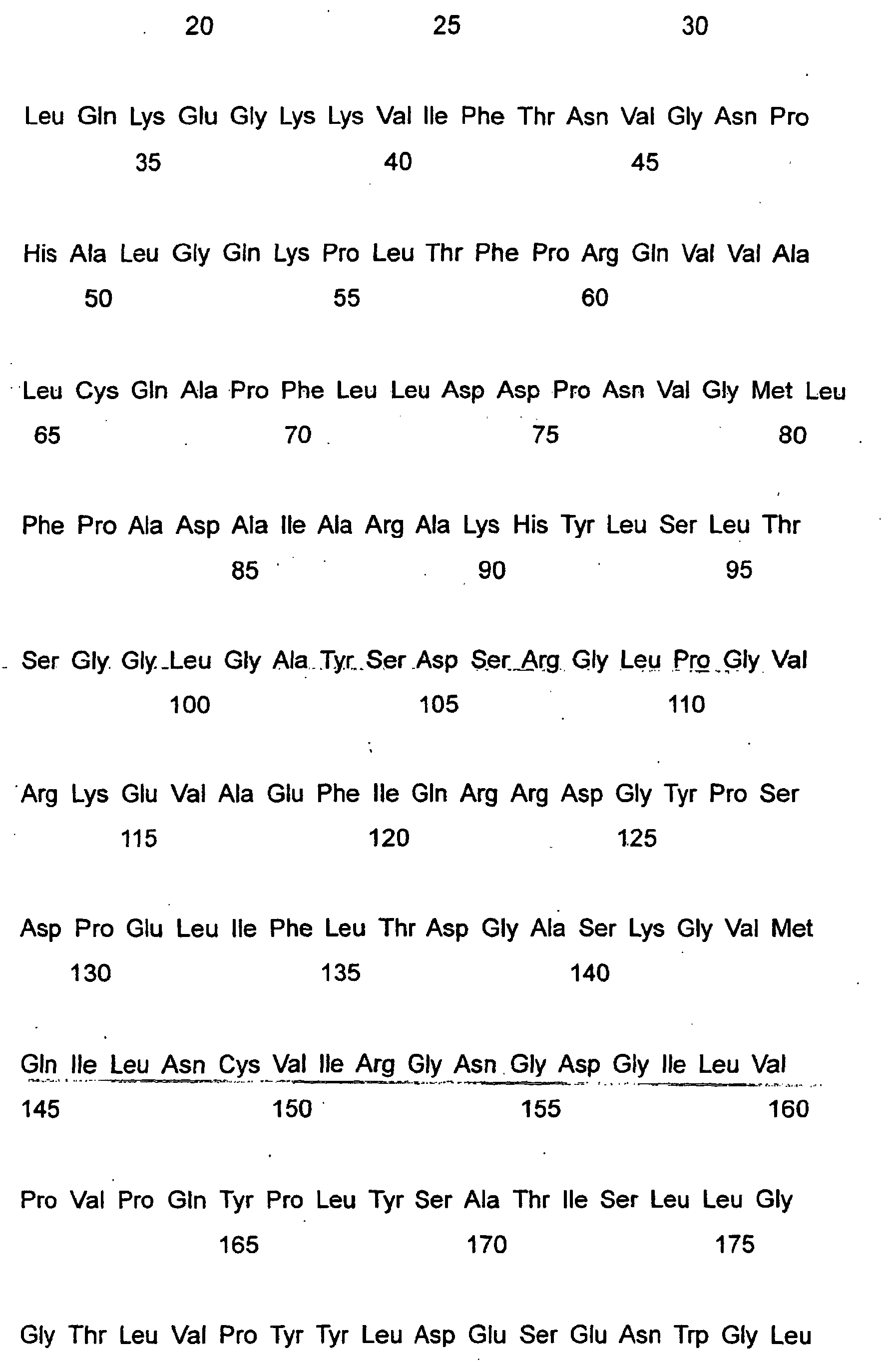
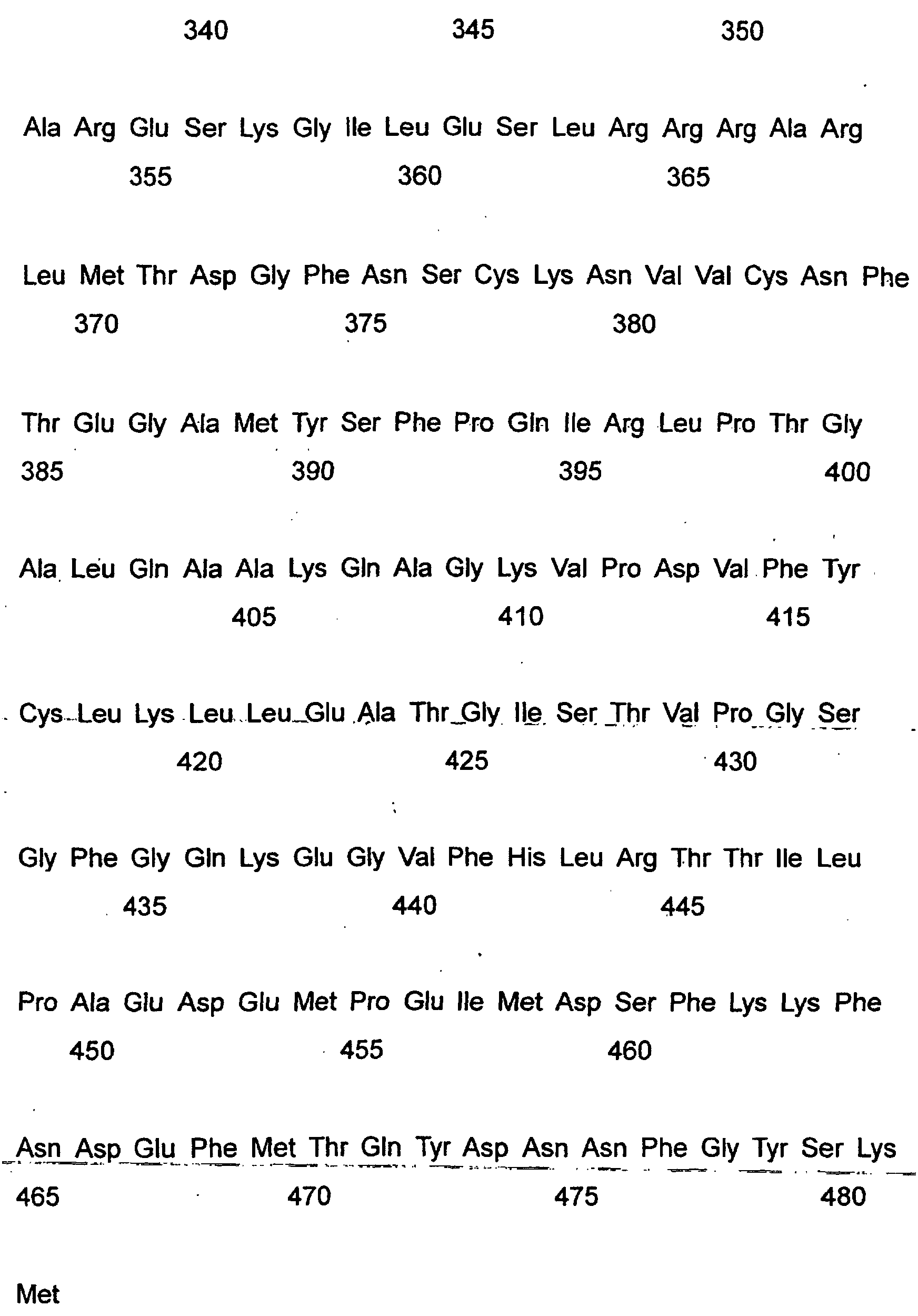
- the copy number and sequence of AlaAT are estimated from data published on Internets and the primers were prepared. According to the data retrieval using "Alanine aminotransferase” and “Arabidopsis” as the key words, it was found that at least 4 copies of genes supposed to be alanine aminotransferase were present on the genome. Genbank accession numbers of the respective genes were AC005292 (F26F24.16), AC011663 (F5A18.24), AC016529 (T10D10.20) and AC026479 (T13M22.3). The genes were named AlaAT1, 2, 3 and 4, respectively. The comparisons of the deduced amino acid sequences are shown in Fig. 1.
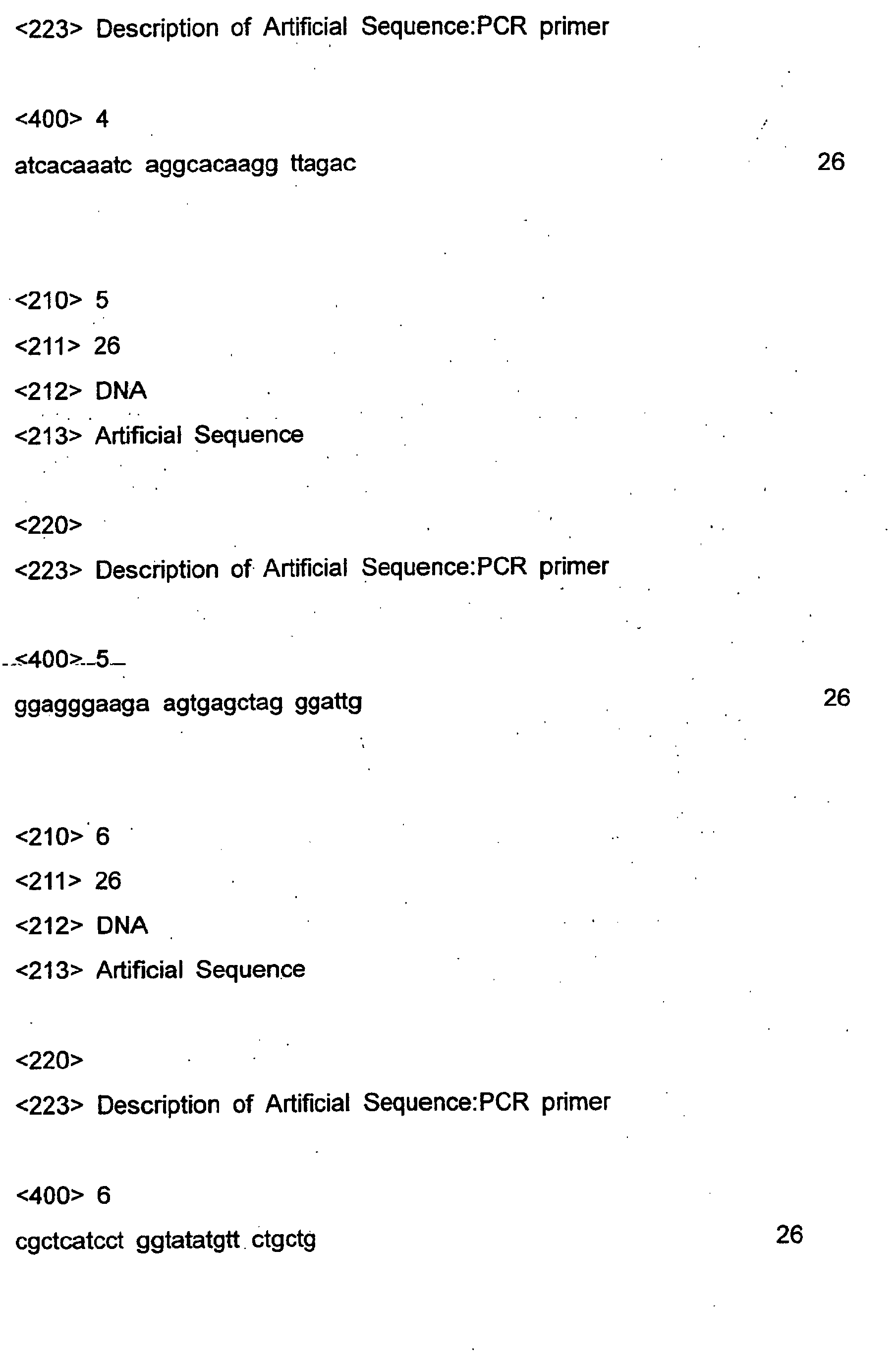
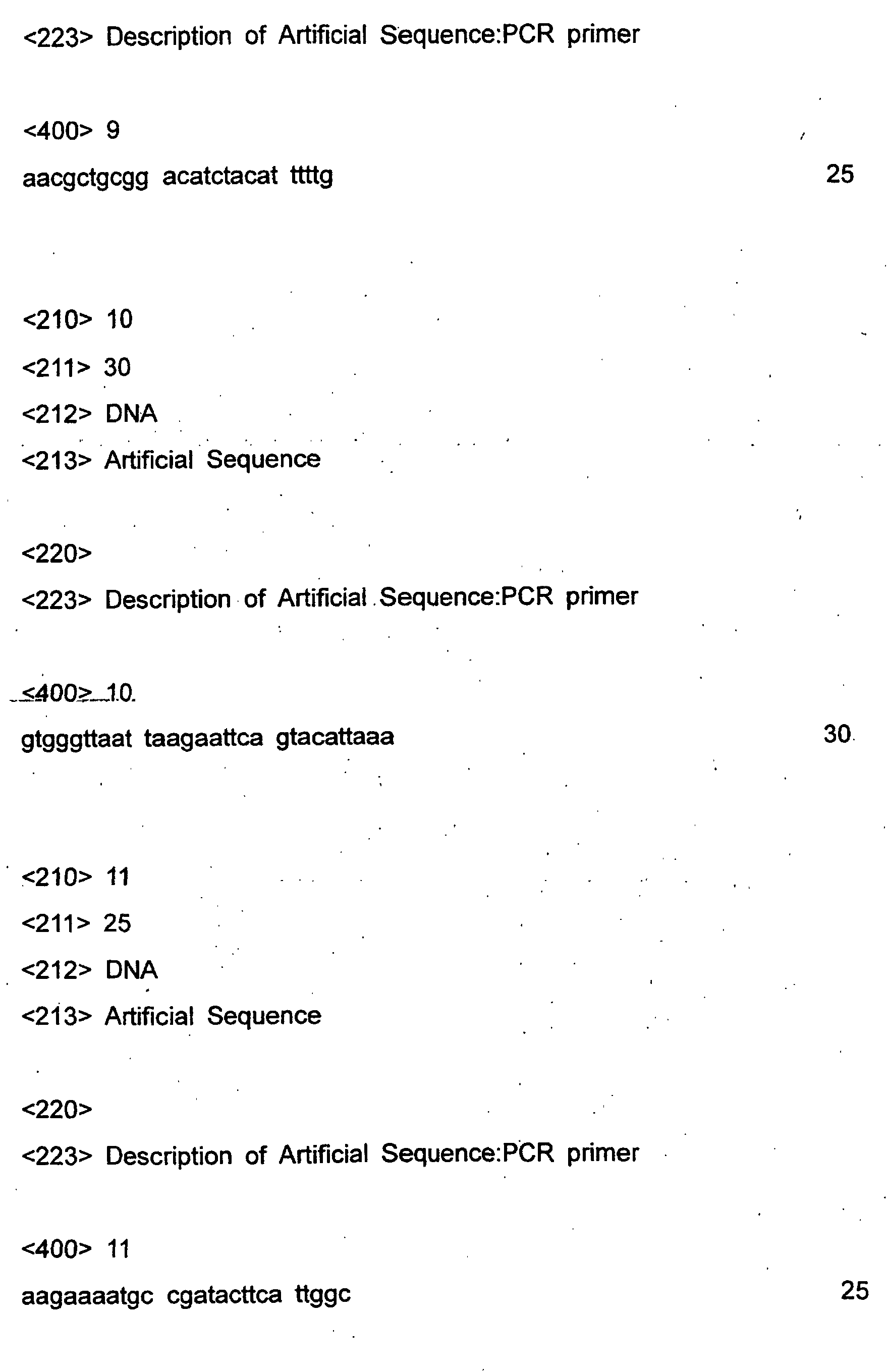
- PCR primers for screening the gene disruption lines were prepared according to the AlaAT1 sequence (Table 1). These primers were designed according to the system provided by Kazusa DNA Laboratory.
- the screening for AlaAT in the gene disruption Arabidopsis thaliana Library was performed according to a system provided by Kazusa DNA Laboratory. The screening was conducted by the procedure described in 2-4-c in Plant Cell Engineering Series 14 "Shokubutsu no Genome Kenkyu Protocol (Protocol of Study of Plant Genome)" (published by Shujunsha).
- the polymerase used was EX-taq (TAKARA). 20 ⁇ l of the reaction solution contains about 38.4 ng (about 100 pg x 384) of template DNA, 10 pmol of tag primer, 10 pmol of primer for the gene, 2 ⁇ l of 10 x buffer, 5 nmol of dNTP and 0.5 U of Ex-taq.
- PCR cycle comprised 94°C for 45 seconds, 52°C for 45 seconds and 72°C for 3 minutes. After the repetition for 35 cycles, 10 ⁇ l of the PCR product was separated by the electrophoresis with 1 % agarose gel. The amplified DNA fragments were observed after EtBr staining.
- the gel was denatured by the immersion in a denaturing solution (1.5 M NaCl, 0.5 M NaOH) for 20 minutes. The gel was then immersed in a neutralizing solution [0.5 M Tris-HCl (pH 8.0), 1.5 M NaCl] for 20 minutes. After blotting onto membrane-Hybond N+ (Amersham Pharmacia Biotech) with 20 x SSC (3M NaCl, 0.3 M sodium citrate), DNA was fixed on the membrane by UV cross-linking. The hybridization and detection were conducted with AlkPhos-Direct DNA detection kit (Amersham Pharmacia Biotech) according to the protocol attached thereto. The hybridization temperature was 65°C. PCR was conducted using AATIU/AAT1 L as probes and genome DNA as a template. The amplified fragments were purified with GFX PCR DNA and Gel Band purification kit (Amercham Pharmacia Biotech).
- DNA extracted from the determined tag-inserted line was used as the template. PCR was conducted by using two primer sets (AAT1U/00L, AAT1L/OOL). The amplified fragments were cloned to obtain pGEM T-easy vector (Promega). For the sequencing, a DNA sequencer, ABI PRISMTM 377 DNA sequencer (PERKIN ELMER) was used.
- T2 seeds of the line of which the tag insertion had been confirmed were placed on MS medium containing 10 mg/l of hygromycin. Three weeks later, the seedlings thus obtained were transplanted in rock wool, and DNA was extracted from about 5 mm x 5 mm samples of rosette leaves. The extraction was conducted according to Li method (Plant J. 8: 457 to 463).
- PCR was conducted with primers (AAT1U/AAT1L2) flanking the tag. 30 cycles of PCR were conducted, wherein denaturation was conducted at 94°C for 30 seconds, the annealing was conducted at 57°C for 30 seconds and the elongation was conducted at 72°C for 60 seconds.
- wild type genome DNA was used as the template.
- An aliquot of the PCR product was separated on 1 % agarose gel by electrophoresis. Homozygotes were found in 11 lines in total 35 lines (Fig. 3).
- the obtained homozygous line was subjected to RT-PCR by using the progenies thereof to confirm that the gene disruption occurred.
- the seeds of the homozygotes were seeded on MS medium containing 10 mg/l of hygromycin, and it was confirmed that all the individuals were resistant.
- Total RNA was extracted from seedlings with ISOGEN (Nippon gene) two weeks after the seeding. After the treatment with DNase followed by the reverse transcription with oligo-dT primer using superscript II (GIBCO), PCR was conducted with primers (AAT1 RTU / AAT1RTL) flanking the tag using the synthesized single-strand cDNA as the template.
- tag-inserted line aat1-1 The seeds of tag-inserted line aat1-1 were planted in the soil, and cultivated under an ordinary light strength condition (about 70 ⁇ mol m -2 s -1 ) in a light period of 16 hours and dark period of 8 hours.
- the protein was extracted from seedlings grown under a light condition of 70 ⁇ mol m -2 s -1 for 2 weeks after seeding on PNS medium.
- the plant fresh weight: about 200 mg
- 1 ml of the extract solution [100 mM Tris-HCl (pH 7.3), 10 mM DTT] was added thereto, and the obtained mixture was centrifuged at 15,000 rpm for 10 minutes to remove insoluble matters. This process was repeated 3 times.
- the desalting treatment was conducted with a filter UFV5BGCOO (Millipore) for the ultrafiltration.
- 0.5 ml of the extract was concentrated to a concentration of 10 times by the centrifugation at 10,000 rpm for about 45 minutes. After the dilution to a concentration of 1/10 with the extract, the same process was repeated 3 times.
- the protein concentration was determined with a protein assay kit (Bio-Rad). The extract containing 10 % glycerol was added thereto so as to obtain a final concentration of 2 mg per 1 ml of extract to obtain the crude extract, which was used for the subsequent determination of the enzyme activity.
- the activity of the reaction of Ala (alanine) + ⁇ KG ( ⁇ ketoglutarate) ⁇ Glu (glutamate) + Pyr (pyruvate) was determined as the change of OD at 340 nm by coupling the reaction with the oxidation reaction of NADH with LDH (EC 1.1.1.27).
- 10 mg of the crude extract was used for 600 ⁇ l of the reaction solution [100 mM Tris-HCl (pH 7.3), 100 mM Ala, 0.11 mM pyridoxal 5-phosphate, 0.11 mM NADH, 15 mM ⁇ KG, 80 mM NH 4 Cl, 1200 U/I LDH (SIGMA L2375)].
- the reactivity in the reaction of Glu + Pyr ⁇ Ala + ⁇ KG and Glu + glyoxylate ⁇ glycine (Gly) + ⁇ KG was determined as the change of OD at 340nm by coupling the reaction with the oxidation reaction of NADH with NAD + -GDH (EC 1.4.1.3).
- 10 mg of the crude extract was used for 600 ⁇ l of the reaction solution [100 mM Tris-HCl (pH 7.3), 100 mM Glu, 0.11 mM pyridoxal 5-phosphate, 0.11 mM NADH, 15 mM Pyr, 1200 U/l GDH (G2501)].
- glyoxylate was used as the amino acceptor, the same reaction solution was used except that Pyr was replaced with glyoxylate.
- AlaAT1 is greatly involved in the reaction for synthesizing glycine from glyoxylate in the glycolate pathway which is the actual photorespiration pathway (refer to the arrow in Fig. 6).
- amino acids were extracted from seedlings obtained by growing under the light condition of 70 ⁇ mol m -2 s -1 for 2 weeks after seeding on PNS medium.
- the plant fresh weight: about 40 mg
- 500 ⁇ l of 80 % ethanol was added.
- the tissue was crushed with a cell crusher MM 300 (QIAGEN) and then treated at 80°C for 10 minutes to extract amino acids. After the centrifugation conducted at 15,000 rpm for 10 minutes, the supernatant was taken.
- 500 ⁇ l of 80 % ethanol at 80°C was added to the obtained precipitate, and the mixture was thoroughly stirred and then treated at 80°C for further 10 minutes.
- the supernatant was taken as the amino acid extract. 1 ml of the amino acid extract was rotated under reduced pressure to completely remove ethanol and water. 300 ⁇ l of 0.02 N HCl was added to the remaining sample. After vortexing followed by centrifugation, the supernatant was taken. The impurities were removed by passing through a 0.22 ⁇ m filter to obtain the sample for analysis.
- the amino acid analysis was conducted with an amino acid analyzer LS-8800 (HITACHI). The content of major amino acids (nmol/mg FW) and the relative amounts thereof to the total amount of the amino acids are shown in Fig. 7. The results of the analysis showed that the accumulated amount of glutamate was increased in aat1-1 (Fig. 7).
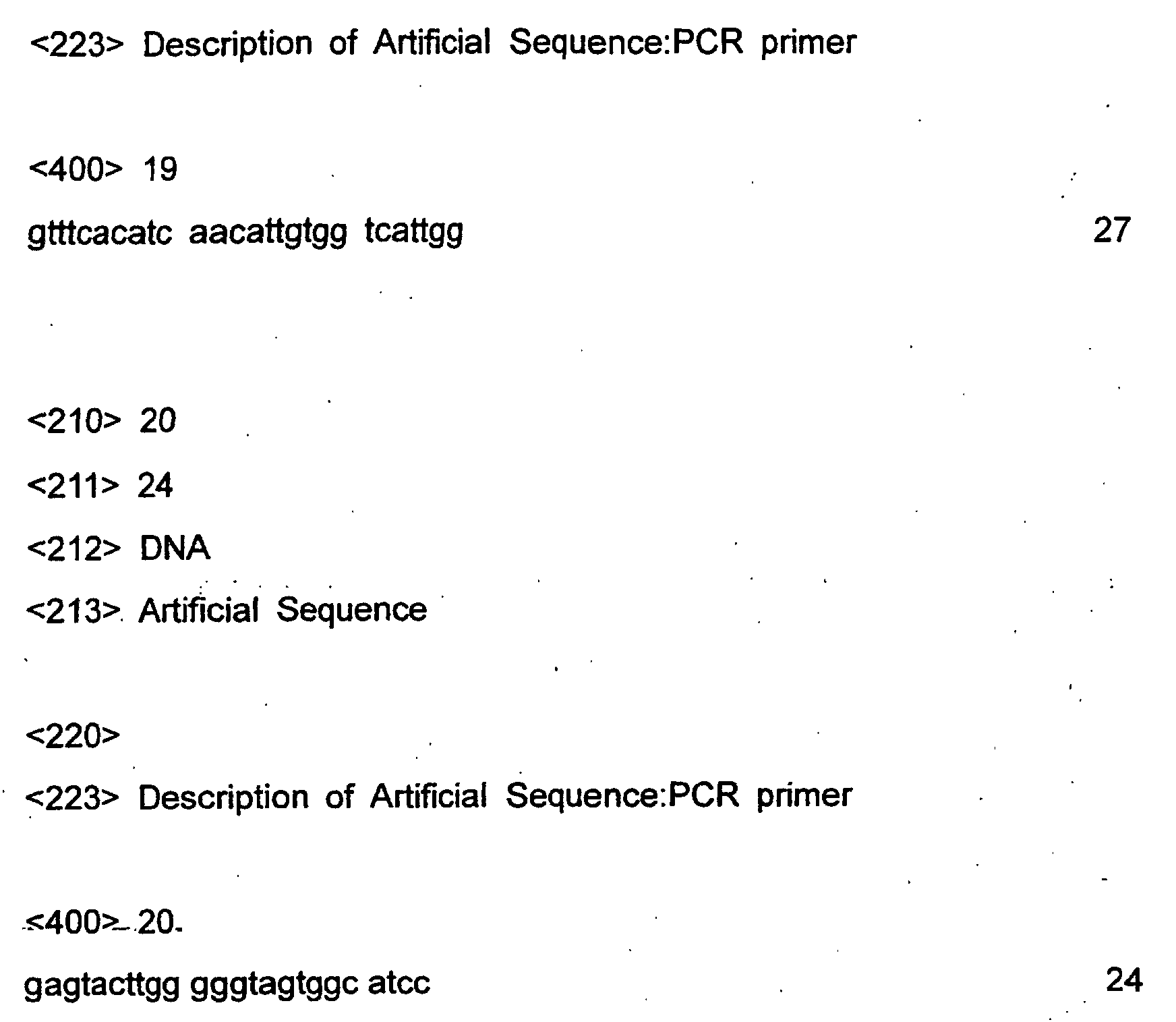
- SEQ ID NO: 2 to NO: 20 PCR primers
- Seeds of tag-inserted line aat1-1 and control plant Co1-0 were seeded on PNS solid medium and cultivated under the light condition (70 ⁇ mol m -2 s -1 ) and a light period of 16 hours and dark period of 8 hours for 3 weeks, and then transplanted in a rock wool.
- the rock wool in which plant bodies Co1-0 were planted and the rock wool in which plants aat-1 were planted were placed on the same tray.
- PNS solution was given to them as a fertilizer once a week.
- the seeds were collected and were analyzed for amino acids after thoroughly dried in a desiccator. Then the amino acid analysis was conducted.
- glutamate content of plants and/or seeds of them can be increased and, therefore, the plants and/or seeds having an increased glutamate content can be obtained.
- the taste of these plants and/or seeds can be improved.
- the taste of foods prepared from these plant bodies and seeds can be improved.
Landscapes
- Life Sciences & Earth Sciences (AREA)
- Health & Medical Sciences (AREA)
- Genetics & Genomics (AREA)
- Engineering & Computer Science (AREA)
- Chemical & Material Sciences (AREA)
- Bioinformatics & Cheminformatics (AREA)
- Biotechnology (AREA)
- Organic Chemistry (AREA)
- Zoology (AREA)
- Wood Science & Technology (AREA)
- Molecular Biology (AREA)
- Biomedical Technology (AREA)
- General Engineering & Computer Science (AREA)
- Microbiology (AREA)
- Biochemistry (AREA)
- General Health & Medical Sciences (AREA)
- Physics & Mathematics (AREA)
- Plant Pathology (AREA)
- Proteomics, Peptides & Aminoacids (AREA)
- Biophysics (AREA)
- Nutrition Science (AREA)
- Cell Biology (AREA)
- Medicinal Chemistry (AREA)
- Breeding Of Plants And Reproduction By Means Of Culturing (AREA)
- Preparation Of Fruits And Vegetables (AREA)
- Enzymes And Modification Thereof (AREA)
- Preparation Of Compounds By Using Micro-Organisms (AREA)
Abstract
A plant comprising deletion or lowering of glutamate glyoxylate aminotransferase (GGT) activity, is new. Independent claims are also included for: (1) seeds of the plants; (2) elevating glutamic acid content in plants and/or seeds by deletion or lowering of GGT activity, as compared to that in the corresponding wild-type plants cultivated under the same conditions; and (3) producing seeds with elevated glutamic acid content by recovering seed from the modified plants, as compared to that in the corresponding wild-type plant-obtained seeds cultivated similarly.
Description
The present invention relates to a method for increasing glutamate content
of a plant and/or a seed, a plant and/or a seed having an increased glutamate
content, use of a plant and/or a seed having an increased glutamate content for the
production of foods, and a food containing a plant and/or a seed having an increased
glutamate content.
In general, glutamate is commonly present in proteins and is known as a
tasty ingredient contained in tomatoes, soy beans, adzuki beans, broad beans,
kidney beans, peas, etc. and also in foods made by the fermentation of soy beans or
the like. Glutamate is synthesized in the early stage of the biosynthesis of amino
acids in higher plants, and it serves as an amino group donor for major amino acids
such as alanine, glycine, serine, proline and arginine. Glutamine and asparagine
synthesized in leaves are carried into seeds through sieve tubes and used for
synthesizing the above-described major amino acids after glutamate is synthesized.
Enzymes which transfer the amino group of glutamine are believed to function in the
compartmentalized tissues such as a seed coat, an embryosac fluid and a cotyledon
based on the role of each function which is strictly regulated. Thus it has not been
easy to increase free glutamate content in plants because glutamate is the donor of
an amino group for various reactions occurring in vivo including protein synthesis and
is metabolized through biosynthesis pathways which are diversely and complicatedly
regulated. Particularly it is considered to be difficult to increase in amount of a
specified amino acid in its free form because amino acids are stored mainly in the
form of protein. In fact, only several reports on these facts are known until now.
The reports include, for example, a report that free glutamate content of roots of
tobacco and corn was increased by the introduction of glutamate dehydrogenase
genes, and a report that free lysine accumulated in soybean seeds when a gene
encoding a protein having a high lysine content was excessively expressed in leaves.
Alanine aminotransferase is known as one of enzymes concerning the
metabolism of glutamate. This enzyme catalyzes a reaction of transferring amino
group of L-alanine into α-ketoglutarate and the reverse reaction thereof. This
enzyme constitutes a part of the above-described glutamate metabolism. It is also
known that this enzyme has an activity of catalyzing reactions of transferring amino
group from alanine to glyoxylate and also from glutamate to glyoxylate for
synthesizing glycine (Biochem. J. 195:235-239, 1981). On the other hand, the
possibility is suggested that alanine aminotransferase existing in peroxisomes has
glutamate glyoxylate aminotransferase activity, namely, an activity of synthesizing
α-ketoglutarate and glycine using glutamate and glyoxylate as the substrates
[Noguchi T. and HAYASHI S., Biochem. J. 195-235-239 (1981); Orzechowski et al.,
Acta Biochem. Pol.: 447-457 (1999) and Orzechowski et al., Acta Physiol. Plant 21:
331-334 (1999)]. However, the roles of alanine aminotransferase and glutamate
glyoxylate aminotransferase activity on the increase or decrease of glutamate content
of plants has not been elucidated and there is no report regarding the possibility that
the glutamate content in plants or seed could be actually increased by genetic
manipulation of the genes encoding proteins having alanine aminotransferase or
glutamate glyoxylate aminotransferase activity.
The object of the present invention is to provide a method for increasing
glutamate content of a plant and/or a seed, a plant and/or a seed having an
increased glutamate content, use of a plant and/or a seed having an increased
glutamate content for the production of a food, and a food containing a plant and/or a
seed having an increased glutamate content.
The inventors have found that glutamate content of plants and/or seeds can
be increased by inhibiting glutamate glyoxylate aminotransferase (GGT) activity.
The present invention has been completed on the basis of this finding.
Namely, the present invention provides a method for increasing glutamate
content of plants and/or seeds by lacking or reducing GGT activity, and the plants
and/or seeds wherein a GGT activity is lacked or reduced and particularly plants
and/or seeds having a glutamate content higher than that of corresponding wild type
plants cultured under the same conditions.
In particular, the present invention relates to a method for increasing
glutamate content of plants and/or seeds by lacking or reducing GGT activity by
inhibiting the function of genes encoding a protein having GGT activity, and the plants
having lacked or reduced GGT activity, in particular, plants and seeds having lacked
or reduced GGT activity and having glutamate content higher than that of
corresponding wild type plants cultured under the same conditions.
The object of the present invention is to increase glutamate content of plants
and/or seeds. This object can be attained by removing or reducing GGT activity.
In one embodiment of the present invention, the functions of a gene
encoding GGT are inhibited. The term "the function of a gene encoding glutamate
glyoxylate aminotransferase (or GGT)" as used herein indicates the function of a
gene to express glutamate glyoxylate aminotransferase having the activity of wild
type glutamate glyoxylate aminotransferase. Accordingly, an expression "the
function of a gene encoding glutamate glyoxylate aminotransferase (or GGT) is
inhibited" involves, for example, a case wherein the gene itself is disrupted, a case
wherein the expression of the gene is inhibited at the transcription or translation level
and a case wherein the gene is modified and, as a result, the expressed protein has
no activity of the wild type GGT.
The deletion or reduction of GGT activity by inhibiting the function of the
genes encoding GGT can be attained by, for example, disrupting GGT genes or
transforming the plant with genetic constructs for inhibiting the expression.
The object of the present invention can be attained by lacking or reducing
GGT activity as described above. The enzymatic activity may be deleted or reduced
at any of the transcriptional level, translational level and protein level. For example,
the plant having the lowered activity may be screened by acclimating the plant to
various growing conditions and determining GGT activity using a method which will
be described below. It is also possible to delete or to reduce the activity by
modifying or disrupting the genes encoding GGT in the plant genome. It is also
possible to remove or to reduce GGT activity by antisense or cosuppression method.
Particularly in the present invention, from the viewpoint of the stability of the
properties, disruption of GGT genes is preferred. Such a gene disruption can be
achieved by the insertion of a transposon, insertion of T-DNA or mutagenesis by the
treatment with a mutagen such as EMS. The ordinary techniques of gene disruption
by the insertion of transposon or T-DNA or the treatment with the mutagen are well
known by those skilled in the art. When a prepared library of gene-disrupted plants
is available, desired transformed plants can be easily obtained by screening the
library to find the plants containing disrupted GGT genes. Such a library is
commercially available.
As compared with the wild type plants grown under the same conditions, the
plants of the present invention have not more than about 80 %, preferably not more
than about 50 % and more preferably not more than 30 %, of GGT activity at some
stage of the development, in any of the total protein, fresh weight or a leaf.
The deletion or reduction of GGT activity in the present invention preferably
occurs in a peroxisome, particularly in a peroxisome in a photosynthesis tissue. The
photosynthesis tissue may be any tissue conducting the photosynthesis under
ordinary cultivation conditions, such as leaves, stems and siliques.
Thus, as compared with wild type plants grown under the same conditions,
the plants having a glutamate content increased by the method of the present
invention have not more than about 80 %, preferably not more than about 50 % and
more preferably not more than 30 %, of the GGT activity in the total protein extracted
preferably from the photosynthesis tissues, more preferably from a peroxisome in the
photosynthesis tissue, of the GGT activity in tissue or in the intracellular organs per
fresh weight or of the GGT activity in the tissue or the intracellular organs per leaf.
The term "glutamate glyoxylate aminotransferase" as used herein indicates
a protein having glutamate glyoxylate aminotransferase activity, which may be also
abbreviated to "GGT". The term "genes encoding glutamate glyoxylate
aminotransferase" herein involves all the nucleic acid fragments encoding a protein
having the glutamate glyoxylate aminotransferase activity.
The GGT genes used as the target in the present invention can also be
obtained from plants. For example, DNA base sequence information of GGT genes
can be obtained by retrieving it from a database using "alanine aminotransferase" as
a keyword. According to the sequence information, the full-length cDNA can be
obtained by RT-PCR, 5'-RACE and 3'-RACE. It is also possible to obtain the cDNA
by screening cDNA library by hybridization with a suitable probe according to the
known sequence information. The probes used for the screening can be prepared
according to the amino acid or DNA sequence of GGT.
In the present invention, it is preferred that the interested GGT is localized in
a peroxisome, particularly a peroxisome in the photosynthesis tissues as described
above. The localization of GGT in the peroxisome can be deduced from the
presence of N-terminal sequence or C terminal sequence characteristic to protein
localized in the peroxisome. It is also possible to confirm the localization by fusing a
reporter gene such as GFP or GUS to GGT gene while keeping the localization in the
peroxisome, expressing GGT in the cell and determining it. In another method, the
localization can be confirmed by detection of expressed tagged-GGT with a specific
antibody.
When a gene-disrupted plant library or the like is available, the plants of the
present invention can be obtained by screening GGT gene-disrupted plants in the
library. By suitable combination of the primers and probes, it is also possible to
confirm how the GGT genes are disrupted in those plants. The screening method
and analysis methods are well known in the art, and one can refer to, for example,
"Shokubutsu no Genome Kenkyu Protocol (Protocol of Study of Plant genome)"
(published by Shujunsha). Even when such a library is unavailable, by using
genetic engineering methods such as transposon and T-DNA, it is possible to obtain
such gene-disrupted plants, particularly plants having disrupted GGT genes or plants
defective or inhibitive in GGT activity by some other reasons.
Nucleic acid constructs usable for producing the gene-disrupted plants in an
embodiment of the present invention can be prepared by a method well known in the
art. A molecular biological means including the procedures of designing nucleic acid
constructs; isolating them and determining the sequence thereof can be found in
literatures such as Sambrook et al., Molecular cloning-Laboratory manual, Edition 2,
Cold Spring Harbor Laboratory Press. For preparing the nucleic acid constructs
usable in the present invention, gene amplification by PCR method may be required
in some cases. As for the PCR method, for example, F. M. Ausubel et al. (eds),
Current Protocols in Molecular Biology, John Wiley & Sons, Inc. (1994) can be
referred to.
The gene disruption in plants can be conducted by a method generally
known in the art. For example, genomic GGT gene may be preferably disrupted as
the target using a transposon, or T-DNA. The design of the genetic construct
suitable for this method will be easily understood by those skilled in the art. The
general techniques of the gene disruption with the transposon or T-DNA are
described in, for example, Plant molecular biology manual 2nd, S. B. Gelvin and R. A.
Schilper.
The method for introducing the nucleic acid construct in the
above-described embodiment is not particularly limited. Any method for introducing
genes into plant cells or into plant bodies, known by those skilled in the art, can be
selected depending on the hosts. For example, Agrobacterium mediated gene
introduction method, the electroporation method or a particle gun can be employed.
When Agrobacterium is used, the sequence to be introduced is preferably inserted
between the left and right T-DNA border sequences. The suitable design and
construction of the transformation vector thus based on T-DNA are well known in the
art. Further, the conditions required for the infection of a specified plant with
Agrobacterium having such a nucleic acid construct are also well known in the art.
As for such techniques and conditions, Cell Technology, additional volume, "Model
Shokubutsu no Jikken Protocol; Ine, Shiroinunazuna Hen (Experiment Protocol for
Model Plants; Edition of Rice Plants and Arabidopsis thaliana) published by
Shujunsha (1996) can be referred to.
Although the species of plants to be subjected to the gene manipulation are
not particularly limited, plants species are preferred that can be easily cultivated and
transformed and the regeneration system of which has been established. In
addition to the plants having the above-described characteristic properties, species of
plants, for which a large-scale cultivation technique has been established and which
have a high utility value as foods, are preferred in the present invention. Those
plants include, in addition to Arabidopsis thaliana as the model plant, rice plants,
spinach, cabbages, lettuces, salads, celeries, cucumbers, tomatoes, broad beans,
soybeans, adzuki beans, kidney beans and peas.
Then the transformants are selected from the genetically manipulated plant
cells and the like thus obtained. The selection may also be based on the expression
of marker genes present on the nucleic acid construct used for the transformation.
For example, when the marker genes are drug resistant genes, the selection can be
conducted by culturing or growing plant cells manipulated on a culture medium
containing a suitable concentration of an antibiotic or a herbicide. When the marker
genes are β-glucuronidase genes or luciferase genes, the transformants can be
selected by screening for the activity. From thus identified transformants such as
protoplasts, calli and explants, the plant bodies can be regenerated. A method
known by those skilled in the art for each host plant can be employed for the
regeneration. The plants thus obtained can be cultured by an ordinary method or, in
other words, under the same conditions as those for the untransformed plants or
under conditions suitable for the respective transformants. For the identification of
the transformed plants containing the nucleic acid constructs of the present invention,
various molecular biological methods can be employed in addition to the
above-described marker gene selection method. In particular, the plants of the
present invention having reduced GGT activity are preferably kept from a strong light
so as to protect them from the growth inhibition.
For detecting the disruption of the target genes or the presence or absence
of recombinant DNA inserts and the structures thereof, Southern hybridization, PCR,
Northern blotting or RT-PCR can be employed.
Then the amount of the GGT protein, the GGT activity and the amount of
mRNA of GGT of the thus obtained transformed plants can be determined. For
example, the amount of the protein can be determined by Western blotting method or
the like, and the amount of the mRNA can be determined by Northern blotting
method, quantitative RT-TCR method or the like. GGT activity can be determined
by an ordinary method (Plant Physiol. 99: 1520-1525). For example, GGT activity in
a photosynthetic tissue can be determined by freeze-drying the photosynthetic tissue
of a plant such as leaves with liquid nitrogen, pulverizing the frozen tissue,
suspending the obtained powder in a suitable extraction buffer such as the buffer
containing 100 mM Tris-HCl (pH 7.3) or 10 mM DTT, ultra-filtrating the obtained
suspension, and subjecting the obtained specimen to the above-described
determination method (Plant Physiol. 99: 1520-1525). GGT activity localized in
peroxisome can be determined by isolating the peroxisomes by an ordinary method
(Plant Physiol. 43: 705-713, J. Biol. Chem. 243: 5179-5184, Plant Physiol. 49:
249-251 or the like) and then determining the activity by the above-described method.
These methods are well known in the art.
The resulted plants may be estimated for glutamate content. Glutamate
content can be determined by, for example, pulverizing the plant body or a part
thereof, obtaining an extract therefrom and examining the extract with an ordinary
amino acid analyzer. For example, amino acids can be extracted by adding 500 µl
of 80 % ethanol to a sample (a plant body or a part thereof), pulverizing the sample
with a cell blender MM 300 (QIAGEN) and treating the obtained product at 80°C for
10 minutes. The product is centrifuged and then vacuum-revolved. The remaining
sample is dissolved in 0.02 N HCl to obtain an analysis sample. The sample is
passed through a 0.22 µm filter to remove impurities. In the amino acid analysis,
amino acid content can be determined with amino acid analyzer LS-8800 (HITACHI).
Glutamate content of a plant body can be determined on the basis of an increasing
rate of glutamate content in the total amino acid content, glutamate content per a
fresh weight or glutamate content per a specified tissue, preferably photosynthetic
tissue such as leaf, as compared with those of the wild-type plant grown under the
same conditions, and optionally, glutamate content of the plant body may be
statistically treated. When the increase in glutamate. content is statistically
significant in at least one of these indexes (for example, when the increase is
statistically significant on a significant level of 5 % (p<0.05)), it may be considered
that glutamate content is significantly increased as compared with that of the wild
type plant grown under the same conditions.
By the method of the present invention, glutamate content (relative content
of glutamate to the total amino acid content) of the plant body is increased to at least
about 1.2 times, usually about 1.2 to 2.5 times as high as that of the wild type plant
body cultivated under the same conditions; and glutamate content per fresh weight is
increased to at least about 1.2 times, usually about 1.5 to 3 times.
After the transformed plant having increased glutamate content is identified,
it is possible to examine whether the characteristics thereof can be genetically stably
kept or not. For this purpose, plants are cultivated under an ordinary light condition,
the seeds are taken from them and the character and separation of the descendants
thereof are analyzed. When the inhibition of the growth of the plant is extreme
under ordinary light conditions, the plant may be grown under a weak light condition
of, for example, about 30 µmol m-2 s-1 or under a condition of a high CO2
concentration of, for example, 0.7 % and an ordinary light condition, and then the
characters thereof can be analyzed. The presence or absence of the introduced
nucleic acid constructs, the position thereof and the expression thereof in the
progenies can be analyzed in the same manner as that of the primary transformants.
The transformants thus having increased glutamate content are either
heterozygous or homozygous as for the sequence derived from the nucleic acid
constructs integrated into the genomes or as for the disrupted genes. If necessary,
either heterozygotes or homozygotes can be obtained by, for example,
cross-fertilization. The sequence derived from the nucleic acid constructs integrated
into the genomes segregates according to Mendel's law in the progenies. Therefore,
for attaining the object of the present invention, it is preferred to use homozygous
plants from the viewpoint of the stability of the characters. Although the plants of the
present invention can be grown under ordinary cultivation conditions, it is desirable to
grow them under as strong as possible light so far as the growth inhibition does not
occur.
In the production of the seeds of the present invention, it is particularly
preferred to cultivate the homozygous plants and harvest the seeds thereof. The
homozygous plants can be selected by repeating the cultivation of the generations
until the interested phenotypes do not separate or, in other words, the homozygous
plants can be selected by selecting a line exhibiting the interested phenotype in all
the progenies. The homozygotes can be selected by PCR or Southern analysis.
When the object of the present invention has been attained by inserting a transposon
or T-DNA, such molecular biological techniques are useful.
The seeds of the present invention can be obtained by cultivating a plant
wherein GGT activity is lacked or reduced, or in particular, a plant confirmed to have
an increased glutamate content, which is obtained by the above-described method,
under ordinary conditions and then collecting the seeds thereof. For example, a
plant which is homozygous for the disrupted GGT gene is cultivated under ordinary
conditions and the seeds thereof are collected. Preferably, the plant of the present
invention is cultivated under a light condition of about 30 to 70 µmol-2 s-1 and the
seeds thereof are collected to obtain the seeds of the present invention. By
determining glutamate content of the plant by the above-described method, the
seeds of the present invention can be confirmed to have glutamate content higher
than that of the seeds of a corresponding wild-type plant cultivated under the same
conditions.
The plants and seeds of the present invention are usable as foods and food
materials in the same manner as those of corresponding wild-type plants. Therefore,
the plants and seeds of the present invention are usable as foods directly or after
cooking or processing by an ordinary method. Particularly preferred foods are those
which are desired to have a taste enhanced by glutamate, such as soy sauce, miso
(fermented soybean paste), tomato ketchup, natto (fermented soybeans), soups and
snacks.
The following Examples will further illustrate the method for obtaining the
plants of the present invention by screening the gene destruction plant library of
Arabidopsis thaliana and also the characteristics of the obtained plant and seeds. It
will be apparent for those skilled in the art that the plants of the present invention,
their seeds and the method of the present invention are not limited to the particular
plant, Arabidopsis thaliana.
PNS (Mol. Gen. Genet. 204: 430-434) or MS (Physiol Plant 15: 473-479)
inorganic salts containing 1 % (w/v) of sucrose, 0.05 % (w/v) of MES
[2-(N-morpholino) ethanesulfonic acid] and 0.8 % (w/v) of agar were used as the
basal medium for plates. In the cultivation on rock wools, only PNS inorganic salts
were used as source of nutrient.
AlaAT genes were obtained on the basis of information of alanine
aminotransferase (AlaAT) genes of Arabidopsis thaliana. AlaAT genes are also
referred to as GGT genes.
The copy number and sequence of AlaAT are estimated from data published
on Internets and the primers were prepared. According to the data retrieval using
"Alanine aminotransferase" and "Arabidopsis" as the key words, it was found that at
least 4 copies of genes supposed to be alanine aminotransferase were present on
the genome. Genbank accession numbers of the respective genes were AC005292
(F26F24.16), AC011663 (F5A18.24), AC016529 (T10D10.20) and AC026479
(T13M22.3). The genes were named AlaAT1, 2, 3 and 4, respectively. The
comparisons of the deduced amino acid sequences are shown in Fig. 1. According
to EST information, the amount of the expression of AlaAT1 was supposed to be
highest among the 4 copies and, accordingly, the effect of the gene disruption was
expected to be most remarkable. PCR primers for screening the gene disruption
lines were prepared according to the AlaAT1 sequence (Table 1). These primers
were designed according to the system provided by Kazusa DNA Laboratory.


The screening for AlaAT in the gene disruption Arabidopsis thaliana Library
was performed according to a system provided by Kazusa DNA Laboratory. The
screening was conducted by the procedure described in 2-4-c in Plant Cell
Engineering Series 14 "Shokubutsu no Genome Kenkyu Protocol (Protocol of Study
of Plant Genome)" (published by Shujunsha).
In the primary screening, (AAT1U/AAT1L) was used as the primer of the
gene side, and (00L/02L/03L/04L/05L/06L/00R/02R/03R/04R/05R/06R) were used
as the tag primers in the respective, corresponding pools. The relationship between
the tag primers used and the respective pools is shown in Table 2.

The polymerase used was EX-taq (TAKARA). 20 µl of the reaction solution
contains about 38.4 ng (about 100 pg x 384) of template DNA, 10 pmol of tag primer,
10 pmol of primer for the gene, 2 µl of 10 x buffer, 5 nmol of dNTP and 0.5 U of
Ex-taq. PCR cycle comprised 94°C for 45 seconds, 52°C for 45 seconds and 72°C
for 3 minutes. After the repetition for 35 cycles, 10 µl of the PCR product was
separated by the electrophoresis with 1 % agarose gel. The amplified DNA
fragments were observed after EtBr staining. The gel was denatured by the
immersion in a denaturing solution (1.5 M NaCl, 0.5 M NaOH) for 20 minutes. The
gel was then immersed in a neutralizing solution [0.5 M Tris-HCl (pH 8.0), 1.5 M
NaCl] for 20 minutes. After blotting onto membrane-Hybond N+ (Amersham
Pharmacia Biotech) with 20 x SSC (3M NaCl, 0.3 M sodium citrate), DNA was fixed
on the membrane by UV cross-linking. The hybridization and detection were
conducted with AlkPhos-Direct DNA detection kit (Amersham Pharmacia Biotech)
according to the protocol attached thereto. The hybridization temperature was 65°C.
PCR was conducted using AATIU/AAT1 L as probes and genome DNA as a template.
The amplified fragments were purified with GFX PCR DNA and Gel Band purification
kit (Amercham Pharmacia Biotech).
In the primary screening, a mixture of genome DNA extracted from 384
independent tag-inserted lines was taken as one pool. 54 pools (384 x 54 = 20736
lines) were subjected to PCR. The amplification products were subjected to
Southern analysis to confirm whether the intended product was amplified or not.
Pool P0035 having positive results in the primary screening was subjected to the
secondary screening. The primer combination for PCR for the secondary screening
was AAT1U/00L and AAT1L/00L which gave positive results in the primary screening.
By the secondary screening, it was made apparent that AlaAT1 tag was inserted in
one line, line 8046.
DNA extracted from the determined tag-inserted line was used as the
template. PCR was conducted by using two primer sets (AAT1U/00L, AAT1L/OOL).
The amplified fragments were cloned to obtain pGEM T-easy vector (Promega). For
the sequencing, a DNA sequencer, ABI PRISMTM 377 DNA sequencer (PERKIN
ELMER) was used.
It was found that the tag was inserted in the sixth exon with the deletion of
16bp and that 176-GGTLV-180 was replaced with 176-AIQL (end)-180 by the
insertion of the tag. The determined position of tag insertion and the neighboring
sequences are shown in Fig. 2.
T2 seeds of the line of which the tag insertion had been confirmed were
placed on MS medium containing 10 mg/l of hygromycin. Three weeks later, the
seedlings thus obtained were transplanted in rock wool, and DNA was extracted from
about 5 mm x 5 mm samples of rosette leaves. The extraction was conducted
according to Li method (Plant J. 8: 457 to 463). For the identification of the
homozygotes, PCR was conducted with primers (AAT1U/AAT1L2) flanking the tag.
30 cycles of PCR were conducted, wherein denaturation was conducted at 94°C for
30 seconds, the annealing was conducted at 57°C for 30 seconds and the elongation
was conducted at 72°C for 60 seconds. For the control, wild type genome DNA was
used as the template. An aliquot of the PCR product was separated on 1 %
agarose gel by electrophoresis. Homozygotes were found in 11 lines in total 35
lines (Fig. 3).
The obtained homozygous line was subjected to RT-PCR by using the
progenies thereof to confirm that the gene disruption occurred. The seeds of the
homozygotes were seeded on MS medium containing 10 mg/l of hygromycin, and it
was confirmed that all the individuals were resistant. Total RNA was extracted from
seedlings with ISOGEN (Nippon gene) two weeks after the seeding. After the
treatment with DNase followed by the reverse transcription with oligo-dT primer using
superscript II (GIBCO), PCR was conducted with primers (AAT1 RTU / AAT1RTL)
flanking the tag using the synthesized single-strand cDNA as the template. 28
cycles of PCR were conducted, wherein denaturation was conducted at 94°C for 30
seconds, the annealing was conducted at 57°C for 30 seconds and the elongation
was conducted at 72°C for 60 seconds. For the control, EF1-α (EFU/EFL) was
used. An aliquot of the PCR product was separated on 1 % agarose gel by
electrophoresis. No full-length mRNA for AlaAT1 was found in the tag-inserted line
(Fig. 4). According to these results, the tag-inserted line was named "aat1-1" and
used for the following analysis.
The seeds of tag-inserted line aat1-1 were planted in the soil, and cultivated
under an ordinary light strength condition (about 70 µmol m-2s-1) in a light period of 16
hours and dark period of 8 hours.
The aboveground parts of 20 seedlings obtained under the above-described
conditions were taken, and the weight of them was determined repeatedly three
times. The average of them was calculated. It was found that no significant
difference was found in the growth under the weak light condition (about 30 µmol m-2
s-1), though the growth was seriously inhibited under the ordinary light strength
condition (Table 3). These results suggested that aat1-1 was damaged by the photo
inhibition which is caused by the incomplete photorespiration.
| Effect of light intensity | ||
| Relative weight | ||
| Light intensity (µmol m-2s-1) | Control | aat1-1 |
| 30 | 1 | 0.89 |
| 100 | 1 | 0.34 |
For determining the enzymatic activity, the protein was extracted from
seedlings grown under a light condition of 70µmol m-2 s-1 for 2 weeks after seeding on
PNS medium. The plant (fresh weight: about 200 mg) was frozen in liquid nitrogen
and then the tissue thereof was crushed by using a mortar and a pestle. 1 ml of the
extract solution [100 mM Tris-HCl (pH 7.3), 10 mM DTT] was added thereto, and the
obtained mixture was centrifuged at 15,000 rpm for 10 minutes to remove insoluble
matters. This process was repeated 3 times. The desalting treatment was
conducted with a filter UFV5BGCOO (Millipore) for the ultrafiltration. 0.5 ml of the
extract was concentrated to a concentration of 10 times by the centrifugation at
10,000 rpm for about 45 minutes. After the dilution to a concentration of 1/10 with
the extract, the same process was repeated 3 times. The protein concentration was
determined with a protein assay kit (Bio-Rad). The extract containing 10 % glycerol
was added thereto so as to obtain a final concentration of 2 mg per 1 ml of extract to
obtain the crude extract, which was used for the subsequent determination of the
enzyme activity.
The activity of the reaction of Ala (alanine) + αKG (α ketoglutarate) → Glu
(glutamate) + Pyr (pyruvate) was determined as the change of OD at 340 nm by
coupling the reaction with the oxidation reaction of NADH with LDH (EC 1.1.1.27).
For the reaction, 10 mg of the crude extract was used for 600 µl of the reaction
solution [100 mM Tris-HCl (pH 7.3), 100 mM Ala, 0.11 mM pyridoxal 5-phosphate,
0.11 mM NADH, 15 mM αKG, 80 mM NH4Cl, 1200 U/I LDH (SIGMA L2375)].
The reactivity in the reaction of Glu + Pyr → Ala + α KG and Glu +
glyoxylate → glycine (Gly) + α KG was determined as the change of OD at 340nm
by coupling the reaction with the oxidation reaction of NADH with NAD+-GDH (EC
1.4.1.3). For the reaction, 10 mg of the crude extract was used for 600 µl of the
reaction solution [100 mM Tris-HCl (pH 7.3), 100 mM Glu, 0.11 mM pyridoxal
5-phosphate, 0.11 mM NADH, 15 mM Pyr, 1200 U/l GDH (G2501)]. When
glyoxylate was used as the amino acceptor, the same reaction solution was used
except that Pyr was replaced with glyoxylate.
The respective reaction activities are shown in Fig. 5. It was found that in all
of the three reactions which are considered to be catalyzed by AlaAT, the reactivity in
aat1-1 was reduced. It was also found that the activity of catalyzing the reaction for
transferring amino group from glutamate to glyoxylate, namely, GGT activity, was
remarkably reduced in aat1-1.
Thus, from the combination of the growth inhibition under the strong light
condition with the results of the determination of the enzyme activity, it was found that
under physiological conditions, AlaAT1 is greatly involved in the reaction for
synthesizing glycine from glyoxylate in the glycolate pathway which is the actual
photorespiration pathway (refer to the arrow in Fig. 6).
For determining the free amino acids content, amino acids were extracted
from seedlings obtained by growing under the light condition of 70 µmol m-2 s-1 for 2
weeks after seeding on PNS medium. The plant (fresh weight: about 40 mg) was
frozen in liquid nitrogen and then stored at -80°C. To the frozen sample, 500 µl of
80 % ethanol was added. The tissue was crushed with a cell crusher MM 300
(QIAGEN) and then treated at 80°C for 10 minutes to extract amino acids. After the
centrifugation conducted at 15,000 rpm for 10 minutes, the supernatant was taken.
500 µl of 80 % ethanol at 80°C was added to the obtained precipitate, and the
mixture was thoroughly stirred and then treated at 80°C for further 10 minutes. After
the centrifugation at 15,000 rpm for 10 minutes, the supernatant was taken as the
amino acid extract. 1 ml of the amino acid extract was rotated under reduced
pressure to completely remove ethanol and water. 300 µl of 0.02 N HCl was added
to the remaining sample. After vortexing followed by centrifugation, the supernatant
was taken. The impurities were removed by passing through a 0.22 µm filter to
obtain the sample for analysis. The amino acid analysis was conducted with an
amino acid analyzer LS-8800 (HITACHI). The content of major amino acids
(nmol/mg FW) and the relative amounts thereof to the total amount of the amino
acids are shown in Fig. 7. The results of the analysis showed that the accumulated
amount of glutamate was increased in aat1-1 (Fig. 7).
SEQ ID NO: 2 to NO: 20: PCR primers
Seeds of tag-inserted line aat1-1 and control plant Co1-0 were seeded on
PNS solid medium and cultivated under the light condition (70 µmol m-2 s-1) and a
light period of 16 hours and dark period of 8 hours for 3 weeks, and then transplanted
in a rock wool. The rock wool in which plant bodies Co1-0 were planted and the
rock wool in which plants aat-1 were planted were placed on the same tray. PNS
solution was given to them as a fertilizer once a week. The seeds were collected
and were analyzed for amino acids after thoroughly dried in a desiccator. Then the
amino acid analysis was conducted.
About 10 mg of dry seeds and 500 µl of 80 % ethanol were transferred into
2 ml tube, and the seeds were thoroughly crushed with a cell crusher MM 300
(QIAGEN) and then treated at 80°C for 10 minutes to extract amino acids. After
centrifugation at 15,000 rpm for 10 minutes, the supernatant was removed. 500 µl
of 80 % ethanol was added to the obtained precipitate, and the mixture was
thoroughly stirred and then treated at 80°C for 10 minutes. After centrifugation at
15,000 rpm for 10 minutes, the supernatant was taken as the amino acid extract
sample.
One ml of the amino acid extract was rotated under reduced pressure to
completely remove ethanol and water. Five hundred µl of sterilized water and 500 µl
of diethyl ether were added to the sample thus dried to solid, and they were
thoroughly stirred. After the centrifugation conducted at 15,000 rpm for 5 minutes,
the upper layer (ether phase) was removed. The aqueous phase was centrifuged
under reduced pressure to completely remove water. Three hundred µl of 0.02 N
HCl was added to the exsiccated sample. The sample was vortexed and centrifuged
and supernatant was recovered. The impurities were removed by passing the
supernatant through 0.22 µm filter to obtain the sample for the amino acid analysis.
The amino acid was analyzed with an amino acid analyzer LS-8800 (HITACHI). The
major amino acids contents (nmol/mg FW) and the relative amounts (%) thereof to
the total amount of the amino acids are shown in Figs. 8 and 9, respectively.
The results of the analysis showed that glutamate content of the seeds was
increased.
According to the present invention, glutamate content of plants and/or seeds
of them can be increased and, therefore, the plants and/or seeds having an
increased glutamate content can be obtained. Thus, according to the present
invention, it is made possible to increase glutamate content of edible plant bodies
and also that of the whole fruits thereof, such as spinach, cabbages, lettuces and
tomatoes, and glutamate content of edible seeds of plants such as soybeans, adzuki
beans, broad beans, kidney beans and peas. As a result, the taste of these plants
and/or seeds can be improved. Further, the taste of foods prepared from these
plant bodies and seeds can be improved.






Claims (26)
- A plant wherein the activity of glutamate glyoxylate aminotransferase is lacked or reduced.
- The plant according to claim 1, wherein the activity of glutamate glyoxylate aminotransferase is lacked or reduced, and wherein the glutamate content of said plant has increased compared to the corresponding wild type plant which is cultivated under the same condition.
- The plant according to claim 1, wherein the activity of glutamate glyoxylate aminotransferase is lacked or reduced, and wherein the glutamate content of said plant is not less than 1.2 fold higher than the corresponding wild type plant which is cultivated under the same condition.
- The plant according to claim 1, wherein a function of a gene encoding a protein having the activity of glutamate glyoxylate aminotransferase is inhibited.
- The plant according to claim 4, wherein a gene encoding the protein having the activity of glutamate glyoxylate aminotransferase is disrupted.
- The plant according to claim 4, wherein the expression of a gene encoding the protein having the activity of glutamate glyoxylate aminotransferase is inhibited.
- The plant according to any one of claims 1 to 6, wherein the activity of glutamate glyoxylate aminotransferase is the activity in peroxisomes.
- The plant according to claim 7, wherein the activity of glutamate glyoxylate aminotransferase is the activity in peroxisomes in photosynthetic tissues.
- The plant according to any one of claims 4 to 6, wherein the protein having the activity of glutamate glyoxylate aminotransferase has the amino acid sequence of amino acid residue no.1 to amino acid residue no.478 in the sequence SEQ ID NO: 1.
- The plant according to any one of claims 4 to 6, wherein the protein having the activity of glutamate glyoxylate aminotransferase has the amino acid sequence of amino acid residue no.1 to amino acid residue no.481 in the sequence SEQ ID NO: 1.
- A seed of the plant according to any one of claims 1 to 10.
- The seed according to claim 11, wherein the glutamate content is increased compared to a seed of the corresponding wild type plant which is cultivated under the same condition.
- The seed according to claim 11, wherein the glutamate content is increased less than 1.2 fold compared to a seed of the corresponding wild type plant which is cultivated under the same condition .
- A method of increasing the glutamate content in a plant and/or a seed compared to the corresponding wild type plant which is cultivated under the same condition, comprising the step of causing a defect or a reduction in the activity of glutamate glyoxylate transferase.
- The method according to claim 14, wherein a function of a gene encoding a protein having the activity of glutamate glyoxylate aminotransferase is inhibited.
- The method according to claim 15, wherein a gene encoding the protein having the activity of glutamate glyoxylate aminotransferase is disrupted.
- The method according to claim 15, wherein an expression of a gene encoding the protein having the activity of glutamate glyoxylate aminotransferase is inhibited.
- The method according to any one of claims 14 to 17, wherein the activity of glutamate glyoxylate aminotransferase is the activity in peroxisomes.
- The method according to claim 18, wherein the activity of glutamate glyoxylate aminotransferase is the activity in peroxisomes in photosynthetic tissues.
- The method according to any one of claims 14 to 17, wherein the protein having the activity of glutamate glyoxylate aminotransferase has the amino acid sequence of amino acid residue no.1 to.478 in the sequence SEQ ID NO: 1.
- The method according to any one of claims 14 to 17, wherein the protein having the activity of glutamate glyoxylate aminotransferase has the amino acid sequence of amino acid residue no.1 to 481 in the sequence SEQ ID NO: 1.
- A method of producing a seed having increased glutamate content compared to a seed obtained from the corresponding wild type plant which is cultivated under the same condition, comprising the steps of cultivating the plant according to any one of claims 1 to 10 and harvesting seed from said plant.
- Use of the plant according to anyone of claims 1 to 10 for producing a food.
- A food containing the plant according to any one of claims 1 to 10.
- Use of the seed according to any one of claims 11 to 13 for producing a food.
- A food containing the seed according to any one of claims 11 to 13.
Applications Claiming Priority (3)
| Application Number | Priority Date | Filing Date | Title |
|---|---|---|---|
| JP2001208238 | 2001-07-09 | ||
| JP2001208238 | 2001-07-09 | ||
| PCT/JP2002/006766 WO2003005809A1 (en) | 2001-07-09 | 2002-07-04 | Method of elevating glutamic acid content in plant and plants having elevated glutamic acid content |
Publications (2)
| Publication Number | Publication Date |
|---|---|
| EP1405558A1 true EP1405558A1 (en) | 2004-04-07 |
| EP1405558A4 EP1405558A4 (en) | 2005-07-13 |
Family
ID=19044105
Family Applications (1)
| Application Number | Title | Priority Date | Filing Date |
|---|---|---|---|
| EP02743817A Withdrawn EP1405558A4 (en) | 2001-07-09 | 2002-07-04 | PROCESS FOR INCREASING THE CONTENT OF A GLUTAMIC ACID PLANT AND PLANTS WITH A HIGH GLUTAMIC ACID CONTENT |
Country Status (9)
| Country | Link |
|---|---|
| US (1) | US20040172677A1 (en) |
| EP (1) | EP1405558A4 (en) |
| JP (1) | JPWO2003005809A1 (en) |
| CN (1) | CN1289677C (en) |
| AR (1) | AR034686A1 (en) |
| BR (1) | BR0210808A (en) |
| CA (1) | CA2450721A1 (en) |
| RU (1) | RU2279795C2 (en) |
| WO (1) | WO2003005809A1 (en) |
Families Citing this family (3)
| Publication number | Priority date | Publication date | Assignee | Title |
|---|---|---|---|---|
| AU2003254814B2 (en) * | 2002-08-09 | 2010-04-01 | Ajinomoto Co., Inc. | Method of elevating GGT activity of plant, plant with elevated GGT activity and method of constructing the same |
| CN111019955B (en) * | 2019-12-19 | 2022-06-10 | 中国烟草总公司郑州烟草研究院 | Tobacco protein ZR-1 and application thereof |
| CN116655756A (en) * | 2022-10-11 | 2023-08-29 | 中国农业科学院油料作物研究所 | Rapeseed Drought Resistance Gene BnaALaAT1 and Its Application |
Family Cites Families (2)
| Publication number | Priority date | Publication date | Assignee | Title |
|---|---|---|---|---|
| JP2002027856A (en) * | 2000-07-17 | 2002-01-29 | Ajinomoto Co Inc | Method for creating transgenic plant with increased glutamic acid content |
| JP2002272290A (en) * | 2001-03-19 | 2002-09-24 | Japan Science & Technology Corp | Transformed rice |
-
2002
- 2002-07-03 AR ARP020102492A patent/AR034686A1/en active IP Right Grant
- 2002-07-04 JP JP2003511624A patent/JPWO2003005809A1/en active Pending
- 2002-07-04 CA CA002450721A patent/CA2450721A1/en not_active Abandoned
- 2002-07-04 BR BR0210808-9A patent/BR0210808A/en not_active IP Right Cessation
- 2002-07-04 CN CNB028138864A patent/CN1289677C/en not_active Expired - Fee Related
- 2002-07-04 RU RU2004100275/13A patent/RU2279795C2/en not_active IP Right Cessation
- 2002-07-04 EP EP02743817A patent/EP1405558A4/en not_active Withdrawn
- 2002-07-04 WO PCT/JP2002/006766 patent/WO2003005809A1/en not_active Ceased
-
2004
- 2004-01-09 US US10/753,526 patent/US20040172677A1/en not_active Abandoned
Non-Patent Citations (8)
| Title |
|---|
| CHEN ZHI-YUAN ET AL: "A low-CO-2-inducible gene encoding an alanine:alpha-ketoglutarate aminotransferase in Chlamydomonas reinhardtii" PLANT PHYSIOLOGY (ROCKVILLE), vol. 112, no. 2, 1996, pages 677-684, XP002328447 ISSN: 0032-0889 * |
| DATABASE EMBL [Online] 5 October 2001 (2001-10-05), "Arabidopsis thaliana At1g23310/F26F24_4 mRNA, complete cds." XP002328449 retrieved from EBI accession no. EM_PRO:AY056379 Database accession no. AY056379 * |
| HAVIR E A: "INACTIVATION OF SERINE:GLYOXYLATE AND GLUTAMATE:GLYOXYLATE AMINOTRANSFERASES FROM TOBACCO LEAVES BY GLYOXYLATE IN THE PRESENCE OF AMMONIUM ION" PLANT PHYSIOLOGY, ROCKWILLE, MD, US, vol. 80, no. 2, 1986, pages 473-478, XP001030947 ISSN: 0032-0889 * |
| IGARASHI D ET AL: "Identification of photorespiratory glutamate: glyoxylate aminotransferase (GGAT) gene in arabidopsis" PLANT JOURNAL, BLACKWELL SCIENTIFIC PUBLICATIONS, OXFORD, GB, vol. 33, no. 6, March 2003 (2003-03), pages 975-987, XP002974612 ISSN: 0960-7412 * |
| LAWYER A L ET AL: "INHIBITION OF GLUTAMATE GLYOXYLATE AMINO TRANSFERASE ACTIVITY IN TOBACCO LEAVES AND CALLUS BY GLYCIDATE AN INHIBITOR OF PHOTO RESPIRATION" PLANT PHYSIOLOGY (ROCKVILLE), vol. 61, no. 2, 1978, pages 242-247, XP002328446 ISSN: 0032-0889 * |
| LIEPMAN A.H.; OLSEN L.J.: 'Alanine Aminotransferase Homologs Catalyze the Glutamate:Glyoxylate Aminotransferase Reaction in Peroxysomes of Arabidopsis' PLANT PHYSIOLOGY vol. 131, January 2003, pages 215 - 227 * |
| NAKAMURA Y ET AL: "SERINE GLYOXYLATE ALANINE GLYOXYLATE AND GLUTAMATE GLYOXYLATE AMINO TRANSFERASE REACTIONS IN PEROXISOMES FROM SPINACH LEAVES" JOURNAL OF BIOLOGICAL CHEMISTRY, vol. 258, no. 12, 1983, pages 7631-7638, XP002328448 ISSN: 0021-9258 * |
| See also references of WO03005809A1 * |
Also Published As
| Publication number | Publication date |
|---|---|
| RU2004100275A (en) | 2005-03-27 |
| EP1405558A4 (en) | 2005-07-13 |
| CN1289677C (en) | 2006-12-13 |
| JPWO2003005809A1 (en) | 2004-10-28 |
| CA2450721A1 (en) | 2003-01-23 |
| WO2003005809A1 (en) | 2003-01-23 |
| US20040172677A1 (en) | 2004-09-02 |
| AR034686A1 (en) | 2004-03-03 |
| CN1525814A (en) | 2004-09-01 |
| RU2279795C2 (en) | 2006-07-20 |
| WO2003005809A9 (en) | 2004-02-05 |
| BR0210808A (en) | 2004-06-22 |
Similar Documents
| Publication | Publication Date | Title |
|---|---|---|
| CN118531064B (en) | Application of Tomato SlbZIP10 Gene in Improving High Temperature Tolerance of Tomato | |
| CN114717241B (en) | Rice salt tolerance related gene OsMSRFP, encoding protein and application thereof | |
| CN108395472A (en) | A kind of gene and its application of control rice class grain length and grain weight | |
| CN111574605B (en) | Application of rice gene OsLAT5 in regulating the uptake and accumulation of diquat | |
| CN116286952B (en) | Application of soybean GmSAMMT gene in regulating and controlling plant protein content and/or yield | |
| CN117534743A (en) | OsJAB1 protein and application thereof in improving salt stress tolerance of rice | |
| CN121592665A (en) | Application of potato StMYB gene in regulation and control of solanine accumulation in potato tuber | |
| CN101663393A (en) | Asparagine and protein enhanced corn plants and seeds | |
| CN110846431A (en) | Application of tobacco polyphenol oxidase gene NtPPO2a and/or NtPPO2b in drought-resistant tobacco variety breeding | |
| CN119320437B (en) | HOIL1, a gene encoding soybean oil synthesis, and its applications | |
| CN118546936B (en) | Application of gma-miR396b gene in regulation and control of synthesis of plant fatty acid | |
| CN118638805B (en) | Soybean salt tolerance related gene GmMATE, and encoding protein and application thereof | |
| US7405346B2 (en) | Gene capable of imparting salt stress resistance | |
| CN113481213A (en) | Application of rape nucleotide triphosphate transporter gene BnNTT2 in regulation of oil content of crops | |
| US20040172677A1 (en) | Method for increasing glutamate content of plants and the plants having increased glutamate content | |
| CN119040328A (en) | Method for preparing high-vitamin C tomato material by gene editing technology | |
| CN117305346A (en) | The use of BnNPC4 gene in regulating rape leaf senescence and phosphorus recycling | |
| CN110499326B (en) | Application of RGGA in regulating crop agronomic characters | |
| AU2003254814B2 (en) | Method of elevating GGT activity of plant, plant with elevated GGT activity and method of constructing the same | |
| CN108841840B (en) | Application of protein TaNADH-GoGAT in regulating plant yield | |
| CN109956996B (en) | A millet yield-related protein SiAMP1 and its encoding gene and application | |
| CN119876262B (en) | Application of cadmium resistance gene in improving cadmium resistance of tomatoes | |
| CN116355870B (en) | Application of the maize ribonucleotide reductase large subunit ZmLSC1 gene in plant variety breeding | |
| CN121991987A (en) | Soybean RING type E3 ubiquitin ligase gene GmSSE1 and application thereof | |
| CN117305347A (en) | The use of BnPLDζ2 gene in regulating leaf senescence and phosphorus recycling in rapeseed |
Legal Events
| Date | Code | Title | Description |
|---|---|---|---|
| PUAI | Public reference made under article 153(3) epc to a published international application that has entered the european phase |
Free format text: ORIGINAL CODE: 0009012 |
|
| 17P | Request for examination filed |
Effective date: 20040129 |
|
| AK | Designated contracting states |
Kind code of ref document: A1 Designated state(s): AT BE BG CH CY CZ DE DK EE ES FI FR GB GR IE IT LI LU MC NL PT SE SK TR |
|
| AX | Request for extension of the european patent |
Extension state: AL LT LV MK RO SI |
|
| A4 | Supplementary search report drawn up and despatched |
Effective date: 20050530 |
|
| STAA | Information on the status of an ep patent application or granted ep patent |
Free format text: STATUS: THE APPLICATION IS DEEMED TO BE WITHDRAWN |
|
| 18D | Application deemed to be withdrawn |
Effective date: 20061219 |