EP1398957B1 - Method and apparatus for analyzing a transport stream - Google Patents
Method and apparatus for analyzing a transport stream Download PDFInfo
- Publication number
- EP1398957B1 EP1398957B1 EP03255697A EP03255697A EP1398957B1 EP 1398957 B1 EP1398957 B1 EP 1398957B1 EP 03255697 A EP03255697 A EP 03255697A EP 03255697 A EP03255697 A EP 03255697A EP 1398957 B1 EP1398957 B1 EP 1398957B1
- Authority
- EP
- European Patent Office
- Prior art keywords
- transport stream
- message
- program
- priority level
- recited
- Prior art date
- Legal status (The legal status is an assumption and is not a legal conclusion. Google has not performed a legal analysis and makes no representation as to the accuracy of the status listed.)
- Expired - Lifetime
Links
Images




Classifications
-
- H—ELECTRICITY
- H04—ELECTRIC COMMUNICATION TECHNIQUE
- H04N—PICTORIAL COMMUNICATION, e.g. TELEVISION
- H04N21/00—Selective content distribution, e.g. interactive television or video on demand [VOD]
- H04N21/40—Client devices specifically adapted for the reception of or interaction with content, e.g. set-top-box [STB]; Operations thereof
- H04N21/43—Processing of content or additional data, e.g. demultiplexing additional data from a digital video stream; Elementary client operations, e.g. monitoring of home network or synchronising decoder's clock; Client middleware
- H04N21/434—Disassembling of a multiplex stream, e.g. demultiplexing audio and video streams, extraction of additional data from a video stream; Remultiplexing of multiplex streams; Extraction or processing of SI; Disassembling of packetised elementary stream
-
- G—PHYSICS
- G06—COMPUTING OR CALCULATING; COUNTING
- G06T—IMAGE DATA PROCESSING OR GENERATION, IN GENERAL
- G06T9/00—Image coding
- G06T9/007—Transform coding, e.g. discrete cosine transform
-
- H—ELECTRICITY
- H04—ELECTRIC COMMUNICATION TECHNIQUE
- H04N—PICTORIAL COMMUNICATION, e.g. TELEVISION
- H04N21/00—Selective content distribution, e.g. interactive television or video on demand [VOD]
- H04N21/40—Client devices specifically adapted for the reception of or interaction with content, e.g. set-top-box [STB]; Operations thereof
- H04N21/43—Processing of content or additional data, e.g. demultiplexing additional data from a digital video stream; Elementary client operations, e.g. monitoring of home network or synchronising decoder's clock; Client middleware
- H04N21/434—Disassembling of a multiplex stream, e.g. demultiplexing audio and video streams, extraction of additional data from a video stream; Remultiplexing of multiplex streams; Extraction or processing of SI; Disassembling of packetised elementary stream
- H04N21/4345—Extraction or processing of SI, e.g. extracting service information from an MPEG stream
Definitions
- This invention relates to analysis of compressed video signals, and more particularly to a method and apparatus for analyzing a transport stream for a compressed video signal.
- the transport stream of a compressed video signal may contain more information than can be analyzed in real time.
- the monitor may become overloaded, causing the monitor to perhaps crash, reset or randomly drop packets.
- An MPEG-2 transport stream typically carries multiple programs or services. Such transport streams may carry up to 150 programs.
- the transport stream has program elements in packets, each packet being identified by a Packet Identifier (PID).
- PID Packet Identifier
- PATs Program Association Tables
- the PATs list for each program PIDs that identify Program Map Tables (PMTs) which describe the program and provide PIDs for constituents of a given program.
- PMTs Program Map Tables
- Each of the programs transmitted in the transport stream is assigned a Program Number in the PAT and the respective Program Numbers also appear in each PMT. These tables are repeated approximately every two second in the transport stream so that a PAT is received within approximately two seconds after switching on a receiver to initiate service to the receiver.
- ETSI European Telecommunications Standards Institute
- SDT Service Description Table
- a program name for each service which may be displayed at a receiver when a user receives a service. This is referred to as the actual SDT.
- the service is a broadcast television channel
- the name of the channel may be displayed on a television receiver.
- SDTs giving details of services being transmitted in other transport streams, such as at other radio frequencies, that are also receivable by the receiver. This provides the user the ability to transparently receive details of all receivable services without needing to be aware that they are transmitted in different transport streams, or in which transport streams they are transmitted.
- ETR 211 Digital Video Broadcasting (DVB); DVB Guidelines for Implementation and Usage of Service Information (SI)", also available from ETSI, makes the inclusion of an actual SDT mandatory and requires that the SDT of an actual transport stream shall list at least all the services or programs of that transport stream.
- any SDT for another transport stream than the actual transport stream in which the SDT is transmitted shall list all the services or programs of that other transport stream.
- Each of the programs transmitted in the transport stream is assigned a Program Number in the PAT, as indicated above, and the respective Program Numbers also appear in the SDT, the Program Number or Service Identity (SID) being unique within each transport stream.
- SID Service Identity
- ESTI standard TR 101 290 stipulates that an actual SDT should appear in the transport stream every two seconds. However even though a transport stream may pass this basic test, this does not test whether SDTs contain details of all the services being transmitted in the transport stream as required by the standard. This may result in a failure to name a program being received by failing to display the program identifier.
- MGTs Master Guide Tables
- EIT-0, EIT-1, EIT-2 and EIT-3 Event Information Tables
- Terrestrial transport streams are recognizable by the presence of a Terrestrial Virtual Channel Table (TVCT) type entry.
- the Event Information Guides list the programs to be transmitted in each of three-hour sessions, EIT-0 being the current session, EIT-1 being the next three-hour session, etc.
- EITs for later periods of time, for example up to a weeks programming, may optionally also be included.
- DVD-Remote: distributed preventative monitoring discloses a distributed preventative monitoring appliance for physical, transport and content monitoring for remote site deployment.
- Transport layer analysis tools include table decoding and PID content viewing.
- Alarm thresholds can be set on parameters on any signal layer, for example service content discrepancy can trigger an alarm event.
- an action can be executed of, for example, making a log file entry or sending a message to a pager or via email.
- What is desired is a method of preventing a compressed video signal monitor from becoming overloaded while analyzing and verifying complete conformance with appropriate standards.
- the present invention provides an apparatus and method of monitoring and analyzing a transport stream of a compressed signal that includes receiving the transport stream, extracting an information element from the transport stream, generating a message of a predetermined type dependent on the extracted information element, assigning a priority to the message which is dependent on a predetermined criticality of the type of the message to the integrity of the video signal, determining whether the priority of the message exceeds a current value of a variable threshold priority level and, if so, adding the message to a message queue and, if not so, discarding the message from analysis, determining whether a size of the queue is within a predetermined range and, if not, adjusting the current value of the variable threshold priority level in dependence thereon and discarding from analysis any messages in the queue having a priority less than the adjusted threshold priority level, selecting a next message from the queue, and analyzing the next message with an analyzer module from a plurality of analyzer modules adapted for the particular type of message of the next message.
- determining whether a size of the queue is within a predetermined range includes determining whether a size of the queue exceeds a predetermined maximum size and, if so, increasing the current value of the variable threshold priority level to a higher value and discarding from analysis any messages in the queue having a priority less than the higher value, and if not so, determining whether the size of the queue is less than a predetermined minimum size and, if so, reducing the current value of the variable threshold priority level to a lower value.
- reducing the current value of the threshold priority level includes determining an elapsed time since the value of the variable threshold priority level was last changed and reducing the value of the threshold priority level only if the elapsed time exceeds a predetermined hysteresis time.
- selecting the next message from the queue includes registering which of the analyzer modules are to analyze which types of messages and determining the type of the next message, and dispatching the next message to those of the analyzer modules that have a registered interest in the determined type of message.
- adjusting the current value of the variable threshold priority level, thereby changing a determination whether messages of particular types may enter the queue includes informing each of the analyzer modules that have a registered interest in those particular types of message of the change.
- analyzing the next message includes outputting results of the analysis to a user interface means.
- analyzing the next message includes logging results of the analysis.
- the analyzer modules include modules for analyzing selected information elements, such as PMTs, SDTs, MGTs, etc.
- the analyzer modules identify in the transport stream the selected information element and analyze the selected information element to assure complete compliance with the associated standard, such as the MPEG-2 standard. Part of the analysis is the detection of a change in the selected information element so that the analysis may be suspended until such change is reflected in related information elements.
- a transport stream 10 of a compressed video signal is input to a monitor 12 where it is subjected to a low level information extractor 22 in a receiver 20 to extract information elements from the transport stream for analysis. Based on the information elements extracted, a message 24 is generated.
- the message is an entity containing an arbitrary item or items of the information elements from the transport stream or a description of that information element. For example, where the information element is an erroneous continuity count, the message may be that the continuity count forms an illegal pattern.
- This selection of messages from the transport stream is treated as the highest priority task of a computer processing unit (not shown) of the analyzer or monitor 12 .
- each type of message is pre-assigned a priority dependent on the criticality of the type to the integrity of the transport stream being analyzed.
- the types of message most critical to the integrity of the video signal are assigned the highest priority and the least critical messages the lowest priority. More than one type of message may have the same priority level.
- the priorities for each type of message may be pre-set and unchangeable in use. Preferably the priorities are set in accordance with ETSI standard TR 101 290, referenced above. This standard sets priorities of parameters recommended for evaluation, First Priority parameters being necessary for decodability, Second Priority parameters being recommended for continuous or periodic monitoring and Third Priority parameters being for application dependent monitoring. For example, all messages corresponding to Second Priority parameters in the standard are given the same priority level as each other in the monitor 12 , which priority level is lower than priority levels assigned to First Priority parameters and higher than priority levels assigned to Third Priority parameters.
- the messages are held in a message queue 26.
- messages are added to the message queue only if their priority exceeds a present value of a variable or adaptive threshold priority level for the message queue. Therefore, for each message it is determined, step 201, whether the message has a lower priority than the current value of the threshold priority level. If the message has a lower priority, the message is discarded, step 202 , and not analyzed. If the message has a priority equal to or greater than the threshold priority level, the message is added, step 203 , to the message queue 26. After adding the message to the queue, the number of messages in the queue, i.e. the message queue level, is checked, step 204 , to determine whether the threshold priority level should be changed.
- Messages with a priority higher than the threshold priority level are ordered in the message queue 26 in the order in which they are received from the transport stream, so that they may be extracted from the queue and processed by the analyzer modules 50 in the order in which the information originally appeared in the transport stream 10.
- the analyzer modules 50 may have their interest in particular types of messages registered with a queue dispatcher and receive messages and message state notifications corresponding to the types of messages in which they are interested using an Observer pattern described in Design Patterns by Gamma, Helm, Johnson and Vlissides, published by Addison-Wesley in 1995.
- the queue dispatcher retrieves, steps 301 and 302 , the next, i.e., chronologically oldest, message from the queue 26, determines the type of the next message and dispatches, step 303, the retrieved next message to all those analyzer modules 50 having a registered interest in that type of message.
- the results from the individual analyzer modules 50 for each type of message are displayed respectively on a user interface and analysis output 60 and may also be logged for subsequent review by a user.
- This analysis process runs at a lower computational priority than the initial selection of information elements from the transport stream, and uses the remainder of the available computational resources not being used by that highest priority extraction.
- the queue level is again checked, step 204, to determine whether the value of the variable threshold priority level should be changed. As illustrated in Fig. 4 , to determine, step 204 , whether the value of the variable threshold priority level should be changed, the queue level is checked to determine, step 401 , whether the queue level exceeds a predetermined maximum level, i.e., a maximum number of messages. If so, the current value of the threshold priority level is raised, step 402 , to a raised value and any messages in the queue having a priority level less than the raised value are removed from the queue and discarded, step 403. However, in order always to analyze messages which have been assigned the highest priority, the threshold priority level cannot be raised above the highest priority.
- the analyzer module 50 may discard data already accumulated and reset to await messages of that type again being accepted for analysis.
- a time when the threshold priority level is changed is recorded, or a clock is started when the threshold priority level is changed.
- a user of the monitor 12 may also be informed of the new threshold priority level, for example by means of the user interface 60 on which outputs from the analyzer modules 50 are displayed, so that the user is aware at what priority level parameters are presently being monitored.
- step 405 If the queue level does not exceed the predetermined maximum, it is determined, step 405 , whether the queue level is less than a predetermined minimum level. If so, it is also determined, step 406, whether a predetermined hysteresis time has elapsed since the threshold priority level was last changed, either by comparing the present time with the recorded time of the last change or by interrogating the clock started when the last change was made. If the time elapsed since the last change exceeds the predetermined hysteresis time, the current value of the threshold priority level is lowered, step 407, to a lower value. This avoids the possibility of oscillations of values of the variable threshold priority level which could occur if the value were lowered as soon as messages are discarded from the queue.
- variable threshold priority level When the value of the variable threshold priority level is changed, so as to affect decisions whether messages of particular priority levels are accepted into the queue, corresponding analyzer modules 50 which have a registered interest for that type of message, are informed, step 404.
- a user of the monitor 12 may be informed of the changed value of the threshold priority level via the user interface 60 .
- the invention has the advantage that, by prioritizing all the messages in the transport stream of the compressed MPEG-2 signal, the monitor 12 selectively and progressively discards a varying proportion of the least important messages so that the monitor continuously stabilizes at a maximum proportion that the monitor can handle without overload, while always analyzing the most important parameters of the transport stream.
- the information of interest is a subset of all the information carried in the transport stream of a MPEG-2 signal, for instance, as defined in the MPEG-2 Systems Specification ISO/IEC 13818-1, for example the information conveyed in a 4 byte transport packet header.
- the user may monitor the proportion of the information being analyzed at any time by, for example, being informed of a current value of the threshold priority level.
- a transport stream 10 of a compressed signal is monitored.
- Information extracted from the transport stream is used to prompt the generation of messages 24 which are assigned a predetermined priority dependent upon their predetermined criticality to integrity of the video signal.
- the messages 24 are queued for analysis by analyzer modules 50 only if their priority exceeds a current value of a variable threshold priority level for the queue 26 .
- the variable threshold priority level is varied, up to the highest priority assigned to messages, dependent on the current length of the queue.
- the threshold level is raised, messages already in the queue having a lower priority than the new threshold priority are discarded from the queue without analysis.
- a varying proportion of the least important messages are progressively discarded, so that the monitor 12 continuously stabilizes at a maximum proportion of messages that the monitor can handle without overload, while always analyzing messages corresponding to the most critical parameters of the transport stream 10 .
- the first PMT 110 maps to packet identifiers of the video stream 111 , audio stream 112 , teletext stream 113 and data stream 114 of Program 1000.
- the third PMT 130 maps only to a data stream 131 for sharing between a number of programs, such as Program 1001, which do not have a dedicated data stream.
- each of the programs in the transport stream is allocated a Program Number 101 in the PAT 100 . Because a PMT of more than one program may have the same PID, each of the PMTs also contains an associated one of the Program Numbers 101 so that the receiver 20 identifies to which program the received PMT refers.
- step 31 by the receiver 20 and the PATs are identified, step 32, for example by their inclusion in the transport streams in packets with a PID equal to zero and their Table Identifiers being equal to zero.
- step 33 A list of Program Numbers and corresponding PIDs of their PMTs are extracted, step 33, from the PATs by a list generator 43, shown in Fig. 8 , to form a list 44 of PIDs 102 and the Program Numbers 101 of PMTs 110, 120, 130 associated with the PIDs.
- Packets with the listed PIDs in the transport stream are analyzed against the listed PIDs by the appropriate analyzer module 50 to ascertain whether a packet exists in the transport stream containing a PMT corresponding to each of the PID and Program Number pairs on the list, step 34. If a pair is found missing, an alert or other warning is provided on the user interface 60 . Reparation action may then be initiated, typically to multiplexers generating the PATs and PMTs.
- the versions of the tables are reflected in version numbers carried within the tables which are updated for each version change.
- the analyzer module 50 when a version change is detected in a table, suspends the analysis for a predetermined period of stream time both before and after the version change. The analysis is conveniently suspended for a user-adjustable period of one second of the transport stream both before and after the version change.
- step 11 additional steps are carried out in the analyzer module 50 to determine that all required program identifiers are present in the transport stream.
- the transport stream 10 is received, step 31, by the receiver 20 and the PATs are identified, step 32, by their inclusion in the transports stream in packets with a PID of zero and Table Identifiers being equal to zero, as discussed above.
- the Transport Identifier and Program Numbers are extracted, step 33 , from the PATs by the list generator to form the list of Program Numbers for the Transport Identifier.
- SDTs in the transport stream are analyzed, step 34', against the Program Numbers list by the analyzer module 50 to ascertain whether for each of the Program Numbers in the list there is a corresponding Program Number and Program Identifier entry in the SDTs for the subject Transport Identifier.
- the Program Descriptor is found to be missing, an alert or other warning is provided on the user interface 60, and reparative action may then be initiated.
- the versions of the tables are reflected in version numbers carried within the tables, which are updated for each version change.
- the analyzer module 50 when a version change is detected in a table, the analysis is suspended and not applied to the transport stream for a predetermined period of time both before and after the version change. The analysis is conveniently suspended for a user-adjustable period of one second of the transport stream both before and after the version change.
- PSIP Program and System Information Protocol
- the tables may optionally include information about analog channels as well as other digital channels available in different transport streams.
- the consistency analysis by the analyzer module 50 is passed if, for all programs listed in the PAT, there is an entry in a Virtual Channel Table (VCT) whose program number matches that in the PAT and whose channel transport stream identifier matches the PAT. In other words the analysis checks that the VCT does contain a description for all the programs in the multiplexed transport stream.
- VCT Virtual Channel Table
- steps are carried out to determine that all required EITs are present in the transport stream.
- the transport stream is received, step 31, by the receiver 20 and the MGT is identified, step 32', by a PID being equal to hexadecimal 1 FFB and containing a section with a Table Identifier Oxc7.
- the instance of the MGT from the transport stream is analyzed, step 35, to determine whether a TVCT indicator is present indicating that the transport stream is a terrestrial transport stream. If no TVCT indicator is found, the analysis ends because the requirement for EITs applies only to terrestrial transport streams. If the transport stream is determined to be a terrestrial transport stream, the MGT is further analyzed, step 36, for the presence of at least the first four EITs for the current time slot and the next three three-hour time slots respectively. If the first four EITs are not present, an alert or other warning is provided on the user interface 60 , and reparative action may then be initiated.
- the present invention provides an apparatus and method of analyzing a transport stream for a compressed video signal by extracting information elements from the transport stream in the form of messages having a predetermined type and associated priority, storing the messages in a message queue according to their priority relative to an adaptive priority threshold, and analyzing the messages using an appropriate analyzer module to provide a complete conformance analysis against the applicable standard.
Landscapes
- Engineering & Computer Science (AREA)
- Multimedia (AREA)
- Physics & Mathematics (AREA)
- General Physics & Mathematics (AREA)
- Signal Processing (AREA)
- Discrete Mathematics (AREA)
- Theoretical Computer Science (AREA)
- Two-Way Televisions, Distribution Of Moving Picture Or The Like (AREA)
- Television Systems (AREA)
- Testing, Inspecting, Measuring Of Stereoscopic Televisions And Televisions (AREA)
Description
- This invention relates to analysis of compressed video signals, and more particularly to a method and apparatus for analyzing a transport stream for a compressed video signal.
- In known monitors for real-time monitoring and analysis of compressed video signals, such as MPEG-2 compressed video signals, transport stream packets of the video signal are received by the monitor and analyzed sequentially in the order in which they are received. However, such stream analysis requires greater computational power than merely receiving the video signal in a set top box or other MPEG stream receiver. This is not only because the analyzer must analyze all the services in the stream, whereas the receiver receives only a single service, but because in addition some items in the stream take considerably more power to analyze than they do to use. For example, Program Clock Reference (PCR) values are analyzed by applying a best-fit line algorithm to the data whereas in a receiver the values are fed directly into a phase locked loop without analysis. As a result of the computational requirements of analysis, and the practical limits on computational power that may realistically and cost-efficiently be provided, the transport stream of a compressed video signal may contain more information than can be analyzed in real time. As a result the monitor may become overloaded, causing the monitor to perhaps crash, reset or randomly drop packets.
- An MPEG-2 transport stream typically carries multiple programs or services. Such transport streams may carry up to 150 programs. The transport stream has program elements in packets, each packet being identified by a Packet Identifier (PID). Program Association Tables (PATs) are included as packets in the transport stream. The PATs list for each program PIDs that identify Program Map Tables (PMTs) which describe the program and provide PIDs for constituents of a given program. Each of the programs transmitted in the transport stream is assigned a Program Number in the PAT and the respective Program Numbers also appear in each PMT. These tables are repeated approximately every two second in the transport stream so that a PAT is received within approximately two seconds after switching on a receiver to initiate service to the receiver. European Telecommunications Standards Institute (ETSI) standard TR 101 290, available from ETSI, 650 Route des Lucioles, F-06921 Sophia Antipolis Cedex, France, stipulates that a PMT should appear in the transport stream within every half second for each PMT packet identifier. However even though a transport stream may pass this basic test, this does not test whether all of the PMTs for each program having PIDs assigned by the PATs are present in the transport stream.
- Also included in the transport stream there are repeated instances of a Service Description Table (SDT) describing each of the services or programs being transmitted by that transport stream. Included for example are a program name for each service, which may be displayed at a receiver when a user receives a service. This is referred to as the actual SDT. For example where the service is a broadcast television channel, the name of the channel may be displayed on a television receiver. There may also be included in the transport stream other SDTs giving details of services being transmitted in other transport streams, such as at other radio frequencies, that are also receivable by the receiver. This provides the user the ability to transparently receive details of all receivable services without needing to be aware that they are transmitted in different transport streams, or in which transport streams they are transmitted. ETR 211 "Digital Video Broadcasting (DVB); DVB Guidelines for Implementation and Usage of Service Information (SI)", also available from ETSI, makes the inclusion of an actual SDT mandatory and requires that the SDT of an actual transport stream shall list at least all the services or programs of that transport stream. In addition any SDT for another transport stream than the actual transport stream in which the SDT is transmitted shall list all the services or programs of that other transport stream. Each of the programs transmitted in the transport stream is assigned a Program Number in the PAT, as indicated above, and the respective Program Numbers also appear in the SDT, the Program Number or Service Identity (SID) being unique within each transport stream. These tables are repeated approximately every two seconds, like the PMTs, so that an SDT is received also within approximately two seconds of a user seeking details of programs being transmitted in the transport stream. ESTI standard TR 101 290, referenced above, stipulates that an actual SDT should appear in the transport stream every two seconds. However even though a transport stream may pass this basic test, this does not test whether SDTs contain details of all the services being transmitted in the transport stream as required by the standard. This may result in a failure to name a program being received by failing to display the program identifier.
- Further included as packets in the transport stream may be Master Guide Tables (MGTs) that list PIDs for all other tables which should be present in the transport stream apart from a System Time Table. ATSC Standard A/65 "Program and System Information Protocol for Terrestrial Broadcast and Cable" requires the presence in transport streams for terrestrial transmission of an MGT and also four Event Information Tables EIT-0, EIT-1, EIT-2 and EIT-3. Terrestrial transport streams are recognizable by the presence of a Terrestrial Virtual Channel Table (TVCT) type entry. The Event Information Guides list the programs to be transmitted in each of three-hour sessions, EIT-0 being the current session, EIT-1 being the next three-hour session, etc. Other EITs for later periods of time, for example up to a weeks programming, may optionally also be included. There is no requirement in the standard for EITs in satellite or cable transport streams. It is not necessarily known a priori when testing a transport stream whether it is a terrestrial transport stream. Even if it is known, there are no guidelines in the standard on how to monitor whether a terrestrial transport stream meets the standard in respect to the presence of EITs.
- "DVStation-Remote: distributed preventative monitoring", PIXELMETRIX, 20 August 2002 discloses a distributed preventative monitoring appliance for physical, transport and content monitoring for remote site deployment. Transport layer analysis tools include table decoding and PID content viewing. For content validation the system detects and compares an actual broadcast against expectations. Alarm thresholds can be set on parameters on any signal layer, for example service content discrepancy can trigger an alarm event. For each alarm event an action can be executed of, for example, making a log file entry or sending a message to a pager or via email.
- What is desired is a method of preventing a compressed video signal monitor from becoming overloaded while analyzing and verifying complete conformance with appropriate standards.
- According the present invention provides an apparatus and method of monitoring and analyzing a transport stream of a compressed signal that includes receiving the transport stream, extracting an information element from the transport stream, generating a message of a predetermined type dependent on the extracted information element, assigning a priority to the message which is dependent on a predetermined criticality of the type of the message to the integrity of the video signal, determining whether the priority of the message exceeds a current value of a variable threshold priority level and, if so, adding the message to a message queue and, if not so, discarding the message from analysis, determining whether a size of the queue is within a predetermined range and, if not, adjusting the current value of the variable threshold priority level in dependence thereon and discarding from analysis any messages in the queue having a priority less than the adjusted threshold priority level, selecting a next message from the queue, and analyzing the next message with an analyzer module from a plurality of analyzer modules adapted for the particular type of message of the next message.
- Preferably, determining whether a size of the queue is within a predetermined range includes determining whether a size of the queue exceeds a predetermined maximum size and, if so, increasing the current value of the variable threshold priority level to a higher value and discarding from analysis any messages in the queue having a priority less than the higher value, and if not so, determining whether the size of the queue is less than a predetermined minimum size and, if so, reducing the current value of the variable threshold priority level to a lower value. Advantageously, reducing the current value of the threshold priority level includes determining an elapsed time since the value of the variable threshold priority level was last changed and reducing the value of the threshold priority level only if the elapsed time exceeds a predetermined hysteresis time. Preferably, selecting the next message from the queue includes registering which of the analyzer modules are to analyze which types of messages and determining the type of the next message, and dispatching the next message to those of the analyzer modules that have a registered interest in the determined type of message. Conveniently, adjusting the current value of the variable threshold priority level, thereby changing a determination whether messages of particular types may enter the queue, includes informing each of the analyzer modules that have a registered interest in those particular types of message of the change. Further, analyzing the next message includes outputting results of the analysis to a user interface means. Advantageously, analyzing the next message includes logging results of the analysis.
- The analyzer modules include modules for analyzing selected information elements, such as PMTs, SDTs, MGTs, etc. The analyzer modules identify in the transport stream the selected information element and analyze the selected information element to assure complete compliance with the associated standard, such as the MPEG-2 standard. Part of the analysis is the detection of a change in the selected information element so that the analysis may be suspended until such change is reflected in related information elements.
- The objects, advantages and other novel features of the present invention are apparent from the following detailed description when read in conjunction with the appended claims and associated drawing.
-
-
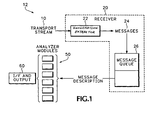
Fig. 1 is a conceptual information diagram of a monitor according to the present invention. -
Fig. 2 is a flowchart of steps for adding a message to a queue used in the invention ofFig. 1 according to the present invention. -
Fig. 3 is a flowchart of steps for removing a message from the queue ofFig. 2 according to the present invention. -
Fig. 4 is a flowchart of steps for changing a threshold priority level for the queue ofFig. 2 according to the present invention. -
Fig. 5 is an illustration of the relationship of PATs to PMTs and associated program elements. -
Fig. 6 is an illustration of the distribution of PMTs in a transport stream. -
Fig. 7 is a flowchart of steps for analyzing PMTs according to the present invention. -
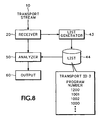
Fig. 8 is a conceptual block diagram view processing an information element according to the present invention. -
Fig. 9 is an illustration of SDTs from a transport stream. -
Fig. 10 is an illustration of the distribution of SDTs in a transport stream. -
Fig. 11 is a flowchart of steps for analyzing SDTs according to the present invention. -
Fig. 12 is an illustration of a MGT from a transport stream. -
Fig. 13 is a flowchart of steps for analyzing MGTs according to the present invention. - Referring now to the conceptual flow diagram of
Fig. 1 , atransport stream 10 of a compressed video signal is input to amonitor 12 where it is subjected to a lowlevel information extractor 22 in areceiver 20 to extract information elements from the transport stream for analysis. Based on the information elements extracted, amessage 24 is generated. The message is an entity containing an arbitrary item or items of the information elements from the transport stream or a description of that information element. For example, where the information element is an erroneous continuity count, the message may be that the continuity count forms an illegal pattern. This selection of messages from the transport stream is treated as the highest priority task of a computer processing unit (not shown) of the analyzer or monitor 12. - Thus all possible message types are predefined in the construction of a
monitor 12 for a particular application. Each type of message is pre-assigned a priority dependent on the criticality of the type to the integrity of the transport stream being analyzed. The types of message most critical to the integrity of the video signal are assigned the highest priority and the least critical messages the lowest priority. More than one type of message may have the same priority level. The priorities for each type of message may be pre-set and unchangeable in use. Preferably the priorities are set in accordance withETSI standard TR 101 290, referenced above. This standard sets priorities of parameters recommended for evaluation, First Priority parameters being necessary for decodability, Second Priority parameters being recommended for continuous or periodic monitoring and Third Priority parameters being for application dependent monitoring. For example, all messages corresponding to Second Priority parameters in the standard are given the same priority level as each other in themonitor 12, which priority level is lower than priority levels assigned to First Priority parameters and higher than priority levels assigned to Third Priority parameters. - Before being analyzed by
separate analyzer modules 50 for each type of message respectively, the messages are held in amessage queue 26. However, as illustrated inFig. 2 , messages are added to the message queue only if their priority exceeds a present value of a variable or adaptive threshold priority level for the message queue. Therefore, for each message it is determined,step 201, whether the message has a lower priority than the current value of the threshold priority level. If the message has a lower priority, the message is discarded,step 202, and not analyzed. If the message has a priority equal to or greater than the threshold priority level, the message is added,step 203, to themessage queue 26. After adding the message to the queue, the number of messages in the queue, i.e. the message queue level, is checked,step 204, to determine whether the threshold priority level should be changed. - Messages with a priority higher than the threshold priority level are ordered in the
message queue 26 in the order in which they are received from the transport stream, so that they may be extracted from the queue and processed by theanalyzer modules 50 in the order in which the information originally appeared in thetransport stream 10. - The
analyzer modules 50 may have their interest in particular types of messages registered with a queue dispatcher and receive messages and message state notifications corresponding to the types of messages in which they are interested using an Observer pattern described in Design Patterns by Gamma, Helm, Johnson and Vlissides, published by Addison-Wesley in 1995. When analysis of a previous message is complete, the queue dispatcher retrieves, steps 301 and 302, the next, i.e., chronologically oldest, message from thequeue 26, determines the type of the next message and dispatches,step 303, the retrieved next message to all thoseanalyzer modules 50 having a registered interest in that type of message. - The results from the
individual analyzer modules 50 for each type of message are displayed respectively on a user interface andanalysis output 60 and may also be logged for subsequent review by a user. This analysis process runs at a lower computational priority than the initial selection of information elements from the transport stream, and uses the remainder of the available computational resources not being used by that highest priority extraction. - After removal of a message from the queue, the queue level is again checked,
step 204, to determine whether the value of the variable threshold priority level should be changed. As illustrated inFig. 4 , to determine, step 204, whether the value of the variable threshold priority level should be changed, the queue level is checked to determine, step 401, whether the queue level exceeds a predetermined maximum level, i.e., a maximum number of messages. If so, the current value of the threshold priority level is raised,step 402, to a raised value and any messages in the queue having a priority level less than the raised value are removed from the queue and discarded,step 403. However, in order always to analyze messages which have been assigned the highest priority, the threshold priority level cannot be raised above the highest priority. Therefore where, for example, theanalyzer module 50 is accumulating data from a number of successive messages and is informed that such messages are no longer being queued for analysis, the analyzer module may discard data already accumulated and reset to await messages of that type again being accepted for analysis. A time when the threshold priority level is changed is recorded, or a clock is started when the threshold priority level is changed. A user of themonitor 12 may also be informed of the new threshold priority level, for example by means of theuser interface 60 on which outputs from theanalyzer modules 50 are displayed, so that the user is aware at what priority level parameters are presently being monitored. - If the queue level does not exceed the predetermined maximum, it is determined,
step 405, whether the queue level is less than a predetermined minimum level. If so, it is also determined,step 406, whether a predetermined hysteresis time has elapsed since the threshold priority level was last changed, either by comparing the present time with the recorded time of the last change or by interrogating the clock started when the last change was made. If the time elapsed since the last change exceeds the predetermined hysteresis time, the current value of the threshold priority level is lowered,step 407, to a lower value. This avoids the possibility of oscillations of values of the variable threshold priority level which could occur if the value were lowered as soon as messages are discarded from the queue. - When the value of the variable threshold priority level is changed, so as to affect decisions whether messages of particular priority levels are accepted into the queue, corresponding
analyzer modules 50 which have a registered interest for that type of message, are informed,step 404. A user of themonitor 12 may be informed of the changed value of the threshold priority level via theuser interface 60. - If the current queue level is not less than the predetermined minimum level, or the time since the last change to the threshold priority level is not greater than the predetermined hysteresis time, no change is made to the current value of the threshold priority level.
- Thus the invention has the advantage that, by prioritizing all the messages in the transport stream of the compressed MPEG-2 signal, the
monitor 12 selectively and progressively discards a varying proportion of the least important messages so that the monitor continuously stabilizes at a maximum proportion that the monitor can handle without overload, while always analyzing the most important parameters of the transport stream. The information of interest is a subset of all the information carried in the transport stream of a MPEG-2 signal, for instance, as defined in the MPEG-2 Systems Specification ISO/IEC 13818-1, for example the information conveyed in a 4 byte transport packet header. The user may monitor the proportion of the information being analyzed at any time by, for example, being informed of a current value of the threshold priority level. - In summary, a
transport stream 10 of a compressed signal, particularly a video signal, is monitored. Information extracted from the transport stream is used to prompt the generation ofmessages 24 which are assigned a predetermined priority dependent upon their predetermined criticality to integrity of the video signal. Themessages 24 are queued for analysis byanalyzer modules 50 only if their priority exceeds a current value of a variable threshold priority level for thequeue 26. The variable threshold priority level is varied, up to the highest priority assigned to messages, dependent on the current length of the queue. When the threshold level is raised, messages already in the queue having a lower priority than the new threshold priority are discarded from the queue without analysis. Thus a varying proportion of the least important messages are progressively discarded, so that themonitor 12 continuously stabilizes at a maximum proportion of messages that the monitor can handle without overload, while always analyzing messages corresponding to the most critical parameters of thetransport stream 10. - Referring now to
Fig. 5 a PAT to PMTs of a transport stream suitable for analysis by one of the analyzingmodules 50 is shown. ThePAT 100 is included in packets with a PID value of zero and a Table Identifier of zero, and points to the PIDs of first, second andthird PMTs Programs first PMT 110 maps to packet identifiers of thevideo stream 111,audio stream 112,teletext stream 113 anddata stream 114 ofProgram 1000. On the other hand thethird PMT 130 maps only to adata stream 131 for sharing between a number of programs, such asProgram 1001, which do not have a dedicated data stream. - Packets with PID = 100 may contain PMT sections, where a section is a portion of a table. Not all packets with PID = 100 contain table sections, but only those having such an indication within a packet header of the packet. As shown in
Fig. 6 , since thePMT 210 withPID 100 is dispersed and repeated throughout thetransport stream 10 within a given time period, such as every half-second, a packet containing a PMT section should be received, and this is all the prior art tested. - As illustrated in
Fig. 5 each of the programs in the transport stream is allocated aProgram Number 101 in thePAT 100. Because a PMT of more than one program may have the same PID, each of the PMTs also contains an associated one of theProgram Numbers 101 so that thereceiver 20 identifies to which program the received PMT refers. - Therefore, although the prior art checked that PMTs are regularly received, it was not ascertained that they were the correct tables or that all the required tables were present in the stream. As shown in
Fig. 7 thetransport stream 10 is received,step 31, by thereceiver 20 and the PATs are identified,step 32, for example by their inclusion in the transport streams in packets with a PID equal to zero and their Table Identifiers being equal to zero. A list of Program Numbers and corresponding PIDs of their PMTs are extracted,step 33, from the PATs by alist generator 43, shown inFig. 8 , to form alist 44 ofPIDs 102 and theProgram Numbers 101 ofPMTs appropriate analyzer module 50 to ascertain whether a packet exists in the transport stream containing a PMT corresponding to each of the PID and Program Number pairs on the list,step 34. If a pair is found missing, an alert or other warning is provided on theuser interface 60. Reparation action may then be initiated, typically to multiplexers generating the PATs and PMTs. - A special situation arises where programs are added, removed or adjusted within the
transport stream 10. Such changes must be reflected in a version change in thePATs 100 andPMTs receiver 20. Therefore a false error may be detected because an updated PAT may be incompatible with a PMT which has not yet been updated, and vice versa. The versions of the tables are reflected in version numbers carried within the tables which are updated for each version change. Theanalyzer module 50, when a version change is detected in a table, suspends the analysis for a predetermined period of stream time both before and after the version change. The analysis is conveniently suspended for a user-adjustable period of one second of the transport stream both before and after the version change. - Referring now to
Figs. 9-11 thetransport stream 10 contains anactual SDT 500, identified as such by Table Identifier = 42 containing a transport stream identifier 501 and details of services or programs carried by the transport stream includingprogram identifiers 502 for each Program Number. There may also beother SDTs Fig. 10 , since theactual SDTs 521 with Table Identifier = 42 are dispersed and repeated throughout the transport stream, within a given time period, such as every two seconds, a packet containing an SDT section should be received, which is all that is tested in the prior art. Therefore, although the prior art checked that SDTs were regularly received, it was not ascertained that they were the correct tables or that all the required program identifiers were present. If incorrect tables are received, or some tables are not received at all, thereceiver 20 is not able to display, either temporarily or permanently, one or more program identifiers. - As shown in
Fig. 11 additional steps are carried out in theanalyzer module 50 to determine that all required program identifiers are present in the transport stream. Thetransport stream 10 is received,step 31, by thereceiver 20 and the PATs are identified,step 32, by their inclusion in the transports stream in packets with a PID of zero and Table Identifiers being equal to zero, as discussed above. The Transport Identifier and Program Numbers are extracted,step 33, from the PATs by the list generator to form the list of Program Numbers for the Transport Identifier. SDTs in the transport stream are analyzed, step 34', against the Program Numbers list by theanalyzer module 50 to ascertain whether for each of the Program Numbers in the list there is a corresponding Program Number and Program Identifier entry in the SDTs for the subject Transport Identifier. By listing with their corresponding Transport Identifiers the Program Numbers for all receivable transport streams, it is apparent that completeness of both the actual and other SDTs may be analyzed. If the Program Descriptor is found to be missing, an alert or other warning is provided on theuser interface 60, and reparative action may then be initiated. - A special situation arises where programs are added, removed or adjusted within the transport stream, as discussed above. Such changes must be reflected in a version change in the PATs and SDTs, but the changes cannot be made simultaneously in both types of tables. This is particularly so because the SDT may be large and take a considerable time to be received or to be updated. Partly because the order of packets may change during transmission, it cannot be predicted whether an updated PAT or an updated SDT will be received first by the
receiver 20. Therefore a false error may be detected because an updated PAT may be incompatible with an SDT which has not been update, and vice versa. - As indicated above, the versions of the tables are reflected in version numbers carried within the tables, which are updated for each version change. In the
analyzer module 50 when a version change is detected in a table, the analysis is suspended and not applied to the transport stream for a predetermined period of time both before and after the version change. The analysis is conveniently suspended for a user-adjustable period of one second of the transport stream both before and after the version change. - According to ATSC Standard A/65 there also may be Program and System Information Protocol (PSIP) tables in the transport stream complying with the standard which describe all the digital channels multiplexed in the transport stream. The tables may optionally include information about analog channels as well as other digital channels available in different transport streams. In this case the consistency analysis by the
analyzer module 50 is passed if, for all programs listed in the PAT, there is an entry in a Virtual Channel Table (VCT) whose program number matches that in the PAT and whose channel transport stream identifier matches the PAT. In other words the analysis checks that the VCT does contain a description for all the programs in the multiplexed transport stream. - Finally referring to
Fig. 12 thetransport stream 10 contains aMGT 610 identified as such by PID = 1 FFB, the MGT containing a table type 601 for a terrestrial transport stream and a list of EITs including theEIT type 602 and thecorresponding PID 603 in the transport stream. As shown inFig. 13 in theanalyzer module 50 steps are carried out to determine that all required EITs are present in the transport stream. The transport stream is received,step 31, by thereceiver 20 and the MGT is identified, step 32', by a PID being equal to hexadecimal 1 FFB and containing a section with a Table Identifier Oxc7. The instance of the MGT from the transport stream is analyzed,step 35, to determine whether a TVCT indicator is present indicating that the transport stream is a terrestrial transport stream. If no TVCT indicator is found, the analysis ends because the requirement for EITs applies only to terrestrial transport streams. If the transport stream is determined to be a terrestrial transport stream, the MGT is further analyzed,step 36, for the presence of at least the first four EITs for the current time slot and the next three three-hour time slots respectively. If the first four EITs are not present, an alert or other warning is provided on theuser interface 60, and reparative action may then be initiated. - Thus the present invention provides an apparatus and method of analyzing a transport stream for a compressed video signal by extracting information elements from the transport stream in the form of messages having a predetermined type and associated priority, storing the messages in a message queue according to their priority relative to an adaptive priority threshold, and analyzing the messages using an appropriate analyzer module to provide a complete conformance analysis against the applicable standard.
Claims (22)
- A method of monitoring a transport stream (10) of a compressed video signal comprising the steps of:extracting an information element from the transport stream;generating a message (24) of a predetermined type dependent on the extracted information element;assigning a priority to the message (24), the priority being dependent on a predetermined criticality of the predetermined type to the integrity of the compressed video signal;adding (203) the message to a message queue (26) if the priority of the message exceeds a variable threshold priority level, and otherwise discarding (202) the message (24);characterized by:adjusting (402, 407) the variable threshold priority level in dependence upon whether a size of the message queue (26) is within a predetermined range to obtain an adjusted variable threshold priority level, discarding messages in the message queue (26) having a priority less than the adjusted variable threshold priority level; andanalyzing a next message from the message queue (26) according to the predetermined type of the next message (24).
- The method as recited in claim 1 wherein the adjusting step comprises the steps of:increasing (402) the variable threshold priority level to a higher level as the adjusted variable threshold priority level if a size of the message queue (26) exceeds a predetermined maximum size;discarding (403) the messages in the message queue (26) having a priority less than the adjusted variable threshold priority level; andotherwise reducing (407) the variable threshold priority level to a lower level as the adjusted variable threshold priority level if the size of the message queue (26) is less than a predetermined minimum size.
- The method as recited in claim 2 wherein the reducing step comprises the steps of:determining (406) an elapsed time since the level of the variable threshold priority level was last changed; andreducing (407) the level of the variable threshold priority level as the adjusted variable threshold priority level if the elapsed time exceeds a predetermined hysteresis time.
- The method as recited in claim 1 wherein the analyzing step comprises the steps of:registering as to which predetermined types of messages each analyzer module of a plurality of analyzer modules processes;determining the predetermined type of the next message (24); anddispatching (303) the next message (24) to at least one of the analyzer modules (50) which is registered to process the predetermined type of the next message (24).
- The method as recited in claim 4 wherein the adjusting step comprises the step of informing each of the analyzer modules (50) which is registered to process the predetermined types of messages when there is a change.
- The method as recited in claim 1 further comprising the step of outputting results of the analyzing step to a user interface.
- The method as recited in claim 1 further comprising the step of logging results of the analyzing step.
- The method as recited in claim 1 wherein the analyzing step comprises the steps of:identifying (32) from the messages (24) in the message queue (26) a program association table (100) having a list of packet identifiers (102) of program map tables (120) associated with each of a plurality of programs (101) in the transport stream (10);generating (33) from the program association table (100) a checklist having members representative of respective ones of the packet identifiers in the program map tables in the transport stream and the associated programs; andanalyzing (34) the messages to detect the program map tables to determine whether for each member of the checklist there is a program map table packet identifier for the associated program.
- The method as recited in claim 8, wherein the identifying step comprises the steps of:detecting a version change in the program association table from a prior program association table; andsuspending analysis of the messages for a predetermined period of transport stream time around the program association table in which the version change is detected.
- The method as recited in claim 8, wherein the identifying step comprises the steps of:detecting a version change in the program map table from a prior program map table; andsuspending analysis of the messages for a predetermined period of transport stream time around the program map table in which the version change is detected.
- The method as recited in claim 1 wherein the analyzing means comprises the steps of:identifying (32) from the messages in the message queue a program association table having a transport stream identifier and a plurality of program numbers with each of the programs numbers being associated with one of a respective program in the transport stream (14);generating (33) from the program association table a checklist of members representative of the respective program numbers;analyzing (34') the messages to detect a service description table having a transport identifier and a second plurality of program numbers and associated program descriptions; anddetermining (34') whether for each member of the transport stream for the transport stream identifier corresponding to the service description table there is a program number and program description in the service description table.
- The method as recited in claim 11, wherein the identifying step comprises the steps of:detecting a version change in the program association table from a previous program association table; andsuspending analysis of the transport stream for a first predetermined period of transport stream time around the program association table in which the version change is detected.
- The method as recited in claim 12, wherein the analyzing step comprises the steps of:detecting a version change in the service description table from a previous service description table; andsuspending analysis of the transport stream for a second predetermined period of transport stream time around the service description table in which the version change is detected.
- The method as recited in claim 11, wherein the analyzing step comprises the steps of:detecting a virtual channel table in the service description table; anddetermining whether for each member of the checklist for the transport stream identifier of the virtual channel table there is a program number and program description in the virtual channel table.
- The method as recited in claim 1 wherein the analyzing step comprises the steps of:identifying (32') from the messages in the message queue (26) a master guide table (610) having a transport stream identifier and a list of event information tables of programs transmitted in the transport stream in consecutive periods of time;analyzing (35, 36) the master guide table to determine the presence or absence of a terrestrial transport stream identifier and, if present, the presence or absence of a predetermined number of event information tables including a current event information table of programs currently being transmitted; andoutputting signals representative of results of the analysis to the user interface.
- An apparatus (12) for monitoring a transport stream (10) of a compressed video signal comprising:means (22) for extracting an information element from the transport stream (10);means for generating a message (24) of a predetermined type dependent upon the information element extracted;means for assigning a priority to the message dependent on a predetermined criticality of the predetermined type of message to the integrity of the compressed video signal;means for adding (203) the message to a message queue (26) if the priority of the message exceeds a variable threshold priority level, and otherwise discarding (202) the message;characterized by:means for adjusting the variable threshold priority level in dependence upon whether a size of the message queue (26) is within a predetermined range to obtain an adjusted variable threshold priority level, discarding (403) the messages in the message queue (26) having a priority less than the adjusted variable threshold priority level; andmeans (50) for analyzing each predetermined type of message from the message queue (26).
- The apparatus as recited in claim 16, wherein the adjusting means comprises:means for increasing (402) the variable threshold priority level to a higher level dependent upon whether a size of the message queue exceeds a predetermined maximum size;means for discarding (403) the messages in the message queue having a priority less than the adjusted variable threshold priority level; andmeans for reducing (407) the variable threshold priority level to a lower level as the adjusted variable threshold priority level dependent upon whether the size of the message queue (26) is less than a predetermined minimum size.
- The apparatus as recited in claim 16, wherein the analyzing means comprises:means for registering which of a plurality of analyzer modules (50) that form the analyzing means process which predetermined types of messages; andmeans for dispatching (303) a next message from the message queue (24) to each analyzer module (50) registered to process the predetermined type of the next message (24).
- The apparatus as recited in claim 18, wherein the analyzing means comprises means for informing respective ones of the analyzer modules (50) of changes in whether messages of the predetermined types registered for processing by the respective analyzer modules are currently being added to the message queue (26) by the adding means.
- The apparatus as recited in claim 17, wherein the adjusting means comprises means for determining (406) an elapsed time since the variable threshold priority level was last changed so that the variable threshold priority level is reduced (407) by the reducing means if the size of the message queue (26) is less than the predetermined minimum size and the elapsed time exceeds a predetermined hysteresis time.
- The apparatus as recited in claim 16, further comprising means for outputting results from the analyzing means.
- The apparatus as recited in claim 16, further comprising means for logging results of the analyzing means.
Applications Claiming Priority (8)
| Application Number | Priority Date | Filing Date | Title |
|---|---|---|---|
| GB0221072 | 2002-09-11 | ||
| GB0221072A GB2393068A (en) | 2002-09-11 | 2002-09-11 | Analysing a transport stream of a compressed (eg MPEG video) signal |
| GB0221071 | 2002-09-11 | ||
| GB0221073A GB2393069A (en) | 2002-09-11 | 2002-09-11 | Monitoring program map tables of a compressed transport stream |
| GB0221071A GB2393084A (en) | 2002-09-11 | 2002-09-11 | Monitoring event information tables (EITs) of a compressed transport stream |
| GB0221073 | 2002-09-11 | ||
| GB0221074A GB2393070A (en) | 2002-09-11 | 2002-09-11 | Monitoring service description tables of a compressed transport stream |
| GB0221074 | 2002-09-11 |
Publications (3)
| Publication Number | Publication Date |
|---|---|
| EP1398957A2 EP1398957A2 (en) | 2004-03-17 |
| EP1398957A3 EP1398957A3 (en) | 2004-07-07 |
| EP1398957B1 true EP1398957B1 (en) | 2011-02-23 |
Family
ID=31892156
Family Applications (1)
| Application Number | Title | Priority Date | Filing Date |
|---|---|---|---|
| EP03255697A Expired - Lifetime EP1398957B1 (en) | 2002-09-11 | 2003-09-11 | Method and apparatus for analyzing a transport stream |
Country Status (3)
| Country | Link |
|---|---|
| US (1) | US7894533B2 (en) |
| EP (1) | EP1398957B1 (en) |
| DE (1) | DE60336105D1 (en) |
Families Citing this family (16)
| Publication number | Priority date | Publication date | Assignee | Title |
|---|---|---|---|---|
| KR100592547B1 (en) * | 2003-06-03 | 2006-06-23 | 서울시립대학교 산학협력단 | Packet Scheduling Method for Streaming |
| US8306952B2 (en) * | 2005-03-29 | 2012-11-06 | Sap Ag | Technique for managing messages |
| JP2006277402A (en) * | 2005-03-29 | 2006-10-12 | Nec Corp | Data compression device and method, and data-compressing program |
| ES2323244T3 (en) * | 2005-05-13 | 2009-07-09 | Qosmos | TRAFFIC ANALYSIS IN HIGH SPEED NETWORKS. |
| CN100548048C (en) * | 2005-12-16 | 2009-10-07 | 中国科学院计算技术研究所 | A method and device for testing and analyzing AVS video elementary streams |
| KR100846787B1 (en) * | 2006-02-15 | 2008-07-16 | 삼성전자주식회사 | Method and apparatus for importing transport stream |
| US20090182886A1 (en) * | 2008-01-16 | 2009-07-16 | Qualcomm Incorporated | Delivery and display of information over a digital broadcast network |
| US20090199258A1 (en) * | 2008-02-05 | 2009-08-06 | Yu-Hsiung Deng | Method of setting mapping between channel number and program number |
| US9041772B2 (en) * | 2009-04-07 | 2015-05-26 | Lg Electronics Inc. | Broadcast transmitter, broadcast receiver, and 3D video data processing method thereof |
| US8824296B2 (en) * | 2011-12-13 | 2014-09-02 | Telefonaktiebolaget L M Ericsson (Publ) | Handling congestion in a queue without discarding new messages received from a message sender |
| KR20130085558A (en) * | 2011-12-21 | 2013-07-30 | 삼성전자주식회사 | A processing method of an interest message and a data message according to priority in a content centric network |
| US9674104B1 (en) * | 2013-05-01 | 2017-06-06 | Cisco Technology, Inc | Adapting proportional integral controller enhanced algorithm for varying network conditions in a network environment |
| CN103870952B (en) * | 2014-04-10 | 2017-05-10 | 厦门烟草工业有限责任公司 | Dynamic priority scheduling method and device for logistics system, and logistics system |
| DE102018105007B4 (en) * | 2018-03-05 | 2019-10-17 | Volkswagen Aktiengesellschaft | Method for transmitting data via a communication channel, appropriately designed device and communication interface and computer program designed accordingly |
| CN111263160A (en) * | 2019-12-16 | 2020-06-09 | 陕西师范大学 | A video coding processing method and device adapting to dynamic changes of wireless transmission |
| US12021953B2 (en) * | 2021-05-24 | 2024-06-25 | Texas Instruments Incorporated | Priority selection for multiple protocol stacks |
Family Cites Families (16)
| Publication number | Priority date | Publication date | Assignee | Title |
|---|---|---|---|---|
| US5583863A (en) * | 1995-01-31 | 1996-12-10 | Bell Atlantic Network Services, Inc. | Full service network using asynchronous transfer mode multiplexing |
| US5844478A (en) | 1996-05-31 | 1998-12-01 | Thomson Consumer Electronics, Inc. | Program specific information formation for digital data processing |
| US6031577A (en) | 1997-07-10 | 2000-02-29 | Thomson Consumer Electronics, Inc. | System for forming and processing program specific information containing text data for terrestrial, cable or satellite broadcast |
| EP0899955A3 (en) * | 1997-08-27 | 2001-01-31 | Matsushita Electric Industrial Co., Ltd. | Control information generating apparatus for broadcast system |
| US6137549A (en) * | 1997-10-10 | 2000-10-24 | United Video Properties, Inc. | Program guide data distribution system with configurable queues |
| US6609144B1 (en) * | 1998-05-04 | 2003-08-19 | Matsushita Electric Industrial Co., Ltd. | Program reception/execution apparatus that can commence execution of a machine program having only received the program in part, and a program transmission apparatus that enables such execution |
| JP2955561B1 (en) * | 1998-05-29 | 1999-10-04 | 株式会社ディジタル・ビジョン・ラボラトリーズ | Stream communication system and stream transfer control method |
| KR100308037B1 (en) * | 1998-12-31 | 2001-11-09 | 구자홍 | Method for parsing Event Information Table of digital television |
| DE60006860T2 (en) | 1999-07-13 | 2004-04-15 | Thomson Licensing S.A., Boulogne | SYSTEM FOR PROCESSING ERRORS IN PROGRAM-SPECIFIC INFORMATION WITHIN A VIDEO DECODER |
| JP3408469B2 (en) | 1999-09-14 | 2003-05-19 | 松下電器産業株式会社 | Receiving system |
| KR100348787B1 (en) | 1999-10-19 | 2002-08-17 | 엘지전자주식회사 | Data architecture of MGT and method for transmitting-receiving service information |
| US6678332B1 (en) * | 2000-01-04 | 2004-01-13 | Emc Corporation | Seamless splicing of encoded MPEG video and audio |
| JP2001285220A (en) | 2000-03-30 | 2001-10-12 | Matsushita Electric Ind Co Ltd | Program control information generation device |
| GB0007868D0 (en) | 2000-03-31 | 2000-05-17 | Koninkl Philips Electronics Nv | Methods and apparatus for editing digital video recordings and recordings made by such methods |
| US6876994B2 (en) * | 2000-05-30 | 2005-04-05 | Matsushita Electric Industrial Co., Ltd. | Data acquisition apparatus and method |
| EP1180862A1 (en) * | 2000-08-18 | 2002-02-20 | Sony International (Europe) GmbH | Broadcast receiver that is turned on automatically in accordance with a schedule of a transmitted service |
-
2003
- 2003-09-10 US US10/658,992 patent/US7894533B2/en not_active Expired - Fee Related
- 2003-09-11 EP EP03255697A patent/EP1398957B1/en not_active Expired - Lifetime
- 2003-09-11 DE DE60336105T patent/DE60336105D1/en not_active Expired - Lifetime
Also Published As
| Publication number | Publication date |
|---|---|
| EP1398957A3 (en) | 2004-07-07 |
| EP1398957A2 (en) | 2004-03-17 |
| US20040047594A1 (en) | 2004-03-11 |
| DE60336105D1 (en) | 2011-04-07 |
| US7894533B2 (en) | 2011-02-22 |
Similar Documents
| Publication | Publication Date | Title |
|---|---|---|
| US7894533B2 (en) | Analyzing a transport stream | |
| US11019320B2 (en) | Storage method, playback method, storage apparatus, and playback apparatus | |
| US20170150141A1 (en) | Lip sync error detection and correction | |
| EP0801510A2 (en) | Method and apparatus for measuring the jitter of a video program clock reference signal in an MPEG-2 transport stream | |
| US20070126929A1 (en) | Method and apparatus for testing lip-sync of digital television receiver | |
| CN109391847B (en) | Monitoring method and monitoring device for blocking of streaming media | |
| CN109640106A (en) | A kind of method and device of the multi-source station switching of live broadcast system | |
| KR20080006441A (en) | Apparatus and method for transmitting media data and Apparatus and method for receiving media data | |
| EP1175098B1 (en) | MPEG flow identification for IP networks | |
| US20040122864A1 (en) | Methods and apparatus for rapid capture of program identifier data in a broadband transcoder multiplexer | |
| US8391159B2 (en) | Error detection and recovery in a digital multimedia receiver system | |
| CN110618823B (en) | Version verification method and device for terminal equipment | |
| US8726318B2 (en) | Multimedia information receiving apparatus | |
| KR101373013B1 (en) | Broadcasting service transmitting apparatus and method and broadcasting service receiving apparatus and method for accessing broadcasting service effectively | |
| US9727404B2 (en) | System and method for remote maintenance of user units | |
| GB2393068A (en) | Analysing a transport stream of a compressed (eg MPEG video) signal | |
| GB2393805A (en) | Cold boot timing | |
| GB2393069A (en) | Monitoring program map tables of a compressed transport stream | |
| EP1427224A2 (en) | Analysis of digital signals | |
| EP1521470B1 (en) | Method and device for managing a list of services in a content transmission system | |
| CN117713914B (en) | Beidou satellite intelligent telemetry and remote control communication integrated terminal system | |
| CN1557095A (en) | Broadcast signal processing | |
| CN108063954B (en) | Method and device for processing advertising time in electronic program and smart television | |
| JP2000022689A (en) | Data transmission equipment test system | |
| US20050198184A1 (en) | Method and device for transmitting data associated with transmitted information |
Legal Events
| Date | Code | Title | Description |
|---|---|---|---|
| PUAI | Public reference made under article 153(3) epc to a published international application that has entered the european phase |
Free format text: ORIGINAL CODE: 0009012 |
|
| AK | Designated contracting states |
Kind code of ref document: A2 Designated state(s): AT BE BG CH CY CZ DE DK EE ES FI FR GB GR HU IE IT LI LU MC NL PT RO SE SI SK TR |
|
| AX | Request for extension of the european patent |
Extension state: AL LT LV MK |
|
| PUAL | Search report despatched |
Free format text: ORIGINAL CODE: 0009013 |
|
| AK | Designated contracting states |
Kind code of ref document: A3 Designated state(s): AT BE BG CH CY CZ DE DK EE ES FI FR GB GR HU IE IT LI LU MC NL PT RO SE SI SK TR |
|
| AX | Request for extension of the european patent |
Extension state: AL LT LV MK |
|
| 17P | Request for examination filed |
Effective date: 20040621 |
|
| AKX | Designation fees paid |
Designated state(s): DE FR GB |
|
| 17Q | First examination report despatched |
Effective date: 20071114 |
|
| GRAP | Despatch of communication of intention to grant a patent |
Free format text: ORIGINAL CODE: EPIDOSNIGR1 |
|
| GRAS | Grant fee paid |
Free format text: ORIGINAL CODE: EPIDOSNIGR3 |
|
| GRAA | (expected) grant |
Free format text: ORIGINAL CODE: 0009210 |
|
| AK | Designated contracting states |
Kind code of ref document: B1 Designated state(s): DE FR GB |
|
| REG | Reference to a national code |
Ref country code: GB Ref legal event code: FG4D |
|
| REF | Corresponds to: |
Ref document number: 60336105 Country of ref document: DE Date of ref document: 20110407 Kind code of ref document: P |
|
| REG | Reference to a national code |
Ref country code: DE Ref legal event code: R096 Ref document number: 60336105 Country of ref document: DE Effective date: 20110407 |
|
| PLBE | No opposition filed within time limit |
Free format text: ORIGINAL CODE: 0009261 |
|
| STAA | Information on the status of an ep patent application or granted ep patent |
Free format text: STATUS: NO OPPOSITION FILED WITHIN TIME LIMIT |
|
| 26N | No opposition filed |
Effective date: 20111124 |
|
| REG | Reference to a national code |
Ref country code: DE Ref legal event code: R097 Ref document number: 60336105 Country of ref document: DE Effective date: 20111124 |
|
| REG | Reference to a national code |
Ref country code: FR Ref legal event code: PLFP Year of fee payment: 14 |
|
| REG | Reference to a national code |
Ref country code: FR Ref legal event code: PLFP Year of fee payment: 15 |
|
| PGFP | Annual fee paid to national office [announced via postgrant information from national office to epo] |
Ref country code: FR Payment date: 20170925 Year of fee payment: 15 Ref country code: GB Payment date: 20170927 Year of fee payment: 15 |
|
| PGFP | Annual fee paid to national office [announced via postgrant information from national office to epo] |
Ref country code: DE Payment date: 20170927 Year of fee payment: 15 |
|
| REG | Reference to a national code |
Ref country code: DE Ref legal event code: R119 Ref document number: 60336105 Country of ref document: DE |
|
| GBPC | Gb: european patent ceased through non-payment of renewal fee |
Effective date: 20180911 |
|
| PG25 | Lapsed in a contracting state [announced via postgrant information from national office to epo] |
Ref country code: DE Free format text: LAPSE BECAUSE OF NON-PAYMENT OF DUE FEES Effective date: 20190402 |
|
| PG25 | Lapsed in a contracting state [announced via postgrant information from national office to epo] |
Ref country code: FR Free format text: LAPSE BECAUSE OF NON-PAYMENT OF DUE FEES Effective date: 20180930 |
|
| PG25 | Lapsed in a contracting state [announced via postgrant information from national office to epo] |
Ref country code: GB Free format text: LAPSE BECAUSE OF NON-PAYMENT OF DUE FEES Effective date: 20180911 |