EP1387167A1 - Method for identifying biologically active compounds with anti-asthmatic, anti-allergic and/or immunosuppresive properties - Google Patents
Method for identifying biologically active compounds with anti-asthmatic, anti-allergic and/or immunosuppresive properties Download PDFInfo
- Publication number
- EP1387167A1 EP1387167A1 EP02291879A EP02291879A EP1387167A1 EP 1387167 A1 EP1387167 A1 EP 1387167A1 EP 02291879 A EP02291879 A EP 02291879A EP 02291879 A EP02291879 A EP 02291879A EP 1387167 A1 EP1387167 A1 EP 1387167A1
- Authority
- EP
- European Patent Office
- Prior art keywords
- tlr2
- cells
- biologically active
- receptor
- active compound
- Prior art date
- Legal status (The legal status is an assumption and is not a legal conclusion. Google has not performed a legal analysis and makes no representation as to the accuracy of the status listed.)
- Granted
Links
- 150000001875 compounds Chemical class 0.000 title claims abstract description 29
- 238000000034 method Methods 0.000 title claims abstract description 28
- 230000003266 anti-allergic effect Effects 0.000 title claims abstract description 7
- 230000001088 anti-asthma Effects 0.000 title claims abstract description 7
- 239000000924 antiasthmatic agent Substances 0.000 title claims abstract description 7
- 230000001506 immunosuppresive effect Effects 0.000 title 1
- 101000831567 Homo sapiens Toll-like receptor 2 Proteins 0.000 claims abstract description 115
- 102100024333 Toll-like receptor 2 Human genes 0.000 claims abstract description 111
- 102000005962 receptors Human genes 0.000 claims abstract description 36
- 108020003175 receptors Proteins 0.000 claims abstract description 36
- 239000000556 agonist Substances 0.000 claims abstract description 26
- 230000000694 effects Effects 0.000 claims abstract description 8
- 230000002519 immonomodulatory effect Effects 0.000 claims abstract description 4
- 239000013543 active substance Substances 0.000 claims abstract description 3
- 239000008194 pharmaceutical composition Substances 0.000 claims abstract description 3
- 208000006673 asthma Diseases 0.000 claims description 38
- 210000004027 cell Anatomy 0.000 claims description 29
- 108090001030 Lipoproteins Proteins 0.000 claims description 20
- 102000004895 Lipoproteins Human genes 0.000 claims description 20
- 102000002689 Toll-like receptor Human genes 0.000 claims description 20
- 108020000411 Toll-like receptor Proteins 0.000 claims description 20
- 101000763579 Homo sapiens Toll-like receptor 1 Proteins 0.000 claims description 14
- 101000669406 Homo sapiens Toll-like receptor 6 Proteins 0.000 claims description 13
- 102100027010 Toll-like receptor 1 Human genes 0.000 claims description 13
- DAZSWUUAFHBCGE-KRWDZBQOSA-N n-[(2s)-3-methyl-1-oxo-1-pyrrolidin-1-ylbutan-2-yl]-3-phenylpropanamide Chemical compound N([C@@H](C(C)C)C(=O)N1CCCC1)C(=O)CCC1=CC=CC=C1 DAZSWUUAFHBCGE-KRWDZBQOSA-N 0.000 claims description 13
- MSFSPUZXLOGKHJ-UHFFFAOYSA-N Muraminsaeure Natural products OC(=O)C(C)OC1C(N)C(O)OC(CO)C1O MSFSPUZXLOGKHJ-UHFFFAOYSA-N 0.000 claims description 12
- 108010013639 Peptidoglycan Proteins 0.000 claims description 12
- 102100039387 Toll-like receptor 6 Human genes 0.000 claims description 12
- 230000004913 activation Effects 0.000 claims description 12
- 108020004707 nucleic acids Proteins 0.000 claims description 8
- 102000039446 nucleic acids Human genes 0.000 claims description 8
- 150000007523 nucleic acids Chemical class 0.000 claims description 8
- 241000589886 Treponema Species 0.000 claims description 7
- 239000002158 endotoxin Substances 0.000 claims description 7
- 239000013598 vector Substances 0.000 claims description 7
- 239000003814 drug Substances 0.000 claims description 6
- 229920006008 lipopolysaccharide Polymers 0.000 claims description 6
- HVCOBJNICQPDBP-UHFFFAOYSA-N 3-[3-[3,5-dihydroxy-6-methyl-4-(3,4,5-trihydroxy-6-methyloxan-2-yl)oxyoxan-2-yl]oxydecanoyloxy]decanoic acid;hydrate Chemical compound O.OC1C(OC(CC(=O)OC(CCCCCCC)CC(O)=O)CCCCCCC)OC(C)C(O)C1OC1C(O)C(O)C(O)C(C)O1 HVCOBJNICQPDBP-UHFFFAOYSA-N 0.000 claims description 5
- 241000589968 Borrelia Species 0.000 claims description 5
- 241000192125 Firmicutes Species 0.000 claims description 5
- 229930186217 Glycolipid Natural products 0.000 claims description 5
- 241001215120 Leptospirales Species 0.000 claims description 5
- 208000016604 Lyme disease Diseases 0.000 claims description 5
- 241000202952 Mycoplasma fermentans Species 0.000 claims description 5
- 241000223109 Trypanosoma cruzi Species 0.000 claims description 5
- 201000008827 tuberculosis Diseases 0.000 claims description 5
- 210000004962 mammalian cell Anatomy 0.000 claims description 4
- 238000002360 preparation method Methods 0.000 claims description 4
- 230000002265 prevention Effects 0.000 claims description 4
- 230000019491 signal transduction Effects 0.000 claims description 4
- 238000011282 treatment Methods 0.000 claims description 4
- 206010020751 Hypersensitivity Diseases 0.000 claims description 3
- 108700008625 Reporter Genes Proteins 0.000 claims description 3
- 230000007815 allergy Effects 0.000 claims description 3
- 102000045718 human TLR2 Human genes 0.000 claims description 3
- 239000002502 liposome Substances 0.000 claims description 3
- 238000012258 culturing Methods 0.000 claims description 2
- 208000026278 immune system disease Diseases 0.000 claims description 2
- 230000029279 positive regulation of transcription, DNA-dependent Effects 0.000 claims description 2
- 241000699670 Mus sp. Species 0.000 description 31
- 206010066091 Bronchial Hyperreactivity Diseases 0.000 description 21
- 230000036427 bronchial hyperreactivity Effects 0.000 description 21
- 210000003979 eosinophil Anatomy 0.000 description 14
- 239000000427 antigen Substances 0.000 description 11
- 108091007433 antigens Proteins 0.000 description 11
- 102000036639 antigens Human genes 0.000 description 11
- 150000001413 amino acids Chemical class 0.000 description 10
- 201000009961 allergic asthma Diseases 0.000 description 9
- 102000004127 Cytokines Human genes 0.000 description 8
- 108090000695 Cytokines Proteins 0.000 description 8
- 102000004388 Interleukin-4 Human genes 0.000 description 8
- 108090000978 Interleukin-4 Proteins 0.000 description 8
- 239000012530 fluid Substances 0.000 description 8
- 102000000743 Interleukin-5 Human genes 0.000 description 7
- 108010002616 Interleukin-5 Proteins 0.000 description 7
- 210000004072 lung Anatomy 0.000 description 7
- 102000003816 Interleukin-13 Human genes 0.000 description 6
- 108090000176 Interleukin-13 Proteins 0.000 description 6
- 230000002950 deficient Effects 0.000 description 6
- 230000007115 recruitment Effects 0.000 description 6
- 230000001580 bacterial effect Effects 0.000 description 5
- 238000004519 manufacturing process Methods 0.000 description 5
- 210000002966 serum Anatomy 0.000 description 5
- FAPWRFPIFSIZLT-UHFFFAOYSA-M Sodium chloride Chemical compound [Na+].[Cl-] FAPWRFPIFSIZLT-UHFFFAOYSA-M 0.000 description 4
- 239000005557 antagonist Substances 0.000 description 4
- 230000005764 inhibitory process Effects 0.000 description 4
- NZWOPGCLSHLLPA-UHFFFAOYSA-N methacholine Chemical compound C[N+](C)(C)CC(C)OC(C)=O NZWOPGCLSHLLPA-UHFFFAOYSA-N 0.000 description 4
- 229960002329 methacholine Drugs 0.000 description 4
- 230000034190 positive regulation of NF-kappaB transcription factor activity Effects 0.000 description 4
- 230000004044 response Effects 0.000 description 4
- 230000011664 signaling Effects 0.000 description 4
- 238000002965 ELISA Methods 0.000 description 3
- WSFSSNUMVMOOMR-UHFFFAOYSA-N Formaldehyde Chemical compound O=C WSFSSNUMVMOOMR-UHFFFAOYSA-N 0.000 description 3
- 239000013566 allergen Substances 0.000 description 3
- 208000026935 allergic disease Diseases 0.000 description 3
- 230000000172 allergic effect Effects 0.000 description 3
- 208000010668 atopic eczema Diseases 0.000 description 3
- 208000037265 diseases, disorders, signs and symptoms Diseases 0.000 description 3
- 208000035475 disorder Diseases 0.000 description 3
- 230000015788 innate immune response Effects 0.000 description 3
- 239000003446 ligand Substances 0.000 description 3
- 210000003097 mucus Anatomy 0.000 description 3
- 230000008569 process Effects 0.000 description 3
- 108090000623 proteins and genes Proteins 0.000 description 3
- 102000004169 proteins and genes Human genes 0.000 description 3
- 210000001519 tissue Anatomy 0.000 description 3
- 206010002091 Anaesthesia Diseases 0.000 description 2
- 241000894006 Bacteria Species 0.000 description 2
- 206010006482 Bronchospasm Diseases 0.000 description 2
- 241000255581 Drosophila <fruit fly, genus> Species 0.000 description 2
- NTYJJOPFIAHURM-UHFFFAOYSA-N Histamine Chemical compound NCCC1=CN=CN1 NTYJJOPFIAHURM-UHFFFAOYSA-N 0.000 description 2
- 101001059454 Homo sapiens Serine/threonine-protein kinase MARK2 Proteins 0.000 description 2
- 102100036342 Interleukin-1 receptor-associated kinase 1 Human genes 0.000 description 2
- 101710199015 Interleukin-1 receptor-associated kinase 1 Proteins 0.000 description 2
- YQEZLKZALYSWHR-UHFFFAOYSA-N Ketamine Chemical compound C=1C=CC=C(Cl)C=1C1(NC)CCCCC1=O YQEZLKZALYSWHR-UHFFFAOYSA-N 0.000 description 2
- 108010006444 Leucine-Rich Repeat Proteins Proteins 0.000 description 2
- 241000699666 Mus <mouse, genus> Species 0.000 description 2
- 102000010168 Myeloid Differentiation Factor 88 Human genes 0.000 description 2
- 108010077432 Myeloid Differentiation Factor 88 Proteins 0.000 description 2
- 108091028043 Nucleic acid sequence Proteins 0.000 description 2
- 102100028904 Serine/threonine-protein kinase MARK2 Human genes 0.000 description 2
- 101150076937 TLR2 gene Proteins 0.000 description 2
- 108060008682 Tumor Necrosis Factor Proteins 0.000 description 2
- 102000000852 Tumor Necrosis Factor-alpha Human genes 0.000 description 2
- 229940037003 alum Drugs 0.000 description 2
- 125000000539 amino acid group Chemical group 0.000 description 2
- 238000001949 anaesthesia Methods 0.000 description 2
- 230000037005 anaesthesia Effects 0.000 description 2
- 238000004458 analytical method Methods 0.000 description 2
- 238000010171 animal model Methods 0.000 description 2
- 230000000947 anti-immunosuppressive effect Effects 0.000 description 2
- 230000007885 bronchoconstriction Effects 0.000 description 2
- 230000006041 cell recruitment Effects 0.000 description 2
- 230000008859 change Effects 0.000 description 2
- 239000003596 drug target Substances 0.000 description 2
- 238000002474 experimental method Methods 0.000 description 2
- 230000002209 hydrophobic effect Effects 0.000 description 2
- 230000036039 immunity Effects 0.000 description 2
- 238000002649 immunization Methods 0.000 description 2
- 208000030603 inherited susceptibility to asthma Diseases 0.000 description 2
- 229960003299 ketamine Drugs 0.000 description 2
- 210000004901 leucine-rich repeat Anatomy 0.000 description 2
- 239000011159 matrix material Substances 0.000 description 2
- 244000052769 pathogen Species 0.000 description 2
- 230000010363 phase shift Effects 0.000 description 2
- 102000004196 processed proteins & peptides Human genes 0.000 description 2
- 108090000765 processed proteins & peptides Proteins 0.000 description 2
- 230000001105 regulatory effect Effects 0.000 description 2
- 238000003571 reporter gene assay Methods 0.000 description 2
- 238000012552 review Methods 0.000 description 2
- 239000011780 sodium chloride Substances 0.000 description 2
- 238000012360 testing method Methods 0.000 description 2
- 230000003442 weekly effect Effects 0.000 description 2
- MZOFCQQQCNRIBI-VMXHOPILSA-N (3s)-4-[[(2s)-1-[[(2s)-1-[[(1s)-1-carboxy-2-hydroxyethyl]amino]-4-methyl-1-oxopentan-2-yl]amino]-5-(diaminomethylideneamino)-1-oxopentan-2-yl]amino]-3-[[2-[[(2s)-2,6-diaminohexanoyl]amino]acetyl]amino]-4-oxobutanoic acid Chemical compound OC[C@@H](C(O)=O)NC(=O)[C@H](CC(C)C)NC(=O)[C@H](CCCN=C(N)N)NC(=O)[C@H](CC(O)=O)NC(=O)CNC(=O)[C@@H](N)CCCCN MZOFCQQQCNRIBI-VMXHOPILSA-N 0.000 description 1
- 102000002260 Alkaline Phosphatase Human genes 0.000 description 1
- 108020004774 Alkaline Phosphatase Proteins 0.000 description 1
- VOVIALXJUBGFJZ-KWVAZRHASA-N Budesonide Chemical compound C1CC2=CC(=O)C=C[C@]2(C)[C@@H]2[C@@H]1[C@@H]1C[C@H]3OC(CCC)O[C@@]3(C(=O)CO)[C@@]1(C)C[C@@H]2O VOVIALXJUBGFJZ-KWVAZRHASA-N 0.000 description 1
- 108020004705 Codon Proteins 0.000 description 1
- 206010011224 Cough Diseases 0.000 description 1
- 108700020359 Drosophila Tl Proteins 0.000 description 1
- 206010014950 Eosinophilia Diseases 0.000 description 1
- 108010043121 Green Fluorescent Proteins Proteins 0.000 description 1
- 102000004144 Green Fluorescent Proteins Human genes 0.000 description 1
- 101000763537 Homo sapiens Toll-like receptor 10 Proteins 0.000 description 1
- 206010021143 Hypoxia Diseases 0.000 description 1
- 206010061218 Inflammation Diseases 0.000 description 1
- 102000019223 Interleukin-1 receptor Human genes 0.000 description 1
- 108050006617 Interleukin-1 receptor Proteins 0.000 description 1
- 241000589929 Leptospira interrogans Species 0.000 description 1
- 108060001084 Luciferase Proteins 0.000 description 1
- 239000005089 Luciferase Substances 0.000 description 1
- 241001465754 Metazoa Species 0.000 description 1
- 241001529936 Murinae Species 0.000 description 1
- 101100481584 Mus musculus Tlr1 gene Proteins 0.000 description 1
- 101100153386 Mus musculus Tlr6 gene Proteins 0.000 description 1
- 108010057466 NF-kappa B Proteins 0.000 description 1
- 102000003945 NF-kappa B Human genes 0.000 description 1
- 108010058846 Ovalbumin Proteins 0.000 description 1
- 102000003992 Peroxidases Human genes 0.000 description 1
- 206010035664 Pneumonia Diseases 0.000 description 1
- 241000589970 Spirochaetales Species 0.000 description 1
- 238000000692 Student's t-test Methods 0.000 description 1
- 102100027009 Toll-like receptor 10 Human genes 0.000 description 1
- 108091023040 Transcription factor Proteins 0.000 description 1
- 102000040945 Transcription factor Human genes 0.000 description 1
- 102000001400 Tryptase Human genes 0.000 description 1
- 108060005989 Tryptase Proteins 0.000 description 1
- 206010047141 Vasodilatation Diseases 0.000 description 1
- 230000002378 acidificating effect Effects 0.000 description 1
- 230000001154 acute effect Effects 0.000 description 1
- 125000001931 aliphatic group Chemical group 0.000 description 1
- 230000000843 anti-fungal effect Effects 0.000 description 1
- 229940121375 antifungal agent Drugs 0.000 description 1
- 238000013459 approach Methods 0.000 description 1
- 238000003556 assay Methods 0.000 description 1
- 230000003190 augmentative effect Effects 0.000 description 1
- 230000008901 benefit Effects 0.000 description 1
- 230000000975 bioactive effect Effects 0.000 description 1
- 230000004071 biological effect Effects 0.000 description 1
- 230000015572 biosynthetic process Effects 0.000 description 1
- 210000004369 blood Anatomy 0.000 description 1
- 239000008280 blood Substances 0.000 description 1
- 210000003678 bronchial smooth muscle cell Anatomy 0.000 description 1
- 229960004436 budesonide Drugs 0.000 description 1
- 210000002421 cell wall Anatomy 0.000 description 1
- 230000001413 cellular effect Effects 0.000 description 1
- 230000036755 cellular response Effects 0.000 description 1
- 239000005482 chemotactic factor Substances 0.000 description 1
- 238000004132 cross linking Methods 0.000 description 1
- 210000004748 cultured cell Anatomy 0.000 description 1
- 230000001086 cytosolic effect Effects 0.000 description 1
- 231100000673 dose–response relationship Toxicity 0.000 description 1
- 229940079593 drug Drugs 0.000 description 1
- 230000013020 embryo development Effects 0.000 description 1
- 230000007613 environmental effect Effects 0.000 description 1
- 230000002327 eosinophilic effect Effects 0.000 description 1
- 238000011156 evaluation Methods 0.000 description 1
- 238000001595 flow curve Methods 0.000 description 1
- 238000000684 flow cytometry Methods 0.000 description 1
- -1 for example Chemical class 0.000 description 1
- 238000009472 formulation Methods 0.000 description 1
- 230000004927 fusion Effects 0.000 description 1
- 238000010353 genetic engineering Methods 0.000 description 1
- 150000004676 glycans Chemical class 0.000 description 1
- 210000002175 goblet cell Anatomy 0.000 description 1
- 239000005090 green fluorescent protein Substances 0.000 description 1
- 229960001340 histamine Drugs 0.000 description 1
- 210000003630 histaminocyte Anatomy 0.000 description 1
- 102000056142 human TLR1 Human genes 0.000 description 1
- 102000045706 human TLR6 Human genes 0.000 description 1
- 206010020718 hyperplasia Diseases 0.000 description 1
- 208000018875 hypoxemia Diseases 0.000 description 1
- 230000028993 immune response Effects 0.000 description 1
- 238000000099 in vitro assay Methods 0.000 description 1
- 238000010874 in vitro model Methods 0.000 description 1
- 208000015181 infectious disease Diseases 0.000 description 1
- 230000002458 infectious effect Effects 0.000 description 1
- 230000008595 infiltration Effects 0.000 description 1
- 238000001764 infiltration Methods 0.000 description 1
- 230000004054 inflammatory process Effects 0.000 description 1
- 230000000977 initiatory effect Effects 0.000 description 1
- 108091005434 innate immune receptors Proteins 0.000 description 1
- 230000003434 inspiratory effect Effects 0.000 description 1
- 230000003993 interaction Effects 0.000 description 1
- 229940028885 interleukin-4 Drugs 0.000 description 1
- 229940100602 interleukin-5 Drugs 0.000 description 1
- 230000003834 intracellular effect Effects 0.000 description 1
- 238000002372 labelling Methods 0.000 description 1
- 150000002617 leukotrienes Chemical class 0.000 description 1
- 239000000463 material Substances 0.000 description 1
- 210000004379 membrane Anatomy 0.000 description 1
- 239000012528 membrane Substances 0.000 description 1
- 108020004999 messenger RNA Proteins 0.000 description 1
- 238000007431 microscopic evaluation Methods 0.000 description 1
- 239000000203 mixture Substances 0.000 description 1
- 238000001823 molecular biology technique Methods 0.000 description 1
- 210000005087 mononuclear cell Anatomy 0.000 description 1
- 238000002663 nebulization Methods 0.000 description 1
- 230000007935 neutral effect Effects 0.000 description 1
- 239000002773 nucleotide Substances 0.000 description 1
- 125000003729 nucleotide group Chemical group 0.000 description 1
- 229940092253 ovalbumin Drugs 0.000 description 1
- 229940094443 oxytocics prostaglandins Drugs 0.000 description 1
- 230000008506 pathogenesis Effects 0.000 description 1
- 230000001717 pathogenic effect Effects 0.000 description 1
- 238000000059 patterning Methods 0.000 description 1
- 108040007629 peroxidase activity proteins Proteins 0.000 description 1
- 239000013612 plasmid Substances 0.000 description 1
- 229920001184 polypeptide Polymers 0.000 description 1
- 229920001282 polysaccharide Polymers 0.000 description 1
- 239000005017 polysaccharide Substances 0.000 description 1
- 150000003180 prostaglandins Chemical class 0.000 description 1
- 230000001681 protective effect Effects 0.000 description 1
- 230000009257 reactivity Effects 0.000 description 1
- 230000009467 reduction Effects 0.000 description 1
- 230000000241 respiratory effect Effects 0.000 description 1
- 210000002345 respiratory system Anatomy 0.000 description 1
- 230000004043 responsiveness Effects 0.000 description 1
- 238000010839 reverse transcription Methods 0.000 description 1
- 230000028327 secretion Effects 0.000 description 1
- QZAYGJVTTNCVMB-UHFFFAOYSA-N serotonin Chemical compound C1=C(O)C=C2C(CCN)=CNC2=C1 QZAYGJVTTNCVMB-UHFFFAOYSA-N 0.000 description 1
- 230000027849 smooth muscle hyperplasia Effects 0.000 description 1
- 230000002269 spontaneous effect Effects 0.000 description 1
- 238000010186 staining Methods 0.000 description 1
- 238000007619 statistical method Methods 0.000 description 1
- 150000003431 steroids Chemical class 0.000 description 1
- 239000000126 substance Substances 0.000 description 1
- 238000006467 substitution reaction Methods 0.000 description 1
- 238000003786 synthesis reaction Methods 0.000 description 1
- 238000002560 therapeutic procedure Methods 0.000 description 1
- 210000000115 thoracic cavity Anatomy 0.000 description 1
- 230000005945 translocation Effects 0.000 description 1
- 102000027257 transmembrane receptors Human genes 0.000 description 1
- 108091008578 transmembrane receptors Proteins 0.000 description 1
- 230000029069 type 2 immune response Effects 0.000 description 1
- 238000010200 validation analysis Methods 0.000 description 1
- 230000024883 vasodilation Effects 0.000 description 1
- 210000005253 yeast cell Anatomy 0.000 description 1
Images




Classifications
-
- G—PHYSICS
- G01—MEASURING; TESTING
- G01N—INVESTIGATING OR ANALYSING MATERIALS BY DETERMINING THEIR CHEMICAL OR PHYSICAL PROPERTIES
- G01N33/00—Investigating or analysing materials by specific methods not covered by groups G01N1/00 - G01N31/00
- G01N33/48—Biological material, e.g. blood, urine; Haemocytometers
- G01N33/50—Chemical analysis of biological material, e.g. blood, urine; Testing involving biospecific ligand binding methods; Immunological testing
- G01N33/5005—Chemical analysis of biological material, e.g. blood, urine; Testing involving biospecific ligand binding methods; Immunological testing involving human or animal cells
- G01N33/5008—Chemical analysis of biological material, e.g. blood, urine; Testing involving biospecific ligand binding methods; Immunological testing involving human or animal cells for testing or evaluating the effect of chemical or biological compounds, e.g. drugs, cosmetics
- G01N33/502—Chemical analysis of biological material, e.g. blood, urine; Testing involving biospecific ligand binding methods; Immunological testing involving human or animal cells for testing or evaluating the effect of chemical or biological compounds, e.g. drugs, cosmetics for testing non-proliferative effects
-
- G—PHYSICS
- G01—MEASURING; TESTING
- G01N—INVESTIGATING OR ANALYSING MATERIALS BY DETERMINING THEIR CHEMICAL OR PHYSICAL PROPERTIES
- G01N33/00—Investigating or analysing materials by specific methods not covered by groups G01N1/00 - G01N31/00
- G01N33/48—Biological material, e.g. blood, urine; Haemocytometers
- G01N33/50—Chemical analysis of biological material, e.g. blood, urine; Testing involving biospecific ligand binding methods; Immunological testing
- G01N33/5005—Chemical analysis of biological material, e.g. blood, urine; Testing involving biospecific ligand binding methods; Immunological testing involving human or animal cells
- G01N33/5008—Chemical analysis of biological material, e.g. blood, urine; Testing involving biospecific ligand binding methods; Immunological testing involving human or animal cells for testing or evaluating the effect of chemical or biological compounds, e.g. drugs, cosmetics
-
- G—PHYSICS
- G01—MEASURING; TESTING
- G01N—INVESTIGATING OR ANALYSING MATERIALS BY DETERMINING THEIR CHEMICAL OR PHYSICAL PROPERTIES
- G01N2333/00—Assays involving biological materials from specific organisms or of a specific nature
- G01N2333/435—Assays involving biological materials from specific organisms or of a specific nature from animals; from humans
- G01N2333/705—Assays involving receptors, cell surface antigens or cell surface determinants
Definitions
- the present invention concerns new methods for identifying biologically active compounds with anti-asthmatic, anti-allergic and/or immunosuppressive properties.
- Allergic asthma is characterised by increased antigen specific serum IgE level and eosinophilic inflammation of the airway, which are accompanied by increased airway reactivity.
- the cytokines IL-4 (for interleukin-4), IL-5 (for interleukin-5) and IL-13 (for interleukin-13) appear to play a key role in the pathogenesis of allergic diseases.
- Antigen/allergen induces in sensitised individuals cross-linking of IgE on mast cells followed by the release of several preformed bioactive molecules such as, histamine, tryptase, serotonine eosinophil chemotactic factor (ECF), resulting in acute bronchoconstriction, mucus secretion, vasodilatation and by the release of neoformed molecules like leukotrienes, prostaglandins and several cytokines (IL-4, IL-5, tumor necrosis factor ⁇ for TNF- ⁇ ) resulting in lung inflammation.
- bioactive molecules such as, histamine, tryptase, serotonine eosinophil chemotactic factor (ECF), resulting in acute bronchoconstriction, mucus secretion, vasodilatation and by the release of neoformed molecules like leukotrienes, prostaglandins and several cytokines (IL-4, IL-5, tumor nec
- Toll receptors were first described in drosophila where the Toll protein controls dorsoventral patterning during the embryonic development of Drosophila (Hashimoto et al., 1988, Cell, vol. 52, pages 269-279; Belvin and Anderson, 1996, Annu. Rev. Cell Dev. Biol., vol. 12, pages 393-416) and is required for antifungal immune response in adult fly (Lemaitre and al., 1996, Cell, vol. 86, pages 973-983).
- Toll is a type I transmembrane receptor with an extracellular domain containing leucine-rich repeat (LRR) and a cytoplasmic domain similar to that of mammalian interleukin-1 receptor.
- LRR leucine-rich repeat
- TLRs Toll-like receptors
- the TLR family members are known to activate the transcription factor NF k B via an adapter protein MyD88 and a serine/threonine kinase IRAK (Medzhitov et al., 1998, Mol. Cell., vol. 2, pages 253-258 ; Muzio et al., 1998, J. Exp. Med., vol. 187, pages 2097-2101 ; Kawai et al., 1999, Immunity, vol. 11, pages 115-122).
- mammalian TLRs play an essential role in innate immunity by recognising conserved pathogen-associated molecular patterns and initiating the activation of NF- ⁇ B and other signalling pathways through the adapter protein MyD88 (Schnare et al., 2001, Nature Immunology, vol. 2, pages 947-950).
- TLR2 is implicated in the recognition of various bacterial cell wall components. Takeuchi et al. (1999, Immunity, vol. 11, pages 443-451) demonstrated that TLR2 plays a major role in Gram-positive bacterial recognition since TLR2 is essential for responsiveness to bacterial peptidoglycan (PGN) which is a component essential for Gram-positive bacterial recognition. Thus, TLR2 mediates cellular responses to a wide variety of infectious pathogens and their products.
- PPN bacterial peptidoglycan
- yeast cell walls whole bacteria, mycobacterial lipoarabinomannan, whole Gram-positive bacteria, peptidoglycan (PGN), Treponema glycolipid and Trypanosoma cruzi glycophosphatidylinositol anchor (for review, see Akira et al., 2001, Nature Immunology, vol. 2, pages 675-680).
- PPN peptidoglycan
- Treponema glycolipid Treponema glycolipid
- Trypanosoma cruzi glycophosphatidylinositol anchor for review, see Akira et al., 2001, Nature Immunology, vol. 2, pages 675-680.
- TLR2 mediates the responses to lipoproteins which are secreted antigens derived from M . tuberculosis, Borrelia burgdorfei, Treponema pallidium and Mycoplasma fermentans (for review, see Akira et al., 2001, Nature Immunology, vol. 2, pages 675-680).
- Werts et al. (2001, Nature Immunology, vol. 2, pages 346-352) disclosed that TLR2 is required for innate immune responses to leptospiral lipopolysaccharides (LPS), Leptospira interrogans belonging to the Spirochaetales order which constitutes one phylum of eubacteria.
- LPS leptospiral lipopolysaccharides
- TLR2 must dimerize with other TLRs as TLR1 or TLR6 or others TLRs to detect ligands and induce signalling (Ozinsky et al., 2000, PNAS, vol. 97, pages 13766-13771; Takeuchi et al., 2002, J. Immunol., vol. 169, pages 10-14).
- TLR2 bronchial hyperreactivity
- BHR bronchial hyperreactivity
- LP lipoprotein
- TLR2 represents a drug target of novel therapeutics in bronchial asthma and allergic disorders in general.
- the present invention concerns a method for identifying a biologically active compound with anti-asthmatic, anti-allergic and/or immunosuppressive properties wherein it comprises the following steps:
- biologically active compound the invention gives particular consideration to natural or synthetic chemical compounds such as, for example, but not restricted to proteins, polypeptides, peptides, lipoproteins, polysaccharides, etc....
- the validation of the biological activity of said compound can be done using a sensitised animal model in which the bronchial hyperreactivity (BHR), the amount of eosinophils in the BAL (Bronchoalveolar lavage) fluid and in the lung tissue are tested and compared before and after the administration of said compound.
- BHR bronchial hyperreactivity
- the step (a) in the method object of the present invention comprises the following steps:
- the cells cultured in the step (i) of the method object the invention are cells which over-express TLR2 or a functionally equivalent receptor.
- Any cell, which can over-express TLR2 or a functionally equivalent receptor, can be used in the scope of the invention.
- Said cells are preferably mammalian cells, said mammalian cells are chosen in the group constituted by human HEK293 and murine BAF3 cells.
- a molecule of encoding nucleic acid for TLR2 or for a functional equivalent receptor or a vector as disclosed above can be used to transform the cells, which over-express TLR2 or a functionally equivalent receptor.
- the molecule of encoding nucleic acid for TLR2 or for a functionally equivalent receptor is advantageously a molecule encoding for a mammalian TLR2 and, more preferably, a molecule encoding for a human TLR2.
- the sequences of these molecules can be obtained in Genbank under the numbers (NM_003264 for human and NM_011905 for mouse).
- TLR2 gene sequences which encode substantially the same amino acid, sequence as TLR2 gene may be used in the practice of the present invention.
- These include but are not limited to nucleotide sequences comprising all or portions of TLR2 genes which are altered by the substitution of different codons that encode a functionally equivalent amino acid residue within the sequence, thus producing a silent change.
- functionally equivalent amino acid residue it must be understood, for example, an amino acid which belongs to the same class as the wild amino acid.
- the one skilled in the art knows the amino acid classes, which are the nonpolar (hydrophobic) amino acids, the polar neutral amino acids, the positively charged (basic) amino acids and the negatively charged (acidic) amino acids.
- the TLR2 gene sequences used in the present invention can be produced by various methods known in the art.
- the one skilled in the art will be able to obtain an encoding nucleic acid for TLR2 using the mRNA of TLR2 obtained in Genbank under the numbers (NM_003264 for human and NM_011905 for mouse) and using reverse transcription.
- receptor By functionally equivalent receptor, it must be understood a receptor whose amino acid sequence is close to the known amino acid sequence of TLR2 and which is activated by the same agonist as TLR2.
- the vector which can be used in the scope of the present invention to transform cells over-expressing TLR2 or TLR2 in association with TLR1 or TLR6 or others TLRs or functionally equivalent receptor comprises at least one molecule of encoding nucleic acid for TLR2 or for a functionally equivalent receptor as disclosed supra, advantageously associated with adapted control sequences, together with a production or expression process in a cellular host of TLR2.
- the vector used is chosen in function of the host (cultured cells) into which it is to be transferred; it can be any vector such as a plasmid.
- the preparation of these vectors as well as the production or expression in a protein host of the invention can be carried out by molecular biology and genetic engineering techniques well known to the one skilled in the art.
- TLR2 must dimerize with others TLRs as TLR1 or TLR6 or others TLRs to detect ligands and induce signalling (Ozinsky et al., 2000, PNAS, vol. 97, pages 13766-13771; Takeuchi et al., 2002, J. Immunol. vol. 169, pages 10-14), the cells which express or which over-express TLR2 or functional equivalent can also over-express other TLRs as TLR1 or TLR6 or functional equivalent thereof. All what is discussed supra concerning TLR2 (i.e. molecule of encoding nucleic acid, vector, functional equivalent) applies to others TLRs and more particularly to TLR1 and TLR6.
- a compound, which increases the basal activity of a receptor is normally called an agonist. Attachment of an agonist to a receptor brings about a change in the conformation of the receptor, and inside the cell, and this signal is transduced through the intermediary of second messengers. Consequently, the aim of step (b) in the process of the invention is, after putting in contact the compound capable of constituting agonist of the TLR2 or TLR2 in association with TLR1 or TLR6 or others TLRs or of functionally equivalent receptors, measuring by any appropriate means the affinity between said compound and said receptor.
- the contact between the compound to be tested and the TLR2 or TLR2 in association with TLR1 or TLR6 or others TLRs or of functionally equivalent receptors can be carried out by using the cells expressing said receptors at least at their surface confirmed by antibody labelling and flow cytometry. If the compound tested constitutes an agonist, its contact with the transformed cells induces intracellular signals, which result from the fixation of said compound on the receptor.
- the determination that the biologically active compound tested is a TLR2 agonist in step (b) of the method object of the present invention can be done by any method known by one skilled in the art.
- an increase in the basal activity level of TLR2 or TLR2 in association with TLR1 or TLR6 or others TLRs or of the functionally equivalent receptor can be measured.
- Said increase in the basal activity can be measured thanks to the increase in the TLR2 induced activation.
- the TLR2 induced activation can be measured through activation of a signal transduction event (typically resulting in activation of NF- ⁇ B) or transcriptional activation of a reporter gene (typically regulated via NF- ⁇ B responsive elements).
- the TLR2 induced activation can be measured by reporter gene assays as described in Werts et al. (2001, Nature Immunology, vol. 2, pages 346-352).
- the TLR2 induced activation measured is advantageously the NF- ⁇ B activation.
- TLR2 induced activation of a reporter gene such as alkaline phosphatase; luciferase or green fluorescent protein can be easily realised using a suitable colorimetric or fluorimetric assay. The one skilled in the art will find adequate conditions to perform these reporter gene assays.
- the steps (a) and (b) of the method of the present invention can also be carried out by fixing one or several TLR2 or functionally equivalent receptors on one or several membranes.
- the TLR2 or functionally equivalent receptors can thus also be integrated with a biosensor.
- One of the partners of the couple receptor/ligand is fixed on an interface, which can contain a matrix, covered with aliphatic chains. This hydrophobic matrix can easily be covered with a lipidic layer by spontaneous fusion of liposomes injected into its contact.
- the TLR2 or functionally equivalent receptors inserted in the liposomes or vesicles can thus be integrated into the biosensors.
- the biologically active compound is thus analysed with regard to one or several TLR2 or functionally equivalent receptors.
- the TLR2 or functional equivalent receptor can be in association with TLR1 or TLR6 or others TLRs.
- the present invention also concerns the use of TLR2 agonists as a novel class of anti-asthmatic, anti-allergic, immunomodulating therapeutics in a broader sense.
- the present invention concerns pharmaceutical compositions containing as active agent at least a TLR2 agonist.
- the TLR2 agonists are chosen among the group constituted by Gram-positive bacteria peptidoglycan (PGN), Treponema glycolipid, Trypanosoma cruzi glycophosphatidylinositol anchor, lipoproteins derived from M. tuberculosis, Borrelia burgdorfei, Treponema pallidium and Mycoplasma fermentans and leptospiral lipopolysaccharides.
- PPN Gram-positive bacteria peptidoglycan
- the present invention also concerns the use of any TLR2 agonist for the preparation of a medicine useful for the treatment and/or the prevention of asthma, allergies and/or immune disorders.
- the TLR2 agonists are chosen among the group constituted by Gram-positive bacteria peptidoglycan (PGN), Trepanema glycolipid, Trypanosoma cruzi glycophosphatidylinositol anchor, lipoproteins derived from M. tuberculosis, Borrelia burgdorfei, Treponema pallidium and Mycoplasma fermentans and leptospiral lipopolysaccharides.
- PPN Gram-positive bacteria peptidoglycan
- TLR2 antagonists in the method object of the present invention.
- TLR2 antagonists as anti-asthmatic, anti-allergic, immunomodulating therapeutics is in the scope of the present invention.
- the amount of the biologically active compound or TLR2 agonist which will be effective in the treatment and/or the prevention of asthma and/or allergies will depend on the nature of the disorder or condition and can be determined by standard experimental and clinical techniques.
- in vitro assays may optionally be employed to help identify optimal dosage ranges.
- the precise dose to be employed in the formulation will also depend on the route of administration. Effective doses may be extrapolated from dose-response curves derived from in vitro or animal model test systems.
- mice The TLR2 -/- and +/+ mice were obtained from Dr C Kirschning. The local Ethics Committee approved all protocols employed in this study. The mice, aged 6 to 8 weeks, were immunised subcutaneously twice at weekly intervals with a 0.4 ml NaCl containing 100 g Ova and 1.6 mg alum. The mice were challenged intranasaly twice at weekly intervals, one week after the second immunisation, at days 14 and 21 under light i.v. ketamine anaesthesia (preventing coughing) by applying 2 ⁇ 25 ⁇ l Ova in alum-free saline solution (10 ⁇ g) or saline alone as a control. Bacterial lipoprotein (10 ⁇ g) was given 1 h prior to the challenge of Ova sensitised TLR2 +/+ mice.
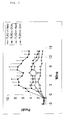
- the airway resistance was evaluated by whole-body plethysmography 24Hr after the last challenge (day 22). Bronchial hyperreactivity to aerosolised methacholine was investigated at several time points after Ova challenge. Unrestrained conscious mice were placed in whole-body plethysmography chambers (Buxco Electronic, Sharon, CO, USA). Mice were ventilated to avoid hypoxemia induced by methacholine administration (Corry et al 1998). Methacholine at 300mM was aerosolised for 50 seconds and mean airway bronchoconstriction readings, as assessed by Enhanced Respiratory Pause (PenH), were obtained over 15-min periods.
- PenH Enhanced Respiratory Pause
- PenH values correspond to mean of eleven events (cyclers) every five seconds in raw data.
- PenH values are indicated for 3 points (-3min to 1min) before and 14 points (+1min to +14min) after Methacholine nebulization.
- indicated PenH value at every point corresponds to the mean of PenH values between 1 min before and 1 min after the point (for example PenH values at +5 min correspond to the mean of all values between point +4min and point +6min).
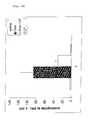
- BAL was performed 3 days after intranasal challenge under strong ketamine anaesthesia by rinsing with 4 volumes of 0.5ml each of ice-cold PBS.
- the lavage fluid was centrifuged, resuspended, counted by a haematocytometer chamber and cytospin preparation were prepared using a Shandon cytocentrifuge.
- the cells were analysed after differential staining with May-Gruenwald-Giemsa.
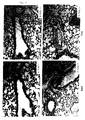
- mice After bronchoalveolar lavage, the mice were killed (3 days after Ova challenge). The whole lung was removed and fixed in 4% buffered formaldehyde for standard microscopic analysis using H&E and PAS (mucus) stains The peribronchial infiltrate and the smooth muscle hyperplasia was assessed by a semi-quantitative score (0 - 3) by two independent observers.
- BAL fluid was collected 48 Hr after the last challenge and analysed for IL-4, IL-5 and IL-13 by ELISA using commercial kits (Pharmingen).
- TLR2 controls bronchial hyperreactivity and eosinophil recruitment.
- TLR2 antigen induced bronchial hyperreactivity
- Th2 cytokine response is associated with increased IgE levels. Therefore, the increased cytokine levels would favor augmented IgE synthesis. Indeed, the IgE levels were further enhanced in the absence of TLR2 as compared to wild-type mice ( Figure 5).
- TLR2 controls the allergic response, and absence of TLR2 enhances the production of Th2 cytokines and IgE production.
- TLR2 lipoprotein
- TLR2 deficient mice have increased BHR, recruitment of eosinophils, IgE and IL-4 levels. Although the allergen, Ova, is not recognised by the innate immune receptor, environmental antigens including endotoxin and others may be recognised by TLR2 and signal a protective signal. If absent as in TLR2 deficient mice, a Th2 immune response prevails leading to enhanced asthma response.
- TLR2 Engagement of TLR2 on wild-type mice by the TLR2 agonist LP prevents BHR and the recruitment of eosinophils into the BAL and lung tissues.
- TLR2 represents a novel drug target of medicines to treat bronchial asthma and allergic disorders in general.
Landscapes
- Health & Medical Sciences (AREA)
- Engineering & Computer Science (AREA)
- Life Sciences & Earth Sciences (AREA)
- Immunology (AREA)
- Biomedical Technology (AREA)
- Chemical & Material Sciences (AREA)
- Hematology (AREA)
- Urology & Nephrology (AREA)
- Molecular Biology (AREA)
- Medicinal Chemistry (AREA)
- Analytical Chemistry (AREA)
- Microbiology (AREA)
- Biotechnology (AREA)
- Toxicology (AREA)
- Bioinformatics & Cheminformatics (AREA)
- Food Science & Technology (AREA)
- Tropical Medicine & Parasitology (AREA)
- Physics & Mathematics (AREA)
- Cell Biology (AREA)
- Biochemistry (AREA)
- General Health & Medical Sciences (AREA)
- General Physics & Mathematics (AREA)
- Pathology (AREA)
- Medicines That Contain Protein Lipid Enzymes And Other Medicines (AREA)
- Pharmaceuticals Containing Other Organic And Inorganic Compounds (AREA)
- Measuring Or Testing Involving Enzymes Or Micro-Organisms (AREA)
- Investigating Or Analysing Biological Materials (AREA)
- Plural Heterocyclic Compounds (AREA)
Abstract
Description
Claims (16)
- Method for identifying a biologically active compound with anti-asthmatic, anti-allergic and/or immunomodulatory properties wherein it comprises the following steps:a) Contacting a TLR2 or equivalent with said biologically active compound,b) Determining if said biologically active compound increases the basal activity of that said TLR2 or of that said equivalent.
- Method according to claim 1, wherein said step (a) comprises the following steps:i) Culturing cells which express functional TLR2 or a functional equivalent receptor, andii) Incubating said cells with said biologically active compound.
- Method according to claim 2, wherein the cells cultured in the step (i) are cells which over-express TLR2 or a functionally equivalent receptor.
- Method according to any one of claims 2 or 3, wherein the cells cultured in the step (i) are mammalian cells.
- Method according to claim 4, wherein the mammalian cells are chosen in the group constituted by HEK293 and BaF3 cells.
- Method according to any one of claims 2 to 5, wherein the cells cultured in the step (i) are transformed with a molecule of encoding nucleic acid for TLR2 or for a functionally equivalent receptor, or with a vector comprising at least one molecule of encoding nucleic acid for TLR2 or for a functionally equivalent receptor, advantageously associated with adapted control sequences.
- Method according to claim 6, wherein the molecule of encoding nucleic acid for TLR2 is a molecule encoding for a mammalian TLR2 and, more preferably, a molecule encoding for a human TLR2.
- Method according any one of claims 2 to 7, wherein the cells cultured in the step (i) over-express other TLRs as TLR1 or TLR6 or functional equivalent thereof.
- Method according to any one of preceding claims, wherein said increase in the basal activity level of TLR2 or of the functionally equivalent receptor is measured thanks to the increase in the TLR2 induced activation.
- Method according to claim 9, wherein said TLR2 induced activation is measured through activation of a signal transduction event or transcriptional activation of a reporter gene.
- Method according to claim 1, wherein, at said step (a), the TLR2 or functionally equivalent receptor is inserted in the liposomes or vesicles and integrated into the bio-sensors.
- Method according to claim 11, wherein TLR2 or functional equivalent receptor is in association with TLR1 or TLR6 or others TLRs.
- Pharmaceutical composition containing as active agent at least a TLR2 agonist.
- Pharmaceutical according to claim 13, wherein said TLR2 agonist is chosen among the group constituted by Gram-positive bacteria peptidoglycan (PGN), Trepanema glycolipid, Trypanosoma cruzi glycophosphatidylinositol anchor, lipoproteins derived from M. tuberculosis, Borrelia burgdorfei, Treponema pallidium and Mycoplasma fermentans and leptospiral lipopolysaccharides.
- Use of a TLR2 agonist for the preparation of a medicine useful for the treatment or the prevention of asthma, allergies and/or other immunological disorders.
- Use according to claim 15, wherein said TLR2 agonist is chosen among the group constituted by Gram-positive bacteria peptidoglycan (PGN), Trepanema glycolipid, Trypanosoma cruzi glycophosphatidylinositol anchor, lipoproteins derived from M. tuberculosis, Borrelia burgdorfei, Treponema pallidium and Mycoplasma fermentans and leptospiral lipopolysaccharides.
Priority Applications (6)
| Application Number | Priority Date | Filing Date | Title |
|---|---|---|---|
| DE60226430T DE60226430D1 (en) | 2002-07-24 | 2002-07-24 | Method to identify biologically active compounds having anti-asthmatic and / or anti-allergic properties |
| ES02291879T ES2306752T3 (en) | 2002-07-24 | 2002-07-24 | METHOD FOR INDENTIFYING BIOLOGICALLY ACTIVE COMPOUNDS WITH ANTIASMATIC AND / OR ANTIALERGIC PROPERTIES. |
| EP02291879A EP1387167B1 (en) | 2002-07-24 | 2002-07-24 | Method for identifying biologically active compounds with anti-asthmatic and/or anti-allergic properties |
| AT02291879T ATE394671T1 (en) | 2002-07-24 | 2002-07-24 | METHOD FOR IDENTIFYING BIOLOGICALLY ACTIVE COMPOUNDS THAT HAVE ANTI-ASTHMATIC AND/OR ANTI-ALLERGIC PROPERTIES |
| AU2003263465A AU2003263465A1 (en) | 2002-07-24 | 2003-07-24 | Method for identifying biologically active compounds with anti-asthmatic, anti-allergic and/or immunosuppressive properties |
| PCT/IB2003/004105 WO2004010139A2 (en) | 2002-07-24 | 2003-07-24 | Method for identifying biologically active compounds with anti-asthmatic, anti-allergic and/or immunosuppressive properties |
Applications Claiming Priority (1)
| Application Number | Priority Date | Filing Date | Title |
|---|---|---|---|
| EP02291879A EP1387167B1 (en) | 2002-07-24 | 2002-07-24 | Method for identifying biologically active compounds with anti-asthmatic and/or anti-allergic properties |
Publications (2)
| Publication Number | Publication Date |
|---|---|
| EP1387167A1 true EP1387167A1 (en) | 2004-02-04 |
| EP1387167B1 EP1387167B1 (en) | 2008-05-07 |
Family
ID=30011269
Family Applications (1)
| Application Number | Title | Priority Date | Filing Date |
|---|---|---|---|
| EP02291879A Expired - Lifetime EP1387167B1 (en) | 2002-07-24 | 2002-07-24 | Method for identifying biologically active compounds with anti-asthmatic and/or anti-allergic properties |
Country Status (6)
| Country | Link |
|---|---|
| EP (1) | EP1387167B1 (en) |
| AT (1) | ATE394671T1 (en) |
| AU (1) | AU2003263465A1 (en) |
| DE (1) | DE60226430D1 (en) |
| ES (1) | ES2306752T3 (en) |
| WO (1) | WO2004010139A2 (en) |
Cited By (1)
| Publication number | Priority date | Publication date | Assignee | Title |
|---|---|---|---|---|
| WO2011012240A2 (en) | 2009-07-25 | 2011-02-03 | Emc Microcollections Gmbh | Lipopeptides for therapy and prophylaxis of allergic illnesses |
Families Citing this family (4)
| Publication number | Priority date | Publication date | Assignee | Title |
|---|---|---|---|---|
| US8101361B2 (en) | 2008-03-10 | 2012-01-24 | National Jewish Health | Markers for diagnosis of pulmonary inflammation and methods related thereto |
| US10126295B2 (en) | 2014-03-21 | 2018-11-13 | National Jewish Health | Method for treating pulmonary exacerbation and disease progression in subjects having cystic fibrosis |
| US10436799B2 (en) | 2015-10-09 | 2019-10-08 | National Jewish Health | Methods for diagnosing and treating subjects for pulmonary exacerbation |
| EP4395761A4 (en) * | 2021-08-31 | 2025-10-01 | Ena Respiratory Pty Ltd | ALLERGY TREATMENT |
Citations (2)
| Publication number | Priority date | Publication date | Assignee | Title |
|---|---|---|---|---|
| WO2001036488A1 (en) * | 1999-11-18 | 2001-05-25 | Leiv Eiriksson Nyfotek As | Antibody against the human toll-like receptor-2 (tlr2) and uses thereof |
| WO2001055386A1 (en) * | 2000-01-25 | 2001-08-02 | Glaxosmithkline | Toll-like receptor |
Family Cites Families (4)
| Publication number | Priority date | Publication date | Assignee | Title |
|---|---|---|---|---|
| WO1999052549A1 (en) * | 1998-04-09 | 1999-10-21 | Smithkline Beecham Biologicals S.A. | Adjuvant compositions |
| AU748565B2 (en) * | 1998-06-23 | 2002-06-06 | Board Of Trustees Of The Leland Stanford Junior University | Adjuvant therapy |
| WO2001074375A1 (en) * | 2000-04-04 | 2001-10-11 | Corixa Corporation | Composition for treatment of autoimmune disease |
| AU2003209623A1 (en) * | 2002-02-19 | 2003-09-09 | Yeda Research And Development Co. Ltd. | Dual-effect ligands comprising anti-inflammatory hsp peptide epitopes for immunomodulation |
-
2002
- 2002-07-24 DE DE60226430T patent/DE60226430D1/en not_active Expired - Lifetime
- 2002-07-24 EP EP02291879A patent/EP1387167B1/en not_active Expired - Lifetime
- 2002-07-24 ES ES02291879T patent/ES2306752T3/en not_active Expired - Lifetime
- 2002-07-24 AT AT02291879T patent/ATE394671T1/en not_active IP Right Cessation
-
2003
- 2003-07-24 AU AU2003263465A patent/AU2003263465A1/en not_active Abandoned
- 2003-07-24 WO PCT/IB2003/004105 patent/WO2004010139A2/en not_active Ceased
Patent Citations (2)
| Publication number | Priority date | Publication date | Assignee | Title |
|---|---|---|---|---|
| WO2001036488A1 (en) * | 1999-11-18 | 2001-05-25 | Leiv Eiriksson Nyfotek As | Antibody against the human toll-like receptor-2 (tlr2) and uses thereof |
| WO2001055386A1 (en) * | 2000-01-25 | 2001-08-02 | Glaxosmithkline | Toll-like receptor |
Non-Patent Citations (3)
| Title |
|---|
| HALLMAN MIKKO ET AL: "Toll-like receptors as sensors of pathogens.", PEDIATRIC RESEARCH, vol. 50, no. 3, September 2001 (2001-09-01), pages 315 - 321, XP002228543, ISSN: 0031-3998 * |
| LIEN E ET AL: "Toll - like receptor 2 functions as a pattern recognition receptor for diverse bacterial products", JOURNAL OF BIOLOGICAL CHEMISTRY, AMERICAN SOCIETY OF BIOLOGICAL CHEMISTS, BALTIMORE, MD, US, vol. 274, no. 47, 19 November 1999 (1999-11-19), pages 33419 - 33425, XP002161197, ISSN: 0021-9258 * |
| TAKEUCHI OSAMU ET AL: "Cutting Edge: Role of toll-like receptor 1 in mediating immune response to microbial lipoproteins.", JOURNAL OF IMMUNOLOGY, vol. 169, no. 1, 1 July 2002 (2002-07-01), July 1, 2002, pages 10 - 14, XP002228542, ISSN: 0022-1767 * |
Cited By (3)
| Publication number | Priority date | Publication date | Assignee | Title |
|---|---|---|---|---|
| WO2011012240A2 (en) | 2009-07-25 | 2011-02-03 | Emc Microcollections Gmbh | Lipopeptides for therapy and prophylaxis of allergic illnesses |
| DE102009034779A1 (en) | 2009-07-25 | 2011-02-03 | Emc Microcollections Gmbh | Synthetic analogues of bacterial lipopeptides and their application for the therapy and prophylaxis of allergic diseases |
| WO2011012240A3 (en) * | 2009-07-25 | 2011-09-29 | Emc Microcollections Gmbh | Lipopeptides for therapy and prophylaxis of allergic illnesses |
Also Published As
| Publication number | Publication date |
|---|---|
| AU2003263465A8 (en) | 2004-02-09 |
| ATE394671T1 (en) | 2008-05-15 |
| EP1387167B1 (en) | 2008-05-07 |
| ES2306752T3 (en) | 2008-11-16 |
| AU2003263465A1 (en) | 2004-02-09 |
| WO2004010139A2 (en) | 2004-01-29 |
| DE60226430D1 (en) | 2008-06-19 |
| WO2004010139A3 (en) | 2004-05-06 |
Similar Documents
| Publication | Publication Date | Title |
|---|---|---|
| Daniel et al. | Identification of the docked granule pool responsible for the first phase of glucose-stimulated insulin secretion. | |
| Seki et al. | Contribution of Toll‐like receptor/myeloid differentiation factor 88 signaling to murine liver regeneration | |
| Traka et al. | Association of TAG-1 with Caspr2 is essential for the molecular organization of juxtaparanodal regions of myelinated fibers | |
| Herz et al. | Airway exposure to bacterial superantigen (SEB) induces lymphocyte‐dependent airway inflammation associated with increased airway responsiveness–a model for non‐allergic asthma | |
| Devaney et al. | Neutrophil elastase up-regulates interleukin-8 via toll-like receptor 4 | |
| Kuperman et al. | Signal transducer and activator of transcription factor 6 (Stat6)-deficient mice are protected from antigen-induced airway hyperresponsiveness and mucus production | |
| US7560530B1 (en) | IL-33 receptor | |
| Johnson et al. | Gap junctions assemble in the presence of cytoskeletal inhibitors, but enhanced assembly requires microtubules | |
| Saloga et al. | Development and transfer of immediate cutaneous hypersensitivity in mice exposed to aerosolized antigen. | |
| Cutler et al. | Oral mucosal dendritic cells and periodontitis: many sides of the same coin with new twists | |
| Soriano et al. | Functional inactivation of CXC chemokine receptor 4–mediated responses through SOCS3 up-regulation | |
| UA73722C2 (en) | Treatment of mucus hypersecretion in lungs by administration of epidermal growth factor receptor (egf-r) antagonist and pharmaceutical formulation | |
| Yano et al. | Immunological study on circulating murine osteoprotegerin/osteoclastogenesis inhibitory factor (OPG/OCIF): possible role of OPG/OCIF in the prevention of osteoporosis in pregnancy | |
| EP1387167B1 (en) | Method for identifying biologically active compounds with anti-asthmatic and/or anti-allergic properties | |
| Renz et al. | Specific V beta T cell subsets mediate the immediate hypersensitivity response to ragweed allergen. | |
| KR20040053122A (en) | Method and Composition for Treating Immune Complex Associated Disorders | |
| Burgoon et al. | Functional analysis of posttranslational cleavage products of the neuron-glia cell adhesion molecule, Ng-CAM. | |
| Pankhaniya et al. | Vasoactive intestinal peptide enhancement of antigen‐induced differentiation of a cultured line of mouse thymocytes | |
| Shi et al. | Comparative analysis of vascular endothelial cell activation by TNF-α and LPS in humans and baboons | |
| Bilenki et al. | Adoptive transfer of CD8α+ dendritic cells (DC) isolated from mice infected with Chlamydia muridarum are more potent in inducing protective immunity than CD8α− DC | |
| Treter et al. | Antigen-specific T cell tolerance down-regulates mast cell responses in vivo | |
| WO2004074435A2 (en) | Methods for identifying and administering agents that bias the immune response via dendritic cells | |
| Masaki et al. | Dual role of interleukin-23 in epicutaneously-sensitized asthma in mice | |
| WO2008028692A2 (en) | Method for screening drug candidates for inflammatory diseases mediated by lps-inducible cc chemokine receptor mechanism | |
| CN101798351A (en) | Recombinant expression of human TIM-1-Fc fusion protein |
Legal Events
| Date | Code | Title | Description |
|---|---|---|---|
| PUAI | Public reference made under article 153(3) epc to a published international application that has entered the european phase |
Free format text: ORIGINAL CODE: 0009012 |
|
| 17P | Request for examination filed |
Effective date: 20020731 |
|
| AK | Designated contracting states |
Kind code of ref document: A1 Designated state(s): AT BE BG CH CY CZ DE DK EE ES FI FR GB GR IE IT LI LU MC NL PT SE SK TR |
|
| AX | Request for extension of the european patent |
Extension state: AL LT LV MK RO SI |
|
| AKX | Designation fees paid |
Designated state(s): AT BE BG CH CY CZ DE DK EE ES FI FR GB GR IE IT LI LU MC NL PT SE SK TR |
|
| RTI1 | Title (correction) |
Free format text: METHOD FOR IDENTIFYING BIOLOGICALLY ACTIVE COMPOUNDS WITH ANTI-ASTHMATIC AND/OR ANTI-ALLERGIC PROPERTIES |
|
| GRAP | Despatch of communication of intention to grant a patent |
Free format text: ORIGINAL CODE: EPIDOSNIGR1 |
|
| GRAS | Grant fee paid |
Free format text: ORIGINAL CODE: EPIDOSNIGR3 |
|
| GRAA | (expected) grant |
Free format text: ORIGINAL CODE: 0009210 |
|
| AK | Designated contracting states |
Kind code of ref document: B1 Designated state(s): AT BE BG CH CY CZ DE DK EE ES FI FR GB GR IE IT LI LU MC NL PT SE SK TR |
|
| REG | Reference to a national code |
Ref country code: GB Ref legal event code: FG4D |
|
| REG | Reference to a national code |
Ref country code: CH Ref legal event code: EP |
|
| REG | Reference to a national code |
Ref country code: IE Ref legal event code: FG4D Free format text: LANGUAGE OF EP DOCUMENT: FRENCH |
|
| REF | Corresponds to: |
Ref document number: 60226430 Country of ref document: DE Date of ref document: 20080619 Kind code of ref document: P |
|
| PG25 | Lapsed in a contracting state [announced via postgrant information from national office to epo] |
Ref country code: NL Free format text: LAPSE BECAUSE OF FAILURE TO SUBMIT A TRANSLATION OF THE DESCRIPTION OR TO PAY THE FEE WITHIN THE PRESCRIBED TIME-LIMIT Effective date: 20080507 Ref country code: FI Free format text: LAPSE BECAUSE OF FAILURE TO SUBMIT A TRANSLATION OF THE DESCRIPTION OR TO PAY THE FEE WITHIN THE PRESCRIBED TIME-LIMIT Effective date: 20080507 |
|
| NLV1 | Nl: lapsed or annulled due to failure to fulfill the requirements of art. 29p and 29m of the patents act | ||
| REG | Reference to a national code |
Ref country code: ES Ref legal event code: FG2A Ref document number: 2306752 Country of ref document: ES Kind code of ref document: T3 |
|
| PG25 | Lapsed in a contracting state [announced via postgrant information from national office to epo] |
Ref country code: AT Free format text: LAPSE BECAUSE OF FAILURE TO SUBMIT A TRANSLATION OF THE DESCRIPTION OR TO PAY THE FEE WITHIN THE PRESCRIBED TIME-LIMIT Effective date: 20080507 |
|
| PG25 | Lapsed in a contracting state [announced via postgrant information from national office to epo] |
Ref country code: CZ Free format text: LAPSE BECAUSE OF FAILURE TO SUBMIT A TRANSLATION OF THE DESCRIPTION OR TO PAY THE FEE WITHIN THE PRESCRIBED TIME-LIMIT Effective date: 20080507 Ref country code: PT Free format text: LAPSE BECAUSE OF FAILURE TO SUBMIT A TRANSLATION OF THE DESCRIPTION OR TO PAY THE FEE WITHIN THE PRESCRIBED TIME-LIMIT Effective date: 20081007 Ref country code: SE Free format text: LAPSE BECAUSE OF FAILURE TO SUBMIT A TRANSLATION OF THE DESCRIPTION OR TO PAY THE FEE WITHIN THE PRESCRIBED TIME-LIMIT Effective date: 20080807 Ref country code: DK Free format text: LAPSE BECAUSE OF FAILURE TO SUBMIT A TRANSLATION OF THE DESCRIPTION OR TO PAY THE FEE WITHIN THE PRESCRIBED TIME-LIMIT Effective date: 20080507 |
|
| PG25 | Lapsed in a contracting state [announced via postgrant information from national office to epo] |
Ref country code: SK Free format text: LAPSE BECAUSE OF FAILURE TO SUBMIT A TRANSLATION OF THE DESCRIPTION OR TO PAY THE FEE WITHIN THE PRESCRIBED TIME-LIMIT Effective date: 20080507 Ref country code: BE Free format text: LAPSE BECAUSE OF FAILURE TO SUBMIT A TRANSLATION OF THE DESCRIPTION OR TO PAY THE FEE WITHIN THE PRESCRIBED TIME-LIMIT Effective date: 20080507 |
|
| REG | Reference to a national code |
Ref country code: CH Ref legal event code: PL |
|
| PLBE | No opposition filed within time limit |
Free format text: ORIGINAL CODE: 0009261 |
|
| STAA | Information on the status of an ep patent application or granted ep patent |
Free format text: STATUS: NO OPPOSITION FILED WITHIN TIME LIMIT |
|
| PG25 | Lapsed in a contracting state [announced via postgrant information from national office to epo] |
Ref country code: MC Free format text: LAPSE BECAUSE OF NON-PAYMENT OF DUE FEES Effective date: 20080731 |
|
| 26N | No opposition filed |
Effective date: 20090210 |
|
| REG | Reference to a national code |
Ref country code: IE Ref legal event code: MM4A |
|
| PG25 | Lapsed in a contracting state [announced via postgrant information from national office to epo] |
Ref country code: EE Free format text: LAPSE BECAUSE OF FAILURE TO SUBMIT A TRANSLATION OF THE DESCRIPTION OR TO PAY THE FEE WITHIN THE PRESCRIBED TIME-LIMIT Effective date: 20080507 Ref country code: BG Free format text: LAPSE BECAUSE OF FAILURE TO SUBMIT A TRANSLATION OF THE DESCRIPTION OR TO PAY THE FEE WITHIN THE PRESCRIBED TIME-LIMIT Effective date: 20080807 |
|
| PG25 | Lapsed in a contracting state [announced via postgrant information from national office to epo] |
Ref country code: CH Free format text: LAPSE BECAUSE OF NON-PAYMENT OF DUE FEES Effective date: 20080731 Ref country code: LI Free format text: LAPSE BECAUSE OF NON-PAYMENT OF DUE FEES Effective date: 20080731 |
|
| PG25 | Lapsed in a contracting state [announced via postgrant information from national office to epo] |
Ref country code: IE Free format text: LAPSE BECAUSE OF NON-PAYMENT OF DUE FEES Effective date: 20080724 |
|
| PG25 | Lapsed in a contracting state [announced via postgrant information from national office to epo] |
Ref country code: LU Free format text: LAPSE BECAUSE OF NON-PAYMENT OF DUE FEES Effective date: 20080724 Ref country code: CY Free format text: LAPSE BECAUSE OF FAILURE TO SUBMIT A TRANSLATION OF THE DESCRIPTION OR TO PAY THE FEE WITHIN THE PRESCRIBED TIME-LIMIT Effective date: 20080507 |
|
| PG25 | Lapsed in a contracting state [announced via postgrant information from national office to epo] |
Ref country code: TR Free format text: LAPSE BECAUSE OF FAILURE TO SUBMIT A TRANSLATION OF THE DESCRIPTION OR TO PAY THE FEE WITHIN THE PRESCRIBED TIME-LIMIT Effective date: 20080507 |
|
| PG25 | Lapsed in a contracting state [announced via postgrant information from national office to epo] |
Ref country code: GR Free format text: LAPSE BECAUSE OF FAILURE TO SUBMIT A TRANSLATION OF THE DESCRIPTION OR TO PAY THE FEE WITHIN THE PRESCRIBED TIME-LIMIT Effective date: 20080808 |
|
| PGFP | Annual fee paid to national office [announced via postgrant information from national office to epo] |
Ref country code: GB Payment date: 20120629 Year of fee payment: 11 |
|
| PGFP | Annual fee paid to national office [announced via postgrant information from national office to epo] |
Ref country code: IT Payment date: 20120626 Year of fee payment: 11 |
|
| PGFP | Annual fee paid to national office [announced via postgrant information from national office to epo] |
Ref country code: FR Payment date: 20120806 Year of fee payment: 11 Ref country code: ES Payment date: 20120716 Year of fee payment: 11 Ref country code: DE Payment date: 20120625 Year of fee payment: 11 |
|
| GBPC | Gb: european patent ceased through non-payment of renewal fee |
Effective date: 20130724 |
|
| REG | Reference to a national code |
Ref country code: FR Ref legal event code: ST Effective date: 20140331 |
|
| PG25 | Lapsed in a contracting state [announced via postgrant information from national office to epo] |
Ref country code: DE Free format text: LAPSE BECAUSE OF NON-PAYMENT OF DUE FEES Effective date: 20140201 Ref country code: GB Free format text: LAPSE BECAUSE OF NON-PAYMENT OF DUE FEES Effective date: 20130724 |
|
| REG | Reference to a national code |
Ref country code: DE Ref legal event code: R119 Ref document number: 60226430 Country of ref document: DE Effective date: 20140201 |
|
| PG25 | Lapsed in a contracting state [announced via postgrant information from national office to epo] |
Ref country code: IT Free format text: LAPSE BECAUSE OF NON-PAYMENT OF DUE FEES Effective date: 20130724 Ref country code: FR Free format text: LAPSE BECAUSE OF NON-PAYMENT OF DUE FEES Effective date: 20130731 |
|
| REG | Reference to a national code |
Ref country code: ES Ref legal event code: FD2A Effective date: 20140908 |
|
| PG25 | Lapsed in a contracting state [announced via postgrant information from national office to epo] |
Ref country code: ES Free format text: LAPSE BECAUSE OF NON-PAYMENT OF DUE FEES Effective date: 20130725 |