EP1373477B1 - A novel virus (cryptovirus) within the rubulavirus genus and uses therefor - Google Patents
A novel virus (cryptovirus) within the rubulavirus genus and uses therefor Download PDFInfo
- Publication number
- EP1373477B1 EP1373477B1 EP02753754A EP02753754A EP1373477B1 EP 1373477 B1 EP1373477 B1 EP 1373477B1 EP 02753754 A EP02753754 A EP 02753754A EP 02753754 A EP02753754 A EP 02753754A EP 1373477 B1 EP1373477 B1 EP 1373477B1
- Authority
- EP
- European Patent Office
- Prior art keywords
- cryptovirus
- antibody
- protein
- cells
- seq
- Prior art date
- Legal status (The legal status is an assumption and is not a legal conclusion. Google has not performed a legal analysis and makes no representation as to the accuracy of the status listed.)
- Expired - Lifetime
Links
Images
















Classifications
-
- C—CHEMISTRY; METALLURGY
- C07—ORGANIC CHEMISTRY
- C07K—PEPTIDES
- C07K14/00—Peptides having more than 20 amino acids; Gastrins; Somatostatins; Melanotropins; Derivatives thereof
- C07K14/005—Peptides having more than 20 amino acids; Gastrins; Somatostatins; Melanotropins; Derivatives thereof from viruses
-
- A—HUMAN NECESSITIES
- A61—MEDICAL OR VETERINARY SCIENCE; HYGIENE
- A61P—SPECIFIC THERAPEUTIC ACTIVITY OF CHEMICAL COMPOUNDS OR MEDICINAL PREPARATIONS
- A61P25/00—Drugs for disorders of the nervous system
-
- A—HUMAN NECESSITIES
- A61—MEDICAL OR VETERINARY SCIENCE; HYGIENE
- A61P—SPECIFIC THERAPEUTIC ACTIVITY OF CHEMICAL COMPOUNDS OR MEDICINAL PREPARATIONS
- A61P25/00—Drugs for disorders of the nervous system
- A61P25/28—Drugs for disorders of the nervous system for treating neurodegenerative disorders of the central nervous system, e.g. nootropic agents, cognition enhancers, drugs for treating Alzheimer's disease or other forms of dementia
-
- A—HUMAN NECESSITIES
- A61—MEDICAL OR VETERINARY SCIENCE; HYGIENE
- A61P—SPECIFIC THERAPEUTIC ACTIVITY OF CHEMICAL COMPOUNDS OR MEDICINAL PREPARATIONS
- A61P31/00—Antiinfectives, i.e. antibiotics, antiseptics, chemotherapeutics
- A61P31/12—Antivirals
- A61P31/14—Antivirals for RNA viruses
-
- C—CHEMISTRY; METALLURGY
- C07—ORGANIC CHEMISTRY
- C07K—PEPTIDES
- C07K16/00—Immunoglobulins [IG], e.g. monoclonal or polyclonal antibodies
- C07K16/08—Immunoglobulins [IG], e.g. monoclonal or polyclonal antibodies against material from viruses
- C07K16/10—RNA viruses
- C07K16/11—Paramyxoviridae (F); Pneumoviridae (F), e.g. respiratory syncytial virus [RSV]
-
- C—CHEMISTRY; METALLURGY
- C12—BIOCHEMISTRY; BEER; SPIRITS; WINE; VINEGAR; MICROBIOLOGY; ENZYMOLOGY; MUTATION OR GENETIC ENGINEERING
- C12Q—MEASURING OR TESTING PROCESSES INVOLVING ENZYMES, NUCLEIC ACIDS OR MICROORGANISMS; COMPOSITIONS OR TEST PAPERS THEREFOR; PROCESSES OF PREPARING SUCH COMPOSITIONS; CONDITION-RESPONSIVE CONTROL IN MICROBIOLOGICAL OR ENZYMOLOGICAL PROCESSES
- C12Q1/00—Measuring or testing processes involving enzymes, nucleic acids or microorganisms; Compositions therefor; Processes of preparing such compositions
- C12Q1/70—Measuring or testing processes involving enzymes, nucleic acids or microorganisms; Compositions therefor; Processes of preparing such compositions involving virus or bacteriophage
- C12Q1/701—Specific hybridization probes
-
- G—PHYSICS
- G01—MEASURING; TESTING
- G01N—INVESTIGATING OR ANALYSING MATERIALS BY DETERMINING THEIR CHEMICAL OR PHYSICAL PROPERTIES
- G01N33/00—Investigating or analysing materials by specific methods not covered by groups G01N1/00 - G01N31/00
- G01N33/48—Biological material, e.g. blood, urine; Haemocytometers
- G01N33/50—Chemical analysis of biological material, e.g. blood, urine; Testing involving biospecific ligand binding methods; Immunological testing
- G01N33/53—Immunoassay; Biospecific binding assay; Materials therefor
- G01N33/569—Immunoassay; Biospecific binding assay; Materials therefor for microorganisms, e.g. protozoa, bacteria, viruses
- G01N33/56983—Viruses
-
- A—HUMAN NECESSITIES
- A01—AGRICULTURE; FORESTRY; ANIMAL HUSBANDRY; HUNTING; TRAPPING; FISHING
- A01K—ANIMAL HUSBANDRY; AVICULTURE; APICULTURE; PISCICULTURE; FISHING; REARING OR BREEDING ANIMALS, NOT OTHERWISE PROVIDED FOR; NEW BREEDS OF ANIMALS
- A01K2217/00—Genetically modified animals
- A01K2217/05—Animals comprising random inserted nucleic acids (transgenic)
-
- A—HUMAN NECESSITIES
- A61—MEDICAL OR VETERINARY SCIENCE; HYGIENE
- A61K—PREPARATIONS FOR MEDICAL, DENTAL OR TOILETRY PURPOSES
- A61K39/00—Medicinal preparations containing antigens or antibodies
- A61K2039/51—Medicinal preparations containing antigens or antibodies comprising whole cells, viruses or DNA/RNA
- A61K2039/525—Virus
-
- A—HUMAN NECESSITIES
- A61—MEDICAL OR VETERINARY SCIENCE; HYGIENE
- A61K—PREPARATIONS FOR MEDICAL, DENTAL OR TOILETRY PURPOSES
- A61K39/00—Medicinal preparations containing antigens or antibodies
-
- C—CHEMISTRY; METALLURGY
- C12—BIOCHEMISTRY; BEER; SPIRITS; WINE; VINEGAR; MICROBIOLOGY; ENZYMOLOGY; MUTATION OR GENETIC ENGINEERING
- C12N—MICROORGANISMS OR ENZYMES; COMPOSITIONS THEREOF; PROPAGATING, PRESERVING, OR MAINTAINING MICROORGANISMS; MUTATION OR GENETIC ENGINEERING; CULTURE MEDIA
- C12N2760/00—MICROORGANISMS OR ENZYMES; COMPOSITIONS THEREOF; PROPAGATING, PRESERVING, OR MAINTAINING MICROORGANISMS; MUTATION OR GENETIC ENGINEERING; CULTURE MEDIA ssRNA viruses negative-sense
- C12N2760/00011—Details
- C12N2760/18011—Paramyxoviridae
- C12N2760/18711—Rubulavirus, e.g. mumps virus, parainfluenza 2,4
- C12N2760/18721—Viruses as such, e.g. new isolates, mutants or their genomic sequences
-
- C—CHEMISTRY; METALLURGY
- C12—BIOCHEMISTRY; BEER; SPIRITS; WINE; VINEGAR; MICROBIOLOGY; ENZYMOLOGY; MUTATION OR GENETIC ENGINEERING
- C12N—MICROORGANISMS OR ENZYMES; COMPOSITIONS THEREOF; PROPAGATING, PRESERVING, OR MAINTAINING MICROORGANISMS; MUTATION OR GENETIC ENGINEERING; CULTURE MEDIA
- C12N2760/00—MICROORGANISMS OR ENZYMES; COMPOSITIONS THEREOF; PROPAGATING, PRESERVING, OR MAINTAINING MICROORGANISMS; MUTATION OR GENETIC ENGINEERING; CULTURE MEDIA ssRNA viruses negative-sense
- C12N2760/00011—Details
- C12N2760/18011—Paramyxoviridae
- C12N2760/18711—Rubulavirus, e.g. mumps virus, parainfluenza 2,4
- C12N2760/18722—New viral proteins or individual genes, new structural or functional aspects of known viral proteins or genes
-
- G—PHYSICS
- G01—MEASURING; TESTING
- G01N—INVESTIGATING OR ANALYSING MATERIALS BY DETERMINING THEIR CHEMICAL OR PHYSICAL PROPERTIES
- G01N2500/00—Screening for compounds of potential therapeutic value
Definitions
- This invention relates to the medical arts and particularly to the field of virology, and, more particularly, to a novel human Rubulavirus which has been designated as a " Cryptovirus ".
- the Rubulavirus genus of the Paramyxoviridae (see Fig. 1 ) are enveloped viruses characterized by a single minus-stranded RNA genome. There is substantial evidence that some rubulaviruses infect domestic animals and can cause neurological diseases in them. These neuropathic rubulaviruses include Canine Parainfluenza Virus Type 2, Porcine Rubulavirus (aka La Piedad-Michoacan-Mexico Virus), and Menangle Virus. The strong sequence homologies amongst these viruses imply that each of these viruses represent separate host-adapted species of a common ancestral Rubulavirus species.
- Canine Parainfluenza Virus Type 2 (which is also known as CPIV) is associated with infectious tracheobronchitis in dogs. This is a non-lethal disease (usually) of the respiratory tract ( Appel and Binn, Canine Infectious Tracheobronchitis. In Virus Infections of Canivores. Elsevier Science Publishing Co., New York, N.Y., pp 201-211, 1987 ). However, the virus has also been found to be associated with posterior paresis ( Evermann et al. J.A.V.M.A. 177:1132-1134, 1980 ), neurological dysfunction ( Baumgartner et al. Infect. Immun.
- Porcine Rubulavirus (which is also known as La Piedad-Michoacan-Mexico Virus or LPMV) is associated with Blue-Eye Disease (BED) of pigs.
- BED Blue-Eye Disease
- the symptoms of the disease include corneal opacity, extreme "nervousness” in young pigs and infertility in sows and boars ( Ramirez-Mendoza et a/., J. Comp. Pathol. 117:237-252, 1997 ).
- the virus persists in the central nervous system of pigs after recovery from BED (Wiman et al. 1998; Hjertner et al. 1998). This virus also shares more than 95% of its nucleotide sequence with Cryptovirus .
- Menangle virus is an emergent rubulavirus that was first identified in Australia in 1997 ( Philbey et al., Emerging Infectious Diseases 4:269-271, 1998 ). This virus is associated with severe degeneration of the brain and spinal cord of stillborn piglets (Philbey et al. 1998). Neurons of these animals contained Menangle virus inclusion bodies (nucleocapsids). Serological studies have also found neutralizing antibodies to the virus in pigs, fruit bats and at least two human piggery workers.
- a number of human rubulaviruses are known to cause illness in humans. These include: (1) mumps virus (causes human mumps); (2) human parainfluenza virus type 2 (aka HPIV-2; associated with relatively mild upper respiratory, flu-like illness; (3) human parainfluenza virus types 4A and 4B (aka HPIV-4A, HPIV-4B; also associated with relatively mild upper respiratory, flu-like illnesses). With mumps there is also evidence of nervous system involvement in a significant number of patients, although this is virtually never life threatening.
- Multiple Sclerosis is a chronic degenerative central nervous system disease that most commonly affects young and early middle-aged adults (between 18 and 40 years of age). It is less commonly diagnosed in adolescents and even less so in children. Affecting 350,000 Americans, MS is one of the most frequent causes of neurologic disability except for traumatic injuries. ( S.L. Hauser, Multiple Sclerosis and other demyelinating diseases In: Harrison's principles of Internal Medicine, 13th ed., K.J. Isselbacher et al. (eds.), McGraw-Hill, pp.2287-95 [1994 ]). The onset, progression and outcome of the disease are highly variable with patients manifesting one of several patterns of illness.
- MS affects twice as many females as males.
- the individual components that comprise the diagnostic, clinical tableau of MS have long been delineated, their sequence and severity of presentation from case to case are subject to great variation.
- MS most commonly, MS first presents as a series of neurological attacks followed by complete or partial remissions where symptoms lessen only to return after some period of stability (relapsing-remitting MS). In other patients, the disease is characterized by a gradual decline with no clear remissions but sometimes with brief plateaus or minor relief of symptoms (primary-progressive MS). In still other patients, there can be a relapsing and remitting course of illness in the early stages followed by progressive decline (secondary-progressive MS).
- MS and epilepsy were considered discrete entities.
- the publication of numerous recent studies demonstrating an "overlap" between these disorders has corrected this misperception.
- Epidemiological and demographic studies conducted over the last decade have provided substantial evidence of concurrent epileptiform symptomology in a significant proportion of MS patients. While the concurrence of epileptiform symptoms is markedly higher in early onset MS (i.e. in children and adolescents), the overall prevalence of epilepsy in MS patients is many times higher than in the general population.
- Human epilepsy is an enigmatic medical condition which, in fact, is not a specific disease - or even a single syndrome - but, rather a broad category of symptom complexes arising from any number of disordered brain functions that themselves can be secondary to a variety of pathologic processes.
- epileptic seizures some of which ( e.g.
- Epilepsy is more than seizures. Epileptics typically exhibit a spectrum of responses, from little or no seizure activity, through mild activity ( petit mal or "absence” seizures), to recurrent and intractable grand mal seizures (the occurrence of which is often misunderstood by the lay public to be the defining symptom of all forms of epilepsy; see Epilepsy: A Comprehensive Textbook, Engel, Jr. J. and Pedley, T.A., Eds., Lippincott-Raven, 1997 ). The condition in its entirety is comprised of many facets, different for each individual, that contribute to disability and impaired quality of life.
- SSPE Subacute Sclerosing Panencephalitis
- Neurology 18:1-192, 1968 ; Payne and Baublis, Perspectives in Virology 7:179-195, 1971 ; Johannes and Sever, Ann. Rev. Med. 26:589-601, 1975 ; Meulen et al., Comp. Virol. 18:105-159, 1983 ; Dyken, Neurol. Clin. 3:179-196, 1985 ).
- the frequency of the disease varies greatly, ranging from 0.06 and 0.10 cases per million total population per year (cpmpy) in England ( Dick, Brit. Med. J. 3:359-360, 1973 ) and the United States ( Jabbour et al., J. A. M A. 220:959-962, 1972 ) to 3.40 and 7.70 cpmpy in Israel ( Soffer, et al., Israeli J. Med. Sci. 11:1-4, 1975 ) and New Zealand ( Baguley and Glasgow, Lancet 2:763-765, 1973 ).
- the factor(s) that are responsible for the ultimate etiopathogeneis of the disease are unclear.
- virus antigens in infected cells form large coalescing intracytoplasmic inclusions when examined by fluorescent antibody techniques.
- virus antigens demonstrate distinctly different patterns in cell-associated SSPE-derived virus strains and in experimentally-infected animal CNS tissues.
- intracellular inclusion bodies demonstrate a "peppery,” particulate and/or "splattered” distribution ( Doi et al., Japan. J. Med. Sci. Biol.
- Chronic fatigue syndrome (CFS), which frequently involves concurrent epileptiform symptomology.
- CFS chronic fatigue syndrome
- P. H. Levine What we know about chronic fatigue syndrome and its relevance to the practicing physician, Am. J. Med. 105(3A):100S-03S [1998 ]).
- Chronic fatigue syndrome is characterized by a sudden onset of persistent, debilitating fatigue and energy loss that lasts at least six months and cannot be attributed to other medical or psychiatric conditions; symptoms include headache, cognitive and behavioral impairment (e.g., short-term memory loss), sore throat, pain in lymph nodes and joints, and low grade fever.
- cognitive and behavioral impairment e.g., short-term memory loss
- CFS cerebrospinal fluid
- the present invention is based on the discovery and isolation of a novel human virus that has been designated as a "Cryptovirus", which falls within the genus Rubulavirus of the family Paramyxoviridae.
- the genome of the isolated Cryptovirus of the present invention is a minus strand RNA having a nucleotide sequence entirely complementary to (SEQ ID NO:1).
- the present invention relates to isolated nucleic acids that are Cryptovirus -specific.
- the inventive Cryptovirus -specific nucleic acids encompass: (A) nucleotide sequence of contiguous nucleotide positions 1-15246 of (SEQ ID NO:1), such as, but not limited, to plus strand RNAs (e.g., mRNAs) and cDNAs; or (B) a nucleotide sequence complementary to contiguous nucleotide positions 1-15246 of (SEQ ID NO:1), such as, but not limited to minus strand RNAs (e.g., genomic or cloned RNAs) and cDNAs; or (C) Cryptovirus -specific fragments of (A) or (B), such fragments being at least about five nucleotides long.
- the present invention encompasses both RNAs and DNAs, and thus it is understood by the skilled artisan that the present invention encompasses nucleic acids, i.e., RNAs, in which uracil residues ("U") replace the thymine residues ("T”) in (SEQ ID NO:1).
- the inventive nucleic acids include useful Cryptovirus- specific probes and primers.
- inventive nucleic acid constructs including cloning vectors and expression vectors, are provided that contain the inventive nucleic acid.
- inventive recombinant vectors are contained in a host cell of the present invention.
- the present invention also relates to an isolated Cryptovirus protein encoded by a Cryptovirus -specific nucleic acid segment.
- inventive Cryptovirus proteins include isolated Cryptovirus nucleocapsid and envelope proteins and chimeric proteins comprising a Cryptovirus protein moiety.
- the invention relates to an isolated virion or other viral particle that contains the inventive Cryptovirus nucleic acid, such as a viral expression vector, or contains the inventive Cryptovirus protein, such as an inventive pseudotyped virion or an inventive isolated Cryptovirus virion or other Cryptovirus particle.
- inventive Cryptovirus nucleic acid such as a viral expression vector
- inventive Cryptovirus protein such as an inventive pseudotyped virion or an inventive isolated Cryptovirus virion or other Cryptovirus particle.
- compositions of matter that include the inventive Cryptovirus nucleic acid, Cryptovirus protein, or isolated virions and other viral particles, together with a carrier, are also included in the present invention.
- the present invention provides a method of isolating a Cryptovirus virion.
- the inventive method involves culturing a plurality of peripheral blood mononuclear cells (PBMNCs) that have been obtained from a human having a Cryptovirus infection.
- PBMNCs are cultured in an artificial aqueous medium that includes an agent that increases cellular guanylyl cyclase activity, such as but not limited to cyclic GMP.
- the PBMNCs are then co-cultured in with a plurality of mammalian amnion cells in fresh aqueous medium including the agent, and the co-culture is passaged one or more times.
- Passaging is followed by co-cultivating a plurality of mammalian epithelial cells together with the PBMNCs and the mammalian amnion cells in fresh aqueous medium comprising the agent.
- This co-cultivation results in the production of Cryptovirus virions that are released into the aqueous medium.
- a supernatant of the aqueous medium is separated from the cells in the culture, to obtain the Cryptovirus virions, which are found in the supernatant.
- the inventive method facilitates the isolation from cellular material of Cryptovirus virions in great numbers. Virions isolated thereby can be further propagated by an inventive method of propagating a Cryptovirus, which the present invention provides.
- the inventive method of propagating a Cryptovirus involves exposing a plurality of mammalian epithelial cells to a plurality of cell-free Cryptovirus virions, thus isolated, and further cultivating the Cryptovirus virion-exposed mammalian epithelial cells in an artificial aqueous medium comprising an agent that increases the activity of cellular guanylyl cyclase.
- an artificial aqueous medium comprising an agent that increases the activity of cellular guanylyl cyclase.
- the present invention also relates to a method of producing a mammalian cell line nonproductively infected with Cryptovirus.
- the method involves co-culturing PBMNCs that have been obtained from a human having a Cryptovirus infection, with mammalian amnion cells (e.g., rodent or primate amnion cells), in an artificial aqueous medium comprising an agent that increases cellular guanylyl cyclase activity, such that the mammalian amnion cells become nonproductively infected by Cryptovirus.
- the co-culture becomes a monoculture of the nonproductively infected mammalian amnion cells.
- the present invention also relates to a cell nonproductively infected with Cryptovirus, which cell is produced in accordance with the method.
- Cryptovirus is associated with cryptogenic and idiopathic forms of human disease, e.g., epilepsy.
- Cryptovirus is also associated with other human neurological, neurodegenerative, and/or neuropsychiatric diseases where neural dysfunction and neuropathology are evident and where epileptiform symptomology is always concurrent (e.g. subacute sclerosing panencephalitis, SSPE) or is frequently concurrent (e.g., multiple sclerosis [MS] and chronic fatigue syndrome [CFS]).
- SSPE subacute sclerosing panencephalitis
- MS multiple sclerosis
- CFS chronic fatigue syndrome
- useful in vitro methods of screening a potential antiviral therapeutic agent are provided.
- the inventive Cryptovirus -infected cells are cultured, and then exposed to the potential antiviral therapeutic agent. If acutely infected mammalian epithelial cells are used, then the effect of the potential antiviral therapeutic agent on Cryptovirus replication and/or Cryptovirus virion assembly is measured (e.g., effect on Cryptovirus genomic replication, Cryptovirus transcription, and/or translation, i.e., protein synthesis, from Cryptovirus mRNAs, effect on numbers of Cryptovirus virions produced or completeness of Cryptovirus particles).
- Inhibition of Cryptovirus replication and/or Cryptovirus virion assembly, relative to a control not receiving the agent, indicates antiviral activity of the potential therapeutic agent.
- Inhibition of Cryptovirus replication, Cryptovirus genome replication, and/or Cryptovirus -specific transcription, relative to a control not receiving the agent indicates antiviral activity of the potential therapeutic agent.
- the present invention now also provides an animal model for the study of human diseases, for example a neurological, neurodegenerative, and/or neuropsychiatric disease (e.g., idiopathic epileptiform diseases, such as epilepsy, SSPE, MS, and CFS).
- the animal model involves a non-human mammal, which has been inoculated with an infectious cell-free Cryptovirus having a genome comprising a single stranded RNA complementary to (SEQ ID NO:1), or has been inoculated with a cell nonproductively-infected with the Cryptovirus.
- the inoculated non-human mammal of the animal model exhibits at least one symptom characteristic of a human disease after being thus inoculated, which was not previously exhibited by the non-human mammal before inoculation.
- the animal model is useful in an in vivo method of screening a potential antiviral therapeutic agent.
- the method involves administering the potential therapeutic agent to be screened, to the inventive animal model.
- the non-human mammal Before administration of the potential therapeutic agent, the non-human mammal exhibits at least one symptom characteristic of a human disease.
- the presence or absence of a beneficial antiviral effect is detected; the presence of a beneficial antiviral effect, in comparison to a control animal not receiving the agent, indicates activity of the potential therapeutic agent.
- an in vivo method of screening a potential antiviral prophylactic agent involves administering a potential prophylactic agent to be screened to a non-human mammal, which does not have a symptom of a human disease, for example a neurological, neurodegenerative, and/or neuropsychiatric disease. Then the animal is inoculated, as previously described, with an infectious cell-free Cryptovirus having a genome comprising a single stranded RNA complementary to (SEQ ID NO:1), or with a mammalian cell nonproductively-infected with the Cryptovirus.
- the presence or absence in the non-human mammal of a beneficial antiviral effect is detected, compared to a control not receiving the potential prophylactic agent.
- the subsequent presence of a beneficial antiviral effect in the inoculated non-human mammal indicates activity of the potential prophylactic agent.
- the inventive nucleic acid constructs, Cryptovirus proteins, and particles and virions are also particularly useful in producing Cryptovirus -specific antibodies, and in the production or manufacture of vaccines, which antibodies and vaccines are directed specifically against Cryptovirus proteins, such as the nucleocapsid or envelope proteins of Cryptovirus.
- These vaccines can include live attenuated virus; killed virus; recombinant chimeric viruses; proteins or other parts of virus; or one or more isolated or recombinantly expressed Cryptovirus proteins.
- the present invention relates also to an isolated antibody that specifically binds a Cryptovirus protein and the use of the inventive antibody in manufacturing a medicament for the treatment of Cryptovirus infections. Also provided are compositions of matter comprising the antibody and a carrier.
- the invention is usefully directed to methods and assays, e.g., for determining whether biological materials are contaminated with Cryptovirus or whether a mammal, including a human, is or has been infected with Cryptovirus.
- the invention provides methods of detecting the presence or absence of a Cryptovirus protein, Cryptovirus -specific RNA, or Cryptovirus -specific antibody in a sample of a biological material, such as serum.
- the sample of the biological material is contacted with an inventive antibody that specifically binds a Cryptovirus protein; and if the presence of specific binding of the antibody to a constituent of the sample is detected, this indicates the presence of the Cryptovirus protein in the sample.
- the sample is contacted with the inventive Cryptovirus-specific probe under at least moderately stringent hybridization conditions, and the formation of detectable hybridization products indicates the presence of the Cryptovirus RNA in the sample.
- the sample containing RNA is subjected to an amplification of Cryptovirus- specific RNA in the sample, using at least one inventive Cryptovirus -specific primer in an amplification reaction mixture.
- an amplification of Cryptovirus-specific RNA in the sample using at least one inventive Cryptovirus -specific primer in an amplification reaction mixture.
- the presence or absence of Cryptovirus -specific RNA in the sample can be determined, with the presence of Cryptovirus -specific amplification products in the reaction mixture indicating the presence of the Cryptovirus -specific RNA in the sample.
- the present invention also provides a method of detecting the presence or absence of a Cryptovirus -specific antibody in a sample of an antibody-containing biological material, such as serum.
- the method involves contacting the sample of biological material with the inventive protein, such as a Cryptovirus envelope protein, or alternatively, with the inventive virion or viral particle, under conditions allowing the formation of a specific protein-antibody complex, or antibody-bound virus complex, respectively. Detection of the presence of such specific protein-antibody complexes, or antibody-bound virus complexes, indicates the presence of the Cryptovirus -specific antibody in the sample.
- inventive anti- Cryptovirus antibody detecting kits are also provided, which are useful for practicing the method.
- an inventive method of detecting or diagnosing a Cryptovirus infection in the mammal is provided, as indicated by the presence in the sample of Cryptovirus protein, Cryptovirus -specific RNA, or Cryplovirus -specific antibody.
- the novel virus described herein has been designated a Cryptovirus (CV) on the basis of its inapparent, or "cryptic,” cytopathology in cultured human cells and its slow and “encrypted” pathogenesis in experimentally infected animals. Given the nucleotide sequence present in the virus, and its structural, biological, and pathogenetic characteristics, Cryptovirus fits best within the Rubulavirus genus of the family Paramyxoviridae ( Fig. 1 ).
- this virus most closely resembles the viruses known as Canine Parainfluenza Virus Type 2 (which is also known as Canine Parainfluenza Virus, CPI and CPIV) and Porcine Rubulavirus (which is also known as La-Piedad-Michoacan-Mexico Virus and LPMV). (see Fig. 2 ).
- CPI and CPIV Canine Parainfluenza Virus
- Porcine Rubulavirus which is also known as La-Piedad-Michoacan-Mexico Virus and LPMV.
- CPIV shares more than 95% of its nucleotide sequence with Cryptovirus.
- the extent of Menangle virus nucleotide sequence homology with Cryptovirus is presently unknown as the sequence of the Menangle virus genome has not yet been published.
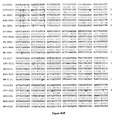
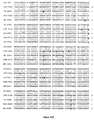
- Cryptovirus there is also an apparent relationship between Cryptovirus and: (1) simian parainfluenza virus type 5 (which is also known as simian virus 5 and SV5; see Fig. 4 , Fig. 5 , Fig. 9 , and Fig. 10 ; here, there is a relationship between the sequences and structural and immunological properties of the viruses but little or no biological or pathogenetic similarity); (2) human mumps virus (here, there are certain structural, biological, and pathogenetic relationships); and (3) human measles virus (here again, there are certain structural, biological and pathogenetic relationships). These relationships help to classify Cryptovirus and to establish its novelty.
- simian parainfluenza virus type 5 which is also known as simian virus 5 and SV5; see Fig. 4 , Fig. 5 , Fig. 9 , and Fig. 10 ; here, there is a relationship between the sequences and structural and immunological properties of the viruses but little or no biological or pathogenetic similarity
- Cryptovirus is also implicated in a spectrum of idiopathic disorders of the central nervous system (CNS) that present with compulsive or iterative physical, behavioral, or psychological symptoms.
- CNS central nervous system
- the manifestation of symptoms of these disorders as a consequence of Cryptovirus infection is exclusively subacute or slow in nature taking weeks, months, or even years to develop.
- the spectrum of physical symptoms that have been presented by human patients that have been infected with Cryptovirus includes febrile response, opthalmological disorders (photosensitivity, blurred vision, nystagmus, loss of vision) parathesias, paralysis, tremor, myoclonus, and grand mal and petit mal (absence) seizures.
- the spectrum of behavioral or psychological symptoms that have been presented by patients includes repetitive movements and compulsive behaviors (characteristic of obsessive compulsive disorder), sleep disturbances, memory loss, and dysophoria, anorexia nervosa, autism, mental retardation, affective disorder, dysthymia (clinical depression), schizophrenia, and bipolar disorder.
- the portal of entry for Cryptovirus infection can be the oral mucosa of the throat (i.e. , the tracheo-bronchial epithelium), and the virus' incubation period can be of subacute duration ( i.e. , many days to weeks). Newly infected individuals can develop a febrile pharyngitis and lymphadenopathy of prolonged duration, not unlike infectious mononucleosis.
- the portal of entry for the virus can also be transplacental, so that a mother carrying the virus can transmit it to her child in utero , and the child can subsequently develop a neurological, neurodegenerative, and/or neuropsychiatric disease or other developmental disorder (e.g., autism, cerebral palsy, hydrocephalus, birth defect, partial paralysis).
- a neurological, neurodegenerative, and/or neuropsychiatric disease or other developmental disorder e.g., autism, cerebral palsy, hydrocephalus, birth defect, partial paralysis.
- Such a child is frequently diagnosed or labelled as "retarded”. Indeed, the incidence of epilepsy and seizures are dramatically higher in the severely “mentally-retarded” (as much as 50-fold higher than the general population).
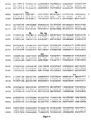
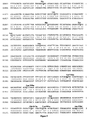
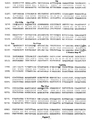
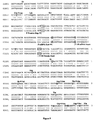
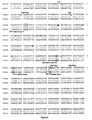
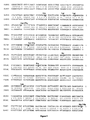
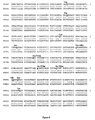
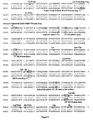
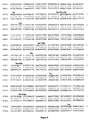
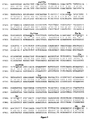
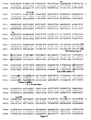
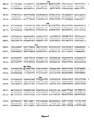
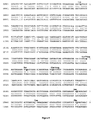
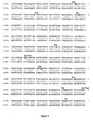
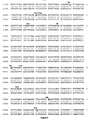
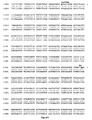
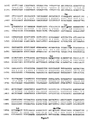
- the nucleotide sequence of the human Cryptovirus genome (15,246 contiguous nucleotides), in FASTA format (i.e. , mRNA sense; 5' to 3'), is shown in Fig. 9 (SEQ ID NO:1).
- the actual genome of the virus is negative-stranded (antisense to mRNA), having a nucleotide sequence entirely complementary to (SEQ ID NO:1).
- the present invention encompasses an isolated human negative-stranded RNA virus that, in FASTA format (i. e. in positive-stranded, mRNA-sense, the reverse and complementary sequence to the actual genome), has the sequence of SEQ ID NO:1.
- FASTA format i. e. in positive-stranded, mRNA-sense, the reverse and complementary sequence to the actual genome
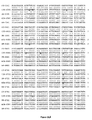
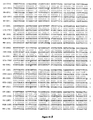
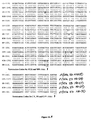
- Fig. 9 nucleotides that vary from those of the W3A strain of Simian Virus 5 are highlighted and the number of variations in each line is tallied in the right margin.
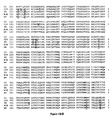
- the FASTA formatted sequence of human Cryptovirus Strain BBR was compared to Simian Virus 5 Strain W3A (SEQ ID NO:2; see Fig. 9 ). Comparisons between various Rubulavirus F Protein amino acid sequences have also been made ( Fig 10 ).
- a Cryptovirus "particle” is an entire Cryptovirus virion, as well as encompassing particles which are intermediates in virion formation (e.g., nucleocapsids), or otherwise partial.
- Cryptovirus particles generally have one or more Cryptovirus proteins associated with the Cryptovirus -specific nucleic acid they contain.
- a preferred Cryptovirus particle or virion is Cryptovirus Strain BBR, which is deposited as ATCC Accession No..
- the present invention also relates to a composition of matter comprising the inventive Cryptovirus particle and a carrier.
- a “carrier” can be an organic or an inorganic carrier or excipient, such as water or an aqueous solution, or an emulsion such as an oil/water or water/oil emulsion, and various types of wetting agents.
- the active ingredient such as the inventive viral particle, nucleic acid construct, protein, or antibody, can optionally be compounded in a composition formulated, for example, with non-toxic, physiologically acceptable carriers for infusions, tablets, pellets, capsules, solutions, emulsions, suspensions, or in any other formulation suitable for its intended in vitro or in vivo use.
- Such carriers also include glucose, lactose, gum acacia, gelatin, mannitol, starch paste, magnesium trisilicate, talc, corn starch, keratin, colloidal silica, potato starch, urea, medium chain length triglycerides, dextrans, normal saline, phosphate buffered saline and other carriers suitable for use in manufacturing preparations, in solid, semisolid, or liquid form.
- auxiliary, stabilizing, thickening and coloring agents and perfumes can be used as appropriate.
- suitable carriers are described hereinbelow, but any suitable carrier known in the art is intended.
- the PBMNCs that have been obtained from a human having a Cryptovirus infection are cultured in an artificial aqueous medium that includes, importantly, an agent that increases cellular guanylyl cyclase activity.
- the artificial aqueous medium is made by adding the agent that increases cellular guanylyl cyclase activity to a known minimal cell culture medium, such as IMEMZO, MEM, HYQPF Vero (Hyclone), or RPMI, buffered (e.g., with HEPES) to pH 6.8-7.8 and most preferably to pH 6.8-7.2.
- a known minimal cell culture medium such as IMEMZO, MEM, HYQPF Vero (Hyclone), or RPMI
- buffered e.g., with HEPES
- the agent operates to permit and facilitate the isolation and/or propagation of Cryptovirus in accordance with the invention.
- fetal calf serum (about 2% v/v to about 10% v/v) is added to the medium.
- Antibiotics such as penicillin or streptomycin, in conventional amounts, can also be added to the medium.
- cellular guanylyl cyclase activity actually be measured.
- the present invention is dependent neither upon any particular mechanism by which the agent may actually operate to increase cellular guanylyl cyclase activity (or not), nor upon any mechanism by which the agent operates to permit and/or facilitate the isolation and/or propagation of Cryptovirus in accordance with the invention.
- guanosine 3',5'-cyclic monophosphate (“cyclic GMP") (free acid, or preferably, a pharmaceutically acceptable salt thereof, such as a sodium, potassium, magnesium, calcium, or ammonium salt, or the like), insulin (preferably human insulin), zinc dication (preferably provided in a chloride, sulfate, carbonate, bicarbonate, nitrate, acetate, or other pharmaceutically acceptable salt thereof), or a combination of any or all of these.
- cyclic GMP guanosine 3',5'-cyclic monophosphate
- insulin preferably human insulin
- zinc dication preferably provided in a chloride, sulfate, carbonate, bicarbonate, nitrate, acetate, or other pharmaceutically acceptable salt thereof
- the cyclic GMP is used in a concentration of about 0.05 to about 5 mM in the artificial aqueous medium. More preferably, the cyclic GMP concentration in the medium is about 0.5 to about 2.5 mM, and most preferably about 0.75 mM to about 1.25 mM. A concentration above about 5 mM cyclic GMP is not optimally conducive to cultivating, propagating, or isolating Cryptovirus.
- a preferred concentration range for insulin in the artificial aqueous medium is about 1 to about 10 mg/L, more preferably about 2 to about 6 mg/L, and most preferably about 3 to about 5 mg/L.
- a preferred concentration range for zinc dication in the artificial aqueous medium is equivalent to about 0.05 to about 0.25 mg/L of ZnSO 4 ⁇ 7H 2 O, more preferably equivalent to about 0.10 to about 0.20 mg/L of ZnSO 4 ⁇ 7H 2 O, or most preferably equivalent to about 0.13 to about 0.15 mg/L of ZnSO 4 ⁇ 7H 2 O.
- the agent that increases cellular guanylyl cyclase activity is nitric oxide or a nitric oxide donor.
- Nitric oxide gas is fully permeable across biological membranes.
- Inhalable nitric oxide gas can be administered to a mammalian subject by, for example, a mask in a controlled gas mixture as is known in the art.
- Kieler-Jensen, N. et al. Inhaled nitric oxide in the evaluation of heart transplant candidates with elevated pulmonary vascular resistance, J Heart Lung Transplant. 13(3):366-75 [1994 ]; Rajek, A.
- Inhaled nitric oxide reduces pulmonary vascular resistance more than prostaglandin E(1) during heart transplantation, Anesth Analg. 90(3):523-30 [2000 ]; Solina, A. et al., A comparison of inhaled nitric oxide and milrinone for the treatment of pulmonary hypertension in adult cardiac surgery patients, J Cardiothorac Vasc. Anesth. 14(1):12-17 [2000 ]; Fullerton, D.A. et al., Effective control of pulmonary vascular resistance with inhaled nitric oxide after cardiac operation, J Thorac Cardiovasc Surg 111(4):753-62, discussion 762-3 [1996 ]).
- the concentration in the gas mixture of nitric oxide (NO) is preferably about 1 to 100 ppm NO, more preferably about 4 to 80 ppm NO, and most preferably about 20 to 40 ppm NO.
- the gas mixture also contains appropriate concentrations of oxygen and nitrogen and/or other inert gases, such as carbon dioxide, helium or argon.
- Nitric oxide donors are compounds that produce NO-related physiological activity when applied to biological systems.
- NO-donors can mimic an endogenous NO-related response or substitute for an endogenous NO deficiency.
- NO + , NO 0 , or NO - there are at least three redox states of NO that can be released by various NO donors (NO + , NO 0 , or NO - ), all of which are encompassed by the terms "nitric oxide” or "NO” for purposes of the present invention.
- the redox state of NO makes a substantial difference to the NO donors reactivity towards other biomolecules, the profile of by-products, and the bioresponse (Feelisch, M., The use of nitric oxide donors in pharmacological studies, Naunyn-Schmiedebergs Arch. Pharmacol.358:113-22 [1998]).
- Some classes of NO donors require enzymatic catalysis, while others produce NO non-enzymatically; some NO donors require reduction, for example by thiols, and some oxidation, in order to release NO.
- nitric oxide donors include organic nitrate compounds, which are nitric acid esters of mono- and polyhydric alcohols. Typically, these have low water solubility, and stock solutions are prepared in ethanol or dimethyl sulfoxide (DMSO). Examples are glyceryl trinitrate (GTN) or nitroglycerin (NTG), pentaerythrityl tetranitrate (PETN), isosorbide dinitrate (ISDN), and isosorbide 5-mononitrate (IS-5-N).
- GTN glyceryl trinitrate
- NTG pentaerythrityl tetranitrate
- ISDN isosorbide dinitrate
- IS-5-N isosorbide 5-mononitrate
- Administration of organic nitrates can be done intravenously, intraperitoneally, intramuscularly, transdermally, or in the case of PETN, ISDN, NTG, and IS-5-N, orally.
- nitric oxide donors are S-nitrosothiol compounds, including S-nitroso-N-acetyl-D,L-penicillamine (SNAP), S-nitrosoglutathione (SNOG), S-nitrosoalbumin, S-nitrosocysteine.
- S-nitrosothiol compounds are particularly light-sensitive, but stock solutions kept on ice and in the dark are stable for several hours, and chelators such as EDTA can be added to stock solutions to enhance stability. Administration is preferably by an intravenous or intra-arterial delivery route.
- nitric oxide donors include sydnonimine compounds, such as molsidomine (N-ethoxycarbonyl-3-morpholino-sydnonimine), linsidomine (SIN-1; 3-morpholino-sydnonimine or 3-morpholinylsydnoneimine or 5-amino-3morpholinyl-1,2,3-oxadiazolium, e.g., chloride salt), and pirsidomine (CAS 936).
- Stock solutions are typically prepared in DMSO or DMF, and are stable at 4°C to room temperature, if protected from light.
- Linsidomine is highly water soluble and stable in acidic solution in deoxygenated distilled water, adjusted to about pH 5, for an entire day.
- SIN-1 undergoes rapid non-enzymatic hydrolysis to the open ring form SIN-1A, also a preferred nitric oxide donor, which is stable at pH 7.4 in the dark.
- Administration is preferably by an intravenous or intra-arterial delivery route.
- iron nitrosyl compounds such as sodium nitroprusside (SNP; sodium pentacyanonitrosyl ferrate(II)).
- Aqueous stock solutions are preferably made freshly in deoxygenated water before use and kept in the dark; stability of stock solutions is enhanced at pH 3-5.
- Inclusion in the delivery buffer of a physiologically compatible thiol, such as glutathione, can enhance release of NO.
- SNP is administered by intravenous infusion, and the skilled practitioner is aware that long-term use is precluded by the release of five equivalents of toxic CN-per mole SNP as NO is released.
- a most preferred nitric oxide donor is chosen from among the so-called NONOate compounds.
- the NONOates are adducts of NO with nucleophilic residues (X - ), such as an amine or sulfite group, in which an NO dimer is bound to the nucleophilic residue via a nitrogen atom to form a functional group of the structure X[-N(O)NO] - .
- the NONOates typically release NO at predictable rates largely unaffected by biological reactants, and NO release is thought to be by acid-catalyzed dissociation with the regeneration of X - and NO.
- NONOates include most preferably diethylamine-NONOate (DEA/NO; N-Ethylethanamine: 1, 1-Diethyl-2-hydroxy-2-nitrosohydrazine (1:1) or 1-[N,N-diethylamino]diazen-1-ium-1,2-diolate).
- DEA/NO diethylamine-NONOate
- N-Ethylethanamine 1, 1-Diethyl-2-hydroxy-2-nitrosohydrazine (1:1) or 1-[N,N-diethylamino]diazen-1-ium-1,2-diolate).
- NONOates include diethylene triamine-NONOate(DETA/NO; 2,2'-Hydroxynitrosohydrazino]bis-ethanamine), spermine-NONOate (SPER/NO; N-(4-[-1-(3-Aminopropyl)-2-hydroxy-2-nitrosohydrazino] butyl)-1,3-propanediamine), propylamino-propylamine-NONOate (PAPA/NO; 3-(2-Hydroxy-2-nitroso-1-propylhydrazino)-1-propanamine or (Z)-1-[N-(3-aminopropyl)-N-(n-propyl)amino]diazen-1-ium-1,2-diolate), MAHMA-NONOate (MAHMA/NO; 6-(2-Hydroxy-1-methyl-2- nitrosohydrazino)-N-methyl-1-hexanamine), dipropylenetriamine-NONOate (DP
- NONOate compounds are highly soluble in water, and aqueous stock solutions are prepared in cold deoxygenated 1 to 10 mM NaOH (preferably about pH 12) just prior to use. Alkaline stock solutions are stable for several hours if kept on ice in the dark.
- the characteristic UV absorbance of NONOates can be used for spectrophotometric quantification of NONOate in aqueous solutions.
- NONOates are preferably administered intravenously or intra-arterially.
- Nitric oxide donors have different potencies ( Ferraro, R. et al., Comparative effects of several nitric oxide donors on intracellular cyclic GMP levels in bovine chromaffin cells: correlation with nitric oxide production, Br. J. Pharmacol. 127(3):779-87 [1999 ]).
- DEA/NO is among the most potent nitric oxide donors, with a half-life of about 2 to 4 minutes; less potent are PAPA/NO (t) 1/2 about 15 minutes),SPER/NO (t 1/2 about 34-40 minutes); even less potent are DETA/NO (t 1/2 about 20 hours) and SNAP (t 1/2 about 33 to 41 hours, although this can be shortened in the presence of a physiological reductant such as glutathione).
- SNP is also a potent NO donor.
- a potent NO donor See, Ferrero et al. [1999]; Salom, J.B. et al., Relaxant effects of sodium nitroprusside and NONOates in rabbit basilary artery, Phannacol. 57(2):79-87 [1998 ]; Salom, J.B. et al., Comparative relaxant effects of the NO donors sodium nitroprusside, DEA/NO and SPER/NO in rabbit carotid arteries, Gen. Pharmacol. 32(1):75-79 [1999 ]; Salom, J.B.
- Stock solutions of NO donors are preferably made up freshly before use (at the appropriate pH for each particular NO donor), chilled on ice, and protected from light (e.g., by the use of darkened glass vials wrapped in aluminum foil), although organic nitrates can be stored for months to years if the vial is properly sealed.
- final dilutions are prepared in pharmaceutically acceptable buffer and the final pH of the NO donor-containing buffer is checked for physiological suitability, especially when strongly acidic (e.g., hydrochloride salts) or alkaline (e.g., NONOates) stock solutions are used.
- Short-lived NO donors such as DEA/NO, are most preferably administered by continuous infusion rather than by bolus to avoid delivering only a short burst of NO.
- the artificial aqueous medium preferably, but not necessarily, further includes glutamine at a preferred concentration of about 0.5 to about 5 mM concentration.
- a more preferred concentration of glutamine in the medium is about 1 to about 3 mM.
- the PBMNCs are co-cultured with mammalian amnion cells in the artificial aqueous medium, as described above.
- mammalian cells examples include, but are not limited to, rodent, lagomorph, primate, ovine, bovine, canine, feline or porcine cells.
- one preferred embodiment is a primate cell, i.e., a cell originating from a primate source.
- a primate is a member of the mammalian order Primates, including lemurs, tarsiers, monkeys (e.g., African Green Monkeys, colobus monkeys, and baboons), apes (e.g., chimpanzees, gorillas, orangutans, and gibbons), and humans.
- amnion cell is a cultured cell originally derived from an amniotic membrane or amniotic sac.
- a preferred primate amnion cell is a human amnion cell, e.g., AV 3 .
- An example of the inventive cell nonproductively infected by the method is AV 3 /SSPE, which is deposited as ATCC Accession No..
- passaging of a co-culture of PBMNCs and mammalian amnion cells is done one or more times. Passaging of cultured cells into fresh culture medium (culture medium as described above), is typically done about twice per week. Preferably, at least about two to about 12 passages are done in accordance with the methods. Typically after about eight to twelve passages of the co-culture, virtually all mammalian amnion cells are nonproductively infected with Cryptovirus. Generally, within about two to about three passages, the PBMNCs have disappeared from the culture, leaving the mammalian amnion cells.
- a mammalian epithelial cell is a cultured cell originally derived from a mammalian epithelial tissue.
- the mammalian epithelil cell is a rodent epithelial cell, such as baby hamster kidney (BHK) cells.
- the mammalian epithelial cell is a simian epithelial cell, for example a Vero or a CV-1 cell.
- the CV-1 cell is subline CV-1 c , which is deposited as ATCC Accession No.
- inventive Cryptovirus and its viral subcomponents can be, and have been, characterized by numerous virological, biochemical, and molecular techniques, including the following, by way of example:
- Plaque Titration Assay Formation of macroscopically visible plaques on monolayers of mammalian epithelial cells (e.g., BHK, Vero or CV-1 c ) can be used to quantitate preparations of infectious Cryptovirus ( Robbins et al., J. Infect. Disease 143:396-403, 1981 ).
- Neutralization Titration Assay Plaque formation can be inhibited by serial dilutions of clinical serum specimens and Cryptovirus-specific antisera generated in rabbits ( see e.g., Robbins et al., J. Infect. Disease 143:396-403, 1981 ). Neutralization titration assays are routinely used in medical virological research to demonstrate that a given patient has neutralizing antibodies to a particular virus. A neutralization assay can be used diagnostically for the presence or absence of neutralizing antibody to Cryptovirus.
- serial dilutions of a biological material such as a sample of serum or CSF to be tested, are typically incubated for about one hour at 4°C with sufficient infectious virus to yield a net plating concentration of between about 100-200 plaque forming units of the virus per 0.2 mL of final diluent (including the diluted serum or CSF).
- a biological material such as a sample of serum or CSF to be tested
- final diluent including the diluted serum or CSF
- about 0.2 mL of the diluted virus-serum (or CSF) mixtures are then typically plated onto monolayers of susceptible cells (e.g.
- inoculated monolayers are typically overlayed with sufficient volumes of a 2% (w/v) solution of carboxymethylcellulose in an artificial aqueous cell culture medium (e.g., IMEMZO medium, buffered at pH between about 6.8 and about 7.4, typically containing fetal calf serum, and a suitable quantity of antibiotic, such as about 200 Units penicillin / mL and/or 100 ⁇ g streptomycin / mL) to last 10-12 days (i.e.
- an artificial aqueous cell culture medium e.g., IMEMZO medium, buffered at pH between about 6.8 and about 7.4, typically containing fetal calf serum, and a suitable quantity of antibiotic, such as about 200 Units penicillin / mL and/or 100 ⁇ g streptomycin / mL
- the plates must not be moved during the incubation period.
- the overlay is aspirated and the cells are fixed with formalin fixative and stained with a protein stain (e.g. , Giemsa).
- Virions and intracellular nucleocapsids from productively-(e.g., Vero and CV-1 c ) and nonproductively-infected (e.g., AV 3 /SSPE) cells can be purified on sucrose-potassium tartrate gradients (virions) and CsCl gradients (nucleocapsids) (see Robbins et al., J. Infect. Disease 143:396-403, 1981 ; Rapp and Robbins, Intervirology 16:160-167, 1981 ; Robbins and Rapp, Arch. Virol. 71:85-91, 1982 ; and Robbins and Abbott-Smith, J. Virol. Meth. 11:253-257, 1985 ).
- Electron Microscopy such as transmission or scanning electron microscopy are useful for examining the inventive Cryptovirus virion. When examined by electron microscopy, the Cryptovirus has been shown to have a morphology and ultrastructure consistent with other members of the Paramyxoviridae (i.e ., enveloped pleomorphic virions, about 100 nm to about 120 nm in diameter, containing helical nucleocapsids).
- Paramyxoviridae i.e ., enveloped pleomorphic virions, about 100 nm to about 120 nm in diameter, containing helical nucleocapsids.
- Intracellular inclusions of the virus in thin sections of productively- (e.g., Vero and CV-1 c ) and nonproductively-infected cells have also been shown to be comprised of aggregates of filamentous structures with dimensions similar to the nucleocapsids of other members of the Paramyxoviridae (i.e ., helical herringbone-like structures, about 15 to about 17 nm in diameter) (see Robbins et al., J. Infect. Disease 143:396-403, 1981 and Robbins and Rapp, Arch. Virol. 71:85-91, 1982 ).
- productively- e.g., Vero and CV-1 c
- nonproductively-infected cells e.g., AV 3 /SSPE
- Radioimmunoprecipitation (RIP) Assay Extensive data has been generated by the comparative analysis of Cryptovirus-specific immunoprecipitates of [ 35 S]-methionine-labeled uninfected, nonproductively- and productively-infected mammalian cells by sodium dodecyl sulfate polyacrylamide gel electrophoresis (SDS-PAGE; see below).
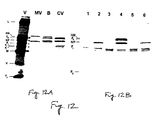
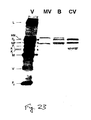
- SDS-PAGE Purified virions and cytoplasmic nucleocapsids of the virus have been analyzed by SDS-PAGE under reducing and non-reducing conditions (see Fig. 11 and Fig. 12 ), an autoradiogram of gradient-purified [ 35 S]-methionine-labeled Cryptovirus virions produced in acutely-infected Vero cells after SDS-PAGE under reducing conditions.
- the approximate molecular weights of the proteins indicated on the right side of Fig. 11 were calculated by comparing their migrations to marker proteins of known molecular weights (Sigma Chemical Co., St. Louis, MO).
- the SH protein a small envelope-associated protein having a MW of about 5 kD, is not shown in Fig. 11 , because it has run off the gel.
- Immuno-ultrastructural Analysis The intracellular nucleocapsids of nonproductively and productively-infected mammalian cells are typically localized under the electron microscope using Cryptovirus-specific or Cryptovirus nucleocapsid-specific antibodies, for example hyperimmune rabbit antibodies, and an indirect immunogold labeling technique (discussed hereinbelow).
- the present invention also relates to isolated nucleic acids and isolated proteins that are "Cryptovirus-specific,” i.e., unique to Cryptovirus.
- a Cryptovirus-specific nucleic acid segment or protein is determined by sequence similarity or homology to known sequences of bases or amino acids, respectively, for example other rubulavirus nucleic acid or protein sequences.
- Base and amino acid sequence homology is determined by conducting a sequence similarity search of a genomics/proteomics data base, such as the GenBank database of the National Center for Biotechnology Information (NCBI; www.ncbi.nlm.nih.gov/BLAST/), using a computerized algorithm, such as PowerBLAST, QBLAST, PSI-BLAST, PHI-BLAST, gapped or ungapped BLAST, or the "Align" program through the Baylor College of Medicine server (www.hgsc.bcm.tmc.edu/seq_data).
- isolated encompasses “purified”.
- an isolated nucleic acid, protein, viral particle, or antibody that is further purified to a greater level of homogeneity is also “isolated.”
- nucleic acid includes a polynucleotide, of any length, either polymeric ribonucleotides (RNA) or polymeric deoxyribonucleotides (DNA), such as cDNA.
- RNA polymeric ribonucleotides
- DNA polymeric deoxyribonucleotides
- isolated nucleic acid refers to a Cryptovirus genomic RNA which is essentially free, i.e., contains less than about 50%, preferably less than about 70%, and even more preferably less than about 90% of the polypeptides with which the Cryptovirus genome is naturally associated.
- an "isolated" nucleic acid of the present invention is a Cryptovirus-specific "recombinant polynucleotide", which as used herein intends a polynucleotide of genomic RNA, sense RNA (i.e., mRNA sense), cDNA, semisynthetic, or synthetic origin, which, by virtue of its origin or manipulation: (1) is not associated with all or a portion of a polynucleotide with which it is associated in nature, (2) is linked to a polynucleotide other than that to which it is linked in nature, or (3) does not occur in nature.
- the inventive nucleic acid can be in a sense or antisense orientation.
- the "sense strand" of a nucleic acid contains the sequence that has sequence homology to that of mRNA.
- the "anti-sense strand” contains a sequence which is complementary to that of the "sense strand.”
- Inventive nucleic acids also include double- and single-stranded DNA and RNA.
- Techniques for purifying viral polynucleotides from viral particles include for example, disruption of the particle with a chaotropic agent, differential extraction and separation of the polynucleotide(s) and polypeptides by ion-exchange chromatography, affinity chromatography, and sedimentation according to density.
- Inventive nucleic acids also encompass polynucleotides with known types of modifications, for example, labels, methylation, "caps", substitution of one or more of the naturally occurring nucleotides with a nucleotide analog, internucleotide modifications such as, for example, polynucleotides with uncharged linkages (e.g., methyl phosphonates, phosphotriesters, phosphoamidates, carbamates, etc.) and with charged linkages (e.g., phosphorothioates, phosphorodithioates, etc.), those containing pendant moieties, such as, for example proteins (including for e.g., nucleases, toxins, antibodies, signal peptides, poly-L-lysine, etc.), those with intercalators (e.g., acridine, psoralen, etc.), those containing chelators (e.g., metals, radioactive metals, boron, oxidative metals, etc.
- nucleic acid segment is a polynucleotide subportion of a larger nucleic acid.
- a nucleotide sequence complementary to an inventive Cryptovirus-specific nucleotide sequence is one binding specifically or hybridizing with a Cryptovirus-specific nucleotide base sequence.
- binding specifically or “hybridizing” encompasses the ability of a polynucleotide sequence to recognize a complementary base sequence and to form double-helical segments therewith via the formation of hydrogen bonds between the complementary base pairs.
- a complementary sequence includes, for example, an antisense sequence with respect to a sense sequence or coding sequence.
- T m melting temperature
- the stability of a hybrid is a function of sodium ion concentration and temperature.
- the hybridization reaction is performed under conditions of relatively low stringency, followed by washes of varying, but higher, stringency. Reference to hybridization stringency relates to such washing conditions.
- moderately stringent hybridization refers to conditions that permit target-RNA or DNA to bind a complementary nucleic acid that has at least about 95%, about 96%, about 97%, about 98%, about 99%, or about 100% identity to the target RNA segment or DNA segment.
- moderately stringent conditions are conditions approximately equivalent in stringency to hybridization in 50% formamide, 5 x Denhart's solution, 5 x SSPE, 0.2% SDS at 42°C, followed by washing in 0.2 x SSPE, 0.2% SDS, at 65°C.
- high stringency hybridization refers to conditions that permit hybridization of only those nucleic acid sequences that form stable hybrids in 0.018 M NaCl at 65°C (i.e., if a hybrid is not stable in 0.018 M NaCl at 65°C, it will not be stable under high stringency conditions, as contemplated herein).
- High stringency conditions can be provided, for example, by hybridization in 50% formamide, 5X Denhart's solution, 5X SSPE, 0.2% SDS at 42°C, followed by washing in 0.1 x SSPE, and 0.1% SDS at 65°C.
- low stringency hybridization typically refers to conditions equivalent to hybridization in 10% formamide, 5X Denhart's solution, 6 x SSPE, 0.2% SDS at 42°C, followed by washing in 1 x SSPE, 0.2% SDS, at 50°C.
- Denhart's solution and SSPE are well known to those of skill in the art, as are other suitable hybridization buffers.
- the inventive nucleic acids include a Cryptovirus -specific nucleic acid fragment at least about five contiguous nucleotides long, and up to 15245 contiguous nucleotides long, of SEQ ID NO:1, or a complementary sequence.
- useful fragments include nucleic acid segments consisting of an open reading frame of the Cryptovirus genome or a complementary sequence.
- An "open reading frame” is a region of a polynucleotide sequence which encodes a polypeptide; this region may represent a portion of a coding sequence or an entire coding sequence.
- a "coding sequence” is a polynucleotide sequence which is transcribed into mRNA and/or translated into a polypeptide when placed under the control of appropriate regulatory sequences. The boundaries of the coding sequence are determined by a translation start codon at the 5'-terminus and a translation stop codon at the 3'-terminus.
- a coding sequence can include, but is not limited to, mRNA, cDNA, and recombinant polynucleotide sequences.
- nucleic acid segments that encode Cryptovirus proteins such as (i) contiguous nucleotide positions 152-1678 of (SEQ ID NO:1)(also designated [SEQ ID NO:3]); (ii) contiguous nucleotide positions 1850-2515 of (SEQ ID NO:1)(also designated [SEQ ID NO:5]); (iii) contiguous nucleotide positions 1850-3023 of (SEQ ID NO:1)(also designated [SEQ ID NO:33]); (iv) contiguous nucleotide positions 1850-3023 of (SEQ ID NO:1) combined with a further insertion of two guanine (G) residues between nucleotide position 2339 of (SEQ ID NO:1) and nucleotide position 2340 of (SEQ ID NO:1)(the combined sequence including the "GG” insertion being designated [SEQ ID NO:7]); (v) contiguous nucleotide positions 3141-4271 of (SEQ ID NO:1)
- a nucleotide complementary to any of (SEQ ID NOS:3, 5, 7, 9, 11, 3, 15, 17, 19, 21, 23, 33, or 34), or a degenerate coding sequence of any of (SEQ ID NOS:3, 5, 7, 9, 11, 13, 15, 17, 19, 21, 23, 33, or 34) is also encompassed by the nucleic acid fragment.
- degenerate coding sequence refers to a protein-encoding nucleic acid sequence that has at least one codon that differs in at least one nucleotide position from any reference nucleic acid, e.g., any of SEQ ID NO:3, 5, 7, 9, 11, 13, 15, 17, 19, 21, or 23, but which encodes the same amino acids as the reference nucleic acid.
- any reference nucleic acid e.g., any of SEQ ID NO:3, 5, 7, 9, 11, 13, 15, 17, 19, 21, or 23, but which encodes the same amino acids as the reference nucleic acid.
- codons specified by the triplets "UCU”, “UCC”, “UCA”, and “UCG” are degenerate with respect to each other since all four of these codons encode the amino acid serine.
- the Cryptovirus-specific fragment is up to about 500 nucleotides long. In other embodiments, the fragment is up to about 50 nucleotides long. Other embodiments of the inventive nucleic acid fragment are about fifteen nucleotides to about 35 nucleotides long; for example, this is a preferred length for a Cryptovirus-specific primer of the present invention, which is a Cryptovirus-specific oligonucleotide for use in nucleic acid amplification reactions. Most preferably, the inventive Cryptovirus-specific primer is about 17 to about 22 nucleotides long, but primers as short as 7 contiguous nucleotides may be useful for some gene-specific sequences. (E.g., Vincent, J., et al., Oligonucleonucleotides as short as 7-mers can be used for PCR amplification, DNA Cell Biol. 13(1):75-82 [1994 ]).
- the inventive probe is preferably about 7 to about 500 nucleotides long, most preferably about 15 to about 150 nucleotides long, and comprises, for at least part of its length, a Cryptovirus- specific nucleotide sequence at least 7 to 15 nucleotides long, such that the probe hybridizes to a Cryptovirus-specific single stranded nucleic acid under suitably stringent hybridization conditions.
- probes comprising the inventive oligonucleotide primer sequences described herein can be labeled for use as probes for detecting or analyzing Cryptovirus-specific nucleic acid, including nucleic acid amplification products.
- Non-limiting examples of the Cryptovirus-specific fragments useful as primers or probes include nucleic acids comprising: contiguous nucleotide positions 1684-1701 of SEQ ID NO:1 (designated SEQ ID NO:35); contiguous nucleotide positions 1700-1717 of SEQ ID NO:1 (designated SEQ ID NO:36); contiguous nucleotide positions 4283-4300 of SEQ ID NO:1 (designated SEQ ID NO:37); contiguous nucleotide positions 4299-4316 of SEQ ID NO:1 (designated SEQ ID NO:38); contiguous nucleotide positions 4285-4302 of SEQ ID NO:1 (designated SEQ ID NO:39); contiguous nucleotide positions 4300-4317 of SEQ ID NO:1 (designated SEQ ID NO:40); contiguous nucleotide positions 4518-4535 of SEQ ID NO:1 (designated SEQ ID NO:41); contiguous nucleotide positions 4533-4550 of
- a polynucleotide particularly useful as a probe, especially for probing nucleic acids in samples of biological materials originating from a human or amplification products derived therefrom is a nucleic acid comprising contiguous nucleotide positions 4292-4549 of SEQ ID NO:1 (designated SEQ ID NO:48) or a complementary sequence.
- SEQ ID NO:1 designated SEQ ID NO:48
- a large nucleic acid segment of SEQ ID NO:1 can be used, for example a nucleic acid comprising contiguous nucleotide positions 4272-6515 of SEQ ID NO: 1 designated SEQ ID NO:34) or a complementary sequence.
- the primer is capable of acting as a point of initiation of synthesis of a polynucleotide strand when placed under appropriate conditions.
- the primer will be completely or substantially complementary to a region of the polynucleotide strand to be copied. Thus, under conditions conducive to hybridization, the primer will anneal to the complementary region of the analyte strand.
- suitable reactants e.g., a polymerase, nucleotide triphosphates, and the like
- the primer is extended by the polymerizing agent to form a copy of the analyte strand.
- the primer may be single-stranded, or alternatively maybe partially or fully double-stranded.
- analyte polynucleotide and “analyte strand” refer to a single- or double-stranded nucleic acid molecule which is suspected of containing a Cryptovirus-specific target sequence, and which may be present in a sample of biological material.
- the inventive probe is a structure comprised of a polynucleotide which forms a hybrid structure with a Cryptovirus-specific target sequence, due to complementarity of at least one nucleotide sequence in the probe with a sequence in the target region.
- the polynucleotide regions of probes may be composed of DNA, and/or RNA, and/or synthetic nucleotide analogs.
- “Target region” refers to a region of the nucleic acid which is to be amplified and/or detected.
- target sequence refers to a Cryptovirus-specific sequence with which a probe or primer will form a stable hybrid under desired conditions.
- probes include “capture probes” and “label probes”.
- the probe does not contain a sequence complementary to sequence(s) used to prime a nucleic acid amplification reaction.
- capture probe refers to a polynucleotide comprised of a single-stranded polynucleotide coupled to a binding partner.
- the single-stranded polynucleotide is comprised of a targeting polynucleotide sequence, which is complementary to a target sequence in a target region to be detected in the analyte polynucleotide.
- This complementary region is of sufficient length and complementarity to the target sequence to afford a duplex of stability which is sufficient to immobilize the analyte polynucleotide to a solid surface (via the binding partners).
- the binding partner is specific for a second binding partner; the second binding partner can be bound to the surface of a solid support, or may be linked indirectly via other structures or binding partners to a solid support.
- binding partner refers to a molecule capable of binding a ligand molecule with high specificity, as for example an antigen and an antibody specific therefor.
- the specific binding partners must bind with sufficient affinity to immobilize the analyte copy/complementary strand duplex (in the case of capture probes) under the isolation conditions.
- Specific binding partners are known in the art, and include, for example, biotin and avidin or streptavidin, IgG and protein A, the numerous known receptor-ligand couples, and complementary polynucleotide strands.
- the partners are generally at least about 15 bases in length, and may be at least 40 bases in length; in addition, they have a content of Gs and Cs of at least about 25% and as much as about 75%.
- the polynucleotides may be composed of DNA, RNA, or synthetic nucleotide analogs.
- Coupled refers to attachment by covalent bonds or by strong non-covalent interactions (e.g., hydrophobic interactions, hydrogen bonds, etc.). Covalent bonds may be, for example, ester, ether, phosphoester, amide, peptide, imide, carbon-sulfur bonds, carbon-phosphorus bonds, and the like.
- a “support” refers to any solid or semi-solid surface to which a desired binding partner may be anchored. Suitable supports include glass, plastic, metal, polymer gels, and the like, and may take the form of beads, wells, dipsticks, membranes, and the like.
- label probe refers to an oligonucleotide which is comprised of a targeting polynucleotide sequence, which is complementary to a target sequence to be detected in the analyte polynucleotide. This complementary region is of sufficient length and complementarity to the target sequence to afford a duplex comprised of the "label probe” and the "target sequence” to be detected by the label.
- the oligonucleotide is coupled to a label either directly, or indirectly via a set of ligand molecules with high specificity for each other.
- a “label” includes any atom or moiety which can be used to provide a detectable (preferably quantifiable) signal, and which can be attached by conventional means to a polynucleotide or to polypeptide, such as an antibody.
- the label can be used alone or in conjunction with additional reagents. Such labels are themselves well-known in the art.
- the label can be a radioisotope, such as 14 C, 32 P, 35 S, 3 H, or 15 O, which is detected with suitable radiation detection means.
- the label can be a fluorescent labeling agent that chemically binds to antibodies or antigens without denaturation to form a fluorochrome (dye) that is a useful immunofluorescent tracer.
- Useful fluorescent dyes include, but are not limited to, rhodamine, fluorescein, SYBR Green I, Y1O-PRO-1, thiazole orange, Hex (i.e., 6-carboxy-2',4',7',4,7-hexachlorofluoroscein), pico green, edans, fluorescein, FAM (i.e., 6-carboxyfluorescein), or TET (i.e., 4,7,2',7'-tetrachloro-6-carboxyfluoroscein).
- rhodamine fluorescein
- SYBR Green I i.e., Y1O-PRO-1
- thiazole orange i.e., 6-carboxy-2',4',7',4,7-hexachlorofluoroscein
- Hex i.e., 6-carboxy-2',4',7',4,7-hexachlorofluoroscein
- the inventive nucleic acid constructs include recombinant cloning and expression vectors (including plasmids and viral expression vectors, such as retroviral or adenoviral vectors), that contain the inventive nucleic acid.
- a "vector” is a replicon in which another polynucleotide segment is attached, so as to bring about the replication and/or expression of the attached segment.
- a "replicon” is any genetic element, e.g., a plasmid, a chromosome, a virus, a cosmid, etc., that behaves as an autonomous unit of polynucleotide replication within a cell, i.e., being capable of replication under the replicon's own control.
- inventive recombinant expression vectors contain one or more inventive nucleic acid segments and include at least a promoter region operatively linked to the inventive nucleic acid segment in a transcriptional unit.
- inventive nucleic acid constructs are those that include one or more nucleic acid segments encoding a Cryptovirus protein, the Cryptovirus coding sequence(s) being thus suitably placed and operatively linked to suitable regulatory sequences within one or more transcriptional units within the construct.
- Control or “regulatory” sequences, elements or regions refers to polynucleotide sequences which are necessary to effect the expression of coding sequences to which they are ligated.
- the nature of such control sequences differs depending upon the host organism; in prokaryotes, such control sequences generally include promoter, ribosomal binding site, and terminators; in eukaryotes, generally, such control sequences include promoters, terminators and, in some instances, enhancers.
- control sequences is intended to include, at a minimum, all components whose presence is necessary for expression, and may also include additional components whose presence is advantageous, for example, leader sequences.
- a promoter region refers to a segment of nucleic acid that controls transcription of a coding sequence to which it is operatively linked.
- the promoter region includes specific sequences that are sufficient for RNA polymerase recognition, binding and transcription initiation.
- the promoter region includes sequences that modulate this recognition, binding and transcription initiation activity of RNA polymerase. These sequences may be cis acting or may be responsive to trans acting factors. Promoters, depending upon the nature of the regulation, may be constitutive or regulated developmentally or inducibly.
- Exemplary promoters contemplated for use in the practice of the present invention include the SV40 early promoter, the cytomegalovirus (CMV) promoter, the mouse mammary tumor virus (MMTV) steroid-inducible promoter, Moloney murine leukemia virus (MMLV) promoter, and the like.
- CMV cytomegalovirus
- MMTV mouse mammary tumor virus
- MMLV Moloney murine leukemia virus
- the expression vector may also require terminator sequences and poly A addition sequences; enhancer sequences which increase expression may also be included, and sequences which cause amplification of the gene may also be desirable.
- terminator sequences e.g., the Cryptovirus genes of the present invention
- poly A addition sequences e.g., the sequence of the expression vector
- enhancer sequences which increase expression may also be included, and sequences which cause amplification of the gene may also be desirable.
- sequences are known in the art.
- operatively linked refers to the functional relationship of nucleic acid with regulatory (control or effector) nucleotide sequences, such as promoters, enhancers, transcriptional and translational stop sites, and other signal sequences.
- regulatory (control or effector) nucleotide sequences such as promoters, enhancers, transcriptional and translational stop sites, and other signal sequences.
- operative linkage of DNA or RNA to a promoter refers to the physical and functional relationship between the DNA or RNA and the promoter such that the transcription of such DNA or RNA is initiated from the promoter by an RNA polymerase that specifically recognizes, binds to and transcribes the DNA or RNA, respectively.
- a regulatory sequence "operatively linked" to a coding sequence is ligated in such a way that expression of the coding sequence is achieved under conditions compatible with the regulatory sequences.
- the promoter sequence is located upstream (i.e., 5' in relation thereto) from the coding sequence and the coding sequence, is 3' to the promoter, or alternatively is in a sequence of genes or open reading frames 3' to the promoter and expression is coordinately regulated thereby.
- Both the promoter and coding sequences are oriented in a 5' to 3' manner, such that transcription can take place in vitro in the presence of all essential enzymes, transcription factors, co-factors, activators, and reactants, under favorable physical conditions, e.g., suitable pH and temperature. This does not mean that, in any particular cell, conditions will favor transcription. For example, transcription from a tissue-specific promoter is generally not favored in heterologous cell types from different tissues.
- the inventive expression vector comprising a Cryptovirus-specific nucleic acid, is used to transform a cell.
- Transformation refers to the insertion of an exogenous polynucleotide into a host cell, irrespective of the method used for the insertion, for example, direct uptake, transfection, transduction, f-mating, microparticle bombardment, or electroporation.
- the exogenous polynucleotide may be maintained as a non-integrated vector, for example, a plasmid, or alternatively, may be integrated into the host genome.
- a "transformed" host cell refers to both the immediate cell that has undergone transformation and its progeny that maintain the originally exogenous polynucleotide.
- Appropriate expression vectors are well known to those of skill in the art and include those that are replicable in eukaryotic cells and/or prokaryotic cells and those that remain episomal or those which integrate into the host cell genome.
- Exemplary, eukaryotic expression vectors include the cloned bovine papilloma virus genome, the cloned genomes of the murine retroviruses, and eukaryotic cassettes, such as the pSV-2 gpt system (described by Mulligan and Berg, 1979, Nature Vol. 277:108-114 ) the Okayama-Berg cloning system ( Mol. Cell Biol. Vol. 2:161-170, 1982 ), pGAL4, pCI (e.g., pCI-neo), and the expression cloning vector described by Genetics Institute ( Science Vol. 228:810-815, 1985 ), are available which provide substantial assurance of at least some expression of the protein of interest in the transformed mammalian cell.
- pSV-2 gpt system described by Mulligan and Berg, 1979, Nature Vol. 277:108-114
- the Okayama-Berg cloning system Mol. Cell Biol. Vol. 2:161-170, 1982
- vectors which contain regulatory elements that can be linked to the inventive nucleic acids, for transfection or transduction of mammalian cells.
- examples are cytomegalovirus (CMV) promoter-based vectors such as pcDNAI (Invitrogen, San Diego, CA), MMTV promoter-based vectors such as pMAMNeo (Clontech, Palo Alto, CA) and pMSG (Pharmacia, Piscataway, NJ), and SV40 promoter-based vectors such as pSV ⁇ (Clontech, Palo Alto, CA).
- CMV cytomegalovirus
- MMTV promoter-based vectors such as pMAMNeo (Clontech, Palo Alto, CA) and pMSG (Pharmacia, Piscataway, NJ)
- SV40 promoter-based vectors such as pSV ⁇ (Clontech, Palo Alto, CA).
- adenovirus-transferrin/polylysine-DNA (TfAdp1-DNA) vector complexes are employed to transduce mammalian cells with heterologous Cryptovirus-specific nucleic acid. Any of the plasmid expression vectors described herein may be employed in a TfAdpl-DNA complex.
- expression vectors may contain appropriate packaging signals that enable the vector to be packaged by a number of viral virions, e.g., retroviruses, such as human immune-deficiency virus, lentiviruses, mumps virus, herpes viruses, adenoviruses, resulting in the formation of a "viral vector.”
- retroviruses such as human immune-deficiency virus, lentiviruses, mumps virus, herpes viruses, adenoviruses
- viral vectors include, for example, Herpes simplex virus vectors (e.g., Geller et al., 1988, Science, 241:1667-1669 ), Vaccinia virus vectors (e.g., Piccini et al., 1987, Meth. in Enzymology, 153:545-563 ); Cytomegalovirus vectors ( Mocarski et al., in Viral Vectors, Y. Gluzman and S.H. Hughes, Eds., Cold Spring Harbor Laboratory, Cold Spring Harbor, N.Y., 1988, pp.
- Herpes simplex virus vectors e.g., Geller et al., 1988, Science, 241:1667-1669
- Vaccinia virus vectors e.g., Piccini et al., 1987, Meth. in Enzymology, 153:545-563
- Cytomegalovirus vectors Mocarski et al., in Viral Vectors, Y. Gluzman and
- Moloney murine leukemia virus vectors Danos et al., 1980, PNAS, USA, 85:6469
- adenovirus vectors e.g., Logan et al., 1984, PNAS, USA, 81:3655-3659 ; Jones et al., 1979, Cell, 17:683-689 ; Berkner, 1988, Biotechniques, 6:616-626 ; Cotten et al., 1992, PNAS, USA, 89:6094-6098 ; Graham et al., 1991, Meth. Mol. Biol., 7:109-127 ), adeno-associated virus vectors, retrovirus vectors (see, e.g., U.S.
- Patent 5,252,479 WIPO publications WO 92/07573 , WO 90/06997 , WO 89/05345 , WO 92/05266 and WO 92/14829 , U.S. Patent Nos. 4,405,712 and 4,650,764 ; Shackleford et al., 1988, PNAS, USA, 85:9655-9659 ), and the like.
- a preferred viral vector is Moloney murine leukemia virus and the pseudotyped retroviral vector derived from Moloney virus called vesicular-stomatitis-virus-glycoprotein (VSV-G)-Moloney murine leukemia virus.
- a most preferred viral vector is a pseudotyped (VSV-G) lentiviral vector derived from the HIV virus, which is used to transduce mammalian cells. ( Naldini, L., et al., In vivo gene delivery and stable transduction of nondividing cells by a lentiviral vector, Science 272: 263-267 [1996 ]). This gene delivery system employs retroviral particles generated by a three-plasmid expression system.
- a packaging construct contains the human cytomegalovirus (hCMV) immediate early promoter, driving the expression of all viral proteins.
- the construct's design eliminates the cis-acting sequences crucial for viral packaging, reverse transcription and integration of these transcripts.
- the second plasmid encodes a heterologous envelope protein ( env ), namely the G glycoprotein of the vesicular stomatitis virus (VSV-G).
- the third plasmid, the transducing vector (pHR') contains cis-acting sequences of human immunodeficiency virus (HIV) required for packaging, reverse transcription and integration, as well as unique restriction sites for cloning heterologous complementary DNAs (cDNAs).
- a genetic selection marker such as green fluorescent protein (GFP), enhanced green fluorescent protein (EGFP), blue fluorescent protein, yellow fluorescent protein, a fluorescent phycobiliprotein, ⁇ -galactosidase, and/or a gene encoding another preselected product is cloned downstream of the hCMV promoter in the HR'vector, and is operatively linked so as to form a transcriptional unit.
- GFP green fluorescent protein
- EGFP enhanced green fluorescent protein
- blue fluorescent protein yellow fluorescent protein
- a fluorescent phycobiliprotein a fluorescent phycobiliprotein
- ⁇ -galactosidase a gene encoding another preselected product
- a VSV-G pseudotyped retroviral vector system is capable of infecting a wide variety of cells including cells from different species and of integrating into the genome.
- retroviruses i.e., lentiviruses, such as HIV, have the ability to infect non-dividing cells.
- Lentiviruses have a limited capacity for heterologous DNA sequences, the size limit for this vector being 7-7.5 kilobases ( Verma, I.M. and Somia, N., Gene Therapy - promises, problems and prospects, Nature 389:239-242 [1997 ]).
- Verma, I.M. and Somia, N., Gene Therapy - promises, problems and prospects, Nature 389:239-242 [1997 ] In vivo experiments with lentiviruses show that expression does not shut off like other retroviral vectors and that in vivo expression in brain, muscle, liver or pancreatic-islet cells, is sustained at least for over six months - the longest time tested so far (Verma and Somia [1997]; Anderson, WF., Human Gene Therapy, Nature (Suppl). 392:25-30 [1998 ]).
- a particularly useful expression vector which is useful to express foreign cDNA and which may be used in vaccine preparation is Vaccinia virus.
- the heterologous cDNA is inserted into the Vaccinia genome.
- Techniques for the insertion of foreign cDNA into the vaccinia virus genome are known in the art, and utilize, for example, homologous recombination.
- the insertion of the heterologous cDNA is generally into a gene which is non-essential in nature, for example, the thymidine kinase gene (tk), which also provides a selectable marker.
- Plasmid vectors that greatly facilitate the construction of recombinant viruses have been described (see, for example, Mackett et al.
- nucleic acid construct also encompasses a construct that is not contained in a vector, for example, a synthetic antisense oligonucleotide, such as a phosphorothioate oligodeoxynucleotide.
- Synthetic antisense oligonucleotides, or other antisense chemical structures designed to recognize and selectively bind to mRNA are constructed to be complementary to portions of the Cryptovirus coding strand, for example, to coding sequences shown in SEQ ID NO:3, 5, 7, 9, 11, 13, 15, 17, 19, 21, or 23.
- the antisense oligonucleotide When taken up by a mammalian cell, the antisense oligonucleotide prevents translational expression of at least part of the Cryptovirus coding region, the inventive antisense oligonucleotide is useful to prevent expression of a Cryptovirus protein.
- Antisense oligonucleotides inactivate target mRNA sequences by either binding thereto and inducing degradation of the mRNA by, for example, RNase I digestion, or inhibiting translation of mRNA target sequence by interfering with the binding of translation-regulating factors or ribosomes, or by inclusion of other chemical structures, such as ribozyme sequences or reactive chemical groups which either degrade or chemically modify the target mRNA.
- Antisense Bcl-x oligonucleotide induces apoptosis and prevents arterial neointimal formation in murine cardiac allografts, Cardiovas. Res., 45(3):783-7 [2000 ]; Kim, J. W. et al., Antisense oligodeoxynucleotide of glyceraldehyde-3-phosphate dehydrogenase gene inhibits cell proliferation and induces apoptosis in human cervical carcinoma cell line, Antisense Nucleic Acid Drug Dev., 9(6):507-13 [1999 ]; Han, D. C.
- Tissue-targeted antisense c-fos retroviral vector inhibits established breast cancer xenografts in nude mice, Cancer Res., 56(5):1098-1103 [1996 ]; Muller, M. et al., Antisense phosphorothioate oligodeoxynucleotide down-regulation of the insulin-like growth factor I receptor in ovarian cancer cells, Int. J. Cancer, 77(4):567-71 [1998 ]; Engelhard, H.
- the present invention relates to an isolated Cryptovirus protein.
- protein refers to a polymer of amino acids of any length, i.e., a polypeptide, and does not refer to a specific length of the product; thus, “polypeptides”, “peptides”, and “oligopeptides”, are included within the definition of “protein”, and such terms are used interchangeably herein with “protein”.
- protein also includes post-expression modifications of the polypeptide, for example, glycosylations, acetylations, phosphorylations and the like.
- protein includes, for example, polypeptides containing one or more analogs of an amino acid (including, for example, unnatural amino acids, etc.), polypeptides with substituted linkages, as well as other modifications known in the art, both naturally occurring and non-naturally occurring. Methods of inserting analogs of amino acids into a peptide sequence are known in the art.
- isolated Cryptovirus protein refers to a cryptoviral protein which is substantially free, i.e., contains less than about 50%, preferably less than about 70%, and even more preferably less than about 90%, of the cellular components and/or contaminants normally associated with a native in vivo environment.
- An isolated Cryptovirus protein of the present invention can also be further isolated from one or more other components of a Cryptovirus particle, for example, other Cryptovirus protein species, phospholipid components of the viral envelope, or the viral genome.
- the inventive isolated Cryptovirus protein is purified to homogeneity by known virological and biochemical methods.
- a protein which is encoded by a Cryptovirus -specific nucleic acid segment, which nucleic acid segment comprises:
- the protein also encompasses a polypeptide having substantially the same amino acid sequence as (SEQ ID NO:4), (SEQ ID NO:6) (SEQ ID NO:8). (SEQ ID NO:10), (SEQ ID NO:12), (SEQ ID NO:14), (SEQ ID NO:16), (SEQ ID NO:18), (SEQ ID NO:20), (SEQ ID NO:22), or (SEQ ID NO:24).
- the term "substantially the same amino acid sequence” refers to amino acid sequences having at least about 80%, still more preferably about 90% amino acid identity with respect to a reference amino acid sequence; with greater than about 95% amino acid sequence identity being especially preferred.
- polypeptide containing less than the described levels of sequence identity arising as splice variants or that are modified by conservative amino acid substitutions are also encompassed within the scope of the present invention.
- the degree of sequence homology is determined by conducting an amino acid sequence similarity search of a protein data base, such as the database of the National Center for Biotechnology Information (NCBI; www.ncbi.nlm.nih.gov/BLAST/), using a computerized algorithm, such as PowerBLAST, QBLAST, PSI-BLAST, PHI-BLAST, gapped or ungapped BLAST, or the "Align" program through the Baylor College of Medicine server (www.hgsc.bcm.tmc.edu/seq_data).
- Cryptovirus protein Also encompassed by the term Cryptovirus protein, are biologically functional or active peptide analogs thereof.
- peptide "analog” includes any polypeptide having an amino acid residue sequence substantially identical to a sequence specifically shown herein in which one or more residues have been conservatively substituted with a functionally similar residue and which displays the ability to mimic the biological activity of a native Cryptovirus protein.
- conservative substitutions include the substitution of one non-polar (hydrophobic) residue such as isoleucine, valine, leucine or methionine for another, the substitution of one polar (hydrophilic) residue for another such as between arginine and lysine, between glutamine and asparagine, between glycine and serine, the substitution of one basic residue such as lysine, arginine or histidine for another, or the substitution of one acidic residue, such as aspartic acid or glutamic acid for another.
- “Chemical derivative” refers to a subject polypeptide having one or more residues chemically derivatized by reaction of a functional side group.
- Such derivatized molecules include, for example, those molecules in which free amino groups have been derivatized to form amine hydrochlorides, p-toluene sulfanyl groups, carbobenzoxy groups, t-butyloxycarbonyl groups, chloroacetyl groups or formyl groups.
- Free carboxyl groups may be derivatized to form salts, methyl and ethyl esters or other types of esters or hydrazides.
- Free hydroxyl groups may be derivatized to form O-acyl or O-alkyl derivatives.
- the imidazole nitrogen of histidine may be derivatized to form N-im-benzylhistidine.
- chemical derivatives those peptides which contain one or more naturally occurring amino acid derivatives of the twenty standard amino acids. For example, 4-hydroxyproline may be substituted for proline; 5-hydroxylysine may be substituted for lysine; 3-methylhistidine may be substituted for histidine; homoserine may be substituted for serine; and ornithine may be substituted for lysine.
- the inventive polypeptide also includes any polypeptide having one or more additions and/or deletions of residues, relative to the sequence of an inventive polypeptide whose sequence is shown herein, so long as the requisite biological activity is maintained.
- a variant of a Cryptovirus protein designated by (SEQ ID NO:4), (SEQ ID NO:6) (SEQ ID NO:8), (SEQ ID NO:10), (SEQ ID NO:12), (SEQ ID NO:14), (SEQ ID NO:16). (SEQ ID NO:18), (SEQ ID NO:20), (SEQ ID NO:22), or (SEQ ID NO:24) is also provided, a "variant" refers to a polypeptide in which the amino acid sequence of the designated Cryptovirus protein has been altered by the deletion, substitution, addition or rearrangement of one or more amino acids in the sequence. Methods by which variants occur (for example, by recombination) or are made (for example, by site directed mutagenesis) are known in the art.
- the Cryptovirus protein can also include one or more labels, which are known to those of skill in the art.
- inventive proteins are isolated or purified by a variety of known biochemical means, including, for example, by the recombinant expression systems described herein, precipitation, gel filtration, ion-exchange, reverse-phase and affinity chromatography, electrophoresis, and the like. Other well-known methods are described in Deutscher et al., Guide to Protein Purification: Methods in Enzymology Vol. 182, (Academic Press, [1990 ]).
- the isolated Cryptovirus protein of the present invention can also be chemically synthesized.
- synthetic polypeptide can be produced using Applied Biosystems, Inc. Model 430A or 431A automatic peptide synthesizer (Foster City, CA) employing the chemistry provided by the manufacturer and the amino acid sequences provided herein.
- the Cryptovirus protein can be isolated or purified from native cellular sources.
- the Cryptovirus protein can be isolated from the inventive chimeric proteins by the use of suitable proteases.
- the Cryptovirus proteins can be recombinantly derived, for example, produced by eukaryotic or prokaryotic cells genetically modified to express Cryptovirus protein-encoding polynucleotides in accordance with the inventive technology as described herein. Recombinant methods are well known, as described, for example, in Sambrook et al., supra., 1989).
- An example of the means for preparing the inventive Cryptovirus protein is to express nucleic acids encoding the Cryptovirus protein of interest in a suitable host cell that contains the inventive expression vector, such as a bacterial cell, a yeast cell, an insect cell, an amphibian cell (i.e., oocyte), or a mammalian cell, using methods well known in the art, and recovering the expressed polypeptide, again using well-known methods.
- a suitable host cell that contains the inventive expression vector, such as a bacterial cell, a yeast cell, an insect cell, an amphibian cell (i.e., oocyte), or a mammalian cell, using methods well known in the art, and recovering the expressed polypeptide, again using well-known methods.
- Recombinant host cells denoting prokaryotic or eukaryotic cell lines cultured as unicellular or monolayer entities, and refer to cells which can be, or have been, used as recipients for a recombinant expression vector or other foreign nucleic acids, such as DNA or RNA, and include the progeny of the original cell which has been transfected. It is understood that the progeny of a single parental cell may not necessarily be completely identical in morphology or in genomic or total DNA complement as the original parent, due to natural, accidental, or deliberate mutation.
- the present invention includes chimeric proteins.
- chimeric protein generally refers to a polypeptide comprising an amino acid sequence drawn from two or more individual proteins that are not naturally so linked.
- chimeric protein is used to denote a polypeptide comprising a Cryptovirus protein, or a truncate or polypeptide variant thereof having an altered amino acid sequence, fused to a non -Cryptovirus protein or polypeptide moiety.
- Chimeric proteins are most conveniently produced by expression of a fused gene, which encodes a portion of one polypeptide at the 5' end and a portion of a different polypeptide at the 3' end, where the different portions are joined in one reading frame which may be expressed in a suitable host cell.
- the Cryptovirus protein is positioned at the carboxy terminus of the chimeric protein. In other embodiments the Cryptovirus protein is positioned at the amino terminus of the chimeric protein.
- the non-Cryptovirus protein moiety, or "chimeric partner" of the inventive chimeric protein can be a functional enzyme fragment.
- Suitable functional enzyme fragments are those polypeptides which exhibit a quantifiable activity when expressed fused to the Cryptovirus protein.
- Exemplary enzymes include, without limitation, ß-galactosidase (ß-gal), ß-lactamase, horseradish peroxidase (HRP), glucose oxidase (GO), human superoxide dismutase (hSOD), urease, and the like. These enzymes are convenient because the amount of chimeric protein produced can be quantified by means of simple colorimetric assays.
- antigenic proteins or fragments e.g., human superoxide dismutase (hSOD)
- hSOD human superoxide dismutase
- useful chimeric partners include amino acid sequences that provide for secretion from a recombinant host, enhance the immunological reactivity of a Cryptovirus protein epitope(s), or facilitate the coupling of the Cryptovirus polypeptide to a support or a vaccine carrier.
- Embodiments of the inventive Cryptovirus protein are useful as immunoreactive polypeptides, including use for the production of a Cryptovirus-specific antibody.
- Immunoreactive refers to the ability of a polypeptide to bind immunologically to an antibody and/or to a lymphocyte antigen receptor due to antibody or receptor recognition of a specific epitope contained within the polypeptide; or the ability of a polypeptide to be immunogenic.
- An "immunogenic" protein is a polypeptide that elicits a cellular and/or humoral immune response, whether alone or linked to a carrier in the presence or absence of an adjuvant. The immunogenicity of various isolated Cryptovirus proteins, or Cryptovirus protein fragments, of interest is determined by routine screening.
- Immunological reactivity may be determined by antibody binding, more particularly by the kinetics of antibody binding, and/or by competition in binding using as competitor(s) a known polypeptide(s) containing an epitope against which the antibody is directed.
- the techniques for determining whether a polypeptide is immunologically reactive with an antibody are known in the art.
- immunogenic Cryptovirus proteins are the envelope proteins, i.e., F, F 0 , F 2 , F 1 , , HN, and SH proteins.
- epitope refers to an antigenic determinant of a polypeptide.
- An epitope can comprise 3 amino acids in a spatial conformation which is unique to the epitope.
- Epitopes typically are mapped to comprise at least about five amino acids, more usually at least about 8 amino acids to about 10 amino acids, or more.
- Methods of determining the spatial conformation of amino acids are known in the art, and include, for example, x-ray crystallography and two-dimensional nuclear magnetic resonance.
- Cryptovirus proteins are useful for producing or manufacturing vaccines.
- Cryptovirus belongs to the Paramyxoviridae family of viruses. Numerous vaccines have been developed for humans and domestic animals against viruses in this virus family. For example, there are effective vaccines against measles virus, mumps virus, canine distemper virus, canine parainfluenza virus type 2, and Newcastle's disease virus (of fowl).
- viruses were amenable to the development of effective vaccines because they have a narrow species tropism (i.e., they infect only one, or only a few, species), they exist as only one, or only one predominant, serotype (making a vaccine universally protective against the virus), they cause significant morbidity in their host (i.e., they are significant causes of human illness), and they are pandemic (i.e., there is a worldwide concern).
- Cryptovirus is amenable to vaccine development for the same reasons other family members have proven so. There is evidence for cross- neutralizability of hyper immune rabbit antiserum made against different sources of the virus, and very similar nucleotide sequences of the virus genome have been obtained from two sources of the virus (BBR strain and Niigata cell-associated strain).
- multivalent or monovalent vaccines can be prepared against one or more Cryptovirus proteins.
- vaccines are contemplated comprising one or more Cryptovirus proteins, such as, but not limited to, envelope proteins F, F 0 , F 2 , F 1 , HN, and/or SH.
- Methods for manufacturing vaccines which contain an immunogenic polypeptide as an active ingredient are known to one skilled in the art.
- such vaccines are prepared as injectable compositions comprising the Cryptovirus protein(s), either as liquid solutions or suspensions; solid forms suitable for solution in, or suspension in, liquid prior to injection may also be prepared.
- the preparation may also be emulsified, or the protein encapsulated in liposomes.
- the active immunogenic ingredients are typically mixed with excipients which are pharmaceutically acceptable and compatible with the active ingredient.
- excipients or carriers are, for example, water, saline, dextrose, glycerol, ethanol, or the like and combinations thereof.
- the vaccine may contain minor amounts of auxiliary substances such as wetting or emulsifying agents, pH buffering agents, and/or adjuvants which enhance the effectiveness of the vaccine.
- adjuvants which may be effective include but are not limited to: aluminum hydroxide, N-acetyl-muramyl-L-theronyl-D-isoglutamine (thr-MDP), N-acetyl-nor-muramyl-L-alanyl-D-isoglutamine (CGP 11637, referred to as nor-MDP), N-acetylmuramyl-L-alanyl-D-isoglutaminyl-L-alanine-2-(1-2-dipalmitoyl-sn-glycero-3-hydroxyphosphoryloxy)-ethylamine (CGP 19835A, referred to as MTP-PE), and RIBI, which contains three components extracted from bacteria, monophosphoryl lipid A, trehalose dimycolate and cell wall skeleton (MPL+TDM+CWS) in a 2% squalene/Tween 80 emulsion.
- the effectiveness of a particular adjuvant can
- the proteins can be formulated into the vaccine as neutral or salt forms.
- Pharmaceutically acceptable salts include the acid addition salts (formed with free amino groups of the peptide) and which are formed with inorganic acids such as, for example, hydrochloric or phosphoric acids, or organic acids such as acetic, oxalic, tartaric, maleic, and the like. Salts formed with the free carboxyl groups may also be derived from inorganic bases such as, for example, sodium, potassium, ammonium, calcium, or ferric hydroxides, and such organic bases as isopropylamine, trimethylamine, 2-ethylamino ethanol, histidine, procaine, and the like.
- the vaccines are conventionally administered parenterally by injection, for example, either subcutaneously or intramuscularly, but they can also be delivered intranasally, enterically, or by any other delivery route. Administration can be with or without adjuvants. Additional formulations of the vaccine composition that are suitable for other non-injection modes of administration include suppositories and, in some cases, oral formulations.
- suppositories traditional binders and carriers can include, for example, polyalkylene glycols or triglycerides; such suppositories may be formed from mixtures containing the active ingredient in the range of 0.5% to 10%, preferably 1%-2%.
- Oral formulations include such normally employed excipients as, for example, pharmaceutical grades of mannitol, lactose, starch, magnesium stearate, sodium saccharine, cellulose, magnesium carbonate, and the like. These compositions can take the form of solutions, suspensions, emulsions, tablets, pills, capsules, caplets, sustained release formulations or powders and contain typically 10%-95% of active ingredient, preferably 25%-70%.
- Attenuated microorganisms e.g., weakened or avirulent virus particles, including mutated Cryptovirus particles, and other attenuated virus particles containing an inventive recombinant nucleic acid encoding one or more Cryptovirus proteins, or host cells that express recombinant Cryptovirus proteins encoded by inventive expression vectors, as described herein.
- Suitable attenuated microorganisms are known in the art and include, for example, viruses (e.g., vaccinia virus) as well as bacteria.
- killed Cryptovirus particles or virions or killed pseudotyped viral particles or virions bearing Cryptovirus envelope proteins, are useful in the manufacture of a vaccine. Virions are killed for vaccine purposes by known methods.
- the vaccines are administered in a manner compatible with the dosage formulation, and in such amount as will be prophylactically and/or therapeutically effective.
- the quantity to be administered which is generally in the range of about 5 ⁇ g to about 250 ⁇ g of antigen per dose, depends on the subject to be vaccinated, capacity of the subject's immune system to synthesize antibodies, and the degree of protection desired. Precise amounts of active ingredient required to be administered depend on the judgment of the practitioner and can be particular to each vaccinated animal or human. Any suitable vertebrate animal can be vaccinated, particularly a member of a mammalian species, including rodents, lagomorphs, goats, pigs, cattle, sheep, and primates.
- the vaccine may be given in a single dose schedule, or preferably in a multiple dose schedule.
- a multiple dose schedule is one in which a primary course of vaccination may be with 1-10 separate doses, followed by other doses given at subsequent time intervals required to maintain and/or reinforce the immune response, for example, at 1-4 months for a second dose, and if needed, a subsequent dose(s) after several months.
- the dosage regimen will also, at least in part, be determined by the immunological characteristics and needs of the individual animal or human to be vaccinated and must be dependent upon the judgment of the practitioner.
- the vaccine containing the Cryptovirus proteins described above can be administered in conjunction with other immunoregulatory agents, for example, immunoglobulins.
- compositions of the present invention can be administered to individual animals or humans to generate polyclonal antibodies (purified or isolated from serum using conventional techniques) which can then be used in a number of applications.
- polyclonal antibodies purified or isolated from serum using conventional techniques
- the polyclonal antibodies can be used to passively immunize an animal or human, or as immunochemical reagents, as described hereinbelow.
- the present invention is also directed to an isolated antibody that specifically binds a Cryptovirus protein, such as the Cryptovirus NP, V, P, M, F, F 0 , F 2 , F 1 , SH, HN, or L proteins.
- a Cryptovirus protein such as the Cryptovirus NP, V, P, M, F, F 0 , F 2 , F 1 , SH, HN, or L proteins.
- the term "antibody” refers to a polypeptide or group of polypeptides which are comprised of at least one antibody binding domain.
- a "binding domain” is formed from the folding of variable domains of an antibody molecule to form three-dimensional binding spaces with an internal surface shape and charge distribution complementary to the features of an epitope of an antigen, which allows an immunological reaction with the antigen.
- An antibody binding domain can be formed from a heavy and/or a light chain domain (V H and V L , respectively), which form hypervariable loops which contribute to antigen binding.
- Typical vertebrate antibodies are tetramers or aggregates thereof, comprising light and heavy chains which are typically aggregated in a "Y" configuration and which may or may not have covalent linkages between the chains.
- the amino acid sequences of all the chains of a particular antibody are homologous with the chains found in one antibody produced by the lymphocyte which produces that antibody in vivo, or in vitro (for example, in hybridomas).
- an ⁇ isolated antibody is an antibody, for instance polyclonal antibody, removed from the body of an animal or human that produced it.
- the inventive polyclonal antibody can be further purified from cellular material, e.g., in blood, lymph, or milk.
- a preferred embodiment is in the form of an antiserum directed against one or more Cryptovirus proteins.
- an "isolated" antibody of the present invention includes antibodies the production of which involves a manipulation or human intervention, for example, monoclonal antibody or chimeric antibody.
- the inventive "antibody” includes any immunoglobulin, including IgG, IgM, IgA, IgD or IgE, or antibody fragment that binds a specific Cryptovirus epitope.
- Such antibodies can also be produced by hybridoma, chemical synthesis or recombinant methods known in the art. (E.g., Sambrook et al., Molecular Cloning: A Laboratory Manual (2 ed.), Cold Spring Harbor Laboratory Press, Cold Spring Harbor, New York, USA [1989 ]); Harlow and Lane, Antibodies: A Laboratory Manual (Cold Spring Harbor Laboratory [1988 ]). Both anti-Cryptovirus protein and anti-chimeric protein antibodies can be useful within the scope of the present invention.
- Antibody also includes “chimeric antibody.”
- Chimeric antibodies are antibodies in which the heavy and/or light chains are chimeric proteins. Typically the constant domain of the chains is from one particular species and/or class, and the variable domains are from a different species and/or class. Also included is any antibody in which either or both of the heavy or light chains are composed of combinations of sequences mimicking the sequences in antibodies of different sources, whether these sources be differing classes, or different species of origin, and whether or not the fusion point is at the variable/constant boundary. Thus, it is possible to produce antibodies in which neither the constant nor the variable region mimic known antibody sequences. It then becomes possible, for example, to construct antibodies whose variable region has a higher specific affinity for a particular antigen, or whose constant region can elicit enhanced complement fixation, or to make other improvements in properties possessed by a particular constant region.
- antibody includes Fab and F(ab') 2 fragments of antibodies.
- the “Fab” region refers to those portions of the heavy and light chains which are roughly equivalent, or analogous, to the sequences which comprise the branch portion of the heavy and light chains, and which have been shown to exhibit immunological binding to a specified antigen, but which lack the effector F c portion.
- a “Fab” fragment is an aggregate of one heavy and one light chain.
- a F(ab') 2 fragment, which also lacks the effector F c portion is a tetramer containing the 2H and 2L chains, which are capable of selectively reacting with a designated antigen or antigen family.
- Fab and F(ab') 2 fragments of antibodies are known within the art and include, for example, proteolysis, and synthesis by recombinant techniques.
- inventive anti- Cryptovirus antibodies can also be Fab or F(ab') 2 antibody fragments.
- dAb single domain antibody
- V H domain an antibody which is comprised of a V H domain, which reacts immunologically with a Cryptovirus antigen.
- a dAB does not contain a V L domain, but may contain other antigen binding domains known to exist in antibodies, for example, the kappa and lambda domains. Methods for preparing dABs are known in the art. (See, e.g., Ward et al., Nature 341: 544 [1989 ]).
- altered antibodies such as humanized, CDR-grafted or bifunctional, i.e., divalent antibodies, all of which can also be produced by methods well known in the art.
- altered antibodies which refers to antibodies in which the naturally occurring amino acid sequence in a vertebrate antibody has been varied. Utilizing recombinant DNA techniques, antibodies can be redesigned to obtain desired characteristics. The possible variations are many, and range from the changing of one or more amino acids to the complete redesign of a region, for example, the constant region. Changes in the constant region, in general, to attain desired cellular process characteristics, e.g., changes in complement fixation, interaction with membranes, and other effector functions. Changes in the variable region may be made to alter antigen binding characteristics.
- the antibody may also be engineered to aid the specific delivery of a molecule or substance to a specific cell or tissue site.
- the desired alterations may be made by known techniques in molecular biology, e.g., recombinant techniques, site directed mutagenesis, etc.
- a preferred embodiment of the inventive antibody specifically binds a Cryptovirus envelope protein described hereinabove.
- Another preferred embodiment of the inventive antibody specifically binds a Cryptovirus nucleocapsid protein, but antibodies that specificaally bind any other Cryptovirus protein are also useful and preferred.
- the inventive antibody can be used, inter alia, in diagnostic or assay methods and systems to detect Cryptovirus proteins present in a sample of biological material. With respect to the detection of such polypeptide, the antibodies can be used for in vitro diagnostic or assay methods, or in vivo imaging methods. Such antibodies can also be used for the immunoaffinity or affinity chromatography purification of the inventive Cryptovirus proteins.
- the present invention includes an in vitro method of detecting the presence or absence of a Cryptovirus protein in a sample of a biological material.
- the method is particularly, but not exclusively, useful for testing clinical or experimental biological materials for diagnostic or pathology purposes.
- the sample is contacted with the inventive antibody described herein; and known immunological procedures are employed for detecting specific binding of the antibody to a constituent of the sample.
- the presence of specific binding indicates the presence of the Cryptovirus protein in the sample.
- Immunological procedures useful for in vitro detection of target Cryptovirus proteins in a sample, include immunoassay systems that employ the inventive Cryptovirus protein-specific antibody in a detectable form.
- immunoassay techniques and systems are based, for example, upon competition, or direct reaction, or sandwich type assays.
- immunoassay techniques and systems include, for example, ELISA, immunoblotting, immunofluorescence assay (IFA), Pandex microfluorimetric assay, agglutination assays, flow cytometry, serum diagnostic assays and immunohistochemical staining procedures which are well known in the art.
- An antibody can be made detectable by various means well known in the art. Assay systems that amplify the signals from a primary antibody-antigen complex are also known; examples of which are assays which utilize biotin and avidin, and enzyme-labeled and mediated immunoassays, such as ELISA assays.
- a detectable marker can be directly or indirectly attached to a primary or secondary antibody in the assay protocol. Useful markers include, for example, radionuclides, enzymes, fluorogens, chromogens and chemiluminescent labels.
- Embodiments can employ solid support matrices, or can involve immunoprecipitation.
- Antibody-containing biological materials include, but are not limited to, whole blood and blood components, plasma, serum, spinal fluid, lymph fluid, the external sections of the respiratory, intestinal, and genitourinary tracts, tears, saliva, milk, white blood cells, and myelomas. Processed antibody-containing fractions or dilutions of any of these are also considered antibody-containing biological materials.
- One preferred embodiment of the method of detecting the presence or absence of a Cryptuvirus-specific antibody involves contacting the sample originating from an individual suspected of having a Cryptovirus infection with a viral virion or other viral particle containing one or more Cryptovirus envelope proteins, as described herein, such that, if antibody selectively binding Cryptovirus antigen is present, an antibody-bound complex forms. Then any antibody-bound Cryptovirus antigen complexes thus formed are contacted with anti-human antibody-binding immunoglobulin or anti-human antibody-binding fragments thereof, for example, Fab and/or F(ab') 2 , fragments, and complexes of the immunoglobulin or the fragments thereof, are allowed to form with the antibody-bound Cryptovirus complexes. The presence or absence of any complexes formed is detected, by any known immunodetection means as described herein. The presence of such complexes indicates the presence in the sample of antibody that selectively binds Cryptovirus antigen.
- Another more preferred embodiment involves contacting the sample originating from an individual suspected of having a Cryptovirus infection with the inventive Cryptovirus envelope protein, such that, if antibody selectively binding Cryptovirus is present, an antibody-bound envelope protein complex forms. Any antibody-bound envelope protein complexes thus formed are then contacted with anti-human antibody-binding immunoglobulin or anti-human antibody-binding fragments, such as Fab and F(ab') 2 fragments. The formation of complexes of the immunoglobulin or the Fab and F(ab') 2 fragments thereof is allowed with the antibody-bound envelope protein complexes; and the presence or absence of any antibody-bound envelope protein complexes thus formed is detected. The presence of such complexes indicating the presence in the sample of antibody selectively binding Cryptovirus.
- the skilled artisan is aware of important controls that are preferably included in any immunoassay system for the determination of non-specific antibody binding. Typically, for example in ELISA, a background level of non-specific binding is determined and used as a baseline.
- “Complexed” means that a protein, such as an antibody, is a constituent or member of a complex, i.e., a mixture or adduct resulting from chemical binding or bonding between and/or among the other constituents.
- Chemical binding or bonding can have the nature of a covalent bond, ionic bond, hydrogen bond, hydrophobic bond, or any combination of these bonding types linking the constituents of the complex at any of their parts or moieties, of which a constituent can have one or a multiplicity of moieties of various sorts.
- Antibody-antigen binding is typically non-covalent. Not every constituent of a complex need be bound to every other constituent, but each constituent has at least one chemical bond with at least one other constituent of the complex.
- a secondary antibody in the assay system may not be directly bound with the Cryptovirus antigen, or the viral particle or virion, yet it is "complexed” with it.
- a serum specimen from the patient is screened for Cryptovirus-specific antibodies to the major envelope proteins of the virus (F 0 and HN) by ELISA, radio-immunoprecipitation, immunoblotting techniques or any other immunological technique (e.g., direct or indirect fluorescent antibody techniques, immunobeads, etc.).
- F 0 and HN major envelope proteins of the virus
- immunoblotting techniques or any other immunological technique (e.g., direct or indirect fluorescent antibody techniques, immunobeads, etc.).
- another blood sample is obtained from any seropositive individual.
- the virus can be detected in the PBMNCs of such samples by isolating the cells on a suitable gradient medium, culturing the cells in the presence of cyclic GMP and then either (1) screening the cells for intracellular Cryptovirus-specific inclusions with Cryptovirus-specific fluorescent antibodies or (2) PCR amplification of induced PBMNC with Cryplovirus-specific nucleotide primers.
- Cryptovirus -specific antibodies have been found in the serum of seropositive individuals, indicating current or former Cryptovirus infection, these antibodies are not necessarily indicative of epileptiform or encephalopathic disease.
- Cryptovirus appears to infect and be carried in the PBMNCs of a significant proportion of individuals without necessarily causing encephalopathic disease. These individuals can overtly appear to be asymptomatic.
- the neuropathological (e.g., epileptiform, encephalopathic, and other neurological, neurodegenerative, and/or neuropsychiatric disease) potential of the virus only appears to become manifest in individuals in whom the virus has infected nervous system tissues. Consequently, only Cryptovirus-specific antibodies (i.e.
- CSF cerebrospinal fluid
- the present invention also relates to an anti -Cryptovirus antibody detecting kit, useful for testing or assaying a biological sample, in particular an antibody-containing biological material.
- inventive kits are beneficial for screening clinical supplies of human blood, serum, platelets, plasma, tissues and organs, to determine their safety for transfusion or transplantation purposes. Diagnostic applications of the inventive kits are also useful.
- the inventive kit is particularly useful for practicing the inventive assay methods for detecting antibody that selectively binds Cryptovirus and its antigens and the inventive methods of detecting the presence or absence of a Cryptovirus -specific antibody.
- the kit contains an isolated Cryptovirus particle, comprising a genome having a nucleotide sequence entirely complementary to (SEQ ID NO:1).
- the kit also contains labeled anti-human antibody-binding antibody, preferably anti-human immunoglobulin or labeled anti-human antibody-binding antibody fragments, such as Fab and/or F(ab') 2 .
- a preferred embodiment of the kit further contains a solid matrix for supporting the Cryptovirus particle(s).
- the Cryptovirus particles in the anti- Cryptovirus antibody detecting kit are Cryptovirus virions, and in a preferred embodiment the Cryptovirus virions are produced from an acutely Cryptovirus -infected cell line, such as an acutely infected baby hamster kidney (BHK) cell-derived cell line, a Vero-derived cell line, or a CV-1-derived cell line (e.g., a CV-1 c -derived cell line, described hereinbelow, and deposited with ATCC as Accession No.).
- an acutely Cryptovirus -infected cell line such as an acutely infected baby hamster kidney (BHK) cell-derived cell line, a Vero-derived cell line, or a CV-1-derived cell line (e.g., a CV-1 c -derived cell line, described hereinbelow, and deposited with ATCC as Accession No.).
- the kit in a most preferred embodiment of the inventive anti-Cryptovirus antibody detecting kit, which does not include Cryptovirus particles, includes a plurality of one or more kinds of isolated Cryptovirus proteins and/or chimeric proteins comprising a Cryptovirus protein moiety, as described hereinabove.
- the Cryptovirus protein or protein moiety is an envelope protein, as described herein.
- Such embodiments also contain labeled anti-human antibody-binding antibody, such as anti-human immunoglobulin or labeled anti-human antibody-binding antibody fragments, such as Fab and/or F(ab') 2 fragments.
- a preferred embodiment of such a kit further contains a solid matrix for supporting the Cryptovirus proteins.
- Solid matrices, or supports, and methods for attaching or adsorbing viral particles and proteins to a solid matrix are well known in the art.
- the term "solid matrix” includes any solid or semi-solid support or surface to which the viral particle or protein can be anchored or adhered.
- Suitable matrices are made of glass, plastic, metal, polymer gels, and the like, and may take the form of beads, wells (e.g., single- or multi-well serum plates) slides, dipsticks, membranes, and the like.
- the biological sample is contacted with the viral particles or proteins, typically supported on the surface of the solid matrix (e.g., well of a serum plate), and after appropriate washes and incubations, is further contacted with the labeled anti-human antibody-binding immunoglobulin or labeled anti-human antibody-binding fragments.
- the inventive kit for detecting the formation of bound anti-human antibody complexes with human antibody that has bound to Cryptovirus particles or proteins.
- Instructions for use typically include a tangible expression describing the reagent concentration or at least one assay method parameter, such as the relative amounts of reagent and sample to be admixed, maintenance time periods for reagent/sample admixtures, temperature, buffer conditions, incubations, washes, and the like, typically for an intended purpose, in particular the inventive assay methods as described herein.
- the kit also contains other useful components, such as, diluents, buffers, or other acceptable carriers, specimen containers, syringes, pipetting or measuring tools, paraphernalia for concentrating, sedimenting, or fractionating samples, or the inventive antibodies for use in controls.
- useful components such as, diluents, buffers, or other acceptable carriers, specimen containers, syringes, pipetting or measuring tools, paraphernalia for concentrating, sedimenting, or fractionating samples, or the inventive antibodies for use in controls.
- the materials or components assembled in the kit can be provided to the practitioner stored in any convenient and suitable ways that preserve their operability and utility.
- the components can be in dissolved, dehydrated, or lyophilized form; they can be provided at room, refrigerated or frozen temperatures.
- packaging material refers to one or more physical structures used to house the contents of the kit.
- the packaging material is constructed by well known methods, preferably to provide a sterile, contaminant-free environment.
- packaging materials employed in the kit are those customarily utilized in virus- and peptide-based systems.
- the term "package” refers to a suitable solid matrix or material such as glass, plastic, paper, foil, and the like, capable of holding the individual kit components.
- a package can be a glass vial used to contain suitable quantities of an inventive composition containing viral or peptide components.
- the packaging material generally has an external label which indicates the contents, quantities, and/or purpose of the kit and/or its components.
- the present invention provides immunoassay methods and kits, useful for research, clinical diagnostics, and screening of blood, blood components or products, and tissue and organs intended for transfusion or transplantation. These applications are of great value and utility, because strong evidence shows that peripheral blood mononuclear cells (PBMNCs) can harbor Cryptovirus and can subsequently infect and cause disease in a patient who receives such contaminated blood, blood products, tissues, or cells.
- PBMNCs peripheral blood mononuclear cells
- Cryptovirus RNAs are amplified by any of numerous known methods of amplifying nucleic acid segments, in the form of RNA or cDNA. Before amplification, it is preferable, but not necessary, to extract or separate RNA from DNA in the sample and to amplify nucleic acids remaining in that fraction of the sample separated from the DNA. The amplifications products, if any, are then analyzed to detect the presence of Cryptovirus-specific amplification products.
- Cryptovirus -specific amplification products are present, the findings are indicative of the presence of Cryptovirus RNA in the sample.
- analysis is optionally carried out following a control amplification of mRNAs specific for a cellular housekeeping gene, for example, a gene encoding ⁇ -actin, phosphofructokinase (PFK), glyceraldehyde 3-phosphate dehydrogenase, or phosphoglycerate kinase.
- PFK phosphofructokinase
- glyceraldehyde 3-phosphate dehydrogenase phosphoglycerate kinase.
- RNAs in the sample are amplified by a suitable amplification method.
- a reverse transcriptase-mediated polymerase chain reaction (RT-PCR) is employed to amplify Cryplovirus-specific nucleic acids.
- RT-PCR reverse transcriptase-mediated polymerase chain reaction
- two enzymes are used in the amplification process, a reverse transcriptase to transcribe Cryptovirus-specific cDNA from a Cryptovirus-specific RNA template in the sample, a thermal resistant DNA polymerase (e.g., Taq polymerase), and Cryptovirus-specific primers to amplify the cDNA to produce Cryptovirus-specific amplification products.
- the use of limited cycle PCR yields semi-quantitative results.
- single enzyme RT-PCR is employed to amplify Cryptovirus-specific nucleic acids.
- Single enzymes now exist to perform both reverse transcription and polymerase functions, in a single reaction.
- the Perkin Elmer recombinant Thermus thermophilus (rTth) enzyme (Roche Molecular), or other similar enzymes, are commercially available. Cycling instruments such as the Perkin Elmer ABI Prism 7700, the so-called Light Cycler (Roche Molecular), and/or other similar instruments are useful for carrying out RT-PCR.
- single enzyme RT-PCR technology for example, employing rTth enzyme, can be used in a PCR system.
- RT-PCR-based testing is quite sensitive for detection of the virus.
- a RT-PCR-priming technique has been used to confirm a detectable Cryptovirus carriage rate in PBMNCs nonproductively harboring the virus (without culturing, cyclic GMP induction, and passaging) on the order of 1:10 5 PBMNC.
- numerous fragments of the Cryptovirus genome have been cloned from AV 3 /SSPE cells using Cryptovirus-specific primers and a RT-PCR-based amplification technique.
- amplification and analysis are carried out in an automated fashion, with automated extraction of RNA from a sample, followed by PCR, and fluorescence detection of amplification products using probes, such as TaqMan or Molecular Beacon probes.
- probes such as TaqMan or Molecular Beacon probes.
- the instrumentation includes software that provides quantitative analytical results during or directly following PCR without further amplification or analytical steps.
- transcription-mediated amplification is employed to amplify Cryptovirus-specific nucleic acids.
- TMA transcription-mediated amplification
- TMA uses a probe that recognizes a Cryptovirus-specific (target sequence) RNA; in subsequent steps, from a promoter sequence built into the probe, an RNA polymerase repetitively transcribes a cDNA intermediate, in effect amplifying the original RNA transcripts and any new copies created, for a level of sensitivity approaching that of RT-PCR.
- the reaction takes place isothermally (one temperature), rather than cycling through different temperatures as in PCR.
- RT-LCR reverse transcriptase-mediated ligase chain reaction
- amplification of a Cryptovirus-specific nucleic acid segment in the sample can be achieved using Cryptovirus-specific oligonucleotide primers of the present invention, as described herein.
- high throughput analysis may be achieved by multiplexing techniques well known in the art, employing multiple primer sets, for example primers directed not only to Cryplovirus-specific nucleic acids, but to amplifying expression products of housekeeping genes (controls) or of other potential diagnostic markers, to yield additional diagnostic information.
- primers directed not only to Cryplovirus-specific nucleic acids, but to amplifying expression products of housekeeping genes (controls) or of other potential diagnostic markers, to yield additional diagnostic information.
- Hybridization analysis is a preferred method of analyzing the amplification products to detect the presence or absence of Cryptovirus-specific nucleic acid amplification products, employing one or more Cryptovirus-specific probe(s) that, under suitable conditions of stringency, hybridize(s) with single stranded Cryptovirus-specific nucleic acid amplification products comprising complementary nucleotide sequences.
- the amplification products are typically deposited on a substrate, such as a cellulose or nitrocellulose membrane, and then hybridized with labeled Cryptovirus-specific probe(s), optionally after an electrophoresis.
- electrophoresis for analyzing or detecting amplification products is done rapidly and with high sensitivity by using any of various methods of conventional slab or capillary electrophoresis, with which the practitioner can optionally choose to employ any facilitating means of nucleic acid fragment detection, including, but not limited to, radionuclides, UV-absorbance or laser-induced fluorescence.
- any facilitating means of nucleic acid fragment detection including, but not limited to, radionuclides, UV-absorbance or laser-induced fluorescence.
- Any biological material can be sampled for the purpose of practicing the inventive methods of detecting the presence or absence of a Cryptovirus-specific protein or Cryptovirus-specific RNA in a sample of a biological material.
- Preferred biological materials for sampling include blood or serum, lymphoid tissue, nervous tissue, including brain tissue.
- the biological material can be cerebrospinal fluid (CSF), lymph, plasma, feces, semen, prostatic fluid, tears, saliva, milk, gastric juice, mucus, synovial fluid, pleural effusion, peritoneal effusion, pericardial effusion, skin, vascular epithelium, oral epithelium, vaginal epithelium, cervical epithelium, uterine epithelium, intestinal epithelium, bronchial epithelium, esophageal epithelium, or mesothelium, or other biopsy sample of cellular material from any tissue.
- CSF cerebrospinal fluid
- lymph plasma
- feces feces
- semen prostatic fluid
- tears saliva
- milk gastric juice
- mucus mucus
- synovial fluid pleural effusion
- peritoneal effusion pericardial effusion
- skin vascular epithelium
- oral epithelium vaginal epithelium
- Cellular material includes any sample containing mammalian cells, including samples of tissues, expressed tissue fluids, tissue wash or tissue rinsate fluids, blood cells (e.g., peripheral blood mononuclear cells), tumors, organs, and also samples of in vitro cell culture constituents (including but not limited to conditioned medium resulting from the growth of cells in cell culture medium, putatively virally infected cells, recombinant cells, and cell components), or the like.
- Tissue samples that can be collected include, but are not limited to, cell-containing material from the brain, blood, spleen, lymph node, vasculature, kidney, pituitary, ureter, bladder, urethra, thyroid, parotid gland, submaxillary gland, sublingual gland, bone, cartilage, lung, mediastinum, breast, uterus, ovary, testis, prostate, cervix uteri, endometrium, pancreas, liver, adrenal, esophagus, stomach, and/or intestine.
- the sample is alternatively derived from cultured mammalian cells, cell-free extracts, or other specimens indirectly derived from a mammalian subject's body, as well as from substances taken directly from a subject's body.
- the samples can be stored before detection methods are applied (for example nucleic acid amplification and/or analysis, or immunochemical detection) by well known storage means that will preserve nucleic acids or proteins in a detectable and/or analyzable condition, such as quick freezing, or a controlled freezing regime, in the presence of a cryoprotectant, for example, dimethyl sulfoxide (DMSO), glycerol, or propanediol-sucrose.
- Samples may also be pooled before or after storage for purposes of amplifying their Cryplovirus-specific nucleic acids for analysis and detection, or for purposes of detecting Cryptovirus protein.
- the sample is optionally pre-treated by refrigerated or frozen storage overnight, by dilution, by phenol-chloroform extraction, or by other like means, to remove factors that may inhibit various amplification reactions that may be employed; such as heme-containing pigments or urinary factors.
- factors that may inhibit various amplification reactions that may be employed such as heme-containing pigments or urinary factors.
- the present invention is also directed to an animal model for the study of human diseases, preferably, but not limited to, neurological, neurodegenerative, and/or neuropsychiatric diseases.
- neurological diseases refers to diseases of the nervous system, including neuropathies manifested in the central nervous system and/or the peripheral nervous system. These include epileptiform diseases and non-epileptiform CNS diseases (e.g. Parkinsonism) and peripheral nervous system disease(s) (e.g. amyotrophic lateral sclerosis or "Lou Gehrig's Disease.”
- Neurodegenerative diseases involve wasting or paralytic neurological diseases, which typically present with tremor, weakness and atrophy, for example Lou Gehrig's Disease or Alzheimer's disease.
- Neuropsychiatric diseases are neurological diseases that also include behavioral symptoms that derive from the underlying neurophysiological processes.
- the animal model is a non-human mammal, such as, but not limited to, a rodent, a lagomorph, or a non-human primate.
- a rodent is any of the relatively small gnawing mammals of the order Rodentia , such as mice, rats, hamsters, guinea pigs, squirrels, marmots, beavers, gophers, voles, porcupines, and agoutis.
- a lagomorph is any of various herbivorous mammals belonging to the order Lagomorpha, which includes rabbits, hares, and pikas.
- the animal is, or has been, inoculated with an infectious cell-free Cryptovirus virion of the present invention.
- the animal is, or has been, artificially inoculated with a cell nonproductively-infected with Cryptovirus, such as AV 3 /SSPE.
- Inoculation can be by a peripheral or an intracerebral delivery route.
- intracerebral inoculation is preferred, although for diseases presenting with involvement of the peripheral nervous system, peripheral inoculation can also be useful.
- Intracerebral inoculation is by any suitable means, but preferably by direct injection into the brain, preferably into neural tissue, and most preferably by stereotactic injection means known in the art.
- intracerebral inoculation with Cryptovirus or nonproductitively infected cells can be by intraarterial (e.g., intracarotid) or intravenous injection or infusion, in conjunction with at least transient disruption of the blood brain barrier by physical or chemical means, delivered simultaneously with the Cryptovirus or nonproductively infected cells.
- “Simultaneously” means that the physical or chemical means for disrupting the blood brain barrier are administered contemporaneously or concurrently with the Cryptovirus virions or nonproductively infected cells. “Simultaneously” also encompasses disrupting means being administered within about one hour after the Cryptovirus or nonproductively infected cells are last administered, preferably within about 30 minutes after, and most preferably, being administered simultaneously with the Cryptovirus or nonproductively infected cells. Alternatively, “simultaneously” means that the medicant is administered within about 30 minutes before, and preferably within about 15 minutes before the Cryptovirus or nonproductively infected cells are first administered.
- Physical disruption of the blood brain barrier includes by means of "mechanical" injury or other physical trauma that breaches the blood brain barrier in at least one location of the brain's vasculature.
- Chemical disruption includes by an agent that transiently permeabilizes the blood-brain barrier and allows the Cryptovirus to enter the brain from the blood stream via the brain microvasculature.
- permeabilizing agents are known, for example, bradykinin and bradykinin analogs, and activators of calcium-dependent or ATP-dependent potassium channels.
- B. Malfroy-Camine Method for increasing blood-brain barrier permeability by administering a bradykinin agonist of blood-brain barrier permeability, U.S. Patent No. 5,112,596 ; J.W.
- the inoculated non-human mammal exhibits at least one symptom characteristic of a human neurological, neurodegenerative, and/or neuropsychiatric disease after being thus inoculated, which was not previously exhibited by the non-human mammal before inoculation.
- Such symptoms include subacute symptoms and more slowly developing symptoms.
- the subacute symptoms (developing from about 3 weeks to about 2 months post inoculation) associated with such experimental infections include: (1) cachexia/anorexia (i.e., wasting or diminution of body mass and size); (2) degenerative neurologic wasting or paralysis; (3) atrophy of limb(s); (4) hindlimb paralysis; (5) photosensitivity or repetitive blinking; (6) hyperactivity or hyperesthesia (e.g., nervousness, agitation, racing, jumpiness, extreme sensitivity to touch and sound); (7) ataxia (i.e., loss of balance, wobbly gait); (8) hypesthesia; (9) withdrawal and isolation from other animals, closing of eyes, "hunched" posture; (10) stupor (i.e., rigidity, semi-comatose, somnambulant motionlessness); (11) convulsions or seizures (i.e., flaying of limbs, loss of consciousness, whirling, rolling and/or circling); (12) muscle spasms or myoclonus (e
- More slowly developing symptoms include: (1) obesity; (2) hypesthesia (i.e., decreased sensitivity to sensory stimuli); (3) extreme lethargy and prolonged sleeping; (4) hyperactivity or hyperesthesia (i.e., increased sensitivity to sensory stimuli); (5) aggressiveness (e.g., jumping or biting); (6) obsessive compulsive behavior (e.g., excessive and prolonged washing of the face or continual scratching); (7) self-mutilation (the extreme end of obsessive compulsive washing or scratching where the skin is damaged); (8) still-born fetuses and deformities in newborn animals (usually paralysis or limb atrophy) born to experimentally-infected females; and (9) infanticide (cannibalism of numerous newborns or entire litters). Individual animals can present with one or more of the preceding more slowly developing symptoms, but are generally observed displaying a complex of two or more symptoms. More slowly developing
- the inventive animal model is an excellent model system for the study of neurodegenerative, wasting or paralytic neurological diseases which typically present with tremor, weakness and atrophy.
- the inventive animal model is also, in particular, an excellent model system for the study of idiopathic epileptiform diseases because the infected animals present with virtually the entire spectrum of symptoms associated with epileptiform illnesses in humans.
- most existing animal models of epilepsy e.g., induction of seizure by inoculation with the glutamate receptor agonist, kainite, or by partial suffocation
- epilepsy e.g., induction of seizure by inoculation with the glutamate receptor agonist, kainite, or by partial suffocation
- these models are useful in developing therapeutics for seizure activity, there is little or no evidence that they are relevant to the ultimate aetiopathogenesis of epileptiform illnesses in humans or the actual spectrum of symptoms which occur.
- the animal model of the present invention is a truly homologous animal model; that is, one in which the actual factors/symptoms associated with the disease in humans are extant and can be specifically targeted by both therapeutic and prophylactic strategies.
- inventive animal models disclosed herein can be used to screen antiviral medications or medicaments, including anti-epileptic and anti-psychotropic medicaments, as well as to test vaccines and other prophylactic remedies and to determine how to best coordinate and optimize any and all treatment strategies.
- Cryptovirus is mildly cytopathic in cell culture but causes profound neuropathological disease in experimentally-infected animals. Any of the cytopathogenic and neuropathogenic traits of the virus can be used as markers in screens designed to identify and test potential antiviral therapeutic and/or prophylactic agents.
- the present invention features in vitro and in vivo methods of screening potential antiviral therapeutic agents and/or antiviral prophylactic agents, including immunoprophylactic agents.
- a "potential" antiviral therapeutic or prophylactic agent is an agent that has not yet been clinically confirmed (i.e., in phase III clinical trials) to have antiviral properties effective against Cryptovirus. Agents that have not been tested clinically against Cryptovirus infections or have been tested clinically against Cryptovirus infections only with respect to phase I and phase II clinical trials are also encompassed by "potential" antiviral therapeutic and/or prophylactic agents for purposes of the present invention.
- a potential therapeutic or prophylactic agent either acutely- or productively-infected mammalian cell cultures (e.g., BHK, Vero, or CV-1 c cells) or nonproductively infected carrier cultures (e.g., AV 3 /SSPE cells) can be used to evaluate the potential antiviral agent.
- mammalian cell cultures e.g., BHK, Vero, or CV-1 c cells
- nonproductively infected carrier cultures e.g., AV 3 /SSPE cells
- the acutely infected (productive) cellular system is preferentially useful for screening agents targeted at the processing and assembly of Cryptovirus envelope glycoproteins (e.g., protease inhibition of F 0 cleavage activation)
- the nonproductively infected cellular system e.g., AV 3 /SSPE cells
- transcriptional or other polymerase inhibitors inhibiting the buildup of intracellular nucleocapsids and the eventual triggering of apoptotic cell death.
- the inventive animal model is usefully employed in the in vivo method of screening a potential antiviral therapeutic agent.
- the method involves administering the potential therapeutic agent to be screened, to the inventive animal model after its inoculation with Cryptovirus, in accordance with the inventive animal model.
- An alternative embodiment of the inventive animal model is employed in the in vivo method of screening a potential antiviral prophylactic agent.
- the method involves administering a potential prophylactic agent to be screened to a non-human mammal, which does not have a symptom of a human disease, such as but not limited to a neurological, neurodegenerative, and/or neuropsychiatric disease (e.g., an epileptiform disease).
- a neurological, neurodegenerative, and/or neuropsychiatric disease e.g., an epileptiform disease.
- the animal is inoculated, as described herein, with the infectious cell-free Cryptovirus or with the mammalian cell nonproductively-infected with the Cryptovirus.
- the method is particularly, but not exclusively, useful for identifying potential anti-epileptic or anti-psychotropic antiviral prophylactic agents.
- Administration of the potential prophylactic agent or therapeutic agent is by any suitable delivery route, enteral (e.g., orally or by suppository) or parenteral (e.g., by injection, infusion, transmembrane, transdermal, or inhalation delivery route).
- enteral e.g., orally or by suppository
- parenteral e.g., by injection, infusion, transmembrane, transdermal, or inhalation delivery route.
- agents that can be evaluated, in accordance with the invention include compounds or substances with known antiviral properties against viruses other than Cryptovirus; novel compounds or mixtures of compounds, such as cell, plant or animal extracts, with potential antiviral activity; and vaccines, as described hereinabove; or any combination of these.
- potential immunoprophylactic agents i.e., vaccines which stimulate the immune system to respond to, attack or inhibit virus replication, assembly or any other process associated with virus reproduction and spread
- non-human mammals can be inoculated with a putative prophylactic agent or vaccine (as mentioned above) and then challenged with infectious Cryptovirus to assess its utility in preventing the development of Cryptovirus-associated diseases.
- the use of such agents discovered in accordance with the invention may ultimately be necessary to control and eradicate Cryptovirus- associated diseases in the human population much as measles and mumps vaccines have been used to bring these diseases under control in many countries.
- potential antiviral chemo- and molecular-therapeutic agents that could be analyzed or evaluated using the in vitro (cell culture) or in vivo methods of screening provided herein.
- potential antiviral therapeutic and/or prophylactic agents can include existing antiviral agents known to affect viruses other than Cryptovirus (e.g., Ribavirin TM , which is also known as Virazole TM ) and new potential antiviral agents.
- molecular therapeutic agents e.g., anti-sense nucleotides and ribozymes
- protease inhibitors can also be tested using the inventive in vitro and/or in vivo methods of screening.
- Agents that might inhibit the cleavage of the viral fusion protein (F 0 ) can be sought, and these could be particularly valuable, as there is evidence that cleavage of the fusion protein and its association with the viral hemagglutinin/neuraminidase protein (HN) are critical events in determining the pathogenicity of infections by other Paramyxovirdae ( Yao et al., J. Virol. 71: 650-656, 1997 ).
- these potential antiviral agents may be directed, for example, at Cryptovirus replication or assembly, or the expression or activity of Cryptovirus genes and proteins, such as, but not limited to, the Cryptovirus-encoded RNA-dependent RNA polymerase comprising the L protein and its companion P and V proteins.
- the inventive screening methods also can be employed to develop broad-spectrum antiviral agents, effective against viruses other than Cryptovirus.
- Immunotherapeutic agents such as those that attack, or stimulate the immune system to attack, infected cells or virus particles (by, e.g., passive antibody administration or introduction of Cryptovirus-specific monoclonal antibodies) are also amenable to testing because they can block or inhibit the assembly, release or cell-to-cell transfer of virions.
- administration of these agents may be of only limited value in "curing" persistent and chronic Cryptovirus infections because the virus appears to survive in situ by shutting off production of its envelope proteins and going into a "latent” or inapparent state, in which it appears to be undetectable by the immune system.
- the agent is evaluated for an ability to induce, create, bring about, or result in a beneficial antiviral effect in the inventive animal model.
- a “beneficial antiviral effect” includes the prevention of infection with Cryptovirus or a reduction in the duration or severity of at least one symptom associated with Cryptovirus infection, in the animal subjected to the assay, compared to tissues in control animals.
- a “beneficial antiviral effect” also includes a prevention or reduction of cytopathic effect (CPE) in tissues sampled from the animal subjected to assay by the screening method.
- CPE cytopathic effect
- a "beneficial antiviral effect” is an inhibitory effect on Cryptovirus replication and/or Cryptovirus virion assembly (e.g., inhibitory effect on Cryptovirus genomic replication, Cryptovirus transcription, and/or translation, i.e., protein synthesis, from Cryptovirus mRNAs, or a diminution in the numbers of Cryptovirus virions produced or a relative lack of completeness of Cryptovirus particles, compared to a suitable control), which effect is measured by known means in cells or tissues sampled from the animal subjected to the assay.
- inhibitory effect on Cryptovirus replication and/or Cryptovirus virion assembly e.g., inhibitory effect on Cryptovirus genomic replication, Cryptovirus transcription, and/or translation, i.e., protein synthesis, from Cryptovirus mRNAs, or a diminution in the numbers of Cryptovirus virions produced or a relative lack of completeness of Cryptovirus particles, compared to a suitable control
- Such controls can include: (1) animals administered with the same potential prophylactic or therapeutic agent and challenged with sterile artificial aqueous culture medium alone or the culture medium containing a strain of SV5; (2) animals mock-treated with saline (or the same carriers used in delivering the potential prophylactic or therapeutic agent) and challenged with Cryptovirus; and (3) animals mock-treated with saline (or the same carriers used in delivering the potential prophylactic or therapeutic agent) and challenged with sterile artificial aqueous culture medium alone or the culture medium containing a strain of SV5.
- Example 1 Detection of Cryptovirus in Infected Cells and Isolation and Purification of Cryptovirus Viral Particles.
- cell-free Cryptovirus particles were recovered from cells of the buffy coat (peripheral blood mononuclear cells; PBMNC) obtained from the peripheral blood of patients with SSPE.
- PBMNC peripheral blood mononuclear cells
- the technique used was modified from that of Robbins et al. (J. Infect. Dis. 143:396-403, 1981 ).
- Modifications included the addition of cyclic GMP (to a final concentration of 1 mM) to the aqueous culture medium, in accordance with the present invention, which medium was added to the initial PBMNC cultures and the primary cocultivate with human amnion cells (AV 3 ).
- Results were further optimized by using as the mammalian epithelial cell line in a co-cultivation step with the PBMNCs and amnion cells, a clonal subline of CV-1 cells (CV-1 c ).
- PBMNCs Successful isolation of the virus requires viable PBMNCs.
- PBMNCs were separated from other blood components by standard procedures on Ficoll-HypaqueTM gradient media. After centrifugation, the buffy coat cells banded at the interface of the media and were removed with a sterile pipette. They were then gently washed by dilution in 50 volumes of RPMI cell culture media containing 1-2% fetal calf serum and centrifuged in a table-top refrigerated centrifuge (1000 rpm for 5 minutes).
- pelleted PBMNCs were then diluted to 2 x 10 5 cells per ml in RPMI media containing 10% fetal calf serum and 1 mM cyclic GMP (sodium salt) and incubated without disturbance at 37°C for 12-18 hours.
- RPMI media containing 10% fetal calf serum and 1 mM cyclic GMP (sodium salt)
- the cultures were seeded with sufficient AV 3 cells in Richter's Modified Minimal Essential Medium (IMEMZO) (supplemented with insulin, zinc and HEPES buffer, 2 mM L-glutamine, 200 Units penicillin/mL, 100 pg streptomycin/mL, 5-10% (v/v) fetal calf serum, pH between 6.8 and 7.0) to yield a net cell concentration of 2 x 10 5 cells per mL (for all cells in the culture) and were reincubated at 37°C.
- IMEMZO Richter's Modified Minimal Essential Medium
- the monolayer was chelated with a solution of 0.02% w/v EDTA in CMF-PBS (calcium and magnesium free phosphate buffered saline), the cells were dispersed, and passaged at 2 x 10 5 cells /mL in IMEMZO as before.
- CMF-PBS calcium and magnesium free phosphate buffered saline
- the cultures were then blindly passaged in the same way when confluent every 3-4 days (roughly twice a week) for 2-3 weeks. After two weeks, a slide culture was prepared to examine the cells for the presence of Cryptovirus -specific inclusions in the cytoplasm using a Cryptovirus -specific indirect fluorescent antibody technique (exposure to hyperimmune rabbit anti- Cryptovirus antisera followed by labeling with fluorescein-conjugated goat anti-rabbit IgG).
- the whole culture was frozen at -70°C, thawed, and the cells were dispersed and dispensed into 1.0 mL aliquots. These aliquots represented the putative primary isolation of the virus.
- the virus was then plaque-purified by titration on monolayers of CV-1 c cells overlaid with a semi-solid solution of 1% w/v sodium carboxymethylcellulose (NaCMC) containing 2% fetal calf serum, which was made up in Richter's Modified Minimal Essential Medium.
- NaCMC sodium carboxymethylcellulose
- the cultures were incubated at 37°C in a partial CO 2 atmosphere (5% v/v). Plaques formed in 8-12 days and were then picked and replaqued, as above.
- the virus was aliquoted onto CV-1 c monolayers (in IMEMZO media containing 5% fetal calf serum and supplements listed above) in 25-75 cm 2 tissue culture flasks. Once sufficient CPE developed, involving half or more of the cultured cells, the whole cultures were frozen, thawed, and the lysate was dispersed, re-aliquoted and refrozen at -70°C. Samples of the virus stock were then titrated for further use by the method of Robbins et al. ( Robbins et al., J. Infect. Disease 143:396-403, 1981 ).
- Virions and intracellular nucleocapsids isolated from productively- (Vero and CV-1 c ) and nonproductively-infected (AV 3 /SSPE) cells were further purified on sucrose-potassium tartrate gradients (virions) and CsCl gradients (nucleocapsids) by the method of Robbins el al. ( Robbins et al., J. Infect. Disease 143:396-403, 1981 ; Rapp and Robbins, Intervirology 16:160-167, 1981 ; Robbins and Rapp, Arch. Virol. 71:85-91, 1982 ; and Robbins and Abbott-Smith, J. Virol. Meth. 11:253-257, 1985 ).
- simian epithelial cell lines e.g . Vero or CV-1 cells.
- the Cryptovirus isolates used in the studies described herein were triply-plaque purified and grown in a clonal subline of CV-1 cells designated CV-1 c .
- Optimal production of infectious virus occurred when using IMEMZO supplemented with insulin, zinc and HEPES buffer, 2 mM L-glutamine, 200 Units penicillin/mL, 100 ⁇ g streptomycin/ml, 5-10% (v/v) fetal calf serum, at a pH between 6.8 and 7.0.
- the presence of insulin, and optionally zinc dication, in the tissue culture medium was useful in obtaining viable titers of infectious virus. Independent attempts to grow the virus in CV-1 cells using standard media (e.g . MEM) produced very poor results. Conversely, the expression of Cryptovirus proteins and the productivity of Cryptovirus infections in primate cell cultures was dramatically enhanced (50- to 100-fold) by addition of cyclic GMP (1 mM; sodium salt) to standard media (specifically MEM). The enhancement obtained was very similar to the enhancement of measles virus replication published earlier ( Robbins, Intervirology 32:204-208, 1991 ).
- Virions were isolated and further purified from the supernatant tissue culture medium of acutely infected CV-1 cells 72 hours after infection. The procedure employed involved the separation of the virus particles by differential centrifugation.
- the supernatant medium of infected cultures was decanted into a sterile plastic 50-mL Falcon centrifuge tube and clarified at 2000 rpm for 10 minutes. The supernatant was then transferred to an impact resistant glass centrifuge tube (Sorvall) and further clarified at 10,000 rpm for 10 minutes. All clarifications took place at 4° C in an RC2B Sorvall centrifuge.
- the supernatant fluid from the second clarification step was layered over a 60% w/v sucrose cushion (in 10 mM Tris, 5 mM EDTA, pH 7.2) and centrifuged at approximately 130,000 x G in a Beckman SW-28 rotor at 4° C for 90 minutes in a Beckman L70 ultracentrifuge.
- Antisera were raised in adult New Zealand White rabbits against sucrose-potassium tartrate gradient-purified virions of Cryptovirus, CsCl gradient-purified nucleocapsids (from infected CV-1 c cell cytoplasm), and against the major viral nucleocapsid protein, NP, eluted from polyacrylamide gels after SDS-PAGE. Rabbit antisera were also raised against the NIH 21005-2WR strain of SV5, and the Edmonston strain of measles virus.
- Animals were inoculated by a pincushion technique which involved three series of three separate inoculations in each animal using a sterile 27 gauge needle and 1.0-mL syringe (one inoculation intradermally on the back; one inoculation intraperitoneally and one inoculation in a hind foot pad).
- the first series of inoculations were made using gradient purified and dialyzed virions (100 ⁇ g of virions in 0.3 mL of a 10 mM Tris 5 mM EDTA solution) mixed 1:1 with Freund's Complete Adjuvant and each inoculation contained approximately 200 ⁇ L of the virion:adjuvant mixture.
- the second series of inoculations were made two weeks later in the same locations but on the opposite side of each animal and consisted of the same amount of virions mixed with Freund's Incomplete Adjuvant.
- the third series of inoculations were made two weeks later in the same locations as the first inoculations but using only virions (diluted in 0.6 mL of the Tris-EDTA solution described above). Blood was harvested by intracardiac exsanguination of the animals two weeks after the final series of inoculations. The harvested blood was centrifuged (2000 rpm for 10 minutes) and allowed to clot on ice.
- the upper serum component was harvested and adsorbed against the pelleted component (2000 rpm for 10 minutes) of saline-washed freeze-dried acetone:methanol-extracted monkey kidney tissue (4° C for 1 hour with agitation every 15 minutes).
- the adsorbed serum was harvested by centrifugation (2,000 for 10 minutes) and stored in 1.0-mL aliquots at -20° C).
- All of the anti-Cryptovirus antisera were strongly reactive with the corresponding Cryptovirus-specific materials from which they were generated when analyzed by (1) immunoprecipitation, (2) immunofluorescence, (3) immunoblotting, (4) ultrastructural immunolabelling techniques (immunogold), and (5) in the case of antisera generated against gradient-purified virus particles, neutralization titration assays. All the hyperimmune virus-specific antisera that were generated in the rabbits had homologous neutralization titers in excess of 1280 and, usually, in excess of 2560 (reciprocal dilution of PRD 50 ).
- the precipitating "titers" of the experimental sera raised against purified nucleocapsids and purified viruses were not specifically determined although, routinely, 5-10 ⁇ L were used in positive control immunoprecipitation reactions and 25 ⁇ L of positive control antisera (diluted 1:10 or 1:20) for positive controls in ELISA assays.
- Cryptovirus-specific antisera were also produced in mice experimentally inoculated with gradient-purified infectious Cryptovirus virions. These antisera were analyzed by immunoprecipitation, and were found to strongly precipitate all Cryptovirus envelope proteins.
- Cryptovirus Neurovirulence and Neurotropism As shown in Fig. 24A , Cryptovirus demonstrated a tropism for neurons. Intracranial inoculation of mice with infectious Cryptovirus or nonproductive virus-carrying cells (AV 3 /SSPE) resulted in the subacute/slow development of a spectrum of neuropathological conditions that had epileptiform, neurological and/or neuropsychological components. These responses were similar to the "experimental SSPE" reported earlier in animals following inoculation with "cell-associated measles-like" virus such as Niigata, Kitaken and Biken (see Fig. 24B ; Doi et al., Japan. J. Med. Sci. Biol.
- Cryptovirus Presence in Neurovirulent SSPE-derived Virus-carrying Cell Lines Four virus-carrying cell lines derived from patients with SSPE were tested by immunofluorescence for the presence of measles virus- and/or Cryptovirus specific antigens.
- AV 3 /SSPE/MV an SSPE-derived cell line derived from PBMNC from an SSPE patient cocultivated with AV 3 cells which was experimentally-infected with Edmonston strain measles virus; Robbins, unpublished data
- the nonproductive SSPE-derived cell line designated "Kitaken” Ueda et al., Biken Journal 18:179-181, 1975
- the nonproductive SSPE-derived cell line designated "Niigata” Doi et al., Japan. J. Med. Sci. Biol. 25:321-333, 1972
- the nonproductive SSPE-derived cell line designated ⁇ Biken” Yamanouchi et al., Japan. J. Med Sci. Biol.
- Cryptovirus inclusion bodies i.e. cytoplasmic nucleocapsids displayed the same sort of “peppery” and or “splattered” distribution in both acutely-infected cells (CV-1 c ) and nonproductively- and persistently-infected cells (AV 3 /SSPE) as that previously described in CNS biopsy and autopsy materials from SSPE patients and in SSPE-derived nonproductive virus-carrying cell lines (e.g., de Felici et al., Annales Microbiologie 126:523-538 [1975 ]; Makino et al., Microbiology and Immunology 21:193-205 [1977 ]; Brown et al., Acta Neuropathologica 50:181-186 [1980 ]).
- CV-1 c acutely-infected cells
- AV 3 /SSPE nonproductive virus-carrying cell lines
- Neutralization Titration Assay Formation of macroscopically visible plaques on monolayers of mammalian cells (e.g., BHK, Vero and CV-1 c ) can be used to quantitate preparations of infectious Cryptovirus. Plaque formation can be inhibited by serial dilutions of clinical serum specimens and Cryptovirus-specific antisera generated in rabbits (see Robbins et al., J. Infect. Disease 143:396-403, 1981 ). Plaque titration assays were conducted to determine the PRD 50 of isolated Cryptovirus.
- mammalian cells e.g., BHK, Vero and CV-1 c
- ten-fold serial dilutions of serum or CSF specimens to be tested were incubated for one hour at 4°C with sufficient infectious virus to yield a net plating concentration of between 100-200 plaque forming units of the virus / 0.2 mL of final diluent (including the diluted serum or CSF).
- 0.2 mL of the diluted virus-serum (or virus-CSF) mixtures was then plated onto monolayers of susceptible cells (e.g . Vero or CV-1 c ) and the cells were incubated at 37°C in a partial CO 2 atmosphere (5%v/v) (with redistribution of the inoculum every 15 minutes).
- inoculated monolayers were overlayed with sufficient volumes of a 2% (w/v) solution of carboxymethylcellulose (made up in IMEMZO medium containing 2% fetal calf serum, insulin, zinc, and HEPES buffer, 2 mM L-glutamine, 200 Units penicillin / mL, 100 ⁇ g streptomycin / mL, pH between 6.8 and 7.0) to last 10-12 days ( i.e ., enough volume so that the monolayers won't dry out). The plates were not moved during the incubation period.
- carboxymethylcellulose made up in IMEMZO medium containing 2% fetal calf serum, insulin, zinc, and HEPES buffer, 2 mM L-glutamine, 200 Units penicillin / mL, 100 ⁇ g streptomycin / mL, pH between 6.8 and 7.0
- the overlay was aspirated and the cells were fixed with formalin fixative and stained with a protein stain (e.g ., Giemsa). The number of plaques formed on each plate was then enumerated and the PRD 50 calculated.
- a protein stain e.g ., Giemsa
- cross neutralization assays involved the determination of the titer of antisera made against each species of virus which would neutralize 50% of the plaque forming units (PFUs) of each virus.
- Virus stocks of the BBR strain of Cryptovirus and the NIH 21005-2WR strain of SV5 were diluted in serum-free minimal essential medium (Eagle's MEM containing 2mM L-glutamine, 200 units of penicillin and 100 ⁇ g of streptomycin/ml with the pH adjusted to between 6.8 and 7.0 with NaHCO 3 ) to a titer of 1,000 PFUs per mL (resulting in 100 PFUs per well after dilution and plating).
- Antiserum raised in New Zealand White rabbits was serially-diluted in 10-fold increments in the same serum-free MEM. Aliquots (0.5 mL) of the diluted virus stocks were then mixed with 0.5 ml aliquots of each dilution of the antisera, gently mixed with a vortex and incubated on ice for one hour with gentle mixing every 15 minutes. Following this incubation period, the medium was aspirated from monolayers of CV-1 cells in 6-well cluster plates (NUNC), the monolayers were washed with warm saline, the saline was aspirated and 0.2 mL of each of the diluted antisera-virus incubates were plated onto two monolayers.
- NUNC 6-well cluster plates
- the inoculated cluster plates were subsequently incubated at 37° C in a CO 2 incubator (containing 5% CO 2 v/v) for I hour with manual redistribution of the inocula every 15 minutes. Following this adsorption period, each well was overlayed with 10.0 mL of a semisolid overlay medium (1% w/v sodium carboxymethylcellulose in Eagle's MEM containing 2 mM L-glutamine, 200 units of penicillin and 100 ⁇ g of streptomycin/ml, 2% v/v fetal calf serum with the pH adjusted to between 6.8 and 7.0 with NaHCO 3 ) and incubated for 10-12 days at 37° C in a CO 2 incubator (containing 5% CO 2 v/v) without being disturbed.
- a semisolid overlay medium 1% w/v sodium carboxymethylcellulose in Eagle's MEM containing 2 mM L-glutamine, 200 units of penicillin and 100 ⁇ g of streptomycin/ml, 2% v/v
- the overlay was aspirated, the monolayers were gently washed with warm saline, and then fixed in formalin fixative (3.7% by weight formaldehyde gas in saline) for 1 hour or longer.
- formalin fixative 3.7% by weight formaldehyde gas in saline
- the fixative was aspirated and the fixed monolayers were gently washed with distilled water and stained with 1-2 mL per well of Giemsa stain (0.5 gm Giemsa powder dissolved in 42 mL of warmed [55° C] glycerin, 42 mL of absolute methanol, filtered and diluted 1:5 with formalin fixative immediately before use) for 1 hour at room temperature.
- the stain was subsequently decanted and the monolayers were washed under tap water and allowed to dry at room temperature. Plaques on monolayers were illuminated on a light box, enumerated under a magnifying lens and recorded for each dilution, virus and antisera series. The neutralization titer of each antiserum virus series was calculated to be the reciprocal of the dilution of antisera resulting in a 50% decrease in the number of plaques formed.
- the calculated neutralization titer for each crossed neutralization set (i.e. anti- Cryptovirus antiserum versus Cryptovirus and anti- Cryptovirus antiserum versus SV5; anti-SV5 antiserum versus Cryptovirus and anti-SV5 antisera versus SV5) was consistently 2-4 fold less for the heterologous mixtures (i.e. anti- Crytovirus antisera versus SV5 and anti-SV5 antisera versus Cryptovirus ) than for the homologous mixtures (anti-Cryptovirus antisera versus Cryptovirus and anti-SV5 antisera versus SV5). On no occasion did any heterologous mixture have less than a 2-fold difference when compared to the homologous pair (in three separate trials).
- AV 3 /SSPE/MV cells AV 3 /SSPE cells persistently and nonproductively infected with the Edmonston strain of measles virus
- AV 3 /SSPE cells AV 3 /SSPE cells
- CV-1 c cells acutely infected with the BBR strain of Cryptovirus were fixed in situ (on glass cover slips) in 2% formaldehyde and picric acid and 3% glutaraldehyde in 0.1 M cacodylate buffer, pH 7.2, for 15 minutes at room temperature. Osmium tetroxide post-fixation was omitted for specimens that were to be treated with antibody (i.e. which were prepared for immunoultrastructural studies).
- CV-1 c cells acutely-infected with the BBR strain of Cryptovirus and AV 3 /SSPE cells were examined by electron microscopy.
- pleomorphic virion particles 100-120 nm in diameter, were seen budding from the surface of acutely-infected cells and numerous accumulations of filamentous structures (helical nucleocapsids, 15-17 nm in diameter) were observed in the cell cytoplasm (data not shown).
- Both the virions and nucleocapsids were similar to those described for other members of the Paramyxoviridae. While virions were not observed budding from the surfaces of AV 3 /SSPE cells, inclusions of intracellular nucleocapsids were seen in abundance and these were identical to those seen in the acutely-infected cells.
- the intracellular nucleocapsids of nonproductively and productively-infected mammalian cells can readily be localized under the electron microscope using Cryptovirus-specific or Cryptovirus nucleocapsid-specific hyperimmune rabbit antibodies and an indirect immunogold labeling technique.
- Immunolabelling was performed on sections of AV 3 /SSPE/MV cells by floating sections mounted on nickel grids (processed as described without osmium tetroxide post-fixation) on drops of solution (see below) in a closed, humid chamber. Sections were etched according to the method of Ingram et al. (Parasitology Research 74:208-215, 1988 ). Non-specific labeling was reduced by incubation of the sections with 5% bovine serum albumin in modified Tris buffer (20 mM Tris, 0.5 M NaCl, 20 mM sodium azide and 0.05% Tween 20, pH 8.2) for 30 minutes at 37°C prior to immunolabeling. The modified Tris buffer was used for all dilutions and washes.
- Fig. 25 The results of these studies were unequivocal and are shown in Fig. 25 .
- the first labeling sequence (15 nm gold beads) labeled only the wider "fuzzy" measles virus nucleocapsids (as shown in Fig. 25B ), while the second labeling sequence (10 nm gold beads) labeled only the narrower smooth Cryptovirus nucleocapsids (as shown in Fig. 25A ).
- Radioimmunoprecipitation (RIP) Assay Extensive data were generated by the comparative analysis of Cryptovirus-specific immunoprecipitates of [ 35 S]-methionine-labeled uninfected, nonproductively- and productively-infected human and primate cells by sodium dodecyl sulfate polyacrylamide gel electrophoresis (SDS-PAGE; see below).
- CV-1 c or Vero cell monolayers were infected with the BBR strain of Cryptovirus, the NIH 21005-2WR strain of SV5 or the Edmonston strain of measles virus at a multiplicity of infection of 1-2 PFU/cell using procedures as described elsewhere ( Robbins and Rapp, Virology 106:317-326, 1981 ).
- Labeling was accomplished twenty-four hours after infection by the following procedure. Tissue culture medium was removed from infected cell monolayers and the cells were washed with a serum and methionine-free Eagle's based MEM (starvation medium). The infected cultures were then supplemented with the starvation medium for 60-90 minutes and incubated at 37°C. Following the starvation period, cultures were labeled with the starvation medium containing 100 ⁇ Ci/mL of [ 35 S]-methionine (Amersham). Labeling was carried out at 37°C in a 5% CO 2 atmosphere for 5-6 hours. Immunoprecipitations were carried out according to the procedure of Lamb et al., Virology 91:60-78, 1978 .
- Fig. 11 an autoradiogram of gradient-purified [ 35 S] -methionine-labeled Cryptovirus virions produced in acutely-infected Vero cells after SDS-PAGE under reducing conditions.
- the approximate molecular weights of the proteins indicated on the right side of the figure were calculated by comparing their migrations to marker proteins of known molecular weights (Sigma Chemical Co., St. Louis, MO). The annotations are defined in the brief description of the drawing.
- the SH protein a small envelope-associated protein having a MW of about 5 kD, is not shown because it has run off the gel (see below).
- SH Protein Due apparently to the small size of the SH protein and its relatively low methionine content, the SH protein was difficult to detect in radio-labeled virion preparations of both the BBR strain of Cryptovirus and the NIH 21005-2WR strain of SV5.
- unlabeled purified virion preparations of both viruses were run on 20% polyacrylamide slab gels under denaturing and reducing conditions alongside of low molecular weight marker proteins (BioRad) and stained with a silver-staining technique (BioRad), a small protein with an M r of approximately 5 kD, identified as the SH protein, was found in both Cryptovirus and SV5 virion preparations. There was no detectable difference between the migration of the SH protein from the BBR strain of Cryptovirus or the NIH 21005-2WR strain of SV5.
- FIG. 13A illustrates the observed near co-migration of the major Cryptovirus envelope proteins, F 0 and HN.
- Enlargement of the RIP from the CSF-positive patient (right lane) in Fig. 13A shows the "bowed” or “crested” structure that resulted from the near co-migration of the F 0 and HN proteins of Cryptovirus.
- a diagrammatic interpretation of the near co-migration of the F 0 and HN proteins of Cryptovirus and the discrete migration of the analogous proteins of Simian virus 5 are shown in Fig. 13B .
- Infectious Cryptovirus stocks prepared in CV-1 c cells
- live nonproductively-infected AV 3 /SSPE cells were used to intracerebrally inoculate two strains of laboratory mice (Quackenbush and Colored, an outbred strain of C57 Black).
- mice 1-2 days old were inoculated by injection with 0.025 mL (phosphate buffered saline, pH 7.4) containing either 5 x 10 4 PFU of cell-free Cryptovirus or 5 x 10 3 nonproductively infected human amnion cells (AV 3 /SSPE).
- AV 3 /SSPE phosphate buffered saline
- Observations of inoculated mice were made daily. Symptom of disease first appeared in affected animals after 21 days, and in others not until after more than 60 days.
- Observed symptoms included cachexia, muscle spasms, tremors, compulsive behaviors (e.g., extended periods of scratching, rubbing, or running in circles), hyperactivity/hyperesthesia, seizures and convulsions, and stupor.
- CNS central nervous system
- infanticide Of the four Colored mice which were inoculated as neonates with Cryptovirus but did not develop subacute or slow onset symptoms over the first nine months of the study, three were female and were subsequently bred with uninfected males at nine months of age. While all of the offspring of two of the three resulting litters developed normally, all of the offspring in one of the litters (comprising 10 animals) were killed and wholly or partially cannibalized by their mother. Such infanticide did not occur in litters to females that had been inoculated with SV5, measles or mock-infected cells.
- the animal that developed subacute symptomology began presenting with symptoms 24 days after intracerebral inoculation. Over a five day period, the symptoms presented included cachexia, wasting, hunched posture, repetitive chirping and clicking, hyperesthesia, incontinence of urine, tremors, muscle spasms and coma. Overt seizures were not observed. It was sacrificed when coma developed.
- the animal that developed slow onset symptomology (a female) presented at five to six months (post-inoculation) with repetitive pacing, aggression and progressive obesity. The animal was bred at six months with an uninfected male. Seven days after delivering a litter of eight offspring, it killed the whole litter and partially consumed each individual. No seizures or other signs of overt neurological symptoms were observed. None of the other females which were inoculated with homogenized AV 3 /SSPE cells, AV 3 cells or homogenized AV 3 cells and bred (six animals in total) committed infanticide.
- Example 7 Cryptovirus -Specific Antibodies Are Present In The Serum And Cerebrospinal Fluid (CSF) Of Human Patients Diagnosed With Neurological, Neurodegenerative And/Or Neuropsychiatric Diseases.
- CSF Cerebrospinal Fluid
- Figs. 12A and 12B are photographs of autoradiograms, which serve as examples of RIP profiles of measles virus- or Cryptovirus -specific proteins precipitated from [ 35 S]-methionine-labeled acutely infected CV-1 c cells by clinical CSF specimens followed by SDS-PAGE (reduced).
- Fig. 12A and 12B are photographs of autoradiograms, which serve as examples of RIP profiles of measles virus- or Cryptovirus -specific proteins precipitated from [ 35 S]-methionine-labeled acutely infected CV-1 c cells by clinical CSF specimens followed by SDS-PAGE (reduced).
- lane "V” contains gradient-purified Cryptovirus virions from acutely-infected, 35 [S]methionine-labeled CV-1 c cells (BBR Strain).
- Lane “MV” contains proteins precipitated by the CSF of an 11-year old male SSPE patient from radiolabled CV-1 c cells acutely-infected with measles virus (Edmonston Strain).
- Lane “B” contains proteins precipitated by the same CSF specimen from a 1:1 mixture of radiolabled CV-1 c cells acutely-infected with either measles virus or Cryptovirus.
- Lane “CV” contains proteins precipitated by the same CSF specimen from radio-labeled CV-1 c cells acutely-infected with Cryptovirus.
- FIGS. 12B are shown RIP profiles of the Cryptovirus -specific proteins precipitated by the CSFs of six randomly-selected neurology/neurosurgery patients who had CSF taken for diagnostic screening.
- the patient whose sample appears in Lane 2 was an adult male who had presented with ataxia, confusion and memory loss (tentatively diagnosed with ataxic cerebellar syndrome ).
- the patient whose sample appears in Lane 4 was an infant female who presented with hydrocephalus and intractable seizures and who subsequently died in status epilepticus.
- Example 8 Cryptovirus Is Implicated In The Aetiopathogenesis Of Disease in Patients Diagnosed with Idiopathic Human Neurological, Neurodegenerative, And/Or Neuropsychiatric Diseases.
- Cryptovirus is implicated in the aetiopathogenesis of disease in patients diagnosed with idiopathic neurological, neurodegenerative, and/or neuropsychiatric diseases, including anorexia nervosa, multiple sclerosis (MS), epilepsy, subacute sclerosing panencephalitis (SSPE), autism, mental retardation, affective disorder, dysthymia (clinical depression), schizophrenia, obsessive compulsive disorder, manic depression (bipolar disorder), chronic fatigue syndrome (CFS), hydrocephalus, ataxic cerebellar syndrome and atypical viral meningitis. Most patients who had Cryptovirus -specific antibodies in their CSF had been given multiple diagnoses.
- CSF positivity i.e ., the presence of antibody to the Cryptovirus F 0 and HN proteins in the CSF
- CSF positivity strongly correlated with a prior diagnosis of a significant disorder of the central nervous system.
- seropositive individuals i.e ., those who have Cryptovirus -specific antibodies in their serum
- the virus harbor the virus in a nonproductive, inapparent but inducible state in their PBMNCs.
- Reference to a lack of symmetrical correlation means that, while all individuals whose PBMNCs were examined and had Cryptovirus -specific antibodies in their CSF carried the virus in those cells, not all individuals who were found to be carrying the virus in their PBMNCs were, at that time, suffering from any neurological, neurodegenerative, and/or neuropsychiatric disorder.
- FIG. 15 (a) Alzheimer's Disease.
- CSF National Neurological Research Specimen Bank (NNRSB) in Los Angeles, CA) were examine by RIP analysis for the ability to precipitate the Cryptovirus F 0 and HN proteins from radiolabeled acutely-infected CV-1 c cells. While all three had Cryptovirus -specific antibodies in their serum, only Patient 3 had these antibodies in his or her CSF. This implies that the illness Patient 3 was suffering, diagnosed as Alzheimer's disease, was complicated by concurrent Cryptovirus infection of the CNS tissues. Alternatively, Patient 3 could have been misdiagnosed, in which case he or she could actually be suffering from a Cryptovirus -related neuropathy.
- Ataxic Cerebellar Syndrome Atypical Viral Meningitis, Hydrocephalus, Idiopathic Parasthesia and Status Epilepticus.
- a blind screen i.e., none of the diagnoses or medical histories pertaining to any of the specimens was provided prior to specimen screening
- ten were Cryptovirus -positive (see Fig. 17 ).
- One of the ten Cryptovirus -positive CSF specimens was identified as being from an adult male patient who had been diagnosed with ataxic cerebellar syndrome.
- Cryptovirus -positive CSF specimens Another of the ten Cryptovirus -positive CSF specimens was identified as being from an adult female patient who had been diagnosed with atypical viral meningitis (data not shown).
- a third positive CSF specimen came from a 55 year old male that had presented with ataxia, memory loss, blackouts, seizures, diploplia and headache and had been diagnosed with hydrocephalus, chronic fatigue syndrome and possible epilepsy;
- a fourth positive CSF specimen was from an adult male who had been diagnosed with idiopathic parasthesia;
- a fifth positive CSF specimen was from a female infant who presented with clonic hand movements and intractable seizures and was diagnosed with hydrocephalus and status epilepticus (see also c and d, below). Diagnoses and symptoms of the remaining five Cryptovirus -positive CSF specimens were unavailable.
- CFS Chronic Fatigue Syndrome
- CFS chronic fatigue syndrome
- Patient PR was an adult male, 55 years of age, who was suffering primarily from mental confusion, lethargy, memory loss, blurred vision, dysthymia, and petit mal seizures. EEG results were abnormal, which indicates epileptiform disease. Patient PR was ambulatory with progressively deteriorating CNS symptoms.
- Patient DF was an adult male, 52 years of age, who was suffering primarily from mental confusion, lethargy, memory loss, dysthymia, and petit mal seizures. EEG results were abnormal, showing epileptiform, responses in cortical and subcortical functions of the anterior hemispheres. Patient DF was ambulatory with progressively deteriorating CNS symptoms.
- Patient NB was an adult female, 36 years of age, who was suffering primarily from mental confusion, lethargy and extreme fatigue, memory loss, dysthymia, ataxia, blurred vision, and parathesias, and had a history of glandular fever, recurrent sore throats of prolonged duration, tremors, and petit mal seizures.
- NB's sister was diagnosed with anorexia and myoclonus.
- Patient NB was bedridden or partially ambulatory with progressively deteriorating CNS symptoms.
- Patient KT was an adult female, 27 years of age, who was suffering primarily from mental confusion, loss of concentration, memory loss, anorexia, lethargy and extreme fatigue, and tremors, and had a history of recurrent febrile lymphadenopathy. Patient KT was stable but bedridden and only partially ambulatory.
- Patient SS was an adult female, 23 years of age, who was suffering primarily from loss of concentration, memory loss, and lethargy, and had a history of dysthymia beginning at age 14 and EBV-negative glandular fever. Immediate family members (mother, father, two sisters, and one brother) were all seropositive. In addition, SS's mother had a 9 year history of dysthymia, and Cryptovirus antigens were detected in her cultured PBMNC. Two years after sampling, Patient SS was stable and ambulatory.
- the second collection included 20 CSF specimens from children ( ⁇ 12 years old) that were collected by neurologists at Camperdown Children's Hospital in Sydney, New South Wales, Australia. Again, none of the diagnoses or medical histories pertaining to any of the specimens was provided prior to specimen screening. However, in this collection a request had been made to include an undisclosed number of CSF specimens from children who had either presented with epileptiform illness or had been diagnosed with some form of idiopathic epilepsy.
- Fig. 18 illustrates the results of RIP assays conducted with CSF from Collection 2.
- the CSF precipitate analyzed in Lane 1 was from a newborn infant who developed intractable seizures and died in status epilepticus (Patient CT, below) and the precipitate analyzed in Lane 2 was from a child who had been given a diagnosis of Lennox-Gasteau/generalized epilepsy (Patient LB, below), respectively.
- the background noise in this autoradiogram was high as a result of the long-term exposure (30 days) required to see the bands.
- the six Cryptovirus-positive CSF specimens came from the following patients: (1) CT, a neonate with intractable fits and seizures, who died in status epilepticus, (2) LB, who was diagnosed with Lennox-Gasteau epilepsy and generalized epilepsy, (3) BM, who was diagnosed with severe retardation and epilepsy, (4) FZ, a two-month old child with intractable seizures who died in status epilepticus, (5) CN, who had hydrocephalus, cerebral palsy, and epileptiform seizures, and (6) LD, who had primary infantile spasms. Hydrocephalus was codiagnosed in 3 of 8 patients diagnosed with epilepsy or other epileptiform illness.
- Cryptovirus -negative CSF specimens were obtained from a patient who had been diagnosed with epilepsy, diagnoses were not provided for the remaining specimens. They were simply characterized as pediatric neurology or neurosurgery specimens from asymptomatic patients (i.e ., patients who had not presented with epileptiform symptoms or been diagnosed with epileptiform illness).
- MS Multiple Sclerosis
- Clinical specimens from patients with MS comprise one of the largest groups of materials screened (38 serum samples and 30 CSF samples including 30 matched sets of each). Eight of the serum samples came from MS patients in Brisbane, Queensland who had debilitating disease and were living in a nursing home run by the National Multiple Sclerosis Society of Australia. No CSF specimens were acquired from these patients. The 30 matched sets of serum and CSF were provided by the National Neurological Research Specimen Bank (NNRSB) in Los Angeles.
- NRSB National Neurological Research Specimen Bank
- Fig. 19 illustrates the results of RIP assays conducted with serum samples of 5/30 MS patients provided by the NNRSB.
- the results obtained from an additional 25 serum specimens provided by the NNRSB are shown in Fig. 20
- the RIP results from 16/30 of the CSF specimens from MS patients provided by the NNRSB are shown in Fig. 21 .
- RIPs performed using the remaining 8 specimens resulted in similar profiles (data not shown).
- the results of these analyses demonstrated that all patients had high levels of Cryptovirus -specific antibodies in their serum (100%) and 29/30 had Cryptovirus-specific antibodies in their CSF (96.7%).
- Fig. 22 is a photograph of an autoradiogram obtained following creation of RIP profiles of the Cryptovirus NP protein (p63) precipitated from [ 35 S]-methionine-labeled AV 3 /SSPE cells by the sera of six Australian SSPE patients (Lanes 1-6) and six control sera (Lanes 7-12; sera from pediatric patients without antibodies to the Cryptovirus major envelope proteins (F 0 , HN).
- Fig. 23 is a photograph of an autoradiogram of RIP profiles of measles virus-specific and Cryptovirus-specific proteins precipitated from [ 35 S]-methionine-labeled measles virus-infected CV-1 c cells (Lane MV), Cryptovirus -infected CV-1 c cells (Lane CV) or a mixture of both (Lane B) by CSF sampled from an 11-year old male diagnosed with SSPE.
- Lane V gradient-purified Cryptovirus virions from [ 35 S]-methionine-labeled Cryptovirus -infected CV-1 c cells.
- Fig. 23 shows that CSF from this SSPE patient precipitated both Cryptovirus and measles virus proteins.
- SSPE CSF contains both measles virus-specific and Cryptovirus -specific antibodies (i.e. antibody to the HN protein of measles virus (Lane MV) and the HN and F 0 proteins of Cryptovirus virus (Lane CV) and that both are present in nearly equal amounts. This was unique, since none of the other CSFs samples that precipitated Cryptovirus proteins (e.g., from MS, CFS, or epilepsy patients) also preciptated the measles virus HN protein.
- measles virus-specific and Cryptovirus -specific antibodies i.e. antibody to the HN protein of measles virus (Lane MV) and the HN and F 0 proteins of Cryptovirus virus (Lane CV)
- the RIP profile of Cryptovirus -specific proteins precipitated by this CSF specimen is typical of those produced by the "Cryptovirus -positive" CSFs of MS patients, CFS patients and idiopathic epilepsy patients tested to date (compare Figs. 12A and 17 ). While there was considerable variation in the strength of the antibody response to the F 0 and HN proteins, there appeared to be little variation in the presence of antibody to one protein or the other. There was, however, a variable response to the F 1 and F 2 proteins ( i.e ., in many patients, such responses appeared to be absent).
- This paradox may relate to the proteolytic cleavage of the protein in situ and corresponding immune responses (i.e ., the F 0 protein is efficiently cleaved by some patients, generating the F 1 and F 2 fragments and ultimately exposing their immune system to them); in other patients the protein may be cleaved less efficiently (or not at all) and, therefore, these patients do not generate as much of an antibody response to the fragments).
- Some of the examples herein highlight the epileptiform symptomology presented by many of the patients who have Cryptovirus- specific antibodies in their cerebrospinal fluid (CSF) or by mice experimentally-infected with the virus. This association is strong, but not all patients with Cryptovirus -specific antibodies in their CSF present with overt seizures or convulsions. There is instead a spectrum of responses, from little or no seizure activity, through mild activity ( petit mal or "absence” seizures), to recurrent and intractable grand mal seizures (the occurrence of which is often misunderstood by the lay public to be the defining symptom of all forms of epilepsy; see Epilepsy: A Comprehensive Textbook, Engel, Jr. J. and Pedley, T.A., Eds., Lippincott-Raven, 1997 ).
- the data presented here establish a strong correlation between the development of epileptiform symptomology and early CNS infection with the virus (i.e ., in infancy, early childhood or adolescence and in experimentally-infected neonatal mice), this correlation is less strong in adults (and adult mice who do not develop epileptiform symptoms) and the spectrum of CNS manifestations observed is much wider.
- the characteristic most frequently and consistently presented by humans or animals that have been experimentally infected with the virus is the development of "iterative" or “compulsive” neuropathies and behaviors. This is most likely due to the selective loss of (or immunopathological damage done to) neurons (e.g . interneurons) or neuron tracts in different parts of the central nervous system (CNS) at different times or at different stages of CNS development.
- neurons e.g . interneurons
- CNS central nervous system
- SSPE severe epileptiform illness
- epilepsy the majority of whom are infants, children, or adolescents
- MS diffuse or subtle neurological dysfunction
- SSPE certain forms of idiopathic and cryptogenic epilepsy
- MS have many neuropathological characteristics in common. These include areas of discrete, focal or disseminated sclerosis (scar formation in CNS tissue), dysplastic lesions (either as the result of immunopathological processes or neuron tract loss), and perivascular curing of immune cells (evidence of inflammatory processes in the vicinity of lesions).
- each of these diseases could represent a different pathological "complex" of spatial, temporal, and quantum factors that have Cryptovirus infection of CNS tissues as a shared characteristic.
- SSPE previous data have established (and the data here confirm) that measles virus is also involved in this illness.
- SSPE is caused by widespread CNS infection by both viruses (resulting in inflammatory and disseminated sclerosis across the white matter of the brain) while certain forms of idiopathic epilepsy represent early infection of the CNS by Cryptovirus alone (resulting in the loss of susceptible interneurons and neuron tracts and the development of discrete dysplastic lesions).
- MS occurring almost exclusively in adults, represents the pathological outcome of late and focal Cryptovirus infection of the CNS - due to the restriction of Cryptovirus replication in fully differentiated CNS tissues and the effective partitioning of brain by the mature glial architecture.
- mice with the virus results in the subacute development of neuropathological diseases in a significant proportion of the animals.
- These diseases are closely akin to the spectrum of human neuropathies seen in patients with Cryptovirus -specific antibodies in their cerebrospinal fluids.
- Cryptovirus is responsible for a neurological spectrum disorder whose ultimate manifestation depends on (1) the age of the individual when they contract the primary infection, (2) the mechanism by which the virus gains entry into the CNS tissue, (3) the extent of the infection at that time, (4) the stage of development of the CNS when it becomes infected, (5) the part of the CNS which becomes infected, (6) genetic factors (e.g ., immune system defects, neurological malformations, the presence for absence of virus receptors on CNS tissues, etc.) and (7) other environmental factors (e.g ., the occurrence of head trauma, neurosurgery of any kind, prior or concurrent infection of CNS tissue by other agents, exposure to drugs or toxic chemicals, etc. ).
- genetic factors e.g ., immune system defects, neurological malformations, the presence for absence of virus receptors on CNS tissues, etc.
- other environmental factors e.g ., the occurrence of head trauma, neurosurgery of any kind, prior or concurrent infection of CNS tissue by other agents, exposure to drugs or toxic chemicals, etc
Landscapes
- Health & Medical Sciences (AREA)
- Life Sciences & Earth Sciences (AREA)
- Chemical & Material Sciences (AREA)
- Organic Chemistry (AREA)
- Virology (AREA)
- Engineering & Computer Science (AREA)
- General Health & Medical Sciences (AREA)
- Immunology (AREA)
- Medicinal Chemistry (AREA)
- Molecular Biology (AREA)
- Biomedical Technology (AREA)
- Biochemistry (AREA)
- Proteomics, Peptides & Aminoacids (AREA)
- Bioinformatics & Cheminformatics (AREA)
- Pharmacology & Pharmacy (AREA)
- Public Health (AREA)
- Veterinary Medicine (AREA)
- Genetics & Genomics (AREA)
- Neurology (AREA)
- Neurosurgery (AREA)
- Animal Behavior & Ethology (AREA)
- General Chemical & Material Sciences (AREA)
- Chemical Kinetics & Catalysis (AREA)
- Biophysics (AREA)
- Nuclear Medicine, Radiotherapy & Molecular Imaging (AREA)
- Microbiology (AREA)
- Wood Science & Technology (AREA)
- Physics & Mathematics (AREA)
- Analytical Chemistry (AREA)
- Urology & Nephrology (AREA)
- Biotechnology (AREA)
- Zoology (AREA)
- Hematology (AREA)
- Tropical Medicine & Parasitology (AREA)
- Communicable Diseases (AREA)
- Pathology (AREA)
- General Physics & Mathematics (AREA)
- General Engineering & Computer Science (AREA)
- Food Science & Technology (AREA)
- Gastroenterology & Hepatology (AREA)
Applications Claiming Priority (3)
| Application Number | Priority Date | Filing Date | Title |
|---|---|---|---|
| US26725301P | 2001-02-07 | 2001-02-07 | |
| US267253P | 2001-02-07 | ||
| PCT/US2002/004117 WO2002077211A2 (en) | 2001-02-07 | 2002-02-07 | A virus (cryptovirus) within the rubulavirus genus and uses therefor |
Publications (2)
| Publication Number | Publication Date |
|---|---|
| EP1373477A2 EP1373477A2 (en) | 2004-01-02 |
| EP1373477B1 true EP1373477B1 (en) | 2011-07-20 |
Family
ID=23017976
Family Applications (1)
| Application Number | Title | Priority Date | Filing Date |
|---|---|---|---|
| EP02753754A Expired - Lifetime EP1373477B1 (en) | 2001-02-07 | 2002-02-07 | A novel virus (cryptovirus) within the rubulavirus genus and uses therefor |
Country Status (6)
| Country | Link |
|---|---|
| EP (1) | EP1373477B1 (enExample) |
| JP (1) | JP4324379B2 (enExample) |
| AT (1) | ATE517179T1 (enExample) |
| AU (2) | AU2002306472C1 (enExample) |
| CA (1) | CA2436208C (enExample) |
| WO (1) | WO2002077211A2 (enExample) |
Families Citing this family (6)
| Publication number | Priority date | Publication date | Assignee | Title |
|---|---|---|---|---|
| US7682619B2 (en) | 2006-04-06 | 2010-03-23 | Cornell Research Foundation, Inc. | Canine influenza virus |
| FR2938840B1 (fr) * | 2008-11-21 | 2010-12-17 | Centre Nat Rech Scient | Proteines mutantes de la proteine f de piv-5 et de piv-2 |
| FR2938841B1 (fr) * | 2008-11-21 | 2010-12-17 | Centre Nat Rech Scient | Proteines mutantes de la proteine f de piv-5 et de piv-2 |
| WO2011150320A2 (en) * | 2010-05-27 | 2011-12-01 | University Of Georgia Research Foundation, Inc. | Activators of innate immunity |
| CN113481185B (zh) * | 2021-08-05 | 2022-12-02 | 云南师范大学 | 一种耐盐β-半乳糖苷酶GalNC2-13及其制备方法和应用 |
| WO2025076466A2 (en) * | 2023-10-06 | 2025-04-10 | Cyanvac Llc | Piv5-based vaccines with modified antigen: methods of making and using the same |
-
2002
- 2002-02-07 EP EP02753754A patent/EP1373477B1/en not_active Expired - Lifetime
- 2002-02-07 CA CA2436208A patent/CA2436208C/en not_active Expired - Fee Related
- 2002-02-07 AU AU2002306472A patent/AU2002306472C1/en not_active Ceased
- 2002-02-07 AT AT02753754T patent/ATE517179T1/de not_active IP Right Cessation
- 2002-02-07 JP JP2002576654A patent/JP4324379B2/ja not_active Expired - Fee Related
- 2002-02-07 WO PCT/US2002/004117 patent/WO2002077211A2/en not_active Ceased
-
2008
- 2008-06-06 AU AU2008202524A patent/AU2008202524A1/en not_active Abandoned
Also Published As
| Publication number | Publication date |
|---|---|
| AU2002306472B2 (en) | 2008-03-06 |
| CA2436208A1 (en) | 2002-10-03 |
| EP1373477A2 (en) | 2004-01-02 |
| WO2002077211A2 (en) | 2002-10-03 |
| ATE517179T1 (de) | 2011-08-15 |
| JP2005503766A (ja) | 2005-02-10 |
| CA2436208C (en) | 2014-04-15 |
| JP4324379B2 (ja) | 2009-09-02 |
| AU2008202524A1 (en) | 2008-06-26 |
| AU2002306472C1 (en) | 2008-10-30 |
| WO2002077211A3 (en) | 2003-10-16 |
| WO2002077211A8 (en) | 2002-11-21 |
Similar Documents
| Publication | Publication Date | Title |
|---|---|---|
| Stephensen et al. | Canine distemper virus (CDV) infection of ferrets as a model for testing Morbillivirus vaccine strategies: NYVAC-and ALVAC-based CDV recombinants protect against symptomatic infection | |
| Fraser et al. | Measles virus and its biology | |
| Mahapatra et al. | Matrix protein and glycoproteins F and H of Peste-des-petits-ruminants virus function better as a homologous complex | |
| AU2008202524A1 (en) | Neurovirulent virus (cryptovirus) within the rebulavirus genus and uses therefor | |
| US20060053501A1 (en) | Method for detecting Nipah virus and method for providing immunoprotection against Henipa viruses | |
| AU2002306472A1 (en) | Neurovirulent Virus (Cryptovirus) Within the Rubulavirus Genus and Uses Therefor | |
| US20180104326A1 (en) | Live attenuated virus vaccines for la crosse virus and other bunyaviridae | |
| Loughlin et al. | The cell biology of acute childhood respiratory disease: therapeutic implications | |
| US6899884B2 (en) | Vaccine against mumps containing a jeryl-lynn virus strain | |
| Loh | Spumaviruses | |
| AKASU | Outbreak of Aseptic Meningitis due to ECHO-9 in Northern Kyushu Island inthe Summer of 1997 | |
| AU2021285997A1 (en) | Live attenuated respiratory syncytial virus | |
| Momoki | Genotyping of mumps virus detected in Yokohama City from 1999 to 2010 | |
| Plotkin et al. | Mumps Section 2: 20 vaccine | |
| Harter | Sheep progressive pneumonia viruses | |
| Welter | Development of a canine distemper virus model in ferrets for testing novel Morbillivirus vaccine strategies | |
| Vivo | Recombinant Measles Viruses with | |
| HK1012421B (en) | Vaccine against mumps containing a jeryl-lynn virus strain | |
| HK1070383A (en) | Vaccine against mumps |
Legal Events
| Date | Code | Title | Description |
|---|---|---|---|
| PUAI | Public reference made under article 153(3) epc to a published international application that has entered the european phase |
Free format text: ORIGINAL CODE: 0009012 |
|
| 17P | Request for examination filed |
Effective date: 20030813 |
|
| AK | Designated contracting states |
Kind code of ref document: A2 Designated state(s): AT BE CH CY DE DK ES FI FR GB GR IE IT LI LU MC NL PT SE TR |
|
| AX | Request for extension of the european patent |
Extension state: AL LT LV MK RO SI |
|
| REG | Reference to a national code |
Ref country code: HK Ref legal event code: DE Ref document number: 1062455 Country of ref document: HK |
|
| 17Q | First examination report despatched |
Effective date: 20070329 |
|
| RIC1 | Information provided on ipc code assigned before grant |
Ipc: G01N 33/50 20060101ALI20100721BHEP Ipc: G01N 33/569 20060101ALI20100721BHEP Ipc: C12Q 1/68 20060101ALI20100721BHEP Ipc: C12N 15/45 20060101ALI20100721BHEP Ipc: C07K 14/115 20060101ALI20100721BHEP Ipc: A61K 39/155 20060101ALI20100721BHEP Ipc: C12N 7/00 20060101AFI20100721BHEP Ipc: C12N 15/85 20060101ALI20100721BHEP Ipc: C07K 16/10 20060101ALI20100721BHEP Ipc: A61K 39/42 20060101ALI20100721BHEP Ipc: C12N 7/04 20060101ALI20100721BHEP Ipc: C12Q 1/70 20060101ALI20100721BHEP Ipc: A01K 67/027 20060101ALI20100721BHEP |
|
| GRAP | Despatch of communication of intention to grant a patent |
Free format text: ORIGINAL CODE: EPIDOSNIGR1 |
|
| GRAS | Grant fee paid |
Free format text: ORIGINAL CODE: EPIDOSNIGR3 |
|
| GRAA | (expected) grant |
Free format text: ORIGINAL CODE: 0009210 |
|
| AK | Designated contracting states |
Kind code of ref document: B1 Designated state(s): AT BE CH CY DE DK ES FI FR GB GR IE IT LI LU MC NL PT SE TR |
|
| REG | Reference to a national code |
Ref country code: GB Ref legal event code: FG4D |
|
| REG | Reference to a national code |
Ref country code: CH Ref legal event code: EP |
|
| REG | Reference to a national code |
Ref country code: DE Ref legal event code: R096 Ref document number: 60240563 Country of ref document: DE Effective date: 20110908 |
|
| REG | Reference to a national code |
Ref country code: HK Ref legal event code: WD Ref document number: 1062455 Country of ref document: HK |
|
| REG | Reference to a national code |
Ref country code: NL Ref legal event code: VDEP Effective date: 20110720 |
|
| REG | Reference to a national code |
Ref country code: AT Ref legal event code: MK05 Ref document number: 517179 Country of ref document: AT Kind code of ref document: T Effective date: 20110720 |
|
| PG25 | Lapsed in a contracting state [announced via postgrant information from national office to epo] |
Ref country code: NL Free format text: LAPSE BECAUSE OF FAILURE TO SUBMIT A TRANSLATION OF THE DESCRIPTION OR TO PAY THE FEE WITHIN THE PRESCRIBED TIME-LIMIT Effective date: 20110720 Ref country code: SE Free format text: LAPSE BECAUSE OF FAILURE TO SUBMIT A TRANSLATION OF THE DESCRIPTION OR TO PAY THE FEE WITHIN THE PRESCRIBED TIME-LIMIT Effective date: 20110720 Ref country code: FI Free format text: LAPSE BECAUSE OF FAILURE TO SUBMIT A TRANSLATION OF THE DESCRIPTION OR TO PAY THE FEE WITHIN THE PRESCRIBED TIME-LIMIT Effective date: 20110720 Ref country code: PT Free format text: LAPSE BECAUSE OF FAILURE TO SUBMIT A TRANSLATION OF THE DESCRIPTION OR TO PAY THE FEE WITHIN THE PRESCRIBED TIME-LIMIT Effective date: 20111121 Ref country code: BE Free format text: LAPSE BECAUSE OF FAILURE TO SUBMIT A TRANSLATION OF THE DESCRIPTION OR TO PAY THE FEE WITHIN THE PRESCRIBED TIME-LIMIT Effective date: 20110720 |
|
| PG25 | Lapsed in a contracting state [announced via postgrant information from national office to epo] |
Ref country code: CY Free format text: LAPSE BECAUSE OF FAILURE TO SUBMIT A TRANSLATION OF THE DESCRIPTION OR TO PAY THE FEE WITHIN THE PRESCRIBED TIME-LIMIT Effective date: 20110720 Ref country code: GR Free format text: LAPSE BECAUSE OF FAILURE TO SUBMIT A TRANSLATION OF THE DESCRIPTION OR TO PAY THE FEE WITHIN THE PRESCRIBED TIME-LIMIT Effective date: 20111021 Ref country code: AT Free format text: LAPSE BECAUSE OF FAILURE TO SUBMIT A TRANSLATION OF THE DESCRIPTION OR TO PAY THE FEE WITHIN THE PRESCRIBED TIME-LIMIT Effective date: 20110720 |
|
| PLBE | No opposition filed within time limit |
Free format text: ORIGINAL CODE: 0009261 |
|
| STAA | Information on the status of an ep patent application or granted ep patent |
Free format text: STATUS: NO OPPOSITION FILED WITHIN TIME LIMIT |
|
| PG25 | Lapsed in a contracting state [announced via postgrant information from national office to epo] |
Ref country code: IT Free format text: LAPSE BECAUSE OF FAILURE TO SUBMIT A TRANSLATION OF THE DESCRIPTION OR TO PAY THE FEE WITHIN THE PRESCRIBED TIME-LIMIT Effective date: 20110720 |
|
| 26N | No opposition filed |
Effective date: 20120423 |
|
| PG25 | Lapsed in a contracting state [announced via postgrant information from national office to epo] |
Ref country code: DK Free format text: LAPSE BECAUSE OF FAILURE TO SUBMIT A TRANSLATION OF THE DESCRIPTION OR TO PAY THE FEE WITHIN THE PRESCRIBED TIME-LIMIT Effective date: 20110720 |
|
| REG | Reference to a national code |
Ref country code: DE Ref legal event code: R097 Ref document number: 60240563 Country of ref document: DE Effective date: 20120423 |
|
| PGFP | Annual fee paid to national office [announced via postgrant information from national office to epo] |
Ref country code: GB Payment date: 20120508 Year of fee payment: 11 |
|
| PG25 | Lapsed in a contracting state [announced via postgrant information from national office to epo] |
Ref country code: MC Free format text: LAPSE BECAUSE OF NON-PAYMENT OF DUE FEES Effective date: 20120229 |
|
| REG | Reference to a national code |
Ref country code: CH Ref legal event code: PL |
|
| PG25 | Lapsed in a contracting state [announced via postgrant information from national office to epo] |
Ref country code: CH Free format text: LAPSE BECAUSE OF NON-PAYMENT OF DUE FEES Effective date: 20120229 Ref country code: LI Free format text: LAPSE BECAUSE OF NON-PAYMENT OF DUE FEES Effective date: 20120229 |
|
| REG | Reference to a national code |
Ref country code: IE Ref legal event code: MM4A |
|
| REG | Reference to a national code |
Ref country code: FR Ref legal event code: ST Effective date: 20121031 |
|
| REG | Reference to a national code |
Ref country code: DE Ref legal event code: R119 Ref document number: 60240563 Country of ref document: DE Effective date: 20120901 |
|
| PG25 | Lapsed in a contracting state [announced via postgrant information from national office to epo] |
Ref country code: FR Free format text: LAPSE BECAUSE OF NON-PAYMENT OF DUE FEES Effective date: 20120229 Ref country code: IE Free format text: LAPSE BECAUSE OF NON-PAYMENT OF DUE FEES Effective date: 20120207 |
|
| PG25 | Lapsed in a contracting state [announced via postgrant information from national office to epo] |
Ref country code: ES Free format text: LAPSE BECAUSE OF FAILURE TO SUBMIT A TRANSLATION OF THE DESCRIPTION OR TO PAY THE FEE WITHIN THE PRESCRIBED TIME-LIMIT Effective date: 20111031 |
|
| PG25 | Lapsed in a contracting state [announced via postgrant information from national office to epo] |
Ref country code: DE Free format text: LAPSE BECAUSE OF NON-PAYMENT OF DUE FEES Effective date: 20120901 |
|
| GBPC | Gb: european patent ceased through non-payment of renewal fee |
Effective date: 20130207 |
|
| PG25 | Lapsed in a contracting state [announced via postgrant information from national office to epo] |
Ref country code: GB Free format text: LAPSE BECAUSE OF NON-PAYMENT OF DUE FEES Effective date: 20130207 |
|
| PG25 | Lapsed in a contracting state [announced via postgrant information from national office to epo] |
Ref country code: TR Free format text: LAPSE BECAUSE OF FAILURE TO SUBMIT A TRANSLATION OF THE DESCRIPTION OR TO PAY THE FEE WITHIN THE PRESCRIBED TIME-LIMIT Effective date: 20110720 |
|
| PG25 | Lapsed in a contracting state [announced via postgrant information from national office to epo] |
Ref country code: LU Free format text: LAPSE BECAUSE OF NON-PAYMENT OF DUE FEES Effective date: 20120207 |