EP1367143A1 - Hot dip zinc plated steel sheet having high strength and method for producing the same - Google Patents
Hot dip zinc plated steel sheet having high strength and method for producing the same Download PDFInfo
- Publication number
- EP1367143A1 EP1367143A1 EP02703900A EP02703900A EP1367143A1 EP 1367143 A1 EP1367143 A1 EP 1367143A1 EP 02703900 A EP02703900 A EP 02703900A EP 02703900 A EP02703900 A EP 02703900A EP 1367143 A1 EP1367143 A1 EP 1367143A1
- Authority
- EP
- European Patent Office
- Prior art keywords
- steel sheet
- high strength
- hot
- galvanized steel
- less
- Prior art date
- Legal status (The legal status is an assumption and is not a legal conclusion. Google has not performed a legal analysis and makes no representation as to the accuracy of the status listed.)
- Granted
Links
Images

Classifications
-
- C—CHEMISTRY; METALLURGY
- C22—METALLURGY; FERROUS OR NON-FERROUS ALLOYS; TREATMENT OF ALLOYS OR NON-FERROUS METALS
- C22C—ALLOYS
- C22C38/00—Ferrous alloys, e.g. steel alloys
- C22C38/02—Ferrous alloys, e.g. steel alloys containing silicon
-
- C—CHEMISTRY; METALLURGY
- C21—METALLURGY OF IRON
- C21D—MODIFYING THE PHYSICAL STRUCTURE OF FERROUS METALS; GENERAL DEVICES FOR HEAT TREATMENT OF FERROUS OR NON-FERROUS METALS OR ALLOYS; MAKING METAL MALLEABLE, e.g. BY DECARBURISATION OR TEMPERING
- C21D8/00—Modifying the physical properties of ferrous metals or ferrous alloys by deformation combined with, or followed by, heat treatment
- C21D8/02—Modifying the physical properties of ferrous metals or ferrous alloys by deformation combined with, or followed by, heat treatment during manufacturing of plates or strips
-
- C—CHEMISTRY; METALLURGY
- C21—METALLURGY OF IRON
- C21D—MODIFYING THE PHYSICAL STRUCTURE OF FERROUS METALS; GENERAL DEVICES FOR HEAT TREATMENT OF FERROUS OR NON-FERROUS METALS OR ALLOYS; MAKING METAL MALLEABLE, e.g. BY DECARBURISATION OR TEMPERING
- C21D8/00—Modifying the physical properties of ferrous metals or ferrous alloys by deformation combined with, or followed by, heat treatment
- C21D8/02—Modifying the physical properties of ferrous metals or ferrous alloys by deformation combined with, or followed by, heat treatment during manufacturing of plates or strips
- C21D8/0278—Modifying the physical properties of ferrous metals or ferrous alloys by deformation combined with, or followed by, heat treatment during manufacturing of plates or strips involving a particular surface treatment
-
- C—CHEMISTRY; METALLURGY
- C22—METALLURGY; FERROUS OR NON-FERROUS ALLOYS; TREATMENT OF ALLOYS OR NON-FERROUS METALS
- C22C—ALLOYS
- C22C38/00—Ferrous alloys, e.g. steel alloys
- C22C38/18—Ferrous alloys, e.g. steel alloys containing chromium
- C22C38/26—Ferrous alloys, e.g. steel alloys containing chromium with niobium or tantalum
-
- C—CHEMISTRY; METALLURGY
- C22—METALLURGY; FERROUS OR NON-FERROUS ALLOYS; TREATMENT OF ALLOYS OR NON-FERROUS METALS
- C22C—ALLOYS
- C22C38/00—Ferrous alloys, e.g. steel alloys
- C22C38/18—Ferrous alloys, e.g. steel alloys containing chromium
- C22C38/38—Ferrous alloys, e.g. steel alloys containing chromium with more than 1.5% by weight of manganese
-
- C—CHEMISTRY; METALLURGY
- C23—COATING METALLIC MATERIAL; COATING MATERIAL WITH METALLIC MATERIAL; CHEMICAL SURFACE TREATMENT; DIFFUSION TREATMENT OF METALLIC MATERIAL; COATING BY VACUUM EVAPORATION, BY SPUTTERING, BY ION IMPLANTATION OR BY CHEMICAL VAPOUR DEPOSITION, IN GENERAL; INHIBITING CORROSION OF METALLIC MATERIAL OR INCRUSTATION IN GENERAL
- C23C—COATING METALLIC MATERIAL; COATING MATERIAL WITH METALLIC MATERIAL; SURFACE TREATMENT OF METALLIC MATERIAL BY DIFFUSION INTO THE SURFACE, BY CHEMICAL CONVERSION OR SUBSTITUTION; COATING BY VACUUM EVAPORATION, BY SPUTTERING, BY ION IMPLANTATION OR BY CHEMICAL VAPOUR DEPOSITION, IN GENERAL
- C23C2/00—Hot-dipping or immersion processes for applying the coating material in the molten state without affecting the shape; Apparatus therefor
- C23C2/02—Pretreatment of the material to be coated, e.g. for coating on selected surface areas
-
- C—CHEMISTRY; METALLURGY
- C23—COATING METALLIC MATERIAL; COATING MATERIAL WITH METALLIC MATERIAL; CHEMICAL SURFACE TREATMENT; DIFFUSION TREATMENT OF METALLIC MATERIAL; COATING BY VACUUM EVAPORATION, BY SPUTTERING, BY ION IMPLANTATION OR BY CHEMICAL VAPOUR DEPOSITION, IN GENERAL; INHIBITING CORROSION OF METALLIC MATERIAL OR INCRUSTATION IN GENERAL
- C23C—COATING METALLIC MATERIAL; COATING MATERIAL WITH METALLIC MATERIAL; SURFACE TREATMENT OF METALLIC MATERIAL BY DIFFUSION INTO THE SURFACE, BY CHEMICAL CONVERSION OR SUBSTITUTION; COATING BY VACUUM EVAPORATION, BY SPUTTERING, BY ION IMPLANTATION OR BY CHEMICAL VAPOUR DEPOSITION, IN GENERAL
- C23C2/00—Hot-dipping or immersion processes for applying the coating material in the molten state without affecting the shape; Apparatus therefor
- C23C2/02—Pretreatment of the material to be coated, e.g. for coating on selected surface areas
- C23C2/022—Pretreatment of the material to be coated, e.g. for coating on selected surface areas by heating
- C23C2/0224—Two or more thermal pretreatments
-
- C—CHEMISTRY; METALLURGY
- C23—COATING METALLIC MATERIAL; COATING MATERIAL WITH METALLIC MATERIAL; CHEMICAL SURFACE TREATMENT; DIFFUSION TREATMENT OF METALLIC MATERIAL; COATING BY VACUUM EVAPORATION, BY SPUTTERING, BY ION IMPLANTATION OR BY CHEMICAL VAPOUR DEPOSITION, IN GENERAL; INHIBITING CORROSION OF METALLIC MATERIAL OR INCRUSTATION IN GENERAL
- C23C—COATING METALLIC MATERIAL; COATING MATERIAL WITH METALLIC MATERIAL; SURFACE TREATMENT OF METALLIC MATERIAL BY DIFFUSION INTO THE SURFACE, BY CHEMICAL CONVERSION OR SUBSTITUTION; COATING BY VACUUM EVAPORATION, BY SPUTTERING, BY ION IMPLANTATION OR BY CHEMICAL VAPOUR DEPOSITION, IN GENERAL
- C23C2/00—Hot-dipping or immersion processes for applying the coating material in the molten state without affecting the shape; Apparatus therefor
- C23C2/02—Pretreatment of the material to be coated, e.g. for coating on selected surface areas
- C23C2/024—Pretreatment of the material to be coated, e.g. for coating on selected surface areas by cleaning or etching
-
- C—CHEMISTRY; METALLURGY
- C23—COATING METALLIC MATERIAL; COATING MATERIAL WITH METALLIC MATERIAL; CHEMICAL SURFACE TREATMENT; DIFFUSION TREATMENT OF METALLIC MATERIAL; COATING BY VACUUM EVAPORATION, BY SPUTTERING, BY ION IMPLANTATION OR BY CHEMICAL VAPOUR DEPOSITION, IN GENERAL; INHIBITING CORROSION OF METALLIC MATERIAL OR INCRUSTATION IN GENERAL
- C23C—COATING METALLIC MATERIAL; COATING MATERIAL WITH METALLIC MATERIAL; SURFACE TREATMENT OF METALLIC MATERIAL BY DIFFUSION INTO THE SURFACE, BY CHEMICAL CONVERSION OR SUBSTITUTION; COATING BY VACUUM EVAPORATION, BY SPUTTERING, BY ION IMPLANTATION OR BY CHEMICAL VAPOUR DEPOSITION, IN GENERAL
- C23C2/00—Hot-dipping or immersion processes for applying the coating material in the molten state without affecting the shape; Apparatus therefor
- C23C2/04—Hot-dipping or immersion processes for applying the coating material in the molten state without affecting the shape; Apparatus therefor characterised by the coating material
- C23C2/06—Zinc or cadmium or alloys based thereon
-
- C—CHEMISTRY; METALLURGY
- C23—COATING METALLIC MATERIAL; COATING MATERIAL WITH METALLIC MATERIAL; CHEMICAL SURFACE TREATMENT; DIFFUSION TREATMENT OF METALLIC MATERIAL; COATING BY VACUUM EVAPORATION, BY SPUTTERING, BY ION IMPLANTATION OR BY CHEMICAL VAPOUR DEPOSITION, IN GENERAL; INHIBITING CORROSION OF METALLIC MATERIAL OR INCRUSTATION IN GENERAL
- C23C—COATING METALLIC MATERIAL; COATING MATERIAL WITH METALLIC MATERIAL; SURFACE TREATMENT OF METALLIC MATERIAL BY DIFFUSION INTO THE SURFACE, BY CHEMICAL CONVERSION OR SUBSTITUTION; COATING BY VACUUM EVAPORATION, BY SPUTTERING, BY ION IMPLANTATION OR BY CHEMICAL VAPOUR DEPOSITION, IN GENERAL
- C23C2/00—Hot-dipping or immersion processes for applying the coating material in the molten state without affecting the shape; Apparatus therefor
- C23C2/34—Hot-dipping or immersion processes for applying the coating material in the molten state without affecting the shape; Apparatus therefor characterised by the shape of the material to be treated
- C23C2/36—Elongated material
- C23C2/40—Plates; Strips
-
- C—CHEMISTRY; METALLURGY
- C21—METALLURGY OF IRON
- C21D—MODIFYING THE PHYSICAL STRUCTURE OF FERROUS METALS; GENERAL DEVICES FOR HEAT TREATMENT OF FERROUS OR NON-FERROUS METALS OR ALLOYS; MAKING METAL MALLEABLE, e.g. BY DECARBURISATION OR TEMPERING
- C21D2211/00—Microstructure comprising significant phases
- C21D2211/002—Bainite
-
- C—CHEMISTRY; METALLURGY
- C21—METALLURGY OF IRON
- C21D—MODIFYING THE PHYSICAL STRUCTURE OF FERROUS METALS; GENERAL DEVICES FOR HEAT TREATMENT OF FERROUS OR NON-FERROUS METALS OR ALLOYS; MAKING METAL MALLEABLE, e.g. BY DECARBURISATION OR TEMPERING
- C21D2211/00—Microstructure comprising significant phases
- C21D2211/005—Ferrite
-
- C—CHEMISTRY; METALLURGY
- C21—METALLURGY OF IRON
- C21D—MODIFYING THE PHYSICAL STRUCTURE OF FERROUS METALS; GENERAL DEVICES FOR HEAT TREATMENT OF FERROUS OR NON-FERROUS METALS OR ALLOYS; MAKING METAL MALLEABLE, e.g. BY DECARBURISATION OR TEMPERING
- C21D2211/00—Microstructure comprising significant phases
- C21D2211/008—Martensite
-
- Y—GENERAL TAGGING OF NEW TECHNOLOGICAL DEVELOPMENTS; GENERAL TAGGING OF CROSS-SECTIONAL TECHNOLOGIES SPANNING OVER SEVERAL SECTIONS OF THE IPC; TECHNICAL SUBJECTS COVERED BY FORMER USPC CROSS-REFERENCE ART COLLECTIONS [XRACs] AND DIGESTS
- Y10—TECHNICAL SUBJECTS COVERED BY FORMER USPC
- Y10T—TECHNICAL SUBJECTS COVERED BY FORMER US CLASSIFICATION
- Y10T428/00—Stock material or miscellaneous articles
- Y10T428/12—All metal or with adjacent metals
- Y10T428/12493—Composite; i.e., plural, adjacent, spatially distinct metal components [e.g., layers, joint, etc.]
- Y10T428/12771—Transition metal-base component
- Y10T428/12785—Group IIB metal-base component
- Y10T428/12792—Zn-base component
- Y10T428/12799—Next to Fe-base component [e.g., galvanized]
Definitions
- the present invention relates to a high strength hot-dip galvanized steel sheet having tensile strength above 700 MPa, and particularly to a high strength hot-dip galvanized steel sheet that hardly induces softening at heat-affected zone (HAZ) during welding and that has excellent formability, and a method for manufacturing thereof.
- HZ heat-affected zone
- High strength hot-dip galvanized steel sheets having higher than 440 MPa of tensile strength are used in wide fields including construction materials, machine and structural members, and structural members of automobiles owing to the excellent corrosion resistance and the high strength.
- JP-A-5-311244 (the term "JP-A” referred herein signifies the "unexamined Japanese patent publication")
- a Si-Mn-P bearing hot-rolled steel sheet is heated to temperatures at or above Ac1 transformation point in a continuous hot-dip galvanizing line, and the heated steel sheet is quenched to Ms point or below to generate martensite over the whole or in a part thereof, then the martensite is tempered using the heat of the hot-dip galvanizing bath and of the alloying furnace.
- a hot-rolled steel sheet of Mn-P-Nb(-Ti) bearing is coiled at a low temperature after hot-rolled, which steel sheet is then subjected to hot-dip galvanizing to let pearlites or cementites disperse finely in the fine ferrite matrix to improve the stretch flangeability.
- the term "second phase” referred herein signifies a phase consisting of at least one structure selected from the group consisting of martensite and bainite.
- the high strength hot-dip galvanized steel sheet manufactured by the method disclosed in JP-A-7-54051 is difficult to stably have tensile strength exceeding 700 MPa, particularly above 780 MPa, because the structure thereof is a ferrite matrix with finely dispersed pearlites or cementites.
- An object of the present invention is to provide a high strength hot-dip galvanized steel sheet that hardly induces softening at HAZ during welding, that has tensile strengths above 700 MPa, and that assures excellent formability, and a method for manufacturing thereof.
- the object is attained by a high strength hot-dip galvanized steel sheet which consists essentially of 0.03 to 0.25% C, 0.7% or less Si, 1.4 to 3.5% Mn, 0.05% or less P, 0.01% or less S, 0.05 to 1% Cr, 0.005 to 0.1% Nb, by mass, and balance of Fe, and is made of a composite structure of ferrite and secondary phase, further has an average grain size of the composite structure of 10 ⁇ m or smaller.
- the high strength hot-dip galvanized steel sheet can be manufactured by the method containing the steps of: hot-rolling a steel slab consisting essentially of 0.03 to 0.25% C, 0.7% or less Si, 1.4 to 3.5% Mn, 0.05% or less P, 0.01% or less S, 0.05 to 1% Cr, 0.005 to 0.1% Nb, by mass, and balance of Fe, at temperatures of Ar3 transformation point or above; cooling the hot-rolled steel sheet within a temperature range of 800°C to 700°C at a cooling rate of 5°C/sec or more, followed by coiling the cooled steel sheet at temperatures of 450°C to 700°C; and galvanizing the steel sheet after heating the steel sheet to a temperature range of 760°C to 880°C, and by cooling the steel sheet to temperatures of 600°C or below at a cooling rate of 1°C/sec or more in a continuous hot-dip galvanizing line.
- the inventors of the present invention studied the characteristics of high strength hot-dip galvanized steel sheets after welded, and found that the softening at HAZ during welding could be prevented and that excellent formability could be attained by adding Nb and Cr to the steel and by establishing a composite structure of ferrite and second phase, which composite structure has 10 ⁇ m or smaller average grain size. Owing to the presence of the hard second phase of martensite or bainite, giving high dislocation density, to the strengthening of secondary precipitation caused by Cr, and to the effect of suppressing recovery of dislocation caused by the fine NbC precipitation, the softening at HAZ could be prevented, and, further with the refinement of structure, the excellent formability could be attained. The detail description is given below.
- the high strength hot-dip galvanized steel sheet according to the present invention consists essentially of the elements described below and balance of Fe.
- Carbon is an essential element to attain high strength. To obtain tensile strengths above 700 MPa, the C content of 0.03% or more is necessary. If, however, the C content exceeds 0.25%, the volumetric percentage of the second phase increases to induce binding of grains to each other thus to increase the grain size, which induces softening at HAZ during welding and degrades the formability. Therefore, the C content is specified to a range of from 0.03 to 0.25%.
- Silicon is an effective element for stably attaining a ferrite + martensite dual phase structure. If, however, the Si content exceeds 0.7%, the adhesiveness of zinc coating and the surface appearance significantly degrade. Accordingly, the Si content is specified to 0.7% or less.
- Manganese is an essential element for attaining high strength, similar with C. To obtain 700 MPa or higher tensile strength, at least 1.4% of the Mn content is required. If, however, the Mn content exceeds 3.5%, the grain size of the second phase increases to induce softening at HAZ during welding and to degrade the formability. Consequently, the Mn content is specified to a range of from 1.4 to 3.5%.
- Phosphorus is an effective element for stably attaining a ferrite + martensite dual phase structure, similar with Si. If, however, the P content exceeds 0.05%, the toughness at the welded part degrades. Therefore, the P content is specified to 0.05% or less.
- S is an impurity, smaller amount is more preferable. If the S content exceeds 0.01%, the toughness at the welded part significantly degrades, similar with P. Consequently, the S content is specified to 0.01% or less.
- sol.Al is an effective element as deoxidizing element, over 0.10% of sol.Al content gives degraded formability. Accordingly, the sol.Al content is preferably 0.10% or less.
- the N content is preferably 0.007% or less.
- Chromium is an effective element for preventing softening at HAZ during welding. To attain the effect, the Cr content of 0.05% or more is necessary. If, however, the Cr content exceeds 1%, the surface property degrades. Therefore, the Cr content is specified to a range of from 0.05 to 1%.
- Niobium is an effective element to prevent softening at HAZ during welding and to improve the formability by refining ferritic grains. To attain the effect, the Nb content of 0.005% or more if required. If, however, the Nb content exceeds 0.1%, the formability degrades. Therefore, the Nb content is specified to a range of from 0.005 to 0.1%.
- Adding to these elements if at least one element selected from the group consisting of 0.05 to 1% Mo, 0.02 to 0.5% V, 0.005 to 0.05% Ti, and 0.0002 to 0.002% B is added, it is more effective to further refine the ferritic grains to prevent softening at HAZ during welding and to improve the formability.
- Mo and V are effective to improve the hardenability
- Ti and B are effective to increase the strength.
- second phase signifies a phase consisting of at least one structure selected from the group consisting of martensite and bainite. To the composite structure, less than 10% of pearlite or residual austenite may exist in addition to the second phase, which level thereof does not degrade the effect of the present invention.
- the above-described high strength hot-dip galvanized steel sheet may be manufactured by a method, for example, comprising the steps of: hot-rolling a steel slab satisfying the above-given requirement of compositions at finishing temperatures of Ar3 transformation point or above; cooling the hot-rolled steel sheet within a temperature range of 800°C to 700°C at a cooling rate of 5°C/sec or more; coiling the cooled steel sheet at temperatures of 450°C to 700°C; pickling the steel sheet; and galvanizing the pickled steel sheet after heating the pickled steel sheet to a temperature range of 760°C to 880°C, and cooling the steel sheet to temperatures of 600°C or below at a cooling rate of 1°C/sec or more in a continuous hot-dip galvanizing line.
- the method may further comprise a step of alloying the galvanized steel sheet.
- the high strength hot-dip galvanized steel sheet thus manufactured is a hot-rolled steel sheet.
- finishing temperature of the hot-rolling becomes lower than the Ar3 transformation point, coarse ferritic grains are generated to form non-uniform structure, so the finishing temperature thereof is specified to Ar3 transformation point or above.
- ferritic grains are generated in a temperature range of from 800°C to 700°C. If the cooling rate through the temperature range is less than 5°C/sec, the ferritic grains become coarse to form non-uniform structure. Consequently, the cooling is required to give at 5°C/sec or higher cooling rate. Particularly, the cooling rate between 100 and 300°C/sec is more preferable in terms of refinement of the structure.
- the coiling temperature is specified to a range of from 450°C to 700°C.
- the heating temperature in a continuous hot-dip galvanizing line is below 760°C, the second phase cannot be formed. If the heating temperature therein exceeds 880°C, the structure becomes coarse. Therefore, the heating temperature thereof is specified to a range of from 760°C to 880°C.
- the galvanizing is necessarily to be given after cooling the steel to 600°C or lower at a cooling rate of 1°C/sec or more.
- the hot-rolled steel sheet may be subjected to galvanizing under similar condition as above in a continuous hot-dip galvanizing line after cold-rolled.
- the high strength hot-dip galvanized steel sheet thus manufactured is a cold-rolled steel sheet. In the procedure, the cold-rolling reduction rate of 20% or more is necessary to prevent formation of coarse structure.
- the slab may be manufactured by ingot-making process or continuous casting process.
- the hot-rolling may be conducted by continuous rolling process or direct rolling process.
- the steel sheet may be reheated by an induction heater. Increase in the reduction rate during the hot-rolling is preferable in terms of refinement of structure.
- Ni plating may be applied before applying galvanizing in a continuous hot-dip galvanizing line.
- Steels A through R in Table 1A which are within the range of the present invention and steels a through k in Table 1B which are outside the range of the present invention were prepared by melting in a converter, and were formed in slabs by continuous casting.
- the slabs were hot-rolled under the conditions of the present invention given in Table 2A, cold-rolled at a reduction rate of 60%, and then galvanized under the conditions of the present invention given in Table 2A using a continuous hot-dip galvanizing line, thus manufacturing high strength hot-dip galvanized steel sheets having 1.4 mm in thickness.
- each high strength hot-dip galvanized steel sheet was observed using an electron microscope.
- the residual austenite of each high strength hot-dip galvanized steel sheet was determined by an X-ray diffraction meter, and the tensile strength TS thereof was determined by a tensile test.
- the values of ⁇ h were small, and the HAZ softening hardly occurred.
- the values of ⁇ h were large, and rapture occurred at HAZ.
- Fig. 1 shows the relation between the value of ⁇ h and the ferritic grain size of the steel sheets given in Table 2B and Table 3B.
- the grain sizes of second phase are given in Table 2B and Table 3B.
- the obtained galvanized steel sheet showed no rapture at HAZ, gave 2 mm or smaller of ⁇ h, gave high strength, and hardly induced HAZ softening.
- the steel sheets having the compositions outside the range of the present invention and prepared by manufacturing conditions outside the range of the present invention gave above 2 mm of ⁇ h, induced HAZ softening, and generated rupture in HAZ.
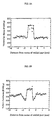
- Fig. 2A and Fig. 2B show the graphs of the hardness profile on a laser-welded cross section of the steel sheet 17 according to the present invention and the steel sheet 28 as a comparative example, respectively.
- the steel sheet according to the present invention gave very little HAZ softening.
- Steel sheet Steel Hot-rolling condition Cold-rolling reduction rate % Sheet thickness mm Hot-dip galvanizing condition Heating temp. °C Cooling rate °C/sec Coiling temp. °C Soaking temp.
Landscapes
- Chemical & Material Sciences (AREA)
- Engineering & Computer Science (AREA)
- Materials Engineering (AREA)
- Mechanical Engineering (AREA)
- Metallurgy (AREA)
- Organic Chemistry (AREA)
- Chemical Kinetics & Catalysis (AREA)
- Thermal Sciences (AREA)
- Physics & Mathematics (AREA)
- Crystallography & Structural Chemistry (AREA)
- Heat Treatment Of Sheet Steel (AREA)
- Heat Treatment Of Steel (AREA)
- Coating With Molten Metal (AREA)
Abstract
Description


| Steel sheet | Steel | Hot-rolling condition | Cold-rolling reduction rate % | Sheet thickness mm | Hot-dip galvanizing condition | ||||
| Heating temp. °C | Cooling rate °C/sec | Coiling temp. °C | Soaking temp. °C | Cooling rate °C/sec | Alloying | ||||
| 1 | A | 1220 | 10 | 580 | 60 | 1.4 | 800 | 7 | yes |
| 2 | B | 1260 | 10 | 630 | 60 | 1.4 | 800 | 7 | no |
| 3 | C | 1230 | 10 | 600 | 60 | 1.4 | 800 | 12 | yes |
| 4 | D | 1170 | 10 | 530 | 60 | 1.4 | 800 | 15 | yes |
| S | E | 1220 | 10 | 620 | 60 | 1.4 | 800 | 3 | yes |
| 6 | F | 1200 | 10 | 600 | 60 | 1.4 | 800 | 8 | yes |
| 7 | G | 1200 | 10 | 580 | 60 | 1.4 | 800 | 20 | yes |
| 8 | H | 1200 | 10 | 580 | 60 | 1.4 | 800 | 15 | no |
| 9 | I | 1200 | 10 | 580 | 60 | 1.4 | 800 | 10 | yes |
| 10 | J | 1200 | 10 | 580 | 60 | 1.4 | 800 | 10 | yes |
| 11 | K | 1200 | 10 | 580 | 60 | 1.4 | 800 | 2 | yes |
| 12 | L | 1270 | 10 | 580 | 60 | 1.4 | 800 | 7 | yes |
| 13 | M | 1230 | 10 | 580 | 60 | 1.4 | 800 | 25 | yes |
| 14 | N | 1200 | 10 | 580 | 60 | 1.4 | 800 | 20 | yes |
| 15 | O | 1200 | 10 | 550 | 60 | 1.4 | 800 | 10 | no |
| 16 | P | 1200 | 10 | 550 | 60 | 1.4 | 800 | 10 | no |
| 17 | Q | 1200 | 10 | 620 | 60 | 1.4 | 800 | 5 | yes |
| 18 | R | 1200 | 10 | 620 | 60 | 1.4 | 800 | 7 | yes |
| 19 | a | 1200 | 10 | 620 | 60 | 1.4 | 800 | 5 | yes |
| 20 | b | 1200 | 10 | 580 | 60 | 1.4 | 800 | 28 | yes |
| 21 | c | 1200 | 10 | 580 | 60 | 1.4 | 800 | 10 | no |
| 22 | d | 1200 | 10 | 580 | 60 | 1.4 | 800 | 13 | yes |
| 23 | e | 1200 | 10 | 580 | 60 | 1.4 | 800 | 9 | yes |
| 24 | f | 1280 | 10 | 600 | 60 | 1.4 | 800 | 5 | yes |
| 25 | g | 1200 | 10 | 600 | 60 | 1.4 | 800 | 27 | yes |
| 26 | h | 1200 | 10 | 600 | 60 | 1.4 | 800 | 10 | yes |
| 27 | I | 1200 | 10 | 600 | 60 | 1.4 | 800 | 10 | yes |
| 28 | j | 1200 | 10 | 600 | 60 | 1.4 | 800 | 10 | yes |
| 29 | k | 1200 | 10 | 600 | 60 | 1.4 | 800 | 10 | yes |
| Steel sheet | Steel | Structure | Characteristics | Remark | ||||||||
| Phase | Ferritic grain size µm | Second phase volumetric percentage % | Second phase grain size µm | Residual γ volumetric percentage % | TS MPa | h0 mm | ht mm | Δh mm | Position of rupture | |||
| 1 | A | F+M | 8 | 27 | 5 | 0 | 796 | 9.4 | 9.1 | 0.3 | Weld line | Example |
| 2 | B | F+M | 5 | 67 | 3 | 3 | 1152 | 6.9 | 6.8 | 0.1 | Weld line | Example |
| 3 | C | F+M+B | 9 | 23 | 7 | 0 | 739 | 9.8 | 9.2 | 0.6 | Weld line | Example |
| 4 | D | F+M | 7 | 32 | 5 | 1 | 889 | 8.8 | 8.8 | 0 | Weld line | Example |
| 5 | E | F+M | 10 | 38 | 8 | 1 | 861 | 9.0 | 8.0 | 1.0 | Weld line | Example |
| 6 | F | F+M+B | 6 | 55 | 4 | 6 | 1045 | 7.7 | 7.2 | 0.5 | Weld line | Example |
| 7 | G | F+M | 8 | 62 | 5 | 2 | 1097 | 7.3 | 7.3 | 0 | Weld line | Example |
| 8 | H | F+M+B | 3 | 50 | 7 | 3 | 860 | 9.0 | 9.0 | 0 | Weld line | Example |
| 9 | I | F+M | 2 | 41 | 6 | 0 | 842 | 9.1 | 9.1 | 0 | Weld line | Example |
| 10 | J | F+M | 4 | 46 | 5 | 1 | 815 | 9.3 | 9.1 | 0.2 | Weld line | Example |
| 11 | K | F+M | 7 | 65 | 9 | 1 | 1079 | 7.5 | 7.3 | 0.2 | Weld line | Example |
| 12 | L | F+M+B | 5 | 33 | 5 | 0 | 815 | 9.3 | 9.3 | 0 | Weld line | Example |
| 13 | M | F+M+B | 10 | 28 | 8 | 0 | 764 | 9.7 | 8.5 | 1.2 | Weld line | Example |
| 14 | N | F+M | 8 | 46 | 4 | 3 | 959 | 8.3 | 7.7 | 0.6 | Weld line | Example |
| 15 | O | F+M+B | 5 | 31 | 7 | 2 | 847 | 9.1 | 9.1 | 0 | Weld line | Example |
| 16 | P | F+M | 3 | 25 | 10 | 0 | 719 | 10.0 | 9.9 | 0.1 | Weld line | Example |
| 17 | Q | F+M | 3 | 55 | 3 | 4 | 1071 | 7.5 | 7.3 | 0.2 | Weld line | Example |
| 18 | R | F+M | 6 | 43 | 5 | 1 | 977 | 8.2 | 8.1 | 0.1 | Weld line | Example |
| 19 | a | F+P | 8 | - | - | 0 | 552 | 11.1 | 8.6 | 2.5 | HAZ | Comparison |
| 20 | b | F+M | 12 | 39 | 15 | 1 | 905 | 8.7 | 4.9 | 3.8 | HAZ | Comparison |
| 21 | c | F+M | 15 | 46 | 13 | 1 | 953 | 8.3 | 2.0 | 6.3 | HAZ | Comparison |
| 22 | d | F+M+B | 13 | 23 | 20 | 1 | 777 | 9.6 | 4.4 | 5.2 | HAZ | Comparison |
| 23 | e | F+M | 8 | 7 | 9 | 0 | 549 | 11.2 | 7.2 | 4.0 | HAZ | Comparison |
| 24 | f | F+M | 5 | 83 | 16 | 3 | 1323 | 5.7 | 1.4 | 4.3 | HAZ | Comparison |
| 25 | g | F+M | 3 | 65 | 25 | 5 | 1196 | 6.6 | 4.3 | 2.3 | HAZ | Comparison |
| 26 | h | F+M+B | 7 | 16 | 8 | 0 | 647 | 10.5 | 5.9 | 4.6 | HAZ | Comparison |
| 27 | i | F+P | 13 | - | - | 0 | 640 | 10.5 | 6.3 | 4.2 | HAZ | Comparison |
| 28 | j | F+M | 10 | 70 | 30 | 2 | 1181 | 6.7 | 3.2 | 3.5 | HAZ | Comparison |
| 29 | k | F+M+B | 16 | 20 | 13 | 1 | 710 | 10.0 | 3.1 | 6.9 | HAZ | Comparison |
| F: ferrite, M: martensite, B: bainite, P: pearlite |
| Steel sheet | Steel | Hot-rolling condition | Cold-rolling reduction rate % | Sheet thickness mm | Hot-dip galvanizing condition | ||||
| Heating temp. °C | Cooling rate °C/sec | Coiling temp. °C | Soaking temp. °C | Cooling rate °C/sec | Alloying | ||||
| 41 | C | 1240 | 1 | 550 | 60 | 1.4 | 780 | 5 | yes |
| 42 | C | 1240 | 3 | 550 | 60 | 1.4 | 780 | 5 | yes |
| 43 | C | 1240 | 8 | 550 | 60 | 1.4 | 780 | 5 | yes |
| 44 | C | 1240 | 15 | 550 | 60 | 1.4 | 780 | 5 | yes |
| 45 | C | 1240 | 100 | 550 | 60 | 1.4 | 780 | 5 | yes |
| 46 | C | 1240 | 15 | 550 | - | 3.5 | 780 | 5 | no |
| 47 | C | 1240 | 15 | 550 | 10 | 3.15 | 780 | 5 | no |
| 48 | C | 1240 | 15 | 550 | 30 | 2.45 | 780 | 5 | no |
| 49 | C | 1240 | 15 | 550 | 80 | 0.7 | 780 | 5 | no |
| 50 | I | 1200 | 15 | 620 | - | 2.3 | 780 | 5 | yes |
| 51 | J | 1250 | 15 | 580 | 60 | 1.4 | 700 | 8 | yes |
| 52 | J | 1250 | 15 | 580 | 60 | 1.4 | 750 | 8 | yes |
| 53 | J | 1250 | 15 | 580 | 60 | 1.4 | 780 | 8 | yes |
| 54 | J | 1250 | 15 | 580 | 60 | 1.4 | 830 | 8 | yes |
| 55 | J | 1250 | 15 | 580 | 60 | 1.4 | 860 | 8 | yes |
| 56 | J | 1250 | 15 | 580 | 60 | 1.4 | 900 | 8 | yes |
| 57 | J | 1250 | 15 | 580 | 60 | 1.4 | 800 | 0.5 | yes |
| 58 | J | 1250 | 15 | 580 | - | 2.3 | 800 | 8 | yes |
| 59 | Q | 1200 | 10 | 400 | 60 | 1.4 | 780 | 5 | yes |
| 60 | Q | 1200 | 200 | 500 | 60 | 1.4 | 780 | 5 | yes |
| 61 | Q | 1200 | 10 | 680 | 60 | 1.4 | 780 | 5 | yes |
| 62 | Q | 1200 | 10 | 600 | - | 3.5 | 780 | 5 | yes |
| 63 | d | 1250 | 15 | 580 | 60 | 1.4 | 900 | 8 | yes |
| 64 | d | 1250 | 15 | 580 | 10 | 3.15 | 800 | 8 | yes |
| Steel sheet | Steel | Structure | Characteristics | Remark | ||||||||
| Phase | Ferritic grain size µm | Second phase volumetric percentage % | Second phase grain size µm | Residual γ volumetric percentage % | TS MPa | h0 mm | ht mm | Δh mm | Position of rupture | |||
| 41 | C | F+M+B | 15 | 26 | 12 | 0 | 730 | 9.0 | 2.3 | 6.7 | HAZ | Comparison |
| 42 | C | F+M+B | 13 | 23 | 10 | 0 | 725 | 9.2 | 3.5 | 5.7 | HAZ | Comparison |
| 43 | C | F+M+B | 9 | 25 | 8 | 0 | 720 | 10.1 | 9.3 | 0.8 | Weld line | Example |
| 44 | C | F+M+B | 7 | 24 | 7 | 0 | 733 | 9.8 | 9.3 | 0.5 | Weld line | Example |
| 45 | C | F+M+B | 3 | 27 | 5 | 0 | 735 | 10.3 | 10.3 | 0 | Weld line | Example |
| 46 | C | F+M+B | 7 | 25 | 8 | 0 | 720 | 11.5 | 11.3 | 0.2 | Weld line | Example |
| 47 | C | F+M+B | 20 | 22 | 13 | 0 | 715 | 8.9 | 1.1 | 7.8 | HAZ | Comparison |
| 48 | C | F+M+B | 8 | 26 | 10 | 0 | 726 | 10.8 | 10.0 | 0.8 | Weld line | Example |
| 49 | C | F+M+B | 3 | 25 | 5 | 0 | 725 | 9.5 | 9.5 | 0 | Weld line | Example |
| 50 | I | F+M | 5 | 38 | 6 | 0 | 820 | 9.2 | 9.2 | 0 | Weld line | Example |
| 51 | J | F+P | 11 | - | - | 0 | 1121 | 4.2 | 1.5 | 2.7 | HAZ | Comparison |
| 52 | J | F+P | 11 | - | - | 0 | 965 | 6.3 | 3.9 | 2.4 | HAZ | Comparison |
| 53 | J | F+M | 5 | 45 | 7 | 1 | 820 | 9.5 | 9.5 | 0 | Weld line | Example |
| 54 | J | F+M | 6 | 48 | 6 | 1 | 808 | 9.8 | 9.8 | 0 | Weld line | Example |
| 55 | J | F+M | 4 | 46 | 5 | 1 | 806 | 9.7 | 9.7 | 0 | Weld line | Example |
| 56 | J | F+M | 15 | 45 | 14 | 0 | 795 | 9.1 | 3.6 | 5.5 | HAZ | Comparison |
| 57 | J | F+P | 7 | - | - | 0 | 700 | 9.3 | 6.8 | 2.5 | HAZ | Comparison |
| 58 | J | F+M | 5 | 43 | 5 | 1 | 817 | 10.7 | 10.7 | 0 | Weld line | Example |
| 59 | Q | F+M | 12 | 50 | 8 | 3 | 1050 | 7.3 | 3.1 | 4.2 | HAZ | Comparison |
| 60 | Q | F+M | 2 | 53 | 3 | 4 | 1061 | 7.6 | 7.5 | 0.1 | Weld line | Example |
| 61 | Q | F+M | 4 | 48 | 6 | 4 | 1058 | 7.7 | 7.7 | 0 | Weld line | Example |
| 62 | Q | F+M | 7 | 51 | 5 | 3 | 1055 | 9.0 | 9.0 | 0 | Weld line | Example |
| 63 | d | F+M+B | 18 | 25 | 15 | 1 | 765 | 9.5 | 1.9 | 7.6 | HAZ | Comparison |
| 64 | d | F+M+B | 25 | 22 | 23 | 1 | 749 | 9.3 | 2.1 | 7.2 | HAZ | Comparison |
| F: ferrite, M: martensite, B: bainite, P: pearlite |
Claims (10)
- A high strength hot-dip galvanized steel sheet consisting essentially of 0.03 to 0.25% C, 0.7% or less Si, 1.4 to 3.5% Mn, 0.05% or less P, 0.01% or less S, 0.05 to 1% Cr, 0.005 to 0.1% Nb, by mass, and balance of Fe, and being made of a composite structure of ferrite and secondary phase, the average grain size of the composite structure being 10 µm or smaller.
- The high strength hot-dip galvanized steel sheet of claim 1 further containing at least one element selected from the group consisting of 0.05 to 1% Mo, 0.02 to 0.5% V, 0.005 to 0.05% Ti, and 0.0002 to 0.002% B, by mass.
- A method for manufacturing high strength hot-dip galvanized steel sheet comprising the steps of:hot -rolling a steel slab consisting essentially of 0.03 to 0.25% C, 0.7% or less Si, 1.4 to 3.5% Mn, 0.05% or less P, 0.01% or less S, 0.05 to 1% Cr, 0.005 to 0.1% Nb, by mass, and balance of Fe, at temperatures of Ar3 transformation point or above;cooling the hot-rolled steel sheet within a temperature range of 800°C to 700°C at a cooling rate of 5°C/sec or more, followed by coiling the cooled steel sheet at temperatures of 450°C to 700°C;pickling the steel sheet; andgalvanizing the pickled steel sheet after heating the pickled steel sheet to a temperature range of 760°C to 880°C, and cooling the steel sheet to temperatures of 600°C or below at a cooling rate of 1°C/sec or more in a continuous hot-dip galvanizing line.
- A method for manufacturing high strength hot-dip galvanized steel sheet comprising the steps of:hot-rolling a steel slab consisting essentially of 0.03 to 0.25% C, 0.7% or less Si, 1.4 to 3.5% Mn, 0.05% or less P, 0.01% or less S, 0.05 to 1% Cr, 0.005 to 0.1% Nb, further containing at least one element selected from the group consisting of 0.05 to 1% Mo, 0.02 to 0.5% V, 0.005 to 0.05% Ti, and 0.0002 to 0.002% B, by mass, and balance of Fe, at temperatures of Ar3 transformation point or above;cooling the hot-rolled steel sheet within a temperature range of 800°C to 700°C at a cooling rate of 5°C/sec or more, followed by coiling the cooled steel sheet at temperatures of 450°C to 700°C;pickling the steel sheet; andgalvanizing the pickled steel sheet after heating the pickled steel sheet to a temperature range of 760°C to 880°C, and cooling the steel sheet to temperatures of 600°C or below at a cooling rate of 1°C/sec or more in a continuous hot-dip galvanizing line.
- The method for manufacturing high strength hot-dip galvanized steel sheet of claim 3 further comprising the step of cold-rolling the steel sheet at a reduction rate of 20% or higher between the step of pickling and the step of galvanizing.
- The method for manufacturing high strength hot-dip galvanized steel sheet of claim 4 further comprising the step of cold-rolling the steel sheet at a reduction rate of 20% or higher between the step of pickling and the step of galvanizing.
- The method for manufacturing high strength hot-dip galvanized steel sheet of claim 3 further comprising the step of alloying the galvanized steel sheet after the step of galvanizing.
- The method for manufacturing high strength hot-dip galvanized steel sheet of claim 4 further comprising the step of alloying the galvanized steel sheet after the step of galvanizing.
- The method for manufacturing high strength hot-dip galvanized steel sheet of claim 5 further comprising the step of alloying the galvanized steel sheet after the step of galvanizing.
- The method for manufacturing high strength hot-dip galvanized steel sheet of claim 6 further comprising the step of alloying the galvanized steel sheet after the step of galvanizing.
Applications Claiming Priority (3)
| Application Number | Priority Date | Filing Date | Title |
|---|---|---|---|
| JP2001051300 | 2001-02-27 | ||
| JP2001051300A JP4085583B2 (en) | 2001-02-27 | 2001-02-27 | High-strength cold-rolled galvanized steel sheet and method for producing the same |
| PCT/JP2002/001711 WO2002068703A1 (en) | 2001-02-27 | 2002-02-26 | Hot dip zinc plated steel sheet having high strength and method for producing the same |
Publications (3)
| Publication Number | Publication Date |
|---|---|
| EP1367143A1 true EP1367143A1 (en) | 2003-12-03 |
| EP1367143A4 EP1367143A4 (en) | 2004-07-21 |
| EP1367143B1 EP1367143B1 (en) | 2016-07-20 |
Family
ID=18912108
Family Applications (1)
| Application Number | Title | Priority Date | Filing Date |
|---|---|---|---|
| EP02703900.7A Expired - Lifetime EP1367143B1 (en) | 2001-02-27 | 2002-02-26 | Hot dip zinc plated steel sheet having high strength and method for producing the same |
Country Status (7)
| Country | Link |
|---|---|
| US (1) | US6869691B2 (en) |
| EP (1) | EP1367143B1 (en) |
| JP (1) | JP4085583B2 (en) |
| CN (3) | CN101158009A (en) |
| CA (1) | CA2407384C (en) |
| TW (1) | TWI263683B (en) |
| WO (1) | WO2002068703A1 (en) |
Cited By (14)
| Publication number | Priority date | Publication date | Assignee | Title |
|---|---|---|---|---|
| EP1666622A4 (en) * | 2003-09-26 | 2006-11-29 | Jfe Steel Corp | High strength steel sheet excellent in deep drawing characteristics and method for production thereof |
| WO2009021898A1 (en) * | 2007-08-15 | 2009-02-19 | Thyssenkrupp Steel Ag | Dual-phase steel, flat product made of such dual-phase steel and method for producing a flat product |
| EP1693476A4 (en) * | 2003-12-12 | 2009-07-22 | Jfe Steel Corp | STEEL PRODUCT FOR AUTOMOTIVE STRUCTURAL ELEMENT AND METHOD OF MANUFACTURING THE SAME |
| EP2289770A1 (en) * | 2009-08-28 | 2011-03-02 | ThyssenKrupp Steel Europe AG | Corrosion protected taylored welded blank for a motor vehicle and its method of production |
| EP2439291A1 (en) | 2010-10-05 | 2012-04-11 | ThyssenKrupp Steel Europe AG | Multiphase steel, cold rolled flat product produced from this multiphase steel and method for producing same |
| EP2439290A1 (en) | 2010-10-05 | 2012-04-11 | ThyssenKrupp Steel Europe AG | Multiphase steel, cold rolled flat product produced from this multiphase steel and method for producing same |
| US8389128B2 (en) | 2007-04-13 | 2013-03-05 | Jfe Steel Corporation | High tensile-strength galvanized steel sheet and process for manufacturing high tensile-strength galvanized steel sheet |
| EP2426230A4 (en) * | 2009-04-28 | 2013-05-29 | Jfe Steel Corp | HIGH-STRENGTH HOT-SIDED STEEL SHEET HAVING EXCELLENT SHAPEABILITY, EXCELLENT WELDABILITY, AND EXCELLENT FATIGUE RESISTANCE PROPERTIES, AND METHOD OF MANUFACTURING THE SAME |
| EP1548142B2 (en) † | 2003-12-25 | 2013-07-03 | Kabushiki Kaisha Kobe Seiko Sho | High-strength cold-rolled steel sheet excellent in coating film adhesion |
| EP2209926A4 (en) * | 2007-10-10 | 2016-10-19 | Nucor Corp | STEEL HAVING A COMPLEX METALLOGRAPHIC STRUCTURE AND METHOD FOR MANUFACTURING THE SAME |
| EP2980237A4 (en) * | 2013-03-26 | 2016-11-30 | Nisshin Steel Co Ltd | High-strength plated steel sheet for welded structural member and method for manufacturing said sheet |
| EP2169091A4 (en) * | 2007-07-11 | 2016-11-30 | Jfe Steel Corp | HIGH-FIXED FIRE-GRAINED STEEL PLATE WITH LOW STRENGTH AND LESS MATERIAL QUALITY FLAIRING AND METHOD OF MANUFACTURING THEREOF |
| EP2562286A4 (en) * | 2010-04-22 | 2017-05-03 | JFE Steel Corporation | High strength hot-dip galvanized steel sheet with superior workability and production method therefor |
| EP2929977B1 (en) * | 2014-04-08 | 2019-08-14 | Messer Group GmbH | Method for co2 laser welding of low alloy steels |
Families Citing this family (31)
| Publication number | Priority date | Publication date | Assignee | Title |
|---|---|---|---|---|
| JP4911122B2 (en) * | 2002-03-29 | 2012-04-04 | Jfeスチール株式会社 | Cold rolled steel sheet with ultrafine grain structure |
| JP4325998B2 (en) * | 2004-05-06 | 2009-09-02 | 株式会社神戸製鋼所 | High-strength hot-dip galvanized steel sheet with excellent spot weldability and material stability |
| US7959747B2 (en) * | 2004-11-24 | 2011-06-14 | Nucor Corporation | Method of making cold rolled dual phase steel sheet |
| US8337643B2 (en) | 2004-11-24 | 2012-12-25 | Nucor Corporation | Hot rolled dual phase steel sheet |
| US7442268B2 (en) * | 2004-11-24 | 2008-10-28 | Nucor Corporation | Method of manufacturing cold rolled dual-phase steel sheet |
| JP4990500B2 (en) * | 2005-02-14 | 2012-08-01 | 新日本製鐵株式会社 | High-strength automotive member excellent in uniformity of internal hardness and manufacturing method thereof |
| JP3889767B2 (en) * | 2005-03-31 | 2007-03-07 | 株式会社神戸製鋼所 | High strength steel plate for hot dip galvanizing |
| JP4730056B2 (en) * | 2005-05-31 | 2011-07-20 | Jfeスチール株式会社 | Manufacturing method of high-strength cold-rolled steel sheet with excellent stretch flange formability |
| JP4577100B2 (en) * | 2005-06-07 | 2010-11-10 | 住友金属工業株式会社 | High tensile hot dip galvanized steel sheet and manufacturing method |
| US7608155B2 (en) * | 2006-09-27 | 2009-10-27 | Nucor Corporation | High strength, hot dip coated, dual phase, steel sheet and method of manufacturing same |
| US11155902B2 (en) | 2006-09-27 | 2021-10-26 | Nucor Corporation | High strength, hot dip coated, dual phase, steel sheet and method of manufacturing same |
| US20090236068A1 (en) | 2008-03-19 | 2009-09-24 | Nucor Corporation | Strip casting apparatus for rapid set and change of casting rolls |
| CN102015155B (en) * | 2008-03-19 | 2013-11-27 | 纽科尔公司 | Strip casting apparatus with casting roll positioning |
| US20090288798A1 (en) * | 2008-05-23 | 2009-11-26 | Nucor Corporation | Method and apparatus for controlling temperature of thin cast strip |
| WO2010104086A1 (en) * | 2009-03-10 | 2010-09-16 | 日新製鋼株式会社 | Zinc based alloy coated steel having superior resistance to liquid metal embrittlement and cracking |
| JP4737319B2 (en) * | 2009-06-17 | 2011-07-27 | Jfeスチール株式会社 | High-strength galvannealed steel sheet with excellent workability and fatigue resistance and method for producing the same |
| JP2011224584A (en) * | 2010-04-16 | 2011-11-10 | Jfe Steel Corp | Method of manufacturing hot-rolled steel sheet and method of manufacturing hot-dip galvanized steel sheet |
| JP5434960B2 (en) | 2010-05-31 | 2014-03-05 | Jfeスチール株式会社 | High-strength hot-dip galvanized steel sheet excellent in bendability and weldability and method for producing the same |
| JP5018935B2 (en) * | 2010-06-29 | 2012-09-05 | Jfeスチール株式会社 | High-strength hot-dip galvanized steel sheet excellent in workability and manufacturing method thereof |
| EP2924141B1 (en) * | 2014-03-25 | 2017-11-15 | ThyssenKrupp Steel Europe AG | Cold rolled steel flat product and method for its production |
| CN103978035B (en) * | 2014-04-28 | 2016-09-07 | 雷光瑞 | The processing method of hot-rolled steel |
| EP3173494B1 (en) * | 2014-07-25 | 2019-03-13 | JFE Steel Corporation | Method for producing high-strength hot dipped galvanized steel sheet |
| RU2749413C2 (en) | 2016-05-10 | 2021-06-09 | Юнайтид Стейтс Стил Корпорэйшн | High-strength steel products and their manufacturing methods |
| US11993823B2 (en) | 2016-05-10 | 2024-05-28 | United States Steel Corporation | High strength annealed steel products and annealing processes for making the same |
| US11560606B2 (en) | 2016-05-10 | 2023-01-24 | United States Steel Corporation | Methods of producing continuously cast hot rolled high strength steel sheet products |
| CN106875702B (en) * | 2017-04-11 | 2017-09-29 | 冀嘉澍 | A kind of crossroad access lamp control method based on Internet of Things |
| CN108823507B (en) * | 2018-06-28 | 2020-12-11 | 武汉钢铁有限公司 | A kind of hot-dip galvanized high-strength steel with a tensile strength of 800 MPa and a production method for its reduction |
| CN109402546A (en) * | 2018-11-16 | 2019-03-01 | 唐山钢铁集团有限责任公司 | A kind of continuous zinc coating production method for the high-strength steel preventing coating plating leakage |
| CN113355604B (en) * | 2021-06-25 | 2022-05-24 | 攀钢集团攀枝花钢铁研究院有限公司 | Low-cost 700 MPa-grade hot-dip galvanized complex-phase steel plate and preparation method thereof |
| CN113444972A (en) * | 2021-06-25 | 2021-09-28 | 攀钢集团攀枝花钢铁研究院有限公司 | Low-cost 600 MPa-grade hot-dip galvanized complex-phase steel plate and preparation method thereof |
| CN119076609B (en) * | 2024-08-28 | 2025-08-15 | 福建三宝钢铁有限公司 | Rolling technology of chloride ion corrosion resistant steel bar for 500 megapascal reinforced concrete |
Family Cites Families (14)
| Publication number | Priority date | Publication date | Assignee | Title |
|---|---|---|---|---|
| JPH05311244A (en) | 1992-05-01 | 1993-11-22 | Kobe Steel Ltd | Method for producing high-strength hot-rolled hot-dip galvannealed steel sheet with excellent stretch flangeability |
| JP3455567B2 (en) | 1993-08-17 | 2003-10-14 | 日新製鋼株式会社 | Method for producing high-strength hot-dip galvanized steel sheet with excellent workability |
| US5531842A (en) | 1994-12-06 | 1996-07-02 | Exxon Research And Engineering Company | Method of preparing a high strength dual phase steel plate with superior toughness and weldability (LAW219) |
| DE19710125A1 (en) | 1997-03-13 | 1998-09-17 | Krupp Ag Hoesch Krupp | Process for the production of a steel strip with high strength and good formability |
| JP3596316B2 (en) * | 1997-12-17 | 2004-12-02 | 住友金属工業株式会社 | Manufacturing method of high tensile high ductility galvanized steel sheet |
| JPH11343538A (en) * | 1998-05-29 | 1999-12-14 | Kawasaki Steel Corp | Cold rolled steel sheet suitable for high-density energy beam welding and method for producing the same |
| JP3440894B2 (en) * | 1998-08-05 | 2003-08-25 | Jfeスチール株式会社 | High strength hot rolled steel sheet excellent in stretch flangeability and method for producing the same |
| CA2310335C (en) | 1998-09-29 | 2009-05-19 | Kawasaki Steel Corporation | High strength thin steel sheet, high strength galvannealed steel sheet and manufacturing method thereof |
| JP3039862B1 (en) | 1998-11-10 | 2000-05-08 | 川崎製鉄株式会社 | Hot-rolled steel sheet for processing with ultra-fine grains |
| JP2000282175A (en) * | 1999-04-02 | 2000-10-10 | Kawasaki Steel Corp | Ultra-high strength hot rolled steel sheet excellent in workability and method for producing the same |
| DE60025711T2 (en) | 1999-04-21 | 2006-09-14 | Jfe Steel Corp. | HIGH-RESISTANT HEART DIVING PLATED STEEL PLATE WITH OUTSTANDING DUCTILITY CHARACTERISTICS AND METHOD FOR THE PRODUCTION THEREOF |
| US6312536B1 (en) | 1999-05-28 | 2001-11-06 | Kabushiki Kaisha Kobe Seiko Sho | Hot-dip galvanized steel sheet and production thereof |
| DE60044180D1 (en) | 1999-09-16 | 2010-05-27 | Jfe Steel Corp | METHOD FOR PRODUCING A THIN STAINLESS STEEL PLATE WITH HIGH STRENGTH |
| DE60110586T2 (en) * | 2000-05-31 | 2005-12-01 | Jfe Steel Corp. | COLD-ROLLED STEEL PLATE WITH EXCELLENT RECALTERING CHARACTERISTICS AND MANUFACTURING METHOD FOR SUCH STEEL PLATE |
-
2001
- 2001-02-27 JP JP2001051300A patent/JP4085583B2/en not_active Expired - Fee Related
-
2002
- 2002-02-26 CA CA2407384A patent/CA2407384C/en not_active Expired - Lifetime
- 2002-02-26 CN CNA2007101532814A patent/CN101158009A/en active Pending
- 2002-02-26 CN CN02800375A patent/CN1457371A/en active Pending
- 2002-02-26 CN CNA2007101532829A patent/CN101158010A/en active Pending
- 2002-02-26 WO PCT/JP2002/001711 patent/WO2002068703A1/en not_active Ceased
- 2002-02-26 EP EP02703900.7A patent/EP1367143B1/en not_active Expired - Lifetime
- 2002-02-27 TW TW091103567A patent/TWI263683B/en not_active IP Right Cessation
- 2002-10-17 US US10/273,052 patent/US6869691B2/en not_active Expired - Lifetime
Cited By (23)
| Publication number | Priority date | Publication date | Assignee | Title |
|---|---|---|---|---|
| US7686896B2 (en) | 2003-09-26 | 2010-03-30 | Jfe Steel Corporation | High-strength steel sheet excellent in deep drawing characteristics and method for production thereof |
| EP1666622A4 (en) * | 2003-09-26 | 2006-11-29 | Jfe Steel Corp | High strength steel sheet excellent in deep drawing characteristics and method for production thereof |
| US8747578B2 (en) | 2003-12-12 | 2014-06-10 | Jfe Steel Corporation | Steel for structural part of automobile and method for producing the same |
| EP1693476A4 (en) * | 2003-12-12 | 2009-07-22 | Jfe Steel Corp | STEEL PRODUCT FOR AUTOMOTIVE STRUCTURAL ELEMENT AND METHOD OF MANUFACTURING THE SAME |
| EP1548142B2 (en) † | 2003-12-25 | 2013-07-03 | Kabushiki Kaisha Kobe Seiko Sho | High-strength cold-rolled steel sheet excellent in coating film adhesion |
| EP2138599A4 (en) * | 2007-04-13 | 2014-10-22 | Jfe Steel Corp | HOT GALVANIZED STEEL SHEET, HIGH RESISTANCE AND PROCESS FOR PRODUCING THE SAME |
| US8389128B2 (en) | 2007-04-13 | 2013-03-05 | Jfe Steel Corporation | High tensile-strength galvanized steel sheet and process for manufacturing high tensile-strength galvanized steel sheet |
| EP2169091A4 (en) * | 2007-07-11 | 2016-11-30 | Jfe Steel Corp | HIGH-FIXED FIRE-GRAINED STEEL PLATE WITH LOW STRENGTH AND LESS MATERIAL QUALITY FLAIRING AND METHOD OF MANUFACTURING THEREOF |
| EP2031081A1 (en) * | 2007-08-15 | 2009-03-04 | ThyssenKrupp Steel AG | Dual-phase steel, flat product made of such dual-phase steel and method for manufacturing a flat product |
| WO2009021898A1 (en) * | 2007-08-15 | 2009-02-19 | Thyssenkrupp Steel Ag | Dual-phase steel, flat product made of such dual-phase steel and method for producing a flat product |
| EP2209926A4 (en) * | 2007-10-10 | 2016-10-19 | Nucor Corp | STEEL HAVING A COMPLEX METALLOGRAPHIC STRUCTURE AND METHOD FOR MANUFACTURING THE SAME |
| US8828557B2 (en) | 2009-04-28 | 2014-09-09 | Jfe Steel Corporation | High strength galvanized steel sheet having excellent formability, weldability, and fatigue properties and method for manufacturing the same |
| EP2426230A4 (en) * | 2009-04-28 | 2013-05-29 | Jfe Steel Corp | HIGH-STRENGTH HOT-SIDED STEEL SHEET HAVING EXCELLENT SHAPEABILITY, EXCELLENT WELDABILITY, AND EXCELLENT FATIGUE RESISTANCE PROPERTIES, AND METHOD OF MANUFACTURING THE SAME |
| EP2289770A1 (en) * | 2009-08-28 | 2011-03-02 | ThyssenKrupp Steel Europe AG | Corrosion protected taylored welded blank for a motor vehicle and its method of production |
| WO2011023499A1 (en) * | 2009-08-28 | 2011-03-03 | Thyssenkrupp Steel Europe Ag | Corrosion-protected welded sheet-metal blank for a motor vehicle, and method for the production thereof |
| EP2562286A4 (en) * | 2010-04-22 | 2017-05-03 | JFE Steel Corporation | High strength hot-dip galvanized steel sheet with superior workability and production method therefor |
| WO2012045613A1 (en) | 2010-10-05 | 2012-04-12 | Thyssenkrupp Steel Europe Ag | Multi-phase steel, cold-rolled flat product produced from a multi-phase steel of this type, and method for producing it |
| WO2012045595A1 (en) | 2010-10-05 | 2012-04-12 | Thyssenkrupp Steel Europe Ag | Multi-phase steel, cold-rolled flat product which is produced from a multi-phase steel of this type, and method for producing it |
| EP2439290A1 (en) | 2010-10-05 | 2012-04-11 | ThyssenKrupp Steel Europe AG | Multiphase steel, cold rolled flat product produced from this multiphase steel and method for producing same |
| EP2439291A1 (en) | 2010-10-05 | 2012-04-11 | ThyssenKrupp Steel Europe AG | Multiphase steel, cold rolled flat product produced from this multiphase steel and method for producing same |
| US9970088B2 (en) | 2010-10-05 | 2018-05-15 | Thyssenkrupp Steel Europe Ag | Multi-phase steel, cold-rolled flat product produced from such a multi-phase steel and method for producing it |
| EP2980237A4 (en) * | 2013-03-26 | 2016-11-30 | Nisshin Steel Co Ltd | High-strength plated steel sheet for welded structural member and method for manufacturing said sheet |
| EP2929977B1 (en) * | 2014-04-08 | 2019-08-14 | Messer Group GmbH | Method for co2 laser welding of low alloy steels |
Also Published As
| Publication number | Publication date |
|---|---|
| TWI263683B (en) | 2006-10-11 |
| EP1367143A4 (en) | 2004-07-21 |
| CN1457371A (en) | 2003-11-19 |
| CA2407384A1 (en) | 2002-10-25 |
| US6869691B2 (en) | 2005-03-22 |
| WO2002068703A1 (en) | 2002-09-06 |
| US20030106620A1 (en) | 2003-06-12 |
| JP4085583B2 (en) | 2008-05-14 |
| CN101158009A (en) | 2008-04-09 |
| CN101158010A (en) | 2008-04-09 |
| CA2407384C (en) | 2011-11-29 |
| EP1367143B1 (en) | 2016-07-20 |
| JP2002256386A (en) | 2002-09-11 |
Similar Documents
| Publication | Publication Date | Title |
|---|---|---|
| US6869691B2 (en) | High strength hot-dip galvanized steel sheet and method for manufacturing the same | |
| US12428692B2 (en) | Resistance spot welded joint and a process for producing a resistance spot welded joint | |
| US6440584B1 (en) | Hot-dip galvanized steel sheet and method for producing the same | |
| US6767417B2 (en) | Steel sheet and method for manufacturing the same | |
| CN100591789C (en) | High-strength steel sheet having excellent softening resistance and excellent burring workability in weld heat-affected zone and method for producing same | |
| EP2762581A1 (en) | Hot-rolled steel sheet and method for producing same | |
| WO2003106723A1 (en) | High strength cold rolled steel plate and method for production thereof | |
| EP1325966B1 (en) | Super-high strength cold-rolled steel sheet and method for production thereof | |
| JP3881559B2 (en) | High-strength hot-rolled steel sheet, high-strength cold-rolled steel sheet, and high-strength surface-treated steel sheet that have excellent formability after welding and have a tensile strength of 780 MPa or more that is difficult to soften the heat affected zone. | |
| JP2001303186A (en) | Composite structure steel sheet excellent in burring workability and method for producing the same | |
| JP4265153B2 (en) | High-tensile cold-rolled steel sheet with excellent elongation and stretch flangeability and method for producing the same | |
| KR101403076B1 (en) | High strength galvannealed steel sheet with excellent stretch flangeability and coating adhesion and method for manufacturing the same | |
| EP0501605B1 (en) | Galvanized high-strength steel sheet having low yield ratio and method of producing the same | |
| CN116194606B (en) | Steel sheet excellent in formability and work hardening rate | |
| JP2761096B2 (en) | Manufacturing method of high ductility and high strength alloyed hot-dip galvanized steel sheet | |
| KR101489243B1 (en) | High strength galvannealed steel sheet having excellent formability and coating adhesion and method for manufacturing the same | |
| KR101452052B1 (en) | High strength alloyed galvanized steel sheet with excellent coating adhesion and method for manufacturing the same | |
| JPH101748A (en) | High strength hot rolled steel sheet with excellent chemical conversion and workability | |
| RU2790144C1 (en) | Method for manufacture of welded part of molded high-strength steel and part made by such a method | |
| KR20240057522A (en) | Steel sheet having excellent bendability and manufacturing method thereof |
Legal Events
| Date | Code | Title | Description |
|---|---|---|---|
| PUAI | Public reference made under article 153(3) epc to a published international application that has entered the european phase |
Free format text: ORIGINAL CODE: 0009012 |
|
| 17P | Request for examination filed |
Effective date: 20021114 |
|
| AK | Designated contracting states |
Kind code of ref document: A1 Designated state(s): AT BE CH CY DE DK ES FI FR GB GR IE IT LI LU MC NL PT SE TR |
|
| RAP1 | Party data changed (applicant data changed or rights of an application transferred) |
Owner name: JFE STEEL CORPORATION |
|
| A4 | Supplementary search report drawn up and despatched |
Effective date: 20040604 |
|
| RIC1 | Information provided on ipc code assigned before grant |
Ipc: 7C 21D 9/46 A Ipc: 7C 22C 38/04 B |
|
| GRAP | Despatch of communication of intention to grant a patent |
Free format text: ORIGINAL CODE: EPIDOSNIGR1 |
|
| INTG | Intention to grant announced |
Effective date: 20160229 |
|
| GRAS | Grant fee paid |
Free format text: ORIGINAL CODE: EPIDOSNIGR3 |
|
| GRAA | (expected) grant |
Free format text: ORIGINAL CODE: 0009210 |
|
| RIN1 | Information on inventor provided before grant (corrected) |
Inventor name: SATO, KENTARO Inventor name: KITANO, FUSATO Inventor name: NAGATAKI, YASUNOBU Inventor name: IWABUCHI, MASAHIRO Inventor name: GAMOU, AKIRA |
|
| AK | Designated contracting states |
Kind code of ref document: B1 Designated state(s): DE FR |
|
| REG | Reference to a national code |
Ref country code: DE Ref legal event code: R096 Ref document number: 60248205 Country of ref document: DE |
|
| REG | Reference to a national code |
Ref country code: FR Ref legal event code: PLFP Year of fee payment: 16 |
|
| REG | Reference to a national code |
Ref country code: DE Ref legal event code: R026 Ref document number: 60248205 Country of ref document: DE |
|
| PLBI | Opposition filed |
Free format text: ORIGINAL CODE: 0009260 |
|
| PLAX | Notice of opposition and request to file observation + time limit sent |
Free format text: ORIGINAL CODE: EPIDOSNOBS2 |
|
| 26 | Opposition filed |
Opponent name: VOESTALPINE STAHL GMBH Effective date: 20170420 |
|
| PLBB | Reply of patent proprietor to notice(s) of opposition received |
Free format text: ORIGINAL CODE: EPIDOSNOBS3 |
|
| TPAC | Observations filed by third parties |
Free format text: ORIGINAL CODE: EPIDOSNTIPA |
|
| REG | Reference to a national code |
Ref country code: FR Ref legal event code: PLFP Year of fee payment: 17 |
|
| TPAC | Observations filed by third parties |
Free format text: ORIGINAL CODE: EPIDOSNTIPA |
|
| PLCK | Communication despatched that opposition was rejected |
Free format text: ORIGINAL CODE: EPIDOSNREJ1 |
|
| STAA | Information on the status of an ep patent application or granted ep patent |
Free format text: STATUS: THE PATENT HAS BEEN GRANTED |
|
| REG | Reference to a national code |
Ref country code: DE Ref legal event code: R100 Ref document number: 60248205 Country of ref document: DE |
|
| APBM | Appeal reference recorded |
Free format text: ORIGINAL CODE: EPIDOSNREFNO |
|
| APBP | Date of receipt of notice of appeal recorded |
Free format text: ORIGINAL CODE: EPIDOSNNOA2O |
|
| APAH | Appeal reference modified |
Free format text: ORIGINAL CODE: EPIDOSCREFNO |
|
| APBQ | Date of receipt of statement of grounds of appeal recorded |
Free format text: ORIGINAL CODE: EPIDOSNNOA3O |
|
| PLAB | Opposition data, opponent's data or that of the opponent's representative modified |
Free format text: ORIGINAL CODE: 0009299OPPO |
|
| PLAB | Opposition data, opponent's data or that of the opponent's representative modified |
Free format text: ORIGINAL CODE: 0009299OPPO |
|
| R26 | Opposition filed (corrected) |
Opponent name: VOESTALPINE STAHL GMBH Effective date: 20170420 |
|
| APBY | Invitation to file observations in appeal sent |
Free format text: ORIGINAL CODE: EPIDOSNOBA2O |
|
| R26 | Opposition filed (corrected) |
Opponent name: VOESTALPINE STAHL GMBH Effective date: 20170420 |
|
| APAN | Information on closure of appeal procedure modified |
Free format text: ORIGINAL CODE: EPIDOSCNOA9O |
|
| APBU | Appeal procedure closed |
Free format text: ORIGINAL CODE: EPIDOSNNOA9O |
|
| PLBN | Opposition rejected |
Free format text: ORIGINAL CODE: 0009273 |
|
| STAA | Information on the status of an ep patent application or granted ep patent |
Free format text: STATUS: OPPOSITION REJECTED |
|
| 27O | Opposition rejected |
Effective date: 20181105 |
|
| PGFP | Annual fee paid to national office [announced via postgrant information from national office to epo] |
Ref country code: FR Payment date: 20210113 Year of fee payment: 20 |
|
| PGFP | Annual fee paid to national office [announced via postgrant information from national office to epo] |
Ref country code: DE Payment date: 20210216 Year of fee payment: 20 |
|
| REG | Reference to a national code |
Ref country code: DE Ref legal event code: R071 Ref document number: 60248205 Country of ref document: DE |