EP1364659A1 - Remedies for urinary diseases comprising lpa receptor controlling agents - Google Patents
Remedies for urinary diseases comprising lpa receptor controlling agents Download PDFInfo
- Publication number
- EP1364659A1 EP1364659A1 EP02712288A EP02712288A EP1364659A1 EP 1364659 A1 EP1364659 A1 EP 1364659A1 EP 02712288 A EP02712288 A EP 02712288A EP 02712288 A EP02712288 A EP 02712288A EP 1364659 A1 EP1364659 A1 EP 1364659A1
- Authority
- EP
- European Patent Office
- Prior art keywords
- treatment
- pharmaceutical composition
- prevention
- diseases according
- urinary diseases
- Prior art date
- Legal status (The legal status is an assumption and is not a legal conclusion. Google has not performed a legal analysis and makes no representation as to the accuracy of the status listed.)
- Granted
Links
Images


Classifications
-
- C—CHEMISTRY; METALLURGY
- C07—ORGANIC CHEMISTRY
- C07D—HETEROCYCLIC COMPOUNDS
- C07D261/00—Heterocyclic compounds containing 1,2-oxazole or hydrogenated 1,2-oxazole rings
- C07D261/02—Heterocyclic compounds containing 1,2-oxazole or hydrogenated 1,2-oxazole rings not condensed with other rings
- C07D261/06—Heterocyclic compounds containing 1,2-oxazole or hydrogenated 1,2-oxazole rings not condensed with other rings having two or more double bonds between ring members or between ring members and non-ring members
- C07D261/10—Heterocyclic compounds containing 1,2-oxazole or hydrogenated 1,2-oxazole rings not condensed with other rings having two or more double bonds between ring members or between ring members and non-ring members with hetero atoms or with carbon atoms having three bonds to hetero atoms with at the most one bond to halogen, e.g. ester or nitrile radicals, directly attached to ring carbon atoms
- C07D261/14—Nitrogen atoms
-
- A—HUMAN NECESSITIES
- A61—MEDICAL OR VETERINARY SCIENCE; HYGIENE
- A61K—PREPARATIONS FOR MEDICAL, DENTAL OR TOILETRY PURPOSES
- A61K31/00—Medicinal preparations containing organic active ingredients
-
- A—HUMAN NECESSITIES
- A61—MEDICAL OR VETERINARY SCIENCE; HYGIENE
- A61K—PREPARATIONS FOR MEDICAL, DENTAL OR TOILETRY PURPOSES
- A61K31/00—Medicinal preparations containing organic active ingredients
- A61K31/13—Amines
- A61K31/135—Amines having aromatic rings, e.g. ketamine, nortriptyline
- A61K31/136—Amines having aromatic rings, e.g. ketamine, nortriptyline having the amino group directly attached to the aromatic ring, e.g. benzeneamine
-
- A—HUMAN NECESSITIES
- A61—MEDICAL OR VETERINARY SCIENCE; HYGIENE
- A61K—PREPARATIONS FOR MEDICAL, DENTAL OR TOILETRY PURPOSES
- A61K31/00—Medicinal preparations containing organic active ingredients
- A61K31/16—Amides, e.g. hydroxamic acids
-
- A—HUMAN NECESSITIES
- A61—MEDICAL OR VETERINARY SCIENCE; HYGIENE
- A61K—PREPARATIONS FOR MEDICAL, DENTAL OR TOILETRY PURPOSES
- A61K31/00—Medicinal preparations containing organic active ingredients
- A61K31/16—Amides, e.g. hydroxamic acids
- A61K31/165—Amides, e.g. hydroxamic acids having aromatic rings, e.g. colchicine, atenolol, progabide
- A61K31/167—Amides, e.g. hydroxamic acids having aromatic rings, e.g. colchicine, atenolol, progabide having the nitrogen of a carboxamide group directly attached to the aromatic ring, e.g. lidocaine, paracetamol
-
- A—HUMAN NECESSITIES
- A61—MEDICAL OR VETERINARY SCIENCE; HYGIENE
- A61K—PREPARATIONS FOR MEDICAL, DENTAL OR TOILETRY PURPOSES
- A61K31/00—Medicinal preparations containing organic active ingredients
- A61K31/21—Esters, e.g. nitroglycerine, selenocyanates
- A61K31/215—Esters, e.g. nitroglycerine, selenocyanates of carboxylic acids
- A61K31/216—Esters, e.g. nitroglycerine, selenocyanates of carboxylic acids of acids having aromatic rings, e.g. benactizyne, clofibrate
-
- A—HUMAN NECESSITIES
- A61—MEDICAL OR VETERINARY SCIENCE; HYGIENE
- A61K—PREPARATIONS FOR MEDICAL, DENTAL OR TOILETRY PURPOSES
- A61K31/00—Medicinal preparations containing organic active ingredients
- A61K31/33—Heterocyclic compounds
- A61K31/335—Heterocyclic compounds having oxygen as the only ring hetero atom, e.g. fungichromin
- A61K31/35—Heterocyclic compounds having oxygen as the only ring hetero atom, e.g. fungichromin having six-membered rings with one oxygen as the only ring hetero atom
- A61K31/352—Heterocyclic compounds having oxygen as the only ring hetero atom, e.g. fungichromin having six-membered rings with one oxygen as the only ring hetero atom condensed with carbocyclic rings, e.g. methantheline
-
- A—HUMAN NECESSITIES
- A61—MEDICAL OR VETERINARY SCIENCE; HYGIENE
- A61K—PREPARATIONS FOR MEDICAL, DENTAL OR TOILETRY PURPOSES
- A61K31/00—Medicinal preparations containing organic active ingredients
- A61K31/33—Heterocyclic compounds
- A61K31/395—Heterocyclic compounds having nitrogen as a ring hetero atom, e.g. guanethidine or rifamycins
- A61K31/41—Heterocyclic compounds having nitrogen as a ring hetero atom, e.g. guanethidine or rifamycins having five-membered rings with two or more ring hetero atoms, at least one of which being nitrogen, e.g. tetrazole
- A61K31/42—Oxazoles
-
- A—HUMAN NECESSITIES
- A61—MEDICAL OR VETERINARY SCIENCE; HYGIENE
- A61K—PREPARATIONS FOR MEDICAL, DENTAL OR TOILETRY PURPOSES
- A61K31/00—Medicinal preparations containing organic active ingredients
- A61K31/33—Heterocyclic compounds
- A61K31/395—Heterocyclic compounds having nitrogen as a ring hetero atom, e.g. guanethidine or rifamycins
- A61K31/41—Heterocyclic compounds having nitrogen as a ring hetero atom, e.g. guanethidine or rifamycins having five-membered rings with two or more ring hetero atoms, at least one of which being nitrogen, e.g. tetrazole
- A61K31/425—Thiazoles
-
- A—HUMAN NECESSITIES
- A61—MEDICAL OR VETERINARY SCIENCE; HYGIENE
- A61K—PREPARATIONS FOR MEDICAL, DENTAL OR TOILETRY PURPOSES
- A61K31/00—Medicinal preparations containing organic active ingredients
- A61K31/33—Heterocyclic compounds
- A61K31/395—Heterocyclic compounds having nitrogen as a ring hetero atom, e.g. guanethidine or rifamycins
- A61K31/435—Heterocyclic compounds having nitrogen as a ring hetero atom, e.g. guanethidine or rifamycins having six-membered rings with one nitrogen as the only ring hetero atom
- A61K31/44—Non condensed pyridines; Hydrogenated derivatives thereof
- A61K31/445—Non condensed piperidines, e.g. piperocaine
-
- A—HUMAN NECESSITIES
- A61—MEDICAL OR VETERINARY SCIENCE; HYGIENE
- A61K—PREPARATIONS FOR MEDICAL, DENTAL OR TOILETRY PURPOSES
- A61K31/00—Medicinal preparations containing organic active ingredients
- A61K31/33—Heterocyclic compounds
- A61K31/395—Heterocyclic compounds having nitrogen as a ring hetero atom, e.g. guanethidine or rifamycins
- A61K31/435—Heterocyclic compounds having nitrogen as a ring hetero atom, e.g. guanethidine or rifamycins having six-membered rings with one nitrogen as the only ring hetero atom
- A61K31/44—Non condensed pyridines; Hydrogenated derivatives thereof
- A61K31/445—Non condensed piperidines, e.g. piperocaine
- A61K31/4523—Non condensed piperidines, e.g. piperocaine containing further heterocyclic ring systems
- A61K31/454—Non condensed piperidines, e.g. piperocaine containing further heterocyclic ring systems containing a five-membered ring with nitrogen as a ring hetero atom, e.g. pimozide, domperidone
-
- A—HUMAN NECESSITIES
- A61—MEDICAL OR VETERINARY SCIENCE; HYGIENE
- A61K—PREPARATIONS FOR MEDICAL, DENTAL OR TOILETRY PURPOSES
- A61K31/00—Medicinal preparations containing organic active ingredients
- A61K31/33—Heterocyclic compounds
- A61K31/395—Heterocyclic compounds having nitrogen as a ring hetero atom, e.g. guanethidine or rifamycins
- A61K31/435—Heterocyclic compounds having nitrogen as a ring hetero atom, e.g. guanethidine or rifamycins having six-membered rings with one nitrogen as the only ring hetero atom
- A61K31/46—8-Azabicyclo [3.2.1] octane; Derivatives thereof, e.g. atropine, cocaine
-
- A—HUMAN NECESSITIES
- A61—MEDICAL OR VETERINARY SCIENCE; HYGIENE
- A61K—PREPARATIONS FOR MEDICAL, DENTAL OR TOILETRY PURPOSES
- A61K31/00—Medicinal preparations containing organic active ingredients
- A61K31/33—Heterocyclic compounds
- A61K31/395—Heterocyclic compounds having nitrogen as a ring hetero atom, e.g. guanethidine or rifamycins
- A61K31/495—Heterocyclic compounds having nitrogen as a ring hetero atom, e.g. guanethidine or rifamycins having six-membered rings with two or more nitrogen atoms as the only ring heteroatoms, e.g. piperazine or tetrazines
-
- A—HUMAN NECESSITIES
- A61—MEDICAL OR VETERINARY SCIENCE; HYGIENE
- A61K—PREPARATIONS FOR MEDICAL, DENTAL OR TOILETRY PURPOSES
- A61K31/00—Medicinal preparations containing organic active ingredients
- A61K31/33—Heterocyclic compounds
- A61K31/395—Heterocyclic compounds having nitrogen as a ring hetero atom, e.g. guanethidine or rifamycins
- A61K31/495—Heterocyclic compounds having nitrogen as a ring hetero atom, e.g. guanethidine or rifamycins having six-membered rings with two or more nitrogen atoms as the only ring heteroatoms, e.g. piperazine or tetrazines
- A61K31/505—Pyrimidines; Hydrogenated pyrimidines, e.g. trimethoprim
- A61K31/506—Pyrimidines; Hydrogenated pyrimidines, e.g. trimethoprim not condensed and containing further heterocyclic rings
-
- A—HUMAN NECESSITIES
- A61—MEDICAL OR VETERINARY SCIENCE; HYGIENE
- A61K—PREPARATIONS FOR MEDICAL, DENTAL OR TOILETRY PURPOSES
- A61K31/00—Medicinal preparations containing organic active ingredients
- A61K31/33—Heterocyclic compounds
- A61K31/395—Heterocyclic compounds having nitrogen as a ring hetero atom, e.g. guanethidine or rifamycins
- A61K31/495—Heterocyclic compounds having nitrogen as a ring hetero atom, e.g. guanethidine or rifamycins having six-membered rings with two or more nitrogen atoms as the only ring heteroatoms, e.g. piperazine or tetrazines
- A61K31/505—Pyrimidines; Hydrogenated pyrimidines, e.g. trimethoprim
- A61K31/517—Pyrimidines; Hydrogenated pyrimidines, e.g. trimethoprim ortho- or peri-condensed with carbocyclic ring systems, e.g. quinazoline, perimidine
-
- A—HUMAN NECESSITIES
- A61—MEDICAL OR VETERINARY SCIENCE; HYGIENE
- A61K—PREPARATIONS FOR MEDICAL, DENTAL OR TOILETRY PURPOSES
- A61K31/00—Medicinal preparations containing organic active ingredients
- A61K31/56—Compounds containing cyclopenta[a]hydrophenanthrene ring systems; Derivatives thereof, e.g. steroids
- A61K31/565—Compounds containing cyclopenta[a]hydrophenanthrene ring systems; Derivatives thereof, e.g. steroids not substituted in position 17 beta by a carbon atom, e.g. estrane, estradiol
-
- A—HUMAN NECESSITIES
- A61—MEDICAL OR VETERINARY SCIENCE; HYGIENE
- A61K—PREPARATIONS FOR MEDICAL, DENTAL OR TOILETRY PURPOSES
- A61K31/00—Medicinal preparations containing organic active ingredients
- A61K31/56—Compounds containing cyclopenta[a]hydrophenanthrene ring systems; Derivatives thereof, e.g. steroids
- A61K31/57—Compounds containing cyclopenta[a]hydrophenanthrene ring systems; Derivatives thereof, e.g. steroids substituted in position 17 beta by a chain of two carbon atoms, e.g. pregnane or progesterone
-
- A—HUMAN NECESSITIES
- A61—MEDICAL OR VETERINARY SCIENCE; HYGIENE
- A61K—PREPARATIONS FOR MEDICAL, DENTAL OR TOILETRY PURPOSES
- A61K31/00—Medicinal preparations containing organic active ingredients
- A61K31/56—Compounds containing cyclopenta[a]hydrophenanthrene ring systems; Derivatives thereof, e.g. steroids
- A61K31/58—Compounds containing cyclopenta[a]hydrophenanthrene ring systems; Derivatives thereof, e.g. steroids containing heterocyclic rings, e.g. danazol, stanozolol, pancuronium or digitogenin
-
- A—HUMAN NECESSITIES
- A61—MEDICAL OR VETERINARY SCIENCE; HYGIENE
- A61K—PREPARATIONS FOR MEDICAL, DENTAL OR TOILETRY PURPOSES
- A61K31/00—Medicinal preparations containing organic active ingredients
- A61K31/66—Phosphorus compounds
- A61K31/661—Phosphorus acids or esters thereof not having P—C bonds, e.g. fosfosal, dichlorvos, malathion or mevinphos
-
- A—HUMAN NECESSITIES
- A61—MEDICAL OR VETERINARY SCIENCE; HYGIENE
- A61K—PREPARATIONS FOR MEDICAL, DENTAL OR TOILETRY PURPOSES
- A61K31/00—Medicinal preparations containing organic active ingredients
- A61K31/66—Phosphorus compounds
- A61K31/683—Diesters of a phosphorus acid with two hydroxy compounds, e.g. phosphatidylinositols
- A61K31/685—Diesters of a phosphorus acid with two hydroxy compounds, e.g. phosphatidylinositols one of the hydroxy compounds having nitrogen atoms, e.g. phosphatidylserine, lecithin
-
- A—HUMAN NECESSITIES
- A61—MEDICAL OR VETERINARY SCIENCE; HYGIENE
- A61P—SPECIFIC THERAPEUTIC ACTIVITY OF CHEMICAL COMPOUNDS OR MEDICINAL PREPARATIONS
- A61P13/00—Drugs for disorders of the urinary system
-
- A—HUMAN NECESSITIES
- A61—MEDICAL OR VETERINARY SCIENCE; HYGIENE
- A61P—SPECIFIC THERAPEUTIC ACTIVITY OF CHEMICAL COMPOUNDS OR MEDICINAL PREPARATIONS
- A61P13/00—Drugs for disorders of the urinary system
- A61P13/02—Drugs for disorders of the urinary system of urine or of the urinary tract, e.g. urine acidifiers
-
- A—HUMAN NECESSITIES
- A61—MEDICAL OR VETERINARY SCIENCE; HYGIENE
- A61P—SPECIFIC THERAPEUTIC ACTIVITY OF CHEMICAL COMPOUNDS OR MEDICINAL PREPARATIONS
- A61P13/00—Drugs for disorders of the urinary system
- A61P13/08—Drugs for disorders of the urinary system of the prostate
Definitions
- the present invention relates to a pharmaceutical composition for treatment and/or prevention for urinary diseases comprising a lysophosphatidic acid (hereinafter abbreviated as LPA) receptor regulator. More specifically, the present invention relates to a pharmaceutical composition for contraction of urethra comprising an LPA receptor agonist, a pharmaceutical composition for relaxation of urethra and/or prostate comprising an LPA receptor antagonist and a pharmaceutical composition comprising them as the active ingredient.
- LPA lysophosphatidic acid
- lipid mediators such as eicosanoid and platelet activating factor (PAF) are produced by the activity of phospholipase from cell membranes.
- PAF platelet activating factor
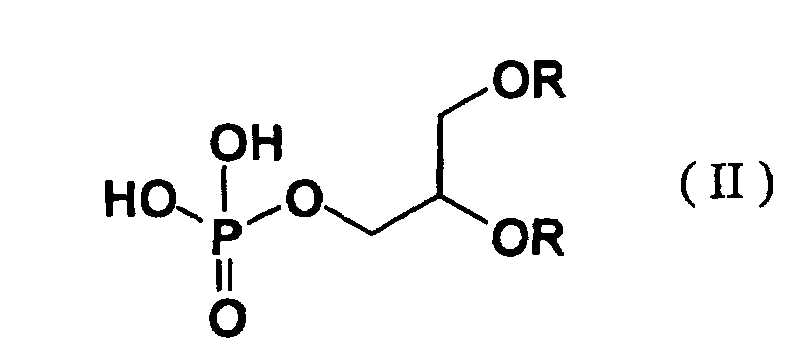
- Lysophosphatidic acid represented by formula (I) (wherein R is acyl, alkenyl or alkyl) is a lipid which is produced from cell membranes, acts as a mediator in the signal transduction system and delivers various signals into cells.
- LPA that exists naturally is L- ⁇ -LPA.
- EDG Endothelial differentiation gene
- 4 and 7 Three subtypes of the LPA receptor are called EDG-2, 4 and 7, respectively, and form a part of EDG receptor family as well as EDG-1, 3, 5, 6 and 8 that are sphingosine-1-phosphate receptor.
- EDG-2 is called LPA1 or VZG-1, too (Mol Pharmacol, Dec; 58(6) : 1188-96 (2000)).
- the LPA receptor to which LPA binds delivers signals into cells via a G-protein coupled receptor.
- Gs, Gi, Gq are known as G-proteins that can bind to the LPA receptor, and the receptors are considered to relate to the response to the action of increase or, adversely, decrease of cell growth. Furthermore, since MAP-kinase systems operate in the lower G-protein, it has been known that LPA receptors deliver various signals.
- LPA receptors exist locally by their subtypes although they exist widely in the organs, it is thought that the role of each receptor is different by the organ.
- LPAs which are ligand for LPA receptors have various variants, and three LPAs which are alkenyl type, acyl type or alkyl type, respectively, are known. Furthermore, it is confirmed that each LPA type has the diversity of molecule by the difference of number of unsaturated bond in fatty acid.
- LPA has the contractile activity in the isolated bladder smooth muscle cell ( J. Urol., 162, 1779 (1999)), however, it has never been known that LPA relates to the contraction of urethra.
- LPA increases growth of the epithelial cell derived from prostate (J. Urol., 163, 1027 (2000)).
- LPA relates to the contraction of prostate.
- the physiologically active substance such as noradrenaline and endothelin are known as substances which cause the contraction of urethra and prostate, and it is known that they active via the each receptor. Therefore, agonists or antagonists of their receptors are used to various diseases which relate to the contraction of urethra.
- noradrenaline since ⁇ 1 receptors are found in urethra, tamsulosin and prazosin which are ⁇ 1 antagonists decrease the pressure of urethra and are used for the treatment of dysuria according to benign prostatic hyperplasia.
- ⁇ 1 agonists increase the contraction of urethra, they are used for the treatment of urinary incontinence.
- a compound with antagonistic activity for LPA receptor inhibits the activation of cell caused by LPA and is used for the prevention and treatment of diseases such as restenosis after percutaneous transluminal coronary angioplasty (PTCA), arterial sclerosis, malignant and benign proliferative disease, various inflammatory diseases, renal disease, the suppression of growth tumor cell, the invasion and metastasis of cancer, the cerebral or neuropathy.
- diseases such as restenosis after percutaneous transluminal coronary angioplasty (PTCA), arterial sclerosis, malignant and benign proliferative disease, various inflammatory diseases, renal disease, the suppression of growth tumor cell, the invasion and metastasis of cancer, the cerebral or neuropathy.
- PTCA percutaneous transluminal coronary angioplasty
- the inventors of the present invention have made various studies as the physiological action for LPA receptor regulators with a view to resolving a role of LPA receptors. As a result, they have found that the LPA receptor regulators affect urethra and prostate, and relate to urinary diseases, unexpectedly. This is unexpected and the first time that it was found by the experiment that the inventors of the present invention made.
- the present invention relates to a pharmaceutical composition for treatment and/or prevention for urinary diseases comprising an LPA receptor regulator. More specifically, the present invention relates to
- LPA means lysophosphatidic acid represented by formula (I) and it is a generic name of compounds in which one of two hydroxyl groups of glycerol in glycerophosphoric acid is substituted fatty acid.
- an LPA receptor regulator means an LPA receptor agonist (activator) and/or an LPA receptor antagonist (inhibitor).
- LPA derivatives As the LPA receptor agonist, whatever activates an LPA receptor is allowed, preferably LPA derivatives, more preferably 18 : 3-LPA (in formula (I), the compound in which R is 1-linoleoyl) and 18 : 1-LPA (in formula (I), the compound in which R is 1-oleoyl). Specifically, 18 : 3-LPA is preferable.
- L- ⁇ -LPA which exists naturally is preferable in LPA represented by formula (I).
- an LPA receptor agonist has the contractile activity in urethra, it is useful for treatment and/or prevention for urinary incontinence (stress urinary incontinence, demented urinary incontinence, reflex incontinence, overflow incontinence, urge incontinence, total incontinence, functional urinary incontinence and overflow incontinence by decline of urethral function etc.).
- R 1 represents optionally substituted alkyl, aryl, heterocycle, alkyloxy, aryloxy, alkylthio, or arylthio, or a halogen atom
- R 2 represents optionally substituted alkyl, aryl, heterocycle, alkyloxy, or aryloxy, or a halogen atom
- R 3 represents a hydrogen atom, lower alkyl, or alkyl halide
- R 4 represents a group selected from the group consisting of (a) optionally substituted phenyl, aryl, or heterocycle, (b) substituted or unsubstituted alkyl, and (c) substituted or unsubstituted alkenyl
- X represents an oxygen atom or a sulfur atom
- R 3 and R 4 may form a five- to ten-membered cyclic structure together with a carbon atom to which they bind, and when R 3
- LPA receptor antagonists and EDG-2 antagonists in the present invention include the compounds represented by formula (1) and the salts thereof.
- the definition of each group is described in detail in the specification of WO01/60819. All compounds described in example are preferred and the most preferably, it is the compound described in example 115 (methyl 3-( ⁇ 4-[4-( ⁇ [1-(2-chlorophenyl)ethoxy]carbonyl ⁇ amino)-3-methyl-5-isoxazolyl]benzyl ⁇ sulfanyl)propanoate).
- the LPA receptor antagonist decreases the contraction of urethra and prostate, and it is useful for treatment and/or prevention for voiding symptom such as dysuria (hesitency, prolongation, decreased urinary stream, intermittent urination, two-phase micturition etc.), ischuria, pollakiuria and nocturia, furthermore, scalding due to symptoms of infections such as cholera and benign prostatic hyperplasia .
- voiding symptom such as dysuria (hesitency, prolongation, decreased urinary stream, intermittent urination, two-phase micturition etc.), ischuria, pollakiuria and nocturia, furthermore, scalding due to symptoms of infections such as cholera and benign prostatic hyperplasia .
- LPA is produced by phospholipase D secreted from bacteria, it is considered that an LPA receptor antagonist is useful for the decrease of contraction in urethra with microbism.
- neuropathic bladder Cerebrovascular, Parkinson's disease, brain tumor, multiple sclerosis, Shy-Drager syndrome, spinal cord tumor, disk herniation, spinal canal stenosis and diabetes etc.
- occlusive disease on lower urinary tract benign prostatic hyperplasia and the decrease of capacity of the urinary bladder etc.
- inflammatory disease on lower urinary tract infection etc.
- polyuria etc. are considered.
- LPA increases growth of the epithelial cell derived from prostate.
- an LPA receptor antagonist has the immediate effect that is the decrease of contraction in urethra for benign prostatic hyperplasia .
- 18 : 3-LPA has potent activity for urethra and prostate in vivo and in vitro.
- 18 : 3-LPA contracts isolated urethra and prostate in the test using organ bath in vitro (Example 1).
- EDG Endothelial differentiation gene-2
- 4 and 7 are known and it has been confirmed by the experiment using an EDG-2 antiserum peptide that it is predicted sufficiently that compounds which inhibit EDG-2 function are useful in treating urinary diseases (Example 3).
- an EDG-2 antagonist inhibits dysuria, ischuria, pollakiuria, nocturia, scalding, and dysuria, pollakiuria and the increase of residual urine volume associated with the symptom such as benign prostatic hyperplasia etc.
- the LPA contractile activity in urethra and prostate indicates that LPA receptor agonists and antagonists are used as the agent for the treatment of diseases related to urethra and prostate.
- the compound used in the present invention has low toxicity so that use of it as a pharmaceutical can be considered as safe enough.
- LPA represented by formula (I) Since LPA represented by formula (I), the LPA agonist and the LPA antagonist which are used in the present invention bind to an LPA receptor, it is considered to be useful for prevention and/or treatment of urinary diseases.
- the LPA receptor agonist contracts urethra, it is useful for treatment and/or prevention for urinary incontinence (stress urinary incontinence, demented urinary incontinence, reflex incontinence, overflow incontinence, urge incontinence, total incontinence, functional urinary incontinence and overflow incontinence by decline of urethra function etc.).
- the LPA receptor antagonist relaxes urethra, it decreases the contraction of urethra and prostate, and it is useful for treatment and/or prevention for voiding symptom such as dysuria (hesitency, prolongation, decreased urinary stream, intermittent urination, two-phase micturition etc.), ischuria, pollakiuria and nocturia, furthermore, urodynia due to symptoms of infections such as cholera. Furthermore, since it relaxes urethra and prostate, it is considered that it is useful for treatment and/or prevention for benign prostatic hyperplasia.
- LPA represented by formula (I) the LPA receptor agonist and the LPA receptor antagonist are normally administered systemically or topically, and orally or parenterally for the above purpose.
- LPA represented by formula (I) the LPA receptor agonist and the LPA receptor antagonist may be administered in combination with other drug(s) for the purpose of 1) complement and/or enhancement of preventing and/or treating effect, 2) improvement of dynamics and absorption of the compound, and lowering of dose, and/or 3) alleviation of side effect of the compound.
- LPA represented by formula (I) the LPA receptor agonist and the LPA receptor antagonist may be administered in combination with other drug(s) as a composition in one drug product comprising these components, or may be administered separately. When they are administered independently, they may be administered simultaneously or with time lag. Administration with time lag includes the method of administering LPA represented by formula (I), the LPA receptor agonist and the LPA receptor antagonist before other drugs and vice versa; they may be administered in the same route or not.
- the above combination takes effects on whichever disease treating and/or preventing effect of LPA represented by formula (I), the LPA receptor agonist and the LPA receptor antagonist is complemented and/or enhanced.
- clenbuterol hydrochloride As ⁇ 2 agonists, clenbuterol hydrochloride etc. are given.
- anticholinergic agents for example, oxybutynin hydrochloride, bethanechol chloride, propiverine hydrochloride, propantheline bromide, methylbenactyzium bromide, scopolamine butylbromide, tolterodine tartrate, trospium chloride, Z-338, UK-112166-04, KRP-197, darifenacin and YM-905 etc. are given.
- terazosin hydrochloride As ⁇ 1 antagonists, terazosin hydrochloride, bunazosin hydrochloride, urapidil, tamsulosin hydrochloride, doxazosin mesilate, prazosin hydrochloride, indolamine, naftopidil, alfzosin hydrochloride and AlO-8507L etc. are given.
- anticholinergic agents for example, oxybutynin Hydrochloride, bethanechol chloride, propiverine hydrochloride, propantheline bromide, methylbenactyzium bromide, scopolamine butylbromide, tolterodine tartrate, trospium chloride, Z-338, UK-112166-04, KRP-197, darifenacin and YM-905 etc. are given.
- Anticholinergic agents are generally used only when such diseases are not associated with prostatomegaly. Mainly, they are used for pollakiuria and urinary incontinence that are not associated with prostatomegaly.
- antiandrogen agent for example, oxendolone, osaterone acetate and bicalutamide etc. are given.
- a weight ratio of LPA represented by formula (I), the LPA receptor agonist or the LPA receptor antagonist, and other drugs is not limited.
- Other drugs may be administered as a combination of any two or more drugs.
- LPA represented by formula (I) the LPA receptor agonist and the LPA receptor antagonist which are used in the present invention, or concomitant drug combined LPA represented by formula (I), the LPA receptor agonist and the LPA receptor antagonist with other drugs are used for the above-described purpose, it is usually administered systemically or topically via an oral or parenteral route.
- the doses to be administered are determined depending upon, for example, age, body weight, symptom, the desired therapeutic effect, the route of administration, and the duration of the treatment.
- the doses per person are generally from 1 mg to 1000 mg, by oral administration, up to several times per day, and from 0.1 mg to 100 mg, by parenteral administration (preferably intravenous administration), up to several times per day, or continuous administration from 1 to 24 hours per day from vein.
- the doses to be used depend upon various conditions. Therefore, there are cases in which doses lower than or greater than the ranges specified above may be used.
- the compounds of the present invention may be administered in the composition of, for example, solid compositions, liquid compositions or other compositions each for oral administration, or injections, liniments or suppositories, each for parenteral administration.
- Solid compositions for oral administration include compressed tablets, pills, capsules, powders, and granules.
- Capsules include hard capsules and soft capsules.
- one or more of the active substance(s) may be admixed with at least one inert diluent such as lactose, mannitol, glucose, hydroxypropyl cellulose, microcrystalline cellulose, starch, polyvinylpyrrolidone or magnesium aluminometasilicate.
- the compositions may comprise, in accordance with the conventional process, additives other than the inert diluent, for example, lubricants such as magnesium stearate, disintegrants such as cellulose calcium glycolate, stabilizer such as lactose, and solubilizing agent such as glutamic acid or aspartic acid.
- Tablets or pills may be coated with a film of a gastric soluble or enteric substance such as sucrose, gelatin, hydroxypropyl cellulose or hydroxypropyl methylcellulose phthalate, or with two or more layers, if necessary.
- a gastric soluble or enteric substance such as sucrose, gelatin, hydroxypropyl cellulose or hydroxypropyl methylcellulose phthalate, or with two or more layers, if necessary.
- capsules made of a substance which can be absorbed in the body, for example, gelatin are included.
- Liquid compositions for oral administration include pharmaceutically acceptable emulsions, solutions, syrups and elixirs.
- Such liquid compositions comprise one or more of the active substance(s) and an ordinarily employed inert diluent(s) (for example, purified water or ethanol) dissolving the substance(s) therein.
- the compositions may comprise, in addition to the inert diluent, an adjuvant such as humectants or suspending agents, sweetening agents, flavoring agents, aromatic agents and antiseptics.
- compositions for oral administration include sprays which comprise one or more active substance(s) and are formulated in a manner known per se in the art.
- the compositions may comprise, in addition to an inert diluent, a stabilizer such as sodium bisulfite and an isotonization buffer such as sodium chloride, sodium citrate or citric acid.
- a stabilizer such as sodium bisulfite
- an isotonization buffer such as sodium chloride, sodium citrate or citric acid.
- injections for parenteral administration include sterile aqueous and/or non-aqueous solutions, suspensions and emulsions.
- the aqueous solutions or suspensions include, for example, distilled water for injection and saline.
- the non-aqueous solutions or suspensions include propylene glycol, polyethylene glycol, vegetable oils such as olive oil, alcohol such as ethanol and Polysorbate 80 (trade mark).
- sterile aqueous and non-aqueous solutions, suspensions, and emulsions may be used in combination.
- compositions may additionally comprise adjuvants such as antisaptic, humectant, emulsifier, dispersant, stabilizer (such as lactose) and solubilizing agent (such as glutamic acid and aspartic acid). They are sterilized by filtration through a bacteria retaining filter, the addition of a sterilizer, or irradiation. Also, a sterile solid composition is prepared and then, for example, a freeze-dried product may be dissolved in sterilized or sterile distilled water for injection or another sterile solvent before use.
- adjuvants such as antisaptic, humectant, emulsifier, dispersant, stabilizer (such as lactose) and solubilizing agent (such as glutamic acid and aspartic acid).
- solubilizing agent such as glutamic acid and aspartic acid
- compositions for parenteral administration include liquids for external use, ointments, endermic liniments, suppositories for intrarectal administration and pessaries for vaginal administration which comprise one or more of the active substance(s) and may be prepared by methods known per se.
- 1-linolenoyl (18:3)-LPC lysophosphatidyl choline) (SRL-B641) 3mg/mL, phospholipase D (Sigma P-8023) 60 U/mL, 200
- Lysophosphatidic acid if desired, can be prepared using a corresponding lysophosphatidyl choline (LPC).
- the made samples were suspended in the Magnus tube (volume : 10 mL) filled by Krebs-Henseleit solution (vented by 37 ⁇ 1°C, mixed gas [95% O 2 + 5% CO 2 ]).
- the samples were added about 0.5 g tension and stabilized for 60 min, and subsequently the contractile activity was recorded on recorder (linearcoder WR3320 : GRAPHTEC CORP., thermal pen-writing recorder RJG-4128 : Nihon Kohden Ltd) via a pressure amplifier (AP-641G, AP-601G, Nihon Kohden Ltd) from isometric transducer (Force displacement transducer) (FD pick-up TB-611T : Nihon Kohden Ltd).
- Fig. 1 is a graph on which the female rat urethral contraction by 18 : 3-LPA and control compound (phenylephrine) as relationship between compound dose (horizontal axis) and contraction percentage (%) (vertical axis).
- the closed circle represents the contraction by 18 : 3-LPA
- the opened circle represents the contraction by phenylephrine.
- the made samples were suspended in the Magnus tube (volume : 10mL) filled by Krebs-Henseleit solution (vented by 37 ⁇ 1°C, mixed gas [95% O 2 + 5% CO 2 ]).
- the samples were stabilized for 60 min and added about 0.5-1 g tension, and subsequently the contractile activity was recorded on recorder (linearcoder WR3320 : GRAPHTEC CORP., thermal pen-writing recorder RJG-4128 : Nihon Kohden Ltd) via a pressure amplifier (AP-641G, AP-601G : Nihon Kohden Ltd) from isometric transducer (Force displacement transducer) (FD pick-up TB-611T : Nihon Kohden Ltd).
- phenylephrine 0.01-10 ⁇ M phenylephrine was added in Magnus tube. The contraction by 10 ⁇ M phenylephrine is the contractile reaction of control. In the rat prostate contraction by LPA, because desensitization was caused, phenylephrine was added just before the end of experiment. After the samples were suspended, it was washed over and over, opportunity.
- Fig. 2 is a graph on which the male rat prostate contraction by 18 : 3-LPA and control compound (phenylephrine) as relationship between compound dose (horizontal axis) and contraction percentage (%) (vertical axis).
- the closed circle represents the contraction by 18 : 3-LPA and the opened circle represents the contraction by phenylephrine.
- Example 2 The measurement of urethral pressure by drugs
- intravenous catheter was inserted into femoral vein for drug administration.
- Urinary bladder was exposed by incision of hypogastrium median and urethra was tied off in the vicinity of pubic bone.
- Urethra catheter was inserted into urethra through dome of urinary bladder and fixed by ligation at the bladder neck.
- Urethra catheter was connected to the pressure transducer and urethral pressure was measured. Subsequently, urethral pressure was adjusted about 20 mmHg and left for about 1 hour.
- Table 1 showed the result of measurement of urethral pressure in male rats. Intravenious injection of 18 : 3-LPA in pithed rat showed a contractile response in urethra and 18 : 3-LPA increased the intraurethral pressure in a dose-dependent manner. On the contrary 18 : 3-LPC (lysophosphatidyl choline) and 18 : 3-glycerol which has the same chain length with 18 : 3-LPA hardly increase the intraurethral pressure even at 1 mg/kg, i.v.. Therefore, it was guessed that this action is via LPA receptor. On the one hand, the slight increase of urethral pressure in dose of 1 mg/kg 18 : 1-LPA was confirmed.
- Example 3 Inhibitory activity of EDG-2 antiserum peptide for the LPA dependent urethra contraction
- MAP Multiple antigenic peptide
- Two kinds of peptide are peptide A (hEDG-2 N-terminal 1-13 residues, Met-Ala-Ala-lle-Ser-Thr-Ser-lle-Pro-Val-lle-Ser-Gln (SEQ ID NO:1)) and peptide B (hEDG-2 N-terminal 10-21 residues, Val-lle-Ser-Gln-Pro-Gln-Phe-Thr-Ala-Met-Asn-Glu (SEQ ID NO:2)), respectively.
- MAP method it was prepared in accordance with Tam's method (Proc. Natl. Acad. Sci USA, 85: 5409 (1988)).
- the MAP-peptide prepared by the method shown in (1) was emulsified by mixing with an equal volume of Freund's complete adjuvant and injected into three to four subcutaneous dorsal sites of rabbits, for a total volume of 1.0 mL (0.5 mg of peptide) per immunization. In order to raise the antibody titer, 2, 6, and 8 weeks later, the rabbits were boosted by the same way. Antiserum was collected at the time before the first immunization, 4, 8, and 10 weeks later and the titer of the antiserum was determined.
- the titer of the antiserum that is, the response of serum to antigen used in immunization was confirmed by enzyme-linked immunosorbent assay (ELISA, published by Igakushoin 1976, Antibodies-A Laboratory Manual, Cold Spring Harbor Laboratory, 1988).
- ELISA enzyme-linked immunosorbent assay
- the titer of pre-bleed serum on the solid phase (1 ⁇ g/mL of peptide A) is under 50, the titer of the anti-peptide A is increased by 1400, 3000 and 12500, corresponding to the 4th, 8th, and 10th weeks later, respectively (the titer is the reciprocal of the serum dilution that results in an OD492 of 0.2).
- the titer of the peptide B the titer of pre-bleed serum on the solid phase (1 ⁇ g/mL of peptide B) is under 50, the titer of the anti-peptide B is increased by 77300, 79900 and 109800, corresponding to the 4th, 8th, and 10th weeks later, respectively.
- the mixture of anti peptide A serum and anti peptide B serum that were prepared by collecting blood in the 10th week was used in the experiment of inhibition by antiserum.
- As control serum sera were mixed prepared by collecting blood from each rabbit before the first immunization.
- the serum (1/20 dilution) was added, and after 30 min incubation at 37°C the samples were washed and anti-rabbit lgG (Goat lgG, Sigma R-3128) as secondary antibody was added at the concentration of 24 ⁇ g/mL for 30 min at 37°C, then washed and finally 10 ⁇ M of LPA was added.
- the response was represented as 'post value'.
- the samples was incubated and subsequently, washed to remove the serum. Furthermore secondary antibody was added and the effect was estimated.
- Post immune serum significantly inhibit the LPA induced urethral contraction compared with pre-immune serum, indicating that LPA induced urethral contraction is strongly related with EDG-2
- the samples were added about 0.5 g tension and stabilized for 60 min, and subsequently the contractile activity was recorded on recorder (linearcoder WR3320 : GRAPHTEC CORP., thermal pen-writing recorder RJG-4128 : Nihon Kohden Ltd) via a pressure amplifier (AP-641G, AP-601G, Nihon Kohden Ltd) from Force displacement transducer (FD pick-up TB-611T : Nihon Kohden Ltd).
- recorder linearcoder WR3320 : GRAPHTEC CORP., thermal pen-writing recorder RJG-4128 : Nihon Kohden Ltd
- AP-641G, AP-601G, Nihon Kohden Ltd Force displacement transducer
- the isolated urethra was stimulated repeatedly by 10 ⁇ M LPA until a constant response was attained.
- the contraction immediately before the response by compound A was considered as control (pre value).
- various amounts of compound A were added to the incubation medium, and after 30 min incubation at 37°C LPA was added at the final concentration of 10 ⁇ M.
- compound A inhibited the urethral contraction by LPA, dose-dependently.
- the 50 % inhibitory concentration (lC 50 ) of compound A is 0.07 ⁇ M (Fig. 4). Therefore, it was indicated that compound A may be effective in the improvement of lower urinary symptoms caused by benign prostatic hyperplasia etc. and the improvement of pollakiuria etc..
- Example 5 Inhibitory activity of methyl 3-( ⁇ 4-[4-( ⁇ [1-(2-chlorophenyl)ethoxy]carbonyl ⁇ amino)-3-methyl-5-isoxazolyl]benzyl ⁇ sulfanyl)propanoate in rat urethra pressure in vivo
- Urethral pressure was adjusted about 20 mmHg and left at rest until it was stabilized (for about 20 minutes). Subsequently, compound A was administrated intravenously and blood pressure and urethral pressure were measured for 20 minutes, and then in order to monitor the base-line value of the intraurethral pressure 1 mL of pentobarbital was intraveniously injected. After the intraurethral pressure was decreased to the prolonged plateau, it was estimated as a base-line value.
- Compound A was administrated intraveniously (3 mg/kg, 1 mL/kg). Vehicle was confirmed as 10% DMSO-90% rat plasma solution.
- LPA receptor antagonist such as EDG-2 antagonist decreased urethral pressure and had effect as therapeutic agent for dysuria associated with benign prostatic hyperplasia .
- Example 6 Induction of increasing in micturition frequency by intravenous administration of LPA in the rat
- T tubes Another side of T tubes was connected to an infusion pump for performing cystometrograms (the other side of T tube was connected to a syringe).
- the carotid artery was cannulated to measure blood pressure and the jugular vein was cannulated to administration of the test compounds.
- Rats in which the above mentioned operation was performed were placed to 37°C thermostat plate and citric acid solution (pH4.0) or saline were infused into bladder at the rate of 2.85 mL/hr. After cystometrograms show rhythmic reflex saline was infused via jugular vein at the infusion rate of 3 mL/kg/hr. After an appropriate time 18 : 3-LPA prepared with 5 mg/mL was infused at the infusion rate of 3 mL/kg/hr. After the 18 : 3-LPA infusion was stopped saline was infused again.
- the following components were admixed in a conventional method, punched out to give 100 tablets each containing 50 mg of active ingredient.
- the resulting solution was sterilized by a conventional method and 5 ml portions thereof were filled in amples, respectively, and freeze-dried by a conventional method to obtain 100 amples of injection containing each 20 mg of the active ingredient.
Landscapes
- Health & Medical Sciences (AREA)
- Chemical & Material Sciences (AREA)
- Veterinary Medicine (AREA)
- Life Sciences & Earth Sciences (AREA)
- Public Health (AREA)
- General Health & Medical Sciences (AREA)
- Medicinal Chemistry (AREA)
- Animal Behavior & Ethology (AREA)
- Pharmacology & Pharmacy (AREA)
- Epidemiology (AREA)
- Organic Chemistry (AREA)
- Emergency Medicine (AREA)
- Nuclear Medicine, Radiotherapy & Molecular Imaging (AREA)
- General Chemical & Material Sciences (AREA)
- Chemical Kinetics & Catalysis (AREA)
- Engineering & Computer Science (AREA)
- Bioinformatics & Cheminformatics (AREA)
- Urology & Nephrology (AREA)
- Pain & Pain Management (AREA)
- Pharmaceuticals Containing Other Organic And Inorganic Compounds (AREA)
- Medicines That Contain Protein Lipid Enzymes And Other Medicines (AREA)
- Heterocyclic Carbon Compounds Containing A Hetero Ring Having Nitrogen And Oxygen As The Only Ring Hetero Atoms (AREA)
- Acyclic And Carbocyclic Compounds In Medicinal Compositions (AREA)
Abstract
Description


R2 represents optionally substituted alkyl, aryl, heterocycle, alkyloxy, or aryloxy, or a halogen atom,
R3 represents a hydrogen atom, lower alkyl, or alkyl halide,
R4 represents a group selected from the group consisting of (a) optionally substituted phenyl, aryl, or heterocycle, (b) substituted or unsubstituted alkyl, and (c) substituted or unsubstituted alkenyl,
X represents an oxygen atom or a sulfur atom,
wherein R3 and R4 may form a five- to ten-membered cyclic structure together with a carbon atom to which they bind, and when R3 is a hydrogen atom, R4 represents a group other than methyl,
or a salt thereof
have the LPA receptor antagonistic activity in assay with EDG-2 over-expressed cell and affect EDG-2 etc.. LPA receptor antagonists and EDG-2 antagonists in the present invention include the compounds represented by formula (1) and the salts thereof. The definition of each group is described in detail in the specification of WO01/60819. All compounds described in example are preferred and the most preferably, it is the compound described in example 115 (methyl 3-({4-[4-({[1-(2-chlorophenyl)ethoxy]carbonyl}amino)-3-methyl-5-isoxazolyl]benzyl}sulfanyl)propanoate).
| drug | dose | urethral pressure |
| L-phenylephrine (control compound) | 10 µg/kg | ↑ 7.5 mmHg |
| LPA (18 : 3) (compound of present invention) | 10 µg/kg | ↑ 3.0 mmHg |
| 100 µg/kg | ↑ 9.0 mmHg | |
| 1 mg/kg | ↑ 15.5 mmHg | |
| LPA(18 : 1) (compound of present invention) | 1 mg/kg | ↑ 4.5 mmHg |
| LPC (18 : 3) (control compound) | 1 mg/kg | - |
| 1-monolinolenoyl (18 : 3)-glycerol (control compound) | 1 mg/kg | - |
| ↑ :increase | ||
| (-):no effect |
- 18 : 3-LPA (1-linolenoyl lysophosphatidic acid) 5.0g
- calcium carboxymethylcellulose (disintegrant) 0.2g
- magnesium stearate (lubricant) 0.1g
- microcrystalline cellulose 4.7g
- 18: 3-LPA 2.0 mg
- Mannitol 20 g
- Distilled water 1000 ml
Claims (34)
- A pharmaceutical composition for treatment and/or prevention for urinary diseases, comprising a lysophosphatidic acid (LPA) receptor regulator.
- The pharmaceutical composition for treatment and/or prevention for urinary diseases according to claim 1, wherein the LPA receptor regulator is an LPA receptor agonist.
- The pharmaceutical composition for treatment and/or prevention for urinary diseases according to claim 2, which is a pharmaceutical composition for contracting urethra.
- The pharmaceutical composition for treatment and/or prevention for urinary diseases according to claim 3, wherein the urinary disease is urinary incontinence.
- The pharmaceutical composition for treatment and/or prevention for urinary diseases according to claim 2, wherein the LPA receptor agonist is 1-linoleoyl lysophosphatidic acid or 1-oleoyl lysophosphatidic acid.
- The pharmaceutical composition for treatment and/or prevention for urinary diseases according to claim 1, wherein the LPA receptor regulator is an LPA receptor antagonist.
- The pharmaceutical composition for treatment and/or prevention for urinary diseases according to claim 6, which is a pharmaceutical composition for relaxing urethra and/or prostate.
- The pharmaceutical composition for treatment and/or prevention for urinary diseases according to claim 7, wherein the urinary disease is dysuria, ischuria, pollakiuria, nocturia, urodynia or benign prostatic hyperplasia .
- The pharmaceutical composition for treatment and/or prevention for urinary diseases according to claim 6, wherein the LPA receptor antagonist is a compound represented by formula (1):wherein R1 represents optionally substituted alkyl, aryl, heterocycle, alkyloxy, aryloxy, alkylthio, or arylthio, or a halogen atom,
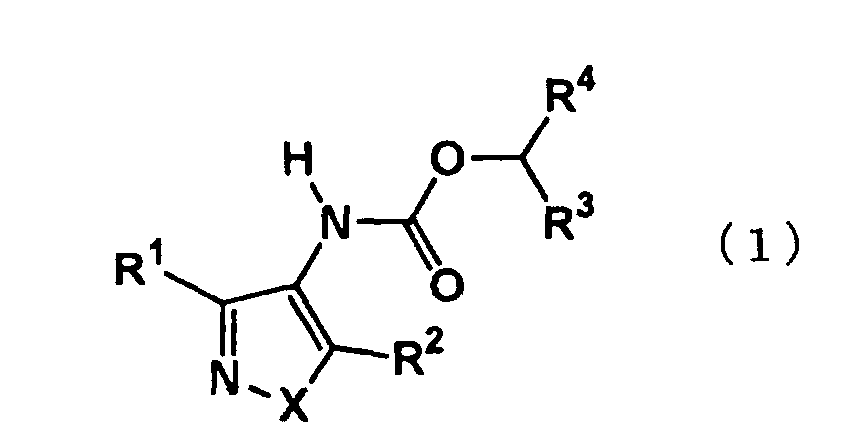
R2 represents optionally substituted alkyl, aryl, heterocycle, alkyloxy, or aryloxy, or a halogen atom,
R3 represents a hydrogen atom, lower alkyl, or alkyl halide,
R4 represents a group selected from the group consisting of (a) optionally substituted phenyl, aryl, or heterocycle, (b) substituted or unsubstituted alkyl, and (c) substituted or unsubstituted alkenyl,
X represents an oxygen atom or a sulfur atom,
wherein R3 and R4 may form a five- to ten-membered cyclic structure together with a carbon atom to which they bind, and when R3 is a hydrogen atom, R4 represents a group other than methyl, or
a salt thereof. - The pharmaceutical composition for treatment and/or prevention for urinary diseases according to claim 6, wherein the LPA receptor antagonist is methyl 3-({4-[4-({[1-(2-chlorophenyl)ethoxy]carbonyl}amino)-3-methyl-5-isoxazolyl]benzyl}sulfanyl)propanoate.
- The pharmaceutical composition for treatment and/or prevention for urinary diseases according to any one of claims 1, 2 and 6, wherein the LPA receptor is EDG-2, EDG-4 or EDG-7.
- The pharmaceutical composition for treatment and/or prevention for urinary diseases according to claim 11, wherein the LPA receptor is EDG-2.
- The pharmaceutical composition for treatment and/or prevention for urinary diseases according to claim 12, wherein the EDG-2 antagonist is a compound represented by formula (1):wherein all symbols have the same meanings as those in claim 9, or the salt thereof.

- The pharmaceutical composition for treatment and/or prevention for urinary diseases according to claim 13, wherein the EDG-2 antagonist is methyl 3-({4-[4-({[1-(2-chlorophenyl)ethoxy]carbonyl}amino)-3-methyl-5-isoxazolyl]benzyl}sulfanyl)propanoate.
- The pharmaceutical composition for treatment and/or prevention for urinary diseases according to claim 1, comprising a combination of the LPA receptor agonist and other agent for treatment of urinary diseases.
- The pharmaceutical composition for treatment and/or prevention for urinary diseases according to claim 15, wherein the LPA receptor agonist and the other agent are contained in one formulation.
- The pharmaceutical composition for treatment and/or prevention for urinary diseases according to claim 15, wherein the LPA receptor agonist and other agent are administrated as separate formulations.
- The pharmaceutical composition for treatment and/or prevention for urinary diseases according to claim 15, wherein the other agent is an α1 agonist.
- The pharmaceutical composition for treatment and/or prevention for urinary diseases according to claim 18, wherein the α1 agonist is midodrine hydrochloride.
- The pharmaceutical composition for treatment and/or prevention for urinary diseases according to claim 15, wherein the other agent is a β2 agonist.
- The pharmaceutical composition for treatment and/or prevention for urinary diseases according to claim 20, wherein the β2 agonist is clenbuterol hydrochloride.
- The pharmaceutical composition for treatment and/or prevention for urinary diseases according to claim 15, wherein the other agent is an anticholinergic agent.
- The pharmaceutical composition for treatment and/or prevention for urinary diseases according to claim 22, wherein the anticholinergic agent is at least one selected from the consisting of oxybutynin hydrochloride, bethanechol chloride, propiverine hydrochloride, propantheline bromide, methylbenactyzium bromide, scopolamine butylbromide, tolterodine tartrate, trospium chloride, Z-338, UK-112166-04, KRP-197, darifenacin and YM-905.
- The pharmaceutical composition for treatment and/or prevention for urinary diseases according to claim 1, comprising a combination of the LPA receptor antagonist and other agent for treatment of urinary diseases.
- The pharmaceutical composition for treatment and/or prevention for urinary diseases according to claim 24, wherein the LPA receptor antagonist and the other agent are contained in one formulation.
- The pharmaceutical composition for treatment and/or prevention for urinary diseases according to claim 24, wherein the LPA receptor antagonist and the other agent are administrated as separate formulations.
- The pharmaceutical composition for treatment and/or prevention for urinary diseases according to claim 24, wherein the other agent is an α1 antagonist.
- The pharmaceutical composition for treatment and/or prevention for urinary diseases according to claim 27, wherein the α1 antagonist is at least one selected from the group consisting of terazosin hydrochloride, bunazosin hydrochloride, urapidil, tamsulosin hydrochloride, doxazosin mesilate, prazosin hydrochloride, indolamine, naftopidil, alfzosin hydrochloride and AlO-8507L.
- The pharmaceutical composition for treatment and/or prevention for urinary diseases according to claim 24, wherein the other agent is an anticholinergic agent.
- The pharmaceutical composition for treatment and/or prevention for urinary diseases according to claim 29, wherein the anticholinergic agent is at least one selected from the group consisting of oxybutynin hydrochloride, bethanechol chloride, propiverine hydrochloride, propantheline bromide, methylbenactyzium bromide, scopolamine butylbromide, tolterodine tartrate, trospium chloride, Z-338, UK-112166-04, KRP-197, darifenacin and YM-905.
- The pharmaceutical composition for treatment and/or prevention for urinary diseases according to claim 24, wherein the other agent is a 5α-reductase inhibitor.
- The pharmaceutical composition for treatment and/or prevention for urinary diseases according to claim 31, wherein the 5α-reductase inhibitor is at least one selected from the group consisting of finasteride and Gl-998745.
- The pharmaceutical composition for treatment and/or prevention for urinary diseases according to claim 24, wherein the other agent is an antiandrogen agent.
- The pharmaceutical composition for treatment and/or prevention for urinary diseases according to claim 33, wherein the antiandrogen agent is at least one selected from the group consisting of oxendolone, osaterone acetate and bicalutamide.
Applications Claiming Priority (3)
| Application Number | Priority Date | Filing Date | Title |
|---|---|---|---|
| JP2001031827 | 2001-02-08 | ||
| JP2001031827 | 2001-02-08 | ||
| PCT/JP2002/001025 WO2002062389A1 (en) | 2001-02-08 | 2002-02-07 | Remedies for urinary diseases comprising lpa receptor controlling agents |
Publications (3)
| Publication Number | Publication Date |
|---|---|
| EP1364659A1 true EP1364659A1 (en) | 2003-11-26 |
| EP1364659A4 EP1364659A4 (en) | 2006-03-29 |
| EP1364659B1 EP1364659B1 (en) | 2009-11-11 |
Family
ID=18895852
Family Applications (1)
| Application Number | Title | Priority Date | Filing Date |
|---|---|---|---|
| EP02712288A Expired - Lifetime EP1364659B1 (en) | 2001-02-08 | 2002-02-07 | Remedies for urinary diseases comprising lpa receptor controlling agents |
Country Status (6)
| Country | Link |
|---|---|
| US (1) | US7288558B2 (en) |
| EP (1) | EP1364659B1 (en) |
| JP (1) | JP4396808B2 (en) |
| AT (1) | ATE447970T1 (en) |
| DE (1) | DE60234318D1 (en) |
| WO (1) | WO2002062389A1 (en) |
Cited By (5)
| Publication number | Priority date | Publication date | Assignee | Title |
|---|---|---|---|---|
| EP1415667A4 (en) * | 2001-07-17 | 2006-04-19 | Ono Pharmaceutical Co | Pancreatic juice secretion regulators comprising lpa receptor controller |
| WO2019182321A1 (en) * | 2018-03-20 | 2019-09-26 | Il-Yang Pharm. Co., Ltd. | Sustained release bethanechol formulation and method for preparing the same |
| US12344597B2 (en) | 2018-06-07 | 2025-07-01 | Idorsia Pharmaceuticals Ltd | Alkoxy-substituted pyridinyl derivatives as LPA1 receptor antagonists and their use in the treatment of fibrosis |
| US12479820B2 (en) | 2019-06-18 | 2025-11-25 | Idorsia Pharmaceuticals Ltd | Pyridin-3-yl derivatives |
| US12539294B2 (en) | 2019-12-04 | 2026-02-03 | Idorsia Pharmaceuticals Ltd | Combination of an azetidine LPA1 receptor antagonist with pirfenidone and/or nintedanib for use in the treatment of fibrotic diseases |
Families Citing this family (59)
| Publication number | Priority date | Publication date | Assignee | Title |
|---|---|---|---|---|
| EP1550461A1 (en) * | 2002-06-26 | 2005-07-06 | Ono Pharmaceutical Co., Ltd. | Remedy for chronic disease |
| AU2003264430B2 (en) | 2002-09-19 | 2009-03-19 | Kyorin Pharmaceutical Co., Ltd. | Amino alcohol derivative, addition salt thereof, and immunosuppressant |
| TW200408393A (en) * | 2002-10-03 | 2004-06-01 | Ono Pharmaceutical Co | Antagonist of lysophosphatidine acid receptor |
| JP4523265B2 (en) * | 2002-11-13 | 2010-08-11 | 旭化成ファーマ株式会社 | Orally disintegrating preparations for the treatment of urination disorders |
| DK1602660T3 (en) | 2003-02-18 | 2011-05-23 | Kyorin Seiyaku Kk | Aminophosphonic acid derivatives, addition salts thereof, and S1P receptor modulators |
| JPWO2005007191A1 (en) * | 2003-07-16 | 2006-08-31 | 協和醗酵工業株式会社 | Pharmaceutical composition |
| JP4692281B2 (en) * | 2003-08-05 | 2011-06-01 | 味の素株式会社 | New azole compounds |
| US8197846B2 (en) * | 2003-11-10 | 2012-06-12 | Astellas Pharma Inc. | Sustained release pharmaceutical composition |
| US8128958B2 (en) * | 2003-11-10 | 2012-03-06 | Astellas Pharma Inc. | Sustained release pharmaceutical composition |
| JP4766384B2 (en) * | 2003-12-19 | 2011-09-07 | 小野薬品工業株式会社 | Compound having lysophosphatidic acid receptor antagonistic activity and use thereof |
| ATE502630T1 (en) | 2004-07-16 | 2011-04-15 | Kyorin Seiyaku Kk | METHOD FOR EFFECTIVE USE OF A MEDICATION AND METHOD FOR PREVENTING SIDE EFFECTS |
| AU2005292984B2 (en) | 2004-10-12 | 2011-01-20 | Kyorin Pharmaceutical Co., Ltd. | Process for producing 2-amino-2-[2-[4-(3-benzyloxyphenylthio)-2-chlorophenyl]ethyl]-1,3-propanediol hydrochloride or hydrate thereof and intermediate for the same |
| RU2421214C2 (en) * | 2005-10-07 | 2011-06-20 | Киорин Фармасьютикал Ко., Лтд. | Therapeutic agent for treating hepatitis, and method of treating hepatitis |
| TWI389683B (en) * | 2006-02-06 | 2013-03-21 | Kyorin Seiyaku Kk | A therapeutic agent for an inflammatory bowel disease or an inflammatory bowel disease treatment using a 2-amino-1,3-propanediol derivative as an active ingredient |
| US8232319B2 (en) | 2006-08-08 | 2012-07-31 | Kyorin Pharmaceutical Co., Ltd. | Amino phosphate derivative and S1P receptor modulator having same as an active ingredient |
| JP5140593B2 (en) * | 2006-08-08 | 2013-02-06 | 杏林製薬株式会社 | Amino alcohol derivatives and immunosuppressants containing them as active ingredients |
| US8466683B2 (en) * | 2006-12-14 | 2013-06-18 | Schlumberger Technology Corporation | Determining properties of earth formations using the electromagnetic coupling tensor |
| US8871275B2 (en) | 2007-08-08 | 2014-10-28 | Inventia Healthcare Private Limited | Extended release compositions comprising tolterodine |
| EP2042179A1 (en) * | 2007-09-26 | 2009-04-01 | sanofi-aventis | Novel therapeutic uses of adrenergic alpha-1 receptor antagonists |
| TW200946105A (en) | 2008-02-07 | 2009-11-16 | Kyorin Seiyaku Kk | Therapeutic agent or preventive agent for inflammatory bowel disease containing amino alcohol derivative as active ingredient |
| JP5692746B2 (en) | 2008-08-07 | 2015-04-01 | 国立大学法人 長崎大学 | Treatment or prevention of systemic pain syndrome |
| WO2010068775A2 (en) | 2008-12-11 | 2010-06-17 | Amira Pharmaceuticals, Inc. | Alkyne antagonists of lysophosphatidic acid receptors |
| GB2466121B (en) * | 2008-12-15 | 2010-12-08 | Amira Pharmaceuticals Inc | Antagonists of lysophosphatidic acid receptors |
| GB2470833B (en) | 2009-06-03 | 2011-06-01 | Amira Pharmaceuticals Inc | Polycyclic antagonists of lysophosphatidic acid receptors |
| CN102574822A (en) | 2009-08-04 | 2012-07-11 | 阿米拉制药公司 | Compounds as lysophosphatidic acid receptor antagonists |
| RU2609021C2 (en) | 2009-09-25 | 2017-01-30 | Астеллас Фарма Инк. | Substituted amide compounds |
| GB2474120B (en) | 2009-10-01 | 2011-12-21 | Amira Pharmaceuticals Inc | Compounds as Lysophosphatidic acid receptor antagonists |
| GB2474748B (en) | 2009-10-01 | 2011-10-12 | Amira Pharmaceuticals Inc | Polycyclic compounds as lysophosphatidic acid receptor antagonists |
| US9119878B2 (en) * | 2010-07-08 | 2015-09-01 | Wellesley Pharmaceuticals, Llc | Extended-release formulation for reducing the frequency of urination and method of use thereof |
| EP2611808B1 (en) | 2010-09-02 | 2014-11-12 | Merck Patent GmbH | Pyrazolopyridinone derivatives as lpa receptor antagonists |
| PH12012500542A1 (en) | 2010-09-24 | 2012-11-12 | Astellas Pharma Inc | Substituted amide compound |
| CN103347510B (en) | 2010-12-07 | 2015-11-25 | 艾米拉医药股份有限公司 | Lysophosphatidic acid receptor antagonists and their use in the treatment of fibrosis |
| WO2012127885A1 (en) | 2011-03-18 | 2012-09-27 | 小野薬品工業株式会社 | Tetrahydrocarboline derivative |
| CN103596947A (en) | 2011-04-05 | 2014-02-19 | 艾米拉医药股份有限公司 | 3- or 5 - bi phenyl - 4 - ylisoxazole - based compounds useful for the treatment of fibrosis, pain, cancer and respiratory, allergic, nervous system or cardiovascular disorders |
| BR112014012288A2 (en) | 2011-11-22 | 2017-05-23 | Intermune Inc | methods for diagnosing and treating idiopathic pulmonary fibrosis |
| BR112015015275B1 (en) | 2012-12-28 | 2021-12-14 | Ube Industries, Ltd | HALOGEN-SUBSTITUTED HETEROCYCLIC COMPOUND, LPA RECEPTOR ANTAGONIST, PHARMACEUTICAL COMPOSITION AND USE |
| US10596127B2 (en) * | 2013-03-14 | 2020-03-24 | Wellesley Pharmaceuticals, Llc | Composition for reducing the frequency of urination, method of making and use thereof |
| SG11201507459YA (en) | 2013-03-15 | 2015-10-29 | Epigen Biosciences Inc | Heterocyclic compounds useful in the treatment of disease |
| CN106458964B (en) | 2014-06-27 | 2019-11-22 | 宇部兴产株式会社 | Salts of halogen-substituted heterocyclic compounds |
| AR108838A1 (en) | 2016-06-21 | 2018-10-03 | Bristol Myers Squibb Co | CARBAMOYLOXIMETHYL ACID TRIAZOL CYCLOHEXILO AS LPA ANTAGONISTS |
| ES2925626T3 (en) | 2017-12-19 | 2022-10-19 | Bristol Myers Squibb Co | Isoxazole-O-carbamoylcyclohexyl acids as LPA antagonists |
| CN112041029B (en) | 2017-12-19 | 2025-01-24 | 百时美施贵宝公司 | Cyclohexyl acid pyrazolazoles as LPA antagonists |
| WO2019126093A1 (en) | 2017-12-19 | 2019-06-27 | Bristol-Myers Squibb Company | Cyclohexyl acid triazole azines as lpa antagonists |
| ES2943661T3 (en) | 2017-12-19 | 2023-06-15 | Bristol Myers Squibb Co | Pyrazole-O-linked cyclohexylic carbamoyl acids as LPA antagonists |
| AR113964A1 (en) | 2017-12-19 | 2020-07-01 | Bristol Myers Squibb Co | CARBAMOIL CYCLOHEXYL N-LINKED ACIDS OF TRIAZOLE AS ANTAGONISTS OF LPA |
| WO2019126087A1 (en) | 2017-12-19 | 2019-06-27 | Bristol-Myers Squibb Company | Cyclohexyl acid isoxazole azoles as lpa antagonists |
| US11319309B2 (en) | 2017-12-19 | 2022-05-03 | Bristol-Myers Squibb Company | Cyclohexyl acid isoxazole azines as LPA antagonists |
| KR20200100713A (en) | 2017-12-19 | 2020-08-26 | 브리스톨-마이어스 스큅 컴퍼니 | Cyclohexyl acid triazole azole as an LPA antagonist |
| KR102725744B1 (en) | 2017-12-19 | 2024-11-01 | 브리스톨-마이어스 스큅 컴퍼니 | Cyclohexyl pyrazole azine as an LPA antagonist |
| WO2019126099A1 (en) | 2017-12-19 | 2019-06-27 | Bristol-Myers Squibb Company | Isoxazole n-linked carbamoyl cyclohexyl acids as lpa antagonists |
| SG11202005701VA (en) | 2017-12-19 | 2020-07-29 | Bristol Myers Squibb Co | Pyrazole n-linked carbamoyl cyclohexyl acids as lpa antagonists |
| KR102788997B1 (en) | 2018-09-18 | 2025-03-28 | 브리스톨-마이어스 스큅 컴퍼니 | Oxabicyclo acid as an LPA antagonist |
| KR102950123B1 (en) | 2018-09-18 | 2026-04-08 | 브리스톨-마이어스 스큅 컴퍼니 | Cyclopentyl acid as an LPA antagonist |
| US20220041572A1 (en) | 2018-09-18 | 2022-02-10 | Bristol-Myers Squibb Company | Cycloheptyl acids as lpa antagonists |
| ES3054967T3 (en) | 2019-06-18 | 2026-02-09 | Bristol Myers Squibb Co | Triazole carboxylic acids as lpa antagonists |
| EP3986552B1 (en) | 2019-06-18 | 2024-09-18 | Bristol-Myers Squibb Company | Isoxazole carboxylic acids as lpa antagonists |
| KR102791678B1 (en) | 2019-06-18 | 2025-04-04 | 브리스톨-마이어스 스큅 컴퍼니 | Cyclobutyl carboxylic acid as an LPA antagonist |
| CN114206832B (en) | 2019-07-30 | 2025-04-04 | 大正制药株式会社 | Urea compounds that antagonize LPA1 receptors |
| IL300525A (en) * | 2020-08-11 | 2023-04-01 | Viva Star Biosciences Ltd | Triazole-pyridinyl substituted azacyclohexyl acetic acid compounds as lpa receptor antagonists |
Family Cites Families (12)
| Publication number | Priority date | Publication date | Assignee | Title |
|---|---|---|---|---|
| JPH0653679B2 (en) * | 1987-11-11 | 1994-07-20 | 帝人株式会社 | Urethral pressure enhancer |
| US5677346A (en) * | 1995-01-31 | 1997-10-14 | Sepracor, Inc. | Treating urinary incontinence using (S)-desethyloxybutynin |
| AUPN862996A0 (en) * | 1996-03-13 | 1996-04-04 | Fujisawa Pharmaceutical Co., Ltd. | A novel substituted-acetamide compound |
| IL120302A0 (en) * | 1996-03-27 | 1997-06-10 | Pfizer | Use of alpha1-adrenoreceptor antagonists in the prevention and treatment of benign prostatic hyperplasia |
| US6242572B1 (en) * | 1997-05-13 | 2001-06-05 | Smithkline Beecham Corporation | Human G protein coupled lysophosphatidic acid receptor |
| JPH1135558A (en) * | 1997-07-18 | 1999-02-09 | Zeria Pharmaceut Co Ltd | 3-benzoylindole derivatives and medicaments containing them |
| CA2324972A1 (en) * | 1997-12-30 | 1999-07-15 | Nps Allelix Corp. | Identification of lysolipid receptors involved in inflammatory response |
| IL132406A0 (en) * | 1998-10-21 | 2001-03-19 | Pfizer Prod Inc | Treatment of bph with cgmp elevators |
| JP4324266B2 (en) * | 1999-02-26 | 2009-09-02 | キッセイ薬品工業株式会社 | α1A adrenergic receptor mutant, measurement method using the mutant, and therapeutic agent for dysuria associated with prostatic hypertrophy |
| PT1258484E (en) | 2000-02-18 | 2009-04-03 | Kyowa Hakko Kirin Co Ltd | Novel isoxazole and thiazole compounds and use thereof as drugs |
| DK1263752T3 (en) * | 2000-03-17 | 2008-04-14 | Univ Tennessee Res Corp | LPA receptor agonists and antagonists and methods for their use |
| JP4365094B2 (en) * | 2001-03-02 | 2009-11-18 | メルク フロスト カナダ リミテツド | Cathepsin cysteine protease inhibitor |
-
2002
- 2002-02-07 EP EP02712288A patent/EP1364659B1/en not_active Expired - Lifetime
- 2002-02-07 JP JP2002562395A patent/JP4396808B2/en not_active Expired - Fee Related
- 2002-02-07 AT AT02712288T patent/ATE447970T1/en not_active IP Right Cessation
- 2002-02-07 WO PCT/JP2002/001025 patent/WO2002062389A1/en not_active Ceased
- 2002-02-07 DE DE60234318T patent/DE60234318D1/en not_active Expired - Lifetime
-
2003
- 2003-02-07 US US10/467,359 patent/US7288558B2/en not_active Expired - Fee Related
Cited By (7)
| Publication number | Priority date | Publication date | Assignee | Title |
|---|---|---|---|---|
| EP1415667A4 (en) * | 2001-07-17 | 2006-04-19 | Ono Pharmaceutical Co | Pancreatic juice secretion regulators comprising lpa receptor controller |
| WO2019182321A1 (en) * | 2018-03-20 | 2019-09-26 | Il-Yang Pharm. Co., Ltd. | Sustained release bethanechol formulation and method for preparing the same |
| KR20190110196A (en) * | 2018-03-20 | 2019-09-30 | 일양약품주식회사 | Sustained release bethanechol formulation and method for preparing the same |
| KR102062052B1 (en) | 2018-03-20 | 2020-01-03 | 일양약품주식회사 | Sustained release bethanechol formulation and method for preparing the same |
| US12344597B2 (en) | 2018-06-07 | 2025-07-01 | Idorsia Pharmaceuticals Ltd | Alkoxy-substituted pyridinyl derivatives as LPA1 receptor antagonists and their use in the treatment of fibrosis |
| US12479820B2 (en) | 2019-06-18 | 2025-11-25 | Idorsia Pharmaceuticals Ltd | Pyridin-3-yl derivatives |
| US12539294B2 (en) | 2019-12-04 | 2026-02-03 | Idorsia Pharmaceuticals Ltd | Combination of an azetidine LPA1 receptor antagonist with pirfenidone and/or nintedanib for use in the treatment of fibrotic diseases |
Also Published As
| Publication number | Publication date |
|---|---|
| EP1364659A4 (en) | 2006-03-29 |
| ATE447970T1 (en) | 2009-11-15 |
| WO2002062389A1 (en) | 2002-08-15 |
| US20040067908A1 (en) | 2004-04-08 |
| US7288558B2 (en) | 2007-10-30 |
| DE60234318D1 (en) | 2009-12-24 |
| JP4396808B2 (en) | 2010-01-13 |
| EP1364659B1 (en) | 2009-11-11 |
| JPWO2002062389A1 (en) | 2004-06-03 |
Similar Documents
| Publication | Publication Date | Title |
|---|---|---|
| US7288558B2 (en) | Pharmaceutical composition for treatment for urinary diseases comprising LPA receptor regulator | |
| DK168029B1 (en) | USE OF ALFUZOSINE FOR THE PREPARATION OF MEDICINAL PRODUCTS | |
| CN110475554B (en) | Composition for preventing or treating non-alcoholic steatohepatitis targeting sphingosine1-phosphate receptor4 | |
| US20080234230A1 (en) | Pharmaceutical Composition for Regulation of Pancreatic Juice Secretion Comprising a LPA Receptor Modulator | |
| US20110015206A1 (en) | Method of stabilizing lipid-rich plaque and method of preventing rupture thereof | |
| JP2008535871A (en) | 5-Methyl-1- (substituted phenyl) -2- (1H) -pyridone in the manufacture of a medicament for treating fibrosis in an organ or tissue | |
| KR20170141757A (en) | Tetrahydronaphthyridinyl propionic acid derivatives and uses thereof | |
| JP2005505545A (en) | Methods for reducing hypertension and heart failure | |
| RU2640180C2 (en) | Method for adjuvant therapy of cancer | |
| JP2022504181A (en) | Methods for treating scleroderma | |
| TW201026684A (en) | Phosphodiesterase type III (PDE III) inhibitors or Ca2+ -sensitizing agents for the treatment of hypertrophic cardiomyopathy | |
| US6683054B1 (en) | Use of melagatran | |
| JP2020525446A (en) | Modulators of cystic fibrosis transmembrane conductance regulator for treating autosomal dominant polycystic kidney disease | |
| JPH0390027A (en) | Dysuria remedy | |
| JP7809731B2 (en) | Pharmaceutical composition for preventing or treating systemic sclerosis | |
| US20090259054A1 (en) | Methods and Compositions for the Treatment of Angiogenesis and Macular Degeneration | |
| JPH03173819A (en) | Remedy for dysuria | |
| US7319095B2 (en) | Use of GABAB receptor agonists | |
| EP1393731A1 (en) | Novel use of arylethenesulfonamide derivative | |
| US20110201618A1 (en) | Kmups inhibiting proliferation and obliteration of pulmonary artery | |
| US20130095059A1 (en) | Inhaled no donor kmups derivative preventing allergic pulmonary vascular and bronchial inflammation via suppressed cytokines, inos and inflammatory cell counts in asthma model | |
| JP4808613B2 (en) | Pharmaceuticals for the prevention or treatment of frequent urination or incontinence | |
| WO2007083640A1 (en) | Preventive or remedy for increased urinary frequency and urinary incontinence | |
| AU2023374727A1 (en) | Oral formulation of n-pyridinyl acetamide derivative for treating interstitial lung disease | |
| US20050182115A1 (en) | Agent for preventing and/or treating sinusitis |
Legal Events
| Date | Code | Title | Description |
|---|---|---|---|
| PUAI | Public reference made under article 153(3) epc to a published international application that has entered the european phase |
Free format text: ORIGINAL CODE: 0009012 |
|
| 17P | Request for examination filed |
Effective date: 20030808 |
|
| AK | Designated contracting states |
Kind code of ref document: A1 Designated state(s): AT BE CH CY DE DK ES FI FR GB GR IE IT LI LU MC NL PT SE TR |
|
| AX | Request for extension of the european patent |
Extension state: AL LT LV MK RO SI |
|
| RIC1 | Information provided on ipc code assigned before grant |
Ipc: A61K 31/425 20060101ALI20060131BHEP Ipc: C07D 261/14 20060101ALI20060131BHEP Ipc: A61K 31/16 20060101ALI20060131BHEP Ipc: A61K 31/216 20060101ALI20060131BHEP Ipc: A61K 31/661 20060101ALI20060131BHEP Ipc: A61K 31/136 20060101ALI20060131BHEP Ipc: A61K 31/42 20060101ALI20060131BHEP Ipc: A61K 31/445 20060101ALI20060131BHEP Ipc: A61K 45/00 20060101AFI20020819BHEP Ipc: A61K 31/517 20060101ALI20060131BHEP Ipc: C07D 275/03 20060101ALI20060131BHEP Ipc: A61K 31/352 20060101ALI20060131BHEP Ipc: A61K 31/46 20060101ALI20060131BHEP |
|
| A4 | Supplementary search report drawn up and despatched |
Effective date: 20060210 |
|
| 17Q | First examination report despatched |
Effective date: 20080124 |
|
| GRAP | Despatch of communication of intention to grant a patent |
Free format text: ORIGINAL CODE: EPIDOSNIGR1 |
|
| GRAS | Grant fee paid |
Free format text: ORIGINAL CODE: EPIDOSNIGR3 |
|
| GRAA | (expected) grant |
Free format text: ORIGINAL CODE: 0009210 |
|
| AK | Designated contracting states |
Kind code of ref document: B1 Designated state(s): AT BE CH CY DE DK ES FI FR GB GR IE IT LI LU MC NL PT SE TR |
|
| REG | Reference to a national code |
Ref country code: GB Ref legal event code: FG4D |
|
| REG | Reference to a national code |
Ref country code: CH Ref legal event code: EP Ref country code: CH Ref legal event code: NV Representative=s name: BOVARD AG PATENTANWAELTE |
|
| REG | Reference to a national code |
Ref country code: IE Ref legal event code: FG4D |
|
| REF | Corresponds to: |
Ref document number: 60234318 Country of ref document: DE Date of ref document: 20091224 Kind code of ref document: P |
|
| NLV1 | Nl: lapsed or annulled due to failure to fulfill the requirements of art. 29p and 29m of the patents act | ||
| PG25 | Lapsed in a contracting state [announced via postgrant information from national office to epo] |
Ref country code: SE Free format text: LAPSE BECAUSE OF FAILURE TO SUBMIT A TRANSLATION OF THE DESCRIPTION OR TO PAY THE FEE WITHIN THE PRESCRIBED TIME-LIMIT Effective date: 20091111 Ref country code: ES Free format text: LAPSE BECAUSE OF FAILURE TO SUBMIT A TRANSLATION OF THE DESCRIPTION OR TO PAY THE FEE WITHIN THE PRESCRIBED TIME-LIMIT Effective date: 20100222 Ref country code: PT Free format text: LAPSE BECAUSE OF FAILURE TO SUBMIT A TRANSLATION OF THE DESCRIPTION OR TO PAY THE FEE WITHIN THE PRESCRIBED TIME-LIMIT Effective date: 20100311 Ref country code: FI Free format text: LAPSE BECAUSE OF FAILURE TO SUBMIT A TRANSLATION OF THE DESCRIPTION OR TO PAY THE FEE WITHIN THE PRESCRIBED TIME-LIMIT Effective date: 20091111 |
|
| PG25 | Lapsed in a contracting state [announced via postgrant information from national office to epo] |
Ref country code: CY Free format text: LAPSE BECAUSE OF FAILURE TO SUBMIT A TRANSLATION OF THE DESCRIPTION OR TO PAY THE FEE WITHIN THE PRESCRIBED TIME-LIMIT Effective date: 20091111 |
|
| PG25 | Lapsed in a contracting state [announced via postgrant information from national office to epo] |
Ref country code: BE Free format text: LAPSE BECAUSE OF FAILURE TO SUBMIT A TRANSLATION OF THE DESCRIPTION OR TO PAY THE FEE WITHIN THE PRESCRIBED TIME-LIMIT Effective date: 20091111 Ref country code: AT Free format text: LAPSE BECAUSE OF FAILURE TO SUBMIT A TRANSLATION OF THE DESCRIPTION OR TO PAY THE FEE WITHIN THE PRESCRIBED TIME-LIMIT Effective date: 20091111 |
|
| PG25 | Lapsed in a contracting state [announced via postgrant information from national office to epo] |
Ref country code: DK Free format text: LAPSE BECAUSE OF FAILURE TO SUBMIT A TRANSLATION OF THE DESCRIPTION OR TO PAY THE FEE WITHIN THE PRESCRIBED TIME-LIMIT Effective date: 20091111 |
|
| PLBE | No opposition filed within time limit |
Free format text: ORIGINAL CODE: 0009261 |
|
| STAA | Information on the status of an ep patent application or granted ep patent |
Free format text: STATUS: NO OPPOSITION FILED WITHIN TIME LIMIT |
|
| 26N | No opposition filed |
Effective date: 20100812 |
|
| PG25 | Lapsed in a contracting state [announced via postgrant information from national office to epo] |
Ref country code: MC Free format text: LAPSE BECAUSE OF NON-PAYMENT OF DUE FEES Effective date: 20100301 Ref country code: GR Free format text: LAPSE BECAUSE OF FAILURE TO SUBMIT A TRANSLATION OF THE DESCRIPTION OR TO PAY THE FEE WITHIN THE PRESCRIBED TIME-LIMIT Effective date: 20100212 |
|
| PG25 | Lapsed in a contracting state [announced via postgrant information from national office to epo] |
Ref country code: IE Free format text: LAPSE BECAUSE OF NON-PAYMENT OF DUE FEES Effective date: 20100207 |
|
| PG25 | Lapsed in a contracting state [announced via postgrant information from national office to epo] |
Ref country code: IT Free format text: LAPSE BECAUSE OF FAILURE TO SUBMIT A TRANSLATION OF THE DESCRIPTION OR TO PAY THE FEE WITHIN THE PRESCRIBED TIME-LIMIT Effective date: 20091111 |
|
| REG | Reference to a national code |
Ref country code: CH Ref legal event code: PFA Owner name: ONO PHARMACEUTICAL CO., LTD. Free format text: ONO PHARMACEUTICAL CO., LTD.#1-5, DOSHOMACHI 2-CHOME CHUO-KU#OSAKA-SHI, OSAKA 541-8526 (JP) -TRANSFER TO- ONO PHARMACEUTICAL CO., LTD.#1-5, DOSHOMACHI 2-CHOME CHUO-KU#OSAKA-SHI, OSAKA 541-8526 (JP) |
|
| PGFP | Annual fee paid to national office [announced via postgrant information from national office to epo] |
Ref country code: DE Payment date: 20110208 Year of fee payment: 10 Ref country code: FR Payment date: 20110218 Year of fee payment: 10 Ref country code: CH Payment date: 20110214 Year of fee payment: 10 |
|
| PGFP | Annual fee paid to national office [announced via postgrant information from national office to epo] |
Ref country code: GB Payment date: 20110209 Year of fee payment: 10 |
|
| PG25 | Lapsed in a contracting state [announced via postgrant information from national office to epo] |
Ref country code: LU Free format text: LAPSE BECAUSE OF NON-PAYMENT OF DUE FEES Effective date: 20100207 Ref country code: NL Free format text: LAPSE BECAUSE OF FAILURE TO SUBMIT A TRANSLATION OF THE DESCRIPTION OR TO PAY THE FEE WITHIN THE PRESCRIBED TIME-LIMIT Effective date: 20091111 |
|
| REG | Reference to a national code |
Ref country code: CH Ref legal event code: PL |
|
| GBPC | Gb: european patent ceased through non-payment of renewal fee |
Effective date: 20120207 |
|
| PG25 | Lapsed in a contracting state [announced via postgrant information from national office to epo] |
Ref country code: CH Free format text: LAPSE BECAUSE OF NON-PAYMENT OF DUE FEES Effective date: 20120229 Ref country code: TR Free format text: LAPSE BECAUSE OF FAILURE TO SUBMIT A TRANSLATION OF THE DESCRIPTION OR TO PAY THE FEE WITHIN THE PRESCRIBED TIME-LIMIT Effective date: 20091111 Ref country code: LI Free format text: LAPSE BECAUSE OF NON-PAYMENT OF DUE FEES Effective date: 20120229 |
|
| REG | Reference to a national code |
Ref country code: FR Ref legal event code: ST Effective date: 20121031 |
|
| REG | Reference to a national code |
Ref country code: DE Ref legal event code: R119 Ref document number: 60234318 Country of ref document: DE Effective date: 20120901 |
|
| PG25 | Lapsed in a contracting state [announced via postgrant information from national office to epo] |
Ref country code: GB Free format text: LAPSE BECAUSE OF NON-PAYMENT OF DUE FEES Effective date: 20120207 Ref country code: FR Free format text: LAPSE BECAUSE OF NON-PAYMENT OF DUE FEES Effective date: 20120229 |
|
| PG25 | Lapsed in a contracting state [announced via postgrant information from national office to epo] |
Ref country code: DE Free format text: LAPSE BECAUSE OF NON-PAYMENT OF DUE FEES Effective date: 20120901 |