EP1363654B1 - Fab i and inhibition of apicomplexan parasites - Google Patents
Fab i and inhibition of apicomplexan parasites Download PDFInfo
- Publication number
- EP1363654B1 EP1363654B1 EP01986546A EP01986546A EP1363654B1 EP 1363654 B1 EP1363654 B1 EP 1363654B1 EP 01986546 A EP01986546 A EP 01986546A EP 01986546 A EP01986546 A EP 01986546A EP 1363654 B1 EP1363654 B1 EP 1363654B1
- Authority
- EP
- European Patent Office
- Prior art keywords
- triclosan
- fab
- falciparum
- sequence
- gondii
- Prior art date
- Legal status (The legal status is an assumption and is not a legal conclusion. Google has not performed a legal analysis and makes no representation as to the accuracy of the status listed.)
- Expired - Lifetime
Links
- 241000224482 Apicomplexa Species 0.000 title abstract description 13
- 244000045947 parasite Species 0.000 title description 12
- 230000005764 inhibitory process Effects 0.000 title description 11
- 102000004190 Enzymes Human genes 0.000 claims abstract description 29
- 108090000790 Enzymes Proteins 0.000 claims abstract description 29
- 241000223960 Plasmodium falciparum Species 0.000 claims description 36
- 241000223997 Toxoplasma gondii Species 0.000 claims description 24
- 239000003112 inhibitor Substances 0.000 claims description 14
- 238000000338 in vitro Methods 0.000 claims description 8
- 125000003275 alpha amino acid group Chemical group 0.000 claims description 5
- 239000002773 nucleotide Substances 0.000 claims description 3
- 125000003729 nucleotide group Chemical group 0.000 claims description 3
- XEFQLINVKFYRCS-UHFFFAOYSA-N Triclosan Chemical compound OC1=CC(Cl)=CC=C1OC1=CC=C(Cl)C=C1Cl XEFQLINVKFYRCS-UHFFFAOYSA-N 0.000 abstract description 43
- 229960003500 triclosan Drugs 0.000 abstract description 43
- 230000002401 inhibitory effect Effects 0.000 abstract description 7
- 238000012512 characterization method Methods 0.000 abstract description 4
- 201000010099 disease Diseases 0.000 abstract description 4
- 208000037265 diseases, disorders, signs and symptoms Diseases 0.000 abstract description 4
- 239000000203 mixture Substances 0.000 abstract description 4
- 238000013461 design Methods 0.000 abstract description 3
- 150000002611 lead compounds Chemical class 0.000 abstract description 3
- 101150017040 I gene Proteins 0.000 abstract description 2
- 230000002265 prevention Effects 0.000 abstract description 2
- 229940088598 enzyme Drugs 0.000 description 26
- 230000000694 effects Effects 0.000 description 17
- 108040007096 enoyl-[acyl-carrier-protein] reductase activity proteins Proteins 0.000 description 17
- XEEQGYMUWCZPDN-DOMZBBRYSA-N (-)-(11S,2'R)-erythro-mefloquine Chemical compound C([C@@H]1[C@@H](O)C=2C3=CC=CC(=C3N=C(C=2)C(F)(F)F)C(F)(F)F)CCCN1 XEEQGYMUWCZPDN-DOMZBBRYSA-N 0.000 description 15
- 229960001962 mefloquine Drugs 0.000 description 15
- ISAKRJDGNUQOIC-UHFFFAOYSA-N Uracil Chemical compound O=C1C=CNC(=O)N1 ISAKRJDGNUQOIC-UHFFFAOYSA-N 0.000 description 14
- 108090000623 proteins and genes Proteins 0.000 description 14
- WKSAUQYGYAYLPV-UHFFFAOYSA-N pyrimethamine Chemical compound CCC1=NC(N)=NC(N)=C1C1=CC=C(Cl)C=C1 WKSAUQYGYAYLPV-UHFFFAOYSA-N 0.000 description 13
- 229960000611 pyrimethamine Drugs 0.000 description 13
- 241000588724 Escherichia coli Species 0.000 description 11
- WHTVZRBIWZFKQO-UHFFFAOYSA-N chloroquine Natural products ClC1=CC=C2C(NC(C)CCCN(CC)CC)=CC=NC2=C1 WHTVZRBIWZFKQO-UHFFFAOYSA-N 0.000 description 11
- FAPWRFPIFSIZLT-UHFFFAOYSA-M Sodium chloride Chemical compound [Na+].[Cl-] FAPWRFPIFSIZLT-UHFFFAOYSA-M 0.000 description 10
- IAZDPXIOMUYVGZ-UHFFFAOYSA-N Dimethylsulphoxide Chemical compound CS(C)=O IAZDPXIOMUYVGZ-UHFFFAOYSA-N 0.000 description 9
- 108020001507 fusion proteins Proteins 0.000 description 9
- 102000037865 fusion proteins Human genes 0.000 description 9
- 102000004169 proteins and genes Human genes 0.000 description 9
- ALYNCZNDIQEVRV-UHFFFAOYSA-N 4-aminobenzoic acid Chemical compound NC1=CC=C(C(O)=O)C=C1 ALYNCZNDIQEVRV-UHFFFAOYSA-N 0.000 description 8
- 240000002791 Brassica napus Species 0.000 description 8
- 229960003677 chloroquine Drugs 0.000 description 8
- 210000002950 fibroblast Anatomy 0.000 description 8
- 230000037361 pathway Effects 0.000 description 8
- 210000000059 tachyzoite Anatomy 0.000 description 8
- WHTVZRBIWZFKQO-AWEZNQCLSA-N (S)-chloroquine Chemical compound ClC1=CC=C2C(N[C@@H](C)CCCN(CC)CC)=CC=NC2=C1 WHTVZRBIWZFKQO-AWEZNQCLSA-N 0.000 description 7
- 229910019142 PO4 Inorganic materials 0.000 description 7
- 238000003556 assay Methods 0.000 description 7
- 210000004027 cell Anatomy 0.000 description 7
- 150000001875 compounds Chemical class 0.000 description 7
- NBIIXXVUZAFLBC-UHFFFAOYSA-K phosphate Chemical compound [O-]P([O-])([O-])=O NBIIXXVUZAFLBC-UHFFFAOYSA-K 0.000 description 7
- 239000010452 phosphate Substances 0.000 description 7
- 210000002706 plastid Anatomy 0.000 description 7
- 241000224016 Plasmodium Species 0.000 description 6
- 229940035893 uracil Drugs 0.000 description 6
- 108020004414 DNA Proteins 0.000 description 5
- 241000196324 Embryophyta Species 0.000 description 5
- 108010074860 Factor Xa Proteins 0.000 description 5
- 230000015572 biosynthetic process Effects 0.000 description 5
- 238000000034 method Methods 0.000 description 5
- JXOHGGNKMLTUBP-HSUXUTPPSA-N shikimic acid Chemical compound O[C@@H]1CC(C(O)=O)=C[C@@H](O)[C@H]1O JXOHGGNKMLTUBP-HSUXUTPPSA-N 0.000 description 5
- JXOHGGNKMLTUBP-JKUQZMGJSA-N shikimic acid Natural products O[C@@H]1CC(C(O)=O)=C[C@H](O)[C@@H]1O JXOHGGNKMLTUBP-JKUQZMGJSA-N 0.000 description 5
- 239000011780 sodium chloride Substances 0.000 description 5
- BAWFJGJZGIEFAR-NNYOXOHSSA-O NAD(+) Chemical compound NC(=O)C1=CC=C[N+]([C@H]2[C@@H]([C@H](O)[C@@H](COP(O)(=O)OP(O)(=O)OC[C@@H]3[C@H]([C@@H](O)[C@@H](O3)N3C4=NC=NC(N)=C4N=C3)O)O2)O)=C1 BAWFJGJZGIEFAR-NNYOXOHSSA-O 0.000 description 4
- 229920002684 Sepharose Polymers 0.000 description 4
- 230000001580 bacterial effect Effects 0.000 description 4
- 235000014113 dietary fatty acids Nutrition 0.000 description 4
- 229930195729 fatty acid Natural products 0.000 description 4
- 239000000194 fatty acid Substances 0.000 description 4
- 150000004665 fatty acids Chemical class 0.000 description 4
- 210000003953 foreskin Anatomy 0.000 description 4
- 208000015181 infectious disease Diseases 0.000 description 4
- 229920001184 polypeptide Polymers 0.000 description 4
- 108090000765 processed proteins & peptides Proteins 0.000 description 4
- 102000004196 processed proteins & peptides Human genes 0.000 description 4
- 238000003786 synthesis reaction Methods 0.000 description 4
- 108010020183 3-phosphoshikimate 1-carboxyvinyltransferase Proteins 0.000 description 3
- 241000894006 Bacteria Species 0.000 description 3
- 241000037164 Collema parvum Species 0.000 description 3
- 239000005562 Glyphosate Substances 0.000 description 3
- PJSFRIWCGOHTNF-UHFFFAOYSA-N Sulphormetoxin Chemical compound COC1=NC=NC(NS(=O)(=O)C=2C=CC(N)=CC=2)=C1OC PJSFRIWCGOHTNF-UHFFFAOYSA-N 0.000 description 3
- 150000001413 amino acids Chemical class 0.000 description 3
- 238000004458 analytical method Methods 0.000 description 3
- 239000003430 antimalarial agent Substances 0.000 description 3
- KUCQYCKVKVOKAY-CTYIDZIISA-N atovaquone Chemical compound C1([C@H]2CC[C@@H](CC2)C2=C(C(C3=CC=CC=C3C2=O)=O)O)=CC=C(Cl)C=C1 KUCQYCKVKVOKAY-CTYIDZIISA-N 0.000 description 3
- 229960003159 atovaquone Drugs 0.000 description 3
- 210000000061 bradyzoite Anatomy 0.000 description 3
- 238000005341 cation exchange Methods 0.000 description 3
- 230000004136 fatty acid synthesis Effects 0.000 description 3
- XDDAORKBJWWYJS-UHFFFAOYSA-N glyphosate Chemical compound OC(=O)CNCP(O)(O)=O XDDAORKBJWWYJS-UHFFFAOYSA-N 0.000 description 3
- 229940097068 glyphosate Drugs 0.000 description 3
- 230000009036 growth inhibition Effects 0.000 description 3
- 239000004009 herbicide Substances 0.000 description 3
- 238000003780 insertion Methods 0.000 description 3
- 230000037431 insertion Effects 0.000 description 3
- 201000004792 malaria Diseases 0.000 description 3
- 238000000746 purification Methods 0.000 description 3
- 230000004083 survival effect Effects 0.000 description 3
- 230000008685 targeting Effects 0.000 description 3
- 238000012360 testing method Methods 0.000 description 3
- IQFYYKKMVGJFEH-OFKYTIFKSA-N 1-[(2r,4s,5r)-4-hydroxy-5-(tritiooxymethyl)oxolan-2-yl]-5-methylpyrimidine-2,4-dione Chemical compound C1[C@H](O)[C@@H](CO[3H])O[C@H]1N1C(=O)NC(=O)C(C)=C1 IQFYYKKMVGJFEH-OFKYTIFKSA-N 0.000 description 2
- 229920000856 Amylose Polymers 0.000 description 2
- 235000014469 Bacillus subtilis Nutrition 0.000 description 2
- 239000005498 Clodinafop Substances 0.000 description 2
- 241001465754 Metazoa Species 0.000 description 2
- 101001014220 Monascus pilosus Dehydrogenase mokE Proteins 0.000 description 2
- 101000573542 Penicillium citrinum Compactin nonaketide synthase, enoyl reductase component Proteins 0.000 description 2
- ISWSIDIOOBJBQZ-UHFFFAOYSA-N Phenol Chemical compound OC1=CC=CC=C1 ISWSIDIOOBJBQZ-UHFFFAOYSA-N 0.000 description 2
- LOUPRKONTZGTKE-WZBLMQSHSA-N Quinine Chemical compound C([C@H]([C@H](C1)C=C)C2)C[N@@]1[C@@H]2[C@H](O)C1=CC=NC2=CC=C(OC)C=C21 LOUPRKONTZGTKE-WZBLMQSHSA-N 0.000 description 2
- IQFYYKKMVGJFEH-XLPZGREQSA-N Thymidine Chemical compound O=C1NC(=O)C(C)=CN1[C@@H]1O[C@H](CO)[C@@H](O)C1 IQFYYKKMVGJFEH-XLPZGREQSA-N 0.000 description 2
- ZSLZBFCDCINBPY-ZSJPKINUSA-N acetyl-CoA Chemical compound O[C@@H]1[C@H](OP(O)(O)=O)[C@@H](COP(O)(=O)OP(O)(=O)OCC(C)(C)[C@@H](O)C(=O)NCCC(=O)NCCSC(=O)C)O[C@H]1N1C2=NC=NC(N)=C2N=C1 ZSLZBFCDCINBPY-ZSJPKINUSA-N 0.000 description 2
- 239000005557 antagonist Substances 0.000 description 2
- 239000003242 anti bacterial agent Substances 0.000 description 2
- 230000003432 anti-folate effect Effects 0.000 description 2
- 230000000845 anti-microbial effect Effects 0.000 description 2
- 229940127074 antifolate Drugs 0.000 description 2
- 239000004599 antimicrobial Substances 0.000 description 2
- 230000006696 biosynthetic metabolic pathway Effects 0.000 description 2
- 239000013592 cell lysate Substances 0.000 description 2
- 238000005119 centrifugation Methods 0.000 description 2
- 210000000349 chromosome Anatomy 0.000 description 2
- YUIKUTLBPMDDNQ-MRVPVSSYSA-N clodinafop Chemical compound C1=CC(O[C@H](C)C(O)=O)=CC=C1OC1=NC=C(Cl)C=C1F YUIKUTLBPMDDNQ-MRVPVSSYSA-N 0.000 description 2
- 230000001419 dependent effect Effects 0.000 description 2
- 229940079593 drug Drugs 0.000 description 2
- 239000003814 drug Substances 0.000 description 2
- 238000010828 elution Methods 0.000 description 2
- 230000002255 enzymatic effect Effects 0.000 description 2
- 239000004052 folic acid antagonist Substances 0.000 description 2
- 230000014509 gene expression Effects 0.000 description 2
- FDGQSTZJBFJUBT-UHFFFAOYSA-N hypoxanthine Chemical compound O=C1NC=NC2=C1NC=N2 FDGQSTZJBFJUBT-UHFFFAOYSA-N 0.000 description 2
- 238000000099 in vitro assay Methods 0.000 description 2
- 238000010348 incorporation Methods 0.000 description 2
- 238000011534 incubation Methods 0.000 description 2
- 230000003993 interaction Effects 0.000 description 2
- 150000002632 lipids Chemical class 0.000 description 2
- 239000000463 material Substances 0.000 description 2
- 230000007246 mechanism Effects 0.000 description 2
- 238000007431 microscopic evaluation Methods 0.000 description 2
- 238000012986 modification Methods 0.000 description 2
- 230000004048 modification Effects 0.000 description 2
- 231100000252 nontoxic Toxicity 0.000 description 2
- 230000003000 nontoxic effect Effects 0.000 description 2
- 230000002018 overexpression Effects 0.000 description 2
- 239000008188 pellet Substances 0.000 description 2
- 230000003389 potentiating effect Effects 0.000 description 2
- 239000011541 reaction mixture Substances 0.000 description 2
- 238000013207 serial dilution Methods 0.000 description 2
- SEEPANYCNGTZFQ-UHFFFAOYSA-N sulfadiazine Chemical compound C1=CC(N)=CC=C1S(=O)(=O)NC1=NC=CC=N1 SEEPANYCNGTZFQ-UHFFFAOYSA-N 0.000 description 2
- 229960004306 sulfadiazine Drugs 0.000 description 2
- 239000013589 supplement Substances 0.000 description 2
- 230000002195 synergetic effect Effects 0.000 description 2
- 231100000419 toxicity Toxicity 0.000 description 2
- 230000001988 toxicity Effects 0.000 description 2
- KFNRJXCQEJIBER-UHFFFAOYSA-N (+-)-Gabaculin Natural products NC1CC(C(O)=O)=CC=C1 KFNRJXCQEJIBER-UHFFFAOYSA-N 0.000 description 1
- WTFXTQVDAKGDEY-UHFFFAOYSA-N (-)-chorismic acid Natural products OC1C=CC(C(O)=O)=CC1OC(=C)C(O)=O WTFXTQVDAKGDEY-UHFFFAOYSA-N 0.000 description 1
- KFNRJXCQEJIBER-ZCFIWIBFSA-N (S)-gabaculine Chemical compound N[C@H]1CC(C(O)=O)=CC=C1 KFNRJXCQEJIBER-ZCFIWIBFSA-N 0.000 description 1
- OWEGMIWEEQEYGQ-UHFFFAOYSA-N 100676-05-9 Natural products OC1C(O)C(O)C(CO)OC1OCC1C(O)C(O)C(O)C(OC2C(OC(O)C(O)C2O)CO)O1 OWEGMIWEEQEYGQ-UHFFFAOYSA-N 0.000 description 1
- 108010019608 3-Oxoacyl-(Acyl-Carrier-Protein) Synthase Proteins 0.000 description 1
- 102100037149 3-oxoacyl-[acyl-carrier-protein] synthase, mitochondrial Human genes 0.000 description 1
- SYQNUQSGEWNWKV-XUIVZRPNSA-N 4-hydroxy-3,5-dimethyl-5-(2-methyl-buta-1,3-dienyl)-5h-thiophen-2-one Chemical compound C=CC(/C)=C/[C@@]1(C)SC(=O)C(C)=C1O SYQNUQSGEWNWKV-XUIVZRPNSA-N 0.000 description 1
- SYQNUQSGEWNWKV-UHFFFAOYSA-N 5R-Thiolactomycin Natural products C=CC(C)=CC1(C)SC(=O)C(C)=C1O SYQNUQSGEWNWKV-UHFFFAOYSA-N 0.000 description 1
- 102000000452 Acetyl-CoA carboxylase Human genes 0.000 description 1
- 108010016219 Acetyl-CoA carboxylase Proteins 0.000 description 1
- 101710146995 Acyl carrier protein Proteins 0.000 description 1
- 102000002260 Alkaline Phosphatase Human genes 0.000 description 1
- 108020004774 Alkaline Phosphatase Proteins 0.000 description 1
- 241000143060 Americamysis bahia Species 0.000 description 1
- 108091093088 Amplicon Proteins 0.000 description 1
- 244000063299 Bacillus subtilis Species 0.000 description 1
- DWRXFEITVBNRMK-UHFFFAOYSA-N Beta-D-1-Arabinofuranosylthymine Natural products O=C1NC(=O)C(C)=CN1C1C(O)C(O)C(CO)O1 DWRXFEITVBNRMK-UHFFFAOYSA-N 0.000 description 1
- 108010018763 Biotin carboxylase Proteins 0.000 description 1
- 241000563913 Brassia Species 0.000 description 1
- 235000011293 Brassica napus Nutrition 0.000 description 1
- 108010092265 CCWGG-specific type II deoxyribonucleases Proteins 0.000 description 1
- UXVMQQNJUSDDNG-UHFFFAOYSA-L Calcium chloride Chemical compound [Cl-].[Cl-].[Ca+2] UXVMQQNJUSDDNG-UHFFFAOYSA-L 0.000 description 1
- 108010078791 Carrier Proteins Proteins 0.000 description 1
- 208000014912 Central Nervous System Infections Diseases 0.000 description 1
- 108010010737 Ceruletide Proteins 0.000 description 1
- 235000001258 Cinchona calisaya Nutrition 0.000 description 1
- 208000035473 Communicable disease Diseases 0.000 description 1
- 102000012410 DNA Ligases Human genes 0.000 description 1
- 108010061982 DNA Ligases Proteins 0.000 description 1
- 208000035859 Drug effect increased Diseases 0.000 description 1
- 108010042407 Endonucleases Proteins 0.000 description 1
- 102000004533 Endonucleases Human genes 0.000 description 1
- 241000233866 Fungi Species 0.000 description 1
- 108091092584 GDNA Proteins 0.000 description 1
- 108010026624 GTCGAC-specific type II deoxyribonucleases Proteins 0.000 description 1
- 241000590002 Helicobacter pylori Species 0.000 description 1
- QJPWUUJVYOJNMH-VKHMYHEASA-N L-homoserine lactone Chemical class N[C@H]1CCOC1=O QJPWUUJVYOJNMH-VKHMYHEASA-N 0.000 description 1
- GUBGYTABKSRVRQ-PICCSMPSSA-N Maltose Natural products O[C@@H]1[C@@H](O)[C@H](O)[C@@H](CO)O[C@@H]1O[C@@H]1[C@@H](CO)OC(O)[C@H](O)[C@H]1O GUBGYTABKSRVRQ-PICCSMPSSA-N 0.000 description 1
- 101710175625 Maltose/maltodextrin-binding periplasmic protein Proteins 0.000 description 1
- 241000124008 Mammalia Species 0.000 description 1
- 102000016943 Muramidase Human genes 0.000 description 1
- 108010014251 Muramidase Proteins 0.000 description 1
- 241000699670 Mus sp. Species 0.000 description 1
- 108010062010 N-Acetylmuramoyl-L-alanine Amidase Proteins 0.000 description 1
- 108090000854 Oxidoreductases Proteins 0.000 description 1
- 102000004316 Oxidoreductases Human genes 0.000 description 1
- 208000009182 Parasitemia Diseases 0.000 description 1
- 208000030852 Parasitic disease Diseases 0.000 description 1
- 241000224017 Plasmodium berghei Species 0.000 description 1
- 241000589517 Pseudomonas aeruginosa Species 0.000 description 1
- 238000012181 QIAquick gel extraction kit Methods 0.000 description 1
- 239000012980 RPMI-1640 medium Substances 0.000 description 1
- 239000006146 Roswell Park Memorial Institute medium Substances 0.000 description 1
- 241000872198 Serjania polyphylla Species 0.000 description 1
- 241000191967 Staphylococcus aureus Species 0.000 description 1
- 241000223996 Toxoplasma Species 0.000 description 1
- 201000005485 Toxoplasmosis Diseases 0.000 description 1
- 125000002777 acetyl group Chemical group [H]C([H])([H])C(*)=O 0.000 description 1
- 230000009471 action Effects 0.000 description 1
- 230000001154 acute effect Effects 0.000 description 1
- 125000002252 acyl group Chemical group 0.000 description 1
- 230000008485 antagonism Effects 0.000 description 1
- 230000000078 anti-malarial effect Effects 0.000 description 1
- 230000000692 anti-sense effect Effects 0.000 description 1
- 238000013459 approach Methods 0.000 description 1
- IQFYYKKMVGJFEH-UHFFFAOYSA-N beta-L-thymidine Natural products O=C1NC(=O)C(C)=CN1C1OC(CO)C(O)C1 IQFYYKKMVGJFEH-UHFFFAOYSA-N 0.000 description 1
- 230000008238 biochemical pathway Effects 0.000 description 1
- 239000000872 buffer Substances 0.000 description 1
- 239000001110 calcium chloride Substances 0.000 description 1
- 229910001628 calcium chloride Inorganic materials 0.000 description 1
- 239000008004 cell lysis buffer Substances 0.000 description 1
- YRALAIOMGQZKOW-HYAOXDFASA-N ceruletide Chemical compound C([C@@H](C(=O)N[C@H](C(=O)NCC(=O)N[C@@H](CC=1C2=CC=CC=C2NC=1)C(=O)N[C@@H](CCSC)C(=O)N[C@@H](CC(O)=O)C(=O)N[C@@H](CC=1C=CC=CC=1)C(N)=O)[C@@H](C)O)NC(=O)[C@H](CC(O)=O)NC(=O)[C@H](CCC(N)=O)NC(=O)[C@H]1NC(=O)CC1)C1=CC=C(OS(O)(=O)=O)C=C1 YRALAIOMGQZKOW-HYAOXDFASA-N 0.000 description 1
- 238000006243 chemical reaction Methods 0.000 description 1
- 239000003795 chemical substances by application Substances 0.000 description 1
- WTFXTQVDAKGDEY-HTQZYQBOSA-N chorismic acid Chemical compound O[C@@H]1C=CC(C(O)=O)=C[C@H]1OC(=C)C(O)=O WTFXTQVDAKGDEY-HTQZYQBOSA-N 0.000 description 1
- 230000001684 chronic effect Effects 0.000 description 1
- LOUPRKONTZGTKE-UHFFFAOYSA-N cinchonine Natural products C1C(C(C2)C=C)CCN2C1C(O)C1=CC=NC2=CC=C(OC)C=C21 LOUPRKONTZGTKE-UHFFFAOYSA-N 0.000 description 1
- 238000003776 cleavage reaction Methods 0.000 description 1
- 238000010367 cloning Methods 0.000 description 1
- 239000002299 complementary DNA Substances 0.000 description 1
- OILAIQUEIWYQPH-UHFFFAOYSA-N cyclohexane-1,2-dione Chemical compound O=C1CCCCC1=O OILAIQUEIWYQPH-UHFFFAOYSA-N 0.000 description 1
- 230000001086 cytosolic effect Effects 0.000 description 1
- 230000034994 death Effects 0.000 description 1
- 239000002781 deodorant agent Substances 0.000 description 1
- 238000011033 desalting Methods 0.000 description 1
- 238000011161 development Methods 0.000 description 1
- MRGWUDKEBPXDJX-UHFFFAOYSA-N diazaborinine Chemical class B1=CC=CN=N1 MRGWUDKEBPXDJX-UHFFFAOYSA-N 0.000 description 1
- 125000004050 enoyl group Chemical group 0.000 description 1
- 238000011156 evaluation Methods 0.000 description 1
- 238000002474 experimental method Methods 0.000 description 1
- 229940014144 folate Drugs 0.000 description 1
- OVBPIULPVIDEAO-LBPRGKRZSA-N folic acid Chemical compound C=1N=C2NC(N)=NC(=O)C2=NC=1CNC1=CC=C(C(=O)N[C@@H](CCC(O)=O)C(O)=O)C=C1 OVBPIULPVIDEAO-LBPRGKRZSA-N 0.000 description 1
- 235000019152 folic acid Nutrition 0.000 description 1
- 239000011724 folic acid Substances 0.000 description 1
- 238000009472 formulation Methods 0.000 description 1
- 239000012634 fragment Substances 0.000 description 1
- 229940037467 helicobacter pylori Drugs 0.000 description 1
- 230000002363 herbicidal effect Effects 0.000 description 1
- 230000004941 influx Effects 0.000 description 1
- 238000007689 inspection Methods 0.000 description 1
- 230000003834 intracellular effect Effects 0.000 description 1
- 238000007912 intraperitoneal administration Methods 0.000 description 1
- BPHPUYQFMNQIOC-NXRLNHOXSA-N isopropyl beta-D-thiogalactopyranoside Chemical compound CC(C)S[C@@H]1O[C@H](CO)[C@H](O)[C@H](O)[C@H]1O BPHPUYQFMNQIOC-NXRLNHOXSA-N 0.000 description 1
- 231100001231 less toxic Toxicity 0.000 description 1
- 239000006210 lotion Substances 0.000 description 1
- 229960000274 lysozyme Drugs 0.000 description 1
- 239000004325 lysozyme Substances 0.000 description 1
- 235000010335 lysozyme Nutrition 0.000 description 1
- 210000004962 mammalian cell Anatomy 0.000 description 1
- 239000002609 medium Substances 0.000 description 1
- 230000000813 microbial effect Effects 0.000 description 1
- 244000005700 microbiome Species 0.000 description 1
- 238000010172 mouse model Methods 0.000 description 1
- 238000002887 multiple sequence alignment Methods 0.000 description 1
- 229930027945 nicotinamide-adenine dinucleotide Natural products 0.000 description 1
- BOPGDPNILDQYTO-NNYOXOHSSA-N nicotinamide-adenine dinucleotide Chemical group C1=CCC(C(=O)N)=CN1[C@H]1[C@H](O)[C@H](O)[C@@H](COP(O)(=O)OP(O)(=O)OC[C@@H]2[C@H]([C@@H](O)[C@@H](O2)N2C3=NC=NC(N)=C3N=C2)O)O1 BOPGDPNILDQYTO-NNYOXOHSSA-N 0.000 description 1
- 231100000956 nontoxicity Toxicity 0.000 description 1
- 238000001668 nucleic acid synthesis Methods 0.000 description 1
- 108020004707 nucleic acids Proteins 0.000 description 1
- 102000039446 nucleic acids Human genes 0.000 description 1
- 150000007523 nucleic acids Chemical class 0.000 description 1
- 238000012122 parasite growth inhibition assay Methods 0.000 description 1
- 239000004033 plastic Substances 0.000 description 1
- 229920003023 plastic Polymers 0.000 description 1
- 239000013641 positive control Substances 0.000 description 1
- 238000002360 preparation method Methods 0.000 description 1
- 239000000047 product Substances 0.000 description 1
- 229940119256 pyrimethamine / sulfadiazine Drugs 0.000 description 1
- 229960000948 quinine Drugs 0.000 description 1
- 230000009467 reduction Effects 0.000 description 1
- 230000002829 reductive effect Effects 0.000 description 1
- 230000007017 scission Effects 0.000 description 1
- 230000035945 sensitivity Effects 0.000 description 1
- 238000002864 sequence alignment Methods 0.000 description 1
- 239000002356 single layer Substances 0.000 description 1
- 239000000344 soap Substances 0.000 description 1
- 238000000527 sonication Methods 0.000 description 1
- 241000894007 species Species 0.000 description 1
- YRALAIOMGQZKOW-UHFFFAOYSA-N sulfated caerulein Natural products C=1C=CC=CC=1CC(C(N)=O)NC(=O)C(CC(O)=O)NC(=O)C(CCSC)NC(=O)C(CC=1C2=CC=CC=C2NC=1)NC(=O)CNC(=O)C(C(C)O)NC(=O)C(NC(=O)C(CC(O)=O)NC(=O)C(CCC(N)=O)NC(=O)C1NC(=O)CC1)CC1=CC=C(OS(O)(=O)=O)C=C1 YRALAIOMGQZKOW-UHFFFAOYSA-N 0.000 description 1
- 229940104230 thymidine Drugs 0.000 description 1
- 229940034610 toothpaste Drugs 0.000 description 1
- 239000000606 toothpaste Substances 0.000 description 1
- 238000011179 visual inspection Methods 0.000 description 1
Images






Classifications
-
- A—HUMAN NECESSITIES
- A61—MEDICAL OR VETERINARY SCIENCE; HYGIENE
- A61K—PREPARATIONS FOR MEDICAL, DENTAL OR TOILETRY PURPOSES
- A61K31/00—Medicinal preparations containing organic active ingredients
- A61K31/075—Ethers or acetals
- A61K31/085—Ethers or acetals having an ether linkage to aromatic ring nuclear carbon
- A61K31/09—Ethers or acetals having an ether linkage to aromatic ring nuclear carbon having two or more such linkages
-
- A—HUMAN NECESSITIES
- A61—MEDICAL OR VETERINARY SCIENCE; HYGIENE
- A61P—SPECIFIC THERAPEUTIC ACTIVITY OF CHEMICAL COMPOUNDS OR MEDICINAL PREPARATIONS
- A61P33/00—Antiparasitic agents
- A61P33/02—Antiprotozoals, e.g. for leishmaniasis, trichomoniasis, toxoplasmosis
-
- A—HUMAN NECESSITIES
- A61—MEDICAL OR VETERINARY SCIENCE; HYGIENE
- A61P—SPECIFIC THERAPEUTIC ACTIVITY OF CHEMICAL COMPOUNDS OR MEDICINAL PREPARATIONS
- A61P33/00—Antiparasitic agents
- A61P33/02—Antiprotozoals, e.g. for leishmaniasis, trichomoniasis, toxoplasmosis
- A61P33/06—Antimalarials
-
- C—CHEMISTRY; METALLURGY
- C12—BIOCHEMISTRY; BEER; SPIRITS; WINE; VINEGAR; MICROBIOLOGY; ENZYMOLOGY; MUTATION OR GENETIC ENGINEERING
- C12N—MICROORGANISMS OR ENZYMES; COMPOSITIONS THEREOF; PROPAGATING, PRESERVING, OR MAINTAINING MICROORGANISMS; MUTATION OR GENETIC ENGINEERING; CULTURE MEDIA
- C12N9/00—Enzymes; Proenzymes; Compositions thereof; Processes for preparing, activating, inhibiting, separating or purifying enzymes
- C12N9/0004—Oxidoreductases (1.)
- C12N9/001—Oxidoreductases (1.) acting on the CH-CH group of donors (1.3)
-
- C—CHEMISTRY; METALLURGY
- C12—BIOCHEMISTRY; BEER; SPIRITS; WINE; VINEGAR; MICROBIOLOGY; ENZYMOLOGY; MUTATION OR GENETIC ENGINEERING
- C12Y—ENZYMES
- C12Y103/00—Oxidoreductases acting on the CH-CH group of donors (1.3)
- C12Y103/01—Oxidoreductases acting on the CH-CH group of donors (1.3) with NAD+ or NADP+ as acceptor (1.3.1)
- C12Y103/01009—Enoyl-[acyl-carrier-protein] reductase (NADH) (1.3.1.9)
-
- A—HUMAN NECESSITIES
- A61—MEDICAL OR VETERINARY SCIENCE; HYGIENE
- A61K—PREPARATIONS FOR MEDICAL, DENTAL OR TOILETRY PURPOSES
- A61K38/00—Medicinal preparations containing peptides
-
- Y—GENERAL TAGGING OF NEW TECHNOLOGICAL DEVELOPMENTS; GENERAL TAGGING OF CROSS-SECTIONAL TECHNOLOGIES SPANNING OVER SEVERAL SECTIONS OF THE IPC; TECHNICAL SUBJECTS COVERED BY FORMER USPC CROSS-REFERENCE ART COLLECTIONS [XRACs] AND DIGESTS
- Y02—TECHNOLOGIES OR APPLICATIONS FOR MITIGATION OR ADAPTATION AGAINST CLIMATE CHANGE
- Y02A—TECHNOLOGIES FOR ADAPTATION TO CLIMATE CHANGE
- Y02A50/00—TECHNOLOGIES FOR ADAPTATION TO CLIMATE CHANGE in human health protection, e.g. against extreme weather
- Y02A50/30—Against vector-borne diseases, e.g. mosquito-borne, fly-borne, tick-borne or waterborne diseases whose impact is exacerbated by climate change
Definitions
- Fab I enoyl acyl carrier protein reductase (ENR)
- ELR enoyl acyl carrier protein reductase
- It is a single chain polypeptide in plants, bacteria, and mycobacteria, but is part of a complex polypeptide in animals and fungi.
- Certain other enzymes in fatty acid synthesis in apicomplexan parasites appear to have multiple forms, homologous to either a plastid sequence, a plant-like single chain enzyme, or more like the animal complex polypeptide.
- Apicomplexan infections are among the most common and devastating infectious diseases. Malaria (Plasmodium) kills one child every eleven seconds and three million people every year. It is a cause of substantial morbidity in pregnant women and young children. Toxoplasmosis gondii results in a chronic central nervous system infection in more than a third of the world population, as well as acute life threatening disease in immunocomprised individuals. New medicines are greatly needed for the treatment of these diseases.
- falciparum have been shown to possess mono-functional, plant- or bacterial-like fatty acid biosynthesis enzymes which are targeted to the plastid organelle via a bipartite, N-terminal transit sequence (Waller et al., 1998; Zuther et al., 1999; Roos et al., 1999; DeRocher et al., 2000).
- WO01 /00138 is state of the art according to Article 54 (3) EPC and discloses the use of Triclosan as an antimalarial and identifies FabI as the enzyme in malaria targeted by Triclosan. D4 does not disclose SEQ ID No. 5 and does not mention the use of Triclosan for treating T.gondii infection.
- Enoyl acyl carrier protein reductase catalyses the NAD (P)-dependent reduction of a trans-2,3 enoyl moiety into a saturated acyl chain, the second reductive step in the fatty acid biosynthesis pathway.
- ENR NAD
- triclosan McMurray et al., 1998; Heath et al., 1998; Levy et al., 1999; Payne et al., 2000; and Jones et al., 2000
- triclosan which is found in many house-hold formulation including soaps, deodorants, hand lotion, toothpaste and impregnated into plastics as an anti-bacterial agent is an extremely potent ENR inhibitor (Ward et al., 1999).
- ENR inhibitor Ward et al., 1999.
- a question is whether Fab I is in apicomplexan parasites and, if so, whether inhibition of Fab I can inhibit parasite growth and/or survival.
- the present invention relates the first report of apicomplexan Fab I (enoyl acyl carrier protein reductase, ENR) and discloses the effects of triclosan, a potent and specific inhibitor of this enzyme, on the in vitro growth of T. gondii and P. falciparum chain.
- a plant-like Fab I in P. falciparum was identified by the inventors and the structure was modeled on the Brassia napus and Escherichia coli structures, alone and complexed to triclosan (5-chloro-2-[2,4 dichloropheoxyl] phenol), which confirmed all the requisite features of an enoyl acyl carrier protein reductase (ENR) and its interactions with triclosan.
- ENR enoyl acyl carrier protein reductase
- this compound markedly inhibits growth and survival of the apicomplexan parasites P. falciparum and Toxoplasma gondii at low concentrations (i.e., IC50 ⁇ 150-2000 and 62 nanogram/ml respectively).
- Plasmodium falciparum Fab I was located on the aggregate P. falciparum chromosomes referred to as "blob" (GenBank Accession Number AF338731).
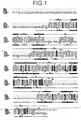
- the deduced amino acid sequence and a multisequence alignment with representative enoyl acyl carrier protein reductases are shown in FIG. 1 (GenBank Accession Number AF33781).
- GenBank web site is www.ncbi.nlm.nih.gov .
- the gene sequence of Plasmodium ENR was obtained with a BLAST search using the sequences from both the B. napus and E. coli enzymes within the P.
- FIG. 1 shows the correct amino acid sequence for Plasmodium.
- the P. falciparum enoyl acyl carrier protein reductase appears to have a plastid targeting sequence (Waller et al., 2000) and has a number of internal insertions.
- the P. falciparum protein has an extremely polar additional internal insertion for which no counterpart exists in any of the previously described enoyl acyl carrier protein reductases. This is important to target sequences among that are unique species of Fab I targets that can be attacked with antisense.
- Fab I was located, the effects of triclosan on Plasmodium falciparum in vitro were investigated.
- the in vitro assays (Milhous et al., 1985; Oduola et al., 1988) were conducted using a modification of the semiautomated microdilution technique for assessing antifolate antagonists. Instead of dialysed human plasma, 10% Albumax I (Gibco BRL), a serum-free substitute, was used to supplement the RPMI 1640 medium. All test compounds were dissolved in DMSO and diluted 400-fold into complete medium before serial dilution over 11 concentrations. Incubation was at 37°C in 5% 02, 5% CO2 and 90% N2 for 48 h.
- P. falciparum strain W2 is susceptible to mefloquine, but resistant to pyrimethamine, sulphadoxine and quinine and less susceptible to chloroquine than P. falciparum strain D6.
- Strain D6 is susceptible to pyrimethamine and sulphadoxine, but similar to P. falciparum strains TM90C2A and TM90C2B, and strain TM91C235 is less susceptible to mefloquine.
- Triclosan was effective against pyrimethamine resistant P. falciparum (W2) at low concentrations (IC50s of 150 nanograms/ml [triclosan] and 160 ngm/ml [Chloroquin], respectively) (Table 1). Interestingly, the pattern of relative susceptibility of triclosan and mefloquine were identical.
- T. gondii growth inhibition was assessed over a 4-day period as described previously (Mack et al., 1984; Roberts et al., 1998; Zuther et al., 1999) using human foreskin fibroblasts (HFF) infected with 105 tachyzoites of the RH strain of T. gondii.
- HFF human foreskin fibroblasts
- the assays are based on microscopic visual inspection of infected and inhibitor treated cultures, and on quantitation of nucleic acid synthesis of the parasite by measuring uptake of 3H uracil into the parasite's nucleic acid. Uracil is not utilized by mammalian cells.
- tachyzoites a clone derived from the Me49 strain
- bradyzoites Me49
- R5 mutants mixed tachyzoites/bradyzoites of the Me49 strain that can be stage switched by culture conditions
- results using the assay systems are shown in FIGS. 6-8 .
- toxicity of a candidate inhibitor was assessed by its ability to prevent growth of human foreskin fibroblasts (HFF) after 4 days and after 8 days as measured by tritiated thymidine uptake and microscopic evaluation.
- Confluent monolayers of HFF were infected with tachyzoites and bradyzoites.
- Inhibitor was added one hour later.
- Non-toxic doses were used in parasite growth inhibition assays.
- Parasite growth was measured by ability to incorporate tritiated uracil during the last 48 hours of culture.
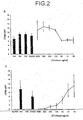
- Triclosan also was effective against T. gondii, in nanomolar amounts ( FIG. 2 ). IC50 was 62 nanograms/ml. There was no toxicity to host cells at these concentrations.
- the discovery and characterization of an apicomplexan Fab I and discovery of triclosan as a lead compound provide means to rationally design novel inhibitory compounds with considerable promise.
- the invention provides novel ways to counteract the increasing resistance of Plasmodium to the current armoury of antimalarial agents and provides a new approach to the great need for additional, less toxic antimicrobial agents effective against T. gondii.
- the inventors (Zuther et al., 1999) and others (Waller et al., 1998) have also identified other novel inhibitors of sequential enzymatic steps in the apicomplexan lipid synthesis pathway, that are predicted to be synergistic with triclosan and other inhibitors of Fab I (Baldock, et al., 1996). This also raises the exciting possibility of a rational basis for discovery of synergistic inhibitors of this pathway effective against multiple different microorganisms (Payne et al., 2000).
- FIG. 1 shows a multiple structure-based sequence alignment of the enoyl reductases from E. coli, H. pylori, B. subtilis, S. aureus, P. falciparum and B. napus .
- the secondary structures and sequence numbers of the E. coli and B. napus enzymes are shown above and below the alignment, respectively.
- the residues which are completely conserved are all black with white faced type and those involved in triclosan binding are indicated with a black, filled circle above.
- the N terminal sequence in the P. falciparum Fab I with no corresponding sequence in E. coli is a plastid target sequence which is a suitable separate target from the entire enzyme for inhibition.
- FIG. 2 demonstrates inhibition of T. gondii by triclosan.
- RH RH strain of T. gondii within fibroblasts
- No RH control with fibroblasts alone
- DMSO fibroblasts with highest concentration of DMSO
- P/S fibroblasts, T. gondii, pyrimethamine and sulfadiazine used as a positive control for the assay
- CPM counts per minute.
- FIG. 3 is a stereo view of the three dimensional arrangement of the atoms that form the binding pocket for triclosan, in E. coli enoyl reductase, with the 11 residues that have any atom within 4 A of the inhibitor, labeled. This is important in assigning the relative contributions made to the interaction with triclosan by the critical amino acids that are also present in the P. falciparum enzyme.
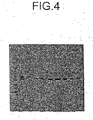
- FIG. 4 shows Fablt fusion protein cut with Factor Xa protease (lane 2) was applied to a cation exchange column (SP Sepharose) separating the fusion protein (lane 3) from Fab It (lanes 4-10). Molecular weight markers (Sigma Wide) are shown in lane 1.
- FIG. 5 shows the expression and purification of recombinant Fab I.
- FabI-MBP fusion protein cut with Factor Xa protease (lane 2) was applied to a cation exchange column (SP Sepharose) separating MBP (lane 3) from Fab I (lanes 4-10).
- SP Sepharose cation exchange column
- FIG. 6(A) is a schematic representation of the pathway for conversion of shikimate to chorismate in T. gondii.
- the inhibitor of EPSP synthase is NMPG;
- B) shows uptake of tritiated uracil by tachyzoites (RH strain) is inhibited by NPMG.
- Toxicity of NPMG was assessed by its ability to prevent growth of human foreskin fibroblasts (HFF) after 4 days, as measured by tritiated thymidine uptake and microscopic evaluation;
- C shows product rescue of NPMG's inhibitory effect of EPSP synthase on PABA.
- FIG. 7 shows inhibitory effects of NPMG, gabaculine, SHAM 8-OH-quinoline and on Cryptosporidia .
- 3NPA also inhibited Cryptosporidia .
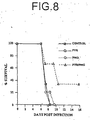
- FIG. 8 shows the effect of NPMG, pyrimethamine, and pyrimethamine plus NPMG on survival of mice following intraperitoneal infection with 500 tachyzoites of the RH strain of T. gondii. Dosage of NPMG was 200mg/kg/day and pyrimethamine was 12.5 mg/kg/day.
- FIG. 9 is an illustrative copy of a web page for the Plasmodium falciparum genomic sequence.
- FIG. 10 is an illustrative copy of a web page with a tool to translate nucleotides to protein sequences.
- FIG. 11 is an illustrative copy of a web page for various searches.
- FIG. 12 shows acetyl Co-A carboxylases of apicomplexan were identified.
- T. gondii was ionhibited by the herbicide, clodinafop, 1 micromolar.
- FIG. 13 shows a model of triclosan binding to its target enzyme, ENR.
- FIG. 14 shows the fatty acid synthesis pathway.
- FIG. 15 is the molecular formula and model for triclosan.
- FAB I A plant-like FAB I was identified in Plasmodium falciparum. The nucleotide sequence and deduced amino acid sequence was prepared and correct sequences were confirmed. FAB I is a single chain, discrete enzyme. All requisite residues for FAB I enzyme activity were confirmed.
- the P. falciparum enayl acyl carrier protein reductase has a putative plastid targeting sequence and unique polar insertions.
- the FAB I structure is modeled on E. coli and B. napus FAB I structure alone and complexed to triclosan. Key amino acids were identified for 2° structure. Residues for binding triclosan were conserved providing explanation for inhibition by triclosan. Triclosan inhibits P. falciparum, T. gondii (nm) in a pattern similar to the action of mefloquine. Soluble protein can be overexpressed.
- T. gondii in vitro Growth inhibition was assessed over a 4-day period as described previously by Roberts et al., 1998; Zuther et al., 1999; and Mack et al., 1984, all incorporated by reference, using human foreskin fibroblasts (HFF) infected with 105 tachyzoites of the RH strain of T. gondii. Uptake of 3H uracil was determined. Evaluation of slides of preparations containing HFF, Toxoplasma and inhibitors were made.
- HFF human foreskin fibroblasts
- W2 is susceptible to mefloquine, but resistant to pyrimethamine, sulphadoxine, but similar to TM90C2A and TM90C2B, and TM91C235 is less susceptible to mefloquin.
- TABLE 1 IC 50 1 of TRICLOSAN, CHLOROQUINE, AND MEFLOQUINE WHEN CULTURED WITH P FALCIPARUM (NANOGRAMS/ML) Parasite Strain Antimicrobial Agents D6 TM90C2A W2 TM90C2B TM91C235 Triclosan 387.1 1891.4 154.4 1330.4 1800.5 Mefloquine 5.3 24.5 2.0 19.3 19.6 Chloroquine 3.8 57.3 162.4 82.7 46.1 1 The activity of triclosan, mefloquine, and chloroquine were tested against a series of P.
- D6 a clone from the African Sierra I/UNC isolate, is chloroquine and pyrimethamine susceptible; W2 is a clone of the Indochina I isolate and is chloroquine and pyrimethamine resistant.
- TM90C2A, TM90C2B, and TM91C235 are isolates from Thailand and all are chloroquine and mefloquine resistant.
- TM91C235 was isolated from a patient that failed mefloquine, twice, whereas TM90-C2a and TM90-Cb are admission and recrudescent isolates, respectively, of the first patient who failed treatment with atovaquone (alone) in Thailand. Subsequent susceptibility testing demonstrated that the recrudescent isolate (2B) was approximately 2000 fold resistant to atovaquone, when compared with the admission isolate and other atovaquone - susceptible isolates from Thailand.
- the FabI gene from Plasmodium falciparum is located on chromosome 4 and codes for a 432 amino acid protein.
- the FabI gene from gDNA of the 3D7 strain of P. falciparum was amplified using PfuTurbo polymerase (Stratagene) and two primers (5'-GGTGGTGAATTCATGAATAAAATATCACAACGG-3' and 5'-GGTGGTGTCGACTTATTCATTTTCATTGCGATATATATC-3'). The resulting amplicon was digested with EcoRI and SalI endonucleases and gel purified using the QIAquick Gel Extraction Kit from Qiagen.
- the digested ampicon was ligated with T4 DNA ligase (Boehringer Mannheim) into the pMAL-c2x vector (New England Biolabs) which had previously been digested with the same endonucleases and treated with Shrimp Alkaline Phosphatase (USB).
- Fablt Overexpression of Fablt in bacterial culture .
- the pMAL-c2x vector containing the Fablt construct was transformed into BL21-CodonPlus(DE3) cells (Stratagene). Bacterial cultures were grown in shaker flasks at 37° to an OD600 of 0.6 and then induced with IPTG (Sigma) to a final concentration of 0.4mM. Induced cultures were transferred to a 20° shaker and incubated for an additional 12 hours. After this period, the cells were harvested by centrifugation at 5,000 x G for 15 minutes and the cell pellet was frozen at - 20°.
- Cell lysis buffer (20mM Na/K phosphate pH 7.5, 1 mg/ml lysozyme (Sigma), 2.5 ⁇ g/ml DNAse I (Sigma), 200mM NaCl) was added to the frozen cell pellets (20mL per liter of original culture) and gently vortexed. Resuspended cells were incubated on ice for 10 minutes followed by 30 seconds of sonication. Cell lysate was clarified by centrifugation at 20,000 x G for 15 minutes at 4° and applied to a 10ml amylose column (New England Biolabs) equilibrated in 20mM Na/K phosphate pH 7.5, 200mM NaCl.
- the column was washed with 5 column volumes of 20mM Na/K phosphate pH 7.5, 500mM NaCl followed by elution with 20mM Na/K phosphate pH 7.5, 200mM NaCl, 100mM Maltose.
- FabIt fusion protein Cleavage of FabIt fusion protein and purification of FabIt .
- Purified Fablt fusion protein was digested with Factor Xa (New England Biolabs) at ratio of 1 mg Factor Xa per 500mg of fusion protein.
- Calcium chloride was added to the reaction mixture at a final concentration of 1 mM and the mixture was incubated at 4° for 24 hours.
- the reaction mixture was desalted with a HiPrep 26/10 Desalting column (Pharmacia) equilibrated in 20mM Na/K phosphate pH 8.0, 10 ⁇ M NAD+.
- Desalted protein was applied to a SP Sepharose cation exchange column (Pharmacia) equilibrated in 20mM Na/K phosphate pH 8.0, 10 ⁇ M NAD+ and washed for 10 column volumes with the same buffer. Adsorbed proteins were eluted from the column with a linear gradient to 20mM Na/K phosphate pH 8.0, 10 ⁇ M NAD+, 500mM NaCl in 20 column volumes. Fractions containing pure Fablt protein were pooled for further analysis.
- FabI-MBP Maltose Binding Protein
- HOANG TUNG T ET AL "Characterization of Pseudomonas aeruginosa enoyl-acyl carrier protein reductase (FabI): A target for the antimicrobial triclosan and its role in acylated homoserine lactone synthesis" JOURNAL OF BACTERIOLOGY, WASHINGTON, DC, US, vol. 181, no. 17, 1999, pages 5489-5497, XP002194160 ISSN: 0021-9193
Landscapes
- Health & Medical Sciences (AREA)
- Chemical & Material Sciences (AREA)
- Life Sciences & Earth Sciences (AREA)
- Organic Chemistry (AREA)
- General Health & Medical Sciences (AREA)
- Engineering & Computer Science (AREA)
- Medicinal Chemistry (AREA)
- Zoology (AREA)
- Veterinary Medicine (AREA)
- Genetics & Genomics (AREA)
- Wood Science & Technology (AREA)
- Bioinformatics & Cheminformatics (AREA)
- Pharmacology & Pharmacy (AREA)
- Animal Behavior & Ethology (AREA)
- Public Health (AREA)
- Biochemistry (AREA)
- General Engineering & Computer Science (AREA)
- Tropical Medicine & Parasitology (AREA)
- Nuclear Medicine, Radiotherapy & Molecular Imaging (AREA)
- General Chemical & Material Sciences (AREA)
- Chemical Kinetics & Catalysis (AREA)
- Molecular Biology (AREA)
- Biomedical Technology (AREA)
- Biotechnology (AREA)
- Microbiology (AREA)
- Epidemiology (AREA)
- Pharmaceuticals Containing Other Organic And Inorganic Compounds (AREA)
- Micro-Organisms Or Cultivation Processes Thereof (AREA)
- Medicines That Contain Protein Lipid Enzymes And Other Medicines (AREA)
- Peptides Or Proteins (AREA)
- Enzymes And Modification Thereof (AREA)
Abstract
Description
- Discovery and characterization of an apicomplexan Fab I gene and encoded enzyme and the discovery of triclosan as a lead compound, provide means to rationally design novel inhibitory compositions useful for prevention and treatment of apicomplexan and microbial related diseases.
- Fab I, enoyl acyl carrier protein reductase (ENR), is an enzyme used in fatty acid synthesis. It is a single chain polypeptide in plants, bacteria, and mycobacteria, but is part of a complex polypeptide in animals and fungi. Certain other enzymes in fatty acid synthesis in apicomplexan parasites appear to have multiple forms, homologous to either a plastid sequence, a plant-like single chain enzyme, or more like the animal complex polypeptide.
- Apicomplexan infections are among the most common and devastating infectious diseases. Malaria (Plasmodium) kills one child every eleven seconds and three million people every year. It is a cause of substantial morbidity in pregnant women and young children. Toxoplasmosis gondii results in a chronic central nervous system infection in more than a third of the world population, as well as acute life threatening disease in immunocomprised individuals. New medicines are greatly needed for the treatment of these diseases.
- Recently a number of plant-like biochemical pathways associated with the vestigial plastid organelle of T. gondii and Plasmodium species have been suggested as new targets for such medicines (Roberts et al, 1998; Waller et al., 1998; Zuther et al., 1999). A particularly attractive target in this respect is the fatty acid biosynthesis pathway because there are major differences between the structure of the plastid-associated enzymes found in plants and the cytosolic enzymes found in mammals (Roberts et al., 1998; Jomaa et al., 1999; Zuther et al., 1999; Waller et al., 2000). Importantly, enzymes of mammalian lipid synthesis form domains on a multifunctional protein, whereas those enzymes in plants and certain bacteria are found on discrete mono-functional polypeptides. These differences have already been exploited by a number of compounds which selectively inhibit bacterial or plant enzymes, but do not inhibit mammalian enzymes (Roberts et al., 1998; Waller et al., 1998; Zuther et al., 1999; Payne et al., 2000). Notably, both T. gondii and P. falciparum have been shown to possess mono-functional, plant- or bacterial-like fatty acid biosynthesis enzymes which are targeted to the plastid organelle via a bipartite, N-terminal transit sequence (Waller et al., 1998; Zuther et al., 1999; Roos et al., 1999; DeRocher et al., 2000). Compounds such as aryloxyphenoxypropionates (Zuther et al., 1999), cyclohexanedione (Zuther et al., 1999) herbicides and thiolactomycin (Waller et al., 1998) which inhibit acetyl-CoA carbozylase (ACC) and β-ketoacyl-ACP synthase (Fab H) respectively, have been demonstrated to restrict the growth of T. gondii in vitro.
-
WO01 /00138 - Hoang Tung T. et al. suggest FabI as a target for Triclosan and its use as antimicrobial.
- Enoyl acyl carrier protein reductase catalyses the NAD (P)-dependent reduction of a trans-2,3 enoyl moiety into a saturated acyl chain, the second reductive step in the fatty acid biosynthesis pathway. Recent studies on the inhibition of ENR by compounds such as the diazaborines (Turnowsky et al., 1989; Baldock et al., 1996) and triclosan (McMurray et al., 1998; Heath et al., 1998; Levy et al., 1999; Payne et al., 2000; and Jones et al., 2000) have validated this enzyme as a target for the development of new antibacterial agents. In particular, triclosan, which is found in many house-hold formulation including soaps, deodorants, hand lotion, toothpaste and impregnated into plastics as an anti-bacterial agent is an extremely potent ENR inhibitor (Ward et al., 1999). A question is whether Fab I is in apicomplexan parasites and, if so, whether inhibition of Fab I can inhibit parasite growth and/or survival.
- The present invention relates the first report of apicomplexan Fab I (enoyl acyl carrier protein reductase, ENR) and discloses the effects of triclosan, a potent and specific inhibitor of this enzyme, on the in vitro growth of T. gondii and P. falciparum chain. A plant-like Fab I in P. falciparum was identified by the inventors and the structure was modeled on the Brassia napus and Escherichia coli structures, alone and complexed to triclosan (5-chloro-2-[2,4 dichloropheoxyl] phenol), which confirmed all the requisite features of an enoyl acyl carrier protein reductase (ENR) and its interactions with triclosan. Like the remarkable effect of triclosan on a wide variety of bacteria, this compound markedly inhibits growth and survival of the apicomplexan parasites P. falciparum and Toxoplasma gondii at low concentrations (i.e., IC50 ≅150-2000 and 62 nanogram/ml respectively).
- Initially, a sequence for a putative Plasmodium falciparum Fab I was located on the aggregate P. falciparum chromosomes referred to as "blob" (GenBank Accession Number AF338731). The deduced amino acid sequence and a multisequence alignment with representative enoyl acyl carrier protein reductases are shown in
FIG. 1 (GenBank Accession Number AF33781). GenBank web site is www.ncbi.nlm.nih.gov. The gene sequence of Plasmodium ENR was obtained with a BLAST search using the sequences from both the B. napus and E. coli enzymes within the P. falciparum database "PlasmoDB" (found at www.PlasmoDB.org). (See Materials and Methods). This sequence was then converted to an amino acid sequence at www.expasy.ch/tools/dna.html. The sequence was aligned using the "Multiple Sequence Alignment at http://searchlauncher.bcm.tmc.edu. - Subsequently, the molecules were prepared and tested in a laboratory setting (see Example 1). Errors in the published sequence for the Plasmodium genome were found.
FIG. 1 shows the correct amino acid sequence for Plasmodium. - Analysis of the pattern of sequence conservation confirmed that this protein has all the residues that have been identified as essential for enzyme activity. Interestingly, there is much greater sequence similarity with the plant enzyme than with the ENRs of bacterial origin. The P. falciparum enoyl acyl carrier protein reductase appears to have a plastid targeting sequence (Waller et al., 2000) and has a number of internal insertions. In addition, the P. falciparum protein has an extremely polar additional internal insertion for which no counterpart exists in any of the previously described enoyl acyl carrier protein reductases. This is important to target sequences among that are unique species of Fab I targets that can be attacked with antisense.
- Because Fab I was located, the effects of triclosan on Plasmodium falciparum in vitro were investigated. For P. falciparum, the in vitro assays (Milhous et al., 1985; Oduola et al., 1988) were conducted using a modification of the semiautomated microdilution technique for assessing antifolate antagonists. Instead of dialysed human plasma, 10% Albumax I (Gibco BRL), a serum-free substitute, was used to supplement the RPMI 1640 medium. All test compounds were dissolved in DMSO and diluted 400-fold into complete medium before serial dilution over 11 concentrations. Incubation was at 37°C in 5% 02, 5% CO2 and 90% N2 for 48 h. [3H]-Hypoxanthine incorporation was measured as described previously (Milhous et al, 1985; Oduola et al, 1988). P. falciparum strain W2 is susceptible to mefloquine, but resistant to pyrimethamine, sulphadoxine and quinine and less susceptible to chloroquine than P. falciparum strain D6. Strain D6 is susceptible to pyrimethamine and sulphadoxine, but similar to P. falciparum strains TM90C2A and TM90C2B, and strain TM91C235 is less susceptible to mefloquine.
- The effect of triclosan on P. falciparum in vitro was studied with pyrimethamine sensitive and resistant organisms, and those with varying sensitivity to chloroquine and mefloquine, simultaneously with studies of effect of chloroquin or mefloquine on these parasites (Table 1). Triclosan was effective against pyrimethamine resistant P. falciparum (W2) at low concentrations (IC50s of 150 nanograms/ml [triclosan] and 160 ngm/ml [Chloroquin], respectively) (Table 1). Interestingly, the pattern of relative susceptibility of triclosan and mefloquine were identical. This similarity suggests that triclosan and mefloquine may share a common mechanism of influx or efflux, because such differences in transporters are believed to be the basis of the differences in susceptibility of malaria parasites to mefloquin although other mechanisms are possible.
- For T. gondii, growth inhibition was assessed over a 4-day period as described previously (Mack et al., 1984; Roberts et al., 1998; Zuther et al., 1999) using human foreskin fibroblasts (HFF) infected with 105 tachyzoites of the RH strain of T. gondii. The assays are based on microscopic visual inspection of infected and inhibitor treated cultures, and on quantitation of nucleic acid synthesis of the parasite by measuring uptake of 3H uracil into the parasite's nucleic acid. Uracil is not utilized by mammalian cells. Parasites present as tachyzoites (RH, Ptg., a clone derived from the Me49 strain), bradyzoites (Me49), and R5 mutants (mixed tachyzoites/bradyzoites of the Me49 strain that can be stage switched by culture conditions) (Bohne et al., 1993; Soete et al., 1994; Tomovo and Boothroyd, 1995; Weiss et al., 1992) are suitable for assay systems used to study effects of inhibitors. Only the RH strain tachyzoites, cultured for up to 72 hours, had been used in previously reported assays. The use of Me49, Ptg, and R5 mutants are unique aspects of the methods used in these assays in this invention.
- Results using the assay systems are shown in
FIGS. 6-8 . In these assays toxicity of a candidate inhibitor was assessed by its ability to prevent growth of human foreskin fibroblasts (HFF) after 4 days and after 8 days as measured by tritiated thymidine uptake and microscopic evaluation. Confluent monolayers of HFF were infected with tachyzoites and bradyzoites. Inhibitor was added one hour later. Non-toxic doses were used in parasite growth inhibition assays. Parasite growth was measured by ability to incorporate tritiated uracil during the last 48 hours of culture. - Triclosan also was effective against T. gondii, in nanomolar amounts (
FIG. 2 ). IC50 was 62 nanograms/ml. There was no toxicity to host cells at these concentrations. - Analysis of the binding site for triclosan in B. napus and E. coli ENR shows that 11 residues have contacts less than 4Å with one of more atoms of the triclosan (
FIG. 3 ). Inspection of the sequence for P. falciparum ENR reveals that it shares sequence identity at each of these positions with either the sequence of the B. napus or E. coli enzymes providing a clear explanation for the inhibitory properties of this agent against P. falciparum. - The discovery and characterization of an apicomplexan Fab I and discovery of triclosan as a lead compound provide means to rationally design novel inhibitory compounds with considerable promise. The invention provides novel ways to counteract the increasing resistance of Plasmodium to the current armoury of antimalarial agents and provides a new approach to the great need for additional, less toxic antimicrobial agents effective against T. gondii. The inventors (Zuther et al., 1999) and others (Waller et al., 1998) have also identified other novel inhibitors of sequential enzymatic steps in the apicomplexan lipid synthesis pathway, that are predicted to be synergistic with triclosan and other inhibitors of Fab I (Baldock, et al., 1996). This also raises the exciting possibility of a rational basis for discovery of synergistic inhibitors of this pathway effective against multiple different microorganisms (Payne et al., 2000).
-
FIG. 1 shows a multiple structure-based sequence alignment of the enoyl reductases from E. coli, H. pylori, B. subtilis, S. aureus, P. falciparum and B. napus. The secondary structures and sequence numbers of the E. coli and B. napus enzymes are shown above and below the alignment, respectively. The residues which are completely conserved are all black with white faced type and those involved in triclosan binding are indicated with a black, filled circle above. The N terminal sequence in the P. falciparum Fab I with no corresponding sequence in E. coli is a plastid target sequence which is a suitable separate target from the entire enzyme for inhibition. -
FIG. 2 demonstrates inhibition of T. gondii by triclosan. (a) no inhibitory effect of triclosan on the host cells uptake of thymidine; appearance of the monolayer also was unchanged. (b) effect of triclosan on T. gondii uracil uptake; triclosan reduces uracil uptake byintracellular T. gondii 4 days after infection; IC50 was ≅ 62 nanograms per ml; effect increased betweendays 1 to 4, for example, in a separate experiment, for 125 nanograms per ml of triclosan onday 1, percentage inhibition was 20% and onday 4 was 72% and for pyrimethamine/sulfadiazine percentages of inhibition at these times were 63% and 100% respectively. Abbreviations: RH=RH strain of T. gondii within fibroblasts; No RH=control with fibroblasts alone; DMSO = fibroblasts with highest concentration of DMSO; P/S = fibroblasts, T. gondii, pyrimethamine and sulfadiazine used as a positive control for the assay; CPM = counts per minute. -
FIG. 3 is a stereo view of the three dimensional arrangement of the atoms that form the binding pocket for triclosan, in E. coli enoyl reductase, with the 11 residues that have any atom within 4 A of the inhibitor, labeled. This is important in assigning the relative contributions made to the interaction with triclosan by the critical amino acids that are also present in the P. falciparum enzyme. -
FIG. 4 shows Fablt fusion protein cut with Factor Xa protease (lane 2) was applied to a cation exchange column (SP Sepharose) separating the fusion protein (lane 3) from Fab It (lanes 4-10). Molecular weight markers (Sigma Wide) are shown inlane 1. -
FIG. 5 shows the expression and purification of recombinant Fab I. FabI-MBP fusion protein cut with Factor Xa protease (lane 2) was applied to a cation exchange column (SP Sepharose) separating MBP (lane 3) from Fab I (lanes 4-10). A small amount of uncut fusion protein (FabI-MBP) can be seen in the elution fractions as well as some lower molecular weight fragments resulting from overdigestion of Fab I. -
FIG. 6(A) is a schematic representation of the pathway for conversion of shikimate to chorismate in T. gondii. The inhibitor of EPSP synthase is NMPG; (B) shows uptake of tritiated uracil by tachyzoites (RH strain) is inhibited by NPMG. Toxicity of NPMG was assessed by its ability to prevent growth of human foreskin fibroblasts (HFF) after 4 days, as measured by tritiated thymidine uptake and microscopic evaluation; (C) shows product rescue of NPMG's inhibitory effect of EPSP synthase on PABA. The effect of PABA on sulfadiazine is similar, but the effect of pyrimethamine, as predicted reduces the enzyme to the levels that were present when media alone was utilized, as measured by the uracil uptake. S = sulfdiazine; PYR = pyrimethamine; and PABA = para amino benzoic acid; (D) shows functional and enzymatic evidence for the shikimate pathway in T. gondii with inhibition of EPSP synthase enzyme activity by 1mM glyosate. Squares, without glyphosate. Circles, with glyphosate; (E) shows evidence for the shikimate pathway in P. falciparum with functional evidence for the shikimate pathway in P. falciparum. Glyphosate inhibition of in vitro growth of asexual erythrocytic forms and PABA and folate antagonism of growth inhibition. Effect of NPMG on C. parvum was not abrogated by PABA. This suggests that either uptake of PABA by C. parvum differs or effect of NPMG is on a different branch from the shikimate pathway in C. parvum. -
FIG. 7 shows inhibitory effects of NPMG, gabaculine, SHAM 8-OH-quinoline and on Cryptosporidia. 3NPA also inhibited Cryptosporidia. -
FIG. 8 shows the effect of NPMG, pyrimethamine, and pyrimethamine plus NPMG on survival of mice following intraperitoneal infection with 500 tachyzoites of the RH strain of T. gondii. Dosage of NPMG was 200mg/kg/day and pyrimethamine was 12.5 mg/kg/day. -
FIG. 9 is an illustrative copy of a web page for the Plasmodium falciparum genomic sequence. -
FIG. 10 is an illustrative copy of a web page with a tool to translate nucleotides to protein sequences. -
FIG. 11 is an illustrative copy of a web page for various searches. -
FIG. 12 shows acetyl Co-A carboxylases of apicomplexan were identified. T. gondii was ionhibited by the herbicide, clodinafop, 1 micromolar. A and C control; B and D with clodinafop. -
FIG. 13 shows a model of triclosan binding to its target enzyme, ENR. -
FIG. 14 shows the fatty acid synthesis pathway. -
FIG. 15 is the molecular formula and model for triclosan. - A plant-like FAB I was identified in Plasmodium falciparum. The nucleotide sequence and deduced amino acid sequence was prepared and correct sequences were confirmed. FAB I is a single chain, discrete enzyme. All requisite residues for FAB I enzyme activity were confirmed. The P. falciparum enayl acyl carrier protein reductase has a putative plastid targeting sequence and unique polar insertions. The FAB I structure is modeled on E. coli and B. napus FAB I structure alone and complexed to triclosan. Key amino acids were identified for 2° structure. Residues for binding triclosan were conserved providing explanation for inhibition by triclosan. Triclosan inhibits P. falciparum, T. gondii (nm) in a pattern similar to the action of mefloquine. Soluble protein can be overexpressed.
- Information obtained from P. falciparum because FAH I was purified include that the N terminal sequence is the same as B. napus FAB I, enzyme activity is NADH dependent and inhibited by triclosan. FAB I is involved in synthesis of 10, 12 C fatty acids. In a P. berghei murine model, Triclosan administered subcutaneously (3 or 38 mg/kg) was nontoxic, cleared parasitemia and prevented death. Synergy was demonstrated in vitro with cerulein, an inhibitor of Fab F, B, H.
- T. gondii in vitro. Growth inhibition was assessed over a 4-day period as described previously by Roberts et al., 1998; Zuther et al., 1999; and Mack et al., 1984, all incorporated by reference, using human foreskin fibroblasts (HFF) infected with 105 tachyzoites of the RH strain of T. gondii. Uptake of 3H uracil was determined. Evaluation of slides of preparations containing HFF, Toxoplasma and inhibitors were made.
- P. falciparum. The in vitro assays (Oduala et al., 1988; Milhous et al., 1985) were conducted using a modification of the semiautomated microdilution technique for assessing antifolate antagonists. Instead of dialysed human plasma, 10% Albumaz I (Gibco BRL), a serum-free substitute, was used to supplement the RPMI 16-40 media. All test compounds were dissolved in DMSO and diluted 400-fold into complete media before serial dilution over 11 concentrations. Incubation was at 37°C in 5% 02, 5% C 02 and 90% N2 for 48h, [3H]-Hypoxanthine incorporation was measured as described previously (13, 14). W2 is susceptible to mefloquine, but resistant to pyrimethamine, sulphadoxine, but similar to TM90C2A and TM90C2B, and TM91C235 is less susceptible to mefloquin.
TABLE 1: IC 501 of TRICLOSAN, CHLOROQUINE, AND MEFLOQUINE WHEN CULTURED WITH P FALCIPARUM (NANOGRAMS/ML) Parasite Strain Antimicrobial Agents D6 TM90C2A W2 TM90C2B TM91C235 Triclosan 387.1 1891.4 154.4 1330.4 1800.5 Mefloquine 5.3 24.5 2.0 19.3 19.6 Chloroquine 3.8 57.3 162.4 82.7 46.1 1 The activity of triclosan, mefloquine, and chloroquine were tested against a series of P. falciparum isolates and clones with differing susceptibilities to antimalarial drugs. D6, a clone from the African Sierra I/UNC isolate, is chloroquine and pyrimethamine susceptible; W2 is a clone of the Indochina I isolate and is chloroquine and pyrimethamine resistant. TM90C2A, TM90C2B, and TM91C235 are isolates from Thailand and all are chloroquine and mefloquine resistant. TM91C235 was isolated from a patient that failed mefloquine, twice, whereas TM90-C2a and TM90-Cb are admission and recrudescent isolates, respectively, of the first patient who failed treatment with atovaquone (alone) in Thailand. Subsequent susceptibility testing demonstrated that the recrudescent isolate (2B) was approximately 2000 fold resistant to atovaquone, when compared with the admission isolate and other atovaquone - susceptible isolates from Thailand. - Cloning of the FabI gene. The FabI gene from Plasmodium falciparum is located on
chromosome 4 and codes for a 432 amino acid protein. The FabI gene from gDNA of the 3D7 strain of P. falciparum was amplified using PfuTurbo polymerase (Stratagene) and two primers (5'-GGTGGTGAATTCATGAATAAAATATCACAACGG-3' and 5'-GGTGGTGTCGACTTATTCATTTTCATTGCGATATATATC-3'). The resulting amplicon was digested with EcoRI and SalI endonucleases and gel purified using the QIAquick Gel Extraction Kit from Qiagen. The digested ampicon was ligated with T4 DNA ligase (Boehringer Mannheim) into the pMAL-c2x vector (New England Biolabs) which had previously been digested with the same endonucleases and treated with Shrimp Alkaline Phosphatase (USB). A second construct, lacking FabI residues 1-84, was prepared in the same way using the following two primers: 5'-GGTGGTGAATTCTCAAACATAAACAAAATTAAAGAAG-3' and 5'-GGTGGTGTCGACTTATTCATTTTCATTGCGATATATATC-3'. This truncated construct was called FabIt. - Overexpression of Fablt in bacterial culture. The pMAL-c2x vector containing the Fablt construct was transformed into BL21-CodonPlus(DE3) cells (Stratagene). Bacterial cultures were grown in shaker flasks at 37° to an OD600 of 0.6 and then induced with IPTG (Sigma) to a final concentration of 0.4mM. Induced cultures were transferred to a 20° shaker and incubated for an additional 12 hours. After this period, the cells were harvested by centrifugation at 5,000 x G for 15 minutes and the cell pellet was frozen at - 20°.
- Purification of Recombinant Fab It fusion protein. Cell lysis buffer (20mM Na/K phosphate pH 7.5, 1 mg/ml lysozyme (Sigma), 2.5 µg/ml DNAse I (Sigma), 200mM NaCl) was added to the frozen cell pellets (20mL per liter of original culture) and gently vortexed. Resuspended cells were incubated on ice for 10 minutes followed by 30 seconds of sonication. Cell lysate was clarified by centrifugation at 20,000 x G for 15 minutes at 4° and applied to a 10ml amylose column (New England Biolabs) equilibrated in 20mM Na/K phosphate pH 7.5, 200mM NaCl. The column was washed with 5 column volumes of 20mM Na/K phosphate pH 7.5, 500mM NaCl followed by elution with 20mM Na/K phosphate pH 7.5, 200mM NaCl, 100mM Maltose.
- Cleavage of FabIt fusion protein and purification of FabIt. Purified Fablt fusion protein was digested with Factor Xa (New England Biolabs) at ratio of 1 mg Factor Xa per 500mg of fusion protein. Calcium chloride was added to the reaction mixture at a final concentration of 1 mM and the mixture was incubated at 4° for 24 hours. The reaction mixture was desalted with a HiPrep 26/10 Desalting column (Pharmacia) equilibrated in 20mM Na/K phosphate pH 8.0, 10µM NAD+. Desalted protein was applied to a SP Sepharose cation exchange column (Pharmacia) equilibrated in 20mM Na/K phosphate pH 8.0, 10µM NAD+ and washed for 10 column volumes with the same buffer. Adsorbed proteins were eluted from the column with a linear gradient to 20mM Na/K phosphate pH 8.0, 10µM NAD+, 500mM NaCl in 20 column volumes. Fractions containing pure Fablt protein were pooled for further analysis.
- Overexpression of Recombinant Fab I. The FabI gene was amplified from cDNA of the 3D7 strain of P. falciparum and inserted into the pMAL-c2x vector (New England Biolabs) for expression in E. coli. Recombinant FabI fused the Maltose Binding Protein (FabI-MBP) was purified from clarified cell lysate using a 10ml amylose column (New England Biolabs). The pure FabI-MBP fusion protein was cleaved with Factor Xa protease yielding FabI and MBP, which were the separated with a 5ml SP Sepharose column (Pharmacia).
- Baldock C., Rafferty J.B., Sdelnikova S.E., Baker P.J., Stitje A.R., Slabas A.R., Hawkes T.R., Rice D.W., 1996. A mechanism of drug action revealed by structural studies of enoyl reductase. Science. 274, 2107-2110.
- DeRocher A., Hage C.B., Froehlich J.E., Feagin J.E., Parsons M., 2000. Analysis of targeting sequences demonstrates that trafficking to the toxoplasma gondii plastid branches off the secretory system. J Cell Sci. 113, (Pt22):3969-77.
- Heath R.J., Yu Y.T., Shapiro M.A., Olson E. Rock CO., 1998. Broad-spectrum antimicrobial biocides target the Fab I component of fatty acid synthesis. J Biol Chem. 273,30316-30320.
- Jomaa H., Wiesner J., Sanderbrand S., Altincicek B., Weidemeyer C., Hintz M., Turbachova I., Eberl M., Zeidler J., Lichtenhaler H.K., Soldati D., Beck E., 1999. Inhibitors of the nonmevalonate pathway of isoprenoid biosynthesis as antimalarial drugs. Science. 285 (5433):1573-6.
- Jones R.D., Janpani H., Newman J.L., Lee A., 2000. Triclosan: A review of effectiveness and safety in healthcare settings. Am J. Inf. Control. 28, 184-196.
- Levy, C.W., Roujeinikova A., Sedelnikova S.E., Baker P.J., Stuitje, A.R., Slabas, A.R., Rice, D.W., Rafferty, J.B., 1999. Molecular basis of triclosan activity. Nature. 398, 383-384 .
- Mack D., McLeod R., 1984. A new micromethod to study effects of antimicrobial agents on Toxoplasma gondii: Comparison of sulfadoxine and sulfadiazine and study of clindamycin, metronidazole, and cyclosporin A. Antimicrob. Agents Chemother. 26, 26-30.
- McMurray L.M., Oethinger M., Levy S.B., 1998. Triclosan targets lipid synthesis. Nature. 394, 531-2.
- Milhous W.K., Weatherly N.F., Bowdre J.H., Desjardins R.E., 1985. In vitro activities and mechanisms of resistance to anti-folates and anti-malarial drugs. Antimicrob. Agents Chemother. 27,525-530.
- Oduola A.M.J., Weatherly N.J., Bowdre J.H., Desjardins R.E., 1988. Plasmodium falciparum - cloning by single erythrocyte micromanipulation and heterogeneity in vitro. Exp. Parasitol. 66, 86-95.
- Payne D.J., Wallis N.G., Gentry D.R., Rosenberg M., 2000. The impact of genomics on novel antibacterial targets. Curr Opin Drug Discovery Devel. 3(2), 177-190.
- Plasmodium Genome Database Collaborative, 2001. PlasmoDB: An integrative database of the P. falciparum genome. Tools for accessing and analyzing finished and unfinshed sequence data. Nucl. Acids Res. 29: 66-69.
- Roberts F., Roberts C.W., Johnson J., Kyle D.E., Krell T., Coggins J.R., Coombs G.H., Milhous W.K., Tzipori S., Ferguson D.J.P., Chakrabarti D., McLeod R., 1998. Evidence for the shikimate pathway in apicomplexan parasites. Nature. 393, 801-805.
- Roos D.S., Crawford M.J., Donald R.G., Kissinger J.C., Klimczak L.J., Striepen B., 1999. Origin, targeting, and function of the apicomplexan plastid. Curr Opin Microbiol. 2(4):426-32. Review.
- The Plasmodium Genome Database http://PlasmoDB.org (Nucleic Acids Research) 29, In .
- Turnowsky F. ,Fuchs K., Jeschek C., Hogenauer G., 1989. env M genes of Salmonella typhimurium and Escherichia coli. J. Bacteriol. 171, 6555-6565.
- Waller R.F., Keeling P.J., Donald R.G., Striepen B., Handman E., Lan-Unnasch N., Cowman A.F., Besra G.S., Roos D.S., McFadden G.I., 1998. Nuclear-encoded proteins target to the plastid in Toxoplasma gondii and Plasmodium falciparum. Proc Natl Acad Sci USA. 95(21),12352-12357.
- Waller R.F., Reed M.D., Cowman A.F., McFadden G.I., 2000. Protein trafficking to the plastid of Plasmodium falciparum is via the secretory pathway. EMBO J.19(8);1794-802.
- Ward W.H.J., Holdgate G.A., Rowesell S., McLean E.G., Pauptit R.A., Clayton E., Nichols W.W., Colls J.G., Minshull C.A., Jude, D.A., Mistry A., Timms D., Camble R., Hales, N.J., Britton C.J., Taylor, I. W.F., 1999. Kinetic and structural characteristics of the inhibition of enoyl (acyl carrier protein) reductase by triclosan. Biochemistry. 38, 12514-12525.
- Zuther E., Johnson J.J., Haselkorn R., McLeod R., and Gornicki P., 1999. Growth of Toxoplasma gondii is inhibited by aryloxyphenoxypropionate herbicides targeting acetyl-CoA carboxylase. Proc Natl. Acad Sci USA. 96, 13387-92.
- HOANG TUNG T ET AL: "Characterization of Pseudomonas aeruginosa enoyl-acyl carrier protein reductase (FabI): A target for the antimicrobial triclosan and its role in acylated homoserine lactone synthesis" JOURNAL OF BACTERIOLOGY, WASHINGTON, DC, US, vol. 181, no. 17, 1999, pages 5489-5497, XP002194160 ISSN: 0021-9193
-
- <110> MCLEOD, RIMA
MUENCH, STEPHEN P.
RAFFERTY, JOHN B.
KYLE, DENNIS E.
MUI, ERNEST J.
KIRISITS, MICHAEL J.
MACK, DOUGLAS G.
ROBERTS, CRAIG W.
SAMUEL, BENJAMIN U.
LYONS, RUSSELL E.
MILHOUS, WILBUR K.
PRIGGE, SEAN
RICE, DAVID W. - <120> FAB I AND INHIBITION OF APICOMPLEXAN PARASITES
- <130> 223-28
- <140> 10/465,527
<141> 2003-06-18 - <150> 01 986 546.8
<151> 2001-12-20 - <150> 60/257,771
<151> 2000-12-21 - <150> 60/264,499
<151> 2001-01-26 - <160> 10
- <170> PatentIn Ver. 3.2
- <210> 1
<211> 262
<212> PRT
<213> Escherichia coli - <400> 1

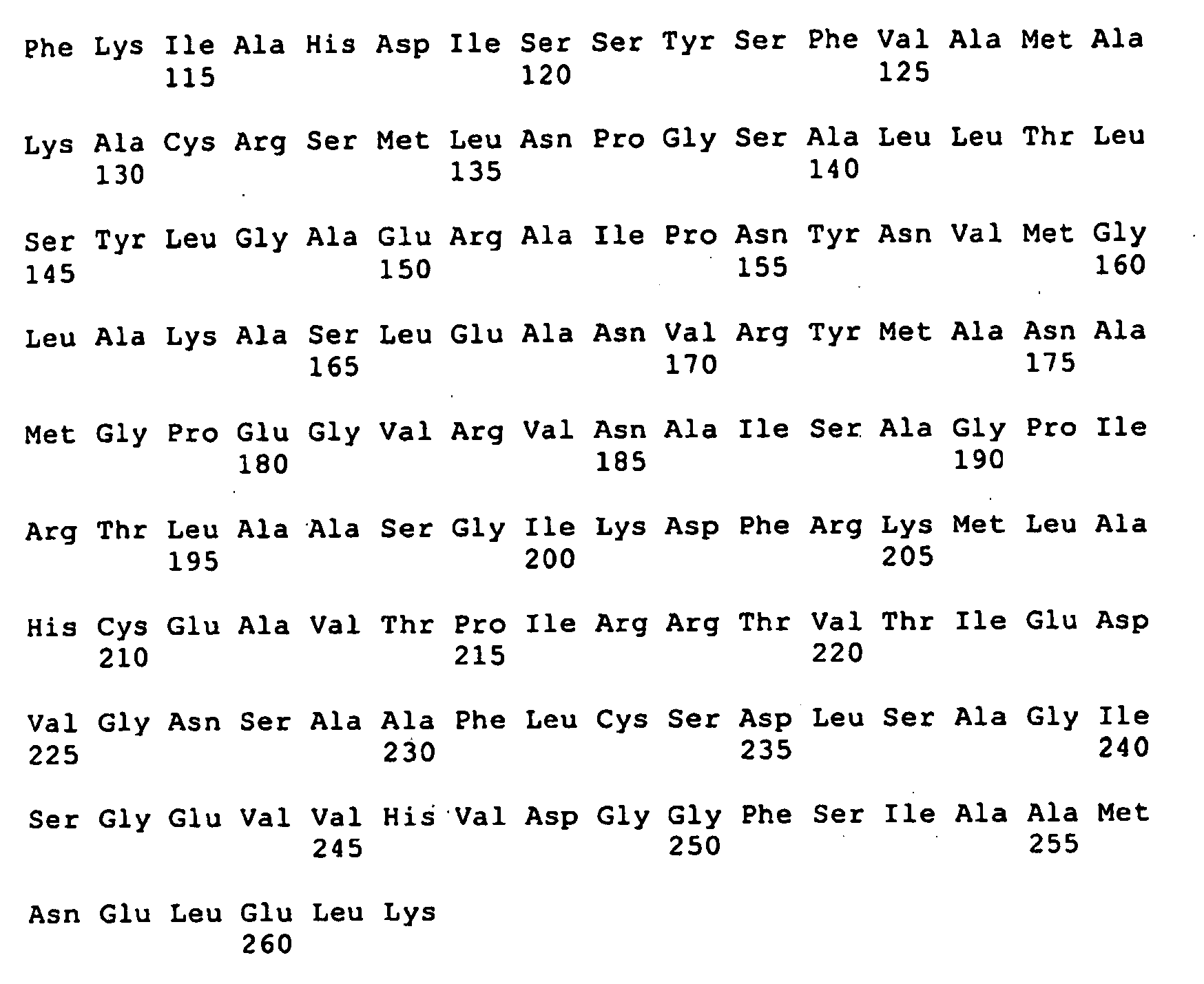
- <210> 2
<211> 275
<212> PRT
<213> Helicobacter pylori - <400> 2


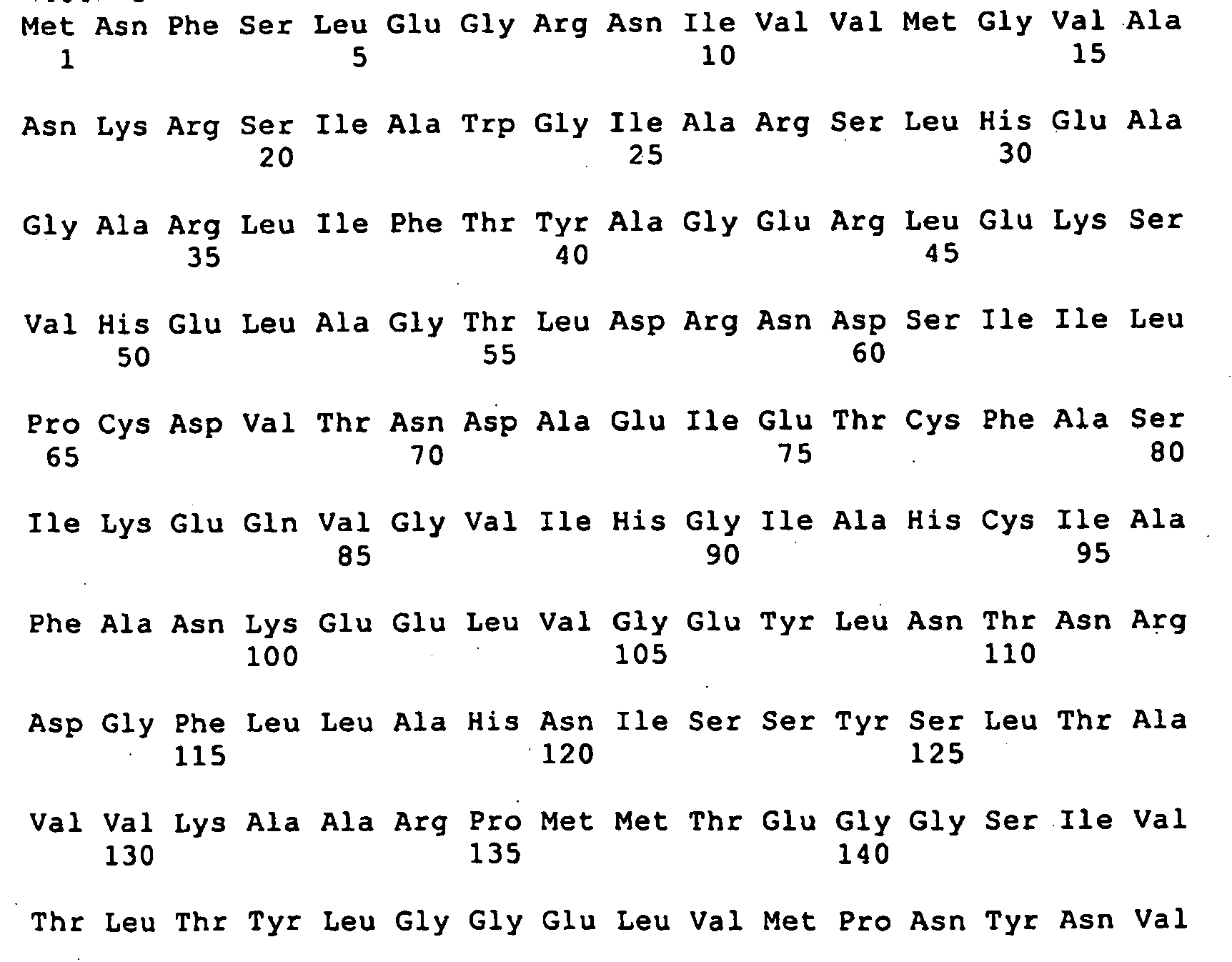
- <210> 3
<211> 258
<212> PRT
<213> Bacillus subtilis - <400> 3

- <210> 4
<211> 264
<212> PRT
<213> Staphylococcus aureus - <400> 4


- <210> 5
<211> 420
<212> PRT
<213> Plasmodium falciparum - <400> 5


- <210> 6
<211> 374
<212> PRT
<213> Brassica napus - <400> 6


- <210> 7
<211> 33
<212> DNA
<213> Artificial Sequence - <220>
<223> Description of Artificial Sequence: Synthetic primer - <400> 7
ggtggtgaat tcatgaataa aatatcacaa egg 33 - <210> 8
<211> 39
<212> DNA
<213> Artificial Sequence - <220>
<223> Description of Artificial Sequence: Synthetic primer - <400> 8
ggtggtgtcg acttattcat tttcattgcg atatatatc 39 - <210> 9
<211> 37
<212> DNA
<213> Artificial Sequence - <220>
<223> Description of Artificial Sequence: Synthetic primer - <400> 9
ggtggtgaat tctcaaacat aaacaaaatt aaagaag 37 - <210> 10
<211> 39
<212> DNA
<213> Artificial Sequence - <220>
<223> Description of Artificial Sequence: Synthetic primer - <400> 10
ggtggtgtcg acttattcat tttcattgcg atatatatc 39
Claims (3)
- A molecule of the Fab I enzyme having the amino acid sequence of the Fab I enzyme in Plasmodium falciparum, as shown in SEQ ID NO:5.
- Use of the molecule according to claim 1 for developing inhibitors of Plasmodium falciparum or Toxoplasma gondii in vitro .
- A nucleotide sequence encoding for the molecule according to claim 1.
Applications Claiming Priority (5)
| Application Number | Priority Date | Filing Date | Title |
|---|---|---|---|
| US25777100P | 2000-12-21 | 2000-12-21 | |
| US257771P | 2000-12-21 | ||
| US26449901P | 2001-01-26 | 2001-01-26 | |
| US264499P | 2001-01-26 | ||
| PCT/US2001/049738 WO2002049576A2 (en) | 2000-12-21 | 2001-12-20 | Fab i and inhibition of apicomplexan parasites |
Publications (3)
| Publication Number | Publication Date |
|---|---|
| EP1363654A2 EP1363654A2 (en) | 2003-11-26 |
| EP1363654A4 EP1363654A4 (en) | 2005-05-25 |
| EP1363654B1 true EP1363654B1 (en) | 2008-07-30 |
Family
ID=26946196
Family Applications (1)
| Application Number | Title | Priority Date | Filing Date |
|---|---|---|---|
| EP01986546A Expired - Lifetime EP1363654B1 (en) | 2000-12-21 | 2001-12-20 | Fab i and inhibition of apicomplexan parasites |
Country Status (7)
| Country | Link |
|---|---|
| US (2) | US20040137446A1 (en) |
| EP (1) | EP1363654B1 (en) |
| AT (1) | ATE402693T1 (en) |
| AU (2) | AU2002237731B2 (en) |
| CA (1) | CA2432992A1 (en) |
| DE (1) | DE60135157D1 (en) |
| WO (1) | WO2002049576A2 (en) |
Families Citing this family (1)
| Publication number | Priority date | Publication date | Assignee | Title |
|---|---|---|---|---|
| AU2003259848A1 (en) * | 2002-08-15 | 2004-03-03 | Campbell, Samantha A | Apicomplexan pathways, inhibitors, and drug delivery |
Family Cites Families (3)
| Publication number | Priority date | Publication date | Assignee | Title |
|---|---|---|---|---|
| US6071518A (en) * | 1992-05-29 | 2000-06-06 | The Regents Of The University Of California | GP900 glycoprotein and fragments for treatment and detection/diagnosis of cryptosporidium |
| AR024158A1 (en) * | 1999-06-01 | 2002-09-04 | Smithkline Beecham Corp | ANTIBACTERIAL COMPOUNDS |
| WO2001000138A2 (en) * | 1999-06-23 | 2001-01-04 | Jawaharlal Nehru Centre For Advanced Scientific Research | Use of hydroxydiphenyl ether class of chemicals, as exemplified by triclosan, as an antimalarial and identification of fatty acid synthesis as its target |
-
2001
- 2001-12-20 WO PCT/US2001/049738 patent/WO2002049576A2/en not_active Ceased
- 2001-12-20 AT AT01986546T patent/ATE402693T1/en not_active IP Right Cessation
- 2001-12-20 CA CA002432992A patent/CA2432992A1/en not_active Abandoned
- 2001-12-20 AU AU2002237731A patent/AU2002237731B2/en not_active Ceased
- 2001-12-20 EP EP01986546A patent/EP1363654B1/en not_active Expired - Lifetime
- 2001-12-20 AU AU3773102A patent/AU3773102A/en active Pending
- 2001-12-20 DE DE60135157T patent/DE60135157D1/en not_active Expired - Fee Related
-
2003
- 2003-06-18 US US10/465,527 patent/US20040137446A1/en not_active Abandoned
-
2007
- 2007-11-05 US US11/998,988 patent/US20090156687A1/en not_active Abandoned
Also Published As
| Publication number | Publication date |
|---|---|
| WO2002049576A9 (en) | 2003-04-24 |
| EP1363654A4 (en) | 2005-05-25 |
| AU2002237731B2 (en) | 2007-03-22 |
| ATE402693T1 (en) | 2008-08-15 |
| US20090156687A1 (en) | 2009-06-18 |
| WO2002049576A2 (en) | 2002-06-27 |
| CA2432992A1 (en) | 2002-06-27 |
| DE60135157D1 (en) | 2008-09-11 |
| WO2002049576A3 (en) | 2002-09-12 |
| US20040137446A1 (en) | 2004-07-15 |
| AU3773102A (en) | 2002-07-01 |
| EP1363654A2 (en) | 2003-11-26 |
Similar Documents
| Publication | Publication Date | Title |
|---|---|---|
| McLeod et al. | Triclosan inhibits the growth of Plasmodium falciparum and Toxoplasma gondii by inhibition of apicomplexan Fab I | |
| Brossier et al. | A spatially localized rhomboid protease cleaves cell surface adhesins essential for invasion by Toxoplasma | |
| Bracha et al. | Antisense inhibition of amoebapore expression in Entamoeba histolytica causes a decrease in amoebic virulence | |
| Ralph et al. | The apicoplast as an antimalarial drug target | |
| Sato et al. | Enzymes for heme biosynthesis are found in both the mitochondrion and plastid of the malaria parasite Plasmodium falciparum | |
| Eksi et al. | Targeted disruption of Plasmodium falciparum cysteine protease, falcipain 1, reduces oocyst production, not erythrocytic stage growth | |
| Diaz et al. | Characterization of Plasmodium falciparum cGMP-dependent protein kinase (PfPKG): antiparasitic activity of a PKG inhibitor | |
| Landfear | Nutrient transport and pathogenesis in selected parasitic protozoa | |
| Dabirian et al. | Human neutrophil peptide-1 (HNP-1): a new anti-leishmanial drug candidate | |
| Liebau et al. | The glutathione S-transferase from Plasmodium falciparum | |
| Kim et al. | Molecular cloning and expression of Cu/Zn-containing superoxide dismutase from Fasciola hepatica | |
| James | Superoxide dismutase | |
| Fitzpatrick et al. | Subcellular localization and characterization of chorismate synthase in the apicomplexan Plasmodium falciparum | |
| Chaudhary et al. | Toxoplasma gondii purine nucleoside phosphorylase biochemical characterization, inhibitor profiles, and comparison with the Plasmodium falciparum ortholog | |
| Baldwin et al. | Nucleoside transport as a potential target for chemotherapy in malaria | |
| AU2002237731B2 (en) | Fab I and inhibition of apicomplexan parasites | |
| Farajnia et al. | Molecular characterization of a novel amastigote stage specific Class I nuclease from Leishmania major | |
| McKoy et al. | Characterisation of phosphoglycerate kinase genes in Leishmania major and evidence for the absence of a third closely related gene or isoenzyme | |
| Aboge et al. | Cloning, expression, and characterization of Babesia gibsoni dihydrofolate reductase-thymidylate synthase: inhibitory effect of antifolates on its catalytic activity and parasite proliferation | |
| Tomlinson et al. | The lysis of Trypanosoma brucei brucei by human serum | |
| Aoki et al. | Efficacy of the tubercidin antileishmania action associated with an inhibitor of the nucleoside transport | |
| Bhat et al. | Triclosan and fatty acid synthesis in Plasmodium falciparum: new weapon for an old enemy | |
| Ellis | Nuclear genes involved in maintenance of the malarial plastid | |
| Zhang | Translational regulation of malarial DHFR-TS | |
| Zhang | Characterization and S-glutathionylation of hexokinase from the malaria parasitePlasmodium falciparum |
Legal Events
| Date | Code | Title | Description |
|---|---|---|---|
| PUAI | Public reference made under article 153(3) epc to a published international application that has entered the european phase |
Free format text: ORIGINAL CODE: 0009012 |
|
| 17P | Request for examination filed |
Effective date: 20030718 |
|
| AK | Designated contracting states |
Kind code of ref document: A2 Designated state(s): AT BE CH CY DE DK ES FI FR GB GR IE IT LI LU MC NL PT SE TR |
|
| AX | Request for extension of the european patent |
Extension state: AL LT LV MK RO SI |
|
| RIC1 | Information provided on ipc code assigned before grant |
Ipc: 7C 12N 15/10 B Ipc: 7A 61K 31/09 A Ipc: 7C 12N 9/02 B Ipc: 7G 01N 33/50 B Ipc: 7A 61K 38/44 B Ipc: 7A 61P 33/06 B |
|
| A4 | Supplementary search report drawn up and despatched |
Effective date: 20050407 |
|
| 17Q | First examination report despatched |
Effective date: 20050718 |
|
| GRAP | Despatch of communication of intention to grant a patent |
Free format text: ORIGINAL CODE: EPIDOSNIGR1 |
|
| GRAS | Grant fee paid |
Free format text: ORIGINAL CODE: EPIDOSNIGR3 |
|
| GRAA | (expected) grant |
Free format text: ORIGINAL CODE: 0009210 |
|
| AK | Designated contracting states |
Kind code of ref document: B1 Designated state(s): AT BE CH CY DE DK ES FI FR GB GR IE IT LI LU MC NL PT SE TR |
|
| REG | Reference to a national code |
Ref country code: GB Ref legal event code: FG4D |
|
| REG | Reference to a national code |
Ref country code: CH Ref legal event code: EP |
|
| REF | Corresponds to: |
Ref document number: 60135157 Country of ref document: DE Date of ref document: 20080911 Kind code of ref document: P |
|
| REG | Reference to a national code |
Ref country code: IE Ref legal event code: FG4D |
|
| PG25 | Lapsed in a contracting state [announced via postgrant information from national office to epo] |
Ref country code: PT Free format text: LAPSE BECAUSE OF FAILURE TO SUBMIT A TRANSLATION OF THE DESCRIPTION OR TO PAY THE FEE WITHIN THE PRESCRIBED TIME-LIMIT Effective date: 20081230 Ref country code: NL Free format text: LAPSE BECAUSE OF FAILURE TO SUBMIT A TRANSLATION OF THE DESCRIPTION OR TO PAY THE FEE WITHIN THE PRESCRIBED TIME-LIMIT Effective date: 20080730 Ref country code: ES Free format text: LAPSE BECAUSE OF FAILURE TO SUBMIT A TRANSLATION OF THE DESCRIPTION OR TO PAY THE FEE WITHIN THE PRESCRIBED TIME-LIMIT Effective date: 20081110 |
|
| PG25 | Lapsed in a contracting state [announced via postgrant information from national office to epo] |
Ref country code: FI Free format text: LAPSE BECAUSE OF FAILURE TO SUBMIT A TRANSLATION OF THE DESCRIPTION OR TO PAY THE FEE WITHIN THE PRESCRIBED TIME-LIMIT Effective date: 20080730 Ref country code: AT Free format text: LAPSE BECAUSE OF FAILURE TO SUBMIT A TRANSLATION OF THE DESCRIPTION OR TO PAY THE FEE WITHIN THE PRESCRIBED TIME-LIMIT Effective date: 20080730 |
|
| PG25 | Lapsed in a contracting state [announced via postgrant information from national office to epo] |
Ref country code: BE Free format text: LAPSE BECAUSE OF FAILURE TO SUBMIT A TRANSLATION OF THE DESCRIPTION OR TO PAY THE FEE WITHIN THE PRESCRIBED TIME-LIMIT Effective date: 20080730 |
|
| PG25 | Lapsed in a contracting state [announced via postgrant information from national office to epo] |
Ref country code: DK Free format text: LAPSE BECAUSE OF FAILURE TO SUBMIT A TRANSLATION OF THE DESCRIPTION OR TO PAY THE FEE WITHIN THE PRESCRIBED TIME-LIMIT Effective date: 20080730 |
|
| PLBE | No opposition filed within time limit |
Free format text: ORIGINAL CODE: 0009261 |
|
| STAA | Information on the status of an ep patent application or granted ep patent |
Free format text: STATUS: NO OPPOSITION FILED WITHIN TIME LIMIT |
|
| 26N | No opposition filed |
Effective date: 20090506 |
|
| PG25 | Lapsed in a contracting state [announced via postgrant information from national office to epo] |
Ref country code: MC Free format text: LAPSE BECAUSE OF NON-PAYMENT OF DUE FEES Effective date: 20081231 |
|
| REG | Reference to a national code |
Ref country code: CH Ref legal event code: PL |
|
| PG25 | Lapsed in a contracting state [announced via postgrant information from national office to epo] |
Ref country code: IT Free format text: LAPSE BECAUSE OF FAILURE TO SUBMIT A TRANSLATION OF THE DESCRIPTION OR TO PAY THE FEE WITHIN THE PRESCRIBED TIME-LIMIT Effective date: 20080730 |
|
| REG | Reference to a national code |
Ref country code: IE Ref legal event code: MM4A |
|
| REG | Reference to a national code |
Ref country code: FR Ref legal event code: ST Effective date: 20090831 |
|
| PG25 | Lapsed in a contracting state [announced via postgrant information from national office to epo] |
Ref country code: IE Free format text: LAPSE BECAUSE OF NON-PAYMENT OF DUE FEES Effective date: 20081220 Ref country code: DE Free format text: LAPSE BECAUSE OF NON-PAYMENT OF DUE FEES Effective date: 20090701 Ref country code: LI Free format text: LAPSE BECAUSE OF NON-PAYMENT OF DUE FEES Effective date: 20081231 Ref country code: CH Free format text: LAPSE BECAUSE OF NON-PAYMENT OF DUE FEES Effective date: 20081231 |
|
| PG25 | Lapsed in a contracting state [announced via postgrant information from national office to epo] |
Ref country code: SE Free format text: LAPSE BECAUSE OF FAILURE TO SUBMIT A TRANSLATION OF THE DESCRIPTION OR TO PAY THE FEE WITHIN THE PRESCRIBED TIME-LIMIT Effective date: 20081030 |
|
| PG25 | Lapsed in a contracting state [announced via postgrant information from national office to epo] |
Ref country code: FR Free format text: LAPSE BECAUSE OF NON-PAYMENT OF DUE FEES Effective date: 20081231 |
|
| PG25 | Lapsed in a contracting state [announced via postgrant information from national office to epo] |
Ref country code: CY Free format text: LAPSE BECAUSE OF FAILURE TO SUBMIT A TRANSLATION OF THE DESCRIPTION OR TO PAY THE FEE WITHIN THE PRESCRIBED TIME-LIMIT Effective date: 20080730 Ref country code: LU Free format text: LAPSE BECAUSE OF NON-PAYMENT OF DUE FEES Effective date: 20081220 |
|
| PG25 | Lapsed in a contracting state [announced via postgrant information from national office to epo] |
Ref country code: TR Free format text: LAPSE BECAUSE OF FAILURE TO SUBMIT A TRANSLATION OF THE DESCRIPTION OR TO PAY THE FEE WITHIN THE PRESCRIBED TIME-LIMIT Effective date: 20080730 |
|
| PG25 | Lapsed in a contracting state [announced via postgrant information from national office to epo] |
Ref country code: GR Free format text: LAPSE BECAUSE OF FAILURE TO SUBMIT A TRANSLATION OF THE DESCRIPTION OR TO PAY THE FEE WITHIN THE PRESCRIBED TIME-LIMIT Effective date: 20081031 |
|
| PGFP | Annual fee paid to national office [announced via postgrant information from national office to epo] |
Ref country code: GB Payment date: 20100625 Year of fee payment: 9 |
|
| GBPC | Gb: european patent ceased through non-payment of renewal fee |
Effective date: 20101220 |
|
| PG25 | Lapsed in a contracting state [announced via postgrant information from national office to epo] |
Ref country code: GB Free format text: LAPSE BECAUSE OF NON-PAYMENT OF DUE FEES Effective date: 20101220 |