EP1356812B1 - Medicines for treatment and prevention of neurogenic pain - Google Patents
Medicines for treatment and prevention of neurogenic pain Download PDFInfo
- Publication number
- EP1356812B1 EP1356812B1 EP01272527A EP01272527A EP1356812B1 EP 1356812 B1 EP1356812 B1 EP 1356812B1 EP 01272527 A EP01272527 A EP 01272527A EP 01272527 A EP01272527 A EP 01272527A EP 1356812 B1 EP1356812 B1 EP 1356812B1
- Authority
- EP
- European Patent Office
- Prior art keywords
- pain
- group
- mice
- neuropathic pain
- carbon atoms
- Prior art date
- Legal status (The legal status is an assumption and is not a legal conclusion. Google has not performed a legal analysis and makes no representation as to the accuracy of the status listed.)
- Expired - Lifetime
Links
- 208000004296 neuralgia Diseases 0.000 title claims description 44
- 239000003814 drug Substances 0.000 title claims description 27
- 238000011282 treatment Methods 0.000 title description 5
- 229940079593 drug Drugs 0.000 title description 3
- 230000002265 prevention Effects 0.000 title 1
- 208000021722 neuropathic pain Diseases 0.000 claims description 40
- 150000001875 compounds Chemical class 0.000 claims description 28
- NGHTXZCKLWZPGK-UHFFFAOYSA-N nefiracetam Chemical compound CC1=CC=CC(C)=C1NC(=O)CN1C(=O)CCC1 NGHTXZCKLWZPGK-UHFFFAOYSA-N 0.000 claims description 27
- 208000002193 Pain Diseases 0.000 claims description 26
- 230000036407 pain Effects 0.000 claims description 26
- 150000003839 salts Chemical class 0.000 claims description 17
- 230000001225 therapeutic effect Effects 0.000 claims description 11
- 125000004432 carbon atom Chemical group C* 0.000 claims description 10
- 238000011321 prophylaxis Methods 0.000 claims description 10
- 206010058019 Cancer Pain Diseases 0.000 claims description 8
- 239000004480 active ingredient Substances 0.000 claims description 8
- 125000000217 alkyl group Chemical group 0.000 claims description 7
- 125000002887 hydroxy group Chemical group [H]O* 0.000 claims description 6
- 125000001997 phenyl group Chemical group [H]C1=C([H])C([H])=C(*)C([H])=C1[H] 0.000 claims description 6
- 208000032131 Diabetic Neuropathies Diseases 0.000 claims description 5
- 125000003545 alkoxy group Chemical group 0.000 claims description 5
- ZXNRTKGTQJPIJK-UHFFFAOYSA-N aniracetam Chemical group C1=CC(OC)=CC=C1C(=O)N1C(=O)CCC1 ZXNRTKGTQJPIJK-UHFFFAOYSA-N 0.000 claims description 5
- 238000004519 manufacturing process Methods 0.000 claims description 5
- 208000030507 AIDS Diseases 0.000 claims description 4
- 206010054878 Anaesthesia dolorosa Diseases 0.000 claims description 4
- 206010064012 Central pain syndrome Diseases 0.000 claims description 4
- 206010028570 Myelopathy Diseases 0.000 claims description 4
- 206010033892 Paraplegia Diseases 0.000 claims description 4
- 208000004983 Phantom Limb Diseases 0.000 claims description 4
- 206010056238 Phantom pain Diseases 0.000 claims description 4
- 206010036376 Postherpetic Neuralgia Diseases 0.000 claims description 4
- 125000005843 halogen group Chemical group 0.000 claims description 4
- 125000004435 hydrogen atom Chemical group [H]* 0.000 claims description 4
- 201000006417 multiple sclerosis Diseases 0.000 claims description 4
- 125000001424 substituent group Chemical group 0.000 claims description 4
- 206010044652 trigeminal neuralgia Diseases 0.000 claims description 4
- 206010065681 HIV peripheral neuropathy Diseases 0.000 claims 1
- 241000699670 Mus sp. Species 0.000 description 45
- BQJCRHHNABKAKU-KBQPJGBKSA-N morphine Chemical compound O([C@H]1[C@H](C=C[C@H]23)O)C4=C5[C@@]12CCN(C)[C@@H]3CC5=CC=C4O BQJCRHHNABKAKU-KBQPJGBKSA-N 0.000 description 24
- 230000000694 effects Effects 0.000 description 23
- 229950004663 nefiracetam Drugs 0.000 description 22
- 101800004538 Bradykinin Proteins 0.000 description 13
- QXZGBUJJYSLZLT-UHFFFAOYSA-N H-Arg-Pro-Pro-Gly-Phe-Ser-Pro-Phe-Arg-OH Natural products NC(N)=NCCCC(N)C(=O)N1CCCC1C(=O)N1C(C(=O)NCC(=O)NC(CC=2C=CC=CC=2)C(=O)NC(CO)C(=O)N2C(CCC2)C(=O)NC(CC=2C=CC=CC=2)C(=O)NC(CCCN=C(N)N)C(O)=O)CCC1 QXZGBUJJYSLZLT-UHFFFAOYSA-N 0.000 description 13
- 102100035792 Kininogen-1 Human genes 0.000 description 13
- QXZGBUJJYSLZLT-FDISYFBBSA-N bradykinin Chemical compound NC(=N)NCCC[C@H](N)C(=O)N1CCC[C@H]1C(=O)N1[C@H](C(=O)NCC(=O)N[C@@H](CC=2C=CC=CC=2)C(=O)N[C@@H](CO)C(=O)N2[C@@H](CCC2)C(=O)N[C@@H](CC=2C=CC=CC=2)C(=O)N[C@@H](CCCNC(N)=N)C(O)=O)CCC1 QXZGBUJJYSLZLT-FDISYFBBSA-N 0.000 description 13
- 238000000034 method Methods 0.000 description 12
- 229960005181 morphine Drugs 0.000 description 12
- 239000002504 physiological saline solution Substances 0.000 description 12
- 238000002224 dissection Methods 0.000 description 11
- 238000006243 chemical reaction Methods 0.000 description 10
- 230000000202 analgesic effect Effects 0.000 description 9
- 239000000730 antalgic agent Substances 0.000 description 9
- 210000003497 sciatic nerve Anatomy 0.000 description 9
- 241001465754 Metazoa Species 0.000 description 8
- 230000037396 body weight Effects 0.000 description 8
- 239000004084 narcotic analgesic agent Substances 0.000 description 8
- 210000002330 subarachnoid space Anatomy 0.000 description 8
- 230000000153 supplemental effect Effects 0.000 description 8
- 206010012601 diabetes mellitus Diseases 0.000 description 7
- 210000003141 lower extremity Anatomy 0.000 description 7
- WEXRUCMBJFQVBZ-UHFFFAOYSA-N pentobarbital Chemical compound CCCC(C)C1(CC)C(=O)NC(=O)NC1=O WEXRUCMBJFQVBZ-UHFFFAOYSA-N 0.000 description 6
- 241000699666 Mus <mouse, genus> Species 0.000 description 5
- 206010028980 Neoplasm Diseases 0.000 description 5
- 201000011510 cancer Diseases 0.000 description 5
- 241000124008 Mammalia Species 0.000 description 4
- -1 and among them Chemical compound 0.000 description 4
- 230000006378 damage Effects 0.000 description 4
- 230000001473 noxious effect Effects 0.000 description 4
- 230000002093 peripheral effect Effects 0.000 description 4
- 229940035676 analgesics Drugs 0.000 description 3
- 239000003795 chemical substances by application Substances 0.000 description 3
- 239000000835 fiber Substances 0.000 description 3
- 230000003533 narcotic effect Effects 0.000 description 3
- 229960001227 oxiracetam Drugs 0.000 description 3
- IHLAQQPQKRMGSS-UHFFFAOYSA-N oxiracetam Chemical compound NC(=O)CN1CC(O)CC1=O IHLAQQPQKRMGSS-UHFFFAOYSA-N 0.000 description 3
- 229960001412 pentobarbital Drugs 0.000 description 3
- 239000000825 pharmaceutical preparation Substances 0.000 description 3
- 230000020341 sensory perception of pain Effects 0.000 description 3
- 0 CC(*)C(C1)CN(C(*)**)C1=O Chemical compound CC(*)C(C1)CN(C(*)**)C1=O 0.000 description 2
- 208000023890 Complex Regional Pain Syndromes Diseases 0.000 description 2
- 208000001294 Nociceptive Pain Diseases 0.000 description 2
- 239000000654 additive Substances 0.000 description 2
- 230000001464 adherent effect Effects 0.000 description 2
- 229960000793 aniracetam Drugs 0.000 description 2
- 210000001367 artery Anatomy 0.000 description 2
- 239000007979 citrate buffer Substances 0.000 description 2
- 238000002474 experimental method Methods 0.000 description 2
- 239000008187 granular material Substances 0.000 description 2
- 239000012528 membrane Substances 0.000 description 2
- 238000002360 preparation method Methods 0.000 description 2
- 239000000243 solution Substances 0.000 description 2
- 239000000126 substance Substances 0.000 description 2
- 230000001629 suppression Effects 0.000 description 2
- 210000001519 tissue Anatomy 0.000 description 2
- 230000000451 tissue damage Effects 0.000 description 2
- 231100000827 tissue damage Toxicity 0.000 description 2
- 239000003477 4 aminobutyric acid receptor stimulating agent Substances 0.000 description 1
- 208000024827 Alzheimer disease Diseases 0.000 description 1
- 208000001387 Causalgia Diseases 0.000 description 1
- 208000001654 Drug Resistant Epilepsy Diseases 0.000 description 1
- WQZGKKKJIJFFOK-GASJEMHNSA-N Glucose Natural products OC[C@H]1OC(O)[C@H](O)[C@@H](O)[C@@H]1O WQZGKKKJIJFFOK-GASJEMHNSA-N 0.000 description 1
- CPELXLSAUQHCOX-UHFFFAOYSA-N Hydrogen bromide Chemical class Br CPELXLSAUQHCOX-UHFFFAOYSA-N 0.000 description 1
- 229940127523 NMDA Receptor Antagonists Drugs 0.000 description 1
- 229910019142 PO4 Inorganic materials 0.000 description 1
- ZSJLQEPLLKMAKR-UHFFFAOYSA-N Streptozotocin Natural products O=NN(C)C(=O)NC1C(O)OC(CO)C(O)C1O ZSJLQEPLLKMAKR-UHFFFAOYSA-N 0.000 description 1
- 150000001242 acetic acid derivatives Chemical class 0.000 description 1
- 239000002253 acid Substances 0.000 description 1
- 230000007059 acute toxicity Effects 0.000 description 1
- 231100000403 acute toxicity Toxicity 0.000 description 1
- 239000000556 agonist Substances 0.000 description 1
- 230000036592 analgesia Effects 0.000 description 1
- 229940125681 anticonvulsant agent Drugs 0.000 description 1
- 239000001961 anticonvulsive agent Substances 0.000 description 1
- 239000000935 antidepressant agent Substances 0.000 description 1
- 229940005513 antidepressants Drugs 0.000 description 1
- 239000011230 binding agent Substances 0.000 description 1
- 239000008280 blood Substances 0.000 description 1
- 210000004369 blood Anatomy 0.000 description 1
- MIOPJNTWMNEORI-UHFFFAOYSA-N camphorsulfonic acid Chemical class C1CC2(CS(O)(=O)=O)C(=O)CC1C2(C)C MIOPJNTWMNEORI-UHFFFAOYSA-N 0.000 description 1
- 239000002775 capsule Substances 0.000 description 1
- 230000002490 cerebral effect Effects 0.000 description 1
- 208000013677 cerebrovascular dementia Diseases 0.000 description 1
- 150000001860 citric acid derivatives Chemical class 0.000 description 1
- 239000011248 coating agent Substances 0.000 description 1
- 238000004040 coloring Methods 0.000 description 1
- 230000000052 comparative effect Effects 0.000 description 1
- 208000014439 complex regional pain syndrome type 2 Diseases 0.000 description 1
- 239000003085 diluting agent Substances 0.000 description 1
- 231100000673 dose–response relationship Toxicity 0.000 description 1
- 238000002651 drug therapy Methods 0.000 description 1
- 230000004064 dysfunction Effects 0.000 description 1
- 206010015037 epilepsy Diseases 0.000 description 1
- VZCYOOQTPOCHFL-OWOJBTEDSA-L fumarate(2-) Chemical class [O-]C(=O)\C=C\C([O-])=O VZCYOOQTPOCHFL-OWOJBTEDSA-L 0.000 description 1
- 230000006870 function Effects 0.000 description 1
- 239000011521 glass Substances 0.000 description 1
- 239000008103 glucose Substances 0.000 description 1
- 235000003642 hunger Nutrition 0.000 description 1
- 150000004677 hydrates Chemical class 0.000 description 1
- 150000003840 hydrochlorides Chemical class 0.000 description 1
- XMBWDFGMSWQBCA-UHFFFAOYSA-N hydrogen iodide Chemical class I XMBWDFGMSWQBCA-UHFFFAOYSA-N 0.000 description 1
- 238000001802 infusion Methods 0.000 description 1
- 230000002401 inhibitory effect Effects 0.000 description 1
- 239000007924 injection Substances 0.000 description 1
- 238000002347 injection Methods 0.000 description 1
- 229910052500 inorganic mineral Inorganic materials 0.000 description 1
- 239000007927 intramuscular injection Substances 0.000 description 1
- 238000010255 intramuscular injection Methods 0.000 description 1
- 238000010253 intravenous injection Methods 0.000 description 1
- 239000007951 isotonicity adjuster Substances 0.000 description 1
- 238000002690 local anesthesia Methods 0.000 description 1
- 239000000314 lubricant Substances 0.000 description 1
- 150000002688 maleic acid derivatives Chemical class 0.000 description 1
- 150000004701 malic acid derivatives Chemical class 0.000 description 1
- AFVFQIVMOAPDHO-UHFFFAOYSA-M methanesulfonate group Chemical class CS(=O)(=O)[O-] AFVFQIVMOAPDHO-UHFFFAOYSA-M 0.000 description 1
- 239000011707 mineral Substances 0.000 description 1
- 210000003470 mitochondria Anatomy 0.000 description 1
- 210000005036 nerve Anatomy 0.000 description 1
- 230000002981 neuropathic effect Effects 0.000 description 1
- 150000002823 nitrates Chemical class 0.000 description 1
- 230000003040 nociceptive effect Effects 0.000 description 1
- 210000000056 organ Anatomy 0.000 description 1
- 150000003891 oxalate salts Chemical class 0.000 description 1
- 239000003002 pH adjusting agent Substances 0.000 description 1
- 210000004738 parenchymal cell Anatomy 0.000 description 1
- 238000007911 parenteral administration Methods 0.000 description 1
- 239000008194 pharmaceutical composition Substances 0.000 description 1
- 239000000546 pharmaceutical excipient Substances 0.000 description 1
- 230000000144 pharmacologic effect Effects 0.000 description 1
- 235000021317 phosphate Nutrition 0.000 description 1
- 150000003013 phosphoric acid derivatives Chemical class 0.000 description 1
- 239000000843 powder Substances 0.000 description 1
- 230000000069 prophylactic effect Effects 0.000 description 1
- 238000010992 reflux Methods 0.000 description 1
- 230000035945 sensitivity Effects 0.000 description 1
- 239000012453 solvate Substances 0.000 description 1
- 230000002269 spontaneous effect Effects 0.000 description 1
- 239000003381 stabilizer Substances 0.000 description 1
- 230000000087 stabilizing effect Effects 0.000 description 1
- 230000037351 starvation Effects 0.000 description 1
- ZSJLQEPLLKMAKR-GKHCUFPYSA-N streptozocin Chemical compound O=NN(C)C(=O)N[C@H]1[C@@H](O)O[C@H](CO)[C@@H](O)[C@@H]1O ZSJLQEPLLKMAKR-GKHCUFPYSA-N 0.000 description 1
- 229960001052 streptozocin Drugs 0.000 description 1
- 238000010254 subcutaneous injection Methods 0.000 description 1
- 150000003890 succinate salts Chemical class 0.000 description 1
- 150000003467 sulfuric acid derivatives Chemical class 0.000 description 1
- 239000000829 suppository Substances 0.000 description 1
- 230000002889 sympathetic effect Effects 0.000 description 1
- 208000024891 symptom Diseases 0.000 description 1
- 239000006188 syrup Substances 0.000 description 1
- 235000020357 syrup Nutrition 0.000 description 1
- 239000003826 tablet Substances 0.000 description 1
- 150000003892 tartrate salts Chemical class 0.000 description 1
- JOXIMZWYDAKGHI-UHFFFAOYSA-N toluene-4-sulfonic acid Chemical class CC1=CC=C(S(O)(=O)=O)C=C1 JOXIMZWYDAKGHI-UHFFFAOYSA-N 0.000 description 1
- 208000009935 visceral pain Diseases 0.000 description 1
Images



Classifications
-
- C—CHEMISTRY; METALLURGY
- C07—ORGANIC CHEMISTRY
- C07D—HETEROCYCLIC COMPOUNDS
- C07D207/00—Heterocyclic compounds containing five-membered rings not condensed with other rings, with one nitrogen atom as the only ring hetero atom
- C07D207/02—Heterocyclic compounds containing five-membered rings not condensed with other rings, with one nitrogen atom as the only ring hetero atom with only hydrogen or carbon atoms directly attached to the ring nitrogen atom
- C07D207/18—Heterocyclic compounds containing five-membered rings not condensed with other rings, with one nitrogen atom as the only ring hetero atom with only hydrogen or carbon atoms directly attached to the ring nitrogen atom having one double bond between ring members or between a ring member and a non-ring member
- C07D207/22—Heterocyclic compounds containing five-membered rings not condensed with other rings, with one nitrogen atom as the only ring hetero atom with only hydrogen or carbon atoms directly attached to the ring nitrogen atom having one double bond between ring members or between a ring member and a non-ring member with hetero atoms or with carbon atoms having three bonds to hetero atoms with at the most one bond to halogen, e.g. ester or nitrile radicals, directly attached to ring carbon atoms
- C07D207/24—Oxygen or sulfur atoms
- C07D207/26—2-Pyrrolidones
- C07D207/263—2-Pyrrolidones with only hydrogen atoms or radicals containing only hydrogen and carbon atoms directly attached to other ring carbon atoms
-
- A—HUMAN NECESSITIES
- A61—MEDICAL OR VETERINARY SCIENCE; HYGIENE
- A61K—PREPARATIONS FOR MEDICAL, DENTAL OR TOILETRY PURPOSES
- A61K31/00—Medicinal preparations containing organic active ingredients
- A61K31/33—Heterocyclic compounds
- A61K31/395—Heterocyclic compounds having nitrogen as a ring hetero atom, e.g. guanethidine or rifamycins
- A61K31/40—Heterocyclic compounds having nitrogen as a ring hetero atom, e.g. guanethidine or rifamycins having five-membered rings with one nitrogen as the only ring hetero atom, e.g. sulpiride, succinimide, tolmetin, buflomedil
- A61K31/4015—Heterocyclic compounds having nitrogen as a ring hetero atom, e.g. guanethidine or rifamycins having five-membered rings with one nitrogen as the only ring hetero atom, e.g. sulpiride, succinimide, tolmetin, buflomedil having oxo groups directly attached to the heterocyclic ring, e.g. piracetam, ethosuximide
-
- A—HUMAN NECESSITIES
- A61—MEDICAL OR VETERINARY SCIENCE; HYGIENE
- A61P—SPECIFIC THERAPEUTIC ACTIVITY OF CHEMICAL COMPOUNDS OR MEDICINAL PREPARATIONS
- A61P25/00—Drugs for disorders of the nervous system
-
- A—HUMAN NECESSITIES
- A61—MEDICAL OR VETERINARY SCIENCE; HYGIENE
- A61P—SPECIFIC THERAPEUTIC ACTIVITY OF CHEMICAL COMPOUNDS OR MEDICINAL PREPARATIONS
- A61P25/00—Drugs for disorders of the nervous system
- A61P25/04—Centrally acting analgesics, e.g. opioids
Definitions
- the present invention relates to the use of a compound as an active ingredient for the manufacturing of a medicament for therapeutic and/or prophylactic treatment of neuropathic pain and relates to a supplemental analgesic agent.
- narcotic analgesics morphine as a typical example, have been used for pain treatments of such cancer patients.
- neuropathic pain the pain is called as “neuropathic pain” or “neurogenic pain”, and will be referred to as “neuropathic pain” in the specification
- somatic pain caused by noxious stimulus in peripheries such as mechanical stimulus, chemical stimulus and thermal stimulus
- visceral pain caused by stimulus such as dilatation of membranes due to traction or enlargement of parenchymal organs and elevation of internal pressure of hollow organs.
- pains are generated by damages of tissues at the corresponding tissue portions, and the pains will be dispersed when the tissue damages are cured.
- pains may sometimes be generated such as burning, constricting, pricking or electrification-like pain.
- Such pains are called neuropathic pains, and the pains are caused by damages or dysfunctions of peripheral or central nerves.
- neuropathic pain may be independently generated, it is considered that, in cancer pain, the pain is combined and mixed with somatic pains in about 30% of cases.
- antidepressants, anticonvulsants, local anesthesia, a 2 agonists, GABA receptor agonists, and NMDA receptor antagonists have been used as supplemental analgesic agents for narcotic analgesics.
- they, per se have severe side effects, and moreover, they may sometimes deteriorate the side effects of morphine which is administered to most of cancer patients, since they have low compatibility with morphine. Therefore, a supplemental analgesic agent has been desired which has high safety and good congeniality with morphine ( Kongetsu no Chiryo (Treatment of This Month), Vol.8, No. 3, 2000, Separate Issue ).
- neuropathic pains are observed not only in cancer pains but in postherpetic neuralgia, post-thoracotomic pain, diabetic neuropathy, CRPS (complex regional pain syndrome, those in which nervous damages are not apparently observed are referred to as "type-1" (reflux sympathetic dystrophy (RSD) and those in which nervous damages are observed are referred to "type-2" (causalgia)), multiple sclerosis, AIDS, trigeminal neuralgia, thalamic pain, paraplegic pain caused by myelopathy, anesthesia dolorosa, or phantom limb pain ( Igaku no Ayumi (Advance of Medicine), Vol. 195, No.9, 2000.12.2, pp.627-632 ).
- An object of the present invention is to provide a compound effective for treating neuropathic pain.
- Another object of the present invention is to provide a medicament for therapeutic and/or prophylactic treatment of neuropathic pain.
- Still another object of the present invention is to provide a supplementary agent for therapeutic and/or prophylactic treatment of neuropathic pain.
- the inventors of the present invention conducted various studies to achieve the foregoing objects. As a result, they found that the compound represented by the general formula (I) and pharmaceutically acceptable salts thereof had excellent suppressing effects on neuropathic pain. The present invention was achieved on the basis of the above finding.
- the present invention thus provides the use of a compound represented by the general formula (I) or a pharmaceutically acceptable salt thereof as an active ingredient for the manufacturing of a medicament for therapeutic and/or prophylactic treatment of neuropathic pain: wherein R 1 represents a hydrogen atom or a hydroxyl group, R 2 represents a hydrogen atom or an alkyl group having 1 to 3 carbon atoms, R 3 represents a phenyl group which may have 1 to 3 substituents selected from the group consisting of a halogen atom, a hydroxyl group, an alkyl group having 1 to 3 carbon atoms, and an alkoxyl group having 1 to 3 carbon atoms, or represents -NH-R 4 (R 4 represents a phenyl group which may have 1 to 3 substituents selected from the group consisting of a halogen atom, a hydroxyl group, an alkyl group having 1 to 3 carbon atoms, and an alkoxyl group having 1 to 3 carbon atoms, and n represents 0 or 1.
- the present invention also provides the use of a compound represented by the aforementioned general formula (I) or a pharmaceutically acceptable salt thereof as an active ingredient for the manufacturing of a medicament for suppressing neuropathic pain and a medicament as supplemental analgesic treatment (hereinafter in the specification, the medicament is occasionally referred to as a "supplemental analgesic agent").
- examples of the neuropathic pain include cancer pains, postherpetic neuralgia, post-thoracotomic pain, diabetic neuropathy, CRPS, multiple sclerosis, AIDS, trigeminal neuralgia, thalamic pain, paraplegic pain caused by myelopathy, anesthesia dolorosa, and phantom limb pain.
- the compound represented by the general formula (I) may preferably be, 1-(4-methoxybenzoyl)-2-pyrrolidinone (aniracetam), or N-(2,6-dimethylphenyl)-2-(2-oxo-1-pyrrolidinyl)acetamide (nefiracetam), and among them, N-(2,6-dimethylphenyl)-2-(2-oxo-1-pyrrolidinyl)acetamide is most preferred.
- the aforementioned medicaments can be applied in a method for therapeutic and/or prophylactic treatment of neuropathic pain which comprises the step of administering to a mammal including human a therapeutically and/or prophylactically effective amount of the compound represented by the above general formula (I) or a salt thereof; a method for suppressing neuropathic pain which comprises the step of administering to a mammal including human an effective amount of the compound represented by the above general formula (I) or a salt thereof; a method for supplemental treatment of therapeutic and/or prophylactic treatment of neuropathic pain which comprises the step of administering to a mammal including human an effective amount of the compound represented by the above general formula (I) or a salt thereof; and a method for therapeutic and/or prophylactic treatment of neuropathic pain which comprises the step of administering to a mammal including human a therapeutically and/or prophylactically effective amount of the compound represented by the above general formula (I) or a salt thereof together with at least one analgesic agent.
- the compounds represented by the aforementioned general formula (I) are known compounds disclosed in, for example, Japanese Patent Publication (Kokoku) No. 42-19093 , Japanese Patent Unexamined Publication (Kokai) Nos. 52-23072 , 54-117468 , 60-252461 , 56-2960 , 61-280470 , 4-160496 , and Japanese Patent Publication No. 3-46466 .
- Known pharmacological effects thereof include an effect of improving cerebral functions (Japanese Patent Publication No. 62-5404 ), an effect of improving Alzheimer type senile dementia (Japanese Patent Unexamined Publication No. 5-163144 ), an effect of improving cerebrovascular dementia (Japanese Patent Unexamined Publication No.
- R 3 is preferably a phenyl group having an alkoxyl group or -NH-R 4 .
- R 4 is preferably a phenyl group having two alkyl groups.
- Examples of typical compounds among the compounds falling within the scope of the general formula (I) are 1-(4-methoxybenzoyl)-2-pyrrolidinone (aniracetam), and N-(2,6-dimethylphenyl)-2-(2-oxo-1-pyrrolidinyl)acetamide (nefiracetam). Among them, nefiracetam is particularly preferred.
- compounds either in a free form or in a form of a pharmaceutically acceptable salt may be used. Further, hydrates thereof or solvates thereof can also be used.
- the pharmaceutically acceptable salts include, mineral acid salts such as hydrochlorides, hydrobromides, hydroiodides, sulfates, nitrates, and phosphates, and organic acid salts such as acetates, maleates, fumarates, citrates, oxalates, succinates, tartrates, malates, mandelates, methanesulfonates, p-toluenesulfonates and 10-camphorsulfonates.
- the compounds represented by the general formula (I) and pharmaceutically acceptable salts thereof have analgesic effect on neuropathic pain in experimental models of neuropathic pain as shown in the examples. Therefore, the compounds represented by the general formula (I) and pharmaceutically acceptable salts thereof are useful as medicaments for therapeutic and/or prophylactic treatment of neuropathic pain such as cancer pain, postherpetic neuralgia, post-thoracotomic pain, diabetic neuropathy, CRPS, multiple sclerosis, AIDS, trigeminal neuralgia, thalamic pain, paraplegic pain caused by myelopathy, anesthesia dolorosa, phantom limb pain and the like.
- neuropathic pain such as cancer pain, postherpetic neuralgia, post-thoracotomic pain, diabetic neuropathy, CRPS, multiple sclerosis, AIDS, trigeminal neuralgia, thalamic pain, paraplegic pain caused by myelopathy, anesthesia dolorosa, phanto
- Routes of administration of the medicament are not particularly limited, and the medicament can be orally or parenterally administered.
- the compounds represented by general formula (I) or pharmaceutically acceptable salts thereof, per se, as the active ingredients may be used as the medicament of the present invention.
- the medicament may be provided as pharmaceutical preparations well known to those skilled in the art by adding pharmaceutically acceptable additives.
- Examples of pharmaceutical preparations suitable for oral administration include tablets, capsules, powders, subtilized granules, granules, solutions, and syrups
- examples of pharmaceutical preparations suitable for parenteral administration include injections for subcutaneous, intravenous or intramuscular injections, drip infusions, suppositories, inhalants, transdermal preparations, transmucosal preparations, and patches.
- disintegrating agents or disintegrating aids As the pharmaceutically acceptable additives excipients, disintegrating agents or disintegrating aids, binders, lubricants, coating agents, coloring matters, diluents, bases, dissolving agents or dissolving aids, isotonic agents, pH modifiers, stabilizers, adherents, and adherents may be used.
- Doses of the medicament is not particularly limited, and can be suitably selected depending on the route of administration, degree of neuropathic pain, therapeutic or prophylactic purpose, the age, symptoms and body weight of a patient.
- the dose for oral administration may be 20 to 2000 mg, preferably 30 to 900 mg per day as the weight of the compound represented by the general formula (I) or the pharmaceutically acceptable salt thereof, and the aforementioned daily dose may be administered as several divided portions.
- Acute toxicity of nefiracetam which is a typical example of the compounds represented by the general formula (I), is 2,005 mg/kg (male mouse, p.o.), and therefore the compounds are highly safe (Japanese Patent Unexamined Patent Publication No. 5-163144 ).
- the medicaments can generally be used as supplemental analgesic agents concurrent with narcotic analgesic agents which themselves are provided in a form of a solution, or a tablet.
- Methods for the combined use are not particularly limited. Examples of employable methods include a method in which the medicament of the present invention is continuously administered during the same and whole period as the administration period of a narcotic analgesic; a method in which the medicament of the present invention is occasionally administered as required during the administration period of a narcotic analgesic; a method in which administration of the medicament of the present invention is started before administration of a narcotic analgesic, and then administrations of the narcotic analgesic and the medicament of the present invention are continued; a method in which a narcotic analgesic and the medicament of the present invention are continuously administered, then the administration of the narcotic analgesic is stopped and the administration of the medicament is further continued and the like.
- a pharmaceutical composition comprising a narcotic anal
- mice 17 of ddY male mice having a body weight of 13 to 15 g were used.
- the mice were anesthetized with pentobarbital, and skin of right hind leg of each mouse was dissected so that sciatic nerve was observed.
- the half of sciatic nerve fibers was bound with a suture for 9 mice among 17 mice, and only the dissection was performed for the remaining 8 animals (a control group). After the dissection site was sutured, the animals were left for 7 days ( Xun Ye et al, Jpn. J. Pharmacol. 2000 , Malmberg AB and Basbaum AI, Pain 1998 ).
- the mice had a body weight of 20 to 22 g after being left.
- mice of which sciatic nerves were bound was divided into two groups, and mice of one group were each administered with 5 ⁇ l (10 nmol) of nefiracetam and mice of the other group were each administered with 5 ⁇ l of physiological saline into spinal subarachnoid space.
- mice were each subcutaneously administered at a right hind leg footpad with physiological saline at 10 minutes and 15 minutes, 2 ⁇ 1 (0.1 fmol) of bradykinin at 20 minutes and 25 minutes, 2 ⁇ l (1 fmol) of bradykinin at 30 minutes and 35 minutes, 2 ⁇ l (10 fmol) of bradykinin at 40 minutes and 45 minutes, and 2 ⁇ l (100 fmol) of bradykinin at 50 minutes and 55 minutes after the administration.
- physiological saline 10 minutes and 15 minutes
- 2 ⁇ 1 (0.1 fmol) of bradykinin at 20 minutes and 25 minutes 2 ⁇ l (1 fmol) of bradykinin at 30 minutes and 35 minutes
- 2 ⁇ l (10 fmol) of bradykinin at 40 minutes and 45 minutes 2 ⁇ l (100 fmol) of bradykinin at 50 minutes and 55 minutes after the administration.
- mice of one group were each administered with 5 ⁇ l (10 nmol) of nefiracetam and mice of the other group were each administered with 5 ⁇ l of physiological saline into spinal subarachnoid space.
- mice were each subcutaneously administered at a right hind leg footpad with physiological saline at 10 minutes and 15 minutes, 2 ⁇ l (0.01 pmol) of bradykinin at 20 minutes and 25 minutes, 2 ⁇ l (0.1 pmol) of bradykinin at 30 minutes and 35 minutes, 2 ⁇ l (1 pmol) of bradykinin at 40 minutes and 45 minutes, and 2 ⁇ l (10 pmol) of bradykinin at 50 minutes and 55 minutes after the administration.
- the noxious flexion reactions caused by the administrations of bradykinin were indicated as a ratio based on the maximum spontaneous flexion reaction.
- mice 42 of ddY male mice having a body weight of 16 to 18 g were used.
- the mice were placed on a mesh, and footpads of the mice were stimulated with a von Frey filament (TRANSDUCER INDICATOR MODEL 1601 (IITC INC., U.S.A.)) every 10 minutes, and the threshold values observed at the beginning of an escape reaction were represented in a unit of gram.
- the mice were anesthetized with pentobarbital, and skin of right hind leg of each mouse was dissected so that sciatic nerve was observed.
- the half of sciatic nerve fibers was bound with a suture for 24 mice among 42 mice, and only the dissection was performed for the remaining 18 mice (a control group).
- mice After the dissection site was sutured, the animals were left for 7 days ( Xun Ye et al, Jpn. J. Pharmacol. 2000 , Malmberg AB and Basbaum AI, Pain 1998 ). The mice had a body weight of 23 to 25 g after being left. The group of mice of which sciatic nerves were bound was divided into 4 groups, and the threshold was measured twice. The average of the values was used as a control value. Then, mice of each group were each administered with 5 ⁇ l (1 nmol) of nefiracetam, 5 ⁇ l (10 nmol) of nefiracetam, 5 ⁇ l (10 nmol) of morphine or 5 ⁇ 1 of physiological saline into spinal subarachnoid space.
- mice of each group were each administered with 5 ⁇ l (10 nmol) of nefiracetam, 5 ⁇ l (10 nmol) of morphine or 5 ⁇ l of physiological saline into spinal subarachnoid space, and the threshold was measured in the same manner as described above.
- mice 36 of ddY male mice having a body weight of 16 to 18 g were used.
- the mice were placed on a mesh, and hind leg footpads of the mice were stimulated with a von Frey filament (digital type von Frey tester MODEL 1601 (IITC INC., U.S.A.)) every 15 minutes, and the threshold values observed at the beginning of an escape reaction were represented in a unit of gram.
- the mice were anesthetized with pentobarbital, and skin of right hind leg of each mouse was dissected so that sciatic nerve was observed.
- the half of sciatic nerve fibers was bound with a suture for 24 animals among the 36 animals, and only the dissection was performed for the remaining 12 animals (a sham group).
- mice had a body weight of 23 to 25 g after the 7 days.
- the group of mice of which sciatic nerves were bound was divided into 4 groups, and the threshold was measured twice. The average of the values was used as a control value. Then, mice of each group were each orally administered with 3 mg/kg, 10 mg/kg or 30 mg/kg of nefiracetam or physiological saline (10 ml/kg), and the threshold was repeatedly measured for 90 minutes with intervals of 15 minutes.
- mice of the control group (the sham group) that were subjected only to the dissection were divided into two groups, and a control value was measured in the same manner as described above. Then, mice of each group were each orally administered with 30 mg/kg of nefiracetam or physiological saline (10 ml/kg), and the threshold was measured in the same manner as described above.
- mice 36 of ddY male mice having a body weight of 28 to 30 g were used.
- Hargreaves test the mice were placed on a glass plate, and hind leg footpads of the mice were stimulated with radiant heat (combination type analgesia meter MODEL 336 (IITC INC., U.S.A.)) every 10 minutes. And the latent time until the beginning of an escape reaction was measured.
- the mice with diabetes mellitus were prepared by administering streptozotocin (200 mg/kg) dissolved in 0.1 N citrate buffer (pH 4.5) to caudal arteries, and the experiment was performed on the 7th day.
- mice having a blood glucose level of 300 mg/dl or higher under a starved condition were used as mice with diabetes mellitus.
- 24 animals among the 36 animals were determined as mice with diabetes mellitus according to the method described above, and the remaining 12 mice were administered with 0.1 N citrate buffer at caudal arteries and used as a comparative control group (control group).
- the mice with diabetes mellitus were divided into 4 groups, and the threshold was measured twice. The average of the values was used as a control value.
- mice of each group were each orally administered with 3 mg/kg, 10 mg/kg or 30 mg/kg of nefiracetam or physiological saline (10 ml/kg), and the latent time was repeatedly measured for 60 minutes with intervals of 10 minutes.
- the control group was divided into two groups, and a control value was measured as described above.
- mice of each group were each orally administered with 10 mg/kg of nefiracetam or physiological saline (10 ml/kg), and the latent time was measured in the same manner as described above.
- oxiracetam reference compound
- Nefiracetam also gave suppressing effect on neuropathic pain even by oral administration
- nefiracetam also gave suppression effect also on diabetic neuropathic pain.
- the compounds of the present invention represented by the general formula (I) and salts thereof have superior analgesic effects on morphine-resistant neuropathic pain, and therefore, are useful for the manufacturing of a medicament for therapeutic and/or prophylactic treatment of cancer pain.
Landscapes
- Health & Medical Sciences (AREA)
- Chemical & Material Sciences (AREA)
- Organic Chemistry (AREA)
- Animal Behavior & Ethology (AREA)
- Pharmacology & Pharmacy (AREA)
- Veterinary Medicine (AREA)
- Public Health (AREA)
- General Health & Medical Sciences (AREA)
- Life Sciences & Earth Sciences (AREA)
- Medicinal Chemistry (AREA)
- Epidemiology (AREA)
- Chemical Kinetics & Catalysis (AREA)
- Engineering & Computer Science (AREA)
- Nuclear Medicine, Radiotherapy & Molecular Imaging (AREA)
- General Chemical & Material Sciences (AREA)
- Biomedical Technology (AREA)
- Bioinformatics & Cheminformatics (AREA)
- Neurosurgery (AREA)
- Neurology (AREA)
- Pain & Pain Management (AREA)
- Pharmaceuticals Containing Other Organic And Inorganic Compounds (AREA)
Description
- The present invention relates to the use of a compound as an active ingredient for the manufacturing of a medicament for therapeutic and/or prophylactic treatment of neuropathic pain and relates to a supplemental analgesic agent.
- Pains in terminal cancer patients are serious problems, and it is an important object to release cancer patients from their pains to improve quality of life of the patients. Conventionally, narcotic analgesics, morphine as a typical example, have been used for pain treatments of such cancer patients. It is known that, among the types of pains in cancer, there is intractable neuropathic pain (the pain is called as "neuropathic pain" or "neurogenic pain", and will be referred to as "neuropathic pain" in the specification) for which morphine is hardly effective, besides somatic pain caused by noxious stimulus in peripheries such as mechanical stimulus, chemical stimulus and thermal stimulus, and visceral pain caused by stimulus such as dilatation of membranes due to traction or enlargement of parenchymal organs and elevation of internal pressure of hollow organs.
- Normally, pains are generated by damages of tissues at the corresponding tissue portions, and the pains will be dispersed when the tissue damages are cured. However, although no tissue damage is observed at the site of the pain, pains may sometimes be generated such as burning, constricting, pricking or electrification-like pain. Such pains are called neuropathic pains, and the pains are caused by damages or dysfunctions of peripheral or central nerves.
- Although the neuropathic pain may be independently generated, it is considered that, in cancer pain, the pain is combined and mixed with somatic pains in about 30% of cases. In drug therapy of neuropathic cancer pain, antidepressants, anticonvulsants, local anesthesia, a 2 agonists, GABA receptor agonists, and NMDA receptor antagonists have been used as supplemental analgesic agents for narcotic analgesics. However, they, per se, have severe side effects, and moreover, they may sometimes deteriorate the side effects of morphine which is administered to most of cancer patients, since they have low compatibility with morphine. Therefore, a supplemental analgesic agent has been desired which has high safety and good congeniality with morphine (Kongetsu no Chiryo (Treatment of This Month), Vol.8, No. 3, 2000, Separate Issue).
- Furthermore, it is known that neuropathic pains are observed not only in cancer pains but in postherpetic neuralgia, post-thoracotomic pain, diabetic neuropathy, CRPS (complex regional pain syndrome, those in which nervous damages are not apparently observed are referred to as "type-1" (reflux sympathetic dystrophy (RSD) and those in which nervous damages are observed are referred to "type-2" (causalgia)), multiple sclerosis, AIDS, trigeminal neuralgia, thalamic pain, paraplegic pain caused by myelopathy, anesthesia dolorosa, or phantom limb pain (Igaku no Ayumi (Advance of Medicine), Vol. 195, No.9, 2000.12.2, pp.627-632).
- An object of the present invention is to provide a compound effective for treating neuropathic pain.
- Another object of the present invention is to provide a medicament for therapeutic and/or prophylactic treatment of neuropathic pain.
- Still another object of the present invention is to provide a supplementary agent for therapeutic and/or prophylactic treatment of neuropathic pain.
- The inventors of the present invention conducted various studies to achieve the foregoing objects. As a result, they found that the compound represented by the general formula (I) and pharmaceutically acceptable salts thereof had excellent suppressing effects on neuropathic pain. The present invention was achieved on the basis of the above finding.
- The present invention thus provides the use of a compound represented by the general formula (I) or a pharmaceutically acceptable salt thereof as an active ingredient for the manufacturing of a medicament for therapeutic and/or prophylactic treatment of neuropathic pain:

R2 represents a hydrogen atom or an alkyl group having 1 to 3 carbon atoms,
R3 represents a phenyl group which may have 1 to 3 substituents selected from the group consisting of a halogen atom, a hydroxyl group, an alkyl group having 1 to 3 carbon atoms, and an alkoxyl group having 1 to 3 carbon atoms, or represents -NH-R4 (R4 represents a phenyl group which may have 1 to 3 substituents selected from the group consisting of a halogen atom, a hydroxyl group, an alkyl group having 1 to 3 carbon atoms, and an alkoxyl group having 1 to 3 carbon atoms, and
n represents 0 or 1. - The present invention also provides the use of a compound represented by the aforementioned general formula (I) or a pharmaceutically acceptable salt thereof as an active ingredient for the manufacturing of a medicament for suppressing neuropathic pain and a medicament as supplemental analgesic treatment (hereinafter in the specification, the medicament is occasionally referred to as a "supplemental analgesic agent").
- According to the aforementioned invention, examples of the neuropathic pain include cancer pains, postherpetic neuralgia, post-thoracotomic pain, diabetic neuropathy, CRPS, multiple sclerosis, AIDS, trigeminal neuralgia, thalamic pain, paraplegic pain caused by myelopathy, anesthesia dolorosa, and phantom limb pain.
- In the aforementioned medicaments, the compound represented by the general formula (I) may preferably be, 1-(4-methoxybenzoyl)-2-pyrrolidinone (aniracetam), or N-(2,6-dimethylphenyl)-2-(2-oxo-1-pyrrolidinyl)acetamide (nefiracetam), and among them, N-(2,6-dimethylphenyl)-2-(2-oxo-1-pyrrolidinyl)acetamide is most preferred.
- The aforementioned medicaments can be applied in a method for therapeutic and/or prophylactic treatment of neuropathic pain which comprises the step of administering to a mammal including human a therapeutically and/or prophylactically effective amount of the compound represented by the above general formula (I) or a salt thereof; a method for suppressing neuropathic pain which comprises the step of administering to a mammal including human an effective amount of the compound represented by the above general formula (I) or a salt thereof; a method for supplemental treatment of therapeutic and/or prophylactic treatment of neuropathic pain which comprises the step of administering to a mammal including human an effective amount of the compound represented by the above general formula (I) or a salt thereof; and a method for therapeutic and/or prophylactic treatment of neuropathic pain which comprises the step of administering to a mammal including human a therapeutically and/or prophylactically effective amount of the compound represented by the above general formula (I) or a salt thereof together with at least one analgesic agent.
-
-
Fig. 1 is a graph showing suppressing effect on neuropathic pain observed in the peripheral nociception test. -
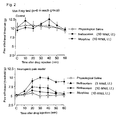
Fig. 2 is a graph showing suppressing effect on neuropathic pain observed in the von Frey test. -
Fig. 3 is a graph showing suppressing effect of oxiracetam (reference example) on neuropathic pain observed in the von Frey test. -
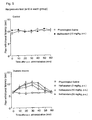
Fig. 4 is a graph showing suppressing effect of nefiracetam on neuropathic pain by oral administration observed in the von Frey test. -
Fig. 5 is a graph showing suppressing effect on diabetic neuropathic pain observed in the Hargreaves test. - The compounds represented by the aforementioned general formula (I) are known compounds disclosed in, for example, Japanese Patent Publication (Kokoku) No.
42-19093 52-23072 54-117468 60-252461 56-2960 61-280470 4-160496 3-46466 62-5404 5-163144 5-163145 U.S. Patent No. 6,107,330 ), effect of improving intractable epilepsy (WO00/7593 WO98/14213 WO00/72844 - These compounds can be easily produced by the methods disclosed in, for example, Japanese Patent Publication No.
42-19093 52-23072 54-117468 60-252461 56-2960 61-280470 4-160496 3-46466 - In the general formula (I), R3 is preferably a phenyl group having an alkoxyl group or -NH-R4. R4 is preferably a phenyl group having two alkyl groups.
- Examples of typical compounds among the compounds falling within the scope of the general formula (I) are 1-(4-methoxybenzoyl)-2-pyrrolidinone (aniracetam), and N-(2,6-dimethylphenyl)-2-(2-oxo-1-pyrrolidinyl)acetamide (nefiracetam). Among them, nefiracetam is particularly preferred.
- As the compounds represented by the general formula (I), compounds either in a free form or in a form of a pharmaceutically acceptable salt may be used. Further, hydrates thereof or solvates thereof can also be used. Examples of the pharmaceutically acceptable salts include, mineral acid salts such as hydrochlorides, hydrobromides, hydroiodides, sulfates, nitrates, and phosphates, and organic acid salts such as acetates, maleates, fumarates, citrates, oxalates, succinates, tartrates, malates, mandelates, methanesulfonates, p-toluenesulfonates and 10-camphorsulfonates.
- The compounds represented by the general formula (I) and pharmaceutically acceptable salts thereof have analgesic effect on neuropathic pain in experimental models of neuropathic pain as shown in the examples. Therefore, the compounds represented by the general formula (I) and pharmaceutically acceptable salts thereof are useful as medicaments for therapeutic and/or prophylactic treatment of neuropathic pain such as cancer pain, postherpetic neuralgia, post-thoracotomic pain, diabetic neuropathy, CRPS, multiple sclerosis, AIDS, trigeminal neuralgia, thalamic pain, paraplegic pain caused by myelopathy, anesthesia dolorosa, phantom limb pain and the like.
- Routes of administration of the medicament are not particularly limited, and the medicament can be orally or parenterally administered. The compounds represented by general formula (I) or pharmaceutically acceptable salts thereof, per se, as the active ingredients may be used as the medicament of the present invention. Generally, the medicament may be provided as pharmaceutical preparations well known to those skilled in the art by adding pharmaceutically acceptable additives.
- Examples of pharmaceutical preparations suitable for oral administration include tablets, capsules, powders, subtilized granules, granules, solutions, and syrups, and examples of pharmaceutical preparations suitable for parenteral administration include injections for subcutaneous, intravenous or intramuscular injections, drip infusions, suppositories, inhalants, transdermal preparations, transmucosal preparations, and patches.
- As the pharmaceutically acceptable additives excipients, disintegrating agents or disintegrating aids, binders, lubricants, coating agents, coloring matters, diluents, bases, dissolving agents or dissolving aids, isotonic agents, pH modifiers, stabilizers, adherents, and adherents may be used.
- Doses of the medicament is not particularly limited, and can be suitably selected depending on the route of administration, degree of neuropathic pain, therapeutic or prophylactic purpose, the age, symptoms and body weight of a patient. For example, the dose for oral administration may be 20 to 2000 mg, preferably 30 to 900 mg per day as the weight of the compound represented by the general formula (I) or the pharmaceutically acceptable salt thereof, and the aforementioned daily dose may be administered as several divided portions. Acute toxicity of nefiracetam, which is a typical example of the compounds represented by the general formula (I), is 2,005 mg/kg (male mouse, p.o.), and therefore the compounds are highly safe (Japanese Patent Unexamined Patent Publication No.
5-163144 - Further, the medicaments can generally be used as supplemental analgesic agents concurrent with narcotic analgesic agents which themselves are provided in a form of a solution, or a tablet. Methods for the combined use are not particularly limited. Examples of employable methods include a method in which the medicament of the present invention is continuously administered during the same and whole period as the administration period of a narcotic analgesic; a method in which the medicament of the present invention is occasionally administered as required during the administration period of a narcotic analgesic; a method in which administration of the medicament of the present invention is started before administration of a narcotic analgesic, and then administrations of the narcotic analgesic and the medicament of the present invention are continued; a method in which a narcotic analgesic and the medicament of the present invention are continuously administered, then the administration of the narcotic analgesic is stopped and the administration of the medicament is further continued and the like. If required, a pharmaceutical composition comprising a narcotic analgesic and the active ingredient of the medicament (so-called a combined drug) may be prepared and administered.
- The present invention will be more specifically explained with reference to the following examples.
- 17 of ddY male mice having a body weight of 13 to 15 g were used. The mice were anesthetized with pentobarbital, and skin of right hind leg of each mouse was dissected so that sciatic nerve was observed. The half of sciatic nerve fibers was bound with a suture for 9 mice among 17 mice, and only the dissection was performed for the remaining 8 animals (a control group). After the dissection site was sutured, the animals were left for 7 days (Xun Ye et al, Jpn. J. Pharmacol. 2000, Malmberg AB and Basbaum AI, Pain 1998). The mice had a body weight of 20 to 22 g after being left. The group of mice of which sciatic nerves were bound was divided into two groups, and mice of one group were each administered with 5 µl (10 nmol) of nefiracetam and mice of the other group were each administered with 5 µl of physiological saline into spinal subarachnoid space. After the administration, the mice were each subcutaneously administered at a right hind leg footpad with physiological saline at 10 minutes and 15 minutes, 2 µ 1 (0.1 fmol) of bradykinin at 20 minutes and 25 minutes, 2 µl (1 fmol) of bradykinin at 30 minutes and 35 minutes, 2 µl (10 fmol) of bradykinin at 40 minutes and 45 minutes, and 2 µl (100 fmol) of bradykinin at 50 minutes and 55 minutes after the administration. The group of mice that were subjected only to the dissection was also divided into two groups, and mice of one group were each administered with 5 µl (10 nmol) of nefiracetam and mice of the other group were each administered with 5 µ l of physiological saline into spinal subarachnoid space. After the administration, the mice were each subcutaneously administered at a right hind leg footpad with physiological saline at 10 minutes and 15 minutes, 2 µl (0.01 pmol) of bradykinin at 20 minutes and 25 minutes, 2 µl (0.1 pmol) of bradykinin at 30 minutes and 35 minutes, 2 µl (1 pmol) of bradykinin at 40 minutes and 45 minutes, and 2 µl (10 pmol) of bradykinin at 50 minutes and 55 minutes after the administration. The noxious flexion reactions caused by the administrations of bradykinin were indicated as a ratio based on the maximum spontaneous flexion reaction.
- 42 of ddY male mice having a body weight of 16 to 18 g were used. In the von Frey test, the mice were placed on a mesh, and footpads of the mice were stimulated with a von Frey filament (TRANSDUCER INDICATOR MODEL 1601 (IITC INC., U.S.A.)) every 10 minutes, and the threshold values observed at the beginning of an escape reaction were represented in a unit of gram. The mice were anesthetized with pentobarbital, and skin of right hind leg of each mouse was dissected so that sciatic nerve was observed. The half of sciatic nerve fibers was bound with a suture for 24 mice among 42 mice, and only the dissection was performed for the remaining 18 mice (a control group). After the dissection site was sutured, the animals were left for 7 days (Xun Ye et al, Jpn. J. Pharmacol. 2000, Malmberg AB and Basbaum AI, Pain 1998). The mice had a body weight of 23 to 25 g after being left. The group of mice of which sciatic nerves were bound was divided into 4 groups, and the threshold was measured twice. The average of the values was used as a control value. Then, mice of each group were each administered with 5 µl (1 nmol) of nefiracetam, 5 µl (10 nmol) of nefiracetam, 5 µl (10 nmol) of morphine or 5 µ1 of physiological saline into spinal subarachnoid space. After the administration, the threshold was repeatedly measured for 60 minutes with intervals of 10 minutes. The group of mice that were subjected only to the dissection was divided into three groups, and a control value was measured in the same manner as described above. Then, mice of each group were each administered with 5 µl (10 nmol) of nefiracetam, 5 µl (10 nmol) of morphine or 5 µl of physiological saline into spinal subarachnoid space, and the threshold was measured in the same manner as described above.
- In the same manner as in Example 2, 5 µl (10 nmol) of oxiracetam (reference example) was administered and the threshold was measured.
- 36 of ddY male mice having a body weight of 16 to 18 g were used. In the von Frey test, the mice were placed on a mesh, and hind leg footpads of the mice were stimulated with a von Frey filament (digital type von Frey tester MODEL 1601 (IITC INC., U.S.A.)) every 15 minutes, and the threshold values observed at the beginning of an escape reaction were represented in a unit of gram. The mice were anesthetized with pentobarbital, and skin of right hind leg of each mouse was dissected so that sciatic nerve was observed. The half of sciatic nerve fibers was bound with a suture for 24 animals among the 36 animals, and only the dissection was performed for the remaining 12 animals (a sham group). After the dissection site was sutured, experiments were performed on the 7th day (Xun Ye et al, Jpn. J. Pharmacol. 2000, Malmberg AB and Basbaum AI, Pain 1998). The mice had a body weight of 23 to 25 g after the 7 days. The group of mice of which sciatic nerves were bound was divided into 4 groups, and the threshold was measured twice. The average of the values was used as a control value. Then, mice of each group were each orally administered with 3 mg/kg, 10 mg/kg or 30 mg/kg of nefiracetam or physiological saline (10 ml/kg), and the threshold was repeatedly measured for 90 minutes with intervals of 15 minutes. The mice of the control group (the sham group) that were subjected only to the dissection were divided into two groups, and a control value was measured in the same manner as described above. Then, mice of each group were each orally administered with 30 mg/kg of nefiracetam or physiological saline (10 ml/kg), and the threshold was measured in the same manner as described above.
- 36 of ddY male mice having a body weight of 28 to 30 g were used. In the Hargreaves test, the mice were placed on a glass plate, and hind leg footpads of the mice were stimulated with radiant heat (combination type analgesia meter MODEL 336 (IITC INC., U.S.A.)) every 10 minutes. And the latent time until the beginning of an escape reaction was measured. The mice with diabetes mellitus were prepared by administering streptozotocin (200 mg/kg) dissolved in 0.1 N citrate buffer (pH 4.5) to caudal arteries, and the experiment was performed on the 7th day. The mice having a blood glucose level of 300 mg/dl or higher under a starved condition (after starvation for 3 hours) were used as mice with diabetes mellitus. 24 animals among the 36 animals were determined as mice with diabetes mellitus according to the method described above, and the remaining 12 mice were administered with 0.1 N citrate buffer at caudal arteries and used as a comparative control group (control group). The mice with diabetes mellitus were divided into 4 groups, and the threshold was measured twice. The average of the values was used as a control value. Then, mice of each group were each orally administered with 3 mg/kg, 10 mg/kg or 30 mg/kg of nefiracetam or physiological saline (10 ml/kg), and the latent time was repeatedly measured for 60 minutes with intervals of 10 minutes. The control group was divided into two groups, and a control value was measured as described above. Then, mice of each group were each orally administered with 10 mg/kg of nefiracetam or physiological saline (10 ml/kg), and the latent time was measured in the same manner as described above.
- In the mouse peripheral nociception test, nociceptive flexion reactions caused by chemical pain stimulus using bradykinin were evaluated. In the control group subjected only to the dissection and without nervous disturbance, the effect of nefiracetam, administered into the spinal subarachnoid space at a dose of 0.01 to 10 pmols, on the reaction caused by bradykinin administered to footpad was found to be not significant as compared to that obtained by physiological saline. Whilst in the neuropathic pain model in which the nervous disturbance was generated, an equivalent bradykinin response was caused with a dose in the range of 0.1 to 100 fmol, which was lower by 100 times. The administration of nefiracetam into the spinal subarachnoid space gave strong analgesic effects to an extent that the bradykinin sensitive response was completely suppressed.
- In the von Frey test, the escape reactions caused by mechanical noxious stimulus, which was given for a time period of 60 minutes with intervals of 10 minutes, were evaluated as a threshold (g). In the control group subjected only to the dissection and without nervous disturbance, both of the administrations of nefiracetam and morphine into the spinal subarachnoid spaces did not give significant effect as compared to the administration of physiological saline. Whilst in the neuropathic pain model in which the nervous disturbance was generated, the noxious response threshold fell down to an about half level compared with the control group, which indicated sensitivity reaction. The administration of morphine into the spinal subarachnoid space (10 nmol) gave no significant effect on the reaction. However, nefiracetam gave analgesic effect in a dose-dependent manner at doses of 1 and 10 nmol, which were lower than that of morphine, and its degree reached the threshold observed in the control.
- Further, oxiracetam (reference compound) gave analgesic effect substantially equivalent to that of nefiracetam in the von Frey test. Nefiracetam also gave suppressing effect on neuropathic pain even by oral administration, and nefiracetam also gave suppression effect also on diabetic neuropathic pain.
- As described above, it was demonstrated that the compounds of the present invention represented by the general formula (I) and salts thereof have superior analgesic effects on morphine-resistant neuropathic pain.
- The compounds of the present invention represented by the general formula (I) and salts thereof have superior analgesic effects on morphine-resistant neuropathic pain, and therefore, are useful for the manufacturing of a medicament for therapeutic and/or prophylactic treatment of cancer pain.
Claims (5)
- Use of a compound represented by the general formula (I) or a pharmaceutically acceptable salt thereof as an active ingredient, for the manufacturing of a medicament for therapeutic and/or prophylactic treatment of neuropathic pain:
 R2 represents a hydrogen atom or an alkyl group having 1 to 3 carbon atoms:R3 represents a phenyl group which may have 1 to 3 substituents selected from the group consisting of a halogen atom, a hydroxyl group, an alkyl group having 1 to 3 carbon atoms, and an alkoxyl group having 1 to 3 carbon atoms, or represents - NH-R4 wherein R4 represents a phenyl group which may have 1 to 3 substituents selected from the group consisting of a halogen atom, a hydroxyl group, an alkyl group having 1 to 3 carbon atoms, and an alkoxyl group having 1 to 3 carbon atoms, and n represents 0 or 1.
 - The use according to Claim 1, wherein the neuropathic pain is neuropathic pain of cancer pain, postherpetic neuralgia, post-thoracotomic pain, diabetic neuropathy, CRPS, multiple sclerosis, AIDS, trigeminal neuralgia, thalamic pain, paraplegic pain caused by myelopathy, anesthesia dolorosa, or phantom limb pain.
- The use according to Claim 1 or 2, wherein the active ingredient is 1-(4-methoxybenzoyl)-2-pyrrolidinone or N-(2,6-dimethylphenyl)-2-(2-oxo-1-pyrrolidinyl)acetamide.
- The use according to Claim 3, wherein the active ingredient is N-(2.6-dimethylphenyl)-2-(2-oxo-1-pyrrolidinyl)acetamide.
- The use according to claim 4, wherein the neuropathic pain preferably is of cancer pain, AIDS, or diabetic neuropathy.
Applications Claiming Priority (3)
| Application Number | Priority Date | Filing Date | Title |
|---|---|---|---|
| JP2000400679 | 2000-12-28 | ||
| JP2000400679 | 2000-12-28 | ||
| PCT/JP2001/011356 WO2002053153A1 (en) | 2000-12-28 | 2001-12-25 | Medicines for treatment and prevention of neurogenic pain |
Publications (3)
| Publication Number | Publication Date |
|---|---|
| EP1356812A1 EP1356812A1 (en) | 2003-10-29 |
| EP1356812A4 EP1356812A4 (en) | 2006-04-12 |
| EP1356812B1 true EP1356812B1 (en) | 2009-05-13 |
Family
ID=18865226
Family Applications (1)
| Application Number | Title | Priority Date | Filing Date |
|---|---|---|---|
| EP01272527A Expired - Lifetime EP1356812B1 (en) | 2000-12-28 | 2001-12-25 | Medicines for treatment and prevention of neurogenic pain |
Country Status (11)
| Country | Link |
|---|---|
| US (1) | US7608636B2 (en) |
| EP (1) | EP1356812B1 (en) |
| JP (1) | JPWO2002053153A1 (en) |
| KR (1) | KR100823668B1 (en) |
| CN (1) | CN1484527A (en) |
| AR (1) | AR032066A1 (en) |
| AT (1) | ATE431142T1 (en) |
| CA (1) | CA2433039C (en) |
| DE (1) | DE60138733D1 (en) |
| MX (1) | MXPA03005889A (en) |
| WO (1) | WO2002053153A1 (en) |
Families Citing this family (15)
| Publication number | Priority date | Publication date | Assignee | Title |
|---|---|---|---|---|
| EP1611902A4 (en) * | 2003-04-03 | 2006-04-12 | Kyowa Hakko Kogyo Kk | PREVENTIVE OR CURATIVE MEDICINE FOR NEVROPATHIC PAIN |
| US7283839B2 (en) | 2004-04-14 | 2007-10-16 | Curitel Communications, Inc. | Wireless communicating terminal for providing integrated messaging service and method thereof |
| US20060241144A1 (en) * | 2005-04-20 | 2006-10-26 | Albert Cha | Method for treating apathy syndrome |
| ITMI20070770A1 (en) * | 2007-04-16 | 2008-10-17 | Brane Discovery S R L | USE OF DIMIRACETAM IN THE TREATMENT OF CHRONIC PAIN |
| EP3260118B1 (en) | 2008-10-16 | 2021-03-24 | The Johns Hopkins University | Methods and compositions for improving cognitive function |
| ES2664727T3 (en) * | 2009-10-22 | 2018-04-23 | University College Dublin National University Of Ireland, Dublin | Causal therapy of diseases or conditions associated with CNS or SNP demyelination |
| PL389364A1 (en) | 2009-10-23 | 2011-04-26 | Uniwersytet Jagielloński | New applications of 2-pyrrolidone derivatives |
| LV14346B (en) * | 2009-11-05 | 2011-07-20 | Grindeks, A/S | 2- (4-Phenyl-5-methyl-2-oxopyrrolidin-1-yl) -acetam ī da 4R, 5S-enantiomer ē ar nootropic activity & |
| US20110212928A1 (en) * | 2010-02-09 | 2011-09-01 | The Johns Hopkins University | Methods and compositions for improving cognitive function |
| KR101351181B1 (en) | 2010-05-11 | 2014-01-14 | 가천대학교 산학협력단 | Method for inhibiting cell death induction by inhibiting synthesis or secretion of AGE-albumin in mononuclear phagocyte system |
| WO2014078568A1 (en) | 2012-11-14 | 2014-05-22 | The Johns Hopkins University | Methods and compositions for treating schizophrenia |
| EP2968220B1 (en) | 2013-03-15 | 2021-05-05 | Agenebio, Inc. | Methods and compositions for improving cognitive function |
| WO2014144663A1 (en) | 2013-03-15 | 2014-09-18 | The Johns Hopkins University | Methods and compositions for improving cognitive function |
| NZ738682A (en) | 2015-05-22 | 2022-01-28 | Agenebio Inc | Extended release pharmaceutical compositions of levetiracetam |
| PL244071B1 (en) * | 2019-01-07 | 2023-11-27 | Univ Jagiellonski | (2,5-Dioxopyrrolidin-1-yl)(phenyl)-acetamide derivatives and their use in the treatment of neurological diseases |
Family Cites Families (34)
| Publication number | Priority date | Publication date | Assignee | Title |
|---|---|---|---|---|
| GB1039113A (en) * | 1964-08-06 | 1966-08-17 | Ucb Sa | New n-substituted lactams |
| JPS4219093Y1 (en) | 1965-11-27 | 1967-11-04 | ||
| IT1045043B (en) | 1975-08-13 | 1980-04-21 | Isf Spa | PYROLIDINE DERIVATIVES |
| US4118393A (en) * | 1977-06-23 | 1978-10-03 | American Cyanamid Company | Phenyl azabicyclohexanones |
| CU21107A3 (en) | 1978-02-10 | 1988-02-01 | Hoffmann La Roche | DERIVATIVE PYRROLIDINES |
| DE2923975A1 (en) | 1979-06-13 | 1980-12-18 | Nattermann A & Cie | Pyrrolidin-2-one-1-yl alkyl carboxylic acid amide(s) - esp. 2,6-di:methyl anilide of pyrrolidinone acetic acid used to treat cerebral oxygenation insufficiency, migraine etc. |
| IT1141287B (en) * | 1979-06-13 | 1986-10-01 | Nattermann A & Cie | PYROLIDIN ACIDS AMIDS- (2) -ON- (1) -ILALKYL-CARBOXYLS, PROCEDURE FOR THEIR PREPARATION AND MEDICINAL PRODUCTS CONTAINING THEM |
| CH657527A5 (en) * | 1980-02-13 | 1986-09-15 | Ciba Geigy Ag | USE OF CENTRALNERVOES-EFFECTIVE COMPOUNDS IN AN AGENT WHICH IS INTENDED TO PREVENT OR REDUCE SIDE EFFECTS. |
| US4431641A (en) * | 1980-10-17 | 1984-02-14 | Ciba-Geigy Corporation | Pharmaceutical compositions having antiepileptic and antineuralgic action |
| GB8412357D0 (en) | 1984-05-15 | 1984-06-20 | Ucb Sa | Pharmaceutical composition |
| JPS625404A (en) | 1985-07-01 | 1987-01-12 | Shinko Electric Co Ltd | Signal level converter |
| GB8609033D0 (en) * | 1986-04-14 | 1986-05-21 | Ucb Sa | Pharmaceutical compositions |
| IT1231477B (en) | 1989-07-12 | 1991-12-07 | Sigma Tau Ind Farmaceuti | (PIRROLIDIN-2-ONE-1-IL) ACETAMIDES AS ACTIVATORS OF LEARNING PROCESSES AND MEMORY AND PHARMACEUTICAL COMPOSITIONS INCLUDING SUCH COMPOUNDS |
| JPH0779442B2 (en) | 1989-07-14 | 1995-08-23 | 日本テレビ放送網株式会社 | Noise reduction circuit |
| JPH04160496A (en) | 1990-10-23 | 1992-06-03 | Sharp Corp | Article carrying-out mechanism of automatic vending machine |
| US5232700A (en) * | 1990-11-14 | 1993-08-03 | The Administrators Of The Tulane Educational Fund | Methods of prophylaxis and treatment of herpes simplex lesions utilizing piracetam as the active ingredient |
| JPH04219093A (en) | 1990-12-19 | 1992-08-10 | Matsushita Electric Ind Co Ltd | magnetic recording and reproducing device |
| SK279285B6 (en) * | 1991-05-02 | 1998-09-09 | Daiichi Pharmaceutical Co. | Use of n-(2,6-dimethylphenyl)-2-(2-oxo-1-pyrrolidinyl)acetamide for pharmaceutical composition preparation |
| ZA923134B (en) | 1991-05-02 | 1993-01-27 | Daiichi Seiyaku Co | Agent for improving dementia |
| JP3388778B2 (en) | 1991-05-02 | 2003-03-24 | 第一製薬株式会社 | Cerebrovascular dementia improving agent |
| JPH0665197A (en) | 1992-06-19 | 1994-03-08 | Dai Ichi Seiyaku Co Ltd | Process for producing pyrrolidinyl acetamide derivative |
| GB9505692D0 (en) * | 1995-03-21 | 1995-05-10 | Glaxo Group Ltd | Chemical compounds |
| US5885976A (en) * | 1995-05-08 | 1999-03-23 | Sandyk; Reuven | Methods useful for the treatment of neurological and mental disorders related to deficient serotonin neurotransmission and impaired pineal melatonin functions |
| WO1997006319A1 (en) * | 1995-08-04 | 1997-02-20 | Frederick Kobes | Piston valve |
| US6107330A (en) * | 1995-08-07 | 2000-08-22 | Daiichi Pharmaceutical Co., Ltd. | Inhibitor for narcotic analgesic dependence/resistance acquisition |
| US5551846A (en) * | 1995-12-01 | 1996-09-03 | Ford Motor Company | Scroll compressor capacity control valve |
| EP0953356A4 (en) | 1996-10-01 | 2002-04-17 | Daiichi Seiyaku Co | Mitochondrial membrane stabilizer |
| AU8131198A (en) * | 1997-07-15 | 1999-02-10 | Daiichi Pharmaceutical Co., Ltd. | Prophylactic or therapeutic agent for amnesia |
| AR020115A1 (en) * | 1998-08-06 | 2002-04-10 | Daiichi Seiyaku Co | THERAPEUTIC OR PREVENTIVE AGENT FOR REBEL EPILEPSIES AND USE OF THE COMPOUND FOR THE SAME PRODUCTION |
| US20040077709A1 (en) * | 1999-05-31 | 2004-04-22 | Daiichi Pharmaceutical Co., Ltd. | Neuronal death inhibitors |
| KR20020015321A (en) | 1999-05-31 | 2002-02-27 | 스즈키 다다시 | Neuronal death inhibitors |
| US6349442B1 (en) * | 1999-06-23 | 2002-02-26 | Advanced Prosthetic Technologies, Inc. | Brush tip for a motorized toothbrush |
| RO121085B1 (en) | 1999-12-01 | 2006-12-29 | Ucb, S.A., | Use of levetiracetam for the treatment of central nervous system (cns) disorders |
| US6423739B1 (en) * | 2000-02-23 | 2002-07-23 | Daiichi Pharmaceutical Co., Ltd. | Method for aiding cerebral recovery following neurodegeneration |
-
2001
- 2001-12-25 CN CNA018216242A patent/CN1484527A/en active Pending
- 2001-12-25 CA CA2433039A patent/CA2433039C/en not_active Expired - Fee Related
- 2001-12-25 JP JP2002554103A patent/JPWO2002053153A1/en active Pending
- 2001-12-25 MX MXPA03005889A patent/MXPA03005889A/en not_active Application Discontinuation
- 2001-12-25 DE DE60138733T patent/DE60138733D1/en not_active Expired - Lifetime
- 2001-12-25 EP EP01272527A patent/EP1356812B1/en not_active Expired - Lifetime
- 2001-12-25 AT AT01272527T patent/ATE431142T1/en not_active IP Right Cessation
- 2001-12-25 KR KR1020037008668A patent/KR100823668B1/en not_active Expired - Fee Related
- 2001-12-25 US US10/450,524 patent/US7608636B2/en not_active Expired - Fee Related
- 2001-12-25 WO PCT/JP2001/011356 patent/WO2002053153A1/en not_active Ceased
- 2001-12-27 AR ARP010106055A patent/AR032066A1/en unknown
Non-Patent Citations (1)
| Title |
|---|
| RASHID HARUNOR; UEDA HIROSHI: "Nonopioid and Neuropathy-Specific Analgesic Action of the Nootropic Drug Nefiracetal in Mice", THE JOURNAL OF PHARMACOLOGY AND EXPERIMENTAL THERAPEUTICS, vol. 303, no. 1, 2002, pages 226 - 231 * |
Also Published As
| Publication number | Publication date |
|---|---|
| EP1356812A1 (en) | 2003-10-29 |
| CA2433039A1 (en) | 2002-07-11 |
| KR100823668B1 (en) | 2008-04-21 |
| JPWO2002053153A1 (en) | 2004-04-30 |
| EP1356812A4 (en) | 2006-04-12 |
| AR032066A1 (en) | 2003-10-22 |
| US7608636B2 (en) | 2009-10-27 |
| CA2433039C (en) | 2010-06-08 |
| KR20040025882A (en) | 2004-03-26 |
| CN1484527A (en) | 2004-03-24 |
| MXPA03005889A (en) | 2005-02-14 |
| US20040063776A1 (en) | 2004-04-01 |
| WO2002053153A1 (en) | 2002-07-11 |
| ATE431142T1 (en) | 2009-05-15 |
| DE60138733D1 (en) | 2009-06-25 |
Similar Documents
| Publication | Publication Date | Title |
|---|---|---|
| US7608636B2 (en) | Medicines for treatment and prevention of neurogenic pain | |
| CA2320039C (en) | Pharmaceutical composition comprising a combination of metformin and fibrate, and its use for the preparation of medicines intended to reduce hyperglycaemia | |
| EP0566709B1 (en) | Composition comprising a tramadol compound and acetaminophen, and its use | |
| DE69813896T2 (en) | ALPHA AMINOAMIDE DERIVATIVES USED AS ANALGETIC AGENTS | |
| JP4934048B2 (en) | New uses for cannabinoids | |
| JP3115119B2 (en) | Tramadol N-oxide materials, enantiomers and compositions thereof, and uses thereof | |
| CA2303815A1 (en) | N,n-bis (phenylcarbamoylmethyl) dimethylammonium chloride and derivatives in the treatment of pain | |
| EP1714960B1 (en) | Novel therapeutic agent for amyotrophic lateral sclerosis (als) or disease attributable to als | |
| EP1219624B1 (en) | Remedies for neuropathic pain and model animals of neuropathic pain | |
| US4330558A (en) | Pharmaceutical composition and method for treating peripheral orthostatic hypotension | |
| PT92799B (en) | Use of a partial glycine agonist B, in particular an amino-isoxazole derivative compound for the preparation of a medicament as an antipsychotic and a method for the preparation of a pharmaceutical composition comprising the said agonist | |
| EP1292305B1 (en) | Use of l-threo methylphenidate for the manufacture of a medicament for the treatment of psychotic disorders | |
| EP0626851B1 (en) | Use of 3,5-diamino-6-(2,3-dichlorophenyl)-1,2,4-triazine for the preparation of a medicament for the treatment of certain types of pain and of oedema | |
| HK1057003A (en) | Medicines for treatment and prevention of neurogenic pain | |
| KR20050121236A (en) | Use of carbamazepine derivatives for the treatment of agitation in dementia patients | |
| KR20020063254A (en) | Remedies and/or preventives for nervous system disorders | |
| EP0415612A2 (en) | Use of sertraline for the treatment of chemical dependencies | |
| PT95698B (en) | Process for the preparation of pharmaceutical compositions containing arylalkylamines used in the treatment of neurological diseases | |
| US5441962A (en) | Method for treating hyperlipemia | |
| US9446025B2 (en) | Treatment or prevention of hypotension and shock | |
| LU85371A1 (en) | CLASS III ANTIARRHYTHMA TREATMENT PROCESS | |
| RU2093149C1 (en) | Pharmaceutical composition used for treatment and prophylaxis of obesity-associated hypertension | |
| EP1835920A1 (en) | Drugs for the treatment and/or prophylaxis of gastroparesis symptom | |
| NZ228379A (en) | Pharmaceutical composition comprising an n-(2,3-dihydroxy propyl) isopropyl amine b-blocker derivative and a pyridazodiazepine derivative | |
| EP1199078A1 (en) | Analgesics |
Legal Events
| Date | Code | Title | Description |
|---|---|---|---|
| PUAI | Public reference made under article 153(3) epc to a published international application that has entered the european phase |
Free format text: ORIGINAL CODE: 0009012 |
|
| 17P | Request for examination filed |
Effective date: 20030628 |
|
| AK | Designated contracting states |
Kind code of ref document: A1 Designated state(s): AT BE CH CY DE DK ES FI FR GB GR IE IT LI LU MC NL PT SE TR |
|
| AX | Request for extension of the european patent |
Extension state: AL LT LV MK RO SI |
|
| RAP1 | Party data changed (applicant data changed or rights of an application transferred) |
Owner name: HAMILTON PHARMACEUTICALS, INC. |
|
| A4 | Supplementary search report drawn up and despatched |
Effective date: 20060227 |
|
| 17Q | First examination report despatched |
Effective date: 20061212 |
|
| GRAP | Despatch of communication of intention to grant a patent |
Free format text: ORIGINAL CODE: EPIDOSNIGR1 |
|
| GRAP | Despatch of communication of intention to grant a patent |
Free format text: ORIGINAL CODE: EPIDOSNIGR1 |
|
| GRAS | Grant fee paid |
Free format text: ORIGINAL CODE: EPIDOSNIGR3 |
|
| GRAA | (expected) grant |
Free format text: ORIGINAL CODE: 0009210 |
|
| AK | Designated contracting states |
Kind code of ref document: B1 Designated state(s): AT BE CH CY DE DK ES FI FR GB GR IE IT LI LU MC NL PT SE TR |
|
| REG | Reference to a national code |
Ref country code: GB Ref legal event code: FG4D |
|
| REG | Reference to a national code |
Ref country code: CH Ref legal event code: EP |
|
| REG | Reference to a national code |
Ref country code: IE Ref legal event code: FG4D |
|
| REF | Corresponds to: |
Ref document number: 60138733 Country of ref document: DE Date of ref document: 20090625 Kind code of ref document: P |
|
| PG25 | Lapsed in a contracting state [announced via postgrant information from national office to epo] |
Ref country code: AT Free format text: LAPSE BECAUSE OF FAILURE TO SUBMIT A TRANSLATION OF THE DESCRIPTION OR TO PAY THE FEE WITHIN THE PRESCRIBED TIME-LIMIT Effective date: 20090513 Ref country code: PT Free format text: LAPSE BECAUSE OF FAILURE TO SUBMIT A TRANSLATION OF THE DESCRIPTION OR TO PAY THE FEE WITHIN THE PRESCRIBED TIME-LIMIT Effective date: 20090913 Ref country code: FI Free format text: LAPSE BECAUSE OF FAILURE TO SUBMIT A TRANSLATION OF THE DESCRIPTION OR TO PAY THE FEE WITHIN THE PRESCRIBED TIME-LIMIT Effective date: 20090513 Ref country code: ES Free format text: LAPSE BECAUSE OF FAILURE TO SUBMIT A TRANSLATION OF THE DESCRIPTION OR TO PAY THE FEE WITHIN THE PRESCRIBED TIME-LIMIT Effective date: 20090824 |
|
| NLV1 | Nl: lapsed or annulled due to failure to fulfill the requirements of art. 29p and 29m of the patents act | ||
| PG25 | Lapsed in a contracting state [announced via postgrant information from national office to epo] |
Ref country code: NL Free format text: LAPSE BECAUSE OF FAILURE TO SUBMIT A TRANSLATION OF THE DESCRIPTION OR TO PAY THE FEE WITHIN THE PRESCRIBED TIME-LIMIT Effective date: 20090513 Ref country code: SE Free format text: LAPSE BECAUSE OF FAILURE TO SUBMIT A TRANSLATION OF THE DESCRIPTION OR TO PAY THE FEE WITHIN THE PRESCRIBED TIME-LIMIT Effective date: 20090813 |
|
| PG25 | Lapsed in a contracting state [announced via postgrant information from national office to epo] |
Ref country code: DK Free format text: LAPSE BECAUSE OF FAILURE TO SUBMIT A TRANSLATION OF THE DESCRIPTION OR TO PAY THE FEE WITHIN THE PRESCRIBED TIME-LIMIT Effective date: 20090513 |
|
| PG25 | Lapsed in a contracting state [announced via postgrant information from national office to epo] |
Ref country code: BE Free format text: LAPSE BECAUSE OF FAILURE TO SUBMIT A TRANSLATION OF THE DESCRIPTION OR TO PAY THE FEE WITHIN THE PRESCRIBED TIME-LIMIT Effective date: 20090513 |
|
| PLBE | No opposition filed within time limit |
Free format text: ORIGINAL CODE: 0009261 |
|
| STAA | Information on the status of an ep patent application or granted ep patent |
Free format text: STATUS: NO OPPOSITION FILED WITHIN TIME LIMIT |
|
| 26N | No opposition filed |
Effective date: 20100216 |
|
| PG25 | Lapsed in a contracting state [announced via postgrant information from national office to epo] |
Ref country code: MC Free format text: LAPSE BECAUSE OF NON-PAYMENT OF DUE FEES Effective date: 20100701 |
|
| REG | Reference to a national code |
Ref country code: CH Ref legal event code: PL |
|
| REG | Reference to a national code |
Ref country code: HK Ref legal event code: WD Ref document number: 1057003 Country of ref document: HK |
|
| REG | Reference to a national code |
Ref country code: IE Ref legal event code: MM4A |
|
| PG25 | Lapsed in a contracting state [announced via postgrant information from national office to epo] |
Ref country code: LI Free format text: LAPSE BECAUSE OF NON-PAYMENT OF DUE FEES Effective date: 20091231 Ref country code: CH Free format text: LAPSE BECAUSE OF NON-PAYMENT OF DUE FEES Effective date: 20091231 Ref country code: GR Free format text: LAPSE BECAUSE OF FAILURE TO SUBMIT A TRANSLATION OF THE DESCRIPTION OR TO PAY THE FEE WITHIN THE PRESCRIBED TIME-LIMIT Effective date: 20090814 Ref country code: IE Free format text: LAPSE BECAUSE OF NON-PAYMENT OF DUE FEES Effective date: 20091225 |
|
| PG25 | Lapsed in a contracting state [announced via postgrant information from national office to epo] |
Ref country code: IT Free format text: LAPSE BECAUSE OF FAILURE TO SUBMIT A TRANSLATION OF THE DESCRIPTION OR TO PAY THE FEE WITHIN THE PRESCRIBED TIME-LIMIT Effective date: 20090513 |
|
| PG25 | Lapsed in a contracting state [announced via postgrant information from national office to epo] |
Ref country code: LU Free format text: LAPSE BECAUSE OF NON-PAYMENT OF DUE FEES Effective date: 20091225 |
|
| PG25 | Lapsed in a contracting state [announced via postgrant information from national office to epo] |
Ref country code: TR Free format text: LAPSE BECAUSE OF FAILURE TO SUBMIT A TRANSLATION OF THE DESCRIPTION OR TO PAY THE FEE WITHIN THE PRESCRIBED TIME-LIMIT Effective date: 20090513 |
|
| PG25 | Lapsed in a contracting state [announced via postgrant information from national office to epo] |
Ref country code: CY Free format text: LAPSE BECAUSE OF FAILURE TO SUBMIT A TRANSLATION OF THE DESCRIPTION OR TO PAY THE FEE WITHIN THE PRESCRIBED TIME-LIMIT Effective date: 20090513 |
|
| PGFP | Annual fee paid to national office [announced via postgrant information from national office to epo] |
Ref country code: GB Payment date: 20121227 Year of fee payment: 12 |
|
| PGFP | Annual fee paid to national office [announced via postgrant information from national office to epo] |
Ref country code: FR Payment date: 20130110 Year of fee payment: 12 |
|
| PGFP | Annual fee paid to national office [announced via postgrant information from national office to epo] |
Ref country code: DE Payment date: 20121231 Year of fee payment: 12 |
|
| REG | Reference to a national code |
Ref country code: DE Ref legal event code: R119 Ref document number: 60138733 Country of ref document: DE |
|
| GBPC | Gb: european patent ceased through non-payment of renewal fee |
Effective date: 20131225 |
|
| REG | Reference to a national code |
Ref country code: FR Ref legal event code: ST Effective date: 20140829 |
|
| REG | Reference to a national code |
Ref country code: DE Ref legal event code: R119 Ref document number: 60138733 Country of ref document: DE Effective date: 20140701 |
|
| PG25 | Lapsed in a contracting state [announced via postgrant information from national office to epo] |
Ref country code: DE Free format text: LAPSE BECAUSE OF NON-PAYMENT OF DUE FEES Effective date: 20140701 |
|
| PG25 | Lapsed in a contracting state [announced via postgrant information from national office to epo] |
Ref country code: FR Free format text: LAPSE BECAUSE OF NON-PAYMENT OF DUE FEES Effective date: 20131231 Ref country code: GB Free format text: LAPSE BECAUSE OF NON-PAYMENT OF DUE FEES Effective date: 20131225 |