TECHNICAL FIELD
This invention relates to media entertainment systems and, in particular, to
architectures that support media content description metadata.
BACKGROUND
Many media entertainment systems provide electronic programming guides
(EPGs) that allow users to interactively select programs that they are interested in.
Systems that employ EPG technology typically display programs organized
according to the channel on which the program will be broadcast and the time at
which the broadcast will occur. Information identifying a particular program
typically includes the program title, and possibly a short description of the
program.
Over time, a large amount of descriptive data may be generated that is
associated with a particular piece of media content (e.g., a movie). This data may
include, for example, reviews of the content by various critics, user
recommendations, rating information, and genre classifications. A user may desire
to make decisions about which programs to view based on descriptive data
associated with programs beyond the short descriptions typically displayed in an
EPG.
SUMMARY
An architecture that supports media content descriptions is described. The
media content description architecture has a system to receive metadata that
describes media content from one or more metadata providers. The system
typically generates composite descriptions based on received metadata. The
system provides media content descriptions to one or more program data
providers.
BRIEF DESCRIPTION OF THE DRAWINGS
The same numbers are used throughout the drawings to reference like
features and components.
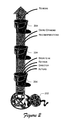
Figure 1 illustrates two categories of program data that can be associated
with media.
Figure 2 is an example diagram illustrating the collection of content
description metadata associated with a piece of media over time.
Figure 3 is a block diagram of an exemplary media entertainment system
that facilitates distribution of media and metadata associated with the media to
multiple users.
Figure 4 is a block diagram of selected components of the media content
description system shown in Figure 3.
Figure 5 illustrates the structure of media content description metadata
stored in an exemplary content description metadata repository.
Figure 6 illustrates related types of content description metadata categories.
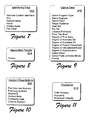
Figure 7 illustrates example identifying data categories.
Figure 8 illustrates an example associated people category.
Figure 9 illustrates example genre data categories.
Figure 10 illustrates example content descriptions categories.
Figure 11 illustrates example popularity categories.
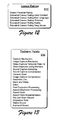
Figure 12 illustrates example censor ratings categories.
Figure 13 illustrates example technical details categories.
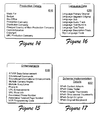
Figure 14 illustrates example production details categories.
Figure 15 illustrates example enhancements categories.
Figure 16 illustrates example language data categories.
Figure 17 illustrates example schema implementation details categories.
Figure 18 illustrates the structure of media person data stored in an
exemplary media person data repository.
Figure 19 illustrates exemplary media person data categories.
Figure 20 illustrates the structure of metadata provider data stored in an
exemplary metadata provider data repository.
Figure 21 illustrates examples of identifying data that may be stored in
association with a metadata provider.
Figure 22 illustrates examples of metadata category trust levels that may be
stored in association with a metadata provider.
Figure 23 is an example flow diagram that illustrates a process for storing
media content description metadata.
Figure 24 is an example flow diagram that illustrates a process for storing
metadata that describes a person associated with media content.
Figure 25 is an example flow diagram that illustrates a process for storing
metadata that describes the media content.
Figure 26 is an example flow diagram that illustrates a process for
generating a composite metadata entity.
DETAILED DESCRIPTION
Introduction
The following describes a media content description system. The media
content description system stores metadata related to media content (e.g., a movie,
a television show, or a song). The metadata that the media content description
system stores is related to the content of the media, independent of when or where
the media content is available. For example, the metadata stored in the media
content description system may include the name of a movie, a list of actors in the
movie, the name of the director of the movie, and one or more critic reviews of the
movie. The metadata stored in the media content description system does not
include television channels or times when a particular movie will be broadcast.
The media content description system provides the stored metadata to content
distribution systems, which provide the metadata, as well as the associated media
content to users.
Content Description Metadata Collection
Figure 1 illustrates two categories of program data 100 that can be
associated with media. Media (e.g., a movie) can be associated with content
description metadata 102 and instance description metadata 104. Content
description metadata 102 is data pertaining to the media content, for example, the
director, actors, story line, ratings, critic opinions, reviews, and recommendations
pertaining to a movie. Instance description metadata 104 is data pertaining to
when and where the media content is available. For example, the time and
television channel on which a particular movie will be broadcast. Because content
description metadata 102 is associated with the content of media, and not a
particular broadcast of the media, content description metadata may be maintained
and updated throughout the life of a particular media content.
Figure 2 illustrates the collection of content description metadata associated
with media over time. Content description metadata is first available when the
media 202 is created. For example, the name of a movie and the actors in the
movie is content description metadata that is available when a movie is produced.
The content description metadata can be stored in a repository 204 over the life of
the media. For example, when a movie is produced, the name of the director, the
names of the actors, a description of the story line, and the rating of the movie may
be stored in the repository 204 as content description metadata. Over time, more
content description metadata may become available, and can be added to the
repository 204. For example, after the movie is released, critic opinions and
recommendations may become available. Because this is information related to
the media content itself (and not just a particular broadcast or showing of the
media content), this information is added to the repository 204. At a still later
point in time, additional reviews of the media content may become available.
These reviews may also be added to the repository 204.
Content description metadata is generated by many different sources (e.g.,
movie production companies, movie critics, television production companies,
individual viewers, etc.). A media content description system stores content
description metadata from multiple sources, and makes the content description
metadata available to users.
The following discussion is directed to media-based entertainment systems,
such as interactive TV networks, cable and satellite networks that utilize electronic
program guides, and Web-enabled TV networks. Client devices in such systems
range from full-resource clients with substantial memory and processing
resources, such as TV-enabled personal computers and personal video recorders
(PVRs) equipped with hard-disks, to low-resource clients with limited memory
and/or processing resources, such as traditional set-top boxes. While aspects of
the described systems and procedures can be used in any of these systems and for
any types of client devices, they are described in the context of the following
exemplary environment.
Exemplary Environment
Figure 3 illustrates an exemplary environment 300 in which the methods,
systems, and data structures described herein may be implemented. Exemplary
environment 300 is a media entertainment system that facilitates distribution of
media and metadata associated with the media to multiple users. The environment
300 includes one or more content description metadata providers 302, a media
content description system 304, one or more program data providers 306, one or
more content providers 308, a content distribution system 310, and multiple client
devices 312(1), 312(2), ..., 312(N) coupled to the content distribution system 310
via a broadcast network 314.
Content description metadata provider 302 provides content description
metadata associated with media to media content description system 304.
Example content description metadata providers are movie production companies,
movie distribution companies, movie critics, and music production companies.
Any person, company, system, or entity that is able to generate or supply media
content description metadata may be considered a content description metadata
provider 302.
Media content description system 304 stores media content description
metadata associated with a plurality of metadata categories and stores metadata
received from one or more metadata providers 302. In one implementation, the
media content description system 304 generates composite metadata based on
metadata received from a plurality of metadata providers 302.
Media content description system 304 provides the media content
description metadata to program data provider 306. In one implementation, the
media content description system 304 provides to program data provider 306, all
of the stored metadata that is associated with a piece of media content (e.g., a
movie).
In another implementation, the media content description system 304
provides only the stored metadata that is associated with the media content that
was received from a particular metadata provider.
In an alternate implementation, each metadata provider is assigned one or
more trust levels or rankings, which may be associated with particular metadata
categories that indicate how trustworthy metadata received from that metadata
provider is. In this implementation, the metadata that is provided to the program
data provider may be based on the trust levels associated with the metadata
providers from which the metadata was received.
In yet another implementation, media content description system 304
generates composite metadata based on metadata received from a plurality of
metadata providers, and provides the composite metadata to the program data
provider.
Various implementations are contemplated, in which, the media content
description system 304 may provide any combination of content description
metadata to program data provider 306.
Program data provider 306 includes an electronic program guide (EPG)
database 316 and an EPG server 318. The EPG database 316 stores electronic
files of program data, which is used to generate an electronic program guide (or,
"program guide"). The program data stored by the EPG database will be referred
to as EPG data and may include content description metadata 102 and instance
description metadata 104. For example, the EPG database 316 may store program
titles, ratings, characters, descriptions, actor names, station identifiers, channel
identifiers, schedule information, and so on.
The EPG server 318 processes the EPG data prior to distribution to
generate a published version of the EPG data which contains programming
information for all channels for one or more days. The processing may involve
any number of techniques to reduce, modify, or enhance the EPG data. Such
processes might include selection of content, content compression, format
modification, and the like. The EPG server 318 controls distribution of the
published version of the EPG data from program data provider 306 to the content
distribution system 310 using, for example, a file transfer protocol (FTP) over a
TCP/IP network (e.g., Internet, UNIX, etc.).
Content provider 308 includes a content server 320 and stored content 322,
such as movies, television programs, commercials, music, and similar media
content. Content server 320 controls distribution of the stored content 322 from
content provider 308 to the content distribution system 310. Additionally, content
server 320 controls distribution of live media content (e.g., content that was not
previously stored, such as live feeds) and/or media content stored at other
locations to the content distribution system 310.
Content distribution system 310 contains a broadcast transmitter 324 and
one or more content and program data processors 326. Broadcast transmitter 324
broadcasts signals, such as cable television signals, across broadcast network 314.
Broadcast network 314 can include a cable television network, RF, microwave,
satellite, and/or data network, such as the Internet, and may also include wired or
wireless media using any broadcast format or broadcast protocol. Additionally,
broadcast network 314 can be any type of network, using any type of network
topology and any network communication protocol, and can be represented or
otherwise implemented as a combination of two or more networks.
Content and program data processor 326 processes the media content and
EPG data received from content provider 308 and program data provider 306 prior
to transmitting the media content and EPG data across broadcast network 314. A
particular content processor may encode, or otherwise process, the received
content into a format that is understood by the multiple client devices 312(1),
312(2), ..., 312(N) coupled to broadcast network 314. Although Figure 3 shows a
single program data provider 306, a single content provider 308, and a single
content distribution system 310, environment 300 can include any number of
program data providers and content providers coupled to any number of content
distribution systems.
Content distribution system 310 is representative of a head end service that
provides EPG data, as well as media content, to multiple subscribers. Each
content distribution system 310 may receive a slightly different version of the EPG
data that takes into account different programming preferences and lineups. The
EPG server 318 creates different versions of EPG data (e.g., different versions of a
program guide) that include those channels of relevance to respective head end
services. Content distribution system 310 transmits the EPG data to the multiple
client devices 312(1), 312(2), ..., 312(N). In one implementation, for example,
distribution system 310 utilizes a carousel file system to repeatedly broadcast the
EPG data over an out-of-band channel to the client devices 312.
Client devices 312 can be implemented in multiple ways. For example, a
client device 312(1) receives broadcast content from a satellite-based transmitter
via a satellite dish 328. Client device 312(1) is also referred to as a set-top box or
a satellite receiving device. Client device 312(1) is coupled to a television 330(1)
for presenting the content received by the client device, such as audio data and
video data, as well as a graphical user interface. A particular client device 312 can
be coupled to any number of televisions 330 and/or similar devices that can be
implemented to display or otherwise render content. Similarly, any number of
client devices 312 can be coupled to a television 330.
Client device 312(2) is also coupled to receive broadcast content from
broadcast network 314 and communicate the received content to associated
television 330(2). Client device 312(N) is an example of a combination television
332 and integrated set-top box 334. In this example, the various components and
functionality of the set-top box are incorporated into the television, rather than
using two separate devices. The set-top box incorporated into the television may
receive broadcast signals via a satellite dish (similar to satellite dish 328) and/or
via broadcast network 314. A personal computer may also be a client device 312
capable of receiving and rendering EPG data and/or media content. In alternate
implementations, client devices 312 may receive broadcast signals via the Internet
or any other broadcast medium.
Each client 312 runs an electronic program guide (EPG) application that
utilizes the EPG data. An EPG application enables a TV viewer to navigate
through an onscreen program guide and locate television shows of interest to the
viewer. With an EPG application, the TV viewer can look at schedules of current
and future programming, set reminders for upcoming programs, and/or enter
instructions to record one or more television shows.
Exemplary Media Content Description System
Figure 4 illustrates selected components of media content description
system 304 shown in Figure 3. Media content description system 304 includes
one or more metadata provider interfaces 402 that facilitate communication
between media content description system 304 and one or more metadata
providers 302. Media content description system 304 also includes one or more
program data provider interfaces 404 that facilitate communication between media
content description system 304 and one or more program data providers 306.
Media content description system 304 includes one or more processors 406
and one or more memory components 408. Examples of possible memory
components include a random access memory (RAM), a disk drive, a mass storage
component, and a non-volatile memory (e.g., ROM, Flash, EPROM, EEPROM,
etc.). Alternative implementations of the media content description system can
include a range of processing and memory capabilities, and may include more or
fewer types of memory components than those described. Processor(s) 406
process various instructions to control the operation of the media content
description system 304 and to communicate with other electronic and computing
devices.
An operating system 410, a content description metadata repository 412, a
media person data repository 414, and a metadata provider data repository 416
may be stored in memory 408 and executed on processor 406. Content description
metadata repository 412 stores structured content description metadata associated
with media content. Media person data repository 414 stores structured data
identifying people who are associated with media content (e.g., actors, directors,
etc.). Metadata provider data repository 416 stores structured data that describes
relationships between content description metadata providers 302. In alternate
implementations, data repositories 412, 414, and 416 may be implemented as one
or more data repositories.
Exemplary Content Description Metadata Repository
Content description metadata repository 412 stores metadata associated
with the content of media. The data repository may be implemented as a relational
database, an object-oriented database, a set of one or more data files, one or more
XML files based on an XML schema, or any other data structure method. For the
purposes of this discussion, an exemplary content description metadata repository
will be described as an XML file.
Figure 5 illustrates the structure of media content description metadata
stored in an exemplary content description metadata repository.
XML File Details
The XML File Details metadata entity is used to store data associated with
the XML file in which the content description metadata is stored. An example
XML File Details entity has the following elements:
The Content Description File Version element stores a number that
indicates the version of the file. As data is added to a media content description
over time, multiple versions of the file may be stored.
The Date Time Content Description Created element stores the date and
time that the file was created.
The Content Description Creator Person element stores the name of the
person that created the file.
The Content Description Creator Organization element stores the name of
an organization that created the file.
The Language Used For Content Description element stores a value that
indicates the language in which the content description data is provided. In an
exemplary system, the value that is stored in the Language Used For Content
Description element is a combination of a language code and name according to
ISO 639. Examples include "de_German", "es_Spanish", and "en_English". An
example list of language field values is given in Table 1, below.
The Schema Version Used element stores a number that indicates the
version of an XML Schema associated with the XML file.
| Unknown | fy_Frisian | mi_Maori | sq_Albanian |
| None | ga_Irish | mk_Macedonian | sr_Serbian |
| aa_Afar | gd_ScotsGaelic | ml_Malayalam | ss_Siswati |
| ab_Abkhazian | gl_Galician | mn_Mongolian | st_Sesotho |
| af_Afrikaans | gn_Guarani | mo_Moldavian | su_Sundanese |
| am_Amharic | gu_Gujarati | mr_Marathi | sv_Swedish |
| ar_Arabic | ha_Hausa | ms_Malay | sw_Swahili |
| as_Assamese | he_Hebrew | mt_Maltese | ta_Tamil |
| ay_Aymara | hi_Hindi | my_Burmese | te_Telugu |
| az_Azerbaijani | hr_Croatian | na_Nauru | tg_Tajik |
| ba_Bashkir | hu_Hungarian | ne_Nepali | th_Thai |
| be_Byelorussian | hy_Armenian | nl_Dutch | ti_Tigrinya |
| bg_Bulgarian | ia_Interlingua | no_Norwegian | tk_Turkmen |
| bh_Bihari | id_Indonesian | oc_Occitan | tl_Tagalog |
| bi_Bislama | ie_Interlingue | om_AfanOromo | tn_Setswana |
| bn_BengaliBangla | ik_Inupiak | or_Oriya | to_Tonga |
| bo_Tibetan | is_Icelandic | pa_Punjabi | tr_Turkish |
| br_Breton | it_Italian | pl_Polish | ts_Tsonga |
| ca_Catalan | iu_Inuktitut | ps_PashtoPushto | tt_Tatar |
| co_Corsican | ja_Japanese | pt_Portuguese | tw_Twi |
| cs_Czech | jw_Javanese | qu_Quechua | ug_Uighur |
| cy_Welsh | ka_Georgian | rm_RhaetoRomance | uk_Ukrainian |
| da_Danish | kk_Kazakh | rn_Kirundi | ur_Urdu |
| de_German | kl_Greenlandic | ro_Romanian | uz_Uzbek |
| dz_Bhutani | km_Cambodian | ru_Russian | vi_Vietnamese |
| el_Greek | kn_Kannada | rw_Kinyarwanda | vo_Volapuk |
| en_English | ko_Korean | sa_Sanskrit | wo_Wolof |
| eo_Esperanto | ks_Kashmiri | sd_Sindhi | xh_Xhosa |
| es_Spanish | ku_Kurdish | sg_Sangho | yi_Yiddish |
| et_Estonian | ky_Kirghiz | sh_SerboCroatian | yo_Yoruba |
| eu_Basque | la_Latin | si_Sinhalese | za_Zhuang |
| fa_Persian | ln_Lingala | sk_Slovak | zh_Chinese |
| fi_Finnish | lo_Laothian | sl_Slovenian | zu_Zulu |
| fj_Fiji | lt_Lithuanian | sm_Samoan | Other |
| fo_Faroese | lv_LatvianLettish | sn_Shona |
| fr_French | mg_Malagasy | so_Somali |
Each piece of media content is assigned a unique media content identifier
(MCID), such as MCID(1), MCID(2), ..., and MCID(N). Based on the structure
of content description metadata repository 412, the MCID metadata entity stores
one instance of one element, which is the MCID. For example a particular movie
would be identified by a unique MCID.
The MCID may be implemented as any type of unique identifier. In one
implementation, the MCID is a concatenation of hexadecimal representations of
specific metadata category values stored in the content description metadata
repository. The metadata categories that are used to generate the MCID are
assigned levels of significance within the MCID. An exemplary MCID is based
on data stored in the Title, Episode Name, Version Detail, and Part Detail
metadata categories, which are described with reference to Figure 7. The MCID is
a structured string of the form MCID_TITLE_EPISODE_VERSION_PART,
where TITLE, EPISODE, VERSION, and PART are hexadecimal values
generated based on values stored in the Title, Episode Name, Version Detail, and
Part Detail metadata category entities, respectively.
An example MCID is: MCID_0050-004-c34d-47ef_00d4_ 002f-83a5_03.
In this example, "0050-004-c34d-47ef" is the TITLE portion of the MCID, based
on data stored in the value element of the Title metadata entity; "00d4" is the
EPISODE portion of the MCID, based on data stored in the value element of the
Episode Name metadata entity; "002f-83a5" is the VERSION portion of the
MCID, based on data stored in the version reason element of the Version Detail
metadata entity; and "03" is the PART portion of the MCID, based on data stored
in the part element of the Part Detail metadata entity. The TITLE portion of the
MCID (the 0050-004-c34d-47ef in the above example) is the most significant,
followed by the EPISODE portion (the 00d4 part in the above example), the
VERSION portion (the 002f-83a5 in the above example), and finally, the PART
portion (the 03 in the above example), which is the least significant. Related
media can be determined by comparing portions of the respective MCIDs. For
example, for a television series, all episodes of the series are assigned MCIDs that
have the same value in the TITLE portion, but different values in the EPISODE,
VERSION, and PART portions.
Metadata Category 1, Metadata Category 2, ..., Metadata Category (N)
Media content description metadata stored in content description metadata
repository 412 is structured according to categories of data that may be associated
with media content. These categories are represented in Figure 5 as Metadata
Category 1, Metadata Category 2,..., Metadata Category (N).
Media content description system 304 may receive content description
metadata, in the same metadata category, associated with the same media content,
from a plurality of metadata providers 302. These multiple values may represent
different opinions as to the value of an attribute associated with the meida content.
For example, two metadata providers 302 may each have different titles associated
with the same media content. For instance, for the same media content, a movie,
one metadata provider may associated the title, "Indiana Jones and the Temple of
Doom" while another metadata provider may associate the title, "Indiana Jones:
the Temple of Doom" with the same media content. To support multiple data
values associated with each metadata category (e.g., multiple opinions as to the
value of an attribute), the content description metadata repository 412 supports
multiple entities within each metadata category. Each entity includes one or more
associated elements.
In one implementation, the media content description system 304
determines the order of multiple entities within a metadata category based on
category-specific rankings that are associated with content description metadata
providers 302.
In an alternate implementation, the media content description system 304
generates a composite entity based on entities received from a plurality of
metadata providers 302. When the media content description system 304
generates a composite entity, it is listed first among a plurality of entities,
indicating that it has the highest rank.
In one implementation, the composite is generated based on trust levels
associated with the metadata providers 302 that provided the metadata. Other
ways of indicating relative order of entities within a metadata category may be
used, including storing a rank indicator as part of the entity.
Exemplary Content Description Metadata Categories
Figure 6 illustrates related types of content description metadata categories.
Content description metadata 102 can include many types of related data,
including identifying data 602, associated people 604, genre data 606, content
descriptions 608, popularity 610, censor ratings 612, technical details 614,
production details 616, enhancements 618, language data 620, and schema
implementation details 622. Identifying data 602 includes any data that identifies
media content, such as a movie title. Other types of metadata (e.g., 604 - 622)
associated with the media content are related to the identifying data 602, and
describe attributes of the media content.
Identifying Data 602
Figure 7 illustrates example identifying data categories. Identifying data
602 includes metadata categories that identify the media content. Example
identifying data categories include alternate content identifiers, title, episode
name, album, version detail, and part detail.
Alternate Content Identifiers
The Alternate Content Identifiers metadata category is used to map content
identifiers assigned by other metadata repositories to the MCID assigned by the
media
content description system 304. An example Alternate Content Identifiers
entity has the following elements:
The Value element stores a content identifier assigned to the media content
by another metadata repository. For example, a metadata provider 302 may assign
unique identifiers to media content within a proprietary data repository.
The Entry Index and Entry Tag elements are elements in most metadata
category entities and support multiple entity entries from one metadata provider,
or in the case of a composite description, the Entry Index and Entry Tag elements
may be used to differentiate between multiple opinions as to the value of an
attribute of the meida content. For example, one metadata provider may assign
multiple identifiers to the same media content. The metadata provider specifies
the order of importance of the multiple entries using the Entry Index field. The
metadata provider can provide information as to why each different entry exists in
the Entry Tag elements of each Alternate Content Identifiers entity. Alternatively,
in a composite description, alternate content identifiers received from multiple
metadata providers may be distinguished based on the Entry Index and Entry Tag
elements.
The MSI element stores a metadata source identifier, which is a unique
identifier assigned by the media content description system 304 to identify each
metadata provider 302. The MSI, along with other data related to a metadata
provider 302 is stored in metadata provider data repository 416. The structure of
metadata provider data repository 416 is described with reference to Figures 20-22.
The Date Time element stores a date/time stamp indicating when the
metadata associated with the Alternate Content Identifiers entity was received
from the metadata provider 302.
The above descriptions for the Entry Index, Entry Tag, MSI, and Date Time
elements apply for each record described below that may contain any combination
of these fields.
Title
The Title metadata category is used to store one or more titles associated
with the media content. An example entity within the Title metadata category has
the following elements:
The Value element stores a title associated with the media content. For
example, the value element may contain, "Friends," to indicate the television
series by that name, or may contain, "Indiana Jones and the Temple of Doom," to
indicate the movie by that name.
The Entry Index and Entry Tag elements are described above and indicate
that a metadata provider may submit multiple opinions as to the title associated
with the media content, or a composite description may indicate various opinions
as to the title, the opinions submitted by multiple metadata providers. For
example, titles may be submitted in more than one language, or with different
spellings for one or more words in the title.
The MSI element is described above and identifies the metadata provider.
The Date Time element is described above and indicates the date and time
at which the data was received.
The Language element stores an identifier of the language associated with
the title stored in the Value element. As described above, a standard set of
language identifiers may be used. An example of such a standard set of language
identifiers is shown in Table 1. Many of the metadata categories described include
a Language element. Unless stated otherwise, this description also applies to the
Language element associated with metadata categories described below.
Episode Name
The Episode Name metadata category is used to store data identifying an
episode name associated with the media content. An example entity within an
Episode Name metadata category has the following elements:
The Value element stores a name or description of the episode. For
example, for metadata describing an episode of the television series, "Friends," the
Value element may contain, "The one where Ross gets married," or for metadata
describing an episode of the television series, "Frasier," the value element stores
the actual name of the episode, for example, "Bully for Martin."
The Entry Index and Entry Tag elements are described above and indicate
that a metadata provider may submit multiple opinions as to the episode name or
description associated with the media content, or a composite description may
indicate various opinions as to the episode name, the opinions submitted by
multiple metadata providers.
The MSI element is described above and identifies the metadata provider.
The Date Time element is described above and indicates the date and time
at which the data was received.
The Language element is described above and identifies the language in
which the episode name or description is given.
Album
The Album metadata category is used to store the title of a music album.
This metadata category is used when storing metadata associated with a music
track, for example, a song. An example entity within the Album metadata
category has the following elements:
The Value element stores the title of the album associated with the media
content.
The Entry Index and Entry Tag elements are described above and indicate
that a metadata provider may submit multiple album titles associated with the
media content. For example a recording artist may produce a song for a particular
album, and then at a later time, include the same song on a greatest-hits album. In
this case, the same metadata provider may submit metadata about the song, and
relate the song to both the original album and the greatest-hits album by
submitting both album titles. In a composite description, the Entry Index and
Entry Tag elements may differentiate between various opinions as to the title, the
opinions submitted by multiple metadata providers
The MSI element is described above and identifies the metadata provider.
The Date Time element is described above and indicates the date and time
at which the data was received.
The Language element is described above and identifies the language
associated with the album title.
Version Detail
The Version Detail metadata category is used to indicate why a media
content version was created. For example, a colorized version of an originally
black-and-white movie can be indicated using the Version Detail metadata
category. An example entity within the Version Detail metadata category has the
following elements:
The Version Reason element stores a value that indicates the nature of the
media content version. An example selection list of values for the Version Reason
element is given in Table 2.
| Unknown |
| Original |
| Edited_For_Language |
| Edited_For_Nudity |
| Edited_For_Adult_Content |
| Edited_For_Violence |
| Edited_For_Duration |
| Updated |
| Aspect_Ratio_Change |
| Resolution_Reduction |
| Resolution_Increase |
| Colorized |
| Language_Dub |
| Subtitle_Change |
| Other |
The Version Description element stores additional information about the
media content version. This element can be used to provide addition information
as to the reason for the creation of the version, for example, if the Version Reason
element contains the value "Other," the Version Description element can be used
to specify the other reason. As another example, the Version Description element
may be used to indicate why the version was created, for example, as a special re-release
of a movie to mark the 50th anniversary of the original release of the
movie.
The Entry Index and Entry Tag elements are described above and indicate
that a metadata provider may submit metadata associated with multiple versions of
the media content, or a composite description may indicate various opinions as to
a reson or description of a version if the media content, the opinions submitted by
multiple metadata providers.
The MSI element is described above and identifies the metadata provider.
The Date Time element is described above and indicates the date and time
at which the data was received.
The Language element is described above and identifies the language
associated with the text in the Version Description element.
Part Detail
The Part Detail metadata category is used to indicate multiple parts of the
media content. For example, television stations often broadcast a long movie over
two nights. The two parts of the media content, each aired separately, are
identified by separate entities in the Part Detail metadata category. An example
entity within the Part Detail metadata category has the following elements:
The Part element stores an integer indicating a part of the media content.
For example, for a movie aired in two parts over two nights, the part aired on the
first night is identified by the Part Detail entity in which the Part element has a
value of "1". The part aired on the second night is identified by the Part Detail
entity in which the Part element has a value of "2".
The Total Parts element stores an integer indicating the total number of
parts associated with the piece of media content. For example, for a movie aired
in two parts over two nights, the Total Parts element has a value of "2".
The Entry Index and Entry Tag elements are described above and indicate
that a metadata provider may submit metadata describing media content that is
divided into parts in multiple ways. For example, the same movie may be aired
over two nights by one television station and aired over three nights by another
television station. In this example, one set of Part Detail entities may describe the
movie as having two parts, while another set of Part Detail entities may describe
the movie as having three parts. In a composite description, the Entry Index and
Entry Tag elements may differentiate between various opinions as to the part
details, the opinions submitted by multiple metadata providers
The MSI element is described above and identifies the metadata provider.
The Date Time element is described above and indicates the date and time
at which the data was received.
Associated People 604
Figure 8 illustrates an example associated people metadata category.
Associated people 604 includes data that describes people who are associated with
the media content. An example associated people metadata category is person.
Person
The Person metadata category is used to store data identifying persons who
are associated with the media content. For example, with reference to a movie,
actors, directors, screenwriters, and producers are all persons associated with the
movie. An example entity within the Person metadata category has the following
elements:
The MPI element stores a unique identifier associated with the person. The
media content description system 304 stores the MPI (media person identifier) and
other data associated with each person in the media person data repository 414,
which is described with reference to Figures 18-19.
The Name element is used to store the name of the person.
The Person Role element is used to store an indicator that identifies how
the person is associated with the media content. An example list of possible
values for the Person Role element is given in Table 3.
| Unknown | Narrator |
| General_Participant | Dancer |
| Actor | Animator |
| Actor_Group | Graphics_Artist |
| Director | Casting |
| Assistant_Director | Continuity |
| Producer | Art_Director |
| Executive_Producer | Technical_Direction |
| Editor | Production_Manager |
| Script_Writer | Production_Designer |
| Lyrics Writer | Production_Assistant |
| Music_Composer | Set_Designer |
| Music_Artist | Set_Maker |
| Music_Artist_Keyboard | Computer_Engineer |
| Music_Artist_Drummer | Property_Logistics |
| Music_Artist_Guitarist | Stunts |
| Music_Artist_Lead_Singer | Special_Effects |
| Music_Artist_Backing_Singer | Sound_Effects |
| Music_Band | Assistant_Editor |
| Manager | Assistant_Camera_Operator |
| Music_Supervisor | Makeup |
| Sound_Engineer | Costumes |
| Video_Engineer | Title_Designer |
| Camera_Operator | Marketing |
| Photographer | Assistant |
| Cinematographer | Staff |
| Lighting | Distributor |
| Host | Publisher |
| Anchor | Aggregator |
| News_Reporter | Contestant |
| Interviewer | Subject_Of_Program |
| Performer | Other |
The Character element is used to store the name of a character played by
the identified person. For example, for the television series, "Frasier," the Person
entity identifying the actor, Kelsey Grammer, may have the value "Dr. Frasier
Crane" in the Character element.
The Entry Index and Entry Tag elements are described above and indicate
that a metadata provider may submit metadata describing a list of cast members
associated with the media content. A second and less common use of the Entry
Index and Entry Tag elements is to identify priorities among a plurality of
associations that one person may have with the media. For example, a particular
actor may play more than one character in a movie, or an actor may also be the
director of a movie. In a composite description, the Entry Index and Entry Tag
elements may differentiate between various opinions as to a role or character
played by a person, the opinions submitted by multiple metadata providers
The MSI element is described above and identifies the metadata provider.
The Date Time element is described above and indicates the date and time
at which the data was received.
The Language element is described above and identifies the language
associated with the character element. For example, a character may have one
name in France, and the same character may have a different name in America.
Genre Data 606
Figure 9 illustrates example genre data categories. Genre data 606 includes
metadata categories that describes a genre or category in which the media content
may be included. Example genre data categories include genre program type,
genre degrees, genre intent, target audience, year set, era set, location portrayed,
from the book, degree of true story, degree of animated 2D, degree of animated
3D, degree of puppet characters, degree of international event, degree of
sophistication, music genre, genre photo or home movie, and format.
Genre Program Type
The Genre Program Type metadata category is used to store data that
identifies a media type or category associated with the media content. An example
entity within the Genre Program Type metadata category has the following
elements:
The Value element stores an indicator of a category or genre associated
with the media content. An example list of values for populating the Value
element is given in Table 4.
| MovieDrama |
| None |
| Unknown |
| General |
| News_And_Current_Affairs_-_General |
| News_And_Current_Affairs_-_Daily_News |
| News_And_Current_Affairs_-_Special_News_Program |
| News_And_Current_Affairs_-_Past_News_Roundup |
| News_And_Current_Affairs_-_News_And_Current_Affairs_Magazine |
| News_And_Current_Affairs_-_Traffic |
| News_And_Current_Affairs_-_Weather |
| News_And_Current_Affairs_-_Politics |
| News_And_Current_Affairs_-_Economy |
| News_And_Current_Affairs_-_Business |
| News_And_Current_Affairs_-_Financial |
| News_And_Current_Affairs_-_Legal_And_Investigative_Journalism |
| News_And_Current_Affairs_-_News_About_Education |
| News_And_Current_Affairs_-_Sports_News |
| News_And_Current_Affairs_-_Social_Report |
| News_And_Current_Affairs_-_Press_Roundup |
| News_And_Current_Affairs_-_Showbiz_And_Personality_News |
| News_And_Current_Affairs_-_Service_Information |
| News_And_Current_Affairs_-_Other |
| Informational_-_General |
| Informational_-_Money_Advice |
| Informational_-_Legal_Magazine |
| Informational_-_Health_Magazine |
| Informational_-_Personal_Problems_Magazine |
| Informational_-_Sex_Information_Magazine |
| Informational_-_Shopping |
| Informational_-_Interview |
| Informational_-_Lecture |
| Informational_-_Schools_Program |
| Informational_-_Speech_Or_Presentation |
| Informational_-_Ethnic |
| Informational_-_Language_Learning |
| Informational_-_Other |
| Documentary_-_General |
| Documentary_-_Science |
| Documentary_-_Technology |
| Documentary_-_Engineering_And_Construction |
| Documentary_-_Transport |
| Documentary_-_Historical |
| Documentary_-_Medical |
| Documentary_-_Environment |
| Documentary_-_Space |
| Documentary_-_Undersea |
| Documentary_-_Social_Science |
| Documentary_-_Psychology |
| Documentary_-_Sex |
| Documentary_-_Legal |
| Documentary_-_Music |
| Documentary_-_Biography |
| Documentary_-_Business_And_Specific_Industries |
| Documentary_-_Nature |
| Documentary_-_Religions |
| Documentary_-_Culture_And_Traditions |
| Documentary_-_Foreign_Countries |
| Documentary_-_Expeditions_And_Adventure |
| Documentary_-_Politics |
| Documentary_-_Past_News_Events |
| Documentary_-_Showbiz |
| Documentary_-_Other |
| General_Entertainment_And_Comedy_-_General |
| General_Entertainment_And_Comedy_-_SitCom |
| General_Entertainment_And_Comedy_-_Standup_Comedy |
| General_Entertainment_And_Comedy_-_Comedy_Sketch_Show |
| General_Entertainment_And_Comedy_-_Comedy_News_Parody |
| General_Entertainment_And_Comedy_-_Reality_Show |
| General_Entertainment_And_Comedy_-_Variety_Show |
| General_Entertainment_And_Comedy_-_Courtroom |
| General_Entertainment_And_Comedy_-_Celebrity_Chat_Show |
| General_Entertainment_And_Comedy_-_Public_Talk_Show |
| General_Entertainment_And_Comedy_-_Quiz_Game_Show |
| General_Entertainment_And_Comedy_-_Contest_Show |
| General_Entertainment_And_Comedy_-_Bloopers |
| General_Entertainment_And_Comedy_-_Real_Life_Drama |
| General_Entertainment_And_Comedy_-_Surprise_Show |
| General_Entertainment_And_Comedy_-_Comedy_Entertainer_Show |
| General_Entertainment_And_Comedy_-_Musical_Entertainer_Show |
| General_Entertainment_And_Comedy_-_Magic |
| General_Entertainment_And_Comedy_-_Panel_Quiz_Show |
| General_Entertainment_And_Comedy_-_Other |
| Arts_And_Culture_-_General |
| Arts_And_Culture_-_Pop_Music |
| Arts_And_Culture_-_Classical_Music |
| Arts_And_Culture_-_Old_Time_Music_Hall |
| Arts_And_Culture_-_Paintings_And_Sculpture |
| Arts_And_Culture_-_Theater_And_Performing_Arts |
| Arts_And_Culture_-_Ballet |
| Arts_And_Culture_-_Opera |
| Arts_And_Culture_-_New_Media |
| Arts_And_Culture_-_Traditional |
| Arts_And_Culture_-_Literature_And_Poetry |
| Arts_And_Culture_-_Languages |
| Arts_And_Culture_-_Architecture |
| Arts_And_Culture_-_Cinema_Reviews |
| Arts_And_Culture_-_Tv_And_Radio_Reviews |
| Arts_And_Culture_-_Other |
| Leisure_-_General |
| Leisure_-_Diy_Home |
| Leisure_-_Diy_Car |
| Leisure_-_Cookery |
| Leisure_-_Sewing |
| Leisure_-_Home_Making |
| Leisure_-_Gardening |
| Leisure_-_Handicrafts |
| Leisure_-_Travel_And_Tourism |
| Leisure_-_Dining_Out |
| Leisure_-_Boating |
| Leisure_-_Motoring |
| Leisure_-_Motorcycling |
| Leisure_-_Cycling |
| Leisure_-_Hiking_And_Camping |
| Leisure_-_Outdoors |
| Leisure_-_Keep_Fit |
| Leisure_-_Fashion |
| Leisure_-_Computing |
| Leisure_-_Video_Gaming |
| Leisure_-_Audio_Video_Equipment |
| Leisure_-_Pets |
| Leisure_-_Antique_Collecting |
| Leisure_-_Painting_And_Sculpture_Learning |
| Leisure_-_Fishing_Learning |
| Leisure_-_Musical_Instruments_Learning |
| Leisure_-_Skiing_Learning |
| Leisure_-_Snowboarding_Learning |
| Leisure_-_Boardsailing_Learning |
| Leisure_-_Golf_Learning |
| Leisure_-_Chess_Learning |
| Leisure_-_Sports_Other_Learning |
| Leisure_-_Other |
| Religions_And_Philosophies_-_General |
| Religions_And_Philosophies_-_Christianity |
| Religions_And_Philosophies_-_Judaism |
| Religions_And_Philosophies_-_Buddhism |
| Religions_And_Philosophies_-_Islam |
| Religions_And_Philosophies_-_Hinduism |
| Religions_And_Philosophies_-_Agnosticism |
| Religions_And_Philosophies_-_Atheism |
| Religions_And_Philosophies_-_Humanism |
| Religions_And_Philosophies_-_Communism |
| Religions_And_Philosophies_-_Socialism |
| Religions_And_Philosophies_-_Capitalism |
| Religions_And_Philosophies_-_Libertarianism |
| Religions_And_Philosophies_-_Republicanism |
| Religions_And_Philosophies_-_Other |
| Events_-_General |
| Events_-_Nationally_Significant_Event |
| Events_-_Celebrity_Event |
| Events_-_Non_Celebrity_Event |
| Events_-_Military_Event |
| Events_-_Political_Event |
| Events_-_Ceremonies |
| Events_-_Festivals |
| Events_-_Other |
| Sport_-_General |
| Sport_-_Acrobatics |
| Sport_-_Aeronautics |
| Sport_-_Aikido |
| Sport_-_American_Football |
| Sport_-_Archery |
| Sport_-_Athletics |
| Sport_-_Badminton |
| Sport_-_Bandy |
| Sport_-_Baseball |
| Sport_-_Basketball |
| Sport_-_Biathlon |
| Sport_-_Billiards |
| Sport_-_Board_Sailing |
| Sport_-_Bobsleighing_And_Tobogganing |
| Sport_-_Body_Building |
| Sport_-_Boule_And_Bowls |
| Sport_-_Bowling |
| Sport_-_Boxing |
| Sport_-_Canoeing |
| Sport_-_Casting |
| Sport_-_Chess |
| Sport_-_Computer_Gaming |
| Sport_-_Cricket |
| Sport_-_Croquet |
| Sport_-_Curling |
| Sport_-_Cycling |
| Sport_-_Dance_Sport |
| Sport_-_Darts |
| Sport_-_Diving_And_Subaquatics |
| Sport_-_Dog_Racing |
| Sport_-_Equestrian_Excluding_Horse_Racing |
| Sport_-_Faustball |
| Sport_-_Fencing |
| Sport_-_Fishing |
| Sport_-_Flying_Disc |
| Sport_-_Golf |
| Sport_-_Gymnastics |
| Sport_-_Handball |
| Sport_-_Hockey |
| Sport_-_Horse_Racing |
| Sport_-_Ice_Hockey |
| Sport_-_Jai_Alai |
| Sport_-_Judo |
| Sport_-_Jujitsu |
| Sport_-_Karate |
| Sport_-_Korfball |
| Sport_-_Lacrosse |
| Sport_-_Luge |
| Sport_-_Maccabi |
| Sport_-_Marathon |
| Sport_-_Modern_Pentathlon |
| Sport_-_Motor_Boating |
| Sport_-_Motorcycling |
| Sport_-_Motor_Racing_Cars |
| Sport_-_Mountaineering |
| Sport_-_Netball |
| Sport_-_Orienteering_And_Hiking |
| Sport_-_Polo |
| Sport_-_Power_Lifting |
| Sport_-_Racquetball_And_Squash |
| Sport_-_Roller_Skating |
| Sport_-_Rowing |
| Sport_-_Rugby |
| Sport_-_Running |
| Sport_-_Shooting |
| Sport_-_Skating_Ice |
| Sport_-_Skibob |
| Sport_-_Skiing |
| Sport_-_Sky_Diving |
| Sport_-_Sleddog |
| Sport_-_Snooker |
| Sport_-_Snowboarding |
| Sport_-_Soccer_Football |
| Sport_-_Soft_Tennis |
| Sport_-_Softball |
| Sport_-_Sombo |
| Sport_-_Sumo_Wrestling |
| Sport_-_Surfing |
| Sport_-_Swimming_And_Diving |
| Sport_-_Table_Tennis |
| Sport_-_Taekwondo |
| Sport_-_Tennis |
| Sport_-_Track_And_Element |
| Sport_-_Trampoline |
| Sport_-_Triathlon |
| Sport_-_Tug_Of_War |
| Sport_-_Volleyball |
| Sport_-_Water_Polo |
| Sport_-_Water_Skiing |
| Sport_-_Weight_Lifting |
| Sport_-_Wrestling |
| Sport_-_Yachting |
| Sport_-_Other_Ball_Game |
| Sport_-_Other_Combative_Sport |
| Sport_-_Other_Martial_Sports |
| Sport_-_Other_Oriental_Sports |
| Sport_-_Other_Team_Sport |
| Sport_-_Other_Water_Sport |
| Sport_-_Other_Winter_Sport |
| Sport_-_Other |
| Advertising_-_General |
| Advertising_-_Medicine_And_Sanitary_Products |
| Advertising_-_Toiletries |
| Advertising_-_Cosmetics |
| Advertising_-_Alcohol_And_Tobacco |
| Advertising_-_Soft_Drinks |
| Advertising_-_Sweets_And_Puddings |
| Advertising_-_Foods |
| Advertising_-_Household_Cleaning_And_Painting |
| Advertising_-_Household_Furnishings |
| Advertising_-_Audio_Video_Equipment |
| Advertising_-_Computers_And_Cameras |
| Advertising_-_Cars_Bikes_And_Boats |
| Advertising_-_Pets |
| Advertising_-_Clothes_And_Shoes |
| Advertising_-_Entertainment |
| Advertising_-_Travel_And_Hotels |
| Advertising_-_Restaurants |
| Advertising_-_Shopping_Stores |
| Advertising_-_Financial_Services_And_RealEstate |
| Advertising_-_Publications |
| Advertising_-_Public_Utilities |
| Advertising_-_Company_Publicity |
| Advertising_-_Government_Information |
| Advertising_-_Political |
| Advertising_-_TV_Program_Trailers |
| Advertising_-_Direct_Sell |
| Advertising_-_Infomercial |
| Advertising_-_Other |
| Audio_-_General |
| Audio_-_Music_Track |
| Audio_-_Book |
| Audio_-_Talk |
| Audio_-_Music_And_Talk |
| Audio_-_Other |
| PhotoOrHomeMovie_-_General |
| PhotoOrHomeMovie_-_Professional_Of_Place |
| PhotoOrHomeMovie_-_Professional_Of_People |
| PhotoOrHomeMovie_-_Professional_Of_Event |
| PhotoOrHomeMovie_-_Professional_Of_Document |
| PhotoOrHomeMovie_-_Professional_Graphic |
| PhotoOrHomeMovie_-_Amateur_Of_Place |
| PhotoOrHomeMovie_-_Amateur_Of_People |
| PhotoOrHomeMovie_-_Amateur_Of_Event |
| PhotoOrHomeMovie_-_Amateur_Of_Document |
| PhotoOrHomeMovie_-_Amateur_Graphic |
| PhotoOrHomeMovie_-_Other |
| Other |
The Entry Index and Entry Tag elements are described above and indicate
that a metadata provider may submit metadata that categorizes the media content
multiple ways, or a composite description may indicate various opinions as to the
genre program type, the opinions submitted by multiple metadata providers. For
example, a weekend sports show may have three different segments, one covering
football, one covering hockey, and one covering downhill skiing. The media may
be categorized as Sport_-_General, Sport_-_American_Football, Sport_-_Hockey,
or Sport_-_Skiing.
The MSI element is described above and identifies the metadata provider.
The Date Time element is described above and indicates the date and time
at which the data was received.
Genre Degrees
The Genre Degrees metadata category is used to further categorize media
that is specified in the Genre Program Type metadata category as "MovieDrama".
An example entity within the Genre Degrees metadata category has the following
elements:
| Action | Legal Interest |
| Adventure | Religious Interest |
| Horror | Historical Interest |
| Comedy | War Interest |
| Death | Epic Production |
| Mystery | Fantasy Folklore |
| Police Involvement | Musical |
| Thriller | Western |
| Political Intrigue | Monsters |
| Romance | Teenage College |
| Erotica | Ethnic Interest |
| Science Fiction | Soap |
| Period Setting | Entry Index |
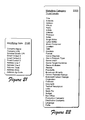
| Lives Drama | Entry Tag |
| Sports Interest | MSI |
| Animal Interest | Date Time |
| Medical Interest |
The Action, Adventure, Horror, Comedy, Death, Mystery, Police
Involvement, Thriller, Political Intrigue, Romance, Erotica, Science Fiction,
Period Setting, Lives Drama, Sports Interest, Animal Interest, Medical Interest,
Legal Interest, Religious Interest, Historical Interest, War Interest, Epic
Production, Fantasy Folklore, Musical, Western, Monsters, Teenage College,
Ethnic Interest, and Soap elements each store an integer number that indicates a
percentage value that indicates how well the media content falls into the respective
category. In an exemplary system, the sum of the values in these elements is 100.
For example, to indicate that the movie "Ausin Powers" is mostly a comedy, but
also includes elements of romance and Science Fiction, the Comedy, Romance,
and Science Fiction elements may be assigned values 70, 25, and 5, respectively.
The Entry Index and Entry Tag elements are described above and indicate
that a metadata provider may submit metadata that categorizes the media content
multiple ways, or a composite description may indicate various opinions as to the
categorization of the media content, the opinions submitted by multiple metadata
providers. For example, the movie "Ausin Powers" may be additionally
categorized as 90% comedy and 10% romance.
The MSI element is described above and identifies the metadata provider.
The Date Time element is described above and indicates the date and time
at which the data was received.
Genre Intent
The Genre Intent metadata category is used to store data that describes the
purpose of the media content (
e.g., why the program was made or what the
program is supposed to do). An example entity within the Genre Intent metadata
category has the following elements:
The Education, Entertainment, News, Information, Enrich Or Involve, and
Sell elements each store an integer number that indicates a percentage value to
which the purpose of the media falls into the respective category. In an exemplary
system, the sum of the values in these elements is 100. For example, a television
sitcom may be associated with a value of 100 in the Entertainment element, while
a television infomercial may have a value of 80 in the Sell element and a value of
20 in the Information element.
The Entry Index and Entry Tag elements are described above and indicate
that a metadata provider may submit metadata that categorizes the intent of the
media content multiple ways, or a composite description may indicate various
opinions as to the intent of the media content, the opinions submitted by multiple
metadata providers. For example, a second categorization of the television
infomercial mentioned above may have a value of 100 in the Sell element and the
other element values set to 0.
The MSI element is described above and identifies the metadata provider.
The Date Time element is described above and indicates the date and time
at which the data was received.
Target Audience
The Target Audience metadata category is used to store data that describes
characteristics of audiences targeted by the media content. An example entity
within the Target Audience metadata category has the following elements:
The Gender element stores an indicator of the gender that the media content
targets. Example values for populating the Gender element may include:
Unknown, All, Male, Female, Male_Homosexual, Female_Homosexual, and
Other.
The Age element stores an indicator of the age or age group that the media
content targets. Example values for populating the Age element may include:
Unknown, All, 0-5, 6-12, 13-19, 20-34, 35-54, and 55+.
The Marital Status element stores an indicator of the marital status of
members of the audience targeted by the media content. Example values for
populating the Marital Status element may include: Unknown, All, Single,
Married_No_Children, Married_With_Children, and Single_With_Children.
The Household Annual Income element stores an indicator of the average
household income of members of the audience targeted by the media content.
Example values for populating the Household Annual Income element may
include: Unknown, All, 0-34K$, 35-69K$, 70-139K$, and 140+K$.
The Education element stores an indicator of the average level of education
of members of the audience targeted by the media content. Example values for
populating the Education element may include: Unknown, All, Low, Average, and
High.
The Ethnic Origin element stores an indicator of the ethnic origin of
members of the audience targeted by the media content. Table 5 is a list of
example values for populating the Ethnic Origin element.
| Unknown |
| All |
| Western_European |
| Eastern_European |
| Latino |
| African |
| Indian_Asian |
| Far_Eastern |
| Arabic |
| Original_Peoples |
| Other |
The Religion element stores an indicator of the religion of members of the
audience targeted by the media content. Table 6 is a list of example values for
populating the Religion element.
| Unknown |
| All |
| Christian |
| Jewish |
| Buddhist |
| Islamic |
| Hindu |
| Agnostic |
| Atheist |
| Other |
The Occupation element stores an indicator of the occupation of members
of the audience targeted by the media content. Table 7 is a list of example values
for populating the Occupation element.
| Unknown |
| All |
| Not_Employed |
| Manual_Worker |
| Office_Worker |
| Crafts_Or_Skill_Worker |
| Profession_Worker |
| Technologist |
| Manager |
| Other |
The Entry Index and Entry Tag elements are described above and indicate
that a metadata provider may submit metadata that categorizes multiple target
audiences, or a composite description may indicate various opinions as to the
target audience, the opinions submitted by multiple metadata providers. For
example, the media content may be targeted at individuals in a plurality of
occupations, genders, or income levels.
The MSI element is described above and identifies the metadata provider.
The Date Time element is described above and indicates the date and time
at which the data was received.
Year Set
The Year Set metadata category is used to store data indicating a year
portrayed within the media content. An example entity within the Year Set
metadata category has the following elements:
The Value element stores a number that indicates a year portrayed in the
media content. For example, a value of "1942" may be associated with a movie
set in 1942.
The Entry Index and Entry Tag elements are described above and indicate
that a metadata provider may submit metadata that indicates a plurality of years
portrayed within the media content, or a composite description may indicate
various opinions as to a year portrayed, the opinions submitted by multiple
metadata providers. For example, a movie that spans five years of an individual's
life may have five Year Set Entries entities, one for each year portrayed.
The MSI element is described above and identifies the metadata provider.
The Date Time element is described above and indicates the date and time
at which the data was received.
Era Set
The Era Set metadata category is used to store data associated with an era
portrayed within the media content. An example entity within an Era Set Entries
metadata category has the following elements:
The Value element stores an indicator of an era portrayed in the media
content. Table 8 is a list of example ranges of values for populating the Value
element.
| Unknown |
| None |
| Before_100BC |
| 100BC-500AD |
| 500-1500 |
| 1500-1800 |
| 1800-1900 |
| 1900-1960 |
| 1960-2000 |
| Today_Approx |
| Up_To_100_Years_In_The_Future |
| More_Than_100_Years_In_The_Future |
The Entry Index and Entry Tag elements are described above and indicate
that a metadata provider may submit metadata that indicates a plurality of eras
portrayed within the media content, or a composite description may indicate
various opinions as to the era in which the media content is set, the opinions
submitted by multiple metadata providers. For example, a movie about time travel
may have several Era Set entities, each with a Value element representing a
different era portrayed in the movie.
The MSI element is described above and identifies the metadata provider.
The Date Time element is described above and indicates the date and time
at which the data was received.
Location Portrayed
The Location Portrayed metadata category is used to store data indicating a
location portrayed in the media content. An example entity within the Location
Portrayed metadata category has the following elements:
The Astronomical Location element stores a name or description of an
astronomical location (e.g., Earth, the moon, Mars, another galaxy far away, etc.)
portrayed in the media content.
The Country element stores a value that indicates a country portrayed in the
media content. A list of possible values for populating the Country element is
given below, in Table 9.
The State element stores a value that indicates a state portrayed in the
media content. The value may be the name of a state, such as "Washington", or an
abbreviation associated with the state, such as "WA".
The City element stores the name of a city portrayed in the media content.
The Location Portrayed Detail element is used to store additional details
that describe a location portrayed in the media content. For example, the Location
Portrayed Detail element may contain the value, "Alcatraz Island in the middle of
San Francisco Bay," in a Location Portrayed element associated with the movie,
"Escape from Alcatraz".
The Entry Index and Entry Tag elements are described above and indicate
that a metadata provider may submit data describing multiple locations portrayed
in the media content, or a composite description may indicate various opinions as
to the location portrayed, the opinions submitted by multiple metadata providers.
The MSI element is described above and identifies the metadata provider.
The Date Time element is described above and indicates the date and time
at which the data was received.
The Language element is described above and identifies the language
associated with the value of the Location Portrayed Detail element.
| Unknown | CH_Switzerland |
| None | CI_Ivory_Coast_(Cote_D'Ivoire) |
| All | CK_Cook_Islands |
| Not_Applicable | CL_Chile |
| AD_Andorra,_Principality_of | CM_Cameroon |
| AE_United_Arab_Emirates | CN_China |
| AF_Afghanistan,_Islamic_State_of | CO_Colombia |
| AG_Antigua_and_Barbuda | CR_Costa_Rica |
| AI_Anguilla | CS_Former_Czechoslovakia |
| AL_Albania | CU_Cuba |
| AM_Armenia | CV_Cape_Verde |
| AN_Netherlands_Antilles | CX_Christmas_Island |
| AO_Angola | CY_Cyprus |
| AQ_Antarctica | CZ_Czech_Republic |
| AR_Argentina | DE_Germany |
| AS_American_Samoa | DJ_Djibouti |
| AT_Austria | DK_Denmark |
| AU_Australia | DM_Dominica |
| AW_Aruba | DO_Dominican_Republic |
| AZ_Azerbaidjan | DZ_Algeria |
| BA_Bosnia-Herzegovina | EC_Ecuador |
| BB_Barbados | EE_Estonia |
| BD_Bangladesh | EG_Egypt |
| BE_Belgium | EH_Westem_Sahara |
| BF_Burkina_Faso | ER_Eritrea |
| BG_Bulgaria | ES_Spain |
| BH_Bahrain | ET_Ethiopia |
| BI_Burundi | FI_Finland |
| BJ_Benin | FJ_Fiji |
| BM_Bermuda | FK_Falkland_Islands |
| BN_Brunei_Darussalam | FM_Micronesia |
| BO_Bolivia | FO_Faroe_Islands |
| BR_Brazil | FR_France |
| BS_Bahamas | FX_France_(European_Territory) |
| BT_Bhutan | GA_Gabon |
| BV_Bouvet_Island | GD_Grenada |
| BW_Botswana | GE_Georgia |
| BY_Belarus | GF_French_Guyana |
| BZ_Belize | GH_Ghana |
| CA_Canada | GI_Gibraltar |
| CC_Cocos_(Keeling)_Islands | GL_Greenland |
| CF_Central_African_Republic | GM_Gambia |
| CD_Congo,_The_Democratic_Republic_of_the | GN_Guinea |
| CG_Congo | GP_Guadeloupe_(French) |
| GQ_Equatorial_Guinea | MA_Morocco |
| GR_Greece | MC_Monaco |
| GS_S.Georgia_and_S.Sandwich_Isls. | MD_Moldavia |
| GT_Guatemala | MG_Madagascar |
| GU_Guam_(USA) | MH_Marshall_Islands |
| GW_Guinea_Bissau | MK_Macedonia |
| GY_Guyana | ML_Mali |
| HK_Hong_Kong | MM_Myanmar |
| HM_Heard_and_McDonald Islands | MN_Mongolia |
| HN_Honduras | MO_Macau |
| HR_Croatia | MP_Northern_Mariana_Islands |
| HT_Haiti | MQ_Martinique_(French) |
| HU_Hungary | MR_Mauritania |
| ID_Indonesia | MS_Montserrat |
| IE_Ireland | MT_Malta |
| IL_Israel | MU_Mauritius |
| IN_India | MV_Maldives |
| IO_British_Indian_Ocean_Territory | MW_Malawi |
| IQ_Iraq | MX_Mexico |
| IR_Iran | MY_Malaysia |
| IS_Iceland | MZ_Mozambique |
| IT_Italy | NA_Namibia |
| JM_Jamaica | NC_New_Caledonia_(French) |
| JO_Jordan | NE_Niger |
| JP_Japan | NF_Norfolk_Island |
| KE_Kenya | NG_Nigeria |
| KG_Kyrgyz_Republic_(Kyrgyzstan) | NI_Nicaragua |
| KH_Cambodia,_Kingdom_of | NL_Netherlands |
| KI_Kiribati | NO_Norway |
| KM_Comoros | NP_Nepal |
| KN_Saint_Kitts_and_Nevis_Anguilla | NR_Nauru |
| KP_North_Korea | NT_Neutral_Zone |
| KR_South_Korea NU_Niue | NZ_New_Zealand |
| KW_Kuwait |
| KY_Cayman_Islands | OM_Oman |
| KZ_Kazakhstan | PA_Panama |
| LA_Laos | PE_Peru |
| LB_Lebanon | PF_Polynesia_(French) |
| LC_Saint_Lucia | PG_Papua_New_Guinea |
| LI_Liechtenstein | PH_Philippines |
| LK_Sri_Lanka | PK_Pakistan |
| LR_Liberia | PL_Poland |
| LS_Lesotho | PM_Saint_Pierre_and_Miquelon |
| LT_Lithuania | PN_Pitcairn_Island |
| LU_Luxembourg | PR_Puerto_Rico |
| LV_Latvia | PT_Portugal |
| LY_Libya | PW_Palau |
| PY_Paraguay | TN_Tunisia |
| QA_Qatar | TO_Tonga |
| RE_Reunion_(French) | TP_East_Timor |
| RO_Romania | TR_Turkey |
| RU_Russian_Federation | TT_Trinidad_and_Tobago |
| RW_Rwanda | TV_Tuvalu |
| SA_Saudi_Arabia | TW_Taiwan |
| SB_Solomon_Islands | TZ_Tanzania |
| SC_Seychelles | UA_Ukraine |
| SD_Sudan | UG_Uganda |
| SE_Sweden | UK_United_Kingdom |
| SG_Singapore | UM_USA_Minor_Outlying_Islands |
| SH_Saint_Helena | US_United_States |
| SI_Slovenia | UY_Uruguay |
| SJ_Svalbard_and_Jan_Mayen_Islands | UZ_Uzbekistan |
| SK_Slovak_Republic | VA_Holy_See_(Vatican_City_State) |
| SL_Sierra_Leone | VC_Saint_Vincent_and_Grenadines |
| SM_San_Marino | VE_Venezuela |
| SN_Senegal | VG_Virgin_Islands_(British) |
| SO_Somalia | VI_Virgin_Islands_(USA) |
| SR_Suriname | VN_Vietnam |
| ST_Saint_Tome_(Sao_Tome)_and_Principe | VU_Vanuatu |
| SU_Former_USSR | WF_Wallis_and_Futuna_Islands |
| SV_El_Salvador | WS_Samoa |
| SY_Syria | YE_Yemen |
| SZ_Swaziland | YT_Mayotte |
| TC_Turks_and_Caicos_Islands | YU_Yugoslavia |
| TD_Chad | ZA_South_Africa |
| TF_French_Southern_Territories | ZM_Zambia |
| TG_Togo | ZR_Zaire |
| TH_Thailand | ZW_Zimbabwe |
| TJ_Tadjikistan |
| TK_Tokelau |
| TM_Turkmenistan |
The From The Book metadata category is used to store data that identifies a
book that was the source of inspiration for the media content. For example, the
movie, "A Walk to Remember," is based on a book by the same name, by author,
Nicholas Sparks. An example entity within the From The Book metadata category
has the following elements:
The Book Title element stores the title of the book on which the media
content is based.
The Book Author element stores the name of the author of the book
identified in the Book Title element.
The Entry Index and Entry Tag elements are described above and indicate
that a metadata provider may submit data identifying multiple books associated
with the media content, or a composite description may indicate various opinions
as to a book associated with the media content, the opinions submitted by multiple
metadata providers. For example, a movie may be based on a combination of a
first book and a second book that is a sequel to the first book.
The MSI element is described above and identifies the metadata provider.
The Date Time element is described above and indicates the date and time
at which the data was received.
Degree Of True Story
The Degree Of True Story metadata category is used to store data that
identifies whether the media content portrays actual events. An example entity
within the Degree Of True Story metadata category has the following elements:
The Value element stores an integer number between 0 and 100 that
indicates the percentage to which the media content portrays actual events. For
example, when associated with media content that is a documentary, the Value
element may store the number 100, indicating that the events portrayed are 100
percent true and actual. When associated with media content may be categorized
as historical fiction, meaning that the story is fictional, but based on actual
historical events, the Value element may store the number 50, indicating that the
events portrayed are only 50 percent true and actual.
The Entry Index and Entry Tag elements are described above and indicate
that a metadata provider may submit multiple opinions as to the degree of actuality
associated with the media content, or a composite description may indicate various
opinions as to the degree of actuality, the opinions submitted by multiple metadata
providers.
The MSI element is described above and identifies the metadata provider.
The Date Time element is described above and indicates the date and time
at which the data was received.
Degree Of Animated 2D
The Degree Of Animated 2D metadata category is used to store data that
indicates the amount of two-dimensional animation contained within the media
content. An example entity within the Degree Of Animated 2D metadata category
has the following elements:
The Value element stores an integer number between 0 and 100 that
indicates the percentage to which the media content is animated in two
dimensions. For example, when associated with the animated movie, "The Lion
King", the Value element may store the number 100, indicating that the movie is
100 percent two-dimensional animation. When associated with the movie, "Mary
Poppins", which is a live action film with small elements of two-dimensional
animation, the Value element may store the number 10, indicating that the media
content is 10 percent two-dimensional animation.
The Entry Index and Entry Tag elements are described above and indicate
that a metadata provider may submit multiple opinions as to the degree of two-dimensional
animation associated with the media content, or a composite
description may indicate various opinions as to the degree of two-dimensional
animation, the opinions submitted by multiple metadata providers.
The MSI element is described above and identifies the metadata provider.
The Date Time element is described above and indicates the date and time
at which the data was received.
Degree Of Animated 3D
The Degree Of Animated 3D metadata category is used to store data that
indicates the amount of three-dimensional animation contained within the media
content. An example entity within the Degree Of Animated 3D metadata category
has the following elements:
The Value element stores an integer number between 0 and 100 that
indicates the percentage to which the media content is animated in three
dimensions. For example, when associated with the animated movie, "Toy Story",
the Value element may store the number 100, indicating that the movie is 100
percent three-dimensional animation.
The Entry Index and Entry Tag elements are described above and indicate
that a metadata provider may submit multiple opinions as to the degree of three-dimensional
animation associated with the media content, or a composite
description may indicate various opinions as to the degree of three-dimensional
animation, the opinions submitted by multiple metadata providers.
The MSI element is described above and identifies the metadata provider.
The Date Time element is described above and indicates the date and time
at which the data was received.
Degree Of Puppet Characters
The Degree Of Puppet Characters metadata category is used to store data
that indicates the amount of puppet characters within the media content. An
example entity within the Degree Of Puppet Characters metadata category has the
following elements:
The Value element stores an integer number between 0 and 100 that
indicates the percentage to which the characters in the media content are puppets.
For example, when associated with the television series, "Sesame Street", the
Value element may store the number 90, indicating that 90 percent of the
characters are puppets.
The Entry Index and Entry Tag elements are described above and indicate
that a metadata provider may submit multiple opinions as to the degree of puppet
characters associated with the media content, or a composite description may
indicate various opinions as to the degree of puppet characters, the opinions
submitted by multiple metadata providers.
The MSI element is described above and identifies the metadata provider.
The Date Time element is described above and indicates the date and time
at which the data was received.
Degree Of International Event
The Degree Of International Event metadata category is used to store data
identifying the degree to which the media content pertains to an international
event. An example entity within the Degree Of International Event metadata
category has the following elements:
The Value element stores an integer number between 0 and 100 that
indicates the percentage to which the media content pertains to an international
event. For example, a high percentage of International Event may be associated
with media coverage of the Olymics is a high percentage of International Event.
The Entry Index and Entry Tag elements are described above and indicate
that a metadata provider may submit multiple opinions as to the degree to which
the media content pertains to an international event, or a composite description
may indicate various opinions as to the degree to which the media content pertains
to an international event, the opinions submitted by multiple metadata providers.
The MSI element is described above and identifies the metadata provider.
The Date Time element is described above and indicates the date and time
at which the data was received.
Degree Of Sophistication
The Degree Of Sophistication metadata category is used to store data how
sophisticated the media content is. An example entity within the Degree Of
Sophistication metadata category has the following elements:
The Value element stores an integer number between 0 and 100 that
indicates the level to which the media content is sophisticated. For example, a
high degree of sophistication may be associated with an opera, while a low degree
of sophistication may be associated with a program such as "Gladiators."
The Entry Index and Entry Tag elements are described above and indicate
that a metadata provider may submit multiple opinions as to the degree of
sophistication associated with the media content, or a composite description may
indicate various opinions as to the degree of sophistication, the opinions submitted
by multiple metadata providers.
The MSI element is described above and identifies the metadata provider.
The Date Time element is described above and indicates the date and time
at which the data was received.
Genre Music
The Genre Music metadata category is used to store data that identifies a
category associated with media content that is related to music. An example entity
within the Genre Music metadata category has the following elements:
The Value element stores the name of a music category or genre that
applies to the media content. Example music categories are listed in Table 10,
below.
The Entry Index and Entry Tag elements are described above and indicate
that a metadata provider may submit multiple opinions as to the music genre
associated with the media content, or a composite description may indicate various
opinions as to the music genre, the opinions submitted by multiple metadata
providers.
The MSI element is described above and identifies the metadata provider.
The Date Time element is described above and indicates the date and time
at which the data was received.
| Unknown | Chanson | Duet |
| None | Chant | Early_Music |
| Not_Applicable | Chicago_Blues | Easy_Listening |
| Various | Childrens | Electronic |
| A-Capella | Chinese | Ethnic |
| Acid | Choral | Euro-House |
| Acid_Jazz | Chorus | Euro-Techno |
| Acid_Punk | Christian_Rap | Eurodance |
| Acoustic | Christian_Rock | Experimental |
| African | Classic_Rock | Fast_Fusion |
| Afropop | Classical | Flamenco |
| Alternative | Classical_Light | Folk |
| AlternRock | Club | Folklore |
| Ambient | Comedy | Folk-Rock |
| Atonal | Computer_Music | Free_Jazz |
| Avantgarde | Contemporary_Christian | Freestyle |
| Ballad | Contemporary_Classical | Fun |
| Barbershop_Quartet | Country | Funk |
| Baroque | Country_And_Western | Fusion |
| Bass | Creole | Game |
| Bebop | Crossover | Gangsta |
| Bhangra | Cult | Garage |
| Big_Band | Dance | Glam_Rock |
| Bluegrass | Dance_Hall | Glee_Club |
| Blues | DarkWave | Glide |
| Booty_Bass | Death_Metal | Gospel |
| Bop | Delta_Blues | Gothic_Rock |
| Brazilian | Disco | Gothic |
| BritPop | Dissonant | Gregorian_Chant |
| Cabaret | Dixieland | Grunge |
| Cajun | Dream | Hard Bop |
| Celtic | Drum_Solo | Hard_Rock |
| Chamber_Music | Dub | Hardcore |
| Hip-Hop | Noise | Slow_Jam |
| House | Nostalgia | Slow_Rock |
| Humour | Novelty | Smooch |
| Hymns | Old_Dance | Soft_Rock |
| Illbient | Old_School | Sonata |
| Improvisatory | Oldies | Soul |
| Indian_Classical | Opera | Sound_Clip |
| Indie | Operetta | SoundTrack |
| Industrial | Polka | Southern_Rock |
| Instrumental | Pop | Space |
| Instrumental_Pop | Pop-Folk | Speech |
| Instrumental_Rock | Pop-Funk | Spirituals |
| Japanese | Porn_Groove | StraightEdge |
| Jazz | Power_Ballad | Surf_Rock |
| Jazz-Funk | Pranks | Swing |
| Jazz_Modern | Primus | Symphonic |
| Jazz_Traditional | Progressive_Rock | Symphonic_Rock |
| Jungle | Psychadelic | Symphony |
| Just_Dance | Psychedelic_Rock | Talking_Blues |
| Karaoke_Backing | Punk | Talking_Book |
| Kids | R_And_B | Tango |
| Latin | Ragtime | Techno |
| Latin_Jazz | Rap | Techno-Industrial |
| Listen | Rave | Teeny-Bop |
| Lo-Fi | Reggae | Tejano |
| Lounge | Religious | Tex-Mex |
| March | Renaissance | Tin_Pan_Alley |
| Marching_Band | Retro | Top_40 |
| Meditative | Revival | Trailer |
| Metal | Rhythm_And_Blues | Trance |
| Microtonal | Rhythmic_Soul | Tribal |
| Minimalism | Riot_Girl | Trip-Hop |
| Modal | Rock | Twee_Pop |
| Modern_Classical | Rock_And_Roll | Underground |
| Modem_Rock | Rockabilly | Vaudeville |
| Motown | Romantic_Classical | Vocal |
| Musical | Sacred | Wild |
| Muzak | Samba | Womens_Music |
| National_Folk | Satire | World_Beat |
| Native_American | Shoegazers | World_Fusion |
| New_Age | ShowTunes | World_Pop |
| New_Music | Sing-Along | Zydeco |
| New_Wave | Ska | Other |
The Genre Photo Or Home Movie metadata category is used to store data
that identifies a genre or category that may be associated with the media content.
An example entity within the Genre Photo Or Home Movie metadata category has
the following elements:
The Value element stores the name of a category or genre that applies to
media content that includes photos or home movies. Example photo or home
movie categories are listed in Table 11, below.
The Entry Index and Entry Tag elements are described above and indicate
that a metadata provider may submit multiple opinions as to the genre or category
associated with the photo or home movie media content, or a composite
description may indicate various opinions as to the genre or category, the opinions
submitted by multiple metadata providers.
The MSI element is described above and identifies the metadata provider.
The Date Time element is described above and indicates the date and time
at which the data was received.
| Unknown |
| None |
| Not_Applicable |
| Various |
| Vacation |
| Kids_Event |
| At_Home |
| Purchased |
| Famous_Art |
| From_Relatives |
| From_Friends |
| Other |
The Format metadata category is used to store data that identifies a format
associated with the media content. Format can be thought of as a broad
assessment of genre. In one implementation, the format metadata can be used by
an EPG application to determine, for example, colors to display in association with
information about the media content in an EPG grid. An example entity within the
Format metadata category has the following elements:
The Value element stores an identifier of a format associated with the
media content. Example format identifiers are listed in Table 12, below.
The Entry Index and Entry Tag elements are described above and indicate
that a metadata provider may submit more than one opinion as to the format
associated with the media content, or a composite description may indicate various
opinions as to the format, the opinions submitted by multiple metadata providers.
The MSI element is described above and identifies the metadata provider.
The Date Time element is described above and indicates the date and time
at which the data was received.
| Unknown |
| None |
| Video_-_Unspecified_Type |
| Video_-_Movie_Cinema_Released |
| Video_-_Drama_Mini_Series_Or_TV_Movie |
| Video_-_SitCom |
| Video_-_Soap |
| Video_-_Sports |
| Video_-_Games_Or_Reality |
| Video_-_Talk_Show_Or_Non_SitCom_Comedy |
| Video_-_News_Or_Current_Affairs |
| Video_-_Documentary |
| Video_-_Kids_Or_Other_Cartoon |
| Video_-_How-To_Or_Educational |
| Video_-_Religious_Local_Access_Or_Paid |
| Video_-_Specials |
| Video_-_Other |
| Video_-_Amateur |
| Audio_-_Unspecified_Type |
| Audio_-_Song_Track |
| Audio_-_Talking_Book |
| Audio_-_Amateur_Recording |
| Audio_-_Other |
| Photo_-_Unspecified_Type |
| Photo_-_Amateur |
| Photo_-_Professional |
| Photo_-_Other |
| Advert |
| Collection_-_Unspecified_Type |
| Collection_-_Video |
| Collection_-_Audio |
| Collection_-_Photo |
| Collection_-_Other |
Figure 10 illustrates example content description categories. Content
descriptions 608 includes metadata categories that describe the media content.
Example content description categories include plot one line abstract, plot long
abstract, keywords, content note, availability date, and content duration.
Plot One Line Abstract
The Plot One Line Abstract metadata category is used to store a short
description of the plot associated with the media content. An example entity
within the Plot One Line Abstract metadata category has the following elements:
The Value element stores a one-line textual description of the plot of the
media content. For example, for the Frasier episode titled, "My Coffee with
Niles", the Value element may contain, "After a year in Seattle, Niles poses
Frasier with a deceptively simple question: "Are you happy?" at one of their
regular meetings at Cafe Nervosa."
The Entry Index and Entry Tag elements are described above and indicate
that a metadata provider may submit more than one short plot description
associated with the media content, or a composite description may indicate various
descriptions submitted by multiple metadata providers.
The MSI element is described above and identifies the metadata provider.
The Date Time element is described above and indicates the date and time
at which the data was received.
The Language element is described above and identifies the language in
which the plot is described in the Value element.
Plot Long Abstract
The Plot Long Abstract metadata category is used to store a longer
description of the plot associated with the media content. An example entity
within the Plot Long Abstract metadata category has the following elements:
The Value element stores a textual description of the plot of the media
content. For example, for the Frasier episode titled, "My Coffee with Niles", the
Value element may contain, "Frasier meets Niles for a coffee at Cafe Nervosa, but
they can't find a table inside the busy cafe so decide to take a table outside. Niles
then poses a deceptively simple question "Are you happy?" after Frasier reminds
Niles that it is a year since he moved to Seattle. However, the discussion gets
repeatedly interrupted by various friends, family members, and other discussions.
Finally, as the waitress who has been increasingly aggravated by Frasier's quest
for the perfect cup of coffee, asks "Now are you finally happy", and Frasier says
that he is."
The Entry Index and Entry Tag elements are described above and indicate
that a metadata provider may submit more than one plot description associated
with the media content, or a composite description may indicate various
descriptions submitted by multiple metadata providers.
The MSI element is described above and identifies the metadata provider.
The Date Time element is described above and indicates the date and time
at which the data was received.
The Language element is described above and identifies the language in
which the plot is described in the Value element.
Keywords
The Keywords metadata category is used to store keywords associated with
the media content. An example entity within the Keywords metadata category has
the following elements:
The Value element stores a keyword or phrase associated with the media
content. For example, for the Frasier episode titled, "My Coffee with Niles",
keywords may include: coffee, happy, and "one year".
The Entry Index and Entry Tag elements are described above and indicate
that a metadata provider may submit more than one keyword or phrase associated
with the media content, or a composite description may indicate various keywords
submitted by multiple metadata providers.
The MSI element is described above and identifies the metadata provider.
The Date Time element is described above and indicates the date and time
at which the data was received.
The Language element is described above and identifies the language in
which the plot is described in the Value element.
Content Note
The Content Note metadata category is used to store any other text
associated with the media content. The structure and type of text is deliberately
not specified in order to provide extensibility. An example entity within the
Content Note metadata category has the following elements:
The Value element stores any text associated with the piece of media
content that the user of the schema wants..
The Entry Index and Entry Tag elements are described above and indicate
that a metadata provider may submit more than one content note associated with
the media content, or a composite description may indicate various content notes
submitted by multiple metadata providers.
The MSI element is described above and identifies the metadata provider.
The Date Time element is described above and indicates the date and time
at which the data was received.
The Language element is described above and identifies the language in
which the content note in the Value element is written.
Availability Date
The Availability Date metadata category is used to store data that indicates
when the media content was or will be made available. An example entity within
the Availability Date metadata category has the following elements:
The Value element stores a character string that indicates when the media
content was or will be made available. The availability date may be a specific
date, such as February 10, 2001, or it may be a general time period, such as Fall
1997. The availability date may also be a future date to indicate media content
that is not yet available.
The Entry Index and Entry Tag elements are described above and indicate
that a metadata provider may submit multiple opinions as to the availability date
associated with the media content, or a composite description may indicate various
opinions as to the availability date, the opinions submitted by multiple metadata
providers. For example, metadata providers may have differing opinions about
when the piece of media content was actually created, or the media content may be
available on different dates in different geographic areas. The EntryIndex element
provides a way of indicating the various opinions.
The MSI element is described above and identifies the metadata provider.
The Date Time element is described above and indicates the date and time
at which the data was received.
Content Duration
The Content Duration metadata category is used to store data associated
with the length of the media content. An example entity within the Content
Duration metadata category has the following elements:
The Value element stores an indication of the duration of the media
content. For example, a two-hour movie has a duration of two hours, or 120
minutes.
The Entry Index and Entry Tag elements are described above and indicate
that a metadata provider may submit multiple opionions as to the duration of the
media content, or a composite description may indicate various opinions as to the
duration, the opinions submitted by multiple metadata providers. For example,
metadata providers may have differing opinions about the duration of the content
based on whether or not the preamble at the front end of a movie is counted.
The MSI element is described above and identifies the metadata provider.
The Date Time element is described above and indicates the date and time
at which the data was received.
Popularity 610
Figure 11 illustrates example popularity categories. Popularity 610
includes metadata categories that indicate how popular the media content is.
Example popularity categories include critic reviews, popularity, and broadcast
ubiquity.
Critic Reviews
The Critic Reviews metadata category is used to store data associated with
a review of the media content by a critic. An example entity within the Critic
Reviews metadata category has the following elements:
| Star Rating | Fifth Axis Meaning |
| First Axis Meaning | Review Text |
| Second Axis Rating | Reviewer |
| Second Axis Meaning | Entry Index |
| Third Axis Rating | Entry Tag |
| Third Axis Meaning | MSI |
| Fourth Axis Rating | Date Time |
| Fourth Axis Meaning | Language |
| Fifth Axis Rating |
The Star Rating, Second Axis Rating, Third Axis Rating, Fourth Axis
Rating, and Fifth Axis Rating elements each store an indicator of a rating of the
media content, for example according to a rating scale. Example values may
include: Unknown, None, and any integer from 1 to 10.
The First Axis Meaning, Second Axis Rating, Third Axis Rating, Fourth
Axis Rating, and Fifth Axis Rating elements store indicators of the type of ratings
given in the Star Rating, Second Axis Rating, Third Axis Rating, Fourth Axis
Rating, and Fifth Axis Rating elements, respectively. For example, the Star
Rating element may have a value of 5 and the Second Axis Rating may have a
value of 10. Additionally, the First Axis Meaning element may have a value of
"Overall" and the Second Axis Meaning element may have a value of "Comedy
Content". This indicates that the Star Rating of 5 is an overall rating and the First
Axis Rating of 10 is a rating of the comedy within the media content.
The Review Text element stores text associated with the review that is
generated by a reviewer of the media content.
The Reviewer element stores the name of the media content reviewer (i.e.,
the person who wrote the review).
The Entry Index and Entry Tag elements are described above and indicate
that a metadata provider may submit more than one review of the media content,
or a composite description may indicate various reviews submitted by multiple
metadata providers.
The MSI element is described above and identifies the metadata provider.
The Date Time element is described above and indicates the date and time
at which the data was received.
The Language element is described above and identifies the language in
which the text in the Review Text element is written.
Popularity
The Popularity metadata category is used to store data that describes how
popular the media content is. An example entity within the Popularity metadata
category has the following elements:
The Popularity Rating element stores an indicator of the level of popularity
of the media content. Example values may include: Unknown, None, and any
integer from 1 to 10.
The Country element stores a value that indicates the country associated
with the popularity rating given in the Popularity Rating element. A list of
possible values for populating the Country element is given in Table 9.
The Year element stores the year associated with the popularity rating given
in the Popularity Rating element.
The Entry Index and Entry Tag elements are described above and indicate
that a metadata provider may submit more than one opinion as to the popularity of
the media content, or a composite description may indicate various opinions as to
the popularity, the opinions submitted by multiple metadata providers.
The MSI element is described above and identifies the metadata provider.
The Date Time element is described above and indicates the date and time
at which the data was received.
Broadcast Ubiquity
The Broadcast Ubiquity metadata category is used to store a number
indicating how often a particular piece of content is broadcast. Some programs are
repeated over and over (e.g., episodes of "Friends" and "The Simpsons"), whereas
some programs (
e.g., a documentary about a particular tribe of Indians) might only
get broadcast once. An example entity within the Broadcast Ubiquity metadata
category has the following elements:
The Ubiquity Rating element stores information about how often a
particular program is broadcast. This information is useful to a user when looking
through an electronic program guide to assess how important it is for the user to
view a particular instance of a program. A fully automated Personal Video
Recorder system may use this information to make decisions when resolving
record conflicts. Example values may include: Unknown, None, and any integer
from 1 to 10.
The Country element stores a value that indicates the country associated
with the ubiquity rating given in the Ubiquity Rating element. A list of possible
values for populating the Country element is given in Table 9.
The Year element stores the year associated with the ubiquity rating given
in the Ubiquity Rating element.
The Entry Index and Entry Tag elements are described above and indicate
that a metadata provider may submit more than one opinion as to the ubiquity
rating of the media content, or a composite description may indicate various
opinions as to the broadcast ubiquity, the opinions submitted by multiple metadata
providers.
The MSI element is described above and identifies the metadata provider.
The Date Time element is described above and indicates the date and time
at which the data was received.
Censor Ratings 612
Figure 12 illustrates example censor ratings categories. Censor ratings 612
includes metadata categories that indicate censorship ratings associated with the
media content. Example censor ratings categories include censor parental rating,
extended censor rating adult content, extended censor rating bad language,
extended censor rating violence, extended censor rating nudity, and extended
censor rating drug abuse.
Censor Parental Rating
The Censor Parental Rating metadata category is used to store data
identifying whether the media contains content that may be inappropriate for some
individuals, such as children under a particular age. An example entity within the
Censor Parental Rating metadata category has the following elements:
The Censor Category element stores an indicator of whether the media
contains content that may be inappropriate for some individuals. Example values
for the Censor Category element are given in Table 13.
| Unknown |
| None |
| Suitable_For_Everyone_(U,G,TVY) |
| Unsuitable_For_Children_Under_10_(PG,TVY7,TVPG) |
| Unsuitable_For_Children_Under_13_(PG13,TV14) |
| Unsuitable_For_Children_Under_17_(R) |
| Unsuitable_For_Many_Adults_(TVMA,18,X,XXX) |
| Not_Rated |
The Advisory Comment element stores text that describes attributes of the
media content that may be objectionable or inappropriate for some individuals.
For example, when a rating authority rates a movie in a particular category, they
may also indicate the reason for their decision, for example, excessive violence or
bad language. In an increasing trend, this information is now also appearing in
radio and television advertisments for movies.
The Entry Index and Entry Tag elements are described above and indicate
that a metadata provider may submit more than one censor parental rating of the
media content, or a composite description may indicate various opinions as to the
censor parental rating, the opinions submitted by multiple metadata providers. For
example, different censor ratings may be applied to the same media content across
different countries.
The MSI element is described above and identifies the metadata provider.
The Date Time element is described above and indicates the date and time
at which the data was received.
The Language element is described above and identifies the language in
which the text in the Advisory Comment element is written.
Extended Censor Rating Adult Content
The Extended Censor Rating Adult Content metadata category is used to
store data that indicates the degree to which the media content contains adult
content. An example entity within the Extended Censor Rating Adult Content
metadata category has the following elements:
The Value element stores an indicator of the degree of adult content found
in the media content. Example indicators may include: Unknown, None, Brief,
Significant, and Extreme.
The Entry Index and Entry Tag elements are described above and indicate
that a metadata provider may submit more than one opinion as to the degree of
adult content found in the media content, or a composite description may indicate
various opinions as to the degree of adult content, the opinions submitted by
multiple metadata providers. For example, different extended censor ratings may
be applied to the same media content across different countries.
The MSI element is described above and identifies the metadata provider.
The Date Time element is described above and indicates the date and time
at which the data was received.
Extended Censor Rating Bad Language
The Extended Censor Rating Bad Language metadata category is used to
store data that indicates the degree to which the media content contains bad
language. An example entity within the Extended Censor Rating Bad Language
metadata category has the following elements:
The Value element stores an indicator of the degree of bad language found
in the media content. Example indicators may include: Unknown, None, Brief,
Significant, and Extreme.
The Entry Index and Entry Tag elements are described above and indicate
that a metadata provider may submit more than one opinion as to the degree of bad
language found in the media content, or a composite description may indicate
various opinions as to the degree of bad language, the opinions submitted by
multiple metadata providers. For example, different extended censor ratings may
be applied to the same media content across different countries.
The MSI element is described above and identifies the metadata provider.
The Date Time element is described above and indicates the date and time
at which the data was received.
Extended Censor Rating Violence
The Extended Censor Rating Violence metadata category is used to store
data that indicates the degree to which the media content contains violence. An
example entity within the Extended Censor Rating Violence metadata category has
the following elements:
The Value element stores an indicator of the degree of violence found in the
media content. Example indicators may include: Unknown, None, Brief,
Significant, and Extreme.
The Entry Index and Entry Tag elements are described above and indicate
that a metadata provider may submit more than one opinion as to the degree of
violence found in the media content, or a composite description may indicate
various opinions as to the degree of violence, the opinions submitted by multiple
metadata providers. For example, different extended censor ratings may be
applied to the same media content across different countries.
The MSI element is described above and identifies the metadata provider.
The Date Time element is described above and indicates the date and time
at which the data was received.
Extended Censor Rating Nudity
The Extended Censor Rating Nudity metadata category is used to store data
that indicates the degree to which the media content contains nudity. An example
entity within the Extended Censor Rating Nudity metadata category has the
following elements:
The Value element stores an indicator of the degree of nudity found in the
media content. Example indicators may include: Unknown, None, Brief,
Significant, and Extreme.
The Entry Index and Entry Tag elements are described above and indicate
that a metadata provider may submit more than one opinion as to the degree of
nudity found in the media content, or a composite description may indicate various
opinions as to the degree of nudity, the opinions submitted by multiple metadata
providers. For example, different extended censor ratings may be applied to the
same media content across different countries.
The MSI element is described above and identifies the metadata provider.
The Date Time element is described above and indicates the date and time
at which the data was received.
Extended Censor Rating Drug Abuse
The Extended Censor Rating Drug Abuse metadata category is used to
store data that indicates the degree to which the media content portrays drug
abuse. An example entity within the Extended Censor Rating Drug Abuse
metadata category has the following elements:
The Value element stores an indicator of the degree of drug abuse portrayed
in the media content. Example indicators may include: Unknown, None, Brief,
Significant, and Extreme.
The Entry Index and Entry Tag elements are described above and indicate
that a metadata provider may submit more than one opinion as to the degree of
drug abuse found in the media content, or a composite description may indicate
various opinions as to the degree of drug abuse, the opinions submitted by
multiple metadata providers. For example, different extended censor ratings may
be applied to the same media content across different countries.
The MSI element is described above and identifies the metadata provider.
The Date Time element is described above and indicates the date and time
at which the data was received.
Technical Details 614
Figure 13 illustrates example technical details categories. Technical details
614 includes metadata categories that indicate technical details associated with the
media content or the production or capture of the media content. Example
technical details categories include capture mechanism, image capture resolution,
video capture temporal rate Hz, video captured using interlace, sound capture
sampling, sound capture compression, camera used, image capture compression,
recorded live, black and white, silent, post production processing, special
electronic processing, aspect ratio, aspect ratio implementation, pan and scan
vectors, origination note, stereo sound, and surround sound.
Capture Mechanism
The Capture Mechanism metadata category is used to store data that
identifies how the media content was captured. An example entity within the
Capture Mechanism metadata category has the following elements:
The Value element stores an indicator of the mechanism used to capture the
media content. Example capture mechanism indicators are given in Table 14.
| Unknown |
| Film_Bigger_Than_35mm |
| 35mm_Film |
| 16mm_Film |
| Video_Camera |
| Analog_Audio |
| Digital_Audio |
| Other |
The Entry Index and Entry Tag elements are described above and indicate
that a metadata provider may submit more than one opinion as to the mechanism
used to capture the media content. This may indicate that portions of the media
content were captured using different capture mechanisms. In a composite
description the Entry Index and Entry Tag elements may indicate various opinions
as to the capture mechanism, the opinions submitted by multiple metadata
providers
The MSI element is described above and identifies the metadata provider.
The Date Time element is described above and indicates the date and time
at which the data was received.
Image Capture Resolution
The Image Capture Resolution metadata category is used to store data that
indicates the resolution of the originally captured media content image. An
example entity within the Image Capture Resolution metadata category has the
following elements:
The Horizontal element stores a positive integer that represents the
horizontal resolution of the originally captured media content image.
The Vertical element stores a positive integer that represents the vertical
resolution of the originally captured media content image.
The Entry Index and Entry Tag elements are described above and indicate
that a metadata provider may submit more than one opinion as to the capture
resolution of the media content, or a composite description may indicate various
opinions as to the capture resolution, the opinions submitted by multiple metadata
providers. For example, if some areas of a camera's sensor are marked off,
metadata providers may have different opinions of what capture resolution is
associated with the media content.
The MSI element is described above and identifies the metadata provider.
The Date Time element is described above and indicates the date and time
at which the data was received.
Video Capture Temporal Rate Hz
The Video Capture Temporal Rate Hz metadata category is used to store
data that indicates how often the original scene was captured by the camera. For
example, a film camera runs at a rate of 24 captures per second, whereas a video
camera captures at a rate of 60 samples per second. An example entity within the
Video Capture Temporal Rate Hz metadata category has the following elements:
The Value element stores the frequency at which the camera captured the
scene, such as how many times a second it took a picture of the actors to form the
video signal.
The Entry Index and Entry Tag elements are described above and indicate
that a metadata provider may submit more than one opinion as to the temporal rate
at which the video was captured, or a composite description may indicate various
opinions as to the temporal rate, the opinions submitted by multiple metadata
providers .
The MSI element is described above and identifies the metadata provider.
The Date Time element is described above and indicates the date and time
at which the data was received.
Video Captured Using Interlace
The Video Captured Using Interlace metadata category is used to store data
that indicates whether the media content was captured using interlace. Interlace is
a scanning technique used by some cameras in which the camera only captures
half the resolution of the scene at each temporal sample point, but does it at a
temporal rate that is typically twice what it could handle if it was capturing the full
resolution at each temporal sample point. Capturing with interlace has many
negative implications through the video delivery chain. Information about
whether the original scene was captured using interlace or whether it was changed
to interlace later is helpful in reducing the negative effects of interlace. An
example entity within the Video Captured Using Interlace metadata category has
the following elements:
The Value element stores an indicator of whether or not the media content
was captured using interlace. Example values may include: Unknown, True, and
False.
The Entry Index and Entry Tag elements are described above and indicate
that a metadata provider may submit more than one opinion as to whether the
media content was captured using interlace, or a composite description may
indicate various opinions as to whether or not the media content was captured
using interlace, the opinions submitted by multiple metadata providers. This
allows for differing opinions among metadata providers as to whether or not the
media content was captured using interlace.
The MSI element is described above and identifies the metadata provider.
The Date Time element is described above and indicates the date and time
at which the data was received.
Sound Capture Sampling
The Sound Capture Sampling metadata category is used to store data that
indicates technical details describing how sound was captured in association with
the media content. An example entity within the Sound Capture Sampling
metadata category has the following elements:
The Sample Rate KHz element stores the fequency at which the analog
audio waveform was sampled to make the digital respresentation.
The Bits Per Sample element specifys the number of bits used in the analog
to digital converter used to convert the analog waveform into the digital
representation.
The Number Of Channels element specifies the number of audio channels
that were captured. Stereo sound is 2 channels whereas surround sound is
typically 6 channels or more.
The Entry Index and Entry Tag elements are described above and indicate
that a metadata provider may submit more than one opinion relating to sound
capture sampling, or a composite description may indicate various opinions
relating to sound capture sampling, the opinions submitted by multiple metadata
providers.
The MSI element is described above and identifies the metadata provider.
The Date Time element is described above and indicates the date and time
at which the data was received.
Sound Capture Compression
The Sound Capture Compression metadata category is used to store data
that indicates the type of compression utilized when capturing the sound
associated with the media content. An example entity within the Sound Capture
Compression metadata category has the following elements:
The Type element stores an indicator of the type of compression used.
Example values may include: Unknown, None, MP3, WindowsMedia, Real, and
Other.
The Ratio element stores a number that indicates the level of compression.
The Entry Index and Entry Tag elements are described above and indicate
that a metadata provider may submit more than one opinion as to the sound
compression type associated with the capture of the media content, or a composite
description may indicate various opinions as to the sound compression type, the
opinions submitted by multiple metadata providers.
The MSI element is described above and identifies the metadata provider.
The Date Time element is described above and indicates the date and time
at which the data was received.
Camera Used
The Camera Used metadata category is used to store data that indicates the
type of camera used to capture the media content. An example entity within the
Camera Used metadata category has the following elements:
The Value element stores a name or description of the camera used to
capture the media content.
The Entry Index and Entry Tag elements are described above and indicate
that a metadata provider may submit data that indicates that more than one type of
camera was used to capture the media content or the metadata provider may
submit multiple opionions as to the type of camera used. In a composite
description, the Entry Index and Entry Tag elements may differentiate between
various opinions as to the camera used, the opinions submitted by multiple
metadata providers.
The MSI element is described above and identifies the metadata provider.
The Date Time element is described above and indicates the date and time
at which the data was received.
Image Capture Compression
The Image Capture Compression metadata category is used to store data
that indicates how one or more images associated with the media content were
compressed upon capture. An example entity within the Image Capture
Compression metadata category has the following elements:
The Type element stores an indicator of the type of image compression
used. Example types of image compression are given in Table 15.
| Unknown |
| None |
| JPEG |
| JPEG2000 |
| DV |
| MPEG1 |
| MPEG2 |
| MPEG4 |
| WindowsMedia |
| Real |
| Other |
The Ratio element stores a number that indicates the level of compression.
The Entry Index and Entry Tag elements are described above and indicate
that a metadata provider may submit more than one opinion as to the image
compression type associated with the capture of the media content, or a composite
description may indicate various opinions as to the image compression type, the
opinions submitted by multiple metadata providers.
The MSI element is described above and identifies the metadata provider.
The Date Time element is described above and indicates the date and time
at which the data was received.
Recorded Live
The Recorded Live metadata category is used to store an indicator of
whether or not the media content was recorded live. Media content that was
recoded live may include a music album that consists of a recording generated at a
concert. An example entity within the Recorded Live metadata category has the
following elements:
The Value element stores an indicator of whether or not the media content
was recorded live. Example values may include: Unknown, True, and False.
The Entry Index and Entry Tag elements are described above and indicate
that a metadata provider may submit more than one opinion as to whether the
media content was recorded live, or a composite description may indicate various
opinions as to the whether the media content was recorded live, the opinions
submitted by multiple metadata providers.
The MSI element is described above and identifies the metadata provider.
The Date Time element is described above and indicates the date and time
at which the data was received.
Black And White
The Black And White metadata category is used to store an indicator of
whether or not the media content is black and white. An example entity within the
Black And White metadata category has the following elements:
The Value element stores an indicator of whether or not the media content
is black and white. Example values may include: Unknown, True, and False.
The Entry Index and Entry Tag elements are described above and indicate
that a metadata provider may submit more than one opinion as to whether the
media content is black and white, or a composite description may indicate various
opinions as to whether the media content is black and white, the opinions
submitted by multiple metadata providers.
The MSI element is described above and identifies the metadata provider.
The Date Time element is described above and indicates the date and time
at which the data was received.
Silent
The Silent metadata category is used to store an indicator of whether the
media content is silent, such as a silent movie. An example entity within the
Silent metadata category has the following elements:
The Value element stores an indicator of whether or not the media content
is silent. Example values may include: Unknown, True, and False.
The Entry Index and Entry Tag elements are described above and indicate
that a metadata provider may submit more than one opinion as to whether the
media content is silent, or a composite description may indicate various opinions
as to whether the media content is silent, the opinions submitted by multiple
metadata providers.
The MSI element is described above and identifies the metadata provider.
The Date Time element is described above and indicates the date and time
at which the data was received.
Post Production Processing
The Post Production Processing metadata category is used to store data that
indicates the degree to which post production processing was performed on the
media content. An example entity within the Post Production Processing metadata
category has the following elements:
The Value element stores an indicator of the degree to which post
production processing was performed on the media content. Example values are
given in Table 16.
| Unknown |
| Live |
| Recorded_Live |
| Some_Post_Production |
| Extensive_Post_Production |
| Other |
The Entry Index and Entry Tag elements are described above and indicate
that a metadata provider may submit more than one opinion as to the degree of
post production processing performed on the media content, or a composite
description may indicate various opinions as to the degree of post production
processing, the opinions submitted by multiple metadata providers.
The MSI element is described above and identifies the metadata provider.
The Date Time element is described above and indicates the date and time
at which the data was received.
Special Electronic Processing
The Special Electronic Processing metadata category is used to store data
that indicates a type of special electronic processing that was performed on the
media content. An example entity within the Special Electronic Processing
metadata category has the following elements:
The Value element stores an indicator of a type of special electronic
processing that was performed on the media content. Example types of special
electronic processing are listed in Table 17.
| Unknown |
| None |
| Digitally_Remastered |
| Noise_Filtered |
| Upconverted |
| Other |
The Entry Index and Entry Tag elements are described above and indicate
that a metadata provider may submit more than one indicator of special electronic
processing performed on the media content, or a composite description may
indicate various opinions as to the special electronic processing performed, the
opinions submitted by multiple metadata providers.
The MSI element is described above and identifies the metadata provider.
The Date Time element is described above and indicates the date and time
at which the data was received.
Aspect Ratio
The Aspect Ratio metadata category is used to store data that indicates the
ratio of the height compared with the width of the video. Content made for
television is typically 3 units high for every 4 units wide, whereas movies typically
have a much wider aspect ratio. An example entity within the Aspect Ratio
metadata category has the following elements:
The Value element stores the ratio of the width of the video content
(measured in pixels) compared to the height of the video content (also measured in
pixels).
The Entry Index and Entry Tag elements are described above and indicate
that a metadata provider may submit more than one opinion of what the aspect
ratio of the media content is, or a composite description may indicate various
opinions as to the aspect ratio, the opinions submitted by multiple metadata
providers.
The MSI element is described above and identifies the metadata provider.
The Date Time element is described above and indicates the date and time
at which the data was received.
Aspect Ratio Implementation
The Aspect Ratio Implementation metadata category is used to store data
that indicates how the actual aspect ratio was conveyed in the video transport
mechanism. Sometimes it is necessary to compress the number of pixels in a
particular dimension in order for the media content to fit within the rigid
specifications of a transport mechanism, such as a television broadcast system or a
DVD. An example entity within the Aspect Ratio Implementation metadata
category has the following elements:
The Value element stores an indicator of the aspect ratio implementation
used. Example values are given in Table 18.
| Unknown |
| None |
| Native |
| Letterboxed_In_1.33 |
| Letterboxed_In_1.78 |
| Anamorphically_Squeezed |
| Horizontally_Oversampled |
| Other |
The Entry Index and Entry Tag elements are described above and indicate
that a metadata provider may submit more than one opinion of what aspect ratio
implementation was used, or a composite description may indicate various
opinions as to the aspect ratio implementation, the opinions submitted by multiple
metadata providers.
The MSI element is described above and identifies the metadata provider.
The Date Time element is described above and indicates the date and time
at which the data was received.
Pan And Scan Vectors
The Pan And Scan Vectors metadata category is used to store data that
indicates whether the media content has pan and scan vectors available with the
content. Pan and scan vectors provide a mechanism for selecting a 4:3 aspect ratio
image from a much wider film image. For example, a movie with a wide aspect
ratio does not fit the aspect ratio available on a standard television. In a simple
case if the action is more on the left of the film frame then the vectors would
indicate that the 4:3 image is to be extracted from the left of the film frame. As
the action appears more on the right side of the film frame, the vectors would
indicate that the 4:3 television frame should be extracted from the right of the film
frame. An example entity within the Pan And Scan Vectors metadata category has
the following elements:
The Value element stores an indicator of whether or not the media content
has pan and scan vectors available. Example values may include: Unknown, True,
and False.
The Entry Index and Entry Tag elements are described above and indicate
that a metadata provider may submit more than one opinion as to whether the
media content has pan and scan vectors available, or a composite description may
indicate various opinions as to the availability of pan and scan vectors, the
opinions submitted by multiple metadata providers.
The MSI element is described above and identifies the metadata provider.
The Date Time element is described above and indicates the date and time
at which the data was received.
Origination Note
The Origination Note metadata category is used to store any additional
information about the technical details of the media origination process. This
category is deliberately unstructured to allow for extensibility. An example entity
within the Origination Note metadata category has the following elements:
The Value element stores any additional information about the media
origination process.
The Entry Index and Entry Tag elements are described above and indicate
that a metadata provider may submit more than one origination note associated
with the media content, or a composite description may indicate various
origination notes submitted by multiple metadata providers.
The MSI element is described above and identifies the metadata provider.
The Date Time element is described above and indicates the date and time
at which the data was received.
The Language element is described above and identifies the language in
which the text in the Value element is written.
Stereo Sound
The Stereo Sound metadata category is used to store data indicating
whether the media content includes stereo sound. An example entity within the
Stereo Sound metadata category has the following elements:
The Value element stores an indicator of whether or not the media content
includes stereo sound. Example values may include: Unknown, True, and False.
The Entry Index and Entry Tag elements are described above and indicate
that a metadata provider may submit more than one opinion as to whether the
media content includes stereo sound, or a composite description may indicate
various opinions as to the inclusion of stereo sound, the opinions submitted by
multiple metadata providers.
The MSI element is described above and identifies the metadata provider.
The Date Time element is described above and indicates the date and time
at which the data was received.
Surround Sound
The Surround Sound metadata category is used to store data indicating
whether the media content is encoded to support surround sound. An example
entity within the Surround Sound metadata category has the following elements:
The Encoding Method element stores a value that indicates the method
used to encode the media content to support surround sound. Example indicators
of surround sound encoding methods are given in Table 19.
| Unknown |
| None |
| Dolby_Surround |
| Dolby_Pro-Logic |
| Dolby_Pro-Logic_with_THX |
| AC-3_-_Dolby_Digital_AC-3 |
| DTS_-_Digital_Theatre_Sound |
| SDDS_-_Sony_Dynamic_Digital_Sound |
| MLP_-_Meridian_Lossless_Packing |
| Other |
The Number Of Channels element specifies the number of channels used to
create the surround sound effect. Some systems use 6 channels whereas others use
8 channels.
The Mix Notes element specifies the technical details as to how the
surround sound effect was mixed together to achieve the desired result for the
listener.
The Entry Index and Entry Tag elements are described above and indicate
that a metadata provider may submit data indicating that more than one surround
sound encoding method was used in association with the media content, or a
composite description may indicate various opinions as to the surround sound
encoding method, the opinions submitted by multiple metadata providers.
The MSI element is described above and identifies the metadata provider.
The Date Time element is described above and indicates the date and time
at which the data was received.
The Language element is described above and identifies the language in
which the text in the Mix Notes element is written.
Production Details 616
Figure 14 illustrates example production details categories. Production
details 616 includes metadata categories related to the production of the media
content. Example production details categories include made for, budget, box
office, production company, distribution company, principal country of main
production company, capture location, copyright, and URL production company.
Made For
The Made For metadata category is used to store data that identifies the
purpose for which the media content was created. An example entity within the
Made For metadata category has the following elements:
The Value element stores an indicator of the purpose for which the media
content was created. Example values may include: Unknown, TV, Cinema,
Internet, Amateur_Use, Military, and Other.
The Entry Index and Entry Tag elements are described above and indicate
that a metadata provider may submit data indicating more than one purpose for
creation associated with the media content, or a composite description may
indicate various opinions as to who or what the media content was made for, the
opinions submitted by multiple metadata providers.
The MSI element is described above and identifies the metadata provider.
The Date Time element is described above and indicates the date and time
at which the data was received.
Budget
The Budget metadata category is used to store data that indicates the media
content creation budget. An example entity within the Budget metadata category
has the following elements:
The Value element stores an indicator of the budget used in creating the
media content. Example values may include: Unknown, Amateur, Low, Medium,
and High.
The Entry Index and Entry Tag elements are described above and indicate
that a metadata provider may submit data indicating that more than one opinion as
to the budget associated with the media content, or a composite description may
indicate various opinions as to the budget, the opinions submitted by multiple
metadata providers.
The MSI element is described above and identifies the metadata provider.
The Date Time element is described above and indicates the date and time
at which the data was received.
Box Office
The Box Office metadata category is used to store data indicating the box
office income generated by the media content. An example entity within the Box
Office metadata category has the following elements:
The USAOpeningWeekendCinemaMillionDollars element stores an integer
number indicating how many millions of dollars the media content generated
during the first weekend it was available in theaters in the United States.
The USATotalGrossCinemaMillionDollars element stores an integer
number indicating how many millions of dollars the media content generated
while it was available in theaters in the United States.
The WorldwideTotalGrossCinemaMillionDollars element stores an integer
number indicating how many millions of dollars the media content generated
while it was available in theaters throughout the world.
The Comment element may be used to store any additional details as to
how the figure was arrived at. For example, the figure may only included specific
geographic areas.
The Entry Index and Entry Tag elements are described above and indicate
that a metadata provider may submit multiple opinions as to the box office
monetary success of the media content, or a composite description may indicate
various opinions as to the box office success, the opinions submitted by multiple
metadata providers.
The MSI element is described above and identifies the metadata provider.
The Date Time element is described above and indicates the date and time
at which the data was received.
Production Company
The Production Company metadata category is used to store data that
identifies a production company that produced the media content. An example
entity within the Production Company metadata category has the following
elements:
The Value element stores the name of a production company associated
with the media content.
The Entry Index and Entry Tag elements are described above and indicate
that a metadata provider may submit data identifying a plurality of production
companies associated with the media content, or a composite description may
indicate various opinions as to the production company, the opinions submitted by
multiple metadata providers.
The MSI element is described above and identifies the metadata provider.
The Date Time element is described above and indicates the date and time
at which the data was received.
Distribution Company
The Distribution Company metadata category is used to store data that
identifies a distribution company that is associated with the media content. An
example entity within the Distribution Company metadata category has the
following elements:
The Company Name element stores the name of a distribution company
associated with the media content.
The Geographic Area element stores text that identifies the geographic area
that the particular distribution company is responsible for.
The Distribution Medium element stores text that identifies the medium
through which the distribution company distributes the media content. For
example, distribution mediums may include: CD, DVD, video cassette, broadcast
rights, pay per view, and internet streaming rights.
The Entry Index and Entry Tag elements are described above and indicate
that a metadata provider may submit data indicating more than one distribution
company associated with the media content, or a composite description may
indicate various opinions as to the distribution company, the opinions submitted
by multiple metadata providers.
The MSI element is described above and identifies the metadata provider.
The Date Time element is described above and indicates the date and time
at which the data was received.
Principal Country Of Main Production Company
The Principal Country Of Main Production Company metadata category is
used to store data identifying the principal country with which the main production
company associates. An example entity within the Principal Country Of Main
Production Company metadata category has the following elements:
The Value element stores a value that indicates the country with which the
main production company is associated. A list of possible values for indicating
the country is given in Table 9.
The Entry Index and Entry Tag elements are described above and indicate
that a metadata provider may submit data indicating that the main production
company is associated with more than one country, or a composite description
may indicate various opinions as to the country associated with the main
production company, the opinions submitted by multiple metadata providers.
The MSI element is described above and identifies the metadata provider.
The Date Time element is described above and indicates the date and time
at which the data was received.
Capture Location
The Capture Location metadata category is used to store data identifying
where the media content was captured. An example entity within the Capture
Location metadata category has the following elements:
The Country element stores a value that indicates the country in which the
media content was captured. A list of possible values for populating the Country
element is given in Table 9.
The State element stores a value that indicates the state in which the media
content was captured. The value may be the name of a state, such as
"Washington", or an abbreviation associated with the state, such as "WA".
The City element stores the name of the city in which the media content
was captured.
The Capture Location Detail element is used to store additional details that
describe the location where the media content was captured. If the movie was
filmed on location, the Capture Location Detail element may contain the value,
"Alcatraz Island in the middle of San Francisco Bay," in a Capture Location
element associated with the movie, "Escape from Alcatraz".
The Entry Index and Entry Tag elements are described above and indicate
that a metadata provider may submit data indicating more than one location at
which the media content was captured, or a composite description may indicate
various opinions as to the capture location, the opinions submitted by multiple
metadata providers.
The MSI element is described above and identifies the metadata provider.
The Date Time element is described above and indicates the date and time
at which the data was received.
The Language element is described above and identifies the language in
which the text in the Capture Location Detail element is written.
Copyright
The Copyright metadata category is used to store data indicating copyright
information associated with the media content. An example entity within the
Copyright metadata category has the following elements:
The Owner element stores the name of the copyright owner.
The Year element stores the number representing the year associated with
the copyright.
The Entry Index and Entry Tag elements are described above and indicate
that a metadata provider may submit data indicating more than one copyright
associated with the media content, or a composite description may indicate various
opinions as to the copyright details, the opinions submitted by multiple metadata
providers.
The MSI element is described above and identifies the metadata provider.
The Date Time element is described above and indicates the date and time
at which the data was received.
URL Production Company
The URL Production Company metadata category is used to store the
address of a website associated with a production company that is associated with
the media content. An example entity within the URL Production Company
metadata category has the following elements:
The Value element stores the production company's website address.
The Entry Index and Entry Tag elements are described above and indicate
that a metadata provider may submit data identifying more than one website
associated with a production company that is associated with the media content, or
a composite description may indicate various opinions as to the URL, the opinions
submitted by multiple metadata providers.
The MSI element is described above and identifies the metadata provider.
The Date Time element is described above and indicates the date and time
at which the data was received.
Enhancements 618
Figure 15 illustrates example enhancements categories. Enhancements 618
includes metadata categories describing post-production enhancements to the
media content. Example enhancements metadata categories include ATVEF data
enhancement, educational commands, educational informational enhancements,
multiple camera angles, multiple story lines, phone in, URL enhancements, URL
more info, associated phone number, associated teletext page number, and VCR
programming code.
ATVEF Data Enhancement
The ATVEF Data Enhancement metadata category is used to store data
indicating whether ATVEF data enhancement has been applied to the media
content. ATVEF is an acroym for the Advanced Television Enhancement Forum.
The ATVEF enhancement mechanism allows video content to be annotated with
extra information. For example, an interactive button may be embedded, that
when selected, causes additional information about an actress to be displayed on
the screen. Another enhancement may provide a mechanism that allows a viewer
to purchase the same dress that an actress is wearing. An example entity within
the ATVEF Data Enhancement metadata category has the following elements:
The Value element stores an indicator of whether or not ATVEF data
enhancement has been applied to the media content. Example values may include:
Unknown, True, and False.
The Entry Index and Entry Tag elements are described above and indicate
that a metadata provider may submit more than one opinion as to whether or not
ATVEF data enhancement has been applied to the media content, or a composite
description may indicate various opinions as to whether or not ATVEF data
enhancement has been applied, the opinions submitted by multiple metadata
providers.
The MSI element is described above and identifies the metadata provider.
The Date Time element is described above and indicates the date and time
at which the data was received.
Educational Commands
The Educational Commands metadata category is used to store data
indicating whether educational commands have been added to the media content.
Educational commands are implemented similarly to ATVEF enhancements and
are used to add educational information to video content. An example entity
within the Educational Commands metadata category has the following elements:
The Value element stores an indicator of whether educational commands
have been added to the media content. Example values may include: Unknown,
True, and False.
The Entry Index and Entry Tag elements are described above and indicate
that a metadata provider may submit more than one opinion as to whether
educational commands have been added to the media content, or a composite
description may indicate various opinions as to whether educational commands
have been added, the opinions submitted by multiple metadata providers.
The MSI element is described above and identifies the metadata provider.
The Date Time element is described above and indicates the date and time
at which the data was received.
Educational Informational Enhancements
The Educational Informational Enhancements metadata category is used to
store data indicating whether educational informational enhancements have been
added to the media content. As with ATVEF enhancements and educational
commands, educational informational enhancements are textual enhancements to
video content. An example entity within the Educational Informational
Enhancements metadata category has the following elements:
The Value element stores an indicator of whether educational informational
enhancements have been added to the media content. Example values may
include: Unknown, True, and False.
The Entry Index and Entry Tag elements are described above and indicate
that a metadata provider may submit more than one opinion as to whether
educational informational enhancements have been added to the media content, or
a composite description may indicate various opinions as to whether educational
informational enhancements have been added, the opinions submitted by multiple
metadata providers.
The MSI element is described above and identifies the metadata provider.
The Date Time element is described above and indicates the date and time
at which the data was received.
Multiple Camera Angles
The Multiple Camera Angles metadata category is used to store data
indicating whether the media content includes multiple camera angles. An
example entity within the Multiple Camera Angles metadata category has the
following elements:
The Value element stores an indicator of whether the media content
includes multiple camera angles. Example values may include: Unknown, True,
and False.
The Entry Index and Entry Tag elements are described above and indicate
that a metadata provider may submit more than one opinion as to whether the
media content contains multiple camera angles, or a composite description may
indicate various opinions regarding multiple camera angles, the opinions
submitted by multiple metadata providers.
The MSI element is described above and identifies the metadata provider.
The Date Time element is described above and indicates the date and time
at which the data was received.
Multiple Story Lines
The Multiple Story Lines metadata category is used to store data indicating
whether the media content includes multiple story lines. An example entity within
the Multiple Story Lines metadata category has the following elements:
The Value element stores an indicator of whether the media content
includes multiple story lines. Example values may include: Unknown, True, and
False.
The Entry Index and Entry Tag elements are described above and indicate
that a metadata provider may submit more than one opinion as to whether the
media content includes multiple story lines, or a composite description may
indicate various opinions regarding multiple story lines, the opinions submitted by
multiple metadata providers.
The MSI element is described above and identifies the metadata provider.
The Date Time element is described above and indicates the date and time
at which the data was received.
Phone In
The Phone In metadata category is used to store data that indicates whether
the audience is invited to phone in to the TV station to participate in the program.
Viewers may be able to phone in to place a vote or they may be invited to give
their opinion about something, live on air. An example entity within the Phone In
metadata category has the following elements:
The Value element stores an indicator of whether the audience is invited to
phone in to the TV station during the program. Example values may include:
Unknown, True, and False.
The Entry Index and Entry Tag elements are described above and provide a
mechanism for a metadata provider to submit multiple opinions as to the whether
or not audience phone in is supported, or a composite description may indicate
various opinions as to phone in support, the opinions submitted by multiple
metadata providers.
The MSI element is described above and identifies the metadata provider.
The Date Time element is described above and indicates the date and time
at which the data was received.
URL Enhancements
The URL Enhancements metadata category is used to store web links
assoicated with the media content. If the user goes to the indicated web site then
they will find information that is relevant to the piece of media content, such as a
television program. An example entity within the URL Enhancements metadata
category has the following elements:
The Value element stores URLs that are associated with the media content.
The Entry Index and Entry Tag elements are described above and indicate
that a metadata provider may submit more than one associated URL, or a
composite description may indicate various URLs submitted by multiple metadata
providers.
The MSI element is described above and identifies the metadata provider.
The Date Time element is described above and indicates the date and time
at which the data was received.
URL More Info
The URL More Info metadata category is used to store additional URLs
that are associated with the media content. An example entity within the URL
More Info metadata category has the following elements:
The Value element stores an additional assocaiated URL.
The Entry Index and Entry Tag elements are described above and indicate
that a metadata provider may submit more than one additional associated URL, or
a composite description may indicate various URLs submitted by multiple
metadata providers.
The MSI element is described above and identifies the metadata provider.
The Date Time element is described above and indicates the date and time
at which the data was received.
Associated Phone Number
The Associated Phone Number metadata category is used to store a phone
number associated with the media content. An example entity within the
Associated Phone Number metadata category has the following elements:
The Value element stores a phone number associated with the media
content. For example, a televised telethon may have one or more phone numbers
that views can call to pledge money in response to the telethon.
The Entry Index and Entry Tag elements are described above and indicate
that a metadata provider may submit more than one phone number associated with
the media content, or a composite description may indicate various phone numbers
submitted by multiple metadata providers.
The MSI element is described above and identifies the metadata provider.
The Date Time element is described above and indicates the date and time
at which the data was received.
Associated Teletext Page Number
The Associated Teletext Page Number metadata category is used to store
the page number of a teletext page associated with the media content. An example
entity within the Associated Teletext Page Number metadata category has the
following elements:
The Value element stores an integer that corresponds to a teletext page
number associated with the media content.
The Entry Index and Entry Tag elements are described above and indicate
that a metadata provider may submit more than one teletext page associated with
the media content, or a composite description may indicate various teletext page
numbers submitted by multiple metadata providers.
The MSI element is described above and identifies the metadata provider.
The Date Time element is described above and indicates the date and time
at which the data was received.
VCR Programming Code
The VCR Programming Code metadata category is used to store data
indicating a code that may be used to program a VCR to record the media content.
An example entity within the VCR Programming Code metadata category has the
following elements:
The Value element stores a VCR programming code associated with the
media content.
The Entry Index and Entry Tag elements are described above and indicate
that a metadata provider may submit more than one VCR programming code
associated with the media content, or a composite description may indicate various
VCR programming codes submitted by multiple metadata providers.
The MSI element is described above and identifies the metadata provider.
The Date Time element is described above and indicates the date and time
at which the data was received.
Language Data 620
Figure 16 illustrates example language data categories. Language data 620
includes metadata categories indicating languages associated with the media
content. Example language data categories include language primary original,
language segment original, language dub, language audio track, language text
burnt in, language text track, language description track, and sign language track.
Language Primary Original
The Language Primary Original metadata category is used to store data that
indicates the primary language of the media content in its original form. An
example entity within the Language Primary Original metadata category has the
following elements:
The Value element stores an indicator of the primary original language
associated with the media content. Example values for populating the element are
given in Table 1.
The Entry Index and Entry Tag elements are described above and indicate
that a metadata provider may submit data indicating more than one primary
original language associated with the media content, or a composite description
may indicate various opinions as to the primary original language, the opinions
submitted by multiple metadata providers.
The MSI element is described above and identifies the metadata provider.
The Date Time element is described above and indicates the date and time
at which the data was received.
Language Segment Original
The Language Segment Original metadata category is used to store data
that indicates another language that appears in at least a segment of the media
content. An example entity within the Language Segment Original metadata
category has the following elements:
The Value element stores an indicator of the additional language that
appears in at least a segment of the media content. Example values for populating
the element are given in Table 1.
The Entry Index and Entry Tag elements are described above and indicate
that a metadata provider may submit data indicating that more than one additional
language may appear in segments of the media content, or a composite description
may indicate various opinions as to an original segment language, the opinions
submitted by multiple metadata providers.
The MSI element is described above and identifies the metadata provider.
The Date Time element is described above and indicates the date and time
at which the data was received.
Language Dub
The Language Dub metadata category is used to store data indicating a
language in which the media content is dubbed. An example entity within the
Language Dub metadata category has the following elements:
The Value element stores an indicator of whether or not the media content
is dubbed. Example values may include: Unknown, True, and False.
The Language Dubbed To element stores an indicator of the dubbed
language. Example values for populating the element are given in Table 1.
The Dubbing Method element stores an indicator of the method used to dub
the media content. Example values for populating this element may include:
Unknown, Original_Language_Silent, Original_Language_In_Background, and
Other.
The Entry Index and Entry Tag elements are described above and indicate
that a metadata provider may submit data indicating that the media content is
dubbed in more than one language, or a composite description may indicate
various opinions as to the dubbed language, the opinions submitted by multiple
metadata providers.
The MSI element is described above and identifies the metadata provider.
The Date Time element is described above and indicates the date and time
at which the data was received.
Language Audio Track
The Language Audio Track metadata category is used to indicate the
language in which the audio track associated with the media content was recorded.
An example entity within the Language Audio Track metadata category has the
following elements:
The Value element stores an indicator of the audio track language
associated with the media content. Example values for populating the element are
given in Table 1.
The Entry Index and Entry Tag elements are described above and indicate
that a metadata provider may submit data indicating that audio tracks in more than
one language are associated with the media content, or a composite description
may indicate various opinions as to the language of an audio track, the opinions
submitted by multiple metadata providers.
The MSI element is described above and identifies the metadata provider.
The Date Time element is described above and indicates the date and time
at which the data was received.
Language Text Burnt In
The Language Text Burnt In metadata category is used to indicate the
language of subtitle text that is part of the video signal and therefore can not be
removed because the text obscures part of the video area. An example entity
within the Language Text Burnt In metadata category has the following elements:
The Value element stores an indicator of whether or not the media content
contains burnt-in text. Example values may include: Unknown, True, and False.
The Text Language element stores an indicator of the language of the
burnt-in text. Example values for populating the element are given in Table 1.
The Entry Index and Entry Tag elements are described above and allow for
more than one opinion of whether or not the media content contains burnt-in text,
or more than one opinion of the language of the burnt-in text. In a composite
description, the Entry Index and Entry Tag elements may differentiate between
various opinions as to whether there is burnt-in text or as to what language is
associated with the burnt-in text, the opinions submitted by multiple metadata
providers
The MSI element is described above and identifies the metadata provider.
The Date Time element is described above and indicates the date and time
at which the data was received.
Language Text Track
The Language Text Track metadata category is used to store data that
indicates the language of a text track that is associated with the media content. An
example entity within the Language Text Track metadata category has the
following elements:
The Value element stores an indicator of the text track language associated
with the media content. Example values for populating the element are given in
Table 1.
The Entry Index and Entry Tag elements are described above and indicate
that a metadata provider may submit data indicating that text tracks in more than
one language are associated with the media content, or a composite description
may indicate various text track languages submitted by multiple metadata
providers.
The MSI element is described above and identifies the metadata provider.
The Date Time element is described above and indicates the date and time
at which the data was received.
Language Description Track
The Language Description Track metadata category is used to store data
that indicates the language of a description track associated with the media
content. In a description track, a narrator describes the visual scenes of media
content. Description tracks are provided to enhance the viewing experience for
the visually impaired. An example entity within the Language Description Track
metadata category has the following elements:
The Value element stores an indicator of the description track language
associated with the media content. Example values for populating the element are
given in Table 1.
The Entry Index and Entry Tag elements are described above and indicate
that a metadata provider may submit data indicating that description tracks in more
than one language are associated with the media content, or a composite
description may indicate various opinions as to the description track language, the
opinions submitted by multiple metadata providers.
The MSI element is described above and identifies the metadata provider.
The Date Time element is described above and indicates the date and time
at which the data was received.
Sign Language Track
The Sign Language Track is used to store data identifying sign language
characteristics associated with the media content. An example entity within the
Sign Language Track metadata category has the following elements:
The Signing Method element stores an indicator of the sign language
method that is associated with the media content. Example values for indicating
the sign language method are given in Table 20.
| Unknown |
| None |
| ASL_American_Sign_Language |
| PSE_Pidgin_Signed_English |
| SEE_Signing_Exact_English |
| Australian_Signing |
| French_Signing |
| Japanese_Signing |
| Chinese_Signing |
| American_Indian_Signing |
| Spanish_Signing |
| Slovak_Signing |
| German_Signing |
| Brazilian_Signing |
| Other |
The Spoken Language element stores an indicator of the spoken language
that is associated with the signing. A sign language technique can be used to
convey different spoken languages in different countries. Example values for
populating the Spoken Language element are given in Table 1.
The Entry Index and Entry Tag elements are described above and indicate
that a metadata provider may submit data indicating that more than one sign
language track is associated with the media content, or a composite description
may indicate various opinions as to the sign language track details, the opinions
submitted by multiple metadata providers.
The MSI element is described above and identifies the metadata provider.
The Date Time element is described above and indicates the date and time
at which the data was received.
Schema Implementation Details 622
Figure 17 illustrates example schema implementation details categories.
Schema implementation details 622 includes metadata categories that identify
where additional files of data associated with the media content are stored.
Example schema implementation details metadata categories include XPath
content artwork, XPath video trailer, XPath chapter thumbnails, XPath time
interval thumbnails, Math script or lyrics, and XPath original storyboard.
XPath Content Artwork
The XPath Content Artwork metadata category is used to store file paths
that indicate where artwork associated with the media content is stored. An
example entity within the XPath Content Artwork metadata category has the
following elements (additional picture sizes may be supported in alternate
implementations):
The Size_48x64 element stores a file path that identifies the storage
location of artwork associated with the media content that is 48 x 64 pixels in
resolution.
The Size_96x128 element stores a file path that identifies the storage
location of artwork associated with the media content that is 96 x 128 pixels in
resolution.
The Size_192x256 element stores a file path that identifies the storage
location of artwork associated with the media content that is 192 x 256 pixels in
resolution.
The Size_720x960 element stores a file path that identifies the storage
location of artwork associated with the media content that is 720 x 960 pixels in
resolution.
The Entry Index and Entry Tag elements are described above and indicate
that a metadata provider may submit data indicating a plurality of artwork
associated with the media content, or a composite description may indicate various
opinions as to paths associated with artwork, the opinions submitted by multiple
metadata providers.
The MSI element is described above and identifies the metadata provider.
The Date Time element is described above and indicates the date and time
at which the data was received.
XPath Video Trailer
The XPath Video Trailer metadata category is used to store the path to a
video trailer associated with the media content. An example entity within the
XPath Video Trailer metadata category has the following elements:
The File Path element stores a file path that identifies the storage location
of a video trailer associated with the media content.
The Resolution Width element stores an indicator of the resolution width of
the video trailer stored at the location indicated by the File Path element.
The Resolution Height element stores an indicator of the resolution height
of the video trailer stored at the location indicated by the File Path element.
The Bitrate KBaud element stores an indicator of the bitrate of the video
trailer stored at the location indicated by the File Path element.
The Entry Index and Entry Tag elements are described above and indicate
that a metadata provider may submit data indicating that more than video trailer
associated with the media content, or a composite description may indicate various
opinions as to a path associated with a video trailer, the opinions submitted by
multiple metadata providers.
The MSI element is described above and identifies the metadata provider.
The Date Time element is described above and indicates the date and time
at which the data was received.
XPath Chapter Thumbnails
The XPath Chapter Thumbnails metadata category is used to store a file
path that indicates where a set of chapter thumbnails associated with the media
content is stored. Thumbnails are small pictures obtained from video frame
captures. In this case they are used to provide a pictorial representation as to what
the particular chapter of the video is about. An example entity within the XPath
Chapter Thumbnails metadata category has the following elements:
The Value element stores a file path that identifies the storage location of a
set of chapter thumbnails associated with the media content.
The Entry Index and Entry Tag elements are described above and indicate
that a metadata provider may submit data indicating that more than one set of
chapter thumbnails associated with the media content, or a composite description
may indicate various opinions as to a path associated with chapter thumbnails, the
opinions submitted by multiple metadata providers.
The MSI element is described above and identifies the metadata provider.
The Date Time element is described above and indicates the date and time
at which the data was received.
XPath Time Interval Thumbnails
The XPath Time Interval Thumbnails metadata category is used to store a
file path that indicates where a set of time interval thumbnails associated with the
media content is stored. Thumbnails are small pictures obtained from video frame
captures. In this case they are captures taken at regular time intervals thus
providing a way of navigating to a desired portion of a video without having to
scan through the video itself. An example entity within the XPath Time Interval
Thumbnails metadata category has the following elements:
The Value element stores a file path that identifies the storage location of a
set of time interval thumbnails associated with the media content.
The Entry Index and Entry Tag elements are described above and indicate
that a metadata provider may submit data indicating that more than one set of time
interval thumbnails associated with the media content, or a composite description
may indicate various opinions as to a path associated with a set of time interval
thumbnails, the opinions submitted by multiple metadata providers.
The MSI element is described above and identifies the metadata provider.
The Date Time element is described above and indicates the date and time
at which the data was received.
XPath Script Or Lyrics
The XPath Script Or Lyrics metadata category is used to store a file path
that indicates where a script or lyrics associated with the media content is stored.
An example entity within the XPath Script Or Lyrics metadata category has the
following elements:
The Value element stores a file path that identifies the storage location of a
file containing a script or lyrics associated with the media content.
The Entry Index and Entry Tag elements are described above and indicate
that a metadata provider may submit paths to more than one file of script or lyrics
associated with the media content, or a composite description may indicate various
opinions as to a path associated with a script or lyrics, the opinions submitted by
multiple metadata providers.
The MSI element is described above and identifies the metadata provider.
The Date Time element is described above and indicates the date and time
at which the data was received.
XPath Original Storyboard
The XPath Original Storyboard metadata category is used to store a file
path that indicates where an original storyboard associated with the media content
is stored. An example entity within the XPath Original Storyboard metadata entity
has the following elements:
The Value element stores a file path that identifies the storage location of a
file containing an original storyboard associated with the media content.
The Entry Index and Entry Tag elements are described above and indicate
that a metadata provider may submit paths to more than one file containing an
original storyboard associated with the media content, or a composite description
may indicate various opinions as to a path associated with an original storyboard,
the opinions submitted by multiple metadata providers.
The MSI element is described above and identifies the metadata provider.
The Date Time element is described above and indicates the date and time
at which the data was received.
Exemplary Media Person Data Repository
Media person data repository 414 stores data that describes persons who are
associated with the media content. The data repository may be implemented as a
relational database, an object-oriented database, a set of one or more data files, one
or more XML files based on an XML schema, or any other data structure method.
For the purposes of this discussion, an exemplary media person data repository
will be described as an XML file.
Figure 18 illustrates the structure of media person data stored in an
exemplary media person data repository 414.
XML Person File Details
The XML Person File Details entity is used to store data associated with the
XML file in which the media person data is stored. An example XML Person
File Details entity has the following elements:
The Person Description File Version element stores a number that indicates
the version of the file. As data is added to a person description file over time,
multiple versions of the file may be stored.
The Date Time Person Description Created element stores the date and time
that the file was created.
The Person Description Creator Person element stores the name of the
person that created the file.
The Person Description Creator Organization element stores the name of an
organization that created the file.
The Language Used For Person Description element stores a value that
indicates the language in which the media person description data is provided. As
described with reference to the Language Used For Content Description element
of the XML File Details entity in the content description metadata repository 412
(see discussion relating to Figure 5), in an exemplary system, the value that is
stored in the Language Used For Person Description element is a combination of a
language code and name according to ISO 639. An example list of language field
values is given in Table 1.
The Schema Version Used element stores a number that indicates the
version of an XML Schema associated with the XML file.
MPI
Each person that may be associated with media content is assigned a unique
media person identifier (MPI), such as MPI (1), MPI (2), ..., and MPI (N), that is
associated with descriptive data related to the person received from one or more
metadata providers 302. The MPI entity stores one instance of one element, which
is the MPI.
Person Category 1, Person Category 2, ..., Person Category (N)
Media person data is structured according to categories of data that may be
associated with a person who is associated with media content. These categories
are represented in Figure 18 as Person Category 1, Person Category 2, ..., Person
Category (N).
Media content description system 304 may receive media person data
associated with a person from a plurality of metadata providers 302. To support
multiple data values associated with each person category, the media person data
repository 414 supports multiple entities within each person category. Each entity
includes one or more associated elements.
Exemplary Media Person Data Categories
Figure 19 illustrates exemplary media person data categories. Media
person data may include name, gender, marital status, ethnic origin, religion,
height, birth date, birth place, alive, death date, death cause, citizenship, residence
place, related person, biography one line, biography long, official home page
URL, fan site URL, more information URL, email address, office phone number,
home phone number, fax number, XPath person artwork, and XPath person video.
Name
The Name person category is used to store the names associated with a
person. An example entity in the Name person category has the following
elements:
| Given Name | Postscript |
| Family Name | Name Type |
| First Middle Name | Entry Index |
| Second Middle Name | Entry Tag |
| Third Middle Name | MSI |
| Nick Name Or Known As | Date Time |
| Prefix | Language |
The Given Name element stores the person's first name.
The Family Name element stores the person's last name.
The First Middle Name element stores the person's first middle name.
The Second Middle Name and Third Middle Name elements store
additional middle names associated with the person.
The Nick Name Or Known As element stores a nickname or alias
associated with the person.
The Prefix element stores a prefix to the person's name, such as "Dr."
The Postscript element stores a postscript to the person's name, such as
"Jr."
The Name Type element stores an indicator of the type of name described.
Example name types may include: Unknown, Current_Name, Birth_Name,
Maiden_Name, Previous_Name, Alternate_Name, and Other.
As in entities of the content description metadata repository categories, the
Entry Index and Entry Tag elements are elements in several person category
entities and support multiple entity entries from one metadata provider, or in a
composite description, opinions from multiple metadata providers. The metadata
provider specifies the order of importance of the multiple entries using the Entry
Index field. The metadata provider can provide information as to why each
different entry exists in the Entry Tag elements of each Name entity.
The MSI element stores a metadata source identifier. This is a unique
identifier assigned by the media content description system 304 to identify each
metadata provider 302. The MSI, along with other data related to a metadata
provider 302 is stored in metadata provider data repository 416. The structure of
metadata provider data repository 416 is described with reference to Figures 20-22.
The Date Time element stores a date/time stamp indicating when the data
associated with the Name entity was received from the metadata provider 302.
The above descriptions for the Entry Index, Entry Tag, MSI, and Date Time
elements apply for each record described below that may contain any combination
of these fields.
Gender
The Gender person category is used to store the gender of the person. An
example entity within the Gender person category has the following elements:
The Value element stores an indicator of the person's gender. Example
values may include: Unknown, All, Male, Female, Male_Homosexual,
Female_Homosexual, and Other.
The Entry Index and Entry Tag elements are described above and indicate
that a metadata provider may submit multiple opinions as to the gender of the
person, or a composite description may indicate various opinions as to the gender,
the opinions submitted by multiple metadata providers.
The MSI element is described above and identifies the metadata provider.
The Date Time element is described above and indicates the date and time
at which the data was received.
Marital Status
The Marital Status person category is used to store data identifying the
marital status of the person. An example entity within the Marital Status person
category has the following elements:
The Value element stores an indicator of the person's marital status.
Example values may include: Unknown, All, Single, Married_No_Children,
Married_With_Children, and Single_With_Children.
The Entry Index and Entry Tag elements are described above and indicate
that a metadata provider may submit multiple opinions as to the marital status of
the person, or a composite description may indicate various opinions as to the
marital status, the opinions submitted by multiple metadata providers.
The MSI element is described above and identifies the metadata provider.
The Date Time element is described above and indicates the date and time
at which the data was received.
Ethnic Origin
The Ethnic Origin person category is used to store data identifying the
ethnicity of the person. An example entity within the Ethnic Origin person
category has the following elements:
The Value element stores an indicator of the person's ethnic origin.
Example values may include: Unknown, All, Western_European,
Eastern_European, Latino, African, Indian_Asian, Far_Eastern, Arabic,
Original_Peoples, and Other.
The Entry Index and Entry Tag elements are described above and indicate
that a metadata provider may submit multiple opinions as to the ethnicity of the
person, or a composite description may indicate various opinions as to the ethnic
origin, the opinions submitted by multiple metadata providers.
The MSI element is described above and identifies the metadata provider.
The Date Time element is described above and indicates the date and time
at which the data was received.
Religion
The Religion person category is used to store data identifying the religion
of the person. An example entity within the Religion person category has the
following elements:
The Value element stores an indicator of a religion with which the person
associates. Example values for populating this element may include: Unknown,
All, Christian, Jewish, Buddhist, Islamic, Hindu, Agnostic, Atheist, and Other.
The Entry Index and Entry Tag elements are described above and indicate
that a metadata provider may submit multiple opinions as to the religion associated
with the person, or a composite description may indicate various opinions as to the
religion, the opinions submitted by multiple metadata providers.
The MSI element is described above and identifies the metadata provider.
The Date Time element is described above and indicates the date and time
at which the data was received.
Height
The Height person category is used to store data that indicates how tall the
person is. An example entity within the Height person category has the following
elements:
The Value element stores the height of the person.
The Entry Index and Entry Tag elements are described above and indicate
that a metadata provider may submit multiple opinions as to the height of the
person, or a composite description may indicate various opinions as to the height,
the opinions submitted by multiple metadata providers.
The MSI element is described above and identifies the metadata provider.
The Date Time element is described above and indicates the date and time
at which the data was received.
Birth Date
The Birth Date person category is used to store data indicating when the
person was born. An example entity within the Birth Date person category has the
following elements:
The Year element stores the year in which the person was born.
The Specific Date element stores the calendar date on which the person was
born.
The Entry Index and Entry Tag elements are described above and indicate
that a metadata provider may submit multiple opinions as to the birth date
associated with the person, or a composite description may indicate various
opinions as to the birth date, the opinions submitted by multiple metadata
providers.
The MSI element is described above and identifies the metadata provider.
The Date Time element is described above and indicates the date and time
at which the data was received.
Birth Place
The Birth Place person category is used to store data indicating where the
person was born. An example entity within the Birth Place person category has
the following elements:
The Country element stores an indicator that identifies the country in which
the person was born. Example values are given in Table 9.
The Place Details element stores additional text describing the location
where the person was born. Examples may include the name of the city or town,
or the name of the hospital in which the person was born.
The Entry Index and Entry Tag elements are described above and indicate
that a metadata provider may submit multiple opinions as to the birth place of the
person, or a composite description may indicate various opinions as to the birth
place, the opinions submitted by multiple metadata providers.
The MSI element is described above and identifies the metadata provider.
The Date Time element is described above and indicates the date and time
at which the data was received.
Alive
The Alive person category is used to store an indicator of whether or not
the person is still living. An example entity within the Alive person category has
the following elements:
The Value element stores an indicator of whether the person is still living.
Example values may include: Unknown, True, and False.
The Entry Index and Entry Tag elements are described above and indicate
that a metadata provider may submit multiple opinions as to whether or not the
person is living, or a composite description may indicate various opinions as to
whether the person is alive, the opinions submitted by multiple metadata
providers.
The MSI element is described above and identifies the metadata provider.
The Date Time element is described above and indicates the date and time
at which the data was received.
Death Date
The Death Date person category is used to store data identifying when the
person died (if the Alive metadata category indicates that the person is not alive).
An example entity within the Death Date person category has the following
elements:
The Value element stores the date on which the person died.
The Entry Index and Entry Tag elements are described above and indicate
that a metadata provider may submit multiple opinions as to the date of death
associated with the person, or a composite description may indicate various
opinions as to the date of death, the opinions submitted by multiple metadata
providers.
The MSI element is described above and identifies the metadata provider.
The Date Time element is described above and indicates the date and time
at which the data was received.
Death Cause
The Death Cause person category is used to store data identifying what
caused the person's death (if the Alive metadata category indicates that the person
is not alive). An example entity within the Death Cause person category has the
following elements:
The Value element stores text that describes the cause of the person's death.
The Entry Index and Entry Tag elements are described above and indicate
that a metadata provider may submit multiple opinions as to the cause of death
associated with the person, or a composite description may indicate various
opinions as to the cause of death, the opinions submitted by multiple metadata
providers.
The MSI element is described above and identifies the metadata provider.
The Date Time element is described above and indicates the date and time
at which the data was received.
Citizenship
The Citizenship person category is used to store data that identifies a
country in which the person is a citizen. An example entity within the Citizenship
person category has the following elements:
The Value element stores in indicator identifying a country in which the
person is a citizen. Example values are given in Table 9.
The Entry Index and Entry Tag elements are described above and indicate
that a metadata provider may submit multiple countries of citizenship associated
with the person, or a composite description may indicate various opinions as to the
citizenship, the opinions submitted by multiple metadata providers.
The MSI element is described above and identifies the metadata provider.
The Date Time element is described above and indicates the date and time
at which the data was received.
Residence Place
The Residence Place person category is used to store data identifying where
the person lives. An example entity within the Residence Place person category
has the following elements:
The Country element stores in indicator identifying a country in which the
person resides. Example values are given in Table 9.
The State element stores a value that indicates a state in which the person
resides.
The City element stores the name of a city in which the person resides.
The Residence Detail element is used to store additional details that
describe the person's residence.
The Entry Index and Entry Tag elements are described above and indicate
that a metadata provider may submit multiple places of residence associated with
the person, or a composite description may indicate various opinions as to the
place of residence, the opinions submitted by multiple metadata providers.
The MSI element is described above and identifies the metadata provider.
The Date Time element is described above and indicates the date and time
at which the data was received.
Related Person
The Related Person person category is used to store data identifying
another individual who is in some way related to the person. An example entity
within the Related Person person category has the following elements:
The Related MPI element stores the media person identifier (MPI) assigned
to another person who is in some way related to the person.
The Related Name element stores the name of the related person.
The Relationship element stores an indicator that identifies how the related
person is related to the person. Example values are given in Table 21.
| Unknown |
| Spouse_Of_Biographee |
| Romantically_Linked |
| Previously_Romantic_With |
| Ex_Spouse_Of_Biographee |
| Sibling |
| Child_Of_Biographee |
| Parent_Of_Biographee |
| Same_Family_As_Biographee |
| Worked_With |
| Group_That_Had_Biographee |
| Other |
The Entry Index and Entry Tag elements are described above and indicate
that a metadata provider may submit multiple relationships between the person
and a related person, or a composite description may indicate various opinions as
to a relationship, the opinions submitted by multiple metadata providers.
The MSI element is described above and identifies the metadata provider.
The Date Time element is described above and indicates the date and time
at which the data was received.
Biography One Line
The Biography One Line person category is used to store a one line
biographical description of the person. An example entity within the Biography
One Line person category has the following elements:
The Value element stores a short biography of the person.
The Entry Index and Entry Tag elements are described above and indicate
that a metadata provider may submit multiple one-line biographies of the person,
or a composite description may indicate various biographies submitted by multiple
metadata providers.
The MSI element is described above and identifies the metadata provider.
The Date Time element is described above and indicates the date and time
at which the data was received.
The Language element stores an identifier of the language in which the
one-line biography is written. A standard set of language identifiers may be used.
An example of such a standard set of language identifiers is shown in Table 1.
Biography Long
The Biography Long person category is used to store a longer biographical
description of the person. An example entity within the Biography Long person
category has the following elements:
The Value element stores a long biography of the person.
The Entry Index and Entry Tag elements are described above and indicate
that a metadata provider may submit multiple biographies of the person, or a
composite description may indicate various biographies submitted by multiple
metadata providers.
The MSI element is described above and identifies the metadata provider.
The Date Time element is described above and indicates the date and time
at which the data was received.
The Language element stores an identifier of the language in which the
biography is written. A standard set of language identifiers may be used. An
example of such a standard set of language identifiers is shown in Table 1.
Official Home Page URL
The Official Home Page URL person category is used to store an address of
a web site that is officially associated with the person. An example entity within
the Official Home Page URL person category has the following elements:
The Value element stores a URL that is associated with a web site that is
officially associated with the person.
The Entry Index and Entry Tag elements are described above and indicate
that a metadata provider may submit multiple URLs of home pages associated
with the person, or a composite description may indicate various opinions as to the
official home page, the opinions submitted by multiple metadata providers.
The MSI element is described above and identifies the metadata provider.
The Date Time element is described above and indicates the date and time
at which the data was received.
Fan Site URL
The Fan Site URL person category is used to store an address of a web site
that is associated with fans of the person. An example entity within the Fan Site
URL person category has the following elements:
The Value element stores a URL that is associated with a web site that is
associated with fans of the person.
The Entry Index and Entry Tag elements are described above and indicate
that a metadata provider may submit multiple fan site web addresses associated
with the person, or a composite description may indicate various URLs submitted
by multiple metadata providers.
The MSI element is described above and identifies the metadata provider.
The Date Time element is described above and indicates the date and time
at which the data was received.
More Information URL
The More Information URL person category is used to store an address of a
web site that provides additional information about the person. An example entity
within the More Information URL person category has the following elements:
The Value element stores a URL that is associated with a web site that
provides additional information about the person.
The Entry Index and Entry Tag elements are described above and indicate
that a metadata provider may submit multiple addresses to informational web sites
associated with the person, or a composite description may indicate various URLs
submitted by multiple metadata providers.
The MSI element is described above and identifies the metadata provider.
The Date Time element is described above and indicates the date and time
at which the data was received.
Email Address
The Email Address person category is used to store an email address
associated with the person. An example entity within the Email Address person
category has the following elements:
The Value element stores an email address that is associated with the
person.
The Entry Index and Entry Tag elements are described above and indicate
that a metadata provider may submit multiple email addresses associated with the
person, or a composite description may indicate various email addresses submitted
by multiple metadata providers.
The MSI element is described above and identifies the metadata provider.
The Date Time element is described above and indicates the date and time
at which the data was received.
Office Phone Number
The Office Phone Number person category is used to store a work phone
number associated with the person. An example entity within the Office Phone
Number person category has the following elements:
The Value element stores an office phone number that is associated with
the person.
The Entry Index and Entry Tag elements are described above and indicate
that a metadata provider may submit multiple work phone numbers associated
with the person, or a composite description may indicate various phone numbers
submitted by multiple metadata providers.
The MSI element is described above and identifies the metadata provider.
The Date Time element is described above and indicates the date and time
at which the data was received.
Home Phone Number
The Home Phone Number person category is used to store a home phone
number associated with the person. An example entity within the Home Phone
Number person category has the following elements:
The Value element stores a home phone number that is associated with the
person.
The Entry Index and Entry Tag elements are described above and indicate
that a metadata provider may submit multiple home phone numbers associated
with the person, or a composite description may indicate various phone numbers
submitted by multiple metadata providers.
The MSI element is described above and identifies the metadata provider.
The Date Time element is described above and indicates the date and time
at which the data was received.
Fax Number
The Fax Number person category is used to store a fax number associated
with the person. An example entity within the Fax Number person category has
the following elements:
The Value element stores a fax number that is associated with the person.
The Entry Index and Entry Tag elements are described above and indicate
that a metadata provider may submit multiple fax numbers associated with the
person, or a composite description may indicate various fax numbers submitted by
multiple metadata providers.
The MSI element is described above and identifies the metadata provider.
The Date Time element is described above and indicates the date and time
at which the data was received.
XPath Person Artwork
The Math Person Artwork person category is used to store file paths where
artwork associated with the person is stored. An example entity within the XPath
Person Artwork person category has the following elements:
The Size_48x64 element stores a file path that identifies the storage
location of artwork associated with the person that is 48 x 64 pixels in resolution.
The Size_96x128 element stores a file path that identifies the storage location of
artwork associated with the person that is 96 x 128 pixels in resolution. The
Size_192x256 element stores a file path that identifies the storage location of
artwork associated with the person that is 192 x 256 pixels in resolution.
The Size_720x960 element stores a file path that identifies the storage
location of artwork associated with the person that is 720 x 960 pixels in
resolution.
The Entry Index and Entry Tag elements are described above and indicate
that a metadata provider may submit data indicating a plurality of artwork
associated with the person, or a composite description may indicate various paths
submitted by multiple metadata providers.
The MSI element is described above and identifies the metadata provider.
The Date Time element is described above and indicates the date and time
at which the data was received.
XPath Person Video
The XPath Person Video person category is used to store a file path where a
video associated with the person is stored. An example entity within the XPath
Person Video person category has the following elements:
The File Path element stores a file path that identifies the storage location
of a video associated with the media content.
The Resolution Width element stores an indicator of the resolution width of
the video stored at the location indicated by the File Path element.
The Resolution Height element stores an indicator of the resolution height
of the video stored at the location indicated by the File Path element.
The Bitrate KBaud element stores an indicator of the bitrate of the video
stored at the location indicated by the File Path element.
The Entry Index and Entry Tag elements are described above and indicate
that a metadata provider may submit data indicating more than one video
associated with the person, or a composite description may indicate various paths
to videos associated with the person, the paths submitted by multiple metadata
providers.
The MSI element is described above and identifies the metadata provider.
The Date Time element is described above and indicates the date and time
at which the data was received.
Exemplary Metadata Provider Data Repository
Metadata provider data repository 416 stores data related to content
description metadata providers 302. The data repository may be implemented as a
relational database, an object-oriented database, a set of one or more data files, one
or more XML files based on an XML schema, or any other data structure method.
For the purposes of this discussion, an exemplary metadata provider data
repository will be described as an XML file.
Figure 20 illustrates the structure of metadata provider data stored in an
exemplary metadata provider data repository 416. For each metadata provider
302, metadata provider data repository 416 stores an MSI, identifying data, and
one or more metadata category trust levels.
MSI
Each media description metadata provider 302 is assigned a unique
metadata source identifier (MSI), such as MSI (1), MSI (2), ..., and MSI (N).
Example media description metadata providers 302 may include companies that
have a content identifier scheme, companies that provide attributes and genre
categorizations associated with media content, and companies and individuals who
provide critic reviews. The MPI entity stores one instance of one element, which
is the MPI.
Identifying Data
As shown in Figure 20, metadata provider data repository 416 stores
identifying data that is associated with each metadata provider 302. Figure 21
illustrates examples of identifying data that may be stored in association with a
metadata provider 302. Identifying data may include company name, company
URL, Scheme Details URL, Email Contact 1, Email Contact 2, Email Contact 3,
Address Line 1, Address Line 2, Address Town, Address State, and Address Zip
Code.
Company name is the name of the metadata provider 302.
Company URL is a website address associate with the metadata provider.
Scheme details URL is an address associated with a website that details a
content identifier scheme used by the metadata provider.
Email contact 1, email contact 2, and email contact 3 are email addresses
associated with the metadata provider.
Address line 1, address line 2, address town, address state, and address zip
code are the parts of the metadata provider mailing address.
Metadata Category Trust Level 1- Metadata Category Trust Level (N)
As shown in Figure 20, metadata provider data repository 416 stores
metadata category trust levels that are associated with each metadata provider 302.
The trust level for a metadata category that is associated with a provider indicates
the level to which metadata in that category received from that provider is to be
trusted as accurate. For example, a metadata provider may be highly trusted to
provide accurate critic reviews of media content, but have a very low trust level
associated with metadata describing technical details associated with media
content. In an exemplary embodiment, the trust level is stored as an integer value
between 0 and 100, with 0 being the lowest trust level and 100 being the highest
trust level.
In an alternate embodiment, each metadata provider is assigned stack level
ratings for metadata categories. For each metadata category, the providers are
assigned an ordered rank. For example, if there are five metadata providers, then
for each metadata category, each metadata provider is assigned a stack level rank
between 1 and 5, where 1 is the highest rank.
Alternate implementations are contemplated, and may include other
methods for ranking or ordering data received from metadata providers 302.
Figure 22 illustrates examples of metadata category trust levels that may be
stored in association with a metadata provider 302. Metadata category trust levels
may include trust levels associated with title, episode, version, parts, artists,
director, producer, editor, script writer, lyrics writer, music composer, location
date, duration, format, genre degrees, genre program type, genre intent, genre
target audience, genre attributes, review, censor parental ratings, extended censor
ratings, origination, features, copyright, textual description, and links.
In this implementation, a metadata category trust level may apply to a
plurality of metadata categories. In an alternate implementation, a metadata
provider 302 may be assigned trust levels such that each trust level corresponds to
a metadata category. Additionally, alternate implementations are contemplated
that relate provider trust levels with different groupings of metadata categories. In
yet another implementation, a provider may be assigned a single trust level that
doesn't vary across metadata categories.
Title is the trust level associated with metadata in the title metadata
category (see Figure 7) received from the metadata provider.
Episode is the trust level associated with metadata in the episode name
metadata category (see Figure 7) received from the metadata provider.
Version is the trust level associated with metadata in the version detail
metadata category (see Figure 7) received from the metadata provider.
Album is the trust level associated with metadata in the album metadata
category (see Figure 7) received from the metadata provider.
Parts is the trust level associated with metadata in the part detail metadata
category (see Figure 7) received from the metadata provider.
Artists is the trust level associated with metadata in the person metadata
category (see Figure 8) received from the metadata provider. The artists trust level
applies to those person metadata category entities in which the Person Role
element is one of: General_Participant, Actor, Actor_Group, Music_Artist,
Music_Artist_Keyboard, Music_Artist_Drummer, Music_Artist_Guitarist,
Music_Artist_Lead_Singer, Music_Artist_Backing_Singer, Music_Band, Host,
Anchor, News_Reporter, Interviewer, Performer, Narrator, Dancer, Animator,
Graphics_Artist, Contestant, or Subject_Of_Program.
Director is the trust level associated with metadata in the person metadata
category (see Figure 8) received from the metadata provider. The director trust
level applies to those person metadata category entities in which the Person Role
element is one of: Director, Assistant_Director, Art_Director, or
Technical_Direction.
Producer is the trust level associated with metadata in the person metadata
category (see Figure 8) received from the metadata. The producer trust level
applies to those person metadata category entities in which the Person Role
element is one of: Producer, Executive_Producer, Production_Manager,
Production_Designer, and Production_Assistant.
Editor is the trust level associated with metadata in the person metadata
category (see Figure 8) received from the metadata provider. The editor trust level
applies to those person metadata category entities in which the Person Role
element is Editor or Assistant_Editor
Script writer is the trust level associated with metadata in the person
metadata category (see Figure 8) received from the metadata provider. The script
writer trust level applies to those person metadata category entities in which the
Person Role element is Script_Writer.
Lyrics is the trust level associated with metadata in the person metadata
category (see Figure 8) received from the metadata provider. The lyrics trust level
applies to those person metadata category entities in which the Person Role
element is Lyrics_Writer.
Music composer is the trust level associated with metadata in the person
metadata category (see Figure 8) received from the metadata provider. The music
composer trust level applies to those person metadata category entities in which
the Person Role element is Music_Composer.
In alternate embodiments, trust levels may also be associated with metadata
that describes other persons associated with the media content.
Location is the ranking associated with metadata in the capture location
metadata category (see Figure 14) received from the metadata provider.
Date is the trust level associated with metadata in the availability date
metadata category (see Figure 10) received from the metadata provider.
Duration is the trust level associated with metadata in the content duration
metadata category (see Figure 10) received from the metadata provider.
Format is the trust level associated with metadata in the format metadata
category (see Figure 9) received from the metadata provider.
Genre degrees is the trust level associated with metadata in the genre
degrees metadata category (see Figure 9) received from the metadata provider.
Genre program type is the trust level associated with metadata in the genre
program type metadata category (see Figure 9) received from the metadata
provider.
Genre intent is the trust level associated with metadata in the genre intent
metadata category (see Figure 9) received from the metadata provider.
Genre target audience is the trust level associated with metadata in the
target audience metadata category (see Figure 9) received from the metadata
provider.
Genre attributes is the trust level associated with metadata in the year set,
era set, location portrayed, from the book, degree of true story, degree of animated
2D, degree of animated 3D, degree of puppet characters, degree of international
event, degree of sophistication, genre music, and genre photo or home movie
metadata categories (see Figure 9) received from the metadata provider.
Review is the trust level associated with metadata in the critic reviews
metadata category (see Figure 11) received from the metadata provider.
Popularity is the trust level associated with metadata in the popularity
metadata category (see Figure 11) received from the metadata provider.
Broadcast Ubiquity is the trust level associated with metadata in the
broadcast ubiquity metadata category (see Figure 11) received from the metadata
provider.
Censor parental ratings is the trust level associated with metadata in the
censor parental rating metadata category (see Figure 12) received from the
metadata provider.
Extended censor ratings is the trust level associated with metadata in the
extended censor rating adult content, extended censor rating bad language,
extended censor rating violence, extended censor rating nudity, and extended
censor rating drug abuse metadata categories (see Figure 12) received from the
metadata provider.
Origination is the trust level associated with metadata in the Technical
Details metadata categories 614, listed in Figure 13, received from the metadata
provider.
Features is the trust level associated with metadata in the ATVEF Data
Enhancements, Educational Commands, Educational Informational
Enhancements, Multiple Camera Angles, Multiple Story Lines, Phone In,
Associated Phone Number, and VCR Programming Code metadata categories (see
Figure 15) received from the metadata provider.
Copyright is the trust level associated with metadata in the copyright
metadata category (see Figure 14) received from the metadata provider.
Textual description is the trust level associated with metadata in the plot
one line abstract, plot long abstract, keywords, and content note metadata
categories (see Figure 10) received from the metadata provider.
Links is the trust level associated with metadata in the URL Enhancements,
URL More Info, and Associated Teletext Page Number metadata categories (see
Figure 15) received from the metadata provider.
Made For is the trust level associated with metadata in the Made For
metadata category (see Figure 14) received from the metadata provider.
Budget is the trust level associated with metadata in the Budget metadata
category (see Figure 14) received from the metadata provider.
Box Office is the trust level associated with metadata in the Box Office
metadata category (see Figure 14) received from the metadata provider.
Production Company is the trust level associated with metadata in the
Production Company, Principal Country Of Main Production Company, and URL
Production Company metadata categories (see Figure 14) received from the
metadata provider.
Distribution Company, is the trust level associated with metadata in the
Distribution Company metadata category (see Figure 14) received from the
metadata provider.
Language is the trust level associated with metadata in the Language Data
metadata categories 620, listed in Figure 16, received from the metadata provider.
Paths is the trust level associated with metadata in the Schema
Implementation Details metadata categories 622, listed in Figure 17, received from
the metadata provider.
Methods For Storing Media Content Description Metadata
Figure 23 illustrates a process for storing media content description
metadata. The process is illustrated as a set of operations shown as discrete
blocks. The process may be implemented in any suitable hardware, software,
firmware, or combination thereof. The order in which the operations are described
is not to be construed as a limitation. For discussion purposes and where
appropriate, the process will be described with reference to the architecture 300 of
Figure 3 and the system 304 of Figure 4.
At block 2302, a media content description system 304 receives metadata
from a metadata provider 302. For purposes of this discussion, it is assumed that
the metadata received pertains to a particular media content, such as a movie. If
the media content description system receives metadata describing a plurality of
media content, then the process is repeated for the metadata associated with each
media content described.
At block 2304, the media content description system 304 determines
whether the received metadata includes metadata that describes one or more
persons associated with the media content. Given a movie as the media content,
persons that may be described who are associated with the media content may
include actors, directors, producers, and screenwriters. If the received metadata
does not include metadata describing one or more persons associated with the
media content (e.g., the no branch from block 2304), the process continues at
block 2312.
If the received metadata includes metadata describing one or more persons
associated with the media content (e.g., the yes branch from block 2304), then, at
block 2306, the media content description system 304 identifies data that was
received that is descriptive of a person associated with the media content.
At block 2308, the media content description system 304 stores the data
describing the person in a media person data repository 414. The process executed
by the media content description system to store the data in the media person data
repository is described below in more detail with reference to Figure 24.
At block 2310, the media content description system 304 determines
whether additional persons associated with the media content are described by the
received metadata.
If additional persons are described by the received metadata (e.g., the "yes"
branch from block 2310), then the process is repeated beginning at block 2306.
After all of the received data describing persons associated with the media
content is stored in the media person data repository (e.g., the "no" branch from
block 2310), or if none of the received metadata describes persons associated with
the media content (e.g., the "no" branch from block 2304), the media content
description system 304 populates a content description metadata repository 412
with the received media content description metadata (block 2312). The process
executed by the media content description system to store the data in the content
description metadata repository is described below in more detail with reference to
Figure 25.
Populating Media Person Data Repository
Figure 24 illustrates a process for storing metadata that describes a person
associated with media content. The process is illustrated as a set of operations
shown as discrete blocks. The process may be implemented in any suitable
hardware, software, firmware, or combination thereof. The order in which the
operations are described is not to be construed as a limitation. For discussion
purposes and where appropriate, the process will be described with reference to
the architecture 300 of Figure 3 and the system 304 of Figure 4.
At block 2402, a media content description system 304 determines a unique
identifier associated with the person described by the received metadata. For
example, if the received metadata describes the director of a movie, media content
description system 304 searches media person data repository 414 for data
describing the same person described by the received metadata. The media person
data repository 414 may already contain a description of the director of the movie.
For example, a description of the movie may have already been received from
another content description metadata provider 302 that included a description of
the director. Alternatively, the director of the movie may have directed another
movie that is described in the media content description system 304, or the
director of the movie may also be an actor in another movie or television show
described by data stored in the media content description system 304. If the
person is already described by data in the media person data repository, then the
media content description system determines the media person identifier (MPI)
that is associated with the already stored data as the MPI associated with the
person described by the received metadata. If the person is not already identified
in the media person data repository, then media content description system
generates a new MPI to identify the person described by the received metadata.
At block 2404, the media content description system 304 identifies a
category associated with the received metadata that describes a person (e.g., a
person category as described with reference to Figures 18 and 19). Person
categories may include a name, gender, marital status, ethnic origin, or any of the
other person categories listed in Figure 19.
At block 2406, the media content description system 304 stores the
received metadata that applies to the identified person category as a person
category entity in media person data repository 414.
At block 2408, the media content description system 304 determines
whether an entity in the identified person category was already stored in the media
person data repository 414 and associated with the person described by the
received metadata.
If there was already an entity in the identified person category stored in
association with the described person (e.g., the "yes" branch from block 2408),
then the media content description system 304 generates a composite entity based
on all of the entities stored in the identified person category associated with the
person (block 2410). The process for generating a composite entity is described
below in more detail with reference to Figure 26.
At block 2412, the media content description system 304 determines
whether the received metadata that describes the person includes data that is
associated with another person category.
If there is data associated with additional person categories, the process
repeats, beginning at block 2404 (e.g., the "yes" branch from block 2412).
Populating Content Description Metadata Repository
Figure 25 illustrates a process for storing metadata that describes the media
content. The process is illustrated as a set of operations shown as discrete blocks.
The process may be implemented in any suitable hardware, software, firmware, or
combination thereof. The order in which the operations are described is not to be
construed as a limitation. For discussion purposes and where appropriate, the
process will be described with reference to the architecture 300 of Figure 3 and the
system 304 of Figure 4.
At block 2502, a media content description system 304 determines a unique
identifier associated with the media content described by the received metadata.
For example, media content description system 304 searches content description
metadata repository 412 for data describing the same media content described by
the received metadata (e.g., the movie described by the received metadata may
already be described by data stored in the content description metadata repository
412). If the media content is already described by data in the content description
metadata repository 412, then media content description system 304 determines
the media content identifier (MCID) associated with the already stored data as the
MCID associated with the media content described by the received metadata. If
the media content is not already identified in the content description metadata
repository 412, then media content description system 304 generates a new MCID
to associate with the media content described by the received metadata.
At block 2504, the media content description system 304 identifies a
metadata category associated with the received metadata (e.g., a metadata category
as described with reference to Figures 5-17). Metadata categories may include
categories that describe genre, descriptions, popularity, censor ratings, technical
details, or any of the other metadata categories listed in Figures 6-17.
At block 2506, the media content description system 304 stores the
received metadata that applies to the identified data category as a metadata
category entity in content description metadata repository 412.
At block 2508, the media content description system 304 determines
whether an entity in the identified metadata category was already stored in the
content description metadata repository and associated with the media content
described by the received metadata.
If there was already an entity in the identified metadata category stored in
association with the described media content (e.g., the "yes" branch from block
2508), then the media content description system 304 generates a composite entity
based on all of the entities stored in the identified metadata category associated
with the media content (block 2510). The process for generating a composite
entity is described below in more detail with reference to Figure 26.
At block 2512, the media content description system 304 determines
whether the received metadata that describes the media content includes data that
is associated with another metadata category.
If there is data associated with additional metadata categories, the process
repeats, beginning at block 2504 (e.g., the "yes" branch from block 2512).
Generating a Composite Entity
Figure 26 illustrates a process for generating a composite metadata entity.
This process applies to generating composite entities in the content description
metadata repository 412 or the media person data repository 414. The process is
illustrated as a set of operations shown as discrete blocks. The process may be
implemented in any suitable hardware, software, firmware, or combination
thereof. The order in which the operations are described is not to be construed as a
limitation. For discussion purposes and where appropriate, the process will be
described with reference to the architecture 300 of Figure 3 and the system 304 of
Figure 4.
At block 2602, a media content description system 304 determines an
element of an entity within the metadata category for which a composite entity is
being generated.
At block 2604, the media content description system 304 determines the
distinct values of the element that are stored within the existing category entities.
At block 2606, the media content description system 304 determines
whether there is more than one distinct value stored for the element.
If there is only one distinct value stored for the element (e.g., the "no"
branch from block 2606), the media content description system 304 sets the value
for the element within the composite entity to the one distinct value already stored
for the element. The process then continues at block 2614.
However, if there is more than one distinct value stored for the element
(e.g., the "yes" branch from block 2606), then for each distinct value, the media
content description system 304 determines the sum of the trust levels associated
with the providers of that value (block 2610).
At block 2612, the media content description system 304 sets the value for
the element within the composite entity to the distinct value that has the highest
associated trust level summation, as determined at block 2610.
At block 2614, the media content description system 304 determines
whether there are additional elements associated with an entity of the metadata
category.
If there are additional elements associated with an entity of the metadata
category (e.g., the "yes" branch from block 2614), then the media content
description system 304 continues the process at block 2602.
Conclusion
Although the systems and methods have been described in language
specific to structural features and/or methodological steps, it is to be understood
that the invention defined in the appended claims is not necessarily limited to the
specific features or steps described. Rather, the specific features and steps are
disclosed as preferred forms of implementing the claimed invention.