EP1354956A1 - Process for producing prenyl alcohol - Google Patents
Process for producing prenyl alcohol Download PDFInfo
- Publication number
- EP1354956A1 EP1354956A1 EP01272515A EP01272515A EP1354956A1 EP 1354956 A1 EP1354956 A1 EP 1354956A1 EP 01272515 A EP01272515 A EP 01272515A EP 01272515 A EP01272515 A EP 01272515A EP 1354956 A1 EP1354956 A1 EP 1354956A1
- Authority
- EP
- European Patent Office
- Prior art keywords
- gene
- synthase gene
- mutant
- prenyl alcohol
- transcription
- Prior art date
- Legal status (The legal status is an assumption and is not a legal conclusion. Google has not performed a legal analysis and makes no representation as to the accuracy of the status listed.)
- Withdrawn
Links
Images




















Classifications
-
- C—CHEMISTRY; METALLURGY
- C12—BIOCHEMISTRY; BEER; SPIRITS; WINE; VINEGAR; MICROBIOLOGY; ENZYMOLOGY; MUTATION OR GENETIC ENGINEERING
- C12N—MICROORGANISMS OR ENZYMES; COMPOSITIONS THEREOF; PROPAGATING, PRESERVING, OR MAINTAINING MICROORGANISMS; MUTATION OR GENETIC ENGINEERING; CULTURE MEDIA
- C12N9/00—Enzymes; Proenzymes; Compositions thereof; Processes for preparing, activating, inhibiting, separating or purifying enzymes
- C12N9/0004—Oxidoreductases (1.)
- C12N9/0006—Oxidoreductases (1.) acting on CH-OH groups as donors (1.1)
-
- C—CHEMISTRY; METALLURGY
- C12—BIOCHEMISTRY; BEER; SPIRITS; WINE; VINEGAR; MICROBIOLOGY; ENZYMOLOGY; MUTATION OR GENETIC ENGINEERING
- C12N—MICROORGANISMS OR ENZYMES; COMPOSITIONS THEREOF; PROPAGATING, PRESERVING, OR MAINTAINING MICROORGANISMS; MUTATION OR GENETIC ENGINEERING; CULTURE MEDIA
- C12N15/00—Mutation or genetic engineering; DNA or RNA concerning genetic engineering, vectors, e.g. plasmids, or their isolation, preparation or purification; Use of hosts therefor
- C12N15/09—Recombinant DNA-technology
- C12N15/11—DNA or RNA fragments; Modified forms thereof; Non-coding nucleic acids having a biological activity
- C12N15/52—Genes encoding for enzymes or proenzymes
-
- C—CHEMISTRY; METALLURGY
- C12—BIOCHEMISTRY; BEER; SPIRITS; WINE; VINEGAR; MICROBIOLOGY; ENZYMOLOGY; MUTATION OR GENETIC ENGINEERING
- C12N—MICROORGANISMS OR ENZYMES; COMPOSITIONS THEREOF; PROPAGATING, PRESERVING, OR MAINTAINING MICROORGANISMS; MUTATION OR GENETIC ENGINEERING; CULTURE MEDIA
- C12N9/00—Enzymes; Proenzymes; Compositions thereof; Processes for preparing, activating, inhibiting, separating or purifying enzymes
- C12N9/10—Transferases (2.)
- C12N9/1085—Transferases (2.) transferring alkyl or aryl groups other than methyl groups (2.5)
-
- C—CHEMISTRY; METALLURGY
- C12—BIOCHEMISTRY; BEER; SPIRITS; WINE; VINEGAR; MICROBIOLOGY; ENZYMOLOGY; MUTATION OR GENETIC ENGINEERING
- C12N—MICROORGANISMS OR ENZYMES; COMPOSITIONS THEREOF; PROPAGATING, PRESERVING, OR MAINTAINING MICROORGANISMS; MUTATION OR GENETIC ENGINEERING; CULTURE MEDIA
- C12N9/00—Enzymes; Proenzymes; Compositions thereof; Processes for preparing, activating, inhibiting, separating or purifying enzymes
- C12N9/90—Isomerases (5.)
-
- C—CHEMISTRY; METALLURGY
- C12—BIOCHEMISTRY; BEER; SPIRITS; WINE; VINEGAR; MICROBIOLOGY; ENZYMOLOGY; MUTATION OR GENETIC ENGINEERING
- C12P—FERMENTATION OR ENZYME-USING PROCESSES TO SYNTHESISE A DESIRED CHEMICAL COMPOUND OR COMPOSITION OR TO SEPARATE OPTICAL ISOMERS FROM A RACEMIC MIXTURE
- C12P7/00—Preparation of oxygen-containing organic compounds
- C12P7/02—Preparation of oxygen-containing organic compounds containing a hydroxy group
- C12P7/04—Preparation of oxygen-containing organic compounds containing a hydroxy group acyclic
-
- C—CHEMISTRY; METALLURGY
- C07—ORGANIC CHEMISTRY
- C07K—PEPTIDES
- C07K2319/00—Fusion polypeptide
-
- C—CHEMISTRY; METALLURGY
- C07—ORGANIC CHEMISTRY
- C07K—PEPTIDES
- C07K2319/00—Fusion polypeptide
- C07K2319/01—Fusion polypeptide containing a localisation/targetting motif
- C07K2319/02—Fusion polypeptide containing a localisation/targetting motif containing a signal sequence
Definitions
- the present invention relates to methods of producing prenyl alcohols.
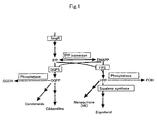
- terpenoids The biosynthesis of terpenoids (isoprenoids) begins with the synthesis of geranyl diphosphate (GPP; C 10 ), farnesyl diphosphate (FPP; C 15 ) and geranylgeranyl diphosphate (GGPP; C 20 ), which are straight-chain prenyl diphosphates, through the sequential condensation reactions of isopentenyl diphosphate (IPP; C 5 ) with an allylic diphosphate substrate (Fig. 1).
- IPP isopentenyl diphosphate
- Fig. 1 the abbreviations and words in boxes represent enzymes. Specifically, hmgR represents hydroxymethylglutaryl-CoA (HMG-CoA) reductase; GGPS represents GGPP synthase; and FPS represents FPP synthase.
- FPP is the most significant biosynthetic intermediate. It is a precursor for the synthesis of tremendous kinds of terpenoids, e.g. steroids including ergosterol (provitamin D 2 ), the side chains of quinone (vitamin K; VK), sesquiterpenes, squalene (SQ), the anchor molecules of farnesylated proteins, dolichols, bactoprenol, and natural rubber.
- steroids including ergosterol (provitamin D 2 ), the side chains of quinone (vitamin K; VK), sesquiterpenes, squalene (SQ), the anchor molecules of farnesylated proteins, dolichols, bactoprenol, and natural rubber.
- GGPP is also a biosynthetic intermediate in vivo, and is essential for the biosynthesis of such compounds as phytoene, lycopene, ficaprenol, retinol (vitamin A; VA), ⁇ -carotene (provitamin A), phylloquinone (vitamin K 1 ; VK 1 ), tocopherols (vitamin E; VE), the anchor molecules of geranylgeranylated proteins, the side chain of chlorophyll, gibberellins, and the ether lipid of archaea.
- prenyl diphosphates with up to 20 carbon atoms are condensed into trans forms (( E ) forms) and are present as ( E,E )-FPP and ( E,E,E )-GGPP.
- Compounds with physiological activities are synthesized from these prenyl diphosphates or prenyl groups with up to 15 or 20 carbon atoms having the all trans ( all-E ) geometrical isomerism as precursors (K. Ogura and T.
- neryl diphosphate is synthesized through condensation of IPP with dimethylallyl diphosphate (DMAPP; 3,3-dimethylallyl diphosphate) as an allylic diphosphate substrate; or through isomerization of geranyl diphosphate (GPP) that is a trans (( E ) form) geometrical isomer with 10 carbon atoms.
- DMAPP dimethylallyl diphosphate
- GPP geranyl diphosphate
- dolichols bactoprenol (undecaprenol) or natural rubber
- ( E,E )-FPP or ( E,E,E )-GGPP as an allylic primer substrate
- ( E,E )-Farnesol (FOH; C 15 ), which is an alcohol derivative of ( E,E )-FPP;
- ( E,E,E )-geranylgeraniol (( E,E,E )-GGOH; C 20 ), which is an alcohol derivative of ( E,E,E )-GGPP; and the like are known as fragrant substances in essential oils used as the ingredient of perfumes.
- FOH, NOH and ( E,E,E )-GGPP are also important as starting materials for the synthesis of various compounds (including the above-mentioned vitamins) useful as pharmacological agents (Fig. 1).
- FOH and NOH are currently produced by chemical synthesis except for small amounts of them prepared from natural products such as essential oils.
- GGOH is also produced by chemical synthesis (Japanese Unexamined Patent Publication No. 8-13999). Chemically synthesized FOH, NOH or GGOH generally has the same carbon skeleton, but they are obtained as mixtures containing ( E ) ( trans ) double bond and ( Z ) ( cis ) double bond geometry.
- ( E, E )-FOH, ( E )-NOH or ( E,E,E )-GGOH, each of which is ( all-E ) type, is a compound with the geometrical isomerism synthesized in biosynthetic pathways and is industrially valuable.
- the substrates for the biosynthesis of FOH, NOH or GGOH are provided via the mevalonate pathway in cells of, for example, Saccharomyces cerevisiae , a budding yeast.
- HMG-CoA reductase that is believed to be a key enzyme for the biosynthesis was used, it has been only discovered that the use increases the accumulation of squalene, a substance commercially available at a greatly low price than FOH and GGOH (Japanese Unexamined Patent Publication No. 5-192184; Donald et al., (1997) Appl. Environ. Microbial. 63, 3341-3344).
- the present inventor determined the nucleotide sequence of the squalene synthase gene ERG9 in ATCC64031, and confirmed that this clone has become a squalene synthase gene-deficient clone ( erg9 clone) as a result of the introduction of substitution mutations into the coding region of ERG9 and thus acquired the productivity of 1.3 mg/L of FOH.
- the nucleotide at position 745 has been changed from C to T and the nucleotide at position 797 from T to G.
- an ERG9 -deficient clone cannot be obtained; it is impossible to construct an FOH production system. Furthermore, no method of biosynthesis of ( E )-NOH (hereinafter, referred to as "NOH") is known. Even if it is possible to provide to a ERG9-deficient clone with a novel character that avoids the lethality, the cultivation of such a clone will require disadvantageous conditions to industrial production, e.g ., necessity to add ergosterol to the medium.
- the present inventors have developed a prenyl alcohol production system by culturing a mutant cell in which the transcription promoter region of squalene synthase gene has been replaced with a transcription repression type promoter under transcription repression conditions so that an amount of squalene synthase gene transcript having translational activity can be reduced.
- an IPP biosynthetic pathway-related enzyme gene represented by HMG-CoA reductase gene
- expression shuttle vectors were constructed which comprise a constitutive or inducible transcription promoter and various auxotrophic markers.
- a gene of interest or a mutant thereof was inserted into the shuttle vector, which was then introduced into the mutant cell of the invention where an amount of squalene synthase gene transcript having translational activity can be reduced. From a culture of the resultant cell, a prenyl alcohol(s) could be obtained, and the above object could be achieved. Thus, the present invention has been completed.
- the present invention relates to the following inventions.
- the IPP biosynthetic pathway-related enzyme gene includes enzyme genes involved in those reactions whrere IPP is synthesized from compounds located in the glycolytic pathway or citrate cycle, as well as various prenyl diphosphate synthase genes.
- the IPP biosynthetic pathway-related enzyme gene includes not only those enzyme genes involved in the mevalonate pathway but also those enzyme genes involved in the so-called non-mevalonate pathway [also called DXP (1-deoxy-D-xylulose 5-phosphate) pathway, MEP (2-C-methyl-D-erythritol 4-phosphate) pathway or Rohmer pathway] that is a novel IPP biosynthetic pathway recently found in prokaryotes and chloroplasts.
- specific examples of the transcription repression type promoter include GAL1 promoter.
- Specific examples of the transcription repression conditions for GAL1 promoter include the use of a glucose-containing medium.
- the IPP biosynthetic pathway-related enzyme gene any one selected from the group consisting of the following genes (a) through (1) may be given.
- a nucleotide sequence encoding an artificial amino acid sequence may be inserted freely so that the polypeptides encoded by the two genes before fusion can take conformations that allow them to function appropriately.
- a sequence 5' GGGTCC 3' encoding Gly Ser may be inserted.
- As endoplasmic reticulum signals His Asp Glu Leu (SEQ ID NO: 30; called “HDEL sequence") or Asp Asp Glu Leu (SEQ ID NO: 31) located at the C-terminal is known in Saccharomyces cerevisiae , and Lys Asp Glu Leu (SEQ ID NO: 32) located at the C-terminal is known in eukaryotes in general as a C-terminal signal. It is known that they work as an endoplasmic reticulum retention signal completely equivalent to them in function (B. Lewin, Genes V, (1994), Oxford University Press, New York, U.S.A., pp. 279-318; B.
- HDEL sequence or the like
- endoplasmic reticulum retention signals consisting of the 4 amino acid residues located at the C-terminal
- other signal peptides from a part of the domains of ER transition proteins e.g., the signal peptide + H 3 N Met Met Ser Phe Val Ser Leu Leu Leu Val Gly Ile Leu Phe Trp Ala Thr Glu Ala Glu Gln Leu Thr Lys Cys Glu Val Phe Gln (SEQ ID NO: 33) located at the N-terminal that functions as a transport signal to ER
- a polypeptide in which an endoplasmic reticulum signal has been added, substituted or inserted by introducing an addition, substitution or insertion mutation into its gene may also be regarded as a mutant polypeptide in which 4 amino acid residues are added, substituted or inserted in the corresponding wild type polypeptide.
- a gene encoding such a mutant polypeptide may also be regarded as a mutant gene in which a nucleotide sequence of about 1-12 nucleotides is added, substituted or inserted in the corresponding wild type gene.
- a polypeptide encoded by the above-described fusion gene may be regarded as a mutant polypeptide in which more than 300 amino acid residues are added, substituted or inserted in a wild type polypeptide.
- the fusion gene may also be regarded as a mutant gene in which a nucleotide sequence of about 1000 nucleotides is added, substituted or inserted in a wild type gene. That is, a gene or fusion gene encoding an amino acid sequence in which a signal has been newly created is in itself a mutant gene.
- an HDEL sequence or the like In order to create an HDEL sequence or the like at the C-terminal, insertion of one base that would cause a frame shift resulting in the creation of an HDEL sequence or the like may also be used. It is also possible to replace 2 nucleotides to thereby create an HDEL sequence or the like from the original C-terminal sequence (e.g ., HDGI). If an HDEL sequence or the like is present near the C-terminal ( e.g ., in the case of BTS1 ), an HDEL sequence or the like can be created at the C-terminal by simply introducing a stop codon. Alternatively, it is possible to newly add 12 nucleotides to the C-terminal to thereby create an HDEL sequence or the like at the C-terminal.
- yeast yeast belonging to Ascomycota, yeast belonging to Basidiomycota, or yeast belonging to Fungi Imperfecti may be used, for example.
- yeast belonging to Ascomycota in particular, budding yeast such as Saccharomyces cerevisiae, Candida utilis or Pichia pastris ; and fission yeast such as Shizosaccharomyces pombe may be used.
- budding yeast such as Saccharomyces cerevisiae, Candida utilis or Pichia pastris
- fission yeast such as Shizosaccharomyces pombe
- strains are not limited as long as they can produce prenyl alcohol.
- specific examples of useful strains include A451, YPH499, YPH500, W303-1A and W303-1B.
- Specific examples of the prenyl alcohol include FOH, NOH and/or GGOH.
- the mutant cell or the recombinant may be cultured under non-transcription repression conditions prior to the cultivation under transcription repression conditions.
- the cultivation under transcription repression conditions means cultivation in a glucose-containing medium.
- the cultivation under non-transcription repression conditions means cultivation in a galactose-containing medium.
- a gene encoding the amino acid sequence as shown in SEQ ID NO: 2 or 4 may be used.
- a gene encoding the amino acid sequence as shown in SEQ ID NO: 6 may be used.
- a gene encoding the amino acid sequence as shown in SEQ ID NO: 8 may be used.
- a gene encoding the amino acid sequence as shown in SEQ ID NO: 10 may be used.
- a mutant of hydroxymethylglutaryl-CoA reductase gene a mutant comprising the nucleotide sequence as shown in any one of SEQ ID NOS: 11, 13 and 15 through 24 may be used.
- the inventors have attempted to develop a system for producing an active-type prenyl alcohol, in particular, FOH, NOH or GGOH in vivo by using metabolic engineering techniques.
- yeast in particular, a budding yeast Saccharomyces cerevisiae was selected as a host cell.
- a part of the genomic DNA that is believed to be the transcription promoter region of its squalene synthase gene ERG9 was replaced with the transcription promoter of GAL1 gene, which is one of transcription repression type promoters capable of repression with glucose, to thereby prepare strains designated EUG.
- GAL1 gene which is one of transcription repression type promoters capable of repression with glucose
- a system has been developed which allows accumulation of a prenyl alcohol(s) in culture broth by simply culturing a conventional recombinant host strain (that has no sterol intake ability under aerobic culture conditions) aerobically in a conventional glucose-containing medium without special additives (e.g. , YM7 medium, YPD medium, or SD medium).
- FPP is synthesized by the catalytic action of FPP synthase using IPP or DMAPP as a substrate. After the synthesis of FPP, usually, reactions do not proceed toward dephosphorylation to FOH, but proceed toward the synthesis of squalene and various sterols by squalene synthase; the synthesis of GGPP and prenylated proteins by GGPP synthase; the synthesis of medium or long chain prenyl diphosphates (such as hexaprenyl diphosphate, heptaprenyl diphosphate), ubiquinone and prenylated proteins by medium chain prenyl diphosphate synthases such as hexaprenyl diphosphate synthase or heptaprenyl diphosphate; and so on (Fig.
- the present invention has found that it is possible to allow a cell to produce prenyl alcohols such as FOH, NOH and GGOH that are not explicitly mentioned even in the commonly accepted metabolic pathway map (Gerhard Michael (ed.), Biochemical Pathways: An Atlas of Biochemistry and Molecular Biology (1999), John Wiley & Sons, Inc., New York) by mutating the cell so that an amount of squalene synthase gene transcript having translational activity can be reduced and culturing the mutant cell under specific conditions to thereby reduce the transcript.
- prenyl alcohols such as FOH, NOH and GGOH that are not explicitly mentioned even in the commonly accepted metabolic pathway map (Gerhard Michael (ed.), Biochemical Pathways: An Atlas of Biochemistry and Molecular Biology (1999), John Wiley & Sons, Inc., New York) by mutating the cell so that an amount of squalene synthase gene transcript having translational activity can be reduced and culturing the mutant cell under specific conditions to thereby reduce the transcript
- the present invention has also developed another biological mass production system for prenyl alcohol by introducing an IPP biosynthetic pathway-related enzyme gene, a mutant thereof or a fusion gene thereof as a transcription unit into the mutant cell of the above-described prenyl alcohol production system of the invention.
- the mutant cell used in the invention comprises the squalene synthase gene of the host cell that has no substitution, insertion or addition in the coding region but has been modified so that the amount of its transcript having translational activity can be reduced.
- a method of repressing the transcriptional activity of a gene of interest to thereby reduce the amount of its transcript per se may be used.
- a method of repressing the translational activity of transcribed mRNA using antisense RNA may be used.
- Transcriptional activity may be repressed, for example, by replacing the transcription promoter region of the squalene synthase gene of the host with a transcription repression type promoter, or by creating a nucleotide sequence having transcription repressive activity in a region involved in the transcription of the squalene synthase gene.
- Translational activity may be repressed, for example, by over-expressing a gene from which an antisense RNA against the squalene synthase gene is transcribed.
- Antisense RNA means an RNA having a nucleotide sequence complementary to the RNA transcribed from a target gene.
- Antisense RNA reduces the amount of transcript having translational activity in the transcription/translation system in both prokaryotic cells and eukaryotic cells; it has a function as a repressor of gene expression. For example, it is reported that the synthesis of OmpF protein can be repressed by reducing the amount of mRNA from E. coli ompF gene with transcriptional activity using antisense RNA [Takeshi Mizuno in Expression and Control of Genes I (Series: Advances in Molecular Biology) , The Molecular Biology Society of Japan (Eds.), published by Maruzen Co. on June 30, 1989, ISBN4-621-03375-1, Chapter 5 "Control of Bacterial Membrane Protein Synthesis"].
- antisense RNAs against certain genes occur in nature, and if a target gene has been decided, it is easy for one of ordinary skill in the art to create an artificial antisense RNA having expression repressive activity by genetic engineering techniques.
- the artificial antisense RNA technology has been applied to various hosts, including not only the bacterium E. coli but also higher organisms, e.g ., mammals (mouse), insects ( Drosophila melanogaster ) and angiosperms (tomato) [Mizuno et al ., (1984) Proc. Natl. Acad. Sci. U.S.A., 81, 1966-1970; Aiba et al ., (1987) J.
- such a cell may be selected which has been widely used in the fermentation industry from old times, has the mevalonate pathway as an IPP biosynthetic pathway, and can be subjected to various genetic engineering techniques.
- yeast such as budding yeast may be given.
- Specific examples of budding yeast include Saccharomyces cerevisiae .
- the host is not necessarily limited to yeast such as S. cerevisiae .
- Various other cells may also be used as a host as long as they possess a squalene synthase gene.
- a transcription repression type promoter may be used, for example.
- any transcription promoter may be used as long as it can control transcription under various culture conditions.
- Specific examples of useful transcription promoters include promoters responsible for the transcription of GAL1, GAL2, GAL7, GAL10, GAL80 and MEL1 whose transcription is repressed in a glucose containing medium; ADH1 and ENO2 whose transcription is repressed under glucose-deprived conditions; PHO5 and PHO81 whose transcription is repressed under high phosphate conditions; and HO gene whose transcription is repressed in phases other than G 1 in cell cycle.
- a promoter that is responsible for the transcription of a gene whose transcript is detected considerably under specific conditions but detected little under other conditions may also be used as a transcription repression type promoter.
- promoters responsible for the transcription of such genes as HSP12, INO1, YBR147W and YGR243W whose transcript is not detected in a conventional nutrient medium (rich medium) but detected considerably in minimal medium; or (ii) promoters responsible for the transcription of such genes as YDR046C, GNP1, CHA1 and PTR2 whose transcript is not detected in minimal medium but detected considerably in a conventional nutrient medium, may be enumerated.
- a transcription repression type promoter of an organism other than budding yeast The promoter does not necessarily have transcription repressive activity in the host cell.
- a transcription promoter may be used which acquires transcription repressive activity only after the introduction of a transcription repression factor gene into the host cell.
- a transcription promoter capable of direct repression of transcription i.e., control of mRNA synthesis
- mRNA the transcript
- antisense RNA technology or the like it is possible to achieve the same effect as achieved by the use of a transcription repression type promoter, i.e. , to allow the host cell to produce prenyl alcohol without modifying the coding region of its squalene synthase gene.
- a gene map around squalene synthase gene ERG9 was obtained from a yeast genome database (Saccharomyces Genome Database (SGD); http://genome-www.stanford.edu./Saccharomyces/). Then, PCR primers for amplifying DNA fragments for replacing ERG9 transcription promoter ( ERG9 p) were designed based on the map (Fig. 2).
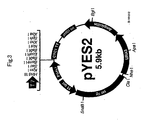
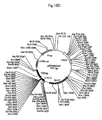
- pYES2 (Fig. 2C and Fig. 3) were digested with restriction enzymes and blunt-ended with Klenow enzyme, followed by self-ligation to yield pYES2 ⁇ without 2 ⁇ ori (Fig. 2B).
- pYES2 ⁇ as a template, a DNA fragment comprising a transformant selection marker gene URA3 and a transcription promoter GAL1 p was amplified by PCR.
- a partial DNA sequence of ERG9 gene was ligated to one end of the resultant DNA fragment, and a partial DNA sequence of YHR189W located in the proximity of ERG9 gene was ligated to the other end of this DNA fragment.
- a DNA fragment for transformation was prepared (Fig. 2A).
- a host for preparing a mutant cell is not particularly limited.
- Yeast that is important from the viewpoint of industrial application may be used as a host.
- yeast belonging to Ascomycota yeast belonging to Basidiomycota, or yeast belonging to Fungi Imperfecti may be used.
- yeast belonging to Ascomycota in particular, budding yeast such as Saccharomyces cerevisiae, Candida utilis or Pichia pastris ; and fission yeast such as Shizosaccharomyces pombe may be used.
- specific examples of useful strains include A451, YPH499, YPH500, W303-1A and W303-1B described below.
- the transformation of a host cell with the above DNA fragment may be performed by any of the conventional technique or with a commercial kit.
- a vector comprising the DNA fragment is introduced into the host yeast using Frozen EZ Yeast Transformation II Kit purchased from Zymo Research (Orange, CA).
- the DNA fragment thus introduced into the host is integrated into the genome of the host by homologous recombination.
- a mutant cell is obtained in which the transcription promoter region of its squalene synthase gene ERG9 is replaced with GAL1 promoter that is a transcription repression type promoter.
- ERG9p U RA3- G AL1p
- A451-derived clones are designated EUG1 through EUG10.
- YPH499-derived clones are designated EUG11 through EUG20.
- YPH500-derived clones are designated EUG21 through EUG30.
- W303-1A-derived clones are designated EUG31 through EUG50.
- W303-1B-derived clones are designated EUG51 through EUG70.
- EUG1 through EUG10 are A451-derived strains established in the present invention and are capable of reducing the amount of squalene synthase gene ERG9 transcript having translational activity. These strains comprise the polypeptide-coding region of squalene synthase ERG9, a transformant selection marker gene URA3 , and a transcription promoter GAL1 p located in the ERG9 locus.
- EUG11 through EUG20 are YPH499-derived strains established in the present invention and are capable of reducing the amount of squalene synthase gene ERG9 transcript having translational activity. These strains comprise the polypeptide-coding region of ERG9 , the URA3, and the GAL1 p located in the ERG9 locus.
- EUG21 through EUG30 are YPH500-derived strains established in the present invention and are capable of reducing the amount of squalene synthase gene ERG9 transcript having translational activity. These strains comprise the polypeptide-coding region of ERG9 , the URA3, and the GAL1 p located in the ERG9 locus.
- EUG31 through EUG50 are W303-1A-derived strains established in the present invention and are capable of reducing the amount of squalene synthase gene ERG9 transcript having translational activity. These strains comprise the polypeptide-coding region of ERG9 , the URA3, and the GAL1 p located in the ERG9 locus.
- EUG51 through EUG70 are W303-1B-derived strains established in the present invention and are capable of reducing the amount of squalene synthase gene ERG9 transcript having translational activity. These strains comprise the polypeptide-coding region of ERG9 , the URA3, and the GAL1 p located in the ERG9 locus.
- prenyl alcohols can be obtained by culturing the thus obtained EUG strains in a glucose-containing medium (i.e., transcription repression condition for GAL1 p) to thereby reduce an amount of squalene synthase gene transcript having transcriptional activity (cultivation method will be described later).
- prenyl alcohols can be obtained without the introduction of a substitution, insertion or deletion mutation(s) into the coding region of a squalene synthase gene as known in ATCC64031, and without the addition of special additives such as ergosterol and surfactants to the medium.
- the above-described EUG strains as they are may be cultured.
- these strains may be cultured after further transformation by introducing thereinto a recombinant DNA for expression or a DAN fragment for genomic integration each comprising an IPP biosynthetic pathway-related enzyme gene.
- the recombinant DNA for expression used in the further transformation of EUG strains can be obtained by ligating or inserting a transcription promoter DNA and a transcription terminator DNA into an IPP biosynthetic pathway-related enzyme gene.
- a gene expression cassette transcription unit
- the ligation or insertion of the promoter and terminator may be performed in any order. However, it is preferable to ligate a promoter upstream of an IPP biosynthetic pathway-related gene and to ligate a terminator downstream of the gene.
- an IPP biosynthetic pathway-related gene, a transcription promoter and a transcription terminator may be incorporated into an appropriate DNA, e.g. a vector, in this order. If the direction of transcription is properly considered, the incorporation may be performed in any order.
- An enhancer sequence to enhance the gene expression and various cis elements to control the gene expression may also be incorporated around the transcription unit.
- IPP biosynthetic pathway-related genes include the following genes.
- FPP synthase gene examples include Saccharomyces cerevisiae -derived ERG20 (SEQ ID NO: 1), Escherichia coli -derived ispA (SEQ ID NO: 3), Bacillus stearothermophilus -derived FPP synthase genes (Japanese Unexamined Patent Publication No. 5-219961; United States Patent No. 5,786,192) and Synechococcus elongatus -derived FPP synthase gene (C. Ohto et al ., (1999) Plant Mol. Biol., 40, 307-321).
- GGPP synthase gene examples include Saccharomyces cerevisiae -derived BTS1 (SEQ ID NO: 5), Sulfolobus acidocaldarius -derived crtE (C. Ohto et al ., (1998) Biosci. Biotechnol. Biochem ., 62, 1243-1246; Japanese Unexamined Patent Publication No. 7-308913; United States Patent No. 5,773,273), Thermus thermophilus -derived Tth GGPP synthase gene (C. Ohto et al ., (1999) Biosci. Biotechnol.
- HMG-CoA reductase gene examples include Saccharomyces cerevisiae -derived HMG1 (SEQ ID NO: 7) and HMG2, and Streptmyces sp. CL190-derived HMG-CoA reductase gene (S. Takahashi et al ., (1999) J. Bacteriol ., 181, 1256-1263).
- IPP ⁇ -isomerase gene examples include Escherichia coli -derived idi (SEQ ID NO: 25). Further, IPP biosynthetic pathway-related genes having the following nucleotide sequences, respectively, may be enumerated.
- non-mevalonate pathway-related enzyme genes such as DXP synthase gene, DXP reductoisomerase, MEP cytidyltransferase, CDP-ME kinase gene and MECDP synthase gene (K. Kaneda et al ., (2001) PNAS, 98, 932-937; T. Kuzuyama et al ., (2000) J. Bacteriol ., 182, 891-897; T. Kuzuyama et al ., (2000) J. Biol. Chem., 275, 19928-19932; S. Takahashi et al ., (1998) PNAS , 95, 9879-9884) may be used for such a host as an IPP biosynthetic pathway-related gene.
- DXP synthase gene DXP reductoisomerase
- MEP cytidyltransferase CDP-ME kinase gene
- mutants (sometimes referred to as "mutant type gene(s)") of the above-described IPP biosynthetic pathway-related genes may also be used.
- Mutants of the above-described IPP biosynthetic pathway-related genes may be deletion mutants having a deletion of a specific region (e.g. , an HMG-CoA reductase gene with a deletion of 2217 nucleotides at the maximum), or mutants having a deletion, addition, substitution or insertion of one or several to ten nucleotides in the nucleotide sequence of a wild type gene or the above-mentioned deletion mutant. Further, about 1000 nucleotides may be added, substituted or inserted. Accordingly, the amino acid sequence encoded by such a mutant may have a mutation(s).
- amino acid sequence of an IPP biosynthetic pathway-related enzyme may have a mutation(s) such as deletion, addition, substitution or insertion of one or several ( e.g. , one to ten, preferably, one to three) amino acids or more than 300 amino acids.
- the amino acid sequence of a wild type HMG-CoA reductase may have a deletion of 739 amino acids at the maximum, and such a deletion mutant type enzyme may further have a mutation(s) such as deletion, addition, substitution or insertion of one or several ( e.g. , one to ten, preferably, one to three) amino acids.
- mutant enzymes include a mutant enzyme FHDEL obtained by adding 4 amino acids to a wild type FPP synthase; mutant enzymes FGG and FGGHDEL obtained by adding more than 300 amino acids to the C-terminal of a wild type FPP synthase; a mutant enzyme GGF obtained by adding more than 300 amino acids to the N-terminal of a wild type FPP synthase; a mutant enzyme GGFHDEL obtained by adding more than 300 amino acids and 4 amino acids to the N-terminal and the C-terminal of a wild type FPP synthase, respectively; mutant enzymes GGF and GGFHDEL obtained by adding more than 300 amino acids to the C-terminal of a wild type GGPP synthase; a mutant enzyme FGG obtained by adding more than 300 amino acids to the N-terminal of a wild type GGPP synthase; and a mutant enzyme FGGHDEL obtained by adding more than 300 amino acids to the N-terminal of a wild type GGPP synthase and deleting
- mutant genes useful in the invention include a mutant type ERG20 in pRS435FHDEL obtained by adding 12 nucleotides to the 3' end of ERG20 ; a mutant type ERG20 in pRS435FGG obtained by adding a nucleotide sequence of about 1000 nucleotides encoding BTS1 and Gly Ala to the 3' end of ERG20; a mutant type ERG20 in pRS435FGGHDEL obtained by deleting 30 nucleotides at the 3' end of the preceding mutant type ERG20 ; a mutant type ERG20 in pRS435GGF obtained by adding a nucleotide sequence of about 1000 nucleotides encoding BTS1 and Gly Ala to the 5' end of ERG20 ; a mutant type ERG20 in pRS435GGFHDEL obtained by adding a nucleotide sequence of about 1000 nucleotides encoding BTS1 and Gly Ala to the 5' end of ERG20
- PCR errors substitution mutations of nucleotides that occur in DNA fragments obtained by amplifying wild-type DNA using a DNA polymerase of low fidelity (such as Taq DNA polymerase) are called "PCR errors".
- a DNA polymerase of low fidelity such as Taq DNA polymerase
- an HMG-CoA reductase gene that has a nucleotide sequence having nucleotide substitutions (which may cause substitution mutations in the encoded polypeptide) attributable to PCR errors when a wild-type HMG-CoA reductase gene (SEQ ID NO: 7) was used as a template may also be used in the present invention.
- HMG1 ' This HMG-CoA reductase gene is designated " HMG1 ' ".
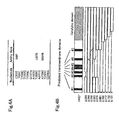
- An embodiment of nucleotide substitutions resulting from PCR errors when the wild-type HMG-CoA reductase gene (SEQ ID NO: 7) was used as a template is shown in Fig. 4A.
- HMG1' has the nucleotide sequence as shown in SEQ ID NO: 11, and the amino acid sequence encoded thereby is shown in SEQ ID NO: 12.
- SEQ ID NO: 12 the amino acid sequence encoded thereby is shown in SEQ ID NO: 12.
- mutations of nucleotides are expressed in the following order: the relevant nucleotide before substitution (in one letter abbreviation), the position of this nucleotide when the first nucleotide in the initiation codon of the HMG-CoA reductase gene is taken as 1, and the nucleotide after substitution (in one letter abbreviation).
- the mutations of amino acids contained in the amino acid sequence of the PCR error-type HMG-CoA reductase are expressed in the following order: the relevant amino acid before substitution (in one letter abbreviation), the position of this amino acid in the HMG-CoA reductase, and the amino acid after substitution (in one letter abbreviation).
- PCR error-type nucleotide sequence described above may be modified partially by techniques such as site-directed mutagenesis.
- a modified HMG-CoA reductase gene (SEQ ID NO: 14) encoding a modified HMG-CoA reductase (SEQ ID NO: 13) may also be used in the present invention.
- HMG-CoA reductase genes including PCR error-type
- HMG1 ⁇ genes are shown in Fig. 4B that are deletion mutants of the PCR error-type HMG-CoA reductase gene HMG1' .
- the upper most row represents HMG1' gene without deletion.
- the portion indicated with thin solid line ( ⁇ ) is the deleted region.
- Table 1 below shows which region of HMG1' gene (SEQ ID NO: 11) has been deleted for each of the deletion mutants.
- HMG1 ⁇ xxy Deletion mutants of HMG1' are expressed as " HMG1 ⁇ xxy” according to the deletion pattern, in which "xx” represents the deletion pattern and "y” represents a working number (any figure).
- "xx" represents the deletion pattern
- "y” represents a working number (any figure).
- ⁇ 026 is shown as one example of HMG1 ⁇ 02y.
- examples of other deletion patterns are also shown.
- Deletion of 1317 nucleotides is the maximum deletion.
- an IPP biosynthetic pathway-related gene or a mutant thereof may be ligated to other gene or a mutant thereof so that a fusion protein is produced.
- a gene constructed from two or more genes so that a fusion protein is produced as an expression product is called a "fusion gene".
- a fusion gene may be regarded as a mutant gene in which about 1000 nucleotides are added to the nucleotide sequence of one of the genes composing the fusion gene.
- the polypeptide encoded by the fusion gene may also be regarded as a mutant polypeptide in which more than 300 amino acids are added.
- a method may be employed in which one DNA is digested with an appropriate restriction enzyme, followed by ligation to the other DNA predigested with the same restriction enzyme in such a manner that no shift occurs in the reading frames of the amino acid sequences encoded by the DNAs.
- An artificial nucleotide sequence may be inserted freely into the junction site between the genes composing a fusion gene so that individual translation products of the genes can take conformations that allow them to function appropriately. For example, 5' GGGTCC 3' encoding Gly Ser ("GS" in Fig. 29) may be used for this purpose.
- a gene may be prepared and used that encodes a polypeptide modified so that the protein produced by the expression of an IPP biosynthetic pathway-related enzyme gene, a mutant thereof or the above-described fusion gene is directed to the endoplasmic reticulum.
- His Asp Glu Leu (SEQ ID NO: 30) or Asp Asp Glu Leu (SEQ ID NO: 31) is known in Saccharomyces cerevisiae as a C-terminal ER retention signal; and Lys Asp Glu Leu (SEQ ID NO: 32) is known as a C-terminal signal in eukaryotes in general; it is known that they work as an ER retention signal completely equivalent to them in function (B. Lewin, Genes V, (1994), Oxford University Press, New York, U.S.A., pp. 279-318; B.
- a polypeptide in which an ER signal has been added, substituted or inserted may also be regarded as a mutant polypeptide in which 4 amino acid residues are added, substituted or inserted in the corresponding wild type polypeptide.
- a gene encoding the mutant polypeptide may also be regarded as a mutant gene in which a nucleotide sequence of about 12 nucleotides is added, substituted or inserted in the corresponding wild type gene.
- the DNA used for gene recombination is not particularly limited as long as it may be retained hereditarily in host cells.
- plasmid DNA, bacteriophage DNA, retrotransposon DNA and artificial chromosomal DNA YAC: yeast artificial chromosome
- YAC yeast artificial chromosome
- useful plasmid DNA include YCp-type E. coli -yeast shuttle vectors such as pRS413, pRS414, pRS415, pRS416, YCp50, pAUR112 or pAUR123; YEp-type E. coli -yeast shuttle vectors such as pYES2 or YEp13; YIp-type E. coli -yeast shuttle vectors such as pRS403, pRS404, pRS405, pRS406, pAUR101 or pAUR135; E. coli -derived plasmids such as ColE plasmids ( e.g.
- pACYC177 or pACYC184 pACYC184
- pSC101 plasmids e.g., pMW118, pMW119, pMW218 or pMW219
- Bacillus subtilis -derived plasmids e.g., pUB110, pTP5
- useful phage DNA examples include ⁇ phage (Charon4A, Charon21A, EMBL3, EMBL4, ⁇ gt10, ⁇ gt11, ⁇ ZAP), ⁇ X174, M13mp18 and M13mp19.
- useful retrotransposon DNA examples include Ty factor.
- useful YAC vectors include pYACC2.
- selection marker genes are used in many cases. However, marker genes are not necessary if there is an appropriate assay to select recombinants without using such genes.
- a constitutive or inducible promoter may be used as the transcription promoter to direct the transcription and expression of an IPP biosynthetic pathway-related enzyme gene, a mutant thereof, a fusion gene thereof, or a gene encoding a polypeptide in which an endoplasmic reticulum signal is added, substituted or inserted in the polypeptide encoded by any one of these genes.
- the "constitutive promoter” means a transcription promoter of a gene involved in a major metabolic pathway. Such a promoter has transcriptional activity under any growth conditions.
- the "inducible promoter” means a promoter whose transcriptional activity is induced only under specific growth conditions.
- Any transcription promoter may be used as long as it has activity in hosts such as yeast.
- GAL1 promoter, GAL10 promoter, TDH3 (GAP) promoter, ADH1 promoter or TEF2 promoter may be used for expression in yeast.
- GAP GAP
- ADH1 promoter or TEF2 promoter may be used for expression in yeast.
- trp promoter, lac promoter, trc promoter or tac promoter may be used, for example.
- cis -elements such as an enhancer, a splicing signal, a poly A addition signal, selectable markers, etc. may be ligated to the recombinant DNA fragment, if desired.
- selectable markers include marker genes such as URA3, LEU2, TRP1, HIS3, ADE2 and LYS2 with non-auxotrophic phenotypes as indicators, and drug resistance genes such as Amp r , Tet r , Cm r , Km r , AUR1-C and can1 .
- a transcription terminator derived from any gene may be used as long as it has activity in hosts such as yeast.
- ADH1 terminator or CYC1 terminator may be used, for example.
- Expression vectors prepared in the present invention as recombinant DNAs for. gene transfer may be designated and identified by indicating the name of the relevant gene after the name of the plasmid used.
- Table 2 the relation between the designations of expression vectors and their constitution when plasmid pRS434GAP or pRS434GAP is used is shown in Table 2 below.
- HMG1 gene is ligated to plasmid pRS434GAP, for example, the resultant expression vector is expressed as "pRS434GAP-HMG1".
- This method of expression also applies to cases where plasmid pRS434, pRS444, pRS435GAP or pRS445 is used in combination with the above-mentioned promoters.
- the recombinant of the present invention can be obtained by introducing the recombinant DNA of the present invention into the above-described mutant strain (e.g., EUG strains) in such a manner that various IPP biosynthetic pathway-related genes (including mutants, fusion genes, and genes encoding polypeptides where an ER signal is added, substituted or inserted) can be expressed.
- mutant strain e.g., EUG strains
- IPP biosynthetic pathway-related genes including mutants, fusion genes, and genes encoding polypeptides where an ER signal is added, substituted or inserted
- PCR polymerase chain reaction
- Southern blot hybridization DNA is prepared from the resultant recombinant and subjected to PCR using a pair of primers specific to the transferred DNA. Subsequently, the amplified product is subjected to agarose gel electrophoresis, polyacrylamide gel electrophoresis or capillary electrophoresis, followed by staining with ethidium bromide, SYBR Green solution or the like, or detection of DNA with a UV detector. Thus, by detecting the amplified product as a single band or peak, the transferred DNA can be confirmed.
- PCR may be performed using primers labeled with a fluorescent dye or the like to detect the amplified product.
- a prenyl alcohol(s) can be obtained by culturing the above-described mutant strain (e.g. , EUG strains) and recovering the prenyl alcohol(s) from the resultant culture.
- a prenyl alcohol(s) can be obtained by preparing a recombinant by transferring into the mutant strain (e.g ., EUG strains) an IPP biosynthetic pathway-related gene (including a mutant or fusion gene thereof), culturing the resultant recombinant under transcription repression conditions and recovering the prenyl alcohol(s) from the resultant culture.
- culture means any of the following materials: culture supernatant, cultured cells or microorganisms per se, or disrupted products from cultured cells or microorganisms.
- the mutant strain of the invention e.g. , EUG strains
- the recombinant thereof is cultured by conventional methods used in culturing the host.
- As the prenyl alcohol, FOH, NOH or GGOH may be enumerated. These prenyl alcohols are accumulated in the culture independently or as a mixture.
- either a complex natural medium or a synthetic medium may be used as long as it contains carbon sources, nitrogen sources and inorganic salts assimilable by the microorganism and is capable of effective cultivation of the recombinant.
- carbon sources sugar sources may be used, for example, and they usually include glucose. These sugar sources are used at 0.1-20% (w/v) in the total, preferably at 1-7% (w/v).
- the glucose content of the sugar source(s) used is 10-100% (w/w), preferably 50-100% (w/w), and may be selected appropriately depending on the culture conditions (e.g., the type of the host, the type of the recombinant vector introduced, the cultivation period, etc.).
- Hydrocarbons such as galactose, fructose, sucrose, raffinose, lactose, starch; organic acids such as acetic acid, propionic acid; and alcohols such as ethanol, propanol may also be used together with galactose as carbon sources.
- the mutant strain or recombinant of the invention may be precultured in a galactose-containing medium prior to cultivation in a glucose-containing medium.
- the galactose content at the time of precultivation may vary depending of various carbon sources contained in the medium. Usually, the galactose content of the sugar source is 50-100% (w/w), preferably 100% (w/w).
- cultivation in a galactose-containing and non-glucose-containing medium is a non-transcription repression condition for squalene synthase gene ERG9
- cultivation in a glucose-containing medium is a transcription repression condition for squalene synthase gene ERG9 .
- Cultivation of EUG strains in a glucose-containing medium causes a reduction in the amount of squalene synthase gene transcript having translational activity.
- ammonia As a nitrogen source, ammonia; ammonium salts of inorganic or organic acids such as ammonium chloride, ammonium sulfate, ammonium acetate, ammonium phosphate; other nitrogen-containing compounds; peptone; meat extract; corn steep liquor, various amino acids, etc. may be used.
- an inorganic substance potassium dihydrogen phosphate, dipotassium hydrogen phosphate, magnesium phosphate, magnesium sulfate, sodium chloride, iron(II) sulfate, manganese sulfate, copper sulfate, calcium carbonate or the like may be used.
- the recombinant is cultured under aerobic conditions (e.g. , shaking culture or aeration agitation culture) at 26-42 °C, preferably at 30 °C, for 2-7 days.
- the adjustment of pH is carried out using an inorganic or organic acid, an alkali solution or the like.
- a transcription inducer may be added to the medium if necessary.
- GAL1 promoter was used in the vector
- galactose may be used as an inducer.
- the mutant strain or recombinant of the invention can produce prenyl alcohols at high yields.
- a jar fermenter cultivation apparatus or the like may be used for the mass production of prenyl alcohols.
- the prenyl alcohol-producing mutant cells created in the present invention are capable of growing and producing prenyl alcohols at high yields by adjusting the amount of their squalene synthase gene transcript having translational activity without addition of special, essential medium components such as ergosterol required for a squalene synthase gene-deficient strain ( erg9 strain; ATCC64031),.
- the production efficiency of prenyl alcohols can be increased further by adding to a conventional medium such substance as terpenoids, oils or surfactants, or by increasing the concentrations of nitrogen sources or carbon sources. Specific examples of these additives include the following substances.
- the concentrations of oils are 0.01% (w/v) or more, preferably 1-3% (w/v).
- concentrations of surfactants are 0.005-1% (w/v), preferably 0.05-0.5% (w/v).
- the concentrations of terpenoids are 0.01% (w/v) or more, preferably 1-3% (w/v).
- the prenyl alcohol of interest is recovered by disrupting microorganisms or cells by, e.g. , homogenizer treatment, if the alcohol is produced within the microorganisms or cells. Alternatively, the alcohol may be extracted directly using organic solvents without disrupting the cells. If the prenyl alcohol of the invention is produced outside the microorganisms or cells, the culture broth is used as it is or subjected to centrifugation or the like to remove the microorganisms or cells. Thereafter, the prenyl alcohol of interest is extracted from the culture by, e.g. , extraction with an organic solvent. If necessary, the alcohol may be further isolated and purified by various types of chromatography, etc.
- yields of prenyl alcohols of individual EUG strains and preferable combinations of EUG strains and vectors with respect to prenyl alcohol production are as illustrated in Table 3 below.
- the Examples encompass the following contents.
- FIG. 2A, (2) A gene map around squalene synthase gene ERG9 was obtained from SGD. Based on this map, PCR primer DNAs for amplifying DNA fragments for replacing ERG9 transcription promoter ( ERG9 p) were designed (Fig. 2). On the other hand, a 1.8 kbp DNA fragment (Fig. 2A, (2)) comprising a transformant selection marker gene URA3 and a transcription promoter GAL1 p was prepared by PCR amplification using, as a template, pYES2 ⁇ (Fig. 2B) obtained by digesting pYES2 (Fig. 2C) with Nae I and Nhe I, blunt-ending with Klenow enzyme and deleting 2 ⁇ ori by self-ligation.
- the primers used in the PCR are as follows.
- an Eam 1105I recognition site (the underlined portion) was added so that a 0.7 kbp DNA fragment comprising a downstream portion of the open reading frame YHR189W in the genome of S. cerevisiae and a 0.9 kbp DNA fragment comprising an upstream portion of ERG9 can be carried out T/A ligation.
- the YHR189W fragment (i) was prepared by PCR using the following primers YHR189Wf and YHR189Wr, and YPH499 genomic DNA as a template.
- the ERG9 fragment (ii) was prepared by PCR using the following primers ERG9f and ERG9r, and YPH499 genomic DNA as a template.
- YPH499 genomic DNA was prepared with a yeast genomic DNA preparation kit "Dr. GenTLETM"(Takara).
- the 1.8 kbp DNA fragment was digested with Eam 1105I and then ligated to the 0.7 kbp DNA fragment.
- 2nd PCR was carried out using the above-described primers YHR189Wf and E-MCSf.
- the amplified 2.5 kbp DNA fragment (Fig. 2A, (5)) was digested with Eam 1105I and then ligated to the 0.9 kbp fragment.
- 3rd PCR was carried out using the following primers YHR189W-3f and ERG9-2r. As a result, a 3.4 kbp DNA fragment was amplified. This was used as a DNA fragment for transformation.
- the DNA fragment for transformation was introduced into yeast strains using Frozen EZ Yeast Transformation II kit purchased from Zymo Research (Orange, CA).
- Frozen EZ Yeast Transformation II kit purchased from Zymo Research (Orange, CA).
- A451, YPH499, YPH500, W303-1A and W303-1B were used.
- SGR-U medium an agar medium that had been obtained by adding CSM-URA (purchased from BIO 101, Vista, CA) and adenine sulfate (final concentration 40 mg/L) to SGR medium [a variation of SD (synthetic dextrose) medium where the glucose component is replaced with galactose and raffinose] at 30°C. Colonies grown on the medium were spread on the same medium again, cultured and then subjected to single colony isolation.
- CSM-URA purchased from BIO 101, Vista, CA
- adenine sulfate final concentration 40 mg/L
- SGR medium a variation of SD (synthetic dextrose) medium where the glucose component is replaced with galactose and raffinose
- EUG ERG9 p:: URA3-GAL1 p
- clones derived from A451 were designated EUG1 through EUG10
- clones derived from YPH499 were designated EUG11 through EUG20
- clones derived from YPH500 were designated EUG21 through EUG30
- clones derived from W303-1A were designated EUG31 through EUG50
- clones derived from W303-1B were designated EUG51 through EUG70.
- EUG8, EUG12 and EUG27 were selected, followed by preparation of genomic DNA using Dr. GenTLETM. Then, PCR was carried out using the genomic DNA as a template and primers YHR189Wf and ERG9-2 (5'- TCA CGC TCT GTG TAA AGT GTA TA-3' (SEQ ID NO: 42)), and the size of the amplified DNA fragment was examined by agarose gel electrophoresis. The results confirmed that the 1.8 kbp PCR fragment comprising URA3 and GAL1 p is integrated into the squalene synthase gene locus in the genome of each strain.
- EUG8, EUG12 and EUG27 were precultured in SGR-U medium, and 0.3 ml of each preculture broth was added to 30 nil of YM7 medium, YME medium or YM7 (Gal) medium. Then, each strain was cultured under reciprocal shaking at 130 rpm in a 300 ml Erlenmeyer flask at 30°C.
- YM7 medium refers to YM medium whose pH is adjusted to 7 with NaOH.
- YME medium refers to YM7 medium to which 50 mg/L of ergosterol is added.
- this medium is prepared by adding 1/1000 volume of an ergosterol stock solution in ethanol-Tergitol (50 mg/ml) to YM7 medium.
- YM7 (Gal) medium refers to YM7 medium where its glucose component is replaced with galactose.
- a 2.5 ml sample of the culture broth was taken out on day 1, 2, 3, 4, 7, 8 and 9 of the cultivation and subjected to determination of prenyl alcohol yields. Briefly, 2.5 ml of methanol was added to each sample and mixed. About 5 ml of pentane was added to this mixture, agitated vigorously and then left stationary. The resultant pentane layer was transferred into a fresh glass tube, which was then placed in a draft. Pentane was evaporated therein to condense the solute components. Subsequently, prenyl alcohols were identified and quantitatively determined by gas chromatography/mass spectrometry (GC/MS). At that time, the degree of cell growth was also examined by diluting 50 ⁇ l of each culture broth 30-fold with water and measuring the absorbance at 600 nm.
- GC/MS gas chromatography/mass spectrometry
- the glucose (Glc) component in YM7 medium was varied as indicated in Table 4 below, and EUG strains were cultured therein for 2 days at 30°C under reciprocal shaking at 130 rpm. Subsequently, 5% (w/v) Glc was added to the YM7 medium to prepare YM Glc medium and 5% (w/v) galactose (Gal) was added to the YM7 medium to prepare YM Gal medium, as shown in Table 5, and the strains were cultured further up to day 7. With respect to YMrich medium, the total sugar concentration in YM7 was set at 6% (w/v) from the start of the cultivation, and the sugar composition therein was as shown in Table 4.
- A451-, YPH499- and YPH500-derived EUG strains that exhibited a decrease in growth rate in a glucose-containing medium and had GAL1 p completely integrated into the genome were selected (EUG8, EUG12 and EUG27 were selected from respective strains), and their prenyl alcohol yields were determined.
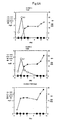
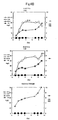
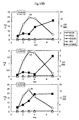
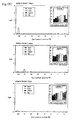
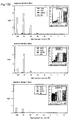
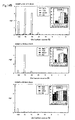
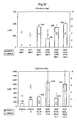
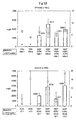
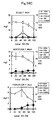
- the results are shown in Fig. 6A-C.
- EUG12 and EUG27 exhibited a tendency of increase in FOH concentration. They accumulated 40.6 mg/L and 18.0 mg/L of FOH at the maximum, respectively.
- A451-derived EUG8, YPH499-derived EUG12 and YPH500-derived EUG27 are different in production profile, and it is believed that YPH-derived strains are more suitable for prenyl alcohol production.
- a yeast clone was developed that can produce about 30 mg/L of FOH when cultured for only 4 days in the common medium YM7 (see EUG12 in Fig. 6) without addition of ergosterol (Erg) essential for the growth of conventional ERG9 -defficient strains ( erg9 strain: ATCC64031).
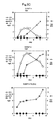
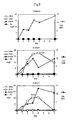
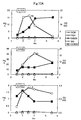
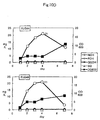
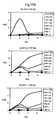
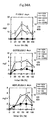
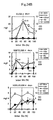
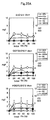
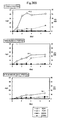
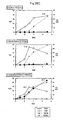
- Figs. 12 to 14 show the yields of prenyl alcohols when EUG8, EUG12 and EUG27 were cultured under varied Glc and Gal concentrations. Although FOH was the only product in most cases, it can be seen that production profile is different between A451-derived EUG8 (Fig. 12A-C) and YPH-derived EUG12 (Fig. 13A-C) and EUG27 (Fig. 14A-C). EUG8 exhibited the highest yield when the sugar composition in the initial medium was 100% Glc under any of the conditions used. On the other hand, EUG12 and EUG27 exhibited good yields when the sugar composition in the initial medium was 75% Glc.
- EUG strains By the development of EUG strains described in this Example, it is possible to reduce the amount of squalene synthase gene transcript having translational activity.
- squalene synthase gene-deficient strains such as ATCC64031
- EUG strains are capable of producing FOH (an active prenyl alcohol) through fermentation in a common medium such as YM7 without introduction of special mechanisms to complement the lethality because of the squalene synthase deficiency (e.g., addition of sterol intake ability or Erg addition).
- FOH an active prenyl alcohol
- EUG strains are capable of producing FOH (an active prenyl alcohol) through fermentation in a common medium such as YM7 without introduction of special mechanisms to complement the lethality because of the squalene synthase deficiency (e.g., addition of sterol intake ability or Erg addition).
- FOH an active prenyl alcohol
- EUG strains were created from conventional
- Plasmids pRS404 and pRS405 were purchased from Stratagene. Plasmid pYES2 (Fig. 3) was purchased from Invitrogen (Carlsbad, CA).
- Genomic DNA was prepared from S. cerevisiae YPH499 according to the protocol attached to Dr. GenTLETM, a genomic DNA preparation kit for yeast purchased from Takara.
- Plasmid DNA from E. coli was prepared with Wizard PureFection Plasmid DNA Purification System purchased from Promega (Madison, WI).
- CYC1 t ( CYC1 transcription terminator) fragment was prepared by PCR.
- pYES2 As a template, pYES2 was used.
- CYC1t-XA was inserted into the Xho I- Apa I site of pRS404 and pRS405 to thereby obtain pRS404Tcyc and pRS405Tcyc, respectively.
- a DNA fragment comprising a transcription promoter was prepared by PCR using yeast genomic DNA as a template.
- the DNA primers used are as follows.
- a 100 ⁇ l solution containing 0.46 ⁇ g of yeast genomic DNA, 100 pmol of each primer DNA, 1 x ExTaq buffer (Takara), 20 nmol dNTPs, 0.5 U of ExTaq DNA polymerase (Takara) and 1 ⁇ l of Perfect Match polymerase enhancer was prepared. Following an initial denaturation of 2 min at 95°C, PCR was carried out for 30 cycles each consisting of 45 sec at 95°C, 1 min at 60°C and 2 min at 72°C. A final extension of 4 min at 72°C was done. After completion of the reaction, the solution was stored at 4°C. The amplified DNA was digested with Sac I and Sac II, and subjected to agarose gel electrophoresis to purify a 0.7 kbp fragment. Thus, TDH3 p was obtained.
- pYES2 which is a YEp vector
- Ssp I and Nhe I The resultant 1.5 kbp fragment containing 2 ⁇ DNA replication origin (2 ⁇ ori ) was purified by agarose gel electrophoresis and then blunt-ended. This DNA fragment was designated 2 ⁇ OriSN.
- 2 ⁇ OriSN was inserted into the Nae I site of pRS404Tcyc and pRS405Tcyc pretreated with BAP (bacterial alkaline phosphatase: Takara).
- BAP bacterial alkaline phosphatase: Takara
- the resultant plasmids were transformed into E. coli SURE2, and then plasmid DNA was prepared.
- the plasmid DNA was digested with Dra III Eco RI, Hpa I or Pst I; and Pvu II, followed by agarose gel electrophoresis to examine the insertion and the direction of 2 ⁇ ori .
- the resultant pRS404Tcyc and pRS405Tcyc into which 2 ⁇ ori had been inserted in the same direction as in pYES2 were designated pRS434Tcyc2 ⁇ Ori and pRS435Tcyc2 ⁇ Ori, respectively.
- the resultant pRS404Tcyc and pRS405Tcyc into which 2 ⁇ ori had been inserted in the opposite direction to that in pYES2 were designated pRS444Tcyc2 ⁇ Ori and pRS445Tcyc2 ⁇ Ori, respectively.
- the transcription promoter-containing fragment i.e., TDH3 p ( GAP p) was inserted into the Sac I -Sac II site of the above-described four plasmids pRS434Tcyc2 ⁇ Ori, pRS435Tcyc2 ⁇ Ori, pRS444Tcyc2 ⁇ Ori and pRS445Tcyc2 ⁇ Ori to clone the DNA.
- each YEp expression vector was introduced into YPH499 using Frozen-EZ Yeast Transformation II kit (Zymo Research, Orange, CA). (The procedures followed the protocol attached to the kit.) Then, colonies growing on SD-W agar plate (DOB+CMS-Trp; BIO101, Vista, CA) were examined. Since 1000 or more Try non-requiring colonies were observed, it was confirmed that the DNA replication site of each of the YEp expression vectors prepared functions and that each vector is retained normally in the recombinant as a plasmid.
- a DNA fragment of approximately 0.9 kbp encoding S. cerevisiae FPP synthase gene ERG20 was amplified by PCR (polymerase chain reaction) using the above cDNA as a template.
- the PCR primers used are as follows. 10 x ExTaq buffer (Takara) 5 ⁇ l 2.5 mM dNTP mix 4 ⁇ l 5 U/ ⁇ l ExTaq (Takara) 1 ⁇ l 10 pmol Primer 1 10 pmol Primer 2 0.5 ng cDNA To give a 50 ⁇ l solution in total
- PCR was carried out in the reaction solution described above for 30 cycles each consisting of 45 sec at 94°C, 1 min at 55°C and 2 min at 72°C. Unless otherwise indicated, PCR reactions in the following Examples were carried out under similar conditions.
- the amplified fragment was purified by agarose gel electrophoresis and then cloned into pT7Blue-T (Novagen, Madison, WI) by T/A ligation. It was found that ERG20 was inserted in the same direction as lacZ in pT7Blue-T. The nucleotide sequence of the cloned fragment was determined and compared to the corresponding nucleotide sequence registered in SGD. As a result, no PCR errors were found in nucleotide positions 1-300 and 610-1059. The amino acid sequence encoded by ERG20 is shown in SEQ ID NO: 2.
- S. cerevisiae -derived GGPP synthase gene BTS1 (SEQ ID NO: 3) was cloned as described below.
- the PCR was performed using Perfect Match Polymerase Enhancer for 30 cycles each consisting of denaturation of 45 sec at 94°C, annealing of 1 min at 55°C and extension of 2 min at 72°C.
- the PCR was carried out using Perfect Match Polymerase Enhancer for 30 cycles each consisting of denaturation of 45 sec at 94°C, annealing of 1 min at 55°C and extension of 2 min at 72°C.
- HMG1 A fragment of interest (3.2 kbp) was confirmed.
- This fragment ( HMG1 ) was cloned into pT7Blue T vector capable of TA cloning to thereby obtain pT7HMG1.
- the nucleotide sequence of the thus cloned HMG1 was determined.
- SEQ ID NO: 5 the nucleotide sequence as shown in SEQ ID NO: 5
- amino acid sequence as shown in SEQ ID NO: 6 were confirmed.
- the thus determined nucleotide sequence was partially different from the corresponding nucleotide sequence registered at the GenBank due to PCR errors (Fig. 4A).
- This PCR error-containing, mutant type HMG-CoA reductase gene is designated HMG1' .
- PCR errors were corrected by subcloning the HMG1 fragment from pT7HMG1 and correcting those mutations resulting from PCR errors in the HMG1 coding region that would cause amino acid substitutions.
- HMG1' fragment was subcloned from plasmid pT7HMG1 comprising HMG1', a PCR error type mutant of HMG-CoA reductase. Then, the amino acid substitutions resulting from the PCR errors in the coding region of HMG1 were corrected by site-directed mutagenesis to thereby prepare pALHMG106. The details of this preparation are as described below.
- Plasmid pT7HMG1 was used as cloned HMG1 .
- pALTER-1 Promega
- pT7HMG1 was digested with Sma I, Apa LI and Sal I, followed by preparation of a 3.2 kbp HMG1 fragment by agarose gel electrophoresis. This fragment was inserted into the Sma I -Sal I site of pALTER-1 to prepare pALHMG1. After denaturation of this plasmid with alkali, the above-described oligos for introducing mutations, Amp repair oligo (Promega) as repair oligos, and Tet knockout oligo (Promega) as knockout oligos were annealed thereto. The resultant plasmid was introduced into E. coli ES1301 (Promega).
- Transformants retaining those plasmids into which site-directed mutations had been introduced were selected and cultured with 125 ⁇ g/ml of ampicillin to prepare plasmid DNA.
- the nucleotide sequence of the resultant plasmid DNA was examined with primers having the sequences as shown below. The results revealed that all the sequences corresponding to HMG1 (190-216), HMG1 (1807-1833) and HMG1 (2713-2739) were corrected so that they had the sequences of these oligonucleotides (SEQ ID NO: 13).
- the amino acid sequence encoded by the corrected nucleotide sequence (SEQ ID NO: 14) was consistent with the amino acid sequence encoded by HMG1' (SEQ ID NO: 12) (silent mutations).
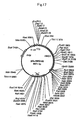
- pALHMG106 The plasmid where the sequence of the HMG1 coding region had been corrected was designated pALHMG106 (Fig. 17).
- the PCR primers used are as follows. (Restriction enzyme recognition sites are underlined.)
- the PCR fragment was digested with Pst I and Eco RI, purified by agarose gel electrophoresis, and cloned into the Pst I -Eco RI site of pT7Blue.
- ERG19 MVD1
- the nucleotide sequence of the cloned fragment was determined and compared to the corresponding sequence registered in SGD. As a result, no PCR error was found.
- the amino acid sequence encoded by ERG19 is shown in SEQ ID NO: 8.
- the plasmid DNA prepared was designated pT7ERG19.
- pT7HMG1 prepared in (3) in Example 4 was digested with Bam HI, Sal I and Sca I to obtain the HMG1' gene having PCR errors.
- This gene was introduced into the Bam HI -Xho I site of pYES2 (Invitrogen, Carlsbad, CA) to thereby obtain a recombinant vector pYES-HMG1.
- the nucleotide sequence within the vector was confirmed to be the nucleotide sequence of SEQ ID NO: 9.
- pYES is a shuttle vector for expression in yeast having the ori of yeast 2 ⁇ mDNA as a replication origin and GAL1 promoter inducible by galactose (Fig. 3).
- Deletion mutants of HMG1 gene are expressed as, e.g., " ⁇ 02y” according to the deletion pattern (where y represents a working number that may be any figure), and a pYES2 vector comprising ⁇ 02y is expressed as, e.g., pYHMG026. (This expression method is also applied to other deletion mutants.)
- pRS vectors prepared in Example 3 were used that are E. coli-S. cerevisiae YEp shuttle vectors having a constitutive promoter.
- pT7ER20 described in (1) in Example 4 was digested with Xba I and Bam HI, and subjected to agarose gel electrophoresis to thereby purify a 1.1 kbp fragment of ERG20 .
- This fragment was inserted into the Xba I -Bam HI site of pRS435GAP and pRS445GAP to obtain pRS435GAP-ERG20 and pRS445GAP-ERG20, respectively.
- the pT7Blue T vector described in (2) in Example 4 was digested with Bam HI and Sal I to obtain BTS1 fragment, which was then introduced into the BamHI-XhoI site of pYES2 (Invitrogen).
- the resultant recombinant vector was designated pYESGGPS.
- pYESGGPS was digested with Bam HI and Mlu I, and subjected to agarose gel electrophoresis to purify a 1.3 kbp fragment. This fragment was inserted into the Bam HI- Mlu I site of pRS435GAP and pRS445GAP to obtain pRS435GAP-BTS1 and pRS445GAP-BTS1, respectively.
- pALHMG106 (Fig. 17) described in (4) in Example 4 was digested with Sma I and Sal I, and subjected to agarose gel electrophoresis to purify a 3.2 kbp fragment encoding the PCR error-corrected HMG1 gene. This fragment was inserted into the Sma I- Sal I site of pRS434GAP and pRS444GAP. Physical maps of the HMG1 -subcloned plasmids were examined by restriction enzyme mapping using Xho I, Spe I, Nae I and Sph I, and by confirming the nucleotide sequences of the border regions of the inserted 3.2 kbp HMG1 gene. Then, those plasmids created exactly as designed were selected and designated pRS434GAP-HMG1 and pRS444GAP-HMG1, respectively.
- HMG-CoA reductase gene was obtained from pYES2 plasmids incorporating deletion mutants of HMG1 (see Example 5) and cloned into pRS434GAP in the same manner as described in the preceding paragraph.
- pT7ERG19 described in (5) in Example 4 was digested with Bam HI and Sal I, and subjected to agarose gel electrophoresis to purify an ERG19 fragment ( Bam HI- Sal I 1.5 kbp ). This fragment was inserted into the Bam HI- Sal I site of pRS435GAP and pRS445GAP.
- the ERG19 -subcloned plasmids were examined by Xba I recognition site mapping, followed by selection of those plasmids created exactly as designed. Selected plasmids were designated pRS435GAP-ERG19 and pRS445GAP-ERG19, respectively.
- EUG5, EUG8, EUG12, EUG24, EUG27, EUG36 and EUG64 were used.
- pRS445GAP-ERG19 As diphosphomevalonate decarboxylase gene ( ERG19 ) expression plasmid, pRS445GAP-ERG19 was used.
- HMG-CoA reductase gene ( HMG1 ) expression plasmid pRS434GAP-HMG1 and pRS444GAP-HMG1 were used.
- deletion mutant type HMG1 expression plasmid pRS434GAP-HMG026, pRS434GAP-HMG044, pRS434GAP-HMG056, pRS434GAP-HMG062, pRS434GAP-HMG076, pRS434GAP-HMG081, pRS434GAP-HMG100, pRS434GAP-HMG112, pRS434GAP-HMG122 and pRS434GAP-HMG133 were used.
- the numbers following "HMG" in these designations indicate deletion patterns (Fig. 4B).
- the deletion domains were deleted by PCR using the primer DNAs shown in Table 1.
- FPP synthase gene ( ERG20 ) expression plasmid As FPP synthase gene ( ERG20 ) expression plasmid, pRS435GAP-ERG20 and pRS445GAP-ERG20 were used.
- GGPP synthase gene ( BTS1 ) expression plasmid As GGPP synthase gene ( BTS1 ) expression plasmid, pRS435GAP-BTS1 and pRS445GAP-BTS1 were used.
- Transformation of the above-mentioned yeast strains was carried out using Frozen EZ yeast transformation II kit purchased from Zymo Research (Orange, CA) II kit. Transformants were grown on selection medium agar plates that are based on SGR medium and have appropriate auxotrophy as an indicator. For cloning, cultivation on selection medium agar plates was carried out twice.
- Transformants prepared were precultured in SGR selection medium. Then, 0.01-0.05 ml of each preculture broth was added to 1-5 ml of YM7, and cultured in a test tube 18 mm in diameter at 30 °C under reciprocal shaking at 130 rpm.
- diphosphomevalonate decarboxylase gene ERG19 expression plasmid was introduced into EUG strains.
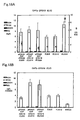
- pRS445GAP-ERG19 was introduced into A451-derived EUG5, YPH499-derived EUG12 and YPH500-derived EUG24, followed by determination of the yields of prenyl alcohols (Fig. 18A).
- FOH production efficiency is increased 2- to several-fold in the recombinants created from YPH-derived EUG12 and EUG24 when their FOH yields per OD 600 value of the culture broth are compared (Fig. 18B).
- mutant cell of the invention capable of reducing an amount of squalene synthase gene transcript having translational activity without complete or partial deletion of its squalene synthase gene is used as a host, it can produce FOH efficiently by enhancement of ERG19 expression even in such environments where the number of cells is small.
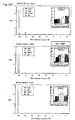
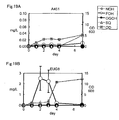
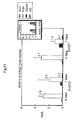
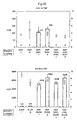
- the prenyl alcohol yields of each 5 colonies of A451 and A451-derived EUG8 are shown in Fig. 19A and Fig. 19B, respectively.
- EUG8 the host, produced 2.5 mg/L of FOH on the average (3.3 mg/L at the maximum) when cultured for 2 days.
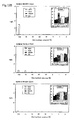
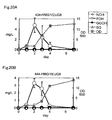
- Each 5 colonies of pRS434GAP-HMG1/EUG8 (Fig. 20A) and pRS444GAP-HMG1/EUG8 (Fig. 20B) were cultured, and mean values of their prenyl alcohol yields and standard deviations were recorded in graphs.
- the major product was FOH; NOH (which is an isomer of FOH) was produced in small amounts and GGOH was produced little.
- HMG1 expression plasmid pRS434GAP-HMG1 or pRS444GAP-HMG1
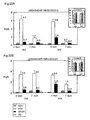
- Fig. 22 the results shown in Fig. 22 were obtained. It was remarkable that the number of cells increased as a result of partial complementarion of the erg9 phenotype by the enhancement of HMG1 expression.
- the yield increased almost 2-fold in recombinants from EUG12 (Fig. 22A), whereas the yield remained on the same level in recombinants from EUG27 was used (Fig. 22B).
- GGOH production was improved in both recombinants; 2.05 mg/L of GGOH was accumulated in both of them at the maximum.
- pRS444GAP-HMG1-transferred recombinants exhibited higher effect.
- HMG1 gene is effective not only on FOH production but also on GGOH production when EUG12 or EUG27 is used as a host.
- the tendency that production decreases when cultured for 7 days is characteristic to EUG strains.
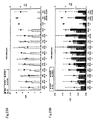
- Figs. 23-24 show the results of expression of individual deletion mutants of HMG1 in EUG5 and EUG12.
- EUG5 improvement of productivity as a result of the expression enhancement of those deletion mutants was not so remarkable.
- EUG12 the expression of those deletion mutants was effective in improving GGOH productivity, though their effects were smaller than the full-length HMG1 (Fig. 24B).
- Example 7 An unexpected result was obtained in Example 7 that the introduction of FPP synthase gene into EUG strains improves GGOH productivity. This suggests that the GGPP synthase encoded by S. cerevisiae BTS1 prefers FPP to DMAPP as a primer substrate. Therefore, it was believed that enforcement of FPP synthesis ability is also required for further enforcing the ability to synthesize GGPP (a precursor of GGOH) from IPP.
- fusion genes composed of BTS1 and ERG20 were created in this Example.
- PCR reactions were carried out using pYESGGPS, which is a pYES2 plasmid incorporating GGPP synthase gene BTS1 , and pT7ER20, which is a pT7 plasmid incorporating FPP synthase gene ERG20, as a template.
- the PCR primers used are as follows.
- the nucleotides from position 3 to position 8 of ERG20HDEL-XbaI and the nucleotides from position 4 to position 9 of BTS1HDBL-XhoI represent the Sac II, Xho I or Xba I recognition site for vector ligation.
- the nucleotide from position 4 to position 10 of BTS1-109I, 109I-BTS1, ERG20-109I and 109I-ERG20 (individual 7 nucleotides are underlined) represent the Eco O109I recognition site for fusion gene preparation.
- the PCR was carried out in the following reaction solution.
- KOD-Plus contains 1.6 ⁇ g/ ⁇ l of KOD antibody. Following an initial denaturation of 2 min at 94°C, the PCR was carried out for 30 cycles each consisting of 15 sec at 94°C, 30 sec for 55°C and 1 min at 68°C. Then, the solution was retained at 68°C for 2 min.
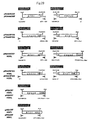
- PCR reactions were carried out using the combinations of a template and a pair of primers (Primer 1, Primer 2) as indicated in Table 6 and Fig. 29.
- the designations of PCR products are also shown in Table 6 and Fig. 29.
- the final designations of plasmids are shown in the leftmost column.
- the sequences written in gray letters represent amino acids. Of these amino acids, GS was introduced into the binding sequence of the fusion gene, and HDEL was located at the 3' end of the fusion gene by insertion or deletion mutation. Each arrowhead indicates the location and direction of each primer used in the PCR.
- Template primer 1 primer 2 PCR Product pT7ERG20 SacII-BTS1 BTS1HDEL-Xho1 #6 pYESGGPS SacII-ERG20 ERG20HDEL-XbaI #7 pYESGGPS SacII-BTS1 BTS1-109I #9 PT7ERG20 T7 ERG20-109I #10 PT7ERG20 109I-ERG20 -21 #11 pYESGGPS 109-BTS1 BTS1-XhoI #12 PT7ERG20 109I-ERG20 ERG20HDEL-XbaI #13 pYESGGPS 109I-BTS1 BTS1HDEL-Xho1 #14
- PCR products #9, #10, #11, #12, #13 and #14 were digested with the restriction enzyme Eco 0109I. Then, #9 and #11, #10 and #12, #9 and #13, and #10 and #14 were ligated to each other individually. Using the resultant ligation solutions as a template, 2nd PCR reactions were carried out under the same conditions as in the 1st PCR. As primers, the combinations of SacII-BTS1 and -21, T7 and BTS1-XhoI, SacII-BTS1 and ERG20HDEL-XbaI, and T7 and BTS1HDEL-XhoI were used, respectively. As a result, 2nd PCR products #9-#11, #10-#12, #9-#13 and #10-#14 were obtained.
- the product #9-#11 was digested with Sac II and Bam HI, and inserted into the Sac II- Bam HI site of pRS435GAP and pRS445GAP to obtain pRS435GGFand pRS445GGF, respectively.
- the product #10-#12 was digested with Xba I and Xho I, and inserted into the Xba I- Xho I site of pRS435GAP and pRS445GAP to obtain pRS435FGG and pRS445FGG, respectively.
- the product #9-#13 was digested with Sac II and Xba I, and inserted into the Sac II- Xba I site of pRS435GAP to obtain pRS435GGFHDEL.
- the product #10-#14 was digested with Xba I and Xho I, and inserted into the Xba I- Xho I site of pRS435GAP and pRS445GAP to obtain pRS435FGGHDEL and pRS445FGGHDEL, respectively.
- the product #7 was digested with Sac II and Xba I, and inserted into the Sac II- Xba I site of pRS435GAP and pRS445GAP to obtain pRS435FHDEL and pRS445FHDEL, respectively.
- the product #6 was digested with Bam HI and Xho I, and inserted into the Bam HI- Xho I site of pRS435GAP and pRS445GAP to obtain pRS435GGHDEL and pRS445GGHDEL, respectively.
- BTS1-ERG20 fusion gene was designated GGF; ERG20-BTS1 fusion gene was designated FGG; a gene recombined so that a sequence encoding HDEL is located at the 3' end of GGF was designated GGFHDEL; a gene recombined so that a sequence encoding HDEL is located at the 3' end of FGG was designated FGGHDEL; and a gene recombined so that a sequence encoding HDEL is located at the 3' end of BTS1 was designated GGHHDEL.
- pRS435GAP-BTS1 As plasmids for expressing non-fusion genes BTS1 and ERG20 separately, pRS435GAP-BTS1 (called pRS435GG), pRS445GAP-BTS1 (called pRS445GG), pRS435GAP-ERG20 (called pRS435F) and pRS445GAP-ERG20 (called pRS445F) were used.
- pRS434TEF-HMG1 and pRS434GAP-HMG1 As plasmids for expressing HMG1 , pRS434TEF-HMG1 and pRS434GAP-HMG1 were used.
- Recombinants were prepared by introducing the plasmid prepared above into the host using Frozen EZ yeast transformation kit (Zymo Research, Orange, CA).
- Frozen EZ yeast transformation kit Zymo Research, Orange, CA.
- EUS5 and EUG12 were used.
- A451 and YPH499 were used.
- A451 and YPH499 were inoculated into SD medium. EUG strains and recombinants created therefrom were inoculated into SGR medium. All of them were cultured at 30°C to prepare preculture broth. Ten or 25 ⁇ l of the preculture broth was added to 1.0 or 2.5 ml of YM7+ade medium (YM, pH 7, 40 ⁇ g/ml adenine sulfate) or YMO7 medium [YM7+ade, 1% (w/v) soybean oil, 0.1% (w/v) Adekanol LG-109 (Asahi Denka Kogyo, Tokyo, Japan)] and cultured at 30°C for 4 days or 7 days under reciprocal shaking at 130 rpm.
- YM7+ade medium YM, pH 7, 40 ⁇ g/ml adenine sulfate
- YMO7 medium YM7+ade, 1% (w/v) soybean oil, 0.1% (w/v)
- Each of the recombinants prepared was cultured in YM7 medium and YMO7 medium for 4 to 7 days, followed by determination of prenyl alcohol yields.
- the results obtained using A451-derived EUG strains as hosts are shown in Figs. 30 and 31.
- the results obtained using YPH499-derived EUG strains as hosts are shown in Figs. 32 and 33.
- GGFHDEL represents pRS435GGFHDEL.
- "-1" represents the yield when cells were cultured for 4 days
- “-2” represents the yield when cells were cultured for 7 days. Since cells are suspended in soybean oil in YMO7 medium, the amount of cells is expressed as the number of cells.
- "10 ⁇ 3 cell/ ⁇ l” represents a value obtained by dividing the number of cells per microliter by 1000.
- pRS435GGF/A451 produced 0.26 mg/L of GGOH on the average (0.28 mg/L at the maximum) when cultured for 7 days in YM7 medium (Fig. 30; upper panel; GGF/A451 -2), and produced 0.98 mg/L on the average (1.0 mg/L at the maximum) when cultured for 7 days in YMO7 medium (Fig. 31; upper panel; GGF/A451 -2).
- pRS435GGF-transferred recombinants produced 6.6 mg/L of GGOH on the average (maximum: 7.3 mg/L) when cultured for 7 days in YM7 medium (Fig. 30; lower panel; GGF/EUG5 -2), and produced 9.6 mg/L of GGOH on the average (maximum: 10.1 mg/L) when cultured for 7 days in YMO7 medium (Fig. 31; lower panel; GGF/EUG5 -2).
- pRS435GGF-transferred YPH499 produced 0.19 mg/L of GGOH on the average (0.37 mg/L at the maximum) when cultured for 7 days in YM7 medium (Fig. 32; upper panel; GGF/YPH499 -2), and produced 2.5 mg/L on the average (2.9 mg/L at the maximum) in YMO7 medium (Fig. 33; upper panel; GGF/YPH499 -2).
- the mutant cell of the invention is engineered so that an amount of squalene synthase gene transcript having translational activity can be reduced without total or partial deletion of the squalene synthase gene.
- Vectors were introduced into yeast hosts using Frozen EZ yeast transformation II kit purchased from Zymo Research (Orange, CA).
- BTS1-ERG20 fusion gene-expression plasmids pRS435GGF and pRS435GGFHDEL were used.
- hosts EUG5 and EUG12 were used.
- control hosts A451 and YPH499 were used.
- Each of the recombinants obtained was precultured in SGR selection medium. Then, 0.01-0.05 ml of the preculture broth was added to 1-5 ml of the YM7 medium described below and cultured in a test tube 18 mm in diameter at 30 °C under reciprocal shaking at 130 rpm.
- Five types of YM7 medium having the following sugar components (Glc-Gal composition ratios), respectively, were prepared in advance: 0% Glc-100% Gal, 20% Glc-80% Gal, 50% Glc-50% Gal, 75% Glc-25% Gal, and 100% Glc-0% Gal.
- cells were cultured in these media at 30 °C under reciprocal shaking at 130 rpm. Two days after the start of cultivation, Glc was added further to each medium to give a final concentration of 5% (w/v). Cells were cultured further up to day 7.
- Fig. 34 shows the results of GGOH production when pRS435GGF or pRS435GGFHDEL was transferred into EUG5.
- GGF/EUG5 in Fig. 34
- pRS435GGFHDEL-transferred clone in both pRS435GGF-transferred clone (expressed as "GGF/EUG5" in Fig. 34)
- pRS435GGFHDEL-transferred clone expressed as "HDEL/DUG5" in Fig. 34
- Fig. 35A-C shows the results of GGOH production when pRS435GGF or pRS435GGFHDEL was transferred into EUG12.
- the initial Glc was 20%
- both of the recombinants exhibited high prenyl alcohol productivity.
- pRS435GGF/EUG12 (expressed as "GGF/EUG12" in Fig. 35)
- pRS435GGFHDEL/EUG12 expressed as "HDEL/EUG12" in Fig.
- EUG5, EUG24, EUG36 and EUG64 prepared in Example 1; recombinants prepared by introducing pRS434-GAP-HMG1 into these EUG strains; and recombinants prepared by further introducing pRS435GG into each of the resultant recombinants were cultured in YPD07rich medium [YPD, 1% (v/v) soybean oil, 0.1% (v/v) Adekanol LG-109, 5% (w/v) Glc (final concentration 7% (w/v) Glc), pH 7] at 30°C under reciprocal shaking at 130 rpm. Then, prenyl alcohol yields were determined in the same manner as described in Example 2.
- Fig. 36A-D shows the amounts of prenyl alcohols accumulated in the culture broth and the absorbance of the broth at 600 nm (OD 600 ) arranged in graphs.
- a system capable of producing 0.1 g or more prenyl alcohols per liter of culture broth can be constructed by using the mutant cell of the invention (e.g ., EUG64) as a host, preparing a recombinant by introducing into the mutant cell a recombinant DNA for expression or a DNA for genomic integration comprising an IPP biosynthetic pathway-related gene, and culturing the recombinant, and reducing an amount of squalene synthase gene transcript having transcriptional activity.
- the system unlike simple squalene synthase gene-deficient strains such as S. cerevisiae ATCC64031, does not require addition of sterols to the medium caused by ergosterol requirement.
- the recombinant from EUG5 produced 67.9 mg/L of FOH when cultured for 3 days (Fig. 36A, "HMG1/EUG5 in YPDO7rich”), but the FOH productivity of other recombinants was not improved compared to the productivity of their host strains.
- the recombinant When BTS1 was further introduced into HMG1 -transferred BUG5, the recombinant exhibited high production of GGOH while retaining the FOH production of the host.
- the recombinant produced 16.7 mg/L of GGOH when cultured for 3 days, and 19.8 mg/L of GGOH when cultured for 7 days (Fig. 36A, "BTS1&HMG1/EUG5 in YPDO7rich").
- the recombinant created from EUG64 produced 62.7 mg/L of GGOH when cultured for 7 days.
- a system can be constructed which is capable of producing such prenyl alcohols (e.g ., GGOH) that are not detected in the culture broth of simple squalene synthase gene-deficient strains such as S. cerevisiae ATCC64031, at a high level exceeding 0.06 g per liter of the culture broth as a result of reduction of the squalene synthase gene transcript having translational activity.
- prenyl alcohols e.g ., GGOH
- the present invention there are provided methods of producing various prenyl alcohols having geometrical isomerisms of naturally occurring prenyl alcohols. Since active prenyl alcohols having geometrical isomerisms of naturally occurring prenyl alcohols can be obtained in large quantities according to the invention, they are applicable to industrial production of huge varieties of isoprenoid/terpenoid compounds important in vivo , and also applicable as basic systems to find out novel physiological activities of active prenyl alcohols. Thus, the methods of the invention are useful.
Landscapes
- Life Sciences & Earth Sciences (AREA)
- Health & Medical Sciences (AREA)
- Chemical & Material Sciences (AREA)
- Engineering & Computer Science (AREA)
- Genetics & Genomics (AREA)
- Organic Chemistry (AREA)
- Zoology (AREA)
- Wood Science & Technology (AREA)
- Bioinformatics & Cheminformatics (AREA)
- Biomedical Technology (AREA)
- Biotechnology (AREA)
- General Engineering & Computer Science (AREA)
- Microbiology (AREA)
- Biochemistry (AREA)
- General Health & Medical Sciences (AREA)
- Molecular Biology (AREA)
- Medicinal Chemistry (AREA)
- Chemical Kinetics & Catalysis (AREA)
- General Chemical & Material Sciences (AREA)
- Physics & Mathematics (AREA)
- Biophysics (AREA)
- Plant Pathology (AREA)
- Preparation Of Compounds By Using Micro-Organisms (AREA)
- Micro-Organisms Or Cultivation Processes Thereof (AREA)
Abstract
A method of producing a prenyl alcohol(s), comprising culturing a mutant cell that has
been mutated so that an amount of squalene synthase gene transcript having translational activity
can be reduced, and recovering the prenyl alcohol(s) from the resultant culture.
Description
The present invention relates to methods of producing prenyl alcohols.
The biosynthesis of terpenoids (isoprenoids) begins with the synthesis of geranyl
diphosphate (GPP; C10), farnesyl diphosphate (FPP; C15) and geranylgeranyl diphosphate (GGPP;
C20), which are straight-chain prenyl diphosphates, through the sequential condensation reactions
of isopentenyl diphosphate (IPP; C5) with an allylic diphosphate substrate (Fig. 1). In Fig. 1, the
abbreviations and words in boxes represent enzymes. Specifically, hmgR represents
hydroxymethylglutaryl-CoA (HMG-CoA) reductase; GGPS represents GGPP synthase; and FPS
represents FPP synthase.
Among prenyl diphosphates, FPP is the most significant biosynthetic intermediate. It is
a precursor for the synthesis of tremendous kinds of terpenoids, e.g. steroids including ergosterol
(provitamin D2), the side chains of quinone (vitamin K; VK), sesquiterpenes, squalene (SQ), the
anchor molecules of farnesylated proteins, dolichols, bactoprenol, and natural rubber.
GGPP is also a biosynthetic intermediate in vivo, and is essential for the biosynthesis of
such compounds as phytoene, lycopene, ficaprenol, retinol (vitamin A; VA), β-carotene
(provitamin A), phylloquinone (vitamin K1; VK1), tocopherols (vitamin E; VE), the
anchor molecules of geranylgeranylated proteins, the side chain of chlorophyll, gibberellins, and
the ether lipid of archaea.
It is known that these prenyl diphosphates with up to 20 carbon atoms are condensed into
trans forms ((E) forms) and are present as (E,E)-FPP and (E,E,E)-GGPP. Compounds with
physiological activities are synthesized from these prenyl diphosphates or prenyl groups with up
to 15 or 20 carbon atoms having the all trans (all-E) geometrical isomerism as precursors (K.
Ogura and T. Koyama, (1998) Chemical Reviews, 98, 1263-1276; IUPAC-IUB Joint Commission
on Biochemical Nomenclature (JCBN) Prenol Nomenclature, Recommendations 1986, (http:
//www.chem.qmw.ac.uk/iupac/misc/prenol.html)). Among prenyl diphosphates with up to 20 or
15 carbon atoms, the only one exception that has the cis ((Z) form) geometrical isomerism is neryl
diphosphate (C10) known as a precursor for those monoterpenoids as represented by nerol. It has
not yet been elucidated whether neryl diphosphate is synthesized through condensation of IPP
with dimethylallyl diphosphate (DMAPP; 3,3-dimethylallyl diphosphate) as an allylic
diphosphate substrate; or through isomerization of geranyl diphosphate (GPP) that is a trans ((E)
form) geometrical isomer with 10 carbon atoms. Those isoprenoids that are synthesized through
condensation into cis forms ((Z) forms), e.g. dolichols, bactoprenol (undecaprenol) or natural
rubber, are also synthesized from (E,E)-FPP or (E,E,E)-GGPP as an allylic primer substrate (K.
Ogura and T. Koyama, (1998) Chemical Reviews, 98, 1263-1276; IUPAC-IUB Joint Commission
on Biochemical Nomenclature (JCBN) Prenol Nomenclature, Recommendations 1986, (http:
//www.chem.qmw.ac.uk/iupac/misc/prenol.html)).
(E,E)-Farnesol (FOH; C15), which is an alcohol derivative of (E,E)-FPP; (E)-nerolidol
(NOH; C15), which is an isomer of the tertiary alcohol thereof; (E,E,E)-geranylgeraniol
((E,E,E)-GGOH; C20), which is an alcohol derivative of (E,E,E)-GGPP; and the like are known as
fragrant substances in essential oils used as the ingredient of perfumes. FOH, NOH and
(E,E,E)-GGPP are also important as starting materials for the synthesis of various compounds
(including the above-mentioned vitamins) useful as pharmacological agents (Fig. 1).
Although it had been believed that all the biosynthesis of IPP is performed via the
mevalonate pathway (a pathway in which IPP is synthesized from acetyl-CoA through
mevalonate acid), M. Rohmer et al. elucidated a novel IPP biosynthetic pathway using bacteria at
the end of 1980's. This is called the non-mevalonate pathway, DXP (1-deoxy-D-xylulose
5-phosphate) pathway, MEP (2-C-methyl-D-erythritol 4-phosphate) pathway or Rohmer pathway,
in which IPP is synthesized from glyceraldehyde-3-phosphate and pyruvate through
1-deoxy-D-xylulose 5-phosphate. Thus, two major pathways, i.e. the mevalonate pathway and
the non-mevalonate pathway, are known at present as synthetic pathways for IPP.
FOH and NOH are currently produced by chemical synthesis except for small amounts of
them prepared from natural products such as essential oils. GGOH is also produced by chemical
synthesis (Japanese Unexamined Patent Publication No. 8-13999). Chemically synthesized
FOH, NOH or GGOH generally has the same carbon skeleton, but they are obtained as mixtures
containing (E) (trans) double bond and (Z) (cis) double bond geometry. (E, E)-FOH, (E)-NOH
or (E,E,E)-GGOH, each of which is (all-E) type, is a compound with the geometrical isomerism
synthesized in biosynthetic pathways and is industrially valuable. In order to obtain (E, E)-FOH,
(E)-NOH or (E,E,E)-GGOH in a pure form, refining by column chromatography, high precision
distillation, etc. is necessary. However, it is difficult to carry out high precision distillation of
FOH, a thermolable allyl alcohol, or its isomer FOH, or GGOH. Also, the refining of these
substances by column chromatography is not suitable in industrial practice since it requires large
quantities of solvent and column packings as well as complicated operations of analyzing and
recovering serially eluting fractions and removing the solvent; thus, this method is complicated
and requires high cost. Actually, the (E, E)-FOH and (E,E,E)-GGOH sold as experimental
reagents are very expensive. Under circumstances, it is desired to establish a system for
synthesizing not mixtures of cis- and trans- ((Z)- and (E)-) isomers but pure products of (E,
E)-FOH (hereinafter, just referred to as "FOH"), (E)-NOH (hereinafter, just referred to as
"NHO") and (E,E,E)-GGOH (hereinafter, just referred to as "GGOH") (i.e., the so-called active
prenyl alcohols) in large quantities by controlling the generation of (E)- and (Z)-geometrical
isomers or by utilizing the characteristics of repeat structures of reaction products.
The substrates for the biosynthesis of FOH, NOH or GGOH are provided via the
mevalonate pathway in cells of, for example, Saccharomyces cerevisiae, a budding yeast.
However, even when HMG-CoA reductase that is believed to be a key enzyme for the
biosynthesis was used, it has been only discovered that the use increases the accumulation of
squalene, a substance commercially available at a greatly low price than FOH and GGOH
(Japanese Unexamined Patent Publication No. 5-192184; Donald et al., (1997) Appl. Environ.
Microbial. 63, 3341-3344). Further, it is known that 1.3 mg of FOH per liter of culture broth is
accumulated when a squalene synthase gene-deficient clone (ATCC64031) was created by
introducing mutations into the squalene synthase gene ERG9 of a particular budding yeast that
had acquired sterol intake ability, and cultured (Chambon et al., (1990) Curr. Genet. 18, 41-46).
The present inventor determined the nucleotide sequence of the squalene synthase gene ERG9 in
ATCC64031, and confirmed that this clone has become a squalene synthase gene-deficient clone
(erg9 clone) as a result of the introduction of substitution mutations into the coding region of
ERG9 and thus acquired the productivity of 1.3 mg/L of FOH. In the coding region of the
squalene synthase gene of ATCC64031, the nucleotide at position 745 has been changed from C
to T and the nucleotide at position 797 from T to G. As a result, the amino acid residue at
position 249 has changed from Gln to termination codon (Q249STOP) and the amino acid residue
at position 266 from Ile to Arg (I266R) in the polypeptide encoded by this gene. These changes
have led to the expression of a mutant squalene synthase in which the amino acid residue at
position 249 and thereafter are deleted, and which has no enzyme activity. However, when
ERG9 is made deficient in a conventional strain, the deficiency is lethal to the strain because the
strain cannot synthesize ergosterol essential for growth and it has no function to intake sterols
from the outside under conventional culture conditions. Thus, an ERG9-deficient clone cannot
be obtained; it is impossible to construct an FOH production system. Furthermore, no method
of biosynthesis of (E)-NOH (hereinafter, referred to as "NOH") is known. Even if it is
possible to provide to a ERG9-deficient clone with a novel character that avoids the lethality, the
cultivation of such a clone will require disadvantageous conditions to industrial production, e.g.,
necessity to add ergosterol to the medium.
With respect to the biosynthesis of GGOH, production of 0.66-3.25 mg per liter of culture
broth is achieved by culturing plant cells in Japanese Unexamined Patent Publication No.
9-238692. However, this method needs an expensive plant cell culture medium inappropriate
for industrial application and also requires light for culturing cells. Thus, this method is not
practical even when compared to the conventional GGOH preparation from natural products such
as essential oils. There is known no method of biosynthesis of GGOH suitable for
industrialization, e.g. biosynthesis by microorganisms.
It is an object of the present invention to provide a method of producing prenyl alcohols by
reducing the amount of squalene synthase gene transcript having translational activity.
As a result of intensive and extensive researches toward the solution of the above problem,
the present inventors have developed a prenyl alcohol production system by culturing a mutant
cell in which the transcription promoter region of squalene synthase gene has been replaced with
a transcription repression type promoter under transcription repression conditions so that an
amount of squalene synthase gene transcript having translational activity can be reduced.
Further, in order to establish a system to artificially express an IPP biosynthetic pathway-related
enzyme gene (represented by HMG-CoA reductase gene), a mutant thereof or a fusion gene
thereof in a host, expression shuttle vectors were constructed which comprise a constitutive or
inducible transcription promoter and various auxotrophic markers. A gene of interest or a
mutant thereof was inserted into the shuttle vector, which was then introduced into the mutant cell
of the invention where an amount of squalene synthase gene transcript having translational
activity can be reduced. From a culture of the resultant cell, a prenyl alcohol(s) could be
obtained, and the above object could be achieved. Thus, the present invention has been
completed.
The present invention relates to the following inventions.
In the methods described above, the IPP biosynthetic pathway-related enzyme gene
includes enzyme genes involved in those reactions whrere IPP is synthesized from compounds
located in the glycolytic pathway or citrate cycle, as well as various prenyl diphosphate synthase
genes. The IPP biosynthetic pathway-related enzyme gene includes not only those enzyme
genes involved in the mevalonate pathway but also those enzyme genes involved in the so-called
non-mevalonate pathway [also called DXP (1-deoxy-D-xylulose 5-phosphate) pathway, MEP
(2-C-methyl-D-erythritol 4-phosphate) pathway or Rohmer pathway] that is a novel IPP
biosynthetic pathway recently found in prokaryotes and chloroplasts.
In the methods described above, specific examples of the transcription repression type
promoter include GAL1 promoter. Specific examples of the transcription repression conditions
for GAL1 promoter include the use of a glucose-containing medium. As the IPP biosynthetic
pathway-related enzyme gene, any one selected from the group consisting of the following genes
(a) through (1) may be given.
In the junction site of the above-described fusion gene, a nucleotide sequence encoding an
artificial amino acid sequence may be inserted freely so that the polypeptides encoded by the two
genes before fusion can take conformations that allow them to function appropriately. For
example, a sequence 5' GGGTCC 3' encoding Gly Ser may be inserted.
As endoplasmic reticulum signals, His Asp Glu Leu (SEQ ID NO: 30; called "HDEL
sequence") or Asp Asp Glu Leu (SEQ ID NO: 31) located at the C-terminal is known in
Saccharomyces cerevisiae, and Lys Asp Glu Leu (SEQ ID NO: 32) located at the C-terminal is
known in eukaryotes in general as a C-terminal signal. It is known that they work as an
endoplasmic reticulum retention signal completely equivalent to them in function (B. Lewin,
Genes V, (1994), Oxford University Press, New York, U.S.A., pp. 279-318; B. Alberts et al.,
Molecular Biology of The Cell, third edition (1994), Garland Publishing. Inc., New York, U.S.A.,
§12 -§13) (hereinafter, these sequences are generically termed "HDEL sequence or the like"). In
addition to these endoplasmic reticulum retention signals consisting of the 4 amino acid residues
located at the C-terminal, other signal peptides from a part of the domains of ER transition
proteins, e.g., the signal peptide +H3N Met Met Ser Phe Val Ser Leu Leu Leu Val Gly Ile Leu Phe
Trp Ala Thr Glu Ala Glu Gln Leu Thr Lys Cys Glu Val Phe Gln (SEQ ID NO: 33) located at the
N-terminal that functions as a transport signal to ER may also be used (B. Lewin, Genes V(1994),
Oxford University Press, New York, U.S.A., pp. 279-318; B. Alberts et al., Molecular Biology of
The Cell, third edition (1994), Garland Publishing. Inc., New York, U.S.A., §12 -§13).
A polypeptide in which an endoplasmic reticulum signal has been added, substituted or
inserted by introducing an addition, substitution or insertion mutation into its gene may also be
regarded as a mutant polypeptide in which 4 amino acid residues are added, substituted or
inserted in the corresponding wild type polypeptide. A gene encoding such a mutant
polypeptide may also be regarded as a mutant gene in which a nucleotide sequence of about 1-12
nucleotides is added, substituted or inserted in the corresponding wild type gene. Also, a
polypeptide encoded by the above-described fusion gene may be regarded as a mutant
polypeptide in which more than 300 amino acid residues are added, substituted or inserted in a
wild type polypeptide. The fusion gene may also be regarded as a mutant gene in which a
nucleotide sequence of about 1000 nucleotides is added, substituted or inserted in a wild type
gene. That is, a gene or fusion gene encoding an amino acid sequence in which a signal has
been newly created is in itself a mutant gene.
In order to create an HDEL sequence or the like at the C-terminal, insertion of one base
that would cause a frame shift resulting in the creation of an HDEL sequence or the like may also
be used. It is also possible to replace 2 nucleotides to thereby create an HDEL sequence or the
like from the original C-terminal sequence (e.g., HDGI). If an HDEL sequence or the like is
present near the C-terminal (e.g., in the case of BTS1), an HDEL sequence or the like can be
created at the C-terminal by simply introducing a stop codon. Alternatively, it is possible to
newly add 12 nucleotides to the C-terminal to thereby create an HDEL sequence or the like at the
C-terminal.
As a host cell to be mutated, yeast, yeast belonging to Ascomycota, yeast belonging to
Basidiomycota, or yeast belonging to Fungi Imperfecti may be used, for example. Preferably,
yeast belonging to Ascomycota, in particular, budding yeast such as Saccharomyces cerevisiae,
Candida utilis or Pichia pastris; and fission yeast such as Shizosaccharomyces pombe may be
used. Not only species but also strains are not limited as long as they can produce prenyl
alcohol. In the case of S. cerevisiae, specific examples of useful strains include A451, YPH499,
YPH500, W303-1A and W303-1B. Specific examples of the prenyl alcohol include FOH, NOH
and/or GGOH.
In the methods described above, the mutant cell or the recombinant may be cultured under
non-transcription repression conditions prior to the cultivation under transcription repression
conditions. The cultivation under transcription repression conditions means cultivation in a
glucose-containing medium. The cultivation under non-transcription repression conditions
means cultivation in a galactose-containing medium.
As the farnesyl diphosphate synthase gene, a gene encoding the amino acid sequence as
shown in SEQ ID NO: 2 or 4 may be used. As the geranylgeranyl diphosphate synthase gene, a
gene encoding the amino acid sequence as shown in SEQ ID NO: 6 may be used. As the
hydroxymethylglutaryl-CoA reductase gene, a gene encoding the amino acid sequence as shown
in SEQ ID NO: 8 may be used. As the diphosphomevalonate decarboxylase gene, a gene
encoding the amino acid sequence as shown in SEQ ID NO: 10 may be used. As the mutant of
hydroxymethylglutaryl-CoA reductase gene, a mutant comprising the nucleotide sequence as
shown in any one of SEQ ID NOS: 11, 13 and 15 through 24 may be used.
Hereinbelow, the present invention will be described in detail. The present specification
encompasses the contents described in the specifications and/or drawings of Japanese Patent
Application Nos. 2000-401701, 2000-403067 and 2000-282978 based on which the present
application claims priority.
The inventors have attempted to develop a system for producing an active-type prenyl
alcohol, in particular, FOH, NOH or GGOH in vivo by using metabolic engineering techniques.
In the present invention, yeast, in particular, a budding yeast Saccharomyces cerevisiae
was selected as a host cell. In the host cell, a part of the genomic DNA that is believed to be the
transcription promoter region of its squalene synthase gene ERG9 was replaced with the
transcription promoter of GAL1 gene, which is one of transcription repression type promoters
capable of repression with glucose, to thereby prepare strains designated EUG. Thus, a system
has been developed which allows accumulation of a prenyl alcohol(s) in culture broth by simply
culturing a conventional recombinant host strain (that has no sterol intake ability under aerobic
culture conditions) aerobically in a conventional glucose-containing medium without special
additives (e.g., YM7 medium, YPD medium, or SD medium).
Generally, FPP is synthesized by the catalytic action of FPP synthase using IPP or
DMAPP as a substrate. After the synthesis of FPP, usually, reactions do not proceed toward
dephosphorylation to FOH, but proceed toward the synthesis of squalene and various sterols by
squalene synthase; the synthesis of GGPP and prenylated proteins by GGPP synthase; the
synthesis of medium or long chain prenyl diphosphates (such as hexaprenyl diphosphate,
heptaprenyl diphosphate), ubiquinone and prenylated proteins by medium chain prenyl
diphosphate synthases such as hexaprenyl diphosphate synthase or heptaprenyl diphosphate; and
so on (Fig. 1) (K. Ogura and T. Koyama, (1998) Chemical Reviews, 98: 1263-1276). This
means that when squalene synthase activity in a cell is lowered by reducing an amount of
squalene synthase gene transcript having translational activity, the following can be expected to
occur: accumulation of FPP to some extent; accumulation of prenylated proteins and ubiquinone,
which are final products of the synthetic pathway using FPP as a substrate; or inhibition of cell
growth because the synthesis of ergosterol, an essential component for the growth of the cell,
becomes impossible. However, it is completely unpredictable that such reduction of squalene
synthase activity makes it possible to construct an FOH production system with high productivity
of more than 10 mg/L or more than 100 mg/L. It is also unpredictable that a production system
for NOH or GGOH (dephosphorylated product of GGPP) can be obtained by such reduction (Fig.
1). Furthermore, even if IPP synthesis is enhanced by increasing the enzyme activity of an IPP
biosynthetic pathway-related enzyme, it is unpredictable whether the enhanced enzyme activity
would increase FPP synthesis or GGPP synthesis, and it is totally unpredictable that such enhance
enzyme activity would lead to high production of FOH and GGOH (dephosphorylated products)
and NOH (an isomer of FOH) (Fig. 1).
The present invention has found that it is possible to allow a cell to produce prenyl
alcohols such as FOH, NOH and GGOH that are not explicitly mentioned even in the commonly
accepted metabolic pathway map (Gerhard Michael (ed.), Biochemical Pathways: An Atlas of
Biochemistry and Molecular Biology (1999), John Wiley & Sons, Inc., New York) by mutating
the cell so that an amount of squalene synthase gene transcript having translational activity can be
reduced and culturing the mutant cell under specific conditions to thereby reduce the transcript.
Thus, a biological mass production system for prenyl alcohol has been developed.
The present invention has also developed another biological mass production system for
prenyl alcohol by introducing an IPP biosynthetic pathway-related enzyme gene, a mutant thereof
or a fusion gene thereof as a transcription unit into the mutant cell of the above-described prenyl
alcohol production system of the invention.
The mutant cell used in the invention comprises the squalene synthase gene of the host
cell that has no substitution, insertion or addition in the coding region but has been modified so
that the amount of its transcript having translational activity can be reduced. In order to reduce
the amount of transcript having translational activity, several approaches may be taken. For
example, a method of repressing the transcriptional activity of a gene of interest to thereby reduce
the amount of its transcript per se may be used. Alternatively, a method of repressing the
translational activity of transcribed mRNA using antisense RNA may be used. Transcriptional
activity may be repressed, for example, by replacing the transcription promoter region of the
squalene synthase gene of the host with a transcription repression type promoter, or by creating a
nucleotide sequence having transcription repressive activity in a region involved in the
transcription of the squalene synthase gene. Translational activity may be repressed, for
example, by over-expressing a gene from which an antisense RNA against the squalene synthase
gene is transcribed. Antisense RNA means an RNA having a nucleotide sequence
complementary to the RNA transcribed from a target gene. Antisense RNA reduces the amount
of transcript having translational activity in the transcription/translation system in both
prokaryotic cells and eukaryotic cells; it has a function as a repressor of gene expression. For
example, it is reported that the synthesis of OmpF protein can be repressed by reducing the
amount of mRNA from E. coli ompF gene with transcriptional activity using antisense RNA
[Takeshi Mizuno in Expression and Control of Genes I (Series: Advances in Molecular Biology),
The Molecular Biology Society of Japan (Eds.), published by Maruzen Co. on June 30, 1989,
ISBN4-621-03375-1, Chapter 5 "Control of Bacterial Membrane Protein Synthesis"]. As
Mizuno described in this reference, antisense RNAs against certain genes occur in nature, and if a
target gene has been decided, it is easy for one of ordinary skill in the art to create an artificial
antisense RNA having expression repressive activity by genetic engineering techniques. The
artificial antisense RNA technology has been applied to various hosts, including not only the
bacterium E. coli but also higher organisms, e.g., mammals (mouse), insects (Drosophila
melanogaster) and angiosperms (tomato) [Mizuno et al., (1984) Proc. Natl. Acad. Sci. U.S.A., 81,
1966-1970; Aiba et al., (1987) J. Bacteriol, 169, 3007-3012; Green et al., (1986) Annu. Rev.
Biochem., 55, 569-597; Harland et al., (1985) J. Cell. Biol., 101, 1094-1099; Coleman et al.,
(1984) Cell, 37, 429-36; Han et al., (1991) Proc. Natl. Acad. Sci. U.S.A., 88, 4313-4317; Hackett
et al., (2000) Plant Physiol., 124, 1079-86)].
As the host cell used in the invention, such a cell may be selected which has been widely
used in the fermentation industry from old times, has the mevalonate pathway as an IPP
biosynthetic pathway, and can be subjected to various genetic engineering techniques. For
example, yeast such as budding yeast may be given. Specific examples of budding yeast include
Saccharomyces cerevisiae. However, the host is not necessarily limited to yeast such as S.
cerevisiae. Various other cells may also be used as a host as long as they possess a squalene
synthase gene. By reducing an amount of squalene synthase gene transcript having translational
activity in the host cell, it is possible to allow the cell to produce various active prenyl alcohols
even if any deficiency has not been introduced into the squalene synthase per se by introducing a
substitution, insertion or deletion mutation(s) into the coding region of the gene.
In order to reduce the amount of squalene synthase gene transcript having translational
activity, a transcription repression type promoter may be used, for example. As a transcription
repression type promoter, any transcription promoter may be used as long as it can control
transcription under various culture conditions. Specific examples of useful transcription
promoters include promoters responsible for the transcription of GAL1, GAL2, GAL7, GAL10,
GAL80 and MEL1 whose transcription is repressed in a glucose containing medium; ADH1 and
ENO2 whose transcription is repressed under glucose-deprived conditions; PHO5 and PHO81
whose transcription is repressed under high phosphate conditions; and HO gene whose
transcription is repressed in phases other than G1 in cell cycle. In addition, a promoter that is
responsible for the transcription of a gene whose transcript is detected considerably under specific
conditions but detected little under other conditions, such as reported in L. Wodicka et al., (1997)
Nature Biotechnology, 15, 1359-1367, may also be used as a transcription repression type
promoter. For example, (i) promoters responsible for the transcription of such genes as HSP12,
INO1, YBR147W and YGR243W whose transcript is not detected in a conventional nutrient
medium (rich medium) but detected considerably in minimal medium; or (ii) promoters
responsible for the transcription of such genes as YDR046C, GNP1, CHA1 and PTR2 whose
transcript is not detected in minimal medium but detected considerably in a conventional nutrient
medium, may be enumerated. Further, it is also possible to use a transcription repression type
promoter of an organism other than budding yeast. The promoter does not necessarily have
transcription repressive activity in the host cell. For example, a transcription promoter may be
used which acquires transcription repressive activity only after the introduction of a transcription
repression factor gene into the host cell. Further, it is not necessarily required to use a
transcription promoter capable of direct repression of transcription (i.e., control of mRNA
synthesis) in the host cell, as along as squalene gene transcript having translational activity can be
reduced. By deactivating the translational activity of mRNA (the transcript) by antisense RNA
technology or the like, it is possible to achieve the same effect as achieved by the use of a
transcription repression type promoter, i.e., to allow the host cell to produce prenyl alcohol
without modifying the coding region of its squalene synthase gene.
Hereinbelow, a method of replacing the transcription promoter of a squalene synthase
gene with transcription repression type promoter will be described using Saccharomyces
cerevisiae as a hose cell.
First, a gene map around squalene synthase gene ERG9 was obtained from a yeast
genome database (Saccharomyces Genome Database (SGD); http://genome-www.stanford.edu./Saccharomyces/).
Then, PCR primers for amplifying DNA fragments for replacing ERG9
transcription promoter (ERG9p) were designed based on the map (Fig. 2).
Subsequently, pYES2 (Fig. 2C and Fig. 3) were digested with restriction enzymes and
blunt-ended with Klenow enzyme, followed by self-ligation to yield pYES2Δ without 2µori (Fig.
2B). Using pYES2Δ as a template, a DNA fragment comprising a transformant selection
marker gene URA3 and a transcription promoter GAL1p was amplified by PCR. A partial DNA
sequence of ERG9 gene was ligated to one end of the resultant DNA fragment, and a partial DNA
sequence of YHR189W located in the proximity of ERG9 gene was ligated to the other end of
this DNA fragment. Thus, a DNA fragment for transformation was prepared (Fig. 2A).
In the present invention, a host for preparing a mutant cell is not particularly limited.
Yeast that is important from the viewpoint of industrial application may be used as a host. For
example, yeast belonging to Ascomycota, yeast belonging to Basidiomycota, or yeast belonging
to Fungi Imperfecti may be used. Preferably, yeast belonging to Ascomycota, in particular,
budding yeast such as Saccharomyces cerevisiae, Candida utilis or Pichia pastris; and fission
yeast such as Shizosaccharomyces pombe may be used. In the case of S. cerevisiae, specific
examples of useful strains include A451, YPH499, YPH500, W303-1A and W303-1B described
below.
The transformation of a host cell with the above DNA fragment may be performed by any
of the conventional technique or with a commercial kit. For example, a vector comprising the
DNA fragment is introduced into the host yeast using Frozen EZ Yeast Transformation II Kit
purchased from Zymo Research (Orange, CA).
The DNA fragment thus introduced into the host is integrated into the genome of the host
by homologous recombination. As a result, a mutant cell is obtained in which the transcription
promoter region of its squalene synthase gene ERG9 is replaced with GAL1 promoter that is a
transcription repression type promoter.
The recombinants obtained by replacing ERG9 promoter with GAL1 promoter (a
transcription repression type promoter) in order to reduce the amount of squalene synthase gene
ERG9 transcript having translational activity were designated EUG (ERG9p::URA3-GAL1p)
strains. A451-derived clones are designated EUG1 through EUG10. YPH499-derived clones
are designated EUG11 through EUG20. YPH500-derived clones are designated EUG21
through EUG30. W303-1A-derived clones are designated EUG31 through EUG50.
W303-1B-derived clones are designated EUG51 through EUG70.
EUG1 through EUG10 (A451; ERG9p::URA3-GAL1p) are A451-derived strains
established in the present invention and are capable of reducing the amount of squalene synthase
gene ERG9 transcript having translational activity. These strains comprise the
polypeptide-coding region of squalene synthase ERG9, a transformant selection marker gene
URA3, and a transcription promoter GAL1p located in the ERG9 locus.
EUG11 through EUG20 (YPH499; ERG9p::URA3-GAL1p) are YPH499-derived strains
established in the present invention and are capable of reducing the amount of squalene synthase
gene ERG9 transcript having translational activity. These strains comprise the
polypeptide-coding region of ERG9, the URA3, and the GAL1p located in the ERG9 locus.
EUG21 through EUG30 (YPH500; ERG9p::URA3-GAL1p) are YPH500-derived strains
established in the present invention and are capable of reducing the amount of squalene synthase
gene ERG9 transcript having translational activity. These strains comprise the
polypeptide-coding region of ERG9, the URA3, and the GAL1p located in the ERG9 locus.
EUG31 through EUG50 (W303-1A; ERG9p::URA3-GAL1p) are W303-1A-derived
strains established in the present invention and are capable of reducing the amount of squalene
synthase gene ERG9 transcript having translational activity. These strains comprise the
polypeptide-coding region of ERG9, the URA3, and the GAL1p located in the ERG9 locus.
EUG51 through EUG70 (W303-1B; ERG9p::URA3-GAL1p) are W303-1B-derived
strains established in the present invention and are capable of reducing the amount of squalene
synthase gene ERG9 transcript having translational activity. These strains comprise the
polypeptide-coding region of ERG9, the URA3, and the GAL1p located in the ERG9 locus.
In the present invention, various prenyl alcohols can be obtained by culturing the thus
obtained EUG strains in a glucose-containing medium (i.e., transcription repression condition for
GAL1p) to thereby reduce an amount of squalene synthase gene transcript having transcriptional
activity (cultivation method will be described later). According to the present invention, prenyl
alcohols can be obtained without the introduction of a substitution, insertion or deletion
mutation(s) into the coding region of a squalene synthase gene as known in ATCC64031, and
without the addition of special additives such as ergosterol and surfactants to the medium.
In the present invention, the above-described EUG strains as they are may be cultured.
Alternatively, these strains may be cultured after further transformation by introducing thereinto a
recombinant DNA for expression or a DAN fragment for genomic integration each comprising an
IPP biosynthetic pathway-related enzyme gene. The recombinant DNA for expression used in
the further transformation of EUG strains can be obtained by ligating or inserting a transcription
promoter DNA and a transcription terminator DNA into an IPP biosynthetic pathway-related
enzyme gene. It is also possible to prepare in advance a gene expression cassette (transcription
unit) comprising an IPP biosynthetic pathway-related enzyme gene to which a transcription
promoter and a transcription terminator have been ligated, and to incorporate the cassette into a
vector. The ligation or insertion of the promoter and terminator may be performed in any order.
However, it is preferable to ligate a promoter upstream of an IPP biosynthetic pathway-related
gene and to ligate a terminator downstream of the gene. Alternatively, in the present invention,
an IPP biosynthetic pathway-related gene, a transcription promoter and a transcription terminator
may be incorporated into an appropriate DNA, e.g. a vector, in this order. If the direction of
transcription is properly considered, the incorporation may be performed in any order. An
enhancer sequence to enhance the gene expression and various cis elements to control the gene
expression may also be incorporated around the transcription unit.
Specific examples of IPP biosynthetic pathway-related genes include the following genes.
Specific examples of FPP synthase gene include Saccharomyces cerevisiae-derived
ERG20 (SEQ ID NO: 1), Escherichia coli-derived ispA (SEQ ID NO: 3), Bacillus
stearothermophilus-derived FPP synthase genes (Japanese Unexamined Patent Publication No.
5-219961; United States Patent No. 5,786,192) and Synechococcus elongatus-derived FPP
synthase gene (C. Ohto et al., (1999) Plant Mol. Biol., 40, 307-321). Specific examples of
GGPP synthase gene include Saccharomyces cerevisiae-derived BTS1 (SEQ ID NO: 5),
Sulfolobus acidocaldarius-derived crtE (C. Ohto et al., (1998) Biosci. Biotechnol. Biochem., 62,
1243-1246; Japanese Unexamined Patent Publication No. 7-308913; United States Patent No.
5,773,273), Thermus thermophilus-derived Tth GGPP synthase gene (C. Ohto et al., (1999)
Biosci. Biotechnol. Biochem., 63, 261-270; Japanese Unexamined Patent Publication
No.9-107974, United States Patent No. 6,107,072), and Synechococcus elongatus-derived
GGPP synthase gene (C. Ohto et al., (1999) Plant Mol. Biol., 40, 307-321). Specific examples
of HMG-CoA reductase gene include Saccharomyces cerevisiae-derived HMG1 (SEQ ID NO: 7)
and HMG2, and Streptmyces sp. CL190-derived HMG-CoA reductase gene (S. Takahashi et al.,
(1999) J. Bacteriol., 181, 1256-1263). Specific examples of IPP Δ-isomerase gene include
Escherichia coli-derived idi (SEQ ID NO: 25). Further, IPP biosynthetic pathway-related genes
having the following nucleotide sequences, respectively, may be enumerated.
Depending on the host, its major IPP biosynthetic pathway is the non-mevalonate pathway.
Therefore, non-mevalonate pathway-related enzyme genes such as DXP synthase gene, DXP
reductoisomerase, MEP cytidyltransferase, CDP-ME kinase gene and MECDP synthase gene (K.
Kaneda et al., (2001) PNAS, 98, 932-937; T. Kuzuyama et al., (2000) J. Bacteriol., 182, 891-897;
T. Kuzuyama et al., (2000) J. Biol. Chem., 275, 19928-19932; S. Takahashi et al., (1998) PNAS,
95, 9879-9884) may be used for such a host as an IPP biosynthetic pathway-related gene.
One of ordinary skill in the art can obtain these genes easily by a known method of gene
isolation or with a commercial kit for gene isolation.
In the present invention, mutants (sometimes referred to as "mutant type gene(s)") of the
above-described IPP biosynthetic pathway-related genes may also be used.
Mutants of the above-described IPP biosynthetic pathway-related genes may be deletion
mutants having a deletion of a specific region (e.g., an HMG-CoA reductase gene with a deletion
of 2217 nucleotides at the maximum), or mutants having a deletion, addition, substitution or
insertion of one or several to ten nucleotides in the nucleotide sequence of a wild type gene or the
above-mentioned deletion mutant. Further, about 1000 nucleotides may be added, substituted or
inserted. Accordingly, the amino acid sequence encoded by such a mutant may have a
mutation(s). Specifically, the amino acid sequence of an IPP biosynthetic pathway-related
enzyme (e.g., SEQ ID NO: 2 for FPP synthase; SEQ ID NO: 6 for GGPP synthase; or SEQ ID
NO: 8 for wild type HMG-CoA reductase) may have a mutation(s) such as deletion, addition,
substitution or insertion of one or several (e.g., one to ten, preferably, one to three) amino acids or
more than 300 amino acids. The amino acid sequence of a wild type HMG-CoA reductase
(SEQ ID NO: 8) may have a deletion of 739 amino acids at the maximum, and such a deletion
mutant type enzyme may further have a mutation(s) such as deletion, addition, substitution or
insertion of one or several (e.g., one to ten, preferably, one to three) amino acids. Specific
examples of such mutant enzymes include a mutant enzyme FHDEL obtained by adding 4 amino
acids to a wild type FPP synthase; mutant enzymes FGG and FGGHDEL obtained by adding
more than 300 amino acids to the C-terminal of a wild type FPP synthase; a mutant enzyme GGF
obtained by adding more than 300 amino acids to the N-terminal of a wild type FPP synthase; a
mutant enzyme GGFHDEL obtained by adding more than 300 amino acids and 4 amino acids to
the N-terminal and the C-terminal of a wild type FPP synthase, respectively; mutant enzymes
GGF and GGFHDEL obtained by adding more than 300 amino acids to the C-terminal of a wild
type GGPP synthase; a mutant enzyme FGG obtained by adding more than 300 amino acids to
the N-terminal of a wild type GGPP synthase; and a mutant enzyme FGGHDEL obtained by
adding more than 300 amino acids to the N-terminal of a wild type GGPP synthase and deleting
10 amino acids at the C-terminal of the synthase.
Specific examples of mutant genes useful in the invention include a mutant type ERG20 in
pRS435FHDEL obtained by adding 12 nucleotides to the 3' end of ERG20; a mutant type ERG20
in pRS435FGG obtained by adding a nucleotide sequence of about 1000 nucleotides encoding
BTS1 and Gly Ala to the 3' end of ERG20; a mutant type ERG20 in pRS435FGGHDEL obtained
by deleting 30 nucleotides at the 3' end of the preceding mutant type ERG20; a mutant type
ERG20 in pRS435GGF obtained by adding a nucleotide sequence of about 1000 nucleotides
encoding BTS1 and Gly Ala to the 5' end of ERG20; a mutant type ERG20 in pRS435GGFHDEL
obtained by adding a nucleotide sequence of about 1000 nucleotides encoding BTS1 and Gly Ala
to the 5' end of ERG20 and adding 12 nucleotides to the 3' end of ERG20; a mutant type BTS1 in
pRS435GGHDEL obtained by deleting 30 nucleotides at the 3' end of BTS1; a mutant type BTS1
in pRS435GGF obtained by adding a nucleotide sequence of about 1000 nucleotides encoding
ERG20 and Gly Ala to the 3' end of BTS1; a mutant type BTS1 in pRS435GGFHDEL obtained
by adding 12 nucleotides to the preceding mutant type BTS1; a mutant type BTS1 in pRS435FGG
obtained by adding a nucleotide sequence of about 1000 nucleotides encoding ERG20 and Gly
Ala to the 5' end of BTS1; and a mutant type BTS1 in pRS435FGGHDEL obtained by adding a
nucleotide sequence of about 1000 nucleotides encoding ERG20 and Gly Ala to the 5' end of
BTS1 and deleting 30 nucleotides at the 3' end of BTS1.
In the PCR (polymerase chain reaction) amplification of IPP biosynthetic pathway-related
genes, substitution mutations of nucleotides that occur in DNA fragments obtained by amplifying
wild-type DNA using a DNA polymerase of low fidelity (such as Taq DNA polymerase) are
called "PCR errors". For example, an HMG-CoA reductase gene that has a nucleotide sequence
having nucleotide substitutions (which may cause substitution mutations in the encoded
polypeptide) attributable to PCR errors when a wild-type HMG-CoA reductase gene (SEQ ID
NO: 7) was used as a template may also be used in the present invention. This HMG-CoA
reductase gene is designated "HMG1' ". An embodiment of nucleotide substitutions resulting
from PCR errors when the wild-type HMG-CoA reductase gene (SEQ ID NO: 7) was used as a
template is shown in Fig. 4A. HMG1' has the nucleotide sequence as shown in SEQ ID NO: 11,
and the amino acid sequence encoded thereby is shown in SEQ ID NO: 12. In Fig. 4A,
mutations of nucleotides are expressed in the following order: the relevant nucleotide before
substitution (in one letter abbreviation), the position of this nucleotide when the first nucleotide in
the initiation codon of the HMG-CoA reductase gene is taken as 1, and the nucleotide after
substitution (in one letter abbreviation). The mutations of amino acids contained in the amino
acid sequence of the PCR error-type HMG-CoA reductase are expressed in the following order:
the relevant amino acid before substitution (in one letter abbreviation), the position of this amino
acid in the HMG-CoA reductase, and the amino acid after substitution (in one letter abbreviation).
Further, the PCR error-type nucleotide sequence described above may be modified partially by
techniques such as site-directed mutagenesis. Such a modified HMG-CoA reductase gene (SEQ
ID NO: 14) encoding a modified HMG-CoA reductase (SEQ ID NO: 13) may also be used in the
present invention.
As examples of HMG-CoA reductase genes (including PCR error-type) encoding deletion
mutants in which predicted transmembrane domains of HMG-CoA reductase gene are deleted,
HMG1Δ genes are shown in Fig. 4B that are deletion mutants of the PCR error-type HMG-CoA
reductase gene HMG1'. The upper most row represents HMG1' gene without deletion. The
portion indicated with thin solid line (―) is the deleted region. Table 1 below shows which
region of HMG1' gene (SEQ ID NO: 11) has been deleted for each of the deletion mutants.
Deletion mutants of HMG1' are expressed as "HMG1Δxxy" according to the deletion pattern, in
which "xx" represents the deletion pattern and "y" represents a working number (any figure). In
Fig. 4B, "Δ026" is shown as one example of HMG1Δ02y. (Likewise, examples of other deletion
patterns are also shown.) Deletion of 1317 nucleotides is the maximum deletion.

In the present invention, an IPP biosynthetic pathway-related gene or a mutant thereof
may be ligated to other gene or a mutant thereof so that a fusion protein is produced. In the
present invention, such a gene constructed from two or more genes so that a fusion protein is
produced as an expression product is called a "fusion gene". A fusion gene may be regarded as
a mutant gene in which about 1000 nucleotides are added to the nucleotide sequence of one of the
genes composing the fusion gene. Accordingly, the polypeptide encoded by the fusion gene
may also be regarded as a mutant polypeptide in which more than 300 amino acids are added.
In order to create a fusion gene, a method may be employed in which one DNA is digested with
an appropriate restriction enzyme, followed by ligation to the other DNA predigested with the
same restriction enzyme in such a manner that no shift occurs in the reading frames of the amino
acid sequences encoded by the DNAs. An artificial nucleotide sequence may be inserted freely
into the junction site between the genes composing a fusion gene so that individual translation
products of the genes can take conformations that allow them to function appropriately. For
example, 5' GGGTCC 3' encoding Gly Ser ("GS" in Fig. 29) may be used for this purpose.
Further, in the present invention, a gene may be prepared and used that encodes a
polypeptide modified so that the protein produced by the expression of an IPP biosynthetic
pathway-related enzyme gene, a mutant thereof or the above-described fusion gene is directed to
the endoplasmic reticulum. As endoplasmic reticulum transition polypeptides, His Asp Glu Leu
(SEQ ID NO: 30) or Asp Asp Glu Leu (SEQ ID NO: 31) is known in Saccharomyces cerevisiae
as a C-terminal ER retention signal; and Lys Asp Glu Leu (SEQ ID NO: 32) is known as a
C-terminal signal in eukaryotes in general; it is known that they work as an ER retention signal
completely equivalent to them in function (B. Lewin, Genes V, (1994), Oxford University Press,
New York, U.S.A., pp. 279-318; B. Alberts et al., Molecular Biology of The Cell, third edition
(1994), Garland Publishing Inc., New York, U.S.A., §12 -§13). In addition to these ER retention
signals consisting of the 4 amino acid residues at the C-terminal, other signal peptides from a part
of the domains of ER transition proteins, e.g., the signal peptide +H3N Met Met Ser Phe Val Ser
Leu Leu Leu Val Gly Ile Leu Phe Trp Ala Thr Glu Ala Glu Gln Leu Thr Lys Cys Glu Val Phe Gln
(SEQ ID NO: 33) located at the N-terminal that functions as a transport signal to ER, may also be
used (B. Lewin, Genes V (1994), Oxford University Press, New York, U.S.A., pp. 279-318; B.
Alberts et al., Molecular Biology of The Cell, third edition (1994), Garland Publishing Inc., New
York, U.S.A., §12 -§13). A polypeptide in which an ER signal has been added, substituted or
inserted may also be regarded as a mutant polypeptide in which 4 amino acid residues are added,
substituted or inserted in the corresponding wild type polypeptide. A gene encoding the mutant
polypeptide may also be regarded as a mutant gene in which a nucleotide sequence of about 12
nucleotides is added, substituted or inserted in the corresponding wild type gene.
The DNA used for gene recombination is not particularly limited as long as it may be
retained hereditarily in host cells. For example, plasmid DNA, bacteriophage DNA,
retrotransposon DNA and artificial chromosomal DNA (YAC: yeast artificial chromosome) may
be used for this purpose. With respect to recombinant DNA fragments for genomic integration,
replication ability is not necessary; DNA fragments prepared by PCR or chemical synthesis may
also be used for this purpose.
Specific examples of useful plasmid DNA include YCp-type E. coli-yeast shuttle vectors
such as pRS413, pRS414, pRS415, pRS416, YCp50, pAUR112 or pAUR123; YEp-type E.
coli-yeast shuttle vectors such as pYES2 or YEp13; YIp-type E. coli-yeast shuttle vectors such as
pRS403, pRS404, pRS405, pRS406, pAUR101 or pAUR135; E. coli-derived plasmids such as
ColE plasmids (e.g., pBR322, pBR325, pUC18, pUC19, pUC118, pUC119, pTV118N, pTV119N,
pBluescript, pHSG298, pHSG396 or pTrc99A), p15A plasmids (e.g., pACYC177 or
pACYC184) and pSC101 plasmids (e.g., pMW118, pMW119, pMW218 or pMW219); and
Bacillus subtilis-derived plasmids (e.g., pUB110, pTP5). Specific examples of useful phage
DNA include λ phage (Charon4A, Charon21A, EMBL3, EMBL4, λgt10, λgt11, λZAP), X174,
M13mp18 and M13mp19. Specific examples of useful retrotransposon DNA include Ty factor.
Specific examples of useful YAC vectors include pYACC2.
When recombinant DNAs are introduced into hosts, selection marker genes are used in
many cases. However, marker genes are not necessary if there is an appropriate assay to select
recombinants without using such genes.
As the transcription promoter to direct the transcription and expression of an IPP
biosynthetic pathway-related enzyme gene, a mutant thereof, a fusion gene thereof, or a gene
encoding a polypeptide in which an endoplasmic reticulum signal is added, substituted or inserted
in the polypeptide encoded by any one of these genes, a constitutive or inducible promoter may
be used. The "constitutive promoter" means a transcription promoter of a gene involved in a
major metabolic pathway. Such a promoter has transcriptional activity under any growth
conditions. The "inducible promoter" means a promoter whose transcriptional activity is
induced only under specific growth conditions.
Any transcription promoter may be used as long as it has activity in hosts such as yeast.
For example, GAL1 promoter, GAL10 promoter, TDH3 (GAP) promoter, ADH1 promoter or
TEF2 promoter may be used for expression in yeast. For expression in E. coli, trp promoter, lac
promoter, trc promoter or tac promoter may be used, for example.
Further, cis-elements such as an enhancer, a splicing signal, a poly A addition signal,
selectable markers, etc. may be ligated to the recombinant DNA fragment, if desired. Specific
examples of useful selectable markers include marker genes such as URA3, LEU2, TRP1, HIS3,
ADE2 and LYS2 with non-auxotrophic phenotypes as indicators, and drug resistance genes such
as Ampr, Tetr, Cmr, Kmr, AUR1-C and can1.
A transcription terminator derived from any gene may be used as long as it has activity in
hosts such as yeast. For expression in yeast, ADH1 terminator or CYC1 terminator may be used,
for example.
Expression vectors prepared in the present invention as recombinant DNAs for. gene
transfer may be designated and identified by indicating the name of the relevant gene after the
name of the plasmid used. For example, the relation between the designations of expression
vectors and their constitution when plasmid pRS434GAP or pRS434GAP is used is shown in
Table 2 below. When HMG1 gene is ligated to plasmid pRS434GAP, for example, the resultant
expression vector is expressed as "pRS434GAP-HMG1". This method of expression also
applies to cases where plasmid pRS434, pRS444, pRS435GAP or pRS445 is used in combination
with the above-mentioned promoters.
| Designation of Expression Vector | Constitution |
| pRS435GG or pRS435GAP-BTS1 | Plasmid pRS435GAP to which GGPP synthase gene BTS1 is ligated |
| pRS435F or pRS435GAP-ERG20 | Plasmid pRS435GAP to which FPP synthase gene ERG20 is ligated |
| pRS435GAP-ERG19 | Plasmid pRS435GAP to which diphosphomevalonate decarboxylase gene ERG19 is ligated |
| pRS434GAP-HMG1 | Plasmid pRS434GAP to which HMG-CoA reductase gene HMG1 is ligated |
| pRS434GAP-HMG1Δ | Plasmid pRS434GAP to which deletion mutant gene HMG1Δ of HMG-CoA reductase gene HMG1 is ligated |
| pRS435GGF | Plasmid pRS435GAP to which a fusion gene where GGPP synthase gene BTS1 and FPP synthase gene ERG20 are ligated in this order is ligated |
| pRS435FGG | Plasmid pRS435GAP to which a fusion gene where FPP synthase gene ERG20 and GGPP synthase gene BTS1 are ligated in this order is ligated |
| pRS435GGHDEL | Plasmid pRS435GG to which a nucleotide sequence encoding HDEL sequence is ligated |
| pRS435FHDEL | Plasmid pRS435F to which a nucleotide sequence encoding HDEL sequence is ligated |
| pRS435FGGHDEL | Plasmid pRS435FGG to which a nucleotide sequence encoding HDEL sequence is ligated |
| pRS435GGFHDEL | Plasmid pRS435GGF to which a nucleotide sequence encoding HDEL sequence is ligated |
The recombinant of the present invention can be obtained by introducing the recombinant
DNA of the present invention into the above-described mutant strain (e.g., EUG strains) in such a
manner that various IPP biosynthetic pathway-related genes (including mutants, fusion genes, and
genes encoding polypeptides where an ER signal is added, substituted or inserted) can be
expressed.
Whether the gene of interest has been transferred into the host cell or not can be
confirmed by such methods as PCR (polymerase chain reaction) or Southern blot hybridization.
For example, DNA is prepared from the resultant recombinant and subjected to PCR using a pair
of primers specific to the transferred DNA. Subsequently, the amplified product is subjected to
agarose gel electrophoresis, polyacrylamide gel electrophoresis or capillary electrophoresis,
followed by staining with ethidium bromide, SYBR Green solution or the like, or detection of
DNA with a UV detector. Thus, by detecting the amplified product as a single band or peak, the
transferred DNA can be confirmed. Alternatively, PCR may be performed using primers
labeled with a fluorescent dye or the like to detect the amplified product.
In the present invention, a prenyl alcohol(s) can be obtained by culturing the
above-described mutant strain (e.g., EUG strains) and recovering the prenyl alcohol(s)
from the resultant culture. Alternatively, a prenyl alcohol(s) can be obtained by
preparing a recombinant by transferring into the mutant strain (e.g., EUG strains) an
IPP biosynthetic pathway-related gene (including a mutant or fusion gene thereof),
culturing the resultant recombinant under transcription repression conditions and
recovering the prenyl alcohol(s) from the resultant culture. The term "culture" used
herein means any of the following materials: culture supernatant, cultured cells or
microorganisms per se, or disrupted products from cultured cells or microorganisms. The
mutant strain of the invention (e.g., EUG strains) or the recombinant thereof is cultured
by conventional methods used in culturing the host. As the prenyl alcohol, FOH,
NOH or GGOH may be enumerated. These prenyl alcohols are accumulated in the
culture independently or as a mixture.
As a medium to culture the recombinant obtained from a microorganism as s host,
either a complex natural medium or a synthetic medium may be used as long as it contains
carbon sources, nitrogen sources and inorganic salts assimilable by the microorganism and is
capable of effective cultivation of the recombinant. As carbon sources, sugar sources may be
used, for example, and they usually include glucose. These sugar sources are used at
0.1-20% (w/v) in the total, preferably at 1-7% (w/v). The glucose content of the sugar
source(s) used is 10-100% (w/w), preferably 50-100% (w/w), and may be selected
appropriately depending on the culture conditions (e.g., the type of the host, the type
of the recombinant vector introduced, the cultivation period, etc.). Hydrocarbons such
as galactose, fructose, sucrose, raffinose, lactose, starch; organic acids such as acetic acid,
propionic acid; and alcohols such as ethanol, propanol may also be used together with galactose
as carbon sources. In such a case, the mutant strain or recombinant of the invention may
be precultured in a galactose-containing medium prior to cultivation in a
glucose-containing medium. The galactose content at the time of precultivation may
vary depending of various carbon sources contained in the medium. Usually, the
galactose content of the sugar source is 50-100% (w/w), preferably 100% (w/w).
When EUG strains are used, cultivation in a galactose-containing and
non-glucose-containing medium is a non-transcription repression condition for squalene
synthase gene ERG9, and cultivation in a glucose-containing medium is a transcription
repression condition for squalene synthase gene ERG9. Cultivation of EUG strains in
a glucose-containing medium causes a reduction in the amount of squalene synthase
gene transcript having translational activity.
As a nitrogen source, ammonia; ammonium salts of inorganic or organic acids such as
ammonium chloride, ammonium sulfate, ammonium acetate, ammonium phosphate; other
nitrogen-containing compounds; peptone; meat extract; corn steep liquor, various amino acids,
etc. may be used. As an inorganic substance, potassium dihydrogen phosphate, dipotassium
hydrogen phosphate, magnesium phosphate, magnesium sulfate, sodium chloride, iron(II) sulfate,
manganese sulfate, copper sulfate, calcium carbonate or the like may be used. Usually, the
recombinant is cultured under aerobic conditions (e.g., shaking culture or aeration agitation
culture) at 26-42 °C, preferably at 30 °C, for 2-7 days. The adjustment of pH is carried out
using an inorganic or organic acid, an alkali solution or the like.
When a recombinant incorporating an expression vector comprising an inducible
transcription promoter is cultured, a transcription inducer may be added to the medium if
necessary. For example, when GAL1 promoter was used in the vector, galactose may be
used as an inducer.
When cultured under the above-described conditions, the mutant strain or recombinant of
the invention can produce prenyl alcohols at high yields. For the mass production of prenyl
alcohols, a jar fermenter cultivation apparatus or the like may be used.
The prenyl alcohol-producing mutant cells created in the present invention are capable of
growing and producing prenyl alcohols at high yields by adjusting the amount of their squalene
synthase gene transcript having translational activity without addition of special, essential
medium components such as ergosterol required for a squalene synthase gene-deficient strain
(erg9 strain; ATCC64031),. The production efficiency of prenyl alcohols can be increased
further by adding to a conventional medium such substance as terpenoids, oils or surfactants, or
by increasing the concentrations of nitrogen sources or carbon sources. Specific examples of
these additives include the following substances.
The concentrations of oils are 0.01% (w/v) or more, preferably 1-3% (w/v). The
concentrations of surfactants are 0.005-1% (w/v), preferably 0.05-0.5% (w/v). The
concentrations of terpenoids are 0.01% (w/v) or more, preferably 1-3% (w/v).
After the cultivation, the prenyl alcohol of interest is recovered by disrupting
microorganisms or cells by, e.g., homogenizer treatment, if the alcohol is produced within the
microorganisms or cells. Alternatively, the alcohol may be extracted directly using organic
solvents without disrupting the cells. If the prenyl alcohol of the invention is produced outside
the microorganisms or cells, the culture broth is used as it is or subjected to centrifugation or the
like to remove the microorganisms or cells. Thereafter, the prenyl alcohol of interest is extracted
from the culture by, e.g., extraction with an organic solvent. If necessary, the alcohol may be
further isolated and purified by various types of chromatography, etc.
In the present invention, yields of prenyl alcohols of individual EUG strains and
preferable combinations of EUG strains and vectors with respect to prenyl alcohol production are
as illustrated in Table 3 below.
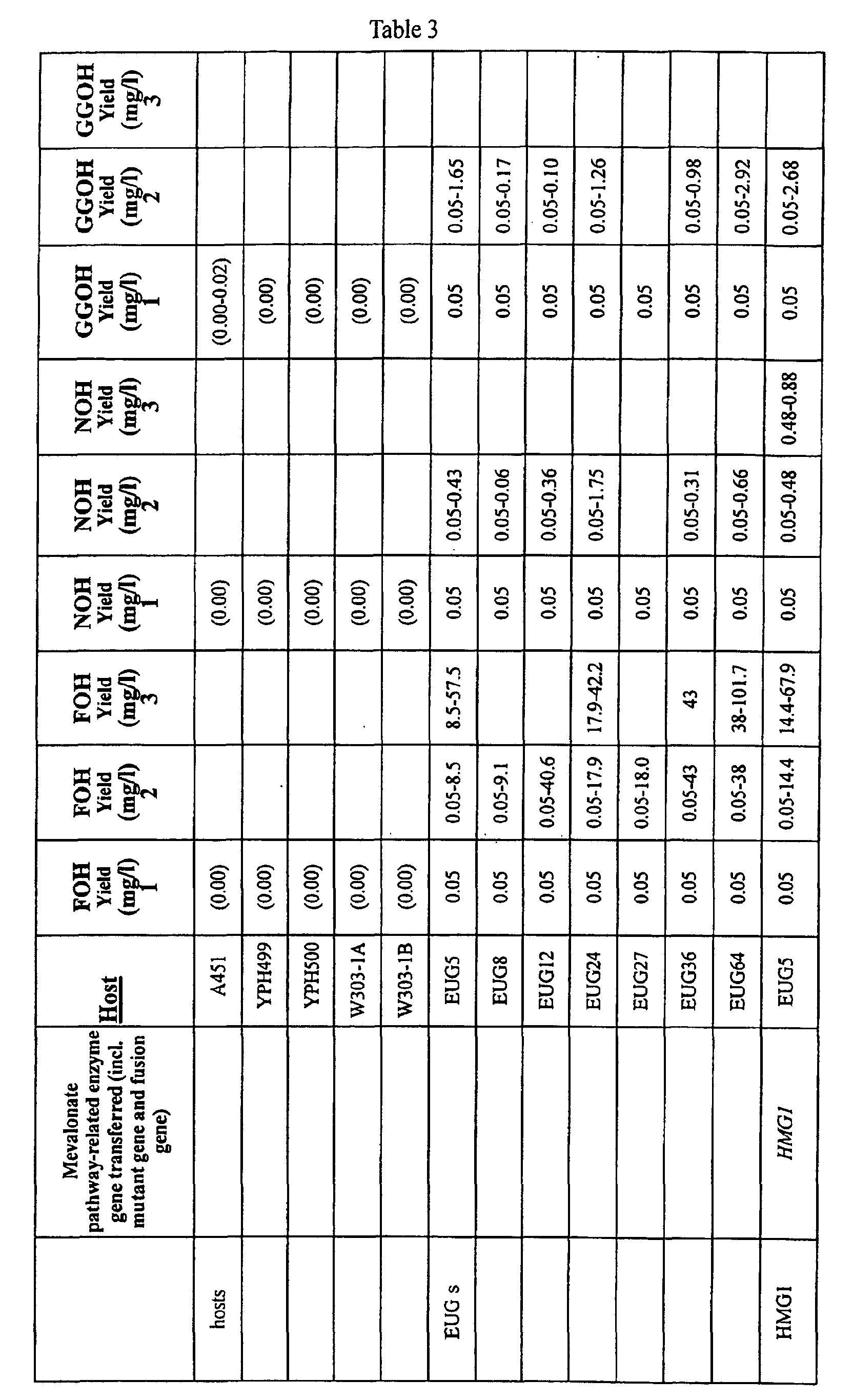


Hereinbelow, the present invention will be described in more detail with reference to the
following Examples. However, the technical scope of the invention is not limited to these
Examples.
The Examples encompass the following contents.
A gene map around squalene synthase gene ERG9 was obtained from SGD. Based on
this map, PCR primer DNAs for amplifying DNA fragments for replacing ERG9 transcription
promoter (ERG9p) were designed (Fig. 2). On the other hand, a 1.8 kbp DNA fragment (Fig.
2A, (2)) comprising a transformant selection marker gene URA3 and a transcription promoter
GAL1p was prepared by PCR amplification using, as a template, pYES2Δ (Fig. 2B) obtained by
digesting pYES2 (Fig. 2C) with NaeI and NheI, blunt-ending with Klenow enzyme and deleting
2µ ori by self-ligation.
The primers used in the PCR are as follows.


In each of the above primers, an Eam1105I recognition site (the underlined portion) was
added so that a 0.7 kbp DNA fragment comprising a downstream portion of the open reading
frame YHR189W in the genome of S. cerevisiae and a 0.9 kbp DNA fragment comprising an
upstream portion of ERG9 can be carried out T/A ligation. The YHR189W fragment (i) was
prepared by PCR using the following primers YHR189Wf and YHR189Wr, and YPH499
genomic DNA as a template. The ERG9 fragment (ii) was prepared by PCR using the following
primers ERG9f and ERG9r, and YPH499 genomic DNA as a template. YPH499 genomic DNA
was prepared with a yeast genomic DNA preparation kit "Dr. GenTLE™"(Takara).




The 1.8 kbp DNA fragment was digested with Eam1105I and then ligated to the 0.7 kbp
DNA fragment. With the resultant fragment as a template, 2nd PCR was carried out using the
above-described primers YHR189Wf and E-MCSf. The amplified 2.5 kbp DNA fragment (Fig.
2A, (5)) was digested with Eam1105I and then ligated to the 0.9 kbp fragment. With the resultant
fragment as a template, 3rd PCR was carried out using the following primers YHR189W-3f and
ERG9-2r. As a result, a 3.4 kbp DNA fragment was amplified. This was used as a DNA
fragment for transformation.


The DNA fragment for transformation was introduced into yeast strains using Frozen EZ
Yeast Transformation II kit purchased from Zymo Research (Orange, CA). As host strains for
the DNA transfer, A451, YPH499, YPH500, W303-1A and W303-1B were used.
The resultant recombinants were cultured on an agar medium called SGR-U medium that
had been obtained by adding CSM-URA (purchased from BIO 101, Vista, CA) and adenine
sulfate (final concentration 40 mg/L) to SGR medium [a variation of SD (synthetic dextrose)
medium where the glucose component is replaced with galactose and raffinose] at 30°C.
Colonies grown on the medium were spread on the same medium again, cultured and then
subjected to single colony isolation.
The resultant recombinants were designated EUG (ERG9p::URA3-GAL1p) strains. Of
these, clones derived from A451 were designated EUG1 through EUG10; clones derived from
YPH499 were designated EUG11 through EUG20; clones derived from YPH500 were
designated EUG21 through EUG30; clones derived from W303-1A were designated EUG31
through EUG50; and clones derived from W303-1B were designated EUG51 through EUG70.
These clones were cultured on SD medium to select those clones that exhibit a decrease in
growth rate as a result of reduction in the amount of squalene synthase gene transcript having
translational activity due to glucose repression. As a result, EUG8 from A451, EUG12 from
YPH499 and EUG27 from YPH500 were obtained. Representative examples of states of
growth on SD-U agar medium and SGR-U agar medium are shown in Fig. 5. A clone could be
obtained (in Fig. 5, EUG5 among EUG1 through EUG6) that grew normally on SGR-U plate
(Fig. 5, right panel) but exhibited a decrease in growth rate on SD-U plate (Fig. 5, left panel titled
"SD") as a result of reduction in the amount of squalene synthase gene transcript having
translational activity caused by the repression of transcription of the squalene synthase gene under
the control of GAL1 promoter due to glucose repression.
Among those recombinants that exhibited a decrease in growth rate as a result of
reduction of the amount of squalene synthase gene transcript having translational activity, EUG8,
EUG12 and EUG27 were selected, followed by preparation of genomic DNA using Dr.
GenTLE™. Then, PCR was carried out using the genomic DNA as a template and primers
YHR189Wf and ERG9-2 (5'- TCA CGC TCT GTG TAA AGT GTA TA-3' (SEQ ID NO: 42)),
and the size of the amplified DNA fragment was examined by agarose gel electrophoresis. The
results confirmed that the 1.8 kbp PCR fragment comprising URA3 and GAL1p is integrated into
the squalene synthase gene locus in the genome of each strain.
EUG8, EUG12 and EUG27 were precultured in SGR-U medium, and 0.3 ml of each
preculture broth was added to 30 nil of YM7 medium, YME medium or YM7 (Gal) medium.
Then, each strain was cultured under reciprocal shaking at 130 rpm in a 300 ml Erlenmeyer flask
at 30°C. YM7 medium refers to YM medium whose pH is adjusted to 7 with NaOH. YME
medium refers to YM7 medium to which 50 mg/L of ergosterol is added. Specifically, this
medium is prepared by adding 1/1000 volume of an ergosterol stock solution in ethanol-Tergitol
(50 mg/ml) to YM7 medium. YM7 (Gal) medium refers to YM7 medium where its glucose
component is replaced with galactose.
A 2.5 ml sample of the culture broth was taken out on day 1, 2, 3, 4, 7, 8 and 9 of the
cultivation and subjected to determination of prenyl alcohol yields. Briefly, 2.5 ml of methanol
was added to each sample and mixed. About 5 ml of pentane was added to this mixture,
agitated vigorously and then left stationary. The resultant pentane layer was transferred into a
fresh glass tube, which was then placed in a draft. Pentane was evaporated therein to condense
the solute components. Subsequently, prenyl alcohols were identified and quantitatively
determined by gas chromatography/mass spectrometry (GC/MS). At that time, the degree of
cell growth was also examined by diluting 50 µl of each culture broth 30-fold with water and
measuring the absorbance at 600 nm.
The fraction extracted with pentane was separated, identified and quantitatively
determined with HP6890/5973 GC/MS system (Hewlett-Packard, Wimington, DE). The
column used was HP-5MS (0.25 mm x 30 m; film thickness 0.25 µm). Analytical conditions
were as described below. The same conditions were used for all the GC/MS analyses in this
specification.
(all-E)-Farnesol (Sigma)
(all-E)-Geranylgeraniol (Eisai)
Squalene (Tokyo Kasei Kogyo)
Those EUG strains that exhibited a decrease in growth rate in SD medium were cultured
in 1-5 ml of YM7 medium at 30°C under reciprocal shaking at 130 rpm. A sample (0.8-2.5 ml)
of the culture broth was taken out on day 1, 2, 3, 4 and 7 of the cultivation, followed by
determination of the amounts of prenyl alcohols in the same manner as described in (1) above.
The glucose (Glc) component in YM7 medium was varied as indicated in Table 4 below,
and EUG strains were cultured therein for 2 days at 30°C under reciprocal shaking at 130 rpm.
Subsequently, 5% (w/v) Glc was added to the YM7 medium to prepare YM Glc medium and 5%
(w/v) galactose (Gal) was added to the YM7 medium to prepare YM Gal medium, as shown in
Table 5, and the strains were cultured further up to day 7. With respect to YMrich medium, the
total sugar concentration in YM7 was set at 6% (w/v) from the start of the cultivation, and the
sugar composition therein was as shown in Table 4. The relationships between medium
composition and cultivation period may be summarized as shown in Table 5. A 2.5 ml sample
of the culture broth was taken out on day 2, 4 and 7 of the cultivation, followed by determination
of the prenyl alcohol yields in the same manner as described in (1) above.
| No. | Glucose (%) | Galactose (%) |
| 1 | 100 | 0 |
| 2 | 75 | 25 |
| 3 | 50 | 50 |
| 4 | 20 | 80 |
| 5 | 10 | 90 |
| 6 | 5 | 95 |
| 7 | 1 | 99 |
| 8 | 0 | 100 |
| | Day | 0 | | | |
| | 1% | 6% | 6% | 6% | |
| (5% Glc added) | |||||
| | 1% | 6% | 6% | 6% | |
| (5% Gal added) | |||||
| YM rich | 6% | 6% | 6% | 6% | |
| No. | xxx-1 | xxx-2 | xxx-3 | xxx-4 |
A451-, YPH499- and YPH500-derived EUG strains that exhibited a decrease in growth
rate in a glucose-containing medium and had GAL1p completely integrated into the genome were
selected (EUG8, EUG12 and EUG27 were selected from respective strains), and their prenyl
alcohol yields were determined. The results are shown in Fig. 6A-C. When they were cultured
in YM7 or YME medium both containing Glc as a carbon source, FOH-producing systems were
obtained. When cultured in YME medium containing ergosterol, EUG12 and EUG27 exhibited
a tendency of increase in FOH concentration. They accumulated 40.6 mg/L and 18.0 mg/L of
FOH at the maximum, respectively. A451-derived EUG8, YPH499-derived EUG12 and
YPH500-derived EUG27 are different in production profile, and it is believed that YPH-derived
strains are more suitable for prenyl alcohol production. Thus, a yeast clone was developed that
can produce about 30 mg/L of FOH when cultured for only 4 days in the common medium YM7
(see EUG12 in Fig. 6) without addition of ergosterol (Erg) essential for the growth of
conventional ERG9-defficient strains (erg9 strain: ATCC64031).
Subsequently, out of EUG1 through EUG70, those clones that exhibited a decrease in
growth rate in SD medium were cultured and their prenyl alcohol yields were compared (Figs.
7-11). With respect to the production of FOH, EUG5 exhibited a higher yield (8.5 mg/L) among
A451-derived strains (Fig. 7); EUG12 exhibited a higher yield (17.8 mg/L) among
YPH499-derived strains (Fig. 8); and EUG24 and EUG27 exhibited higher yields (17.9 mg/L and
10.5 mg/L, respectively) among other strains (Fig. 9). Among W303-1A-derived clones (Fig.
10A-D) and W303-1B-derived clones (Fig. 11A-B), the strains indicated in the respective Figures
exhibited higher yields than other strains.
EUG31 (16 mg/L), EUG33 (41 mg/L), EUG35 (38 mg/L), EUG36 (43 mg/L), EUG38 (17 mg/L), EUG39 (24 mg/L), EUG42 (24 mg/L), EUG44 (21 mg/L), EUG49 (21 mg/L)
EUG51 (28 mg/L), EUG56 (16 mg/L), EUG59 (37 mg/L), EUG61 (27 mg/L), EUG63 (16 mg/L), EUG64 (38 mg/L)
Figs. 12 to 14 show the yields of prenyl alcohols when EUG8, EUG12 and EUG27 were
cultured under varied Glc and Gal concentrations. Although FOH was the only product in most
cases, it can be seen that production profile is different between A451-derived EUG8 (Fig.
12A-C) and YPH-derived EUG12 (Fig. 13A-C) and EUG27 (Fig. 14A-C). EUG8 exhibited the
highest yield when the sugar composition in the initial medium was 100% Glc under any of the
conditions used. On the other hand, EUG12 and EUG27 exhibited good yields when the sugar
composition in the initial medium was 75% Glc. Further, EUG12 and EUG27 in FOH well
under such conditions that the sugar composition in the initial medium was 75% Glc (in 1% (w/v)
total sugar) and that Glc was added further to the medium on day 2 to make the final sugar
concentration 5% (w/v). It is believed that the transcription of ERG9 minimum to cell growth
was carried out under the condition of 75% Glc in the sugar composition of the initial medium,
leading to an appropriate balance between cell growth and FOH. When strains were cultured in
YM Gal medium, a decrease in FOH production is observed on day 4 and thereafter. It is
believed that such a decrease occurs because FOH in the medium is assimilated as the
intracellular synthesis of Erg is activated as a result of the promotion of ERG9 transcription by the
addition of Gal. The results of FOH production summarized in Fig. 15A-C would help
understanding of the difference in production profile between A451-derived EUG8 and
YPH-derived EUG12 and EUG27. Under the "conditions that the sugar composition in the
initial medium was 75% Glc (1% (w/v) sugar) and that Glc was added further to the medium on
day 2 to make the final sugar concentration 5% (w/v)", there is almost no change in OD600 values.
However, FOH yield increased from day 2 to day 4, and from day 4 to day 7 under such
conditions. Accordingly, it is believed that these cells were in a physiological state where FOH
is produced without cell division. If such cells can be_fixed, it will be possible to develop an
efficient system for FOH production.
By the development of EUG strains described in this Example, it is possible to reduce the
amount of squalene synthase gene transcript having translational activity. Different from
squalene synthase gene-deficient strains (such as ATCC64031) obtained by introducing mutations
such as substitution, insertion or deletion into the coding region of the gene, EUG strains are
capable of producing FOH (an active prenyl alcohol) through fermentation in a common medium
such as YM7 without introduction of special mechanisms to complement the lethality because of
the squalene synthase deficiency (e.g., addition of sterol intake ability or Erg addition). Thus, it
is possible to create a system for FOH production using EUG strains. Further, since EUG
strains were created from conventional hosts for recombination, they can be genetically modified
further easily (unlike strains such as ATCC64031) and are applicable to the development of
strains with still higher productivity.
Plasmids pRS404 and pRS405 were purchased from Stratagene. Plasmid pYES2 (Fig.
3) was purchased from Invitrogen (Carlsbad, CA).
Genomic DNA was prepared from S. cerevisiae YPH499 according to the protocol
attached to Dr. GenTLE™, a genomic DNA preparation kit for yeast purchased from Takara.
Plasmid DNA from E. coli was prepared with Wizard PureFection Plasmid DNA
Purification System purchased from Promega (Madison, WI).
CYC1t (CYC1 transcription terminator) fragment was prepared by PCR. The following
oligo-DNAs, XhoI-Tcyc1FW and ApaI-Tcyc1RV, were used as PCR primers. As a template,
pYES2 was used.


Briefly, 50 µl of a reaction solution containing 0.1 µg of pYES2, 50 pmol of each primer
DNA, 1x Pfu buffer containing MgSO4 (Promega, Madison, WI), 10 nmol dNTPs, 1.5 units of
Pfu DNA polymerase (Promega) and 1 µl of Perfect Match polymerase enhancer (Stratagene)
was prepared. Following an initial denaturation of 2 min at 95°C, PCR was carried out for 30
cycles each consisting of denaturation of 45 sec at 95°C, annealing of 30 sec at 60°C, and
extension of 1 min at 72°C. A final extension of 5 min at 72°C was done. After completion of
the reaction, the solution was stored at 4°C. The amplified two DNA fragments were digested
with XhoI and ApaI, and subjected to agarose gel electrophoresis to purity a 260 bp DNA
fragment, which was designated CYC1t-XA.
CYC1t-XA was inserted into the XhoI-ApaI site of pRS404 and pRS405 to thereby obtain
pRS404Tcyc and pRS405Tcyc, respectively.
A DNA fragment comprising a transcription promoter was prepared by PCR using yeast
genomic DNA as a template. The DNA primers used are as follows.


As a reaction solution, a 100 µl solution containing 0.46 µg of yeast genomic DNA, 100
pmol of each primer DNA, 1 x ExTaq buffer (Takara), 20 nmol dNTPs, 0.5 U of ExTaq DNA
polymerase (Takara) and 1 µl of Perfect Match polymerase enhancer was prepared. Following
an initial denaturation of 2 min at 95°C, PCR was carried out for 30 cycles each consisting of 45
sec at 95°C, 1 min at 60°C and 2 min at 72°C. A final extension of 4 min at 72°C was done.
After completion of the reaction, the solution was stored at 4°C. The amplified DNA was
digested with SacI and SacII, and subjected to agarose gel electrophoresis to purify a 0.7 kbp
fragment. Thus, TDH3p was obtained.
pYES2, which is a YEp vector, was digested with SspI and NheI. The resultant 1.5 kbp
fragment containing 2µ DNA replication origin (2µ ori) was purified by agarose gel
electrophoresis and then blunt-ended. This DNA fragment was designated 2µOriSN.
2µOriSN was inserted into the NaeI site of pRS404Tcyc and pRS405Tcyc pretreated with
BAP (bacterial alkaline phosphatase: Takara). The resultant plasmids were transformed into E.
coli SURE2, and then plasmid DNA was prepared. The plasmid DNA was digested with DraIII
EcoRI, HpaI or PstI; and PvuII, followed by agarose gel electrophoresis to examine the insertion
and the direction of 2µ ori. The resultant pRS404Tcyc and pRS405Tcyc into which
2µ ori had been inserted in the same direction as in pYES2 were designated
pRS434Tcyc2µOri and pRS435Tcyc2µOri, respectively. The resultant pRS404Tcyc and
pRS405Tcyc into which 2µ ori had been inserted in the opposite direction to that in pYES2 were
designated pRS444Tcyc2µOri and pRS445Tcyc2µOri, respectively.
The transcription promoter-containing fragment, i.e., TDH3p (GAPp), was inserted into
the SacI-SacII site of the above-described four plasmids pRS434Tcyc2µOri, pRS435Tcyc2µOri,
pRS444Tcyc2µOri and pRS445Tcyc2µOri to clone the DNA. As a result, the following
plasmids were obtained: (i) pRS434GAP from pRS434Tcyc2µOri; (ii) pRS435GAP from
pRS435Tcyc2µOri; (iii) pRS444GAP from pRS444Tcyc2µOri; and (iv) pRS445GAP from
pRS445Tcyc2µOri (Fig. 16A-D).
Approximately 40 ng of each YEp expression vector was introduced into YPH499 using
Frozen-EZ Yeast Transformation II kit (Zymo Research, Orange, CA). (The procedures
followed the protocol attached to the kit.) Then, colonies growing on SD-W agar plate
(DOB+CMS-Trp; BIO101, Vista, CA) were examined. Since 1000 or more Try non-requiring
colonies were observed, it was confirmed that the DNA replication site of each of the YEp
expression vectors prepared functions and that each vector is retained normally in the
recombinant as a plasmid.
In the cloning of genes from yeast cDNA, an S. cerevisiae DBY746-derived cDNA
library "Quick-Clone cDNA" purchased from Clontech (Palo Alto, CA) was used.
A DNA fragment of approximately 0.9 kbp encoding S. cerevisiae FPP synthase gene
ERG20 (SEQ ID NO: 1) was amplified by PCR (polymerase chain reaction) using the above
cDNA as a template. The PCR primers used are as follows.


| 10 x ExTaq buffer (Takara) | 5 µl |
| 2.5 | 4 µl |
| 5 U/µl ExTaq (Takara) | 1 |
| 10 | |
| 10 | |
| 0.5 ng cDNA | |
| To give a 50 µl solution in total |
The PCR was carried out in the reaction solution described above for 30 cycles each
consisting of 45 sec at 94°C, 1 min at 55°C and 2 min at 72°C. Unless otherwise indicated, PCR
reactions in the following Examples were carried out under similar conditions.
The amplified fragment was purified by agarose gel electrophoresis and then cloned into
pT7Blue-T (Novagen, Madison, WI) by T/A ligation. It was found that ERG20 was inserted in
the same direction as lacZ in pT7Blue-T. The nucleotide sequence of the cloned fragment was
determined and compared to the corresponding nucleotide sequence registered in SGD. As a
result, no PCR errors were found in nucleotide positions 1-300 and 610-1059. The amino acid
sequence encoded by ERG20 is shown in SEQ ID NO: 2.
The plasmid DNA prepared was designated pT7ERG20.
S. cerevisiae-derived GGPP synthase gene BTS1 (SEQ ID NO: 3) was cloned as described
below.
Based on information about the S. cerevisiae-derived GGPP synthase gene registered at
the GenBank (http://www.ncbi.nlm.nih.gov/Genbank/index.html/) (Accession No. (A.N.):
U31632) (Y. Jiang, et al., J. Biol. Chem. 270 (37), 21793-21799 (1995)), a pair of primers
matching the N-terminal and C-terminal of the protein encoded by the gene were designed.
Using these primers and a yeast cDNA library (Clontech; No. CL7220-1) as a template, PCR was
carried out.


The PCR was performed using Perfect Match Polymerase Enhancer for 30 cycles each
consisting of denaturation of 45 sec at 94°C, annealing of 1 min at 55°C and extension of 2 min at
72°C.
A fragment of interest (approx. 1.0 kbp) was confirmed. This fragment (BTS1) was
cloned into pT7Blue T vector capable of TA cloning, followed by sequencing of the entire region
of BTS1. The results revealed that the nucleotide sequence of this gene was completely identical
with the corresponding nucleotide sequence registered at the GenBank. Thus, it was confirmed
that this gene is the S. cerevisiae-derived GGPP synthase gene. The amino acid sequence
encoded by BTS1 is shown in SEQ ID NO: 4.
The cloning of S. cerevisiae-derived HMG1 gene was carried out as described below.
Based on information about S. cerevisiae-derived HMG1 gene (A.N.: M22002) (M.E.
Basson, et al., Mol. Cell. Biol. 8, 3797-3808 (1988): SEQ ID NO: 5) registered at the GenBank, a
pair of primers were designed which match the N-terminal and the C-terminal of the protein
encoded by this gene. Using these primers and the yeast cDNA library (Clontech) as a template,
PCR was carried out.


The PCR was carried out using Perfect Match Polymerase Enhancer for 30 cycles each
consisting of denaturation of 45 sec at 94°C, annealing of 1 min at 55°C and extension of 2 min at
72°C.
A fragment of interest (3.2 kbp) was confirmed. This fragment (HMG1) was cloned into
pT7Blue T vector capable of TA cloning to thereby obtain pT7HMG1. The nucleotide sequence
of the thus cloned HMG1 was determined. As a result, the nucleotide sequence as shown in
SEQ ID NO: 5 and the amino acid sequence as shown in SEQ ID NO: 6 were confirmed. The
thus determined nucleotide sequence was partially different from the corresponding nucleotide
sequence registered at the GenBank due to PCR errors (Fig. 4A). This PCR error-containing,
mutant type HMG-CoA reductase gene is designated HMG1'.
PCR errors were corrected by subcloning the HMG1 fragment from pT7HMG1 and
correcting those mutations resulting from PCR errors in the HMG1 coding region that would
cause amino acid substitutions.
Briefly, the HMG1' fragment was subcloned from plasmid pT7HMG1 comprising
HMG1', a PCR error type mutant of HMG-CoA reductase. Then, the amino acid substitutions
resulting from the PCR errors in the coding region of HMG1 were corrected by site-directed
mutagenesis to thereby prepare pALHMG106. The details of this preparation are as described
below.
Plasmid pT7HMG1 was used as cloned HMG1. As a vector for introducing site-directed
mutations, pALTER-1 (Promega) was purchased.
Site-directed mutagenesis was carried out according to the procedures described in
"Protocols and Application Guide, 3rd edition, 1996 Promega, ISBN 1-882274-57-1" published
by Promega. As oligos for introducing mutations, the following three oligos were synthesized
chemically.



First, pT7HMG1 was digested with SmaI, ApaLI and SalI, followed by preparation of a
3.2 kbp HMG1 fragment by agarose gel electrophoresis. This fragment was inserted into the
SmaI-SalI site of pALTER-1 to prepare pALHMG1. After denaturation of this plasmid with
alkali, the above-described oligos for introducing mutations, Amp repair oligo (Promega) as
repair oligos, and Tet knockout oligo (Promega) as knockout oligos were annealed thereto. The
resultant plasmid was introduced into E. coli ES1301 (Promega). Transformants retaining
those plasmids into which site-directed mutations had been introduced were selected and cultured
with 125 µg/ml of ampicillin to prepare plasmid DNA. The nucleotide sequence of the resultant
plasmid DNA was examined with primers having the sequences as shown below. The results
revealed that all the sequences corresponding to HMG1 (190-216), HMG1 (1807-1833) and
HMG1 (2713-2739) were corrected so that they had the sequences of these oligonucleotides
(SEQ ID NO: 13). The amino acid sequence encoded by the corrected nucleotide sequence
(SEQ ID NO: 14) was consistent with the amino acid sequence encoded by HMG1' (SEQ ID
NO: 12) (silent mutations).



The plasmid where the sequence of the HMG1 coding region had been corrected was
designated pALHMG106 (Fig. 17).
A fragment of approx. 1.2 kbp encoding S. cerevisiae-derived diphosphomevalonate
decarboxylase gene ERG19 (MVD1) (SEQ ID NO: 7) was amplified by PCR using cDNA as a
template. The PCR primers used are as follows.

 (Restriction enzyme recognition sites are underlined.)
The PCR fragment was digested with PstI and EcoRI, purified by agarose gel
electrophoresis, and cloned into the PstI-EcoRI site of pT7Blue. By these procedures, ERG19
(MVD1) was inserted into pT7Blue in the direction opposite to that of lacZ in this plasmid. The
nucleotide sequence of the cloned fragment was determined and compared to the corresponding
sequence registered in SGD. As a result, no PCR error was found. The amino acid sequence
encoded by ERG19 is shown in SEQ ID NO: 8.
The plasmid DNA prepared was designated pT7ERG19.
pT7HMG1 prepared in (3) in Example 4 was digested with BamHI, SalI and ScaI to
obtain the HMG1' gene having PCR errors. This gene was introduced into the BamHI-XhoI site
of pYES2 (Invitrogen, Carlsbad, CA) to thereby obtain a recombinant vector pYES-HMG1.
The nucleotide sequence within the vector was confirmed to be the nucleotide sequence of SEQ
ID NO: 9. pYES is a shuttle vector for expression in yeast having the ori of yeast 2 µmDNA as
a replication origin and GAL1 promoter inducible by galactose (Fig. 3).
In order to prepare deletion mutants of HMG-CoA reductase gene having deletion of
regions corresponding to transmembrane domains, PCR was carried out using the vector
pYES-HMG1 prepared above as a template to thereby generate DNA fragments in which a part
of the HMG1 coding region is deleted. The resultant fragment was blunt-ended with Klenow
enzyme, circularized by self-ligation, and transformed into E. coli JM109. Then, plasmid DNA
was prepared. Synthetic DNA sequences used as primers and their combinations are shown in
Table 1.
For each of the plasmid DNA obtained, it was confirmed with 373A DNA sequencer
(Perkin Elmer, Foster City, CA) that there was no shift in the reading frame of amino acids
between the upstream and downstream of the deleted region in HMG1, and that there was no
amino acid substitution resulting from PCR errors around the junction site. As a result, the
following plasmids were obtained which have no amino acid substitution resulting from PCR
errors around the junction site and in which a part of the gene could be deleted without any shift
in the reading frame. Deletion mutants of HMG1 gene are expressed as, e.g., "Δ02y" according
to the deletion pattern (where y represents a working number that may be any figure), and a
pYES2 vector comprising Δ02y is expressed as, e.g., pYHMG026. (This expression method is
also applied to other deletion mutants.)
In this Example, pRS vectors prepared in Example 3 were used that are E. coli-S.
cerevisiae YEp shuttle vectors having a constitutive promoter.
pT7ER20 described in (1) in Example 4 was digested with XbaI and BamHI, and
subjected to agarose gel electrophoresis to thereby purify a 1.1 kbp fragment of ERG20. This
fragment was inserted into the XbaI-BamHI site of pRS435GAP and pRS445GAP to obtain
pRS435GAP-ERG20 and pRS445GAP-ERG20, respectively.
The pT7Blue T vector described in (2) in Example 4 was digested with BamHI and SalI to
obtain BTS1 fragment, which was then introduced into the BamHI-XhoI site of pYES2
(Invitrogen). The resultant recombinant vector was designated pYESGGPS.
pYESGGPS was digested with BamHI and MluI, and subjected to agarose gel
electrophoresis to purify a 1.3 kbp fragment. This fragment was inserted into the BamHI-MluI
site of pRS435GAP and pRS445GAP to obtain pRS435GAP-BTS1 and pRS445GAP-BTS1,
respectively.
pALHMG106 (Fig. 17) described in (4) in Example 4 was digested with SmaI and SalI,
and subjected to agarose gel electrophoresis to purify a 3.2 kbp fragment encoding the PCR
error-corrected HMG1 gene. This fragment was inserted into the SmaI-SalI site of pRS434GAP
and pRS444GAP. Physical maps of the HMG1-subcloned plasmids were examined by
restriction enzyme mapping using XhoI, SpeI, NaeI and SphI, and by confirming the nucleotide
sequences of the border regions of the inserted 3.2 kbp HMG1 gene. Then, those plasmids
created exactly as designed were selected and designated pRS434GAP-HMG1 and
pRS444GAP-HMG1, respectively.
Deletion mutants of HMG-CoA reductase gene were obtained from pYES2 plasmids
incorporating deletion mutants of HMG1 (see Example 5) and cloned into pRS434GAP in the
same manner as described in the preceding paragraph.
pT7ERG19 described in (5) in Example 4 was digested with BamHI and SalI, and
subjected to agarose gel electrophoresis to purify an ERG19 fragment (BamHI-SalI 1.5 kbp ).
This fragment was inserted into the BamHI-SalI site of pRS435GAP and pRS445GAP. The
ERG19-subcloned plasmids were examined by XbaI recognition site mapping, followed by
selection of those plasmids created exactly as designed. Selected plasmids were designated
pRS435GAP-ERG19 and pRS445GAP-ERG19, respectively.
EUG5, EUG8, EUG12, EUG24, EUG27, EUG36 and EUG64 were used.
As diphosphomevalonate decarboxylase gene (ERG19) expression plasmid,
pRS445GAP-ERG19 was used.
As HMG-CoA reductase gene (HMG1) expression plasmid, pRS434GAP-HMG1 and
pRS444GAP-HMG1 were used. As deletion mutant type HMG1 expression plasmid,
pRS434GAP-HMG026, pRS434GAP-HMG044, pRS434GAP-HMG056,
pRS434GAP-HMG062, pRS434GAP-HMG076, pRS434GAP-HMG081,
pRS434GAP-HMG100, pRS434GAP-HMG112, pRS434GAP-HMG122 and
pRS434GAP-HMG133 were used. The numbers following "HMG" in these designations
indicate deletion patterns (Fig. 4B). The deletion domains were deleted by PCR using the
primer DNAs shown in Table 1.
As FPP synthase gene (ERG20) expression plasmid, pRS435GAP-ERG20 and
pRS445GAP-ERG20 were used.
As GGPP synthase gene (BTS1) expression plasmid, pRS435GAP-BTS1 and
pRS445GAP-BTS1 were used.
Transformation of the above-mentioned yeast strains was carried out using Frozen EZ
yeast transformation II kit purchased from Zymo Research (Orange, CA) II kit. Transformants
were grown on selection medium agar plates that are based on SGR medium and have
appropriate auxotrophy as an indicator. For cloning, cultivation on selection medium agar plates
was carried out twice.
Transformants prepared were precultured in SGR selection medium. Then, 0.01-0.05 ml
of each preculture broth was added to 1-5 ml of YM7, and cultured in a test tube 18 mm in
diameter at 30 °C under reciprocal shaking at 130 rpm.
An equal volume of methanol was added to the resultant culture broth and mixed.
Approximately 2 volumes of pentane was added to this mixture, agitated vigorously and then left
stationary. The resultant pentane layer was transferred into a fresh glass tube, which was then
placed in a draft. Pentane was evaporated therein to condense the solute components.
Subsequently, prenyl alcohols were identified and quantitatively determined by GC/MS. At that
time, the degree of cell growth was also examined by diluting 50 µl of the culture broth 30-fold
with water and measuring the absorbance at 600 nm. The yields of prenyl alcohols were
determined with PH6890/5973 GC/MS system in the same manner as described in (1-2) in
Example 2.
First, diphosphomevalonate decarboxylase gene ERG19 expression plasmid was
introduced into EUG strains. pRS445GAP-ERG19 was introduced into A451-derived EUG5,
YPH499-derived EUG12 and YPH500-derived EUG24, followed by determination of the yields
of prenyl alcohols (Fig. 18A). Although it appears that FOH production is not significantly
improved in any of the recombinant strains tested, FOH production efficiency is increased 2- to
several-fold in the recombinants created from YPH-derived EUG12 and EUG24 when their FOH
yields per OD600 value of the culture broth are compared (Fig. 18B). Thus, it was demonstrated
that, if a mutant cell of the invention capable of reducing an amount of squalene synthase gene
transcript having translational activity without complete or partial deletion of its squalene
synthase gene is used as a host, it can produce FOH efficiently by enhancement of ERG19
expression even in such environments where the number of cells is small.
First, the prenyl alcohol yields of each 5 colonies of A451 and A451-derived EUG8 are
shown in Fig. 19A and Fig. 19B, respectively. EUG8, the host, produced 2.5 mg/L of FOH on
the average (3.3 mg/L at the maximum) when cultured for 2 days. Each 5 colonies of
pRS434GAP-HMG1/EUG8 (Fig. 20A) and pRS444GAP-HMG1/EUG8 (Fig. 20B) were cultured,
and mean values of their prenyl alcohol yields and standard deviations were recorded in graphs.
They produced FOH at 4.8 mg/L on the average (6.7 mg/L at the maximum) and at 3.5 mg/L on
the average (4.0 mg/L at the maximum) when cultured for 2 days, respectively. It was found
that when EUG8 is used as a host, the improvement effect on prenyl alcohol productivity by the
expression of HMG1 gene is more excellent than when A451 is used as a host.
Subsequently, the effect of enhancement of HMG1 gene expression upon
YPH499-derived EUG12 and YPH500-derived EUG27 was examined. As already reported in
Japanese Unexamined Patent Publication 5-192184 and by Donald et al., (1997) Appl. Environ.
Microbiol. 63, 3341-3344, HMG1-transferred YPH499 or YPH500 only shows an increase in SQ
production but produces little prenyl alcohols. These facts were confirmed by preliminary
experiments. Each 5 colonies of EUG12 and EUG27 were cultured in liquid medium, and the
prenyl alcohol accumulation was determined on day 4 and day 7 of the cultivation. The results
are shown in Fig. 21. The major product was FOH; NOH (which is an isomer of FOH) was
produced in small amounts and GGOH was produced little. When HMG1 expression plasmid
(pRS434GAP-HMG1 or pRS444GAP-HMG1) was introduced into EUG12 and EUG27, the
results shown in Fig. 22 were obtained. It was remarkable that the number of cells increased as
a result of partial complementarion of the erg9 phenotype by the enhancement of HMG1
expression. With respect to FOH production, the yield increased almost 2-fold in recombinants
from EUG12 (Fig. 22A), whereas the yield remained on the same level in recombinants from
EUG27 was used (Fig. 22B). On the other hand, GGOH production was improved in both
recombinants; 2.05 mg/L of GGOH was accumulated in both of them at the maximum. With
respect to GGOH production, pRS444GAP-HMG1-transferred recombinants exhibited higher
effect. Thus, it was demonstrated that HMG1 gene is effective not only on FOH production but
also on GGOH production when EUG12 or EUG27 is used as a host. However, the tendency
that production decreases when cultured for 7 days is characteristic to EUG strains.
Figs. 23-24 show the results of expression of individual deletion mutants of HMG1 in
EUG5 and EUG12. When EUG5 was used, improvement of productivity as a result of the
expression enhancement of those deletion mutants was not so remarkable. When EUG12 was
used, the expression of those deletion mutants was effective in improving GGOH productivity,
though their effects were smaller than the full-length HMG1 (Fig. 24B).
When each 5 colonies of pRS435GAP-ERG20/EUG8 (Fig. 25A) and
pRS445GAP-ERG20/EUG8 (Fig. 25B) were cultured, the average FOH yields were 0.9 mg/L
and 0.5 mg/L, respectively, and the maximum yield was 1.5 mg/L.
Subsequently, the effect of the expression enhancement of ERG20 upon YPH499-derived
EUG12 and YPH500-derived EUG27 was examined. Each 5 colonies of these EUG strains into
which pRS435GAP-ERG20 or pRS445GAP-ERG20 had been introduced were cultured. Then,
mean values of their prenyl alcohol yields and standard deviations were recorded in graphs. The
effect of ERG20 expression on prenyl alcohol production was as follows. When
pRS435GAP-ERG20 was introduced into EUG12 and EUG27, recombinants produced GGOH at
2.7 mg/L on the average (3.6 mg/L at the maximum) and 1.1 mg/L on the average (1.37 mg/L at
the maximum), respectively, when cultured for 7 days (Fig. 26A, B). Since ERG20 encodes an
FPP synthase gene, this fact that the expression enhancement of ERG20 led to production of
GGOH suggests that, actually, GGPP synthase uses not DMAPP but FPP as a homoallylic primer
substrate and that GGPP production ability was increased as a result of increased intracellular
FPP synthesis activity caused by the ERG20 expression enhancement. Thus, it was
demonstrated that ERG20 is effective in GGOH production in EUG strains.
Each 5 colonies of pRS435GAP-BTS1/EUG8 (Fig. 27A) and pRS445GAP-BTS1/EUG8
(Fig. 27B) were cultured. Then, mean values of their prenyl alcohol yields and standard
deviations were recorded in graphs. The effect of BTS1 expression on prenyl alcohol
production was as follows. When pRS435GAP-BTS1 was introduced, GGOH productivity was
improved to about 0.5 mg/L on the average (the maximum yield was 1.42 mg/L). From the
results of preliminary experiments, it was already found that even the introduction of
pRS435GAP-BTS1 into A451 leads to GGOH productivity of about 0.1-0.3 mg/L. Now, it was
found that the introduction of the same plasmid is also effective on GGOH production when
EUG8 is used as a host.
Subsequently, the effect of the expression enhancement of BTS1 upon YPH499-derived
EUG12 and YPH500-derived EUG27 was examined. Each 5 colonies of these EUG strains into
which pRS435GAP-BTS1 or pRS445GAP-BTS1 had been introduced were cultured. Then,
mean values of their prenyl alcohol yields and standard deviations were graphed. The effect of
BTS1 expression on prenyl alcohol production was as follows. When pRS435GAP-BTS1 was
introduced, GGOH productivity of about 3.7-3.8 mg/L on the average was observed when
recombinants were cultured for 7 days (maximum yields were 4.2 mg/L and 4.4 mg/L,
respectively) (Fig. 28A, B). From the results of preliminary experiments, it was already found
that even the introduction of pRS435GAP-BTS1 into YPH499 and YPH500 leads to GGOH
productivity of about 0.1-0.2 mg/L. Now, it was found that the introduction of the same plasmid
into EUG12 and EUG27 is more effective on GGOH production than the introduction into
conventional hosts for recombination.
From the results so far described, it is understood that (i) mutating a cell so that an amount
of squalene synthase gene transcript having translational activity can be reduced, to thereby
prepare a mutant cell of the invention (e.g., EUG strains) without deleting its squalene synthase
gene completely or partially; (ii) preparing a recombinant by introducing into the above mutant
cell a recombinant DNA for expression or a DNA for genomic integration comprising an IPP
biosynthetic pathway-related enzyme (e.g., HMG1, ERG20 or GTS1); and (iii) culturing the
recombinant can lead to construction of a system capable of producing prenyl alcohol as a result
of reduction in the amount of the squalene synthase gene transcript having translational activity.
An unexpected result was obtained in Example 7 that the introduction of FPP synthase
gene into EUG strains improves GGOH productivity. This suggests that the GGPP synthase
encoded by S. cerevisiae BTS1 prefers FPP to DMAPP as a primer substrate. Therefore, it was
believed that enforcement of FPP synthesis ability is also required for further enforcing the ability
to synthesize GGPP (a precursor of GGOH) from IPP.
In view of this, fusion genes composed of BTS1 and ERG20 were created in this Example.
In this Example, it was attempted to express the fusion gene in S. cerevisiae cells and to
ascertain whether GGOH productivity improves or not. Further, it was also attempted to create
mutants of BTS1, ERG20 and their fusion genes in which a nucleotide sequence encoding an ER
signal is located at the 3'end and to examine the effect of introduction of these mutants upon
prenyl alcohol production.
A series of PCR reactions were carried out using pYESGGPS, which is a pYES2 plasmid
incorporating GGPP synthase gene BTS1, and pT7ER20, which is a pT7 plasmid incorporating
FPP synthase gene ERG20, as a template. The PCR primers used are as follows.









The nucleotides from position 3 to position 8 of ERG20HDEL-XbaI and the nucleotides
from position 4 to position 9 of BTS1HDBL-XhoI (both 6 nucleotides are underlined) represent
the SacII, XhoI or XbaI recognition site for vector ligation. The nucleotide from position 4 to
position 10 of BTS1-109I, 109I-BTS1, ERG20-109I and 109I-ERG20 (individual 7 nucleotides
are underlined) represent the EcoO109I recognition site for fusion gene preparation.
The PCR was carried out in the following reaction solution.
| 1x KOD-Plus buffer (Toyobo) |
| 0.2 mM dNTPs |
| 0.25 |
| 15 |
| 15 |
| 0.01-0.1 |
| 1 unit KOD-Plus DNA polymerase (Toyobo) |
| Total: 50 µl |
KOD-Plus contains 1.6 µg/µl of KOD antibody. Following an initial denaturation of 2
min at 94°C, the PCR was carried out for 30 cycles each consisting of 15 sec at 94°C, 30 sec for
55°C and 1 min at 68°C. Then, the solution was retained at 68°C for 2 min.
1st PCR reactions were carried out using the combinations of a template and a pair of
primers (Primer 1, Primer 2) as indicated in Table 6 and Fig. 29. The designations of PCR
products are also shown in Table 6 and Fig. 29. In Fig. 29, the final designations of plasmids are
shown in the leftmost column. The sequences written in gray letters represent amino acids. Of
these amino acids, GS was introduced into the binding sequence of the fusion gene, and HDEL
was located at the 3' end of the fusion gene by insertion or deletion mutation. Each arrowhead
indicates the location and direction of each primer used in the PCR.
| | primer | 1 | | PCR Product |
| pT7ERG20 | SacII-BTS1 | BTS1HDEL- | # | 6 |
| pYESGGPS | SacII-ERG20 | ERG20HDEL- | # | 7 |
| pYESGGPS | SacII-BTS1 | BTS1- | # | 9 |
| PT7ERG20 | T7 | ERG20- | # | 10 |
| PT7ERG20 | 109I-ERG20 | -21 | #11 | |
| pYESGGPS | 109-BTS1 | BTS1- | # | 12 |
| PT7ERG20 | 109I-ERG20 | ERG20HDEL- | # | 13 |
| pYESGGPS | 109I-BTS1 | BTS1HDEL- | # | 14 |
The product #9-#11 was digested with SacII and BamHI, and inserted into the
SacII-BamHI site of pRS435GAP and pRS445GAP to obtain pRS435GGFand pRS445GGF,
respectively.
The product #10-#12 was digested with XbaI and XhoI, and inserted into the XbaI-XhoI
site of pRS435GAP and pRS445GAP to obtain pRS435FGG and pRS445FGG, respectively.
The product #9-#13 was digested with SacII and XbaI, and inserted into the SacII-XbaI
site of pRS435GAP to obtain pRS435GGFHDEL.
The product #10-#14 was digested with XbaI and XhoI, and inserted into the XbaI-XhoI
site of pRS435GAP and pRS445GAP to obtain pRS435FGGHDEL and pRS445FGGHDEL,
respectively.
The product # 7 was digested with SacII and XbaI, and inserted into the SacII-XbaI site of
pRS435GAP and pRS445GAP to obtain pRS435FHDEL and pRS445FHDEL, respectively.
The product # 6 was digested with BamHI and XhoI, and inserted into the BamHI-XhoI
site of pRS435GAP and pRS445GAP to obtain pRS435GGHDEL and pRS445GGHDEL,
respectively.
It was confirmed by DNA sequencing that each of the resultant plasmid DNAs has the
exact nucleotide sequence as designed. BTS1-ERG20 fusion gene was designated GGF;
ERG20-BTS1 fusion gene was designated FGG; a gene recombined so that a sequence encoding
HDEL is located at the 3' end of GGF was designated GGFHDEL; a gene recombined so that a
sequence encoding HDEL is located at the 3' end of FGG was designated FGGHDEL; and a gene
recombined so that a sequence encoding HDEL is located at the 3' end of BTS1 was designated
GGHHDEL.
As plasmids for expressing non-fusion genes BTS1 and ERG20 separately,
pRS435GAP-BTS1 (called pRS435GG), pRS445GAP-BTS1 (called pRS445GG),
pRS435GAP-ERG20 (called pRS435F) and pRS445GAP-ERG20 (called pRS445F) were used.
As plasmids for expressing HMG1, pRS434TEF-HMG1 and pRS434GAP-HMG1 were used.
Recombinants were prepared by introducing the plasmid prepared above into the host
using Frozen EZ yeast transformation kit (Zymo Research, Orange, CA). As the host, EUS5
and EUG12 were used. As controls, A451 and YPH499 were used.
A451 and YPH499 were inoculated into SD medium. EUG strains and recombinants
created therefrom were inoculated into SGR medium. All of them were cultured at 30°C to
prepare preculture broth. Ten or 25 µl of the preculture broth was added to 1.0 or 2.5 ml of
YM7+ade medium (YM, pH 7, 40 µg/ml adenine sulfate) or YMO7 medium [YM7+ade, 1%
(w/v) soybean oil, 0.1% (w/v) Adekanol LG-109 (Asahi Denka Kogyo, Tokyo, Japan)] and
cultured at 30°C for 4 days or 7 days under reciprocal shaking at 130 rpm.
After completion of the cultivation, an equal volume of methanol was added to the culture
broth and mixed. Approximately 2 volumes of pentane was added to this mixture, agitated
vigorously and then left stationary. The resultant pentane layer was transferred into a fresh glass
tube, which was then placed in a draft. Pentane was evaporated therein to condense the solute
components. Subsequently, prenyl alcohols were identified and quantitatively determined by
GC/MS using undecanol as an internal standard for quantitative determination. At that time, the
degree of cell growth was also examined by diluting 20 µl of the culture broth 30-fold with water
and measuring the absorbance at 600 nm.
The yields of prenyl alcohols were determined with PH6890/5973 GC/MS system in the
same manner as described in (1-2) in Example 2.
Each of the recombinants prepared was cultured in YM7 medium and YMO7 medium for
4 to 7 days, followed by determination of prenyl alcohol yields. The results obtained using
A451-derived EUG strains as hosts are shown in Figs. 30 and 31. The results obtained using
YPH499-derived EUG strains as hosts are shown in Figs. 32 and 33. In Figs. 30 and 31,
"GGFHDEL" represents pRS435GGFHDEL. "-1" represents the yield when cells were
cultured for 4 days, and "-2" represents the yield when cells were cultured for 7 days. Since
cells are suspended in soybean oil in YMO7 medium, the amount of cells is expressed as the
number of cells. "10^3 cell/µl" represents a value obtained by dividing the number of cells per
microliter by 1000.
pRS435GGF/A451 produced 0.26 mg/L of GGOH on the average (0.28 mg/L at the
maximum) when cultured for 7 days in YM7 medium (Fig. 30; upper panel; GGF/A451 -2), and
produced 0.98 mg/L on the average (1.0 mg/L at the maximum) when cultured for 7 days in
YMO7 medium (Fig. 31; upper panel; GGF/A451 -2).
On the other hand, when EUG5 was used as the host, pRS435GGF-transferred
recombinants produced 6.6 mg/L of GGOH on the average (maximum: 7.3 mg/L) when cultured
for 7 days in YM7 medium (Fig. 30; lower panel; GGF/EUG5 -2), and produced 9.6 mg/L of
GGOH on the average (maximum: 10.1 mg/L) when cultured for 7 days in YMO7 medium (Fig.
31; lower panel; GGF/EUG5 -2).
pRS435GGF-transferred YPH499 produced 0.19 mg/L of GGOH on the average (0.37
mg/L at the maximum) when cultured for 7 days in YM7 medium (Fig. 32; upper panel;
GGF/YPH499 -2), and produced 2.5 mg/L on the average (2.9 mg/L at the maximum) in YMO7
medium (Fig. 33; upper panel; GGF/YPH499 -2). On the other hand, when YPH499-derived
EUG12 was used as the host, the pRS435GGF- or pRS435GGFHDEL-transferred clones
produced 3.7-4.0 mg/L of GGOH on the average (5.4-5.8 mg/L at the maximum) when cultured
for 7 days in YMO medium (Fig. 33; lower panel; GGF/EUG12-2 and GGFHDEL/UG12-2).
Thus, it was demonstrated that recombinants prepared from the mutant cell of the invention (such
as EUG5 or EUG12) have higher GGOH productivity than those recombinants prepared from
conventional hosts for recombination (such as YPH499 or A451). As described earlier, the
mutant cell of the invention is engineered so that an amount of squalene synthase gene transcript
having translational activity can be reduced without total or partial deletion of the squalene
synthase gene.
In this Example, how the prenyl alcohol production by budding yeast will change when
Glc-Gal sugar composition is varied is examined. In addition, the effect of the expression of
BTS1-ERG20 fusion genes upon prenyl alcohol production is also examined.
Vectors were introduced into yeast hosts using Frozen EZ yeast transformation II kit
purchased from Zymo Research (Orange, CA). As BTS1-ERG20 fusion gene-expression
plasmids, pRS435GGF and pRS435GGFHDEL were used. As hosts, EUG5 and EUG12 were
used. As control hosts, A451 and YPH499 were used.
Each of the recombinants obtained was precultured in SGR selection medium. Then,
0.01-0.05 ml of the preculture broth was added to 1-5 ml of the YM7 medium described below
and cultured in a test tube 18 mm in diameter at 30 °C under reciprocal shaking at 130 rpm.
Five types of YM7 medium having the following sugar components (Glc-Gal composition ratios),
respectively, were prepared in advance: 0% Glc-100% Gal, 20% Glc-80% Gal, 50% Glc-50%
Gal, 75% Glc-25% Gal, and 100% Glc-0% Gal. First, cells were cultured in these media at 30
°C under reciprocal shaking at 130 rpm. Two days after the start of cultivation, Glc was added
further to each medium to give a final concentration of 5% (w/v). Cells were cultured further up
to day 7.
Fig. 34 shows the results of GGOH production when pRS435GGF or pRS435GGFHDEL
was transferred into EUG5. In both pRS435GGF-transferred clone (expressed as "GGF/EUG5"
in Fig. 34) and pRS435GGFHDEL-transferred clone (expressed as "HDEL/DUG5" in Fig. 34),
good results were obtained after 2-4 days cultivation when the initial Glc was 20-80%.
Fig. 35A-C shows the results of GGOH production when pRS435GGF or
pRS435GGFHDEL was transferred into EUG12. When the initial Glc was 20%, both of the
recombinants exhibited high prenyl alcohol productivity. When the initial Glc was 20%,
pRS435GGF/EUG12 (expressed as "GGF/EUG12" in Fig. 35) and pRS435GGFHDEL/EUG12
(expressed as "HDEL/EUG12" in Fig. 35) produced FOH at 7.6 mg/L on the average (10.5 mg/L
at the maximum) and at 8.1 mg/L on the average (12.6 mg/L at the maximum), respectively,
when cultured for 4 days, even when the amounts of their cells corresponded to OD600 = 1.1 and
0.70, respectively (data not shown). On the other hand, average GGOH yields of these
recombinants were 5.4 mg/L (7.0 mg/L at the maximum) and 5.6 mg/L (8.0 mg/L at the
maximum), respectively. It is believed that these production results are very efficient as
productivity per cell.
EUG5, EUG24, EUG36 and EUG64 prepared in Example 1; recombinants prepared by
introducing pRS434-GAP-HMG1 into these EUG strains; and recombinants prepared by further
introducing pRS435GG into each of the resultant recombinants were cultured in YPD07rich
medium [YPD, 1% (v/v) soybean oil, 0.1% (v/v) Adekanol LG-109, 5% (w/v) Glc (final
concentration 7% (w/v) Glc), pH 7] at 30°C under reciprocal shaking at 130 rpm. Then, prenyl
alcohol yields were determined in the same manner as described in Example 2.
Fig. 36A-D shows the amounts of prenyl alcohols accumulated in the culture broth and
the absorbance of the broth at 600 nm (OD600) arranged in graphs. By culturing the cells in
YPD07rich medium containing nitrogen sources and sugar sources at higher concentrations than
YM medium, prenyl alcohols of still higher concentrations could be produced.
When EUG5 was cultured in YPDO7rich medium for 3 days, this strain produced 57.5
mg/L of FOH and 1.70 mg/L of GGOH (Fig. 36A, "EUG5 in YPDO7rich"). FUG24 produced
42.2 mg/L and 0.87 mg/L, respectively, when cultured for 3 days (Fig. 36B, "EUG24 in
YPDO7rich"). FUG36 produced 37.8 mg/L and 0.98 mg/L, respectively, when cultured for 7
days (Fig. 36C, "EUG36 in YPDO7rich") FUG64 produced 101.7 mg/L and 2.92 mg/L,
respectively, when cultured for 7 days (Fig. 36D, "EUG64 in YPDO7rich"). Thus, it has
become clear that a system capable of producing 0.1 g or more prenyl alcohols per liter of culture
broth can be constructed by using the mutant cell of the invention (e.g., EUG64) as a host,
preparing a recombinant by introducing into the mutant cell a recombinant DNA for expression
or a DNA for genomic integration comprising an IPP biosynthetic pathway-related gene, and
culturing the recombinant, and reducing an amount of squalene synthase gene transcript having
transcriptional activity. The system, unlike simple squalene synthase gene-deficient strains such
as S. cerevisiae ATCC64031, does not require addition of sterols to the medium caused by
ergosterol requirement.
With respect to HMG1-transferred recombinants, the recombinant from EUG5 produced
67.9 mg/L of FOH when cultured for 3 days (Fig. 36A, "HMG1/EUG5 in YPDO7rich"), but the
FOH productivity of other recombinants was not improved compared to the productivity of their
host strains.
When BTS1 was further introduced into HMG1-transferred BUG5, the recombinant
exhibited high production of GGOH while retaining the FOH production of the host. The
recombinant produced 16.7 mg/L of GGOH when cultured for 3 days, and 19.8 mg/L of GGOH
when cultured for 7 days (Fig. 36A, "BTS1&HMG1/EUG5 in YPDO7rich"). Remarkably, the
recombinant created from EUG64 produced 62.7 mg/L of GGOH when cultured for 7 days.
This means that when a recombinant is prepared by introducing into the mutant cell of the
invention (e.g., EUG64) a recombinant DNA for expression or a DNA for genomic integration
each comprising an IPP biosynthetic pathway-related gene and then cultured, a system can be
constructed which is capable of producing such prenyl alcohols (e.g., GGOH) that are not
detected in the culture broth of simple squalene synthase gene-deficient strains such as S.
cerevisiae ATCC64031, at a high level exceeding 0.06 g per liter of the culture broth as a result of
reduction of the squalene synthase gene transcript having translational activity.
All publications, patents and patent applications cited herein are incorporated herein by
reference in their entirety.
According to the present invention, there are provided methods of producing various
prenyl alcohols having geometrical isomerisms of naturally occurring prenyl alcohols. Since
active prenyl alcohols having geometrical isomerisms of naturally occurring prenyl alcohols can
be obtained in large quantities according to the invention, they are applicable to industrial
production of huge varieties of isoprenoid/terpenoid compounds important in vivo, and also
applicable as basic systems to find out novel physiological activities of active prenyl alcohols.
Thus, the methods of the invention are useful.
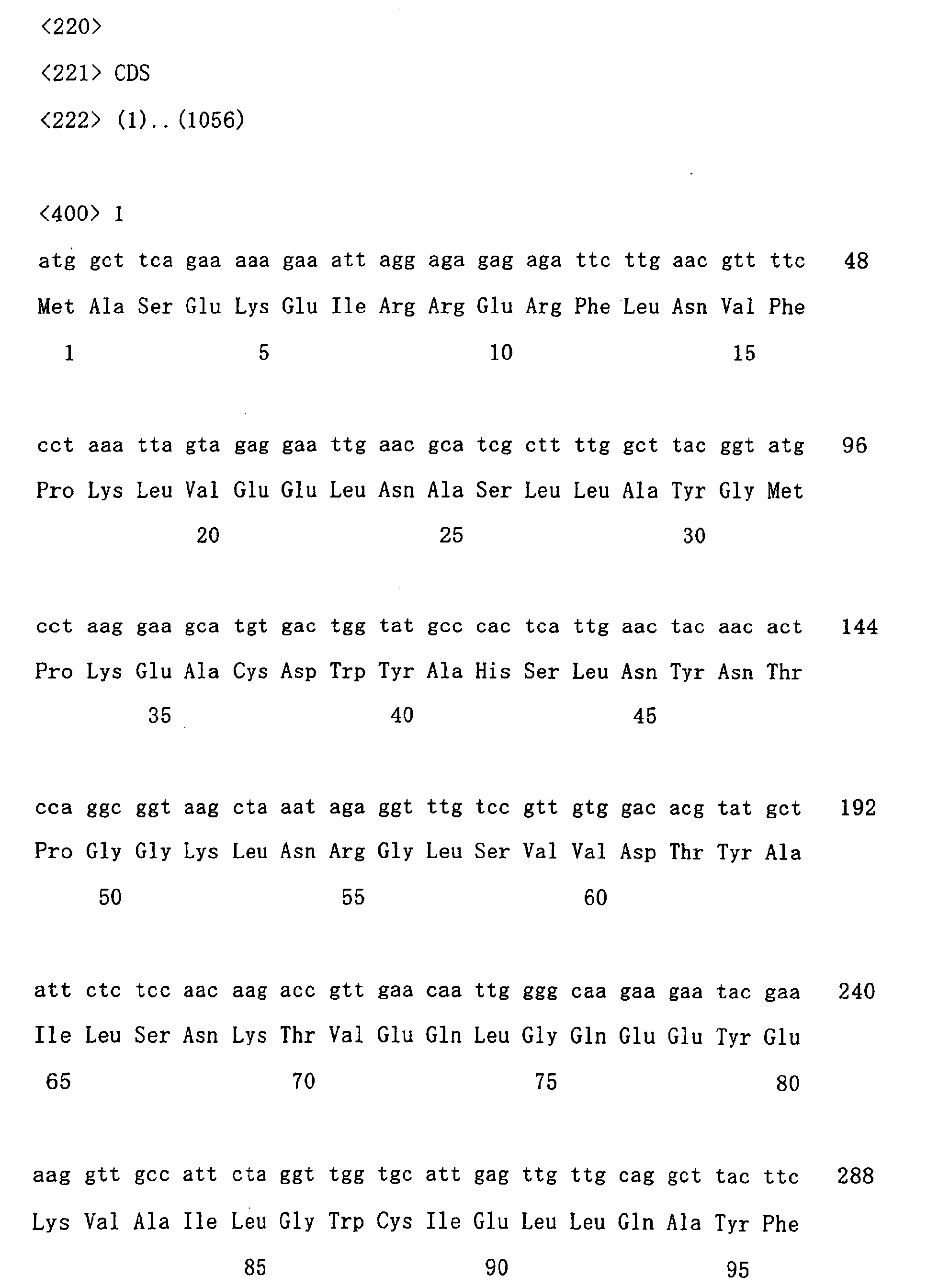
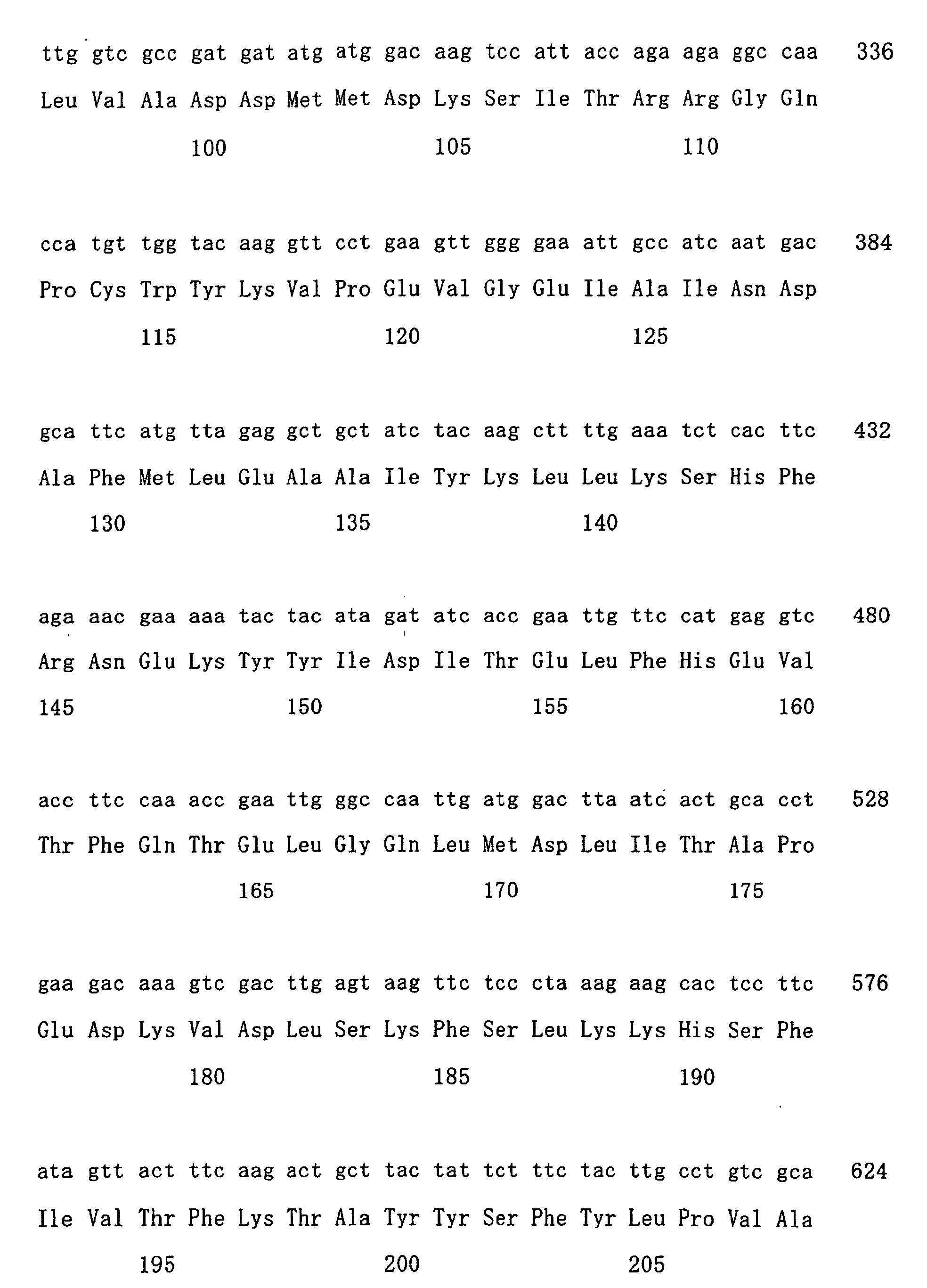
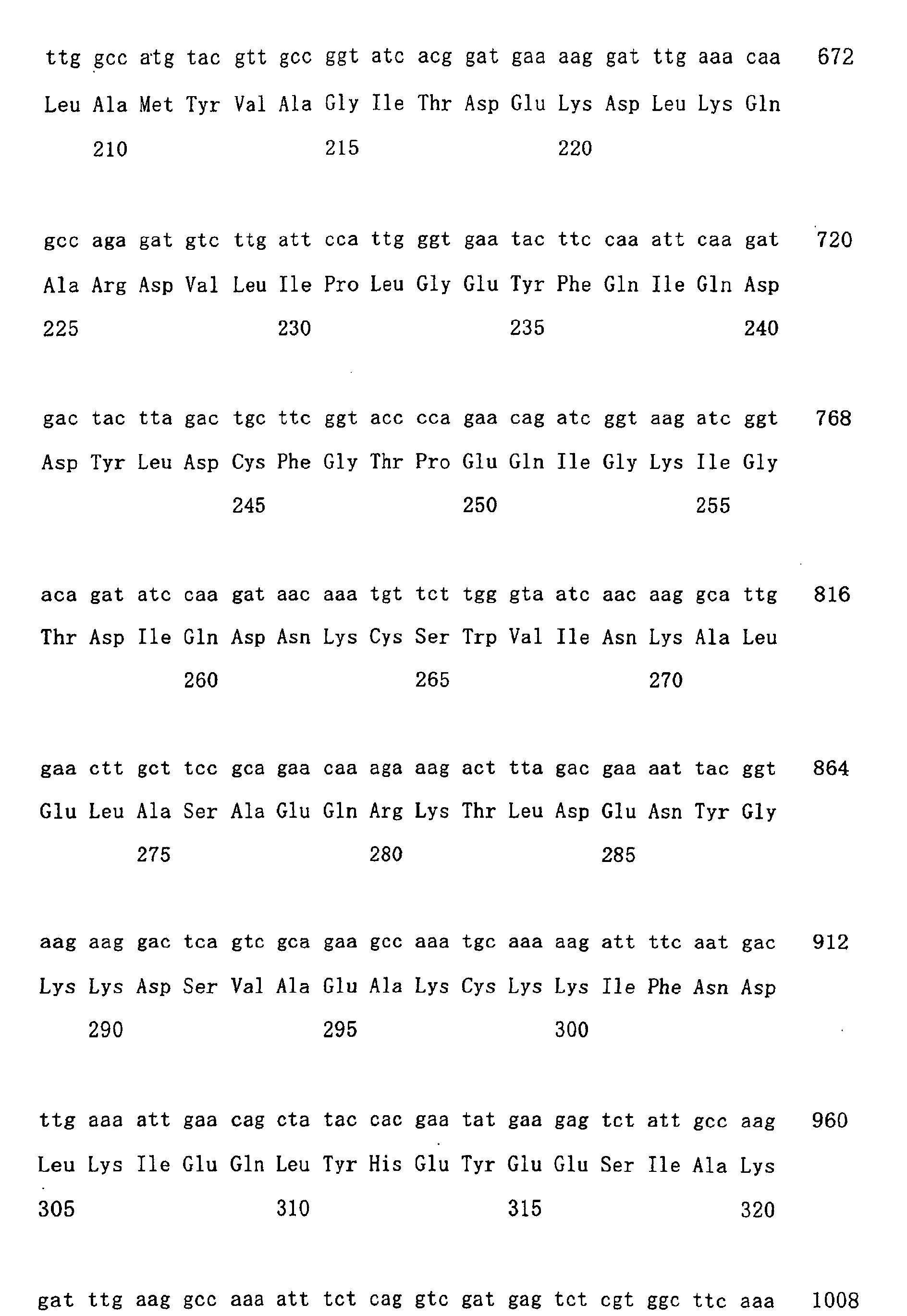

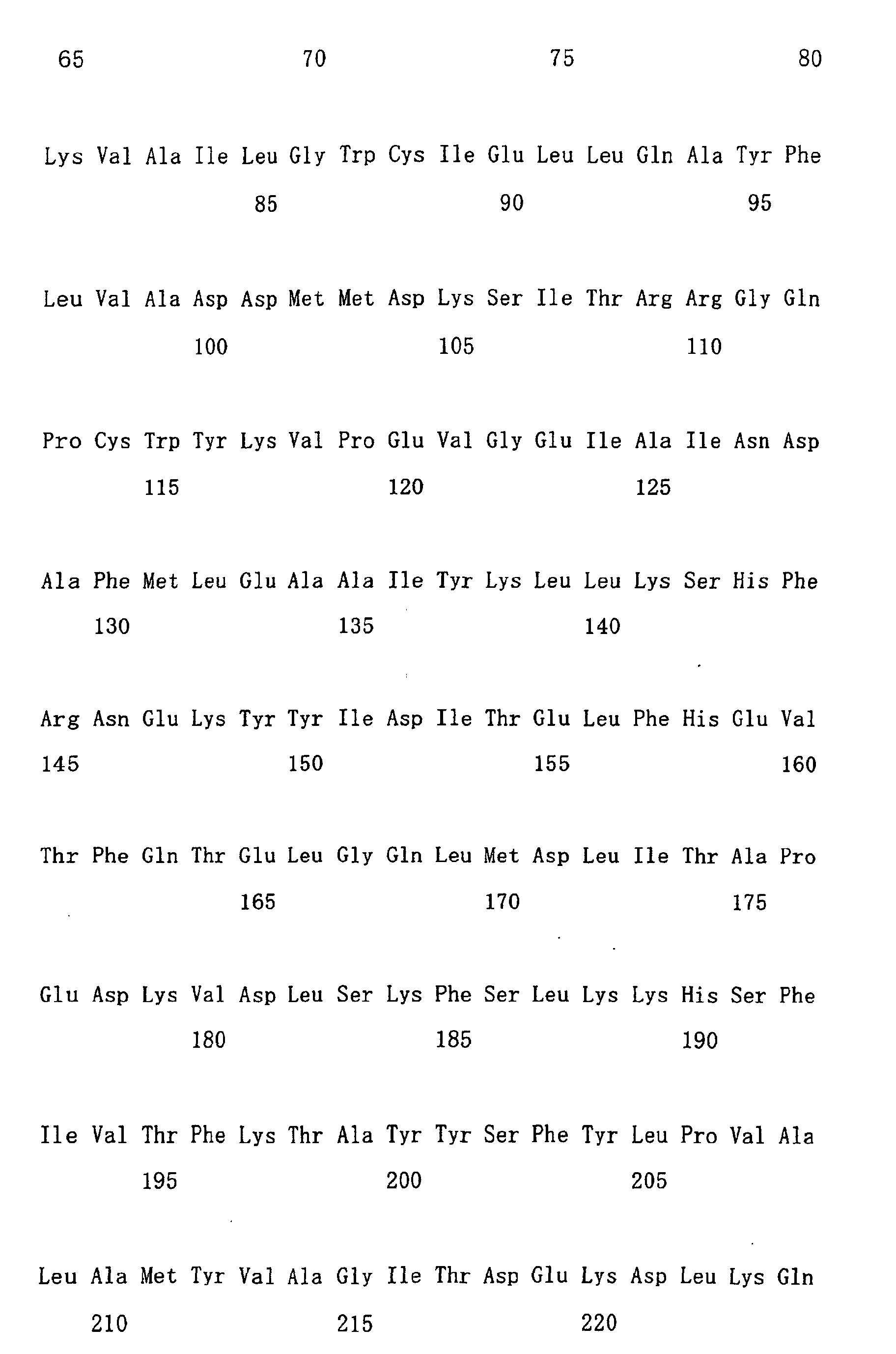


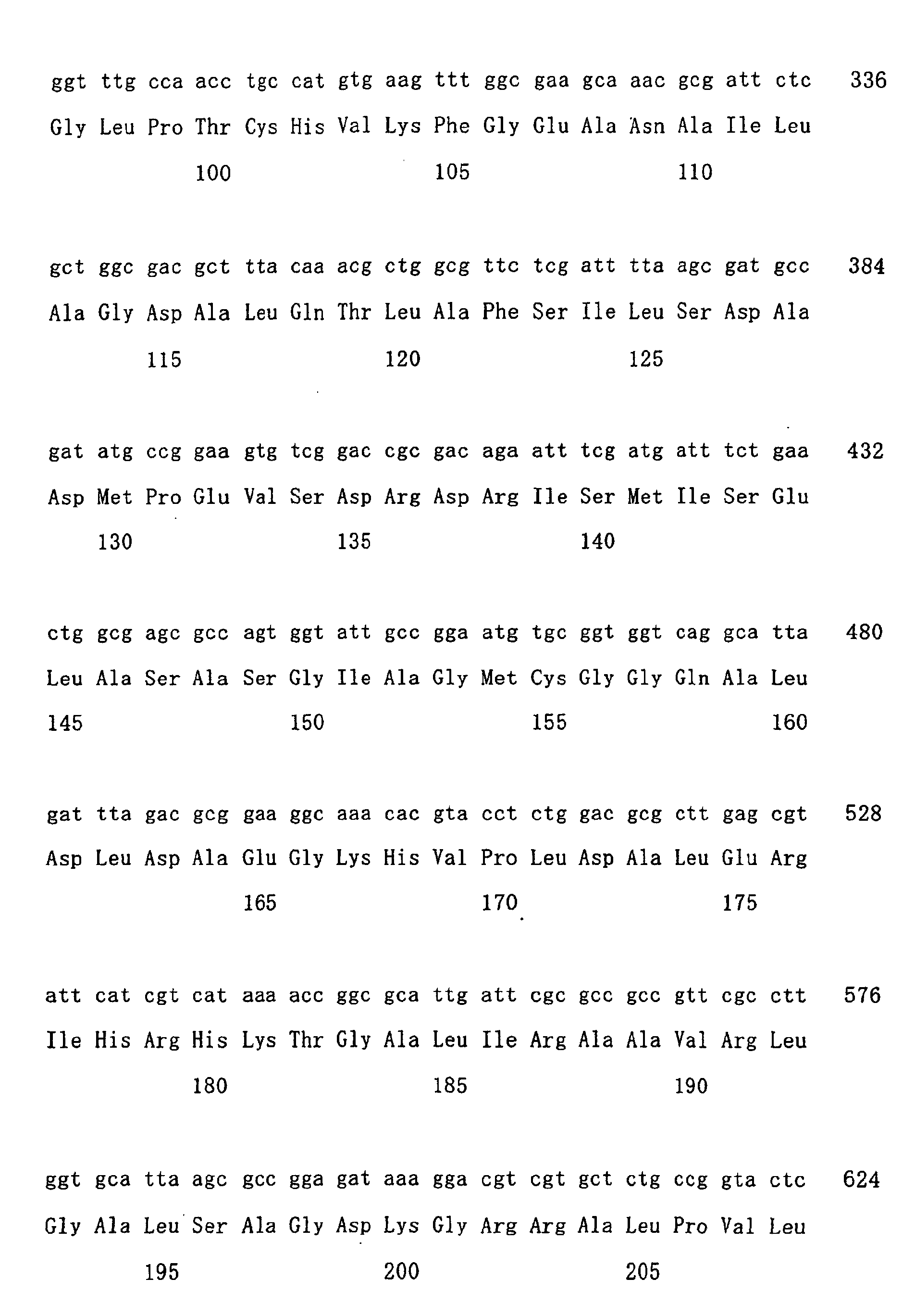

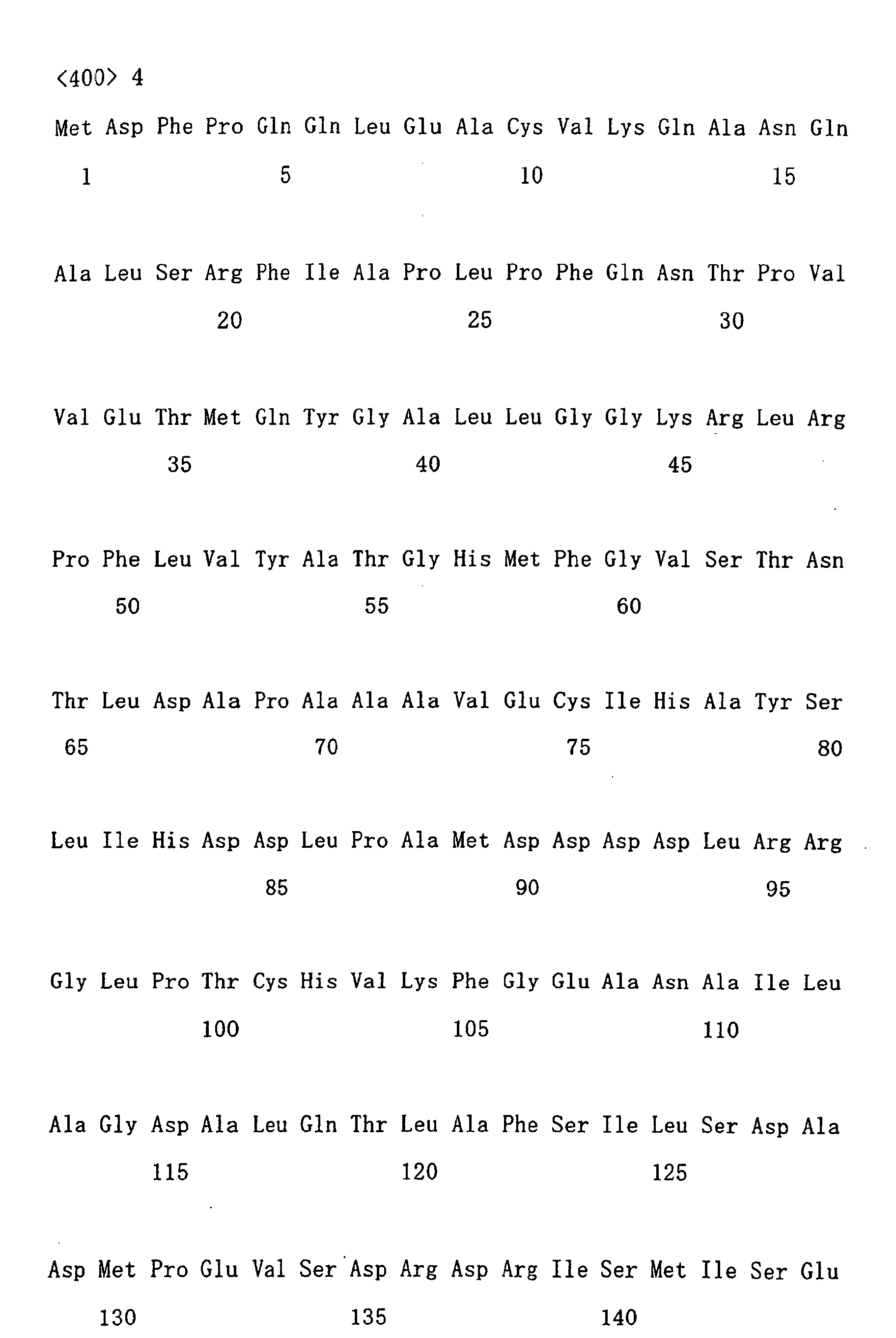
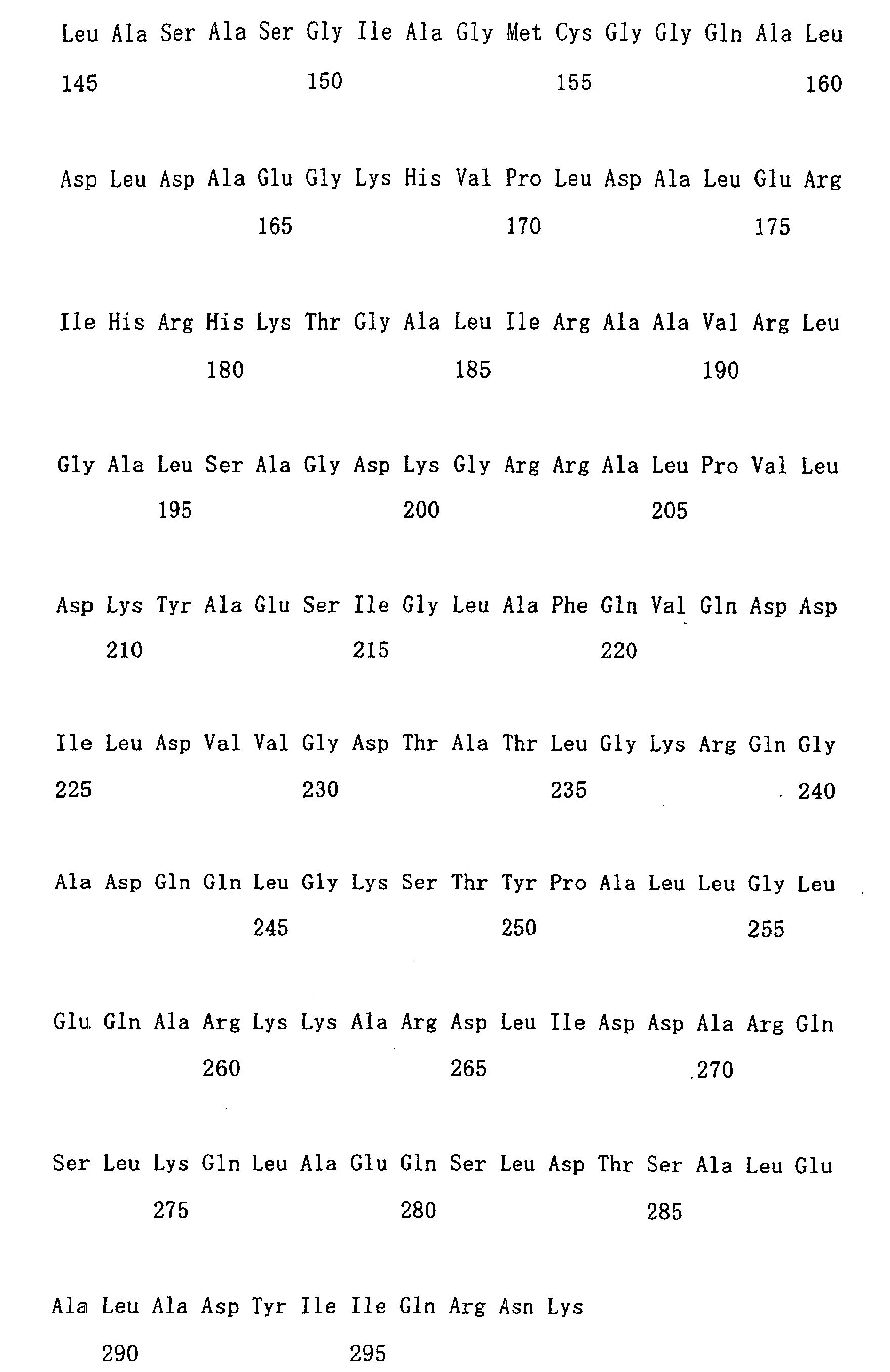


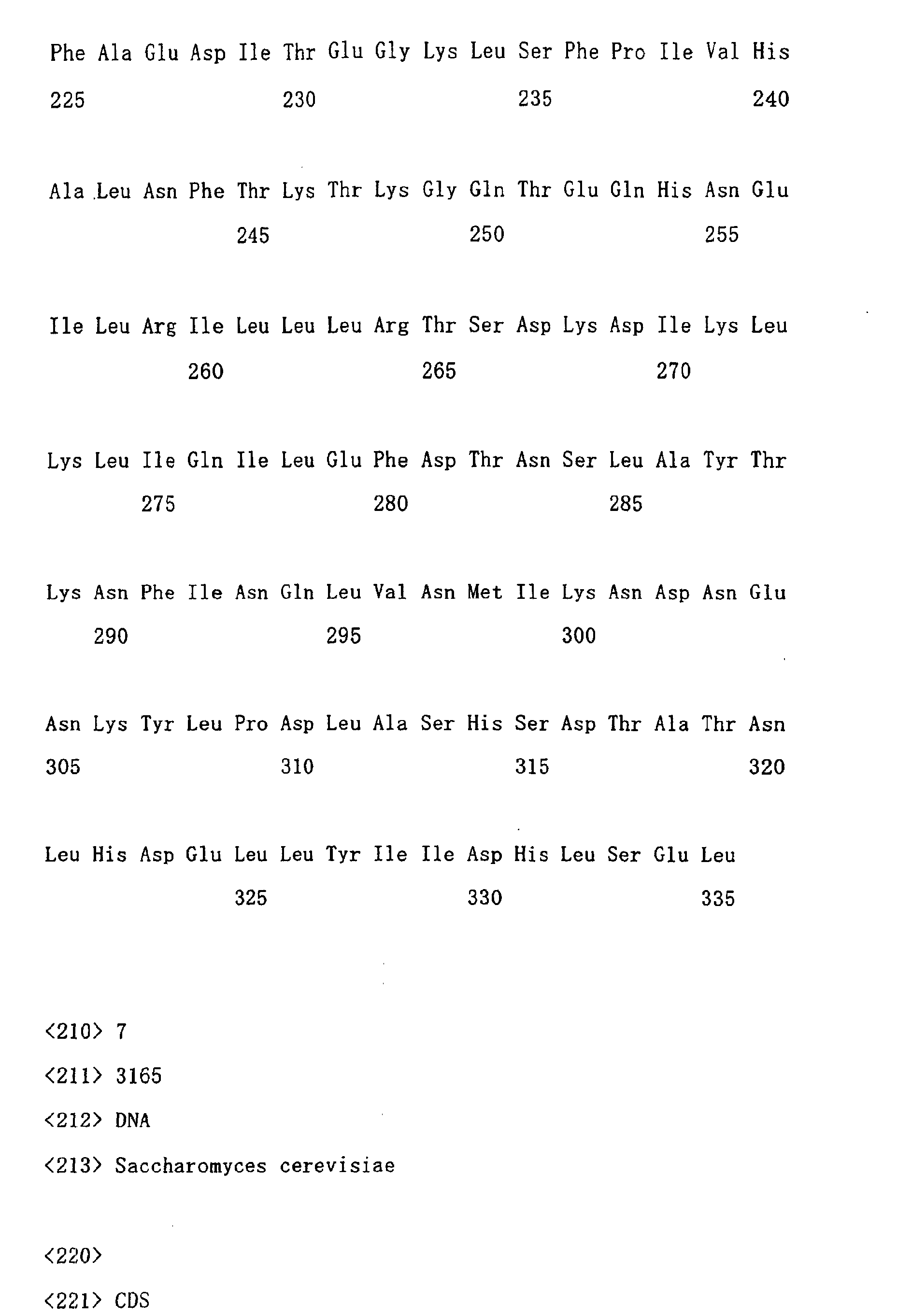

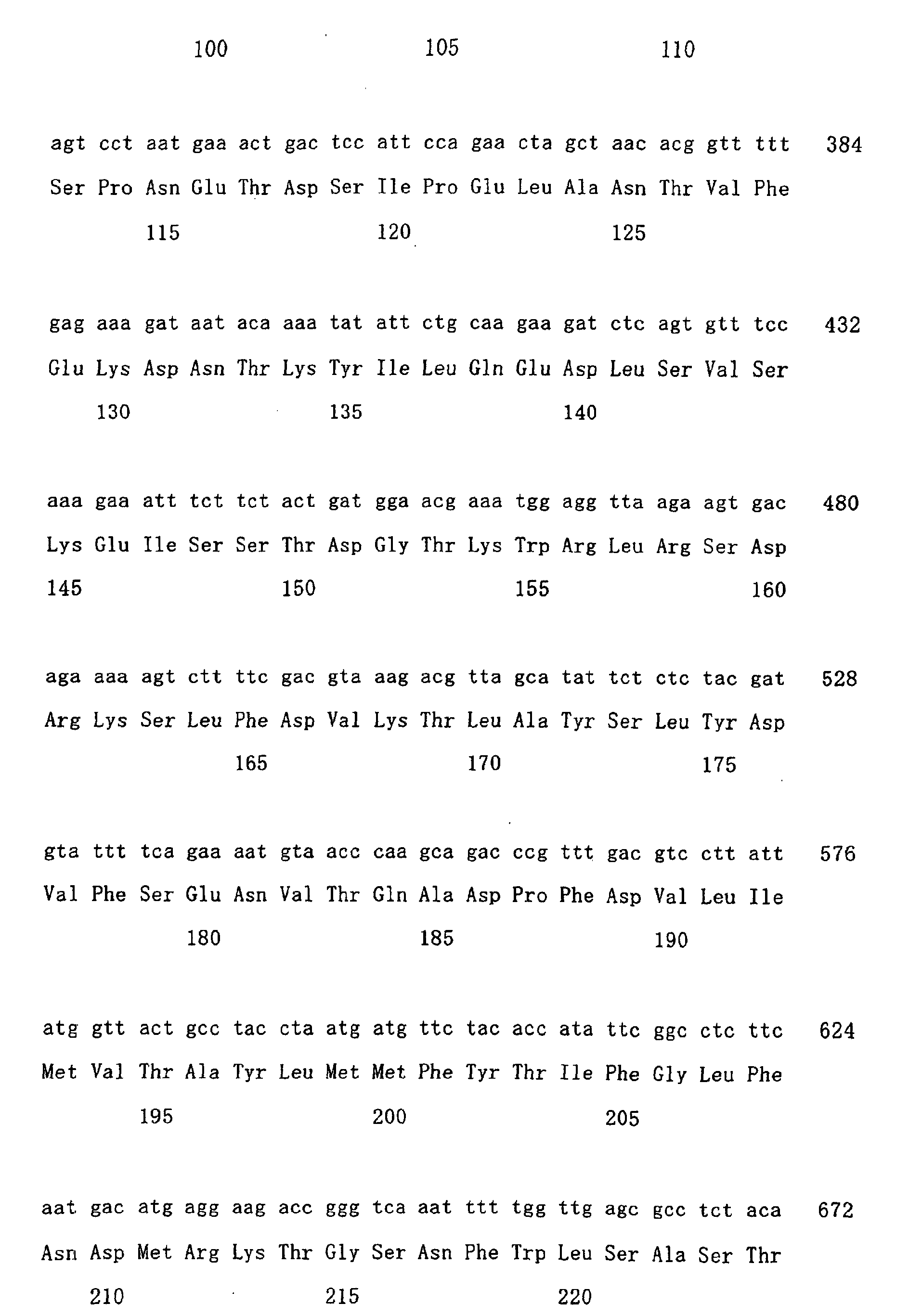
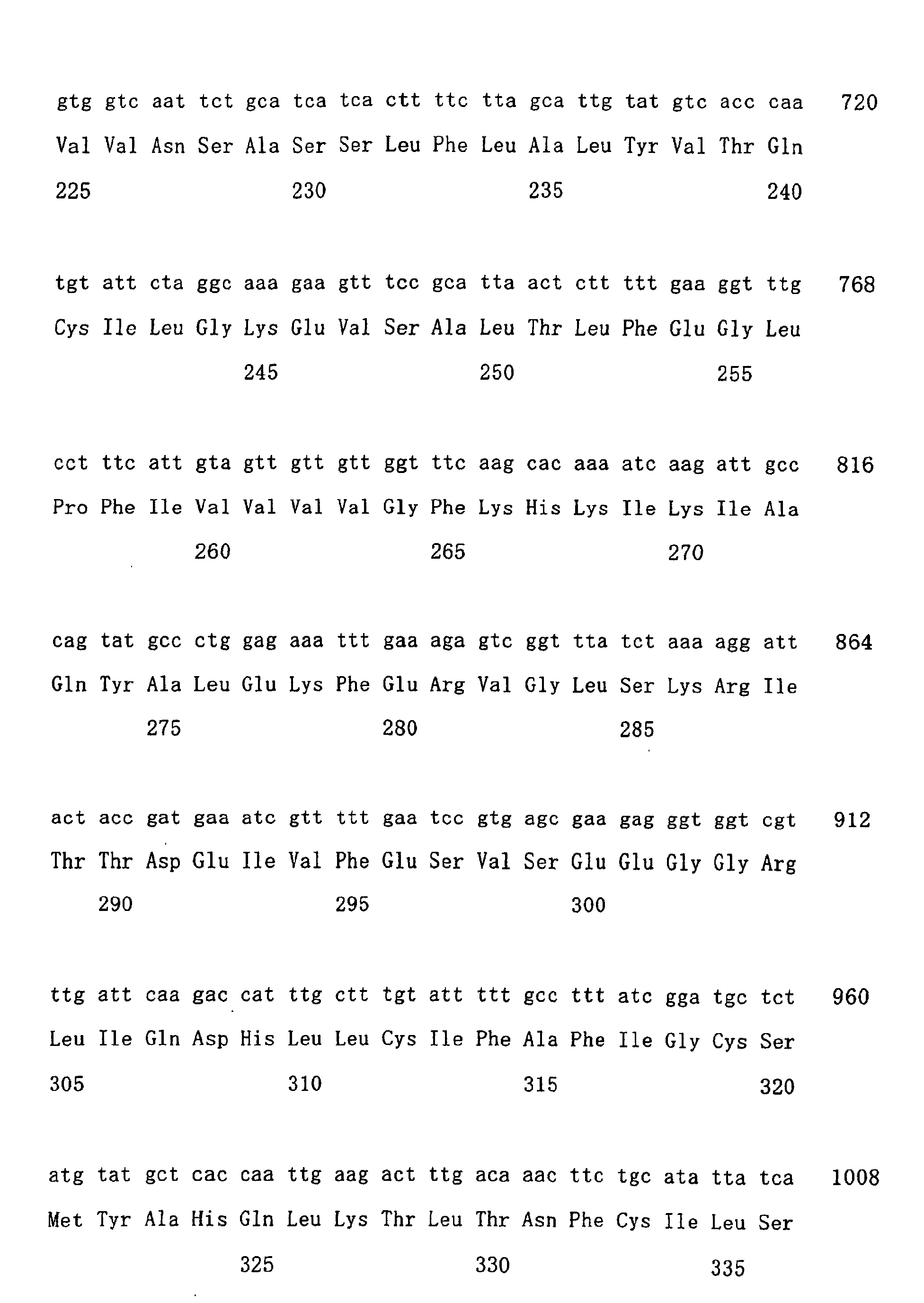
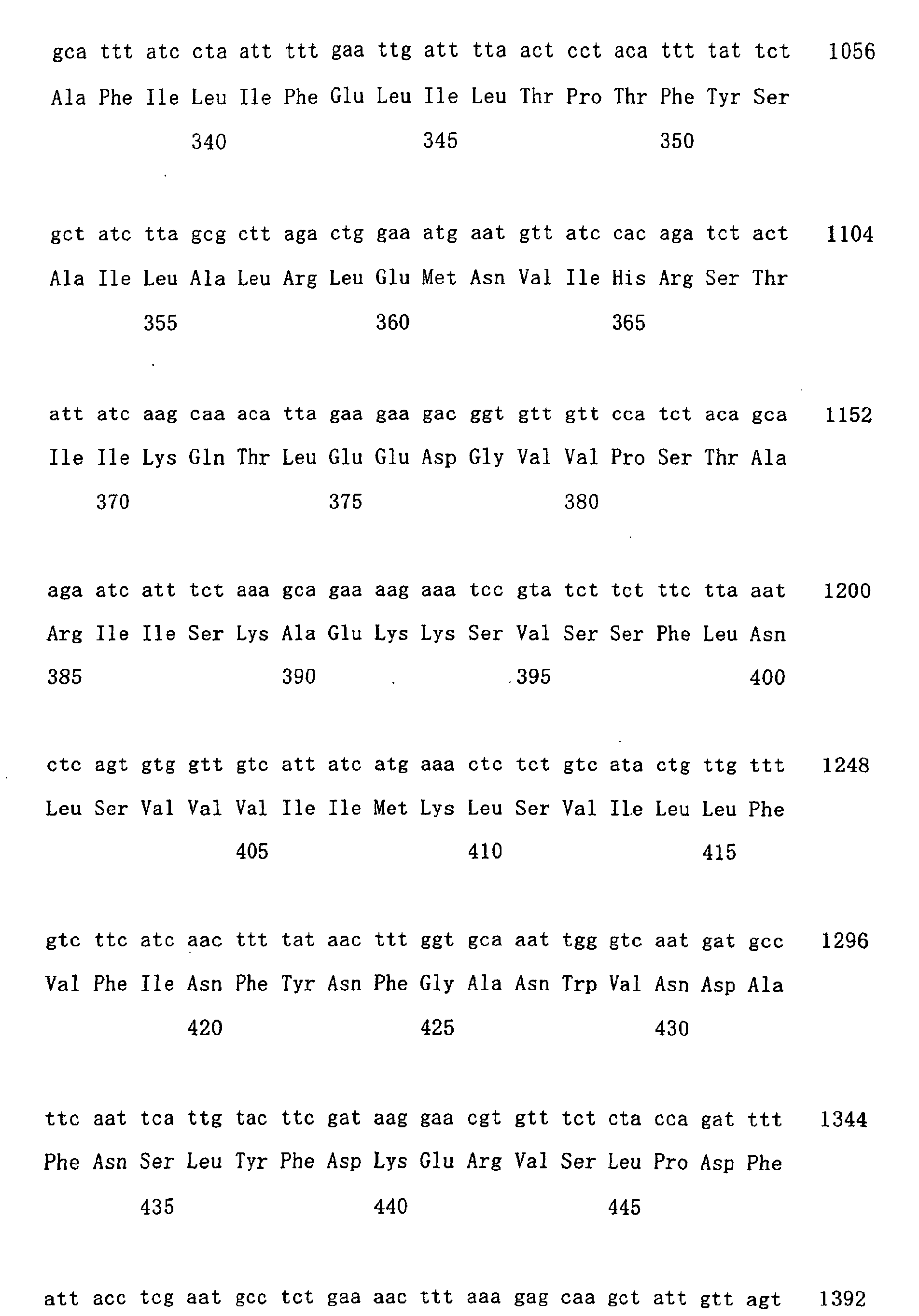


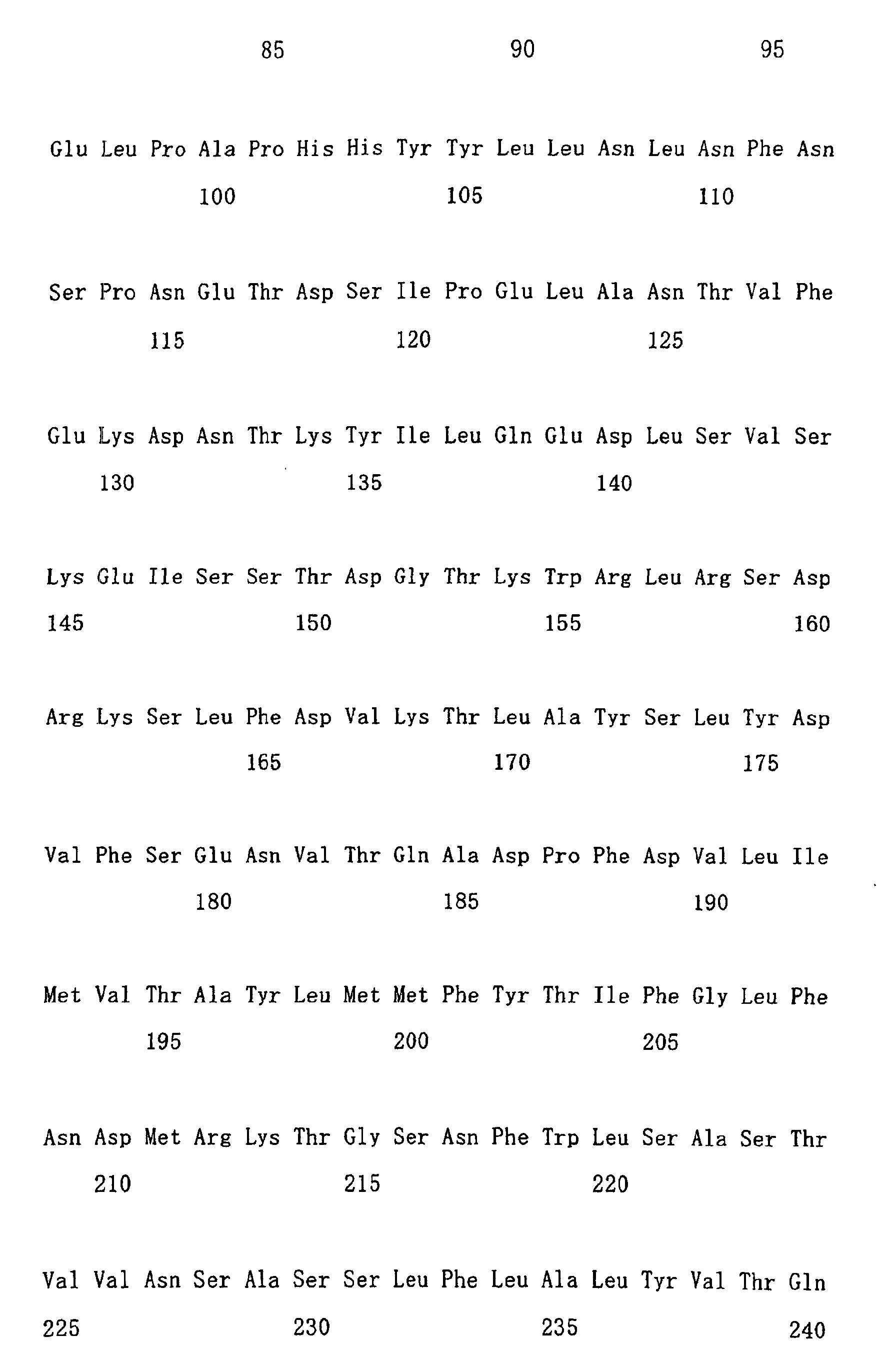


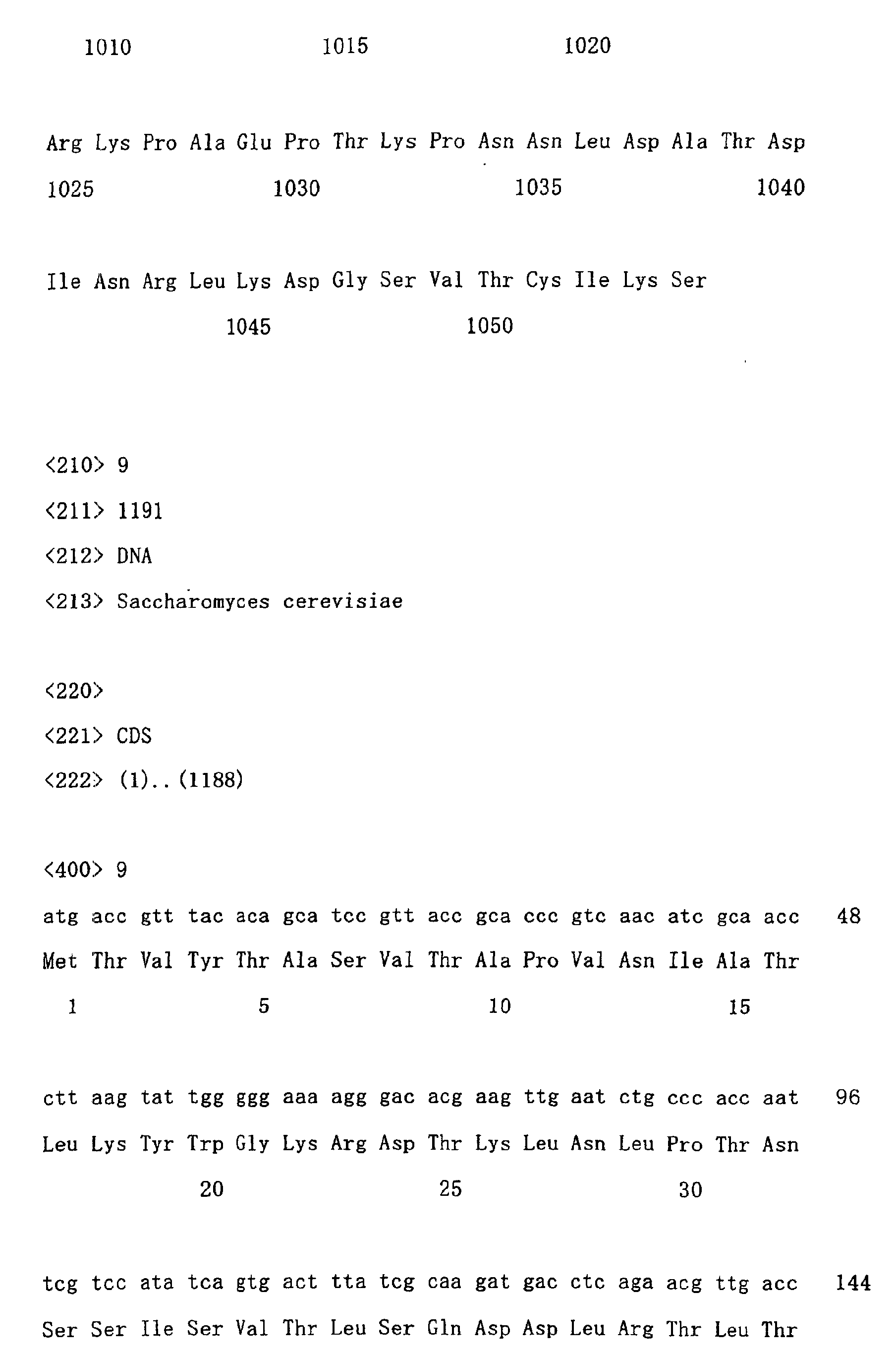


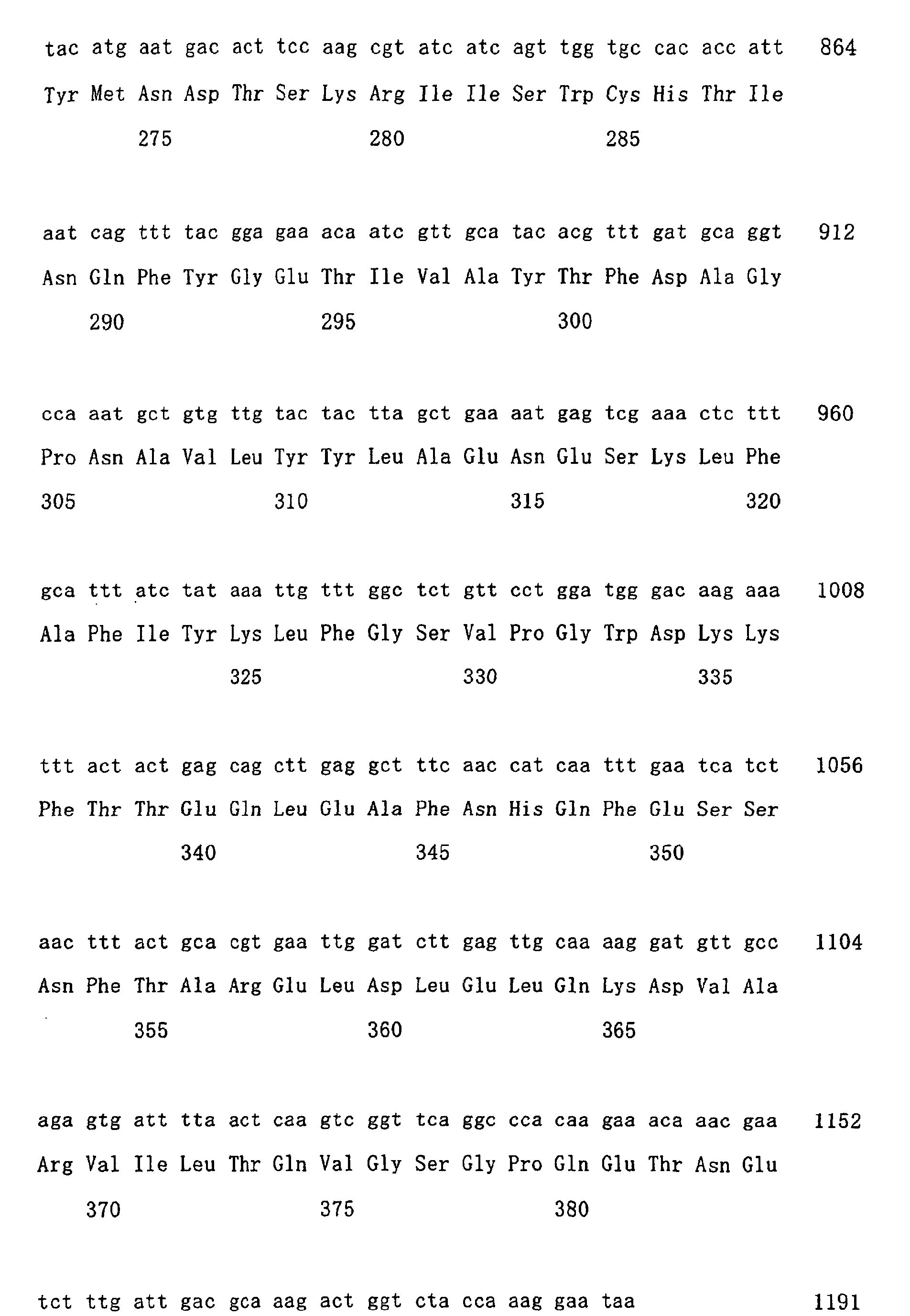
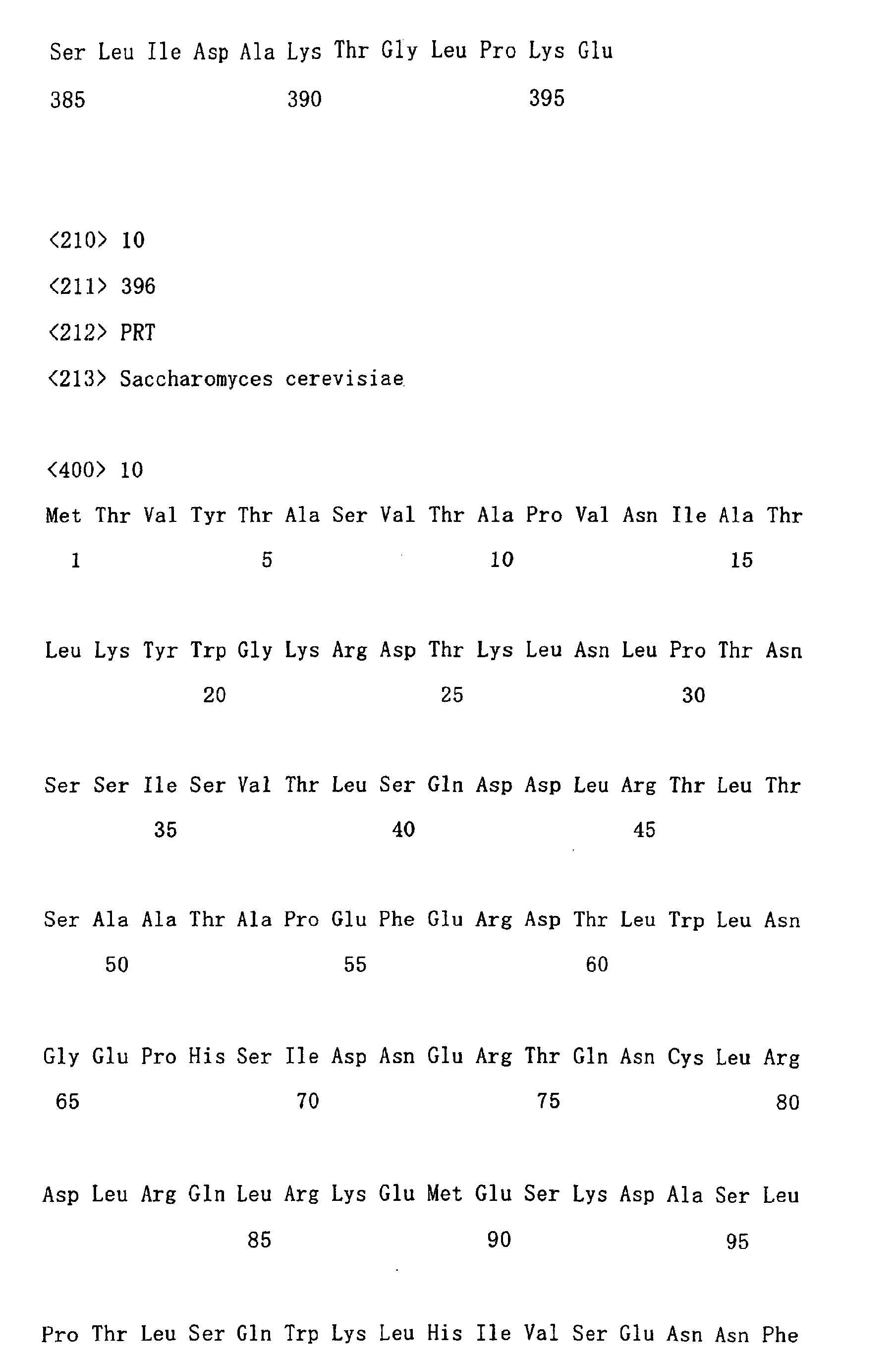
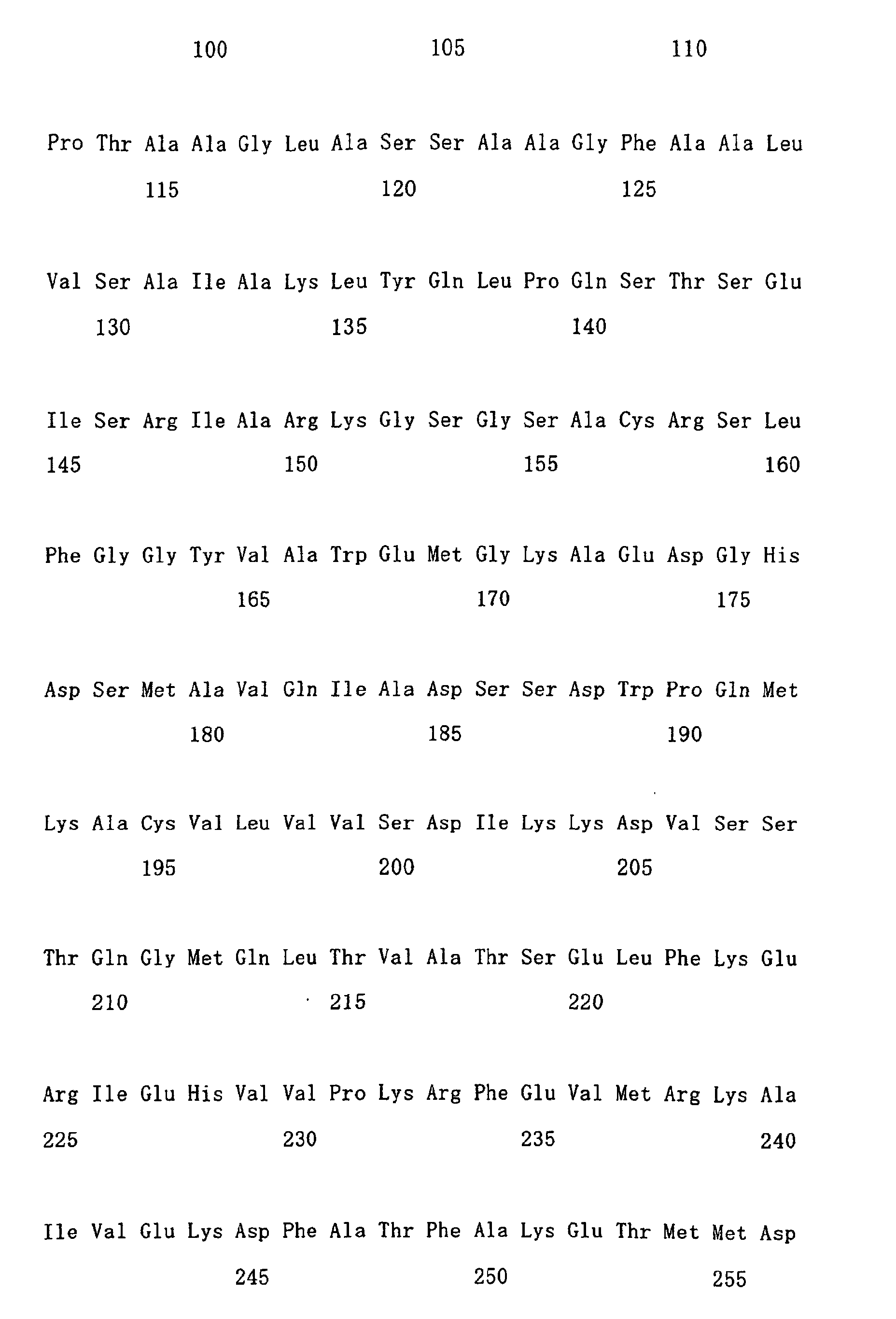


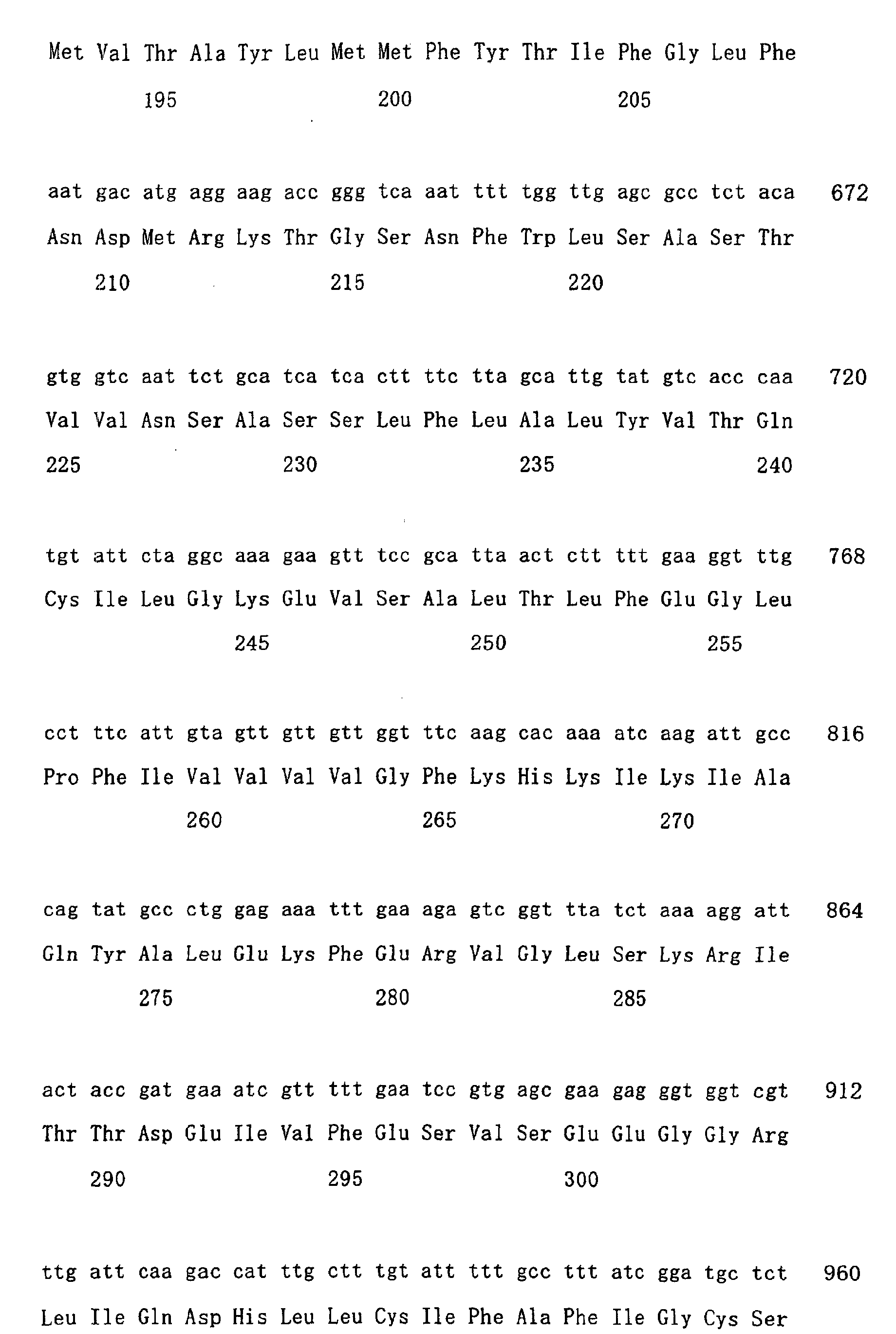

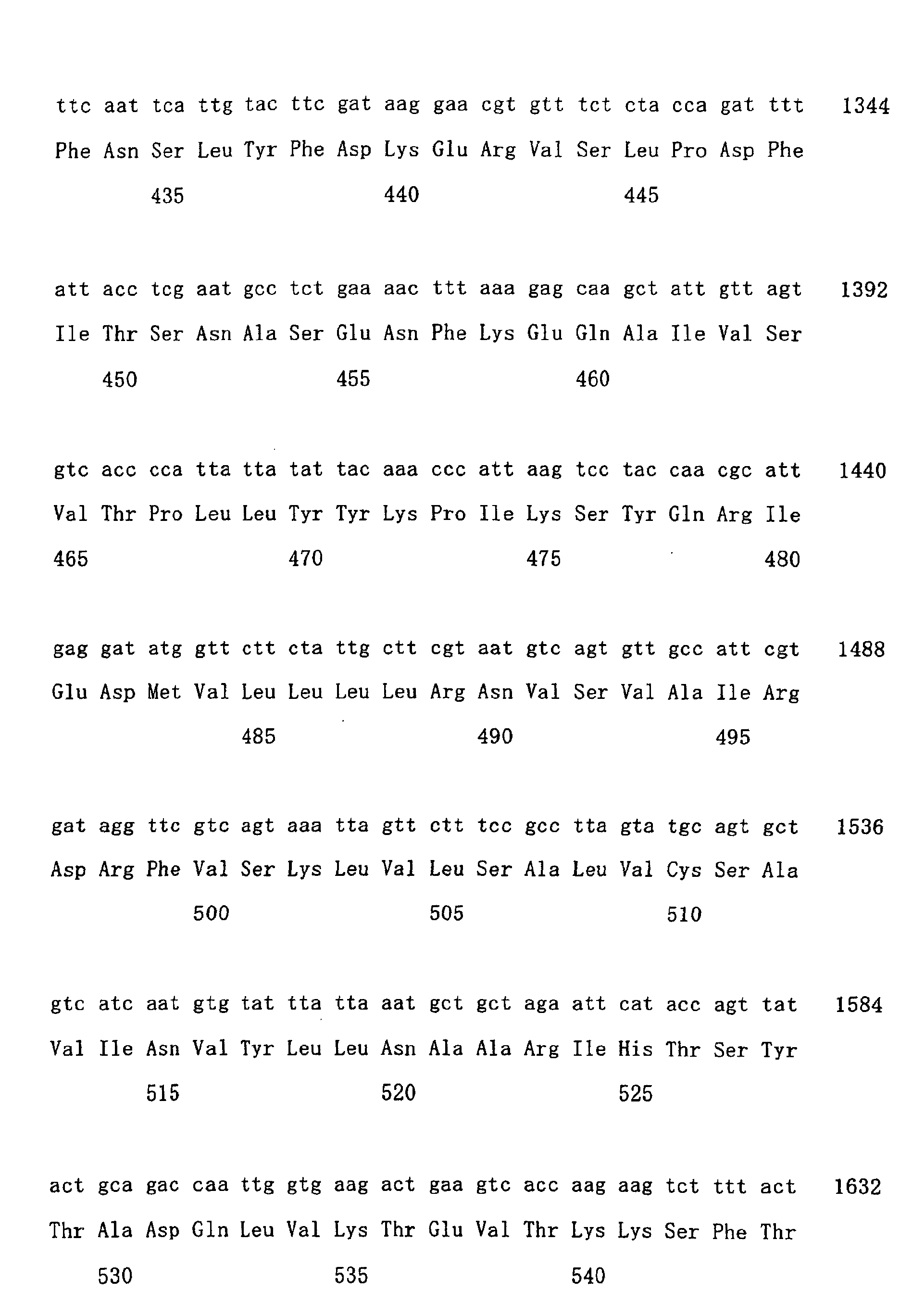
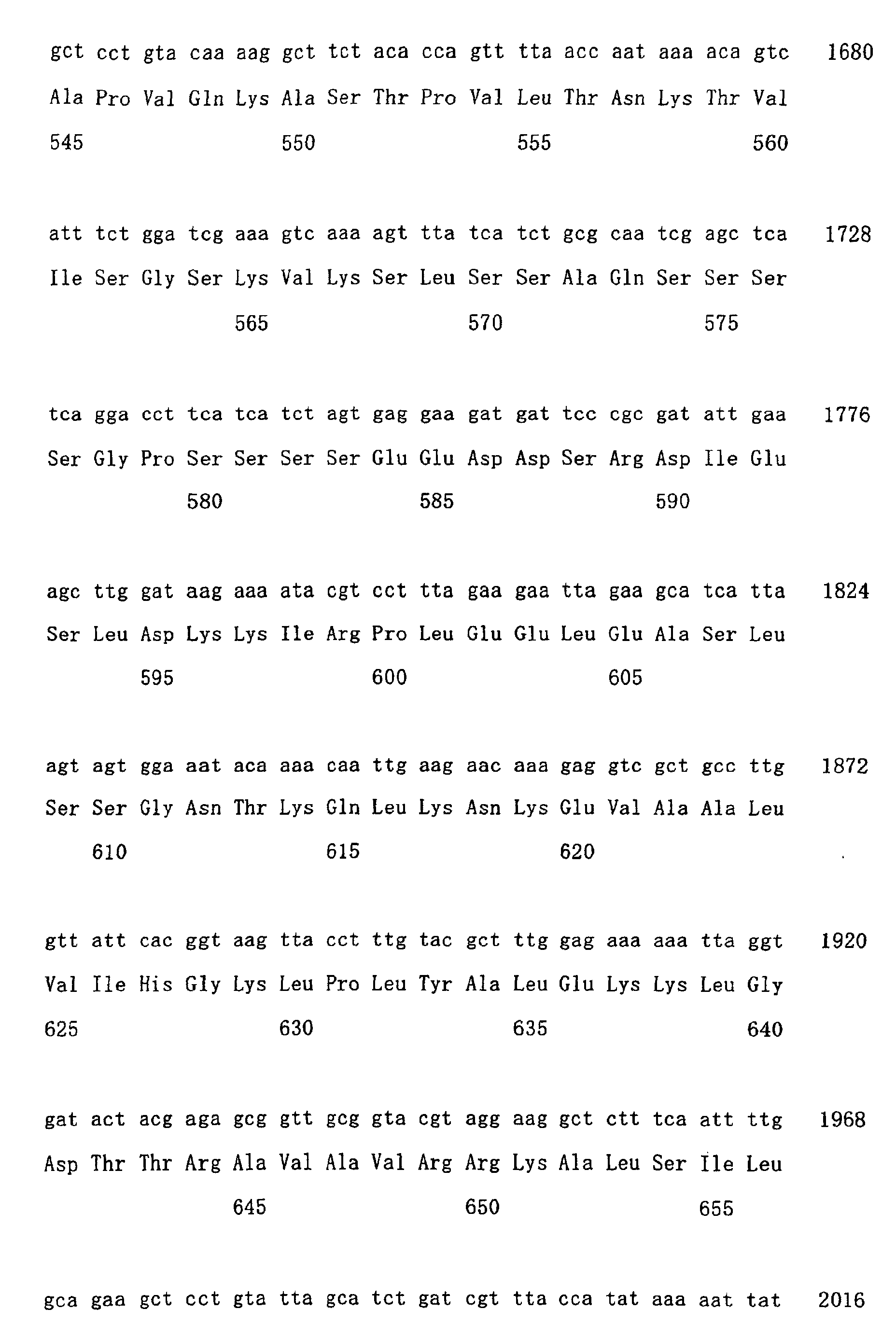

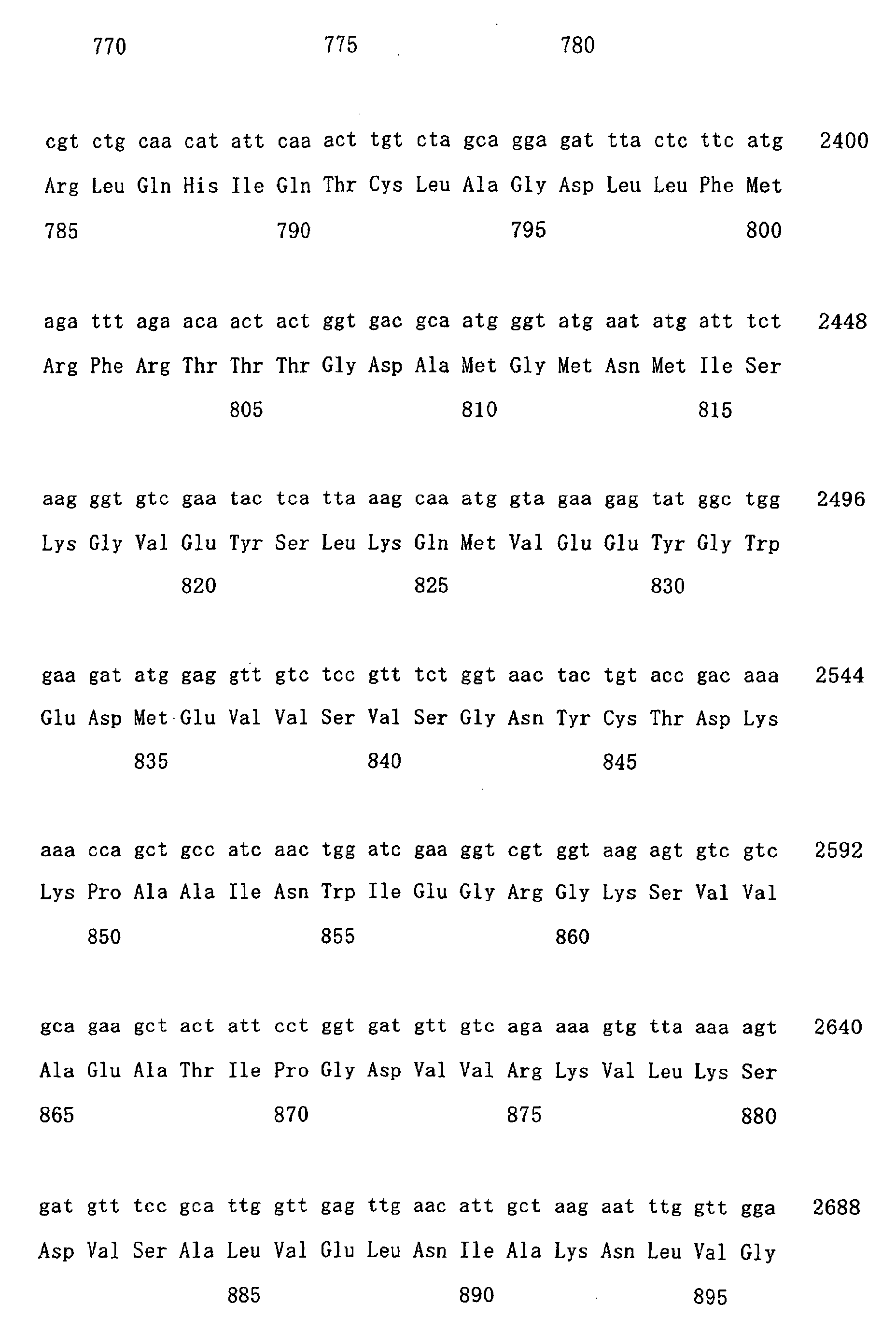
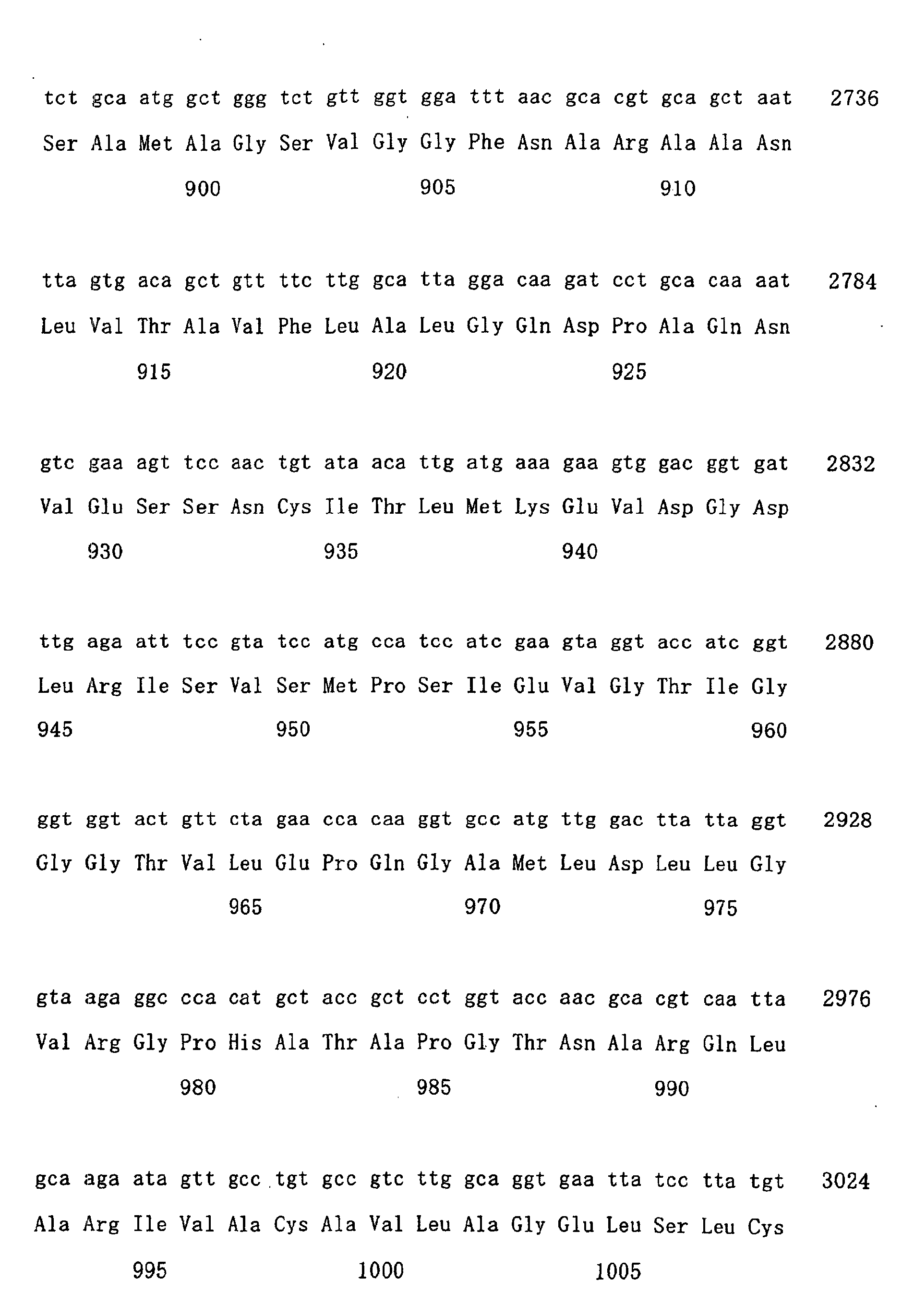

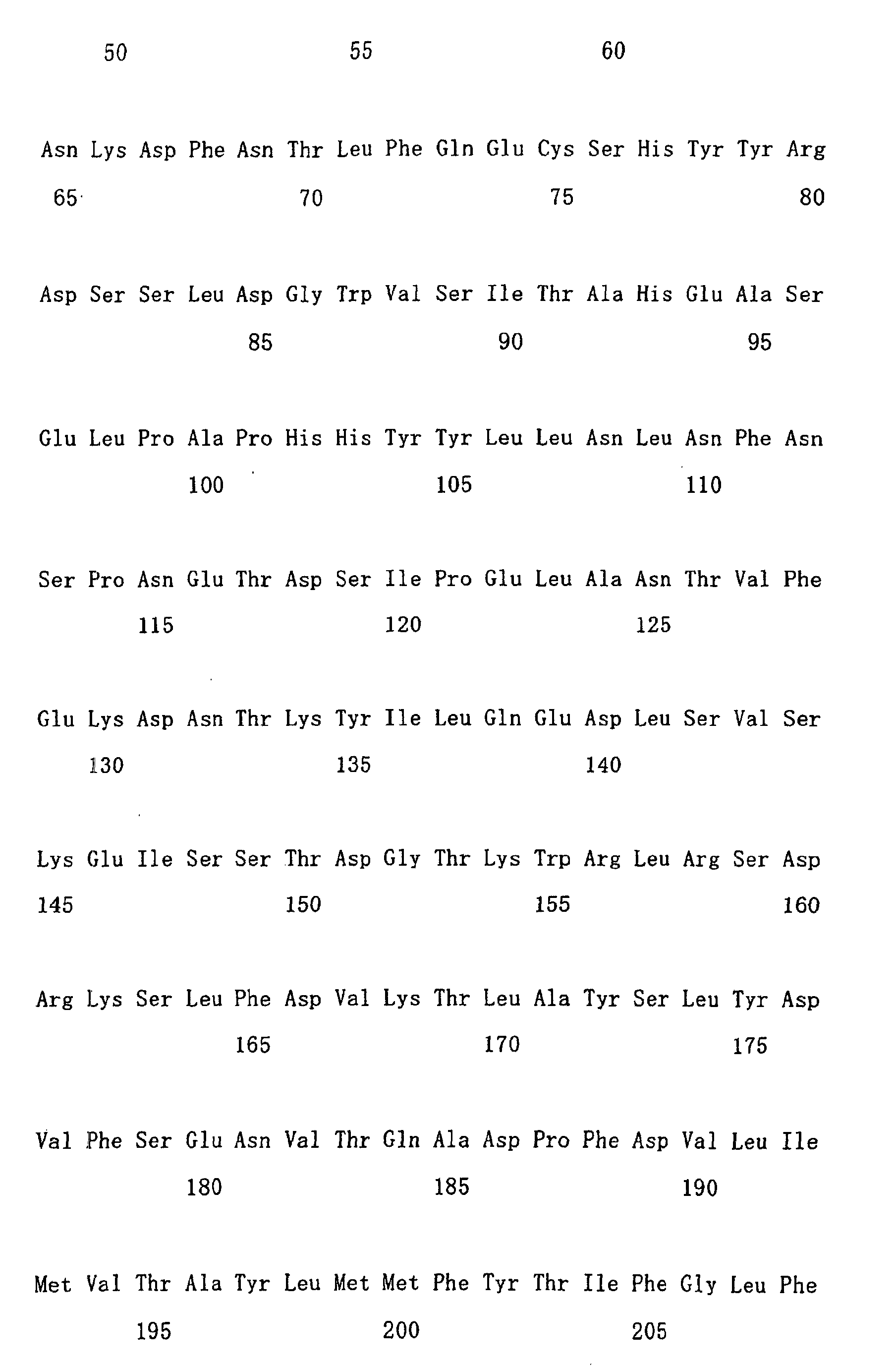
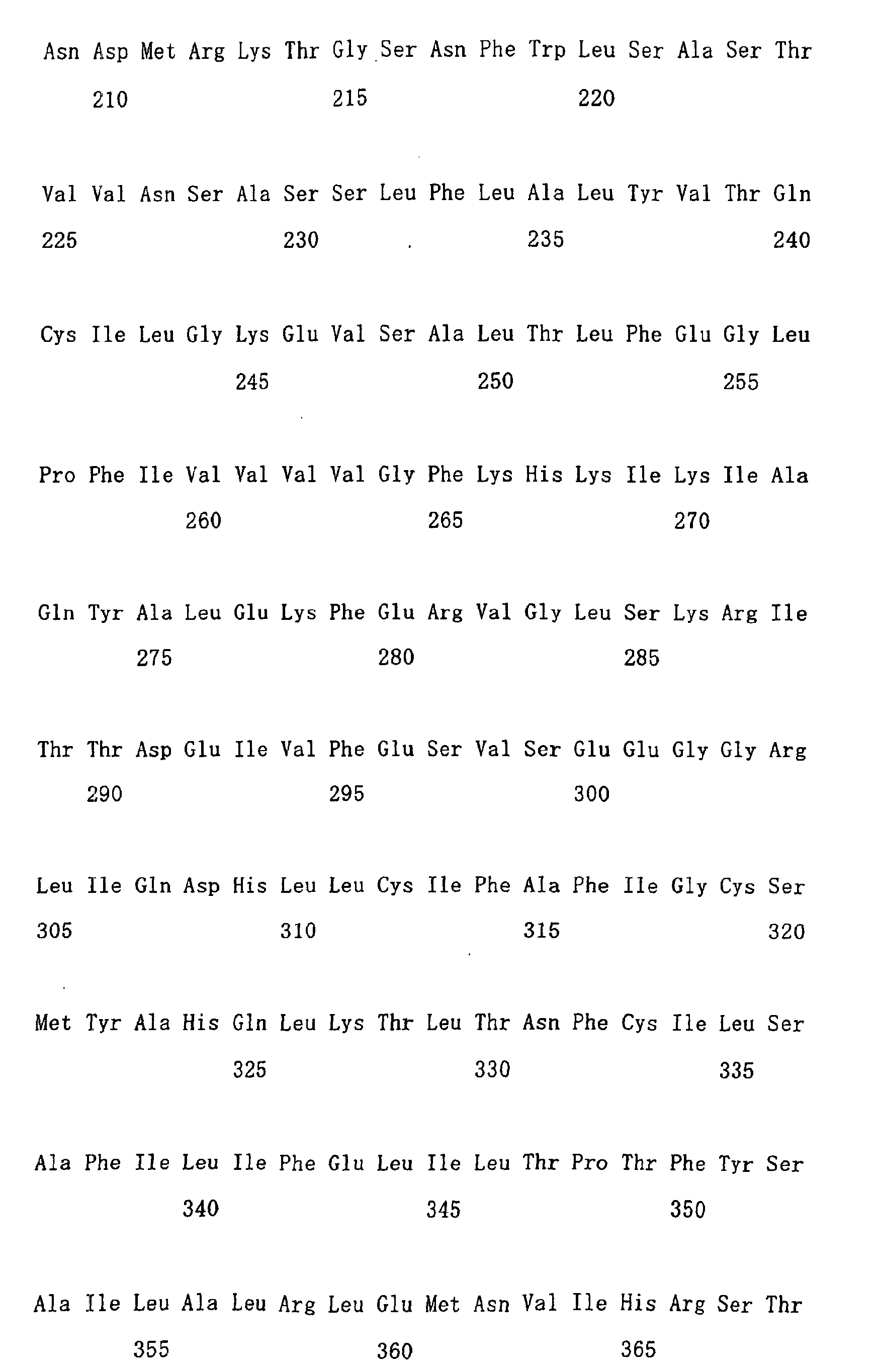
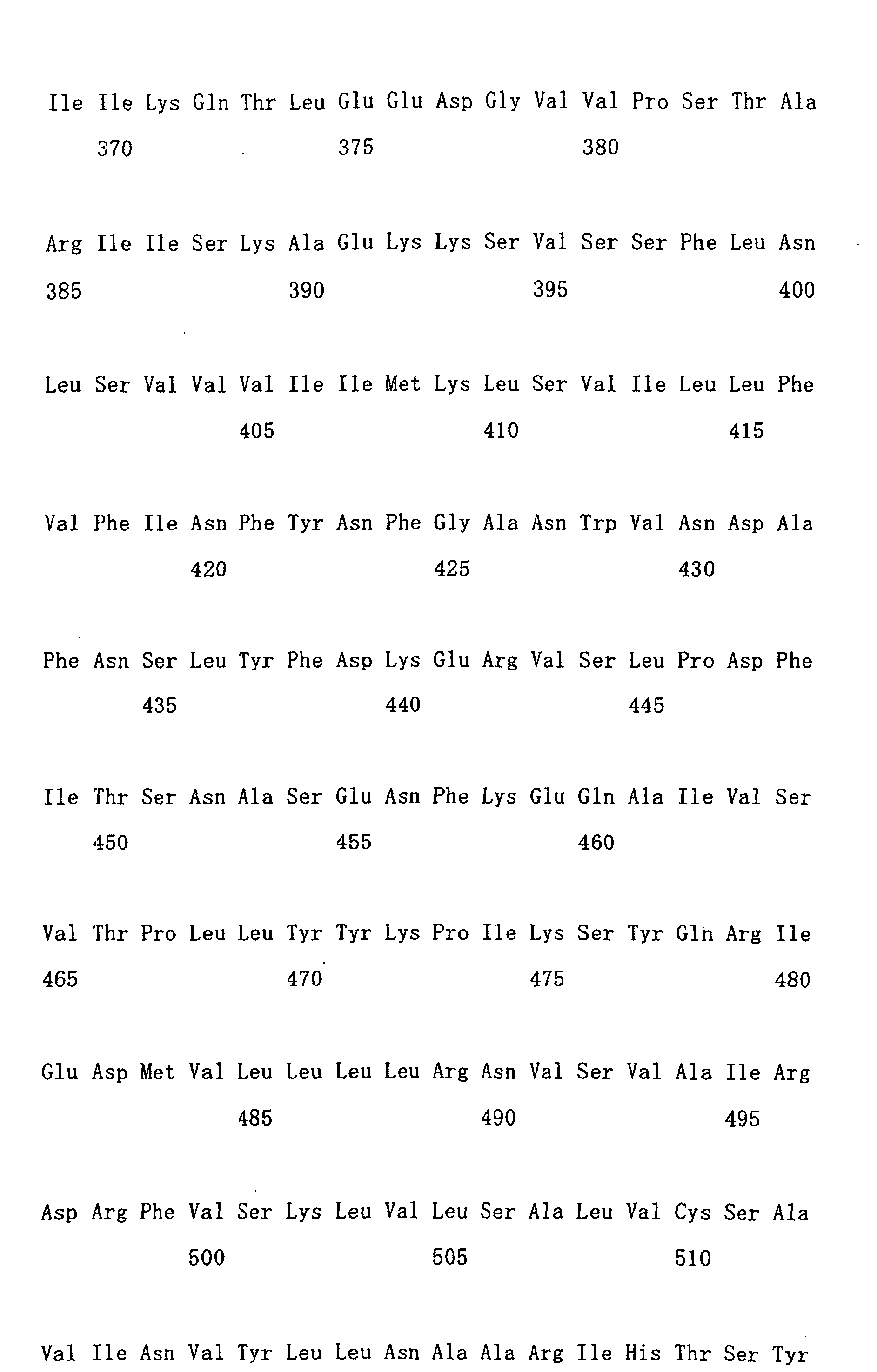


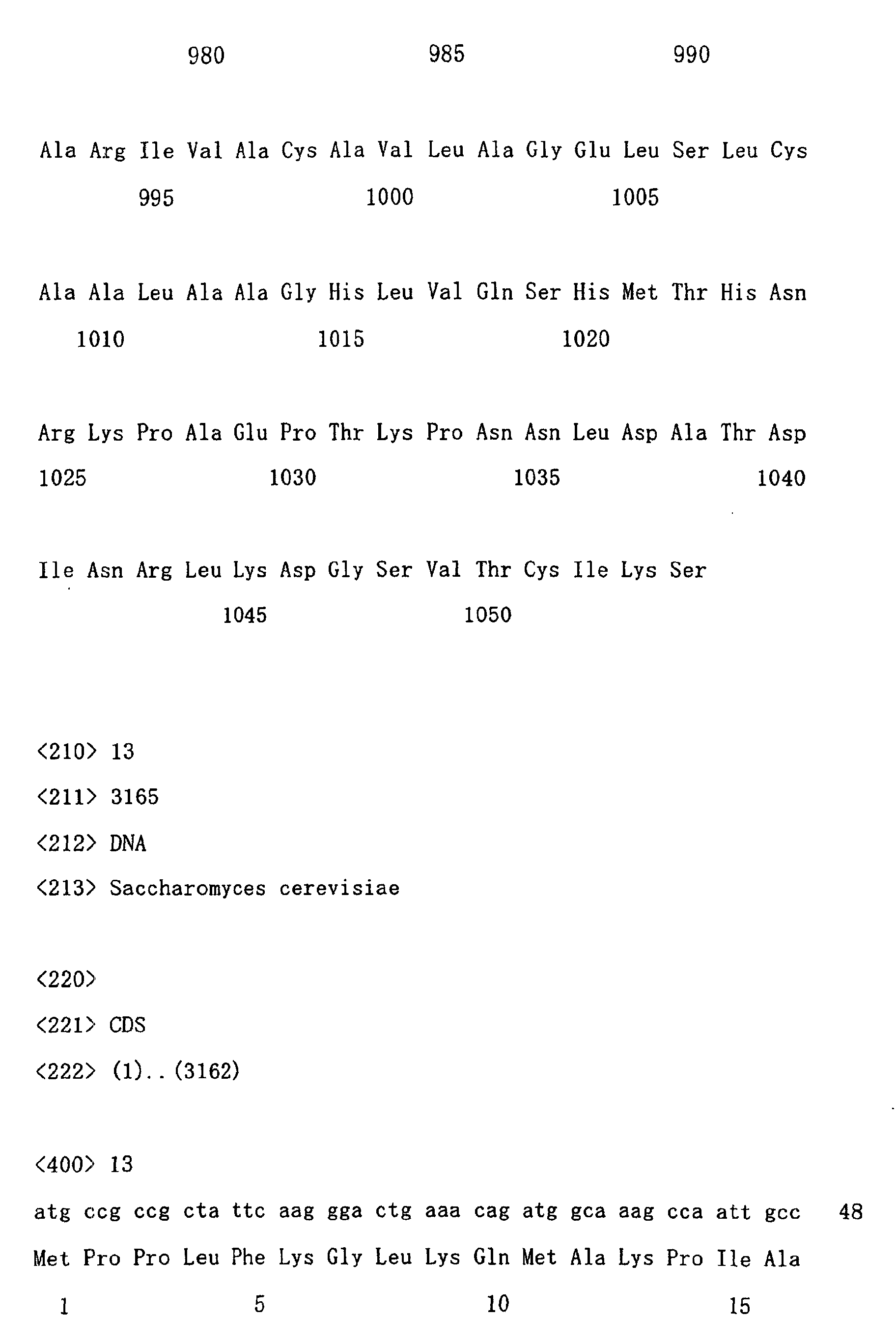

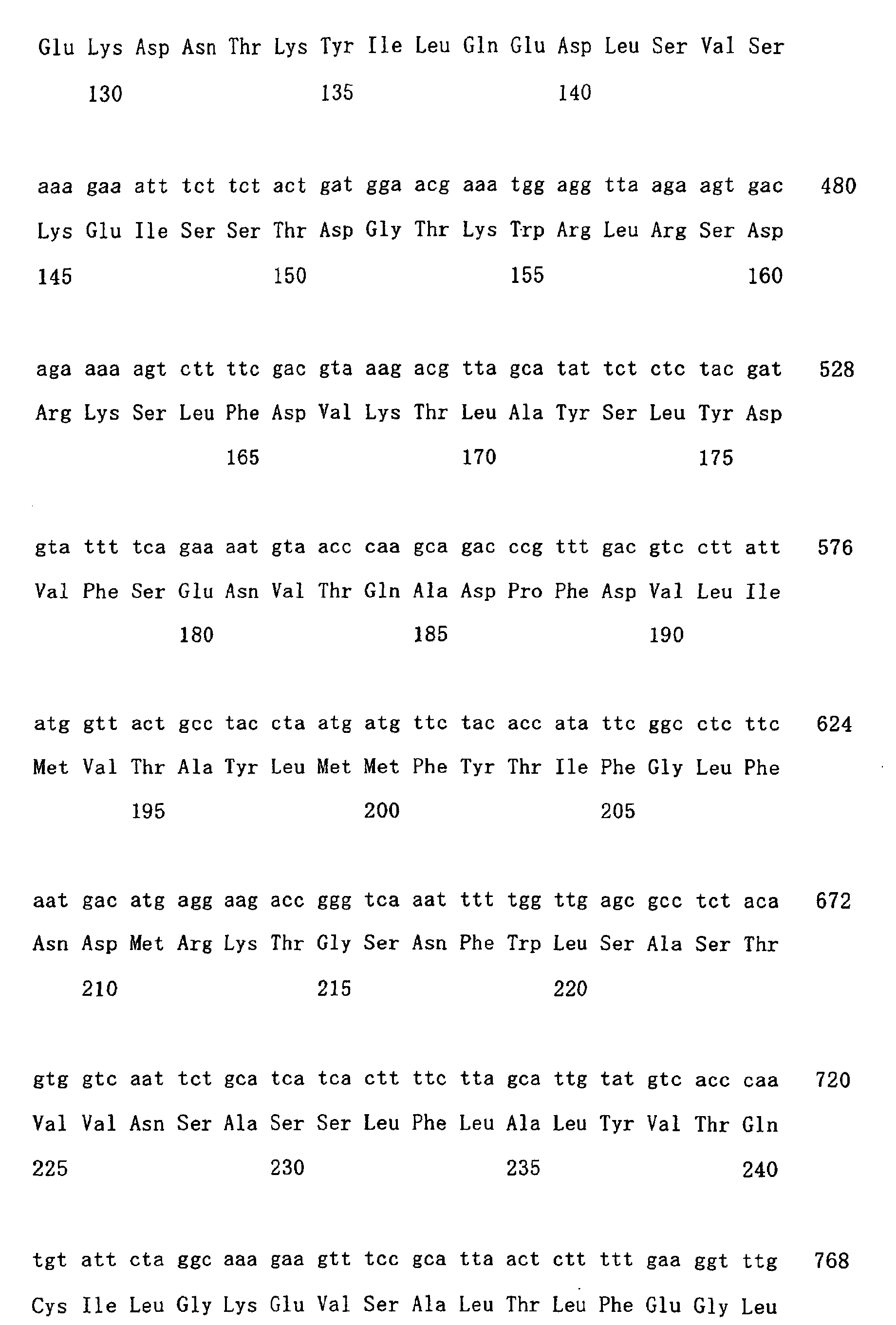

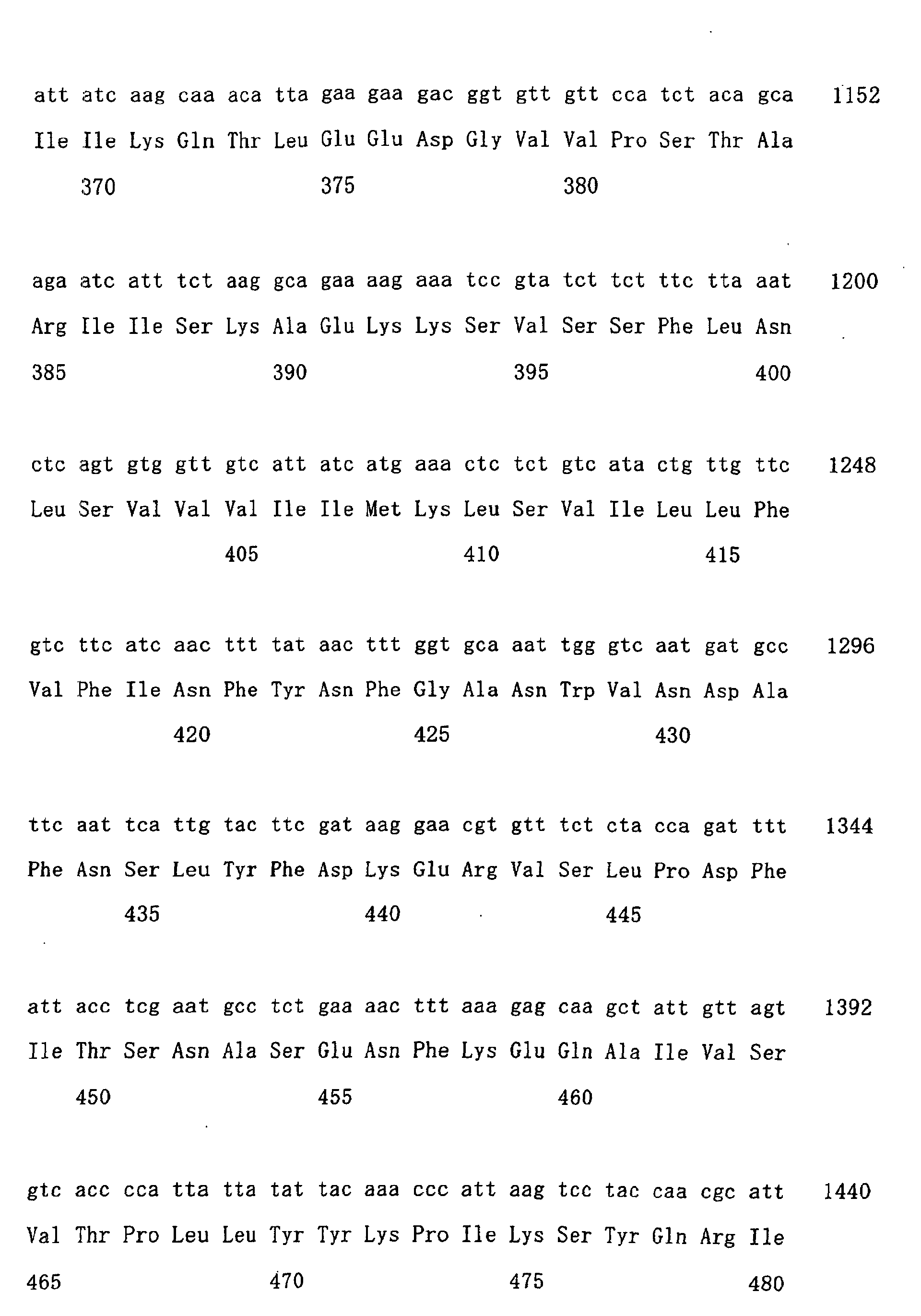
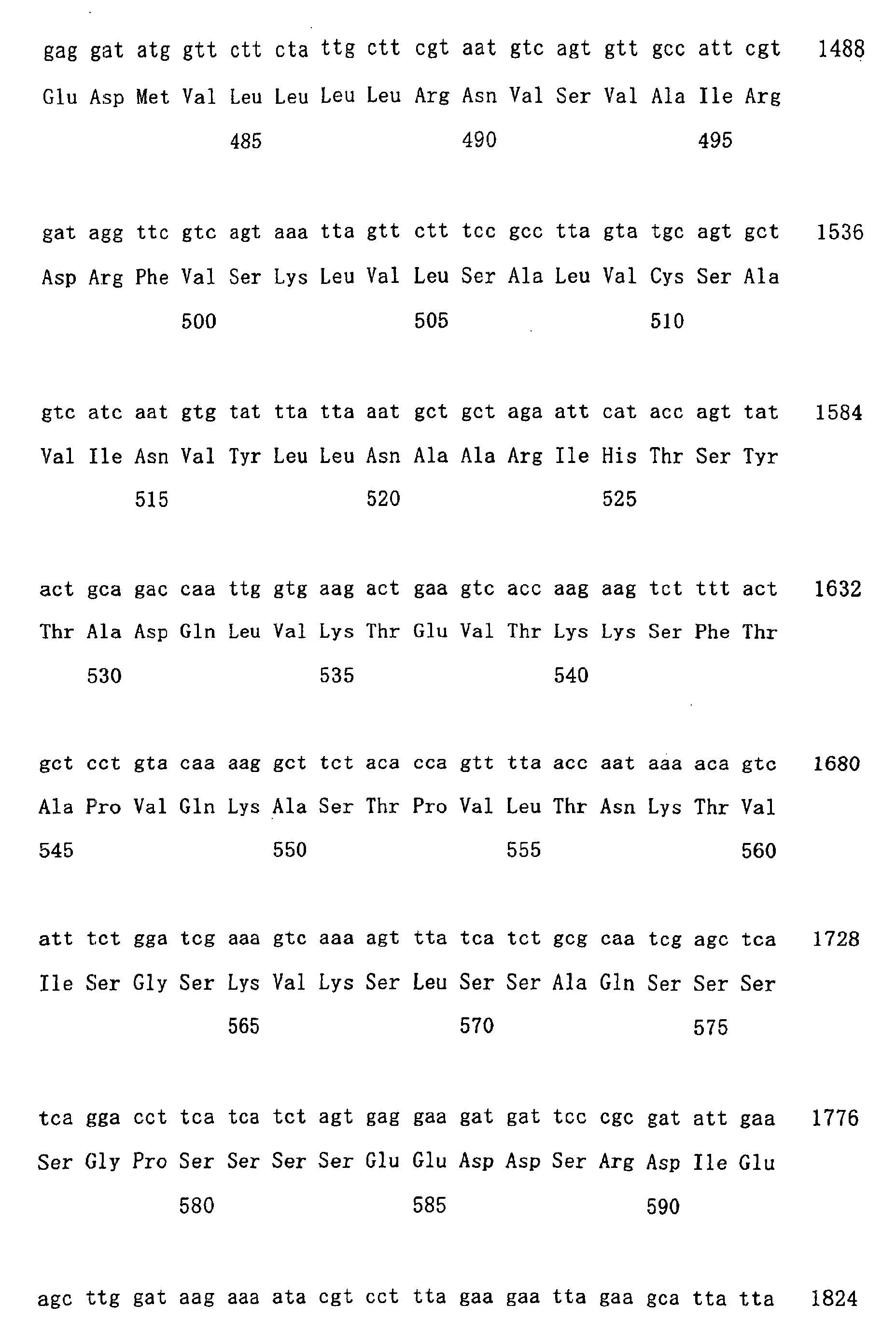
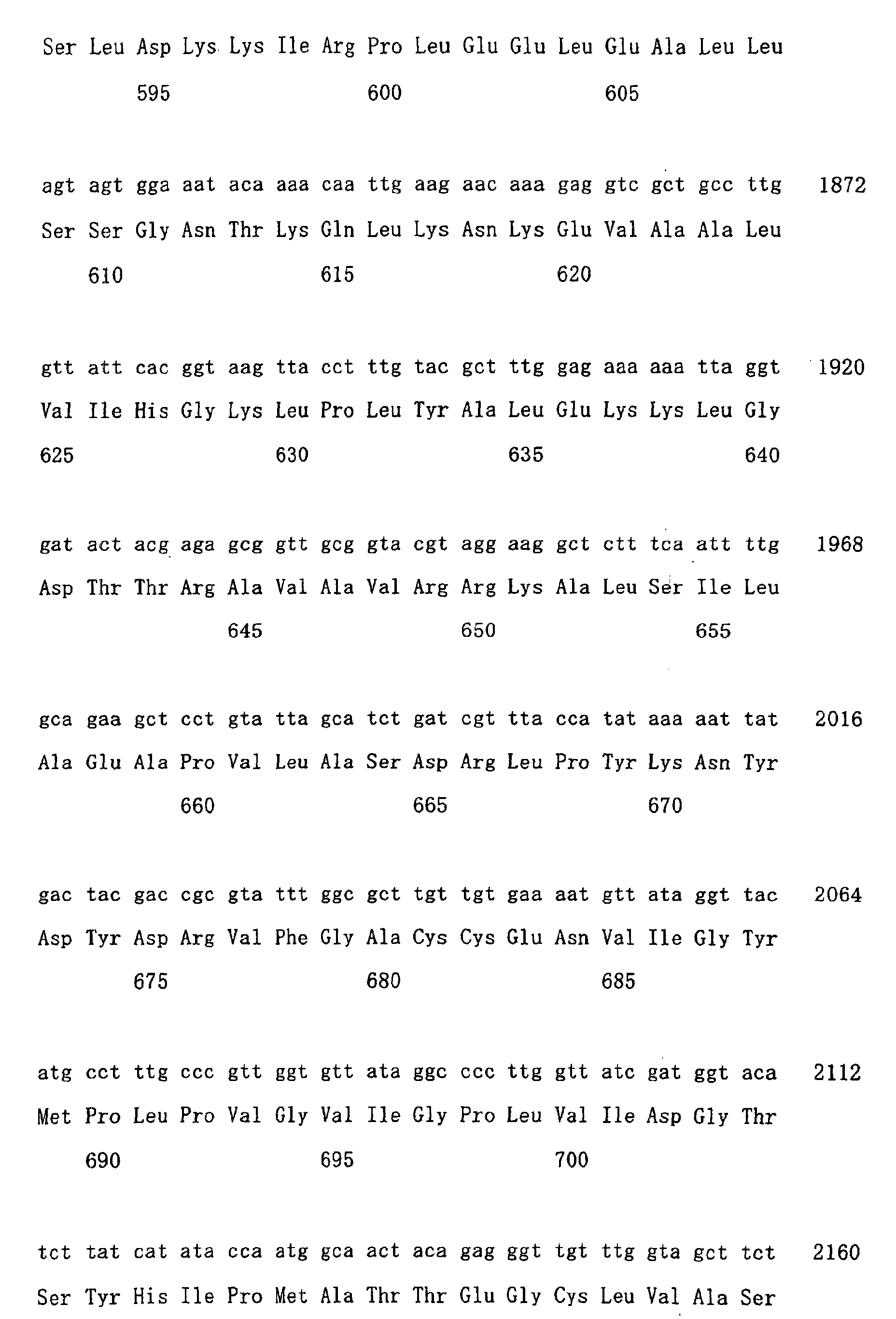

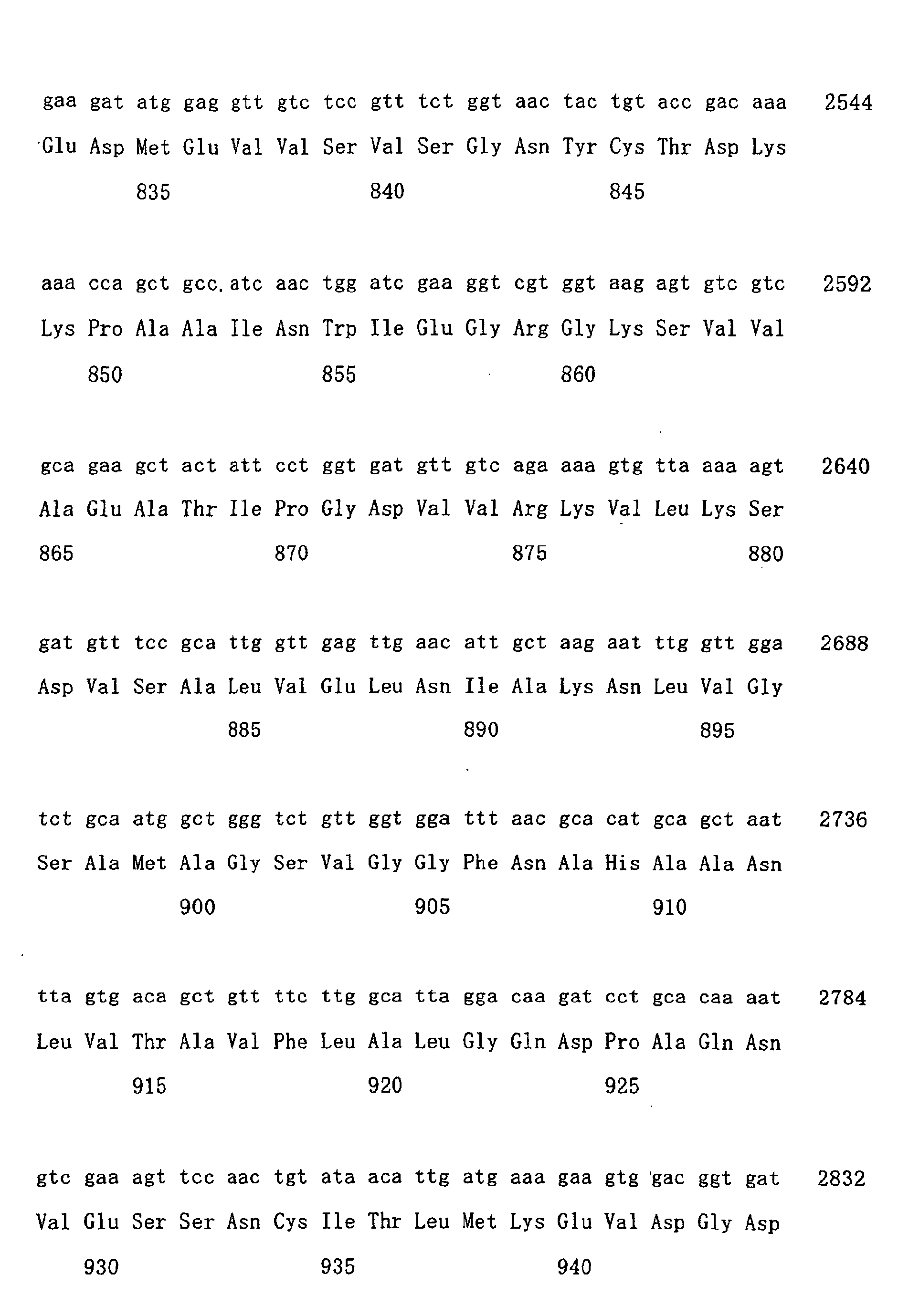
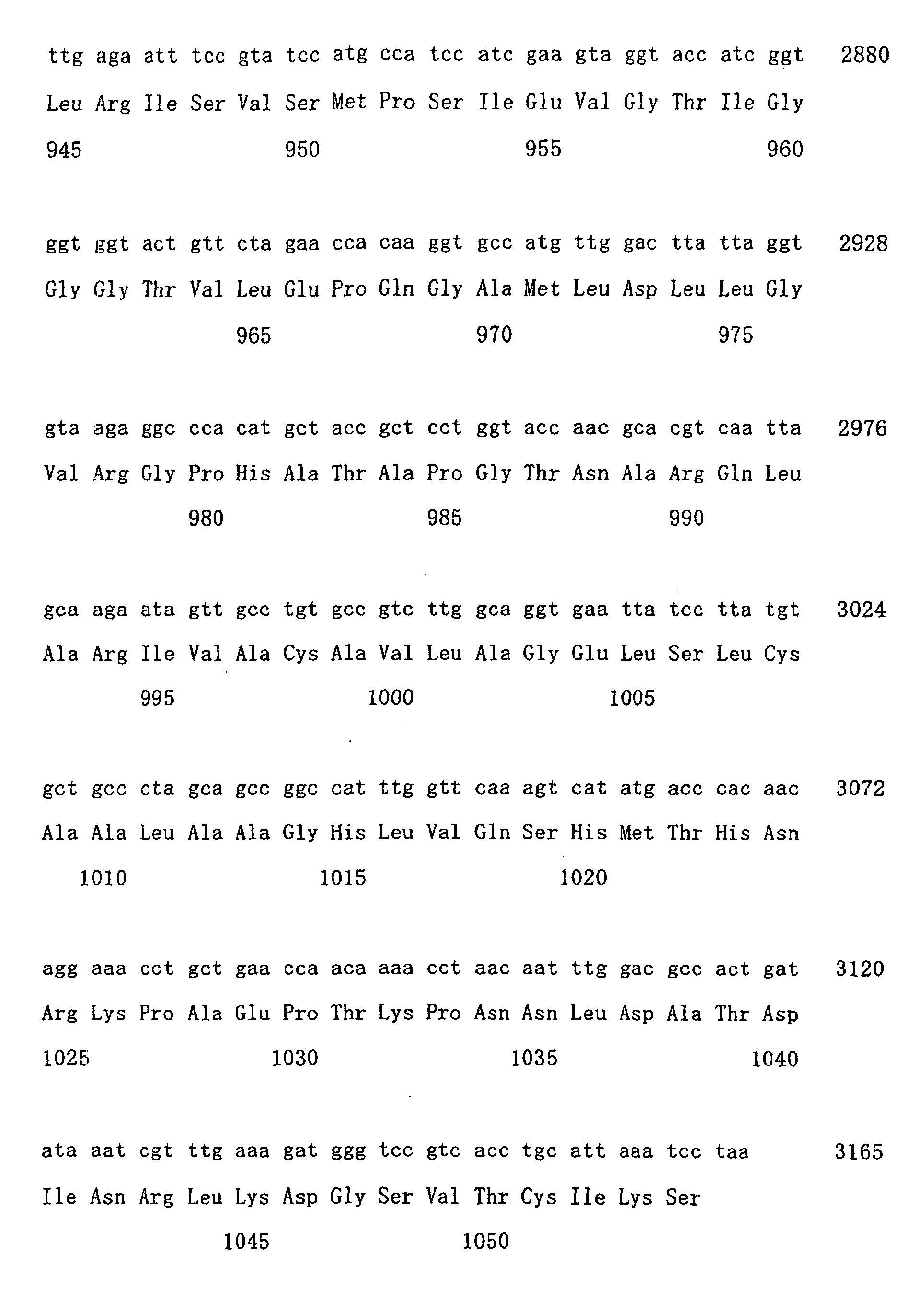


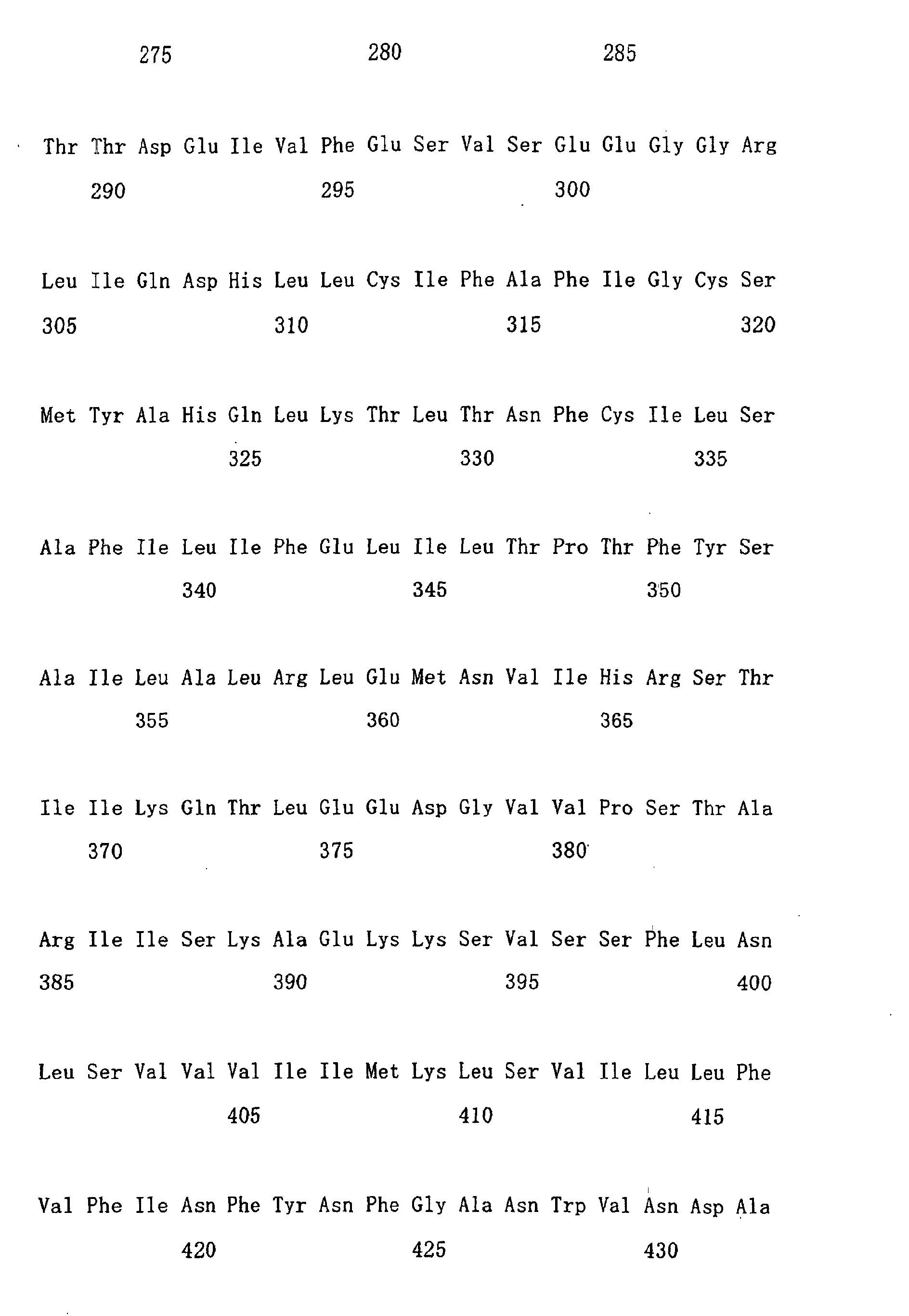


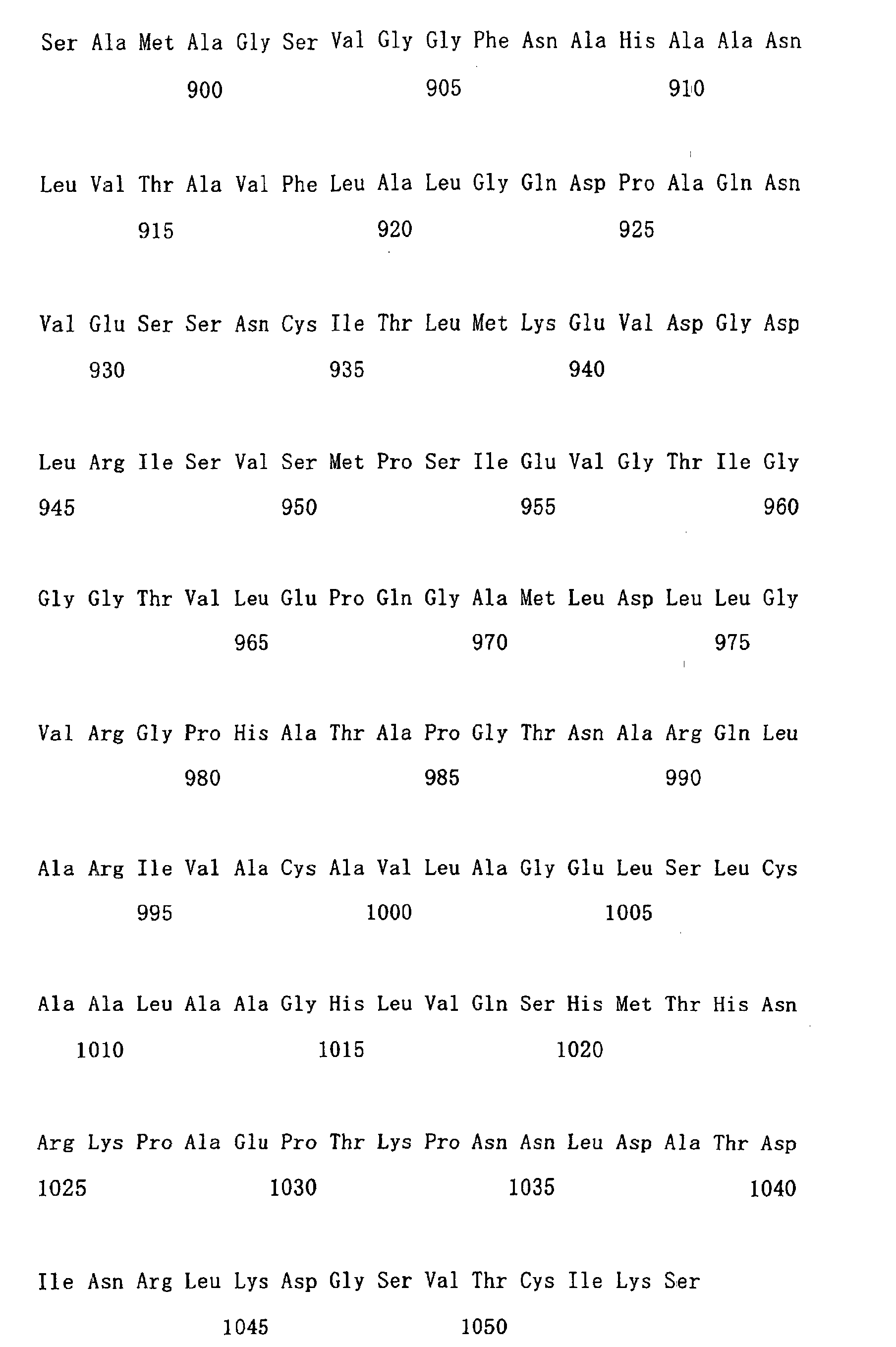


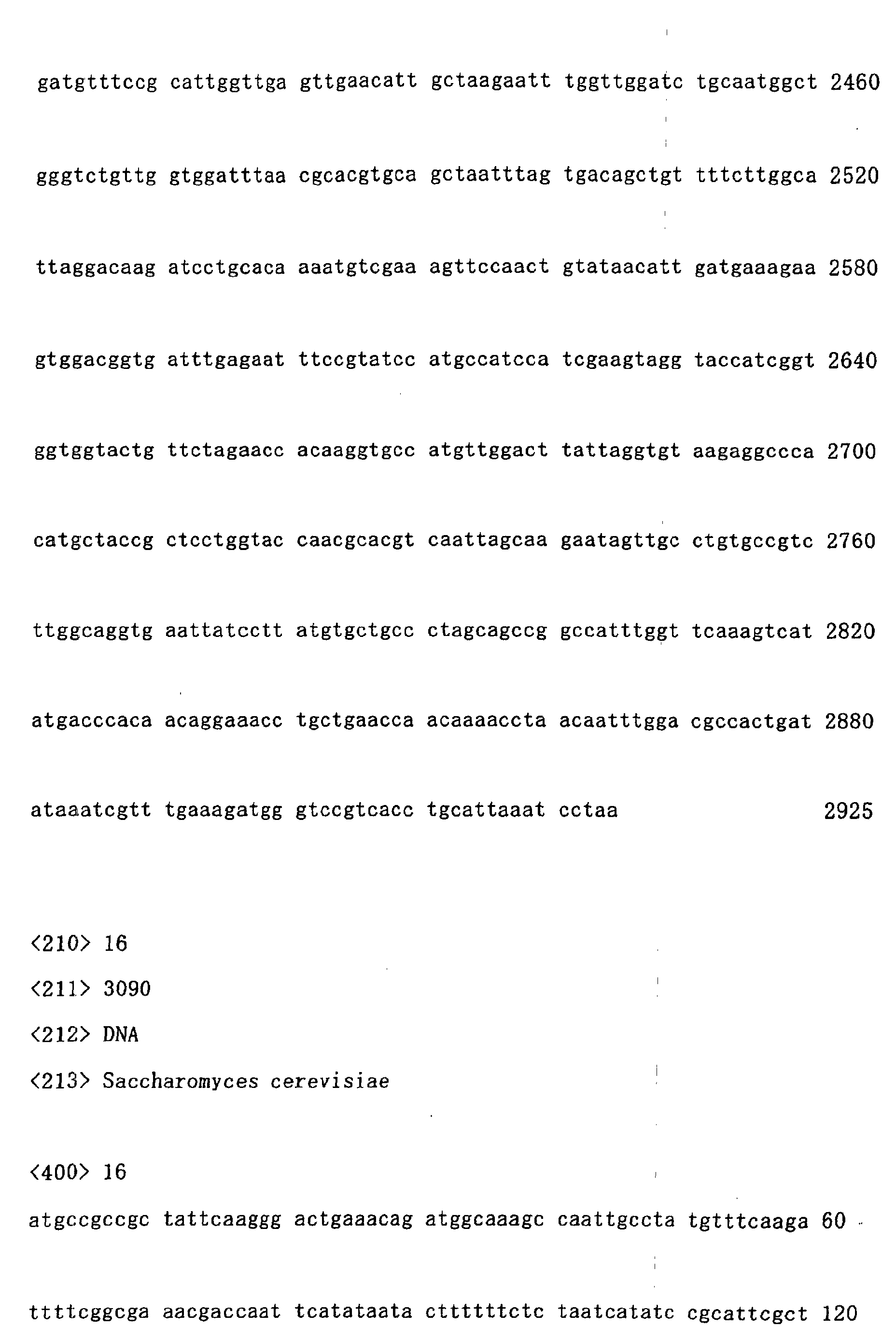


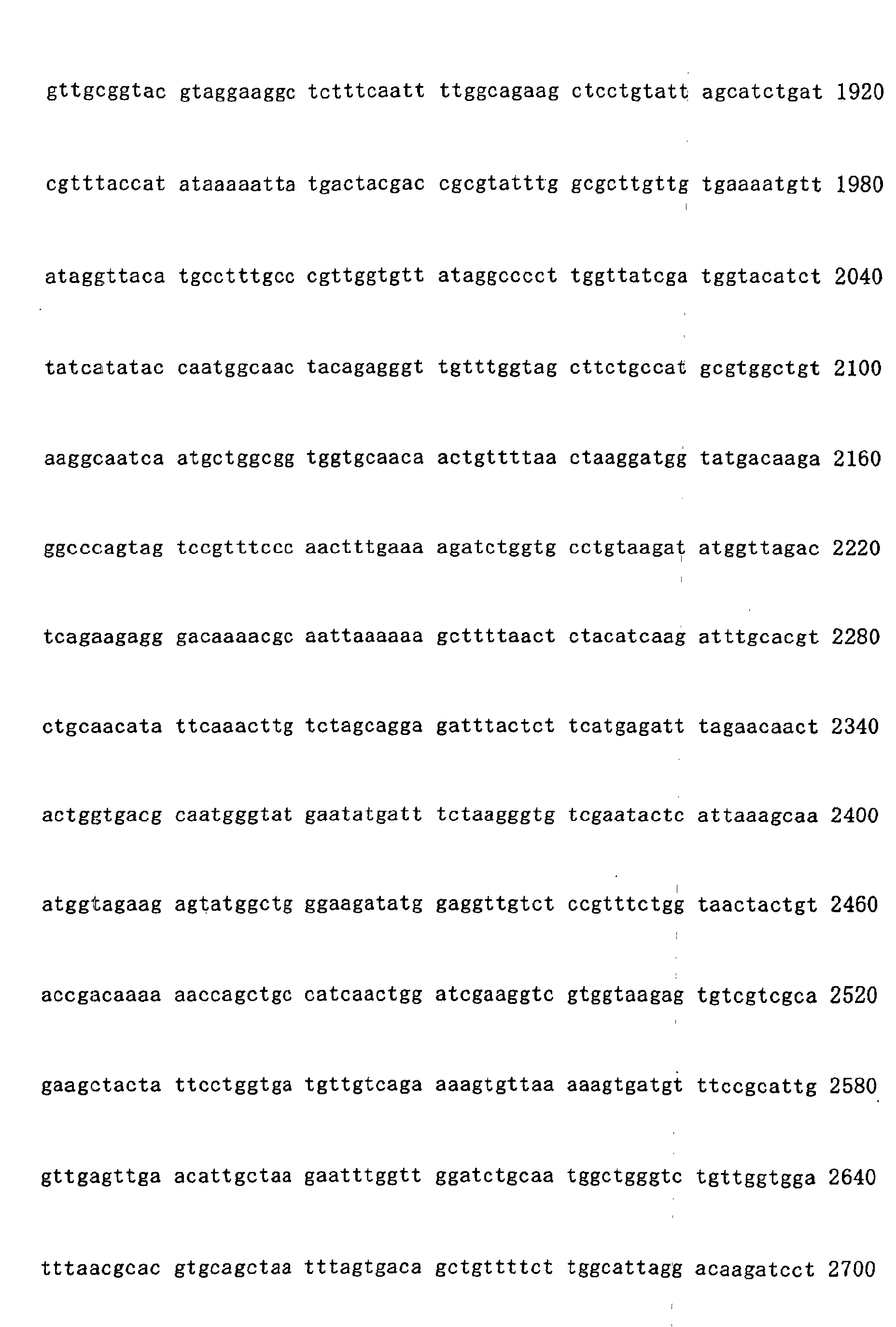

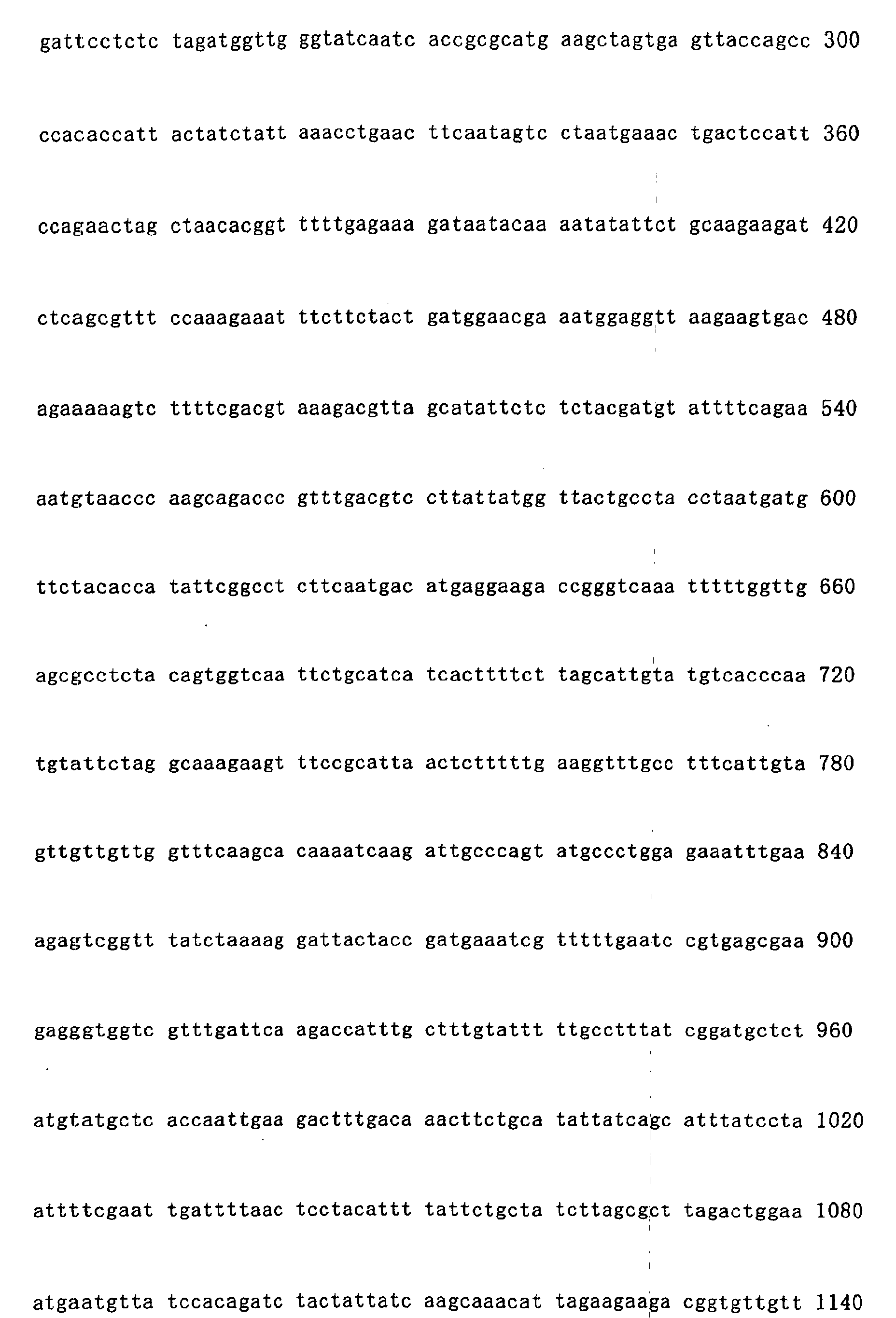

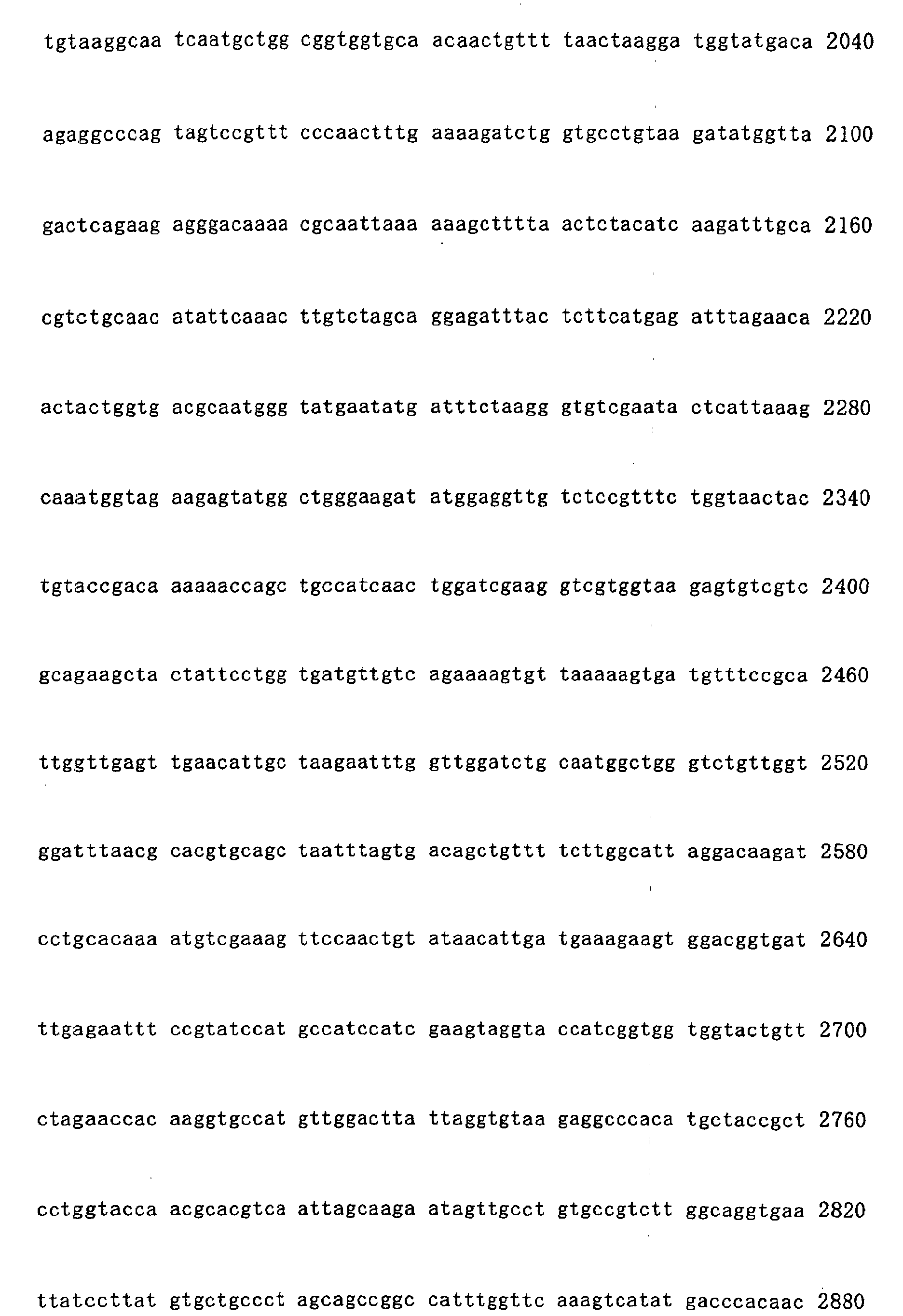
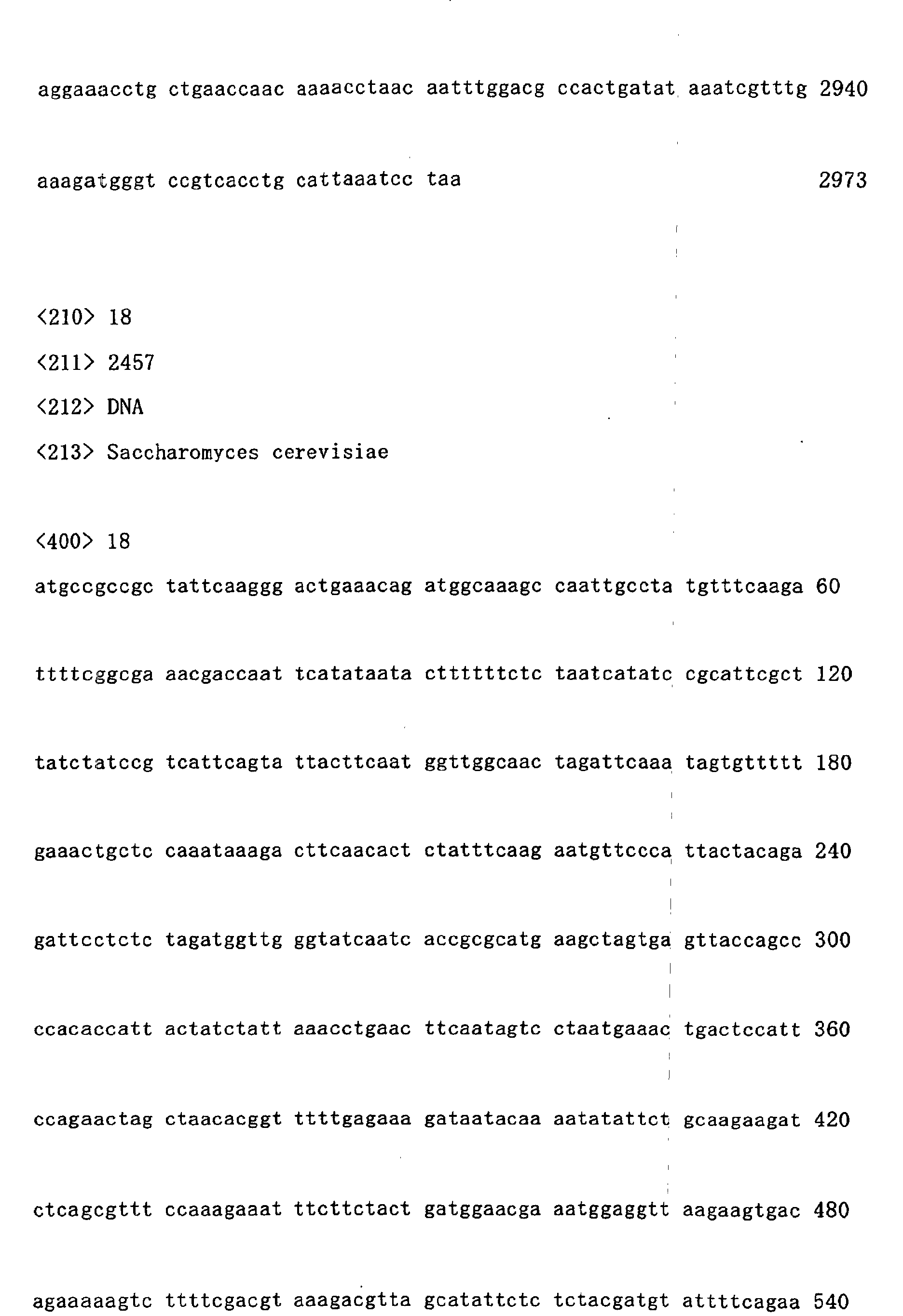

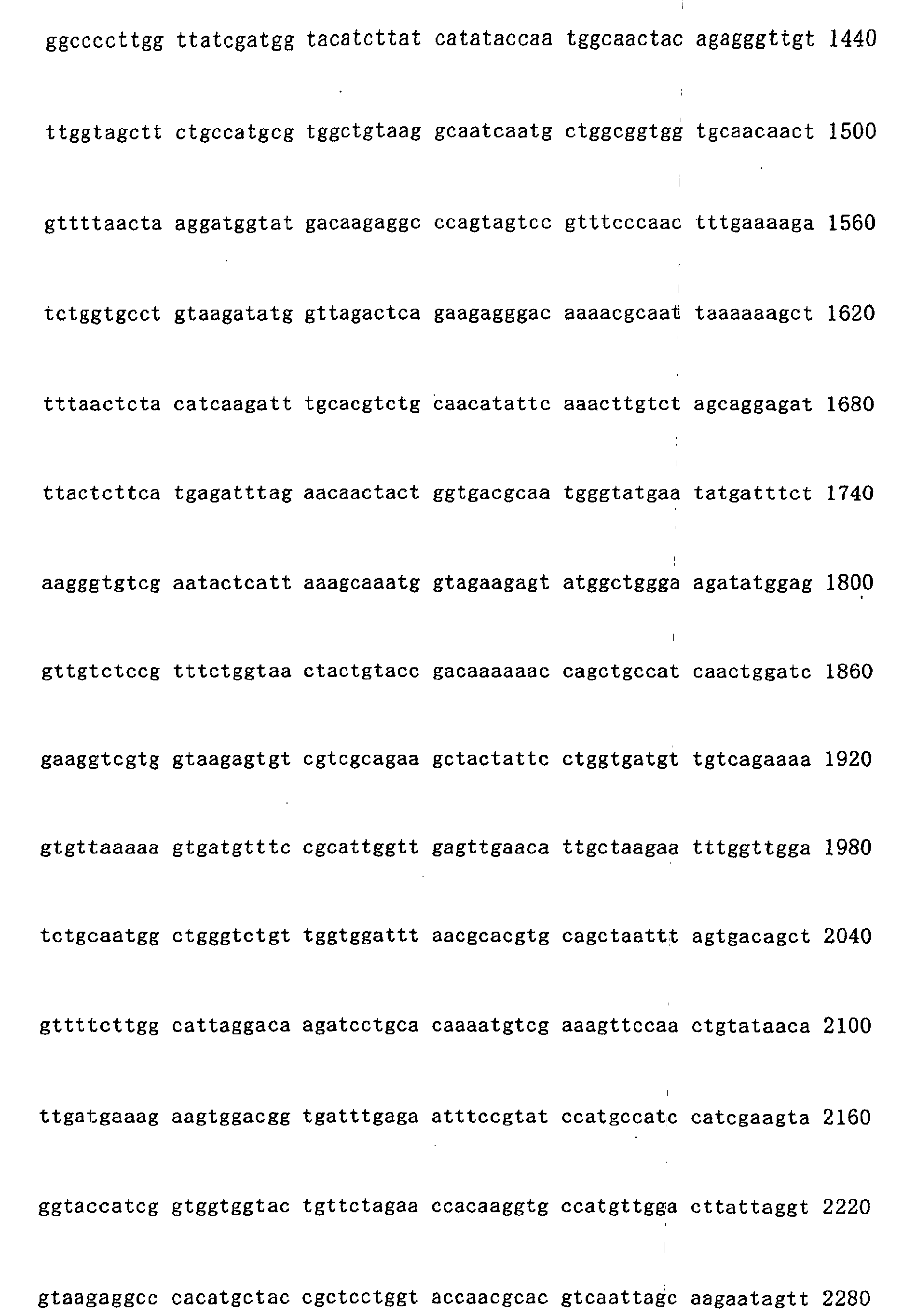

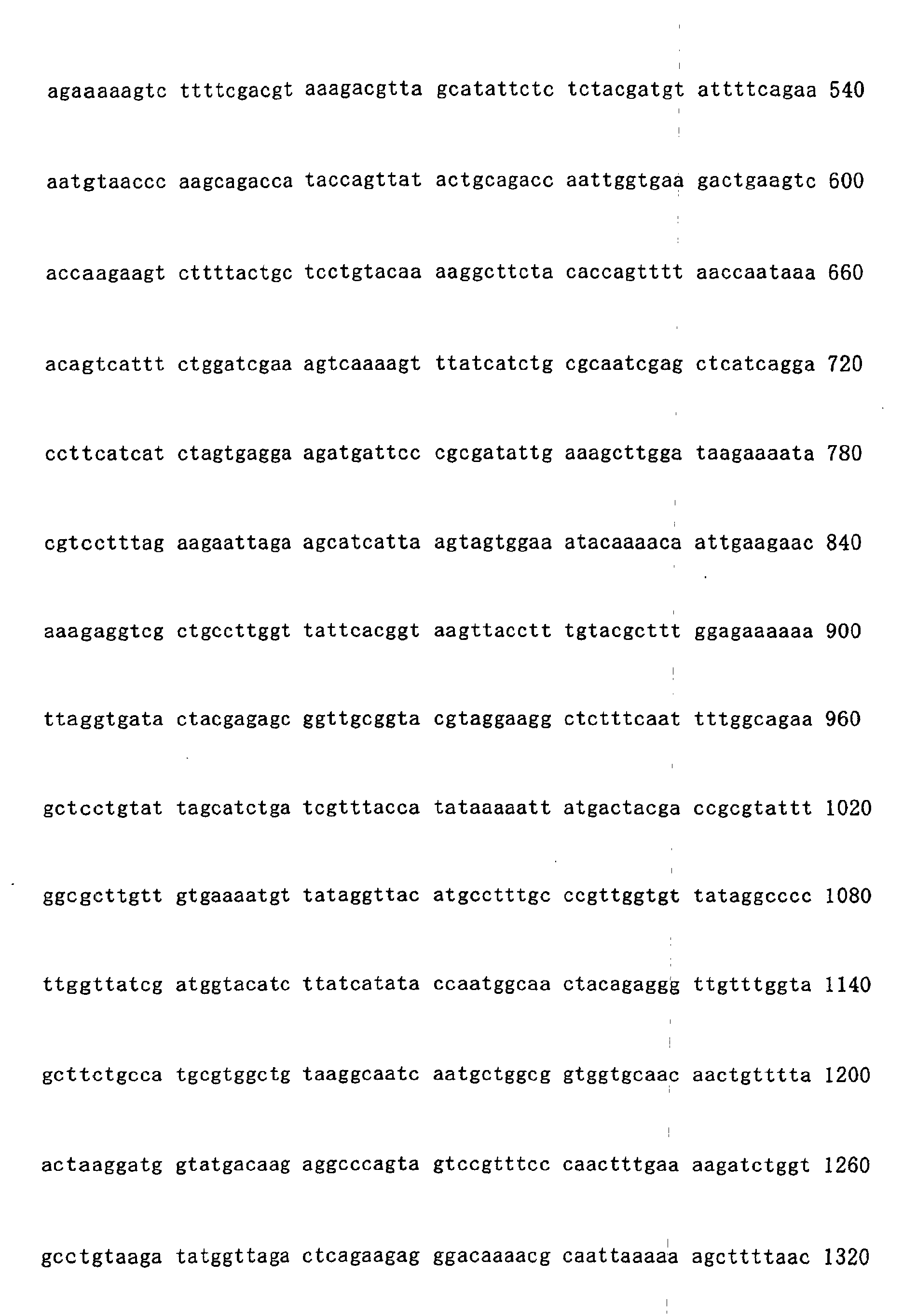
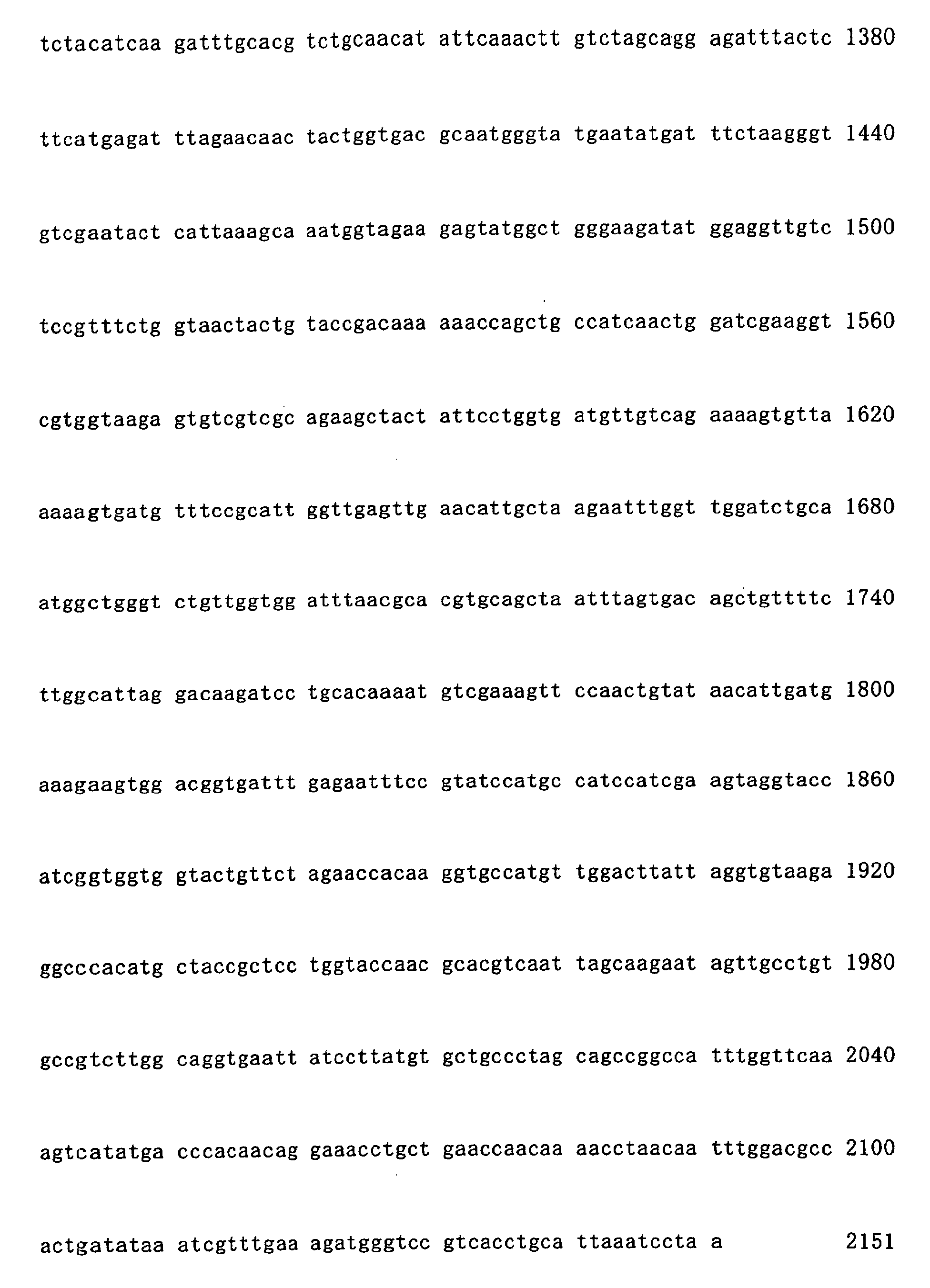

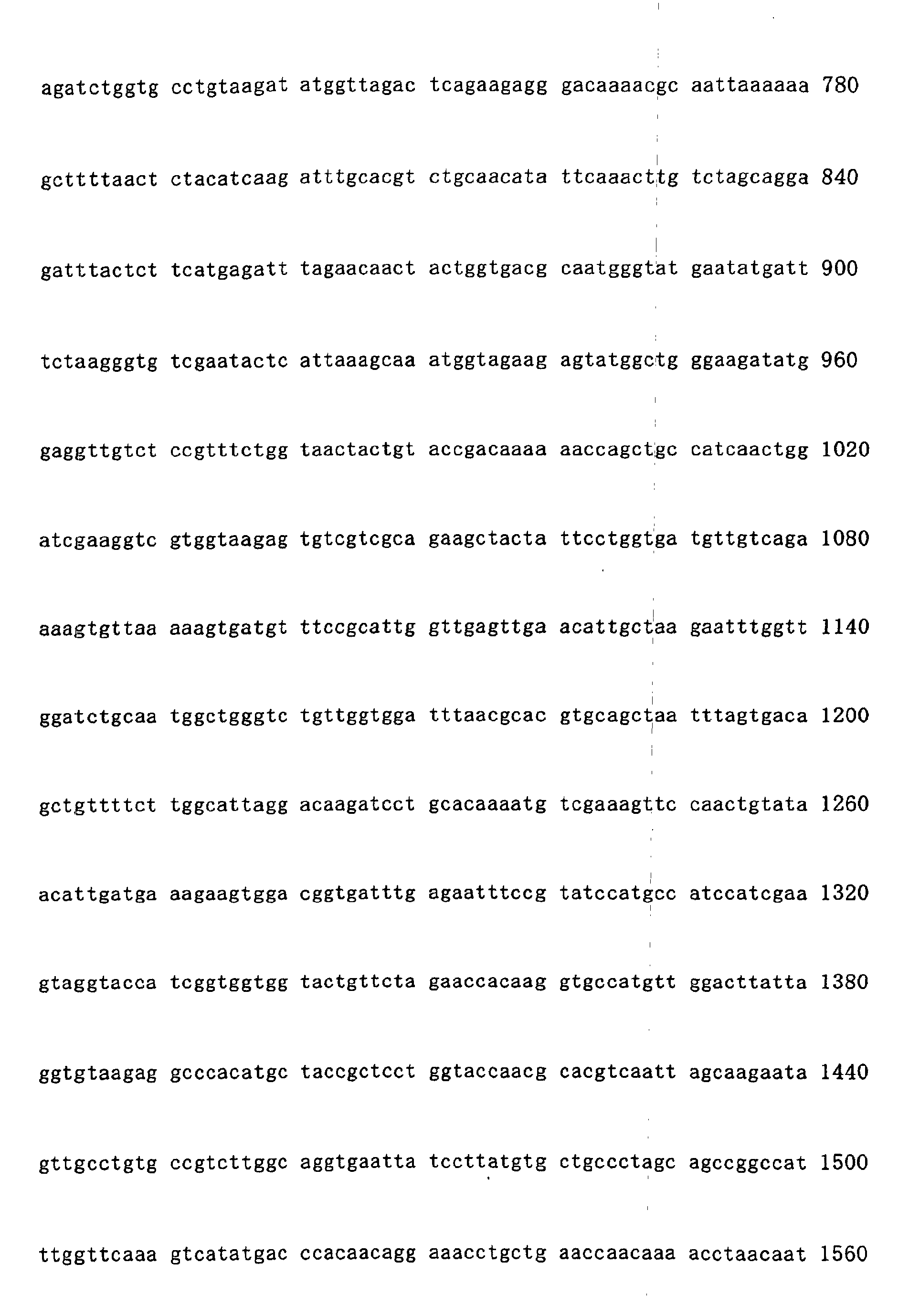

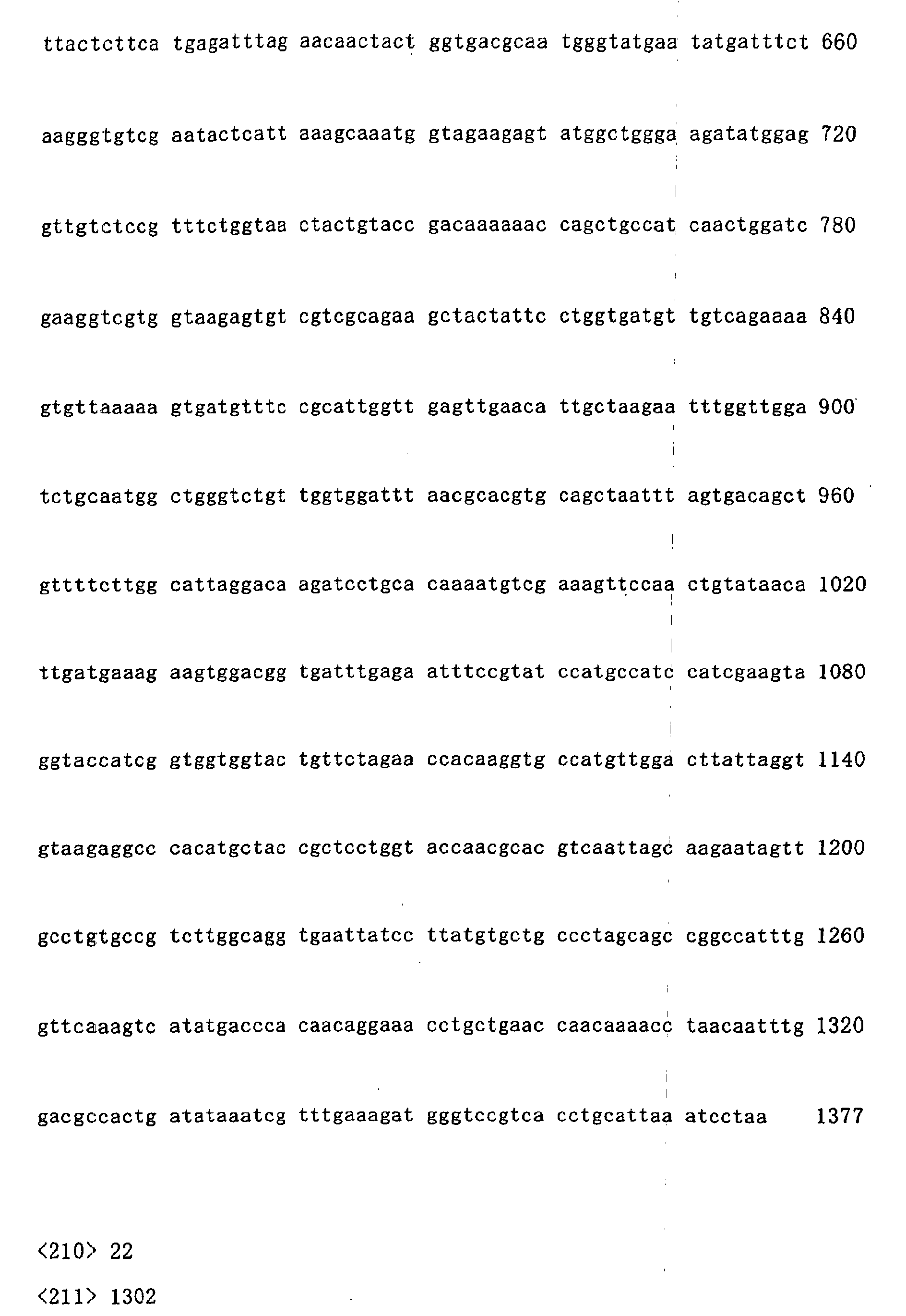


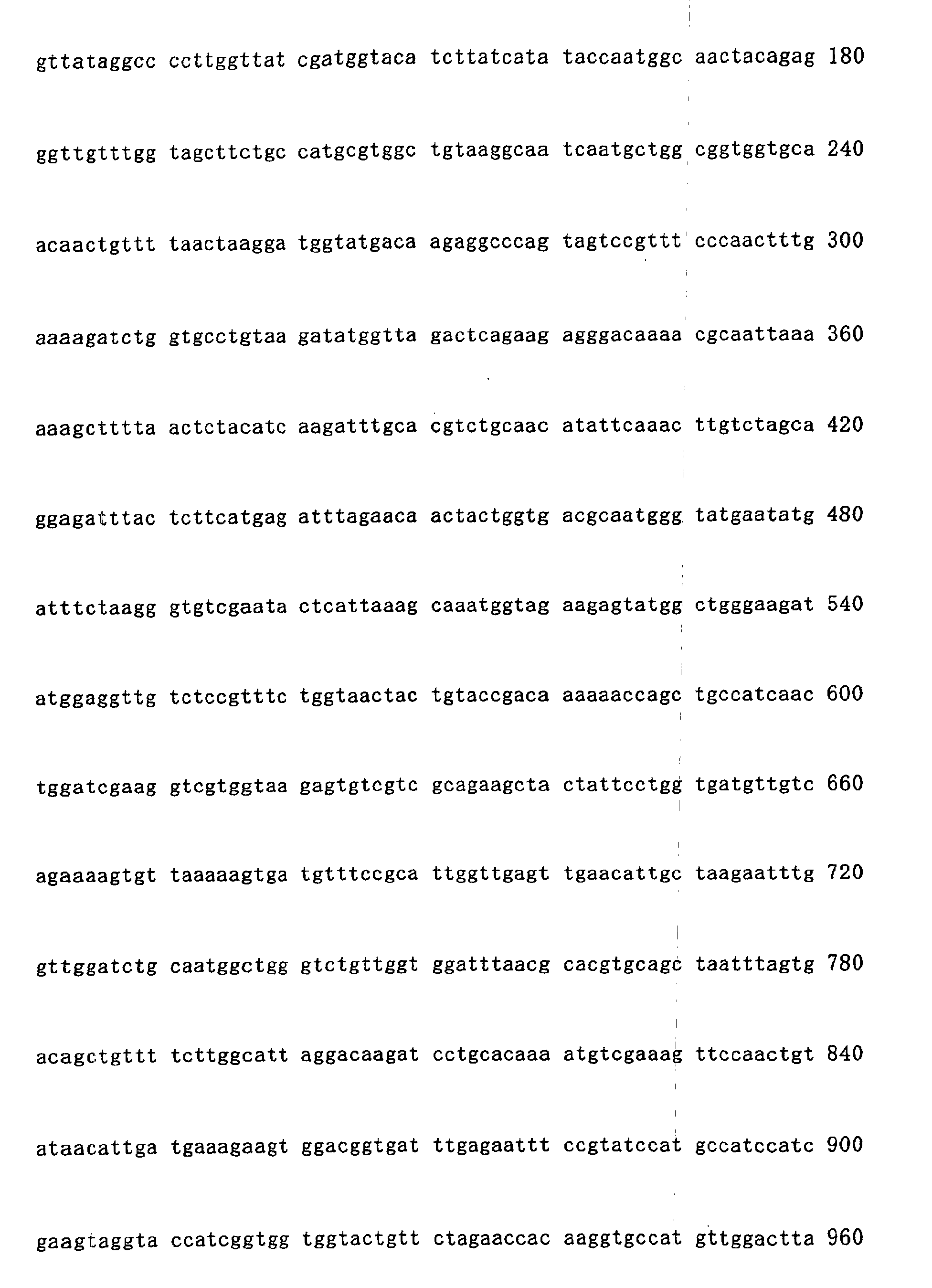
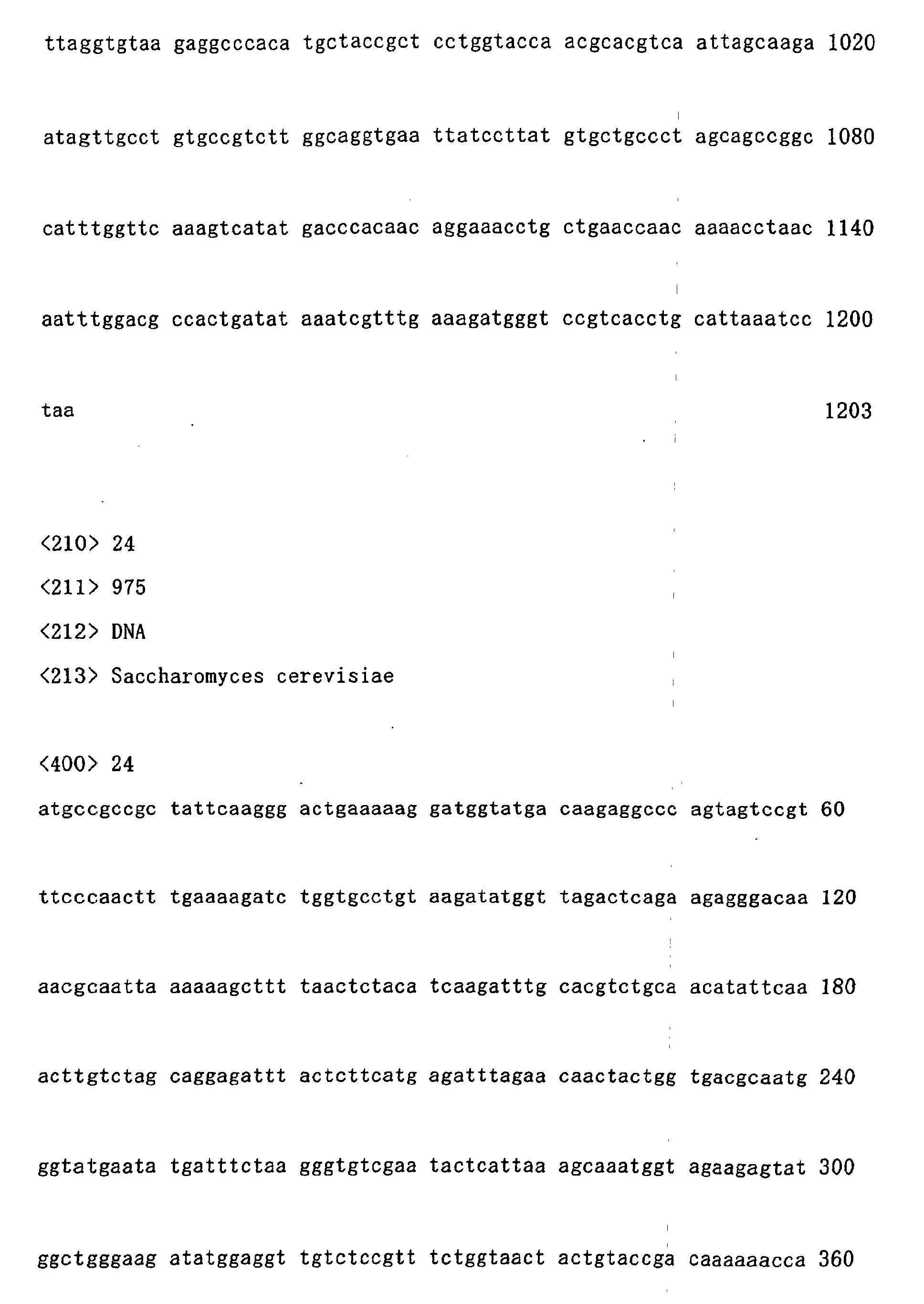


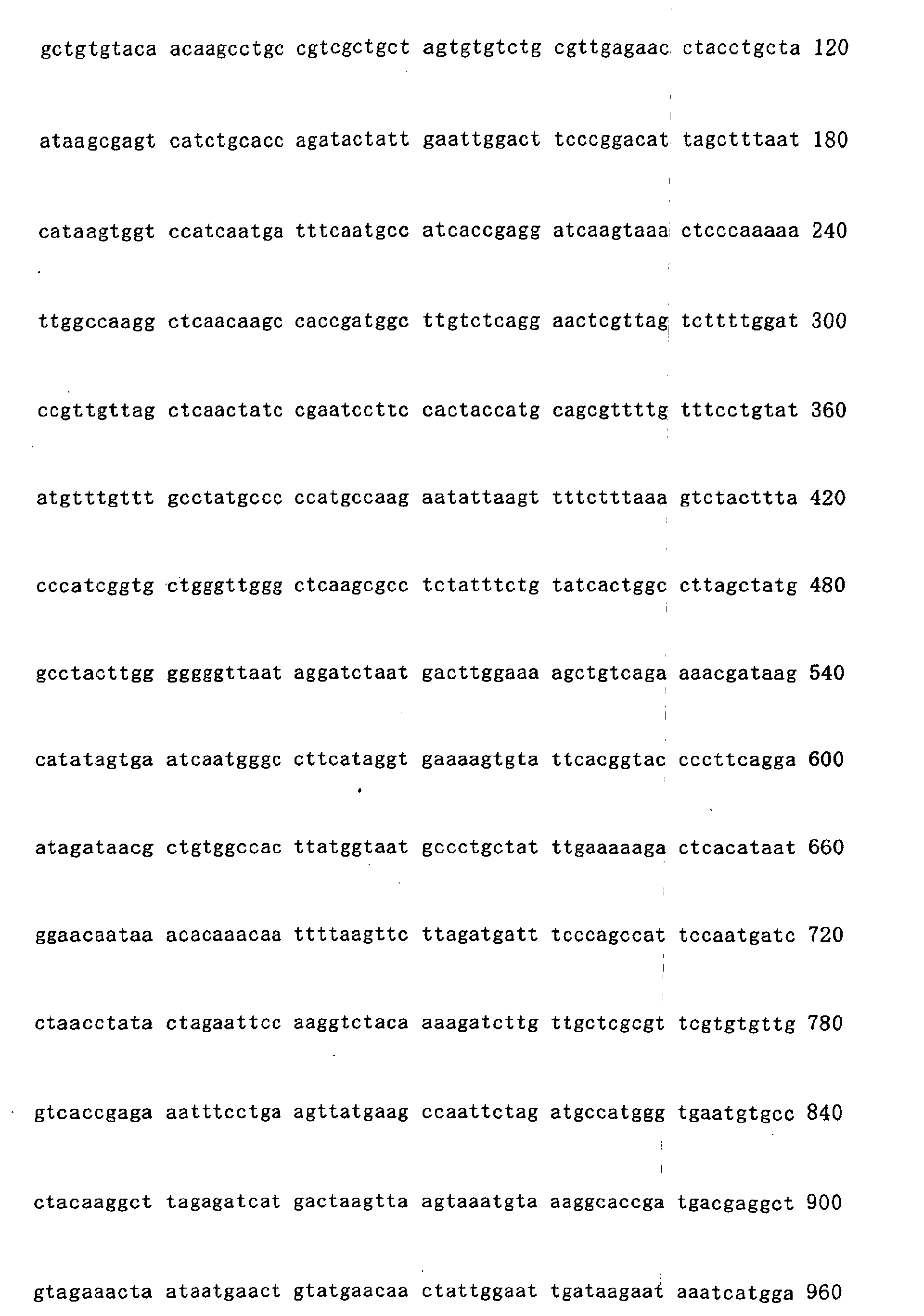

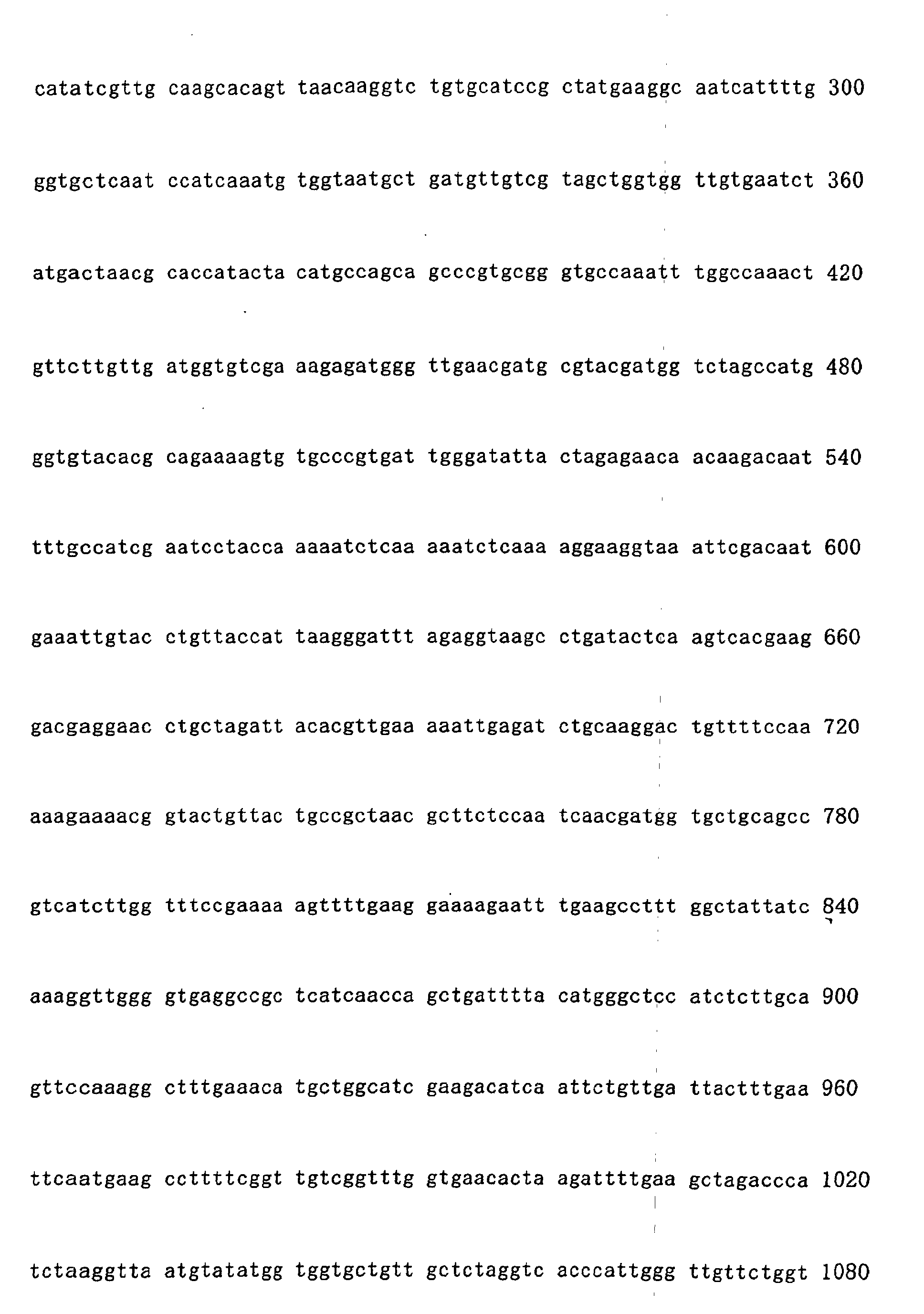

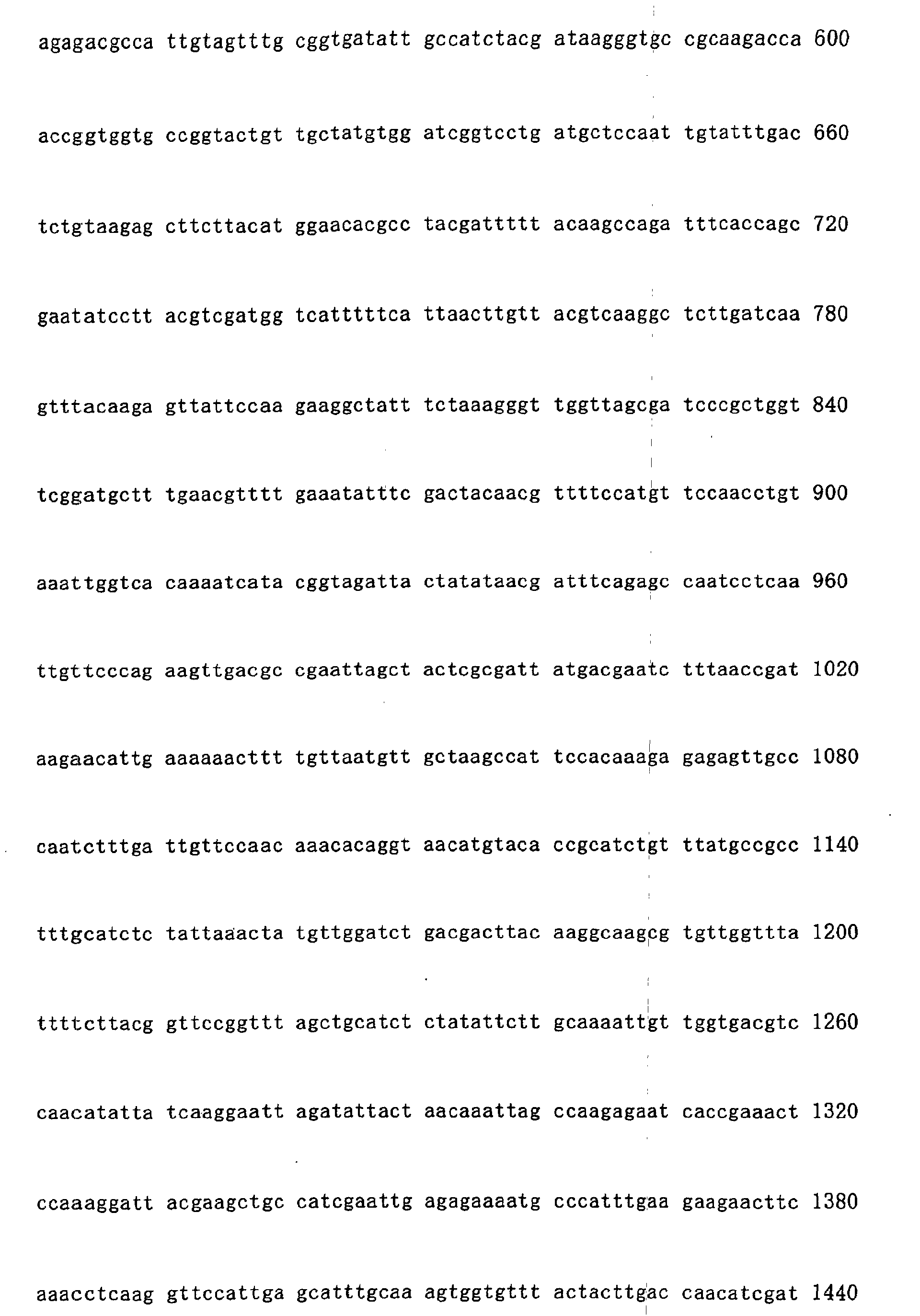
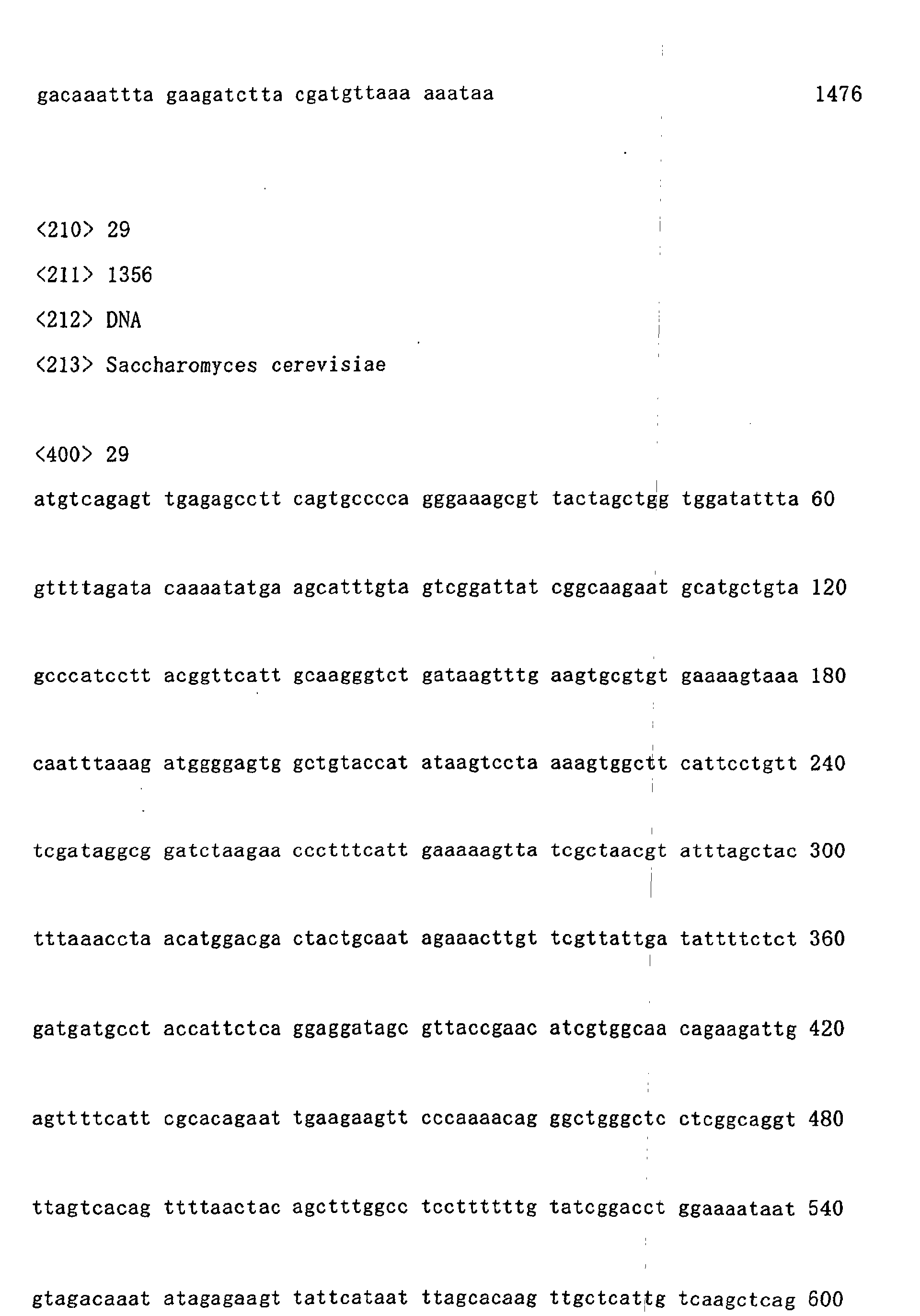

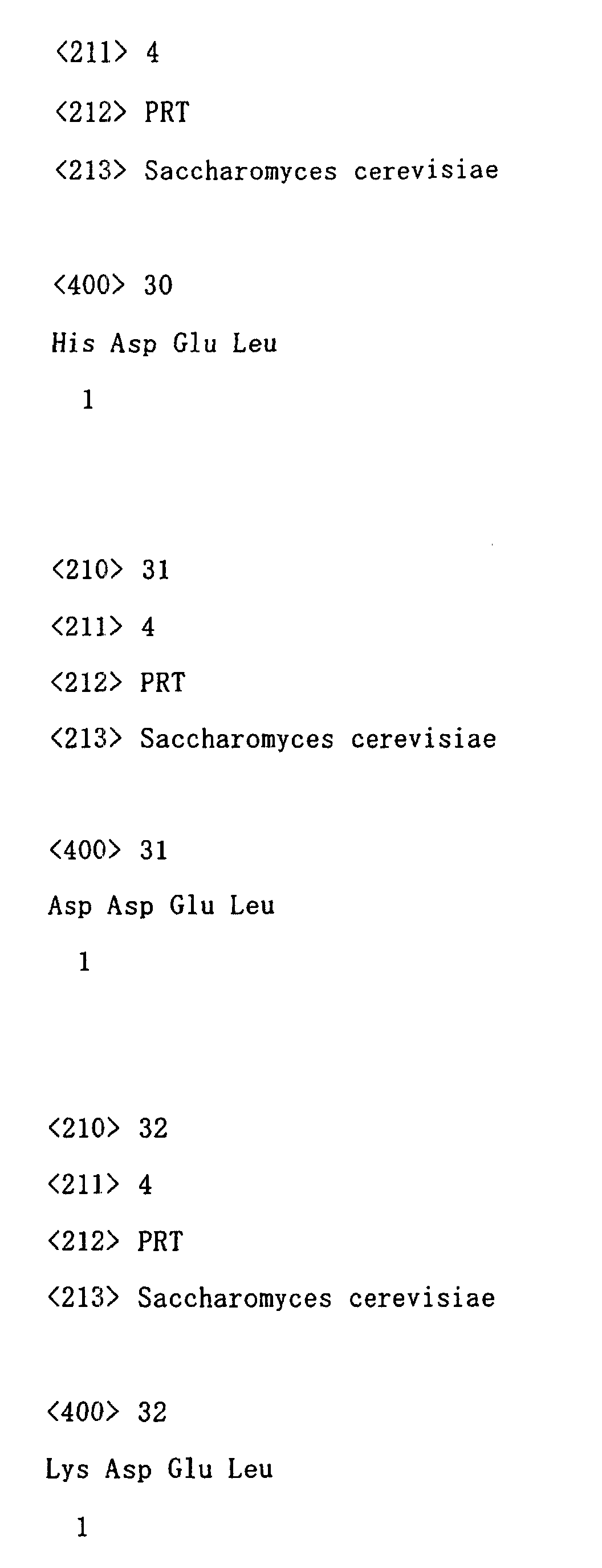


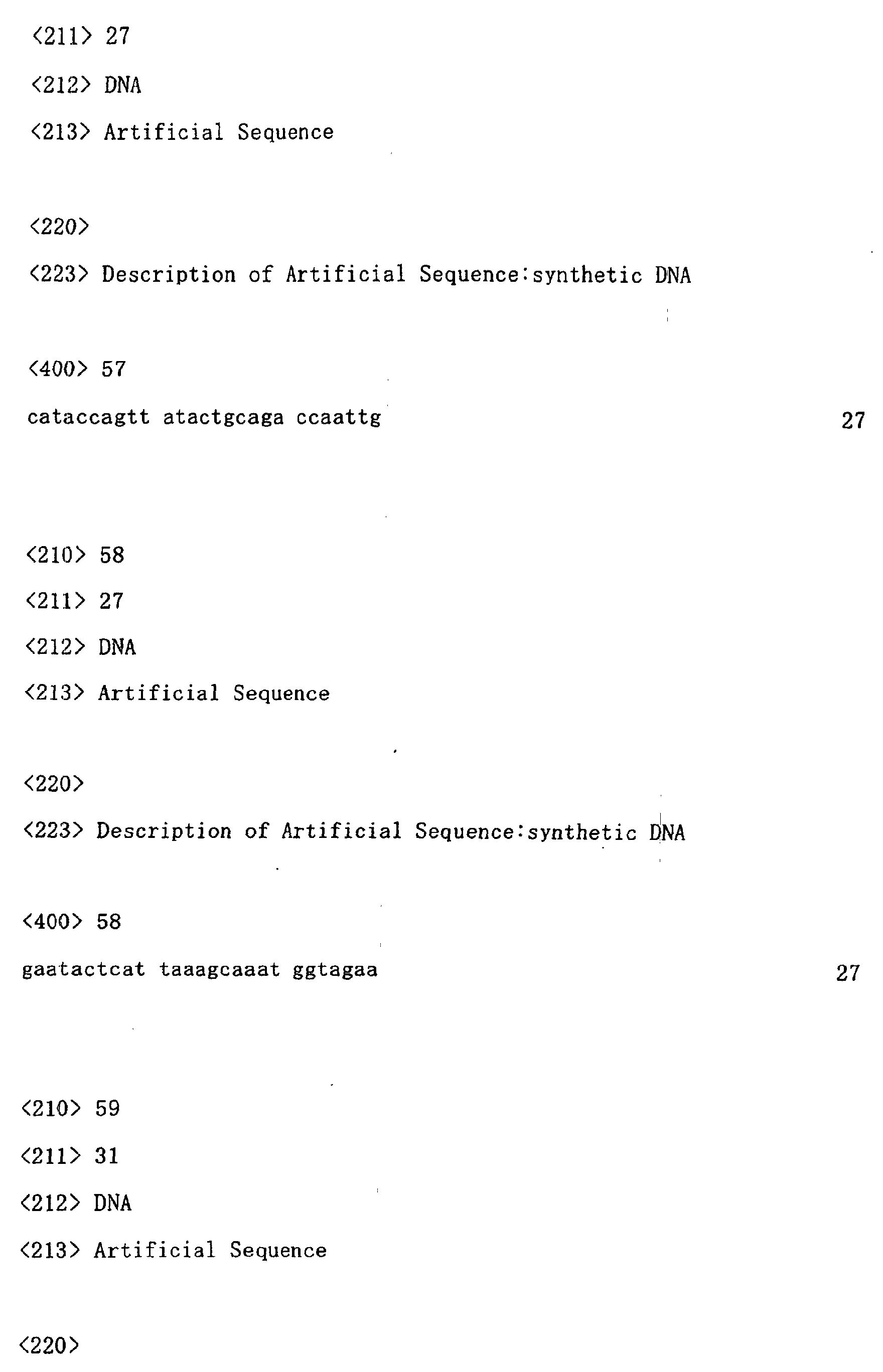
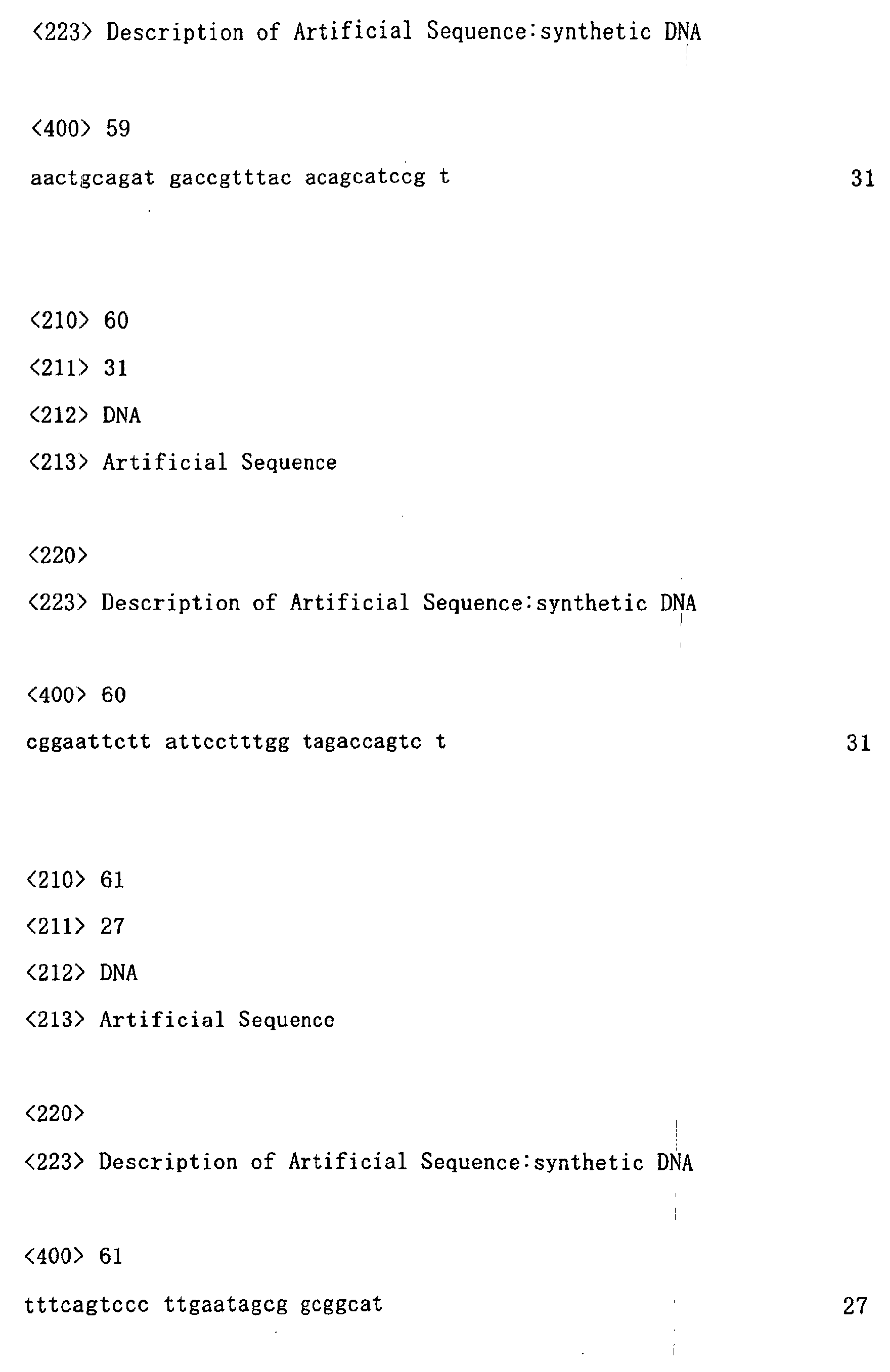
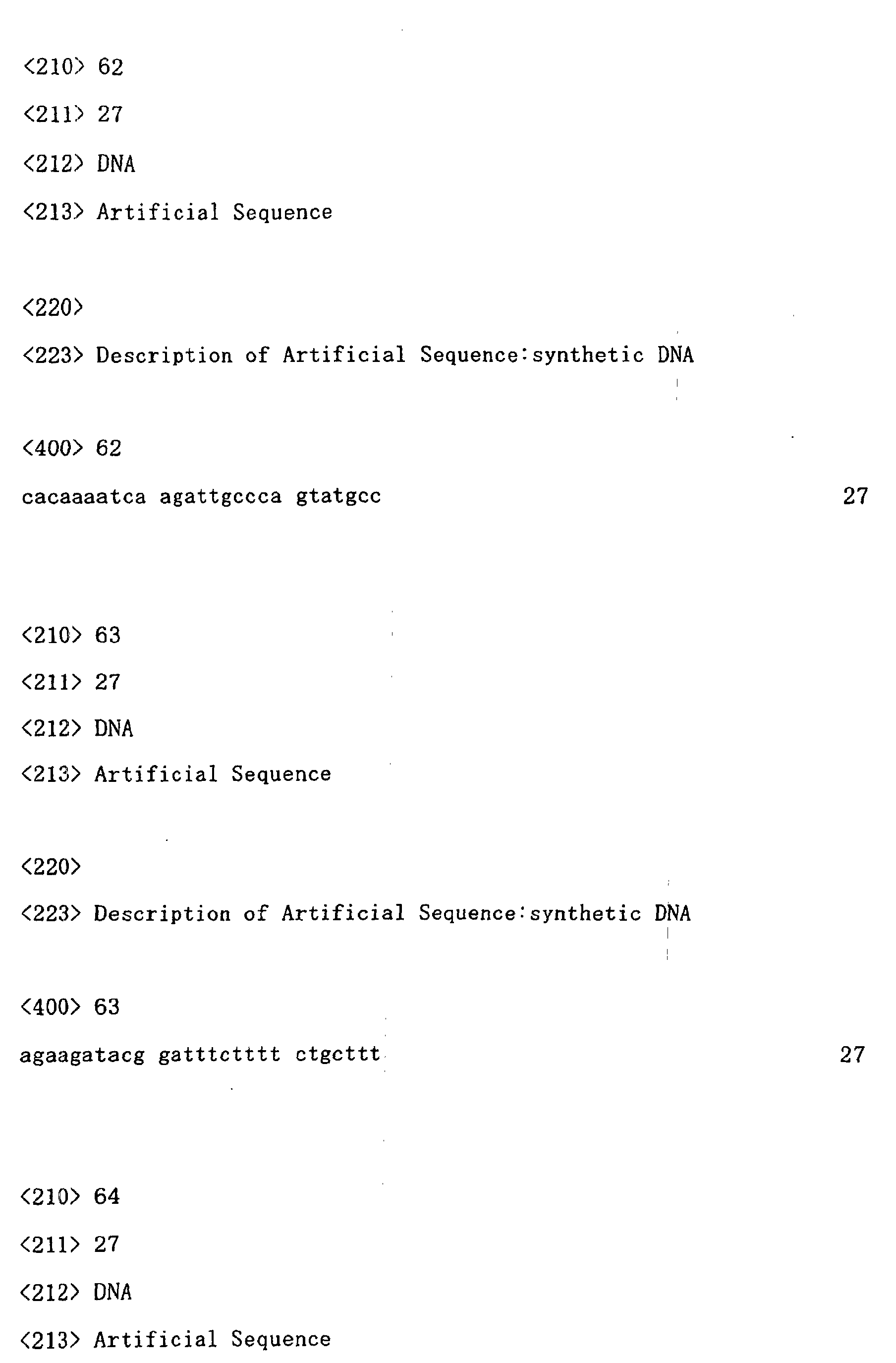


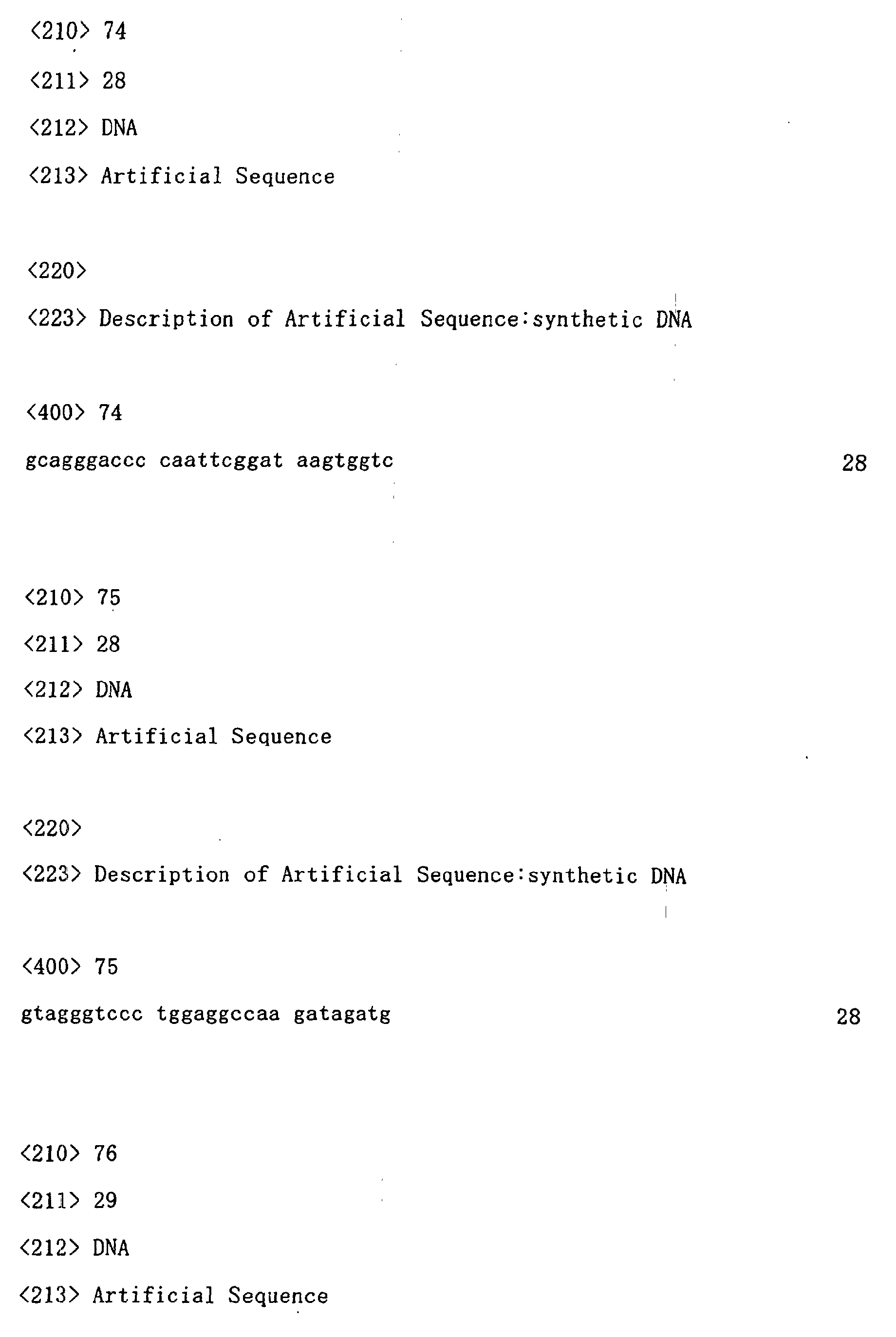
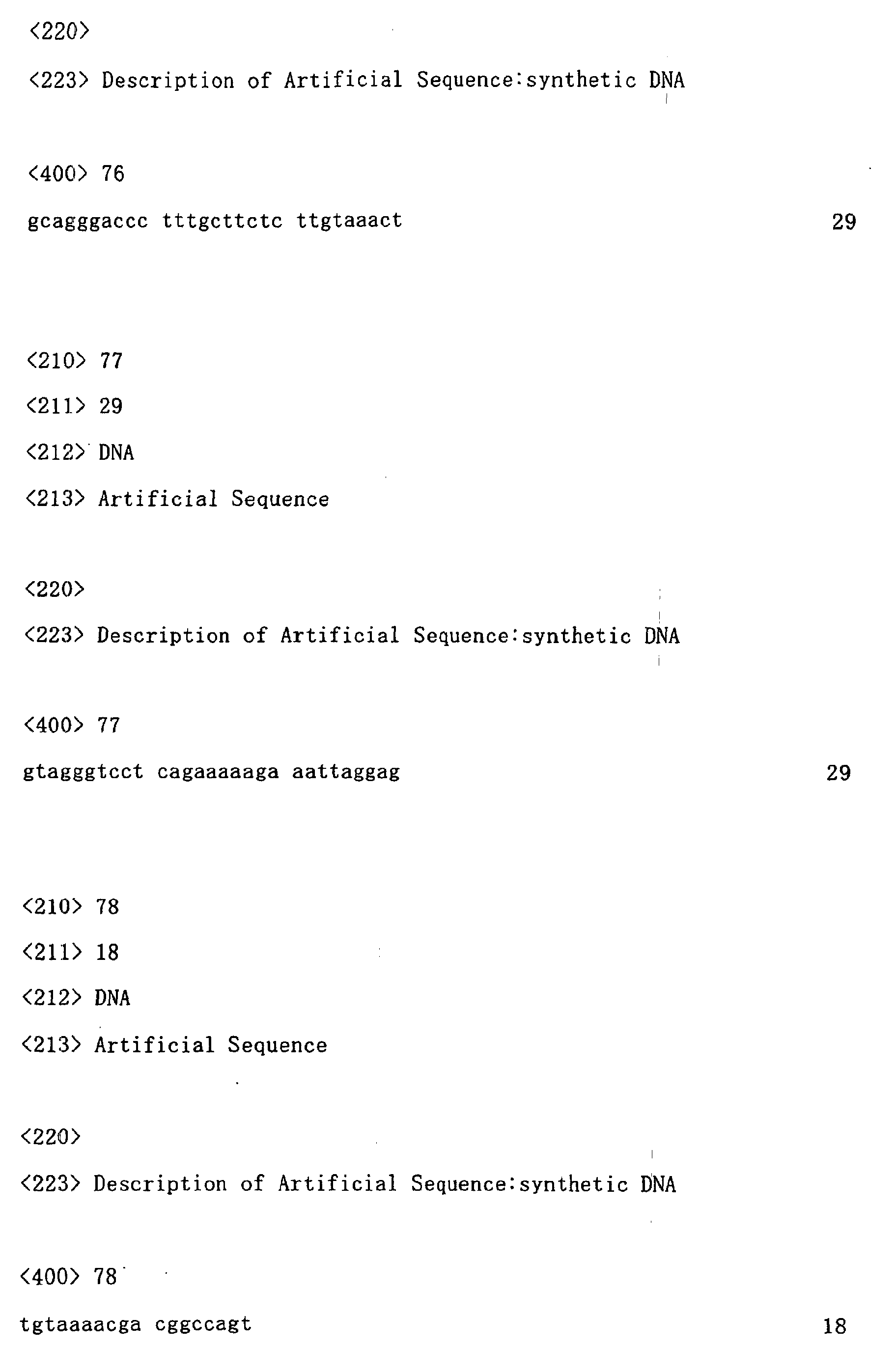

Claims (21)
- A method of producing a prenyl alcohol(s), comprising culturing a mutant cell that has been mutated so that an amount of squalene synthase gene transcript having translational activity can be reduced, and recovering the prenyl alcohol(s) from the resultant culture.
- A method of producing a prenyl alcohol(s), comprising preparing a recombinant by introducing a recombinant DNA for expression or a DNA for genomic integration each comprising an IPP biosynthetic pathway-related enzyme gene into a mutant cell that has been mutated so that an amount of squalene synthase gene transcript having translational activity can be reduced, culturing the resultant recombinant, and recovering the prenyl alcohol(s) from the resultant culture.
- A method of producing a prenyl alcohol(s), comprising culturing a mutant cell in which the transcription promoter region of its squalene synthase gene has been replaced with a transcription repression-type promoter under transcription repression conditions; reducing an amount of squalene synthase gene transcript having translational activity; and recovering the prenyl alcohol(s) from the resultant culture.
- A method of producing a prenyl alcohol(s), comprising preparing a recombinant by introducing a recombinant DNA for expression or a DNA for genomic integration each comprising an IPP biosynthetic pathway-related enzyme gene into a mutant cell in which the transcription promoter region of its squalene synthase gene has been replaced with a transcription repression-type promoter so that an amount of squalene synthase gene transcript having translational activity can be reduced, culturing said recombinant under transcription repression conditions; and recovering the prenyl alcohol(s) from the resultant culture.
- The method according to claim 3 or 4, wherein the transcription repression-type promoter is GAL1 promoter.
- The method according to claim 3 or 4, wherein the transcription repression conditions comprise the use of a glucose-containing medium.
- The method according to claim 2 or 4, wherein the IPP biosynthetic pathway-related enzyme gene is any one selected from the group consisting of the following genes (a) through (1):(a) famesyl diphosphate synthase gene(b) geranylgeranyl diphosphate synthase gene(c) hydroxymethylglutaryl-CoA reductase gene(d) isopentenyl diphosphate Δ-isomerase gene(e) mevalonate kinase gene(f) acetyl-CoA acetyltransferase gene(g) hydroxymethylglutaryl-CoA synthase gene(h) phosphomevalonate kinase gene(i) diphosphomevalonate decarboxylase gene(j) a mutant of any one of the above genes (a) through (i)(k) a fusion gene composed of a gene selected from the group consisting of the above genes (a) through (i) or a mutant thereof, and other gene or a mutant thereof(l) a gene obtained by introducing an addition, substitution or insertion mutation into any one of the above genes (a) through (k) so that the polypeptide encoded by the resultant gene contains an endoplasmic reticulum signal.
- The method according to claim 7, wherein the endoplasmic reticulum signal is represented by the sequence shown in SEQ ID NO: 30,31 or 32.
- The method according to any one of claims 1 to 8, wherein the cell is yeast.
- The method according to claim 9, wherein the yeast is Saccharomyces cerevisiae.
- The method according to claim 10, wherein the Saccharomyces cerevisiae is Saccharomyces cerevisiae A451 strain, YPH499 strain, YPH500 strain, W303-1A strain or W303-1B strain.
- The method according to any one of claims 1 to 11, wherein the prenyl alcohol(s) are/is famesol, nerolidol and/or geranylgeraniol.
- The method according to any one of claims 3 to 12, wherein the cell is cultured under non-transcription repression conditions prior to the cultivation under transcription repression conditions.
- The method according to claim 13, wherein the transcription repression conditions comprise the use of a glucose-containing medium and the non-transcription repression conditions comprise the use of a galactose-containing medium.
- The method according to claim 7, wherein the farnesyl diphosphate synthase gene encodes the amino acid sequence as shown in SEQ ID NO: 2 or 4.
- The method according to claim 7, wherein the geranylgeranyl diphosphate synthase gene encodes the amino acid sequence as shown in SEQ ID NO: 6.
- The method according to claim 7, wherein the hydroxymethylglutaryl-CoA reductase gene encodes the amino acid sequence as shown in SEQ ID NO: 8.
- The method according to claim 7, wherein the mutant of hydroxymethylglutaryl-CoA reductase gene comprises the nucleotide sequence as shown in any one of SEQ ID NOS: 11, 13 and 15 through 24.
- The method according to claim 7, wherein the diphosphomevalonate decarboxylase gene encodes the amino acid sequence as shown in SEQ ID NO: 10.
- A mutant cell that has been mutated so that an amount of squalene synthase gene transcript having translational activity can be reduced.
- A mutant cell in which the transcription promoter region of its squalene synthase gene has been replaced with a transcription repression-type promoter so that an amount of transcript from its squalene synthase gene having translational activity can be reduced.
Applications Claiming Priority (7)
| Application Number | Priority Date | Filing Date | Title |
|---|---|---|---|
| JP2000401701A JP3838033B2 (en) | 2000-12-28 | 2000-12-28 | Method for producing prenyl alcohol |
| JP2000401701 | 2000-12-28 | ||
| JP2000403067 | 2000-12-28 | ||
| JP2000403067 | 2000-12-28 | ||
| JP2001282978A JP2003088368A (en) | 2001-09-18 | 2001-09-18 | Method for producing prenyl alcohol |
| JP2001282978 | 2001-09-18 | ||
| PCT/JP2001/011215 WO2002053747A1 (en) | 2000-12-28 | 2001-12-20 | Process for producing prenyl alcohol |
Publications (2)
| Publication Number | Publication Date |
|---|---|
| EP1354956A1 true EP1354956A1 (en) | 2003-10-22 |
| EP1354956A4 EP1354956A4 (en) | 2004-10-27 |
Family
ID=27345623
Family Applications (1)
| Application Number | Title | Priority Date | Filing Date |
|---|---|---|---|
| EP01272515A Withdrawn EP1354956A4 (en) | 2000-12-28 | 2001-12-20 | PROCESS FOR PRODUCING PRENYL ALCOHOL |
Country Status (4)
| Country | Link |
|---|---|
| US (1) | US8759046B2 (en) |
| EP (1) | EP1354956A4 (en) |
| CA (1) | CA2433534A1 (en) |
| WO (1) | WO2002053747A1 (en) |
Cited By (2)
| Publication number | Priority date | Publication date | Assignee | Title |
|---|---|---|---|---|
| EP2298859A3 (en) * | 2004-07-27 | 2011-05-25 | The Regents of the University of California | Genetically modified host cells and use of same for producing isoprenoid compounds |
| US8476049B2 (en) | 2008-09-15 | 2013-07-02 | Danisco Us Inc. | Conversion of prenyl derivatives to isoprene |
Families Citing this family (5)
| Publication number | Priority date | Publication date | Assignee | Title |
|---|---|---|---|---|
| CN103589650A (en) | 2005-03-18 | 2014-02-19 | 米克罗比亚公司 | Production of carotenoids in oleaginous yeast and fungi |
| WO2008042338A2 (en) | 2006-09-28 | 2008-04-10 | Microbia, Inc. | Production of carotenoids in oleaginous yeast and fungi |
| JP4821886B2 (en) * | 2009-06-04 | 2011-11-24 | トヨタ自動車株式会社 | Recombinant yeast and method for producing branched alcohol using the recombinant yeast |
| CN111334522B (en) * | 2020-02-24 | 2023-05-30 | 天津大学 | Recombinant Saccharomyces cerevisiae for producing ambroxol and its construction method |
| CN113969288B (en) * | 2021-10-29 | 2024-09-17 | 湖北冠众通科技有限公司 | Farnesol-producing genetically engineered bacterium and construction method and application thereof |
Family Cites Families (14)
| Publication number | Priority date | Publication date | Assignee | Title |
|---|---|---|---|---|
| US4661454A (en) * | 1983-02-28 | 1987-04-28 | Collaborative Research, Inc. | GAL1 yeast promoter linked to non galactokinase gene |
| US5306862A (en) | 1990-10-12 | 1994-04-26 | Amoco Corporation | Method and composition for increasing sterol accumulation in higher plants |
| US5460949A (en) | 1990-11-15 | 1995-10-24 | Amoco Corporation | Method and composition for increasing the accumulation of squalene and specific sterols in yeast |
| EP0509841A3 (en) * | 1991-04-18 | 1993-08-18 | Tonen Corporation | Co-expression system of protein disulfide isomerase gene and useful polypeptide gene and process for producing the polypeptide using its system |
| JPH05317037A (en) | 1991-10-30 | 1993-12-03 | Tonen Corp | Co-expression system containing yeast ERD2 gene and gene encoding endoplasmic reticulum localized protein as its ligand, and method for producing useful polypeptide using the same |
| JP3198842B2 (en) * | 1994-03-24 | 2001-08-13 | トヨタ自動車株式会社 | Geranylgeranyl diphosphate synthase and DNA encoding the same |
| JP3657298B2 (en) * | 1994-11-08 | 2005-06-08 | 株式会社クラレ | Method for producing geranylgeraniol |
| JP3151371B2 (en) | 1995-03-10 | 2001-04-03 | 麒麟麦酒株式会社 | DNA strands useful for increasing carotenoid production |
| JP3209103B2 (en) * | 1996-07-03 | 2001-09-17 | トヨタ自動車株式会社 | Mutant prenyl diphosphate synthase |
| US6531303B1 (en) * | 1998-07-06 | 2003-03-11 | Arkion Life Sciences Llc | Method of producing geranylgeraniol |
| JP4579415B2 (en) * | 1998-07-06 | 2010-11-10 | ディーシーブイ・インコーポレイテッド・ドゥーイング・ビジネス・アズ・バイオ−テクニカル・リソーシィズ | Vitamin production method |
| CN1315947A (en) * | 1998-07-06 | 2001-10-03 | 伊斯曼化学公司 | Preparation of tocopherols |
| JP4013535B2 (en) | 2000-12-28 | 2007-11-28 | トヨタ自動車株式会社 | High production method of prenyl alcohol by microorganisms |
| EP1354955A4 (en) * | 2000-12-28 | 2005-01-05 | Toyota Motor Co Ltd | PROCESS FOR THE PRODUCTION OF ALCOHOL PR NYLE |
-
2001
- 2001-12-20 WO PCT/JP2001/011215 patent/WO2002053747A1/en not_active Ceased
- 2001-12-20 CA CA002433534A patent/CA2433534A1/en not_active Abandoned
- 2001-12-20 EP EP01272515A patent/EP1354956A4/en not_active Withdrawn
-
2008
- 2008-04-01 US US12/060,434 patent/US8759046B2/en not_active Expired - Fee Related
Cited By (5)
| Publication number | Priority date | Publication date | Assignee | Title |
|---|---|---|---|---|
| EP2298859A3 (en) * | 2004-07-27 | 2011-05-25 | The Regents of the University of California | Genetically modified host cells and use of same for producing isoprenoid compounds |
| US8828684B2 (en) | 2004-07-27 | 2014-09-09 | The Regents Of The University Of California | Genetically modified host cells and use of same for producing isoprenoid compounds |
| US9809829B2 (en) | 2004-07-27 | 2017-11-07 | The Regents Of The University Of California | Genetically modified host cells and use of same for producing isoprenoid compounds |
| US8476049B2 (en) | 2008-09-15 | 2013-07-02 | Danisco Us Inc. | Conversion of prenyl derivatives to isoprene |
| US8945893B2 (en) | 2008-09-15 | 2015-02-03 | Danisco Us Inc. | Conversion of prenyl derivatives to isoprene |
Also Published As
| Publication number | Publication date |
|---|---|
| EP1354956A4 (en) | 2004-10-27 |
| US8759046B2 (en) | 2014-06-24 |
| CA2433534A1 (en) | 2002-07-11 |
| WO2002053747A1 (en) | 2002-07-11 |
| US20080213847A1 (en) | 2008-09-04 |
Similar Documents
| Publication | Publication Date | Title |
|---|---|---|
| US7501268B2 (en) | Methods of producing prenyl alcohols | |
| US10435717B2 (en) | Genetically modified host cells and use of same for producing isoprenoid compounds | |
| EP2024504B1 (en) | Production of isoprenoids | |
| EP2970934B1 (en) | Valencene synthase polypeptides, encoding nucleic acid molecules and uses thereof | |
| US20090053797A1 (en) | Genetically modified host cells and use of same for producing isoprenoid compounds | |
| US8759046B2 (en) | Process for producing prenyl alcohols | |
| US20040063182A1 (en) | Process for producing prenyl alcohol | |
| EP1354954A1 (en) | Process for producing prenyl alcohol | |
| EP3574105B1 (en) | Co-production of a sesquiterpene and a carotenoid | |
| JP4379087B2 (en) | Geranylgeranyl diphosphate synthase and method for producing geranylgeraniol | |
| AU2012202630B2 (en) | Production of isoprenoids |
Legal Events
| Date | Code | Title | Description |
|---|---|---|---|
| PUAI | Public reference made under article 153(3) epc to a published international application that has entered the european phase |
Free format text: ORIGINAL CODE: 0009012 |
|
| 17P | Request for examination filed |
Effective date: 20030724 |
|
| AK | Designated contracting states |
Kind code of ref document: A1 Designated state(s): AT BE CH CY DE DK ES FI FR GB GR IE IT LI LU MC NL PT SE TR |
|
| RBV | Designated contracting states (corrected) |
Designated state(s): DE FR GB |
|
| A4 | Supplementary search report drawn up and despatched |
Effective date: 20040913 |
|
| 17Q | First examination report despatched |
Effective date: 20041027 |
|
| STAA | Information on the status of an ep patent application or granted ep patent |
Free format text: STATUS: THE APPLICATION IS DEEMED TO BE WITHDRAWN |
|
| 18D | Application deemed to be withdrawn |
Effective date: 20050308 |