EP1353917B1 - Novel process for the synthesis of 5-(4-fluorophenyl)-1-(2-((2r, 4r)-4-hydroxy -6-oxo-tetrahydro-pyran-2-yl)-ethyl)-2-isopropyl-4-phenyl-1h-pyrrole-3-carboxylic acid phenylamide - Google Patents
Novel process for the synthesis of 5-(4-fluorophenyl)-1-(2-((2r, 4r)-4-hydroxy -6-oxo-tetrahydro-pyran-2-yl)-ethyl)-2-isopropyl-4-phenyl-1h-pyrrole-3-carboxylic acid phenylamide Download PDFInfo
- Publication number
- EP1353917B1 EP1353917B1 EP01273081A EP01273081A EP1353917B1 EP 1353917 B1 EP1353917 B1 EP 1353917B1 EP 01273081 A EP01273081 A EP 01273081A EP 01273081 A EP01273081 A EP 01273081A EP 1353917 B1 EP1353917 B1 EP 1353917B1
- Authority
- EP
- European Patent Office
- Prior art keywords
- formula
- compound
- alkyl
- aryl
- defined above
- Prior art date
- Legal status (The legal status is an assumption and is not a legal conclusion. Google has not performed a legal analysis and makes no representation as to the accuracy of the status listed.)
- Expired - Lifetime
Links
- 238000000034 method Methods 0.000 title claims abstract description 65
- OUCSEDFVYPBLLF-KAYWLYCHSA-N 5-(4-fluorophenyl)-1-[2-[(2r,4r)-4-hydroxy-6-oxooxan-2-yl]ethyl]-n,4-diphenyl-2-propan-2-ylpyrrole-3-carboxamide Chemical compound C=1C=CC=CC=1C1=C(C=2C=CC(F)=CC=2)N(CC[C@H]2OC(=O)C[C@H](O)C2)C(C(C)C)=C1C(=O)NC1=CC=CC=C1 OUCSEDFVYPBLLF-KAYWLYCHSA-N 0.000 title abstract description 14
- 230000015572 biosynthetic process Effects 0.000 title abstract description 6
- 238000003786 synthesis reaction Methods 0.000 title abstract description 6
- 238000002360 preparation method Methods 0.000 claims abstract description 15
- 150000001875 compounds Chemical class 0.000 claims description 162
- 238000006243 chemical reaction Methods 0.000 claims description 69
- 239000002904 solvent Substances 0.000 claims description 55
- 125000000217 alkyl group Chemical group 0.000 claims description 54
- XLYOFNOQVPJJNP-UHFFFAOYSA-N water Substances O XLYOFNOQVPJJNP-UHFFFAOYSA-N 0.000 claims description 41
- 239000002253 acid Substances 0.000 claims description 40
- LFQSCWFLJHTTHZ-UHFFFAOYSA-N Ethanol Chemical compound CCO LFQSCWFLJHTTHZ-UHFFFAOYSA-N 0.000 claims description 38
- 229910001868 water Inorganic materials 0.000 claims description 37
- UFHFLCQGNIYNRP-UHFFFAOYSA-N Hydrogen Chemical compound [H][H] UFHFLCQGNIYNRP-UHFFFAOYSA-N 0.000 claims description 36
- 229910052739 hydrogen Inorganic materials 0.000 claims description 36
- 239000001257 hydrogen Substances 0.000 claims description 36
- 239000003054 catalyst Substances 0.000 claims description 32
- 125000003118 aryl group Chemical group 0.000 claims description 30
- MUALRAIOVNYAIW-UHFFFAOYSA-N binap Chemical compound C1=CC=CC=C1P(C=1C(=C2C=CC=CC2=CC=1)C=1C2=CC=CC=C2C=CC=1P(C=1C=CC=CC=1)C=1C=CC=CC=1)C1=CC=CC=C1 MUALRAIOVNYAIW-UHFFFAOYSA-N 0.000 claims description 30
- DHCWLIOIJZJFJE-UHFFFAOYSA-L dichlororuthenium Chemical compound Cl[Ru]Cl DHCWLIOIJZJFJE-UHFFFAOYSA-L 0.000 claims description 29
- 125000003710 aryl alkyl group Chemical group 0.000 claims description 26
- 150000003839 salts Chemical class 0.000 claims description 24
- 229910052717 sulfur Inorganic materials 0.000 claims description 23
- ZMANZCXQSJIPKH-UHFFFAOYSA-N Triethylamine Chemical compound CCN(CC)CC ZMANZCXQSJIPKH-UHFFFAOYSA-N 0.000 claims description 21
- 125000004432 carbon atom Chemical group C* 0.000 claims description 18
- NAWXUBYGYWOOIX-SFHVURJKSA-N (2s)-2-[[4-[2-(2,4-diaminoquinazolin-6-yl)ethyl]benzoyl]amino]-4-methylidenepentanedioic acid Chemical compound C1=CC2=NC(N)=NC(N)=C2C=C1CCC1=CC=C(C(=O)N[C@@H](CC(=C)C(O)=O)C(O)=O)C=C1 NAWXUBYGYWOOIX-SFHVURJKSA-N 0.000 claims description 15
- 125000000753 cycloalkyl group Chemical group 0.000 claims description 15
- 229910052760 oxygen Inorganic materials 0.000 claims description 15
- 125000001072 heteroaryl group Chemical group 0.000 claims description 14
- DGAQECJNVWCQMB-PUAWFVPOSA-M Ilexoside XXIX Chemical group C[C@@H]1CC[C@@]2(CC[C@@]3(C(=CC[C@H]4[C@]3(CC[C@@H]5[C@@]4(CC[C@@H](C5(C)C)OS(=O)(=O)[O-])C)C)[C@@H]2[C@]1(C)O)C)C(=O)O[C@H]6[C@@H]([C@H]([C@@H]([C@H](O6)CO)O)O)O.[Na+] DGAQECJNVWCQMB-PUAWFVPOSA-M 0.000 claims description 11
- 239000011734 sodium Substances 0.000 claims description 11
- 229910052708 sodium Inorganic materials 0.000 claims description 11
- OYPRJOBELJOOCE-UHFFFAOYSA-N Calcium Chemical group [Ca] OYPRJOBELJOOCE-UHFFFAOYSA-N 0.000 claims description 9
- WHXSMMKQMYFTQS-UHFFFAOYSA-N Lithium Chemical group [Li] WHXSMMKQMYFTQS-UHFFFAOYSA-N 0.000 claims description 9
- FYYHWMGAXLPEAU-UHFFFAOYSA-N Magnesium Chemical group [Mg] FYYHWMGAXLPEAU-UHFFFAOYSA-N 0.000 claims description 9
- ZLMJMSJWJFRBEC-UHFFFAOYSA-N Potassium Chemical group [K] ZLMJMSJWJFRBEC-UHFFFAOYSA-N 0.000 claims description 9
- 239000011575 calcium Chemical group 0.000 claims description 9
- 229910052791 calcium Inorganic materials 0.000 claims description 9
- 229910052744 lithium Inorganic materials 0.000 claims description 9
- 229910052749 magnesium Inorganic materials 0.000 claims description 9
- 239000011777 magnesium Chemical group 0.000 claims description 9
- 229910052700 potassium Inorganic materials 0.000 claims description 9
- 239000011591 potassium Chemical group 0.000 claims description 9
- RYGMFSIKBFXOCR-UHFFFAOYSA-N Copper Chemical group [Cu] RYGMFSIKBFXOCR-UHFFFAOYSA-N 0.000 claims description 7
- 229910052782 aluminium Chemical group 0.000 claims description 7
- XAGFODPZIPBFFR-UHFFFAOYSA-N aluminium Chemical group [Al] XAGFODPZIPBFFR-UHFFFAOYSA-N 0.000 claims description 7
- 239000003795 chemical substances by application Substances 0.000 claims description 7
- 229910052802 copper Inorganic materials 0.000 claims description 7
- 239000010949 copper Chemical group 0.000 claims description 7
- HCHKCACWOHOZIP-UHFFFAOYSA-N Zinc Chemical group [Zn] HCHKCACWOHOZIP-UHFFFAOYSA-N 0.000 claims description 6
- DHKHKXVYLBGOIT-UHFFFAOYSA-N acetaldehyde Diethyl Acetal Natural products CCOC(C)OCC DHKHKXVYLBGOIT-UHFFFAOYSA-N 0.000 claims description 6
- 125000001495 ethyl group Chemical group [H]C([H])([H])C([H])([H])* 0.000 claims description 6
- 229910052725 zinc Inorganic materials 0.000 claims description 6
- 239000011701 zinc Chemical group 0.000 claims description 6
- KJTLSVCANCCWHF-UHFFFAOYSA-N Ruthenium Chemical compound [Ru] KJTLSVCANCCWHF-UHFFFAOYSA-N 0.000 claims description 5
- KRJVQCZJJSUHHO-UHFFFAOYSA-N [2-(2-diphenylphosphanyl-6-methoxyphenyl)-3-methoxyphenyl]-diphenylphosphane Chemical compound COC=1C=CC=C(P(C=2C=CC=CC=2)C=2C=CC=CC=2)C=1C=1C(OC)=CC=CC=1P(C=1C=CC=CC=1)C1=CC=CC=C1 KRJVQCZJJSUHHO-UHFFFAOYSA-N 0.000 claims description 5
- 125000001449 isopropyl group Chemical group [H]C([H])([H])C([H])(*)C([H])([H])[H] 0.000 claims description 5
- 229910052707 ruthenium Inorganic materials 0.000 claims description 5
- 125000003903 2-propenyl group Chemical group [H]C([*])([H])C([H])=C([H])[H] 0.000 claims description 4
- 125000002147 dimethylamino group Chemical group [H]C([H])([H])N(*)C([H])([H])[H] 0.000 claims description 4
- 125000002496 methyl group Chemical group [H]C([H])([H])* 0.000 claims description 4
- 125000000484 butyl group Chemical group [H]C([*])([H])C([H])([H])C([H])([H])C([H])([H])[H] 0.000 claims description 3
- 230000010933 acylation Effects 0.000 claims description 2
- 238000005917 acylation reaction Methods 0.000 claims description 2
- 125000003178 carboxy group Chemical group [H]OC(*)=O 0.000 claims description 2
- 125000002777 acetyl group Chemical class [H]C([H])([H])C(*)=O 0.000 claims 2
- 239000004411 aluminium Chemical group 0.000 claims 2
- 125000002877 alkyl aryl group Chemical group 0.000 claims 1
- 125000002485 formyl group Chemical class [H]C(*)=O 0.000 claims 1
- 229910052711 selenium Inorganic materials 0.000 claims 1
- 239000000543 intermediate Substances 0.000 abstract description 5
- ANGDWNBGPBMQHW-UHFFFAOYSA-N methyl cyanoacetate Chemical compound COC(=O)CC#N ANGDWNBGPBMQHW-UHFFFAOYSA-N 0.000 abstract description 4
- YXFVVABEGXRONW-UHFFFAOYSA-N Toluene Chemical compound CC1=CC=CC=C1 YXFVVABEGXRONW-UHFFFAOYSA-N 0.000 description 158
- OKKJLVBELUTLKV-UHFFFAOYSA-N methanol Natural products OC OKKJLVBELUTLKV-UHFFFAOYSA-N 0.000 description 101
- IJGRMHOSHXDMSA-UHFFFAOYSA-N Atomic nitrogen Chemical compound N#N IJGRMHOSHXDMSA-UHFFFAOYSA-N 0.000 description 63
- WYURNTSHIVDZCO-UHFFFAOYSA-N tetrahydrofuran Substances C1CCOC1 WYURNTSHIVDZCO-UHFFFAOYSA-N 0.000 description 49
- -1 diol esters Chemical class 0.000 description 47
- VEXZGXHMUGYJMC-UHFFFAOYSA-N Hydrochloric acid Chemical compound Cl VEXZGXHMUGYJMC-UHFFFAOYSA-N 0.000 description 41
- 229910052757 nitrogen Inorganic materials 0.000 description 33
- 239000007787 solid Substances 0.000 description 33
- 239000011541 reaction mixture Substances 0.000 description 32
- XKRFYHLGVUSROY-UHFFFAOYSA-N Argon Chemical compound [Ar] XKRFYHLGVUSROY-UHFFFAOYSA-N 0.000 description 30
- 239000000203 mixture Substances 0.000 description 29
- 239000000047 product Substances 0.000 description 27
- KDLHZDBZIXYQEI-UHFFFAOYSA-N Palladium Chemical compound [Pd] KDLHZDBZIXYQEI-UHFFFAOYSA-N 0.000 description 19
- IXCSERBJSXMMFS-UHFFFAOYSA-N hydrogen chloride Substances Cl.Cl IXCSERBJSXMMFS-UHFFFAOYSA-N 0.000 description 19
- 229910000041 hydrogen chloride Inorganic materials 0.000 description 19
- VLKZOEOYAKHREP-UHFFFAOYSA-N n-Hexane Chemical class CCCCCC VLKZOEOYAKHREP-UHFFFAOYSA-N 0.000 description 18
- JOXIMZWYDAKGHI-UHFFFAOYSA-N toluene-4-sulfonic acid Chemical compound CC1=CC=C(S(O)(=O)=O)C=C1 JOXIMZWYDAKGHI-UHFFFAOYSA-N 0.000 description 18
- 238000004458 analytical method Methods 0.000 description 17
- YMWUJEATGCHHMB-UHFFFAOYSA-N dichloromethane Natural products ClCCl YMWUJEATGCHHMB-UHFFFAOYSA-N 0.000 description 17
- 238000004296 chiral HPLC Methods 0.000 description 16
- 229910052786 argon Inorganic materials 0.000 description 15
- VURFVHCLMJOLKN-UHFFFAOYSA-N diphosphane Chemical compound PP VURFVHCLMJOLKN-UHFFFAOYSA-N 0.000 description 15
- 239000012071 phase Substances 0.000 description 15
- 238000000746 purification Methods 0.000 description 15
- WVDDGKGOMKODPV-UHFFFAOYSA-N Benzyl alcohol Chemical compound OCC1=CC=CC=C1 WVDDGKGOMKODPV-UHFFFAOYSA-N 0.000 description 14
- 239000002585 base Substances 0.000 description 14
- 239000002002 slurry Substances 0.000 description 14
- 238000003756 stirring Methods 0.000 description 14
- YLQBMQCUIZJEEH-UHFFFAOYSA-N tetrahydrofuran Natural products C=1C=COC=1 YLQBMQCUIZJEEH-UHFFFAOYSA-N 0.000 description 14
- 239000010410 layer Substances 0.000 description 13
- IAZDPXIOMUYVGZ-UHFFFAOYSA-N Dimethylsulphoxide Chemical compound CS(C)=O IAZDPXIOMUYVGZ-UHFFFAOYSA-N 0.000 description 12
- QAOWNCQODCNURD-UHFFFAOYSA-N Sulfuric acid Chemical compound OS(O)(=O)=O QAOWNCQODCNURD-UHFFFAOYSA-N 0.000 description 12
- 239000008346 aqueous phase Substances 0.000 description 12
- 239000012458 free base Substances 0.000 description 12
- WLJVXDMOQOGPHL-UHFFFAOYSA-N phenylacetic acid Chemical compound OC(=O)CC1=CC=CC=C1 WLJVXDMOQOGPHL-UHFFFAOYSA-N 0.000 description 12
- 238000010992 reflux Methods 0.000 description 12
- 239000000463 material Substances 0.000 description 11
- 238000010926 purge Methods 0.000 description 11
- HEMHJVSKTPXQMS-UHFFFAOYSA-M sodium hydroxide Inorganic materials [OH-].[Na+] HEMHJVSKTPXQMS-UHFFFAOYSA-M 0.000 description 11
- 0 C*1CCOCC1 Chemical compound C*1CCOCC1 0.000 description 10
- KFZMGEQAYNKOFK-UHFFFAOYSA-N Isopropanol Chemical compound CC(C)O KFZMGEQAYNKOFK-UHFFFAOYSA-N 0.000 description 10
- BZLVMXJERCGZMT-UHFFFAOYSA-N Methyl tert-butyl ether Chemical compound COC(C)(C)C BZLVMXJERCGZMT-UHFFFAOYSA-N 0.000 description 10
- UIIMBOGNXHQVGW-UHFFFAOYSA-M Sodium bicarbonate Chemical compound [Na+].OC([O-])=O UIIMBOGNXHQVGW-UHFFFAOYSA-M 0.000 description 10
- FAPWRFPIFSIZLT-UHFFFAOYSA-M Sodium chloride Chemical compound [Na+].[Cl-] FAPWRFPIFSIZLT-UHFFFAOYSA-M 0.000 description 10
- WQDUMFSSJAZKTM-UHFFFAOYSA-N Sodium methoxide Chemical compound [Na+].[O-]C WQDUMFSSJAZKTM-UHFFFAOYSA-N 0.000 description 10
- ZUOUZKKEUPVFJK-UHFFFAOYSA-N diphenyl Chemical group C1=CC=CC=C1C1=CC=CC=C1 ZUOUZKKEUPVFJK-UHFFFAOYSA-N 0.000 description 10
- 238000001914 filtration Methods 0.000 description 10
- MZRVEZGGRBJDDB-UHFFFAOYSA-N N-Butyllithium Chemical compound [Li]CCCC MZRVEZGGRBJDDB-UHFFFAOYSA-N 0.000 description 9
- 239000012299 nitrogen atmosphere Substances 0.000 description 9
- DTQVDTLACAAQTR-UHFFFAOYSA-N trifluoroacetic acid Substances OC(=O)C(F)(F)F DTQVDTLACAAQTR-UHFFFAOYSA-N 0.000 description 9
- JNAFHERIIYTLHK-UHFFFAOYSA-N 7-[2-(4-fluorophenyl)-3-phenyl-4-(phenylcarbamoyl)-5-propan-2-ylpyrrol-1-yl]-3,5-dioxoheptanoic acid Chemical compound C=1C=CC=CC=1C1=C(C=2C=CC(F)=CC=2)N(CCC(=O)CC(=O)CC(O)=O)C(C(C)C)=C1C(=O)NC1=CC=CC=C1 JNAFHERIIYTLHK-UHFFFAOYSA-N 0.000 description 8
- WFDIJRYMOXRFFG-UHFFFAOYSA-N Acetic anhydride Chemical compound CC(=O)OC(C)=O WFDIJRYMOXRFFG-UHFFFAOYSA-N 0.000 description 8
- 239000012298 atmosphere Substances 0.000 description 8
- 238000004128 high performance liquid chromatography Methods 0.000 description 8
- BASFCYQUMIYNBI-UHFFFAOYSA-N platinum Chemical compound [Pt] BASFCYQUMIYNBI-UHFFFAOYSA-N 0.000 description 8
- WEVYAHXRMPXWCK-UHFFFAOYSA-N Acetonitrile Chemical compound CC#N WEVYAHXRMPXWCK-UHFFFAOYSA-N 0.000 description 7
- HUMNYLRZRPPJDN-UHFFFAOYSA-N benzaldehyde Chemical compound O=CC1=CC=CC=C1 HUMNYLRZRPPJDN-UHFFFAOYSA-N 0.000 description 7
- XUKUURHRXDUEBC-AVJYQCBHSA-N (5r)-7-[2-(4-fluorophenyl)-3-phenyl-4-(phenylcarbamoyl)-5-propan-2-ylpyrrol-1-yl]-3,5-dihydroxyheptanoic acid Chemical compound C=1C=CC=CC=1C1=C(C=2C=CC(F)=CC=2)N(CC[C@@H](O)CC(O)CC(O)=O)C(C(C)C)=C1C(=O)NC1=CC=CC=C1 XUKUURHRXDUEBC-AVJYQCBHSA-N 0.000 description 6
- VHYFNPMBLIVWCW-UHFFFAOYSA-N 4-Dimethylaminopyridine Chemical compound CN(C)C1=CC=NC=C1 VHYFNPMBLIVWCW-UHFFFAOYSA-N 0.000 description 6
- CSCPPACGZOOCGX-UHFFFAOYSA-N Acetone Chemical compound CC(C)=O CSCPPACGZOOCGX-UHFFFAOYSA-N 0.000 description 6
- XUKUURHRXDUEBC-KAYWLYCHSA-N Atorvastatin Chemical compound C=1C=CC=CC=1C1=C(C=2C=CC(F)=CC=2)N(CC[C@@H](O)C[C@@H](O)CC(O)=O)C(C(C)C)=C1C(=O)NC1=CC=CC=C1 XUKUURHRXDUEBC-KAYWLYCHSA-N 0.000 description 6
- AFVFQIVMOAPDHO-UHFFFAOYSA-N Methanesulfonic acid Chemical compound CS(O)(=O)=O AFVFQIVMOAPDHO-UHFFFAOYSA-N 0.000 description 6
- YNAVUWVOSKDBBP-UHFFFAOYSA-N Morpholine Chemical compound C1COCCN1 YNAVUWVOSKDBBP-UHFFFAOYSA-N 0.000 description 6
- 239000010779 crude oil Substances 0.000 description 6
- 239000003446 ligand Substances 0.000 description 6
- 239000002808 molecular sieve Substances 0.000 description 6
- LPNYRYFBWFDTMA-UHFFFAOYSA-N potassium tert-butoxide Chemical compound [K+].CC(C)(C)[O-] LPNYRYFBWFDTMA-UHFFFAOYSA-N 0.000 description 6
- URGAHOPLAPQHLN-UHFFFAOYSA-N sodium aluminosilicate Chemical compound [Na+].[Al+3].[O-][Si]([O-])=O.[O-][Si]([O-])=O URGAHOPLAPQHLN-UHFFFAOYSA-N 0.000 description 6
- 230000002459 sustained effect Effects 0.000 description 6
- WVFZXCIIJBHBAA-UHFFFAOYSA-N 3-amino-1-morpholin-4-ylpropan-1-one Chemical compound NCCC(=O)N1CCOCC1 WVFZXCIIJBHBAA-UHFFFAOYSA-N 0.000 description 5
- RCZVLTSJKGKIKC-UHFFFAOYSA-N 5-(4-fluorophenyl)-1-(3-morpholin-4-yl-3-oxopropyl)-n,4-diphenyl-2-propan-2-ylpyrrole-3-carboxamide Chemical compound C=1C=CC=CC=1C1=C(C=2C=CC(F)=CC=2)N(CCC(=O)N2CCOCC2)C(C(C)C)=C1C(=O)NC1=CC=CC=C1 RCZVLTSJKGKIKC-UHFFFAOYSA-N 0.000 description 5
- 150000007513 acids Chemical class 0.000 description 5
- 235000010290 biphenyl Nutrition 0.000 description 5
- 238000004821 distillation Methods 0.000 description 5
- DUSGPCRKWKRZMY-UHFFFAOYSA-N ethyl 7-[2-(4-fluorophenyl)-3-phenyl-4-(phenylcarbamoyl)-5-propan-2-ylpyrrol-1-yl]-3,5-dioxoheptanoate Chemical compound C=1C=CC=CC=1C1=C(C=2C=CC(F)=CC=2)N(CCC(=O)CC(=O)CC(=O)OCC)C(C(C)C)=C1C(=O)NC1=CC=CC=C1 DUSGPCRKWKRZMY-UHFFFAOYSA-N 0.000 description 5
- IRKGCTGBOBRSMG-QXPUDEPPSA-N methyl (5r)-7-[2-(4-fluorophenyl)-3-phenyl-4-(phenylcarbamoyl)-5-propan-2-ylpyrrol-1-yl]-3,5-dihydroxyheptanoate Chemical compound C=1C=CC=CC=1C1=C(C=2C=CC(F)=CC=2)N(CC[C@@H](O)CC(O)CC(=O)OC)C(C(C)C)=C1C(=O)NC1=CC=CC=C1 IRKGCTGBOBRSMG-QXPUDEPPSA-N 0.000 description 5
- 239000012044 organic layer Substances 0.000 description 5
- NXJCBFBQEVOTOW-UHFFFAOYSA-L palladium(2+);dihydroxide Chemical compound O[Pd]O NXJCBFBQEVOTOW-UHFFFAOYSA-L 0.000 description 5
- 229960003424 phenylacetic acid Drugs 0.000 description 5
- 239000003279 phenylacetic acid Substances 0.000 description 5
- 238000006722 reduction reaction Methods 0.000 description 5
- 229920006395 saturated elastomer Polymers 0.000 description 5
- 229910000030 sodium bicarbonate Inorganic materials 0.000 description 5
- 239000011780 sodium chloride Substances 0.000 description 5
- OJRHUICOVVSGSY-RXMQYKEDSA-N (2s)-2-chloro-3-methylbutan-1-ol Chemical compound CC(C)[C@H](Cl)CO OJRHUICOVVSGSY-RXMQYKEDSA-N 0.000 description 4
- HEVMDQBCAHEHDY-UHFFFAOYSA-N (Dimethoxymethyl)benzene Chemical compound COC(OC)C1=CC=CC=C1 HEVMDQBCAHEHDY-UHFFFAOYSA-N 0.000 description 4
- 238000005160 1H NMR spectroscopy Methods 0.000 description 4
- BMYNFMYTOJXKLE-UHFFFAOYSA-N 3-azaniumyl-2-hydroxypropanoate Chemical compound NCC(O)C(O)=O BMYNFMYTOJXKLE-UHFFFAOYSA-N 0.000 description 4
- AUZPMUJGZZSMCP-UHFFFAOYSA-N 3-morpholin-4-yl-3-oxopropanenitrile Chemical compound N#CCC(=O)N1CCOCC1 AUZPMUJGZZSMCP-UHFFFAOYSA-N 0.000 description 4
- CSNNHWWHGAXBCP-UHFFFAOYSA-L Magnesium sulfate Chemical compound [Mg+2].[O-][S+2]([O-])([O-])[O-] CSNNHWWHGAXBCP-UHFFFAOYSA-L 0.000 description 4
- DKGAVHZHDRPRBM-UHFFFAOYSA-N Tert-Butanol Chemical compound CC(C)(C)O DKGAVHZHDRPRBM-UHFFFAOYSA-N 0.000 description 4
- HEDRZPFGACZZDS-MICDWDOJSA-N Trichloro(2H)methane Chemical compound [2H]C(Cl)(Cl)Cl HEDRZPFGACZZDS-MICDWDOJSA-N 0.000 description 4
- 150000001241 acetals Chemical class 0.000 description 4
- 238000013019 agitation Methods 0.000 description 4
- XXROGKLTLUQVRX-UHFFFAOYSA-N allyl alcohol Chemical compound OCC=C XXROGKLTLUQVRX-UHFFFAOYSA-N 0.000 description 4
- 235000019445 benzyl alcohol Nutrition 0.000 description 4
- 150000002148 esters Chemical class 0.000 description 4
- 239000012456 homogeneous solution Substances 0.000 description 4
- 229910052751 metal Inorganic materials 0.000 description 4
- 239000002184 metal Substances 0.000 description 4
- ZKWFSTHEYLJLEL-UHFFFAOYSA-N morpholine-4-carboxamide Chemical compound NC(=O)N1CCOCC1 ZKWFSTHEYLJLEL-UHFFFAOYSA-N 0.000 description 4
- 230000000269 nucleophilic effect Effects 0.000 description 4
- 125000001997 phenyl group Chemical group [H]C1=C([H])C([H])=C(*)C([H])=C1[H] 0.000 description 4
- IUBQJLUDMLPAGT-UHFFFAOYSA-N potassium bis(trimethylsilyl)amide Chemical compound C[Si](C)(C)N([K])[Si](C)(C)C IUBQJLUDMLPAGT-UHFFFAOYSA-N 0.000 description 4
- IAFQQEXUSQKGTH-UHFFFAOYSA-N tert-butyl 7-[2-(4-fluorophenyl)-3-phenyl-4-(phenylcarbamoyl)-5-propan-2-ylpyrrol-1-yl]-3,5-dioxoheptanoate Chemical compound C=1C=CC=CC=1C1=C(C=2C=CC(F)=CC=2)N(CCC(=O)CC(=O)CC(=O)OC(C)(C)C)C(C(C)C)=C1C(=O)NC1=CC=CC=C1 IAFQQEXUSQKGTH-UHFFFAOYSA-N 0.000 description 4
- 125000000999 tert-butyl group Chemical group [H]C([H])([H])C(*)(C([H])([H])[H])C([H])([H])[H] 0.000 description 4
- 238000001644 13C nuclear magnetic resonance spectroscopy Methods 0.000 description 3
- SNPBHOICIJUUFB-UHFFFAOYSA-N 2-[2-(4-fluorophenyl)-2-oxo-1-phenylethyl]-4-methyl-3-oxo-n-phenylpentanamide Chemical compound C=1C=CC=CC=1NC(=O)C(C(=O)C(C)C)C(C=1C=CC=CC=1)C(=O)C1=CC=C(F)C=C1 SNPBHOICIJUUFB-UHFFFAOYSA-N 0.000 description 3
- GYIXAUAZYJKKST-MHZLTWQESA-N 5-(4-fluorophenyl)-1-[2-[(2s)-6-oxo-2,3-dihydropyran-2-yl]ethyl]-n,4-diphenyl-2-propan-2-ylpyrrole-3-carboxamide Chemical compound C=1C=CC=CC=1C1=C(C=2C=CC(F)=CC=2)N(CC[C@H]2OC(=O)C=CC2)C(C(C)C)=C1C(=O)NC1=CC=CC=C1 GYIXAUAZYJKKST-MHZLTWQESA-N 0.000 description 3
- QTBSBXVTEAMEQO-UHFFFAOYSA-N Acetic acid Chemical compound CC(O)=O QTBSBXVTEAMEQO-UHFFFAOYSA-N 0.000 description 3
- VHUUQVKOLVNVRT-UHFFFAOYSA-N Ammonium hydroxide Chemical compound [NH4+].[OH-] VHUUQVKOLVNVRT-UHFFFAOYSA-N 0.000 description 3
- XTHFKEDIFFGKHM-UHFFFAOYSA-N Dimethoxyethane Chemical compound COCCOC XTHFKEDIFFGKHM-UHFFFAOYSA-N 0.000 description 3
- XEKOWRVHYACXOJ-UHFFFAOYSA-N Ethyl acetate Chemical compound CCOC(C)=O XEKOWRVHYACXOJ-UHFFFAOYSA-N 0.000 description 3
- CPELXLSAUQHCOX-UHFFFAOYSA-N Hydrogen bromide Chemical compound Br CPELXLSAUQHCOX-UHFFFAOYSA-N 0.000 description 3
- VYPSYNLAJGMNEJ-UHFFFAOYSA-N Silicium dioxide Chemical compound O=[Si]=O VYPSYNLAJGMNEJ-UHFFFAOYSA-N 0.000 description 3
- 229910052784 alkaline earth metal Inorganic materials 0.000 description 3
- 125000003545 alkoxy group Chemical group 0.000 description 3
- 150000001408 amides Chemical class 0.000 description 3
- 150000001412 amines Chemical class 0.000 description 3
- 229960001770 atorvastatin calcium Drugs 0.000 description 3
- VSGNNIFQASZAOI-UHFFFAOYSA-L calcium acetate Chemical compound [Ca+2].CC([O-])=O.CC([O-])=O VSGNNIFQASZAOI-UHFFFAOYSA-L 0.000 description 3
- 159000000007 calcium salts Chemical class 0.000 description 3
- 238000012512 characterization method Methods 0.000 description 3
- QKIUAMUSENSFQQ-UHFFFAOYSA-N dimethylazanide Chemical compound C[N-]C QKIUAMUSENSFQQ-UHFFFAOYSA-N 0.000 description 3
- 239000012153 distilled water Substances 0.000 description 3
- 238000005984 hydrogenation reaction Methods 0.000 description 3
- QJGQUHMNIGDVPM-UHFFFAOYSA-N nitrogen group Chemical group [N] QJGQUHMNIGDVPM-UHFFFAOYSA-N 0.000 description 3
- 239000012074 organic phase Substances 0.000 description 3
- QNGNSVIICDLXHT-UHFFFAOYSA-N para-ethylbenzaldehyde Natural products CCC1=CC=C(C=O)C=C1 QNGNSVIICDLXHT-UHFFFAOYSA-N 0.000 description 3
- 239000002244 precipitate Substances 0.000 description 3
- YAYGSLOSTXKUBW-UHFFFAOYSA-N ruthenium(2+) Chemical compound [Ru+2] YAYGSLOSTXKUBW-UHFFFAOYSA-N 0.000 description 3
- 229910000104 sodium hydride Inorganic materials 0.000 description 3
- 159000000000 sodium salts Chemical class 0.000 description 3
- 239000000126 substance Substances 0.000 description 3
- 125000001424 substituent group Chemical group 0.000 description 3
- 125000005309 thioalkoxy group Chemical group 0.000 description 3
- VZCYOOQTPOCHFL-UHFFFAOYSA-N trans-butenedioic acid Natural products OC(=O)C=CC(O)=O VZCYOOQTPOCHFL-UHFFFAOYSA-N 0.000 description 3
- MIOPJNTWMNEORI-GMSGAONNSA-N (S)-camphorsulfonic acid Chemical compound C1C[C@@]2(CS(O)(=O)=O)C(=O)C[C@@H]1C2(C)C MIOPJNTWMNEORI-GMSGAONNSA-N 0.000 description 2
- GFDIGAXCLXJXTC-UHFFFAOYSA-N 1,2-dichlorocycloocta-1,5-diene;ruthenium(2+) Chemical compound [Ru+2].ClC1=C(Cl)CCC=CCC1 GFDIGAXCLXJXTC-UHFFFAOYSA-N 0.000 description 2
- GQHTUMJGOHRCHB-UHFFFAOYSA-N 2,3,4,6,7,8,9,10-octahydropyrimido[1,2-a]azepine Chemical compound C1CCCCN2CCCN=C21 GQHTUMJGOHRCHB-UHFFFAOYSA-N 0.000 description 2
- KRAZCOQCSUZPPO-UHFFFAOYSA-N 3-amino-1-morpholin-4-ylpropan-1-one;hydron;chloride Chemical compound Cl.NCCC(=O)N1CCOCC1 KRAZCOQCSUZPPO-UHFFFAOYSA-N 0.000 description 2
- 102100029077 3-hydroxy-3-methylglutaryl-coenzyme A reductase Human genes 0.000 description 2
- WDJHALXBUFZDSR-UHFFFAOYSA-N Acetoacetic acid Natural products CC(=O)CC(O)=O WDJHALXBUFZDSR-UHFFFAOYSA-N 0.000 description 2
- XUKUURHRXDUEBC-UHFFFAOYSA-N Atorvastatin Natural products C=1C=CC=CC=1C1=C(C=2C=CC(F)=CC=2)N(CCC(O)CC(O)CC(O)=O)C(C(C)C)=C1C(=O)NC1=CC=CC=C1 XUKUURHRXDUEBC-UHFFFAOYSA-N 0.000 description 2
- 239000004215 Carbon black (E152) Substances 0.000 description 2
- RTZKZFJDLAIYFH-UHFFFAOYSA-N Diethyl ether Chemical compound CCOCC RTZKZFJDLAIYFH-UHFFFAOYSA-N 0.000 description 2
- IAZDPXIOMUYVGZ-WFGJKAKNSA-N Dimethyl sulfoxide Chemical compound [2H]C([2H])([2H])S(=O)C([2H])([2H])[2H] IAZDPXIOMUYVGZ-WFGJKAKNSA-N 0.000 description 2
- WMFOQBRAJBCJND-UHFFFAOYSA-M Lithium hydroxide Chemical compound [Li+].[OH-] WMFOQBRAJBCJND-UHFFFAOYSA-M 0.000 description 2
- JGFZNNIVVJXRND-UHFFFAOYSA-N N,N-Diisopropylethylamine (DIPEA) Chemical compound CCN(C(C)C)C(C)C JGFZNNIVVJXRND-UHFFFAOYSA-N 0.000 description 2
- JUJWROOIHBZHMG-UHFFFAOYSA-N Pyridine Chemical compound C1=CC=NC=C1 JUJWROOIHBZHMG-UHFFFAOYSA-N 0.000 description 2
- KEAYESYHFKHZAL-UHFFFAOYSA-N Sodium Chemical compound [Na] KEAYESYHFKHZAL-UHFFFAOYSA-N 0.000 description 2
- 150000001299 aldehydes Chemical class 0.000 description 2
- 150000001342 alkaline earth metals Chemical class 0.000 description 2
- 238000009876 asymmetric hydrogenation reaction Methods 0.000 description 2
- 238000010533 azeotropic distillation Methods 0.000 description 2
- YGXMUPKIEHNBNQ-UHFFFAOYSA-J benzene;ruthenium(2+);tetrachloride Chemical compound Cl[Ru]Cl.Cl[Ru]Cl.C1=CC=CC=C1.C1=CC=CC=C1 YGXMUPKIEHNBNQ-UHFFFAOYSA-J 0.000 description 2
- 125000001797 benzyl group Chemical group [H]C1=C([H])C([H])=C(C([H])=C1[H])C([H])([H])* 0.000 description 2
- UORVGPXVDQYIDP-UHFFFAOYSA-N borane Chemical compound B UORVGPXVDQYIDP-UHFFFAOYSA-N 0.000 description 2
- 239000012018 catalyst precursor Substances 0.000 description 2
- HVYWMOMLDIMFJA-DPAQBDIFSA-N cholesterol Chemical compound C1C=C2C[C@@H](O)CC[C@]2(C)[C@@H]2[C@@H]1[C@@H]1CC[C@H]([C@H](C)CCCC(C)C)[C@@]1(C)CC2 HVYWMOMLDIMFJA-DPAQBDIFSA-N 0.000 description 2
- 239000006184 cosolvent Substances 0.000 description 2
- 125000004093 cyano group Chemical group *C#N 0.000 description 2
- 239000002274 desiccant Substances 0.000 description 2
- WOWBFOBYOAGEEA-UHFFFAOYSA-N diafenthiuron Chemical compound CC(C)C1=C(NC(=S)NC(C)(C)C)C(C(C)C)=CC(OC=2C=CC=CC=2)=C1 WOWBFOBYOAGEEA-UHFFFAOYSA-N 0.000 description 2
- 125000004663 dialkyl amino group Chemical group 0.000 description 2
- GPAYUJZHTULNBE-UHFFFAOYSA-N diphenylphosphine Chemical class C=1C=CC=CC=1PC1=CC=CC=C1 GPAYUJZHTULNBE-UHFFFAOYSA-N 0.000 description 2
- DEQYTNZJHKPYEZ-UHFFFAOYSA-N ethyl acetate;heptane Chemical compound CCOC(C)=O.CCCCCCC DEQYTNZJHKPYEZ-UHFFFAOYSA-N 0.000 description 2
- XYIBRDXRRQCHLP-UHFFFAOYSA-N ethyl acetoacetate Chemical compound CCOC(=O)CC(C)=O XYIBRDXRRQCHLP-UHFFFAOYSA-N 0.000 description 2
- 239000012065 filter cake Substances 0.000 description 2
- 238000003818 flash chromatography Methods 0.000 description 2
- 229910052736 halogen Inorganic materials 0.000 description 2
- 150000002367 halogens Chemical class 0.000 description 2
- 229930195733 hydrocarbon Natural products 0.000 description 2
- 239000003112 inhibitor Substances 0.000 description 2
- DLEDOFVPSDKWEF-UHFFFAOYSA-N lithium butane Chemical compound [Li+].CCC[CH2-] DLEDOFVPSDKWEF-UHFFFAOYSA-N 0.000 description 2
- ZCSHNCUQKCANBX-UHFFFAOYSA-N lithium diisopropylamide Chemical compound [Li+].CC(C)[N-]C(C)C ZCSHNCUQKCANBX-UHFFFAOYSA-N 0.000 description 2
- 229910052943 magnesium sulfate Inorganic materials 0.000 description 2
- VZCYOOQTPOCHFL-UPHRSURJSA-N maleic acid Chemical compound OC(=O)\C=C/C(O)=O VZCYOOQTPOCHFL-UPHRSURJSA-N 0.000 description 2
- 238000010907 mechanical stirring Methods 0.000 description 2
- 150000002739 metals Chemical class 0.000 description 2
- 229940098779 methanesulfonic acid Drugs 0.000 description 2
- QPJVMBTYPHYUOC-UHFFFAOYSA-N methyl benzoate Chemical compound COC(=O)C1=CC=CC=C1 QPJVMBTYPHYUOC-UHFFFAOYSA-N 0.000 description 2
- 125000000449 nitro group Chemical group [O-][N+](*)=O 0.000 description 2
- 230000006911 nucleation Effects 0.000 description 2
- 238000010899 nucleation Methods 0.000 description 2
- 239000003921 oil Substances 0.000 description 2
- 239000003960 organic solvent Substances 0.000 description 2
- KJIFKLIQANRMOU-UHFFFAOYSA-N oxidanium;4-methylbenzenesulfonate Chemical compound O.CC1=CC=C(S(O)(=O)=O)C=C1 KJIFKLIQANRMOU-UHFFFAOYSA-N 0.000 description 2
- 230000000737 periodic effect Effects 0.000 description 2
- 230000000704 physical effect Effects 0.000 description 2
- IUGYQRQAERSCNH-UHFFFAOYSA-N pivalic acid Chemical compound CC(C)(C)C(O)=O IUGYQRQAERSCNH-UHFFFAOYSA-N 0.000 description 2
- 239000002798 polar solvent Substances 0.000 description 2
- ZDYVRSLAEXCVBX-UHFFFAOYSA-N pyridinium p-toluenesulfonate Chemical compound C1=CC=[NH+]C=C1.CC1=CC=C(S([O-])(=O)=O)C=C1 ZDYVRSLAEXCVBX-UHFFFAOYSA-N 0.000 description 2
- 230000035484 reaction time Effects 0.000 description 2
- 239000000741 silica gel Substances 0.000 description 2
- 229910002027 silica gel Inorganic materials 0.000 description 2
- ODZPKZBBUMBTMG-UHFFFAOYSA-N sodium amide Chemical compound [NH2-].[Na+] ODZPKZBBUMBTMG-UHFFFAOYSA-N 0.000 description 2
- 239000012312 sodium hydride Substances 0.000 description 2
- 239000000725 suspension Substances 0.000 description 2
- JKUYRAMKJLMYLO-UHFFFAOYSA-N tert-butyl 3-oxobutanoate Chemical compound CC(=O)CC(=O)OC(C)(C)C JKUYRAMKJLMYLO-UHFFFAOYSA-N 0.000 description 2
- 125000002023 trifluoromethyl group Chemical group FC(F)(F)* 0.000 description 2
- 238000005292 vacuum distillation Methods 0.000 description 2
- VYXHVRARDIDEHS-QGTKBVGQSA-N (1z,5z)-cycloocta-1,5-diene Chemical compound C\1C\C=C/CC\C=C/1 VYXHVRARDIDEHS-QGTKBVGQSA-N 0.000 description 1
- NKAAFFCENLMIKK-VCHQGTEKSA-N (2R)-2-tert-butyl-7-[2-(4-fluorophenyl)-3-phenyl-4-(phenylcarbamoyl)-5-propan-2-ylpyrrol-1-yl]-5-hydroxy-3-oxoheptanoic acid Chemical compound C=1C=CC=CC=1C1=C(C=2C=CC(F)=CC=2)N(CCC(O)CC(=O)[C@H](C(O)=O)C(C)(C)C)C(C(C)C)=C1C(=O)NC1=CC=CC=C1 NKAAFFCENLMIKK-VCHQGTEKSA-N 0.000 description 1
- XUKUURHRXDUEBC-SSYAZFEXSA-N (3r)-7-[2-(4-fluorophenyl)-3-phenyl-4-(phenylcarbamoyl)-5-propan-2-ylpyrrol-1-yl]-3,5-dihydroxyheptanoic acid Chemical class C=1C=CC=CC=1C1=C(C=2C=CC(F)=CC=2)N(CCC(O)C[C@@H](O)CC(O)=O)C(C(C)C)=C1C(=O)NC1=CC=CC=C1 XUKUURHRXDUEBC-SSYAZFEXSA-N 0.000 description 1
- LAXRNWSASWOFOT-UHFFFAOYSA-J (cymene)ruthenium dichloride dimer Chemical compound [Cl-].[Cl-].[Cl-].[Cl-].[Ru+2].[Ru+2].CC(C)C1=CC=C(C)C=C1.CC(C)C1=CC=C(C)C=C1 LAXRNWSASWOFOT-UHFFFAOYSA-J 0.000 description 1
- NWUYHJFMYQTDRP-UHFFFAOYSA-N 1,2-bis(ethenyl)benzene;1-ethenyl-2-ethylbenzene;styrene Chemical compound C=CC1=CC=CC=C1.CCC1=CC=CC=C1C=C.C=CC1=CC=CC=C1C=C NWUYHJFMYQTDRP-UHFFFAOYSA-N 0.000 description 1
- DURPTKYDGMDSBL-UHFFFAOYSA-N 1-butoxybutane Chemical compound CCCCOCCCC DURPTKYDGMDSBL-UHFFFAOYSA-N 0.000 description 1
- RLXAQIXESOWNGY-UHFFFAOYSA-N 1-methyl-4-propan-2-ylbenzene Chemical compound CC(C)C1=CC=C(C)C=C1.CC(C)C1=CC=C(C)C=C1 RLXAQIXESOWNGY-UHFFFAOYSA-N 0.000 description 1
- UTFRXHNWUFPRPQ-UHFFFAOYSA-N 2,3-dichloro-1-methyl-4-propan-2-ylbenzene;ruthenium(2+) Chemical class [Ru+2].CC(C)C1=CC=C(C)C(Cl)=C1Cl UTFRXHNWUFPRPQ-UHFFFAOYSA-N 0.000 description 1
- HCSBTDBGTNZOAB-UHFFFAOYSA-N 2,3-dinitrobenzoic acid Chemical compound OC(=O)C1=CC=CC([N+]([O-])=O)=C1[N+]([O-])=O HCSBTDBGTNZOAB-UHFFFAOYSA-N 0.000 description 1
- WCASXYBKJHWFMY-NSCUHMNNSA-N 2-Buten-1-ol Chemical compound C\C=C\CO WCASXYBKJHWFMY-NSCUHMNNSA-N 0.000 description 1
- 125000004974 2-butenyl group Chemical group C(C=CC)* 0.000 description 1
- YZDDXOCIOCPVMK-UHFFFAOYSA-N 2-cyclohexa-2,4-dien-1-ylacetic acid Chemical compound OC(=O)CC1CC=CC=C1 YZDDXOCIOCPVMK-UHFFFAOYSA-N 0.000 description 1
- 125000002941 2-furyl group Chemical group O1C([*])=C([H])C([H])=C1[H] 0.000 description 1
- LBLYYCQCTBFVLH-UHFFFAOYSA-M 2-methylbenzenesulfonate Chemical compound CC1=CC=CC=C1S([O-])(=O)=O LBLYYCQCTBFVLH-UHFFFAOYSA-M 0.000 description 1
- 125000000389 2-pyrrolyl group Chemical group [H]N1C([*])=C([H])C([H])=C1[H] 0.000 description 1
- 125000000175 2-thienyl group Chemical group S1C([*])=C([H])C([H])=C1[H] 0.000 description 1
- 125000003682 3-furyl group Chemical group O1C([H])=C([*])C([H])=C1[H] 0.000 description 1
- 101710158485 3-hydroxy-3-methylglutaryl-coenzyme A reductase Proteins 0.000 description 1
- 125000006201 3-phenylpropyl group Chemical group [H]C1=C([H])C([H])=C(C([H])=C1[H])C([H])([H])C([H])([H])C([H])([H])* 0.000 description 1
- 125000001397 3-pyrrolyl group Chemical group [H]N1C([H])=C([*])C([H])=C1[H] 0.000 description 1
- 125000001541 3-thienyl group Chemical group S1C([H])=C([*])C([H])=C1[H] 0.000 description 1
- MSHFRERJPWKJFX-UHFFFAOYSA-N 4-Methoxybenzyl alcohol Chemical compound COC1=CC=C(CO)C=C1 MSHFRERJPWKJFX-UHFFFAOYSA-N 0.000 description 1
- 229960000549 4-dimethylaminophenol Drugs 0.000 description 1
- KDDQRKBRJSGMQE-UHFFFAOYSA-N 4-thiazolyl Chemical compound [C]1=CSC=N1 KDDQRKBRJSGMQE-UHFFFAOYSA-N 0.000 description 1
- RROFRQDUPWTTEF-NDEPHWFRSA-N 5-(4-fluorophenyl)-1-[2-[(6s)-5-oxo-2h-pyran-6-yl]ethyl]-n,4-diphenyl-2-propan-2-ylpyrrole-3-carboxamide Chemical compound C=1C=CC=CC=1C1=C(C=2C=CC(F)=CC=2)N(CC[C@H]2C(C=CCO2)=O)C(C(C)C)=C1C(=O)NC1=CC=CC=C1 RROFRQDUPWTTEF-NDEPHWFRSA-N 0.000 description 1
- CWDWFSXUQODZGW-UHFFFAOYSA-N 5-thiazolyl Chemical group [C]1=CN=CS1 CWDWFSXUQODZGW-UHFFFAOYSA-N 0.000 description 1
- QTBSBXVTEAMEQO-UHFFFAOYSA-M Acetate Chemical compound CC([O-])=O QTBSBXVTEAMEQO-UHFFFAOYSA-M 0.000 description 1
- KXDAEFPNCMNJSK-UHFFFAOYSA-N Benzamide Chemical compound NC(=O)C1=CC=CC=C1 KXDAEFPNCMNJSK-UHFFFAOYSA-N 0.000 description 1
- LSNNMFCWUKXFEE-UHFFFAOYSA-M Bisulfite Chemical compound OS([O-])=O LSNNMFCWUKXFEE-UHFFFAOYSA-M 0.000 description 1
- CPELXLSAUQHCOX-UHFFFAOYSA-M Bromide Chemical compound [Br-] CPELXLSAUQHCOX-UHFFFAOYSA-M 0.000 description 1
- JGLMVXWAHNTPRF-CMDGGOBGSA-N CCN1N=C(C)C=C1C(=O)NC1=NC2=CC(=CC(OC)=C2N1C\C=C\CN1C(NC(=O)C2=CC(C)=NN2CC)=NC2=CC(=CC(OCCCN3CCOCC3)=C12)C(N)=O)C(N)=O Chemical compound CCN1N=C(C)C=C1C(=O)NC1=NC2=CC(=CC(OC)=C2N1C\C=C\CN1C(NC(=O)C2=CC(C)=NN2CC)=NC2=CC(=CC(OCCCN3CCOCC3)=C12)C(N)=O)C(N)=O JGLMVXWAHNTPRF-CMDGGOBGSA-N 0.000 description 1
- OKTJSMMVPCPJKN-UHFFFAOYSA-N Carbon Chemical compound [C] OKTJSMMVPCPJKN-UHFFFAOYSA-N 0.000 description 1
- VEXZGXHMUGYJMC-UHFFFAOYSA-M Chloride anion Chemical compound [Cl-] VEXZGXHMUGYJMC-UHFFFAOYSA-M 0.000 description 1
- KRKNYBCHXYNGOX-UHFFFAOYSA-K Citrate Chemical compound [O-]C(=O)CC(O)(CC([O-])=O)C([O-])=O KRKNYBCHXYNGOX-UHFFFAOYSA-K 0.000 description 1
- RGHNJXZEOKUKBD-SQOUGZDYSA-M D-gluconate Chemical compound OC[C@@H](O)[C@@H](O)[C@H](O)[C@@H](O)C([O-])=O RGHNJXZEOKUKBD-SQOUGZDYSA-M 0.000 description 1
- FEWJPZIEWOKRBE-JCYAYHJZSA-N Dextrotartaric acid Chemical compound OC(=O)[C@H](O)[C@@H](O)C(O)=O FEWJPZIEWOKRBE-JCYAYHJZSA-N 0.000 description 1
- XBPCUCUWBYBCDP-UHFFFAOYSA-N Dicyclohexylamine Chemical compound C1CCCCC1NC1CCCCC1 XBPCUCUWBYBCDP-UHFFFAOYSA-N 0.000 description 1
- 102000004190 Enzymes Human genes 0.000 description 1
- 108090000790 Enzymes Proteins 0.000 description 1
- PIICEJLVQHRZGT-UHFFFAOYSA-N Ethylenediamine Chemical compound NCCN PIICEJLVQHRZGT-UHFFFAOYSA-N 0.000 description 1
- BDAGIHXWWSANSR-UHFFFAOYSA-N Formic acid Chemical compound OC=O BDAGIHXWWSANSR-UHFFFAOYSA-N 0.000 description 1
- VZCYOOQTPOCHFL-OWOJBTEDSA-N Fumaric acid Chemical compound OC(=O)\C=C\C(O)=O VZCYOOQTPOCHFL-OWOJBTEDSA-N 0.000 description 1
- 108090000895 Hydroxymethylglutaryl CoA Reductases Proteins 0.000 description 1
- 239000005909 Kieselgur Substances 0.000 description 1
- JVTAAEKCZFNVCJ-UHFFFAOYSA-M Lactate Chemical compound CC(O)C([O-])=O JVTAAEKCZFNVCJ-UHFFFAOYSA-M 0.000 description 1
- OFOBLEOULBTSOW-UHFFFAOYSA-L Malonate Chemical compound [O-]C(=O)CC([O-])=O OFOBLEOULBTSOW-UHFFFAOYSA-L 0.000 description 1
- 125000002159 N(6)-methyl-L-lysine group Chemical group 0.000 description 1
- MBBZMMPHUWSWHV-BDVNFPICSA-N N-methylglucamine Chemical compound CNC[C@H](O)[C@@H](O)[C@H](O)[C@H](O)CO MBBZMMPHUWSWHV-BDVNFPICSA-N 0.000 description 1
- 238000005481 NMR spectroscopy Methods 0.000 description 1
- 229910002651 NO3 Inorganic materials 0.000 description 1
- 229910018954 NaNH2 Inorganic materials 0.000 description 1
- NHNBFGGVMKEFGY-UHFFFAOYSA-N Nitrate Chemical compound [O-][N+]([O-])=O NHNBFGGVMKEFGY-UHFFFAOYSA-N 0.000 description 1
- MUBZPKHOEPUJKR-UHFFFAOYSA-N Oxalic acid Chemical compound OC(=O)C(O)=O MUBZPKHOEPUJKR-UHFFFAOYSA-N 0.000 description 1
- 229910019142 PO4 Inorganic materials 0.000 description 1
- 238000006086 Paal-Knorr synthesis reaction Methods 0.000 description 1
- NBIIXXVUZAFLBC-UHFFFAOYSA-L Phosphate ion(2-) Chemical compound OP([O-])([O-])=O NBIIXXVUZAFLBC-UHFFFAOYSA-L 0.000 description 1
- XBDQKXXYIPTUBI-UHFFFAOYSA-M Propionate Chemical compound CCC([O-])=O XBDQKXXYIPTUBI-UHFFFAOYSA-M 0.000 description 1
- QAOWNCQODCNURD-UHFFFAOYSA-L Sulfate Chemical compound [O-]S([O-])(=O)=O QAOWNCQODCNURD-UHFFFAOYSA-L 0.000 description 1
- LSNNMFCWUKXFEE-UHFFFAOYSA-N Sulfurous acid Chemical compound OS(O)=O LSNNMFCWUKXFEE-UHFFFAOYSA-N 0.000 description 1
- DTQVDTLACAAQTR-UHFFFAOYSA-M Trifluoroacetate Chemical compound [O-]C(=O)C(F)(F)F DTQVDTLACAAQTR-UHFFFAOYSA-M 0.000 description 1
- IOPQYDKQISFMJI-UHFFFAOYSA-N [1-[2-bis(4-methylphenyl)phosphanylnaphthalen-1-yl]naphthalen-2-yl]-bis(4-methylphenyl)phosphane Chemical group C1=CC(C)=CC=C1P(C=1C(=C2C=CC=CC2=CC=1)C=1C2=CC=CC=C2C=CC=1P(C=1C=CC(C)=CC=1)C=1C=CC(C)=CC=1)C1=CC=C(C)C=C1 IOPQYDKQISFMJI-UHFFFAOYSA-N 0.000 description 1
- RISGWAQDANHGGB-UHFFFAOYSA-N [Ru+2].BrC1=C(Br)CCC=CCC1 Chemical class [Ru+2].BrC1=C(Br)CCC=CCC1 RISGWAQDANHGGB-UHFFFAOYSA-N 0.000 description 1
- IPBVNPXQWQGGJP-UHFFFAOYSA-N acetic acid phenyl ester Natural products CC(=O)OC1=CC=CC=C1 IPBVNPXQWQGGJP-UHFFFAOYSA-N 0.000 description 1
- 230000003213 activating effect Effects 0.000 description 1
- 230000001476 alcoholic effect Effects 0.000 description 1
- 125000001931 aliphatic group Chemical group 0.000 description 1
- 239000003513 alkali Substances 0.000 description 1
- 229910052783 alkali metal Inorganic materials 0.000 description 1
- 150000001340 alkali metals Chemical class 0.000 description 1
- 150000004808 allyl alcohols Chemical class 0.000 description 1
- AEMOLEFTQBMNLQ-BKBMJHBISA-N alpha-D-galacturonic acid Chemical compound O[C@H]1O[C@H](C(O)=O)[C@H](O)[C@H](O)[C@H]1O AEMOLEFTQBMNLQ-BKBMJHBISA-N 0.000 description 1
- PNEYBMLMFCGWSK-UHFFFAOYSA-N aluminium oxide Inorganic materials [O-2].[O-2].[O-2].[Al+3].[Al+3] PNEYBMLMFCGWSK-UHFFFAOYSA-N 0.000 description 1
- 150000001413 amino acids Chemical class 0.000 description 1
- 239000000908 ammonium hydroxide Substances 0.000 description 1
- 239000003529 anticholesteremic agent Substances 0.000 description 1
- 239000003524 antilipemic agent Substances 0.000 description 1
- 239000000010 aprotic solvent Substances 0.000 description 1
- 159000000032 aromatic acids Chemical class 0.000 description 1
- 238000000065 atmospheric pressure chemical ionisation Methods 0.000 description 1
- 229960005370 atorvastatin Drugs 0.000 description 1
- SHZPNDRIDUBNMH-NIJVSVLQSA-L atorvastatin calcium trihydrate Chemical compound O.O.O.[Ca+2].C=1C=CC=CC=1C1=C(C=2C=CC(F)=CC=2)N(CC[C@@H](O)C[C@@H](O)CC([O-])=O)C(C(C)C)=C1C(=O)NC1=CC=CC=C1.C=1C=CC=CC=1C1=C(C=2C=CC(F)=CC=2)N(CC[C@@H](O)C[C@@H](O)CC([O-])=O)C(C(C)C)=C1C(=O)NC1=CC=CC=C1 SHZPNDRIDUBNMH-NIJVSVLQSA-L 0.000 description 1
- 229910052788 barium Inorganic materials 0.000 description 1
- DSAJWYNOEDNPEQ-UHFFFAOYSA-N barium atom Chemical compound [Ba] DSAJWYNOEDNPEQ-UHFFFAOYSA-N 0.000 description 1
- 150000007514 bases Chemical class 0.000 description 1
- JUHORIMYRDESRB-UHFFFAOYSA-N benzathine Chemical compound C=1C=CC=CC=1CNCCNCC1=CC=CC=C1 JUHORIMYRDESRB-UHFFFAOYSA-N 0.000 description 1
- SRSXLGNVWSONIS-UHFFFAOYSA-M benzenesulfonate Chemical compound [O-]S(=O)(=O)C1=CC=CC=C1 SRSXLGNVWSONIS-UHFFFAOYSA-M 0.000 description 1
- 229940077388 benzenesulfonate Drugs 0.000 description 1
- WPYMKLBDIGXBTP-UHFFFAOYSA-N benzoic acid Chemical compound OC(=O)C1=CC=CC=C1 WPYMKLBDIGXBTP-UHFFFAOYSA-N 0.000 description 1
- PASDCCFISLVPSO-UHFFFAOYSA-N benzoyl chloride Chemical compound ClC(=O)C1=CC=CC=C1 PASDCCFISLVPSO-UHFFFAOYSA-N 0.000 description 1
- HSDAJNMJOMSNEV-UHFFFAOYSA-N benzyl chloroformate Chemical compound ClC(=O)OCC1=CC=CC=C1 HSDAJNMJOMSNEV-UHFFFAOYSA-N 0.000 description 1
- 229910000085 borane Inorganic materials 0.000 description 1
- UHOVQNZJYSORNB-UHFFFAOYSA-N c1ccccc1 Chemical compound c1ccccc1 UHOVQNZJYSORNB-UHFFFAOYSA-N 0.000 description 1
- 229910052799 carbon Inorganic materials 0.000 description 1
- 125000002915 carbonyl group Chemical group [*:2]C([*:1])=O 0.000 description 1
- 150000001768 cations Chemical class 0.000 description 1
- 238000000451 chemical ionisation Methods 0.000 description 1
- KVSASDOGYIBWTA-UHFFFAOYSA-N chloro benzoate Chemical compound ClOC(=O)C1=CC=CC=C1 KVSASDOGYIBWTA-UHFFFAOYSA-N 0.000 description 1
- VDANGULDQQJODZ-UHFFFAOYSA-N chloroprocaine Chemical compound CCN(CC)CCOC(=O)C1=CC=C(N)C=C1Cl VDANGULDQQJODZ-UHFFFAOYSA-N 0.000 description 1
- 229960002023 chloroprocaine Drugs 0.000 description 1
- 235000012000 cholesterol Nutrition 0.000 description 1
- OEYIOHPDSNJKLS-UHFFFAOYSA-N choline Chemical compound C[N+](C)(C)CCO OEYIOHPDSNJKLS-UHFFFAOYSA-N 0.000 description 1
- 229960001231 choline Drugs 0.000 description 1
- 238000004587 chromatography analysis Methods 0.000 description 1
- 125000000490 cinnamyl group Chemical group C(C=CC1=CC=CC=C1)* 0.000 description 1
- 238000009833 condensation Methods 0.000 description 1
- 230000005494 condensation Effects 0.000 description 1
- 229910052593 corundum Inorganic materials 0.000 description 1
- 125000001995 cyclobutyl group Chemical group [H]C1([H])C([H])([H])C([H])(*)C1([H])[H] 0.000 description 1
- 125000000582 cycloheptyl group Chemical group [H]C1([H])C([H])([H])C([H])([H])C([H])([H])C([H])(*)C([H])([H])C1([H])[H] 0.000 description 1
- 125000000113 cyclohexyl group Chemical group [H]C1([H])C([H])([H])C([H])([H])C([H])(*)C([H])([H])C1([H])[H] 0.000 description 1
- 125000000640 cyclooctyl group Chemical group [H]C1([H])C([H])([H])C([H])([H])C([H])([H])C([H])(*)C([H])([H])C([H])([H])C1([H])[H] 0.000 description 1
- 125000001511 cyclopentyl group Chemical group [H]C1([H])C([H])([H])C([H])([H])C([H])(*)C1([H])[H] 0.000 description 1
- 125000001559 cyclopropyl group Chemical group [H]C1([H])C([H])([H])C1([H])* 0.000 description 1
- DEZRYPDIMOWBDS-UHFFFAOYSA-N dcm dichloromethane Chemical compound ClCCl.ClCCl DEZRYPDIMOWBDS-UHFFFAOYSA-N 0.000 description 1
- 239000008367 deionised water Substances 0.000 description 1
- 229910021641 deionized water Inorganic materials 0.000 description 1
- 150000001991 dicarboxylic acids Chemical class 0.000 description 1
- ZBCBWPMODOFKDW-UHFFFAOYSA-N diethanolamine Chemical compound OCCNCCO ZBCBWPMODOFKDW-UHFFFAOYSA-N 0.000 description 1
- 229940043237 diethanolamine Drugs 0.000 description 1
- NBIIXXVUZAFLBC-UHFFFAOYSA-M dihydrogenphosphate Chemical compound OP(O)([O-])=O NBIIXXVUZAFLBC-UHFFFAOYSA-M 0.000 description 1
- XPPKVPWEQAFLFU-UHFFFAOYSA-J diphosphate(4-) Chemical compound [O-]P([O-])(=O)OP([O-])([O-])=O XPPKVPWEQAFLFU-UHFFFAOYSA-J 0.000 description 1
- 235000011180 diphosphates Nutrition 0.000 description 1
- 238000001035 drying Methods 0.000 description 1
- 238000000132 electrospray ionisation Methods 0.000 description 1
- LOQFROBMBSKWQY-ZCFIWIBFSA-N ethyl (3r)-4-cyano-3-hydroxybutanoate Chemical compound CCOC(=O)C[C@H](O)CC#N LOQFROBMBSKWQY-ZCFIWIBFSA-N 0.000 description 1
- XKJUSNOUOLSNJN-UHFFFAOYSA-N ethyl 2-amino-1h-pyrrole-3-carboxylate Chemical compound CCOC(=O)C=1C=CNC=1N XKJUSNOUOLSNJN-UHFFFAOYSA-N 0.000 description 1
- 235000019439 ethyl acetate Nutrition 0.000 description 1
- OJCSPXHYDFONPU-UHFFFAOYSA-N etoac etoac Chemical compound CCOC(C)=O.CCOC(C)=O OJCSPXHYDFONPU-UHFFFAOYSA-N 0.000 description 1
- WCASXYBKJHWFMY-UHFFFAOYSA-N gamma-methylallyl alcohol Natural products CC=CCO WCASXYBKJHWFMY-UHFFFAOYSA-N 0.000 description 1
- 238000004817 gas chromatography Methods 0.000 description 1
- 229940050410 gluconate Drugs 0.000 description 1
- JEGUKCSWCFPDGT-UHFFFAOYSA-N h2o hydrate Chemical compound O.O JEGUKCSWCFPDGT-UHFFFAOYSA-N 0.000 description 1
- 238000010438 heat treatment Methods 0.000 description 1
- 125000005842 heteroatom Chemical group 0.000 description 1
- 238000004896 high resolution mass spectrometry Methods 0.000 description 1
- BHEPBYXIRTUNPN-UHFFFAOYSA-N hydridophosphorus(.) (triplet) Chemical compound [PH] BHEPBYXIRTUNPN-UHFFFAOYSA-N 0.000 description 1
- 150000002430 hydrocarbons Chemical group 0.000 description 1
- XMBWDFGMSWQBCA-UHFFFAOYSA-N hydrogen iodide Chemical compound I XMBWDFGMSWQBCA-UHFFFAOYSA-N 0.000 description 1
- QAOWNCQODCNURD-UHFFFAOYSA-M hydrogensulfate Chemical compound OS([O-])(=O)=O QAOWNCQODCNURD-UHFFFAOYSA-M 0.000 description 1
- 125000002887 hydroxy group Chemical group [H]O* 0.000 description 1
- 230000000055 hyoplipidemic effect Effects 0.000 description 1
- 125000004531 indol-5-yl group Chemical group [H]N1C([H])=C([H])C2=C([H])C(*)=C([H])C([H])=C12 0.000 description 1
- 230000000977 initiatory effect Effects 0.000 description 1
- 238000011835 investigation Methods 0.000 description 1
- 239000003456 ion exchange resin Substances 0.000 description 1
- 229920003303 ion-exchange polymer Polymers 0.000 description 1
- 125000000959 isobutyl group Chemical group [H]C([H])([H])C([H])(C([H])([H])[H])C([H])([H])* 0.000 description 1
- KQNPFQTWMSNSAP-UHFFFAOYSA-N isobutyric acid Chemical compound CC(C)C(O)=O KQNPFQTWMSNSAP-UHFFFAOYSA-N 0.000 description 1
- 125000000468 ketone group Chemical group 0.000 description 1
- 238000011031 large-scale manufacturing process Methods 0.000 description 1
- 229940002661 lipitor Drugs 0.000 description 1
- 239000012280 lithium aluminium hydride Substances 0.000 description 1
- 230000014759 maintenance of location Effects 0.000 description 1
- IWYDHOAUDWTVEP-UHFFFAOYSA-M mandelate Chemical compound [O-]C(=O)C(O)C1=CC=CC=C1 IWYDHOAUDWTVEP-UHFFFAOYSA-M 0.000 description 1
- 229910052987 metal hydride Inorganic materials 0.000 description 1
- 150000004681 metal hydrides Chemical class 0.000 description 1
- 125000005341 metaphosphate group Chemical group 0.000 description 1
- 229940095102 methyl benzoate Drugs 0.000 description 1
- SOHCYNFHNYKSTM-UHFFFAOYSA-N methylsulfinylmethane;oxolane Chemical class CS(C)=O.C1CCOC1 SOHCYNFHNYKSTM-UHFFFAOYSA-N 0.000 description 1
- 150000007522 mineralic acids Chemical class 0.000 description 1
- 125000004108 n-butyl group Chemical group [H]C([H])([H])C([H])([H])C([H])([H])C([H])([H])* 0.000 description 1
- 125000003136 n-heptyl group Chemical group [H]C([H])([H])C([H])([H])C([H])([H])C([H])([H])C([H])([H])C([H])([H])C([H])([H])* 0.000 description 1
- 125000001280 n-hexyl group Chemical group C(CCCCC)* 0.000 description 1
- 125000000740 n-pentyl group Chemical group [H]C([H])([H])C([H])([H])C([H])([H])C([H])([H])C([H])([H])* 0.000 description 1
- 125000004123 n-propyl group Chemical group [H]C([H])([H])C([H])([H])C([H])([H])* 0.000 description 1
- 239000012454 non-polar solvent Substances 0.000 description 1
- 231100000252 nontoxic Toxicity 0.000 description 1
- 230000003000 nontoxic effect Effects 0.000 description 1
- WWZKQHOCKIZLMA-UHFFFAOYSA-M octanoate Chemical compound CCCCCCCC([O-])=O WWZKQHOCKIZLMA-UHFFFAOYSA-M 0.000 description 1
- 150000007524 organic acids Chemical class 0.000 description 1
- 235000005985 organic acids Nutrition 0.000 description 1
- 229910052763 palladium Inorganic materials 0.000 description 1
- 229940049953 phenylacetate Drugs 0.000 description 1
- 125000003884 phenylalkyl group Chemical group 0.000 description 1
- 125000000286 phenylethyl group Chemical group [H]C1=C([H])C([H])=C(C([H])=C1[H])C([H])([H])C([H])([H])* 0.000 description 1
- DCLNTMGZLBVLNZ-UHFFFAOYSA-N phosphane;ruthenium(2+) Chemical compound P.P.[Ru+2] DCLNTMGZLBVLNZ-UHFFFAOYSA-N 0.000 description 1
- NBIIXXVUZAFLBC-UHFFFAOYSA-K phosphate Chemical compound [O-]P([O-])([O-])=O NBIIXXVUZAFLBC-UHFFFAOYSA-K 0.000 description 1
- 239000010452 phosphate Substances 0.000 description 1
- XNGIFLGASWRNHJ-UHFFFAOYSA-L phthalate(2-) Chemical compound [O-]C(=O)C1=CC=CC=C1C([O-])=O XNGIFLGASWRNHJ-UHFFFAOYSA-L 0.000 description 1
- 229920001467 poly(styrenesulfonates) Polymers 0.000 description 1
- NTTOTNSKUYCDAV-UHFFFAOYSA-N potassium hydride Chemical compound [KH] NTTOTNSKUYCDAV-UHFFFAOYSA-N 0.000 description 1
- 229910000105 potassium hydride Inorganic materials 0.000 description 1
- 239000002243 precursor Substances 0.000 description 1
- MFDFERRIHVXMIY-UHFFFAOYSA-N procaine Chemical compound CCN(CC)CCOC(=O)C1=CC=C(N)C=C1 MFDFERRIHVXMIY-UHFFFAOYSA-N 0.000 description 1
- 229960004919 procaine Drugs 0.000 description 1
- 125000004368 propenyl group Chemical group C(=CC)* 0.000 description 1
- 125000004307 pyrazin-2-yl group Chemical group [H]C1=C([H])N=C(*)C([H])=N1 0.000 description 1
- 125000002206 pyridazin-3-yl group Chemical group [H]C1=C([H])C([H])=C(*)N=N1 0.000 description 1
- 125000004940 pyridazin-4-yl group Chemical group N1=NC=C(C=C1)* 0.000 description 1
- UMJSCPRVCHMLSP-UHFFFAOYSA-N pyridine Natural products COC1=CC=CN=C1 UMJSCPRVCHMLSP-UHFFFAOYSA-N 0.000 description 1
- 125000000246 pyrimidin-2-yl group Chemical group [H]C1=NC(*)=NC([H])=C1[H] 0.000 description 1
- 125000004527 pyrimidin-4-yl group Chemical group N1=CN=C(C=C1)* 0.000 description 1
- 125000004528 pyrimidin-5-yl group Chemical group N1=CN=CC(=C1)* 0.000 description 1
- 239000002994 raw material Substances 0.000 description 1
- 229930195734 saturated hydrocarbon Natural products 0.000 description 1
- 229940116351 sebacate Drugs 0.000 description 1
- CXMXRPHRNRROMY-UHFFFAOYSA-L sebacate(2-) Chemical compound [O-]C(=O)CCCCCCCCC([O-])=O CXMXRPHRNRROMY-UHFFFAOYSA-L 0.000 description 1
- 125000002914 sec-butyl group Chemical group [H]C([H])([H])C([H])([H])C([H])(*)C([H])([H])[H] 0.000 description 1
- 235000017557 sodium bicarbonate Nutrition 0.000 description 1
- HZOREEUASZHZBI-UHFFFAOYSA-M sodium;2-phenylacetate Chemical compound [Na+].[O-]C(=O)CC1=CC=CC=C1 HZOREEUASZHZBI-UHFFFAOYSA-M 0.000 description 1
- SUBJHSREKVAVAR-UHFFFAOYSA-N sodium;methanol;methanolate Chemical compound [Na+].OC.[O-]C SUBJHSREKVAVAR-UHFFFAOYSA-N 0.000 description 1
- LFQULJPVXNYWAG-UHFFFAOYSA-N sodium;phenylmethanolate Chemical compound [Na]OCC1=CC=CC=C1 LFQULJPVXNYWAG-UHFFFAOYSA-N 0.000 description 1
- WGRULTCAYDOGQK-UHFFFAOYSA-M sodium;sodium;hydroxide Chemical compound [OH-].[Na].[Na+] WGRULTCAYDOGQK-UHFFFAOYSA-M 0.000 description 1
- 238000007711 solidification Methods 0.000 description 1
- 230000008023 solidification Effects 0.000 description 1
- 230000000707 stereoselective effect Effects 0.000 description 1
- 229910052712 strontium Inorganic materials 0.000 description 1
- CIOAGBVUUVVLOB-UHFFFAOYSA-N strontium atom Chemical compound [Sr] CIOAGBVUUVVLOB-UHFFFAOYSA-N 0.000 description 1
- TYFQFVWCELRYAO-UHFFFAOYSA-L suberate(2-) Chemical compound [O-]C(=O)CCCCCCC([O-])=O TYFQFVWCELRYAO-UHFFFAOYSA-L 0.000 description 1
- KDYFGRWQOYBRFD-UHFFFAOYSA-L succinate(2-) Chemical compound [O-]C(=O)CCC([O-])=O KDYFGRWQOYBRFD-UHFFFAOYSA-L 0.000 description 1
- 229940095064 tartrate Drugs 0.000 description 1
- 238000003419 tautomerization reaction Methods 0.000 description 1
- PHCBRBWANGJMHS-UHFFFAOYSA-J tetrasodium;disulfate Chemical compound [Na+].[Na+].[Na+].[Na+].[O-]S([O-])(=O)=O.[O-]S([O-])(=O)=O PHCBRBWANGJMHS-UHFFFAOYSA-J 0.000 description 1
- 238000005809 transesterification reaction Methods 0.000 description 1
- 230000009466 transformation Effects 0.000 description 1
- 150000004684 trihydrates Chemical class 0.000 description 1
- 229910001845 yogo sapphire Inorganic materials 0.000 description 1
Classifications
-
- C—CHEMISTRY; METALLURGY
- C07—ORGANIC CHEMISTRY
- C07D—HETEROCYCLIC COMPOUNDS
- C07D295/00—Heterocyclic compounds containing polymethylene-imine rings with at least five ring members, 3-azabicyclo [3.2.2] nonane, piperazine, morpholine or thiomorpholine rings, having only hydrogen atoms directly attached to the ring carbon atoms
- C07D295/16—Heterocyclic compounds containing polymethylene-imine rings with at least five ring members, 3-azabicyclo [3.2.2] nonane, piperazine, morpholine or thiomorpholine rings, having only hydrogen atoms directly attached to the ring carbon atoms acylated on ring nitrogen atoms
- C07D295/18—Heterocyclic compounds containing polymethylene-imine rings with at least five ring members, 3-azabicyclo [3.2.2] nonane, piperazine, morpholine or thiomorpholine rings, having only hydrogen atoms directly attached to the ring carbon atoms acylated on ring nitrogen atoms by radicals derived from carboxylic acids, or sulfur or nitrogen analogues thereof
- C07D295/182—Radicals derived from carboxylic acids
- C07D295/185—Radicals derived from carboxylic acids from aliphatic carboxylic acids
-
- A—HUMAN NECESSITIES
- A61—MEDICAL OR VETERINARY SCIENCE; HYGIENE
- A61P—SPECIFIC THERAPEUTIC ACTIVITY OF CHEMICAL COMPOUNDS OR MEDICINAL PREPARATIONS
- A61P3/00—Drugs for disorders of the metabolism
- A61P3/06—Antihyperlipidemics
-
- C—CHEMISTRY; METALLURGY
- C07—ORGANIC CHEMISTRY
- C07D—HETEROCYCLIC COMPOUNDS
- C07D207/00—Heterocyclic compounds containing five-membered rings not condensed with other rings, with one nitrogen atom as the only ring hetero atom
- C07D207/02—Heterocyclic compounds containing five-membered rings not condensed with other rings, with one nitrogen atom as the only ring hetero atom with only hydrogen or carbon atoms directly attached to the ring nitrogen atom
- C07D207/30—Heterocyclic compounds containing five-membered rings not condensed with other rings, with one nitrogen atom as the only ring hetero atom with only hydrogen or carbon atoms directly attached to the ring nitrogen atom having two double bonds between ring members or between ring members and non-ring members
- C07D207/34—Heterocyclic compounds containing five-membered rings not condensed with other rings, with one nitrogen atom as the only ring hetero atom with only hydrogen or carbon atoms directly attached to the ring nitrogen atom having two double bonds between ring members or between ring members and non-ring members with hetero atoms or with carbon atoms having three bonds to hetero atoms with at the most one bond to halogen, e.g. ester or nitrile radicals, directly attached to ring carbon atoms
-
- C—CHEMISTRY; METALLURGY
- C07—ORGANIC CHEMISTRY
- C07D—HETEROCYCLIC COMPOUNDS
- C07D207/00—Heterocyclic compounds containing five-membered rings not condensed with other rings, with one nitrogen atom as the only ring hetero atom
- C07D207/02—Heterocyclic compounds containing five-membered rings not condensed with other rings, with one nitrogen atom as the only ring hetero atom with only hydrogen or carbon atoms directly attached to the ring nitrogen atom
- C07D207/30—Heterocyclic compounds containing five-membered rings not condensed with other rings, with one nitrogen atom as the only ring hetero atom with only hydrogen or carbon atoms directly attached to the ring nitrogen atom having two double bonds between ring members or between ring members and non-ring members
- C07D207/34—Heterocyclic compounds containing five-membered rings not condensed with other rings, with one nitrogen atom as the only ring hetero atom with only hydrogen or carbon atoms directly attached to the ring nitrogen atom having two double bonds between ring members or between ring members and non-ring members with hetero atoms or with carbon atoms having three bonds to hetero atoms with at the most one bond to halogen, e.g. ester or nitrile radicals, directly attached to ring carbon atoms
- C07D207/36—Oxygen or sulfur atoms
- C07D207/40—2,5-Pyrrolidine-diones
- C07D207/416—2,5-Pyrrolidine-diones with hetero atoms or with carbon atoms having three bonds to hetero atoms with at the most one bond to halogen, e.g. ester or nitrile radicals, directly attached to other ring carbon atoms
-
- C—CHEMISTRY; METALLURGY
- C07—ORGANIC CHEMISTRY
- C07D—HETEROCYCLIC COMPOUNDS
- C07D405/00—Heterocyclic compounds containing both one or more hetero rings having oxygen atoms as the only ring hetero atoms, and one or more rings having nitrogen as the only ring hetero atom
- C07D405/02—Heterocyclic compounds containing both one or more hetero rings having oxygen atoms as the only ring hetero atoms, and one or more rings having nitrogen as the only ring hetero atom containing two hetero rings
- C07D405/06—Heterocyclic compounds containing both one or more hetero rings having oxygen atoms as the only ring hetero atoms, and one or more rings having nitrogen as the only ring hetero atom containing two hetero rings linked by a carbon chain containing only aliphatic carbon atoms
Definitions
- the aforementioned compound is useful as an inhibitor of the enzyme 3-hydroxy-3-methylglutaryl-coenzyme A reductase (HMG-CoA reductase) and is thus useful as a hypolipidemic and/or hypocholesterolemic agent.
- HMG-CoA reductase 3-hydroxy-3-methylglutaryl-coenzyme A reductase
- United States Patent No. 4,681,893 discloses certain trans- 6-[2-(3- or 4-carboxamido-substituted-pyrrol-1-yl)alkyl]-4-hydroxy-pyran-2-ones including trans ( ⁇ )-5-(4-fluorophenyl)-2-(1-methylethyl)-N, 4-diphenyl-1-](2-tetrahydro-4-hydroxy-6-oxo-2H-pyran-2-yl)ethyl]-1H-pyrrole-3-carboxamide.
- United States Patent No. 5,273,995 discloses the enantiomer having the (R,R) form of the ring-opened acid of trans-5-(4-fluorophenyl)-2-(1-methylethyl)-N, 4-diphenyl-1-[(2-tetrahydro-4-hydroxy-6-oxo-2H-pyran-2-yl)ethyl]-1H-pyrrole-3-carboxamide, i.e., [R-(R*,R*)]-2-(4-fluorophenyl)- ⁇ , ⁇ -dihydroxy-5-(1-methylethyl)-3-phenyl-4-[(phenylamino)carbonyl]-1 H- pyrrole-1-heptanoic acid.
- Inhibitors of cholesterol biosynthesis processes for their preparation, and intermediates used in such processes (including 1,1-dimethylethyl-(R)-7-[2-(4-fluorophenyl)-5-(1 -methylethyl)-3-phenyl-4-[(phenylamino)carbonyl]-1H-pyrrol-1-yl]-5-hydroxy-3-oxo-1-heptanoate) are disclosed by Roth et al in J. Med. Chem ., 1991, 34 , 357-366.
- diol esters of the present invention (R)-7-[2-(4-fluorophenyl)-5-isopropyl-3-phenyl-4-phenylcarbamoylpyrrol-1-yl]-3,5-dihydroxy-heptanoic acid esters, can be obtained directly from the corresponding 1,3,5-tricarbonyl precursors in a highly stereoselective manner via a mild and efficient ruthenium-catalyzed asymmetric hydrogenation reaction utilizing chiral non-racemic diphosphine ligands in the presence of secondary activating agents such as protic acids.
- the object of the present invention is a short and efficient process for the preparation of S-(4-fluorophenyl)-1-[2-((2R,4R)-4-hydroxy-6-oxo-tetrahydropyran-2-yl)-ethyl]-2-isopropyl-4-phenyl-1H pyrrole-3-carboxylic acid phenylamide.
- the present process avoids the use of a costly chiral raw material ((R)-4-cyano-3-hydroxy-butyric acid ethyl ester), and a low temperature diastereoselective borane reduction.
- a key Paal-Knorr condensation step common to the present and prior art processes, has been improved through a significant decrease in reaction time.
- the present process has significant advantages over the prior art processes and is amenable to large-scale synthesis.
- the first aspect of the present invention is an improved process for the preparation of a compound of Formula (13) which comprises:
- a second aspect of the present invention is an improved process for the preparation of a compound of Formula (8). wherein R 1 is as defined above which comprises:
- a third aspect of the present invention is an improved process for the preparation of compound (13) which comprises:
- a fourth aspect of the present invention is a process for the preparation of a compound of Formula (11b) wherein R 1a is OH, -XR wherein
- Another aspect of the present invention is a compound of Formula (8) wherein R 1 is as defined above.
- a seventh aspect of the present invention is a compound of Formula (10) or a pharmaceutically acceptable salt thereof wherein R 1 is as defined above.
- R 1 is -O-tertiary butyl, -O-isopropyl, -O-ethyl, -O-methyl, or -NMe 2 .
- An eighth aspect of the present invention is the compound of Formula (12)
- a ninth aspect of the present invention is a compound of Formula (18) or a pharmaceutically acceptable salt thereof wherein R 1 is as defined above, except the compound wherein R 1 is O-t-butyl.
- R 1 is -O-isopropyl, -O-ethyl , -O-methyl, or -NMe 2 .
- a tenth aspect of the present invention is a compound of Formula (18a) or a pharmaceutically acceptable salt thereof wherein R 1 is as defined above.
- R 1 is -O-tertiary butyl, -O-isopropyl, -O-ethyl, -O-methyl, or -NMe 2 .
- alkyl means a straight or branched hydrocarbon radical having from 1 to 8 carbon atoms and includes, for example, methyl, ethyl, n -propyl, isopropyl, n -butyl, sec-butyl, isobutyl, tert -butyl, n -pentyl, n -hexyl, n -heptyl, n -octyl, and the like.
- Alkoxy and thioalkoxy are O-alkyl or S-alkyl of from 1 to 6 carbon atoms as defined above for “alkyl”.
- cycloalkyl means a saturated hydrocarbon ring having 3 to 8 carbon atoms and includes, for example, cyclopropyl, cyclobutyl, cyclopentyl, cyclohexyl, cycloheptyl, cyclooctyl, and the like.
- aryl means an aromatic radical which is a phenyl group, a phenylalkyl group, a phenyl group substituted by 1 to 4 substituents selected from alkyl as defined above, alkoxy as defined above, thioalkoxy as defined above, halogen, trifluoromethyl, dialkylamino as defined above for alkyl, nitro, cyano, as defined above for alkyl, -(CH 2 ) n 2-N(alkyl) 2 wherein n 2 is an integer of 1 to 5 and alkyl is defined above and as defined above for alkyl and n 2 .
- allyl means a hydrocarbon radical of 3 to 8 carbon atoms, containing a double bond between carbons 2 and 3, unsubstituted or substituted by 1 to 3 substituents on the carbons containing the double bond selected from alkyl or aryl as defined above, and includes, for example, propenyl, 2-butenyl, cinnamyl, and the like.
- arylalkyl means an aromatic radical attached to an alkyl radical wherein aryl and alkyl are as defined above for example, benzyl, phenylethyl, 3-phenylpropyl, (4-chlorophenyl)methyl, and the like.
- Alkali metal is a metal in Group IA of the periodic table and includes, for example, lithium, sodium, potassium, and the like.
- Alkaline-earth metal is a metal in Group IIA of the periodic table and includes, for example, calcium, barium, strontium, magnesium, and the like.
- heteroaryl means a 5- and 6-membered heteroaromatic radical which may optionally be fused to a benzene ring containing 1 to 3 heteroatoms selected from N, O, and S and includes, for example, a heteroaromatic radical which is 2- or 3-thienyl, 2- or 3-furanyl, 2- or 3-pyrrolyl, 2-, 3-, or 4-pyridinyl, 2-pyrazinyl, 2-, 4-, or 5-pyrimidinyl, 3- or 4-pyridazinyl, 1H-indol-6-yl, 1H-indol-5-yl, 1H-benzimidazol-6-yl, 1H-benzimidazol-5-yl, 2-, 4-, or 5-thiazolyl, 3-, 4-, or 5-isothiazolyl, 2-, 4-, or 5-imidazolyl, 3-, 4-, or 5-pyrazolyl, or 2- or 5-thiadiazolyl and the like optionally substituted by a substituent selected from
- Pharmaceutically acceptable acid addition salts of the compounds of the present invention include salts derived from inorganic acids such as hydrochloric, nitric, phosphoric, sulfuric, hydrobromic, hydriodic, hydrofluoric, phosphorous, and the like, as well as the salts derived from nontoxic organic acids, such as aliphatic mono- and dicarboxylic acids, phenyl-substituted alkanoic acids, hydroxy alkanoic acids, alkanedioic acids, aromatic acids, aliphatic and aromatic sulfonic acids, etc.
- inorganic acids such as hydrochloric, nitric, phosphoric, sulfuric, hydrobromic, hydriodic, hydrofluoric, phosphorous, and the like
- nontoxic organic acids such as aliphatic mono- and dicarboxylic acids, phenyl-substituted alkanoic acids, hydroxy alkanoic acids, alkanedioic acids, aromatic acids, ali
- Such salts thus include sulfate, pyrosulfate, bisulfate, sulfite, bisulfite, nitrate, phosphate, monohydrogenphosphate, dihydrogenphosphate, metaphosphate, pyrophosphate, chloride, bromide, iodide, acetate, trifluoroacetate, propionate, caprylate, isobutyrate, oxalate, malonate, succinate, suberate, sebacate, fumarate, maleate, mandelate, benzoate, chlorobenzoate, methylbenzoate, dinitrobenzoate, phthalate, benzenesulfonate, toluenesulfonate, phenylacetate, citrate, lactate, maleate, tartrate, methanesulfonate, and the like.
- salts of amino acids such as arginate and the like and gluconate, galacturonate (see, for example, Berge S.M. et al., "Pharmaceutical Salts,” J. of Pharma. Sci., 1977;66:1).
- the acid addition salts of said basic compounds are prepared by contacting the free base form with a sufficient amount of the desired acid to produce the salt in the conventional manner.
- the free base form may be regenerated by contacting the salt form with a base and isolating the free base in the conventional manner.
- the free base forms differ from their respective salt forms somewhat in certain physical properties such as solubility in polar solvents, but otherwise the salts are equivalent to their respective free base for purposes of the present invention.
- Pharmaceutically acceptable base addition salts are formed with metals or amines, such as alkali and alkaline earth metals or organic amines.
- metals used as cations are sodium, potassium, magnesium, calcium, and the like.
- suitable amines are N,N'-dibenzylethylenediamine, chloroprocaine, choline, diethanolamine, dicyclohexylamine, ethylenediamine, N-methylglucamine, and procaine (see, for example, Berge S.M. et al., "Pharmaceutical Salts," J. of Pharma Sci., 1977;66:1).
- the base addition salts of said acidic compounds are prepared by contacting the free acid form with a sufficient amount of the desired base to produce the salt in the conventional manner.
- the free acid form may be regenerated by contacting the salt form with an acid and isolating the free acid in the conventional manner.
- the free acid forms differ from their respective salt forms somewhat in certain physical properties such as solubility in polar solvents, but otherwise the salts are equivalent to their respective free acid for purposes of the present invention.
- the compounds of the present invention can exist in unsolvated forms as well as solvated forms, including hydrated forms.
- the solvated forms, including hydrated forms are equivalent to unsolvated forms and are intended to be encompassed within the scope of the present invention.
- the process of the present invention in its first aspect is a new, improved, economical, and commercially feasible method for the preparation of the compound of Formula (13)
- a compound of Formula (3) is reacted with hydrogen in the presence of a catalyst such as, for example, Pt/C, Pd/C in the presence of an acid such as, for example, a strong acid, for example, hydrochloric acid, hydrobromic acid, p-toluenesulfonic acid, methanesulfonic acid, sulfuric acid, and the like (optionally the reduction is carried out with Sponge Ni/NH 4 OH, metal hydrides, and the like, to afford the free base of a compound of Formula (4)) in a solvent such as, for example, methanol, ethanol, and the like to afford a compound of Formula (4) wherein Y is Cl, Br, TsO, MsO, or HSO 4 and R 1 is as defined above.
- a catalyst such as, for example, Pt/C, Pd/C
- an acid such as, for example, a strong acid, for example, hydrochloric acid, hydrobromic acid, p-toluenesulf
- the reaction is carried out in the presence of Pt/C, hydrochloric acid and hydrogen in methanol.
- a compound of Formula (4) is reacted with a base such as, for example, sodium methoxide and the like in a solvent such as, for example, tetrahydrofuran, toluene, methyl tertiary butyl ether, and the like, and in an alcohol such as, for example, isopropanol, ethanol, methanol, and the like, to afford the free base followed by reaction with a compound of Formula (5) wherein R is as defined above in a solvent such as, for example, isopropanol, tetrahydrofuran, and the like to afford a compound of Formula (6) wherein R is as defined above.
- a base such as, for example, sodium methoxide and the like in a solvent such as, for example, tetrahydrofuran, toluene, methyl tertiary butyl ether, and the like
- an alcohol such as, for example, isopropanol, ethanol, methanol, and the like
- the free base of a compound of Formula (4) may be reacted with a compound of Formula (5) to afford a compound of Formula (6).
- the reaction is carried out with sodium methoxide in methyl tertiary butyl ether and methanol to afford the free base followed by reaction with phenylacetic in tetrahydrofuran.
- a compound of Formula (6) is reacted with the compound of Formula (7) in a solvent such as, for example, a protic, an aprotic, a polar or a non-polar solvent, for example, tetrahydrofuran and the like with removal of water with the aid of a chemical drying agent such as, for example, molecular sieves and the like or with the aid of a Dean-Stark water trap or using azeotropic distillation with a suitable solvent such as, for example toluene and the like to afford a compound of Formula (8) wherein R 1 is as defined above.
- the reaction is carried out with activated 3A molecular sieves in tetrahydrofuran.
- a compound of Formula (8) is reacted with a compound of Formula (9) wherein M is sodium, lithium, potassium, zinc, magnesium, copper, calcium, or aluminum and R 1 is as defined above in a solvent such as, for example, a nonreactive aprotic solvent, for example, tetrahydrofuran, toluene, and the like in the presence of a strong base such as, for example, n-butyllithium, lithium or potassium hexamethyldisilazide, lithium diisopropylamide, and the like to afford a compound of Formula (10) wherein R 1 is as defined above.
- the reaction is carried out with a compound of Formula (9) wherein M is sodium, the base is n-butyllithium and the solvent is tetrahydrofuran.
- a compound of Formula (10) is treated with hydrogen in the presence of a chiral non-racemic ruthenium catalyst such as, for example, a chiral non-racemic ruthenium (II)-diphosphine complex.
- a ruthenium catalyst precursor such as [dichloro-(1,5-cyclooctadiene)] ruthenium (II) oligomer and chiral diphosphine ligand such as [(R)-(+)-2,2'-bis(diphenyl-phosphino)-1,1'-binaphthyl].
- any chiral non-racemic ruthenium (II)/diphosphine combination may be employed in this reduction reaction.
- ruthenium (II) catalyst precursors include [dibromo-(1,5-cyclooctadiene)] ruthenium (II) dimer, [bis-(2-methallyl)cycloocta-1,5-diene] ruthenium (II) complex and [dichloro(p-cymene)] ruthenium (II) dimer, and the like.
- Examples of effective chiral diphosphine ligands include 2,2'-bis(di- p -tolyl phosphino)-1,1'-binaphthyl, 2-diphenyl-phosphinomethyl-4-diphenylphosphino-1-tert-butoxy-carbonylpyrrolidine, tricyclo[8.2.2.24,7]hexadeca-4,6,10,12,13,15-hexaene-5,11-diyl-bis(diphenylphosphine) derivatives, 4,4'-bidibenzofuran-3,3'-diylbis(diphenylphosphine), 6,6'-dimethoxy[1,1'-biphenyl]-2,2'-diyl]bis-diphenylphosphine, [5,5'-dichloro-6,6'-dimethoxy[1,1'-biphenyl]-2,2'-diyl]-bis-
- the reaction is carried out with dichloro( p -cymene) ruthenium (II) dimer and [(R)-(+)5,5'-dichloro-6,6'-dimethoxy[1,1'-biphenyl]-2,2'-diyl]-bis-diphenylphosphine in methanol in the presence of hydrobromic acid.
- a compound of Formula (12) is reacted with HO-M in an alcohol of Formula (17) or (17b) wherein M is sodium, lithium, potassium, zinc, magnesium, copper, calcium, or aluminum, or with a compound of Formula (16) or (16b) wherein M is as defined above in an alcohol of Formula (17) or (17b) wherein aryl or allyl in a compound of Formula (16) or (16b) and (17) or (17b) is the same, in an optional cosolvent, such as, for example, a nonnucleophilic solvent, for example, acetone, tetrahydrofuran, 1,2-dimethoxyethane, and the like, followed by the addition of hydrogen in the presence of a catalyst, such as, for example, Pd(OH) 2 /C, Pd/C, Pd/A1 2 O 3 , and the like, in the presence of an acid, such as, for example, hydrochloric acid, hydrobromic acid, sulfuric acid, and the like, to afford the compound of Formula (13).
- the reaction is carried out with benzaldehyde dimethyl acetal in toluene in the presence of p -toluenesulfonic acid followed by the addition of benzaldehyde and potassium tertiary butoxide in tetrahydrofuran.
- a compound of Formula (14) is reacted with hydrogen in the presence of a catalyst such as, for example, palladium on carbon or platinum on carbon and the like in the presence of an acid such as, for example, hydrochloric acid and the like in a solvent such as, for example, toluene, tetrahydrofuran, methyl tertiary butyl ether, ethyl acetate, and the like, and an alcohol, such as, for example, methanol, ethanol, and the like, to afford a compound of Formula (13).
- the reaction is carried out in toluene in the presence of platinum on carbon in the presence of methanol in the presence of hydrochloric acid.
- a compound of Formula (14) is reacted with an acid such as, for example, hydrochloric acid, pyridinium p- toluenesulfonate , p -toluenesulfonic acid, and the like, in a solvent such as, for example, toluene, dichloromethane, methyl tertiary butyl ether, and the like to afford the compound of Formula (13).
- the reaction is carried out in methylene chloride in the presence of p -toluenesulfonic acid.
- a compound of Formula (18) or (18a) or a mixture thereof is reacted with hydrogen in the presence of a catalyst as described above for preparing a compound of Formula (11) to afford a compound of Formula (11b) wherein R 1a is as defined above.
- the reaction is carried out using at least one molar equivalent of hydrogen.
- the compound of Formula (13) can be converted to atorvastatin calcium (19) using the procedures disclosed in United States Patents No. 5,273,995 and 5,969,156.
- a nitrogen inerted reactor equipped with reflux condenser, nitrogen inlet and mechanical stirring is charged with morpholine (1.2 mol), methyl cyanoacetate (1.0 mol) and MtBE (52 mL).
- the homogeneous solution is heated to ca . 55°C and stirred at that temperature for 12 to 18 hours.
- MtBE (33 mL) is added over ca. 15 minutes, and the solution is slowly cooled below 50°C where nucleation becomes evident.
- Additional MtBE (66 mL) is added over a 1-hour period. During this time, the reaction is allowed to cool to near ambient temperature. After complete MtBE addition, the reaction is cooled with stirring to ca. 0°C.
- a nitrogen inerted reactor is charged with 5% Pt-C (43 g; 58% water-wet) followed by 3-morpholin-4-yl-3-oxo-propionitrile (2.8 mol).
- a solution ofMeOH (3.4 L) and 12N HCl (3.08 mol) is added at such a rate as to maintain an internal temperature of ca. 25°C.
- the vessel and its contents are degassed via three N 2 pressure purges (50 psi).
- the atmosphere is switched to hydrogen via three H 2 pressure purges (50 psi), and the reaction is stirred vigorously at ca. 25°C under a sustained pressure of hydrogen (50 psi) for ca. 24 hours.
- the H 2 pressure is released and replaced with N 2 .
- the reaction is passed through filter agent, which is subsequently washed with MeOH (500 mL).
- the reaction is concentrated in vacuo to a volume of ca. 1.4 L, and IPA (2.2 L) is added.
- the reaction mixture is cooled to 0°C and filtered.
- the filter cake is washed with MtBE (500 mL) and dried under vacuum at ca. 30°C to provide 3-amino-1-morpholin-4-yl-propan-1-one, hydrochloride as a white solid (439 g). This material is used in subsequent steps without further purification.
- Step 3 3-Amino-1-morpholin-4-yl-propan-1-one: compound with phenylacetic acid
- a reactor is charged with 3-amino-1-morpholin-4-yl-propan-1-one; hydrochloride (765 mmol).
- MeOH (380 mL) is added, and the mixture is stirred vigorously at room temperature for ca. 10 minutes.
- MtBE (380 mL) is added and the resulting slurry is cooled to -10°C, where a 25% (w/w) MeOH solution of NaOMe (765 mmol) is added slowly via addition funnel at such a rate as to maintain an internal temperature of ca. -10°C.
- the resulting suspension is stirred vigorously under a N 2 atmosphere as it is allowed to warm to 0°C. Solids are removed via filtration, rinsing with additional MtBE (50 mL).
- Solvent is removed in vacuo to provide the free base as a crude oil that is taken up in MtBE (600 mL). The mixture is cooled with vigorous agitation to ca. 0°C, where phenylacetic acid (765 mmol) is added slowly as a solution in MtBE (300 mL). The reaction mixture is stirred an additional 10 minutes after complete addition, during which time the product precipitates out of solution. The solids are collected via filtration, washed with additional MtBE (100 mL) and dried under vacuum at ⁇ 40°C to provide 3-amino-1-morpholin-4-yl-propan-1-one; compound with phenylacetic acid (191 g).
- Step 4 5-(4-Fluorophenyl)-2-isopropyl-1-(3-morpholin-4-yl-3-oxo-propyl)-4-phenyl-1 H -pyrrole-3-carboxylic acid phenylamide
- a nitrogen inerted reactor equipped with a suitable reflux condenser and soxhlet extractor containing freshly activated 3A molecular sieves (4-8 mesh; 97.2 g), is charged with 3-amino-1-morpholin-4-yl-propan-1-one, compound with phenylacetic acid (765 mmol) and 2-[2-(4-fluorophenyl)-2-oxo-1-phenyl-ethyl]-4-methyl-3-oxo-pentanoic acid phenylamide (450 mmol).
- THF 360 mL
- the resulting solution is stirred vigorously as the reaction is heated at reflux temperature for ca. 24 hours, during which time the product begins to precipitate.
- a nitrogen inerted reactor equipped with a suitable reflux condenser and soxhlet extractor containing freshly activated 3A molecular sieves (4-8 mesh; 36 g), is charged with 3-amino-1-morpholin-4-yl-propan-1-one hydrochloride (170 mmol), phenylacetic acid sodium salt (170 mmol) and 2-[2-(4-fluorophenyl)-2-oxo-1-phenyl-ethyl]-4-methyl-3-oxo-pentanoic acid phenylamide (100 mmol).
- THF 150 mL
- the resulting solution is stirred vigorously as the reaction is heated at reflux temperature for ca. 24 hours, during which time the product begins to precipitate.
- a nitrogen inerted reactor equipped with reflux condenser, nitrogen inlet and mechanical stirring is charged with morpholine (1.2 mol), methyl cyanoacetate (1.0 mol), and MtBE (52 mL).
- the homogeneous solution is heated to ca . 55°C and stirred at that temperature for 12 to 18 hours.
- MtBE (33 mL) is added over ca . 15 minutes, and the solution is slowly cooled below 50°C until nucleation becomes evident.
- Additional M t BE (66 mL) is added over a 1-hour period. During this time, the reaction is allowed to cool to near ambient temperature. After complete MtBE addition, the reaction is cooled with stirring to ca. 0°C.
- the resulting precipitate is collected via filtration and the cake is washed with additional MtBE (40 mL).
- the crude 3-morpholin-4-yl-3-oxo-propionitrile is taken up in MeOH (2 L) and transferred to a nitrogen inerted pressure reactor that has been charged with 5% Pt-C (55 g; 58% water-wet).
- HCl (12 N; 1.1 mol) is added at such a rate as to maintain an internal temperature of ca . 25°C.
- the vessel and its contents are degassed via three N 2 pressure purges (50 psi).
- the atmosphere is switched to hydrogen via three H 2 pressure purges (50 psi), and the reaction is stirred vigorously at ca .
- the slurry is cooled with agitation to -10°C where a 25% (w/w) solution of NaOMe in MeOH (1 mol) is added dropwise at such a rate as to maintain an internal reaction temperature of ⁇ -5°C.
- the resulting suspension is filtered to afford a clear solution of free base.
- the solvent is removed in vacuo to provide a crude oil that is taken up in THF (450 mL) and cooled to ca. 0°C.
- This solution is transferred into a nitrogen inerted reactor that contains phenylacetic acid (1.0 mol) and 2-[2-(4-fluorophenyl)-2-oxo-1-phenyl-ethyl]-4-methyl-3-oxo-pentanoic acid phenylamide (590 mmol).
- the reactor is equipped with a suitable reflux condenser and soxhlet extractor containing freshly activated 3A molecular sieves (4-8 mesh; 125 g).
- the resulting solution is stirred vigorously as the reaction is refluxed under a N 2 atmosphere for ca. 24 hours, during which time the product begins to precipitate.
- Step 5 7-[2-(4-Fluoroohenyl)-5-isopropyl-3-phenyl-4-phenylcarbamoyl-pyrrol-1-yl]-3,5-dioxo-heptanoic acid, ethyl ester
- a dry, nitrogen inerted reactor is charged with sodium hydride (300 mmol).
- Anhydrous THF 150 mL is added and the resulting mixture is cooled under nitrogen to ca . -20°C.
- Ethyl acetoacetate (307 mmol) is added at such a rate as to maintain an internal reaction temperature of ⁇ -10°C.
- the addition is followed by a THF rinse (30 mL) and the resulting solution is stirred for approximately 45 minutes at ⁇ -10°C. The temperature is allowed to cool to ca. -18°C.
- a 10.0 M solution of n-BuLi in hexanes 300 mmol is added at such a rate as to maintain an internal reaction temperature of ⁇ -4°C.
- the reaction is quenched into a mixture of 18% aqueous HCl (898 mmol) and MtBE (20 mL) at such a rate as to maintain an internal reaction temperature of ⁇ -2°C.
- the reactor and transfer system is rinsed with THF (30 mL) and transferred to the reaction mixture.
- the two-phase solution is allowed to warm to ca. 20°C with stirring.
- the mixture is transferred to a separatory funnel, and the phases are allowed to separate.
- the organic layer is washed with water (33 mL) and saturated aqueous NaCl (33 mL). All aqueous layers are back-extracted with MtBE (40 mL).
- a nitrogen inerted reactor is charged with the sodium salt of tert -butyl acetoacetate (100 mmol).
- Anhydrous toluene (71.5 mL) and THF (8.2 mL, 101 mmol) are added, and the resulting solution is cooled under a positive pressure of nitrogen to ca.-10°C.
- a 10 M hexanes solution of n-BuLi (104 mmol) is added at such a rate as to maintain an internal reaction temperature of ⁇ 1 °C.
- the resulting solution is stirred an additional 20 to 30 minutes after complete addition as the temperature is allowed to cool to ca . -6°C.
- Step 6 (5R)-7-[2-(4-Fluorophenyl)-5-isopropyl-3-phenyl-4-phenylcarbamoylpyrrol-1-yl]-3,5-dihvdroxy-heptanoic acid methyl ester
- a nitrogen inerted pressure reactor is charged with 7-[2-(4-fluorophenyl)-5-isopropyl-3-phenyl-4-phenylcarbamoyl-pyrrol-1-yl]-3,5-dioxo-heptanoic acid, ethyl ester (100.0 mmol) and MeOH (250 mL).
- the resulting slurry is heated with stirring to ca . 55°C to afford a homogeneous solution.
- the vessel and its contents are degassed via three 50 psi pressure purges with argon.
- Step 6 METHOD A using the appropriate ester or amide from Step 5 in a non-nucleophilic/non-coordinating solvent (e.g., toluene) in place of MeOH, and acetic acid in place of HBr, one can avoid transesterification and obtain the following compounds, for example:
- a non-nucleophilic/non-coordinating solvent e.g., toluene
- a nitrogen inerted pressure reactor is charged with benzene ruthenium (II) chloride dimer (11 mg) and (R)-(+)-C2-TunaPhos (26 mg).
- the reactor is given a pressure purge with N 2 and N 2 -sparged MeOH (1.0 mL) is added via syringe.
- the resulting mixture is thoroughly purged with N 2 and stirred at 25°C for 30 minutes.
- Step 7 5-(4-Fluorophenyl)-2-isopropyl-1-[2-((S)-6-oxo-3,6-dihydro-2 H -pyran-2-yl)-ethyl]-4-phenyl-1 H -pyrrole-3-carboxylic acid phenylamide
- the resulting reaction mixture is allowed to cool to 45°C, where it is washed with MtBE (2x150 mL).
- MtBE 2x150 mL
- the MtBE phases are separated and discarded.
- To the 45°C aqueous phase is added toluene (125 mL), followed by a slow addition of 6N HCl (20 mL).
- the two-phase mixture is stirred for 10 minutes, and the layers are separated.
- the aqueous phase is extracted with a second portion of toluene (125 mL) and discarded.
- the combined organics are heated to reflux under a nitrogen atmosphere. During this time, 130 mL of distillate is collected and discarded.
- the resulting solution is cooled to ca.
- the toluene solution is diluted with Bu 2 O (200 mL) and the resulting solution is slowly cooled to 0°C with continuous agitation.
- the resulting solid is collected on a filter funnel and dried under vacuum to provide 5-(4-fluorophenyl)-2-isopropyl-1-[2-((S)-oxo-3,6-dihydro-2 H- pyran-2-yl)-ethyl]-4-phenyl-1 H- pyrrole-3-carboxylic acid phenylamide as a white to off-white solid (34.4 g).
- This material is carried on to subsequent steps without further purification, or optionally, it can be re-precipitated from IPA/H 2 O.
- Step 8 5-(4-FluoroRhenyl)-1-[2-((2R,4R)-4-hydroxy-6-oxo-tetrahydro-pyran-2-yl)-ethyl]-2-isopropyl-4-phenyl-1 H pyrrole-3-carboxylic acid phenylamide
- the upper organic layer is combined with 20% Pd(OH) 2 /C (1.0 g) and H 2 SO 4 (0.01 moles) and hydrogenated under 50 psi hydrogen at 50°C for 16 hours.
- the reaction mixture is heated to 80°C and filtered through diatomaceous earth.
- the reactor and catalyst cake is rinsed with hot toluene (10 mL).
- the lower aqueous layer is discarded.
- the upper organic layer is washed with a warm solution of aqueous HCl (0.16 g 37% HCl in 25 mL hot water) and heated to reflux for 2.5 hours under argon, removing water azeotropically.
- reaction mixture is cooled to 65°C and seeded with 5-(4-fluorophenyl)-1-[2-((2R,4R)-4-hydroxy-6-oxo-tetrahydro-pyran-2-yl)-ethyl]-2-isopropyl-4-phenyl-1 H -pyrrole-3-carboxylic acid phenylamide.
- reaction mixture is allowed to slowly cool to ambient temperature.
- the resulting slurry is cooled to about 0°C.
- the product is collected and washed with cold toluene (25 mL).
- the resulting solid is dissolved in hot toluene (95 mL) and cooled to 65°C and held for 2 hours.
- substituted benzylic alcohol derivatives e.g., p -methoxy-benzyl alcohol
- benzyl alcohol derivatives may be used in place of benzyl alcohol to afford the corresponding compounds.
- the reaction is concentrated to a volume of ca. 75 mL. Additional toluene (50 mL) is added and the reaction is concentrated via distillation to a crude oil that solidifies upon standing. The crude residue is taken up in DME (340 mL). To this solution is added deionized water (20 mL), p -toluenesulfonic acid (2.25 g) and 5% Pd/C (11 g; 50% water-wet). The resulting mixture is heated to 45°C under a N 2 atmosphere for 1.5 hours and at ambient temperature for an additional 16 hours. The solution is passed through filter aid to remove catalyst, and solvent is removed in vacuo.
- reaction mixture is cooled to 65°C and seeded with 5-(4-fluorophenyl)-1-[2-((2R,4R)-4-hydroxy-6-oxo-tetrahydro-pyran-2-yl)-ethyl]-2-isopropyl-4-phenyl-1 H pyrrole-3-carboxylic acid phenylamide.
- reaction mixture is allowed to slowly cool to ambient temperature.
- the resulting slurry is cooled to about 0°C.
- the product is collected and washed with cold toluene (25 mL).
- the resulting solid is dissolved in hot toluene (95 mL) and cooled to 65°C and held for 2 hours.
- reaction mixture is slowly cooled to ambient temperature and further cooled to 0°C.
- product is collected, washed with cold toluene (25 mL) and dried in vacuo at 70°C overnight to afford 5-(4-fluorophenyl)-1-[2-((2R,4R)-4-hydroxy-6-oxo-tetrahydro-pyran-2-yl)-ethyl]-2-isopropyl-4-phenyl-1 H -pyrrole-3-carboxylic acid phenylamide as a white solid.
- allylic alcohol derivatives e.g., crotyl alcohol
- crotyl alcohol may be used in place of allyl alcohol to afford the corresponding compounds.
- a nitrogen inerted reactor is charged with (5R)-7-[2-(4-fluorophenyl)-5-isopropyl-3-phenyl-4-phenylcarbamoyl-pyrrol-1-yl]-3,5-dihydroxy-heptanoic acid, tert -butyl ester (10.0 mmol), benzaldehyde dimethyl acetal (44.0 mmol), toluene (40 mL) and p -toluenesulfonic acid monohydrate (1.0 mmol).
- the reaction is stirred vigorously under vacuum for ca. 20 hours, or until complete reaction as determined by analysis of an aliquot by HPLC.
- the solution is cooled under a nitrogen atmosphere to ca.
- a nitrogen inerted pressure reactor is charged with ((4R,6R)-6- ⁇ 2-[2-(4-fluorophenyl)-5-isopropyl-3-phenyl-4-phenylcarbamoyl-pyrrol-1-yl]-ethyl ⁇ -2-phenyl-[1,3]dioxan-4-yl)-acetic acid tert -butyl ester from OPERATION A (5.0 g), 5% Pd/C (0.45 g; 50% H 2 O-wet), 2N HCl in MeOH (1.9 mL), toluene (11 mL), and MeOH (3.1 mL).
- the vessel and its contents are degassed via two cycles of partial evacuation and nitrogen pressurization (25 mm Hg and 50 psi, respectively).
- the atmosphere is switched to hydrogen via three cycles of partial evacuation and hydrogen pressurization (25 mm Hg and 50 psi, respectively).
- the reaction is stirred vigorously at 40°C under a positive pressure of H 2 ( ca . 50 psi) for ca . 2.5 hours.
- the reaction is allowed to cool to ambient temperature, and the hydrogen pressure is released and replaced with nitrogen.
- the reaction is passed through filtering agent to remove the catalyst, rinsing thoroughly with MeOH (2 x 5 mL). To this solution is added KOH (0.6 g) in water (25 mL).
- the reaction is stirred vigorously under a nitrogen atmosphere and heated to an internal reaction temperature of ca. 90°C, removing MeOH via distillation.
- the two-phase mixture is allowed to cool to 70°C and the upper toluene phase is separated and discarded.
- the aqueous phase is washed with a second portion of toluene (10 mL) at 70°C. This organic wash is also separated and discarded.
- To the aqueous phase is added toluene (10 mL), followed by a slow addition of 2N HCl (5 mL).
- the two-phase mixture is stirred for 10 minutes and the layers are separated.
- the aqueous phase is extracted with a second portion of toluene (10 mL) and is discarded.
- the combined organics are heated to reflux under a Dean-Stark water trap for 2.5 hours under argon.
- the reaction mixture is cooled to 65°C and seeded with 5-(4-fluorophenyl)-1-[2-((2R,4R)-4-hydroxy-6-oxo-tetrahydro-pyran-2-yl)-ethyl]-2-isopropyl-4-phenyl-1 H pyrrole-3-carboxylic acid phenylamide.
- the reaction mixture is allowed to slowly cool to ambient temperature.
- the resulting slurry is cooled to ca. 0°C.
- the product is collected and washed with cold toluene (5 mL).
- a nitrogen inerted pressure reactor is charged with 7-[2-(4-fluorophenyl)-5-isopropyl-3-phenyl-4-phenylcarbamoyl-pyrrol-1-yl]-3,5-dioxo-heptanoic acid, ethyl ester (100.0 mmol) and EtOH (250 mL).
- the resulting slurry is heated with stirring to ca. 55°C to afford a homogeneous solution.
- the vessel and its contents are degassed via three 50 psi pressure purges with argon.
- aqueous phase is added toluene (125 mL), followed by a slow addition of 6N HCl (20 mL). The two-phase mixture is stirred for 10 minutes and the layers are separated. The aqueous phase is extracted with a second portion of toluene (125 mL) and is discarded. The combined organics are heated to reflux under a Dean-Stark water trap for 2.5 hours under argon.
- reaction mixture is cooled to 65°C and seeded with 5-(4-fluorophenyl)-1-[2-((2R,4R)-4-hydroxy-6-oxo-tetrahydro-pyran-2-yl)-ethyl]-2-isopropyl-4-phenyl-1 H -pyrrole-3-carboxylic acid phenylamide.
- reaction mixture is allowed to slowly cool to ambient temperature.
- the resulting slurry is cooled to ca . 0°C.
- the product is collected and washed with cold toluene (100 mL).
- the resulting solid is dissolved in hot toluene (350 mL) and cooled to 65°C where it is held for 2 hours.
- Step 9 (R,R)-7-[2-(4-Fluorophenyl)-5-isopropyl-3-phenyl-4-phenylcarbamoylpyrrol-1-yl]-3,5-dihydroxy-heptanoic acid, calcium salt.
- the lower aqueous layer is washed with MtBE (33 mL) at ca . 33°C.
- the lower aqueous layer is diluted with MtBE (2 mL) and heated to 52°C under argon.
- a warm solution of Ca(OAc) 2 ⁇ H 2 O (7.5 mmol) in water (44 mL) is added over ca. 2 hours.
- reaction mixture is seeded with a slurry of (R,R)-7-[2-(4-fluorophenyl)-5-isopropyl-3-phenyl-4 phenylcarbamoyl-pyrrol-1-yl]-3,5-dihydroxy-heptanoic acid, calcium salt (0.08 mmol) in water (1.2 mL) and methanol (0.4 mL).
- the reaction mixture is held for ca. 15 minutes at 52°C and cooled to 20°C.
- a suitable reaction flask is charged with DMF (17.5 mL).
- the vessel and its contents are degassed via two cycles of partial evacuation and nitrogen pressurization (25 mm Hg and 10 psi, respectively).
- the excess nitrogen pressure is released, and benzene ruthenium(II) chloride dimer (0.50 mmol) and (R)-(+)-Cl-MeO-BIPHEP (1.10 mmol) are added in rapid succession.
- the vessel and its contents are again degassed via two cycles of partial evacuation and nitrogen pressurization (25 mm Hg and 10 psi, respectively).
- the excess nitrogen pressure is released, and the reactor is heated to ca. 100°C for 10 minutes.
- a nitrogen inerted pressure reactor is charged with dichloro-(1,5-cyclooctadiene)-ruthenium (II) dimer (0.15 mmol) and (R)-(+)-BINAP (0.32 mmol). Toluene (8.0 mL) is added, followed by triethylamine (4.5 mmol). The vessel and its contents are degassed via two cycles of partial evacuation and nitrogen pressurization (25 mm Hg and 10 psi, respectively). The excess nitrogen pressure is released, and the reactor is sealed and heated to ca. 140°C where it is maintained for ca. 4 hours.
- a suitable reaction flask is charged with acetone (50 mL).
- the vessel and its contents are degassed via two cycles of partial evacuation and argon pressurization (25 mm Hg and 10 psi, respectively).
- the excess argon pressure is released, and (0.50 mmol) and (R)-(+)-Cl-MeO-BIPHEP (0.51 mmol) are added in rapid succession.
- the vessel and its contents are again degassed via two cycles of partial evacuation and argon pressurization (25 mm Hg and 10 psi, respectively).
- the excess argon pressure is released, and the reactor is stirred vigorously at ca. 30°C.
- Trifluoroacetic acid (1.2 mmol) is added via syringe and the reaction mixture is stirred for an additional 1-hour period. Solvent is removed in vacuo, with careful omission of O 2 , to afford [Ru(TFA) 2 ((R)-(+)-Cl-MeO-BIPHEP)] n complex as a solid.
- the crude complex is used directly in subsequent reactions without purification or unambiguous characterization, or optionally, can be stored under an inert atmosphere for future use.
Landscapes
- Chemical & Material Sciences (AREA)
- Organic Chemistry (AREA)
- Health & Medical Sciences (AREA)
- Pharmacology & Pharmacy (AREA)
- Animal Behavior & Ethology (AREA)
- Obesity (AREA)
- Diabetes (AREA)
- Chemical Kinetics & Catalysis (AREA)
- General Chemical & Material Sciences (AREA)
- Medicinal Chemistry (AREA)
- Nuclear Medicine, Radiotherapy & Molecular Imaging (AREA)
- Bioinformatics & Cheminformatics (AREA)
- Engineering & Computer Science (AREA)
- Life Sciences & Earth Sciences (AREA)
- Hematology (AREA)
- General Health & Medical Sciences (AREA)
- Public Health (AREA)
- Veterinary Medicine (AREA)
- Pharmaceuticals Containing Other Organic And Inorganic Compounds (AREA)
- Plural Heterocyclic Compounds (AREA)
- Organic Low-Molecular-Weight Compounds And Preparation Thereof (AREA)
- Low-Molecular Organic Synthesis Reactions Using Catalysts (AREA)
- Pyrrole Compounds (AREA)
- Catalysts (AREA)
Abstract
Description
- An improved synthesis for the preparation of 5-(4-fluorophenyl)-1-[2-((2R,4R)-4-hydroxy-6-oxo-tetrahydro-pyran-2-yl)-ethyl]-2-isopropyl-4-phenyl-1H-pyrrole-3-carboxylic acid phenylamide is described where methyl cyanoacetate is converted in eight operations or fewer to the desired product, as well as other valuable intermediates used in the process.
- 5-(4-Fluorophenyl)-1 -[2-((2R,4R)-4-hydroxy-6-oxo-tetrahydro-pyran-2-yl)-ethyl]-2-isopropyl-4-phenyl-1H-pyrrole-3-carboxylic acid phenylamide is a valuable intermediate in the synthesis of Lipitor® (atorvastatin calcium) known by the chemical name [R-(R*,R*)]-2-(4-fluoropheny)-β,δ-dihydroxy-5-(1-methylethyl)-3-phenyl-4-[(phenylamino)carbonyl]-1H-pyrrole-1-heptanoic acid calcium salt (2:1) trihydrate. The aforementioned compound is useful as an inhibitor of the enzyme 3-hydroxy-3-methylglutaryl-coenzyme A reductase (HMG-CoA reductase) and is thus useful as a hypolipidemic and/or hypocholesterolemic agent.
- United States Patent No. 4,681,893 discloses certain trans-6-[2-(3- or 4-carboxamido-substituted-pyrrol-1-yl)alkyl]-4-hydroxy-pyran-2-ones including trans (±)-5-(4-fluorophenyl)-2-(1-methylethyl)-N, 4-diphenyl-1-](2-tetrahydro-4-hydroxy-6-oxo-2H-pyran-2-yl)ethyl]-1H-pyrrole-3-carboxamide.
- United States Patent No. 5,273,995 discloses the enantiomer having the (R,R) form of the ring-opened acid of trans-5-(4-fluorophenyl)-2-(1-methylethyl)-N, 4-diphenyl-1-[(2-tetrahydro-4-hydroxy-6-oxo-2H-pyran-2-yl)ethyl]-1H-pyrrole-3-carboxamide, i.e., [R-(R*,R*)]-2-(4-fluorophenyl)-β,δ-dihydroxy-5-(1-methylethyl)-3-phenyl-4-[(phenylamino)carbonyl]-1H-pyrrole-1-heptanoic acid.
- United States Patent Nos. 5,003,080; 5,097,045; 5,103,024; 5,124,482; 5,149,837; 5,155,251; 5,216,174; 5,245,047; 5,248,793; 5,280,126; 5,397,792; 5,342,952; 5,298,627; 5,446,054; 5,470,981; 5,489,690; 5,489,691; 5,510,488; 5,998,633; and 6,087,511 disclose various processes and key intermediates for preparing atorvastatin.
- Crystalline forms of atorvastatin calcium are disclosed in United States Patent Nos. 5,969,156 and 6,121,461.
- A synthetic procedure for the preparation of 5-(4-fluorophenyl)-1-[2-((2R,4R)-4-hydroxy-6-oxo-tetrahydro-pyran-2-yl)-ethyl]-2-isopropyl-4-phenyl-1H-pyrrole-3-carboxylic acid phenylamide is disclosed in United States Patent No. 5,273,995.
- Inhibitors of cholesterol biosynthesis, processes for their preparation, and intermediates used in such processes (including 1,1-dimethylethyl-(R)-7-[2-(4-fluorophenyl)-5-(1 -methylethyl)-3-phenyl-4-[(phenylamino)carbonyl]-1H-pyrrol-1-yl]-5-hydroxy-3-oxo-1-heptanoate) are disclosed by Roth et al in J. Med. Chem., 1991, 34, 357-366.
- The asymmetric reduction of β-ketoesters, as well as β-diketones, is a well-established transformation in organic synthesis. However, the complexity of these reactions increases in the case of 1,3,5-tricarbonyl systems and poor yields and poor stereoselectivities often result. In fact, investigations by Saburi (Tetrahedron, 1997, 1993;49) and Carpentier (Eur. J. Org. Chem. 1999;3421) have independently demonstrated low to moderate diastereo- and/or enantio-selectivities for diketoester asymmetric hydrogenations. Furthermore, the fact that the processes in the prior art require high pressure hydrogenation and extended reaction times makes these procedures impractical and not amenable to large-scale manufacturing processes.
- However, we have surprisingly and unexpectedly found that the diol esters of the present invention, (R)-7-[2-(4-fluorophenyl)-5-isopropyl-3-phenyl-4-phenylcarbamoylpyrrol-1-yl]-3,5-dihydroxy-heptanoic acid esters, can be obtained directly from the corresponding 1,3,5-tricarbonyl precursors in a highly stereoselective manner via a mild and efficient ruthenium-catalyzed asymmetric hydrogenation reaction utilizing chiral non-racemic diphosphine ligands in the presence of secondary activating agents such as protic acids.
- The object of the present invention is a short and efficient process for the preparation of S-(4-fluorophenyl)-1-[2-((2R,4R)-4-hydroxy-6-oxo-tetrahydropyran-2-yl)-ethyl]-2-isopropyl-4-phenyl-1H pyrrole-3-carboxylic acid phenylamide. The present process avoids the use of a costly chiral raw material ((R)-4-cyano-3-hydroxy-butyric acid ethyl ester), and a low temperature diastereoselective borane reduction. Furthermore, a key Paal-Knorr condensation step, common to the present and prior art processes, has been improved through a significant decrease in reaction time.
- Thus, the present process has significant advantages over the prior art processes and is amenable to large-scale synthesis.
- Accordingly, the first aspect of the present invention is an improved process for the preparation of a compound of Formula (13)

- Step (a) reacting a compound of Formula (1)

R1-H (2)
wherein R1 is -XR wherein- X is O,
- S, or
- Se, or R1 is

alkyl,
cycloalkyl,
arylalkyl, or
aryl, or
R2 and R3 together are
-(CH2)4-,
-(CH2)5-,
-(CH(R4)-CH2)3-,
-(CH(R4)-CH2)4-,
-(CH(R4)-(CH2)2-CH(R4))-,
-(CH(R4)-(CH2)3-CH(R4))-,
-CH2-CH2-A-CH2-CH2-,
-CH(R4)-CH2-A-CH2CH2-,
-CH(R4)-CH2-A-CH2-CH(R4)-
wherein R4 is alkyl of from one to four carbon atoms, A is O, S, or N and R is as defined above to afford a compound of Formula (3)
- Step (b) reacting a compound of Formula (3) with hydrogen in the presence of a catalyst and a strong acid in a solvent to afford a compound of Formula (4)

- Step (c) reacting a compound of Formula (4) with a base in a solvent followed by the addition of a compound of Formula (5)
R-CO2H (5)
wherein R is as defined above in a solvent to afford a compound of Formula (6)
- Step (d) reacting a compound of Formula (6) with Compound (7)


- Step (e) reacting a compound of Formula (8) with a compound of Formula (9)
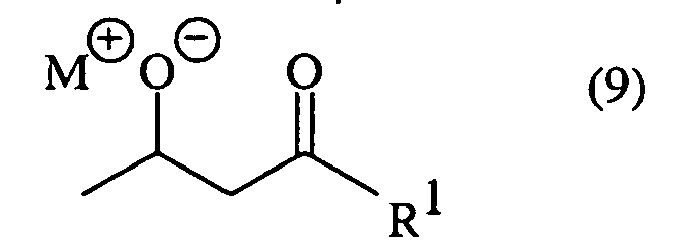
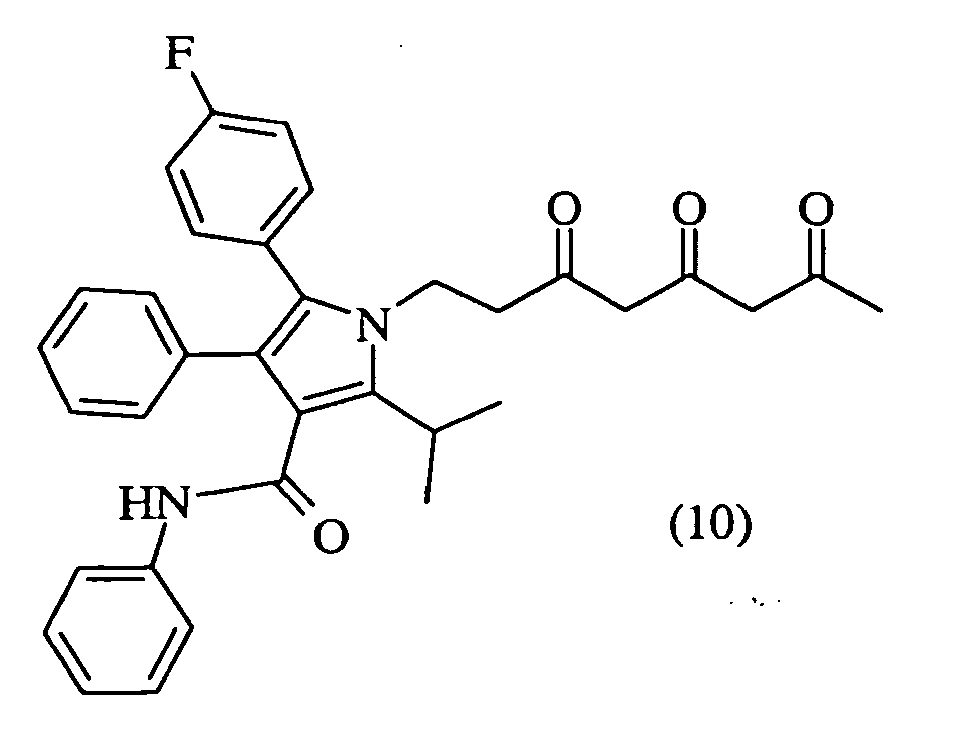
- Step (f) reacting a compound of Formula (10) with hydrogen in the presence of a chiral non-racemic ruthenium catalyst in a solvent in the presence of an acid to afford a compound of Formula (11)


- Step (g) reacting a compound of Formula (11b)

- X is O,
- S, or
- Se, or R1a is

alkyl,
cycloalkyl,
arylalkyl, or
aryl, or
R2 and R3 together are
-(CH2)4-,
-(CH2)5-,
-(CH(R4)-CH2)3-,
-(CH(R4)-CH2)4-,
-(CH(R4)-(CH2)2-CH(R4))-,
-(CH(R4)-(CH2)3-CH(R4))-,
-CH2-CH2-A-CH2-CH2-,
-CH(R4)-CH2-A-CH2CH2-,
-CH(R4)-CH2-A-CH2-CH(R4)-

- Step (h) reacting a compound of Formula (12) with HO-M in an alcohol of Formula (17) or (17b)
HOCH2-Aryl (17) or HO-Allyl (17b)
wherein M is sodium, lithium, potassium, zinc, magnesium, copper, calcium, or aluminum; or with a compound of Formula (16) or (16b)
M⊕ ⊖ OCH2-Aryl (16) or M⊕ ⊖ O-Allyl (16b)
wherein M is as defined above in an alcohol of Formula (17) or (17b) wherein aryl or allyl in a compound of Formula (16) or (16b) and (17) or (17b) is the same, in a solvent followed by the addition of hydrogen in the presence of a catalyst and an acid to afford the compound of Formula (13). - A second aspect of the present invention is an improved process for the preparation of a compound of Formula (8).

- reacting a compound of Formula (4)

R-CO2 ⊖ ⊕ M (20)
wherein R and M are as defined above with Compound (7)
- in a solvent with removal of water to afford a compound of Formula (8).
- A third aspect of the present invention is an improved process for the preparation of compound (13)

- Step (a) reacting a compound of Formula (11) with an acetal of Formula (15)


- Step (b) reacting a compound of Formula (14) in a nucleophilic solvent in the presence of an acid or optionally reaction with hydrogen in the presence of a catalyst and an acid in a solvent to afford the compound of Formula (13).
- A fourth aspect of the present invention is a process for the preparation of a compound of Formula (11b)

- X is O,
- S, or
- Se, or R1a is

- Step (a) reacting a compound of Formula (10)


- Step (b) reacting either a compound of Formula (18) or (18a) with hydrogen in the presence of a catalyst in a solvent in the presence of an acid to afford a compound of Formula (11b), wherein the catalyst in step (a) or (b) is a chiral non-racemic ruthenium catalyst.
- Another aspect of the present invention is a compound of Formula (8)

- Particularly preferred is a compound of Formula (8) wherein R1 is

- A seventh aspect of the present invention is a compound of Formula (10) or a pharmaceutically acceptable salt thereof

- Particularly preferred is a compound of Formula (10) wherein R1 is -O-tertiary butyl, -O-isopropyl, -O-ethyl, -O-methyl,
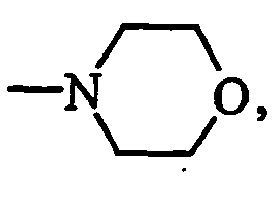
- An eighth aspect of the present invention is the compound of Formula (12)

- A ninth aspect of the present invention is a compound of Formula (18) or a pharmaceutically acceptable salt thereof

- Particularly preferred is a compound of Formula (18) wherein R1 is -O-isopropyl, -O-ethyl , -O-methyl,

- A tenth aspect of the present invention is a compound of Formula (18a) or a pharmaceutically acceptable salt thereof

- Particularly preferred is a compound of Formula (18a) wherein R1 is -O-tertiary butyl, -O-isopropyl, -O-ethyl, -O-methyl,

- The term "alkyl" means a straight or branched hydrocarbon radical having from 1 to 8 carbon atoms and includes, for example, methyl, ethyl, n-propyl, isopropyl, n-butyl, sec-butyl, isobutyl, tert-butyl, n-pentyl, n-hexyl, n-heptyl, n-octyl, and the like.
- "Alkoxy" and "thioalkoxy" are O-alkyl or S-alkyl of from 1 to 6 carbon atoms as defined above for "alkyl".
- The term "cycloalkyl" means a saturated hydrocarbon ring having 3 to 8 carbon atoms and includes, for example, cyclopropyl, cyclobutyl, cyclopentyl, cyclohexyl, cycloheptyl, cyclooctyl, and the like.
- The term "aryl" means an aromatic radical which is a phenyl group, a phenylalkyl group, a phenyl group substituted by 1 to 4 substituents selected from alkyl as defined above, alkoxy as defined above, thioalkoxy as defined above, halogen, trifluoromethyl, dialkylamino as defined above for alkyl, nitro, cyano,


- The term "allyl" means a hydrocarbon radical of 3 to 8 carbon atoms, containing a double bond between carbons 2 and 3, unsubstituted or substituted by 1 to 3 substituents on the carbons containing the double bond selected from alkyl or aryl as defined above, and includes, for example, propenyl, 2-butenyl, cinnamyl, and the like.
- The term "arylalkyl" means an aromatic radical attached to an alkyl radical wherein aryl and alkyl are as defined above for example, benzyl, phenylethyl, 3-phenylpropyl, (4-chlorophenyl)methyl, and the like.
- "Alkali metal" is a metal in Group IA of the periodic table and includes, for example, lithium, sodium, potassium, and the like.
- "Alkaline-earth metal" is a metal in Group IIA of the periodic table and includes, for example, calcium, barium, strontium, magnesium, and the like.
- The term "heteroaryl" means a 5- and 6-membered heteroaromatic radical which may optionally be fused to a benzene ring containing 1 to 3 heteroatoms selected from N, O, and S and includes, for example, a heteroaromatic radical which is 2- or 3-thienyl, 2- or 3-furanyl, 2- or 3-pyrrolyl, 2-, 3-, or 4-pyridinyl, 2-pyrazinyl, 2-, 4-, or 5-pyrimidinyl, 3- or 4-pyridazinyl, 1H-indol-6-yl, 1H-indol-5-yl, 1H-benzimidazol-6-yl, 1H-benzimidazol-5-yl, 2-, 4-, or 5-thiazolyl, 3-, 4-, or 5-isothiazolyl, 2-, 4-, or 5-imidazolyl, 3-, 4-, or 5-pyrazolyl, or 2- or 5-thiadiazolyl and the like optionally substituted by a substituent selected from alkyl as defined above, alkoxy as defined above, thioalkoxy as defined above, halogen, trifluoromethyl, dialkylamino as defined above for alkyl, nitro, cyano,


- Pharmaceutically acceptable acid addition salts of the compounds of the present invention include salts derived from inorganic acids such as hydrochloric, nitric, phosphoric, sulfuric, hydrobromic, hydriodic, hydrofluoric, phosphorous, and the like, as well as the salts derived from nontoxic organic acids, such as aliphatic mono- and dicarboxylic acids, phenyl-substituted alkanoic acids, hydroxy alkanoic acids, alkanedioic acids, aromatic acids, aliphatic and aromatic sulfonic acids, etc. Such salts thus include sulfate, pyrosulfate, bisulfate, sulfite, bisulfite, nitrate, phosphate, monohydrogenphosphate, dihydrogenphosphate, metaphosphate, pyrophosphate, chloride, bromide, iodide, acetate, trifluoroacetate, propionate, caprylate, isobutyrate, oxalate, malonate, succinate, suberate, sebacate, fumarate, maleate, mandelate, benzoate, chlorobenzoate, methylbenzoate, dinitrobenzoate, phthalate, benzenesulfonate, toluenesulfonate, phenylacetate, citrate, lactate, maleate, tartrate, methanesulfonate, and the like. Also contemplated are salts of amino acids such as arginate and the like and gluconate, galacturonate (see, for example, Berge S.M. et al., "Pharmaceutical Salts," J. of Pharma. Sci., 1977;66:1).
- The acid addition salts of said basic compounds are prepared by contacting the free base form with a sufficient amount of the desired acid to produce the salt in the conventional manner. The free base form may be regenerated by contacting the salt form with a base and isolating the free base in the conventional manner. The free base forms differ from their respective salt forms somewhat in certain physical properties such as solubility in polar solvents, but otherwise the salts are equivalent to their respective free base for purposes of the present invention.
- Pharmaceutically acceptable base addition salts are formed with metals or amines, such as alkali and alkaline earth metals or organic amines. Examples of metals used as cations are sodium, potassium, magnesium, calcium, and the like. Examples of suitable amines are N,N'-dibenzylethylenediamine, chloroprocaine, choline, diethanolamine, dicyclohexylamine, ethylenediamine, N-methylglucamine, and procaine (see, for example, Berge S.M. et al., "Pharmaceutical Salts," J. of Pharma Sci., 1977;66:1).
- The base addition salts of said acidic compounds are prepared by contacting the free acid form with a sufficient amount of the desired base to produce the salt in the conventional manner. The free acid form may be regenerated by contacting the salt form with an acid and isolating the free acid in the conventional manner. The free acid forms differ from their respective salt forms somewhat in certain physical properties such as solubility in polar solvents, but otherwise the salts are equivalent to their respective free acid for purposes of the present invention.
- Additionally, the compounds of the present invention can exist in unsolvated forms as well as solvated forms, including hydrated forms. In general, the solvated forms, including hydrated forms, are equivalent to unsolvated forms and are intended to be encompassed within the scope of the present invention.
- The following list contains abbreviations and acronyms used within the schemes and text:
- H2SO4
- Sulfuric acid
- NaOMe
- Sodium methoxide
- MeOH
- Methanol
- MtBE
- Methyl tert-butyl ether
- GC
- Gas chromatography
- Pt/C
- Platinum on carbon
- Pd/C
- Palladium on carbon
- H2
- Hydrogen
- HCl
- Hydrochloric acid
- Hg
- Mercury
- psi
- Pounds per square inch
- iPrOH (IPA)
- Isopropyl alcohol
- HPLC
- High pressure liquid chromatography
- NaOH
- Sodium hydroxide
- CH2Cl2
- Dichloromethane (methylene chloride)
- DMSO-d6
- Deuterated dimethylsulfoxide
- THF
- Tetrahydrofuran
- Na2SO4
- Sodium sulfate
- nBuLi
- n-Butyllithium
- NaCl
- Sodium chloride
- KOtBu
- Potassium tert-butoxide
- NaHCO3
- Sodium bicarbonate
- BnOH
- Benzyl alcohol
- Pd(OH)2/C
- Palladium hydroxide on carbon
- H2O
- Water
- PivOH
- Pivalic acid
- PhCHO
- Benzaldehyde
- PhCH3
- Toluene
- CDCl3
- Deuterated chloroform
- BnONa
- Sodium benzylate
- NH4OH
- Ammonium hydroxide
- PhCH(OMe)2
- Benzaldehyde dimethyl acetal
- MsOH
- Methanesulfonic acid
- pTsOH
- para Toluenesulfonic acid
- CSA
- Camphorsulfonic acid
- Ph
- Phenyl
- NaH
- Sodium hydride
- KH
- Potassium hydride
- EtOAc
- Ethyl acetate
- tBuOH(HOtBu)
- tert-Butanol
- PhCH2CO2H
- Phenylacetic acid
- NaNH2
- Sodium amide
- KHMDS
- Potassium hexamethyldisilazide
- LAH
- Lithium aluminum hydride
- Pd/Al2O3
- Palladium on alumina
- APCI
- Atmospheric pressure chemical ionization
- ESI
- Electrospray ionization
- DCI
- Direct chemical ionization
- 1H NMR
- Proton nuclear magnetic resonance spectroscopy
- 13C NMR
- 13Carbon nuclear magnetic resonance spectroscopy
- BINAP
- (R)-(+)-2,2'-Bis(diphenylphosphino)-1,1'-binaphthyl
- pTol-BINAP
- (R)-(+)-Bis(di-p-tolyl-phosphino)-1,1'-binaphthyl
- Cl-MeO-BIPHEP
- [(R)-(+)-5,5'-Dichloro-6,6'-dimethoxy[1,1'-biphenyl]-2,2'-diyl]-bis-diphenylphosphine
- C2-TunaPhos
- [(12aR)-6,7-dihydrodibenzo[e,g][1,4]dioxocin-1,12-diyl]-bis-diphenylphosphine
- C4-TunaPhos
- [(14aR)-6,7,8,9-tetrahydrodibenzo[b,d][1,6]dioxecin-1,14-diyl]-bis-diphenylphosphine
- MeO-BIPHEP
- [(1S)-(-)-6,6'-Dimethoxy[1,1'-biphenyl]-2,2'-diyl]-bis-diphenylphosphine
- p-cymene
- 4-isopropyltoluene
- ee
- Enantiomeric excess
- HRMS
- High resolution mass spectrometry
- m/z
- Mass to charge ratio
- tR
- Retention time
- The process of the present invention in its first aspect is a new, improved, economical, and commercially feasible method for the preparation of the compound of Formula (13)

- The process of the present invention in its first aspect is outlined in Scheme 1. Thus, a compound of Formula (1) wherein R is alkyl, aryl, arylalkyl, or heteroaryl is reacted with a compound of Formula (2) wherein R1 is -XR wherein
- X is O,
- S,
- Se or R1 is

- A compound of Formula (3) is reacted with hydrogen in the presence of a catalyst such as, for example, Pt/C, Pd/C in the presence of an acid such as, for example, a strong acid, for example, hydrochloric acid, hydrobromic acid, p-toluenesulfonic acid, methanesulfonic acid, sulfuric acid, and the like (optionally the reduction is carried out with Sponge Ni/NH4OH, metal hydrides, and the like, to afford the free base of a compound of Formula (4)) in a solvent such as, for example, methanol, ethanol, and the like to afford a compound of Formula (4) wherein Y is Cl, Br, TsO, MsO, or HSO4 and R1 is as defined above.
- Preferably, the reaction is carried out in the presence of Pt/C, hydrochloric acid and hydrogen in methanol.
- A compound of Formula (4) is reacted with a base such as, for example, sodium methoxide and the like in a solvent such as, for example, tetrahydrofuran, toluene, methyl tertiary butyl ether, and the like, and in an alcohol such as, for example, isopropanol, ethanol, methanol, and the like, to afford the free base followed by reaction with a compound of Formula (5) wherein R is as defined above in a solvent such as, for example, isopropanol, tetrahydrofuran, and the like to afford a compound of Formula (6) wherein R is as defined above. Optionally, the free base of a compound of Formula (4) may be reacted with a compound of Formula (5) to afford a compound of Formula (6). Preferably, the reaction is carried out with sodium methoxide in methyl tertiary butyl ether and methanol to afford the free base followed by reaction with phenylacetic in tetrahydrofuran.
- A compound of Formula (6) is reacted with the compound of Formula (7) in a solvent such as, for example, a protic, an aprotic, a polar or a non-polar solvent, for example, tetrahydrofuran and the like with removal of water with the aid of a chemical drying agent such as, for example, molecular sieves and the like or with the aid of a Dean-Stark water trap or using azeotropic distillation with a suitable solvent such as, for example toluene and the like to afford a compound of Formula (8) wherein R1 is as defined above. Preferably, the reaction is carried out with activated 3A molecular sieves in tetrahydrofuran.
- A compound of Formula (8) is reacted with a compound of Formula (9) wherein M is sodium, lithium, potassium, zinc, magnesium, copper, calcium, or aluminum and R1 is as defined above in a solvent such as, for example, a nonreactive aprotic solvent, for example, tetrahydrofuran, toluene, and the like in the presence of a strong base such as, for example, n-butyllithium, lithium or potassium hexamethyldisilazide, lithium diisopropylamide, and the like to afford a compound of Formula (10) wherein R1 is as defined above. Preferably, the reaction is carried out with a compound of Formula (9) wherein M is sodium, the base is n-butyllithium and the solvent is tetrahydrofuran.
- The carbonyls of a compound of Formula (10) in Scheme 1 are shown in the keto form. However, a compound of Formula (10) can undergo "keto-enol" tautomerism and thus can exist in several tautomeric forms which are encompassed within the present invention.
- A compound of Formula (10) is treated with hydrogen in the presence of a chiral non-racemic ruthenium catalyst such as, for example, a chiral non-racemic ruthenium (II)-diphosphine complex. For example, a ruthenium catalyst precursor such as [dichloro-(1,5-cyclooctadiene)] ruthenium (II) oligomer and chiral diphosphine ligand such as [(R)-(+)-2,2'-bis(diphenyl-phosphino)-1,1'-binaphthyl]. However, any chiral non-racemic ruthenium (II)/diphosphine combination may be employed in this reduction reaction. For example, ruthenium (II) catalyst precursors include [dibromo-(1,5-cyclooctadiene)] ruthenium (II) dimer, [bis-(2-methallyl)cycloocta-1,5-diene] ruthenium (II) complex and [dichloro(p-cymene)] ruthenium (II) dimer, and the like. Examples of effective chiral diphosphine ligands include 2,2'-bis(di-p-tolyl phosphino)-1,1'-binaphthyl, 2-diphenyl-phosphinomethyl-4-diphenylphosphino-1-tert-butoxy-carbonylpyrrolidine, tricyclo[8.2.2.24,7]hexadeca-4,6,10,12,13,15-hexaene-5,11-diyl-bis(diphenylphosphine) derivatives, 4,4'-bidibenzofuran-3,3'-diylbis(diphenylphosphine), 6,6'-dimethoxy[1,1'-biphenyl]-2,2'-diyl]bis-diphenylphosphine, [5,5'-dichloro-6,6'-dimethoxy[1,1'-biphenyl]-2,2'-diyl]-bis-diphenylphosphine, and 1 ,2-bis(2,5-dimethylphospholano) derivatives and the like in a solvent such as, for example, methanol, ethanol, isopropanol, and the like, optionally in the presence of a co-solvent, for example, dichloromethane, tetrahydrofuran, toluene and the like in the presence of an acid such as, for example, hydrochloric acid, hydrobromic acid, Dowex® ion exchange resin, and the like to afford a compound of Formula (11) or a compound of Formula (11a) wherein R1 is as defined above. Preferably, the reaction is carried out with dichloro(p-cymene) ruthenium (II) dimer and [(R)-(+)5,5'-dichloro-6,6'-dimethoxy[1,1'-biphenyl]-2,2'-diyl]-bis-diphenylphosphine in methanol in the presence of hydrobromic acid.
- A compound of Formula (11b) wherein R1a is wherein R1a is OH, -XR wherein
- X is O,
- S, or
- Se, or R1a is
- A compound of Formula (12) is reacted with HO-M in an alcohol of Formula (17) or (17b) wherein M is sodium, lithium, potassium, zinc, magnesium, copper, calcium, or aluminum, or with a compound of Formula (16) or (16b) wherein M is as defined above in an alcohol of Formula (17) or (17b) wherein aryl or allyl in a compound of Formula (16) or (16b) and (17) or (17b) is the same, in an optional cosolvent, such as, for example, a nonnucleophilic solvent, for example, acetone, tetrahydrofuran, 1,2-dimethoxyethane, and the like, followed by the addition of hydrogen in the presence of a catalyst, such as, for example, Pd(OH)2/C, Pd/C, Pd/A12O3, and the like, in the presence of an acid, such as, for example, hydrochloric acid, hydrobromic acid, sulfuric acid, and the like, to afford the compound of Formula (13). Preferably, the reaction is carried out with sodium hydroxide in benzyl alcohol followed by hydrogenation in the presence of Pd(OH)2/C and sulfuric acid.
- The process of the present invention in its second aspect is outlined in Scheme 2. Thus, a compound of Formula (4), prepared as described in Scheme 1, is reacted with a compound of Formula (20) wherein R and M are as defined above and a compound of Formula (7) with removal of water with the aid of a chemical drying agent such as, for example, molecular sieves and the like or with the aid of a Dean-Stark water trap or using azeotropic distillation with a suitable solvent such as, for example tetrahydrofuran, toluene, and the like, to afford a compound of Formula (8) wherein R1 is as defined above. Preferably, the reaction is carried out with a compound of Formula (20) wherein R is PhCH2 and M is sodium in the presence of activated 3A molecular seives in tetrahydrofuran.
- The process of the present invention in its third aspect is outlined in Scheme 3. Thus, a compound of Formula (11) is reacted with an acetal of Formula (15) wherein R5 and R5a are independently the same or different and are, methyl, ethyl, or -(CH2)n- wherein n is an integer of 2 to 4, and R is as defined above in the presence of an acid such as, for example, hydrochloric acid, pyridinium p-toluenesulfonate, p-toluenesulfonic acid and the like in a solvent such as, for example, toluene, dichloromethane, methyl tertiary butyl ether, and the like, followed by the addition of an aldehyde corresponding to the previous acetal of Formula (15) in the presence of a strong base such as, for example, a non-nucleophilic base, for example, potassium tertiary butoxide, potassium bis(trimethylsilyl) amide, 1,8-diazabicyclo[5.4.0] undec-7-ene and the like, to afford a compound of Formula (14) wherein R1 and R are as defined above. Preferably, the reaction is carried out with benzaldehyde dimethyl acetal in toluene in the presence of p-toluenesulfonic acid followed by the addition of benzaldehyde and potassium tertiary butoxide in tetrahydrofuran.
- A compound of Formula (14) is reacted with hydrogen in the presence of a catalyst such as, for example, palladium on carbon or platinum on carbon and the like in the presence of an acid such as, for example, hydrochloric acid and the like in a solvent such as, for example, toluene, tetrahydrofuran, methyl tertiary butyl ether, ethyl acetate, and the like, and an alcohol, such as, for example, methanol, ethanol, and the like, to afford a compound of Formula (13). Preferably, the reaction is carried out in toluene in the presence of platinum on carbon in the presence of methanol in the presence of hydrochloric acid.
- Optionally, a compound of Formula (14) is reacted with an acid such as, for example, hydrochloric acid, pyridinium p-toluenesulfonate, p-toluenesulfonic acid, and the like, in a solvent such as, for example, toluene, dichloromethane, methyl tertiary butyl ether, and the like to afford the compound of Formula (13). Preferably, the reaction is carried out in methylene chloride in the presence of p-toluenesulfonic acid.
- The process of the present invention in its fourth aspect is outlined in Scheme 4. Thus, a compound of Formula (10) wherein R1 is as defined above is reacted with one molar equivalent of hydrogen in the presence of a catalyst using the methodology described above for the conversion of a compound of Formula (10) to a compound of Formula (11) to afford either a compound of Formula (18) or Formula (18a) wherein R1 is as defined above or a mixture thereof. A mixture of compounds of Formula (18) and (18a) may be separated using conventional methodology, such as, for example, chromatography and the like. Preferably, a mixture of compounds of Formula (18) and (18a) is separated using HPLC.
- A compound of Formula (18) or (18a) or a mixture thereof is reacted with hydrogen in the presence of a catalyst as described above for preparing a compound of Formula (11) to afford a compound of Formula (11b) wherein R1a is as defined above. Preferably, the reaction is carried out using at least one molar equivalent of hydrogen.
- The compound of Formula (13) can be converted to atorvastatin calcium (19) using the procedures disclosed in United States Patents No. 5,273,995 and 5,969,156.
- The following nonlimiting examples illustrate the inventors' preferred methods for preparing the compounds of the invention.


-

- A nitrogen inerted reactor equipped with reflux condenser, nitrogen inlet and mechanical stirring is charged with morpholine (1.2 mol), methyl cyanoacetate (1.0 mol) and MtBE (52 mL). The homogeneous solution is heated to ca. 55°C and stirred at that temperature for 12 to 18 hours. MtBE (33 mL) is added over ca. 15 minutes, and the solution is slowly cooled below 50°C where nucleation becomes evident. Additional MtBE (66 mL) is added over a 1-hour period. During this time, the reaction is allowed to cool to near ambient temperature. After complete MtBE addition, the reaction is cooled with stirring to ca. 0°C. The resulting precipitate is collected via filtration and the cake is washed with additional MtBE (ca. 40 mL). The solid is dried under vacuum at ca. 45°C to provide 3-morpholin-4-yl-3-oxo-propionitrile (139 g). This material is used in subsequent steps without further purification.
m/z (APCI(m+1)) 154.9;calcd for C7H10N2O2 154.07. -

- A nitrogen inerted reactor is charged with 5% Pt-C (43 g; 58% water-wet) followed by 3-morpholin-4-yl-3-oxo-propionitrile (2.8 mol). A solution ofMeOH (3.4 L) and 12N HCl (3.08 mol) is added at such a rate as to maintain an internal temperature of ca. 25°C. The vessel and its contents are degassed via three N2 pressure purges (50 psi). The atmosphere is switched to hydrogen via three H2 pressure purges (50 psi), and the reaction is stirred vigorously at ca. 25°C under a sustained pressure of hydrogen (50 psi) for ca. 24 hours. The H2 pressure is released and replaced with N2. The reaction is passed through filter agent, which is subsequently washed with MeOH (500 mL). The reaction is concentrated in vacuo to a volume of ca. 1.4 L, and IPA (2.2 L) is added. The reaction mixture is cooled to 0°C and filtered. The filter cake is washed with MtBE (500 mL) and dried under vacuum at ca. 30°C to provide 3-amino-1-morpholin-4-yl-propan-1-one, hydrochloride as a white solid (439 g). This material is used in subsequent steps without further purification.
1H NMR (400 MHz, DMSO) δ 2.72 (t, 2H, J = 6.78), 2.96 (t, 2H, J= 6.77), 3.83-3.44 (m, 2H), 3.52-3.58 (m, 2 H), 8.08 (bs, 3H).
13C NMR (100 MHz, DMSO) δ 168.4,65.9,45.1,41.45,35.1, 29.6.
Free base: m/z (APCI(m+1)) 159.2; calcd for C7H14N2O2 158.11. -

- A reactor is charged with 3-amino-1-morpholin-4-yl-propan-1-one; hydrochloride (765 mmol). MeOH (380 mL) is added, and the mixture is stirred vigorously at room temperature for ca. 10 minutes. MtBE (380 mL) is added and the resulting slurry is cooled to -10°C, where a 25% (w/w) MeOH solution of NaOMe (765 mmol) is added slowly via addition funnel at such a rate as to maintain an internal temperature of ca. -10°C. The resulting suspension is stirred vigorously under a N2 atmosphere as it is allowed to warm to 0°C. Solids are removed via filtration, rinsing with additional MtBE (50 mL). Solvent is removed in vacuo to provide the free base as a crude oil that is taken up in MtBE (600 mL). The mixture is cooled with vigorous agitation to ca. 0°C, where phenylacetic acid (765 mmol) is added slowly as a solution in MtBE (300 mL). The reaction mixture is stirred an additional 10 minutes after complete addition, during which time the product precipitates out of solution. The solids are collected via filtration, washed with additional MtBE (100 mL) and dried under vacuum at ≤40°C to provide 3-amino-1-morpholin-4-yl-propan-1-one; compound with phenylacetic acid (191 g). This material is carried on to subsequent steps without further purification, or optionally, it can be re-precipitated from MtBE.
1H NMR (400 MHz, DMSO) δ 2.55 (t, 2H, J = 6.78), 2.86 (t, 2H, J = 6.78) 3.62 (t, 2H), 3.42 (t, 2 H), 6.22 (bs, 3H), 7.25-7.12 (m, 5H).
13C NMR (100 MHz, DMSO) δ 174.2, 169.0, 138.2, 129.2, 127.8, 125.5, 66.0, 45.2, 44.4, 41.4, 35.7, 31.6. -

- A nitrogen inerted reactor, equipped with a suitable reflux condenser and soxhlet extractor containing freshly activated 3A molecular sieves (4-8 mesh; 97.2 g), is charged with 3-amino-1-morpholin-4-yl-propan-1-one, compound with phenylacetic acid (765 mmol) and 2-[2-(4-fluorophenyl)-2-oxo-1-phenyl-ethyl]-4-methyl-3-oxo-pentanoic acid phenylamide (450 mmol). THF (360 mL) is added, and the resulting solution is stirred vigorously as the reaction is heated at reflux temperature for ca. 24 hours, during which time the product begins to precipitate. Half-saturated aqueous NaHCO3 (100 mL) is added, and the reaction mixture is cooled with continued stirring to ca. 0°C. MtBE (100 mL) is added, and the solids are collected via filtration. The solid is washed with distilled water (100 mL) and MtBE (2 x 100 mL), collected, and dried under vacuum at ≤50°C to afford 5-(4-fluorophenyl)-2-isopropyl-1-(3-morpholin-4-yl-3-oxo-propyl)-4-phenyl-1H pyrrole-3-carboxylic acid phenylamide as a white solid (194 g). This material is carried on to subsequent steps without further purification.
m/z (APCI(m-1)) 538.2; (APCI(m+1) 540.2; calcd for C33H34FN3O3 539.26. -

- A nitrogen inerted reactor, equipped with a suitable reflux condenser and soxhlet extractor containing freshly activated 3A molecular sieves (4-8 mesh; 36 g), is charged with 3-amino-1-morpholin-4-yl-propan-1-one hydrochloride (170 mmol), phenylacetic acid sodium salt (170 mmol) and 2-[2-(4-fluorophenyl)-2-oxo-1-phenyl-ethyl]-4-methyl-3-oxo-pentanoic acid phenylamide (100 mmol). THF (150 mL) is added, and the resulting solution is stirred vigorously as the reaction is heated at reflux temperature for ca. 24 hours, during which time the product begins to precipitate. Aqueous NaHCO3 (100 mL) is added slowly, and the reaction mixture is cooled with continued stirring to ca. 0°C. MtBE (100 mL) is added, and the solids are collected via filtration. The yellow-colored solid is washed with distilled water (15 mL) and MtBE (2 x 15 mL), collected, and dried under vacuum at ≤50°C to afford 5-(4-fluorophenyl)-2-isopropyl-1-(3-morpholin-4-yl-3-oxo-propyl)-4-phenyl-1H-pyrrole-3-carboxylic acid phenylamide as a white solid (42.1 g). This material is carried on to subsequent steps without further purification.
m/z (APCI(m-1)) 538.2; (APCI(m+1) 540.2; calcd for C33H34FN3O3 539.26. -

- A nitrogen inerted reactor equipped with reflux condenser, nitrogen inlet and mechanical stirring is charged with morpholine (1.2 mol), methyl cyanoacetate (1.0 mol), and MtBE (52 mL). The homogeneous solution is heated to ca. 55°C and stirred at that temperature for 12 to 18 hours. MtBE (33 mL) is added over ca. 15 minutes, and the solution is slowly cooled below 50°C until nucleation becomes evident. Additional MtBE (66 mL) is added over a 1-hour period. During this time, the reaction is allowed to cool to near ambient temperature. After complete MtBE addition, the reaction is cooled with stirring to ca. 0°C. The resulting precipitate is collected via filtration and the cake is washed with additional MtBE (40 mL). The crude 3-morpholin-4-yl-3-oxo-propionitrile is taken up in MeOH (2 L) and transferred to a nitrogen inerted pressure reactor that has been charged with 5% Pt-C (55 g; 58% water-wet). HCl (12 N; 1.1 mol) is added at such a rate as to maintain an internal temperature of ca. 25°C. The vessel and its contents are degassed via three N2 pressure purges (50 psi). The atmosphere is switched to hydrogen via three H2 pressure purges (50 psi), and the reaction is stirred vigorously at ca. 25°C under a sustained pressure of hydrogen (50 psi) for ca. 24 hours. The H2 pressure is released and replaced with N2. The reaction is passed through filter agent, which is subsequently washed with MeOH (500 mL). The reaction is concentrated to a MeOH-wet solid, which is reslurried in IPA (100 mL). The slurry is cooled to 0°C and filtered. The filter cake is washed with cold (0°C) IPA (75 mL) and reslurried in MeOH (500 mL) and MtBE (500 mL). The slurry is cooled with agitation to -10°C where a 25% (w/w) solution of NaOMe in MeOH (1 mol) is added dropwise at such a rate as to maintain an internal reaction temperature of ≤-5°C. The resulting suspension is filtered to afford a clear solution of free base. The solvent is removed in vacuo to provide a crude oil that is taken up in THF (450 mL) and cooled to ca. 0°C. This solution is transferred into a nitrogen inerted reactor that contains phenylacetic acid (1.0 mol) and 2-[2-(4-fluorophenyl)-2-oxo-1-phenyl-ethyl]-4-methyl-3-oxo-pentanoic acid phenylamide (590 mmol). The reactor is equipped with a suitable reflux condenser and soxhlet extractor containing freshly activated 3A molecular sieves (4-8 mesh; 125 g). The resulting solution is stirred vigorously as the reaction is refluxed under a N2 atmosphere for ca. 24 hours, during which time the product begins to precipitate. Half-saturated aqueous NaHCO3 (130 mL) is added slowly, and the reaction mixture is cooled with continued stirring to ca. 0°C. MtBE (130 mL) is added, and the solids are collected via filtration. The solid is washed with distilled water (130 mL) and MtBE (2 x 130 mL), collected, and dried under vacuum at ≤50°C to afford S-(4-fluoropheayl)-2-isopropyl-1-(3-morpholin-4-yl-3-oxo-propyl)-4-phenyl-1H pyrrole-3-carboxylic acid phenylamide as a white solid (223 g). This material is carried on to subsequent steps without further purification.
m/z (APCI(m-1)) 538.2; (APCI(m+1) 540.2; calcd for C33H34FN3O3 539.26. -

- A dry, nitrogen inerted reactor is charged with sodium hydride (300 mmol). Anhydrous THF (150 mL) is added and the resulting mixture is cooled under nitrogen to ca. -20°C. Ethyl acetoacetate (307 mmol) is added at such a rate as to maintain an internal reaction temperature of ≤-10°C. The addition is followed by a THF rinse (30 mL) and the resulting solution is stirred for approximately 45 minutes at ≤-10°C. The temperature is allowed to cool to ca. -18°C. A 10.0 M solution of n-BuLi in hexanes (300 mmol) is added at such a rate as to maintain an internal reaction temperature of ≤-4°C. The addition is followed by a THF rinse (30 mL) and the resulting orange solution is stirred for about 90 minutes at ≤-4°C. The temperature is allowed to cool to ca. -25°C. To the solution of dienolate is added 5-(4-fluorophenyl)-2-isopropyl-1-(3-morpholin-4-yl-3-oxo-propyl)-4-phenyl-1H-pyrrole-3-carboxylic acid phenylamide (74 mmol), and the resulting slurry is stirred at ca. -23°C for 20 hours. The reaction is quenched into a mixture of 18% aqueous HCl (898 mmol) and MtBE (20 mL) at such a rate as to maintain an internal reaction temperature of ≤-2°C. The reactor and transfer system is rinsed with THF (30 mL) and transferred to the reaction mixture. The two-phase solution is allowed to warm to ca. 20°C with stirring. The mixture is transferred to a separatory funnel, and the phases are allowed to separate. The organic layer is washed with water (33 mL) and saturated aqueous NaCl (33 mL). All aqueous layers are back-extracted with MtBE (40 mL). The two organic layers are combined and concentrated in vacuo to a crude oil maintaining an internal batch temperature of ≤560°C. EtOH (24 mL) is added to the oil and, again, the mixture is concentrated in vacuo. EtOH (330 mL) and water (33 mL) are immediately added to the resulting oil, and the solution of product is allowed to stand at ≤10°C for ca. 14 hours. The resulting solid is collected, washed with cold 20% aqueous EtOH (100 mL) and dried in vacuo to afford 7-[2-(4-fluorophenyl)-5-isopropyl-3-phenyl-4-phenylcarbamoyl-pyrrol-1-yl]-3,5-dioxo-heptanoic acid, ethyl ester (35.6 g) as a white solid This material is carried on to subsequent steps without further purification, or optionally, it can be re-precipitated from IPA/H2O.
HRMS m/z (ESI(m-1))581.2463; calcd for C35H35FN2O5 582.2530. - In a process analogous to Step 5 METHOD A, by substituting the appropriate ester or amide of acetoacetic acid for ethyl acetoacetate, one obtains the following compounds:
- 7-[2-(4-Fluorophenyl)-5-isopropyl-3-phenyl-4-phenylcarbamoyl-pyrrol-1-yl]-3,5-dioxo-heptanoic acid, tert-butyl ester.
HRMS m/z (ESI(m-1)) 609.2772; APCI(m+1) 611.3; calcd for C37H39FN2O5 610.2843. - 7-[2-(4-Fluorophenyl)-5-isopropyl-3-phenyl-4-phenylcarbamoyl-pyrrol-1-yl]-3,5-dioxo-heptanoic acid, isopropyl ester.
m/z (DCI(m+1)) 597; calcd for C36H37FN2O5 596.27. - 7-[2-(4-Fluorophenyl)-5-isopropyl-3-phenyl-4-phenylcarbamoyl-pyrrol-1-yl]-3,5-dioxo-heptanoic acid, methyl ester.
m/z (DCI(m+1)) 569; calcd for C34H33FN2O5 568.24. - 7-[2-(4-Fluorophenyl)-5-isopropyl-3-phenyl-4-phenylcarbamoyl-pyrrol-1-yl]-3,5-dioxo-heptanoic acid, morpholino amide.
HRMS m/z (ESI(m-1)) 622.2715; calcd for C37H38FN3O5 623.2795. - 7-[2-(4-Fluorophenyl)-5-isopropyl-3-phenyl-4-phenylcarbamoyl-pyrrol-1-yl]-3,5-dioxo-heptanoic acid, N,N dimethyl amide.
m/z (DCI(m+1)) 582; calcd for C35H36FN3O4 581.27. -

- A nitrogen inerted reactor is charged with the sodium salt of tert-butyl acetoacetate (100 mmol). Anhydrous toluene (71.5 mL) and THF (8.2 mL, 101 mmol) are added, and the resulting solution is cooled under a positive pressure of nitrogen to ca.-10°C. A 10 M hexanes solution of n-BuLi (104 mmol) is added at such a rate as to maintain an internal reaction temperature of ≤1 °C. The resulting solution is stirred an additional 20 to 30 minutes after complete addition as the temperature is allowed to cool to ca. -6°C. Meanwhile, 5-(4-fluorophenyl)-2-isopropyl-1-(3-morpholin-4-yl-3-oxo-propyl)-4-phenyl-1H-pyrrole-3-carboxylic acid phenylamide (25 mmol) is charged to a second nitrogen inerted reactor. Anhydrous THF (50 mL) is added at room temperature, and the resulting slurry is cooled to ca. -10°C and stirred for 15 to 90 minutes. The solution of dienolate is added to the slurry of morpholine amide at such a rate as to maintain an internal reaction temperature ca. -5°C. Following this addition, the slurry is stirred at ca. -5°C for ≥2 hours. Water (35 mL) is added with vigorous agitation at such a rate as to maintain an internal reaction temperature of ≤0°C. Concentrated 37% hydrochloric acid (19.0 mL, 229 mmol) is added at such a rate as to maintain an internal reaction temperature of ≤0°C. The two-layered reaction mixture is vacuum distilled, removing >50% of the organic solvents. The distillation is stopped and the lower aqueous layer is discarded. Water (55 mL) is added and the vacuum distillation is continued until a majority of the organic solvents are removed. [Note: It is preferable to drain and replace the aqueous layer before initiating the vacuum distillation.] IPA (100 mL) is added followed by water (100 mL). The mixture is stirred for ≥6 hours, allowing for solidification of the product. The solid is collected via filtration, and the cake is washed with premixed 1:1 IPA:H2O. The resulting solid is dried in vacuo at 35°C to provide 7-[2-(4-fluorophenyl)-5-isopropyl-3-phenyl-4-phenylcarbamoyl-pyrrol-1-yl]-3,5-dioxo-heptanoic acid, tert-butyl ester (14.1 g) as a white solid. This material is carried on to subsequent steps without further purification, or optionally, it can be re-precipitated from toluene.
HRMS m/z (ESI(m-1)) 609.2772; APCI(m+1) 611.3; calcd for C37H39FN2O5 610.2843. - In a process analogous to Step 5 METHOD B, by substituting the sodium salt of the appropriate ester or amide of acetoacetic acid for the sodium salt of tert-butyl acetoacetate, one obtains the following compounds:
- 7-[2-(4-Fluorophenyl)5-isopropyl-3-phenyl-4-phenylcarbamoyl-pyrrol-1-yl]-3,5-dioxo-heptanoic acid, ethyl ester.
HRMS m/z (ESI(m-1)) 581.2463; calcd for C35H35FN2O5 582.2530. - 7-[2-(4-Fluorophenyl)-5-isopropyl-3-phenyl-4-phenylcarbamoyl-pyrrol-1-yl]-3,5-dioxo-heptanoic acid, isopropyl ester.
m/z (DCI(m+ 1)) 597; calcd for C36H37FN2O5 596.27. - 7-[2-(4-Fluorophenyl)-5-isopropyl-3-phenyl-4-phenylcarbamoyl-pyrrol-1-yl]-3,5-dioxo-heptanoic acid, methyl ester.
m/z (DCI(m+1)) 569; calcd for C34H33FN2O5 568.24. - 7-[2-(4-Fluorophenyl)-5-isopropyl-3-phenyl-4-phenylcarbamoyl-pyrrol-1-yl]-3,5-dioxo-heptanoic acid, morpholino amide.
HRMS m/z (ESI(m-1)) 622.2715; calcd for C37H38FN3O5 623.2795. - 7-[2-(4-Fluorophenyl)-5-isopropyl-3-phenyl-4-phenylcarbamoyl-pyrrol-1-yl]-3,5-dioxo-heptanoic acid, N,N-dimethyl amide.
m/z (DCI(m+1)) 582; calcd for C35H36FN3O4 581.27. -

- A nitrogen inerted pressure reactor is charged with 7-[2-(4-fluorophenyl)-5-isopropyl-3-phenyl-4-phenylcarbamoyl-pyrrol-1-yl]-3,5-dioxo-heptanoic acid, ethyl ester (100.0 mmol) and MeOH (250 mL). The resulting slurry is heated with stirring to ca. 55°C to afford a homogeneous solution. The vessel and its contents are degassed via three 50 psi pressure purges with argon. Under a steady flow of argon, 1 M methanolic HBr (7.0 mmol) and the RuCl2(DMF)n[(R)-Cl-MeO-BIPHEP)] catalyst (0.5 mmol) are added, and the reactor is given an additional 50 psi pressure purge with argon. The atmosphere is switched to hydrogen via three 50 psi pressure purges. The reaction is stirred vigorously at 65°C under a sustained pressure of hydrogen (50 psi) until hydrogen uptake ceases. The reaction is allowed to cool to ambient temperature, and the hydrogen pressure is released and replaced with nitrogen. The crude MeOH solution of (5R)-7-[2-(4-fluorophenyl)-5-isopropyl-3-phenyl-4-phenylcarbamoyl-pyrrol-1-yl]-3,5-dihydroxy-heptanoic acid, methyl ester is carried on to subsequent steps without purification, or optionally, it can be isolated via flash column chromatography on silica gel, eluting with ethyl acetate-heptane mixtures.
HPLC analysis (YMC ODS AQ S5; 1 mL/min; 30°C; 254 nm: CH3CN/H2O, 60:40 (0-22 min) to 100:0 (27-37 min) to 60:40) indicated a syn:anti ratio of 1:1.5. Chiral HPLC analysis (Chiralcel OD-H column; 5% EtOH:Hexanes; tR(3R,5R) = 23.1 min./tR(3R,5S) =18.0 min./tR(3S,5S) = 24.8 min./tR(3S,5R) =19.9 min.) indicated an enantiomeric excess at C-5 of ≥98%, favoring the (R) configuration.
m/z (DCI(m+1)) 573; calcd for C34H37FN2O5 572.27. - In a process analogous to Step 6 METHOD A, using the appropriate alcoholic solvent in place of MeOH, one obtains the following compounds, for example:
- (5R)-7-[2-(4-Fluorophenyl)-5-isopropyl-3-phenyl-4-phenylcarbamoylpyrrol-1-yl]-3,5-dihydroxy-heptanoic acid, ethyl ester.
m/z (DCI(m+1)) 587; calcd for C35H39FN2O5 586.28. - Chiral HPLC analysis (Chiralcel OD-H column; 5% EtOH:Hexanes; tR(3R,5R) =17.6 min./tR(3R,5S) = 14.7 min./tR(3S,5S) = 20.9 min./tR(3S,5R) = 15.9 min.) indicated an enantiomeric excess at C-5 of ≥98%, favoring the (R) configuration.
- (5R)-7-[2-(4-Fluorophenyl)-5-isopropyl-3-phenyl-4-phenylcarbamoylpyrrol-1-yl]-3,5-dihydroxy-heptanoic acid, isopropyl ester.
m/z (DCl(m+1)) 601; calcd for C36H41FN2O5 600.30. - In a process analogous to Step 6 METHOD A, using the appropriate ester or amide from Step 5 in a non-nucleophilic/non-coordinating solvent (e.g., toluene) in place of MeOH, and acetic acid in place of HBr, one can avoid transesterification and obtain the following compounds, for example:
- (5R)-7-[2-(4-Fluorophenyl)-5-isopropyl-3-phenyl-4-phenylcarbamoylpyrrol-1-yl]-3,5-dihydroxy-heptanoic acid, tert-butyl ester.
mlz (APCI(m+1)) 615.3; calcd for C37H43FN2O5 614.32. - (5R)-7-[2-(4-Fluorophenyl)-5-isopropyl-3-phenyl-4-phenylcarbamoylpyrrol-1-yl]-3,5-dihydroxy-heptanoic acid, morpholino amide.
m/z (APCI(m-1+HCO2H)) 672.3; calcd for C37H42FN3O5 627.31. - (SR)-7-[2-(4-Fluorophenyl)-5-isopropyl-3-phenyl-4-phenylcarbamoylpyrrol-1-yl]-3,5-dihydroxy-heptanoic acid, N,N-dimethyl amide.
m/z (APCI(m+1)) 586; calcd for C35H40FN3O4 585.30. - In a process analogous to Step 6 METHOD A, using alternative Ru(II)-chiral diphosphine complexes in place of RuCl2(DMF)n[(R)-Cl-MeO-BIPHEP)] as the hydrogenation catalyst, one can obtain the identical products with varying enantiomeric excess at C-5. For example, in the reduction of 7-[2-(4-fluorophenyl)-5-isopropyl-3-phenyl-4-phenylcarbamoyl-pyrrol-1-yl]-3,5-dioxo-heptanoic acid, ethyl ester to (5R)-7-[2-(4-fluorophenyl)-5-isopropyl-3-phenyl-4-phenylcarbamoyl-pyrrol-1-yl]-3,5-dihydroxy-heptanoic acid, methyl ester proceeded as follows:
- RuCl2(DMF)n[(R)-(+)-BINAP] complex provided product with 90% ee (favoring the (R) configuration) at C-5 as determined by chiral HPLC analysis.
- RuCl2(DMF)n[(R)-(+)-pTol-BINAP] complex provided product with 91% ee (favoring the (R) configuration) at C-5 as determined by chiral HPLC analysis.
- RuCl2(DMF)n[(R)-(+)-C4-TunaPhos] complex provided product with 93% ee (favoring the (R) configuration) at C-5 as determined by chiral HPLC analysis.
- RuCl2(DMF)n[(R)-(+)-C2-TunaPhos] complex provided product with 98% ee (favoring the (R) configuration) at C-5 as determined by chiral HPLC analysis.
- RuCl2(DMF)n[(S)-(-)-MeO-BIPHEP] complex provided product with 95%ee (favoring the (S) configuration) at C-5 as determined by chiral HPLC analysis.
- RuCl2[(R)-(+)-Cl-MeO-BIPHEP] (NEt3)n complex provided product with ≥98% ee (favoring the (R) configuration) at C-5 as determined by chiral HPLC analysis.
- RuCl2[(R)-(+)-BINAP] (NEt3)n complex provided product with 91% ee (favoring the (R) configuration) at C-5 as determined by chiral HPLC analysis.
- RuCl2[(R)-(+)-pTol-BINAP] (NEt3)n complex provided product with 91% ee (favoring the (R) configuration) at C-5 as determined by chiral HPLC analysis.
- [Ru(TFA)2((R)-(+)-Cl-MeO-BIPHEP)]n complex provided product with ≥98% ee (favoring the (R) configuration) at C-5 as determined by chiral HPLC analysis.
- [Ru(TFA)2((R)-(+)-BINAP)]n complex provided product with 90% ee (favoring the (R) configuration) at C-5 as determined by chiral HPLC analysis.
- A nitrogen inerted pressure reactor is charged with benzene ruthenium (II) chloride dimer (11 mg) and (R)-(+)-C2-TunaPhos (26 mg). The reactor is given a pressure purge with N2 and N2-sparged MeOH (1.0 mL) is added via syringe. The resulting mixture is thoroughly purged with N2 and stirred at 25°C for 30 minutes. A solution of 7-[2-(4-fluorophenyl)-5-isopropyl-3-phenyl-4-phenylcarbamoylpyrrol-1-yl]-3,5-dioxo-heptanoic acid, tert-butyl ester (0.5 g) in N2-sparged MeOH (4.5 mL) is added to the reactor via syringe, and the resulting mixture is allowed to stir under N2 at 60°C for 30 minutes. The solution is stirred at 60°C under a sustained H2 pressure of 60 psi for 22 hours. The reaction is cooled to ambient temperature where it is repeatedly purged with N2. The crude MeOH solution of (5R)-7-[2-(4-fluorophenyl)-5-isopropyl-3-phenyl-4-phenylcarbamoylpyrrol-1-yl]-3,5-dihydroxy-heptanoic acid, methyl ester is carried on to subsequent steps without purification, or optionally, it can be isolated via flash column chromatography on silica gel, eluting with ethyl acetate-heptane mixtures. HPLC analysis (YMC ODS AQ S5;1 1 mL/min; 30°C; 254 nm: CH3CN/H2O, 60:40 (0-22 min.) to 100:0 (27-37 min.) to 60:40) indicated a syn:anti ratio of 1:1.4.
Chiral HPLC analysis (Chiralcel OD-H column; 5% EtOH:Hexanes; tR(3R,5R) = 23.1 min./tR(3R,5S) = 18.0 min./tR(3S,5S) = 24.8 min./tR(3S,5R) = 19.9 min.) indicated an enantiomeric excess at C-5 of ≥97%, favoring the (R) configuration.
m/z (DCI(m+1)) 573; calcd for C34H37FN2O5 572.27. -

- A suitable nitrogen inerted reactor is charged with KOH (110.0 mmol) and water (300 mL). To this rapidly stirring solution is added the crude Step 6 solution of (5R)-7-[2-(4-fluorophenyl)-5-isopropyl-3-phenyl-4-phenylcarbamoyl-pyrrol-1-yl]-3,5-dihydroxy-heptanoic acid, methyl ester (ca. 100 mmol/>98% ee) in MeOH (250 mL). The mixture is heated under a nitrogen atmosphere to an internal temperature of ca. 85°C. During this time, MeOH is removed via distillation. The resulting reaction mixture is allowed to cool to 45°C, where it is washed with MtBE (2x150 mL). The MtBE phases are separated and discarded. To the 45°C aqueous phase is added toluene (125 mL), followed by a slow addition of 6N HCl (20 mL). The two-phase mixture is stirred for 10 minutes, and the layers are separated. The aqueous phase is extracted with a second portion of toluene (125 mL) and discarded. The combined organics are heated to reflux under a nitrogen atmosphere. During this time, 130 mL of distillate is collected and discarded. The resulting solution is cooled to ca. 60°C, where NEt3 (140 mmol), DMAP (2.0 mmol) and Ac2O (70.0 mmol) are added successively at such a rate as to maintain an internal reaction temperature of 55°C to 65°C. This solution is stirred for ca. 1.5 hrs at 60°C. The mixture is cooled to 50°C, where 1N HCl (100 mL) is added slowly. The two-phase mixture is stirred for 10 minutes, the phases are separated, and the aqueous phase discarded. The organic phase is washed with second portions of 1N HCl (100 mL) and water (100 mL) while maintaining a temperature of 45°C to 55°C. The toluene solution is diluted with Bu2O (200 mL) and the resulting solution is slowly cooled to 0°C with continuous agitation. The resulting solid is collected on a filter funnel and dried under vacuum to provide 5-(4-fluorophenyl)-2-isopropyl-1-[2-((S)-oxo-3,6-dihydro-2H-pyran-2-yl)-ethyl]-4-phenyl-1H-pyrrole-3-carboxylic acid phenylamide as a white to off-white solid (34.4 g). This material is carried on to subsequent steps without further purification, or optionally, it can be re-precipitated from IPA/H2O.
m/z (DCI(m+1)) 523; calcd for C33H31FN2O3 522.23.
Chiral HPLC analysis (Chiralpak AD column; 1 mL/min; 30°C; 254 nm; 10% IPA:Hexanes; tR(R) = 18 min./tR(S) = 16 min.) indicated an enantiomeric excess of >98%, favoring the (R) configuration. -

- An argon-purged reactor is charged with 5-(4-fluorophenyl)-2-isopropyl-1-[2-((S)-6-oxo-3,6-dihydro-2H-pyran-2-yl)-ethyl]-4-phenyl-1H-pyrrole-3-carboxylic acid phenylamide (0.020 mol/>99% ee) and benzyl alcohol (52 mL). The reaction mixture is cooled to -10°C and NaOH (0.040 mol) is added. After stirring for 19 hours at -10°C the reaction is quenched with 37% HCl (0.042 mol) and diluted with water (25 mL) and toluene (25 mL). After the mixture is warmed to ambient temperature, the lower aqueous layer is discarded. The upper organic layer is combined with 20% Pd(OH)2/C (1.0 g) and H2SO4 (0.01 moles) and hydrogenated under 50 psi hydrogen at 50°C for 16 hours. The reaction mixture is heated to 80°C and filtered through diatomaceous earth. The reactor and catalyst cake is rinsed with hot toluene (10 mL). The lower aqueous layer is discarded. The upper organic layer is washed with a warm solution of aqueous HCl (0.16 g 37% HCl in 25 mL hot water) and heated to reflux for 2.5 hours under argon, removing water azeotropically. The reaction mixture is cooled to 65°C and seeded with 5-(4-fluorophenyl)-1-[2-((2R,4R)-4-hydroxy-6-oxo-tetrahydro-pyran-2-yl)-ethyl]-2-isopropyl-4-phenyl-1H-pyrrole-3-carboxylic acid phenylamide. After 2 hours the reaction mixture is allowed to slowly cool to ambient temperature. The resulting slurry is cooled to about 0°C. The product is collected and washed with cold toluene (25 mL). The resulting solid is dissolved in hot toluene (95 mL) and cooled to 65°C and held for 2 hours. The reaction mixture is slowly cooled to ambient temperature and further cooled to 0°C. The product is collected, washed with cold toluene (25 mL) and dried in vacuo at 70°C overnight to afford 5-(4-fluorophenyl)-1-[2-((2R,4R)-4-hydroxy-6-oxo-tetrahydro-pyran-2-yl)-ethyl]-2-isopropyl-4-phenyl-1H-pyrrole-3-carboxylic acid phenylamide (8.4 g) as a white solid.
HPLC analysis (YMC ODS AQ S5; 1 mL/min; 30°C; 254 nm: CH3CN/H2O, 60:40 (0-22 min.) to 100:0 (27-37 min.) to 60:40) indicated an anti:syn ratio of >99:1.
Chiral HPLC analysis (Chiralcel OF; 1 mL/min; 60°C; 254 nm; 20% IPA:Hexanes; tR(3R,5R) = 26 min./tR(3R,5S) = 59 min./tR(3S,5S) = 33 min./tR(3S,5R) = 37 min.) indicated an enantiomeric excess at C-5 of >99%, favoring the (R) configuration.
m/z (DCI(m+1)) 541; calcd for C33H33FN2O4 540.24. - In a process analogous to Step 8 METHOD A, substituted benzylic alcohol derivatives (e.g., p-methoxy-benzyl alcohol) may be used in place of benzyl alcohol to afford the corresponding compounds.
-

- An argon-purged reactor is charged with 5-(4-fluorophenyl)-2-isopropyl-1-[2-((S)-6-oxo-3,6-dihydro-2H-pyran-2-yl)-ethyl]-4-phenyl-1H-pyrrole-3-carboxylic acid phenylamide (19.1 mmol/>99% ee) and allyl alcohol (50 mL). The reaction mixture is cooled to -5°C and LiOH (38.2 mmol) is added. After stirring for I hour at -5°C the reaction is quenched with 37% HCl (42 mmol) and toluene (125 mL). After the mixture is warmed to ambient temperature, the reaction is concentrated to a volume of ca. 75 mL. Additional toluene (50 mL) is added and the reaction is concentrated via distillation to a crude oil that solidifies upon standing. The crude residue is taken up in DME (340 mL). To this solution is added deionized water (20 mL), p-toluenesulfonic acid (2.25 g) and 5% Pd/C (11 g; 50% water-wet). The resulting mixture is heated to 45°C under a N2 atmosphere for 1.5 hours and at ambient temperature for an additional 16 hours. The solution is passed through filter aid to remove catalyst, and solvent is removed in vacuo. The residue is taken up in toluene (50 mL). Water (75 mL) and KOH (950 mg) are added, and the reaction mixture is heated to 65°C where the layers are separated. The aqueous phase is washed with toluene (25 mL) at 65°C and the combined toluene layers are discarded. To the aqueous phase is added toluene (50 mL), followed by 6N HCl (3.8 mL). The mixture is stirred vigorously at 65°C for 5 minutes and the phases are separated. The toluene phase is heated to reflux for 2.5 hours under argon, removing water azeotropically. The reaction mixture is cooled to 65°C and seeded with 5-(4-fluorophenyl)-1-[2-((2R,4R)-4-hydroxy-6-oxo-tetrahydro-pyran-2-yl)-ethyl]-2-isopropyl-4-phenyl-1H pyrrole-3-carboxylic acid phenylamide. After 2 hours the reaction mixture is allowed to slowly cool to ambient temperature. The resulting slurry is cooled to about 0°C. The product is collected and washed with cold toluene (25 mL). The resulting solid is dissolved in hot toluene (95 mL) and cooled to 65°C and held for 2 hours. The reaction mixture is slowly cooled to ambient temperature and further cooled to 0°C. The product is collected, washed with cold toluene (25 mL) and dried in vacuo at 70°C overnight to afford 5-(4-fluorophenyl)-1-[2-((2R,4R)-4-hydroxy-6-oxo-tetrahydro-pyran-2-yl)-ethyl]-2-isopropyl-4-phenyl-1H-pyrrole-3-carboxylic acid phenylamide as a white solid.
HPLC analysis (YMC ODS AQ S5; 1 mL/min; 30°C; 254 nm: CH3CN/H2O, 60:40 (0-22 min) to 100:0 (27-37 min) to 60:40) indicated an anti:syn ratio of >99:1.
Chiral HPLC analysis (ChiralCel OF; 1 mL/min; 60°C; 254 nm; 20% IPA:Hexanes; tR(3R,5R) = 26 min./tR(3R,5S) = 59min. tR(3S,5S) = 33 min./tR(3S,5R) = 37 min.) indicated an enantiomeric excess at C-5 of >99%, favoring the (R) configuration.
m/z (DCI(m+1)) 541; calcd for C33H33FN2O4 540.24. - In a process analogous to Step 8 METHOD B, allylic alcohol derivatives (e.g., crotyl alcohol) may be used in place of allyl alcohol to afford the corresponding compounds.
-

- A nitrogen inerted reactor is charged with (5R)-7-[2-(4-fluorophenyl)-5-isopropyl-3-phenyl-4-phenylcarbamoyl-pyrrol-1-yl]-3,5-dihydroxy-heptanoic acid, tert-butyl ester (10.0 mmol), benzaldehyde dimethyl acetal (44.0 mmol), toluene (40 mL) and p-toluenesulfonic acid monohydrate (1.0 mmol). The reaction is stirred vigorously under vacuum for ca. 20 hours, or until complete reaction as determined by analysis of an aliquot by HPLC. The solution is cooled under a nitrogen atmosphere to ca. -5°C where a 1M THF solution of KOtBu (9.0 mmol) is added in three equal portions, separated by 30 to 45 minutes. The resulting solution is allowed to stir an additional 12 to 14 hours at 0°C. The reaction is quenched by the slow addition of 1N HCl (10 mL). The resulting two-phase mixture is allowed to warm to ca. 15°C and is transferred to a separatory funnel where the aqueous phase is removed and discarded. The organic phase is washed with saturated aqueous NaCl (100 mL), dried over anhydrous MgSO4 (25 g), filtered and concentrated in vacuo to a crude oil. This material is carried on to subsequent steps without purification, or optionally, it can be re-precipitated from ether/hexanes.
m/z (APCI(m+1)) 703.4; calcd for C44H47FN2O5 702.35. - In a process analogous to Step 8 METHOD C OPERATION A using the appropriate ester from Step 6 in place of (5R)-7-[2-(4-fluorophenyl)-5-isopropyl-3-phenyl-4-phenylcarbamoyl-pyrrol-1-yl]-3,5-dihydroxy-heptanoic acid, tert-butyl ester, one obtains the following compounds, for example:
- ((4R,6R)-6-{2-[2-(4-fluorophenyl)-5-isopropyl-3-phenyl-4-phenylcarbamoyl-pyrrol-1 -yl]-ethyl}-2-phenyl-[1,3]dioxan-4-yl)-acetic acid methyl ester.
- ((4R,6R)-6-{2-[2-(4-fluorophenyl)-5-isopropyl-3-phenyl-4-phenylcarbamoyl-pyrrol-1-yl]-ethyl}-2-phenyl-[1,3]dioxan-4-yl)-acetic acid ethyl ester.
- ((4R,6R)-6-{2-[2-(4-fluorophenyl)-5-isopropyl-3-phenyl-4-phenylcarbamoyl-pyrrol-1-yl]-ethyl}-2-phenyl-[1,3]dioxan-4-yl)-acetic acid isopropyl ester.
- A nitrogen inerted pressure reactor is charged with ((4R,6R)-6-{2-[2-(4-fluorophenyl)-5-isopropyl-3-phenyl-4-phenylcarbamoyl-pyrrol-1-yl]-ethyl}-2-phenyl-[1,3]dioxan-4-yl)-acetic acid tert-butyl ester from OPERATION A (5.0 g), 5% Pd/C (0.45 g; 50% H2O-wet), 2N HCl in MeOH (1.9 mL), toluene (11 mL), and MeOH (3.1 mL). The vessel and its contents are degassed via two cycles of partial evacuation and nitrogen pressurization (25 mm Hg and 50 psi, respectively). The atmosphere is switched to hydrogen via three cycles of partial evacuation and hydrogen pressurization (25 mm Hg and 50 psi, respectively). The reaction is stirred vigorously at 40°C under a positive pressure of H2 (ca. 50 psi) for ca. 2.5 hours. The reaction is allowed to cool to ambient temperature, and the hydrogen pressure is released and replaced with nitrogen. The reaction is passed through filtering agent to remove the catalyst, rinsing thoroughly with MeOH (2 x 5 mL). To this solution is added KOH (0.6 g) in water (25 mL). The reaction is stirred vigorously under a nitrogen atmosphere and heated to an internal reaction temperature of ca. 90°C, removing MeOH via distillation. The two-phase mixture is allowed to cool to 70°C and the upper toluene phase is separated and discarded. The aqueous phase is washed with a second portion of toluene (10 mL) at 70°C. This organic wash is also separated and discarded. To the aqueous phase is added toluene (10 mL), followed by a slow addition of 2N HCl (5 mL). The two-phase mixture is stirred for 10 minutes and the layers are separated. The aqueous phase is extracted with a second portion of toluene (10 mL) and is discarded. The combined organics are heated to reflux under a Dean-Stark water trap for 2.5 hours under argon. The reaction mixture is cooled to 65°C and seeded with 5-(4-fluorophenyl)-1-[2-((2R,4R)-4-hydroxy-6-oxo-tetrahydro-pyran-2-yl)-ethyl]-2-isopropyl-4-phenyl-1H pyrrole-3-carboxylic acid phenylamide. After 2 hours the reaction mixture is allowed to slowly cool to ambient temperature. The resulting slurry is cooled to ca. 0°C. The product is collected and washed with cold toluene (5 mL). The resulting solid is dissolved in hot toluene (20 mL) and cooled to 65°C and held for 2 hours. The reaction mixture is slowly cooled to ambient temperature and then to 0°C. The product is collected, washed with cold toluene (5 mL) and dried in vacuo at 70°C overnight to afford 5-(4-fluorophenyl)-1-[2-((2R,4R)-4-hydroxy-6-oxo-tetrahydro-pyran-2-yl)-ethyl]-2-isopropyl-4-phenyl-1H-pyrrole-3-carboxylic acid phenylamide as a white solid.
m/z (DCI(m+1)) 541; calcd for C33H33FN2O4 540.24. -

- A nitrogen inerted pressure reactor is charged with 7-[2-(4-fluorophenyl)-5-isopropyl-3-phenyl-4-phenylcarbamoyl-pyrrol-1-yl]-3,5-dioxo-heptanoic acid, ethyl ester (100.0 mmol) and EtOH (250 mL). The resulting slurry is heated with stirring to ca. 55°C to afford a homogeneous solution. The vessel and its contents are degassed via three 50 psi pressure purges with argon. Under a steady flow of argon, 1 M ethanolic HBr (7.0 mmol) and the RuCl2([(R)-BINAP] NEt3 catalyst (0.5 mmol) are added, and the reactor is given an additional 50 psi pressure purge with argon. The atmosphere is switched to hydrogen via three 50 psi pressure purges. The reaction is stirred vigorously at 65°C under a sustained pressure of hydrogen (50 psi) until H2 uptake ceases. The reaction is allowed to cool to ca. 50°C, where the hydrogen pressure is released and replaced with nitrogen. The crude EtOH solution of (5R)-7-[2-(4-fluorophenyl)-5-isopropyl-3-phenyl-4-phenylcarbamoyl-pyrrol-1-yl]-3,5-dihydroxy-heptanoic acid, methyl ester is diluted with toluene (250 mL). To this solution is added benzaldehyde (150 mmol) and p-TsOH monohydrate (5 mmol). The resulting reaction mixture is heated to a pot temperature of 110°C, removing EtOH and water via their toluene azeotropes. The solution is cooled under a nitrogen atmosphere to ca. -5°C where a 1 M THF solution of KOtBu (90 mmol) is added in three equal portions, separated by 30 to 45 minutes. The resulting solution is allowed to stir an additional 12 to 14 hours at 0°C. The reaction is quenched by the slow addition of 1N HCl (100 mL). The resulting two-phase mixture is allowed to warm to ca. 15°C and is transferred to a separatory funnel where the aqueous phase is removed and discarded. The organic phase is washed with saturated aqueous NaCl (25 mL), dried over anhydrous MgSO4 (5 g), filtered and concentrated in vacuo to a crude oil that is taken up in MeOH (200 mL). This solution is transferred to a nitrogen inerted pressure reactor containing 5% Pd/C (5 g; 50% water-wet). Concentrated HCl (2 mL) is added and the reaction is stirred under a sustained pressure of H2 (50 psi) for ca. 3 hours at 50°C. The reaction mixture is cooled to ambient temperature, the H2 is replaced by N2, and the catalyst is removed via filtration. This solution of (3R,5R)-7-[2-(4-fluorophenyl)-5-isopropyl-3-phenyl-4-phenylcarbamoyl-pyrrol-1-yl]-3,5-dihydroxy-heptanoic acid, methyl ester is transferred to a nitrogen inerted reactor charged with KOH (110.0 mmol) and water (300 mL). The mixture is heated under a nitrogen atmosphere to an internal temperature of ca. 85°C. During this time, MeOH is removed via distillation. The resulting reaction mixture is allowed to cool to 45°C, where it is washed with MtBE (2 x 150 mL). The MtBE phases are separated and discarded. To the 45°C aqueous phase is added toluene (125 mL), followed by a slow addition of 6N HCl (20 mL). The two-phase mixture is stirred for 10 minutes and the layers are separated. The aqueous phase is extracted with a second portion of toluene (125 mL) and is discarded. The combined organics are heated to reflux under a Dean-Stark water trap for 2.5 hours under argon. The reaction mixture is cooled to 65°C and seeded with 5-(4-fluorophenyl)-1-[2-((2R,4R)-4-hydroxy-6-oxo-tetrahydro-pyran-2-yl)-ethyl]-2-isopropyl-4-phenyl-1H-pyrrole-3-carboxylic acid phenylamide. After 2 hours the reaction mixture is allowed to slowly cool to ambient temperature. The resulting slurry is cooled to ca. 0°C. The product is collected and washed with cold toluene (100 mL). The resulting solid is dissolved in hot toluene (350 mL) and cooled to 65°C where it is held for 2 hours. The reaction mixture is slowly cooled to ambient temperature and then to 0°C. The product is collected, washed with cold toluene (100 mL) and dried in vacuo at 70°C to afford 5-(4-fluorophenyl)-1-[2-((2R,4R)-4-hydroxy-6-oxo-tetrahydropyran-2-yl)-ethyl]-2-isopropyl-4-phenyl-1H-pyrrole-3-carboxylic acid phenylamide as a white solid.
m/z (DCI(m+1)) 541; calcd for C33H33FN2O4 540.24. -

- An argon-purged reactor is charged with 5-(4-fluorophenyl)-1-[2-((2R,4R)-4-hydroxy-6-oxo-tetrahydro-pyran-2-yl)-ethyl]-2-isopropyl-4-phenyl-1H-pyrrole-3-carboxylic acid phenylamide (14.8 mmol), MtBE (45 mL) and MeOH (20 mL). A solution of NaOH (15.2 mmol) in water (103 mL) is added and the reaction mixture heated to 52°C. After heating for ca. 1 hour, the reaction mixture is cooled to 34°C and the layers are allowed to separate. The upper organic layer is discarded. The lower aqueous layer is washed with MtBE (33 mL) at ca. 33°C. The lower aqueous layer is diluted with MtBE (2 mL) and heated to 52°C under argon. A warm solution of Ca(OAc)2·H2O (7.5 mmol) in water (44 mL) is added over ca. 2 hours. About 5 minutes after the start of the Ca(OAc)2 addition, the reaction mixture is seeded with a slurry of (R,R)-7-[2-(4-fluorophenyl)-5-isopropyl-3-phenyl-4 phenylcarbamoyl-pyrrol-1-yl]-3,5-dihydroxy-heptanoic acid, calcium salt (0.08 mmol) in water (1.2 mL) and methanol (0.4 mL). After the Ca(OAc)2 addition is complete, the reaction mixture is held for ca. 15 minutes at 52°C and cooled to 20°C. The product is collected, washed sequentially with a 2:1 solution of aqueous methanol (48 mL) and water (49 mL). After drying in vacuo at 70°C, (R,R)-7-[2-(4-fluorophenyl)-5-isopropyl-3-phenyl-4-phenylcarbamoyl-pyrrol-1-yl]-3,5-dihydroxy-heptanoic acid, calcium salt (8.7 g) is obtained as a white solid. The analytical specifications of this material are in agreement with the values reported in the prior art.
- A suitable reaction flask is charged with DMF (17.5 mL). The vessel and its contents are degassed via two cycles of partial evacuation and nitrogen pressurization (25 mm Hg and 10 psi, respectively). The excess nitrogen pressure is released, and benzene ruthenium(II) chloride dimer (0.50 mmol) and (R)-(+)-Cl-MeO-BIPHEP (1.10 mmol) are added in rapid succession. The vessel and its contents are again degassed via two cycles of partial evacuation and nitrogen pressurization (25 mm Hg and 10 psi, respectively). The excess nitrogen pressure is released, and the reactor is heated to ca. 100°C for 10 minutes. The resulting solution is allowed to cool to ≤50°C where solvent is removed in vacuo, affording RuCl2(DMF)n[(R-(+)-Cl-MeO-BIPHEP] as a rusty-brown solid. The crude complex is used directly in subsequent reactions without purification or unambiguous characterization, or optionally, can be stored under an inert atmosphere for future use.
- In a process analogous to EXAMPLE A using the appropriate chiral diphosphine ligand in place of (R)-(+)-Cl-MeO-BIPHEP, the following complexes can be obtained, for example:
- RuCl2(DMF)n[(R)-(+)-BINAP]n complex.
- RuCl2(DNE)n[(R)-(+)-pTol-BINAP]n complex.
- RuCl2(DMF)n[(R)-(+)-C4-TunaPhos]n complex.
- RuCl2(DMF)n[(R)-(+)-C2-TunaPhos]n complex.
- RuCl2(DMF)n[(S)-(-)-MeO-BIPHEP]n complex.
- A nitrogen inerted pressure reactor is charged with dichloro-(1,5-cyclooctadiene)-ruthenium (II) dimer (0.15 mmol) and (R)-(+)-BINAP (0.32 mmol). Toluene (8.0 mL) is added, followed by triethylamine (4.5 mmol). The vessel and its contents are degassed via two cycles of partial evacuation and nitrogen pressurization (25 mm Hg and 10 psi, respectively). The excess nitrogen pressure is released, and the reactor is sealed and heated to ca. 140°C where it is maintained for ca. 4 hours. The resulting clear red solution is allowed to cool to ≤40°C where solvent is removed in vacuo, affording RuCl2[(R)-(+)-BINAP] (NEt3)n complex as a rusty-brown solid. The crude complex is used directly in subsequent reactions without purification or unambiguous characterization, or optionally, can be stored under an inert atmosphere for future use.
- In a process analogous to EXAMPLE B using the appropriate chiral diphosphine ligand in place of (R)-(+)-BINAP, the following complexes can be obtained, for example:
- RuCl2[(R)-(+)-Cl-MeO-BIPHEP] (NEt3)n complex.
- RuCl2[(R)-(+)-BINAP] (NEt3)n complex.
- RuCl2[(R)-(+)-pTol-BINAP] (NEt3)n complex.
- A suitable reaction flask is charged with acetone (50 mL). The vessel and its contents are degassed via two cycles of partial evacuation and argon pressurization (25 mm Hg and 10 psi, respectively). The excess argon pressure is released, and (0.50 mmol) and (R)-(+)-Cl-MeO-BIPHEP (0.51 mmol) are added in rapid succession. The vessel and its contents are again degassed via two cycles of partial evacuation and argon pressurization (25 mm Hg and 10 psi, respectively). The excess argon pressure is released, and the reactor is stirred vigorously at ca. 30°C. Trifluoroacetic acid (1.2 mmol) is added via syringe and the reaction mixture is stirred for an additional 1-hour period. Solvent is removed in vacuo, with careful omission of O2, to afford [Ru(TFA)2((R)-(+)-Cl-MeO-BIPHEP)]n complex as a solid. The crude complex is used directly in subsequent reactions without purification or unambiguous characterization, or optionally, can be stored under an inert atmosphere for future use.
- In a process analogous to EXAMPLE C using the appropriate chiral diphosphine ligand in place of (R)-(+)-Cl-MeO-BEPHEP, the following complexes can be obtained, for example:
- [Ru(TFA)2((R)-(+)-MeO-BIPHEP)]n complex.
- [Ru(TFA)2((R)-(+)-BINAP)]n complex.
- [Ru(TFA)2((R)-(+)-pTol-BINAP)]n complex.
cycloalkyl,
arylalkyl, or
aryl, or
R2 and R3 together are
-(CH2)4-,
-(CH2)5-,
-(CH(R4)-CH2)3-,
-(CH(R4)-CH2)4-,
-(CH(R4)-(CH2)2-CH(R4))-,
-(CH(R4)-(CH2)3-CH(R4))-,
-CH2-CH2-A-CH2-CH2-,
-CH(R4)-CH2-A-CH2CH2-,
-CH(R4)-CH2-A-CH2-CH(R4)-
wherein R4 is alkyl of from one to four carbon atoms, A is O, S, or N, and R is alkyl, aryl, arylalkyl, or heteroaryl which comprises:
cycloalkyl,
arylalkyl, or
aryl, or
R2 and R3 together are
-(CH2)4-,
-(CH2)5-,
-(CH(R4)-CH2)3-,
-(CH(R4)-CH2)4-,
-(CH(R4)-(CH2)2-CH(R4))-,
-(CH(R4)-(CH2)3-CH(R4))-,
-CH2-CH2-A-CH2-CH2-,
-CH(R4)-CH2-A-CH2CH2-,
-CH(R4)-CH2-A-CH2-CH(R4)-
wherein R4 is alkyl of from one to four carbon atoms, A is O, S, or N and R is as defined above in a solvent such as, for example, methyl tertiary butyl ether, and the like, to afford a compound of Formula (3) whereas R1 is as defined above. Preferably, the reaction is carried out with a compound of Formula (2) wherein R1-H is morpholine in methyl tertiary butyl ether.

alkyl,
cycloalkyl,
arylalkyl, or
aryl, or
R2 and R3 together are
-(CH2)4-,
-(CH2)5-,
-(CH(R4)-CH2)3-,
-(CH(R4)-CH2)4-,
-(CH(R4)-(CH2)2-CH(R4))-,
-(CH(R4)-(CH2)3-CH(R4))-,
-CH2-CH2-A-CH2-CH2-,
-CH(R4)-CH2-A-CH2CH2-,
-CH(R4)-CH2-A-CH2-CH(R4)-
wherein R4 is alkyl of from one to four carbon atoms, A is O, S, or N, and R is alkyl, aryl, arylalkyl, or heteroaryl is reacted with an acid such as, for example, p-toluenesulfonic acid, camphor-sulfonic acid, sulfuric acid, hydrogen chloride, and the like in a non-nucleophilic solvent such as, for example, toluene, acetonitrile, dichloromethane, methyl tertiary butyl ether, and the like, followed by reaction with a base, such as, for example, triethylamine, pyridine, diisopropylethylamine, and the like, and with an acylating agent, such as, for example, acetic anhydride, benzoyl chloride, benzyl chloroformate, and the like, in the presence of 4-dimethylaminopyridine to afford the compound of Formula (12). Preferably, the reaction is carried out in toluene in the presence of p-toluenesulfonic acid, followed by treatment with triethylamine, acetic anhydride, and 4-dimethylaminopyridine in toluene.
Claims (12)
- A process for the preparation of a compound of Formula (13)
 Step (a) reacting a compound of Formula (I)
R1-H (2)
wherein R1 is -XR whereinX is O,S, orSe, or R1 is
alkyl,
cycloalkyl,
arylalkyl, or
aryl, or
R2 and R3 together are
-(CH2)4-,
-(CH2)5-,
-(CH(R4)-CH2)3-,
-(CH(R4)-CH2)4-,
-(CH(R4)-(CH2)2-CH(R4))-,
-(CH(R4)-(CH2)3-CH(R4))-,
-CH2-CH2-A-CH2-CH2-,
-CH(R4)-CH2-A-CH2CH2-,
-CH(R4)-CH2-A-CH2-CH(R4)-
wherein R4 is alkyl of from one to four carbon atoms, A is O, S, or N, and
R is as defined above to afford a compound of Formula (3) Step (b) reacting a compound of Formula (3) with hydrogen in the presence of a catalyst and a strong acid in a solvent to afford a compound of Formula (4)
 Step (c) reacting a compound of Formula (4) with a base in a solvent followed by the addition of a compound of Formula (5)
R-CO2H (5)
wherein R is as defined above in a solvent to afford a compound of Formula (6) Step (d) reacting a compound of Formula (6) with Compound (7)
 Step (e) reacting a compound of Formula (8) with a compound of Formula (9)
 Step (f) reacting a compound of Formula (10)with hydrogen in the presence of a chiral non- racemic ruthenium catalyst in a solvent in the presence of an acid to afford a compound of Formula (11)
 Step (g) reacting a compound of Formula (11b)
 X is O,S, orSe, or R1a is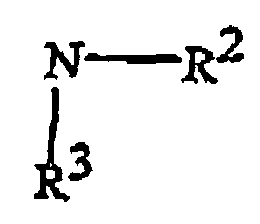
alkyl,
cycloalkyl,
arylalkyl, or
aryl,or
R2 and R3 together are
-(CH2)4-,
-(CH2)5-,
-(CH(R4)-CH2)3-,
-(CH(R4)-CH2)4-,
-(CH(R4)-(CH2)2-CH(R4))-,
-(CH(R4)-(CH2)3-CH(R4))-,
-CH2-CH2-A-CH2-CH2-,
-CH(R4)-CH2-A-CH2CH2-,
-CH(R4)-CH2-A-CH2-CH(R4)-
wherein R4 is alkyl of from one to four carbon atoms, A is O, S, or N and R is alkyl, aryl, arylalkyl, or heteroaryl in a solvent in the presence of an acid, followed by reaction with a base, an acylating agent, and an acylation catalyst in a solvent to afford a compound of Formula (12) Step (h) reacting a compound of Formula (12) with HO-M in an alcohol of Formula (17)or (17b)
HOCH2-Aryl (17) or HO-Allyl (17b)
wherein M is sodium, lithium, potassium, zinc, magnesium, copper, calcium or aluminium, or with a compound of Formula (16) or (16b)
M⊕ ⊖ OCH2-Aryl (16) or M ⊕ ⊖ O-Allyl (16b)
wherein M is as defined above in an alcohol of Formula (17) or (17b) wherein aryl or allyl in a compound of formula (16) or (16b) and (17) or (17b) is the same, in a solvent followed by the addition of hydrogen in the presence of a catalyst and an acid to afford the compound of Formula (13). - The process according to Claim 1, wherein, the catalyst in step (f) is
RuCl2(DMF)n((R)-(+)-Cl-MeO-BIPHEP).
RuCl2(DMF)n[(R)-(+)-BINAP]n
RuCl2(DMF)n[(R)-(+)-pTol-BINAP]n
RnCl2(DMF)n[(R)-(+)-C4-TunaPhos]n
RuCl2(DMF)n[(R)-(+)-C2-TimaPhos]n
RuCl2(DMF)n[(S)-(-)-MeO-BIPHEP]
RuCl2[(R)-(+)-Cl-MeO-BIPHEP](NEt3)n
RuCl2[(R)-(+)-BINAP](NEt3)n
RuCl2[(R)-(+)-pTol-BINAP] (NEt3)n
[Ru(TFA)2((R)-(+)-MeO-BIPHEP)]n
[Ru(TPA)2((R)-(+)-BINAP)]n
or
[Ru(TFA)2((R)-(+)-pTol-BINAP)]n
- A process for the preparation of a compel of Formula (8)
 X is O,S, orSe, or R1 is
alkyl,
cycloalkyl,
arylalkyl,or
aryl, or
R2 and R3 together are
-(CH2)4-,
-(CH2)5-,
-(CH(R4)-CH2)3-,
-(CH(R4)-CH2)4-,
-(CH(R4)-(CH2)2-CH(R4))-,
-(CH(R4)-(CH2)3-CH(R4))-,
-CH2-CH2-A-CH2-CH2-,
-CH(R4)-CH2-A-CH2CH2-,
-CH(R4)-CH2-A-CH2-CH(R4)-
wherein R4 is alkyl of from one to four carbon atoms, A is O, S, or N, and R is alkyl, aryl, arylalkyl, or heteroaryl which comprises:
reacting a compound of Formula (4)
R-CO2 ⊖ ⊕ M (20)
wherein R is as defined above and M is sodium, lithium, potassium, zinc, magnesium, copper, calcium, or aluminum with Compound (7)
- A process for the preparation of compound (13)
 Step (a) reacting a compound of Formula (11)
 X is O,S, orSe, or R1 is
alkyl,
cycloalkyl,
arylalkyl, or
aryl, or
R2 and R3 together are
-(CH2)4-,
-(CH2)5-,
-(CH(R4)-CH2)3-,
-(CH(R4)-CH2)4-,
-(CH(R4)-(CH2)2-CH(R4))-,
-(CH(R4)-(CH2)3-CH(R4))-,
CH2-CH2-A-CH2-CH2-,
-CH(R4)-M2-A-M2CH2-,
-CH(R4)-CH2-A-CH2-CH(R4)-
wherein R4 is alkyl of from one to four carbon atoms, A is O, S, or N, and R is alkyl, aryl, arylalkyl, or heteroaryl with an acetal of Formula (15)
 Step (b) reacting a compound of Formula (14) in a solvent in the presence of an acid or optionally reaction with hydrogen in the presence of a catalyst and an acid in a, solvent to afford the compound of Formula (13),
 - A process for the preparation of a compound of Formula (11b)
 X is O,S,Se, or R1a is
alkyl,
cycloalkyl,
arylalkyl, or
aryl, or
R2 and R3 together are
-(CH2)4-,
-(CH2)5-,
-(CH(R4)-CH2)3-,
-(CH(R4)-CH2)4-,
-(CH(R4)-(CH2)2-CH(R4))-,
-(CH(R4)-(CH2)3-CH(R4))-,
-CH2-CH2-A-CH2-CH2-,
-CH(R4)-CH2-A-CH2CH2-,
-CH(R4)-CH2-A-CH2-CH(R4)-
wherein R4 is alkyl of from one to four carbon atoms, A is O, S, or N, and R is alkyl, aryl, arylalkyl, or heteroaryl which comprises:Step (a) reacting a compound of Formula (10)


 Step (b) reacting either a compound of Formula (18) or (18a) with hydrogen in the presence of a catalyst in a solvent in the presence of an acid to afford a compound of Formula (11b),wherein the catalyst in Step (a) or (b) is as defined in Claims 1- 2 for process step (f).
 - A compound of Formula (8)
 X is O,S, orSe, or R1 is
alkyl,
cycloalkyl,
arylalkyl, or
aryl or
R2 and R3 together are
-(CH2)4-,
-(CH2)5-,
-(CH(R4)-CH2)3-,
-(CH(R4)-CH2)4-,
-(CH(R4)-(CH2)2-CH(R4))-,
-(CH(R4)-(CH2)3-CH(R4))-,
-CH2-CH2-A-CH2-CH2-,
-CH(R4)-CH2-A-CH2CH2-,
-CH(R4)-CH2-A-CH2-CH(R4)-
wherein R4 is alkyl of from one to four carbon atoms, A is O, S, or N, and R is alkyl, aryl arylalkyl or heteroaryl - The compound according to Claim 6; wherein R1 is

- A compound of Formula (10) or a pharmaceutically acceptable salt thereof
 X is O,S, orSe or R1 is
alkyl,
cycloalkyl,
arylalkyl, or
aryl or
R2 and R3 together are
-(CH2)4-,
-(CH2)5-,
-(CH(R4)-CH2)3-,
-(CH(R4)-CH2)4-,
-(CH(R4)-(CH2)2-CH(R4))-,
-(CH(R4)-(CH2)3-CH(R4))-,
-CH2-CH2-A-CH2-CH2-,
-CH(R4)-CH2-A-CH2CH2-,
-CH(R4)-CH2-A-CH2-CH(R4)-
wherein R4 is alkyl of from one to four carbon atoms, A is O, S, or N, and R is alkyl aryl arylalkyl, or heteroaryl. - The compound according to Claim 8, wherein R1 is -O-tertiary butyl, -O-isopropyl, -O-etyl,-O-methyl,

- A compound of Formula (12)

- A compound of Formula (18) or a pharmaceutically acceptable salt thereof
 X is O,- S, orSe, or R1 is
alkyl,
cycloalkyl,
arylalkyl, or
aryl or
R2 and R3 together are
-(CH2)4-,
-(CH2)5-,
-(CH(R4)-CH2)3-,
-(CH(R4)-CH2)4-,
-(CH(R4)-(CH2)2-CH(R4))-,
-(CH(R4)-(CH2)3-CH(R4))-,
-CH2-CH2-A-CH2-CH2-,
-CH(R4)-CH2-A-CH2CH2-,
-CH(R4)-CH2-A-CH2-CH(R4)-
wherein R4 is alkyl of from one to four carbon atoms, A is O, S, or N, and R is alkyl, aryl, arylalkyl, or heteroaryl except the compound, wherein R1 is O-t-butyl. - A compound of Formula (18a) or a pharmaceutically acceptable salt thereof
 X is O,S, orSe, or R1 is
alkyl,
cycloalkyl
arylalkyl, or
aryl or
R2 and R3 together are
-(CH2)4-,
-(CH2)5-,
-(CH(R4)-CH2)3-,
-(CH(R4)-CH2)4-,
-(CH(R4)-(CH2)2-CH(R4))-,
-(CH(R4)-(CH2)3-CH(R4))-,
-CH2-CH2-A-CH2-CH2-,
-CH(R4)-CH2-A-CH2CH2-,
-CH(R4)-CH2-A-CH2-CH(R4)-
wherein R4 is alkyl of from one to four carbon atoms, A is O, S, or N, and R is alkyl aryl, arylalkyl, or heteroaryl.
Priority Applications (3)
| Application Number | Priority Date | Filing Date | Title |
|---|---|---|---|
| EP06120052A EP1724256A3 (en) | 2001-01-09 | 2001-12-27 | Novel process for the synthesis of 5-(4-fluorphenyl)-1-2(2-((2r,4r)-4-hydroxy-6-oxo-tetrahydro-pyran-2-yl)-ethyl)-2-isopropyl-4-phenyl-1h-pyrrole-3-carboxylic acid phenylamide |
| EP06120053A EP1728785A1 (en) | 2001-01-09 | 2001-12-27 | 7-[(2-(4-fluorophenyl)-5-isopropyl-3-phenyl-4-phenylcarbamoyl-pyrrol-1-yl]-heptanoic acid ester 3,5-dioxo-acetal |
| EP06120050A EP1734034A3 (en) | 2001-01-09 | 2001-12-27 | Carboxylic acid salts of beta-alanine esters or -amides |
Applications Claiming Priority (3)
| Application Number | Priority Date | Filing Date | Title |
|---|---|---|---|
| US26050501P | 2001-01-09 | 2001-01-09 | |
| PCT/IB2001/002729 WO2002055519A2 (en) | 2001-01-09 | 2001-12-27 | Novel process for the synthesis of 5-(4-fluorophenyl)-1-[2-((2r, 4r)-4-hydroxy -6-oxo-tetrahydro-pyran-2-yl)-ethyl]-2-isopropyl-4-phenyl-1h-pyrrole-3-carboxylic acid phenylamide |
| US260505P | 2009-11-12 |
Related Child Applications (3)
| Application Number | Title | Priority Date | Filing Date |
|---|---|---|---|
| EP06120053A Division EP1728785A1 (en) | 2001-01-09 | 2001-12-27 | 7-[(2-(4-fluorophenyl)-5-isopropyl-3-phenyl-4-phenylcarbamoyl-pyrrol-1-yl]-heptanoic acid ester 3,5-dioxo-acetal |
| EP06120050A Division EP1734034A3 (en) | 2001-01-09 | 2001-12-27 | Carboxylic acid salts of beta-alanine esters or -amides |
| EP06120052A Division EP1724256A3 (en) | 2001-01-09 | 2001-12-27 | Novel process for the synthesis of 5-(4-fluorphenyl)-1-2(2-((2r,4r)-4-hydroxy-6-oxo-tetrahydro-pyran-2-yl)-ethyl)-2-isopropyl-4-phenyl-1h-pyrrole-3-carboxylic acid phenylamide |
Publications (2)
| Publication Number | Publication Date |
|---|---|
| EP1353917A2 EP1353917A2 (en) | 2003-10-22 |
| EP1353917B1 true EP1353917B1 (en) | 2007-03-28 |
Family
ID=22989433
Family Applications (1)
| Application Number | Title | Priority Date | Filing Date |
|---|---|---|---|
| EP01273081A Expired - Lifetime EP1353917B1 (en) | 2001-01-09 | 2001-12-27 | Novel process for the synthesis of 5-(4-fluorophenyl)-1-(2-((2r, 4r)-4-hydroxy -6-oxo-tetrahydro-pyran-2-yl)-ethyl)-2-isopropyl-4-phenyl-1h-pyrrole-3-carboxylic acid phenylamide |
Country Status (24)
| Country | Link |
|---|---|
| US (7) | US6476235B2 (en) |
| EP (1) | EP1353917B1 (en) |
| JP (2) | JP4190285B2 (en) |
| KR (3) | KR100677008B1 (en) |
| CN (4) | CN1907984A (en) |
| AR (1) | AR035680A1 (en) |
| AT (1) | ATE358126T1 (en) |
| BR (1) | BR0116739A (en) |
| CA (1) | CA2432064C (en) |
| CY (1) | CY1106590T1 (en) |
| CZ (1) | CZ20031893A3 (en) |
| DE (1) | DE60127583T2 (en) |
| DK (1) | DK1353917T3 (en) |
| ES (1) | ES2282200T3 (en) |
| HU (1) | HUP0302647A3 (en) |
| IL (4) | IL156461A0 (en) |
| MX (1) | MXPA03005284A (en) |
| PL (1) | PL365283A1 (en) |
| PT (1) | PT1353917E (en) |
| RU (1) | RU2244714C1 (en) |
| TW (1) | TWI293073B (en) |
| WO (1) | WO2002055519A2 (en) |
| YU (1) | YU49003A (en) |
| ZA (1) | ZA200304684B (en) |
Families Citing this family (51)
| Publication number | Priority date | Publication date | Assignee | Title |
|---|---|---|---|---|
| US7411075B1 (en) | 2000-11-16 | 2008-08-12 | Teva Pharmaceutical Industries Ltd. | Polymorphic form of atorvastatin calcium |
| US7501450B2 (en) * | 2000-11-30 | 2009-03-10 | Teva Pharaceutical Industries Ltd. | Crystal forms of atorvastatin hemi-calcium and processes for their preparation as well as novel processes for preparing other forms |
| IL156055A0 (en) * | 2000-11-30 | 2003-12-23 | Teva Pharma | Novel crystal forms of atorvastatin hemi calcium and processes for their preparation as well as novel processes for preparing other forms |
| US6476235B2 (en) * | 2001-01-09 | 2002-11-05 | Warner-Lambert Company | Process for the synthesis of 5-(4-fluorophenyl)-1-[2-((2R,4R)-4-hydroxy-6-oxo-tetrahydro-pyran-2-yl)-ethyl]-2-isopropyl-4-phenyl-1H-pyrrole-3-carboxylic acid phenylamide |
| CA2451159A1 (en) * | 2001-07-06 | 2003-01-16 | Teva Pharmaceutical Industries Ltd. | Process for the preparation of 7-amino syn 3,5-dihydroxy heptanoic acid derivatives via 6-cyano syn 3,5-dihydroxy hexanoic acid derivatives |
| US20060020137A1 (en) * | 2001-11-29 | 2006-01-26 | Limor Tessler | Novel crystal forms of atorvastatin hemi-calcium and processes for their preparation as well as novel processes for preparing other forms |
| KR100765555B1 (en) * | 2002-08-06 | 2007-10-09 | 워너-램버트 캄파니 엘엘씨 | 5- (4-fluorophenyl) -1- [2-((2R, 4R) -4-hydroxy-6-oxo-tetrahydro-pyran-2-yl) ethyl] -2-isopropyl-4- Process for preparing phenyl-1H-pyrrole-3-carboxylic acid phenylamide |
| WO2004014896A1 (en) * | 2002-08-06 | 2004-02-19 | Warner-Lambert Company Llc | Process for preparing 5-(4-fluorophenyl)-1-[2-((2r,4r)-4-hydroxy -6-oxo-tetrahydro-pyran-2-yl)ethyl]-2-isopropyl-4-phenyl-1h-pyrrole-3-carboxylic acid phenylamide |
| EP1480943A2 (en) * | 2002-11-15 | 2004-12-01 | Teva Pharmaceutical Industries Limited | Synthesis of 3,5-dihydroxy-7-pyrrol-1-yl heptanoic acids |
| JP2006523670A (en) * | 2003-04-14 | 2006-10-19 | ワーナー−ランバート カンパニー リミティド ライアビリティー カンパニー | 5- (4-Fluorophenyl) -1- [2-((2R, 4R) -4-hydroxy-6-oxo-tetrahydro-pyran-2-yl) ethyl] -2-isopropyl-4-phenyl-1H- Process for the preparation of pyrrole-3-carboxylic acid phenylamide |
| US7166638B2 (en) | 2003-05-27 | 2007-01-23 | Nicox S.A. | Statin derivatives |
| US7790197B2 (en) * | 2003-06-09 | 2010-09-07 | Warner-Lambert Company Llc | Pharmaceutical compositions of atorvastatin |
| US20050271717A1 (en) * | 2003-06-12 | 2005-12-08 | Alfred Berchielli | Pharmaceutical compositions of atorvastatin |
| US20040253305A1 (en) * | 2003-06-12 | 2004-12-16 | Luner Paul E. | Pharmaceutical compositions of atorvastatin |
| US7655692B2 (en) * | 2003-06-12 | 2010-02-02 | Pfizer Inc. | Process for forming amorphous atorvastatin |
| US7396947B2 (en) * | 2003-06-13 | 2008-07-08 | Lanxess Deutschland Gmbh | Chiral ligands for application in asymmetric syntheses |
| RU2315755C2 (en) * | 2003-09-17 | 2008-01-27 | Уорнер-Ламберт Компани Ллс | Crystalline forms of [r[(r*,r*)]-2-(4-fluorophenyl)-beta,delta-dihydroxy-5-(1-methylethyl)-3-phenyl-4-[(phenylamino)carbonyl]-1h-pyrrol-1-heptanoic acid |
| CA2541843A1 (en) | 2003-10-24 | 2005-05-06 | Lonza Ag | Method for the production of 6,6,6-trihalo-3,5-dioxohexanoic acid esters |
| US20050152323A1 (en) * | 2004-01-12 | 2005-07-14 | Vincent Bonnassieux | Plug-in Wi-Fi access point device and system |
| SI21745A (en) * | 2004-04-09 | 2005-10-31 | Krka, Tovarna Zdravil, D.D., Novo Mesto | Polymorphs of 1-pyrrol-1-heptanoic acid derivative, intermediat for preparation of atorvastatin |
| CA2562844A1 (en) * | 2004-04-16 | 2005-10-27 | Pfizer Products Inc. | Process for forming amorphous atorvastatin calcium |
| US7875731B2 (en) | 2004-05-05 | 2011-01-25 | Pfizer Inc. | Salt forms of [R-(R*,R*)]-2-(4-fluorophenyl)-β, δ-dihydroxy-5-(1-methylethyl)-3-phenyl-4-[(phenylamino)Carbonyl]-1H-pyrrole-1-heptanoic acid |
| CZ299175B6 (en) * | 2004-06-17 | 2008-05-07 | Zentiva, A. S | Method of determining enantiomeric purity of 2-(4-fluorphenyl)-?,delta-dihydroxy-5-(1-methylethyl)-3-phenyl-4[phenylamino)-carbonyl]-1H-pyrrole-1-heptanoic acid and salts thereof |
| AU2005263550C1 (en) * | 2004-07-16 | 2013-01-17 | Lek Pharmaceuticals D.D. | Oxidative degradation products of atorvastatin calcium |
| JP2008506764A (en) | 2004-07-20 | 2008-03-06 | ワーナー−ランバート カンパニー リミテッド ライアビリティー カンパニー | [R- (R *, R *)]-2- (4-fluorophenyl) -β, δ-dihydroxy-5- (1-methylethyl) -3-phenyl-4-[(phenylamino) carbonyl]- Novel form of 1H-pyrrole-1-heptanoic acid calcium salt (2: 1) |
| US8026237B2 (en) * | 2004-07-30 | 2011-09-27 | Exelixis, Inc. | Pyrrole derivatives as pharmaceutical agents |
| CA2585836A1 (en) | 2004-10-28 | 2006-05-04 | Warner-Lambert Company Llc | Process for forming amorphous atorvastatin |
| CA2589537A1 (en) * | 2004-12-02 | 2006-06-08 | Stephen Craig Dyar | Pharmaceutical compositions of amorphous atorvastatin and process for preparing same |
| WO2006067795A2 (en) * | 2004-12-23 | 2006-06-29 | Jubilant Organosys Limited | Novel polymorphic forms of atorvastatin lactone and process for preparing the same |
| ATE509009T1 (en) * | 2005-03-14 | 2011-05-15 | C P Pharmaceuticals Internat C V | PREPARATION OF ATORVASTATIN INTERMEDIATE USING PAAL-KNORR CONDENSATION |
| EP1705175A1 (en) * | 2005-03-24 | 2006-09-27 | ratiopharm GmbH | Process for preparing C5 products and their use for Atorvastatin synthesis |
| CA2547216A1 (en) * | 2005-09-21 | 2007-03-21 | Renuka D. Reddy | Process for annealing amorphous atorvastatin |
| GB0523637D0 (en) * | 2005-11-21 | 2005-12-28 | Avecia Pharmaceuticals Ltd | Process and compounds |
| WO2007057755A1 (en) | 2005-11-21 | 2007-05-24 | Warner-Lambert Company Llc | Novel forms of [r-(r*,r*)]-2-(4-fluorophenyl)-b,b-dihydroxy-5-(1-methylethyl)-3-phenyl-4-[(phenylamino)carbonyl]-1h-pyrrole-1-hept anoic acid magnesium |
| CA2652412A1 (en) * | 2006-05-15 | 2007-11-22 | Ratiopharm Gmbh | Process for preparing c5 intermediates and their use in the preparation of n-substituted pyrrole derivatives |
| KR101069698B1 (en) * | 2008-08-28 | 2011-10-04 | 한국화학연구원 | Method for preparing optically pure (4r, 6r)-6-(2-aminoethyl)-4-hydroxy-tetrahydropyran-2-one derivatives |
| CN101429195B (en) * | 2008-11-03 | 2010-12-15 | 华东师范大学 | A kind of preparation method of important synthetic intermediate of high-purity atorvastatin |
| SI2373609T1 (en) | 2008-12-19 | 2013-12-31 | Krka, D.D., Novo Mesto | Use of amphiphilic compounds for controlled crystallization of statins and statin intermediates |
| EP2327682A1 (en) | 2009-10-29 | 2011-06-01 | KRKA, D.D., Novo Mesto | Use of amphiphilic compounds for controlled crystallization of statins and statin intermediates |
| US9334266B2 (en) | 2009-09-04 | 2016-05-10 | The University Of Toledo | Catalysts and related processes for producing optically pure beta-lactones from aldehydes and compositions produced thereby |
| KR100986755B1 (en) * | 2009-12-29 | 2010-10-08 | 김우진 | Apparatus for rotating nozzle and fountain having the same |
| CN101892276B (en) * | 2010-06-12 | 2012-11-21 | 郝志艳 | Atorvastatin calcium compound and new method thereof |
| EP2616454B1 (en) | 2010-09-16 | 2015-04-15 | DSM Sinochem Pharmaceuticals Netherlands B.V. | Esters of hexanoic acids as intermediates for the preparation of atorvastatin |
| BRPI1101952B1 (en) * | 2011-04-25 | 2022-02-01 | Universidade Estadual De Campinas - Unicamp | Process for obtaining atorvastatin calcium using new intermediates and atorvastatin thus obtained |
| US20140335179A1 (en) | 2011-07-01 | 2014-11-13 | Dsm Sinochem Pharmaceuticals Netherlands B.V. | Micronized crystals of atorvastatin hemicalcium |
| JP6970105B2 (en) * | 2016-02-11 | 2021-11-24 | スティヒティング カソリーケ ユニベルシタイトStichting Katholieke Universiteit | A novel class of compounds for the treatment of cardiovascular disease |
| UA129888C2 (en) * | 2017-11-16 | 2025-09-03 | Сінгента Кроп Протекшн Аг | METHOD FOR PREPARING ENANTIOMERICALLY AND DIASTEROMERICALLY ENRICHED CYCLOBUTANAMINES AND AMIDES |
| US11657391B1 (en) | 2019-05-24 | 2023-05-23 | Hiro Systems Pbc | System and method for invoking smart contracts |
| US11513815B1 (en) | 2019-05-24 | 2022-11-29 | Hiro Systems Pbc | Defining data storage within smart contracts |
| US10699269B1 (en) * | 2019-05-24 | 2020-06-30 | Blockstack Pbc | System and method for smart contract publishing |
| CN113559318B (en) * | 2021-07-05 | 2022-09-13 | 四川大学 | Chiral conductive repair scaffold for promoting nerve function recovery and preparation method thereof |
Family Cites Families (18)
| Publication number | Priority date | Publication date | Assignee | Title |
|---|---|---|---|---|
| US4681893A (en) * | 1986-05-30 | 1987-07-21 | Warner-Lambert Company | Trans-6-[2-(3- or 4-carboxamido-substituted pyrrol-1-yl)alkyl]-4-hydroxypyran-2-one inhibitors of cholesterol synthesis |
| US5124482A (en) | 1988-02-22 | 1992-06-23 | Warner-Lambert Company | Process for trans-6-(2-substituted-pyrrol-1-yl)alkyl)pyran-2-one inhibitors of cholesterol synthesis |
| US5245047A (en) | 1988-02-22 | 1993-09-14 | Warner-Lambert Company | Process for trans-6-[2-(substituted-pyrrol-1-yl)alkyl]pyran-2-one inhibitors of cholesterol synthesis |
| US5216174A (en) * | 1988-02-22 | 1993-06-01 | Warner-Lambert Co. | Process for trans-6-[12-(substituted-pyrrol-1-yl)alkyl]pyran-2-one inhibitors of cholesterol synthesis |
| US5097045A (en) | 1989-02-01 | 1992-03-17 | Warner-Lambert Company | Process for trans-6-[2-(substituted-pyrrol-1-yl)alkyl]pyran-2-one inhibitors of cholesterol synthesis |
| US5003080A (en) | 1988-02-22 | 1991-03-26 | Warner-Lambert Company | Process for trans-6-(2-(substituted-pyrrol-1-yl)alkyl)pryan-2-one inhibitors of cholesterol synthesis |
| US5149837A (en) | 1988-02-22 | 1992-09-22 | Warner-Lambert Company | Process for trans-6-[2-(substituted-pyrrol-1-yl)alkyl]pyran-2-one inhibitors of cholesterol synthesis |
| FI94339C (en) * | 1989-07-21 | 1995-08-25 | Warner Lambert Co | Process for the preparation of pharmaceutically acceptable [R- (R *, R *)] - 2- (4-fluorophenyl) -, - dihydroxy-5- (1-methylethyl) -3-phenyl-4 - [(phenylamino) carbonyl] -1H- for the preparation of pyrrole-1-heptanoic acid and its pharmaceutically acceptable salts |
| US5248793A (en) | 1990-10-17 | 1993-09-28 | Warner-Lambert Company | Process for the synthesis of (4R-cis)-1,1-dimethylethyl 6-iodomethyl or 6-(phenyl-substituted)sulfonyloxymethyl-2,2-dimethyl-1,3-dioxane-4-acetate |
| US5103024A (en) | 1990-10-17 | 1992-04-07 | Warner-Lambert Company | Process for the synthesis of (4r-cis)-1,1-dimethylethyl 6-cyanomethyl-2,2-dimethyl-1,3-dioxane-4-acetate |
| US5155251A (en) | 1991-10-11 | 1992-10-13 | Warner-Lambert Company | Process for the synthesis of (5R)-1,1-dimethylethyl-6-cyano-5-hydroxy-3-oxo-hexanoate |
| US5298627A (en) | 1993-03-03 | 1994-03-29 | Warner-Lambert Company | Process for trans-6-[2-(substituted-pyrrol-1-yl)alkyl]pyran-2-one inhibitors of cholesterol synthesis |
| HRP960313B1 (en) | 1995-07-17 | 2002-08-31 | Warner Lambert Co | Form iii crystalline (r- (r*, r*)-2- (4-fluorophenyl) -beta-delta-hydroxy-5-(1-methylethyl) -3-phenyl-4- ((phenylamino) carbonyl -1h-pyrrole-1-heptanoic acid calcium salt (2:1) |
| KR100431038B1 (en) | 1995-07-17 | 2004-05-12 | 워너-램버트 캄파니 엘엘씨 | Crystalline [R-(R*,R*)]-2-(4-fluorophenyl)-beta,delta-dihydroxy-5-(1-methylethyl)-3-phenyl-4-[(phenylamino)carbonyl]-1H-pyrrole-1-heptanoic acid hemi calcium salt (Atorvastatin) |
| AU2077897A (en) * | 1996-04-10 | 1997-10-29 | Warner-Lambert Company | Nonpeptide endothelin antagonists with increased water solubility |
| US6087511A (en) | 1996-07-16 | 2000-07-11 | Warner-Lambert Company | Process for the production of amorphous [R-(R*,R*)]-2-(4-fluorophenyl)-β,δ-dihydroxy-5-(1-methylethyl )-3-phenyl-4-[(phenylamino)carbonyl]-1H-pyrrole-1-heptanoic acid) calcium salt (2:1) |
| WO1998004543A1 (en) | 1996-07-29 | 1998-02-05 | Warner-Lambert Company | Improved process for the synthesis of protected esters of (s)-3,4-dihydroxybutyric acid |
| US6476235B2 (en) * | 2001-01-09 | 2002-11-05 | Warner-Lambert Company | Process for the synthesis of 5-(4-fluorophenyl)-1-[2-((2R,4R)-4-hydroxy-6-oxo-tetrahydro-pyran-2-yl)-ethyl]-2-isopropyl-4-phenyl-1H-pyrrole-3-carboxylic acid phenylamide |
-
2001
- 2001-12-17 US US10/015,558 patent/US6476235B2/en not_active Expired - Fee Related
- 2001-12-27 KR KR1020067001883A patent/KR100677008B1/en not_active Expired - Fee Related
- 2001-12-27 KR KR1020037009159A patent/KR100582326B1/en not_active Expired - Fee Related
- 2001-12-27 MX MXPA03005284A patent/MXPA03005284A/en active IP Right Grant
- 2001-12-27 EP EP01273081A patent/EP1353917B1/en not_active Expired - Lifetime
- 2001-12-27 YU YU49003A patent/YU49003A/en unknown
- 2001-12-27 PL PL01365283A patent/PL365283A1/en not_active Application Discontinuation
- 2001-12-27 CZ CZ20031893A patent/CZ20031893A3/en unknown
- 2001-12-27 CA CA002432064A patent/CA2432064C/en not_active Expired - Fee Related
- 2001-12-27 CN CNA2006101006335A patent/CN1907984A/en active Pending
- 2001-12-27 PT PT01273081T patent/PT1353917E/en unknown
- 2001-12-27 CN CNA2006101518437A patent/CN101024626A/en active Pending
- 2001-12-27 WO PCT/IB2001/002729 patent/WO2002055519A2/en not_active Ceased
- 2001-12-27 KR KR1020067022289A patent/KR100833911B1/en not_active Expired - Fee Related
- 2001-12-27 ES ES01273081T patent/ES2282200T3/en not_active Expired - Lifetime
- 2001-12-27 CN CNB018225098A patent/CN1222521C/en not_active Expired - Fee Related
- 2001-12-27 CN CNB2005100056012A patent/CN100351252C/en not_active Expired - Fee Related
- 2001-12-27 DK DK01273081T patent/DK1353917T3/en active
- 2001-12-27 JP JP2002556188A patent/JP4190285B2/en not_active Expired - Fee Related
- 2001-12-27 IL IL15646101A patent/IL156461A0/en unknown
- 2001-12-27 AT AT01273081T patent/ATE358126T1/en not_active IP Right Cessation
- 2001-12-27 BR BR0116739-1A patent/BR0116739A/en not_active IP Right Cessation
- 2001-12-27 HU HU0302647A patent/HUP0302647A3/en unknown
- 2001-12-27 DE DE60127583T patent/DE60127583T2/en not_active Expired - Fee Related
- 2001-12-27 RU RU2003120510/04A patent/RU2244714C1/en active
- 2001-12-28 TW TW090132903A patent/TWI293073B/en active
-
2002
- 2002-01-08 AR ARP020100043A patent/AR035680A1/en not_active Application Discontinuation
- 2002-07-18 US US10/198,682 patent/US6545153B1/en not_active Expired - Fee Related
-
2003
- 2003-01-21 US US10/348,727 patent/US6933393B2/en not_active Expired - Fee Related
- 2003-06-17 ZA ZA200304684A patent/ZA200304684B/en unknown
-
2005
- 2005-04-19 US US11/109,396 patent/US7183408B2/en not_active Expired - Fee Related
-
2006
- 2006-10-11 US US11/546,047 patent/US7361771B2/en not_active Expired - Fee Related
- 2006-10-11 US US11/545,899 patent/US7371855B2/en not_active Expired - Fee Related
- 2006-10-11 US US11/545,870 patent/US7399773B2/en not_active Expired - Fee Related
-
2007
- 2007-05-14 CY CY20071100653T patent/CY1106590T1/en unknown
- 2007-09-14 JP JP2007239659A patent/JP2008100989A/en not_active Withdrawn
-
2008
- 2008-02-07 IL IL189359A patent/IL189359A0/en unknown
- 2008-02-07 IL IL189358A patent/IL189358A0/en unknown
- 2008-02-07 IL IL189357A patent/IL189357A0/en unknown
Also Published As
Similar Documents
| Publication | Publication Date | Title |
|---|---|---|
| US6545153B1 (en) | Process for the synthesis of 5-(4-fluorophenyl)-1-[2-((2R,4R)-4-hydroxy-6-oxo-tetrahydro-pyran-2-yl)-ethyl]-2-isopropyl-4-phenyl-1H-pyrrole-3-carboxylic acid phenylamide | |
| WO2007107276A2 (en) | Process for preparing c7 intermediates and their use in the preparation of n-substituted pyrrole derivatives | |
| RS20050105A (en) | Process for preparing 5-(4-(54) fluorophenyl)-1-(2-((2r,4r)-4- hydroxy -6-oxo-tetrahydro-pyran-2-yl)ethyl)- 2-isopropyl-4- phenyl-1h-pyrrole-3- carboxylic acid phenylamide | |
| EP1728785A1 (en) | 7-[(2-(4-fluorophenyl)-5-isopropyl-3-phenyl-4-phenylcarbamoyl-pyrrol-1-yl]-heptanoic acid ester 3,5-dioxo-acetal | |
| AU2002222430B8 (en) | Novel process for the synthesis of 5-(4-fluorophenyl)-1-[2-((2R, 4R)-4-hydroxy-6-oxo-tetrahydro-pyran-2-YL)-ethyl]-2-isopropyl-4-phenyl-1H-phenyl-1H-pyrrole-3-carboxylic acid phenylamide | |
| JP2008533128A (en) | Preparation of atorvastatin intermediate using Paal-Knorr condensation | |
| CA2538995A1 (en) | Novel process for the synthesis of 5-(4-fluorophenyl)-1-[2-((2r,4r)-4-hydroxy -6-oxo-tetrahydro-pyran-2-yl)-ethyl]-2-isopropyl-4-phenyl-1h-pyrrole-3-carboxylic acid phenylamide | |
| AU2002222430A1 (en) | Novel process for the synthesis of 5-(4-fluorophenyl)-1-[2-((2R, 4R)-4-hydroxy-6-oxo-tetrahydro-pyran-2-YL)-ethyl]-2-isopropyl-4-phenyl-1H-phenyl-1H-pyrrole-3-carboxylic acid phenylamide | |
| JP3245578B2 (en) | Method for producing pyrrolidinyl hydroxamic acid compound | |
| EP2616454B1 (en) | Esters of hexanoic acids as intermediates for the preparation of atorvastatin | |
| EP1705175A1 (en) | Process for preparing C5 products and their use for Atorvastatin synthesis |
Legal Events
| Date | Code | Title | Description |
|---|---|---|---|
| PUAI | Public reference made under article 153(3) epc to a published international application that has entered the european phase |
Free format text: ORIGINAL CODE: 0009012 |
|
| 17P | Request for examination filed |
Effective date: 20030811 |
|
| AK | Designated contracting states |
Kind code of ref document: A2 Designated state(s): AT BE CH CY DE DK ES FI FR GB GR IE IT LI LU MC NL PT SE TR |
|
| AX | Request for extension of the european patent |
Extension state: AL LT LV MK RO SI |
|
| RAP1 | Party data changed (applicant data changed or rights of an application transferred) |
Owner name: WARNER-LAMBERT COMPANY LLC |
|
| GRAP | Despatch of communication of intention to grant a patent |
Free format text: ORIGINAL CODE: EPIDOSNIGR1 |
|
| GRAS | Grant fee paid |
Free format text: ORIGINAL CODE: EPIDOSNIGR3 |
|
| RAP1 | Party data changed (applicant data changed or rights of an application transferred) |
Owner name: WARNER-LAMBERT COMPANY LLC |
|
| GRAA | (expected) grant |
Free format text: ORIGINAL CODE: 0009210 |
|
| AK | Designated contracting states |
Kind code of ref document: B1 Designated state(s): AT BE CH CY DE DK ES FI FR GB GR IE IT LI LU MC NL PT SE TR |
|
| AX | Request for extension of the european patent |
Extension state: AL LT LV MK RO SI |
|
| REG | Reference to a national code |
Ref country code: GB Ref legal event code: FG4D |
|
| REG | Reference to a national code |
Ref country code: CH Ref legal event code: EP |
|
| REF | Corresponds to: |
Ref document number: 60127583 Country of ref document: DE Date of ref document: 20070510 Kind code of ref document: P |
|
| REG | Reference to a national code |
Ref country code: IE Ref legal event code: FG4D |
|
| REG | Reference to a national code |
Ref country code: GR Ref legal event code: EP Ref document number: 20070401210 Country of ref document: GR |
|
| REG | Reference to a national code |
Ref country code: CH Ref legal event code: NV Representative=s name: E. BLUM & CO. AG PATENT- UND MARKENANWAELTE VSP Ref country code: PT Ref legal event code: SC4A Free format text: AVAILABILITY OF NATIONAL TRANSLATION Effective date: 20070424 |
|
| REG | Reference to a national code |
Ref country code: DK Ref legal event code: T3 |
|
| REG | Reference to a national code |
Ref country code: SE Ref legal event code: TRGR |
|
| ET | Fr: translation filed | ||
| LTIE | Lt: invalidation of european patent or patent extension |
Effective date: 20070328 |
|
| REG | Reference to a national code |
Ref country code: ES Ref legal event code: FG2A Ref document number: 2282200 Country of ref document: ES Kind code of ref document: T3 |
|
| PLBE | No opposition filed within time limit |
Free format text: ORIGINAL CODE: 0009261 |
|
| STAA | Information on the status of an ep patent application or granted ep patent |
Free format text: STATUS: NO OPPOSITION FILED WITHIN TIME LIMIT |
|
| 26N | No opposition filed |
Effective date: 20080102 |
|
| PG25 | Lapsed in a contracting state [announced via postgrant information from national office to epo] |
Ref country code: MC Free format text: LAPSE BECAUSE OF NON-PAYMENT OF DUE FEES Effective date: 20071231 |
|
| PGFP | Annual fee paid to national office [announced via postgrant information from national office to epo] |
Ref country code: CH Payment date: 20081028 Year of fee payment: 8 Ref country code: DK Payment date: 20081112 Year of fee payment: 8 Ref country code: IE Payment date: 20081016 Year of fee payment: 8 Ref country code: LU Payment date: 20081021 Year of fee payment: 8 Ref country code: NL Payment date: 20081111 Year of fee payment: 8 Ref country code: TR Payment date: 20081022 Year of fee payment: 8 |
|
| PGFP | Annual fee paid to national office [announced via postgrant information from national office to epo] |
Ref country code: AT Payment date: 20081110 Year of fee payment: 8 Ref country code: ES Payment date: 20081222 Year of fee payment: 8 Ref country code: FI Payment date: 20081112 Year of fee payment: 8 Ref country code: PT Payment date: 20081010 Year of fee payment: 8 |
|
| PGFP | Annual fee paid to national office [announced via postgrant information from national office to epo] |
Ref country code: SE Payment date: 20081208 Year of fee payment: 8 Ref country code: IT Payment date: 20081218 Year of fee payment: 8 Ref country code: CY Payment date: 20081112 Year of fee payment: 8 |
|
| PGFP | Annual fee paid to national office [announced via postgrant information from national office to epo] |
Ref country code: FR Payment date: 20081205 Year of fee payment: 8 |
|
| PGFP | Annual fee paid to national office [announced via postgrant information from national office to epo] |
Ref country code: DE Payment date: 20081230 Year of fee payment: 8 |
|
| PGFP | Annual fee paid to national office [announced via postgrant information from national office to epo] |
Ref country code: GB Payment date: 20081110 Year of fee payment: 8 Ref country code: GR Payment date: 20081014 Year of fee payment: 8 |
|
| PGFP | Annual fee paid to national office [announced via postgrant information from national office to epo] |
Ref country code: BE Payment date: 20090112 Year of fee payment: 8 |
|
| BERE | Be: lapsed |
Owner name: WARNER-LAMBERT CY LLC Effective date: 20091231 |
|
| REG | Reference to a national code |
Ref country code: PT Ref legal event code: MM4A Free format text: LAPSE DUE TO NON-PAYMENT OF FEES Effective date: 20100628 |
|
| REG | Reference to a national code |
Ref country code: NL Ref legal event code: V1 Effective date: 20100701 |
|
| EUG | Se: european patent has lapsed | ||
| PG25 | Lapsed in a contracting state [announced via postgrant information from national office to epo] |
Ref country code: PT Free format text: LAPSE BECAUSE OF NON-PAYMENT OF DUE FEES Effective date: 20100628 |
|
| REG | Reference to a national code |
Ref country code: CH Ref legal event code: PL |
|
| REG | Reference to a national code |
Ref country code: DK Ref legal event code: EBP |
|
| GBPC | Gb: european patent ceased through non-payment of renewal fee |
Effective date: 20091227 |
|
| PG25 | Lapsed in a contracting state [announced via postgrant information from national office to epo] |
Ref country code: FI Free format text: LAPSE BECAUSE OF NON-PAYMENT OF DUE FEES Effective date: 20091227 Ref country code: AT Free format text: LAPSE BECAUSE OF NON-PAYMENT OF DUE FEES Effective date: 20091227 |
|
| REG | Reference to a national code |
Ref country code: FR Ref legal event code: ST Effective date: 20100831 |
|
| PG25 | Lapsed in a contracting state [announced via postgrant information from national office to epo] |
Ref country code: IE Free format text: LAPSE BECAUSE OF NON-PAYMENT OF DUE FEES Effective date: 20091228 Ref country code: CH Free format text: LAPSE BECAUSE OF NON-PAYMENT OF DUE FEES Effective date: 20091231 Ref country code: NL Free format text: LAPSE BECAUSE OF NON-PAYMENT OF DUE FEES Effective date: 20100701 Ref country code: LI Free format text: LAPSE BECAUSE OF NON-PAYMENT OF DUE FEES Effective date: 20091231 Ref country code: FR Free format text: LAPSE BECAUSE OF NON-PAYMENT OF DUE FEES Effective date: 20091231 Ref country code: CY Free format text: LAPSE BECAUSE OF NON-PAYMENT OF DUE FEES Effective date: 20091227 Ref country code: BE Free format text: LAPSE BECAUSE OF NON-PAYMENT OF DUE FEES Effective date: 20091231 |
|
| PG25 | Lapsed in a contracting state [announced via postgrant information from national office to epo] |
Ref country code: DE Free format text: LAPSE BECAUSE OF NON-PAYMENT OF DUE FEES Effective date: 20100701 |
|
| PG25 | Lapsed in a contracting state [announced via postgrant information from national office to epo] |
Ref country code: GB Free format text: LAPSE BECAUSE OF NON-PAYMENT OF DUE FEES Effective date: 20091227 |
|
| PG25 | Lapsed in a contracting state [announced via postgrant information from national office to epo] |
Ref country code: DK Free format text: LAPSE BECAUSE OF NON-PAYMENT OF DUE FEES Effective date: 20100104 |
|
| REG | Reference to a national code |
Ref country code: ES Ref legal event code: FD2A Effective date: 20110329 |
|
| PG25 | Lapsed in a contracting state [announced via postgrant information from national office to epo] |
Ref country code: IT Free format text: LAPSE BECAUSE OF NON-PAYMENT OF DUE FEES Effective date: 20091227 |
|
| PG25 | Lapsed in a contracting state [announced via postgrant information from national office to epo] |
Ref country code: LU Free format text: LAPSE BECAUSE OF NON-PAYMENT OF DUE FEES Effective date: 20091227 |
|
| PG25 | Lapsed in a contracting state [announced via postgrant information from national office to epo] |
Ref country code: SE Free format text: LAPSE BECAUSE OF NON-PAYMENT OF DUE FEES Effective date: 20091228 |
|
| PG25 | Lapsed in a contracting state [announced via postgrant information from national office to epo] |
Ref country code: ES Free format text: LAPSE BECAUSE OF NON-PAYMENT OF DUE FEES Effective date: 20110316 |
|
| PG25 | Lapsed in a contracting state [announced via postgrant information from national office to epo] |
Ref country code: ES Free format text: LAPSE BECAUSE OF NON-PAYMENT OF DUE FEES Effective date: 20091228 |
|
| PG25 | Lapsed in a contracting state [announced via postgrant information from national office to epo] |
Ref country code: TR Free format text: LAPSE BECAUSE OF NON-PAYMENT OF DUE FEES Effective date: 20091227 |