FIELD OF THE INVENTION
The present invention relates to a process and an apparatus
for desulfurizing a gas oil. More particularly, the invention
relates to a process and an apparatus for highly desulfurizing
a gas oil economically by hydrodesulfurizing a high-boiling
gas oil fraction and a low-boiling gas oil fraction separately
and mixing them.
BACKGROUND OF THE INVENTION
In recent years, influences on environment (environmental
pollution) by nitrogen oxide (NOx), sulfur oxide (SOx) and
particulate substances in exhaust gas from diesel powered
automobiles have become problems. In order to reduce nitrogen
oxide and sulfur oxide in the exhaust gas, quality standard
to lower the sulfur content in diesel gas oil to not more than
0.05 % by weight (500 ppm) is laid down. Under such
circumstances, production of very highly desulfurized gas oil
having further decreased sulfur content is desired.
As shown in Fig. 3, a gas oil used for diesel oil or the
like is usually produced by a process comprising preheating
a gas oil fraction together with hydrogen in a furnace before
desulfurization, then introducing the gas oil fraction into
a hydrodesulfurization unit containing a catalyst and
hydrodesulfurizing the gas oil fraction. In order to further
reduce the sulfur concentration in this process, it is necessary
to make the reaction conditions severe, for example, the
reaction temperature of the desulfurization reaction is raised
or the reaction time is prolonged. However, if high-degree
desulfurization is carried out under such severe reaction
conditions, there are problems that coloring of the resulting
product gas oil takes place, the catalyst life is shortened,
and the catalyst volume is increased.
As a means to solve the problems, the present applicant
has found that a low-sulfur content desulfurized gas oil having
a sulfur content of about 0.05 % by weight can be efficiently
produced by a process comprising fractionating a starting gas
oil into plural fractions, subjecting each fraction to
desulfurization and then mixing the fractions, and the process
has already been proposed (see Japanese Patent Publication
No. 49873/1994).
Under such circumstances, the present applicant has
earnestly studied a process for economically producing a gas
oil having a further decreased sulfur content, and as a result,
he has found that a highly desulfurized gas oil can be produced
economically and efficiently by fractionating a starting gas
oil into a low-boiling fraction and a high-boiling fraction,
then treating each of the fractions in a specific H2/Oil ratio
and using an unreacted portion of hydrogen, which has been
used in the hydrodesulfurization of the high-boiling fraction,
for the hydrodesulfurization of the low-boiling fraction.
Thus, the present invention has been accomplished.
It is an object of the invention to provide a process
for desulfurizing a gas oil fraction, by which the amount of
the catalyst used can be decreased to thereby produce a
desulfurized gas oil economically and efficiently, a
desulfurized gas oil and an apparatus for desulfurizing a gas
oil fraction.
DISCLOSURE OF THE INVENTION
The process for desulfurizing a gas oil fraction according
to the invention is a process comprising:
wherein at least a part of a gas containing unreacted
hydrogen in the step (II) is used for the hydrodesulfurization
of the step (I).
In the above process for desulfurizing a gas oil fraction,
it is also preferable that at least a part of a gas containing
unreacted hydrogen in the low-boiling gas oil fraction
hydrodesulfurization step (I) is used for the
hydrodesulfurization of the high-boiling gas oil fraction
hydrodesulfurization step (II) after removal of hydrogen
sulfide.
The desulfurized gas oil according to the invention is
produced by the above-mentioned process for desulfurizing a
gas oil fraction.
The apparatus for desulfurizing a gas oil fraction
according to the invention has:
The apparatus for desulfurizing a gas oil fraction
according to the invention also preferably has:
The second apparatus for desulfurizing a gas oil fraction
according to the invention comprises:
BRIEF DESCRIPTION OF THE DRAWINGS
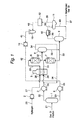
Fig. 1 is a schematic view showing steps of Example 1.
Fig. 2 is a schematic view showing steps of Example 4.
Fig. 3 is a schematic view showing steps of Comparative
Example 1.
PREFERRED EMBODIMENTS OF THE INVENTION
The present invention is described in detail hereinafter.
Process for desulfurizing gas oil fraction
In the process for desulfurizing a gas oil fraction
according to the invention, a low-boiling gas oil fraction
obtained by fractionating a gas oil fraction into two fractions
at a cut point t°C (with the proviso that the cut point satisfies
the expression of 280≤t≤360, preferably 300≤t≤340 (°C)), i.e.,
a low-boiling gas oil fraction having an end point of not higher
than t°C, and a high-boiling gas oil fraction obtained by
fractionating a gas oil fraction into two fractions at a cut
point t°C, i.e., a high-boiling gas oil fraction having an
initial boiling point of not lower than t°C, are used as starting
oils.
The low-boiling gas oil fraction and the high-boiling
gas oil fraction may be those obtained as a low-boiling gas
oil fraction and a high-boiling gas oil fraction separated
from the beginning in the course of atmospheric distillation
of a crude oil or may be those obtained by fractionating a
gas oil fraction containing a low-boiling gas oil fraction
and a high-boiling gas oil fraction at a cut point of t°C.
When the gas oil fractions used as starting oils in the
process for desulfurizing a gas oil fraction according to the
invention are those obtained by fractionating a gas oil fraction
containing a low-boiling gas oil fraction and a high-boiling
gas oil fraction at a cut point of t°C, the gas oil fraction
before the fractional distillation is not specifically limited,
as far as the gas oil fraction has a boiling point of about
200 to 400°C, and any of various gas oil fractions such as
straight-run gas oil, vacuum gas oil and cracked gas oil, gas
oil fractions containing various gas oil fractions having been
subjected to rough desulfurization in another process, and
mixtures thereof can be preferably used. Of these, a
straight-run gas oil or a gas oil fraction containing
straight-run gas oil is particularly preferably used in the
invention.
The process using, as starting oils, a low-boiling gas
oil fraction and a high-boiling gas oil fraction obtained by
fractional distillation of a gas oil fraction (containing a
high-boiling gas oil fraction and a low-boiling gas oil
fraction) is described below with reference to Fig. 1.
The gas oil fraction containing a low-boiling gas oil
fraction and a high-boiling gas oil fraction is introduced
into a fractional distillation device (1) through a line (21)
and subjected to fractional distillation at a cut point t°C
(with the proviso that the cut point satisfies the expression
of 280≤t≤360, preferably 300≤t≤340 (°C)), whereby a
low-boiling gas oil fraction having a cut point t°C is obtained
from the overhead of the fractional distillation device (1)
and a high-boiling gas oil fraction having a cut point t°C
is obtained from the bottom of the fractional distillation
device (1). Although the low-boiling gas oil fraction and
the high-boiling gas oil fraction which become starting
materials are not specifically limited, the weight ratio
(low-boiling gas oil fraction:high-boiling gas oil fraction)
is desired to be in the range of 9.5:0.5 to 5:5, preferably
8:2 to 6:4.
The low-boiling gas oil fraction obtained from the
overhead of the fractional distillation device (1) is
introduced into a furnace (5) through a line (22), a pump (3)
and a line (24) together with the later-described recycle
hydrogen froma line (34), heated to a hydrogenation temperature,
and then introduced into a low-boiling gas oil fraction
hydrodesulfurization device (7) through a line (31). The
low-boiling gas oil fraction having been desulfurized by the
low-boiling gas oil fraction hydrodesulfurization device (7)
is obtained from a line (33) together with unreacted hydrogen.
The low-boiling gas oil fraction hydrodesulfurization
device (7) has a hydrodesulfurization catalyst inside for
carrying out hydrodesulfurization of the low-boiling gas oil
fraction. As the hydrodesulfurization catalyst, any of
catalysts hitherto used for hydrodesulfurization of kerosene
and gas oil fractions is preferably used. For example,
catalysts comprising silica or silica-alumina as a carrier
and two or more metals selected from Ni, Co and Mo supported
as sulfide on the carrier, such as catalysts of so-called Co-Mo
type, Ni-Mo type and Ni-Co-Mo type, are preferably used. The
catalyst used for the hydrodesulfurization of the low-boiling
gas oil fraction may be a bifunctional catalyst using a zeolite
catalyst together with the catalyst wherein two or more metals
selected from Ni, Co and Mo are supported as a sulfided form
on a silica or silica-alumina carrier.
The hydrodesulfurization of the low-boiling gas oil
fraction is desirably carried out under the condition of a
H2/Oil ratio of 70 to 200 Nm3/kl, preferably 100 to 150 Nm3/kl,
more preferably 110 to 140 Nm3/kl. The low-boiling gas oil
fraction generally has a sulfur content lower than that of
a high-boiling gas oil fraction and tends to be easily free
from sulfur, so that sufficient desulfurization can be carried
out even under the condition of a lower H2/Oil ratio than that
for the later-described hydrodesulfurization of a high-boiling
gas oil fraction. In the hydrodesulfurization of the
low-boiling gas oil fraction, a H2/Oil ratio of not less than
70 Nm3/kl is preferable because sufficient desulfurization
is feasible, and a H2/Oil ratio of not more than 200 Nm3/kl
is preferable because of economical advantage.
Although the pressure condition in the
hydrodesulfurization of the low-boiling fraction is not
specifically limited, the pressure is desired to be in the
range of usually about 30 to 70 kg/cm2G, preferably about 40
to 60 kg/cm2G.
The liquid hourly space velocity (LHSV) of the low-boiling
gas oil fraction in the hydrodesulfurization of the low-boiling
gas oil fraction depends upon the type of the catalyst used,
the temperature condition, etc., and is not specifically
limited, however, the LHSV is desired to be in the range of
usually about 1.5 to 4 hr-1, preferably about 2 to 3 hr-1.
In the hydrogenation of the low-boiling gas oil fraction,
recycle hydrogen, which is unreacted hydrogen having been used
for the later-described hydrogenation of a high-boiling gas
oil fraction fed from the line (34), is used. As the recycle
hydrogen, the unreacted hydrogen having been used for the
hydrodesulfurization of a high-boiling gas oil fraction may
be used as it is or may be used after hydrogen sulfide removal
treatment such as amine treatment. If necessary, a hydrogen
gas (make-up hydrogen) other than the recycle hydrogen may
be used in combination.
Thus, the low-boiling gas oil fraction
hydrodesulfurization step (I) in the desulfurization process
of the invention can be carried out.
On the other hand, the high-boiling gas oil fraction
obtained from the bottom of the fractional distillation device
(1) is introduced into the furnace (5) through a line (23),
a pump (4), a line (25) and a line (28). In the line (28),
high-purity hydrogen (make-up hydrogen) introduced through
aline (26), a compressor (2) and a line (27) and recycle hydrogen
having been free from hydrogen sulfide introduced from the
line (42) are mixed with the high-boiling gas oil fraction.
The high-boiling gas oil fraction is heated to a
hydrodesulfurization temperature together with hydrogen in
the furnace (5), then introduced into a high-boiling gas oil
fraction hydrodesulfurization device (6) through a line (30),
and desulfurized. The thus treated oil is obtained from a
line (32) together with the unreacted hydrogen.
The high-boiling gas oil fraction hydrodesulfurization
device (6) has a hydrodesulfurization catalyst inside for
carrying out hydrodesulfurization of a high-boiling gas oil
fraction. As the hydrodesulfurization catalyst, any of
catalysts hitherto used for hydrodesulfurization of kerosene
and gas oil fractions is preferably used, similarly to the
aforesaid hydrodesulfurization catalyst used in the
low-boiling gas oil fraction hydrodesulfurization device (7).
For example, catalysts comprising silica or silica-alumina
as a carrier and two or more metals selected from Ni, Co and
Mo supported as a sulfided form on the carrier, such as
catalysts of so-called Co-Mo type, Ni-Mo type and Ni-Co-Mo
type, are preferably used. For the hydrodesulfurization of
the high-boiling gas oil fraction, a bifunctional catalyst
comprising the catalyst wherein two or more metals selected
from Ni, Co and Mo are supported as a sulfided form on a silica
or silica-alumina carrier and a zeolite catalyst is more
preferably used. Examples of the zeolite catalysts to
constitute the bifunctional catalyst include ZSM-5, Y type
zeolite and mordenite. The catalyst for the
hydrodesulfurization of the high-boiling gas oil fraction may
be used singly or as an appropriate mixture of two or more
kinds, and the catalyst may be the same as or different from
the catalyst for the aforesaid hydrodesulfurization of the
low-boiling gas oil fraction. If the catalyst used for the
hydrodesulfurization of the high-boiling gas oil fraction is
the same as the catalyst used for the hydrodesulfurization
of the low-boiling gas oil fraction, make-up (additional
feeding), change, control, etc. of the catalyst are easily
carried out. Hence, such a case is preferable.
The hydrodesulfurization of the high-boiling gas oil
fraction is desirably carried out under the condition of a
H2/Oil ratio of 200 to 800 Nm3/kl, preferably 300 to 600 Nm3/kl,
more preferably 350 to 550 Nm3/kl. The high-boiling gas oil
fraction generally has a higher sulfur content than that of
the low-boiling gas oil fraction and tends to be hardly free
from sulfur. Hence, it is desirable to carry out
desulfurization under the condition of a higher H2/Oil ratio
than that for the hydrodesulfurization of the low-boiling gas
oil fraction, and the desulfurization can be preferably carried
out under the condition of a H2/Oil ratio of 200 to 800 Nm3/kl.
Although the pressure condition in the
hydrodesulfurization of the high-boiling fraction is not
specifically limited, the pressure is desired to be in the
range of usually about 40 to 80 kg/cm2G, preferably about 50
to 70 kg/cm2G.
The liquid hourly space velocity (LHSV) of the
high-boiling gas oil fraction in the hydrodesulfurization of
the high-boiling gas oil fraction depends upon the type of
the catalyst used, the temperature condition, etc., and is
not specifically limited, however, the LHSV is desired to be
in the range of usually about 0.3 to 3 hr-1, preferably about
1 to 2 hr-1.
As the hydrogen for the hydrodesulfurization of the
high-boiling gas oil fraction, only a high-purity hydrogen
gas (make-up hydrogen) introduced from the outside of the system
through the line (26), the compressor (2) and the line (27)
may be used, or both of the make-up hydrogen from the outside
and the recycle hydrogen having been free from hydrogen sulfide
introduced from the line (42) may be used. However, it is
preferable to use hydrogen of high purity. More specifically,
the hydrogen gas (total in case of mixing two or more kinds
of hydrogen gases) to be mixed with the high-boiling gas oil
fraction before introduction into the high-boiling gas oil
fraction hydrodesulfurization device (6) is desired to have
high purity, and the hydrogen content in the hydrogen gas to
be mixed with the high-boiling gas oil fraction is desired
to be not less than 90 % by mol, preferably not less than 93 %
by mol, more preferably not less than 95 % by mol.
In the present invention, the hydrogen gas for use in
the hydrodesulfurization of the high-boiling gas oil fraction
preferably has hydrogen purity higher than that of the hydrogen
gas for use in the hydrodesulfurization of the low-boiling
gas oil fraction.
The hydrogen gas to be mixed with the high-boiling gas
oil fraction is desired to have a hydrogen sulfide content
of not more than 2 % by mol, preferably not more than 0.5 %
by mol, more preferably not more than 0.1 % by mol, and it
is particularly preferable that the hydrogen gas does not
substantially contain hydrogen sulfide. When the unreacted
hydrogen having been used in the hydrodesulfurization of the
high-boiling gas oil fraction and/or the low-boiling gas oil
fraction is recycled and used in the hydrodesulfurization of
the high-boiling gas oil fraction, it is desirable to use a
hydrogen gas which has been satisfactorily free from hydrogen
sulfide (formed by the hydrodesulfurization) by a hydrogen
sulfide removal means such as an amine treatment device.
The treated oil, which has been desulfurized in the
high-boiling gas oil fraction hydrodesulfurization device (6),
is introduced into a gas-liquid separator (8) through a line
(32) together with the unreacted hydrogen and hydrogen sulfide
formed by the hydrogenation. From the overhead of the
gas-liquid separator (8), a gas component containing the
unreacted hydrogen and hydrogen sulfide formed by the
hydrodesulfurization is obtained through a line (34), and from
the bottom of the gas-liquid separator (8), a treated oil that
is a desulfurized high-boiling gas oil fraction is obtained
through a line (35).
Thus, the high-boiling gas oil fraction
hydrodesulfurization step (II) in the desulfurization process
of the invention can be carried out.
The gas, which contains the unreacted hydrogen as a main
ingredient and hydrogen sulfide formed by the
hydrodesulfurization, obtained from the gas-liquid separator
(8) through the line (34) is used for the aforesaid
hydrodesulfurization of the low-boiling gas oil fraction. The
gas containing the unreacted hydrogen as a main ingredient
maybe introduced as it is into a flow path (24) of the low-boiling
gas oil fraction as shown in Fig. 1, or may be introduced into
the flow path of the low-boiling gas oil fraction after proper
removal of hydrogen sulfide.
The treated oil, which is a desulfurized high-boiling
gas oil fraction and is obtained from the gas-liquid separator
(8) through the line (35), is combined and mixed with the treated
oil, which is a desulfurized low-boiling gas oil fraction from
the low-boiling gas oil fraction hydrodesulfurization device
(7) through the line (33). Then, the mixture is introduced
into a gas-liquid separator (9). Thus, the step (III) for
mixing the treated oil obtained in the step (I) with the treated
oil obtained in the step (II) in the desulfurization process
of the invention is carried out. That is to say, into the
gas-liquid separator (9) is introduced a mixed fluid consisting
of a desulfurized oil of the low-boiling gas oil fraction,
a desulfurized oil of the high-boiling gas oil fraction, and
the unreacted hydrogen in the low-boiling gas oil fraction
hydrodesulfurization step and hydrogen sulfide formed therein.
In the gas-liquid separator (9), the mixed fluid thus
introduced is subjected to gas-liquid separation, and a
desulfurized gas oil consisting of a desulfurized oil of the
low-boiling gas oil fraction and a desulfurized oil of the
high-boiling gas oil fraction is obtained as a liquid component
through a line (37). The gas oil fraction accompanied by the
gas component in the gas-liquid separator (9) is separated
from the gas component in a gas-liquid separator (11), is then
combined with the liquid component from the gas-liquid
separator (9) through a line (43) and becomes a part of the
desulfurized gas oil obtained through the line (37). The
desulfurized gas oil obtained from the line (37) is a gas oil
having been subjected to excellent hydrodesulfurization, and
is a gas oil having been so highly desulfurized as to have
a sulfur content of usually not more than 500 ppm, preferably
not more than 50 ppm.
On the other hand, the gas component obtained from the
gas-liquid separator (9) through a line (36) contains, as a
main ingredient, the unreacted hydrogen in the low-boiling
gas oil fraction hydrodesulfurization step and contains
hydrogen sulfide formed in the low-boiling gas oil fraction
hydrodesulfurization step.. This gas component is introduced
into a cooler (10) such as an air fin cooler through the line
(36), cooled and then introduced into a hydrogen sulfide removal
device (12) such as an amine treatment device through a line
(38), a gas-liquid separator (11) and a line (39). In the
hydrogen sulfide removal device, the hydrogen sulfide
ingredient is removed from the gas.
The gas component obtained from the hydrogen sulfide
removal device (12) through a line (40) is a gas containing
hydrogen as a main ingredient and having been free from hydrogen
sulfide, and is a high-purity hydrogen gas. This hydrogen
gas passes through a gas-liquid separator (13), a line (41),
a compressor (14) and a line (42), is then introduced and mixed,
as recycle hydrogen, with the high-boiling gas oil fraction
before hydrodesulfurization and is used for
hydrodesulfurization reaction of the high-boiling gas oil
fraction.
Although there is no specific limitation on the apparatus
used in the process for desulfurizing a gas oil according to
the invention, it is preferable to perform desulfurization
by the first apparatus for desulfurizing a gas oil fraction
according to the invention as shown in Fig. 1 which is described
above in detail, or it is preferable to perform desulfurization
by the second apparatus for desulfurizing a gas oil fraction
according to the invention shown in Fig. 2 which will be
described later.
According to the process for desulfurizing a gas oil
fraction, the low-boiling gas oil fraction
hydrodesulfurization step (I) and the high-boiling gas oil
fraction hydrodesulfurization step (II) are each carried out
in a specific H2/Oil ratio respectively, and hence sufficient
hydrodesulfurization can be made on each fraction with properly
saving the amount of hydrogen used in the whole system. Further,
at least a part of a gas containing the unreacted hydrogen
in the hydrodesulfurization step (II) of the high-boiling gas
oil fraction is used in the hydrodesulfurization step (I) of
the low-boiling gas oil fraction, and hence the amount of
hydrogen used in the whole system can be decreased, and hydrogen
can be used efficiently. Furthermore, by sharing the hydrogen
gas between the low-boiling gas oil fraction
hydrodesulfurization step and the high-boiling gas oil
fraction hydrodesulfurization step, the compressor for
recycling the unreacted hydrogen can be shared, and hence,
the equipment and energy can be saved, resulting in economical
advantages, as compared with the case where hydrogen is
independently recycled and used in each step.
In the process for desulfurizing a gas oil fraction
according to the invention, moreover, the total amount of the
catalyst used as a catalyst layer of the low-boiling gas oil
fraction hydrodesulfurization device (7) and the catalyst used
as a catalyst layer of the high-boiling gas oil fraction
hydrodesulfurization device (6) can be made smaller, resulting
in economical advantages, as compared with the case where the
gas oil fraction is desulfurized all at once. In the present
invention, the high-boiling gas oil fraction and the
low-boiling gas oil fraction which are different in the
desulfurization behavior can be each subjected to necessary
and adequate desulfurization, and hence the catalyst can be
used without futility.
In the present invention, still further, at least a part
of the unreacted hydrogen having been used in the high-boiling
gas oil fraction hydrodesulfurization step (II) is used in
the low-boiling gas oil fraction hydrodesulfurization step
(I), and hence the hydrogen to be mixed with the low-boiling
gas oil fraction before hydrodesulfurization has a certain
quantity of heat, and energy in the furnace can be reduced.
In the invention, still further, at least a part of a gas
containing the unreacted hydrogen in the low-boiling gas oil
fraction hydrodesulfurization step is used in the high-boiling
gas oil fraction hydrodesulfurization step (II), whereby
hydrogen can be used more efficiently and the production cost
of the desulfurized gas oil can be reduced.
The desulfurized gas oil of the invention is favorably
produced at a low cost by the above-mentioned process for
producing a desulfurized gas oil according to the invention,
and the desulfurized gas oil can be favorably used as fuel
for diesel powered automobiles and the like.
Apparatus for desulfurizing gas oil fraction
The first apparatus for desulfurizing a gas oil fraction
according to the invention has:
For example, as shown in Fig. 1 which is previously
described with respect to the process for desulfurizing a gas
oil fraction, the apparatus specifically has:
According to the first apparatus of the invention for
desulfurizing a gas oil fraction, the high-boiling gas oil
fraction and the low-boiling gas oil fraction can be favorably
desulfurized independently from each other, and besides the
unreacted hydrogen discharged from the high-boiling gas oil
fraction hydrodesulfurization means (b) can be effectively
used in the low-boiling gas oil fraction hydrodesulfurization
means (a) . Moreover, the apparatus for desulfurizing a gas
oil fraction according to the invention can be preferably used
for the aforesaid process for desulfurizing a gas oil fraction
according to the invention.
The first apparatus for desulfurizing a gas oil fraction
according the invention preferably further has:
For example, as shown in Fig. 1 which is previously
described with respect to the process for desulfurizing a gas
oil fraction, the apparatus specifically has:
In the apparatus for desulfurizing a gas oil fraction,
the unreacted hydrogen discharged from the low-boiling gas
oil fraction hydrodesulfurization means (a) can be introduced
into the high-boiling gas oil fraction hydrodesulfurization
means (b) as hydrogen of high purity after removal of hydrogen
sulfide. Hence, hydrodesulfurization of the high-boiling gas
oil fraction can be achieved smoothly, and hydrogen present
in the system can be more efficiently utilized, resulting in
economical advantages.
Next, the second apparatus for desulfurizing a gas oil
fraction according to the invention is described with reference
to Fig. 2. The second apparatus for desulfurizing a gas oil
fraction according to the invention comprises:
Desulfurization of a gas oil fraction containing a
low-boiling gas oil fraction and a high-boiling gas oil fraction
using the second apparatus for desulfurizing a gas oil fraction
according to the invention is described below in detail with
reference to Fig. 2.
The gas oil fraction containing a low-boiling gas oil
fraction and a high-boiling gas oil fraction is introduced
into a fractional distillation device (1) through a line (21)
and is subjected to fractional distillation, whereby a
low-boiling gas oil fraction is obtained from a line (22) and
a high-boiling gas oil fraction is obtained from a line (23),
both of said gas oil fractions being used as starting oils.
The low-boiling gas oil fraction obtained as above is
introduced into a furnace (5) through the line (22), a pump
(3) and a line (24), heated to a hydrodesulfurization
temperature, and then introduced into a low-boiling gas oil
fraction hydrodesulfurization section (17) of a desulfurizing
tower (15) through a line (31).
The high-boiling gas oil fraction obtained as above is
introduced into the furnace (5) through the line (23), a pump
(4), a line (25) and a line (28). In the line (28), high-purity
hydrogen (make-up hydrogen) introduced through a line (26),
a compressor (2) and a line (27) and recycle hydrogen introduced
through a line (42), said recycle hydrogen having been free
from hydrogen sulfide, are mixed with the high-boiling gas
oil fraction. The high-boiling gas oil fraction introduced
into the furnace (5) together with hydrogen is heated to a
hydrodesulfurization temperature and then introduced into a
high-boiling gas oil fraction hydrodesulfurization section
(16) of the desulfurizing tower (15) through a line (30).
The desulfurizing tower (15) includes the high-boiling
gas oil fraction hydrodesulfurization section (16) at the upper
part and the low-boiling gas oil fraction hydrodesulfurization
section (17) at the lower part, and each of the high-boiling
gas oil fraction hydrodesulfurization section (16) and the
low-boiling gas oil fraction hydrodesulfurization section (17)
has a catalyst layer to desulfurize each gas oil fraction.
This tower includes, between the high-boiling gas oil fraction
hydrodesulfurization section (16) and the low-boiling gas oil
fraction hydrodesulfurization section (17), a gas passageway
(18) that is a means to introduce a hydrogen-containing gas
present in the high-boiling gas oil fraction
hydrodesulfurization section (16) into the low-boiling gas
oil fraction hydrodesulfurization section (17). The gas
passageway (18) is one through which a hydrogen-containing
gas passes but the treated oil does not pass. Specifically,
a chimney tray, a gas-permeable membrane or the like is
adoptable.
The high-boiling gas oil fraction introduced together
with the hydrogen gas into the high-boiling gas oil fraction
hydrodesulfurization section (16) of the desulfurizing tower
(15) through the line (30) is desulfurized by the catalyst
layer of the high-boiling gas oil fraction
hydrodesulfurization section (16), and the treated oil is
obtained from the line (32) . The gaseous component containing
the unreacted hydrogen gas as a main ingredient and containing
hydrogen sulfide formed by the hydrodesulfurization in the
high-boiling gas oil fraction hydrodesulfurization section
(16) is introduced into the low-boiling gas oil fraction
hydrodesulfurization section (17) through the gas passageway
(18).
The low-boiling gas oil fraction introduced into the
low-boiling gas oil fraction hydrodesulfurization section (17)
of the desulfurizing tower (15) through the line (31) is mixed
with the hydrogen-containing gaseous component introduced from
the high-boiling gas oil fraction hydrodesulfurization section
(16) through the gas passageway (18), and then desulfurized
by the catalyst layer of the low-boiling gas oil fraction
hydrodesulfurization section (17). The mixed fluid
containing the treated oil, i.e., desulfurized low-boiling
gas oil fraction, unreacted hydrogen and hydrogen sulfide
formed is obtained from the bottom of the desulfurizing tower
through a line (33).
The line (33) is combined with the line (32), whereby
the desulfurized low-boiling gas oil fraction and the
desulfurized high-boiling gas oil fraction are mixed with each
other. The fluid containing the desulfurized low-boiling gas
oil fraction, the desulfurized high-boiling gas oil fraction,
unreacted hydrogen and hydrogen sulfide formed is introduced
into a gas-liquid separator (9). In the gas-liquid separator
(9), the mixed fluid introduced is subjected to gas-liquid
separation, and a desulfurized gas oil containing the
desulfurized low-boiling gas oil fraction and the desulfurized
high-boiling gas oil fraction is obtained as a liquid component
through a line (37). The gas oil fraction accompanied by a
gas component in the gas-liquid separator (9) is separated
from the gas component in a gas-liquid separator (11) , is then
combined with the liquid component from the gas-liquid
separator (9) through a line (43) and becomes a part of the
desulfurized gas oil obtained through the line (37). The
desulfurized gas oil obtained from the line (37) is a gas oil
having been subjected to excellent hydrodesulfurization, and
is a gas oil having been so highly desulfurized as to have
a sulfur content of usually not more than 500 ppm, preferably
not more than 50 ppm.
From the gas-liquid separator (9), a gas component
containing unreacted hydrogen and hydrogen sulfide formed is
obtained through a line (36). The hydrogen in the gas component
is desired to be recycled into the system after removal of
hydrogen sulfide. In this case, the gas component is
introduced into a cooler (10) such as an air fin cooler from
the line (36), cooled and then introduced into a hydrogen sulfide
removal device (12) such as an amine treatment device through
a line (38), the gas-liquid separator (11) and a line (39).
In the hydrogen sulfide removal device, the hydrogen sulfide
ingredient is removed from the gas.
The gas component obtained from the hydrogen sulfide
removal device (12) through a line (40) is a gas containing
hydrogen as a main ingredient and having been free from hydrogen
sulfide, and is a high-purity hydrogen gas. This hydrogen
gas passes through a gas-liquid separator (13), a line (41),
a compressor (14) and a line (42), is then introduced and mixed,
as recycle hydrogen, with the high-boiling gas oil fraction
before hydrodesulfurization and can be used for
hydrodesulfurization reaction of the high-boiling gas oil
fraction.
Thus, the gas oil fraction can be favorably desulfurized
using the second apparatus for desulfurizing a gas oil fraction
according to the invention.
As the catalyst to constitute the catalyst layer of the
high-boiling gas oil fraction hydrogenation section (16) and
the catalyst layer of the low-boiling gas oil fraction
hydrogenation section (17) in the desulfurizing tower (15),
any of catalysts usually used for hydrodesulfurization of
kerosene and gas oil fractions is preferably used. For example,
catalysts comprising silica or silica-alumina as a carrier
and two or more metals selected from Ni, Co and Mo supported
as a sulfided form on the carrier, such as catalysts of so-called
Co-Mo type, Ni-Mo type and Ni-Co-Mo type, are preferably used.
The catalyst used for the hydrodesulfurization of the
low-boiling gas oil fraction may be a bifunctional catalyst
using a zeolite catalyst together with the catalyst wherein
two or more metals selected from Ni, Co and Mo are supported
as sulfide on a silica or silica-alumina carrier. The catalyst
used for the catalyst layer of the high-boiling gas oil fraction
hydrodesulfurization section (16) and the catalyst used for
the catalyst layer of the low-boiling gas oil fraction
hydrodesulfurization section (17) may be the same or different.
In the use of the second apparatus for desulfurizing a
gas oil fraction according to the invention, an unreacted
portion of the hydrogen gas used for the hydrodesulfurization
of the high-boiling gas oil fraction is directly used for the
hydrodesulfurization of the low-boiling gas oil fraction in
the desulfurizing tower (15). Hence, the difference between
the reaction pressure in the hydrodesulfurization of the
high-boiling gas oil fraction and the reaction pressure in
the hydrodesulfurization of the low-boiling gas oil fraction
can be made relatively small, and control of the apparatus
can be facilitated.
Further, the desulfurization apparatus and the peripheral
equipments such as lines can be reduced and the apparatus
constitution can be simplified, as compared with the case where
the low-boiling gas oil fraction and the high-boiling gas oil
fraction are treated with individual hydrodesulfurization
devices. Hence, the equipment cost, control of apparatus,
labor of maintenance, apparatus area, etc. can be reduced,
and a gas oil fraction can be highly desulfurized economically.
EXAMPLES
The present invention is further described with reference
to the following examples, but it should be construed that
the invention is in no way limited to those examples.
Example 1
A starting gas oil fraction shown in Table 1 was treated
with the apparatus shown in Fig. 1.
First, the starting gas oil fraction having properties
shown in Table 1 was introduced into the fractional distillation
device (1) and fractionated into two fractions at a cut point
320°C to obtain a low-boiling gas oil fraction and a high-boiling
gas oil fraction. The amount of the resulting low-boiling
gas oil fraction was 70 % by volume based on the starting gas
oil.
Then, the resulting high-boiling gas oil fraction was
mixed with make-up hydrogen (hydrogen purity: 100 %, flow rate:
55 N1/hr) introduced from the line (26) and recycle hydrogen
(hydrogen purity: 85 %, flow rate 51 Nl/hr) from the line (42)
under pressurizing by the compressor (14), then heated to a
given temperature by the furnace (5) and introduced into the
high-boiling gas oil fraction hydrodesulfurization device (6)
by the pump (4) at a flow rate of 300 cc/hr (liquid hourly
space velocity: 1.5 hr-1), followed by hydrodesulfurization .
In the high-boiling gas oil fraction hydrogenation device
(6), 200 cc of a presulfided Co-Mo catalyst was previously
placed as a catalyst layer. The temperature at the catalyst
layer inlet of the high-boiling gas oil fraction hydrogenation
device (6) was 350°C, and the pressure was 60 kg/cm2G.
Then, the hydrodesulfurization product discharged from
the bottom of the high-boiling gas oil fraction
hydrodesulfurization device (6) through the line (32) was
introduced into the gas-liquid separator (8) and separated
into a gas containing hydrogen as a main ingredient and a
hydrogenated high-boiling gas oil.
The low-boiling gas oil fraction obtained from the
fractional distillation device (1) was mixed with the gas
(hydrogen flow rate: 86 Nl/hr) containing hydrogen as a main
ingredient, said gas having been separated by the gas-liquid
separator (8), then heated to a given temperature by the furnace
(5) and introduced into the low-boiling gas oil fraction
hydrodesulfurization device (7) by the pump (3) at a flow rate
of 700 cc/hr (liquid hourly space velocity: 2.0 hr-1), followed
by hydrodesulfurization.
In the low-boiling gas oil fraction hydrodesulfurization
device (7), 350 cc of a presulfided Co-Mo catalyst was previously
placed as a catalyst layer. The temperature at the catalyst
layer inlet of the low-boiling gas oil fraction
hydrodesulfurization device (7) was 350°C, and the pressure
was 50 kg/cm2G.
The hydrodesulfurization product discharged from the
bottom of the low-boiling gas oil fraction
hydrodesulfurization device (7) through the line (33) was mixed
with the desulfurized high-boiling gas oil from the line (35)
and then separated into a gas component containing hydrogen
as a main ingredient and a desulfurized oil by the gas-liquid
separator (9).
The gas component containing hydrogen as a main ingredient,
said gas component having been separated by the gas-liquid
separator (9), was removed hydrogen sulfide therefrom to a
hydrogen sulfide concentration of not more than 0.1 % by the
hydrogen sulfide removal device (12) and then used as recycle
hydrogen for the high-boiling gas oil fraction
hydrodesulfurization. The gas oil fraction accompanied by
the gas component in the gas-liquid separator (9) was separated
from a gas by the gas-liquid separator (11) and combined as
a liquid component with the desulfurized oil obtained from
the gas-liquid separator (9). The thus combined desulfurized
oil was obtained from the line (37) as a product desulfurized
gas oil. The sulfur concentration of the product desulfurized
gas oil obtained from the line (37) was 50 ppm by weight.
A part of the desulfurized high-boiling gas oil in the
line (32) and a part of the desulfurized low-boiling gas oil
in the line (33) were each drawn out and measured on the sulfur
concentration.
The treatment conditions (reaction conditions) of the
high-boiling gas oil fraction hydrodesulfurization and the
low-boiling gas oil fraction hydrodesulfurization, and the
results of measurements of sulfur concentrations of the
desulfurized oils are set forth in Table 2.
| Properties of starting gas oil fraction |
| Density (@15°C) (cc/g) | 0.865 |
| Sulfur concentration (wt.%) | 1.15 |
| Nitrogen concentration (wt.%) | 0.01 |
| Distillation properties (°C) |
| Initial boiling point | 210 |
| 5 % | 245 |
| 10 % | 255 |
| 30 % | 280 |
| 50 % | 298 |
| 70 % | 320 |
| 90 % | 352 |
| 95 % | 367 |
| End point | 378 |
| (Example 1) |
| | Hydrodesulfurization of high-boiling gas oil fraction | Hydrodesulfurization of low-boiling gas oil fraction | Whole apparatus |
| Treatment conditions | Oil flow rate (cc/h) | 300 | 700 | 1000 |
| Reaction temperature (°C) | 350 | 350 | - |
| Reaction pressure (kg/cm2G) | 60 | 50 | - |
| H2/Oil ratio Nl/l) | 350 | 122 | - |
| LHSV (1/hr) | 1.5 | 2.0 | - |
| tions LHSV Catalyst amount (cc) | 200 | 350 | 550 |
| Make-up hydrogen flow rate (Nl/hr) | 55 | - | 55 |
| Recycle hydrogen flow rate (Nl/hr) | 51 | - | 51 |
| Sulfur concentration of hydrogenated oil (wt.ppm) | 103 | 27 | - |
| Sulfur concentration of product desulfurized gas oil (wt.ppm) | - | - | 50 |
The starting gas oil fraction used in Example 1 was treated
with the apparatus shown in Fig. 3 without fractional
distillation of the gas oil fraction into a low-boiling gas
oil fraction and a high-boiling gas oil fraction.
First, a hydrogen gas from the line (44), said gas being
a combined gas of make-up hydrogen (hydrogen purity: 100 %,
flow rates 60 Nl/hr) introduced from the line (26) and recycle
hydrogen (hydrogen purity: 85 %, flow rate: 140 Nl/hr) from
the line (42) under pressurizing by the compressor (14), was
mixed with the starting gas oil, and the mixture was heated
to a given temperature by the furnace (5) and introduced into
the gas oil fraction hydrodesulfurization device (19) by the
pump (3) at a flow rate of 1000 cc/hr (liquid hourly space
velocity: 1.43 hr-1), followed by hydrodesulfurization.
In the gas oil fraction hydrodesulfurization device (19),
700 cc of a presulfided Co-Mo catalyst was previously placed
as a catalyst layer. The temperature at the catalyst layer
inlet of the gas oil fraction hydrodesulfurization device (19)
was 350°C, and the pressure was 60 kg/cm2G.
Then, the hydrodesulfurization product discharged from
the bottom of the gas oil fraction hydrodesulfurization device
(19) through the line (33) was introduced into the gas-liquid
separator (11) and separated into a gas containing hydrogen
as a main ingredient and a desulfurized gas oil by the gas-liquid
separator (11). The gas containing hydrogen as a main
ingredient, said gas having been separated by the gas-liquid
separator (11), was removed hydrogen sulfide therefrom to a
hydrogen sulfide concentration of not more than 0.1 % by the
hydrogen sulfide removal device (12) and then used as the
aforesaid recycle hydrogen. The desulfurized gas oil
separated by the gas-liquid separator (11) was obtained from
the line (37) as a desulfurized gas oil. The sulfur
concentration of the desulfurized gas oil obtained from the
line (37) was 50 ppm by weight.
The treatment conditions (reaction conditions) of the
gas oil fraction hydrodesulfurization and the result of
measurement of sulfur concentration of the desulfurized gas
oil are set forth in Table 3.
| (Comparative Example 1) |
| Hydrodesulfurization conditions |
| Oil flow rate (cc/hr) | 1000 |
| Reaction temperature (°C) | 350 |
| Reaction pressure (kg/cm2G) | 60 |
| H2/Oil ratio (Nl/l) | 200 |
| LHSV (1/hr) | 1.4 |
| Catalyst amount (cc) | 700 |
| Make-up hydrogen flow rate (Nl/hr) | 60 |
| Recycle hydrogen flow rate (Nl/hr) | 140 |
| Sulfur concentration of desulfurized gas oil (wt.ppm) | 50 |
The starting gas oil fraction was fractionated into two
fractions at a cut point 320°C in the same manner as in Example
1 to obtain a low-boiling gas oil fraction and a high-boiling
gas oil fraction. The amount of the resulting low-boiling
gas oil fraction was 70 % by volume based on the starting gas
oil.
The low-boiling gas oil fraction and the high-boiling
gas oil fraction obtained above were separately treated with
the apparatus shown in Fig. 3 to produce a low-boiling
desulfurized gas oil and a high-boiling desulfurized gas oil.
Then, the low-boiling desulfurized gas oil and the high-boiling
hydrogenated gas oil were mixed to obtain a desulfurized gas
oil.
The hydrodesulfurization conditions (reaction
conditions) of the high-boiling gas oil fraction, the
hydrodesulfurization conditions of the low-boiling gas oil
fraction, sulfur concentrations of the desulfurized gas oils,
and a sulfur concentration of the desulfurized gas oil are
set forth in Table 4.
| (Comparative Example 2) |
| | Hydrodesulfur -ization of high-boiling gas oil fraction | Hydrodesulfur -ization of low-boiling gas oil fraction | Whole system |
| Treatment conditions | Oil flow rate (cc/h) | 300 | 700 | 1000 |
| Reaction temperature (°C) | 350 | 350 | - |
| Reaction pressure (kg/cm2G) | 60 | 50 | - |
| H2/Oil ratio (Nl/1) | 350 | 122 | - |
| LHSV (1/hr) | 1.5 | 2 | - |
| Catalyst amount (cc) | 200 | 350 | 550 |
| Make-up hydrogen flow rate (Nl/hr) | 20 | 35 | 55 |
| Recycle hydrogen flow rate (Nl/hr) | 86 | 50 | 136 |
| Sulfur concentration of hydrogenated oil (wt.ppm) | 104 | 26 | - |
| Sulfur concentration of product desulfurized gas oil (wt.ppm) | - | - | 50 |
Example 1 and Comparative Example 1 in which desulfurized
gas oils having equivalent sulfur concentrations were produced
were compared in the total amount of the catalyst used in the
whole system. As a result, the total amount in Example 1 was
550 cc, while 700 cc was necessary in Comparative Example 1.
The results of the comparison between Example 1 and Comparative
Example 1 show that the amount of the catalyst used can be
decreased by a process comprising subjecting the gas oil
fraction to fractional distillation to give a low-boiling gas
oil fraction and a high-boiling gas oil fraction, then
desulfurizing those gas oil fractions separately and mixing
the resulting desulfurized oils, and it can be seen that in
Example 1 a desulfurized gas oil having a sulfur concentration
of 50 ppm by weight could be produced economically in a small
catalyst amount.
From the results of Example 1 and Comparative Example
2, the following can be seen. In Example 1 wherein an unreacted
portion of hydrogen having been used in the high-boiling gas
oil fraction hydrodesulfurization device is used in the
low-boiling gas oil fraction hydrodesulfurization device, that
is, recycle hydrogen is shared, the amount of hydrogen (recycle
hydrogen) used in the whole system can be decreased, as compared
with Comparative Example 2 wherein hydrogen is not shared,
and hence burden on the hydrogen sulfide removal device, the
pump, the compressor, etc. can be reduced, resulting in
economical advantages. Further, it can be seen that in Example
1 wherein hydrogen is shared, equipments such as recycle
compressor and hydrogen sulfide removal device can be reduced
and the apparatus cost can be reduced, as compared with
Comparative Example 2, and hence a desulfurized gas oil having
a sulfur concentration of 50 ppm by weight can be obtained
economically.
Example 2
The starting gas oil fraction used in Example 1 was treated
with the apparatus shown in Fig. 1.
First, the starting gas oil fraction used in Example 1
and having properties shown in Table 1 was introduced into
the fractional distillation device (1) and fractionated into
two fractions at a cut point 347°C to obtain a low-boiling
gas oil fraction and a high-boiling gas oil fraction. The
amount of the resulting low-boiling gas oil fraction was 80 %
by volume based on the starting gas oil.
Then, the resulting high-boiling gas oil fraction was
mixed with make-up hydrogen (hydrogen purity: 100 %, flow rate:
58 Nl/hr) introduced from the line (26) and recycle hydrogen
(hydrogen purity: 85 %, flow rate 54 Nl/hr) from the line (42)
under pressurizing by the compressor (14), then heated to a
given temperature by the furnace (5) and introduced into the
high-boiling gas oil fraction hydrodesulfurization device (6)
by the pump (4) at a flow rate of 200 cc/hr (liquid hourly
space velocity: 0.5 hr-1), followed by hydrodesulfurization.
In the high-boiling gas oil fraction hydrodesulfurization
device (6), 400 cc of a presulfided Co-Mo catalyst was previously
placed as a catalyst layer. The temperature at the catalyst
layer inlet of the high-boiling gas oil fraction
hydrodesulfurization device (6) was 355°C, and the pressure
was 60 kg/cm2G.
Then, the hydrodesulfurization product discharged from
the bottom of the high-boiling gas oil fraction
hydrodesulfurization device (6) through the line (32) was
introduced into the gas-liquid separator (8) and separated
into a gas containing hydrogen as a main ingredient and a
desulfurized high-boiling gas oil.
The low-boiling gas oil fraction obtained from the
fractional distillation device (1) was mixed with the gas
(hydrogen flow rate: 98 Nl/hr) containing hydrogen as a main
ingredient, said gas having been separated by the gas-liquid
separator (8), then heated to a given temperature by the furnace
(5) and introduced into the low-boiling gas oil fraction
hydrodesulfurization device (7) by the pump (3) at a flow rate
of 800 cc/hr (liquid hourly space velocity: 1.7 hr-1), followed
by hydrodesulfurization.
In the low-boiling gas oil fraction hydrodesulfurization
device (7), 470 cc of a presulfided Co-Mo catalyst was previously
placed as a catalyst layer. The temperature at the catalyst
layer inlet of the low-boiling gas oil fraction
hydrodesulfurization device (7) was 355°C, and the pressure
was 50 kg/cm2G.
The hydrodesulfurization product discharged from the
bottom of the low-boiling gas oil fraction
hydrodesulfurizationdevice (7) throughtheline (33) was mixed
with the desulfurized high-boiling gas oil from the line (35)
and then separated into a gas component containing hydrogen
as a main ingredient and a desulfurized oil by the gas-liquid
separator (9).
The gas component containing hydrogen as a main ingredient,
said gas component having been separated by the gas-liquid
separator (9), was removed hydrogen sulfide therefrom to a
hydrogen sulfide concentration of not more than 0.1 % by the
hydrogen sulfide removal device (12) and then used as recycle
hydrogen for the high-boiling gas oil fraction
hydrodesulfurization. The gas oil fraction accompanied by
the gas component in the gas-liquid separator (9) was separated
from a gas by the gas-liquid separator (11) and combined as
a liquid component with the desulfurized oil obtained from
the gas-liquid separator (9). The thus combined desulfurized
oil was obtained from the line (37) as a product desulfurized
gas oil. The sulfur concentration of the product desulfurized
gas oil obtained from the line (37) was 10 ppm by weight.
A part of the desulfurized high-boiling gas oil in the
line (32) and a part of the desulfurized low-boiling gas oil
in the line (33) were each drawn out and measured on the sulfur
concentration.
The treatment conditions (reaction conditions) of the
high-boiling gas oil fraction hydrodesulfurization and the
low-boiling gas oil fraction hydrodesulfurization, and the
results of measurements of sulfur concentrations of the
desulfurized oils are set forth in Table 5.
| (Example 2) |
| | Hydrodesulfur -ization of high-boiling gas oil fraction | Hydrodesulfur -ization of low-boiling gas oil fraction | Whole apparatus |
| Treatement conditions | Oil flow rate (cc/h) | 200 | 800 | 1000 |
| Reaction temperature (°C) | 355 | 355 | - |
| Reaction pressure (kg/cm2G) | 60 | 50 | - |
| H2/Oil ratio ment | 560 | 122 | - |
| LHSV (1/hr) | 0.5 | 1.7 | - |
| Catalyst amount (cc) | 400 | 470 | 870 |
| Make-up hydrogen flow rate (Nl/hr) | 58 | - | 58 |
| Recycle hydrogen flow rate (Nl/hr) | 54 | - | 54 |
| Sulfur concentration of hydrogenated oil (wt.ppm) | 10 | 10 | - |
| Sulfur concentration of product desulfurized gas oil (wt.ppm) | - | - | 10 |
The starting gas oil fraction used in Example 1 and having
properties shown in Table 1 was fractionated into two fractions
at a cut point 347 °C to obtain a low-boiling gas oil fraction
and a high-boiling gas oil fraction. The amount of the
resulting low-boiling gas oil fraction was 80 % by volume based
on the starting gas oil.
The low-boiling gas oil fraction and the high-boiling
gas oil fraction obtained above were separetely treated with
the apparatus shown in Fig. 3 in the same manner as in Comparative
Example 2 to produce a low-boiling desulfurized gas oil and
a high-boiling desulfurized gas oil. Then, the low-boiling
desulfurized gas oil and the high-boiling desulfurized gas
oil were mixed to obtain a desulfurized gas oil having a sulfur
concentration of 10 ppm by weight.
The hydrodesulfurization conditions (reaction
conditions) of the high-boiling gas oil fraction, the
hydrodesulfurization conditions of the low-boiling gas oil
fraction, sulfur concentrations of the desulfurized gas oils,
and a sulfur concentration of the desulfurized gas oil are
set forth in Table 6.
| (Comparative Example 3) |
| | Hydrodesulfur - ization of high-boiling gas oil fraction | Hydrodesulfur -ization of low-boiling gas oil fraction | Whole system |
| Treatment conditions | Oil flow rate (cc/h) | 200 | 800 | 1000 |
| Reaction temperature (°C) | 355 | 355 | - |
| Reaction pressure (kg/cm2G) | 60 | 50 | - |
| H2/Oil ratio (Nl/1) | 350 | 122 | - |
| LHSV (1/hr) | 0.5 | 1.7 | - |
| Catalyst amount (cc) | 400 | 470 | 870 |
| Make-up hydrogen flow rate (Nl/hr) | 14 | 44 | 58 |
| Recycle hydrogen flow rate (N1/hr) | 98 | 54 | 152 |
| Sulfur concentration of hydrogenated oil (wt.ppm) | 10 | 10 | - |
| Sulfur concentration of product desulfurized gas oil (wt.ppm) | - | - | 10 |
From the results of Example 2 and Comparative Example
3, the following can be seen. In Example 2 wherein an unreacted
portion of hydrogen having been used in the high-boiling gas
oil fraction hydrodesulfurization device is used in the
low-boiling gas oil fraction hydrodesulfurization device, that
is, recycle hydrogen is shared, the amount of hydrogen (recycle
hydrogen) used in the whole system can be decreased, as compared
with Comparative Example 3 wherein hydrogen is not shared,
and hence burden on the hydrogen sulfide removal device, the
pump, the compressor, etc. can be reduced, resulting in
economical advantages. Further, it can be seen that in Example
2 wherein hydrogen is shared, equipments such as recycle
compressor and hydrogen sulfide removal device can be reduced
and the apparatus cost can be reduced, as compared with
Comparative Example 3, and hence a desulfurized gas oil having
a sulfur concentration of 10 ppm by weight can be obtained
economically.
Example 3
Subsequently to the production of the desulfurized gas
oil in Example 1, the operation was continuously carried out
for 180 days.
With the operation, the activity of the catalyst is slowly
lowered because of, for example, deposition of coke on the
catalyst, so that the temperature at the catalyst layer inlet
of the high-boiling gas oil fraction hydrodesulfurization
device and the temperature at the catalyst layer inlet of the
low-boiling gas oil fraction hydrodesulfurization device were
slowly raised so as to keep the sulfur concentration of the
hydrodesulfurization product measured at the beginning of the
operation. The control of the temperature at the catalyst
layer inlet was carried out by controlling quantity of heat
applied to the fluid in the furnace.
Over a period of 180 days, the sulfur concentration of
the desulfurized high-boiling gas oil fraction and the sulfur
concentration of the desulfurized low-boiling gas oil fraction
were controlled to 103 ppm by weight and 27 ppm by weight,
respectively, which were almost the same as those measured
at the beginning of the operation. As a result, on the 180th
day, the temperature at the catalyst layer inlet of the
high-boiling gas oil fraction hydrodesulfurization device was
354.6°C, and the temperature at the catalyst layer inlet of
the low-boiling gas oil fraction hydrodesulfurization device
was 352.6°C.
Comparative Example 4
Subsequently to the production of the desulfurized gas
oil in Comparative Example 2, the operation was continuously
carried out for 180 days.
With the operation, the activity of the catalyst is slowly
lowered because of, for example, deposition of coke on the
catalyst, so that the temperature at the catalyst layer inlet
of each gas oil fraction hydrodesulfurization device was slowly
raised so as to keep the sulfur concentration of the
hydrodesulfurization product measured at the beginning of the
operation. The control of the temperature at the catalyst
layer inlet was carried out by controlling quantity of heat
applied to the fluid in the furnace.
Over a period of 180 days, the sulfur concentration of
the desulfurized high-boiling gas oil fraction and the sulfur
concentration of the desulfurized low-boiling gas oil fraction
were controlled to 104 ppm by weight and 26 ppm by weight,
respectively, which were almost the same as those measured
at the beginning of the operation. As a result, on the 180th
day, the temperature at the catalyst layer inlet of the
hydrogenation device for the high-boiling gas oil fraction
was 358.6°C, and the temperature at the catalyst layer inlet
of the hydrodesulfurization device for the low-boiling gas
oil fraction was 352.6°C.
From the results of Example 3 and Comparative Example
4, the following can be seen. In the hydrodesulfurization
of the low-boiling gas oil fraction, there was no considerable
difference between Example 3 and Comparative Example 4 in the
change with time of the temperature at the catalyst layer inlet.
In the hydrodesulfurization of the high-boiling gas oil
fraction, however, the reaction temperature in Comparative
Example 4 was much higher than that in Example 3. From this,
deterioration of the catalyst used in the high-boiling gas
oil fraction hydrodesulfurization device was found to be
greater in Comparative Example 4 than in Example 3.
From the above results, it can be seen that deterioration
of the catalyst can be reduced by the use of the unreacted
portion of hydrogen, which has been used in the high-boiling
gas oil fraction hydrodesulfurization device, in the
low-boiling gas oil fraction hydrodesulfurization device, that
is, by sharing the recycle hydrogen and introducing the make-up
hydrogen to the high-boiling gas oil fraction
hydrodesulfurization device, as described in Example 3, and
that such a process is advantageous. The reason why such
effects are exerted is presumably that the proportion of the
make-up hydrogen to the hydrogen (total of make-up hydrogen
and recycle hydrogen) fed to the hydrodesulfurization device
for the high-boiling gas oil fraction in Example 3 is larger
than that in Comparative Example 4, and the hydrogen purity
is higher in Example 3, so that the hydrodesulfurization
reaction proceeds more smoothly to thereby restrain deposition
of coke on the hydrodesulfurization catalyst for the
high-boiling gas oil fraction.
Thus, from the results of Example 3 and Comparative Example
4, it can be seen that when hydrogen is shared and recycled
to produce a desulfurized gas oil, the catalyst life can be
made longer than the production without sharing hydrogen, and
thereby the desulfurized high-boiling gas oil can be produced
for a long period of time, resulting in economical advantages .
Example 4
The starting gas oil fraction used in Example 1 was treated
with the apparatus shown in Fig. 2, said apparatus including
a desulfurizing tower (15) having a high-boiling gas oil
fraction hydrodesulfurization section (16) and a low-boiling
gas oil fraction hydrodesulfurization section (17).
In the high-boiling gas oil fraction hydrode sulfurization
section (16) located at the upper part of the desulfurizing
tower (15), 200 cc of a presulfided Co-Mo catalyst was previously
placed as a catalyst layer, and in the low-boiling gas oil
fraction hydrodesulfurization section (17) located at the
lower part of the desulfurizing tower (15), 350 cc of a
presulfided Co-Mo catalyst was previously placed as a catalyst
layer. Between the high-boiling gas oil fraction
hydrodesulfurization section (16) and the low-boiling gas oil
fraction hydrodesulfurization section (17) of the
desulfurizing tower (15), a chimney tray to pass therethrough
a gaseous component of the high-boiling gas oil fraction
hydrodesulfurization section (16) to the low-boiling gas oil
fraction hydrodesulfurization section (17) was provided as
a gas passageway (18).
First, the starting gas oil fraction used in Example 1
and having properties shown in Table 1 was introduced into
the fractional distillation device (1) and fractionated into
two fractions at a cut point 320°C to obtain a low-boiling
gas oil fraction and a high-boiling gas oil fraction. The
amount of the resulting low-boiling gas oil fraction was 70 %
by volume based on the starting gas oil.
Then, the resulting high-boiling gas oil fraction was
mixed with make-up hydrogen (hydrogen purity: 100%, flow rate:
57 Nl/hr) introduced from the line (26) and recycle hydrogen
(hydrogen purity: 85 %, flow rate 40 Nl/hr) from the line (42)
under pressurizing by the compressor (14), then heated to a
given temperature by the furnace (5) and introduced into the
high-boiling gas oil fraction hydrodesulfurization section
(16) located at the upper part of the desulfurizing tower (15)
by the pump (4) at a flow rate of 300 cc/hr (liquid hourly
space velocity: 1.5 hr-1), followed by hydrodesulfurization.
At this time, the temperature at the catalyst layer inlet of
the high-boiling gas oil fraction hydrodesulfurization section
(16) was 350°C, and the pressure at the same place was 60 kg/cm2G.
The hydrodesulfurization product in the high-boiling gas
oil fraction hydrodesulfurization section (16) was discharged
from the lower place of said section through the line (32).
The gaseous component containing the unreacted hydrogen in
the high-boiling gas oil fraction hydrodesulfurization section
(16) was introduced into the low-boiling gas oil fraction
hydrodesulfurization section (17) through the gas passageway
(18).
The low-boiling gas oil fraction obtained from the
fractional distillation device (1) was heated to a given
temperature by the furnace (5) and introduced into the
low-boiling gas oil fraction hydrodesulfurization section (17)
located at the lower part of the desulfurizing tower (15) at
a flow rate of 700 cc/hr (liquid hourly space velocity: 2.0
hr-1), followed by hydrodesulfurization. At this time, the
temperature at the catalyst layer inlet of the low-boiling
gas oil fraction hydrodesulfurization section (17) was 350°C.
The hydrodesulfurization product discharged from the
lower place of the low-boiling gas oil fraction
hydrodesulfurization section (17) through the line (33) was
mixed with the desulfurized high-boiling gas oil fraction from
the line (32) and then separated into a gas component containing
hydrogen as a main ingredient and a desulfurized oil by the
gas-liquid separator (9).
The gas component containing hydrogen as a main ingredient,
said gas component having been separated by the gas-liquid
separator (9), was removed hydrogen sulfide therefrom to a
hydrogen sulfide concentration of not more than 0.1 % by the
hydrogen sulfide removal device (12) and then used as recycle
hydrogen for the high-boiling gas oil fraction
hydrodesulfurization. The gas oil fraction accompanied by
the gas component in the gas-liquid separator (9) was separated
from a gas by the gas-liquid separator (11) and combined as
a liquid component with the desulfurized oil obtained from
the gas-liquid separator (9). The thus combined desulfurized
oil was obtained from the line (37) as a product desulfurized
gas oil. The sulfur concentration of the product desulfurized
gas oil obtained from the line (37) was 50 ppm by weight.
A part of the desulfurized high-boiling gas oil in the
line (32) and a part of the desulfurized low-boiling gas oil
in the line (33) were each drawn out and measured on the sulfur
concentration.
The treatment conditions (reaction conditions) of the
high-boiling gas oil fraction hydrodesulfurization and the
low-boiling gas oil fraction hydrodesulfurization, and the
results of measurements of sulfur concentrations of the
desulfurized oils are set forth in Table 7.
| (Example 4) |
| | Hydrodesulfur -ization of high-boiling gas oil fraction | Hydrodesulfur -ization of low-boiling gas oil fraction | Whole apparatus |
| Treatment conditions | Oil flow rate (cc/h) | 300 | 700 | 1000 |
| Reaction temperature (°C) | 350 | 350 | - |
| Reaction pressure (kg/cm2G) | 60 | 60 | - |
| H2/Oil ratio (Nl/l) | 322 | 110 | - |
| LHSV (1/hr) | 1.5 | 2 | - |
| Catalyst amount (cc) | 200 | 350 | 550 |
| Make-up hydrogen flow rate (Nl/hr) | 57 | - | 57 |
| Recycle hydrogen flow rate (Nl/hr) | 40 | - | 40 |
| Sulfur concentration of hydrogenated oil (wt.ppm) | 105 | 25 | - |
| Sulfur concentration of product desulfurized gas oil (wt.ppm) | - | - | 50 |
From the above results, it can be seen that efficient
hydrodesulfurization could be carried out in Example 4 by the
use of the apparatus shown in Fig. 2, similarly to Example
1. In Example 4, further, by the use of the apparatus shown
in Fig. 2, the low-boiling gas oil fraction and the high-boiling
gas oil fraction were treated at the same time with one
desulfurizing tower. Hence, as compared with the case of using
plural desulfurizers, the apparatus could be simplified, the
equipment area could be reduced, peripheral equipments such
as lines were unnecessary, and heat efficiency was excellent.
INDUSTRIAL APPLICABILITY
According to the process of the invention for
desulfurizing a gas oil fraction, the low-boiling gas oil
fraction hydrodesulfurization step (I) and the high-boiling
gas oil fraction hydrodesulfurization step (II) are each
carried out in a specific H2/Oil ratio, and at least a part
of a gas containing unreacted hydrogen in the high-boiling
gas oil fraction hydrodesulfurization step (II) is used in
the low-boiling gas oil fraction hydrodesulfurization step
(I) . Hence, the amount of hydrogen used in the whole system
can be decreased, hydrogen and energy can be used efficiently,
and besides sufficient hydrodesulfurization can be made on
each fraction, whereby a highly desulfurized gas oil can be
produced. According to the process of the invention, further,
a gas oil fraction can be sufficiently desulfurized
economically in a smaller catalyst amount, as compared with
the case of hydrodesulfurization of a gas oil all at once.
The desulfurized gas oil of the invention is favorably
produced at a low cost by the process for producing a
desulfurized gas oil according to the invention, has a
sufficiently reduced sulfur content and can be favorably used
as fuel for diesel powered automobiles.
According to the invention, moreover, there can be
provided an apparatus for desulfurizing a gas oil fraction,
which is capable of using hydrogen and energy efficiently,
capable of subjecting each fraction to sufficient
hydrodesulfurization and capable of producing a highly
desulfurized gas oil in a small catalyst amount.
According to the invention, additionally, there can be
provided an excellent second apparatus for desulfurizing a
gas oil fraction, which is capable of using a hydrogen gas
and energy efficiently, capable of reducing desulfurization
apparatus and peripheral equipments such as lines as compared
with the case of treating the low-boiling gas oil fraction
and the high-boiling gas oil fraction with separate
hydrodesulfurization devices, capable of being simplified in
its constitution, capable of reducing cost of equipment,
control of apparatus, labor of maintenance, apparatus area,
etc. and capable of highly desulfurizing a gas oil economically.