EP1352070B1 - A fibrin/fibrinogen-binding conjugate - Google Patents
A fibrin/fibrinogen-binding conjugate Download PDFInfo
- Publication number
- EP1352070B1 EP1352070B1 EP01973483A EP01973483A EP1352070B1 EP 1352070 B1 EP1352070 B1 EP 1352070B1 EP 01973483 A EP01973483 A EP 01973483A EP 01973483 A EP01973483 A EP 01973483A EP 1352070 B1 EP1352070 B1 EP 1352070B1
- Authority
- EP
- European Patent Office
- Prior art keywords
- fibrin
- fibrinogen
- conjugate
- binding
- pharmaceutically active
- Prior art date
- Legal status (The legal status is an assumption and is not a legal conclusion. Google has not performed a legal analysis and makes no representation as to the accuracy of the status listed.)
- Expired - Lifetime
Links
- BWGVNKXGVNDBDI-UHFFFAOYSA-N Fibrin monomer Chemical compound CNC(=O)CNC(=O)CN BWGVNKXGVNDBDI-UHFFFAOYSA-N 0.000 title claims abstract description 120
- 229950003499 fibrin Drugs 0.000 title claims abstract description 120
- 108010073385 Fibrin Proteins 0.000 title claims abstract description 119
- 102000009123 Fibrin Human genes 0.000 title claims abstract description 119
- 102000008946 Fibrinogen Human genes 0.000 title claims abstract description 95
- 108010049003 Fibrinogen Proteins 0.000 title claims abstract description 95
- 229940012952 fibrinogen Drugs 0.000 title claims abstract description 95
- 230000027455 binding Effects 0.000 title claims abstract description 77
- 239000013543 active substance Substances 0.000 claims abstract description 41
- 210000004899 c-terminal region Anatomy 0.000 claims abstract description 20
- 239000000126 substance Substances 0.000 claims abstract description 17
- 102000007056 Recombinant Fusion Proteins Human genes 0.000 claims abstract description 7
- 108010008281 Recombinant Fusion Proteins Proteins 0.000 claims abstract description 7
- 230000029663 wound healing Effects 0.000 claims abstract description 7
- 229960004072 thrombin Drugs 0.000 claims description 21
- 108090000190 Thrombin Proteins 0.000 claims description 19
- 239000003814 drug Substances 0.000 claims description 19
- 239000003106 tissue adhesive Substances 0.000 claims description 17
- 238000012545 processing Methods 0.000 claims description 13
- 238000002360 preparation method Methods 0.000 claims description 8
- 239000003102 growth factor Substances 0.000 claims description 3
- 238000004519 manufacturing process Methods 0.000 claims description 3
- 102000004506 Blood Proteins Human genes 0.000 claims description 2
- 108010017384 Blood Proteins Proteins 0.000 claims description 2
- 229920001499 Heparinoid Polymers 0.000 claims description 2
- 239000003242 anti bacterial agent Substances 0.000 claims description 2
- 229940088710 antibiotic agent Drugs 0.000 claims description 2
- 239000002554 heparinoid Substances 0.000 claims description 2
- 229940025770 heparinoids Drugs 0.000 claims description 2
- 229940088597 hormone Drugs 0.000 claims description 2
- 239000005556 hormone Substances 0.000 claims description 2
- 239000003795 chemical substances by application Substances 0.000 claims 4
- NRYBAZVQPHGZNS-ZSOCWYAHSA-N leptin Chemical compound O=C([C@H](CO)NC(=O)[C@H](CC(C)C)NC(=O)[C@H](CC(O)=O)NC(=O)[C@H](CC(C)C)NC(=O)[C@H](CCC(N)=O)NC(=O)[C@H](CC=1C2=CC=CC=C2NC=1)NC(=O)[C@H](CC(C)C)NC(=O)[C@@H](NC(=O)[C@H](CC(O)=O)NC(=O)[C@H](CCC(N)=O)NC(=O)[C@H](CC(C)C)NC(=O)[C@H](CO)NC(=O)CNC(=O)[C@H](CCC(N)=O)NC(=O)[C@@H](N)CC(C)C)CCSC)N1CCC[C@H]1C(=O)NCC(=O)N[C@@H](CS)C(O)=O NRYBAZVQPHGZNS-ZSOCWYAHSA-N 0.000 abstract description 7
- 102000016267 Leptin Human genes 0.000 abstract description 5
- 108010092277 Leptin Proteins 0.000 abstract description 5
- 229940039781 leptin Drugs 0.000 abstract description 5
- 238000013268 sustained release Methods 0.000 abstract description 5
- 239000012730 sustained-release form Substances 0.000 abstract description 5
- 102000005789 Vascular Endothelial Growth Factors Human genes 0.000 abstract description 3
- 108010019530 Vascular Endothelial Growth Factors Proteins 0.000 abstract description 3
- 108060008682 Tumor Necrosis Factor Proteins 0.000 description 39
- 102000003390 tumor necrosis factor Human genes 0.000 description 39
- 108020004414 DNA Proteins 0.000 description 16
- 102000037865 fusion proteins Human genes 0.000 description 16
- 108020001507 fusion proteins Proteins 0.000 description 16
- 229940079593 drug Drugs 0.000 description 14
- 102000016359 Fibronectins Human genes 0.000 description 11
- 108010067306 Fibronectins Proteins 0.000 description 11
- 230000000694 effects Effects 0.000 description 10
- 239000011159 matrix material Substances 0.000 description 10
- 102000004169 proteins and genes Human genes 0.000 description 10
- 108090000623 proteins and genes Proteins 0.000 description 10
- 229960004405 aprotinin Drugs 0.000 description 9
- LOKCTEFSRHRXRJ-UHFFFAOYSA-I dipotassium trisodium dihydrogen phosphate hydrogen phosphate dichloride Chemical compound P(=O)(O)(O)[O-].[K+].P(=O)(O)([O-])[O-].[Na+].[Na+].[Cl-].[K+].[Cl-].[Na+] LOKCTEFSRHRXRJ-UHFFFAOYSA-I 0.000 description 9
- 239000002953 phosphate buffered saline Substances 0.000 description 9
- 108010039627 Aprotinin Proteins 0.000 description 8
- 208000027418 Wounds and injury Diseases 0.000 description 8
- ZPNFWUPYTFPOJU-LPYSRVMUSA-N iniprol Chemical compound C([C@H]1C(=O)NCC(=O)NCC(=O)N[C@H]2CSSC[C@H]3C(=O)N[C@@H](CCCCN)C(=O)N[C@@H](C)C(=O)N[C@@H](CCCNC(N)=N)C(=O)N[C@H](C(N[C@H](C(=O)N[C@@H](CCCNC(N)=N)C(=O)N[C@@H](CC=4C=CC(O)=CC=4)C(=O)N[C@@H](CC=4C=CC=CC=4)C(=O)N[C@@H](CC=4C=CC(O)=CC=4)C(=O)N[C@@H](CC(N)=O)C(=O)N[C@@H](C)C(=O)N[C@@H](CCCCN)C(=O)N[C@@H](C)C(=O)NCC(=O)N[C@@H](CC(C)C)C(=O)N[C@@H](CSSC[C@H](NC(=O)[C@H](CC(O)=O)NC(=O)[C@H](CCC(O)=O)NC(=O)[C@H](C)NC(=O)[C@H](CO)NC(=O)[C@H](CCCCN)NC(=O)[C@H](CC=4C=CC=CC=4)NC(=O)[C@H](CC(N)=O)NC(=O)[C@H](CC(N)=O)NC(=O)[C@H](CCCNC(N)=N)NC(=O)[C@H](CCCCN)NC(=O)[C@H](C)NC(=O)[C@H](CCCNC(N)=N)NC2=O)C(=O)N[C@@H](CCSC)C(=O)N[C@@H](CCCNC(N)=N)C(=O)N[C@@H]([C@@H](C)O)C(=O)N[C@@H](CSSC[C@H](NC(=O)[C@H](CC=2C=CC=CC=2)NC(=O)[C@H](CC(O)=O)NC(=O)[C@H]2N(CCC2)C(=O)[C@@H](N)CCCNC(N)=N)C(=O)N[C@@H](CC(C)C)C(=O)N[C@@H](CCC(O)=O)C(=O)N2[C@@H](CCC2)C(=O)N2[C@@H](CCC2)C(=O)N[C@@H](CC=2C=CC(O)=CC=2)C(=O)N[C@@H]([C@@H](C)O)C(=O)NCC(=O)N2[C@@H](CCC2)C(=O)N3)C(=O)NCC(=O)NCC(=O)N[C@@H](C)C(O)=O)C(=O)N[C@@H](CCC(N)=O)C(=O)N[C@H](C(=O)N[C@@H](CC=2C=CC=CC=2)C(=O)N[C@H](C(=O)N1)C(C)C)[C@@H](C)O)[C@@H](C)CC)=O)[C@@H](C)CC)C1=CC=C(O)C=C1 ZPNFWUPYTFPOJU-LPYSRVMUSA-N 0.000 description 8
- 206010052428 Wound Diseases 0.000 description 7
- 230000008878 coupling Effects 0.000 description 7
- 238000010168 coupling process Methods 0.000 description 7
- 238000005859 coupling reaction Methods 0.000 description 7
- 239000000499 gel Substances 0.000 description 7
- 239000000203 mixture Substances 0.000 description 7
- 108010088751 Albumins Proteins 0.000 description 6
- 102000009027 Albumins Human genes 0.000 description 6
- 108091003079 Bovine Serum Albumin Proteins 0.000 description 6
- 102000005720 Glutathione transferase Human genes 0.000 description 6
- 108010070675 Glutathione transferase Proteins 0.000 description 6
- 229940098773 bovine serum albumin Drugs 0.000 description 6
- 238000009792 diffusion process Methods 0.000 description 6
- 239000002874 hemostatic agent Substances 0.000 description 6
- 238000000034 method Methods 0.000 description 6
- 108010080379 Fibrin Tissue Adhesive Proteins 0.000 description 5
- 238000006243 chemical reaction Methods 0.000 description 5
- 238000002474 experimental method Methods 0.000 description 5
- YBJHBAHKTGYVGT-ZKWXMUAHSA-N (+)-Biotin Chemical compound N1C(=O)N[C@@H]2[C@H](CCCCC(=O)O)SC[C@@H]21 YBJHBAHKTGYVGT-ZKWXMUAHSA-N 0.000 description 4
- 230000001070 adhesive effect Effects 0.000 description 4
- 238000001514 detection method Methods 0.000 description 4
- 230000007246 mechanism Effects 0.000 description 4
- 229940012957 plasmin Drugs 0.000 description 4
- 239000000758 substrate Substances 0.000 description 4
- 241000894006 Bacteria Species 0.000 description 3
- 102000053602 DNA Human genes 0.000 description 3
- 108091005804 Peptidases Proteins 0.000 description 3
- 102000035195 Peptidases Human genes 0.000 description 3
- 239000004365 Protease Substances 0.000 description 3
- 239000000853 adhesive Substances 0.000 description 3
- 239000002246 antineoplastic agent Substances 0.000 description 3
- 125000003178 carboxy group Chemical group [H]OC(*)=O 0.000 description 3
- 238000009826 distribution Methods 0.000 description 3
- 229940049370 fibrinolysis inhibitor Drugs 0.000 description 3
- 239000006166 lysate Substances 0.000 description 3
- 230000002688 persistence Effects 0.000 description 3
- 238000003118 sandwich ELISA Methods 0.000 description 3
- 239000006228 supernatant Substances 0.000 description 3
- 102000004190 Enzymes Human genes 0.000 description 2
- 108090000790 Enzymes Proteins 0.000 description 2
- 108010071289 Factor XIII Proteins 0.000 description 2
- 206010029113 Neovascularisation Diseases 0.000 description 2
- 102000013566 Plasminogen Human genes 0.000 description 2
- 108010051456 Plasminogen Proteins 0.000 description 2
- 108060008539 Transglutaminase Proteins 0.000 description 2
- 102000003990 Urokinase-type plasminogen activator Human genes 0.000 description 2
- 108090000435 Urokinase-type plasminogen activator Proteins 0.000 description 2
- 108010053099 Vascular Endothelial Growth Factor Receptor-2 Proteins 0.000 description 2
- 230000009471 action Effects 0.000 description 2
- 125000000539 amino acid group Chemical group 0.000 description 2
- 150000001413 amino acids Chemical group 0.000 description 2
- 125000003277 amino group Chemical group 0.000 description 2
- 229940041181 antineoplastic drug Drugs 0.000 description 2
- 230000000975 bioactive effect Effects 0.000 description 2
- 230000015572 biosynthetic process Effects 0.000 description 2
- 229960002685 biotin Drugs 0.000 description 2
- 235000020958 biotin Nutrition 0.000 description 2
- 239000011616 biotin Substances 0.000 description 2
- 239000008280 blood Substances 0.000 description 2
- 210000004369 blood Anatomy 0.000 description 2
- 210000004027 cell Anatomy 0.000 description 2
- 230000004663 cell proliferation Effects 0.000 description 2
- 238000003776 cleavage reaction Methods 0.000 description 2
- 238000004132 cross linking Methods 0.000 description 2
- 238000010494 dissociation reaction Methods 0.000 description 2
- 230000005593 dissociations Effects 0.000 description 2
- 210000002889 endothelial cell Anatomy 0.000 description 2
- 238000005516 engineering process Methods 0.000 description 2
- 229940088598 enzyme Drugs 0.000 description 2
- 229940012444 factor xiii Drugs 0.000 description 2
- 230000012010 growth Effects 0.000 description 2
- 239000002596 immunotoxin Substances 0.000 description 2
- 238000011534 incubation Methods 0.000 description 2
- 230000014759 maintenance of location Effects 0.000 description 2
- 102000013415 peroxidase activity proteins Human genes 0.000 description 2
- 108040007629 peroxidase activity proteins Proteins 0.000 description 2
- 239000013612 plasmid Substances 0.000 description 2
- 230000008569 process Effects 0.000 description 2
- 108020003175 receptors Proteins 0.000 description 2
- 102000005962 receptors Human genes 0.000 description 2
- 230000003578 releasing effect Effects 0.000 description 2
- 230000007017 scission Effects 0.000 description 2
- 230000009870 specific binding Effects 0.000 description 2
- 102000003601 transglutaminase Human genes 0.000 description 2
- 229960005356 urokinase Drugs 0.000 description 2
- 108090001008 Avidin Proteins 0.000 description 1
- 108010077805 Bacterial Proteins Proteins 0.000 description 1
- 102100021943 C-C motif chemokine 2 Human genes 0.000 description 1
- 101710155857 C-C motif chemokine 2 Proteins 0.000 description 1
- 102000014914 Carrier Proteins Human genes 0.000 description 1
- 108020004638 Circular DNA Proteins 0.000 description 1
- 206010053567 Coagulopathies Diseases 0.000 description 1
- 239000004971 Cross linker Substances 0.000 description 1
- 102000004127 Cytokines Human genes 0.000 description 1
- 108090000695 Cytokines Proteins 0.000 description 1
- 108010002069 Defensins Proteins 0.000 description 1
- 102000000541 Defensins Human genes 0.000 description 1
- 241000588724 Escherichia coli Species 0.000 description 1
- 108700024394 Exon Proteins 0.000 description 1
- 108010000196 Factor XIIIa Proteins 0.000 description 1
- 102100021186 Granulysin Human genes 0.000 description 1
- 101710168479 Granulysin Proteins 0.000 description 1
- 101000653189 Homo sapiens Tissue factor pathway inhibitor Proteins 0.000 description 1
- 108090001007 Interleukin-8 Proteins 0.000 description 1
- 108060003100 Magainin Proteins 0.000 description 1
- 108090000316 Pitrilysin Proteins 0.000 description 1
- 108090000778 Platelet factor 4 Proteins 0.000 description 1
- 108020004511 Recombinant DNA Proteins 0.000 description 1
- 238000012300 Sequence Analysis Methods 0.000 description 1
- 108020004682 Single-Stranded DNA Proteins 0.000 description 1
- 241000194017 Streptococcus Species 0.000 description 1
- 208000007536 Thrombosis Diseases 0.000 description 1
- 208000031737 Tissue Adhesions Diseases 0.000 description 1
- 108010073929 Vascular Endothelial Growth Factor A Proteins 0.000 description 1
- 102000016549 Vascular Endothelial Growth Factor Receptor-2 Human genes 0.000 description 1
- 101710181748 Venom protease Proteins 0.000 description 1
- 230000033115 angiogenesis Effects 0.000 description 1
- 239000000504 antifibrinolytic agent Substances 0.000 description 1
- 230000001580 bacterial effect Effects 0.000 description 1
- 108091008324 binding proteins Proteins 0.000 description 1
- 238000002306 biochemical method Methods 0.000 description 1
- 230000003115 biocidal effect Effects 0.000 description 1
- 230000004071 biological effect Effects 0.000 description 1
- 229940088623 biologically active substance Drugs 0.000 description 1
- 230000015556 catabolic process Effects 0.000 description 1
- 230000004956 cell adhesive effect Effects 0.000 description 1
- 230000008859 change Effects 0.000 description 1
- 230000035602 clotting Effects 0.000 description 1
- 150000001875 compounds Chemical class 0.000 description 1
- 230000006378 damage Effects 0.000 description 1
- 238000006731 degradation reaction Methods 0.000 description 1
- 230000003111 delayed effect Effects 0.000 description 1
- 230000001419 dependent effect Effects 0.000 description 1
- 230000004069 differentiation Effects 0.000 description 1
- 230000029087 digestion Effects 0.000 description 1
- 238000004090 dissolution Methods 0.000 description 1
- 238000012377 drug delivery Methods 0.000 description 1
- 239000012636 effector Substances 0.000 description 1
- 238000010828 elution Methods 0.000 description 1
- 230000003511 endothelial effect Effects 0.000 description 1
- 230000002708 enhancing effect Effects 0.000 description 1
- 230000002255 enzymatic effect Effects 0.000 description 1
- 239000013613 expression plasmid Substances 0.000 description 1
- 102000025748 fibrinogen binding proteins Human genes 0.000 description 1
- 108091009104 fibrinogen binding proteins Proteins 0.000 description 1
- 238000010353 genetic engineering Methods 0.000 description 1
- 239000003292 glue Substances 0.000 description 1
- 230000035876 healing Effects 0.000 description 1
- 238000000338 in vitro Methods 0.000 description 1
- 238000001727 in vivo Methods 0.000 description 1
- 238000010348 incorporation Methods 0.000 description 1
- 239000004615 ingredient Substances 0.000 description 1
- 208000014674 injury Diseases 0.000 description 1
- 230000003993 interaction Effects 0.000 description 1
- 238000011835 investigation Methods 0.000 description 1
- 230000002427 irreversible effect Effects 0.000 description 1
- 239000003550 marker Substances 0.000 description 1
- 230000005012 migration Effects 0.000 description 1
- 238000013508 migration Methods 0.000 description 1
- 229940046166 oligodeoxynucleotide Drugs 0.000 description 1
- 239000000137 peptide hydrolase inhibitor Substances 0.000 description 1
- 238000002823 phage display Methods 0.000 description 1
- 230000000704 physical effect Effects 0.000 description 1
- 239000002806 plasmin inhibitor Substances 0.000 description 1
- 102000004196 processed proteins & peptides Human genes 0.000 description 1
- 108090000765 processed proteins & peptides Proteins 0.000 description 1
- 230000004850 protein–protein interaction Effects 0.000 description 1
- 230000002797 proteolythic effect Effects 0.000 description 1
- 230000001105 regulatory effect Effects 0.000 description 1
- 238000011160 research Methods 0.000 description 1
- 230000002441 reversible effect Effects 0.000 description 1
- 238000007789 sealing Methods 0.000 description 1
- -1 streptylase Proteins 0.000 description 1
- 229940075469 tissue adhesives Drugs 0.000 description 1
- 230000017423 tissue regeneration Effects 0.000 description 1
- 230000007306 turnover Effects 0.000 description 1
- 230000002792 vascular Effects 0.000 description 1
- 230000004865 vascular response Effects 0.000 description 1
Images







Classifications
-
- C—CHEMISTRY; METALLURGY
- C07—ORGANIC CHEMISTRY
- C07K—PEPTIDES
- C07K14/00—Peptides having more than 20 amino acids; Gastrins; Somatostatins; Melanotropins; Derivatives thereof
- C07K14/435—Peptides having more than 20 amino acids; Gastrins; Somatostatins; Melanotropins; Derivatives thereof from animals; from humans
- C07K14/745—Blood coagulation or fibrinolysis factors
-
- A—HUMAN NECESSITIES
- A61—MEDICAL OR VETERINARY SCIENCE; HYGIENE
- A61K—PREPARATIONS FOR MEDICAL, DENTAL OR TOILETRY PURPOSES
- A61K47/00—Medicinal preparations characterised by the non-active ingredients used, e.g. carriers or inert additives; Targeting or modifying agents chemically bound to the active ingredient
- A61K47/50—Medicinal preparations characterised by the non-active ingredients used, e.g. carriers or inert additives; Targeting or modifying agents chemically bound to the active ingredient the non-active ingredient being chemically bound to the active ingredient, e.g. polymer-drug conjugates
- A61K47/51—Medicinal preparations characterised by the non-active ingredients used, e.g. carriers or inert additives; Targeting or modifying agents chemically bound to the active ingredient the non-active ingredient being chemically bound to the active ingredient, e.g. polymer-drug conjugates the non-active ingredient being a modifying agent
- A61K47/62—Medicinal preparations characterised by the non-active ingredients used, e.g. carriers or inert additives; Targeting or modifying agents chemically bound to the active ingredient the non-active ingredient being chemically bound to the active ingredient, e.g. polymer-drug conjugates the non-active ingredient being a modifying agent the modifying agent being a protein, peptide or polyamino acid
- A61K47/64—Drug-peptide, drug-protein or drug-polyamino acid conjugates, i.e. the modifying agent being a peptide, protein or polyamino acid which is covalently bonded or complexed to a therapeutically active agent
-
- A—HUMAN NECESSITIES
- A61—MEDICAL OR VETERINARY SCIENCE; HYGIENE
- A61K—PREPARATIONS FOR MEDICAL, DENTAL OR TOILETRY PURPOSES
- A61K47/00—Medicinal preparations characterised by the non-active ingredients used, e.g. carriers or inert additives; Targeting or modifying agents chemically bound to the active ingredient
- A61K47/50—Medicinal preparations characterised by the non-active ingredients used, e.g. carriers or inert additives; Targeting or modifying agents chemically bound to the active ingredient the non-active ingredient being chemically bound to the active ingredient, e.g. polymer-drug conjugates
- A61K47/51—Medicinal preparations characterised by the non-active ingredients used, e.g. carriers or inert additives; Targeting or modifying agents chemically bound to the active ingredient the non-active ingredient being chemically bound to the active ingredient, e.g. polymer-drug conjugates the non-active ingredient being a modifying agent
- A61K47/62—Medicinal preparations characterised by the non-active ingredients used, e.g. carriers or inert additives; Targeting or modifying agents chemically bound to the active ingredient the non-active ingredient being chemically bound to the active ingredient, e.g. polymer-drug conjugates the non-active ingredient being a modifying agent the modifying agent being a protein, peptide or polyamino acid
- A61K47/64—Drug-peptide, drug-protein or drug-polyamino acid conjugates, i.e. the modifying agent being a peptide, protein or polyamino acid which is covalently bonded or complexed to a therapeutically active agent
- A61K47/6435—Drug-peptide, drug-protein or drug-polyamino acid conjugates, i.e. the modifying agent being a peptide, protein or polyamino acid which is covalently bonded or complexed to a therapeutically active agent the peptide or protein in the drug conjugate being a connective tissue peptide, e.g. collagen, fibronectin or gelatin
-
- A—HUMAN NECESSITIES
- A61—MEDICAL OR VETERINARY SCIENCE; HYGIENE
- A61K—PREPARATIONS FOR MEDICAL, DENTAL OR TOILETRY PURPOSES
- A61K47/00—Medicinal preparations characterised by the non-active ingredients used, e.g. carriers or inert additives; Targeting or modifying agents chemically bound to the active ingredient
- A61K47/50—Medicinal preparations characterised by the non-active ingredients used, e.g. carriers or inert additives; Targeting or modifying agents chemically bound to the active ingredient the non-active ingredient being chemically bound to the active ingredient, e.g. polymer-drug conjugates
- A61K47/51—Medicinal preparations characterised by the non-active ingredients used, e.g. carriers or inert additives; Targeting or modifying agents chemically bound to the active ingredient the non-active ingredient being chemically bound to the active ingredient, e.g. polymer-drug conjugates the non-active ingredient being a modifying agent
- A61K47/62—Medicinal preparations characterised by the non-active ingredients used, e.g. carriers or inert additives; Targeting or modifying agents chemically bound to the active ingredient the non-active ingredient being chemically bound to the active ingredient, e.g. polymer-drug conjugates the non-active ingredient being a modifying agent the modifying agent being a protein, peptide or polyamino acid
- A61K47/66—Medicinal preparations characterised by the non-active ingredients used, e.g. carriers or inert additives; Targeting or modifying agents chemically bound to the active ingredient the non-active ingredient being chemically bound to the active ingredient, e.g. polymer-drug conjugates the non-active ingredient being a modifying agent the modifying agent being a protein, peptide or polyamino acid the modifying agent being a pre-targeting system involving a peptide or protein for targeting specific cells
- A61K47/665—Medicinal preparations characterised by the non-active ingredients used, e.g. carriers or inert additives; Targeting or modifying agents chemically bound to the active ingredient the non-active ingredient being chemically bound to the active ingredient, e.g. polymer-drug conjugates the non-active ingredient being a modifying agent the modifying agent being a protein, peptide or polyamino acid the modifying agent being a pre-targeting system involving a peptide or protein for targeting specific cells the pre-targeting system, clearing therapy or rescue therapy involving biotin-(strept) avidin systems
-
- A—HUMAN NECESSITIES
- A61—MEDICAL OR VETERINARY SCIENCE; HYGIENE
- A61P—SPECIFIC THERAPEUTIC ACTIVITY OF CHEMICAL COMPOUNDS OR MEDICINAL PREPARATIONS
- A61P17/00—Drugs for dermatological disorders
- A61P17/02—Drugs for dermatological disorders for treating wounds, ulcers, burns, scars, keloids, or the like
-
- B—PERFORMING OPERATIONS; TRANSPORTING
- B82—NANOTECHNOLOGY
- B82Y—SPECIFIC USES OR APPLICATIONS OF NANOSTRUCTURES; MEASUREMENT OR ANALYSIS OF NANOSTRUCTURES; MANUFACTURE OR TREATMENT OF NANOSTRUCTURES
- B82Y5/00—Nanobiotechnology or nanomedicine, e.g. protein engineering or drug delivery
-
- A—HUMAN NECESSITIES
- A61—MEDICAL OR VETERINARY SCIENCE; HYGIENE
- A61K—PREPARATIONS FOR MEDICAL, DENTAL OR TOILETRY PURPOSES
- A61K38/00—Medicinal preparations containing peptides
Definitions
- the present invention relates to conjugates having specific utility as depots for pharmaceutically active substances.
- Providing drug depots for sustained-release action is essential for efficient treatment of patients which require a steady administration of specific pharmaceutically active substances, especially if the drug is desired to be applied inside the body.
- a prerequisite for an adequate drug depot is that the release of the pharmaceutically active substance from such a depot is controllable by specific retardation processes. This implies that the pharmaceutically active substance has to be connected to the depot matrix either in a reversible or an irreversible way.
- the matrix to which the pharmaceutically active substance is bound should not only have an affinity to the active substance but also have biocompatible properties.
- such depot matrices are biodegradable within the body of the patient so that no further treatment of the patient for removing the emptied depot is necessary.
- fibrin gels have been proposed as preferred drug depot matrices (see e.g. AT 369 900 ). Fibrin gels are easy to prepare, have good biocompatibility and their biological degradation inside the body can be regulated. However, due to the hydrated and wide porous structure of fibrin, diffusion of pharmaceutically active substances occurs with a rate much too fast for most purposes even if the fibrin gel is highly crosslinked by excess addition of its natural cross-linking effector, factor XIII.
- EP 0 513 778 A2 describes a bispecific hybrid monoclonal antibody containing a variable region and lacking heavy chain constant region domains
- WO 99/58569 describes anti-fibrinolytic agents, particularly plasmin inhibitors having reduced propensity for causation of rebound thrombosis
- WO 97/17435 describes compositions and methods for biotinylated biomolecules and the biotin/avidin affinity technology
- WO 95/33492 describes methods and compositions for modulating wound healing.
- Yoshida Hisahiro et al. 2000 (“Novel drug delivery system using autologous fibrin glue: Release properties of anti-cancer drugs", Biological and Pharmaceutical Bulletin, 2000, 23(3) : 371-374 ) describe studies on the release behaviour of a variety of anti-cancer drugs having different physical properties and Sahni A. and Francis C. W., 2000 (“Vascular endothelial growth factor binds to fibrinogen and fibrin and stimulates endothelial cell proliferation", Blood, 2000, 96(12) : 3772-3778 ) describe the investigation of possible specific interactions between VEGF and fibrinogen that could play a role in vascular responses to injury.
- Another object of the present invention is to provide a drug depot with capacity for efficient retardation of diffusion of the biologically active substance compared to the release time of this drug by diffusion from a standard fibrin gel.
- a fibrin/fibrinogen-binding conjugate comprising a fibrin/fibrinogen-binding moiety comprising the C-terminal domain of VEGF 165 , and a pharmaceutically active substance, wherein said fibrin/fibrinogen-binding moiety is covalently bound to said pharmaceutically active substance, wherein said conjugate is a recombinant fusion protein.
- binding partners with affinity to fibrin or fibrinogen are used to link binding partners of pharmaceutically active substances to a fibrin gel. Due to these fibrin or fibrinogen binding moieties, the conjugates are bound sufficiently to the fibrin matrix so that elution of the pharmaceutically active substance is not possible by simple diffusion, but mainly dependent on the affinity of the fibrin/fibrinogen-binding moiety to fibrin
- fibrin/fibrinogen-binding moiety relates to a binding moiety which is capable of binding either to (1) fibrin or to (2) both fibrinogen and fibrin. If the binding capacity is for both fibrin and fibrinogen, it is possible to form the fibrin gel with fibrinogen molecules which are already “loaded” with the present conjugates to allow a homogeneous formation of the drug depot and a homogeneous distribution of the conjugate, and therefore the pharmaceutical throughout the fibrin drug depot
- the present invention provides a fibrin/fibrinogen-binding conjugate comprising a fibrin/fibrinogen-binding moiety comprising the C-terminal domain of VEGF 165 , and a pharmaceutically active substance, wherein said fibrin/fibrinogen-binding moiety is covalently bound to said pharmaceutically active substance, wherein said conjugate is a recombinant fusion protein.
- a depot formed with this conjugate provides sustained release of the pharmaceutically active substance based on the release kinetics of the fibrin/fibrinogen binding moiety from fibrin, as well as the natural dissolution of the fibrin clot over time.
- the pharmaceutically active substance retains its activity even when it remains covalently linked to the fibrin/fibrinogen binding moiety.
- proteins may either be used in their physiological form or in a processed form.
- physiological binding partners may be processed by known biochemical techniques, in order to provide at least the fibrin/fibrinogen-binding parts of these proteins comprising the C-terminal domain of VEGF 165 .
- the parts known to bind to fibrin/fibrinogen comprising the C-terminal domain of VEGF 165 can also be provided by recombinant DNA technology.
- fibrin/fibrinogen-binding proteins For many fibrin/fibrinogen-binding proteins a three-dimensional structure has been described or proposed, enabling one of skill in the art to select those parts of these proteins which are relevant for fibrin/fibrinogen-binding comprising the C-terminal domain of VEGF 165 for use in the present invention.
- Other substances with binding affinity for fibrin/fibrinogen may be analyzed for their putative fibrin/fibrinogen-binding sites comprising the C-terminal domain of VEGF 165 based on known three-dimensional models of the above mentioned proteins, e.g. by sequence analysis, if such substances are proteins or protein derivatives or selection by phage display.
- Preferred pharmaceutically active substances to be used in the present conjugate are antibiotics, growth factors, receptors for tissue components, tissue adhesive substances, anti-tumor agents, cell adhesive substances, plasma proteins, anti-proteases, fibrinolysis-inhibitors, hormones, heparinoids, wound-healing substances and mixtures thereof.
- the pharmaceutically active substance is a fibrinolysis inhibitor such as aprotinin, as part of the inventive conjugate, the clot to which the conjugate is bound will last longer than a clot which merely contains free aprotinin, which would readily diffuse out of the clot.
- tissue adhesive substances may either be directly pharmaceutically active or allow an improved action of another pharmaceutically active substance, which may be applied simultaneously or separately with the present drug depot
- receptors for tissue components or tissue adhesive substances may be applied which allow an improved performance of a tissue adhesive based on fibrinogen.
- Other examples which change the adhesive properties of a tissue adhesive are substances which may be provided with the present conjugate. If applied together with a "classical" tissue adhesive, the presence of such pharmaceutically active substances which have an influence on the adhesion properties may influence the adhesive or non-adhesive capacity of the fibrinogen tissue adhesive to specific tissues or cells.
- the conjugate is designed for the incorporation in a "classical" tissue adhesive system.
- a "classical" tissue adhesive system usually comprises a fibrinogen and a thrombin containing preparation similar to a "one-" or “two component” glue resulting in fibrin formation at the site of application or a preformed fibrin preparation, e.g. a fibrin fleece.
- the formed fibrin clot or the fibrin fleece allows e.g. wound closure or tissue adhesion.
- Further ingredients in this system are e.g. Factor XIII (as a cross-linker), fibrinolysis-inhibitors, etc (see e.g. Fibrin Sealing in Surgical and Non-Surgical Fields, Schlag G., Redl H. editors, Vols. 1-9 ).
- the fibrin/fibrinogen binding conjugate is based on the present inventors' discovery that the C-terminal domain of VEGF 165 is responsible for the fibrin-binding capacity of that molecule.
- C-terminal domain of VEGF 165 refers to amino acid residues C104 -R165 as depicted in US 5,332,671 , figures 10a and 10b (Ferrara and Leung).
- VEGF 165 is further described in Tischer et al, J. Biol. Chem. (1991) 266:11947-11954 ; Sahni et al, Blood (2000) 96:3772-3778 ;and Houck et al, J. Biol.Chem.
- the fibrin-binding domain of this conjugate is not limited to the natural amino acid sequence coded for by exons 5, 7, and 8, as depicted in Figure 10 of the present document
- the fibrin-binding properties of the resulting fusion protein can be altered in order to increase or decrease the release kinetics from the fibrin depot by adding, deleting, or mutating specific amino acid residues in the VEGF 165 C-terminal domain.
- VEGF 165 also contains a natural plasmin cleavage site at the beginning of its C-terminal domain.
- the C-terminal domain of VEGF 165 can be used to form a fusion protein with a pharmaceutically active substance, without the need for a "substance-binding moiety" between the fibrin binding moiety and the pharmaceutically active substance.
- the conjugate is incorporated into a fibrin clot at a wound site, the natural plasminogen in the patient's plasma entering the wound is converted to plasmin, which in turn cleaves the fusion protein to release the pharmaceutically active substance, allowing its diffusion from the clot.
- Another mechanism for release is based on the dissociation rate of the VEGF 165 C-terminal domain from fibrin; according to this mechanism, the entire conjugate is released and diffuses from the clot, allowing the pharmaceutical substance to act at the wound site, outside the clot.
- the following are examples of pharmaceutically active substances which can be fused to the C-terminal moiety of VEGF 165 :
- the pharmaceutically active substance thus released can serve to direct the growth, migration, and differentiation of specific cell types, thus enhancing wound healing and neovascularization during tissue repair.
- the present invention relates to a kit for forming a depot for a pharmaceutically active substance comprising a tissue adhesive based on fibrinogen and a conjugate according to the present invention.
- the conjugate may be provided in a separate form ready to be mixed before medical use.
- the "ready to use” mixture of the tissue adhesive based on fibrinogen and the conjugate according to the present invention may be applied with means and methods as already known in the art for "classical" tissue adhesives, especially with the fibrinogen component of such adhesives.
- This fibrinogen component may be mixed in a known way with a component containing an activity for processing fibrinogen to fibrin, preferably a thrombin preparation.
- a kit according to the present invention may therefore also contain suitable devices for administering the tissue adhesive and the conjugate and optionally the fibrinogen to fibrin processing activity. Examples for such devices are described in EP 0 037 393 A , EP 0 315 222 A , EP 0156 098 A , EP 0 210160 A and EP 0 292 472 A .
- the present invention relates to a use of a conjugate according to the present invention in the manufacture of a medicament for producing a depot of a pharmaceutically active substance by administering this conjugate at a depot site together with a fibrinogen preparation, allowing processing of said fibrinogen to fibrin whereby a fibrin clot is formed, and allowing binding of the conjugate to said fibrinogen or the fibrin clot formed.
- Processing of the fibrinogen to fibrin may either be performed by thrombin already being present at the site of administration or by an exogenously added fibrinogen processing activity.
- thrombin or thrombin derived proteases other proteases such as streptylase, protease III and venom proteases like e.g. baxotropin, may be used for cleaving the fibrinogen molecule.
- the binding of the conjugate to fibrin/fibrinogen may take place after forming of the fibrin clot However, it is preferred to allow this binding process at an earlier stage, e.g. during the fibrinogen processing step or (most preferred) even before, so that binding of the conjugate according to the present invention takes place at the fibrinogen level.
- Another aspect of the present invention relates to a depot for a pharmaceutically active substance, comprising a conjugate according to the present invention and fibrin (e.g. a suitable fibrin matrix).
- a depot is e.g. obtainable by administration of a conjugate according to the present invention to a fibrin network base.
- tumor necrosis factor as an example for any pharmaceutically active substance is coupled via a commercially available TNF antibody to a fibrin binding substance.
- Thrombin and fibronectin have been selected as examples for substances having a fibrin/fibrinogen-binding moiety.
- Coupling of the antibody to thrombin and fibronectin has been achieved with 1-ethyl-3-(3-dimethyl-aminopropyl)carbodiimid (EDC).
- EDC 1-ethyl-3-(3-dimethyl-aminopropyl)carbodiimid
- conjugate A-B means that component A is the component which is activated at the carboxy groups and component B is bound via its amino group.
- the proof of a successful coupling and the detection of the individual binding affinities was analyzed via sandwich-ELISA.
- TNF antibody was coupled to thrombin via EDC.
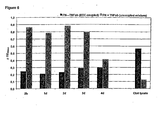
- the proof for coupling and the individual binding affinities in the conjugates was detected via sandwich-ELISA ( FIG.1 ). Briefly, a microtiter plate was coated with fibrinogen and subsequently incubated with a complex (thrombin-TNF antibody or TNF antibody-thrombin), with TNF, with a secondary TNF antibody and with an enzyme conjugate recognizing the secondary antibody. This enzyme transforms a colorless substrate to a colored compound which is subsequently detectable. The turnover of the substrate is only possible if both components (TNF antibody and thrombin) have been covalently coupled by the EDC reaction and both binding affinities have been preserved. Thrombin-TNF antibody as well as TNF antibody-thrombin give positive reaction in this system ( Fig. 2 ). Unmodified TNF antibody used as a control could not bind TNF to the fibrinogen matrix.
- TNF antibody was coupled to fibronectin using EDC.
- the proof for coupling and the detection of the individual binding affinities in the conjugates was performed via sandwich-ELISA ( Fig. 3 ), as in example 1.
- Fibronectin-TNF antibody as well as TNF antibody-fibronectin showed positive reaction in the present system ( Fig. 4 ).
- a mixture of TNF antibody and fibronectin as control showed only a low binding of TNF to the fibrinogen matrix.
- the proof for efficient retardation of TNF in a tissue adhesive clot based on fibrinogen was performed by adding TNF and fibronectin-TNF antibody complex as described in example 2 to the fibrinogen component of a fibrin sealant.
- TNF and a mixture of fibronectin and TNF antibody have been added to this fibrinogen component.
- the fibrin clots were produced with such modified fibrinogen components and transferred to PBS 60 min after clotting. The clots then were incubated at 37°C and PBS supernatants were substituted with fresh PBS at defined time periods. TNF content in these supernatants were detected ( Fig. 5 ). After 12 days the clots were lysed with urokinase and the TNF content in the lysate was detected.
- an active substance in this case a fibrinolysis inhibitor
- a fibrin-binding anchor in this case fibronectin
- a fibronectin-aprotinin conjugate was formed as described earlier. This conjugate was dissolved in the fibrinogen component before mixing with thrombin to ensure a homogeneous distribution of the conjugate in the fibrin clot.
- the clots were incubated in phosphate buffered saline (PBS) at 37°C. The PBS-supematants were changed several times and clot persistence was either checked visually or determined by measuring the protein concentration in the PBS-supematants.
- PBS phosphate buffered saline
- the aprotinin-fibronectin conjugate increased clot persistence compared to fibrin-clots supplemented with the same activity of non-conjugated aprotinin.
- This increase in clot persistence may be caused by a reduced release of the conjugate from the clot into the PBS compared to non-conjugated aprotinin ( Fig. 6 ).
- fibrin-binding anchor is the bacterial protein fbe of streptococcus epidermidis. This protein was expressed as a fusion-protein with glutathione-S-transferase (GST) as the active part Lysates from bacteria expressing either the fusion-protein fbe-GST or GST alone were adjusted to contain the same activity of GST and applied to fibrinogen- or BSA-coated ELISA-plates. Bound GST was detected by an anti-GST antibody. The fusion-protein fbe-GST binds specifically to fibrinogen via its fbe-domain. The fusion-protein does not bind to bovine serum albumin (BSA) which served as a control for unspecific protein-protein interaction. GST alone lacking the fbe-domain does not bind to fibrinogen ( Fig. 7 ).
- BSA bovine serum albumin
- DNA binds very strong to fibrin/fibrinogen. Therefore a piece of DNA was embedded in a fibrin sealant matrix and its affinity for fibrin/fibrinogen lead to a slow but sustained release of DNA over a long period of time.
- DNA is preferably used in either form, which means single- or double stranded DNA, linear or circular DNA, as a fibrin/fibrinogen-binding moiety.
- a biotinylated single-stranded oligodeoxynucleotide (20 b) and a biotinylated double-stranded DNA (700 b) were synthesized.
- biotinylated DNA molecules were mixed with a streptavidin-peroxidase conjugate to form an affinity based complex.
- the complexes were applied to fibrinogen or BSA-coated ELISA-plates and the bound peroxidase-activity was measured.
- Peroxidase was specifically bound to fibrinogen coated wells via the DNA as a fibrin/fibrinogen-binding moiety. No binding to BSA was observed and to avoid false positive results due to unspecific binding of streptavidin-peroxidase to DNA a control experiment was carried out with unbiotinylated DNA showing no signal ( Fig. 8a and 8b ).
- Thrombin has a fibrinogen cleaving activity and a fibrin/fibrinogen-binding activity. The two activities are located at distinct sites in the molecule.
- the covalently bound albumin is retarded in the fibrin sealant clots for 4 days, whereas the free albumin is released within 1 day.
- Figure 11 shows the recombinant fusion protein produced for this example [SEQ ID NO:1].
- the C-terminal portion of VEGF 165 which is the fibrin-binding portion of this fusion protein, is fused to leptin, which is one example of a pharmaceutically active substance.
- the fusion protein contains a natural plasmin cleavage site derived from VEGF 165 .
- the final residue in full-length leptin overlaps with the first Cys in the VEGF 165 C-terminal domain.
- the DNA construct encoding the leptin-VEGF 165 fusion protein was inserted into the plasmid shown in Figure 12 using the HindIII and Pacl restriction sites. The plasmid was then transfected into E. coli, and the fusion protein was expressed by the bacteria.
- the fusion protein is purified from the bacteria using techniques well known in the art of genetic engineering.
- the fusion protein is then incorporated into a fibrin clot, wherein the VEGF 165 C-terminal moiety binds to the fibrin in the clot.
- the resulting clot forms a depot for the sustained release of leptin, which is known to be a promoter of wound-healing.
- leptin which is known to be a promoter of wound-healing.
- Another mechanism for release is based on the dissociation rate of the VEGF 165 C-terminal domain from fibrin; according to this mechanism, the entire conjugate is released and diffuses from the clot, allowing the leptin moiety to act at the wound site, outside the clot.
Landscapes
- Health & Medical Sciences (AREA)
- Life Sciences & Earth Sciences (AREA)
- Engineering & Computer Science (AREA)
- Chemical & Material Sciences (AREA)
- Bioinformatics & Cheminformatics (AREA)
- Proteomics, Peptides & Aminoacids (AREA)
- Medicinal Chemistry (AREA)
- General Health & Medical Sciences (AREA)
- Molecular Biology (AREA)
- Pharmacology & Pharmacy (AREA)
- Animal Behavior & Ethology (AREA)
- Public Health (AREA)
- Veterinary Medicine (AREA)
- Epidemiology (AREA)
- Organic Chemistry (AREA)
- Nanotechnology (AREA)
- Biophysics (AREA)
- Biotechnology (AREA)
- Medical Informatics (AREA)
- Crystallography & Structural Chemistry (AREA)
- General Engineering & Computer Science (AREA)
- Biomedical Technology (AREA)
- Gastroenterology & Hepatology (AREA)
- Genetics & Genomics (AREA)
- Biochemistry (AREA)
- Cell Biology (AREA)
- Hematology (AREA)
- Toxicology (AREA)
- Zoology (AREA)
- Chemical Kinetics & Catalysis (AREA)
- Nuclear Medicine, Radiotherapy & Molecular Imaging (AREA)
- General Chemical & Material Sciences (AREA)
- Dermatology (AREA)
- Medicines That Contain Protein Lipid Enzymes And Other Medicines (AREA)
- Peptides Or Proteins (AREA)
- Medicinal Preparation (AREA)
- Materials For Medical Uses (AREA)
- Medicines Containing Antibodies Or Antigens For Use As Internal Diagnostic Agents (AREA)
- Medicines Containing Material From Animals Or Micro-Organisms (AREA)
- Pharmaceuticals Containing Other Organic And Inorganic Compounds (AREA)
Abstract
Description
- The present invention relates to conjugates having specific utility as depots for pharmaceutically active substances.
- Providing drug depots for sustained-release action is essential for efficient treatment of patients which require a steady administration of specific pharmaceutically active substances, especially if the drug is desired to be applied inside the body. A prerequisite for an adequate drug depot is that the release of the pharmaceutically active substance from such a depot is controllable by specific retardation processes. This implies that the pharmaceutically active substance has to be connected to the depot matrix either in a reversible or an irreversible way.
- The matrix to which the pharmaceutically active substance is bound should not only have an affinity to the active substance but also have biocompatible properties. Preferably, such depot matrices are biodegradable within the body of the patient so that no further treatment of the patient for removing the emptied depot is necessary.
- Because of their advantageous biological properties especially fibrin gels have been proposed as preferred drug depot matrices (see e.g.
AT 369 900 - In preliminary experiments carried out for the present invention it could be shown that different proteins, such as β-gatactosidase are completely released from a fibrin gel within three days or less.
- It has therefore been proposed to covalently link bioactive factors to a fibrin network by linking a transglutaminase substrate domain to a bioactive factor using factor XIIIa activity (
WO98/43686 - Further,
EP 0 513 778 A2WO 99/58569 WO 97/17435 WO 95/33492 - Additionally, Yoshida Hisahiro et al., 2000 ("Novel drug delivery system using autologous fibrin glue: Release properties of anti-cancer drugs", Biological and Pharmaceutical Bulletin, 2000, 23(3) : 371-374) describe studies on the release behaviour of a variety of anti-cancer drugs having different physical properties and Sahni A. and Francis C. W., 2000 ("Vascular endothelial growth factor binds to fibrinogen and fibrin and stimulates endothelial cell proliferation", Blood, 2000, 96(12) : 3772-3778) describe the investigation of possible specific interactions between VEGF and fibrinogen that could play a role in vascular responses to injury.
- Ramakrishnan et al., 1996 ("Vascular Endothelial Growth Factor-Toxin Conjugate Specifically Inhibits KDR/flk-1-positive Endothelial Cell Proliferation in Vitro and Angiogenesis in Vivo", Cancer Research 56, 1324-1330, March 15, 1996) discloses the potential use of VEGF-toxin conjugates to inhibit neovascularization.
- It is therefore an object to provide a drug depot having satisfactory biocompatibility and a regulatable half-life in the patient's body.
- It is a further object of the present invention to provide for an alternative drug depot based on fibrin, especially without altering the active substance or using enzymatic activity for its linkage.
- Another object of the present invention is to provide a drug depot with capacity for efficient retardation of diffusion of the biologically active substance compared to the release time of this drug by diffusion from a standard fibrin gel.
- These objects are solved by a fibrin/fibrinogen-binding conjugate comprising a fibrin/fibrinogen-binding moiety comprising the C-terminal domain of VEGF165, and a pharmaceutically active substance, wherein said fibrin/fibrinogen-binding moiety is covalently bound to said pharmaceutically active substance, wherein said conjugate is a recombinant fusion protein.
- With the conjugate according to the present invention, binding partners with affinity to fibrin or fibrinogen are used to link binding partners of pharmaceutically active substances to a fibrin gel. Due to these fibrin or fibrinogen binding moieties, the conjugates are bound sufficiently to the fibrin matrix so that elution of the pharmaceutically active substance is not possible by simple diffusion, but mainly dependent on the affinity of the fibrin/fibrinogen-binding moiety to fibrin
- The term "fibrin/fibrinogen-binding moiety" relates to a binding moiety which is capable of binding either to (1) fibrin or to (2) both fibrinogen and fibrin. If the binding capacity is for both fibrin and fibrinogen, it is possible to form the fibrin gel with fibrinogen molecules which are already "loaded" with the present conjugates to allow a homogeneous formation of the drug depot and a homogeneous distribution of the conjugate, and therefore the pharmaceutical throughout the fibrin drug depot
-
-
Fig. 1 shows the ELISA-sandwich system for the detection of the covalent binding (-) of TNF antibody and thrombin as well as the binding affinities (:::) to fibrin/fibrinogen and TNF, respectively. -
Fig. 2 shows the binding of TNF to a fibrinogen matrix via a TNF antibody coupled to thrombin. -
Fig. 3 shows the ELISA-sandwich system for the detection of covalent binding (-) of a TNF antibody and fibronectin and their binding affinities (:::) to fibrin/fibrinogen and TNF, respectively. -
Fig. 4 shows the binding of TNF to a fibrinogen matrix via a TNF-antibody coupled to fibronectin. -
Fig. 5 shows the retention of TNF using the conjugate according to the present invention compared to the retention of TNF in the presence of uncoupled fibronectin and TNF antibody. -
Fig. 6 shows the stability of fibrin-clots in hours with 3000 KIU/ml of free aprotinin or with 3000 KIU/ml bound aprotinin. -
Fig. 7 shows the specific binding of fbe-GST but not GST alone to fibrinogen. -
Fig. 8a shows the specific binding of biotinylated double stranded (ds) and single stranded (ss) DNA to fibrinogen but not to BSA. -
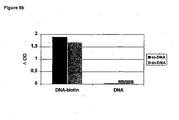
Fig. 8b shows the binding of Streptavidin-Peroxidase (SV-POX) preincubated with biotinylated DNA to a fibrinogen matrix via the DNA as fibrin sealant-binding moiety. -
Fig. 9 shows the release rate of a biotinylated albumin that is covalently bound to thrombin compared to the release of free biotinylated albumin from a fibrin clot. -
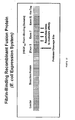
Fig. 10 depicts the general scheme of a fibrin-binding recombinant fusion protein comprising the VEGF165 C-terminal fibrin-binding domain linked to a pharmaceutically active protein. -
Fig. 11 shows the amino acid sequence of the leptin-VEGF165 C-terminal-His tag fusion protein [SEQ ID NO:1]. -
Fig. 12 depicts the expression plasmid containing the cassette encoding the leptin- VEGF165 C-terminal-His tag fusion protein. - The present invention provides a fibrin/fibrinogen-binding conjugate comprising a fibrin/fibrinogen-binding moiety comprising the C-terminal domain of VEGF165, and a pharmaceutically active substance, wherein said fibrin/fibrinogen-binding moiety is covalently bound to said pharmaceutically active substance, wherein said conjugate is a recombinant fusion protein.
- A depot formed with this conjugate provides sustained release of the pharmaceutically active substance based on the release kinetics of the fibrin/fibrinogen binding moiety from fibrin, as well as the natural dissolution of the fibrin clot over time. In this instance, the pharmaceutically active substance retains its activity even when it remains covalently linked to the fibrin/fibrinogen binding moiety.
- For the present conjugate, proteins may either be used in their physiological form or in a processed form. For example, such physiological binding partners may be processed by known biochemical techniques, in order to provide at least the fibrin/fibrinogen-binding parts of these proteins comprising the C-terminal domain of VEGF165. Alternatively, the parts known to bind to fibrin/fibrinogen comprising the C-terminal domain of VEGF165 can also be provided by recombinant DNA technology. For many fibrin/fibrinogen-binding proteins a three-dimensional structure has been described or proposed, enabling one of skill in the art to select those parts of these proteins which are relevant for fibrin/fibrinogen-binding comprising the C-terminal domain of VEGF165 for use in the present invention. Other substances with binding affinity for fibrin/fibrinogen may be analyzed for their putative fibrin/fibrinogen-binding sites comprising the C-terminal domain of VEGF165 based on known three-dimensional models of the above mentioned proteins, e.g. by sequence analysis, if such substances are proteins or protein derivatives or selection by phage display.
- Preferred pharmaceutically active substances to be used in the present conjugate are antibiotics, growth factors, receptors for tissue components, tissue adhesive substances, anti-tumor agents, cell adhesive substances, plasma proteins, anti-proteases, fibrinolysis-inhibitors, hormones, heparinoids, wound-healing substances and mixtures thereof. When the pharmaceutically active substance is a fibrinolysis inhibitor such as aprotinin, as part of the inventive conjugate, the clot to which the conjugate is bound will last longer than a clot which merely contains free aprotinin, which would readily diffuse out of the clot.
- These substances may either be directly pharmaceutically active or allow an improved action of another pharmaceutically active substance, which may be applied simultaneously or separately with the present drug depot For example, receptors for tissue components or tissue adhesive substances may be applied which allow an improved performance of a tissue adhesive based on fibrinogen. Other examples which change the adhesive properties of a tissue adhesive are substances which may be provided with the present conjugate. If applied together with a "classical" tissue adhesive, the presence of such pharmaceutically active substances which have an influence on the adhesion properties may influence the adhesive or non-adhesive capacity of the fibrinogen tissue adhesive to specific tissues or cells.
- According to a preferred embodiment of the present invention the conjugate is designed for the incorporation in a "classical" tissue adhesive system. Such a system usually comprises a fibrinogen and a thrombin containing preparation similar to a "one-" or "two component" glue resulting in fibrin formation at the site of application or a preformed fibrin preparation, e.g. a fibrin fleece. The formed fibrin clot or the fibrin fleece allows e.g. wound closure or tissue adhesion. Further ingredients in this system are e.g. Factor XIII (as a cross-linker), fibrinolysis-inhibitors, etc (see e.g. Fibrin Sealing in Surgical and Non-Surgical Fields, Schlag G., Redl H. editors, Vols. 1-9).
- The fibrin/fibrinogen binding conjugate is based on the present inventors' discovery that the C-terminal domain of VEGF165 is responsible for the fibrin-binding capacity of that molecule. Herein, the term "C-terminal domain of VEGF165 " refers to amino acid residues C104 -R165 as depicted in
US 5,332,671 ,figures 10a and 10b (Ferrara and Leung). VEGF165 is further described in Tischer et al, J. Biol. Chem. (1991) 266:11947-11954; Sahni et al, Blood (2000) 96:3772-3778;and Houck et al, J. Biol.Chem. (1992) 267:26031-26037). The fibrin-binding domain of this conjugate is not limited to the natural amino acid sequence coded for byexons Figure 10 of the present document The fibrin-binding properties of the resulting fusion protein can be altered in order to increase or decrease the release kinetics from the fibrin depot by adding, deleting, or mutating specific amino acid residues in the VEGF165 C-terminal domain. VEGF165 also contains a natural plasmin cleavage site at the beginning of its C-terminal domain. Thus the C-terminal domain of VEGF165 can be used to form a fusion protein with a pharmaceutically active substance, without the need for a "substance-binding moiety" between the fibrin binding moiety and the pharmaceutically active substance. When the conjugate is incorporated into a fibrin clot at a wound site, the natural plasminogen in the patient's plasma entering the wound is converted to plasmin, which in turn cleaves the fusion protein to release the pharmaceutically active substance, allowing its diffusion from the clot. Another mechanism for release is based on the dissociation rate of the VEGF165 C-terminal domain from fibrin; according to this mechanism, the entire conjugate is released and diffuses from the clot, allowing the pharmaceutical substance to act at the wound site, outside the clot. The following are examples of pharmaceutically active substances which can be fused to the C-terminal moiety of VEGF165: - cytokines, growth factors, and wound-healing substances such as leptin (Frank et al, J. Clin. Invest. (2000) 106:501-509; Sierra-Honigmann et al., Science (1998) 281:1683-1686), IL-8, MCP-1, and PF-4.
- antibiotic peptides such as magainins, defensins, and granulysin.
- fibrinolysis inhibitors such as aprotinin and Kunitz domains of human lipoprotein-associated coagulation inhibitor (LACI-D1; Markland et al., Biochemistry (1996) 35:8045-8057).
- The pharmaceutically active substance thus released can serve to direct the growth, migration, and differentiation of specific cell types, thus enhancing wound healing and neovascularization during tissue repair.
- According to another aspect the present invention relates to a kit for forming a depot for a pharmaceutically active substance comprising a tissue adhesive based on fibrinogen and a conjugate according to the present invention. The conjugate may be provided in a separate form ready to be mixed before medical use. The "ready to use" mixture of the tissue adhesive based on fibrinogen and the conjugate according to the present invention may be applied with means and methods as already known in the art for "classical" tissue adhesives, especially with the fibrinogen component of such adhesives. This fibrinogen component may be mixed in a known way with a component containing an activity for processing fibrinogen to fibrin, preferably a thrombin preparation.
- A kit according to the present invention may therefore also contain suitable devices for administering the tissue adhesive and the conjugate and optionally the fibrinogen to fibrin processing activity. Examples for such devices are described in
EP 0 037 393 AEP 0 315 222 AEP 0156 098 A ,EP 0 210160 AEP 0 292 472 A - According to another aspect the present invention relates to a use of a conjugate according to the present invention in the manufacture of a medicament for producing a depot of a pharmaceutically active substance by administering this conjugate at a depot site together with a fibrinogen preparation, allowing processing of said fibrinogen to fibrin whereby a fibrin clot is formed, and allowing binding of the conjugate to said fibrinogen or the fibrin clot formed.
- Processing of the fibrinogen to fibrin may either be performed by thrombin already being present at the site of administration or by an exogenously added fibrinogen processing activity. Apart from thrombin or thrombin derived proteases, other proteases such as streptylase, protease III and venom proteases like e.g. baxotropin, may be used for cleaving the fibrinogen molecule. The binding of the conjugate to fibrin/fibrinogen may take place after forming of the fibrin clot However, it is preferred to allow this binding process at an earlier stage, e.g. during the fibrinogen processing step or (most preferred) even before, so that binding of the conjugate according to the present invention takes place at the fibrinogen level. This results in a fibrin depot which has a homogeneous distribution of conjugate throughout the whole depot. On the other hand, if the conjugate is intended to be located mainly on the surface of the fibrin depot, binding of the conjugate should be allowed after forming of the fibrin clot
- Another aspect of the present invention relates to a depot for a pharmaceutically active substance, comprising a conjugate according to the present invention and fibrin (e.g. a suitable fibrin matrix). Such a depot is e.g. obtainable by administration of a conjugate according to the present invention to a fibrin network base.
- Thereby a depot of the pharmaceutically active substance with suitable releasing properties is provided which allows a suitable treatment of the patient with the pharmaceutical substance without the need of continuously and separately providing this substance.
- The invention will now be explained in more detail by way of the examples and drawing figures.
- Within the present examples tumor necrosis factor (TNF) as an example for any pharmaceutically active substance is coupled via a commercially available TNF antibody to a fibrin binding substance. Thrombin and fibronectin have been selected as examples for substances having a fibrin/fibrinogen-binding moiety. Coupling of the antibody to thrombin and fibronectin has been achieved with 1-ethyl-3-(3-dimethyl-aminopropyl)carbodiimid (EDC). With this type of reaction the carboxy groups of a coupling component have been activated with EDC; these activated carboxy groups react with amino groups of the other component Since the properties of the moieties may be different depending on which component is activated first, always both possibilities or variations have been investigated. In the following examples conjugate A-B means that component A is the component which is activated at the carboxy groups and component B is bound via its amino group. The proof of a successful coupling and the detection of the individual binding affinities (TNF-antibody, thrombin/fibronectin-fibrin) was analyzed via sandwich-ELISA.
- A commercially available TNF antibody was coupled to thrombin via EDC. The proof for coupling and the individual binding affinities in the conjugates was detected via sandwich-ELISA (
Fig.1 ). Briefly, a microtiter plate was coated with fibrinogen and subsequently incubated with a complex (thrombin-TNF antibody or TNF antibody-thrombin), with TNF, with a secondary TNF antibody and with an enzyme conjugate recognizing the secondary antibody. This enzyme transforms a colorless substrate to a colored compound which is subsequently detectable. The turnover of the substrate is only possible if both components (TNF antibody and thrombin) have been covalently coupled by the EDC reaction and both binding affinities have been preserved. Thrombin-TNF antibody as well as TNF antibody-thrombin give positive reaction in this system (Fig. 2 ). Unmodified TNF antibody used as a control could not bind TNF to the fibrinogen matrix. - A commercially available TNF antibody was coupled to fibronectin using EDC. The proof for coupling and the detection of the individual binding affinities in the conjugates was performed via sandwich-ELISA (
Fig. 3 ), as in example 1. Fibronectin-TNF antibody as well as TNF antibody-fibronectin showed positive reaction in the present system (Fig. 4 ). A mixture of TNF antibody and fibronectin as control showed only a low binding of TNF to the fibrinogen matrix. - The proof for efficient retardation of TNF in a tissue adhesive clot based on fibrinogen was performed by adding TNF and fibronectin-TNF antibody complex as described in example 2 to the fibrinogen component of a fibrin sealant. In control experiments TNF and a mixture of fibronectin and TNF antibody have been added to this fibrinogen component. The fibrin clots were produced with such modified fibrinogen components and transferred to
PBS 60 min after clotting. The clots then were incubated at 37°C and PBS supernatants were substituted with fresh PBS at defined time periods. TNF content in these supernatants were detected (Fig. 5 ). After 12 days the clots were lysed with urokinase and the TNF content in the lysate was detected. - Addition of the fibronectin-TNF antibody complex to the fibrinogen component of the tissue adhesive resulted in a significant retardation of the liberation of TNF compared to the addition of a fibronectin-TNF antibody mixture. This was shown by reduced initial liberation of TNF in the PBS supernatants (days 1-3) as well as by a higher TNF content in the clot lysate after 12 days incubation in PBS (
Fig. 5 ). Since fibrin clots have only been incubated in PBS and not been exposed to proteolytic digestion, the liberation of the TNF detected was mainly due to diffusion from the fibrin clot Incubation with addition of proteases (e.g. urokinase) results in a continuous liberation of TNF over a longer period of time. - Based on the covalent binding of an active substance, in this case a fibrinolysis inhibitor, to a fibrin-binding anchor, in this case fibronectin, the delayed release of the fibrinolysis inhibitor from a fibrin clot into the surrounding medium can be shown.
- A fibronectin-aprotinin conjugate was formed as described earlier. This conjugate was dissolved in the fibrinogen component before mixing with thrombin to ensure a homogeneous distribution of the conjugate in the fibrin clot. The clots were incubated in phosphate buffered saline (PBS) at 37°C. The PBS-supematants were changed several times and clot persistence was either checked visually or determined by measuring the protein concentration in the PBS-supematants.
- The aprotinin-fibronectin conjugate increased clot persistence compared to fibrin-clots supplemented with the same activity of non-conjugated aprotinin. This increase in clot persistence may be caused by a reduced release of the conjugate from the clot into the PBS compared to non-conjugated aprotinin (
Fig. 6 ). - Another example for a fibrin-binding anchor is the bacterial protein fbe of streptococcus epidermidis. This protein was expressed as a fusion-protein with glutathione-S-transferase (GST) as the active part Lysates from bacteria expressing either the fusion-protein fbe-GST or GST alone were adjusted to contain the same activity of GST and applied to fibrinogen- or BSA-coated ELISA-plates. Bound GST was detected by an anti-GST antibody. The fusion-protein fbe-GST binds specifically to fibrinogen via its fbe-domain. The fusion-protein does not bind to bovine serum albumin (BSA) which served as a control for unspecific protein-protein interaction. GST alone lacking the fbe-domain does not bind to fibrinogen (
Fig. 7 ). - DNA binds very strong to fibrin/fibrinogen. Therefore a piece of DNA was embedded in a fibrin sealant matrix and its affinity for fibrin/fibrinogen lead to a slow but sustained release of DNA over a long period of time. For the purposes of the present invention DNA is preferably used in either form, which means single- or double stranded DNA, linear or circular DNA, as a fibrin/fibrinogen-binding moiety.
For the present experiment a biotinylated single-stranded oligodeoxynucleotide (20 b) and a biotinylated double-stranded DNA (700 b) were synthesized. The biotinylated DNA molecules were mixed with a streptavidin-peroxidase conjugate to form an affinity based complex. The complexes were applied to fibrinogen or BSA-coated ELISA-plates and the bound peroxidase-activity was measured. Peroxidase was specifically bound to fibrinogen coated wells via the DNA as a fibrin/fibrinogen-binding moiety. No binding to BSA was observed and to avoid false positive results due to unspecific binding of streptavidin-peroxidase to DNA a control experiment was carried out with unbiotinylated DNA showing no signal (Fig. 8a and8b ). - Thrombin has a fibrinogen cleaving activity and a fibrin/fibrinogen-binding activity. The two activities are located at distinct sites in the molecule.
For the present experiment biotinylated albumin was mixed to a fibrin clot either as such (= free form) or bound via a thrombin-PPACK (= D-Phe-Pro-Arg-Chlormethylketon) anchor (= covalently bound form). Biotin was used as marker to measure the release of both forms of albumin. - As shown in
Figure 9 , the covalently bound albumin is retarded in the fibrin sealant clots for 4 days, whereas the free albumin is released within 1 day. -
Figure 11 shows the recombinant fusion protein produced for this example [SEQ ID NO:1]. The C-terminal portion of VEGF165, which is the fibrin-binding portion of this fusion protein, is fused to leptin, which is one example of a pharmaceutically active substance. The fusion protein contains a natural plasmin cleavage site derived from VEGF165. At C146, the final residue in full-length leptin overlaps with the first Cys in the VEGF165 C-terminal domain. - The DNA construct encoding the leptin-VEGF165 fusion protein was inserted into the plasmid shown in
Figure 12 using the HindIII and Pacl restriction sites. The plasmid was then transfected into E. coli, and the fusion protein was expressed by the bacteria. - The fusion protein is purified from the bacteria using techniques well known in the art of genetic engineering. The fusion protein is then incorporated into a fibrin clot, wherein the VEGF165 C-terminal moiety binds to the fibrin in the clot. The resulting clot forms a depot for the sustained release of leptin, which is known to be a promoter of wound-healing. When the clot is placed in a wound site, the natural plasminogen in the patient's plasma entering the wound is converted to plasmin, which in turn cleaves the fusion protein, thereby releasing the leptin moiety to diffuse from the clot to act in healing. Another mechanism for release is based on the dissociation rate of the VEGF165 C-terminal domain from fibrin; according to this mechanism, the entire conjugate is released and diffuses from the clot, allowing the leptin moiety to act at the wound site, outside the clot.
Claims (12)
- Fibrin/fibrinogen-binding conjugate comprising a fibrin/fibrinogen-binding moiety comprising the C-terminal domain of VEGF165, and a pharmaceutically active substance, wherein said fibrin/fibrinogen-binding moiety is covalently bound to said pharmaceutically active substance,
wherein said conjugate is a recombinant fusion protein. - The conjugate of claim 1, wherein said pharmaceutically active substance is selected from the group consisting of antibiotics, growth factors, receptors for tissue components, tissue adhesive substances, plasma proteins, hormones, heparinoids, and wound-healing substances.
- Kit for forming a depot for a pharmaceutically active substance comprising a tissue adhesive based on fibrinogen and a fibrin/fibrinogen-binding conjugate according to any of claims 1 or 2.
- Kit according to claim 3, further comprising a component containing an agent capable of processing fibrinogen to fibrin.
- Kit according to claim 4, wherein said component containing an agent capable of processing fibrinogen to fibrin is a thrombin preparation.
- Kit according to claim 3, further comprising devices for administering said tissue adhesive and said conjugate to a depot site.
- Use of a fibrin/fibrinogen-binding conjugate according to any one of claims 1 or 2 for the manufacture of a medicament in producing a depot of a pharmaceutically active substance by administering said conjugate at a depot site together with a fibrinogen preparation, allowing processing of said fibrinogen to fibrin whereby a fibrin clot is formed, and allowing binding of said conjugate to said fibrinogen within said fibrin clot.
- Use of a fibrin/fibrinogen-binding conjugate according to any one of claims 1 or 2 for the manufacture of a medicament in producing a depot of a pharmaceutically active substance by administering said conjugate at a depot site together with a fibrinogen preparation, allowing processing of said fibrinogen to fibrin whereby a fibrin clot is formed, and allowing binding of said conjugate to said fibrin clot.
- Use according to claim 8, wherein said processing of said fibrinogen to fibrin is performed by adding an agent capable of processing said fibrinogen to fibrin.
- Use according to claim 9, wherein said agent is exogeneous thrombin.
- Depot for a pharmaceutically active substance comprising fibrin and the fibrin/fibrinogen-binding conjugate according to claim 1 or 2.
- Depot for a pharmaceutically active substance according to claim 11, wherein said depot is obtainable by administering said conjugate at a depot site together with a fibrinogen preparation, allowing processing of said fibrinogen to fibrin whereby a fibrin clot is formed, and allowing binding of said conjugate to said fibrinogen or said fibrin clot.
Priority Applications (2)
| Application Number | Priority Date | Filing Date | Title |
|---|---|---|---|
| EP09004993A EP2168981A3 (en) | 2000-09-25 | 2001-09-25 | A Fibrin/Fibrinogen-binding conjugate |
| CY20091100771T CY1110325T1 (en) | 2000-09-25 | 2009-07-20 | CONNECTIONS OF INIC / INODOGENO COMMUNICATION |
Applications Claiming Priority (3)
| Application Number | Priority Date | Filing Date | Title |
|---|---|---|---|
| US669240 | 1984-11-07 | ||
| US09/669,240 US6506365B1 (en) | 2000-09-25 | 2000-09-25 | Fibrin/fibrinogen binding conjugate |
| PCT/US2001/029933 WO2002026779A2 (en) | 2000-09-25 | 2001-09-25 | A fibrin/fibrinogen-binding conjugate |
Related Child Applications (1)
| Application Number | Title | Priority Date | Filing Date |
|---|---|---|---|
| EP09004993A Division EP2168981A3 (en) | 2000-09-25 | 2001-09-25 | A Fibrin/Fibrinogen-binding conjugate |
Publications (2)
| Publication Number | Publication Date |
|---|---|
| EP1352070A2 EP1352070A2 (en) | 2003-10-15 |
| EP1352070B1 true EP1352070B1 (en) | 2009-06-10 |
Family
ID=24685623
Family Applications (2)
| Application Number | Title | Priority Date | Filing Date |
|---|---|---|---|
| EP01973483A Expired - Lifetime EP1352070B1 (en) | 2000-09-25 | 2001-09-25 | A fibrin/fibrinogen-binding conjugate |
| EP09004993A Withdrawn EP2168981A3 (en) | 2000-09-25 | 2001-09-25 | A Fibrin/Fibrinogen-binding conjugate |
Family Applications After (1)
| Application Number | Title | Priority Date | Filing Date |
|---|---|---|---|
| EP09004993A Withdrawn EP2168981A3 (en) | 2000-09-25 | 2001-09-25 | A Fibrin/Fibrinogen-binding conjugate |
Country Status (16)
| Country | Link |
|---|---|
| US (3) | US6506365B1 (en) |
| EP (2) | EP1352070B1 (en) |
| JP (2) | JP5093964B2 (en) |
| CN (1) | CN1524124A (en) |
| AT (1) | ATE433490T1 (en) |
| AU (2) | AU9305501A (en) |
| BR (1) | BR0114110A (en) |
| CA (1) | CA2423492A1 (en) |
| CY (1) | CY1110325T1 (en) |
| DE (1) | DE60138965D1 (en) |
| DK (1) | DK1352070T3 (en) |
| ES (1) | ES2328452T3 (en) |
| MX (1) | MXPA03002561A (en) |
| PT (1) | PT1352070E (en) |
| RU (1) | RU2279890C2 (en) |
| WO (1) | WO2002026779A2 (en) |
Families Citing this family (18)
| Publication number | Priority date | Publication date | Assignee | Title |
|---|---|---|---|---|
| US6506365B1 (en) * | 2000-09-25 | 2003-01-14 | Baxter Aktiengesellschaft | Fibrin/fibrinogen binding conjugate |
| US8206448B2 (en) | 2004-10-29 | 2012-06-26 | Spinal Restoration, Inc. | Injection of fibrin sealant using reconstituted components in spinal applications |
| US7597687B2 (en) * | 2004-10-29 | 2009-10-06 | Spinal Restoration, Inc. | Injection of fibrin sealant including an anesthetic in spinal applications |
| US8419722B2 (en) * | 2004-10-29 | 2013-04-16 | Spinal Restoration, Inc. | Apparatus and method for injection of fibrin sealant in spinal applications |
| DE112005002316T5 (en) * | 2004-09-22 | 2007-08-23 | National University Corporation Tokyo University Of Agriculture And Technology | labeling enzyme |
| JP4088328B2 (en) * | 2004-12-28 | 2008-05-21 | 第一化学薬品株式会社 | Anti-human soluble fibrin monoclonal antibody and immunological assay method using the antibody |
| AU2008206052A1 (en) * | 2007-01-18 | 2008-07-24 | Baxter Healthcare S.A. | Fibrin gel for controlled release of TGF-beta and uses thereof |
| MX2009013970A (en) | 2007-06-19 | 2010-09-10 | Baxter Int | Fibrin gel for controlled release of pdgf and uses thereof. |
| US20110059460A1 (en) * | 2008-03-03 | 2011-03-10 | Imigene, Inc | Infection Mediated Foam Dissolution Rate Measurement |
| US20120065592A1 (en) * | 2010-09-10 | 2012-03-15 | E.I. Du Pont De Nemours And Company | Device for dispensing microliter quantities of a material into a puncture wound site |
| US20120316113A1 (en) * | 2011-05-02 | 2012-12-13 | Baxter Healthcare S.A. | Fgf based fibrin binding peptides |
| US8999376B2 (en) | 2012-02-03 | 2015-04-07 | Xcede Technologies, Inc. | Tissue patch |
| GB201400292D0 (en) | 2014-01-08 | 2014-02-26 | Haemostatix Ltd | Peptide dendrimers and agents |
| US10588998B2 (en) | 2015-08-07 | 2020-03-17 | Xcede Technologies, Inc. | Adhesive compositions and related methods |
| US9833538B2 (en) | 2015-08-07 | 2017-12-05 | Xcede Technologies, Inc. | Adhesive compositions and related methods |
| US9540548B1 (en) | 2015-08-07 | 2017-01-10 | Xcede Technologies, Inc. | Adhesive compositions and related methods |
| CN115558015B (en) * | 2022-10-12 | 2024-01-19 | 生工生物工程(上海)股份有限公司 | Method for purifying GST-tag-free target protein from product obtained after GST fusion protein cleavage and product |
| WO2025250943A1 (en) * | 2024-05-30 | 2025-12-04 | Penguin Bio Corp. | Leptin variants and methods of use thereof |
Family Cites Families (30)
| Publication number | Priority date | Publication date | Assignee | Title |
|---|---|---|---|---|
| AT366916B (en) | 1980-04-02 | 1982-05-25 | Immuno Ag | DEVICE FOR APPLICATING A TISSUE ADHESIVE BASED ON HUMAN OR ANIMAL PROTEINS |
| US4393041A (en) * | 1980-04-25 | 1983-07-12 | International Minerals & Chemical Corp. | Fibrin binder/carrier for active biochemical agents |
| AT369990B (en) | 1981-07-28 | 1983-02-25 | Immuno Ag | METHOD FOR PRODUCING A TISSUE ADHESIVE |
| AT379311B (en) | 1984-03-29 | 1985-12-27 | Immuno Ag | DEVICE FOR APPLICATING A TISSUE ADHESIVE |
| AT382783B (en) | 1985-06-20 | 1987-04-10 | Immuno Ag | DEVICE FOR APPLICATING A TISSUE ADHESIVE |
| AT388503B (en) | 1987-05-21 | 1989-07-25 | Immuno Ag | SET FOR PROVIDING AND APPLICATION OF A TISSUE ADHESIVE |
| US5217705A (en) * | 1987-09-25 | 1993-06-08 | Neorx Corporation | Method of diagnosing blood clots using fibrin-binding proteins |
| US5679320A (en) * | 1988-12-29 | 1997-10-21 | Bio-Technology General Corp. | Fibrin binding domain polypeptides and uses and methods of producing same |
| US5328996A (en) * | 1989-03-29 | 1994-07-12 | University Of Florida Research Foundation, Inc. | Bacterial plasmin receptors as fibrinolytic agents |
| US5332671A (en) | 1989-05-12 | 1994-07-26 | Genetech, Inc. | Production of vascular endothelial cell growth factor and DNA encoding same |
| US5019572A (en) * | 1990-02-07 | 1991-05-28 | Merck & Co., Inc. | Imidazole compounds and their use as transglutaminase inhibitors |
| US5688935A (en) * | 1990-06-11 | 1997-11-18 | Nexstar Pharmaceuticals, Inc. | Nucleic acid ligands of tissue target |
| US5629287A (en) * | 1991-01-18 | 1997-05-13 | University College London | Depot formulations |
| US5364612A (en) * | 1991-05-06 | 1994-11-15 | Immunomedics, Inc. | Detection of cardiovascular lesions |
| JPH05168494A (en) * | 1991-05-17 | 1993-07-02 | Takeda Chem Ind Ltd | Hybrid monoclonal antibodies and antibody-containing drugs |
| US5792742A (en) * | 1991-06-14 | 1998-08-11 | New York University | Fibrin-binding peptide fragments of fibronectin |
| US5965132A (en) * | 1992-03-05 | 1999-10-12 | Board Of Regents, The University Of Texas System | Methods and compositions for targeting the vasculature of solid tumors |
| ATE293168T1 (en) * | 1993-11-12 | 2005-04-15 | Gilead Sciences Inc | THROMBIN MUTANTS |
| CA2185671A1 (en) * | 1994-03-15 | 1995-09-21 | Prizm Pharmaceuticals, Inc. | Heparin-binding growth factors for gene therapy and anterior eye disorders |
| WO1995033492A1 (en) * | 1994-06-09 | 1995-12-14 | Houston Biotechnology Incorporated | Methods and compositions for modulation of wound healing |
| AU3374795A (en) * | 1994-08-29 | 1996-03-22 | Prizm Pharmaceuticals, Inc. | Conjugates of vascular endothelial growth factor with targeted agents |
| CA2221269A1 (en) * | 1995-05-16 | 1996-11-21 | Lois A. Chandler | Compositions containing nucleic acids and ligands for therapeutic treatment |
| US6551794B1 (en) * | 1995-11-09 | 2003-04-22 | E. R. Squibb & Sons, Inc. | Stable biotinylated biomolecule composition |
| EP0973926A1 (en) * | 1997-03-14 | 2000-01-26 | Selective Genetics, Inc. | Adenoviral vectors with modified tropism |
| CA2307954C (en) | 1997-04-03 | 2010-07-13 | California Institute Of Technology | Enzyme-medicated modification of fibrin for tissue engineering |
| EP1056773A2 (en) * | 1998-02-11 | 2000-12-06 | Resolution Pharmaceuticals Inc. | Angiogenesis targeting molecules |
| AUPP345098A0 (en) * | 1998-05-11 | 1998-06-04 | National Institute Of Biological Standards And Control, United Kingdom | Novel anti-fibrinolytic agents |
| US6251599B1 (en) * | 1998-11-06 | 2001-06-26 | Selective Genetics, Inc. | Stabilized nucleic acid compositions and methods of preparation and use thereof |
| DE19937102A1 (en) | 1999-08-06 | 2001-02-15 | Universitaetsklinikum Freiburg | Tissue replacement and process for its manufacture |
| US6506365B1 (en) * | 2000-09-25 | 2003-01-14 | Baxter Aktiengesellschaft | Fibrin/fibrinogen binding conjugate |
-
2000
- 2000-09-25 US US09/669,240 patent/US6506365B1/en not_active Expired - Lifetime
-
2001
- 2001-09-25 BR BR0114110-4A patent/BR0114110A/en not_active Application Discontinuation
- 2001-09-25 MX MXPA03002561A patent/MXPA03002561A/en active IP Right Grant
- 2001-09-25 EP EP01973483A patent/EP1352070B1/en not_active Expired - Lifetime
- 2001-09-25 WO PCT/US2001/029933 patent/WO2002026779A2/en not_active Ceased
- 2001-09-25 CN CNA018161626A patent/CN1524124A/en active Pending
- 2001-09-25 AU AU9305501A patent/AU9305501A/en active Pending
- 2001-09-25 JP JP2002531162A patent/JP5093964B2/en not_active Expired - Fee Related
- 2001-09-25 AT AT01973483T patent/ATE433490T1/en active
- 2001-09-25 US US09/963,156 patent/US6713453B2/en not_active Expired - Lifetime
- 2001-09-25 AU AU2001293055A patent/AU2001293055B2/en not_active Ceased
- 2001-09-25 RU RU2003112017/13A patent/RU2279890C2/en not_active IP Right Cessation
- 2001-09-25 EP EP09004993A patent/EP2168981A3/en not_active Withdrawn
- 2001-09-25 DE DE60138965T patent/DE60138965D1/en not_active Expired - Lifetime
- 2001-09-25 DK DK01973483T patent/DK1352070T3/en active
- 2001-09-25 CA CA002423492A patent/CA2423492A1/en not_active Abandoned
- 2001-09-25 ES ES01973483T patent/ES2328452T3/en not_active Expired - Lifetime
- 2001-09-25 PT PT01973483T patent/PT1352070E/en unknown
-
2003
- 2003-12-30 US US10/749,832 patent/US7091325B2/en not_active Expired - Lifetime
-
2009
- 2009-07-20 CY CY20091100771T patent/CY1110325T1/en unknown
-
2011
- 2011-04-07 JP JP2011085844A patent/JP2011137044A/en not_active Withdrawn
Non-Patent Citations (2)
| Title |
|---|
| RAMAKRISHNAN S. ET AL: "VASCULAR ENDOTHELIAL GROWTH FACTOR-TOXIN CONJUGATE SPECIFICALLY INHIBITS KDR/FLK-1-POSITIVE ENDOTHELIAL CELL PROLIFERATION IN VITRO AND ANGIOGENESIS IN VIVO", CANCER RESEARCH, vol. 56, no. 6, 1 January 1996 (1996-01-01), pages 1324 - 1330, XP001247100, ISSN: 0008-5472 * |
| SAHNI A. ET AL: "VASCULAR ENDOTHELIAL GROWTH FACTOR BINDS TO FIBRINOGEN AND FIBRIN AND STIMULATES ENDOTHELIAL CELL PROLIFERATION", BLOOD, vol. 96, no. 12, 1 December 2000 (2000-12-01), pages 3772 - 3778, XP000962765, ISSN: 0006-4971 * |
Also Published As
| Publication number | Publication date |
|---|---|
| EP2168981A3 (en) | 2011-10-12 |
| WO2002026779A3 (en) | 2003-08-14 |
| WO2002026779A2 (en) | 2002-04-04 |
| US6506365B1 (en) | 2003-01-14 |
| US20030044405A1 (en) | 2003-03-06 |
| JP2004511447A (en) | 2004-04-15 |
| MXPA03002561A (en) | 2004-10-15 |
| CN1524124A (en) | 2004-08-25 |
| PT1352070E (en) | 2009-06-30 |
| AU2001293055B2 (en) | 2007-11-08 |
| US7091325B2 (en) | 2006-08-15 |
| DE60138965D1 (en) | 2009-07-23 |
| CY1110325T1 (en) | 2015-01-14 |
| BR0114110A (en) | 2004-07-06 |
| JP2011137044A (en) | 2011-07-14 |
| ATE433490T1 (en) | 2009-06-15 |
| DK1352070T3 (en) | 2009-08-24 |
| CA2423492A1 (en) | 2002-04-04 |
| JP5093964B2 (en) | 2012-12-12 |
| ES2328452T3 (en) | 2009-11-13 |
| AU9305501A (en) | 2002-04-08 |
| RU2279890C2 (en) | 2006-07-20 |
| US6713453B2 (en) | 2004-03-30 |
| EP1352070A2 (en) | 2003-10-15 |
| EP2168981A2 (en) | 2010-03-31 |
| US20040191261A1 (en) | 2004-09-30 |
Similar Documents
| Publication | Publication Date | Title |
|---|---|---|
| JP2011137044A (en) | Fibrin/fibrinogen-binding conjugate | |
| AU2001293055A1 (en) | A fibrin/fibrinogen-binding conjugate | |
| EP0689459B1 (en) | Novel agent for controlling cell activity | |
| Esmon et al. | Inflammation, sepsis, and coagulation | |
| Pierschbacher et al. | Cell attachment activity of fibronectin can be duplicated by small synthetic fragments of the molecule | |
| Pierschbacher et al. | The cell attachment determinant in fibronectin | |
| US5053453A (en) | Thromboresistant materials and methods for making same | |
| AU6214598A (en) | A stabilized mixture comprising fibrinogen | |
| WO2011006069A1 (en) | Peptides for binding fibrinogen and fibrin | |
| US6982249B1 (en) | Bradykinin analogs as selective inhibitors of cell activation | |
| EP0367489A2 (en) | Thromboresistant materials and methods for making same | |
| Han et al. | Optimal delivery systems for bone morphogenetic proteins in orthopedic applications should model initial tissue repair structures by using a heparin-incorporated fibrin–fibronectin matrix | |
| Nawroth et al. | Cellular processing of bovine factors X and Xa by cultured bovine aortic endothelial cells. | |
| Sanchez et al. | Chimeric fibrolase: covalent attachment of an RGD-like peptide to create a potentially more effective thrombolytic agent | |
| Fabian et al. | Reversible associations between human plasma fibronectin and fibrinogen γγ’heterodimer observed by high pressure size exclusion chromatography and dynamic light scattering | |
| Clarke et al. | Incomplete gamma carboxylation of human coagulation factor VII: differential effects on tissue factor binding and enzymatic activity | |
| Swenson et al. | Fibrolase | |
| Witt et al. | Antibody formation and effects on endogenous fibrinolysis after repeated administration of dspaai in rats | |
| Takeya et al. | Receptor-mediated endocytosis of thrombin-antithrombin III complex by the human monocytoid cell line U937 | |
| CN107109387A (en) | Prevention or treatment tissue or the recombination fusion protein of organ adhesion | |
| Ali | US PATENT DOCUMENTS | |
| Hildebrand et al. | Pharmacokinetics of DSPAα1 in animals | |
| Born et al. | Pharmacokinetics and fibrinolytic aspects of intraabdominally administered human tissue type plasminogen activator in a rat peritonitis model | |
| WO1994021300A1 (en) | Novel agent for controlling cell activity |
Legal Events
| Date | Code | Title | Description |
|---|---|---|---|
| PUAI | Public reference made under article 153(3) epc to a published international application that has entered the european phase |
Free format text: ORIGINAL CODE: 0009012 |
|
| 17P | Request for examination filed |
Effective date: 20030417 |
|
| AK | Designated contracting states |
Kind code of ref document: A2 Designated state(s): AT BE CH CY DE DK ES FI FR GB GR IE IT LI LU MC NL PT SE TR |
|
| AX | Request for extension of the european patent |
Extension state: AL LT LV MK RO SI |
|
| RIN1 | Information on inventor provided before grant (corrected) |
Inventor name: HELGERSON, SAM, L. Inventor name: LOOKER, DOUGLAS, L. Inventor name: INMAN, ELISABETH, M. Inventor name: RICHARDS, JANE, P. Inventor name: REDL, HEINZ Inventor name: FURST, WALTER Inventor name: KNEIDINGER, RUDOLF Inventor name: WONG, CATALINA |
|
| 17Q | First examination report despatched |
Effective date: 20050425 |
|
| GRAP | Despatch of communication of intention to grant a patent |
Free format text: ORIGINAL CODE: EPIDOSNIGR1 |
|
| GRAS | Grant fee paid |
Free format text: ORIGINAL CODE: EPIDOSNIGR3 |
|
| GRAA | (expected) grant |
Free format text: ORIGINAL CODE: 0009210 |
|
| RIN1 | Information on inventor provided before grant (corrected) |
Inventor name: RICHARDS, JANE, P. Inventor name: FUERST, WALTER Inventor name: LOOKER, DOUGLAS, L. Inventor name: HELGERSON, SAM, L. Inventor name: WONG, CATALINA Inventor name: INMAN, ELISABETH, M. Inventor name: REDL, HEINZ Inventor name: KNEIDINGER, RUDOLF |
|
| RAP1 | Party data changed (applicant data changed or rights of an application transferred) |
Owner name: BAXTER INTERNATIONAL INC. Owner name: BAXTER INNOVATIONS GMBH |
|
| AK | Designated contracting states |
Kind code of ref document: B1 Designated state(s): AT BE CH CY DE DK ES FI FR GB GR IE IT LI LU MC NL PT SE TR |
|
| REG | Reference to a national code |
Ref country code: GB Ref legal event code: FG4D |
|
| REG | Reference to a national code |
Ref country code: CH Ref legal event code: EP |
|
| REG | Reference to a national code |
Ref country code: CH Ref legal event code: NV Representative=s name: KIRKER & CIE S.A. Ref country code: PT Ref legal event code: SC4A Free format text: AVAILABILITY OF NATIONAL TRANSLATION Effective date: 20090623 |
|
| REG | Reference to a national code |
Ref country code: IE Ref legal event code: FG4D |
|
| REF | Corresponds to: |
Ref document number: 60138965 Country of ref document: DE Date of ref document: 20090723 Kind code of ref document: P |
|
| REG | Reference to a national code |
Ref country code: DK Ref legal event code: T3 |
|
| REG | Reference to a national code |
Ref country code: GR Ref legal event code: EP Ref document number: 20090401745 Country of ref document: GR |
|
| REG | Reference to a national code |
Ref country code: SE Ref legal event code: TRGR |
|
| REG | Reference to a national code |
Ref country code: ES Ref legal event code: FG2A Ref document number: 2328452 Country of ref document: ES Kind code of ref document: T3 |
|
| PLBE | No opposition filed within time limit |
Free format text: ORIGINAL CODE: 0009261 |
|
| STAA | Information on the status of an ep patent application or granted ep patent |
Free format text: STATUS: NO OPPOSITION FILED WITHIN TIME LIMIT |
|
| 26N | No opposition filed |
Effective date: 20100311 |
|
| PGFP | Annual fee paid to national office [announced via postgrant information from national office to epo] |
Ref country code: MC Payment date: 20110901 Year of fee payment: 11 Ref country code: CH Payment date: 20110926 Year of fee payment: 11 |
|
| PGFP | Annual fee paid to national office [announced via postgrant information from national office to epo] |
Ref country code: FI Payment date: 20110928 Year of fee payment: 11 Ref country code: SE Payment date: 20110928 Year of fee payment: 11 Ref country code: TR Payment date: 20110908 Year of fee payment: 11 Ref country code: GR Payment date: 20110927 Year of fee payment: 11 |
|
| PGFP | Annual fee paid to national office [announced via postgrant information from national office to epo] |
Ref country code: NL Payment date: 20110929 Year of fee payment: 11 |
|
| PGFP | Annual fee paid to national office [announced via postgrant information from national office to epo] |
Ref country code: DK Payment date: 20110927 Year of fee payment: 11 Ref country code: LU Payment date: 20111003 Year of fee payment: 11 Ref country code: BE Payment date: 20110927 Year of fee payment: 11 |
|
| PGFP | Annual fee paid to national office [announced via postgrant information from national office to epo] |
Ref country code: CY Payment date: 20110919 Year of fee payment: 11 |
|
| BERE | Be: lapsed |
Owner name: BAXTER INTERNATIONAL INC. Effective date: 20120930 Owner name: BAXTER INNOVATIONS GMBH Effective date: 20120930 |
|
| REG | Reference to a national code |
Ref country code: NL Ref legal event code: V1 Effective date: 20130401 |
|
| PG25 | Lapsed in a contracting state [announced via postgrant information from national office to epo] |
Ref country code: MC Free format text: LAPSE BECAUSE OF NON-PAYMENT OF DUE FEES Effective date: 20120930 Ref country code: SE Free format text: LAPSE BECAUSE OF NON-PAYMENT OF DUE FEES Effective date: 20120926 Ref country code: FI Free format text: LAPSE BECAUSE OF NON-PAYMENT OF DUE FEES Effective date: 20120925 |
|
| REG | Reference to a national code |
Ref country code: SE Ref legal event code: EUG Ref country code: CH Ref legal event code: PL |
|
| REG | Reference to a national code |
Ref country code: GR Ref legal event code: ML Ref document number: 20090401745 Country of ref document: GR Effective date: 20130404 |
|
| PG25 | Lapsed in a contracting state [announced via postgrant information from national office to epo] |
Ref country code: CY Free format text: LAPSE BECAUSE OF NON-PAYMENT OF DUE FEES Effective date: 20120925 |
|
| REG | Reference to a national code |
Ref country code: DK Ref legal event code: EBP |
|
| PG25 | Lapsed in a contracting state [announced via postgrant information from national office to epo] |
Ref country code: CH Free format text: LAPSE BECAUSE OF NON-PAYMENT OF DUE FEES Effective date: 20120930 Ref country code: LI Free format text: LAPSE BECAUSE OF NON-PAYMENT OF DUE FEES Effective date: 20120930 Ref country code: BE Free format text: LAPSE BECAUSE OF NON-PAYMENT OF DUE FEES Effective date: 20120930 |
|
| PG25 | Lapsed in a contracting state [announced via postgrant information from national office to epo] |
Ref country code: NL Free format text: LAPSE BECAUSE OF NON-PAYMENT OF DUE FEES Effective date: 20130401 Ref country code: GR Free format text: LAPSE BECAUSE OF NON-PAYMENT OF DUE FEES Effective date: 20130404 |
|
| PG25 | Lapsed in a contracting state [announced via postgrant information from national office to epo] |
Ref country code: DK Free format text: LAPSE BECAUSE OF NON-PAYMENT OF DUE FEES Effective date: 20121001 |
|
| PG25 | Lapsed in a contracting state [announced via postgrant information from national office to epo] |
Ref country code: TR Free format text: LAPSE BECAUSE OF NON-PAYMENT OF DUE FEES Effective date: 20120925 Ref country code: LU Free format text: LAPSE BECAUSE OF NON-PAYMENT OF DUE FEES Effective date: 20120925 |
|
| REG | Reference to a national code |
Ref country code: DE Ref legal event code: R082 Ref document number: 60138965 Country of ref document: DE Representative=s name: MUELLER-BORE & PARTNER PATENTANWAELTE PARTG MB, DE Ref country code: DE Ref legal event code: R081 Ref document number: 60138965 Country of ref document: DE Owner name: BAXTER INTERNATIONAL INC., DEERFIELD, US Free format text: FORMER OWNER: BAXTER INNOVATIONS GMBH, BAXTER INTERNATIONAL INC., , US Ref country code: DE Ref legal event code: R081 Ref document number: 60138965 Country of ref document: DE Owner name: BAXTER HEALTHCARE S.A., CH Free format text: FORMER OWNER: BAXTER INNOVATIONS GMBH, BAXTER INTERNATIONAL INC., , US Ref country code: DE Ref legal event code: R081 Ref document number: 60138965 Country of ref document: DE Owner name: BAXTER HEALTHCARE S.A., CH Free format text: FORMER OWNERS: BAXTER INNOVATIONS GMBH, WIEN, AT; BAXTER INTERNATIONAL INC., DEERFIELD, ILL., US Ref country code: DE Ref legal event code: R081 Ref document number: 60138965 Country of ref document: DE Owner name: BAXTER INTERNATIONAL INC., DEERFIELD, US Free format text: FORMER OWNERS: BAXTER INNOVATIONS GMBH, WIEN, AT; BAXTER INTERNATIONAL INC., DEERFIELD, ILL., US |
|
| REG | Reference to a national code |
Ref country code: FR Ref legal event code: PLFP Year of fee payment: 15 |
|
| PGFP | Annual fee paid to national office [announced via postgrant information from national office to epo] |
Ref country code: PT Payment date: 20150904 Year of fee payment: 15 Ref country code: IE Payment date: 20150929 Year of fee payment: 15 |
|
| REG | Reference to a national code |
Ref country code: GB Ref legal event code: 732E Free format text: REGISTERED BETWEEN 20160818 AND 20160824 |
|
| REG | Reference to a national code |
Ref country code: FR Ref legal event code: PLFP Year of fee payment: 16 |
|
| REG | Reference to a national code |
Ref country code: FR Ref legal event code: CD Owner name: BAXTER INTERNATIONAL INC., US Effective date: 20160830 Ref country code: FR Ref legal event code: CD Owner name: BAXTER HEALTHCARE SA, CH Effective date: 20160830 |
|
| REG | Reference to a national code |
Ref country code: FR Ref legal event code: TQ Owner name: BAXTER HEALTHCARE SA, CH Effective date: 20160905 Ref country code: FR Ref legal event code: TQ Owner name: BAXTER INTERNATIONAL INC., US Effective date: 20160905 |
|
| REG | Reference to a national code |
Ref country code: AT Ref legal event code: PC Ref document number: 433490 Country of ref document: AT Kind code of ref document: T Owner name: BAXTER INTERNATIONAL, INC, US Effective date: 20160913 Ref country code: AT Ref legal event code: PC Ref document number: 433490 Country of ref document: AT Kind code of ref document: T Owner name: BAXTER HEALTHCARE SA, CH Effective date: 20160913 |
|
| PG25 | Lapsed in a contracting state [announced via postgrant information from national office to epo] |
Ref country code: PT Free format text: LAPSE BECAUSE OF NON-PAYMENT OF DUE FEES Effective date: 20170327 |
|
| REG | Reference to a national code |
Ref country code: IE Ref legal event code: MM4A |
|
| PG25 | Lapsed in a contracting state [announced via postgrant information from national office to epo] |
Ref country code: IE Free format text: LAPSE BECAUSE OF NON-PAYMENT OF DUE FEES Effective date: 20160925 |
|
| REG | Reference to a national code |
Ref country code: FR Ref legal event code: PLFP Year of fee payment: 17 |
|
| REG | Reference to a national code |
Ref country code: ES Ref legal event code: PC2A Owner name: BAXTER HEALTHCARE SA Effective date: 20171003 |
|
| REG | Reference to a national code |
Ref country code: ES Ref legal event code: PC2A Owner name: BAXTER HEALTHCARE SA Effective date: 20171003 |
|
| PGFP | Annual fee paid to national office [announced via postgrant information from national office to epo] |
Ref country code: GB Payment date: 20170927 Year of fee payment: 17 |
|
| PGFP | Annual fee paid to national office [announced via postgrant information from national office to epo] |
Ref country code: ES Payment date: 20171002 Year of fee payment: 17 |
|
| REG | Reference to a national code |
Ref country code: FR Ref legal event code: PLFP Year of fee payment: 18 |
|
| PGFP | Annual fee paid to national office [announced via postgrant information from national office to epo] |
Ref country code: DE Payment date: 20180817 Year of fee payment: 18 Ref country code: FR Payment date: 20180820 Year of fee payment: 18 Ref country code: IT Payment date: 20180717 Year of fee payment: 18 |
|
| GBPC | Gb: european patent ceased through non-payment of renewal fee |
Effective date: 20180925 |
|
| PG25 | Lapsed in a contracting state [announced via postgrant information from national office to epo] |
Ref country code: GB Free format text: LAPSE BECAUSE OF NON-PAYMENT OF DUE FEES Effective date: 20180925 |
|
| REG | Reference to a national code |
Ref country code: ES Ref legal event code: FD2A Effective date: 20191104 |
|
| PG25 | Lapsed in a contracting state [announced via postgrant information from national office to epo] |
Ref country code: ES Free format text: LAPSE BECAUSE OF NON-PAYMENT OF DUE FEES Effective date: 20180926 |
|
| REG | Reference to a national code |
Ref country code: DE Ref legal event code: R119 Ref document number: 60138965 Country of ref document: DE |
|
| PG25 | Lapsed in a contracting state [announced via postgrant information from national office to epo] |
Ref country code: DE Free format text: LAPSE BECAUSE OF NON-PAYMENT OF DUE FEES Effective date: 20200401 |
|
| PG25 | Lapsed in a contracting state [announced via postgrant information from national office to epo] |
Ref country code: IT Free format text: LAPSE BECAUSE OF NON-PAYMENT OF DUE FEES Effective date: 20190925 |
|
| PG25 | Lapsed in a contracting state [announced via postgrant information from national office to epo] |
Ref country code: FR Free format text: LAPSE BECAUSE OF NON-PAYMENT OF DUE FEES Effective date: 20190930 |
|
| PGFP | Annual fee paid to national office [announced via postgrant information from national office to epo] |
Ref country code: AT Payment date: 20200803 Year of fee payment: 20 |
|
| REG | Reference to a national code |
Ref country code: AT Ref legal event code: MK07 Ref document number: 433490 Country of ref document: AT Kind code of ref document: T Effective date: 20210925 |