EP1333032A1 - Method of purifying antibody - Google Patents
Method of purifying antibody Download PDFInfo
- Publication number
- EP1333032A1 EP1333032A1 EP01974669A EP01974669A EP1333032A1 EP 1333032 A1 EP1333032 A1 EP 1333032A1 EP 01974669 A EP01974669 A EP 01974669A EP 01974669 A EP01974669 A EP 01974669A EP 1333032 A1 EP1333032 A1 EP 1333032A1
- Authority
- EP
- European Patent Office
- Prior art keywords
- antibody
- carbohydrate
- lectin
- hil
- cdr
- Prior art date
- Legal status (The legal status is an assumption and is not a legal conclusion. Google has not performed a legal analysis and makes no representation as to the accuracy of the status listed.)
- Withdrawn
Links
Images





Classifications
-
- C—CHEMISTRY; METALLURGY
- C07—ORGANIC CHEMISTRY
- C07K—PEPTIDES
- C07K16/00—Immunoglobulins [IG], e.g. monoclonal or polyclonal antibodies
- C07K16/18—Immunoglobulins [IG], e.g. monoclonal or polyclonal antibodies against material from animals or humans
- C07K16/28—Immunoglobulins [IG], e.g. monoclonal or polyclonal antibodies against material from animals or humans against receptors, cell surface antigens or cell surface determinants
- C07K16/2866—Immunoglobulins [IG], e.g. monoclonal or polyclonal antibodies against material from animals or humans against receptors, cell surface antigens or cell surface determinants against receptors for cytokines, lymphokines, interferons
-
- A—HUMAN NECESSITIES
- A61—MEDICAL OR VETERINARY SCIENCE; HYGIENE
- A61P—SPECIFIC THERAPEUTIC ACTIVITY OF CHEMICAL COMPOUNDS OR MEDICINAL PREPARATIONS
- A61P31/00—Antiinfectives, i.e. antibiotics, antiseptics, chemotherapeutics
- A61P31/12—Antivirals
-
- A—HUMAN NECESSITIES
- A61—MEDICAL OR VETERINARY SCIENCE; HYGIENE
- A61P—SPECIFIC THERAPEUTIC ACTIVITY OF CHEMICAL COMPOUNDS OR MEDICINAL PREPARATIONS
- A61P35/00—Antineoplastic agents
-
- A—HUMAN NECESSITIES
- A61—MEDICAL OR VETERINARY SCIENCE; HYGIENE
- A61P—SPECIFIC THERAPEUTIC ACTIVITY OF CHEMICAL COMPOUNDS OR MEDICINAL PREPARATIONS
- A61P37/00—Drugs for immunological or allergic disorders
- A61P37/08—Antiallergic agents
-
- A—HUMAN NECESSITIES
- A61—MEDICAL OR VETERINARY SCIENCE; HYGIENE
- A61P—SPECIFIC THERAPEUTIC ACTIVITY OF CHEMICAL COMPOUNDS OR MEDICINAL PREPARATIONS
- A61P9/00—Drugs for disorders of the cardiovascular system
-
- C—CHEMISTRY; METALLURGY
- C07—ORGANIC CHEMISTRY
- C07K—PEPTIDES
- C07K16/00—Immunoglobulins [IG], e.g. monoclonal or polyclonal antibodies
- C07K16/06—Immunoglobulins [IG], e.g. monoclonal or polyclonal antibodies from serum
- C07K16/065—Purification, fragmentation
-
- A—HUMAN NECESSITIES
- A61—MEDICAL OR VETERINARY SCIENCE; HYGIENE
- A61K—PREPARATIONS FOR MEDICAL, DENTAL OR TOILETRY PURPOSES
- A61K39/00—Medicinal preparations containing antigens or antibodies
- A61K2039/505—Medicinal preparations containing antigens or antibodies comprising antibodies
-
- C—CHEMISTRY; METALLURGY
- C07—ORGANIC CHEMISTRY
- C07K—PEPTIDES
- C07K2317/00—Immunoglobulins specific features
- C07K2317/20—Immunoglobulins specific features characterized by taxonomic origin
- C07K2317/24—Immunoglobulins specific features characterized by taxonomic origin containing regions, domains or residues from different species, e.g. chimeric, humanized or veneered
-
- C—CHEMISTRY; METALLURGY
- C07—ORGANIC CHEMISTRY
- C07K—PEPTIDES
- C07K2317/00—Immunoglobulins specific features
- C07K2317/70—Immunoglobulins specific features characterized by effect upon binding to a cell or to an antigen
- C07K2317/73—Inducing cell death, e.g. apoptosis, necrosis or inhibition of cell proliferation
- C07K2317/732—Antibody-dependent cellular cytotoxicity [ADCC]
Definitions
- the present invention relates to a process for purifying an antibody having a desired property. Moreover, it relates to a medicament comprising the antibody obtained by the purifying method of the present invention as an active ingredient, and a method for treating various diseases using the antibody obtained by a substance having an affinity to the carbohydrate binding to the antibody.
- glycopeptides the glycopeptides whose carbohydrate structures coordinate toward surface of the proteins can be purified by means of a column to which a lectin binding to a carbohydrate is immobilized.
- a lectin has a property of specifically binding to a specific carbohydrate structure. Examples of the lectin include a wheat germ lectin, a lentil lectin and the like.
- a wheat germ lectin is suggested to have a high binding activity to a hybrid type carbohydrate or a carbohydrate or glycopeptide having sialic acid ( Biochemistry , 16 , 4426 (1977); The Journal of Biological Chemistry, 254 , 4000 (1979)).
- a wheat germ lectin is suggested to have stronger binding activity to glycopeptides having a carbohydrate structure having bisecting N -acetylglucosamine ( Biochemistry , 20 , 5894 (1981)).
- a lentil lectin (hereinafter also referred to as "LCA") is known to recognize monosaccharides, ⁇ -D-mannose and ⁇ -D-glucose ( The Journal of Biological Chemistry , 268 , 7668 (1993)). It is also known that LCA exhibits a strong binding activity to glycopeptides having a carbohydrate structure wherein L-fucose binds to an N -acetylglucosamine residue which is closest bound to the asparagine residue of N -glycan through ⁇ 1,6-bond ( Carbohydrate Research , 40 , 111 (1975); Carbohydrate Research , 110 , 283(1982)).
- An antibody has a carbohydrate structure which binds to its Fc region (a region after the hinge region of the heavy chain of an antibody), and the carbohydrate structure is present in a form of being buried in the Fc region, i.e., in a form that the carbohydrate structure is structurally directed to inside of the antibody (Nature, 264 , 415-420 (1976)).
- Nose et al . have employed a column wherein LCA is immobilized to sepharose carriers, but failed to separate mouse IgG2a. As a result, they considered that it is because the carbohydrate of usual mouse IgG2a produced by a hybridoma cell (12-6 cell) is buried in the Fc region. Also, they have cultured the hybridoma 12-6 cell after the addition of swainesonine which is an agent for inhibiting maturation of an N -glycan to produce IgG2a-class monoclonal antibody and passed the culture product through an LCA-immobilized sepharose column, thereby the binding of the monoclonal antibody to the column being achieved.
- swainesonine which is an agent for inhibiting maturation of an N -glycan to produce IgG2a-class monoclonal antibody
- ADCC activity antibody-dependent cell-mediated cytotoxic activity
- CDC activity complement-dependent cytotoxic activity
- An object of the present invention is to obtain an antibody having a desired property in a high purity by purifying the antibody depending on the difference of the carbohydrate structure which binds to the Fc region. Moreover, it is expected to employ an antibody in a living body purified by said process for diagnosing various diseases. Furthermore, an antibody having a desired property can be purified from an antibody produced in an animal cell or the like. Especially, the antibody having a high ADCC activity which is purified by the process of the present invention is expected to be capable of activating immune system in a living body and thus is expected to have usefulness for treating various human diseases including an antitumor effect.
- the present invention relates to the following (1) to (21).
- a high complement-dependent cytotoxic activity or antibody-dependent cell-mediated cytotoxic activity of an antibody means that the antibody after purification has a higher CDC activity or ADCC activity than the antibody or antibody composition before passing through a column.
- An antibody is a glycopeptide produced in vivo by immunoreaction as a result of stimulation with an extraneous antigen, and has an activity of specifically binding to the antigen.
- the antibody purified in the present invention may be any antibody including an antiserum obtained immunizing an animal with an antigen, a monoclonal antibody secreted by a hybridoma cell prepared from a spleen cell of an animal immunized with an antigen, an antibody which is genetically produced, i.e., an antibody obtained by inserting an antibody gene into an antibody expression vector and introducing the vector into a host cell.
- the antibody of the present invention includes a fused protein with which Fc region of an antibody is fused and the like.
- Examples include a mouse antibody obtained from a spleen cell after immunization of mouse, a human chimeric antibody and a human complementarity determining region (hereinafter referred to as "CDR")-grafted antibody ( Nature , 321 , 522 (1986)) produced by using a host cell into which genes of a mouse antibody and a human antibody are optionally incorporated ( Proc. Natl. Acad. Sci., U.S.A ., 81 , 6851 (1984)), and the like.
- CDR complementarity determining region
- human IgG immunoglobulin
- human IgG belonging to a subclass of IgG1 is more preferable.
- the Fc region of an antibody has a region to which N -glycan is bound at one position per each heavy chain, and therefore, two carbohydrates are bound to one molecule of the antibody. Since the N -glycan which is bound to an antibody includes any carbohydrate represented by Compound (I), there exist a number of combinations of carbohydrates as the two N -glycans. Therefore, the antibody is the same as the known purified antibody from a viewpoint of the amino acid sequence, but is regarded as an antibody composition because various carbohydrates exist in the carbohydrate structure bound to the Fc region of the purified antibody.
- Any carbohydrate may be used, so long as it is a linear or branched oligosaccharide or polysaccharide.
- the carbohydrate is roughly classified into N -glycans which are bound to asparagine and O -glycans which are bound to serine, threonine or the like.
- the N -glycans include a high-mannose-type, a complex-type and a hybrid-type.
- An oligosaccharide is a compound obtained by dehydratively binding 2 to 10 monosaccharides or substituted derivatives of monosaccharides.
- a saccharide formed by binding a larger number of monosaccharides is called a polysaccharide.
- Different kinds of polysaccharides exist depending on the constituting saccharides.
- a saccharide containing a large amount of uronic acid or ester-sulfuric acid is called an acidic polysaccharide, and a polysaccharide containing only neutral saccharides is called a neutral polysaccharide.
- a group of polysaccharides called mucopolysaccharides are mostly bound to a protein, and are called proteoglycan.
- a monosaccharide is a constituting unit of a carbohydrate, and is an elemental substance which will not be hydrolyzed to a molecule simpler than itself.
- a monosaccharide is roughly classified into three kinds: an acidic sugar having an acidic side chain such as a carboxyl group or the like; an aminosugar in which a hydroxyl group is substituted with an amino group; and a neutral sugar other than the above two groups.
- the acidic sugar includes sialic acid such as N -acetylneuraminic acid and N -glycolylneuraminic acid (hereinafter referred to as "Neu5Gc”), etc., uronic acid and the like;
- the aminosugar includes N -acetylglucosamine (hereinafter referred to as "GlcNAc”), N -acetylgalactosamine and the like;
- the neutral sugar includes glucose, mannose, galactose, fucose and the like.
- the carbohydrate which is bound to an antibody includes the three types of N -glycans.
- the N -glycan has an elemental common core structure as shown below.
- the terminal to be bound to asparagine is referred to as reducing terminal and the opposite side is referred to as non-reducing terminal.
- any substance having a property of binding to a carbohydrate can be used.
- examples includes a protein, an antibody, a low molecular weight compound and the like.
- the protein having an affinity to a carbohydrate includes a sugar-binding protein such as a mannose-binding protein, a fibroblast growth factor, an epidermal growth factor, etc., a lectin, a lectin-like substance and the like.
- a sugar-binding protein such as a mannose-binding protein, a fibroblast growth factor, an epidermal growth factor, etc., a lectin, a lectin-like substance and the like.
- a lectin is a generic term of proteins having an affinity to a saccharide present in all living organisms such as animals, plants, microorganisms and the like.
- the lectin is defined by the following (1) to (3).
- a glycoconjugate is a generic term of biomolecules including saccharides and includes glycopeptide, proteoglycan and glycolipid.
- Examples of the lectin include concanavarin A (hereinafter referred to as "ConA”) derived from sword beans (English name: Jack bean; botanical name: Conavalia ensiformis ), a wheat germ lectin (hereinafter referred to as "WGA”) derived from wheat germ (botanical name: Triticum vulgaris ), a LCA derived from lentil (botanical name: Lens culinaris ), a Phaseolus vulgaris lectin E 4 (hereinafter referred to as "PHA-E 4 ”) derived from snap beans (botanical name: Phaseolus vulgaris ), a Ricinus communis lectin (hereinafter referred to as "RCA”) derived from caster beans (botanical name: Ricinus communis ) and the like.
- ConA concanavarin A
- WGA wheat germ lectin
- WGA wheat germ lectin
- LCA derived from lentil
- PHA-E 4 Phaseolus vulgaris lectin E
- ConA recognizes ⁇ -D-mannose and ⁇ -D-glucose. Since ConA strongly binds to an N -glycan, it is a lectin most widely used.
- WGA has a high binding ability to a hybrid-type carbohydrate and a glycopeptide having sialic acid, and its binding is strengthened when bisecting GlcNAc is present.
- GlcNAc which is bound to a mannose residue via a ⁇ 1,4-bond in the above formula (I).
- LCA recognizes ⁇ -D-mannose and ⁇ -D-glucose. It shows a strong binding ability to a structure in which L-fucose binds to a GlcNAc residue which is closest bound to asparagine of an N -glycan via an ⁇ 1,6-bond.
- PHA-E 4 binds to a double-stranded or triple-stranded asparagine-bound carbohydrate, and its binding is strengthened when bisecting GlcNAc is present.
- RCA recognizes ⁇ -D-galactose and binds to an O -glycan and/or an N -glycan having ⁇ -galactose at a non-reducing end. Especially, it has a strong affinity to a complex-type carbohydrate having a galactose ⁇ 1-4GlcNAc structure.
- the antibody having an affinity to a carbohydrate includes a monoclonal antibody against a carbohydrate secreted by a hybridoma cell prepared from a spleen cell of an animal immunized with a carbohydrate, a recombinant antibody having an affinity to a carbohydrate obtained by isolating an antibody gene from the monoclonal antibody, inserting the antibody gene into an antibody-expressing vector and introducing the vector into a host cell to produce the antibody in the host cell.
- the antibody examples include a mouse antibody obtained from a spleen cell of an immunized mouse; a human chimeric antibody or a human CDR-grafted antibody produced by using a host cell into which genes of a mouse antibody and a human antibody are optionally incorporated; the antibody fragments thereof such as Fab, Fab', F(ab) 2 , a single stranded antibody ( Science, 242 , 423 (1988)), a dimerized variable region fragment ( Nature Biotechnol ., 15 , 629 (1997)), a disulfide antibody fragment (disulfide stabilized variable region fragment) ( Molecular Immunol ., 32 , 249 (1995)), a peptide comprising CDR ( J. Biol. Chem ., 271 , 2966 (1996)), etc.; and the like.
- the antibody fragments thereof such as Fab, Fab', F(ab) 2 , a single stranded antibody ( Science, 242 , 423 (1988
- a peptide and a protein having an affinity to a carbohydrate obtained by phage display or the like are also included.
- the low molecular weight compound having an affinity to a carbohydrate include serotonin, phenyl borate and the like. Furthermore, it also includes a carrier to which a functional group having an affinity to a carbohydrate is bound. Serotonin is a low molecular weight compound having an affinity to sialic acid.
- the functional group having an affinity to a carbohydrate includes a hydrophobic functional group such as a phenyl group, a butyl group, an octyl group and the like.
- An antibody having a desired property can be purified by conducting chromatography or the like using an apparatus wherein a substance having an affinity to a carbohydrate is bound directly or indirectly to a carrier such as a resin, a film or the like.
- the carrier includes a synthetic resin polymer, and is preferably an acrylic synthetic resin polymer or a vinyl synthetic resin polymer, and more preferably a polyacrylate ester.
- the desired property in the present invention includes an effector activity such as CDC activity, ADCC activity, etc., in vivo stability and the like.
- CDC activity is an activity of making a hole in a membrane of a microorganism or working so as to be eaten by macrophage or neutrophil through binding of a complement to an antibody which is bound to an antigen to form a membrane-impaired protein complex.
- ADCC activity is an activity wherein an antibody which is bound to a tumor cell or the like activates an effector cell such as a killer cell, a natural killer cell, an activated macrophage or the like via binding of the Fc region of the antibody to an Fc receptor present on the surface of the effector cell to thereby impair the tumor cell or the like.
- the desired properties include homogeneity of the carbohydrate structure of an antibody.
- the desired properties described above are derived from the carbohydrate structure of an antibody.
- the carbohydrate structure which is bound to the Fc region of an antibody has higher ratios of a carbohydrate structure having no fucose bound to GlcNAc at reducing end via an ⁇ 1,6-bond and a carbohydrate structure having bisecting GlcANc, the antibody shows higher ADCC activity.
- the carbohydrate structure bound to the Fc region of an antibody has a higher ratio of a carbohydrate structure having galactose
- the antibody shows higher CDC and ADCC activities.
- the higher the ratio of an carbohydrate structure having an increased content of sialic acid is, the more stable in vivo the antibody is.
- the higher the ratio of a carbohydrate structure having no Neu5Gc among sialic acid is, the lower the immnogenicity of the antibody is.
- an antibody having a desired property can be purified by carrying out purification using a substance which specifically recognizes these carbohydrate structures.
- an antibody having a desired property can be further purified by combining the purification process of the present invention.
- an antibody can be purified from body fluid such as serum, etc., culture medium in which antibody-producing cells have been cultured, and the like.
- the culture medium is preferably a solution obtained by removing cells beforehand, and more preferably a solution in which no glycopeptide is present. Examples include a solution roughly purified by a known process for purifying an antibody such as purification with protein A, etc., and the like.
- the culture medium in which antibody-producing cells have been cultured is preferably a culture medium in which they have been cultured in a serum-free or protein-free medium.
- Lectin chromatography is affinity chromatography using the character that lectin specifically binds to a carbohydrate.
- the kind of the lectin used for purifying an antibody having a desired property can be selected depending on the carbohydrate structure of the antibody.
- a lectin having an affinity to galactose can be used.
- the lectin having an affinity to galactose includes RCA, and is preferably RCA120.
- a lectin having an affinity to fucose or bisecting GlcNAc can be used.
- the lectin having an affinity to fucose includes LCA, and is preferably LA-LCA4 (manufactured by Honen Corporation).
- the lectin having an affinity to bisecting GlcNAc includes WGA, PHA-E 4 and the like, and is preferably LA-WGA4 and LA-PHA-E 4 (both manufactured by Honen Corporation).
- a lectin is selected with reference to the above specificity of lectins.
- a lectin having a binding ability can be selected by carrying out a dot blot method ( Analytical Biochemistry, 204 (1), 198 (1992)) or the Western blotting (Practice and Study of Legal Medicine, 37 , 155 (1994)) using a lectin labeled with biotin, fluorescein isothiocyanate, horseradish peroxidase or the like.
- the glycopeptide may be difficult to elute due to its stronger binding to a lectin.
- the glycopeptide may be easily eluted by increasing the sugar concentration of the eluent, but it is more preferable to select other lectin which weakly binds to the glycopeptide.
- Examples of a column for the lectin chromatography includes HiTrap ConA, HiTrap Lentil Lectin (LCA), HiTrap Wheat Germ Lectin (WGA) (all manufactured by Pharmacia) and the like.
- a column which immobilized a carrier to which a lectin isolated from a biological sample such as a microorganism, a plant, an animal or the like may be used.
- the carrier includes agarose, a polymer of an acrylic synthetic resin and the like, and a polymer of acrylate ester is preferable.
- HPLC high-performance liquid chromatography
- any commercially available HPLC system can be used. Examples include LC-6A (manufactured by Shimadzu Corporation) and the like.
- eluent 10 to 100 mmol/l tris-sulfate buffer, 10 to 100 mol/l acetic acid-sodium acetate buffer or the like is used.
- the pH is preferably from about 7 to 8.
- a column is sufficiently equilibrated with an initial eluent such as 10 to 100 mmol/l tris-sulfate buffer, 10 to 100 mol/l acetic acid-sodium acetate buffer or the like.
- a sample is passed through the column in an HPLC system and eluted using 10 to 100 mmol/l tris-sulfate buffer, 10 to 100 mol/l acetic acid-sodium acetate buffer containing an eluting sugar.
- the eluting sugar varies depending on a lectin. For example, in the case of ConA column, 0.02 to 0.5 mol/l methyl ⁇ -D-glucoside or 0.02 to 0.5 mol/l methyl ⁇ -D-mannoside is used as the eluting sugar. Elution is carried out by a stepwise method or a gradient method. Proteins can be detected by a method such as ultraviolet absorption, electrophoresis or the like.
- Hydrophobic chromatography is a technique of separating proteins based on a difference in hydrophobicity of proteins.
- the chromatography is used for separating a target protein utilizing a difference in hydrophobicity between the target protein and contaminated proteins.
- a difference in carbohydrate structure or dimer content of the protein may be detected based on a difference in elution time. This is because the difference in hydrophobicity occurs with a change of the stereochemical structure of the protein.
- a column for the hydrophobic chromatography may be any commercially available column for hydrophobic chromatography. Examples include HiTrap 16/10 Phenyl (manufactured by Pharmacia), TSK-gel Phenyl-5PW (manufactured by Tosoh corporation) and the like.
- any commercially available HPLC system can be used. Examples include LC-6A (manufactured by Shimadzu Corporation) and the like.
- an HPLC system As an eluent, 10 to 100 mmol/l citric acid-glycine buffer, 10 to 100 mol/l sodium sulfate buffer or the like is used. The pH is preferably from about 5 to 8, preferably about 7.
- a column is sufficiently equilibrated with an initial eluent such as 10 to 100 mmol/l citric acid-glycine buffer, 10 to 100 mol/l sodium sulfate buffer or the like containing 0.5 to 1 mol/l ammonium sulfate.
- a sample is passed through the column in an HPLC system and eluted using an eluent such as 10 to 100 mmol/l citric acid-glycine buffer, 10 to 100 mol/l sodium sulfate buffer or the like. Elution is carried out by a stepwise method or a gradient method. Proteins can be detected by a method such as ultraviolet absorption, electrophoresis or the like.
- the following methods can be used for measuring activities of the antibody obtained by the above method 1 and analyzing the carbohydrate which is bound to the antibody.
- the binding activity of the antibody purified in the above 1 to an antigen and the binding activity to an antigen-positive culture cell line can be measured by ELISA, a fluorescent antibody method ( Cancer Immunol. Immunother., 36 , 373 (1993)) or the like.
- the cytotoxic activity against an antigen-positive culture cell line can be evaluated by measuring CDC activity, ADCC activity or the like ( Cancer Immunol. Immunother ., 36 , 373 (1993)).
- safety and therapeutic effects on human can be evaluated using an appropriate model of animal species relatively near to human, such as Macaca fascicularis or the like.
- Examples of an analytical method of the carbohydrate structure of an antibody include a two-dimensional carbohydrate map method ( Anal. Biochem., 171 , 73 (1988); Experimental Method in Biochemistry , 23 , "Glycoprotein Carbohydrate Studying Method” (Japan Scientific Societies Press), edited by Reiko Takahashi (1989)).
- the two-dimensional carbohydrate map method is a method in which the retention time or elution position of the carbohydrate on a reverse-phase chromatography and the retention time or elution position of the carbohydrate on a normal-phase chromatography are plotted at X-axis and Y-axis, respectively, and the plots are compared with the results of known carbohydrates to thereby presume a carbohydrate structure.
- carbohydrates are freed from an antibody by hydrazinolysis and are subjected to fluorescent labeling with 2-aminopyridine (hereinafter referred to as "PA") ( J. of Biochem ., 95 , 197 (1984)). Thereafter, the carbohydrates are separated from an excess PA-labeling reagent or the like by gel filtration and subjected to reverse-phase chromatography. Furthermore, normal-phase chromatography is carried out on each peak of separated carbohydrates. Based on these results, a carbohydrate structure can be estimated by plotting the data on a two-dimensional carbohydrate map (Anal. Biochem ., 171 , 73 (1988)).
- PA 2-aminopyridine
- carbohydrate structure estimated by two-dimensional carbohydrate map method can be confirmed by measuring mass spectrometry such as MALDI-TOF-MS or the like of each carbohydrate.
- Medicament comprising as an active ingredient antibody obtained by the purification process of the present invention
- the characteristics of the antibody purified by the above method 1 are confirmed by the evaluation method of the above 2.
- LCA has an affinity to the structure in which L-fucose is bound to a GlcNAc residue via an ⁇ 1,6-bond.
- an antibody which has or does not have fucose bound to GlcNAc at a reducing end side via an ⁇ 1,6-bond in the carbohydrate structure bound to the Fc region of the antibody can be separated and purified by purification with LCA.
- WGA and PHA-E 4 have an affinity to bisecting GlcNAc.
- an antibody which has or does not have bisecting GlcNAc at a non-reducing end side in the carbohydrate structure bound to the Fc region of the antibody can be separated and purified by purification with WGA or PHA-E 4 .
- An antibody having a carbohydrate structure in which fucose is not bound to GlcNAc at a reducing terminal side obtained by purification with LCA and an antibody having a carbohydrate structure having bisecting GlcNAc at a non-reducing terminal side obtained by purification with WGA or PHA-E 4 have high ADCC activity.
- the antibody having such a characteristic is useful for prevention and treatment of various diseases such as cancer, allergy, circulatory diseases, viral or bacterial infections and the like.
- the general anticancer agents have a characteristic of inhibiting growth of cancer cells.
- the agent having high ADCC activity can treat cancers by impairing cancer cells, and therefore is more useful than the general anticancer agents.
- allergic reaction is caused by the release of a mediator molecule from immunocytes, the allergic reaction can be suppressed by removing immunocytes using an antibody having high ADCC activity.
- circulatory diseases examples include arteriosclerosis and the like.
- Balloon catheter is known as a method for treating arteriosclerosis.
- arterial cells may grow to cause restenosis.
- Circulatory diseases can be prevented or treated by inhibiting the growth of arterial cells using an antibody having high ADCC activity.
- various diseases including viral or bacterial infections can be prevented and treated by inhibiting the growth of the cells infected with virus or bacteria using an antibody having high ADCC activity.
- the antibody having a carbohydrate structure having fucose bound to GlcNAc at a reducing end via an ⁇ 1,6-bond has ADCC activity lower than the above-described antibody.
- the antibody having decreased ADCC activity is useful for prevention and treatment of autoimmune diseases from the viewpoint of suppressing increased immunoreaction in autoimmune diseases.
- the antibody having a large number of carbohydrate structures having galactose has high CDC and ADCC activities. Therefore, the antibody having such a property is useful for prevention and treatment of various diseases such as cancer, allergy, circulatory diseases, viral or bacterial infections and the like.
- the antibody comprising a small number of carbohydrate structures having galactose has CDC and ADCC activities lower than those of the antibody before the purification.
- the antibody having decreased CDC and ADCC activities is useful for prevention and treatment of autoimmune diseases from the viewpoint of suppressing increased immunoreaction in autoimmune diseases.
- the carbohydrate structures and the properties resulted from the carbohydrate structures may be combined.
- the process for purifying such antibody includes a process using a combination of columns to which a substance having an affinity to a carbohydrate is immobilized and a process using a column prepared by mixing substances having different binding specificity to carbohydrates within the same column.
- the above purified antibody can be administrated alone but in general, is preferably provided as a pharmaceutical formulation produced by any method well known in the technical field of manufacturing pharmacy through mixing with one or more pharmaceutically acceptable carriers.
- a route of administration which is most effective in carrying out a treatment.
- examples include oral administration and parenteral administration such as buccal, airway, rectal, subcutaneous, intramuscular, intravenous administration and the like. Intravenous administration is preferable.
- Examples of a dosage form include a spray, a capsule, a tablet, a granule, a syrup, an emulsion, a suppository, an injection, an ointment, a tape and the like.
- Examples of a formulation suitable for oral administration include an emulsion, a syrup, a capsule, a tablet, a powder, a granule and the like.
- a liquid preparation such as an emulsion and a syrup can be produced by using, as additives, water; saccharides such as sucrose, sorbitol, fructose, etc .; glycols such as polyethylene glycol, propylene glycol, etc.; oils such as sesame oil, olive oil, soybean oil, etc.; antiseptics such as p-hydroxybenzoic acid esters, etc.; flavors such as strawberry flavor, peppermint, etc.; and the like.
- a capsule, a tablet, a powder, a granule and the like can be produced by using, as additives, a filler such as lactose, glucose, sucrose, mannitol, etc.; a disintegrating agent such as starch, sodium alginate, etc.; a lubricant such as magnesium stearate, talc, etc.; a binder such as polyvinyl alcohol, hydroxypropylcellulose, gelatin etc.; a surfactant such as fatty acid ester, etc.; a plasticizer such as glycerol, etc.; and the like.
- a filler such as lactose, glucose, sucrose, mannitol, etc.
- a disintegrating agent such as starch, sodium alginate, etc.
- a lubricant such as magnesium stearate, talc, etc.
- a binder such as polyvinyl alcohol, hydroxypropylcellulose, gelatin etc.
- a surfactant such as
- Examples of a pharmaceutical preparation suitable for parenteral administration include an injection, a suppository, a spray and the like.
- An injection is prepared using a carrier such as a salt solution, a glucose solution, a mixture of both of them or the like.
- a suppository is prepared using a carrier such as cacao butter, hydrogenated fat, carboxylic acid or the like.
- a spray is prepared using the antibody of the present invention as such or using a carrier which does not stimulate the buccal or airway mucous membrane of a patient and can facilitate absorption of the antibody or the antibody fragment by dispersing it as fine particles.
- the carrier examples include lactose, glycerine and the like.
- a pharmaceutical preparation such as aerosol, dry powder or the like.
- the components exemplified as additives for the oral preparation can also be added to the parenteral preparation.
- the dose and the frequency of the administration vary depending on the objective therapeutic effect, administration method, therapeutic term, age, body weight and the like, it is administered to an adult at a dose of 0.01 to 20 mg/kg per day.
- Diagnosis of various diseases can be effected by extracting a biological sample from a human body and detecting or determining quantitatively an antibody in the biological sample using a substance having an affinity to a carbohydrate. Moreover, by detecting or determining quantitatively an antibody in a human body, change of human biological functions, progress of diseases, and the like can be diagnosed.
- the method comprises packing a column with a carrier to which a substance having an affinity to a carbohydrate binding to an antibody in the present invention is immobilized.
- a biological sample collected from a human body is passed through the column and the ratio of various carbohydrate structures binding to an antibody is detected or determined quantitatively.
- an antibody having a desired property can be purified according to the present invention.
- the medicament comprising an antibody obtained by the purifying method of the present invention as an active ingredient is useful for diagnosis of human various diseases owing to its desired property.
- various diseases can be diagnosed by using a process similar to the process for purifying an antibody from a biological sample.
- An anti-hIL-5R ⁇ CDR-grafted antibody was purified using a lectin binding to a carbohydrate having fucose.
- an expression vector for anti-hIL-5R ⁇ CDR-grafted antibody which is produced according to the method described in WO97/10354 was introduced into a rat myeloma YB2/0 cell to obtain a cell which produces the anti-hIL-5R ⁇ CDR-grafted antibody.
- the cell was cultured in a culture medium and then the anti-hIL-5R ⁇ CDR-grafted antibody was purified from the medium according to the method described in WO97/10354.
- a solution comprising the anti-hIL-5R ⁇ CDR-grafted antibody purified in the above was passed through a lectin column (LA-LCA, 4.6 ⁇ 150 mm, manufactured by Honen Corporation).
- LA-LCA lectin column
- LC-6A manufactured by Shimadzu Corporation as an HPLC system
- the solution was passed through the column at a flow rate of 0.5 ml/minute and at a room temperature as the column temperature.
- the column was equilibrated with 50 mM tris-sulfate buffer (pH 7.3), and the purified anti-hIL-5R ⁇ CDR-grafted antibody was injected and then eluted by a linear gradient (60 minutes) of 0 M to 0.2 M of ⁇ -methylmannoside (manufactured by Nacalai Tesque) in 50 mM tris-sulfate buffer (pH 7.3).
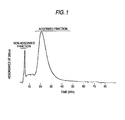
- the anti-hIL-5R ⁇ CDR-grafted antibody was fractionated into a non-adsorbed fraction and an absorbed fraction (Fig. 1).
- the non-adsorbed fraction and a part of the adsorbed fraction shown in Fig. 1 were collected, and the binding activity to hIL-5R ⁇ was measured by ELISA.
- Each 50 ⁇ l of a solution of anti-hIL-5R ⁇ mouse antibody KM1257 described in WO97/10354 diluted to a concentration of 10 ⁇ g/ml with PBS was dispensed into each well of a 96-well plate for ELISA (manufactured by Greiner), followed by reaction at 4°C for 20 hours. After the reaction, 1% BSA-PBS was added in an amount of 100 ⁇ l/well, followed by reaction at room temperature for 1 hour to block remaining active groups.
- the 1% BSA-PBS was discarded and a solution of soluble hIL-5R ⁇ described in WO97/10354 diluted to 0.5 ⁇ g/ml with 1% BSA-PBS was added in an amount of 50 ⁇ l/well, followed by reaction at 4°C for 20 hours. After the reaction, each well was washed with Tween-PBS and then a variously diluted solution of the culture supernatant of the transformant or the purified humanized CDR-grafted antibody was added in an amount of 50 ⁇ l/well, followed by reaction at room temperature for 2 hours.
- each well was washed with Tween-PBS and then a solution of a peroxidase-labeled goat anti-human IgG (H&L) antibody (manufactured by American Qualex) diluted by 3000 times with 1% BSA-PBS was added as the second antibody solution in an amount of 50 ⁇ l/well, followed by reaction at room temperature for 1 hour.
- H&L peroxidase-labeled goat anti-human IgG
- ABTS substrate solution a solution obtained by dissolving 0.55 g of ammonium 2,2'-azino-bis(3-ethylbenzothiazoline-6-sulfonate) in 1 L of 0.1 M citric acid buffer (pH 4.2) and, immediately before use, adding hydrogen peroxide in an amount of 1 ⁇ l/ml) was added in an amount of 50 ⁇ l/well to develop color. Then, absorbance at 415 nm (OD415) was measured.
- the non-adsorbed fraction and the part of the adsorbed fraction showed a binding activity similar to that of the anti-hIL-5R ⁇ CDR-grafted antibody before the separation (Fig. 2).
- ADCC activity In vivo cytotoxic activity
- ADCC activities of the non-adsorbed fraction and the part of the adsorbed fraction were measured, respectively.
- a target cell solution was prepared.
- a mouse T cell line CTLL-2(h5R) expressing hIL-5R ⁇ -chain and ⁇ -chain described in WO97/10354 was cultured in RPMI1640-FBS(10) medium to prepare the culture to give a concentration of 1 ⁇ 10 6 cells/0.5 ml, and 3.7 MBq equivalents of a radioactive substance Na 2 51 CrO 4 was added thereto, followed by reaction at 37°C for 1.5 hours to thereby radio-label the cell.
- the cell was washed three times by suspending into RPMI1640-FBS(10) medium and centrifuging, and then re-suspended into the medium and incubated at 4°C for 30 minutes in ice to dissociate the radioactive substance spontaneously. After centrifugation, a target cell solution was obtained by incorporating with 5 ml of RPMI1640-FBS(10) medium to prepare a solution of 2 ⁇ 10 5 cells/ml.
- an effector cell solution was prepared. Healthy human venous blood was collected in an amount of 50 ml and, after the addition of 0.5 ml of heparin sodium (manufactured by Takeda Chemical Industries, Ltd.), the mixture was gently stirred. The mixture was centrifuged using Polymorphprep (manufactured by Nycomed Pharma AS) according to the manufacture's instructions to separate a mononuclear cell layer. The layer was washed by centrifuging three times in RPMI1640-FBS(10) medium and then re-suspended into the medium at a concentration of 9 ⁇ 10 6 cells/well to prepare an effector cell solution.
- Polymorphprep manufactured by Nycomed Pharma AS
- a spontaneously dissociated amount of 51 Cr was determined by measuring the amount of 51 Cr in the supernatant obtained by conducting a similar operation to the above using the medium alone instead of the effector cell solution and antibody solution.
- the total dissociated amount of 51 Cr was determined by measuring the amount of 51 Cr in the supernatant obtained by conducting a similar operation to the above using the medium alone instead of the antibody solution and 1 N hydrochloric acid instead of the effector cell solution.
- the results are shown in Fig. 3.
- the non-adsorbed fraction had ADCC activity higher than the anti-hIL-5R ⁇ CDR-grafted antibody before separation, and the part of the adsorbed fraction showed ADCC activity lower than the anti-hIL-5R ⁇ CDR-grafted antibody before separation.
- the non-adsorbed fraction and the part of the adsorbed fraction were subjected to hydrazinolysis to cleave the carbohydrates from the proteins ( Method in Enzymology , 83 , 263 (1982)).
- N -acetylation was conducted by adding an aqueous ammonium acetate solution and acetic anhydride.
- fluorescent labeling was conducted with PA ( J. of Biochem ., 95 , 197 (1984)).
- the fluorescence-labeled carbohydrates (PA-labeled carbohydrates) were separated from excess reagents by Surperdex peptide HR 10/30 column (manufactured by Pharmacia).
- the carbohydrate fraction was exsiccated in a centrifugal concentrating apparatus to prepare purified PA-labeled carbohydrates.
- the purified PA-labeled carbohydrates were subjected to reverse-phase HPLC analysis using CLC-ODS column (manufactured by Shimadzu Corporation) (Fig. 4).
- the PA-labeled carbohydrates were eluted in the range of 39 minutes to 75 minutes. Based on the calculation from the peak areas, the carbohydrate having no fucose was 100% in the non-adsorbed fraction, while the carbohydrate having no fucose was 18% in the part of the adsorbed fraction.
- the carbohydrate having no fucose was 37% in the anti-hIL-5R ⁇ CDR-grafted antibody before separation.
- an antibody comprising a larger amount of carbohydrate having no fucose and an antibody comprising a smaller amount of carbohydrate having no fucose than that contained in the anti-hIL-5R ⁇ CDR-grafted antibody before separation can be separated each other and purified using a lectin column binding to a carbohydrate having fucose.
- An anti-hIL-5R ⁇ CDR-grafted antibody was purified using a lectin binding to a carbohydrate having bisecting GlcNAc.
- an expression vector for anti-hIL-5R ⁇ CDR-grafted antibody produced according to the method described in WO97/10354 was introduced into a rat myeloma YB2/0 cell to obtain a cell which produces the anti-hIL-5R ⁇ CDR-grafted antibody.
- the cell was cultured in a culture medium and then the anti-hIL-5R ⁇ CDR-grafted antibody was purified from the medium according to the method described in WO97/10354.
- a solution containing the anti-hIL-5R ⁇ CDR-grafted antibody purified in the above was passed through a lectin column (LA-WGA, 4.6 ⁇ 150 mm, manufactured by Honen Corporation).
- LA-WGA lectin column
- LC-6A manufactured by Shimadzu Corporation as an HPLC system
- the solution was passed through the column at a flow rate of 0.5 ml/minute and at room temperature as the column temperature.
- the column was equilibrated with 50 mM tris-sulfate buffer (pH 7.3), and the purified anti-hIL-5R ⁇ CDR-grafted antibody was injected and then eluted by a linear gradient (60 minutes) of 0 M to 0.2 M of GlcNAc (manufactured by Junsei Chemical Co., Ltd.) in 50 mM tris-sulfate buffer (pH 7.3).
- the anti-hIL-5R ⁇ CDR-grafted antibody was separated into a fraction eluted between 2 to 5 minutes and a fraction eluted between 8 to 12 minutes.
- Carbohydrates in the earlier eluted fraction and the later eluted fraction were analyzed by the method described in Example 1(4).
- the PA-labeled carbohydrate group was eluted in the range of 20 minutes to 50 minutes.
- the anti-hIL-5R ⁇ CDR-grafted antibody of the later eluted fraction had a content of a carbohydrate having bisecting GlcNAc, increased from 6% to 12%, as compared with the anti-hIL-5R ⁇ CDR-grafted antibody before purification and separation (Fig. 5).
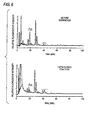
- the antibody composition containing a large amount of a bisecting GlcNAc-bound carbohydrate obtained in Example 2 was separated into a non-adsorbed fraction and a part of an adsorbed fraction in a similar manner to the method described in Example 1(1).
- Carbohydrates in the non-adsorbed fraction and the part of the adsorbed fraction were analyzed by the method described in Example 1(4).
- the PA-labeled carbohydrates were eluted in the range of 18 minutes to 45 minutes.
- the part of the adsorbed fraction had a content of a carbohydrate having no fucose, decreased from 29% to 15%, and a content of a bisecting GlcNAc-bound carbohydrate, increased from 5% to 18%, as compared with the anti-hIL-5R ⁇ CDR-grafted antibody before separation (Fig. 6).
- An anti-hIL-5R ⁇ CDR-grafted antibody was purified using hydrophobic chromatography.
- an expression vector for anti-hIL-5R ⁇ CDR-grafted antibody produced according to the method described in WO97/10354 was introduced into a rat myeloma YB2/0 cell to obtain a cell which produces the anti-hIL-5R ⁇ CDR-grafted antibody.
- the cell was cultured in a culture medium and then the anti-hIL-5R ⁇ CDR-grafted antibody was purified from the medium according to the method described in WO97/10354.
- a solution comprising the anti-hIL-5R ⁇ CDR-grafted antibody purified in the above was passed through hydrophobic column Phenyl-5PW (manufactured by Tosoh Corporation).
- LC-6A manufactured by Shimadzu Corporation as an HPLC system
- the solution was passed through the column at a flow rate of 1 ml/minute and at room temperature as the column temperature.
- the column was equilibrated with 20 mM sodium phosphate buffer (pH 6.0) containing 1 M ammonium sulfate, and the purified anti-hIL-5R ⁇ CDR-grafted antibody was injected and then eluted by a linear gradient (60 minutes) to 20 mM sodium phosphate buffer (pH 6.0).
- the anti-hIL-5R ⁇ CDR-grafted antibody was separated into an earlier eluted fraction (between 4 to 6 minutes) and a later eluted fraction (between 20 to 25 minutes).
- Carbohydrates in the earlier eluted fraction and the later eluted fraction were analyzed by the method described in Example 1(4).
- the PA-labeled carbohydrate group was eluted in the range of 33 minutes to 70 minutes.
- a galactose-bound carbohydrate was 53% in the earlier eluted fraction, and a galactose-bound carbohydrate was 44% in the later eluted fraction (Fig. 7).
- An anti-hIL-5R ⁇ CDR-grafted antibody was purified using a lectin binding to a carbohydrate having fucose.
- an expression vector for anti-hIL-5R ⁇ CDR-grafted antibody prepared according to the method described in WO97/10354 was introduced into a mouse myeloma NS0 cell to obtain a cell which produces the anti-hIL-5R ⁇ CDR-grafted antibody.
- the cell was cultured in a culture medium and then the anti-hIL-5R ⁇ CDR-grafted antibody was purified from the medium according to the method described in WO97/10354.
- the anti-hIL-5R ⁇ CDR-grafted antibody was fractionated into a non-adsorbed fraction and an absorbed fraction by treating the purified solution containing the anti-hIL-5R ⁇ CDR-grafted antibody in a similar manner to the method described in Example 1(1).
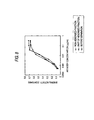
- the non-adsorbed fraction and the part of the adsorbed fraction were collected, and the binding activity to hIL-5R ⁇ was measured by a method similar to the method described in Example 1(2).
- the non-adsorbed fraction and the part of the adsorbed fraction showed a binding activity similar to the anti-hIL-5R ⁇ CDR-grafted antibody before separation (Fig. 8).
- ADCC activity In vivo cytotoxic activity
- ADCC activities of the non-adsorbed fraction and the part of the adsorbed fraction were measured by a method similar to the method described in Example 1(3).
- the non-adsorbed fraction had ADCC Activity higher than the anti-hIL-5R ⁇ CDR-grafted antibody before separation, and the part of the adsorbed fraction showed ADCC activity lower than the anti-hIL-5R ⁇ CDR-grafted antibody before separation (Fig. 9).
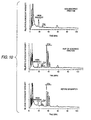
- Carbohydrates of the non-adsorbed fraction and the part of the adsorbed fraction were analyzed by the method described in Example 1(4) (Fig. 10).
- the PA-labeled carbohydrate group was eluted in the range of 15 minutes to 55 minutes. Based on the calculation from the peak areas, a high mannose-type carbohydrate and a complex-type carbohydrate having no fucose were 84% and 16%, respectively, in the non-adsorbed fraction.
- a high mannose-type carbohydrate and a complex-type carbohydrate having no fucose were 5% and 7%, respectively, in the part of the adsorbed fraction.
- a high mannose-type carbohydrate and a complex-type carbohydrate having no fucose were 7% and 8%, respectively, in the anti-hIL-5R ⁇ CDR-grafted antibody before separation.
- an antibody containing a larger amount of carbohydrates having no fucose and an antibody containing a smaller amount of carbohydrates having no fucose than that contained in the anti-hIL-5R ⁇ CDR-grafted antibody before separation can be separated each other and purified using a lectin column binding to a carbohydrate having fucose, regardless of a high mannose-type or complex-type carbohydrate.
- An anti-hIL-5R ⁇ CDR-grafted antibody was purified using a lectin binding to a carbohydrate having bisecting GlcNAc.
- an expression vector for anti-hIL-5R ⁇ CDR-grafted antibody produced according to the method described in WO97/10354 was introduced into a mouse myeloma NS0 cell to obtain a cell which produces the anti-hIL-5R ⁇ CDR-grafted antibody.
- the cell was cultured in a culture medium and then the anti-hIL-5R ⁇ CDR-grafted antibody was purified from the medium according to the method described in WO97/10354.
- a solution comprising the anti-hIL-5R ⁇ CDR-grafted antibody purified in the above was passed through a lectin column (LA-PHA-E 4 , 4.6 ⁇ 150 mm, manufactured by Honen Corporation).
- a lectin column LA-PHA-E 4 , 4.6 ⁇ 150 mm, manufactured by Honen Corporation.
- LC-6A manufactured by Shimadzu Corporation as an HPLC system, the solution was passed through the column at a flow rate of 0.5 ml/minute and at room temperature as the column temperature.
- the column was equilibrated with 50 mM tris-sulfate buffer (pH 8.0), and the purified anti-hIL-5R ⁇ CDR-grafted antibody was injected and then eluted by a linear gradient (60 minutes) of 0 M to 0.2 M of K 2 B 4 O 7 (manufactured by Nacalai Tesque) in 50 mM tris-sulfate buffer (pH 8.0).
- the anti-hIL-5R ⁇ CDR-grafted antibody was separated into an earlier eluted fraction (between 5 to 8 minutes) and a later eluted fraction (between 18 to 30 minutes).
- Carbohydrates in the later eluted fraction and the antibody before separation were analyzed by the method described in Example 1(4).
- the PA-labeled carbohydrate group was eluted in the range of 26 minutes to 55 minutes.
- the anti-hIL-5R ⁇ CDR-grafted antibody of the later eluted fraction had a content of a carbohydrate having bisecting GlcNAc, increased from 4% to 21%, as compared with the anti-hTL-5R ⁇ CDR-grafted antibody before purification and separation (Fig. 11).
- the antibody composition comprising a large amount of a bisecting GlcNAc-bound carbohydrate obtained in Example 6(1) was separated into a non-adsorbed fraction and a part of an adsorbed fraction in a similar manner to the method described in Example 1(1).
- Carbohydrates in the non-adsorbed fraction and the adsorbed fraction were analyzed by the method described in Example 1(4).
- the PA-labeled carbohydrates were eluted in the range of 25 minutes to 55 minutes.
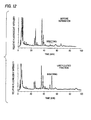
- the part of the adsorbed fraction had a content of a carbohydrate having no fucose, decreased from 27% to 10%, and a content of a bisecting GlcNAc-bound carbohydrate, increased from 4% to 31%, as compared with the anti-hIL-5R ⁇ CDR-grafted antibody before separation (Fig. 12).
Landscapes
- Health & Medical Sciences (AREA)
- Chemical & Material Sciences (AREA)
- Organic Chemistry (AREA)
- Life Sciences & Earth Sciences (AREA)
- General Health & Medical Sciences (AREA)
- Medicinal Chemistry (AREA)
- General Chemical & Material Sciences (AREA)
- Public Health (AREA)
- Immunology (AREA)
- Nuclear Medicine, Radiotherapy & Molecular Imaging (AREA)
- Chemical Kinetics & Catalysis (AREA)
- Pharmacology & Pharmacy (AREA)
- Veterinary Medicine (AREA)
- Animal Behavior & Ethology (AREA)
- Biochemistry (AREA)
- Bioinformatics & Cheminformatics (AREA)
- Engineering & Computer Science (AREA)
- Proteomics, Peptides & Aminoacids (AREA)
- Molecular Biology (AREA)
- Genetics & Genomics (AREA)
- Biophysics (AREA)
- Communicable Diseases (AREA)
- Heart & Thoracic Surgery (AREA)
- Cardiology (AREA)
- Oncology (AREA)
- Pulmonology (AREA)
- Virology (AREA)
- Peptides Or Proteins (AREA)
- Medicines Containing Antibodies Or Antigens For Use As Internal Diagnostic Agents (AREA)
Abstract
The present invention relates to a process for purifying an antibody having a
desired property, which comprises using a substance having an affinity to a
carbohydrate binding to the antibody; a medicament comprising, as an active ingredient,
the antibody purified by the process; and a method for diagnosing or preventing various
diseases, which comprises using a substance having an affinity to a carbohydrate
binding to an antibody.
Description
The present invention relates to a process for purifying an antibody having a
desired property. Moreover, it relates to a medicament comprising the antibody
obtained by the purifying method of the present invention as an active ingredient, and a
method for treating various diseases using the antibody obtained by a substance having
an affinity to the carbohydrate binding to the antibody.
Among glycopeptides, the glycopeptides whose carbohydrate structures
coordinate toward surface of the proteins can be purified by means of a column to
which a lectin binding to a carbohydrate is immobilized. A lectin has a property of
specifically binding to a specific carbohydrate structure. Examples of the lectin
include a wheat germ lectin, a lentil lectin and the like.
Upon the investigation of binding activity between a wheat germ lectin and
a carbohydrate or glycopeptide, among N-glycans, a wheat germ lectin is suggested to
have a high binding activity to a hybrid type carbohydrate or a carbohydrate or
glycopeptide having sialic acid (Biochemistry, 16, 4426 (1977); The Journal of
Biological Chemistry, 254, 4000 (1979)). Moreover, a wheat germ lectin is suggested
to have stronger binding activity to glycopeptides having a carbohydrate structure
having bisecting N-acetylglucosamine (Biochemistry, 20, 5894 (1981)).
A lentil lectin (hereinafter also referred to as "LCA") is known to recognize
monosaccharides, α-D-mannose and α-D-glucose (The Journal of Biological Chemistry,
268, 7668 (1993)). It is also known that LCA exhibits a strong binding activity to
glycopeptides having a carbohydrate structure wherein L-fucose binds to an
N-acetylglucosamine residue which is closest bound to the asparagine residue of
N-glycan through α1,6-bond (Carbohydrate Research, 40, 111 (1975); Carbohydrate
Research, 110, 283(1982)).
However, these facts only indicate that lectins bind to carbohydrates or
peptides containing a carbohydrate structure.
An antibody has a carbohydrate structure which binds to its Fc region (a
region after the hinge region of the heavy chain of an antibody), and the carbohydrate
structure is present in a form of being buried in the Fc region, i.e., in a form that the
carbohydrate structure is structurally directed to inside of the antibody (Nature, 264,
415-420 (1976)).
Nose et al. have employed a column wherein LCA is immobilized to
sepharose carriers, but failed to separate mouse IgG2a. As a result, they considered
that it is because the carbohydrate of usual mouse IgG2a produced by a hybridoma cell
(12-6 cell) is buried in the Fc region. Also, they have cultured the hybridoma 12-6 cell
after the addition of swainesonine which is an agent for inhibiting maturation of an
N-glycan to produce IgG2a-class monoclonal antibody and passed the culture product
through an LCA-immobilized sepharose column, thereby the binding of the monoclonal
antibody to the column being achieved. However, this is considered to be attributed to
the exposure of the sugar chain out of Fc region of the antibody as a result of the
conversion of the carbohydrate present in the Fc region of the mouse IgG2a from
complex type to hybrid type by the effect of swainesonine (The Journal of immunology,
145, 910-914 (1990)).
As described above, the method for purifying an antibody by changing a
carbohydrate structure artificially is known but the method for purifying an antibody in
consideration of the carbohydrate structure without changing the carbohydrate structure
is hitherto unknown.
By the way, the carbohydrate structure present in the Fc region of an
antibody is involved in activities of antibody, specifically, antibody-dependent cell-mediated
cytotoxic activity (hereinafter also referred to as "ADCC activity"),
complement-dependent cytotoxic activity (hereinafter also referred to as "CDC
activity"), in vivo stability, and the like.
It is known that the addition of galactose residue to a non-reducing end of a
carbohydrate structure increases CDC activity of an antibody (Molecular Immunol., 32,
1311 (1995); WO98/58964), the increase of the content of bisecting
N-acetylglucosamine-bound carbohydrate in Fc region of an antibody increases ADCC
activity of the antibody (WO99/54342), and the increase of the content of sialic acid
enhances in vivo stability (Nature Biotechnology, 17, 1116 (1999)). However, a
process for purifying an antibody having a desired property such as effector activities
including ADCC activity and CDC activity, or in vivo stability, while attention being
paid to the carbohydrate structure relating to these activities is unknown hereto.
Also, in rheumatism, an autoimmune disease, the amount of galactose of
IgG in patient's blood is known to decrease (Glycoconjugate Journal, 15, 929-934
(1998)). As a conventional diagnosis, a lectin blot method by a lectin is employed but
the method requires complex operations including a step of modifying an antibody in a
living body.
An object of the present invention is to obtain an antibody having a desired
property in a high purity by purifying the antibody depending on the difference of the
carbohydrate structure which binds to the Fc region. Moreover, it is expected to
employ an antibody in a living body purified by said process for diagnosing various
diseases. Furthermore, an antibody having a desired property can be purified from an
antibody produced in an animal cell or the like. Especially, the antibody having a high
ADCC activity which is purified by the process of the present invention is expected to
be capable of activating immune system in a living body and thus is expected to have
usefulness for treating various human diseases including an antitumor effect.
The present invention relates to the following (1) to (21).
In the present invention, a high complement-dependent cytotoxic activity or
antibody-dependent cell-mediated cytotoxic activity of an antibody means that the
antibody after purification has a higher CDC activity or ADCC activity than the
antibody or antibody composition before passing through a column.
An antibody is a glycopeptide produced in vivo by immunoreaction as a
result of stimulation with an extraneous antigen, and has an activity of specifically
binding to the antigen.
The antibody purified in the present invention may be any antibody
including an antiserum obtained immunizing an animal with an antigen, a monoclonal
antibody secreted by a hybridoma cell prepared from a spleen cell of an animal
immunized with an antigen, an antibody which is genetically produced, i.e., an antibody
obtained by inserting an antibody gene into an antibody expression vector and
introducing the vector into a host cell. Furthermore, the antibody of the present
invention includes a fused protein with which Fc region of an antibody is fused and the
like.
Examples include a mouse antibody obtained from a spleen cell after
immunization of mouse, a human chimeric antibody and a human complementarity
determining region (hereinafter referred to as "CDR")-grafted antibody (Nature, 321,
522 (1986)) produced by using a host cell into which genes of a mouse antibody and a
human antibody are optionally incorporated (Proc. Natl. Acad. Sci., U.S.A., 81, 6851
(1984)), and the like.
As an antibody, human IgG (immunoglobulin) is preferable, and human IgG
belonging to a subclass of IgG1 is more preferable.
The Fc region of an antibody has a region to which N-glycan is bound at one
position per each heavy chain, and therefore, two carbohydrates are bound to one
molecule of the antibody. Since the N-glycan which is bound to an antibody includes
any carbohydrate represented by Compound (I), there exist a number of combinations of
carbohydrates as the two N-glycans. Therefore, the antibody is the same as the known
purified antibody from a viewpoint of the amino acid sequence, but is regarded as an
antibody composition because various carbohydrates exist in the carbohydrate structure
bound to the Fc region of the purified antibody.

Any carbohydrate may be used, so long as it is a linear or branched
oligosaccharide or polysaccharide. The carbohydrate is roughly classified into
N-glycans which are bound to asparagine and O-glycans which are bound to serine,
threonine or the like. The N-glycans include a high-mannose-type, a complex-type and
a hybrid-type.
An oligosaccharide is a compound obtained by dehydratively binding 2 to
10 monosaccharides or substituted derivatives of monosaccharides. A saccharide
formed by binding a larger number of monosaccharides is called a polysaccharide.
Different kinds of polysaccharides exist depending on the constituting saccharides. A
saccharide containing a large amount of uronic acid or ester-sulfuric acid is called an
acidic polysaccharide, and a polysaccharide containing only neutral saccharides is
called a neutral polysaccharide. Among the polysaccharides, a group of
polysaccharides called mucopolysaccharides are mostly bound to a protein, and are
called proteoglycan.
A monosaccharide is a constituting unit of a carbohydrate, and is an
elemental substance which will not be hydrolyzed to a molecule simpler than itself. A
monosaccharide is roughly classified into three kinds: an acidic sugar having an acidic
side chain such as a carboxyl group or the like; an aminosugar in which a hydroxyl
group is substituted with an amino group; and a neutral sugar other than the above two
groups. As the monosaccharides present in the living body, the acidic sugar includes
sialic acid such as N-acetylneuraminic acid and N-glycolylneuraminic acid (hereinafter
referred to as "Neu5Gc"), etc., uronic acid and the like; the aminosugar includes
N-acetylglucosamine (hereinafter referred to as "GlcNAc"), N-acetylgalactosamine and
the like; and the neutral sugar includes glucose, mannose, galactose, fucose and the like.
The carbohydrate which is bound to an antibody includes the three types of
N-glycans.
The N-glycan has an elemental common core structure as shown below.

In the above structure, the terminal to be bound to asparagine is referred to
as reducing terminal and the opposite side is referred to as non-reducing terminal.
As the substance having an affinity to a carbohydrate, any substance having
a property of binding to a carbohydrate can be used. Examples includes a protein, an
antibody, a low molecular weight compound and the like.
The protein having an affinity to a carbohydrate includes a sugar-binding
protein such as a mannose-binding protein, a fibroblast growth factor, an epidermal
growth factor, etc., a lectin, a lectin-like substance and the like.
A lectin is a generic term of proteins having an affinity to a saccharide
present in all living organisms such as animals, plants, microorganisms and the like.
The lectin is defined by the following (1) to (3).
A glycoconjugate is a generic term of biomolecules including saccharides
and includes glycopeptide, proteoglycan and glycolipid.
Examples of the lectin include concanavarin A (hereinafter referred to as
"ConA") derived from sword beans (English name: Jack bean; botanical name:
Conavalia ensiformis), a wheat germ lectin (hereinafter referred to as "WGA") derived
from wheat germ (botanical name: Triticum vulgaris), a LCA derived from lentil
(botanical name: Lens culinaris), a Phaseolus vulgaris lectin E4 (hereinafter referred to
as "PHA-E4") derived from snap beans (botanical name: Phaseolus vulgaris), a Ricinus
communis lectin (hereinafter referred to as "RCA") derived from caster beans (botanical
name: Ricinus communis) and the like.
ConA recognizes α-D-mannose and α-D-glucose. Since ConA strongly
binds to an N-glycan, it is a lectin most widely used.
WGA has a high binding ability to a hybrid-type carbohydrate and a
glycopeptide having sialic acid, and its binding is strengthened when bisecting GlcNAc
is present.
Bisecting GlcNAc is GlcNAc which is bound to a mannose residue via a
β1,4-bond in the above formula (I).
LCA recognizes α-D-mannose and α-D-glucose. It shows a strong
binding ability to a structure in which L-fucose binds to a GlcNAc residue which is
closest bound to asparagine of an N-glycan via an α1,6-bond.
PHA-E4 binds to a double-stranded or triple-stranded asparagine-bound
carbohydrate, and its binding is strengthened when bisecting GlcNAc is present.
RCA recognizes β-D-galactose and binds to an O-glycan and/or an N-glycan
having β-galactose at a non-reducing end. Especially, it has a strong affinity to a
complex-type carbohydrate having a galactoseβ1-4GlcNAc structure.
The antibody having an affinity to a carbohydrate includes a monoclonal
antibody against a carbohydrate secreted by a hybridoma cell prepared from a spleen
cell of an animal immunized with a carbohydrate, a recombinant antibody having an
affinity to a carbohydrate obtained by isolating an antibody gene from the monoclonal
antibody, inserting the antibody gene into an antibody-expressing vector and
introducing the vector into a host cell to produce the antibody in the host cell.
Examples of the antibody include a mouse antibody obtained from a spleen
cell of an immunized mouse; a human chimeric antibody or a human CDR-grafted
antibody produced by using a host cell into which genes of a mouse antibody and a
human antibody are optionally incorporated; the antibody fragments thereof such as Fab,
Fab', F(ab)2, a single stranded antibody (Science, 242, 423 (1988)), a dimerized variable
region fragment (Nature Biotechnol., 15, 629 (1997)), a disulfide antibody fragment
(disulfide stabilized variable region fragment) (Molecular Immunol., 32, 249 (1995)), a
peptide comprising CDR (J. Biol. Chem., 271, 2966 (1996)), etc.; and the like.
Furthermore, a peptide and a protein having an affinity to a carbohydrate
obtained by phage display or the like are also included.
The low molecular weight compound having an affinity to a carbohydrate
include serotonin, phenyl borate and the like. Furthermore, it also includes a carrier to
which a functional group having an affinity to a carbohydrate is bound. Serotonin is a
low molecular weight compound having an affinity to sialic acid.
An antibody having a long carbohydrate has a lower hydrophobicity due to
the number of hydroxyl group being large, while an antibody having a short
carbohydrate has a higher hydrophobicity due to that the number of hydroxyl groups is
small. The functional group having an affinity to a carbohydrate includes a
hydrophobic functional group such as a phenyl group, a butyl group, an octyl group and
the like. As a result of using a carrier to which any of these functional groups is bound,
an antibody having a carbohydrate structure in which less sugars are added to the non-reducing
end shown in the above formula (I) can be purified and obtained.
An antibody having a desired property can be purified by conducting
chromatography or the like using an apparatus wherein a substance having an affinity to
a carbohydrate is bound directly or indirectly to a carrier such as a resin, a film or the
like.
The carrier includes a synthetic resin polymer, and is preferably an acrylic
synthetic resin polymer or a vinyl synthetic resin polymer, and more preferably a
polyacrylate ester.
The desired property in the present invention includes an effector activity
such as CDC activity, ADCC activity, etc., in vivo stability and the like.
CDC activity is an activity of making a hole in a membrane of a
microorganism or working so as to be eaten by macrophage or neutrophil through
binding of a complement to an antibody which is bound to an antigen to form a
membrane-impaired protein complex. ADCC activity is an activity wherein an
antibody which is bound to a tumor cell or the like activates an effector cell such as a
killer cell, a natural killer cell, an activated macrophage or the like via binding of the Fc
region of the antibody to an Fc receptor present on the surface of the effector cell to
thereby impair the tumor cell or the like.
Furthermore, the desired properties include homogeneity of the
carbohydrate structure of an antibody.
The desired properties described above are derived from the carbohydrate
structure of an antibody. When the carbohydrate structure which is bound to the Fc
region of an antibody has higher ratios of a carbohydrate structure having no fucose
bound to GlcNAc at reducing end via an α1,6-bond and a carbohydrate structure having
bisecting GlcANc, the antibody shows higher ADCC activity. Also, when the
carbohydrate structure bound to the Fc region of an antibody has a higher ratio of a
carbohydrate structure having galactose, the antibody shows higher CDC and ADCC
activities. The higher the ratio of an carbohydrate structure having an increased
content of sialic acid is, the more stable in vivo the antibody is. Moreover, the higher
the ratio of a carbohydrate structure having no Neu5Gc among sialic acid is, the lower
the immnogenicity of the antibody is.
Therefore, an antibody having a desired property can be purified by carrying
out purification using a substance which specifically recognizes these carbohydrate
structures.
Moreover, an antibody having a desired property can be further purified by
combining the purification process of the present invention.
According to the purification process of the present invention, an antibody
can be purified from body fluid such as serum, etc., culture medium in which antibody-producing
cells have been cultured, and the like. The culture medium is preferably a
solution obtained by removing cells beforehand, and more preferably a solution in
which no glycopeptide is present. Examples include a solution roughly purified by a
known process for purifying an antibody such as purification with protein A, etc., and
the like. Furthermore, the culture medium in which antibody-producing cells have
been cultured is preferably a culture medium in which they have been cultured in a
serum-free or protein-free medium.
The processes for purification, evaluation, and employment according to the
present invention will be specifically explained below.
Lectin chromatography is affinity chromatography using the character that
lectin specifically binds to a carbohydrate.
The kind of the lectin used for purifying an antibody having a desired
property can be selected depending on the carbohydrate structure of the antibody.
When the desired property is CDC activity, a lectin having an affinity to
galactose can be used. The lectin having an affinity to galactose includes RCA, and is
preferably RCA120.
When the desired property is ADCC activity, a lectin having an affinity to
fucose or bisecting GlcNAc can be used. The lectin having an affinity to fucose
includes LCA, and is preferably LA-LCA4 (manufactured by Honen Corporation).
The lectin having an affinity to bisecting GlcNAc includes WGA, PHA-E4 and the like,
and is preferably LA-WGA4 and LA-PHA-E4 (both manufactured by Honen
Corporation).
When the carbohydrate structure of an antibody having a desired property is
apparent, a lectin is selected with reference to the above specificity of lectins.
When the carbohydrate structure of an antibody having a desired property is
unknown, a lectin having a binding ability can be selected by carrying out a dot blot
method (Analytical Biochemistry, 204(1), 198 (1992)) or the Western blotting (Practice
and Study of Legal Medicine, 37, 155 (1994)) using a lectin labeled with biotin,
fluorescein isothiocyanate, horseradish peroxidase or the like.
In the glycopeptide having a large number of carbohydrates in one molecule,
the glycopeptide may be difficult to elute due to its stronger binding to a lectin. In this
case, the glycopeptide may be easily eluted by increasing the sugar concentration of the
eluent, but it is more preferable to select other lectin which weakly binds to the
glycopeptide.
Examples of a column for the lectin chromatography includes HiTrap ConA,
HiTrap Lentil Lectin (LCA), HiTrap Wheat Germ Lectin (WGA) (all manufactured by
Pharmacia) and the like. In addition, a column which immobilized a carrier to which a
lectin isolated from a biological sample such as a microorganism, a plant, an animal or
the like may be used. The carrier includes agarose, a polymer of an acrylic synthetic
resin and the like, and a polymer of acrylate ester is preferable. When a high-performance
liquid chromatography (hereinafter referred to as "HPLC") system is used,
any commercially available HPLC system can be used. Examples include LC-6A
(manufactured by Shimadzu Corporation) and the like.
One example of the purification process using an HPLC system is shown
below. As an eluent, 10 to 100 mmol/l tris-sulfate buffer, 10 to 100 mol/l acetic acid-sodium
acetate buffer or the like is used. The pH is preferably from about 7 to 8.
First, a column is sufficiently equilibrated with an initial eluent such as 10 to 100
mmol/l tris-sulfate buffer, 10 to 100 mol/l acetic acid-sodium acetate buffer or the like.
A sample is passed through the column in an HPLC system and eluted using 10 to 100
mmol/l tris-sulfate buffer, 10 to 100 mol/l acetic acid-sodium acetate buffer containing
an eluting sugar. The eluting sugar varies depending on a lectin. For example, in the
case of ConA column, 0.02 to 0.5 mol/l methyl α-D-glucoside or 0.02 to 0.5 mol/l
methyl α-D-mannoside is used as the eluting sugar. Elution is carried out by a
stepwise method or a gradient method. Proteins can be detected by a method such as
ultraviolet absorption, electrophoresis or the like.
Hydrophobic chromatography is a technique of separating proteins based on
a difference in hydrophobicity of proteins. In general, the chromatography is used for
separating a target protein utilizing a difference in hydrophobicity between the target
protein and contaminated proteins.
When hydrophobic chromatography of the same protein is carried out, a
difference in carbohydrate structure or dimer content of the protein may be detected
based on a difference in elution time. This is because the difference in hydrophobicity
occurs with a change of the stereochemical structure of the protein.
A column for the hydrophobic chromatography may be any commercially
available column for hydrophobic chromatography. Examples include HiTrap 16/10
Phenyl (manufactured by Pharmacia), TSK-gel Phenyl-5PW (manufactured by Tosoh
corporation) and the like.
When an HPLC system is used, any commercially available HPLC system
can be used. Examples include LC-6A (manufactured by Shimadzu Corporation) and
the like.
One example of the purification process using an HPLC system is shown
below wherein an HPLC system is employed. As an eluent, 10 to 100 mmol/l citric
acid-glycine buffer, 10 to 100 mol/l sodium sulfate buffer or the like is used. The pH
is preferably from about 5 to 8, preferably about 7. First, a column is sufficiently
equilibrated with an initial eluent such as 10 to 100 mmol/l citric acid-glycine buffer, 10
to 100 mol/l sodium sulfate buffer or the like containing 0.5 to 1 mol/l ammonium
sulfate. A sample is passed through the column in an HPLC system and eluted using
an eluent such as 10 to 100 mmol/l citric acid-glycine buffer, 10 to 100 mol/l sodium
sulfate buffer or the like. Elution is carried out by a stepwise method or a gradient
method. Proteins can be detected by a method such as ultraviolet absorption,
electrophoresis or the like.
The following methods can be used for measuring activities of the antibody
obtained by the above method 1 and analyzing the carbohydrate which is bound to the
antibody.
The binding activity of the antibody purified in the above 1 to an antigen
and the binding activity to an antigen-positive culture cell line can be measured by
ELISA, a fluorescent antibody method (Cancer Immunol. Immunother., 36, 373 (1993))
or the like. The cytotoxic activity against an antigen-positive culture cell line can be
evaluated by measuring CDC activity, ADCC activity or the like (Cancer Immunol.
Immunother., 36, 373 (1993)). Furthermore, safety and therapeutic effects on human
can be evaluated using an appropriate model of animal species relatively near to human,
such as Macaca fascicularis or the like.
Examples of an analytical method of the carbohydrate structure of an
antibody include a two-dimensional carbohydrate map method (Anal. Biochem., 171, 73
(1988); Experimental Method in Biochemistry, 23, "Glycoprotein Carbohydrate
Studying Method" (Japan Scientific Societies Press), edited by Reiko Takahashi (1989)).
The two-dimensional carbohydrate map method is a method in which the retention time
or elution position of the carbohydrate on a reverse-phase chromatography and the
retention time or elution position of the carbohydrate on a normal-phase
chromatography are plotted at X-axis and Y-axis, respectively, and the plots are
compared with the results of known carbohydrates to thereby presume a carbohydrate
structure.
Specifically, carbohydrates are freed from an antibody by hydrazinolysis
and are subjected to fluorescent labeling with 2-aminopyridine (hereinafter referred to
as "PA") (J. of Biochem., 95, 197 (1984)). Thereafter, the carbohydrates are separated
from an excess PA-labeling reagent or the like by gel filtration and subjected to reverse-phase
chromatography. Furthermore, normal-phase chromatography is carried out on
each peak of separated carbohydrates. Based on these results, a carbohydrate structure
can be estimated by plotting the data on a two-dimensional carbohydrate map (Anal.
Biochem., 171, 73 (1988)).
Furthermore, the carbohydrate structure estimated by two-dimensional
carbohydrate map method can be confirmed by measuring mass spectrometry such as
MALDI-TOF-MS or the like of each carbohydrate.
The characteristics of the antibody purified by the above method 1 are
confirmed by the evaluation method of the above 2.
LCA has an affinity to the structure in which L-fucose is bound to a
GlcNAc residue via an α1,6-bond. Thus, an antibody which has or does not have
fucose bound to GlcNAc at a reducing end side via an α1,6-bond in the carbohydrate
structure bound to the Fc region of the antibody can be separated and purified by
purification with LCA.
Moreover, WGA and PHA-E4 have an affinity to bisecting GlcNAc. Thus,
an antibody which has or does not have bisecting GlcNAc at a non-reducing end side in
the carbohydrate structure bound to the Fc region of the antibody can be separated and
purified by purification with WGA or PHA-E4.
An antibody having a carbohydrate structure in which fucose is not bound to
GlcNAc at a reducing terminal side obtained by purification with LCA and an antibody
having a carbohydrate structure having bisecting GlcNAc at a non-reducing terminal
side obtained by purification with WGA or PHA-E4 have high ADCC activity.
The antibody having such a characteristic is useful for prevention and
treatment of various diseases such as cancer, allergy, circulatory diseases, viral or
bacterial infections and the like.
The general anticancer agents have a characteristic of inhibiting growth of
cancer cells. However, the agent having high ADCC activity can treat cancers by
impairing cancer cells, and therefore is more useful than the general anticancer agents.
Since allergic reaction is caused by the release of a mediator molecule from
immunocytes, the allergic reaction can be suppressed by removing immunocytes using
an antibody having high ADCC activity.
Examples of circulatory diseases include arteriosclerosis and the like.
Balloon catheter is known as a method for treating arteriosclerosis. However, as a
result, arterial cells may grow to cause restenosis. Circulatory diseases can be
prevented or treated by inhibiting the growth of arterial cells using an antibody having
high ADCC activity.
Also, various diseases including viral or bacterial infections can be
prevented and treated by inhibiting the growth of the cells infected with virus or bacteria
using an antibody having high ADCC activity.
Among the antibodies purified using LCA in the above 1(1), the antibody
having a carbohydrate structure having fucose bound to GlcNAc at a reducing end via
an α1,6-bond has ADCC activity lower than the above-described antibody. The
antibody having decreased ADCC activity is useful for prevention and treatment of
autoimmune diseases from the viewpoint of suppressing increased immunoreaction in
autoimmune diseases.
Among the antibodies purified by a hydrophobic chromatography in the
above 1(2), the antibody having a large number of carbohydrate structures having
galactose has high CDC and ADCC activities. Therefore, the antibody having such a
property is useful for prevention and treatment of various diseases such as cancer,
allergy, circulatory diseases, viral or bacterial infections and the like.
Among the antibodies purified by a hydrophobic chromatography in the
above 1(2), the antibody comprising a small number of carbohydrate structures having
galactose has CDC and ADCC activities lower than those of the antibody before the
purification. The antibody having decreased CDC and ADCC activities is useful for
prevention and treatment of autoimmune diseases from the viewpoint of suppressing
increased immunoreaction in autoimmune diseases.
Moreover, the carbohydrate structures and the properties resulted from the
carbohydrate structures may be combined. Specifically, the process for purifying such
antibody includes a process using a combination of columns to which a substance
having an affinity to a carbohydrate is immobilized and a process using a column
prepared by mixing substances having different binding specificity to carbohydrates
within the same column.
The above purified antibody can be administrated alone but in general, is
preferably provided as a pharmaceutical formulation produced by any method well
known in the technical field of manufacturing pharmacy through mixing with one or
more pharmaceutically acceptable carriers.
It is preferable to use a route of administration which is most effective in
carrying out a treatment. Examples include oral administration and parenteral
administration such as buccal, airway, rectal, subcutaneous, intramuscular, intravenous
administration and the like. Intravenous administration is preferable.
Examples of a dosage form include a spray, a capsule, a tablet, a granule, a
syrup, an emulsion, a suppository, an injection, an ointment, a tape and the like.
Examples of a formulation suitable for oral administration include an
emulsion, a syrup, a capsule, a tablet, a powder, a granule and the like.
A liquid preparation such as an emulsion and a syrup can be produced by
using, as additives, water; saccharides such as sucrose, sorbitol, fructose, etc.; glycols
such as polyethylene glycol, propylene glycol, etc.; oils such as sesame oil, olive oil,
soybean oil, etc.; antiseptics such as p-hydroxybenzoic acid esters, etc.; flavors such as
strawberry flavor, peppermint, etc.; and the like.
A capsule, a tablet, a powder, a granule and the like can be produced by
using, as additives, a filler such as lactose, glucose, sucrose, mannitol, etc.; a
disintegrating agent such as starch, sodium alginate, etc.; a lubricant such as magnesium
stearate, talc, etc.; a binder such as polyvinyl alcohol, hydroxypropylcellulose, gelatin
etc.; a surfactant such as fatty acid ester, etc.; a plasticizer such as glycerol, etc.; and the
like.
Examples of a pharmaceutical preparation suitable for parenteral
administration include an injection, a suppository, a spray and the like.
An injection is prepared using a carrier such as a salt solution, a glucose
solution, a mixture of both of them or the like.
A suppository is prepared using a carrier such as cacao butter, hydrogenated
fat, carboxylic acid or the like.
Also, a spray is prepared using the antibody of the present invention as such
or using a carrier which does not stimulate the buccal or airway mucous membrane of a
patient and can facilitate absorption of the antibody or the antibody fragment by
dispersing it as fine particles.
Examples of the carrier include lactose, glycerine and the like. Depending
on the properties of the antibody and the used carrier, it is possible to produce a
pharmaceutical preparation such as aerosol, dry powder or the like. In addition, the
components exemplified as additives for the oral preparation can also be added to the
parenteral preparation.
Although the dose and the frequency of the administration vary depending
on the objective therapeutic effect, administration method, therapeutic term, age, body
weight and the like, it is administered to an adult at a dose of 0.01 to 20 mg/kg per day.
Diagnosis of various diseases can be effected by extracting a biological
sample from a human body and detecting or determining quantitatively an antibody in
the biological sample using a substance having an affinity to a carbohydrate.
Moreover, by detecting or determining quantitatively an antibody in a human body,
change of human biological functions, progress of diseases, and the like can be
diagnosed.
The method comprises packing a column with a carrier to which a substance
having an affinity to a carbohydrate binding to an antibody in the present invention is
immobilized. A biological sample collected from a human body is passed through the
column and the ratio of various carbohydrate structures binding to an antibody is
detected or determined quantitatively. By combining a column packed with a carrier
to which a substance having an affinity to a carbohydrate binding to an antibody and a
column packed with protein A having a property of specifically adsorbing an antibody,
diseases such as rheumatism can be diagnosed more specifically and conveniently.
Specifically, diagnosis of rheumatism which is an autoimmune disease is
exemplified.
As described above, an antibody having a desired property can be purified
according to the present invention. Moreover, the medicament comprising an antibody
obtained by the purifying method of the present invention as an active ingredient is
useful for diagnosis of human various diseases owing to its desired property.
Furthermore, various diseases can be diagnosed by using a process similar to the
process for purifying an antibody from a biological sample.
The present invention will be explained based on Examples below, but the
scope of the present invention is not limited thereto.
An anti-hIL-5Rα CDR-grafted antibody was purified using a lectin binding
to a carbohydrate having fucose.
First, an expression vector for anti-hIL-5Rα CDR-grafted antibody which is
produced according to the method described in WO97/10354 was introduced into a rat
myeloma YB2/0 cell to obtain a cell which produces the anti-hIL-5Rα CDR-grafted
antibody. The cell was cultured in a culture medium and then the anti-hIL-5Rα CDR-grafted
antibody was purified from the medium according to the method described in
WO97/10354.
Next, a solution comprising the anti-hIL-5Rα CDR-grafted antibody
purified in the above was passed through a lectin column (LA-LCA, 4.6 × 150 mm,
manufactured by Honen Corporation). Using LC-6A manufactured by Shimadzu
Corporation as an HPLC system, the solution was passed through the column at a flow
rate of 0.5 ml/minute and at a room temperature as the column temperature. The
column was equilibrated with 50 mM tris-sulfate buffer (pH 7.3), and the purified anti-hIL-5Rα
CDR-grafted antibody was injected and then eluted by a linear gradient (60
minutes) of 0 M to 0.2 M of α-methylmannoside (manufactured by Nacalai Tesque) in
50 mM tris-sulfate buffer (pH 7.3). The anti-hIL-5Rα CDR-grafted antibody was
fractionated into a non-adsorbed fraction and an absorbed fraction (Fig. 1).
The non-adsorbed fraction and a part of the adsorbed fraction shown in
Fig. 1 were collected, and the binding activity to hIL-5Rα was measured by ELISA.
Each 50 µl of a solution of anti-hIL-5Rα mouse antibody KM1257 described in
WO97/10354 diluted to a concentration of 10 µg/ml with PBS was dispensed into each
well of a 96-well plate for ELISA (manufactured by Greiner), followed by reaction at
4°C for 20 hours. After the reaction, 1% BSA-PBS was added in an amount of 100
µl/well, followed by reaction at room temperature for 1 hour to block remaining active
groups. The 1% BSA-PBS was discarded and a solution of soluble hIL-5Rα described
in WO97/10354 diluted to 0.5 µg/ml with 1% BSA-PBS was added in an amount of 50
µl/well, followed by reaction at 4°C for 20 hours. After the reaction, each well was
washed with Tween-PBS and then a variously diluted solution of the culture supernatant
of the transformant or the purified humanized CDR-grafted antibody was added in an
amount of 50 µl/well, followed by reaction at room temperature for 2 hours. After the
reaction, each well was washed with Tween-PBS and then a solution of a peroxidase-labeled
goat anti-human IgG (H&L) antibody (manufactured by American Qualex)
diluted by 3000 times with 1% BSA-PBS was added as the second antibody solution in
an amount of 50 µl/well, followed by reaction at room temperature for 1 hour. After
the reaction, each well was washed with Tween-PBS and then an ABTS substrate
solution (a solution obtained by dissolving 0.55 g of ammonium 2,2'-azino-bis(3-ethylbenzothiazoline-6-sulfonate)
in 1 L of 0.1 M citric acid buffer (pH 4.2) and,
immediately before use, adding hydrogen peroxide in an amount of 1 µl/ml) was added
in an amount of 50 µl/well to develop color. Then, absorbance at 415 nm (OD415)
was measured.
As a result of the measurement, the non-adsorbed fraction and the part of
the adsorbed fraction showed a binding activity similar to that of the anti-hIL-5Rα
CDR-grafted antibody before the separation (Fig. 2).
ADCC activities of the non-adsorbed fraction and the part of the adsorbed
fraction were measured, respectively. First, a target cell solution was prepared. A
mouse T cell line CTLL-2(h5R) expressing hIL-5R α-chain and β-chain described in
WO97/10354 was cultured in RPMI1640-FBS(10) medium to prepare the culture to
give a concentration of 1×10⁶ cells/0.5 ml, and 3.7 MBq equivalents of a radioactive
substance Na2 51CrO4 was added thereto, followed by reaction at 37°C for 1.5 hours to
thereby radio-label the cell. After the reaction, the cell was washed three times by
suspending into RPMI1640-FBS(10) medium and centrifuging, and then re-suspended
into the medium and incubated at 4°C for 30 minutes in ice to dissociate the radioactive
substance spontaneously. After centrifugation, a target cell solution was obtained by
incorporating with 5 ml of RPMI1640-FBS(10) medium to prepare a solution of 2×10⁵
cells/ml.
Next, an effector cell solution was prepared. Healthy human venous blood
was collected in an amount of 50 ml and, after the addition of 0.5 ml of heparin sodium
(manufactured by Takeda Chemical Industries, Ltd.), the mixture was gently stirred.
The mixture was centrifuged using Polymorphprep (manufactured by Nycomed Pharma
AS) according to the manufacture's instructions to separate a mononuclear cell layer.
The layer was washed by centrifuging three times in RPMI1640-FBS(10) medium and
then re-suspended into the medium at a concentration of 9×10⁶ cells/well to prepare an
effector cell solution.
To each well of a 96-well U-shaped bottom plate (manufactured by Falcon),
50 µl (1×10⁴ cells/well) of a target cell prepared in the above was dispensed. Then,
100 µl (9×10⁵ cells/well) of the prepared effector cell solution was added thereto (the
ratio of the effector cell to the target cell was 90:1). Furthermore, each of various anti-hIL-5Rα
CDR-grafted antibodies was added to give a final concentration of 0.001 to 0.1
µg/ml, followed by reaction at 37°C for 4 hours. After the reaction, the plate was
centrifuged and the amount of 51Cr in the supernatant was measured by a γ-counter. A
spontaneously dissociated amount of 51Cr was determined by measuring the amount of
51Cr in the supernatant obtained by conducting a similar operation to the above using
the medium alone instead of the effector cell solution and antibody solution. The total
dissociated amount of 51Cr was determined by measuring the amount of 51Cr in the
supernatant obtained by conducting a similar operation to the above using the medium
alone instead of the antibody solution and 1 N hydrochloric acid instead of the effector
cell solution. ADCC activity was determined according to the following equation.
ADCC activity (%)= 51 Cr amount in sample supernatant - spontaneously released 51 Cr amounttotal released 51 Cr amount - spontaneously released 51 Cr amount × 100
The results are shown in Fig. 3. The non-adsorbed fraction had ADCC
activity higher than the anti-hIL-5Rα CDR-grafted antibody before separation, and the
part of the adsorbed fraction showed ADCC activity lower than the anti-hIL-5Rα CDR-grafted
antibody before separation.
The non-adsorbed fraction and the part of the adsorbed fraction were
subjected to hydrazinolysis to cleave the carbohydrates from the proteins (Method in
Enzymology, 83, 263 (1982)). After removal of hydrazine, N-acetylation was
conducted by adding an aqueous ammonium acetate solution and acetic anhydride.
After lyophillization, fluorescent labeling was conducted with PA (J. of Biochem., 95,
197 (1984)). The fluorescence-labeled carbohydrates (PA-labeled carbohydrates) were
separated from excess reagents by Surperdex peptide HR 10/30 column (manufactured
by Pharmacia). The carbohydrate fraction was exsiccated in a centrifugal
concentrating apparatus to prepare purified PA-labeled carbohydrates. Next, the
purified PA-labeled carbohydrates were subjected to reverse-phase HPLC analysis
using CLC-ODS column (manufactured by Shimadzu Corporation) (Fig. 4). The PA-labeled
carbohydrates were eluted in the range of 39 minutes to 75 minutes. Based on
the calculation from the peak areas, the carbohydrate having no fucose was 100% in the
non-adsorbed fraction, while the carbohydrate having no fucose was 18% in the part of
the adsorbed fraction. The carbohydrate having no fucose was 37% in the anti-hIL-5Rα
CDR-grafted antibody before separation. Thus, an antibody comprising a larger
amount of carbohydrate having no fucose and an antibody comprising a smaller amount
of carbohydrate having no fucose than that contained in the anti-hIL-5Rα CDR-grafted
antibody before separation can be separated each other and purified using a lectin
column binding to a carbohydrate having fucose.
An anti-hIL-5Rα CDR-grafted antibody was purified using a lectin binding
to a carbohydrate having bisecting GlcNAc.
First, an expression vector for anti-hIL-5Rα CDR-grafted antibody
produced according to the method described in WO97/10354 was introduced into a rat
myeloma YB2/0 cell to obtain a cell which produces the anti-hIL-5Rα CDR-grafted
antibody. The cell was cultured in a culture medium and then the anti-hIL-5Rα CDR-grafted
antibody was purified from the medium according to the method described in
WO97/10354.
Next, a solution containing the anti-hIL-5Rα CDR-grafted antibody purified
in the above was passed through a lectin column (LA-WGA, 4.6×150 mm,
manufactured by Honen Corporation). Using LC-6A manufactured by Shimadzu
Corporation as an HPLC system, the solution was passed through the column at a flow
rate of 0.5 ml/minute and at room temperature as the column temperature. The column
was equilibrated with 50 mM tris-sulfate buffer (pH 7.3), and the purified anti-hIL-5Rα
CDR-grafted antibody was injected and then eluted by a linear gradient (60 minutes) of
0 M to 0.2 M of GlcNAc (manufactured by Junsei Chemical Co., Ltd.) in 50 mM tris-sulfate
buffer (pH 7.3). The anti-hIL-5Rα CDR-grafted antibody was separated into a
fraction eluted between 2 to 5 minutes and a fraction eluted between 8 to 12 minutes.
Carbohydrates in the earlier eluted fraction and the later eluted fraction were
analyzed by the method described in Example 1(4). The PA-labeled carbohydrate
group was eluted in the range of 20 minutes to 50 minutes. As a result, the anti-hIL-5Rα
CDR-grafted antibody of the later eluted fraction had a content of a carbohydrate
having bisecting GlcNAc, increased from 6% to 12%, as compared with the anti-hIL-5Rα
CDR-grafted antibody before purification and separation (Fig. 5).
The antibody composition containing a large amount of a bisecting
GlcNAc-bound carbohydrate obtained in Example 2 was separated into a non-adsorbed
fraction and a part of an adsorbed fraction in a similar manner to the method described
in Example 1(1).
Carbohydrates in the non-adsorbed fraction and the part of the adsorbed
fraction were analyzed by the method described in Example 1(4). The PA-labeled
carbohydrates were eluted in the range of 18 minutes to 45 minutes. As a result, the
part of the adsorbed fraction had a content of a carbohydrate having no fucose,
decreased from 29% to 15%, and a content of a bisecting GlcNAc-bound carbohydrate,
increased from 5% to 18%, as compared with the anti-hIL-5Rα CDR-grafted antibody
before separation (Fig. 6).
An anti-hIL-5Rα CDR-grafted antibody was purified using hydrophobic
chromatography.
First, an expression vector for anti-hIL-5Rα CDR-grafted antibody
produced according to the method described in WO97/10354 was introduced into a rat
myeloma YB2/0 cell to obtain a cell which produces the anti-hIL-5Rα CDR-grafted
antibody. The cell was cultured in a culture medium and then the anti-hIL-5Rα CDR-grafted
antibody was purified from the medium according to the method described in
WO97/10354.
Next, a solution comprising the anti-hIL-5Rα CDR-grafted antibody
purified in the above was passed through hydrophobic column Phenyl-5PW
(manufactured by Tosoh Corporation). Using LC-6A manufactured by Shimadzu
Corporation as an HPLC system, the solution was passed through the column at a flow
rate of 1 ml/minute and at room temperature as the column temperature. The column
was equilibrated with 20 mM sodium phosphate buffer (pH 6.0) containing 1 M
ammonium sulfate, and the purified anti-hIL-5Rα CDR-grafted antibody was injected
and then eluted by a linear gradient (60 minutes) to 20 mM sodium phosphate buffer
(pH 6.0). The anti-hIL-5Rα CDR-grafted antibody was separated into an earlier eluted
fraction (between 4 to 6 minutes) and a later eluted fraction (between 20 to 25 minutes).
Carbohydrates in the earlier eluted fraction and the later eluted fraction were
analyzed by the method described in Example 1(4). The PA-labeled carbohydrate
group was eluted in the range of 33 minutes to 70 minutes. As a result, a galactose-bound
carbohydrate was 53% in the earlier eluted fraction, and a galactose-bound
carbohydrate was 44% in the later eluted fraction (Fig. 7).
An anti-hIL-5Rα CDR-grafted antibody was purified using a lectin binding
to a carbohydrate having fucose.
First, an expression vector for anti-hIL-5Rα CDR-grafted antibody prepared
according to the method described in WO97/10354 was introduced into a mouse
myeloma NS0 cell to obtain a cell which produces the anti-hIL-5Rα CDR-grafted
antibody. The cell was cultured in a culture medium and then the anti-hIL-5Rα CDR-grafted
antibody was purified from the medium according to the method described in
WO97/10354.
The anti-hIL-5Rα CDR-grafted antibody was fractionated into a non-adsorbed
fraction and an absorbed fraction by treating the purified solution containing
the anti-hIL-5Rα CDR-grafted antibody in a similar manner to the method described in
Example 1(1).
The non-adsorbed fraction and the part of the adsorbed fraction were
collected, and the binding activity to hIL-5Rα was measured by a method similar to the
method described in Example 1(2). The non-adsorbed fraction and the part of the
adsorbed fraction showed a binding activity similar to the anti-hIL-5Rα CDR-grafted
antibody before separation (Fig. 8).
ADCC activities of the non-adsorbed fraction and the part of the adsorbed
fraction were measured by a method similar to the method described in Example 1(3).
The non-adsorbed fraction had ADCC Activity higher than the anti-hIL-5Rα CDR-grafted
antibody before separation, and the part of the adsorbed fraction showed ADCC
activity lower than the anti-hIL-5Rα CDR-grafted antibody before separation (Fig. 9).
Carbohydrates of the non-adsorbed fraction and the part of the adsorbed
fraction were analyzed by the method described in Example 1(4) (Fig. 10). The PA-labeled
carbohydrate group was eluted in the range of 15 minutes to 55 minutes.
Based on the calculation from the peak areas, a high mannose-type carbohydrate and a
complex-type carbohydrate having no fucose were 84% and 16%, respectively, in the
non-adsorbed fraction. A high mannose-type carbohydrate and a complex-type
carbohydrate having no fucose were 5% and 7%, respectively, in the part of the
adsorbed fraction. A high mannose-type carbohydrate and a complex-type
carbohydrate having no fucose were 7% and 8%, respectively, in the anti-hIL-5Rα
CDR-grafted antibody before separation. Thus, an antibody containing a larger
amount of carbohydrates having no fucose and an antibody containing a smaller amount
of carbohydrates having no fucose than that contained in the anti-hIL-5Rα CDR-grafted
antibody before separation can be separated each other and purified using a lectin
column binding to a carbohydrate having fucose, regardless of a high mannose-type or
complex-type carbohydrate.
An anti-hIL-5Rα CDR-grafted antibody was purified using a lectin binding
to a carbohydrate having bisecting GlcNAc.
First, an expression vector for anti-hIL-5Rα CDR-grafted antibody
produced according to the method described in WO97/10354 was introduced into a
mouse myeloma NS0 cell to obtain a cell which produces the anti-hIL-5Rα CDR-grafted
antibody. The cell was cultured in a culture medium and then the anti-hIL-5Rα
CDR-grafted antibody was purified from the medium according to the method
described in WO97/10354.
Next, a solution comprising the anti-hIL-5Rα CDR-grafted antibody
purified in the above was passed through a lectin column (LA-PHA-E4, 4.6×150 mm,
manufactured by Honen Corporation). Using LC-6A manufactured by Shimadzu
Corporation as an HPLC system, the solution was passed through the column at a flow
rate of 0.5 ml/minute and at room temperature as the column temperature. The column
was equilibrated with 50 mM tris-sulfate buffer (pH 8.0), and the purified anti-hIL-5Rα
CDR-grafted antibody was injected and then eluted by a linear gradient (60 minutes) of
0 M to 0.2 M of K2B4O7 (manufactured by Nacalai Tesque) in 50 mM tris-sulfate buffer
(pH 8.0). The anti-hIL-5Rα CDR-grafted antibody was separated into an earlier eluted
fraction (between 5 to 8 minutes) and a later eluted fraction (between 18 to 30 minutes).
Carbohydrates in the later eluted fraction and the antibody before separation
were analyzed by the method described in Example 1(4). The PA-labeled
carbohydrate group was eluted in the range of 26 minutes to 55 minutes. As a result,
the anti-hIL-5Rα CDR-grafted antibody of the later eluted fraction had a content of a
carbohydrate having bisecting GlcNAc, increased from 4% to 21%, as compared with
the anti-hTL-5Rα CDR-grafted antibody before purification and separation (Fig. 11).
The antibody composition comprising a large amount of a bisecting
GlcNAc-bound carbohydrate obtained in Example 6(1) was separated into a non-adsorbed
fraction and a part of an adsorbed fraction in a similar manner to the method
described in Example 1(1).
Carbohydrates in the non-adsorbed fraction and the adsorbed fraction were
analyzed by the method described in Example 1(4). The PA-labeled carbohydrates
were eluted in the range of 25 minutes to 55 minutes. As a result, the part of the
adsorbed fraction had a content of a carbohydrate having no fucose, decreased from
27% to 10%, and a content of a bisecting GlcNAc-bound carbohydrate, increased from
4% to 31%, as compared with the anti-hIL-5Rα CDR-grafted antibody before
separation (Fig. 12).
Claims (21)
- A process for purifying an antibody having a desired property, which comprises using a substance having an affinity to a carbohydrate binding to the antibody.
- The process according to claim 1, wherein the carbohydrate is an N-glycan.
- The process according to claim 2, wherein the N-glycan is a carbohydrate to which bisecting N-acetylglucosamine, fucose or galactose is bound.
- The process according to claim 1, wherein the substance having an affinity to a carbohydrate is a lectin.
- The process according to claim 4, wherein the lectin is at least one lectin selected from the group consisting of a concanavarin A, a wheat germ lectin, a Lens culinaris lectin and a Lens culinaris lectin E4.
- The process according to claim 1, wherein the substance having an affinity to the carbohydrate is bound to a carrier.
- The process according to claim 6, wherein the carrier is a synthetic resin polymer.
- A process for purifying an antibody having a carbohydrate structure to which bisecting N-acetylglucosamine is bound, which comprises using a column to which a wheat germ lectin or a Lens culinaris lectin E4 is immobilized.
- A process for purifying an antibody having a high antibody-dependent cell-mediated cytotoxic activity, which comprises using a column to which a wheat germ lectin or a Lens culinaris lectin E4 is immobilized.
- A process for purifying an antibody having a carbohydrate structure to which fucose is bound, which comprises using a column to which a Lens culinaris lectin is immobilized.
- A process for purifying an antibody having a high antibody-dependent cell-mediated cytotoxic activity, which comprises using a column to which a Lens culinaris lectin is immobilized.
- A process for purifying an antibody having a carbohydrate structure to which galactose is bound, which comprises using a carrier for hydrophobic chromatography.
- A process for purifying an antibody having a high complement-dependent cytotoxic activity or antibody-dependent cell-mediated cytotoxic activity, which comprises using a carrier for hydrophobic chromatography.
- The process according to claim 13, wherein a phenyl group is bound to the carrier for hydrophobic chromatography.
- A process for purifying an antibody having a desired property, which comprises combining the process according to any one of claims 1 to 14.
- The process according to any one of claims 1 to 15, wherein the antibody is human IgG.
- The process according to claim 16, wherein the subclass of the human IgG is IgG1.
- A medicament comprising, as an active ingredient, the antibody purified by the process according to any one of claims 1 to 17.
- The medicament according to claim 18, wherein the antibody is human IgG.
- The medicament according to claim 19, wherein the subclass of the human IgG is IgG1.
- A method for diagnosing various diseases, which comprises using a substance having an affinity to a carbohydrate binding to an antibody.
Applications Claiming Priority (3)
| Application Number | Priority Date | Filing Date | Title |
|---|---|---|---|
| JP2000308254 | 2000-10-06 | ||
| JP2000308254 | 2000-10-06 | ||
| PCT/JP2001/008715 WO2002030954A1 (en) | 2000-10-06 | 2001-10-03 | Method of purifying antibody |
Publications (2)
| Publication Number | Publication Date |
|---|---|
| EP1333032A1 true EP1333032A1 (en) | 2003-08-06 |
| EP1333032A4 EP1333032A4 (en) | 2005-03-16 |
Family
ID=18788598
Family Applications (1)
| Application Number | Title | Priority Date | Filing Date |
|---|---|---|---|
| EP01974669A Withdrawn EP1333032A4 (en) | 2000-10-06 | 2001-10-03 | PROCESS FOR PURIFYING ANTIBODY |
Country Status (5)
| Country | Link |
|---|---|
| EP (1) | EP1333032A4 (en) |
| JP (1) | JPWO2002030954A1 (en) |
| AU (1) | AU2001294175A1 (en) |
| CA (1) | CA2424977C (en) |
| WO (1) | WO2002030954A1 (en) |
Cited By (4)
| Publication number | Priority date | Publication date | Assignee | Title |
|---|---|---|---|---|
| EP1860184A4 (en) * | 2005-03-01 | 2009-01-21 | Nat University Of Corp Hiroshi | NOVEL POLYPEPTIDE, POLYNUCLEOTIDE ENCODING POLYPEPTIDE AND USE OF POLYPEPTIDE AND POLYNUCLEOTIDE |
| WO2013013193A1 (en) | 2011-07-20 | 2013-01-24 | Zepteon, Incorporated | Polypeptide separation methods |
| US11021728B2 (en) | 2009-10-26 | 2021-06-01 | Hoffmann-La Roche Inc. | Method for the production of a glycosylated immunoglobulin |
| US11872289B2 (en) | 2018-05-18 | 2024-01-16 | Daiichi Sankyo Co., Ltd. | Anti-MUC1 antibody-drug conjugate |
Families Citing this family (207)
| Publication number | Priority date | Publication date | Assignee | Title |
|---|---|---|---|---|
| FR2807767B1 (en) | 2000-04-12 | 2005-01-14 | Lab Francais Du Fractionnement | MONOCLONAL ANTIBODIES ANTI-D |
| US8188231B2 (en) | 2002-09-27 | 2012-05-29 | Xencor, Inc. | Optimized FC variants |
| US7317091B2 (en) | 2002-03-01 | 2008-01-08 | Xencor, Inc. | Optimized Fc variants |
| US8093357B2 (en) | 2002-03-01 | 2012-01-10 | Xencor, Inc. | Optimized Fc variants and methods for their generation |
| US20040132101A1 (en) | 2002-09-27 | 2004-07-08 | Xencor | Optimized Fc variants and methods for their generation |
| CA2832136C (en) | 2002-09-27 | 2015-11-17 | Xencor | Optimized fc variants and methods for their generation |
| US20090010920A1 (en) | 2003-03-03 | 2009-01-08 | Xencor, Inc. | Fc Variants Having Decreased Affinity for FcyRIIb |
| US8388955B2 (en) | 2003-03-03 | 2013-03-05 | Xencor, Inc. | Fc variants |
| US8084582B2 (en) | 2003-03-03 | 2011-12-27 | Xencor, Inc. | Optimized anti-CD20 monoclonal antibodies having Fc variants |
| US9051373B2 (en) | 2003-05-02 | 2015-06-09 | Xencor, Inc. | Optimized Fc variants |
| US9714282B2 (en) | 2003-09-26 | 2017-07-25 | Xencor, Inc. | Optimized Fc variants and methods for their generation |
| US8883147B2 (en) | 2004-10-21 | 2014-11-11 | Xencor, Inc. | Immunoglobulins insertions, deletions, and substitutions |
| US8399618B2 (en) | 2004-10-21 | 2013-03-19 | Xencor, Inc. | Immunoglobulin insertions, deletions, and substitutions |
| JP2007512846A (en) | 2003-12-04 | 2007-05-24 | ゼンコー・インコーポレイテッド | Method for producing mutant protein having increased host string content and composition thereof |
| US7276585B2 (en) | 2004-03-24 | 2007-10-02 | Xencor, Inc. | Immunoglobulin variants outside the Fc region |
| EP3342782B1 (en) | 2004-07-15 | 2022-08-17 | Xencor, Inc. | Optimized fc variants |
| US20150010550A1 (en) | 2004-07-15 | 2015-01-08 | Xencor, Inc. | OPTIMIZED Fc VARIANTS |
| US8802820B2 (en) | 2004-11-12 | 2014-08-12 | Xencor, Inc. | Fc variants with altered binding to FcRn |
| US8546543B2 (en) | 2004-11-12 | 2013-10-01 | Xencor, Inc. | Fc variants that extend antibody half-life |
| US8367805B2 (en) | 2004-11-12 | 2013-02-05 | Xencor, Inc. | Fc variants with altered binding to FcRn |
| US9200079B2 (en) | 2004-11-12 | 2015-12-01 | Xencor, Inc. | Fc variants with altered binding to FcRn |
| PT1853718E (en) | 2005-02-15 | 2015-11-12 | Univ Duke | Anti-cd19 antibodies and uses in oncology |
| US20060263357A1 (en) | 2005-05-05 | 2006-11-23 | Tedder Thomas F | Anti-CD19 antibody therapy for autoimmune disease |
| JP5838021B2 (en) | 2005-04-15 | 2015-12-24 | マクロジェニクス,インコーポレーテッド | Covalently bonded diabody and its use |
| WO2007008943A2 (en) | 2005-07-08 | 2007-01-18 | Xencor, Inc. | Optimized anti-ep-cam antibodies |
| DK2573114T3 (en) | 2005-08-10 | 2016-07-04 | Macrogenics Inc | The identification and production of antibodies with variant Fc regions, and methods of using same |
| DK1931709T3 (en) | 2005-10-03 | 2017-03-13 | Xencor Inc | FC VARIETIES WITH OPTIMIZED FC RECEPTOR BINDING PROPERTIES |
| AU2006302245A1 (en) * | 2005-10-06 | 2007-04-19 | Emthrax, Llc | Methods and compositions relating to anthrax spore glycoproteins as vaccines |
| JP4860703B2 (en) | 2005-10-06 | 2012-01-25 | ゼンコー・インコーポレイテッド | Optimized anti-CD30 antibody |
| US8470318B2 (en) | 2005-11-07 | 2013-06-25 | The Rockefeller University | Polypeptides with enhanced anti-inflammatory and decreased cytotoxic properties and relating methods |
| EP2650306A1 (en) | 2006-03-06 | 2013-10-16 | Aeres Biomedical Limited | Humanized Anti-CD22 antibodies and their use in treatment of oncology, transplantation and autoimmune disease |
| AU2007235413B2 (en) * | 2006-04-05 | 2012-08-02 | The Rockefeller University | Polypeptides with enhanced anti-inflammatory and decreased cytotoxic properties and relating methods |
| RS53263B (en) | 2006-08-14 | 2014-08-29 | Xencor Inc. | CD19 OPTIMIZED ANTIBODY |
| WO2008028686A2 (en) | 2006-09-10 | 2008-03-13 | Glycotope Gmbh | Use of human cells of myeloid leukaemia origin for expression of antibodies |
| EP2064240A2 (en) | 2006-09-18 | 2009-06-03 | Xencor, Inc. | Optimized antibodies that target hm1.24 |
| JP2010512306A (en) * | 2006-10-27 | 2010-04-22 | ザ ロックフェラー ユニバーシティー | Polypeptides with enhanced anti-inflammatory properties and reduced cytotoxic properties and related methods |
| EP3199180B1 (en) | 2007-03-08 | 2022-01-05 | Humanigen, Inc. | Epha3 antibodies for the treatment of solid tumors |
| BRPI0811466A2 (en) | 2007-05-07 | 2014-10-14 | Medimmune Llc | ISOLATED ANTIBODY, NUCLEIC ACID, VECTOR, ISOLATED CELL, METHODS FOR PRODUCTING AN ANTIBODY, TO TREAT DISEASE OR DISORDER, TO TREAT OR PREVENT REJECTION IN A HUMAN TRANSPLANT PATIENT TO BE TURNED TO HUMAN, TO EXHAUST T CELLS EXPRESSING ICOS IN A HUMAN PATIENT, TO BREAK THE GERMINAL CENTER ARCHITECTURE IN A PRIMARY SECONDARY LYMPHID ORGAN, TO DEPLETE GERMAN CENTRAL LYMPHIDE ORGAN B CELLS WITH A PRIMATE BULTA IN CURRENT CLASSES IN A PRIMATE, AND, PHARMACEUTICAL COMPOSITION. |
| PT3072525T (en) | 2007-05-14 | 2018-04-20 | Astrazeneca Ab | Methods of reducing basophil levels |
| CA2693053C (en) | 2007-05-30 | 2021-01-05 | Xencor, Inc. | Methods and compositions for inhibiting cd32b expressing cells |
| EP2158221B1 (en) | 2007-06-21 | 2018-08-29 | MacroGenics, Inc. | Covalent diabodies and uses thereof |
| CN101952312A (en) | 2007-07-31 | 2011-01-19 | 米迪缪尼有限公司 | Multispecific epitope binding proteins and uses thereof |
| MX2010006735A (en) | 2007-12-21 | 2010-09-30 | Medimmune Ltd | Binding members for interleukin-4 receptor alpha (il-4rî±) - 173. |
| US8092804B2 (en) | 2007-12-21 | 2012-01-10 | Medimmune Limited | Binding members for interleukin-4 receptor alpha (IL-4Rα)-173 |
| KR101616758B1 (en) | 2007-12-26 | 2016-04-29 | 젠코어 인코포레이티드 | Fc VARIANTS WITH ALTERED BINDING TO FcRn |
| KR20100107501A (en) | 2008-01-18 | 2010-10-05 | 메디뮨 엘엘씨 | Cysteine engineered antibodies for site-specific conjugation |
| MX2010008578A (en) | 2008-02-08 | 2010-11-10 | Medimmune Llc | Anti-ifnar1 antibodies with reduced fc ligand affinity. |
| US12492253B1 (en) | 2008-02-25 | 2025-12-09 | Xencor, Inc. | Anti-human C5 antibodies |
| CN106349390B (en) | 2008-04-02 | 2019-12-10 | 宏观基因有限公司 | BCR-complex-specific antibodies and methods of use thereof |
| SG189730A1 (en) | 2008-04-02 | 2013-05-31 | Macrogenics Inc | Her2/neu-specific antibodies and methods of using same |
| WO2010033279A2 (en) | 2008-06-04 | 2010-03-25 | Macrogenics, Inc. | Antibodies with altered binding to fcrn and methods of using same |
| JP4514163B2 (en) | 2008-07-22 | 2010-07-28 | 株式会社J−オイルミルズ | Fucose α1 → 6 specific lectin |
| PT3190128T (en) | 2008-09-17 | 2019-02-07 | Xencor Inc | COMPOSITIONS AND METHODS TO TREAT IGE-MEDIATED DISORDERS |
| CN102264763B (en) | 2008-09-19 | 2016-04-27 | 米迪缪尼有限公司 | Antibodies directed to DLL4 and uses thereof |
| WO2010056804A1 (en) | 2008-11-12 | 2010-05-20 | Medimmune, Llc | Antibody formulation |
| JP5734201B2 (en) | 2008-12-19 | 2015-06-17 | マクロジェニクス,インコーポレーテッド | Covalently bonded diabody and use thereof |
| US8834870B2 (en) | 2009-03-06 | 2014-09-16 | Kalobios Pharmaceuticals, Inc. | Treatment of leukemias and chronic myeloproliferative diseases with antibodies to EphA3 |
| EP2233500A1 (en) | 2009-03-20 | 2010-09-29 | LFB Biotechnologies | Optimized Fc variants |
| BRPI1015234A2 (en) | 2009-06-22 | 2018-02-20 | Medimmune Llc | fc regions designed for site specific conjugation. |
| US9493578B2 (en) | 2009-09-02 | 2016-11-15 | Xencor, Inc. | Compositions and methods for simultaneous bivalent and monovalent co-engagement of antigens |
| MX2012004029A (en) | 2009-10-07 | 2012-05-08 | Macrogenics Inc | Fc region-containing polypeptides that exhibit improved effector function due to alterations of the extent of fucosylation, and methods for their use. |
| EP3279215B1 (en) | 2009-11-24 | 2020-02-12 | MedImmune Limited | Targeted binding agents against b7-h1 |
| US8362210B2 (en) | 2010-01-19 | 2013-01-29 | Xencor, Inc. | Antibody variants with enhanced complement activity |
| WO2011097527A2 (en) | 2010-02-04 | 2011-08-11 | Xencor, Inc. | Immunoprotection of therapeutic moieties using enhanced fc regions |
| AR080154A1 (en) | 2010-02-10 | 2012-03-14 | Immunogen Inc | CD20 ANTIBODIES AND ITS USE |
| DK2542256T3 (en) | 2010-03-04 | 2019-08-26 | Macrogenics Inc | ANTIBODIES REACTIVE WITH B7-H3, IMMUNOLOGICALLY ACTIVE FRAGMENTS THEREOF AND APPLICATIONS THEREOF |
| US20130108623A1 (en) | 2010-03-29 | 2013-05-02 | Zymeworks Inc | Antibodies with Enhanced or Suppressed Effector Function |
| US9169329B2 (en) | 2010-06-01 | 2015-10-27 | Ludwig Institute For Cancer Research | Antibodies directed to the receptor tyrosine kinase c-Met |
| NZ603581A (en) | 2010-06-19 | 2015-05-29 | Sloan Kettering Inst Cancer | Anti-gd2 antibodies |
| EP2598530A2 (en) | 2010-07-29 | 2013-06-05 | Xencor, Inc. | Antibodies with modified isoelectric points |
| ES2667100T3 (en) | 2010-08-02 | 2018-05-09 | Macrogenics, Inc. | Covalent Diabodies and Their Uses |
| WO2012019061A2 (en) | 2010-08-05 | 2012-02-09 | Stem Centrx, Inc. | Novel effectors and methods of use |
| SG10201506782XA (en) | 2010-08-27 | 2015-10-29 | Stem Centrx Inc | Notum protein modulators and methods of use |
| CN106620693A (en) | 2010-09-03 | 2017-05-10 | 艾伯维施特姆森特克斯有限责任公司 | Novel modulators and methods of use |
| US9228023B2 (en) | 2010-10-01 | 2016-01-05 | Oxford Biotherapeutics Ltd. | Anti-ROR1 antibodies and methods of use for treatment of cancer |
| CN103429620B (en) | 2010-11-05 | 2018-03-06 | 酵活有限公司 | Antibody design for stable heterodimerization with mutations in the Fc domain |
| PH12013501137A1 (en) | 2010-12-08 | 2021-06-02 | Abbvie Stemcentrx Llc | Novel modulators and methods of use |
| JOP20210044A1 (en) | 2010-12-30 | 2017-06-16 | Takeda Pharmaceuticals Co | Anti-CD38 . antibody |
| SA112330278B1 (en) | 2011-02-18 | 2015-10-09 | ستيم سينتركس، انك. | Novel modulators and methods of use |
| MX336197B (en) | 2011-04-19 | 2016-01-11 | Merrimack Pharmaceuticals Inc | Monospecific and bispecific anti-igf-1r and anti-erbb3 antibodies. |
| US9376495B2 (en) | 2011-05-21 | 2016-06-28 | Macrogenics, Inc. | Deimmunized serum-binding domains and their use in extending serum half-life |
| UA117901C2 (en) | 2011-07-06 | 2018-10-25 | Ґенмаб Б.В. | METHOD FOR STRENGTHENING THE EFFECTORAL FUNCTION OF THE ORIGINAL POLYEPEPTIDE, ITS OPTIONS AND THEIR APPLICATIONS |
| CN103717729B (en) | 2011-07-08 | 2017-11-21 | 动量制药公司 | cell culture method |
| WO2013022855A1 (en) | 2011-08-05 | 2013-02-14 | Xencor, Inc. | Antibodies with modified isoelectric points and immunofiltering |
| EP2741769B1 (en) * | 2011-08-10 | 2019-01-02 | Laboratoire Français du Fractionnement et des Biotechnologies | Highly galactosylated antibodies |
| WO2013033008A2 (en) | 2011-08-26 | 2013-03-07 | Merrimack Pharmaceuticals, Inc. | Tandem fc bispecific antibodies |
| US10851178B2 (en) | 2011-10-10 | 2020-12-01 | Xencor, Inc. | Heterodimeric human IgG1 polypeptides with isoelectric point modifications |
| US12466897B2 (en) | 2011-10-10 | 2025-11-11 | Xencor, Inc. | Heterodimeric human IgG1 polypeptides with isoelectric point modifications |
| DK2766392T3 (en) | 2011-10-10 | 2019-10-07 | Xencor Inc | PROCEDURE FOR CLEANING ANTIBODIES |
| US9574010B2 (en) | 2011-11-04 | 2017-02-21 | Zymeworks Inc. | Stable heterodimeric antibody design with mutations in the Fc domain |
| WO2013087789A1 (en) | 2011-12-13 | 2013-06-20 | Glykos Finland Ltd. | Antibody isoform arrays and methods thereof |
| EP3539982B1 (en) | 2011-12-23 | 2025-02-19 | Pfizer Inc. | Engineered antibody constant regions for site-specific conjugation and methods and uses therefor |
| AU2013234046B2 (en) | 2012-03-16 | 2017-09-07 | University Health Network | Methods and compositions for modulating Toso activity |
| US10385395B2 (en) | 2012-04-11 | 2019-08-20 | The Regents Of The University Of California | Diagnostic tools for response to 6-thiopurine therapy |
| US9663581B2 (en) | 2012-04-25 | 2017-05-30 | Momenta Pharmaceuticals, Inc. | Modified glycoproteins |
| JP6351572B2 (en) | 2012-05-10 | 2018-07-04 | ザイムワークス,インコーポレイテッド | Heteromultimeric constructs of immunoglobulin heavy chains with mutations in the Fc domain |
| KR101566539B1 (en) | 2012-06-08 | 2015-11-05 | 국립암센터 | Novel epitope for switching to Th2 cell and use thereof |
| WO2014004549A2 (en) | 2012-06-27 | 2014-01-03 | Amgen Inc. | Anti-mesothelin binding proteins |
| EP4063391A1 (en) | 2012-07-25 | 2022-09-28 | Celldex Therapeutics, Inc. | Anti-kit antibodies and uses thereof |
| WO2014018747A2 (en) | 2012-07-26 | 2014-01-30 | Momenta Pharmaceuticals, Inc. | Glycoproteins with anti-inflammatory properties |
| MX387324B (en) | 2013-01-10 | 2025-03-18 | Genmab Bv | HUMAN IGG1 FC REGION VARIANTS AND THEIR USES. |
| US11053316B2 (en) | 2013-01-14 | 2021-07-06 | Xencor, Inc. | Optimized antibody variable regions |
| KR102391731B1 (en) | 2013-01-14 | 2022-04-27 | 젠코어 인코포레이티드 | Novel heterodimeric proteins |
| US10968276B2 (en) | 2013-03-12 | 2021-04-06 | Xencor, Inc. | Optimized anti-CD3 variable regions |
| US9605084B2 (en) | 2013-03-15 | 2017-03-28 | Xencor, Inc. | Heterodimeric proteins |
| US10487155B2 (en) | 2013-01-14 | 2019-11-26 | Xencor, Inc. | Heterodimeric proteins |
| US10131710B2 (en) | 2013-01-14 | 2018-11-20 | Xencor, Inc. | Optimized antibody variable regions |
| US9701759B2 (en) | 2013-01-14 | 2017-07-11 | Xencor, Inc. | Heterodimeric proteins |
| WO2014113510A1 (en) | 2013-01-15 | 2014-07-24 | Xencor, Inc. | Rapid clearance of antigen complexes using novel antibodies |
| JP6636803B2 (en) | 2013-02-05 | 2020-01-29 | エンクマフ エスアーエールエル | Method for selection of antibodies to BCMA |
| EP2762496A1 (en) | 2013-02-05 | 2014-08-06 | EngMab AG | Method for the selection of antibodies against BCMA |
| KR20160002713A (en) | 2013-02-13 | 2016-01-08 | 라보라토이레 프란카이즈 듀 프락티온네먼트 에트 데스 바이오테크놀로지스 | Highly galactosylated anti-tnf-alpha antibodies and uses thereof |
| EP2956003A2 (en) | 2013-02-13 | 2015-12-23 | Laboratoire Français du Fractionnement et des Biotechnologies | Proteins with modified glycosylation and methods of production thereof |
| SG11201506451UA (en) | 2013-03-06 | 2015-09-29 | Merrimack Pharmaceuticals Inc | Anti-c-met tandem fc bispecific antibodies |
| US8956830B2 (en) | 2013-03-14 | 2015-02-17 | Momenta Pharmaceuticals, Inc. | Methods of cell culture |
| US9217168B2 (en) | 2013-03-14 | 2015-12-22 | Momenta Pharmaceuticals, Inc. | Methods of cell culture |
| EP3587448B1 (en) | 2013-03-15 | 2021-05-19 | Xencor, Inc. | Heterodimeric proteins |
| EP3421495A3 (en) | 2013-03-15 | 2019-05-15 | Xencor, Inc. | Modulation of t cells with bispecific antibodies and fc fusions |
| AU2014228772B2 (en) | 2013-03-15 | 2019-02-28 | Memorial Sloan Kettering Cancer Center | High affinity anti-GD2 antibodies |
| US9260527B2 (en) | 2013-03-15 | 2016-02-16 | Sdix, Llc | Anti-human CXCR4 antibodies and methods of making same |
| US10519242B2 (en) | 2013-03-15 | 2019-12-31 | Xencor, Inc. | Targeting regulatory T cells with heterodimeric proteins |
| US10106624B2 (en) | 2013-03-15 | 2018-10-23 | Xencor, Inc. | Heterodimeric proteins |
| US10858417B2 (en) | 2013-03-15 | 2020-12-08 | Xencor, Inc. | Heterodimeric proteins |
| EP2991666B1 (en) | 2013-05-02 | 2020-03-25 | Momenta Pharmaceuticals, Inc. | Sialylated glycoproteins |
| ES2708759T3 (en) | 2013-05-13 | 2019-04-11 | Momenta Pharmaceuticals Inc | Procedures for the treatment of neurodegeneration |
| CA2916566A1 (en) | 2013-07-05 | 2015-01-08 | Laboratoire Francais Du Fractionnement Et Des Biotechnologies | Affinity chromatography matrix |
| CR20160156A (en) | 2013-10-11 | 2016-11-01 | Oxford Biotherapeutics Ltd | CONJUGATED ANTIBODIES AGAINST LY75 FOR CANCER TREATMENT |
| EP3058084A4 (en) | 2013-10-16 | 2017-07-05 | Momenta Pharmaceuticals, Inc. | Sialylated glycoproteins |
| US8980273B1 (en) | 2014-07-15 | 2015-03-17 | Kymab Limited | Method of treating atopic dermatitis or asthma using antibody to IL4RA |
| US8986691B1 (en) | 2014-07-15 | 2015-03-24 | Kymab Limited | Method of treating atopic dermatitis or asthma using antibody to IL4RA |
| WO2015132672A2 (en) | 2014-03-07 | 2015-09-11 | University Health Network | Methods and compositions for detection of targets involved in cancer metastasis |
| PL3122781T3 (en) | 2014-03-28 | 2020-06-15 | Xencor, Inc. | Bispecific antibodies that bind to cd38 and cd3 |
| US20160060360A1 (en) | 2014-07-24 | 2016-03-03 | Xencor, Inc. | Rapid clearance of antigen complexes using novel antibodies |
| JP6696982B2 (en) | 2014-11-26 | 2020-05-20 | ゼンコー・インコーポレイテッドXencor、 Inc. | Heterodimeric antibodies that bind to CD3 and tumor antigens |
| HK1245171A1 (en) | 2014-11-26 | 2018-08-24 | Xencor, Inc. | Heterodimeric antibodies that bind cd3 and cd38 |
| US10259887B2 (en) | 2014-11-26 | 2019-04-16 | Xencor, Inc. | Heterodimeric antibodies that bind CD3 and tumor antigens |
| US10428155B2 (en) | 2014-12-22 | 2019-10-01 | Xencor, Inc. | Trispecific antibodies |
| WO2016130539A2 (en) | 2015-02-09 | 2016-08-18 | Memorial Sloan Kettering Cancer Center | Multi-specific antibodies with affinity for human a33 antigen and dota metal complex and uses thereof |
| US10227411B2 (en) | 2015-03-05 | 2019-03-12 | Xencor, Inc. | Modulation of T cells with bispecific antibodies and FC fusions |
| EP3072957B1 (en) | 2015-03-23 | 2019-07-10 | Lonza Ltd | Methods for controlling protein glycosylation |
| EP3292152A1 (en) | 2015-05-07 | 2018-03-14 | Agenus Inc. | Anti-ox40 antibodies and methods of use thereof |
| IL281396B (en) | 2015-06-09 | 2022-07-01 | Memorial Sloan Kettering Cancer Center | T-cell receptor-like antibodies specific for ebv hidden membrane protein a2 peptide presented using human hla |
| FR3038517B1 (en) | 2015-07-06 | 2020-02-28 | Laboratoire Francais Du Fractionnement Et Des Biotechnologies | USE OF MODIFIED FC FRAGMENTS IN IMMUNOTHERAPY |
| CA2992797A1 (en) | 2015-08-03 | 2017-02-09 | Engmab Sarl | Monoclonal antibodies against bcma |
| EP3387013B1 (en) | 2015-12-07 | 2022-06-08 | Xencor, Inc. | Heterodimeric antibodies that bind cd3 and psma |
| EP4310503A3 (en) | 2015-12-30 | 2024-03-20 | Momenta Pharmaceuticals, Inc. | Methods related to biologics |
| JP2019519509A (en) | 2016-05-18 | 2019-07-11 | ゲンマブ ビー.ブイ. | Antibody in the treatment of infectious diseases and methods of use thereof |
| WO2017214452A1 (en) | 2016-06-08 | 2017-12-14 | Xencor, Inc. | Treatment of igg4-related diseases with anti-cd19 antibodies crossbinding to cd32b |
| CA3026151A1 (en) | 2016-06-14 | 2017-12-21 | Xencor, Inc. | Bispecific checkpoint inhibitor antibodies |
| RU2019102008A (en) | 2016-06-28 | 2020-07-28 | Ксенкор, Инк. | HETERODIMERIC ANTIBODIES THAT BIND TYPE 2 SOMATOSTATIN RECEPTOR |
| MA45674A (en) | 2016-07-15 | 2019-05-22 | Takeda Pharmaceuticals Co | METHODS AND MATERIALS FOR EVALUATING A RESPONSE TO PLASMOBLAST AND PLASMOCYTE DEPLÉTION TREATMENTS |
| US10793632B2 (en) | 2016-08-30 | 2020-10-06 | Xencor, Inc. | Bispecific immunomodulatory antibodies that bind costimulatory and checkpoint receptors |
| EP3512883A1 (en) | 2016-09-13 | 2019-07-24 | Humanigen, Inc. | Epha3 antibodies for the treatment of pulmonary fibrosis |
| MX2019004327A (en) | 2016-10-14 | 2019-10-14 | Xencor Inc | Bispecific heterodimeric fusion proteins containing il-15/il-15ralpha fc-fusion proteins and pd-1 antibody fragments. |
| EP3535291A1 (en) | 2016-11-01 | 2019-09-11 | Genmab B.V. | Polypeptide variants and uses thereof |
| US11124577B2 (en) | 2016-11-02 | 2021-09-21 | Engmab Sàrl | Bispecific antibody against BCMA and CD3 and an immunological drug for combined use in treating multiple myeloma |
| CN110300599B (en) | 2016-12-07 | 2024-07-02 | 艾吉纳斯公司 | Antibodies and methods of use thereof |
| TW201825515A (en) | 2017-01-04 | 2018-07-16 | 美商伊繆諾金公司 | MET antibody and immunoconjugate and use thereof |
| US10174122B2 (en) | 2017-01-06 | 2019-01-08 | Eutilex Co., Ltd. | Anti-human 4-1BB antibodies and uses thereof |
| EP3882271A3 (en) | 2017-02-10 | 2022-01-05 | Eutilex Co., Ltd. | Ifn-gamma-inducible regulatory t cell convertible anti-cancer (irtca) antibody and uses thereof |
| BR112019015900A2 (en) | 2017-02-10 | 2020-04-07 | Genmab B.V. | polypeptide, methods to increase the agonistic activity of a polypeptide, to increase the cdc activity of a polypeptide and to treat an individual having a disease, composition, kit of parts, and, use of a polypeptide or composition |
| AU2018291497A1 (en) | 2017-06-30 | 2020-01-16 | Xencor, Inc. | Targeted heterodimeric Fc fusion proteins containing IL-15/IL-15Ra and antigen binding domains |
| SG11202000387YA (en) | 2017-08-25 | 2020-03-30 | Five Prime Therapeutics Inc | B7-h4 antibodies and methods of use thereof |
| KR102755742B1 (en) | 2017-09-11 | 2025-01-15 | 모나쉬 유니버시티 | Human thrombin receptor PAR4 binding protein |
| AU2018366199A1 (en) | 2017-11-08 | 2020-05-28 | Xencor, Inc. | Bispecific and monospecific antibodies using novel anti-PD-1 sequences |
| US10981992B2 (en) | 2017-11-08 | 2021-04-20 | Xencor, Inc. | Bispecific immunomodulatory antibodies that bind costimulatory and checkpoint receptors |
| JP7765181B2 (en) | 2017-12-19 | 2025-11-06 | ゼンコア インコーポレイテッド | Modified IL-2 FC fusion proteins |
| AU2019226009B2 (en) | 2018-02-21 | 2025-11-20 | Five Prime Therapeutics, Inc. | B7-H4 antibody dosing regimens |
| WO2019165077A1 (en) | 2018-02-21 | 2019-08-29 | Five Prime Therapeutics, Inc. | B7-h4 antibody formulations |
| KR20200144094A (en) | 2018-03-02 | 2020-12-28 | 파이브 프라임 테라퓨틱스, 인크. | B7-H4 antibody and methods of use thereof |
| KR20200131846A (en) | 2018-03-14 | 2020-11-24 | 메모리얼 슬로안 케터링 캔서 센터 | Anti-polysialic acid antibodies and uses thereof |
| CN112469477A (en) | 2018-04-04 | 2021-03-09 | Xencor股份有限公司 | Heterodimeric antibodies binding to fibroblast activation proteins |
| CA3097593A1 (en) | 2018-04-18 | 2019-10-24 | Xencor, Inc. | Pd-1 targeted heterodimeric fusion proteins containing il-15/il-15ra fc-fusion proteins and pd-1 antigen binding domains and uses thereof |
| KR20210003814A (en) | 2018-04-18 | 2021-01-12 | 젠코어 인코포레이티드 | TIM-3 targeting heterodimer fusion protein containing IL-15/IL-15Rα Fc-fusion protein and TIM-3 antigen binding domain |
| MX2020011552A (en) | 2018-05-03 | 2020-11-24 | Genmab Bv | Antibody variant combinations and uses thereof. |
| FI3817770T3 (en) | 2018-07-02 | 2026-07-06 | Amgen Inc | ANTI-STEAP1 ANTIGEN-BINDING PROTEIN |
| WO2020014306A1 (en) | 2018-07-10 | 2020-01-16 | Immunogen, Inc. | Met antibodies and immunoconjugates and uses thereof |
| MA53123A (en) | 2018-07-13 | 2021-05-19 | Genmab As | TROGOCYTOSIS MEDIATION THERAPY USING CD38 ANTIBODIES |
| EP3820900A1 (en) | 2018-07-13 | 2021-05-19 | Genmab A/S | Variants of cd38 antibody and uses thereof |
| CN113286650A (en) | 2018-09-06 | 2021-08-20 | 动量制药公司 | Continuous cell culture method |
| KR102884523B1 (en) | 2018-10-03 | 2025-11-10 | 젠코어 인코포레이티드 | IL-12 heterodimeric Fc-fusion protein |
| AU2019361923B2 (en) | 2018-10-15 | 2026-07-09 | Five Prime Therapeutics, Inc. | Combination therapy for cancer |
| WO2020089437A1 (en) | 2018-10-31 | 2020-05-07 | Engmab Sàrl | Combination therapy |
| KR20210131323A (en) | 2018-12-31 | 2021-11-02 | 모멘타 파머슈티컬스 인코포레이티드 | How to make ustekinumab |
| EP3930850A1 (en) | 2019-03-01 | 2022-01-05 | Xencor, Inc. | Heterodimeric antibodies that bind enpp3 and cd3 |
| CA3133074A1 (en) | 2019-03-11 | 2020-09-17 | Memorial Sloan Kettering Cancer Center | Cd22 antibodies and methods of using the same |
| WO2020198731A2 (en) | 2019-03-28 | 2020-10-01 | Danisco Us Inc | Engineered antibodies |
| CN114929743B (en) | 2019-09-05 | 2026-01-02 | 纪念斯隆凯特琳癌症中心 | Anti-STEAP1 antibodies and their uses |
| MX2022008050A (en) | 2020-01-16 | 2022-07-27 | Genmab As | Formulations of cd38 antibodies and uses thereof. |
| WO2021195418A1 (en) | 2020-03-26 | 2021-09-30 | Vanderbilt University | Human monoclonal antibodies to severe acute respiratory syndrome coronavirus 2 (sars-cov-2) |
| WO2021231976A1 (en) | 2020-05-14 | 2021-11-18 | Xencor, Inc. | Heterodimeric antibodies that bind prostate specific membrane antigen (psma) and cd3 |
| EP4149632A1 (en) | 2020-05-14 | 2023-03-22 | Xencor, Inc. | Heterodimeric antibodies that bind msln and cd3 |
| PH12022553106A1 (en) | 2020-05-17 | 2023-11-20 | Astrazeneca Uk Liimited | Sars-cov-2-antibodies and methods of selecting and using the same |
| WO2021259227A1 (en) | 2020-06-23 | 2021-12-30 | 江苏康缘药业股份有限公司 | Anti-cd38 antibody and use thereof |
| IL300257A (en) | 2020-08-10 | 2023-03-01 | Astrazeneca Uk Ltd | Sars-cov-2 antibodies for treatment and prevention of covid-19 |
| US11919958B2 (en) | 2020-08-19 | 2024-03-05 | Xencor, Inc. | Anti-CD28 compositions |
| EP4277665A1 (en) | 2021-01-13 | 2023-11-22 | Memorial Sloan Kettering Cancer Center | Anti-dll3 antibody-drug conjugate |
| CN117425501A (en) | 2021-01-13 | 2024-01-19 | 纪念斯隆凯特琳癌症中心 | Antibody-pyrrolobenzodiazepine derivative conjugates |
| EP4305067A1 (en) | 2021-03-09 | 2024-01-17 | Xencor, Inc. | Heterodimeric antibodies that bind cd3 and cldn6 |
| US11859012B2 (en) | 2021-03-10 | 2024-01-02 | Xencor, Inc. | Heterodimeric antibodies that bind CD3 and GPC3 |
| AR127743A1 (en) | 2021-09-06 | 2024-02-28 | Genmab Bv | ANTIBODIES CAPABLE OF BINDING CD27, VARIANTS AND USES THEREOF |
| TW202342095A (en) | 2021-11-05 | 2023-11-01 | 英商阿斯特捷利康英國股份有限公司 | Composition for treatment and prevention of covid-19 |
| EP4469081A1 (en) | 2022-01-24 | 2024-12-04 | Cambridge Enterprise Limited | Tau therapy |
| TW202342510A (en) | 2022-02-18 | 2023-11-01 | 英商Rq生物科技有限公司 | Antibodies |
| CR20240528A (en) | 2022-04-29 | 2025-04-04 | Astrazeneca Uk Ltd | Sars-cov-2 antibodies and methods of using the same |
| IL324457A (en) | 2023-05-12 | 2026-01-01 | Genmab As | Antibodies capable of binding to ox40, variants thereof and uses thereof |
| US20250109187A1 (en) | 2023-09-28 | 2025-04-03 | Novavax, Inc. | ANTI-SARS-CoV-2 SPIKE (S) ANTIBODIES AND THEIR USE IN TREATING COVID-19 |
Family Cites Families (6)
| Publication number | Priority date | Publication date | Assignee | Title |
|---|---|---|---|---|
| US5641870A (en) * | 1995-04-20 | 1997-06-24 | Genentech, Inc. | Low pH hydrophobic interaction chromatography for antibody purification |
| US5695760A (en) * | 1995-04-24 | 1997-12-09 | Boehringer Inglehiem Pharmaceuticals, Inc. | Modified anti-ICAM-1 antibodies and their use in the treatment of inflammation |
| ES2233974T3 (en) * | 1995-09-11 | 2005-06-16 | Kyowa Hakko Kogyo Co., Ltd. | ANTIBODY AGAINST THE ALFA CHAIN OF THE 5 HUMAN INTERLEUCINE RECEIVER. |
| JP2002506353A (en) * | 1997-06-24 | 2002-02-26 | ジェネンテック・インコーポレーテッド | Methods and compositions for galactosylated glycoproteins |
| US6342220B1 (en) * | 1997-08-25 | 2002-01-29 | Genentech, Inc. | Agonist antibodies |
| JP4334141B2 (en) * | 1998-04-20 | 2009-09-30 | グリカート バイオテクノロジー アクチェンゲゼルシャフト | Engineering glycosylation of antibodies to improve antibody-dependent cytotoxicity |
-
2001
- 2001-10-03 JP JP2002534339A patent/JPWO2002030954A1/en active Pending
- 2001-10-03 CA CA002424977A patent/CA2424977C/en not_active Expired - Lifetime
- 2001-10-03 WO PCT/JP2001/008715 patent/WO2002030954A1/en not_active Ceased
- 2001-10-03 EP EP01974669A patent/EP1333032A4/en not_active Withdrawn
- 2001-10-03 AU AU2001294175A patent/AU2001294175A1/en not_active Abandoned
Cited By (15)
| Publication number | Priority date | Publication date | Assignee | Title |
|---|---|---|---|---|
| EP1860184A4 (en) * | 2005-03-01 | 2009-01-21 | Nat University Of Corp Hiroshi | NOVEL POLYPEPTIDE, POLYNUCLEOTIDE ENCODING POLYPEPTIDE AND USE OF POLYPEPTIDE AND POLYNUCLEOTIDE |
| KR100939073B1 (en) | 2005-03-01 | 2010-01-28 | 고쿠리츠다이가쿠호진 히로시마다이가쿠 | Novel polypeptides and polynucleotides encoding the polypeptides and use thereof |
| US7867732B2 (en) | 2005-03-01 | 2011-01-11 | National University Of Corporation Hiroshima University | Isolated polypeptide binding to a sugar chain, polynucleotide encoding the polypeptide and use of the polypeptide and polynucleotide |
| JP4876258B2 (en) * | 2005-03-01 | 2012-02-15 | 国立大学法人広島大学 | Novel polypeptide and polynucleotide encoding the polypeptide, and use thereof |
| US11377678B2 (en) | 2009-10-26 | 2022-07-05 | Hoffman-La Roche Inc. | Method for the production of a glycosylated immunoglobulin |
| US11021728B2 (en) | 2009-10-26 | 2021-06-01 | Hoffmann-La Roche Inc. | Method for the production of a glycosylated immunoglobulin |
| US11136610B2 (en) | 2009-10-26 | 2021-10-05 | Hoffmann-La Roche Inc. | Method for the production of a glycosylated immunoglobulin |
| US10221210B2 (en) | 2011-07-20 | 2019-03-05 | Zepteon, Incorporated | Polypeptide separation methods |
| AU2012283858C1 (en) * | 2011-07-20 | 2020-01-23 | Zepteon, Incorporated | Polypeptide separation methods |
| WO2013013193A1 (en) | 2011-07-20 | 2013-01-24 | Zepteon, Incorporated | Polypeptide separation methods |
| EP2734537B1 (en) * | 2011-07-20 | 2022-12-21 | Zepteon, Incorporated | Polypeptide separation methods |
| US11872289B2 (en) | 2018-05-18 | 2024-01-16 | Daiichi Sankyo Co., Ltd. | Anti-MUC1 antibody-drug conjugate |
| US12291577B2 (en) | 2018-05-18 | 2025-05-06 | Daiichi Sankyo Co., Ltd. | Anti-MUC1 antibody-drug conjugate |
| US12297289B2 (en) | 2018-05-18 | 2025-05-13 | Glycotope Gmbh | Anti-MUC1 antibody |
| US12479926B2 (en) | 2018-05-18 | 2025-11-25 | Daiichi Sankyo Co., Ltd. | Anti-MUC1 antibody-drug conjugate |
Also Published As
| Publication number | Publication date |
|---|---|
| CA2424977A1 (en) | 2003-04-04 |
| WO2002030954A1 (en) | 2002-04-18 |
| CA2424977C (en) | 2008-03-18 |
| AU2001294175A1 (en) | 2002-04-22 |
| EP1333032A4 (en) | 2005-03-16 |
| JPWO2002030954A1 (en) | 2004-02-19 |
Similar Documents
| Publication | Publication Date | Title |
|---|---|---|
| US7064191B2 (en) | Process for purifying antibody | |
| CA2424977C (en) | Process for purifying antibody | |
| ES2568898T3 (en) | Procedure to control the activity of an immunofunctional molecule | |
| Listinsky et al. | α-L-fucose: a potentially critical molecule in pathologic processes including neoplasia | |
| Leibiger et al. | Variable domain-linked oligosaccharides of a human monoclonal IgG: structure and influence on antigen binding | |
| JP6008740B2 (en) | Antibody composition with altered Fab sialic acid addition | |
| US5240833A (en) | Method for the production of monoclonal antibodies directed to tumor-associated gangliosides and fucogangliosides | |
| Fukushi et al. | A novel disialoganglioside (IV3NeuAcIII6NeuAcLc4) of human adenocarcinoma and the monoclonal antibody (FH9) defining this disialosyl structure | |
| AU2005222635A1 (en) | Calicheamicin conjugation by antibody deglycosylation | |
| EP4063392B1 (en) | Anti-tumor antigen nanobody and nucleic acid encoding sequence thereof, and uses of the same | |
| EP0381310A1 (en) | Monoclonal antibodies directed to tumor-associated gangliosides and fucogangliosides and method for production thereof | |
| Ito et al. | Carbohydrates as antigenic determinants of tumor‐associated antigens recognized by monoclonal anti‐tumor antibodies produced in a syngeneic system | |
| Thorn et al. | Structural characterization of x2 glycosphingolipid, its extended form, and its sialosyl derivatives: accumulation associated with the rare blood group p phenotype | |
| US20150210777A1 (en) | Glycoprotein | |
| CN105229498A (en) | Ion-exchange chromatography is used to control the method for the level of high mannose sugar-type | |
| Kniep et al. | Monoclonal antibodies against the human lymphocyte differentiation antigen CD 76 bind to gangliosides | |
| KR20150090107A (en) | Therapeutic method for mesothelioma | |
| Hanisch et al. | Primary structure of a major sialyl-saccharide alditol from human amniotic mucins expressing the tumor-associated sialyl-X antigenic determinant | |
| JP3795588B2 (en) | Novel carbohydrate ligands (myelorollin) that induce cell rotation and attachment dependent on E-selectin in a dynamic flow system | |
| Kong et al. | Fucosylated glycosphingolipids of human myeloid cells | |
| EP4295863A1 (en) | Anti-inflammatory, non-fucosylated immunoglobulin preparation and production method therefor | |
| HK40103158A (en) | Anti-inflammatory, non-fucosylated immunoglobulin preparation and production method therefor | |
| Okada et al. | Human hepatocellular carcinoma-associated changes of glycosphingolipids detected by two monoclonal antibodies FH2 and IB9 | |
| HK40103381A (en) | Anti-inflammatory, non-fucosylated immunoglobulin preparation and production method therefor | |
| Takimoto et al. | Recognition by a natural cytotoxic antibody of lactoneotetraglycosyl ceramide as an antigenic molecule in a syngeneic rat fibrosarcoma |
Legal Events
| Date | Code | Title | Description |
|---|---|---|---|
| PUAI | Public reference made under article 153(3) epc to a published international application that has entered the european phase |
Free format text: ORIGINAL CODE: 0009012 |
|
| 17P | Request for examination filed |
Effective date: 20030506 |
|
| AK | Designated contracting states |
Designated state(s): AT BE CH CY DE DK ES FI FR GB GR IE IT LI LU MC NL PT SE TR |
|
| AX | Request for extension of the european patent |
Extension state: AL LT LV MK RO SI |
|
| A4 | Supplementary search report drawn up and despatched |
Effective date: 20050127 |
|
| 17Q | First examination report despatched |
Effective date: 20050525 |
|
| STAA | Information on the status of an ep patent application or granted ep patent |
Free format text: STATUS: THE APPLICATION IS DEEMED TO BE WITHDRAWN |
|
| 18D | Application deemed to be withdrawn |
Effective date: 20081031 |