Technical Field
-
The present invention relates to a contents
distribution system and a contents distribution method.
More particularly, the present invention relates to a
contents distribution system and a contents distribution
method wherein, in transactions of contents between entities
which perform contents providing services and user devices
which perform reception of contents, execution of settlement
processing of compensation for contents charges to license
managers and content copyright holders in a sure and
efficient manner is enabled, wherein actual trading of
contents can be accurately understood in a sure and
efficient manner in transactions of contents between
entities which perform contents providing services and user
devices which perform reception of contents, and further
wherein data communication processing such as contents
distribution processing and the like with high security and
validity can be executed by executing attributes
confirmation of the other party of communication between
entities executing data communication.
Background Art
-
As of recent, the distribution of various types of
software data (hereafter referred to as contents) such as
game programs, audio data, image data, document-creating
programs, etc. have come to be widely distributed over
networks, such as the Internet. Also, on-line shopping,
bank settlement, ticket sales, and other like selling and
buying of products, settlement processing, etc., via
networks has become commonplace.
-
With such data communication via networks, transferring
necessary information upon the transmitting side and the
receiving side mutually confirming that the other is the
proper object of the data exchange, i.e., assuming a data
transfer configuration taking security into consideration,
is common. Methods for realizing the security configuration
at the time of transferring data include encryption
processing of transfer data, signature processing for data,
and so forth.
-
Encrypted data can be restored to usable decrypted data
(plaintext) by decryption processing following predetermined
procedures. Data encryption and decryption methods using
encryption key for encryption processing and the decryption
key for decryption processing such information, are
conventionally well known.
-
Various types of data encryption/decryption methods
using encryption keys and decryption keys are known, with
one example thereof being the so-called public key
encryption method. The public key encryption method
involves the originator and receiver having different keys,
with one of the keys being a public key which unspecified
users can use, and the other being a secret key which is
kept secret. For example, the data encryption key is a
public key, and the decryption key is a secret key. Or,
this may be used in forms wherein an authenticator
generating key is a secret key, and an authenticator
verifying key is a public key, and so forth.
-
Unlike so-called shared key encryption wherein a common
key is used for encryption/decryption, only one
predetermined party needs to hold the secret key which needs
to be kept secret with a public key encryption method, which
is advantageous in managing keys. However, the data
processing speed of the public key method of encryption is
slow in comparison to that of the shared key encryption
method, and accordingly is often used for small amounts of
data, such as distributing secret keys, digital signatures,
and so forth. A representative of type of the public key
encryption method is RSA (Rivest-Shamir-Adleman) encryption.
This involves using the product of two extremely large prime
numbers (e.g., 150 digits), and employs the difficulty of
processing factorization of the product of two extremely
large prime numbers (e.g., 150 digits).
-
The public key method is of a configuration wherein
many and unspecified users can use the public key, and
methods using certificates for certifying whether or not the
public key to be distributed is valid, i.e., so-called
public key certificates, are often used. For example, a
user A generates a pair of public key and secret key, sends
the generated public key to an authority, and obtains a
public key certificate from the authority. The user A
publicly discloses the public key certificate. An
unspecified user obtains the public key from the public key
certificate through predetermined procedures, encrypts a
document or the like, and sends this to the user A. The
user A decrypts the encrypted document or the like using a
secret key, and so forth, with this system. Also, the user
A affixes a signature to the document or the like using the
secret key, an unspecified user obtains the public key from
the public key certificate through predetermined procedures,
and verifies the signature, with this system.
-
A public key certificate is a certificate issued by a
certificate authority or issuer authority (CA or IA), and is
a certificate created by the user presenting a certificate
authority with his/her own ID, public key, etc., this
certificate authority adding information such as the ID of
the certificate authority and validity, etc., and further
adding a signature of the certificate authority.
-
A public key certificate contains the version number of
the certificate, a serial number of the certificate which
the issuer authority has appropriated to the user of the
certificate, algorithms and parameters used for electronic
signature, the name of the certifying authority, the
validity of the certificate, the name of the user of the
certificate (user ID), and the public key and electronic
signature of the user of the certificate.
-
A hash function is applied to the entirety of the
version number of the certificate, the serial number of the
certificate which the certifying authority has appropriated
to the user of the certificate, algorithms and parameters
used for electronic signature, the name of the certifying
authority, the validity of the certificate, the name of the
user of the certificate, and the public key and electronic
signature of the user of the certificate, so as to generate
a hash value, and is data generated using the secret key of
the certificate authority on that hash value.
-
On the other hand, at the time of using this public key
certificate, the user uses the public key of the certificate
authority which the user holds, to verify that electronic
signature of the public key certificate, extracts the public
key from the public key certificate following successful
verification of electronic signature, and uses this public
key. Accordingly, all users using the public key
certificate need to hold a common certificate authority
public key.
Disclosure of Invention
-
In transactions of content such as described above,
those having the rights to gain profits from sales of
contents are not restricted to the shops selling the
contents, rather, there are many, such as copyright holders
of the contents, license right holders who have obtained
distribution rights from contents copyright holders, service
operators (system holders) managing contents distribution
systems, and so forth. However, it is difficult to
accurately grasp the actual flow of contents, and the state
of the fact remains that such systems are dependent on the
voluntary declarations of the shops selling the individual
contents.
-
In such a state, in the event that unauthorized
contents transactions occur, the state arises wherein the
copyright fees or the like accompanying the transaction
cannot be collected. That is to say, the license holder
having the distribution rights for the contents, or the
contents producer having the copyrights for the contents,
are not guaranteed receipt of the license fees accompanying
transactions of contents between shops and users.
-
The present invention has been made in light of the
problems occurring in transactions of contents such as
described above, and provides a contents charges settlement
system based on tickets and a contents charges settlement
method based on tickets, enabling processing to be executed
for accurately distributing contents charges collected by
distribution of contents to copyright holders and others
involved, i.e., so-called charge receiving entities,
following predetermined rules, based on tickets.
-
Also, with the data transmission system according to
the public key encryption method using public key
certificates issued by a certificate authority as described
above, contents distribution shops for distributing contents,
for example, encrypt contents to be distributed to users
based on the public key of the user, and transmit these to
the users. The user device which has received the encrypted
data from the contents distribution shop executes decryption
of the encrypted contents with his/her own secret key
corresponding to his/her own public key.
-
However, in actual contents transactions, the license
holder having the distribution right of the contents, or the
contents producer having the copyrights for the contents,
are often a different entity from the contents distribution
shops which perform the services of providing users with
contents, and oftentimes the contents distribution shops
distribute contents without confirming whether or not the
users to which the shop is transmitted contents has a valid
contents usage rights. That is, there are cases wherein
unauthorized usage and sales of contents are performed by
users which do not have authorized usage rights.
-
Also, with the types of transactions such as described
above, transactions accompanied by due contents charges can
be established between the two parties of the contents
distribution shop which is the vendor of the contents and
the user device which is the user of the contents, but the
license holder which holds the distribution rights to the
contents, and a contents producer who has the copyrights to
the contents, is not guaranteed receipt of license fees
accompanying the transaction of contents between the shop
and the user. At the present, the common transaction form
is for the amount of contents sold being confirmed by
voluntary declaration by the contents distribution shop, and
the license fees based on a voluntary declaration being
provided from the shop to the license holder, contents
producer, etc.
-
With such a contents transaction form, the license
holders holding the distribution rights to the contents, or
the contents producer holding copyrights the contents,
cannot know the actual transaction of contents, and there
have been no means by which confirmation can be made
regarding whether or not authorized distribution of contents
is being carried out under accurate usage rights.
-
The present invention has been made in light of the
problems in transactions of contents such as described above
and provides a contents distribution system and contents
distribution method having a log management configuration
wherein contents distribution is carried out under
management of authorized contents usage rights, enabling
actual transactions of contents between the contents
distribution shops carrying out distribution services of
contents, and users, to be accurately known by license
holders having distribution rights to the contents, or
contents producers holding the copyrights to the contents.
-
Specifically, a contents distribution management
configuration based on purchase logs is realized wherein
purchase logs generated at user devices according to
purchase of contents are periodically collected at a log
collection server.
-
Further, in the event that the data communication is
executed in contents transaction using a data transmission
system according to the public key encryption method using a
public key certificate issued by as certificate authority as
described above, it is difficult to confirm whether the
other party of communication is a shop, a user device, or
another administration server such as a system holder or the
like. In the present state, judgment can only been made
based on the data transmitted from the other party of
communication.
-
Accordingly, there is the possibility that unauthorized
user devices, unauthorized shops, etc., exist, and that
unauthorized user devices may execute fictitious
transactions of contents under the guise of a shop. Also,
in the event that a user device attempting to execute an
authorized transaction believes that this is a shop server
and starts communication, and executes a contents purchase
request to be made with a shop server, e.g., execution of
credit card number transmission processing, there is the
danger of processing being executed such as illegally
obtaining the credit card number from the user device, in a
case wherein the other party is an unauthorized server in
guise of a shop server.
-
Also, in the event that unauthorized or fictitious
contents transactions are executed, it becomes difficult to
know the actual transaction of contents. Generally, the
common transaction form is for the amount of contents sold
being confirmed by voluntary declaration by the contents
distribution shop, and the license fees based on a voluntary
declaration being provided from the shop to the license
holder, contents producer, etc., but in the event that
unauthorized or fictitious contents transactions are
executed, there is no guarantee that the license holder
having the distribution rights for the contents or the
contents producers holding the contents copyrights can
receive the license fees accompanying the valid contents
transactions, even at the shop.
-
The present invention has been made in light of
problems in contents transaction such as described above,
and realizes a data communication system containing
attributes confirmation processing and data communication
method containing attributes confirmation processing,
enabling prevention of processing with an unauthorized party,
e.g., of execution of various types of unauthorized
processing accompanying purchasing of contents, by executing
processing upon confirmation of that attributes of the
entity of the other party of communication, between entities
which execute data communication.
-
More specifically, a data communication system
containing attributes confirmation processing and data
communication method containing attributes confirmation
processing, is provided wherein attributes codes are
provided as different attributes information to the
different entities, e.g., user devices having functions for
purchasing contents, shop servers having functions for
receiving purchase commissioning for contents, service
operator servers having functions for managing contents
distribution, distribution servers for distributing contents
etc., enabling confirmation of the other party of
communication with the attributes information stored in the
public certificate or attributes certificate of each entity,
thereby realizing a safe contents transaction form.
-
According to a first aspect of the present invention,
a contents charges settlement system based on tickets,
comprises:
- a ticket issuing server for issuing tickets storing a
charges reception entity identifier as contents charges
information accompanying processing for purchasing of
contents, and allocated charges data with regard to the
charges reception entity, under the conditions that billing
processing based on purchase request data from a user device
has been completed;
- a user device for transmitting a contents purchase
request to the ticket issuing server, and receiving the
ticket;
- a user device authentication server, which is a user
device authentication server configured as one of the
charges reception entity, for executing conversion from an
encrypted contents key which is undecryptable with a stored
key in the user device to an encrypted contents key which is
decryptable with a stored key in the user device by key
switching processing, under the conditions that the ticket
has been received from the user device; and
- a ticket exchange server for executing charges
settlement processing based on the received ticket,
according to receipt of a ticket from the charges reception
entity.
-
-
Further, according to an embodiment of the contents
charges settlement system according to the present invention,
tickets issued by the ticket issuing server store one or a
plurality of charges reception entity identifiers as
contents charges information and allocated charges data with
regard to one or a plurality of charges reception entities,
and in the event of issuing a ticket with a plurality of
charges reception entity identifiers the ticket issuing
server issues to the user device a number of tickets
corresponding to the charges reception entity identifiers;
and the user device has a configuration for executing
processing for transmitting the received tickets to each of
the entities corresponding to the charges reception entity
identifiers.
-
Further, according to an embodiment of the contents
charges settlement system according to the present invention,
a transaction identifier for identifying contents
transaction processing is stored in tickets issued by the
ticket issuing server, and in the event of issuing a
plurality of tickets with regard to one contents transaction
from the user device, the plurality of tickets are issued
storing a common transaction identifier.
-
Further, according to an embodiment of the contents
charges settlement system according to the present invention
tickets issued by the ticket issuing server store a charges
reception entity identifier as contents charges information
and allocated charges data with regard to the charges
reception entity, and also contain an electronic signature
of the ticket issuing server; wherein the charges reception
entity which executes processing based on receipt of the
ticket executes signature verification processing of the
electronic signature of the ticket issuing server contained
in the received ticket, and executes processing based on the
receipt of the ticket under the conditions that confirmation
is made that there is no tampering with data.
-
Further, according to an embodiment of the contents
charges settlement system according to the present invention,
a user device authentication server configured as one of the
charges reception entity is of a configuration for executing
key switching processing consisting of decrypting an
encrypted contents key KpDAS(Kc) encrypted with a public key
KpDAS of the user device authentication server (DAS) with
own secret key KsDAS to obtain a contents key Kc, and
further re-encrypting with a public key KpDEV of the user
device (DEV) to generate an encrypted contents key KpDEV(Kc),
with receipt of the ticket as conditions thereof.
-
Further, according to an embodiment of the contents
charges settlement system according to the present invention,
validity data is contained in a ticket issued by the ticket
issuing server, as a valid processing period for charges
settlement processing based on tickets; and the ticket
exchange server executes charges settlement processing based
on the ticket following verification of the validity, under
the conditions that validity is confirmed.
-
Further, an embodiment of the contents charges
settlement system according to the present invention further
has a distribution server as a charges reception entity for
executing distribution of encrypted contents and encrypted
contents keys under the conditions of receipt of tickets
from the user device; wherein encrypted contents keys
transmitted by the distribution server are encrypted
contents keys which are undecryptable by a stored key of the
user device.
-
Further, according to an embodiment of the contents
charges settlement system according to the present invention,
contents purchase request data which the user device
generates and transmits to the ticket issuing server is
configured as data having a user device ID serving as a user
device identifier, a transaction ID serving as a contents
transaction identifier, and a contents ID serving as a
contents identifier which is the object of purchase request,
along with containing an electronic signature of the user
device; wherein the ticket issuing server checks whether or
not there is data tampering by executing signature
verification of the contents purchase request data, and adds
a new entry in a ticket issuing management database based on
the contents purchase request data, sets status information
indicating the processing state with regard to the added
entry, and manages the processing sequence transition at the
ticket issuing server based on the status information.
-
Further, according to a second aspect of the present
invention,
- a recording medium, which stores electronic tickets
containing data exchanged between entities relating to
contents transactions according to contents transaction
processing,
- charges reception entity identifiers serving as
contents charges information accompanying contents purchase
processing and allocated charges data with regard to the
charges reception entities.
-
-
Further, with an embodiment of the recording medium
according storing electronic tickets according to Claim 9 of
the present invention, the tickets are of a configuration
storing, as contents charges information, a plurality of
charges reception entity identifiers and allocated charges
data to each of the plurality of charges reception entities.
-
Further, according to an embodiment of the recording
medium according to the present invention, the tickets are
of a configuration storing validity data as a valid
processing period for charges settlement processing based on
tickets.
-
Further, according to an embodiment of the recording
medium according to the present invention, the tickets are
of a configuration storing an electronic signature of a
ticket issuing server.
-
Further, according to a third aspect of the present
invention,
- a contents charges settlement method based on tickets
comprises:
- a step for transmitting a contents purchase request
from a user device to a ticket issuing server;
- a step at the ticket issuing server for executing
billing processing based on purchase request data from the
user device, and issuing tickets storing a charges reception
entity identifier as contents charges information
accompanying processing for purchasing of contents, and
allocated charges data with regard to the charges reception
entity, under the conditions the billing processing has been
completed;
- a step at the user device for receiving the ticket;
- a step at a user device authentication server, which is
configured as one of the charges reception entity, for
executing conversion from an encrypted contents key which is
undecryptable with a stored key in the user device to an
encrypted contents key which is decryptable with a stored
key in the user device by key switching processing, under
the conditions that the ticket has been received from the
user device; and
- a step at a ticket exchange server for executing
charges settlement processing based on the received ticket,
according to receipt of a ticket from the charges reception
entity.
-
-
Further, according to an embodiment of the contents
charges settlement method according to the present invention,
tickets issued by the ticket issuing server store one or a
plurality of charges reception entity identifiers as
contents charges information and allocated charges data with
regard to one or a plurality of charges reception entities,
and in the event of issuing a ticket with a plurality of
charges reception entity identifiers the ticket issuing
server issues to the user device a number of tickets
corresponding to charges reception entity identifiers; and
the user device executes processing for transmitting the
received tickets to each of the entities corresponding to
the charges reception entity identifiers.
-
Further, according to an embodiment of the contents
charges settlement method according to the present invention,
a transaction identifier for identifying contents
transaction processing is stored in tickets issued by the
ticket issuing server, and in the event of issuing a
plurality of tickets with regard to one contents transaction
from the user device, the plurality of tickets are issued
storing a common transaction identifier.
-
Further, according to an embodiment of the contents
charges settlement method according to the present invention,
tickets issued by the ticket issuing server store a charges
reception entity identifier as contents charges information
and allocated charges data with regard to the charges
reception entity, and also contain an electronic signature
of the ticket issuing server; wherein the charges reception
entity which executes processing based on receipt of the
ticket executes signature verification processing of the
electronic signature of the ticket issuing server contained
in the received ticket, and executes processing based on the
receipt of the ticket under the conditions that confirmation
is made that there is no tampering with data.
-
Further, according to an embodiment of the contents
charges settlement method according to the present invention,
a user device authentication server configured as one of the
charges reception entity executes key switching processing
which generates an encrypted contents key KpDEV(Kc),
consisting of decrypting an encrypted contents key KpDAS(Kc)
encrypted with a public key KpDAS of the user device
authentication server (DAS) with own secret key KsDAS to
obtain a contents key Kc, and further re-encrypting with a
public key KpDEV of the user device (DEV); with receipt of
the ticket as the condition thereof.
-
Further, according to an embodiment of the contents
charges settlement method according to the present invention,
validity data is contained in a ticket issued by the ticket
issuing server, as a valid processing period for charges
settlement processing based on tickets; and the ticket
exchange server executes charges settlement processing based
on the ticket following verification of the validity, under
the conditions that validity is confirmed.
-
Further, an embodiment of the contents charges
settlement method based on tickets according to the present
invention further has a distribution server as a charges
reception entity for executing distribution of encrypted
contents and encrypted contents keys under the conditions of
receipt of tickets from the user device; wherein encrypted
contents keys transmitted by the distribution server are
encrypted contents keys which are undecryptable by a stored
key of the user device.
-
Further, according to an embodiment of the contents
charges settlement method according to the present invention,
contents purchase request data which the user device
generates and transmits to the ticket issuing server is
configured as data having a user device ID serving as a user
device identifier, a transaction ID serving as a contents
transaction identifier, and a contents ID serving as a
contents identifier which is the object of purchase request,
along with containing an electronic signature of the user
device; wherein the ticket issuing server checks whether or
not there is data tampering by executing signature
verification of the contents purchase request data, and adds
a new entry in a ticket issuing management database based on
the contents purchase request data, sets status information
indicating the processing state with regard to the added
entry, and manages the processing sequence transition at the
ticket issuing server based on the status information.
-
Further, according to a fourth aspect of the present
invention,
- a program providing medium provides a computer program
for executing contents charges settlement processing based
on tickets on a computer system, the computer program
comprising:
- a step for receiving tickets storing a charges
reception entity identifier as contents charges information
accompanying processing for purchasing of contents, and
allocated charges data with regard to the charges reception
entity;
- a step for executing signature verification processing
of the electronic signature of the ticket issuing server
contained in the received ticket;
- a step for executing processing based on the receipt of
the ticket under the conditions that confirmation is made
that there is no tampering with data by verification of the
signature;
- a step for executing a charges settlement request based
on the ticket.
-
-
Further, according to a fifth aspect of the present
invention,
- a contents distribution system having a log managing
configuration comprises:
- a shop server for receiving contents purchase requests
from a user device, and transmitting sales confirmation data
to the user device;
- a user device for transmitting contents purchase
request data to the shop server and executing contents
purchase requesting processing based on procedures using a
public key certificate of the user device having validity
set, and also receiving the sales confirmation data and
generating and storing a purchase log based on the received
sales confirmation data; and
- a log collection server for receiving an updating
request for a public key certificate of the user device
based on receipt of the purchase log, and transmitting an
updated public key certificate of the user device issued by
a public key certificate issuer authority to the user device.
-
-
Further, according to an embodiment of the contents
distribution system according to the present invention,
procedures using a public key certificate having validity
set consist of mutual authentication processing using a
public key certificate, executed between the user device and
shop server.
-
Further, according to an embodiment of the contents
distribution system according to the present invention,
procedures using a public key certificate having the
validity set is signature verification processing executed
by the shop server with regard to an electronic signature
generated by the user device as to contents purchase request
data sent from the user device to the shop server, and the
signature verification processing is processing using a
public key stored in a public key certificate of the user
device.
-
Further, according to an embodiment of the contents
distribution system according to the present invention, at
least part of data exchanged between the user device and the
shop server is transmitted with an integrity check value
(ICV), based on a session key Kses generated at the time of
mutual authentication executed between the user device and
the shop server, added thereto, and wherein data tampering
check processing based on the ICV is executed at the
receiving side.
-
Further, according to an embodiment of the contents
distribution system according to the present invention, the
user device adds, to a purchase log transmitted to the log
collection server, an integrity check value (ICV) based on a
session key Kses generated at the time of mutual
authentication executed between the user device and the log
collection server, and transmits, and wherein data tampering
check processing based on the ICV is executed at the log
collection server side.
-
Further, according to an embodiment of the contents
distribution system according to the present invention, the
user device generates and adds to a purchase log transmitted
to the log collection server an electronic signature of the
user device, and wherein the log collection server executes
verification processing of the electronic signature of the
user device.
-
Further, according to an embodiment of the contents
distribution system according to the present invention, the
log collection server manages charges allocation information
as to one or more charges reception entities for contents
charges, based on a purchase log received from the user
device, and executes response processing based on the
charges allocation information corresponding to sales
confirmation requests from charges reception entities.
-
Further, according to an embodiment of the contents
distribution system according to the present invention, the
shop server manages contents sales data, and executes
processing for transmitting all sales data within a
predetermined period or sales data per charges reception
entity to the log collection server.
-
Further, according to an embodiment of the contents
distribution system according to the present invention, the
contents purchase request data which the user device
generates and transmits to the shop server is configured as
data containing a transaction ID serving as a contents
transaction identifier, and a contents ID serving as a
contents identifier which is the object of purchase request,
along with containing an electronic signature of the user
device; wherein the shop server checks whether or not there
is data tampering by executing signature verification of the
contents purchase request data, and executes processing for
generating the sale confirmation data based on the contents
purchase request data and transmitting to the user device.
-
Further, according to a sixth aspect of the present
invention,
- a log collection server, for executing sales management
of contents transacted between a shop server and a user
device,
- accepts a public key certificate updating request from
the user device under the conditions that a purchase log
generated by the user device according to contents purchased
by the user device is received, and executes contents sales
management based on the received purchase log.
-
-
Further, according to a seventh aspect of the present
invention,
- a contents distribution method having a log managing
configuration comprises:
- a step for transmitting contents purchase request data
from a user device to a shop server and executing contents
purchase requesting processing based on procedures using a
public key certificate having validity set;
- a step at the shop server for receiving a contents
purchase request from the user device, and transmitting
sales confirmation data to the user device;
- a step at the user device for receiving the sales
confirmation data and generating a purchase log based on the
received sales confirmation data; and
- a step at a log collection server for receiving an
updating request for a public key certificate of the user
device based on receipt of the purchase log, and
transmitting an updated public key certificate of the user
device issued by a public key certificate issuer authority
to the user device.
-
-
Further, according to an embodiment of the contents
distribution method according to the present invention,
procedures using a public key certificate having the
validity set consist of mutual authentication processing
using a public key certificate, executed between the user
device and shop server.
-
Further, according to an embodiment of the contents
distribution method according to the present invention,
procedures using a public key certificate having the
validity set is signature verification processing executed
by the shop server with regard to an electronic signature
generated by the user device as to contents purchase request
data sent from the user device to the shop server, and the
signature verification processing is processing using a
public key stored in a public key certificate of the user
device.
-
Further, according to an embodiment of the contents
distribution method according to the present invention, at
least part of data exchanged between the user device and the
shop server is transmitted with an integrity check value
(ICV), based on a session key Kses generated at the time of
mutual authentication executed between the user device and
the shop server, added thereto, and wherein data tampering
check processing based on the ICV is executed at the
receiving side.
-
Further, according to an embodiment of the contents
distribution method according to the present invention, the
user device adds, to a purchase log transmitted to the log
collection server, an integrity check value (ICV) based on a
session key Kses generated at the time of mutual
authentication executed between the user device and the log
collection server, and transmits, and wherein data tampering
check processing based on the ICV is executed at the log
collection server side.
-
Further, according to an embodiment of the contents
distribution method according to the present invention, the
user device generates and adds to a purchase log transmitted
to the log collection server an electronic signature of the
user device, and wherein the log collection server executes
verification processing of the electronic signature of the
user device.
-
Further, according to an embodiment of the contents
distribution method according to the present invention, the
log collection server manages charges allocation information
as to one or more charges reception entities for contents
charges, based on a purchase log received from the user
device, and executes response processing based on the
charges allocation information corresponding to sales
confirmation requests from charges reception entities.
-
Further, according to an embodiment of the contents
distribution method according to the present invention, the
shop server manages contents sales data, and executes
processing for transmitting all sales data within a
predetermined period or sales data per charges reception
entity to the log collection server.
-
Further, according to an embodiment of the contents
distribution method according to the present invention, the
contents purchase request data which the user device
generates and transmits to the shop server is configured as
data containing a transaction ID serving as a contents
transaction identifier, and a contents ID serving as a
contents identifier which is the object of purchase request,
along with containing an electronic signature of the user
device; wherein the shop server checks whether or not there
is data tampering by executing signature verification of the
contents purchase request data, and executes processing for
generating the sale confirmation data based on the contents
purchase request data and transmitting to the user device.
-
Further, according to an eighth aspect of the present
invention,
a program providing medium for providing a computer
program for executing contents distribution management on a
computer system comprises:
- a step for receiving a purchase log which a user device
generates according to contents purchased by the user
device;
- a step for executing verification of the purchase log;
and
- a step for accepting a public key certificate updating
request from the user device under the conditions that the
authority of the received log has been confirmed by the
verification of the purchase log, obtaining the updated
public key certificate, and transmitting to the user device.
-
-
Further, according to a ninth aspect of the present
invention,
a data communication system contains attributes
confirmation processing, wherein, between entities executing
data communication, attributes information set at an entity
which is the other party of communication is obtained from a
public key certificate or attributes certificate of an
entity which is the other party of communication, with
attributes confirmation based on the obtained attributes
information being the conditions for executing processing.
-
Further, according to an embodiment of the data
communication system according to the present invention, the
attributes information is attributes information set based
on functions of entities.
-
Further, according to an embodiment of the data
communication system according to the present invention,
entities executing data communications are entities making
up a contents distribution system; and contain two or more
entities of user devices having functions for purchasing
contents, shop servers having functions for receiving
contents purchase requests, and service operating servers
having functions for managing distribution of contents, with
attributes codes serving as differing attributes information
being provided to each different entity, and stored in a
public key certificate or attributes certificate of each
entity.
-
Further, according to an embodiment of the data
communication system according to the present invention,
attributes information of the entities is stored in a public
key certificate of the entity, and wherein the public key
certificate storing the attributes information has a
signature of a public key certificate issuer authority
generated and stored therein.
-
Further, according to an embodiment of the data
communication system according to the present invention,
attributes information of the entities is stored in an
attributes certificate of the entity, and wherein the
attributes certificate storing the attributes information
has a signature of an attributes certificate issuer
authority generated and stored therein.
-
Further, according to an embodiment of the data
communication system according to the present invention, the
processing for obtaining attributes information set at an
entity which is the other party of communication between
entities executing data communication, is executed as
processing for obtaining from a public key certificate of
the other party of communication in mutual authentication
processing between entities.
-
Further, according to an embodiment of the data
communication system according to the present invention, the
processing for obtaining attributes information set at an
entity which is the other party of communication between
entities executing data communication, is executed as
processing for obtaining an attributes certificate of the
other party of communication, executing signature
verification of the attributes certificate issuer authority
within the attributes certificate, and obtaining from the
attributes certificate under the conditions of success of
signature verification.
-
Further, according to an embodiment of the data
communication system according to the present invention, the
processing for obtaining attributes information set at an
entity which is the other party of communication between
entities executing data communication, is executed as
processing for obtaining from a public key certificate of an
entity which is the other party of communication applied to
signature verification processing of received data.
-
Further, according to an embodiment of the data
communication system according to the present invention, the
processing for obtaining attributes information set at an
entity which is the other party of communication between
entities executing data communication, is executed as
processing for confirming an attributes certificate linking
with a public key certificate of the other party of
communication, based on the public key certificate serial
number stored in the public key certificate and attributes
certificate in common, and obtaining from an attributes
certificate storing the same public key certificate serial
number as the public key certificate.
-
Further, according to an embodiment of the data
communication system according to the present invention, the
attributes confirmation processing is executed as comparison
processing between attributes code obtained from a public
key certificate or attributes certificate of the other party
of communication and attributes code set in an entity
presupposed to be the other party of communication.
-
Further, according to an embodiment of the data
communication system according to the present invention, the
attributes confirmation processing is comparison processing
of attributes code contained in a communication processing
execution sequence unique to a particular other party of
communication; and is executed as comparison processing
between attributes code set to the particular other party of
communication and attributes code obtained from a public key
certificate or attributes certificate of the other party of
communication.
-
Further, according to a tenth aspect of the present
invention, a data communication method containing attributes
confirmation processing comprises:
- an attributes information obtaining step for, between
entities executing data communication, obtaining attributes
information set at an entity which is the other party of
communication from a public key certificate or attributes
certificate of an entity which is the other party of
communication; and
- an attributes confirmation processing step for
executing attributes confirmation based on the attributes
information obtained in the attributes information obtaining
step;
wherein confirmation of the validity of attributes in
the attributes confirmation step is the conditions for
executing the next process.-
-
Further, according to an embodiment of the data
communication method according to the present invention, the
attributes information is attributes information set based
on functions of entities.
-
Further, according to an embodiment of the data
communication method according to the present invention,
entities executing data communications are entities making
up a contents distribution system; and contain two or more
entities of user devices having functions for purchasing
contents, shop servers having functions for receiving
contents purchase requests, service operating servers having
functions for managing distribution of contents, and
distribution servers for distributing contents with
attributes codes serving as differing attributes information
being provided to each different entity, and stored in a
public key certificate or attributes certificate of each
entity; and execute attributes confirmation based on the
public key certificate or attributes certificate.
-
Further, according to an embodiment of the data
communication method according to the present invention, the
public key certificate of the entity contains attributes
information set to the entity, with a signature of the
public key certificate issuer authority stored therein; and
an entity for executing attributes confirmation executes
processing for obtaining the attributes information
following signature verification of the public key
certificate issuer authority.
-
Further, according to an embodiment of the data
communication method according to the present invention, the
attributes certificate of the entity contains attributes
information set to the entity, with a signature of the
attributes certificate issuer authority stored therein; and
an entity for executing attributes confirmation executes
processing for obtaining the attributes information
following signature verification of the attributes
certificate issuer authority.
-
Further, according to an embodiment of the data
communication method according to the present invention, the
processing for obtaining attributes information set at an
entity which is the other party of communication between
entities executing data communication, is executed as
processing for obtaining from a public key certificate of
the other party of communication in mutual authentication
processing between entities.
-
Further, according to an embodiment of the data
communication method according to the present invention, the
processing for obtaining attributes information set at an
entity which is the other party of communication between
entities executing data communication, is executed as
processing for obtaining from a public key certificate of
the entity which is the other party of communication,
applied to signature verification processing of received
data.
-
Further, according to an embodiment of the data
communication method according to the present invention, the
processing for obtaining attributes information set at an
entity which is the other party of communication between
entities executing data communication, is executed as
processing for confirming an attributes certificate linking
with a public key certificate of the other party of
communication, based on the public key certificate serial
number stored in the public key certificate and attributes
certificate in common, and obtaining from an attributes
certificate storing the same public key certificate serial
number as the public key certificate.
-
Further, according to an embodiment of the data
communication method according to the present invention, the
attributes confirmation processing step is executed as
comparison processing between attributes code obtained from
a public key certificate or attributes certificate of an
entity which is the other party of communication and
attributes code set in an entity presupposed to be the other
party of communication.
-
Further, according to an embodiment of the data
communication method according to the present invention, the
attributes confirmation processing step is comparison
processing of attributes code contained in a communication
processing execution program unique to a particular other
party of communication; and is executed as comparison
processing between attributes code set to the particular
other party of communication and attributes code obtained
from a public key certificate or attributes certificate of
the entity which is the other party of communication.
-
Further, according to an eleventh aspect of the present
invention,
a recording medium has attributes information based on
the functions of an entity for executing data communication
as configuration data, and stores a public key certificate
containing signature data of a public key certificate issuer
authority.
-
Further, according to a twelfth aspect of the present
invention,
a recording medium has attributes information based on
the functions of an entity for executing data communication
as configuration data, and stores an attributes certificate
containing signature data of an attributes certificate
issuer authority.
-
Further, according to a thirteenth aspect of the
present invention,
a program providing medium provides a computer program
for executing data communication processing on a computer
system, the computer program comprising:
- an attributes information obtaining step for, between
entities executing data communication, obtaining attributes
information set at an entity which is the other party of
communication from a public key certificate or attributes
certificate of the entity which is the other party of
communication; and
- an attributes confirmation processing step for
executing attributes confirmation based on the attributes
information obtained in the attributes information obtaining
step.
-
-
Now, the program providing medium relating to the
present invention is a medium for providing a computer
program in a computer-readable format to a general-purpose
computer system capable of executing various types of
program code, for example. The medium is not particularly
restricted in form, such as to recording media such as CDs,
FDs, MOs, or the like, or to transfer media such as networks
or the like.
-
Such a program providing medium defines the structural
or functional cooperative relation between the computer
program and providing medium, for realizing the functions of
a particular computer program on a computer system. In
other words, installing a computer program in a computer
system through the providing medium causes the cooperative
operations to be manifested on the computer system, so
operations the same as the other aspects of the present
invention can be obtained.
-
Other objects, characteristics, and advantages of the
present invention will become more apparent from detailed
description based on the later-described embodiments of the
present invention and the attached drawings.
Brief Description of the Drawings
-
Fig. 1 is a diagram describing a system overview of a
contents distribution system according to the present
invention and contents distribution processing.
-
Fig. 2 is a diagram illustrating the configuration of a
shop server with the contents distribution system according
to the present invention.
-
Fig. 3 is a diagram illustrating the configuration of a
purchase management database of the shop server with the
contents distribution system according to the present
invention.
-
Fig. 4 is a diagram illustrating the configuration of
control means of the shop server with the contents
distribution system according to the present invention.
-
Fig. 5 is a diagram illustrating the configuration of a
user device authentication server with the contents
distribution system according to the present invention.
-
Fig. 6 is a diagram illustrating the configuration of a
license management database of the user device
authentication server with the contents distribution system
according to the present invention.
-
Fig. 7 is a diagram illustrating the configuration of a
user device with the contents distribution system according
to the present invention.
-
Fig. 8 is a diagram illustrating the configuration of a
purchase management database of the user device with the
contents distribution system according to the present
invention.
-
Fig. 9 is a diagram illustrating a public key
certificate distribution configuration with the contents
distribution system according to the present invention.
-
Fig. 10 is a diagram describing signature generating
processing applicable to the contents distribution system
according to the present invention.
-
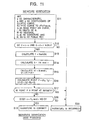
Fig. 11 is a diagram describing signature verifying
processing applicable to the contents distribution system
according to the present invention.
-
Fig. 12 is a diagram describing mutual authentication
(symmetric key method) processing applicable to the contents
distribution system according to the present invention.
-
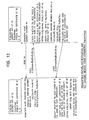
Fig. 13 is a diagram describing mutual authentication
(asymmetric key method) processing applicable to the
contents distribution system according to the present
invention.
-
Fig. 14 is a diagram describing the configuration of
data communicated between entities in the contents
distribution system according to the present invention.
-
Fig. 15 is a diagram describing data verification
processing applicable to the contents distribution system
according to the present invention.
-
Fig. 16 is a diagram describing the key switching
processing executed with the contents distribution system
according to the present invention.
-
Fig. 17 is a diagram describing the configuration of
data communicated between entities in the contents
distribution system according to the present invention.
-
Fig. 18 is a diagram describing the configuration of
data communicated between entities in the contents
distribution system according to the present invention.
-
Fig. 19 is a diagram describing the contents key saving
processing executed with the contents distribution system
according to the present invention.
-
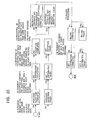
Fig. 20 is a diagram describing the status transition
of the shop server with the contents distribution system
according to the present invention.
-
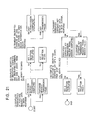
Fig. 21 is a diagram describing the status transition
of the user device with the contents distribution system
according to the present invention.
-
Fig. 22 is a diagram describing the status transition
of the user device authentication server with the contents
distribution system according to the present invention.
-
Fig. 23 is a diagram describing the processing flow
between a shop server and user device (part 1) with the
contents distribution system according to the present
invention.
-
Fig. 24 is a diagram describing the processing flow
between a shop server and user device (part 2) with the
contents distribution system according to the present
invention.
-
Fig. 25 is a diagram describing the processing flow
between a user device authentication server and user device
with the contents distribution system according to the
present invention.
-
Fig. 26 is a diagram describing the processing flow
between a user device authentication server and shop server
with the contents distribution system according to the
present invention.
-
Fig. 27 is a diagram describing the processing flow
between a shop server and user device (part 1) with the
contents distribution system according to the present
invention.
-
Fig. 28 is a diagram describing the processing flow
between a shop server and user device (part 2) with the
contents distribution system according to the present
invention.
-
Fig. 29 is a diagram describing contents distribution
processing using a distribution server as a modification of
the contents distribution system according to the present
invention.
-
Fig. 30 is a diagram describing contents distribution
processing using a distribution server as a modification of
the contents distribution system according to the present
invention.
-
Fig. 31 is a diagram describing contents distribution
processing in a modification of the contents distribution
system according to the present invention.
-
Fig. 32 is a diagram describing the configuration of
data communicated between entities in the contents
distribution system according to the present invention.
-
Fig. 33 is a diagram describing the configuration of
data communicated between entities in the contents
distribution system according to the present invention.
-
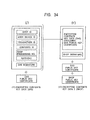
Fig. 34 is a diagram describing the configuration of
data communicated between entities in the contents
distribution system according to the present invention.
-
Fig. 35 is a diagram describing contents distribution
processing not accompanied by mutual authentication with the
contents distribution system according to the present
invention.
-
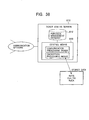
Fig. 36 is a diagram describing a modified example of
contents distribution processing not accompanied by mutual
authentication with the contents distribution system
according to the present invention.
-
Fig. 37 is a diagram describing contents distribution
processing applying to which electronic tickets are applied,
with the contents distribution system according to the
present invention.
-
Fig. 38 is a diagram describing the configuration of a
ticket issuing server with the contents distribution system
according to the present invention.
-
Fig. 39 is a diagram describing a ticket issuing
management database configuration of the ticket issuing
server with the contents distribution system according to
the present invention.
-
Fig. 40 is a diagram describing a purchase management
database configuration of the user device with the contents
distribution system according to the present invention.
-
Fig. 41 is a diagram describing a license management
database configuration of the user device authentication
server with the contents distribution system according to
the present invention.
-
Fig. 42 is a diagram describing the configuration of
the distribution server with the contents distribution
system according to the present invention.
-
Fig. 43 is a diagram describing the distribution
management database configuration of the distribution server
with the contents distribution system according to the
present invention.
-
Fig. 44 is a diagram describing the configuration of
the ticket exchange server with the contents distribution
system according to the present invention.
-
Fig. 45 is a diagram describing the ticket cashing
management database configuration of the ticket exchange
server with the contents distribution system according to
the present invention.
-
Fig. 46 is a diagram describing the configuration of
data communicated between entities in the contents
distribution system according to the present invention.
-
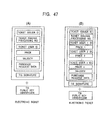
Fig. 47 is a diagram describing the configuration of
data communicated between entities in the contents
distribution system according to the present invention.
-
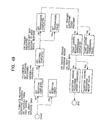
Fig. 48 is a diagram describing the status transition
of the ticket issuing server with the contents distribution
system according to the present invention.
-
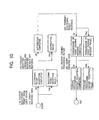
Fig. 49 is a diagram describing the status transition
of the user device authentication server with the contents
distribution system according to the present invention.
-
Fig. 50 is a diagram describing the status transition
of the distribution server with the contents distribution
system according to the present invention.
-
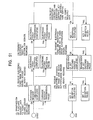
Fig. 51 is a diagram describing the status transition
of the user device with the contents distribution system
according to the present invention.
-
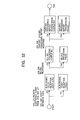
Fig. 52 is a diagram describing the status transition
of the ticket exchange server with the contents distribution
system according to the present invention.
-
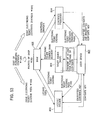
Fig. 53 is a diagram describing a specific example of
contents distribution processing wherein an electronic
ticket server has been applied, with the contents
distribution system according to the present invention.
-
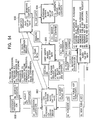
Fig. 54 is a diagram describing a specific example of
contents distribution processing wherein a log collection
server has been applied, with the contents distribution
system according to the present invention.
-
Fig. 55 is a diagram describing a configuration example
of a purchase log with the contents distribution system
according to the present invention.
-
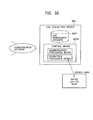
Fig. 56 is a diagram illustrating the configuration of
the log collection server with the contents distribution
system according to the present invention.
-
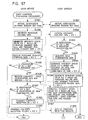
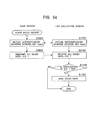
Fig. 57 is a flowchart illustrating the processing
between a user device and shop server (part 1) with the
contents distribution system according to the present
invention.
-
Fig. 58 is a flowchart illustrating the processing
between a user device and shop server (part 2) with the
contents distribution system according to the present
invention.
-
Fig. 59 is a diagram illustrating a format example of
purchase request data and sales confirmation data, with the
contents distribution system according to the present
invention.
-
Fig. 60 is a diagram illustrating an integrity check
value (ICV) generation processing configuration, applicable
to the contents distribution system according to the present
invention.
-
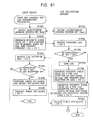
Fig. 61 is a flowchart illustrating the processing
between a user device and log collection server (part 1)
with the contents distribution system according to the
present invention.
-
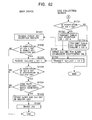
Fig. 62 is a flowchart illustrating the processing
between a user device and log collection server (part 2)
with the contents distribution system according to the
present invention.
-
Fig. 63 is a flowchart illustrating the processing
between a contents provider and log collection server with
the contents distribution system according to the present
invention.
-
Fig. 64 is a flowchart illustrating the processing
between a shop server and log collection server with the
contents distribution system according to the present
invention.
-
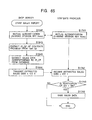
Fig. 65 is a flowchart illustrating the processing
between a shop server and log collection server with the
contents distribution system according to the present
invention.
-
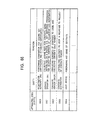
Fig. 66 is a diagram describing attributes information
applicable with the contents distribution system according
to the present invention.
-
Fig. 67 is a diagram illustrating a public key
certificate configuration having attributes information
applicable with the contents distribution system according
to the present invention.
-
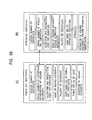
Fig. 68 is a diagram illustrating a public key
certificate and an attributes certificate configuration
applicable with the contents distribution system according
to the present invention.
-
Fig. 69 is a diagram describing new issuing processing
of a public key certificate with the contents distribution
system according to the present invention.
-
Fig. 70 is a diagram describing updating processing of
a public key certificate with the contents distribution
system according to the present invention.
-
Fig. 71 is a diagram describing new issuing processing
of an attributes certificate with the contents distribution
system according to the present invention.
-
Fig. 72 is a diagram describing contents distribution
processing accompanied by an attributes check, with the
contents distribution system according to the present
invention.
-
Fig. 73 is a flowchart describing mutual authentication
processing accompanied by an attributes check, with the
contents distribution system according to the present
invention.
-
Fig. 74 is a diagram describing contents distribution
processing accompanied by an attributes check, with the
contents distribution system according to the present
invention.
-
Fig. 75 is a flowchart describing data verification
processing accompanied by an attributes check, with the
contents distribution system according to the present
invention.
-
Fig. 76 is a flowchart describing data verification
processing accompanied by an attributes check, with the
contents distribution system according to the present
invention.
Best Mode for Carrying Out the Invention
-
The following is a detailed description of embodiments
of the present invention, with reference to the drawings.
-
The description will proceed along the following items.
- 1. Contents distribution management by key switching
processing of encrypted keys
- 1.1 System configuration: basic contents distribution
model 1
- 1.2 Modification of basic contents distribution model 1
- 1.3 Basic contents distribution model 2
- 2. Contents distribution model using electronic
tickets
- 3. Contents distribution management by log collection
server
- 4. Public key certificate or attributes certificate
usage configuration recording attributes data
- [1. Contents distribution management by key switching
processing of encrypted keys]
- [1.1 System configuration: basic contents distribution
model 1]
-
-
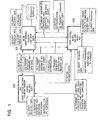
Fig. 1 illustrates a diagram describing the overview of
an embodiment of the contents distribution system and
contents distribution method according to the present
invention. Note that the terms system is a logical
collective configuration of multiple devices, and the
component devices do not necessarily exist within the same
housing.
-
The primary components of the contents distribution
systems shown in Fig. 1 is a shop server (SHOP) 100 for
performing contents distribution services to user devices, a
user device (DEVICE) 200 for receiving distribution of
contents from the shop servers 100, and a user device
authentication server (DAS: Device Authentication Server)
300 serving as an administration server for managing valid
contents transactions. Now, while in the configuration in
Fig. 1, one each are illustrated for the shop server 100,
user device 200, and user device authentication server 300,
in an actual contents transaction configuration, a plurality
of each of the components shown in Fig. 1 exist, and
information is exchanged through various routes each time a
contents transaction occurs. Fig. 1 illustrates the flow of
data for one contents transaction.
(Shop server)
-
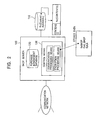
Fig. 2 shows the configuration of the shop server 100
of the contents distribution system shown in Fig. 1. The
shop server 100 has the contents database 110 storing Kc
(Content) which is encrypted contents data wherein contents
which are the object of transaction are encrypted with a
contents key, and an encrypted contents key KpDAS(Kc) which
is a contents key Kc encrypted with the public key KpDAS of
the user device authentication server (DAS: Device
Authentication Server). Now, as shown in the figure, Kc
(Content) which is encrypted contents data have contents IDs
which are each contents identifiers added, and have a
configuration that is identifiable based on the contents IDs.
-
The shop server 100 further has a purchase management
database 120 which further manages contents transaction
management data, e.g., an identifier of the user device to
which contents are sold, and contents identifiers or the
like, in a correlated manner. This further has control
means 130 for executing extraction processing of
distribution contents from the contents database 110,
generation processing of transaction data to be recorded in
the purchase management database 120 accompanying
transactions, communication processing between the user
device 200 and the user device authentication server 300,
and further, execution of data encryption processing and the
like at the time of each of the communication processing.
-
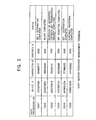
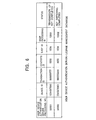
Fig. 3 illustrates the data configuration of the
purchase management database 120. The purchase management
database 120 has information of a shop processing No.
serving as an identification number which is internally
generated at the time of the shop server executing
processing in response to contents transactions, a device ID
which is the identifier of the user device which has issued
a contents purchase commission, the transaction ID serving
as a contents transaction identifier generated and issued at
the user device at the time of executing contents
transactions between the user device and the shop, a
contents ID which is an identifier of contents which are the
object of transaction, and the status which indicates the
status of contents transaction processing at the shop server.
Though described later in detail, the status is updated
according to the progress of multiple processes accompanying
contents transactions.
-
The control means 130 has functions as encryption
processing means and communication processing means, as
shown in Fig. 2, and control means 130 are configured of a
computer storing, for example, encryption processing
programs and communication processing programs. Key data
and the like used for encryption processing executed by that
encryption processing means of the control means 130 is
stored securely in the storing means within the control
means. Encryption processing data of encryption keys and
the like stored by the shop server 100 include a shop server
secret key: KsSHOP, the shop server public key certificate
Cert_SHOP, and the public key KpCA of the certificate
authority (CA) serving as the public key certificate issuer
authority which is the issuer authority of public key
certificates.
-
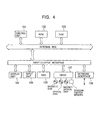
Fig. 4 shows a configuration example of the control
means 130. The configuration of the control means 130 will
be described. The control unit 131 is configured of the
Central processing Unit (CPU) for executing various types of
processing programs, and controls the processing of the
components of the control means shown in Fig. 4. ROM (Read
Only Memory) 132 is memory storing programs such as the IPL
(Initial Program Loading). RAM (Random Access Memory) 133
is used for storing execution programs executed by the
control unit 131, e.g., database management programs,
encryption processing programs, communication programs, etc.,
and as work area for processing of these programs.
-
The display unit 134 has display means such as a liquid
crystal display, CRT, etc., and displays data at the time of
executing various programs, e.g., user data and the like of
the contents distribution destination, under control of the
control unit 131. The input unit 135 has a keyboard, and,
for example, a pointing device such as a mouse or the like,
for outputting commands and data input from these input
devices to the control unit 131. The HDD (Hard Disk Drive)
136 stores programs such as database managing programs,
encryption processing programs, communication programs, etc.,
and further, the various types of data.
-
The drive 137 has functions for controlling access to
various types of recording media such as, for example,
magnetic disks such as HDs (Hard Disk) and FDs (Floppy Disk),
optical disks such as CD-ROMs (Compact disk ROM), magnetooptical
disks such as Mini-disks and the like, semiconductor
memory such as ROM and flash memory and the like, and so
forth. The various types of recording media such as
magnetic disks and the like store programs, data, etc. The
network interface 138 functions as a communication interface
through cable or wireless [means], such as the Internet,
telephone lines, etc.
-
The shop server 100 executes various types of
encryption processing, authentication processing, etc.,
accompanying a contents transactions with user devices 200
which are the object of contents transactions, or user
device authentication servers 300, with the control means
130 having the above-described configuration, for example.
(User device authentication server)
-
Fig. 5 shows the configuration of the user device
authentication server (DAS) 300. The user device
authentication server has a license management database 320.
Fig. 6 shows the data configuration of the license
management database 320. The license management database
has the various information of a user device authentication
server processing No. serving as a processing identifier
internally generated according to processing executed by the
user device authentication server (DAS) at the time of
contents transactions, device ID which is an identifier of
the user device that has issued a contents purchasing
commission, the transaction ID serving as the contents
transaction identifier generated and issued at the user
device at the time of executing contents transactions, a
contents ID which is the identifier of contents which are an
object of transaction, a shop ID which is the identifier of
a shop server executing contents transactions, the shop
processing No. which is the processing identifier at the
shop issued by the shop, and status which indicates the
status of contents transaction processing at the user device
authentication server (DAS). While described later in
detail, the status is updated according to the progress of
multiple processes accompanying contents transactions.
-
The user device authentication server (DAS) 300 further
has control means 330 for communication processing with the
user device 200 and shop server 100, and further, for
executing the data encryption processing at the time of each
of the communication processes. As with the above-described
control means of the shop server, the control means 330 have
functions as encryption processing means and communication
processing means. The configuration thereof to is the same
as the configuration described with reference to Fig. 4.
The key data and the like used in the encryption processing
executed by the encryption processing means of the control
means 330 is securely stored in storing means within the
control means. The encryption processing data such as
encryption keys and the like stored by the user device
authentication server (DAS) 300 include the secret key KsDAS
of the user device authentication server (DAS), the public
key certificate Cert_DAS of the user device authentication
server (DAS), and the public key KpCA of the certificate
authority (CA) serving as the public key certificate issuer
authority which is the issuer authority of public key
certificates.
(User device)
-
Fig. 7 shows the configuration of the user device 200.
The user device is a contents reproducing device, for
example, which executes purchasing of contents, and uses,
i.e., reproduces and executes contents, and has a purchase
managing database 220. The data configuration of the
purchase managing database 220 is shown in Fig. 8. The
purchase managing database has the various information of a
transaction ID serving as a contents transaction identifier
which is generated and issued at the user device at the time
of executing contents transactions, a contents ID which is
an identifier of contents which are the object of
transaction, a shop ID which is an identifier of the shop
server which executes contents transactions, and status
which indicates the status of processing of contents
transactions at the user device, and further has a device ID
which is the device identifier of the user device. Though
described later in detail, the status is updated according
to the progress of multiple processes accompanying
transactions of contents.
-
The user device 200 has control means 230 for executing
communication processing with a shop server 100 and the user
device authentication server 300, and further executing data
encryption processing and the like at the time of each of
the communication processes. The control means 230, as with
the above-described shop server control means, has functions
as encryption processing means and communication processing
means. The configuration thereof is the same as the
configuration described with reference to Fig. 4. The key
data and the like used in the encryption processing executed
by the encryption processing means of the control means 230
is securely stored in storing means within the control means.
The encryption processing data such as encryption keys and
the like stored by the user device 200 include the secret
key KsDEV of the user device, the public key certificate
Cert_DEV of the user device, the public key KpCA of the
certificate authority (CA) serving as the public key
certificate issuer authority which is the issuer authority
of public key certificates, and a storing key Ksto applied
as an encryption key at the time of storing contents in
storing means such as the hard disk or the like, for example,
of the user device.
[Public key certificate]
-
The public key certificate held by the above-described
shop server (SHOP) 100, user device (DEVICE) 200, and user
device authentication server (DAS) 300, will be described
with reference to Fig. 9.
-
The public key certificate is certification that a
public key used in exchange of encrypted data using a public
key, or processing such as mutual authentication between two
parties carrying out data exchange, is a public key which an
authorized user has, by a third party, i.e., an issuer
authority (CA: Certificate Authority). Fig. 9(a) shows an
overview of the format of public key certificate.
-
The version indicates the version of the certificate
format.
-
The certificate serial number is a serial number, and
is the serial number of the public key certificate set by
the public key certificate issuer authority (CA).
-
The signature algorithm identifier and algorithm
parameter are fields for recording the signature algorithm
of the public key certificate, and the parameters thereof.
Now, for the signature algorithms, there are Elliptic Curve
encryption and RSA, and in the event that Elliptic Curve
encryption is applied, the parameters and key length are
recorded, and in the event that RSA is applied, the key
length is recorded.
-
The name of the issuer authority is a field which is
recorded with the issuer name of the public key certificate,
i.e., the name of the public key certificate issuer
authority (CA) in an identifiable format (Distinguished
Name).
-
For the validity of the certificate, the starting date
and time, and ending date and time, of the valid period of
the certificate is recorded.
-
For the user name (ID) of the public key certificate,
the name of the subject of certification, which is the user,
is recorded. Specifically, this is, for example, the user
device ID, service providing entity ID, or the like.
-
The user public key (subject Public Key Info algorithm
subject Public key) is a field for storing the key algorithm
and the key information itself as public key information of
the user.
-
The signature which the issuer authority attaches is an
electronic signature executed to the data of the public key
certificate using the secret key of the public key
certificate issuer authority (CA), and the user of the
public key certificate can perform verification using the
public key of the public key certificate issuer authority
(CA), to check whether or not there has been tampering with
the public key certificate.
-
The method for generating an electronic signature using
public key encryption method will be described with
reference to Fig. 10. The processing shown in Fig. 10 is
the flow for the generation processing of electronic
signature data using EC-DSA((Elliptic Curve Digital
Signature Algorithm), IEEE P1363/D3). Here, an example
using Elliptic Curve Cryptography (hereafter referred to as
ECC) will be described for public key encryption. Note that
the data processing device according to the present
invention is capable of using other similar public key
encryption methods besides elliptic curve cryptography, such
as RSA encryption ((Rivest, Shamir, Adleman), etc. (ANSI
X9.31)), for example.
-
The steps in Fig. 10 will be described. In step S1, p
is set as characteristic, a and b as coefficients of the
elliptic curve (wherein the elliptic curve is 4a3 + 27b2 ≠ 0
(mod p), G as the base point on the curve, r as digits of G,
and Ks as a secret key (0 < Ks < r). In step S2, the hash
value of message M is calculated, and set as f = Hash(M).
-
Now, the method for using a hash function to obtain a
hash value will be described. A hash function is a function
wherein a message is taken as input, which is compressed to
data of a predetermined bit length, and output as a hash
value. It is difficult to predict the input from the hash
value (output) with hash functions, and in the event that
one bit of the data input to the hash function changes, a
great number of bits of the hash value change, and also, the
difficulty in finding different input data having the same
hash value is also a characteristic thereof. MD4, MD5, SHA-1,
and the like may be used for hash functions, or DES-CBC
may be used. In this case, MAC (check value: equivalent to
ICV) which is the final output value is the hash value.
-
Next, in step S3, a random numeral u (0 < u < r) is
generated, and in step S4, coordinates V (Xv, Yv) which is
the base point multiplied by u, are calculated. Note that
additions and doublings on the elliptic curve are stipulated
as follows.
- With P = (Xa, Ya), Q = (Xb, Yb), R = (Xc, Yc) = P + Q,
in the event that P ≠ Q (addition),
- Xc = λ2 - Xa - Xb
- Yc = λ × (Xa - Xc) - Ya
- λ = (Yb - Ya) / (Xb - Xa)
- in the event that P = Q (doubling),
- Xc = λ2 - 2Xa
- Yc = λ x (Xa - Xc) - Ya
- λ = (3 (Xa)2 + a) / (2Ya)
-
-
These are used to calculate u times the point G (though
the speed is slow, the following calculation method will be
carried out since it is the easiest to understand. G, 2 x G,
4 × G ·· is calculated, binary expansion of u is performed,
and 2i × G (a value wherein G is doubled i times (wherein i
is the bit position when counted from the LSB of u)) is
added to the place wherein 1 is situated.
-
In step S5, c = Xvmod r is calculated, judgment is made
in step S6 regarding whether or not the value is 0, and in
the event that it is not 0, d = [(f + cKs)/u] mod r is
calculated in step S7, judgment is made in step S8 regarding
whether d is 0, and in the event that d is not 0, c and d
are output as electronic signature data in step S9.
Assuming r is a length of 160 bits in length, the electronic
signature data is 320 bits in length.
-
In step S6, in the event that c is 0, the flow returns
to step S3 and generates a new random number again. In the
same way, in the event that d is 0 in step S8, the flow
returns to step S3 and generates a new random number again.
-
Next, the verification method for an electronic
signature using the public key encryption method will be
described with reference to Fig. 11. In step S11, M is set
as a message, p as a characteristic, a and b as coefficients
of the elliptic curve (elliptic curve: y2 = x3 + ax + b), G
as the base point on the elliptic curve, r as digits of G,
and G and Ks x G as a public key (0 < Ks < r). In step S12,
verification is performed regarding whether the electronic
signature data c and d satisfy 0 < c < r and 0 < d < r. In
the event that these are satisfied, the hash value of the
message M is calculated in step S13, and set to f = Hash(M).
Next, in step S14, h = 1/d mod r is calculated, and in step
S15, h1 = fh mod r and h2 = ch mod r are calculated.
-
In step S16, point P = (Xp, Yp) = h1 × G + h2·Ks × G is
calculated, using the already-calculated h1 and h2. The
electronic signature verifier knows the public key G and Ks
x G, and accordingly can calculate the Scalar
Multiplications of points on the elliptic curve, in the same
manner as with step S4 in Fig. 10. Judgment is made in step
S17 regarding whether or not point P is a point at infinity,
and in the event that this is not a point at infinity, the
flow proceeds to step S18 (Actually, judgment whether a
point at infinity can be done in step S16. That is, upon
performing addition of P = (X, Y) and Q = (X, -Y), λ cannot
be calculated, so the fact that P + Q is a point at infinity
is found out there.). Xp mod r is calculated in step S18,
and compared with the electronic signature c. Finally, in
the event that the values match, the flow proceeds to step
S19, and judgment is made that the electronic signature is
correct.
-
In the event that judgment is made that the electronic
signature is correct, it can be understood that the data has
not been tampered with, and that one holding the secret key
corresponding to the public key has generated the electronic
signature.
-
In step S12, in the event that the electronic signature
data c or d do not satisfy 0 < c < r and 0 < d < r, the flow
proceeds to step S20. Also, the flow proceeds to step S20
in the event that the point P is a point at infinity in step
S17, as well. Moreover, the flow also proceeds to step S20
in the event that the value of Xp mod r does not match the
electronic signature data c in step S18.
-
In the event that judgment is made that the electronic
signature is not correct in step S20, it can be understood
that the data has been tampered with, or that one holding
the secret key corresponding to the public key has not
generated the electronic signature.
-
The signature of the issuer authority is affixed to the
public key certificate, and whether or not the certificate
has been tampered with can be checked by signature
verification by a public key user. Now, let us return to
Fig. 9 to continue the description. Fig. 9(b) is the public
key certificate: Cert_DEV of the user device stored in the
user device, and stores the user device ID and the public
key KpDEV of the user device. Fig. 9(c) is the public key
certificate: Cert_SHOP of the shop server stored in the shop
server, and stores the shop ID and the public key KpSHOP of
the shop server. Fig. 9(d) is the public key certificate:
Cert_DAS of the user device authentication server stored in
the user device authentication server, and stores the user
device authentication server ID and the public key KpDAS of
the user device authentication server. In this way, the
user device, shop server, and user device authentication
server each have a public key certificate.
[Contents purchase processing]
-
Next, returning to Fig. 1, description will be made
regarding the processing of the user device purchasing
contents from a shop server and using them. Processing
proceeds in the order of numbers (1) through (20) in Fig. 1.
The details of the processing will be described in order of
the numbers. Note that with the present embodiment, mutual
authentication processing ((1), (7), (11)) is described
being performed in the communication between the entities,
but may be omitted as necessary.
- (1) Mutual authentication
The user device 200 which is attempting to purchase
contents from the shop server 100 performs mutual
authentication processing with a shop server. Between the
two means for executing data exchange, mutual confirmation
is made regarding whether the other party is the correct
data communicator, following which necessary data transfer
is performed. The confirmation processing of whether or not
the other party is the correct data communicator, is mutual
authentication processing. A configuration wherein a
session key is generated at the time of mutual confirmation
processing, and encryption processing is executed with the
generated session key as a shared key to perform data
communication, is one preferable data transfer method.The mutual authentication method using a shared the key
encryption method, will be described with reference to Fig.
12. In Fig. 12, DES is used as the shared key encryption
method, but any of such similar shared key encryption
methods may be used.First, B generates a 64-bit random number Rb, and
transmits the Rb and its own ID which is ID(b) to A. A,
upon receiving this, generates a new 64-bit random number Ra,
encrypts the data using the key Kab in this CBC mode of DES,
in the order of Ra, Rb, ID(b), and returns this to B.B, upon receiving this, decrypts the received data with
the key Kab. The method for decrypting the received data
involves first, decrypting the ciphertext E1 with the key
Kab to obtain the random number Ra. Next, the ciphertext E2
is decrypted with the key Kab, the exclusive-OR of the
results thereof and E1 is obtained, to obtain Rb. Finally,
the ciphertext E3 is decrypted with the key Kab, the
exclusive-OR of the results thereof and E2 is obtained, to
obtain the ID(b). Of the Ra, Rb, and ID(b) thus obtained,
verification is made regarding whether or not Rb and ID(b)
match that transmitted by B. In the event that this
verification passes, B authenticates A to be valid. Next, B generates a session key (hereafter referred to
as Kses) to be used following authentication (the generation
method uses random numbers). Then, encryption is performed
using the key Kab in the CBC mode of DES, in the order of Rb,
Ra, Kses, and this is returned to A.Upon receiving this, A decrypts the received data with
the key Kab. The decryption method of the received data is
the same as the decryption processing for B, so details will
be omitted here. Of the Rb, Ra, and Kses thus obtained,
verification is made regarding whether or not Rb and Ra
match that transmitted by A. In the event that this
verification passes, A authenticates B to be valid.
Following mutual authentication, the session key Kses is
used as a shared key for secret communication following
authentication.Now, in the event that something not authorized or not
matching is found at the time of verifying the received data,
the mutual authentication is taken to have failed and the
processing is cancelled.Next, a mutual authentication method using 160-bit
length elliptic curve encryption, which is the public key
encryption method, will be described with reference to Fig.
13. Though ECC is used as the public key encryption method
in Fig. 13, any similar public key encryption method is
suitable, as described above. Also, the key size does not
have to be 160 bits. In Fig. 13, first, B generates a 64-bit
random number Rb, and transmits this to A. Upon
receiving this, A generates a new 64-bit random number Ra
and a random number Ak which is smaller than the
characteristic p. Then, a point Av = Ak × G wherein the
base point G is multiplied by Ak is obtained, an electronic
signature A.Sig is generated with regard to Ra, Rb, Av (X-coordinate
and Y-coordinate), and is returned to B along
with the public key certificate of A. Now, Ra and Rb are 64
bits each, and the X-coordinate and Y-coordinate of Av are
each 160 bits, so an electronic signature is generated with
regard to a total of 448 bits.In the event of using a public key certificate, the
public key of the public key certificate issuer authority
(CA) 410 which the user him/herself holds is used, the
electronic signature of the public key certificate is
verified, the public key is extracted from the public key
certificate following success of verification of electronic
signature, and the public key is used. Accordingly, all
users using the public key certificate need to hold a shared
public key certificate issuer authority (CA) public key.
The method for verifying the electronic signature has been
described with reference to Fig. 11, so the details thereof
will be omitted.B, who has received the public key certificate of A, Ra,
Rb, Av, and electronic signature A.Sig, verifies whether or
not the Rb which A has sent matches that generated by B. In
the event that it matches, the electronic signature within
the public key certificate of A is verified with the public
key of the certifying authority, and the public key of A is
extracted. Then, the electronic signature A.Sig is verified
using the public key of A that has been extracted.
Following success of verifying the electronic signature, B
authenticates A as being valid.Next, B generates a random number Bk smaller than the
characteristic p. Then, a point Bv = Bk × G wherein the
base point G is multiplied by Bk is obtained, an electronic
signature B.Sig is generated with regard to Rb, Ra, Bv (X-coordinate
and Y-coordinate), and is returned to A along
with the public key certificate of B.A, who has received the public key certificate of B, Rb,
Ra, Bv, and electronic signature B.Sig, verifies whether or
not the Ra which B has sent matches that generated by A. In
the event that it matches, the electronic signature within
the public key certificate of B is verified with the public
key of the certifying authority, and the public key of B is
extracted. Then, the electronic signature B.Sig is verified
using the public key of B that has been extracted.
Following success of verifying the electronic signature, A
authenticates B as being valid. In the event that verification of both has succeeded, B
calculates Bk × Av (wherein Bk is a random number, but Av is
a point of the elliptic curve, so scalar multiplications of
points on the elliptic curve is necessary), A calculates Ak
× Bv, and the lower-order 64 bits of that X-coordinate of
these points is subsequently used in communication as a
session key (in the event that shared key encryption with a
64-bit key length used for the shared key encryption). Of
course, the session key may be generated from the Y-coordinate,
and may not be the lower-order 64 bits. Also,
in the secret communication following mutual authentication,
the transmitted data may be affixed with an electronic
signature, in addition to being encrypted with the session
key.In the event that something unauthorized and not
matching is found at the time of verifying the electronic
signature or verifying the received data, the mutual
authentication is taken to have failed, and the processing
is cancelled.In such mutual authentication processing, transmission
data is encrypted using the generated session key, and data
communication is mutually executed. -
(2) Generate transaction ID and purchase request data,
and
(3) Transmit purchase request data
-
Upon success of mutual authentication between the
above-described shop server 100 and user device 200, the
user device 200 generates contents purchase request data.
Fig. 14(a) illustrates the configuration of purchase request
data. The purchase request data has the data of: a shop ID
which is an identifier of the shop server 100 and which is
the destination of the request of contents purchasing; a
transaction ID generated based on a random number, for
example by encryption processing means of the user device
200, as an identifier for contents transactions; and further
a contents ID serving as an identifier of the contents which
the user device desires to purchase, and electronic
signature of the user device is affixed to this data.
Further, the public key certificate of the user device is
attached to the purchase request data, and is sent to the
shop server 100. Now, in the event that the public key
certificate has already been sent to the shop side at the
time of the above-described to mutual authentication
processing, or in processing prior to that, there is not
necessarily the need to send it again.
(4) Verify received data
-
Upon receiving the purchase request data shown in Fig.
14(a) from the user device 200, the shop server 100 executes
the verification processing of the received data. The
details of the verification processing will be described
with reference to Fig. 15. First, the shop server 100
performs verification of the public key certificate Cert_DEV
of the user device within the received data (S51). As
described above, this is executed as processing for
verifying this signature of the issuer authority (CA)
contained in the public key certificate (see Fig. 1), and is
executed applying the public key of the issuer authority
KpCA.
-
In the event that verification is OK, i.e., that there
is no tampering with the public key certificate (Yes in S52),
the flow proceeds to S53. In the event that the
verification is not established (No in S52), judgement is
made in S57 that the public key certificate has been
tampered with, and processing using the public key
certificate is cancelled. In S53, the public key KpDEV of
the user device is extracted from the public key certificate,
and in step S54, verification processing of the user device
signature of the purchase request data is executed using the
public key KpDEV (see Fig. 11). Then in the event that
verification is OK, i.e., judgment is made that there is no
tampering with the purchase request data (yes in S55), the
flow proceeds to S56, and judgment is made that the received
data is authorized contents purchase request data. In the
event that the verification is not established (No in S55),
judgement is made in S57 that there is tampering with the
purchase request data, and processing with regard to that
purchase request data is cancelled.
(5) Transmit encrypted contents and encrypted contents
key data 1 (shop)
-
Upon verification of the purchase request data being
completed at the shop server 100, and judgment being made
that this is an authorized contents purchase request with no
data tampering, the shop server 100 transmits encrypted
contents and encrypted contents key data 1 (shop) to the
user device. Both of these are data stored in the contents
database 110, and are encrypted contents: Kc (content)
wherein contents are encrypted with a contents key, and
encrypted contents key data: KpDAS(Kc) wherein the contents
key: Kc is encrypted with a public key of the user device
authentication server (DAS) 300.
-
Fig. 14(b) illustrates the configuration of the
encrypted contents key data 1 (shop). The encrypted
contents key data 1 (shop) has a user device ID which is the
identifier of the user device 200 which is the requester of
the contents purchase, purchase request data (the data in
Fig. 14(a) excluding the user device public key certificate),
the shop processing No. generated by the shop server 100
accompanying the contents transaction, and the encrypted
contents key data: KpDAS(Kc), with the electronic signature
of the shop server 100 affixed to this data. Further, the
public key certificate of the shop server 100 is attached to
the encrypted contents key data 1 (shop), and is sent to the
user device 200. Now, in the event that the shop server
public key certificate has already been sent to the user
device side at the time of the above-described mutual
authentication processing, or in processing prior to that,
there is not necessarily the need to send it again.
(6) Verify received data
-
Upon receiving the encrypted contents: Kc (content) and
the encrypted contents key data 1 (shop) shown in Fig. 14(b)
from the shop server 100, the user device 200 executes
verification processing of the encrypted contents key data 1
(shop). This verification processing is processing similar
to the processing flow in the above-described Fig. 15, with
the user device 200 executing verification of the public key
certificate of the shop server received from the shop server
100 using the public key KpCA of the issuer authority (CA)
first, and then next executing verification of the shop
signature of the encrypted contents key data 1 (shop) shown
in Fig. 14(b) using the public key KpSHOP of the shop server
that has been extracted from the public key certificate.
(7) Mutual authentication
-
Upon the user device 200 receiving the encrypted
contents: Kc (content) and the encrypted contents key data 1
(shop) from the shop server 100 and ending verification of
the encrypted contents key data 1 (shop), the user device
200 accesses the user device authentication server 300, and
executes mutual authentication processing between the user
device 200 and the user device authentication server 300.
This processing is executed by procedures which are the same
as the mutual authentication processing between the shop
server 100 and user device 200, described above.
(8) Transmit encrypted contents key data (user device)
and encrypted contents key switching request
-
Upon establishment of mutual authentication between the
user device 200 and user device authentication server 300,
the user device 200 transmits encrypted contents key data
(user device) containing the encrypted contents key
KpDAS(Kc) received from the shop server 100 earlier, and an
encrypted contents key switching request, to the user device
authentication server 300.
-
Fig. 14(c) illustrates the configuration of the
encrypted contents key data (user device). The encrypted
contents key data (user device) has a user device
authentication server ID which is the identifier of the user
device authentication server 300 which is the destination of
the encrypted contents key switching request, and the
encrypted contents key data received from the shop server
100 (the data in Fig. 14(b) excluding the shop public key
certificate), with the electronic signature of the user
device 200 affixed to this data. Further, the public key
certificate of the shop server 100 and the public key
certificate of the user device 200 are attached to the
encrypted contents key data (user device), and is sent to
the user device authentication server 300. Now, in the
event that the user device authentication server 300 already
has the user device public key certificate and the shop
server public key certificate, there is not necessarily the
need to send it again.
(9) Verify received data
-
Upon receiving the encrypted contents key data (user
device) and the encrypted contents key switching request
shown in Fig. 14(c) from the user device 200, the user
device authentication server 300 executes verification
processing of the encrypted contents key switching request.
This verification processing is processing the same as the
processing flow in the above-described Fig. 15, with the
user device authentication server 300 first executing
verification of the public key certificate of the user
device received from the user device 200 using the public
key KpCA of the issuer authority (CA), and then executing
verification of the electronic signature of the purchase
request data shown in Fig. 14(a) and the encrypted contents
key data (user device) shown in Fig. 14(c) using the public
key KpDEV of the user device that has been extracted from
the public key certificate. Further, verification of the
public key certificate of the shop server is executed using
the public key KpCA of the issuer authority (CA), and next
verification of the shop signature of the (5) encrypted
contents key data 1 contained in the encrypted contents key
data (user device) shown in Fig. 14(c) using the public key
KpSHOP of the shop server extracted from the public key
certificate.
(10) Encrypted contents key switching processing
-
At the user device authentication server 300, upon
verification of the encrypted contents key data (user
device) and encrypted contents key switching request
received from the user device 200 being completed, and
judgment being made that this is an authorized key switching
request, the user device authentication server 300 decrypts
the encrypted contents key contained in the encrypted
contents key data (user device), i.e., the data: KpDAS(Kc)
wherein the contents key: Kc is encrypted with the public
key KpDAS of the user device authentication server (DAS) 300,
with a secret key KsDAS of the user device authentication
server 300, to obtain the contents key Kc, and further
generates an encrypted contents key: KpDEV(Kc) wherein the
contents key Kc is encrypted with the public key: KpDEV of
the user device. That is to say, key switching processing
is executed in the order of KpDAS(Kc) → Kc → KpDEV(Kc).
-
Fig. 16 shows a flowchart for the processing of
encrypted contents key switching executed at the user device
authentication server 300. First, the user device
authentication server 300 extracts the contents key data:
KpDAS(Kc) encrypted with the public key KpDAS of the user
device authentication server (DAS) 300, from the encrypted
contents key data (user device) received from the user
device 200 (S61). Next, this is decrypted with the secret
key KsDAS of the user device authentication server 300, and
the contents key Kc is obtained (S62). Next, the contents
key Kc obtained by decryption is re-encrypted with the
public key: KpDEV of the user device, generating the
encrypted contents key: KpDEV(Kc) (S63). Upon this
processing ending, the status of a license management
database (see Fig. 6) is set to "key switching completed".
(11) Mutual authentication
-
Upon the above-described key switching processing of
the encrypted contents key having been completed at the user
device authentication server 300, the user device
authentication server 300 accesses the shop server 100, and
mutual authentication processing is executed between the
user device authentication server 300 and the shop server
100. This processing is executed by procedures the same as
the mutual authentication processing between the shop server
100 and the user device 200, described above.
(12) Transmit encrypted contents data
-
Upon the mutual authentication being established
between the user device authentication server 300 and the
shop server 100, the user device authentication server 300
transmits encrypted contents key data (DAS) to the shop
server 100.
-
The configuration of the encrypted contents key data
(DAS) is shown in Fig. 17(d). The encrypted contents key
data (DAS) has a shop ID which is an identifier of the shop
server 100 which is the destination of the contents purchase
request, the encrypted contents key data (user device) (the
data excluding the shop and the user device public key
certificate shown in Fig. 14(c)), and further the encrypted
contents key data: KpDEV(Kc) generated by the user device
authentication server 300 in the above-described key
switching processing, with the electronic signature of the
user device authentication server 300 being affixed to the
data. Further, the public key certificates of the user
device authentication server 300 and the user device 200 are
attached to the encrypted contents key data (DAS), and sent
to the shop server 100. Note that in the event that the
shop server already holds these public key certificates,
sending again is not necessarily needed.
-
Also, in the event that the user device authentication
server 300 is an entity acknowledged to be a reliable third
party, an arrangement may be used wherein the encrypted
contents key data (DAS) is not of a configuration containing
the (8) encrypted contents key data (user device) generated
by the user device without change, as shown in Fig. 17(d),
but rather wherein the user device authentication server 300
extracts the user device ID, the transaction ID, contents ID,
shop processing No., and contents key KpDEV(Kc) encrypted
with the public key of the user device, affixes the
signature to these, and uses this as encrypted contents key
data (DAS), as shown in Fig. 18(d'). In this case,
verification of the (8) encrypted contents key data (user
device) is unnecessary, so the public key certificate of the
user device authentication server 300 is the only public key
certificate that needs to be attached.
(13) Verify received data
-
The shop server 100 which has received the encrypted
contents key data (DAS) (Fig. 17(d)) from the user device
authentication server 300 executes verification processing
of encrypted contents key data (DAS). This verification
processing is the same processing as the flow of the
processing shown in Fig. 15 described above, with a shop
server 100 first executing verification of the public key
certificate of the user device authentication server
received from the user device authentication server 300 with
the public key KpCA of the issuer authority (CA), and then
using the public key KpDAS of the user device authentication
server 300 extracted from the public key certificate to
execute verification of electronic signature of the
encrypted contents key data (DAS) shown in Fig. 17(d).
Further, verification of the public key certificate of the
user device is executed using the public key KpCA of the
issuer authority (CA), and next, verification is executed
with regard to the user device signature of the (8)
encrypted contents key data (user device) contained in the
encrypted contents key data (DAS) shown in Fig. 17(d), using
the public key KpDEV of the user device extracted from the
public key certificate. Further, an arrangement may be made
wherein the encrypted contents data (user device) is
verified using own public key KpSHOP.
-
Now, in the event that the shop server 100 receives the
simplified encrypted contents key data (DAS) described above
with reference to Fig. 18(d'), the shop server 100 only
performs processing of executing verification of the public
key certificate of the user device authentication server
using the public key KpCA of the issuer authority (CA), and
then executing verification of the electronic signature of
the encrypted contents key data (DAS) shown in Fig. 18(d')
using the public key KpDAS of the user device authentication
server 300 extracted from the public key certificate.
(14) Mutual authentication, and
(15) Transmit encrypted contents key request data
-
Next, the user device 200 transmits encrypted contents
key request data to the shop server 100. Note that at this
time, in the event that a request is to be executed with a
different session from the previous request, mutual
authentication is executed again, and encrypted contents key
request data is transmitted from the user device 200 to the
shop server 100, under the conditions that mutual
authentication is established.
-
The configuration of the encrypted contents key request
data is shown in Fig. 17(e). The encrypted contents key
request data has the shop ID which is the identifier of the
shop server 100 which is the destination of the contents
purchase request, the transaction ID which is the identifier
of contents transaction generated earlier by the user device
200, and further a contents ID which is the identifier of
contents which the user device desires to purchase, and
further the shop processing No. contained within the data
which the shop has generated earlier and transmitted to the
user device 200 as encrypted contents key data 1 (shop) (see
Fig. 14(b)), with the electronic signature of the user
device being affixed to this data. Further, the public key
certificate of the user device is attached to the encrypted
contents key request data, and sent to the shop server 100.
Note that in the event that the public key certificate is
already held at the shop side, it is not necessarily needed
to send this again.
(16) Verification processing, and
(17) Billing processing
-
Upon receiving the encrypted contents key request data
from the user device, the shop server 100 executes
verification processing of the encrypted contents key
request data. This is the same processing as that described
with reference to Fig. 15. Upon the data verification
finishing, the shop server 100 executes billing processing
relating to the contents transaction. The billing
processing is processing for receiving contents charges from
a transaction account of the user. The received contents
charges are distributed among various parties involved, such
as the copyright holder of the contents, the shop, the user
device authentication server administrator, etc.
-
Up to this billing processing, the key switching
processing process of the encrypted contents keys by the
user device authentication server 300 is mandatory, so the
shop server 100 cannot execute billing processing only by
processing with the user device. Also, the user device 200
cannot decrypt the encrypted contents key, and accordingly
can not use the contents. The user device authentication
server records contents transaction contents with all key
switching processing that has been executed in the user
device authentication server license management database
described with reference to Fig. 6, and can know all
contents transactions which are object of billing.
Accordingly, contents transaction performed by the shop side
alone become impossible, thereby preventing unauthorized
contents sales.
(18) Transmit encrypted contents key data 2 (shop)
-
Upon the billing processing at the shop server 100
ending, the shop-server 100 transmits encrypted contents key
data 2 (shop) to the user device 200.
-
Fig. 17(f) illustrates the configuration of the
encrypted contents key data 2 (shop). The encrypted
contents key data 2 (shop) has the user device ID which is
the identifier of the user device 200 which is the requester
of the encrypted contents key request, and the encrypted
contents key data (DAS) received from the user device
authentication server 300 (data excluding the public key
certificates of the user device and user device
authentication server shown in Fig. 17(d)), with the
electronic signature of the shop server 100 having been
affixed to this data. Further, the public key certificate
of the shop server 100 and the public key certificate of the
user device authentication server 300 are attached to the
encrypted contents key data 2 (shop), and sent to the user
device 200. In the event that the user device 200 already
holds the public key certificate of the user device
authentication server and the public key certificate of the
shop server, it is not necessarily needed to send this again.
-
Now, in the event that the user device authentication
server 300 is an entity acknowledged to be a reliable third
party, and in the event that the encrypted contents key data
(DAS) which the shop server 100 receives from the user
device authentication server 300, is the simplified
encrypted contents key data (DAS) described earlier with
reference to Fig. 18(d'), the shop server 100 sends the
encrypted contents key data 2 (shop) shown in Fig. 18(f') to
the user device. That is, the shop server attaches the
public key certificate of the shop server 100 and the public
key certificate of the user device authentication server 300
to the data wherein the signature of the shop server has
been affixed to the simplified encrypted contents key data
(DAS) shown in Fig. 18(d'), and sends this to the user
device 200.
(19) Verification processing
-
Upon receiving the encrypted contents key data 2 (shop)
from the shop server 100, the user device 200 executes
verification processing of the encrypted contents key data 2
(shop). This verification processing is the same as the
processing in the processing flow described earlier with
reference to Fig. 15, with the user device 200 first
executing verification of the public key certificate of the
shop server received from the shop server 100, using the
public key KpCA of the issuer authority (CA), then executes
verification of the electronic signature of the encrypted
contents key data 2 (shop) shown in Fig. 17(f), using the
public key KpSHOP of the shop server 100 extracted from the
public key certificate. Further, verification of the public
key certificate of the user device authentication server 300
is executed using the public key KpCA of the issuer
authority (CA), and verification is executed on the
signature of the (12) encrypted contents key data (DAS)
contained in the encrypted contents key data 2 (shop) shown
in Fig. 17(f), using the public key KpDAS of the user device
authentication server 300 extracted from the public key
certificate. Further, an arrangement may be made wherein
the encrypted contents data (user device) is verified using
own public key KpDEV.
(20) Saving processing
-
The user device 200 which has verified the encrypted
contents key data 2 (shop) received from the shop server 100
decrypts the encrypted contents key: KpDEV(Kc) encrypted
with its own public key KpDEV contained in the encrypted
contents key data 2 (shop), using its own secret key KsDEV,
further generates the encrypted contents key: Ksto(Kc) by
encryption using the storing key Ksto of the user device,
and stores this in the storing means of the user device 200.
At the time of using contents, the encrypted contents key:
Ksto(Kc) is decrypted using the stored key Ksto and the
contents key Kc is extracted, and the extracted contents key
Kc is used to execute decryption processing of the encrypted
contents Kc (Content), thereby reproducing and executing the
contents (Content).
-
Fig. 19 illustrates the processing flow for obtaining
and saving the contents key Kc with the user device 200.
First, the encrypted contents key: KpDEV(Kc) encrypted with
own public key KpDEV is extracted, by the user device 200,
from the encrypted contents key data 2 (shop) received from
the shop server 100(S71), the extracted encrypted contents
key: KpDEV(Kc) is decrypted using own secret key KsDEV, and
the contents key Kc is extracted (S72). Further, encryption
processing of the contents key Kc is executed using the
stored key Ksto of the user device to generate the encrypted
contents key: Ksto(Kc), which is stored in the storing means
(internal memory) of the user device 200 (S73).
-
Due to the above processing, the user device can obtain
the encrypted contents Kc (Content) and the contents key Kc
of the encrypted contents, so the contents can be used. As
can clearly be understood from the above description, a key
switching processing process for encrypted contents keys at
the user device authentication server 300 is mandatory
before the contents can be made usable at the user device
200. Accordingly, the shop server 100 is not capable of
selling contents to the user device 200 secretly from the
user device authentication server 300 and making the
contents usable at the user device. The user device
authentication server records all contents transaction
contents wherein key switching processing has been executed,
in the user device authentication server license management
database described with reference to Fig. 6, and accordingly
can manage transactions of all shops, know transactions of
contents billed, and accurately distribute contents charges
received in the billing processing of the shops to the
various parties involved, such as the copyright holders of
the contents, shops, user device authentication server
administrator, and so forth.
(Transition status in the devices)
-
In this series of processing relating to contents
transactions in each of the shop server 100, user device 200,
user authentication server (DAS) 300, shown in Fig. 1, the
next processing is determined according to the status
indicating the processing state. The status is managed for
each of the contents transactions, in the purchase
management database of the shop server shown in Fig. 3, the
license management database of the user device
authentication server shown in Fig. 6, and the purchase
management database of the user device shown in Fig. 8, for
example.
-
First, the status transition of the shop server 100
will be described with reference to Fig. 20. Processing
starts for the shop server by receiving contents purchase
request data from the user device 200 (corresponding to a
process (3) in Fig. 1). The shop server 100 verifies the
received data from the user device 200, and in the event
that the verification succeeds, sets the status to "purchase
reception completed", while in the event that judgement is
not made from the data verification that the purchase
request is valid, either the processing is cancelled, or
similar processing, purchasing reception processing in this
case, is repeated a predetermined number of times and then
cancelled, and the status is set to "purchase reception
failed". The flow proceeds to the next step only in the
event that the status is "purchase reception completed".
-
Upon the status making transition to "purchase
reception completed", next, the shop server 100 transmits
the encrypted contents key data 1 (Shop) to the user device
200 (corresponding to process (5) in Fig. 1), and receives a
reception response (response) from the user device, and sets
the status to "key 1 distribution completed". In the event
that transmission of the key data 1 was not successful,
either the processing is cancelled, or similar processing,
transmission processing of the key data 1 in this case, is
repeated a predetermined number of times, following which
the processing is cancelled, and the status is set to "key 1
distribution failed". The flow proceeds to the next step
only in the event that the status is "key 1 distribution
completed".
-
In the event that the status makes transition to "key 1
distribution completed", next, the shop server 100 receives
the encrypted contents key data (DAS) from the user device
authentication server 300 (corresponding to process (12) in
Fig. 1), and executes data verification. In the event that
the verification is successful, the status is set to "key
reception completed", while in the event that judgement was
not made by the data verification that the encrypted
contents key data (DAS) is valid, either the process is
canceled, or the same processing, key reception processing
in this case, is repeated a predetermined number of times,
following which the processing is cancelled, and the status
is set to "key reception failed". The flow proceeds to the
next step only in the event that the status is "key
reception step completed".
-
In the event that the status makes transition to "key
reception completed", next, the shop server 100 receives
encrypted contents key transmission request data from the
user device 200 (corresponding to process (15) in Fig. 1),
and data verification is executed. In the event that
verification is successful, the status is set to "encrypted
contents key transmission request reception completed", and
in the event that judgement is not made from the data
verification that the key transmission request data is valid,
either the processing is cancelled, or similar processing,
encrypted contents key transmission request data reception
processing in this case, is repeated a predetermined number
of times, following which the processing is canceled, and
the status is set to "encrypted contents key transmission
request reception failed). The flow proceeds to the next
step only in the event that the status is "encrypted
contents key transmission request reception completed".
-
In the event that status makes transition to "encrypted
contents key transmission request reception completed", next,
the shop server 100 executes billing processing
(corresponding to process (17) in Fig. 1). Upon the billing
processing having been completed, the status is set to
"billing completed", and in the event that the billing
processing does not finish, e.g., in the event that the
contents charges could not be withdrawn from the specified
account of the user device, the subsequent processing is not
executed, and either the processing is cancelled, or similar
processing, billing processing in this case, is repeated a
predetermined number of times, following which the
processing is cancelled, and the status is set to "billing
failed". The flow proceeds to the next step only in the
event that the status is "billing completed".
-
In the event that the status makes transition to
"billing completed", next, the shops server 100 executes
transmission processing of the encrypted contents key data 2
(shop) to the user device (corresponding to process (18) in
Fig. 1). In the event that the encrypted contents key data
2 (shop) transmission processing is completed, and a
reception response is received from the user device, the
status is set to "key 2 distribution completed", while in
the event that the key data 2 (shop) transmission processing
is not completed, the status is set to "key 2 distribution
failed". Only in the event that the status is "key 2
distribution completed", does the flow proceed to the next
step, which is ending of processing here, or in the event
that the status is "key 2 distribution failed", the
subsequent processing is not executed, and either the
processing is canceled, or the same processing, key data 2
(shop) transmission processing in this case, is repeated a
predetermined number of times. The shop server 100 executes
such state transition for each contents transaction.
-
Next, transition of status of the user device 200 will
be described with reference to Fig. 21. First, the user
device 200 starts processing by transmitting contents
purchase request data to the shop server 100 (corresponding
to process (3) in Fig. 1). Upon the user device 200
receiving a reception completed response to the contents
purchase request data to the shop server 100, the status is
set to (purchase request transmission completed", and in the
event that a response for reception completed from the shop
100 cannot be received, either the processing is cancelled,
or similar processing, purchase request transmission
processing in this case, is repeated a predetermined number
of times, following which the processing is cancelled, and
the status is set to "purchase request transmission failed".
Only in the event that the status is "purchase request
transmission completed", does the flow proceed to the next
step.
-
In the event that the status makes transition to
"purchase request transmission completed", next, the user
device 200 receives encrypted contents key data 1 (shop)
from the shop server 100 (corresponding to process (5) in
Fig. 1), and verifies the received data. In the event that
verification of the encrypted contents key data from the
shop server 100 is successful, the status is set to "key 1
reception completed", and in the event that judgement is not
made from the data verification that the encrypted contents
key data is valid, either the processing is canceled, or the
same processing, key 1 reception processing in this case, is
repeated a predetermined number of times, following which
the processing is canceled, and the status is set to "key 1
reception failed". Only in the event that the status is
"key 1 reception completed", does the flow proceed to the
next step.
-
In the event that the status makes transition to "key 1
reception completed", next, the user device 200 transmits
encrypted contents key data (user device) to the user device
authentication server 300 (corresponding to process (8) in
Fig. 1), and receives a data reception response. In the
event that the data reception response is received, the
status is set to "key transmission completed", and in the
event that a data reception response is not received, either
the processing is cancelled, or similar processing, key
transmission processing in this case, is repeated for a
predetermined number of times, following which the
processing is canceled, and the status is set to "key
transmission failed". Only in the event that the status is
"key transmission completed", does the flow proceed to the
next step.
-
In the event that the status makes transition to "key
transmission completed", next, the user device 200 transmits
an encrypted contents key transmission request to the shop
server 100 (corresponding to process (15) in Fig. 1), and
receives a data reception response. In the event that the
data reception response is received, the status is set to
"encrypted contents key transmission request transmission
completed", while in the event that the data reception
response is not received, either the processing is canceled,
or the same processing, encrypted contents key transmission
requests transmission processing in this case, is repeated a
predetermined number of times, following which the
processing is canceled, and the status is set to "encrypted
contents key transmission requests transmission failed".
Only in the event that the status is "encrypted contents key
transmission request transmission completed", does the flow
proceed to the next step.
-
In the event that the status makes transition to
"encrypted contents key transmission requests transmission
completed", next, the user device 200 receives encrypted
contents key data 2 (shop) from the shop server 100
(corresponding to process (18) in Fig. 1), and data
verification is performed. In the event that the data
verification is successful, the status is set to "key 2
reception completed", while in the event that data
verification was not successful or the like, either the
processing is canceled, or the same processing, key data 2
(shop) reception processing in this case, is repeated a
predetermined number of times, following which the
processing is canceled, and the status is set to "key 2
reception failed". In the event that the status is "key 2
reception completed", the processing ends. The user device
200 executes such status transition for each contents
transaction.
-
Next, status transition at the user device
authentication server 300 will be described with reference
to Fig. 22. The user device authentication server 300
starts processing by receiving encrypted contents key data
(user device) from the user device (corresponding to process
(8) in Fig. 1). The user device authentication server 300
verifies the received data from the user device 200, and in
the event that the verification is successful, sets the
status to "key reception completed", and in the event that
judgement is not made from the data verification that the
data is authorized or the like, either the processing is
canceled, or the same processing, reception processing of
the encrypted contents key data (user device) in this case,
is repeated a predetermined number of times, following which
the processing is canceled, and the status is set to "key
reception failed". Only in the event that the status is
"key reception completed", does the flow proceed to the next
step.
-
Upon the status making transition to "key reception
completed", next, the user device authentication server 300
executes contents key switching processing (corresponding to
process (10) in Fig. 1), and in the event that the key
switching processing is completed, the status is set to "key
switching completed". There is no assumption of a case
wherein key switching would fail, so the only status
transition that exists here is "key switching completed".
-
In the event that the status makes transition to "key
switching completed", next, the user device authentication
server 300 transmits encrypted contents key data (DAS) to
shop server 100 (corresponding to process (12) in Fig. 1),
and receives a data reception response from the shop server
100. In the event that the data reception response is
received, the status is set to "key transmission completed",
while in the event that there is no reception of the data
reception response, either the processing is canceled, or a
similar processing, transmission processing of the encrypted
contents key data (DAS) in this case, is repeated a
predetermined number of times, following which the
processing is canceled, and the status is set to "key
transmission failed". In the event that the status is "key
transmission completed", the processing ends. The user
device authentication server 300 executes such state
transition for each contents transaction.
(Flow of contents purchase processing)
-
Next, the processing of data transmission/reception
executed between the shop server 100, user device 200, and
user device authentication server 300, accompanying a
contents purchase request made from a user device to shop
server, will be described following a flow. The processing
flow is divided into the following A, B, C, and D, and
described accordingly.
A. Processing between the shop server and user device
(the processing (1) through (6) shown in Fig. 1)
-
Mutual authentication between the user device 200 and
shop server 100, through the contents purchase request from
the user device 200 to the shop server 100, through
transmission of the key 1 (shop) from the shop server 100 to
the user device 200.
B. Processing between the user device authentication
server and user device (the processing (7) through (9) in
Fig. 1)
-
Mutual authentication between the user device 200 and
user device authentication server 300, through transmission
of the encrypted contents key data, through received data
verification at the user device authentication server 300.
C. Processing between the user device authentication
server and shop server (the processing (11) through (13) in
Fig. 1)
-
Mutual authentication between the user device
authentication server 300 and the shop server 100, through
transmission of encrypted contents key data (DAS), through
verification of the received data at the shop server.
D. Processing between the shop server and user device
(the processing (14) through (19) in Fig. 1)
-
Mutual authentication between the user device 200 and
shop server 100, through transmission of encrypted contents
key request data from the user device 200 to the shop server
100, through transmission of the key 2 (shop) from the shop
server 100 to the user device 200, through verification of
received data at the user device 200.
-
First, description will be made with reference to Fig.
23 and Fig. 24, regarding A. Processing between the shop
server and user device (the processing (1) through (6) shown
in Fig. 1).
-
In Fig. 23 and Fig. 24, the left side illustrates
processing at the shop server, and the right side,
processing at the user device. Note that in all the flows,
processing at the shop server is indicated by processing
step Nos. S10xx, processing at the user device is indicated
by processing step Nos. S20xx, and processing at the user
device authentication server is indicated by processing step
Nos. S30xx.
-
First, as shown in Fig. 23, mutual authentication is
executed between the shop server and the user device (S1001,
S2001). The mutual authentication processing is executed as
the processing described with reference to Fig. 12 or Fig.
13. Data communication is executed by encrypting the
transmitted data as necessary using the session key
generated in the mutual authentication processing. Upon
mutual authentication being established, the shop server
adds a new shop processing No. to the purchase management
database (see Fig. 3), as a new processing entry (S1003).
-
On the other hand, upon mutual authentication being
established, the user device generates a transaction ID to
be applied to this contents transaction, based on a random
number, for example, and adds the new transaction ID to the
purchase database (see Fig. 8), as a new entry (S2003).
Further, the user device executes transmission of contents
purchase request data to the shop server (S2004), i.e.,
transmission of the (3) purchase request data shown in Fig.
14(a).
-
The shop server receives the contents purchase request
data from the user device (S1004), and executes verification
of the received data (S1005). The data verification is
processing following the processing flow in Fig. 11
described earlier. In the event that the data is confirmed
to be authorized data with no tampering from the
verification of the received, a reception OK response is
transmitted to the user device (S1008), and the status of
the purchase management database is set to "purchase
reception completed" (S1010). In the event that
verification of the received data shows that the data is
unauthorized data that has been tampered with, a reception
fail response is transmitted to the user device (S1007), and
the status of the purchase management database is set to
"purchase reception failed" (S1009).
-
Upon receiving a reception OK response from the shop
server (Yes in S2005, S2006), the user device sets the
status of the purchase management database to "purchase
request transmission completed", and upon receiving a
reception fail response from the shop server (No in S2005,
S2006), the user device sets the status of the purchase
management database to "purchase request transmission
failed".
-
Following setting the status of the purchase management
database to "purchase reception completed" (S1010), the shop
server generates encrypted contents key data 1 (shop) (see
Fig. 14(b)) (S1011), transmits the encrypted contents: Kc
(Content) encrypted with the contents key: Kc to the user
device (S1012), and further transmits encrypted contents key
data 1 (shop) shown in Fig. 14(b) (S1013).
-
Upon setting the status of the purchase management
database to "purchase request transmission completed"
(S2007), the user device receives the encrypted contents: Kc
(Content) encrypted with the contents key: Kc from the shop
server (S2009), and further receives the encrypted contents
key data 1 (shop) shown in Fig. 14(b) (S2010).
-
The user device executes verification processing of the
data received in step S2009 and S2010 (see Fig. 11) (S2021),
and in the event that verification of the received data
confirms that the data is valid data with no tampering, a
reception OK response is transmitted to the shop server
(S2023), and the status of the purchase management database
is set to "key 1 reception completed" (S2025). In the event
that verification of the received data shows that the data
is unauthorized data that has been tampered with, a
reception fail response is transmitted to the shop server
(S2024), and the status of the purchase management database
is set to "key 1 reception failed" (S2026), following which
the connection with the shop server is cut off (S2027).
-
The shop server receives the response from the user
device (S1021), and in the event that the response is OK,
the status of the purchase management database is set to
"key 1 distribution success" (S1024). In the event that the
response is fail, the status of the purchase management
database is set to "key 1 distribution failed" (S1023),
following which connection with the user device is cut off
(S1025).
-
Note that in the event of mutual authentication failure
in step S1002 or S2002, or in the case of a "purchase
reception failed" setting for the status in S1009 or a
"purchase request transmission failed" setting for the
status in the S2008, the processing is canceled for either
case, processing for cutting off the connection is performed
and the processing ends.
-
Next, description will be made with reference to the
flow shown in Fig. 25, with regard to B. Processing between
the user device authentication server and user device (the
processing (7) through (9) in Fig. 1).
-
First, mutual authentication is executed between the
user device authentication server and the user device (S3001,
S2031). The mutual authentication processing is executed as
the processing described with reference to Fig. 12 or Fig.
13. The data communication is executed by encrypting
transmitted data as necessary, using the session key
generated in the mutual authentication processing. Upon
mutual authentication being established, the user device
authentication server adds a new user device authentication
server processing No. to the license management database
(see Fig. 6), as a new processing entry (S3003).
-
On the other hand, upon mutual authentication being
established, the user device generates encrypted contents
key data (user device) (see Fig. 14(c)) (S2033), and
transmits this to the user device authentication server
(S2034).
-
The user device authentication server receives the
encrypted contents key (user device) data from the user
device (S3004), and executes verification of the received
data (S3005). The data verification is processing following
the processing flow in Fig. 11 described earlier. In the
event that the data is confirmed to be authorized data with
no tampering from the verification of the received data, a
reception OK response is transmitted to the user device
(S3008), and the status of the license management database
is set to "key reception completed" (S3010). In the event
that verification of the received data shows that the data
is unauthorized data that has been tampered with, a
reception fail response is transmitted to the user device
(S3007), and the status of the license management database
is set to "key reception failed" in (S3009), following which
connection with the user device is cut off (S3011).
-
Upon receiving a reception OK response from the user
device authentication server (Yes in S2035, S2036), the user
device sets the status of the purchase management database
to "key transmission completed" (S2037), and upon receiving
a reception fail response from the user device
authentication server (No in S2035, S2036), the user device
sets the status of the purchase management database to "key
transmission failed" (S2038), following which connection
with the user device is cut off (S2039).
-
Note that in the event of mutual authentication failure
in step S3002 or S2032, the processing is canceled,
processing for cutting off the connection is performed and
the processing ends.
-
Next, description will be made with reference to the
flow shown in Fig. 26, with regard to C. Processing between
the user device authentication server and shop server (the
processing (11) through (13) in Fig. 1).
-
First, mutual authentication is executed between the
user device authentication server and the shop server (S3021,
S21031). The mutual authentication processing is executed
as the processing described with reference to Fig. 12 or Fig.
13. The data communication is executed by encrypting
transmitted data as necessary, using the session key
generated in the mutual authentication processing. Upon
mutual authentication being established, the user device
authentication server generates encrypted contents key data
(DAS) (see Fig. 17(d)) (S3023), and transmits this to the
shop server (S3024).
-
On the other hand, upon mutual authentication being
established, the shop server receives the encrypted contents
key data (DAS) (see Fig. 17(d)) (S1033), and executes
verification of the received data (S1034). The data
verification is processing following the processing flow in
Fig. 11 described earlier. In the event that the data is
confirmed to be authorized data with no tampering from the
verification of the received data, a reception OK response
is transmitted to the user device authentication server
(S1036), and the status of the purchase management database
is set to "key reception completed" (S1038). In the event
that verification of the received data shows that the data
is unauthorized data that has been tampered with, a
reception fail response is transmitted to the user device
authentication server (S1037), and the status of the
purchase management database is set to "key reception
failed" in (S1039), following which connection with the user
device authentication server is cut off (S1040).
-
Upon receiving a reception OK response from the shop
server (Yes in S3025, S3026), the user device authentication
server sets the status of the license management database to
"key transmission completed" (S3028), and upon receiving a
reception fail response from the user device (No in S3025,
S3026), sets the status of the license management database
to "key transmission failed" (S3027), following which
connection with the user device authentication server is cut
off (S3029).
-
Note that in the event of mutual authentication failure
in step S3022 or S1032, the processing is canceled,
processing for cutting off the connection is performed and
the processing ends.
-
Next, description will be made with reference to the
flow shown in Fig. 27 and Fig. 28, with regard to D.
Processing between the shop server and user device (the
processing (14) through (19) in Fig. 1).
-
First, at the time of starting processing, mutual
verification is executed between the shop server and the
user device (S1051, S2051). The mutual authentication is
executed as the processing described with reference to Fig.
12 or Fig. 13. Data communication is executed by encrypting
the transmitted data as necessary using the session key
generated in the mutual authentication processing. Upon
mutual authentication being established, the user device
generates encrypted contents key transmission request data
(see Fig. 17(e)) (S2053), and transmits this to the shop
server (S2054).
-
The shop server receives the encrypted contents key
transmission request data from the user device (S1054), and
executes verification of the received data (S1055). The
data verification is processing following the processing
flow in Fig. 11 described earlier. In the event that the
data is confirmed to be authorized data with no tampering
from the verification of the received data, a reception OK
response is transmitted to the user device (S1058), and the
status of the purchase management database is set to
"encrypted contents key transmission request reception
completed" (S1060). In the event that verification of the
received data shows that the data is unauthorized data that
has been tampered with, a reception fail response is
transmitted to the user device (S1057), and the status of
the purchase management database is set to "encrypted
contents key transmission request reception failed" in
(S1059).
-
Upon receiving a reception OK response from the shop
server (Yes in S2055, S2056), the user device sets the
status of the purchase management database to "encrypted
contents key transmission request transmission completed"
(S2057), and upon receiving a reception fail response from
the shop server (No in S2055, S2056), the user device sets
the status of the purchase management database to "encrypted
contents key transmission request transmission failed"
(S2058).
-
Following setting the status of the purchase management
database to "encrypted contents key transmission request
reception completed" (S1060), the shop server generates
encrypted contents key data 2 (shop) (see Fig. 17(f))
(S1061), and transmits the encrypted contents key data 2
(shop) shown in Fig. 17(f) to the user device (S1062).
-
Following setting the status of the purchase management
database to "encrypted contents key transmission request
transmission completed" (S2057), the user device receives
encrypted contents key data 2 (shop) (see Fig. 17(f)) from
the shop server (S2059).
-
The user device executes verification processing of the
data received in step S2059 (see Fig. 11) (S2071), and in
the event that verification of the received data confirms
that the data is valid data with no tampering, a reception
OK response is transmitted to the shop server (S2073), and
the status of the purchase management database is set to
"key 2 reception completed" (S2075). In the event that
verification of the received data shows that the data is
unauthorized data that has been tampered with, a reception
fail response is transmitted to the shop server (S2074), and
the status of the purchase management database is set to
"key 2 reception failed" (S2076), following which the
connection with the shop server is cut off (S2077).
-
The shop server receives the response from the user
device (S1071), and in the event that the response is OK,
the status of the purchase management database is set to
"key 2 distribution success" (S1074). In the event that the
response is fail, the status of the purchase management
database is set to "key 2 distribution failed" (S1073),
following which connection with the user device is cut off
(S1075).
-
Note that in the event of mutual authentication failure
in step S1052 or 52052, the processing is canceled, and
processing for cutting off the connection is performed and
the processing ends.
[Modification of the basic contents distribution model 1]
-
So far, the configuration and processing procedures of
contents purchasing processing have been described based on
the configuration of the basic contents distribution model 1
shown in Fig. 1, but various forms may be realized other
than the configuration shown in Fig. 1, so as long as the
configuration basically has a policy for a configuration for
executing contents key switching processing at a user device
authentication server. Various modifications will now be
described.
-
The configuration shown in Fig. 29 is a configuration
wherein the functions of the shop server are divided, with a
shop server and distribution server being provided. The
shop server 100 receives contents purchasing requests from
the user device 200, but distribution of the contents to the
user device 200 is executed by the distribution server 400.
With the present example, mutual authentication processing
between the entities is omitted, but the mutual
authentication processing may be performed in the same way
as with the basic contents distribution model 1.
-
The shop server 100 receives purchase request data from
the user device 200, performs verification of the data
(process (3) in Fig. 29), and verifies the validity of the
request data, following which transmission of the contents
distribution request to the distribution server 400 is
executed (process (4) in Fig. 29). The distribution server
400 verifies contents distribution request data from the
shop server 100, and in the event that confirmation is made
that the data is authorized, the encrypted contents
extracted from the contents database 410 and the encrypted
contents key data (distribution server) are transmitted
(process (6) in Fig. 29). The encrypted contents key data
(distribution server) corresponds to the encrypted contents
key data 1 (shop) in the above-described embodiment, and is
data which contains the contents key Kc encrypted with the
public key KpDAS of the user device authentication server,
i.e., KpDAS(Kc).
-
Processing following reception of the encrypted
contents and encrypted contents key data (distribution
server) by the user device 200 from the distribution server
400, is the same as the embodiment based on the
configuration shown in Fig. 1 earlier.
-
With the present configuration, the shop server 100
primarily executes functions of receiving contents request
from the user device and verifying the authorization thereof,
and receiving an encrypted contents key subjected to key
switching from the user device authentication server and
distributing to the user device, and does not perform
management or distribution of the contents themselves.
Accordingly, this is a form suitable for a configuration
wherein there are multiple distribution servers serving as
various contents managing entities, such as music contents
distribution servers for managing music data, game contents
distribution servers for managing game contents, etc., and
one shop server responds to a contents request from the user
device and transmits a contents distribution request to
distribution server managing the requested contents,
according to the request. Also, due to this configuration,
the user device and shop server perform interactive
communication, which uses the Internet, but from the
distribution server to the user device is one-way
communication, so high-speed satellite communication can be
used, which is advantageous.
-
As with Fig. 29, the configuration shown in Fig. 30 is
a configuration wherein the functions of the shop server are
divided, with a shop server and distribution server being
provided. The shop server 100 receives contents purchasing
requests from the user device 200, but distribution of the
contents to the user device 200 is executed by the
distribution server 400. This differs from the
configuration shown in Fig. 29 in that a contents
distribution request is not transmitted from the shop server
100 to the distribution server 400, and rather configuration
is such that the user device authentication server 300
transmits contents distributions requests to the
distribution server 400.
-
The shop server 100 receives purchase request data from
the user device 200, performs verification of the data
(process (3) in Fig. 30), and verifies the validity of the
request data, following which transmission of the contents
distribution request to the device authentication server 300
is executed (process (4) in Fig. 30). Subsequently, the
user device authentication server 300 verifies the data,
(process (5) in Fig. 30), and in the event that confirmation
is made that the request data is authorized, executes
transmission of the contents distribution request to the
distribution server 400 (process (6) in Fig. 30). The
distribution server 400 verifies the contents distribution
request data from the device authentication server 300, and
in the event that confirmation is made that this is
authorized, the encrypted contents extracted from the
contents database 410 and the encrypted contents key data
(distribution server) are transmitted to the user device 200
(process (8) in Fig. 30). The encrypted contents key data
(distribution server) corresponds to the encrypted contents
key data 1 (shop) in the above-described embodiment, and is
data which contains the contents key Kc encrypted with the
public key KpDAS of the user device authentication server,
i.e., KpDAS(Kc).
-
Processing following reception of the encrypted
contents and encrypted contents key data (distribution
server) by the user device 200 from the distribution server
400, is the same as the embodiment based on the
configuration shown in Fig. 1 earlier.
-
With the present configuration, the user device
authentication server 300 can obtain and manage information
of the user device which is a contents purchase requesting
entity at the point that there is a contents purchase
request to the shop server 100, before the key switching
request from the user device 200. Accordingly, at the time
of receiving the key switching request from the user device
200, collation processing regarding whether or not this is
an already-registered contents purchase requesting user
device can be made.
[1.3 Basic contents distribution model 2]
-
Next, description will be made regarding a basic
contents distribution model 2 which differs from the basic
contents distribution model 1, with reference to Fig. 31.
With the basic contents distribution model 2, there is no
data transmission/reception between the user device 200 and
user device authentication server 300. The processing of
(1) through (19) shown in Fig. 31 will be described
centering on the differences with the basic contents
distribution model 1. In the present embodiment, mutual
authentication processing ((1), (7), (13)) is described as
being performed in the communication between the entities,
but this may be omitted as necessary.
(1) Mutual authentication
-
The user device 200 which is attempting to purchase
contents from the shop server 100 performs mutual
authentication processing with the shop server 100. The
mutual authentication processing is the processing described
with reference to Fig. 12 or Fig. 13. In the mutual
authentication processing, the session key generated in the
mutual authentication processing is used to execute
encryption of transmitted data as necessary and perform data
communication.
(2) Generate transaction ID and purchase request data
and
(3) Transmit purchase request data
-
Upon success of mutual authentication between the shop
server 100 and user device 200, the user device 200
generates contents purchase request data. Fig. 32(g)
illustrates the configuration of purchase request data. The
purchase request data has the data of: a shop ID which is an
identifier of the shop server 100 and which is the
destination of the request of contents purchasing; a
transaction ID which the encryption processing means of the
user device 200 generates based on a random number as an
identifier for contents transactions; and further a contents
ID serving as an identifier of the contents which the user
device desires to purchase, and electronic signature of the
user device is affixed to this data. Further, the public
key certificate of the user device is attached to the
purchase request data, and is sent to the shop server 100.
Now, in the event that the public key certificate has
already been sent to the shop side at the time of the above-described
mutual authentication processing, or in processing
prior to that, there is not necessarily the need to send it
again.
(4) Verify received data
-
Upon receiving the purchase request data shown in Fig.
32(g) from the user device 200, this shop server 100
executes the verification processing of the received data.
The details of the verification processing are as described
with reference to Fig. 15 earlier.
(5) Transmit encrypted contents and purchase reception
data
-
Upon verification of the purchase request data being
completed at the shop server 100, and judgment being made
that this is an authorized contents purchase request with no
data tampering, the shop server 100 transmits encrypted
contents and the purchase reception data to the user device.
These are encrypted contents: Kc (content) wherein contents
are encrypted with a contents key, and data simply
indicating that the purchase request has been received, this
being data that does not contain the encrypted contents key
data: KpDAS(Kc) wherein the contents key: Kc has been
encrypted with the public key of the user device
authentication server (DAS) 300.
-
Fig. 32(h) illustrates the configuration of the
purchase reception data. The purchase reception data has a
user device ID which is the identifier of the user device
200 which is the requester of the contents purchase,
purchase request data (the data in Fig. 32(g) excluding the
user device public key certificate), and the shop processing
No. generated by the shop server accompanying the contents
transaction, with the electronic signature of the shop
server 100 affixed to this data. Further, the public key
certificate of the shop server 100 is attached to the
purchase reception data, and is sent to the user device 200.
Now, in the event that the shop server public key
certificate has already been sent to the user device side at
the time of the above-described mutual authentication
processing, or in processing prior to that, there is not
necessarily the need to send it again.
(6) Verify received data
-
Upon receiving the encrypted contents: Kc (content) and
the purchase reception data shown in Fig. 32(h) from the
shop server 100, the user device 200 executes verification
processing of the purchase reception data. This
verification processing is processing the same as the
processing flow in the above-described Fig. 15, with the
user device 200 executing verification of the public key
certificate of the shop server received from the shop server
100 using the public key KpCA of the issuer authority (CA)
first, and then next executing verification of the shop
signature of the purchase reception data shown in Fig. 32(h)
using the public key KpSHOP of the shop server that has been
extracted from the public key certificate.
(7) Mutual authentication
(8) Transmit encrypted contents key data 1 (shop)
-
Next, the shop server 100 accesses the user device
authentication server 300, and executes mutual
authentication processing between the shop server 100 and
the user device authentication server 300. Upon mutual
authentication being established, the shop server 100
transmits encrypted contents key data 1 (shop) to the user
device authentication server 300.
-
Fig. 32(i) illustrates the configuration of the
encrypted contents key data 1 (shop). The encrypted
contents key data 1 (shop) has a user device authentication
server ID which is the identifier of the user device
authentication server 300 which is the destination of the
encrypted contents key switching request, and the purchase
request data received from the user device 200 (the data in
Fig. 32(g) excluding the user device public key certificate)
and shop processing No., with the electronic signature of
the shop server 100 affixed to this data. Further, the
public key certificate of the shop server 100 and the public
key certificate of the user device 200 are attached to the
encrypted contents key data 1 (shop), and is sent to the
user device authentication server 300. Now, in the event
that the user device authentication server 300 already has
the user device public key certificate and the shop server
public key certificate, there is not necessarily the need to
send it again.
(9) Verify received data
-
Upon receiving the encrypted contents key data 1 (shop)
(Fig. 32(i)) from the shop server 100, the user device
authentication server 300 executes verification processing
of the received data. This verification processing is
processing the same as the processing flow in the above-described
Fig. 15, with the user device authentication
server 300 first executing verification of the public key
certificate of the shop server received from the shop server
100 using the public key KpCA of the issuer authority (CA),
and then executing verification of the electronic signature
of the encrypted contents key data 1 (shop) shown in Fig.
32(i) using the public key KpSHOP of the shop server that
has been extracted from the public key certificate. Further,
verification of the public key certificate of the user
device is executed using the public key KpCA of the issuer
authority (CA), and next verification of the user device
signature of the (3) purchase request data contained in the
encrypted contents key data 1 (shop) shown in Fig. 32(i)
using the public key KpDEV of the user device extracted from
the public key certificate.
(10) Encrypted contents key switching processing
-
At the user device authentication server 300, upon
verification of the encrypted contents key data 1 (shop)
received from the shop server 100 having been completed, and
judgment being made that this is authorized data, the user
device authentication server 300 decrypts the encrypted
contents key contained in the encrypted contents key data 1
(shop), i.e., the data: KpDAS(Kc) wherein the contents key:
Kc is encrypted with the public key KpDAS of the user device
authentication server (DAS) 300, with a secret key KsDAS of
the user device authentication server 300, to obtain the
contents key Kc, and further generates an encrypted contents
key: KpDEV(Kc) wherein the contents key Kc is encrypted with
the public key: KpDEV of the user device. That is to say,
key switching processing is executed in the order of
KpDAS(Kc) → Kc → KpDEV(Kc). This processing is processing
following the flow shown in Fig. 16 described earlier.
(11) Transmit encrypted contents data
-
Next, the user device authentication server 300
transmits encrypted contents key data (DAS) to the shop
server 100.
-
The configuration of the encrypted contents key data
(DAS) is shown in Fig. 33(j). The encrypted contents key
data (DAS) has a shop ID which is an identifier of the shop
server 100 which is the destination of the contents purchase
request, the encrypted contents key data 1 (shop) (the data
excluding the shop and the user device public key
certificate shown in Fig. 32(i)), and further the encrypted
contents key data: KpDEV(Kc) generated by the user device
authentication server 300 in the above-described key
switching processing, with the electronic signature of the
user device authentication server 300 being affixed to the
data. Further, the public key certificates of the user
device authentication server 300 and the user device 200 are
attached to the encrypted contents key data (DAS), and sent
to the shop server 100. Note that in the event that the
shop server already holds these public key certificates,
sending again is not necessarily needed.
-
Also, in the event that the user device authentication
server 300 is an entity acknowledged to be a reliable third
party, an arrangement may be used wherein the encrypted
contents key data (DAS) is not of a configuration containing
the (8) encrypted contents key data 1 (shop) without change,
as shown in Fig. 33(j), but rather wherein the user device
authentication server 300 extracts the shop ID, the user
device ID, the transaction ID, contents ID, shop processing
No., and contents key KpDEV(Kc) encrypted with the public
key of the user device, affixes the signature to these, and
uses this as encrypted contents key data (DAS), as shown in
Fig. 34(j'). The public key certificate that needs to be
attached is the public key certificate of the user device
authentication server 300.
(12) Verify received data
-
The shop server 100 which has received the encrypted
contents key data (DAS) (Fig. 33(j)) from the user device
authentication server 300 executes verification processing
of encrypted contents key data (DAS). This verification
processing is the same processing as the flow of the
processing shown in Fig. 15 described above, with a shop
server 100 first executing verification of the public key
certificate of the user device authentication server
received from the user device authentication server 300 with
the public key KpCA of the issuer authority (CA), and then
using the public key KpDAS of the user device authentication
server 300 extracted from the public key certificate to
execute verification of electronic signature of the
encrypted contents key data (DAS) shown in Fig. 33(j). Note
that the same verification is executed in the event that the
shop server 100 receives the simplified encrypted contents
key data (DAS) shown in Fig. 34(j'). Further, an
arrangement may be made wherein the encrypted contents key 1
(shop 1) within the encrypted contents data (DAS) shown in
Fig. 33(j) is verified as necessary.
(13) Mutual authentication, and
(14) Transmit encrypted contents key request data
-
Next, the user device 200 transmits encrypted contents
key request data to the shop server. Note that at this time,
in the event that a request is to be executed with a
different session from the previous request, mutual
authentication is executed again, and encrypted contents key
request data is transmitted from the user device 200 to the
shop server 100, under the conditions that mutual
authentication is established.
(15) Verification processing, and
(16) Billing processing
-
Upon receiving the encrypted contents key request data
from the user device, the shop server 100 executes
verification processing of the encrypted contents key
request data. This is same processing that described with
reference to Fig. 15. Upon the data verification finishing,
the shop server 100 executes billing processing relating to
the contents transaction. The billing processing is
processing for receiving contents charges from a transaction
account of the user. The received contents charges are
distributed among various parties involved, such as the
copyright holder of the contents, the shop, the user device
authentication server administrator, etc.
-
Up to this billing processing, the key switching
processing process of the encrypted contents keys by the
user device authentication server 300 is mandatory, as with
the above-described basic model 1, so the shop server 100
cannot execute billing processing only by processing with
the user device. Also, the user device 200 cannot decrypt
the encrypted contents key, and accordingly can not use the
contents. The user device authentication server records
contents transaction contents with all key switching
processing that has been executed in the user device
authentication server license management database described
with reference to Fig. 6, and can know all contents
transactions which are object of billing. Accordingly,
contents transaction performed by the shop side alone become
impossible, thereby preventing unauthorized contents sales.
(17) Transmit encrypted contents key data 2 (shop)
-
Upon the billing processing at the shop server 100
ending, the shop server 100 transmits encrypted contents key
data 2 (shop) to the user device 200.
-
Fig. 33(k) illustrates the configuration of the
encrypted contents key data 2 (shop). The encrypted
contents key data 2 (shop) has the user device ID which is
the identifier of the user device 200 which is the requester
of the encrypted contents key request, and the encrypted
contents key data (DAS) received from the user device
authentication server 300 (data excluding the public key
certificates of the user device authentication server shown
in Fig. 33(j)), with the electronic signature of the shop
server 100 having been affixed to this data. Further, the
public key certificate of the shop server 100 and the public
key certificate of the user device authentication server 300
are attached to the encrypted contents key data 2 (shop),
and sent to the user device 200. In the event that the user
device 200 already holds the public key certificate of the
user device authentication server and the public key
certificate of the shop server, it is not necessarily needed
to send this again.
-
Now, in the event that the user device authentication
server 300 is an entity acknowledged to be a reliable third
party, and in the event that the encrypted contents key data
(DAS) which the shop server 100 receives from the user
device authentication server 300, is the simplified
encrypted contents key data (DAS) described earlier with
reference to Fig. 34(j'), the shop server 100 sends the
encrypted contents key data 2 (shop) shown in Fig. 34(k') to
the user device. That is, the shop server attaches the
public key certificate of the shop server 100 and the public
key certificate of the user device authentication server 300
to the data wherein the signature of the shop server has
been affixed to the simplified encrypted contents key data
(DAS) shown in Fig. 34(j'), and sends this to the user
device 200.
(18) Verify received data
-
Upon receiving the encrypted contents key data 2 (shop)
from the shop server 100, the user device 200 executes
verification processing of the encrypted contents key data 2
(shop). This verification processing is the same as the
processing in the processing flow described earlier with
reference to Fig. 15, with the user device 200 first
executing verification of the public key certificate of the
shop server received from the shop server 100, using the
public key KpCA of the issuer authority (CA), then executes
verification of the electronic signature of the encrypted
contents key data 2 (shop) shown in Fig. 33(k), using the
public key KpSHOP of the shop server 100 extracted from the
public key certificate. Further, verification of the public
key certificate of the user device authentication server 300
is executed using the public key KpCA of the issuer
authority (CA), and verification is executed on the
signature of the (11) encrypted contents key data (DAS)
contained in the encrypted contents key data 2 (shop) shown
in Fig. 33(j), using the public key KpDAS of the user device
authentication server 300 extracted from the public key
certificate. Further, an arrangement may be made wherein
the encrypted contents key data 1 (shop 1) contained in the
encrypted contents data (DAS) shown in Fig. 33(j) is
verified, as necessary.
(19) Saving processing
-
The user device 200 which has verified the encrypted
contents key data 2 (shop) received from the shop server 100
decrypts the encrypted contents key: KpDEV(Kc) encrypted
with its own public key KpDEV contained in the encrypted
contents key data 2 (shop), using its own secret key KsDEV,
further generates the encrypted contents key: Ksto(Kc) by
encryption using the storing key Ksto of the user device,
and stores this in the storing means of the user device 200.
At the time of using contents, the encrypted contents key:
Ksto(Kc) is decrypted using the stored key Ksto and the
contents key Kc is extracted, and the extracted contents key
Kc is used to execute decryption processing of the encrypted
contents Kc (Content), thereby reproducing and executing the
contents (Content).
-
Thus, according to the basic distribution model 2,
there is no data transmission/reception executed between the
user device 200 and the user device authentication server
300, so all that is necessary for the user device 200 is to
perform data transmission/reception with the shop server 100,
thereby reducing the processing load on the user device.
[1.2 Modification of the basic contents distribution
model 2]
-
Next, a modification of the configuration of the basic
contents distribution model 2 shown in Fig. 31 will be
described. The configuration shown in Fig. 35 is a
configuration wherein the functions of the shop server are
divided, with a shop server and distribution server being
provided. The shop server 100 receives contents purchasing
requests from the user device 200, but distribution of the
contents to the user device 200 is executed by the
distribution server 400. With the present configuration,
mutual authentication between the entities which execute
data exchange is omitted, with the entities only performing
signature verification of the received data. However, an
arrangement may be made wherein mutual authentication
processing is performed between the entities in the same way
as with the basic contents distribution model 2.
-
The shop server 100 receives purchase request data from
the user device 200, performs verification of the data
(process (3) in Fig. 35), and verifies the validity of the
request data, following which transmission of the contents
distribution request to the distribution server 400 is
executed (process (4) in Fig. 35). The distribution server
400 verifies contents distribution request data from the
shop server 100, and in the event that confirmation is made
that the data is authorized, the encrypted contents
extracted from the contents database 410 are transmitted
(process (6) in Fig. 35).
-
The user device 200 receives the encrypted contents
form the distribution server 400, and following data
verification, transmits the encrypted contents reception
data to the distribution server 400 (processing (8) in Fig.
35). Following verification of the received data, the
distribution server 400 transmits the encrypted contents key
data (distribution server) and encrypted contents key
switching request to the user device authentication server
300 (processing (10) in Fig. 35).
-
Processing following reception of the encrypted
contents key data (distribution server) and the encrypted
contents key switching request by the user device
authentication server 300 from the distribution server 400,
is the same as the embodiment based on the configuration
shown in Fig. 31 earlier, except for the omission of the
mutual authentication processing.
-
With the present configuration, the user device
transmits contents purchase request to the shop server and
receives encrypted contents from the distribution server,
without performing mutual authentication. The shop server
100 receives contents requests from the user device and
verifies the authorization thereof based on verification of
the signature alone. Further, the encrypted contents key
regarding which switching has been completed is received
from the user device authentication server, and the
authorization thereof is executed based on verification of
the signature. The distribution server 400 performs
confirmation of the authorization of the data received from
the shop server by executing signature verification, and
performs contents distribution.
-
The shop server 100 does not perform management or
distribution of the contents themselves. Accordingly, this
is a form suitable for a configuration wherein there are
multiple distribution servers serving as various contents
managing entities, such as music contents distribution
servers for managing music data, game contents distribution
servers for managing game contents, etc., and one shop
server responds to a contents request from the user device
and transmits a contents distribution request to
distribution server managing the requested contents,
according to the request. Also, due to this configuration,
the user device and shop server perform interactive
communication, which uses the Internet, but from the
distribution server to the user device is one-way
communication, so high-speed satellite communication can be
used, which is advantageous.
-
With the present embodiment, mutual authentication is
omitted and the authorization of the data is confirmed only
by signature verification, so the processing can be made
more efficient.
-
As with Fig. 35, the configuration shown in Fig. 36 is
a configuration wherein the functions of the shop server are
divided, with a shop server and distribution server being
provided and mutual authentication is omitted. The shop
server 100 receives contents purchasing requests from the
user device 200, and performs signature verification.
Distribution of the contents to the user device 200 is
executed by the distribution server 400. This differs from
the configuration shown in Fig. 35 in that a contents
distribution request is not transmitted from the shop server
100 to the distribution server 400, and rather configuration
is such that the user device authentication server 300
transmits contents distributions requests to the
distribution server 400.
-
The shop server 100 receives purchase request data from
the user device 200, performs verification of the data
(process (3) in Fig. 36), and verifies the validity of the
request data, following which transmission of the encrypted
contents key data 1 (shop) to the device authentication
server 300 is executed (process (4) in Fig. 36).
Subsequently, the user device authentication server 300
verifies the data, (process (5) in Fig. 36), and in the
event that confirmation is made that the request data is
authorized, executes transmission of the contents
distribution request to the distribution server 400 (process
(6) in Fig. 36). The distribution server 400 verifies the
contents distribution request data from the user device
authentication server 300, and in the event that
confirmation is made that this is authorized, the encrypted
contents extracted from the contents database 410 is
transmitted to the user device 200 (process (8) in Fig. 36).
The subsequent processing is the same as the processing
based on the configuration shown in Fig. 35 described
earlier.
-
With the present configuration, the user device
authentication server 300 can obtain and manage information
of the user device which is a contents purchase requesting
entity at the point that there is a contents purchase
request to the shop server 100, before the key switching
request from the distribution server 400. Accordingly, at
the time of the key switching request from the distribution
server 400, collation processing regarding whether or not
this is an already-registered contents purchase requesting
user device can be made. Also, in the event that the DAS is
viewed as being a reliable entity, the distribution server
does not need to verify the transmission data of the shop
server, thereby making processing more efficient.
-
Thus, as described above, according to the contents
distribution configuration of the present invention,
following the user device obtaining the encrypted contents
Kc (Content) up to the contents becoming usable, the key
switching processing process of the encrypted contents keys
by the user device authentication server is mandatory.
Accordingly, the shop server cannot sell contents to user
devices without notifying the user device authentication
server and the user device cannot use the contents. The
user device authentication server records all the contents
of transaction with key switching processing that has been
executed in the user device authentication server license
management database (see Fig. 6), and thus can manage
transactions of all shops, know transactions of contents
billed, and accurately distribute contents charges received
in the billing processing of the shops to the various
parties involved, such as the copyright holders of the
contents, shops, user device authentication server
administrator, and so forth, thereby realizing a
configuration which eliminates unauthorized contents usage.
[2. Contents distribution model using electronic
tickets]
-
Next, a configuration where an electronic tickets are
issued describing profits distribution information with
regard to the various related parties such as the copyright
holders of contents, producers, license holders, shops, etc.,
based on usage (purchase) of contents by users, for
executing profits distribution processing based on issued
electronic tickets, will be described.
-
Fig. 37 illustrates the system configuration for
executing profits distribution based on electronic tickets.
The contents distribution system shown in Fig. 37 has as the
primary components thereof, a Ticket Issuer Server (TIS) 610
for receiving purchase request for contents which user
devices purchase, and issuing electronic tickets describing
profits distribution information of uses fees and
accompanying purchasing of the contents, a user device (DEV)
620 which is the contents purchasing entity, the user device
authentication server (DAS) 630 functioning as an
administration server for performing key switching for
managing authorized contents transactions, a distribution
server (CP: Content Provider) 640 such as a content provider
(CP) or the like which distributes contents, and ticket
exchange server (TES: Ticket Exchange Server) for performing
caching process and such as transfers of usage fees based on
electronic tickets.
(Ticket issuer server)
-
Fig. 38 shows the configuration of the ticket issuer
server (TIS) 610 of the contents distribution system shown
in Fig. 37. The ticket issuer server 610 receives purchase
request for an user devices 620, and issues the electronic
tickets describing the profits distribution information
thereof corresponding to the contents which are the object
of transaction, regarding which purchasing has been
requested.
-
The ticket issuer server (TIS) 610 has a ticket issuing
management database 612 which manages management data of
issued tickets accompanying contents transactions, such as
the identifier of the user device to which contents are sold
and a contents identifier, and contents charges and the like,
in a correlated manner. Further, this has control means 613
for executing contents purchase request verification from
the user device 620, control of the ticket issuing
management database, billing processing with regard to user
devices based on tickets, communication processing with user
devices and the like, and further data encryption processing
at the time of the communicating processes.
-
Fig. 39 shows the data configuration of the ticket
issuing management database 612. The ticket issuing
management database 612 has various information of: ticket
issuing processing Nos. As identification numbers for the
ticket issuer server to generate internally at the time of
executing ticket issuing processing in response to contents
transactions, the device ID which is an identifier of the
user device which issued a contents purchasing commission,
the transaction ID which the user device generates and
issues as a contents transaction identifier at the time of
executing transactions between the user device and ticket
issuer server, a contents ID which is an identifier of
contents which are the object of transaction, the ticket
user ID which is an identifier of an entity which obtains
compensation based on electronic tickets issued by the
ticket issuer server 610, e.g., copyright holders, license
holders, administrators, those related to contents sales,
and so forth, the price which is the contents usage charges
distribution monetary amount corresponding to each of the
ticket user IDs, the valid period for exchanging processing
based on the ticket, and status which indicates the status
of the ticket issuing and managing processing at the ticket
issuer server 610. The status is updated according to the
progression of multiple processes accompanying the
transaction of contents, and will be described later in
detail.
-
The control means 613 of the ticket issuer server 610
also functions as encryption processing means and
communication processing means as shown in Fig. 38, and the
control means 613 are configured of a computer storing, for
example, encryption processing programs and communication
processing programs. The key data and the like used in the
encryption processing executed by the encryption processing
means of the control means 613 is securely stored in storing
means within the control means. The encryption processing
data such as encryption keys and the like stored by the
ticket issuer server 610 include the secret key KsTIS of the
ticket issuer server 610, the public key certificate
Cert_TIS of the ticket issuer server 610, and the public key
KpCA of the certificate authority (CA) serving as the public
key certificate issuer authority which is the issuer
authority of public key certificates.
-
The configuration of the control means 613 is the same
configuration of the control means configuration described
with reference to Fig. 4 earlier, i.e., a configuration
having a Central Processing Unit (CPU), ROM (Read Only
Memory), RAM (Random Access Memory), a display unit, input
unit, storing means, communication interface, and so forth.
(User device)
-
The user device (DEV) 620 is the same user device in
the configuration shown in Fig. 1, i.e., the same
configuration as the configuration in Fig. 7. The
encryption processing data such as encryption keys and the
like stored by the user device 600 include the secret key:
KsDEV of the user device, the public key certificate
Cert_DEV of the user device, the public key KpCA of the
certificate authority (CA) serving as the public key
certificate issuer authority which is the issuer authority
of public key certificates, and a storing key Ksto applied
as an encryption key at the time of storing contents in
storing means such as the hard disk or the like, for example,
of the user device.
-
The purchase managing database of the user device 620
in the system which executes the ticket managing
configuration shown in Fig. 37 has a data configuration with
ticket managing functions. Fig. 40 illustrates the data
configuration of the purchase management database. The
purchase management database has the various information of:
a transaction ID which is generated and issued at the user
device at the time of executing contents transactions, a
contents ID which is an identifier of contents which are the
object of transaction, a ticket issuer ID which is an
identifier of a ticket issuer which issues tickets
accompanying contents transactions, a ticket issuing
processing No. which the ticket issuing server 610 sets, a
ticket transmission destination ID serving as an identifier
of a transmission destination entity to which the ticket is
transmitted, and further, status which indicates the status
of processing of contents transactions at the user device.
Though described later in detail, the status is updated
according to the progress of multiple processes accompanying
transactions of contents.
(User device authentication server)
-
The user device authentication server (DAS) 630 is the
same user device authentication server in the configuration
shown in Fig. 1, i.e., the same configuration as the
configuration in Fig. 5. The encryption processing data
such as encryption keys and the like stored by the user
device authentication server 630 include the secret key:
KsDAS of the user device authentication server (DAS), the
public key certificate Cert_DAS of the user device
authentication server (DAS), and the public key KpCA of the
certificate authority (CA) serving as the public key
certificate issuer authority which is the issuer authority
of public key certificates.
-
The license managing database of the user device
authentication server 630 in the system which executes the
ticket managing configuration shown in Fig. 37 has a data
configuration with ticket managing functions. Fig. 41
illustrates the data configuration of the license management
database. The license management database has the various
information of: user device authentication server processing
No. serving as a processing identifier internally generated
by the processing executed by the user device authentication
server (DAS) 630 at the time of contents transactions, a
device ID which is an identifier of a user device issuing a
contents purchase commission, a transaction ID which is
generated and issued at the user device at the time of
executing contents transactions, a contents ID which is an
identifier of contents which are the object of transaction,
a ticket issuer ID which is an identifier of a ticket issuer
which issues tickets accompanying contents transactions, a
ticket issuing processing No. which the ticket issuing
server 610 sets, and further, status which indicates the
status of processing of contents transactions at the user
device authentication server (DAS). Though described later
in detail, the status is updated according to the progress
of multiple processes accompanying transactions of contents.
(Distribution server)
-
The configuration of the distribution server 640 of the
contents distribution system shown in Fig. 37 is shown in
Fig. 42. The distribution server 640 is a contents provider
(CP), for example, and has Kc (Content) which is encrypted
contents data wherein contents that are the object of
transaction have been encrypted with a contents key, and a
contents database 644 storing an encrypted contents key
KpDAS(Kc) which is a contents key Kc that has been encrypted
with the public key: KpDAS of the user device authentication
server (DAS). Kc (Content) which are the encrypted contents
data have contents IDs which are contents identifiers added
to each, having a configuration which is identifiable based
on the contents ID.
-
The distribution server 640 further has a distribution
management database 642 for managing the distribution
management data of the contents. The distribution
management database 642 has a data configuration having
ticket managing functions. The data configuration of the
purchase management database is shown in Fig. 43. The
distribution management database 642 has the various
information of: a distribution server processing No. which
the distribution server 640 sets at the time of executing
contents distribution processing, a contents ID which is an
identifier of contents which are the object of transaction,
a user device ID which is an identifier to which to
distribute contents to, a ticket issuer ID which is an
identifier of a ticket issuer which issues tickets
accompanying contents transactions, a ticket issuing
processing No. which the ticket issuing entity sets, and
further, status which indicates the status of processing of
contents transactions at the distribution server. Though
described later in detail, the status is updated according
to the progress of multiple processes accompanying
transactions of contents.
-
Further, the distribution server 640 has control means
643 for executing processing for extracting distribution
contents from the contents database 644, processing for
generating transaction data to be registered in the
distribution management database 642 accompanying
transactions, processing for communicating with the user
device 620 and others, and further executing data encryption
processing in communication processing. As shown in Fig. 42,
the control means 643 functions as encryption processing
means and communication processing means, and are configured
of a computer storing, for example, encryption processing
programs and communication processing programs. The key
data and the like used in the encryption processing executed
by the encryption processing means of the control means 643
is securely stored in storing means within the control means.
The encryption processing data such as encryption keys and
the like stored by the distribution server 640 include the
secret key KsCP of the distribution server 640, the public
key certificate Cert_CP of the distribution server 640, and
the public key KpCA of the certificate authority (CA)
serving as the public key certificate issuer authority which
is the issuer authority of public key certificates.
-
The configuration of the control means 643 is the same
configuration of the control means configuration described
with reference to Fig. 4 earlier, i.e., a configuration
having a Central Processing Unit (CPU), ROM (Read Only
Memory), RAM (Random Access Memory), a display unit, input
unit, storing means, communication interface, and so forth.
(Ticket exchange server)
-
Fig. 44 illustrates the configuration of the ticket
exchange server (TES) 650 in the contents distribution
system shown in Fig. 37. The ticket exchange server 650
receives electronic tickets from various entities, verifies
the received data, and subsequently performs cashing
processing based on tickets, such as account transfer
processing, or balance changing processing for e-cash or the
like, with one specific example allowing a setting wherein
the ticket exchange server 650 is a server within a bank
which manages bank accounts of the entities.
-
The ticket exchange server 650 has a ticket exchange
management database 652 for managing management data of
cashing processing based on tickets issued accompanying
contents transactions. Further, this has control means 653
for executing verification of tickets received form the
entities, control of the ticket exchange management database,
processing of communication with the entities, and further,
data encryption processing at the time of the communication
processes, and so forth.
-
The data configuration of the ticket exchange
management database 652 is shown in Fig. 45. The ticket
exchange management database 652 has the various information
of: a ticket exchange server processing No. serving as an
identification number which is internally generated at the
time of the ticket exchange server executing ticket cashing
processing according to received tickets, cashing
commissioning ID serving as a requesting entity identifier
which has requested cashing based on tickets, a ticket
issuer ID serving as an identifier of a ticket issuer for
issuing tickets accompanying contents transactions, a ticket
issuing processing No. which the ticket issuing server 610
sets, the cashing monetary amount based on the ticket, a
user device ID which is an identifier of a user device which
is the entity purchasing contents, a transaction ID
generated at the user device at the time of executing
contents transactions, and further, status which indicates
the status of cashing processing at the ticket exchange
server. Though described later in detail, the status is
updated according to the progress of multiple processes
accompanying transactions of contents.
-
Further, the ticket exchange server 650 has control
means 653 for executing processing for generating data for
the ticket exchange management database 652, updating
processing, processing for verifying received tickets,
processing for communicating with the entities, and further,
executing processing for encrypting data in communication
processing. As shown in Fig. 44, the control means 653
functioning as encryption processing means and communication
processing means, and the control means 653 are configured
of a computer storing, for example, encryption processing
programs and communication processing programs. The key
data and the like used in the encryption processing executed
by the encryption processing means of the control means 653
is securely stored in storing means within the control means.
The encryption processing data such as encryption keys and
the like stored by the ticket exchange server 650 include
the secret key KsTES of the ticket exchange server 650, the
public key certificate Cert_TES of the ticket exchange
server 650, and the public key KpCA of the certificate
authority (CA) serving as the public key certificate issuer
authority which is the issuer authority of public key
certificates.
-
The configuration of the control means 653 is the same
configuration of the control means configuration described
with reference to Fig. 4 earlier, i.e., a configuration
having a Central Processing Unit (CPU), ROM (Read Only
Memory), RAM (Random Access Memory), a display unit, input
unit, storing means, communication interface, and so forth.
[Contents purchasing processing]
-
Next, returning to Fig. 37, description will be made
regarding the processing for a user device to issue a
contents purchase request to a ticket issuer server and save
the contents in a usable state in the user device, on up to
the contents charges being distributed (cashed) based on
tickets. Processing proceeds in the order of numbers (1)
through (32) in Fig. 37. The details of the processing will
be described in order of the numbers.
(1) Mutual authentication
-
The user device 620 which is attempting to purchase
contents performs mutual authentication processing with the
ticket issuer server 610. The mutual authentication
processing is the processing described with reference to Fig.
12 or Fig. 13. In the mutual authentication processing, the
session key generated in the mutual authentication
processing is used to execute encryption of transmitted data
as necessary and perform data communication.
(2) Generate transaction ID and purchase request data,
and
(3) Transmit purchase request data
-
Upon success of mutual authentication between the
ticket issuer server 610 and user device 620, the user
device 620 generates contents purchase request data. Fig.
46(m) illustrates the configuration of the purchase request
data. The purchase request data has the data of: a device
ID which is an identifier of the user device 620 which is
the requester of the contents purchase, a transaction ID
which the encryption processing means of the user device 620
generates based on a random number for example, as an
identifier for contents transactions, and further a contents
ID serving as an identifier of the contents which the user
device desires to purchase, with the electronic signature of
the user device affixed to this data. Further, the public
key certificate of the user device is attached to the
purchase request data for signature verification, as
necessary.
(4) Verify received data
-
Upon receiving the purchase request data shown in Fig.
46(m) from the user device 620, the ticket issuer server 610
executes the verification processing of the received data.
The details of the verification processing are as described
with reference to Fig. 15 earlier.
(5) Billing processing
(6) Issue electronic ticket
(7) Transmit electronic ticket
-
The ticket issuing server 610 next executes billing
processing relating to contents transactions, and electronic
ticket issuing processing. These processes are executed as
processing for issuing electronic tickets within the user
transaction monetary amount limit set based on a pre-registered
user account or e-cash account or the like. The
issued electronic tickets are transmitted to the user device
620.
-
Fig. 47 shows an example of the configuration of an
electronic ticket. Fig. 47(A) is a data configuration in
the event that the charges distribution destination (charges
receiving entity) based on the electronic ticket is singular,
and contains a ticket issuer ID, a ticket issuing processing
No., a user device ID indicating the charges distribution
recipient (entity) based on the electronic ticket, the
cashing monetary amount based on the electronic ticket, the
valid period of the electronic ticket, i.e., the term
through which a charges receiving entity can execute cashing
(charges settlement) processing based on the ticket, and
further, purchase request data (see Fig. 46(m)) transmitted
from the user device to the ticket issuer server. Further,
data such as the ticket issuing date and the like may be
added. The electronic signature of the ticket issuer server
610 is added to this data. Further, the public key
certificate of the ticket issuer server is added to the
electronic ticket as necessary, for signature verification.
-
Fig. 47(B) is a data configuration in the event that
the charges distribution destinations (entities) based on
the electronic ticket are multiple, with multiple ticket
user IDs (1 through n) stored, and monetary amounts 1
through n indicating the charges to be distributed based on
the electronic ticket being stored for each ticker user ID.
The entities which receive charges based on tickets receive
the monetary amount corresponding to their own IDs.
-
With the processing example shown in Fig. 37, the
ticket issuer server 610 issues electronic tickets for
contents providers (CP) which manage distribution servers,
and electronic tickets for user device authentication
servers (DAS). The destination of issuing of these tickets
differ according to the contents, and the contents copyright
holders and the like may be included. The ticket issuer
server has a table determining the ticket issuing
destination and the distribution charges, based on the
contents ID, and generates tickets upon obtaining the
contents issuing destinations and the distribution charges
data from the table, based on the contents ID contained in
the contents purchase request from the user device.
(8) Verify received data
-
Upon receiving a ticket from the ticket issuer server
610, the user device 620 executes verification processing of
the ticket. This verification processing is processing the
same as the processing flow in the above-described Fig. 15,
with the user device 620 executing verification of the
public key certificate of the ticket issuer server using the
public key KpCA of the issuer authority (CA) first, and then
next executing verification of the signature of the ticket
using the public key KpTIS that has been extracted from the
public key certificate.
(9) Mutual authentication
(10) Transmit electronic ticket (for CP)
-
Next, the user device 620 accesses the distribution
server 640, and executes mutual authentication. Upon mutual
authentication being established, the user device 620
transmits an electronic ticket for the distribution server
(for CP) to the distribution server 640.
(11) Verify received data
(12) Transmit encrypted contents and encrypted contents
key
-
Upon verification of the electronic ticket (for CP)
being completed at the distribution server, and judgment
made that this is an authorized electronic ticket with no
data tampering, the distribution server 640 transmits the
encrypted contents and an encrypted contents key to the user
device. These are data containing the encrypted contents:
Kc (content) encrypted with the contents key, and encrypted
contents key data: KpDAS(Kc) wherein the contents key: Kc
has been encrypted with the public key of the user device
authentication server DAS 630.
(13) Verify received data
(14) Mutual authentication
(15) Transmit electronic ticket (for DAS) and encrypted
contents key switching request
-
Upon receiving the encrypted contents and an encrypted
contents key from the distribution server 640, the user
device 620 executes verification processing of the data.
Following data verification, the user device 620 accesses
the user device authentication server 630, and executes
mutual authentication processing. Upon mutual
authentication being established, the user device 620
transmits an electronic ticket (for DAS) and encrypted
contents key switching request to the device authentication
server 630. The key switching request is the contents key
Kc encrypted with the public key of the user device
authentication server that has been received from the
distribution server 640 earlier. This is a request for
processing to make the encrypted contents key KpDAS(Kc) a
contents key encrypted with the public key KpDEV of the user
device, i.e., KpDEV(Kc), and is the same as the switching
processing described with reference to Fig. 1.
(16) Verify received data
(17) Encrypted contents key switching processing
-
Upon receiving the electronic ticket (for DAS) and
encrypted contents key KpDAS(Kc) switching request from the
user device 620, the user device authentication server 630
executes verification processing of the electronic ticket
(for DAS) and encrypted contents key switching request.
Once the verification has ended and judgment being made that
the electronic ticket is an authorized electronic ticket
with no data tampering, and that the key switching request
is authorized, the user device authentication server 630
decrypts the data KpDAS(Kc) wherein the contents key: Kc has
been encrypted with the public key KpDAS of the user device
authentication server (DAS) 630 to obtain the contents key
Kc, and further generates an encrypted contents key:
KpDEV(Kc) wherein the contents key Kc is encrypted with the
public key: KpDEV of the user device. That is to say, key
switching processing is executed in the order of KpDAS(Kc)
→ Kc → KpDEV(Kc). This processing is processing following
the flow shown in Fig. 16 described earlier.
(18) Transmit encrypted contents key
(19) Verify received data
(20) Saving processing
-
The user device authentication server 630 transmits the
encrypted contents key KpDEV(Kc) generated by key switching
to the user device 620. Upon receiving the encrypted
contents key KpDEV(Kc) from the user device authentication
server 630, the user device 620 executes verification
processing for received data, and following the verification,
decrypts the encrypted contents key KpDEV(Kc) using its own
secret key Ks DEV, and further generates the encrypted
contents key: Ksto(Kc) by encryption using the storing key
Ksto of the user device, and stores this in the storing
means of the user device 620. At the time of using contents,
the encrypted contents key: Ksto(Kc) is decrypted using the
stored key Ksto and the contents key Kc is extracted, and
the extracted contents key Kc is used to execute decryption
processing of the encrypted contents Kc (Content), thereby
reproducing and executing the contents (Content).
(21) Mutual authentication
(22) Transmit electronic ticket (for CP)
-
Following distribution of the encrypted contents to the
user device 620, the distribution server 640 accesses the
ticket exchange server 650, and executes mutual
authentication processing. Upon mutual authentication being
established, the distribution server 640 transmits an
electronic ticket (for CP) for the distribution server to
the ticket exchange server 650.
(23) Received data verification, cashing processing
-
At the ticket exchange server 650, upon verification of
the electronic ticket (for CP) being completed and judgment
being made that this is an authorized electronic ticket with
no data tampering, the ticket exchange server 650 executes
cashing processing based on the received electronic ticket
(for CP). The cashing processing is performed by
transferring the monetary amount set in the electronic
ticket (for CP) to a managed account or e-cash account or
the like of the contents provider (CP) managing the
distribution server that has been registered beforehand for
example, from a managed user account of the user device. Or,
an arrangement may be made wherein monetary amount set in
the ticket is transferred from a ticket issuing server
managed account wherein the ticket issuing server has
already received as a pre-payment from the user, to the
managed account of the contents provider (CP). Further, the
ticket exchange server 650 verifies the valid period stored
in the ticket, and executes the charges settlement
processing based on the ticket, under the condition that
confirmation has been made that the ticket is within the
valid period.
(24) Report cashing processing report
-
At the ticket exchange server 650, upon cashing based
on the electronic ticket (for CP) being completed, the
ticket exchange server 650 transmits a report to the
distribution server 640 indicating that the cashing
processing has finished.
-
Fig. 46(n) shows a configuration example of a cashing
processing report. The cashing processing report has data
such as a ticket cashing processing ID which is an
identifier of each ticket cashing processing, a cashing
commissioning ID as an identifier of a requesting entity
requesting cashing based on the ticket, the monetary amount
of cashing based on the ticket, a ticket issuer ID which is
an identifier of the ticket issuer which has issued the
ticket accompanying contents transactions, a ticket issuing
processing No. set by the ticket issuing server 610, the
ticket cashing processing completed date when the cashing
processing was executed at the ticket exchange server 650,
and so forth, with the electronic signature of the ticket
exchange server 650 affixed thereto. Further, the public
key certificate of the ticket exchange server is added to
the cashing processing report as necessary, for signature
verification.
(25) Verify received data
-
Upon receiving the cashing processing report from the
ticket exchange server 650, the distribution server 640
executes verification processing of the cashing processing
report. In the event that the data verification shown the
report to be authorized, completion of charges distribution
accompanying contents transactions to the contents provider
which is the managing entity of the distribution server is
confirmed.
(26) Mutual authentication
(27) Transmit electronic ticket (for DAS)
(28) Received data verification, cashing processing
(29) Report cashing processing report
(30) Verify received data
-
Processing the same as the processing (21) through (25)
between the above-described distribution server 640 and
ticket exchange server 650 is also executed between the user
device authentication server 630 and the ticket exchange
server 650, based on the electronic ticket (for DAS).
(31) Mutual authentication
(32) Report cashing processing report
(33) Verify received data
-
In the event of having executed cashing processing
based on tickets received from the entities, the ticket
exchange server 650 performs mutual authentication with the
ticket issuer server 610, and then transmits a cashing
processing report (see Fig. 46(n)) the same as sent to the
entities, to the ticket issuer server 610. The ticket
issuer server 610 issues a verification of the cashing
processing report received from the ticket exchange server
650, thus confirming that the cashing processing relating to
the issued tickets has been completed.
(Transition status in the devices)
-
In this series of processing relating to contents
transactions with the entities such as the ticket issuer
server 610 and the like shown in Fig. 37, the next
processing is determined according to the status indicating
the processing state. The status is managed for each of the
contents transactions, in the ticket issuing management
database shown in Fig. 39, the purchase management database
of the user device shown in Fig. 40, and so forth, for
example.
-
First, the status transition of the ticket issuer
server 610 will be described with reference to Fig. 48.
Processing starts for the ticket issuer server 610 by
receiving contents purchase request data from the user
device 620 (corresponding to process (3) in Fig. 37). The
ticket issuer server 610 verifies the received data from the
user device 620, and in the event that the verification
succeeds, sets the status to "purchase reception completed",
while in the event that judgement is not made from the data
verification that the purchase request is valid, either the
processing is cancelled, or similar processing, purchasing
reception processing in this case, is repeated a
predetermined number of times, following which the
processing is cancelled, and the status is set to "purchase
reception failed". The flow proceeds to the next step only
in the event that the status is "purchase reception
completed".
-
Upon the status making transition to "purchase
reception completed", next, the ticket issuer server 610
transmits the electronic ticket to the user device 620
(corresponding to process (7) in Fig. 37), and receives a
reception response (response) from the user device, and sets
the status to "ticket distribution completed". In the event
that no response is received, either the processing is
cancelled, or similar processing, transmission processing of
the electronic ticket in this case, is repeated a
predetermined number of times, following which the
processing is cancelled, and the status is set to "ticket
distribution failed". The flow proceeds to the next step
only in the event that the status is "ticket distribution
completed".
-
In the event that the status makes transition to
"ticket distribution completed", next, the ticket issuer
server 610 receives the cashing processing report from the
ticket exchange server, and executes verification of the
report (corresponding to processes (32) and (33) in Fig. 37).
In the event that the verification is successful, the status
is set to "cashing processing report reception completed",
and the processing ends. In the event that judgment is not
made that the report is authorized, either the process is
canceled, or the same processing, report reception and
verification processing in this case, is repeated a
predetermined number of times, following which the
processing is cancelled, and the status is set to "cashing
report reception failed". The ticket issuer server 610
executes such state transition for each contents transaction.
-
Next, transition status at the user device
authentication server 630 will be described with reference
to Fig. 49. The user device authentication server 630
starts processing by receiving an encrypted contents key
KpDAS(Kc) from the user device 620 (corresponding to process
(15) in Fig. 37). The user device authentication server 630
verifies the received data from the user device 620
including the electronic ticket (DAS), and in the event that
the verification is successful, sets the status to "key
reception completed", and in the event that judgement is not
made from the data verification that the data is authorized,
either the processing is canceled, or the same processing,
reception processing of the encrypted contents key data
(user device) in this case, is repeated a predetermined
number of times, following which the processing is canceled,
and the status is set to "key reception failed". Only in
the event that the status is "key reception completed", does
the flow proceed to the next step.
-
Upon the status making transition to "key reception
completed", next, the user device authentication server 630
executes contents key switching processing (corresponding to
process (17) in Fig. 37), and in the event that the key
switching processing is successful, the status is set to
"key switching completed". There is no assumption of a case
wherein key switching would fail, so the only status
transition that exists here is "key switching completed".
-
In the event that the status makes transition to "key
switching completed", next, the user device authentication
server 630 transmits encrypted contents key data (DAS) to
the user device 620 (corresponding to process (18) in Fig.
37), and receives a data reception response from the user
device 620. In the event that the data reception response
is received, the status is set to "key transmission
completed", while in the event that there is no reception of
the data reception response, either the processing is
canceled, or a similar processing, transmission processing
of the encrypted contents key data (DAS) in this case, is
repeated a predetermined number of times, following which
the processing is canceled, and the status is set to "key
transmission failed".
-
In the event that the status makes transition to "key
transmission completed", next, the user device
authentication server 630 transmits an electronic ticket
(for DAS) to the user device 620 (corresponding to process
(27) in Fig. 37), and receives a data reception response
from the user device 620. In the event that the data
reception response is received, the status is set to "ticket
cashing request transmission completed", while in the event
that there is no reception of the data reception response,
either the processing is canceled, or the same processing,
transmission processing of the ticket cashing request in
this case, is repeated a predetermined number of times,
following which the processing is canceled, and the status
is set to "ticket cashing request transmission failed".
-
In the event that the status makes transition to
"ticket cashing request transmission completed", next, the
user device authentication server 630 receives the cashing
processing report from the ticket exchange server 650, and
executes verification processing of the report
(corresponding to the processes (29) and (30) shown in Fig.
37). In the event that the verification is successful, the
status is set to "cashing processing report reception
completed", and the processing ends. In the event that
there is no judgment from the report verification that the
report is authorized, either the processing is canceled, or
similar processing is executed, repeating the report
reception and verification processing a predetermined number
of times in this case, following which the processing is
canceled, and the status is set to "cashing report reception
failed". The user device authentication server 650 executes
such state transition for each contents transaction.
-
Next, status transition to the distribution server 640
will be described with reference to Fig. 50. The processing
starts by the distribution server 640 receiving an
electronic ticket (for CP) from the user device 620
(corresponding to the process (10) in Fig. 37). The
distribution server 640 verifies the data received from the
user device 620, and in the event that verification is
successful, sets the status to "electronic ticket reception
completed", and in the event that judgement is not made from
the verification that the data is authorized, or the like,
either the processing is canceled, or the same processing,
ticket reception processing in this case, is repeated a
predetermined number of times, following which the
processing is canceled, and the status is set to "electronic
ticket reception failed". The flow proceeds to the next
step only in the event that the status is "electronic ticket
reception completed".
-
In the event that the status makes transition to
"electronic ticket reception completed", next, the
distribution server 640 transmits the encrypted contents and
encrypted contents key data KpDAS(Kc) to the user device 620
(corresponding to the processing (12) in Fig. 37), and
receives the data reception response from the user device
620. In the event of receiving the data reception response,
the status is set to "distribution completed", and in the
event that there is no reception of data reception response,
either the processing is canceled, or the same processing,
transmission processing of the encrypted contents and
encrypted contents key data KpDAS(Kc) in this case, is
repeated a predetermined number of times, following which
the processing is canceled, and the status is set to
"distribution failed".
-
Upon the status making transition to "distribution
completed", next, the distribution server 640 transmits an
electronic ticket (for CP) to the ticket exchange server 650
(corresponding to the process (22) in Fig. 37), and receives
a data reception response from the ticket exchange server
650. In the event of receiving the data reception response,
the status is set to "ticket cashing request transmission
completed", and in the event that there is no reception of
the data reception response, either the processing is
canceled, or the same processing, transmission processing of
the ticket cashing request in this case, is repeated a
predetermined number of times, following which the
processing is canceled, and the status is set to "ticket
cashing request failed".
-
In the event that the status makes transition to
"ticket cashing request transmission completed", next, the
distribution server 640 receives a cashing processing report
from the ticket exchange server 650, and executes
verification processing of the report (corresponding to
processes (24) and (25) in Fig. 37). In the event that the
verification is successful, the status is set to "cashing
processing report reception completed", and the processing
ends. In the event that judgement is not made from the
report verification that the report is authorized, or the
like, either the processing is canceled, or the same
processing, report reception and verification processing in
this case, is repeated a predetermined number of times,
following which the processing is canceled, and the state is
set to "cashing report reception failed". The distribution
server 640 executes such state transition for each contents
transaction.
-
Next, transition of status at the user device 620 will
be described with reference to Fig. 51. The processing
starts by the user device 620 first transmitting purchase
request data to the ticket issuer server 610 (corresponding
to the process (3) in Fig. 37). The user device 620, upon
receiving a reception completed response for the purchase
request data to the ticket issuer server 610, sets the
status to "purchase request transmission completed", and in
the event that there is no response of reception completed
received from the ticket issuer server 610, either the
processing is canceled, or the same processing, the purchase
request transmission processing in this case, is repeated
for a predetermined number of times, following which the
processing is canceled, and the status is set to "purchase
request transmission failed". The flow proceeds to the next
step only in the event that the status is "purchase request
transmission completed".
-
In the event that the status makes transition to
"purchase request transmission completed", next the user
device 620 receives an electronic ticket from the ticket
issuer server 610 (corresponding to the processing (7) and
(8) in Fig. 37), and verifies the received data. In the
event that verification of the ticket from the ticket issuer
server 610 is successful, the status is set to "electronic
ticket reception completed", and in the event that judgement
is not made from the data verification that the ticket is
authorized, or the like, either the processing is canceled,
or the same processing, the ticket reception processing in
this case, is repeated a predetermined number of times,
following which the processing is canceled, and the status
is set to "electronic ticket reception failed". Only in the
event that the state is "electronic ticket reception
completed", does the flow proceed to the next step.
-
In the event that the status makes transition to
"electronic ticket reception completed", next, the user
device 620 transmits the electronic ticket to the
distribution service 640 (corresponding to the process (10)
in Fig. 37), and receives the data reception response. In
the event that the data reception response is received, the
status is set to "electronic ticket transmission completed",
and in the event that the data reception response is not
received, either the processing is canceled, or the same
processing, the ticket transmission processing in this case,
it is repeated a predetermined number of times, following
which the processing is canceled, and the status is set to
"electronic ticket transmission failed". Only in the event
that the status is "electronic ticket transmission
completed", does the flow proceed to the next step.
-
Upon the status making transition to "electronic ticket
transmission completed", next, the user device 620 receives
the encrypted contents and encrypted contents key KpDAS(Kc)
from the distribution server 640, and executes data
verification (corresponding to the processes (12) and (13)
in Fig. 37). In the event that data verification is
successful, the status is set to "key 1 reception completed",
and in the event that data verification is not successful,
either the processing is canceled, or the same processing,
key data reception processing in this case, is repeated a
predetermined number of times, following which processing is
canceled, and the status is set to "key 1 reception failed".
-
In the event that the status makes transition to "key 1
reception completed", next, the user device 620 transmits
the electronic ticket (for DAS) and the encrypted contents
key KpDAS(Kc) to the user device authentication server 630
(corresponding to process (15) in Fig. 37), and receives a
data reception response. In the event that the data
reception response is received, the data is set to "key
switching request transmission completed", and in the event
that the data reception response is not received, either the
processing is canceled, or the same processing, transmission
processing of the electronic ticket (for DAS) and the
encrypted contents key KpDAS(Kc) in this case, is repeated a
predetermined number of times, following which the
processing is canceled, the status is set to "key switching
request transmission failed". Only in the event that the
status is "key switching request transmission completed",
does the flow proceed to the next step.
-
In the event that the status makes transition to "key
switching request transmission completed", next, the user
device 620 receives the encrypted contents key KpDEV(Kc)
from the user device authentication server 630, and executes
data verification (corresponding to processes (18) and (19)
in Fig. 37). In the event that the data verification is
successful, the status is set to "key 2 reception completed",
the processing ends. In the event that the data
verification is not successful, or the like, either the
processing is canceled, or the same processing, key data
reception processing in this case, is repeated a
predetermined number of times, following which the
processing is canceled, and the status is set to "key 2
reception failed".
-
Next, transition of the status of the ticket exchange
server 650 will be described with reference to Fig. 52. The
processing starts by the ticket exchange server 650
receiving an electronic ticket from an entity which has
distribution rights from the electronic ticket
(corresponding to processes (22) and (27) in Fig. 37. The
ticket exchange server 650 verifies the received ticket, and
in the event that the verification is successful, sets the
status to "electronic ticket reception completed", and in
the event that judgement is not made from the data
verification that the data is authorized, or the like,
either the processing is canceled, or the same processing,
ticket reception processing in this case, is repeated a
predetermined number of times, following which the
processing is canceled, and the status is set to "electronic
ticket reception failed". Only in the event that the status
is "electronic ticket reception completed", does the flow
proceed to the next step.
-
In the event that the status makes transition to
"electronic ticket reception completed", next, the ticket
exchange server 650 executes cashing processing based on the
electronic ticket. The cashing processing is performed by
transferring a monetary amount set in the electronic ticket
(for CP) to a managed account or e-cash account or the like
of the profits distribution entity that has been registered
beforehand, for example, a contents provider (CP) managing
the distribution server, from a managed user account of the
user device, or the monetary amount set in the ticket is
transferred from a ticket issuing server managed account
wherein the ticket issuing server has already received as a
pre-payment from the user, to the managed account of the
contents provider (CP). In the event that the cashing
processing is completed, the status is set to "cashing
processing completed", and in the event that the cashing
processing could not be executed, the processing is canceled,
and the status is set to "cashing processing failed".
-
In the event that the status makes transition to
"cashing processing completed", next the ticket exchange
server 650 transmits the cashing processing report to the
entity which is sent the ticket thereto (corresponding to
the processes (24) and (29) in Fig. 37), and receives the
data reception response from the entities. In the event
that the data reception response is received, the status is
set to "cashing report transmission completed", and the
processing ends. In the event that there is no reception of
the data reception response, either the processing is
canceled, or the same processing, processing for
transmitting the cashing report in this case, is repeated a
predetermined number of times, following which the
processing is canceled, and the status is set to "cashing
report transmission failed". The ticket exchange servers
650 execute such status transition for each contents
transaction.
-
Fig. 53 illustrates a specific configuration example
for performing settlement processing of contents charges by
circulation of tickets issued by ticket issuers. In the
event there is a contents purchase request from the user
device 802 to a ticket issuer 801, the ticket issuer
executes billing processing and electronic ticket issuing
processing relating to the transaction of the contents.
Such processing is executed as processing for issuing an
electronic ticket within the transaction monetary amount to
limit of the user set based on a user account or e-money
account registered beforehand, for example. In the example
shown in Fig. 53, the ticket issuer issues an electronic
ticket worth 1000 yen as the price for purchasing contents,
to the user device.
-
In the example in Fig. 53, the distribution of the
contents charges 1000 yen is, as shown at the upper part of
the figure, set such that the shop which is the ticket
issuer receives 300 yen as shop profits as sales fees, the
license holder (user device authentication server) 803 which
is the system operator for contents distribution receives
100 yen as license fees, and a contents producer
(distribution server) receives 600 yen as contents charges.
-
The ticket issuer 801 which has received the purchase
request from the user device, obtains setting information of
contents charges distribution ratio from the contents ID,
and the event that there are multiple charges distribution
recipients, issues electronic tickets for each. In the
example shown in Fig. 53, an electronic ticket set with 100
yen in distribution fees as license fees to the license
holder 803, and the ticket with 600 yen in contents charges
to the contents producer, are distributed to the user device
802. The signature of the ticket issuer is generated in the
electronic tickets to be distributed.
-
The user device 802 transmits the electronic tickets to
the license holder 803 of the contents producer 804,
respectively. The license holder 803 and contents producer
804 each verify the received electronic tickets, and
following confirmation that the tickets are authorized,
transmit the tickets to a bank (ticket exchange server) 805,
execute signature verification at the exchange server, and
upon confirmation that the tickets are authorized, cashing
of the distribution charges is performed for each (e.g.,
transfer processing). Note that the signature verification
of the tickets executed at the bank (ticket exchange server)
is a verification of the signature of the ticket issuer
generated with regard to the electronic tickets. Also, and
verification of the user device signature of the purchase
request data contained in the ticket, is also executed.
-
Further, an arrangement may be made wherein the
contents producer and license holder, which are the ticket
transmitting entities, generate signatures with regard to
the transmitted data including the electronic tickets, and
the bank (ticket exchange server) executes signature
verification with regard to these signatures, as well.
-
With the configuration in Fig. 53, the ticket issuer
(shop) 801 itself also sends its own electronic ticket worth
300 yen for the contents charges to the bank (ticket
exchange server) 805, and cashes it.
-
Due to the cashing processing of these electronic
tickets, distribution of contents charges is executed in a
sure manner. Following verification of the electronic
tickets received from the user device 802, the contents
producer 804 transmits the encrypted contents encrypted with
the contents key Kc, and the encrypted contents key
KpDAS(Kc) wherein the contents key Kc is encrypted with the
public key KpDAS of the license holder (user device
authentication server), to the user device 802.
-
The user device 802 transmits the encrypted contents
key KpDAS(Kc) received from the contents producer 804, along
with electronic ticket (DAS), to the license holder 803.
Following verification of electronic ticket, the license
holder executes key switching processing of the encrypted
contents key KpDAS(Kc), encrypts the contents key with the
public key KpDEV of the user device, and generates KpDEV(Kc)
which is transmitted to the user device 802. The user
device 802 can decrypt KpDEV(Kc) with its own secret key
KsDEV, so as to obtain the contents key Kc. Also, in the
event of storing the contents key in the device, this is
encrypted with its own stored key Ksto and saved.
-
As described above, due to the configuration wherein a
ticket issued by a ticket issuer is received, encrypted
contents and an encrypted contents key are transmitted to
the user device by a distribution server (e.g., contents
producer) under the condition that the ticket is authorized,
while on the other hand, a license holder (user
authentication device) also receives an electronic ticket in
the same manner, and performs key switching of the encrypted
contents under the condition that the ticket is authorized,
and distributes this to the user device, thereby executing
distribution of contents charges in an accurate manner based
on electronic tickets, and enabling usage of contents at the
user device.
[3. Contents distribution management by log collection
server]
-
Next, a contents distribution system wherein the actual
distribution of contents can be accurately known by user
devices accumulating the fact of purchasing contents in the
form of a log in the user device, and the system operator
performing log collection, will be described.
-
Fig. 54 illustrates the system configuration of a
contents distribution system having a log collection system.
The contents distribution system shown in Fig. 54 has as the
primary components thereof, a shop server (SHOP) 901 for
performing contents distribution services to user devices, a
user device (DEVICE) 902 for receiving contents distribution
from the shop server 901, and a log collection server 903
functioning as a log managing server for managing authorized
contents transactions, and further, has an a contents
provider 905 serving as a provider of contents, and an
authorizing server 904 for generating various types of
information such as contents usage restriction information
and the like with regard to the contents provided from the
contents provider, as a header, and providing this to the
shop server, and further has a certificate authority (CA)
for issuing public key certificates (Cert_xxx) to the
entities.
-
In the configuration shown in Fig. 54, the contents
provider 905 and authorizing server 904 are an example of an
entity configuration for providing contents which are the
object of distribution, to a shop server 901, and this is
not restricted to the form shown in Fig. 54, rather,
distributed contents are provided to the shop server in
various other forms, as well. For example, contents may be
directly provided to the shop server from a contents
provider, or there may be cases where contents are provided
to the shop server via multiple service providers from the
copyright holder which is the holder of the contents.
-
The configuration example shown in Fig. 54 illustrates
a contents provider 905 as a representative example of an
entity which has rights to obtain a part of contents sales,
in order to facilitate understanding of the description of
the present invention. In the configuration example shown
in Fig. 54, the contents provider 905 can obtain its own
distribution profits in an accurate manner, by confirming
the contents sales data managed based on the logs collected
by the log collection server 903. In the event that there
are other entities having profit distribution rights, these
entities join the configuration shown in Fig. 54, and can
confirm their own distribution profits based on the logs
collected by the log collection server 903.
-
In the configuration example in Fig. 54, the shop
server 901 is of the same configuration as those described
with reference to Fig. 1 and the others, having a control
unit capable of encryption processing and communication
processing, executing status management accompanying
contents transaction processing, and executing the
transaction processing sequence at the devices. Also, the
contents provider 905 and authorizing server 904 also have
control units capable of encryption processing and
communication processing, and execute status management
accompanying contents transaction processing, and execute
the transaction processing sequence at the devices.
(User device)
-
The user device 92 is the same configuration as
described with reference to Fig. 7 earlier, and has control
means 230 capable of the encryption processing and
communication processing (see Fig. 7). However, with the
present apartment, the control means 230 generate log data
each time a contents purchase processing is performed, and
stores the generated log data in the purchase management
database 220.
-
Fig. 55 illustrates a configuration example of log data
generated and stored at the user device 902. Fig. 55 shows
two examples of log data. (A) Configuration example 1
includes a contents ID which is an identifier of contents
obtained by transaction of the user device 902 with a shop
server 901, a user device ID (ID_DEV) which is an identifier
of the user device, a shop ID (ID_SHOP) which is an
identifier of the shop which performs the transaction, the
information indicating the date and time of the transaction,
with the signature of the user device (Sig.DEV) as to this
data being generated. The log collection server executes
verification processing of the electronic signature of the
purchase log received from the user device. (B)
Configuration example 2 is a configuration wherein the
signature of the user device (Sig.DEV) is generated as to
sales confirmation data and contents receipt date-and-time
data. The sale confirmation data is data indicating that
sales of contents have been executed, generated by the shop
server 901 based on the contents purchase request from the
user device 902. The sale confirmation data will be
described later.
-
The user device 902 generates log data such as shown in
Fig. 55, for example, at the time of contents purchase
processing, and stores this in the user device. The stored
log data is transmitted to the log collection server 903.
The user device transmits the log data which it has
accumulated so far to the log collection server 903, at the
time of executing the updating process same of its own
public key certificate. These processing sequences will be
described in detail later with reference to flowcharts.
(Log collection server)
-
Fig. 56 shows the configuration of the log collection
server 903. The log collection server has a collected log
management database 9031. The collected log management
database 9031 is a database for storing log data received
from various user devices (see Fig. 55).
-
The log collection server 903 has control means 9032
for executing the encryption processing at the time of
communication processing with the user device 902, shop
server 901, etc., and further for communication processing.
The control means 9032 has functions for serving as
encryption processing means and communication processing
means, in the same way as with the control means of the shop
server, etc., described above. The configuration thereof is
the same as the configuration described with reference to
Fig. 4. Key data and the like used in the encryption
processing executed by the encryption processing means of
the control means 9032 is stored securely in the storing
means with in the control means. Encryption processing data
such as encryption keys and the like which the log
collection server 903 stores include the log collection
server 903 secret key: KsLOG, the public key certificate
Cert_LOG of the log collection server 903, and the public
key KpCA of the certificate authority (CA) serving as the
public key certificate issuer authority which is the issuer
authority of the public key certificate.
-
The log collection server 903 executes issuing
procedure processing of public key certificates, in exchange
with receipt of log data from the user devices 902.
Specifically, an updating public key is received from the
user device 902, the received public key is transferred to
the certification authority 906, an issuing request of the
public key certificate of the user device is performed, and
the public key certificate issued by the certificate
authority 906 is received and transmitted to the user device
902. This series of processes will be described later in
detail, with reference to flowcharts.
(Contents purchase processing)
-
As described at the top of Fig. 54, processing
according to the present embodiment is classified into the
four types of processing of;
- A. Contents purchase processing
- B. Log transmission and public key certificate
updating processing
- C. Contents selling preparation processing
- D. Sales confirmation processing
-
-
These processes will be described with reference to
flowcharts.
(A. Contents purchase processing)
-
Contents purchase processing will be described with
reference to Fig. 57 and Fig. 58. In Fig. 57 and Fig. 58,
the left side indicates processing by the user device, and
the right side, that of the shop server. First, as shown in
Fig. 57, at the time of starting the processing, mutual
authentication is executed between the user device and the
shop server (S1501, S1601).
-
Mutual authentication processing is executed as
processing based on the public key method described with
reference to Fig. 13. This mutual authentication is
performed using a public key certificate with a valid period
set, that is issued by the certificate authority (CA) 906,
and having a public key certificate that is within the valid
period is a condition for establishing mutual authentication.
Though described later, the updating processing of the
public key certificate is executed as processing for
transmitting a log to the log collection server 903.
-
The session key (Kses) generated in the mutual
authentication processing is used for encrypting
transmission data and executing data communication as
necessary, or generating processing of an integrity check
value (ICV) using the Kses. Generating of the ICV will be
described later.
-
Upon establishment of mutual authentication, the user
device generates a transaction ID to be applied to the
contents transaction, based on a random number, for example,
and generates purchase request data (S1502). An example of
the format of the purchase request data is shown in Fig. 59
(A).
-
The purchase request data contains the above-described
transaction ID (TID_DEV), a contents ID which is the
identifier of the contents, the user device ID (ID_DEV)
which is the identifier of the user device, the listed price
which the price of the contents, and further the date and
time of commissioning the purchase, with the signature of
the user device (Sig.Dev) being generated as to this data.
-
Further, the user device generates an integrity check
value (ICV 1) of the purchase request data, and transmits
this to the shop server (S1503). The integrity check value
(ICV) is used for calculation of the hash function as to the
data which is the object of tampering checking, and as
calculated by ICV = hash (Kicv, C1, C2, ···). Kicv is the
ICV generating key. C1 and C2 are information of data which
are the object of tampering checking, and a Message
authentication Code (MAC) of important information of the
data which is the object of tampering checking, is used.
-
Fig. 60 illustrates an example of an MAC value
generating stream using a DES encryption processing
configuration. As shown in the configuration in Fig. 60, a
message which is the object is divided into 8-byte
increments (hereafter, the divided message will be indicated
by M1, M2, ···, MN), and first, the exclusive-OR of the
initial value (hereafter referred to as IV) and M1 is
obtained (the results thereof as I1). Next, I1 is placed
into the DES encryption unit, and encrypted using a key
(hereafter referred to as K1 (the results thereof as E1).
Then, the exclusive-OR is obtained between E1 and M2, the
output I2 thereof is put into the DES encryption unit, an
encrypted using the key K1 (output E2). Hereafter, this is
repeated, and the entire message is subjected to encryption
processing. The EN which comes out at the end is the
Message Authentication Code (MAC). Note that partial data
making up the data which is the object of verification can
be used as the message.
-
The integrity check value (ICV) of data to be checked
is configured of the MAC value generated using the ICV
generating key Kicv. An ICV which is guaranteed to have no
tampering, e.g., one generated at the data transmitting side
at the time of generating data, and the ICV generated based
on the received data at the data receiving side, are
compared, and in the event that the same ICV is obtained,
this guarantees that there is no tampering with the data,
while in the event that the ICV differs, judgement is made
that there has been tampering.
-
Here, the session key: Kses generated at the time of
mutual authentication is used as the ICV generating key.
The user device generates the integrity check value (ICV 1)
for the purchase request data (see Fig. 59 (A)) applying the
session key: Kses, and transmits the purchase request data +
the ICV 1 to the shop server.
-
The shop server generates an integrity check value ICV
1' based on the verification of the ICV 1, on the received
data, applying the session key: Kses, and judges whether or
not the received ICV 1 = ICV 1'. In the event that this
holds, judgement is made that there is no tampering.
Further, the shop server performs the signature verification
of the purchase request data (S1603). The signature
verification is performed using the public key of the user
device. The public key is extracted from the public key
certificate Cert_DEV of the user device, with this being a
public key certificate within the valid period being a
condition. The public key certificates that are out of date
are not used for signature verification at the shop server,
as the purchase commission would fail. In the event that
both the ICV check and signature verification are OK, the
shop server generates sale confirmation data (51604).
-
The sale confirmation data has the data configuration
shown in Fig. 59 (B), for example. This is the transaction
ID (TID_SHOP) which the shop has generated, shop ID
(ID_SHOP) which is the identifier of the shop, the date and
time that the sale was made, information of charges of the
operator with regard to contents sales, wherein the operator
is, for example, the contents sales system managing entity
(SH: System holder), and in Fig. 54 is an entity for
managing the log collection server 903.
-
Further, CP (contents provider) sales distribution
information, this is information illustrating distribution
of the contents provider as to the sales of the contents.
Further, this includes purchase request data (see Fig. 59
(A)), with a configuration wherein the signature of the shop
(Sig.SHOP) is generated for this data.
-
The sale confirmation data format shown in Fig. 59 (B)
records only the distribution information for the two
entities of the operator (SH: System holder) and content
provider (CP) as to sales of the contents, but in the event
that there are other entities to distribute contents sales
with, the distribution information of these entities are
also stored.
-
In the event that both the ICV check and signature
verification are OK, and sale confirmation data is generated
(51604), the shop server generates an integrity check value
(ICV 2) using the session key Kses and adds this to purchase
OK data containing a message accepting purchase, and
transmits this to the user device (S1605). In the event
that either of the ICV check or signature verification fails,
the shop server generates an integrity check value (ICV 2)
using the session key Kses and adds this to purchase fail
data containing a message declining purchase, and transmits
this to the user device (S1606).
-
Further, in the event of transmitting purchase OK data
to the user device, the shop server transmits the sale
confirmation data (see Fig. 59 (B)), data wherein an
integrity check value (ICV 3) is generated using the session
key Kses as to the header (various types of contents-related
information including usage information and the like of the
contents), and the contents, to the user device (S1607).
-
The user device receives the contents, and purchase
request response data (OK or fail) + the ICV 2 (S1504),
performs verification of the ICV 2, and confirms the
purchase request response (S1505). In the event that
judgement is made from the ICV 2 that there is no data
tampering, and purchase has been accepted (OK), the sale
confirmation data (see Fig. 59 (B)) and the header (various
types of contents-related information including usage
information and the like of the contents) + ICV 3 are
accepted (S1506), the ICV 3 is verified, signature
verification of the sale confirmation data is performed, and
in the event that all are OK, an ICV 4 is generated to a
contents reception OK response, and transmitted to the shop
server.
-
In the event that the judgment in step S1507 is No, in
step S1509 an ICV 4 is generated to a contents reception
fail response, and transmitted to the shop server.
The shop server receives the contents reception OK or
fail + ICV4 (S1608), performs verification of the ICV 4
(S1611), and in the event that the response from the user
device is contents reception OK, executes billing processing
for the contents to the user (S1613). As with the above
embodiments, this billing processing is processing for
receiving contents charges from a user transaction account
or credit card specified account. Upon the billing
processing ending, an ICV 5 is generated to a billing ended
message, and transmitted to the user device (S1614). In the
event that judgement in either step S1611 or step S1612 is
No, an ICV 5 is generated to a billing not-ended message,
and transmitted to the user device.
-
Upon receiving the billing ended (or not-ended) message
+ ICV5, the user device verifies the ICV 5, makes judgment
regarding whether or not billing has successfully ended, and
upon confirmation that the billing has ended, generates a
purchase log (Fig. 55) and stores this in its own memory,
and then uses the contents. In the event that judgement in
either step S1512 or step S1513 is No, processing for
deleting the letter and contents received the shop server is
performed in step S1514.
-
Next, description will be made regarding the key
updating processing and log transmission processing
performed between the user device and the log collection
server, with reference to Fig. 61 and Fig. 62. In Fig. 61
and Fig. 62, the left side indicates the processing at the
user device, and the right side, that at the log collection
server. This processing is executed at the time of a user
device which purchases contents from the shop server,
updating the public key certificate of the user device
stored in the user device. A valid period is set for the
public key certificate of the user device, and needs to be
updated at predetermined periods. Description will be made
from the processing in Fig. 61.
-
First, the user device and log collection server
perform mutual authentication (S1521, S1721), and generate a
session key. Under the condition of establishment of
authentication, the user device extracts the purchase log
stored in the memory within the user device, generates an
integrity check value (ICV 1) with the session key Kses as
to the purchase log, and transmits the purchase log + ICV 1
to the log collection server (S1522).
-
The log collection server receives the purchase log +
ICV 1 (S1722), executes verification of ICV 1 (S1723) in the
event that the verification is OK, and saves the log in the
database (S1724). Also an arrangement may be made wherein
the log collection server performs verification processing
of the electronic signature of the user device in the
purchase log, to further check whether or not there is data
tampering. The log collection server further generates an
integrity check value (ICV 2) with the session key Kses for
the log reception OK data, and transmits the log reception
OK data + ICV 2 to the user device (S1725). In the event
that verification of the ICV 1 fails in step S1723, the log
collection server generates an integrity check value (ICV 2)
with the session key Kses for the log reception fail data,
and transmits the log reception OK data + ICV 2 to the user
device (S1726).
-
The user device receives the log reception data + ICV 2
(S1523), and in the event that verification of the ICV to is
OK and log reception OK (S1524), a pair of updating public
key (KpDEV) and secret key (KsDEV) are generated (S1525), an
integrity check value (ICV 3) is generated and added to the
generated public key (KpDEV), and transmitted to the log
collection server (S1526).
-
Upon receiving the public key (KpDEV)+ ICV 3 from the
user device (S1727), the log collection server executes
verification of the ICV 3 (S1731), and in the event that the
verification is OK, an ICV 4 is generated and added to a
public key reception OK message and transmitted to the user
device (S1732). In the event that verification of the ICV 3
fails, an ICV 4 is generated an added to a public key
reception fail message and transmitted to the user device
(S1733).
-
Further, in the event that the log collection server
generates an ICV 4 and adds to the public key reception OK
message and transmits this to the suffice (S1732), issuing
of a public key certificate as well as the reception public
key is requested to the issuer authority (CA), thereby
obtaining the updated public key certificate of the user
device (Cert_DEV) (S1734), and further an integrity check
value ICV 5 is generated and added to the updated public key
certificate (Cert_DEV) and transmitted to the user device
(S1735).
-
Following receiving the public key reception result (OK
or fail) + ICV 4, the user device performs verification of
the ICV 4, and in the event that the ICV 4 verification is
OK and the public key reception OK (S1532), reception of the
updated public key certificate + ICV 5 (S1533) is executed,
and verification of the ICV 5 and verification of the
received public key certificate is executed (S1534). In the
event that both verifications are OK, the public key within
the public key certificate is extracted, comparison is made
with the public key transmitted from itself (S5035), and in
the event that these match, the secret key generated for
updating and the public key certificate that has been
received, are stored in the memory of the user device
(S1536), and log (the log already sent to the log collection
server) deletion processing is executed (S1537).
-
In the event that judgement in any of the steps S1532,
S1534, or S1535 is No, updating processing of the valid
public key certificate is not executed, and the processing
ends.
-
Next, the contents sales confirmation processing
executed between the contents provider and log collection
server will be described based on the flowchart in Fig. 63.
The log collection server manages charges distribution
information with regard to one or multiple charges receiving
entities of contents charges, based on purchase logs
received from user devices, and executes response processing
based on charges distribution information according to the
sales confirmation requests from charges receiving entities.
The log collection server can calculate the sales of the
charges receiving entities based on sales of contents, from
the contents ID contained in the purchase log and contents
charges distribution information held by the log collection
server beforehand. Now, in the event of a configuration for
receiving logs storing the sale confirmation data shown in
Fig. 55(B), the sales of the charges receiving entities can
be calculated based on the distribution information
contained in the sale confirmation data.
-
First, mutual authentication is executed between the
contents provider and log collection server (S1521, S1721),
and a session key Kses is generated. Under the condition
that mutual authentication established, the log collection
server extracts the identifier ID_CP of the contents
provider from the public key certificate Cert_CP of the
contents provider (CP) (S1722), and generates sales data
corresponding to the ID_CP, based on the log information
stored in the database (S1723). The collected log data
stores distribution information of the contents provider as
described above, and distribution charges of the contents
providers are obtained based on the log data. Further, the
log collection server generates an integrity check value ICV
1 for the sales data, and attaches and sends this to the
contents provider (CP) (S1724).
-
The contents provider (CP) receives the sales data +
ICV 1 from the log collection server (S1522), performs
verification of the ICV 1 to confirm that there is no
tampering with the data (S1523), and stores the sales data
in the memory (S1524). In the event that verification is
performed and there is data tampering, there is no data
saving executed to the memory, and the processing ends. In
this case, a sales data request is made to the log
collection server again.
-
Next, sales reporting processing executed between the
shop server and the log collection server, and contents
provider, will be described with reference to the flowcharts
shown in Fig. 64 and Fig. 65.
-
The shop server manages contents sales data, and
executes processing for transmitting all sales data within a
predetermined period or the sales data per charges receiving
entities, to the log collection server. Fig. 64 is
processing wherein all contents sale processing which the
shop server has executed is collectively transmitted to the
log collection server, and the processing in Fig. 65 is
processing wherein, of the contents sale processing with the
shop server has executed, sales relating to contents
provided by a particular contents provider are selected and
transmitted to the contents provider.
-
This sales batch report processing shown in Fig. 64
will be described first. First, mutual authentication is
executed between the shop server and log collection server
(S1631, S1731), and the session key Kses is generated.
Under the condition of the establishment of mutual
confirmation, the shop server extracts all sales data in
particular period from the database, and generates an
integrity check value ICV 1 for all sales data, and attaches
this and transmits this to the log collection server (S1632).
-
The log collection server receives all sales data + ICV
1 from the shop server (S1732), performs verification of the
ICV 1 to confirm that there is no data tampering (S1733),
and saves the sales data in the memory (S1734). In the
event that verification of ICV 1 is performed and there is
data tampering, data saving to memory is not performed, and
the processing ends. In this case, the sales data request
is made to the shop server again.
-
The specified contents provider sales report processing
shown in Fig. 65 will be described. First, mutual
authentication is executed between the shop server and
contents provider (S1641, S1741), and the session key Kses
is generated. Under the condition of the establishment of
mutual confirmation, the shop server extracts the identifier
ID_CP of the contents provider from the public key
certificate Cert_CP of the contents provider obtained and
mutual authentication (S1642), searches for the sales data
based on the extracted ID_CP, and obtains the sales data of
the contents which the specified contents provider has
provided (S1643). Further, an integrity check value ICV 1
for the sales data is generated and attached, and
transmitted to the log collection server (S1644).
-
The log collection server receives all sales data + ICV
1 from the shop server (S1742), performs verification of the
ICV 1 to confirm that there is no data tampering (S1743),
and saves the sales data in the memory (S1744). In the
event that verification of ICV 1 is performed and there is
data tampering, data saving to memory is not performed, and
the processing ends. In this case, the sales data request
is made to the shop server again.
-
According to the configuration of the present
embodiment, contents purchase log data can be collected
according to the updating processing of the public key
certificate of the use a device, and the system operator
(SH: System Holder) which manages the log collection server
can tell the state of contents sales in an accurate manner.
The public key certificate of the user device is necessary
for the mutual authentication processing with a shop server,
so having a public key certificate with a valid period set
therein is a condition for executing contents purchasing.
Also, verification of the signature added to the purchase
request data and the like from the user device is executed
by the public key extracted from the public key certificate
of the user device, so having a public key certificate with
a valid period set is a condition for signature verification,
as well. Accordingly, in order for the user device to
purchase contents, there is the need to transmit the log
data to the log collection server, perform updating of the
public key certificate, and hold a public key certificate
with a valid period set. Setting the valid period of the
public key certificate to, for example, one month, three
months, etc., enables the system operator (SH: System
Holder) which manages the log collection server to collect
the accumulated logs in each setting entity, in a sure
manner.
-
As described above, log data is collected from user
devices in a sure manner by a log collection server which
the system operator manages, so the contents sales state can
be managed. Further, contents sales can be distributed to
sales profit obtaining right holders such as content
providers and the like, in an accurate manner.
-
Also, with the present embodiment, the session key Kses
generated at the time of mutual authentication is used as
the generating key for the integrity check value (ICV) for
data communicated between the entities, and the ICV is added
to the transmitted data and communicated, so the security of
the communication data further increases.
-
Also, with the above-described embodiment, a
configuration has been described wherein each of mutual
authentication processing, and signature generation and
signature verification processing, is executed between the
user device and shop server, a configuration can be made
wherein one is executed, i.e., wherein only mutual
authentication processing, or only signature generation and
signature verification processing, is executed, with usage
of a public key certificate within a valid period being
mandatory for either.
[4. Public key certificate or attributes certificate
usage configuration recording attributes data]
-
Next, the usage configuration of a public key
certificate or attributes certificate usage configuration
which has recorded attributes data, will be described. In
the above-described contents distribution configuration,
there is the possibility that shop operators with malicious
intent may execute fictitious transactions of contents under
the guise of the user device, or perform fictitious contents
transactions between the contents provider and shop. Also,
in the event that a user device attempting to execute an
authorized transaction believes that this is a shop server
and starts communication, and executes a contents purchase
request to be made with a shop server, e.g., execution of
credit card number transmission processing, there is the
danger of processing being executed such as illegally
obtaining the credit card number from the user device, in
the event that the other party is an unauthorized server
under the guise of a shop server. Further, the possibility
that a user device may execute fictitious sales of contents
to other user devices under the guise of a shop, is
undeniable. In the event that such situations occur, it
becomes difficult for the system operator to accurately know
the actual distribution of contents.
-
The following is a description of the public key
certificate or attributes certificate usage configuration
the recording attributes data, as a configuration for
preventing fictitious transactions and the like, other than
the legal contents distribution route.
-
Attributes data is data for identifying the type of
entity making up the contents distribution system, such as
user device (DEVICE), shop (SHOP), contents provider (CP),
service operator (SH), registration authority for issuing
and examining public key certificates and attributes
certificates, and so forth.
-
The contents of attributes data are shown in the table
in Fig. 66 as a configuration example of attributes data.
As shown in Fig. 66, different codes are appropriated to
different entities. For example, a public key certificate
or attributes certificate issuing request is accepted from a
user device or shop or the like, and "0000" is appropriated
as an attributes code to a registration authority for
performing examination, and "0001" is appropriated to a
service operator serving as a system holder for collecting
license fees for contents being distributed on the contents
distribution system. In the above-described example, the
service operator may be an entity which manages a user
device authentication server which executes key switching
processing, or maybe an entity which manages a log
information collection server which collects log information.
-
Further, the code "0002" is appropriated to contents
vendors serving as shops for selling contents to user
devices, "0003" is appropriated to contents distributors
which are distribution server operating entities for
distributing contents to users in response to requests from
shops (contents vendors), and "0004" is appropriated to user
devices which purchase and use the contents. Different
codes according to the type of also appropriated to other
entities relating to contents distribution. Now, this is
not necessarily restricted to a configuration wherein one
code is appropriated to shops, and in the event that their
shops with different roles and functions, different codes
may be appropriated to differentiate, and the configuration
may be made wherein different attributes codes are
appropriated to user devices as well, according to some sort
of category.
-
There is a configuration wherein the above-described
attributes information is included in a public key
certificate, and the configuration wherein an attributes
certificate is issued separately from the public key
certificate, so as to identify attributes by the attributes
certificate. Fig. 67 illustrates that configuration example
of a public key certificate having attributes information.
-
The public key certificate shown in Fig. 67 contains
the version number of the certificate, the serial number of
the certificate to be appropriated to the certificate user
by the public key certificate issuer authority (CA),
algorithms and parameters used for the electronic signature,
the name of the issuer authority, the validity of the
certificate, the name of the certificate user (e.g., user
device ID), the public key of the certificates user, and
further, the above-described attributes information such as
[0000], [0001] ··· [nnnn], and further, an electronic
signature. The serial number of the certificate is, for
example, the issuing year (4 bytes), month (2 bytes), date
(2 bytes), and serial number (8 bytes), for a total of 16
bytes. For the user name, an identifiable name set by the
registration authority, a random number, or a serial number,
may be used. Or, a configuration may be made wherein the
higher order bytes are the category, and the lower order
bytes are the serial number.
-
The electronic signature is data wherein the version
number of the certificate, the serial number of the
certificate to be appropriated to the certificate user by
the public key certificate issuer authority (CA), algorithms
and parameters used for the electronic signature, the name
of the issuer authority, the validity of the certificate,
the name of the certificate user, the public key of the
certificate user, and all of the attributes data is
subjected to application of the hash function so as to
generate a hash value, and is generated using the secret key
of the issuer authority with regard to the hash value.
-
The public key certificate issuer authority (CA) issues
the public key certificates shown in Fig. 67, updates public
key certificates that are out of date, and creates, manages,
and distributes a list of unauthorized users for revoking
users who have performed illegalities (this is called
revocation).
-
On the other hand, at the time of using the public key
certificate, the user uses of the public key KpCA of the
issuer authority which the user holds, to verify that
electronic signature of the public key certificate, and
following success of electronic signature verification, the
public key is extracted from the public key certificate, and
the public key is used. Accordingly, all users using the
public key certificate need to hold a shared public key of
the public key certificate issuer authority.
-
Next, Fig. 68 illustrates the data configuration of a
public key certificate which does not have attributes
information, and an attributes certificate. (A) is the
public key certificate which does not have attributes
information, and has a data configuration wherein attributes
information has been removed from the public key certificate
shown in Fig. 67, and is issued by the public key
certificate issuer authority. (B) is an attributes
certificate. Attributes certificates are issued by an
attributes certificate issuer authority (AA: Attribute
Authority).
-
The attributes certificate shown in Fig. 68 has a
version number of the certificate, and the serial number of
the public key certificate corresponding to the attributes
certificate issued by the attributes certificate issuer
authority (AA) which is the same as the certificates serial
number of the corresponding public key certificate,
functioning as linked data for correlating both certificates.
An entity which is attempting to confirm the attributes of
the other party of communication by an attributes
certificate makes confirmation of the attributes certificate
linked with a public key certificate, based on the public
key certificate serial number stored in common in the public
key certificate and attributes certificate, and can obtain
attributes information from that attributes certificate
storing the same public key certificate serial number as the
public key certificate. The serial number of the
certificate is, for example, the issuing year (4 bytes),
month (2 bytes), date (2 bytes), and serial number (8 bytes),
for a total of 16 bytes. Further, algorithms and parameters
used for the electronic signature, the name of the
attributes certificate issuer authority, the validity of the
certificate, the name of the certificate user (e.g., user
device ID) which is the same as the user name of the
corresponding public key certificate, for which an
identifiable name set by the registration authority, a
random number, or a serial number, may be used, or, a data
configuration may be made wherein the higher order bytes are
the category, and the lower order bytes are the serial
number. Further included are the above-described attributes
information such as [0000], [0001] ··· [nnnn], and the
electronic signature of the attributes certificate issuer
authority (AA).
-
The electronic signature is data wherein the version
number of the certificate, the serial number of the public
key certificate, algorithms and parameters used for the
electronic signature, the name of the issuer authority, the
validity of the certificate, the name of the certificate
user, and all of the attributes data is subjected to
application of the hash function so as to generate a hash
value, and is generated using the secret key of the
attributes certificate issuer authority with regard to the
hash value.
-
The attributes certificate issuer authority (AA) issues
the attributes certificates shown in Fig. 68(B), updates
attributes certificates that are out of date, and creates,
manages, and distributes a list of unauthorized users for
revoking users who have performed illegalities (this is
called revocation).
-
Fig. 69 illustrates a diagram explaining the procedures
for user device and shop server participating in contents
transactions each newly issuing public key certificates to
be used. Here, the shop server 1010 and the user device
1020 have the same configuration as describe with reference
to Fig. 1 earlier. The service operating entity 1030 is a
system holder (SH) managing all contents distribution, and
can tell the state of contents distribution by means such as
the above-described contents key switching processing, or
collecting logs generated by user device is purchasing
contents. Here, this also functions as a Registration
Authority (RA) for executing reception and examination of
public key certificate and attributes certificate issuing
requests from the shop server 1010, user device 1020, and
others. In the present embodiment, the service operating
entity 1030 is of a configuration having functions of a
system holder (SH) and functions of a registration authority
(RA), but these may be configured as separate independent
entities.
-
In Fig. 69, the procedures for newly issuing a public
key certificate at the user device 1020 are indicated by A1
through A8, and the procedures for newly issuing a public
key certificate at the shop server 1010 are indicated by B1
through B7. First, description will be made regarding the
procedures for newly issuing a public key certificate at the
user device 1020.
(A1) Mutual authentication
-
First, the user device 1020 executes mutual
authentication with the service operating entity 1030.
However, at this point, the user device 1020 does not have a
public key certificate, so mutual authentication using a
public key certificate cannot be executed, and accordingly,
the symmetric key encryption method described with reference
to Fig. 12 earlier, i.e., mutual authentication processing
using a shared secret key, and identifier (ID), is executed
(see the description relating to Fig. 12 for details).
(A2) Generate pair of public key and secret key
(A3) Public key certificate issue request
(A4) Examination and public key certificate issue
request
(A5) Public key certificate issue request
-
Upon mutual authentication being established, the user
device 1020 generates a pair of public key and secret key to
be newly registered, in the encryption processing unit of
its own device, and transmits the generated public key to
the service operating entity 1030, along with the
certificate issuing request. The service operating entity
1030 which has received the public key certificate issuing
request examines the issuing request, and in the event that
the criteria for an entity issuing a public key certificate
are satisfied, transmits the certificate issuing request to
the public key certificate issuer authority (CA) 1040. Here,
in the event that the public key certificate to be issued is
a public key certificate having attributes information such
as shown in Fig. 68 (A), the service operating entity 1030
judges the attributes of the entity which has transmitted
the certificate issuing request based on the ID.
-
A user device identifier (ID) and secret key serving as
secret information are stored beforehand in the user device
participating in contents distribution, with the user device
ID and secret key being a of a configuration managed by the
service operating entity 1030, where in the service
operating entity 1030 searches the secret information
storing database based on the ID transmitted from the user
device, and following confirmation that the user device ID
has been registered beforehand, extracts the secret key,
performs mutual authentication with the user device based on
Fig. 12 using this key, and only in the event that the
mutual authentication is successful is the user device
confirmed to be capable of participating in contents
distribution.
(A6) Issue public key certificate
(A7) Transmit public key certificate
(A8) Transmit public key certificate
-
Upon receiving the public key certificate issuing
request from the service operating entity 1030, the public
key certificate issuer authority 1040 stores the public key
of the user device, issues a public key certificate having
the electronic signature of the public key certificate
issuer authority 1040 (Fig. 67 or Fig. 68(A)), and transmits
this to the service operating entity 1030. The service
operating entity 1030 transmits the public key certificate
received from the public key certificate issuer authority
1040 to the user device 1020. The user device stores the
secret key generated earlier in (A2) along with the received
public key certificate within itself, and thus is capable of
using mutual authentication, data encryption, decryption
processing, etc., at the time of contents transactions.
-
On the other hand, the procedures for issuing the
public key certificate for the shop server 1010 are
basically the same as the certificate issuing procedures for
the user device, but shop server needs to be approved by the
service operating entity 1030 as an entity which handles
selling of contents. Accordingly, along with its own public
key, the shop server 1010 needs to execute license
application (the procedures in Fig. 69 B2). This is
executed by the shop server 1010 accepting execution of
selling contents following the policies set down by the
service operating entity 1030, for example. In the event
that the shop server 1010 is capable of executing a selling
of contents following the policy set down by the service
operating entity 1030, and the shop server 1010 accepts
confirming to these policies, the service operating entity
1030 proceeds with the procedures for issuing the public key
certificate for the shop. The processing for the public key
certificate issuing procedures is the same as the case for
the user device, described above.
-
Next, the processing for updating public key
certificates will be described with reference to Fig. 70.
As shown in Fig. 67 and Fig. 68 (A), public key certificates
have a valid period, and entities using public key
certificates cannot use certificates that are out of date,
so there is the need to execute updating processing while
still valid, and perform issuing procedures for a public key
certificate with the new of valid period set.
-
In Fig. 70, the public key certificate updating
procedures for the user device 1020 are indicated by A1
through A8, and the public key certificate updating
procedures for the shop server 1010 are indicated by B1
through B7. First, description will be made regarding the
public key certificate updating procedures for the user
device 1020.
(A1) Mutual authentication
-
First, the user device 1020 executes mutual
authentication with the service operating entity 1030. At
this point, to user device 1020 has it currently valid
public key certificate, so mutual authentication using the
public key certificate is executed. This is the mutual
authentication processing described with reference to Fig.
13 earlier. Note that in the event that the public key
certificate at hand is out of date, mutual authentication
processing using the shared secret key and identifier (ID)
as described with reference to Fig. 12 may be executed first
in the same manner as with the new issuing procedures.
(A2) Generate pair of new public key and secret key
(A3) Public key certificate issue request
(A4) Examination and public key certificate update
request
(A5) Public key certificate update request
-
Upon mutual authentication having been established, the
user device 1020 generates a pair of updating new public key
and secret key, at the encryption processing unit within its
own device, and transmits the generated public key to the
service operating entity 1030, along with the certificate
updating request. Upon receiving the public key certificate
update request, the service operating entity 1030 examines
the update request, and in the event that the updating
criteria are satisfied, transmits the certificate update
request to the public key certificate issuer authority (CA)
1040. Note that in the event that the public key
certificate to be issued here is a public key certificate
having attributes information such as shown in Fig. 68 (A),
the servers operating entity 1030 judges that attributes of
the entity which has transmitted the certificate issuing
request, based on the ID.
(A6) Update public key certificate
(A7) Transmit public key certificate
(A8) Transmit public key certificate
-
Upon receiving the public key certificate update
request from the service operating entity 1030, the public
key certificate issuer authority 1040 stores the new public
key of the user device, issues a public key certificate
having the electronic signature of the public key
certificate issuer authority 1040 (Fig. 67 or Fig. 68 (A)),
and transmits this to the service operating entity 1030.
The service operating entity 1030 transmits the public key
certificate received from the public key certificate issuer
authority 1040, to the user device 1020. The user device
stores the secret key generated in (A2) earlier along with
the received public key certificate in its own device, and
thus is capable of using mutual authentication, data
encryption, decryption processing, etc., at the time of
contents transactions.
-
On the other hand, the procedures for issuing the
public key certificate for the shop server 1010 are
basically the same as the certificate updating procedures
for the user device, but execution of license application
updating (the procedures in Fig. 70 B2) is necessary. In
the event that the service operating entity 1030 permits
updating of the license of the shop server 1010, the service
operating entity 1030 proceeds with the procedures for
updating the public key certificate for the shop. The
processing for the public key certificate updating
procedures is the same as the case for the user device,
described above.
-
Next, procedures for newly issuing an attributes
certificate will be described with reference to Fig. 71. An
attributes certificate is the certificate shown in Fig. 68
(B), with and attributes certificate being issued following
issuing of the public key certificate shown in Fig. 68 (A).
In Fig. 71, the procedures for newly issuing an attributes
certificate for the user device 1020 are indicated by A1
through A7, while the procedures for newly issuing a public
key certificate for the shop server 1010 are indicated by B1
through B7. First, the procedures for newly issuing a
public key certificate at the user device 1020 will be
described.
(A1) Mutual authentication
-
First, the user device 1020 executes mutual
authentication with the service operating entity 1030. At
this point, the user device 1020 already has a public key
certificate issuer authority public key certificate, so
mutual authentication using the public key certificate is
executed.
(A2) Attributes certificate issue request
(A3) Examination and attributes certificate issue
request
(A4) Attributes certificate issue request
-
Upon mutual authentication been established, the user
device 1020 transmits and attributes certificate issue
request to the service operating entity 1030. Upon receipt
of the attributes certificate issuing request, the service
operating entity 1030 examines the issuing request, and in
the event that the criteria as an entity for issuing
attributes certificates are satisfied, transmits the
certificate issue request to the attributes certificate
issuer authority (AA) 1050. Here, the service operating
entity 1030 judges the attributes of the entity transmitting
the certificate issue requests, based on the ID. As
described above, a user device identifier (ID) is stored
beforehand in the user device to participate in contents
distribution, with the user device IDs being managed by the
service operating entity 1030, so that the service operating
entity 1030 can confirm the user device is capable of
participating in contents distribution, by making comparison
of the ID transmitted from the user device and the user
device ID that has already been registered.
(A5) Issue attributes certificate
(A6) Transmit attributes certificate
(A7) Transmit attributes certificate
-
Upon receiving the attributes certificate issue request
from the service operating entity 1030, the attributes
certificate issuer authority 1050 stores the attributes
information of the user device, issues an attributes
certificate having the electronic signature of the
attributes certificate issuer authority 1050 (Fig. 68 (B)),
and transmits this to the service operating entity 1030.
The service operating entity 1030 transmits the attributes
certificate received from the attributes certificate issuer
authority 1050, to the user device 1020. The user device
stores the received attributes certificate in its own device,
and uses it for attributes confirmation processing at the
time of contents transactions.
-
On the other hand, the procedures (B1 through B7) for
issuing the attributes certificate for the shop server 1010
are basically the same as the certificate issuing procedures
for the user device. Also, the attributes certificate
updating procedures are also the same as the new issuing
procedures.
-
Next, description will be made regarding contents
transactions accompanied by attributes confirmation
processing by an attributes certificate or attributes
confirmation processing by attributes information stored in
public key certificates.
-
Fig. 72 illustrates the processing configuration for
executing attributes confirmation processing at the time of
mutual authentication. The configuration in Fig. 72 is the
same as the system configuration in Fig. 1 described earlier.
That is, the components are a shop server 1010 for executing
selling of contents, the user device 1020 executing
purchasing of contents, and the user device authentication
server 1030. Here, the user device authentication server
1030 is under the management of the above-described service
operating entity. The processing proceeds in order from
number (1) through (20) in Fig. 72. The details of
processing will be described in order of the numbers.
(1) Mutual authentication and attributes confirmation
processing
-
The user device 1020 attempting to purchase contents
from a shop server 1010 performance mutual confirmation
processing with a shop server. Between two means executing
data exchange, confirmation is made by either side regarding
whether or not the other party is the correct data
communicator, following which the necessary data transfer is
performed. The confirmation processing regarding whether or
not the other party is the correct data communicator, is
mutual authentication processing. A configuration wherein a
session key is generated at the time of mutual confirmation
processing, and encryption processing is executed with the
generated session key as a shared key to perform data
transmission, is one preferable data transfer method.
Mutual authentication processing according to the public key
method is executed by extracting the public key of the other
party, following signature verification of the issuer
authority of the public key certificate. For details, see
the description relating to Fig. 13, made earlier.
-
Further, with the present embodiment, attributes
confirmation processing is executed. In the event that
attributes data is stored in the public key certificate of
the other party of communication, the shop server 1010 makes
confirmation that the attributes are data indicating a user
device. In the event that there is no attributes data
stored in the public key certificate, attributes are
confirmed using an attributes certificate. A signature is
affixed to that attributes certificate using the secret key
of the attributes certificate issuer authority, so signature
verification is executed using the public key: KpAA of that
attributes certificate issuing authority, confirmation is
made that the certificate is authorized, and confirmation is
made that the "serial number" and/or "user (ID)" of the
attributes certificate match the "serial number" and/or
"user (ID)" of the public key certificate, following which
confirmation is made of attributes information with in the
certificate.
-
On the other hand, in the event that attributes data is
stored in the public key certificate of the other party of
communication, the user device 1020 makes confirmation that
the attributes are data indicating a shop. In the event
that there is no attributes data stored in the public key
certificate, the authorization of an attributes certificate
is confirmed by executing signature verification using the
public key: KpAA of the attributes certificate issuing
insuring authority, and confirmation is made that the
"serial number" and/or "user (ID)" of the attributes
certificate match the "serial number" and/or "user (ID)" of
the public key certificate, following which confirmation is
made of attributes information with in the certificate.
-
The shop server 1010 confirms that the attributes of
the public key certificate or attributes certificate of the
contents purchase requesting entity is the user device, the
user device 1020 confirms that the attributes of the public
key certificate or attributes certificate of the contents
purchase request destination is a shop, and makes transition
to subsequent processing.
-
Fig. 73 shows of flowchart of the attributes
confirmation processing. Fig. 73(A) is attributes
confirmation processing using a public key certificate in
the event that attributes data is stored in the public key
certificate, and (B) is attributes confirmation processing
using an attributes certificate.
-
The flow in Fig. 73(A) will be described first. First,
in step S2101, mutual authentication processing using a
public key certificate is executed (see Fig. 13), and under
the conditions that authentication has been established (a
judgment of Yes in S2102), attributes information is
extracted from the public key certificate of the other party.
In the event that the attributes information is authorized
(a judgment of Yes in S2104), judgement is made that mutual
authentication and attributes confirmation has succeeded
(S2105), and the flow proceeds to subsequent processing.
Here, the term "attributes are authorized" means that for
example, in the event that the user device is attempting to
access a shop server to execute a contents purchase request,
this is judged to be authorized in the event that the
attributes indicated shop, and then in the event that this
is an attributes code indicating something other than a shop,
for example, a user device, judgement is made that this is
not authorized. With the judgment processing, in the event
of executing a contents purchase request to a shop server
for example, a step for executing attributes code comparison
processing is included in the contents purchase request
processing sequence (e.g., execution program), and the code
[0002] provided to the shop beforehand is compared with the
attributes code obtained from the public key certificate or
attributes certificate of the other party of communication
(entity), and in the event that these match, judgement is
made that this is authorized, and in the event that these do
not match, judgement is made that this is not authorized.
Or, an arrangement may be made wherein, the attributes code
obtained from the public key certificate or attributes
certificate of the other party of communication (entity) is
displayed on a display or the like, with the user comparing
this with the attributes code set to the entity which the
user had assumed to be the other party of communication, and
passing judgment him/herself. In the event that the
judgment is No in step S2102 and S2104, judgement is made
that the mutual authentication and attributes confirmation
has failed (S2106), and subsequent processing is canceled.
-
As described above, for judgment of authorized
attributes, with a processing execution program for a shop,
a step is executed as processing comparing between the code
[0002] provided to the shop beforehand and the attributes
code obtained from the public key certificate or attributes
certificate of the other party of communication (entity),
and with a key switching request processing executions
sequence (e.g., program) for example, executed by a user
device with regard to user device authentication server, a
step is executed as processing for comparing between a code
[0001] provided to the user device authentication server
beforehand, and the attributes code obtained from the public
key certificate or attributes certificate of the other party
of communication (entity). Further, in communication
processing between a shop and a user device authentication
server, in a processing sequence (e.g., program) for
specifying the other party of communication at each entity
and executing, a step is executed as processing for
comparing between an attributes code set as an authorized
other party of communication beforehand, and the attributes
code obtained from the public key certificate or attributes
certificate of the other party of communication (entity).
-
Next, the flowchart in Fig. 73 (B) applying that
attributes certificate will be described. First, in step
S2201, mutual authentication processing using a public key
certificate is executed (see Fig. 13), and under the
conditions that authentication has been established (a
judgment of Yes in S2202), verification of attributes
certificate of the other party is executed using the public
key of the attributes certificate issuer authority (S2203),
and under the condition that the verification succeeds and
that the attributes certificate linking with the public key
certificate has been confirmed based on the public key
certificate serial number stored in both the public key
certificate and attributes certificate (a judgment of Yes in
S2204), that attributes information is extracted from the
attributes certificate storing the same public key
certificate serial number as the public key certificate
(S2205). In the event that the attributes information is
authorized (a judgment of Yes in S2206), judgement is made
that mutual authentication and attributes confirmation has
succeeded (S2207), and the flow proceeds to subsequent
processing. In the event that the judgment is No in step
S2202, S2204, and S2206, judgement is made that the mutual
authentication and attributes confirmation has failed
(S2208), and subsequent processing is canceled.
(2) Generate transaction ID, purchase request data, and
(3) Transmit purchase request data
-
Upon success of mutual authentication between the
above-described shop server 1010 and user device 1020, and
attributes confirmation, the user device 1020 generates
contents purchase request data. The configuration of
purchase request data is the configuration shown in Fig.
14(a) described earlier, having a shop ID which is an
identifier of the shop server 1010 and which is the
destination of the request of contents purchasing, a
transaction ID generated based on a random number for
example, by the encryption processing means of the user
device 1020, as an identifier for transactions, and further
a contents ID serving as an identifier of the contents which
the user device desires to purchase, and the electronic
signature of the user device is affixed to this data.
(4) Verify received data
-
Upon receiving the purchase request data shown in Fig.
14(a) from the user device 1020, the shop server executes
the verification processing of the received data. As
described earlier with reference to Fig. 15, in the
verification processing, first, verification of the public
key certificate Cert_DEV of the user device is performed,
following which the user device public key: KpDEV is
extracted from the public key certificate, and verification
processing of the user device signature of the purchase
request data is executed using the public key Kp_DEV of the
user device.
-
In the event that judgment is made that verification is
OK, i.e., that there is no tampering with the purchase
request data, judgment is made that the received data is
authorized contents purchase request data. In the event
that the verification is not established, judgement is made
that there is tampering with the purchase request data, and
processing with regard to that purchase request data is
cancelled.
(5) Transmit encrypted contents and encrypted contents
key data 1 (shop)
-
Upon verification of the purchase request data being
completed at the shop server 1010, and judgment being made
that this is an authorized contents purchase request with no
data tampering, the shop server 1010 transmits encrypted
contents and encrypted contents key data 1 (shop) to the
user device. Both of these are data stored in the contents
database, and are encrypted contents: Kc (content) wherein
contents are encrypted with a contents key, and encrypted
contents key data: KpDAS(Kc) wherein the contents key: Kc is
encrypted with a public key of the user device
authentication server (DAS) 1030.
-
The encrypted contents key data 1 (shop) has the
configuration shown in Fig. 14(b), described earlier. That
is, this has a user device ID which is the identifier of the
user device 1020 which is the requester of the contents
purchase, purchase request data (the data in Fig. 14(a)
excluding the user device public key certificate), the shop
processing No. generated by the shop server 1010
accompanying the contents transaction, and the encrypted
contents key data: KpDAS(Kc), with the electronic signature
of the shop server 1010 affixed to this data. Further, the
public key certificate of the shop server 1010 is attached
to the encrypted contents key data 1 (shop), and is sent to
the user device 1020. Now, in the event that the shop
server public key certificate has already been sent to the
user device side at the time of the above-described to
mutual authentication processing, or in processing prior to
that, there is not necessarily the need to send it again.
(6) Verify received data
-
Upon receiving the encrypted contents: Kc (content) and
the encrypted contents key data 1 (shop) shown in Fig. 14(b)
from the shop server 1010, the user device 1020 executes
verification processing of the encrypted contents key data 1
(shop). This verification processing is processing similar
to the processing flow in the above-described Fig. 15, with
the user device 1020 executing verification of the public
key certificate of the shop server received from the shop
server 1010 using the public key KpCA of the issuer
authority (CA) first, and then next executing verification
of the shop signature of the encrypted contents key data 1
shown in Fig. 14(b) using the public key KpSHOP of the shop
server that has been extracted from the public key
certificate.
(7) Mutual authentication and attributes confirmation
processing
-
Upon the user device 1020 receiving the encrypted
contents: Kc (content) and the encrypted contents key data 1
(shop) from the shop server 1010 and ending verification of
the encrypted contents key data 1 (shop), the user device
1020 accesses the user device authentication server 1030,
and executes mutual authentication processing and attributes
confirmation processing between the user device 1020 and the
user device authentication server 1030. This processing is
executed by procedures which are the same as the mutual
authentication processing and attributes confirmation
processing between the shop server 1010 and user device 1020,
described above.
(8) Transmit encrypted contents key data (user device)
and encrypted contents key switching request
-
Upon establishment of mutual authentication and
attributes confirmation processing between the user device
1020 and user device authentication server 1030, the user
device 1020 transmits the encrypted contents key KpDAS(Kc)
received from the shop server 1010 earlier, and an encrypted
contents key switching request, to the user device
authentication server 1030. The configuration of the
encrypted contents key data (user device) is a shown in Fig.
14(c), described earlier. That is, this has a user device
authentication server ID which is the identifier of the user
device authentication server 1030 which is the destination
of the encrypted contents key switching request, and the
encrypted contents key data received from the shop server
1010 (the data in Fig. 14(b) excluding the shop public key
certificate), with the electronic signature of the user
device 1020 affixed to this data. Further, the public key
certificate of the shop server 1010 and the public key
certificate of the user device 1020 are attached to the
encrypted contents key data (user device), and is sent to
the user device authentication server 1030. Now, in the
event that the user device authentication server 1030
already has the user device public key certificate and the
shop server public key certificate, there is not necessarily
the need to send it again.
(9) Verify received data
-
Upon receiving the encrypted contents key data (user
device) and the encrypted contents key switching request
(Fig. 14(c)) from the user device 1020, the user device
authentication server 1030 executes verification processing
of the encrypted contents key switching request. This
verification processing is processing the same as the
processing flow in the above-described Fig. 15, with the
user device authentication server 1030 first executing
verification of the public key certificate of the user
device received from the user device 1020 using the public
key KpCA of the issuer authority (CA), and then executing
verification of the electronic signature of the encrypted
contents key data (user device) shown in Fig. 14(c) using
the public key KpDEV of the user device that has been
extracted from the public key certificate. Further,
verification of the public key certificate of the shop
server is executed using the public key KpCA of the issuer
authority (CA), and next verification of the shop signature
of the (5) encrypted contents key data 1 contained in the
encrypted contents key data (user device) shown in Fig.
14(c) is performed using the public key KpSHOP of the shop
server extracted from the public key certificate. Also, in
the event that a telegram which the user device has
transmitted is in the format shown in Fig. 14(c),
verification of the telegram is executed as necessary.
(10) Encrypted contents key switching processing
-
At the user device authentication server 1030, upon
verification of the encrypted contents key data (user
device) and encrypted contents key switching request
received from the user device 1020 been completed, and
judgment being made that this is an authorized key switching
request, the user device authentication server 1030 decrypts
the encrypted contents key contained in the encrypted
contents key data (user device), i.e., the data: KpDAS(Kc)
wherein the contents key: Kc is encrypted with the public
key KpDAS of the user device authentication server (DAS)
1030, with a secret key KsDAS of the user device
authentication server 1030, to obtain the contents key Kc,
and further generates an encrypted contents key: KpDEV(Kc)
wherein the contents key Kc is encrypted with the public
key: KpDEV of the user device. That is to say, key
switching processing is executed in the order of KpDAS(Kc)
→ Kc → KpDEV(Kc).
-
As described earlier with reference to Fig. 16, with
this processing, the contents key data: KpDAS(Kc) encrypted
with the public key KpDAS of the user device authentication
server (DAS) 1030 is extracted from the encrypted contents
key data (user device), and next, this is decrypted with the
secret key KsDAS of the user device authentication server
1030, and the contents key Kc is obtained, and next, the
contents key Kc obtained by decryption is re-encrypted with
the public key: KpDEV of the user device, generating the
encrypted contents key: KpDEV(Kc).
(11) Mutual authentication and attributes confirmation
processing
-
Upon the above-described key switching processing of
the encrypted contents key been completed at the user device
authentication server 1030, the user device authentication
server 1030 accesses the shop server 1010, and mutual
authentication and attributes confirmation processing is
executed between the user device authentication server 1030
and the shop server 1010. This processing is executed by
procedures the same as the mutual authentication processing
and attributes confirmation processing between the shop
server 1010 and the user device 1020, described above.
(12) Transmit encrypted contents data
-
Upon the mutual authentication and attributes
confirmation processing being established between the user
device authentication server 1030 and the shop server 1010,
the user device authentication server 1030 transmits
encrypted contents key data (DAS) to the shop server 1010.
The configuration of the encrypted contents key data (DAS)
is as described with reference to Fig. 17(d) above. This
has a shop ID which is an identifier of the shop server 1010
which is the destination of the contents purchase request,
the encrypted contents key data (user device) (the data
excluding the shop and the user device public key
certificate shown in Fig. 14(c)), and further the encrypted
contents key data: KpDEV(Kc) generated by the user device
authentication server 1030 in the above-described key
switching processing, with the electronic signature of the
user device authentication server 1030 being affixed to the
data. Further, the public key certificates of the user
device authentication server 1030 and the user device 1020
are attached to the encrypted contents key data (DAS), and
sent to the shop server 1010. Note that in the event that
the shop server already holds these public key certificates,
sending again is not necessarily needed.
-
Also, in the event that the user device authentication
server 1030 is an entity acknowledged to be a reliable third
party, an arrangement may be used wherein the encrypted
contents key data (DAS) is not of a configuration containing
the (8) encrypted contents key data (user device) generated
by the user device without change, as shown in Fig. 17(d),
but rather wherein the user device authentication server
1030 extracts the data of the user device ID, the
transaction ID, contents ID, shop processing No., and
contents key KpDEV(Kc) encrypted with the public key of the
user device, affixes the signature to these, and uses this
as encrypted contents key data (DAS) as shown in Fig. 18(d').
In this case, verification of the (8) encrypted contents key
data (user device) is unnecessary, so the public key
certificate of the user device authentication server 1030 is
the only public key certificate that needs to be attached.
(13) Verify received data
-
The shop server 1010 which has received the encrypted
contents key data (DAS) (Fig. 17(d)) from the user device
authentication server 1030 executes verification processing
of encrypted contents key data (DAS). This verification
processing is the same processing as the flow of the
processing shown in Fig. 15 described above, with a shop
server 1010 first executing verification of the public key
certificate of the user device authentication server
received from the user device authentication server 1030
with the public key KpCA of the issuer authority (CA), and
then using the public key KpDAS of the user device
authentication server 1030 extracted from the public key
certificate to execute verification of electronic signature
of the encrypted contents key data (DAS) shown in Fig. 17(d).
Further, verification of the public key certificate of the
user device is executed using the public key KpCA of the
issuer authority (CA), and next, verification is executed
with regard to the user device signature of the (8)
encrypted contents key data (user device) contained in the
encrypted contents key data (DAS) shown in Fig. 17(d), using
the public key KpDEV of the user device extracted from the
public key certificate. Also, in the event that a telegram
which the user device has transmitted is in the format shown
in Fig. 14(c), verification of the telegram is executed as
necessary.
-
Now, in the event that the shop server 1010 receives
the simplified encrypted contents key data (DAS) described
above with reference to Fig. 18(d'), the shop server 1010
only performs processing of executing verification of the
public key certificate of the user device authentication
server using the public key KpCA of the issuer authority
(CA), and then executing verification of the electronic
signature of the encrypted contents key data (DAS) shown in
Fig. 18(d') using the public key KpDAS of the user device
authentication server 1030 extracted from the public key
certificate.
(14) Mutual authentication and attributes confirmation
(15) Transmit encrypted contents key request data
-
Next, the user device 1020 transmits encrypted contents
key request data to the shop server. Note that at this time,
in the event that a request is to be executed with a
different session from the previous request, mutual
authentication and attributes confirmation are executed
again, and encrypted contents key request data is
transmitted from the user device 1020 to the shop server
1010, under the conditions that mutual authentication and
attributes confirmation are established. Also, in the event
that a telegram which the user device has transmitted is in
the format shown in Fig. 14(c), verification of the telegram
is executed as necessary.
-
The configuration of the encrypted contents key request
data is as shown in Fig. 17(e). The encrypted contents key
request data has the shop ID which is the identifier of the
shop server 1010 which is the destination of the contents
purchase request, the transaction ID which is the identifier
of contents transaction generated by the encryption
processing means of the user device 1020 based on a random
number, and further a contents ID which is the identifier of
contents which the user device desires to purchase, and
further the shop processing No. contained within the data
which the shop has generated earlier and transmitted to the
user device 1020 as encrypted contents key data 1 (shop)
(see Fig. 14(b)), with the electronic signature of the user
device being affixed to this data. Further, the public key
certificate of the user device is attached to the encrypted
contents key request data, and sent to the shop server 1010.
Note that in the event that the public key certificate is
already held at the shop side, it is not necessarily needed
to send this again.
(16) Verification processing, and
(17) Billing processing
-
Upon receiving the encrypted contents key request data
from the user device, the shop server 1010 executes
verification processing of the encrypted contents key
request data. This is the same processing as that described
with reference to Fig. 15. Upon the data verification
finishing, the shop server 1010 executes billing processing
relating to the contents transaction. The billing
processing is processing for receiving contents charges from
a transaction account of the user. The received contents
charges are distributed among various parties involved, such
as the copyright holder of the contents, the shop, the user
device authentication server administrator, etc.
-
Up to this billing processing, the key switching
processing process of the encrypted contents keys by the
user device authentication server 1030 is mandatory, so the
shop server 1010 cannot execute billing processing only by
processing with the user device. Also, the user device 1020
cannot decrypt the encrypted contents key, and accordingly
can not use the contents. The user device authentication
server records contents transaction contents with all key
switching processing that has been executed in the user
device authentication server license management database
described with reference to Fig. 6, and can know all
contents transactions which are object of billing.
Accordingly, contents transaction performed by the shop side
alone become impossible, thereby preventing unauthorized
contents sales.
(18) Transmit encrypted contents key data 2 (shop)
-
Upon the billing processing at the shop server 1010
ending, the shop server 1010 transmits encrypted contents
key data 2 (shop) to the user device 1020.
-
The configuration of the encrypted contents key data 2
(shop) is as shown in Fig. 17(f). This has the user device
ID which is the identifier of the user device 1020 which is
the requester of the encrypted contents key request, and the
encrypted contents key data (DAS) received from the user
device authentication server 1030 (data excluding the public
key certificates of the user device and user device
authentication server shown in Fig. 17(d)), with the
electronic signature of the shop server 1010 having been
affixed to this data. Further, the public key certificate
of the shop server 1010 and the public key certificate of
the user device authentication server 1030 are attached to
the encrypted contents key data 2 (shop), and sent to the
user device 1020. In the event that the user device 1020
already holds the public key certificate of the user device
authentication server and the public key certificate of the
shop server, it is not necessarily needed to send this again.
-
Now, in the event that the user device authentication
server 1030 is an entity acknowledged to be a reliable third
party, and in the event that the encrypted contents key data
(DAS) which the shop server 1010 receives from the user
device authentication server 1030, is the simplified
encrypted contents key data (DAS) described earlier with
reference to Fig. 18(d'), the shop server 1010 sends the
encrypted contents key data 2 (shop) shown in Fig. 18(f') to
the user device. That is, the shop server attaches the
public key certificate of the shop server 1010 and the
public key certificate of the user device authentication
server 1030 to the data wherein the signature of the shop
server has been affixed to the simplified encrypted contents
key data (DAS) shown in Fig. 18(d'), and sends this to the
user device 1020.
(19) Verify received data
-
Upon receiving the encrypted contents key data 2 (shop)
from the shop server 1010, the user device 1020 executes
verification processing of the encrypted contents key data 2
(shop). This verification processing is the same as the
processing in the processing flow described earlier with
reference to Fig. 15, with the user device 1020 first
executing verification of the public key certificate of the
shop server received from the shop server 1010, using the
public key KpCA of the issuer authority (CA), then executes
verification of the electronic signature of the encrypted
contents key data 2 (shop) shown in Fig. 17(f), using the
public key KpSHOP of the shop server 1010 extracted from the
public key certificate. Further, verification of the public
key certificate of the user device authentication server
1030 is executed using the public key KpCA of the issuer
authority (CA), and verification is executed of the
signature of the (12) encrypted contents key data (DAS)
contained in the encrypted contents key data 2 (shop) shown
in Fig. 17(f), using the public key KpDAS of the user device
authentication server 1030 extracted from the public key
certificate. Also, in the event that some sort of
transmitted telegram is in the format shown in Fig. 17(f),
verification of the telegram is executed as necessary.
(20) Saving processing
-
The user device 1020 which has verified the encrypted
contents key data 2 (shop) received from the shop server
1010 decrypts the encrypted contents key: KpDEV(Kc)
encrypted with its own public key KpDEV contained in the
encrypted contents key data 2 (shop), using its own secret
key KsDEV, further generates the encrypted contents key:
Ksto(Kc) by encryption using the storing key Ksto of the
user device, and stores this in the storing means of the
user device 1020. At the time of using contents, the
encrypted contents key: Ksto(Kc) is decrypted using the
stored key Ksto and the contents key Kc is extracted, and
the extracted contents key Kc is used to execute decryption
processing of the encrypted contents Kc (Content), thereby
reproducing and executing the contents (Content).
-
As described above, with each of the processes
accompanying contents distribution, the entities which
execute communication are of a configuration which enables
processing following confirmation of the attributes of the
other party by attributes confirmation, such as being a user
device, for example, so unauthorized contents transactions,
such as processing wherein a shop pretends to be a user
device and executes contents transactions, or wherein
someone pretends to be a shop server and illegally obtains
credit card numbers from the user device, for example, can
be prevented.
-
For example, in the event that the user device can
confirm by attributes confirmation that the other party of
communication of the user device is a shop, the user device
can execute processing accompanying purchasing of contents
as processing with regard to a shop without worry, and also,
in the event that confirmation is made in the attributes
confirmation that the other party of communication of the
user device is a user device authentication server,
processing with regard to a user device authentication
server, e.g., transmission of key switching requests, can be
executed. According to the present confirmation, the
attributes of the other party of communication can be
confirmed by performing attributes confirmation, so
authorized processing according to each other party of
communication is executed. Further, erroneously
transmitting secret data to an unauthorized other party of
communication can be done away with, thereby preventing data
leaking as well.
-
Next, a form wherein mutual confirmation by mutual
confirmation processing is not executed, and only signature
verification of the received data is executed to execute
conformation of data tampering and attributes, thereby
executing contents transactions, will be described with
reference to Fig. 74.
-
The processing shown in Fig. 74 is executed as
processing with the mutual confirmation processing being
omitted from the processing shown in Fig. 72. The
processing proceeds in the order of number (1) through (16)
in Fig. 74. The processes will be described in detail in
order of the numbers.
(1) Generate transaction ID, purchase request data, and
(2) Transmit purchase request data
-
First, the user device 1020 generates contents purchase
request data, and transmits this to the shop server 1010.
The configuration of the contents purchase request data is
the confirmation described with reference to Fig. 14(a)
earlier.
(3) Verify received data
-
Upon receiving the purchase request data shown in Fig.
14(a)from the user device 1020, the shop server executes
verification processing of the received data. With the
verification processing according to the present embodiment,
attributes information checking is performed along with
checking for tampering of the purchase request data.
-
Fig. 75 shows a received data verification processing
flow in the event that attributes information is stored in
the public key certificate. First, upon receiving a message
and signature (purchase request data), and the public key
certificate of the user device (S2301), the shop server 1010
verifies the public key certificate of the user device using
the public key KpCA of the public key certificate issuer
authority (S2302). In the event that verification is
established (Yes in S2303), the public key KpDEV of the user
device is extracted from the public key certificate (S2304),
and verification of the user device signature of the
purchase request data is performed using the public key
KpDEV of the user device (S2305). Further, in the event
that verification is successful (Yes in S2306), attributes
information is extracted from the public key certificate
(S2307), judgement is made regarding whether or not these
are authorized attributes (here, attributes indicating a
user device) (S2308), and in the event that these are
authorized, the verification processing is taken to be
successful (S2309), and the flow proceeds to the next
processing. In the event that judgement is No in step S2303,
S2306, or S2308, processing is canceled as the verification
processing having failed (S2310).
-
Next, the reception data verification processing using
the public key certificate and attributes certificate will
be described using the flowchart in Fig. 76. First, upon
receiving a message and signature (purchase request data),
and the public key certificate and attributes certificate of
the user device (S2401), the shop server 1010 verifies the
public key certificate of the user device using the public
key KpCA of the public key certificate issuer authority
(S2402). In the event that verification is established (Yes
in S2403), the public key KpDEV of the user device is
extracted from the public key certificate (S2404), and
verification of the user device signature of the purchase
request data is performed using the public key KpDEV of the
user device (S2405). Further, in the event that
verification is successful (Yes in S2406), the attributes
certificate is verified with the public key KpAA of the
attributes certificate issuer authority (S2407). Under the
condition that verification is successful (Yes in S2408),
attributes information is extracted from the attributes
certificate (S2409), judgement is made regarding whether or
not these are authorized attributes (here, attributes
indicating a user device) (S2410), and in the event that
these are authorized, the verification processing is taken
to be successful (S2411), and the flow proceeds to the next
processing. In the event that judgement is No in step S2403,
S2406, S2408, or S2410, processing is canceled as the
verification processing having failed (S2412).
(4) Transmit encrypted contents and encrypted contents
key data 1 (shop)
-
Upon the verification of the purchase request data
being completed at the shop server 1010, and judgment made
that the contents purchase request is authorized and without
data tampering, and the attributes confirmed, the shop
server 1010 transmits the encrypted contents and encrypted
contents key data 1 (shop) (see Fig. 14(b)) to the user
device.
(5) Verify received data
-
Upon receiving the encrypted contents: Kc (content) and
encrypted contents key data 1 (shop) shown in Fig. 14(b)
from the shop server 1010, the user device 1020 executes
verification processing and attributes confirmation
processing for the encrypted contents key data 1 (shop).
This verification processing is processing the same as the
processing in the flowcharts in Fig. 75 and Fig. 76,
described above. In this case, in the event that the
attributes of the public key certificate or attributes
certificate do not indicate shop, the processing is
cancelled.
(6) Transmit encrypted contents key data (user device)
and encrypted contents key switching request
-
Next, the user device 1020 transmits the encrypted
contents key KpDAS(Kc) received earlier from the shop server
1010, and an encrypted contents key switching request (see
Fig. 14(c)), to the user device authentication server 1030.
(7) Verify received data
-
Upon receiving the encrypted contents key data (user
device) and encrypted contents key switching request (Fig.
14(c)) from the user device 1020, the user device
authentication server 1030 executes verification processing
of the encrypted contents key switching request. This
verification processing is processing the same as the
processing in the flowcharts in Fig. 75 and Fig. 76,
described above, wherein attributes confirmation is also
executed. In this case, in the event that the attributes of
the public key certificate or attributes certificate do not
indicate user device, the processing is cancelled.
(8) Encrypted contents key switching processing
-
Next, at the user device authentication server 1030,
key switching processing is executed as KpDAS(Kc) → Kc →
KpDEV(Kc).
(9) Transmit encrypted contents data
-
Next, the user device authentication server 1030
transmits the encrypted contents key data (DAS) to the shop
server 1010. The confirmation of the encrypted contents key
data (DAS) is the configuration shown in Fig. 17(d)
described earlier.
(10) Verify received data
-
Upon receiving the encrypted contents key data (DAS)
(Fig. 17(d)) from the user device authentication server 1030,
the shop server 1010 executes verification processing of the
encrypted contents key data (DAS). This verification
processing is processing the same as the processing in the
flowcharts in Fig. 75 and Fig. 76, described above, wherein
attributes confirmation is also executed. In this case, in
the event that the attributes of the public key certificate
or attributes certificate do not indicate user device
authentication server (service operating entity), the
processing is cancelled.
(11) Transmit encrypted contents key request data
-
Next, the user device 1020 transmits encrypted contents
key request data to the shop server. The configuration of
the encrypted contents key request data is as shown in Fig.
17(e).
(12) Verification processing, and
(13) Billing processing
-
Upon receiving the encrypted contents key request data
from the user device, and shop server 1010 executes
verification processing of the encrypted contents key
request data. This is processing the same as the processing
in the flowcharts in Fig. 75 and Fig. 76, described above,
wherein attributes confirmation is also executed. In this
case, in the event that the attributes of the public key
certificate or attributes certificate do not indicate user
device, the processing is cancelled. Upon the data
verification ending, the shop server 1010 executes billing
processing relating to the contents transaction.
(14) Transmit encrypted contents key data 2 (shop)
-
Upon the billing processing at the shop server 1010
ending, the shop server 1010 transmits the encrypted
contents key data 2 (shop) to the user device 1020. The
configuration of the encrypted contents key data 2 (shop) is
as shown in Fig. 17(f), described earlier.
(15) Verify received data
(16) Saving processing
-
Upon receiving the encrypted contents key data 2 (shop)
from the shop server 1010, the user device 1020 executes
verification processing of the encrypted contents key data 2
(shop). This verification processing is processing the same
as the processing in the flowcharts in Fig. 75 and Fig. 76,
described above, wherein attributes confirmation is also
executed. In this case, in the event that the attributes of
the public key certificate or attributes certificate do not
indicate shop, the processing is cancelled. Upon the data
verification ending, the user device 1020 performs contents
saving processing, i.e., decrypting the encrypted contents
key: KpDEV(Kc) encrypted with its own public key KpDEV using
its own secret key KsDEV, and further encrypting with the
stored key Ksto of the user device to generate the encrypted
contents key: Ksto(Kc), and storing in the storing means of
the user device 1020.
-
In this way, with the processing shown in Fig. 74,
attributes confirmation is not made at the time of mutual
authentication, but is of a configuration wherein processing
is executed for confirming attributes in the signature
verification of the received data, so the processing is
simplified, and efficiency of processing accompanying
contents transactions is achieved.
-
Though the above-described embodiment to which
attributes confirmation by attributes data has been
described with regard to a configuration wherein key
switching processing is executed that the service operating
entity, attributes confirmation processing can be applied to
configurations such as the above-described configuration
applying a log collection server, for example. The safety
of data communication and certain security can be further
heightened in other general entities which execute data
exchange, by setting attributes based on the functions
characterize in each of the entities, storing the set
attributes in public key certificates or attributes
certificates, and executing attributes confirmation
processing of the other party of communication using these
certificates. Also, attributes confirmation processing can
be executed along with conventional mutual authentication
processing and signature verification processing, so one or
a combination of signature verification processing, mutual
authentication processing, and attributes confirmation
processing, can be selectively used depending on the degree
of security, such as performing only signature verification
are only mutual authentication for normal data communication,
and performing attributes confirmation processing as
necessary.
-
Now, the present invention has been described in detail
with reference to a particular embodiment. However, it is
self-evident that one skilled in the art can make various
modifications and substitutions to the embodiment without
departing from the scope or spirit of the present invention.
In other words, the present invention has been disclosed in
the form of an example, and the embodiment should not be
interpreted restrictively. The scope of the present
invention is to be determined solely by the claims given at
the beginning.
Industrial Applicability
-
As described above, with the contents charges
settlement system based on tickets and contents charges
settlement method based on tickets according to the present
invention, a ticket issuer server which receives contents
purchase requests sends, to the user device, tickets storing
as contents charges information charges receiving entity
identifiers and distribution charges data for the charges
receiving entities, under the condition that billing
processing with regard to the contents purchase request of
the user device has ended, enabling billing processing
accompanying purchasing of contents in a sure manner.
-
Further, with the contents charges settlement system
based on tickets and contents charges settlement method
based on tickets according to the present invention,
following verification of the tickets and following
confirmation of the authorization of the tickets, entities
having charges distribution rights accompanying contents
distribution execute processing such as key switching or
contents distribution or the like, and execute cashing
processing based on tickets, so the entities can receive the
distribution charges of the contents in a sure manner.
-
Further, with the contents charges settlement system
based on tickets and contents charges settlement method
based on tickets according to the present invention,
processing for switching a contents key KpDAS(Kc) encrypted
with a public key of the user device authentication server
(DAS) with a contents key KpDEV(Kc) encrypted with a public
key KpDEV of the user device is executed under the condition
of receipt of a ticket by the user device authentication
server (DAS) managing contents distribution, so the user
device authentication server can accurately know
transactions of contents.
-
Further, with the contents charges settlement system
based on tickets and contents charges settlement method
based on tickets according to the present invention, at
least one of mutual authentication processing or signature
generation and verification processing are executed in data
communication executed between user devices, shops, and user
device authentication servers, so the security of data
communication and data tampering can be checked.
-
With the contents distribution system and the contents
distribution method having a log management configuration
according to the present invention, contents purchase log
data can be collected according to the updating processing
of public key certificates of user devices which purchase
contents, so the system operator (SH: System Holder)
managing the log collection server can accurately know the
state of sales of contents.
-
Further, with the contents distribution system and the
contents distribution method having a log management
configuration according to the present invention, the public
key certificate of the user device is mandatory for mutual
authentication processing with the shop server, or for
verification processing of signatures added to the purchase
request data from the user device, so the user device needs
to transmit log data to the log collection server and update
the public key certificate so as to hold a valid public key
certificate, in order to purchase contents. Accordingly, a
user device cannot purchase contents having an out-of-date
public key certificate, thus encouraging updating of public
key certificates.
-
Further, with the contents distribution system and the
contents distribution method having a log management
configuration according to the present invention, log data
is collected from user devices in a sure manner by the log
collection server managed by the system operator, so the
state of sales of contents can be managed. Further,
contents sales can be accurately distributed to sales
profits obtaining rights holders such as contents providers
and the like, based on the sales distribution information in
the log data.
-
Further, with the contents distribution system and the
contents distribution method having a log management
configuration according to the present invention, a session
key Kses generated at the time of mutual confirmation is
used as a generating key for a integrity check value (ICV)
for data communicated between the entities such as user
devices, shop servers, log collection servers, etc., and the
ICV is added to the transmitted data and communicated, so
the safety of the communicated data is further heightened.
-
With the data communication system containing
attributes confirmation processing and the data
communication method containing attributes confirmation
processing according to the present invention, between
entities which execute data communication, attributes
information set to an entity which is the other party of
communication is obtained from the public key certificate or
attributes certificate of the entity which is the other
party of communication, and attributes confirmation based on
the obtained attributes information is a condition for
processing execution, so an entity which is the other party
of communication is prevented from executing processing in
guise of another entity, so safe data communication, e.g.,
processing accompanying contents transactions, is enabled.
-
Further, with the data communication system containing
attributes confirmation processing and the data
communication method containing attributes confirmation
processing according to the present invention, different
attributes codes are provided to for each function of, for
example, user devices which execute purchasing of contents,
shop servers which receive purchase requests for contents, a
system holder which manages distribution of contents, and so
forth, and attributes confirmation is executed based on the
attributes codes, so data transmission accompanying various
contents purchasing processing is enabled following
confirmation by a user device that the other party of
communication is a shop server, for example, thereby
preventing leaking of secret data, and the like.
-
Further, with the data communication system containing
attributes confirmation processing and the data
communication method containing attributes confirmation
processing according to the present invention, the
attributes information is stored in a public key certificate
or attributes certificate, and the signature of the public
key certificate issuer authority or the attributes
certificate issuer authority is generated and stored in each
of the certificates, whereby unauthorized processing using
unauthorized attributes information can be prevented.