EP1317272B1 - Composition for improving the cell protection comprising a lipophilic antioxidant an a hydrophilic antioxidant - Google Patents
Composition for improving the cell protection comprising a lipophilic antioxidant an a hydrophilic antioxidant Download PDFInfo
- Publication number
- EP1317272B1 EP1317272B1 EP01936384A EP01936384A EP1317272B1 EP 1317272 B1 EP1317272 B1 EP 1317272B1 EP 01936384 A EP01936384 A EP 01936384A EP 01936384 A EP01936384 A EP 01936384A EP 1317272 B1 EP1317272 B1 EP 1317272B1
- Authority
- EP
- European Patent Office
- Prior art keywords
- vitamin
- parts
- lipophilic
- composition
- antioxidant
- Prior art date
- Legal status (The legal status is an assumption and is not a legal conclusion. Google has not performed a legal analysis and makes no representation as to the accuracy of the status listed.)
- Expired - Lifetime
Links
Images





Classifications
-
- A—HUMAN NECESSITIES
- A61—MEDICAL OR VETERINARY SCIENCE; HYGIENE
- A61Q—SPECIFIC USE OF COSMETICS OR SIMILAR TOILETRY PREPARATIONS
- A61Q19/00—Preparations for care of the skin
- A61Q19/08—Anti-ageing preparations
-
- A—HUMAN NECESSITIES
- A61—MEDICAL OR VETERINARY SCIENCE; HYGIENE
- A61K—PREPARATIONS FOR MEDICAL, DENTAL OR TOILETRY PURPOSES
- A61K36/00—Medicinal preparations of undetermined constitution containing material from algae, lichens, fungi or plants, or derivatives thereof, e.g. traditional herbal medicines
- A61K36/06—Fungi, e.g. yeasts
-
- A—HUMAN NECESSITIES
- A61—MEDICAL OR VETERINARY SCIENCE; HYGIENE
- A61K—PREPARATIONS FOR MEDICAL, DENTAL OR TOILETRY PURPOSES
- A61K36/00—Medicinal preparations of undetermined constitution containing material from algae, lichens, fungi or plants, or derivatives thereof, e.g. traditional herbal medicines
- A61K36/18—Magnoliophyta (angiosperms)
- A61K36/185—Magnoliopsida (dicotyledons)
- A61K36/31—Brassicaceae or Cruciferae (Mustard family), e.g. broccoli, cabbage or kohlrabi
-
- A—HUMAN NECESSITIES
- A61—MEDICAL OR VETERINARY SCIENCE; HYGIENE
- A61K—PREPARATIONS FOR MEDICAL, DENTAL OR TOILETRY PURPOSES
- A61K36/00—Medicinal preparations of undetermined constitution containing material from algae, lichens, fungi or plants, or derivatives thereof, e.g. traditional herbal medicines
- A61K36/18—Magnoliophyta (angiosperms)
- A61K36/185—Magnoliopsida (dicotyledons)
- A61K36/48—Fabaceae or Leguminosae (Pea or Legume family); Caesalpiniaceae; Mimosaceae; Papilionaceae
-
- A—HUMAN NECESSITIES
- A61—MEDICAL OR VETERINARY SCIENCE; HYGIENE
- A61K—PREPARATIONS FOR MEDICAL, DENTAL OR TOILETRY PURPOSES
- A61K36/00—Medicinal preparations of undetermined constitution containing material from algae, lichens, fungi or plants, or derivatives thereof, e.g. traditional herbal medicines
- A61K36/18—Magnoliophyta (angiosperms)
- A61K36/185—Magnoliopsida (dicotyledons)
- A61K36/81—Solanaceae (Potato family), e.g. tobacco, nightshade, tomato, belladonna, capsicum or jimsonweed
-
- A—HUMAN NECESSITIES
- A61—MEDICAL OR VETERINARY SCIENCE; HYGIENE
- A61K—PREPARATIONS FOR MEDICAL, DENTAL OR TOILETRY PURPOSES
- A61K36/00—Medicinal preparations of undetermined constitution containing material from algae, lichens, fungi or plants, or derivatives thereof, e.g. traditional herbal medicines
- A61K36/18—Magnoliophyta (angiosperms)
- A61K36/185—Magnoliopsida (dicotyledons)
- A61K36/87—Vitaceae or Ampelidaceae (Vine or Grape family), e.g. wine grapes, muscadine or peppervine
-
- A—HUMAN NECESSITIES
- A61—MEDICAL OR VETERINARY SCIENCE; HYGIENE
- A61K—PREPARATIONS FOR MEDICAL, DENTAL OR TOILETRY PURPOSES
- A61K8/00—Cosmetics or similar toiletry preparations
- A61K8/18—Cosmetics or similar toiletry preparations characterised by the composition
- A61K8/30—Cosmetics or similar toiletry preparations characterised by the composition containing organic compounds
- A61K8/67—Vitamins
- A61K8/673—Vitamin B group
-
- A—HUMAN NECESSITIES
- A61—MEDICAL OR VETERINARY SCIENCE; HYGIENE
- A61K—PREPARATIONS FOR MEDICAL, DENTAL OR TOILETRY PURPOSES
- A61K8/00—Cosmetics or similar toiletry preparations
- A61K8/18—Cosmetics or similar toiletry preparations characterised by the composition
- A61K8/30—Cosmetics or similar toiletry preparations characterised by the composition containing organic compounds
- A61K8/67—Vitamins
- A61K8/678—Tocopherol, i.e. vitamin E
-
- A—HUMAN NECESSITIES
- A61—MEDICAL OR VETERINARY SCIENCE; HYGIENE
- A61K—PREPARATIONS FOR MEDICAL, DENTAL OR TOILETRY PURPOSES
- A61K8/00—Cosmetics or similar toiletry preparations
- A61K8/18—Cosmetics or similar toiletry preparations characterised by the composition
- A61K8/96—Cosmetics or similar toiletry preparations characterised by the composition containing materials, or derivatives thereof of undetermined constitution
- A61K8/97—Cosmetics or similar toiletry preparations characterised by the composition containing materials, or derivatives thereof of undetermined constitution from algae, fungi, lichens or plants; from derivatives thereof
- A61K8/9783—Angiosperms [Magnoliophyta]
- A61K8/9789—Magnoliopsida [dicotyledons]
-
- A—HUMAN NECESSITIES
- A61—MEDICAL OR VETERINARY SCIENCE; HYGIENE
- A61P—SPECIFIC THERAPEUTIC ACTIVITY OF CHEMICAL COMPOUNDS OR MEDICINAL PREPARATIONS
- A61P29/00—Non-central analgesic, antipyretic or antiinflammatory agents, e.g. antirheumatic agents; Non-steroidal antiinflammatory drugs [NSAID]
-
- A—HUMAN NECESSITIES
- A61—MEDICAL OR VETERINARY SCIENCE; HYGIENE
- A61P—SPECIFIC THERAPEUTIC ACTIVITY OF CHEMICAL COMPOUNDS OR MEDICINAL PREPARATIONS
- A61P35/00—Antineoplastic agents
-
- A—HUMAN NECESSITIES
- A61—MEDICAL OR VETERINARY SCIENCE; HYGIENE
- A61P—SPECIFIC THERAPEUTIC ACTIVITY OF CHEMICAL COMPOUNDS OR MEDICINAL PREPARATIONS
- A61P39/00—General protective or antinoxious agents
- A61P39/06—Free radical scavengers or antioxidants
-
- A—HUMAN NECESSITIES
- A61—MEDICAL OR VETERINARY SCIENCE; HYGIENE
- A61P—SPECIFIC THERAPEUTIC ACTIVITY OF CHEMICAL COMPOUNDS OR MEDICINAL PREPARATIONS
- A61P43/00—Drugs for specific purposes, not provided for in groups A61P1/00-A61P41/00
-
- A—HUMAN NECESSITIES
- A61—MEDICAL OR VETERINARY SCIENCE; HYGIENE
- A61P—SPECIFIC THERAPEUTIC ACTIVITY OF CHEMICAL COMPOUNDS OR MEDICINAL PREPARATIONS
- A61P7/00—Drugs for disorders of the blood or the extracellular fluid
-
- A—HUMAN NECESSITIES
- A61—MEDICAL OR VETERINARY SCIENCE; HYGIENE
- A61P—SPECIFIC THERAPEUTIC ACTIVITY OF CHEMICAL COMPOUNDS OR MEDICINAL PREPARATIONS
- A61P9/00—Drugs for disorders of the cardiovascular system
-
- A—HUMAN NECESSITIES
- A61—MEDICAL OR VETERINARY SCIENCE; HYGIENE
- A61P—SPECIFIC THERAPEUTIC ACTIVITY OF CHEMICAL COMPOUNDS OR MEDICINAL PREPARATIONS
- A61P9/00—Drugs for disorders of the cardiovascular system
- A61P9/10—Drugs for disorders of the cardiovascular system for treating ischaemic or atherosclerotic diseases, e.g. antianginal drugs, coronary vasodilators, drugs for myocardial infarction, retinopathy, cerebrovascula insufficiency, renal arteriosclerosis
-
- A—HUMAN NECESSITIES
- A61—MEDICAL OR VETERINARY SCIENCE; HYGIENE
- A61Q—SPECIFIC USE OF COSMETICS OR SIMILAR TOILETRY PREPARATIONS
- A61Q19/00—Preparations for care of the skin
Definitions
- the present invention is related to a novel method of improving the cell protection, which utilises the administration of the combination of the extracts of the plants Vitis vinifera and Lycopersicum esculentum with the vitamins C, E, beta-carotene and selenium, as well as the use of such combination for treating or preventing pathologies related to an overproduction of free radicals like ageing, arteriosclerosis and cancer.
- Antioxidants act to protect components of the body against free radical damage [Harman D.; Holliday R. and M. Meydany - Editor, “Towards Prolongation of healthy life span", Annals of the New York Academy of Sciences, Vol. 854, 1998, New York; Stumblelin H.B., "The Impact of Antioxidants on Chronic Disease in Ageing and Old Age", Int. J. Vitamin. Nutr. Res. 69, 146-149, 1999].
- the neoplastic process is a highly complex sequence of events. Many potentially dangerous mutations occur continuously. Once these genetic changes have escaped the initial defence and repair mechanisms, these altered cells have to be eliminated by other defence mechanisms.
- One important mechanism is the apoptotic process. It may be that committed cells in the proliferative stage are protected by antioxidants against the body's own immune and apoptotic defence mechanisms. This might explain why antioxidants occur in higher concentration in breast cancer tissue. There is no doubt that a life-long high intake of a diet rich in fruit and vegetables and high in a variety of antioxidants substantially and significantly lowers the risk of malignant disorders in later life.
- the Israeli Patent Application IL 121112 (1997/06/19) describes a synergistic mixture containing lycopene and vitamin E and its use in the prevention of LDL oxidation.
- the applicant also published the results in a scientific paper describing that the LDL protection by lycopene exceeded the protection by ⁇ -carotene.
- this effect was selective only to LDL's with high vitamin E content and was potentiated when the carotenoids were present in combination with vitamin E [Fuhrman B.; Ben-Yaish L.; Attias J.; Hayek T.; Avaram M., loc. cit.].
- WO 99/48386 discloses a food supplement containing red vine extract, vitamin E (D-alpha-tocopherol). Moreover, it can contain beta carotene, ascorbic acid and / or lycopene. Such food supplement is supposed to have beneficial effects against different diseases incl. the stimulation of the immune system to prevent cancer.
- EP 0 712 630 teaches an oral composition for the prevention of sun allergies containing a carotenoide, vitamin E, ascorbic acid and selenium. Additionally, lycopene is disclosed.
- FR 2 792 831 discloses a cosmetic composition comprising lycopene and olive leaves extract. Moreover, the addition of extract of red vine is suggested.
- FR 2 799 345 suggests a food supplement containing 3 antioxidants lycopene, vitamin C and vitamin E. Moreover it suggests additional polyphenols which are assumed to stem from red vine extracts.
- the US Patent 5,648,377 (1997/07/15) relates to the combination of lycopene with an extract of Vitis vinifera showing that the combination exerts a synergistic antioxidant action.
- the object of this invention is the surprising discovery that the administration of the combination of the extracts of the plants Vitis vinifera and Lycopersicum esculentum combined with vitamin C, vitamin E, ⁇ -carotene and optionally selenium significantly increases, in a synergistic manner, the cell protection.
- the results obtained from the described experimental tests show that the improvement of the cell protection with the combination of the mentioned substances are statistically greater than the combination of an extract of Vitis vinifera with lycopene (US Patent 5,648,377) or the combination of vitamin E with lycopene (IL Patent application 121112).
- the invention therefore relates to a improved method of protecting the cell from a disease caused by an overproduction of free radicals, said method comprises administring a protective or therapeutically effective amount of a composition comprising synergistic amounts of a lipophilic antioxidant and a hydrophilic antioxidant and optionally an acceptable carrier, the improvement wherein is that said lipophilic antioxydant is a mixture consisting essentially of vitamin E, beta carotene and an extract of Lycopersicum esculentum, and said hydrophylic antioxydant is a mixture consisting essentially of vitamin C and an extract of Vitis vinifera.
- the present invention provides a method of treating a subject suffering from a disease, which is caused by an overproduction of free radicals, comprising the administration of a therapeutically effective amount of a composition according to the present invention.
- the present invention provides a method of treating a subject suffering from an inflammation.
- the method according to the present invention is applicable to the treatment of a subject suffering from atherosclerosis.
- the method of the present invention there is provided a method for preventing the mutagenic activity induced by free radicals in a subject.
- the method of the present invention is useful for treating a subject suffering from a tumor.
- the method according to this invention includes the administration of vitamin E, beta carotene, an extract of Lycopersicum esculentum , vitamin C, an extract of Vitis vinifera and a selenium compound.
- Preferred selenium compounds are sodium selenite or selenium yeast.
- extract of Lycopersicum esculentum as used hereinabove or hereinbelow includes a dilute composition of lycopene.
- Said lycopene may be obtained by extraction from plants, algae, fungi or genetically modified organisms or by synthesis.
- the extract from dried skin of tomatos is directly utilized.
- extract of Vitis vinifera as used hereinabove or hereinbelow includes a dilute composition procyandolic oligomers.
- the extract from the seeds of red vines is directly utilized.
- the method according to this invention includes the administration of
- the lipophilic antioxidant and the hydrophilic antioxidant are aministered in the presence of a pharmaceutically acceptable carrier.
- a pharmaceutically acceptable carrier e.g., a pharmaceutically acceptable carrier.
- Suitable excipients are exemplified in: Remington: the science and practice of pharmacy. 19th ed. Easton : Mack Publ., 1995.
- Most preferred carriers are selected from the group consisting of natural plant oils, fully or partially hydrogenated plant oils, in particular soybean oil, fully or partially hydrogenated soybean oil, rape oil, peanut oil, lecithins, in particular soylecithin or egglecithin, plant phosphatides, in particular soyphosphatide and natural waxes, in particular beeswax.
- compositions may be formulated as solids or solutions. Solid formulations may be for preparation of a solution before injection.
- the pharmaceutical compositions of the invention are administered in the form of soft or hard gelatin capsule, tablet, coated tablet, suppository or in the transdermal form.
- the dosage will be adjusted according to factors like body weight and health status of the patient, nature of the underlying disease, therapeutic window of the compound to be applied, solubility, and the like. It is within the knowledge of the expert to adjust dosage appropriately.
- a further aspect of the present invention is the use of a composition of the invention in the preparation of a pharmaceutical composition for the treatment of a subject suffering from pathological conditions being caused at least in parts to an overproduction of free radicals like ageing, inflammation , atherosclerosis or cancer.
- an aspect of the invention is a method of prevention and/or treatment of inflammation , atherosclerosis or cancer, comprising administering an effective amount of a pharmaceutical composition of the invention to a patient.
- the objective of this study was to evaluate first in rat erythrocytes the protective effect of the combination of the extracts of Vitis vinifera, Lycopersicum esculentum, vitamin C, vitamin E and beta-carotene against the UVB-induced damage and the existence of a cooperative interaction between its components, and then in keratinocytes cell lines the ability of selenium to increase the endogenous enzymatic antioxidant defences.
- the used organic solvents were of analytical grade (Carlo Erba, Milan, Italy).
- the active ingredients Vitis vinifera extract, Lycopersicum esculentum extract, beta-carotene, lycopene, d,1- ⁇ tocopherol acetate, ascorbic acid, selenium yeast) were supplied by Pharmaton SA, CH 6934 Bioggio, Switzerland.
- Spectrophotometric and fluorimetric studies were carried out in a computer-aided Perkin Elmer Lambda 16 spectrophotometer and a computer aided Perkin Elmer LS50B luminescence spectrometer (Perkin Elmer, Monza, Italy).
- Erythrocytes from male Wistar rats (Charles River, Calco, Italy), isolated and washed from white blood cells and platelets were suspended in phosphate buffered saline, pH 7.4 [125 mM NaCI and 10 mM sodium phosphate buffer (PBS)], stored at 4°C and used until 4 days old.
- PBS sodium phosphate buffer
- an aliquot of the erythrocyte suspension was drawn from the stock, centrifuged at 1000 x g for 5 min and 0.1 ml of the pellet diluted to 50 ml with PBS obtain a 1% erythrocyte suspension (approximately 15 x 10 7 cells/ml).
- Fluence rate at the site of cell irradiation was of 0.85 mW/cm 2 and the UVB doses employed ranged from 1.5 to 7.0 J/cm 2 (exposure time 30-150 min), as measured with a Vilber Lourmat VLX-3W radiometer (UVB probe, 312 nm).
- NCTC 2544 human keratinocyte celline (Flow Laboratories, Irvine, UK) was cultured at 37°C in DMEM supplemented with 10% fetal calf serum 2 mM L-glutamine and antibiotics (100 U/ml penicillin and 0.1 mg/ml streptomycin). Cultures were maintained at 37°C in a humidified 5% CO 2 atmosphere. For experiments, cells were seeded at a density of 5 x 10 4 /cm 2 and cultured in 2 cm 2 cell plastic culture dishes until 80-90% confluence. Cell viability was determined by the trypan blue exclusion assay and by measuring the LDH leakage. Protein determinations were performed by a modified Lowry method, using bovine serum albumin as a standard.
- GPX activity was calculated using a molar extinction coefficient of NADPH of 6.22 x 10 3 cm -1 m -1 and expressed as mU/mg protein, where 1 U of enzyme activity is defined as ⁇ moles substrate consumed or product produced/min at 37°C.
- the intracellular oxidative stress induced by CuOOH and the protective effect by selenium yeast was determined by measuring cell viability and peroxide content by using the oxidation-sensitive fluorescent probe DCF (Dichlorofluorescein).
- DCF oxidation-sensitive fluorescent probe
- Cells grown were treated with sodium selenite (50, 500 nM) or selenium yeast (3.95 or 39.5 ⁇ g/ml corresponding to 50 and 500 nM Se) and incubated to 90% confluence (48 h).
- Stock solution of DCFH-DA (Dichlorodihydrofluorescein diacetate) (3.34 mM) were prepared in ethanol, purged with nitrogen and stored at -20°C in 500 ⁇ l aliquots.
- the cellular suspension was then transferred into 1 ml thermostated fluorescence cuvettes (25°C) equipped with a magnetic stirrer and the increase of fluorescence intensity of the probe ( ⁇ exc 502 nm; ⁇ em 520 nm; band widths 5 nm) recorded.
- the fluorescence intensity values at all the observation times were correlated to protein content (means ⁇ S.D. of 6 determinations) and expressed as % increase of fluorescence in respect to the controls (sham-control cells).
- Results are expressed as mean ⁇ S.D. of 5 independent determinations. Data were analysed by one-way analysis of variance (ANOVA), followed by the Tukey's test for statistical significance among groups and by Student's t -test (two tailed) for unpaired samples. Differences were considered significant when p ⁇ 0.05. Statistical analysis was performed by using the Prism software package (GraphPad Software Inc., San Diego CA, USA).
- hydrophilic antioxidants a mixed stock solution of vitamin C (6.72 mg/ml) and extract of Vitis vinifera (2.8 mg/ml) was prepared in PBS and a serial dilution was made to give the mixed hydrophilic antioxidant working solutions at 0.58, 1.16, 2.32, 4.64, 9.28 ⁇ g/ml RBC suspension (total hydrophilic antioxidants).
- both the lipophilic and the hydrophilic fractions of the combination of active ingredients are able to prevent UVB-induced hemolysis, in a dose-dependent manner, although with different potency.
- the greater activity of the hydrophilic mixture is mainly due to the presence of the Vitis vinifera extract, which has been shown in different experimental models in vitro to be a potent chain-breaking antioxidant (Maffei Facino R.; Carini M.; Aldini G.; Bombardelli E.; Morazzoni P.; Morelli R.; Free radicals scavenging action and anti-enzyme activities of Procyanidines from Vitis vinifera - A mechanism for their capillary protective action; Arzneim. Forsch./ Drug Res., 44, 592-601, 1994) and to save endogenous vitamin E from UVB-induced consumption, through recycling mechanism (hydrogen transferring reacticn).
- the rate of hemolysis was similar for both the mixtures, the hydrophilic being slightly more active than the lipophilic one (20% vs 14% inhibition at 120 min).
- the rate of hemolysis was markedly slowered and the integrity of RBC was maintained up to 90 min.
- the percentage inhibition 55 ⁇ 2.5%) was far beyond the sum of the % inhibitions (calculated:33.8%) observed with the individual antioxidant mixtures, to indicate a synergistic interaction.
- Figure 7 shows the effects of selenium yeast or sodium selenite supplementation (equimolar Se doses) in control cells: with sodium selenite maximal induction of GSH-PX activity was found at 50 nM (3.365 fold increase vs controls; 91.44 ⁇ 10.37 vs 28.31 ⁇ 5.87 mU/mg protein), and no further increase was observed at 500 nM concentration.
- Selenium yeast was less potent as GSH-PX inducer at the lower concentration (2.44-fold increase; 63.05 ⁇ 5.51 mU/mg protein), but at the concentration 39.5 ⁇ g/ml (corresponding to 500 nM Se) the increase in the enzymatic activity was comparable to that obtained with the equimolar dose of sodium selenite (90.11 ⁇ 10.35 mU/mg protein).
- GSH-PX activity was also determined in keratinocytes exposed to UVB irradiation (50 mJ/cm 2 ), and the extent of enzyme induction by selenium yeast or sodium selenite was significantly enhanced in comparision to the control cells ( Figure 8), thus to indicate that also under oxidant imbalance selenium is still active.
- Cumene hydroperoxide is a strong promoter of free radical reactions and incubation of keratinocytes with 500 ⁇ M CuOOH produced more than 80% cell death 24 h after exposure (Figure 9).
- cell death was markedly and dose-dependently restrained, cell viability being 64 ⁇ 1.3% at the lowest dose (3.95 ⁇ g/ml) and not significantly different from controls cells (90 ⁇ 1.2%) at the highest Se dose (39.5 ⁇ g/ml ⁇ 500 nM Se).
- the protection afforded by 50 nM sodium selenite was slightly greater, since cell viability was almost completely recovered.
- the intracellular oxidative status was determined by the sensitive fluorimetric DCF assay.
- the assay is based on the ability of the non-polar, non-fluorescent DCFH-DA to diffuse through the cell membrane and to be deacetylated by cytosolic esterases to form the polar, non-fluorescent dichlorodihydrofluorescein (DCFH). This last is trapped within the cytosol where, by reacting with reactive oxygen species generated by CuOOH, gives rise to the formation of the fluorescent derivative dichlorofluorescein (DCF).
Landscapes
- Health & Medical Sciences (AREA)
- Life Sciences & Earth Sciences (AREA)
- Natural Medicines & Medicinal Plants (AREA)
- General Health & Medical Sciences (AREA)
- Veterinary Medicine (AREA)
- Public Health (AREA)
- Animal Behavior & Ethology (AREA)
- Chemical & Material Sciences (AREA)
- Pharmacology & Pharmacy (AREA)
- Medicinal Chemistry (AREA)
- Engineering & Computer Science (AREA)
- Epidemiology (AREA)
- Mycology (AREA)
- Botany (AREA)
- Microbiology (AREA)
- Biotechnology (AREA)
- Alternative & Traditional Medicine (AREA)
- Medical Informatics (AREA)
- Nuclear Medicine, Radiotherapy & Molecular Imaging (AREA)
- General Chemical & Material Sciences (AREA)
- Chemical Kinetics & Catalysis (AREA)
- Organic Chemistry (AREA)
- Birds (AREA)
- Bioinformatics & Cheminformatics (AREA)
- Dermatology (AREA)
- Heart & Thoracic Surgery (AREA)
- Gerontology & Geriatric Medicine (AREA)
- Cardiology (AREA)
- Urology & Nephrology (AREA)
- Rheumatology (AREA)
- Vascular Medicine (AREA)
- Hematology (AREA)
- Diabetes (AREA)
- Pain & Pain Management (AREA)
- Toxicology (AREA)
- Biochemistry (AREA)
- Acyclic And Carbocyclic Compounds In Medicinal Compositions (AREA)
- Medicines Containing Plant Substances (AREA)
- Medicines Containing Material From Animals Or Micro-Organisms (AREA)
- Pharmaceuticals Containing Other Organic And Inorganic Compounds (AREA)
Abstract
Description
- The present invention is related to a novel method of improving the cell protection, which utilises the administration of the combination of the extracts of the plants Vitis vinifera and Lycopersicum esculentum with the vitamins C, E, beta-carotene and selenium, as well as the use of such combination for treating or preventing pathologies related to an overproduction of free radicals like ageing, arteriosclerosis and cancer.
- Antioxidants act to protect components of the body against free radical damage [Harman D.; Holliday R. and M. Meydany - Editor, "Towards Prolongation of healthy life span", Annals of the New York Academy of Sciences, Vol. 854, 1998, New York; Stählin H.B., "The Impact of Antioxidants on Chronic Disease in Ageing and Old Age", Int. J. Vitamin. Nutr. Res. 69, 146-149, 1999].
- Several epidemiological studies support the observation that an increase in antioxidant intake limits the clinical expression of coronary artery diseases and some tumours [Comstock GW; Alberg AJ; Huang HY, Wu K.; Burke AE; Hoffman SC; Norkus EP; Gross M.; Cutler RG; Morris JS; Spate VL; Helzlsouer KJ, "The risk of developing lung cancer associated with antioxidants in the blood: ascorbic acid, carotenoids, alpha-tocopherol, selenium, and total peroxyl radical absorbing capacity", Cancer Epidemiol Biomarkers Prev 6, 907-916, 1997]. Individuals with high dietary intakes of antioxidants may have a greater life expectancy.
- Individual conditions, environmental stress and oxidative stress induced by environmental and nutritional factors exert its influence on a wide variety of individuals with varying defence capacities.
In general terms, individuals with very well balanced defence mechanisms will remain free of chronic disease, but will eventually succumb to the overall ageing processes. Much more likely, however, is the case where critical systems are insufficiently protected and become injured. The sequence of this process will be clinically diagnosed as chronic disease.
Antioxidants as important elements in the body's defence against oxidative stress thus have a general anti-ageing property as well as a specific disease-protective function. Since the consequences of chronic disease are among the leading causes of disability in old age, primary prevention by adequate antioxidative defence has not only an "anti-ageing" function, but more importantly, a specific chronic-disease-preventing function. However, it becomes clear that this is a life-long important protective mechanism: primary prevention of age-related chronic diseases has to start early in life and needs to be continued throughout the whole life span. - The relationship between antioxidants and chronic disease is probably best investigated in cardiovascular disease. A strong inverse relationship between plasma antioxidant concentration, morbidity, and mortality from coronary heart disease was demonstrated. The analyses of the data allowed to quantify the contribution of the different antioxidative vitamins. According to these results a sufficient intake of vitamin E is most important, followed by vitamin C and carotene intake.
In the analysis of a population with an overall very good vitamin E status, a strong effect of vitamin C and beta-carotene was observed. It is quite well known that other antioxidants without vitamin functions originating from food, such as flavonoids, polyphenols, or lycopene have very important antioxidative functions [Fuhrman B.; Ben-Yaish L.; Attias J.; Hayek T.; Avaram M., "Tomato lycopene and beta-carotene inhibit low-density lipoprotein oxidation and this effect depends on the lipoprotein vitamin E content", Nutr Metab Cardiovasc Dis 7, 433-443, 1997; Pastori M.; Pfander H.; Boscoboinik D.; Azzi A., "Lycopene in association with alpha-tocopherol inhibits at physiological concentrations proliferation of prostate carcinoma cells", Biochem Biophys Res Commun 250 (3), 582-585,1998; Boehm F.; Edge R.; McGarvey DJ; Truscott TG, "Beta-carotene with vitamins E and C offers synergistic cell protection against Nox", FEBS Lett 436, 387-389, 1998; Watkins T.R. - Editor, "Wine, Nutritional and Therapeutic Benefits", American Chemical Society Symposium Series 661, 1997, Washington DC]. - In late adulthood and early old age, cancer is the leading cause of premature death. There is no question that a large majority of cancers is the result of environmental factors challenging the specific genetic endowment of tissue at high risk for proliferative disorders. Epidemiological evidence clearly demonstrates that a low intake of fruit and vegetables and low plasma concentrations of antioxidative vitamins correlated with a significantly elevated cancer morbidity and mortality. This holds true for gastrointestinal cancer and lung cancer, but also for prostate cancer and for breast cancer.
- The neoplastic process is a highly complex sequence of events. Many potentially dangerous mutations occur continuously. Once these genetic changes have escaped the initial defence and repair mechanisms, these altered cells have to be eliminated by other defence mechanisms. One important mechanism is the apoptotic process. It may be that committed cells in the proliferative stage are protected by antioxidants against the body's own immune and apoptotic defence mechanisms. This might explain why antioxidants occur in higher concentration in breast cancer tissue. There is no doubt that a life-long high intake of a diet rich in fruit and vegetables and high in a variety of antioxidants substantially and significantly lowers the risk of malignant disorders in later life.
- Primary degenerative brain disease and diseases related to cerebral vascular disturbances are the leading cause of disability in old age. Loss of autonomy, dependence and high social costs for individuals and society are the consequences of brain dysfunction. The impressive gain in individual life expectancy is overshadowed by the loss of mental function in old age. Hence, prevention and treatment of disorders leading to mental impairment have emerged as major challenge of the modem health care system. As in the previous examples, a combination of age-related functional changes superimposed by disorders of circulation or of certain neuronal systems leading to distinct chronic diseases are being observed.
Given the importance of antioxidants in the maintenance of cell integrity and cell function, antioxidants (vitamin E, carotenes, vitamin C) and other micronutrients from the food, e.g. polyphenols, flavonoids, lycopene, may decrease the risk of vascular disease, protect the neurons against oxidative stress and thus maintain neuronal function. Several epidemiological studies in elderly people have revealed a correlation between antioxidants and cognitive performance. - Other epidemiological data have shown that red wine may reduce the mortality rate from heart disease, the so called "French paradox". An analysis conducted on 34'014 men between 1978 and 1983 in Eastern France has shown that a moderate intake of wine (2-5 glasses of wine) was associated with a 24-31 % reduction in all-cause mortality [Renaud S.C. et al., "Alcohol and Mortality in Middle-Aged Men from Eastern France", Epidemiology 9, 184-188, 1998].
- Although many studies have been conducted with single antioxidant compounds, the pharmacological effects of the administration of the combination of antioxidant substances of natural origin as plant extracts of Vitis vinifera (Grape), of Lycopersicum esculentum (Tomato) with the vitamins C, E, beta-carotene and selenium have never been studied.
- The Israeli Patent Application IL 121112 (1997/06/19) describes a synergistic mixture containing lycopene and vitamin E and its use in the prevention of LDL oxidation. The applicant also published the results in a scientific paper describing that the LDL protection by lycopene exceeded the protection by β-carotene. However, this effect was selective only to LDL's with high vitamin E content and was potentiated when the carotenoids were present in combination with vitamin E [Fuhrman B.; Ben-Yaish L.; Attias J.; Hayek T.; Avaram M., loc. cit.].
-
WO 99/48386 discloses a food supplement containing red vine extract, vitamin E (D-alpha-tocopherol). Moreover, it can contain beta carotene, ascorbic acid and / or lycopene. Such food supplement is supposed to have beneficial effects against different diseases incl. the stimulation of the immune system to prevent cancer. -
EP 0 712 630 teaches an oral composition for the prevention of sun allergies containing a carotenoide, vitamin E, ascorbic acid and selenium. Additionally, lycopene is disclosed. - FR 2 792 831 discloses a cosmetic composition comprising lycopene and olive leaves extract. Moreover, the addition of extract of red vine is suggested.
- FR 2 799 345 suggests a food supplement containing 3 antioxidants lycopene, vitamin C and vitamin E. Moreover it suggests additional polyphenols which are assumed to stem from red vine extracts.
- The US Patent 5,648,377 (1997/07/15) relates to the combination of lycopene with an extract of Vitis vinifera showing that the combination exerts a synergistic antioxidant action.
- Fuhrmann B. et al., Antioxidants and Redox Signaling, Vol. 2, No. 3, 2000, pp 491-506 teaches that lycopene synergistically inhibits LDL oxidation with vitamin E and other natural products.
- The object of this invention is the surprising discovery that the administration of the combination of the extracts of the plants Vitis vinifera and Lycopersicum esculentum combined with vitamin C, vitamin E, β-carotene and optionally selenium significantly increases, in a synergistic manner, the cell protection. The results obtained from the described experimental tests show that the improvement of the cell protection with the combination of the mentioned substances are statistically greater than the combination of an extract of Vitis vinifera with lycopene (US Patent 5,648,377) or the combination of vitamin E with lycopene (IL Patent application 121112).
- The invention therefore relates to a improved method of protecting the cell from a disease caused by an overproduction of free radicals, said method comprises administring a protective or therapeutically effective amount of a composition comprising synergistic amounts of a lipophilic antioxidant and a hydrophilic antioxidant and optionally an acceptable carrier, the improvement wherein is that said lipophilic antioxydant is a mixture consisting essentially of vitamin E, beta carotene and an extract of Lycopersicum esculentum, and said hydrophylic antioxydant is a mixture consisting essentially of vitamin C and an extract of Vitis vinifera.
- In another aspect, the present invention provides a method of treating a subject suffering from a disease, which is caused by an overproduction of free radicals, comprising the administration of a therapeutically effective amount of a composition according to the present invention.
In a further aspect, the present invention provides a method of treating a subject suffering from an inflammation.
In another aspect, the method according to the present invention is applicable to the treatment of a subject suffering from atherosclerosis.
In yet another aspect, according to the invention there is provided a method for preventing the mutagenic activity induced by free radicals in a subject.
In still another aspect, the method of the present invention is useful for treating a subject suffering from a tumor. - In a preferred embodiment the method according to this invention includes the administration of vitamin E, beta carotene, an extract of Lycopersicum esculentum, vitamin C, an extract of Vitis vinifera and a selenium compound. Preferred selenium compounds are sodium selenite or selenium yeast.
- The term "extract of Lycopersicum esculentum" as used hereinabove or hereinbelow includes a dilute composition of lycopene. Said lycopene may be obtained by extraction from plants, algae, fungi or genetically modified organisms or by synthesis. Preferably the extract from dried skin of tomatos is directly utilized.
The term "extract of Vitis vinifera" as used hereinabove or hereinbelow includes a dilute composition procyandolic oligomers. Preferably the extract from the seeds of red vines is directly utilized.
In another preferred embodiment the method according to this invention includes the administration of - (a) 5 to 20 parts, preferably 7.5 to 15 parts of vitamin E, in particular vitamin E acetate or vitamin E succinate;
- (b) 1 to 15 parts, preferably 2 to 10 parts of beta-carotene;
- (c) 1 to 4 parts, preferably 1.5 to 3 parts of in the form of an extract of Lycopersicum esculentum obtained from dried skin of tomatoes.
- (d) 2 to 60 parts, preferably 5 to 50 parts of vitamin C, in particular the sodium salt thereof; and
- (e) 1 to 30 parts, preferably 1.1 to 25 parts of Vitis vinifera extract in particular obtained from the seeds of red vines.
- Preferably the lipophilic antioxidant and the hydrophilic antioxidant are aministered in the presence of a pharmaceutically acceptable carrier. Suitable excipients are exemplified in: Remington: the science and practice of pharmacy. 19th ed. Easton : Mack Publ., 1995.
- Most preferred carriers are selected from the group consisting of natural plant oils, fully or partially hydrogenated plant oils, in particular soybean oil, fully or partially hydrogenated soybean oil, rape oil, peanut oil, lecithins, in particular soylecithin or egglecithin, plant phosphatides, in particular soyphosphatide and natural waxes, in particular beeswax.
- The compositions may be formulated as solids or solutions. Solid formulations may be for preparation of a solution before injection. Preferably, the pharmaceutical compositions of the invention are administered in the form of soft or hard gelatin capsule, tablet, coated tablet, suppository or in the transdermal form. The dosage will be adjusted according to factors like body weight and health status of the patient, nature of the underlying disease, therapeutic window of the compound to be applied, solubility, and the like. It is within the knowledge of the expert to adjust dosage appropriately.
- Accordingly, a further aspect of the present invention is the use of a composition of the invention in the preparation of a pharmaceutical composition for the treatment of a subject suffering from pathological conditions being caused at least in parts to an overproduction of free radicals like ageing, inflammation , atherosclerosis or cancer. Furthermore, an aspect of the invention is a method of prevention and/or treatment of inflammation , atherosclerosis or cancer, comprising administering an effective amount of a pharmaceutical composition of the invention to a patient.
- The objective of this study was to evaluate first in rat erythrocytes the protective effect of the combination of the extracts of Vitis vinifera, Lycopersicum esculentum, vitamin C, vitamin E and beta-carotene against the UVB-induced damage and the existence of a cooperative interaction between its components, and then in keratinocytes cell lines the ability of selenium to increase the endogenous enzymatic antioxidant defences.
- In detail the following investigations have been carried out:
- a) the dose-dependent ability of the combination of the extract of Vitis vinifera, the extract of Lycopersicum esculentum, vitamin C, vitamin E and beta-carotene, thereafter denominated in this text as "combination of the active ingredients", to prevent hemolysis induced by large UVB doses (1.5 - 7.0 J/cm2);
- b) the dose-dependent ability of a mixture of the lipophilic antioxidants (Lycopersicum esculentum extract, beta-carotene + vitamin E acetate) to inhibit hemolysis and lipid peroxidation in red cell membranes;
- c) the dose-dependent ability of a mixture of the hydrophilic antioxidants (Vitis vinifera extract and vitamin C) to inhibit hemolysis and lipid peroxidation in red cell membranes;
- d) the protective effect on hemolysis and lipid peroxidation in red cell membranes by the association of the mentioned lipophilic and hydrophilic antioxidants;
- e) the ability of selenium yeast to release selenium in a cellular system (keratinocytes): induction of glutathione peroxidase (GSH-PX) activity and cellular resistance to oxidative stress induced by physical (UVB) or chemical (cumene hydroperoxide) cytotoxic agents.
-
- Figure 1:
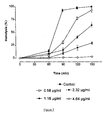
- shows the dose-dependent protective effect of the combination of the active ingredients on UVB-induced hemolysis (Example 1)
- Figure 2:
- shows he dose-dependent protective effect of lipophilic components of the combination of the active ingredients on UVB-induced hemolysis (Example 2)
- Figure 3:
- shows the dose-dependent protective effect of hydrophilic components of the combination of the active ingredients on UVB-induced hemolysis (Example 2)
- Figure 4:
- shows the UVB-induced hemolysis: cooperative antioxidant interaction between lipophilic and hydrophilic components of the combination of the active ingredients (Example 3)
- Figure 5:
- shows the protective effect of the combination of the active ingredients on RBC hemolysis induced by 120 min irradiation (Example 3)
- Figure 6:
- shows the effect of selenium yeast and sodium selenite supplementation on keratinocytes viability (Example 4)
- Figure 7:
- shows the effect of selenium yeast and sodium selenite supplementation on keratinocyte glutathione peroxidase activity (Example 5)
- Figure 8:
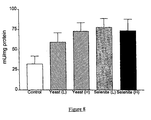
- shows the effect of selenium yeast and sodium selenite supplementation on glutathione peroxidase activity in keratinocytes exposed to UVB radiation (50 mJ/cm2) (Example 5)
- Figure 9:
- shows the effect of selenium yeast and sodium selenite supplementation on cumene hydroperoxide (CuOOH)-induced cell death (Example 6)
- Figure 10:
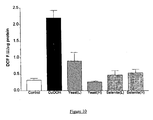
- shows the effect of selenium yeast and sodium selenite supplementation on CuOOH-induced intracelluar oxidative stress (DCF formation) (Example 7)
- The following abbreviations have been used in Figures 7 to 10:
Yeast (L) Selenium yeast (3.95 µg/ml): 50 nM Se Yeast (H) Selenium yeast (39.5 µg/ml): 500 nM Se Selenite (L) Na2SeO3 50 nM Selenite (H) Na2SeO3 500 nM - One skilled in the art will appreciate that although specific reagents and reaction conditions are outlined in the following examples, modifications can be made which are meant to be encompassed by the scope of the invention. The following examples, therefore, are intended to further illustrate the invention and are not limiting.
- The used organic solvents were of analytical grade (Carlo Erba, Milan, Italy). The active ingredients (Vitis vinifera extract, Lycopersicum esculentum extract, beta-carotene, lycopene, d,1-α tocopherol acetate, ascorbic acid, selenium yeast) were supplied by Pharmaton SA, CH 6934 Bioggio, Switzerland. Cumene hydroperoxide (CuOOH), thiobarbituric acid (TBA), EDTA, sodium selenite (Na2SeO3), sodium azide (NaN3), sodium pyruvate, 2',7'-dichlorodihydrofluorescein diacetate (DCFH-DA), DMEM (Dulbecco's modified Eagle's medium), phenol red free DMEM, L-glutamine, penicillinstreptomycin solution were purchased from Sigma (Trimital, Milan, Italy); fetal calf serum and phosphate buffer solutions (PBS) from Hyclone (Belbio, Milan, Italy); H2O2 (30% v/v) from Fluka (Trimital, Milan, Italy); NADH, NADPH, GSH and GSH-reductase from Boehringer Mannheim Italy (Milan, Italy).
- Spectrophotometric and fluorimetric studies were carried out in a computer-aided Perkin Elmer Lambda 16 spectrophotometer and a computer aided Perkin Elmer LS50B luminescence spectrometer (Perkin Elmer, Monza, Italy).
- Erythrocytes from male Wistar rats (Charles River, Calco, Italy), isolated and washed from white blood cells and platelets were suspended in phosphate buffered saline, pH 7.4 [125 mM NaCI and 10 mM sodium phosphate buffer (PBS)], stored at 4°C and used until 4 days old. For experiments, an aliquot of the erythrocyte suspension was drawn from the stock, centrifuged at 1000 x g for 5 min and 0.1 ml of the pellet diluted to 50 ml with PBS obtain a 1% erythrocyte suspension (approximately 15 x 107 cells/ml). 50 ml aliquots of the RBC suspension were placed in Pyrex glass dishes (14 cm diameter) transparent to exciting-light wavelengths > 290 nm and exposed to UBV radiation for different time intervals. When the inhibitors were added to the RBC suspension, a pre-incubation period of 30 min at 37°C was applied. UVB radiation was carried out with a parallel bank of two Philips TL20W/12 fluorescence tubes (Sara s.r.l., Castellanza, Italy) emitting a continuous spectrum between 280 and 320 nm with a peak emission at 312 nm. Fluence rate at the site of cell irradiation (25 cm from UVB source) was of 0.85 mW/cm2 and the UVB doses employed ranged from 1.5 to 7.0 J/cm2 (exposure time 30-150 min), as measured with a Vilber Lourmat VLX-3W radiometer (UVB probe, 312 nm).
- After irradiation, 2 ml aliquots of the RBC suspension were diluted 1:5 with buffered saline and hemolysis determined turbidimetrically at 710 nm at 30 min intervals for 180 min. Percentages hemolysis were determined setting as a 100% hemolysis the absorbance value determined in RBC suspensions sonicated for 5 sec at 50% power. Mean values of 5 determinations were used for calculation.
- The NCTC 2544 human keratinocyte celline (Flow Laboratories, Irvine, UK) was cultured at 37°C in DMEM supplemented with 10% fetal calf serum 2 mM L-glutamine and antibiotics (100 U/ml penicillin and 0.1 mg/ml streptomycin). Cultures were maintained at 37°C in a humidified 5% CO2 atmosphere. For experiments, cells were seeded at a density of 5 x 10⁴/cm2 and cultured in 2 cm2 cell plastic culture dishes until 80-90% confluence. Cell viability was determined by the trypan blue exclusion assay and by measuring the LDH leakage. Protein determinations were performed by a modified Lowry method, using bovine serum albumin as a standard.
- Cells grown were treated with sodium selenite (50, 500 nM) or selenium yeast (3.95 or 39.5 µg/ml corresponding to 50 and 500 nM Se) and incubated to 90% confluence (48 h). Before irradiation cell monolayers were washed three times with prewarmed PBS and exposed to UVB (50 mJ/cm2), in the presence of PBS. After irradiation, PBS was replaced by serum-phenol red free DMEM (K-DMEM) and incubated for 24 h (sham-control cells were subjected to the same procedure without UV exposure). The media were discarded and the cells removed by gently scraping into 1 ml of 50 mM Tris-HCl buffer and lysed by sonication. The cellular suspensions (0.1 ml aliquots) were analysed for GPX activity by monitoring the decrease of absorbance at 340 nm for the rate of disappearance of NADPH in a thermostated (37°C) spectrophotometer. GPX activity was calculated using a molar extinction coefficient of NADPH of 6.22 x 103 cm-1 m-1 and expressed as mU/mg protein, where 1 U of enzyme activity is defined as µmoles substrate consumed or product produced/min at 37°C.
- The intracellular oxidative stress induced by CuOOH and the protective effect by selenium yeast was determined by measuring cell viability and peroxide content by using the oxidation-sensitive fluorescent probe DCF (Dichlorofluorescein). Cells grown were treated with sodium selenite (50, 500 nM) or selenium yeast (3.95 or 39.5 µg/ml corresponding to 50 and 500 nM Se) and incubated to 90% confluence (48 h). Stock solution of DCFH-DA (Dichlorodihydrofluorescein diacetate) (3.34 mM) were prepared in ethanol, purged with nitrogen and stored at -20°C in 500 µl aliquots. Cell monolayers were washed with prewarmed PBS and incubated with 10 µM DCFH-DA in PBS for 30 min at 37°C. Thereafter the medium was discarded and the cell monolayer washed three times with prewarmed PBS to remove not-incorporated DCFH-DA and then incubated with K-DMEM containing 0.5 mM CuOOH. Sham-control cells were subjected to the same procedure without CuOOH exposure. After 24 h incubation, the media were discarded and the cells removed by gently scraping into 3 ml of PBS. The cellular suspension was then transferred into 1 ml thermostated fluorescence cuvettes (25°C) equipped with a magnetic stirrer and the increase of fluorescence intensity of the probe (λexc 502 nm; λem 520 nm; band widths 5 nm) recorded. The fluorescence intensity values at all the observation times were correlated to protein content (means ± S.D. of 6 determinations) and expressed as % increase of fluorescence in respect to the controls (sham-control cells).
- Results are expressed as mean ± S.D. of 5 independent determinations. Data were analysed by one-way analysis of variance (ANOVA), followed by the Tukey's test for statistical significance among groups and by Student's t-test (two tailed) for unpaired samples. Differences were considered significant when
p < 0.05. Statistical analysis was performed by using the Prism software package (GraphPad Software Inc., San Diego CA, USA). - Exposure of rat RBC to increasing UVB doses gives the typical hemolysis curve reported in Figure 1: the hemolytic process begins from 60 min irradiation, corresponding to an UVB dose of approximately
3 J/cm2 (8.5 ± 3.2%) and reached the plateau between 90 (87.2 ± 6.3%) and 120 minutes (98.7 ± 4.4%). The samples of the combination of active ingredients were prepared by mixing with PBS and vortexed; the homogenous suspension obtained was further diluted in PBS to final concentrations ranging from 0.1-10 µg/ml. When unirradiated RBC were incubated under aerobic conditions in the presence of the combination of active ingredients no significant hemolysis was observed within 3 h. The combination of active ingredients added to RBC suspension before irradiation, markedly and dose-dependently protected RBC from UVB-induced hemolysis (Figure 1), with a minimal effective concentration of 0.1 µg/ml. At 5 µg/ml the hemolytic process was delayed by 30 min, and after 120 min irradiation the percentage hemolysis was only 34.5 ± 5.5% and at the highest concentration (10 µg/ml) RBC integrity was maintained until 150 min UVB irradiation (7 J/cm2).The IC50 value, calculated at 120 min, was 4 µg/ml. - For a better understanding of the protective effect of the combination of the active ingredients on UVB-induced hemolysis, we have investigated the radical scavenging ability of a mixture of lipophilic
(vitamin E acetate + beta-carotene + extract of Lycopersicum esculentum) and hydrophilic antioxidants (vitamin C + extract of Vitis vinifera). - Stock solutions of vitamin E acetate, beta-carotene and extract of Lycopersicum esculentum were prepared in THF under N2 atmosphere and red light to prevent autooxidation and stored at -20°C up to 1 week. The stability of each antioxidant was daily checked by UV spectroscopy. In order to maintain the same rations between the antioxidants present in the combination of active ingredients, a mixed stock solution of 7.04 mg/ml for vitamin E acetate, 1.64 mg/ml for beta-carotene and of extract of Lycopersicum esculentum corresponding to 0.88 mg/ml lycopene was prepared by dilution with THF. A serial dilution was made to give the mixed lipophilic antioxidant working solutions at final concentrations of 1.2, 2.4, 4.8, 9.6 µg/ml of RBC suspension (total lipophilic antioxidants). In all the experiments THF concentration was always 0.1% (v/v).
- The same approach was used for hydrophilic antioxidants: a mixed stock solution of vitamin C (6.72 mg/ml) and extract of Vitis vinifera (2.8 mg/ml) was prepared in PBS and a serial dilution was made to give the mixed hydrophilic antioxidant working solutions at 0.58, 1.16, 2.32, 4.64, 9.28 µg/ml RBC suspension (total hydrophilic antioxidants).
As shown in Figures 2 and 3, both the lipophilic and the hydrophilic fractions of the combination of active ingredients are able to prevent UVB-induced hemolysis, in a dose-dependent manner, although with different potency. The greater activity of the hydrophilic mixture is mainly due to the presence of the Vitis vinifera extract, which has been shown in different experimental models in vitro to be a potent chain-breaking antioxidant (Maffei Facino R.; Carini M.; Aldini G.; Bombardelli E.; Morazzoni P.; Morelli R.; Free radicals scavenging action and anti-enzyme activities of Procyanidines from Vitis vinifera - A mechanism for their capillary protective action; Arzneim. Forsch./ Drug Res., 44, 592-601, 1994) and to save endogenous vitamin E from UVB-induced consumption, through recycling mechanism (hydrogen transferring reacticn). - The cooperative antioxidant interaction between lipophilic and hydrophilic antioxidants of the combination was studied by using concentrations of each mixed working solution that give approximately 20-30% inhibition at 120 min irradiation: 2.4 µg/ml for lipophilic (Vitamin E acetate 1.76 µg/ml, β-Carotene 0.41 µg/ml, lycopene 0.22 µg/ml) and 0.58 µg/ml for hydrophilic (Vitamin C 0.4 µg/ml, extract of vitis vinifera 0.18 µg/ml). The results are shown in Figures 4 and 5. Under these conditions, the rate of hemolysis was similar for both the mixtures, the hydrophilic being slightly more active than the lipophilic one (20% vs 14% inhibition at 120 min). When the antioxidants were combined, the rate of hemolysis was markedly slowered and the integrity of RBC was maintained up to 90 min. At 120 min the percentage inhibition (55 ± 2.5%) was far beyond the sum of the % inhibitions (calculated:33.8%) observed with the individual antioxidant mixtures, to indicate a synergistic interaction. The protective effect elicited by a typical combination of hydrophilic/lipophilic antioxidants (Vitis vinifera extract + lycopene) did not differ significantly from that observed with the combination of the hydrophilic ingredients (Figure 5); by contrast, the association between vitamin E (1.76 µg/ml) and lycopene (0.22 µg/ml) gives a percentage inhibition of hemolysis significantly lower than that obtained with the combination of the lipophilic ingredients (7.1% vs 14%) (Figure 5).
- In cultured keratinocytes, sodium selenite or selenium yeast had no apparent growth-stimulating activity. Cell viability, determined LDH leakage (Figure 6), was always over 95% and not significantly different in respect to the sham-control cells at 50 and 500 nM Se doses.
- Figure 7 shows the effects of selenium yeast or sodium selenite supplementation (equimolar Se doses) in control cells: with sodium selenite maximal induction of GSH-PX activity was found at 50 nM (3.365 fold increase vs controls; 91.44 ± 10.37 vs 28.31 ± 5.87 mU/mg protein), and no further increase was observed at 500 nM concentration. Selenium yeast was less potent as GSH-PX inducer at the lower concentration (2.44-fold increase; 63.05 ± 5.51 mU/mg protein), but at the concentration 39.5 µg/ml (corresponding to 500 nM Se) the increase in the enzymatic activity was comparable to that obtained with the equimolar dose of sodium selenite (90.11 ± 10.35 mU/mg protein). These results clearly demonstrate that selenium yeast dose-dependently releases selenium for enzyme activation.
GSH-PX activity was also determined in keratinocytes exposed to UVB irradiation (50 mJ/cm2), and the extent of enzyme induction by selenium yeast or sodium selenite was significantly enhanced in comparision to the control cells (Figure 8), thus to indicate that also under oxidant imbalance selenium is still active. - Cumene hydroperoxide is a strong promoter of free radical reactions and incubation of keratinocytes with 500 µM CuOOH produced more than 80% cell death 24 h after exposure (Figure 9). In selenium yeast-supplemented cells, cell death was markedly and dose-dependently restrained, cell viability being
64 ± 1.3% at the lowest dose (3.95 µg/ml) and not significantly different from controls cells (90 ± 1.2%) at the highest Se dose (39.5 µg/ml ≈ 500 nM Se). The protection afforded by 50 nM sodium selenite was slightly greater, since cell viability was almost completely recovered. - The intracellular oxidative status was determined by the sensitive fluorimetric DCF assay. The assay is based on the ability of the non-polar, non-fluorescent DCFH-DA to diffuse through the cell membrane and to be deacetylated by cytosolic esterases to form the polar, non-fluorescent dichlorodihydrofluorescein (DCFH). This last is trapped within the cytosol where, by reacting with reactive oxygen species generated by CuOOH, gives rise to the formation of the fluorescent derivative dichlorofluorescein (DCF).
Incubation of keratinocytes with 500 µM CuOOH results in a significant accumulation of DCF (maximal after 24 h; more than 7-fold increase), to confirm the spreading of an oxidative burst in the cytosol compartment (Figure 10). Pretreatment of the cells with selenium yeast counteracts the oxidative insult, since a 60% reduction of DCF formation was observed at the lower dose (3.95 µg/ml) and an almost complete protection at 39.5 µg/ml (550 nM Se). Sodium selenite totally prevents DCF formation already at the lowest dose (50 nM). - These results of these examples indicate that it is the association between lipophilic and hydrophilic antioxidants, which is the object of the present invention that provides optimal cell protection against the oxidative challenge of UVB. In other words, there exists a synergistic interaction among antioxidants which explains the high degree of protection obtained with the combination of the active ingredients.
Since free radicals and reactive oxygen species (ROS) are generated in both the lipid and aqueous cell compartments, an antioxidant defence system as in the combination of the active ingredients, the object of the present invention, which can partition in both lipid and aqueous environments, is highly suited for cell protection.
Claims (8)
- Use of a composition comprising synergistic amounts of a lipophilic antioxidant and a hydrophilic antioxydant and a carrier selected from the group consisting of natural plant oils, fully or partially hydrogenated plant oils, lecithins, plant phosphatides and natural waxes, wherein said lipophilic antioxydant is a mixture consisting of(a) 5 to 20 parts of vitamin E;(b) 1 to 15 parts of beta-carotene; and(c) 1 to 4 parts of lycopene in the form of an extract of Lycopersicum esculentum obtained from dried skin of tomatos;
and said hydrophylic antioxydant is a mixture consisting of(d) 2 to 60 parts of vitamin C; and(e) 1 to 30 parts of Vitis vinifera extract obtained from the seeds of red vines;for the preparation of a composition for protecting a subject from suffering from a disease or treating a subject suffering from a disease, said disease being caused by an overproduction of free radicals and is selected from the group consisting of ageing, inflammation, atherosclerosis or cancer. - The use according to claim 1 wherein the composition comprises additionally selenium.
- The use according to claim 1, wherein said lipophilic antioxydant is a mixture consisting of(a) 7.5 to 15 parts of vitamin E;(b) 2 to 10 parts of beta-carotene; and(c) 1.5 to 3 parts of lycopene in the form of an extract of Lycopersicum esculentum obtained from dried skin of tomatos,
and said hydrophylic antioxydant is a mixture consisting of(d) 5 to 50 parts of vitamin C; and(e) 1.1 to 25 parts of Vitis vinifera extract obtained from the seeds of red vines. - The use according to claim 1 wherein the lipophilic antioxidant comprises vitamin E acetate or vitamin E succinate.
- The use according to claim 1 wherein the hydrophilic antioxidant comprises the sodium salt of vitamin C.
- The use composition according to claim 2 wherein the composition comprises sodium selenite or selenium yeast.
- The use according to claim 1 wherein said carrier is selected from the group consisting of soybean oil, fully or partially hydrogenated soybean oil, rape oil, peanut oil, soylecithin, soyphosphatide, egglecithin and beeswax.
- The use according to claim 1 wherein the composition is administered in the form of soft or hard gelatin capsule, tablet, coated tablet, suppository or in the transdermal form.
Applications Claiming Priority (3)
| Application Number | Priority Date | Filing Date | Title |
|---|---|---|---|
| US20694500P | 2000-05-25 | 2000-05-25 | |
| US206945P | 2000-05-25 | ||
| PCT/EP2001/005841 WO2001089542A2 (en) | 2000-05-25 | 2001-05-22 | Composition for improving the cell protection comprising a lipophilic antioxidant and a hydrophilic antioxidant |
Publications (2)
| Publication Number | Publication Date |
|---|---|
| EP1317272A2 EP1317272A2 (en) | 2003-06-11 |
| EP1317272B1 true EP1317272B1 (en) | 2006-04-12 |
Family
ID=22768614
Family Applications (1)
| Application Number | Title | Priority Date | Filing Date |
|---|---|---|---|
| EP01936384A Expired - Lifetime EP1317272B1 (en) | 2000-05-25 | 2001-05-22 | Composition for improving the cell protection comprising a lipophilic antioxidant an a hydrophilic antioxidant |
Country Status (12)
| Country | Link |
|---|---|
| US (2) | US6627231B2 (en) |
| EP (1) | EP1317272B1 (en) |
| JP (1) | JP4750340B2 (en) |
| CN (1) | CN1450905A (en) |
| AT (1) | ATE322904T1 (en) |
| CA (1) | CA2409688A1 (en) |
| DE (1) | DE60118759T2 (en) |
| DK (1) | DK1317272T3 (en) |
| ES (1) | ES2261416T3 (en) |
| MX (1) | MXPA02011528A (en) |
| PT (1) | PT1317272E (en) |
| WO (1) | WO2001089542A2 (en) |
Families Citing this family (35)
| Publication number | Priority date | Publication date | Assignee | Title |
|---|---|---|---|---|
| JPH0734166B2 (en) * | 1987-06-26 | 1995-04-12 | 三菱電機株式会社 | Method for creating offset shape of numerical control device |
| JP2001122791A (en) * | 1999-10-20 | 2001-05-08 | Boehringer Ingelheim Internatl Gmbh | Dietary supplement consisting of an aqueous extract of red vine leaves for reducing and preventing chronic venous insufficiency in the lower limbs |
| MXPA02011528A (en) * | 2000-05-25 | 2003-04-25 | Pharmaton Sa | METHOD FOR IMPROVING CELLULAR PROTECTION. |
| US6670392B2 (en) * | 2001-04-06 | 2003-12-30 | Bioadvantex Pharma Inc. | Compositions and methods for the prevention and treatment of human prostate cancer |
| FR2836046B1 (en) * | 2002-02-15 | 2006-09-15 | Marie Jose Touche | NOVEL THERAPEUTIC APPLICATION OF COMPOUND A: BUTOFORM OR SCUROFORM ASSOCIATED WITH PRODUCT B: EUGENOL AND PRODUCT C: ZINC OXIDE, ADDED TO LYCOPENE |
| EP1476143A1 (en) * | 2002-02-15 | 2004-11-17 | DSM IP Assets B.V. | Compositions comprising lycopene for the treatment and prevention of angiogenesis associated pathologies |
| US20030162837A1 (en) * | 2002-02-23 | 2003-08-28 | Dugan Laura L. | Carboxyfullerenes and methods of use thereof |
| GB0208081D0 (en) * | 2002-04-09 | 2002-05-22 | Boots Co Plc | Skincare compositions and methods |
| EP1382326A1 (en) * | 2002-07-17 | 2004-01-21 | Cognis France S.A. | Method of protecting the skin against ageing |
| EP1382327A1 (en) * | 2002-07-17 | 2004-01-21 | Cognis France S.A. | Method of protection of the skin against ageing |
| US20040151794A1 (en) * | 2002-12-31 | 2004-08-05 | Boehringer Ingelheim International Gmbh | Method of improvement of blood circulation |
| US20040151769A1 (en) * | 2002-12-31 | 2004-08-05 | Boehringer Ingelheim International Gmbh | Film coated tablet containing an extract of red vine leaves |
| US20050053560A1 (en) * | 2003-09-05 | 2005-03-10 | Pharmaton S.A | Use of a composition containing extracts of Vitis vinifera and lycopersicum for protecting the skin |
| AU2003287952A1 (en) * | 2003-09-27 | 2005-04-14 | Pharmaton S.A. | Use of a composition containing extracts of vitis vinifera and lycopersicum for protecting the skin |
| US20050100537A1 (en) * | 2003-11-10 | 2005-05-12 | Evans Gregory S. | Methods and kits for reducing cellular damage, inhibiting free radical production, and scavenging free radicals in mammals |
| EP1550450A1 (en) * | 2003-12-29 | 2005-07-06 | Boehringer Ingelheim International GmbH | Composition comprising an aqueous extract of red vine leaves and a blood circulating-improving agent for the treatment of chronic venous insufficiencies |
| JP2007523110A (en) * | 2004-02-19 | 2007-08-16 | ベーリンガー インゲルハイム インターナショナル ゲゼルシャフト ミット ベシュレンクテル ハフツング | Composition for treating chronic venous disease comprising red grape leaf extract and anti-inflammatory agent |
| WO2006053010A2 (en) * | 2004-11-09 | 2006-05-18 | Hill's Pet Nutrition, Inc. | Use of antioxidants for gene modulation |
| DE102004063638A1 (en) * | 2004-12-31 | 2006-07-13 | Biosyn Arzneimittel Gmbh | Selenium-containing drugs for the prophylaxis or therapy of endothelial vascular disease |
| AT501682A1 (en) | 2005-01-14 | 2006-10-15 | Hermine Dr Engl | METHOD FOR PRODUCING AN ACTIVE SUBSTANCE MIXTURE |
| US7250445B1 (en) * | 2005-01-14 | 2007-07-31 | Ehrenpreis Eli D | Anti-oxidant suppository for treating radiation proctopathy and other anorectal disorders |
| JP2006265150A (en) * | 2005-03-23 | 2006-10-05 | Kyoto Life Science Kenkyusho:Kk | Antioxidant health drinking water |
| JP2006298878A (en) * | 2005-04-25 | 2006-11-02 | Kyoto Life Science Kenkyusho:Kk | Anticancer drug disorder preventive agent |
| GB0515035D0 (en) * | 2005-07-21 | 2005-08-31 | Cambridge Theranostics Ltd | Treatment of atherosclerotic conditions |
| ITMI20060712A1 (en) | 2006-04-11 | 2007-10-12 | Fond Irccs Istituto Di Ricovero E Cura ... | USE OF AMINAHTONE FOR THE PREPARATION OF A MEDICATION FOR THE TREATMENT OF ARTERIOPATHY |
| EP2117356B1 (en) * | 2007-01-17 | 2012-07-04 | Fytexia | Anti-oxidant dietary composition containing fruits and vegetables, method for preparing the same and use of the composition |
| EP2005941A3 (en) * | 2007-06-01 | 2009-04-01 | Henkel AG & Co. KGaA | Cellular rejuvenation compounds |
| DE102008025089A1 (en) * | 2007-06-01 | 2009-03-05 | Henkel Ag & Co. Kgaa | Use of a compound made from hydroxystilbene oligomers for non-therapeutic cosmetic use, preferably e.g. to reduce or revitalize cells, preferably cells of the epidermis or dermis |
| DE102008012909A1 (en) * | 2008-03-06 | 2009-09-10 | Boehringer Ingelheim Pharma Gmbh & Co. Kg | Use of flavonoid compounds for the prophylaxis and therapy of ischemic or inflammatory cardiovascular diseases |
| CN101569414B (en) * | 2008-04-29 | 2013-04-10 | 安琪酵母股份有限公司 | Composition containing rich yeast selenium and yeast glucan |
| CN102727872B (en) * | 2012-07-13 | 2014-09-24 | 威海百合生物技术股份有限公司 | Anti-aging and heart and blood vessel protecting soft capsule and preparation method thereof |
| DE102013013029A1 (en) * | 2013-08-05 | 2015-02-05 | Ernst Fekete | Lobbyist Cell Protection PNI (Psychoneuroimmunium) |
| EP2952104A1 (en) | 2014-06-05 | 2015-12-09 | Böhm, Kirsten | Composition and method for preventing damage of human cells by ionising radiation |
| CN105942492A (en) * | 2016-04-28 | 2016-09-21 | 北京珍生康业生物科技有限公司 | Pufanxi capsules (capsules prepared from procyanidine, lycopene, and selenium carrageenan) capable of enhancing anti-oxidation ability of cell membranes and preparation method thereof |
| EP4267116A1 (en) * | 2020-12-22 | 2023-11-01 | GlaxoSmithKline Consumer Healthcare Holdings (US) LLC | Cellular health nutritional product |
Citations (2)
| Publication number | Priority date | Publication date | Assignee | Title |
|---|---|---|---|---|
| WO2000066078A1 (en) * | 1999-04-28 | 2000-11-09 | Bionatec S.A. | Cosmetic and/or dietetic composition comprising a mixture of lycopene and olive leaf extract |
| WO2001026486A1 (en) * | 1999-10-12 | 2001-04-19 | Compagnie Gervais Danone | Food or dietary composition containing several antioxydants |
Family Cites Families (11)
| Publication number | Priority date | Publication date | Assignee | Title |
|---|---|---|---|---|
| US6090414A (en) * | 1970-05-20 | 2000-07-18 | Life Science Labs, Inc. | Method and composition to reduce cancer incidence |
| IT1265312B1 (en) * | 1993-12-21 | 1996-10-31 | Indena Spa | FORMULATIONS CONTAINING CAROTENOIDS AND PRO-CAROTENOIDS ASSOCIATED WITH POLYPHENOLS IN THE PREVENTION OF DAMAGES FROM ABNORMAL PRODUCTION OF |
| US5648377A (en) * | 1993-12-21 | 1997-07-15 | Indena S.P.A. | Formulations containing carotenoids an procarotenoids combined with polyphenols in the prevention of the damages due to an abnormal production of free radicals |
| FR2721516B1 (en) * | 1994-06-27 | 1996-09-13 | Inst Rech Biolog Sa | New uses of a complex based on brain phospholipids in therapy and in food. |
| FR2727018B1 (en) * | 1994-11-17 | 1997-01-31 | Jcb Cosmetiques | ORAL COMPOSITION FOR THE PREVENTION OF SOLAR ALLERGIES BASED ON A CAROTENOID, A TOCOPHEROL, ASCORBIC ACID AND SELENIUM |
| US6077828A (en) * | 1996-04-25 | 2000-06-20 | Abbott Laboratories | Method for the prevention and treatment of cachexia and anorexia |
| CA2280093A1 (en) * | 1997-02-04 | 1998-08-06 | John V. Kosbab | Compositions and methods for prevention and treatment of vascular degenerative diseases |
| ES2218833T3 (en) | 1997-06-19 | 2004-11-16 | Lycored Natural Products Industries Ltd | SYNTHETIC MIXTURE OF LICOPENO AND VITAMIN E FOR THE PREVENTION OF OXIDATION OF LIPOPROTEINS OF LOW DENSITY (LDL). |
| AT407821B (en) | 1998-03-24 | 2001-06-25 | Franz Dr Stueckler | MEDIUM BASED ON NATURAL SUBSTANCES |
| FR2782642B1 (en) * | 1998-08-31 | 2001-12-07 | Xavier Forceville | USE OF SELENIUM FOR THE TREATMENT OF PATIENTS WITH SYSTEMIC INFLAMMATORY RESPONSE SYNDROME (SIRS), AND COMPOSITION FOR IMPLEMENTING THE TREATMENT |
| MXPA02011528A (en) * | 2000-05-25 | 2003-04-25 | Pharmaton Sa | METHOD FOR IMPROVING CELLULAR PROTECTION. |
-
2001
- 2001-05-22 MX MXPA02011528A patent/MXPA02011528A/en active IP Right Grant
- 2001-05-22 WO PCT/EP2001/005841 patent/WO2001089542A2/en not_active Ceased
- 2001-05-22 DE DE60118759T patent/DE60118759T2/en not_active Expired - Lifetime
- 2001-05-22 CN CN01810075A patent/CN1450905A/en active Pending
- 2001-05-22 DK DK01936384T patent/DK1317272T3/en active
- 2001-05-22 AT AT01936384T patent/ATE322904T1/en active
- 2001-05-22 JP JP2001585786A patent/JP4750340B2/en not_active Expired - Lifetime
- 2001-05-22 EP EP01936384A patent/EP1317272B1/en not_active Expired - Lifetime
- 2001-05-22 PT PT01936384T patent/PT1317272E/en unknown
- 2001-05-22 ES ES01936384T patent/ES2261416T3/en not_active Expired - Lifetime
- 2001-05-22 CA CA002409688A patent/CA2409688A1/en not_active Abandoned
- 2001-05-24 US US09/863,768 patent/US6627231B2/en not_active Expired - Lifetime
-
2003
- 2003-07-14 US US10/617,838 patent/US6835401B2/en not_active Expired - Lifetime
Patent Citations (2)
| Publication number | Priority date | Publication date | Assignee | Title |
|---|---|---|---|---|
| WO2000066078A1 (en) * | 1999-04-28 | 2000-11-09 | Bionatec S.A. | Cosmetic and/or dietetic composition comprising a mixture of lycopene and olive leaf extract |
| WO2001026486A1 (en) * | 1999-10-12 | 2001-04-19 | Compagnie Gervais Danone | Food or dietary composition containing several antioxydants |
Non-Patent Citations (1)
| Title |
|---|
| PINCEMAIL: "free radicals and antioxidants in human diseases", 1995, BIRKHAUSER VERLAG, BASEL * |
Also Published As
| Publication number | Publication date |
|---|---|
| DE60118759T2 (en) | 2006-09-14 |
| JP2003534285A (en) | 2003-11-18 |
| ES2261416T3 (en) | 2006-11-16 |
| US6627231B2 (en) | 2003-09-30 |
| DE60118759D1 (en) | 2006-05-24 |
| US20020012715A1 (en) | 2002-01-31 |
| CN1450905A (en) | 2003-10-22 |
| US20040009248A1 (en) | 2004-01-15 |
| ATE322904T1 (en) | 2006-04-15 |
| JP4750340B2 (en) | 2011-08-17 |
| WO2001089542A2 (en) | 2001-11-29 |
| PT1317272E (en) | 2006-06-30 |
| WO2001089542A3 (en) | 2002-11-28 |
| EP1317272A2 (en) | 2003-06-11 |
| DK1317272T3 (en) | 2006-08-14 |
| US6835401B2 (en) | 2004-12-28 |
| MXPA02011528A (en) | 2003-04-25 |
| CA2409688A1 (en) | 2001-11-29 |
Similar Documents
| Publication | Publication Date | Title |
|---|---|---|
| US6627231B2 (en) | Method for improving the cell protection | |
| Gerster | Anticarcinogenic effect of common carotenoids | |
| Lowe et al. | Lycopene and β-carotene protect against oxidative damage in HT29 cells at low concentrations but rapidly lose this capacity at higher doses | |
| Hercberg et al. | The potential role of antioxidant vitamins in preventing cardiovascular diseases and cancers | |
| US6011067A (en) | Antioxidant composition for the treatment of psoriasis and related diseases | |
| EP2032122B1 (en) | Extracts of aphanizomenon flos aquae (afa klamath), active compounds, and their uses | |
| Gerster | The potential role of lycopene for human health. | |
| Nishidai et al. | Kurosu, a traditional vinegar produced from unpolished rice, suppresses lipid peroxidation in vitro and in mouse skin | |
| BLACK et al. | Protective role of butylated hydroxytoluene and certain carotenoids in photocarcinogenesis | |
| US4986985A (en) | Method of treating skin virus infections | |
| EP1120107B1 (en) | Nutritional supplement based on blackcurrant seed oil | |
| US20050100537A1 (en) | Methods and kits for reducing cellular damage, inhibiting free radical production, and scavenging free radicals in mammals | |
| Kaviarasan et al. | Antioxidant efficacy of flavonoid-rich fraction from Spermacoce hispida in hyperlipidemic rats. | |
| EP1443897B1 (en) | Carotenoid composition and method for protecting skin | |
| Chandrakesan et al. | Morin inhibiting photocarcinogenesis by targeting ultraviolet-B-induced oxidative stress and inflammatory cytokines expression in swiss albino mice | |
| Ayoola et al. | Antioxidant activities of Parquetina nigrescens | |
| Rautalahti et al. | Antioxidants and carcinogenesis | |
| Chidi et al. | In-vitro and In-vivo Antioxidant Activity of ethanol leaf Extract of Justicia carnea | |
| US20060024277A1 (en) | Method of skin care and/or treatment using extracts enriched in mitochondria | |
| EP0996431B1 (en) | Synergistic compositions of lycopene and vitamin e for the prevention of ldl oxidation | |
| Olukemi et al. | The use of selected Nigerian natural products in management of environmentally induced free radical skin damage | |
| US6515018B1 (en) | Synergistic compositions for lycopene and Vitamin E for the prevention of LDL oxidation | |
| EP0712630A2 (en) | Oral composition for the prevention of sun allergies containing a carotenoid, a tocopherol, ascorbic acid and selenium | |
| Krishnan et al. | Ameliorative potential of Chrysoeriol, a bioactive flavonoid on oxidative stress and hepatic marker enzymes in STZ induced diabetic rats | |
| Sisein et al. | High performance liquid chromatography profiling of phenolics, antioxidant and antityrosinase properties of Acmella caulirhiza extract |
Legal Events
| Date | Code | Title | Description |
|---|---|---|---|
| PUAI | Public reference made under article 153(3) epc to a published international application that has entered the european phase |
Free format text: ORIGINAL CODE: 0009012 |
|
| AK | Designated contracting states |
Designated state(s): AT BE CH CY DE DK ES FI FR GB GR IE IT LI LU MC NL PT SE TR |
|
| 17P | Request for examination filed |
Effective date: 20030528 |
|
| 17Q | First examination report despatched |
Effective date: 20031020 |
|
| GRAP | Despatch of communication of intention to grant a patent |
Free format text: ORIGINAL CODE: EPIDOSNIGR1 |
|
| GRAS | Grant fee paid |
Free format text: ORIGINAL CODE: EPIDOSNIGR3 |
|
| GRAA | (expected) grant |
Free format text: ORIGINAL CODE: 0009210 |
|
| RAP1 | Party data changed (applicant data changed or rights of an application transferred) |
Owner name: BOEHRINGER INGELHEIM INTERNATIONAL GMBH |
|
| AK | Designated contracting states |
Kind code of ref document: B1 Designated state(s): AT BE CH CY DE DK ES FI FR GB GR IE IT LI LU MC NL PT SE TR |
|
| REG | Reference to a national code |
Ref country code: GB Ref legal event code: FG4D |
|
| RIC1 | Information provided on ipc code assigned before grant |
Ipc: A61K 31/355 20060101ALN20060220BHEP Ipc: A61K 31/375 20060101ALN20060220BHEP Ipc: A61K 36/00 20060101AFI20060220BHEP Ipc: A61P 9/00 20060101ALI20060220BHEP Ipc: A61K 35/74 20060101ALN20060220BHEP Ipc: A61K 33/04 20060101ALN20060220BHEP Ipc: A61K 36/00 20060101ALN20060220BHEP Ipc: A61P 29/00 20060101ALI20060220BHEP Ipc: A61K 31/015 20060101ALN20060220BHEP Ipc: A61P 35/00 20060101ALI20060220BHEP |
|
| REG | Reference to a national code |
Ref country code: CH Ref legal event code: EP |
|
| REG | Reference to a national code |
Ref country code: CH Ref legal event code: NV Representative=s name: SCHMAUDER & PARTNER AG PATENTANWALTSBUERO |
|
| REF | Corresponds to: |
Ref document number: 60118759 Country of ref document: DE Date of ref document: 20060524 Kind code of ref document: P |
|
| REG | Reference to a national code |
Ref country code: IE Ref legal event code: FG4D |
|
| REG | Reference to a national code |
Ref country code: PT Ref legal event code: SC4A Effective date: 20060419 |
|
| REG | Reference to a national code |
Ref country code: SE Ref legal event code: TRGR |
|
| REG | Reference to a national code |
Ref country code: GR Ref legal event code: EP Ref document number: 20060401979 Country of ref document: GR |
|
| REG | Reference to a national code |
Ref country code: DK Ref legal event code: T3 |
|
| REG | Reference to a national code |
Ref country code: ES Ref legal event code: FG2A Ref document number: 2261416 Country of ref document: ES Kind code of ref document: T3 |
|
| ET | Fr: translation filed | ||
| PLBE | No opposition filed within time limit |
Free format text: ORIGINAL CODE: 0009261 |
|
| STAA | Information on the status of an ep patent application or granted ep patent |
Free format text: STATUS: NO OPPOSITION FILED WITHIN TIME LIMIT |
|
| 26N | No opposition filed |
Effective date: 20070115 |
|
| REG | Reference to a national code |
Ref country code: CH Ref legal event code: PCAR Free format text: SCHMAUDER & PARTNER AG PATENT- UND MARKENANWAELTE VSP;ZWAENGIWEG 7;8038 ZUERICH (CH) |
|
| REG | Reference to a national code |
Ref country code: PT Ref legal event code: PC4A Owner name: PHARMATON S.A., CH Effective date: 20130306 |
|
| REG | Reference to a national code |
Ref country code: DE Ref legal event code: R082 Ref document number: 60118759 Country of ref document: DE Representative=s name: RATH, JEAN-PHILIPPE, DIPL.-CHEM. UNIV. DR. RER, DE |
|
| REG | Reference to a national code |
Ref country code: FR Ref legal event code: TP Owner name: PHARMATON S.A., CH Effective date: 20130402 |
|
| REG | Reference to a national code |
Ref country code: GB Ref legal event code: 732E Free format text: REGISTERED BETWEEN 20130418 AND 20130424 |
|
| REG | Reference to a national code |
Ref country code: NL Ref legal event code: SD Effective date: 20130604 |
|
| REG | Reference to a national code |
Ref country code: DE Ref legal event code: R082 Ref document number: 60118759 Country of ref document: DE Representative=s name: RATH, JEAN-PHILIPPE, DIPL.-CHEM. UNIV. DR. RER, DE Effective date: 20130430 Ref country code: DE Ref legal event code: R081 Ref document number: 60118759 Country of ref document: DE Owner name: PHARMATON S.A., CH Free format text: FORMER OWNER: BOEHRINGER INGELHEIM INTERNATIONAL GMBH, 55218 INGELHEIM, DE Effective date: 20130430 Ref country code: ES Ref legal event code: PC2A Owner name: PHARMATON, S.A. Effective date: 20130617 |
|
| REG | Reference to a national code |
Ref country code: CH Ref legal event code: PUE Owner name: PHARMATON S.A., CH Free format text: FORMER OWNER: BOEHRINGER INGELHEIM INTERNATIONAL GMBH, DE |
|
| REG | Reference to a national code |
Ref country code: AT Ref legal event code: PC Ref document number: 322904 Country of ref document: AT Kind code of ref document: T Owner name: PHARMATON S.A., CH Effective date: 20131008 |
|
| REG | Reference to a national code |
Ref country code: FR Ref legal event code: PLFP Year of fee payment: 15 |
|
| PGFP | Annual fee paid to national office [announced via postgrant information from national office to epo] |
Ref country code: LU Payment date: 20150528 Year of fee payment: 15 |
|
| PGFP | Annual fee paid to national office [announced via postgrant information from national office to epo] |
Ref country code: PT Payment date: 20150518 Year of fee payment: 15 Ref country code: DK Payment date: 20150520 Year of fee payment: 15 Ref country code: SE Payment date: 20150520 Year of fee payment: 15 Ref country code: FI Payment date: 20150513 Year of fee payment: 15 Ref country code: MC Payment date: 20150515 Year of fee payment: 15 Ref country code: CY Payment date: 20150508 Year of fee payment: 15 |
|
| PGFP | Annual fee paid to national office [announced via postgrant information from national office to epo] |
Ref country code: AT Payment date: 20150521 Year of fee payment: 15 Ref country code: IE Payment date: 20150522 Year of fee payment: 15 Ref country code: NL Payment date: 20150520 Year of fee payment: 15 Ref country code: GR Payment date: 20150515 Year of fee payment: 15 Ref country code: BE Payment date: 20150520 Year of fee payment: 15 |
|
| REG | Reference to a national code |
Ref country code: CH Ref legal event code: NV Representative=s name: RAPISARDI INTELLECTUAL PROPERTY SA, CH Ref country code: CH Ref legal event code: PUE Owner name: GINSANA SA, CH Free format text: FORMER OWNER: PHARMATON S.A., CH |
|
| REG | Reference to a national code |
Ref country code: FR Ref legal event code: PLFP Year of fee payment: 16 |
|
| PG25 | Lapsed in a contracting state [announced via postgrant information from national office to epo] |
Ref country code: BE Free format text: LAPSE BECAUSE OF NON-PAYMENT OF DUE FEES Effective date: 20160531 |
|
| PG25 | Lapsed in a contracting state [announced via postgrant information from national office to epo] |
Ref country code: LU Free format text: LAPSE BECAUSE OF NON-PAYMENT OF DUE FEES Effective date: 20160522 |
|
| REG | Reference to a national code |
Ref country code: DK Ref legal event code: EBP Effective date: 20160531 |
|
| REG | Reference to a national code |
Ref country code: NL Ref legal event code: MM Effective date: 20160601 |
|
| REG | Reference to a national code |
Ref country code: AT Ref legal event code: MM01 Ref document number: 322904 Country of ref document: AT Kind code of ref document: T Effective date: 20160522 |
|
| PG25 | Lapsed in a contracting state [announced via postgrant information from national office to epo] |
Ref country code: CY Free format text: LAPSE BECAUSE OF NON-PAYMENT OF DUE FEES Effective date: 20160522 Ref country code: FI Free format text: LAPSE BECAUSE OF NON-PAYMENT OF DUE FEES Effective date: 20160522 |
|
| REG | Reference to a national code |
Ref country code: CH Ref legal event code: PCAR Free format text: NEW ADDRESS: VIA ARIOSTO 6, 6901 LUGANO (CH) |
|
| REG | Reference to a national code |
Ref country code: GR Ref legal event code: ML Ref document number: 20060401979 Country of ref document: GR Effective date: 20161207 |
|
| REG | Reference to a national code |
Ref country code: IE Ref legal event code: MM4A |
|
| PG25 | Lapsed in a contracting state [announced via postgrant information from national office to epo] |
Ref country code: NL Free format text: LAPSE BECAUSE OF NON-PAYMENT OF DUE FEES Effective date: 20160601 Ref country code: GR Free format text: LAPSE BECAUSE OF NON-PAYMENT OF DUE FEES Effective date: 20161207 Ref country code: PT Free format text: LAPSE BECAUSE OF NON-PAYMENT OF DUE FEES Effective date: 20161122 Ref country code: AT Free format text: LAPSE BECAUSE OF NON-PAYMENT OF DUE FEES Effective date: 20160522 Ref country code: SE Free format text: LAPSE BECAUSE OF NON-PAYMENT OF DUE FEES Effective date: 20160523 |
|
| REG | Reference to a national code |
Ref country code: FR Ref legal event code: PLFP Year of fee payment: 17 |
|
| PG25 | Lapsed in a contracting state [announced via postgrant information from national office to epo] |
Ref country code: DK Free format text: LAPSE BECAUSE OF NON-PAYMENT OF DUE FEES Effective date: 20160531 Ref country code: IE Free format text: LAPSE BECAUSE OF NON-PAYMENT OF DUE FEES Effective date: 20160522 |
|
| REG | Reference to a national code |
Ref country code: FR Ref legal event code: PLFP Year of fee payment: 18 |
|
| PG25 | Lapsed in a contracting state [announced via postgrant information from national office to epo] |
Ref country code: MC Free format text: LAPSE BECAUSE OF NON-PAYMENT OF DUE FEES Effective date: 20160531 |
|
| PGFP | Annual fee paid to national office [announced via postgrant information from national office to epo] |
Ref country code: ES Payment date: 20200601 Year of fee payment: 20 Ref country code: FR Payment date: 20200414 Year of fee payment: 20 Ref country code: TR Payment date: 20200522 Year of fee payment: 20 Ref country code: DE Payment date: 20200512 Year of fee payment: 20 |
|
| PGFP | Annual fee paid to national office [announced via postgrant information from national office to epo] |
Ref country code: IT Payment date: 20200414 Year of fee payment: 20 Ref country code: GB Payment date: 20200513 Year of fee payment: 20 |
|
| PGFP | Annual fee paid to national office [announced via postgrant information from national office to epo] |
Ref country code: CH Payment date: 20201118 Year of fee payment: 20 |
|
| REG | Reference to a national code |
Ref country code: DE Ref legal event code: R071 Ref document number: 60118759 Country of ref document: DE |
|
| REG | Reference to a national code |
Ref country code: CH Ref legal event code: PL |
|
| REG | Reference to a national code |
Ref country code: GB Ref legal event code: PE20 Expiry date: 20210521 |
|
| PG25 | Lapsed in a contracting state [announced via postgrant information from national office to epo] |
Ref country code: GB Free format text: LAPSE BECAUSE OF EXPIRATION OF PROTECTION Effective date: 20210521 |
|
| REG | Reference to a national code |
Ref country code: ES Ref legal event code: FD2A Effective date: 20220105 |
|
| PG25 | Lapsed in a contracting state [announced via postgrant information from national office to epo] |
Ref country code: ES Free format text: LAPSE BECAUSE OF EXPIRATION OF PROTECTION Effective date: 20210523 |