EP1311242B1 - Active agent delivery systems and methods for protecting and administering active agents - Google Patents
Active agent delivery systems and methods for protecting and administering active agents Download PDFInfo
- Publication number
- EP1311242B1 EP1311242B1 EP01966056A EP01966056A EP1311242B1 EP 1311242 B1 EP1311242 B1 EP 1311242B1 EP 01966056 A EP01966056 A EP 01966056A EP 01966056 A EP01966056 A EP 01966056A EP 1311242 B1 EP1311242 B1 EP 1311242B1
- Authority
- EP
- European Patent Office
- Prior art keywords
- active agent
- polythroid
- release
- polypeptide
- acid
- Prior art date
- Legal status (The legal status is an assumption and is not a legal conclusion. Google has not performed a legal analysis and makes no representation as to the accuracy of the status listed.)
- Expired - Lifetime
Links
Images


Classifications
-
- A—HUMAN NECESSITIES
- A61—MEDICAL OR VETERINARY SCIENCE; HYGIENE
- A61K—PREPARATIONS FOR MEDICAL, DENTAL OR TOILETRY PURPOSES
- A61K31/00—Medicinal preparations containing organic active ingredients
- A61K31/185—Acids; Anhydrides, halides or salts thereof, e.g. sulfur acids, imidic, hydrazonic or hydroximic acids
- A61K31/19—Carboxylic acids, e.g. valproic acid
- A61K31/195—Carboxylic acids, e.g. valproic acid having an amino group
- A61K31/197—Carboxylic acids, e.g. valproic acid having an amino group the amino and the carboxyl groups being attached to the same acyclic carbon chain, e.g. gamma-aminobutyric acid [GABA], beta-alanine, epsilon-aminocaproic acid or pantothenic acid
- A61K31/198—Alpha-amino acids, e.g. alanine or edetic acid [EDTA]
-
- A—HUMAN NECESSITIES
- A61—MEDICAL OR VETERINARY SCIENCE; HYGIENE
- A61K—PREPARATIONS FOR MEDICAL, DENTAL OR TOILETRY PURPOSES
- A61K47/00—Medicinal preparations characterised by the non-active ingredients used, e.g. carriers or inert additives; Targeting or modifying agents chemically bound to the active ingredient
- A61K47/50—Medicinal preparations characterised by the non-active ingredients used, e.g. carriers or inert additives; Targeting or modifying agents chemically bound to the active ingredient the non-active ingredient being chemically bound to the active ingredient, e.g. polymer-drug conjugates
- A61K47/51—Medicinal preparations characterised by the non-active ingredients used, e.g. carriers or inert additives; Targeting or modifying agents chemically bound to the active ingredient the non-active ingredient being chemically bound to the active ingredient, e.g. polymer-drug conjugates the non-active ingredient being a modifying agent
- A61K47/54—Medicinal preparations characterised by the non-active ingredients used, e.g. carriers or inert additives; Targeting or modifying agents chemically bound to the active ingredient the non-active ingredient being chemically bound to the active ingredient, e.g. polymer-drug conjugates the non-active ingredient being a modifying agent the modifying agent being an organic compound
- A61K47/55—Medicinal preparations characterised by the non-active ingredients used, e.g. carriers or inert additives; Targeting or modifying agents chemically bound to the active ingredient the non-active ingredient being chemically bound to the active ingredient, e.g. polymer-drug conjugates the non-active ingredient being a modifying agent the modifying agent being an organic compound the modifying agent being also a pharmacologically or therapeutically active agent, i.e. the entire conjugate being a codrug
-
- A—HUMAN NECESSITIES
- A61—MEDICAL OR VETERINARY SCIENCE; HYGIENE
- A61K—PREPARATIONS FOR MEDICAL, DENTAL OR TOILETRY PURPOSES
- A61K47/00—Medicinal preparations characterised by the non-active ingredients used, e.g. carriers or inert additives; Targeting or modifying agents chemically bound to the active ingredient
- A61K47/50—Medicinal preparations characterised by the non-active ingredients used, e.g. carriers or inert additives; Targeting or modifying agents chemically bound to the active ingredient the non-active ingredient being chemically bound to the active ingredient, e.g. polymer-drug conjugates
- A61K47/51—Medicinal preparations characterised by the non-active ingredients used, e.g. carriers or inert additives; Targeting or modifying agents chemically bound to the active ingredient the non-active ingredient being chemically bound to the active ingredient, e.g. polymer-drug conjugates the non-active ingredient being a modifying agent
- A61K47/62—Medicinal preparations characterised by the non-active ingredients used, e.g. carriers or inert additives; Targeting or modifying agents chemically bound to the active ingredient the non-active ingredient being chemically bound to the active ingredient, e.g. polymer-drug conjugates the non-active ingredient being a modifying agent the modifying agent being a protein, peptide or polyamino acid
-
- A—HUMAN NECESSITIES
- A61—MEDICAL OR VETERINARY SCIENCE; HYGIENE
- A61K—PREPARATIONS FOR MEDICAL, DENTAL OR TOILETRY PURPOSES
- A61K47/00—Medicinal preparations characterised by the non-active ingredients used, e.g. carriers or inert additives; Targeting or modifying agents chemically bound to the active ingredient
- A61K47/50—Medicinal preparations characterised by the non-active ingredients used, e.g. carriers or inert additives; Targeting or modifying agents chemically bound to the active ingredient the non-active ingredient being chemically bound to the active ingredient, e.g. polymer-drug conjugates
- A61K47/51—Medicinal preparations characterised by the non-active ingredients used, e.g. carriers or inert additives; Targeting or modifying agents chemically bound to the active ingredient the non-active ingredient being chemically bound to the active ingredient, e.g. polymer-drug conjugates the non-active ingredient being a modifying agent
- A61K47/62—Medicinal preparations characterised by the non-active ingredients used, e.g. carriers or inert additives; Targeting or modifying agents chemically bound to the active ingredient the non-active ingredient being chemically bound to the active ingredient, e.g. polymer-drug conjugates the non-active ingredient being a modifying agent the modifying agent being a protein, peptide or polyamino acid
- A61K47/64—Drug-peptide, drug-protein or drug-polyamino acid conjugates, i.e. the modifying agent being a peptide, protein or polyamino acid which is covalently bonded or complexed to a therapeutically active agent
Definitions
- the present invention relates to active agent delivery systems and, more specifically, to compositions that comprise polypeptides covalently attached to active agents and methods for protecting and administering active agents.
- Active agent delivery systems are often critical for the effective delivery of a biologically active agent (active agent) to the appropriate target.
- active agent biologically active agent
- the importance of these systems becomes magnified when patient compliance and active agent stability are taken under consideration. For instance, one would expect patient compliance to increase markedly if an active agent is administered orally in lieu of an injection or another invasive technique.
- Increasing the stability of the active agent, such as prolonging shelf life or survival in the stomach, will assure dosage reproducibility and perhaps even reduce the number of dosages required which could improve patient compliance.
- Absorption of an orally administered active agent is often blocked by the harshly acidic stomach milieu, powerful digestive enzymes in the GI tract, permeability of cellular membranes and transport across lipid bilayers.
- Incorporating adjuvants such as resorcinol, surfactants, polyethylene glycol (PEG) or bile acids enhance permeability of cellular membranes.
- Microencapsulating active agents using protenoid microspheres, liposomes or polysaccharides have been effective in abating enzyme degradation of the active agent.
- Enzyme inhibiting adjuvants have also been used to prevent enzyme degradation.
- Enteric coatings have been used as a protector of pharmaceuticals in the stomach.
- Active agent delivery systems also provide the ability to control the release of the active agent. For example, formulating diazepam with a copolymer of glutamic acid and aspartic acid enables a sustained release of the active agent. As another example, copolymers of lactic acid and glutaric acid are used to provide timed release of human growth hormone.
- a wide range of pharmaceuticals purportedly provide sustained release through microencapsulation of the active agent in amides of dicarboxylic acids, modified amino acids or thermally condensed amino acids. Slow release rendering additives can also be intermixed with a large array of active agents in tablet formulations.
- Dexamethasone has been covalently attached directly to the beta carboxylate of polyaspartic acid without a spacer group.
- This prodrug formulation was designed as a colon-specific drug delivery system where the drug is released by bacterial hydrolytic enzymes residing in the large intestines.
- the released dexamethasone active agent was targeted to treat large bowel disorders and was not intended to be absorbed into the bloodstream.
- Yet another technology combines the advantages of covalent drug attachment with liposome formation where the active ingredient is attached to highly ordered lipid films (known as HARs) via a peptide linker.
- HARs highly ordered lipid films
- the present invention provides covalent attachment of active agents to a polymer of peptides or amino acids.
- the invention is distinguished from the above mentioned technologies by virtue of covalently attaching the active agent, which includes, for example, pharmaceutical drugs and nutrients, to the N-terminus, the C-terminus or directly to the amino acid side chain of an oligopeptide or polypeptide, also referred to herein as a carrier peptide.
- the polypeptide will stabilize the active agent, primarily in the stomach, through conformational protection.
- delivery of the active agent is controlled, in part, by the kinetics of unfolding of the carrier peptide.
- indigenous enzymes Upon entry into the upper intestinal tract, indigenous enzymes release the active ingredient for absorption by the body by selectively hydrolyzing the peptide bonds of the carrier peptide. This enzymatic action introduces a second order sustained release mechanism.
- the invention provides a composition comprising a polypeptide and an active agent covalently attached to the polypeptide.
- the polypeptide is a homopolymer of one of the twenty naturally occurring amino acids (L or D isomers), or an isomer, analogue, or derivative thereof.
- a drug-peptide conjugate comprising a polypeptide consisting of polyglutamic acid, and a copolymer of T3 and T4 covalently attached through an alcohol functionality of said copolymer to the N-terminus of said polypeptide.
- the active agent preferably is covalently attached to the N-terminus of the polypeptide.
- the active agent is an alcohol and is covalently attached to the N-terminus of the polypeptide.
- the composition of the invention can also include one or more of a microencapsulating agent, an adjuvant and a pharmaceutically acceptable excipient.
- the microencapsulating agent can be selected from polyethylene glycol (PEG), an amino acid, a sugar and a salt.
- PEG polyethylene glycol
- an adjuvant preferably activates an intestinal transporter.
- the composition of the invention is in the form of an ingestable tablet, an intravenous preparation or an oral suspension.
- the active agent can be conformationally protected by folding of the polypeptide about the active agent.
- the polypeptide is capable of releasing the active agent from the composition in a pH-dependent manner.
- the invention also provides a method for protecting an active agent from degradation comprising covalently attaching the active agent to a polypeptide.
- the invention also provides a method for controlling release of an active agent from a composition wherein the composition comprises a polypeptide, the method comprising covalently attaching the active agent to the polypeptide.
- the invention also provides a method for delivering an active agent to a patient, the patient being a human or a non-human animal, comprising administering to the patient a composition comprising a polypeptide and an active agent covalently attached to the polypeptide.
- the active agent is released from the composition by an enzyme-catalyzed release.
- the active agent is released in a time-dependent manner based on the pharmacokinetics of the enzyme-catalyzed release.
- the composition further comprises a microencapsulating agent and the active agent is released from the composition by dissolution of the microencapsulating agent.
- the active agent is released from the composition by a pH-dependent unfolding of the polypeptide.
- the active agent is released from the composition in a sustained release.
- the composition further comprises an adjuvant covalently attached to the polypeptide and release of the adjuvant from the composition is controlled by the polypeptide.
- the adjuvant can be microencapsulated into a carrier peptide-drug conjugate for biphasic release of active ingredients.
- a method for preparing a composition comprising a polypeptide and an active agent covalently attached to the polypeptide comprises the steps of:
- the active agent is a pharmaceutical agent or an adjuvant.
- steps (a) and (b) are repeated prior to step (c) with a second active agent.
- the active agent and second active agent can be copolymerized in step (c).
- the amino acid is glutamic acid and the active agent is released from the glutamic acid as a dimer upon a hydrolysis of the polypeptide and wherein the active agent is released from the glutamic acid by coincident intramolecular transamination.
- the glutamic acid is replaced by an amino acid selected from the group consisting of aspartic acid, arginine, asparagine, cysteine, lysine, threonine, and serine, and wherein the active agent is attached to the side chain of the amino acid to form an amide, a thioester, an ester, an ether, a urethane, a carbonate, an anhydride or a carbamate.
- the glutamic acid is replaced by a synthetic amino acid with a pendant group comprising an amine, an alcohol, a sulfhydryl, an amide, a urea, or an acid functionality.
- the present invention provides several benefits for active agent delivery.
- the invention can stabilize the active agent and prevent digestion in the stomach.
- the pharmacologic effect can be prolonged by delayed release of the active agent.
- active agents can be combined to produce synergistic effects.
- absorption of the active agent in the intestinal tract can be enhanced.
- the invention also allows targeted delivery of active agents to specifics sites of action.
- Proteins, oligopeptides and polypeptides are polymers of amino acids that have primary, secondary and tertiary structures.
- the secondary structure of the protein is the local conformation of the polypeptide chain and consists of helices, pleated sheets and turns.
- the protein's amino acid sequence and the structural constraints on the conformations of the chain determine the spatial arrangement of the molecule.
- the folding of the secondary structure and the spatial arrangement of the side chains constitute the tertiary structure.
- the thermodynamics of protein folding and unfolding are defined by the free energy of a particular condition of the protein that relies on a particular model.
- the process of protein folding involves, amongst other things, amino acid residues packing into a hydrophobic core.
- the amino acid side chains inside the protein core occupy the same volume as they do in amino acid crystals.
- the folded protein interior is therefore more like a crystalline solid than an oil drop and so the best model for determining forces contributing to protein stability is the solid reference state.
- the major forces contributing to the thermodynamics of protein folding are Van der Waals interactions, hydrogen bonds, electrostatic interactions, configurational entropy and the hydrophobic effect.
- the hydrophobic effect refers to the energetic consequences of removing apolar groups from the protein interior and exposing them to water. Comparing the energy of amino acid hydrolysis with protein unfolding in the solid reference state, the hydrophobic effect is the dominant force. Hydrogen bonds are established during the protein fold process and intramolecular bonds are formed at the expense of hydrogen bonds with water. Water molecules are "pushed out" of the packed, hydrophobic protein core. All of these forces combine and contribute to the overall stability of the folded protein where the degree to which ideal packing occurs determines the degree of relative stability of the protein. The result of maximum packing is to produce a center of residues or hydrophobic core that has maximum shielding from solvent.
- Conformational protection of active agents by proteins depends on the stability of the protein's folded state and the thermodynamics associated with the agent's decomposition. Conditions necessary for the agent's decomposition should be different than for protein unfolding.
- Variable molecular weights of the carrier compound can have profound effects on the active agent release kinetics. As a result, low molecular weight active agent delivery systems are preferred.
- An advantage of this invention is that chain length and molecular weight of the polypeptide can be optimized depending on the level of conformational protection desired. This property can be optimized in concert with the kinetics of the first order release mechanism.
- Another advantage of this invention is that prolonged release time can be imparted by increasing the molecular weight of the carrier polypeptide.
- Another, significant advantage of the invention is that the kinetics of active agent release is primarily controlled by the enzymatic hydrolysis of the key bond between the carrier peptide and the active agent.
- Dextran is the only polysaccharide known that has been explored as a macromolecular carrier for the covalent binding of drug for colon specific drug delivery. Generally, it was only possible to load up to 1/10 of the total drug-dextran conjugate weight with drug. As stated earlier, polysaccharides are digested mainly in the colon and drug absorption is mainly limited to the colon. As compared to dextran, this invention has two major advantages. First, peptides are hydrolyzed by any one of several aminopeptidases found in the intestinal lumen or associated with the brush-border membrane and so active agent release and subsequent absorption can occur in the jejunum or the ileum. Second, the molecular weight of the carrier molecule can be controlled and, thus, active agent loading can also be controlled.
- the alcohol group of the active agent is covalently attached to the N-terminus of the oligopeptide or polypeptide.
- the peptide is, in essence, extended by one monomeric unit forming a new peptide bond.
- the active agent is an alcohol
- the N-terminus is the preferred point of attachment in order to achieve a stable composition.
- An alcohol can be converted into an alkylchloroformate with phosgene.
- This invention pertains to the reaction of this key intermediate with the N-terminus of the peptide carrier as shown in Fig. 3.
- Fig. 3 also depicts the release of the active ingredient from the peptide carrier by intestinal peptidases.
- the polypeptide carrier can be prepared using conventional techniques.
- stabilizers such as sugar, amino acids, polyethylene glycol (PEG) and salts have been shown to prevent protein unfolding.
- a pre-first order release of the active agent is imparted by microencapsulating the carrier polypeptide-active agent conjugate in a polysaccharide, amino acid complex, PEG or salts.
- hydrophilic compounds are absorbed through the intestinal epithelia efficiently via specialized transporters.
- the entire membrane transport system is intrinsically asymmetric and responds asymmetrically to cofactors.
- excitation of the membrane transport system will involve some sort of specialized adjuvant resulting in localized delivery of active agents.
- the invention also allows targeting the mechanisms for intestinal epithelial transport systems to facilitate absorption of active agents.
- the composition includes one or more adjuvants to enhance the bioavailability of the active agent.
- Addition of an adjuvant is particularly preferred when using an otherwise poorly absorbed active agent.
- Suitable adjuvants include: papain, which is a potent enzyme for releasing the catalytic domain of aminopeptidase-N into the lumen; glycorecognizers, which activate enzymes in the BBM; and bile acids, which have been attached to peptides to enhance absorption of the peptides.
- the resultant peptide-active agent conjugate is formulated into a tablet using suitable excipients and can either be wet granulated or dry compressed.
- compositions of the invention are, in essence, the formation of amides from acids and amines and can be prepared by the following examples.
- the combination of the alcohol with triphosgene produces a chloroformate, which when reacted with the N-terminus of the peptide produces a carbamate.
- an alcohol bioactive agent can be treated with triphosgene in dry DMF under nitrogen.
- the suitably protected peptide carrier is then added slowly and the solution stirred at room temperature for several hours.
- the product is then precipitated out in ether
- the crude product is suitably deprotected and purified using GPC.
- solvents activating agents, cocatalysts and bases
- solvents include dimethylsulfoxide, ethers such as tetrahydrofuran or chlorinated solvents such as chloroform.
- activating agents include dicyclohexylcarbodiimide or thionyl chloride.
- An example of another cocatalyst is N-hydroxysuccinimide.
- bases include pyrrolidinopyridine, dimethylaminopyridine, triethylamine or tributylamine.
- polyglutamic acid was synthesized through the activation of the Benzyl Glutamic NCA (BnGlu-NCA) monomer.
- BnGlu-NCA Benzyl Glutamic NCA
- the BnGlu-NCA was then polymerized and the benzyl groups removed with hydrogen bromide.
- the liberation of its N-terminus amino group from the hydrogen bromide complex without imparting unwanted nucleophilicity to the free carboxylic acids is critical. Reactions using sodium carbonate, sodium bicarbonate, and sodium acetate produced glutamic acid/T 4 /T 3 copolymer with the T 4 and T 3 incorporation decreasing with increasing pKb.
- Sodium acetate was the preferred reagent because its pKb is between that of sodium bromide, polyglutamic acid, and sodium salt.
- the reaction using basic alumina kept the T 4 -NCA and T 3 -NCA intact with no apparent capping or self-polymerization.
- the stability of T 4 -NCA and T 3 -NCA will influence how glutamic acid/T 4 /T 3 copolymer will be commercially manufactured.
- Sodium acetate can be replaced with sodium carbonate, sodium bicarbonate, sodium propionate, sodium butyrate, sodium pivalate, basic alumina, or any other weak base capable of neutralizing hydrogen bromide complexed with an amino group.
- the synthesis of glutamic acid/T 4 /T 3 copolymer began with benzylglutamic acid, thyroxine, and triiodothyronine. Each of these synthons was independently reacted with triphosgene in a suitable organic solvent.
- the BnGlu-NCA was polymerized in tetrahydrofuran (THF) with sodium methoxide as an initiator. Polybenzylglutamic acid was deprotected with 15% hydrogen bromide in acetic acid. This product needs to be free of uncomplexed hydrogen bromide where it was dissolved in DMF and treated with sodium acetate.
- T 4 -NCA and T 3 -NCA were blended and added to the solution.
- Benzylglutamic acid 25 grams was suspended in 400 mL anhydrous ethyl acetate under nitrogen. The mixture was heated to reflux where 30 grams of triphosgene was added in six (6) equal portions. The reaction was refluxed for three (3) hours until homogenous. The solution was cooled to room temperature, filtered, and concentrated in vacuo. The white powder was recrystallized from 50 mL of hot anhydrous ethyl acetate to yield 17.4 grams (63%) of a white powder.
- Benzylglutamic acid (17.4 grams) was dissolved in anhydrous tetrahydrofuran (THF) under nitrogen where 238 mg of sodium methoxide was added portionwise. The solution was stirred for two (2) days with a marked increase in viscosity. The solution was poured into 1.5 L of petroleum ether with stirring. The petroleum ether was decanted off and an additional 1L of petroleum ether was added back. The mixture was stirred by hand, the petroleum ether was decanted off and the process repeated with 500 mL of petroleum ether. The white solid was air dried and then vacuum dried to yield 14.7 (95%) of a white fluffy paper-like solid.
- THF tetrahydrofuran
- Acetic acid (10mL) was stirred with 0 mL 30wt% hydrogen bromide (HBr) in acetic acid where 1.96 of polybenzylglutamic acid was added by hand.
- the mixture was stirred at room temperature for one day and was, then, added to 50 mL of ether.
- the white precipitant was filtered, washed with 4 x 30 mL of ether and dried under a high vacuum to yield 1.11 grams (97%) of a white powder.
- Polyglutamic acid (375 mg) was dissolved in dry 3 mL DMF. Sodium acetate (24 mg) was added followed by a blend of 105 mg of T 4 -NCA and 8 mg of T 3 -NCA. The solution was stirred for two (2) days where TLC showed the absence of thyronine starting materials. The solution was poured into 30 mL of water and cooled 10°C overnight. The precipitant was filtered, washed with water, and dried under high vacuum to yield 413 mg (85%) of light beige powder. The proton NMR revealed a copolymer of T 3 and T 4 covalently attached to the N-terminus of polyglutamic acid, which was virtually completely digested by the pronase enzyme system in two hours.
- Caco-2 cells are grown on the surface of collagen coated wells in a 24 well format to form confluent monolayers that represent small segments of the intestine.
- the wells are removable and contain a top chamber representing the apical side (facing the lumen of the intestine) and a bottom chamber representing the basolateral side (site of serosal drug absorption).
- the integrity of the epithelial barrier is monitored by testing the electrical resistance across the monolayer.
- Absorption of drugs can be studied by adding sample to the apical side and assaying the concentration of the drug in the basolateral chamber following incubation.
- Polythroid is a synthetic polymer of glutamic acid with T4 and T3 covalently attached by a peptide bond linkage.
- the polymer is the delivery vehicle for the thyroid hormones and is not designed to cross the intestinal barrier itself. Rather, it is designed to release T4 and T3 in a time dependent manner. Release of the thyroid hormones is dependent on the enzymatic cleavage of the glutamic acid polymer. In theory, this will result from Polythroid encountering proteolytic enzymes as it descends the intestinal tract. Proteins are digested into small polypeptides by gastric pepsin and pancreatic enzymes secreted into the small intestine. Intestinal epithelial cells then function to further breakdown the small polypeptides. They accomplish this with proteolytic enzymes referred to as brush border proteases that are attached to the cell surface.
- ELISA enzyme-linked immunosorbent assay
- the assay employs antibodies against the glutamic acid polymer to capture Polythroid and antibodies to T4 or T3 to detect the presence of Polythroid.
- the assay has no cross-reactivity with polyglutamic acid or the thyroid hormones themselves. Consequently, proteolytic degradation of Polythroid results in T4 and T3 release from the polymer and a corresponding decrease in ELISA reactivity.
- the Polythroid specific ELISA can, therefore, be used to monitor the breakdown of Polythroid.
- Pepsin secreted by the gastric mucosa is the only protease active in the acid conditions of the stomach.
- the pancreas secretes a number of proteolytic enzymes into the intestine which degrade proteins and polypeptides. In theory, these endogenous proteases will participate in release of T4 and T3 from Polythroid as the polymer descends the intestinal tract.
- Polythroid with N-terminal attachment showed no digestion in the gastric simulator and a relatively low amount of digestion in the intestinal simulator.
- Polythroid with random attachment showed only marginal digestion in the gastric simulator and moderate digestion in the intestinal simulator.
- the rate of thyroid hormone release from Polythroid varies depending on the method of synthesis. This provides a potential means of controlling (fine tuning) time release of oral delivery.
- T4 and T3 Covalent attachment of T4 and T3 to a polypeptide affords a number of potential advantages to oral delivery for thyroid hormone replacement therapy.
- Proteolytic enzymes produced by the pancreas and intestinal epithelial cells release T4 and T3 from Polythroid. Therefore, T4 and T3 should be released in a time dependent manner as they descend the intestinal tract. Once released the hormones are absorbed across the intestinal epithelium in the Caco-2 cell model.
- data from the in vitro intestinal epithelial model suggests that attachment of T4 to polymers of glutamic acid may enhance absorption of the thyroid hormones, perhaps by providing a second mechanism of uptake and/or enhancing solubility of the hormones.
- Polythroid itself does not cross the intestinal epithelial barrier in the in vitro Caco-2 model. Thus, any concerns about systemic effects of the polymer are minimized since it should not be absorbed into the bloodstream.
Landscapes
- Health & Medical Sciences (AREA)
- Life Sciences & Earth Sciences (AREA)
- Bioinformatics & Cheminformatics (AREA)
- Engineering & Computer Science (AREA)
- Public Health (AREA)
- Epidemiology (AREA)
- Animal Behavior & Ethology (AREA)
- General Health & Medical Sciences (AREA)
- Pharmacology & Pharmacy (AREA)
- Veterinary Medicine (AREA)
- Medicinal Chemistry (AREA)
- Chemical & Material Sciences (AREA)
- Proteomics, Peptides & Aminoacids (AREA)
- Molecular Biology (AREA)
- Medicinal Preparation (AREA)
- Medicines That Contain Protein Lipid Enzymes And Other Medicines (AREA)
- Detergent Compositions (AREA)
Description
- The present invention relates to active agent delivery systems and, more specifically, to compositions that comprise polypeptides covalently attached to active agents and methods for protecting and administering active agents.
- Active agent delivery systems are often critical for the effective delivery of a biologically active agent (active agent) to the appropriate target. The importance of these systems becomes magnified when patient compliance and active agent stability are taken under consideration. For instance, one would expect patient compliance to increase markedly if an active agent is administered orally in lieu of an injection or another invasive technique. Increasing the stability of the active agent, such as prolonging shelf life or survival in the stomach, will assure dosage reproducibility and perhaps even reduce the number of dosages required which could improve patient compliance.
- Absorption of an orally administered active agent is often blocked by the harshly acidic stomach milieu, powerful digestive enzymes in the GI tract, permeability of cellular membranes and transport across lipid bilayers. Incorporating adjuvants such as resorcinol, surfactants, polyethylene glycol (PEG) or bile acids enhance permeability of cellular membranes. Microencapsulating active agents using protenoid microspheres, liposomes or polysaccharides have been effective in abating enzyme degradation of the active agent. Enzyme inhibiting adjuvants have also been used to prevent enzyme degradation. Enteric coatings have been used as a protector of pharmaceuticals in the stomach.
- Active agent delivery systems also provide the ability to control the release of the active agent. For example, formulating diazepam with a copolymer of glutamic acid and aspartic acid enables a sustained release of the active agent. As another example, copolymers of lactic acid and glutaric acid are used to provide timed release of human growth hormone. A wide range of pharmaceuticals purportedly provide sustained release through microencapsulation of the active agent in amides of dicarboxylic acids, modified amino acids or thermally condensed amino acids. Slow release rendering additives can also be intermixed with a large array of active agents in tablet formulations.
- Each of these technologies imparts enhanced stability and time-release properties to active agent substances. Unfortunately, these technologies suffer from several shortcomings. Incorporation of the active agent is often dependent on diffusion into the microencapsulating matrix, which may not be quantitative and may complicate dosage reproducibility. In addition, encapsulated drugs rely on diffusion out of the matrix, which is highly dependant on the water solubility of the active agent. Conversely, water-soluble microspheres swell by an infinite degree and, unfortunately, may release the active agent in bursts with little active agent available for sustained release. Furthermore, in some technologies, control of the degradation process required for active agent release is unreliable. For example, an enterically coated active agent depends on pH to release the active agent and, as such, is difficult to control the rate of release.
- May, A. et al. [« Enzymatic Mechanism of Thyroxine Biosynthesis-Identification of the « lost three-carbon fragment » Journal of the American Chemical Society (1989), 121 (38):8967-68] disclose T4 - polylysine conjugates. Copolymers of T3/T4 are disclosed in
US-A-5910569 . - In the past, use has been made of amino acid side chains of polypeptides as pendant groups to which active agents can be attached. These technologies typically require the use of spacer groups between the amino acid pendant group and the active agent. The peptide-drug conjugates of this class of drug delivery system rely on enzymes in the bloodstream for the release of the drug and, as such, are not used for oral administration. Examples of timed and targeted release of injectable or subcutaneous pharmaceuticals include: linking of norethindrone, via a hydroxypropyl spacer, to the gamma carboxylate of polyglutamic acid; and linking of nitrogen mustard, via a peptide spacer, to the gamma carbamide of polyglutamine. Dexamethasone has been covalently attached directly to the beta carboxylate of polyaspartic acid without a spacer group. This prodrug formulation was designed as a colon-specific drug delivery system where the drug is released by bacterial hydrolytic enzymes residing in the large intestines. The released dexamethasone active agent, in turn, was targeted to treat large bowel disorders and was not intended to be absorbed into the bloodstream. Yet another technology combines the advantages of covalent drug attachment with liposome formation where the active ingredient is attached to highly ordered lipid films (known as HARs) via a peptide linker. Thus, there has been no drug delivery system, heretofore reported, that incorporates the concept of attaching an active ingredient to a polypeptide pendant group with its targeted delivery into the bloodstream via oral administration.
- It is also important to control the molecular weight, molecular size and particle size of the active agent delivery system. Variable molecular weights have unpredictable diffusion rates and pharmacokinetics. High molecular weight carriers are digested slowly or late, as in the case of naproxen-linked dextran, which is digested almost exclusively in the colon by bacterial enzymes. High molecular weight microspheres usually have high moisture content which may present a problem with water labile active ingredients. Particle size not only becomes a problem with injectable drugs, as in the HAR application, but absorption through the brush-border membrane of the intestines is limited to less than 5 microns.
- The present invention provides covalent attachment of active agents to a polymer of peptides or amino acids. The invention is distinguished from the above mentioned technologies by virtue of covalently attaching the active agent, which includes, for example, pharmaceutical drugs and nutrients, to the N-terminus, the C-terminus or directly to the amino acid side chain of an oligopeptide or polypeptide, also referred to herein as a carrier peptide. In certain applications, the polypeptide will stabilize the active agent, primarily in the stomach, through conformational protection. In these applications, delivery of the active agent is controlled, in part, by the kinetics of unfolding of the carrier peptide. Upon entry into the upper intestinal tract, indigenous enzymes release the active ingredient for absorption by the body by selectively hydrolyzing the peptide bonds of the carrier peptide. This enzymatic action introduces a second order sustained release mechanism.
- The invention provides a composition comprising a polypeptide and an active agent covalently attached to the polypeptide. The polypeptide is a homopolymer of one of the twenty naturally occurring amino acids (L or D isomers), or an isomer, analogue, or derivative thereof.
- According to the present invention there is provided a drug-peptide conjugate comprising a polypeptide consisting of polyglutamic acid, and a copolymer of T3 and T4 covalently attached through an alcohol functionality of said copolymer to the N-terminus of said polypeptide.
- The active agent preferably is covalently attached to the N-terminus of the polypeptide. The active agent is an alcohol and is covalently attached to the N-terminus of the polypeptide.
- The composition of the invention can also include one or more of a microencapsulating agent, an adjuvant and a pharmaceutically acceptable excipient. The microencapsulating agent can be selected from polyethylene glycol (PEG), an amino acid, a sugar and a salt. When an adjuvant is included in the composition, the adjuvant preferably activates an intestinal transporter.
- Preferably, the composition of the invention is in the form of an ingestable tablet, an intravenous preparation or an oral suspension. The active agent can be conformationally protected by folding of the polypeptide about the active agent. In another embodiment, the polypeptide is capable of releasing the active agent from the composition in a pH-dependent manner.
- The invention also provides a method for protecting an active agent from degradation comprising covalently attaching the active agent to a polypeptide.
- The invention also provides a method for controlling release of an active agent from a composition wherein the composition comprises a polypeptide, the method comprising covalently attaching the active agent to the polypeptide.
- The invention also provides a method for delivering an active agent to a patient, the patient being a human or a non-human animal, comprising administering to the patient a composition comprising a polypeptide and an active agent covalently attached to the polypeptide. In a preferred embodiment, the active agent is released from the composition by an enzyme-catalyzed release. In another preferred embodiment, the active agent is released in a time-dependent manner based on the pharmacokinetics of the enzyme-catalyzed release. In another preferred embodiment, the composition further comprises a microencapsulating agent and the active agent is released from the composition by dissolution of the microencapsulating agent. In another preferred embodiment, the active agent is released from the composition by a pH-dependent unfolding of the polypeptide. In another preferred embodiment, the active agent is released from the composition in a sustained release. In yet another preferred embodiment, the composition further comprises an adjuvant covalently attached to the polypeptide and release of the adjuvant from the composition is controlled by the polypeptide. The adjuvant can be microencapsulated into a carrier peptide-drug conjugate for biphasic release of active ingredients.
- A method for preparing a composition comprising a polypeptide and an active agent covalently attached to the polypeptide comprises the steps of:
- (a) attaching the active agent to a side chain of an amino acid to form an active agent/amino acid complex;
- (b) forming an active agent/amino acid complex N-carboxyanhydride (NCA) from the active agent/amino acid complex; and
- (c) polymerizing the active agent/amino acid complex N-carboxyanhydride (NCA).
- In a preferred embodiment, the active agent is a pharmaceutical agent or an adjuvant. In another preferred embodiment, steps (a) and (b) are repeated prior to step (c) with a second active agent. When steps (a) and (b) are repeated prior to step (c) with a second agent, the active agent and second active agent can be copolymerized in step (c). In another preferred embodiment, the amino acid is glutamic acid and the active agent is released from the glutamic acid as a dimer upon a hydrolysis of the polypeptide and wherein the active agent is released from the glutamic acid by coincident intramolecular transamination. In another preferred embodiment, the glutamic acid is replaced by an amino acid selected from the group consisting of aspartic acid, arginine, asparagine, cysteine, lysine, threonine, and serine, and wherein the active agent is attached to the side chain of the amino acid to form an amide, a thioester, an ester, an ether, a urethane, a carbonate, an anhydride or a carbamate. In yet another preferred embodiment, the glutamic acid is replaced by a synthetic amino acid with a pendant group comprising an amine, an alcohol, a sulfhydryl, an amide, a urea, or an acid functionality.
- It is to be understood that both the foregoing general description and the following detailed description are exemplary, but are not restrictive, of the invention.
- The invention is best understood from the following detailed description when read in connection with the accompanying drawing. Included in the drawing are the following figures.
-
Fig 1 illustrates an alcohol active agent/N-terminus scheme of the invention. -
Fig. 2 illustrates the in situ digestion of polythroid in intestinal epithelial cell cultures. -
Fig. 3 illlustrates basolateral T4 concentrations. -
Fig. 4 illustrates the polythroid concentration of basal versus basolateral. -
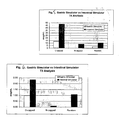
Fig. 5 illustrates T4 analysis in gastric simulator versus intestinal simulator. -
Fig. 6 illustrates T3 analysis in gastric simulator versus intestinal simulator. - The present invention provides several benefits for active agent delivery. First, the invention can stabilize the active agent and prevent digestion in the stomach. In addition, the pharmacologic effect can be prolonged by delayed release of the active agent. Furthermore, active agents can be combined to produce synergistic effects. Also, absorption of the active agent in the intestinal tract can be enhanced. The invention also allows targeted delivery of active agents to specifics sites of action.
- Proteins, oligopeptides and polypeptides are polymers of amino acids that have primary, secondary and tertiary structures. The secondary structure of the protein is the local conformation of the polypeptide chain and consists of helices, pleated sheets and turns. The protein's amino acid sequence and the structural constraints on the conformations of the chain determine the spatial arrangement of the molecule. The folding of the secondary structure and the spatial arrangement of the side chains constitute the tertiary structure.
- Proteins fold because of the dynamics associated between neighboring atoms on the protein and solvent molecules. The thermodynamics of protein folding and unfolding are defined by the free energy of a particular condition of the protein that relies on a particular model. The process of protein folding involves, amongst other things, amino acid residues packing into a hydrophobic core. The amino acid side chains inside the protein core occupy the same volume as they do in amino acid crystals. The folded protein interior is therefore more like a crystalline solid than an oil drop and so the best model for determining forces contributing to protein stability is the solid reference state.
- The major forces contributing to the thermodynamics of protein folding are Van der Waals interactions, hydrogen bonds, electrostatic interactions, configurational entropy and the hydrophobic effect. Considering protein stability, the hydrophobic effect refers to the energetic consequences of removing apolar groups from the protein interior and exposing them to water. Comparing the energy of amino acid hydrolysis with protein unfolding in the solid reference state, the hydrophobic effect is the dominant force. Hydrogen bonds are established during the protein fold process and intramolecular bonds are formed at the expense of hydrogen bonds with water. Water molecules are "pushed out" of the packed, hydrophobic protein core. All of these forces combine and contribute to the overall stability of the folded protein where the degree to which ideal packing occurs determines the degree of relative stability of the protein. The result of maximum packing is to produce a center of residues or hydrophobic core that has maximum shielding from solvent.
- Since it is likely that lipophilic drugs would reside in the hydrophobic core of a peptide, it would require energy to unfold the peptide before the drug can be released. The unfolding process requires overcoming the hydrophobic effect by hydrating the amino acids or achieving the melting temperature of the protein. The heat of hydration is a destabilization of a protein. Typically, the folded state of a protein is favored by only 5-15 kcal/mole over the unfolded state. Nonetheless, protein unfolding at neutral pH and at room temperature requires chemical reagents. In fact, partial unfolding of a protein is often observed prior to the onset of irreversible chemical or conformation processes. Moreover, protein conformation generally controls the rate and extent of deleterious chemical reactions.
- Conformational protection of active agents by proteins depends on the stability of the protein's folded state and the thermodynamics associated with the agent's decomposition. Conditions necessary for the agent's decomposition should be different than for protein unfolding.
- Variable molecular weights of the carrier compound can have profound effects on the active agent release kinetics. As a result, low molecular weight active agent delivery systems are preferred. An advantage of this invention is that chain length and molecular weight of the polypeptide can be optimized depending on the level of conformational protection desired. This property can be optimized in concert with the kinetics of the first order release mechanism. Thus, another advantage of this invention is that prolonged release time can be imparted by increasing the molecular weight of the carrier polypeptide. Another, significant advantage of the invention is that the kinetics of active agent release is primarily controlled by the enzymatic hydrolysis of the key bond between the carrier peptide and the active agent.
- Dextran is the only polysaccharide known that has been explored as a macromolecular carrier for the covalent binding of drug for colon specific drug delivery. Generally, it was only possible to load up to 1/10 of the total drug-dextran conjugate weight with drug. As stated earlier, polysaccharides are digested mainly in the colon and drug absorption is mainly limited to the colon. As compared to dextran, this invention has two major advantages. First, peptides are hydrolyzed by any one of several aminopeptidases found in the intestinal lumen or associated with the brush-border membrane and so active agent release and subsequent absorption can occur in the jejunum or the ileum. Second, the molecular weight of the carrier molecule can be controlled and, thus, active agent loading can also be controlled.
- The alcohol group of the active agent is covalently attached to the N-terminus of the oligopeptide or polypeptide.
- In the N-terminus example; the peptide is, in essence, extended by one monomeric unit forming a new peptide bond. When the active agent is an alcohol; the N-terminus is the preferred point of attachment in order to achieve a stable composition. An alcohol can be converted into an alkylchloroformate with phosgene. This invention, then, pertains to the reaction of this key intermediate with the N-terminus of the peptide carrier as shown in
Fig. 3. Fig. 3 also depicts the release of the active ingredient from the peptide carrier by intestinal peptidases. - The polypeptide carrier can be prepared using conventional techniques.
- The addition of stabilizers to the composition has the potential of stabilizing the polypeptide further. Stabilizers such as sugar, amino acids, polyethylene glycol (PEG) and salts have been shown to prevent protein unfolding. In another embodiment of the invention, a pre-first order release of the active agent is imparted by microencapsulating the carrier polypeptide-active agent conjugate in a polysaccharide, amino acid complex, PEG or salts.
- There is evidence that hydrophilic compounds are absorbed through the intestinal epithelia efficiently via specialized transporters. The entire membrane transport system is intrinsically asymmetric and responds asymmetrically to cofactors. Thus, one can expect that excitation of the membrane transport system will involve some sort of specialized adjuvant resulting in localized delivery of active agents. There are seven known intestinal transport systems classified according to the physical properties of the transported substrate. They include the amino acid, oligopeptide, glucose, monocarboxic acid, phosphate, bile acid and the P-glycoprotein transport systems and each has its own associated mechanism of transport. The mechanisms can depend on hydrogen ions, sodium ions, binding sites or other cofactors. The invention also allows targeting the mechanisms for intestinal epithelial transport systems to facilitate absorption of active agents.
- In another embodiment of the invention, the composition includes one or more adjuvants to enhance the bioavailability of the active agent. Addition of an adjuvant is particularly preferred when using an otherwise poorly absorbed active agent. Suitable adjuvants, for example, include: papain, which is a potent enzyme for releasing the catalytic domain of aminopeptidase-N into the lumen; glycorecognizers, which activate enzymes in the BBM; and bile acids, which have been attached to peptides to enhance absorption of the peptides.
- Preferably, the resultant peptide-active agent conjugate is formulated into a tablet using suitable excipients and can either be wet granulated or dry compressed.
- Compositions of the invention are, in essence, the formation of amides from acids and amines and can be prepared by the following examples.
- In the following example the combination of the alcohol with triphosgene produces a chloroformate, which when reacted with the N-terminus of the peptide produces a carbamate. Pursuant to this, an alcohol bioactive agent can be treated with triphosgene in dry DMF under nitrogen. The suitably protected peptide carrier is then added slowly and the solution stirred at room temperature for several hours. The product is then precipitated out in ether The crude product is suitably deprotected and purified using GPC.
- Other solvents, activating agents, cocatalysts and bases can be used. Examples of other solvents include dimethylsulfoxide, ethers such as tetrahydrofuran or chlorinated solvents such as chloroform. Examples of other activating agents include dicyclohexylcarbodiimide or thionyl chloride. An example of another cocatalyst is N-hydroxysuccinimide. Examples of bases include pyrrolidinopyridine, dimethylaminopyridine, triethylamine or tributylamine.
- The synthesis of polyglutamic acid is well known through a variety of reported methods. For the present examples polyglutamic acid was synthesized through the activation of the Benzyl Glutamic NCA (BnGlu-NCA) monomer. The BnGlu-NCA was then polymerized and the benzyl groups removed with hydrogen bromide. When capping polyglutamic acid, the liberation of its N-terminus amino group from the hydrogen bromide complex without imparting unwanted nucleophilicity to the free carboxylic acids is critical. Reactions using sodium carbonate, sodium bicarbonate, and sodium acetate produced glutamic acid/T4/T3 copolymer with the T4 and T3 incorporation decreasing with increasing pKb. Sodium acetate was the preferred reagent because its pKb is between that of sodium bromide, polyglutamic acid, and sodium salt. The reaction using basic alumina kept the T4-NCA and T3-NCA intact with no apparent capping or self-polymerization. The stability of T4-NCA and T3-NCA will influence how glutamic acid/T4/T3 copolymer will be commercially manufactured. Sodium acetate can be replaced with sodium carbonate, sodium bicarbonate, sodium propionate, sodium butyrate, sodium pivalate, basic alumina, or any other weak base capable of neutralizing hydrogen bromide complexed with an amino group.
- The synthesis of glutamic acid/T4/T3 copolymer began with benzylglutamic acid, thyroxine, and triiodothyronine. Each of these synthons was independently reacted with triphosgene in a suitable organic solvent. The BnGlu-NCA was polymerized in tetrahydrofuran (THF) with sodium methoxide as an initiator. Polybenzylglutamic acid was deprotected with 15% hydrogen bromide in acetic acid. This product needs to be free of uncomplexed hydrogen bromide where it was dissolved in DMF and treated with sodium acetate. The previously prepared T4-NCA and T3-NCA were blended and added to the solution. The reaction was then stirred until T4-NCA or T3-NCA were no longer detected by thin layer chromatography (TLC). The final product was added to water and the precipitate was washed with water and dried in vacuo to yield a white amorphous powder.
- Experimentation with several weak bases revealed that a variety of sodium salts of a carboxylic acid work in capping polyglutamic acid. The reaction was tried with sodium propionate, sodium butyrate, and sodium pivalate in lieu of sodium acetate all with essentially the same result.
- Benzylglutamic acid (25 grams) was suspended in 400 mL anhydrous ethyl acetate under nitrogen. The mixture was heated to reflux where 30 grams of triphosgene was added in six (6) equal portions. The reaction was refluxed for three (3) hours until homogenous. The solution was cooled to room temperature, filtered, and concentrated in vacuo. The white powder was recrystallized from 50 mL of hot anhydrous ethyl acetate to yield 17.4 grams (63%) of a white powder.
- In a round bottom flask fitted with a nitrogen inlet, five grams of thyroxine was stirred with 25 mL of tetrahydrofuran (THF) and 1.3 grams of triphosgene and the mixture refluxed for four (4) hours until homogenous. The solution was cooled to room temperature, and added dropwise to 200 mL of heptane with stirring. The crystals were filtered and dried in vacuo to yield 4.72 grams (91%) of an off-white powder.
- In a round bottom flask fitted with a nitrogen inlet, 4.29 grams of triiodothyronine was stirred with 20 mL of tetrahydrofuran (THF) and 1.45 grams of triphosgene and the mixture refluxed for four (4) hours until homogenous. The solution was cooled to room temperature and added dropwise to 200 ml of heptane with stirring. The liquid was decanted off the yellow gum, which was recrystallized, from anhydrous ethyl acetate and hexanes to yield 2.5 grams (56%) of a white powder that was dried under high vacuum.
- Benzylglutamic acid (17.4 grams) was dissolved in anhydrous tetrahydrofuran (THF) under nitrogen where 238 mg of sodium methoxide was added portionwise. The solution was stirred for two (2) days with a marked increase in viscosity. The solution was poured into 1.5 L of petroleum ether with stirring. The petroleum ether was decanted off and an additional 1L of petroleum ether was added back. The mixture was stirred by hand, the petroleum ether was decanted off and the process repeated with 500 mL of petroleum ether. The white solid was air dried and then vacuum dried to yield 14.7 (95%) of a white fluffy paper-like solid.
- Acetic acid (10mL) was stirred with 0 mL 30wt% hydrogen bromide (HBr) in acetic acid where 1.96 of polybenzylglutamic acid was added by hand. The mixture was stirred at room temperature for one day and was, then, added to 50 mL of ether. The white precipitant was filtered, washed with 4 x 30 mL of ether and dried under a high vacuum to yield 1.11 grams (97%) of a white powder.
- Polyglutamic acid (375 mg) was dissolved in dry 3 mL DMF. Sodium acetate (24 mg) was added followed by a blend of 105 mg of T4-NCA and 8 mg of T3-NCA. The solution was stirred for two (2) days where TLC showed the absence of thyronine starting materials. The solution was poured into 30 mL of water and cooled 10°C overnight. The precipitant was filtered, washed with water, and dried under high vacuum to yield 413 mg (85%) of light beige powder. The proton NMR revealed a copolymer of T3 and T4 covalently attached to the N-terminus of polyglutamic acid, which was virtually completely digested by the pronase enzyme system in two hours.
- Monolayers of Caco-2 human intestinal epithelial cells are increasingly being used to predict the absorption of orally delivered drugs. We used the Caco-2 transwell system and other in vitro assays to evaluate the performance of Polythroid. Our findings indicate that Polythroid may enhance oral delivery of thyroid hormones for the treatment of hypothyroid disorders.
- Caco-2 cells are grown on the surface of collagen coated wells in a 24 well format to form confluent monolayers that represent small segments of the intestine. The wells are removable and contain a top chamber representing the apical side (facing the lumen of the intestine) and a bottom chamber representing the basolateral side (site of serosal drug absorption). The integrity of the epithelial barrier is monitored by testing the electrical resistance across the monolayer. Absorption of drugs can be studied by adding sample to the apical side and assaying the concentration of the drug in the basolateral chamber following incubation.
- Polythroid is a synthetic polymer of glutamic acid with T4 and T3 covalently attached by a peptide bond linkage. The polymer is the delivery vehicle for the thyroid hormones and is not designed to cross the intestinal barrier itself. Rather, it is designed to release T4 and T3 in a time dependent manner. Release of the thyroid hormones is dependent on the enzymatic cleavage of the glutamic acid polymer. In theory, this will result from Polythroid encountering proteolytic enzymes as it descends the intestinal tract. Proteins are digested into small polypeptides by gastric pepsin and pancreatic enzymes secreted into the small intestine. Intestinal epithelial cells then function to further breakdown the small polypeptides. They accomplish this with proteolytic enzymes referred to as brush border proteases that are attached to the cell surface.
- Monitoring the effect of brush border peptidases on Polythroid required development of an assay to specifically distinguish Polythroid from polyglutamic acid and the thyroid hormones. Therefore, we developed an enzyme-linked immunosorbent assay (ELISA) that specifically recognizes Polythroid. The assay employs antibodies against the glutamic acid polymer to capture Polythroid and antibodies to T4 or T3 to detect the presence of Polythroid. The assay has no cross-reactivity with polyglutamic acid or the thyroid hormones themselves. Consequently, proteolytic degradation of Polythroid results in T4 and T3 release from the polymer and a corresponding decrease in ELISA reactivity. The Polythroid specific ELISA can, therefore, be used to monitor the breakdown of Polythroid.
- The Polythroid specific assay was used to analyze in situ digestion of Polythroid in Caco-2 cell cultures. Different concentrations of Polythroid were added to the apical side of Caco-2 cells and incubated for 4 hours in PBS at 37°C (n=4). The apical side Polythroid concentration was measured by Polythroid specific ELISA before and after the 4 hour incubation (
Fig. 6 ). At the relatively high concentration of 100 micrograms, 26% of Polythroid was degraded, whereas at a 10-fold lower concentration 84% of the Polythroid was degraded. When a concentration of 0.5 micrograms was added (closer to the concentrations that would be encountered by the intestine in a normal human dose) the amount of Polythroid remaining after 4 hours of incubation was below the limit of detection for the ELISA (10 ng) indicating essentially complete digestion. The loss of Polymer in the apical chamber was not due to absorption of Polythroid across the monolayer since the basolateral chamber contained no detectable Polythroid in any of the experiments (see below). We cannot rule out cellular uptake of Polythroid, however, enzymatic digestion is likely to account for most, if not all, of the decrease in Polythroid concentration on the apical side. At the higher concentrations, it would be difficult for cellular uptake to account for such a large difference in the remaining Polythroid. - Absorption of T4 was monitored in the Caco-2 transwell system (n=4). Polythroid (10 micrograms) was added to the apical side of the transwells. T4 was added to the apical side at a concentration equal to the T4 content of Polythroid. A commercial ELISA for T4 was used to determine the level of T4 in the basolateral chamber following incubation for 4 hours at 37°C (Fig. 7). A significantly higher amount of T4 was absorbed from Polythroid as compared to CaCo-2 cells incubated with the amount of T4 equivalent to that contained in the polymer.
- In order to determine if Polythroid itself crosses the Caco-2 monolayer we used the Polythroid specific ELISA to measure the amount of polymer in the basolateral chamber after incubation with Polythroid at a high concentration (100 micrograms). After 4 hours incubation, samples (n=4) from the basolateral side showed no reactivity in the ELISA (Fig. 8). The limit of detection for Polythroid is 10 ng, therefore, less than 1/10,000 of the Polythroid was absorbed. In conclusion, within the limits of ELISA detection, Polythroid does not cross the Caco-2 monolayer.
- Pepsin secreted by the gastric mucosa is the only protease active in the acid conditions of the stomach. The pancreas secretes a number of proteolytic enzymes into the intestine which degrade proteins and polypeptides. In theory, these endogenous proteases will participate in release of T4 and T3 from Polythroid as the polymer descends the intestinal tract.
- We tested Polythroid in the USP gastric simulator and the USP intestinal simulator and compared the levels of digestion for Polythroid synthesized by different methods. The samples of Polythroid varied in the position of thyroid hormone attachment. Samples were dissolved in gastric simulator buffer containing pepsin or in intestinal simulator buffer containing pancreatic enzyme extract (pancreatin) and incubated for 24 hours at 37°C. Following digestion, samples were analyzed by HPLC for the content of released monomeric T4 and T3. Figures 9and 10 show the levels of T4 and T3 following digestion in the gastric and intestinal simulators. Release varied depending on the position of thyroid hormone attachment. Polythroid with T4 and T3 attached at the C-terminus (C-capped) showed the highest level of digestion. On the other hand, Polythroid with N-terminal attachment (N-capped) showed no digestion in the gastric simulator and a relatively low amount of digestion in the intestinal simulator. Polythroid with random attachment showed only marginal digestion in the gastric simulator and moderate digestion in the intestinal simulator. In conclusion, the rate of thyroid hormone release from Polythroid varies depending on the method of synthesis. This provides a potential means of controlling (fine tuning) time release of oral delivery.
- The following conclusions can be drawn from in vitro performance assays:
- T4 and T3 are released from Polythroid by pancreatic and intestinal cell proteases
- T4 and T3 released from Polythroid are absorbed across intestinal monolayers
- Polythroid enhances absorption of T4 across intestinal epithelium in vitro
- Polythroid itself does not cross the intestinal epithelial barrier in vitro
- The kinetics of time release may be controlled by the method of Polythroid synthesis
- Covalent attachment of T4 and T3 to a polypeptide affords a number of potential advantages to oral delivery for thyroid hormone replacement therapy. Proteolytic enzymes produced by the pancreas and intestinal epithelial cells release T4 and T3 from Polythroid. Therefore, T4 and T3 should be released in a time dependent manner as they descend the intestinal tract. Once released the hormones are absorbed across the intestinal epithelium in the Caco-2 cell model. In addition, data from the in vitro intestinal epithelial model suggests that attachment of T4 to polymers of glutamic acid may enhance absorption of the thyroid hormones, perhaps by providing a second mechanism of uptake and/or enhancing solubility of the hormones. Polythroid itself does not cross the intestinal epithelial barrier in the in vitro Caco-2 model. Thus, any concerns about systemic effects of the polymer are minimized since it should not be absorbed into the bloodstream.
Claims (5)
- A drug-peptide conjugate comprising• a polypeptide consisting of polyglutamic acid, and• a copolymer of T3 and T4 covalently attached through an alcohol functionality of said copolymer to the N-terminus of said polypeptide.
- A composition comprising a drug-peptide conjugate according to claim 1, wherein said composition is in a form suitable for oral administration and enzymatic release of T3 and T4 following oral administration.
- A pharmaceutical composition comprising a drug-peptide conjugate according to claims 1 or 2.
- A method for controlling the release of T3 and T4 from a composition comprising a drug-peptide conjugate according to claims 1 or 2, characterised in that said T3 and T4 are released from said composition by an enzyme-catalyzed release.
- Use of a drug-peptide conjugate according to claims 1 or 2 for preparing a medicament useful for treating hypothyroid disorders.
Applications Claiming Priority (61)
| Application Number | Priority Date | Filing Date | Title |
|---|---|---|---|
| US642820 | 2000-08-22 | ||
| US09/642,820 US6716452B1 (en) | 2000-08-22 | 2000-08-22 | Active agent delivery systems and methods for protecting and administering active agents |
| US24773000P | 2000-11-14 | 2000-11-14 | |
| US24789200P | 2000-11-14 | 2000-11-14 | |
| US24779100P | 2000-11-14 | 2000-11-14 | |
| US24787800P | 2000-11-14 | 2000-11-14 | |
| US24770200P | 2000-11-14 | 2000-11-14 | |
| US24759400P | 2000-11-14 | 2000-11-14 | |
| US24770700P | 2000-11-14 | 2000-11-14 | |
| US24791900P | 2000-11-14 | 2000-11-14 | |
| US24761500P | 2000-11-14 | 2000-11-14 | |
| US24779800P | 2000-11-14 | 2000-11-14 | |
| US24772700P | 2000-11-14 | 2000-11-14 | |
| US24791600P | 2000-11-14 | 2000-11-14 | |
| US24779300P | 2000-11-14 | 2000-11-14 | |
| US24772800P | 2000-11-14 | 2000-11-14 | |
| US24763200P | 2000-11-14 | 2000-11-14 | |
| US24768500P | 2000-11-14 | 2000-11-14 | |
| US24770100P | 2000-11-14 | 2000-11-14 | |
| US24772300P | 2000-11-14 | 2000-11-14 | |
| US24768400P | 2000-11-14 | 2000-11-14 | |
| US24789900P | 2000-11-14 | 2000-11-14 | |
| US24769400P | 2000-11-14 | 2000-11-14 | |
| US24798200P | 2000-11-14 | 2000-11-14 | |
| US24780900P | 2000-11-14 | 2000-11-14 | |
| US24791700P | 2000-11-14 | 2000-11-14 | |
| US24767900P | 2000-11-14 | 2000-11-14 | |
| US24772400P | 2000-11-14 | 2000-11-14 | |
| US24756100P | 2000-11-14 | 2000-11-14 | |
| US24867100P | 2000-11-16 | 2000-11-16 | |
| US24868500P | 2000-11-16 | 2000-11-16 | |
| US24875200P | 2000-11-16 | 2000-11-16 | |
| US24873300P | 2000-11-16 | 2000-11-16 | |
| US24853500P | 2000-11-16 | 2000-11-16 | |
| US24870700P | 2000-11-16 | 2000-11-16 | |
| US24860800P | 2000-11-16 | 2000-11-16 | |
| US24868000P | 2000-11-16 | 2000-11-16 | |
| US24869700P | 2000-11-16 | 2000-11-16 | |
| US24860900P | 2000-11-16 | 2000-11-16 | |
| US24866800P | 2000-11-16 | 2000-11-16 | |
| US24872900P | 2000-11-16 | 2000-11-16 | |
| US24870800P | 2000-11-16 | 2000-11-16 | |
| US24862400P | 2000-11-16 | 2000-11-16 | |
| US24872200P | 2000-11-16 | 2000-11-16 | |
| US24866700P | 2000-11-16 | 2000-11-16 | |
| US24866300P | 2000-11-16 | 2000-11-16 | |
| US24860100P | 2000-11-16 | 2000-11-16 | |
| US24869200P | 2000-11-16 | 2000-11-16 | |
| US24868600P | 2000-11-16 | 2000-11-16 | |
| US24867600P | 2000-11-16 | 2000-11-16 | |
| US24865200P | 2000-11-16 | 2000-11-16 | |
| US24868200P | 2000-11-16 | 2000-11-16 | |
| US24876300P | 2000-11-16 | 2000-11-16 | |
| US24864900P | 2000-11-16 | 2000-11-16 | |
| US24870600P | 2000-11-16 | 2000-11-16 | |
| US24860300P | 2000-11-16 | 2000-11-16 | |
| US24877000P | 2000-11-16 | 2000-11-16 | |
| US24874800P | 2000-11-16 | 2000-11-16 | |
| US24868300P | 2000-11-16 | 2000-11-16 | |
| US24860600P | 2000-11-16 | 2000-11-16 | |
| PCT/US2001/026142 WO2002034237A1 (en) | 2000-08-22 | 2001-08-22 | Active agent delivery systems and methods for protecting and administering active agents |
Related Child Applications (2)
| Application Number | Title | Priority Date | Filing Date |
|---|---|---|---|
| EP09152598A Division EP2080511A3 (en) | 2000-08-22 | 2001-08-22 | Active agent delivery systems and methods for protecting and administering active agents |
| EP09152598.0 Division-Into | 2009-02-11 |
Publications (3)
| Publication Number | Publication Date |
|---|---|
| EP1311242A1 EP1311242A1 (en) | 2003-05-21 |
| EP1311242A4 EP1311242A4 (en) | 2005-09-28 |
| EP1311242B1 true EP1311242B1 (en) | 2010-03-31 |
Family
ID=24578160
Family Applications (1)
| Application Number | Title | Priority Date | Filing Date |
|---|---|---|---|
| EP01966056A Expired - Lifetime EP1311242B1 (en) | 2000-08-22 | 2001-08-22 | Active agent delivery systems and methods for protecting and administering active agents |
Country Status (6)
| Country | Link |
|---|---|
| US (3) | US6716452B1 (en) |
| EP (1) | EP1311242B1 (en) |
| AU (2) | AU8659901A (en) |
| CA (1) | CA2420590A1 (en) |
| IL (1) | IL154583A0 (en) |
| WO (1) | WO2002034237A1 (en) |
Families Citing this family (126)
| Publication number | Priority date | Publication date | Assignee | Title |
|---|---|---|---|---|
| US6716452B1 (en) * | 2000-08-22 | 2004-04-06 | New River Pharmaceuticals Inc. | Active agent delivery systems and methods for protecting and administering active agents |
| US7060708B2 (en) * | 1999-03-10 | 2006-06-13 | New River Pharmaceuticals Inc. | Active agent delivery systems and methods for protecting and administering active agents |
| US7164034B2 (en) | 1999-06-10 | 2007-01-16 | Pfizer Inc. | Alpha2delta ligands for fibromyalgia and other disorders |
| US7163918B2 (en) | 2000-08-22 | 2007-01-16 | New River Pharmaceuticals Inc. | Iodothyronine compositions |
| US20070060500A1 (en) * | 2000-08-22 | 2007-03-15 | New River Pharmaceuticals Inc. | Pharmaceutical compositions for prevention of overdose or abuse |
| US20090306228A1 (en) * | 2000-11-14 | 2009-12-10 | Shire Llc | Active agent delivery systems and methods for protecting and administering active agents |
| US8394813B2 (en) * | 2000-11-14 | 2013-03-12 | Shire Llc | Active agent delivery systems and methods for protecting and administering active agents |
| CA2428971A1 (en) * | 2000-11-14 | 2003-05-01 | New River Pharmaceuticals Inc. | Conjugates of a therapeutic agent and a peptide carrier |
| ES2373641T3 (en) * | 2000-11-16 | 2012-02-07 | Shire Llc | A NEW PHARMACEUTICAL COMPOUND AND METHODS TO MANUFACTURE AND USE. |
| US20030055026A1 (en) | 2001-04-17 | 2003-03-20 | Dey L.P. | Formoterol/steroid bronchodilating compositions and methods of use thereof |
| US20030199587A1 (en) * | 2001-08-14 | 2003-10-23 | Franz G. Andrew | Levothyroxine compositions having unique Cmax properties |
| US20060014697A1 (en) * | 2001-08-22 | 2006-01-19 | Travis Mickle | Pharmaceutical compositions for prevention of overdose or abuse |
| US7375082B2 (en) * | 2002-02-22 | 2008-05-20 | Shire Llc | Abuse-resistant hydrocodone compounds |
| US7338939B2 (en) * | 2003-09-30 | 2008-03-04 | New River Pharmaceuticals Inc. | Abuse-resistant hydrocodone compounds |
| US7169752B2 (en) * | 2003-09-30 | 2007-01-30 | New River Pharmaceuticals Inc. | Compounds and compositions for prevention of overdose of oxycodone |
| US20070066537A1 (en) * | 2002-02-22 | 2007-03-22 | New River Pharmaceuticals Inc. | Compounds and compositions for prevention of overdose of oxycodone |
| AU2003219863C1 (en) * | 2002-02-22 | 2009-03-05 | Shire Llc | Novel sustained release pharmaceutical compounds to prevent abuse of controlled substances |
| WO2003072735A2 (en) * | 2002-02-22 | 2003-09-04 | New River Pharmaceuticals Inc. | Use of peptide-drug conjugation to reduce inter-subject variability of drug serum levels |
| EP2316468A1 (en) * | 2002-02-22 | 2011-05-04 | Shire LLC | Delivery system and methods for protecting and administering dextroamphetamine |
| US7105486B2 (en) * | 2002-02-22 | 2006-09-12 | New River Pharmaceuticals Inc. | Abuse-resistant amphetamine compounds |
| US7659253B2 (en) | 2002-02-22 | 2010-02-09 | Shire Llc | Abuse-resistant amphetamine prodrugs |
| US7700561B2 (en) * | 2002-02-22 | 2010-04-20 | Shire Llc | Abuse-resistant amphetamine prodrugs |
| US20040156844A1 (en) * | 2002-05-22 | 2004-08-12 | Curtis Wright | Tamper resistant oral dosage form |
| HRP20041179B1 (en) * | 2002-06-11 | 2012-11-30 | Eli Lilly And Company | Prodrugs of excitatory amino acids |
| EP1565171A4 (en) * | 2002-11-05 | 2010-06-30 | Shire Llc | Controlled absorption of mixed thyroyd hormone formulations |
| AU2003293423A1 (en) | 2002-12-06 | 2004-06-30 | Xenoport, Inc. | Carbidopa prodrugs and uses thereof |
| US8133881B2 (en) * | 2003-01-13 | 2012-03-13 | Shire Llc | Carbohydrate conjugates to prevent abuse of controlled substances |
| US8709998B2 (en) | 2003-04-22 | 2014-04-29 | Ipsen Pharma S.A.S. | Peptide vectors |
| JP4898445B2 (en) | 2003-05-29 | 2012-03-14 | シャイア エルエルシー | Abuse-resistant amphetamine compounds |
| TWI359675B (en) | 2003-07-10 | 2012-03-11 | Dey L P | Bronchodilating β-agonist compositions |
| EA008864B1 (en) * | 2003-09-30 | 2007-08-31 | Нью Ривер Фармасьютикалз Инк. | Pharmaceutical compositions for of overdose or abuse |
| US7176185B2 (en) * | 2003-11-25 | 2007-02-13 | Tsrl, Inc. | Short peptide carrier system for cellular delivery of agent |
| MXPA06012220A (en) * | 2004-04-21 | 2007-07-18 | Teva Pharma | Processes for preparing montelukast sodium. |
| KR20070087582A (en) * | 2004-11-08 | 2007-08-28 | 뉴 리버 파마슈티칼스 인크. | Synergistic effect of mixed administration of mirtazapine and stimulant compound |
| CN102441170A (en) * | 2004-12-03 | 2012-05-09 | 阿迪赫里克斯技术公司 | Methods for administering DPD inhibitors in combination with 5-FU and 5-FU prodrugs |
| US20070122843A1 (en) * | 2005-09-23 | 2007-05-31 | Fazlul Sarkar | Isoflavonoid analogs and their metal complexes as anti-cancer agents |
| JP5237821B2 (en) | 2005-12-05 | 2013-07-17 | 日東電工株式会社 | Polyglutamic acid-amino acid conjugates and methods |
| US20110136742A1 (en) | 2006-02-24 | 2011-06-09 | Travis Mickle | Antidepressant prodrugs |
| US8524663B2 (en) * | 2006-03-03 | 2013-09-03 | New York University | Method for site-specific polyvalent display on polymers |
| AU2007238858A1 (en) * | 2006-04-10 | 2007-10-25 | Shire Llc | Mono and di-substituted oxycodone compounds and compositions |
| US20100144645A1 (en) * | 2006-04-14 | 2010-06-10 | Shire Llc | Compositions and methods for enhancing analgesic potency of covalently bound-compounds, attenuating its adverse side effects, and preventing their abuse |
| WO2007144140A1 (en) * | 2006-06-15 | 2007-12-21 | Cell Therapeutics Inc. - Sede Secondaria | A process for the preparation of poly-alfa-glutamic acid and derivatives thereof |
| EP1867657A1 (en) * | 2006-06-15 | 2007-12-19 | Cell Therapeutics Europe S.R.L. | Process for the preparation of poly-a-glutamic acid and derivatives thereof |
| US7601856B2 (en) | 2006-07-27 | 2009-10-13 | Wyeth | Benzofurans as potassium ion channel modulators |
| WO2008052044A2 (en) * | 2006-10-26 | 2008-05-02 | Xenoport, Inc. | Use of derivatives of propofol for treating diseases associated with oxidative stress |
| US20080181852A1 (en) * | 2007-01-29 | 2008-07-31 | Nitto Denko Corporation | Multi-functional Drug Carriers |
| EP2144631A2 (en) * | 2007-04-10 | 2010-01-20 | Nitto Denko Corporation | Multi-functional polyglutamate drug carriers |
| EP2155253A2 (en) * | 2007-05-09 | 2010-02-24 | Nitto Denko Corporation | Polyglutamate conjugates and polyglutamate-amino acid conjugates having a plurality of drugs |
| DK2155255T3 (en) * | 2007-05-09 | 2013-09-02 | Nitto Denko Corp | Compositions comprising a hydrophobic compound and a polyamino acid conjugate |
| JP2010528122A (en) * | 2007-05-09 | 2010-08-19 | 日東電工株式会社 | Polymer combined with platinum drug |
| WO2008141097A2 (en) | 2007-05-09 | 2008-11-20 | Pharmacofore, Inc. | Stereoisomers propofol therapeutic compounds |
| RU2470907C2 (en) | 2007-05-09 | 2012-12-27 | Сигничер Терапьютикс, Инк. | Therapeutic compounds |
| TW200918099A (en) * | 2007-09-14 | 2009-05-01 | Nitto Denko Corp | Drug carriers |
| US9174839B2 (en) * | 2008-01-30 | 2015-11-03 | Imbed Biosciences, Inc. | Methods and compositions for wound healing |
| WO2009097508A2 (en) | 2008-01-30 | 2009-08-06 | Mcanulty, Jonathan | Methods and compositions for wound healing |
| WO2009100441A2 (en) * | 2008-02-08 | 2009-08-13 | Impax Laboratories, Inc. | Depot formulations |
| KR20100122510A (en) * | 2008-03-06 | 2010-11-22 | 닛토덴코 가부시키가이샤 | Polymer paclitaxel conjugates and methods for treating cancer |
| ES2449865T5 (en) * | 2008-04-16 | 2022-11-18 | Momenta Pharmaceuticals Inc | Analysis of compositions of amino acid copolymers |
| SG157299A1 (en) | 2008-05-09 | 2009-12-29 | Agency Science Tech & Res | Diagnosis and treatment of kawasaki disease |
| KR101123292B1 (en) * | 2008-09-26 | 2012-03-19 | 주식회사 엘지생명과학 | Process for Preparation of Montelukast Sodium Salt |
| US8455619B2 (en) * | 2008-11-25 | 2013-06-04 | Keith R. Latham | Polypeptide synthesis for drug delivery |
| CA2747716A1 (en) | 2008-12-19 | 2010-06-24 | Pinnacle Pharmaceuticals, Inc. | Phenazopyridine compounds |
| PT3192500T (en) | 2009-05-19 | 2021-01-05 | Neuroderm Ltd | Compositions for continuous administration of dopa decarboxylase inhibitors |
| EP2453900A1 (en) | 2009-07-17 | 2012-05-23 | Shire LLC | Novel carbamate amino acid and peptide prodrugs of opioids and uses thereof |
| EP2488182B1 (en) * | 2009-10-14 | 2017-07-19 | Elion Oncology LLC | Treating neurotoxicity associated with combinations of 5-FU or its prodrugs and DPD inhibitors |
| JP6184101B2 (en) * | 2009-12-23 | 2017-08-23 | サンフォード−バーナム メディカル リサーチ インスティテュート | Methods and compositions for annexin 1 binding compounds |
| EP3205648A1 (en) | 2010-06-10 | 2017-08-16 | Seragon Pharmaceuticals, Inc. | Estrogen receptor modulators and uses thereof |
| DK2640358T3 (en) | 2010-11-15 | 2018-04-16 | Neuroderm Ltd | CONTINUOUS ADMINISTRATION OF L-DOPA, DOPA-DECARBOXYLASE INHIBITORS, CATECHOL-O-METHYL TRANSFERASE INHIBITORS AND COMPOSITIONS THEREOF |
| AU2012221704B2 (en) | 2011-02-23 | 2013-12-05 | Coeruleus Ltd. | Flumazenil complexes, compositions comprising same and uses thereof |
| JP6144673B2 (en) * | 2011-06-03 | 2017-06-07 | オフィディオン インコーポレイティド | Compositions and methods for transport across the blood brain barrier |
| TWI432204B (en) * | 2011-06-03 | 2014-04-01 | Taiwan Hopax Chems Mfg Co Ltd | Pharmaceutical compositions against free radicals |
| KR101598679B1 (en) | 2011-06-17 | 2016-02-29 | 일라이 릴리 앤드 캄파니 | Bicyclo(3.1.0)hexane-2,6-dicarboxylic acid derivatives as mglu2 receptor agonist |
| WO2013009885A2 (en) | 2011-07-11 | 2013-01-17 | Momenta Pharmaceuticals, Inc. | Evaluation of copolymer diethylamide |
| US8575198B1 (en) | 2011-09-07 | 2013-11-05 | Momenta Pharmaceuticals, Inc. | In-process control for the manufacture of glatiramer acetate |
| EP2791132A4 (en) | 2011-12-14 | 2015-08-05 | Seragon Pharmaceuticals Inc | MODULATORS OF STROGEN RECEPTORS AND USES THEREOF |
| WO2013096596A1 (en) * | 2011-12-20 | 2013-06-27 | Latham Keith R | Sustained drug release and improved product stability using non-covalent particle coating methods |
| EP2854764B1 (en) | 2012-06-05 | 2018-12-12 | Neuroderm Ltd | Compositions comprising apomorphine and organic acids and uses thereof |
| WO2014026328A1 (en) * | 2012-08-15 | 2014-02-20 | Merck Sharp & Dohme Corp. | 3-cyclohexenyl substituted indole and indazole compounds as rorgammat inhibitors and uses thereof |
| WO2014026329A1 (en) * | 2012-08-15 | 2014-02-20 | Merck Sharp & Dohme Corp. | N-alkylated indole and indazole compounds as rorgammat inhibitors and uses thereof |
| CA3042642A1 (en) | 2013-08-12 | 2015-02-19 | Pharmaceutical Manufacturing Research Services, Inc. | Extruded immediate release abuse deterrent pill |
| EP3019559A4 (en) | 2013-08-22 | 2017-04-05 | Sony Corporation | Water soluble fluorescent or colored dyes and methods for their use |
| WO2015095391A1 (en) | 2013-12-17 | 2015-06-25 | Pharmaceutical Manufacturing Research Services, Inc. | Extruded extended release abuse deterrent pill |
| US9492444B2 (en) | 2013-12-17 | 2016-11-15 | Pharmaceutical Manufacturing Research Services, Inc. | Extruded extended release abuse deterrent pill |
| US10258585B2 (en) | 2014-03-13 | 2019-04-16 | Neuroderm, Ltd. | DOPA decarboxylase inhibitor compositions |
| PL3777833T3 (en) | 2014-03-13 | 2024-03-25 | Neuroderm Ltd. | Dopa decarboxylase inhibitor compositions |
| WO2015179402A1 (en) * | 2014-05-19 | 2015-11-26 | North Carolina State University | Methods of folding a graft copolymer with dual anticancer drugs and related applications |
| DK3169315T3 (en) | 2014-07-17 | 2020-08-10 | Pharmaceutical Manufacturing Res Services In | Liquid-filled dosage form to prevent immediate release abuse |
| AU2015336065A1 (en) | 2014-10-20 | 2017-05-04 | Pharmaceutical Manufacturing Research Services, Inc. | Extended release abuse deterrent liquid fill dosage form |
| KR102646956B1 (en) | 2015-02-26 | 2024-03-14 | 소니그룹주식회사 | Phenylethynylnaphthalene dye and method of using the same |
| WO2016138461A1 (en) | 2015-02-26 | 2016-09-01 | Sony Corporation | Water soluble fluorescent or colored dyes comprising conjugating groups |
| EP3307327A1 (en) * | 2015-06-09 | 2018-04-18 | Commonwealth Scientific and Industrial Research Organisation | Antiviral conjugates of polyanionic polymer and antiviral drug |
| EP3436528B1 (en) | 2016-04-01 | 2025-07-02 | Sony Group Corporation | Ultra bright dimeric or polymeric dyes with rigid spacing groups |
| BR112018070164B1 (en) | 2016-04-01 | 2022-09-27 | Sony Corporation Of America | ULTRABRIGHT DIMERIC OR POLYMERIC COLORINGS |
| CN109153860B (en) | 2016-04-06 | 2021-04-23 | 索尼公司 | Ultrabright dimer or polymer dyes with spacer linker groups |
| JP7527537B2 (en) | 2016-05-10 | 2024-08-05 | ソニーグループ株式会社 | Super-bright polymer dyes with peptide backbones |
| US11390754B2 (en) | 2016-05-10 | 2022-07-19 | Sony Corporation | Compositions comprising a polymeric dye and a cyclodextrin and uses thereof |
| BR112018073199A2 (en) | 2016-05-11 | 2019-04-16 | Sony Corporation | ultra-bright dimeric or polymeric dyes |
| EP3464477A1 (en) | 2016-06-06 | 2019-04-10 | Sony Corporation | Ionic polymers comprising fluorescent or colored reporter groups |
| WO2018022925A1 (en) | 2016-07-29 | 2018-02-01 | Sony Corporation | Ultra bright dimeric or polymeric dyes and methods for preparation of the same |
| KR102637746B1 (en) | 2016-07-29 | 2024-02-16 | 임베드 바이오사이언시스 아이엔씨. | Methods and compositions for wound healing |
| US9695138B1 (en) | 2016-10-17 | 2017-07-04 | Acenda Pharma, Inc. | Phenothiazine derivatives and methods of use thereof |
| KR20260011205A (en) | 2017-10-05 | 2026-01-22 | 소니그룹주식회사 | Programmable polymeric drugs |
| US12290571B2 (en) | 2017-10-05 | 2025-05-06 | Sony Group Corporation | Programmable dendritic drugs |
| CN111836645A (en) | 2017-11-16 | 2020-10-27 | 索尼公司 | Programmable Polymeric Drugs |
| WO2019140128A1 (en) | 2018-01-12 | 2019-07-18 | Sony Corporation | Phosphoalkyl polymers comprising biologically active compounds |
| EP3737417B1 (en) | 2018-01-12 | 2025-08-27 | Sony Group Corporation | Phosphoalkyl ribose polymers comprising biologically active compounds |
| US12076407B2 (en) | 2018-01-12 | 2024-09-03 | Sony Group Corporation | Polymers with rigid spacing groups comprising biologically active compounds |
| EP3769085B1 (en) | 2018-03-19 | 2022-08-24 | Sony Group Corporation | Use of divalent metals for enhancement of fluorescent signals |
| KR102864292B1 (en) | 2018-03-21 | 2025-09-26 | 소니그룹주식회사 | Polymeric tandem dyes having linker groups |
| JP7580689B2 (en) | 2018-06-27 | 2024-11-12 | ソニーグループ株式会社 | Polymeric dyes with deoxyribose-containing linker groups |
| US12578342B2 (en) | 2018-07-13 | 2026-03-17 | Sony Group Corporation | Polymeric dyes having a backbone comprising organophosphate units |
| US10799496B2 (en) | 2018-07-13 | 2020-10-13 | Alkermes Pharma Ireland Limited | Naphthylenyl compounds for long-acting injectable compositions and related methods |
| US10807995B2 (en) | 2018-07-13 | 2020-10-20 | Alkermes Pharma Ireland Limited | Thienothiophene compounds for long-acting injectable compositions and related methods |
| HUE062848T2 (en) | 2018-09-14 | 2023-12-28 | Enlitisa Shanghai Pharmaceutical Co Ltd | Conjugates of montelukast and peptides |
| US10975099B2 (en) | 2018-11-05 | 2021-04-13 | Alkermes Pharma Ireland Limited | Thiophene compounds for long-acting injectable compositions and related methods |
| EP3861074A2 (en) | 2019-09-26 | 2021-08-11 | Sony Group Corporation | Polymeric tandem dyes with linker groups |
| EP4038081A1 (en) | 2019-09-30 | 2022-08-10 | Sony Group Corporation | Nucleotide probes |
| US11331293B1 (en) | 2020-11-17 | 2022-05-17 | Neuroderm, Ltd. | Method for treatment of Parkinson's disease |
| US11844754B2 (en) | 2020-11-17 | 2023-12-19 | Neuroderm, Ltd. | Methods for treatment of Parkinson's disease |
| US11213502B1 (en) | 2020-11-17 | 2022-01-04 | Neuroderm, Ltd. | Method for treatment of parkinson's disease |
| EP4256078A1 (en) | 2020-12-07 | 2023-10-11 | Sony Group Corporation | Spacing linker group design for brightness enhancement in dimeric or polymeric dyes |
| FR3122571B1 (en) * | 2021-05-10 | 2023-05-12 | Hydro Fill Tech | Compositions and their use for restoring intestinal permeability and/or preventing or combating multifactorial diseases |
| CN119487002A (en) * | 2022-05-03 | 2025-02-18 | 诺西恩医疗公司 | Compositions and methods for treating inflammatory bowel disease |
| EP4577667A2 (en) * | 2022-08-25 | 2025-07-02 | Biosynth GmbH | Procedure for production of opioid-antagonist-releasing compounds and their use as a medicine |
| US12161612B2 (en) | 2023-04-14 | 2024-12-10 | Neuroderm, Ltd. | Methods and compositions for reducing symptoms of Parkinson's disease |
| US20260049178A1 (en) | 2024-08-13 | 2026-02-19 | Boston Scientific Scimed, Inc. | Crosslinking agents and medical hydrogels formed therefrom |
Family Cites Families (129)
| Publication number | Priority date | Publication date | Assignee | Title |
|---|---|---|---|---|
| US516993A (en) * | 1894-03-20 | Car-truck | ||
| NL297020A (en) | 1962-08-24 | |||
| DE1493824A1 (en) | 1964-01-27 | 1969-05-22 | Hoffmann La Roche | Process for the preparation of aminocarboxylic acid amides |
| CH406567A (en) | 1964-02-10 | 1966-01-31 | Inventio Ag | Device for controlling the setpoint value during the deceleration process in elevators with speed-controlled drives |
| GB1112347A (en) | 1965-08-20 | 1968-05-01 | Pierre Wirth | Salts of organic bases with n-carbamyl-l-glutamic acid |
| US3846399A (en) * | 1969-04-10 | 1974-11-05 | Merck & Co Inc | Process for controlled stepwise synthesis of polypeptides |
| US3643696A (en) * | 1970-09-02 | 1972-02-22 | Rex Chainbelt Inc | Hydraulic control circuit |
| US3975342A (en) | 1972-05-15 | 1976-08-17 | Biological Developments, Inc. | Tyrosyl-class antigenic conjugates, their preparation and antibodies raised thereto |
| US3884898A (en) * | 1972-08-18 | 1975-05-20 | Syva Co | Normorphine derivatives bonded to proteins |
| US3843696A (en) | 1972-09-05 | 1974-10-22 | Syva Co | Methadone analog compounds |
| US3878187A (en) * | 1972-09-11 | 1975-04-15 | Syva Co | Polypeptide derivatives of amphetamine and analogs for immunoassays |
| US3998799A (en) | 1973-11-02 | 1976-12-21 | Interx Research Corporation | Novel, transient pro-drug forms of l-dopa |
| US4040907A (en) | 1974-06-20 | 1977-08-09 | Syva Company | Iodothyronine enzyme conjugates |
| US4025501A (en) * | 1975-03-20 | 1977-05-24 | Syva Company | Polypeptide propoxyphene derivatives for immunoassay reagents |
| GB1592552A (en) | 1976-12-10 | 1981-07-08 | Inst Nat Sante Rech Med | Pseudopeptides used as medicaments |
| US4356166A (en) | 1978-12-08 | 1982-10-26 | University Of Utah | Time-release chemical delivery system |
| IL58965A (en) | 1978-12-19 | 1982-08-31 | Mars Inc | Production of microcapsules |
| US4224316A (en) | 1979-03-30 | 1980-09-23 | Beckman Instruments, Inc. | Synthetic peptides having pituitary growth hormone releasing activity |
| DE3008265A1 (en) | 1980-03-04 | 1981-09-17 | Siemens AG, 1000 Berlin und 8000 München | METHOD FOR MAKING VISIBLE STATIONARY HEAT TRANSFER COEFFICIENT FIELDS ON A PHOTOCHEMICAL WAY |
| US4426453A (en) | 1980-09-18 | 1984-01-17 | Amersham International Limited | Derivatives of iodothyronine compounds and their use in an assay for the free iodothyronine compounds |
| US4483807A (en) | 1981-01-27 | 1984-11-20 | Japan Atomic Energy Research Institute | Process for producing a slow release composite |
| US4399121A (en) | 1981-11-04 | 1983-08-16 | Miles Laboratories, Inc. | Iodothyronine immunogens and antibodies |
| US4358604A (en) | 1981-11-04 | 1982-11-09 | Miles Laboratories, Inc. | N-Aminoalkyl iodothyronine derivatives |
| US4427660A (en) | 1982-03-03 | 1984-01-24 | Research Corporation | Formyl-methionyl chemotatic peptide antibiotic conjugates useful in treating infections |
| FR2526016A1 (en) | 1982-04-30 | 1983-11-04 | Spiral | PROCESS FOR THE PREPARATION OF IODO-THYRONINS AND IN PARTICULAR RT3 FROM THYROXIN, BY ELECTROCHEMICAL REDUCTION WITH POTENTIAL CONTROL |
| HU185535B (en) | 1982-05-25 | 1985-02-28 | Mta Koezponti Hivatala | Process for preparing new gonadoliberin derivatives |
| US4457907A (en) * | 1982-08-05 | 1984-07-03 | Clear Lake Development Group | Composition and method for protecting a therapeutic drug |
| DE3379659D1 (en) | 1983-07-29 | 1989-05-24 | Henning Berlin Gmbh | Preactivated surfaces of synthetic materials for immobilizing organochemical and biological substances, process for preparing them and their use |
| US4650675A (en) | 1983-08-18 | 1987-03-17 | The Children's Medical Center Corporation | Oligonucleotide conjugates |
| JPS60166657A (en) * | 1984-02-10 | 1985-08-29 | Nitto Boseki Co Ltd | Arginyl-3-carboxy-4-hydroxyanilide |
| DE3581471D1 (en) | 1984-10-19 | 1991-02-28 | Battelle Memorial Institute | THROUGH MICRO-ORGANISMS DEGRADABLE POLYPEPTIDE AND ITS USE FOR PROGRESSIVE DISPOSAL OF MEDICINES. |
| IT1177384B (en) | 1984-12-12 | 1987-08-26 | Boeehringer Biochemia Robin Sp | DIETARY GRANULAR PRODUCTS BASED ON AMINO ACIDS AND PROCEDURE FOR THEIR PREPARATION |
| GB8500209D0 (en) | 1985-01-04 | 1985-02-13 | Ceskoslovenska Akademie Ved | Synthetic polymeric drugs |
| GB8501372D0 (en) | 1985-01-18 | 1985-02-20 | Smith Kline French Lab | Chemical compounds |
| US4863735A (en) | 1985-02-19 | 1989-09-05 | Massachusetts Institute Of Technology | Biodegradable polymeric drug delivery system with adjuvant activity |
| US4902505A (en) | 1986-07-30 | 1990-02-20 | Alkermes | Chimeric peptides for neuropeptide delivery through the blood-brain barrier |
| US4801575A (en) | 1986-07-30 | 1989-01-31 | The Regents Of The University Of California | Chimeric peptides for neuropeptide delivery through the blood-brain barrier |
| IN165717B (en) * | 1986-08-07 | 1989-12-23 | Battelle Memorial Institute | |
| US4925673A (en) | 1986-08-18 | 1990-05-15 | Clinical Technologies Associates, Inc. | Delivery systems for pharmacological agents encapsulated with proteinoids |
| DK406686D0 (en) | 1986-08-26 | 1986-08-26 | Hans Bundgaard | carboxylic acid derivatives |
| US5057317A (en) | 1987-03-24 | 1991-10-15 | Chugai Seiyaku Kabushiki Kaisha | Slow-release pharmaceutical agent |
| GB2209937B (en) | 1987-09-21 | 1991-07-03 | Depiopharm S A | Water insoluble polypeptides |
| US5169933A (en) | 1988-08-15 | 1992-12-08 | Neorx Corporation | Covalently-linked complexes and methods for enhanced cytotoxicity and imaging |
| US5026827A (en) * | 1988-09-02 | 1991-06-25 | Matsushita Electric Industrial Co., Ltd. | Amphetamine-protein complex as immunogen for obtaining antibodies specific to methamphetamine |
| US4960790A (en) | 1989-03-09 | 1990-10-02 | University Of Kansas | Derivatives of taxol, pharmaceutical compositions thereof and methods for the preparation thereof |
| US5767227A (en) | 1989-11-03 | 1998-06-16 | Lotus Biochemical Corp. | Iodothyronine polymers |
| US5219564A (en) | 1990-07-06 | 1993-06-15 | Enzon, Inc. | Poly(alkylene oxide) amino acid copolymers and drug carriers and charged copolymers based thereon |
| US5451410A (en) | 1993-04-22 | 1995-09-19 | Emisphere Technologies, Inc. | Modified amino acids for encapsulating active agents |
| IT1244873B (en) * | 1990-09-12 | 1994-09-12 | Depha Team Srl | DERIVATIVES OF 5-AMINOSALICYLIC ACID (5-ASA) FOR THE THERAPY OF CHRONIC INTESTINAL INFLAMMATIONS |
| DE69103503T2 (en) * | 1990-09-28 | 1995-01-05 | Mercian Corp | Adriamycin derivatives. |
| US5238714A (en) * | 1990-10-02 | 1993-08-24 | Board Of Regents, The University Of Texas System | Efficient microcapsule preparation and method of use |
| US5863899A (en) | 1991-04-01 | 1999-01-26 | Cortech, Inc. | Bradykinin antagonists |
| HU222501B1 (en) | 1991-06-28 | 2003-07-28 | Endorecherche Inc. | For the preparation of a sustained release pharmaceutical composition and method comprising MPA or MGA |
| US5811447A (en) | 1993-01-28 | 1998-09-22 | Neorx Corporation | Therapeutic inhibitor of vascular smooth muscle cells |
| US5225204A (en) | 1991-11-05 | 1993-07-06 | Chen Jivn Ren | Stable dosage of levothyroxine sodium and process of production |
| ES2115638T3 (en) | 1991-12-30 | 1998-07-01 | Akzo Nobel Nv | THYROACTIVE COMPOSITION OF CONTROLLED RELEASE. |
| US5811127A (en) * | 1992-06-15 | 1998-09-22 | Emisphere Technologies, Inc. | Desferrioxamine oral delivery system |
| US5792451A (en) | 1994-03-02 | 1998-08-11 | Emisphere Technologies, Inc. | Oral drug delivery compositions and methods |
| CA2096495C (en) | 1992-06-16 | 2002-07-09 | Kathy Palmer Ordonez | Dual analyte immunoassay |
| GB9213077D0 (en) | 1992-06-19 | 1992-08-05 | Erba Carlo Spa | Polymerbound taxol derivatives |
| US5534496A (en) | 1992-07-07 | 1996-07-09 | University Of Southern California | Methods and compositions to enhance epithelial drug transport |
| GB9215780D0 (en) * | 1992-07-24 | 1992-09-09 | Univ London Pharmacy | Peptide compounds |
| US5756291A (en) | 1992-08-21 | 1998-05-26 | Gilead Sciences, Inc. | Aptamers specific for biomolecules and methods of making |
| US6093391A (en) | 1992-10-08 | 2000-07-25 | Supratek Pharma, Inc. | Peptide copolymer compositions |
| DE4236237A1 (en) | 1992-10-27 | 1994-04-28 | Behringwerke Ag | Prodrugs, their preparation and use as medicines |
| IL107400A0 (en) | 1992-11-10 | 1994-01-25 | Cortech Inc | Bradykinin antagonists |
| JPH08503950A (en) | 1992-12-02 | 1996-04-30 | アルカーメス・コントロールド・セラピユーテイクス・インコーポレーテツド | Microspheres containing sustained release growth hormone |
| US5298410A (en) | 1993-02-25 | 1994-03-29 | Sterling Winthrop Inc. | Lyophilized formulation of polyethylene oxide modified proteins with increased shelf-life |
| US5643957A (en) | 1993-04-22 | 1997-07-01 | Emisphere Technologies, Inc. | Compounds and compositions for delivering active agents |
| US5891459A (en) * | 1993-06-11 | 1999-04-06 | The Board Of Trustees Of The Leland Stanford Junior University | Enhancement of vascular function by modulation of endogenous nitric oxide production or activity |
| CA2167818A1 (en) * | 1993-08-02 | 1995-02-09 | Robert George Whittaker | Therapeutic compound - fatty acid conjugates |
| WO1995012604A1 (en) | 1993-11-05 | 1995-05-11 | Aktiebolaget Astra | Novel amino acid derivatives |
| AU5825094A (en) | 1993-11-19 | 1995-06-06 | Astra Aktiebolag | Novel dipeptide derivatives |
| GB9401891D0 (en) | 1994-02-01 | 1994-03-30 | Boots Co Plc | Therapeutic agents |
| DE4422911A1 (en) | 1994-06-30 | 1996-01-04 | Hoechst Ag | Phosphinic acid derivatives, their preparation and their use |
| US5716614A (en) * | 1994-08-05 | 1998-02-10 | Molecular/Structural Biotechnologies, Inc. | Method for delivering active agents to mammalian brains in a complex with eicosapentaenoic acid or docosahexaenoic acid-conjugated polycationic carrier |
| US5910569A (en) | 1994-11-22 | 1999-06-08 | Lotus Biochemical Corporation | Iodothyronine polymers |
| US5846743A (en) | 1995-02-22 | 1998-12-08 | Brigham And Women's Hospital, Inc. | Polyphoshoinositide binding peptides for intracellular drug delivery |
| US5741705A (en) | 1995-02-23 | 1998-04-21 | Quest International Flavors & Food Ingredients Company, Division Of Indopco, Inc. | Method for in vitro cell growth of eucaryotic cells using low molecular weight peptides |
| US5670477A (en) | 1995-04-20 | 1997-09-23 | Joseph F. Poduslo | Method to enhance permeability of the blood/brain blood/nerve bariers to therapeutic agents |
| US5820881A (en) | 1995-04-28 | 1998-10-13 | Emisphere Technologies, Inc. | Microspheres of diamide-dicarboxylic acids |
| EP0831817B1 (en) * | 1995-06-07 | 2001-03-14 | Joel K. Swadesh | Antigen-processing cell-targeted conjugates comprising a polyamino acid backbone and a non-steroidal anti-inflammatory agent |
| US5762909A (en) | 1995-08-31 | 1998-06-09 | General Electric Company | Tumor targeting with polymeric molecules having extended conformation |
| BR9611306A (en) | 1995-11-14 | 1999-12-28 | Knoll Pharmaceuticals Co | Pharmaceutical preparation and, stable pharmaceutical compound. |
| US5851536A (en) | 1995-11-22 | 1998-12-22 | University Of Washington | Therapeutic delivery using compounds self-assembled into high axial ratio microstructures |
| JP2000502086A (en) | 1995-12-13 | 2000-02-22 | ザ リージェンツ オブ ザ ユニバーシティ オブ カリフォルニア | Nuclear receptor ligands and ligand binding domains |
| DK0795334T3 (en) | 1996-03-12 | 2006-06-06 | Sanofi Aventis Deutschland | New prodrugs for the treatment of tumors and inflammatory diseases |
| PL189698B1 (en) | 1996-03-12 | 2005-09-30 | Pg Txl Co | Water-soluble promedicines of paklitaxel |
| US6441025B2 (en) * | 1996-03-12 | 2002-08-27 | Pg-Txl Company, L.P. | Water soluble paclitaxel derivatives |
| GB9606975D0 (en) | 1996-04-02 | 1996-06-05 | Univ Birmingham | Anti-tumor agent |
| US6030941A (en) * | 1996-05-01 | 2000-02-29 | Avi Biopharma, Inc. | Polymer composition for delivering substances in living organisms |
| US5922695A (en) | 1996-07-26 | 1999-07-13 | Gilead Sciences, Inc. | Antiviral phosphonomethyoxy nucleotide analogs having increased oral bioavarilability |
| US5952294A (en) | 1996-07-31 | 1999-09-14 | University Of Pittsburgh Of The Commonwealth System Of Higher Education | Peptidyl prodrugs and methods of making and using the same |
| US6013633A (en) * | 1997-08-07 | 2000-01-11 | University Of Cincinnati | Compounds for control of appetite, blood pressure, cardiovascular response, libido, and circadian rhythm |
| US5948750A (en) * | 1996-10-30 | 1999-09-07 | Merck & Co., Inc. | Conjugates useful in the treatment of prostate cancer |
| ES2210761T3 (en) | 1997-05-21 | 2004-07-01 | The Board Of Trustees Of The Leland Stanford Junior University | COMPOSITION AND PROCEDURE TO IMPROVE TRANSPORTATION THROUGH BIOLOGICAL MEMBERS. |
| TW460478B (en) | 1997-08-15 | 2001-10-21 | Chugai Pharmaceutical Co Ltd | Phenethylamine derivatives |
| WO1999030727A1 (en) * | 1997-12-17 | 1999-06-24 | Enzon, Inc. | Polymeric prodrugs of amino- and hydroxyl-containing bioactive agents |
| WO1999038869A1 (en) * | 1998-01-29 | 1999-08-05 | Monash University | Therapeutic compounds |
| US6225285B1 (en) * | 1998-03-11 | 2001-05-01 | Exelixis Pharmaceuticals, Inc. | Semaphorin K1 |
| US6048736A (en) | 1998-04-29 | 2000-04-11 | Kosak; Kenneth M. | Cyclodextrin polymers for carrying and releasing drugs |
| US6473669B2 (en) | 1998-07-03 | 2002-10-29 | Kimberly-Clark Worldwide, Inc. | Controlling web tension, and accumulating lengths of web, by actively controlling velocity and acceleration of a festoon |
| US6652864B1 (en) | 1998-12-21 | 2003-11-25 | Asilomar Pharmaceuticals, Inc. | Compounds for intracellular delivery of therapeutic moieties to nerve cells |
| US7374779B2 (en) | 1999-02-26 | 2008-05-20 | Lipocine, Inc. | Pharmaceutical formulations and systems for improved absorption and multistage release of active agents |
| CA2367042A1 (en) | 1999-03-05 | 2000-09-08 | Innovative Technologies, Llc | Use of protein conformation for the protection and release of chemical compounds |
| AU3699000A (en) | 1999-03-10 | 2000-09-28 | Lotus Biochemical Corporation | Use of protein conformation for the protection and release of chemical compounds |
| US6716452B1 (en) * | 2000-08-22 | 2004-04-06 | New River Pharmaceuticals Inc. | Active agent delivery systems and methods for protecting and administering active agents |
| US7060708B2 (en) * | 1999-03-10 | 2006-06-13 | New River Pharmaceuticals Inc. | Active agent delivery systems and methods for protecting and administering active agents |
| US6309633B1 (en) * | 1999-06-19 | 2001-10-30 | Nobex Corporation | Amphiphilic drug-oligomer conjugates with hydroyzable lipophile components and methods for making and using the same |
| US6429223B1 (en) | 2000-06-23 | 2002-08-06 | Medinox, Inc. | Modified forms of pharmacologically active agents and uses therefor |
| US6355666B1 (en) | 2000-06-23 | 2002-03-12 | Medinox, Inc. | Protected forms of pharmacologically active agents and uses therefor |
| WO2003034980A2 (en) | 2000-11-14 | 2003-05-01 | New River Pharmaceuticals Inc. | A novel pharmaceutical compound containing abacavir sulfate and methods of making and using same |
| US20020099013A1 (en) | 2000-11-14 | 2002-07-25 | Thomas Piccariello | Active agent delivery systems and methods for protecting and administering active agents |
| US20020151526A1 (en) | 2000-10-06 | 2002-10-17 | Gallop Mark A. | Bile-acid prodrugs of L-dopa and their use in the sustained treatment of parkinsonism |
| WO2002028881A1 (en) | 2000-10-06 | 2002-04-11 | Xenoport, Inc. | Bile-acid derived compounds for providing sustained systemic concentrations of drugs after oral administration |
| US20020098999A1 (en) | 2000-10-06 | 2002-07-25 | Gallop Mark A. | Compounds for sustained release of orally delivered drugs |
| US6740641B2 (en) * | 2001-07-27 | 2004-05-25 | Euro-Celtique, S.A. | Sugar derivatives of hydromorphone, dihydromorphine and dihydromorphine, compositions thereof and uses for treating or preventing pain |
| US7375082B2 (en) * | 2002-02-22 | 2008-05-20 | Shire Llc | Abuse-resistant hydrocodone compounds |
| US7338939B2 (en) * | 2003-09-30 | 2008-03-04 | New River Pharmaceuticals Inc. | Abuse-resistant hydrocodone compounds |
| US20060014697A1 (en) * | 2001-08-22 | 2006-01-19 | Travis Mickle | Pharmaceutical compositions for prevention of overdose or abuse |
| US7169752B2 (en) * | 2003-09-30 | 2007-01-30 | New River Pharmaceuticals Inc. | Compounds and compositions for prevention of overdose of oxycodone |
| EP1425040A2 (en) | 2001-09-14 | 2004-06-09 | Cytos Biotechnology AG | In vivo activation of antigen presenting cells for enhancement of immune responses induced by virus like particles |
| WO2003057716A2 (en) * | 2002-01-08 | 2003-07-17 | New River Pharmaceuticals, Inc. | Dendritic encapsulation of active agents |
| WO2003072735A2 (en) * | 2002-02-22 | 2003-09-04 | New River Pharmaceuticals Inc. | Use of peptide-drug conjugation to reduce inter-subject variability of drug serum levels |
| US7105486B2 (en) * | 2002-02-22 | 2006-09-12 | New River Pharmaceuticals Inc. | Abuse-resistant amphetamine compounds |
| AU2003219863C1 (en) * | 2002-02-22 | 2009-03-05 | Shire Llc | Novel sustained release pharmaceutical compounds to prevent abuse of controlled substances |
| MXPA05009757A (en) * | 2003-03-13 | 2005-12-05 | Controlled Chemicals Inc | Compounds and methods for lowering the abuse potential and extending the duration of action of a drug. |
| JP4898445B2 (en) * | 2003-05-29 | 2012-03-14 | シャイア エルエルシー | Abuse-resistant amphetamine compounds |
| EA008864B1 (en) * | 2003-09-30 | 2007-08-31 | Нью Ривер Фармасьютикалз Инк. | Pharmaceutical compositions for of overdose or abuse |
-
2000
- 2000-08-22 US US09/642,820 patent/US6716452B1/en not_active Expired - Lifetime
-
2001
- 2001-08-22 EP EP01966056A patent/EP1311242B1/en not_active Expired - Lifetime
- 2001-08-22 CA CA002420590A patent/CA2420590A1/en not_active Abandoned
- 2001-08-22 AU AU8659901A patent/AU8659901A/en active Pending
- 2001-08-22 WO PCT/US2001/026142 patent/WO2002034237A1/en not_active Ceased
- 2001-08-22 IL IL15458301A patent/IL154583A0/en active IP Right Grant
- 2001-08-22 AU AU2001286599A patent/AU2001286599B2/en not_active Expired
-
2003
- 2003-12-05 US US10/727,565 patent/US20040127397A1/en not_active Abandoned
-
2004
- 2004-08-23 US US10/923,088 patent/US7427600B2/en not_active Expired - Lifetime
Also Published As
| Publication number | Publication date |
|---|---|
| EP1311242A1 (en) | 2003-05-21 |
| AU8659901A (en) | 2002-05-06 |
| IL154583A0 (en) | 2003-09-17 |
| WO2002034237A1 (en) | 2002-05-02 |
| US20040127397A1 (en) | 2004-07-01 |
| US20070232529A1 (en) | 2007-10-04 |
| US7427600B2 (en) | 2008-09-23 |
| EP1311242A4 (en) | 2005-09-28 |
| CA2420590A1 (en) | 2002-05-02 |
| AU2001286599B2 (en) | 2007-06-21 |
| US6716452B1 (en) | 2004-04-06 |
Similar Documents
| Publication | Publication Date | Title |
|---|---|---|
| US6716452B1 (en) | Active agent delivery systems and methods for protecting and administering active agents | |
| US20020099013A1 (en) | Active agent delivery systems and methods for protecting and administering active agents | |
| JP4878732B2 (en) | Novel sustained-release pharmaceutical compounds to prevent abuse of controlled substances | |
| Guggi et al. | Systemic peptide delivery via the stomach: in vivo evaluation of an oral dosage form for salmon calcitonin | |
| AU2001286599A1 (en) | Active agent delivery systems and methods for protecting and administering active agents | |
| US7163918B2 (en) | Iodothyronine compositions | |
| WO2003101476A1 (en) | Active agent delivery systems and methods for protecting and administering active agents | |
| CZ308395A3 (en) | Complex for b12 vitamin reception, process of its preparation, compositions containing thereof and its use | |
| EP0966303A2 (en) | Polypeptide conjugates for transporting substances across cell membranes | |
| IE83655B1 (en) | Synthetic peptides for detoxification of bacterial endotoxins and treatment of septic shock | |
| AU2007238858A1 (en) | Mono and di-substituted oxycodone compounds and compositions | |
| KR20020068053A (en) | Amphiphilic polymers and polypeptide conjugates comprising same | |
| CA2477088A1 (en) | Active agent delivery systems and methods for protecting and administering active agents | |
| Bernkop-Schnürch et al. | Development and in vitro evaluation of a drug delivery system protecting from trypsinic degradation | |
| AU2025223792C1 (en) | Oral formulation of biologically active material conjugate having biotin moiety, fatty acid moiety, or combination thereof coupled thereto | |
| WO2002051432A1 (en) | A novel pharmaceutical compound and methods of making and using same | |
| EP1357928B1 (en) | A novel pharmaceutical compound and methods of making and using same | |
| KR100905627B1 (en) | Active Agent Delivery Systems and Methods of Protecting and Administering Active Agents | |
| JP2004523480A (en) | Active agent delivery systems and methods of protecting and administering active agents | |
| EP1401374B1 (en) | A novel pharmaceutical compound containing atenolol and methods of making and using same | |
| EP2080511A2 (en) | Active agent delivery systems and methods for protecting and administering active agents | |
| RU2860768C2 (en) | Oral composition of biologically active material conjugate comprising biotin fragment, fatty acid fragment or combination thereof linked thereto | |
| WO2003072047A2 (en) | Idothyronine compositions | |
| CN1476325B (en) | Delivery systems for active substances and methods for the protection and application of active substances | |
| CA2428971A1 (en) | Conjugates of a therapeutic agent and a peptide carrier |
Legal Events
| Date | Code | Title | Description |
|---|---|---|---|
| PUAI | Public reference made under article 153(3) epc to a published international application that has entered the european phase |
Free format text: ORIGINAL CODE: 0009012 |
|
| 17P | Request for examination filed |
Effective date: 20030311 |
|
| AK | Designated contracting states |
Designated state(s): AT BE CH CY DE DK ES FI FR GB GR IE IT LI LU MC NL PT SE TR |
|
| AX | Request for extension of the european patent |
Extension state: AL LT LV MK RO SI |
|
| A4 | Supplementary search report drawn up and despatched |
Effective date: 20050810 |
|
| 17Q | First examination report despatched |
Effective date: 20051228 |
|
| RAP1 | Party data changed (applicant data changed or rights of an application transferred) |
Owner name: SHIRE LLC |
|
| GRAP | Despatch of communication of intention to grant a patent |
Free format text: ORIGINAL CODE: EPIDOSNIGR1 |
|
| GRAC | Information related to communication of intention to grant a patent modified |
Free format text: ORIGINAL CODE: EPIDOSCIGR1 |
|
| GRAS | Grant fee paid |
Free format text: ORIGINAL CODE: EPIDOSNIGR3 |
|
| GRAA | (expected) grant |
Free format text: ORIGINAL CODE: 0009210 |
|
| AK | Designated contracting states |
Kind code of ref document: B1 Designated state(s): AT BE CH CY DE DK ES FI FR GB GR IE IT LI LU MC NL PT SE TR |
|
| REG | Reference to a national code |
Ref country code: GB Ref legal event code: FG4D Ref country code: CH Ref legal event code: EP |
|
| REG | Reference to a national code |
Ref country code: IE Ref legal event code: FG4D |
|
| REG | Reference to a national code |
Ref country code: NL Ref legal event code: VDEP Effective date: 20100331 |
|
| PG25 | Lapsed in a contracting state [announced via postgrant information from national office to epo] |
Ref country code: FI Free format text: LAPSE BECAUSE OF FAILURE TO SUBMIT A TRANSLATION OF THE DESCRIPTION OR TO PAY THE FEE WITHIN THE PRESCRIBED TIME-LIMIT Effective date: 20100331 Ref country code: AT Free format text: LAPSE BECAUSE OF FAILURE TO SUBMIT A TRANSLATION OF THE DESCRIPTION OR TO PAY THE FEE WITHIN THE PRESCRIBED TIME-LIMIT Effective date: 20100331 |
|
| REF | Corresponds to: |
Ref document number: 60143090 Country of ref document: DE Date of ref document: 20101028 Kind code of ref document: P |
|
| PG25 | Lapsed in a contracting state [announced via postgrant information from national office to epo] |
Ref country code: NL Free format text: LAPSE BECAUSE OF FAILURE TO SUBMIT A TRANSLATION OF THE DESCRIPTION OR TO PAY THE FEE WITHIN THE PRESCRIBED TIME-LIMIT Effective date: 20100331 Ref country code: BE Free format text: LAPSE BECAUSE OF FAILURE TO SUBMIT A TRANSLATION OF THE DESCRIPTION OR TO PAY THE FEE WITHIN THE PRESCRIBED TIME-LIMIT Effective date: 20100331 Ref country code: SE Free format text: LAPSE BECAUSE OF FAILURE TO SUBMIT A TRANSLATION OF THE DESCRIPTION OR TO PAY THE FEE WITHIN THE PRESCRIBED TIME-LIMIT Effective date: 20100331 Ref country code: CY Free format text: LAPSE BECAUSE OF FAILURE TO SUBMIT A TRANSLATION OF THE DESCRIPTION OR TO PAY THE FEE WITHIN THE PRESCRIBED TIME-LIMIT Effective date: 20100331 |
|
| PG25 | Lapsed in a contracting state [announced via postgrant information from national office to epo] |
Ref country code: DK Free format text: LAPSE BECAUSE OF FAILURE TO SUBMIT A TRANSLATION OF THE DESCRIPTION OR TO PAY THE FEE WITHIN THE PRESCRIBED TIME-LIMIT Effective date: 20100331 Ref country code: PT Free format text: LAPSE BECAUSE OF FAILURE TO SUBMIT A TRANSLATION OF THE DESCRIPTION OR TO PAY THE FEE WITHIN THE PRESCRIBED TIME-LIMIT Effective date: 20100802 |
|
| PLBE | No opposition filed within time limit |
Free format text: ORIGINAL CODE: 0009261 |
|
| STAA | Information on the status of an ep patent application or granted ep patent |
Free format text: STATUS: NO OPPOSITION FILED WITHIN TIME LIMIT |
|
| 26N | No opposition filed |
Effective date: 20110104 |
|
| PG25 | Lapsed in a contracting state [announced via postgrant information from national office to epo] |
Ref country code: MC Free format text: LAPSE BECAUSE OF NON-PAYMENT OF DUE FEES Effective date: 20100831 Ref country code: IT Free format text: LAPSE BECAUSE OF FAILURE TO SUBMIT A TRANSLATION OF THE DESCRIPTION OR TO PAY THE FEE WITHIN THE PRESCRIBED TIME-LIMIT Effective date: 20100331 |
|
| REG | Reference to a national code |
Ref country code: CH Ref legal event code: PL |
|
| PG25 | Lapsed in a contracting state [announced via postgrant information from national office to epo] |
Ref country code: CH Free format text: LAPSE BECAUSE OF NON-PAYMENT OF DUE FEES Effective date: 20100831 Ref country code: LI Free format text: LAPSE BECAUSE OF NON-PAYMENT OF DUE FEES Effective date: 20100831 |
|
| REG | Reference to a national code |
Ref country code: FR Ref legal event code: ST Effective date: 20110502 |
|
| REG | Reference to a national code |
Ref country code: DE Ref legal event code: R119 Ref document number: 60143090 Country of ref document: DE Effective date: 20110301 |
|
| PG25 | Lapsed in a contracting state [announced via postgrant information from national office to epo] |
Ref country code: DE Free format text: LAPSE BECAUSE OF NON-PAYMENT OF DUE FEES Effective date: 20110301 Ref country code: IE Free format text: LAPSE BECAUSE OF NON-PAYMENT OF DUE FEES Effective date: 20100822 Ref country code: FR Free format text: LAPSE BECAUSE OF NON-PAYMENT OF DUE FEES Effective date: 20100831 |
|
| PG25 | Lapsed in a contracting state [announced via postgrant information from national office to epo] |
Ref country code: TR Free format text: LAPSE BECAUSE OF FAILURE TO SUBMIT A TRANSLATION OF THE DESCRIPTION OR TO PAY THE FEE WITHIN THE PRESCRIBED TIME-LIMIT Effective date: 20100331 |
|
| PG25 | Lapsed in a contracting state [announced via postgrant information from national office to epo] |
Ref country code: LU Free format text: LAPSE BECAUSE OF NON-PAYMENT OF DUE FEES Effective date: 20100822 |
|
| PG25 | Lapsed in a contracting state [announced via postgrant information from national office to epo] |
Ref country code: ES Free format text: LAPSE BECAUSE OF FAILURE TO SUBMIT A TRANSLATION OF THE DESCRIPTION OR TO PAY THE FEE WITHIN THE PRESCRIBED TIME-LIMIT Effective date: 20100331 |
|
| PG25 | Lapsed in a contracting state [announced via postgrant information from national office to epo] |
Ref country code: GR Free format text: LAPSE BECAUSE OF FAILURE TO SUBMIT A TRANSLATION OF THE DESCRIPTION OR TO PAY THE FEE WITHIN THE PRESCRIBED TIME-LIMIT Effective date: 20100331 |
|
| PGFP | Annual fee paid to national office [announced via postgrant information from national office to epo] |
Ref country code: GB Payment date: 20200722 Year of fee payment: 20 |
|
| REG | Reference to a national code |
Ref country code: GB Ref legal event code: 732E Free format text: REGISTERED BETWEEN 20210114 AND 20210120 |
|
| REG | Reference to a national code |
Ref country code: GB Ref legal event code: PE20 Expiry date: 20210821 |
|
| PG25 | Lapsed in a contracting state [announced via postgrant information from national office to epo] |
Ref country code: GB Free format text: LAPSE BECAUSE OF EXPIRATION OF PROTECTION Effective date: 20210821 |