EP1310560A1 - Method of modifying microorganism-origin transglutaminase - Google Patents
Method of modifying microorganism-origin transglutaminase Download PDFInfo
- Publication number
- EP1310560A1 EP1310560A1 EP01956900A EP01956900A EP1310560A1 EP 1310560 A1 EP1310560 A1 EP 1310560A1 EP 01956900 A EP01956900 A EP 01956900A EP 01956900 A EP01956900 A EP 01956900A EP 1310560 A1 EP1310560 A1 EP 1310560A1
- Authority
- EP
- European Patent Office
- Prior art keywords
- mtg
- transglutaminase
- mutant
- amino acid
- protein
- Prior art date
- Legal status (The legal status is an assumption and is not a legal conclusion. Google has not performed a legal analysis and makes no representation as to the accuracy of the status listed.)
- Ceased
Links
Images


























Classifications
-
- C—CHEMISTRY; METALLURGY
- C12—BIOCHEMISTRY; BEER; SPIRITS; WINE; VINEGAR; MICROBIOLOGY; ENZYMOLOGY; MUTATION OR GENETIC ENGINEERING
- C12N—MICROORGANISMS OR ENZYMES; COMPOSITIONS THEREOF; PROPAGATING, PRESERVING, OR MAINTAINING MICROORGANISMS; MUTATION OR GENETIC ENGINEERING; CULTURE MEDIA
- C12N15/00—Mutation or genetic engineering; DNA or RNA concerning genetic engineering, vectors, e.g. plasmids, or their isolation, preparation or purification; Use of hosts therefor
- C12N15/09—Recombinant DNA-technology
- C12N15/11—DNA or RNA fragments; Modified forms thereof; Non-coding nucleic acids having a biological activity
- C12N15/52—Genes encoding for enzymes or proenzymes
-
- C—CHEMISTRY; METALLURGY
- C12—BIOCHEMISTRY; BEER; SPIRITS; WINE; VINEGAR; MICROBIOLOGY; ENZYMOLOGY; MUTATION OR GENETIC ENGINEERING
- C12N—MICROORGANISMS OR ENZYMES; COMPOSITIONS THEREOF; PROPAGATING, PRESERVING, OR MAINTAINING MICROORGANISMS; MUTATION OR GENETIC ENGINEERING; CULTURE MEDIA
- C12N9/00—Enzymes; Proenzymes; Compositions thereof; Processes for preparing, activating, inhibiting, separating or purifying enzymes
- C12N9/10—Transferases (2.)
- C12N9/1025—Acyltransferases (2.3)
- C12N9/104—Aminoacyltransferases (2.3.2)
- C12N9/1044—Protein-glutamine gamma-glutamyltransferase (2.3.2.13), i.e. transglutaminase or factor XIII
-
- C—CHEMISTRY; METALLURGY
- C07—ORGANIC CHEMISTRY
- C07K—PEPTIDES
- C07K14/00—Peptides having more than 20 amino acids; Gastrins; Somatostatins; Melanotropins; Derivatives thereof
- C07K14/195—Peptides having more than 20 amino acids; Gastrins; Somatostatins; Melanotropins; Derivatives thereof from bacteria
-
- C—CHEMISTRY; METALLURGY
- C12—BIOCHEMISTRY; BEER; SPIRITS; WINE; VINEGAR; MICROBIOLOGY; ENZYMOLOGY; MUTATION OR GENETIC ENGINEERING
- C12N—MICROORGANISMS OR ENZYMES; COMPOSITIONS THEREOF; PROPAGATING, PRESERVING, OR MAINTAINING MICROORGANISMS; MUTATION OR GENETIC ENGINEERING; CULTURE MEDIA
- C12N15/00—Mutation or genetic engineering; DNA or RNA concerning genetic engineering, vectors, e.g. plasmids, or their isolation, preparation or purification; Use of hosts therefor
- C12N15/09—Recombinant DNA-technology
- C12N15/10—Processes for the isolation, preparation or purification of DNA or RNA
- C12N15/102—Mutagenizing nucleic acids
-
- C—CHEMISTRY; METALLURGY
- C12—BIOCHEMISTRY; BEER; SPIRITS; WINE; VINEGAR; MICROBIOLOGY; ENZYMOLOGY; MUTATION OR GENETIC ENGINEERING
- C12Y—ENZYMES
- C12Y203/00—Acyltransferases (2.3)
- C12Y203/02—Aminoacyltransferases (2.3.2)
- C12Y203/02013—Protein-glutamine gamma-glutamyltransferase (2.3.2.13), i.e. transglutaminase or factor XIII
-
- C—CHEMISTRY; METALLURGY
- C07—ORGANIC CHEMISTRY
- C07K—PEPTIDES
- C07K2299/00—Coordinates from 3D structures of peptides, e.g. proteins or enzymes
Definitions
- the present invention relates to a method for designing and preparing mutant transglutaminase on the basis of the three-dimensional structure of transglutaminase derived from Streptoverticillium mobaraense (hereinafter referred to as "MTG") determined by X-ray crystal structure analysis techniques, and the mutant MTGs thus prepared.
- MTG is widely used for processing foods or the like because it forms a gelatinus substance by forming crosslinking between proteins.
- the mutant MTG improved in the transglutaminase activity and heat stability contributes to reduce the required amount thereof, and also the mutant MTG having modified substrate specificity and optimum pH will allow the application of the enzyme to a new field.
- Transglutaminase is an enzyme which catalyzes the acyl transfer reaction of ⁇ -carboxamide group existing in a peptide chain of a protein. By reacting a protein with this enzyme, ⁇ -( ⁇ -Glu)-Lys crosslinking reaction and replacement reaction of Gln with Glu by deamidation may occur.
- Transglutaminases from animals and those from microorganisms are so far known.
- the former is a Ca 2+ -dependent enzyme and it is widely distributed in organs, skin and blood of animals.
- the Ca 2+ -independent ones were found in Streptoverticillium bacteria such as Streptoverticillium griseocarneum IFO 12776, Streptoverticillium cinnamoneum sub sp. cinnamoneum IFO 12852 and Streptoverticillium mobaraense IFO 13819.
- Streptoverticillium bacteria such as Streptoverticillium griseocarneum IFO 12776, Streptoverticillium cinnamoneum sub sp. cinnamoneum IFO 12852 and Streptoverticillium mobaraense IFO 13819.
- MTG Microbial Transglutaminase
- a Ca 2+ -independent transglutaminase was found in Streptomyces lydicus NRRL B-3446 (JP-Kokai No. 10-504721).
- MTG is a monomeric protein composed of 331 amino acids and having a molecular weight of about 38,000 [Journal of Biological Chemistry, vol. 268, p. 11565 (1993)].
- a method for producing active MTG by secretion expression using E. coli or yeast was reported (JP-Kokai No. Hei 5-199883).
- MTG is expressed as a protein inclusion body in E. coli, then the inclusion body is solubilized with a protein denaturing agent and it is then regenerate through removing the denaturing agent to obtain active MTG (JP-Kokai No. 6-30771).
- transglutaminases from animals are Ca 2+ -independent. They are therefore utilized for the production of gelled foods such as jellies, as well as yogurts, cheeses or cosmetics in gel form, and also for the improvement of the quality of meats (JP-Kokai No. 64-27471). They are highly useful in the industry in that they are used as materials for heat stable microcapsules or as carriers for immobilized enzymes.
- gelatinized foods cannot be gelled when the enzymatic reaction time is short, on the contrary, they become too hard to be the commercial products when the enzymatic reaction time is excessively long. Therefore, when MTG is used for producing gelatinized foods such as jellies; yogurts; cheeses; or cosmetics in gel form; or for improving the quality of meats, the concentration of the substrate and enzyme, reaction temperature and reaction time are controlled suitably for the intended product.
- the concentration of the substrate and enzyme, reaction temperature and reaction time are controlled suitably for the intended product.
- the concentration of the substrate and enzyme, reaction temperature and reaction time are controlled suitably for the intended product.
- the concentration of the substrate and enzyme, reaction temperature and reaction time are controlled suitably for the intended product.
- the concentration of the substrate and enzyme, reaction temperature and reaction time are controlled suitably for the intended product.
- the concentration of the substrate and enzyme, reaction temperature and reaction time are controlled suitably for the intended product.
- the intended products could not be produced in some cases by only controlling the concentration, temperature, time, etc.
- MTG For modifying the enzymatic activity of MTG, it is required to produce a MTG mutant and to evaluate the activity, substrate specificity, etc. of the mutant to find out a good mutant. For producing mutants, it is necessary to manipulate wild type genes and, accordingly, it is prerequisite that a recombinant protein can be prepared.
- MTG a large-scale expression system using E. coli has been established (JP-Kokai No. 6-30771). However, MTG thus expressed in a large amount in E. coli is accumulated as insoluble protein inclusion bodies in the microbial cells. The denatured MTG in the protein inclusion body must be activated by refolding it after solubilizing it. Thus, it takes 2 to 3 weeks to prepare one mutant MTG. It has therefore been required to develop a method for reasonably modify MTG using some technique other than the techniques of randomly introducing the mutations through the entire molecule.
- the object of the present invention is to provide a method for improving MTG.
- Another object of the present invention is to provide a transglutaminase having an improved reactivity on substrates.
- the present invention provides a method for rationally designing and preparing a mutant MTG on the basis of the three-dimensional structure of MTG, and the mutant MTG thus prepared.
- Transglutaminase is widely used for the production of foods such as gelatins, cheeses, yogurts, tofu, boiled fish pastes, hams, sausages and noodles and also for improving the quality of meats (JP-Kokai No. 64-27471). Transglutaminase is also used for various industrial purposes, for example, in the production of materials for heat stable microcapsules and the production of carriers for immobilized enzymes. Transglutaminase catalyzes the acyl transfer reaction of ⁇ -carboxamide group of glutamine residue present in the peptide chain of a protein molecule. When ⁇ -amino group of lysine residue in a protein molecule acts as an acyl acceptor, ⁇ -( ⁇ -Glu)-Lys bond is formed in the protein molecule and between the molecules.
- transglutaminase does not react with all glutamine residues, namely, the possibility of the reaction, i.e. reactivity of transglutaminase varies depending on the kinds and positions of the residues surrounding the glutamine residues. Therefore, modification of the reactivity of transglutaminase on the glutamine residues under specified environment lead to the modification of the gelation rate and, as a result, the range of the use of transglutaminase may be further widened.
- the three-dimensional structure thereof is determined by X-ray crystal structure analysis and the manner of binding to the substrate is predicted and the mutations suitable for the purpose are designed and introduced.
- substrate specificity herein used indicates the reactivity with each glutamine residue in the acyl acceptor.
- the inventors crystallized purified natural MTG from Streptoverticillium mobaraense and recombinant MTG (Met type) with additional Met originating from initiation codon at the N-terminal, but could not obtained a crystal suitable to be analyzed.
- the inventors prepared Asp-type MTG (Example 1) after having considered that the recombinant MTG (Asp type MTG) starting with Asp1, like the natural one, obtained by removing Met at the N-terminal, might have the possibility of resulting in the crystals tolerable to the analysis.
- Asp-type MTG yielded a good crystal (Example 2), and the three-dimensional structure was successfully obtained (Example 3).
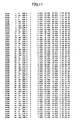
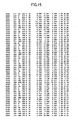
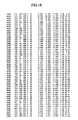
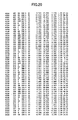
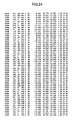
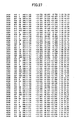
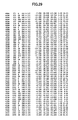
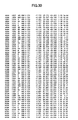
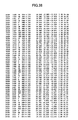
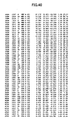
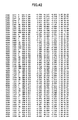
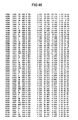
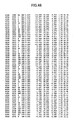
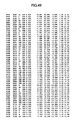
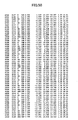
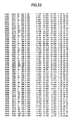
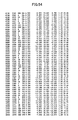
- the atomic coordinates in the MTG three-dimensional structure are shown in Figs. 11 to 60.
- the reaction mechanism of transglutaminase is considered to be as follows:
- MTG molecule elucidated in the present invention is in the shape of discoid form having a size of 65 x 59 x 41 ⁇ (see Figs. 1 and 2).
- Fig. 1 the crystal structure of MTG is shown by a ribbon model.
- ⁇ - helices and ⁇ -sheets are shown by spirals and arrows, respectively.
- An active residue, Cys 64 is shown by boll and stick model (upper central part).
- Fig. 2 shows the surface concavoconvex of the crystal structure of MTG in the same direction as in Fig. 1.
- the regions having the electric charge are indicated in dark color and those free of the electric charge are indicated in light color.
- active residue Cys 64 is located.
- SH group of Cys 64 which may be dehydrogenated by Asp 255 , causes the reaction.
- the side chain of Cys 64 faces the solution side and it can approach the acyl donor and acyl acceptor.
- MTG is considered to be able to bind to the acyl donor without changing its structure. Therefore, it is supposed that MTG can use more Gln residues as the substrates than human blood coagulation factor XIII uses. Further, MTG has a merit in that a mutant having further reduced substrate specificity can be easily designed, because it is not required to take the structural change associated with the binding to the acyl donor into consideration.
- the molecular weight of MTG is as low as 38,000, while that of human blood coagulation factor XIII is 166,000, which make the determination of the binding site of MTG for the acyl donor easy.
- hydrophobic amino acid residues and aromatic amino acid residues are positioned in the cleft leading to active residue Cys 64 , and thus the mutual action thereof with hydrophobic residues or aromatic residues in the acyl donor is considered to be one of the keys for the determination of the substrate specificity.
- the polar resides including Asp are also scattered on the cleft surface, which suggests that they play an important role in the recognition of the acyl donor.
- a mutant transglutaminase having a modified substrate specificity can be obtained by the replacement, insertion or deletion of amino acid residues located in the deft which is supposed to be the acyl donor binding region, preferably by the replacement of the polar residues (Asp, Glu, Lys and Arg) or aromatic residues (Phe, Tyr and Trp) with other amino acids, the replacement thereof with polar residues or aromatic residues, the deletion of the polar residues or aromatic residues or insertion of polar residues or aromatic residues. It is to be noted, however, since it is supposed that the activity will be lost by modifying Cys 64 and Asp 255 which play an important role for the activity, these residues should be excluded in the production of the mutants.
- acidic amino acids present adjacent to the reactive site in the substrate proteins.
- Glutamine residues reactive with MTG are positioned on the surface of the substrate protein in many cases and it is considered that acidic amino acids which may easily exposed to the solvent are likely to present around them.
- acidic residues are present at the interaction site of the. substrate protein of MTG, the negative charge in MTG and that in the substrate protein repel each other to reduce the enzymatic reaction velocity.
- the negative charge can be removed by modifying the acidic amino acid residues exposed on the surface of the cleft of MTG containing Cys 64 which is supposed to be bound by the acyl donor or, alternatively, the negative charge can be relaxed by converting amino acid residues sequentially or spatially adjacent to the acidic amino acids into basic amino acids to obtain the transglutaminase having a modified substrate specificity.
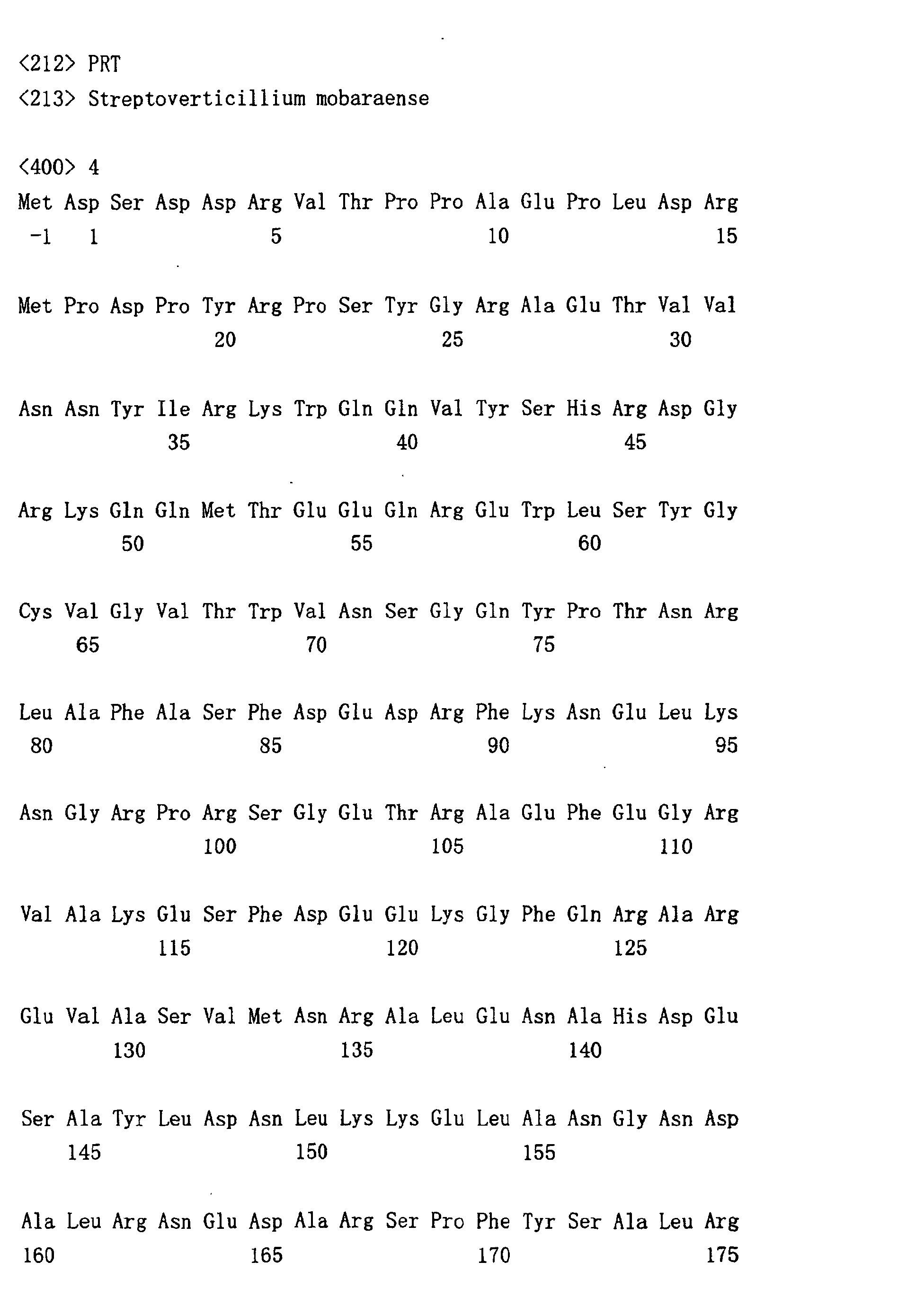
- acidic amino acids include the residues Nos. 1, 3, 4, 28, 58, 249, 300 and 304 of MTG described in SEQ ID NO: 2.
- the amino acids adjacent to the acidic amino acids are the amino acid residues within 5 ⁇ from carboxyl groups of the acidic amino acids such as aspartic acid and glutamic acid, and are preferably amino acid residues having the degree of exposition to the solvent of at least 10 %. They include residues Nos. 2, 5, 59, 248-250, 252, 278, 283-285, 289, 291, 296-297 and 302-303 of MTG described in SEQ ID NO: 2.
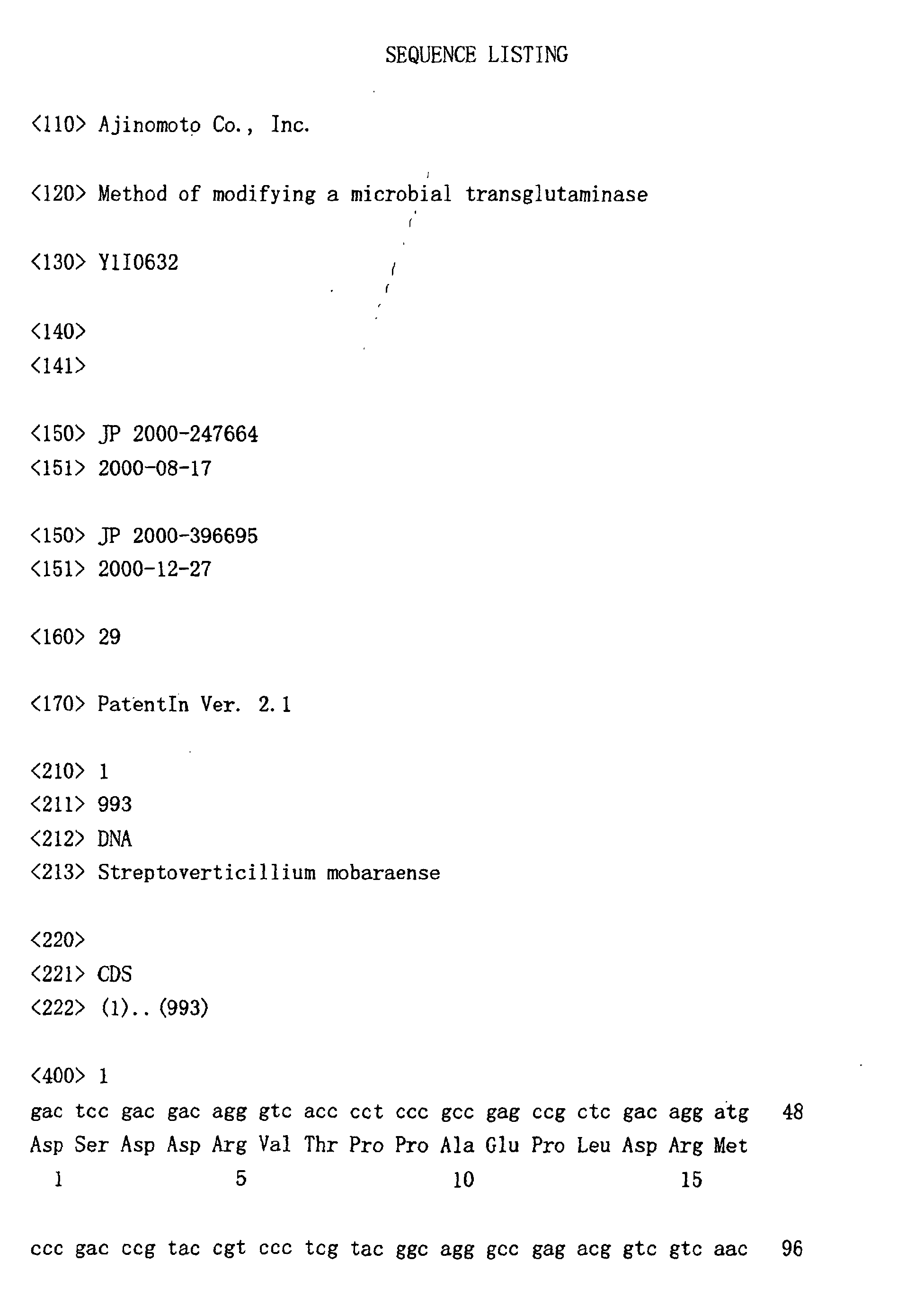
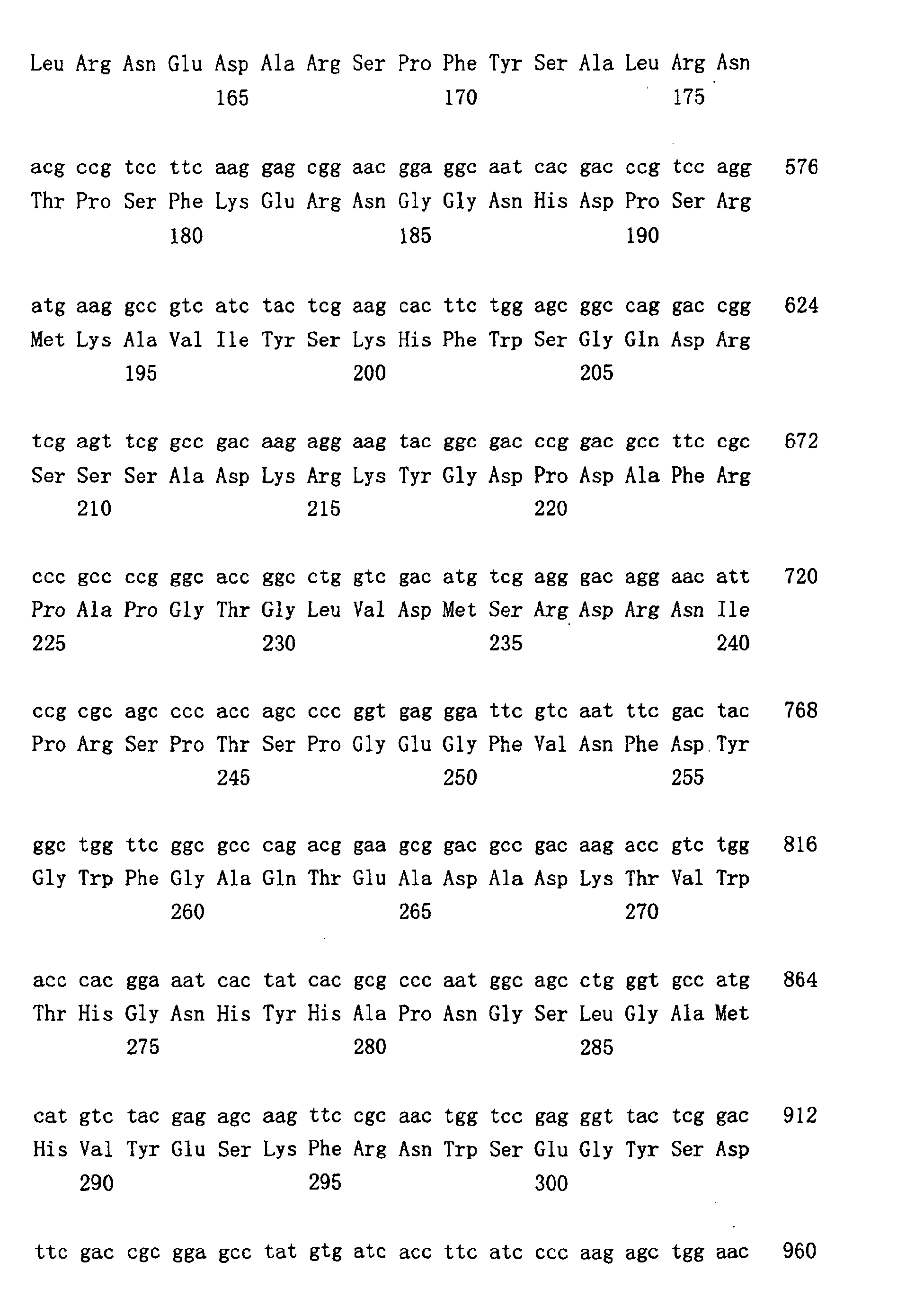
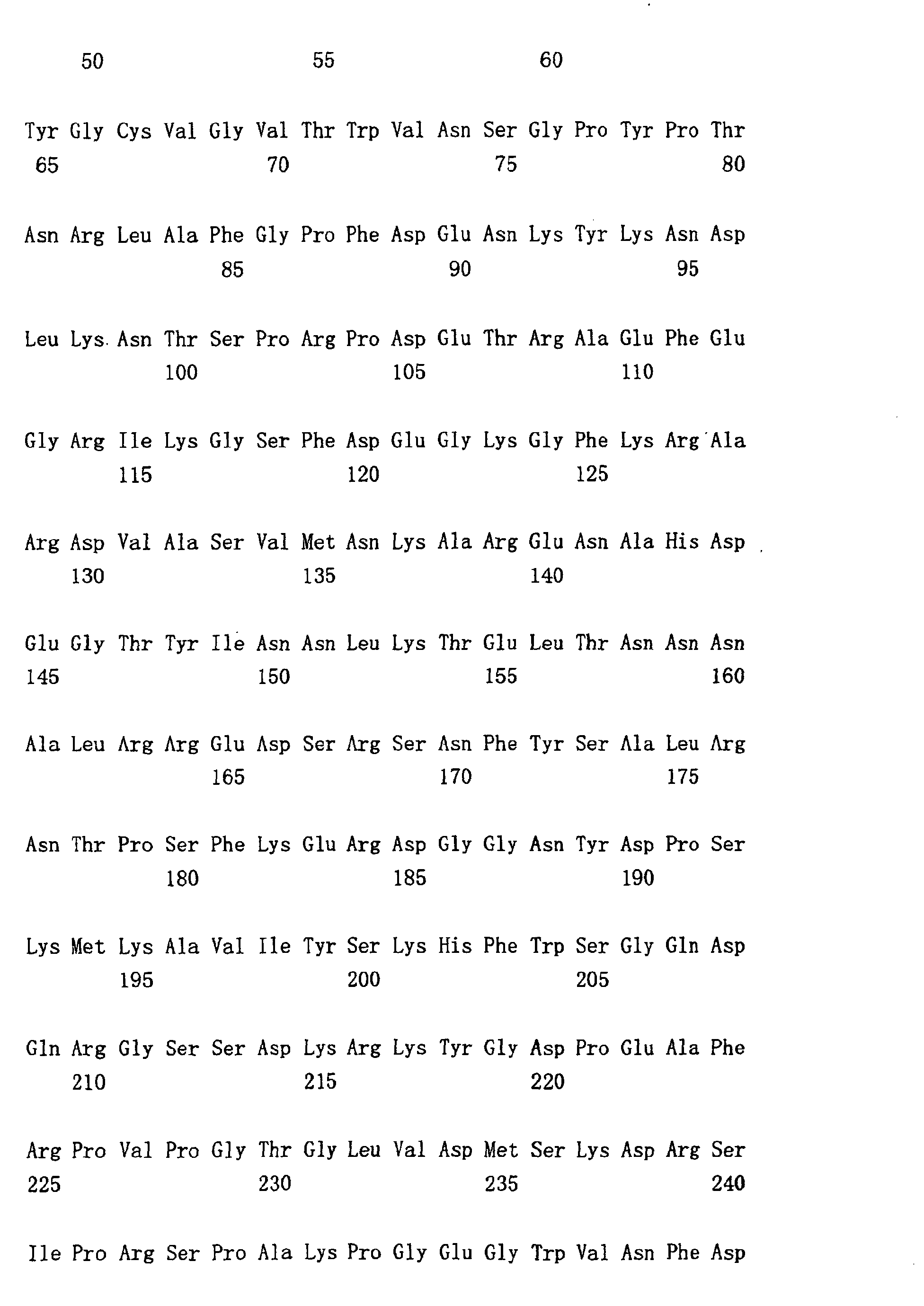
- the amino acid sequence of MTG is shown in SEQ ID NO: 2, and the nucleotide sequence of the gene encoding MTG is shown in SEQ ID NO. 1.
- Example 5 it was confirmed that the reaction rate on a particular glutamine residue in a protein molecule could be elevated by the deletion of Asp 1 or Asp 3 or by the replacement of Ser2. Because the distance from active residue Cys 64 to Asp 1 at the N-terminal is 20 ⁇ , it is suggested that there is a possibility that the substrate specificity can be modified by modifying the amino acid residues located within 20 ⁇ from Cys 64 . In addition, because it was confirmed that at least the loop regions (233-253 and 276-288) defined the substrate specificity, it was considered that the substrate specificity could be modified by modifying these regions. The possibility of changing the substrate specificity is further increased by modifying the residues exposed on the surface of the cleft having Cys 64 supposed to be bound by the acyl donor.
- the solvent accessibility may be calculated using a program such as QUANTA.
- the solvent accessibility is the value resulting from dividing the exposure area to the solvent of a residue in the protein by the exposure area to the solvent of the amino acid in its free form, which is indicated as a percentage.
- the possibility of changing the substrate specificity of MTG may be high when the residues existing within 20 ⁇ from Cys 64 and having a solvent accessibility of at least 10 % are modified. Such residues correspond to residue Nos.
- the codon in the gene encoding the transglutaminase corresponding to the amino acid residues at the above-described substrate-binding site may be modified by site-directed mutagenesis and the obtained gene may be introduced into a suitable vector and transferred into a host, and then the transformant may be cultured.
- the intended mutant transglutaminase may be recovered from the transformed cultured microbial cells of and evaluated.
- the site-directed mutagenesis methods for introducing intended mutation at the intended sites of DNA include, for example, a PCR method shown in Examples [Higuchi, R., 61,in PCR technology; Stockton Press edited by Erlich, H. A. (1989); Carter P., Meth. In Enzymol., Vol. 154, p. 3382 (1987)]; and a method wherein a phage is used [Kramer, W. and Frits, H.J., Methods in Enzymology, Vol. 54, p. 350 (1987), Kunkel, T. A. et al., Methods in Enzymology, Vol. 154, p. 367 (1987)].
- the vectors for introducing the genes encoding mutant transglutaminase are not particularly limited so far as they can be replicated in hosts.
- Escherichia coli is used as a host, plasmids capable of autonomously replicating in this bacterium can be used.
- pUC19, pET or pGEMEX can be used.
- Preferred hosts are, for example, strains of Escherichia coli, however, any bacterium can be used as the host so far as the replication origin of the constructed recombinant DNA and the mutant transglutaminase genes can function, the mutant DNA can be replicated and the expression of the mutant transglutaminase genes can be expressed in the bacterium.
- the representative preferred host is Escherichia coli BL21(DE3)pLysS when T7 promoter is used or Escherichia coli JM109 in other cases.
- An ordinary method can be employed, without any particular limitation, for introducing the recombinant DNA obtained by ligating the vector with the DNA fragment containing the gene encoding the mutant transglutaminase into the host.
- Escherichia coli When Escherichia coli is used as the host, there can be employed calcium chloride method [J. Mol. Biol., Vol. 53, p. 159 (1970)], Hanahan method [J. Mol. Biol., Vol. 166, p. 557 (1983)], SEM method [Gene, Vol. 96, p. 23 (1990)] and Method of Chung et al. [Proceedings of the National Academy of Sciences of the USA, Vol. 86, p. 2172 (1989)].
- MTG may be expressed in the bacterial cell at a high level by culturing the transformant harboring the recombinant DNA containing the gene encoding the mutant transglutaminase in a suitable medium containing a carbon source, a nitrogen source, an inorganic ion and, if necessary, further containing an organic nutrient source.
- the cells are collected after culturing them, suspended in a buffer solution, and subjected to the lysozyme treatment, freezing-and-thawing treatment, ultrasonic disruption, etc., and then, they are disrupted and centrifuged to separate the suspension into the supernatant and the precipitant.
- the mutant transglutaminase is produced in the form of a protein inclusion body and separated as the precipitant, it may be solubilized with a denaturing agent or the like and then the denaturing agent may be removed to isolate and purify the protein.
- the denaturing agents for solubilizing the produced protein inclusion body may be, for example, urea (for example, 8M) and guanidine hydrochloride (for example, 6 M).
- the solutions used for the dilution may include phosphate buffers and Tris buffers.
- the active protein can be isolated and purified by a suitable combination of known isolation method and purification method. Examples of these methods are salting out, dialysis, ultrafiltration, gel filtration, ion exchange chromatography, affinity chromatography and reversed-phase high-performance chromatography.
- substrate specificity indicates the reactivity of each glutamine residue in the substrate protein molecule to a transglutaminase.
- the change in the substrate specificity of a transglutaminase means the change in the reactivity of at least one glutamine residue.
- Methods for comparing the substrate specificities of transglutaminases include, for example, the method wherein the gelation time of casein is determined, the method wherein the cross-linked polymer obtained after the transglutaminase reaction is analyzed by electrophoresis, and the method wherein the reaction product is fragmented and then analyzed. It is also possible that the substrate protein is reacted with 15 N-labeled ammonium ion by using the transglutaminase and then the labeled glutamine residues are detected by NMR (JP-Application No. 2000-141152).
- the analysis of substrate specificity by the latter method is the method of comparing the reactivity of individual glutamine residue in the protein, taking advantage of the fact that the carboxamide nitrogen in the glutamine residue, which functions as a substrate, is 15 N-labeled by a transglutaminase.
- the substrate specificities of the transglutaminases can be compared with each other, taking advantage of that glutamine residue which acts as a substrate for transglutaminase is specifically 15 N-labeled and that the labeling rate varies depending on the reactivity of the transglutaminase to the glutamine residue.
- transglutaminase The unit activity of transglutaminase is determined and defined as follows:
- transglutaminase from Streptoverticillium mobaraence (MTG)
- MTG Streptoverticillium mobaraence
- an enzyme which has the transglutaminase activity and amino acid sequence homologous to MTG or an enzyme which has the transglutaminase activity and which is supposed to have the three-dimensional structure similar to that of MTG, on the basis of the three-dimensional structure of MTG.
- the amino acid replacement effective for the modification of the substrate specificity or the like of MTG is also effective for analogous enzymes such as those from Streptoverticillium cinnamoneum and Streptoverticillium lydicus (JP-Kokai No. 10-504721).
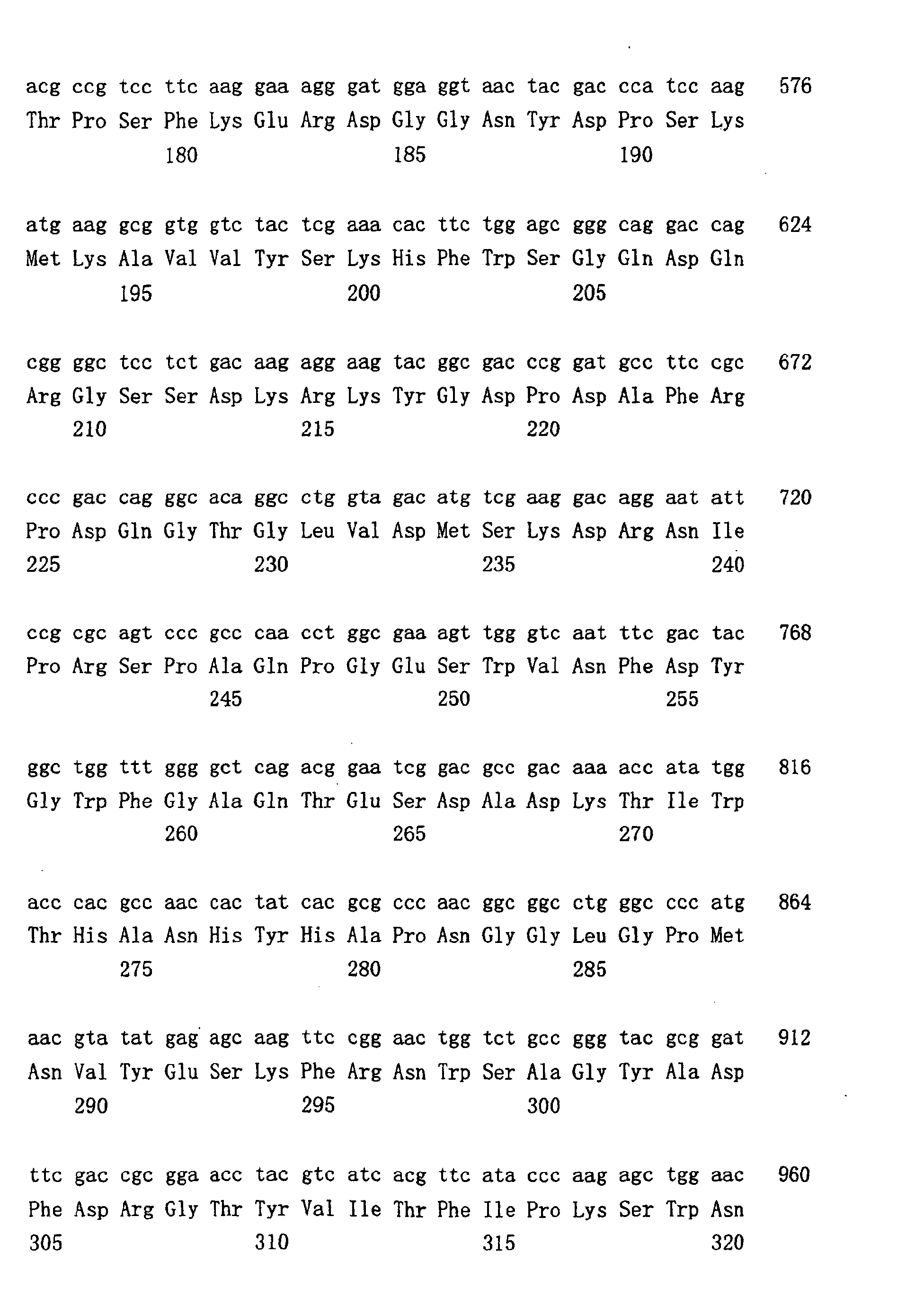
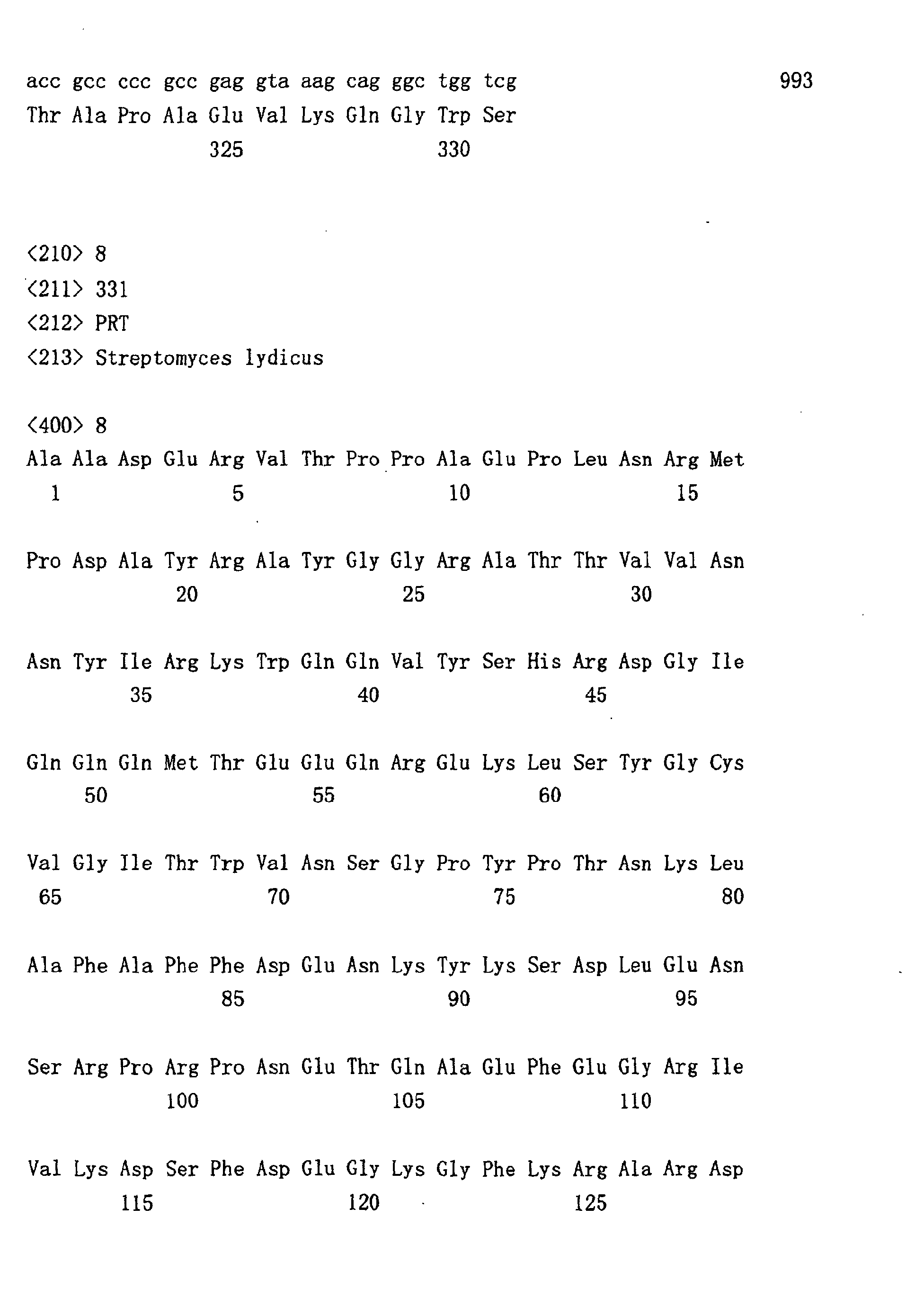
- the amino acid sequence of the transglutaminase from Streptoverticillium cinnamoneum is shown in SEQ ID NO: 6, the nucleotide sequence of the gene encoding the amino acid sequence is shown in SEQ ID NO: 5, the amino acid sequence of the transglutaminase from Streptomyces lydicus is shown in SEQ ID NO: 8, and the nucleotide sequence of the gene encoding the amino acid sequence is shown in SEQ ID NO: 7.
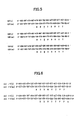
- the homology of the amino acid sequence between MTG and transglutaminase from Streptoverticillium cinnamoneum is 78 % (Fig.
- Fig. 3 shows the alignment of amino acid sequences of MTG and transglutaminase from Streptoverticillium cinnamoneum. conserveed amino acid residues are shown by "*”.
- Fig. 4 shows the alignment of amino acid sequences of MTG and the transglutaminase from Streptoverticillium lydicus. conserveed amino acid residues are shown by "*”.
- the coordinate assignment of amino acid residues of two different proteins may be revealed from the alignment of the amino acid sequences (Sequence Alignment) when the homology between the amino acid sequences of them is above about 20 %, and it may be revealed from the three-dimensional structures and the alignment of the amino acid sequences (Threading) when the homology is below about 20 %.
- the former can be carried out using a program such as BLAST and the latter can be carried out using a program such as INSIGHT II.
- BLAST can be obtained by using ftp as the file adapted to the computer to be used among the files existing in "/blast/executable" of ncbi.nlm.nih.gov.
- the operating instructions are described in detail in http://genome.nhgri.nih.gov/blastall/blast install.
- INSIGHT II is commercially available (MSI Co.).
- a mutant transglutaminase having modified substrate specificity is usable for the preparation of gelled foods such as jellies, as well as yogurts, cheeses and gelled cosmetics; for the improvement in the quality of meats; for the production of materials of thermally stable microcapsules and carriers for immobilized enzymes; and for the enzymatic labeling of proteins.
- a protein is 15 N-labeled, the structure analysis by NMR is made possible (JP-Application No. 2000-141151), and when it is labeled with a primary amine, the solubility and stability thereof can be improved (JP-Application No. 2000-141152).
- Proteins usable as the substrates for the transglutaminase may vary.
- Thy include those constituting muscle such as actin and myosin; human plasma components such as albumin, immunoglobulin and blood coagulation factors; enzymes such as protease and transferase; hormones such as growth hormone and erythropoietin; cell growth factors for proliferating or inhibiting cells; immune reaction modulators for cell differentiation, induction and stimulation; and biologically active proteins produced by cells, such as monokine, cytokine and lymphokine.
- the origins of those proteins are not particularly limited and the proteins may be derived from animals, vegetables and microorganisms. Further, the proteins may be those expressed in Escherichia coli , yeast and animal cells by introducing the genes of these proteins into them or those expressed by using a cell-free protein synthesis system.
- the reaction of such a protein in the presence of the transglutaminase is carried out under conditions where the transglutaminase can function.
- the substrate protein and the transglutaminase are kept at a pH in the range of about 5.0 to 9.0, preferably abut 6.0 to 8.0 and at a temperature in the range of about 4 to 55°C, preferably about 25 to 40°C in an aqueous solvent.
- the concentration of the substrate protein is preferably in the range of 1 ⁇ M to 1 M
- the amount of the transglutaminase is desirably in the range of about 10 nM to 100 ⁇ M which corresponds to about 0.01 to 20 units per mmol of the protein.
- the reaction conditions are not limited to those described above.
- the range of the industrial utilization of MTG can be further widened when the heat stability and optimum pH can be modified in addition to the modification of the substrate specificity. If the heat stability is improved, the gelation of protein at a higher temperature may become possible. In the production of tofu (bean curd) filled into a pack, which is commonly sold in supermarkets, MTG is added to soybean milk and then the obtained mixture is tightly closed in the pack and then heated. Therefore, the temperature easily elevates to a point at which MTG is denatured. If the heat stability of MTG can be improved, the amount of protein inactivated by denature can be reduced, whereby the cost is lowered.
- tofu bean curd
- the thermal stability can be improved by, for example, the introduction of proline residue, the replacement of the residues forming the counterclockwise helix structure with glycine residues [Protein Engng, Vol. 6, pp. 85-91 (1993)], or filling of the cavities in the protein [Biochemistry, Vol. 32, pp. 6171 to 6178 (1993)].
- the optimum pH can be shifted to the alkaline region, the gelation efficiency of a substance which reacts under an alkaline reaction condition can be elevated such as the case of udon which are prepared by joining gluten.
- the modification of optimum pH can be achieved by modifying pKa of the active residues [Protein Engineering, Vol. 11, pp. 383-388 (1998)].
- pETMTGXa-01 MTG expression plasmid pETMTGXa-01 which will be described below was constructed to produce recombinant MTG having the same N-terminal amino acid sequence as that of native type in Escherichia coli.
- pETMTGXa-01 is a plasmid capable of expressing a fused protein having the recognition sequence (IEGR) of factor Xa between the amino terminal region of T7 gene 10 protein and MTG. The procedures for constructing pETMTGXa-01 are described hereinafter.
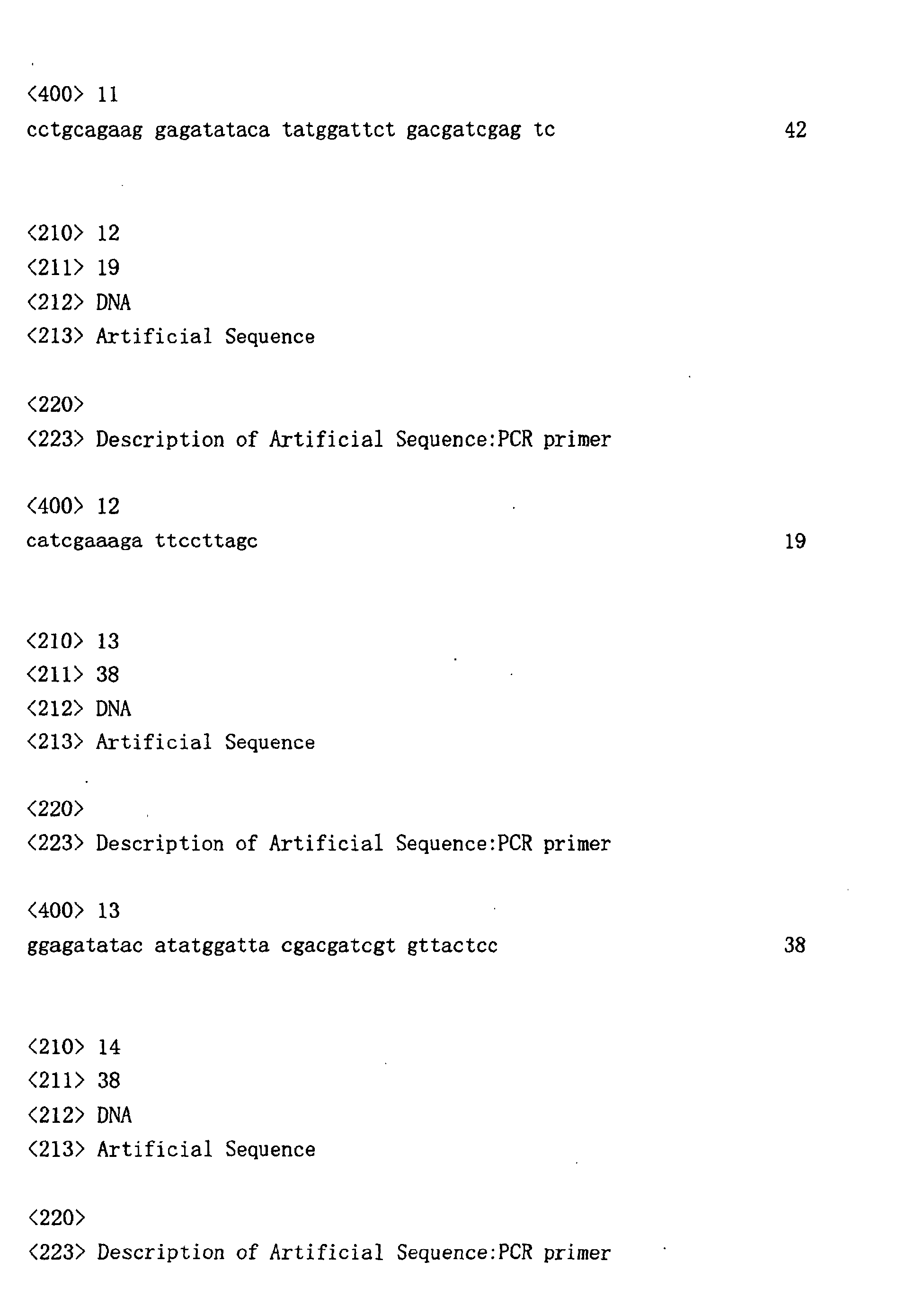
- primer pGEXMTGF01 (SEQ ID NO: 9 in the sequence listing) containing the sequence encoding BamHI cleavage site and Factor Xa recognition site at the upstream side of MTG gene and also primer pGEXMTGR01 containing Sac I cleavage site (SEQ ID NO: 10 in the sequence listing) were synthesized. PCR was carried out using these primers and MTG genes in MTG expression plasmid pUCTRPMTG-02(+) (JP Kokai No. 11-75876) as a template, and the amplified fragment was cloned in pGEM-T Easy Vector (Promega).
- PCR were carried out by 25 cycles of "96°C for 30 seconds, 50°C for 15 seconds and 60°C for 1 minute".
- the cloning of the amplified fragment was carried out according to the instructions of supplier. Clone in which the amplified fragments were inserted in an opposite direction to lacZ gene were selected.
- the nucleotide sequences of the plasmids in the clones were analyzed and the plasmid having the intended correct sequence was named "pGEMMTGXa”.
- pET5a (Takara Shuzo Co., Ltd.) vector was cleaved by EcoRI, bunt-ended, and cleaved by BamHI.
- pGEMMTGXa was cleaved by Sall, blunt-ended, cleaved by BamHI, and the obtained fragment containing MTG gene was subcloned in the above-described enzymatically digested pET5a to construct pETMTGXa-01.
- Escherichia coli BL21(DE3)pLysS (Promega) having pETMTGXa-01 introduced therein was inoculated in 50 ml of L medium (10 g/L of Tryptone, 5 g/L of yeast extract, 5 g/L of NaCI and 1 g/L of glucose; pH: 7.2) containing 200 ⁇ g/ml of ampicillin and pre-cultured at 37°C for 6 hours.
- L medium 10 g/L of Tryptone, 5 g/L of yeast extract, 5 g/L of NaCI and 1 g/L of glucose; pH: 7.2
- M9 casamino acid medium (8 g/L of casamino acids, 5 g/L of ammonium chloride, 0.2 g/L of yeast extract, 2 mg/L of vitamin B 1 hydrochloride, 14.5 mg/L of calcium chloride dihydrate, 15.1 g/L of disodium hydrogen phosphate 12 hydrate, 3 g/L of potassium dihydrogen phosphate, 0.5 g/L of magnesium sulfate heptahydrate and 5 g/L of glucose; wherein magnesium sulfate heptahydrate and glucose were separately sterilized) containing 200 ⁇ g/ml of ampicillin.
- OD 660 reached to about 2.0
- 0.8 ml of 1M IPTG was added to the culture, and the culture was further continued at 37°C for 14 hours.
- the cells were collected from the broth by centrifugation and suspended in 200 ml of a mixture of 20 mM Tris-HCI, 30 mM of NaCI and 5 mM of EDTA, pH 7.5. 1 mg/ml of lysozyme was added to the obtained suspension. After leaving the resultant mixture at 4°C for 1 hour, the cells were crushed by ultrasonication. Protein inclusion bodies containing denatured MTG were collected by centrifugation. The protein inclusion bodies were thoroughly suspended in a small amount of water.
- Reagents and water were added to the obtained suspension so that the suspension contains 8 M of urea, 20 mM of sodium phosphate, 1 mM of EDTA and 20 mM of DTT/30 ml to dissolve the protein inclusion bodies.
- pH was lowered to 4 by adding dropwise 1 M of hydrochloric acid, and the precipitant was removed after centrifugation.
- the concentration of the solubilized MTG was determined, which was found to be about 20 mg/ml. 20ml of the above solubilized MTG solution were slowly added dropwise to 1000 ml of 20 mM sodium acetate, pH 4.0, containing 2mM DTT, and the mixture was left to stand for 2 hours.
- the total solution thus obtained was concentrated to a volume of 200 ml by ultrafiltration (Hydrosart, 10 kDa Molecular cut off; Sartocon Slice Casette, Sartorius). and the solvent was replaced with 20 mM Tris-HCI (pH 7.5) by using Sephadex G25 (M) (Pharmacia Aktiebolag). 5 mg of bovine factor Xa (Hematologic Technology Inc.) was added to 250 ml of the obtained solution and then the mixture was left to stand overnight at 5°C. The concentration of MTG was determined to be about 0.36 mg/ml.
- N-terminal amino acid sequence of MTG cleaved by factor Xa was analyzed with a protein sequencer (Shimadzu Corporation) to confirm that the sequence attached to the N-terminal had been completely cleaved by factor Xa and also that there was only the recombinant MTG having the mature type N-terminal amino acid sequence.
- pH of the solution was adjusted to 5.8 with 1 M hydrochloric acid and then the solution was diluted 5-fold with a buffer solution (20 mM sodium acetate, pH 5.8) used for equilibration of cation exchange chromatography.
- the obtained solution was applied to the cation column (CM Sepharose FF, 2.6 ⁇ x 10 cm; Amersham Pharmacia Biotech) sufficiently equilibrated with the buffer solution.
- CM Sepharose FF 2.6 ⁇ x 10 cm; Amersham Pharmacia Biotech
- a protein fraction (46 ml) eluted according to the linear concentration gradient of 0 - 0.4 M NaCI was recovered using UV absorption at a wavelength of 280 nm as an index.
- the recovered fraction was diluted 10-fold with a buffer solution (20 mM sodium acetate, pH 5.5) used for the equilibration of the cation exchange chromatography. 1/3 of the diluted solution was applied to the cation column (6 ml of Resource S; Amersham Pharmacia Biotech) sufficiently equilibrated with the same buffer solution. After the re-equilibration with the same buffer solution, a protein fraction eluted according to the linear concentration gradient of 0 - 0.5 M NaCI was fractionated using UV absorption at a wavelength of 280 nm as an index. A fraction (2 ml) in which no impurities were detected by reversed-phase HPLC and which was free from low pI form of MTG was recovered from the front side of the peak top.
- the crystallization was carried out using the hanging drop mode of vapor diffusion method.
- Recombinant Asp type MTG solution concentrate: 15 mg/ml
- 83 mM buffer pH 5.0
- sodium cacodylate containing 25 % polyethylene glycol 1000 and 25 mM calcium chloride were dropped in the same amounts (2 ⁇ l) on a siliconized cover glass and mixed together.
- the cover glass was placed on the buffer in such a manner that the drops of the mixed liquid were hanging over the well filled with 500 ⁇ l of the buffer, and they were left to stand at 20°C. Crystals were formed one week after. 10 days after, the crystals grew into plate-like crystals of a measurable size (about 0.5 x 0.3 x 0.1 mm).
- the MTG crystal was analyzed at a low temperature, because MTG crystal would be damaged by X-ray which leads to the gradual reduction of resolution when analyzed at ambient temperature.
- the crystal was transferred into 117 mM buffer (pH 5.0) of sodium cacodylate containing 35 % of polyethylene glycol 1000 and 35 mM of calcium chloride and rapidly cooled by blowing nitrogen gas at -173°C.
- X-ray diffraction data of 2.7 ⁇ resolution were obtained with a X ray diffractometer, R-AXIS IIc (Rigaku Co., Ltd.) and the crystallographic parameters were determined.
- the crystals were immersed in a solution of heavy metal salts and the heavy atom derivatives were screened.
- the diffraction data of the heavy atom derivative crystals were obtained by using SMART6000 (Bruker) and the synchrotron radiation facilities BL-6B of the National Laboratory for High Energy Physics. From difference Patterson map compared with the native data, it was shown that EMTS, K 2 OSCl 6 and K 2 IrCl 6 provided good heavy atom isomorphous-replacement crystals.
- Major heavy atom sites were determined from the differential Patterson maps of the respective heavy atom isomorphous replacement crystals, and then, other minor heavy atom sites were determined using the difference Fourier maps. The coordinates of these heavy atom sites were refined by the phase determination program "MLPHARE" and the phase was calculated.
- the phase was improved by solvent flattering and histogram matching using the program DM and then an electron density map was prepared.
- the electron density map 4 MTG molecules were refined in an asymmetric unit.
- the electron density corresponding to the 4 molecules was averaged using the program DM to remarkably improve the quality of the electron density.
- the electron density map prepared with 2.7 ⁇ resolution was very good and all the amino acid residues from N terminal to C terminal could be fitted into the electron density.
- the first model was constructed on computer graphics using QUANTA program, and the structure was refined using X-PLOR program.
- the crystallographic reliability factor (R factor) determined by using the reflection at 10 to 2.4 ⁇ resolution was 19.6 %.
- R factor crystallographic reliability factor
- N-terminal Asp 1 is positioned at the entrance of the cleft, it is supposed that it has some responsibility on the recognition of the substrate (Figs. 1 and 2).
- the side chain of Asp 1 has no interaction with other residues constituting the enzyme and, therefore, it is considered that even when the residue is modified, there is no risk of distorting the three-dimensional structure of the protein.
- the effects of Asp 1 on the substrate specificity can be examined by preparing a mutant in which this residue has been removed (hereinafter referred to as "Ser type mutant" because it starts with Ser 2 ) and then comparing the substrate specificity thereof with that of the wild type.
- Escherichia coli obtained by transforming plasmid containing a gene encoding Ser-type mutant had been already constructed (JP-Kokai No. 11-075876), we designed to prepare the Ser-type mutant using this plasmid.
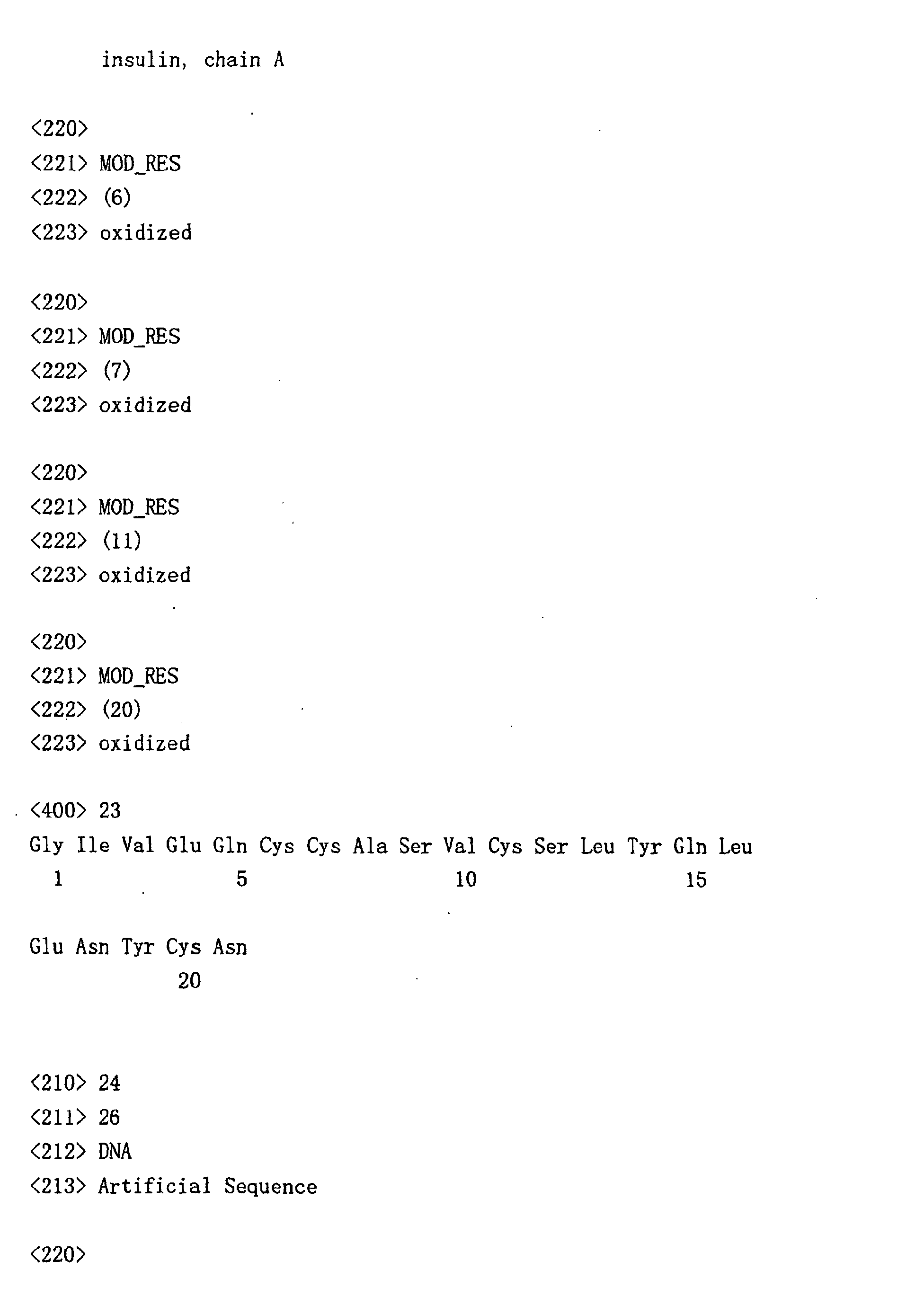
- insulin A chain (Sigma) wherein cysteine residue had been oxidized was bought as the substrate protein, and the glutamine residues which could be the substrates of MTG were examined.
- Insulin A chain is a protein (SEQ ID NO: 23) consisting of 21 amino acid residues, which has glutamine residues at the 5 th position and the 15 th position from the N-terminal.
- SEQ ID NO: 23 The reasons why insulin A chain was selected for examining the structural characteristics of the substrate protein are that it contains plural glutamine residues and the positions of the glutamine residues reacted with MTG can be easily determined because it has a low molecular weight.
- Glutamic acid is present at position 17 in insulin A chain.
- This glutamic acid residue is located adjacent to the 15 th glutamine residue with the insertion of one residue. Since amino acid side chains on a polypeptide chain incline to face the same direction when they are located with the insertion of one residue, the glutamine residue at position 15 and the glutamic acid at position 17 are therefore considered to be not only close to each other in the sequence but also to be spatially close to each other.
- acidic amino acid is present near the 15 th glutamine residue, it is not preferred that an amino acid having a negative electric charge is present at the substrate binding site of MTG. In most cases, the glutamine residues reactive with MTG are positioned on the surface of the substrate protein. It is considered that acidic amino acids which may easily exposed to the solvent may present surrounding the glutamine residue. This is also applicable to the substrate proteins other than insulin.
- the substrate specificity can be improved when the negative charge is reduced by modifying the acidic amino acids or by converting the surrounding amino acids into basic amino acids to obtain a mutant transglutaminase having a modified substrate specificity.
- Ser-type MTG was the one in which the aspartic acid in SEQ ID No: 2 had been removed
- S2R mutant was the one in which basic amino acids were arranged near the acidic amino acids to reduce the negative charge, all of which meet the above criterion. They satisfy the above-described conditions.
- del 1-2 was prepared by removing residue Nos. 1 and 2
- del 1-3 was prepared by removing residue Nos. 1 to 3 to remove the negative charge of Asp 1 and Asp 3 , respectively.
- the two loops which locate to surround the active residue Cys 64 are positioned as if the substrate is sandwiched by them, they are likely to define the substrate specificity.
- the loops cannot be blindly removed because they also play an important role in the folding of MTG. Therefore, the sites satisfying the following conditions (1) and (2) were searched based on the three-dimensional structure of MTG: (1) the site hardly interact with the sites other than the loops and it does not affect the folding and (2) the distance between N-terminal and C-terminal of the deleted site (residue) is not longer than 7 ⁇ and it can be replaced with 3 glycine residues.
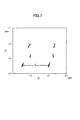
- residues Nos. 241 to 252 have substantially no interaction with other sites and since the distance between N-terminal of residue No. 241 and C-terminal of residue No. 252 is about 6 ⁇ , residue Nos. 241-252 can be replaced by 3 glycine residues. It was attempted to produce Sg4 by replacing residue Nos. 241 to 252 with 3 glycine residues and Sg7 by replacing residue Nos. 278 to 287 with 3 glycine residues as the mutants satisfying such conditions in which the loops were removed to elucidate the contribution of the two loops surrounding Cys 64 active residue.
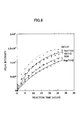
- ovalbumin For comparing the substrate specificity, ovalbumin was employed as the substrate protein. Ovalbumin has 12 glutamine residues, and the reactivity to each of them was traced by NMR. For utilizing the protein in the fields of foods, medicines, etc., for example, the crosslinking rate of the protein molecules should be increased. Therefore, for some of the mutants, the time required for gelling casein in the respective cases was also compared with each other.
- transglutaminase having an improved reactivity on the substrate can be provided by the present invention.
- new products and novel techniques can be provided with the transglutaminase having the improved reactivity on the substrate.
Landscapes
- Chemical & Material Sciences (AREA)
- Health & Medical Sciences (AREA)
- Life Sciences & Earth Sciences (AREA)
- Genetics & Genomics (AREA)
- Organic Chemistry (AREA)
- Engineering & Computer Science (AREA)
- Zoology (AREA)
- Wood Science & Technology (AREA)
- Bioinformatics & Cheminformatics (AREA)
- General Engineering & Computer Science (AREA)
- General Health & Medical Sciences (AREA)
- Biomedical Technology (AREA)
- Biochemistry (AREA)
- Biotechnology (AREA)
- Molecular Biology (AREA)
- Microbiology (AREA)
- Biophysics (AREA)
- Medicinal Chemistry (AREA)
- Plant Pathology (AREA)
- Physics & Mathematics (AREA)
- Crystallography & Structural Chemistry (AREA)
- Gastroenterology & Hepatology (AREA)
- Proteomics, Peptides & Aminoacids (AREA)
- Enzymes And Modification Thereof (AREA)
- Micro-Organisms Or Cultivation Processes Thereof (AREA)
Abstract
Description
- (1-2) Comparison of wild type with S2Y · S2R · S2D mutant
- (1-3) Comparison with mutants having modified acidic amino acid residues
- (1-4) Comparison with mutants in which the loop region is removed












Claims (10)
- A method for designing and preparing a mutant transglutaminase by extrapolating the binding site of a transglutaminase derived from Streptoverticillium mobaraense (MTG) for the substrate on the basis of the three-dimensional structure obtained by X-ray crystal structure analysis and replacing, inserting or deleting amino acid residues positioned at the extrapolated substrate-binding site of the transglutaminase.
- A mutant MTG (excluding a mutant MTG wherein Asp1 is deleted) having modified substrate specificity, in which at least one of the following positions (residues positioned within 20Å from active residue Cys64 and exposed on the surface of the extrapolated binding site for acyl acceptor) in the MTG amino acid sequence according to SEQ ID No: 2 is modified: 1-5, 26, 28, 58-59, 62, 69, 74-75, 77, 79, 235-236, 238-244, 248-250, 252-254, 277-278, 282-287, 289, 291, 296,-297 and 300-304.
- A mutant transglutaminase having transglutaminase activity and modified substrate specificity, wherein when the alignment of the sequence of said mutant transglutaminase with the MTG amino acid sequence according to SEQ ID NO: 2 is carried out, at least one of the positions corresponding to the following positions (residues positioned within 20 Å from active residue Cys64 and exposed on the surface of the extrapolated binding site for acyl acceptor) in the MTG amino acid sequence according to SEQ ID No: 2 is modified: 1-5, 26, 28, 58-59, 62, 69, 74-75, 77, 79, 235-236, 238-244, 248-250, 252-254, 277-278, 282-287, 289, 291, 296-297 and 300-304.
- A mutant transglutaminase having transglutaminase activity and modified substrate specificity, wherein when the alignment of the three-dimensional structure with the MTG amino acid sequence according to SEQ ID NO: 2 is carried out by treading method, at least one of the positions corresponding to the following positions (residues positioned within 20 Å from active residue Cys64 and exposed on the surface of the extrapolated binding site for acyl acceptor) in the MTG amino acid sequences according to SEQ ID No: 2 is modified: 1-5, 26, 28, 58-59, 62, 69, 74-75, 77, 79, 235-236, 238-244, 248-250, 252-254, 277-278, 282-287, 289, 291, 296-297 and 300-304.
- A mutant MTG (excluding a mutant MTG from which Asp1 is deleted) or mutant transglutaminase having modified substrate specificity, wherein a negative charge is reduced by modifying an acidic amino acid residue or an amino acid residue adjacent to the acidic amino acid located at the position described in any one of claims 2 to 4
- A gene encoding the mutant MTG or the mutant transglutaminase according to any one of claims 2 to 5.
- A recombinant DNA containing the gene according to claim 6.
- A microorganisms containing the recombinant DNA according to claim 7.
- A method for producing a mutant MTG or a mutant transglutaminase, which comprises culturing the microorganisms according to claim 8 and collecting the mutant MTG or the mutant transglutaminase.
- A monoclinic MTG crystals belonging to P21 space group.
Applications Claiming Priority (5)
| Application Number | Priority Date | Filing Date | Title |
|---|---|---|---|
| JP2000247664 | 2000-08-17 | ||
| JP2000247664 | 2000-08-17 | ||
| JP2000396695 | 2000-12-27 | ||
| JP2000396695 | 2000-12-27 | ||
| PCT/JP2001/007038 WO2002014518A1 (en) | 2000-08-17 | 2001-08-15 | Method of modifying microorganism-origin transglutaminase |
Publications (2)
| Publication Number | Publication Date |
|---|---|
| EP1310560A1 true EP1310560A1 (en) | 2003-05-14 |
| EP1310560A4 EP1310560A4 (en) | 2005-07-13 |
Family
ID=26598044
Family Applications (1)
| Application Number | Title | Priority Date | Filing Date |
|---|---|---|---|
| EP01956900A Ceased EP1310560A4 (en) | 2000-08-17 | 2001-08-15 | Method of modifying microorganism-origin transglutaminase |
Country Status (9)
| Country | Link |
|---|---|
| US (2) | US20040002144A1 (en) |
| EP (1) | EP1310560A4 (en) |
| KR (1) | KR100575394B1 (en) |
| CN (1) | CN1275980C (en) |
| AU (1) | AU2001278739A1 (en) |
| BR (1) | BR0113304A (en) |
| CA (1) | CA2419453C (en) |
| RU (1) | RU2260051C2 (en) |
| WO (1) | WO2002014518A1 (en) |
Cited By (6)
| Publication number | Priority date | Publication date | Assignee | Title |
|---|---|---|---|---|
| WO2007020291A1 (en) * | 2005-08-18 | 2007-02-22 | Novo Nordisk Health Care Ag | Improving transglutaminase substrate specificity |
| WO2008020074A1 (en) * | 2006-08-18 | 2008-02-21 | Novo Nordisk Health Care Ag | Transglutaminase variants with improved specificity |
| WO2008102008A1 (en) * | 2007-02-22 | 2008-08-28 | Novo Nordisk Health Care Ag | Transglutaminase variants with improved specificity |
| WO2009030211A3 (en) * | 2007-09-07 | 2009-06-25 | Univ Halle Wittenberg | Thermostable transglutaminases |
| EP2123756A4 (en) * | 2007-02-15 | 2010-06-30 | Ajinomoto Kk | TRANSGLUTAMINASE HAVING DISULFIDE BINDING INTRODUCED THEREIN |
| EP3719131A4 (en) * | 2017-11-30 | 2021-09-01 | Amano Enzyme Inc. | MODIFIED TRANSGLUTAMINASE |
Families Citing this family (11)
| Publication number | Priority date | Publication date | Assignee | Title |
|---|---|---|---|---|
| US7101695B2 (en) | 2002-03-01 | 2006-09-05 | Szu-Yi Chou | Method of producing transglutaminase having broad substrate activity |
| US7485438B2 (en) | 2002-03-01 | 2009-02-03 | Szu-Yi Chou | Method of producing polyvalent antigens |
| EP2404999B1 (en) * | 2009-03-06 | 2015-04-29 | Ajinomoto Co., Inc. | Thermotolerant transglutaminase originating in actinomyces |
| CA2951887A1 (en) | 2014-06-12 | 2015-12-17 | Cspc Dophen Corporation | Homogenous antibody drug conjugates via enzymatic methods |
| SG11202003094PA (en) * | 2017-11-07 | 2020-05-28 | Codexis Inc | Transglutaminase variants |
| EP4116424A4 (en) * | 2020-03-03 | 2024-07-10 | Amano Enzyme Inc. | Modified transglutaminase |
| JP2023518714A (en) * | 2020-03-13 | 2023-05-08 | キュリー カンパニー インコーポレイテッド | transglutaminase variant |
| EP4150062A4 (en) * | 2020-05-13 | 2024-08-14 | Curie Co. Inc. | TRANSGLUTAMINASE VARIANTS AND APPLICATIONS FOR USE THEREOF |
| EP4170034A4 (en) * | 2020-06-18 | 2024-07-17 | Amano Enzyme Inc. | Novel transglutaminase |
| FR3117599B1 (en) * | 2020-12-16 | 2024-11-29 | Oreal | Method of prognosis and/or diagnosis of a dandruff condition of the scalp |
| CN114220492B (en) * | 2021-12-16 | 2023-02-28 | 江南大学 | Method and application of enzyme redesign based on isothermal compressibility coefficient perturbation and mutants screened by this method |
Family Cites Families (13)
| Publication number | Priority date | Publication date | Assignee | Title |
|---|---|---|---|---|
| JPH0665280B2 (en) * | 1987-03-04 | 1994-08-24 | 味の素株式会社 | Protein gelling agent and protein gelling method using the same |
| US5643758A (en) * | 1987-03-10 | 1997-07-01 | New England Biolabs, Inc. | Production and purification of a protein fused to a binding protein |
| NZ234453A (en) | 1989-07-13 | 1993-01-27 | Sanofi Sa | Recombinant dna encoding urate oxidase, and vector, host, protein and pharmaceutical compositions associated therewith |
| JP2849773B2 (en) * | 1990-08-27 | 1999-01-27 | 天野製薬株式会社 | Method for producing transglutaminase from Streptomyces |
| EP0481504B1 (en) * | 1990-10-19 | 1996-01-17 | Amano Pharmaceutical Co., Ltd. | Recombinant transglutaminase |
| US5965442A (en) * | 1993-11-12 | 1999-10-12 | Nec Corporation | Method of altering enzymes and a novel neopullulanase |
| EP0777726B1 (en) * | 1994-08-26 | 2006-06-07 | Novozymes A/S | Microbial transglutaminases, their production and use |
| US5965402A (en) * | 1996-02-20 | 1999-10-12 | Smithkline Beecham Corporation | DNA encoding phoH polypeptides |
| DE69822251T2 (en) * | 1997-07-04 | 2005-01-27 | Ajinomoto Co., Inc. | Process for the preparation of microbial transglutaminase |
| DE19814860A1 (en) * | 1998-04-02 | 1999-10-07 | Fuchsbauer Hans Lothar | Bacterial transglutaminases |
| AU4995500A (en) * | 1999-05-14 | 2000-12-05 | Wisconsin Alumni Research Foundation | A novel transglutaminase from (streptoverticillium mobaraens) |
| ES2372806T3 (en) * | 1999-09-30 | 2012-01-26 | Ajinomoto Co., Inc. | PROCESS FOR THE PRODUCTION OF TRANSGLUTAMINASE. |
| EP1225217A4 (en) * | 1999-10-18 | 2004-06-16 | Ajinomoto Kk | Process for producing microorganism-origin transglutaminase |
-
2001
- 2001-08-15 RU RU2003104512/13A patent/RU2260051C2/en not_active IP Right Cessation
- 2001-08-15 BR BR0113304-7A patent/BR0113304A/en not_active Application Discontinuation
- 2001-08-15 AU AU2001278739A patent/AU2001278739A1/en not_active Abandoned
- 2001-08-15 KR KR1020037002320A patent/KR100575394B1/en not_active Expired - Fee Related
- 2001-08-15 EP EP01956900A patent/EP1310560A4/en not_active Ceased
- 2001-08-15 WO PCT/JP2001/007038 patent/WO2002014518A1/en not_active Ceased
- 2001-08-15 CN CNB018175139A patent/CN1275980C/en not_active Expired - Fee Related
- 2001-08-15 CA CA002419453A patent/CA2419453C/en not_active Expired - Fee Related
-
2003
- 2003-02-13 US US10/365,434 patent/US20040002144A1/en not_active Abandoned
-
2006
- 2006-08-17 US US11/505,438 patent/US7553650B2/en not_active Expired - Fee Related
Cited By (10)
| Publication number | Priority date | Publication date | Assignee | Title |
|---|---|---|---|---|
| WO2007020291A1 (en) * | 2005-08-18 | 2007-02-22 | Novo Nordisk Health Care Ag | Improving transglutaminase substrate specificity |
| WO2007020290A1 (en) * | 2005-08-18 | 2007-02-22 | Novo Nordisk Health Care Ag | Transglutaminase variants with improved specificity |
| WO2008020074A1 (en) * | 2006-08-18 | 2008-02-21 | Novo Nordisk Health Care Ag | Transglutaminase variants with improved specificity |
| WO2008020075A1 (en) * | 2006-08-18 | 2008-02-21 | Novo Nordisk Health Care Ag | Transglutaminase variants with improved specificity |
| EP2123756A4 (en) * | 2007-02-15 | 2010-06-30 | Ajinomoto Kk | TRANSGLUTAMINASE HAVING DISULFIDE BINDING INTRODUCED THEREIN |
| US9062291B2 (en) | 2007-02-15 | 2015-06-23 | Ajinomoto Co., Inc. | Transglutaminase having disulfide bond introduced therein |
| WO2008102008A1 (en) * | 2007-02-22 | 2008-08-28 | Novo Nordisk Health Care Ag | Transglutaminase variants with improved specificity |
| WO2009030211A3 (en) * | 2007-09-07 | 2009-06-25 | Univ Halle Wittenberg | Thermostable transglutaminases |
| EP3719131A4 (en) * | 2017-11-30 | 2021-09-01 | Amano Enzyme Inc. | MODIFIED TRANSGLUTAMINASE |
| US12630807B2 (en) | 2017-11-30 | 2026-05-19 | Amano Enzyme Inc. | Modified transglutaminase |
Also Published As
| Publication number | Publication date |
|---|---|
| BR0113304A (en) | 2004-01-06 |
| CN1275980C (en) | 2006-09-20 |
| EP1310560A4 (en) | 2005-07-13 |
| US20040002144A1 (en) | 2004-01-01 |
| CA2419453C (en) | 2010-03-09 |
| KR100575394B1 (en) | 2006-05-03 |
| US20060275872A1 (en) | 2006-12-07 |
| KR20030027037A (en) | 2003-04-03 |
| RU2260051C2 (en) | 2005-09-10 |
| CA2419453A1 (en) | 2003-02-14 |
| AU2001278739A1 (en) | 2002-02-25 |
| US7553650B2 (en) | 2009-06-30 |
| CN1469929A (en) | 2004-01-21 |
| WO2002014518A1 (en) | 2002-02-21 |
Similar Documents
| Publication | Publication Date | Title |
|---|---|---|
| US7553650B2 (en) | Polynucleotide encoding a mutant transglutaminase | |
| JP7590508B2 (en) | Modified transglutaminase | |
| US5827712A (en) | Process for efficiently producing transglutaminase through DNA recombination | |
| EP2123756B1 (en) | Transglutaminase having disulfide bond introduced therein | |
| JP3669390B2 (en) | Transglutaminase from Bacillus bacteria | |
| Yokoyama et al. | Effect of introducing a disulfide bridge on the thermostability of microbial transglutaminase from Streptomyces mobaraensis | |
| WO2010101256A1 (en) | Thermotolerant transglutaminase originating in actinomyces | |
| US6833258B2 (en) | Process for producing transglutaminase | |
| Wieteska et al. | Improving thermal stability of thermophilic l-threonine aldolase from Thermotoga maritima | |
| JP2002253272A (en) | Method for modifying transglutaminase derived from microorganism | |
| Wakagi et al. | Cloning of the gene for inorganic pyrophosphatase from a thermoacidophilic archaeon, Sulfolobus sp. strain 7, and overproduction of the enzyme by coexpression of tRNA for arginine rare codon | |
| JP2026035714A (en) | Modified transglutaminase | |
| JPH1175876A (en) | Production method of novel microbial transglutaminase | |
| US20020151703A1 (en) | Process for producing microbial transglutaminase | |
| Fuchikami et al. | Construction and properties of a fragmentary D-amino acid aminotransferase | |
| Levin et al. | Purification, crystallization and preliminary X-ray characterization of a human mitochondrial phenylalanyl-tRNA synthetase | |
| Wang et al. | Transglutaminases from microorganisms | |
| Fukunaga et al. | Crystallization and preliminary X-ray crystallographic study of alanyl-tRNA synthetase from the archaeon Archaeoglobus fulgidus | |
| JP2025122545A (en) | Protein, method for producing said protein, and method for producing a protein in which an asparagine residue is deamidated | |
| Wang et al. | Inactive S298R disassembles the dodecameric L-aspartate 4-decarboxylase into dimers | |
| Lafaye et al. | Preliminary crystallographic data of the three homologues of the thiol–disulfide oxidoreductase DsbA in Neisseria meningitidis | |
| Cura et al. | Crystallization and preliminary X-ray crystallographic study of the wild type and two mutants of the CP1 hydrolytic domain from Aquifex aeolicus leucyl-tRNA synthetase | |
| JP2002199888A (en) | Thermophilic prolyl endopeptidase |
Legal Events
| Date | Code | Title | Description |
|---|---|---|---|
| PUAI | Public reference made under article 153(3) epc to a published international application that has entered the european phase |
Free format text: ORIGINAL CODE: 0009012 |
|
| 17P | Request for examination filed |
Effective date: 20030206 |
|
| AK | Designated contracting states |
Designated state(s): AT BE CH CY DE DK ES FI FR GB GR IE IT LI LU MC NL PT SE TR |
|
| AX | Request for extension of the european patent |
Extension state: AL LT LV MK RO SI |
|
| RIC1 | Information provided on ipc code assigned before grant |
Ipc: 7C 12R 1/625 B Ipc: 7C 12N 9/10 B Ipc: 7C 12N 5/10 B Ipc: 7C 12N 1/21 B Ipc: 7C 12N 1/19 B Ipc: 7C 12N 1/15 B Ipc: 7C 12N 15/54 A |
|
| A4 | Supplementary search report drawn up and despatched |
Effective date: 20050530 |
|
| 17Q | First examination report despatched |
Effective date: 20060428 |
|
| STAA | Information on the status of an ep patent application or granted ep patent |
Free format text: STATUS: THE APPLICATION HAS BEEN REFUSED |
|
| 18R | Application refused |
Effective date: 20081028 |