EP1283210A1 - Process for preparation of sulfonamide derivatives and crystals thereof - Google Patents
Process for preparation of sulfonamide derivatives and crystals thereof Download PDFInfo
- Publication number
- EP1283210A1 EP1283210A1 EP01921842A EP01921842A EP1283210A1 EP 1283210 A1 EP1283210 A1 EP 1283210A1 EP 01921842 A EP01921842 A EP 01921842A EP 01921842 A EP01921842 A EP 01921842A EP 1283210 A1 EP1283210 A1 EP 1283210A1
- Authority
- EP
- European Patent Office
- Prior art keywords
- compound
- formula
- mixture
- preparation
- solvent
- Prior art date
- Legal status (The legal status is an assumption and is not a legal conclusion. Google has not performed a legal analysis and makes no representation as to the accuracy of the status listed.)
- Withdrawn
Links
- 0 Cc1ccc([*+])[s]1 Chemical compound Cc1ccc([*+])[s]1 0.000 description 4
- SOSHNYKNINOSTB-GFCCVEGCSA-N CN(C)[C@H](Cc1c[nH]c2c1cccc2)C(O)=O Chemical compound CN(C)[C@H](Cc1c[nH]c2c1cccc2)C(O)=O SOSHNYKNINOSTB-GFCCVEGCSA-N 0.000 description 1
- URLKBWYHVLBVBO-UHFFFAOYSA-N Cc1ccc(C)cc1 Chemical compound Cc1ccc(C)cc1 URLKBWYHVLBVBO-UHFFFAOYSA-N 0.000 description 1
Images


Classifications
-
- C—CHEMISTRY; METALLURGY
- C07—ORGANIC CHEMISTRY
- C07D—HETEROCYCLIC COMPOUNDS
- C07D409/00—Heterocyclic compounds containing two or more hetero rings, at least one ring having sulfur atoms as the only ring hetero atoms
- C07D409/02—Heterocyclic compounds containing two or more hetero rings, at least one ring having sulfur atoms as the only ring hetero atoms containing two hetero rings
- C07D409/12—Heterocyclic compounds containing two or more hetero rings, at least one ring having sulfur atoms as the only ring hetero atoms containing two hetero rings linked by a chain containing hetero atoms as chain links
-
- A—HUMAN NECESSITIES
- A61—MEDICAL OR VETERINARY SCIENCE; HYGIENE
- A61K—PREPARATIONS FOR MEDICAL, DENTAL OR TOILETRY PURPOSES
- A61K31/00—Medicinal preparations containing organic active ingredients
- A61K31/33—Heterocyclic compounds
- A61K31/395—Heterocyclic compounds having nitrogen as a ring hetero atom, e.g. guanethidine or rifamycins
- A61K31/40—Heterocyclic compounds having nitrogen as a ring hetero atom, e.g. guanethidine or rifamycins having five-membered rings with one nitrogen as the only ring hetero atom, e.g. sulpiride, succinimide, tolmetin, buflomedil
- A61K31/403—Heterocyclic compounds having nitrogen as a ring hetero atom, e.g. guanethidine or rifamycins having five-membered rings with one nitrogen as the only ring hetero atom, e.g. sulpiride, succinimide, tolmetin, buflomedil condensed with carbocyclic rings, e.g. carbazole
- A61K31/404—Indoles, e.g. pindolol
- A61K31/405—Indole-alkanecarboxylic acids; Derivatives thereof, e.g. tryptophan, indomethacin
-
- A—HUMAN NECESSITIES
- A61—MEDICAL OR VETERINARY SCIENCE; HYGIENE
- A61P—SPECIFIC THERAPEUTIC ACTIVITY OF CHEMICAL COMPOUNDS OR MEDICINAL PREPARATIONS
- A61P29/00—Non-central analgesic, antipyretic or antiinflammatory agents, e.g. antirheumatic agents; Non-steroidal antiinflammatory drugs [NSAID]
-
- A—HUMAN NECESSITIES
- A61—MEDICAL OR VETERINARY SCIENCE; HYGIENE
- A61P—SPECIFIC THERAPEUTIC ACTIVITY OF CHEMICAL COMPOUNDS OR MEDICINAL PREPARATIONS
- A61P43/00—Drugs for specific purposes, not provided for in groups A61P1/00-A61P41/00
Definitions
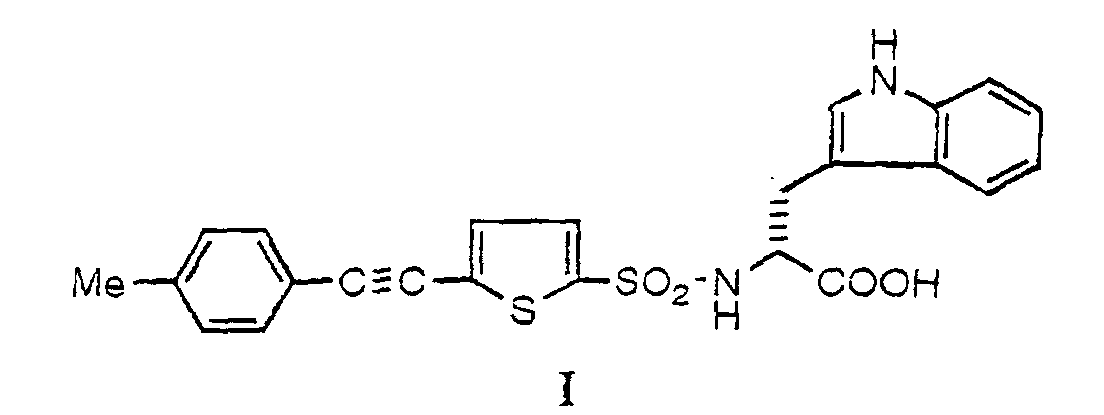
- the present invention relates to a process for preparation of N ⁇ -[[2-[5-[[4-methylphenyl]ethynyl]thienyl]]sulfonyl]-D-tryptophan and crystals thereof.
- N ⁇ -[[2-[5-[[4-methylphenyl]ethynyl]thienyl]]sulfonyl]-D-tryptophan is disclosed in such as WO97/27174.
- a coupling reaction (Sonogashira reaction) of a halogenated aryl and an acetylene derivative which is used as a key-step for the preparation of this compound, it is disclosed in WO97/27174 and Tetrahedron Lett. 1975. 4467-4470.
- a halogenated aryl, a halogenated heteroaryl etc. are reacted with an acetylene derivative in a solvent such as N,N-dimethylformamide in the presence of a copper iodide. a base and a palladium catalyst.
- a solvent such as N,N-dimethylformamide
- a base and a palladium catalyst An example of using ethyl acetate as a solvent and an example of using palladium on carbon as a catalyst have not been reported.
- a solvent such as N,N-dimethylformamide having a high mutual solubility for water
- a solvent such as acetic acid ester exampled as ethyl acetate, isopropyl acetate, isobutyl acetate, and n-butyl acetate, or toluene, dichloromethane and the like, which have a low mutual solubility for water.
- the resulting product is also high fat-soluble, it is difficult to separate the product and the organopalladium catalyst.
- an amount of residual palladium may cause a serious problem because the upper limit of concentration of a heavy metal in a final bulk is regulated by the Japanese Pharmacopoeia.
- N ⁇ -[[2-[5-[[4-methylphenyl]ethynyl]thienyl]]sulfonyl]-D-tryptophan is disclosed in such as WO97/27174, however a crystal form thereof is not disclosed.
- the present invention relates to:
- examples of " cation derived from a basic substance” include a divalent cation such as Mg 2+ , Ca 2+ , Sr 2+ , and Ba 2+ and a univalent cation such as Na + , K + , NH4 + , Li + , Rb + , and Cs + .
- a univalent cation is preferable. Na + is more preferable.
- halogen means fluoro, chloro, bromo. and iodo.
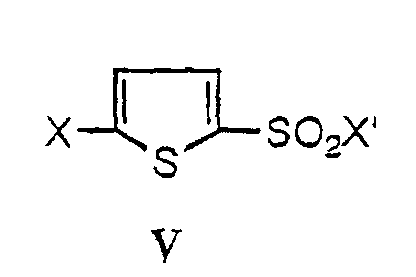
- This step is a coupling process of a starting material (IV) and a halogenosulufonylated compound (V) by using a Shotten-Baumann method.
- a solvent such as a mixture of water and acetone, a mixture of water and 1,4-dioxane, a mixture of water and tetrahydrofuran, a mixture of water and dimethoxyethane, a mixture of water and acetonitrile, N,N-dimethylformamide, N,N-dimethylacetamide, and dimethylsulfoxide
- a compound (III) is obtained by reacting a compound (IV) with a compound (V) of 0.9 to 2 mol eq., preferably 1.0 to 1.2 mol eq.
- a mixture of acetone and water is preferable as a solvent.
- the ratio of acetone/water is 5/1 to 1/5, more preferably 2/1 to 1/2.
- Examples of a base include an inorganic base such as sodium carbonate, sodium hydrogen carbonate, potassium carbonate, potassium hydrogen carbonate. cesium carbonate, cesium hydrogen carbonate, lithium carbonate, lithium hydrogen carbonate, rubidium carbonate, rubidium hydrogen carbonate, lithium hydroxide, sodium hydroxide, potassium hydroxide, rubidium hydroxide, cesium hydroxide, and ammonium carbonate, and a tertiary amine such as triethylamine, tributylamine, diisopropylethylamine.
- Sodium carbonate, potassium carbonate, cesium carbonate, sodium hydroxide, triethylamine, and the like are preferable as a base.
- This step is the coupling process of a compound (III) and p-tolylacetylene by using Sonogashira reaction
- the solvent such as a mixture of acetic acid ester and water such as a mixture of ethyl acetate and water, a mixture of isopropyl acetate and water.
- a compound (I') is obtained by reacting a compound (III) with p-tolylacetylene using 0.8 to 5 mol eq., preferably 1 to 1.5 mol eq in the presence of a copper (I) salt using 0.001 to 0.5 mol eq., preferably 0.005 to 0.05 mol eq., a base using 1 to 10 mol eq., preferably 2 to 4 mol eq., and a catalyst using 0.001 to 0.5 mol eq., preferably 0.002 to 0.05 mol eq. at 30 to 200°C, preferably 50 to 80 °C for 1 to 30 h, preferably 1.5 to 5 h, followed by an usual post-treatment. Besides the reaction mixture is used in Step 3-A as described below without post-treatment.
- a mixture of ethyl acetate and water is preferable as a solvent.
- the ratio of ethyl acetate/water is 500/1 to 1/1, more preferably 100/1 to 100/10.
- Examples of a copper (I) salt include copper (I) fluoride, copper (I) chloride, copper (I) bromide, copper (I) iodide, copper (I) oxide, copper (I) sulfide, copper (I) selenide, copper (I) acetate, copper (I) cyanide, copper (I) thiocyanate, and copper (I) trifluoromethanesulfonate.
- Copper (I) chloride, copper (I) bromide, and copper (1) iodide are preferable as a copper (I) salt.
- Examples of a base include a tertiary amine such as triethylamine, tributylamine, trimethylamine, diisopropylmethylamine, diisopropylethylamine. dimethylaniline, and methyldibenzylamine. Triethylamine, tributylamine, diisopropylethylamine and the like are preferable as a base.
- Examples of a catalyst include palladium black. palladium on carbon. palladium (11) chloride, bisbenzonitrilepalladium (II) chloride, palladium (II) bromide, palladium (II) iodide, palladium (II) oxide, palladium (II) sulfide. palladium (II) acetate, palladium (II) propionate, palladium (II) sulfate, palladium (II) hydroxide.
- Tetraxis(triphenylphospine)palladium (0) and bistriphenylphospinepalladium (II) chloride are preferable as a catalyst.
- N,N-dimethylformamide N,N-dimethylacetamide, N-methylpyrrolidone, and N,N-hexamethylphosphoramide are preferable as a solvent.
- reaction in this step can be proceeded in ethyl acetate which is useful for the industrial production.
- Another discovery is that the reaction can be accelerated by adding water in the reaction system.
- Step 3 is a process for the preparation of a compound (II) by using the method described in Step 3-A or Step 3-B as follows.
- a compound (II) is hardly soluble in water and an organic solvent. Therefore, after the treatment with an acid in Step 2, it is easy to remove an impurity such as an acetylene compound and a palladium catalyst included in the organic layer, and a copper salt and a base included in the aqueous layer.
- acetic acid ester such as ethyl acetate, isopropyl acetate, isobutyl acetate, n-butyl acetate, or dichloromethane, methyl isobutyl ketone. and the like as an extracting solvent, and an acid such as hydrochloric acid, sulfuric acid, methanesulfonic acid, phosphoric acid, nitric acid to acidify, and brine if necessary, and then the extract of a compound (II) is obtained.
- the extract is filtered through activated carbon if necessary, and converted to be basic by addition of an alcohol and a basic substance.
- To the extract is added a seed crystal if necessary, then the resulting crystal of a compound (III) is obtained.
- Ethyl acetate is preferable as an extracting solvent.
- Hydrochloric acid is preferable as an acid.
- Examples of an alcohol include methanol, ethanol, n-propanol, isopropanol, n-butanol, and the like. Me thanol is preferable.
- Examples of a basic substance include sodium hydroxide. sodium methoxide, potassium hydroxide, ammonia. lithium hydroxide, cesium hydroxide, rubidium hydroxide, lithium methoxide, potassium methoxide, cesium methoxide, sodium ethoxide, lithium ethoxide, potassium ethoxide, cesium ethoxide, lithium carbonate, lithium hydrogen carbonate, sodium carbonate, sodium hydrogen carbonate, potassium carbonate, potassium hydrogen carbonate, rubidium carbonate, rubidium hydrogen carbonate, cesium carbonate, cesium hydrogen carbonate, and the like.
- Sodium hydroxide and sodium methoxide are preferable as a base.
- a compound (I') is dissolved in an acetic acid ester such as ethyl acetate, isopropyl acetate, isobutyl acetate, and n-butyl acetate, then the solution is filtered through activated carbon if necessary, and converted to be basic by addition of methanol and a basic substance. To the extract is added a seed crystal if necessary, then the resulting crystal of a compound (II) is obtained.
- an acetic acid ester such as ethyl acetate, isopropyl acetate, isobutyl acetate, and n-butyl acetate
- Ethyl acetate is preferable as an extracting solvent.
- Examples of a basic substance include sodium hydroxide, sodium methoxide, potassium hydroxide, ammonia, lithium hydroxide, cesium hydroxide, rubidium hydroxide, lithium methoxide, potassium methoxide, cesium methoxide, sodium ethoxide, lithium ethoxide, potassium ethoxide, cesium ethoxide, lithium carbonate, lithium hydrogen carbonate, sodium carbonate, sodium hydrogen carbonate, potassium carbonate, potassium hydrogen carbonate, rubidium carbonate, rubidium hydrogen carbonate, cesium carbonate, cesium hydrogen carbonate, and the like.
- Sodium hydroxide and sodium methoxide are preferable as a base.
- This step is the preparation of a compound (I) by reacting a compound (II) with an acid.
- a compound (I) is obtained from a compound (II) by treating with hydrochloric acid, sulfuric acid, methanesulfonic acid, phosphoric acid, nitric acid to acidify, and the like, and then treating the resulting reaction mixture by usual post-treatment.
- a seed crystal if necessary, and a compound (I) is obtained as a crystal from a mixture of acetone and water.
- a mixture of acetone and water is preferable as a solvent.
- the ratio of acetone/water is 2/1 to 1/10. More preferably 1/1 to 1/4.
- a compound (I) is dissolved in methanol or acetone, then the temperature is controlled at 0 to 55 °C, preferably 30 to 50 °C. To the solution are added water, and a seed crystal if necessary, the solution is stirred for 1 to 5h, preferably 1 to ? h, and then the temperature is controlled at 0 to 55 °C, preferably 20 to 30 °C and the stirring is continued for 1 to 2 h. The precipitated crystal is filtered and dried to obtain type A crystal.
- Type A crystal is obtained by adding a methanol or acetone solution of a compound (1) described above to water containing the seed crystal in a similar manner as above.
- a compound (I) is dissolved in methanol, then the temperature is controlled at 0 to 30 °C, preferably 15 to 25 °C. To the solution are added water, and a seed crystal if necessary, the solution is stirred at 0 to 30 °C. preferably 5 to 20 °C for 0.1 to 2 h. preferably 0.1 to 0.2 h. The obtained monohydrated crystal is altered, and dried under reduced pressure at 0 to 100 °C, preferably 10 to 50 ° to obtain type B crystal.
- a compound (I) is dissolved in methanol, then the temperature is controlled at 0 to 30 °C, preferably 15 to 25 °C To the solution are added water, and a seed crystal if necessary, the solution is stirred at 0 to 30 °C, preferably 15 to 20 °C for 0.1 to 2 h. preferably 0.1 to 0.2 h. The obtained monohydrated crystal is filtered, and dried under atmosphere at 0 to 50 °C, preferably 10 to 30 ° to obtain type C crystal.
- a compound (I) is dissolved in dimethylsulfoxide.
- the solution is poured into water at 0 to 60 °C, preferably 25 to 45 °C, and stirred at 10 to 60 °C, preferably 25 to 45 °C for 0.1 to 2 h, preferably 0.1 to 0.5 h.
- the solution is stirred at 0 to 40 °C, preferably 10 to 30 °C for 0.1 to 2 h, preferably 0.1 to 0.5 h.
- the obtained crystal is filtered, and dried under atmosphere at 0 to 50 °C; preferably 10 to 30 ° to obtain type C crystal.
- a mixture of methanol and water or a mixture of acetone and water of type B crystal and/or type C crystal is stirred at 0 to 30 °C, preferably 20 to 30 °C for 1 to 8 h, preferably 2 to 4 h, or at 30 to 60 °C, preferably 40 to 50 °C for 1 to 8 h, preferably 2 to 4 h to convert it into type A crystal.
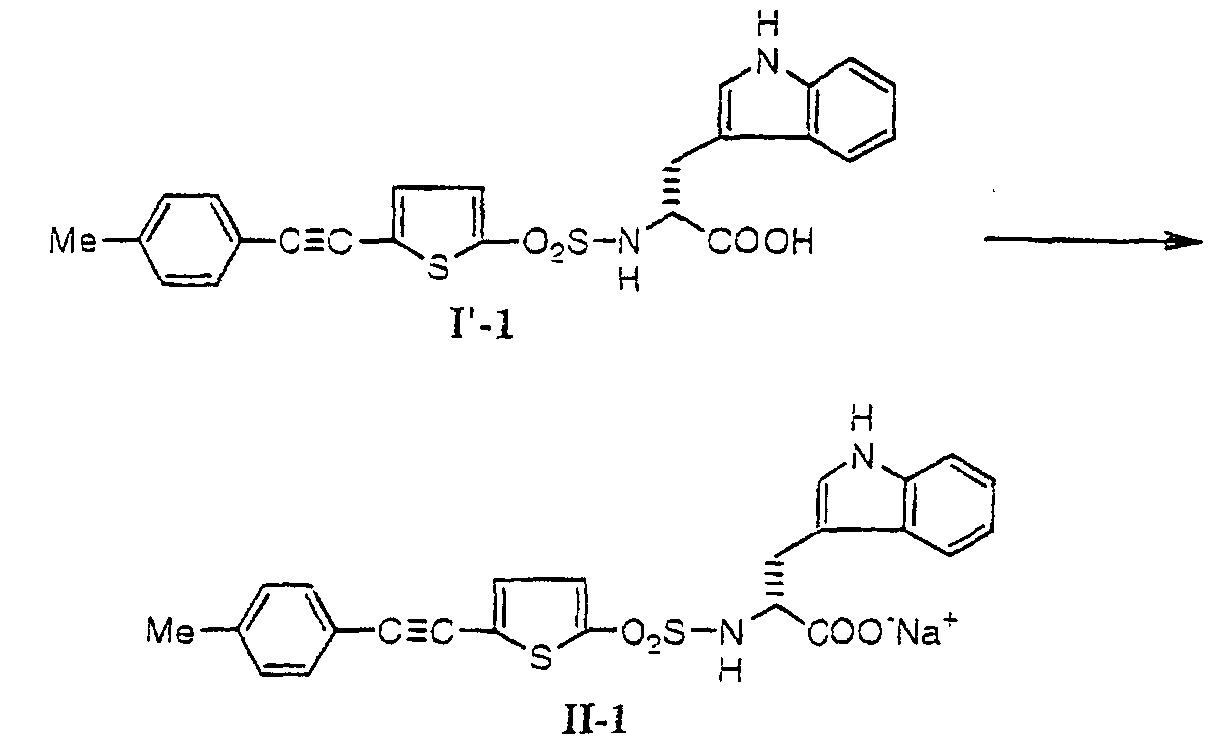
- the reaction mixture was added to a mixture of brine (41 mL), ethyl acetate (40mL), and hydrochloric acid (3.8 g). After confirming the reaction mixture is acidic. the organic layer was separated and washed with brine. The extract was filtered through activated carbon, and then methanol (13 mL) and an aqueous sodium hydroxide solution were added to the filtrate. After confirming the resulting mixture is basic, a seed crystal was added to the mixture. The resulting precipitate was filtered and dried to obtain a compound (II-1, 9.4 g, content was 8.6g). Overall yield of a compound (II-1) from a compound (IV) was 74%.
- the reaction mixture was added to a mixture of brine (41 mL), ethyl acetate (40mL), and hydrochloric acid (3.8 g). After confirming the reaction mixture is acidic, the organic layer was separated and washed with brine. The extract was filtered through activated carbon, and then methanol (13 mL) and an aqueous sodium hydroxide solution were added to the filtrate. After confirming the resulting mixture is basic, a seed crystal was added to the mixture. The resulting precipitate was filtered and dried to obtain a compound (II-1, 9.2 g). Overall yield of a compound (II-1) from a compound (IV) was 72.5%.
- the reaction mixture was added to a mixture of brine (41 mL), ethyl acetate (40mL), and hydrochloric acid (3.8 g). After confirming the resulting mixture is acidic, the organic layer was separated and washed with brine. The extract was filtered through activated carbon, and then methanol (13 mL) and an aqueous sodium hydroxide solution were added to the filtrate. After confirming the resulting mixture is basic, a seed crystal was added to the extract. The resulting precipitate was filtered and dried to obtain a compound (II-2 9.9 g, content was 9.0 g). Overall yield of a compound (II-2) from a compound (IV) was 75%.
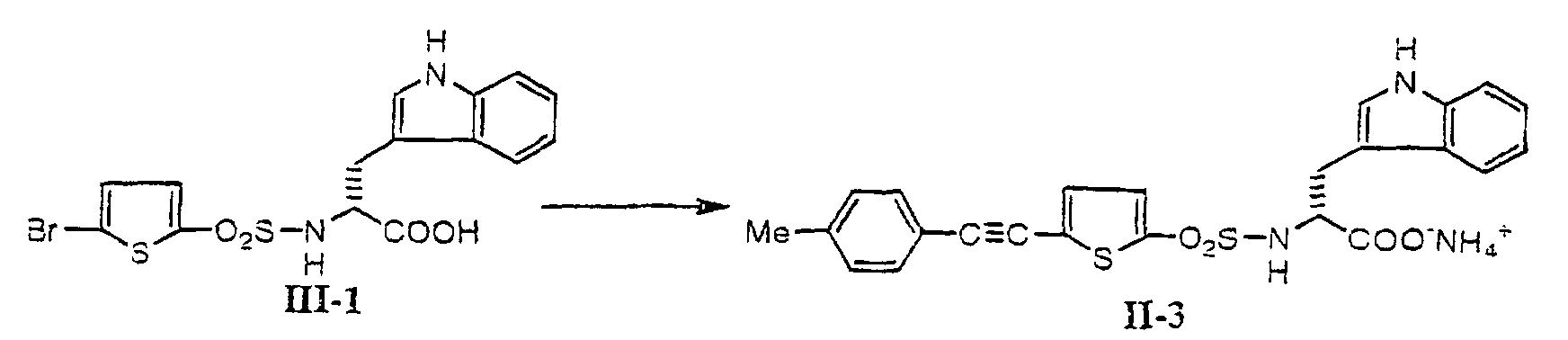
- the reaction mixture was added to a mixture of brine (41 mL), ethyl acetate (40mL), and hydrochloric acid (3.8 g). After confirming the resulting mixture is acidic, the organic layer was separated and washed with brine. The extract was filtered through activated carbon, and then methanol (13 mL) and an aqueous ammonium hydroxide solution were added to the filtrate. After confirming the resulting mixture is basic, a seed crystal was added to the mixture. The resulting precipitate was filtered and dried to obtain a compound (II-3, 9.5 g, content was 8.6 g). Overall yield of a compound (II-3) from a compound (IV) was 75%.
- Example 8 Preparation of a compound (II-3) by using palladium on carbon
- a compound (III-1, 216 mg, purity about 97%), p-tolylacetylene (80 mg, 0.69 mmol), 10% palladium (0) on carbon (15.1 m g, 0.03 eq), copper iodide (5 mg, 0.05 eq), N,N-dimethylformamide (DMF, 1.1 mL), and triethylamine (90 mg, 1.8 eq) were placed into a reactor. and then the reaction mixture was heated at about 60 °C and stirred for about 2 h. The reaction mixture was added to a mixture of brine. ethyl acetate, and hydrochloric acid. After confirming the resulting mixture is acidic, the organic layer was separated and washed with brine.
- a compound (II-1, 210 g, purity 91%, net content 191 g) was dissolved in ethyl acetate (2430 mL), water (1050 mL), and hydrochloric acid (90 g). After confirming the mixture is acidic, the organic layer was separated. Ethyl acetate of the extract was removed to obtain a compound (I. 182 g, 100%).
- a methanol solution (380 mL) of a compound (I, 16.1 g) was prepared. After controlling the temperature of the solution at 45 °C, to the solution were added water (30 mL), a seed crystal (0.01 g), and more water (120 mL), and then the mixture was stirred for about 1 h. The mixture was cooled to room temperature and then was stirred for about further 1 h. The resulting crystal was filtered and dried to obtain a type A crystal of compound (I, 15.8 g). Yield of this step was 98 %.
- the measured diffraction pattern was shown in Fig. 1.
- a acetone solution (1600 mL) of a compound (I, 170 g) was prepared. After controlling the temperature of the solution at 40 °C, to a mixture of water (1970 mL) and a seed ctystal was added dropwise the acetone solution at 40 °C. The mixture was cooled to room temperature and the resulting crystal was filtered and dried to obtain a type A crystal of compound (I, 163 g). Yield of this step was 96 %. Powder X-ray diffraction pattern of this crystal was identified with the value described at Example 10.
- the measured diffraction pattern was shown in Fig. 2.
- a compound (I, 1 g) was dissolved in dimethylsulfoxide (DMSO, 2 mL), the solution was added dropwise to water (20 mL) at 45 °C for about 2 min. The mixture was stirred at 40 to 45 °C for 30 min, and then cooled to room temperature, and then the stirring was continued for further 1 h. The resulting crystal was filtered and dried to obtain a monohydrated crystal of compound (I, 0.99 g). Yield of this step was 95 % by net content. Powder X-ray diffraction was measured under the same condition used at Example 10.
- the measured diffraction pattern was shown in Fig. 3.
- a methanol solution (380 mL) of a compound (I, 16.1 g) was prepared. To the mixture were added water (30 mL) and a seed crystal (0.01 g) at room temperature, and then water (120 mL) was added additionally to the mixture, and then the mixture was stirred at room temperature for about 20 min. The resulting crystal was filtered and dried under atmosphere to obtain a monohydrate crystal of compound (I, 16.4 g). Yield of this step was 98 % by net content. Powder X-ray diffraction pattern of this crystal was identified with the value described at Example 13.
- Example 15 Preparation of type A crystal from type B crystal or type C crystal of a compound (I)
- a type B crystal or a type C crystal of a compound (I) in methanol solution was stirred at room temperature for 4 h. they were converted into a type A crystal.
- Example 16 Preparation of type A crystal from type B crystal or type C crystal of a compound (I)
- a type B crystal or a type C crystal of a compound (I) in methanol solution was stirred at 40 °C for 1 h, they were converted into a type A crystal.
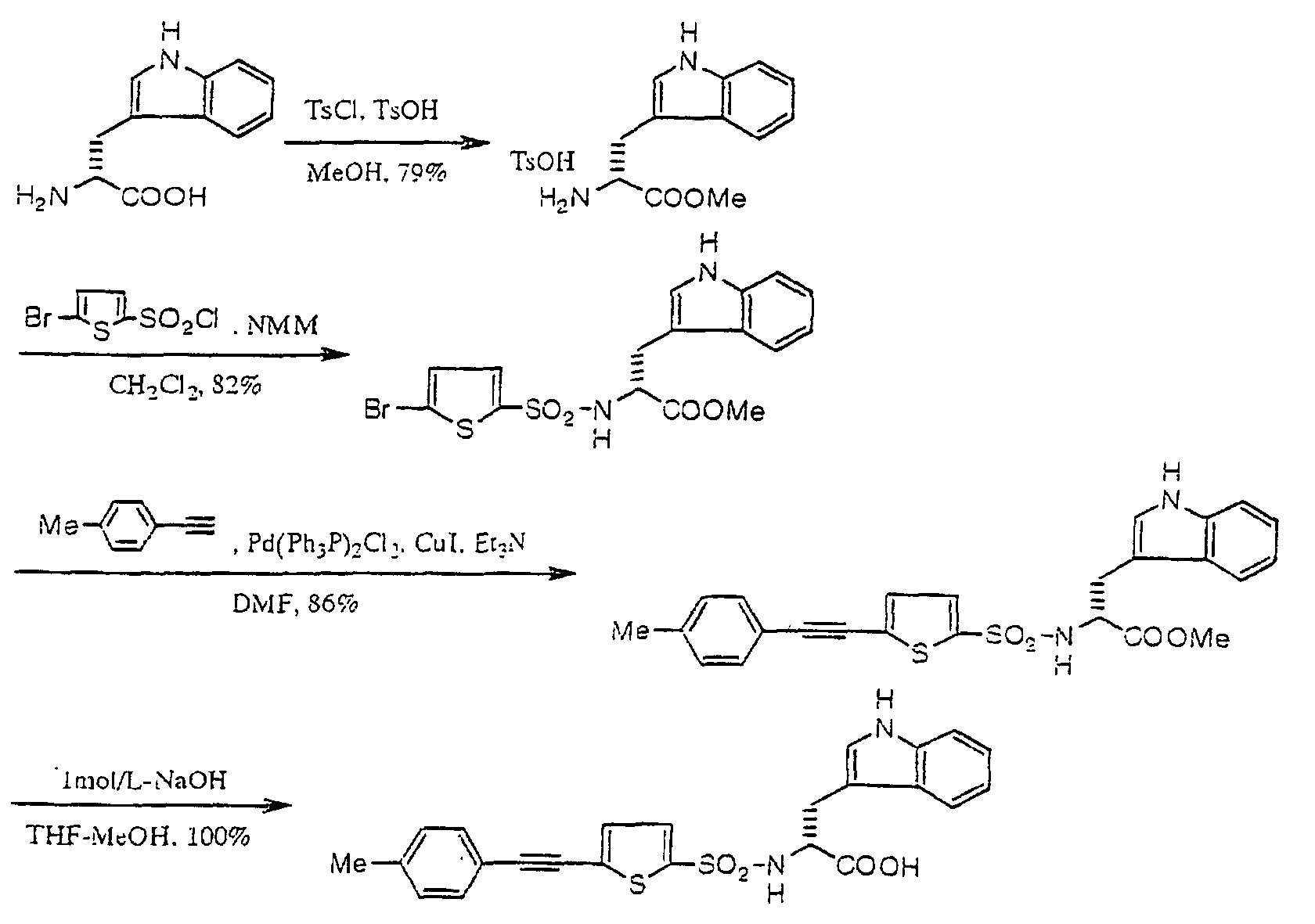
- a compound (I) was synthesized according to the schema described below.
Landscapes
- Health & Medical Sciences (AREA)
- Chemical & Material Sciences (AREA)
- Organic Chemistry (AREA)
- Animal Behavior & Ethology (AREA)
- Veterinary Medicine (AREA)
- Public Health (AREA)
- Medicinal Chemistry (AREA)
- General Health & Medical Sciences (AREA)
- Pharmacology & Pharmacy (AREA)
- Life Sciences & Earth Sciences (AREA)
- Epidemiology (AREA)
- General Chemical & Material Sciences (AREA)
- Nuclear Medicine, Radiotherapy & Molecular Imaging (AREA)
- Chemical Kinetics & Catalysis (AREA)
- Engineering & Computer Science (AREA)
- Pain & Pain Management (AREA)
- Rheumatology (AREA)
- Bioinformatics & Cheminformatics (AREA)
- Low-Molecular Organic Synthesis Reactions Using Catalysts (AREA)
- Plural Heterocyclic Compounds (AREA)
- Organic Low-Molecular-Weight Compounds And Preparation Thereof (AREA)
- Pharmaceuticals Containing Other Organic And Inorganic Compounds (AREA)
Abstract
Description
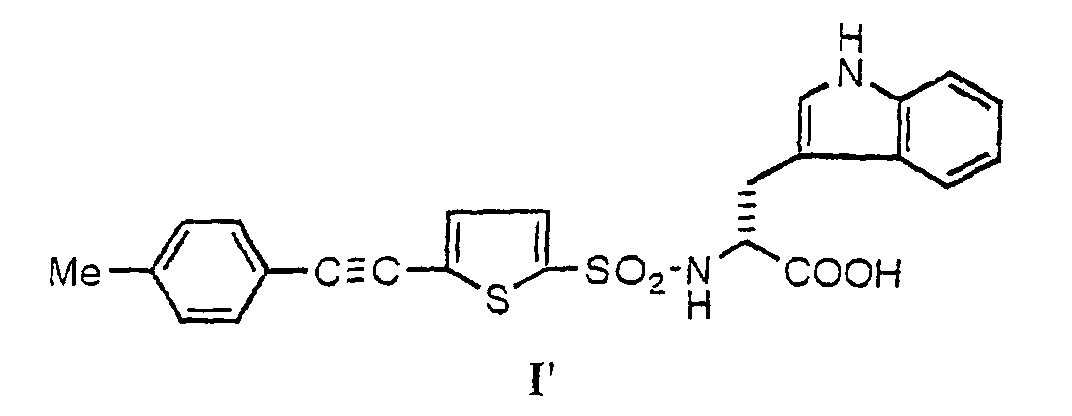

with p-tolylacetylene, a copper (I) salt. a catalyse, and a base, and then treating the resulting reaction mixture with an acid. In more detail, the invention relates to the following 2) to 21).
which cumprises reacting in a solvent a compound of the formula (I'):
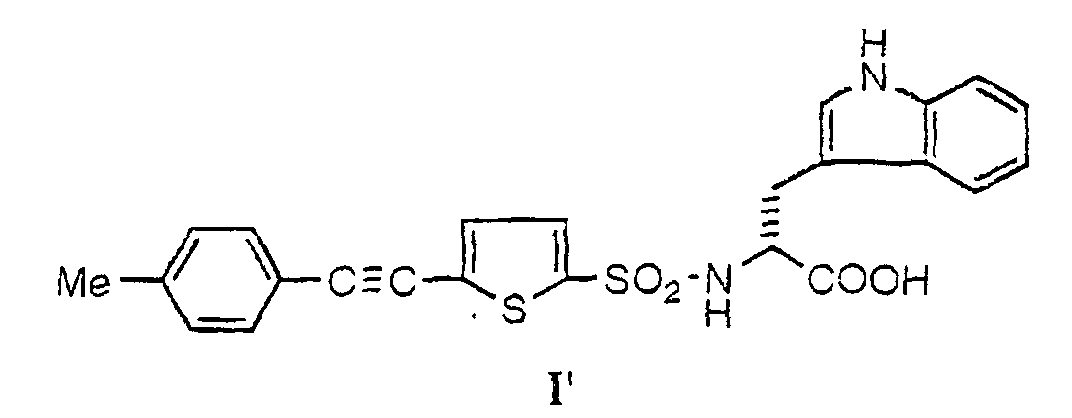


with an acid.
which comprises reacting in a solvent a compound of the formula (IV):

in the presence of a base.
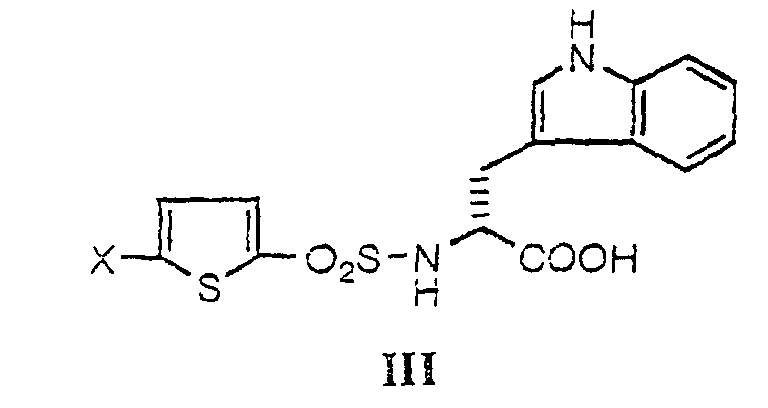
- (1) a step for the preparation of a compound of the formula (III):
wherein X is halogen,
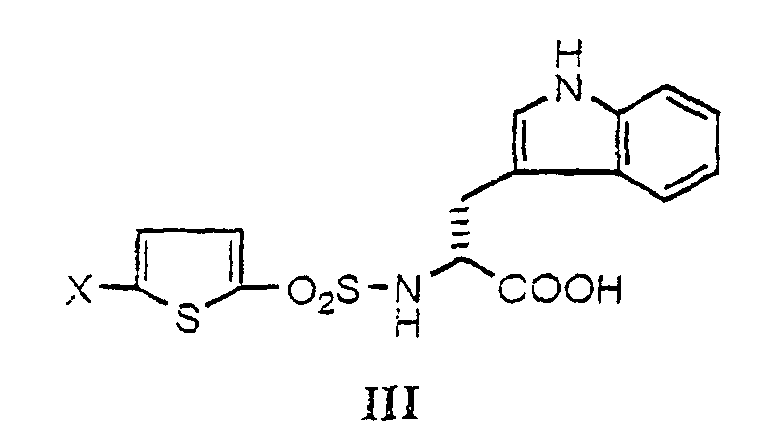
which comprises reacting in a solvent a compound of the formula (IV):with a compound of the formula (V): wherein X and X' are independently halogen,
in the presence of a base, - (2) a step for the preparation of a compound of the formula (I'):
which comprises reacting in a solvent a compound of the formula (III) with p-tolylacetylene, a copper (I) salt, a catalyst. and a base, and then treating the resulting reaction mixture with an acid,

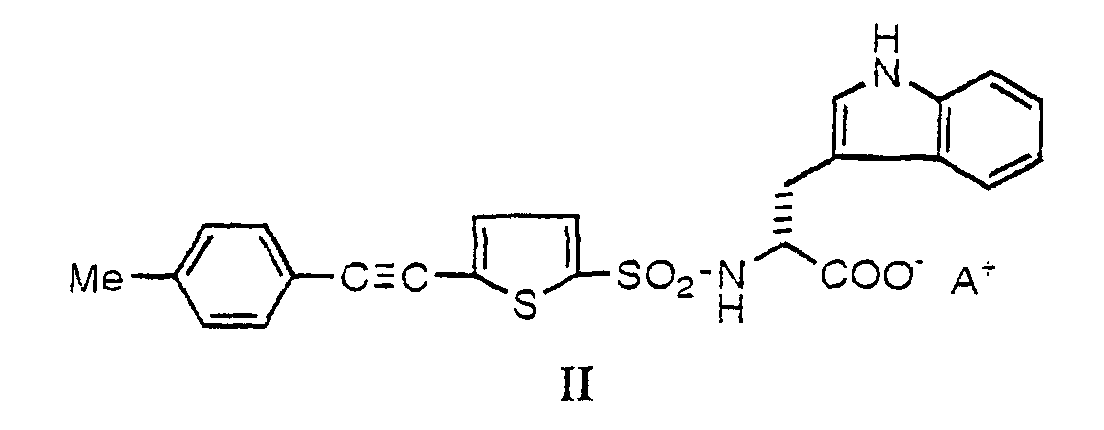
- (3) a step for the preparation of a compound of the formula (II):
wherein A+ is a cation derived from a basic substance,
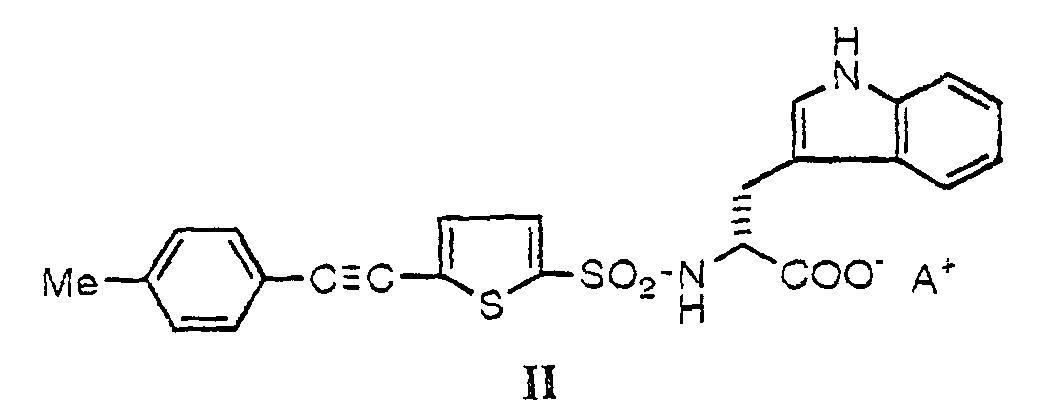
which comprises reacting in a solvent a compound of the formula (I'): - with a basic substance,
7) The process according to 1) wherein the solvent is N,N-dimethylformamide
8) The process according to 1) wherein the solvent is a mixture of ethyl acetate and water.
9) The process according to 1) wherein the catalyst is selected from the group consisting of palladium black, palladium on carbon, bistriphenylphosphinepalladium(II) cholride, tetraxis(triphenylphosphine)palladium (0), palladium (II) oxide, palladium (II) chloride, palladium (II) bromide, and palladium (II) acetate.
10) The process according to 1) wherein the solvent is N,N-dimethylformamide, and the catalyst is palladium on carbon.
11) The process according to 1) wherein the solvent is a mixture of ethyl acetate and water, and the catalyst is bistriphenylphospinepalladium(II) chloride.
12) The process according to 1) wherein the solvent is a mixture of ethyl acetate and water, and the catalyst is tetraxis(triphenylphospine)palladium(0).
13) The process according to 2) wherein the alcohol is methanol.
14) The process according to 2) wherein the basic substance is sodium hydroxide or sodium methoxide.
15) The process according to 2) wherein the alcohol is methanol, and the basic substance is sodium hydroxide or sodium methoxide
16) The process according to 5) wherein the solvent is a mixture of acetone and water, and the base is sodium carbonate.
17) A process for the preparation of a compound of the formula (I):

- (1) a step for the preparation of a compound of the formula (II'):
which comprises reacting in a mixture of ethyl acetate and water a compound of the formula (III):
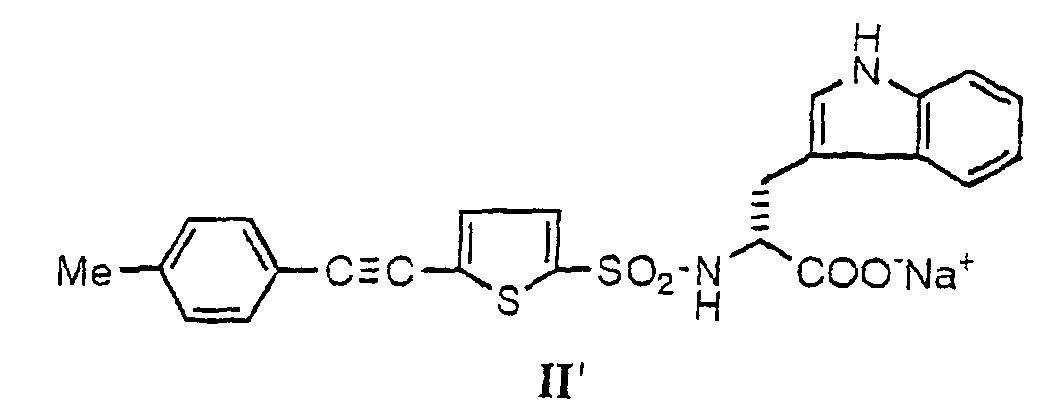 wherein X is halogen.
with p-tolylacetylene: a copper iodide or copper bromide, a bistriphenylphosphinepalladium(II) cholride or tetraxis(triphenylphosphine)palladium (0), and a base, and then treating the resulting reaction mixture with an acid, and then treating the resulting reaction mixture with sodium hydroxide or sodium methoxide in the presence of methanol. - (2) a step for the treatment of the compound (II') with an acid.
18) A compound of the formula (II"):wherein B- is Na+, K+ or NH4 +.
19) A crystal of Nα-[[2-[5-[[4-methylphenyl]ethynyl]thienyl]]sulfonyl]-D-tryptophan wherein a powder X-ray diffraction pattern has. a primary peak at a diffraction angle (2) = 10.86, 18.14, 19.62, 21.60, 22.74, 23.38, 25.54, 27.22 and 28.12 (degree).
20) A crystal of Nα-[[2-[5-[[4-methylphenyl]ethynyl]thienyl]]sulfonyl]-D-tryptophan wherein a powder X-ray diffraction pattern has a primary peak at a diffraction angle (2) = 7.28, 11.18, 15.20, 16.58, 18.24, 21.20, 22.46, 25.66 and 33.16 (degree).
21) A crystal of Nα-[[2-[5-[[4-methylphenyl]ethynyl]thienyl]]sulfonyl]-D-tryptophan wherein a powder X-ray diffraction pattern has a primary peak at a diffraction angle (2) =6.62, 10.46, 16.58, 16.82, 23.28 and 23.98 (degree).

Me: methyl
NMM: N-methylmorpholine

1H-NMR(DMSO-d6, ppm) δ 2.90(dd, J=14.7, 8.7 Hz, 1H, CH), 3.11(dd, J=14.7, 5.4 Hz. 1H, CH), 3.97(q-like, J=8.7, 5.4Hz, 1H CH), 6.95-7.39(m, 7H, Ar-H), 8.65(d, J=8.5 Hz, 1H, SO2NH), 10.33(s, 1H, ArNH), 12.8(brs, 1H. CO2H).

1H-NMR(DMSO-d6, ppm) δ 2.35(s, 3H, CH3), 3.09(dd, J=15.0, 8.7 Hz, 1H, CH), 3.16(dd, J=15.0, 4.5 Hz, 1H, CH), 3.50(q-like, J=8.7, 4.5 Hz, 1H, CH), 6.89-7.58(m, 11H, Ar-H), 10.69(s, 1H, ArNH).


1H-NMR(DMSO-d6, ppm) δ 2.35(s, 3H, CH3), 3.11(q-like, J=5,1, 4.2 Hz, 2H, CH), 3.51(dd, J=5.1, 4.2 Hz, 1H, CH), 6.89-7.58(m. 11H, Ar-H), 10.69(s, 1H, ArNH).
1H-NMR(DMSO-d6, ppm) δ 2.35(s, 3H, CH3), 3.08(d, J=5.1 Hz, 2H, CH), 3.50(t, J=5.1 Hz, 1H, CH), 6.92-7.54(m, 11H, Ar-H), 10.70(s, 1H, ArNH).



Claims (21)
- A process for the preparation of a compound of the formula (I'):which comprises reacting in a solvent a compound of the formula (III):
 wherein X is halogen.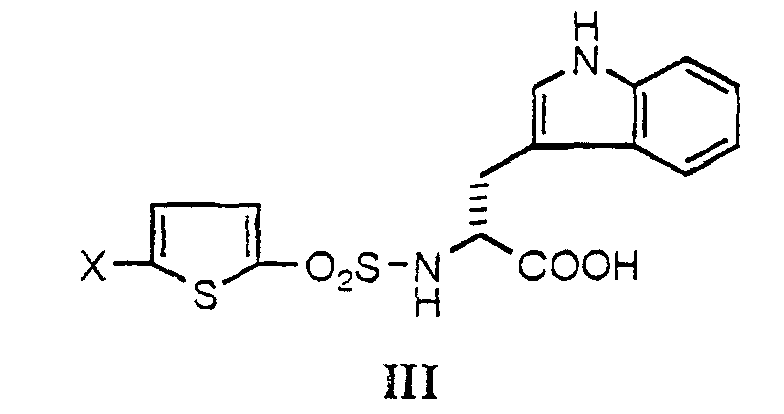
with p-tolylacetylene, a copper (I) salt, a catalyst, and a base. and then treating the resulting reaction mixture with an acid. - The process for the preparation of a compound of the formula (II):wherein A+ is a cation derived from a basic substance.

which comprises reacting in a solvent a compound of the formula (I'):with the basic substance in the presence of an alcohol.
- The process according to claim 2 wherein a starting material is the compound (I') obtained by the process according to claim 1.
- A process for the preparation of a compound of the formula (I):which comprises reacting a compound of the formula (II) obtained by the process according to claim 3:
 wherein A+ is a cation derived from a basic substance.
with an acid. - A process for the preparation of a compound of the formula (III):wherein X is halogen,
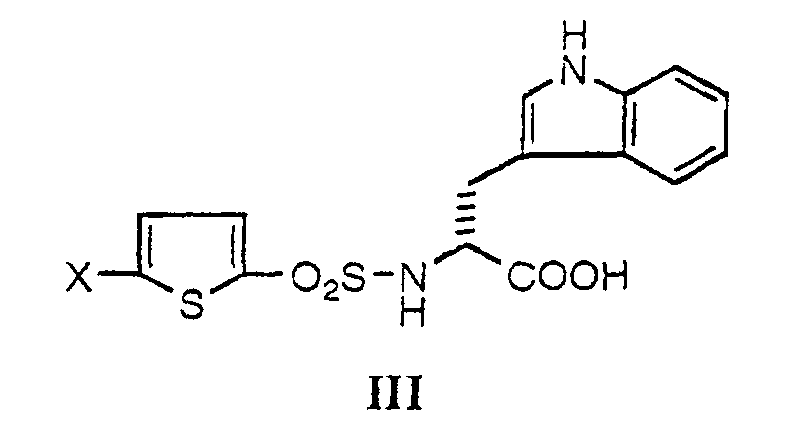
which comprises reacting in a solvent a compound of the formula (IV):with a compound of the formula (V):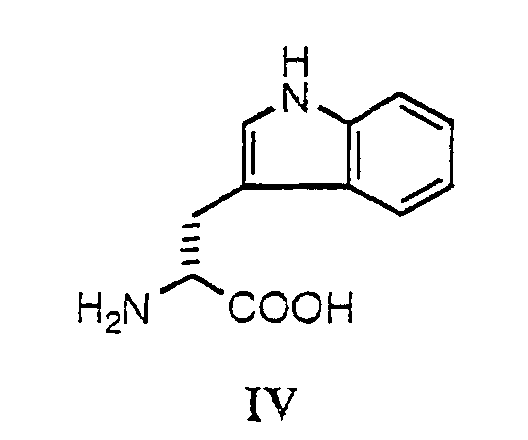 wherein X and X' are independently halogen,
in the presence of a base. - A process for the preparation of a compound of the formula (I):which comprises steps (1) to (4),
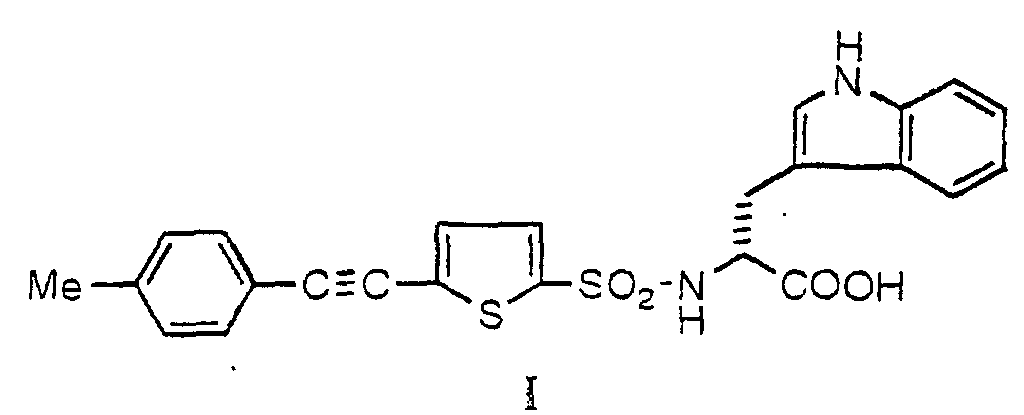 (1) a step for the preparation of a compound of the formula (III):wherein X is halogen,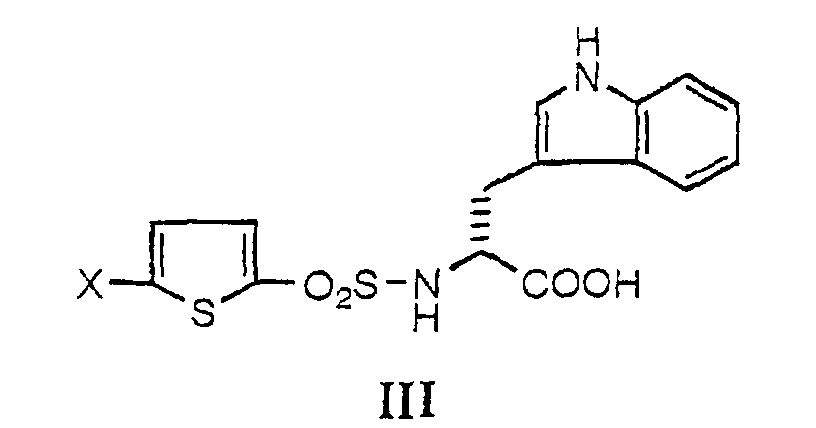
which comprises reacting in a solvent a compound of the formula (IV):with a compound of the formula (V):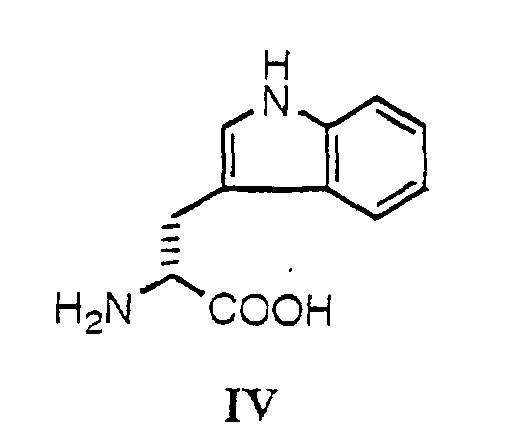 wherein X and X' are independently halogen;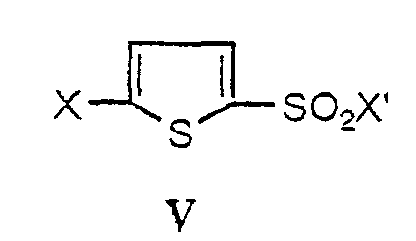
in the presence of a base,(2) a step for the preparation of a compound of the formula (I'):which comprises reacting in a solvent a compound of the formula (III) with p-tolylacetylene a copper (I) salt. a catalyst, and a base, and then treating the resulting reaction mixture with an acid, (3) a step for the preparation of a compound of the formula (II):wherein A+ is a cation derived from a basic substance,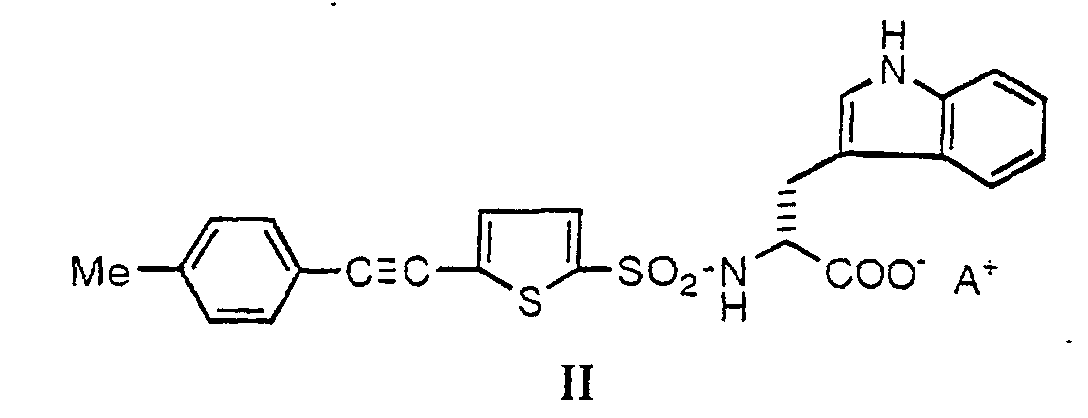
which comprises reacting in a solvent a compound of the formula (I'):
with a basic substance,(4) a step for the treatment a compound (II) with an acid. - The process according to claim 1 wherein the solvent is N,N-dimethylformamide.
- The process according to claim 1 wherein the solvent is a mixture of ethyl acetate and water.
- The process according to claim 1 wherein the catalyst is selected from the group consisting of palladium black, palladium on carbon. bistriphenylphosphinepalladium(II) cholride, tetraxis(triphenylphosphine)palladium (0), palladium (11) oxide, palladium (II) chloride, palladium (II) bromide, and palladium (II) acetate.
- The process according to claim 1 wherein the solvent is N,N-dimethylformamide, and the catalyst is palladium on carbon.
- The process according to claim 1 wherein the solvent is a mixture of ethyl acetate and water, and the catalyst is bistriphenylphospinepalladium(II) chloride.
- The process according to claim 1 wherein the solvent is a mixture of ethyl acetate and water, and the catalyst is tetraxis(triphenylphospine)palladium(0).
- The process according to claim 2 wherein the alcohol is methanol.
- The process according to claim 2 wherein the basic substance is sodium hydroxide or sodium methoxide.
- The process according to claim 2 wherein the alcohol is methanol, and the basic substance is sodium hydroxide or sodium me dioxide.
- The process according to claim 5 wherein the solvent is a mixture of acetone and water, and the base is sodium carbonate.
- A process for the preparation of a compound of the formula (I):which comprises steps (1) to (2),
 (1) a step for the preparation of a compound of the formula (II'):which comprises reacting in a mixture of ethyl acetate and water a compound of the formula (III):
 wherein X is halogen,
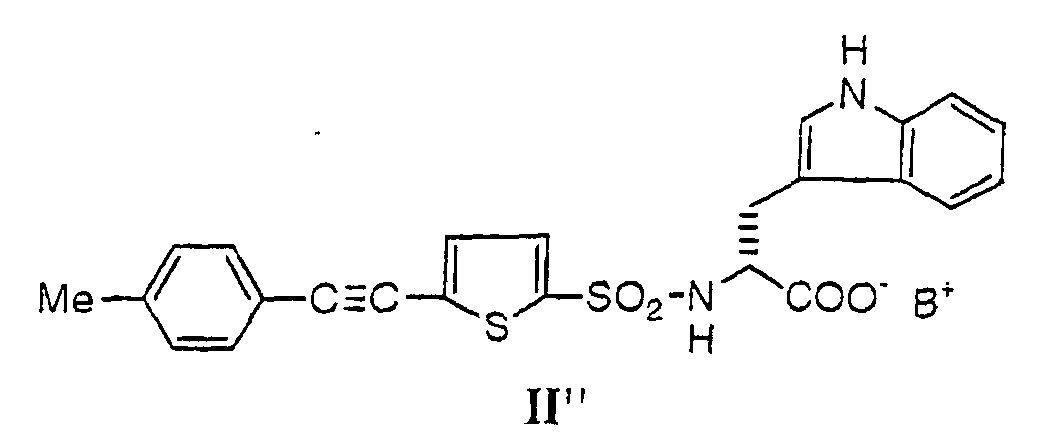
with p-tolylacetylene, a copper iodide or copper bromide, a bistriphenylphosphinepalladium(II) cholride or tetraxis(triphenylphosphine)palladium (0), and a base, and then treating the resulting reaction mixture with an acid, and then treating the resulting reaction mixture with sodium hydroxide or sodium methoxide in the presence of methanol.(2) a step for the treatment of the compound (II') with an acid. - A compound of the formula (II").wherein B+ is Na+, K+ or NH4 +.
- A crystal of Nα-[[2-[5-[[4-methylphenyl]ethynyl]thienyl]]sulfonyl]-D-tryptophan wherein a powder X-ray diffraction pattern has a primary peak at a diffraction angle (2) = 10.86, 18.14, 19.62, 21.60, 22.74, 23.38, 25.54, 27.22 and 28.12 (degree).
- A crystal of Nα-[[2-[5-[[4-methylphenyl]ethynyl]thienyl]]sulfonyl]-D-tryptophan wherein a powder X-ray diffraction pattern has a primary peak at a diffraction angle (2) = 7.28, 11.18, 15.20, 16.58, 18.24, 21.90, 22.46, 25.66 and 33.16 (degree).
- A crystal of Nα-[[2-[5-[[4-methylphenyl]ethynyl]thienyl]]sulfonyl]-D-tryptophan wherein a powder X-ray diffraction pattern has a primary peak at a diffraction angle (2) = 6.62, 10.46, 16.58, 16.82, 23,28 and 23.98 (degree).
Applications Claiming Priority (3)
| Application Number | Priority Date | Filing Date | Title |
|---|---|---|---|
| JP2000117562 | 2000-04-19 | ||
| JP2000117562 | 2000-04-19 | ||
| PCT/JP2001/003216 WO2001079201A1 (en) | 2000-04-19 | 2001-04-16 | Process for preparation of sulfonamide derivatives and crystals thereof |
Publications (2)
| Publication Number | Publication Date |
|---|---|
| EP1283210A1 true EP1283210A1 (en) | 2003-02-12 |
| EP1283210A4 EP1283210A4 (en) | 2003-08-06 |
Family
ID=18628863
Family Applications (1)
| Application Number | Title | Priority Date | Filing Date |
|---|---|---|---|
| EP01921842A Withdrawn EP1283210A4 (en) | 2000-04-19 | 2001-04-16 | Process for preparation of sulfonamide derivatives and crystals thereof |
Country Status (8)
| Country | Link |
|---|---|
| US (1) | US6831178B2 (en) |
| EP (1) | EP1283210A4 (en) |
| JP (1) | JP3983546B2 (en) |
| KR (2) | KR20050008875A (en) |
| CN (2) | CN1626533A (en) |
| AU (1) | AU2001248766A1 (en) |
| CA (1) | CA2406401A1 (en) |
| WO (1) | WO2001079201A1 (en) |
Cited By (1)
| Publication number | Priority date | Publication date | Assignee | Title |
|---|---|---|---|---|
| CN102325768A (en) * | 2008-12-23 | 2012-01-18 | 阿奎卢斯制药公司 | Compounds and methods for the treatment of pain and other diseases |
Families Citing this family (3)
| Publication number | Priority date | Publication date | Assignee | Title |
|---|---|---|---|---|
| KR100746342B1 (en) * | 2006-04-10 | 2007-08-03 | 한국과학기술원 | Process for preparing N-sulfonylamide compound in the presence of copper catalyst |
| BRPI0808089A2 (en) | 2007-02-28 | 2014-07-15 | Conatus Pharmaceuticals Inc | METHOD TO TREAT LIVER DISEASE, TO REDUCE A HIGH LEVEL OF A LIVER ENZYME, TO INHIBIT A TNF-ALPHA SIGNALING RULE, TO REDUCE A LIVER DAMAGE TO APPLY EXCESSIVE IN A LIVER CELL, AND TO INHIBIT HEPATITE C VIRUS REPLICATION. |
| KR101006737B1 (en) | 2008-03-17 | 2011-01-10 | 한국과학기술원 | Method for preparing 2-sulfonyliminoindolin using a copper catalyst |
Family Cites Families (12)
| Publication number | Priority date | Publication date | Assignee | Title |
|---|---|---|---|---|
| NZ226171A (en) | 1987-09-18 | 1990-06-26 | Ethicon Inc | Gel formulation containing polypeptide growth factor |
| US5702716A (en) | 1988-10-03 | 1997-12-30 | Atrix Laboratories, Inc. | Polymeric compositions useful as controlled release implants |
| WO1991001720A1 (en) | 1989-08-07 | 1991-02-21 | Herman Wade Schlameus | Composition and method of promoting hard tissue healing |
| US5356629A (en) | 1991-07-12 | 1994-10-18 | United States Surgical Corporation | Composition for effecting bone repair |
| US5459248A (en) | 1993-11-04 | 1995-10-17 | Bristol-Myers Squibb Company | Process of preparing etoposide phosphate and etoposide |
| JP2559332B2 (en) * | 1993-12-10 | 1996-12-04 | 大阪瓦斯株式会社 | Method for producing fluorene derivative and method for purifying the same |
| EP0950656B1 (en) | 1996-01-23 | 2007-04-11 | Shionogi & Co., Ltd. | Sulfonated amino acid derivatives and metalloproteinase inhibitors containing the same |
| EP0910389A4 (en) | 1996-03-05 | 2001-09-19 | Orquest Inc | Method of promoting bone growth with hyaluronic acid and growth factors |
| CA2267111A1 (en) | 1996-09-30 | 1998-04-09 | Children's Medical Center Corporation | Methods and compositions for programming an organic matrix for remodeling into a target tissue |
| US20020098222A1 (en) | 1997-03-13 | 2002-07-25 | John F. Wironen | Bone paste |
| JPH11246527A (en) | 1998-03-02 | 1999-09-14 | Shionogi & Co Ltd | MMP-8 inhibitor |
| US6727266B2 (en) * | 2000-01-26 | 2004-04-27 | Shionogi & Co., Ltd. | Substituted tryptophan derivatives |
-
2001
- 2001-04-16 CN CNA2004100642419A patent/CN1626533A/en active Pending
- 2001-04-16 US US10/257,752 patent/US6831178B2/en not_active Expired - Fee Related
- 2001-04-16 WO PCT/JP2001/003216 patent/WO2001079201A1/en not_active Ceased
- 2001-04-16 CA CA002406401A patent/CA2406401A1/en not_active Abandoned
- 2001-04-16 EP EP01921842A patent/EP1283210A4/en not_active Withdrawn
- 2001-04-16 JP JP2001576800A patent/JP3983546B2/en not_active Expired - Fee Related
- 2001-04-16 KR KR10-2005-7000371A patent/KR20050008875A/en not_active Ceased
- 2001-04-16 AU AU2001248766A patent/AU2001248766A1/en not_active Abandoned
- 2001-04-16 CN CNB018112390A patent/CN1198821C/en not_active Expired - Fee Related
- 2001-04-16 KR KR10-2002-7013970A patent/KR100496248B1/en not_active Expired - Fee Related
Cited By (5)
| Publication number | Priority date | Publication date | Assignee | Title |
|---|---|---|---|---|
| CN102325768A (en) * | 2008-12-23 | 2012-01-18 | 阿奎卢斯制药公司 | Compounds and methods for the treatment of pain and other diseases |
| EP2382206A4 (en) * | 2008-12-23 | 2013-07-10 | Aquilus Pharmaceuticals Inc | COMPOUNDS AND METHODS FOR THE TREATMENT OF PAIN AND OTHER DISEASES |
| US8765953B2 (en) | 2008-12-23 | 2014-07-01 | Aquilus Pharmaceuticals, Inc. | Compounds and methods for the treatment of pain and other diseases |
| AU2009330131B2 (en) * | 2008-12-23 | 2015-09-03 | Aquilus Pharmaceuticals, Inc | Compounds and methods for the treatment of pain and other diseases |
| CN102325768B (en) * | 2008-12-23 | 2016-11-09 | 阿奎卢斯制药公司 | Treatment pain and the Compounds and methods for of other diseases |
Also Published As
| Publication number | Publication date |
|---|---|
| JP3983546B2 (en) | 2007-09-26 |
| US20030187050A1 (en) | 2003-10-02 |
| KR20050008875A (en) | 2005-01-21 |
| AU2001248766A1 (en) | 2001-10-30 |
| CN1436186A (en) | 2003-08-13 |
| CN1626533A (en) | 2005-06-15 |
| KR20020087496A (en) | 2002-11-22 |
| KR100496248B1 (en) | 2005-06-17 |
| US6831178B2 (en) | 2004-12-14 |
| CN1198821C (en) | 2005-04-27 |
| WO2001079201A1 (en) | 2001-10-25 |
| CA2406401A1 (en) | 2002-10-16 |
| EP1283210A4 (en) | 2003-08-06 |
Similar Documents
| Publication | Publication Date | Title |
|---|---|---|
| DK1797037T3 (en) | PROCESS FOR THE PREPARATION OF 4- {4 - [({[4-chloro-3- (trifluoromethyl) phenyl] AMINO} CARBONYL) AMINO] PHENYOXY} N-methylpyridine-2-carboxamide | |
| TWI450890B (en) | Processes and intermediates for carbamoylpyridone hiv integrase inhibitors | |
| JP2014516072A (en) | Apixaban production method | |
| CN105209437A (en) | Salt of omecamtiv mecarbil and process for preparing salt | |
| CN116987112A (en) | Improved method for preparing aminopyrimidine derivatives | |
| EP3830184B1 (en) | Solid state forms of sugammadex sodium | |
| EP3133061A1 (en) | Florfenicol synthesizing method | |
| EP3934758A1 (en) | Solid state forms of baloxavir marboxil | |
| WO2009154276A1 (en) | Crystal of spiroketal derivative, and process for production thereof | |
| EP3498695B1 (en) | Method for synthesizing 3-(difluoromethyl)-1-methyl-1h-pyrazole-4-carboxylic acid | |
| IL298629A (en) | Osmotic dosage forms comprising deutetrabenazine and methods of use thereof | |
| US6831178B2 (en) | Process for preparation of sulfonamide derivatives and crystals thereof | |
| BR112015012843B1 (en) | Method to synthesize the compound | |
| CN115286636A (en) | Nicotinamide crystal form and preparation method and application thereof | |
| EP3847164B1 (en) | New crystalline polymorphs of rivoceranib and rivoceranib mesylate | |
| EP1674463A1 (en) | Rabeprazole sodium salt in crystalline hydrate form | |
| US12145910B2 (en) | Method for synthesizing 3-spiro three-membered ring indolinone derivative | |
| JPWO2001079201A1 (en) | Method for producing sulfonamide derivatives and crystals thereof | |
| EP1598347A1 (en) | Polymorphs of pantoprazole sodium salt and process for the preparation thereof | |
| KR100872759B1 (en) | Cefcapene pivoxil methanesulfonate | |
| CN110894186B (en) | Preparation method of pimavanserin and intermediate thereof | |
| EA015818B1 (en) | Novel process for synthesis of pramipexole and its pharmaceutically acceptable salts | |
| JPS6152839B2 (en) | ||
| JPH08239381A (en) | Stable solvate of benzimidazole derivative metal salt, process for producing the same, and antiulcer agent containing the same | |
| CN107118164B (en) | Process for the preparation of 5-chloro-6- (chloromethyl) -2,4- (1H, 3H) -pyrimidinedione |
Legal Events
| Date | Code | Title | Description |
|---|---|---|---|
| PUAI | Public reference made under article 153(3) epc to a published international application that has entered the european phase |
Free format text: ORIGINAL CODE: 0009012 |
|
| 17P | Request for examination filed |
Effective date: 20021119 |
|
| AK | Designated contracting states |
Designated state(s): AT BE CH CY DE DK ES FI FR GB GR IE IT LI LU MC NL PT SE TR |
|
| AX | Request for extension of the european patent |
Extension state: AL LT LV MK RO SI |
|
| A4 | Supplementary search report drawn up and despatched |
Effective date: 20030623 |
|
| 17Q | First examination report despatched |
Effective date: 20040116 |
|
| GRAP | Despatch of communication of intention to grant a patent |
Free format text: ORIGINAL CODE: EPIDOSNIGR1 |
|
| RTI1 | Title (correction) |
Free format text: PROCESS FOR PREPARATION OF SULFONAMIDE DERIVATIVES |
|
| STAA | Information on the status of an ep patent application or granted ep patent |
Free format text: STATUS: THE APPLICATION IS DEEMED TO BE WITHDRAWN |
|
| 18D | Application deemed to be withdrawn |
Effective date: 20050903 |