EP1275725A1 - Use of the nucleotide sequence of the lactobacillus casei lactose operon promoter for regulating gene expression by means of an antiterminator protein - Google Patents
Use of the nucleotide sequence of the lactobacillus casei lactose operon promoter for regulating gene expression by means of an antiterminator protein Download PDFInfo
- Publication number
- EP1275725A1 EP1275725A1 EP01911773A EP01911773A EP1275725A1 EP 1275725 A1 EP1275725 A1 EP 1275725A1 EP 01911773 A EP01911773 A EP 01911773A EP 01911773 A EP01911773 A EP 01911773A EP 1275725 A1 EP1275725 A1 EP 1275725A1
- Authority
- EP
- European Patent Office
- Prior art keywords
- expression
- use according
- lactose
- nucleotide sequence
- casei
- Prior art date
- Legal status (The legal status is an assumption and is not a legal conclusion. Google has not performed a legal analysis and makes no representation as to the accuracy of the status listed.)
- Withdrawn
Links
- 108090000623 proteins and genes Proteins 0.000 title claims abstract description 83
- GUBGYTABKSRVRQ-QKKXKWKRSA-N Lactose Natural products OC[C@H]1O[C@@H](O[C@H]2[C@H](O)[C@@H](O)C(O)O[C@@H]2CO)[C@H](O)[C@@H](O)[C@H]1O GUBGYTABKSRVRQ-QKKXKWKRSA-N 0.000 title claims abstract description 64
- 239000008101 lactose Substances 0.000 title claims abstract description 58
- 230000014509 gene expression Effects 0.000 title claims abstract description 54
- 244000199866 Lactobacillus casei Species 0.000 title claims abstract description 48
- 102000004169 proteins and genes Human genes 0.000 title claims abstract description 30
- 235000013958 Lactobacillus casei Nutrition 0.000 title claims abstract description 14
- 229940017800 lactobacillus casei Drugs 0.000 title claims abstract description 14
- 230000001105 regulatory effect Effects 0.000 title claims description 28
- 239000002773 nucleotide Substances 0.000 title claims description 12
- 125000003729 nucleotide group Chemical group 0.000 title claims description 12
- 239000013612 plasmid Substances 0.000 claims abstract description 23
- 238000000034 method Methods 0.000 claims abstract description 22
- 230000010354 integration Effects 0.000 claims abstract description 19
- 239000012634 fragment Substances 0.000 claims description 13
- 241000588724 Escherichia coli Species 0.000 claims description 10
- 241000186660 Lactobacillus Species 0.000 claims description 6
- 238000010276 construction Methods 0.000 claims description 6
- 229940039696 lactobacillus Drugs 0.000 claims description 6
- 108090000765 processed proteins & peptides Proteins 0.000 claims description 5
- 108010000700 Acetolactate synthase Proteins 0.000 claims description 3
- 230000001580 bacterial effect Effects 0.000 claims description 3
- 241001515965 unidentified phage Species 0.000 claims description 3
- 241000194036 Lactococcus Species 0.000 claims description 2
- 238000003259 recombinant expression Methods 0.000 claims description 2
- 241000193830 Bacillus <bacterium> Species 0.000 claims 1
- 241000894006 Bacteria Species 0.000 abstract description 19
- 230000000694 effects Effects 0.000 abstract description 14
- 102000004190 Enzymes Human genes 0.000 abstract description 11
- 108090000790 Enzymes Proteins 0.000 abstract description 11
- 239000000411 inducer Substances 0.000 abstract description 9
- 230000002759 chromosomal effect Effects 0.000 abstract description 5
- 230000004060 metabolic process Effects 0.000 abstract description 5
- 150000001720 carbohydrates Chemical class 0.000 abstract description 4
- 230000001939 inductive effect Effects 0.000 abstract description 4
- 102100032157 Adenylate cyclase type 10 Human genes 0.000 abstract description 3
- 101000775498 Homo sapiens Adenylate cyclase type 10 Proteins 0.000 abstract description 3
- 239000013598 vector Substances 0.000 description 26
- ULGZDMOVFRHVEP-RWJQBGPGSA-N Erythromycin Chemical compound O([C@@H]1[C@@H](C)C(=O)O[C@@H]([C@@]([C@H](O)[C@@H](C)C(=O)[C@H](C)C[C@@](C)(O)[C@H](O[C@H]2[C@@H]([C@H](C[C@@H](C)O2)N(C)C)O)[C@H]1C)(C)O)CC)[C@H]1C[C@@](C)(OC)[C@@H](O)[C@H](C)O1 ULGZDMOVFRHVEP-RWJQBGPGSA-N 0.000 description 24
- 108020004414 DNA Proteins 0.000 description 17
- 235000000346 sugar Nutrition 0.000 description 14
- WQZGKKKJIJFFOK-GASJEMHNSA-N Glucose Natural products OC[C@H]1OC(O)[C@H](O)[C@@H](O)[C@@H]1O WQZGKKKJIJFFOK-GASJEMHNSA-N 0.000 description 12
- 229960003276 erythromycin Drugs 0.000 description 12
- 239000008103 glucose Substances 0.000 description 12
- 102000053187 Glucuronidase Human genes 0.000 description 11
- 108010060309 Glucuronidase Proteins 0.000 description 11
- 241000194035 Lactococcus lactis Species 0.000 description 10
- 230000006798 recombination Effects 0.000 description 10
- 238000005215 recombination Methods 0.000 description 10
- 230000035897 transcription Effects 0.000 description 10
- 238000013518 transcription Methods 0.000 description 10
- 230000033228 biological regulation Effects 0.000 description 9
- HMFHBZSHGGEWLO-SOOFDHNKSA-N D-ribofuranose Chemical compound OC[C@H]1OC(O)[C@H](O)[C@@H]1O HMFHBZSHGGEWLO-SOOFDHNKSA-N 0.000 description 8
- 101100437498 Escherichia coli (strain K12) uidA gene Proteins 0.000 description 8
- PYMYPHUHKUWMLA-LMVFSUKVSA-N Ribose Natural products OC[C@@H](O)[C@@H](O)[C@@H](O)C=O PYMYPHUHKUWMLA-LMVFSUKVSA-N 0.000 description 8
- HMFHBZSHGGEWLO-UHFFFAOYSA-N alpha-D-Furanose-Ribose Natural products OCC1OC(O)C(O)C1O HMFHBZSHGGEWLO-UHFFFAOYSA-N 0.000 description 8
- 230000006698 induction Effects 0.000 description 8
- 150000008163 sugars Chemical class 0.000 description 8
- 235000014897 Streptococcus lactis Nutrition 0.000 description 7
- 230000007246 mechanism Effects 0.000 description 7
- 244000005700 microbiome Species 0.000 description 7
- 101150009839 lacF gene Proteins 0.000 description 6
- JVTAAEKCZFNVCJ-UHFFFAOYSA-N lactic acid Chemical compound CC(O)C(O)=O JVTAAEKCZFNVCJ-UHFFFAOYSA-N 0.000 description 6
- 210000004027 cell Anatomy 0.000 description 5
- 210000000349 chromosome Anatomy 0.000 description 5
- 108091032973 (ribonucleotides)n+m Proteins 0.000 description 4
- QSJXEFYPDANLFS-UHFFFAOYSA-N Diacetyl Chemical group CC(=O)C(C)=O QSJXEFYPDANLFS-UHFFFAOYSA-N 0.000 description 4
- 241000192125 Firmicutes Species 0.000 description 4
- 108091034117 Oligonucleotide Proteins 0.000 description 4
- 238000002105 Southern blotting Methods 0.000 description 4
- JLCPHMBAVCMARE-UHFFFAOYSA-N [3-[[3-[[3-[[3-[[3-[[3-[[3-[[3-[[3-[[3-[[3-[[5-(2-amino-6-oxo-1H-purin-9-yl)-3-[[3-[[3-[[3-[[3-[[3-[[5-(2-amino-6-oxo-1H-purin-9-yl)-3-[[5-(2-amino-6-oxo-1H-purin-9-yl)-3-hydroxyoxolan-2-yl]methoxy-hydroxyphosphoryl]oxyoxolan-2-yl]methoxy-hydroxyphosphoryl]oxy-5-(5-methyl-2,4-dioxopyrimidin-1-yl)oxolan-2-yl]methoxy-hydroxyphosphoryl]oxy-5-(6-aminopurin-9-yl)oxolan-2-yl]methoxy-hydroxyphosphoryl]oxy-5-(6-aminopurin-9-yl)oxolan-2-yl]methoxy-hydroxyphosphoryl]oxy-5-(6-aminopurin-9-yl)oxolan-2-yl]methoxy-hydroxyphosphoryl]oxy-5-(6-aminopurin-9-yl)oxolan-2-yl]methoxy-hydroxyphosphoryl]oxyoxolan-2-yl]methoxy-hydroxyphosphoryl]oxy-5-(5-methyl-2,4-dioxopyrimidin-1-yl)oxolan-2-yl]methoxy-hydroxyphosphoryl]oxy-5-(4-amino-2-oxopyrimidin-1-yl)oxolan-2-yl]methoxy-hydroxyphosphoryl]oxy-5-(5-methyl-2,4-dioxopyrimidin-1-yl)oxolan-2-yl]methoxy-hydroxyphosphoryl]oxy-5-(5-methyl-2,4-dioxopyrimidin-1-yl)oxolan-2-yl]methoxy-hydroxyphosphoryl]oxy-5-(6-aminopurin-9-yl)oxolan-2-yl]methoxy-hydroxyphosphoryl]oxy-5-(6-aminopurin-9-yl)oxolan-2-yl]methoxy-hydroxyphosphoryl]oxy-5-(4-amino-2-oxopyrimidin-1-yl)oxolan-2-yl]methoxy-hydroxyphosphoryl]oxy-5-(4-amino-2-oxopyrimidin-1-yl)oxolan-2-yl]methoxy-hydroxyphosphoryl]oxy-5-(4-amino-2-oxopyrimidin-1-yl)oxolan-2-yl]methoxy-hydroxyphosphoryl]oxy-5-(6-aminopurin-9-yl)oxolan-2-yl]methoxy-hydroxyphosphoryl]oxy-5-(4-amino-2-oxopyrimidin-1-yl)oxolan-2-yl]methyl [5-(6-aminopurin-9-yl)-2-(hydroxymethyl)oxolan-3-yl] hydrogen phosphate Polymers Cc1cn(C2CC(OP(O)(=O)OCC3OC(CC3OP(O)(=O)OCC3OC(CC3O)n3cnc4c3nc(N)[nH]c4=O)n3cnc4c3nc(N)[nH]c4=O)C(COP(O)(=O)OC3CC(OC3COP(O)(=O)OC3CC(OC3COP(O)(=O)OC3CC(OC3COP(O)(=O)OC3CC(OC3COP(O)(=O)OC3CC(OC3COP(O)(=O)OC3CC(OC3COP(O)(=O)OC3CC(OC3COP(O)(=O)OC3CC(OC3COP(O)(=O)OC3CC(OC3COP(O)(=O)OC3CC(OC3COP(O)(=O)OC3CC(OC3COP(O)(=O)OC3CC(OC3COP(O)(=O)OC3CC(OC3COP(O)(=O)OC3CC(OC3COP(O)(=O)OC3CC(OC3COP(O)(=O)OC3CC(OC3COP(O)(=O)OC3CC(OC3CO)n3cnc4c(N)ncnc34)n3ccc(N)nc3=O)n3cnc4c(N)ncnc34)n3ccc(N)nc3=O)n3ccc(N)nc3=O)n3ccc(N)nc3=O)n3cnc4c(N)ncnc34)n3cnc4c(N)ncnc34)n3cc(C)c(=O)[nH]c3=O)n3cc(C)c(=O)[nH]c3=O)n3ccc(N)nc3=O)n3cc(C)c(=O)[nH]c3=O)n3cnc4c3nc(N)[nH]c4=O)n3cnc4c(N)ncnc34)n3cnc4c(N)ncnc34)n3cnc4c(N)ncnc34)n3cnc4c(N)ncnc34)O2)c(=O)[nH]c1=O JLCPHMBAVCMARE-UHFFFAOYSA-N 0.000 description 4
- 238000004132 cross linking Methods 0.000 description 4
- 235000013305 food Nutrition 0.000 description 4
- 101150073784 lacG gene Proteins 0.000 description 4
- 101150066555 lacZ gene Proteins 0.000 description 4
- 238000004519 manufacturing process Methods 0.000 description 4
- 239000002609 medium Substances 0.000 description 4
- 108091008146 restriction endonucleases Proteins 0.000 description 4
- 239000000523 sample Substances 0.000 description 4
- 235000014469 Bacillus subtilis Nutrition 0.000 description 3
- 239000005862 Whey Substances 0.000 description 3
- 102000007544 Whey Proteins Human genes 0.000 description 3
- 108010046377 Whey Proteins Proteins 0.000 description 3
- WQZGKKKJIJFFOK-VFUOTHLCSA-N beta-D-glucose Chemical compound OC[C@H]1O[C@@H](O)[C@H](O)[C@@H](O)[C@@H]1O WQZGKKKJIJFFOK-VFUOTHLCSA-N 0.000 description 3
- 235000014633 carbohydrates Nutrition 0.000 description 3
- 238000011161 development Methods 0.000 description 3
- 238000002474 experimental method Methods 0.000 description 3
- 239000013604 expression vector Substances 0.000 description 3
- 108091006104 gene-regulatory proteins Proteins 0.000 description 3
- 102000034356 gene-regulatory proteins Human genes 0.000 description 3
- 235000021474 generally recognized As safe (food) Nutrition 0.000 description 3
- 235000021473 generally recognized as safe (food ingredients) Nutrition 0.000 description 3
- 230000001900 immune effect Effects 0.000 description 3
- 235000014655 lactic acid Nutrition 0.000 description 3
- 239000004310 lactic acid Substances 0.000 description 3
- 235000013336 milk Nutrition 0.000 description 3
- 239000008267 milk Substances 0.000 description 3
- 210000004080 milk Anatomy 0.000 description 3
- 239000006872 mrs medium Substances 0.000 description 3
- 230000035772 mutation Effects 0.000 description 3
- 235000016709 nutrition Nutrition 0.000 description 3
- 230000008844 regulatory mechanism Effects 0.000 description 3
- 230000010076 replication Effects 0.000 description 3
- ROWKJAVDOGWPAT-UHFFFAOYSA-N Acetoin Chemical compound CC(O)C(C)=O ROWKJAVDOGWPAT-UHFFFAOYSA-N 0.000 description 2
- GUBGYTABKSRVRQ-XLOQQCSPSA-N Alpha-Lactose Chemical compound O[C@@H]1[C@@H](O)[C@@H](O)[C@@H](CO)O[C@H]1O[C@@H]1[C@@H](CO)O[C@H](O)[C@H](O)[C@H]1O GUBGYTABKSRVRQ-XLOQQCSPSA-N 0.000 description 2
- 244000063299 Bacillus subtilis Species 0.000 description 2
- 108010062877 Bacteriocins Proteins 0.000 description 2
- OKTJSMMVPCPJKN-UHFFFAOYSA-N Carbon Chemical compound [C] OKTJSMMVPCPJKN-UHFFFAOYSA-N 0.000 description 2
- 102000004163 DNA-directed RNA polymerases Human genes 0.000 description 2
- 108090000626 DNA-directed RNA polymerases Proteins 0.000 description 2
- 108010042407 Endonucleases Proteins 0.000 description 2
- 102000004533 Endonucleases Human genes 0.000 description 2
- 241000620209 Escherichia coli DH5[alpha] Species 0.000 description 2
- 229930091371 Fructose Natural products 0.000 description 2
- 239000005715 Fructose Substances 0.000 description 2
- RFSUNEUAIZKAJO-ARQDHWQXSA-N Fructose Chemical compound OC[C@H]1O[C@](O)(CO)[C@@H](O)[C@@H]1O RFSUNEUAIZKAJO-ARQDHWQXSA-N 0.000 description 2
- 108091028043 Nucleic acid sequence Proteins 0.000 description 2
- 102000035195 Peptidases Human genes 0.000 description 2
- 108091005804 Peptidases Proteins 0.000 description 2
- 108091000080 Phosphotransferase Proteins 0.000 description 2
- LCTONWCANYUPML-UHFFFAOYSA-N Pyruvic acid Chemical compound CC(=O)C(O)=O LCTONWCANYUPML-UHFFFAOYSA-N 0.000 description 2
- 229940024606 amino acid Drugs 0.000 description 2
- 150000001413 amino acids Chemical class 0.000 description 2
- 229960000723 ampicillin Drugs 0.000 description 2
- AVKUERGKIZMTKX-NJBDSQKTSA-N ampicillin Chemical compound C1([C@@H](N)C(=O)N[C@H]2[C@H]3SC([C@@H](N3C2=O)C(O)=O)(C)C)=CC=CC=C1 AVKUERGKIZMTKX-NJBDSQKTSA-N 0.000 description 2
- 102000005936 beta-Galactosidase Human genes 0.000 description 2
- 108010005774 beta-Galactosidase Proteins 0.000 description 2
- 229910052799 carbon Inorganic materials 0.000 description 2
- 230000001925 catabolic effect Effects 0.000 description 2
- 230000015556 catabolic process Effects 0.000 description 2
- 230000003197 catalytic effect Effects 0.000 description 2
- 238000006243 chemical reaction Methods 0.000 description 2
- 229960005091 chloramphenicol Drugs 0.000 description 2
- WIIZWVCIJKGZOK-RKDXNWHRSA-N chloramphenicol Chemical compound ClC(Cl)C(=O)N[C@H](CO)[C@H](O)C1=CC=C([N+]([O-])=O)C=C1 WIIZWVCIJKGZOK-RKDXNWHRSA-N 0.000 description 2
- 238000010367 cloning Methods 0.000 description 2
- 235000013365 dairy product Nutrition 0.000 description 2
- 230000001419 dependent effect Effects 0.000 description 2
- 238000000855 fermentation Methods 0.000 description 2
- 230000004151 fermentation Effects 0.000 description 2
- 229930182830 galactose Natural products 0.000 description 2
- 230000012010 growth Effects 0.000 description 2
- 230000000977 initiatory effect Effects 0.000 description 2
- 239000007788 liquid Substances 0.000 description 2
- 239000003550 marker Substances 0.000 description 2
- 239000002207 metabolite Substances 0.000 description 2
- 229930029653 phosphoenolpyruvate Natural products 0.000 description 2
- DTBNBXWJWCWCIK-UHFFFAOYSA-N phosphoenolpyruvic acid Chemical compound OC(=O)C(=C)OP(O)(O)=O DTBNBXWJWCWCIK-UHFFFAOYSA-N 0.000 description 2
- 102000020233 phosphotransferase Human genes 0.000 description 2
- 102000004196 processed proteins & peptides Human genes 0.000 description 2
- 239000007787 solid Substances 0.000 description 2
- 238000013519 translation Methods 0.000 description 2
- WTLNOANVTIKPEE-UHFFFAOYSA-N 2-acetyloxypropanoic acid Chemical compound OC(=O)C(C)OC(C)=O WTLNOANVTIKPEE-UHFFFAOYSA-N 0.000 description 1
- 102000044503 Antimicrobial Peptides Human genes 0.000 description 1
- 108700042778 Antimicrobial Peptides Proteins 0.000 description 1
- 241000193744 Bacillus amyloliquefaciens Species 0.000 description 1
- 101100325906 Bacillus subtilis (strain 168) ganA gene Proteins 0.000 description 1
- 101000596279 Bacillus subtilis Type II restriction enzyme BglII Proteins 0.000 description 1
- 102100023109 Bile acyl-CoA synthetase Human genes 0.000 description 1
- 108010072454 CTGCAG-specific type II deoxyribonucleases Proteins 0.000 description 1
- KRKNYBCHXYNGOX-UHFFFAOYSA-K Citrate Chemical compound [O-]C(=O)CC(O)(CC([O-])=O)C([O-])=O KRKNYBCHXYNGOX-UHFFFAOYSA-K 0.000 description 1
- 108020004705 Codon Proteins 0.000 description 1
- 102000004594 DNA Polymerase I Human genes 0.000 description 1
- 108010017826 DNA Polymerase I Proteins 0.000 description 1
- 241000588700 Dickeya chrysanthemi Species 0.000 description 1
- 241000588722 Escherichia Species 0.000 description 1
- 241000282326 Felis catus Species 0.000 description 1
- 241000193385 Geobacillus stearothermophilus Species 0.000 description 1
- 108091029795 Intergenic region Proteins 0.000 description 1
- 241000588749 Klebsiella oxytoca Species 0.000 description 1
- 241000588747 Klebsiella pneumoniae Species 0.000 description 1
- AGPKZVBTJJNPAG-WHFBIAKZSA-N L-isoleucine Chemical compound CC[C@H](C)[C@H](N)C(O)=O AGPKZVBTJJNPAG-WHFBIAKZSA-N 0.000 description 1
- KZSNJWFQEVHDMF-BYPYZUCNSA-N L-valine Chemical compound CC(C)[C@H](N)C(O)=O KZSNJWFQEVHDMF-BYPYZUCNSA-N 0.000 description 1
- 101100460472 Lactococcus lactis subsp. lactis nisK gene Proteins 0.000 description 1
- 101100460474 Lactococcus lactis subsp. lactis nisR gene Proteins 0.000 description 1
- 101710161955 Mannitol-specific phosphotransferase enzyme IIA component Proteins 0.000 description 1
- 108010053775 Nisin Proteins 0.000 description 1
- NVNLLIYOARQCIX-MSHCCFNRSA-N Nisin Chemical compound N1C(=O)[C@@H](CC(C)C)NC(=O)C(=C)NC(=O)[C@@H]([C@H](C)CC)NC(=O)[C@@H](NC(=O)C(=C/C)/NC(=O)[C@H](N)[C@H](C)CC)CSC[C@@H]1C(=O)N[C@@H]1C(=O)N2CCC[C@@H]2C(=O)NCC(=O)N[C@@H](C(=O)N[C@H](CCCCN)C(=O)N[C@@H]2C(NCC(=O)N[C@H](C)C(=O)N[C@H](CC(C)C)C(=O)N[C@H](CCSC)C(=O)NCC(=O)N[C@H](CS[C@@H]2C)C(=O)N[C@H](CC(N)=O)C(=O)N[C@H](CCSC)C(=O)N[C@H](CCCCN)C(=O)N[C@@H]2C(N[C@H](C)C(=O)N[C@@H]3C(=O)N[C@@H](C(N[C@H](CC=4NC=NC=4)C(=O)N[C@H](CS[C@@H]3C)C(=O)N[C@H](CO)C(=O)N[C@H]([C@H](C)CC)C(=O)N[C@H](CC=3NC=NC=3)C(=O)N[C@H](C(C)C)C(=O)NC(=C)C(=O)N[C@H](CCCCN)C(O)=O)=O)CS[C@@H]2C)=O)=O)CS[C@@H]1C NVNLLIYOARQCIX-MSHCCFNRSA-N 0.000 description 1
- 239000004365 Protease Substances 0.000 description 1
- 108700005075 Regulator Genes Proteins 0.000 description 1
- 108010034634 Repressor Proteins Proteins 0.000 description 1
- 102000009661 Repressor Proteins Human genes 0.000 description 1
- MTCFGRXMJLQNBG-UHFFFAOYSA-N Serine Natural products OCC(N)C(O)=O MTCFGRXMJLQNBG-UHFFFAOYSA-N 0.000 description 1
- 241000191967 Staphylococcus aureus Species 0.000 description 1
- 241000191965 Staphylococcus carnosus Species 0.000 description 1
- 241000194019 Streptococcus mutans Species 0.000 description 1
- 241000194020 Streptococcus thermophilus Species 0.000 description 1
- 101100111413 Thermoanaerobacter pseudethanolicus (strain ATCC 33223 / 39E) lacZ gene Proteins 0.000 description 1
- KZSNJWFQEVHDMF-UHFFFAOYSA-N Valine Natural products CC(C)C(N)C(O)=O KZSNJWFQEVHDMF-UHFFFAOYSA-N 0.000 description 1
- 239000012190 activator Substances 0.000 description 1
- GFFGJBXGBJISGV-UHFFFAOYSA-N adenyl group Chemical group N1=CN=C2N=CNC2=C1N GFFGJBXGBJISGV-UHFFFAOYSA-N 0.000 description 1
- WQZGKKKJIJFFOK-PHYPRBDBSA-N alpha-D-galactose Chemical compound OC[C@H]1O[C@H](O)[C@H](O)[C@@H](O)[C@H]1O WQZGKKKJIJFFOK-PHYPRBDBSA-N 0.000 description 1
- BGWGXPAPYGQALX-VANKVMQKSA-N alpha-D-tagatofuranose 6-phosphate Chemical compound OC[C@]1(O)O[C@H](COP(O)(O)=O)[C@H](O)[C@@H]1O BGWGXPAPYGQALX-VANKVMQKSA-N 0.000 description 1
- 238000004458 analytical method Methods 0.000 description 1
- 239000003242 anti bacterial agent Substances 0.000 description 1
- 230000000845 anti-microbial effect Effects 0.000 description 1
- 229940088710 antibiotic agent Drugs 0.000 description 1
- 230000002238 attenuated effect Effects 0.000 description 1
- 230000003115 biocidal effect Effects 0.000 description 1
- 230000015572 biosynthetic process Effects 0.000 description 1
- 230000000903 blocking effect Effects 0.000 description 1
- 238000004587 chromatography analysis Methods 0.000 description 1
- 239000013611 chromosomal DNA Substances 0.000 description 1
- 150000002016 disaccharides Chemical class 0.000 description 1
- 238000004520 electroporation Methods 0.000 description 1
- 235000021001 fermented dairy product Nutrition 0.000 description 1
- 239000000796 flavoring agent Substances 0.000 description 1
- 235000019634 flavors Nutrition 0.000 description 1
- 238000004817 gas chromatography Methods 0.000 description 1
- 239000001963 growth medium Substances 0.000 description 1
- 238000009396 hybridization Methods 0.000 description 1
- GFAZHVHNLUBROE-UHFFFAOYSA-N hydroxymethyl propionaldehyde Natural products CCC(=O)CO GFAZHVHNLUBROE-UHFFFAOYSA-N 0.000 description 1
- 101150033780 ilvB gene Proteins 0.000 description 1
- 101150077793 ilvH gene Proteins 0.000 description 1
- 101150060643 ilvN gene Proteins 0.000 description 1
- 229960000310 isoleucine Drugs 0.000 description 1
- AGPKZVBTJJNPAG-UHFFFAOYSA-N isoleucine Natural products CCC(C)C(N)C(O)=O AGPKZVBTJJNPAG-UHFFFAOYSA-N 0.000 description 1
- BJHIKXHVCXFQLS-PQLUHFTBSA-N keto-D-tagatose Chemical compound OC[C@@H](O)[C@H](O)[C@H](O)C(=O)CO BJHIKXHVCXFQLS-PQLUHFTBSA-N 0.000 description 1
- 101150086432 lacA gene Proteins 0.000 description 1
- 238000004949 mass spectrometry Methods 0.000 description 1
- 230000001404 mediated effect Effects 0.000 description 1
- 238000001823 molecular biology technique Methods 0.000 description 1
- 238000010369 molecular cloning Methods 0.000 description 1
- 150000002772 monosaccharides Chemical class 0.000 description 1
- 239000004309 nisin Substances 0.000 description 1
- 235000010297 nisin Nutrition 0.000 description 1
- 238000012261 overproduction Methods 0.000 description 1
- 108091005981 phosphorylated proteins Proteins 0.000 description 1
- 230000026731 phosphorylation Effects 0.000 description 1
- 238000006366 phosphorylation reaction Methods 0.000 description 1
- 239000003910 polypeptide antibiotic agent Substances 0.000 description 1
- 239000002243 precursor Substances 0.000 description 1
- 235000019833 protease Nutrition 0.000 description 1
- 238000000746 purification Methods 0.000 description 1
- 229940107700 pyruvic acid Drugs 0.000 description 1
- 238000009877 rendering Methods 0.000 description 1
- 230000003362 replicative effect Effects 0.000 description 1
- 230000000754 repressing effect Effects 0.000 description 1
- 210000003705 ribosome Anatomy 0.000 description 1
- 238000010187 selection method Methods 0.000 description 1
- 239000000725 suspension Substances 0.000 description 1
- 108091008023 transcriptional regulators Proteins 0.000 description 1
- 230000002463 transducing effect Effects 0.000 description 1
- 238000012546 transfer Methods 0.000 description 1
- 230000009466 transformation Effects 0.000 description 1
- 239000004474 valine Substances 0.000 description 1
Images




Classifications
-
- C—CHEMISTRY; METALLURGY
- C12—BIOCHEMISTRY; BEER; SPIRITS; WINE; VINEGAR; MICROBIOLOGY; ENZYMOLOGY; MUTATION OR GENETIC ENGINEERING
- C12N—MICROORGANISMS OR ENZYMES; COMPOSITIONS THEREOF; PROPAGATING, PRESERVING, OR MAINTAINING MICROORGANISMS; MUTATION OR GENETIC ENGINEERING; CULTURE MEDIA
- C12N15/00—Mutation or genetic engineering; DNA or RNA concerning genetic engineering, vectors, e.g. plasmids, or their isolation, preparation or purification; Use of hosts therefor
- C12N15/09—Recombinant DNA-technology
- C12N15/63—Introduction of foreign genetic material using vectors; Vectors; Use of hosts therefor; Regulation of expression
- C12N15/74—Vectors or expression systems specially adapted for prokaryotic hosts other than E. coli, e.g. Lactobacillus, Micromonospora
- C12N15/746—Vectors or expression systems specially adapted for prokaryotic hosts other than E. coli, e.g. Lactobacillus, Micromonospora for lactic acid bacteria (Streptococcus; Lactococcus; Lactobacillus; Pediococcus; Enterococcus; Leuconostoc; Propionibacterium; Bifidobacterium; Sporolactobacillus)
-
- C—CHEMISTRY; METALLURGY
- C07—ORGANIC CHEMISTRY
- C07K—PEPTIDES
- C07K14/00—Peptides having more than 20 amino acids; Gastrins; Somatostatins; Melanotropins; Derivatives thereof
- C07K14/195—Peptides having more than 20 amino acids; Gastrins; Somatostatins; Melanotropins; Derivatives thereof from bacteria
- C07K14/335—Peptides having more than 20 amino acids; Gastrins; Somatostatins; Melanotropins; Derivatives thereof from bacteria from Lactobacillus (G)
Definitions
- the procedure of genic expression described herein is included within the Biotechnology sector. This invention is geared towards both the food industry, for example the dairy industry, as well as the pharmaceutical industries, as it makes it possible to express proteins in Lactobacillus casei of high nutritional, clinical and immunological value.
- Lactococcus lactis is the one based on the RNA polymerase of the T7 phage of E. coli (GB2278358, 1994-11-30, Lynxvale LTD (GB)). This technique has been used to obtain the expression of proteins of an immunological nature in L. lactis .
- this system of expression involves the use of heterological DNA as the promoter and structural gene of the RNA polymerase of the T7 phage.
- marker genes that permit the metabolism of sugars little used by lactic acid bacteria [Leenhouts K, Bolhuis A., Venema G. and Kok J., 1998, Appl. Microbiol and Biotechnol 49, 417-423] or of those that express peptides with an antimicrobial activity, requires the addition of the respective inducers to the culture medium in order to maintain the expression, thus involving additional cost.
- Any bacterium is capable of using different carbohydrates as the sole source of carbon and energy.
- the genes'that code the enzymes involved in the transport and metabolism of sugars are expressed, in the majority of cases, solely if the relevant carbohydrate is present in the medium and if the latter lacks easily metabolizable sugars, such as glucose and fructose. This kind of regulation makes reference to mechanisms of induction and catabolic repression, respectively.
- the operons of the catabolism of sugars are often regulated by means of activator, repressor or anti-terminator proteins, so that the transcription and translation of their genes is effected in the presence of the inducer.
- activator repressor or anti-terminator proteins
- anti-termination induction by anti-termination in Gram-negative bacteria such as Escherichia coil, Erwinia chrysanthemi, Klebsiella pneumoniae and Klebsiella oxytoca which have already been studied.
- Gram-negative bacteria such as Escherichia coil, Erwinia chrysanthemi, Klebsiella pneumoniae and Klebsiella oxytoca which have already been studied.
- Bacillus subtilis is the most thoroughly studied, with 7 different anti-termination systems having been described. This type of regulation mechanism has also been found in B. amyloliquefaciens, B.
- the anti-termination mechanisms are characterized by presenting an RAT sequence of bonding to the RNA, which is recognized by the anti-terminator protein, and a terminator structure, which is located between the start of the transcription and that of the translation of the operon. In the presence of the inducer, the anti-terminator protein is bonded to the RAT sequence, destabilizes the terminator structure and allows the complete transcription of the operon.
- the role played by the elements of the PTS, EII and HPr, varies from one system to another but is based generally on the regulation of the anti-terminator activity by phosphorylation of the domains PRD-I and PRD-II. These PRD domains, however, are not required for the anti-terminator activity, as solely the 55-60 amino acids of the amino-terminal end are sufficient in order to break down the structure of the terminator and, thus, to induce the genic expression [Tortosa P., Aymerich S., Lindner C., Saier M.H.Jr., Reizer J. and D. LeCoq, 1997, J. Biol Chem. 272: 17230-17237].
- mutants were obtained by integration between the lacS and lacZ genes, expressing a gene of resistance to chloramphenicol ( cat ) with a pattern of expression similar to that of the operon.
- Lactobacillus casei differs from that used by the two BALs mentioned earlier, both in the genic structure ( lacTEGF ) as well as in the regulation mechanism [Chassy, B. and Thompson J., 1983, J. Bacteriol. 154:1195-1203; Alpert, C.-A. and Chassy B.M., 1988, Gene 62:277-288; Porter E.V. and Chassy B.M., 1988, Gene 62:263-276; Alpert, C.-A and Chassy B.M., 1990, J. Biol. Chem. 265:22561-22568; Veyrat A., Monedero V.
- the inducer is the lactose, the only sugar present in milk and the majority sugar in mediums derived from it, through a mechanism of anti-termination in which different regulatory elements are involved, such as the sequence called RAT, which is the binding site to the RNA of anti-terminator proteins, a structure terminating the transcription and the anti-terminator protein [Gosalbes M.J. , Monedero V. and Pérez-Mart ⁇ nez G., 1999, J. Bacteriol 181:3928-3934].
- RAT the binding site to the RNA of anti-terminator proteins
- This invention describes the use of a method for the expression of proteins in bacteria, which is based on the inducing effect, for example, of a carbohydrate on the anti-terminating activity of a protein from the family of anti-terminators BlgG/SacY.
- the procedure has been tested with the system derived from the operon lacTEGF , inducible by lactose in Lactobacillus casei, for the expression of proteins of different kinds.
- examples of expression in multicopy or integration plasmids in the chromosomal operon lacTEGF thus achieving the coordinated expression of the desired genes together with those that code the enzymes of the metabolism of the lactose.
- the system referred to by the inventors is based on the anti-terminating activity of LacT, which mediates the induction by lactose in Lactobacillus casei.
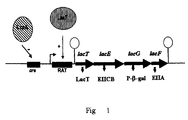
- Figure 1 describes the genic structure and the regulatory elements of the lactose operon of Lactobacillus casei CECT5275.
- the operon of the lactose is located in the chromosome and consists of four lacTEGF genes that code an anti-terminator protein LacT, the element EIIBC of the transport of lactose by PTS, the phospho- ⁇ -galactosidase and the element EIIA of the PTS transport, respectively.
- the promoter with the regions -35 (TTTACA) and -10 (TACAAC) is located on the end 5' of this operon, establishing the initiation of the transcription in the nucleotides TG (SEQ ID NO 1).
- lactose operon makes possible a strict and consistent control of the expression, by using regulatory elements of the Lactobacillus.
- the lactose, the anti-terminator protein LacT in its active form, binds to the RAT sequence and destabilizes the terminator structure enabling the expression of the operon.
- the use of lactose in L. casei is subject to a strong repression by glucose, that is, that there is no expression of the operon when the said sugar is in the medium.
- the regulator protein CcpA binds to the cre sequence blocking the initiation of the transcription of the operon.
- the anti-termination mechanism intervenes in this repressing effect, as the protein LacT, in the presence of glucose, is found in its inactive form and thus, the transcription comes to a halt on the level of the terminator.
- regulatory elements such as those described for the lactose operon of L. casei, and as is shown in the examples included below, allows the maximum expression of the characteristic(s) in the presence of the inducer, which in the case of the operon mentioned earlier is the lactose, the majority sugar in milk and other products derived from it, such'as whey, and forms a part of this invention.
- the lactose the majority sugar in milk and other products derived from it, such'as whey
- whey is easy to obtain, and thus it would involve a minimum cost and, in addition, would provide a commercial outlet for an effluent that is often discarded.
- regulator sequences can be used in genic constructions in which a sequence of nucleotides encoding a gene that is wished to be expressed and then introduce it into a system of recombinant expression.
- the system of expression can be a plasmid, such as the one developed in this invention, or any other kind of vector from among those described in the relevant literature, such as a transposon, a bacteriophage or derivatives obtained by molecular techniques.
- the genes that confer the desired characteristics can be expressed in multicopy under the control of these regulatory elements and can also be integrated into the chromosome, in the lacTEGF operon of L. casei by means of an integration vector developed in this invention, remaining under the control of the aforementioned regulatory elements.
- the strains obtained by this procedure are safe and applicable in the food industry.
- the use of these genic constructions and of any of these systems of expression forms a part of this invention.
- This invention expresses the gene gusA of E. coli which codes the enzyme ⁇ -glucuronidase as well as the genes ( ilvB, ilvN ) which code the catalytic and regulator sub-units of the acetohydroxy acid synthase enzyme of Lactococcus lactis with the overproduction of diacetyl by L. casei .
- This system of regulation of the genic expression is applicable to L. casei and other bacteria with homologous anti-termination systems.
- the use of these cells for the expression of peptides or proteins of industrial interest forms a part of this invention.
- Lactobacillus casei CECT 5275, CECT5276 and Escherichia coli DH5 ⁇ are the strains used in the various cloning and integration experiments. Lactobacillus casei CECT 5276 cannot use the lactose, as it presents a mutation in the gene lacF.
- L. casei has grown in an MRS medium (Oxoid) (liquid and solid) and MRS fermentation (Adsa-Micro, Scharlau S.A., Barcelona, Spain) (liquid and solid) with 0.5% sugar, using the LB medium for the growth of E. coli.
- the building of the expression vector pIA ⁇ 5lac was attained by starting from the plasmids pIL253 [Simon D.
- the concentration of the antibiotics used was: erythromycin 300 ⁇ g/ml, ampicillin 100 ⁇ g/ml and 25 ⁇ g/ml of chloramphenicol for E. coli and 5 ⁇ g/ml, of erythromycin for L. casei .
- the general molecular techniques were performed in accordance with the protocols described by Sambrook et al . [Sambrook J., Fritsch E.F. and Maniatis T., 1989, Molecular Cloning: a Laboratory Manual. 2 nd ed. Cold Spring Harbor Laboratory, Cold Spring Harbor, New York].
- the specific techniques used for Lactobacillus such as purification of genomic DNA and transformation, were those described in J. Bacteriol., 1999, 181:3928-3934.
- the manipulations of DNA were performed in accordance with the recommendations of the manufacturers of the restriction endonucleases and modifying enzymes.
- the phospho- ⁇ -galactosidase and ⁇ -glucuronidase were determined in cells made permeable of L. casei following the procedure described in J. Bacteriol, 1983, 154:1195-1203 and in Appl. Environ. Microbiol., 1994, 60:587-593, respectively.
- the PCR reactions were carried out with the commercial thermostable polymerase Dynazyme [Finnzymes Oy, Riihitontuntie, Finland] or with the Expand TM High fidelity PCR system (Roche Molecular Biochemicals).
- the genomic DNA of Lactococcus lactis MG1363 [Gasson M.J., 1983, J. Bacteriol. 154:1-9] was purified by following the procedure described for Lactobacillus .
- EXAMPLE 1 Expression of the gene gusA in multicopy.
- the replication vector is a derivative of pIL253 and consists of a fragment of DNA with 295 pairs of bases (pb), which contains the promoter and regulator regions ( plac ) of the operon of the lactose of L. casei, the origin of replication for the Gram-negative bacteria (p15A) of the plasmid pACYC184, a multiple cloning site, the gene lacZ and two copies of the terminator rrnB of the ribosomal operon of Escherichia coli from the plasmid pJDC9 ( Figure 2).
- This vector achieves the expression, in multicopy, of the genes cloned under plac in L.
- genes can code, for example, proteases, peptidases, mechanisms of resistance to bacteriophages, enzymes that intervene in the metabolism of citrate, enzymes that intervene in the production of bacteriocins or proteins that confer resistance upon bacteriocins, products of nutritional or immunological interest.
- the strain of Escherichia coli DH5 ⁇ that contains pIA ⁇ 5lac has been deposited in CECT under number 5278.
- the vector of expression developed, pIA ⁇ 5lac, has been used in order to express in multicopy the gene gusA under the regulatory elements of the lactose operon in L. casei.
- This gene codes the enzyme ⁇ -glucuronidase of E. coli.
- the said gene has been enlarged by PCR, without regulator zones, taking as its mold the plasmid pNZ272 [Platteeuw C., Simons G. and de Vos W.M., 1994, Appl. Environ. Microbiol., 60:587-593].
- the oligonucleotides used as primers were as follows: gus1, 5'-AAAA CTGCAG TATTATTATCTTAATGAGG and gus2, 5'-CG GAATTC TCATTGTTTGCCTCCC.
- the sites of recognition of the restriction endonucleases were introduced to these oligonucleotides as follows: Pst I to gus1 and Eco RI to gus 2.
- the enlarged DNA fragment of 1847 pb was treated with the Klenow fragment of polymerase I DNA in order to render the protuberant ends blunt and was cloned in pUC19/ Sma I.
- the construction that carried the adequate orientation was digested with the endonuclease Pst I and the insert was cloned in the vector pIA ⁇ 5lac previously digested with the enzyme Pst I.
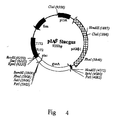
- the resultant plasmid, called pIA ⁇ 5lacgus ( Figure 4) was used to transform L. casei.
- One of the transformants was selected in order to perform the ⁇ -glucuronidase activity studies. In the transformant chosen it was possible to detect ⁇ -glucuronidase activity when grown on lactose, whereby the expression is being induced from the plac of the plasmid. The presence of glucose exercises a strong repression.
- the pattern of expression of the ⁇ -glucuronidase is similar to that of the lactose operon (Table 1).
- ⁇ -glucuronidase activity measured in L. casei CECT5275 transformed with the plasmids pIA ⁇ 5lac and pIA ⁇ 5lacgus.
- ⁇ -glucuronidase (nmol/min/mg dry wt.) L. casei / ND pIA ⁇ 5lac R L ND G+L ND L. casei / 173.35 ⁇ 29.2 pIA ⁇ 5lacgus R L 369.87 ⁇ 30.6 G+L ND
- the values represent at least three independent experiments.
- R ribose
- L lactose
- G+L glucose plus lactose
- ND activity not detectable.
- EXAMPLE 2 Expression of the gene gusA integrated in the lactose operon.
- the desired products can also be obtained by inserting the respective genes in the chromosome of the bacteria under the regulatory elements selected by using chromosomal integration techniques.
- the simplest form of chromosomal integration is based on the use of a non-replicating vector that carries a fragment of homologous DNA to a region of the chromosome of the host bacterium, which is transformed with the said vector.
- the integration occurs by a Campbell type recombination mechanism or a simple crosslinking. However, this latter type is unstable, and a selective pressure must be exercised in order to keep the structure integrated.
- the integrating vector carries two homologous regions, on the occurrence of two recombinations, the desired gene(s) is/are integrated in a stable manner and the vector used for the integration is eliminated. These recombinations can occur simultaneously (double crosslinking) or in a consecutive manner.
- the desired gene(s) starting from the regulatory elements chosen, it is advisable for integration not to take place at random, for which reason the homologous zones of the vector must be well characterized.
- the integration vector developed in this invention, pMJ67 enables the regulatory elements of the lactose operon of L. casei to be used in order to express genes of interest.
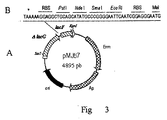
- This vector is based on the plasmid pRV300, to which the end 3' of the gene lacG and the complete gene lacF of the aforesaid operaton ( Figure 3A) have been introduced as homologous zones, in order to direct the recombinations.
- the intergenic region of 45 pb that exists between the two has been replaced by a synthetic fragment of DNA that carries a site for binding to ribosome typical for Lactobacillus and four sites of recognition of the restriction enzymes Pst I, Nde I, Sma I and Eco RI ( Figure 3B).
- the strain of Escherichia coli DH5 ⁇ that contains pMJ67 has been deposited in the CECT under number 5277. The recombinations occur in L.
- the gene gusA was cloned in the integrating vector pMJ67.
- the said gene was enlarged by PCR, taking as its mold the plasmid pNZ272 and using the same oligonucleotides.
- the enlarged fragment was digested with the enzymes Pst I and Eco RI and was cloned in the integrating vector pMJ67 previously digested with both endonucleases.
- the plasmid obtained, called pMJ70 ( Figure 5), was used in order to transform L. casei CECT5276 by electroporation.
- the transformants were selected on plates of the MRS medium with erythromycin. By this procedure, the colonies grown should have integrated the vector by recombination between homologous zones, as it carries the gene that codes the resistance to that antibiotic.
- pMJ67 carries two zones homologous to the bacterial genome: the end 3' of the gene lacG and lacF , whereby the simple crosslinking will occur through one of the two.
- An analysis was made of different transformants by PCR and an initial integrant was selected in which the recombination had occurred through lasF , being resistant to erythromycin and unable to ferment the lactose.
- the aforementioned integrant was grown in the MRS medium without erythromycin during 200 generations.
- the double recombinants were selected on MRS fermentation plates with lactose and without erythromycin. Those colonies, in which the lactose operon was reconstituted, with the gene gusA being integrated into it, and which have lost the integrating vector, will be able to grow on lactose and will be sensitive to erythromycin.
- the genomic DNAs of L For this purpose, the genomic DNAs of L.
- casei CECT5276 of the first integrant and of CECT5290 were digested with the endonuclease Bgl II, and a fragment BAM Hl of the plasmid pRV300 containing the gene of the erythromycin was used as the probe.
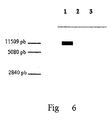
- a signal of hybridization was only detected in the first integrant, confirming that the mutant CECT5290 does not contain plasmidic DNA.
- the mutants of L. casei obtained only have the gene gusA integrated in the chromosome, which is expressed starting from the regulatory elements of the lactose operon of L. casei.
- the ⁇ -glucuronidase activity is induced by lactose and is repressed by glucose, the same as occurs with the P- ⁇ -galactosidase activity, an enzyme coded in the lactose operon.
- P- ⁇ -galactosidase and ⁇ -glucuronidase activity measured in L. casei CECT5275 and CECT5290.
- the values represent at least three independent experiments.
- R ribose
- L lactose
- G+L glucose plus lactose.
- EXAMPLE 3 Expression of the genes ilvBN integrated in the lactose operon.
- the procedure described enables the integration and expression of genes as from the regulatory elements of the lactose operon of L. casei . If the genes that are integrated originate from GRAS microorganisms, the mutants of L. casei obtained are safe and applicable in the food industry.
- the genes ilvBN were enlarged by PCR taking the genomic DNA of Lactococcus lactis MG1363 as the mold and using the oligonucleotides ilvBN1 ( 5'-CGAT CATATG AAAAAAATAAAGTTAGAAAAACCTACTTCC) and ilvBN2 (5'-CC GAATTC TTAGCCACGCTCAAAACCTGC) as primers.
- ilvBN1 5'-CGAT CATATG AAAAAAATAAAGTTAGAAAAACCTACTTCC
- ilvBN2 5'-CC GAATTC TTAGCCACGCTCAAAACCTGC
- genes, ilvBN code the catalytic and regulator subunit of the acetohydroxy acid synthase enzyme involved in the biosynthesis of branched amino acids such as isoleucine and valine. This enzyme catalyzes the reaction of pyruvic acid to ⁇ -acetolactate, precursor of the diacetyl. This last product contributes considerably to the development of the aroma and flavor of fermented dairy products.
- the enlarged fragment of 2212 pb was cloned in the vector pMJ67, digesting both types of DNA with Nde l and EcoR I and obtaining the plasmid pMJ87 ( Figure 7). The integration and selection procedure for the first integrant and of the double recombinant was the same as described earlier.
- a food-grade mutant of L. casei is obtained, which has been deposited in the CECT under number 5291, as the genes ilvBN are from L. lactis , a microorganism considered to be GRAS, and the vector has been lost following the second process of recombination.
- the probe described in the preceding example there is only hybridation between the probe described in the preceding example and the chromosomal DNA digested with the restriction enzymes Bgl II and Pst I of the first integrant.
- the plasmid carrying the resistance to erythromycin has been lost following the second recombination. With the integration of these genes, it was intended to increase the production of diacetyl in L.
Landscapes
- Health & Medical Sciences (AREA)
- Genetics & Genomics (AREA)
- Chemical & Material Sciences (AREA)
- Life Sciences & Earth Sciences (AREA)
- Organic Chemistry (AREA)
- Engineering & Computer Science (AREA)
- Bioinformatics & Cheminformatics (AREA)
- Biotechnology (AREA)
- Zoology (AREA)
- Molecular Biology (AREA)
- Wood Science & Technology (AREA)
- Biophysics (AREA)
- General Engineering & Computer Science (AREA)
- Biochemistry (AREA)
- Biomedical Technology (AREA)
- General Health & Medical Sciences (AREA)
- Physics & Mathematics (AREA)
- Plant Pathology (AREA)
- Gastroenterology & Hepatology (AREA)
- Microbiology (AREA)
- Proteomics, Peptides & Aminoacids (AREA)
- Medicinal Chemistry (AREA)
- Preparation Of Compounds By Using Micro-Organisms (AREA)
- Micro-Organisms Or Cultivation Processes Thereof (AREA)
Abstract
This invention describes the use of a method for the
expression of proteins in bacteria, which is based on the
inducer effect, for example, of a carbohydrate on the
anti-terminating activity of a protein of the family of
anti-terminators, BlgG/SacY. The procedure has been
tested with the system derived from the operon lacTEGF,
inducible by lactose in Lactobacillus casei, for the
expression of proteins of different kinds. In the
invention are included examples of expression in
multicopy plasmids or of integration in the chromosomal
operon lacTEGF, thus achieving the coordinated expression
of the desired genes together with those that code the
enzymes of the metabolism of the lactose.
Description
- The procedure of genic expression described herein is included within the Biotechnology sector. This invention is geared towards both the food industry, for example the dairy industry, as well as the pharmaceutical industries, as it makes it possible to express proteins in Lactobacillus casei of high nutritional, clinical and immunological value.
- In the last decade, a number of systems of control of the expression of fragments of DNA for bacteria have been developed, and specifically, for bacteria of lactic acid (BAL) of industrial interest [W.M. de Vos, 1999, International Dairy Journal 9:3-10]. However, in the majority of these cases, Lactococcus lactis was taken as the BAL model, and the results were not always transferable to other lactic bacteria such as the Lactobacillus. The different systems of control of the genic expression developed are based on expression and integration vectors, in which different marker genes and regulatory elements are used. However, on many occasions, these vectors lack regulatory elements of their own or they come from other microorganisms, thus rendering the regulation of the genes expressed difficult. Recently, an expression vector based on the regulatory elements of the gene nisA of Lactococcus lactis, which codes an antimicrobial peptide, nisin, has been developed [Ruyter P.G.G.A., Kuipers O. and de Vos W.M., 1996, Appl. Environm. Microbiol. 62:3662-3667, EP0712935, 1996-05-22, Stichting NL I Zuivelonderzoek]. This system makes it possible to increase the expression of any gene more than 1000 times in a controlled manner. However, the process of induction occurs by a mechanism for the transducing of a signal of the two-component regulation system type, thus requiring the presence of the products of the genes nisK and nisR, for which reason this system requires several manipulation steps in order to transfer to other microorganisms lacking the regulator genes. Another system of expression in Lactococcus lactis is the one based on the RNA polymerase of the T7 phage of E. coli (GB2278358, 1994-11-30, Lynxvale LTD (GB)). This technique has been used to obtain the expression of proteins of an immunological nature in L. lactis. However, this system of expression involves the use of heterological DNA as the promoter and structural gene of the RNA polymerase of the T7 phage.
- Also, the use of marker genes that permit the metabolism of sugars little used by lactic acid bacteria [Leenhouts K, Bolhuis A., Venema G. and Kok J., 1998, Appl. Microbiol and Biotechnol 49, 417-423] or of those that express peptides with an antimicrobial activity, requires the addition of the respective inducers to the culture medium in order to maintain the expression, thus involving additional cost.
- Any bacterium is capable of using different carbohydrates as the sole source of carbon and energy. The genes'that code the enzymes involved in the transport and metabolism of sugars are expressed, in the majority of cases, solely if the relevant carbohydrate is present in the medium and if the latter lacks easily metabolizable sugars, such as glucose and fructose. This kind of regulation makes reference to mechanisms of induction and catabolic repression, respectively.
- The easily assimilated sugars are always consumed by the bacterial cells on a preferential basis, in such as way that the expression of the genes of the catabolism of other sources of carbon becomes attenuated or inhibited, which is called catabolic repression. This process has been studied extensively both in Gram-negative as well as Gram-positive bacteria, with the system of phosphotransferase dependent on the phosphoenolpyruvate (PTS) being involved in all of them. In Gram-positive bacteria, it has been established that in the presence of glucose, the phosphorylated protein HPr in the serine 46 is bonded to a repressor protein called CcpA, and the complex formed recognizes a highly preserved DNA sequence (cre sequence) which tends to be located in the promoter zone and blocks the start of the transcription of the genes affected.
- Also, the operons of the catabolism of sugars are often regulated by means of activator, repressor or anti-terminator proteins, so that the transcription and translation of their genes is effected in the presence of the inducer. There are examples of induction by anti-termination in Gram-negative bacteria such as Escherichia coil, Erwinia chrysanthemi, Klebsiella pneumoniae and Klebsiella oxytoca which have already been studied. Among the Gram-positive bacteria, Bacillus subtilis is the most thoroughly studied, with 7 different anti-termination systems having been described. This type of regulation mechanism has also been found in B. amyloliquefaciens, B. stearothermophilus, Staphylococcus carnosus, Lactococcus lactis and Lactobacillus casei. The anti-termination mechanisms are characterized by presenting an RAT sequence of bonding to the RNA, which is recognized by the anti-terminator protein, and a terminator structure, which is located between the start of the transcription and that of the translation of the operon. In the presence of the inducer, the anti-terminator protein is bonded to the RAT sequence, destabilizes the terminator structure and allows the complete transcription of the operon. All of the anti-terminator proteins share a high degree of similarity, with three domains being identified in them: one binding to the RNA (RBD) and two regulated by the elements of the PTS (PRD-I and PRD-II). A high degree of homology has been observed in the RAT sequences of the different systems and it has even been found that the anti-terminator proteins of B. subtilis and E. coli are interchangeable, indicating that this system of regulation is kept in the different types of bacteria [Rutberg B., 1997, Molecular Microbiol. 23:413-421; Stülke J., Arnaud M., Rapoport G. and Martin-Verstraete, I., 1998, Molecular Microbiol. 28:865-874]. The role played by the elements of the PTS, EII and HPr, varies from one system to another but is based generally on the regulation of the anti-terminator activity by phosphorylation of the domains PRD-I and PRD-II. These PRD domains, however, are not required for the anti-terminator activity, as solely the 55-60 amino acids of the amino-terminal end are sufficient in order to break down the structure of the terminator and, thus, to induce the genic expression [Tortosa P., Aymerich S., Lindner C., Saier M.H.Jr., Reizer J. and D. LeCoq, 1997, J. Biol Chem. 272: 17230-17237].
- One of the best-studied systems in BAL is the transport of lactose. In Streptococcus thermophilus, this sugar has been described as entering through a permease of an anti-transporter type, LacS, being hydrolyzed by a β-galactosidase, lacZ, a glucose and galactose, which is expelled to the external medium. The genes that code these protein are forming an operon, lacSZ, the expression of which is induced by galactose and repressed by catabolite [Poolman B., Royer T.J., Mainzer S.E. and Schmidt B.F., 1989, J. Bacteriol. 171:244-253; Poolman B., Royer T.J., Mainzer S.E. and Schmidt B.F., 1990, J. Bacteriol 172:4037-4047, Poolman B., 1993, FEMS Microniol. Rev. 12, 125-147]. Based on this system, mutants were obtained by integration between the lacS and lacZ genes, expressing a gene of resistance to chloramphenicol (cat) with a pattern of expression similar to that of the operon. However, the β-galactosidase (LacZ) activity was affected in the mutant strains possibly due to the fact that the binding site to the ribosome of the gene lacZ was lost [Mollet B., Knol J., Poolman B., Marciset O., Delley M., 1993, J. Bacteriol. 175:4315-4324, US5491079, 1999-02-13, Nestec S.A.].
- The system of use of the lactose in L. lactis has been studied in detail [de Vos W.M. and Vaughan E.E., 1994, FEMS Microbiol. Rev. 15:217-239] and is made up by the operon lacABCDFEG, which codes the enzymes necessary for the utilization of the tagatose and the lactose. As in the case of the lactose genes of Streptococcus mutans or Staphylococcus aureus, the promoter located ahead of the gene lacA is regulated by the protein LacR, homologous to repressors such as GutR, FucR or DeoR of E. coli, with the inducer of the system being the tagatose 6-phosphate [van Rooijen R.J., and de Vos W.M., 1990, J. Biol. Chem. 265:18499-18503]. This inducible system has been used in the development of different expression vectors for Lactococcus [MacCormick, C.A., Griffin H.G. and Gasson M.J., 1995, FEMS Microbiol. Lett. 127:105-109; Platteeuw C., van Alen-Boerrigter I., van Schalkwijk S. and de Vos W.M., 1996, Appl. Environ. Microbiol. 62:1008-1013; EP0355036, 1990-02-21, NL Zuivelonderzoek Inst.].
- However, the system of lactose use by Lactobacillus casei differs from that used by the two BALs mentioned earlier, both in the genic structure (lacTEGF) as well as in the regulation mechanism [Chassy, B. and Thompson J., 1983, J. Bacteriol. 154:1195-1203; Alpert, C.-A. and Chassy B.M., 1988, Gene 62:277-288; Porter E.V. and Chassy B.M., 1988, Gene 62:263-276; Alpert, C.-A and Chassy B.M., 1990, J. Biol. Chem. 265:22561-22568; Veyrat A., Monedero V. and Pérez-Martínez G., 1994, Microbiology 140, 1141-1149: Gosalbes M.J., Monedero V., Alpert, C.-A. and Pérez-Martínez G., 1997, FEMS Microbiol. Lett. 148:83-89] as it is induced thanks to an anti-terminator protein, LacT, homologous to proteins that regulate the expression of promoters of genes for the use of mono and disaccharides in other bacteria, such as BglG in E. coil or SacY in Bacillus subtilis [Alpert, C.-A. and Siebers U., 1997, J. Bacteriol. 179:1555-1562]. In Lactobacillus casei the inducer is the lactose, the only sugar present in milk and the majority sugar in mediums derived from it, through a mechanism of anti-termination in which different regulatory elements are involved, such as the sequence called RAT, which is the binding site to the RNA of anti-terminator proteins, a structure terminating the transcription and the anti-terminator protein [Gosalbes M.J. , Monedero V. and Pérez-Martínez G., 1999, J. Bacteriol 181:3928-3934]. Moreover, there is a strong repression by glucose mediated by the protein CcpA and elements of the phosphotransferase system dependent on the phosphoenolpyruvate (PTS) [Monedero V., Gosalbes M.J. and Pérez-Martínez G., 1997, J. Bacteriol. 179:6657-6664]. This regulation mechanism permits a strict and consistent control of the expression of the desired characteristics.
- This system of regulation by anti-termination has been described both in Gram-negative as well as Gram-positive bacteria, which, as commented upon earlier, can be interchangeable between different operons in certain cases, and even in other bacteria [Manival X., Yang Y., Strub, M.P., Kochoyan, M., Steinmetz, M., and Aymerich, S. 1999, EMBO J. 16: 5019-5029]. However, it is important to note that this type of regulatory elements has not been used previously in the development of systems of expression in bacteria.
- This invention describes the use of a method for the expression of proteins in bacteria, which is based on the inducing effect, for example, of a carbohydrate on the anti-terminating activity of a protein from the family of anti-terminators BlgG/SacY. The procedure has been tested with the system derived from the operon lacTEGF, inducible by lactose in Lactobacillus casei, for the expression of proteins of different kinds. In the invention are included examples of expression in multicopy or integration plasmids in the chromosomal operon lacTEGF, thus achieving the coordinated expression of the desired genes together with those that code the enzymes of the metabolism of the lactose.
- The system referred to by the inventors is based on the anti-terminating activity of LacT, which mediates the induction by lactose in Lactobacillus casei.
- Figure 1 describes the genic structure and the regulatory elements of the lactose operon of Lactobacillus casei CECT5275. In this microorganism the operon of the lactose is located in the chromosome and consists of four lacTEGF genes that code an anti-terminator protein LacT, the element EIIBC of the transport of lactose by PTS, the phospho-β-galactosidase and the element EIIA of the PTS transport, respectively. The promoter with the regions -35 (TTTACA) and -10 (TACAAC) is located on the end 5' of this operon, establishing the initiation of the transcription in the nucleotides TG (SEQ ID NO 1). In addition, other typical sequences of promoters of Gram-positive microorganisms have been identified, such as a TG sequence in the position -15 and a zone rich in adenines in the region -45. Overlapping the region -35, a cre sequence (5'-ATAAAACGTTTACA) of binding to the regulator protein CcpA has been identified. Following this promoter, a sequence has been identified that would act as a rho-independent terminator. Preceding and overlapping this last structure, there is an RAT sequence (5' GGATTGTGACTATTTAATTAGGCGAG), similar to the binding site of anti-terminator proteins to the RNA. Both the nucleotide sequence of the lactose operon as well as that of the flanking regions 5' and 3' were deposited in the EMBL data base under number Z80834.
- The regulation of the lactose operon makes possible a strict and consistent control of the expression, by using regulatory elements of the Lactobacillus. In the presence of the inducer of the system, the lactose, the anti-terminator protein LacT, in its active form, binds to the RAT sequence and destabilizes the terminator structure enabling the expression of the operon. The use of lactose in L. casei is subject to a strong repression by glucose, that is, that there is no expression of the operon when the said sugar is in the medium. In such conditions, the regulator protein CcpA binds to the cre sequence blocking the initiation of the transcription of the operon. Moreover, the anti-termination mechanism intervenes in this repressing effect, as the protein LacT, in the presence of glucose, is found in its inactive form and thus, the transcription comes to a halt on the level of the terminator.
- The use of regulatory elements such as those described for the lactose operon of L. casei, and as is shown in the examples included below, allows the maximum expression of the characteristic(s) in the presence of the inducer, which in the case of the operon mentioned earlier is the lactose, the majority sugar in milk and other products derived from it, such'as whey, and forms a part of this invention. At the present time, whey is easy to obtain, and thus it would involve a minimum cost and, in addition, would provide a commercial outlet for an effluent that is often discarded.
- In addition, it is possible to use any fragment whatsoever of the DNA sequence which is described in this invention or variations of them obtained by mutation that substantially maintain this regulatory capacity of the genic expression through an anti-terminator protein. These variations can be determined easily through the existing knowledge of molecular biology techniques and form a part of this invention.
- These regulator sequences can be used in genic constructions in which a sequence of nucleotides encoding a gene that is wished to be expressed and then introduce it into a system of recombinant expression. The system of expression can be a plasmid, such as the one developed in this invention, or any other kind of vector from among those described in the relevant literature, such as a transposon, a bacteriophage or derivatives obtained by molecular techniques. The genes that confer the desired characteristics can be expressed in multicopy under the control of these regulatory elements and can also be integrated into the chromosome, in the lacTEGF operon of L. casei by means of an integration vector developed in this invention, remaining under the control of the aforementioned regulatory elements. The strains obtained by this procedure are safe and applicable in the food industry. The use of these genic constructions and of any of these systems of expression forms a part of this invention.
- The following examples show how the use of these vectors makes it possible to regulate the expression of genes of industrial interest in transformed cells. This invention expresses the gene gusA of E. coli which codes the enzyme β-glucuronidase as well as the genes (ilvB, ilvN) which code the catalytic and regulator sub-units of the acetohydroxy acid synthase enzyme of Lactococcus lactis with the overproduction of diacetyl by L. casei. This system of regulation of the genic expression is applicable to L. casei and other bacteria with homologous anti-termination systems. The use of these cells for the expression of peptides or proteins of industrial interest forms a part of this invention.
- To sum up, the system of genic expression of this invention has the following characteristics:
- Induction by sugars in Lactobacillus casei or other bacteria without the need to introduce any mutation in the elements of the PTS system for the transport of sugars and/or regulator proteins, such as the protein CcpA and regulators with domains regulated by elements of the PTS, such as, for example, anti-terminators or transcriptional regulators.
- Use of a regulatory element of the Lactobacillus casei with an anti-terminator function allowing a strict control of the expression of the desired characteristic(s) by means of induction by lactose.
- When the expression of the genes of interest is not desirable, their repression is achieved by easily assimilated sugars, such as glucose or fructose.
-
- Figure 1.- Structure and regulatory elements of the lactose operon of L. casei.
- Figure 2.- Construction and physical map of the vector pIAβ5lac according to the invention. The arrows indicate the direction of the transcription.
- Figure 3.- A) Physical map of pMJ67 according to the invention. The arrows indicate the direction of the transcription. Erm, gene of resistance to erythromycin; Ap, gene of resistance to ampicillin. ori, origin of replication. B) synthetic nucleotide sequence in the region of 45 pb between the genes lacG and lacF. RBS, site of binding to ribosome. * stop codon TAA.
- Figure 4.- Physical map of the plasmid pIAβ5lacgus obtained according to the invention.
- Figure 5.- Physical map of the plasmid pMJ70 obtained according to the invention.
- Figure 6.- Outline corresponding to the radiographic film of the southern blot analysis of the genomic DNA of the first integrant of the gene gusA (course 1), CECT5290 (course 2) and L. casei CECT 5276 (course 3). A fragment BamHI of the plasmid pRV300 that carries the gene conferring resistance to erythromycin was used as the probe.
- Figure 7.- Physical map of the plasmid pMJ87 obtained according to the invention.
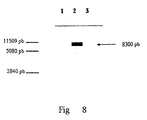
- Figure 8.- Outline corresponding to the radiographic film of the southern blot analysis of the genomic DNA of the first integrant of the genes ilvBN (course 1), CECT5291 (course 2) and L. casei CECT 5276 (course 3). The same fragment was used as the probe for the southern blot analysis described in Figure 6.
- Figure 9.- Determination of final metabolites.
-
-
Lactobacillus casei CECT 5275, CECT5276 and Escherichia coli DH5α are the strains used in the various cloning and integration experiments. Lactobacillus casei CECT 5276 cannot use the lactose, as it presents a mutation in the gene lacF. L. casei has grown in an MRS medium (Oxoid) (liquid and solid) and MRS fermentation (Adsa-Micro, Scharlau S.A., Barcelona, Spain) (liquid and solid) with 0.5% sugar, using the LB medium for the growth of E. coli. The building of the expression vector pIAβ5lac was attained by starting from the plasmids pIL253 [Simon D. and Chopin A., 1988, Biochimie 70:559-566], pACYC184 [Chang A.C.Y. and Cohen S.N., 1978, J. Bacteriol. 134:1141-1156] and pJDC9 [Chen J.D. and Morisson D.A., 1988, Gene 64:155-164]. The plasmid pRV300 [Leloup L., Ehrlich D., Zagorec M. and Morel-Deville F., 1997, Appl. Environ. Microbiol. 63:2117-2123] was used to build the integration vector pMJ67. The concentration of the antibiotics used was: erythromycin 300 µg/ml, ampicillin 100 µg/ml and 25 µg/ml of chloramphenicol for E. coli and 5 µg/ml, of erythromycin for L. casei. The general molecular techniques were performed in accordance with the protocols described by Sambrook et al. [Sambrook J., Fritsch E.F. and Maniatis T., 1989, Molecular Cloning: a Laboratory Manual. 2nd ed. Cold Spring Harbor Laboratory, Cold Spring Harbor, New York]. The specific techniques used for Lactobacillus, such as purification of genomic DNA and transformation, were those described in J. Bacteriol., 1999, 181:3928-3934. The manipulations of DNA were performed in accordance with the recommendations of the manufacturers of the restriction endonucleases and modifying enzymes. The phospho-β-galactosidase and β-glucuronidase were determined in cells made permeable of L. casei following the procedure described in J. Bacteriol, 1983, 154:1195-1203 and in Appl. Environ. Microbiol., 1994, 60:587-593, respectively. The PCR reactions were carried out with the commercial thermostable polymerase Dynazyme [Finnzymes Oy, Riihitontuntie, Finland] or with the Expand ™ High fidelity PCR system (Roche Molecular Biochemicals). The genomic DNA of Lactococcus lactis MG1363 [Gasson M.J., 1983, J. Bacteriol. 154:1-9] was purified by following the procedure described for Lactobacillus. - The replication vector, called pIAβ5lac, is a derivative of pIL253 and consists of a fragment of DNA with 295 pairs of bases (pb), which contains the promoter and regulator regions (plac) of the operon of the lactose of L. casei, the origin of replication for the Gram-negative bacteria (p15A) of the plasmid pACYC184, a multiple cloning site, the gene lacZ and two copies of the terminator rrnB of the ribosomal operon of Escherichia coli from the plasmid pJDC9 (Figure 2). This vector achieves the expression, in multicopy, of the genes cloned under plac in L. casei and bacteria with homologous anti-termination systems. These genes can code, for example, proteases, peptidases, mechanisms of resistance to bacteriophages, enzymes that intervene in the metabolism of citrate, enzymes that intervene in the production of bacteriocins or proteins that confer resistance upon bacteriocins, products of nutritional or immunological interest. The strain of Escherichia coli DH5β that contains pIAβ5lac has been deposited in CECT under number 5278.
- The vector of expression developed, pIAβ5lac, has been used in order to express in multicopy the gene gusA under the regulatory elements of the lactose operon in L. casei. This gene codes the enzyme β-glucuronidase of E. coli. For this purpose, the said gene has been enlarged by PCR, without regulator zones, taking as its mold the plasmid pNZ272 [Platteeuw C., Simons G. and de Vos W.M., 1994, Appl. Environ. Microbiol., 60:587-593]. The oligonucleotides used as primers were as follows: gus1, 5'-AAAACTGCAGTATTATTATCTTAATGAGG and gus2, 5'-CGGAATTCTCATTGTTTGCCTCCC. The sites of recognition of the restriction endonucleases (underlined) were introduced to these oligonucleotides as follows: PstI to gus1 and EcoRI to
gus 2. The enlarged DNA fragment of 1847 pb was treated with the Klenow fragment of polymerase I DNA in order to render the protuberant ends blunt and was cloned in pUC19/ SmaI. The construction that carried the adequate orientation was digested with the endonuclease PstI and the insert was cloned in the vector pIAβ5lac previously digested with the enzyme PstI. The resultant plasmid, called pIAβ5lacgus (Figure 4) was used to transform L. casei. One of the transformants was selected in order to perform the β-glucuronidase activity studies. In the transformant chosen it was possible to detect β-glucuronidase activity when grown on lactose, whereby the expression is being induced from the plac of the plasmid. The presence of glucose exercises a strong repression. Thus, the pattern of expression of the β-glucuronidase is similar to that of the lactose operon (Table 1).β-glucuronidase activity measured in L. casei CECT5275 transformed with the plasmids pIAβ5lac and pIAβ5lacgus. β-glucuronidase
(nmol/min/mg dry wt.)L. casei / ND pIAβ5lac R L ND G+L ND L. casei / 173.35± 29.2 pIAβ5lacgus R L 369.87± 30.6 G+L ND - The values represent at least three independent experiments. R, ribose; L, lactose; G+L, glucose plus lactose. ND, activity not detectable.
- The desired products can also be obtained by inserting the respective genes in the chromosome of the bacteria under the regulatory elements selected by using chromosomal integration techniques. The simplest form of chromosomal integration is based on the use of a non-replicating vector that carries a fragment of homologous DNA to a region of the chromosome of the host bacterium, which is transformed with the said vector. The integration occurs by a Campbell type recombination mechanism or a simple crosslinking. However, this latter type is unstable, and a selective pressure must be exercised in order to keep the structure integrated. Now then, if the integrating vector carries two homologous regions, on the occurrence of two recombinations, the desired gene(s) is/are integrated in a stable manner and the vector used for the integration is eliminated. These recombinations can occur simultaneously (double crosslinking) or in a consecutive manner. In order to express the desired gene(s) starting from the regulatory elements chosen, it is advisable for integration not to take place at random, for which reason the homologous zones of the vector must be well characterized. The integration vector developed in this invention, pMJ67, enables the regulatory elements of the lactose operon of L. casei to be used in order to express genes of interest. This vector is based on the plasmid pRV300, to which the end 3' of the gene lacG and the complete gene lacF of the aforesaid operaton (Figure 3A) have been introduced as homologous zones, in order to direct the recombinations. The intergenic region of 45 pb that exists between the two has been replaced by a synthetic fragment of DNA that carries a site for binding to ribosome typical for Lactobacillus and four sites of recognition of the restriction enzymes PstI, NdeI, SmaI and EcoRI (Figure 3B). The strain of Escherichia coli DH5α that contains pMJ67 has been deposited in the CECT under number 5277. The recombinations occur in L. casei consecutively, with the gene(s) becoming incorporated in the region of 45 pb existing between the two genes, lacG and lacF, being expressed as from the regulatory elements of the lactose operon. In order to facilitate the selection of the double recombinants, it is advisable to use a mutant copy of the gene lacF, which can be that carried by the integration vector or the chromosomal copy. If the gene(s) to be integrated originate from a microorganism recognized as safe ("GRAS"), the mutants of this lactic acid bacterium will be of a food grade, as, through the procedure described there will be no other DNA fragment integrated except for the gene(s) of interest, which will thus remain subject to the regulation system of the lactose operon. As the lactose is the inducer of this system of expression, the use of these regulatory elements makes possible the use of inexpensive culture mediums such as milk or its derivatives (whey) in order to produce products of technological, nutritional or pharmaceutical interest safely.
- In order to demonstrate the expression in monocopy of genes, starting from the regulatory elements of the lactose operon of L. casei, the gene gusA was cloned in the integrating vector pMJ67. For this purpose, as in the preceding example, the said gene was enlarged by PCR, taking as its mold the plasmid pNZ272 and using the same oligonucleotides. In this case, the enlarged fragment was digested with the enzymes PstI and EcoRI and was cloned in the integrating vector pMJ67 previously digested with both endonucleases. The plasmid obtained, called pMJ70 (Figure 5), was used in order to transform L. casei CECT5276 by electroporation. The transformants were selected on plates of the MRS medium with erythromycin. By this procedure, the colonies grown should have integrated the vector by recombination between homologous zones, as it carries the gene that codes the resistance to that antibiotic. As we mentioned earlier, pMJ67 carries two zones homologous to the bacterial genome: the end 3' of the gene lacG and lacF, whereby the simple crosslinking will occur through one of the two. An analysis was made of different transformants by PCR and an initial integrant was selected in which the recombination had occurred through lasF, being resistant to erythromycin and unable to ferment the lactose. In order to favor the second crosslinking, the aforementioned integrant was grown in the MRS medium without erythromycin during 200 generations. The double recombinants were selected on MRS fermentation plates with lactose and without erythromycin. Those colonies, in which the lactose operon was reconstituted, with the gene gusA being integrated into it, and which have lost the integrating vector, will be able to grow on lactose and will be sensitive to erythromycin. One of these mutants, deposited in the CECT under number 5290, was selected, and a southern blot analysis was performed in order to check that the resistance to erythromycin had been lost with the vector following the double recombination (Figure 6). For this purpose, the genomic DNAs of L. casei CECT5276, of the first integrant and of CECT5290 were digested with the endonuclease BglII, and a fragment BAMHl of the plasmid pRV300 containing the gene of the erythromycin was used as the probe. A signal of hybridization was only detected in the first integrant, confirming that the mutant CECT5290 does not contain plasmidic DNA. The mutants of L. casei obtained only have the gene gusA integrated in the chromosome, which is expressed starting from the regulatory elements of the lactose operon of L. casei. As shown on Table 2, the β-glucuronidase activity is induced by lactose and is repressed by glucose, the same as occurs with the P-β-galactosidase activity, an enzyme coded in the lactose operon.
P-β-galactosidase and β-glucuronidase activity measured in L. casei CECT5275 and CECT5290. P-β-galactosidase (nmol/min/mg dry wt.) β-glucuronidase (nmol/min/mg dry wt.) L.casei CECT5275
R2.03 ± 0.86 0.98 ± 0.15 L 23.91 ± 2.93 1.89 ± 0.19 G+L 0.78 ± 0.24 1.16 ± 0.23 L.casei CECT5290
R10.40 ± 1.69 43.13 ± 11.64 L 57.84 ± 8.51 119.05 ± 8.91 G+L 1.26 ± 0.12 1.23 ± 0.20 - The values represent at least three independent experiments. R, ribose; L, lactose; G+L, glucose plus lactose.
- The procedure described enables the integration and expression of genes as from the regulatory elements of the lactose operon of L. casei. If the genes that are integrated originate from GRAS microorganisms, the mutants of L. casei obtained are safe and applicable in the food industry.
- The genes ilvBN were enlarged by PCR taking the genomic DNA of Lactococcus lactis MG1363 as the mold and using the oligonucleotides ilvBN1 ( 5'-CGATCATATGAAAAAAATAAAGTTAGAAAAACCTACTTCC) and ilvBN2 (5'-CCGAATTCTTAGCCACGCTCAAAACCTGC) as primers. The same as in the preceding example, the sites of recognition of the endonucleases (underlined) have been introduced: Ndel at ilvBNll and EcoRI at ilvBN2. These genes, ilvBN, code the catalytic and regulator subunit of the acetohydroxy acid synthase enzyme involved in the biosynthesis of branched amino acids such as isoleucine and valine. This enzyme catalyzes the reaction of pyruvic acid to α-acetolactate, precursor of the diacetyl. This last product contributes considerably to the development of the aroma and flavor of fermented dairy products. The enlarged fragment of 2212 pb was cloned in the vector pMJ67, digesting both types of DNA with Ndel and EcoRI and obtaining the plasmid pMJ87 (Figure 7). The integration and selection procedure for the first integrant and of the double recombinant was the same as described earlier. In this example, a food-grade mutant of L. casei is obtained, which has been deposited in the CECT under
number 5291, as the genes ilvBN are from L. lactis, a microorganism considered to be GRAS, and the vector has been lost following the second process of recombination. As shown in Figure 8, there is only hybridation between the probe described in the preceding example and the chromosomal DNA digested with the restriction enzymes BglII and PstI of the first integrant. In L. casei CECT5291, the plasmid carrying the resistance to erythromycin has been lost following the second recombination. With the integration of these genes, it was intended to increase the production of diacetyl in L. casei in conditions of induction, growth in lactose. By means of gas chromatography coupled with mass spectroscopy and in accordance with the technique of suspension of cells in repose described by Danneau P. and Pérez-Martinez G. [Journal of Chromatography A, 1997, 775:225-230]. The mutant CECT5291 produces diacetyl and acetoin only under conditions of induction (Figure 9), with the production of these metabolites being at a minimum in the wild strain. Thus, with the integration of the genes ilvBN in the lactose operon of L. casei, an increase in its production has been achieved, which reaches a maximum in the presence of lactose and the absence of glucose.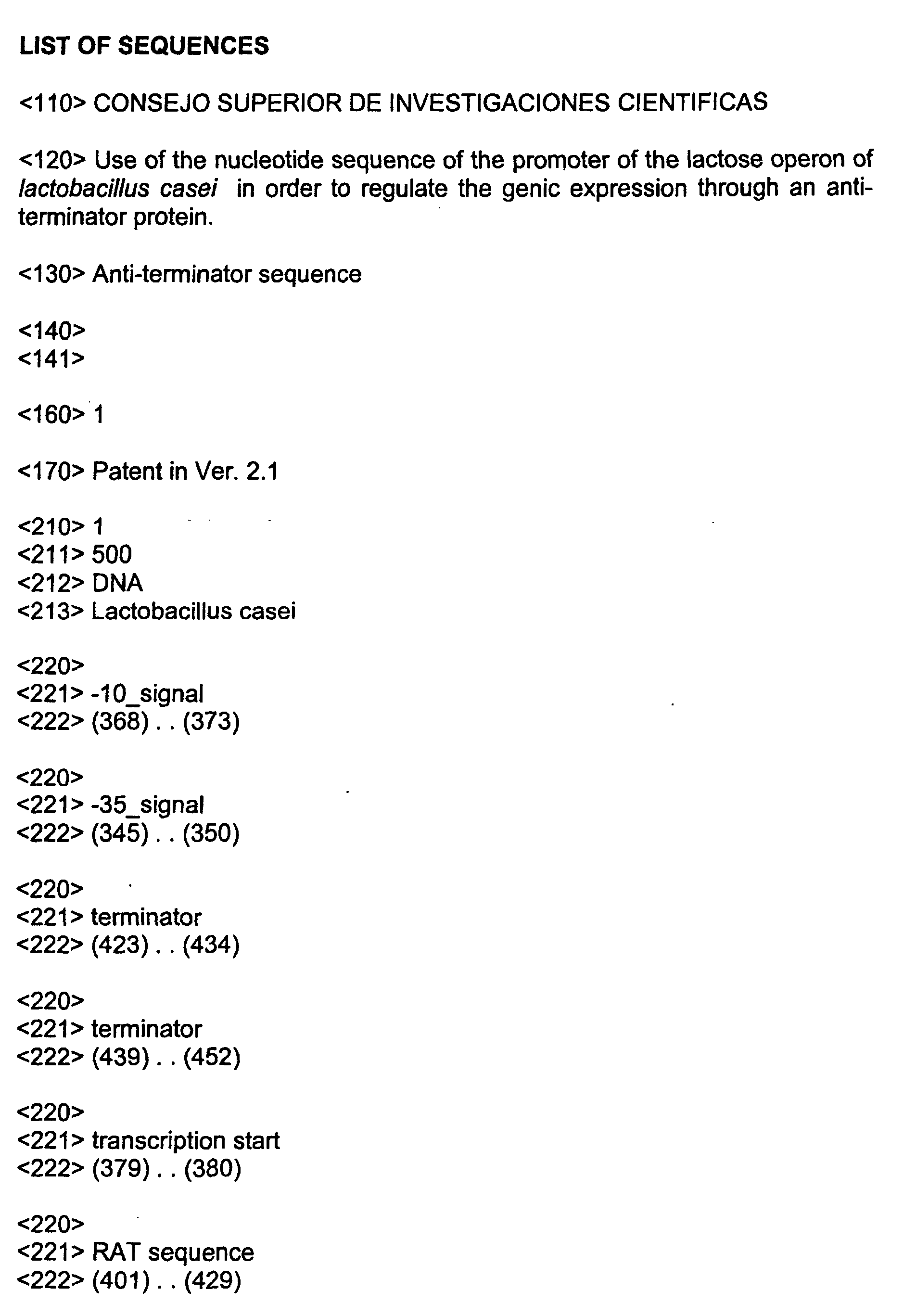

Claims (15)
- Use of the nucleotide sequence of the promoter of the lactose operon of Lactobacillus casei to regulate the genic expression through an anti-terminator protein.
- Use according to claim 1 characterized in that the nucleotide sequence is SEQ ID NO 1.
- Use according to claims 1 and 2 characterized in that the nucleotide sequence is a mutated form or a fragment that maintains substantially the same capacity.
- Use according to claims 1 and 2 characterized in that the nucleotide sequence is a homologous sequence that maintains substantially the same capacity.
- Use according to any of the claims from 1 to 4 characterized in that the nucleotide sequence is part of a genic construction that also contains the nucleotide sequence coding for a peptide of interest.
- Use according to claim 5 characterized in that the genic construction is integrated in a system of recombinant expression with the elements necessary for the expression of a gene of interest.
- Use according to claim 6 characterized in that the system of expression is, among others, a plasmid, a transposon, a bacteriophage or derivatives obtained by molecular techniques.
- Use according to claim 7 characterized in that the plasmid is pIAbeta5lac.
- Use according to claims 6 and 7 characterized in that the system of expression permits the integration of the nucleotide sequence in the bacterial genome.
- Use according to claim 9 characterized in that the plasmid is pMJ67.
- Use according to any of the claims from 6 to 10 characterized in that the system of expression is contained in a'transformed cell.
- Use according to claim 11 characterized in that the cell transformed belongs, among others, to the following groups: E. coli, Lactobacillus, Bacillus and Lactococcus.
- Use according to claim 12 characterized in that the cell transformed is CECT 5277, CECT 5278, CECT 5290 and CECT 5291.
- Use according to any of the claims from 11 to 13 characterized in that the cells transformed make possible the expression regulated by lactose of a peptide of interest.
- Use according to claim 14 characterized in that the peptide of interest is the enzyme acetohydroxy acid synthase.
Applications Claiming Priority (3)
| Application Number | Priority Date | Filing Date | Title |
|---|---|---|---|
| ES200000897 | 2000-04-07 | ||
| ES200000897A ES2172384B1 (en) | 2000-04-07 | 2000-04-07 | USE OF THE NUCLEOTIDE SEQUENCE OF THE PROMOTER OF THE OPERATION OF THE LACTOSE OF LACTOBACILLUS CASEI TO REGULATE GENE EXPRESSION THROUGH AN ANTITERMINATORY PROTEIN. |
| PCT/ES2001/000104 WO2001077346A1 (en) | 2000-04-07 | 2001-03-16 | Use of the nucleotide sequence of the lactobacillus casei lactose operon promoter for regulating gene expression by means of an antiterminator protein |
Publications (1)
| Publication Number | Publication Date |
|---|---|
| EP1275725A1 true EP1275725A1 (en) | 2003-01-15 |
Family
ID=8493085
Family Applications (1)
| Application Number | Title | Priority Date | Filing Date |
|---|---|---|---|
| EP01911773A Withdrawn EP1275725A1 (en) | 2000-04-07 | 2001-03-16 | Use of the nucleotide sequence of the lactobacillus casei lactose operon promoter for regulating gene expression by means of an antiterminator protein |
Country Status (5)
| Country | Link |
|---|---|
| US (1) | US20030100067A1 (en) |
| EP (1) | EP1275725A1 (en) |
| AU (1) | AU2001240704A1 (en) |
| ES (1) | ES2172384B1 (en) |
| WO (1) | WO2001077346A1 (en) |
Cited By (1)
| Publication number | Priority date | Publication date | Assignee | Title |
|---|---|---|---|---|
| CN100358998C (en) * | 2005-06-24 | 2008-01-02 | 中国科学院微生物研究所 | Brewer's yeast engineering bacteria and its construction method |
Families Citing this family (2)
| Publication number | Priority date | Publication date | Assignee | Title |
|---|---|---|---|---|
| US20150044330A1 (en) * | 2013-08-06 | 2015-02-12 | Glycosyn LLC | Strains of Lactobacillus Rhamnosus GG Capable of Growth on Lactose and the Uses Thereof |
| CN114262683B (en) * | 2022-03-01 | 2022-06-17 | 中国科学院动物研究所 | Bacterial preparation for expressing VEGFR 3D 2 polypeptide and construction method and application thereof |
-
2000
- 2000-04-07 ES ES200000897A patent/ES2172384B1/en not_active Expired - Fee Related
-
2001
- 2001-03-16 AU AU2001240704A patent/AU2001240704A1/en not_active Abandoned
- 2001-03-16 WO PCT/ES2001/000104 patent/WO2001077346A1/en not_active Ceased
- 2001-03-16 EP EP01911773A patent/EP1275725A1/en not_active Withdrawn
-
2002
- 2002-10-07 US US10/266,080 patent/US20030100067A1/en not_active Abandoned
Non-Patent Citations (2)
| Title |
|---|
| None * |
| See also references of WO0177346A1 * |
Cited By (1)
| Publication number | Priority date | Publication date | Assignee | Title |
|---|---|---|---|---|
| CN100358998C (en) * | 2005-06-24 | 2008-01-02 | 中国科学院微生物研究所 | Brewer's yeast engineering bacteria and its construction method |
Also Published As
| Publication number | Publication date |
|---|---|
| ES2172384B1 (en) | 2004-03-01 |
| ES2172384A1 (en) | 2002-09-16 |
| US20030100067A1 (en) | 2003-05-29 |
| AU2001240704A1 (en) | 2001-10-23 |
| WO2001077346A1 (en) | 2001-10-18 |
Similar Documents
| Publication | Publication Date | Title |
|---|---|---|
| Lokman et al. | Organization and characterization of three genes involved in D-xylose catabolism in Lactobacillus pentosus | |
| Leenhouts et al. | Construction of a food-grade multiple-copy integration system for Lactococcus lactis | |
| David et al. | Leuconostoc lactis beta-galactosidase is encoded by two overlapping genes | |
| van de Guchte et al. | Distance-dependent translational coupling and interference in Lactococcus lactis | |
| CN103261213A (en) | Lactococcus CRISPR-Cas sequence | |
| Renault et al. | Product of the Lactococcus lactis gene required for malolactic fermentation is homologous to a family of positive regulators | |
| EP0529088B1 (en) | NOVEL PLASMID pBUL1 DERIVED FROM LACTOBACILLUS AND DERIVATIVE THEREOF | |
| Ishiguro et al. | Nucleotide sequence of the gene determining plasmid-mediated citrate utilization | |
| EP0925364B1 (en) | A lactic acid bacterial regulatable expression system | |
| Vaughan et al. | Transcriptional regulation and evolution of lactose genes in the galactose-lactose operon of Lactococcus lactis NCDO2054 | |
| Mayo et al. | Cloning and expression of the plasmid encoded β-D-galactosidase gene from a Lactobacillus plantarum strain of dairy origin | |
| EP1649024B1 (en) | Methods and means for regulating gene expression | |
| Chapot-Chartier et al. | Characterization of cspB, a cold-shock-inducible gene from Lactococcus lactis, and evidence for a family of genes homologous to the Escherichia coli cspA major cold shock gene | |
| Payne et al. | Exploitation of a chromosomally integrated lactose operon for controlled gene expression in Lactococcus lactis | |
| Jeong et al. | A food-grade expression/secretion vector for Lactococcus lactis that uses an α-galactosidase gene as a selection marker | |
| Simons et al. | Integration and gene replacement in the Lactococcus lactis lac operon: induction of a cryptic phospho-beta-glucosidase in LacG-deficient strains | |
| FI77056C (en) | VECTOR PLASMS SOM LAEMPAR SIG FOER SYRNINGSMEDEL, SPECIELLT FOER MEJERISYRNINGSMEDEL. | |
| US20030100067A1 (en) | Use of the nucleotide sequence of the promoter of the lactose operon of Lactobacillus casei to regulate the genic expression through an anti-terminator protein | |
| US4883756A (en) | pTN1060, a conjugal plasmid and derivatives thereof that confer phage resistance to group N streptococci | |
| EP0228726B1 (en) | Method for preparing proteins using transformed lactic acid bacteria | |
| Gosalbes et al. | Use of lac regulatory elements for gene expression in Lactobacillus casei | |
| Lucey et al. | Identification and sequence analysis of the replication region of the phage resistance plasmid pCI528 from Lactococcus lactis subsp. cremoris UC503 | |
| Graus-Go et al. | The sequences of genes borderingoriT in the enterotoxin plasmid P307: Comparison with the sequences of plasmids F and R1 | |
| Stucky et al. | Characterization of pepR1, a gene coding for a potential transcriptional regulator of Lactobacillus delbrueckii subsp. lactis DSM7290 | |
| EP1194562B1 (en) | The lactose operon of lactobacillus delbrueckii and its use for controlling gene transcription and/or expression in bacterial cells |
Legal Events
| Date | Code | Title | Description |
|---|---|---|---|
| PUAI | Public reference made under article 153(3) epc to a published international application that has entered the european phase |
Free format text: ORIGINAL CODE: 0009012 |
|
| 17P | Request for examination filed |
Effective date: 20021105 |
|
| AK | Designated contracting states |
Kind code of ref document: A1 Designated state(s): AT BE CH CY DE DK ES FI FR GB GR IE IT LI LU MC NL PT SE TR |
|
| AX | Request for extension of the european patent |
Free format text: AL;LT;LV;MK;RO;SI |
|
| 17Q | First examination report despatched |
Effective date: 20061218 |
|
| STAA | Information on the status of an ep patent application or granted ep patent |
Free format text: STATUS: THE APPLICATION IS DEEMED TO BE WITHDRAWN |
|
| 18D | Application deemed to be withdrawn |
Effective date: 20070503 |