EP1273664A1 - Process for producing lipids and lipid-secreting microorganisms - Google Patents

Process for producing lipids and lipid-secreting microorganisms Download PDF

Info

Publication number
EP1273664A1
EP1273664A1 EP00913066A EP00913066A EP1273664A1 EP 1273664 A1 EP1273664 A1 EP 1273664A1 EP 00913066 A EP00913066 A EP 00913066A EP 00913066 A EP00913066 A EP 00913066A EP 1273664 A1 EP1273664 A1 EP 1273664A1
Authority
EP
European Patent Office
Prior art keywords
lipid
strain
medium
microbial cells
yeast
Prior art date
Legal status (The legal status is an assumption and is not a legal conclusion. Google has not performed a legal analysis and makes no representation as to the accuracy of the status listed.)
Withdrawn
Application number
EP00913066A
Other languages
German (de)
French (fr)
Other versions
EP1273664A4 (en
Inventor
Toshitsugu Shimauchi
Toshiaki Nakajima
Current Assignee (The listed assignees may be inaccurate. Google has not performed a legal analysis and makes no representation or warranty as to the accuracy of the list.)
Idemitsu Kosan Co Ltd
Original Assignee
Idemitsu Petrochemical Co Ltd
Priority date (The priority date is an assumption and is not a legal conclusion. Google has not performed a legal analysis and makes no representation as to the accuracy of the date listed.)
Filing date
Publication date
Application filed by Idemitsu Petrochemical Co Ltd filed Critical Idemitsu Petrochemical Co Ltd
Publication of EP1273664A1 publication Critical patent/EP1273664A1/en
Publication of EP1273664A4 publication Critical patent/EP1273664A4/en
Withdrawn legal-status Critical Current

Links

Images

Classifications

    • CCHEMISTRY; METALLURGY
    • C12BIOCHEMISTRY; BEER; SPIRITS; WINE; VINEGAR; MICROBIOLOGY; ENZYMOLOGY; MUTATION OR GENETIC ENGINEERING
    • C12PFERMENTATION OR ENZYME-USING PROCESSES TO SYNTHESISE A DESIRED CHEMICAL COMPOUND OR COMPOSITION OR TO SEPARATE OPTICAL ISOMERS FROM A RACEMIC MIXTURE
    • C12P7/00Preparation of oxygen-containing organic compounds
    • C12P7/64Fats; Fatty oils; Ester-type waxes; Higher fatty acids, i.e. having at least seven carbon atoms in an unbroken chain bound to a carboxyl group; Oxidised oils or fats
    • C12P7/6436Fatty acid esters
    • C12P7/6445Glycerides
    • C12P7/6463Glycerides obtained from glyceride producing microorganisms, e.g. single cell oil
    • CCHEMISTRY; METALLURGY
    • C12BIOCHEMISTRY; BEER; SPIRITS; WINE; VINEGAR; MICROBIOLOGY; ENZYMOLOGY; MUTATION OR GENETIC ENGINEERING
    • C12NMICROORGANISMS OR ENZYMES; COMPOSITIONS THEREOF; PROPAGATING, PRESERVING, OR MAINTAINING MICROORGANISMS; MUTATION OR GENETIC ENGINEERING; CULTURE MEDIA
    • C12N15/00Mutation or genetic engineering; DNA or RNA concerning genetic engineering, vectors, e.g. plasmids, or their isolation, preparation or purification; Use of hosts therefor
    • C12N15/01Preparation of mutants without inserting foreign genetic material therein; Screening processes therefor

Definitions

  • the present invention relates to a method for producing lipids and more particularly to a method for producing lipids using microorganisms secreting free fatty acids to the outside of the microorganism cells.
  • a method for producing an oil and fat by a fermentation method using a microorganism has been known a method in which yeast belonging to the genus Saccharomyces is used.
  • yeast belonging to the genus Saccharomyces is used.
  • a method for producing a lipid component (including triglycerides) having a high palmitoleic acid content using a Saccharomyces yeast JP 63-287491 A
  • an intracellular production of palmitoleic acid using a Saccharomyces yeast, etc. are known (JP 62-289191 A).
  • This step includes separation of microbial cells from the culture broth, disruption of microbial cells, and extraction of an oil and fat with solvents, or extraction of an oil and fat from dry microbial cells by using solvents, and so on, and is complicated and inefficient.
  • Candida lypolytica is now classified as the genus Yarrowia .
  • the above-mentioned mutant is a strain obtained by subjecting a parent strain that is deficient in acyl-CoA synthetase and cannot decompose fatty acid through ⁇ -oxidation to mutation treatment, screening a strain showing a low cell density by Percoll density gradient centrifugation, and overlaying the selected strain on a fatty-acid requiring mutant and screening a strain that supports the growth of the mutant.
  • the resulting strain produces fatty acid in an amount above 1 mg/1 ml under optimal conditions.
  • Saccharomyces yeasts no strain that substantially secretes free fatty acid.
  • An object of the present invention is to provide a method for producing lipids such as free fatty acids by using a microorganism, in particular Saccharomyces yeast, that secretes lipids, in particular free fatty acids.
  • a lipid secreting yeast can be selected by fractionating a yeast cultivated in a low nitrogen source culture medium and collecting a strain separated in the high specific gravity fraction and that a yeast that is deficient in a long chain acyl-CoA synthetase, in particular Saccharomyces cerevisiae , efficiently produces free fatty acids, thereby achieving the present invention.
  • the present invention is as follows.
  • the method for producing a lipid according to the present invention is characterized in that a bacterium is used, wherein the bacterium is a mutant or recombinant strain, an intracellular lipid content of the parent strain of the bacterium is not more than 0.17 g/g dry cells, and the extracellular lipid secretion of the bacterium is not less than 0.15 g/L.
  • lipid in the present invention means fatty acid, sterols or ubiquinones, etc. but it does not include triglycerides. Specifically, fatty acids such as palmitic acid, palmitoleic acid, stearic acid, oleic aid, linolic acid, ⁇ -linolenic acid, ⁇ -linolenic acid, and dihomo- ⁇ -rinolenic acid, sterols such as ergosterol, etc. ubiquinones such as coenzyme Q6, and the like may be mentioned. Note that the lipids produced by the present invention may contain triglycerides so far as they contain the above-mentioned lipids.
  • the amount of extracellular lipid secretion is measured typically in the following manner.
  • a yeast cell is inoculated in 200 ml of a medium A described later on and cultivated at 30°C for 72 hours. After completion of the cultivation, wet cells are separated by centrifugation, and after 100 ml of sterile distilled water is added to the wet cells and mixed, centrifugation is performed again to wash the cells. The resultant cells are inoculated into 100 ml of a medium B described later on so as to become about 5 g/L as dry cells and cultivated at 30°C for 96 hours. After completion of the cultivation, the culture broth is separated into cells and supernatant by centrifugation.
  • total lipid is extracted from the supernatant by using 30 ml of chloroform. Also, it is desirable that the operation of extraction is repeated several times. Dehydration from the organic solvent layer is performed by adding 30 g of anhydrous sodium sulfate to the extracted liquid and stirring, followed by filtration through a filter. From the filtrate chloroform is removed by using an evaporator to collect extracellular lipid and the weight is measured. The lipid in the obtained extract can be analyzed by gas chromatography or liquid chromatography.
  • the intracellular lipid content is measured typically in the following manner. After suspending 2 g of the cell obtained in the same manner as described above in 20 ml of distilled water, 60 ml of chloroform/methanol (1/2, vol/vol) is added and the cells are disrupted. The cell-disrupted liquid is filtered to separate an oil-containing liquid. To the filtrate are added 20 ml of chloroform and 20 ml of distilled water followed by mixing. Thereafter, from the two-layer-separated liquid was separated the lower layer (organic solvent layer) to extract the intracellular lipid. It is preferred that the cell disruption and the extraction operations as described above are repeated several times. The weight of the lipid extract thus obtained is measured.
  • the mutant of the yeast used in the present invention can be obtained by subjecting a yeast to ordinary mutation treatment, for example, a chemical treatment with a mutagen such as ethyl methanesulfonate (EMS) or N-methyl-N'-nitro-N-nitrosoguanidine (NTG), or a physical treatment such as UV irradiation and selecting a mutant that comes to secrete a lipid.
  • a mutagen such as ethyl methanesulfonate (EMS) or N-methyl-N'-nitro-N-nitrosoguanidine (NTG)
  • EMS ethyl methanesulfonate
  • NTG N-methyl-N'-nitro-N-nitrosoguanidine
  • the mutant that secretes a lipid can be selected by cultivating the yeast subjected to the mutation treatment in a low nitrogen source medium, for example, a medium having a carbon source content of not less than 0.8% in terms of carbon atoms and a nitrogen source content of not more than 0.002% in terms of nitrogen atoms, fractionating the obtained cells by density gradient centrifugation, and selecting a strain separated as a high specific gravity fraction.
  • a low nitrogen source medium for example, a medium having a carbon source content of not less than 0.8% in terms of carbon atoms and a nitrogen source content of not more than 0.002% in terms of nitrogen atoms
  • a lipid-secreting strain is obtained by forming colonies of the selected candidate strain on an agar medium, overlaying an agar medium having suspended therein an oleic acid-requiring mutant, and separating a strain that grows around the oleic acid-requiring mutant strain.
  • the mutant used in the present invention may be a spontaneous mutant.
  • a lipid-secreting strain can be selected by fractionating yeast cells cultivated in a specific medium by specific gravity. This is believed to be attributable to a large specific gravity since cultivation in a low nitrogen source medium as described above makes a yeast that inherently produces no excessive lipid produce excessive lipid and since it is harder for the lipid-secreting strain to accumulate a lipid such as a fatty acid in the cell than the non-secreting strain.
  • lipid-secreting yeast can be produced.
  • the lipid-secreting strains specifically includes a mutant or recombinant strain that is deficient in long-chain acyl-CoA synthetase (EC 6.2.1.3). As will be described later on, cloning a gene that revert the mutation of the lipid secreting mutant obtained in Example 1 indicated that the gene has the same sequence as the known FAA1 gene.
  • the yeast used in the present invention may be a recombinant of the yeast that is deficient in long-chain acyl-CoA synthetase.
  • the recombinant deficient in long-chain acyl-CoA synthetase specifically includes a strain of which a chromosomal gene encoding the long-chain acyl-CoA synthetase (FAA1) has been disrupted (FAA1 gene-disrupted strain).
  • the disruption of the FAA1 gene can be obtained by using a vector which is not autonomously replicable and which is to be introduced by incorporation into a chromosome, for example, YIp type vector such as YIp5, and inserting in the vector an FAA1 gene from which a portion of the sequence is deleted, and the obtained recombinant vector is transformed to a host yeast. That is, the recombinant vector is incorporated in the host cells and the deletion-type FAA1 gene and the vector DNA are inserted in the sequence of the FAA1 gene on the chromosome DNA by homologous recombination between the FAA1 gene on the chromosome DNA and the deletion-type FAA1 gene in the recombinant vector.
  • YIp type vector such as YIp5
  • the sequence of FAA1 on the chromosome is disrupted, so that no active long-chain acyl-CoA synthetase will be expressed.
  • the gene-disrupted strain can be selected usually by the phenotype of a marker gene contained in the vector. Also, the fact that the FAA1 gene on the chromosome has been disrupted can be confirmed by preparing the chromosome DNA of a candidate strain, and performing PCR by using a suitable oligonucleotide primers or by performing Southern hybridization by using as a suitable oligonucleotide or an FAA1 gene fragment.
  • the microorganism used in the present invention includes yeasts preferably having an intracellular lipid content in a parent strain of not more than 0.17 g/g dry cells, for example, Saccharomyces yeasts such as Saccharomyces cerevisiae and Saccharomyces carlsbergensis; Shizosacoharomyces yeasts; Schwanniomyces yeasts; Kloeckera yeasts; Candida yeasts ( Candida utilis ); etc.
  • Saccharomyces yeasts such as Saccharomyces cerevisiae and Saccharomyces carlsbergensis
  • Shizosacoharomyces yeasts Shizosacoharomyces yeasts
  • Schwanniomyces yeasts Schwanniomyces yeasts
  • Kloeckera yeasts Candida yeasts ( Candida utilis ); etc.
  • yeasts can be efficiently produced without using high oil and fat-producing yeasts such as Candida lypolytica and Lipomyces starkeyi.
  • the media for cultivating mutants or recombinants of yeast that secrete lipids are not particularly limited and various media containing a carbon source, a nitrogen source, inorganic ions, etc. may be used. Specifically, production media described later on are used.
  • the main carbon source may be mentioned sugars such as glucose, sucrose and fructose; alcohols such as ethanol and glycerol; amino acids such as glutamic acid and aspartic acid; etc.
  • the nitrogen source may be mentioned ammonia, ammonium sulfate, ammonium acetate, ammonium nitrate, ammonium chloride, yeast extracts, meat extracts, peptone, casein hydrolysates, corn steep liquor, etc.
  • the inorganic ions may be mentioned potassium ion, magnesium ion, iron ion, manganese ion, sodium ion, zinc ion, copper ion, molybdenum ion, iodine ion, etc.
  • surfactants such as polyoxyethylene (20) cetyl ether (Brij-58), and a polyglycol ether (nonionic) surfactant (for example, Tergitol NP-40) are added in an amount of 0.01 to 1.0%.
  • the cultivation conditions may be set as appropriate depending on the kind of yeast to be used. For example, in the case of Saccharomyces cerevisiae, cultivation is performed under aerobic conditions at 20 to 35°C and 50 to 300 rpm for 1 to 7 days. Note that for producing lipids, it is preferable to use microbial cells in a stationary phase rather than microbial cells in a logarithmic phase. The more preferred are the microbial cells that have entered a stationary phase due to the deficiency of the nitrogen source since they use the carbon source in the medium for the synthesis of lipids so that yield of lipids to sugars is increased.
  • high extracellular lipid productivity is shown in a cultivation in which microbial cells cultivated in, for example, a medium obtained by changing the amount of ammonium sulfate in the low nitrogen source medium described later on to 0.05%, YPD medium or the high nitrogen source medium described later on is transferred to a low nitrogen source medium.
  • lipids For collecting the lipids from the culture broth, unnecessary substances such as microbial cells are removed from the culture broth by centrifugation, filtration or the like, and the lipids are extracted from the thus obtained supernatant with suitable solvents.
  • suitable solvents may be mentioned halogenated lower alkanes such as chloroform, methylene chloride, carbon tetrachloride, and 1,2-dichloroethane; aromatic hydrocarbons such as benzene and xylene; etc.
  • the amount of the solvent is not particularly limited so far as it is an amount in which the lipids can be sufficiently extracted; usually it is 100 ml to 1 liter per 1 liter of the supernatant.
  • the extracted lipids are used as they are or after further purification depending on the purpose.
  • ordinary lipid separation and purification methods such as TLC, liquid chromatography, etc. are only needed to be performed.
  • compositions of the medium, etc. used in the present examples are as follows. (1) YPD medium Glucose 2% Polypeptone 2% Yeast extract 1% (2) YPD plate medium Glucose 2% Polypeptone 2% Yeast extract 1% Agar 2% (3) High-nitrogen medium Glucose 2% Yeast nitrogen base 0.17% (not including ammonium sulfate, amino acid) (Difco Co.) Ammonium sulfate 0.5% Casamino acids 0.5% Uracil 0.002% Tryptophan 0.005% (4) Low-nitrogen medium Glucose 2% Yeast nitrogen base 0.17% (not including ammonium sulfate, amino acid) (Difco Co.) Ammonium sulfate 0.01% Leucine 0.01% Uracil 0.002% Tryptophan 0.005% (5) Soft agar medium(I) Glucose 2% Polypeptone 2% Yeast extract 1% Polyoxyethylene(20)cetyl
  • Saccharomyces cerevisiae CG378 strain obtained from American Type Culture Collection (ATCC 204664) was cultured in 10 ml of YPD medium at 30°C and 100 rpm for 16 hours with shaking. After completion of the cultivation, the cells were collected by centrifugation (3,000 rpm, 5 minutes). The microbial cells were suspended in 5 ml of a 0.2 M phosphate buffer solution (pH 8.0) and collected by centrifugation (3,000 rpm, 5 minutes), thereby washing the microbial cells. Thereafter, the microbial cells were suspended in 10 ml of an EMS solution and gently shaken at 30°C for 30 minutes to perform a mutation treatment.
  • ATCC 204664 American Type Culture Collection
  • the microbial cells subjected to the mutation treatment as described above were collected by centrifugation (3,000 rpm, 5 minutes) and inoculated to 50 ml of a high nitrogen source medium and shake cultured at 30°C and 100 rpm for 16 hours. After the cultivation, the microbial cells were washed by repeating the collection of cells by centrifugation (3,000 rpm, 5 minutes) and suspension in 5 ml of a 0.2 M phosphate buffer solution (pH 8.0) twice. Then, the microbial cells were inoculated in 50 ml of a low nitrogen medium and shake cultured at 30°C and at 100 rpm for 16 hours.
  • the microbial cells were collected by centrifugation (3,000 rpm, 5 minutes) and suspended in a 2% glucose solution (cell concentration 2 ⁇ 10 8 cell/ml).
  • the suspension (0.2 ml) was overlaid on the top of a centrifugation tube in which 0.25 M sucrose solutions having dissolved therein Percoll (Pharmacia) to 100%, 90%, 80%, and 70%, respectively, were overlaid in the order cited and density gradient centrifugation was performed at 5,000 ⁇ g for 5 hours. After the centrifugation, the layer of microbial cells having high specific gravity was separated. The operation described above was repeated three times.
  • the high specific gravity strain obtained as described above was coated on a YPD plate medium and cultivated at 30°C for 3 days. After colony formation, UV irradiation was performed for 15 minutes by a 15 W sterilizing lamp placed at a distance of 50 cm. Then, on the plate medium was overlaid 10 ml of a suspension soft agar medium (I) containing 10 5 cells/ml of an oleic acid-requiring mutant (KD115 strain, available from American Type Culture Collection (Accession Number ATCC 204991)) and a mutant around which the oleic acid-requiring mutant had grown and formed a halo was separated. The mutant was named "SFS-1 strain".
  • the SFS-1 strain was internationally deposited at National Institute of Bioscience and Human-Technology, Research Institute of Industrial Science and Technology, Ministry of International Trade and Industry at (1-3, Higashi 1-chome, Tsukuba-shi, Ibaraki-ken, Japan, Postal Code: 305-8566) on March 17, 2000 under and assigned Accession Number FERM BP-7096.
  • the mutant obtained in Example 1 was inoculated in 200 ml of medium A and shake cultured at 30°C and at 200 rpm for 72 hours. After completion of the cultivation, wet microbial cells were separated by centrifugation (2,400 ⁇ g, 10 minutes). To the wet microbial cells was added 100 ml of sterilized distilled water, and after mixing, the resultant was again centrifuged (the same as above) to wash the microbial cells. The microbial cells were inoculated in 100 ml of medium B to be about 5 g/L as dry microbial cells and shake cultured at 30°C and at 200 rpm for 96 hours.
  • the microbial cells and supernatant in the culture broth were separated by centrifugation (the same as above), and the supernatant was extracted with 30 ml of chloroform three times (in total 90 ml).
  • the chloroform was evaporated to concentrate the extract and the extract was separated by TLC.
  • Parent strain (CG378 strain) that was not subjected to mutation treatment was analyzed for the fatty acids in the chloroform extract of the supernatant by TLC in the same manner as in Example 2. As a result, lipids containing free fatty acids and ergosterol were not detected.
  • lipid content per unit of dry microbial cell weight was calculated.
  • the intracellular lipid content was 0.055 mg/g dry microbial cells and microbial cells yield (dry microbial cells) was 5.87 g/L. From these, the total lipid yield in the microbial cells was 0.32 g/L.
  • the lipid-secreting mutant (SFS-1 strain) was inoculated in 200 ml of the medium A and cultivated at 30°C for 72 hours. The cultivation itself was the same as in ⁇ 1> above. After cultivating in the medium A for 72 hours, the microbial cells were washed and cultivated in the medium B for 96 hours. After completion of the cultivation, the microbial cells and supernatant were separated by centrifugation (2,400 ⁇ g, 10 minutes). After adding 30 ml of chloroform to the supernatant and stirring, the chloroform layer was separated. This chloroform extraction was repeated additional two times (thus three times in total), and extraction of total lipid from the supernatant was performed.
  • TLC analysis of the obtained intracellular and extracellular lipids performed in the same manner as in Example 2 resulted in detection of monoglycerides, diglycerides, triglycerides (major component), ergosterol, ergosterol esters and fatty acids as the intracellular lipids and ergosterol and fatty acids as extracellular lipids. From the fact that no glyceride was detected in the extracellular lipids, it is apparent that the secretion of lipids is not due to bacteriolysis.
  • Example 3 Parent strain (CG378 strain) that was not subjected to mutation treatments was quantitated on intracellular lipid content and extracellular lipid secretion content in the same manner as in Example 3.
  • the intracellular lipid content was 0.163 g/g dry microbial cells and microbial cells yield (dry microbial cells) was 8.16 g/L. From these, the total lipid yield in the microbial cells was 1.33 g/L. Also, the extracellular lipid production was 0.012 g/L. Also, the lipid secretion content per dry microbial cells was 0.0015 g/g dry microbial cells. The results are shown in Table 1.
  • the intracellular lipid content was 0.052 g/g dry microbial cells and microbial cells yield (dry microbial cells) was 1.98 g/L. From these, the total lipid yield in the microbial cells was 0.10 g/L. Also, the extracellular lipid production was 0.175 g/L. Also, the lipid secretion content per dry microbial cells was 0.088 g/g dry microbial cells. The results are shown in Table 2.
  • Example 4 Parent strain (CG378 strain) that was not subjected to mutation treatments was quantitated on intracellular lipid content and content of extracellular lipid secretion in the same manner as in Example 4.
  • the intracellular lipid content was 0.062 g/g dry microbial cells and microbial cells yield (dry microbial cells) was 12.2 g/L. From these the total lipid yield in the microbial cells was 1.33 g/L. Also, the extracellular lipid production was 0.005 g/L. Also, the lipid secretion content per dry microbial cells was 0.0004 g/g dry microbial cells. The results are shown in Table 2.
  • Saccharomyces cerevisiae X-2180-1A strain which was a laboratory yeast that showed no lipids-secreting property, was prepared genomic DNA in accordance with the Philippsen, et al. method (Methods in Enzymology, vol. 194, p169-182 (1991)). The strain is available from American Type Culture Collection (Accession No. ATCC 26786).
  • DNA fragments were fractionated by a sucrose density gradient ultracentrifugation method and ligated to yeast- Escherichia coli shuttle vector YEp24 cleaved with BamHI (Lundblad et al., Current Protocols in Molecular Biology, Vol. 2, unit 13.4 (1989)) to obtain a recombinant vector.
  • Escherichia coli JM109 was transformed with the recombinant vector, transformed strains having acquired ampicillin resistance were selected and recombinant DNA was recovered from the transformed strains to obtain a DNA library.
  • Example 1 To the lipid-secreting mutant (SFS-1) obtained in Example 1 was introduced the above-mentioned DNA library in accordance with the lithium acetate method described in Ito, et al., J. Bacteriol., 153:163-168 (1983). Specifically, it was performed as follows.
  • the mutant (SFS-1 strain) was cultivated in 50 ml of YPD medium at 30°C for 12 hours. After collecting the cells by centrifugation (2,400 ⁇ g, 5 minutes), they were suspended in 50 ml of a TE buffer solution (10 mM Tris-HCl. 1 mM EDTA) and again centrifuged to make them into a pellet. The pellet was resuspended in about 1 ml of a TE buffer solution, and to a 0.5 ml portion was added 0.2 M lithium acetate, followed by gently shaking the suspension at 30°C for 1 hour. After the shaking, 10 ⁇ l of the DNA library (DNA content about 10 ⁇ g) was added to the lithium acetate/microbial cells mixed solution, which was left to stand at 30°C for 30 minutes.
  • a TE buffer solution 10 mM Tris-HCl. 1 mM EDTA
  • polyethylene glycol 4000 was added so as to have a final concentration of about 35% (w/v) and mixed.
  • the cell liquid was maintained at 30°C for 2.5 hours and then the cells were collected by centrifugation (2,400 ⁇ g, 5 minutes).
  • the microbial cells pellet obtained by centrifugation was suspended in 0.2 ml of a TE buffer solution (the same as above) and a 0.1 ml portion was inoculated by spreading it over a synthetic plate medium containing no uracil and cultivated at 30°C by stationary cultivation for 3 days, thereby obtaining a transformant of the mutant to which the library DNA was introduced and from which the uracil requirement was lost.
  • the transformants were inoculated in a synthetic plate medium containing no uracil to have about 100 colonies/plate medium and subjected to stationary culture at 30°C for 3 days to form colonies.
  • the plate medium was subjected to a UV treatment (UV germicidal lamp of 15 W, UV being irradiated at a distance of 30 cm for 15 minutes) to sterilize the microbes on the surface of the colonies.
  • a UV treatment UV germicidal lamp of 15 W, UV being irradiated at a distance of 30 cm for 15 minutes
  • To the plate medium was overlaid 5 ml of soft agar medium (II) containing 10 5 cells of oleic acid-requiring Saccharomyces cerevisiae KD115 strain (ATCC 204991), which was cultivated at 30°C for 2 days by stationary cultivation.
  • SHC39 The restriction enzyme cleavage map of SHC39 is shown in Fig. 1.
  • the base sequence of the inserted DNA in SHC39-2 was determined by a conventional dideoxy method. Prior to the dideoxy method, the inserted portion was treated with exonuclease III and mung bean nuclease to render it short-chained by the methods described in Gene, vol. 28, 351-359 (1984) and Gene, vol. 33, 103-119 (1985), respectively, to prepare various clones in which a portion of the inserted fragment was lost and which have various chain lengths. For this process, a deletion kit for kilo sequence (Takara Shuzo Co., Ltd.) was used.
  • the DNA base sequence was determined on the inserted fragments thereof by the dideoxy method (Science, vol. 214, 1205-1210 (1981)) utilizing fluorescent primer (Bio-Techniques, vol. 5, 754-765 (1987)).
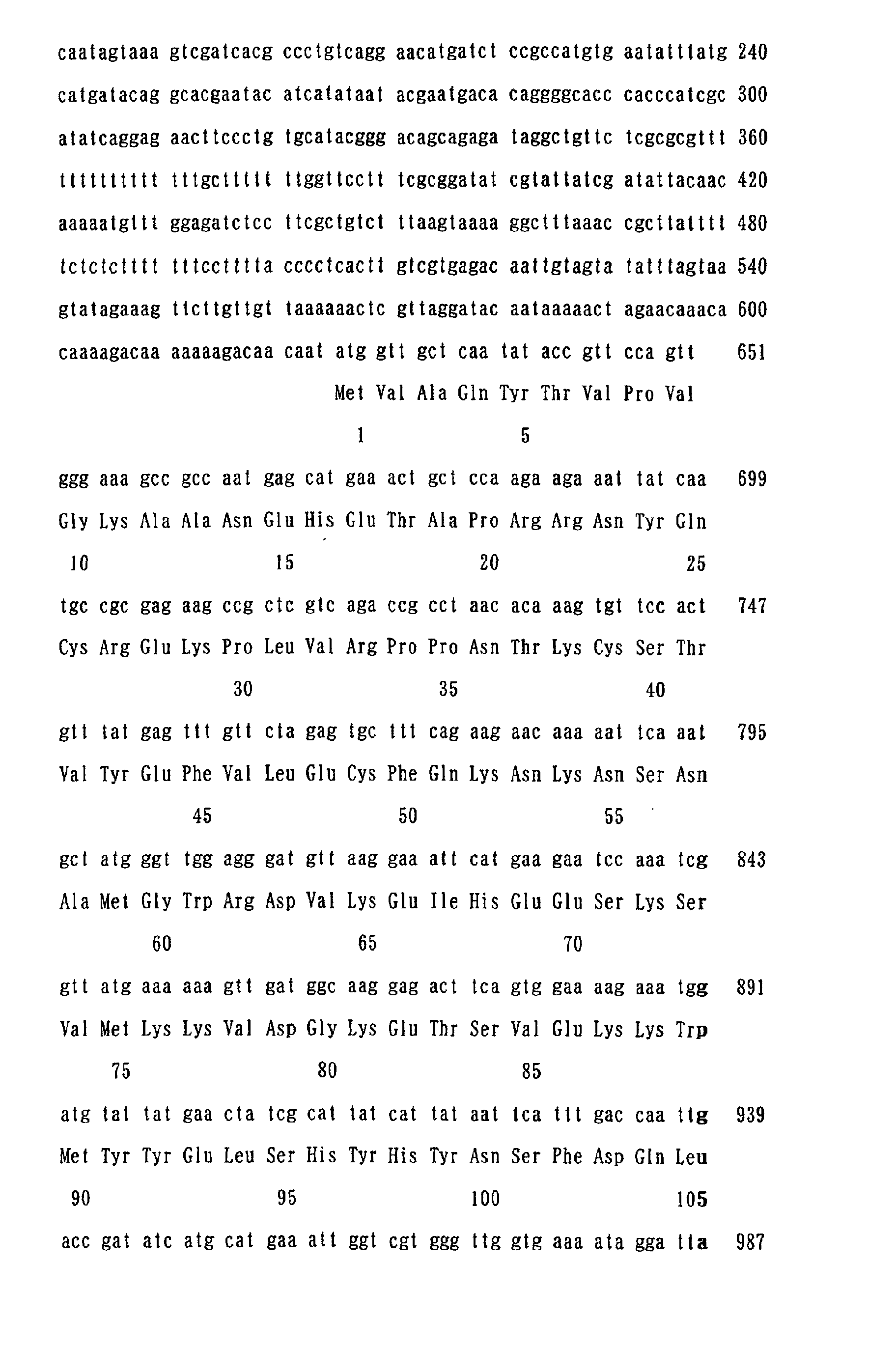
  • a DNA sequencer (Applied Biosystems, Inc., ABI373) was used. The results are shown SEQ ID NO:1.
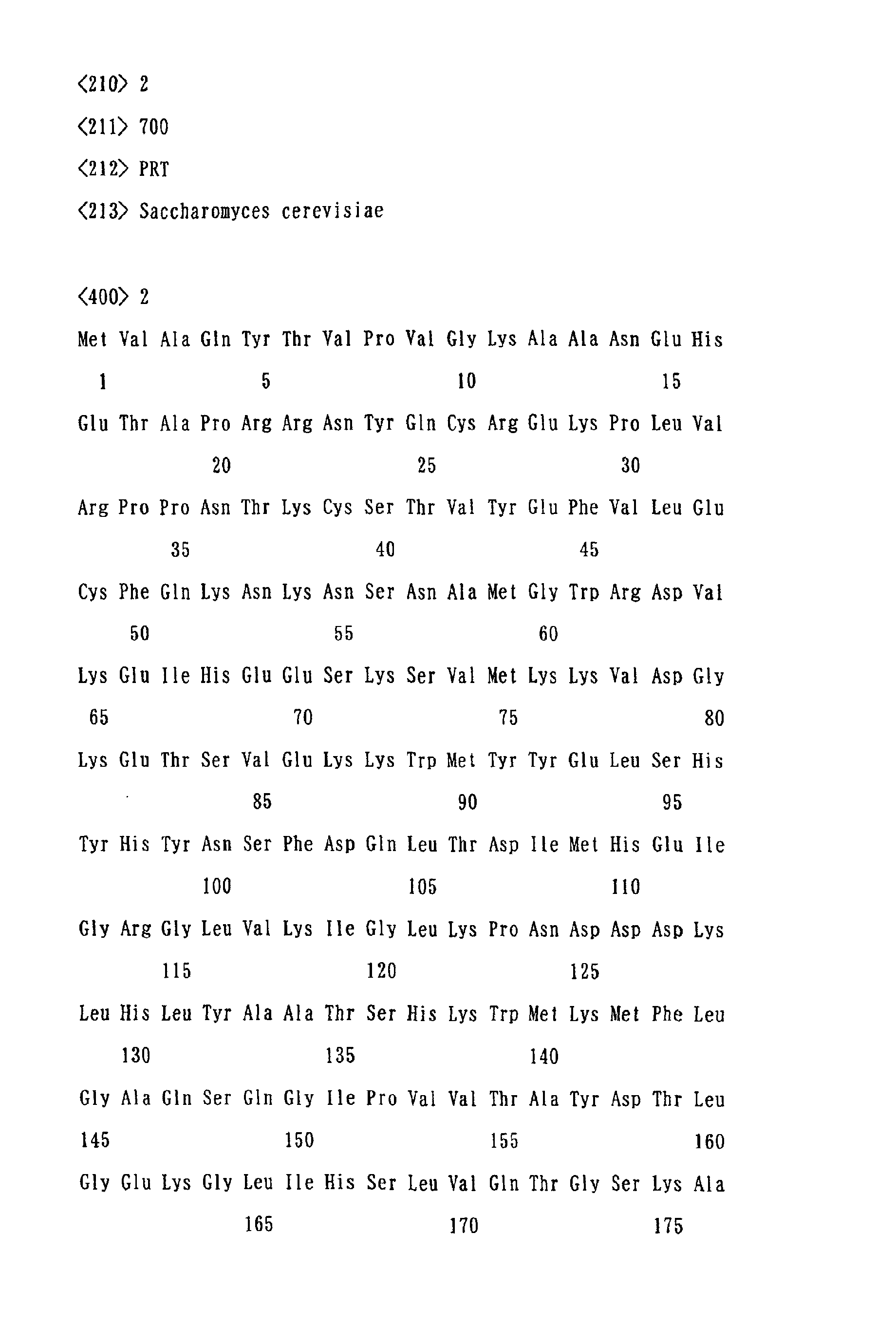
  • the base sequence shown in SEQ ID NO:1 contains an open reading frame of 2,139 bp, which was believed to encode a protein consisting of 713 amino acids (SEQ ID NO:2).
  • SEQ ID NO:2 The base sequence shown in SEQ ID NO:1 contains an open reading frame of 2,139 bp, which was believed to encode a protein consisting of 713 amino acids (SEQ ID NO:2).
  • a homologous base sequence was retrieved by the FASTA method by Lipman, et al. (Science, vol. 227, 1435-1441 (1985)).
  • the results indicate that the base sequence concerned completely coincided with the base sequence of the long-chain acyl-CoA synthetase gene (FAA1) of the yeast Saccharomyces cerevisiae .
  • the FAA1 gene is a gene that controls the secretion of lipids. Note that SHC39-2 was renamed as YEp24-FAA1.
  • YEp24-FAA1 containing the FAA1 gene was cleaved with BamHI and XbaI to cleave out an FAA1 gene fragment in which the 5'- and 3'-terminal regions were lost and both the termini were blunted by using a DNA blunting kit (Takara Shuzo Co., Ltd.).
  • plasmid vector YIp5 was cleaved with SalI and blunted and then dephosphorylated with BAP (bacterial alkaline phosphatase), followed by ligating the resultant with the above-mentioned FAA1 fragment (Fig. 2).
  • Saccharomyces cerevisiae CG378 strain was transformed with the plasmid for disrupting FAA1 gene obtained as described above and transformants were selected by using recovery of uracil source prototrophy as an index. Furthermore, a chromosome DNA was prepared from the obtained transformant and subjected to Southern hybridization to select a strain of which the FAA1 gene has been disrupted.
  • the chloroform extract of the supernatant of the FAA1 gene disrupted strain obtained as described above was analyzed by TLC in the same manner as in Example 1. As a result, free fatty acids and ergosterol were detected.
  • lipids can be efficiently produced by using yeasts. Also, breeding and selection of yeast strains suitable for the production of lipids becomes possible.
Landscapes

  • Life Sciences & Earth Sciences (AREA)
  • Chemical & Material Sciences (AREA)
  • Genetics & Genomics (AREA)
  • Organic Chemistry (AREA)
  • Engineering & Computer Science (AREA)
  • Health & Medical Sciences (AREA)
  • Zoology (AREA)
  • Wood Science & Technology (AREA)
  • Bioinformatics & Cheminformatics (AREA)
  • Biotechnology (AREA)
  • General Engineering & Computer Science (AREA)
  • Microbiology (AREA)
  • Biomedical Technology (AREA)
  • General Health & Medical Sciences (AREA)
  • Biochemistry (AREA)
  • Physics & Mathematics (AREA)
  • Biophysics (AREA)
  • Molecular Biology (AREA)
  • Plant Pathology (AREA)
  • Cell Biology (AREA)
  • Oil, Petroleum & Natural Gas (AREA)
  • Chemical Kinetics & Catalysis (AREA)
  • General Chemical & Material Sciences (AREA)
  • Micro-Organisms Or Cultivation Processes Thereof (AREA)
  • Preparation Of Compounds By Using Micro-Organisms (AREA)

Abstract

A method for producing a lipid comprising cultivating
A lipid such as a free fatty acid, ergosterol or ubiquinone is produced by cultivating a bacterium, preferably a mutant or recombinant strain of a yeast belonging to the genus Saccharomyces, in which an intracellular lipid content of the parent strain of the bacterium is not more than 0.17 g/g dry cells, and an extracellular lipid secretion of the bacterium is not less than 0.15 g/L, and accumulating the lipid in the medium.

Description

TECHNICAL FIELD
The present invention relates to a method for producing lipids and more particularly to a method for producing lipids using microorganisms secreting free fatty acids to the outside of the microorganism cells.
BACKGROUND ART
As the method for producing an oil and fat by a fermentation method using a microorganism has been known a method in which yeast belonging to the genus Saccharomyces is used. For example, a method for producing a lipid component (including triglycerides) having a high palmitoleic acid content using a Saccharomyces yeast (JP 63-287491 A) and an intracellular production of palmitoleic acid using a Saccharomyces yeast, etc. are known (JP 62-289191 A).
Since the Saccharomyces yeast accumulates an oil and fat in the microbial cells, a step of extracting an oil and fat from the microbial cells becomes necessary. This step includes separation of microbial cells from the culture broth, disruption of microbial cells, and extraction of an oil and fat with solvents, or extraction of an oil and fat from dry microbial cells by using solvents, and so on, and is complicated and inefficient.
On the other hand, as a method for producing an oil and fat outside the cells of microorganisms, a method of cultivating fungi or algae in the presence of a surfactant (JP 62-3791 A) has been known.
Also, there have been proposed a method in which a microorganism belonging to the genus Trichosporon, Saccharomycopsis, Candida or Cryptococcus is cultivated in the presence of a fatty acid alkyl ester or a fatty acid to produce an oil and fat outside the microbial cells (JP 5-91889 A); and a method of producing an oil and fat cells characterized in that a microorganism belonging to the genus Trichosporon and having an ability of producing an oil and fat outside the microbial cells by being cultivated in the presence of a carbohydrate is cultivated in a medium containing a carbohydrate to form and accumulate an oil and fat in the culture broth outside the microbial cells and the formed and accumulated oil and fat are collected from the culture broth (JP 7-236492 A). The oils and fats produced outside the microbial cells in these methods are triglycerides and no free fatty acids are secreted.
Furthermore, a method in which a long chain fatty acid is produced outside the microbial cells by using a mutant of Candida lypolytica is used (Miyagawa, et al., Agric. Biol. Chem., 48, 499 (1984)) has been known. Note that Candida lypolytica is now classified as the genus Yarrowia. The above-mentioned mutant is a strain obtained by subjecting a parent strain that is deficient in acyl-CoA synthetase and cannot decompose fatty acid through β-oxidation to mutation treatment, screening a strain showing a low cell density by Percoll density gradient centrifugation, and overlaying the selected strain on a fatty-acid requiring mutant and screening a strain that supports the growth of the mutant. The resulting strain produces fatty acid in an amount above 1 mg/1 ml under optimal conditions.
However, there exists in Saccharomyces yeasts no strain that substantially secretes free fatty acid.
DISCLOSURE OF THE INVENTION
An object of the present invention is to provide a method for producing lipids such as free fatty acids by using a microorganism, in particular Saccharomyces yeast, that secretes lipids, in particular free fatty acids.
The inventors of the present invention have made extensive studies in order to solve the above-mentioned problems and as a result, they have found that a lipid secreting yeast can be selected by fractionating a yeast cultivated in a low nitrogen source culture medium and collecting a strain separated in the high specific gravity fraction and that a yeast that is deficient in a long chain acyl-CoA synthetase, in particular Saccharomyces cerevisiae, efficiently produces free fatty acids, thereby achieving the present invention.
That is, the present invention is as follows.
  • (1) A method for producing a lipid comprising cultivating a bacterium in a liquid medium to accumulate the lipid in the medium, wherein the bacterium is a mutant or recombinant strain, an intracellular lipid content of the parent strain of the bacterium is not more than 0.17 g/g dry cells, and the extracellular lipid secretion of the bacterium is not less than 0.15 g/L.
  • (2) The method according to (1), wherein the microorganism is a yeast.
  • (3) The method according to (1) or (2), wherein the lipid is selected from the group consisting of free fatty acids, ergosterols or ubiquinones.
  • (4) The method according to any one of (1) to (3), wherein the mutant strain is a strain separated as a high specific gravity fraction by fractionating microbial cells cultivated in a medium having a carbon source content of not less than 0.8% in terms of carbon and a nitrogen source content of not more than 0.002% in terms of nitrogen, by density gradient centrifugation.
  • (5) The method according to any one of (1) to (4), wherein the mutant or recombinant is a strain deficient in a long-chain acyl-CoA synthetase.
  • (6) The method according to any one of (1) to (5), wherein the yeast belongs to the genus Saccharomyces.
  • (7) The method according to (6), wherein the yeast is Saccharomyces cerevisiae.
  • (8) The method according to any one of (1) to (7), wherein the liquid medium contains a surfactant.
  • (9) A method for producing a lipid comprising cultivating a yeast which belongs to the genus Saccharomyces and which is deficient in a long-chain acyl-CoA synthetase in a liquid medium to accumulate the lipid in the medium.
  • (10) A recombinant strain of Saccharomyces cerevisiae, whose gene encoding a long-chain acyl-CoA synthetase has been disrupted.
  • (11) A method for producing a lipid-secreting microorganism, characterized by subjecting a microorganism to mutation treatment, cultivating the microorganism in a medium having a carbon source content of not less than 0.8% in terms of carbon and a nitrogen source content of not more than 0.002% in terms of nitrogen, fractionating the obtained microbial cells by density gradient centrifugation, selecting strains separated as a high specific gravity fraction, and further selecting out of the selected strains a strain secreting a lipid to the outside of the cells.
  • Hereinafter, the present invention will be described in detail.
    The method for producing a lipid according to the present invention is characterized in that a bacterium is used, wherein the bacterium is a mutant or recombinant strain, an intracellular lipid content of the parent strain of the bacterium is not more than 0.17 g/g dry cells, and the extracellular lipid secretion of the bacterium is not less than 0.15 g/L.
    The term "lipid" in the present invention means fatty acid, sterols or ubiquinones, etc. but it does not include triglycerides. Specifically, fatty acids such as palmitic acid, palmitoleic acid, stearic acid, oleic aid, linolic acid, α-linolenic acid, γ-linolenic acid, and dihomo-γ-rinolenic acid, sterols such as ergosterol, etc. ubiquinones such as coenzyme Q6, and the like may be mentioned. Note that the lipids produced by the present invention may contain triglycerides so far as they contain the above-mentioned lipids.
    The amount of extracellular lipid secretion is measured typically in the following manner. A yeast cell is inoculated in 200 ml of a medium A described later on and cultivated at 30°C for 72 hours. After completion of the cultivation, wet cells are separated by centrifugation, and after 100 ml of sterile distilled water is added to the wet cells and mixed, centrifugation is performed again to wash the cells. The resultant cells are inoculated into 100 ml of a medium B described later on so as to become about 5 g/L as dry cells and cultivated at 30°C for 96 hours. After completion of the cultivation, the culture broth is separated into cells and supernatant by centrifugation. Then, total lipid is extracted from the supernatant by using 30 ml of chloroform. Also, it is desirable that the operation of extraction is repeated several times. Dehydration from the organic solvent layer is performed by adding 30 g of anhydrous sodium sulfate to the extracted liquid and stirring, followed by filtration through a filter. From the filtrate chloroform is removed by using an evaporator to collect extracellular lipid and the weight is measured. The lipid in the obtained extract can be analyzed by gas chromatography or liquid chromatography.
    The intracellular lipid content is measured typically in the following manner. After suspending 2 g of the cell obtained in the same manner as described above in 20 ml of distilled water, 60 ml of chloroform/methanol (1/2, vol/vol) is added and the cells are disrupted. The cell-disrupted liquid is filtered to separate an oil-containing liquid. To the filtrate are added 20 ml of chloroform and 20 ml of distilled water followed by mixing. Thereafter, from the two-layer-separated liquid was separated the lower layer (organic solvent layer) to extract the intracellular lipid. It is preferred that the cell disruption and the extraction operations as described above are repeated several times. The weight of the lipid extract thus obtained is measured.
    The mutant of the yeast used in the present invention can be obtained by subjecting a yeast to ordinary mutation treatment, for example, a chemical treatment with a mutagen such as ethyl methanesulfonate (EMS) or N-methyl-N'-nitro-N-nitrosoguanidine (NTG), or a physical treatment such as UV irradiation and selecting a mutant that comes to secrete a lipid. The mutant that secretes a lipid can be selected by cultivating the yeast subjected to the mutation treatment in a low nitrogen source medium, for example, a medium having a carbon source content of not less than 0.8% in terms of carbon atoms and a nitrogen source content of not more than 0.002% in terms of nitrogen atoms, fractionating the obtained cells by density gradient centrifugation, and selecting a strain separated as a high specific gravity fraction.
    Furthermore, a lipid-secreting strain is obtained by forming colonies of the selected candidate strain on an agar medium, overlaying an agar medium having suspended therein an oleic acid-requiring mutant, and separating a strain that grows around the oleic acid-requiring mutant strain. Note that the mutant used in the present invention may be a spontaneous mutant.
    As described above, the inventors of the present invention have found that a lipid-secreting strain can be selected by fractionating yeast cells cultivated in a specific medium by specific gravity. This is believed to be attributable to a large specific gravity since cultivation in a low nitrogen source medium as described above makes a yeast that inherently produces no excessive lipid produce excessive lipid and since it is harder for the lipid-secreting strain to accumulate a lipid such as a fatty acid in the cell than the non-secreting strain.
    As described above, a lipid-secreting yeast can be produced.
    The lipid-secreting strains specifically includes a mutant or recombinant strain that is deficient in long-chain acyl-CoA synthetase (EC 6.2.1.3). As will be described later on, cloning a gene that revert the mutation of the lipid secreting mutant obtained in Example 1 indicated that the gene has the same sequence as the known FAA1 gene.
    The yeast used in the present invention may be a recombinant of the yeast that is deficient in long-chain acyl-CoA synthetase. The recombinant deficient in long-chain acyl-CoA synthetase specifically includes a strain of which a chromosomal gene encoding the long-chain acyl-CoA synthetase (FAA1) has been disrupted (FAA1 gene-disrupted strain). The disruption of the FAA1 gene can be obtained by using a vector which is not autonomously replicable and which is to be introduced by incorporation into a chromosome, for example, YIp type vector such as YIp5, and inserting in the vector an FAA1 gene from which a portion of the sequence is deleted, and the obtained recombinant vector is transformed to a host yeast. That is, the recombinant vector is incorporated in the host cells and the deletion-type FAA1 gene and the vector DNA are inserted in the sequence of the FAA1 gene on the chromosome DNA by homologous recombination between the FAA1 gene on the chromosome DNA and the deletion-type FAA1 gene in the recombinant vector. As a result, the sequence of FAA1 on the chromosome is disrupted, so that no active long-chain acyl-CoA synthetase will be expressed. The gene-disrupted strain can be selected usually by the phenotype of a marker gene contained in the vector. Also, the fact that the FAA1 gene on the chromosome has been disrupted can be confirmed by preparing the chromosome DNA of a candidate strain, and performing PCR by using a suitable oligonucleotide primers or by performing Southern hybridization by using as a suitable oligonucleotide or an FAA1 gene fragment.
    The microorganism used in the present invention includes yeasts preferably having an intracellular lipid content in a parent strain of not more than 0.17 g/g dry cells, for example, Saccharomyces yeasts such as Saccharomyces cerevisiae and Saccharomyces carlsbergensis; Shizosacoharomyces yeasts; Schwanniomyces yeasts; Kloeckera yeasts; Candida yeasts (Candida utilis); etc. According to the present invention, as in these yeasts, lipids can be efficiently produced without using high oil and fat-producing yeasts such as Candida lypolytica and Lipomyces starkeyi.
    The techniques for preparation of chromosome DNA, PCR, Southern hybridization, etc. are well known and described in, for example, Molecular Cloning; A Laboratory Manual (Maniatis, et al., Cold spring Harbor Laboratory, Cold Spring Harbor Press (1989)), etc. Also, cultivation, transformation, etc., of yeasts are likewise well known and described in Ito, et al., (1983) J. Bacteriol., 153, 163-168, etc.
    The media for cultivating mutants or recombinants of yeast that secrete lipids are not particularly limited and various media containing a carbon source, a nitrogen source, inorganic ions, etc. may be used. Specifically, production media described later on are used.
    As the main carbon source may be mentioned sugars such as glucose, sucrose and fructose; alcohols such as ethanol and glycerol; amino acids such as glutamic acid and aspartic acid; etc. Also, as the nitrogen source may be mentioned ammonia, ammonium sulfate, ammonium acetate, ammonium nitrate, ammonium chloride, yeast extracts, meat extracts, peptone, casein hydrolysates, corn steep liquor, etc. As the inorganic ions may be mentioned potassium ion, magnesium ion, iron ion, manganese ion, sodium ion, zinc ion, copper ion, molybdenum ion, iodine ion, etc.
    It is preferred that surfactants such as polyoxyethylene (20) cetyl ether (Brij-58), and a polyglycol ether (nonionic) surfactant (for example, Tergitol NP-40) are added in an amount of 0.01 to 1.0%.
    The cultivation conditions may be set as appropriate depending on the kind of yeast to be used. For example, in the case of Saccharomyces cerevisiae, cultivation is performed under aerobic conditions at 20 to 35°C and 50 to 300 rpm for 1 to 7 days. Note that for producing lipids, it is preferable to use microbial cells in a stationary phase rather than microbial cells in a logarithmic phase. The more preferred are the microbial cells that have entered a stationary phase due to the deficiency of the nitrogen source since they use the carbon source in the medium for the synthesis of lipids so that yield of lipids to sugars is increased.
    As a preferred medium and cultivation condition, high extracellular lipid productivity is shown in a cultivation in which microbial cells cultivated in, for example, a medium obtained by changing the amount of ammonium sulfate in the low nitrogen source medium described later on to 0.05%, YPD medium or the high nitrogen source medium described later on is transferred to a low nitrogen source medium.
    For collecting the lipids from the culture broth, unnecessary substances such as microbial cells are removed from the culture broth by centrifugation, filtration or the like, and the lipids are extracted from the thus obtained supernatant with suitable solvents. As the solvents may be mentioned halogenated lower alkanes such as chloroform, methylene chloride, carbon tetrachloride, and 1,2-dichloroethane; aromatic hydrocarbons such as benzene and xylene; etc. The amount of the solvent is not particularly limited so far as it is an amount in which the lipids can be sufficiently extracted; usually it is 100 ml to 1 liter per 1 liter of the supernatant.
    The extracted lipids are used as they are or after further purification depending on the purpose. For the purification of lipids or separation of a specific lipid, ordinary lipid separation and purification methods such as TLC, liquid chromatography, etc. are only needed to be performed.
    BRIEF DESCRIPTION OF THE DRAWINGS
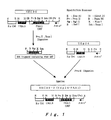
  • Fig. 1 illustrates a restriction map of SHC39 and a construction of a plasmid SHC39-2 in which the inserted fragment of SHC 39 is subcloned; and
  • Fig. 2 illustrates construction of a plasmid for disrupting FAA1 gene;
  • BEST MODE FOR CARRYING OUT THE INVENTION
    Hereinafter, the present invention will be described in more detail by way of examples.
    The compositions of the medium, etc. used in the present examples are as follows.
    (1) YPD medium
    Glucose
    2%
    Polypeptone
    2%
    Yeast extract
    1%
    (2) YPD plate medium
    Glucose
    2%
    Polypeptone
    2%
    Yeast extract
    1%
    Agar
    2%
    (3) High-nitrogen medium
    Glucose
    2%
    Yeast nitrogen base 0.17%
    (not including ammonium sulfate, amino acid) (Difco Co.)
    Ammonium sulfate 0.5%
    Casamino acids 0.5%
    Uracil 0.002%
    Tryptophan 0.005%
    (4) Low-nitrogen medium
    Glucose
    2%
    Yeast nitrogen base 0.17%
    (not including ammonium sulfate, amino acid)
    (Difco Co.)
    Ammonium sulfate 0.01%
    Leucine 0.01%
    Uracil 0.002%
    Tryptophan 0.005%
    (5) Soft agar medium(I)
    Glucose 2%
    Polypeptone
    2%
    Yeast extract
    1%
    Polyoxyethylene(20)cetyl ether(Brij-58) 0.5%
    Agar 0.75%
    (6) Soft agar medium(II)
    Glucose 2%
    Polypeptone 0.5%
    Yeast extract 0.1%
    KH2PO4 0.1%
    MgSO4 0.005%
    Polyoxyethylene(20)cetyl ether(Brij-58) 0.5%
    Agar 0.75%
    (7) Medium A
    Glucose
    2%
    Polypeptone
    2%
    Yeast extract
    1%
    Glycerol
    2%
    Tergitol NP-40 1%
    (8) Medium B
    Glucose
    3%
    Yeast nitrogen base 0.17%
    (not including ammonium sulfate, amino acid)
    (Difco Co.)
    Ammonium sulfate 0.01%
    Leucine 0.01%
    Uracil 0.002%
    Tryptophan 0.005%
    Tergitol NP-40 1%
    (9) EMS solution
    EMS (ethyl methanesulfonate) 0.3ml
    0.2M phosphoric acid buffer (pH8.0) 9.2ml
    40% glucose solution 0.5ml
    Example 1 Isolation of a fatty acid-secreting mutant of Saccharomyces cerevisiae
    Saccharomyces cerevisiae CG378 strain (obtained from American Type Culture Collection (ATCC 204664)) was cultured in 10 ml of YPD medium at 30°C and 100 rpm for 16 hours with shaking. After completion of the cultivation, the cells were collected by centrifugation (3,000 rpm, 5 minutes). The microbial cells were suspended in 5 ml of a 0.2 M phosphate buffer solution (pH 8.0) and collected by centrifugation (3,000 rpm, 5 minutes), thereby washing the microbial cells. Thereafter, the microbial cells were suspended in 10 ml of an EMS solution and gently shaken at 30°C for 30 minutes to perform a mutation treatment. To the EMS treated liquid was added 9.8 ml of a 6% sodium hyposulfite solution and the resultant was left to stand for 10 minutes to stop the mutation treatment. The above-mentioned mutation treatment targeted a survival rate of 15% as a guideline.
    The microbial cells subjected to the mutation treatment as described above were collected by centrifugation (3,000 rpm, 5 minutes) and inoculated to 50 ml of a high nitrogen source medium and shake cultured at 30°C and 100 rpm for 16 hours. After the cultivation, the microbial cells were washed by repeating the collection of cells by centrifugation (3,000 rpm, 5 minutes) and suspension in 5 ml of a 0.2 M phosphate buffer solution (pH 8.0) twice. Then, the microbial cells were inoculated in 50 ml of a low nitrogen medium and shake cultured at 30°C and at 100 rpm for 16 hours. The microbial cells were collected by centrifugation (3,000 rpm, 5 minutes) and suspended in a 2% glucose solution (cell concentration 2×10⁸ cell/ml). The suspension (0.2 ml) was overlaid on the top of a centrifugation tube in which 0.25 M sucrose solutions having dissolved therein Percoll (Pharmacia) to 100%, 90%, 80%, and 70%, respectively, were overlaid in the order cited and density gradient centrifugation was performed at 5,000×g for 5 hours. After the centrifugation, the layer of microbial cells having high specific gravity was separated. The operation described above was repeated three times.
    The high specific gravity strain obtained as described above was coated on a YPD plate medium and cultivated at 30°C for 3 days. After colony formation, UV irradiation was performed for 15 minutes by a 15 W sterilizing lamp placed at a distance of 50 cm. Then, on the plate medium was overlaid 10 ml of a suspension soft agar medium (I) containing 105 cells/ml of an oleic acid-requiring mutant (KD115 strain, available from American Type Culture Collection (Accession Number ATCC 204991)) and a mutant around which the oleic acid-requiring mutant had grown and formed a halo was separated. The mutant was named "SFS-1 strain".
    The SFS-1 strain was internationally deposited at National Institute of Bioscience and Human-Technology, Research Institute of Industrial Science and Technology, Ministry of International Trade and Industry at (1-3, Higashi 1-chome, Tsukuba-shi, Ibaraki-ken, Japan, Postal Code: 305-8566) on March 17, 2000 under and assigned Accession Number FERM BP-7096.
    Example 2 Analysis of Lipid Secreted by Mutant
    The mutant obtained in Example 1 was inoculated in 200 ml of medium A and shake cultured at 30°C and at 200 rpm for 72 hours. After completion of the cultivation, wet microbial cells were separated by centrifugation (2,400×g, 10 minutes). To the wet microbial cells was added 100 ml of sterilized distilled water, and after mixing, the resultant was again centrifuged (the same as above) to wash the microbial cells. The microbial cells were inoculated in 100 ml of medium B to be about 5 g/L as dry microbial cells and shake cultured at 30°C and at 200 rpm for 96 hours. After completion of the cultivation, the microbial cells and supernatant in the culture broth were separated by centrifugation (the same as above), and the supernatant was extracted with 30 ml of chloroform three times (in total 90 ml). The chloroform was evaporated to concentrate the extract and the extract was separated by TLC. The TLC was performed by using silica gel 70 plate (Wako) and development was performed with n-hexane:diethyl ether:acetic acid = 80:30:1. Coloring the thin layer with iodine indicated two spots. Each of the spots was recovered and analyzed by gas chromatography (for fatty acid analysis, FFAP/5% Uniport S 60/80; for sterol analysis, Silicone 0V-172 Uniport HP 60/80) which resulted in detection of fatty acids (palmitic acid, palmitoleic acid, stearic acid, and oleic acid) and ergosterol. Also, the analysis of the extract by liquid chromatography (column, ODS; mobile layer, methanol/ethanol = 65/35; flow rate, 1.0 ml/minute; detection, UV detector (275 nm)) resulted in detection of ubiquinone (coenzyme Q6). Note that the triglycerides and ergosterol esters present in the microbial cells of Saccharomyces cerevisiae was not detected.
    Comparative Example 1 Analysis of Lipid Secreted by Parent Strain
    Parent strain (CG378 strain) that was not subjected to mutation treatment was analyzed for the fatty acids in the chloroform extract of the supernatant by TLC in the same manner as in Example 2. As a result, lipids containing free fatty acids and ergosterol were not detected.
    Example 3 Quantitation of Lipids Produced by Mutant - (1) <1> Quantitation of Intracellular Lipids
    In 200 ml of medium A was inoculated the above-mentioned mutant (SFS-1 strain) and cultivated at 30°C for 72 hours. After completion of the cultivation, wet microbial cells were separated by centrifugation (2,400×g, 10 minutes). To the wet microbial cells was added 100 ml of sterilized distilled water, and after mixing, the resultant was again centrifuged (the same as above) to wash the microbial cells. The microbial cells were inoculated in 100 ml of medium B to be about 5 g/L as dry microbial cells and cultivated at 30°C and for 96 hours. After completion of the cultivation, wet microbial cells were separated by centrifugation (2,400×g, 10 minutes).
    From the wet microbial cells obtained as described above was separated exactly a 2 g portion, which was suspended in 20 ml of distilled water, and then the microbial cells were disrupted by using a homogenizer to which 60 ml of chloroform/methanol (1/2, vol/vol) and 40 ml of glass beads (diameter 0.40 to 0.50 mm) were added (4 minutes, 4,000 rpm). From the microbial cells/glass beads mixed liquid was separated an oil-containing solution by using a filter (Qualitative Filter No. 2, produced by Advantec Toyo Kaisha, Ltd.). To the separated filtrate were added 20 ml of chloroform and 20 ml of distilled water and was mixed, and then the lower layer (organic solvent layer) was separated from the two-layer-separated liquid to extract intracellular lipids. The operations of microbial cells disruption with chloroform/methanol and chloroform extraction were repeated additional two times (total 3 times) to extract total lipid from the microbial cells.
    To the organic solvent layer (containing oil) extracted as described above was added 30 g of anhydrous sodium sulfate and was stirred, and then the mixture was filtered by using a filter (the same as above) to perform dehydration from the organic solvent layer. From the filtrate intracellular lipids were obtained by removing chloroform and methanol by using an evaporator and the weight was measured.
    On the other hand, an exactly 2 g portion was likewise separated from the above-mentioned wet microbial cells and heated at 105°C for 3 hours to remove the moisture and dry microbial cell weight was measured.
    From the intracellular lipid weight and dry microbial cell weight measured in the manner described above, a lipid content per unit of dry microbial cell weight was calculated. As a result, the intracellular lipid content was 0.055 mg/g dry microbial cells and microbial cells yield (dry microbial cells) was 5.87 g/L. From these, the total lipid yield in the microbial cells was 0.32 g/L.
    <2> Quantitation of Extracellular Lipid Secretion Content
    The lipid-secreting mutant (SFS-1 strain) was inoculated in 200 ml of the medium A and cultivated at 30°C for 72 hours. The cultivation itself was the same as in <1> above. After cultivating in the medium A for 72 hours, the microbial cells were washed and cultivated in the medium B for 96 hours. After completion of the cultivation, the microbial cells and supernatant were separated by centrifugation (2,400×g, 10 minutes). After adding 30 ml of chloroform to the supernatant and stirring, the chloroform layer was separated. This chloroform extraction was repeated additional two times (thus three times in total), and extraction of total lipid from the supernatant was performed. After adding 30 g of anhydrous sodium sulfate to the extracted liquid and stirring, the mixture was filtered by using a filter (Qualitative Filter No. 2, produced by Advantec Toyo Kaisha, Ltd.), thereby performing dehydration from the organic solvent layer. From the filtrate, chloroform was removed by using an evaporator to obtain extracellular lipids and the weight was measured. As a result, the extracellular lipid production was 0.76 g/L. Also, the lipid secretion content per dry microbial cells was 0.13 g/g dry microbial cells. The above results are shown in Table 1.
    TLC analysis of the obtained intracellular and extracellular lipids performed in the same manner as in Example 2 resulted in detection of monoglycerides, diglycerides, triglycerides (major component), ergosterol, ergosterol esters and fatty acids as the intracellular lipids and ergosterol and fatty acids as extracellular lipids. From the fact that no glyceride was detected in the extracellular lipids, it is apparent that the secretion of lipids is not due to bacteriolysis.
    Comparative Example 2 Quantitation of Lipids Produced by Parent Strain - (1)
    Parent strain (CG378 strain) that was not subjected to mutation treatments was quantitated on intracellular lipid content and extracellular lipid secretion content in the same manner as in Example 3. As a result, the intracellular lipid content was 0.163 g/g dry microbial cells and microbial cells yield (dry microbial cells) was 8.16 g/L. From these, the total lipid yield in the microbial cells was 1.33 g/L. Also, the extracellular lipid production was 0.012 g/L. Also, the lipid secretion content per dry microbial cells was 0.0015 g/g dry microbial cells. The results are shown in Table 1.
    Example 4 Quantitation of Lipids Produced by Mutant - (2)
    In 300 ml of the medium A was inoculated the above-mentioned mutant (SFS-1 strain) and cultivated at 30°C for 96 hours. After completion of the cultivation, wet microbial cells were separated by centrifugation (2,400×g, 10 minutes). For a 2-g portion of the wet microbial cells, intracellular lipid content and content of extracellular lipid secretion were quantitated in the same manner as in Example 3.
    As a result, the intracellular lipid content was 0.052 g/g dry microbial cells and microbial cells yield (dry microbial cells) was 1.98 g/L. From these, the total lipid yield in the microbial cells was 0.10 g/L. Also, the extracellular lipid production was 0.175 g/L. Also, the lipid secretion content per dry microbial cells was 0.088 g/g dry microbial cells. The results are shown in Table 2.
    Comparative Example 3 Quantitation of Lipids Produced by Parent Strain - (2)
    Parent strain (CG378 strain) that was not subjected to mutation treatments was quantitated on intracellular lipid content and content of extracellular lipid secretion in the same manner as in Example 4. As a result, the intracellular lipid content was 0.062 g/g dry microbial cells and microbial cells yield (dry microbial cells) was 12.2 g/L. From these the total lipid yield in the microbial cells was 1.33 g/L. Also, the extracellular lipid production was 0.005 g/L. Also, the lipid secretion content per dry microbial cells was 0.0004 g/g dry microbial cells. The results are shown in Table 2.
    Figure 00260001
    Example 5 Identification of Gene Participating in Secretion of Lipids <1> Preparation of DNA Library
    From Saccharomyces cerevisiae X-2180-1A strain, which was a laboratory yeast that showed no lipids-secreting property, was prepared genomic DNA in accordance with the Philippsen, et al. method (Methods in Enzymology, vol. 194, p169-182 (1991)). The strain is available from American Type Culture Collection (Accession No. ATCC 26786).
    After partially decomposing the thus obtained genomic DNA with restriction enzyme Sau3AI, 5 to 10 kbp DNA fragments were fractionated by a sucrose density gradient ultracentrifugation method and ligated to yeast-Escherichia coli shuttle vector YEp24 cleaved with BamHI (Lundblad et al., Current Protocols in Molecular Biology, Vol. 2, unit 13.4 (1989)) to obtain a recombinant vector. Escherichia coli JM109 was transformed with the recombinant vector, transformed strains having acquired ampicillin resistance were selected and recombinant DNA was recovered from the transformed strains to obtain a DNA library.
    <2> Introduction of Library into Lipid Secreting Mutant
    To the lipid-secreting mutant (SFS-1) obtained in Example 1 was introduced the above-mentioned DNA library in accordance with the lithium acetate method described in Ito, et al., J. Bacteriol., 153:163-168 (1983). Specifically, it was performed as follows.
    The mutant (SFS-1 strain) was cultivated in 50 ml of YPD medium at 30°C for 12 hours. After collecting the cells by centrifugation (2,400×g, 5 minutes), they were suspended in 50 ml of a TE buffer solution (10 mM Tris-HCl. 1 mM EDTA) and again centrifuged to make them into a pellet. The pellet was resuspended in about 1 ml of a TE buffer solution, and to a 0.5 ml portion was added 0.2 M lithium acetate, followed by gently shaking the suspension at 30°C for 1 hour. After the shaking, 10 µl of the DNA library (DNA content about 10 µg) was added to the lithium acetate/microbial cells mixed solution, which was left to stand at 30°C for 30 minutes.
    Then, polyethylene glycol 4000 was added so as to have a final concentration of about 35% (w/v) and mixed. The cell liquid was maintained at 30°C for 2.5 hours and then the cells were collected by centrifugation (2,400×g, 5 minutes). The microbial cells pellet obtained by centrifugation was suspended in 0.2 ml of a TE buffer solution (the same as above) and a 0.1 ml portion was inoculated by spreading it over a synthetic plate medium containing no uracil and cultivated at 30°C by stationary cultivation for 3 days, thereby obtaining a transformant of the mutant to which the library DNA was introduced and from which the uracil requirement was lost.
    <3> Selection of Gene Reverting Lipid Secretion Mutation
    From the transformants obtained as described above was selected a candidate strain that retains a gene that revert the lipid secretion mutation to the original by the method of overlaying a soft agar containing an oleic acid requiring strain described in Miyagawa, et al., Agric. Biol. Chem., 48(2), 499-503 (1984).
    The transformants were inoculated in a synthetic plate medium containing no uracil to have about 100 colonies/plate medium and subjected to stationary culture at 30°C for 3 days to form colonies. The plate medium was subjected to a UV treatment (UV germicidal lamp of 15 W, UV being irradiated at a distance of 30 cm for 15 minutes) to sterilize the microbes on the surface of the colonies. To the plate medium was overlaid 5 ml of soft agar medium (II) containing 105 cells of oleic acid-requiring Saccharomyces cerevisiae KD115 strain (ATCC 204991), which was cultivated at 30°C for 2 days by stationary cultivation.
    Around most of the colonies of the transformants were formed haloes by the growth of the KD115 strain but a colony with no halo formed was found. From this colony was extracted total DNA in the same manner as described above and the DNA was introduced into Escherichia coli to obtain a clone resistant to ampicillin. From this clone was recovered a plasmid, which was named SHC39. The restriction enzyme cleavage map of SHC39 is shown in Fig. 1.
    Then, to confine the essential region in the DNA fragment inserted in SHC39, an about 6 kB DNA fragment obtained by cleaving the plasmid (SHC39) with restriction enzymes PvuII and SmaI was inserted into the PvuII site of YEp24 to obtain a plasmid SHC39-2. The process is illustrated in Fig. 1.
    Introduction of SHC39-2 into a lipid-secreting mutant and study of its lipid-secreting property resulted in inhibition of the lipid-secreting property of the transformant of the mutant. This revealed that the gene reverting the lipid secretion mutation exists in the DNA fragment inserted in SHC39-2 (PvuII-SmaI).
    The base sequence of the inserted DNA in SHC39-2 was determined by a conventional dideoxy method. Prior to the dideoxy method, the inserted portion was treated with exonuclease III and mung bean nuclease to render it short-chained by the methods described in Gene, vol. 28, 351-359 (1984) and Gene, vol. 33, 103-119 (1985), respectively, to prepare various clones in which a portion of the inserted fragment was lost and which have various chain lengths. For this process, a deletion kit for kilo sequence (Takara Shuzo Co., Ltd.) was used.
    For the various types of clones thus obtained, the DNA base sequence was determined on the inserted fragments thereof by the dideoxy method (Science, vol. 214, 1205-1210 (1981)) utilizing fluorescent primer (Bio-Techniques, vol. 5, 754-765 (1987)). For the determination of base sequences, a DNA sequencer (Applied Biosystems, Inc., ABI373) was used. The results are shown SEQ ID NO:1.
    <4> Identification of Gene Reverting Lipid Secretion Mutation
    The base sequence shown in SEQ ID NO:1 contains an open reading frame of 2,139 bp, which was believed to encode a protein consisting of 713 amino acids (SEQ ID NO:2). On this base sequence, a homologous base sequence was retrieved by the FASTA method by Lipman, et al. (Science, vol. 227, 1435-1441 (1985)). The results indicate that the base sequence concerned completely coincided with the base sequence of the long-chain acyl-CoA synthetase gene (FAA1) of the yeast Saccharomyces cerevisiae.
    The above finding suggested that in Saccharomyces cerevisiae, the FAA1 gene is a gene that controls the secretion of lipids. Note that SHC39-2 was renamed as YEp24-FAA1.
    Example 6
    YEp24-FAA1 containing the FAA1 gene was cleaved with BamHI and XbaI to cleave out an FAA1 gene fragment in which the 5'- and 3'-terminal regions were lost and both the termini were blunted by using a DNA blunting kit (Takara Shuzo Co., Ltd.). On the other hand, plasmid vector YIp5 was cleaved with SalI and blunted and then dephosphorylated with BAP (bacterial alkaline phosphatase), followed by ligating the resultant with the above-mentioned FAA1 fragment (Fig. 2).
    Saccharomyces cerevisiae CG378 strain was transformed with the plasmid for disrupting FAA1 gene obtained as described above and transformants were selected by using recovery of uracil source prototrophy as an index. Furthermore, a chromosome DNA was prepared from the obtained transformant and subjected to Southern hybridization to select a strain of which the FAA1 gene has been disrupted.
    The chloroform extract of the supernatant of the FAA1 gene disrupted strain obtained as described above was analyzed by TLC in the same manner as in Example 1. As a result, free fatty acids and ergosterol were detected.
    INDUSTRIAL APPLICABILITY
    By the present invention, lipids can be efficiently produced by using yeasts. Also, breeding and selection of yeast strains suitable for the production of lipids becomes possible.
    Figure 00330001
    Figure 00340001
    Figure 00350001
    Figure 00360001
    Figure 00370001
    Figure 00380001
    Figure 00390001
    Figure 00400001
    Figure 00410001
    Figure 00420001

    Claims (11)

    1. A method for producing a lipid comprising cultivating a bacterium in a liquid medium to accumulate the lipid in the medium, wherein the bacterium is a mutant or recombinant strain, an intracellular lipid content of the parent strain of the bacterium is not more than 0.17 g/g dry cells, and the extracellular lipid secretion of the bacterium is not less than 0.15 g/L.
    2. The method according to claim 1, wherein the microorganism is a yeast.
    3. The method according to claim 1 or 2, wherein the lipid is selected from the group consisting of free fatty acids, ergosterols and ubiquinones.
    4. The method according to any one of claims 1 to 3, wherein the mutant strain is a strain separated as a high specific gravity fraction by fractionating microbial cells cultivated in a medium having a carbon source content of not less than 0.8% in terms of carbon and a nitrogen source content of not more than 0.002% in terms of nitrogen, by density gradient centrifugation.
    5. The method according to any one of claims 1 to 4, wherein the mutant or recombinant strain is a strain deficient in a long-chain acyl-CoA synthetase.
    6. The method according to any one of claims 1 to 5, wherein the yeast belongs to the genus Saccharomyces.
    7. The method according to claim 6, wherein the yeast is Saccharomyces cerevisiae.
    8. The method according to any one of claims 1 to 7, wherein the liquid medium contains a surfactant.
    9. A method for producing a lipid comprising cultivating a yeast which belongs to the genus Saccharomyces and which is deficient in a long-chain acyl-CoA synthetase in a liquid medium to accumulate the lipid in the medium.
    10. A recombinant strain of Saccharomyces cerevisiae, whose gene encoding a long-chain acyl-CoA synthetase has been disrupted.
    11. A method for producing a lipid-secreting microorganism, comprising:
      subjecting a microorganism to mutation treatment;
      cultivating the microorganism in a medium having a carbon source content of not less than 0.8% in terms of carbon and a nitrogen source content of not more than 0.002% in terms of nitrogen;
      fractionating the obtained microbial cells by density gradient centrifugation;
      selecting strains separated as a high specific gravity fraction; and
      further selecting out of the selected strains a strain secreting a lipid to the outside of the cells.
    EP00913066A 2000-03-31 2000-03-31 PRODUCTION OF LIPIDS AND MICROORGANISMS SECURING LIPIDS Withdrawn EP1273664A4 (en)

    Applications Claiming Priority (1)

    Application Number Priority Date Filing Date Title
    PCT/JP2000/002128 WO2001075136A1 (en) 2000-03-31 2000-03-31 Process for producing lipids and lipid-secreting microorganisms

    Publications (2)

    Publication Number Publication Date
    EP1273664A1 true EP1273664A1 (en) 2003-01-08
    EP1273664A4 EP1273664A4 (en) 2005-03-02

    Family

    ID=11735874

    Family Applications (1)

    Application Number Title Priority Date Filing Date
    EP00913066A Withdrawn EP1273664A4 (en) 2000-03-31 2000-03-31 PRODUCTION OF LIPIDS AND MICROORGANISMS SECURING LIPIDS

    Country Status (3)

    Country Link
    EP (1) EP1273664A4 (en)
    AU (1) AU2000234587A1 (en)
    WO (1) WO2001075136A1 (en)

    Cited By (8)

    * Cited by examiner, † Cited by third party
    Publication number Priority date Publication date Assignee Title
    WO2006074094A3 (en) * 2005-01-03 2006-10-19 Premier Res Labs Lp Method for producing probiotically derived compounds
    WO2007120423A3 (en) * 2006-03-20 2008-05-29 Microbia Prec Engineering Production of quinone derived compounds in oleaginous yeast and fungi
    WO2011157848A1 (en) * 2010-06-18 2011-12-22 Technical Unviersity Of Denmark Production of biodiesel by yeast from lignocellulose and glycerol
    US8304217B2 (en) 2003-11-26 2012-11-06 Premier Research Labs, Lp Stabilized dihydrolipoic acid and method of producing same
    WO2015001141A1 (en) * 2013-07-02 2015-01-08 Repsol, S.A. Compositions and methods for biofuel production using pseudomonas brassicacearum
    US8999683B2 (en) 2010-06-18 2015-04-07 Technical University Of Denmark Production of biodiesel by yeast from lignocellulose and glycerol
    WO2015061798A3 (en) * 2013-10-25 2015-11-05 R.F. Technology Consultants, Inc. Compositions and methods comprising yeast organisms and lipid extracts thereof
    ES2564249R1 (en) * 2013-07-02 2016-05-10 Repsol, S.A. COMPOSITIONS AND METHODS FOR THE PRODUCTION OF BIOFUELS

    Families Citing this family (2)

    * Cited by examiner, † Cited by third party
    Publication number Priority date Publication date Assignee Title
    JP7082340B2 (en) * 2018-02-28 2022-06-08 学校法人 新潟科学技術学園 A method for producing a fat-rich stock, a method for producing a fat-rich stock, a method for producing a fat using a fat-rich stock, and an extract of a fat-rich stock.
    CN112280697B (en) * 2020-11-19 2022-03-22 中国科学院青岛生物能源与过程研究所 Culture method for improving grease content of saccharomyces cerevisiae by regulating and controlling pH of fermentation culture solution and high-oil-yield saccharomyces cerevisiae

    Family Cites Families (2)

    * Cited by examiner, † Cited by third party
    Publication number Priority date Publication date Assignee Title
    JPH11318428A (en) * 1998-05-18 1999-11-24 Takara Shuzo Co Ltd Alcohol and food manufacturing methods
    CN1294265C (en) * 1999-11-12 2007-01-10 斯堪的纳维亚生物技术研究公司 Enhancing Oil Content of Genetically Modified Organisms Using a Class of Enzymes and Their Encoding Genes

    Cited By (12)

    * Cited by examiner, † Cited by third party
    Publication number Priority date Publication date Assignee Title
    US8304217B2 (en) 2003-11-26 2012-11-06 Premier Research Labs, Lp Stabilized dihydrolipoic acid and method of producing same
    US8530209B2 (en) 2003-11-26 2013-09-10 Premier Research Labs, Lp Method for producing probiotically derived compounds
    WO2006074094A3 (en) * 2005-01-03 2006-10-19 Premier Res Labs Lp Method for producing probiotically derived compounds
    WO2007120423A3 (en) * 2006-03-20 2008-05-29 Microbia Prec Engineering Production of quinone derived compounds in oleaginous yeast and fungi
    US8633009B2 (en) 2006-03-20 2014-01-21 Dsm Ip Assets B.V. Production of quinone derived compounds in oleaginous yeast and fungi
    WO2011157848A1 (en) * 2010-06-18 2011-12-22 Technical Unviersity Of Denmark Production of biodiesel by yeast from lignocellulose and glycerol
    CN103080305A (en) * 2010-06-18 2013-05-01 丹麦科技大学 Production of biodiesel by yeast from lignocellulose and glycerol
    CN103080305B (en) * 2010-06-18 2014-12-24 丹麦科技大学 Production of biodiesel by yeast from lignocellulose and glycerol
    US8999683B2 (en) 2010-06-18 2015-04-07 Technical University Of Denmark Production of biodiesel by yeast from lignocellulose and glycerol
    WO2015001141A1 (en) * 2013-07-02 2015-01-08 Repsol, S.A. Compositions and methods for biofuel production using pseudomonas brassicacearum
    ES2564249R1 (en) * 2013-07-02 2016-05-10 Repsol, S.A. COMPOSITIONS AND METHODS FOR THE PRODUCTION OF BIOFUELS
    WO2015061798A3 (en) * 2013-10-25 2015-11-05 R.F. Technology Consultants, Inc. Compositions and methods comprising yeast organisms and lipid extracts thereof

    Also Published As

    Publication number Publication date
    EP1273664A4 (en) 2005-03-02
    WO2001075136A1 (en) 2001-10-11
    AU2000234587A1 (en) 2001-10-15

    Similar Documents

    Publication Publication Date Title
    Hernawan et al. Chemical and cytological changes during the autolysis of yeasts
    Spencer et al. Non-conventional yeasts
    JP5615859B2 (en) Dicarboxylic acid production by improved Yarrowia lipolytica mutants
    US8597931B2 (en) Mutant yeast strains capable of accumulating a large quantity of lipids
    EP2494029B1 (en) Process for biodiesel production from a yeast strain
    EP0812910A1 (en) Novel lipase gene and process for the production of lipase with the use of the same
    DE69731195T2 (en) ALKALINE, LIPOLYTIC ENZYME
    EP1273664A1 (en) Process for producing lipids and lipid-secreting microorganisms
    US5093256A (en) Essentially purified, thermostable and alkalophilic lipase from bacillus sp. a30-1 atcc 53841
    KR101187081B1 (en) Method of obtaining lipid-producing fungus
    Anantayanon et al. Significance of two intracellular triacylglycerol lipases of Aspergillus oryzae in lipid mobilization: A perspective in industrial implication for microbial lipid production
    Ykema et al. Lipid production of revertants of Ufa mutants from the oleaginous yeast Apiotrichum curvatum
    WO2001075069A1 (en) Process for producing lipids and lipid-secreting microorganisms
    EP3205728B1 (en) Process for producing 7-dehydrocholesterol and vitamin d3
    Morita et al. Identification of the gene PaEMT1 for biosynthesis of mannosylerythritol lipids in the basidiomycetous yeast Pseudozyma antarctica
    Morita et al. Convenient transformation of anamorphic basidiomycetous yeasts belonging to genus Pseudozyma induced by electroporation
    US7001751B1 (en) PyrF gene and the utilization thereof
    JP7219275B2 (en) Production of macrocyclic ketones by recombinant hosts
    JP2014027908A (en) Method for producing biodiesel fuel
    Nojima et al. Isolation and characterization of triacylglycerol-secreting mutant strain from yeast, Saccharomyces cerevisiae
    JPWO2001075136A1 (en) Lipid production method and lipid-secreting microorganisms
    Rincón et al. Differential protein profiles of the lipolytic yeast candida palmioleophila under different growth conditions
    JP7157617B2 (en) Lipid manufacturing method
    Veenhuis et al. An electron microscopical study of the development of peroxisomes during formation and germination of ascospores in the methylotrophic yeast Hansenula polymorpha
    Chen et al. Enhancement of lipase production from hydrocarbons by mutation of Trichosporon fermentans

    Legal Events

    Date Code Title Description
    PUAI Public reference made under article 153(3) epc to a published international application that has entered the european phase

    Free format text: ORIGINAL CODE: 0009012

    17P Request for examination filed

    Effective date: 20021011

    AK Designated contracting states

    Kind code of ref document: A1

    Designated state(s): AT BE CH CY DE DK ES FI FR GB GR IE IT LI LU MC NL PT SE

    AX Request for extension of the european patent

    Free format text: AL;LT;LV;MK;RO;SI

    RBV Designated contracting states (corrected)

    Designated state(s): AT BE CH CY DE FR GB IT LI

    A4 Supplementary search report drawn up and despatched

    Effective date: 20050114

    RIC1 Information provided on ipc code assigned before grant

    Ipc: 7C 12P 7/64 A

    Ipc: 7C 12N 1/19 B

    Ipc: 7C 12R 1/865 B

    Ipc: 7C 12N 15/01 B

    Ipc: 7C 12N 15/53 B

    RAP1 Party data changed (applicant data changed or rights of an application transferred)

    Owner name: IDEMITSU KOSAN CO., LTD.

    17Q First examination report despatched

    Effective date: 20071227

    STAA Information on the status of an ep patent application or granted ep patent

    Free format text: STATUS: THE APPLICATION IS DEEMED TO BE WITHDRAWN

    18D Application deemed to be withdrawn

    Effective date: 20080708