EP1263961B1 - Starch branching enzyme - Google Patents
Starch branching enzyme Download PDFInfo
- Publication number
- EP1263961B1 EP1263961B1 EP01907236.2A EP01907236A EP1263961B1 EP 1263961 B1 EP1263961 B1 EP 1263961B1 EP 01907236 A EP01907236 A EP 01907236A EP 1263961 B1 EP1263961 B1 EP 1263961B1
- Authority
- EP
- European Patent Office
- Prior art keywords
- wheat
- gene
- beiib
- sbe
- sequence
- Prior art date
- Legal status (The legal status is an assumption and is not a legal conclusion. Google has not performed a legal analysis and makes no representation as to the accuracy of the status listed.)
- Expired - Lifetime
Links
Images












Classifications
-
- C—CHEMISTRY; METALLURGY
- C12—BIOCHEMISTRY; BEER; SPIRITS; WINE; VINEGAR; MICROBIOLOGY; ENZYMOLOGY; MUTATION OR GENETIC ENGINEERING
- C12N—MICROORGANISMS OR ENZYMES; COMPOSITIONS THEREOF; PROPAGATING, PRESERVING, OR MAINTAINING MICROORGANISMS; MUTATION OR GENETIC ENGINEERING; CULTURE MEDIA
- C12N9/00—Enzymes; Proenzymes; Compositions thereof; Processes for preparing, activating, inhibiting, separating or purifying enzymes
- C12N9/10—Transferases (2.)
- C12N9/1048—Glycosyltransferases (2.4)
- C12N9/1051—Hexosyltransferases (2.4.1)
- C12N9/107—1,4-Alpha-glucan branching enzyme (2.4.1.18)
-
- C—CHEMISTRY; METALLURGY
- C12—BIOCHEMISTRY; BEER; SPIRITS; WINE; VINEGAR; MICROBIOLOGY; ENZYMOLOGY; MUTATION OR GENETIC ENGINEERING
- C12N—MICROORGANISMS OR ENZYMES; COMPOSITIONS THEREOF; PROPAGATING, PRESERVING, OR MAINTAINING MICROORGANISMS; MUTATION OR GENETIC ENGINEERING; CULTURE MEDIA
- C12N15/00—Mutation or genetic engineering; DNA or RNA concerning genetic engineering, vectors, e.g. plasmids, or their isolation, preparation or purification; Use of hosts therefor
- C12N15/09—Recombinant DNA-technology
- C12N15/63—Introduction of foreign genetic material using vectors; Vectors; Use of hosts therefor; Regulation of expression
- C12N15/79—Vectors or expression systems specially adapted for eukaryotic hosts
- C12N15/82—Vectors or expression systems specially adapted for eukaryotic hosts for plant cells, e.g. plant artificial chromosomes (PACs)
- C12N15/8241—Phenotypically and genetically modified plants via recombinant DNA technology
- C12N15/8242—Phenotypically and genetically modified plants via recombinant DNA technology with non-agronomic quality (output) traits, e.g. for industrial processing; Value added, non-agronomic traits
- C12N15/8243—Phenotypically and genetically modified plants via recombinant DNA technology with non-agronomic quality (output) traits, e.g. for industrial processing; Value added, non-agronomic traits involving biosynthetic or metabolic pathways, i.e. metabolic engineering, e.g. nicotine, caffeine
- C12N15/8245—Phenotypically and genetically modified plants via recombinant DNA technology with non-agronomic quality (output) traits, e.g. for industrial processing; Value added, non-agronomic traits involving biosynthetic or metabolic pathways, i.e. metabolic engineering, e.g. nicotine, caffeine involving modified carbohydrate or sugar alcohol metabolism, e.g. starch biosynthesis
Definitions
- This invention relates to wheat containing null alleles of wheat starch branching enzyme IIb.
- the wheat plants produce grain and flour with novel properties for food and industrial applications, for example wheat grain containing high amylose or low amylopectin starch.
- BEI starch branching enzymes
- BEIIa starch branching enzymes
- BEIIb starch branching enzymes
- barley two types of genes have been reported, and shown to be differentially expressed (Sun et al ., 1998).
- An additional class of branching enzyme (50 / 51 kD) from barley has also been described (Sun et al., 1996).
- du 1 mutation in maize is known to reduce the expression of both BEIIa and starch synthase III.
- the du1 mutation is now known to be due to mutation of the structural gene for starch synthase III (Gao 1998, Cao 1999).
- BEIIb a second BEII gene from wheat, which we have designated the BEIIb gene, and discuss the uses to which this gene sequence can be applied.
- BEIIb the expression level of the various branching enzymes is very different to that in maize and barley.
- BEIIb in wheat is expressed at low levels in the soluble fraction of the wheat endosperm, and is predominantly found within the starch granule. This indicates that there are important differences in the regulation of gene expression in wheat compared to other cereals, suggesting that the manipulation of the amylose to amylopectin ratio in wheat will involve the manipulation of more than just the BEIIb gene.
- BEIIa and BEIIb gene structures are highly conserved with respect to exon size and position, allowing us to prepare DNA-based diagnostics which can distinguish not only the BEIIa and BEIIb classes of genes, but also the forms of these genes encoded on the A, B, and D genomes of wheat, and which can identify the BEIIb proteins expressed by the wheat A, B and D genomes, providing an essential tool for the screening of wheat germ plasm for null alleles of wheat branching enzyme IIa.
- the invention provides a wheat plant comprising null alleles of more than one gene on a long arm of chromosome 2 encoding BEIIb, in combination with one or more null alleles of a gene encoding a protein selected from the group consisting of BEIIa, GBSS, SSII and BEI.
- the wheat plant may comprise null alleles of more than one gene encoding BEIIb and a null allele of a gene encoding BEIIa.
- the wheat plant may comprise a gene encoding BEIIa expressed in either the sense or anti-sense orientation.
- the more than one gene encoding BEIIb may include a gene which corresponds to a cDNA having a nucleotide sequence as set forth in SEQ ID NO:4 or SEQ ID NO:6.
- the invention also provides a wheat grain comprising null alleles of more than one gene on a long arm of chromosome 2 encoding BEIIb, in combination with one or more null alleles of a gene encoding a protein selected from the group consisting of BEIIa, GBSS, SSII and BEI, wherein the grain is whole grain or part grain.
- the wheat grain may comprise null alleles of more than one gene encoding BEIIb and a null allele of a gene encoding BEIIa.
- the more than one gene encoding BEIIb may include a gene which corresponds to a cDNA having a nucleotide sequence as set forth in SEQ ID NO:4 or SEQ ID NO:6.
- the invention also provides wheat flour, comprising null alleles of more than one gene on a long arm of chromosome 2 encoding BEIIb, in combination with one or more null alleles of a gene encoding a protein selected from the group consisting of BEIIa, GBSS, SSII and BEI.
- the wheat flour may comprise null alleles of more than one gene encoding BEIIb and a null allele of a gene encoding BEIIa.
- the more than one gene encoding BEIIb may include a gene which corresponds to a cDNA having a nucleotide sequence as set forth in SEQ ID NO:4 or SEQ ID NO:6.
- the invention also provides a method of identifying a wheat plant according to the invention, the method comprising the use of gene-specific amplification primers to screen a population of wheat plants to identify a wheat plant having null alleles of more than one gene on a long arm of chromosome 2 encoding BEIIb and one or more null alleles of a gene encoding a protein selected from BEIIa, GBSS, SSII and BEI.
- the nucleic acid molecule encoding wheat starch branching enzyme IIb has the sequence depicted in Figure 8 (SEQ ID NO:5), Figure 9 (SEQ ID NO:6), or SEQ ID NO: 10. It may also encompass nucleic acid molecules capable of hybridising to these sequences under at least low stringency hybridization conditions, or a nucleic acid molecule with at least 70% sequence identity to at least one of these sequences. Methods for assessing ability to hybridize and % sequence identity are well known in the art. Even more preferably the nucleic acid molecule is capable of hybridizing thereto under high stringency conditions, or has at least 80%, most preferably at least 90% sequence identity. A nucleic acid molecule having at least 70%, preferably at least 90%, more preferably at least 95% sequence identity to one or more of these sequence is preferred.
- the invention may make use of a genetic construct comprising a nucleic acid sequence encoding wheat BEIIb, a biologically-active fragment thereof, or a fragment thereof encoding a biologically-active fragment of wheat BEIIb operably linked to one or more nucleic acid sequences which are capable of facilitating expression of BEIIb in a wheat plant.
- the construct may be a plasmid or a vector, preferably one suitable for use in transformation of a plant.
- a suitable vector is a bacterium of the genus Agrobacterium, preferably Agrobacterium tumefaciens. Methods of transforming cereal plants using Agrobacterium tumefaciens are known: see for example Australian Patent No. 667939 by Japan Tobacco Inc.; Australian Patent No. 687863 by Japan Tobacco Inc.; International Patent Application No. PCT/US97/10621 by Monsanto Company; and Tingay et al (1997).
- the invention may make use of a genetic construct for targeting of a desired gene to endosperm of a wheat plant, and/or for modulating the time of expression of a desired gene in endosperm of a wheat plant, comprising a BEIIb promoter, operatively linked to a nucleic acid sequence encoding a desired protein, and optionally also operatively linked to one ormore additional targeting sequences and/or one or more 3' untranslated sequences.
- the nucleic acid encoding the desired protein may be in either the sense orientation or in the anti-sense orientation. Alternatively it may be a duplex construct, comprising a portion of the nucleic acid sequence encoding the desired protein in both the sense and anti-sense orientations, operably linked by a spacer sequence. It is contemplated that any desired protein which is encoded by a gene which is capable of being expressed in the endosperm of a wheat plant is suitable for use in the invention.
- the desired protein is an enzyme of the starch biosynthetic pathway.
- the antisense sequences of GBSS, starch debranching enzyme, SBE II, low molecular weight glutenin, or grain softness protein I may be used.
- Preferred sequences for use in sense orientation include those of bacterial isoamylase, bacterial glycogen synthase, or wheat high molecular weight glutenin Bx17.
- a wheat BEIIb polypeptide may comprise an amino acid sequence encoded by a nucleic acid molecule defined above or may be a polypeptide having at least 70%, more preferably 80%, even more preferably 90% amino acid sequence identity thereto, and having the biological activity of BEIIb.
- the polypeptide may be designed on the basis of amino acid sequences deduced from the nucleic acid sequences or may be generated by expression of the wheat BEIIb nucleic acid molecule in a heterologous system. Suitable heterologous systems are very well known in the art, and the skilled person will readily be able to select a system suitable for the particular purpose desired.
- the invention may make use of an antibody directed against wheat BEII polypeptide.
- the antibody may be polyclonal or monoclonal, and also encompasses biologically-active antibody fragments, such as Fab, (Fab) 2 , and ScFv. Methods for production of antibodies and fragments thereof are very well known in the art.
- the antibodies may be used for identification and separation of wheat BEIIb proteins, for example by affinity electrophoresis. This greatly facilitates the identification and combination of altered forms of BEIIb via analysis of germplasm, and greatly assists plant breeding.
- the antibodies are suitable for use in any affinity-based separation system, preferably using methods which overcome interference by amylases. Suitable methods are known in the art.
- the invention may make use of a wheat plant cell transformed by a genetic construct described above, or a wheat plant derived from such a cell. Additionally, a transformed wheat plant cell may also comprise one or more null alleles for a gene selected from the group consisting of GBSS, BEIIa and SSII.
- anti-sense sequences can be used to suppress expression of the protein to which the anti-sense sequence is complementary.
- Other methods of suppressing expression of genes are known in the art, for example co-suppression, RNA duplex formation, or homologous recombination. It would be evident to the person skilled in the art that sense and anti-sense sequences may be chosen depending on the host plant, so as to effect a variety of different modifications of the characteristics of the starch produced by the plant.
- the branching of the amylopectin component of starch is modified by this procedure. More preferably a plant with high amylose content is produced.
- nucleic acid molecule may be a genomic DNA or a cDNA, and may comprise the full-length coding sequence or a fragment thereof.
- Any suitable method for Identification of BEIIb sequences may be used, including but not limited to PCR, rolling circle amplification, RFLP, and AFLP. Such methods are well known in the art, and any suitable technique may be used.
- the invention provides a wheat plant comprising one or more BEIIb null alleles, in combination with one or more other null alleles selected from the group consisting of BEIIa, GBSS, SSII and BEI.
- the wheat plant may also comprise a BEIIa or BEIIb gene expressed in either the sense or the anti-sense orientation.
- the null alleles for BEIIb, GBSS SSII and BEI may be identified using methods described in PCT/AU98/00743 ( WO 99/14314 ).
- the invention also emcompasses products produces from wheat plants according to the invention, including but not limited to whole grain, part grain, flour or starch.
- Aegilops tauschii formerly known as Triticum Wilmingtonii
- wheat as discussed in WO 99/14314 , results obtained with A. leyii can be directly applied to wheat with little if any modification. Such modification as may be required represents routine trail and error experimentation. Sequences from these genes can be used as probes to identify null or altered alleles in wheat, which can then be used in plant breeding programes to provide modifications of starch characteristics.
- the BEIIb sequences can be used in genetic engineering strategies or to introduce a desired gene into a host wheat plant, or to provide anti-sense sequences for suppression of expression of the BEIIb gene in a host plant, in order to modify the characteristics of starch produced by the wheat plant.
- Aegilops tauschii, CPI 110799 was used for the construction of the genomic library. Previously this accession has been shown to be most like the ancestral D genome donor of wheat, on the basis of the conservation of order of genetic markers (Lagudah et al. 1991). The Triticum aestivum cultivars Rosella, Wyuna and Chinese Spring were used for the construction of different cDNA libraries.
- a genomic library constructed from A. Wilmingtonii was screened by DNA hybridisation with SBE9, and four positive clones were purified. These were designated F1 to F4. The sequence from positions 537 to 890 of SBE9 was amplified by PCR, and used to screen the A . tauschii library again. Clones isolated from this screening are referred to as G1 and G2 and H1 to H8
- F2 branching enzyme gene
- a probe generated from F2, designated F2.2 contained sequences from 2704 to 4456 bp of SEQ ID NO:2, and contained exons 4-9, introns 4-8, and parts of intron 3 and 9.
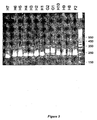
- Hybridisation of A. tauschii DNA (cut with four different restriction enzymes) with F2.2 revealed only one strongly hybridising band and several very faint bands ( Figure 3 , panel B), consistent with the presence of a single BEII type gene in the A. tauschii genome.
- SBE9 The cDNA clone, SBE9 (SEQ ID NO:1) has >95% identity to the exon regions of the F2 branching enzyme gene. A region of SBE9 from nucleotides 537 to 890, including exons 5 to 9, was used as a hybridisation probe, and gave a much more complex pattern ( Figure 3 , panel A), strongly indicating that there is more than one BEII gene type in the A. tauschii genome.
- PCR primers sr913F (5' ATC ACT TAC CGA GAA TGG G 3', SEQ ID NO:3) and WBE2E6R (5' CTG CAT TTG GAT TTC AAT TG 3', SEQ ID NO:4) were designed to anneal to Exon 5 and Exon 6 respectively of the wheat F2 gene in order to amplify the intron region (Intron 5) between these exons.
- Analysis of the products of PCR reactions using these primers shows that the primers amplify fragments of 228 bp from the A-genome of wheat, 226 bp from the D genome and 217 bp from the B genome.
- PCR analysis using PCR primers sr913F (5' ATC ACT TAC CGA GAA TGG G 3') and WBE2E6R (5' CTG CAT TTG GAT TTC AAT TG 3') showed that the H1 to H10 lambda clones yielded an approximately 200 bp fragment, and the G1 and G2 clones yielded an approximately 260 bp fragment ( Figure 5 ).
- Partial sequencing of G1 and G2 showed that the parts of the sequence analysed had 80% identity with the exons 4 and 5 of wSBE II-DA1, but the intervening intron contained a sequence that showed no homology to any sequence contained within F2.
- FIG. 6 shows an alignment of a region corresponding to the 537 to 890 bp region of the SBE9 clone from the cDNAs for barley BEIIb (Sun et al., 1995, Sun et al., 1998), SBE9, wheat BEIIb cDNA with the sequence from clone G1.
- G1 and G2 therefore contain a gene which is distinct from F2, and which has high homology to barley BEIIb. We have designated this gene wSBE II-DB1.
- Example 4 Isolation of a wheat BEIIb cDNA and an additional genomic fragment
- a barley cDNA library was constructed using 5 ⁇ g of polyA + mRNA (1.67 ⁇ g of polyA + mRNA from 10, 12 and 15 DPA endosperm tissues were pooled).
- cDNA was synthesised using the cDNA synthesis system marketed by Life Technology, except that the NotI-(dT) 18 primer (Pharmacia Biotech) was used to synthesise the first strand of cDNA.
- Pfu polymerase was added to the reaction after second strand synthesis to flush the ends of cDNAs.
- SalI-XhoI adapter (Stratagene) was then added to the cDNAs.
- cDNAs were ligated to SalI-NotI arms of ⁇ ZipLox (Life Technology) after digestion of cDNAs with NotI followed by size fractionation (SizeSep 400 spun Column of Pharmacia Biotech). The entire ligation reaction (5 ⁇ l) was packaged using Gigapack III Gold packaging extract (Stratagene). The titre of the library was tested by transfecting either the Y1090(ZL) or the LE392 strain of E.coli.
- This cDNA was designed wBEIIb, and its sequence is shown in Figure 9 (SEQ ID NO:6).
- This probe was also used to reprobe the genomic library from A. Wilmingtonii referred to above, and a clone, designated G5, was recovered from this screen.
- G5 a clone, designated G5
- FIG. 11 The relationships between branching enzyme sequences are illustrated in Figure 11 , using a dendrogram generated by the PILEUP program.
- the sequences analysed were for wheat Y11282 (Nair et al., 1997), SBE 9 ( Figure 1 ), wheat BEIIb ( Figure 9 ), barley IIa and IIb (Sun et al. 1998), maize BEI (Kim et al, 1998), maize IIa (Gao et al. 1997), maize IIb (Fisher et al.
- the branching enzyme gene contained in clone F2 was classified as a BEIIa type gene, and designated wSBE II-DA1.
- Example 6 Structure of the wSBE II-DA1 and wSBE II-DB1 genes
- Figure 12 shows a comparison of the exon/intron structures of the wheat wSBE II-DA1 and wSBE II-DB1 genes.
- the structure of the wSBE II-DB1 gene is shown from the beginning of the wheat BEIIb cDNA through to exon 5.
- Hybridisation results suggest that regions at the 3' end of the wheat BEIIb cDNA are not contained within any of the clones G1,G2 and G5. This is not surprising, as the maize SBE II b gene extends over 16.5kb and required the isolation of two genomic clones (Kim et al 1998).
- the positions of the intron/exon boundaries for the first five introns of the wheat BEIIa and BEIIb genes are conserved, as shown in Table 1.
- the sizes of the first five introns in wSBE II-DB1 vary considerably in size from the first five introns in wSBE II-DA1.
- Table 1 Exon/Intron Structures of Cereal branching Enzyme Genes Exons Introns Wheat wSBE II-DA1 Maize BEIIb Wheat WSBE II-DB1 Barley BEIIb Wheat wSBE II-DA1 Maize BEIIb Wheat WSBE II-DB1 Barley BEIIb 1 123 a 112 a 198 a 121 a 1 327 106 148 105 2 98 146 146 152 2 276 244 663 2064 3 242 155 230 230 3 401 1086 465 388 4 99 99 99 99 99 99 99 99 4 169 76 74 74 5 43 43 43 43 b 5 152 196 181 6 60 60 60 6 335 499 442 7 81 81 81 7 83 81 79 8 117 117 8 288 567 178
- Example 7 Expression analysis at the mRNA level
- RNA from endosperm at different developmental stages was obtained from wheat grown in the glasshouse as described in Li et al. (1999). RNA was extracted by the method of Higgins et al. (1976), separated on denaturing formamide gels and blotted onto Hybond N+ paper, essentially as described in Maniatis et al. (1992).
- Probes were prepared from the extreme 3' ends of SBE9 (bases 2450 to 2640 of SEQ ID NO:1) and wBEIIb cDNA (bases 2700 to 2890 of SEQ ID NO:6) by PCR using the following scheme: 94°C, 2min, 1 cycle, 94°C, 30s, 55°C, 30s, 72°C, 30s, 36 cycles, 72°C 5min, 1cycle, 25°C, 1min, 1cycle.
- the probes were from the 3' untranslated region, and were specific for either wSBE II-DA1 or wSBE II-DB1 type sequences.
- An RNA species of about 2.9kb hybridised to each probe ( Figure 13 Panel B).
- RNA hybridising to the wSBE II-DB1 gene was present at 2.5 to 3 fold lower concentration than RNA hybridising to the wSBE II-DA1 gene.
- Example 8 Analysis of branching enzymes by affinity electrophoresis demonstrates that only BEIIa is predominant in the soluble fraction
- Figure 14 shows an immunoblot of a non-denaturing polyacrylamide gel electrophoresis experiment in which the gel matrix contained the ⁇ -limit dextrin of maize amylopectin alone ( Figure 14 , lanes 1 and 2), showing separation of three forms of branching enzyme IIa. Resolution is slightly enhanced by the addition of the ⁇ -amylase inhibitor acarbose ( Figure 14 , lanes 3,4 and 5), and substantially enhanced by the addition of ⁇ -cyclodextrin ( Figure 14 lanes 6, 7 and 8).
- a non-denaturing gel was prepared, containing a stacking gel composed of 0.125 M Tris-HCl buffer (pH 6.8), 6% acrylamide, 0.06% ammonium persulphate and 0.1% TEMED.
- the separating gel was composed of three panels.
- the basic non-denaturing gel mix contained 0.34 M Tris-HCl buffer (pH 8.8), CHAPS (0.05%), glycerol (10.3%), acrylamide (6.2%), 0.06% ammonium persulphate, 0.1% TEMED and the ⁇ -limit dextrin of maize amylopectin (0.155%).
- Panel A (lanes 1 and 2) contained only the basic non-denaturing gel reagents.
- Panel B (Lanes 3, 4 and 5) contained the basic non-denaturing gel reagents and 0.066 mM acarbose.
- Panel C (lanes 6, 7 and 8) contained the basic non-denaturing gel reagents and 0.067 mM ⁇ -cyclodextrin.
- the proteins in the separating gel were transferred to nitrocellulose membrane according to Morell et al (1997) and immunoreacted with 1:5000 dilution of 3KLH antibodies (raised against the synthetic peptide AASPGKVLVPDESDDLGC (SEQ ID NO:7) coupled to the keyhole limpet hemocyanin via the heterobifunctional reagent m-Maleimidobenzoyl-N-hydroxysuccinimide ester).
- ⁇ -limit dextrin provides a superior separation because it prevents interference with the separation by endogenous ⁇ -amylases in the wheat endosperm tissue, and the use of ⁇ -cyclodextrin in the assay further enhances the separation. Without wishing to limit the invention by any proposed mechanism, we believe that this enhancement may result from the inhibition of endogenous wheat endosperm ⁇ -amylases.
- the analysis shows that three branching enzyme II proteins are present, and that each of these proteins cross-reacts with antibodies to a synthetic oligopeptide designed from the N-terminal region of the BEIIa protein in a region that shares no homology with the wheat BEIIb protein.
- the soluble fraction of the wheat endosperm was reacted with various antibodies raised against peptides designed on the basis of the sequences of the wheat BEIIa (see Figure 12 ) or the wheat BEIIb cDNA.
- Figure 15 shows that only 3KLH, raised against the N-terminus of BEIIa, cross-reacted with proteins (marked by arrows) in the soluble fraction which show a specific shift in mobility in the presence of the ⁇ -limit dextrin of amylopectin and ⁇ -cyclodextrin.
- Gels were prepared as described in Figure 14 , except that the gel used in Panel A contained the non-denaturing gel mix without the ⁇ -limit dextrin of maize amylopectin.
- Panel B contained the non-denaturing gel mix plus ⁇ -cyclodextrin.
- An extract of developing wheat endosperm was prepared using 3 volumes of extraction buffer per g of tissue, and 140 ⁇ l of sample applied per gel. Following electrophoresis at 100 V for 16 hours at 4 oC, the proteins in the separating gel were transferred to nitrocellulose membrane according to Morell et al (1997) which was cut into 1 cm strips.
- the antibodies prepared were 3KLH (see Figure 11 ), R6 (raised in rabbit against the synthetic peptide AGGPSGEVMIGC (SEQ ID NO:8) coupled to the keyhole limpet hemocyanin via the heterobifunctional reagent m-Maleimidobenzoyl-N-hydroxysuccinimide ester); pre-immune serum from the R6 rabbit; R7 (raised in rabbit against the synthetic peptide GGTPPSIDGPVQDSDGC (SEQ ID NO:9) coupled to the keyhole limpet hemocyanin via the heterobifunctional reagent m-maleimidobenzoyl-N-hydroxysuccinimide ester) and pre-immune serum from the R7 rabbit.
- R6 raised in rabbit against the synthetic peptide AGGPSGEVMIGC (SEQ ID NO:8) coupled to the keyhole limpet hemocyanin via the heterobifunctional reagent m-Maleimidobenzoyl-N-hydroxysuccinimide
- the BEIIa protein is separated into three forms (indicated by arrows in Figure 15 , Panel B), by affinity electrophoresis in the presence of ⁇ -limit dextrin.
- affinity electrophoresis in barley (Sun et al., 1997) and maize (Bayer and Preiss 1981) both branching enzymes IIa and IIb are present in the soluble fraction.
- branching enzymes IIa and IIb are present in the soluble fraction.
- Some hexaploid lines (panel A, lane 7 and 9, Panel B lanes 2-6, lanes 8-9, lane 13) yield 2 bands, indicating either that they are null for one genome or that the products of two genomes migrate with identical mobility in the gel system.
- Example 9 Presence of two classes of proteins in the starch granule at 88 kDa and their differential antibody binding.
- the wheat starch granule contains a number of proteins that have been analysed by SDS-PAGE (Rahman et al., 1995, Denyer et al., 1995, Takaoka et al, Li et al., 1999a, Li et al, 1999b) and two-dimensional gel electrophoresis (Yamamori and Endo, 1996).
- the following bands have been identified: 60 kDa, GBSS; 75 kDa, SSI; 100 kDa, 108 kDa and 115 kDa, SSII).
- An 88 kDa band is also observed, and has been shown to be associated with branching enzyme activity (Denyer et al., 1995) and to react to antibodies to maize BEII (Rahman et al., 1995). This protein band was shown to contain at least two protein components.
- the granule proteins were isolated from 4.7g of wheat starch granules by boiling in 24 ml of SDS buffer (50 mM Tris-HCl buffer pH 6.8, 10% SDS and 6.25% 2-mercaptothanol) as described by Rahman et al., (1995). Residual granular starch was removed by centrifugation, and granule proteins were separated by applying the supernatant to a 9% SDS-PAGE gel prepared in a Biorad Model 491 Prep Cell apparatus.
- SDS buffer 50 mM Tris-HCl buffer pH 6.8, 10% SDS and 6.25% 2-mercaptothanol
- the SDS gel contained a stacking gel composed of 0.125 M Tris-HCl buffer (pH 6.8), 0.25% SDS, 6% acrylamide, 0.06% ammonium persulphate and 0.1% TEMED and a separating gel containing 0.34 M Tris-HCl buffer (pH 8.8), 0.25% SDS, acrylamide (9 %), 0.06% ammonium persulphate, and 0.1% TEMED.
- the samples were electrophoresised at 60 mAmp constant current for 16 hours, and fractions of ractions (5 ml) collected by a pump operating at 0.5 ml/min.
- Fractions were analysed by SDS-PAGE, and fractions containing an 88 kDA band precipitated by the addition of 3 volumes of acetone.
- the precipitate from each 5 ml fraction was collected by centrifugation, the sample dissolved in SDS buffer, and electrophoresed through a standard 8% SDS-PAGE gel.
- the lane was excised from the gel and renatured in 0.04 M Tris for 2 hours. To generate a two-dimensional separation, the gel was then laid across the top of a second non-denaturing PAGE gel and electrophoresed. Proteins were identified by staining with Coomassie blue (a 50:50 mixture of 2.5% Coomassie Blue R-250 and Coomassie Blue G250 solutions).
- FIG 17 Panel (A) shows that two proteins were visible after staining, and these were designated 88 kD (U) and 88 kD (L), as indicated by the arrows.
- a partial genomic sequence of the SBEIIb gene was obtained, using clone G5 described in Example 4. So far approximately 8.4kb of sequence has been obtained. This includes approximately 500bp upstream of the start codon, presumably comprising the promoter region, and exons 1 to 14 in full. This partial sequence is set out in SEQ ID NO:10. From the sequences of the corresponding maize and Arabidopsis BEII genes, we would expect the gene to contain 22 exons. A comparison between the exon/intron structures of various BEII genes and the wheat BEIIb gene is shown in Figure 18 , and the sizes of the exons in various SBEII genes are compared in Table 3. In this table "Arab" represents Arabidopsis.
- the primers ARA6F and ARA8R which amplify the exon 1-intron 1-exon 2 region of SBE IIb, could distinguish the D genome from the A and B genomes, as shown in Figure 20 . Sequence analysis of this region indicated that the genes from the A and B genomes completely lack intron 1. This is illustrated in Figure 21 .
- PCR amplification of the SBE IIb gene was carried out using the primers ARA 19F and ARA 15R, followed by restriction digestion using Rsa 1.
- the results of the PCR analysis, shown in Figure 23 indicate that these primers can distinguish between the three genomes.
- Recombinant DNA technology may be used to inhibit or abolish expression of either or both of BE IIa and BE IIb.
- Three general approaches are used, using transformation of the target plant cells with one of the following types of construct:
- the desired nucleic acid is operably linked to a promoter sequence in the construct.
- RNAs with potential to form duplexes have been widely used to modulate gene expression in plants. More recently, it has been shown that the delivery of RNAs with potential to form duplexes is a particularly efficient strategy for generating post-transcriptional gene silencing in transgenic plants (Waterhouse et al., 1998; Smith et al., 2000).
- Transformation of the target wheat cells, or cells of other plants, using these constructs is effected using methods known in the art, such as transformation with Agrobacterium tumefaciens. Once transgenic plants are obtained, they are assessed for the effects of the transgenes on BE IIa and BE IIb expression. For example, in both maize and potato it has been shown that crossing BE II mutations or BE II transgenes into BE I-deficient backgrounds greatly increases amylose content.
- Wheat BE I null lines identified using the methods described in WO99/14314 provide a ready source of BE I-deficient genetic material into which BE IIa and BE IIb transgenics can be crossed, in order to extend further the range of starches which can be produced.
- Sense, antisense and duplex constructs of SBE IIa and SBE IIb were generated in the vector pDV03000 (Biogemma Ltd, UK) which carries the high molecular weight gluten promoter (pHMWG) and the Nopaline synthase (Nos) terminator. These constructs are schematically represented in Figures 25 , 26 and 27 .
- the Biogemma vectors are based on the well-known plasmid pBR322, and comprise a number of restriction sites, as illustrated in Figures 25 and 26 , for incorporation of desired DNA sequences.
- the entire desired DNA, plus the promoter and terminator sequences referred to above, can then be excised as a Xho fragment and cloned into a suitable vector, such as Agrobacterium tumefaciens. Those skilled in the art will be aware of other suitable vectors which could be used.
- a suitable vector such as Agrobacterium tumefaciens.
- a sense construct of SB IIa was prepared by inserting a 2143bp fragment of SBE IIa coding sequence in the sense orientation at the Eco R1/ Sma 1 site of pDV03000.
- An SBE IIa antisense construct was prepared by inserting 1913bp of SBE IIa coding sequence in the antisense orientation at the Eco R1/ Bam H1 site of pDV03000. This is also illustrated in Figure 25 .
- a sense construct of SBE IIb was generated by inserting a 1008bp fragment of the SBE IIb coding sequence in the sense orientation at the Eco R1/ Sma 1 site of pDV03000.
- An antisense SBE IIb construct was prepared by inserting a 955bp sequence of the coding region for SBE IIb at the Bam H1/ Pst 1 site of pDV03000 in the antisense orientation. This is illustrated in Figure 26 .
- a schematic model of a duplex construct is set out in Figure 27 .
- the duplex construct was prepared using the following protocol, in which all the amplification steps were performed using PCR under conventional conditions.
- the SBE IIa and SBE IIb duplexes thus formed were respectively inserted at the Eco R1/ Bam HI site of pDV03000.
Landscapes
- Health & Medical Sciences (AREA)
- Life Sciences & Earth Sciences (AREA)
- Genetics & Genomics (AREA)
- Engineering & Computer Science (AREA)
- Chemical & Material Sciences (AREA)
- Organic Chemistry (AREA)
- Biotechnology (AREA)
- Molecular Biology (AREA)
- Bioinformatics & Cheminformatics (AREA)
- Wood Science & Technology (AREA)
- Zoology (AREA)
- Biomedical Technology (AREA)
- General Engineering & Computer Science (AREA)
- Nutrition Science (AREA)
- General Health & Medical Sciences (AREA)
- Biochemistry (AREA)
- Microbiology (AREA)
- Cell Biology (AREA)
- Plant Pathology (AREA)
- Biophysics (AREA)
- Physics & Mathematics (AREA)
- Medicinal Chemistry (AREA)
- Breeding Of Plants And Reproduction By Means Of Culturing (AREA)
- Measuring Or Testing Involving Enzymes Or Micro-Organisms (AREA)
- Micro-Organisms Or Cultivation Processes Thereof (AREA)
- Preparation Of Compounds By Using Micro-Organisms (AREA)
- Peptides Or Proteins (AREA)
- Cereal-Derived Products (AREA)
- Enzymes And Modification Thereof (AREA)
Description
- This invention relates to wheat containing null alleles of wheat starch branching enzyme IIb. The wheat plants produce grain and flour with novel properties for food and industrial applications, for example wheat grain containing high amylose or low amylopectin starch.
- In plants, two classes of genes encode starch branching enzymes, known respectively as BEI, and BEII. In the monocotyledonous cereals, there is strong evidence demonstrating that the BEII class contains two independent types of genes, known in maize as BEIIa and BEIIb (Gao et al., 1996; Fisher et al., 1996). In barley, two types of genes have been reported, and shown to be differentially expressed (Sun et al., 1998). An additional class of branching enzyme (50 / 51 kD) from barley has also been described (Sun et al., 1996).
- In dicotyledonous plants, loss of BEII activity through either mutation (Bhattacharyya et al., 1990) or gene suppression technologies gives rise to starches containing high amylose levels (Safford, 1998, Jobling 1999).
- In monocotyledonous plants, mutations giving rise to high amylose contents are known in maize, rice and barley. In neither rice (Mizuno et al., 1993) nor barley (Schondelmaier et al., 1992) have the known high amylose phenotypes been associated with the BEIIa or BEIIb mutations respectively. However, in maize it is firmly established that the high amylose phenotype is associated with down regulation of the BEIIb gene (Boyer et al., 1980; Boyer and Preiss, 1981, Fisher et al, 1996).
- The impact of down-regulation of BEI has been investigated through antisense inhibition in potato tuber; the down-regulation has been found to alter the properties of the starch, but not its gross structural features, such as the amylose content (Filpse et al., 1996). In wheat, antisense down-regulation of BEI activity has small but significant effects on starch structure (Baga et al, 1999). The branching enzyme I gene from maize has been cloned (Kim et al., 1998), but mutants affecting branching enzyme I activity in maize are not known.
- No mutations specifically reducing BEIIa activity have been reported, and no gene suppression experiments in plants have succeeded in reducing BEIIa activity, although the du1 mutation in maize is known to reduce the expression of both BEIIa and starch synthase III. However, the du1 mutation is now known to be due to mutation of the structural gene for starch synthase III (Gao 1998, Cao 1999).
- In our previous patent application No.
PCT/AU98/00743 WO99/14314 - In the present application we describe the isolation of a second BEII gene from wheat, which we have designated the BEIIb gene, and discuss the uses to which this gene sequence can be applied. We have surprisingly found that in wheat the expression level of the various branching enzymes is very different to that in maize and barley. In this specification we show that BEIIb in wheat is expressed at low levels in the soluble fraction of the wheat endosperm, and is predominantly found within the starch granule. This indicates that there are important differences in the regulation of gene expression in wheat compared to other cereals, suggesting that the manipulation of the amylose to amylopectin ratio in wheat will involve the manipulation of more than just the BEIIb gene.
- We have also surprisingly found that the BEIIa and BEIIb gene structures are highly conserved with respect to exon size and position, allowing us to prepare DNA-based diagnostics which can distinguish not only the BEIIa and BEIIb classes of genes, but also the forms of these genes encoded on the A, B, and D genomes of wheat, and which can identify the BEIIb proteins expressed by the wheat A, B and D genomes, providing an essential tool for the screening of wheat germ plasm for null alleles of wheat branching enzyme IIa.
- The invention provides a wheat plant comprising null alleles of more than one gene on a long arm of
chromosome 2 encoding BEIIb, in combination with one or more null alleles of a gene encoding a protein selected from the group consisting of BEIIa, GBSS, SSII and BEI. The wheat plant may comprise null alleles of more than one gene encoding BEIIb and a null allele of a gene encoding BEIIa. The wheat plant may comprise a gene encoding BEIIa expressed in either the sense or anti-sense orientation. The more than one gene encoding BEIIb may include a gene which corresponds to a cDNA having a nucleotide sequence as set forth in SEQ ID NO:4 or SEQ ID NO:6. - The invention also provides a wheat grain comprising null alleles of more than one gene on a long arm of
chromosome 2 encoding BEIIb, in combination with one or more null alleles of a gene encoding a protein selected from the group consisting of BEIIa, GBSS, SSII and BEI, wherein the grain is whole grain or part grain. The wheat grain may comprise null alleles of more than one gene encoding BEIIb and a null allele of a gene encoding BEIIa. The more than one gene encoding BEIIb may include a gene which corresponds to a cDNA having a nucleotide sequence as set forth in SEQ ID NO:4 or SEQ ID NO:6. - The invention also provides wheat flour, comprising null alleles of more than one gene on a long arm of
chromosome 2 encoding BEIIb, in combination with one or more null alleles of a gene encoding a protein selected from the group consisting of BEIIa, GBSS, SSII and BEI. The wheat flour may comprise null alleles of more than one gene encoding BEIIb and a null allele of a gene encoding BEIIa. The more than one gene encoding BEIIb may include a gene which corresponds to a cDNA having a nucleotide sequence as set forth in SEQ ID NO:4 or SEQ ID NO:6. - The invention also provides a method of identifying a wheat plant according to the invention, the method comprising the use of gene-specific amplification primers to screen a population of wheat plants to identify a wheat plant having null alleles of more than one gene on a long arm of
chromosome 2 encoding BEIIb and one or more null alleles of a gene encoding a protein selected from BEIIa, GBSS, SSII and BEI. - Preferably the nucleic acid molecule encoding wheat starch branching enzyme IIb (BEIIb) has the sequence depicted in
Figure 8 (SEQ ID NO:5),Figure 9 (SEQ ID NO:6), or SEQ ID NO: 10. It may also encompass nucleic acid molecules capable of hybridising to these sequences under at least low stringency hybridization conditions, or a nucleic acid molecule with at least 70% sequence identity to at least one of these sequences. Methods for assessing ability to hybridize and % sequence identity are well known in the art. Even more preferably the nucleic acid molecule is capable of hybridizing thereto under high stringency conditions, or has at least 80%, most preferably at least 90% sequence identity. A nucleic acid molecule having at least 70%, preferably at least 90%, more preferably at least 95% sequence identity to one or more of these sequence is preferred. - The invention may make use of a genetic construct comprising a nucleic acid sequence encoding wheat BEIIb, a biologically-active fragment thereof, or a fragment thereof encoding a biologically-active fragment of wheat BEIIb operably linked to one or more nucleic acid sequences which are capable of facilitating expression of BEIIb in a wheat plant. The construct may be a plasmid or a vector, preferably one suitable for use in transformation of a plant. Such a suitable vector is a bacterium of the genus Agrobacterium, preferably Agrobacterium tumefaciens. Methods of transforming cereal plants using Agrobacterium tumefaciens are known: see for example Australian Patent No.
667939 687863 PCT/US97/10621 - The invention may make use of a genetic construct for targeting of a desired gene to endosperm of a wheat plant, and/or for modulating the time of expression of a desired gene in endosperm of a wheat plant, comprising a BEIIb promoter, operatively linked to a nucleic acid sequence encoding a desired protein, and optionally also operatively linked to one ormore additional targeting sequences and/or one or more 3' untranslated sequences.
- The nucleic acid encoding the desired protein may be in either the sense orientation or in the anti-sense orientation. Alternatively it may be a duplex construct, comprising a portion of the nucleic acid sequence encoding the desired protein in both the sense and anti-sense orientations, operably linked by a spacer sequence. It is contemplated that any desired protein which is encoded by a gene which is capable of being expressed in the endosperm of a wheat plant is suitable for use in the invention. Preferably the desired protein is an enzyme of the starch biosynthetic pathway. For example, the antisense sequences of GBSS, starch debranching enzyme, SBE II, low molecular weight glutenin, or grain softness protein I, may be used. Preferred sequences for use in sense orientation include those of bacterial isoamylase, bacterial glycogen synthase, or wheat high molecular weight glutenin Bx17.
- A wheat BEIIb polypeptide may comprise an amino acid sequence encoded by a nucleic acid molecule defined above or may be a polypeptide having at least 70%, more preferably 80%, even more preferably 90% amino acid sequence identity thereto, and having the biological activity of BEIIb.
- The polypeptide may be designed on the basis of amino acid sequences deduced from the nucleic acid sequences or may be generated by expression of the wheat BEIIb nucleic acid molecule in a heterologous system. Suitable heterologous systems are very well known in the art, and the skilled person will readily be able to select a system suitable for the particular purpose desired.
- The invention may make use of an antibody directed against wheat BEII polypeptide. The antibody may be polyclonal or monoclonal, and also encompasses biologically-active antibody fragments, such as Fab, (Fab)2, and ScFv. Methods for production of antibodies and fragments thereof are very well known in the art.
- The antibodies may be used for identification and separation of wheat BEIIb proteins, for example by affinity electrophoresis. This greatly facilitates the identification and combination of altered forms of BEIIb via analysis of germplasm, and greatly assists plant breeding. The antibodies are suitable for use in any affinity-based separation system, preferably using methods which overcome interference by amylases. Suitable methods are known in the art.
- The invention may make use of a wheat plant cell transformed by a genetic construct described above, or a wheat plant derived from such a cell. Additionally, a transformed wheat plant cell may also comprise one or more null alleles for a gene selected from the group consisting of GBSS, BEIIa and SSII.
- It is possible to modify the characteristics of starch produced by a wheat plant by decreasing the level of expression of BEIIb in the plant, for example by introducing an anti-sense nucleic acid sequence directed to a nucleic acid molecule encoding BEIIb into a host plant.
- As is well known in the art, anti-sense sequences can be used to suppress expression of the protein to which the anti-sense sequence is complementary. Other methods of suppressing expression of genes are known in the art, for example co-suppression, RNA duplex formation, or homologous recombination. It would be evident to the person skilled in the art that sense and anti-sense sequences may be chosen depending on the host plant, so as to effect a variety of different modifications of the characteristics of the starch produced by the plant.
- Preferably the branching of the amylopectin component of starch is modified by this procedure. More preferably a plant with high amylose content is produced.
- It is possible to identify a null allele encoding an enzyme of the wheat starch biosynthetic pathway by subjecting DNA from a wheat plant suspected to possess such an allele to a DNA fingerprinting or amplification assay, which utilizes at least one DNA probe comprising one or more nucleic acid molecules. The nucleic acid molecule may be a genomic DNA or a cDNA, and may comprise the full-length coding sequence or a fragment thereof. Any suitable method for Identification of BEIIb sequences may be used, including but not limited to PCR, rolling circle amplification, RFLP, and AFLP. Such methods are well known in the art, and any suitable technique may be used.
- The invention provides a wheat plant comprising one or more BEIIb null alleles, in combination with one or more other null alleles selected from the group consisting of BEIIa, GBSS, SSII and BEI. Optionally the wheat plant may also comprise a BEIIa or BEIIb gene expressed in either the sense or the anti-sense orientation. The null alleles for BEIIb, GBSS SSII and BEI may be identified using methods described in
PCT/AU98/00743 WO 99/14314 - It will clearly be understood that the invention also emcompasses products produces from wheat plants according to the invention, including but not limited to whole grain, part grain, flour or starch.
- Because of the very close relationship between Aegilops tauschii, formerly known as Triticum tauschii, and wheat, as discussed in
WO 99/14314 - Methods for transformation of monocotyledonous plants such as wheat, maize, barley and rice and for regeneration of plants from protoplasts or immature plant embryos are well known in the art. See for example Lazzeri et al, 1991; Jahne et al, 1991 and Wan and Lemaux, 1994 for barley; Wirtzens et al, 1997; Tingay et al, 1997; Canadian Patent Application No.
2092588 by Nehra; Australian Patent Application No.61781/94 667939 - The sequences of ADP glucose pyrophosphorylase from barley (Australian Patent Application No.
65392/94 6261787 5317057 44333/96 -
-
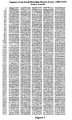
Figure 1 shows the sequence of the SBE9 branching enzyme cDNA encoding SBE IIa, cloned from a wheat cv Rosella cDNA library (SEQ ID No:1). -
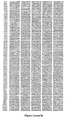
Figure 2 shows the sequence of the branching enzyme BEIIa gene (SEQ ID NO:2) contained within the F2 lambda clone isolated from an Aegilops tauschii genomic DNA library. -
Figure 3 shows the results of hybridisation of Aegilops tauschii DNA with probes derived from wSBE II-DA1 type sequences. A. Hybridisation with a probe from SBE9 consisting of exons 5-9. B. Hybridisation with fragment F2.2 (consisting of exons 4-9 and introns 4-8 and part ofintrons 3 and 9). Enzymes used for the digest were: 1. Bam HI, 2. Dra I, 3. EcoR I, 4. EcoR V. Molecular size markers are indicated. -
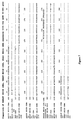
Figure 4 shows the alignment of sequences ofIntron 5 fragments from the A, B and D genomes of wheat -
Figure 5 shows the PCR analysis of A. tauschii genomic clones using Intron V sequences. -
Figure 6 shows the alignment of a 262bp PCR fragment amplified from hexaploid wheat using the primers sr913F and WBE2E6R, and a region from the wheat branching enzyme IIb gene wSBE II-DB1. -
Figure 7 shows the alignment of barley branching enzyme IIb cDNA, wheat branching enzyme IIb cDNA, and SBE9 sequences with the sequence of the wheat (A. tauschii) branching enzyme IIb gene. -
Figure 8 shows the partial genomic sequence of a branching enzyme IIb gene from A. tauschii (SEQ ID NO:5). -
Figure 9 shows the sequence of a cDNA for branching enzyme IIb gene from hexaploid wheat (SEQ ID NO:6). -
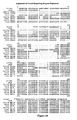
Figure 10 shows the sequence alignment of branching enzyme genes. The cDNA sequences used for this analysis were SBE9 (SEQ ID NO:1;Figure 1 ), wheat BEIIb cDNA (SEQ ID NO:6;Figure 9 ), Y11282, a wheat branching enzyme sequence (Nair et al. 1997), barley BEIIa (Sun et al. 1998), barley BEIIb (Sun et al. 1998), rice BEIII (Mizuno et al. 1993), rice BEIV (Genbank Accession No. E14723) maize BEIIa (Gao et al. 1997) and maize BEIIb (Gao et al. 1997). The observed N-terminal of wheat (Morell et al., 1997; Y11282) is shown in bold.Figure 11 shows the dendrogram of BE sequences. The sequences analysed were for wheat Y11282 (Nair et al., 1997), SBE 9 (SEQ ID NO:1; (Figure 1 ), wheat BEIIb (Figure 9 ), barley IIa and IIb ( Sun et al. 1998), maize IIa (Gao et al. 1997), maize IIb (Fisher et al. 1993), rice III (Mizuno et al. 1993), rice IV (Genbank accession E14723), potato BEI (Khoshnoodi et al. 1997), potato BE II(Cangiano et al 1993), pea BEI and BEII (Burton et al.1995), E.coli BE (Baecker et al. 1986) and bacillus (Kiel et al 1992). Note that pea BE I and pea BE II sequences correspond to maize BE II and BE I respectively because of differences in nomenclature conventions. -
Figure 12 shows the comparison of exon/intron structure for the BEIIa and BEIIb genes. (1) wheat branching enzyme IIa gene, wSBE II DA1 (2) maize amylose extender BEIIb gene (3) partial wheat branching enzyme IIb gene, wSBE II DB1 (4) partial barley branching enzyme IIb gene. -
Figure 13 shows the results of analysis of the expression of mRNA for the BEIIa and BEIIb genes in wheat. Panel (A): Hybridisation of SBE9 probe tolanes 1 to 3 and hybridisation of wheat BEIIb cDNA probe tolanes 4 to 6. Panel (B): mRNA loading for each lane.
Lanes lanes lanes -
Figure 14 shows the results of analysis of wheat endosperm branching enzyme IIa by affinity electrophoresis.
Samples:Lanes lanes lanes -
Figure 15 shows the results of non-denaturing gel electrophoresis analysis of branching enzymes in the soluble fraction of wheat endosperm.
Samples were:Lane 1, R6 pre-immune, 1:100;Lane 2, R6 pre-immune, 1:3000;Lane 3, R6, 1:100;Lane 4, R6, 1:1000;Lane 5, R6, 1:3000;Lane 6, 3KLH, 1:2000;Lane 7, 3KLH, 1:5000;Lane 8, R7 pre-immune, 1:1000;Lane 9, R7 pre-immune 1:5000;Lane 10, R7, 1:1000;Lane 11, R7, 1:3000;Lane 12, R7, 1:5000 -
Figure 16 shows the results of affinity electrophoresis separation of branching enzyme IIa forms from diverse wheat germplasm using the gel conditions described inFigure 11 (Panel C).Panel A. Lane 1, Durati, T. durum;Lane 2 A. tauschii, Accession No. 24242;Lane 3, A. tauschii, Accession No. 24095;Lane 4, A. tauschii, Accession No. 24092;Lane 5, Hartog, Triticum. aestivum;Lane 6, Rosella, T. aestivum;Lane 7, Corrigin, T. aestivum;Lane 8, Bodallin, T. aestivum;Lane 9, Beulah, T. aestivum;Lane 10 Bindawarra, T. aestivum;Lane 11, Barley (Hordeum vulgare). Panel B. Lane 1: Afghanistan 006, Triticum durum;Lane 2,Persia 20, T. aestivum;Lane 3,Afghanistan 8, T. aestivum;Lane 4,Kashmir 4, T. aestivum;Lane 5, Gandum Sockhak, T. aestivum;Lane 6, Warbler, T. aestivum;Lane 7, Bayles, T. aestivum;Lane 8, Kometa;Lane 9,Kashmir 14, T. aestivum;Lane 10, Rosella, T. aestivum;Lane 11,Kashmir 8, T. aestivum;Lane 12,Beijing 10, T. aestivum;Lane 13, Savannah, T. aestivum;Lane 14, Afghanistan 55-623, T. aestivum;Lane 15, Karizik, T. aestivum;Lane 16, Indore E98, T. durum;Lane 17,Iraq 17, T. durum;Lane 18, Seri 82, T. aestivum;Lane 19,Indore 19, T. aestivum. -
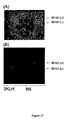
Figure 17 shows the results of two-dimensional separation of the components of thewheat starch granule 88 kD band. Thewheat starch granule 88 kDa band was electrophoresed in the first dimension through an SDS-PAGE gel. Lanes were excised, renatured, and placed on top of a non-denaturing PAGE gel and electrophoresed ina second dimension. Two lanes were placed on top of each non-denaturing PAGE gel. (A) protein staining with Coomassie blue reagent (B) Immunoblotting of gels with either 3KLH or R6 antibodies, as indicated on the figure. -
Figure 18 is a diagrammatic representation of the BEII genes from various species, showing the exon/intron structure. The dark rectangles represent exons. -
Figure 19 shows the results of PCR amplification of SBE IIb gene from CS nullisomic lines, using the primers ARA 12F and ARA 10R. -
Figure 20 shows the results of PCR amplification of SBE IIb gene, using the primers ARA 6F and ARA 8R from Tri ticum spp. Lanes: 1) T. monococcum, 2) T. durum, 3) T. urartu, 4) T. tauschii, 5) CSDT2DS, 6) CSDT2BL-9, 7) CSDT2AS and 8) CS. -
Figure 21 shows the alignment of the exon 1 - intron 1 -exon 2 region of the SBE IIb gene from the A, B and D genomes. * indicates that the sequence could not be specifically assigned to the A or B genome. -
Figure 22 shows the alignment of the BEIIb sequences from each genome. -
Figure 23 shows the results of PCR amplification of the SBE IIb gene was carried out using the primers ARA 19F and ARA 15R, followed by restriction digestion using Rsa1. Lanes 1) CS, 2) T. monococcum, 3) T. tauschii, 4)CSDT2BL-9, which is missing part of the long arm of chromosome 2B, and 6) CSDT2AS, which is missing the long of chromosome 2A. -
Figure 24 shows the results of PCR amplification ofintron 3 region of SBE IIb from wheat lines, using the primers ARA 19F and ARA 23R followed byRsa 1 digestion.Lane 12 is the null mutant for the D genome -
Figure 25 is a schematic representation showing the development of the SBE IIa construct. A) Biogemma vector, pDV03000; B) pBluescript carrying the full length cDNA of SBE IIa; C) SBE IIa construct in pDV03000; D) Sense IIa construct and E) Antisense IIa construct. -
Figure 26 is a schematic representation of the development of the SBE IIb construct. A) Biogemma vector, pDV03000; B) pGEM-T carrying a 1046bp fragment of SBE IIb; C) SBE IIb construct in pDV03000; D) Sense IIb construct and E) Antisense IIb construct. -
Figure 27 is a schematic representation of a SBE II duplex construct. A) SBE sequence inserted in between the promoter and the terminator in its linear form; B) Duplex formation of mRNA within the transgenic plant. - Aegilops tauschii, CPI 110799, was used for the construction of the genomic library. Previously this accession has been shown to be most like the ancestral D genome donor of wheat, on the basis of the conservation of order of genetic markers (Lagudah et al. 1991). The Triticum aestivum cultivars Rosella, Wyuna and Chinese Spring were used for the construction of different cDNA libraries.
- The construction of the cDNA and genomic libraries used in this example was as described in Rahman et al., (1997,1999) and in Li et al. (1999). Conditions for library screening were hybridisation at 25% formamide, 5XSSC, 0.1% SDS, 10X Denhardts, 100µg/ml salmon sperm DNA at 42°C for 16h, followed by washing at 2XSSC, 0.1%SDS at 65°C for 3X1h.
- Screening of a wheat cv Rosella cDNA library prepared from endosperm (mid-stage of development) with the maize SBE I clone (Baba et al., 1991) at low hybridisation stringency led to the isolation of two classes of positive plaques. One class hybridised strongly to the probe, and encoded wheat SBE I (Rahman et al., 1997,1999). The second class was weakly hybridising. The clone with the longest insert from this second class was called
SBE 9, and its sequence showed greater identity to SBE II than to SBE I type sequences. This was designated SBE IIa. The sequence of SBE 9 (SEQ ID NO:1) is set out inFigure 1 . - A genomic library constructed from A. tauschii was screened by DNA hybridisation with SBE9, and four positive clones were purified. These were designated F1 to F4. The sequence from
positions 537 to 890 of SBE9 was amplified by PCR, and used to screen the A. tauschii library again. Clones isolated from this screening are referred to as G1 and G2 and H1 to H8 - The sequence of a branching enzyme gene, designated F2, from Aegilops tauschii was described in
WO99/14314 Figure 2 (SEQ ID NO:2). A probe generated from F2, designated F2.2, contained sequences from 2704 to 4456 bp of SEQ ID NO:2, and contained exons 4-9, introns 4-8, and parts ofintron Figure 3 , panel B), consistent with the presence of a single BEII type gene in the A. tauschii genome. The cDNA clone, SBE9 (SEQ ID NO:1) has >95% identity to the exon regions of the F2 branching enzyme gene. A region of SBE9 fromnucleotides 537 to 890, includingexons 5 to 9, was used as a hybridisation probe, and gave a much more complex pattern (Figure 3 , panel A), strongly indicating that there is more than one BEII gene type in the A. tauschii genome. - PCR primers, sr913F (5' ATC ACT TAC CGA GAA TGG G 3', SEQ ID NO:3) and WBE2E6R (5' CTG CAT TTG GAT TTC AAT TG 3', SEQ ID NO:4) were designed to anneal to
Exon 5 andExon 6 respectively of the wheat F2 gene in order to amplify the intron region (Intron 5) between these exons. Analysis of the products of PCR reactions using these primers shows that the primers amplify fragments of 228 bp from the A-genome of wheat, 226 bp from the D genome and 217 bp from the B genome. These fragments were shown to be amplified from chromosome 2A, 2D and 2B of wheat respectively by analysis of nullisomic/tetrasomic chromosome-engineered lines of wheat. In addition to these fragments, a 262 bp fragment was amplified, and this fragment (designated the 262 bp Universal fragment) was not polymorphic among the chromosome engineered lines tested. The 262 bp Universal fragment and the A, B and D regions from the F2 gene were cloned and sequenced, and the sequence comparison is shown inFigure 4 . - PCR analysis using PCR primers sr913F (5' ATC ACT TAC CGA GAA TGG G 3') and WBE2E6R (5' CTG CAT TTG GAT TTC AAT TG 3') showed that the H1 to H10 lambda clones yielded an approximately 200 bp fragment, and the G1 and G2 clones yielded an approximately 260 bp fragment (
Figure 5 ). Partial sequencing of G1 and G2 showed that the parts of the sequence analysed had 80% identity with theexons - However, the G1 and G2 clones from A. tauschii showed 92.7% identity to the sequence of the 262 bp universal fragment amplified and cloned from hexaploid wheat, and an alignment of these sequences is shown in
Figure 6 .Figure 7 shows an alignment of a region corresponding to the 537 to 890 bp region of the SBE9 clone from the cDNAs for barley BEIIb (Sun et al., 1995, Sun et al., 1998), SBE9, wheat BEIIb cDNA with the sequence from clone G1. Further sequencing of G1 led to the isolation of a sequence, shown inFigure 8 (SEQ ID NO:5), which showed high identity with the sequence reported by Sun et al. (1998) for the 5' end of barley IIb cDNA and the partial sequence for the cognate gene. G1 and G2 therefore contain a gene which is distinct from F2, and which has high homology to barley BEIIb. We have designated this gene wSBE II-DB1. - A barley cDNA library was constructed using 5 µg of polyA+ mRNA (1.67 µg of polyA+ mRNA from 10, 12 and 15 DPA endosperm tissues were pooled). cDNA was synthesised using the cDNA synthesis system marketed by Life Technology, except that the NotI-(dT)18 primer (Pharmacia Biotech) was used to synthesise the first strand of cDNA. Pfu polymerase was added to the reaction after second strand synthesis to flush the ends of cDNAs. SalI-XhoI adapter (Stratagene) was then added to the cDNAs. cDNAs were ligated to SalI-NotI arms of λZipLox (Life Technology) after digestion of cDNAs with NotI followed by size fractionation (
SizeSep 400 spun Column of Pharmacia Biotech). The entire ligation reaction (5 µl) was packaged using Gigapack III Gold packaging extract (Stratagene). The titre of the library was tested by transfecting either the Y1090(ZL) or the LE392 strain of E.coli. -
Primers 1 and 2 (Sun et al. 1998)), were used for PCR amplification of a fragment from a barley cDNA library (Ali et al., 2000) using conditions described in Sun et al. (1998). The identity of this fragment was confirmed by sequence analysis, and the fragment was used as a probe to isolate a cDNA by hybridisation from a cDNA library constructed from Chinese Spring (Li et al. 1999). - This cDNA was designed wBEIIb, and its sequence is shown in
Figure 9 (SEQ ID NO:6). This probe was also used to reprobe the genomic library from A.tauschii referred to above, and a clone, designated G5, was recovered from this screen. Analysis showed that the wBEIIb cDNA sequence showed 98.5% identity and the G5 sequence showed 100% identity to sequences already recovered from G1 and G2. G5 therefore represented the same wSBE II-DB1 gene, and the wBEIIb cDNA is a product of the orthologous gene in hexaploid wheat. - Deduced amino acid sequences for branching enzymes from various cereals were analysed using the PILEUP program from the GCG suite of programs (Devereux 1984), and an alignment of these sequences is shown in
Figure 10 . The PILEUP analysis used a penalty of 12 for insertion of a gap and 0.1 for extending the gap per residue. The cDNA sequences used for this analysis were SBE9 (SEQ ID NO:1;Figure 1 ), wheat BEIIb cDNA (SEQ ID NO:6;Figure 9 ), Y11282, a wheat branching enzyme sequence (Nair et al.1997), barley BEIIa (Sun et al. 1998), barley BEIIb (Sun et al. 1998), rice BEIII (Mizuno et al. 1993), rice BEIV (Genbank Accession No. E14723) maize BEIIa (Gao et al. 1997) and maize BEIIb (Fisher et al., 1993). The observed N-terminal of wheat (Morell et al., 1997; Y11282) is shown in bold. - The relationships between branching enzyme sequences are illustrated in
Figure 11 , using a dendrogram generated by the PILEUP program. The sequences analysed were for wheat Y11282 (Nair et al., 1997), SBE 9 (Figure 1 ), wheat BEIIb (Figure 9 ), barley IIa and IIb (Sun et al. 1998), maize BEI (Kim et al, 1998), maize IIa (Gao et al. 1997), maize IIb (Fisher et al. 1993), Arabidopsis BEII (U22428, Fisher et al., 1996), Arabidopsis BEII (U18817, Fisher et al., 1996), rice I (Kawasaki et al., 1993), rice III (Mizuno et al. 1993), rice IV (Genbank accession E14723), potato BEI (Khoshnoodi et al. 1997), potato BE II (Cangiano et al 1993), pea BEI and BEII (Burton et al.1995), E. coli BE (Baecker et al. 1986) and bacillus (Kiel et al 1992). Note that pea BE I and pea BE II sequences correspond to maize BE II and BE I respectively, because of differences in nomenclature conventions. - On the basis of this comparison, the branching enzyme gene contained in clone F2 was classified as a BEIIa type gene, and designated wSBE II-DA1.
-
Figure 12 shows a comparison of the exon/intron structures of the wheat wSBE II-DA1 and wSBE II-DB1 genes. The structure of the wSBE II-DB1 gene is shown from the beginning of the wheat BEIIb cDNA through toexon 5. Hybridisation results suggest that regions at the 3' end of the wheat BEIIb cDNA are not contained within any of the clones G1,G2 and G5. This is not surprising, as the maize SBE II b gene extends over 16.5kb and required the isolation of two genomic clones (Kim et al 1998). The positions of the intron/exon boundaries for the first five introns of the wheat BEIIa and BEIIb genes are conserved, as shown in Table 1. The sizes of the first five introns in wSBE II-DB1 vary considerably in size from the first five introns in wSBE II-DA1.Table 1 Exon/Intron Structures of Cereal branching Enzyme Genes Exons Introns Wheat wSBE II-DA1 Maize BEIIb Wheat WSBE II-DB1 Barley BEIIb Wheat wSBE II-DA1 Maize BEIIb Wheat WSBE II- DB1 Barley BEIIb 1 123a 112a 198a 121a 1 327 106 148 105 2 98 146 146 152 2 276 244 663 2064 3 242 155 230 230 3 401 1086 465 388 4 99 99 99 99 4 169 76 74 74 5 43 43 43 43b 5 152 196 181 6 60 60 60 6 335 499 442 7 81 81 81 7 83 81 79 8 117 117 117 8 288 567 178 9 81 84 84 9 629 775 10 122 122 10 175 751 11 120 120 11 974 4020 12 130 130 12 88 86 13 111 111 13 201 148 14 129 129 14 579 3051 15 104 104 15 841 872 16 145 145 16 1019 457 17 148 148 17 135 144 18 105 101 18 176 226 19 74 78 19 201 266 20 156 156 20 377 448 21 75 75 21 89 96 22 384 84 a. Exon 1 numbering begins from ATG of translation start codon
b. Partial sequence for exon or intron - RNA from endosperm at different developmental stages was obtained from wheat grown in the glasshouse as described in Li et al. (1999). RNA was extracted by the method of Higgins et al. (1976), separated on denaturing formamide gels and blotted onto Hybond N+ paper, essentially as described in Maniatis et al. (1992). Probes were prepared from the extreme 3' ends of SBE9 (
bases 2450 to 2640 of SEQ ID NO:1) and wBEIIb cDNA (bases 2700 to 2890 of SEQ ID NO:6) by PCR using the following scheme: 94°C, 2min, 1 cycle, 94°C, 30s, 55°C, 30s, 72°C, 30s, 36 cycles, 72°C 5min, 1cycle, 25°C, 1min, 1cycle. The probes were from the 3' untranslated region, and were specific for either wSBE II-DA1 or wSBE II-DB1 type sequences. An RNA species of about 2.9kb hybridised to each probe (Figure 13 Panel B). However, the intensity of hybridisation determined by densitometry, and normalised for differences in RNA loading), indicated that RNA hybridising to the wSBE II-DB1 gene was present at 2.5 to 3 fold lower concentration than RNA hybridising to the wSBE II-DA1 gene. - In Morell et al., (1997), we reported that only a single form of branching enzyme II could be identified in the wheat developing endosperm soluble fraction. However, this was on the basis of anion-exchange chromatography, and it remained possible that there were multiple forms, even though they could not be separated by this technique. Matsumoto has developed an affinity electrophoresis method for measuring the interaction of branching enzymes with polysaccharide substrates (Matsumoto et al., 1990), and we have further developed this technique specifically to allow the separation of the branching enzyme IIa forms encoded by each of the three wheat genomes.
Figure 14 shows an immunoblot of a non-denaturing polyacrylamide gel electrophoresis experiment in which the gel matrix contained the β-limit dextrin of maize amylopectin alone (Figure 14 ,lanes 1 and 2), showing separation of three forms of branching enzyme IIa. Resolution is slightly enhanced by the addition of the α-amylase inhibitor acarbose (Figure 14 ,lanes Figure 14 lanes - A non-denaturing gel was prepared, containing a stacking gel composed of 0.125 M Tris-HCl buffer (pH 6.8), 6% acrylamide, 0.06% ammonium persulphate and 0.1% TEMED. The separating gel was composed of three panels. The basic non-denaturing gel mix contained 0.34 M Tris-HCl buffer (pH 8.8), CHAPS (0.05%), glycerol (10.3%), acrylamide (6.2%), 0.06% ammonium persulphate, 0.1% TEMED and the β-limit dextrin of maize amylopectin (0.155%). Panel A (
lanes 1 and 2) contained only the basic non-denaturing gel reagents. Panel B (Lanes lanes - Following electrophoresis at 100 V for 16 hours at 4 ºC, the proteins in the separating gel were transferred to nitrocellulose membrane according to Morell et al (1997) and immunoreacted with 1:5000 dilution of 3KLH antibodies (raised against the synthetic peptide AASPGKVLVPDESDDLGC (SEQ ID NO:7) coupled to the keyhole limpet hemocyanin via the heterobifunctional reagent m-Maleimidobenzoyl-N-hydroxysuccinimide ester).
- The use of a β-limit dextrin provides a superior separation because it prevents interference with the separation by endogenous β-amylases in the wheat endosperm tissue, and the use of α-cyclodextrin in the assay further enhances the separation. Without wishing to limit the invention by any proposed mechanism, we believe that this enhancement may result from the inhibition of endogenous wheat endosperm α-amylases.
- The analysis shows that three branching enzyme II proteins are present, and that each of these proteins cross-reacts with antibodies to a synthetic oligopeptide designed from the N-terminal region of the BEIIa protein in a region that shares no homology with the wheat BEIIb protein.
- The soluble fraction of the wheat endosperm was reacted with various antibodies raised against peptides designed on the basis of the sequences of the wheat BEIIa (see
Figure 12 ) or the wheat BEIIb cDNA.Figure 15 shows that only 3KLH, raised against the N-terminus of BEIIa, cross-reacted with proteins (marked by arrows) in the soluble fraction which show a specific shift in mobility in the presence of the β-limit dextrin of amylopectin and α-cyclodextrin. Gels were prepared as described inFigure 14 , except that the gel used in Panel A contained the non-denaturing gel mix without the β-limit dextrin of maize amylopectin. Panel B contained the non-denaturing gel mix plus α-cyclodextrin. An extract of developing wheat endosperm was prepared using 3 volumes of extraction buffer per g of tissue, and 140 µl of sample applied per gel. Following electrophoresis at 100 V for 16 hours at 4 ºC, the proteins in the separating gel were transferred to nitrocellulose membrane according to Morell et al (1997) which was cut into 1 cm strips. The antibodies prepared were 3KLH (seeFigure 11 ), R6 (raised in rabbit against the synthetic peptide AGGPSGEVMIGC (SEQ ID NO:8) coupled to the keyhole limpet hemocyanin via the heterobifunctional reagent m-Maleimidobenzoyl-N-hydroxysuccinimide ester); pre-immune serum from the R6 rabbit; R7 (raised in rabbit against the synthetic peptide GGTPPSIDGPVQDSDGC (SEQ ID NO:9) coupled to the keyhole limpet hemocyanin via the heterobifunctional reagent m-maleimidobenzoyl-N-hydroxysuccinimide ester) and pre-immune serum from the R7 rabbit. - As in
Figure 14 , the BEIIa protein is separated into three forms (indicated by arrows inFigure 15 , Panel B), by affinity electrophoresis in the presence of β-limit dextrin. In barley (Sun et al., 1997) and maize (Bayer and Preiss 1981) both branching enzymes IIa and IIb are present in the soluble fraction. In some subsequent experiments we have detected low levels of BE IIb in the soluble fraction. - The separation of the forms of BEIIa encoded by each wheat genome is demonstrated in
Figure 16 . In Panel (A) the diploid A. tauschii (lanes lane 1, Panel B,lanes lane - The use of the separation system as a means of screening for wheat genomes with altered or null alleles of branching enzyme IIa is demonstrated by
Figure 14 (Panel B), where different lines are shown to have different numbers and mobilities of branching enzyme IIa proteins. - The wheat starch granule contains a number of proteins that have been analysed by SDS-PAGE (Rahman et al., 1995, Denyer et al., 1995, Takaoka et al, Li et al., 1999a, Li et al, 1999b) and two-dimensional gel electrophoresis (Yamamori and Endo, 1996). The following bands have been identified: 60 kDa, GBSS; 75 kDa, SSI; 100 kDa, 108 kDa and 115 kDa, SSII). An 88 kDa band is also observed, and has been shown to be associated with branching enzyme activity (Denyer et al., 1995) and to react to antibodies to maize BEII (Rahman et al., 1995). This protein band was shown to contain at least two protein components.
- This analysis has been extended by purification and analysis of the individual granule proteins. The granule proteins were isolated from 4.7g of wheat starch granules by boiling in 24 ml of SDS buffer (50 mM Tris-HCl buffer pH 6.8, 10% SDS and 6.25% 2-mercaptothanol) as described by Rahman et al., (1995). Residual granular starch was removed by centrifugation, and granule proteins were separated by applying the supernatant to a 9% SDS-PAGE gel prepared in a Biorad Model 491 Prep Cell apparatus. The SDS gel contained a stacking gel composed of 0.125 M Tris-HCl buffer (pH 6.8), 0.25% SDS, 6% acrylamide, 0.06% ammonium persulphate and 0.1% TEMED and a separating gel containing 0.34 M Tris-HCl buffer (pH 8.8), 0.25% SDS, acrylamide (9 %), 0.06% ammonium persulphate, and 0.1% TEMED. The samples were electrophoresised at 60 mAmp constant current for 16 hours, and fractions of ractions (5 ml) collected by a pump operating at 0.5 ml/min. Fractions were analysed by SDS-PAGE, and fractions containing an 88 kDA band precipitated by the addition of 3 volumes of acetone. The precipitate from each 5 ml fraction was collected by centrifugation, the sample dissolved in SDS buffer, and electrophoresed through a standard 8% SDS-PAGE gel. The lane was excised from the gel and renatured in 0.04 M Tris for 2 hours. To generate a two-dimensional separation, the gel was then laid across the top of a second non-denaturing PAGE gel and electrophoresed. Proteins were identified by staining with Coomassie blue (a 50:50 mixture of 2.5% Coomassie Blue R-250 and Coomassie Blue G250 solutions).
-
Figure 17 , Panel (A) shows that two proteins were visible after staining, and these were designated 88 kD (U) and 88 kD (L), as indicated by the arrows. Immunoblotting of the two-dimensional gel with peptide antibodies to the N-terminal of BEIIa (3KLH) and to the N-terminus of the wheat BEIIb cDNA sequence (R6; seeFigures 12 and13 . Details of the antibodies are set out in Example 8) indicated preferential binding of the R6 antibody to 88 kD (U) and preferential binding of 3KLH to 88 kD (L) (Figure 17 , Panel B), providing a provisional assignment of these proteins as BEIIB and BEIIa respectively. - The proteins were further analysed by digestion with trypsin, and the peptides released were identified by MALDI-TOF analysis at the Australian Proteome Analysis Facility, Macquarie University, Sydney. The results of this analysis, shown in Table 2, demonstrated that 88 kD (U) was the product of the wheat BEIIb gene, and that while the assignment of 88 kD (L) was inconclusive, the results were consistent with the protein being a branching enzyme encoded by either SBE9 or the wheat BEIIb cDNA.
Table 2 (a) Comparison of 88 kD (U) and the predicted protein encoded by the wheat BEIIb cDNA. Matches: 6 MOWSE Score: 4.97e+001 Coverage: 8.85% Matching Peptides: MW Delta Start End Sequence 755.4766 -0.13 320 325 (K) RPKSLR (I) 1337.7092 0.01 453 463 (R) VFNYGNKEVIR (F) 1337.6728 -0.03 703 713 (R) RFDLGDAEFLR (Y) 1508.7623 -0.12 785 799 (K) VVLDSDAGLFGGFGR (I) 1589.6933 -0.08 731 743 (K) YGFMTSDHQYVSR (K) 1692.7049 -0.17 184 198 (R) SDIDEHEGGMDVFSR (G) 1706.8740 -0.04 340 353 (K) INTYANFRDEVLPR (I) (b) Comparison of 88 kD (L) and the predicted proteins encoded by the wheat BEIIb cDNA and SBE9 cDNA. Matches to wheat BEIIb cDNA Matches: 8 MOWSE Score: 1.32e+003 Likelihood: 2.053+003 Coverage: 11.72% Matching Peptides: MW Delta .Start End Sequence 819.4603 11.23 464 470 (R)FLLSNAR (W) 1210.5090 -105.27 444 452 (R) GHHWMWDSR (V) 1337.7092 10.53 453 463 (R) VFNYGNKEVIR (F) 1337.6728 -16.68 703 713 (R) RFDLGDAEFLR (Y) 1508.7623 -44.33 785 799 (K) VVLDSDAGLFGGFGR (I) 1573.7446 -16.81 326 339 (R) IYETHVGMSSPEPK (I) 1589.6933 -23.46 731 743 (K) YGFMTSDHQYVSR (K) 1692.7049 -95.07 184 198 (R) SDIDEHEGGMDVFSR (G) 1706.8740 -15.57 340 353 (K) INTYANFRDEVLPR (I) Matches to wheat SBE9 Matches: 6 MOWSE Score: 1.04e+001 Coverage: 8.63% Matching Peptides: MW Delta Start End Sequence 819.4603 11.23 451 457 (R)FLLSNAR (W) 1210.5090 -105.27 431 439 (R) GHHWMWDSR (V) 1508.7875 -27.64 145 156 (K) IYEIDPTLKDFR (S) 1573.7446 -16.81 313 326 (R) IYESHIGMSSPEPK (I) 1599.7641 -9.93 171 185 (R) AAIDQHEGGLEAFSR (G) 1692.8583 -4.45 327 340 (K) INSYANFRDEVLPR (I) - A partial genomic sequence of the SBEIIb gene was obtained, using clone G5 described in Example 4. So far approximately 8.4kb of sequence has been obtained. This includes approximately 500bp upstream of the start codon, presumably comprising the promoter region, and
exons 1 to 14 in full. This partial sequence is set out in SEQ ID NO:10. From the sequences of the corresponding maize and Arabidopsis BEII genes, we would expect the gene to contain 22 exons. A comparison between the exon/intron structures of various BEII genes and the wheat BEIIb gene is shown inFigure 18 , and the sizes of the exons in various SBEII genes are compared in Table 3. In this table "Arab" represents Arabidopsis.Table 3 Sizes of exons in various SBE IIb genes Exons no Arab21 Arab22 Wheat BEIIa Maize BEIIb Barley BEII Wheat BEIIb 1 42 124 279 212 121 148 2 253 120 98 146 152 146 3 236 182 243 155 230 230 4 99 99 99 99 99 99 5 43 43 43 43 43 43 6 60 60 60 60 60 7 81 81 81 81 81 8 117 117 117 117 117 9 84 84 84 84 84 10 122 122 122 122 122 11 120 120 120 120 120 12 130 130 130 130 130 13 111 111 111 111 111 14 129 129 129 129 129 15 104 104 104 104 16 145 145 145 145 17 148 148 148 18 101 101 101 19 78 78 78 20 156 156 156 21 75 75 75 22 90 384 304 17 558 18 164 - Using a probe specific for the 3' end of SBE IIb, three clones designated G7, G8 and G9 respectively, have now been isolated from the T. tauschii genomic library, and are being subjected to sequence analysis to provide the 3' region of the gene.
- A number of primer sets, designed on the basis of comparisons between SBE IIa and SBE IIb genes, were tested on wheat genomic DNA. The sequences of these primers were as follows:
ARA 12F: 5' CCG TCC TAC ATG ACA CCT GGC CG 3' SEQ ID NO:11 ARA 10R: 5' CCG CCG GAT CGA GGA GCC GAC GG 3' SEQ ID NO:12 ARA 6F: 5' GGC GGC GGC GAC GGG ATG GCT GC 3' SEQ ID NO:13 ARA 8R: 5' CGC CGT CAG GGA TCA TCA CCT CC 3' SEQ ID NO:14 ARA 19F: 5' CAC CCA TTG TAA TTG GGT ACA CTG 3' SEQ ID NO:15 ARA 15R 5' TCC ATG CCT CCT TCG TGT TCA TCA 3' SEQ ID NO:16 ARA 23R 5' CTG CGC ATA AAT CCA AAC TTC TCG 3' SEQ ID NO:17 - Targeting the promoter region of SBE IIb using the primers ARA 12F and ARA 13R resulted in the specific amplification of only the D genome gene. Aneuploid analysis using this pair of primers showed that the SBE IIb was located on the long arm of
chromosome 2 in wheat, as illsutrated inFigure 19 . - The primers ARA6F and ARA8R, which amplify the exon 1-intron 1-
exon 2 region of SBE IIb, could distinguish the D genome from the A and B genomes, as shown inFigure 20 . Sequence analysis of this region indicated that the genes from the A and B genomes completely lackintron 1. This is illustrated inFigure 21 . - Sequence analysis of the
intron 3 region of SBE IIb, amplified by PCR using the primers ARA 19F and ARA 15R, followed by digestion using the restriction enzyme Rsa1, revealed significant polymorphism amongst the three genomes. This polymorphism, illustrated in the sequnce alignment set out inFigure 22 , was utilised to develop genome specific markers which can distinguish between the A, B and D genomes. - PCR amplification of the SBE IIb gene was carried out using the primers ARA 19F and ARA 15R, followed by restriction digestion using Rsa1. The results of the PCR analysis, shown in
Figure 23 , indicate that these primers can distinguish between the three genomes. - Screening of approximately 600 wheat lines using the genome specific primer pair, ARA 19F and ARA 23R, which amplifies the same region as ARA 19F and ARA 15R, identified one null mutant of the wheat genome. The amplification was performed as described for
Figure 23 , and the results are shown inFigure 24 . - Recombinant DNA technology may be used to inhibit or abolish expression of either or both of BE IIa and BE IIb. Three general approaches are used, using transformation of the target plant cells with one of the following types of construct:
- a) 'Antisense' constructs of SBE IIa and SBE IIb, in which the desired nucleic acid sequence is inserted into the construct in the opposite direction to the functional gene.
- b) 'Sense' constructs of SBE IIa and SBE IIb, in which the desired nucleic acid is inserted in the same direction as the functional gene; this utilises co-suppression events to inhibit the expression of the target gene;
- c) Duplex constructs of SBE IIa and SBE IIb, in which the desired nucleic acid in both the sense and antisense orientations is co-located in the construct on either side of a "spacer" loop formed by an intron sequence.
- In all three cases, the desired nucleic acid is operably linked to a promoter sequence in the construct.
- Sense and antisense constructs have been widely used to modulate gene expression in plants. More recently, it has been shown that the delivery of RNAs with potential to form duplexes is a particularly efficient strategy for generating post-transcriptional gene silencing in transgenic plants (Waterhouse et al., 1998; Smith et al., 2000).
- Transformation of the target wheat cells, or cells of other plants, using these constructs is effected using methods known in the art, such as transformation with Agrobacterium tumefaciens. Once transgenic plants are obtained, they are assessed for the effects of the transgenes on BE IIa and BE IIb expression. For example, in both maize and potato it has been shown that crossing BE II mutations or BE II transgenes into BE I-deficient backgrounds greatly increases amylose content. Wheat BE I null lines, identified using the methods described in
WO99/14314 - Sense, antisense and duplex constructs of SBE IIa and SBE IIb were generated in the vector pDV03000 (Biogemma Ltd, UK) which carries the high molecular weight gluten promoter (pHMWG) and the Nopaline synthase (Nos) terminator. These constructs are schematically represented in
Figures 25 ,26 and27 . The Biogemma vectors are based on the well-known plasmid pBR322, and comprise a number of restriction sites, as illustrated inFigures 25 and26 , for incorporation of desired DNA sequences. The entire desired DNA, plus the promoter and terminator sequences referred to above, can then be excised as a Xho fragment and cloned into a suitable vector, such as Agrobacterium tumefaciens. Those skilled in the art will be aware of other suitable vectors which could be used. - A sense construct of SB IIa was prepared by inserting a 2143bp fragment of SBE IIa coding sequence in the sense orientation at the EcoR1/Sma1 site of pDV03000. An SBE IIa antisense construct was prepared by inserting 1913bp of SBE IIa coding sequence in the antisense orientation at the EcoR1/BamH1 site of pDV03000. This is also illustrated in
Figure 25 . - A sense construct of SBE IIb was generated by inserting a 1008bp fragment of the SBE IIb coding sequence in the sense orientation at the EcoR1/Sma1 site of pDV03000. An antisense SBE IIb construct was prepared by inserting a 955bp sequence of the coding region for SBE IIb at the BamH1/Pst1 site of pDV03000 in the antisense orientation. This is illustrated in
Figure 26 . - A schematic model of a duplex construct is set out in
Figure 27 . The duplex construct was prepared using the following protocol, in which all the amplification steps were performed using PCR under conventional conditions. -
- 1) a 468bp sequence of SBE IIa, which includes the whole of
exons exon 3, with EcoR1 and Kpn1 restriction sites on either side, was amplified to obtain a first fragment (fragment 1); - 2) a second fragment, 512bp in length, consisting of part of
exons intron 3 of SBE IIa, with Kpn1 and Sac1 sites on either side, was amplified to providefragment 2; - 3) a 528bp fragment consisting of the
complete exons fragment 3; - 4) fragments 1, 2 and 3 were ligated so that the sequence of
fragment 3 was ligated tofragment 2 in the antisense orientation tofragment 1. -
- 1) a 471bp sequence consisting of the whole of
exons exon 3 of SBE IIb was amplified with EcoR1 and Kpn1 restriction sites on either side to generatefragment 1; - 2) a 589bp fragment consisting of part of
exons intron 3 of SBE IIb, with Kpn1 and Sacl sites on either side, was amplified to providefragment 2; - 3) a 528bp fragment consisting of the
complete exons fragment 3; - 4) fragments 1, 2 and 3 were ligated so that
fragment 3 was in the antisense orientation tofragment 1 when ligated tofragment 2. - The start and end points of the sequences used for making the constructs were as follows:
- a) SBE IIa sense construct
Start: 461bp of Sbe 9 (SBE IIa) cDNA
End: 2603bp of Sbe 9 (SBE IIa) cDNA - b) SBE IIa anti-sense construct
Start: 691bp of Sbe 9 (SBE IIa) cDNA
End: 2603bp of Sbe 9 (SBE IIa) cDNA
This fragment was ligated in the anti-sense orientation. - c) SBE IIb sense construct
Start: 85bp of SBE IIb cDNA
End: 1085bp of SBE IIb cDNA - d) SBE IIb anti-sense construct
Start: 153bp of SBE IIb cDNA
End: 1085bp of SBe IIb cDNA
This fragment was ligated in the anti-sense orientation. - e) SBE IIa duplex construct
- i)
Fragment 1
Full exon 1: 1151bp - 1336bp of SBE IIa genomic sequence
Full exon 2: 1664bp - 1761bp of SBE IIa genomic sequence
Partial exon 3: 2038bp - 2219bp of SBE IIa genomic sequence
This fragment had an EcoR1 site (GAATTC) introduced at the start of theexon 1 sequence and a Kpn1 site (GGTACC) introduced at the end of thepartial exon 3 sequence. - ii)
Fragment 2
Partial exon 3: 2220bp - 2279bp of SBE IIa genomic sequence
Full intron 3: 2280bp - 2680bp of SBE IIa genomic sequence
Partial exon 4: 2681bp - 2731bp of SBE IIa genomic sequence
This fragment had a Kpn1 site (GGTACC) introduced at the start of thepartial exon 3 and a Sac1 site (GAGCTC) introduced at the end of thepartial exon 4 sequence. - iii)
Fragment 3
Full exon 1: 1151bp - 1336bp of SBE IIa genomic sequence
Full exon 2: 1664bp - 1761bp of SBE IIa genomic sequence
Full exon 3: 2038bp - 2279bp of SBE IIa genomic sequence
This fragment had a BamH1 site (GGATCC) introduced at the start of the complete exon lsequence and a Sac1 site (GAGCTC) introduced at the end of thecomplete exon 3 sequence.
- i)
- f) SBE IIb duplex construct
- i)
Fragment 1
Full exon 1: 489bp - 640bp of SBE IIb genomic sequence
Full exon 2: 789bp - 934bp of SBE IIb genomic sequence
Partial exon 3: 1598bp - 1770bp of SBE IIb genomic sequence
This fragment had an EcoR1 site (GAATTC) introduced at the start of exon land a Kpn1 site (GGTACC) introduced at the end of thepartial exon 3 sequence. - ii)
Fragment 2
Partial exon 3: 1771bp - 1827bp of SBE IIb genomic sequence
Full intron 3: 1828bp - 2292bp of SBE IIb genomic sequence
Partial exon 4: 2293bp - 2359bp of SBE IIb genomic sequence
This fragment had a Kpn1 site (GGTACC) introduced at the start of thepartial exon 3 sequence and a Sac1 site (GAGCTC) introduced at the end of thepartial exon 4 sequence. - iii)
Fragment 3
Full exon1: 489bp - 640bp of SBE IIb genomic sequence
Full exon 2: 789bp - 934bp of SBE IIb genomic sequence
Full exon 3: 1598bp - 1827bp of SBE IIb genomic sequence
This fragment had a BamH1 site (GGATCC) introduced at the start ofexon 1 and a Sac1 site (GAGCTC) introduced at the end ofexon 3.
- i)
- The SBE IIa and SBE IIb duplexes thus formed were respectively inserted at the EcoR1/ BamHI site of pDV03000.
- Samples of λ phage clones G5 and G9 have been deposited in the Australian Government Analytical Laboratories, acting as an International Depository Authority under the Budapest Treaty on 20 February 2001, under accession numbers NM01119255 and NM01/19256 respectively.
- It will be apparent to the person skilled in the art that while the invention has been described in some detail for the purposes of clarity and understanding, various modifications and alterations to the embodiments and methods described herein may be made.
- References cited herein are listed on the following pages.
-
- Ali, S., Holloway B., and Taylor W.C., W.C. 2000 Plant .
- Baba, T., K. Kimura, K. Mizuno, H. Etoh, Y. Ishida, O. Shida, and Y. Arai. 1991. Sequence conservation of the catalytic regions of amylolytic enzymes in maize branching enzyme-I. Bioc Biop R 181: 87-94.
- Baecker PA, Greenberg E, Preiss J (1986). Biosynthesis of the bacterial glucan: primary structure of Escherichia coli 1,4 alpha D glucan 6- alpha -D- (1,4 alpha-D-glucano)-transferase as deduced from the nucleotide sequence of the glgB gene. J.Biol. Chem. 261, 8738-8743.
- Baga, M., A. Repellin, T. Demeke, K. Caswell, N. Leung, E. S. M. Abdel-aal, P. Hucl, and R. N. Chibbar. 1999. Wheat starch modification through biotechnology. STARCH-STARKE 51: 111-116.
- Bhattacharyya, M., A. M. Smith, T. H. N. Ellis, C. Hedley, and C. Martin. 1990. The wrinkled-seed character of pea described by Mendel is caused by a transposon-like insertion in a gene encoding starch-branching enzyme. Cell 60: 115-122.
- Boyer, C. D., P. A. Damewood, and E. K. G. Simpson. 1980. Effect of gene dosage at high amylose loci on the properties of the amylopectin fractions of the starches. Starch 32: 217-222.
- Boyer, C. D. and J. Preiss. 1981. Evidence for independent genetic control of themultiple forms of maize endosperm branching enzymes and starch synthases. Plant Physiology 67: 1141-1145.
- Burton, R. A., J. D. Bewley, A. M. Smith, M. K. Bhattacharyya, H. Tatge, S. Ring, V. Bull, W. D. O. Hamilton, and C. Martin. 1995. Starch branching enzymes belonging to distinct enzyme families are differentially expressed during pea embryo development. Plant J. 7: 3-15.
- Cangiano G, La Volpe A, Poulsen P, Kreiberg JD (1993) Starch branching enzyme cDNA from Solanum tuberosum. Plant Physiol 102: 1053-1054.
- Cao, H. P., J. Imparl-Radosevich, H. P. Guan, P. L. Keeling, M. G. James, and A. M. Myers. 1999. Identification of the soluble starch synthase activities of maize endosperm. Plant Physiology 120: 205-215.
- Denyer, K., C. M. Hylton, C. F. Jenner, and A. M. Smith. 1995. Identification of multiple isoforms of soluble and granule- bound starch synthase in developing wheat endosperm. Planta 196: 256-265.
- Devereaux, J, Haeberli P, Smithies O (1984) A comprehensive set of sequence analysis programs for the VAX. Nucleic Acids Res 12: 387-395
- Filpse, E., L. Suurs, and R. G. F. Visser. 1996. Introduction of sense and antisense cDNA for branching enzyme in the amylose-free potato mutant leads to physicochemical changes in the starch. Planta 198: 340.
- Fisher, D. K., M. Gao, K. N. Kim, C. D. Boyer, and M. J. Guiltinan. 1996. Two closely related cDNAs encoding starch branching enzyme from Arabidopsis thaliana. Plant Mol Biol 30: 97-108.
- Fisher, D. K., M. Gao, K.-N. Kim, C. D. Boyer, and M. J. Guiltinan. 1996. Allelic analysis of the maize amylose-extender locus suggests that independent genes encode starch-branching enzymes IIa and IIb. Plant Physiology 110: 611-619.
- Fisher, D. K., C. D. Boyer, and L. C. Hannah. 1993. Starch branching enzyme II from maize endosperm. Plant Physiology 102: 1045-1046.
- Gao, M., D. K. Fisher, K. N. Kim, J. C. Shannon, and M. J. Guiltinan. 1996. Evolutionary conservation and expression patterns of maize starch branching enzyme I and IIb genes suggests isoform specialization. Plant Mol Biol 30: 1223-1232.
- Gao, M., J. Wanat, P. S. Stinard, M. G. James, and A. M. Myers. 1998. Characterization of dull1, a maize gene coding for a novel starch synthase. Plant Cell 10: 399-412.
- Gao, M., D. K. Fisher, K. N. Kim, J. C. Shannon, and M. J. Guiltinan. 1997. Independent genetic control of maize starch-branching enzymes IIa and IIb - Isolation and characterization of a Sbe2a cDNA. Plant Physiology 114: 69-78.
- Higgins TJV, Zwar JA, Jacobsen JV (1976) Gibberellic acid enhances the level of translatable mRNA for a amylase in barley aleurone layers. Nature 260: 166-168.
- Jähne A., Lazzeri P.A. and Lörz H. (1991) Regeneration of fertile plants from protoplasts derived from embryonic cell suspensions of barley (Hordeum vulgare L.). .
- Jobling, S. A., G. P. Schwall, R. J. Westcott, C. M. Sidebottom, M. Debet, M. J. Gidley, R. Jeffcoat, and R. Safford. 1999. A minor form of starch branching enzyme in potato (Solanum tuberosum L.) tubers has a major effect on starch structure: cloning and characterisation of multiple forms of SBE A. Plant J 18: 163-171.
- Kawasaki, T., K. Mizuno, T. Baba, and H. Shimada. 1993. Molecular analysis of the gene encoding a rice starch branching enzyme. Molecular and General Genetics 237: 10-16.
- Khoshnoodi, J., A. Blennow, B. Ek, L. Rask, and H. Larsson. 1996. The multiple forms of starch-branching enzyme I in Solanum tuberosum. Eur J Biochem 242: 148-155.
- Kiel JAKW, Boels JM, Beldman G, Venema G. (1992). The glgB gene from the thermophile Bacillus caldolyticus encodes a thermolabile branching enzyme. .
- Kim, K. N., D. K. Fisher, M. Gao, and M. J. Guiltinan. 1998. Genomic organization and promoter activity of the maize starch branching enzyme I gene. Gene 216: 233-243.
- Kim, K. N., D. K. Fisher, M. Gao, and M. J. Guiltinan. 1998. Molecular cloning and characterization of the amylose-extender gene encoding starch branching enzyme IIB in maize. Plant Mol Biol 38: 945-956.
- Lazzeri, P.A., Brettschneider, R., Luhsrs, R., and Lorz. H. Theor. Appl.Genet. 1991, 81, 437-444.
- Lagudah ES, Appels R, McNeil D (1991) The Nor-D3 locus of Triticum tauschii: natural variation and genetic linkage to markers in .
- Li, Z., S. Rahman, B. Kosar-Hashemi, G. Mouille, R. Appels, and M. K. Morell. 1999. Cloning and characterization of a gene encoding wheat starch synthase I. Theor Appl Genet 98: 1208-1216.
- Li, Z. Y., X. S. Chu, G. Mouille, L. L. Yan, B. Kosar-Hashemi, S. Hey, J. Napier, P. Shewry, B. Clarke, R. Appels, M. K. Morell, and S. Rahman. 1999. The localization and expression of the class II starch synthases of wheat. Plant physiology. 120: 1147-1155.
- Maniatis T, Fritsch EF, Maniatis J (1982) Molecular cloning. A Laboratory Manual. New York. Cold Spring Harbor Laboratory.
- Matsumoto, A., T. Nakajima, and K. Matsuda. 1990. A kinetic study of the interaction between glycogen and Neurospora crassa branching enzyme. J Biochem 107: 123-126.
- Mizuno, K., T. Kawasaki, H. Shimada, H. Satoh, E. Kobayashi, S. Okumura, Y. Arai, and T. Baba. 1993. Alteration of the structural properties of starch components by the lack of an isoform of starch branching enzyme in rice seeds. J Biol Chem 268: 19084-19091.
- Morell, M. K., A. Blennow, B. Kosar-Hashemi, and M. S. Samuel. 1997. Differential expression and properties of starch branching enzyme isoforms in developing wheat endosperm. Plant Physiology 113: 201-208.
- Nair, R. B., M. Baga, G. J. Scoles, K. K. Kartha, and R. N. Chibbar. 1997. Isolation, characterization and expression analysis of a starch branching enzyme II cDNA from wheat. Plant Science 122: 153-163.
- Rahman, S., S. Abrahams, D. Abbott, Y. Mukai, M. Samuel, M. Morell, and R. Appels. 1997. A complex arrangement of genes at a starch branching enzyme I locus in the D-genome donor of wheat. Genome 40: 465-474.
- Rahman, S., Z. Li, S. Abrahams, D. Abbott, R. Appels, and M. K. Morell. 1999. Characterisation of a gene encoding wheat endosperm starch branching enzyme-I. Theor Appl Genet 98: 156-163.
- Rahman, S., B. Kosar-Hashemi, M. S. Samuel, A. Hill, D. C. Abbott, J. H. Skerritt, J. Preiss, R. Appels, and M. K. Morell. 1995. The major proteins of wheat endosperm starch granules. Aust J Plant Phys 22: 793-803.
- Safford, R., S. A. Jobling, C. M. Sidebottom, R. J. Westcott, D. Cooke, K. J. Tober, B. H. Strongitharm, A. L. Russell, and M. J. Gidley. 1998. Consequences of antisense RNA inhibition of starch branching enzyme activity on properties of potato starch. Carbohydrate polymers 35: 155-168.
- Sathish, P., C. X. Sun, A. Deiber, C. Jansson, and C. X. Sun. Cloning and anti-sense RNA constructs of a starch branching enzyme gene from barley endosperm. Mathis, P. 313-316. 1995. Photosynthesis: from light to biosphere. Volume V. Proceedings of the Xth International Photosynthesis Congress, Montpellier, France, 20-25 August 1995.
- Schondelmaier, J., A. Jacobi, G. Fischbeck, and A. Jahoor. 1992. Genetical Studies on the mode of inheritance and localization of the amol (High Amylose) gene in barley. Plant Breeding 109: 274-280.
- Smith, N.A., Singh S.P., Wang M.B., Stoutjesdijk P.A., Green A.G., Waterhouse P.M. (2000) Nature 407, 319-420.
- Sun, C. X., P. Sathish, B. Ek, A. Deiber, C. Jansson, and C. X. Sun. 1996. Demonstration of in vitro starch branching enzyme activity for a 51/50-kDa polypeptide isolated from developing barley (Hordeum vulgare) caryopses. Physiologia. Plantarum. 96: 474-483.
- Sun, C. X., P. Sathish, S. Ahlandsberg, A. Dieber, C. Jansson, and C. X. Sun. 1997. Identification of four starch-branching enzymes in barley endosperm: partial purification of forms I, IIa and IIb. New Phytologist. 137: 215-222.
- Sun, C. X., P. Sathish, S. Ahlandsberg, C. Jansson, and C. X. Sun. 1998. The two genes encoding starch-branching enzymes IIa and IIb are differentially expressed in barley. Plant Physiology. 118: 37-49.
- Takaoka, M., S. Watanabe, H. Sassa, M. Yamamori, T. Nakamura, T. Sasakuma, and H. Hirano. 1997. Structural characterization of high molecular weight starch granule-bound proteins in wheat (Triticum aestivum L). J. Agric. Food Chem. 45: 2929-2934.
- Tingay, S., McElroy, D., Kalla, R., Fieg, S., Wang.M, Thornton, S. and Brettel, R. 1997, The Plant Journal, 11, 1369-1376.
- Wan Y., and Lemaux, P.G. 1994, Plant Physiology. 104, 37-48.
- Wirtzens, B, Brettel RIS, Murray F., McElroy D, Li Z, Dennis ES. (1998) Comparison of three selectable marker genes for transformation of wheat by microprojectile bombardment. Aust. J. Plant. Physiol. 25, 39-44.
- Waterhouse P.M., Graham M.W., Wang M.B. (1998). Virus resistance and gene silencing can be induced by simultaneous expression of sense and antisense RNA. Proc. Natl. Acad. Sci. USA. 95, 13959-13964.
- Yamamori, M. and T. R. Endo. 1996. Variation of starch granule proteins and chromosome mapping of their coding genes in common wheat. Theor Appl Genet 93: 275-281.
-
- <110> CSIRO Goodman Fielder Limited Groupe Limagrain Pacific Pty Limited
- <120> Starch Branching Enzymes
- <130> FP14112
- <140>
PQ5742
<141> 2000-02-21 - <150>
PQ5742
<151> 2000-02-21 - <160> 17
- <170> PatentIn Ver. 2.1
- <210> 1
<211> 2726
<212> DNA
<213> Triticum sp. - <400> 1


- <210> 2
<211> 11475
<212> DNA
<213> Triticum sp. - <400> 2


- <210> 3
<211> 19
<212> DNA
<213> Triticum sp. - <400> 3
atcacttacc gagaatggg 19 - <210> 4
<211> 20
<212> DNA
<213> Triticum sp. - <400> 4
ctgcatttgg atttcaattg 20 - <210> 5
<211> 3962
<212> DNA
<213> Triticum sp. - <400> 5


- <210> 6
<211> 2968
<212> DNA
<213> Triticum sp. - <400> 6
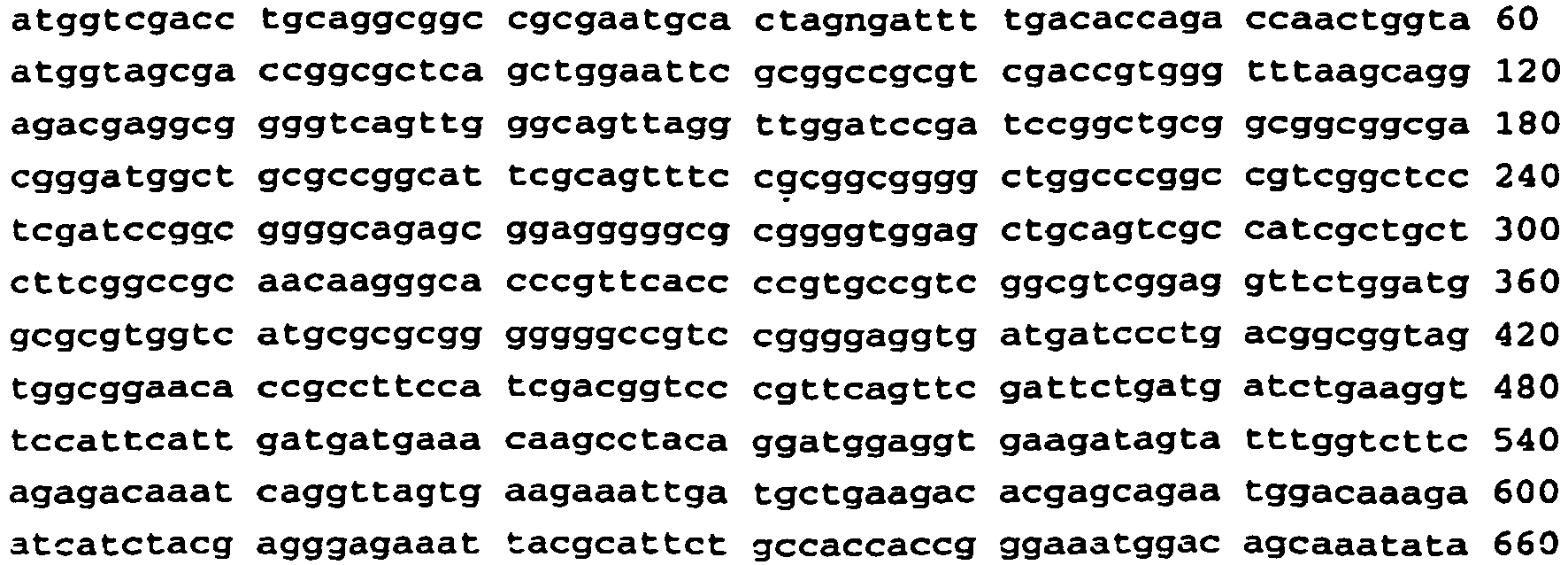

- <210> 7
<211> 18
<212> PRT
<213> Triticum sp. - <400> 7
Ala Ala Ser Pro Gly Lys Val Leu Val Pro Asp Glu Ser Asp Asp Leu
- <210> 8
<211> 12
<212> PRT
<213> Triticum sp. - <400> 8

- <210> 9
<211> 17
<212> PRT
<213> Triticum sp. - <400> 9

- <210> 10
<211> 8381
<212> DNA
<213> Triticum sp. - <400> 10


- <210> 11
<211> 26
<212> DNA
<213> Triticum sp. - <400> 11
araccgtcct acatgacacc tggccg 26 - <210> 12
<211> 27
<212> DNA
<213> Triticum sp. - <400> 12
ararccgccg gatcgaggag ccgacgg 27 - <210> 13
<211> 26
<212> DNA
<213> Triticum sp. - <400> 13
araggcggcg gcgacgggat ggctgc 26 - <210> 14
<211> 27
<212> DNA
<213> Triticum sp. - <400> 14
ararcgccgt cagggatcat cacctcc 27 - <210> 15
<211> 27
<212> DNA
<213> Triticum sp. - <400> 15
aracacccat tgtaattggg tacactg 27 - <210> 16
<211> 28
<212> DNA
<213> Triticum sp. - <400> 16
arartccatg cctccttcgt gttcatca 28 - <210> 17
<211> 28
<212> DNA
<213> Triticum sp. - <400> 17
ararctgcgc ataaatccaa acttctcg 28
Claims (11)
- A wheat plant comprising null alleles of more than one gene on a long arm of chromosome 2 encoding BEIIb, in combination with one or more null alleles of a gene encoding a protein selected from the group consisting of BEIIa, GBSS, SSII and BEI.
- A wheat plant according to Claim 1, comprising null alleles of more than one gene encoding BEIIb and a null allele of a gene encoding BEIIa.
- A wheat plant according to Claim .1 or Claim 2, further comprising a gene encoding BEIIa expressed in either the sense or anti-sense orientation.
- A wheat plant according to any of Claims 1-3, wherein said more than one gene encoding BEIIb includes a gene which corresponds to a cDNA having a nucleotide sequence as set forth in SEQ ID NO:4 or SEQ ID NO:6.
- Wheat grain, comprising null alleles of more than one gene on a long arm of chromosome 2 encoding BEIIb, in combination with one or more null alleles of a gene encoding a protein selected from the group consisting of BEIIa, GBSS, SSII and BEI, wherein the grain is whole grain or part grain.
- Wheat grain according to Claim 5, comprising null alleles of more than one gene encoding BEIIb and a null allele of a gene encoding BEIIa.
- Wheat grain according to Claim 5 or Claim 6, wherein said more than one gene encoding BEIIb includes a gene which corresponds to a cDNA having a nucleotide sequence as set forth in SEQ ID NO:4 or SEQ ID NO:6.
- Wheat flour, comprising null alleles of more than one gene on a long arm of chromosome 2 encoding BEIIb, in combination with one or more null alleles of a gene encoding a protein selected from the group consisting of BEIIa, GBSS, SSII and BEI.
- Wheat flour according to Claim 8, comprising null alleles of more than one gene encoding BEIIb and a null allele of a gene encoding BEIIa.
- Wheat flour according to Claim 8 or Claim 9, wherein said more than one gene encoding BEIIb includes a gene which corresponds to a cDNA having a nucleotide sequence as set forth in SEQ ID NO:4 or SEQ ID NO:6.
- A method of identifying a wheat plant according to Claim 1, the method comprising the use of gene-specific amplification primers to screen a population of wheat plants to identify a wheat plant having null alleles of more than one gene on a long arm of chromosome 2 encoding BEIIb and one or more null alleles of a gene encoding a protein selected from BEIIa, GBSS, SSII and BEI.
Applications Claiming Priority (3)
| Application Number | Priority Date | Filing Date | Title |
|---|---|---|---|
| AUPQ5742A AUPQ574200A0 (en) | 2000-02-21 | 2000-02-21 | Starch branching enzyme |
| AUPQ574200 | 2000-02-21 | ||
| PCT/AU2001/000175 WO2001062934A1 (en) | 2000-02-21 | 2001-02-21 | Starch branching enzyme |
Publications (3)
| Publication Number | Publication Date |
|---|---|
| EP1263961A1 EP1263961A1 (en) | 2002-12-11 |
| EP1263961A4 EP1263961A4 (en) | 2004-12-08 |
| EP1263961B1 true EP1263961B1 (en) | 2013-07-31 |
Family
ID=3819853
Family Applications (1)
| Application Number | Title | Priority Date | Filing Date |
|---|---|---|---|
| EP01907236.2A Expired - Lifetime EP1263961B1 (en) | 2000-02-21 | 2001-02-21 | Starch branching enzyme |
Country Status (8)
| Country | Link |
|---|---|
| US (2) | US7667114B2 (en) |
| EP (1) | EP1263961B1 (en) |
| JP (1) | JP2003523773A (en) |
| AU (3) | AUPQ574200A0 (en) |
| CA (1) | CA2400710C (en) |
| ES (1) | ES2433471T3 (en) |
| NZ (1) | NZ520904A (en) |
| WO (1) | WO2001062934A1 (en) |
Families Citing this family (24)
| Publication number | Priority date | Publication date | Assignee | Title |
|---|---|---|---|---|
| AUPQ005299A0 (en) | 1999-04-29 | 1999-05-27 | Commonwealth Scientific And Industrial Research Organisation | Novel genes encoding wheat starch synthases and uses therefor |
| CN1482856A (en) | 2000-11-09 | 2004-03-17 | ����Ƽ���ҵ�о���֯ | Barley with reduced SSII activity and starch products with reduced amylopectin content |
| WO2003023024A1 (en) * | 2001-09-10 | 2003-03-20 | Japan Science And Technology Agency | Starch synthases |
| AUPS219802A0 (en) | 2002-05-09 | 2002-06-06 | Commonwealth Scientific And Industrial Research Organisation | Barley with altered branching enzyme activity and starch and starch containing products with a reduced amylopectin content |
| WO2005001098A1 (en) | 2003-06-30 | 2005-01-06 | Commonwealth Scientific And Industrial Research Organisation | Wheat with altered branching enzyme activity and starch and starch containing products derived thereform |
| AU2004284112B2 (en) * | 2003-10-27 | 2010-07-08 | Commonwealth Scientific And Industrial Research Organisation | Rice and products thereof having starch with an increased proportion of amylose |
| US7993686B2 (en) * | 2004-12-30 | 2011-08-09 | Commonwealth Scientific And Industrial Organisation | Method and means for improving bowel health |
| WO2006069422A1 (en) * | 2004-12-30 | 2006-07-06 | Commonwealth Scientific And Industrial Research Organisation | Method and means for improving bowel health |
| PL1833291T3 (en) | 2004-12-30 | 2017-05-31 | Commonwealth Scientific And Industrial Research Organisation | Method and means for improving bowel health |
| CN105123532B (en) | 2006-07-14 | 2018-12-18 | 联邦科学技术研究组织 | Change the fatty acid composition of rice |
| MX2010005937A (en) | 2007-11-27 | 2010-06-15 | Commw Scient Ind Res Org | Plants with modified starch metabolism. |
| CA2653883C (en) | 2008-07-17 | 2022-04-05 | Colin Leslie Dow Jenkins | High fructan cereal plants |
| CA2768737A1 (en) * | 2008-07-21 | 2010-01-28 | Commonwealth Scientific And Industrial Research Organisation | Improved vegetable oils and uses therefor |
| CN102202498B (en) | 2008-07-21 | 2016-09-07 | 澳大利亚联邦科学与工业研究组织 | The Oleum Gossypii semen of improvement and application |
| WO2011011833A1 (en) | 2009-07-30 | 2011-02-03 | Commonwealth Scientific And Industrial Research Organisation | Barley and uses thereof |
| US9585413B2 (en) | 2010-11-04 | 2017-03-07 | Arista Cereal Technology Pty Limited | Food ingredients produced from high amylose wheat |
| AU2012212404B2 (en) | 2011-02-03 | 2016-05-12 | The Healthy Grain Pty Limited | Barley with modified SSIII |
| CA2850490C (en) | 2011-10-04 | 2023-10-10 | Arcadia Biosciences, Inc. | Sbeiia a,b and d mutations that produce grain that germinates and has high amylose content |
| ES3000665T3 (en) | 2011-11-04 | 2025-03-03 | Arista Cereal Tech Pty Ltd | High amylose wheat - ii |
| CA2871503C (en) | 2012-04-25 | 2023-08-29 | Commonwealth Scientific And Industrial Research Organisation | High oleic acid oils |
| WO2016004473A1 (en) | 2014-07-07 | 2016-01-14 | Commonwealth Scientific And Industrial Research Organisation | Processes for producing industrial products from plant lipids |
| US10350648B2 (en) * | 2015-08-06 | 2019-07-16 | 0959690 B.C. Ltd. | Mat cleaning and drying apparatus and method |
| US11859193B2 (en) | 2016-09-02 | 2024-01-02 | Nuseed Global Innovation Ltd. | Plants with modified traits |
| CN120349374B (en) * | 2025-03-25 | 2025-10-10 | 长沙理工大学 | Rice residue short peptide and application thereof in uric acid reduction |
Family Cites Families (5)
| Publication number | Priority date | Publication date | Assignee | Title |
|---|---|---|---|---|
| DE69637816D1 (en) | 1995-12-20 | 2009-03-05 | Du Pont | THE EXPRESSION OF GENES WHICH ARE SPECIFIC FOR STRENGTH BIOSYNTHESIS |
| US5866793A (en) * | 1996-06-03 | 1999-02-02 | National Research Council Of Canada | Promoter for expressing foreign genes in monocotyledonous plants |
| SE509968C2 (en) * | 1997-02-14 | 1999-03-29 | Ericsson Telefon Ab L M | Variable amplifier optical amplifier |
| WO1999014314A1 (en) * | 1997-09-12 | 1999-03-25 | Commonwealth Scientific And Industrial Research Organisation | Regulation of gene expression in plants |
| CZ2001759A3 (en) * | 1998-09-10 | 2001-09-12 | Monsanto Uk Ltd | Isoforms of enzyme for branching starch II (SBE-IIA and SBE -IIB) from wheat |
-
2000
- 2000-02-21 AU AUPQ5742A patent/AUPQ574200A0/en not_active Abandoned
-
2001
- 2001-02-21 NZ NZ520904A patent/NZ520904A/en not_active IP Right Cessation
- 2001-02-21 WO PCT/AU2001/000175 patent/WO2001062934A1/en not_active Ceased
- 2001-02-21 CA CA2400710A patent/CA2400710C/en not_active Expired - Lifetime
- 2001-02-21 AU AU3523701A patent/AU3523701A/en active Pending
- 2001-02-21 US US10/204,347 patent/US7667114B2/en not_active Expired - Lifetime
- 2001-02-21 JP JP2001562708A patent/JP2003523773A/en active Pending
- 2001-02-21 AU AU2001235237A patent/AU2001235237B2/en not_active Expired
- 2001-02-21 ES ES01907236T patent/ES2433471T3/en not_active Expired - Lifetime
- 2001-02-21 EP EP01907236.2A patent/EP1263961B1/en not_active Expired - Lifetime
-
2010
- 2010-02-17 US US12/707,437 patent/US20110010807A1/en not_active Abandoned
Also Published As
| Publication number | Publication date |
|---|---|
| US20110010807A1 (en) | 2011-01-13 |
| AU3523701A (en) | 2001-09-03 |
| US20050164178A1 (en) | 2005-07-28 |
| WO2001062934A1 (en) | 2001-08-30 |
| CA2400710A1 (en) | 2001-08-30 |
| EP1263961A4 (en) | 2004-12-08 |
| NZ520904A (en) | 2004-06-25 |
| CA2400710C (en) | 2017-03-28 |
| JP2003523773A (en) | 2003-08-12 |
| EP1263961A1 (en) | 2002-12-11 |
| AUPQ574200A0 (en) | 2000-03-16 |
| ES2433471T3 (en) | 2013-12-11 |
| US7667114B2 (en) | 2010-02-23 |
| AU2001235237B2 (en) | 2007-02-08 |
Similar Documents
| Publication | Publication Date | Title |
|---|---|---|
| US20110010807A1 (en) | Starch branching enzyme | |
| US7465851B2 (en) | Isoforms of starch branching enzyme II (SBE-IIa and SBE-IIb) from wheat | |
| EP1012250B1 (en) | Regulation of gene expression in plants | |
| CA2603919C (en) | High-phosphate starch | |
| Nakamura et al. | Essential amino acids of starch synthase IIa differentiate amylopectin structure and starch quality between japonica and indica rice varieties | |
| CA2365285C (en) | Novel genes encoding wheat starch synthases and uses therefor | |
| Li et al. | Cloning and characterization of a gene encoding wheat starch synthase I | |
| US20040107461A1 (en) | Glucan chain length domains | |
| US20110070352A1 (en) | Wheat with altered branching enzyme activity and starch and starch containing products derived therefrom | |
| JP2003523773A5 (en) | ||
| Kortstee et al. | Expression of Escherichia coli branching enzyme in tubers of amylose‐free transgenic potato leads to an increased branching degree of the amylopectin | |
| US7041484B1 (en) | Starch branching enzymes | |
| WO2001032886A2 (en) | Starch branching enzymes | |
| AU780523B2 (en) | Novel genes encoding wheat starch synthases and uses therefor | |
| AU727294B2 (en) | Regulation of gene expression in plants |
Legal Events
| Date | Code | Title | Description |
|---|---|---|---|
| PUAI | Public reference made under article 153(3) epc to a published international application that has entered the european phase |
Free format text: ORIGINAL CODE: 0009012 |
|
| 17P | Request for examination filed |
Effective date: 20020920 |
|
| AK | Designated contracting states |
Kind code of ref document: A1 Designated state(s): AT BE CH CY DE DK ES FI FR GB GR IE IT LI LU MC NL PT SE TR |
|
| AX | Request for extension of the european patent |
Free format text: AL;LT;LV;MK;RO;SI |
|
| RIN1 | Information on inventor provided before grant (corrected) |
Inventor name: MORELL, MATTHEW Inventor name: REGINA, AHMED Inventor name: RAHMAN, SADEQUR |
|
| A4 | Supplementary search report drawn up and despatched |
Effective date: 20041027 |
|
| RAP1 | Party data changed (applicant data changed or rights of an application transferred) |
Owner name: BIOGEMMA Owner name: COMMONWEALTH SCIENTIFIC AND INDUSTRIAL RESEARCH OR Owner name: GOODMAN FIELDER PTY LIMITED |
|
| RAP1 | Party data changed (applicant data changed or rights of an application transferred) |
Owner name: COMMONWEALTH SCIENTIFIC AND INDUSTRIAL RESEARCH OR Owner name: BIOGEMMA SAS Owner name: GOODMAN FIELDER PTY LIMITED |
|
| RAP1 | Party data changed (applicant data changed or rights of an application transferred) |
Owner name: BIOGEMMA SAS Owner name: COMMONWEALTH SCIENTIFIC AND INDUSTRIAL RESEARCH OR |
|
| 17Q | First examination report despatched |
Effective date: 20050708 |
|
| RAP1 | Party data changed (applicant data changed or rights of an application transferred) |
Owner name: LIMAGRAIN CEREALES INGREDIENTS SA Owner name: COMMONWEALTH SCIENTIFIC AND INDUSTRIAL RESEARCH OR |
|
| GRAP | Despatch of communication of intention to grant a patent |
Free format text: ORIGINAL CODE: EPIDOSNIGR1 |
|
| RAP1 | Party data changed (applicant data changed or rights of an application transferred) |
Owner name: COMMONWEALTH SCIENTIFIC AND INDUSTRIAL RESEARCH OR Owner name: LIMAGRAIN CEREALES INGREDIENTS SA |
|
| GRAS | Grant fee paid |
Free format text: ORIGINAL CODE: EPIDOSNIGR3 |
|
| GRAA | (expected) grant |
Free format text: ORIGINAL CODE: 0009210 |
|
| AK | Designated contracting states |
Kind code of ref document: B1 Designated state(s): AT BE CH CY DE DK ES FI FR GB GR IE IT LI LU MC NL PT SE TR |
|
| REG | Reference to a national code |
Ref country code: CH Ref legal event code: EP Ref country code: GB Ref legal event code: FG4D |
|
| REG | Reference to a national code |
Ref country code: AT Ref legal event code: REF Ref document number: 624693 Country of ref document: AT Kind code of ref document: T Effective date: 20130815 |
|
| REG | Reference to a national code |
Ref country code: IE Ref legal event code: FG4D |
|
| REG | Reference to a national code |
Ref country code: DE Ref legal event code: R096 Ref document number: 60148201 Country of ref document: DE Effective date: 20130926 |
|
| REG | Reference to a national code |
Ref country code: NL Ref legal event code: T3 |
|
| REG | Reference to a national code |
Ref country code: ES Ref legal event code: FG2A Ref document number: 2433471 Country of ref document: ES Kind code of ref document: T3 Effective date: 20131211 |
|
| REG | Reference to a national code |
Ref country code: AT Ref legal event code: MK05 Ref document number: 624693 Country of ref document: AT Kind code of ref document: T Effective date: 20130731 |
|
| PG25 | Lapsed in a contracting state [announced via postgrant information from national office to epo] |
Ref country code: SE Free format text: LAPSE BECAUSE OF FAILURE TO SUBMIT A TRANSLATION OF THE DESCRIPTION OR TO PAY THE FEE WITHIN THE PRESCRIBED TIME-LIMIT Effective date: 20130731 Ref country code: BE Free format text: LAPSE BECAUSE OF FAILURE TO SUBMIT A TRANSLATION OF THE DESCRIPTION OR TO PAY THE FEE WITHIN THE PRESCRIBED TIME-LIMIT Effective date: 20130731 Ref country code: CY Free format text: LAPSE BECAUSE OF NON-PAYMENT OF DUE FEES Effective date: 20130608 Ref country code: AT Free format text: LAPSE BECAUSE OF FAILURE TO SUBMIT A TRANSLATION OF THE DESCRIPTION OR TO PAY THE FEE WITHIN THE PRESCRIBED TIME-LIMIT Effective date: 20130731 Ref country code: PT Free format text: LAPSE BECAUSE OF FAILURE TO SUBMIT A TRANSLATION OF THE DESCRIPTION OR TO PAY THE FEE WITHIN THE PRESCRIBED TIME-LIMIT Effective date: 20131202 |
|
| PG25 | Lapsed in a contracting state [announced via postgrant information from national office to epo] |
Ref country code: FI Free format text: LAPSE BECAUSE OF FAILURE TO SUBMIT A TRANSLATION OF THE DESCRIPTION OR TO PAY THE FEE WITHIN THE PRESCRIBED TIME-LIMIT Effective date: 20130731 Ref country code: GR Free format text: LAPSE BECAUSE OF FAILURE TO SUBMIT A TRANSLATION OF THE DESCRIPTION OR TO PAY THE FEE WITHIN THE PRESCRIBED TIME-LIMIT Effective date: 20131101 |
|
| PG25 | Lapsed in a contracting state [announced via postgrant information from national office to epo] |
Ref country code: CY Free format text: LAPSE BECAUSE OF NON-PAYMENT OF DUE FEES Effective date: 20130731 |
|
| PG25 | Lapsed in a contracting state [announced via postgrant information from national office to epo] |
Ref country code: DK Free format text: LAPSE BECAUSE OF FAILURE TO SUBMIT A TRANSLATION OF THE DESCRIPTION OR TO PAY THE FEE WITHIN THE PRESCRIBED TIME-LIMIT Effective date: 20130731 |
|
| PLBE | No opposition filed within time limit |
Free format text: ORIGINAL CODE: 0009261 |
|
| STAA | Information on the status of an ep patent application or granted ep patent |
Free format text: STATUS: NO OPPOSITION FILED WITHIN TIME LIMIT |
|
| 26N | No opposition filed |
Effective date: 20140502 |
|
| REG | Reference to a national code |
Ref country code: DE Ref legal event code: R097 Ref document number: 60148201 Country of ref document: DE Effective date: 20140502 |
|
| PG25 | Lapsed in a contracting state [announced via postgrant information from national office to epo] |
Ref country code: LU Free format text: LAPSE BECAUSE OF FAILURE TO SUBMIT A TRANSLATION OF THE DESCRIPTION OR TO PAY THE FEE WITHIN THE PRESCRIBED TIME-LIMIT Effective date: 20140221 Ref country code: MC Free format text: LAPSE BECAUSE OF FAILURE TO SUBMIT A TRANSLATION OF THE DESCRIPTION OR TO PAY THE FEE WITHIN THE PRESCRIBED TIME-LIMIT Effective date: 20130731 |
|
| REG | Reference to a national code |
Ref country code: CH Ref legal event code: PL |
|
| PG25 | Lapsed in a contracting state [announced via postgrant information from national office to epo] |
Ref country code: CH Free format text: LAPSE BECAUSE OF NON-PAYMENT OF DUE FEES Effective date: 20140228 Ref country code: LI Free format text: LAPSE BECAUSE OF NON-PAYMENT OF DUE FEES Effective date: 20140228 |
|
| REG | Reference to a national code |
Ref country code: IE Ref legal event code: MM4A |
|
| PG25 | Lapsed in a contracting state [announced via postgrant information from national office to epo] |
Ref country code: IE Free format text: LAPSE BECAUSE OF NON-PAYMENT OF DUE FEES Effective date: 20140221 |
|
| REG | Reference to a national code |
Ref country code: FR Ref legal event code: PLFP Year of fee payment: 16 |
|
| PG25 | Lapsed in a contracting state [announced via postgrant information from national office to epo] |
Ref country code: TR Free format text: LAPSE BECAUSE OF FAILURE TO SUBMIT A TRANSLATION OF THE DESCRIPTION OR TO PAY THE FEE WITHIN THE PRESCRIBED TIME-LIMIT Effective date: 20130731 |
|
| REG | Reference to a national code |
Ref country code: FR Ref legal event code: PLFP Year of fee payment: 17 |
|
| REG | Reference to a national code |
Ref country code: FR Ref legal event code: PLFP Year of fee payment: 18 |
|
| PGFP | Annual fee paid to national office [announced via postgrant information from national office to epo] |
Ref country code: IT Payment date: 20200128 Year of fee payment: 20 Ref country code: DE Payment date: 20200211 Year of fee payment: 20 Ref country code: ES Payment date: 20200302 Year of fee payment: 20 Ref country code: GB Payment date: 20200212 Year of fee payment: 20 Ref country code: NL Payment date: 20200212 Year of fee payment: 20 |
|
| PGFP | Annual fee paid to national office [announced via postgrant information from national office to epo] |
Ref country code: FR Payment date: 20200127 Year of fee payment: 20 |
|
| REG | Reference to a national code |
Ref country code: DE Ref legal event code: R071 Ref document number: 60148201 Country of ref document: DE |
|
| REG | Reference to a national code |
Ref country code: NL Ref legal event code: MK Effective date: 20210220 |
|
| REG | Reference to a national code |
Ref country code: GB Ref legal event code: PE20 Expiry date: 20210220 |
|
| PG25 | Lapsed in a contracting state [announced via postgrant information from national office to epo] |
Ref country code: GB Free format text: LAPSE BECAUSE OF EXPIRATION OF PROTECTION Effective date: 20210220 |
|
| REG | Reference to a national code |
Ref country code: ES Ref legal event code: FD2A Effective date: 20211230 |
|
| PG25 | Lapsed in a contracting state [announced via postgrant information from national office to epo] |
Ref country code: ES Free format text: LAPSE BECAUSE OF EXPIRATION OF PROTECTION Effective date: 20210222 |