EP1254962A1 - Method for the expression of proteins in in vitro translation systems with coexpression of folding helper proteins - Google Patents
Method for the expression of proteins in in vitro translation systems with coexpression of folding helper proteins Download PDFInfo
- Publication number
- EP1254962A1 EP1254962A1 EP02009650A EP02009650A EP1254962A1 EP 1254962 A1 EP1254962 A1 EP 1254962A1 EP 02009650 A EP02009650 A EP 02009650A EP 02009650 A EP02009650 A EP 02009650A EP 1254962 A1 EP1254962 A1 EP 1254962A1
- Authority
- EP
- European Patent Office
- Prior art keywords
- proteins
- expressed
- expression
- protein
- folding
- Prior art date
- Legal status (The legal status is an assumption and is not a legal conclusion. Google has not performed a legal analysis and makes no representation as to the accuracy of the status listed.)
- Granted
Links
Images

Classifications
-
- C—CHEMISTRY; METALLURGY
- C12—BIOCHEMISTRY; BEER; SPIRITS; WINE; VINEGAR; MICROBIOLOGY; ENZYMOLOGY; MUTATION OR GENETIC ENGINEERING
- C12P—FERMENTATION OR ENZYME-USING PROCESSES TO SYNTHESISE A DESIRED CHEMICAL COMPOUND OR COMPOSITION OR TO SEPARATE OPTICAL ISOMERS FROM A RACEMIC MIXTURE
- C12P21/00—Preparation of peptides or proteins
- C12P21/02—Preparation of peptides or proteins having a known sequence of two or more amino acids, e.g. glutathione
-
- C—CHEMISTRY; METALLURGY
- C12—BIOCHEMISTRY; BEER; SPIRITS; WINE; VINEGAR; MICROBIOLOGY; ENZYMOLOGY; MUTATION OR GENETIC ENGINEERING
- C12N—MICROORGANISMS OR ENZYMES; COMPOSITIONS THEREOF; PROPAGATING, PRESERVING, OR MAINTAINING MICROORGANISMS; MUTATION OR GENETIC ENGINEERING; CULTURE MEDIA
- C12N15/00—Mutation or genetic engineering; DNA or RNA concerning genetic engineering, vectors, e.g. plasmids, or their isolation, preparation or purification; Use of hosts therefor
- C12N15/09—Recombinant DNA-technology
- C12N15/63—Introduction of foreign genetic material using vectors; Vectors; Use of hosts therefor; Regulation of expression
- C12N15/67—General methods for enhancing the expression
Definitions
- the present invention concerns a method for the expression of target proteins in in vitro translation systems, characterized in that folding helper proteins are co-expressed in this system.
- the co-expressed folding helper proteins are selected from one or several of the following protein classes: Hsp70-, Hsp60-, Hsp90-, Hsp100-protein family, the family of small heat shock proteins and isomerases.
- coli can be efficiently suppressed by a simultaneous overexpression of endogenous cell heat shock proteins (Goloubinoff et al., 1989; Dale et al., 1994; Amrein et al., 1995). Protein import into cellular compartments such as mitochondria also depends on heat shock proteins located in the organelles. On the basis of these observations the folding of proteins can be regarded as a spontaneous process which is assisted by folding helper proteins (Horwich et al., 1993; Hendrick and Hartl, 1993; Georgopoulos and Welch, 1993). Hence the precise interplay between these endogenous cell factors reduces incorrect folding processes and promotes the correct folding of polypeptides (Buchner, 1996; Bschreibinger and Buchner, 1998; Hartl, 1998).
- proteins can only be transported through one or both mitochondrial membranes in a linear unfolded state.
- molecular chaperones are involved in the unfolding and stabilization of the unfolded state on the cytosolic site of the membrane as well as in the transport and folding in the mitochondria.
- PPI Peptidyl-prolyl-cis/isomerases
- the E. coli lysate that is frequently used in in vitro translation systems is a natural and optimal system for protein folding. But in contrast to a functional cell, the amount of required chaperones is not automatically adapted to the synthesis output of the translation apparatus. The resulting overloading of the folding machinery in many cases results in the aggregation of the target protein. Various components of the folding machinery can be responsible for this inefficient folding depending on the target protein.
- the object of the present invention was to increase the yield of target protein in an in vitro translation system by preventing aggregation of the target protein by providing the required chaperones in an adequate quantity in the in vitro translation system. This should at the same time increase the efficiency of the in vitro translation system.
- the object is achieved according to the invention by a method for the expression of target proteins in in vitro translation systems characterized in that folding helper proteins are co-expressed in this system.
- the co-expressed folding helper proteins are selected from one or several of the following protein classes: Hsp60, Hsp70, Hsp90, Hsp100 protein family, family of the small heat shock proteins and isomerases.
- Molecular chaperones are the largest group of folding-assisting proteins and are understood according to the invention as folding helper proteins (Gething and Sambrook, 1992; Hartl, 1996; Buchner, 1996; Bschreibinger and Buchner, 1998). Due to their overexpression under stress conditions, most molecular chaperones can also be allocated to the group of heat shock proteins (Georgopolous and Welch, 1993; Buchner, 1996), this group is also understood according to the invention as a folding helper protein.
- Important folding helper proteins which are encompassed by the present invention are elucidated in more detail in the following.
- the group of molecular chaperones can be divided on the basis of sequence homologies and molecular masses into five non-related protein classes i.e. the Hsp60, Hsp70, Hsp90, Hsp100 protein families and the family of the small heat shock proteins (Gething and Sambrook, 1992; Hendrick and Hartl, 1993).
- the best investigated chaperone overall is GroEL which is a member of the Hsp60 family from E. coli.
- Hsp60 families are also referred to as chaperonins and are divided into two groups.
- GroEL and its co-chaperone GroES and their strongly homologous relatives from other bacteria as well as mitochondria and chloroplasts form the group of I chaperonins (Sigler et al., 1998; Fenton and Horwich, 1994).
- the Hsp60 proteins from the eukaryotic cytosol from Archebacteria together form the group II chaperonins (Gutsche et al., 1999).
- the Hsp60 proteins in both groups have a similar oligomeric structure.
- Hsp70 proteins In addition to members of the Hsp60 family, the Hsp70 proteins also bind to the nascent polypeptide chain (Beckman et al., 1990; Welch et al., 1997). There are usually several constitutively expressed and stress-induced members of the Hsp70 families present in prokaryotic as well as in eukaryotic cells (Vickery et al., 1997; Welch et al., 1997). Apart from their involvement in protein folding directly on the ribosome, these proteins are also involved in the translocation of proteins through cell and organelle membranes (Schatz & Doberstein, 1996).
- Hsp70 co-chaperones
- Hsp90 is thus one of the most strongly expressed proteins.
- the members of this family mainly act in multimeric complexes where they recognize numerous important signal transduction proteins with similar structures to the native proteins. Binding to Hsp90 and its partner proteins stabilizes these structures and thus facilitates the binding of ligands to the signal proteins. In this manner the substrates can attain their active conformation (Sullivan et al., 1997; Bohen et al., 1995; Buchner, 1999).
- Hsp100 chaperones have been particularly distinguished by their ability in cooperation with the Hsp70 chaperones to dissociate already formed aggregates (Parsell et al., 1994; Goloubinoff et al., 1999; Mogk et al., 1999). Although their main function appears to be the mediation of thermotolerance (Schirmer et al., 1994; Kruger et al., 1994), some members such as ClpA and ClpB together with the protease-subunit ClpP mediate the proteolytic degradation of proteins (Gottesman et al., 1997).
- the fifth class of chaperones the small heat shock proteins (sHsps) are a very divergent family of heat shock proteins which are found in almost all organisms. The reason for thus naming this family of chaperones is their relatively low monomeric molecular weight of 15-40 kDa.
- sHsps usually exist in the cell as high-oligomeric complexes containing up to 50 subunits which have been observed to have molecular masses of 125 kDa to 2 Mda (Spector et al., 1971; Arrigo et al., 1988; Andreasi-Bassi et al., 1995; Ehrnsperger et al., 1997).
- the sHsps can suppress the aggregation of proteins in vitro (Horwitz, 1992; Jakob et al., 1993; Merck et al., 1993; Jakob and Buchner, 1994, Lee et al., 1995; Ehrnsperger et al., 1997b).
- sHsps bind up to one substrate molecule per subunit and hence have a higher efficiency than the model chaperone GroEL (Jaenicke and Creighton, 1993; Ganea and Harding, 1995; Lee et al., 1997; Ehrnsperger et al., 1998a).
- non-native protein Under stress conditions the binding of non-native protein to sHsps prevents the irreversible aggregation of the proteins. Binding to sHsps holds the proteins in a soluble folding-competent state. After restoring physiological conditions the non-native protein can be detached from the complex with sHsp by ATP-dependent chaperones like Hsp70 and reactivated.
- Folding catalysts from the class of peptidyl-prolyl-cis/trans isomerases and members of the disulfide isomerases for example come into consideration as isomerases for the method according to the invention.
- Folding helper proteins which function in the same manner or in a similar manner to the folding helper proteins described above are also encompassed by the present invention.
- the co-expressed folding helper proteins are members of the Hsp60 protein family. Furthermore co-chaperones are preferably additionally co-expressed. According to the method according to the invention it is particularly preferred that Hsp60 as a folding helper protein and Hsp10 as a co-chaperone are co-expressed. It is particularly preferred that the co-expressed folding helper protein is GroEL. A method is particularly preferred in which GroEL/GroES are co-expressed.
- co-expressed folding helper proteins are members of the Hsp70 protein family. Furthermore co-chaperones are preferably co-expressed in addition.
- the co-expressed folding helper protein is a human Hsp70 protein.
- Hsp70 as a folding helper protein and Hsp40 as a co-chaperone are co-expressed.
- Hsp70 from humans and Hdj 1 are most preferably co-expressed in this variant.
- the target proteins can be all types of prokaroytic and eukaryotic proteins and also archaeal proteins.
- the expression of secretory proteins and membrane proteins was previously particularly problematic in in vitro transcription/translation systems especially when folding helper proteins were not present in adequate amounts.
- the method according to the invention is particularly suitable for the expression of lipoproteins and membrane proteins and secretory proteins as the target protein since folding helper proteins can be provided by the co-expression in an adequate amount.
- An advantage of the method according to the invention is in particular that the increase in the volume yield of the target protein in in vitro transcription/translation systems occurs on a preparative scale.
- E. coli rabbit reticulocyte or wheat-germ lysates
- Spirin 1990; Stiege and Erdman, 1995
- They are usually used as batch reactions with a defined reaction volume.
- E. coli -based reactions can be used in a temperature range of 24-38°C.
- the 30S supernatant of E. coli lysates is usually used for these batch processes which, due to the high content of endogenous mRNA, has to be treated with RNase before using it for in vitro translation (Zubay, 1973).
- Reactions based on wheat-germ lysates are normally only used in a temperature range of 20-27°C (Tulin et al., 1995) but have the advantage over E. coli lysates that they can be used directly for the expression of exogenous expression templates due to the low level of endogenous mRNA.
- Reticulocyte lysates are prepared by direct lysis of anaemic rabbit blood from which the endogenous mRNAs are removed by RNase treatment. These systems are usually used for processes in a temperature range of 30-38°C (Pelham and Jackson, 1976). However, it should be noted that the working temperature not only has an effect on the translation processes but also that the folding of the target proteins is extremely dependent on the respective working temperature.
- Protein synthesis in such batch reactions can only be maintained until the first important components are no longer functional due to degradation, inhibition or lack of energy.
- the biggest problem in this connection is the energy supply for protein synthesis (Yao et al., 1997, Matveev et al., 1996) which is why only relatively short synthesis times can be achieved in these batch reactions and hence only relatively low yields of target protein (on average 0.1 - 20 ⁇ g/ml) (Mosca et al., 1983).
- the mRNA required for protein synthesis can also be produced directly in the expression systems.
- coupled transcription/translation systems it is possible to use the endogenous RNA polymerase as well as exogenous phage RNA polymerases to prepare the mRNA in systems based on E. coli lysates (Chen and Zubay, 1983; Kschreiber et al., 1996).
- exogenous phage RNA polymerases are used in eukaryotic systems (Craig et al., 1992; Baranov and Spirin, 1993). But then of course appropriate DNA templates with corresponding promoter elements are required in such eukaryotic systems.
- CECF continuous exchange cell free translation apparatus
- Spirin et al., 1988; Spirin, 1991 continuous flow cell-free translation apparatus
- the fundamental idea is based on the continuous supply of energy and low-molecular components to the reaction and the continuous removal of low-molecular byproducts.
- the reaction is supplied via a semi-permeable membrane from a separate feed compartment.
- the in vitro translation system is preferably a coupled in vitro transcription/translation system.
- the coupled in vitro transcription/translation preferably occurs in a CFCF or CEFC reactor.
- Vectors or DNA templates can be used for the co-expression in in vitro transcription/translation systems whose structure corresponds to the expression vectors of the target proteins.
- in systems based on E. coli lysates it is possible to use promoters for the endogenous E. coli RNA polymerase as well as vectors containing promoters for exogenous viral polymerases.
- the vectors should also contain a ribosomal binding site and suitable terminator regions in addition to the promoter regions.
- linear DNA expression templates e.g. PCR product.
- circular expression vectors are used which have to be previously amplified in vivo before being used experimentally, they should contain suitable replication starting points and at least one selectable marker.
- the co-expression time period and the co-expression strength of chaperones can be optimized for the respective substrate proteins (Lottspeich and Zorbas, 1998).
- the co-expression should be regulated.
- An appropriate regulation can be achieved, on the one hand, by the metered addition of the co-expression vectors or, on the other hand, by regulatory sequences in the promoter regions of the vector which can regulate the induction and strength of the expression.
- IPTG-inducible lac-operator sequences, binding sequences for tetracycline repressors or catabolite-inducible regulatory sequences (e.g. arabinose operator) can be used for such a regulation.
- tetracycline repressors e.g. arabinose operator
- the expression of the target proteins can be induced separately from the co-expression of the folding helper proteins or of the co-chaperones.
- DNA templates for eukaryotic systems should also be composed of appropriate promoter regions for viral RNA polymerases, the eukaryotic sequences required to initiate translation and suitable terminators.
- Circular expression vectors that have to be amplified in E. coli for their experimental use should also contain a replication start sequence for E. coli and at least one selectable marker in E. coli . In this case it was also possible to regulate the chaperone co-expression by appropriate regulatory sequences for viral promoters (Lottspeich and Zorbas, 1998).
- the amount of required chaperones depends strongly on the target protein. Hence in individual cases it may be important to optimize the expression rates of both expression templates. Such an optimization can be achieved by varying the amount of expression template used in addition to the direct regulation of expression via promoters.
- target proteins that are very susceptible to aggregation it may indeed be necessary to use a large excess of chaperones whereas for other target proteins the strong co-expression of chaperones could even interfere with the expression of the target protein.
- its functional expression may require the co-expression of single chaperones as well as the co-expression of several chaperones.
- most chaperones only work effectively as complex systems with corresponding co-chaperones. Hence the co-expression of chaperones and appropriate co-chaperones is particularly preferred.
- the object according to the invention can also be achieved by adding purified chaperones and co-chaperones in the required amount.
- this process is relatively expensive.
- a further subject matter of the present invention is the use of a vector containing a gene coding for a folding helper protein for the method according to the invention.
- Another subject matter of the present invention is the use of a vector containing a gene coding for a co-chaperone for the method according to the invention.
- a special subject matter of the present invention is the use of a vector containing a gene coding for a folding helper protein and additionally containing a promoter region, a ribosomal binding site and a terminator region for the method according to the invention. It is also particularly preferable to use a vector containing a gene coding for a co-chaperone and additionally containing a promoter region, a ribosomal binding site and a terminator region for the method according to the invention.
- the method according to the invention is carried out in a rapid translation system (RTS system) using mitochondrial citrate synthase as the target protein (porcine heart; EC 4.1.3.7). GFP was used as another target protein.
- RTS system rapid translation system
- GFP mitochondrial citrate synthase
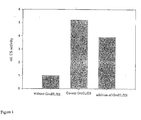
- Figure 1 Influence of GroEL/ES on the yield of active, purified CS in the RTS system: CS expression of pIVEX 2.4b without addition of GroEL/ES. CS expression of pIVEX 2.4b, co-expression of GroEL/ES. CS expression of pIVEX 2.4b with addition of 150 nM purified GroEL and 300 nM purified GroES.
- FIG. 1 Influence of Hsp70 and Hsp40 on the yield of GFP in the RTS system: GFP expression without addition of Hsp70 (from humans) and Hdj1 (Hsp40 from humans). GFP expression with co-expression of Hsp70 and Hdj1. GFP expression with addition of 300 nM Hsp70 and 300 nM Hdj1.
- a pIVEX 2.4b vector (Roche, Molecular Biochemicals) containing the citrate synthase gene was used for expression in the RTS system which expresses the citrate synthase gene with a His-tag fused to the N-terminus.
- the reactions were carried out for 24 h at 27°C, 140 rpm using RTSmini kits of lot No. 85869220 (Roche, Molecular Biochemicals).
- the aggregation of the expressed citrate synthase was suppressed by, on the one hand, co-expressing GroEL/ES and, on the other hand, by adding purified GroEL/ES to the RTS reactions.
- the GroEL/ES-expressing plasmid corresponds to a modified pET vector (Novagen, Milwaukee, USA) which expresses the GroEL/ES operon under the control of a T7 promoter (Ishii Yasuhawa et al., 1995).
- the expression of the 3 proteins was checked with SDS-PAGE and immunoblot. All proteins are expressed in approximately equal amounts.
- the GroEL/ES used for the addition was purified as described in Schmidt et al., (1994). 150 nM GroEL and 300 nM GroES were added to the RTS system.
- the reaction mixtures were centrifuged for 10 min at 14000 g and 4°C in order to separate aggregates from the soluble components.
- the soluble fraction was diluted 1:10 with Ni-NTA equilibration buffer (100 mM Na 2 HPO 4 , 300 mM NaCl, pH 7.4) and loaded at a continuous flow rate of 0.5 ml/min onto a 1 ml Ni-NTA Superflow column (Quiagen).
- the column was firstly washed with 5 ml equilibration buffer and subsequently with 5 ml washing buffer (100 mM Na 2 HPO 4 , 300 mM NaCl, 30 mM imidazole, pH 6.8).
- the citrate synthase was then eluted from the column with 3 ml elution buffer (100 mM Na 2 HPO 4 , 300 mM NaCl, 300 mM imidazole, pH 7.5).
- Co-enzyme A that is formed as a byproduct of the condensation of oxaloacetate stoichiometrically reduces Ellman's reagent (DNTB) which is associated with an increase in the absorption at 412 nm. Correctly folded active citrate synthase can be detected with this reaction.
- DNTB Ellman's reagent
- TE buffer 50 mM Tris/HCl, 2 mM EDTA, pH 8.0
- 10 ⁇ l oxaloacetate 10 mM in 50 mM Tris
- 10 ml DTNB in TE buffer
- 30 ⁇ l acetyl-CoA in TE buffer
- the change in absorbance was measured continuously over a period of 5 min and the change in absorbance per minute was determined.
- the change in absorbance of purified citrate synthase was averaged in each case from three different RTS reactions. The averaged absorbance change in the RTS reactions without GroEL/ES co-expression was normalized to 1.
- GFP was used as a model substrate to examine the effects of Hsp70 chaperones on expression in the RTS system,.
- the reactions were carried out for 24 h at 27°C, 140 rpm using the RTSmini kit lot No. 85869220 (Roche, catalogue). In order to ensure that GFP was oxidized during the reaction, only half amounts were used. In each case 5 ⁇ g of the GFP control plasmid contained in the RTSmini kit was used.
- Hsp70 In order to examine the effects of Hsp70 on the expression yield in the system, human Hsp70 and Hsp40 were co-expressed, and on the other hand, purified Hsp70 and Hsp40 were added to the RTS reactions.
- Hsp70 and Hsp40 expression plasmids were used in each case.
- the Hsp70-expressing plasmid corresponds to a pET11a vector (Novagen, Milwaukee, USA)
- the Hsp40 (Hdj1) expressing plasmid corresponds to a pET21d vector (Novagen, Milwaukee, USA)
- both genes were expressed under the control of a T7 promoter.
- 300 nM Hsp70 and 300 nM Hdj1 were added to the RTS system (Abravaya et al., 1992).
- the reaction mixtures were centrifuged for 10 min at 14000 g and 4°C to separate the aggregates from the soluble components.
- the fluorescence emission of the soluble fractions was measured at 430-580 nm at an excitation of 395 nm.
- the relative fluorescence at 503 nm of the mixture without addition or co-expression of chaperones was normalized to 1 and compared to the fluorescence of the mixtures containing chaperones. In order to exclude the effects of the subsequent oxidation of GFP, the samples were measured again after 24 hours but no differences were observed.
Landscapes
- Life Sciences & Earth Sciences (AREA)
- Health & Medical Sciences (AREA)
- Organic Chemistry (AREA)
- Genetics & Genomics (AREA)
- Chemical & Material Sciences (AREA)
- Engineering & Computer Science (AREA)
- Zoology (AREA)
- Wood Science & Technology (AREA)
- Biotechnology (AREA)
- Bioinformatics & Cheminformatics (AREA)
- General Engineering & Computer Science (AREA)
- General Health & Medical Sciences (AREA)
- Biomedical Technology (AREA)
- Microbiology (AREA)
- Molecular Biology (AREA)
- Biochemistry (AREA)
- Proteomics, Peptides & Aminoacids (AREA)
- Chemical Kinetics & Catalysis (AREA)
- Physics & Mathematics (AREA)
- General Chemical & Material Sciences (AREA)
- Biophysics (AREA)
- Plant Pathology (AREA)
- Preparation Of Compounds By Using Micro-Organisms (AREA)
- Micro-Organisms Or Cultivation Processes Thereof (AREA)
- Peptides Or Proteins (AREA)
- Enzymes And Modification Thereof (AREA)
Abstract
Description
- The present invention concerns a method for the expression of target proteins in in vitro translation systems, characterized in that folding helper proteins are co-expressed in this system. The co-expressed folding helper proteins are selected from one or several of the following protein classes: Hsp70-, Hsp60-, Hsp90-, Hsp100-protein family, the family of small heat shock proteins and isomerases.
- The folding of large oligomeric proteins in vitro is frequently impaired by the occurrence of aggregation (Jaenicke and Rudolph, 1986; Buchner, 1996; Jaenicke, 1997). Aggregation is an alternative route to normal folding which competes with correct folding and association. The reason for the aggregation is the formation of incorrect intermolecular interactions (Kiefhaber et al., 1991) which ultimately lead to the formation of heterogeneous aggregates in which the polypeptide chains contained therein are irreversibly lost. It is possible to minimize aggregation in vitro as an undesired side reaction by physico-chemical parameters such as protein concentration, solvent conditions, temperature or ionic strength (Jaenicke and Rudolph, 1989; Kiefhaber et al., 1991; Buchner, 1996; Jaenicke, 1997). In contrast the external conditions for all proteins are constant in vivo. An E. coli cell achieves an apparent folding yield of almost 100 % despite the enormous rate of synthesis of ca. 60000 polypeptide chains per minute (Lorimer, 1996). Although misfolding and incorrect assembling of proteins also occurs in vivo (Hurtley and Helenius, 1989; Pelham, 1989; Helenius et al., 1992), this is minimized by several endogenous cell factors. Chaperones or heat shock proteins prevent unspecific aggregation (Buchner et al., 1996) and misfolded proteins or proteins that fold too slowly are degraded (Gottesman and Maurizi, 1992). Mutagenesis studies on heat shock-deficient E. coli strains showed that so-called inclusion bodies occur at elevated growth temperatures (Grangerov et al., 1991). Independently thereof it was shown that the formation of inclusion bodies resulting from the overexpression of recombinant proteins in E. coli can be efficiently suppressed by a simultaneous overexpression of endogenous cell heat shock proteins (Goloubinoff et al., 1989; Dale et al., 1994; Amrein et al., 1995). Protein import into cellular compartments such as mitochondria also depends on heat shock proteins located in the organelles. On the basis of these observations the folding of proteins can be regarded as a spontaneous process which is assisted by folding helper proteins (Horwich et al., 1993; Hendrick and Hartl, 1993; Georgopoulos and Welch, 1993). Hence the precise interplay between these endogenous cell factors reduces incorrect folding processes and promotes the correct folding of polypeptides (Buchner, 1996; Beißinger and Buchner, 1998; Hartl, 1998).
- Another important difference between folding in vitro and in vivo is that proteins in the cell are folded vectorially from the N- to the C-terminus (Bergman and Kühl, 1979; Braakman et al., 1991). This process occurs during translation or translocation. The onset of structure formation already occurs while the polypeptide is still at the ribosome or during translocation. This also means that some hydrophobic regions and other potential interaction regions of the polypeptide have to wait for their interaction partner that is still to be synthesized. However, non-appropriate interactions can occur during this synthesis process that can only be reversed under certain conditions and can lead to aggregation reactions. On the other hand disulfide bridges can already be detected in this state in immunoglobulins, serum albumin and haemaglutinin (Bergman & Kühl, 1979; Peters & Davidson, 1982; Braakman et al., 1991). It was shown that folding helper proteins of the Hsp70-chaperone family can already interact with the nascent polypeptide chain during translation on the ribosome (Egers et al., 1997; Frydman et al., 1994; Hansen et al., 1994; Welch et al., 1997). Many other processes such as the import of cytosolically synthesized polypeptide chains into mitochondria are dependent on folding helper proteins (Dekker and Pfanner, 1999). In this connection proteins can only be transported through one or both mitochondrial membranes in a linear unfolded state. In this process molecular chaperones are involved in the unfolding and stabilization of the unfolded state on the cytosolic site of the membrane as well as in the transport and folding in the mitochondria.
- In the case of folding in vitro the formation and isomerization of disulfide bridges and the cis/trans-isomerization of prolines are in particular the rate determining folding steps. These folding steps are catalysed by folding assistants in the cell. Protein disulfide isomerases such as PDI or DsbA accelerate redox reactions of cysteines and disulfides in polypeptides depending on the redox conditions (Wunderlich and Glockshuber, 1993; Bardwell, 1997). The acceleration of this folding step reduces the concentration of intermediates during the folding process. This reduces concentration-dependent aggregation and increases the folding yield (Weissman and Kim, 1993; Lillie et al., 1994). Peptidyl-prolyl-cis/isomerases (PPI) catalyse isomerization between the cis and trans form of peptide bonds in front of proline residues in polypeptide chains. In contrast to all other peptide bonds in native proteins, these can be present in their cis configuration (Schmid, 1997).
- The E. coli lysate that is frequently used in in vitro translation systems is a natural and optimal system for protein folding. But in contrast to a functional cell, the amount of required chaperones is not automatically adapted to the synthesis output of the translation apparatus. The resulting overloading of the folding machinery in many cases results in the aggregation of the target protein. Various components of the folding machinery can be responsible for this inefficient folding depending on the target protein.
- The object of the present invention was to increase the yield of target protein in an in vitro translation system by preventing aggregation of the target protein by providing the required chaperones in an adequate quantity in the in vitro translation system. This should at the same time increase the efficiency of the in vitro translation system.
- The object is achieved according to the invention by a method for the expression of target proteins in in vitro translation systems characterized in that folding helper proteins are co-expressed in this system. The co-expressed folding helper proteins are selected from one or several of the following protein classes: Hsp60, Hsp70, Hsp90, Hsp100 protein family, family of the small heat shock proteins and isomerases.
- Molecular chaperones are the largest group of folding-assisting proteins and are understood according to the invention as folding helper proteins (Gething and Sambrook, 1992; Hartl, 1996; Buchner, 1996; Beißinger and Buchner, 1998). Due to their overexpression under stress conditions, most molecular chaperones can also be allocated to the group of heat shock proteins (Georgopolous and Welch, 1993; Buchner, 1996), this group is also understood according to the invention as a folding helper protein.
- Important folding helper proteins which are encompassed by the present invention are elucidated in more detail in the following. The group of molecular chaperones can be divided on the basis of sequence homologies and molecular masses into five non-related protein classes i.e. the Hsp60, Hsp70, Hsp90, Hsp100 protein families and the family of the small heat shock proteins (Gething and Sambrook, 1992; Hendrick and Hartl, 1993).
- The best investigated chaperone overall is GroEL which is a member of the Hsp60 family from E. coli. Members of the Hsp60 families are also referred to as chaperonins and are divided into two groups. GroEL and its co-chaperone GroES and their strongly homologous relatives from other bacteria as well as mitochondria and chloroplasts form the group of I chaperonins (Sigler et al., 1998; Fenton and Horwich, 1994). The Hsp60 proteins from the eukaryotic cytosol from Archebacteria together form the group II chaperonins (Gutsche et al., 1999). The Hsp60 proteins in both groups have a similar oligomeric structure. In the case of GroEL and the other group I chaperonins, 14 GroEL subunits associate to form a cylinder composed of two heptamer rings whereas the heptamer ring structure in the group II chaperonins from Archebacteria is usually composed of two different subunits. In contrast members of the group II chaperonins from eukaryotic cytosol such as the CCT complex from yeast are composed of eight different subunits with an exactly defined organisation (Liou and Willison, 1997). Non-native proteins can be intercalated and bound in the central cavity of this cylinder. The co-chaperone GroES also forms a heptameric ring and binds in this form to the poles of the GroEL cylinder. However, this binding of GroES results in a limitation of the substrate binding depending on its size 10-55 kDa; (Ewalt et al., 1997). The substrate binding is regulated by ATP-binding and hydrolysis.
- In addition to members of the Hsp60 family, the Hsp70 proteins also bind to the nascent polypeptide chain (Beckman et al., 1990; Welch et al., 1997). There are usually several constitutively expressed and stress-induced members of the Hsp70 families present in prokaryotic as well as in eukaryotic cells (Vickery et al., 1997; Welch et al., 1997). Apart from their involvement in protein folding directly on the ribosome, these proteins are also involved in the translocation of proteins through cell and organelle membranes (Schatz & Doberstein, 1996). It was shown that proteins can only be transported through membranes in an unfolded or partially folded state (Hannavy et al., 1993). During the translocation process in organelles, it is above all the members of the Hsp70 family that are involved in unfolding and stabilization on the cytosolic side as well as in the refolding on the organelle side (Hauke and Schatz, 1997). In all these processes the ATPase activity of Hsp70 is essential for the function of the protein. A characteristic feature of the Hsp70 system is the control of the activity by co-chaperones (Hsp40; DnaJ) in which the equilibrium between substrate binding and release is influenced by specific modulation of the ATPase activity (Bukau and Horwich, 1998).
- About 1 % of the soluble protein in the eukaryotic cytosol is Hsp90 which is thus one of the most strongly expressed proteins (Welch and Feramisco, 1982). The members of this family mainly act in multimeric complexes where they recognize numerous important signal transduction proteins with similar structures to the native proteins. Binding to Hsp90 and its partner proteins stabilizes these structures and thus facilitates the binding of ligands to the signal proteins. In this manner the substrates can attain their active conformation (Sullivan et al., 1997; Bohen et al., 1995; Buchner, 1999).
- Recently the Hsp100 chaperones have been particularly distinguished by their ability in cooperation with the Hsp70 chaperones to dissociate already formed aggregates (Parsell et al., 1994; Goloubinoff et al., 1999; Mogk et al., 1999). Although their main function appears to be the mediation of thermotolerance (Schirmer et al., 1994; Kruger et al., 1994), some members such as ClpA and ClpB together with the protease-subunit ClpP mediate the proteolytic degradation of proteins (Gottesman et al., 1997).
- The fifth class of chaperones the small heat shock proteins (sHsps) are a very divergent family of heat shock proteins which are found in almost all organisms. The reason for thus naming this family of chaperones is their relatively low monomeric molecular weight of 15-40 kDa. However, sHsps usually exist in the cell as high-oligomeric complexes containing up to 50 subunits which have been observed to have molecular masses of 125 kDa to 2 Mda (Spector et al., 1971; Arrigo et al., 1988; Andreasi-Bassi et al., 1995; Ehrnsperger et al., 1997). Like other chaperones, the sHsps can suppress the aggregation of proteins in vitro (Horwitz, 1992; Jakob et al., 1993; Merck et al., 1993; Jakob and Buchner, 1994, Lee et al., 1995; Ehrnsperger et al., 1997b). In this process sHsps bind up to one substrate molecule per subunit and hence have a higher efficiency than the model chaperone GroEL (Jaenicke and Creighton, 1993; Ganea and Harding, 1995; Lee et al., 1997; Ehrnsperger et al., 1998a). Under stress conditions the binding of non-native protein to sHsps prevents the irreversible aggregation of the proteins. Binding to sHsps holds the proteins in a soluble folding-competent state. After restoring physiological conditions the non-native protein can be detached from the complex with sHsp by ATP-dependent chaperones like Hsp70 and reactivated.
- Folding catalysts from the class of peptidyl-prolyl-cis/trans isomerases and members of the disulfide isomerases for example come into consideration as isomerases for the method according to the invention.
- Folding helper proteins which function in the same manner or in a similar manner to the folding helper proteins described above are also encompassed by the present invention.
- According to the present invention it is preferred that the co-expressed folding helper proteins are members of the Hsp60 protein family. Furthermore co-chaperones are preferably additionally co-expressed. According to the method according to the invention it is particularly preferred that Hsp60 as a folding helper protein and Hsp10 as a co-chaperone are co-expressed. It is particularly preferred that the co-expressed folding helper protein is GroEL. A method is particularly preferred in which GroEL/GroES are co-expressed.
- Another preferred variant of the method is that the co-expressed folding helper proteins are members of the Hsp70 protein family. Furthermore co-chaperones are preferably co-expressed in addition. In this variant it is particularly preferred that the co-expressed folding helper protein is a human Hsp70 protein. In particular it is then preferred that Hsp70 as a folding helper protein and Hsp40 as a co-chaperone are co-expressed. According to the method of the invention, Hsp70 from humans and Hdj 1 (Hsp40 from humans) are most preferably co-expressed in this variant.
- According to the invention the target proteins can be all types of prokaroytic and eukaryotic proteins and also archaeal proteins. The expression of secretory proteins and membrane proteins was previously particularly problematic in in vitro transcription/translation systems especially when folding helper proteins were not present in adequate amounts. Although the successful expression of lipoproteins and membrane proteins has been described in the prior art, it is subject to considerable limitations (Huppa and Ploegh, 1997; Falk et al., 1997). The method according to the invention is particularly suitable for the expression of lipoproteins and membrane proteins and secretory proteins as the target protein since folding helper proteins can be provided by the co-expression in an adequate amount.
- An advantage of the method according to the invention is in particular that the increase in the volume yield of the target protein in in vitro transcription/translation systems occurs on a preparative scale.
- In vitro translation systems which can be the basis for the present invention and in particular coupled in vitro transcription/translation systems are described in more detail in the following section. At present the most efficient systems are based on E. coli, rabbit reticulocyte or wheat-germ lysates (Spirin, 1990; Stiege and Erdman, 1995). They are usually used as batch reactions with a defined reaction volume. E. coli-based reactions can be used in a temperature range of 24-38°C. The 30S supernatant of E. coli lysates is usually used for these batch processes which, due to the high content of endogenous mRNA, has to be treated with RNase before using it for in vitro translation (Zubay, 1973). Reactions based on wheat-germ lysates are normally only used in a temperature range of 20-27°C (Tulin et al., 1995) but have the advantage over E. coli lysates that they can be used directly for the expression of exogenous expression templates due to the low level of endogenous mRNA. Reticulocyte lysates are prepared by direct lysis of anaemic rabbit blood from which the endogenous mRNAs are removed by RNase treatment. These systems are usually used for processes in a temperature range of 30-38°C (Pelham and Jackson, 1976). However, it should be noted that the working temperature not only has an effect on the translation processes but also that the folding of the target proteins is extremely dependent on the respective working temperature.
- Protein synthesis in such batch reactions can only be maintained until the first important components are no longer functional due to degradation, inhibition or lack of energy. The biggest problem in this connection is the energy supply for protein synthesis (Yao et al., 1997, Matveev et al., 1996) which is why only relatively short synthesis times can be achieved in these batch reactions and hence only relatively low yields of target protein (on average 0.1 - 20 µg/ml) (Mosca et al., 1983).
- However, the mRNA required for protein synthesis can also be produced directly in the expression systems. For these so-called coupled transcription/translation systems it is possible to use the endogenous RNA polymerase as well as exogenous phage RNA polymerases to prepare the mRNA in systems based on E. coli lysates (Chen and Zubay, 1983; Köhrer et al., 1996). In contrast exogenous phage RNA polymerases are used in eukaryotic systems (Craig et al., 1992; Baranov and Spirin, 1993). But then of course appropriate DNA templates with corresponding promoter elements are required in such eukaryotic systems.
- The problem of short expression times and of the energy supply to the systems was solved with the continuous exchange cell free translation apparatus (CECF) or continuous flow cell-free translation apparatus (Spirin et al., 1988; Spirin, 1991). The fundamental idea is based on the continuous supply of energy and low-molecular components to the reaction and the continuous removal of low-molecular byproducts. In this connection the reaction is supplied via a semi-permeable membrane from a separate feed compartment.
- The in vitro translation system is preferably a coupled in vitro transcription/translation system. The coupled in vitro transcription/translation preferably occurs in a CFCF or CEFC reactor.
- Vectors or DNA templates can be used for the co-expression in in vitro transcription/translation systems whose structure corresponds to the expression vectors of the target proteins. In systems based on E. coli lysates it is possible to use promoters for the endogenous E. coli RNA polymerase as well as vectors containing promoters for exogenous viral polymerases. In this connection the vectors should also contain a ribosomal binding site and suitable terminator regions in addition to the promoter regions. In principle it is also possible to use linear DNA expression templates (e.g. PCR product). If circular expression vectors are used which have to be previously amplified in vivo before being used experimentally, they should contain suitable replication starting points and at least one selectable marker. The co-expression time period and the co-expression strength of chaperones can be optimized for the respective substrate proteins (Lottspeich and Zorbas, 1998).
- In order to ensure a maximum efficiency of the chaperone machinery during the synthesis reaction, the co-expression should be regulated. An appropriate regulation can be achieved, on the one hand, by the metered addition of the co-expression vectors or, on the other hand, by regulatory sequences in the promoter regions of the vector which can regulate the induction and strength of the expression. IPTG-inducible lac-operator sequences, binding sequences for tetracycline repressors or catabolite-inducible regulatory sequences (e.g. arabinose operator) can be used for such a regulation. However, in this connection separate induction of the target protein expression and of the chaperone co-expression must be taken into consideration.
- Hence it is preferable to regulate the co-expression of the folding helper proteins or of the chaperones. In particular it is preferred that the expression of the target proteins can be induced separately from the co-expression of the folding helper proteins or of the co-chaperones.
- DNA templates for eukaryotic systems should also be composed of appropriate promoter regions for viral RNA polymerases, the eukaryotic sequences required to initiate translation and suitable terminators. Circular expression vectors that have to be amplified in E. coli for their experimental use, should also contain a replication start sequence for E. coli and at least one selectable marker in E. coli. In this case it was also possible to regulate the chaperone co-expression by appropriate regulatory sequences for viral promoters (Lottspeich and Zorbas, 1998).
- Since the overloading of the chaperone machinery depends on the respective target protein and the rate of expression of the target protein, the amount of required chaperones depends strongly on the target protein. Hence in individual cases it may be important to optimize the expression rates of both expression templates. Such an optimization can be achieved by varying the amount of expression template used in addition to the direct regulation of expression via promoters. In the case of target proteins that are very susceptible to aggregation it may indeed be necessary to use a large excess of chaperones whereas for other target proteins the strong co-expression of chaperones could even interfere with the expression of the target protein. Depending on the target protein, its functional expression may require the co-expression of single chaperones as well as the co-expression of several chaperones. In this connection it should also be noted that most chaperones only work effectively as complex systems with corresponding co-chaperones. Hence the co-expression of chaperones and appropriate co-chaperones is particularly preferred.
- The object according to the invention can also be achieved by adding purified chaperones and co-chaperones in the required amount. However, this process is relatively expensive.
- A further subject matter of the present invention is the use of a vector containing a gene coding for a folding helper protein for the method according to the invention. Another subject matter of the present invention is the use of a vector containing a gene coding for a co-chaperone for the method according to the invention.
- A special subject matter of the present invention is the use of a vector containing a gene coding for a folding helper protein and additionally containing a promoter region, a ribosomal binding site and a terminator region for the method according to the invention. It is also particularly preferable to use a vector containing a gene coding for a co-chaperone and additionally containing a promoter region, a ribosomal binding site and a terminator region for the method according to the invention.
- In the following examples the method according to the invention is carried out in a rapid translation system (RTS system) using mitochondrial citrate synthase as the target protein (porcine heart; EC 4.1.3.7). GFP was used as another target protein. Unexpectedly co-expression of GroEL/ES in the RTS system as well as the addition of GroEL/ES led to an increase in the expression yields on a preparative scale.
- Figure 1: Influence of GroEL/ES on the yield of active, purified CS in the RTS system: CS expression of pIVEX 2.4b without addition of GroEL/ES. CS expression of pIVEX 2.4b, co-expression of GroEL/ES. CS expression of pIVEX 2.4b with addition of 150 nM purified GroEL and 300 nM purified GroES.
- Figure 2: Influence of Hsp70 and Hsp40 on the yield of GFP in the RTS system: GFP expression without addition of Hsp70 (from humans) and Hdj1 (Hsp40 from humans). GFP expression with co-expression of Hsp70 and Hdj1. GFP expression with addition of 300 nM Hsp70 and 300 nM Hdj1.
-
- Abravaya K, Myers MP, Murphy SP, Morimoto RI (1992) Genes Dev 6: 1153-1164.
- Amrein KE, Takacs B, Stieger M, Molonos J, Flint NA, Burn P (1995) Proc Natl Acad
- Arrigo AP, Suhan JP, Welch WJ (1988) Mol Cell Biol 8: 5059-5071
- Baranov VI, Spirin AS (1993) Methods Enzymol 217: 123-142
- Beckman RP, Mizzen LE, Welch WJ (1990) Science 248: 850-854
- Beissinger M, Buchner J (1998) Biol Chem 379, 245-259
- Bergman L, Kühl WM (1979) J Biol Chem 267: 6786-6800
- Bohen SP, Kralli A, Yamamoto KR (1995) Science 268: 1303-1304
- Braakman I, Hoover-Litty H, Wagner KR, Helenius A (1991) J Cell Biol 114: 401-411
- Buchner J (1996) FASEB J 10: 10-19
- Buchner J (1999) Trends Biochem Sci 24: 136-141
- Bukau B, Horwich AL (1998) Cell. 92: 351-66
- Chen HZ, Zubay G (1983) Methods Enzymol 101: 674-690
- Craig EA (1992) in: The Molecular and Cellular Biology of the Yeast S. cerevisiae. Jones EW (Editor) Cold Spring Harbor Laboratory Press, New York, 501-537
- Dale GE, Schönfeld HJ, Langen, Stieger M (1994) Protein Eng 7: 925-931
- Dekker PJT, Pfanner N (1999) in: Molecular Chaperones and folding Catalysts, Bukau B (Editor), Harwood Academic publischers, 235-263
- Egers DK, Welch WJ, Hansen WJ (1997) Mol Biol Cell 8: 1559-1573
- Ehrnsperger M, Graber S, Gaestel M, Buchner J (1997) EMBO J 16: 221-229
- Ehrnsperger M, Hergersberg C, Wienhues U, Nichtl A, Buchner J (1998) Anal Biochem 259: 218-225
- Ewalt KL, Hendrick JP, Houry WA, Hartl FU (1997) Cell. 90: 491-500
- Falk MM, Buehler LK, Kumar NM, Gilula NB (1997) EMBO J 16: 2703-2716
- Fenton WA, Kashi Y, Furtak K, Horwich A (1994) Nature 371, 614-619
- Frydman J, Nimmersgern, Ohstuka K, Hart1 FU (1994) Nature 370: 11-117
- Ganea E, Harding JJ (1995) Eur J Biochem 231: 181-185
- Georgopoulos C, Welch WJ (1993) Annu Rev Cell Biol 9: 601-634
- Gething MJ, Sambrook JF (1992) Nature 355: 33-45
- Gottesman S, Maurizi MR, Wickner S (1997) Cell 91: 435-438
- Goloubinoff P, Gatenby AA, Lorimer GH (1989) Nature 337: 44-47
- Goloubinoff P, Mogk A, Zvi AP, Tomoyasu T, Bukau B (1999) Proc Natl Acad Sci USA 96: 13732-13737
- Grangerov AI, Martin ES, Krupenko MA, Kashlev MV, Nikiforov VG (1991) FEBS Lett 291: 22-224
- Gutsche I, Essen LO, Baumeister W (1999) J Mol Biol 293: 295-312
- Hannavy K, Rospert S, Schatz G (1993) Curr Opin Cell Biol 5: 694-700
- Hansen WJ, Lingappa VR, Welch WJ (1994) J Biol Chem 269: 26610-26613
- Hartl FU (1996) Nature 381: 571-579
- Hartl FU (1998) Biol Chem 379: 235-240
- Hauke V, Schatz G(1997) EMBO J 16: 4560-4567
- Hendrick JP, Hartl FU (1993) Annu Rev Biochem 62: 349-384
- Horwitz J (1992) Proc Natl Acad Sci 89: 10449-10453
- Horwitz J, Bova MP, Ding LL, Haley DA, Stewart PL (1999) Eye 13: 403-408
- Huppa JB, Ploegh HL (1997) J Exp Med 186: 393-403
- Jaenicke R (1997) in: Molecular Chaperones in the Life Cycle of Proteins. Fink AL, Goto Y, (Editor), Marcel Dekker, New York, 35-70
- Jaenicke R, Creighton TE (1993) Curr Biol 3: 234-235
- Jaenicke R, Rudolph R (1986) Methods Enzymol 131: 218-250
- Jaenicke R, Rudolph R (1989) in: Protein Structure: A Practical Approach. Creighton TE (Editor), IRL Press, Oxford, 191-223
- Jakob U, Gaestel M, Engel K, Buchner J (1993) J Biol Chem 268: 1517-1520
- Jakob U, Buchner J (1994) Trends Biochem Sci 19: 205-211
- Kiefhaber T, Rudolph R, Kohler HH, Buchner J (1991) Bio/Technology 9, 825-829
- Köhrer C, Mayer C, Grübner P, Piendl W (1996) Eur J Biochem 236: 234-239
- Kruger E, Volker U, Hecker M (1994) J Bacteriol 176: 3360-3367
- Lee GJ, Pokala N, Vierling E (1995) J Biol Chem 270: 10432-10438
- Lee GJ, Roseman AM, Saibil HR, Vierling E (1997) EMBO J 16: 659-671
- Lillie H, McLaughlin S, Freedman RB, Buchner J (1994) J Biol Chem 269: 14290-14296
- Liou AK, Willison KR (1997) EMBO J 16: 4311-4361
- Lorimer GH (1996) FASEB J 10: 5-9
- Lottspeich F, Zorbas H (1998) Bioanalytik (Hrsg.) Spektrum Verlag, Berlin
- Matveev SV, Vnokurov LM, Shaloiko LA, Matveeva EA, Alakhov YB (1996) Biochim Biophys Acta 1293: 207-212
- Mosca JD, Wu JM,Suhadolnik PJ (1983) Biochemistry 22: 346-354
- Parsell DA, Kowal AS, Singer MA, Lindquist S (1994) Nature 372: 475-478
- Pelham HRB, Jackson RJ (1976) Eur J Biochem 67: 247-256
- Peters T Jr, Davidson LK (1982) J Biol Chem 257: 8847-8853
- Schatz G, Doberstein B (1996) Science 271: 1519-1526
- Schirmer EC, Lindquist S, Vierling E (1994) Plant Cell 6: 1899-1909
- Schmidt M, Bucheler U, Kaluza B, Buchner J (1994) J Biol Chem 269: 27964-27972
- Schmid FX (1997) in: Protein Structure: A Practical Approach. Creighton RE (Editor) IRL Press, Oxford, 253-299
- Sigler PB, Xu Z, Rye HS, Burston SG, Fenton WA, Horwich AL (1998) Annu Rev Biochem 67: 581-608
- Spector A, Li LK, Augusteyn RC, Schneider A, Freund T (1971) Biochem J 124: 337-343
- Spirin AS, Baranov VI, Ryabova LA, Ovodov SY, Alakhov YB (1988) Science 242: 1162-1164
- Spirin AS (1990) in: The Ribosome: Structure, Funktion and Evolution. Hill EH, Dahlberg A Garrot RA, Moore PB, Schlessinger D, Warrner JR, Washington DC (Editors) American Society for Microbiology, 56-70
- Spirin AS (1991) in: Frontiers in Bioprocessing II. Todd P, Skidar SK, Bier M, Washington DC (Editors) American Chemical Society, 31-43
- Stiege W, Erdman VA (1995) J Biotechnol 1995 41: 81-90
- Sullivan W, Stensgard B, Caucutt G, Bartha B, McMahon N, Alnemri ES, Litwack G, Toft D (1997) J Biol Chem 272: 8007-8012
- Tulin EE, Ken-Ichi T, Shin-Ichiro E (1995) Biotechnol Bioeng 45: 511-516
- Vickery LE, Silberg JJ, Ta DT (1997) Protein Sci 6: 1047-1056
- Welch WJ, Feramisco JR (1982) J Biol Chem 257: 14949-14959
- Welch WJ, Eggers DK, Hansen WJ, Nagata H (1997) in: Molecular Chaperones in Life Cycle of Proteins. Fink AL, Goto Y (Editors) Marcel Dekker, New York, 71-93
- Weissman JS, Kim PS (1993) Nature 365, 185-188
- Wunderlich M, Glockshuber R (1993) Prot Sci 2: 717-726
- Yao SL, Shen XC, Suzuki E (1997) J Ferment Bioeng 84: 7-13
- Zubay G (1973) Annu Rev Genet 7: 267-287
-
- A pIVEX 2.4b vector (Roche, Molecular Biochemicals) containing the citrate synthase gene was used for expression in the RTS system which expresses the citrate synthase gene with a His-tag fused to the N-terminus. The reactions were carried out for 24 h at 27°C, 140 rpm using RTSmini kits of lot No. 85869220 (Roche, Molecular Biochemicals).
- The aggregation of the expressed citrate synthase was suppressed by, on the one hand, co-expressing GroEL/ES and, on the other hand, by adding purified GroEL/ES to the RTS reactions.
- 8 µg pIVEX 2.4b and 8 µg of the GroEL/ES-expressing plasmid was used in each case. The GroEL/ES-expressing plasmid corresponds to a modified pET vector (Novagen, Milwaukee, USA) which expresses the GroEL/ES operon under the control of a T7 promoter (Ishii Yasuhawa et al., 1995). The expression of the 3 proteins was checked with SDS-PAGE and immunoblot. All proteins are expressed in approximately equal amounts.
- The GroEL/ES used for the addition, was purified as described in Schmidt et al., (1994). 150 nM GroEL and 300 nM GroES were added to the RTS system.
- After completion of the RTS reaction, the reaction mixtures were centrifuged for 10 min at 14000 g and 4°C in order to separate aggregates from the soluble components. The soluble fraction was diluted 1:10 with Ni-NTA equilibration buffer (100 mM Na2HPO4, 300 mM NaCl, pH 7.4) and loaded at a continuous flow rate of 0.5 ml/min onto a 1 ml Ni-NTA Superflow column (Quiagen). The column was firstly washed with 5 ml equilibration buffer and subsequently with 5 ml washing buffer (100 mM Na2HPO4, 300 mM NaCl, 30 mM imidazole, pH 6.8). The citrate synthase was then eluted from the column with 3 ml elution buffer (100 mM Na2HPO4, 300 mM NaCl, 300 mM imidazole, pH 7.5).
- Co-enzyme A that is formed as a byproduct of the condensation of oxaloacetate stoichiometrically reduces Ellman's reagent (DNTB) which is associated with an increase in the absorption at 412 nm. Correctly folded active citrate synthase can be detected with this reaction. For the activity determination 50 µl of the purified citrate synthase (elution fraction), 900 µl TE buffer (50 mM Tris/HCl, 2 mM EDTA, pH 8.0), 10 µl oxaloacetate (10 mM in 50 mM Tris), 10 ml DTNB (in TE buffer) and 30 µl acetyl-CoA (in TE buffer) were mixed and incubated at 25°C. The change in absorbance was measured continuously over a period of 5 min and the change in absorbance per minute was determined. The change in absorbance of purified citrate synthase was averaged in each case from three different RTS reactions. The averaged absorbance change in the RTS reactions without GroEL/ES co-expression was normalized to 1.
- As shown in figure 1 both approaches lead to high yields of active purified mitochondrial citrate synthase. Surprisingly the co-expression of the GroEL/ES system worked just as well as the direct addition of purified GroEL and GroES. The yield of active purified target protein was increased 5-fold by the co-expression of GroEL/ES.
- GFP was used as a model substrate to examine the effects of Hsp70 chaperones on expression in the RTS system,. The reactions were carried out for 24 h at 27°C, 140 rpm using the RTSmini kit lot No. 85869220 (Roche, catalogue). In order to ensure that GFP was oxidized during the reaction, only half amounts were used. In each
case 5 µg of the GFP control plasmid contained in the RTSmini kit was used. - In order to examine the effects of Hsp70 on the expression yield in the system, human Hsp70 and Hsp40 were co-expressed, and on the other hand, purified Hsp70 and Hsp40 were added to the RTS reactions.
- 8 µg of the Hsp70 and Hsp40 expression plasmids were used in each case. The Hsp70-expressing plasmid corresponds to a pET11a vector (Novagen, Milwaukee, USA), the Hsp40 (Hdj1) expressing plasmid corresponds to a pET21d vector (Novagen, Milwaukee, USA), both genes were expressed under the control of a T7 promoter. 300 nM Hsp70 and 300 nM Hdj1 were added to the RTS system (Abravaya et al., 1992).
- After completion of the RTS reaction, the reaction mixtures were centrifuged for 10 min at 14000 g and 4°C to separate the aggregates from the soluble components. The fluorescence emission of the soluble fractions was measured at 430-580 nm at an excitation of 395 nm. The relative fluorescence at 503 nm of the mixture without addition or co-expression of chaperones was normalized to 1 and compared to the fluorescence of the mixtures containing chaperones. In order to exclude the effects of the subsequent oxidation of GFP, the samples were measured again after 24 hours but no differences were observed.
- As shown in figure 2, both approaches lead to high yields of active GFP. Surprisingly the addition as well as the co-expression of Hsp70 chaperones worked. The yield of active target protein was doubled by the co-expression of Hsp70 and Hsp40. Direct addition led to an increase of the yield by more than 3-fold.
Claims (20)
- Method for the expression of target proteins in in vitro translation systems, characterized in that folding helper proteins are co-expressed in this system.
- Method as claimed in claim 1, characterized in that the co-expressed folding helper proteins are selected from one or several of the following protein classes: Hsp60, Hsp70, Hsp90, Hsp100 protein family, family of small heat shock proteins and isomerases.
- Method as claimed in claim 1 or 2, characterized in that the co-expressed folding helper proteins are members of the Hsp60 protein family.
- Method as claimed in claim 3, characterized in that co-chaperones are additionally co-expressed.
- Method as claimed in claim 4, characterized in that Hsp60 is co-expressed as the folding helper protein and Hsp10 is co-expressed as the co-chaperone.
- Method as claimed in one of the claims 3-5, characterized in that the co-expressed folding helper protein is GroEL.
- Method as claimed in one of the claims 4-6, characterized in that GroEL/ES are co-expressed.
- Method as claimed in claim 1 or 2, characterized in that the co-expressed folding helper proteins are members of the Hsp70 protein family.
- Method as claimed in claim 8, characterized in that co-chaperones are additionally co-expressed
- Method as claimed in claim 8 or 9, characterized in that the co-expressed folding helper protein is a human Hsp70 protein.
- Method as claimed in claim 9 or 10, characterized in that Hsp70 is co-expressed as a folding helper protein and Hsp40 is co-expressed as a co-chaperone.
- Method as claimed in one of the claims 10-11, characterized in that Hsp70 from humans and Hdj1 (Hsp40 from humans) are co-expressed.
- Method as claimed in one of the claims 1-12, characterized in that the in vitro translation system is a coupled in vitro transcription/translation system.
- Method as claimed in one of the claims 1-13, characterized in that the co-expression of the folding helper proteins and/or of the co-chaperones is regulated.
- Method as claimed in claim 14, characterized in that the expression of the target proteins can be induced separately from the co-expression of the folding helper proteins or of the co-chaperones.
- Method as claimed in one of the claims 1-15, characterized in that the coupled in vitro transcription/translation takes place in a CFCF or CEFC reactor.
- Use of a vector containing a gene coding for a folding helper protein for a method as claimed in one of the claims 1-16.
- Use of a vector containing a gene coding for a co-chaperone for a method as claimed in one of the claims 1-16.
- Use of a vector containing a gene coding for a folding helper protein and additionally containing a promoter region, a ribosomal binding site and a terminator region for a method as claimed in one of the claims 1-16.
- Use of a vector containing a gene coding for a co-chaperone and additionally containing a promoter region, a ribosomal binding site and a terminator region for a method as claimed in one of the claims 1-16.
Applications Claiming Priority (2)
| Application Number | Priority Date | Filing Date | Title |
|---|---|---|---|
| DE10121235 | 2001-04-30 | ||
| DE10121235A DE10121235A1 (en) | 2001-04-30 | 2001-04-30 | Process for the expression of proteins in in vitro translation systems with co-expression of folding helper proteins |
Publications (2)
| Publication Number | Publication Date |
|---|---|
| EP1254962A1 true EP1254962A1 (en) | 2002-11-06 |
| EP1254962B1 EP1254962B1 (en) | 2006-08-09 |
Family
ID=7683311
Family Applications (1)
| Application Number | Title | Priority Date | Filing Date |
|---|---|---|---|
| EP02009650A Expired - Lifetime EP1254962B1 (en) | 2001-04-30 | 2002-04-27 | Method for the expression of proteins in in vitro translation systems with coexpression of folding helper proteins |
Country Status (6)
| Country | Link |
|---|---|
| US (1) | US6929929B2 (en) |
| EP (1) | EP1254962B1 (en) |
| JP (1) | JP2002335959A (en) |
| AT (1) | ATE335834T1 (en) |
| DE (2) | DE10121235A1 (en) |
| ES (1) | ES2269547T3 (en) |
Cited By (2)
| Publication number | Priority date | Publication date | Assignee | Title |
|---|---|---|---|---|
| WO2003046195A1 (en) * | 2001-11-30 | 2003-06-05 | Novozymes A/S | Method for generating a site-specific library of variants |
| US7276592B2 (en) | 2003-04-05 | 2007-10-02 | Roche Diagnostics Operations, Inc. | Nucleotide analogs with six-membered rings |
Families Citing this family (6)
| Publication number | Priority date | Publication date | Assignee | Title |
|---|---|---|---|---|
| DE10145694A1 (en) * | 2001-09-17 | 2003-04-03 | Roche Diagnostics Gmbh | Process for increasing the solubility, expression rate and activity of proteins during recombinant production |
| GB0329681D0 (en) * | 2003-12-23 | 2004-01-28 | Delta Biotechnology Ltd | Gene expression technique |
| US9057061B2 (en) * | 2003-12-23 | 2015-06-16 | Novozymes Biopharma Dk A/S | Gene expression technique |
| JP4561243B2 (en) * | 2004-08-27 | 2010-10-13 | 株式会社豊田中央研究所 | Medium for cell-free protein synthesis system |
| GB0512707D0 (en) * | 2005-06-22 | 2005-07-27 | Delta Biotechnology Ltd | Gene expression technique |
| WO2025037122A1 (en) * | 2023-08-16 | 2025-02-20 | Nuclera Ltd | Protein expression reagents |
Citations (6)
| Publication number | Priority date | Publication date | Assignee | Title |
|---|---|---|---|---|
| WO1993025681A1 (en) * | 1992-06-11 | 1993-12-23 | New York University | A cytoplasmic chaperonin and methods of making and using it |
| WO1994024303A1 (en) * | 1993-04-08 | 1994-10-27 | Research Development Foundation | Cell free system for protein synthesis and use of chaperone proteins therein |
| EP0774512A2 (en) * | 1995-09-14 | 1997-05-21 | Tadayuki Imanaka | A method for production of protein using molecular chaperon |
| EP0885967A2 (en) * | 1997-06-20 | 1998-12-23 | Hsp Research Institute, Inc. | Chaperone expression plasmids |
| WO2000008135A1 (en) * | 1998-08-09 | 2000-02-17 | Board Of Regents, The University Of Texas System | Methods and compositions for inhibiting or stimulating telomerase assembly |
| EP1016724A2 (en) * | 1998-12-28 | 2000-07-05 | Hsp Research Institute, Inc. | Plasmids expressing the trigger factors GroEL or GroES |
Family Cites Families (1)
| Publication number | Priority date | Publication date | Assignee | Title |
|---|---|---|---|---|
| US6495360B1 (en) * | 1999-05-28 | 2002-12-17 | Photogen, Inc. | Method for enhanced protein stabilization and for production of cell lines useful for production of such stabilized proteins |
-
2001
- 2001-04-30 DE DE10121235A patent/DE10121235A1/en not_active Withdrawn
-
2002
- 2002-04-23 JP JP2002121041A patent/JP2002335959A/en active Pending
- 2002-04-26 US US10/133,534 patent/US6929929B2/en not_active Expired - Fee Related
- 2002-04-27 EP EP02009650A patent/EP1254962B1/en not_active Expired - Lifetime
- 2002-04-27 AT AT02009650T patent/ATE335834T1/en not_active IP Right Cessation
- 2002-04-27 DE DE60213703T patent/DE60213703T2/en not_active Expired - Fee Related
- 2002-04-27 ES ES02009650T patent/ES2269547T3/en not_active Expired - Lifetime
Patent Citations (6)
| Publication number | Priority date | Publication date | Assignee | Title |
|---|---|---|---|---|
| WO1993025681A1 (en) * | 1992-06-11 | 1993-12-23 | New York University | A cytoplasmic chaperonin and methods of making and using it |
| WO1994024303A1 (en) * | 1993-04-08 | 1994-10-27 | Research Development Foundation | Cell free system for protein synthesis and use of chaperone proteins therein |
| EP0774512A2 (en) * | 1995-09-14 | 1997-05-21 | Tadayuki Imanaka | A method for production of protein using molecular chaperon |
| EP0885967A2 (en) * | 1997-06-20 | 1998-12-23 | Hsp Research Institute, Inc. | Chaperone expression plasmids |
| WO2000008135A1 (en) * | 1998-08-09 | 2000-02-17 | Board Of Regents, The University Of Texas System | Methods and compositions for inhibiting or stimulating telomerase assembly |
| EP1016724A2 (en) * | 1998-12-28 | 2000-07-05 | Hsp Research Institute, Inc. | Plasmids expressing the trigger factors GroEL or GroES |
Non-Patent Citations (6)
| Title |
|---|
| FINK A L: "CHAPERONE-MEDIATED PROTEIN FOLDING", PHYSIOLOGICAL REVIEWS, AMERICAN PHYSIOLOGICAL SOCIETY, US, vol. 79, no. 2, April 1999 (1999-04-01), pages 425 - 449, XP000951465, ISSN: 0031-9333 * |
| JIANG X ET AL: "Expression of Fab fragment of catalytic antibody 6D9 in an Escherichia coli in vitro coupled transcription/translation system", FEBS LETTERS, ELSEVIER SCIENCE PUBLISHERS, AMSTERDAM, NL, vol. 514, no. 2-3, 18 February 2002 (2002-02-18), pages 290 - 294, XP004347714, ISSN: 0014-5793 * |
| MATTS R L ET AL: "THE RELATIONSHIP BETWEEN PROTEIN SYNTHESIS AND HEAT SHOCK PROTEINS LEVELS IN RABBIT RETICULOCYTE LYSATES", JOURNAL OF BIOLOGICAL CHEMISTRY, vol. 267, no. 25, 1992, pages 18168 - 18174, XP002202578, ISSN: 0021-9258 * |
| RYABOVA L A ET AL: "CONTINUOUS-FLOW CELL-FREE TRANSLATION, TRANSCRIPTION-TRANSLATION, AND REPLICATION-TRANSLATION SYSTEMS", METHODS IN MOLECULAR BIOLOGY, HUMANA PRESS INC., CLIFTON, NJ, US, VOL. 77, PAGE(S) 179-193, XP001023038 * |
| STIEGER ET AL: "The production of soluble recombinant proteins in E. coli assisted by molecular chaperones", IMMUNOLOGY METHODS MANUAL, XX, XX, October 1996 (1996-10-01), pages 40 - 44, XP002135427 * |
| TYEDMERS JENS ET AL: "Assembly of heterodimeric luciferase after de novo synthesis of subunits in rabbit reticulocyte lysate involves Hsc70 and Hsp40 at a post-translational stage.", EUROPEAN JOURNAL OF BIOCHEMISTRY, vol. 267, no. 12, June 2000 (2000-06-01), pages 3575 - 3582, XP002202579, ISSN: 0014-2956 * |
Cited By (2)
| Publication number | Priority date | Publication date | Assignee | Title |
|---|---|---|---|---|
| WO2003046195A1 (en) * | 2001-11-30 | 2003-06-05 | Novozymes A/S | Method for generating a site-specific library of variants |
| US7276592B2 (en) | 2003-04-05 | 2007-10-02 | Roche Diagnostics Operations, Inc. | Nucleotide analogs with six-membered rings |
Also Published As
| Publication number | Publication date |
|---|---|
| DE10121235A1 (en) | 2002-10-31 |
| EP1254962B1 (en) | 2006-08-09 |
| DE60213703T2 (en) | 2007-08-16 |
| JP2002335959A (en) | 2002-11-26 |
| DE60213703D1 (en) | 2006-09-21 |
| ATE335834T1 (en) | 2006-09-15 |
| US20020192743A1 (en) | 2002-12-19 |
| US6929929B2 (en) | 2005-08-16 |
| ES2269547T3 (en) | 2007-04-01 |
Similar Documents
| Publication | Publication Date | Title |
|---|---|---|
| Pouresmaeil et al. | Factors involved in heterologous expression of proteins in E. coli host | |
| Fahnert et al. | Inclusion bodies: formation and utilisation | |
| Sahdev et al. | Production of active eukaryotic proteins through bacterial expression systems: a review of the existing biotechnology strategies | |
| US11492650B2 (en) | Production of seleno-biologics in genomically recoded organisms | |
| US10752930B2 (en) | Method for producing a recombinant protein on a manufacturing scale | |
| KR20200089734A (en) | Method for modulating in vitro biosynthetic activity by knock-out of nuclease system | |
| CN101622353A (en) | Improvement of protein production | |
| EP1254962B1 (en) | Method for the expression of proteins in in vitro translation systems with coexpression of folding helper proteins | |
| JP2021522785A (en) | Methods for optimizing antibody expression | |
| US10196666B2 (en) | Protein production | |
| JP2005503157A (en) | Method for increasing protein solubility, expression rate and activity in recombinant production | |
| AU2019337392B2 (en) | Inducible expression system for plasmid-free production of a protein of interest | |
| Utami et al. | Effect of co-expression chaperones on the expression of intracellular recombinant proteins in Escherichia coli | |
| WO2005105994A1 (en) | Method of disulfide crosslink forming type in vitro protein synthesis | |
| US20230058740A1 (en) | Robust Protein Expression Enabled by Dynamic Control over Host Proteases | |
| JP6626909B2 (en) | Composition for solubilizing target protein and use thereof | |
| CA3034701C (en) | Production of seleno-biologics in genomically recoded organisms | |
| JP2006340694A (en) | Method for synthesizing protein by in vitro transcription/translation system using molecular chaperone | |
| Dukunde | Improving heterologous protein expression in E. coli using molecular chaperones from Thermus spp | |
| Zechner | C. Genetics | |
| Büttner | Fachgebiet Industrielle Biokatalyse | |
| HK40007802A (en) | Production of seleno-biologics in genomically recoded organisms |
Legal Events
| Date | Code | Title | Description |
|---|---|---|---|
| PUAI | Public reference made under article 153(3) epc to a published international application that has entered the european phase |
Free format text: ORIGINAL CODE: 0009012 |
|
| AK | Designated contracting states |
Kind code of ref document: A1 Designated state(s): AT BE CH CY DE DK ES FI FR GB GR IE IT LI LU MC NL PT SE TR |
|
| AX | Request for extension of the european patent |
Free format text: AL;LT;LV;MK;RO;SI |
|
| RIN1 | Information on inventor provided before grant (corrected) |
Inventor name: HASLBECK MARTIN DR. Inventor name: BUCHNER, JOHANNES, PROF. DR. |
|
| 17P | Request for examination filed |
Effective date: 20030506 |
|
| AKX | Designation fees paid |
Designated state(s): AT BE CH CY DE DK ES FI FR GB GR IE IT LI LU MC NL PT SE TR |
|
| 17Q | First examination report despatched |
Effective date: 20040625 |
|
| GRAP | Despatch of communication of intention to grant a patent |
Free format text: ORIGINAL CODE: EPIDOSNIGR1 |
|
| GRAS | Grant fee paid |
Free format text: ORIGINAL CODE: EPIDOSNIGR3 |
|
| GRAA | (expected) grant |
Free format text: ORIGINAL CODE: 0009210 |
|
| AK | Designated contracting states |
Kind code of ref document: B1 Designated state(s): AT BE CH CY DE DK ES FI FR GB GR IE IT LI LU MC NL PT SE TR |
|
| PG25 | Lapsed in a contracting state [announced via postgrant information from national office to epo] |
Ref country code: FI Free format text: LAPSE BECAUSE OF FAILURE TO SUBMIT A TRANSLATION OF THE DESCRIPTION OR TO PAY THE FEE WITHIN THE PRESCRIBED TIME-LIMIT Effective date: 20060809 Ref country code: NL Free format text: LAPSE BECAUSE OF FAILURE TO SUBMIT A TRANSLATION OF THE DESCRIPTION OR TO PAY THE FEE WITHIN THE PRESCRIBED TIME-LIMIT Effective date: 20060809 Ref country code: BE Free format text: LAPSE BECAUSE OF FAILURE TO SUBMIT A TRANSLATION OF THE DESCRIPTION OR TO PAY THE FEE WITHIN THE PRESCRIBED TIME-LIMIT Effective date: 20060809 Ref country code: IT Free format text: LAPSE BECAUSE OF FAILURE TO SUBMIT A TRANSLATION OF THE DESCRIPTION OR TO PAY THE FEE WITHIN THE PRESCRIBED TIME-LIMIT;WARNING: LAPSES OF ITALIAN PATENTS WITH EFFECTIVE DATE BEFORE 2007 MAY HAVE OCCURRED AT ANY TIME BEFORE 2007. THE CORRECT EFFECTIVE DATE MAY BE DIFFERENT FROM THE ONE RECORDED. Effective date: 20060809 |
|
| REG | Reference to a national code |
Ref country code: GB Ref legal event code: FG4D |
|
| RAP2 | Party data changed (patent owner data changed or rights of a patent transferred) |
Owner name: F. HOFFMANN-LA ROCHE AG Owner name: ROCHE DIAGNOSTICS GMBH |
|
| REG | Reference to a national code |
Ref country code: CH Ref legal event code: EP |
|
| REG | Reference to a national code |
Ref country code: IE Ref legal event code: FG4D |
|
| REF | Corresponds to: |
Ref document number: 60213703 Country of ref document: DE Date of ref document: 20060921 Kind code of ref document: P |
|
| NLT2 | Nl: modifications (of names), taken from the european patent patent bulletin |
Owner name: F. HOFFMANN-LA ROCHE AG Effective date: 20060830 |
|
| PG25 | Lapsed in a contracting state [announced via postgrant information from national office to epo] |
Ref country code: SE Free format text: LAPSE BECAUSE OF FAILURE TO SUBMIT A TRANSLATION OF THE DESCRIPTION OR TO PAY THE FEE WITHIN THE PRESCRIBED TIME-LIMIT Effective date: 20061109 Ref country code: DK Free format text: LAPSE BECAUSE OF FAILURE TO SUBMIT A TRANSLATION OF THE DESCRIPTION OR TO PAY THE FEE WITHIN THE PRESCRIBED TIME-LIMIT Effective date: 20061109 |
|
| PG25 | Lapsed in a contracting state [announced via postgrant information from national office to epo] |
Ref country code: PT Free format text: LAPSE BECAUSE OF FAILURE TO SUBMIT A TRANSLATION OF THE DESCRIPTION OR TO PAY THE FEE WITHIN THE PRESCRIBED TIME-LIMIT Effective date: 20070109 |
|
| NLV1 | Nl: lapsed or annulled due to failure to fulfill the requirements of art. 29p and 29m of the patents act | ||
| ET | Fr: translation filed | ||
| REG | Reference to a national code |
Ref country code: ES Ref legal event code: FG2A Ref document number: 2269547 Country of ref document: ES Kind code of ref document: T3 |
|
| PLBE | No opposition filed within time limit |
Free format text: ORIGINAL CODE: 0009261 |
|
| STAA | Information on the status of an ep patent application or granted ep patent |
Free format text: STATUS: NO OPPOSITION FILED WITHIN TIME LIMIT |
|
| 26N | No opposition filed |
Effective date: 20070510 |
|
| PG25 | Lapsed in a contracting state [announced via postgrant information from national office to epo] |
Ref country code: GR Free format text: LAPSE BECAUSE OF FAILURE TO SUBMIT A TRANSLATION OF THE DESCRIPTION OR TO PAY THE FEE WITHIN THE PRESCRIBED TIME-LIMIT Effective date: 20061110 |
|
| PG25 | Lapsed in a contracting state [announced via postgrant information from national office to epo] |
Ref country code: IE Free format text: LAPSE BECAUSE OF NON-PAYMENT OF DUE FEES Effective date: 20070427 |
|
| PGFP | Annual fee paid to national office [announced via postgrant information from national office to epo] |
Ref country code: GB Payment date: 20080317 Year of fee payment: 7 |
|
| PGFP | Annual fee paid to national office [announced via postgrant information from national office to epo] |
Ref country code: DE Payment date: 20080430 Year of fee payment: 7 Ref country code: ES Payment date: 20080414 Year of fee payment: 7 Ref country code: CH Payment date: 20080425 Year of fee payment: 7 |
|
| PGFP | Annual fee paid to national office [announced via postgrant information from national office to epo] |
Ref country code: AT Payment date: 20080318 Year of fee payment: 7 |
|
| PGFP | Annual fee paid to national office [announced via postgrant information from national office to epo] |
Ref country code: IT Payment date: 20080418 Year of fee payment: 7 |
|
| PGFP | Annual fee paid to national office [announced via postgrant information from national office to epo] |
Ref country code: FR Payment date: 20080403 Year of fee payment: 7 |
|
| PG25 | Lapsed in a contracting state [announced via postgrant information from national office to epo] |
Ref country code: MC Free format text: LAPSE BECAUSE OF NON-PAYMENT OF DUE FEES Effective date: 20070430 |
|
| PG25 | Lapsed in a contracting state [announced via postgrant information from national office to epo] |
Ref country code: LU Free format text: LAPSE BECAUSE OF NON-PAYMENT OF DUE FEES Effective date: 20070427 Ref country code: CY Free format text: LAPSE BECAUSE OF FAILURE TO SUBMIT A TRANSLATION OF THE DESCRIPTION OR TO PAY THE FEE WITHIN THE PRESCRIBED TIME-LIMIT Effective date: 20060809 |
|
| PG25 | Lapsed in a contracting state [announced via postgrant information from national office to epo] |
Ref country code: TR Free format text: LAPSE BECAUSE OF FAILURE TO SUBMIT A TRANSLATION OF THE DESCRIPTION OR TO PAY THE FEE WITHIN THE PRESCRIBED TIME-LIMIT Effective date: 20060809 |
|
| REG | Reference to a national code |
Ref country code: CH Ref legal event code: PL |
|
| GBPC | Gb: european patent ceased through non-payment of renewal fee |
Effective date: 20090427 |
|
| REG | Reference to a national code |
Ref country code: FR Ref legal event code: ST Effective date: 20091231 |
|
| PG25 | Lapsed in a contracting state [announced via postgrant information from national office to epo] |
Ref country code: LI Free format text: LAPSE BECAUSE OF NON-PAYMENT OF DUE FEES Effective date: 20090430 Ref country code: AT Free format text: LAPSE BECAUSE OF NON-PAYMENT OF DUE FEES Effective date: 20090427 Ref country code: DE Free format text: LAPSE BECAUSE OF NON-PAYMENT OF DUE FEES Effective date: 20091103 Ref country code: CH Free format text: LAPSE BECAUSE OF NON-PAYMENT OF DUE FEES Effective date: 20090430 |
|
| PG25 | Lapsed in a contracting state [announced via postgrant information from national office to epo] |
Ref country code: GB Free format text: LAPSE BECAUSE OF NON-PAYMENT OF DUE FEES Effective date: 20090427 Ref country code: FR Free format text: LAPSE BECAUSE OF NON-PAYMENT OF DUE FEES Effective date: 20091222 |
|
| REG | Reference to a national code |
Ref country code: ES Ref legal event code: FD2A Effective date: 20090428 |
|
| PG25 | Lapsed in a contracting state [announced via postgrant information from national office to epo] |
Ref country code: ES Free format text: LAPSE BECAUSE OF NON-PAYMENT OF DUE FEES Effective date: 20090428 |
|
| PG25 | Lapsed in a contracting state [announced via postgrant information from national office to epo] |
Ref country code: IT Free format text: LAPSE BECAUSE OF NON-PAYMENT OF DUE FEES Effective date: 20090427 |