-
The present invention relates to pharmaceutical compositions comprising
compounds capable of modulating neuron-specific calcium sensor-1 (NCS-1) and
their use for the treatment of CNS disorders such as Schizophrenia, Alzheimer's
Disease, Parkinson's Disease, hyperactivity, and for improving cognition of the
subject. Furthermore, the present invention relates to the use of NCS-1 and
corresponding cell based assays as research and working tools for a method of
identifying and obtaining drug candidates for the therapy of the mentioned disorders
or for improving cognition of a subject. Novel drugs obtained by the method are also
subject of the present invention.
-
Several documents are cited throughout the text of this specification by name. Full
bibliographic citations may be found at the end of the specification immediately
preceding the claims. Each of the documents cited herein (including any
manufacturer's specifications, instructions, etc.) are hereby incorporated herein by
reference; however, there is no admission that any document cited is indeed prior
art as to the present invention.
-
The neuronal calcium sensor-1 (NCS-1) belongs to the intracellular neuronal
calcium sensor family of EF-hand calcium-binding proteins (Braunewell and
Gundelfinger, 1999), and is highly conserved throughout evolution, with orthologues
identified in yeast, Drosophila, C. elegans, avian birds, rodents and humans (Nef,
1996). Its amino acid sequence is 100% conserved among vertebrates and shows
only 25% divergence with C. elegans, or 28% with yeast (De Castro et al., 1995).
NCS-1 is neuron-specific (Martone et al., 1999; Paterlini et al., 2000) and exhibits a
high affinity for calcium of 300 nM (Cox et al., 1994), which is within the linear range
of localized [Ca2+]i fluctuations in neurons (Fontana and Blaustein, 1993; Yazejian et
al., 2000). The yeast, but not vertebrate (Bartlett et al., 2000), NCS-1 protein has
been shown to interact with phosphatidylinositol 4-OH kinase (Hendricks et al.,
1999). The vertebrate recombinant NCS-1 has been reported to activate G-protein
receptor kinase 1 (De Castro et al., 1995; lacovelli et al., 1999), to regulate evoked
exocytosis in neuroendocrine cells (McFerran et al., 1998), and to substitute for
calmodulin (Schaad et al., 1996). Indeed, calmodulin-dependent targets such as
3':5'-cyclic nucleotide phosphodiesterase, calcineurin, nitric oxide synthase
enzymes (in vitro), or the Paramecium calmodulin-dependent potassium channel (in
vivo) are directly activated by NCS-1 (Schaad et al., 1996). Overexpression of
frequenin, the Drosophila orthologue of NCS-1, causes a chronic facilitation of
transmitter release at the neuromuscular junction of flies and frogs through
unknown mechanisms (Olafsson et al., 1995; Pongs et al., 1993; Rivosecchi et
al., 1994). However, the function of NCS-1, if any, in terms of particular
phenotypic characteristics responsive to NCS-1 activity remained unknown.
-
The above-defined technical problem is solved by the present invention by providing the
embodiments characterized in the claims. In particular, the present invention provides a
novel pathway of CNS function via the neuronal calcium sensor NCS-1 which can be
used as a novel target for therapeutic intervention.
-
Accordingly, in one aspect the present invention relates to a pharmaceutical
composition comprising an agonist/activator or antagonist/inhibitor of neuron-specific
calcium sensor-1 (NCS-1), and a pharmaceutically acceptable carrier.
-
In accordance with the present invention, the neuronal role of ncs genes in vivo
has been characterized by loss-of-function genetics in a eukaryotic organism. To
investigate the role of NCS-1 as a regulator of neuronal activity in vivo, C. elegans has
been chosen as a model organism due to its simple nervous system and well-described
neuronal circuitry with the ability to respond to diverse environmental stimuli such as
touch, smell, taste or temperature.
The nucleotide and amino acid sequences of NCS-1 are described in the prior art, for
example in the documents cited in background section above, the disclosure content of
which is hereby incorporated the reference. Furthermore, the coding sequences of NCS-1
genes can be retrieved from public data bases, such as from NCBI; see for example
accession numbers XM_005625 and NM_014286 describing NCS-1 as the Homo
sapiens frequenin (Drosophila) homolog (FREQ), NM_019681 describing the Mus
musculus NCS-1 or frequenin homolog, AL447416 describing a Paramecium homolog
of NCS-1, AF020184 describing mouse neuronal calcium sensor-1 (NCS-1) mRNA,
L27421 describing rat neuronal calcium sensor (NCS-1), L33680 describing
Caenorhabditis elegans neuronal calcium binding protein (NCS-1), and L27420
describing and avian (Gallus gallus) neuronal calcium sensor (NCS-1) and references
cited in the annotations. In order to avoid confusion, it should be noted that NCS-1 refers
to the mammalian protein and frequenin to the drosophila protein but in reality NCS-1=frequenin,
and frequenin=NCS-1.
-
As mentioned above, the present invention for the first time could establish a functional
role of NCS-1 for the phenotype of a living organism using the model system C. elegans.
On a radial temperature gradient C. elegans worms migrate, after conditioning with food,
toward their cultivation temperature and move along this isotherm. This experience-dependent
behavior is called isothermal tracking (IT). Experiments performed in
accordance with the present invention surprisingly show that the neuron-specific calcium
sensor-1 (NCS-1), a protein highly conserved through evolution, is essential for optimal
IT behavior. ncs-1 knockout animals show major defects in IT behavior, although their
chemotactic, locomotor and thermal avoidance behaviors are normal. The knockout
phenotype can be rescued by re-introducing wild-type NCS-1 into the AIY interneuron, a
key component of the thermotaxis network. A loss of function form of NCS-1 incapable
of binding calcium does not restore IT behavior, whereas NCS-1 overexpression
enhances IT behavior performance levels, accelerates learning (faster acquisition), and
produces a memory with slower extinction. Thus, proper calcium signaling via the
neuronal calcium sensor NCS-1 defines a novel pathway essential for associative
learning and memory. This finding also implicates that NCS-1 or compounds capable of
modulating the activity of NCS-1 can be used for the treatment of disorders of the CNS,
in particular those that display phenotypes related to altered behavior and loss of
memory. Accordingly, the present invention provides the use of NCS-1 and compounds
capable of modulating the activity or the amount of active NCS-1 for the ameliorate of
CNS disorders which are related to the malfunction of the NCS-1 gene or its gene
product. Furthermore, such compounds can be used for the treatment of symptoms of
CNS disorders which are caused by mutant genes other than NCS-1 and/or are caused
by the exposure to certain environmental conditions, for example stress, pollution, heat,
poisoning, drug abuse, smoking, and the like. In addition, disorders resulting from aging
processes such as loss of memory are expected to be effectively treated with
compounds capable of modulating NCS-1 activity or by elevating the amount of active
NCS-1 protein. The method of the present invention will help to identify and obtain such
compounds which are drug candidates for the treatment of the mentioned disorders.
Prominent examples of such disorders are Schizophrenia, Alzheimer's Disease,
Parkinson's Disease, Major Depression, Bipolar Disorder, Anxiety Disorders, Appetite
Disorders, Sleep Disorders, Insomnia, Attention Deficit Hyperactivity Disorder, drug
abuse, and other.
Accordingly, the present invention relates to the use of an agonist/activator or of an
antagonist/inhibitor of neuron-specific calcium sensor-1 (NCS-1) or a pharmaceutically
acceptable salt thereof for the preparation of a composition for the treatment of a CNS
disorder or for improving cognition of a subject. Preferably, said CNS disorder is
Schizophrenia, Alzheimer's Disease, Parkinson's Disease or hyperactivity.
-
The terms "antagonist/inhibitor and agonist/activator" in accordance with the present
invention include chemical agents that modulate the action of NCS-1, either through
altering its enzymatic activity or through modulation of expression, e.g., by affecting
transcription or translation. In some cases the antagonist/inhibitor or agonist/activator
may also be a substrate or ligand binding molecule.
The term "activator," as used herein, includes both substances necessary for the NCS-1
to become active in the first place, and substances which merely accentuate its activity.
The term "inhibitor" includes both substances which reduce the activity of the NCS-1
and these which nullify it altogether. When more than one possible activity is defined for
NCS-1, for example calcium binding, increase of long-term potentiation in the
hippocampus, facilitation of transmitter release and/or any other activity described in the
background section above, the inhibitor or activator may modulate any or all of NCS-1
activities. An "antagonist" or "agonist" that modulates the activity of NCS-1 and causes
for example a response in a cell based assay described below refers to a compound
that alters directly or indirectly the activity NCS-1 or the amount of active NCS-1.
-
Typically, the effect of an antagonist is observed as a blocking of agonist-induced
activation of calcium signalling. Antagonists include competitive as well as non-competitive
antagonists. A competitive antagonist (or competitive blocker) interacts with
or near the site specific for agonist binding. A non-competitive antagonist or blocker
inactivates the function of the receptor by interacting with a site other than the agonist
interaction site. Preferably, the antagonist/inhibitor and agonist/activator of NCS-1 are
small chemical agents which directly interact with NCS-1. Therefore, there will preferably
be a direct relationship between the molar amount of compound required to inhibit or
stimulate NCS-1 activity and the molar amount of NCS-1 present or lacking in the cell.
-
Activators and inhibitors may be designed by structure-assisted computer modeling for
example according to alpha-helix and alpha-helix forming regions ("alpha-regions"),
beta-sheet and beta-sheet-forming regions ("beta-regions"), turn and turn-forming
regions ("turn-regions"), coil and coil-forming regions ("coil-regions"), hydrophilic regions,
hydrophobic regions, alpha amphipathic regions, beta amphipathic regions, flexible
regions, surface-forming regions, substrate binding region, and high antigenic index
regions. Such preferred regions include Garnier-Robson alpha-regions, beta-regions,
turn-regions, and coil-regions, Chou-Fasman alpha-regions, beta-regions, and turn-regions,
Kyte-Doolittle hydrophilic regions and hydrophobic regions, Eisenberg alpha
and beta amphipathic regions, Karplus-Schulz flexible regions, Emini surface-forming
regions, and Jameson-Wolf high antigenic index regions. Computer predictions can be
made made using for example GCG-software derived from HGMP resource center
Cambridge (Rice, 1995) Programme Manual for the EGCG package. (Cambridge, CB10
1RQ, England: Hinxton Hall).
-
In one embodiment of the pharmaceutical composition and the use of the present
invention, the agonist/activator is or is derived from an NCS-1 polypeptide, an anti-NCS-1
antibody, a transcription regulator of the ncs-1 gene, a ligand binding molecule, a
calcium mimetic or a derivative of a calmodulin activator.
-
Using known methods of protein engineering and recombinant DNA technology,
variants may be generated to improve or alter the characteristics of the NCS-1
polypeptides. For instance, one or more amino acids can be deleted from the N-terminus
or C-terminus of the protein without substantial loss of biological function. The
authors of Ron, J. Biol. Chem. 268 (1993), 2984-2988, reported variant KGF proteins
having heparin binding activity even after deleting 3, 8, or 27 amino-terminal amino acid
residues. Similarly, Interferon gamma exhibited up to ten times higher activity after
deleting 8-10 amino acid residues from the carboxy terminus of this protein. (Dobeli, J.
Biotechnology 7 (1988), 199-216).
Moreover, ample evidence demonstrates that variants often retain a biological activity
similar to that of the naturally occurring protein. For example, Gayle and coworkers (J.
Biol. Chem. 268 (1993); 22105-22111) conducted extensive mutational analysis of
human cytokine IL-1a. They used random mutagenesis to generate over 3,500
individual IL-1a mutants that averaged 2.5 amino acid changes per variant over the
entire length of the molecule. Multiple mutations were examined at every possible amino
acid position. The investigators found that "[m]ost of the molecule could be altered with
little effect on either [binding or biological activity]"; see Abstract. In fact, only 23 unique
amino acid sequences, out of more than 3,500 nucleotide sequences examined,
produced a protein that significantly differed in activity from wild-type. Furthermore,
using the PESTFIND program (Rogers, Science 234 (1986), 364-368), PEST
sequences (rich in proline, glutamic acid, serine, and threonine) can be identified,
which are characteristically present in unstable proteins. Such sequences may be
removed from the NCS-1 proteins in order to increase the stability and optionally the
activity of the proteins. Methods for introducing such modifications in the nucleic acid
molecules according to the invention are well-known to the person skilled in the art.
Thus, the present invention includes the use of NCS-1 polypeptide variants which show
substantial biological activity. Such variants include deletions, insertions, inversions,
repeats, and substitutions selected according to general rules known in the art so as
have little effect on activity. For example, guidance concerning how to make
phenotypically silent amino acid substitutions is provided in Bowie, Science 247 (1990),
1306-1310, wherein the authors indicate that there are two main strategies for studying
the tolerance of an amino acid sequence to change.
Besides conservative amino acid substitution, variants of NCS-1 include (i) substitutions
with one or more of the non-conserved amino acid residues, where the substituted
amino acid residues may or may not be one encoded by the genetic code, or (ii)
substitution with one or more of amino acid residues having a substituent group, or (iii)
fusion of the mature polypeptide with another compound, such as a compound to
increase the stability and/or solubility of the polypeptide (for example, polyethylene
glycol), or (iv) fusion of the polypeptide with additional amino acids, such as an IgG Fc
fusion region peptide, or leader or secretary sequence, or a sequence facilitating
purification. Such variant polypeptides are deemed to be within the scope of those
skilled in the art from the teachings herein.
For example, NCS-1 polypeptide variants containing amino acid substitutions of charged
amino acids with other charged or neutral amino acids may produce proteins with
improved characteristics, such as less aggregation. Aggregation of pharmaceutical
formulations both reduces activity and increases clearance due to the aggregate's
immunogenic activity; see, e.g. Pinckard, Clin. Exp. Immunol. 2 (1967), 331-340;
Robbins, Diabetes 36 (1987), 838-845; Cleland, Crit. Rev. Therapeutic Drug Carrier
Systems 10 (1993), 307-377.
-
An anti-NCS-1 antibody to be used in accordance with pharmaceutical compositions of
the present invention can be monoclonal antibody, a polyclonal antibody, a single chain
antibody, human or humanized antibody, primatized, chimerized or fragment thereof that
specifically binds an NCS-1 peptide or polypeptide also including bispecific antibody,
synthetic antibody, antibody fragment, such as Fab, Fv or scFv fragments etc., or a
chemically modified derivative of any of these. The general methodology for producing
antibodies is well-known and has been described in, for example, Köhler and Milstein,
Nature 256 (1975), 494 and reviewed in J.G.R. Hurrel, ed., "Monoclonal Hybridoma
Antibodies: Techniques and Applications", CRC Press Inc., Boco Raron, FL (1982), as
well as that taught by L. T. Mimms et al., Virology 176 (1990), 604-619. Furthermore,
antibodies or fragments thereof to the aforementioned peptides can be obtained by
using methods which are described, e.g., in Harlow and Lane "Antibodies, A Laboratory
Manual", CSH Press, Cold Spring Harbor, 1988.
-
Further sources for the basic structure of activators or inhibitors can be employed and
comprise, for example, mimetic analogs of the NCS-1 polypeptide. Mimetic analogs of
the NCS-1 polypeptide or biologically active fragments thereof can be generated by, for
example, substituting the amino acids that are expected to be essential for the biological
activity with, e.g., stereoisomers, i.e. D-amino acids; see e.g., Tsukida, J. Med. Chem.
40 (1997), 3534-3541. Furthermore, in case fragments are used for the design of
biologically active analogs pro-mimetic components can be incorporated into a peptide
to reestablish at least some of the conformational properties that may have been lost
upon removal of part of the original polypeptide; see, e.g., Nachman, Regul. Pept. 57
(1995), 359-370. Furthermore, the NCS-1 polypeptide can be used to identify synthetic
chemical peptide mimetics that bind to or can function as a ligand, substrate, binding
partner or the receptor of the NCS-1 polypeptide as effectively as does the natural
polypeptide; see, e.g., Engleman, J. Clin. Invest. 99 (1997), 2284-2292. For example,
folding simulations and computer redesign of structural motifs of the protein of the
invention can be performed using appropriate computer programs (Olszewski, Proteins
25 (1996), 286-299; Hoffman, Comput. Appl. Biosci. 11 (1995), 675-679). Computer
modeling of protein folding can be used for the conformational and energetic analysis of
detailed peptide and protein models (Monge, J. Mol. Biol. 247 (1995), 995-1012;
Renouf, Adv. Exp. Med. Biol. 376 (1995), 37-45). In particular, the appropriate programs
can be used for the identification of interactive sites of the NCS-1 polypeptide and its
ligand or other interacting proteins by computer assistant searches for complementary
peptide sequences (Fassina, Immunomethods 5 (1994), 114-120. Further appropriate
computer systems for the design of protein and peptides are described in the prior art,
for example in Berry, Biochem. Soc. Trans. 22 (1994), 1033-1036; Wodak, Ann. N. Y.
Acad. Sci. 501 (1987), 1-13; Pabo, Biochemistry 25 (1986), 5987-5991. Methods for the
generation and use of peptidomimetic combinatorial libraries are described in the prior
art, for example in Ostresh, Methods in Enzymology 267 (1996), 220-234 and Dorner,
Bioorg. Med. Chem. 4 (1996), 709-715. Furthermore, a three-dimensional and/or
crystallographic structure of the NCS-1 protein can be used for the design of mimetic
inhibitors of the biological activity of the protein of the invention (Rose, Biochemistry 35
(1996), 12933-12944; Rutenber, Bioorg. Med. Chem. 4 (1996), 1545-1558).
The structure-based design and synthesis of low-molecular-weight synthetic molecules
that mimic the activity of the native biological polypeptide is further described in, e.g.,
Dowd, Nature Biotechnol. 16 (1998), 190-195; Kieber-Emmons, Current Opinion
Biotechnol. 8 (1997), 435-441; Moore, Proc. West Pharmacol. Soc. 40 (1997), 115-119;
Mathews, Proc. West Pharmacol. Soc. 40 (1997), 121-125; Mukhija, European J.
Biochem. 254 (1998), 433-438.
-
It is also well known to the person skilled in the art, that it is possible to design,
synthesize and evaluate mimetics of small organic compounds that, for example, can
act as a substrate or ligand to the NCS-1 polypeptide. For example, it has been
described that D-glucose mimetics of hapalosin exhibited similar efficiency as hapalosin
in antagonizing multidrug resistance assistance-associated protein in cytotoxicity; see
Dinh, J. Med. Chem. 41 (1998), 981-987.
-
The polynucleotides encoding NCS-1 can also serve as a target for activators and
inhibitors. Activators may comprise, for example, proteins that bind to the mRNA of a
gene encoding a NCS-1 polypeptide, thereby stabilizing the native conformation of the
mRNA and facilitating transcription and/or translation, e.g., in like manner as Tat protein
acts on HIV-RNA. Furthermore, methods are described in the literature for identifying
nucleic acid molecules such as an RNA fragment that mimics the structure of a defined
or undefined target RNA molecule to which a compound binds inside of a cell resulting
in retardation of cell growth or cell death; see, e.g., WO 98/18947 and references cited
therein. These nucleic acid molecules can be used for identifying unknown compounds
of pharmaceutical and/or agricultural interest, and for identifying unknown RNA targets
for use in treating a disease. Alternatively, for example, the conformational structure of
the RNA fragment which mimics the binding site can be employed in rational drug
design to modify known ligands to make them bind more avidly to the target. One such
methodology is nuclear magnetic resonance (NMR), which is useful to identify drug and
RNA conformational structures. Still other methods are, for example, the drug design
methods as described in WO 95/35367, US-A-5,322,933, where the crystal structure of
the RNA fragment can be deduced and computer programs are utilized to design novel
binding compounds which can act as antibiotics.
-
Some genetic changes lead to altered protein conformational states. For example, some
mutant NCS-1 proteins may possess a tertiary structure that renders them far less
capable of facilitating calcium signaling. Restoring the normal or regulated conformation
of mutated proteins is the most elegant and specific means to correct these molecular
defects, although it may be difficult. Of particular interest in this regard are the following
domains of NCS-1: The 3 functional calcium binding sites called EF-hands (EF) at
amino acid positions 73-84 (EF2), 109-120 (EF3), 157-168 (EF4) and the surrounding
amino acid sequences or positions interacting with the calcium binding site. In addition,
the former calcium binding site (EF1), at position 36-47 might contribute to calcium
binding or regulate NCS-1 function. Finally, the N-terminus (i.e. amino acids 1-8) may
serve as a myristoylation site and could provide a regulatory function of NCS-1.
Pharmacological manipulations thus may aim at restoration of wild-type conformation of
the NCS-1 protein. Thus, the present invention also uses molecules which are capable
of activating the wild-type, i.e. "NCS-1" or "anti-NCS-1" function of a NCS-1 protein.
-
Recombinant NCS-1 polynucleotides, antisense molecules, vectors incorporating such
polynucleotides or antisense molecules can be produced by methods known to those
skilled in molecular biology. For example, the choice of vectors which would depend on
the function desired and include plasmids, cosmids, viruses, bacteriophages and other
vectors used conventionally in genetic engineering. Methods which are well known to
those skilled in the art can be used to construct various plasmids and vectors; see, for
example, the techniques described in Sambrook, Molecular Cloning A Laboratory
Manual, Cold Spring Harbor Laboratory (1989) N.Y. and Ausubel, Current Protocols in
Molecular Biology, Green Publishing Associates and Wiley Interscience, N.Y. (1989),
(1994). Alternatively, the polynucleotides and vectors can be reconstituted into
liposomes for delivery to target cells. Relevant sequences can be transferred into
expression vectors where expression of a particular polypeptide is required. Typical
cloning vectors include pBscpt sk, pGEM, pUC9, pBR322 and pGBT9. Typical
expression vectors include pTRE, pCAL-n-EK, pESP-1, pOP13CAT, pET, pGEX,
pMALC, pPIC9, pBac.
-
In another embodiment of the pharmaceutical composition and the use of the present
invention, the antagonist/inhibitor is or is derived from an NCS-1 polypeptide, an anti-NCS-1
antibody, an ncs-1 antisense nucleic acid molecule, a ligand binding molecule, a
calcium chelator or a calmodulin inhibitor. Preferably, said antagonist/inhibitor interfere
with calcium binding of NCS-1 or change the conformation/function of NCS-1.
-
The antibodies, nucleic acid molecules, inhibitors and activators used in the
compositions of the present invention preferably have a specificity at least substantially
identical to the binding specificity of the natural ligand or binding partner of the NCS-1
protein, in particular if NCS-1 stimulation is desired. An antibody or inhibitor can have a
binding affinity to the NCS-1 protein of at least 105 M-1, preferably higher than 107 M-1
and advantageously up to 1010 M-1 in case NCS-1 suppression should be mediated.
In a preferred embodiment, a suppressive antibody or inhibitor has an affinity of at least
about 10-7 M, preferably at least about 10-9 M and most preferably at least about 10-11 M;
and a NCS-1 stimulating activator has an affinity of less than about 10-7 M, preferably
less than about 10-6 M and most preferably in order of 10-5M.
In case of antisense nucleic acid molecules it is preferred that they have a binding
affinity to those encoding the NCS-1 protein of at most 2-, 5- or 10-fold less than an
exact complement of 20 consecutive nucleotides of the coding sequence.
-
Preferably, the agonist/activator and antagonist/inhibitior is not larger than the
"bioavailability wall" of 500-600 Da in order to be able to cross the lipophilic cell
membrane into the cell. On the other hand, in protein therapy it has been recently
demonstrated that enzymes fused to part of a protein from the HIV virus can cross cell
membranes while retaining their enzymatic activity in vivo in mice (Schwarze, Science
285 (1999), 1569-1572). It has been known for approximately ten years that the
transactivating regulatory protein (TAT protein) from the HIV virus has an unusual ability
to cross cell membranes without using receptors or transporters, or requiring ATP
(Green and Loewenstein, Cell 55 (1988), 1179-1188). Although its exact mechanism is
unknown, it has been shown that the protein transduction domain (PTD) of TAT opens a
"hole" in the cell membrane lipid bilayer, pulling anything covalently attached through it,
before closing it again. This is a specific process that does not otherwise damage the
cell. Thus, a functional NCS-1 protein, anti-NCS-1 antibody or other compounds may be
coupled to PTD via a linker in order to let them cross the cell membrane; see also for
review DDT 4 (1999), 537.
-
In a further aspect, the present invention relates to a cell based method of
identifying and obtaining a drug candidate for therapy of a CNS disorder or for
improving cognition of a subject, said method comprising the steps of
- (a) screening a cell, tissue or non-human animal with a compound to be screened
under conditions to permit neuron-specific calcium sensor-1 (NCS-1) activity; and
- (b) determining NCS-1 activity of said treated cell, tissue or non-human animal,
wherein a difference in NCS-1 activity compared with a corresponding control
cell, tissue or animal is indicative for a drug candidate; and optionally
- (c) obtaining the drug candidate determined to alter NCS-1 activity in step (b).
-
-
The amount of time necessary for cellular contact with the compound is empirically
determined, for example, by running a time course with a known NCS-1 modulator and
measuring cellular changes as a function of time. The measurement means of the
method of the present invention can be further defined by comparing a cell that has
been exposed to a compound to an identical cell that has not been similarly expose to
the compound. Alternatively two cells, one containing functional NCS-1 and a second
cell identical to the first, but lacking functional NCS-1 could be both be contacted with
the same compound and compared for differences between the two cells. This
technique is also useful in establishing the background noise of these assays. One of
average skill in the art will appreciate that these control mechanisms also allow easy
selection of cellular changes that are responsive to modulation of functional NCS-1.
-
The term "cell" refers to at least one cell, but includes a plurality of cells appropriate
for the sensitivity of the detection method. Cells suitable for the present invention
may be bacterial, yeast, or preferably eukaryotic. The methods of this invention
employ certain types of cells, certain observations of changes in aspects of the
biological state of a cell, and certain comparisons of these observed changes. In the
following, these cell types, observations, and comparisons are described in turn in
detail.
The present invention makes use of three principal types of cells: wild-type cells,
modified cells i.e. transgenic cells, compound- or drug-exposed cells. "Wild-type" cells
are reference, or standard, cells used in a particular application or embodiment of the
methods of this invention. Being only a reference cell, a wild-type cell, need not be a cell
normally found in nature, and often will be a recombinant or genetically altered cell line.
Usually the cells are cultured in vitro as a cell line or strain. Other cell types used in the
particular application of the present invention are preferably derived from the wild-type
cells. Less preferably, other cell types are derived from cells substantially isogeneic with
wild-type cells. For example, wild-type cells might be a particular cell line of the yeast
Saccharomyces cerevisiae, or a particular mammalian cell line (e.g., HeLa cells).
Although, for simplicity this disclosure often makes reference to single cells (e.g.,
"screening a cell"), it will be understood by those of skill in the art that more often any
particular step of the invention will be carried out using a plurality of genetically identical
cells, e.g., from a cultured cell line. Two cells are said to be "substantially isogeneic"
where their expressed genomes differ by a known amount that is preferably at less than
10% of genetic loci, more preferably at less that 1%, or even more preferably at less
than 0.1%. Alternately, two cells can be considered substantially isogeneic when the
portions of their genomes relevant to the effects of a drug of interest differ by the
preceding amounts. It is further preferable that the differing loci be individually known.
"Compound- or drug-exposed" cells are, briefly, either wild-type cells or modified cells
that have been exposed to (a) compound(s) of interest, e.g., drug candidate(s).
"Modified cells" are derived from wild-type cells by modifications to a particular cellular
constituent. Methods of modification are adaptable to this invention if they alter, either by
increasing or decreasing, preferably only a single targeted cellular constituent, or less
preferably at most only a few targeted cellular constituents (e.g., from 2 to 5 cellular
constituents), that influence the aspect of the biological state of a cell measured in an
embodiment of this invention. Preferable modification methods are capable of
individually targeting and altering many measured cellular constituents relevant to an
aspect of the biological state, and most preferably are capable of targeting and altering a
substantial fraction of such cellular constituents. For example, preferable modification
methods are capable of targeting and altering, e.g., a substantial fraction of all the
genes, proteins, or protein activities in a cell, or at least a substantial fraction of those
constituents relevant to characterizing the effects of a drug of interest. Normally, the
modified will be a transgenic cell.
The above-described cells can also be comprised in a tissue or organism, i.e. non-human
animal. General methods for the screening of compounds that have a desired
effect on a cell or organism as measured in a specific assay are described in the prior
art; see for example US-A-6,165,709 and references cited herein.
Cells, non-human animals and NCS-1 expression and/or knock out systems can be
found in the prior art and adapted for the method of the present invention; see for
example the documents cited in the background section.
-
The assay methods to determine compound modulation of functional NCS-1 can be in
conventional laboratory format or adapted for high throughput. The term "high
throughput" refers to an assay design that allows easy analysis of multiple samples
simultaneously, and capacity for robotic manipulation. Another desired feature of high
throughput assays is an assay design that is optimized to reduce reagent usage, or
minimize the number of manipulations in order to achieve the analysis desired.
Examples of assay formats include 96-well, 384-well or more-well plates, levitating
dropplets, and "lab on a chip" microchannel chips used for liquid handling experiments. It
is well known by those in the art that as miniaturization of plastic molds and liquid
handling devices are advanced, or as improved assay devices are designed, that
greater numbers of samples may be performed using the design of the present
invention.
The cellular changes suitable for the method of the present invention comprise directly
measuring changes in the function or quantity of NCS-1, or by measuring downstream
effects of NCS-1 function, for example by measuring secondary messanger
concentrations or changes in transcription or by changes in protein levels of genes that
are transcriptionally influenced by NCS-1, or by measuring phenotypic changes in the
cell. Preferred measurement means include changes in the quantity of NCS-1 protein,
changes in the functional activiy of NCS-1, changes in the quantity of mRNA, changes in
intracellular protein, changes in cell surface protein, or secreted protein, or changes in
Ca2+, cAMP or GTP concentration. Changes in the quantity or functional activity of
NCS-1 are described herein. Said functional activity is preferably calcium binding.
Changes in the levels of mRNA are detected by reverse transcription polymerase chain
reaction (RT-PCR), by differential gene expression or by microarrays. Immunoaffinity,
ligand affinity, or enzymatic measurement quantitates changes in levels of protein in
host cells. Protein-specific affinity beads or specific antibodies are used to isolate for
example 35S-methionine labelled or unlabelled protein. Labelled protein is analyzed by
SDS-PAGE. Unlabelled protein is detected by Western blotting, cell surface detection by
fluorescent cell sorting, cell image analysis, ELISA or RIA employing specific antibodies.
Where the protein is an enzyme, the induction of protein is monitored by cleavage of a
flourogenic or colorimetric substrate.
-
Where the endogenous gene encodes a soluble intracellular protein, changes in the
endogenous gene may be measured by changes of the specific protein contained within
the cell lysate. The soluble protein may be measured by the methods described herein.
-
The present invention is also directed to methods for screening for compounds that
modulate the expression of DNA or RNA encoding NCS-1 as well as the function of
NCS-1 protein in vivo. Compounds may modulate by increasing or attenuating the
expression of DNA or RNA encoding NCS-1, or the function of NCS-1 protein.
Compounds that modulate the expression of DNA or RNA encoding NCS-1 or the
function of NCS-1 protein may be detected by a variety of assays. The assay may be a
simple "yes/no" assay to determine whether there is a change in expression or function.
The assay may be made quantitative by comparing the expression or function of a test
sample with the levels of expression or function in a standard sample. Modulators
identified in this process are useful as therapeutic agents.
-
The above-described methods can, of course, be combined with one or more steps
of any of the above-described screening methods or other screening methods well
known in the art. Methods for clinical compound discovery comprises for example
ultrahigh-throughput screening (Sundberg, Curr. Opin. Biotechnol. 11 (2000), 47-53)
for lead identification, and structure-based drug design (Verlinde and Hol,
Structure 2 (1994), 577-587) and combinatorial chemistry (Salemme et al.,
Structure 15 (1997), 319-324) for lead optimization.
Once a drug has been selected, the method can have the additional step of repeating
the method used to perform rational drug design using the modified drug and to assess
whether said modified drug displays better affinity according to for example
interaction/energy analysis.
-
In a preferred embodiment of the method of the present invention, said cell, tissue or
non-human animal is a transgenic cell, tissue or non-human animal which displays a
substantially reduced or enhanced level of neuron-specific calcium sensor-1 (NCS-1)
activity compared to a corresponding wild-type animal.
-
Preferably said substantially reduced or enhanced level of NCS-1 activity results in an
altered and a typic response of the transgenic cell, tissue or non-human animal. An
agonist/activator or antagonist/inhibitor will then be identified by observing whether a
candidate compound is able at a certain concentration to revert the phenotypic response
of said transgenic cell, tissue or non-human animal back to normal. In a particular
preferred embodiment, said transgenic non-human animal displays a difference in
behavior compared to a wild type non-human animal. In accordance with the present
invention, it could be surprisingly shown that in C. elegans NCS-1 activity is linked with
isothermal tracking (IT) behavior and also learning mechanisms. Reinforcement via
faster acquisition together with higher final performance, not surprisingly, leads to
memories that are more persistent, and therefore are consistent with a longer retention
period (Milner et al., 1998). However, if extinction is also a learning mechanism, then Tg-ncs-1
worms need more time to react to the absence of one conditioning stimulus (i.e.
food) that is likely to be linked to the level of [Ca2+]i signaling (see Figures 5 and 6).
The loss-of-function and mosaic rescue data obtained in accordance with the present
invention clearly demonstrate that the presence and amount of the calcium sensor NCS-1
in AIY neurons plays a central role in influencing Ca2+-dependent associative learning
in C. elegans as demonstrated by its direct regulatory effects on IT behavior.
Furthermore, it could be show that calcium signaling or binding by NCS-1 is critical for
this activity, and that the NCS-1 signaling pathway is essential for performing IT
behavior. As shown on the schematic diagram (Figure 6), NCS-1 could have a
presynaptic role at the AIY interneuron synapses with AIZ and RIA, or a post-synaptic
function at the AFD/AIY synapses. The presynaptic activity of NCS-1 is supported by
preliminary data indicating that increased levels of NCS-1 in the mouse hippocampus
enhance LTP via a presynaptic facilitation. Similarly, the increase of IT behavior
observed when NCS-1 is overexpressed (Tg-ncs-1 animals) may reflect a state where
the AIY pre-synaptic terminals are maximally stimulated. The observation of a
presynaptic effect on overexpression of NCS-1 at the neuromuscular junction of mice,
flies and frogs (Olafsson et al., 1995; Rivosecchi et al., 1994) supports this hypothesis
and suggests a conserved function for NCS-1 through evolution.
The AIY interneuron could probably serve as an integrator of food and temperature
inputs in the form of Ca2+ signals provided by the AFD and surrounding cells. These
signals, detected by the neuronal calcium sensor NCS-1, could be transmitted to further
downstream targets such as 3':5'-cyclic nucleotide phosphodiesterase, calcineurin, nitric
oxide synthase, potassium channels, or phosphatidylinositol 4-OH kinase via
mechanisms that could influence AIY synaptic strength. Ca2+-signaling via NCS-1
therefore defines a novel pathway for the regulation of synaptic efficacy.
Together, these thermotaxis enhanced or deficient NCS-1 strains provide valuable tools
to study synaptic plasticity at the molecular, cellular and network levels using live
animals, as well as a model that might well help to understand conserved functions such
as long term memory and associative learning across species.
-
Usually, said transgenic non-human animal displaying a reduced level of neuron-specific
calcium sensor-1 (NCS-1) activity comprises at least one mutant allele of
the NCS-1 encoding gene or a corresponding trans-dominant allele of a different
gene. Preferably, said transgenic non-human animal is a ncs-1 knock-out animal.
-
In a particularly preferred embodiment the method of the present invention said
transgenic non-human animal is C. elegans and said behavior is isothermal tracking
(IT). As described above and illustrated by the examples, the present invention for
the first time provides the functional assay that is able to directly link the molecular
action of a modulator of NCS-1 activity with a phenotypic response of a test animal.
Since C. elegans is well characterized, is easy to handle and culture condition and
other factors can be easily controlled, this test animal is particular suited for high
through put screening; see for example Link et al., Therapeutic target discovery
using C. elegans. Pharmacogenomics 1 (2000), 203-218.
-
The compounds which can be tested and identified according to a method of the
invention may be expression libraries, e.g., cDNA expression libraries, peptides,
proteins, nucleic acids, antibodies, small organic compounds, hormones,
peptidomimetics, PNAs or the like (Milner, Nature Medicine 1 (1995), 879-880; Hupp,
Cell 83 (1995), 237-245; Gibbs, Cell 79 (1994), 193-198 and references cited supra).
Furthermore, genes encoding a putative regulator of NCS-1 protein and/or which excert
their effects up- or downstream the NCS-1 protein may be identified using, for example,
insertion mutagenesis using, for example, gene targeting vectors known in the art.
Likewise, the methods of the invention include ENU mutagenesis and suppressor
screens that could be preformed to find regulator of NCS-1 dysfunction, hyperfunction,
targets, or signaling pathways. Said compounds can also be functional derivatives or
analogues of known ligands, for example Ca2+. Such useful compounds can also be for
example transacting factors which bind to the NCS-1 protein or regulatory sequences of
the NCS-1 gene.
-
The compounds isolated by the above methods can also serve as lead compounds for
the development of analog compounds. The analogs should have a stabilized electronic
configuration and molecular conformation that allows key functional groups to be
presented to the NCS-1 protein or its receptor in substantially the same way as the lead
compound. In particular, the analog compounds have spatial electronic properties which
are comparable to the binding region, but can be smaller molecules than the lead
compound, frequently having a molecular weight below about 2 kD and preferably below
about 1 kD. Identification of analog compounds can be performed through use of
techniques such as self-consistent field (SCF) analysis, configuration interaction (CI)
analysis, and normal mode dynamics analysis. Computer programs for implementing
these techniques are available; e.g., Rein, Computer-Assisted Modeling of Receptor-Ligand
Interactions (Alan Liss, New York, 1989). Methods for the preparation of
chemical derivatives and analogues are well known to those skilled in the art and are
described in, for example, Beilstein, Handbook of Organic Chemistry, Springer edition
New York Inc., 175 Fifth Avenue, New York, N.Y. 10010 U.S.A. and Organic Synthesis,
Wiley, New York, USA. Furthermore, said derivatives and analogues can be tested for
their effects according to methods known in the art; see also supra. Furthermore,
peptidomimetics and/or computer aided design of appropriate derivatives and analogues
can be used, for example, according to the methods described above. Methods for the
lead generation in drug discovery also include using proteins and detection methods
such as mass spectrometry (Cheng et al. J. Am. Chem. Soc. 117 (1995), 8859-8860)
and some nuclear magnetic resonance (NMR) methods (Fejzo et al., Chem. Biol. 6
(1999), 755-769; Lin et al., J. Org. Chem. 62 (1997), 8930-8931).
-
The newly identified drug obtained by a method of the present invention, i.e. an
antagonistlinhibitor or agonist/activator can be used for the preparation of a
pharmaceutical composition for the treatment of a NCS-1 protein mediated or related
disorder. In accordance with this, the present invention also relates to a method of
producing a drug comprising the steps of any one of the above-described methods; and
- (i) synthesizing the drug candidate identified in step (b) or obtained in step (c) or an
analog or derivative thereof in an amount sufficient to provide said drug in a
therapeutically effective amount to a subject; and/or
- (ii) combining the drug candidate identified in step (b) or obtained in step (c) or an
analog or derivative thereof with a pharmaceutically acceptable carrier
-
-
Once a drug has been selected in accordance with any one of the above-described
methods of the present invention, the drug or a pro-drug thereof can be synthesized
in a therapeutically effective amount. As used herein, the term "therapeutically
effective amount" means the total amount of the drug or pro-drug that is sufficient to
show a meaningful patient benefit, i.e., treatment, healing, prevention or
amelioration of a condition related to an NCS-1 protein, or an increase in rate of
treatment, healing, prevention or amelioration of such conditions. In addition or
alternatively, in particular with respect to pre-clinical testing of the drug the term
"therapeutically effective amount" includes the total amount of the drug or pro-drug
that is sufficient to elicit a physiological response, preferably upon its binding to its
target NCS-1 protein, in an non-human animal test, preferably in a C. elegans assay
such as described herein.
-
Drugs or pro-drugs after their in vivo administration are metabolized in order to be
eliminated either by excretion or by metabolism to one or more active or inactive
metabolites (Meyer, J. Pharmacokinet. Biopharm. 24 (1996), 449-459). Thus, rather
than using the actual compound or drug identified and obtained in accordance with the
methods of the present invention a corresponding formulation as a pro-drug can be
used which is converted into its active in the patient. Precautionary measures that may
be taken for the application of pro-drugs and drugs are described in the literature; see,
for review, Ozama, J. Toxicol. Sci. 21 (1996), 323-329.
-
The invention further relates to a method of producing a pharmaceutical composition
comprising an antagonist or inhibitor as described above comprising the steps of (a)
modifying an inhibitor identified by the method of the invention as a lead compound to
achieve (i) modified site of action, spectrum of activity, organ specificity, and/or (ii)
improved potency, and/or (iii) decreased toxicity (improved therapeutic index), and/or (iv)
decreased side effects, and/or (v) modified onset of therapeutic action, duration of effect,
and/or (vi) modified pharmakinetic parameters (resorption, distribution, metabolism and
excretion), and/or (vii) modified physico-chemical parameters (solubility, hygroscopicity,
color, taste, odor, stability, state), and/or (viii) improved general specificity, organ/tissue
specificity, and/or (ix) optimized application form and route by (i) esterification of carboxyl
groups, or (ii) esterification of hydroxyl groups with carbon acids, or (iii) esterification of
hydroxyl groups to, e.g. phosphates, pyrophosphates or sulfates or hemi succinates, or
(iv) formation of pharmaceutically acceptable salts, or (v) formation of pharmaceutically
acceptable complexes, or (vi) synthesis of pharmacologically active polymers, or (vii)
introduction of hydrophilic moieties, or (viii) introduction/exchange of substituents on
aromates or side chains, change of substituent pattern, or (ix) modification by
introduction of isosteric or bioisosteric moieties, or (x) synthesis of homologous
compounds, or (xi) introduction of branched side chains, or (xii) conversion of alkyl
substituents to cyclic analogues, or (xiii) derivatisation of hydroxyl group to ketales,
acetales, or (xiv) N-acetylation to amides, phenylcarbamates, or (xv) synthesis of
Mannich bases, imines, or (xvi) transformation of ketones or aldehydes to Schiff's bases,
oximes, acetales, ketales, enolesters, oxazolidines, thiozolidines or combinations
thereof; and (b) formulating the product of said modification with a pharmaceutically
acceptable carrier.
-
The various steps recited above are generally known in the art. They include or rely on
quantitative structure-action relationship (QSAR) analyses (Kubinyi, 1993),
combinatorial biochemistry, classical chemistry and others (see, for example, Holzgrabe
and Bechtold, 2000).
-
As mentioned above, the present invention provides convenient assays, preferably in
vivo assays for identifying and obtaining drugs capable of modulating NCS-1 activity,
thereby being useful as a therapeutic agent for the treatment of diseases related to
NCS-1 activity such as CNS disorders including Schizophrenia, Parkinson's Disease,
Alzheimer's Disease, and other behavioral disorders. Thus, the present invention
provides therapeutic agents which mode of action is different from compounds
previously used for the treatment of the mentioned disorders. In accordance with this,
the present invention provides also a use for compounds which have been known in the
art, properly also known to be able to modulate NCS-1 activity but which hitherto have
not been suggested for medical use because of the lack of knowledge of phenotypic
responses of an organism evoked by NCS-1 activity or the lack of it.
-
In a further embodiment the present invention relates to a pharmaceutical composition
comprising a drug or drug candidate identified or obtained by the method of the
invention or a racemate, enantiomer, diastereomer, tautomer, mixture of diastereomers
or pharmaceutically acceptable salt of any one those, wherein said drug or drug
candidate is a modulator of NCS-1 activity. Preferably, said drug facilitates or interferes
with calcium binding of NCS-1 or changes conformation of NCS-1.
-
The present invention also relates to transgenic non-human animals displaying a
reduced level of neuron-specific calcium sensor-1 (NCS-1) activity comprises at
least one mutant allele of the NCS-1 encoding gene or a corresponding trans-dominant
allele of a different gene. Preferably, said transgenic non-human animal is
a ncs-1 knock-out animal. In a particularly preferred embodiment, said transgenic
non-human animal is C. elegans and said behavior is isothermal tracking (IT).
-
A method for the production of a transgenic non-human animal, for example
transgenic mouse, comprises introduction of a NCS-1 polynucleotide or targeting
vector into a germ cell, an embryonic cell, stem cell or an egg or a cell derived
therefrom. The non-human animal can be used in accordance with a screening
method of the invention described herein. Production of transgenic embryos and
screening of those can be performed, e.g., as described by A. L. Joyner Ed., Gene
Targeting, A Practical Approach (1993), Oxford University Press. The DNA of the
embryonal membranes of embryos can be analyzed using, e.g., Southern blots with
an appropriate probe; see supra. The invention also relates to transgenic non-human
animals such as transgenic mouse, rats, hamsters, dogs, monkeys, rabbits,
pigs, C. elegans and fish such as Torpedo fish comprising a NCS-1 gene.
Preferably, said transgenic non-human animal is C. elegans such as a mutant
animal described in the examples. Preferably, the transgenic non-human animal
comprises at least one inactivated or suppressed wild type allele of the
corresponding NCS-1 encoding gene; see supra. This embodiment allows for
example the study of the interaction of various mutant forms of NCS-1 polypeptides
on the onset of the clinical symtoms a of disease related to disorders in the calcium
signaling pathway. All the applications that have been herein before discussed with
regard to a transgenic animal also apply to animals carrying two, three or more
transgenes for example encoding calmodulin. It might be also desirable to inactivate
NCS-1 protein expression or function at a certain stage of development and/or life of
the transgenic animal. This can be achieved by using, for example, tissue specific,
developmental and/or cell regulated and/or inducible promoters which drive the
expression of, e.g., an antisense or ribozyme directed against the RNA transcript
encoding the NCS-1 encoding RNA; see also supra. A suitable inducible system is
for example tetracycline-regulated gene expression as described, e.g., by Gossen
and Bujard (Proc. Natl. Acad. Sci. 89 USA (1992), 5547-5551) and Gossen et al.
(Trends Biotech. 12 (1994), 58-62). Similar, the expression of the mutant NCS-1
protein may be controlled by such regulatory elements.
-
Furthermore, the invention also relates to a transgenic, preferably eukaryotic cell
which contains (preferably stably integrated into its genome) a NCS-1 nucleic acid
molecule or part thereof, wherein the transcription and/or expression of the nucleic
acid molecule or part thereof leads to reduction of the synthesis of a NCS-1 protein.
In a preferred embodiment, the reduction is achieved by an anti-sense, sense,
ribozyme, co-suppression and/or dominant mutant effect. "Antisense" and "antisense
nucleotides" means DNA or RNA constructs which block the expression of the
naturally occurring gene product.
Techniques how to achieve this are well known to the person skilled in the art.
These include, for example, the expression of antisense-RNA, ribozymes, of
molecules which combine antisense and ribozyme functions and/or of molecules
which provide for a co-suppression effect; see also supra. When using the antisense
approach for reduction of the amount of NCS-1 proteins in cells, the nucleic acid
molecule encoding the antisense-RNA is preferably of homologous origin with
respect to the animal species used for transformation. However, it is also possible to
use nucleic acid molecules which display a high degree of homology to
endogenously occurring nucleic acid molecules encoding a NCS-1 protein. In this
case the homology is preferably higher than 80%, particularly higher than 90% and
still more preferably higher than 95%. The reduction of the synthesis of NCS-1
protein in the transgenic eukaryotic cells can result in an alteration in, e.g., calcium
signaling. In transgenic animals comprising such cells this can lead to various
physiological, developmental and/or morphological changes, preferably to a
diminution of cognitive functions such as learning, memory, attention, or
hyperactivity. Such behavioral assessments can be performed in rodent and non-rodent
species.
-
Thus, the present invention also relates to transgenic non-human animals comprising
the above-described transgenic cells. These may show, for example, a deficiency or
other alteration in calcium signaling compared to wild type animals due to the stable or
transient presence of a foreign DNA resulting in at least one of the following features:
- (a) disruption of (an) endogenous gene(s) encoding NCS-1;
- (b) expression of at least on antisense RNA and/or ribozyme against a transcript
comprising a NCS-1 polynucleotide;
- (c) expression of a sense and/or non-translatable mRNA of an NCS-1
polynucleotide;
- (d) expression of an anti-NCS-1 antibody;
- (e) incorporation of a functional or non-functional copy of a regulatory sequence of
the NCS-1 gene; or
- (f) incorporation of a recombinant DNA molecule or vector comprising any one of
the above-described polynucleotides or nucleic acid molecules.
-
-
With the NCS-1 polypeptides, their encoding polynucleotides and corresponding
vectors, it is now possible to study in vivo and in vitro the efficiency of drugs in relation to
particular mutations in NCS-1 proteins of a patient and the affected phenotype.
Furthermore, mutant forms of NCS-1 polypeptides can be used to determine the
pharmacological profile of drugs and for the identification and preparation of further
drugs which may be effective for the treatment of disorders related to the calcium
signaling, in particular for the amelioration of certain phenotypes caused by the
respective mutations, in the NCS-1 encoding gene.
-
Over the past 20 years, genetic heterogeneity has been increasingly recognized as
a significant source of variation in drug response. Many scientific communications
(Meyer, Ann. Rev. Pharmacol. Toxicol. 37 (1997), 269-296 and West, J. Clin.
Pharmacol. 37 (1997), 635-648) have clearly shown that some drugs work better or
may even be highly toxic in some patients than in others and that these variations in
patient's responses to drugs can be related to molecular basis. This
"pharmacogenomic" concept spots correlations between responses to drugs and
genetic profiles of patient's (Marshall, Nature Biotechnology, 15 (1997), 954-957;
Marshall, Nature Biotechnology, 15 (1997), 1249-1252).
In this context of population variability with regard to drug therapy,
pharmacogenomics has been proposed as a tool useful in the identification and
selection of patients which can respond to a particular drug without side effects. This
identification/selection can be based upon molecular diagnosis of genetic
polymorphisms by genotyping DNA from leukocytes in the blood of patient, for
example, and characterization of disease (Bertz, Clin. Pharmacokinet. 32 (1997),
210-256; Engel, J. Chromatogra. B. Biomed. Appl. 678 (1996), 93-103). For the
founders of health care, such as health maintenance organizations in the US and
government public health services in many European countries, this
pharmacogenomics approach can represent a way of both improving health care
and reducing overheads because there is a large cost to unnecessary drugs,
ineffective drugs and drugs with side effects.
-
Hence another object of the present invention concerns the pharmacogenomic selection
of drugs and prodrugs for patients suffering from CNS disorders such as those
described above and which are possible candidates to drug therapy. Thus, the findings
of the present invention provide the options of development of new drugs for the
pharmalogical intervention with the aim of restituing the function of genetically modified
NCS-1 proteins. Also a gene therapeutical approach can be envisaged with the aid of
the present invention.
-
In accordance with the above, the present invention also relates to the use of a neuron-specific
calcium sensor-1 (NCS-1) or a biologically active fragment thereof, a nucleic
acid molecule encoding NCS-1 or nucleic acid molecule of at least 15 nucleotides in
length hybridizing to a ncs-1 gene, an anti-NCS-1 antibody, a cell as described above or
of an NCS-1 activity assay for a method of obtaining, identifying and/or profiling a drug
candidate for therapy of a CNS disorder or for modulating cognition of subject.
-
Nucleotide sequences that are complementary to the NCS-1 encoding gene sequence
can be synthesized for antisense therapy. These antisense molecules may be DNA,
stable derivatives of DNA such as phosphorothioates or methylphosphonates, RNA,
stable derivatives of RNA such as 2'-O-alkylRNA, or other NCS-1 antisense
oligonucleotide mimetics. NCS-1 antisense molecules may be introduced into cells by
microinjection, liposome encapsulation or by expression from vectors harboring the
antisense sequence. NCS-1 antisense therapy may be particularly useful for the
treatment of diseases where it is beneficial to reduce NCS-1 activity.
NCS-1 gene therapy may be used to introduce NCS-1 into the cells of target organisms.
The NCS-1 gene can be ligated into viral vectors that mediate transfer of the NCS-1
DNA by infection of recipient host cells. Suitable viral vectors include retrovirus,
adenovirus, adeno-associated virus, herpes virus, vaccinia virus, polio virus and the like.
Alternatively, NCS-1 DNA can be transferred into cells for gene therapy by non-viral
techniques including receptor-mediated targeted DNA transfer using ligand-DNA
conjugates or adenovirus-ligand-DNA conjugates, lipofection membrane fusion or direct
microinjection. These procedures and variations thereof are suitable for ex vivo as well
as in vivo NCS-1 gene therapy. NCS-1 gene therapy may be particularly useful for the
treatment of diseases where it is beneficial to elevate NCS-1 activity. Protocols for
molecular methodology of gene therapy suitable for use with the NCS-1 gene is
described in Gene Therapy Protocols, edited by Paul D. Robbins, Human press, Totawa
NJ, 1996.
-
Pharmaceutically useful compositions such as described herein-before, comprising
NCS-1 DNA, NCS-1 RNA, or NCS-1 protein, or modulators of NCS-1 activity, i.e.
activator/agonist or inhibitor/antagonist, may be formulated according to known methods
such as by the admixture of a pharmaceutically acceptable carrier. Examples of such
carriers and methods of formulation may be found in Remington's Pharmaceutical
Sciences. To form a pharmaceutically acceptable composition suitable for effective
administration, such compositions will contain an effective amount of the protein, DNA,
RNA, or modulator.
Therapeutic or diagnostic compositions of the invention are administered to an individual
in amounts sufficient to treat or diagnose disorders in which modulation of NCS-1-related
activity is indicated. The effective amount may vary according to a variety of
factors such as the individual's condition, weight, sex and age. Other factors include the
mode of administration. The pharmaceutical compositions may be provided to the
individual by a variety of routes such as subcutaneous, topical, oral and intramuscular.
The term "chemical derivative" describes a molecule that contains additional chemical
moieties that are not normally a part of the base molecule. Such moieties may improve
the solubility, half-life, absorption, etc. of the base molecule. Alternatively the moieties
may attenuate undesirable side effects of the base molecule or decrease the toxicity of
the base molecule. Examples of such moieties are described in a variety of texts, such
as Remington's Pharmaceutical Sciences.
Compounds identified according to the methods disclosed herein may be used alone at
appropriate dosages defined by routine testing in order to obtain optimal inhibition of the
NCS-1 receptor or its activity while minimizing any potential toxicity. In addition, coadministration
or sequential administration of other agents may be desirable.
-
A therapeutically effective dose refers to that amount of protein or its antibodies,
agonists, activators, antagonists, or inhibitors which ameliorate the symptoms or
condition. Therapeutic efficacy and toxicity of such compounds can be determined by
standard pharmaceutical procedures in cell cultures or experimental animals, e.g., ED50
(the dose therapeutically effective in 50% of the population) and LD50 (the dose lethal to
50% of the population). The dose ratio between therapeutic and toxic effects is the
therapeutic index, and it can be expressed as the ratio, LD50/ED50.
-
The present invention also has the objective of providing suitable topical, oral, systemic
and parenteral pharmaceutical formulations for use in the novel methods of treatment of
the present invention. The compositions containing compounds or modulators identified
according to this invention as the active ingredient for use in the modulation of NCS-1
can be administered in a wide variety of therapeutic dosage forms in conventional
vehicles for administration. For example, the compounds or modulators can be
administered in such oral dosage forms as tablets, capsules (each including timed
release and sustained release formulations), pills, powders, granules, elixirs, tinctures,
solutions, suspensions, syrups and emulsions, or by injection. Likewise, they may also
be administered in intravenous (both bolus and infusion), intraperitoneal, subcutaneous,
topical with or without occlusion, or intramuscular form, all using forms well known to
those of ordinary skill in the pharmaceutical arts. An effective but non-toxic amount of
the compound desired can be employed as a NCS-1 modulating agent.
The daily dosage of the products may be varied over a wide range from 0.01 to 1,000
mg per patient, per day. For oral administration, the compositions are preferably
provided in the form of scored or unscored tablets containing 0.01, 0.05, 0.1, 0.5, 1.0,
2.5, 5.0, 10.0, 15.0, 25.0, and 50.0 milligrams of the active ingredient for the
symptomatic adjustment of the dosage to the patient to be treated. An effective amount
of the drug is ordinarily supplied at a dosage level of from about 0.0001 mg/kg to about
100 mg/kg of body weight per day. The range is more particularly from about 0.001
mg/kg to 10 mg/kg of body weight per day. The dosages of the NCS-1 modulators are
adjusted when combined to achieve desired effects. On the other hand, dosages of
these various agents may be independently optimized and combined to achieve a
synergistic result wherein the pathology is reduced more than it would be if either agent
were used alone.
Advantageously, compounds or modulators of the present invention may be
administered in a single daily dose, or the total daily dosage may be administered in
divided doses of two, three or four times daily. Furthermore, compounds or modulators
for the present invention can be administered in intranasal form via topical use of
suitable intranasal vehicles, or via transdermal routes, using those forms of transdermal
skin patches well known to those of ordinary skill in that art. To be administered in the
form of a transdermal delivery system, the dosage administration will, of course, be
continuous rather than intermittent throughout the dosage regimen.
For combination treatment with more than one active agent, where the active agents are
in separate dosage formulations, the active agents can be administered concurrently, or
they each can be administered at separately staggered times.
-
The dosage regimen utilizing the compounds or modulators of the present invention is
selected in accordance with a variety of factors including type, species, age, weight, sex
and medical condition of the patient; the severity of the condition to be treated; the route
of administration; the renal and hepatic function of the patient; and the particular
compound thereof employed. A physician or veterinarian of ordinary skill can readily
determine and prescribe the effective amount of the drug required to prevent, counter or
arrest the progress of the condition. Optimal precision in achieving concentrations of
drug within the range that yields efficacy without toxicity requires a regimen based on
the kinetics of the drug's availability to target sites. This involves a consideration of the
distribution, equilibrium, and elimination of a drug.
In the methods of the present invention, the compounds or modulators herein described
in detail can form the active ingredient, and are typically administered in admixture with
suitable pharmaceutical diluents, excipients or carriers (collectively referred to herein as
"carrier" materials) suitably selected with respect to the intended form of administration,
that is, oral tablets, capsules, elixirs, syrups and the like, and consistent with
conventional pharmaceutical practices.
For instance, for oral administration in the form of a tablet or capsule, the active drug
component can be combined with an oral, non-toxic pharmaceutically acceptable inert
carrier such as ethanol, glycerol, water and the like. Moreover, when desired or
necessary, suitable binders, lubricants, disintegrating agents and coloring agents can
also be incorporated into the mixture. Suitable binders include, without limitation, starch,
gelatin, natural sugars such as glucose or beta-lactose, corn sweeteners, natural and
synthetic gums such as acacia, tragacanth or sodium alginate, carboxymethylcellulose,
polyethylene glycol, waxes and the like. Lubricants used in these dosage forms include,
without limitation, sodium oleate, sodium stearate, magnesium stearate, sodium
benzoate, sodium acetate, sodium chloride and the like. Disintegrators include, without
limitation, starch, methyl cellulose, agar, bentonite, xanthan gum and the like.
For liquid forms the active drug component can be combined in suitably flavored
suspending or dispersing agents such as the synthetic and natural gums, for example,
tragacanth, acacia, methyl-cellulose and the like. Other dispersing agents that may be
employed include glycerin and the like. For parenteral administration, sterile
suspensions and solutions are desired. Isotonic preparations, which generally contain
suitable preservatives, are employed when intravenous administration is desired.
-
Topical preparations containing the active drug component can be admixed with a
variety of carrier materials well known in the art, such as, e.g., alcohols, aloe vera gel,
allantoin, glycerine, vitamin A and E oils, mineral oil, PPG2 myristyl propionate, and the
like, to form, e.g., alcoholic solutions, topical cleansers, cleansing creams, skin gels, skin
lotions, and shampoos in cream or gel formulations.
The compounds or modulators of the present invention can also be administered in the
form of liposome delivery systems, such as small unilamellar vesicles, large unilamellar
vesicles and multilamellar vesicles. Liposomes can be formed from a variety of
phospholipids, such as cholesterol, stearylamine or phosphatidylcholines.
Compounds of the present invention may also be delivered by the use of monoclonal
antibodies as individual carriers to which the compound molecules are coupled. The
compounds or modulators of the present invention may also be coupled with soluble
polymers as targetable drug carriers. Such polymers can include polyvinyl-pyrrolidone,
pyran copolymer, polyhydroxypropylmethacryl-amidephenol, polyhydroxy-ethylaspartamidephenol,
or polyethyl-eneoxidepolylysine substituted with palmitoyl
residues. Furthermore, the compounds or modulators of the present invention may be
coupled to a class of biodegradable polymers useful in achieving controlled release of a
drug, for example, polylactic acid, polyepsilon caprolactone, polyhydroxy butyric acid,
polyorthoesters, polyacetals, polydihydro-pyrans, polycyanoacrylates and cross-linked
or amphipathic block copolymers of hydrogels.
For oral administration, the compounds or modulators may be administered in capsule,
tablet, or bolus form or alternatively they can be mixed in the animals feed. The
capsules, tablets, and boluses are comprised of the active ingredient in combination with
an appropriate carrier vehicle such as starch, talc, magnesium stearate, or di-calcium
phosphate. These unit dosage forms are prepared by intimately mixing the active
ingredient with suitable finely-powdered inert ingredients including diluents, fillers,
disintegrating agents, and/or binders such that a uniform mixture is obtained. An inert
ingredient is one that will not react with the compounds or modulators and which is non-toxic
to the animal being treated. Suitable inert ingredients include starch, lactose, talc,
magnesium stearate, vegetable gums and oils, and the like. These formulations may
contain a widely variable amount of the active and inactive ingredients depending on
numerous factors such as the size and type of the animal species to be treated and the
type and severity of the disorder. The active ingredient may also be administered as an
additive to the feed by simply mixing the compound with the feedstuff or by applying the
compound to the surface of the feed. Alternatively the active ingredient may be mixed
with an inert carrier and the resulting composition may then either be mixed with the
feed or fed directly to the animal. Suitable inert carriers include corn meal, citrus meal,
fermentation residues, soya grits, dried grains and the like. The active ingredients are
intimately mixed with these inert carriers by grinding, stirring, milling, or tumbling such
that the final composition contains from 0.001 to 5% by weight of the active ingredient.
The compounds or modulators may alternatively be administered parenterally via
injection of a formulation consisting of the active ingredient dissolved in an inert liquid
carrier. Injection may be either intramuscular, intraruminal, intratracheal, or
subcutaneous. The injectable formulation consists of the active ingredient mixed with an
appropriate inert liquid carrier. Acceptable liquid carriers include the vegetable oils such
as peanut oil, cotton seed oil, sesame oil and the like as well as organic solvents such
as solketal, glycerol formal and the like. As an alternative, aqueous parenteral
formulations may also be used. The vegetable oils are the preferred liquid carriers. The
formulations are prepared by dissolving or suspending the active ingredient in the liquid
carrier such that the final formulation contains from 0.005 to 10% by weight of the active
ingredient.
Topical application of the compounds or modulators is possible through the use of a
liquid drench or a shampoo containing the instant compounds or modulators as an
aqueous solution or suspension. These formulations generally contain a suspending
agent such as bentonite and normally will also contain an antifoaming agent.
Formulations containing from 0.005 to 10% by weight of the active ingredient are
acceptable. Preferred formulations are those containing from 0.01 to 5% by weight of
the instant compounds or modulators.
-
The present invention also relates to a method of treating a patient in need of such
treatment for a disorder which is mediated by neuron-specific calcium sensor-1
(NCS-1), comprising administration of a drug or drug candidate identified or
obtained in any one of the above-described methods. In addition, the present
invention relates to a method for treating a CNS disorder in a subject or improving
cognition of a subject, which method comprises administering to the subject an
effective amount of a therapeutic agent to increase the level and/or activity of NCS-1,
so as to improve or restore calcium signaling in the subject.
-
In a preferred embodiment of the uses and methods of the present invention said
disorder is or is related to Alzheimer's disease, Parkinson's disease, age-associated
cognition deficits, major depression, bipolar disorder, anxiety disorders, appetite
disorders, sleep disorders, insomnia, attention deficit hyperactivity disorder or memory
loss or a learning deficiency.
-
In a further aspect the present invention relates to a method of diagnosing a
pathological condition or a susceptibility to a pathological condition in a subject
related to a CNS disorder:
- (a) determining the presence or absence of a mutation in the polynucleotide
encoding neuron-specific calcium sensor-1 (NCS-1); and
- (b) diagnosing a pathological condition or a susceptibility to a pathological condition
based on the presence or absence of said mutation.
-
-
In another embodiment the present invention relates to a method of diagnosing a
pathological condition or a susceptibility to a pathological condition in a subject
related to a CNS disorder comprising:
- (a) determining the presence or amount of expression of a neuron-specific calcium
sensor-1 (NCS-1) polypeptide in a biological sample; and
- (b) diagnosing a pathological condition or a susceptibility to a pathological condition
based on the presence or amount of expression of the polypeptide.
-
-
In these embodiments, the NCS-1 polynucleotides, nucleic acid molecules,
(poly)peptide, antibodies or compounds identified above are preferably detectably
labeled. A variety of techniques are available for labeling biomolecules, are well known
to the person skilled in the art and are considered to be within the scope of the present
invention. Such techniques are, e.g., described in Tijssen, "Practice and theory of
enzyme immuno assays", Burden, RH and von Knippenburg (Eds), Volume 15 (1985),
"Basic methods in molecular biology"; Davis LG, Dibmer MD; Battey Elsevier (1990),
Mayer et al., (Eds) "Immunochemical methods in cell and molecular biology" Academic
Press, London (1987), or in the series "Methods in Enzymology", Academic Press, Inc.
There are many different labels and methods of labeling known to those of ordinary skill
in the art. Commonly used labels comprise, inter alia, fluorochromes (like fluorescein,
rhodamine, Texas Red, etc.), enzymes (like horse radish peroxidase, β-galactosidase,
alkaline phosphatase), radioactive isotopes (like 32P or 125I), biotin, digoxygenin, colloidal
metals, chemi- or bioluminescent compounds (like dioxetanes, luminol or acridiniums).
Labeling procedures, like covalent coupling of enzymes or biotinyl groups, iodinations,
phosphorylations, biotinylations, random priming, nick-translations, tailing (using terminal
transferases) are well known in the art. Detection methods comprise, but are not limited
to, autoradiography, fluorescence microscopy, direct and indirect enzymatic reactions,
etc.
In addition, the above-described compounds etc. may be attached to a solid phase.
Solid phases are known to those in the art and may comprise polystyrene beads,
latex beads, magnetic beads, colloid metal particles, glass and/or silicon chips and
surfaces, nitrocellulose strips, membranes, sheets, animal red blood cells, or red
blood cell ghosts, duracytes and the walls of wells of a reaction tray, plastic tubes or
other test tubes. Suitable methods of immobilizing NCS-1 nucleic acids,
(poly)peptides, proteins, antibodies, etc. on solid phases include but are not limited
to ionic, hydrophobic, covalent interactions and the like. The solid phase can retain
one or more additional receptor(s) which has/have the ability to attract and
immobilize the region as defined above. This receptor can comprise a charged
substance that is oppositely charged with respect to the reagent itself or to a
charged substance conjugated to the capture reagent or the receptor can be any
specific binding partner which is immobilized upon (attached to) the solid phase and
which is able to immobilize the reagent as defined above.
Commonly used detection assays can comprise radioisotopic or non-radioisotopic
methods. These comprise, inter alia, RIA (Radioisotopic Assay) and IRMA (Immune
Radioimmunometric Assay), EIA (Enzym Immuno Assay), ELISA (Enzyme Linked
Immuno Assay), FIA (Fluorescent Immuno Assay), and CLIA (Chemioluminescent
Immune Assay). Other detection methods that are used in the art are those that do not
utilize tracer molecules. One prototype of these methods is the agglutination assay,
based on the property of a given molecule to bridge at least two particles.
-
For diagnosis and quantification of (poly)peptides, polynucleotides, etc. in clinical
and/or scientific specimens, a variety of immunological methods, as described
above as well as molecular biological methods, like nucleic acid hybridization
assays, PCR assays or DNA Enzyme Immunoassays (Mantero et al., Clinical
Chemistry 37 (1991), 422-429) have been developed and are well known in the art.
In this context, it should be noted that the NCS-1 nucleic acid molecules may also
comprise PNAs, modified DNA analogs containing amide backbone linkages. Such
PNAs are useful, inter alia, as probes for DNA/RNA hybridization.
-
The above-described compositions may be used for methods for detecting expression
of a NCS-1 polynucleotide by detecting the presence of mRNA coding for a NCS-1
(poly)peptide which comprises, for example, obtaining mRNA from cells of a subject and
contacting the mRNA so obtained with a probe/primer comprising a nucleic acid
molecule capable of specifically hybridizing with a NCS-1 polynucleotide under suitable
hybridization conditions, and detecting the presence of mRNA hybridized to the
probe/primer. Further diagnostic methods leading to the detection of nucleic acid
molecules in a sample comprise, e.g., polymerase chain reaction (PCR), ligase chain
reaction (LCR), Southern blotting in combination with nucleic acid hybridization,
comparative genome hybridization (CGH) or representative difference analysis (RDA).
These methods for assaying for the presence of nucleic acid molecules are known in the
art and can be carried out without any undue experimentation.
-
Furthermore, the invention comprises methods of detecting the presence of a NCS-1
protein in a sample, for example, a cell sample, which comprises obtaining a cell sample
from a subject, contacting said sample with one of the aforementioned antibodies under
conditions permitting binding of the antibody to the NCS-1 protein, and detecting the
presence of the antibody so bound, for example, using immuno assay techniques such
as radioimmunoassay or enzymeimmunoassay. Furthermore, one skilled in the art may
specifically detect and distinguish polypeptides which are functional NCS-1 proteins
from mutated forms which have lost or altered their NCS-1 activity by using an antibody
which either specifically recognizes a (poly)peptide which has NCS-1 activity but does
not recognize an inactive form thereof or which specifically recognizes an inactive form
but not the corresponding polypeptide having NCS-1 activity.
-
The invention also encompasses a method for diagnosing in a subject a predisposition
to a CNS disorder associated with the expression of a NCS-1 allele which comprises
isolating DNA from victims of the disorder associated with the under-or over-expression
of a NCS-1 protein or a mutant form thereof; digesting the isolated DNA with at least one
restriction enzyme; electrophoretically separating the resulting DNA fragments on a
sizing gel; contacting the resulting gel with a nucleic acid probe as described above
capable of specifically hybridizing to DNA encoding a NCS-1 protein and labeled with a
detectable marker; detecting labeled bands on the gel which have hybridized to the
labeled probe to create a band pattern specific to the DNA of victims of the disorder
associated with the expression of a NCS-1 protein; preparing the subject's DNA
according to the above-mentioned steps to produce detectable labeled bands on a gel;
and comparing the band pattern specific to the DNA of victims of the disorder associated
with the expression of a NCS-1 protein and the subject's DNA to determine whether the
patterns are the same or different and to diagnose thereby predisposition to the disorder
if the patterns are the same. The detectable markers of the present invention may be
labeled with commonly employed radioactive labels, such as, for example, 32P and 35S,
although other labels such as biotin or mercury as well as those described above may
be employed as well. Various methods well-known to the person skilled in the art may
be used to label the detectable markers. For example, DNA sequences and RNA
sequences may be labeled with 32P or 35S using the random primer method. Once a
suitable detectable marker has been obtained, various methods well-known to the
person skilled in the art may be employed for contacting the detectable marker with the
sample of interest. For example, DNA-DNA, RNA-RNA and DNA-RNA hybridizations
may be performed using standard procedures. Various methods for the detection of
nucleic acids are well-known in the art, e.g., Southern and northern blotting, PCR, primer
extension and the like. Suitable further DNA amplification techniques are known in the
art and comprise, inter alia, Ligase Chain reaction, Strand Displacement Amplification,
Nucleic Acid Sequence based Amplification (NASBA), or Q-beta replicase.
Furthermore, the mRNA, cRNA, cDNA or genomic DNA obtained from the subject may
be sequenced to identify mutations which may be characteristic fingerprints of NCS-1
mutations in CNS disorders such as described above associated with the expression of
NCS-1 or mutated versions thereof. The present invention further comprises methods,
wherein such a fingerprint may be generated by RFLPs or AFLP of DNA or RNA
obtained from the subject, optionally the DNA or RNA may be amplified prior to analysis,
the methods of which are well known in the art. RNA fingerprints may be performed by,
for example, digesting an RNA sample obtained from the subject with a suitable RNA-Enzyme,
for example RNase T1, RNase T2 or the like or a ribozyme and, for example,
electrophoretically separating and detecting the RNA fragments on PAGE as described
above. Preferably, hybridization (and subsequent washing) is effected under stringent
conditions; see, e.g., Sambrook et al., loc. cit and supra.
Furthermore, the present invention relates to a method as described above wherein
said sample is or is derived from hair, blood, serum, sputum, feces or another body
fluid. The sample to be analyzed may be treated such as to extract, inter alia,
nucleic acid molecules, (poly)peptides, or antibodies.
-
The present invention also relates to kit compositions containing NCS-1 specific
reagents such as those described herein-before. Kits containing NCS-1 DNA or
RNA, antibodies to NCS-1, or NCS-1 protein may be prepared. Such kits are used
to detect DNA which hybridizes to NCS-1 DNA or to detect the presence of NCS-1
protein or peptide fragments in a sample. Such characterization is useful for a
variety of purposes including but not limited to forensic analyses, diagnostic
applications, and epidemiological studies in accordance with the above-described
methods of the present invention.
The recombinant NCS-1 proteins, DNA molecules, RNA molecules and antibodies lend
themselves to the formulation of kits suitable for the detection and typing of NCS-1.
Such a kit would typically comprise a compartmentalized carrier suitable to hold in close
confinement at least one container. The carrier would further comprise reagents such as
recombinant NCS-1 protein or anti-NCS-1 antibodies suitable for detecting NCS-1. The
carrier may also contain a means for detection such as labeled antigen or enzyme
substrates or the like.
-
These and other embodiments are disclosed and encompassed by the description and
Examples of the present invention. Further literature concerning any one of the
antibodies, methods, uses and compounds to be employed in accordance with the
present invention may be retrieved from public libraries and databases, using for
example electronic devices. For example the public database "Medline" may be utilized
which is available on the Internet, for example under
http://www.ncbi.nlm.nih.gov/PubMed/medline.html. Further databases and addresses,
such as http://www.ncbi.nlm.nih.gov/, http://www.infobiogen.fr/,
http://www.fmi.ch/biology/research_tools.html, http://www.tigr.org/, are known to the
person skilled in the art and can also be obtained using, e.g., http://www.lycos.com. An
overview of patent information in biotechnology and a survey of relevant sources of
patent information useful for retrospective searching and for current awareness is given
in Berks, TIBTECH 12 (1994), 352-364.
-
This disclosure may best be understood in conjunction with the accompanying
drawings, incorporated herein by references. Furthermore, a better understanding of
the present invention and of its many advantages will be had from the following
examples, given by way of illustration and are not intended as limiting.
-
Unless stated otherwise in the examples, all recombinant DNA techniques are
performed according to protocols as described in Sambrook et al. (1989), Molecular
Cloning : A Laboratory Manual. Cold Spring Harbor Laboratory Press, NY or in Volumes
1 and 2 of Ausubel et al. (1994), Current Protocols in Molecular Biology, Current
Protocols. Standard materials and methods for plant molecular work are described in
Plant Molecular Biology Labfase (1993) by R.D.D. Croy, jointly published by BIOS
Scientific Publications Ltd (UK) and Blackwell Scientific Publications (UK). Site-directed
mutagenesis was performed using the QuikChange Site-directed Mutagenesis kit
(Stratagene). Wild-type C. elegans Bristol strain (N2) was obtained from the
Caenorhabditis Genetics Center (funded by the NIH National Center for Research
Resources).
-
The Figures show:
Figure 1. Expression pattern of the ncs-1::GFP reporter gene
-
- A) ncs-1 gene expression is observed in amphid, phasmid, nerve ring, and ventral
nerve cord of L1 stage animals as GFP staining. Scale bar: 100 µM.
- B) ncs-1 gene expression in adult head showing GFP staining in amphid dendrites.
Scale bar: 10 µM
-
Figure 2. Ce-NCS-1: from gene structure to calcium sensor
-
- A) Physical maps of wild-type Ce-ncs-1, ncs-1(pk242::Tc1), and null ncs-1(qa401te)
deletion genes. Black boxes represent exons 1-6, and the gray boxes the 5' and 3'
untranslated regions of the ncs-1 gene. Scale bar: 500 base pairs.
- B) The NCS-1 protein contains 4 EF-hands (EF1-4), but the first binding site is
degenerated and cannot bind Ca2+ (De Castro et al., 1995). The Asp positions D73,
D109, and D157 are essential for calcium binding. Changing the three Asp residues
(D*) into Ala inactivates Ca2+ binding (Putkey et al., 1989) (see below).
- C) The loss-of-function (If) triple mutant was constructed by substituting the first Asp
(D*) residue to an Ala of the three EF-hands EF2, 3 and 4.
- D) Ce-NCS-1 is a calcium sensor. Calcium bound wild-type NCS-1 displayed a
greater electrophoretic mobility than the apo form, whereas If-NCS-1 mobility was
not affected by the presence (+Ca2+) or absence (+EGTA) of free calcium. It
suggests that Ca2+ induces an allosteric change in the conformation and probably
activity of Ce-NCS-1.
-
Figure 3. Ca2+ signaling via NCS-1 in the AIY interneuron is essential for
isothermal tracking behavior
-
- A) Individual isothermal tracking (IT) records. Photographs of normal or disrupted
isothermal behavior tracks of wild-type (WT), ncs-1(qa401te) knockout (KO),
rescued ncs-1(qa401te) with wild-type ncs-1 (RWT), or with loss-of-function ncs-1
(RLF), or with AFD neuron specific promotor (RAFD) driving the expression of NCS-1,
or with AIY neuron specific promotor (RAIY) driving the expression of NCS-1, and
wild-type plus transgenic ncs-1 (Tg-ncs-1) individual worms are shown. Thermotaxis
assays were performed as described in (Mori and Ohshima, 1995).
- B) Percentage (group performance) of worms performing IT behavior after overnight
feeding at 20°C. Each data point represents 4-10 independent assays using
approximately 10-20 animals per assay. At least 2-3 different lines were generated for
each transgene construct. The chi-square distribution and T-test were used to determine
the significance of IT behavior performance between the different strains. The P value (*
≤ 0.02) indicates a significant difference between Tg-ncs-1 animals as compared to wild-type
worms. The P values (** ≤ 0.002) represent significant differences of performance
between KO animals and RWT or RAIY worms. For these experiments, standard
deviations range from 7 to 14%. A trace is considered as isothermal if more than half of
the trace length left on the agar surface by a single animal is circular or present an arc of
circle near the isotherm of the growth temperature.
- C) Ce-NCS-1 protein levels in the various WT, KO, RWT, RLF strains or lines.
Western blot analysis using Ce-NCS-1 polyclonal antibodies and 80 µg of total
protein extract reveals the presence of the NCS-1 calcium sensor in the wild-type
strain (WT), in the NCS-1 rescued wild-type lines (RWT), and in the rescue loss-of-function
lines (RLF). Note the absence of NCS-1 in the knockout strain (KO).
-
Figure 4. Faster acquisition (learning) and longer retention (memory) for NCS-1
overexpressing worms
-
- A) The acquisition of the association of food at a given temperature was determined for
wild-type (WT) and overexpressing NCS-1 (Tg-ncs-1) worms by measuring the % of
worms performing IT behavior at 20°C. Briefly, worms were grown on seeded plates at
25°C for at least 12 hours, then shifted individually to a seeded plate at 20°C for different
time intervals. For both strains, the maximal levels of IT behavior (absolute values) were
reached after pairing the conditioning stimuli for at least 12 hours. 50% of the maximum
level was reached after 68 minutes for WT worms, and after only 28 minutes with Tg-ncs-1
worms. As the half-maximal acquisition was scored instead of the relative IT index
(see definition below), the experiment was internally controlled for increased
performance for each strain.
- B) The extinction of this association (food at 20°C) was determined for wild-type (WT)
and overexpressing NCS-1 (Tg-ncs-1) worms. Briefly, worms were grown at 20°C in
presence of food for at least 18 hours, washed at 20°C, and transferred to unseeded
plate at 20°C for different time intervals. Normalized IT values (IT index) were used to
correct for the increased performance of Tg-ncs-1 worms after conditioning, and to only
consider extinction of trained animals. 100% correspond to the mean performance
achieved after 18 hours at 20°C (see Figure 4A for absolute values). Half maximal
extinction was obtained after 3 hours with WT worms, whereas Tg-ncs-1 worms had a
prolonged retention, and reached half-maximal extinction after about 7 hours.
-
Figure 5. Regulation of associative learning and memory by NCS-1
-
The schematic view indicates that the amount of NCS-1 directly regulates IT behavior.
The absence of the neuronal calcium sensor-1 (ncs-1 KO) impedes the majority of
worms from performing isothermal tracking behavior, whereas its presence (WT) allows
it. Overexpression of NCS-1 (Tg-ncs-1) enhances performance levels, accelerates
learning, and produces a memory with slower extinction. Slower extinction might reflect
increased responsiveness of the AIY integrative neurons to [Ca2+]i stimuli. The amount
of NCS-1 in the AIY neurons and the strength of Ca2+ stimulation are linked together to
modulate associative learning and memory in C. elegans. The dotted lines represent
hypothetical IT responses.
Figure 6. Model for a pre or postsynaptic role of the neuronal calcium sensor-1
-
NCS-1 is present in the AFD and AIY neurons, either at the dendritic or axonal
terminals, and its function in the AIY neurons is essential for IT behavior. In this model,
the AIY interneuron serves as an integrator of food and temperature inputs, and the
NCS-1 calcium sensor transduces calcium signals and regulates synaptic strength
between AIY/AIZ and AIY/RIA cells at the presynaptic location, or between AFD/AIY
neurons in a postsynaptic location. The + or - sign indicates the presence of an
excitatory or inhibitory synapse.
Examples
Example 1: Ce-ncs-1 gene expression
-
The Ce-ncs-1 gene, located on the left arm of chromosome X, encodes Ce-NCS-1, a
small acidic protein composed of 192 amino acids (molecular mass of 22 kDa) that
binds 3 calcium ions via 4 putative EF-hands (De Castro et al., 1995). Cellular
distribution of Ce-NCS-1 was determined by light and immunofluorescence microscopy
studies using a transgenic line (XA411) expressing the green fluorescent protein (GFP)
under the control of the Ce-ncs-1 promoter region (Figure 1).
-
The
ncs-1: GFP reporter gene was constructed by subcloning a
ncs-1 3100 bp
promotor comprising the sequence of the ncs-1 promoter region:
into a GFP expression vector Tu# 63 as
described in Fire et al., Gene 93 (1990), 189.
Transgenic worms were generated as previously described (Mello et al., 1991). The
marker
rol-6 (plasmid pRF4) and the ncs-1::GFP construct were co-injected into gonads
of hermaphrodite animals. Aligning GFP fluorescence images with differential
interference Nomarski images allowed the identification of
ncs-1::GFP
Positive cells (see Table I).
| NCS-1 positive cells and their functions |
| Positive cells | Function |
| Sensory neurons: |
| AWC (left, right) right) | Amphid neurons. Chemotaxis to volatile odorants(benzaldehyde, butanone, isoamyl alcohol) |
| ASE (L,R) | Amphid neurons. Chemotaxis to soluble compounds (Na+, Cl-, cAMP, biotin, lysine), egg laying |
| AWB (L,R) | Amphid neurons. Volatile avoidance |
| BAG (L,R) | Sensory neurons |
| PHB (L,R) | Phasmid neurons |
| AWA (L,R) | Amphid neurons. Chemotaxis to volatile odorants (diacetyl, pyrazine, 2,4,5-trimethylthiazol) |
| AFD (L,R) | Amphid neurons. Isothermal tracking behavior. Thermotaxis |
| ADF (L,R) ADF (L,R) | Amphid neurons. Dauer formation; chemotaxis to soluble compounds (minor) |
| ASG (L,R) | Amphid neurons. Dauer formation (minor); chemotaxis to soluble compounds (minor) |
| PHA (L,R) | Phasmid neurons |
| Inter-neurons: |
| AVK (L,R) |
| AIY (L,R) | Isothermal tracking behavior. Thermotaxis |
| Motor-neuron: |
| RMG | Irinervation of muscles in the head |
| Muscle cell: |
| pm1 | Opening of the metastomal pharyngeal flaps |
-
Confirmation of GFP staining and NCS-1 positive cells was obtained with antibodies
against Ce-NCS-1. Ce-NCS-1 was predominantly expressed in sensory neurons (10
neuronal pairs: AWC, ASE, AWB, BAG, PHB, AWA, AFD, ADF, ASG, PHA). In addition
2 pairs of interneurons (AVK, AIY), 1 motor-neuron (RMG) and 1 muscle cell type (pm1)
expressed Ce-NCS-1 (Table I). Most of the NCS-1-expressing neurons were associated
with two sensory organs, the head amphids and tail phasmids (Figure 1A, 1B). A
dendritic, axonal and cell body subcellular distribution was observed with Ce-NCS-1
specific antibodies.
Example 2: Preparation of the ncs-1 knockout strain
-
To investigate the functional role of Ce-NCS-1, knockout (KO) animals were generated.
An ncs-1 Tc1 transposon insertion mutant line (ncs-1(pk242::Tc1)) was used to isolate a
deletion derivative strain ncs-1(qa401te) (Figure 2A).
A homozygous mutant ncs-1(pk242) with a Tc1 insertion located at position 5231
relative to the ncs-1 gene fragment was obtained by PCR screening of a Tc1 insertion
library, Zwaal et al., Target-selected gene inactivation in C. elegans by using a frozen
transposon insertion mutant bank. Proc. Natl. Acad. Sci. USA 90 (1993), 7431-7435.
Deletion derivatives were obtained as described in (Plasterk, 1995). A strain missing the
genomic DNA region between exon 1 and 5 of the ncs-1 gene was isolated (this deletion
removed the first initiator ATG). This initial homozygous strain named XA401 ncs-1(qa401te)
was back-crossed five times with N2 wild type animals (final name XA406).
The null ncs-1 animals were viable, their developmental timing was normal although
they are slightly dumpy, and the NCS-1 protein was no longer present in these KO
animals (Figure 3C). Since 8/10 pairs of NCS-1 positive neurons are known to be
involved in chemotaxis and volatile odorant avoidance, several classes of odor
responses were measured with the KO strain. Surprisingly, null ncs-1 mutant animals
behaved like wild-type worms suggesting that calcium signaling via NCS-1 is not
involved in C. elegans odorant detection, or that other calcium sensors in olfactory
neurons can substitute or compensate for the lack of NCS-1.
Example 3: Thermotaxis tracking behavior assay
-
As a cold-blooded animal, viable and fertile only within a limited temperature range (∼12-26°C),
C. elegans has efficient thermosensory behaviors including thermal avoidance
for protection against exposure to noxious temperature (Wittenburg and Baumeister,
1999), and thermotaxis for the perception of physiological (< 0.1°C) changes in local
temperature (Mori, 1999). Worms learn to associate a given temperature (the growth
temperature) with the presence of food during a conditioning period (acquisition) of
several hours (Hedgecock and Russell, 1975). This associative conditioning is reflected
by a unique phenotype, the isothermal tracking (IT) behavior, which can be observed on
unseeded plates with a radial gradient of temperature with a single animal migrating to
the precise growth temperature (+/-0.2°C) (Hedgecock and Russell, 1975) and then
moving isothermally. When the association is disrupted (by food exhaustion), the IT
behavior is conserved for several hours (extinction period) then a searching mode is
activated and the worms will cross isotherms randomly to seek food at other
temperatures (Mori, 1999). But a change in temperature will not lead to a random
searching mode, but rather a slow reacquisition of the association between food and the
new temperature. As Ce-NCS-1 was found in AFD and AIY, two neurons of the
thermotaxis neural circuit, ncs-1(qa401te) KO worms were tested for IT behavior at
20°C (measurement as percentage of worms performing isothermal tracks at 20°C).
-
Briefly, 20-30 worms were grown overnight at a constant temperature of 20°C (the
conditioned stimulus) in presence of a fresh lawn of the bacteria strain OP50 (the
unconditioned stimulus) on a 6 cm petri dish filled with a medium (NGM) consisting of
1.7% agar, 0.25% bacto peptone, 50mM NaCI, 25mM potassium phosphate pH 6.0.
Young adults were then transferred on to a fresh plate devoid of bacteria for two
minutes. Individual worm were then deposited on a 9 cm Petri dish containing 9 ml of
NGM. A radial gradient of temperature was created by placing a vial containing frozen
acetic acid on the bottom of the plate and incubating the plate at 26°C for 90 minutes in
presence of a constant humidity of 60%. Upon removal of the animal from the plate,
tracks left on the agar surface were photographed.
-
IT recordings of single worms were visualized after 90 minutes on testing plates as
shown in Figure 3A. Ce-ncs-1 KO animals were abnormal, showing a significant
difference in behavior when compared with wild-type (WT) animals (Figure 3B). 75% +/-8%
of WT animals (n=94) exhibited normal IT behavior, whereas only 31% +/-9% of
ncs-1(qa401te) mutants (n=96) performed normally. The majority of the KO animals
showed irregular IT behaviors, and based on previous descriptions of thermotaxis
phenotypes by Mori and Oshima (Mori and Ohshima, 1995), were classified into five
categories: 31% were cryophilic, 27% athermotactic, 6% thermophilic, 5% showed
intermediate behavior (mixed athermotactic and normal phenotypes), and 31% were
normal. The overall IT defects of the ncs-1 mutants (mostly athermotactic and cryophilic)
were similar to the phenotypes observed with laser-killed AFD (athermotactic and
cryophilic) or AIY (mostly cryophilic) animals, or with ttx-3 (mostly cryophilic) mutants
(Hobert et al., 1997), but were clearly different from AIZ (mostly thermophilic) laser-killed
animals (Mori and Ohshima, 1995).
-
The thermal avoidance behavior of the ncs-1 knockout strain upon exposure to a
noxious temperature was also tested. Noxious temperature causes a withdrawal reflex
that differs significantly from thermotaxis behavior, involves different neurons and is
influenced by mutations in distinct genes (Wittenburg and Baumeister, 1999). The
behavior of the ncs-1(qa401te) mutant did not differ from that of wild-type worms in this
assay.
To ensure that the diminution of IT behavior with the KO mutant was due to the absence
of Ce-NCS-1, a germline rescue of the KO strain was performed using either a 7kb
genomic fragment transgene containing the entire ncs-1 genomic coding region plus
∼3kb of its 5' upstream genomic sequence or a PCR fragment containing the ncs-1
cDNA coding region plus ∼3kb of the 5' upstream genomic sequence (lines RWT, Figure
3A, B). Both transgenes were able to rescue the ncs-1 mutant defective phenotype,
resulting in restoring IT behavior in 62% +/-9% of animals (n=92, P=0.00001).
Example 4: Calcium-binding is required for NCS-1 activity
-
To test whether the function of Ce-NCS-1 was calcium-dependent, a mutated form of
NCS-1 unable to bind calcium (loss-of-function or If-NCS-1) was generated. 5µg of
purified wild-type NCS-1 or If NCS-1 were subjected to electrophoresis on 10% SDS-PAGE
in the presence of 5mM CaCl2 or 2mM EGTA. Proteins were stained for
visualization with Coomassie Blue (Geiser et al., 1991).
45[Ca2+]-radioactive binding is readily detected with wild-type (wt) NCS-1, but not with the
loss-of-function (If) Ce-NCS-1. A protein control with Red Ponceau staining is shown.
5µg of recombinant purified wild-type NCS-1 or loss-of-function (If) NCS-1 were run by
electrophoresis on a 10% SDS-PAGE gel, blotted onto nitrocellulose membrane, and
incubated with 45[Ca2+] followed by several washes, and were visualized by
autoradiography for 48 hours (Maruyama et al., 1984). NCS-1nt of the crucial Asp
residues of the three EF-hand calcium-binding sites ( positions 73, 109, and 157, Figure
2B) with Ala prevented both Ca2+-binding (Figure 2C) and Ca2+-dependent
conformational shift of If-NCS-1 (Figure 2D). Lines obtained with the If-ncs-1 transgene
(RLF) were assayed for IT behavior (Figure 3A, B), and showed a defective IT
phenotype (27% +/-13%, n=78), despite the expression of the If-NCS-1 mutated protein
(Figure 3C). This indicates that normal IT behavior is calcium-dependent and requires a
functional, calcium-binding NCS-1 sensor.
-
To determine which cells require NCS-1, a mosaic rescue of the KO animals was
performed using AFD (gcy-8 (Yu et al., 1997)) or AIY (ttx-3 (Hobert et al., 1997)) specific
promotors driving the expression of ncs-1. A rescued IT behavior (56% +/-5%) was
observed with the ttx-3::NCS-1 construct (RAIY animals, n=50, P=0.002), at a level
similar to the rescue observed in RWT animals (Figure 3A, B). No rescue (12.5% +/-9%)
in IT behavior was obtained with the gcy-8::NCS-1 construct (RAFD animals, n=40)
(Figure 3A, B). These data strongly suggest that for normal IT behavior, NCS-1 function
is required in the AIY but not AFD or any other neurons.
Example 5: Increased level of NCS-1 affect the IT behavior of WT animals
-
After generating transgenic lines overexpressing NCS-1 (Tg-ncs-1) using the ncs-1
cDNA under the control of the ncs-1 promotor (presence of the construct determined by
PCR), the effect in thermotaxis was measured. Figure 3B shows remarkably that NCS-1
overexpression significantly (P=0.018) increases IT thermotaxis performance (90% +/-10%,
n=70) as compared to WT animal behavior (75% +/-8%). These results
demonstrate that the level of NCS-1 activity can determine the efficiency of IT
performance, and establish that NCS-1 is likely to be essential to the behavior and not
merely permissive for IT.
To further characterize Tg-ncs-1 worms, their IT behavior performance was studied in
greater details, and compared it with WT worms. The time needed for the acquisition
(learning) and the extinction period (memory) of the associative information (presence of
food at the temperature of 20°C) were determined. For acquisition experiments (Figure
4A), the worms were grown for at least 12 hours in presence of food at 25°C, then were
shifted individually for different time intervals onto a seeded plate at 20°C, and their IT
behavior at 20°C was determined. As shown in Figure 4A, WT worms needed about 68
minutes to reach 50% of their maximal performance level, whereas Tg-ncs-1 worms
reached their 50% level after only 24 minutes. Overexpressing NCS-1 worms were
therefore 2-3 times faster than the WT to learn the novel conditioning paradigm (food at
20°C). For both strains, a maximal level of performance was already reached after about
12 hours. For extinction experiments (Figure 4B), the worms were grown on seeded
plates at 20°C for at least 18 hours, then individual young adult worms were washed at
20°C, transferred onto unseeded plates at 20°C for different time intervals, and their IT
behavior at 20°C was determined. As shown in Fig 4B, trained WT worms needed about
3 hours to lose 50% of their maximal performance level, whereas Tg-ncs-1 worms lost
50% of their maximal level only after about 7 hours. Therefore, the extinction period of
the associative paradigm (food at 20°C) was prolonged for at least twice as long with the
NCS-1 overexpressing worms as compared to WT worms. For both strains, the return to
a baseline level was achieved after about 18 hours. Together, these data indicated that
an elevated amount of the NCS-1 calcium sensor protein enhances not only
performance, but also learning and memory functions via faster acquisition and longer
retention (Fig. 5).
References
-
Bartlett, S. E., Reynolds, A. J., Weible, M., Jeromin, A., Roder, J., and Hendry, I. A.
(2000). Ptdlns 4-kinasebeta and neuronal calcium sensor-1 co-localize but may not
directly associate in mammalian neurons. J Neurosci Res 62, 216-24.
-
Braunewell, K. H., and Gundelfinger, E. D. (1999). Intracellular neuronal calcium sensor
proteins: a family of EF-hand calcium-binding proteins in search of a function. Cell
Tissue Res 295, 1-12.
-
Cox, J. A., Durussel, I., Comte, M., Nef, S., Nef, P., Lenz, S. E., and Gundelfinger, E. D.
(1994). Cation binding and conformational changes in VILIP and NCS-1, two neuron-specific
calcium-binding proteins. J. Biol. Chem. 269, 32807-32813.
-
De Castro, E., Nef, S., Fiumelli, H., Lenz, S. E., Kawamura, S., and Nef, P. (1995).
Regulation of rhodopsin phosphorylation by a family of neuronal calcium sensors.
Biochem. Biophys. Res. Commun. 216, 133-140.
-
Fontana, G., and Blaustein, M. P. (1993). Calcium buffering and free Ca2+ in rat brain
synaptosomes. J Neurochem 60, 843-50.
-
Geiser, J. R., van Tuinen, D., Brockerhoff, S. E., Neff, M. M., and Davis, T. N. (1991).
Can calmodulin function without binding calcium? Cell 65, 949-59.
-
Hedgecock, E. M., and Russell, R. L. (1975). Normal and mutant thermotaxis in the
nematode Caenorhabditis elegans. Proc Natl Acad Sci U S A 72, 4061-5.
-
Hendricks, K. B., Wang, B. Q., Schnieders, E. A., and Thorner, J. (1999). Yeast
homologue of neuronal frequenin is a regulator of phosphatidylinositol-4-OH kinase. Nat
Cell Biol 1, 234-41.
-
Hobert, O., Mori, I., Yamashita, Y., Honda, H., Ohshima, Y., Liu, Y., and Ruvkun, G.
(1997). Regulation of interneuron function in the C. elegans thermoregulatory pathway
by the ttx-3 LIM homeobox gene. Neuron 19, 345-57.
-
lacovelli, L., Sallese, M., Mariggio, S., and de Blasi, A. (1999). Regulation of G-protein-coupled
receptor kinase subtypes by calcium sensor proteins. Faseb J 13, 1-8.
-
Martone, M. E., Edelmann, V. M., Ellisman, M. H., and Nef, P. (1999). Cellular and
subcellular distribution of the calcium-binding protein NCS-1 in the central nervous
system of the rat. Cell Tissue Res 295, 395-407.
-
Maruyama, K., Mikawa, T., and Ebashi, S. (1984). Detection of calcium binding proteins
by 45Ca autoradiography on nitrocellulose membrane after sodium dodecyl sulfate gel
electrophoresis. J Biochem (Tokyo) 95, 511-9.
-
McFerran, B. W., Graham, M. E., and Burgoyne, R. D. (1998). Neuronal Ca2+ sensor 1,
the mammalian homologue of frequenin, is expressed in chromaffin and PC12 cells and
regulates neurosecretion from dense-core granules. J Biol Chem 273, 22768-72.
-
Mello, C. C., Kramer, J. M., Stinchcomb, D., and Ambros, V. (1991). Efficient gene
transfer in C.elegans: extrachromosomal maintenance and integration of transforming
sequences. Embo J 10, 3959-70.
-
Milner, B., Squire, L. R., and Kandel, E. R. (1998). Cognitive neuroscience and the study
of memory. Neuron 20, 445-68.
-
Mori, I. (1999). Genetics of chemotaxis and thermotaxis in the nematode Caenorhabditis
elegans. Annu Rev Genet 33, 399-422.
-
Mori, I., and Ohshima, Y. (1995). Neural regulation of thermotaxis in Caenorhabditis
elegans. Nature 376, 344-8.
-
Nef, P. (1996). Neuron specific calcium sensors: The NCS subfamily. In Guidebook to
the calcium-binding proteins, M. R. Celio, ed. (Oxford: Sambrook and Tooze
Publication), pp. 94-98, 112-114.
-
Olafsson, P., Wang, T., and Lu, B. (1995). Molecular cloning and functional
characterization of the Xenopus Ca(2+)- binding protein frequenin. Proc Natl Acad Sci U
S A 92, 8001-5.
-
Paterlini, M., Revilla, V., Grant, A. L., and Wisden, W. (2000). Expression of the
neuronal calcium sensor protein family in the rat brain. Neuroscience 99, 205-16.
-
Plasterk, R. H. (1995). Reverse genetics: from gene sequence to mutant worm.
Methods Cell Biol 48, 59-80.
-
Pongs, O., Lindemeier, J., Zhu, X. R., Theil, T., Engelkamp, D., Krah-Jentgens, I.,
Lambrecht, H. G., Koch, K. W., Schwemer, J., Rivosecchi, R., Mallart, A., Galceran, J.,
Canal, I., Barbas, J. A., and Ferrus, A. (1993). Frequenin, a novel calcium-binding
protein that modulates synaptic efficacy in the drosophila nervous system. Neuron 11,
15-28.
-
Putkey, J. A., Sweeney, H. L., and Campbell, S. T. (1989). Site-directed mutation of the
trigger calcium-binding sites in cardiac troponin C. J Biol Chem 264, 12370-8.
-
Rivosecchi, R., Pongs, O., Theil, T., and Mallart, A. (1994). Implication of frequenin in
the facilitation of transmitter release in Drosophila. J Physiol (Lond) 474, 223-32.
-
Schaad, N. C., de Castro, E., Nef, S., Hegi, S., Hinrichsen, R., Martone, M. E., Ellisman,
M. H., Sikkink, R., Rusnak, F., Sygush, J., and Nef, P. (1996). Direct modulation of
calmodulin targets by the neuronal calcium sensor NCS-1. Proc. Natl. Acad. Sci. USA
93, 9253-9258.
-
Wittenburg, N., and Baumeister, R. (1999). Thermal avoidance in Caenorhabditis
elegans: an approach to the study of nociception. Proc Natl Acad Sci U S A 96, 10477-82.
-
Yazejian, B., Sun, X. P., and Grinnell, A. D. (2000). Tracking presynaptic Ca2+
dynamics during neurotransmitter release with Ca2+-activated K+ channels. Nat
Neurosci 3, 566-71.
-
Yu, S., Avery, L., Baude, E., and Garbers, D. L. (1997). Guanylyl cyclase expression in
specific sensory neurons: a new family of chemosensory receptors. Proc Natl Acad Sci
U S A 94, 3384-7.
-
It will be clear that the invention may be practiced otherwise than as particularly
described in the foregoing description and examples. Numerous modifications and
variations of the present invention are possible in light of the above teachings and,
therefore, are within the scope of the appended claims.
-
The entire disclosure of each document cited (including patents, patent applications,
journal articles, abstracts, laboratory manuals, books, or other disclosures) in the
Background of the Invention, Description, and Examples is hereby incorporated herein
by reference.


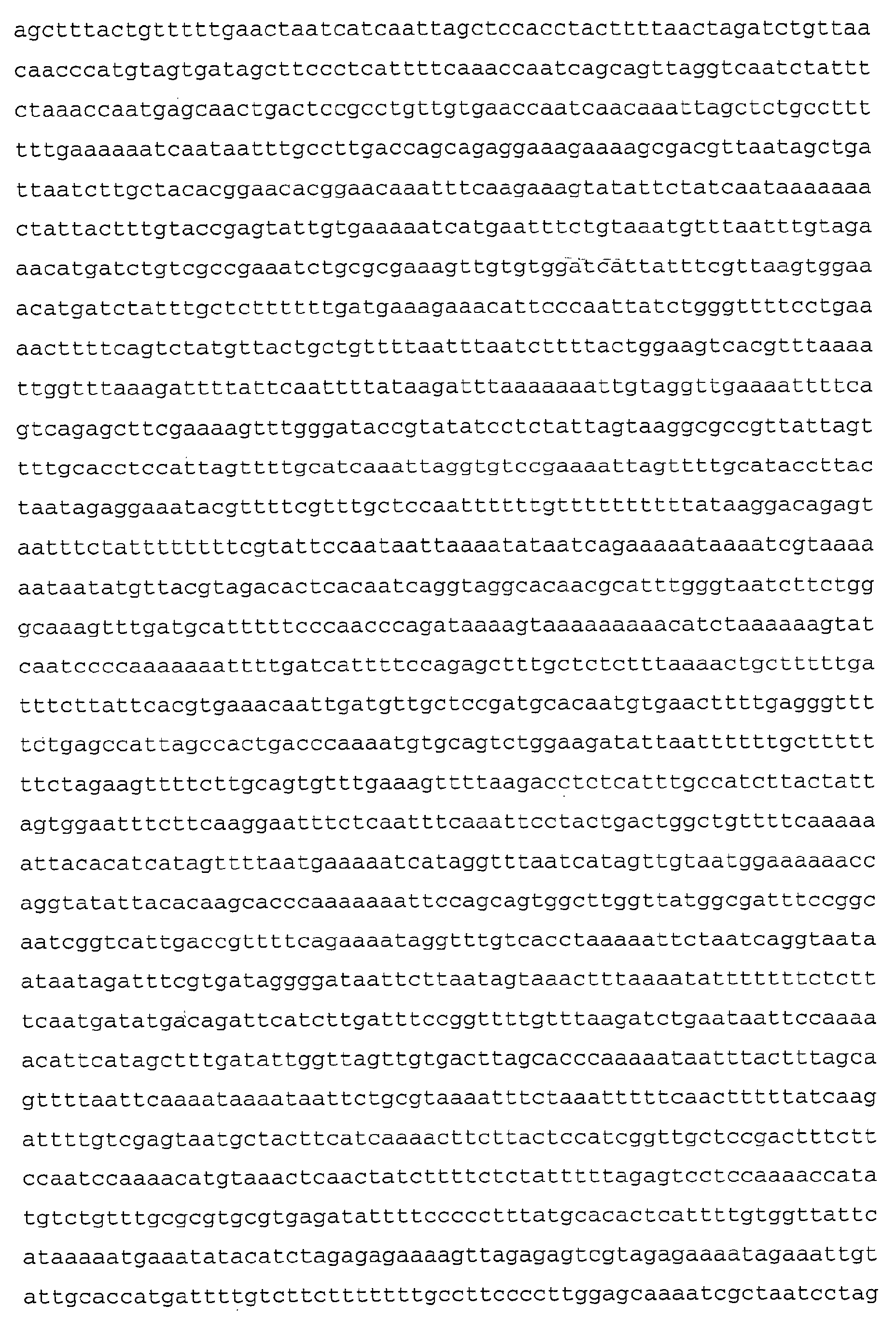 into a GFP expression vector Tu# 63 as described in Fire et al., Gene 93 (1990), 189.