EP1245236A1 - Preventives and remedies for chronic hepatitis - Google Patents
Preventives and remedies for chronic hepatitis Download PDFInfo
- Publication number
- EP1245236A1 EP1245236A1 EP00985979A EP00985979A EP1245236A1 EP 1245236 A1 EP1245236 A1 EP 1245236A1 EP 00985979 A EP00985979 A EP 00985979A EP 00985979 A EP00985979 A EP 00985979A EP 1245236 A1 EP1245236 A1 EP 1245236A1
- Authority
- EP
- European Patent Office
- Prior art keywords
- amino acid
- oligopeptide
- acid sequence
- seq
- virus
- Prior art date
- Legal status (The legal status is an assumption and is not a legal conclusion. Google has not performed a legal analysis and makes no representation as to the accuracy of the status listed.)
- Withdrawn
Links
Images





Classifications
-
- C—CHEMISTRY; METALLURGY
- C07—ORGANIC CHEMISTRY
- C07K—PEPTIDES
- C07K14/00—Peptides having more than 20 amino acids; Gastrins; Somatostatins; Melanotropins; Derivatives thereof
- C07K14/435—Peptides having more than 20 amino acids; Gastrins; Somatostatins; Melanotropins; Derivatives thereof from animals; from humans
- C07K14/52—Cytokines; Lymphokines; Interferons
- C07K14/555—Interferons [IFN]
-
- A—HUMAN NECESSITIES
- A61—MEDICAL OR VETERINARY SCIENCE; HYGIENE
- A61P—SPECIFIC THERAPEUTIC ACTIVITY OF CHEMICAL COMPOUNDS OR MEDICINAL PREPARATIONS
- A61P1/00—Drugs for disorders of the alimentary tract or the digestive system
- A61P1/16—Drugs for disorders of the alimentary tract or the digestive system for liver or gallbladder disorders, e.g. hepatoprotective agents, cholagogues, litholytics
-
- A—HUMAN NECESSITIES
- A61—MEDICAL OR VETERINARY SCIENCE; HYGIENE
- A61P—SPECIFIC THERAPEUTIC ACTIVITY OF CHEMICAL COMPOUNDS OR MEDICINAL PREPARATIONS
- A61P31/00—Antiinfectives, i.e. antibiotics, antiseptics, chemotherapeutics
- A61P31/12—Antivirals
- A61P31/20—Antivirals for DNA viruses
-
- C—CHEMISTRY; METALLURGY
- C07—ORGANIC CHEMISTRY
- C07K—PEPTIDES
- C07K14/00—Peptides having more than 20 amino acids; Gastrins; Somatostatins; Melanotropins; Derivatives thereof
- C07K14/435—Peptides having more than 20 amino acids; Gastrins; Somatostatins; Melanotropins; Derivatives thereof from animals; from humans
- C07K14/705—Receptors; Cell surface antigens; Cell surface determinants
-
- C—CHEMISTRY; METALLURGY
- C07—ORGANIC CHEMISTRY
- C07K—PEPTIDES
- C07K14/00—Peptides having more than 20 amino acids; Gastrins; Somatostatins; Melanotropins; Derivatives thereof
- C07K14/435—Peptides having more than 20 amino acids; Gastrins; Somatostatins; Melanotropins; Derivatives thereof from animals; from humans
- C07K14/705—Receptors; Cell surface antigens; Cell surface determinants
- C07K14/70596—Molecules with a "CD"-designation not provided for elsewhere
-
- A—HUMAN NECESSITIES
- A61—MEDICAL OR VETERINARY SCIENCE; HYGIENE
- A61K—PREPARATIONS FOR MEDICAL, DENTAL OR TOILETRY PURPOSES
- A61K38/00—Medicinal preparations containing peptides
-
- C—CHEMISTRY; METALLURGY
- C07—ORGANIC CHEMISTRY
- C07K—PEPTIDES
- C07K2319/00—Fusion polypeptide
Definitions
- the present invention relates to a therapeutic agent for chronic hepatitis, comprising an oligonucleotide haying an amino acid sequence or a part thereof, wherein the amino acid sequence is important for infection of hepatitis virus into a target cell.
- the present invention relates to a therapeutic agent for chronic hepatitis, comprising an oligopeptide or a part thereof, the oligopeptide being capable of binding to an antigenic protein for hepatitis virus and having an action of inhibiting binding of virus to a receptor protein, or a compound prepared on the basis of its sequence.
- the present invention relates to a fusion interferon comprising the oligopeptide and its partial amino acid sequence.
- the present invention relates to a method for treating chronic hepatitis in combination with the use of interferon.
- HCV hepatitis B virus
- HCV hepatitis C virus
- HBV belonging to Hepadonaviridae is a double-stranded DNA virus
- a mutation in a virus genome does not take place as much as it does in HCV; however, it transforms to chronicity by incorporation into chromosome DNA.
- fulmination caused by avoidance from the immune mechanism caused by mutation of a virus gene.
- the only one treatment method for eliminating the virus is an interferon treatment method.
- a ratio at which the virus is finally eliminated is 40% or so in HCV and 20% or so in HBV.
- an interferon treatment method for the HCV there is caused a difference in its therapeutic effect depending upon the status of the patient, such as serotype of HCV, virus amount and histological progression degree.
- genotype II and hyperviremia it has been known that its amelioration effect is low and a virus clearance ratio is also low.
- a treatment mainly comprising clearance of hepatitis C virus (HCV) and improvement in liver function is carried out.
- HCV hepatitis C virus
- a treatment of chronic type-C hepatitis by interferon having improved actions in both HCV clearance and liver function is carried out as the only one method of treatment for virus clearance.
- a treatment has the disadvantage that a virus complete clearance ratio for HCV is as low as 40% or so.
- a method for treating chronic hepatitis in combination with the use of interferon and ribavirin, amantadine or the like has been recently developed; however, the method still has a disadvantage that the effectiveness is yet low.
- a drug for improving a liver function by using glycyrrhizin or the like has been tried for a patient showing resistance to interferon; however, the drug has a disadvantage that the liver function is rapidly worsened after the termination of administration.
- an interferon treatment method is carried out as in the case of chronic type-C hepatitis; however, the therapeutic effect can be expected currently on the level of only 20% or so.
- an inhibitor for an HBV polymerase has been administered; however, the administration has the large side effects and relapse of virus is found after the termination of administration.
- a method for treatment in combination with the use of interferon and cyclosporin is carried out after exchange of whole serum; however, a lifesaving rate is low currently.
- a first object of the present invention is to provide a prophylactic or therapeutic agent for chronic hepatitis, capable of inhibiting the binding of hepatitis virus and a target cell, thereby preventing or treating chronic hepatitis.
- a second object of the present invention is to provide a fusion interferon and a method for treating chronic hepatitis in combination with the use of interferon, capable of still more improving a viral clearance ratio at the termination of interferon administration.
- the gist of the present invention relates to:
- the prophylactic or therapeutic agent for chronic hepatitis of the present invention resides in that the prophylactic or therapeutic agent comprises an oligopeptide having the following characteristics:
- hepatitis C virus will be abbreviated as “HCV” and hepatitis B virus will be abbreviated as “HBV.”
- the viral antigen protein includes, for instance, an envelope protein of HCV, pre-S protein of HBV, and the like.
- the concept of the present invention can be applied to diseases other than chronic hepatitis.
- the envelope protein of HIV or the like can be used as a viral antigen protein.
- the oligopeptide having the above-mentioned characteristics (A) to (C) comprises an amino acid sequence essential for binding of a receptor protein to virus, the binding affinity of a viral antigen protein to an oligopeptide is exhibited. It is desired that the above-mentioned binding affinity is higher than the binding affinity of virus to a receptor protein on a target cell for the virus, from the viewpoint of inhibiting the binding of the virus to the receptor protein on the target cell for the virus.
- the receptor protein of a target cell for the virus includes human CD81, which is a receptor molecule for HCV; carboxypeptidase D, to which pre-S protein of HBV is deduced to be bound; glycine decarboxylase complex P protein and the like.
- human CD81, human carboxypeptidase D and glycine decarboxylase complex P protein are preferable.
- the above-mentioned oligopeptide has the homologies with a receptor protein of 20% or more at a homologous amino acid level, from the viewpoint of exhibiting sufficient binding affinity.
- the homologies are 50% or more.
- HCV hypervariable region
- HVR1 hypervariable region
- a receptor of the cell for HCV is CD81, and it has been suggested that the binding is mediated by E2 region of HCV (Pileri P. et al., Science, 1998, 282 , 938-941).
- lactoferrin contained in breast milk binds to HCV and reduces an amount of virus in blood (Tanaka K. et al., Jpn. J. Cancer Res., 1999, 90 , 367-371). It has been further reported that a viral region to which lactoferrin binds is E2 region (Akito Nozaki et al., Society of Japan Virology, the 47th academic meeting, general meeting program, abstract, 1999, 188). Further, it has reported that the LDL receptor has an affinity with E2 region [Wunschmann, S. et al., J. Virol ., 74 ,10055-10062 (2000)].
- virus in blood rapidly disappears, when the infection to a cell is suppressed.
- suppression of adhesion of virus to a target cell is effective for eliminating virus in blood in a shorter period of time.
- complete disappearance of virus cannot be accomplished.
- virus in blood is rapidly eliminated, but release of a small amount of virus produces a new infection. Therefore, it is considered that virus is relapsed after the completion of administration of interferon. Therefore, it is considered that a clearance of virus by interferon enhanced by additional administration of a substance which inhibits the infection of virus itself to the administration of interferon having both an anti-virus action and an immuno-stimulating action.
- HBV which is an etiologist for hepatitis B
- HBV since HBV is a double-stranded DNA virus, it can be hardly considered that a viral genome disappears directly by an anti-virus action of interferon.
- HBV since HBV is not a cytotoxic virus and an amount of the virus in blood is correlated with a degree of liver dysfunction, it is considered that the liver dysfunction due to HBV is mainly caused by the immunological eliminating action for a viral infected cell. It is considered that an interferon treatment finally eliminates the virus by mainly more effectively enhancing this immunological eliminating action.
- HBV is a relatively stable virus. It is considered that if the infection to a target cell can be inhibited, a new infection is protected, whereby the immunological eliminating action in an interferon treatment can be maximally drawn out.
- the host proteins were carboxypeptidase D and glycine decarboxylase complex P protein (Tong S. et al., J. Virol. , 1999, 73 , 8696-8702 and Li J. et al., J. Biol. Chem., 1999, 274 , 27658-27665). There has not yet been verified the presence or absence of the affinity of these proteins with pre-S protein in human.
- the present inventors have assumed that there is a sequence capable of inhibiting the binding of CD81 as a HCV receptor to HCV in an amino acid sequence of lactoferrin, and thought that the sequence has certain homologies with CD81.
- the affinity of HBV pre-S to a cell is present in a limited region from 83rd amino acid residue to 107th amino acid residue in the pre-S protein (Tong S. et al., J. Virol. , 1999, 73 , 8696-8702 and Li J. et al., J. Biol. Chem. , 1999, 274 , 27658-27665).
- the present inventors have deduced that their binding reactions are the same, and thought that there are found some homologies in an amino acid sequence and a tertiary structure in carboxypeptidase D and glycine decarboxylase complex P protein.
- the present inventors have found a partially similar sequence from the comparison of an amino acid sequence of lactoferrin, which is thought to protect against the HCV infection, with an amino acid sequence of human CD81, which is a viral receptor, and also found an amino acid sequence which is similar to that of a protein having an affinity to duck HBV pre-S.
- the present inventors have thought that an oligopeptide sequence or a part thereof, or a compound having a structure similar to tertiary structures of those sequences has been effective for suppressing the viral infection.
- the present invention has been found based on such a discussion.
- the prophylactic or therapeutic agent for chronic hepatitis of the present invention include a prophylactic or therapeutic agent for chronic type-C hepatitis, a prophylactic or therapeutic agent for chronic type-B hepatitis, and the like.
- prophylactic or therapeutic agent for chronic type-C hepatitis of the present invention resides in that the prophylactic or therapeutic agent comprises a compound having the following characteristics:
- Oligopeptide comprising an amino acid sequence or a part thereof, wherein the amino acid sequence is found by identification of a homologous sequence of bovine and human lactoferrins which has been known to bind to HCV, and human CD81, which is a receptor molecule for HCV.
- the nucleic acid encoding an oligopeptide satisfying the above-mentioned requirement 1) includes a nucleic acid comprising a nucleic acid selected from the group consisting of:
- nucleic acid encoding an oligopeptide satisfying the above-mentioned requirement 2 includes a nucleic acid comprising a nucleic acid selected from the group consisting of:
- nucleic acid encoding an oligopeptide satisfying the above-mentioned requirement 3 includes a nucleic acid comprising a nucleic acid selected from the group consisting of:
- Oligopeptide comprising an amino acid sequence or a part thereof, wherein the amino acid sequence is found by identification of a homologous sequence between a human LDL receptor, which has been known to bind to HCV, and human CD81, which is a receptor molecule for HCV.
- oligopeptides shown in the following 1') and 2' which are a region for binding to HCV, the oligopeptides being capable of inhibiting binding to a viral receptor:
- the nucleic acid encoding an oligopeptide satisfying the above-mentioned requirement 1') includes a nucleic acid comprising a nucleic acid selected from the group consisting of:
- nucleic acid encoding an oligopeptide satisfying the above-mentioned requirement 2' includes a nucleic acid comprising a nucleic acid selected from the group consisting of:
- the nucleic acid used in the present invention may be a nucleic acid complementary to the nucleic acids of the above-mentioned (i) to (ix) and (i') to (vi'), and concretely the nucleic acid may be DNA or RNA.
- stringent conditions includes conditions described in Sambrook et al., Molecular Cloning: A Laboratory Manual Second eds ., (1980).
- each of the nucleotide sequences of SEQ ID NOs: 7 to 9 is a nucleotide sequence of a nucleic acid encoding human-derived protein CD81, a nucleotide sequence of a nucleic acid encoding bovine-derived lactoferrin or a nucleotide sequence of a nucleic acid encoding human-derived lactoferrin.
- the amino acid sequence of SEQ ID NO: 1 is a part of an amino acid sequence of human-derived CD81 of SEQ ID NO: 7.
- the amino acid sequence of SEQ ID NO: 2 is a part of an amino acid sequence of bovine-derived lactoferrin of SEQ ID NO: 8.
- amino acid sequence of SEQ ID NO: 3 is a part of an amino acid sequence of human-derived lactoferrin of SEQ ID NO: 9.
- the nucleotide sequence of SEQ ID NO: 4 is a nucleotide sequence of a nucleic acid encoding an amino acid sequence of human-derived CD81 of SEQ ID NO: 1;
- the nucleotide sequence of SEQ ID NO: 5 is a nucleotide sequence of a nucleic acid encoding an amino acid sequence of bovine-derived lactoferrin of SEQ ID NO: 2;
- nucleotide sequence of SEQ ID NO: 6 is a nucleotide sequence of a nucleic acid encoding an amino acid of human-derived lactoferrin of SEQ ID NO: 3.
- Each of SEQ ID NOs: 18 and 19 is a part of an amino acid sequence of human LDL receptor of SEQ ID NO: 22.
- Each of SEQ ID NOs: 20 and 21 is a nucleotide sequence of a nucleic acid encoding an amino acid sequence of human-derived LDL receptor of SEQ ID NO: 18 or 19.
- the compound which can be used in the prophylactic or therapeutic agent for chronic type-C hepatitis of the present invention includes an oligopeptide or a part thereof, wherein the oligopeptide has the following characteristics:
- the oligopeptide having the above-mentioned characteristics I) to III) includes a peptide having the amino acid sequence of SEQ ID NO: 1, 2, 3 or 27, and a cyclic peptide having the amino acid sequence of SEQ ID NO: 28.
- the oligopeptide used in the present invention can be deduced by comparison with each of an amino acid sequence of bovine lactoferrin, of which binding activity to HCV is known, and an amino acid sequence of CD81.
- an amino acid sequence is deduced on the basis of each nucleotide sequence of human CD81 (accession No. NM004356) or bovine lactoferrin (accession No. M63502) disclosed in a known database (GenBank), and each amino acid sequence may be compared.
- Each peptide is synthesized on the basis of the resulting homologous region, and binding activity of the peptide to a recombinant E2 protein is confirmed.
- a confirmation of the binding activity can be carried out, for example, by ELISA, immunoprecipitation, RIA or the like.
- a cell expressing CD81 for example, Jurkat cell
- the confirmation of inhibition of the binding can be carried out by FACS analysis, or determination of radioactivity bound to a cell in a case where the recombinant E2 protein labeled with a radioactive isotope element is used, besides the above-mentioned ELISA and RIA.
- a partial amino acid sequence of the above-mentioned selected sequence is synthesized, whereby selection can be made on the basis of the binding affinity to E2 and the inhibitory effect of binding of E2 to CD81.
- prophylactic or therapeutic agent for chronic type-B hepatitis of the present invention resides in that the prophylactic or therapeutic agent comprises a compound having the following characteristics:
- Oligopeptide comprising an amino acid sequence or a part thereof, wherein the amino acid sequence is found by identifying a homologous sequence between human carboxypeptidase D and human glycine decarboxylase complex P protein, which are known to bind to HBV
- oligopeptides shown in the following 1) to 2) which are a region for binding with HBV, the oligopeptides being capable of inhibiting binding to a viral receptor:
- the nucleic acid encoding an oligopeptide satisfying the above-mentioned requirement 1) includes a nucleic acid comprising a nucleic acid selected from the group consisting of:
- the nucleic acid encoding an oligopeptide satisfying the above-mentioned requirement 2) includes a nucleic acid comprising a nucleic acid selected form the group consisting of:
- the nucleic acid used in the present invention may be a nucleic acid complementary to the above-mentioned nucleic acids (I) to (VI), and concretely the nucleic acid may be DNA or RNA.
- the nucleic acid may be DNA or RNA.
- VII a nucleic acid having a nucleotide sequence having substitution, deletion, addition or insertion in at least one base in a nucleotide sequence of a nucleic acid selected from the group consisting of the above-mentioned (I) to (VI)
- VIII a nucleic acid capable of hybridizing with a nucleic acid selected from the group consisting of the above-mentioned (I) to (VII) under the stringent conditions.
- each of the amino acid sequences of SEQ ID NOs: 16 and 17 is an amino acid of human-derived carboxypeptidase D and an amino acid of human-derived glycine decarboxylase complex P protein, respectively.
- the amino acid sequence of SEQ ID NO: 10 is a part of an amino acid sequence of human-derived carboxypeptidase D of SEQ ID NO: 16.
- the amino acid sequence of SEQ ID NO: 11 is a nucleotide sequence of a nucleic acid encoding an amino acid sequence of human-derived glycine decarboxylase complex P protein of SEQ ID NO: 17.
- the nucleotide sequence of SEQ ID NO: 12 is a nucleotide sequence of a DNA encoding an amino acid sequence of human-derived carboxypeptidase D of SEQ ID NO: 10
- the nucleotide sequence of SEQ ID NO: 13 is a nucleotide sequence of a DNA encoding an amino acid sequence of human-derived glycine decarboxylase complex P protein of SEQ ID NO: 11.
- oligopeptide used in the present invention can be deduced, for example, by comparison with each of amino acid sequences of duck-derived carboxypeptidase D, which is considered to be important for binding to duck HBV, and glycine decarboxylase complex P protein.
- an amino acid sequence is deduced by nucleotide sequences of duck-derived carboxypeptidase D (accession No. AF039749) and glycine decarboxylase complex P protein (accession No. AF137264) disclosed in a known database (GenBank), and each region associated with binding to duck-derived pre-S may be compared.
- a duck-derived sequence is compared with an amino acid sequence deduced from nucleotide sequences of human-derived carboxypeptidase D (accession No. U65090) and glycine decarboxylase complex P protein (accession No. NM000170), and an amino acid sequence of a corresponding human-derived peptide may then be determined.
- Each peptide is synthesized on the basis of the obtained homologous region, and the binding affinity of the peptide to the recombinant pre-S protein may be confirmed.
- An amino acid sequence of a region effective for suppressing the virus infection in an amino acid sequence contained in the oligopeptide used in the prophylactic or therapeutic agent for chronic hepatitis of the present invention concretely a prophylactic or therapeutic agent for chronic type-C hepatitis or a prophylactic or therapeutic agent for chronic type-B hepatitis, can be selected by synthesizing a peptide consisting of a part of the amino acid sequence selected as mentioned above and selecting on the bases of the binding activity to a viral antigen and the inhibitory effect of binding of a viral antigen to a virus receptor.
- the oligopeptide having the selected amino acid sequence itself may be administered to a patient with chronic type-B hepatitis or chronic type-C hepatitis. Further, the oligopeptide having the above-mentioned selected amino acid sequence is thought to have an enhanced virus clearance ratio by using the oligopeptide in combination with interferon.
- soluble CD81 or lactoferrin itself can be administered. It is preferable that an oligopeptide having only a sequence important for binding to HCV is administered, from the viewpoints of reducing the degradation of a protein absorbed during an oral administration and the side effects during intravenous injection.
- the soluble carboxypeptidase D or glycine decarboxylase complex P protein itself can be administered. It is preferable that an oligopeptide having only a sequence important for binding to HBV is administered.
- a prophylactic or therapeutic agent comprising as an active ingredient the selected oligopeptide or a part of the oligopeptide, or a nucleic acid encoding thereof can be administered in combination with an adjuvant, or can be administered in a particulate preparation.
- a prophylactic or therapeutic agent can be prepared into the form of a liposome preparation, a particulate preparation binding to a bead having a diameter of a few ⁇ m, a preparation binding to a lipid or the like.
- the dose can be appropriately adjusted depending upon the properties of an infected cell, age and weight of a patient and the like, and is usually 0.001 mg/kg/dosage to 1000 mg/kg/dosage.
- the prophylactic or therapeutic agent is administered every day at an initial administration, and thereafter administered once in several days to several months depending upon the amount of virus in a cell.
- the prophylactic or therapeutic agent can be administered by oral administration, intraarterial injection, intravenous injection, intramuscular injection or local injection to the liver.
- the above-mentioned oligopeptide is stabilized in blood, and the oligopeptide may be modified for that purpose.
- the oligopeptide can be modified by preparing an oligopeptide stable in blood by connecting the oligopeptide to polyethylene glycol, to lengthen its half-life in blood, or modifying the oligopeptide at N-terminal or substituting with D-amino acid.
- oligopeptide there can be further provided a method for treating chronic hepatitis in combination with the use of interferon.
- the method for treating chronic hepatitis in combination with the use of interferon is also encompassed within the scope of the present invention.
- one of the characteristics of the above-mentioned method for treatment in combination with the use of interferon resides in that the method uses an oligopeptide or a part thereof in combination with interferon, wherein the oligopeptide having the following characteristics:
- the action of interferon is roughly classified into the anti-virus action directly acting on an infected cell and the immuno-stimulating action of host immunity.
- the anti-virus action by interferon is generated by signal transmission via an interferon receptor, thereby promoting degradation or translation inhibition of RNA of HCV by inducing production of an anti-virus factor.
- RNA of HCV in serum becomes outside the detection limit two days after the administration at 73.8% of remarkably effective cases, it is considered that HCV is eliminated rapidly after the interferon administration (Saito H. et al., Keio J. Med ., 1997, 46, 74-80).
- viruses are disappeared, relapse of virus is found after the termination of the interferon administration in a considerable number of cases.
- binding of HCV on a target cell can be inhibited by using the above-mentioned oligopeptide or nucleic acid, so that HCV can be eliminated by interferon, whereby the virus clearance ability can be made more effective after the start of the interferon administration.
- relapse of interferon-resistant virus at the termination of the interferon administration can be further reduced.
- the selected oligopeptide can be fused with another functional molecule to be used as a fusion substance.
- the fusion substance is also encompassed in the present invention.
- a site into which an oligopeptide sequence is inserted is a position at which the activity of the functional molecule is not reduced.
- fusion of an interferon molecule and a selected oligopeptide sequence is advantageous in the interferon treatment in that a single dose administration can be made.
- the fusion interferon includes a fusion interferon comprising an amino acid sequence of an oligopeptide having the following characteristics:
- the corresponding oligopeptide When an oligopeptide sequence is inserted into an interferon molecule, the corresponding oligopeptide may be conveniently connected to N-terminal or C-terminal of interferon. Since a neighbor region of N-terminal or C-terminal of interferon is not a region essential for binding of interferon to the interferon receptor, it is determined that interferon retains the activity with a high possibility by addition of the oligopeptide sequence to the terminal. However, a structure of a connected amino acid sequence influences the interferon activity in some cases. In that case, an oligopeptide sequence which does not lower the activity of interferon and can bind to a virus antigen may be limited.
- an interferon gene may be amplified using PCR primers comprising a region having homologies with a 5'-terminal side or a 3'-terminal side of a DNA encoding the corresponding oligopeptide and a DNA encoding interferon.
- PCR primers comprising a region having homologies with a 5'-terminal side or a 3'-terminal side of a DNA encoding the corresponding oligopeptide and a DNA encoding interferon.
- a restriction enzyme cleavage site to a 5'-side of a primer for insertion into an expression vector, because insertion into an expression vector is conveniently carried out.
- C-terminal added interferon the interferon with the corresponding oligopeptide added on C-terminal
- N-terminal added interferon the interferon with the corresponding oligopeptide added on N-terminal side
- any cell strains derived from prokaryote or eukaryote can be used as a host.
- a termination codon is incorporated at 3'-terminal of a DNA encoding an oligopeptide to be added on C-terminal side.
- a primer may be designed so that a DNA sequence encoding an oligopeptide having an initiation codon at 5'-terminal is contained.
- a primer when a cell strain derived from eukaryote is used as a host, a primer may be designed so that an amino acid sequence of an oligopeptide is inserted between C-terminal of a signal sequence of interferon and N-terminal of processed interferon.
- the original interferon gene used as a template in reaction for PCR may be any of interferon- ⁇ , interferon- ⁇ and interferon- ⁇ genes.
- an interferon- ⁇ gene having many subtypes is used, a gene can be cloned by RT-PCR method from Namalwa cell and the like which have been stimulated and infected with NDV or Sendai virus in accordance with the nucleotide sequences described in the database.
- the fusion interferon of the present invention can be applied to any virus as long as a disease is a viral disease with which the interferon exhibits an anti-virus activity, in addition to human hepatitis C or B virus disease. Also, the fusion interferon can be applied to mammals such as ducks, chickens, horses, cows, sheep, dogs, cats and the like besides human.
- amino acid sequences were deduced from open reading frames contained therein. Each of the amino acid sequences is shown in SEQ ID NOs: 7 to 9.
- the amino acid sequence homologies between human CD81 and bovine lactoferrin were obtained. As a result, the homologies were found between a region of 151st amino acid residue to 195th amino acid residue of CD81 (amino acid NOs: 151 to 195 of SEQ ID NO: 7) and a region of 439th amino acid residue to 481st amino acid residue of bovine lactoferrin (amino acid NOs: 439 to 481 of SEQ ID NO: 8). A region for which the homologies were found is shown in Figure 2. In Figure 2, Panel A of the sequence shows human-derived CD81 and Panel B shows bovine lactoferrin.
- a secondary structure of a partial amino acid sequence of each protein to which HCV is considered to bind was predicted.
- the results were shown in Figure 4.
- the homologous sequences between human CD81 and bovine lactoferrin are indicated in the figure.
- the identical amino acids were indicated by bold characters, and the homologous amino acids were indicated by plain characters.
- portions corresponding to amino acids constituting the same secondary structure between human CD81 and bovine lactoferrin were shaded with meshed patterns.
- human lactoferrin the same portions as amino acids keeping a common secondary structure between a homologous sequence with human CD81, human CD81 and bovine lactoferrin in the amino acid sequence were shaded with meshed patterns.
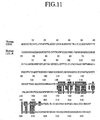
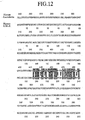
- the amino acid sequence homologies between human CD81 and human LDL receptor were obtained. As a result, the homologies were found between a region of 150th amino acid residue to 191st amino acid residue of human CD81 (amino acid NOs: 150 to 191 of SEQ ID NO: 7) and a region of 170th amino acid residue to 210th amino acid residue of a human LDL receptor (amino acid NOs: 170 to 210 of SEQ ID NO: 22). A region for which the homologies were found is shown in Figure 11. In the sequence of Figure 11, an upper row shows human-derived CD81, and a lower row shows a human LDL receptor.
- Portions shaded with meshed patterns in the amino acid sequence of CD81 are amino acid residues having the homologies with bovine and human lactoferrins, and portions shaded with meshed patterns of the amino acid sequence of a human LDL receptor are regions where the homologies were conserved.
- An oligopeptide is synthesized in accordance with each amino acid sequence of homologous regions of human CD81, bovine lactoferrin and human lactoferrin.
- the resulting oligopeptide is coated on an ELISA plate in accordance with a conventional method.
- a binding reaction is carried out by adding thereto HCV E2 antigen of Austral Biologicals, Inc. which can be purchased from Cosmo Bio.
- an ELISA plate is coated with bovine lactoferrin protein of SERVA Electrophoresis GmbH. which can be purchased from Cosmo Bio, or human lactoferrin protein of Cappel Product.
- an E2 antigen bound to an oligopeptide coated on a plate is detected by using a monoclonal antibody for the HCV E2 antigen of Austral Biologicals, Inc. which can be purchased from Cosmo Bio.
- An oligopeptide consisting of about 20 amino acids is synthesized so as to overlap with the oligopeptide sequence of which binding activity to HCV E2 antigen in Example 2 is found.
- a region having the highest binding activity to the HCV E2 antigen may be selected, and an binding sequence may be further narrowed down.
- a binding experiment is carried out in the same manner, whereby a smallest oligonucleotide sequence which can bind to HCV E2 antigen can be identified.
- An oligopeptide capable of binding to HCV E2 antigen is reacted with the HCV E2 antigen to study whether or not binding of CD81 expressed in Jurkat cells purchased from DAINIPPON PHARMACEUTICAL CO., LTD. to the HCV E2 antigen is inhibited.
- the selected oligopeptide inhibits adhesion of the HCV E2 antigen to CD81-positive cells can be estimated.
- the inhibitory activity for adhesion of CD81 to the HCV E2 antigen was assayed in accordance with the literature. The concrete description will be given hereinbelow.
- Jurkat cells (ATCC TIB-152) collected from a culturing T-75 flask (Coaster) in accordance with the conventional method were washed with centrifugation twice with 10 mL of Wash Buffer [phosphate-buffered saline (manufactured by Lifetech Oriental) containing 1% fetal bovine serum (manufactured by BIO WHITTAKER) and 0.1% sodium azide (manufactured by nakalai tesque); hereinafter simply referred to as WB].
- Wash Buffer phosphate-buffered saline (manufactured by Lifetech Oriental) containing 1% fetal bovine serum (manufactured by BIO WHITTAKER) and 0.1% sodium azide (manufactured by nakalai tesque); hereinafter simply referred to as WB].
- Washed Jurkat cells were suspended in WB so as to have a concentration of 4 ⁇ 10 6 cells/mL to give a Jurkat cell suspension.
- Twenty microliters of an anti-human CD81 antibody (BD PharMingen) was added to a 6 mm round-bottom tube (manufactured by Falcon). Further, 50 ⁇ L of the above-mentioned Jurkat cell suspension was added thereto, to give an anti-human CD81 antibody-Jurkat cell mixture.
- mice IgG1 antibody manufactured by BD PharMingen
- the same isotype as the anti-human CD81 antibody was added to a 6 mm round-bottom tube (manufactured by Falcon).
- 50 ⁇ L of the above-mentioned Jurkat cell suspension was added thereto, to give a mouse IgG1 antibody-Jurkat cell mixture.
- each of the resulting anti-human CD81 antibody-Jurkat cell mixture and the mouse IgG1 antibody-Jurkat cell mixture was stirred, and each of these mixtures were then allowed to stand on ice for 30 minutes. Thereafter, both mixtures were washed with centrifugation twice with 2 mL of WB, and thereafter suspended in 0.1 mL of WB containing 1 ⁇ g of the FITC-labeled anti-mouse IgG1 antibody (manufactured by BD PharMingen). Each of the resulting suspensions was stirred, and thereafter allowed to stand on ice for 30 minutes.
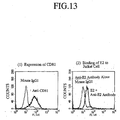
- Panel (2) the FITC fluorescent intensity was increased only when the Jurkat cells which had been reacted with the recombinant E2 protein, were stained with the anti-E2 antibody. Therefore, it is shown that the recombinant E2 protein is bound to the Jurkat cells.
- CD81 which is a receptor for HCV E2 protein, is expressed on almost all the Jurkat cells.
- the Jurkat cells were prepared in the same manner as in item (1), and suspended in WB so as to have a concentration of 4 ⁇ 10 6 cells/mL, to give a Jurkat cell suspension.
- One microgram of the recombinant E2 protein (Austral Biologicals) was added to a 6 mm rounded-bottom tube, and 50 ⁇ L of the Jurkat cell suspension was added thereto, to give a recombinant E2 protein-Jurkat cell mixture.
- the above-mentioned recombinant E2 protein-Jurkat cell mixture was stirred and thereafter allowed to stand on ice for 30 minutes.
- the above-mentioned mixture was washed with centrifugation twice with 2 mL of WB, and thereafter suspended in 0.1 mL of WB containing 1 ⁇ g of an anti-E2 antibody (Austral Biologicals). After stirring, the mixture was allowed to stand on ice for 30 minutes.
- the resulting product was reacted with an FITC-labeled anti-mouse IgG1 antibody, and thereafter the reaction mixture was suspended in 0.2 mL of a 10% neutral buffered formalin solution.
- E2 protein bound to Jurkat cells was analyzed by using FACScan. The results are shown in Figure 13.
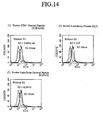
- the FITC fluorescent intensity which had been increased by the addition of the untreated recombinant E2 protein to the Jurkat cells was weakened by the reaction of a peptide or protein with the recombinant E2 protein. This shows that the peptide or the protein inhibited the binding activity of the recombinant E2 protein to the Jurkat cells.
- Peptides having amino acid sequences of SEQ ID NOs: 23 to 28 were synthesized on the solid phase by Fmoc method, and purified by reverse phase HPLC. Each of the amino acid sequences shows the following peptides:
- Cyclization of the above-mentioned bovine lactoferrin-derived cyclic peptide of SEQ ID NO: 28 was carried out by forming a disulfide bond with cysteine residues positioned at N-terminal and C-terminal. Further, the cyclization was confirmed by mass spectroscopy of the purified peptide.
- the peptide obtained in the item (3) above was dissolved in a phosphate buffered saline (hereinafter, referred to as PBS; manufactured by Nissuiseiyaku) so as to have a concentration of 1 mg/mL.
- PBS phosphate buffered saline
- bovine lactoferrin (SERVA Electrophoresis GmbH) was dissolved in PBS so as to have a concentration of 1 mg/mL.
- each of the resulting solutions was sterilized by filtration using a 0.2 ⁇ m cartridge filter (Millipore Corporation).
- Each of the resulting filtrates was dispensed in an amount of 0.2 mL of and frozen-stored at 80°C.
- the resulting solutions are referred to as a peptide solution and a purified bovine lactoferrin solution.
- the resulting solution was reacted successively with an anti-E2 antibody and an FITC-labeled anti-mouse IgG1 antibody, and the reaction mixture was suspended in 0.2 mL of a 10% neutral buffered formalin solution.
- E2 protein bound to Jurkat cells was analyzed by using FACScan.
- a complementary nucleotide sequence having about 20 bases, immediately before a termination codon of interferon- ⁇ 2b, and a DNA encoding the selected oligopeptide are fused, and a termination codon sequence was further connected to 3'-terminal, and there are further synthesized 3'-side PCR primers having a restriction enzyme digesting sequence so that the sequence can be cloned into an appropriate restriction enzyme site of pBK-CMV, which can be purchased from Stratagene.
- a DNA having a restriction enzyme digesting sequence at a 5'-terminal as a 5'-side primer and containing a 5'-upstream region of interferon- ⁇ 2b and a homologous nucleotide sequence having about 20 bases.
- reaction of PCR is carried out by using a cDNA clone of interferon- ⁇ 2b obtained with Namalwa cells which can be purchased from DAINIPPON PHARMACEUTICAL CO., LTD. as a template.
- the resulting PCR amplified fragment is digested with a restriction enzyme, and then inserted into pBK-CMV, to give an Escherichia coli transformant in accordance with a conventional method.
- a recombinant plasmid harboring the above-mentioned PCR-amplified fragment is isolated from the resulting transformant.
- appropriate cells for example, COS-1 cells, CHO cells etc.
- COS-1 cells, CHO cells etc. are transfected with the resulting recombinant plasmid by calcium phosphate method, to give C-terminal added interferon- ⁇ 2b.
- the resulting culture supernatant is added to various human-derived cell strains (HeLa cells, HepG2 cells and the like), whereby confirming that 2-5A synthase is induced by C-terminal added interferon- ⁇ 2b.
- PCR was carried out by using KOD Plus DNA polymerase (TOYOBO CO., LTD.) and interferon- ⁇ 2b-specific primers U-2 (SEQ ID NO: 29) and L-2 (SEQ ID NO: 30), with human genome DNA (manufactured by Promega; cat#: G304A, lot#: 9273102L) as a template.
- reaction solution a solution prepared by mixing 988 ng of human genome DNA, 10 ⁇ l of KOD Plus DNA polymerase 10 ⁇ reaction buffer, 10 ⁇ l of dNTPs (2 mM each), 4.8 ⁇ l of MgSO 4 (25 mM), 5 ⁇ l of primer U-2 (0.1 ⁇ g/ ⁇ l), 5 ⁇ l of primer L-2 (0.1 ⁇ g/ ⁇ l) and 2 ⁇ l of KOD Plus DNA polymerase (1 U/ ⁇ l), and adding distilled water thereto to make up a volume of 100 ⁇ l].
- GeneAmp 9700 manufactured by Perkin-Elmer was used as a thermal cycler.
- the thermal profile comprises 1 cycle of 95°C-3 minutes, 30 cycles of (95°C-20 seconds, 60°C-30 seconds, and 72°C-3 minutes), and 1 cycle of 72°C-7 minutes, and thereafter, the reaction mixture was allowed to stand at 4°C overnight.
- the resulting PCR product was purified using QIAGEN PCR Purification Kit in accordance with the attached instruction.
- the purified DNA fragment was digested with BamHI and HindIII, and the resulting product was purified.
- pcDNA3.1(-) (manufactured by Invitrogen) was digested with BamHI and HindIII, and the resulting product was purified.
- a DNA fragment was inserted into BamHI and HindIII site of the resulting pcDNA3.1(-) digest.
- the IFN- ⁇ 2b expression vector (plasmid was named pCIA) was prepared.
- the nucleotide sequence was read and compared with GenBank accession #J00207, V00544, and confirmed to be correct.
- HCV-binding type IFNs An expression vector for a protein, in which human CD81, bovine lactoferrin or a deduced HCV E2 binding region is fused to C-terminal of human IFN- ⁇ 2b (hereinafter, referred to as "HCV-binding type IFNs") was prepared by the following procedures 1), 2) and 3) ( Figure 15).
- PCR was carried out by using T7 promoter primer and H3TER primer (SEQ ID NO: 31) with the IFN- ⁇ 2b expression vector pCIA as a template, to give a DNA fragment in which HindIII site is introduced into a nucleotide sequence corresponding to C-terminal of IFN- ⁇ 2b, and thereafter the DNA fragment was inserted into pcDNA3.1(-)(plasmid was named pCIA-H).
- the HindIII site was made so that an amino acid sequence of IFN- ⁇ 2b was not changed.
- a synthetic DNA of a deduced HCV E2 binding region of each of CD81, bovine lactoferrin and human lactoferrin was prepared, and the DNA was cloned into pUC18.
- the deduced HCV E2 binding region of CD81 is shown in SEQ ID NO: 32; the deduced HCV E2 binding region of bovine lactoferrin is shown in SEQ ID NO: 33; and the deduced HCV E2 binding region of human lactoferrin is shown in SEQ ID NO: 34.
- a nucleotide sequence of each of the resulting clones was confirmed by sequencing.
- protein synthesis was carried out by in vitro transcription/translation using TNT T7 coupled wheat germ extract system (manufactured by Promega), with pCIA, pCIA-CD81, pCIA-BLFN and pCIA-HLFN as a template. The resulting products were subjected to 15% SDS-PAGE. Thereafter, the proteins in the gel after electrophoresis were transferred to a membrane (Immobillon P, manufactured by Millipore Corporation). Western blot analysis was carried out by using the resulting membrane and an anti-IFN- ⁇ monoclonal antibody (clone MMHA-2, manufactured by PBL Biomedical).
- the blocking in Western blot was carried out by using a blocking buffer [TBS-T (composition: 50 mM Tris-HCl (pH 7.5), 15 mM NaCl, 0.05% Tween 20) containing 3% normal goat serum (Vector)].
- a dilution prepared by 1000-fold-dilution of the anti-IFN- ⁇ monoclonal antibody with a blocking buffer was used as a primary antibody, and a dilution obtained by 5000-fold-dilution of a peroxidase-labeled anti-mouse IgG goat antibody (manufactured by BIOSOURCE INTERNATIONAL) with a blocking buffer was used as a secondary antibody.
- Detection was made by using ECL Plus (manufactured by Amersham Pharmacia).
- IFN- ⁇ 2b and HCV-binding type IFNs are synthesized with each plasmid as a template.
- COS-1 cells were transfected with each of pCIA, pCIA-CD81, pCIA-BLFN and pCIA-HLFN by using FuGENE6 (Roche Diagnostics GmbH).
- the culture after the transfection was carried out on DMEM medium without addition of an antibiotic and without addition of serum.
- Three days after the transfection the culture supernatants were collected. To each of the culture supernatants, fresh medium was added, and the culture was continued. Six days after the transfection, the culture supernatants were collected.
- the amount of the recombinant proteins produced in the culture supernatants were evaluated by using IFN- ⁇ ELISA kit (manufactured by BIOSOURCE INTERNATIONAL). The results are shown in Table 1.
- the recombinant proteins in the culture supernatants was subjected to Western blot analysis in the manner described above by using an anti-IFN- ⁇ monoclonal antibody (clone MMHA-2, PBL Biomedical).
- an anti-IFN- ⁇ monoclonal antibody clone MMHA-2, PBL Biomedical.
- Figure 17 it can be seen that each of IFN- ⁇ 2b, IFN- ⁇ -CD81 fusion protein, IFN- ⁇ -bovine lactoferrin fusion protein and IFN- ⁇ -human lactoferrin fusion protein was detected in the culture supernatant of COS-1 cells transfected with each of pCIA, pCIA-CD81, pCIA-BLFN and pCIA-HLFN.
- IFN- ⁇ 2b and HCV-binding type IFNs were transiently expressed in COS-1 cells.
- the interferon concentration in the resulting culture supernatants is shown in Table 1.
- an anti-virus activity (described below)
- no anti-virus activity was found in the culture supernatant, so that it was confirmed that endogenous interferon is not induced.
- the anti-virus activities of IFN- ⁇ 2b and HCV-binding type IFNs which had been prepared from transiently expressed in COS-1 cells were assayed by an assay system using the system for evaluating Sindbis virus-FL cells.
- Each of 200 IU/mL human interferon ⁇ 2b (INTRON A, manufactured by Sherring-Plough/YAMANOUCHI PHARMACEUTICAL CO., LTD.) or the culture supernatants of COS-1 cells resulting from transient expression of IFN- ⁇ 2b and HCV-binding type IFNs was two-fold serial dilution with a medium containing fetal bovine serum where 1000-fold dilution was regarded as a dilution fold 1. The resulting dilution was cultured together with the FL cells.
- IFN- ⁇ 2b and HCV-binding type IFNs which had been transiently expressed in COS-1 cells have the anti-virus activity.
- GST-E2 baculovirus-derived recombinant GST-fusion HCV E2 protein
- Glutathione Sepharose 4B (Amersham Pharmacia) which had been incubated in buffer TBS-X [composition: 50 mM Tris-HCl (pH 7.5), 150 mM NaCl, 0.1% Triton X-100] containing 3% BSA for 30 minutes was added to a mixture of the culture supernatant of COS-1 cells and GST-E2, and the aliquots were incubated overnight at 4°C. After centrifugation, the supernatants (non-binding fraction) were collected, and the precipitated Glutathione beads were washed five times with the above-mentioned TBS-X.
- buffer TBS-X composition: 50 mM Tris-HCl (pH 7.5), 150 mM NaCl, 0.1% Triton X-100
- a binding region was analyzed, on the bases of an amino acid sequence of duck-derived carboxypeptidase D of SEQ ID NO: 14, and an amino acid sequence of duck-derived glycine decarboxylase complex P protein of SEQ ID NO: 15, which had been reportedly bound to duck HBV pre-S antigen.
- 25 amino acids including N-terminal signal sequence and a region of 1307th amino acid residue to 1333rd amino acid residue have been considered to be important for binding to pre-S.
- a homologous region 1 which is thought to include a signal peptide of carboxypeptidase D was selected.
- a signal sequence usually consists of 11 to 13 amino acids
- the homologous region 1 is hardly likely to be a binding region for HBV receptor.
- the LLP sequence of a homologous region 2 is thought to be important.
- the homologies were found in a region consisting of 1313th amino acid residue to 1333rd amino acid residue of carboxypeptidase D (amino acid NOs: 1313 to 1333 in the amino acid sequence disclosed in accession No.
- a binding region to duck HBV obtained in each duck-derived gene was compared with an amino acid sequence of human-derived carboxypeptidase D of SEQ ID NO: 16 and an amino acid sequence of human-derived glycine decarboxylase complex P protein of SEQ ID NO: 17.
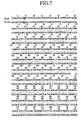
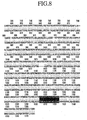
- the evaluation results for homologies of each of the genes of duck and human are shown in Figure 7, Figure 8 and Figure 9. Although the high homologies were not found in a region which is thought to be an HBV-binding region of each carboxypeptidase D, other regions were well conserved in duck and human genes. Binding deduced regions for HBV are shown in Figure 7, Figure 8 and Figure 9. It is deduced from the results that a region acquiring the affinity for HBV is C-terminal side sequence.
- SEQ ID NO: 23 shows a sequence of a synthesized peptide of human CD81-derived peptide TAPA148.
- SEQ ID NO: 24 shows a sequence of a synthesized peptide of bovine lactoferrin-derived peptide bLF443.
- SEQ ID NO: 25 shows a sequence of a synthesized peptide of human lactoferrin-derived peptide hLF445.
- SEQ ID NO: 26 shows a sequence of a synthesized peptide of human LDL receptor-derived peptide hLDLR194.
- SEQ ID NO: 27 shows a sequence of a synthesized peptide of human LDL receptor-derived peptide hLDLR220.
- SEQ ID NO: 28 shows a sequence of a synthesized peptide of bovine lactoferrin-derived cyclic peptide cbLF445.
- SEQ ID NO: 29 shows a sequence of a synthesized oligonucleotide for interferon- ⁇ 2b-specific primer U-2.
- SEQ ID NO: 30 shows a sequence of a synthesized oligonucleotide for interferon- ⁇ 2b-specific primer L2.
- SEQ ID NO: 31 shows a sequence of a synthesized oligonucleotide for H3TER primer.
- SEQ ID NO: 32 shows a sequence of a synthesized nucleotide having a sequence corresponding to the deduced HCV E2 binding region in CD81.
- SEQ ID NO: 33 shows a sequence of a synthesized nucleotide having a sequence corresponding to the deduced HCV E2 binding region in bovine lactoferrin.
- SEQ ID NO: 34 shows a sequence of a synthesized nucleotide having a sequence corresponding to the deduced HCV E2 binding region in human lactoferrin.
- the prophylactic or therapeutic agent for chronic hepatitis of the present invention it is considered that the binding of hepatitis virus, especially hepatitis C virus or hepatitis B virus, to a target cell is inhibited. Therefore, there are exhibited excellent effects that chronic hepatitis can be prevented or treated. Therefore, in the interferon treatment method for chronic type-C and type-C hepatitis, there are even more expected that the viral clearance ratio at the termination of the interferon administration can be improved by the suppression of the infection on a target cell for hepatitis virus.
- the improvement in the clearance ratio of the hepatitis virus at the termination of the interferon according to the present invention is clinically very effective, from the viewpoints such that the improvement not only leads to an increase in complete responders but also that the development of hepatocellular carcinoma can be suppressed.
Landscapes
- Health & Medical Sciences (AREA)
- Chemical & Material Sciences (AREA)
- Life Sciences & Earth Sciences (AREA)
- Organic Chemistry (AREA)
- General Health & Medical Sciences (AREA)
- Medicinal Chemistry (AREA)
- Molecular Biology (AREA)
- Gastroenterology & Hepatology (AREA)
- Biochemistry (AREA)
- Zoology (AREA)
- Toxicology (AREA)
- Biophysics (AREA)
- Genetics & Genomics (AREA)
- Proteomics, Peptides & Aminoacids (AREA)
- Immunology (AREA)
- Cell Biology (AREA)
- Pharmacology & Pharmacy (AREA)
- Virology (AREA)
- Veterinary Medicine (AREA)
- Animal Behavior & Ethology (AREA)
- Nuclear Medicine, Radiotherapy & Molecular Imaging (AREA)
- General Chemical & Material Sciences (AREA)
- Chemical Kinetics & Catalysis (AREA)
- Public Health (AREA)
- Engineering & Computer Science (AREA)
- Oncology (AREA)
- Biotechnology (AREA)
- Communicable Diseases (AREA)
- Bioinformatics & Cheminformatics (AREA)
- Medicines That Contain Protein Lipid Enzymes And Other Medicines (AREA)
Abstract
To provide a prophylactic or therapeutic agent for chronic hepatitis, capable of
inhibiting the binding of hepatitis virus and a target cell, thereby preventing or treating
chronic hepatitis; and a fusion interferon capable of still more improving a viral
clearance ratio at the termination of interferon administration. A prophylactic or
therapeutic agent for chronic hepatitis, comprising an oligopeptide having the following
characteristics: (A) having a binding affinity to a viral antigen protein; (B) inhibiting
binding of virus to a receptor protein on a target cell for said virus; and (C) having
homologies with said receptor protein at the amino acid sequence level; a fusion
interferon containing an amino acid sequence of the above-mentioned oligopeptide; and
method for treating chronic hepatitis in combination with the use of interferon,
characterized by using the oligopeptide or a part thereof in combination with interferon.
Description
The present invention relates to a therapeutic agent for chronic hepatitis,
comprising an oligonucleotide haying an amino acid sequence or a part thereof, wherein
the amino acid sequence is important for infection of hepatitis virus into a target cell.
Concretely, the present invention relates to a therapeutic agent for chronic hepatitis,
comprising an oligopeptide or a part thereof, the oligopeptide being capable of binding
to an antigenic protein for hepatitis virus and having an action of inhibiting binding of
virus to a receptor protein, or a compound prepared on the basis of its sequence. Also,
the present invention relates to a fusion interferon comprising the oligopeptide and its
partial amino acid sequence. Further, the present invention relates to a method for
treating chronic hepatitis in combination with the use of interferon.
Chronic type-B hepatitis and type-C hepatitis developed by infection with
hepatitis B virus (HBV) and hepatitis C virus (HCV) are grave viral diseases which are
transformed into cirrhosis or hepatocellular carcinoma at a high ratio. In Japan, the
number of hepatitis B virus carriers is said to be about one million, and that of hepatic C
virus carriers is said to be about 1.3 millions. The carriers have been spread world-widely.
HCV, which is a single-stranded RNA virus belonging to Flaviviridae, has
been considered to transform to chronicity by factors for the virus side such as
avoidance from the immune mechanism by gene mutation and factors from the host
side such as decrease in the immunocompetence and the viral clearance ability. On the
other hand, since HBV belonging to Hepadonaviridae is a double-stranded DNA virus,
a mutation in a virus genome does not take place as much as it does in HCV; however,
it transforms to chronicity by incorporation into chromosome DNA. Also in HBV,
there is found fulmination caused by avoidance from the immune mechanism caused by
mutation of a virus gene.
Presently, the only one treatment method for eliminating the virus is an
interferon treatment method. However, a ratio at which the virus is finally eliminated is
40% or so in HCV and 20% or so in HBV. In particular, in an interferon treatment
method for the HCV, there is caused a difference in its therapeutic effect depending
upon the status of the patient, such as serotype of HCV, virus amount and histological
progression degree. In particular, in the case of genotype II and hyperviremia, it has
been known that its amelioration effect is low and a virus clearance ratio is also low.
As a method of treating chronic type-C hepatitis, a treatment mainly comprising
clearance of hepatitis C virus (HCV) and improvement in liver function is carried out.
Inter alia, a treatment of chronic type-C hepatitis by interferon having improved actions
in both HCV clearance and liver function is carried out as the only one method of
treatment for virus clearance. However, such a treatment has the disadvantage that a
virus complete clearance ratio for HCV is as low as 40% or so. For that reason, a
method for treating chronic hepatitis in combination with the use of interferon and
ribavirin, amantadine or the like has been recently developed; however, the method still
has a disadvantage that the effectiveness is yet low. Alternatively, a drug for improving
a liver function by using glycyrrhizin or the like has been tried for a patient showing
resistance to interferon; however, the drug has a disadvantage that the liver function is
rapidly worsened after the termination of administration.
On the other hand, as a method of treating chronic type-B hepatitis, an
interferon treatment method is carried out as in the case of chronic type-C hepatitis;
however, the therapeutic effect can be expected currently on the level of only 20% or so.
Recently, in the treatment of chronic type-B hepatitis, an inhibitor for an HBV
polymerase has been administered; however, the administration has the large side
effects and relapse of virus is found after the termination of administration. Further,
upon the development of fulminant type-B hepatitis, a method for treatment in
combination with the use of interferon and cyclosporin is carried out after exchange of
whole serum; however, a lifesaving rate is low currently. As described above, a
treatment method which is truly effective for chronic type-B hepatitis and chronic type-C
hepatitis which may lead to development of cirrhosis or hepatocellular carcinoma has
not been established currently, even though hepatitis B virus and hepatitis C virus have
been distributed world-widely and virus carriers are present at 1% or so or greater of the
population.
Accordingly, the present invention has been accomplished in view of the above-mentioned
conventional problems, and a first object of the present invention is to
provide a prophylactic or therapeutic agent for chronic hepatitis, capable of inhibiting
the binding of hepatitis virus and a target cell, thereby preventing or treating chronic
hepatitis. A second object of the present invention is to provide a fusion interferon and
a method for treating chronic hepatitis in combination with the use of interferon,
capable of still more improving a viral clearance ratio at the termination of interferon
administration.
Concretely, the gist of the present invention relates to:
One of the features of the prophylactic or therapeutic agent for chronic hepatitis
of the present invention resides in that the prophylactic or therapeutic agent comprises
an oligopeptide having the following characteristics:
In the present specification, hepatitis C virus will be abbreviated as "HCV" and
hepatitis B virus will be abbreviated as "HBV."
The viral antigen protein includes, for instance, an envelope protein of HCV,
pre-S protein of HBV, and the like. In addition, the concept of the present invention
can be applied to diseases other than chronic hepatitis. In this case, the envelope
protein of HIV or the like can be used as a viral antigen protein.
Since the oligopeptide having the above-mentioned characteristics (A) to (C)
comprises an amino acid sequence essential for binding of a receptor protein to virus,
the binding affinity of a viral antigen protein to an oligopeptide is exhibited. It is
desired that the above-mentioned binding affinity is higher than the binding affinity of
virus to a receptor protein on a target cell for the virus, from the viewpoint of inhibiting
the binding of the virus to the receptor protein on the target cell for the virus.
The receptor protein of a target cell for the virus includes human CD81, which
is a receptor molecule for HCV; carboxypeptidase D, to which pre-S protein of HBV is
deduced to be bound; glycine decarboxylase complex P protein and the like. In the
present invention, human CD81, human carboxypeptidase D and glycine decarboxylase
complex P protein are preferable.
At the amino acid sequence level, the above-mentioned oligopeptide has the
homologies with a receptor protein of 20% or more at a homologous amino acid level,
from the viewpoint of exhibiting sufficient binding affinity. In addition, in the case
where similar amino acids are included, it is preferable that the homologies are 50% or
more.
The present invention has been accomplished on the basis of the technical idea
described below.
With respect to HCV, which is an etiologist for hepatitis C, it has been reported
that some antibodies to a hypervariable region (HVR1) which is a part of E2 region of
an envelope protein of HCV weakens the infectivity of virus (Rosa D. et al., Proc. Natl.
Acad. Sci. USA., 1996, 93, 1759-1763). A receptor of the cell for HCV is CD81, and it
has been suggested that the binding is mediated by E2 region of HCV (Pileri P. et al.,
Science, 1998, 282, 938-941). In addition, it has been shown that the binding to a viral
receptor is inhibited not only by an antibody against HVR1, but other region is
necessary for the binding. In addition, aggregation of cells is observed due to binding
of an antibody against E2 region or CD81 (Flint M. et al., J. Virol., 1999, 73, 6235-6244).
In addition, recently, it has been reported that lactoferrin contained in breast
milk binds to HCV and reduces an amount of virus in blood (Tanaka K. et al., Jpn. J.
Cancer Res., 1999, 90, 367-371). It has been further reported that a viral region to
which lactoferrin binds is E2 region (Akito Nozaki et al., Society of Japan Virology, the
47th academic meeting, general meeting program, abstract, 1999, 188). Further, it has
reported that the LDL receptor has an affinity with E2 region [Wunschmann, S. et al., J.
Virol., 74,10055-10062 (2000)].
Since a half-life of virus in blood is deduced to be 2.7 hours (Neumann AU. et
al., Science, 1998, 282, 103-107), virus in blood rapidly disappears, when the infection
to a cell is suppressed. Standing on this point of view, it is considered that suppression
of adhesion of virus to a target cell is effective for eliminating virus in blood in a
shorter period of time. However, unless the infected cell is eliminated as described
above, complete disappearance of virus cannot be accomplished. Immediately after the
administration of interferon, virus in blood is rapidly eliminated, but release of a small
amount of virus produces a new infection. Therefore, it is considered that virus is
relapsed after the completion of administration of interferon. Therefore, it is considered
that a clearance of virus by interferon enhanced by additional administration of a
substance which inhibits the infection of virus itself to the administration of interferon
having both an anti-virus action and an immuno-stimulating action.
In addition, in the case of HBV, which is an etiologist for hepatitis B, since
HBV is a double-stranded DNA virus, it can be hardly considered that a viral genome
disappears directly by an anti-virus action of interferon. Also, since HBV is not a
cytotoxic virus and an amount of the virus in blood is correlated with a degree of liver
dysfunction, it is considered that the liver dysfunction due to HBV is mainly caused by
the immunological eliminating action for a viral infected cell. It is considered that an
interferon treatment finally eliminates the virus by mainly more effectively enhancing
this immunological eliminating action.
HBV is a relatively stable virus. It is considered that if the infection to a target
cell can be inhibited, a new infection is protected, whereby the immunological
eliminating action in an interferon treatment can be maximally drawn out.
Recently, host proteins binding to pre-S protein of duck hepatitis B virus have
been identified. The host proteins were carboxypeptidase D and glycine decarboxylase
complex P protein (Tong S. et al., J. Virol., 1999, 73, 8696-8702 and Li J. et al., J. Biol.
Chem., 1999, 274, 27658-27665). There has not yet been verified the presence or
absence of the affinity of these proteins with pre-S protein in human.
The present inventors have assumed that there is a sequence capable of
inhibiting the binding of CD81 as a HCV receptor to HCV in an amino acid sequence of
lactoferrin, and thought that the sequence has certain homologies with CD81. In
addition, in HBV, the affinity of HBV pre-S to a cell is present in a limited region from
83rd amino acid residue to 107th amino acid residue in the pre-S protein (Tong S. et al.,
J. Virol., 1999, 73, 8696-8702 and Li J. et al., J. Biol. Chem., 1999, 274, 27658-27665).
Therefore, even if there are a plurality of proteins having an affinity to pre-S proteins,
the present inventors have deduced that their binding reactions are the same, and
thought that there are found some homologies in an amino acid sequence and a tertiary
structure in carboxypeptidase D and glycine decarboxylase complex P protein. As a
result, the present inventors have found a partially similar sequence from the
comparison of an amino acid sequence of lactoferrin, which is thought to protect against
the HCV infection, with an amino acid sequence of human CD81, which is a viral
receptor, and also found an amino acid sequence which is similar to that of a protein
having an affinity to duck HBV pre-S. The present inventors have thought that an
oligopeptide sequence or a part thereof, or a compound having a structure similar to
tertiary structures of those sequences has been effective for suppressing the viral
infection. The present invention has been found based on such a discussion.
The prophylactic or therapeutic agent for chronic hepatitis of the present
invention include a prophylactic or therapeutic agent for chronic type-C hepatitis, a
prophylactic or therapeutic agent for chronic type-B hepatitis, and the like.
One of the features of the prophylactic or therapeutic agent for chronic type-C
hepatitis of the present invention resides in that the prophylactic or therapeutic agent
comprises a compound having the following characteristics:
Concretely, there can be exemplified as the compound having the above-mentioned
characteristics (a) and (b), oligopeptides (1) and (2) described below, nucleic
acids encoding the oligopeptides, and the like.
(1) Oligopeptide comprising an amino acid sequence or a part thereof, wherein the
amino acid sequence is found by identification of a homologous sequence of bovine and
human lactoferrins which has been known to bind to HCV, and human CD81, which is
a receptor molecule for HCV.
Concretely, there are exemplified oligopeptides shown in the following 1) to 3),
which are a region for binding to HCV, the oligopeptides being capable of inhibiting
the binding to a viral receptor:
(SEQ ID NO: 8), wherein the oligopeptide consists of the amino acid sequence of SEQ ID NO: 2; and
(SEQ ID NO: 9), wherein the oligopeptide consists of the amino acid sequence of SEQ ID NO: 3.
The nucleic acid encoding an oligopeptide satisfying the above-mentioned
requirement 1) includes a nucleic acid comprising a nucleic acid selected from the
group consisting of:
In addition, the nucleic acid encoding an oligopeptide satisfying the above-mentioned
requirement 2) includes a nucleic acid comprising a nucleic acid selected
from the group consisting of:
In addition, the nucleic acid encoding an oligopeptide satisfying the above-mentioned
requirement 3) includes a nucleic acid comprising a nucleic acid selected
from the group consisting of:
(2) Oligopeptide comprising an amino acid sequence or a part thereof, wherein the
amino acid sequence is found by identification of a homologous sequence between a
human LDL receptor, which has been known to bind to HCV, and human CD81, which
is a receptor molecule for HCV.
Concretely, there are exemplified oligopeptides shown in the following 1') and
2'), which are a region for binding to HCV, the oligopeptides being capable of
inhibiting binding to a viral receptor:
The nucleic acid encoding an oligopeptide satisfying the above-mentioned
requirement 1') includes a nucleic acid comprising a nucleic acid selected from the
group consisting of:
In addition, the nucleic acid encoding an oligopeptide satisfying the above-mentioned
requirement 2') includes a nucleic acid comprising a nucleic acid selected
from the group consisting of:
The nucleic acid used in the present invention may be a nucleic acid
complementary to the nucleic acids of the above-mentioned (i) to (ix) and (i') to (vi'),
and concretely the nucleic acid may be DNA or RNA. In addition, as long as the
encoded polypeptides have the above-mentioned characteristics (a) and (b), there can
also be used in the present invention (x) a nucleic acid having a nucleotide sequence
having substitution, deletion, addition or insertion in at least one base in a nucleotide
sequence of a nucleic acid selected from the group consisting of the above-mentioned
(i) to (ix); (xi) a nucleic acid capable of hybridizing with a nucleic acid selected from
the group consisting of above-mentioned (i) to (x) under the stringent conditions; (vii')
a nucleic acid having a nucleotide sequence having substitution, deletion, addition or
insertion in at least one base in a nucleotide sequence of a nucleic acid selected from the
group consisting of the above-mentioned (i') to (vi'); and (viii') a nucleic acid capable
of hybridizing with a nucleic acid selected from the group consisting of the above-mentioned
(i') to (vi') under the stringent conditions.
The term "stringent conditions" as referred to herein includes conditions
described in Sambrook et al., Molecular Cloning: A Laboratory Manual Second eds.,
(1980).
Here, each of the nucleotide sequences of SEQ ID NOs: 7 to 9 is a nucleotide
sequence of a nucleic acid encoding human-derived protein CD81, a nucleotide
sequence of a nucleic acid encoding bovine-derived lactoferrin or a nucleotide sequence
of a nucleic acid encoding human-derived lactoferrin. The amino acid sequence of
SEQ ID NO: 1 is a part of an amino acid sequence of human-derived CD81 of
SEQ ID NO: 7. Also, the amino acid sequence of SEQ ID NO: 2 is a part of an amino
acid sequence of bovine-derived lactoferrin of SEQ ID NO: 8. In addition, the amino
acid sequence of SEQ ID NO: 3 is a part of an amino acid sequence of human-derived
lactoferrin of SEQ ID NO: 9. The nucleotide sequence of SEQ ID NO: 4 is a nucleotide
sequence of a nucleic acid encoding an amino acid sequence of human-derived CD81 of
SEQ ID NO: 1; the nucleotide sequence of SEQ ID NO: 5 is a nucleotide sequence of a
nucleic acid encoding an amino acid sequence of bovine-derived lactoferrin of
SEQ ID NO: 2; and the nucleotide sequence of SEQ ID NO: 6 is a nucleotide sequence
of a nucleic acid encoding an amino acid of human-derived lactoferrin of
SEQ ID NO: 3. Each of SEQ ID NOs: 18 and 19 is a part of an amino acid sequence of
human LDL receptor of SEQ ID NO: 22. Each of SEQ ID NOs: 20 and 21 is a
nucleotide sequence of a nucleic acid encoding an amino acid sequence of human-derived
LDL receptor of SEQ ID NO: 18 or 19.
Further, the compound which can be used in the prophylactic or therapeutic
agent for chronic type-C hepatitis of the present invention includes an oligopeptide or a
part thereof, wherein the oligopeptide has the following characteristics:
Concretely, the oligopeptide having the above-mentioned characteristics I) to
III) includes a peptide having the amino acid sequence of SEQ ID NO: 1, 2, 3 or 27,
and a cyclic peptide having the amino acid sequence of SEQ ID NO: 28.
The oligopeptide used in the present invention can be deduced by comparison
with each of an amino acid sequence of bovine lactoferrin, of which binding activity to
HCV is known, and an amino acid sequence of CD81.
Concretely, an amino acid sequence is deduced on the basis of each nucleotide
sequence of human CD81 (accession No. NM004356) or bovine lactoferrin (accession
No. M63502) disclosed in a known database (GenBank), and each amino acid sequence
may be compared.
Each peptide is synthesized on the basis of the resulting homologous region, and
binding activity of the peptide to a recombinant E2 protein is confirmed. A
confirmation of the binding activity can be carried out, for example, by ELISA,
immunoprecipitation, RIA or the like.
Thereafter, inhibition of binding of the recombinant E2 protein to a cell
expressing CD81, for example, Jurkat cell may be confirmed. The confirmation of
inhibition of the binding can be carried out by FACS analysis, or determination of
radioactivity bound to a cell in a case where the recombinant E2 protein labeled with a
radioactive isotope element is used, besides the above-mentioned ELISA and RIA.
In addition, in order to determine what sort of an amino acid sequence contained
in the oligopeptide is effective for suppressing the virus infection, a partial amino acid
sequence of the above-mentioned selected sequence is synthesized, whereby selection
can be made on the basis of the binding affinity to E2 and the inhibitory effect of
binding of E2 to CD81.
One of the features of the prophylactic or therapeutic agent for chronic type-B
hepatitis of the present invention resides in that the prophylactic or therapeutic agent
comprises a compound having the following characteristics:
Concretely, as the compound having the above-mentioned characteristics (a')
and (b'), there are exemplified an oligopeptide described in item (2) below and a
nucleic acid encoding the oligopeptide.
(2) Oligopeptide comprising an amino acid sequence or a part thereof, wherein the
amino acid sequence is found by identifying a homologous sequence between human
carboxypeptidase D and human glycine decarboxylase complex P protein, which are
known to bind to HBV
Concretely, there are exemplified oligopeptides shown in the following 1) to 2),
which are a region for binding with HBV, the oligopeptides being capable of inhibiting
binding to a viral receptor:
The nucleic acid encoding an oligopeptide satisfying the above-mentioned
requirement 1) includes a nucleic acid comprising a nucleic acid selected from the
group consisting of:
The nucleic acid encoding an oligopeptide satisfying the above-mentioned
requirement 2) includes a nucleic acid comprising a nucleic acid selected form the
group consisting of:
The nucleic acid used in the present invention may be a nucleic acid
complementary to the above-mentioned nucleic acids (I) to (VI), and concretely the
nucleic acid may be DNA or RNA. In addition, as long as an encoded polypeptide has
the above-mentioned characteristics (a') and (b'), there can be also used in the present
invention (VII) a nucleic acid having a nucleotide sequence having substitution,
deletion, addition or insertion in at least one base in a nucleotide sequence of a nucleic
acid selected from the group consisting of the above-mentioned (I) to (VI), and (VIII) a
nucleic acid capable of hybridizing with a nucleic acid selected from the group
consisting of the above-mentioned (I) to (VII) under the stringent conditions.
Here, each of the amino acid sequences of SEQ ID NOs: 16 and 17 is an amino
acid of human-derived carboxypeptidase D and an amino acid of human-derived
glycine decarboxylase complex P protein, respectively. The amino acid sequence of
SEQ ID NO: 10 is a part of an amino acid sequence of human-derived carboxypeptidase
D of SEQ ID NO: 16. In addition, the amino acid sequence of SEQ ID NO: 11 is a
nucleotide sequence of a nucleic acid encoding an amino acid sequence of human-derived
glycine decarboxylase complex P protein of SEQ ID NO: 17. The nucleotide
sequence of SEQ ID NO: 12 is a nucleotide sequence of a DNA encoding an amino acid
sequence of human-derived carboxypeptidase D of SEQ ID NO: 10, and the nucleotide
sequence of SEQ ID NO: 13 is a nucleotide sequence of a DNA encoding an amino acid
sequence of human-derived glycine decarboxylase complex P protein of
SEQ ID NO: 11.
The oligopeptide used in the present invention can be deduced, for example, by
comparison with each of amino acid sequences of duck-derived carboxypeptidase D,
which is considered to be important for binding to duck HBV, and glycine
decarboxylase complex P protein.
Concretely, an amino acid sequence is deduced by nucleotide sequences of
duck-derived carboxypeptidase D (accession No. AF039749) and glycine
decarboxylase complex P protein (accession No. AF137264) disclosed in a known
database (GenBank), and each region associated with binding to duck-derived pre-S
may be compared. As to an application to human, a duck-derived sequence is
compared with an amino acid sequence deduced from nucleotide sequences of human-derived
carboxypeptidase D (accession No. U65090) and glycine decarboxylase
complex P protein (accession No. NM000170), and an amino acid sequence of a
corresponding human-derived peptide may then be determined.
Each peptide is synthesized on the basis of the obtained homologous region, and
the binding affinity of the peptide to the recombinant pre-S protein may be confirmed.
An amino acid sequence of a region effective for suppressing the virus infection
in an amino acid sequence contained in the oligopeptide used in the prophylactic or
therapeutic agent for chronic hepatitis of the present invention, concretely a
prophylactic or therapeutic agent for chronic type-C hepatitis or a prophylactic or
therapeutic agent for chronic type-B hepatitis, can be selected by synthesizing a peptide
consisting of a part of the amino acid sequence selected as mentioned above and
selecting on the bases of the binding activity to a viral antigen and the inhibitory effect
of binding of a viral antigen to a virus receptor.
The oligopeptide having the selected amino acid sequence itself may be
administered to a patient with chronic type-B hepatitis or chronic type-C hepatitis.
Further, the oligopeptide having the above-mentioned selected amino acid sequence is
thought to have an enhanced virus clearance ratio by using the oligopeptide in
combination with interferon.
In the case of chronic type-C hepatitis, soluble CD81 or lactoferrin itself can be
administered. It is preferable that an oligopeptide having only a sequence important for
binding to HCV is administered, from the viewpoints of reducing the degradation of a
protein absorbed during an oral administration and the side effects during intravenous
injection.
The same can be said for the case of chronic type-B hepatitis. The soluble
carboxypeptidase D or glycine decarboxylase complex P protein itself can be
administered. It is preferable that an oligopeptide having only a sequence important for
binding to HBV is administered.
A prophylactic or therapeutic agent comprising as an active ingredient the
selected oligopeptide or a part of the oligopeptide, or a nucleic acid encoding thereof
can be administered in combination with an adjuvant, or can be administered in a
particulate preparation. As a dosage form, more concretely, a prophylactic or
therapeutic agent can be prepared into the form of a liposome preparation, a particulate
preparation binding to a bead having a diameter of a few µm, a preparation binding to a
lipid or the like. The dose can be appropriately adjusted depending upon the properties
of an infected cell, age and weight of a patient and the like, and is usually
0.001 mg/kg/dosage to 1000 mg/kg/dosage. It is preferable that the prophylactic or
therapeutic agent is administered every day at an initial administration, and thereafter
administered once in several days to several months depending upon the amount of
virus in a cell. As an administration form, the prophylactic or therapeutic agent can be
administered by oral administration, intraarterial injection, intravenous injection,
intramuscular injection or local injection to the liver.
In addition, it is preferable that the above-mentioned oligopeptide is stabilized in
blood, and the oligopeptide may be modified for that purpose. For example, the
oligopeptide can be modified by preparing an oligopeptide stable in blood by
connecting the oligopeptide to polyethylene glycol, to lengthen its half-life in blood, or
modifying the oligopeptide at N-terminal or substituting with D-amino acid.
According to the above-mentioned oligopeptide, there can be further provided a
method for treating chronic hepatitis in combination with the use of interferon. The
method for treating chronic hepatitis in combination with the use of interferon is also
encompassed within the scope of the present invention. Concretely, one of the
characteristics of the above-mentioned method for treatment in combination with the
use of interferon resides in that the method uses an oligopeptide or a part thereof in
combination with interferon, wherein the oligopeptide having the following
characteristics:
The action of interferon is roughly classified into the anti-virus action directly
acting on an infected cell and the immuno-stimulating action of host immunity.
For example, in the case of HCV, the anti-virus action by interferon is generated
by signal transmission via an interferon receptor, thereby promoting degradation or
translation inhibition of RNA of HCV by inducing production of an anti-virus factor.
Usually, in an interferon treatment to chronic type-C hepatitis, since RNA of HCV in
serum becomes outside the detection limit two days after the administration at 73.8% of
remarkably effective cases, it is considered that HCV is eliminated rapidly after the
interferon administration (Saito H. et al., Keio J. Med., 1997, 46, 74-80). However,
among these cases in which viruses are disappeared, relapse of virus is found after the
termination of the interferon administration in a considerable number of cases. These
results mean that even if viral RNA is not detected in blood during the interferon
administration, many viruses are present in liver or peripheral blood mononuclear cell
(PBMC). In the treatment of chronic type-C hepatitis resistant to the interferon
treatment, it is thought that complete elimination of HCV present in an infected cell or
immunological elimination of an infected cell is necessary. In order to increase the
ratio of virus elimination by interferon, activation of these two actions are to be
considered. According to the method for treatment in combination with the use of
interferon of the present invention, binding of HCV on a target cell can be inhibited by
using the above-mentioned oligopeptide or nucleic acid, so that HCV can be eliminated
by interferon, whereby the virus clearance ability can be made more effective after the
start of the interferon administration. As a result, relapse of interferon-resistant virus at
the termination of the interferon administration can be further reduced.
In the present invention, the selected oligopeptide can be fused with another
functional molecule to be used as a fusion substance. The fusion substance is also
encompassed in the present invention.
In this case, it is preferable that a site into which an oligopeptide sequence is
inserted is a position at which the activity of the functional molecule is not reduced. In
particular, fusion of an interferon molecule and a selected oligopeptide sequence is
advantageous in the interferon treatment in that a single dose administration can be
made.
Concretely, the fusion interferon includes a fusion interferon comprising an
amino acid sequence of an oligopeptide having the following characteristics:
When an oligopeptide sequence is inserted into an interferon molecule, the
corresponding oligopeptide may be conveniently connected to N-terminal or C-terminal
of interferon. Since a neighbor region of N-terminal or C-terminal of interferon is not a
region essential for binding of interferon to the interferon receptor, it is determined that
interferon retains the activity with a high possibility by addition of the oligopeptide
sequence to the terminal. However, a structure of a connected amino acid sequence
influences the interferon activity in some cases. In that case, an oligopeptide sequence
which does not lower the activity of interferon and can bind to a virus antigen may be
limited.
In this case, an interferon gene may be amplified using PCR primers comprising
a region having homologies with a 5'-terminal side or a 3'-terminal side of a DNA
encoding the corresponding oligopeptide and a DNA encoding interferon. In addition,
it is desired that to add a restriction enzyme cleavage site to a 5'-side of a primer for
insertion into an expression vector, because insertion into an expression vector is
conveniently carried out. An example of the construction of an interferon gene with the
corresponding oligopeptide added on C-terminal side is shown in Figure 1. Hereinafter,
the interferon with the corresponding oligopeptide added on C-terminal is referred to as
"C-terminal added interferon," and the interferon with the corresponding oligopeptide
added on N-terminal side is referred to as "N-terminal added interferon."
In the production of C-terminal added and N-terminal added interferons, any
cell strains derived from prokaryote or eukaryote can be used as a host. In the case of
C-terminal added interferon, a termination codon is incorporated at 3'-terminal of a
DNA encoding an oligopeptide to be added on C-terminal side. On the other hand, in
the case of N-terminal added interferon, when the prokaryote is used as a host, a primer
may be designed so that a DNA sequence encoding an oligopeptide having an initiation
codon at 5'-terminal is contained. On the other hand, when a cell strain derived from
eukaryote is used as a host, a primer may be designed so that an amino acid sequence of
an oligopeptide is inserted between C-terminal of a signal sequence of interferon and
N-terminal of processed interferon.
The original interferon gene used as a template in reaction for PCR may be any
of interferon-α, interferon-β and interferon-γ genes. When an interferon-α gene having
many subtypes is used, a gene can be cloned by RT-PCR method from Namalwa cell
and the like which have been stimulated and infected with NDV or Sendai virus in
accordance with the nucleotide sequences described in the database.
The usefulness of C-terminal added and N-terminal added interferons is as
follows:
In addition, although it is considered that interferon with its terminal modified
easily retains the original activity, there is a possibility that a new antigenicity becomes
problematic. There is a possibility that the antigenicity is produced due to an amino
acid sequence for a part for connecting interferon with an added oligopeptide. However,
in the tertiary structure, it is deduced that addition of an oligopeptide to a terminal does
not produce a great change in a tertiary structure. Therefore, since an added sequence
has extremely high homologies with a human sequence, it is deduced that the
antigenicity of a sequence itself is extremely low.
The fusion interferon of the present invention can be applied to any virus as long
as a disease is a viral disease with which the interferon exhibits an anti-virus activity, in
addition to human hepatitis C or B virus disease. Also, the fusion interferon can be
applied to mammals such as ducks, chickens, horses, cows, sheep, dogs, cats and the
like besides human.
The present invention will be described in further detail by means of examples,
without intending to limit the present invention thereto.
Based on nucleotide sequences of human CD81 (accession No. NM004356),
bovine lactoferrin (accession No. M63502), and human lactoferrin (accession No.
NM002343) genes, amino acid sequences were deduced from open reading frames
contained therein. Each of the amino acid sequences is shown in SEQ ID NOs: 7 to 9.
The amino acid sequence homologies between human CD81 and bovine
lactoferrin were obtained. As a result, the homologies were found between a region of
151st amino acid residue to 195th amino acid residue of CD81 (amino acid NOs: 151 to
195 of SEQ ID NO: 7) and a region of 439th amino acid residue to 481st amino acid
residue of bovine lactoferrin (amino acid NOs: 439 to 481 of SEQ ID NO: 8). A region
for which the homologies were found is shown in Figure 2. In Figure 2, Panel A of the
sequence shows human-derived CD81 and Panel B shows bovine lactoferrin.
In addition, the homologies of amino acid sequences between bovine lactoferrin
and human lactoferrin were studied. As a result, it was clarified that the sequence of
439th amino acid residue to 481st amino acid residue of bovine lactoferrin
(amino acid NOs: 439 to 481 of SEQ ID NO: 8) corresponded to a sequence of 442nd
amino acid residue to 484th amino acid residue of human lactoferrin
(amino acid NOs: 442 to 484 of SEQ ID NO: 9), showing the high homologies between
bovine-derived lactoferrin and human-derived lactoferrin. The analytical results on a
homologous region are shown in Figure 3. In the sequence of Figure 3, an upper row
shows bovine-derived lactoferrin, and a lower row shows human-derived lactoferrin. In
the figure, a region for which the homologies with CD81 were exhibited is indicated.
A secondary structure of a partial amino acid sequence of each protein to which
HCV is considered to bind was predicted. The results were shown in Figure 4. The
homologous sequences between human CD81 and bovine lactoferrin are indicated in
the figure. In the homologous sequences, the identical amino acids were indicated by
bold characters, and the homologous amino acids were indicated by plain characters. In
addition, in the prediction of the secondary structure, portions corresponding to amino
acids constituting the same secondary structure between human CD81 and bovine
lactoferrin were shaded with meshed patterns. In the case of human lactoferrin, the
same portions as amino acids keeping a common secondary structure between a
homologous sequence with human CD81, human CD81 and bovine lactoferrin in the
amino acid sequence were shaded with meshed patterns.
As shown in Figure 4, it was found that the three sequences have the extremely
similar structures except that in a homologous region, a structure of 450th amino acid
residue to 453rd amino acid residue of human lactoferrin (amino acid NOs: 450 to 453
of SEQ ID NO: 9) takes Sheet structure, while the structures of those in human CD81
and bovine lactoferrin take Turn structure.
In addition, as shown in Figure 10, a sequence of human CD81 and sequences of
bovine and human lactoferrins were compared. As a result, it was clarified that two
cysteine residues existed in similar positions. The cysteine residues were positioned
such that 33 amino acids were flanked by the cysteine residues in human CD81, and the
cysteine residues were positioned such that 33 amino acids were flanked by the cysteine
residues in bovine and human lactoferrins. This means that these regions have a
common tertiary structure. It is considered that loop structure is kept by disulfide bond
between the cysteine residues. Further, there was found the presence of basic amino
acids consisting of arginine and lysine at a middle part of this loop structure and in the
neighborhood of cysteine residue on C-terminal side. It is considered that the above-mentioned
structural motif is important for binding of HCV. This shows that forming
loop structure can increase the binding activity for virus by 1) forcibly generating
disulfide bond in an oligopeptide, or 2) connecting N-terminal and C-terminal of an
oligopeptide with a compound.
Based on a nucleotide sequence of a human LDL receptor (accession No.
NM000527) gene, an amino acid sequence was deduced from an open reading frame
existing in the above-mentioned gene. An amino acid sequence excluding a signal
sequence is shown in SEQ ID NO: 22.
The amino acid sequence homologies between human CD81 and human LDL
receptor were obtained. As a result, the homologies were found between a region of
150th amino acid residue to 191st amino acid residue of human CD81
(amino acid NOs: 150 to 191 of SEQ ID NO: 7) and a region of 170th amino acid
residue to 210th amino acid residue of a human LDL receptor (amino acid NOs: 170 to
210 of SEQ ID NO: 22). A region for which the homologies were found is shown in
Figure 11. In the sequence of Figure 11, an upper row shows human-derived CD81,
and a lower row shows a human LDL receptor. Portions shaded with meshed patterns
in the amino acid sequence of CD81 are amino acid residues having the homologies
with bovine and human lactoferrins, and portions shaded with meshed patterns of the
amino acid sequence of a human LDL receptor are regions where the homologies were
conserved.
In addition, the homologies between an amino acid sequence of human
lactoferrin and that of a human LDL receptor were studied. As a result, the homologies
were found between a region of 442nd amino acid residue to 484th amino acid residue
of human lactoferrin (amino acid NOs: 442 to 484 of SEQ ID NO: 9) and a region of
196th residue to 239th residue of a human LDL receptor (amino acid NOs: 170 to 210
of SEQ ID NO: 22). A region for which the homologies were found is shown in Figure
12. As to the amino acid sequences shaded with meshed patterns, they are as defined in
Figure 11.
The results of comparison of selected two kinds of human LDL receptor
sequences and a homologous region between human CD81, and bovine and human
lactoferrins are shown in Figure 10. As shown in Figure 10, it can be seen that cysteine
residues in both sequences of two kinds of human LDL receptor sequences exist at
similar positions with those of human CD81, and bovine and human lactoferrins. In
addition, a region flanked by the cysteine residues was studied. As a result, it is shown
that a region having the homologies with the human lactoferrin sequence is more
consistent with a motif. However, since basic amino acids also exist in the
neighborhood of cysteine residues on C-terminal side in the sequence selected by the
homologies with human CD81, possibilities of the selected sequence to bind are
suggested.
An oligopeptide is synthesized in accordance with each amino acid sequence of
homologous regions of human CD81, bovine lactoferrin and human lactoferrin. The
resulting oligopeptide is coated on an ELISA plate in accordance with a conventional
method. Next, a binding reaction is carried out by adding thereto HCV E2 antigen of
Austral Biologicals, Inc. which can be purchased from Cosmo Bio.
As a control, an ELISA plate is coated with bovine lactoferrin protein of
SERVA Electrophoresis GmbH. which can be purchased from Cosmo Bio, or human
lactoferrin protein of Cappel Product.
After binding with the E2 protein and washing, an E2 antigen bound to an
oligopeptide coated on a plate is detected by using a monoclonal antibody for the HCV
E2 antigen of Austral Biologicals, Inc. which can be purchased from Cosmo Bio.
An oligopeptide consisting of about 20 amino acids is synthesized so as to
overlap with the oligopeptide sequence of which binding activity to HCV E2 antigen in
Example 2 is found. In accordance with Example 2, a region having the highest
binding activity to the HCV E2 antigen may be selected, and an binding sequence may
be further narrowed down. A binding experiment is carried out in the same manner,
whereby a smallest oligonucleotide sequence which can bind to HCV E2 antigen can be
identified.
An oligopeptide capable of binding to HCV E2 antigen is reacted with the HCV
E2 antigen to study whether or not binding of CD81 expressed in Jurkat cells purchased
from DAINIPPON PHARMACEUTICAL CO., LTD. to the HCV E2 antigen is
inhibited. By the study, whether or not the selected oligopeptide inhibits adhesion of
the HCV E2 antigen to CD81-positive cells can be estimated. The inhibitory activity
for adhesion of CD81 to the HCV E2 antigen was assayed in accordance with the
literature. The concrete description will be given hereinbelow.
Jurkat cells (ATCC TIB-152) collected from a culturing T-75 flask (Coaster) in
accordance with the conventional method were washed with centrifugation twice with
10 mL of Wash Buffer [phosphate-buffered saline (manufactured by Lifetech Oriental)
containing 1% fetal bovine serum (manufactured by BIO WHITTAKER) and 0.1%
sodium azide (manufactured by nakalai tesque); hereinafter simply referred to as WB].
Washed Jurkat cells were suspended in WB so as to have a concentration of
4 × 10⁶ cells/mL to give a Jurkat cell suspension. Twenty microliters of an anti-human
CD81 antibody (BD PharMingen) was added to a 6 mm round-bottom tube
(manufactured by Falcon). Further, 50 µL of the above-mentioned Jurkat cell
suspension was added thereto, to give an anti-human CD81 antibody-Jurkat cell mixture.
In order to confirm the specificity of staining, 1 µg of a mouse IgG1 antibody
(manufactured by BD PharMingen), the same isotype as the anti-human CD81 antibody,
was added to a 6 mm round-bottom tube (manufactured by Falcon). Further, 50 µL of
the above-mentioned Jurkat cell suspension was added thereto, to give a mouse IgG1
antibody-Jurkat cell mixture.
Each of the resulting anti-human CD81 antibody-Jurkat cell mixture and the
mouse IgG1 antibody-Jurkat cell mixture was stirred, and each of these mixtures were
then allowed to stand on ice for 30 minutes. Thereafter, both mixtures were washed
with centrifugation twice with 2 mL of WB, and thereafter suspended in 0.1 mL of WB
containing 1 µg of the FITC-labeled anti-mouse IgG1 antibody (manufactured by BD
PharMingen). Each of the resulting suspensions was stirred, and thereafter allowed to
stand on ice for 30 minutes. Subsequently, the resulting product was washed with
centrifugation twice with 2 mL of WB, and thereafter suspended in 0.2 mL of a 10%
neutral buffered formalin solution (manufactured by nakalai tesque). The resulting
aliquots were analyzed by using FACScan (manufactured by Nihon Becton Dickinson).
The above results are shown in Figure 13. In Panel (1) of Figure 13, when stained with
the anti-human CD81 antibody, the FITC fluorescent intensity became stronger, as
compared to that stained with the mouse IgG1. The results show that CD81 is
expressed on the surface of the Jurkat cells. On the other hand, in Panel (2), the FITC
fluorescent intensity was increased only when the Jurkat cells which had been reacted
with the recombinant E2 protein, were stained with the anti-E2 antibody. Therefore, it
is shown that the recombinant E2 protein is bound to the Jurkat cells.
As a result, as shown in Figure 13, it can be seen that CD81, which is a receptor
for HCV E2 protein, is expressed on almost all the Jurkat cells.
The Jurkat cells were prepared in the same manner as in item (1), and suspended
in WB so as to have a concentration of 4 × 10⁶ cells/mL, to give a Jurkat cell
suspension. One microgram of the recombinant E2 protein (Austral Biologicals) was
added to a 6 mm rounded-bottom tube, and 50 µL of the Jurkat cell suspension was
added thereto, to give a recombinant E2 protein-Jurkat cell mixture.
The above-mentioned recombinant E2 protein-Jurkat cell mixture was stirred
and thereafter allowed to stand on ice for 30 minutes. The above-mentioned mixture
was washed with centrifugation twice with 2 mL of WB, and thereafter suspended in
0.1 mL of WB containing 1 µg of an anti-E2 antibody (Austral Biologicals). After
stirring, the mixture was allowed to stand on ice for 30 minutes.
Hereinafter, in the same manner as in the item (1) above, the resulting product
was reacted with an FITC-labeled anti-mouse IgG1 antibody, and thereafter the reaction
mixture was suspended in 0.2 mL of a 10% neutral buffered formalin solution. As to
the resulting product, E2 protein bound to Jurkat cells was analyzed by using FACScan.
The results are shown in Figure 13.
The FITC fluorescent intensity which had been increased by the addition of the
untreated recombinant E2 protein to the Jurkat cells was weakened by the reaction of a
peptide or protein with the recombinant E2 protein. This shows that the peptide or the
protein inhibited the binding activity of the recombinant E2 protein to the Jurkat cells.
Accordingly, as shown in Figure 13, it can be seen that the E2 protein is bound
to the Jurkat cells.
Peptides having amino acid sequences of SEQ ID NOs: 23 to 28 were
synthesized on the solid phase by Fmoc method, and purified by reverse phase HPLC.
Each of the amino acid sequences shows the following peptides:
Cyclization of the above-mentioned bovine lactoferrin-derived cyclic peptide of
SEQ ID NO: 28 was carried out by forming a disulfide bond with cysteine residues
positioned at N-terminal and C-terminal. Further, the cyclization was confirmed by
mass spectroscopy of the purified peptide.
The peptide obtained in the item (3) above was dissolved in a phosphate
buffered saline (hereinafter, referred to as PBS; manufactured by Nissuiseiyaku) so as
to have a concentration of 1 mg/mL. In addition, bovine lactoferrin (SERVA
Electrophoresis GmbH) was dissolved in PBS so as to have a concentration of 1 mg/mL.
Thereafter, each of the resulting solutions was sterilized by filtration using a 0.2 µm
cartridge filter (Millipore Corporation). Each of the resulting filtrates was dispensed in
an amount of 0.2 mL of and frozen-stored at 80°C. The resulting solutions are referred
to as a peptide solution and a purified bovine lactoferrin solution.
One microgram of the recombinant E2 protein, and 10 µL of the TAPA148, bLF
or bLF443 solution obtained in item (4) above were added to a 6 mm rounded-bottom
tube and, and WB was then added thereto, to give 50 µL of a mixture. The resulting
mixture was stirred and allowed to stand at room temperature for 1 hour.
Fifty microliters of the Jurkat cell suspension (4 × 10⁶ cells/mL) described in item (1)
above was added to the resulting solution, and the mixture was stirred and then allowed
to stand on ice for 30 minutes. Hereinafter, in the same manner as in item (2) above,
the resulting solution was reacted successively with an anti-E2 antibody and an FITC-labeled
anti-mouse IgG1 antibody, and the reaction mixture was suspended in 0.2 mL
of a 10% neutral buffered formalin solution. As to the resulting suspension, E2 protein
bound to Jurkat cells was analyzed by using FACScan.
As shown in Figure 14, there is found the inhibitory action of binding of E2
protein by the human CD81-derived peptide (TAPA148). In addition, there is likewise
found the inhibitory action of binding of the E2 protein by the bovine lactoferrin (bLF).
Further, there is likewise found the inhibitory action of binding of the E2 protein when
the bovine lactoferrin-derived peptide (bLF443) is used.
A complementary nucleotide sequence having about 20 bases, immediately
before a termination codon of interferon-α2b, and a DNA encoding the selected
oligopeptide are fused, and a termination codon sequence was further connected to
3'-terminal, and there are further synthesized 3'-side PCR primers having a restriction
enzyme digesting sequence so that the sequence can be cloned into an appropriate
restriction enzyme site of pBK-CMV, which can be purchased from Stratagene. In
addition, there is synthesized a DNA having a restriction enzyme digesting sequence at
a 5'-terminal as a 5'-side primer, and containing a 5'-upstream region of interferon-α2b
and a homologous nucleotide sequence having about 20 bases. Thereafter, reaction of
PCR is carried out by using a cDNA clone of interferon-α2b obtained with Namalwa
cells which can be purchased from DAINIPPON PHARMACEUTICAL CO., LTD. as a
template. The resulting PCR amplified fragment is digested with a restriction enzyme,
and then inserted into pBK-CMV, to give an Escherichia coli transformant in
accordance with a conventional method. A recombinant plasmid harboring the above-mentioned
PCR-amplified fragment is isolated from the resulting transformant. Next,
appropriate cells (for example, COS-1 cells, CHO cells etc.) are transfected with the
resulting recombinant plasmid by calcium phosphate method, to give C-terminal added
interferon-α2b. The resulting culture supernatant is added to various human-derived
cell strains (HeLa cells, HepG2 cells and the like), whereby confirming that 2-5A
synthase is induced by C-terminal added interferon-α2b. In addition, the resulting C-terminal
added interferon-α2b and HCV E2 antigen are incubated, and it is confirmed
that adhesion of CD81 expressed in the Jurkat cells to HCV E2 antigen is inhibited by
C-terminal added interferon-α2b in accordance with the method described in Example 4.
The concrete description will be given hereinbelow.
It is noted that, in the present experiment, the C-terminal added interferon-α2b
was produced using COS-1 cells (purchased from The Institute of Physical and
Chemical Research).
PCR was carried out by using KOD Plus DNA polymerase (TOYOBO CO.,
LTD.) and interferon-α2b-specific primers U-2 (SEQ ID NO: 29) and L-2
(SEQ ID NO: 30), with human genome DNA (manufactured by Promega; cat#: G304A,
lot#: 9273102L) as a template. In PCR, there was used the following reaction solution
[a solution prepared by mixing 988 ng of human genome DNA, 10 µl of KOD Plus
DNA polymerase 10 × reaction buffer, 10 µl of dNTPs (2 mM each), 4.8 µl of MgSO4
(25 mM), 5 µl of primer U-2 (0.1 µg/µl), 5 µl of primer L-2 (0.1 µg/µl) and 2 µl of
KOD Plus DNA polymerase (1 U/µl), and adding distilled water thereto to make up a
volume of 100 µl].
As a thermal cycler, GeneAmp 9700 (manufactured by Perkin-Elmer) was used.
The thermal profile comprises 1 cycle of 95°C-3 minutes, 30 cycles of (95°C-20
seconds, 60°C-30 seconds, and 72°C-3 minutes), and 1 cycle of 72°C-7 minutes, and
thereafter, the reaction mixture was allowed to stand at 4°C overnight.
The resulting PCR product was purified using QIAGEN PCR Purification Kit in
accordance with the attached instruction. The purified DNA fragment was digested
with BamHI and HindIII, and the resulting product was purified. In addition,
pcDNA3.1(-) (manufactured by Invitrogen) was digested with BamHI and HindIII, and
the resulting product was purified. A DNA fragment was inserted into BamHI and
HindIII site of the resulting pcDNA3.1(-) digest. By the above procedures, the IFN-α2b
expression vector (plasmid was named pCIA) was prepared. In addition, the
nucleotide sequence was read and compared with GenBank accession #J00207, V00544,
and confirmed to be correct.
An expression vector for a protein, in which human CD81, bovine lactoferrin or
a deduced HCV E2 binding region is fused to C-terminal of human IFN-α2b
(hereinafter, referred to as "HCV-binding type IFNs") was prepared by the following
procedures 1), 2) and 3) (Figure 15).
PCR was carried out by using T7 promoter primer and H3TER primer
(SEQ ID NO: 31) with the IFN-α2b expression vector pCIA as a template, to give a
DNA fragment in which HindIII site is introduced into a nucleotide sequence
corresponding to C-terminal of IFN-α2b, and thereafter the DNA fragment was inserted
into pcDNA3.1(-)(plasmid was named pCIA-H). The HindIII site was made so that an
amino acid sequence of IFN-α2b was not changed.
A synthetic DNA of a deduced HCV E2 binding region of each of CD81, bovine
lactoferrin and human lactoferrin was prepared, and the DNA was cloned into pUC18.
The deduced HCV E2 binding region of CD81 is shown in SEQ ID NO: 32; the
deduced HCV E2 binding region of bovine lactoferrin is shown in SEQ ID NO: 33; and
the deduced HCV E2 binding region of human lactoferrin is shown in SEQ ID NO: 34.
A nucleotide sequence of each of the resulting clones was confirmed by sequencing.
There was prepared a vector in which a HindIII fragment having 564 bp of λ
phage as a stuffer sequence is once inserted into HindIII site of pCIA-H. The resulting
vector was digested with AfIII and then digested with HindIII. Into the resulting
product was inserted each of the DNA fragments encoding deduced HCV E2 binding
regions of CD81, bovine lactoferrin and human lactoferrin, the DNA fragments
resulting from digestion from the plasmid prepared in item 2) above with HindIII and
AfIII. A nucleotide sequence of each of the resulting clones was confirmed by
sequencing.
By the above procedures, there were prepared expression vectors (HCV-binding
type IFN expression vectors) pCIA-CD81, pCIA-BLFN and pCIA-HLFN, resulting
from fusion of each of deduced HCV E2 binding regions of human CD81, bovine
lactoferrin and human lactoferrin to C-terminal of human IFN-α2b.
Without using a radioactive isotope, protein synthesis was carried out by in vitro
transcription/translation using TNT T7 coupled wheat germ extract system
(manufactured by Promega), with pCIA, pCIA-CD81, pCIA-BLFN and pCIA-HLFN as
a template. The resulting products were subjected to 15% SDS-PAGE. Thereafter, the
proteins in the gel after electrophoresis were transferred to a membrane (Immobillon P,
manufactured by Millipore Corporation). Western blot analysis was carried out by
using the resulting membrane and an anti-IFN-α monoclonal antibody (clone MMHA-2,
manufactured by PBL Biomedical). Here, the blocking in Western blot was carried out
by using a blocking buffer [TBS-T (composition: 50 mM Tris-HCl (pH 7.5), 15 mM
NaCl, 0.05% Tween 20) containing 3% normal goat serum (Vector)]. In addition, a
dilution prepared by 1000-fold-dilution of the anti-IFN-α monoclonal antibody with a
blocking buffer was used as a primary antibody, and a dilution obtained by 5000-fold-dilution
of a peroxidase-labeled anti-mouse IgG goat antibody (manufactured by
BIOSOURCE INTERNATIONAL) with a blocking buffer was used as a secondary
antibody. Detection was made by using ECL Plus (manufactured by Amersham
Pharmacia).
As shown in Figure 16, it can be seen that IFN-α2b and HCV-binding type IFNs
are synthesized with each plasmid as a template.
COS-1 cells were transfected with each of pCIA, pCIA-CD81, pCIA-BLFN and
pCIA-HLFN by using FuGENE6 (Roche Diagnostics GmbH). The culture after the
transfection was carried out on DMEM medium without addition of an antibiotic and
without addition of serum. Three days after the transfection, the culture supernatants
were collected. To each of the culture supernatants, fresh medium was added, and the
culture was continued. Six days after the transfection, the culture supernatants were
collected.
The amount of the recombinant proteins produced in the culture supernatants
were evaluated by using IFN-αELISA kit (manufactured by BIOSOURCE
INTERNATIONAL). The results are shown in Table 1.
In addition, the recombinant proteins in the culture supernatants was subjected
to Western blot analysis in the manner described above by using an anti-IFN-α
monoclonal antibody (clone MMHA-2, PBL Biomedical). As shown in Figure 17, it
can be seen that each of IFN-α2b, IFN-α-CD81 fusion protein, IFN-α-bovine
lactoferrin fusion protein and IFN-α-human lactoferrin fusion protein was detected in
the culture supernatant of COS-1 cells transfected with each of pCIA, pCIA-CD81,
pCIA-BLFN and pCIA-HLFN. By the above procedures, it was confirmed that IFN-α2b
and HCV-binding type IFNs were transiently expressed in COS-1 cells. The
interferon concentration in the resulting culture supernatants is shown in Table 1.
When COS-1 cells were transfected with an empty vector pcDNA 3.1 to assay an anti-virus
activity (described below), no anti-virus activity was found in the culture
supernatant, so that it was confirmed that endogenous interferon is not induced.
| Interferon Concentration in Culture Supernatant of Transfected COS-1 | ||
| Vector | Day | |
| 3 | | |
| pCIA | 936 ng/ml | 173 ng/ml |
| pCIA-BLFN | 654 ng/ml | 218 ng/ml |
| pCIA-CD81 | 976 ng/ml | 299 ng/ml |
| pCIA-HLFN | 258 ng/ | 110 ng/ml |
The anti-virus activities of IFN-α2b and HCV-binding type IFNs which had
been prepared from transiently expressed in COS-1 cells were assayed by an assay
system using the system for evaluating Sindbis virus-FL cells. Each of 200 IU/mL
human interferon α2b (INTRON A, manufactured by Sherring-Plough/YAMANOUCHI
PHARMACEUTICAL CO., LTD.) or the culture supernatants
of COS-1 cells resulting from transient expression of IFN-α2b and HCV-binding type
IFNs was two-fold serial dilution with a medium containing fetal bovine serum where
1000-fold dilution was regarded as a dilution fold 1. The resulting dilution was
cultured together with the FL cells.
On the next day, Sindbis virus was added to the resulting culture, and the
mixture was cultured for 2 days. Thereafter, the absorbance of the resulting culture at
595 nm was determined by Crystal Violet method. The determination was taken at
n = 2. In addition, at the same time, the FL cells alone were cultured as cell control,
and the untreated FL cells added with Sindbis virus were cultured as virus control. The
results are shown in Figure 18 and Figure 19.
It was confirmed from these results that IFN-α2b and HCV-binding type IFNs
which had been transiently expressed in COS-1 cells have the anti-virus activity.
There was evaluated the binding of IFN-α2b or HCV-binding type IFNs which
had been transiently expressed in COS-1 cells to the baculovirus-derived recombinant
GST-fusion HCV E2 protein (hereinafter referred to as GST-E2; manufactured by
Immuno Diagnostics) by coprecipitation using Glutathione beads. Five microliters of
GST-E2 (1 µg/µl) was mixed with 400 µl of the culture supernatant of COS-1 cells
containing transiently expressed IFN-α2b or HCV-binding type IFNs, and were
incubated at 4°C for 1 hour. Glutathione Sepharose 4B (Amersham Pharmacia) which
had been incubated in buffer TBS-X [composition: 50 mM Tris-HCl (pH 7.5), 150 mM
NaCl, 0.1% Triton X-100] containing 3% BSA for 30 minutes was added to a mixture
of the culture supernatant of COS-1 cells and GST-E2, and the aliquots were incubated
overnight at 4°C. After centrifugation, the supernatants (non-binding fraction) were
collected, and the precipitated Glutathione beads were washed five times with the
above-mentioned TBS-X. A 2 x sample buffer was added to a bound fraction
Glutathione beads, and the aliquots were treated at 100°C for 5 minutes. Thereafter, the
supernatants obtained by centrifugation were subjected to Western blot analysis using
an anti-IFN-α antibody. Similarly, the supernatants of the non-binding fraction were
subjected to Western blot analysis. The Western blot analysis was carried out in the
same manner as in item (3) above. As shown in Figure 20, HCV-binding type IFNs
were coprecipitated with GST-E2, but IFN-α2b was not. It was suggested from these
results that HCV-binding type IFNs bind to GST-E2 although IFN-α2b itself does not
bind to GST-E2.
A binding region was analyzed, on the bases of an amino acid sequence of duck-derived
carboxypeptidase D of SEQ ID NO: 14, and an amino acid sequence of duck-derived
glycine decarboxylase complex P protein of SEQ ID NO: 15, which had been
reportedly bound to duck HBV pre-S antigen. In the case of duck-derived
carboxypeptidase D, 25 amino acids including N-terminal signal sequence and a region
of 1307th amino acid residue to 1333rd amino acid residue (amino acid NOs: 1307 to
1333 in the amino acid sequence disclosed in accession No. AF039749) have been
considered to be important for binding to pre-S. In addition, in the duck-derived
glycine decarboxylase complex P protein, a sequence consisting of 52nd amino acid
residue to 94th amino acid residue (amino acid NOs: 52 to 94 in the amino acid
sequence disclosed in accession No. AF137264), and a sequence consisting of 923rd
amino acid residue to 1024th amino acid residue, the C-terminal (amino acid NOs: 923
to 1024 disclosed in the above-mentioned accession No. AF137264) are considered to
be necessary for binding. Therefore, the homologies between the amino acid sequences
of respective regions were studied. The results are shown in Figure 5. In the study of
the homologies of N-terminal side sequence, a homologous region 1, which is thought
to include a signal peptide of carboxypeptidase D was selected. However, since a
signal sequence usually consists of 11 to 13 amino acids, the homologous region 1 is
hardly likely to be a binding region for HBV receptor. Probably, the LLP sequence of a
homologous region 2 is thought to be important. In addition, in the analysis on
C-terminal side, the homologies were found in a region consisting of 1313th amino acid
residue to 1333rd amino acid residue of carboxypeptidase D (amino acid NOs: 1313 to
1333 in the amino acid sequence disclosed in accession No. AF039749) and a region
consisting of 943rd amino acid residue to 963rd amino acid residue of glycine
decarboxylase complex P protein (amino acid NOs: 943 to 963 in the amino acid
sequence disclosed in accession No. AF137264). Next, when a secondary structure of
each homologous region was predicted, especially in the analysis of a similar region on
C-terminal side, it was clarified that only in the region where identical amino acids are
present in a large number takes the same tertiary structure. The results of prediction of
the secondary structure are shown in Figure 6.
A binding region to duck HBV obtained in each duck-derived gene was
compared with an amino acid sequence of human-derived carboxypeptidase D of
SEQ ID NO: 16 and an amino acid sequence of human-derived glycine decarboxylase
complex P protein of SEQ ID NO: 17. The evaluation results for homologies of each of
the genes of duck and human are shown in Figure 7, Figure 8 and Figure 9. Although
the high homologies were not found in a region which is thought to be an HBV-binding
region of each carboxypeptidase D, other regions were well conserved in duck and
human genes. Binding deduced regions for HBV are shown in Figure 7, Figure 8 and
Figure 9. It is deduced from the results that a region acquiring the affinity for HBV is
C-terminal side sequence.
SEQ ID NO: 23 shows a sequence of a synthesized peptide of human CD81-derived
peptide TAPA148.
SEQ ID NO: 24 shows a sequence of a synthesized peptide of bovine
lactoferrin-derived peptide bLF443.
SEQ ID NO: 25 shows a sequence of a synthesized peptide of human
lactoferrin-derived peptide hLF445.
SEQ ID NO: 26 shows a sequence of a synthesized peptide of human LDL
receptor-derived peptide hLDLR194.
SEQ ID NO: 27 shows a sequence of a synthesized peptide of human LDL
receptor-derived peptide hLDLR220.
SEQ ID NO: 28 shows a sequence of a synthesized peptide of bovine
lactoferrin-derived cyclic peptide cbLF445.
SEQ ID NO: 29 shows a sequence of a synthesized oligonucleotide for
interferon-α2b-specific primer U-2.
SEQ ID NO: 30 shows a sequence of a synthesized oligonucleotide for
interferon-α2b-specific primer L2.
SEQ ID NO: 31 shows a sequence of a synthesized oligonucleotide for H3TER
primer.
SEQ ID NO: 32 shows a sequence of a synthesized nucleotide having a
sequence corresponding to the deduced HCV E2 binding region in CD81.
SEQ ID NO: 33 shows a sequence of a synthesized nucleotide having a
sequence corresponding to the deduced HCV E2 binding region in bovine lactoferrin.
SEQ ID NO: 34 shows a sequence of a synthesized nucleotide having a
sequence corresponding to the deduced HCV E2 binding region in human lactoferrin.
According to the prophylactic or therapeutic agent for chronic hepatitis of the
present invention, it is considered that the binding of hepatitis virus, especially hepatitis
C virus or hepatitis B virus, to a target cell is inhibited. Therefore, there are exhibited
excellent effects that chronic hepatitis can be prevented or treated. Therefore, in the
interferon treatment method for chronic type-C and type-C hepatitis, there are even
more expected that the viral clearance ratio at the termination of the interferon
administration can be improved by the suppression of the infection on a target cell for
hepatitis virus. The improvement in the clearance ratio of the hepatitis virus at the
termination of the interferon according to the present invention is clinically very
effective, from the viewpoints such that the improvement not only leads to an increase
in complete responders but also that the development of hepatocellular carcinoma can
be suppressed.
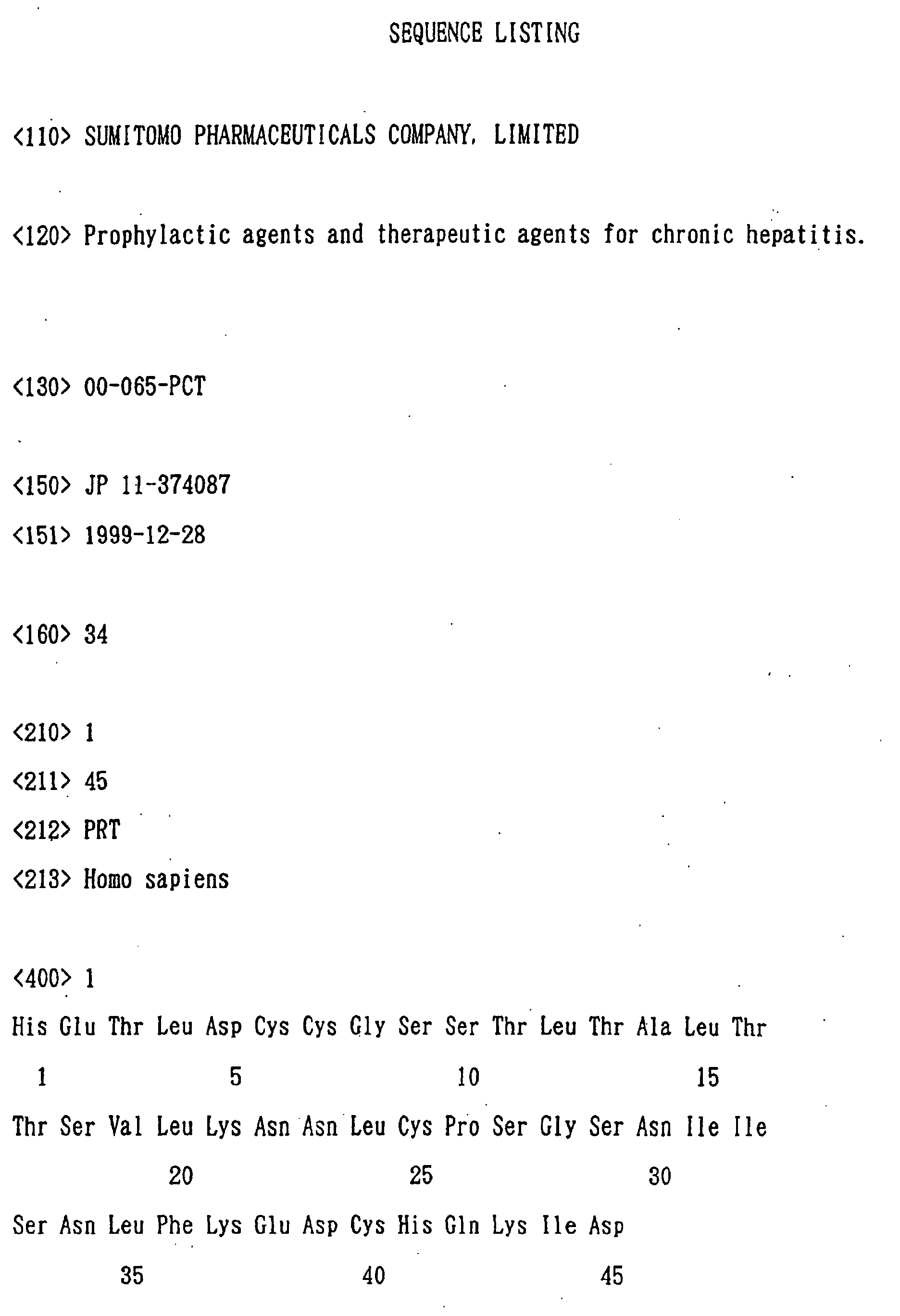
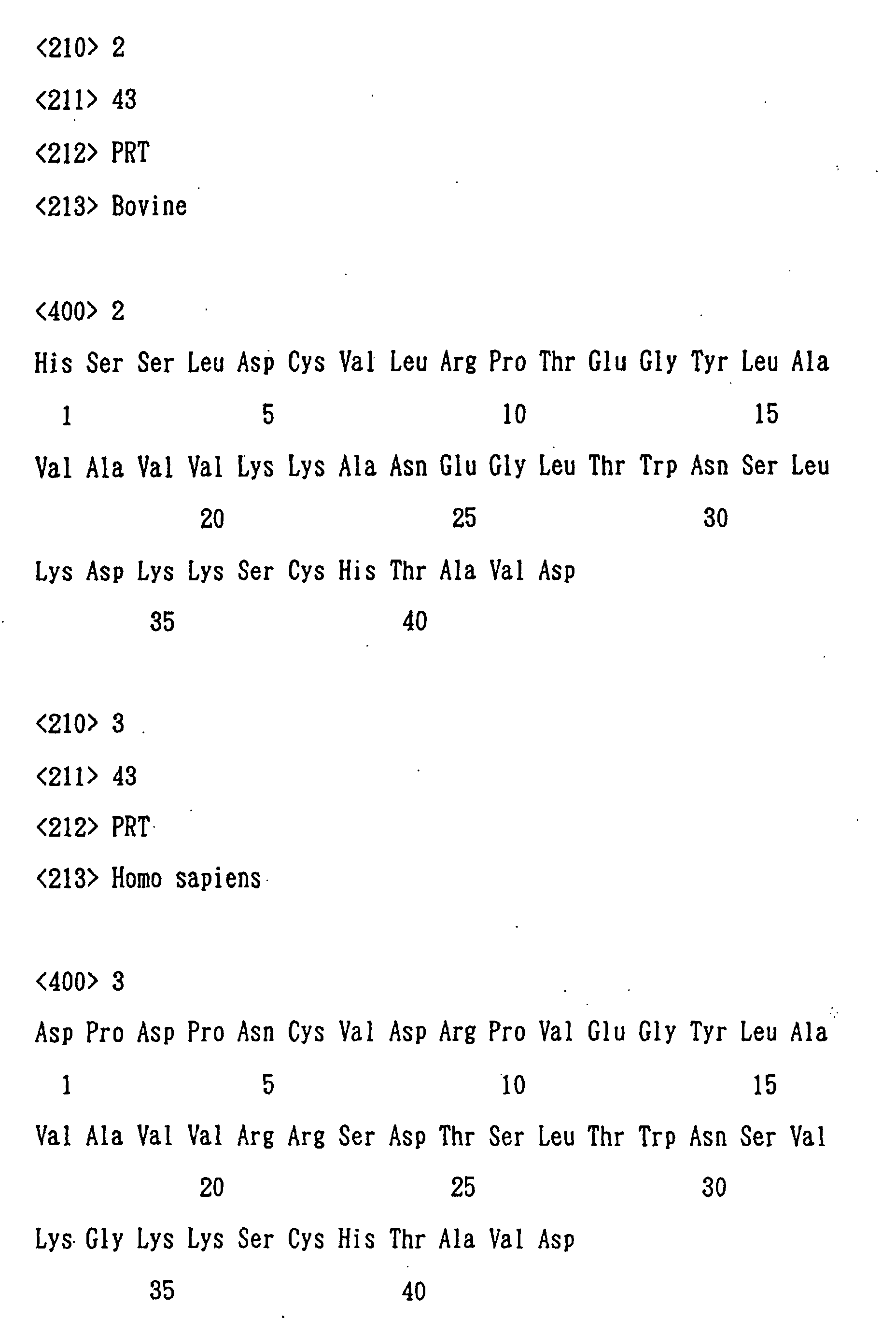
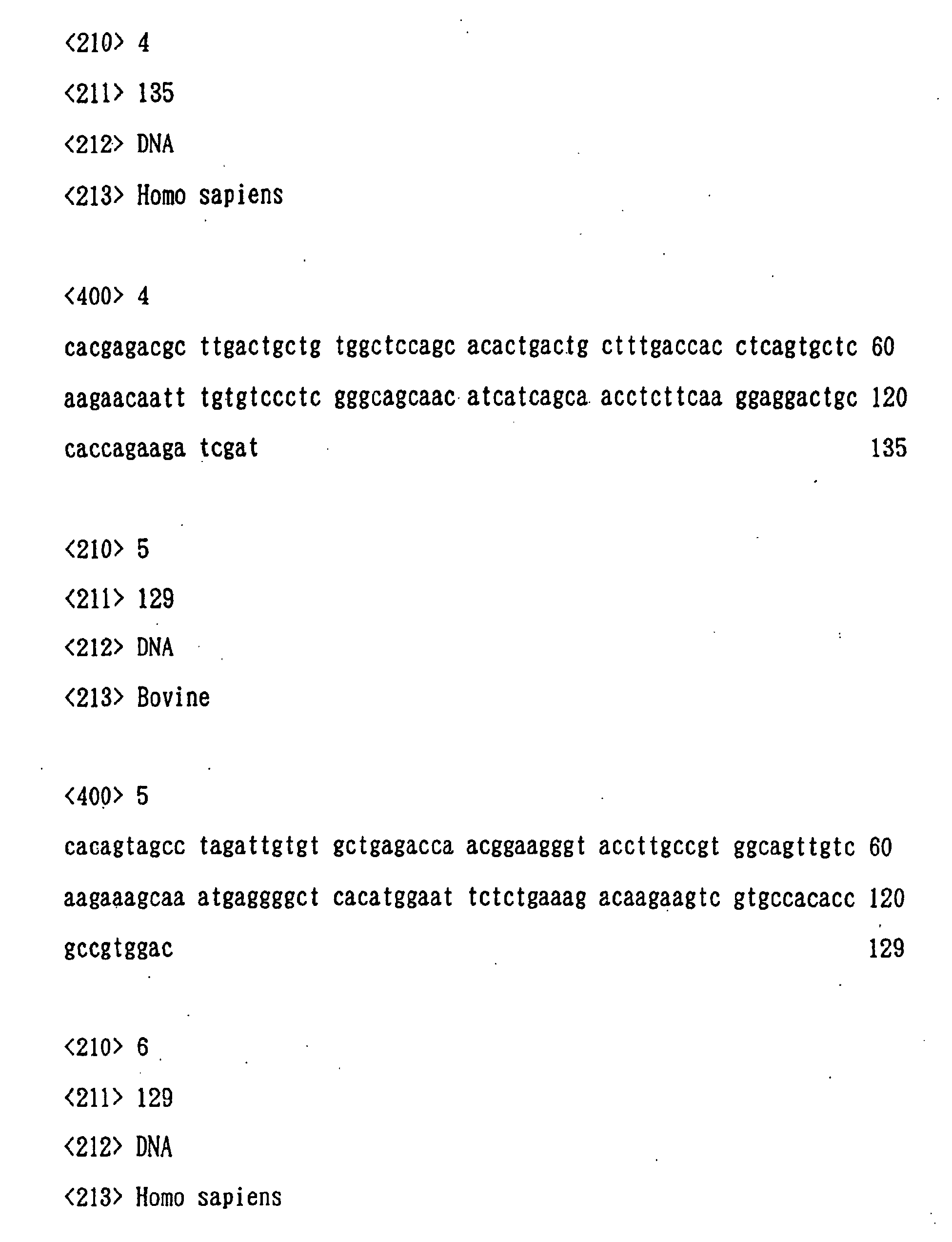

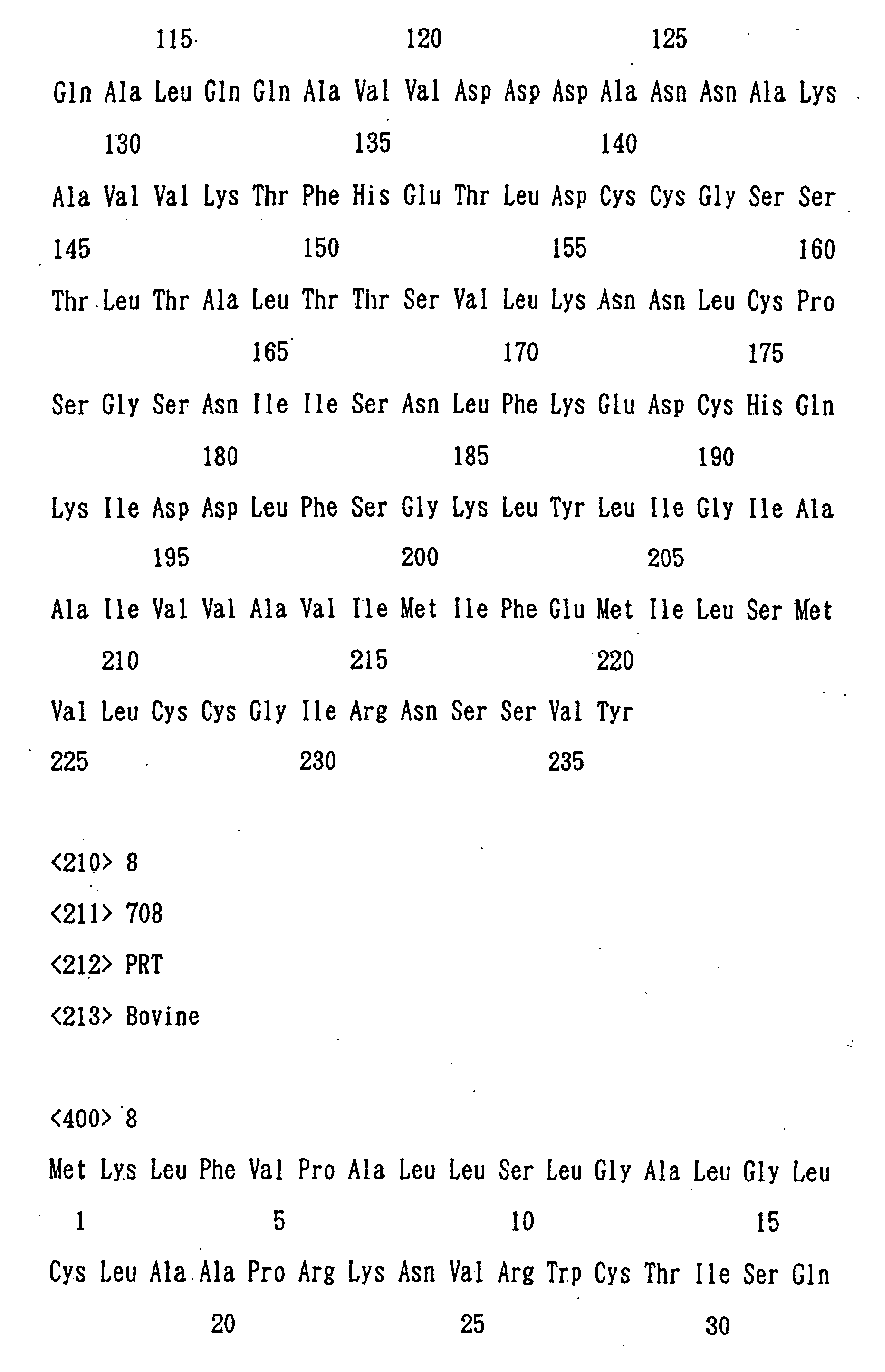
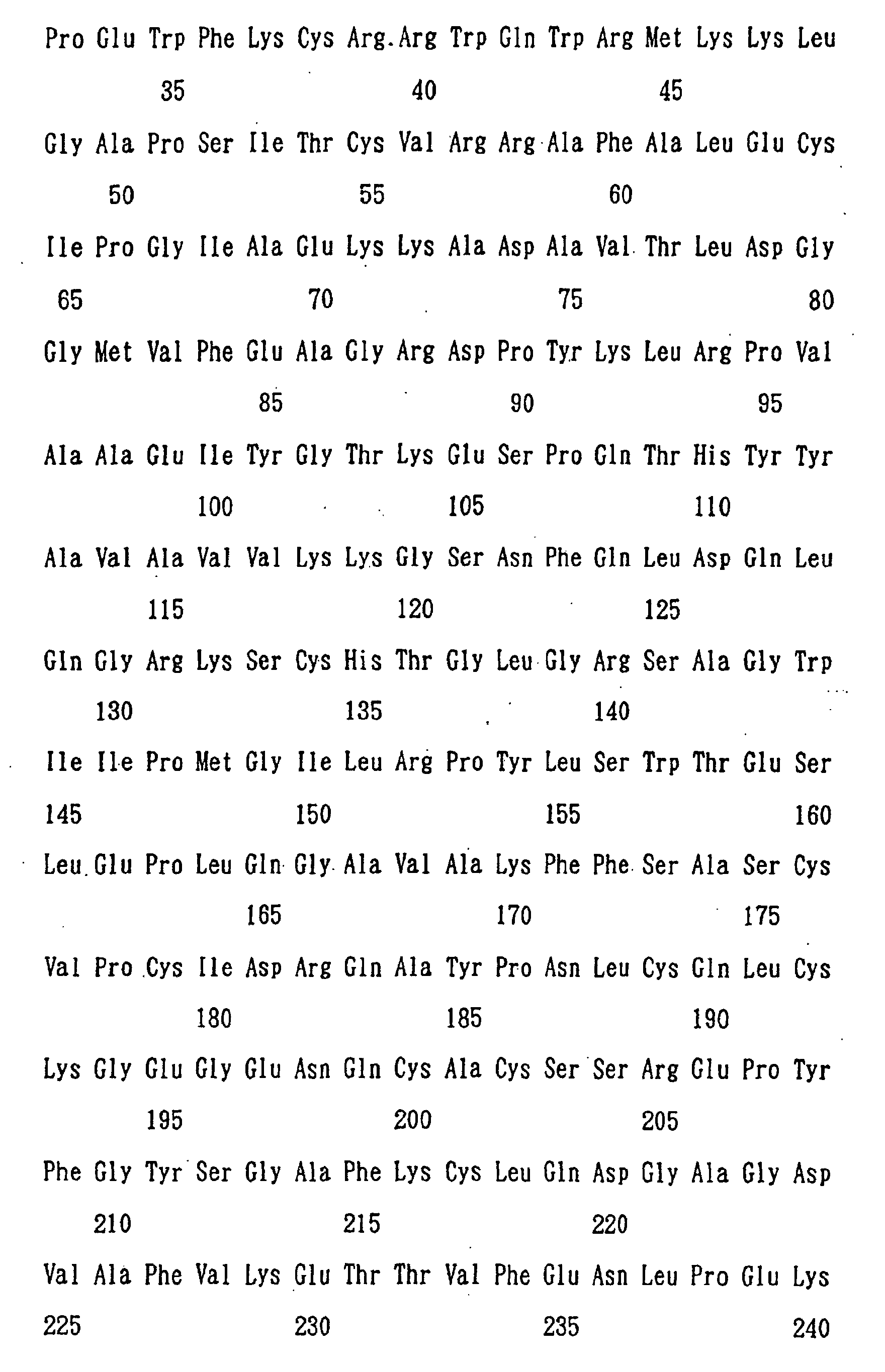
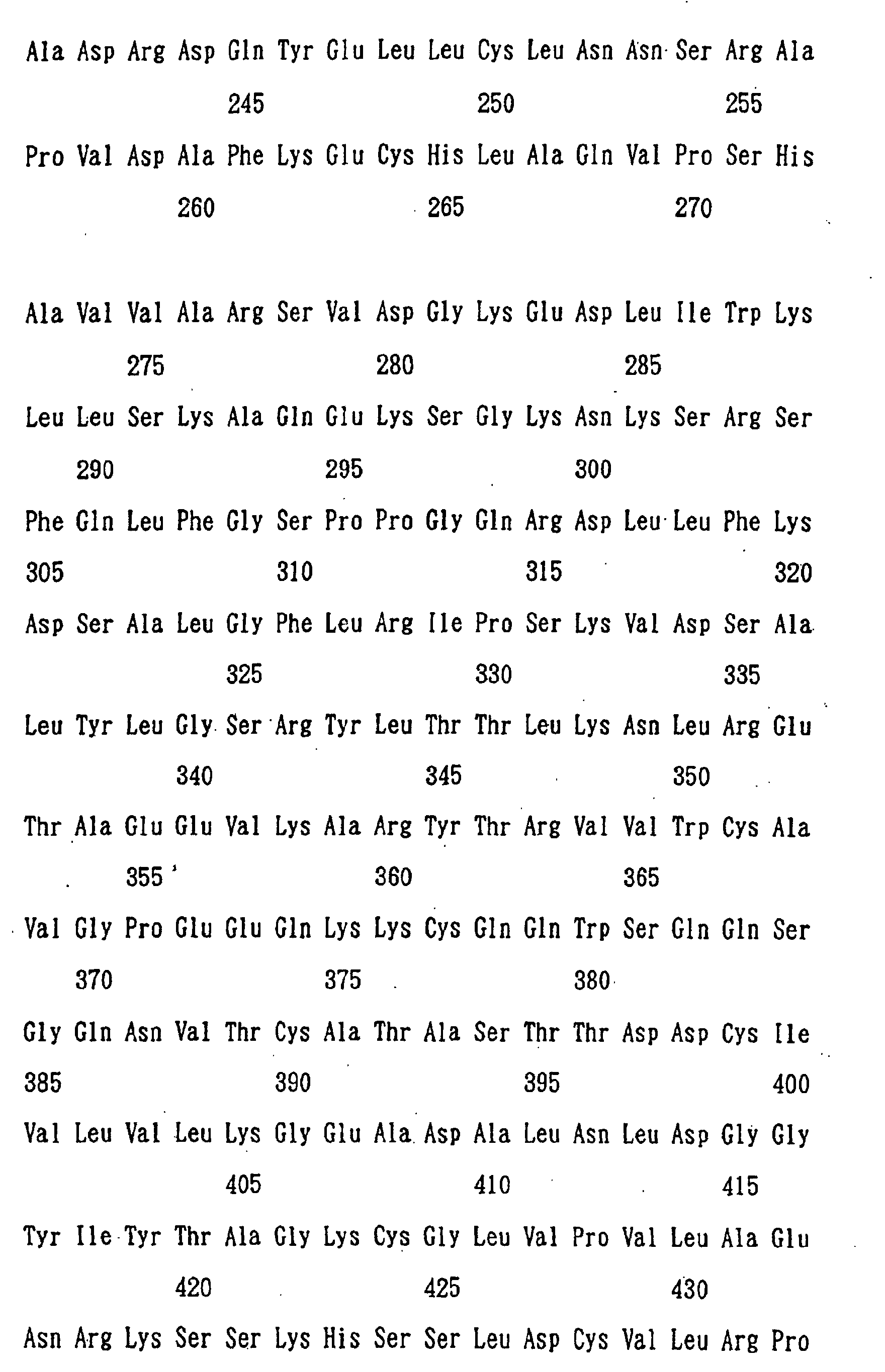
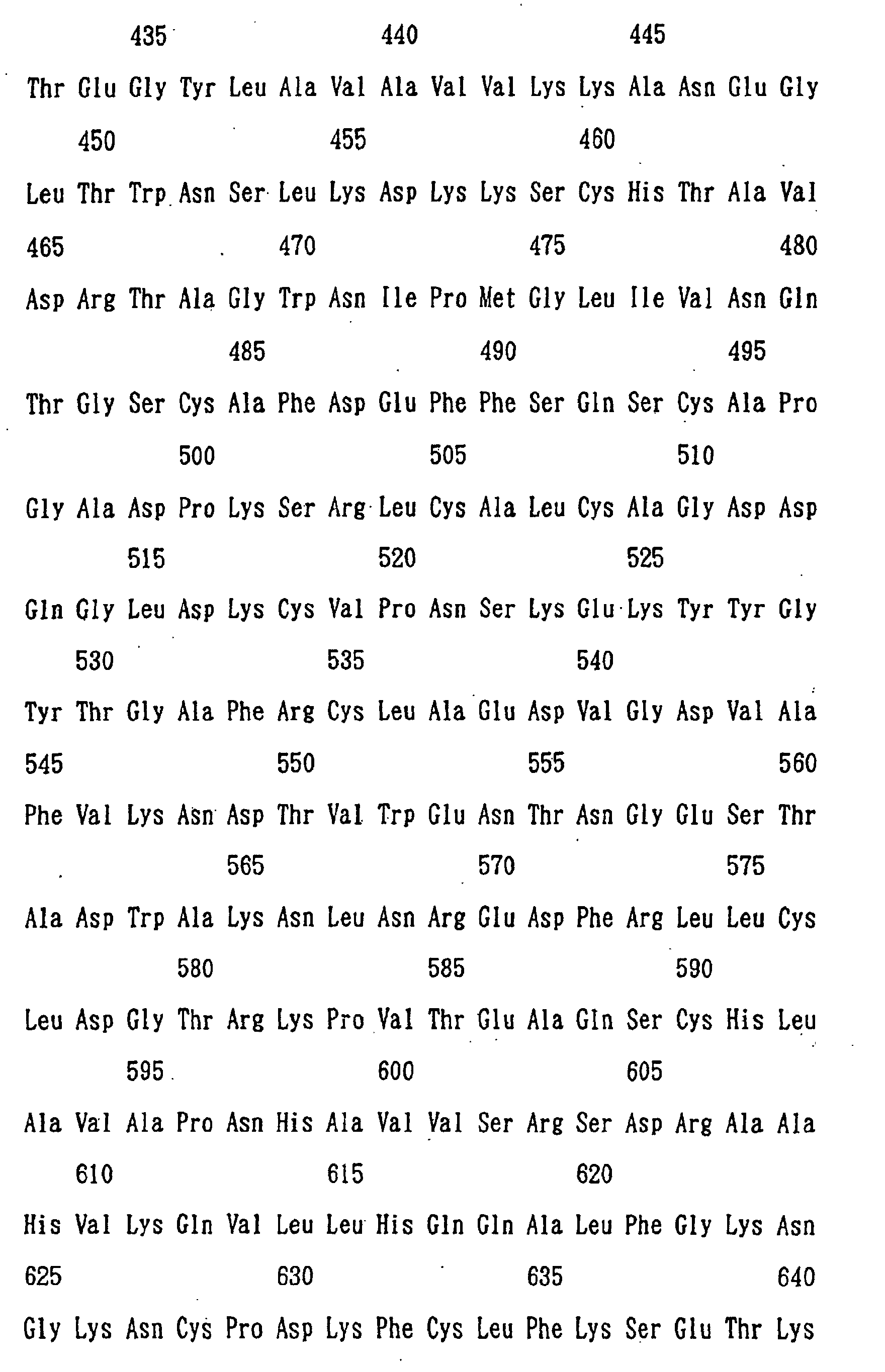


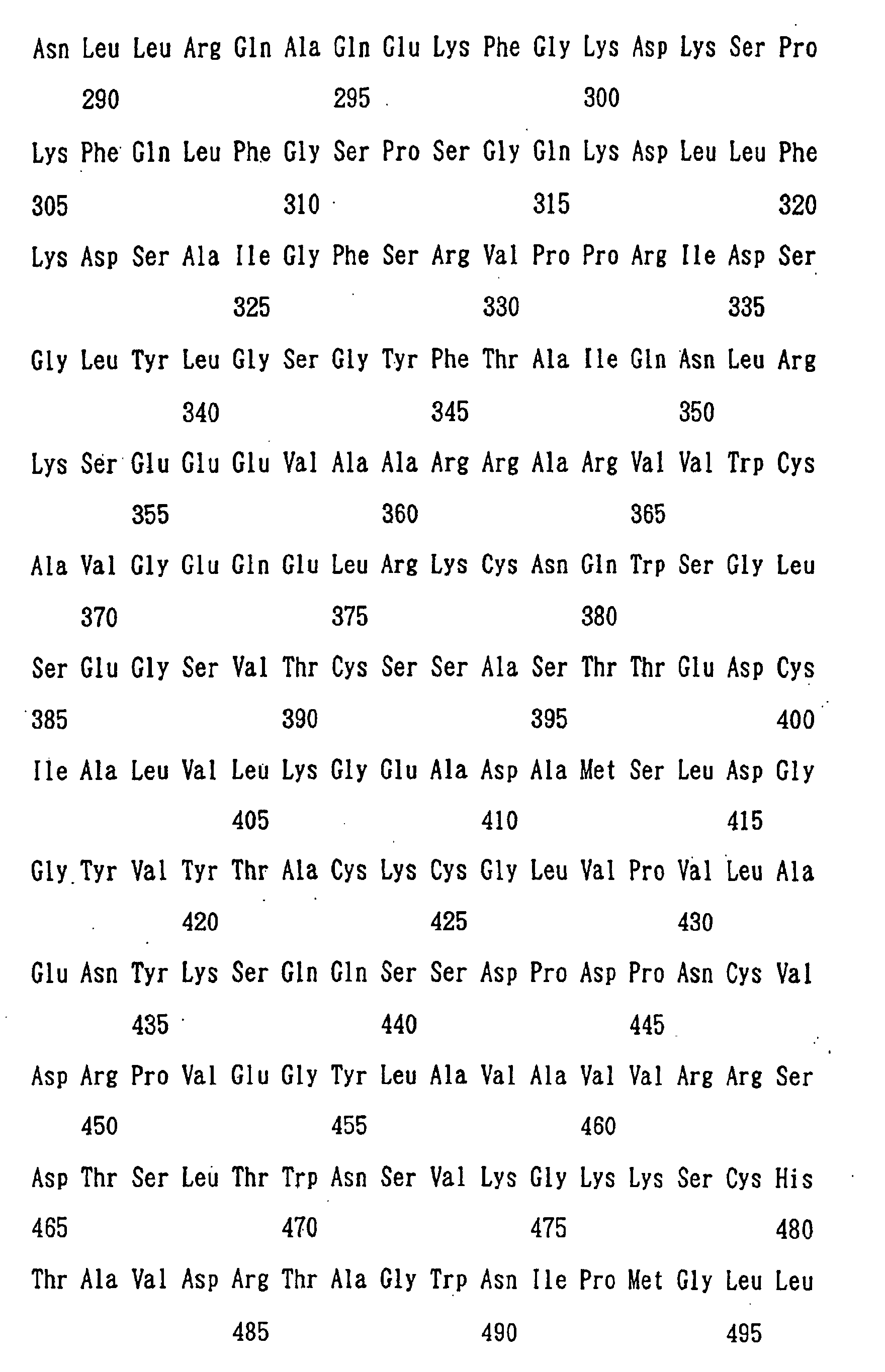
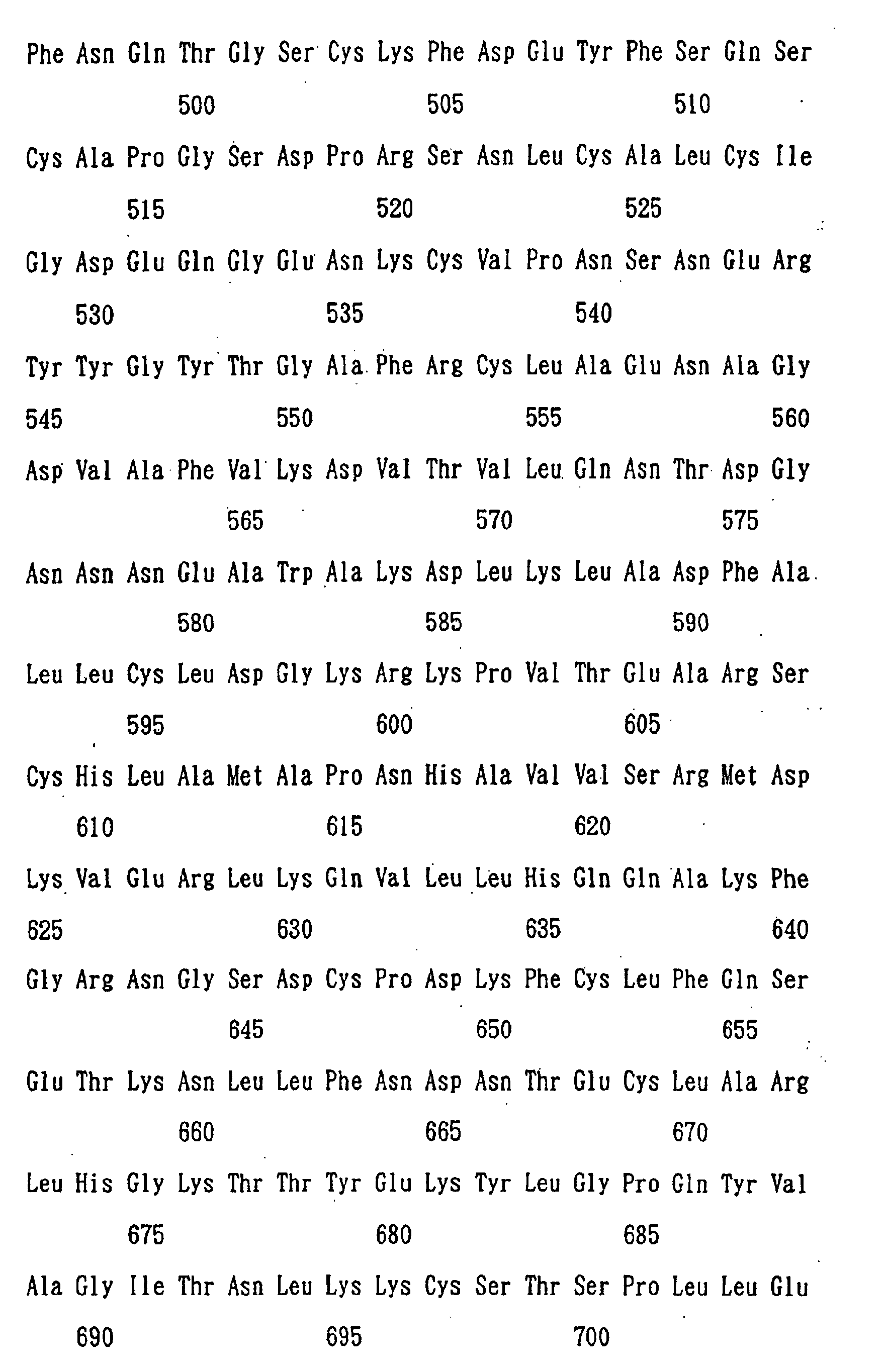

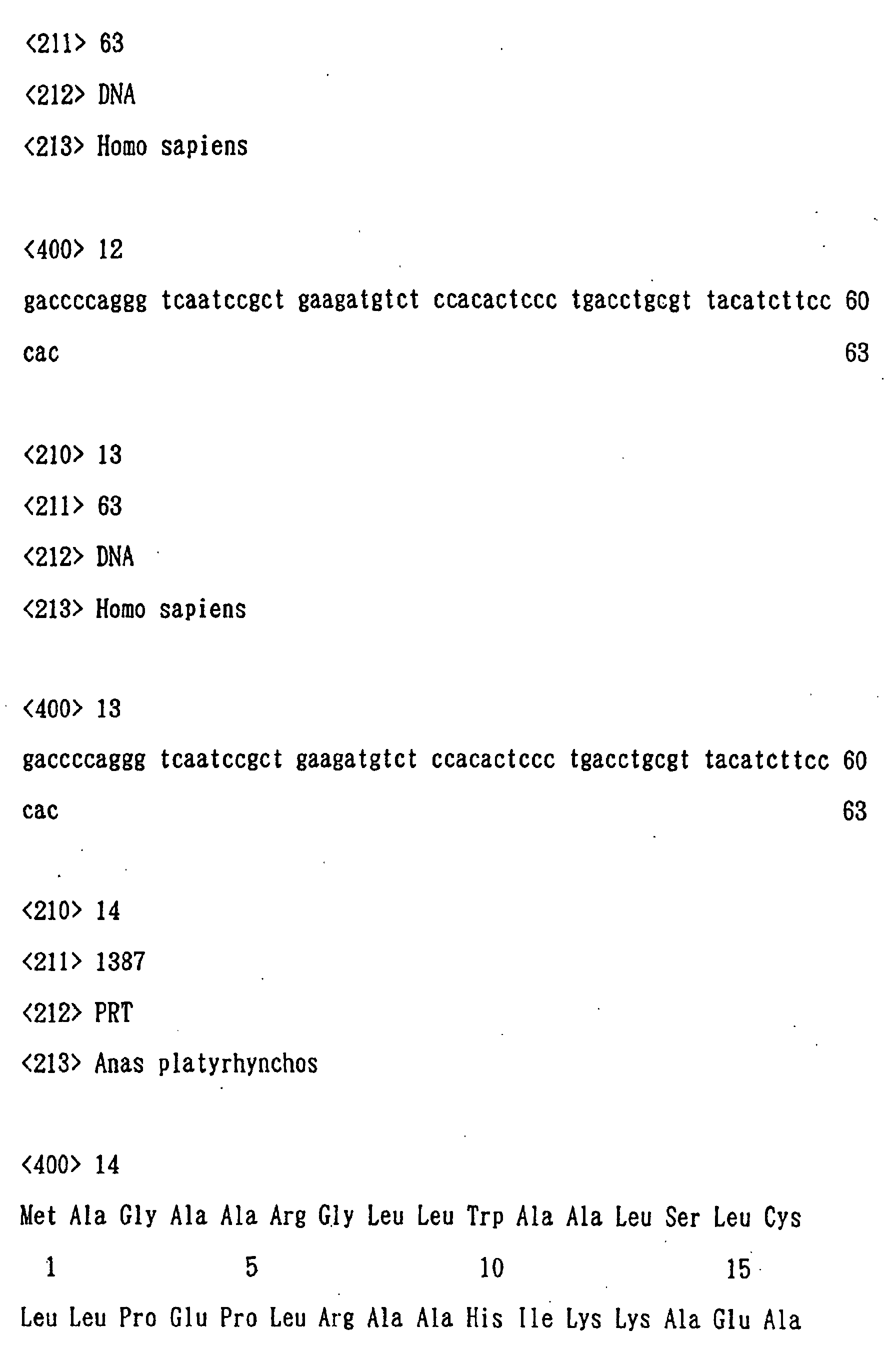

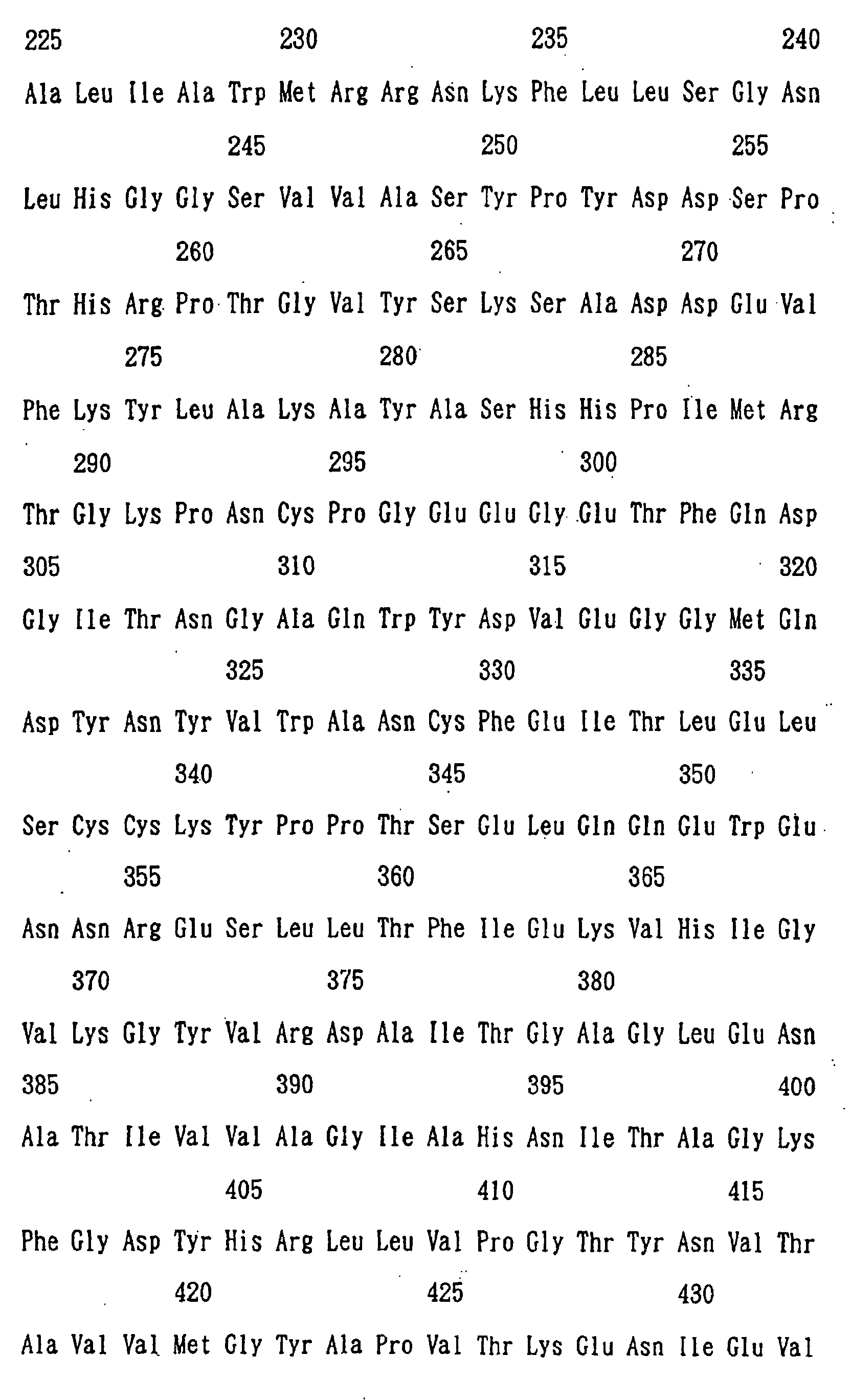

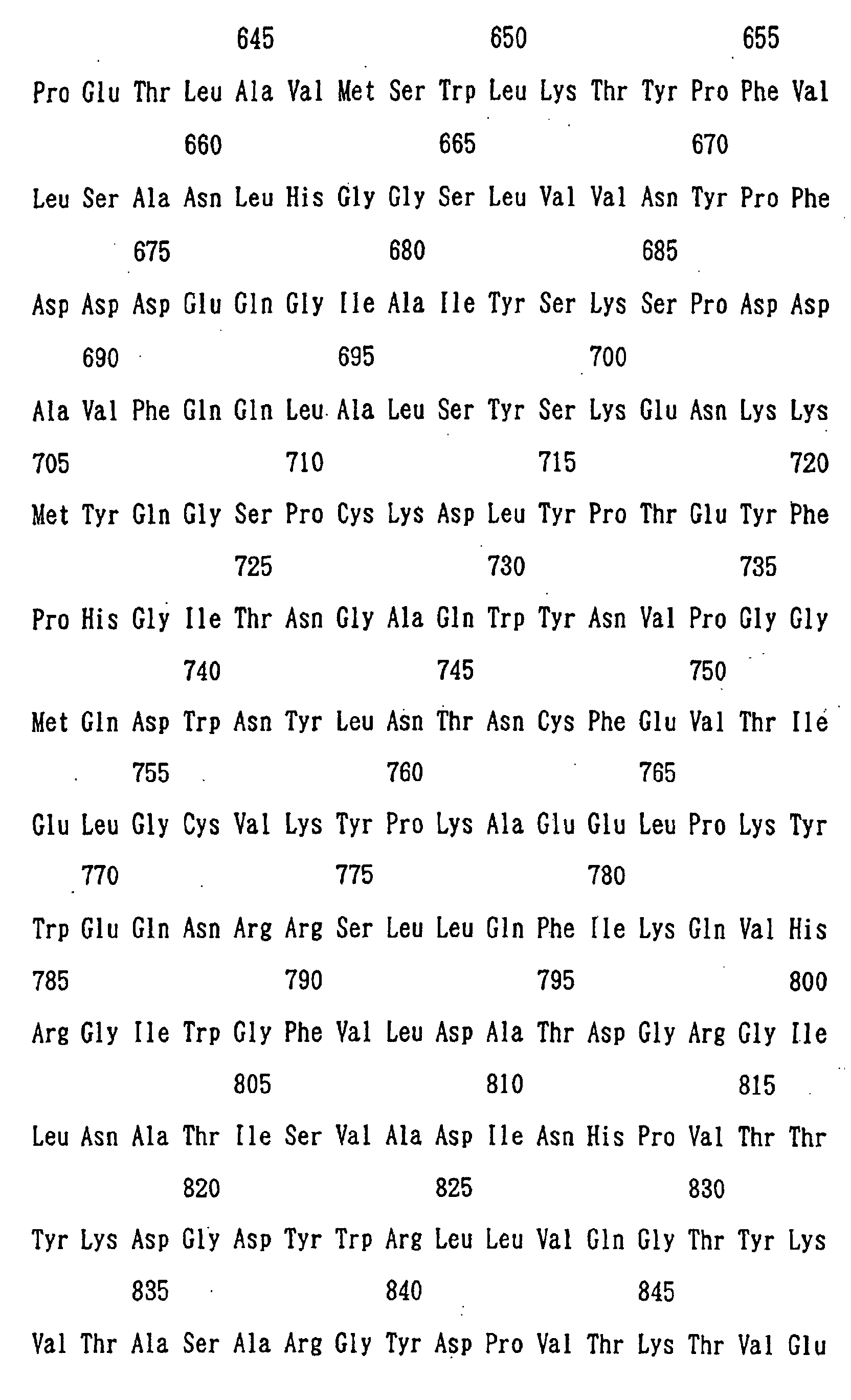
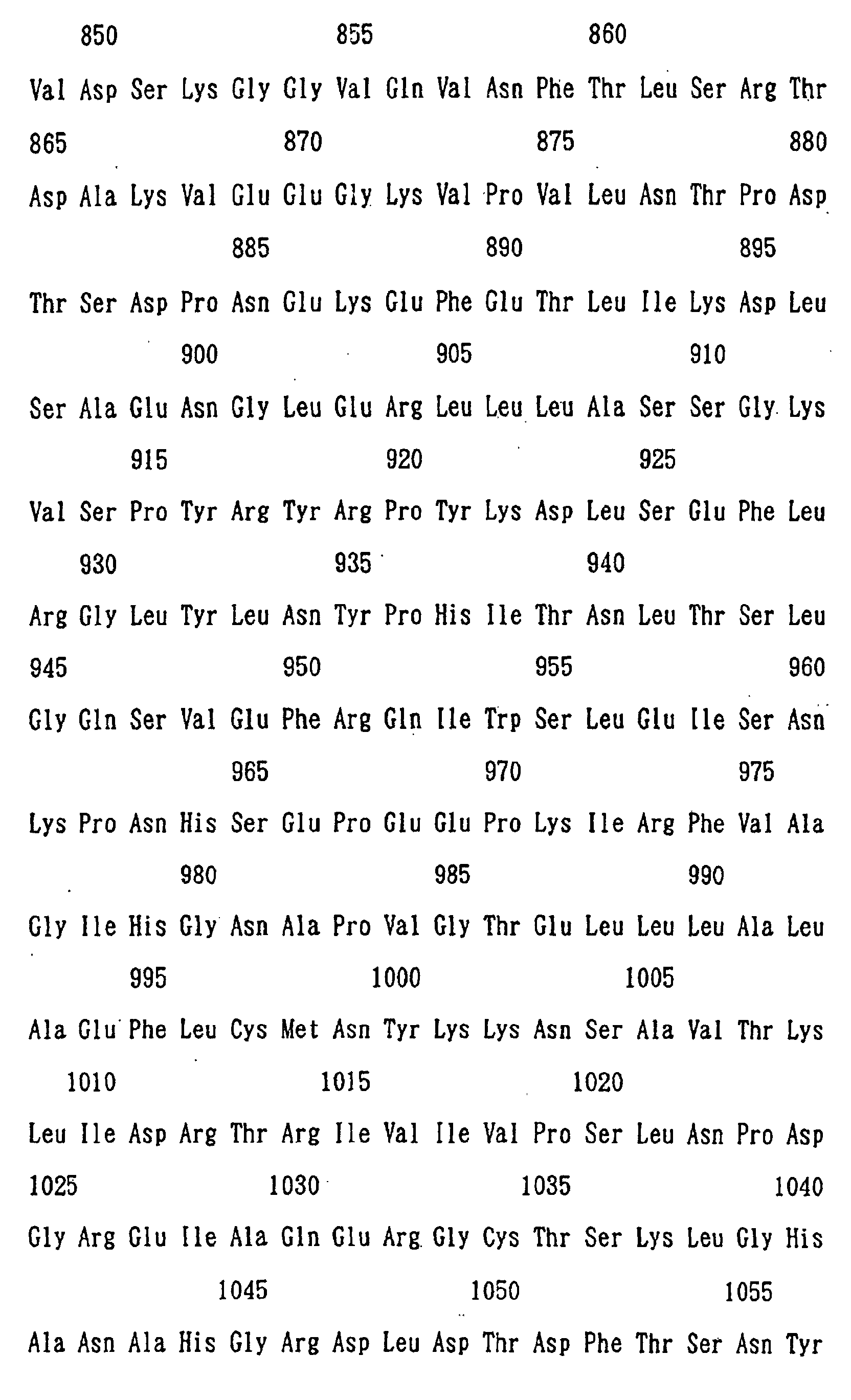

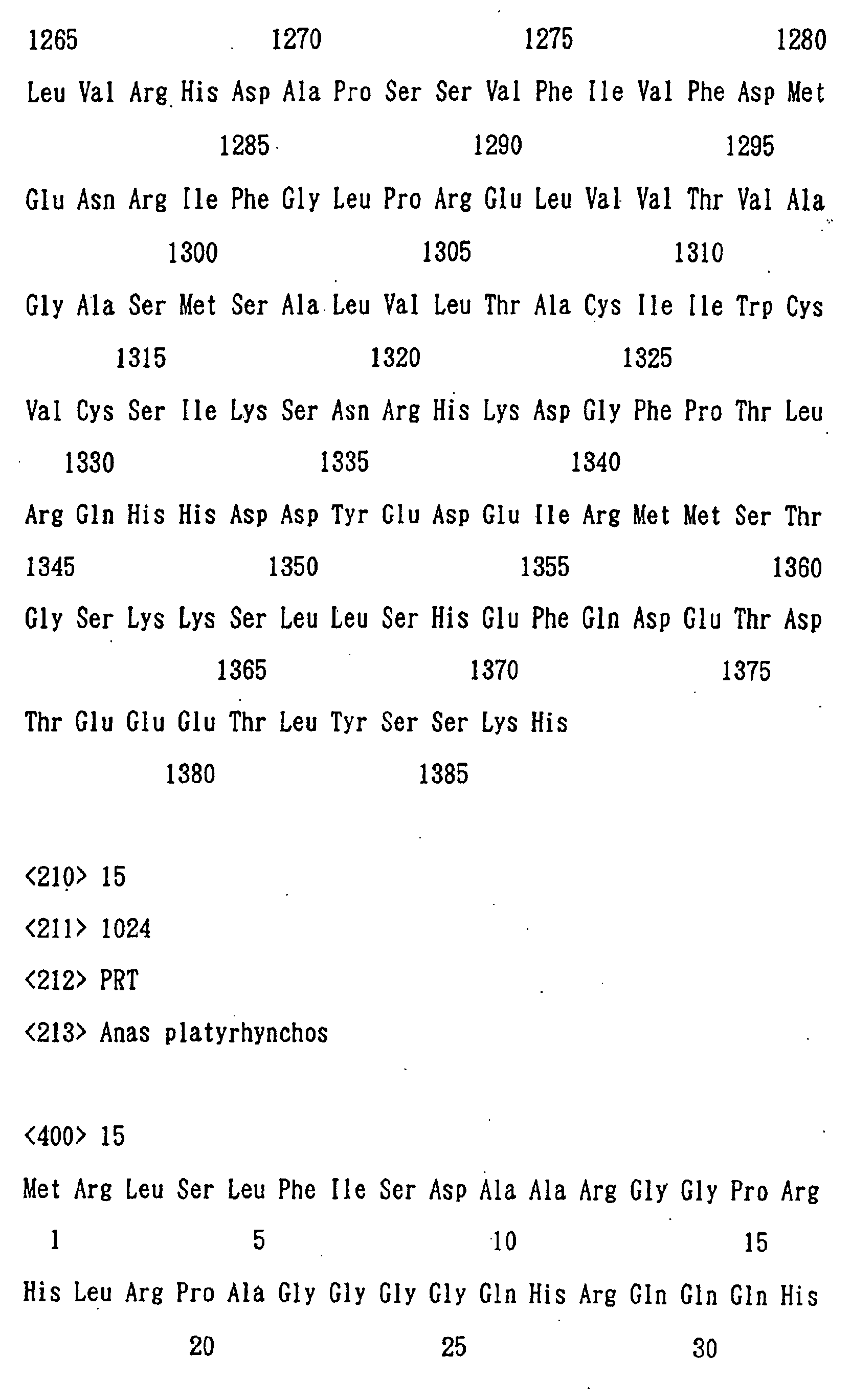
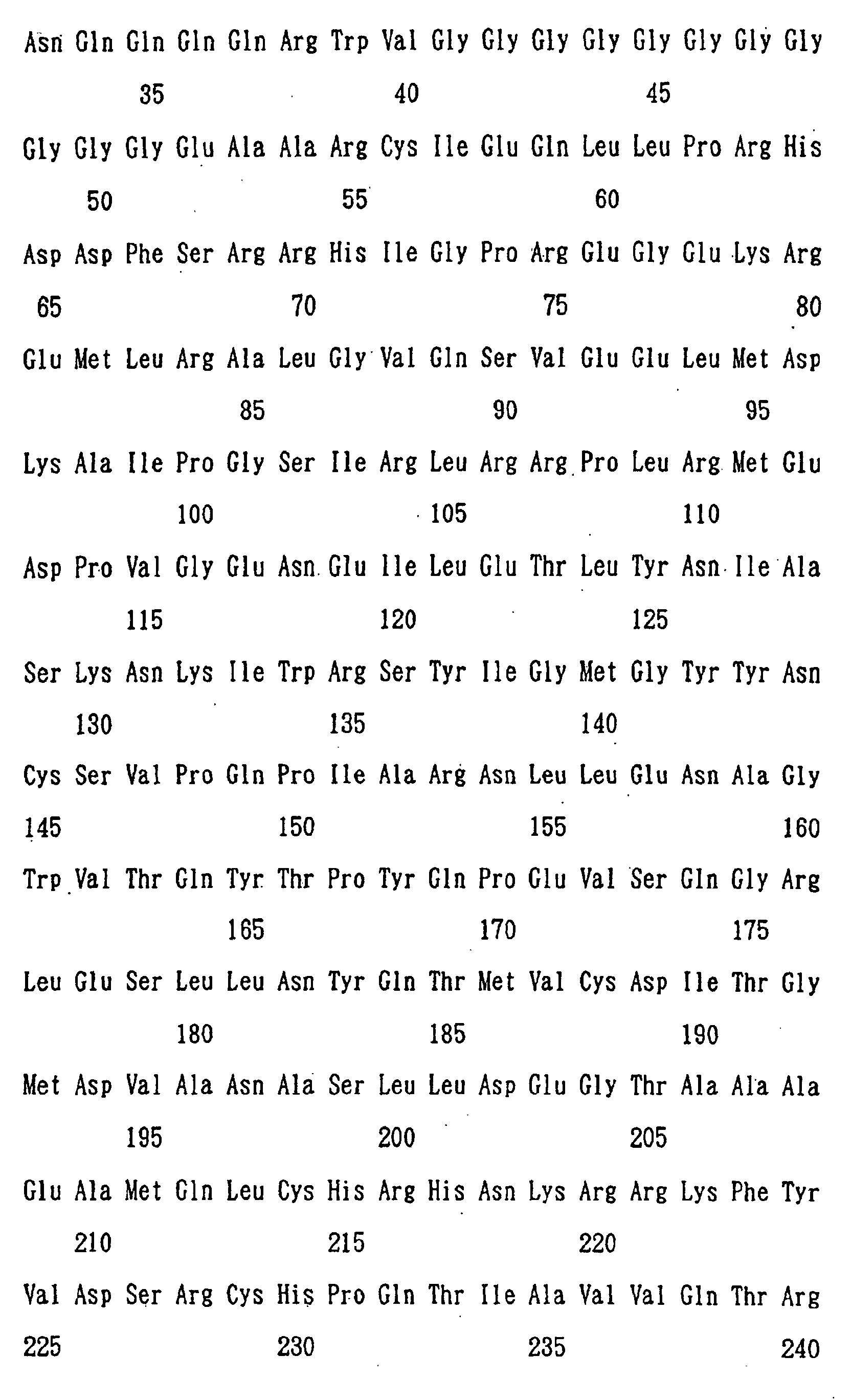
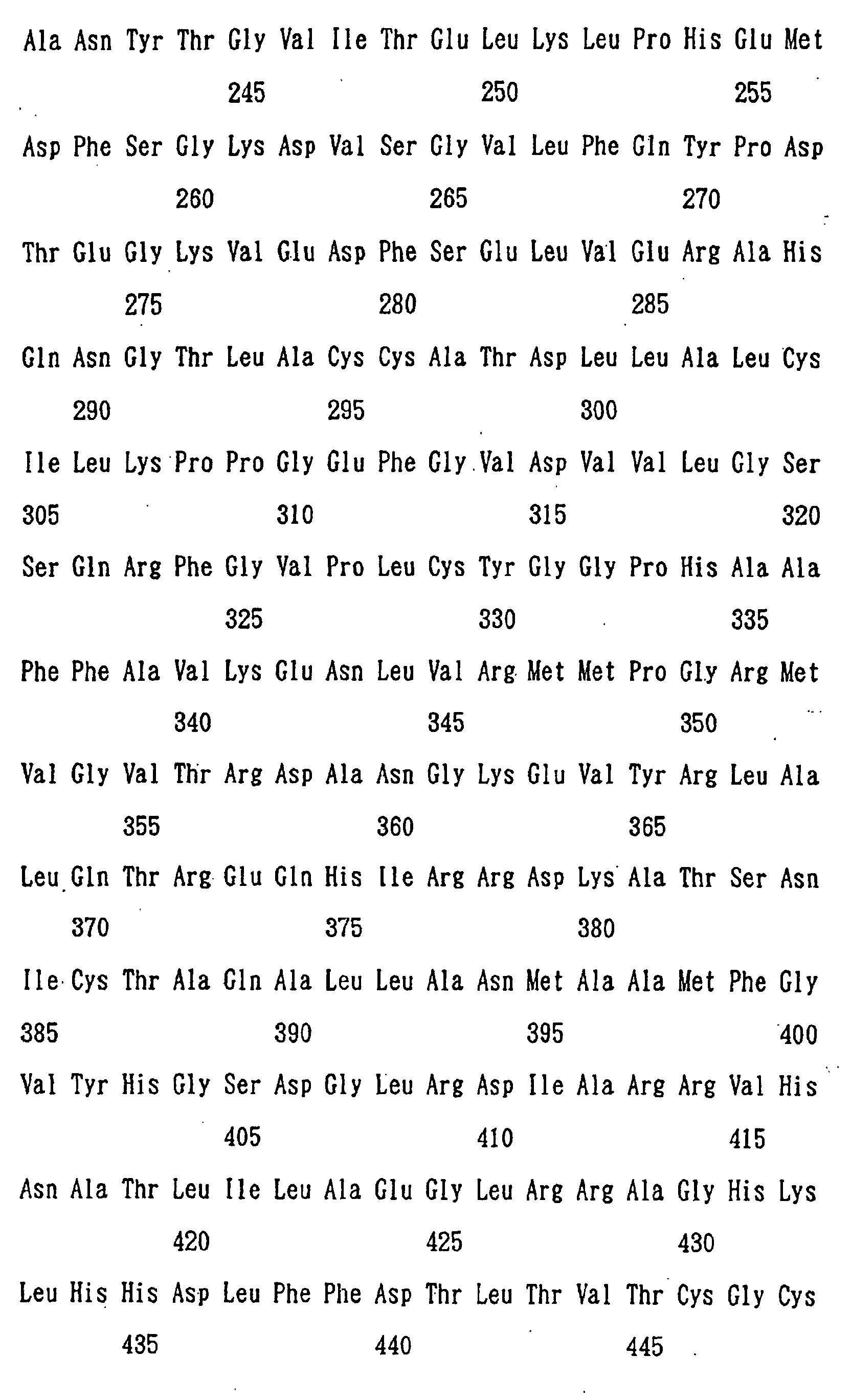
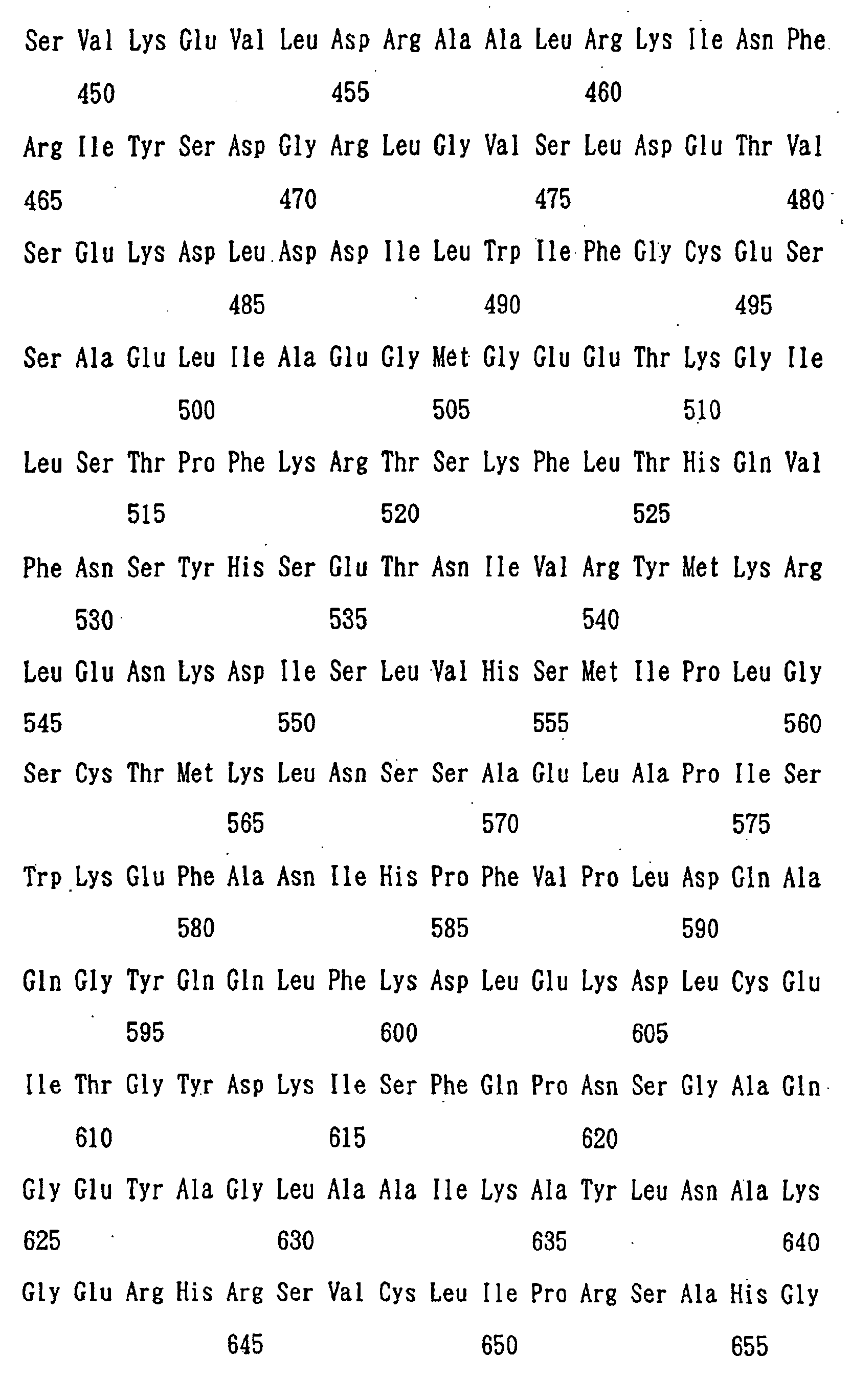

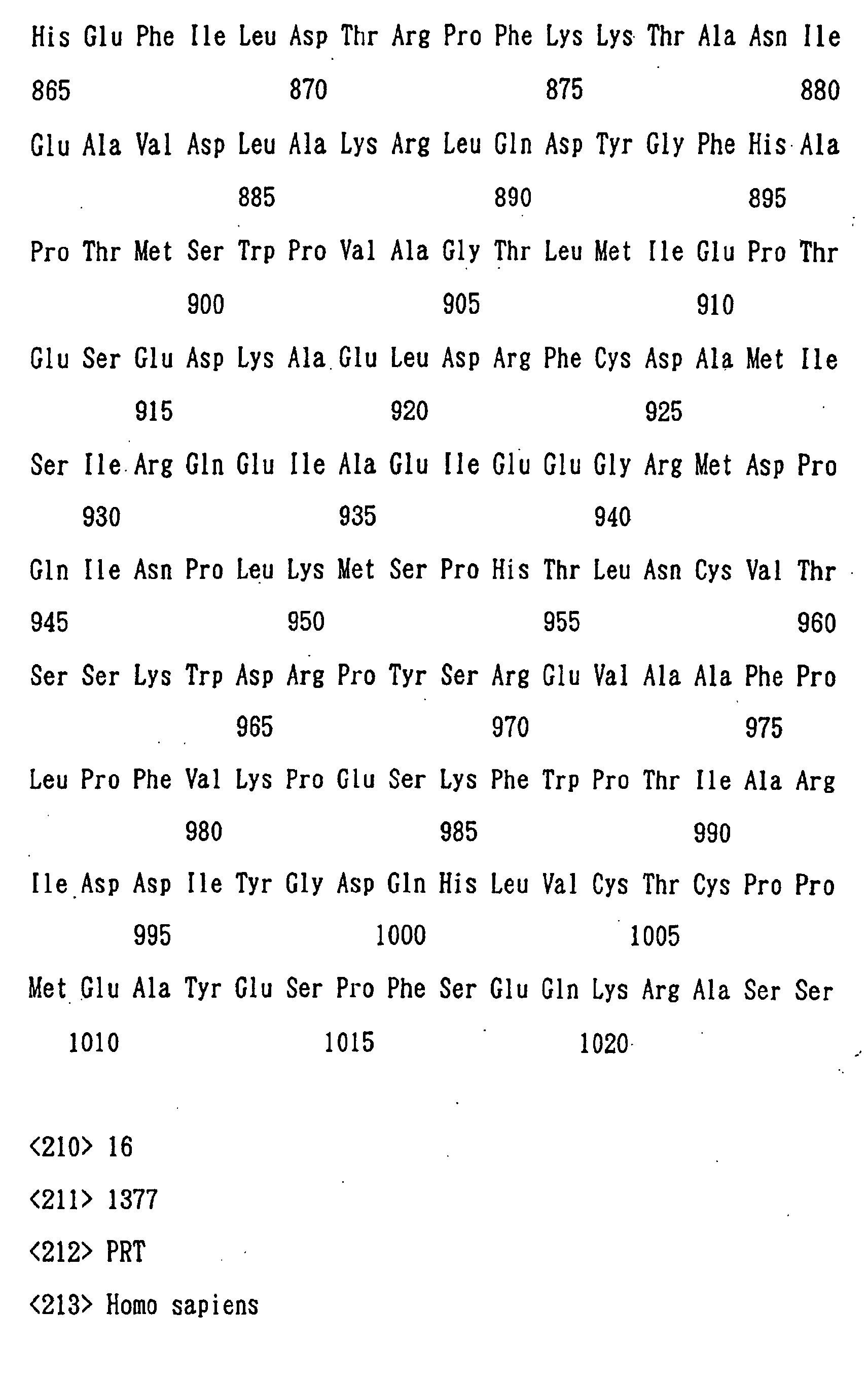
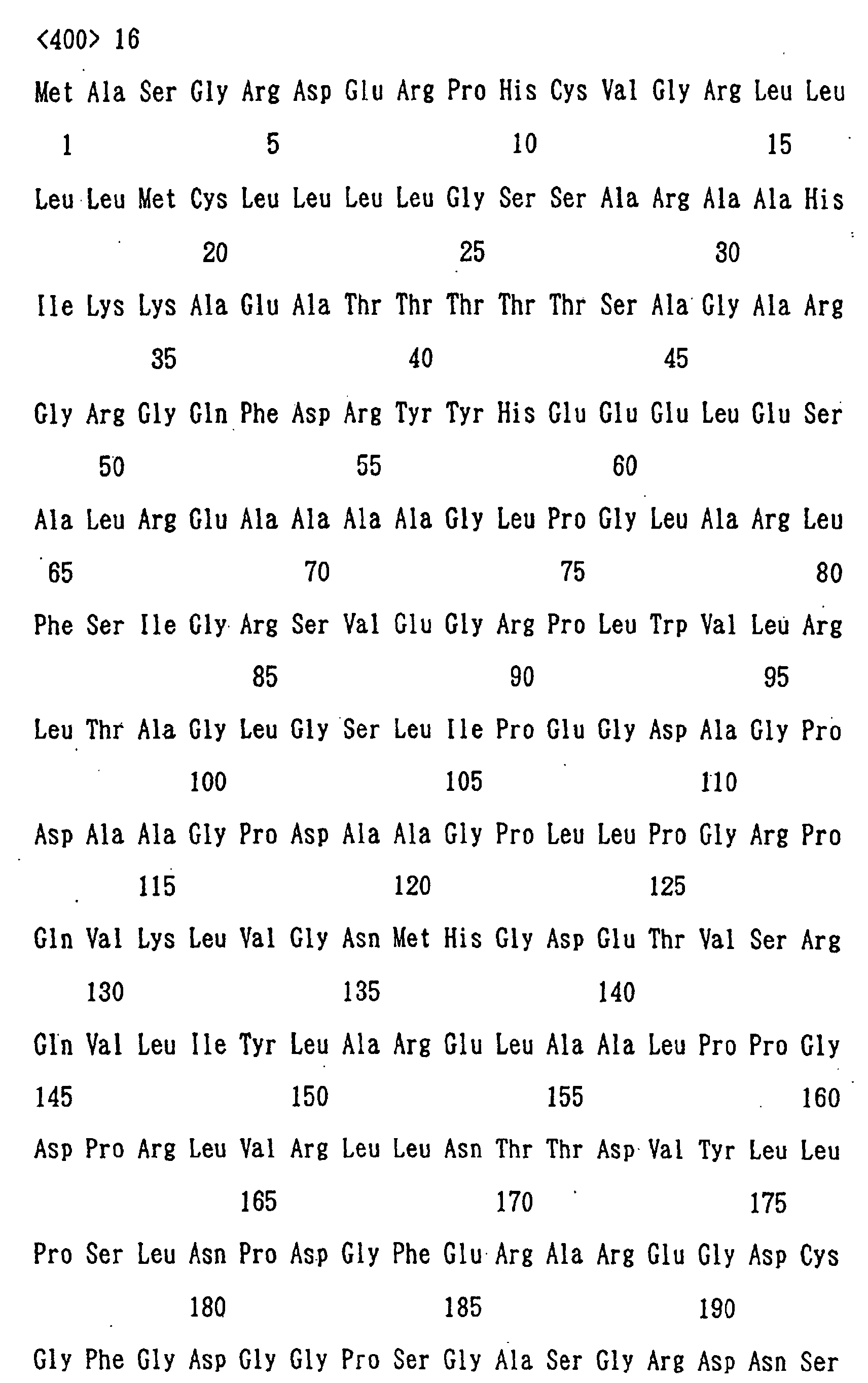
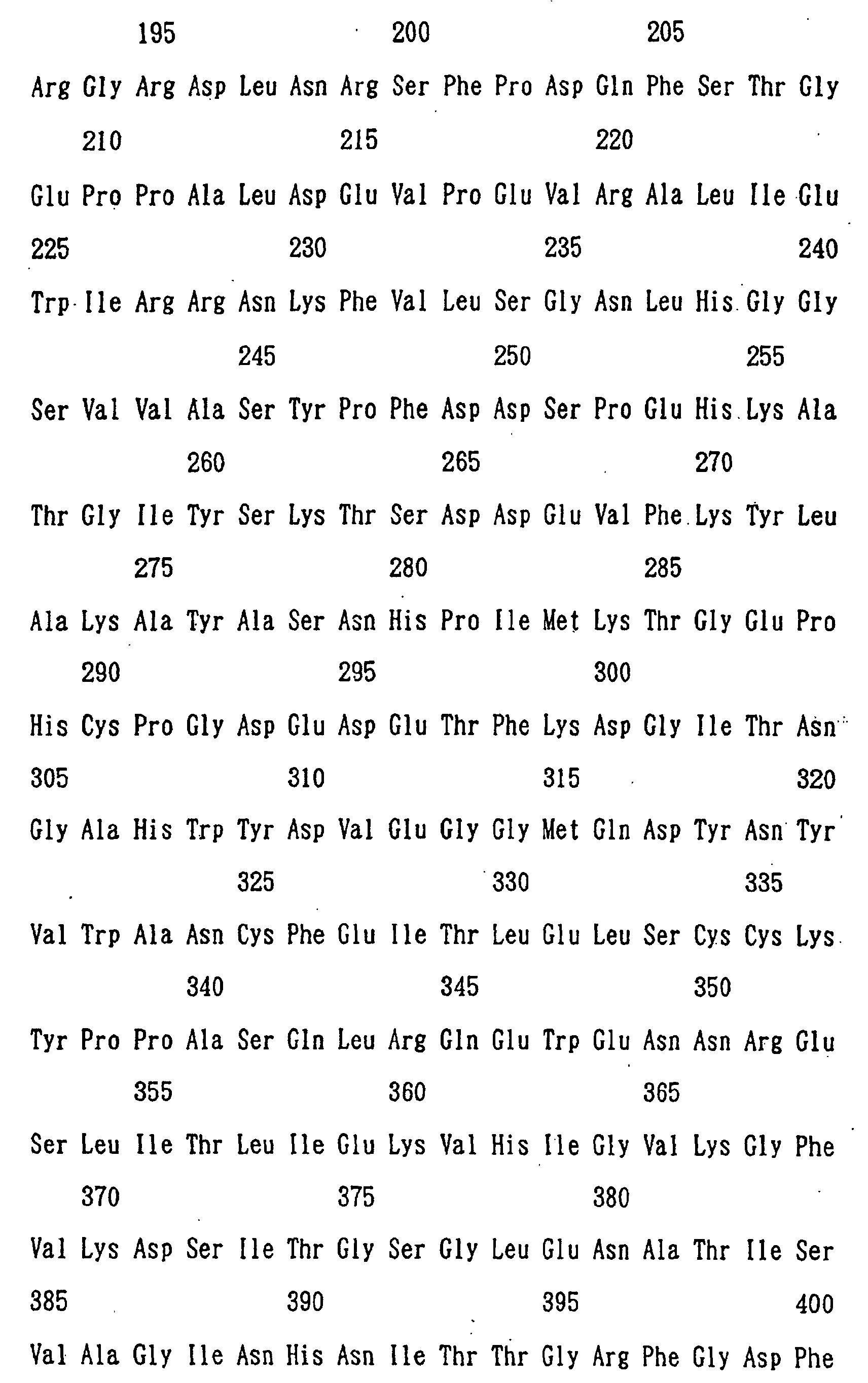

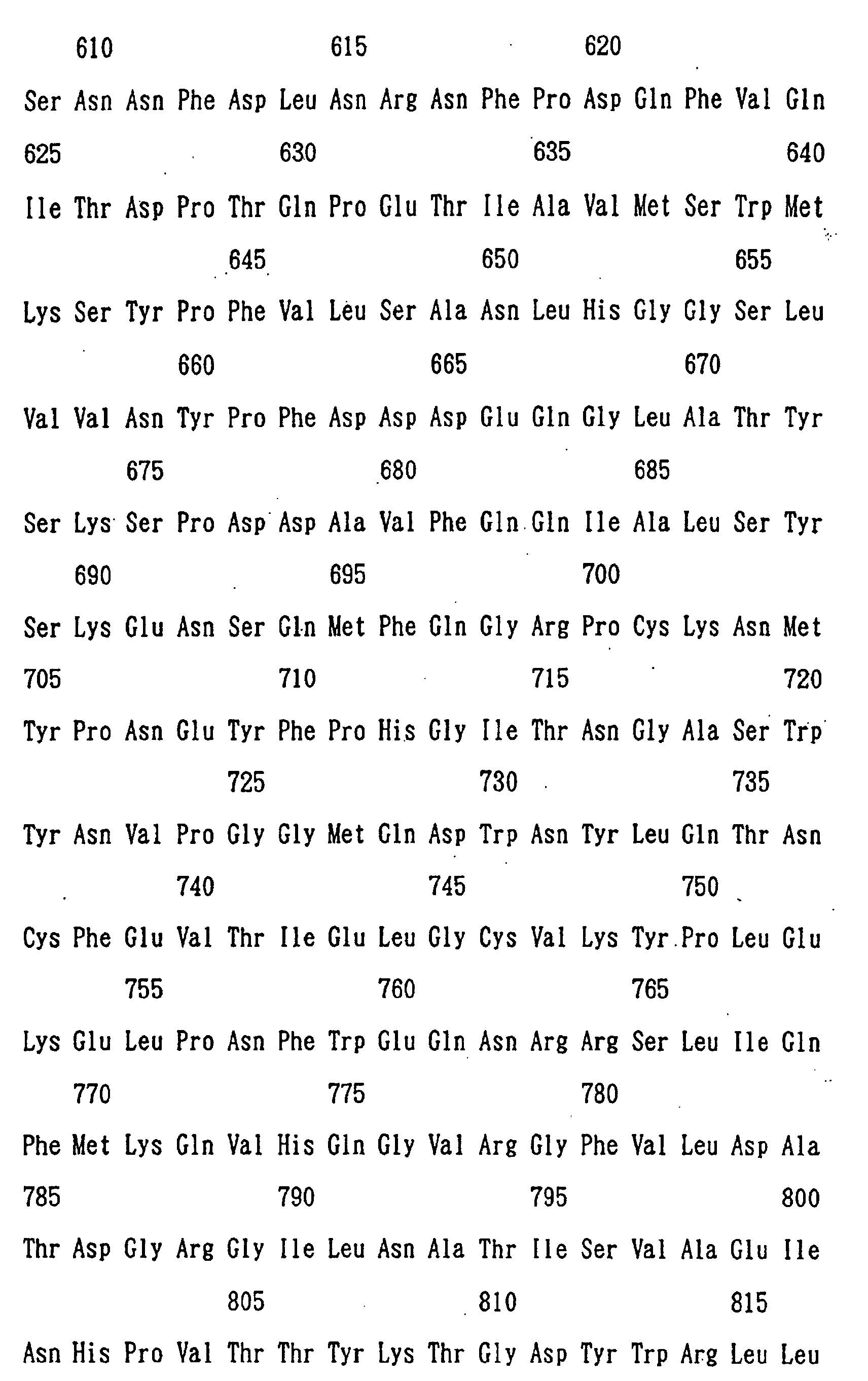
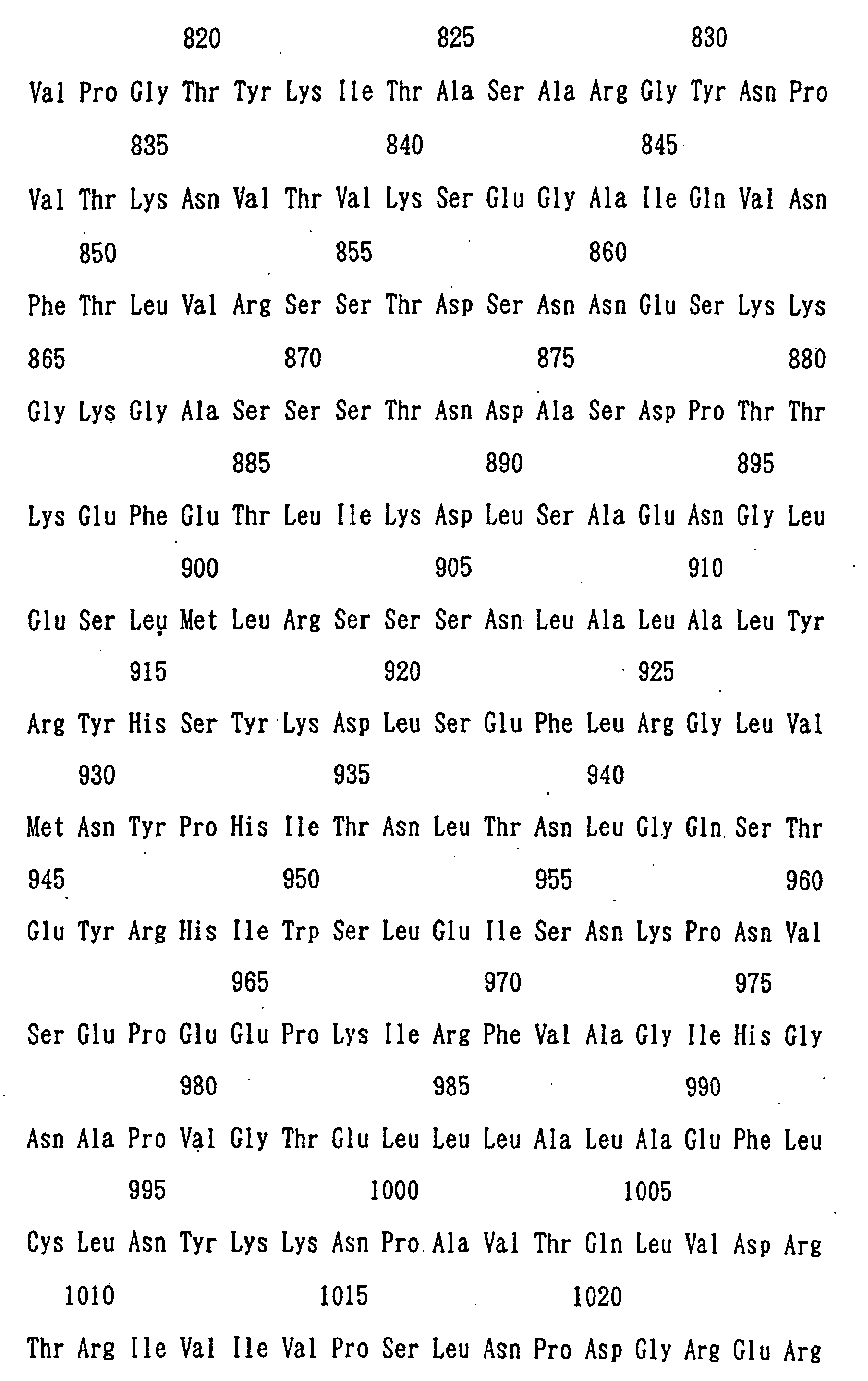
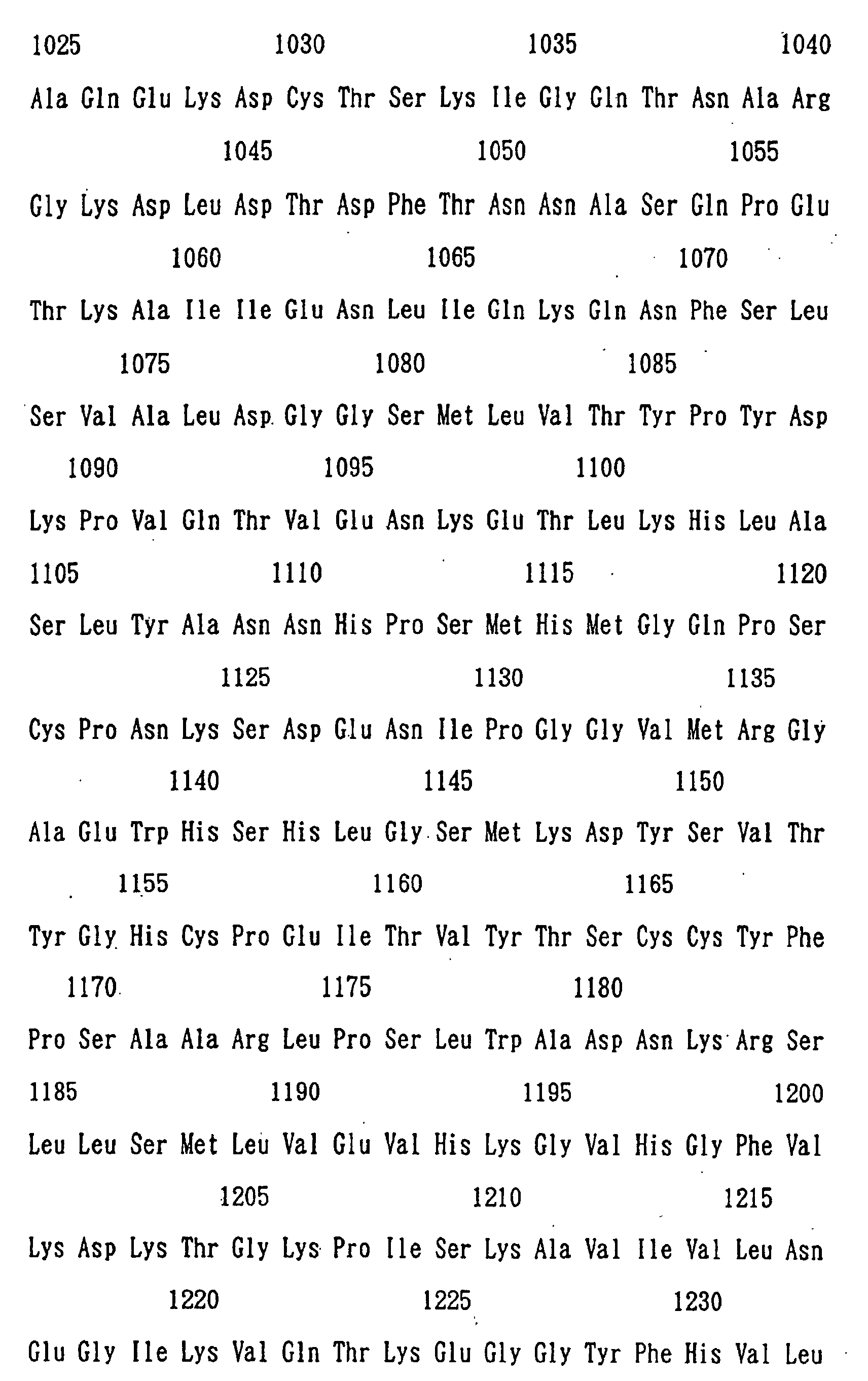
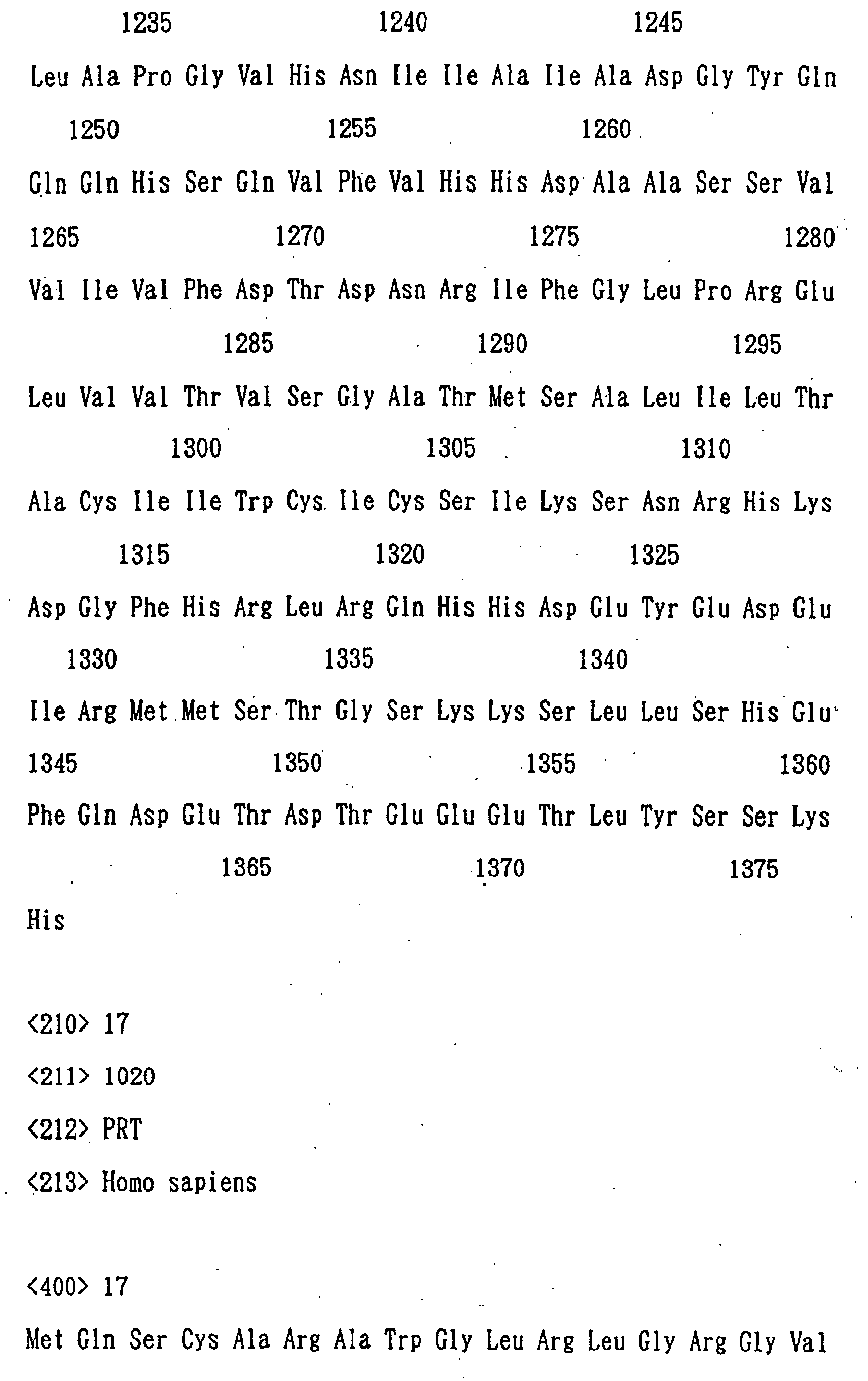
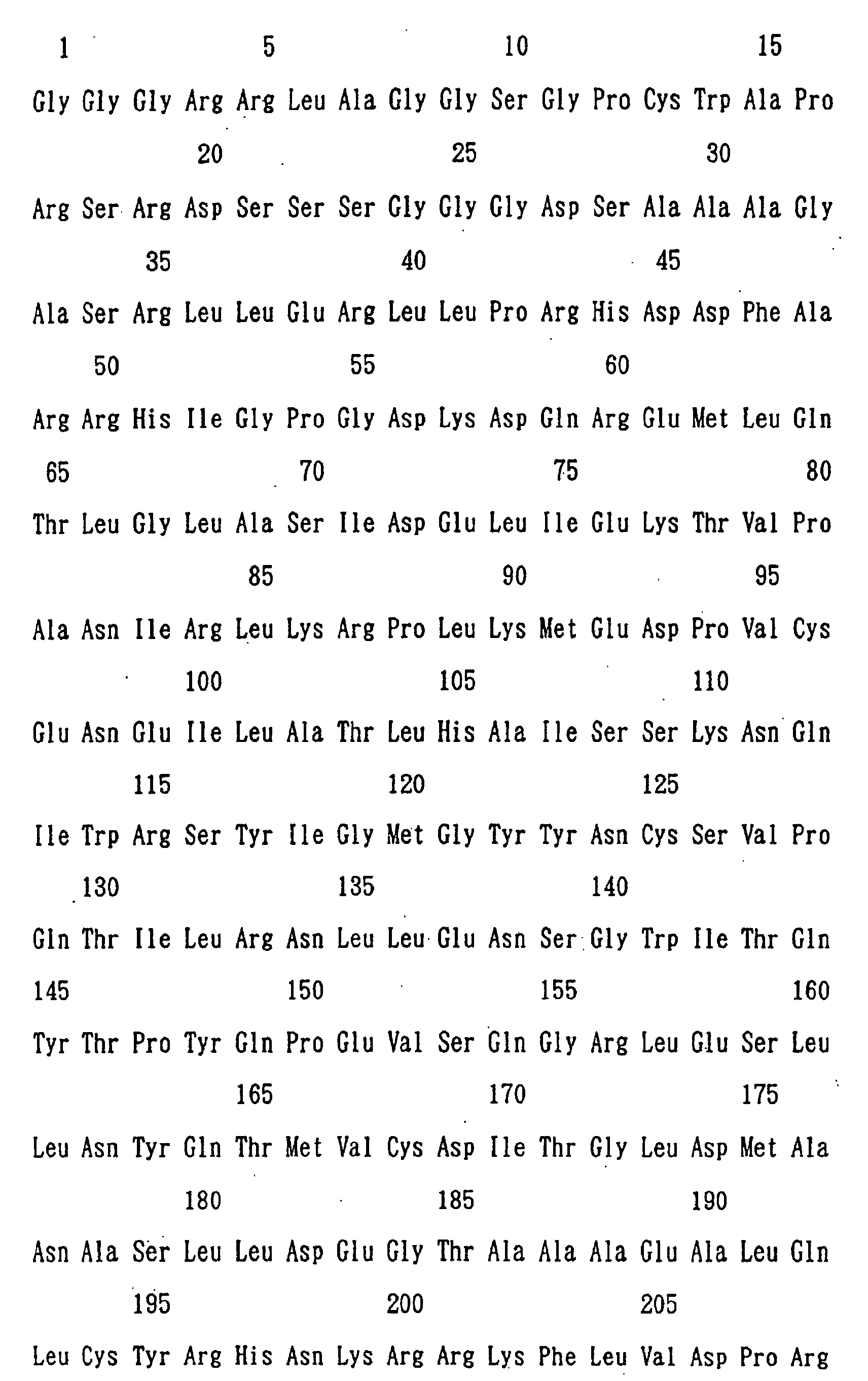


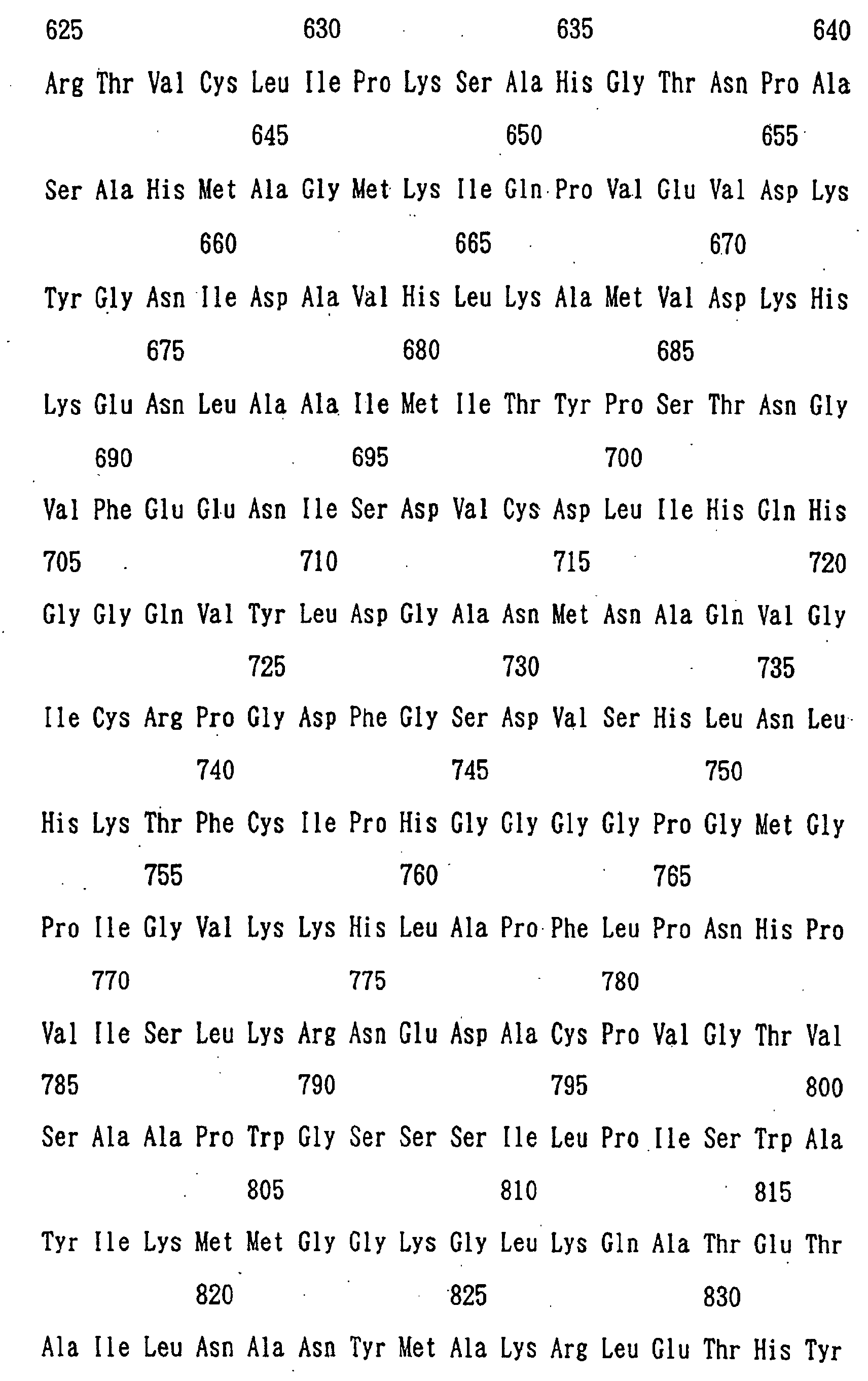
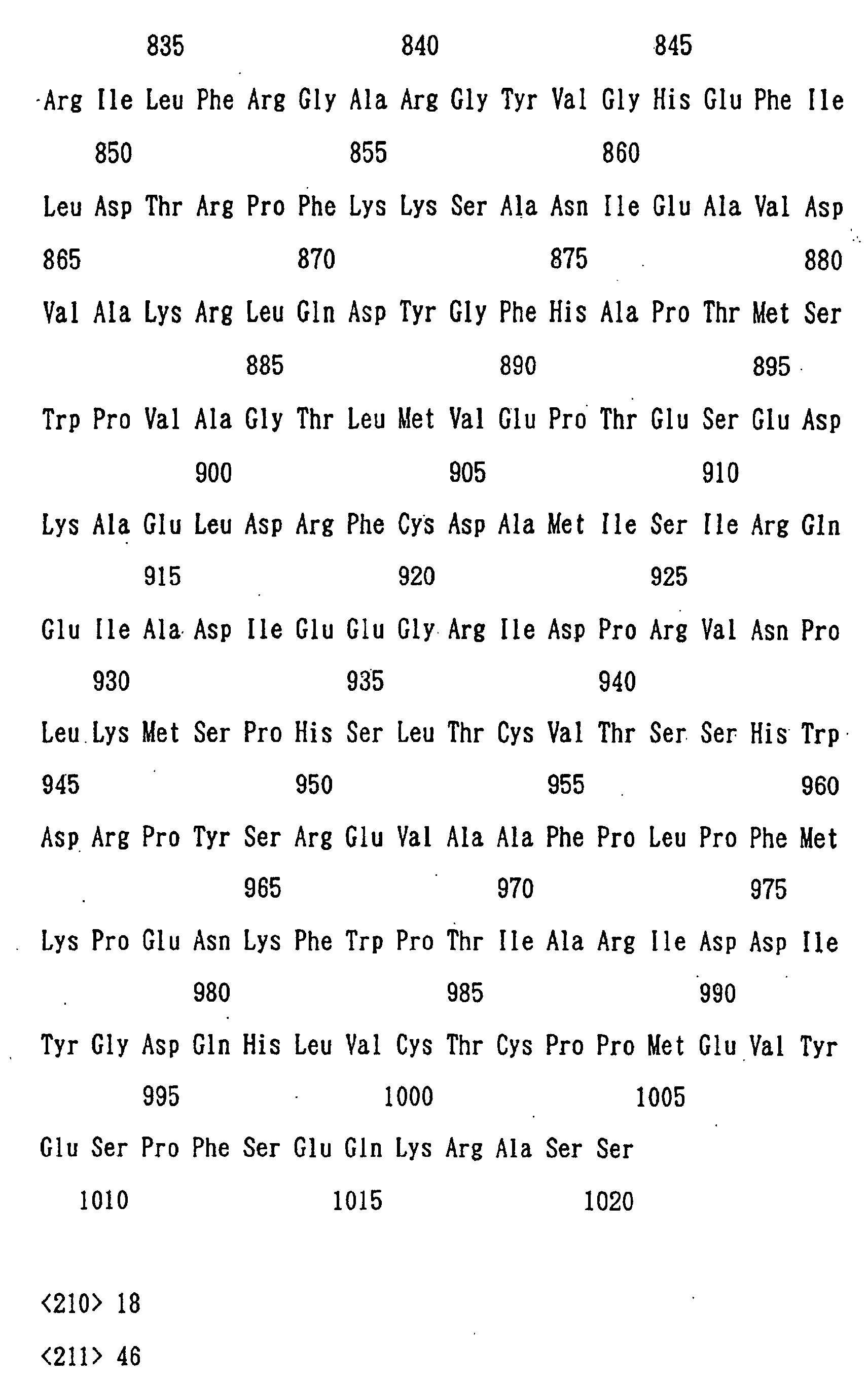
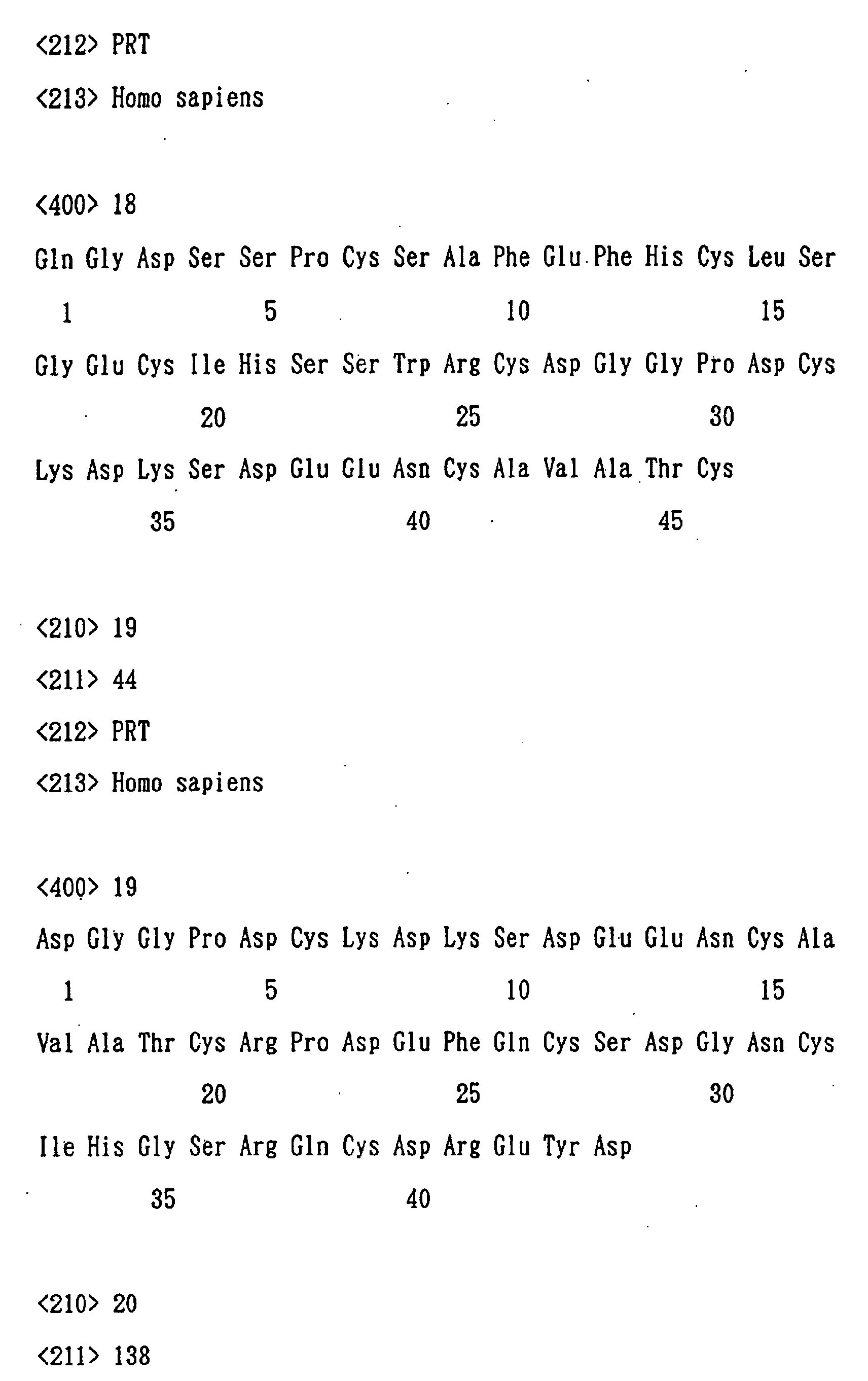
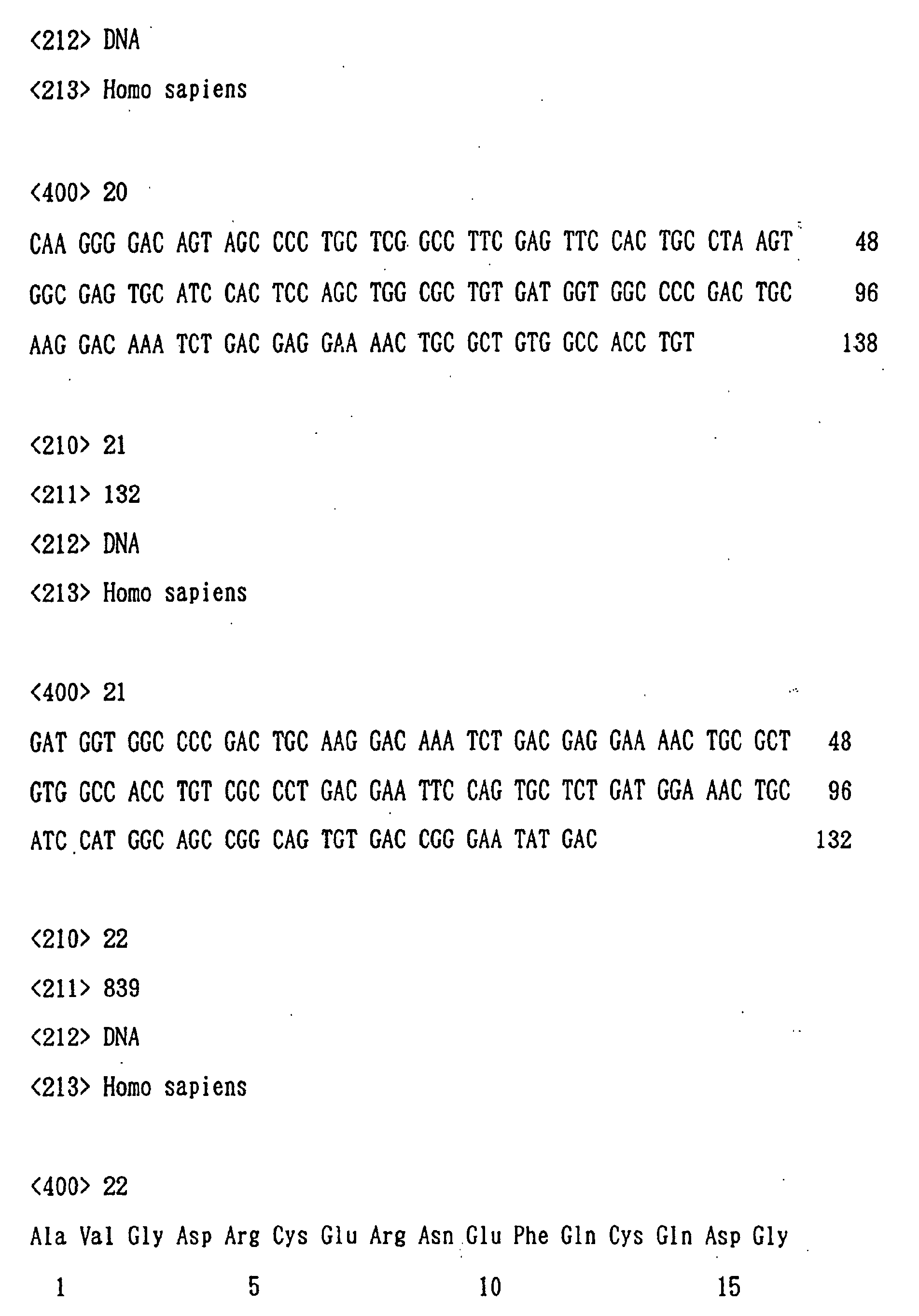


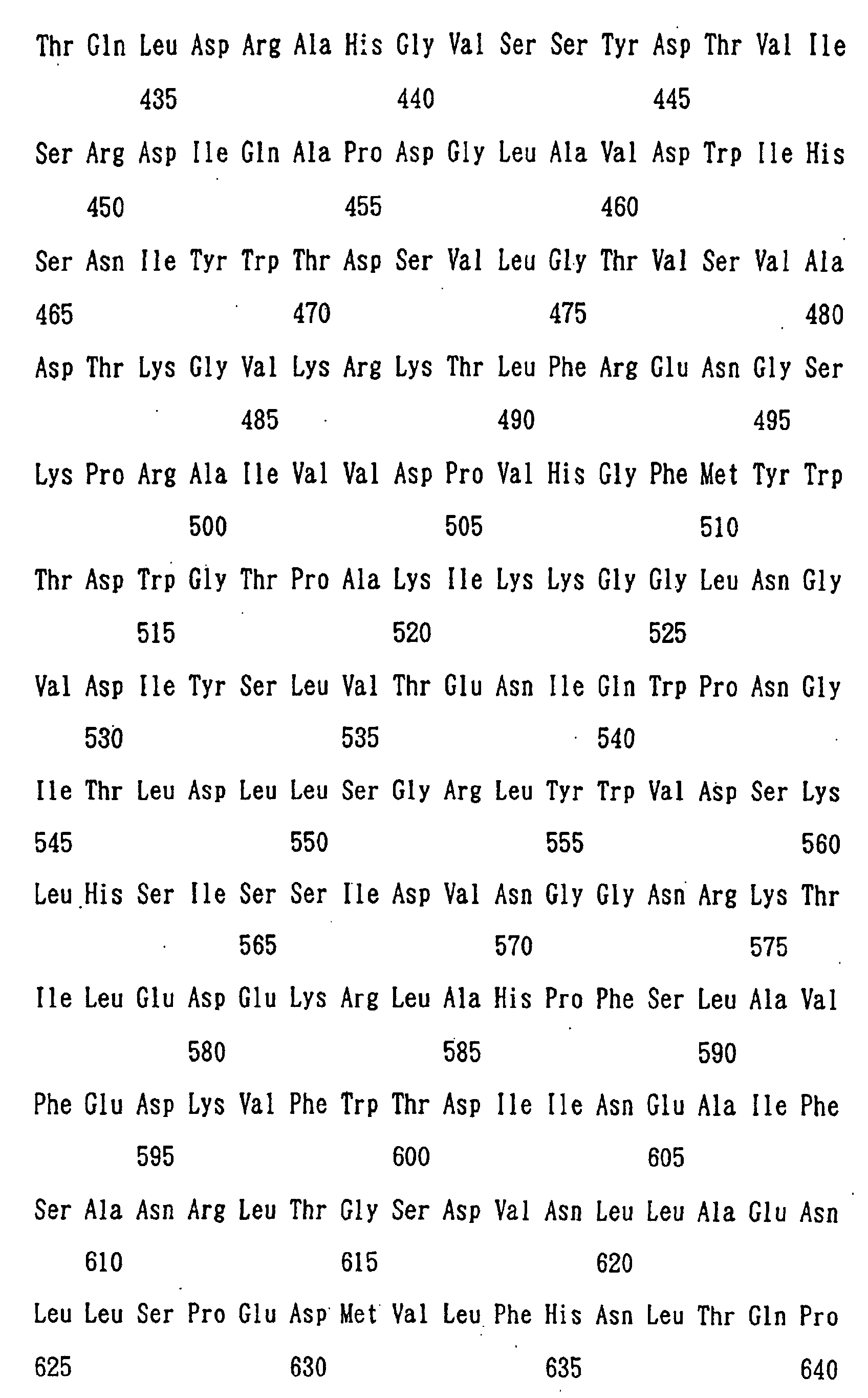
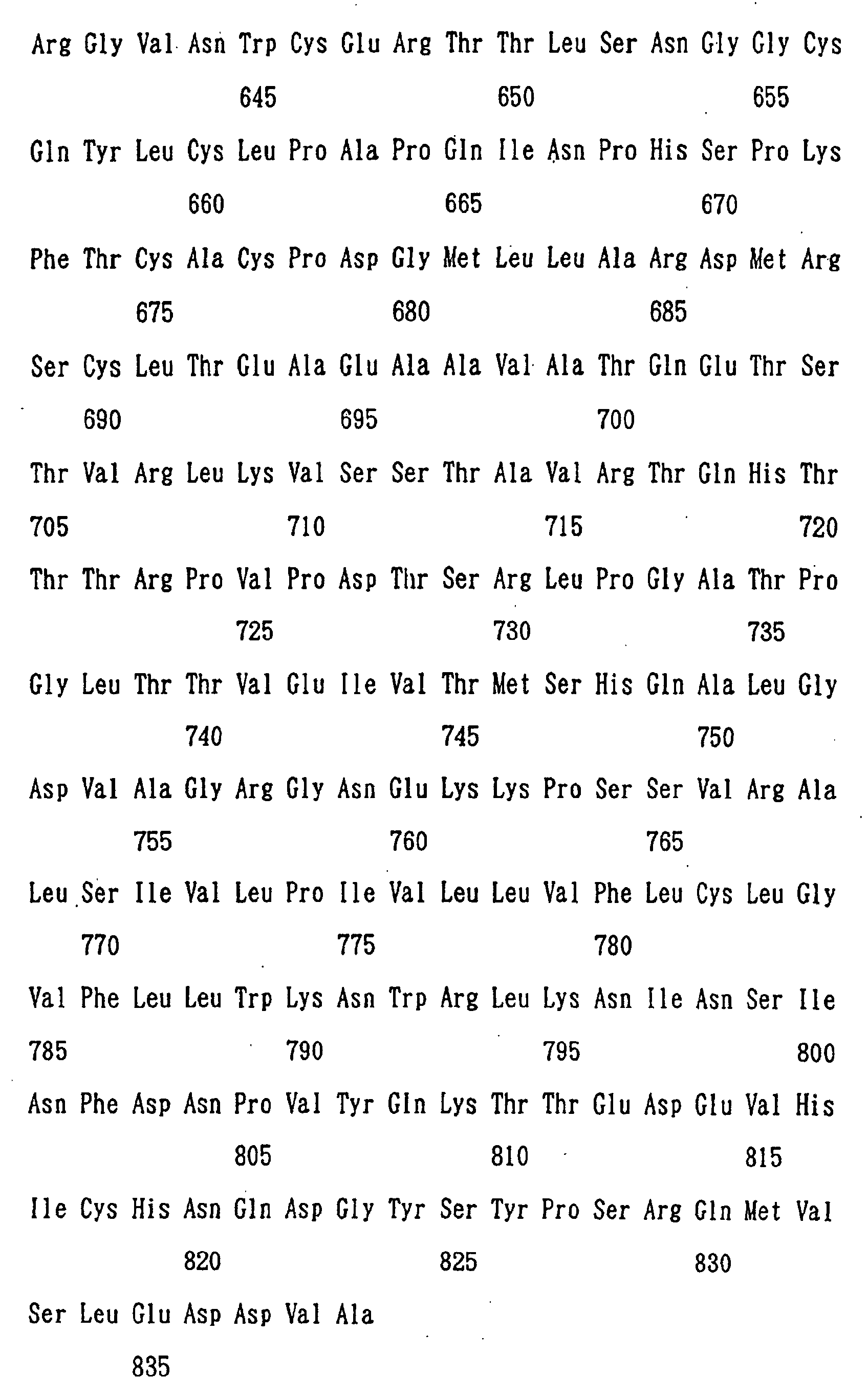


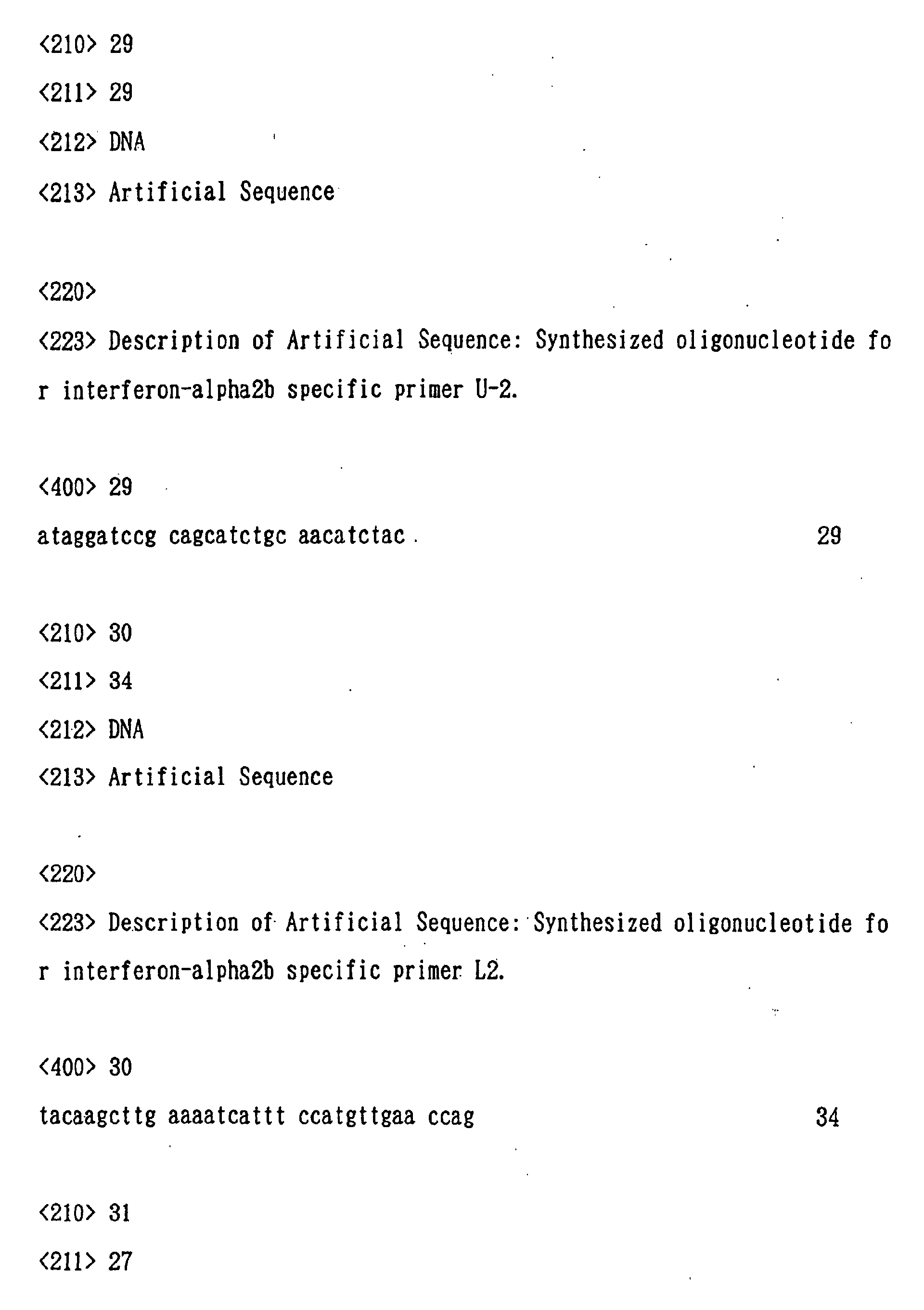

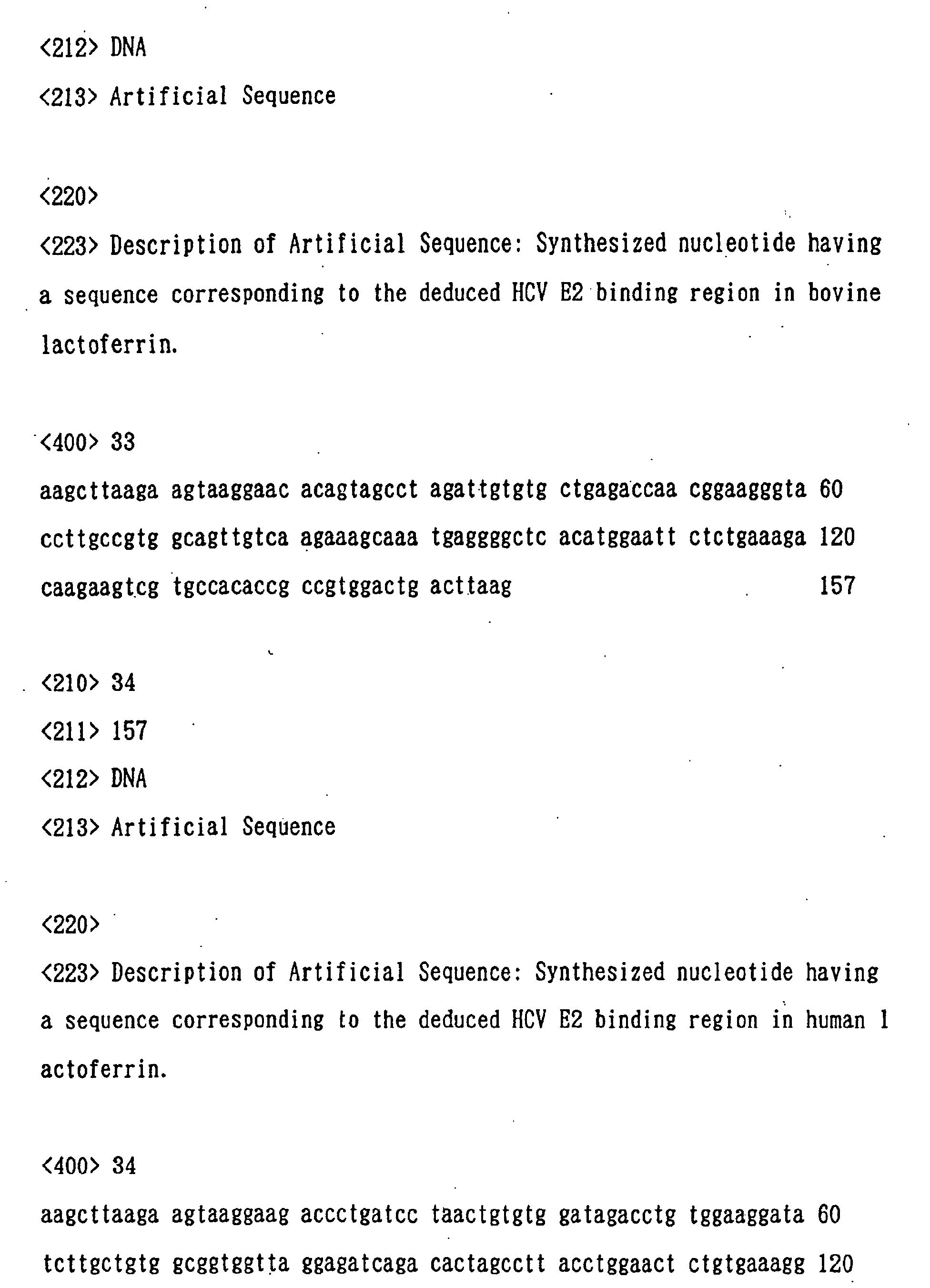

Claims (18)
- A prophylactic or therapeutic agent for chronic hepatitis, comprising an oligopeptide having the following characteristics:(A) having a binding affinity to a viral antigen protein;(B) inhibiting binding of virus to a receptor protein on a target cell for said virus; and(C) having homologies with said receptor protein at the amino acid sequence level.
- The prophylactic or therapeutic agent for chronic hepatitis according to claim 1, wherein said oligopeptide comprises amino acid sequences essential to binding of a receptor protein to virus.
- The prophylactic or therapeutic agent for chronic hepatitis according to claim 1 or 2, wherein said oligopeptide has 20% or more homology with said receptor protein at the amino acid sequence level.
- A prophylactic or therapeutic agent for chronic type-C hepatitis, comprising a compound having the following characteristics:(a) having a binding affinity to an envelope protein of HCV; and(b) inhibiting binding of HCV to a receptor protein on a target cell for said HCV.
- The prophylactic or therapeutic agent for chronic type-C hepatitis according to claim 4, wherein said compound is an oligopeptide having at least one kind of an amino acid sequence selected from the group consisting of SEQ ID NOs: 1,2 and 3, or a part thereof.
- The prophylactic or therapeutic agent for chronic type-C hepatitis according to claim 4, wherein said compound is an oligopeptide having at least one kind of an amino acid sequence selected from the group consisting of SEQ ID NOs: 18 and 19, or a part thereof.
- The prophylactic or therapeutic agent for chronic type-C hepatitis according to claim 4, wherein said compound is an oligopeptide or a part thereof, wherein said oligopeptide has the following characteristics:I) consisting of 31 to 33 amino acids which are flanked by cysteine residues;II) forming loop structure: andIII) comprising basic amino acid residues at a middle portion and C-terminal side of loop structure.
- The prophylactic or therapeutic agent for chronic type-C hepatitis according to claim 4, wherein said compound is a cyclic oligopeptide comprising an oligopeptide or a part thereof, wherein said oligopeptide has the following characteristics:I) consisting of 31 to 33 amino acids which are flanked by cysteine residues;II) forming loop structure: andIII) comprising basic amino acid residues at a middle portion and C-terminal side of loop structure.
- A prophylactic or therapeutic agent for chronic type-C hepatitis, comprising a nucleic acid having at least one kind of a nucleotide sequence selected from the group consisting of SEQ ID NOs: 4, 5 and 6.
- A prophylactic or therapeutic agent for chronic type-C hepatitis, comprising a nucleic acid having at least one kind of a nucleotide sequence selected from the group consisting of SEQ ID NOs: 20 and 21.
- A prophylactic or therapeutic agent for chronic type-B hepatitis, comprising a compound having the following characteristics:(a') having a binding affinity to S antigen protein of HBV; and(b') inhibiting binding of HBV to a receptor protein on a target cell for said HBV.
- The prophylactic or therapeutic agent for chronic type-B hepatitis according to claim 7, comprising an oligopeptide having an amino acid sequence of SEQ ID NO: 10 or 11, or a part thereof.
- The prophylactic or therapeutic agent for chronic type-B hepatitis, comprising a nucleic acid having a nucleotide sequence of SEQ ID NO: 12 or 13.
- A fusion interferon containing an amino acid sequence of an oligopeptide having the following characteristics:(A) having a binding affinity to a viral antigen protein;(B) inhibiting binding of virus to a receptor protein on a target cell for said virus; and(C) having homologies with said receptor protein at the amino acid sequence level.
- The fusion interferon containing at least one kind of an amino acid sequence selected from the group consisting of SEQ ID NOs: 1, 2 and 3, or a part thereof.
- The fusion interferon containing at least one kind of an amino acid sequence selected from the group consisting of SEQ ID NOs: 18 and 19, or a part thereof.
- The fusion interferon containing an amino acid sequence of SEQ ID NO: 10 or 11, or a part thereof.
- A method for treating chronic hepatitis in combination with the use of, characterized by using an oligopeptide or a part thereof in combination with interferon, wherein said oligopeptide has the following characteristics:(A) having a binding affinity to a viral antigen protein;(B) inhibiting binding of virus to a receptor protein on a target cell for said virus; and(C) having homologies with said receptor protein at the amino acid sequence level.
Applications Claiming Priority (3)
| Application Number | Priority Date | Filing Date | Title |
|---|---|---|---|
| JP37408799 | 1999-12-28 | ||
| JP37408799 | 1999-12-28 | ||
| PCT/JP2000/009393 WO2001047545A1 (en) | 1999-12-28 | 2000-12-28 | Preventives and remedies for chronic hepatitis |
Publications (2)
| Publication Number | Publication Date |
|---|---|
| EP1245236A1 true EP1245236A1 (en) | 2002-10-02 |
| EP1245236A4 EP1245236A4 (en) | 2004-09-22 |
Family
ID=18503239
Family Applications (1)
| Application Number | Title | Priority Date | Filing Date |
|---|---|---|---|
| EP00985979A Withdrawn EP1245236A4 (en) | 1999-12-28 | 2000-12-28 | THERAPEUTIC AND PROPHYLACTIC PRODUCTS FOR CHRONIC HEPATICS |
Country Status (4)
| Country | Link |
|---|---|
| US (1) | US20030171276A1 (en) |
| EP (1) | EP1245236A4 (en) |
| AU (1) | AU2229901A (en) |
| WO (1) | WO2001047545A1 (en) |
Cited By (1)
| Publication number | Priority date | Publication date | Assignee | Title |
|---|---|---|---|---|
| CN102268066A (en) * | 2010-06-01 | 2011-12-07 | 雷海民 | Anti-HBV oligopeptides and derivatives thereof |
Families Citing this family (3)
| Publication number | Priority date | Publication date | Assignee | Title |
|---|---|---|---|---|
| US7625859B1 (en) * | 2000-02-16 | 2009-12-01 | Oregon Health & Science University | HER-2 binding antagonists |
| CN1596123A (en) * | 2000-11-29 | 2005-03-16 | 森永乳业株式会社 | Interferon therapeutic effect-potentiating agents |
| JPWO2002077239A1 (en) * | 2001-03-27 | 2004-07-15 | 住友製薬株式会社 | HCV binding polypeptide |
Family Cites Families (7)
| Publication number | Priority date | Publication date | Assignee | Title |
|---|---|---|---|---|
| JPS63267278A (en) * | 1986-03-14 | 1988-11-04 | Toray Ind Inc | Base sequence coding bonded interferon |
| IL94183A (en) * | 1989-05-05 | 2003-09-17 | Baylor College Medicine | cDNA SEQUENCE CODING FOR HUMAN LACTOFERRIN PROTEIN OR PORTION THEREOF AND LACTOFERRIN PROTEIN PRODUCED FROM SAID SEQUENCE |
| EP0586094A1 (en) * | 1992-08-03 | 1994-03-09 | Wisconsin Alumni Research Foundation | Soluble LDL receptor and gene |
| ATE449847T1 (en) * | 1997-10-06 | 2009-12-15 | Novartis Vaccines & Diagnostic | HEPATITIS C RECEPTOR PROTEIN CD81 |
| WO1999038524A2 (en) * | 1998-01-29 | 1999-08-05 | Patrick Thomas Prendergast | Therapeutic administration of low density lipoprotein receptor for viral infections and immune regulation |
| EP1127170A4 (en) * | 1998-11-05 | 2005-04-27 | Univ Leland Stanford Junior | HUMAN MONOCLONAL ANTIBODIES OF THE HEPATITIS C VIRUS (HCV) PAN |
| US6812339B1 (en) * | 2000-09-08 | 2004-11-02 | Applera Corporation | Polymorphisms in known genes associated with human disease, methods of detection and uses thereof |
-
2000
- 2000-12-28 AU AU22299/01A patent/AU2229901A/en not_active Abandoned
- 2000-12-28 US US10/169,297 patent/US20030171276A1/en not_active Abandoned
- 2000-12-28 EP EP00985979A patent/EP1245236A4/en not_active Withdrawn
- 2000-12-28 WO PCT/JP2000/009393 patent/WO2001047545A1/en not_active Ceased
Cited By (1)
| Publication number | Priority date | Publication date | Assignee | Title |
|---|---|---|---|---|
| CN102268066A (en) * | 2010-06-01 | 2011-12-07 | 雷海民 | Anti-HBV oligopeptides and derivatives thereof |
Also Published As
| Publication number | Publication date |
|---|---|
| AU2229901A (en) | 2001-07-09 |
| EP1245236A4 (en) | 2004-09-22 |
| US20030171276A1 (en) | 2003-09-11 |
| WO2001047545A1 (en) | 2001-07-05 |
Similar Documents
| Publication | Publication Date | Title |
|---|---|---|
| US7101689B2 (en) | Interleukin-18 binding proteins, their preparation and use | |
| JP3863458B2 (en) | Novel polypeptide and nucleic acid encoding the same | |
| Majumder et al. | Hepatitis C virus NS5A protein impairs TNF-mediated hepatic apoptosis, but not by an anti-FAS antibody, in transgenic mice | |
| AU761577B2 (en) | Human interferon-epsilon: a type I interferon | |
| CN1449445B (en) | EG-VEGF nucleic acids and polypeptides and methods of use | |
| WO2001003720A2 (en) | Promotion or inhibition of angiogenesis and cardiovascularization by tumor necrosis factor ligand/receptor homologs | |
| ES2269125T3 (en) | TRANSMEMBRANE AND SECRETED POLYPEPTIDES AND THOSE WHO CODIFY THEM. | |
| JP2009035553A (en) | Hepatitis c receptor protein cd81 | |
| KR102194644B1 (en) | Novel fusion protein and pharmaceutical composition for preventing or treating cancer comprising the same | |
| US20120322984A1 (en) | Methods of reducing trail-induced apoptosis by trail isoforms | |
| Döring et al. | Identification and characterization of a TNFα antagonist derived from a monoclonal antibody | |
| AU2002249948B9 (en) | Type 2 cytokine receptor and nucleic acids encoding same | |
| MXPA01011264A (en) | Novel chimpanzee erythropoietin (chepo) polypeptides and nucleic acids encoding the same. | |
| US20030171276A1 (en) | Preventives and remedies for chronic hepatitis | |
| EP1305418B1 (en) | Human monoclonal antibody against hepatitis c virus e2 glycoprotein | |
| US20110003383A1 (en) | Antibodies to ht5gj57 | |
| AU2001282425A1 (en) | Human monoclonal antibody against hepatitis C virus E2 glycoprotein | |
| JP2002531092A (en) | Compositions and methods for inhibiting neoplastic cell growth | |
| KR100382628B1 (en) | Interferonα / β-binding Protein and Its Preparation and Use | |
| KR20150002588A (en) | Interferon and immune globulin fc section fusion protein | |
| WO1992009634A1 (en) | Non-a non-b hepatitis virus antigen protein | |
| CA2132317A1 (en) | Ifn receptors recognition factors, protein sequences and methods of use thereof | |
| JPWO2001047545A1 (en) | Preventive and therapeutic agents for chronic hepatitis | |
| Pandya et al. | Identification of human hepatocyte protein (s), which binds specifically to the recombinant envelope-2/non-structural-1 protein of hepatitis C virus | |
| ES2308334T3 (en) | SECRETED AND TRANSMEMBRANE POLYPEPTIDES AND NUCLEIC ACIDS THAT CODIFY THEM. |
Legal Events
| Date | Code | Title | Description |
|---|---|---|---|
| PUAI | Public reference made under article 153(3) epc to a published international application that has entered the european phase |
Free format text: ORIGINAL CODE: 0009012 |
|
| 17P | Request for examination filed |
Effective date: 20020725 |
|
| AK | Designated contracting states |
Kind code of ref document: A1 Designated state(s): AT BE CH CY DE DK ES FI FR GB GR IE IT LI LU MC NL PT SE TR |
|
| AX | Request for extension of the european patent |
Free format text: AL;LT;LV;MK;RO;SI |
|
| A4 | Supplementary search report drawn up and despatched |
Effective date: 20040810 |
|
| RAP1 | Party data changed (applicant data changed or rights of an application transferred) |
Owner name: DAINIPPON SUMITOMO PHARMA CO., LTD. |
|
| STAA | Information on the status of an ep patent application or granted ep patent |
Free format text: STATUS: THE APPLICATION IS DEEMED TO BE WITHDRAWN |
|
| 18D | Application deemed to be withdrawn |
Effective date: 20060111 |