EP1240898A2 - Use of 2-deoxy ecdysterone for the preparation of a medicament for inducing labour or abortion - Google Patents
Use of 2-deoxy ecdysterone for the preparation of a medicament for inducing labour or abortion Download PDFInfo
- Publication number
- EP1240898A2 EP1240898A2 EP02013143A EP02013143A EP1240898A2 EP 1240898 A2 EP1240898 A2 EP 1240898A2 EP 02013143 A EP02013143 A EP 02013143A EP 02013143 A EP02013143 A EP 02013143A EP 1240898 A2 EP1240898 A2 EP 1240898A2
- Authority
- EP
- European Patent Office
- Prior art keywords
- use according
- deoxy
- ecdysterone
- extract
- zoanthus
- Prior art date
- Legal status (The legal status is an assumption and is not a legal conclusion. Google has not performed a legal analysis and makes no representation as to the accuracy of the status listed.)
- Withdrawn
Links
Images


Classifications
-
- A—HUMAN NECESSITIES
- A61—MEDICAL OR VETERINARY SCIENCE; HYGIENE
- A61K—PREPARATIONS FOR MEDICAL, DENTAL OR TOILETRY PURPOSES
- A61K31/00—Medicinal preparations containing organic active ingredients
- A61K31/56—Compounds containing cyclopenta[a]hydrophenanthrene ring systems; Derivatives thereof, e.g. steroids
- A61K31/575—Compounds containing cyclopenta[a]hydrophenanthrene ring systems; Derivatives thereof, e.g. steroids substituted in position 17 beta by a chain of three or more carbon atoms, e.g. cholane, cholestane, ergosterol, sitosterol
-
- A—HUMAN NECESSITIES
- A61—MEDICAL OR VETERINARY SCIENCE; HYGIENE
- A61P—SPECIFIC THERAPEUTIC ACTIVITY OF CHEMICAL COMPOUNDS OR MEDICINAL PREPARATIONS
- A61P15/00—Drugs for genital or sexual disorders; Contraceptives
- A61P15/04—Drugs for genital or sexual disorders; Contraceptives for inducing labour or abortion; Uterotonics
-
- C—CHEMISTRY; METALLURGY
- C07—ORGANIC CHEMISTRY
- C07J—STEROIDS
- C07J9/00—Normal steroids containing carbon, hydrogen, halogen or oxygen substituted in position 17 beta by a chain of more than two carbon atoms, e.g. cholane, cholestane, coprostane
Definitions
- the present invention relates to a process for the isolation of 2-deoxy ecdysterone from Zoanthus sp. useful as an oxytocic agent.
- the invention also relates to a method of inducing uterus contractions in mammals by administering an effective amount of 2-deoxy ecdysterone obtained from Zoanthus sp.
- the animal Zoanthus sp is a marine invertebrate belonging to the Phylum Coelenterata, class Anthozoa and order Zoanthidea.
- Ecdysones and ecdysterones are moulting hormones found in crustaceans and insects (D J Tighe-Ford, 1977. Hormonal aspects of Barnacle antifouling research. In Marine Natural Products Chemistry, D J Faulkner and W H Fenical (eds), Plenum Press, 383).
- the zoanthid Gerardia savaglia was found to contain large quantities of the crustacean molting hormone, ecdysterone (Sturaro A, Guerriero A, De Clauser R and Pietra F, Experientia, 1982, 38:1184-1185).
- Palythoalones A and B ecdysteroids
- Palythoalones A and B new ecdysteroids from the marine zoanthid Palythoa australiae. J. Nat. Prods , 62(2):373
- the percentage of active component PGF 2 ⁇ contained in 50 ⁇ g/ml of compound amounts to 69.4%, that at 100 ⁇ g/ml to 82.3% which further increases to 114.1% at concentration of 200 ⁇ g/ml.
- Possible use of the compound in obstetrics could be to induce or augment labour, to control post partum uterine atony and hemorrhage, to cause uterine contraction after cesarean section or during uterine surgery or to induce therapeutic abortion.
- Oxytocin causes regular coordinated uterine contractions each followed by relaxation. It is the drug of choice used to induce or augment labour when the uterine muscle is not functioning adequately (Rang H.P., Dale M.M; Ritter J.M., Pharmacology, third edition, pp 470, Churchill Livingstone, 1995). It is particularly used in those cases such as diabetes, isoimmunisation, hypertensive states, intrauterine growth retardation, placental insufficiency in which continuation of pregnancy is considered to be more harmful to the mother and /or foetus than the risks of delivery or pharmacological induction (Andrew J. Nichols; Robert R. Ruffolo, Jr., Uterine Pharmacology, in Principles of Pharmacology.
- Oxytocin may also be used in the treatment of postpartum hemorrhage resulting from uterine atony (Andrew J. Nichols; Robert R. Ruffolo, Jr., Uterine Pharmacology, in Principles of Pharmacology. Basic Concepts and Clinical Applications. Ed. Paul L. Munson. pp 202, 1995).
- the ergot alkaloids were the first agents used to initiate or accelerate parturition. In modern obstetrics, oxytocin is used for this function and ergot alkaloids are most often used for treatment of postpartum hemorrhage (Cornelia R.
- Prostaglandins currently used in obstetrical practice include PGE 2 , PGF 2 ⁇ and the synthetic derivative 15-methyl PGF 2 ⁇ . More recently, the PGE 1 analog, misoprostol, has been under clinical investigation for use as an abortifacient and cervical ripening.
- PGE 2 dinoprostone, Prostin E 2
- 15-methyl PGF 2 ⁇ Carboprost, Hemabate
- 15-Methyl PGF 2 ⁇ is also used as an alternative to ergonovine or oxytocin in the treatment of postpartum hemorrhage.
- numerous studies have supported the beneficial effect of locally applied PGE 2 as a cervical ripening agent (Buchanam D; Macer J and Yonekura M.L., Cervical Ripening with Prostaglandin E 2 Vaginal Suppositories. Obstet. Gynecol. 1984, 63:659-663).
- Prostaglandins E 2 and F 2 ⁇ are not very stable.
- radiolabelled PGE 2 when injected into human volunteers, about 50% of the radioactivity is excreted in the urine within 5 hours.
- the corresponding value for PGF 2 ⁇ is around 90% (W P Collins; E A Willman, 1978. Prostaglandins and uterine functions, In Topics in hormone chemistry, W R Butt (eds), Ellis Horwood Publishers, 183). Atleast 15 compounds have been identified in both the studies by mass spectrometry.
- the main objective of the present investigation is to provide a process for the isolation of 2-deoxy ecdysterone from Zoanthus sp.
- Another objective of the investigation is to find out the unknown property of the compound, 2-deoxy ecydsterone, isolated and purified from Zoanthus sp in inducting uterus contractions.
- Still another objective of the invention relates to a method of inducing uterus contractions in mammals, said method comprising administering in known manner an effective amount of 2-deoxy ecysterone which isolated and purified from Zoanthus sp.
- Yet another objective of the invention is to provide a stable bioactive compound which may be useful in obstetrics, to induce or augment labour, to control postpartum uterine atony and hemorrhage, to cause uterine contraction after cesarean section or during uterine surgery or to induce therapeutic abortion.
- the invention relates to a process for the isolation of 2-deoxy ecdysterone from Zoanthus sp. comprising the successive steps of:
- the invention process provides isolation of 2-deoxy ecdysterone from Zoanthus sp using flash chromatography over silica gel and gel permeation chromatography over Sephadex LH-20.
- the invention further provides a novel biomedical use of this compound as a potent oxytoxic agent.
- the invention has established that this compound is more potent than the standard oxytocin and PGF 2 ⁇ at the concentration of 200 ⁇ g/ml.
- the compound, 2-deoxy ecdysterone is also very stable and double in aqueous solvents and may have wider therapeutical applications.
- the invention relates to the use of 2-deoxy ecdysterone, or as a solvent extract containing it, notably isolated from Zoanthus sp. and notably as obtained by the invention process as defined in the specification and claims for the manufacture of a pharmaceutical composition as an oxytocic agent and notably to induce or augment labour, to control postpartum uterine atony and hemorrhage, to cause uterine contraction after cesarean section or during uterine surgery or to induce therapeutic abortion.
- the present invention provides a process for the isolation of 2-deoxy ecdysterone from Zoanthus sp, said process comprising the steps of:
- the active pure compound is identified as 2-deoxy ecdysterone from its IR, 1 H NMR, 13 C NMR and mass spectral data.
- the compound 2-deoxy ecysterone is active up to 80.8, 92.3 and 118.0 % at concentrations of 50, 100 and 200 ⁇ g/ml respectively as compared to standard oxytocin.
- the compound 2-deoxy ecdysterone is active up to 69.4, 82.3 and 11.41 % at concentrations of 50, 100 and 200 ⁇ g/ml respectively as compared to standard PGF 2 ⁇ .
- the compound may have the following potential uses in obstetrics to induce or augment labour, to control postpartum uterine atony and hemorrhage, to cause uterine contraction after cesarean section or during uterine surgery or to induce therapeutic abortion.
- Figure 1 represents the bioassay-guided fractionation followed for purification of the compound 2-deoxy ecdysterone from the crude chloroform fraction of the methanol extract of Zoanthus sp.
- Figure 2 represents the IR spectrum of the white solid isolated from the chloroform fraction of Zoanthus sp.
- Figure 3 represents the 1 H NMR spectrum of the compound indicating its structure as a polyhydroxy sterol derivative.
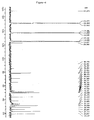
- Figure 4 represents the 13 C NMR spectrum of the compound indicating its structure as 2-deoxy ecdysterone.
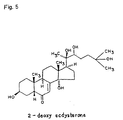
- Figure 5 represents the structure of the purified compound, 2-deoxy ecdysterone.
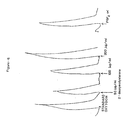
- Figure 6 represents the kymograph that was obtained during the testing of the compound for its oxytocic property on the isolated guinea-pig uterus.
- Zoanthus sp collected from Anjuna beach (Goa) was used for the invention.
- the animals were carefully scrapped from the intertidal rocks during the low tide period using a metal spatula. About 2 kg wet weight of the specimens were used for the study.
- the specimens were thoroughly washed with fresh sea water and soaked in methanol for one week for crude extract preparation. Extracts were obtained from the whole body tissue.
- the solvent extract was decanted, filtered through Whatman filter paper I and vacuum evaporated at 40°C to concentrate to crude extract. About 30 gm of crude extract was thus obtained.
- This example illustrates the methodology used for preparation of the crude methanol extract from Zoanthus sp.
- a female virgin guinea pig that was in oestrous and weighing around 400-500 gm was used for the test.
- the animal was killed by a stunning blow on the head.
- the abdomen was immediately cut open.
- the uterus was dissected out and placed in a petri plate containing aerated De Jalon's solution ( M.N Ghosh, in fundamentals of Experimental Pharmacology, 1984, second edition, Scientific book agency, Calcutta).
- the uterus was freed from fat and the two uterine horns were separated by cutting the lower end. Only one horn was used for the experiment.
- Two small loops of thread were made at each end of the uterus and kept in a tissue bath of 10 ml capacity containing aerated De Jalon's solution.
- the oxytocic activity of the crude, fractions and the pure compound was tested on the guinea pig uterus based on its ability to contract the relaxed uterus.
- the tissue was spiked with a standard oxytocic agent which induces contraction of the tissue.
- the efficacy of the testing agent was measured by its ability to contract the uterus by comparing the height of contraction with the standard oxytocin (Table 1).
- This example illustrates the procedure used for testing the crude extract and the detailed procedure followed.
- the crude extract was fractionated into different fractions using solvents of increasing polarity such as petroleum ether, chloroform, n-butanol and the aqueous residue fraction. All four fractions were again subjected to the activity test. Although the first three fractions were found to be active, both at 50 and 250 ⁇ g/l concentration (Table 2), the chloroform fraction was chosen for follow-up studies. This example illustrates the activity tests with all 4 fractions of the crude methanol extract. Oxytocic activity of the fractions against standard oxytocin (%) Fractions 50 ⁇ g/ml 250 ⁇ g/ml Petroleum ether 57.4 102.5 Chloroform 47.1 104.6 N-butanol 83.8 100.0 Aqueous not active not active
- the percentage of active component PGF 2 ⁇ contained in 50 ⁇ g/ml of compound amounts to 69.4%, that at 100 ⁇ g/ml to 82.3% which further increases to 114.1% at concentration of 200 ⁇ g/ml (Fig 6 and Table 3).
- This example illustrates purification, identification, and oxytocic activity testing of the compound, 2-deoxy ecdysterone.
- Table 3 Response of 2-deoxy ecdysterone compared to oxytocin and PGF 2 ⁇ Concentration 50 ⁇ g/ml 100 ⁇ g/ml 200 ⁇ g/ml % response compared to standard oxytocin 80.8 92.3 118.0 % response compared to standard PGF 2 ⁇ 69.4 82.3 114.1
Landscapes
- Health & Medical Sciences (AREA)
- Chemical & Material Sciences (AREA)
- General Health & Medical Sciences (AREA)
- Organic Chemistry (AREA)
- Animal Behavior & Ethology (AREA)
- Public Health (AREA)
- Veterinary Medicine (AREA)
- Life Sciences & Earth Sciences (AREA)
- Pharmacology & Pharmacy (AREA)
- Medicinal Chemistry (AREA)
- General Chemical & Material Sciences (AREA)
- Nuclear Medicine, Radiotherapy & Molecular Imaging (AREA)
- Engineering & Computer Science (AREA)
- Chemical Kinetics & Catalysis (AREA)
- Bioinformatics & Cheminformatics (AREA)
- Pregnancy & Childbirth (AREA)
- Gynecology & Obstetrics (AREA)
- Endocrinology (AREA)
- Reproductive Health (AREA)
- Epidemiology (AREA)
- Pharmaceuticals Containing Other Organic And Inorganic Compounds (AREA)
- Medicines Containing Plant Substances (AREA)
Abstract
Description
- The present invention relates to a process for the isolation of 2-deoxy ecdysterone from Zoanthus sp. useful as an oxytocic agent. The invention also relates to a method of inducing uterus contractions in mammals by administering an effective amount of 2-deoxy ecdysterone obtained from Zoanthus sp.
- The animal Zoanthus sp is a marine invertebrate belonging to the Phylum Coelenterata, class Anthozoa and order Zoanthidea. Several bioactive compounds have been isolated from this source. Most important among them is the highly toxic palytoxin (LD50 in mice= 0.15 mg / Kg, Moore R E and Scheuer P J, 1971, Science, 172:495), which is also an active cardiovascular agent. Other compounds reported from this group of animals are: homopalytoxin, bishomopalytoxin, neopalytoxin, deoxypalytoxin (Quinn R.J in Bioorganic Marine Chemistry,
Vol 2, 1988, Edited by P J Scheuer, pp 25-27), two pyrazine derivatives: palythazine and isopalythazine, and a group of nitrogen pigments, paragracine I-VII (Bakus G J, Targett N M and Schulte B, 1986, J Chem Ecol, Vol 12:951-987), 3-norpseudozoanthoxanthin (Cimino G, De Stefano S, Fenical W, Lin G H Y, Wing R M, Radick P and Sima J J, J Am Chem Soc, 1973, 95:4049) besides the alkaloids, zoanthamine, zoanthenamine and zoanthamide (Rao C B, Anjaneyulu A S R, Sarma N S, Venkateswarlu Y, Rosser R M, Faulkner D J, 1985. J Org Chem, 50:3757-3760). - Ecdysones and ecdysterones are moulting hormones found in crustaceans and insects (D J Tighe-Ford, 1977. Hormonal aspects of Barnacle antifouling research. In Marine Natural Products Chemistry, D J Faulkner and W H Fenical (eds), Plenum Press, 383). The zoanthid Gerardia savaglia was found to contain large quantities of the crustacean molting hormone, ecdysterone (Sturaro A, Guerriero A, De Clauser R and Pietra F, Experientia, 1982, 38:1184-1185). The related compounds, Palythoalones A and B (ecdysteroids) from the marine zoanthid Palythoa australiae have recently been isolated. (Shigemori H; Sato Y; Kagata T; Kobayashi J, 1999. Palythoalones A and B, new ecdysteroids from the marine zoanthid Palythoa australiae. J. Nat. Prods, 62(2):373).
- The compound, 2-deoxy ecdysterone also known as 2-deoxy β-ecdysone or 2-deoxy-20-hydroxy ecdysone, was found to be effective in inducing contractions in the guinea pig uterus. It was found that the percentage of active component oxytocin contained in 50µg/ml of compound amounts to 80.8%, that at 100µg/ml to 92.3% which further increases to 118.0% at concentration of 200µg/ml. Uterine contractions produced by the compound were also compared with the standard contraction produced by prostaglandin (PGF2α). It was observed that for the active compound, the percentage of active component PGF2α contained in 50 µg/ml of compound amounts to 69.4%, that at 100 µg/ml to 82.3% which further increases to 114.1% at concentration of 200 µg/ml. Possible use of the compound in obstetrics could be to induce or augment labour, to control post partum uterine atony and hemorrhage, to cause uterine contraction after cesarean section or during uterine surgery or to induce therapeutic abortion.
- Agents that stimulate the pregnant uterus and are of importance in obstetrics are:
- 1- Oxytocics: Oxytocin and ergometrine
- 2- Prostaglandin E and F type compounds
-
- Oxytocin causes regular coordinated uterine contractions each followed by relaxation. It is the drug of choice used to induce or augment labour when the uterine muscle is not functioning adequately (Rang H.P., Dale M.M; Ritter J.M., Pharmacology, third edition, pp 470, Churchill Livingstone, 1995). It is particularly used in those cases such as diabetes, isoimmunisation, hypertensive states, intrauterine growth retardation, placental insufficiency in which continuation of pregnancy is considered to be more harmful to the mother and /or foetus than the risks of delivery or pharmacological induction (Andrew J. Nichols; Robert R. Ruffolo, Jr., Uterine Pharmacology, in Principles of Pharmacology. Basic Concepts and Clinical Applications. Ed. Paul L. Munson. pp 202, 1995). Oxytocin may also be used in the treatment of postpartum hemorrhage resulting from uterine atony (Andrew J. Nichols; Robert R. Ruffolo, Jr., Uterine Pharmacology, in Principles of Pharmacology. Basic Concepts and Clinical Applications. Ed. Paul L. Munson. pp 202, 1995). Historically the ergot alkaloids were the first agents used to initiate or accelerate parturition. In modern obstetrics, oxytocin is used for this function and ergot alkaloids are most often used for treatment of postpartum hemorrhage (Cornelia R. Graves, Agents that cause contraction or relaxation of the uterus, in Goodman and Gilman's, The Pharmacological basis of therapeutics. Eds. Perry B. Molinoff and Raymond W. Ruddon, pp. 939, 1996). Specific receptors for oxytocin in human myometrium have been identified and differences in receptor density at various stages of labour also have been noted (Bossmar T; Akerlund M; Fantoni G; Szamatowicz J; Melin P; and Maggi M., Receptors for and myometrial responses to oxytocin and vasopressin in preterm and term human pregnancy: effects of the oxytocin antagonist atosiban. Am. J. Obstet. Gynecol. 1994, 171: 1634-1642, 1994). Oxytocin has dual effects on the uterus. It regulates the contractile properties of myometrial cells and elicits prostaglandin production by endometrial/decidual cells.
- Prostaglandins currently used in obstetrical practice include PGE2, PGF2α and the synthetic derivative 15-methyl PGF2α. More recently, the PGE1 analog, misoprostol, has been under clinical investigation for use as an abortifacient and cervical ripening.
- The major use of PGE2 (dinoprostone, Prostin E2) and 15-methyl PGF2α (Carboprost, Hemabate) currently approved in the U.S.A is for the performance of mid-trimester abortions. 15-Methyl PGF2α is also used as an alternative to ergonovine or oxytocin in the treatment of postpartum hemorrhage. In addition, numerous studies have supported the beneficial effect of locally applied PGE2 as a cervical ripening agent (Buchanam D; Macer J and Yonekura M.L., Cervical Ripening with Prostaglandin E2 Vaginal Suppositories. Obstet. Gynecol. 1984, 63:659-663).
- Prostaglandins E2 and F2α, presently used for clinical purposes are not very stable. For example, radiolabelled PGE2, when injected into human volunteers, about 50% of the radioactivity is excreted in the urine within 5 hours. The corresponding value for PGF2α is around 90% (W P Collins; E A Willman, 1978. Prostaglandins and uterine functions, In Topics in hormone chemistry, W R Butt (eds), Ellis Horwood Publishers, 183). Atleast 15 compounds have been identified in both the studies by mass spectrometry.
- The main objective of the present investigation is to provide a process for the isolation of 2-deoxy ecdysterone from Zoanthus sp.
- Another objective of the investigation is to find out the unknown property of the compound, 2-deoxy ecydsterone, isolated and purified from Zoanthus sp in inducting uterus contractions.
- Still another objective of the invention relates to a method of inducing uterus contractions in mammals, said method comprising administering in known manner an effective amount of 2-deoxy ecysterone which isolated and purified from Zoanthus sp.
- Yet another objective of the invention is to provide a stable bioactive compound which may be useful in obstetrics, to induce or augment labour, to control postpartum uterine atony and hemorrhage, to cause uterine contraction after cesarean section or during uterine surgery or to induce therapeutic abortion.
- The present investigation undertaken by the inventors has led to the development and standardization of a facile method for the isolation and purification of 2-deoxy ecdysterone from a new source, Zoanthus sp.
- Thus, according to a first aspect, the invention relates to a process for the isolation of 2-deoxy ecdysterone from Zoanthus sp. comprising the successive steps of:
- a) preparing a crude methanol extract of Zoanthus sp.,
- b) subjecting the crude methanol extract to at least one fractionation with at least one of an organic solvent selected from the group consisting of petroleum ether, ethyl acetate, chloroform, n-butanol and mixtures thereof to yield at least one active solvent fraction,
- c) subjecting the at least one active solvent fraction to flash chromatography over silica gel to obtain a partially purified active sub-fraction, and
- d) subjecting the active sub-fraction obtained from step (c) above to gel permeation chromatography to obtain an essentially pure compound identified as 2-deoxy ecdysterone.
-
- Preferred embodiments of this process are set forth in the sub-processing claims, which are incorporated herein in their entirety by reference.
- In the preferred embodiment, the invention process provides isolation of 2-deoxy ecdysterone from Zoanthus sp using flash chromatography over silica gel and gel permeation chromatography over Sephadex LH-20. The invention further provides a novel biomedical use of this compound as a potent oxytoxic agent. The invention has established that this compound is more potent than the standard oxytocin and PGF2α at the concentration of 200 µg/ml. The compound, 2-deoxy ecdysterone is also very stable and double in aqueous solvents and may have wider therapeutical applications.
- According to a second aspect, the invention relates to the use of 2-deoxy ecdysterone, or as a solvent extract containing it, notably isolated from Zoanthus sp. and notably as obtained by the invention process as defined in the specification and claims for the manufacture of a pharmaceutical composition as an oxytocic agent and notably to induce or augment labour, to control postpartum uterine atony and hemorrhage, to cause uterine contraction after cesarean section or during uterine surgery or to induce therapeutic abortion.
- Specific embodiments are set forth in sub-use claims, which are incorporated therein by reference.
- According to a particular embodiment, the present invention provides a process for the isolation of 2-deoxy ecdysterone from Zoanthus sp, said process comprising the steps of:
- a) preparing the crude methanol extract of the Zoanthus sp by conventional methods,
- b) subjecting the crude methanol extract to at least one fractionation with at least one organic solvent selected from petroleum ether, ethyl acetate, chloroform, n-butanol and mixtures thereof to yield at least one active solvent fraction,
- c) subjecting the at least one active fraction to flash chromatography over silica gel (60-120 mesh) using gradient acetone-petroleum ether (30:70 to 100:0) as eluant to obtain a partially purified active sub-fraction, and
- d) subjecting the active sub-fraction obtained from step (c) above to gel permeation chromatography over Sephadex LH-20 using acetone as eluant to obtain the active pure compound.
-
- In an embodiment, the active pure compound is identified as 2-deoxy ecdysterone from its IR, 1H NMR, 13C NMR and mass spectral data.
- In another embodiment, the compound 2-deoxy ecysterone is active up to 80.8, 92.3 and 118.0 % at concentrations of 50, 100 and 200 µg/ml respectively as compared to standard oxytocin.
- In yet another embodiment, the compound 2-deoxy ecdysterone is active up to 69.4, 82.3 and 11.41 % at concentrations of 50, 100 and 200 µg/ml respectively as compared to standard PGF2α.
- In still another embodiment, the compound may have the following potential uses in obstetrics to induce or augment labour, to control postpartum uterine atony and hemorrhage, to cause uterine contraction after cesarean section or during uterine surgery or to induce therapeutic abortion.
- In the drawing accompanying this specification, Figure 1 represents the bioassay-guided fractionation followed for purification of the compound 2-deoxy ecdysterone from the crude chloroform fraction of the methanol extract of Zoanthus sp.
- In the accompanying, Figure 2 represents the IR spectrum of the white solid isolated from the chloroform fraction of Zoanthus sp.
- In the accompanying, Figure 3 represents the 1H NMR spectrum of the compound indicating its structure as a polyhydroxy sterol derivative.
- In the accompanying, Figure 4 represents the 13C NMR spectrum of the compound indicating its structure as 2-deoxy ecdysterone.
- In the drawing accompanying, Figure 5 represents the structure of the purified compound, 2-deoxy ecdysterone.
- In the drawing accompanying, Figure 6 represents the kymograph that was obtained during the testing of the compound for its oxytocic property on the isolated guinea-pig uterus.
- The invention is further explained with the help of the following examples and should not be construed to limit the scope of the invention.
- Zoanthus sp collected from Anjuna beach (Goa) was used for the invention. The animals were carefully scrapped from the intertidal rocks during the low tide period using a metal spatula. About 2 kg wet weight of the specimens were used for the study. The specimens were thoroughly washed with fresh sea water and soaked in methanol for one week for crude extract preparation. Extracts were obtained from the whole body tissue. The solvent extract was decanted, filtered through Whatman filter paper I and vacuum evaporated at 40°C to concentrate to crude extract. About 30 gm of crude extract was thus obtained. This example illustrates the methodology used for preparation of the crude methanol extract from Zoanthus sp.
- A female virgin guinea pig that was in oestrous and weighing around 400-500 gm was used for the test. The animal was killed by a stunning blow on the head. The abdomen was immediately cut open. The uterus was dissected out and placed in a petri plate containing aerated De Jalon's solution ( M.N Ghosh, in fundamentals of Experimental Pharmacology, 1984, second edition, Scientific book agency, Calcutta). The uterus was freed from fat and the two uterine horns were separated by cutting the lower end. Only one horn was used for the experiment. Two small loops of thread were made at each end of the uterus and kept in a tissue bath of 10 ml capacity containing aerated De Jalon's solution. The lower end was tied to the tissue holder and the upper end to the writing lever. The lever was balanced to provide a tension of 1 g with plasticene. The tissue was left in the bath for 1/2 hr for stabilisation before starting the experiment and the physiological solution ( De Jalon's solution ) was renewed every 10 minutes. This example illustrates the procedure used for the preparation of the guinea pig uterus for testing the oxytocic property of the pure white solid, 2-deoxy ecdysterone.
- After stabilisation, 2-3 doses of oxytocin ( Parke Davis Ltd, Hyderabad ) were added as standard to the physiological solution, the dose depending on the amplitude of contraction to obtain uniform contractions. The extract was then added to the bath (50 & 250 µg/ml) and allowed to act for one minute. If a contraction was observed during that one-minute period, extract was considered to be oxytocin-like and having oxytocic property. After every contraction, the tissue was immediately washed twice with the physiological solution and relaxed for 10 minutes. The same procedure was followed for the crude extract, fractions and the purified white solid, identified as 2-deoxy ecdysterone.
- The oxytocic activity of the crude, fractions and the pure compound was tested on the guinea pig uterus based on its ability to contract the relaxed uterus. The tissue was spiked with a standard oxytocic agent which induces contraction of the tissue. The efficacy of the testing agent was measured by its ability to contract the uterus by comparing the height of contraction with the standard oxytocin (Table 1). This example illustrates the procedure used for testing the crude extract and the detailed procedure followed.
Oxytocic activity of the methanol extract against standard oxytocin Crude extract 50 µg/ml 250 µg/ml Activity (%) 13.3 126.3 - The crude extract was fractionated into different fractions using solvents of increasing polarity such as petroleum ether, chloroform, n-butanol and the aqueous residue fraction. All four fractions were again subjected to the activity test. Although the first three fractions were found to be active, both at 50 and 250 µg/l concentration (Table 2), the chloroform fraction was chosen for follow-up studies. This example illustrates the activity tests with all 4 fractions of the crude methanol extract.
Oxytocic activity of the fractions against standard oxytocin (%) Fractions 50 µg/ml 250µg/ml Petroleum ether 57.4 102.5 Chloroform 47.1 104.6 N-butanol 83.8 100.0 Aqueous not active not active - The above chloroform fraction was purified by chromatography over silica gel (mesh 60-120, acetone-hexane gradient system) and sephadex LH-20 (acetone eluent) columns. This led to the isolation of the active compound as a white solid in pure form (50 mg, Figure 1), [α]D 25=75.11, c=1.2, MeOH. The compound had an Rf value of 0.72 during TLC analysis (SiO2, mobile phase-50% acetone:petroleum ether). IR spectrum showed peaks at 3350, 2933, 2874, 1649 and 1447 (Figure 2). FABMS indicated molecular weight of this compound to be 464. The fragment ions at m/z 447(M+H-H2O)+, 429 (M+H-2 H2O)+, 411(M+H-3H2O), were indicative of successive losses of elements of water. HRMS revealed its molecular formula to be C27H44O6 (observed m/z 465.3229 as against the calculated value of 465.3216 for the [M+H]+ ion). Comparison of the 1H & 13C NMR values (Figures 3 & 4) of the compound with those of ecdysone, ecdysterone and related compounds (Galbraith M N, Horn D H S, Middleton E J & Hackney R J, Structure of Deoxy ecdysterone,a second crustacean moulting hormone, Chem commun, 83,1968; Chong Y.K, Galbraith M N & Horn D H S, Isolation of Deoxycrustecdysone, Deoxyecdysone and α-Ecdysone from the fern Blechnum minus, Chem comm. 1217,1970) revealed its structure to be 2-deoxy ecdysterone (Figure 5). It was found that the percentage of active component oxytocin contained in 50µg/ml of compound amounts to 80.8%, that at 100µg/ml to 92.3% which further increases to 118.0% at concentration of 200µg/ml (Figure 6, Table 3). Uterine contractions produced by the compound were also compared with the standard contraction produced by prostaglandin (PGF2α). It was observed that for the active compound, the percentage of active component PGF2α contained in 50 µg/ml of compound amounts to 69.4%, that at 100 µg/ml to 82.3% which further increases to 114.1% at concentration of 200 µg/ml (Fig 6 and Table 3).
- This example illustrates purification, identification, and oxytocic activity testing of the compound, 2-deoxy ecdysterone.
Table 3: Response of 2-deoxy ecdysterone compared to oxytocin and PGF2α Concentration 50 µg/ ml 100 µg/ml 200 µg/ml % response compared to standard oxytocin 80.8 92.3 118.0 % response compared to standard PGF2α 69.4 82.3 114.1
Claims (15)
- Use of 2-deoxy ecdysterone, or as a solvent extract containing it, for the manufacture of a pharmaceutical composition as an oxytocic agent.
- The use according to claim 1, wherein said 2-deoxy ecdysterone is isolated from Zoanthus sp..
- The use according to claim 1 or 2, wherein said 2-deoxy ecdysterone is obtainable by a process comprising the successive steps of:a) preparing a crude methanol extract of Zoanthus sp.,b) subjecting the crude methanol extract to at least one fractionation with at least one of an organic solvent selected from the group consisting of petroleum ether, ethyl acetate, chloroform, n-butanol and mixtures thereof to yield at least one active solvent fraction,c) subjecting the at least one active solvent fraction to flash chromatography over silica gel to obtain a partially purified active sub-fraction, andd) subjecting the active sub-fraction obtained from step (c) above to gel permeation chromatography to obtain an essentially pure compound identified as 2-deoxy ecdysterone.
- The use according to claim 3, wherein each one of petroleum ether extract, chloroform extract, n-butanol extract is subjected to a fractionation to obtain an essentially pure compound identified as 2-deoxy ecdysterone.
- The use according to claim 3 or 4, wherein petroleum ether fraction of Zoanthus sp exhibits oxotocic activity up to 57.4 % and 102.5 % at 50 µg/ml, 250 µg/ml dosage respectively against standard oxytocin.
- The use according to claim 3 or 4, wherein chloroform fraction of Zoanthus sp exhibits oxotocic activity up to 47.1 % and 104.6 % at 50 µg/ml, 250 µg/ml dosage respectively against standard oxytocin.
- The use according to claim 3 or 4, wherein n-butanol fraction of Zoanthus sp exhibits oxotocic activity up to 83.8% and 100.0% at 50 µg/ml, 250 µg/ml dosage respectively against standard oxytocin
- The use according to claim 3 or 4, wherein said solvent extract is a chloroform extract of a crude methanol extract of Zoanthus sp..
- The use according to any one of claims 3 to 8, wherein the flash chromatography in step c) is performed over silica gel (particle size 125-250 µm) ((60-120 mesh)) using gradient acetone-petroleum ether (30:70 to 100:0 v/volume) as eluant.
- The use according to any one of claims 3 to 9, wherein a gel permeation chromatography in said step d) is performed over Sephadex LH-20 using acetone as eluant.
- The use according to any one of claims 3 to 10, wherein the active pure compound is identified as 2-deoxy ecdysterone from its IR, 1H NMR, 13C NMR and mass spectral data.
- The use according to any one of claims 1 to 11, wherein the compound 2-deoxy ecdysterone or solvent extract containing it is found to be active up to 80.8, 92.3 and 118.0 % at concentrations of 50, 100 and 200 µg/ml in an aqueous solution, respectively, as compared to standard oxytocin.
- The use according to any one of claims 1 to 11, wherein the compound 2-deoxy ecdysterone or solvent extract containing it is found to be active up to 69.4, 82.3 and 114.1 % at concentrations of 50, 100 and 200 µg/ml of aqueous solution respectively as compared to standard PGF2α.
- The use according to any one of claims 1 to 13, wherein said oxytocic agent is used to induce uterus contractions in mammals.
- The use according to any one of claims 1 to 14, wherein said oxytocic agent is used to induce or augment labour, to control postpartum uterine atony and haemorrhage, to cause uterine contraction after caesarean section or during uterine surgery or to induce therapeutic abortion.
Priority Applications (1)
| Application Number | Priority Date | Filing Date | Title |
|---|---|---|---|
| EP02013143A EP1240898A3 (en) | 2000-03-31 | 2000-03-31 | Use of 2-deoxy ecdysterone for the preparation of a medicament for inducing labour or abortion |
Applications Claiming Priority (2)
| Application Number | Priority Date | Filing Date | Title |
|---|---|---|---|
| EP00400896A EP1138690B1 (en) | 2000-03-31 | 2000-03-31 | A process for the isolation of 2-deoxy ecdysterone from Zoanthus sp and its use for the preparation of a medicament for inducing labour or abortion |
| EP02013143A EP1240898A3 (en) | 2000-03-31 | 2000-03-31 | Use of 2-deoxy ecdysterone for the preparation of a medicament for inducing labour or abortion |
Related Parent Applications (1)
| Application Number | Title | Priority Date | Filing Date |
|---|---|---|---|
| EP00400896A Division EP1138690B1 (en) | 2000-03-31 | 2000-03-31 | A process for the isolation of 2-deoxy ecdysterone from Zoanthus sp and its use for the preparation of a medicament for inducing labour or abortion |
Publications (2)
| Publication Number | Publication Date |
|---|---|
| EP1240898A2 true EP1240898A2 (en) | 2002-09-18 |
| EP1240898A3 EP1240898A3 (en) | 2004-12-08 |
Family
ID=8173624
Family Applications (2)
| Application Number | Title | Priority Date | Filing Date |
|---|---|---|---|
| EP02013143A Withdrawn EP1240898A3 (en) | 2000-03-31 | 2000-03-31 | Use of 2-deoxy ecdysterone for the preparation of a medicament for inducing labour or abortion |
| EP00400896A Expired - Lifetime EP1138690B1 (en) | 2000-03-31 | 2000-03-31 | A process for the isolation of 2-deoxy ecdysterone from Zoanthus sp and its use for the preparation of a medicament for inducing labour or abortion |
Family Applications After (1)
| Application Number | Title | Priority Date | Filing Date |
|---|---|---|---|
| EP00400896A Expired - Lifetime EP1138690B1 (en) | 2000-03-31 | 2000-03-31 | A process for the isolation of 2-deoxy ecdysterone from Zoanthus sp and its use for the preparation of a medicament for inducing labour or abortion |
Country Status (2)
| Country | Link |
|---|---|
| EP (2) | EP1240898A3 (en) |
| DE (1) | DE60004007T2 (en) |
Families Citing this family (2)
| Publication number | Priority date | Publication date | Assignee | Title |
|---|---|---|---|---|
| EP1492407A1 (en) * | 2002-03-26 | 2005-01-05 | Council of Scientific and Industrial Research | Composition comprising zoanthus sp. extract with anti-fouling activity and use thereof |
| US6667062B2 (en) * | 2002-03-27 | 2003-12-23 | Council Of Scientific And Industrial Research | Composition comprising Zoanthus sp. extract with anti-fouling activity and a method thereof |
-
2000
- 2000-03-31 DE DE60004007T patent/DE60004007T2/en not_active Expired - Fee Related
- 2000-03-31 EP EP02013143A patent/EP1240898A3/en not_active Withdrawn
- 2000-03-31 EP EP00400896A patent/EP1138690B1/en not_active Expired - Lifetime
Non-Patent Citations (6)
| Title |
|---|
| CHEMICAL ABSTRACTS, vol. 111, no. 1, 3 July 1989 (1989-07-03), Columbus, Ohio, US; abstract no.: 203, SYROV, V. N. ET AL: "Antiulcer activity of phytoecdysteroids" XP002147818 & KHIM.-FARM. ZH. 23(4), 441-5, 1989, * |
| CHEMICAL ABSTRACTS, vol. 112, no. 21, 21 May 1990 (1990-05-21), Columbus, Ohio, US; abstract no.: 192125, SAKHIBOV, A. D. ET AL: "Experimental analysis of the immunotropic action of phytoecdysteroids" XP002147817 & DOKL. AKAD. NAUK UZSSR , (8), 55-7, 1989, * |
| CHEMICAL ABSTRACTS, vol. 123, no. 17, 23 October 1995 (1995-10-23), Columbus, Ohio, US; abstract no.: 219115, KOTSYURUBA, A. V. ET AL: "Mechanisms of early effect of biologically active oxysterines calcitriol and ecdysterone, modulation of intracellular pools of arachidonic acid and products of its oxidative metabolism" XP002147819 & UKR. BIOKHIM. ZH. , 67(2), 45-52, 1995, * |
| CHEMICAL ABSTRACTS, vol. 84, no. 17, 26 April 1976 (1976-04-26), Columbus, Ohio, US; abstract no.: 116146, SYROV, V. N. ET AL: "Results of searchs for estrogenic substances among plant compounds" XP002147820 & DOKL. AKAD. NAUK UZB. SSR, 32(4), 45-6, 1975, * |
| CHEMICAL ABSTRACTS, vol. 98, no. 15, 11 April 1983 (1983-04-11), Columbus, Ohio, US; abstract no.: 120306, SYROV, V. N. ET AL: "Evaluation of the anabolic effect of phytoecdysones and their 6-keto analogs in tests with female rats" XP002147821 & DOKL. AKAD. NAUK UZB. SSR , (3), 31-3, 1981, * |
| ED. S. BUDAVARI: "THE MERCK INDEX, 12th Edition" 1996, MERCK RESEARCH LABORATORIES , NEW JERSEY US , XP002147815 * page 1352 - 1353, monograph number 8062 * * |
Also Published As
| Publication number | Publication date |
|---|---|
| EP1138690A1 (en) | 2001-10-04 |
| DE60004007T2 (en) | 2004-04-22 |
| EP1240898A3 (en) | 2004-12-08 |
| DE60004007D1 (en) | 2003-08-28 |
| EP1138690B1 (en) | 2003-07-23 |
Similar Documents
| Publication | Publication Date | Title |
|---|---|---|
| DE69608904T2 (en) | NON-STEROIDAL SULFATASE INHIBITOR COMPOUNDS | |
| EKHOLM et al. | Gonadotropin releasing hormone agonists stimulate oocyte meiosis and ovulation in hypophysectomized rats | |
| DE69316747T2 (en) | PREVENTIVE PROCEDURE USING COMPETITIVE PROGESTRONOUS AGONISTS AND SIMILAR NEW CONNECTIONS | |
| Poyser et al. | Identification of prostaglandin F2α released by distension of guinea-pig uterus in vitro | |
| EP4321508A1 (en) | Guaiane sesquiterpene derivatives and pharmaceutical use thereof | |
| EP0648779B1 (en) | New 11-benzaldehyde oxime, 17-beta methoxy, 17 alpha methoxymethyl derivates of estradiene, a process for their preparation and pharmaceutical compositions containing them | |
| Petraglia et al. | Opioid control of LH secretion in humans: menstrual cycle, menopause and aging reduce effect of naloxone but not of morphine. | |
| King et al. | Uterotonic effect of Evodia rutaecarpa alkaloids | |
| DE69508068T2 (en) | EQUILIN DOUBLE BINDING ISOMERS ARE OBTAINED BY ACID ISOMERIZATION | |
| Åkerlund et al. | The effect on the human uterus of two newly developed competitive inhibitors of oxytocin and vasopressin | |
| EP3397622B1 (en) | Co-administration of alpha-amino ester of hydroxypropylthiazolidine carboxamide derivative and a tocolytic agent | |
| DE69013815T2 (en) | Omega-phenylaminoalkanoic acids which are substituted by a 19-nor steroid residue on the phenyl residue, their salts, a process for their preparation, and intermediates of this process, their use as medicaments and pharmaceutical preparations thereof. | |
| EP1138690B1 (en) | A process for the isolation of 2-deoxy ecdysterone from Zoanthus sp and its use for the preparation of a medicament for inducing labour or abortion | |
| US6740645B1 (en) | 17β-acyl-17α-propynyl-11β-(cyclic amino) aryl steroids and their derivatives having antagonist hormonal properties | |
| Campos‐Bedolla et al. | Effect of kauranes from Montanoa spp. on rat uterus | |
| US6617319B2 (en) | Methods of use for 2-deoxy ecdysterone | |
| Esposito | Estriol: a weak estrogen or a different hormone? | |
| DE60223284T2 (en) | METHOD FOR REGULATED HYPERSTIMULATION OF EGG PIECES AND PHARMACEUTICAL KIT FOR USE IN THIS METHOD | |
| Mazzocchi et al. | Effects of prolactin administration on the zona glomerulosa of the rat adrenal cortex: stereology and plasma hormone concentrations | |
| Patwardhan et al. | Effect of an ovulatory dose of luteinizing hormone on the concentration of oestrone, oestradiol and progesterone in the rabbit ovarian follicles | |
| Monji et al. | Role of the serotonergic pathway in uterotonic activity of Ananas comosus (L.) Merr.–an in vitro and in vivo study | |
| UA113283C2 (en) | 19-NORSTEROIDS AND THEIR APPLICATIONS FOR THE TREATMENT OF PROGESTERON-STAINLESS STATES | |
| Gerritsen et al. | Development of Tachyphylaxis to the Antilipolytic, Hypoglycemic Agent, 5-Methylpyrazole-3-carboxylic Acid, U-19425. | |
| CN114213216B (en) | Bisabolane sesquiterpene compound and preparation method and application thereof | |
| DE2935685C2 (en) | 2-Bromo-9,10-dihydroergosine and its acid addition salts, processes for their preparation and medicaments containing this compound |
Legal Events
| Date | Code | Title | Description |
|---|---|---|---|
| PUAI | Public reference made under article 153(3) epc to a published international application that has entered the european phase |
Free format text: ORIGINAL CODE: 0009012 |
|
| AC | Divisional application: reference to earlier application |
Ref document number: 1138690 Country of ref document: EP |
|
| AK | Designated contracting states |
Kind code of ref document: A2 Designated state(s): AT BE CH CY DE DK ES FI FR GB GR IE IT LI LU MC NL PT SE |
|
| AX | Request for extension of the european patent |
Free format text: AL;LT;LV;MK;RO;SI |
|
| PUAL | Search report despatched |
Free format text: ORIGINAL CODE: 0009013 |
|
| AK | Designated contracting states |
Kind code of ref document: A3 Designated state(s): AT BE CH CY DE DK ES FI FR GB GR IE IT LI LU MC NL PT SE |
|
| AX | Request for extension of the european patent |
Extension state: AL LT LV MK RO SI |
|
| RIC1 | Information provided on ipc code assigned before grant |
Ipc: 7A 61P 15/04 B Ipc: 7A 61K 31/575 B Ipc: 7C 07J 9/00 A |
|
| 17P | Request for examination filed |
Effective date: 20050516 |
|
| AKX | Designation fees paid |
Designated state(s): DE FR IT |
|
| 17Q | First examination report despatched |
Effective date: 20071018 |
|
| STAA | Information on the status of an ep patent application or granted ep patent |
Free format text: STATUS: THE APPLICATION IS DEEMED TO BE WITHDRAWN |
|
| 18D | Application deemed to be withdrawn |
Effective date: 20080429 |