EP1240823A1 - N-calcium channel knockout animal - Google Patents
N-calcium channel knockout animal Download PDFInfo
- Publication number
- EP1240823A1 EP1240823A1 EP00970097A EP00970097A EP1240823A1 EP 1240823 A1 EP1240823 A1 EP 1240823A1 EP 00970097 A EP00970097 A EP 00970097A EP 00970097 A EP00970097 A EP 00970097A EP 1240823 A1 EP1240823 A1 EP 1240823A1
- Authority
- EP
- European Patent Office
- Prior art keywords
- substance
- mouse
- action
- animal
- type
- Prior art date
- Legal status (The legal status is an assumption and is not a legal conclusion. Google has not performed a legal analysis and makes no representation as to the accuracy of the status listed.)
- Granted
Links
Images







Classifications
-
- A—HUMAN NECESSITIES
- A01—AGRICULTURE; FORESTRY; ANIMAL HUSBANDRY; HUNTING; TRAPPING; FISHING
- A01K—ANIMAL HUSBANDRY; AVICULTURE; APICULTURE; PISCICULTURE; FISHING; REARING OR BREEDING ANIMALS, NOT OTHERWISE PROVIDED FOR; NEW BREEDS OF ANIMALS
- A01K67/00—Rearing or breeding animals, not otherwise provided for; New or modified breeds of animals
- A01K67/027—New or modified breeds of vertebrates
-
- A—HUMAN NECESSITIES
- A01—AGRICULTURE; FORESTRY; ANIMAL HUSBANDRY; HUNTING; TRAPPING; FISHING
- A01K—ANIMAL HUSBANDRY; AVICULTURE; APICULTURE; PISCICULTURE; FISHING; REARING OR BREEDING ANIMALS, NOT OTHERWISE PROVIDED FOR; NEW BREEDS OF ANIMALS
- A01K67/00—Rearing or breeding animals, not otherwise provided for; New or modified breeds of animals
- A01K67/027—New or modified breeds of vertebrates
- A01K67/0275—Genetically modified vertebrates, e.g. transgenic
- A01K67/0276—Knock-out vertebrates
-
- A—HUMAN NECESSITIES
- A61—MEDICAL OR VETERINARY SCIENCE; HYGIENE
- A61P—SPECIFIC THERAPEUTIC ACTIVITY OF CHEMICAL COMPOUNDS OR MEDICINAL PREPARATIONS
- A61P25/00—Drugs for disorders of the nervous system
- A61P25/04—Centrally acting analgesics, e.g. opioids
-
- A—HUMAN NECESSITIES
- A61—MEDICAL OR VETERINARY SCIENCE; HYGIENE
- A61P—SPECIFIC THERAPEUTIC ACTIVITY OF CHEMICAL COMPOUNDS OR MEDICINAL PREPARATIONS
- A61P25/00—Drugs for disorders of the nervous system
- A61P25/20—Hypnotics; Sedatives
-
- A—HUMAN NECESSITIES
- A61—MEDICAL OR VETERINARY SCIENCE; HYGIENE
- A61P—SPECIFIC THERAPEUTIC ACTIVITY OF CHEMICAL COMPOUNDS OR MEDICINAL PREPARATIONS
- A61P3/00—Drugs for disorders of the metabolism
- A61P3/08—Drugs for disorders of the metabolism for glucose homeostasis
- A61P3/10—Drugs for disorders of the metabolism for glucose homeostasis for hyperglycaemia, e.g. antidiabetics
-
- A—HUMAN NECESSITIES
- A61—MEDICAL OR VETERINARY SCIENCE; HYGIENE
- A61P—SPECIFIC THERAPEUTIC ACTIVITY OF CHEMICAL COMPOUNDS OR MEDICINAL PREPARATIONS
- A61P9/00—Drugs for disorders of the cardiovascular system
- A61P9/12—Antihypertensives
-
- C—CHEMISTRY; METALLURGY
- C07—ORGANIC CHEMISTRY
- C07K—PEPTIDES
- C07K14/00—Peptides having more than 20 amino acids; Gastrins; Somatostatins; Melanotropins; Derivatives thereof
- C07K14/435—Peptides having more than 20 amino acids; Gastrins; Somatostatins; Melanotropins; Derivatives thereof from animals; from humans
- C07K14/705—Receptors; Cell surface antigens; Cell surface determinants
-
- C—CHEMISTRY; METALLURGY
- C12—BIOCHEMISTRY; BEER; SPIRITS; WINE; VINEGAR; MICROBIOLOGY; ENZYMOLOGY; MUTATION OR GENETIC ENGINEERING
- C12N—MICROORGANISMS OR ENZYMES; COMPOSITIONS THEREOF; PROPAGATING, PRESERVING, OR MAINTAINING MICROORGANISMS; MUTATION OR GENETIC ENGINEERING; CULTURE MEDIA
- C12N15/00—Mutation or genetic engineering; DNA or RNA concerning genetic engineering, vectors, e.g. plasmids, or their isolation, preparation or purification; Use of hosts therefor
- C12N15/09—Recombinant DNA-technology
- C12N15/63—Introduction of foreign genetic material using vectors; Vectors; Use of hosts therefor; Regulation of expression
- C12N15/79—Vectors or expression systems specially adapted for eukaryotic hosts
- C12N15/85—Vectors or expression systems specially adapted for eukaryotic hosts for animal cells
- C12N15/8509—Vectors or expression systems specially adapted for eukaryotic hosts for animal cells for producing genetically modified animals, e.g. transgenic
-
- A—HUMAN NECESSITIES
- A01—AGRICULTURE; FORESTRY; ANIMAL HUSBANDRY; HUNTING; TRAPPING; FISHING
- A01K—ANIMAL HUSBANDRY; AVICULTURE; APICULTURE; PISCICULTURE; FISHING; REARING OR BREEDING ANIMALS, NOT OTHERWISE PROVIDED FOR; NEW BREEDS OF ANIMALS
- A01K2217/00—Genetically modified animals
- A01K2217/05—Animals comprising random inserted nucleic acids (transgenic)
-
- A—HUMAN NECESSITIES
- A01—AGRICULTURE; FORESTRY; ANIMAL HUSBANDRY; HUNTING; TRAPPING; FISHING
- A01K—ANIMAL HUSBANDRY; AVICULTURE; APICULTURE; PISCICULTURE; FISHING; REARING OR BREEDING ANIMALS, NOT OTHERWISE PROVIDED FOR; NEW BREEDS OF ANIMALS
- A01K2217/00—Genetically modified animals
- A01K2217/07—Animals genetically altered by homologous recombination
- A01K2217/075—Animals genetically altered by homologous recombination inducing loss of function, i.e. knock out
-
- A—HUMAN NECESSITIES
- A01—AGRICULTURE; FORESTRY; ANIMAL HUSBANDRY; HUNTING; TRAPPING; FISHING
- A01K—ANIMAL HUSBANDRY; AVICULTURE; APICULTURE; PISCICULTURE; FISHING; REARING OR BREEDING ANIMALS, NOT OTHERWISE PROVIDED FOR; NEW BREEDS OF ANIMALS
- A01K2227/00—Animals characterised by species
- A01K2227/10—Mammal
- A01K2227/105—Murine
-
- A—HUMAN NECESSITIES
- A01—AGRICULTURE; FORESTRY; ANIMAL HUSBANDRY; HUNTING; TRAPPING; FISHING
- A01K—ANIMAL HUSBANDRY; AVICULTURE; APICULTURE; PISCICULTURE; FISHING; REARING OR BREEDING ANIMALS, NOT OTHERWISE PROVIDED FOR; NEW BREEDS OF ANIMALS
- A01K2267/00—Animals characterised by purpose
- A01K2267/03—Animal model, e.g. for test or diseases
Definitions
- the present invention relates to an animal deficient in N-type calcium channel and use thereof.
- Ca channels are membrane proteins that transmit information into cells by controlling influx of Ca 2+ into the cells.
- voltage-dependent Ca channels present in excitatory cells such as nerve cells and muscle cells are proteins that play an important role of converting information transmitted through changes in membrane potential, into intracellular information which is an increase in Ca 2+ concentration.
- N-type Ca channel is a Ca channel characterized in that Ca 2+ influx is inhibited by a peptide toxin isolated from cone shell, ⁇ -conotoxin GVIA.
- Calcium antagonists are widely used as antianginal drugs, antiarrhythmic drugs and therapeutic agents for hypertension, and their action mechanism is based on relaxation of vascular smooth muscles or suppression of myocardial contraction by inhibition of the Ca 2+ influx into a cell through a specific binding to the L-type Ca channel present in a cell membrane. Meanwhile, it is being revealed that Ca 2+ is an important factor for normal functions in nerves, such as release of nerve transmitter substances, formation of impulse patterns and outgrowth of neurites, while a Ca 2+ kinetics change is deeply involved in diseases such as delayed nerve cell death after cerebral ischemia and a certain kind of epilepsy (Siesjo, Mayo Clin Proc., 61, p.299, 1986).
- N-type Ca channel Functions of the N-type Ca channel have hitherto been evaluated by conducting 1) an in vitro experiment using synaptosomes or cultured nerve cells or 2) an in vivo experiment using administration of ⁇ -conotoxin GVIA. Since 1) is an in vitro experiment, it is not suitable for precise evaluation of the N-type Ca channel functions in living bodies.
- an object of the present invention is to prepare a knockout mouse which lacks ⁇ 1B subunit of the N-type Ca channel (referred to as "N-KO mouse” hereinafter).
- N-KO mouse a knockout mouse which lacks ⁇ 1B subunit of the N-type Ca channel
- the N-KO mouse may not be able to maintain homeostasis through the autonomic nervous system, especially it cannot control blood pressure, and hence it may not survive normally. However, it was considered that, even though the N-KO mouse could not survive normally, the N-type Ca channel functions could be deduced from abnormalities observed in the N-KO mouse. Thus, it was attempted to prepare an N-KO mouse in which a gene coding for the ⁇ 1B subunit of the N-type Ca channel was disrupted by targeted disruption.
- the N-KO mouse had characteristics unique to deficiency in N-type Ca channel such as no blood-pressure reflex through nervous systems, insensitity to pain and low blood sugar level compared with a wild-type mouse, and that the N-KO mouse was useful for analysis of N-type Ca channel functions in living bodies.
- the present invention has been accomplished.
- the present invention provides a non-human animal in which a gene coding for an N-type Ca channel is disrupted to lack functional N-type Ca channel (hereinafter, also referred to as "animal of the present invention").
- the non-human animal is preferably a rodent, more preferably a mouse.
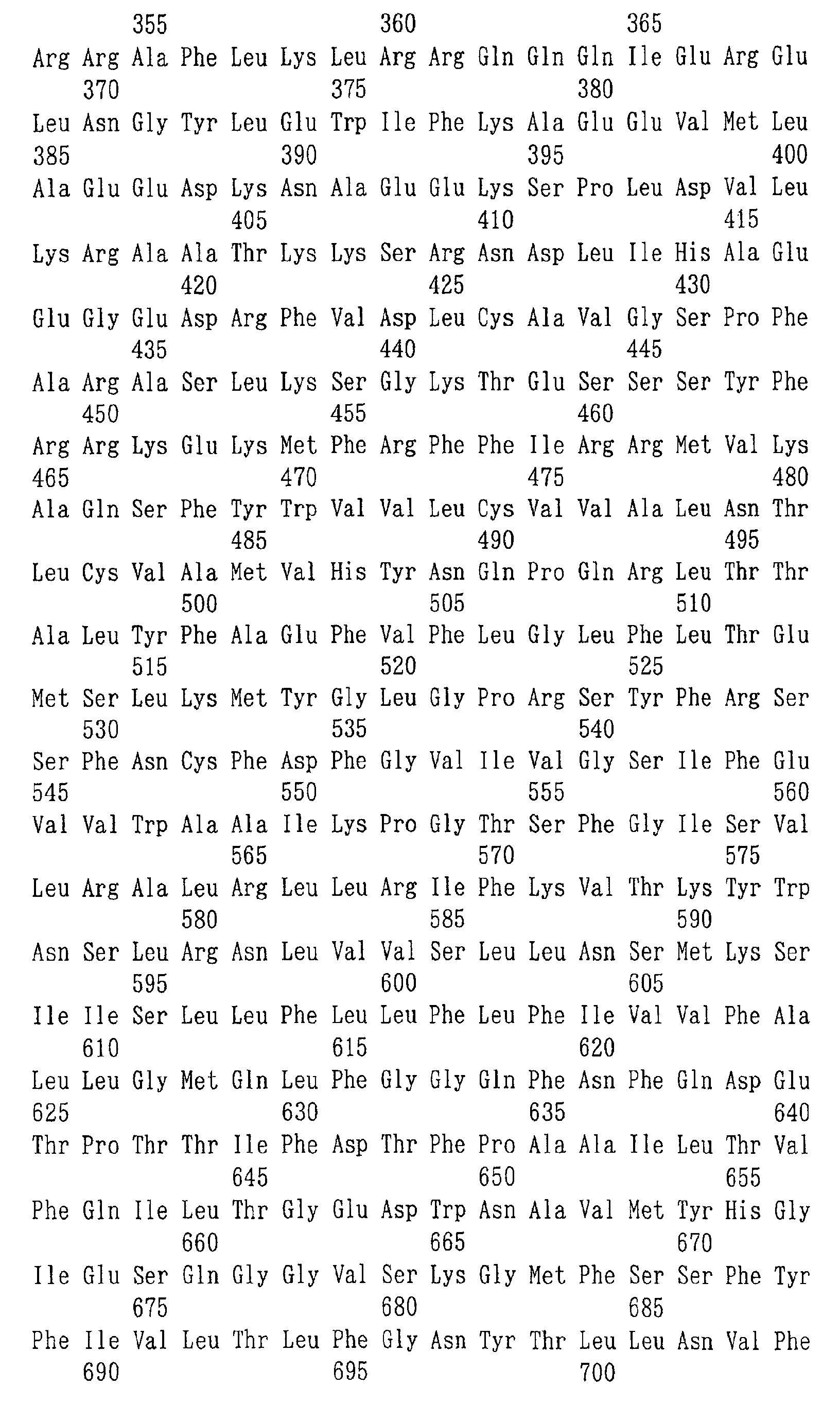
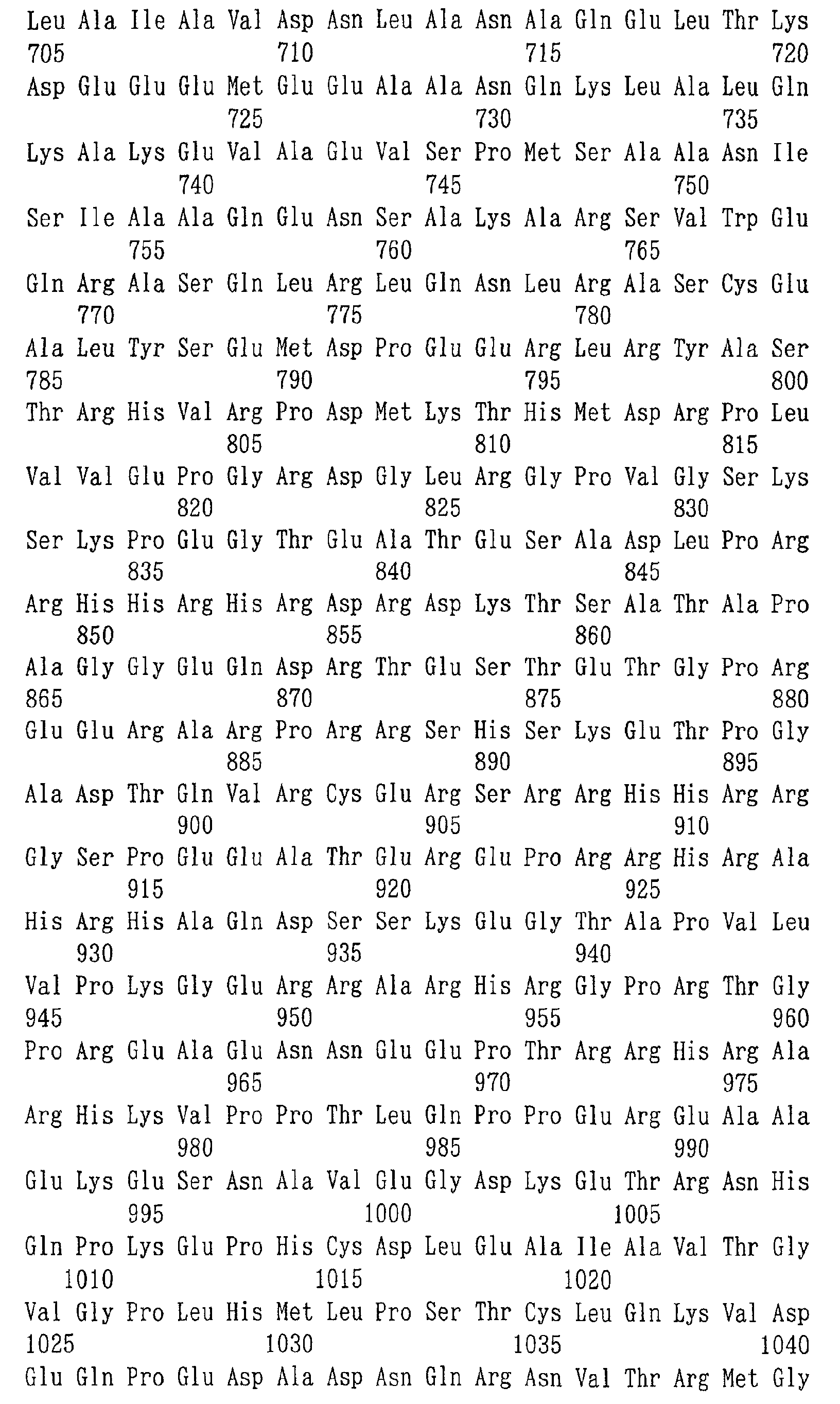
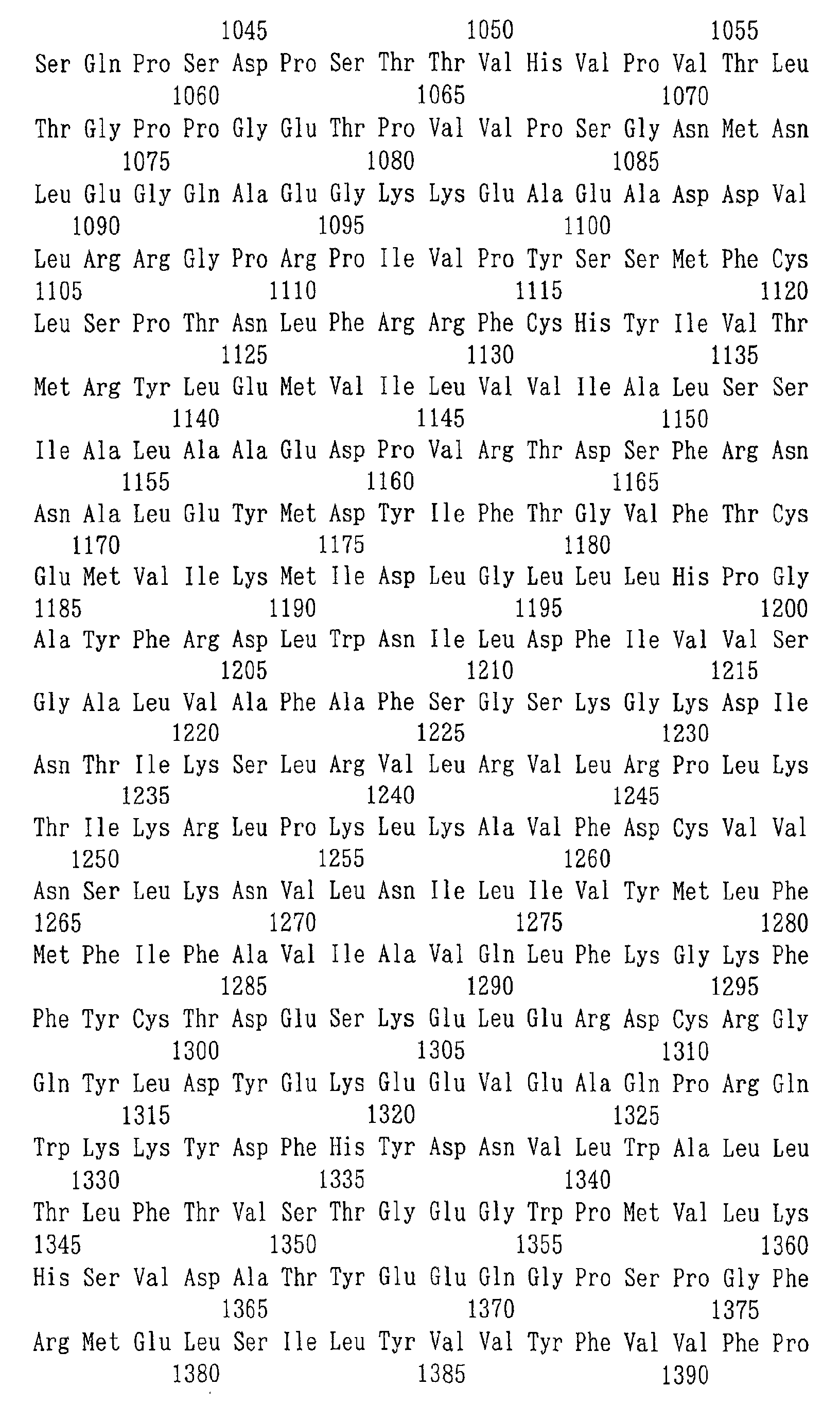
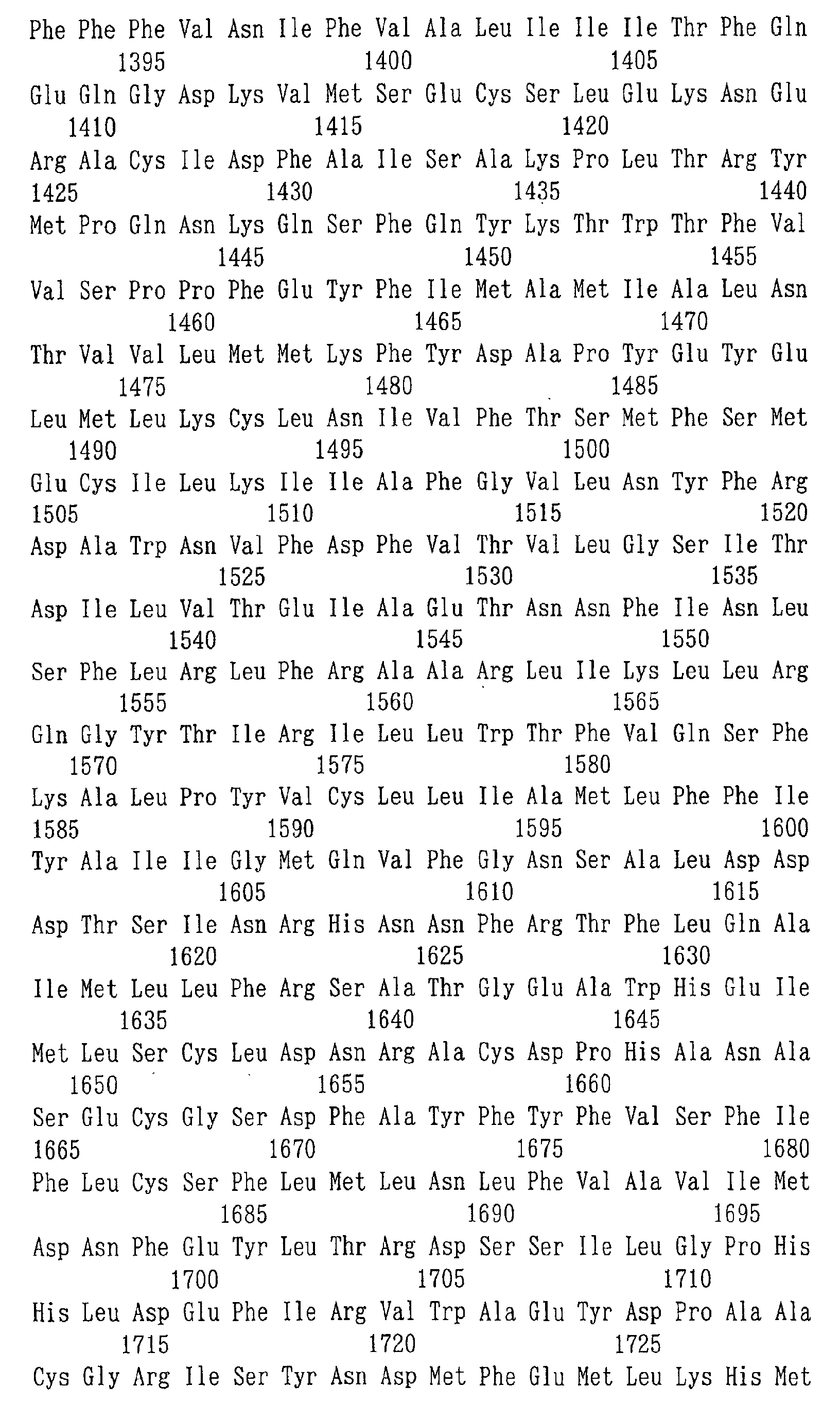
- the gene coding for the N-type Ca channel is preferably a gene coding for an ⁇ 1B subunit of the N-type Ca channel. More specifically, there can be mentioned a gene comprising DNA defined in the following (a) or (b):
- the present invention also provides a method for determining an action of a substance, which comprises steps of administering a substance to the animal of the present invention and determining an action of the substance on the animal (hereafter, also referred to as "the determination method of the present invention").
- the determination method of the present invention preferably comprises steps of administering a substance to the animal of the present invention and a wild-type animal, and comparing actions of the substance on the animal of the present invention and the wild-type animal to determine the action of the substance on the N-type calcium channel.
- the present invention further provides a method for screening for a substance having a pharmacological action, which comprises a step of determining a pharmacological action of a substance by the determination method of the present invention, a substance having a pharmacological action obtained by this screening method and a method for manufacturing a drug, which comprises steps of screening for a substance having a pharmacological action by the screening method and manufacturing a drug comprising the obtained substance as an active ingredient.
- pharmacological action there can be mentioned an action for lowering blood pressure, an analgesic action and an action for lowering blood sugar level.
- Substances having such pharmacological actions can be used to manufacture hypotensive drugs, analgesic drugs and hypoglycemic drugs comprising these substances as active ingredients, respectively.
- the inventors of the present invention found that a mouse deficient in functional N-type Ca channel underwent ontogenesis and growth and could produce offspring, and that this mouse was useful for analysis of N-type Ca channel functions in living bodies.
- the animal of the present invention is based on these findings and is characterized by being a non-human animal wherein a gene coding for the N-type Ca channel is disrupted to lack functional N-type Ca channel.
- Disruption of a gene means introducing a mutation into the gene so that function of its gene product is lost.
- a method for disrupting a gene there can be mentioned targeted disruption.
- the targeted disruption is a method for disrupting a gene by gene targeting, and refers to a mutation introducing technique wherein DNA having a nucleotide sequence of a target gene into which a mutation by which function of the gene product is lost is introduced, preferably DNA having a nucleotide sequence of a target gene into which a selective marker, more preferably a drug resistance gene is inserted, so that function of the gene product is lost, is introduced into a cell, and a cell having undergone homologous recombination between the introduced DNA and the target gene is selected (Suzanne L.
- the targeted disruption mentioned herein is an example of a technique for disrupting the gene coding for an N-type Ca channel based on information about the nucleotide sequence of the gene, and any techniques fall within the scope of the present invention so long as a gene is disrupted based on information about the nucleotide sequence thereof.
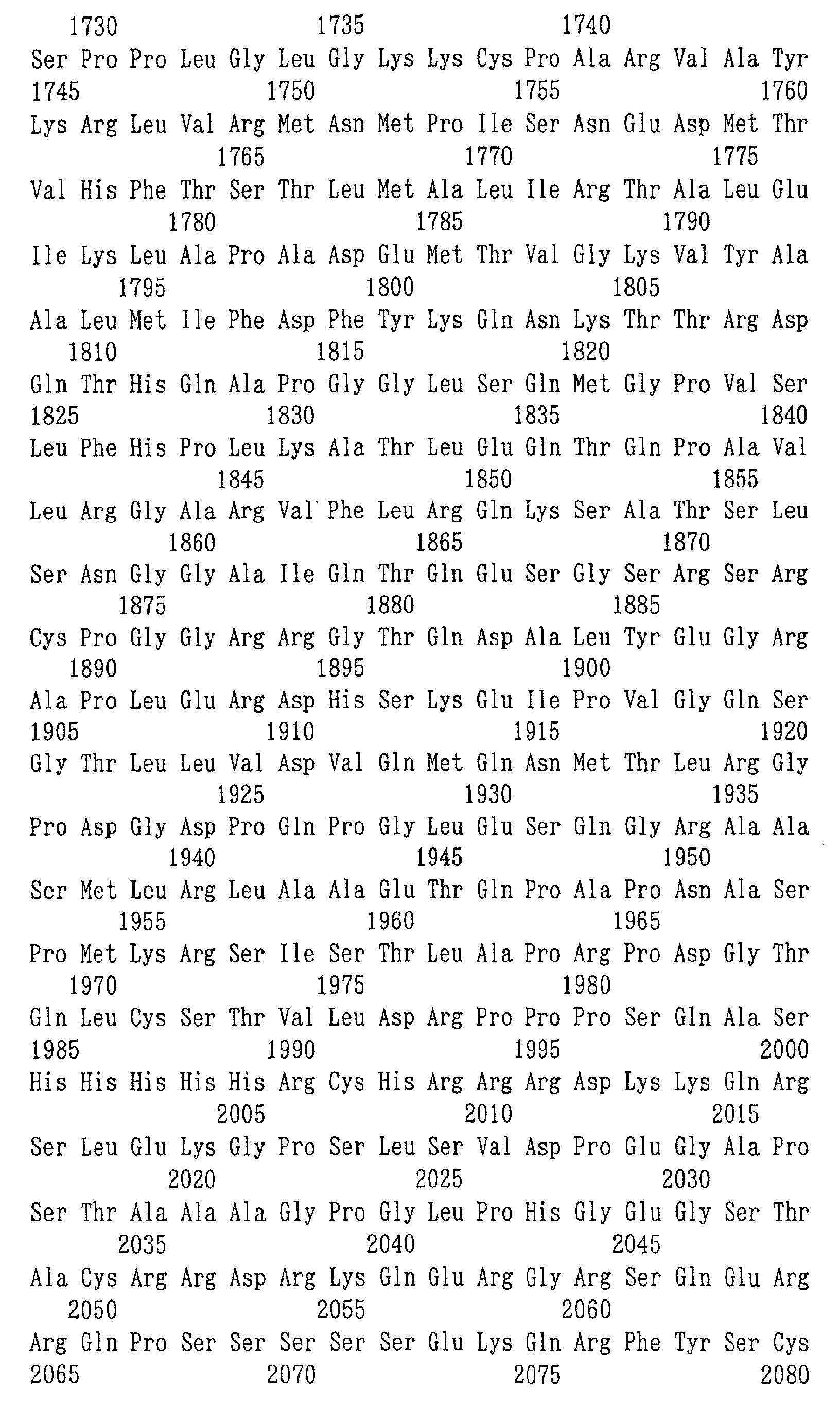
- ⁇ -conotoxin GVIA is a peptide purified from cone shell ( Conus geographus ) toxin (Baldomero, M.O. et al., Biochemistry, 23, p.5087, 1984), and it is characterized by the amino acid sequence of SEQ ID NO: 3.
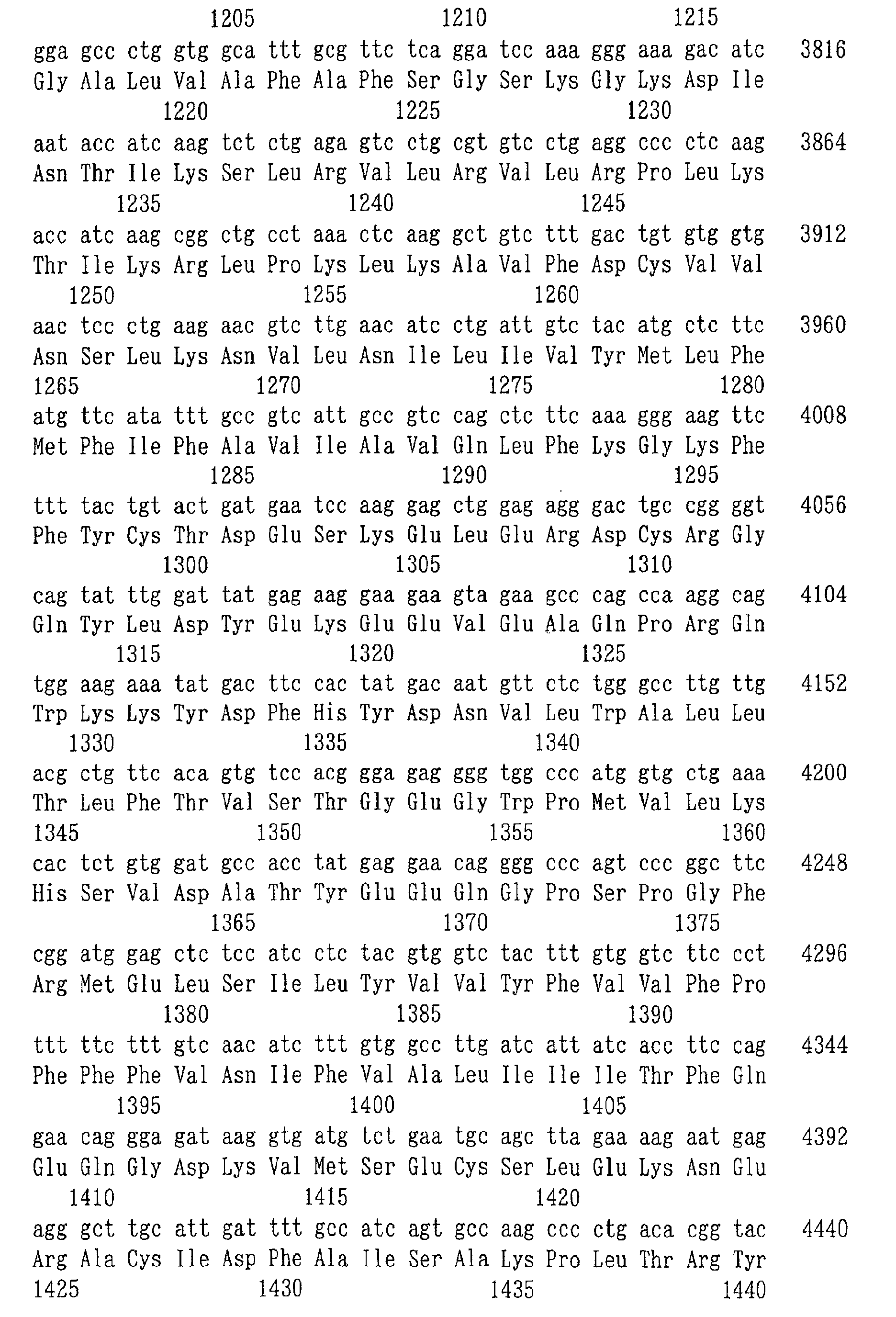
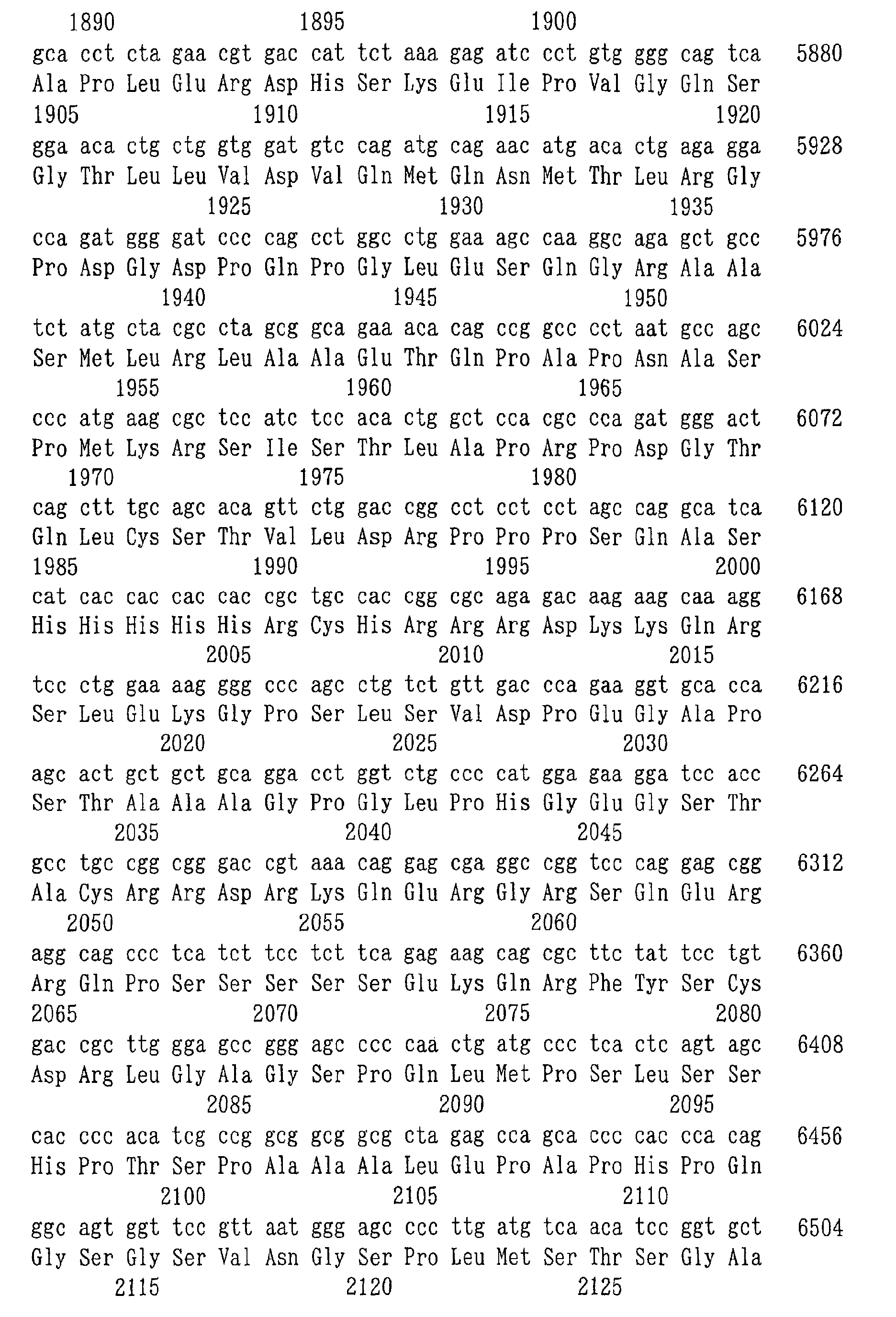
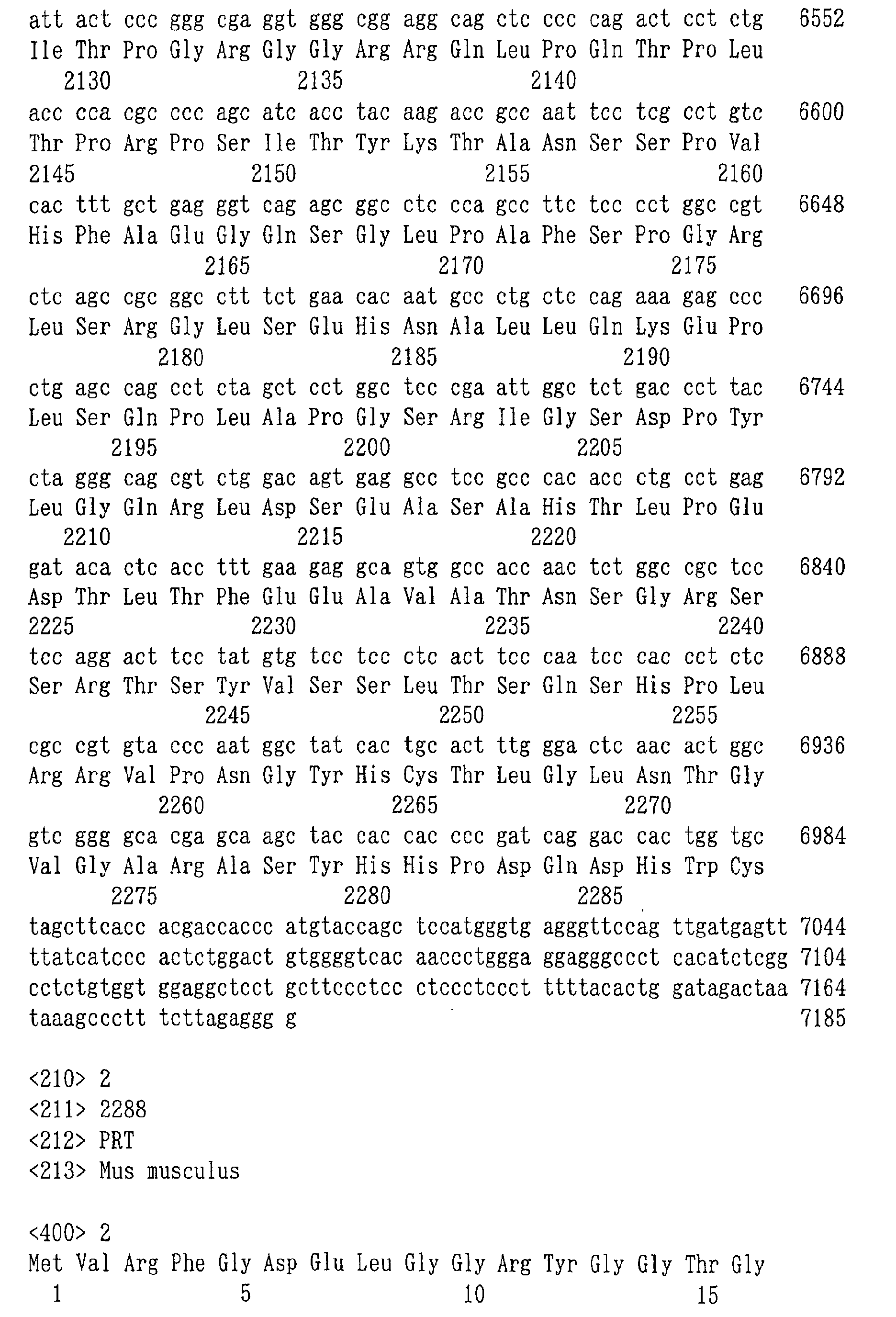
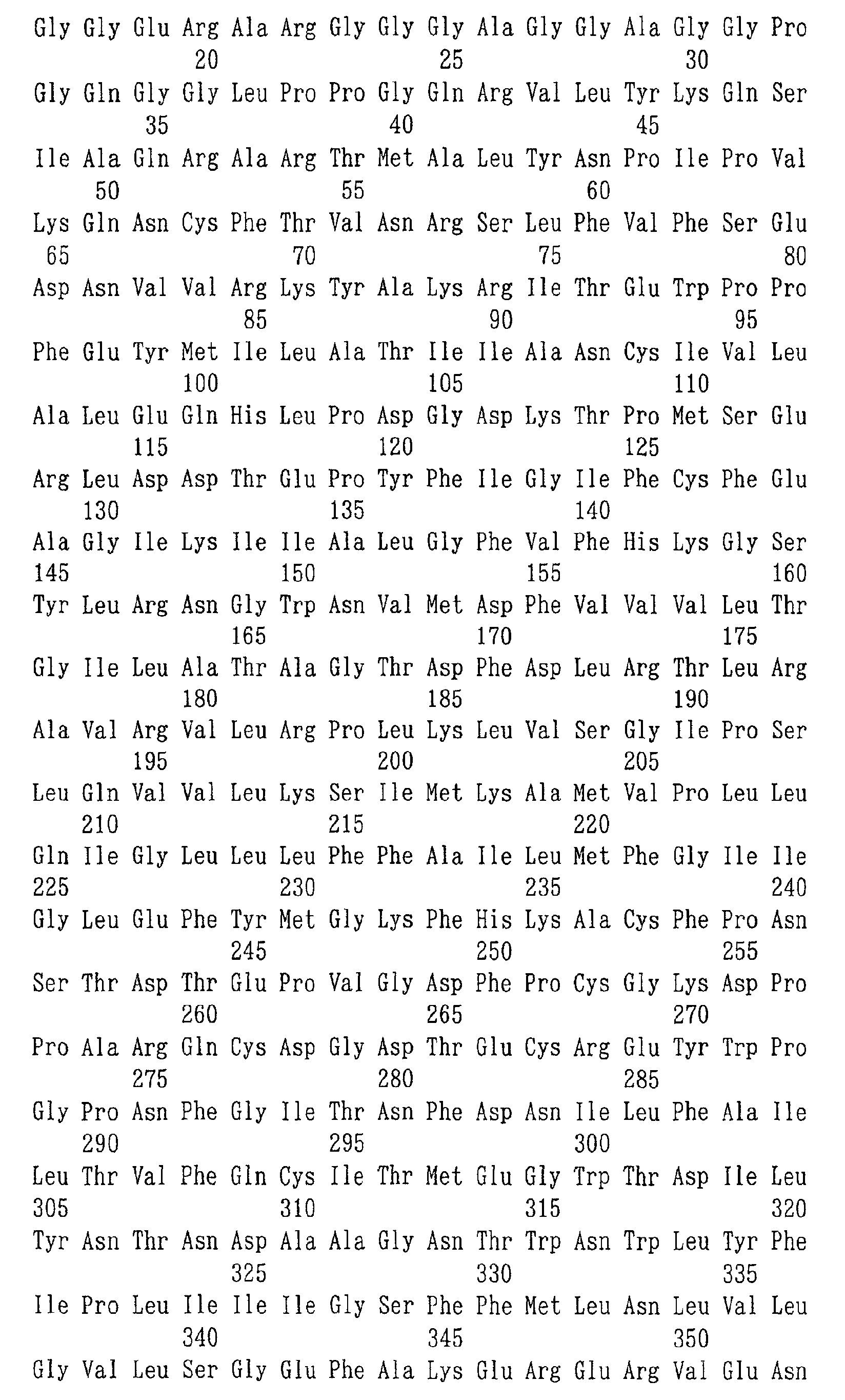
- a gene coding for an N-type Ca channel means a gene coding for a constitutional subunit contained only in the N-type Ca channel, for example, the ⁇ 1B subunit.
- gene coding for the ⁇ 1B subunit include a gene having DNA defined in the following (a) or (b):
- stringent condition mentioned herein include the conditions of hybridization at 65°C in 4 x SSC and subsequent washing at 65°C in 0.1 x SSC for 1 hour.
- the stringent condition may alternatively be 42°C, 4 x SSC in 50% formamide.
- the non-human animal is preferably a rodent, more preferably a mouse.
- the animal of the present invention can be prepared according to a usual method for preparing a knockout animal by gene targeting except that the gene coding for an N-type Ca channel is used as a target gene.
- DNA coding for the N-type Ca channel ⁇ 1B subunit can be obtained by designing primers based on the nucleotide sequence described in Thlerry, C. et al., FEBS Letters, 338, p.1, 1994 and performing PCR using non-human animal genomic DNA or cDNA or performing RT-PCR using non-human animal RNA.
- a probe may be synthesized based on the nucleotide sequence described in the aforementioned reference, and clones hybridizable with the probe may be selected from a non-human animal genomic DNA library or cDNA library and determined for the nucleotide sequences to select a clone containing the N-type Ca channel ⁇ 1B subunit gene or a part thereof comprising a nucleotide sequence of preferably 500 bp or more, more preferably 1 kbp or more.
- a restriction enzyme map is prepared by determining restriction enzyme sites contained in the cloned DNA.
- DNAs may be excised from a plurality of clones at appropriate restriction enzyme sites and ligated.
- a positive selection marker such as a drug resistance gene, preferably a neomycin resistance gene, is introduced into a restriction enzyme site of an exon region in the obtained DNA having a length enough to cause homologous recombination. Further, a part of the exon may be eliminated and replaced with a drug resistance gene.
- appropriate restriction enzyme sites may be introduced by PCR using a primer designed so as to include restriction enzyme sites, ligation of oligonucleotides including restriction enzyme sites and so forth.
- the vector includes a negative selection marker such as thymidine kinase gene and diphtheria toxin gene in order to eliminate ES cells that do not undergo homologous recombination between the introduced DNA and the N-type Ca channel ⁇ 1B subunit gene in which the introduced DNA is inserted into a site that is not the N-type Ca channel ⁇ 1B subunit gene.
- a negative selection marker such as thymidine kinase gene and diphtheria toxin gene in order to eliminate ES cells that do not undergo homologous recombination between the introduced DNA and the N-type Ca channel ⁇ 1B subunit gene in which the introduced DNA is inserted into a site that is not the N-type Ca channel ⁇ 1B subunit gene.
- the prepared targeting vector is digested with restriction enzymes to form linear DNA, purified by, for example, phenol/chloroform extraction, agarose electrophoresis, ultracentrifugation and so forth and transfected into an ES cell, for example, TT2.
- restriction enzymes for example, phenol/chloroform extraction, agarose electrophoresis, ultracentrifugation and so forth and transfected into an ES cell, for example, TT2.
- transfection method include electroporation, lipofection and so forth, but the present invention is not limited to these methods.
- the transfected cell is cultured in an appropriate selection medium, for example, a selection medium containing neomycin and ganciclovir when a targeting vector incorporated with a neomycin resistance gene and a thymidine kinase gene is constructed.
- an appropriate selection medium for example, a selection medium containing neomycin and ganciclovir when a targeting vector incorporated with a neomycin resistance gene and a thymidine kinase gene is constructed.
- an introduced gene for example, a neomycin resistance gene
- a neomycin resistance gene is incorporated into an ES cell that shows resistance to the both drugs and grows.
- occurrence of the homologous recombination can also be confirmed by Southern blotting analysis using a 5' upstream or 3' downstream part of DNA outside the targeting vector as a probe. Further, it can be confirmed by Southern blotting analysis using DNA with the targeting vector as a probe that the targeting vector is not randomly inserted. An ES cell having undergone homologous recombination can be obtained by combining these methods.
- a knockout mouse is prepared by taking steps of collection of an 8-cell embryo or a blastocyst after fertilization, microinjection of an ES cell having undergone homologous recombination, implantation of a manipulated egg into a pseudopregnant mouse, delivery from the pseudopregnant mouse and raising of offspring, selection of a transgenic mouse by PCR and Southern blotting, and establishment of pedigree of mice having the introduced gene (Yagi, T. et al., Analytical Biochem., 214, p.70, 1993).
- An ES cell having undergone homologous recombination is microinjected into the obtained 8-cell embryo or blastocyst.
- the microinjection can be performed under an inverted microscope by using a micromanipulator, microinjector, injection pipette and holding pipette based on, for example, the descriptions in Hogan, B.L.M., "A laboratory Manual”, Cold Spring Harbor Laboratory Press, Cold Spring Harbor, New York, 1986 (Yagi, T. et al., Analytical Biochem., 214, p.70, 1993).
- an injection dish for example, there are used 5- ⁇ l medium droplets and droplets containing floating ES cells formed on Falcon 3002 (Becton Dickinson Labware), on which liquid paraffin is overlaid.
- an 8-cell embryo or blastocyst microinjected with an ES cell having undergone homologous recombination is referred to as a manipulated egg.
- a vasoligated male mouse and a normal female mouse are mated to prepare a pseudopregnant mouse, into which a manipulated egg is implanted.
- Implantation of a manipulated egg can be performed based on, for example, the descriptions in Hogan, B.L.M., "A laboratory Manual”, Cold Spring Harbor Laboratory Press, Cold Spring Harbor, New York, 1986 and Yagi, T. et al., Analytical Biochem., 214, P.70, 1993.
- An example of specific procedure will be described below, but the present invention is not limited to this example.
- a pseudopregnant mouse is generally anesthetized by using, for example, 50 mg/kg body weight of pentobarbital sodium. Then, both flanks are incised about 1 cm to expose the ovary and the oviduct. The bursa ovarica is incised by using tweezers under a stereoscopic microscope to expose the fimbriae tubae. Subsequently, 7 to 8 manipulated eggs per oviduct are introduced into the fimbriae tubae. At this time, implantation of the manipulated eggs into the oviduct is confirmed by micro air bubbles inserted together with the manipulated eggs.
- manipulated eggs may be cultured until the following day to be developed into a blastocyst and then implanted into the uterus.
- offspring mice can be obtained on day 17 after the implantation.
- the offspring mice are usually chimeric mice obtained from the ES cell having undergone homologous recombination and a cell of the mouse from which the fertilized egg is collected.
- TT2 is used as an ES cell and injected into an 8-cell embryo collected from ICR
- an offspring mouse having a high chimeric rate shows an agouti-dominant coat color
- a mouse having a low chimeric rate shows a white-dominant coat color.
- Whether the gene is present in a germ cell can be readily confirmed by the coat color of an offspring mouse obtained by mating a mouse of interest with a mouse having a white coat color, for example, ICR.
- a mouse having a high chimeric rate is expected to also have a germ cell containing the introduced gene
- the presence or absence of the gene can be confirmed by using a mouse having a chimeric rate as high as possible for mating, extracting DNA from the tail of the obtained offspring mouse and subjecting its DNA to PCR.
- a genotype can be more reliably identified by performing Southern blotting analysis instead of PCR.
- An N-KO mouse in which the introduced gene homozygously exists can be obtained among the offspring mice obtained by mating heterozygous mice (hereinafter, referred to as He mice) with each other.
- the N-KO mouse can be obtained by mating He mice with each other, a He mouse with an N-KO mouse, or N-KO mice with each other.
- the presence or absence of expression of the ⁇ 1B subunit mRNA in the N-KO mouse can be confirmed by Northern blotting analysis, RT-PCR, RNase protection assay, in situ hybridization or the like. Further, expression of the ⁇ 1B subunit protein can be confirmed by immunohistochemical staining, labeled ⁇ -conotoxin or the like. Further, a function of an N-type Ca channel including the ⁇ 1B subunit can also be confirmed by an electrophysiological method or the like.
- the inventors of the present invention found that an animal lacking the gene coding for an N-type Ca channel lost blood pressure control through the autonomic nervous system, had defects in a mechanism for transmitting pain, especially second phase pain that appears in a delayed manner, and had abnormality in blood sugar level control. That is, they found that the animal had unique characteristics associated with the deletion of the gene coding for an N-type Ca channel.
- the determination method of the present invention is based on these findings and it is a method for determining an action of a substance that comprises steps of administering a substance such as a compound to the animal of the present invention and determining the action of the substance on the animal.
- the determination method of the present invention preferably comprises steps of administering a substance to the animal of the present invention and a wild-type animal and comparing actions of the substance on the animal of the present invention and the wild-type animal to determine the action of the substance on the N-type Ca channel.
- the influence of the substance on the N-type Ca channel can be examined by determining the action on the N-type Ca channel.
- An action refers to an action on a characteristic unique to the animal.
- the action refers to an action on the blood pressure, pain or blood sugar level.
- the action is not limited to these examples so long as the action is associated with the characteristics unique to the animal. These actions can be determined as activities of the substances.
- a wild type means that functional N-type Ca channel is not lost.
- the present invention further provides a method for screening for a substance having a pharmacological action by using the animal of the present invention (non-human animal deficient in N-type Ca channel).
- a method for screening for a substance having a pharmacological action for example, a substance acting on blood pressure, transmission of pain or blood sugar level of the animal (that is, a substance having an action for lowering blood pressure, a substance having an analgesic action or a substance having an action for lowering blood sugar level) by using the determination method of the present invention, a substance obtained by the screening and a method for manufacturing a drug that comprises steps of screening for a substance having a pharmacological action by using the determination method of the present invention and manufacturing a drug (for example, hypotensive drug, analgesic drug or hypoglycemic drug) containing the obtained substance as an active ingredient.
- a drug for example, hypotensive drug, analgesic drug or hypoglycemic drug
- a substance having an action for lowering blood pressure a substance having an analgesic action or a substance having an action for lowering blood sugar level will be described below in this order.
- any substances fall within the scope of the present invention so long as they are obtained by utilizing a screening system using the animal of the present invention.
- Candidate substances can be screened for a substance having an action for lowering blood pressure through blocking the influx of Ca 2+ passed through N-type Ca channel by administering each of the candidate substances to a non-human animal deficient in the N-type Ca channel (N-KO animal) and a wild-type animal not deficient in the channel (Wt animal) and selecting a drug that lowers blood pressure in the Wt animal, but not in the N-KO animal.
- N-KO animal non-human animal deficient in the N-type Ca channel
- Wt animal wild-type animal not deficient in the channel
- candidate substances can be screened for a substance having an action for lowering blood pressure without blocking the influx of Ca 2+ passed through the N-type Ca channel by selecting a substance having an action for lowering blood pressure in the N-KO animal.
- the N-KO mouse of the present invention had been expected to be deficient in blood pressure control through nervous systems, the average blood pressure of the N-KO mice was higher than that of the Wt animals and this suggested that a blood pressure control system through an endogenous factor intensely operated in the N-KO animal. Therefore, the N-KO animal is particularly useful for screening for a substance having an action for lowering blood pressure through an endogenous factor.
- N-KO mouse and a wild-type mouse hereinafter, referred to as Wt mouse
- Wt mouse a tube is placed in the trachea and artificial respiration is attained by using an animal ventilator with air ventilation of 0.2 ml at a respiratory frequency of 140 breaths/min.
- a polyethylene tube filled with a physiological saline containing heparin is inserted into the right common carotid artery and connected to a pressure transducer to measure the blood pressure.
- Each of candidate substances to be subjected to the screening is administered by using an indwelling catheter placed in the left common carotid artery, and a substance having an action for lowering the blood pressure is selected from the candidates.
- Candidate substances can be screened for a substance having an analgesic action through or not through blocking of the influx of Ca 2+ passed through N-type Ca channel by administering the candidate substances to an N-KO animal and a Wt animal and comparing their analgesic actions.
- the analgesic action can be confirmed by, for example, a formalin test, hot-plate test, acetic acid-induced writhing test, tail-flick test, tail-pinch test or the like.
- Candidate substances can be screened for a substance having a hypoglycemic action through or not through blocking of the influx of Ca 2+ passed through N-type Ca channel by administering each of the candidate substances to an N-KO animal and a Wt animal and comparing their hypoglycemic actions.
- blood is collected from the caudal vein of each of the N-KO mouse and the Wt mouse under a fed condition (fasted for 2 hours prior to blood collection) or a fasted condition (fasted for 18 hours) and the blood sugar level is measured.
- the blood sugar level can be measured, for example, as follows. 10 ⁇ l of blood and 90 ⁇ l of 0.6 N perchloric acid are mixed and subjected to centrifugation (7,000 rpm, 2 min).
- a drug containing a substance having a pharmacological action as an active ingredient can be manufactured according to a usual drug preparation method.
- the drug may be a pharmaceutical composition of a substance having a pharmacological action and a pharmaceutically acceptable carrier.
- Example 1 Disruption of gene coding for N-type Ca channel by gene targeting
- Primers (SEQ ID NOS: 4 and 5) were designed based on the nucleotide sequence of the mouse ⁇ 1B subunit gene described in FEBS Letters, 338, pp.1-5, 1994, and PCR was performed by using the mouse cDNA library as a template to obtain DNA having the nucleotide sequence of SEQ ID NO: 6.
- a phage DNA clone with a part of the gene coding for the N-type Ca channel ⁇ 1B subunit was isolated from a 129SVJ-derived mouse genomic library ( ⁇ FIXII). The restriction enzyme map of the obtained phage DNA clone is shown in Fig. 1.
- a targeting vector was prepared by a method wherein a region including exon B in the ⁇ 1B subunit gene was used as a homologous gene region; a neomycin resistance gene was introduced into the exon B (Fig. 1), and the thymidine kinase gene of herpes simplex virus was introduced as a negative selection gene (Suzanne, L. et al., Nature, 336, p.348, 1988).
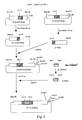
- Figs. 2-4 Outline of the construction is shown in Figs. 2-4.
- the phage DNA clone obtained in (1) was digested with Bam HI and subcloned into pBluescript II SK+ to obtain pBS59 and pBS58 having the fragments shown in Figs. 2 and 3.
- the phage DNA clone was also digested with Hin dIII and subcloned into pBluescript II SK+ to obtain pBS63 having a fragment shown in Fig. 2.
- the pBS59 was digested with Aat II and Eco RI and a fragment excised from pBS63 with Aat II and Hin dIII was introduced thereto to obtain pBS59/63.
- This pBS59/63 was digested with Aat II and a fragment including the neomycin resistance gene was introduced thereto to prepare pBS59/63n. This was further digested with Eco RV and a fragment excised from pBS58 with Eco RV wa introduced thereto to prepare pBS59/63/58n.
- the thymidine kinase gene which is a selection gene, was introduced into the Sal I -Xho I site of a multicloning site in pBS59/63/58n to produce a targeting vector.
- the targeting vector obtained in (2) was digested with Not I to form linear DNA (1 mg/ml).
- TT2 was used (Yagi, T. et al., Analytical Biochem. 214, p.70, 1993).
- the linear targeting vector (200 ⁇ g/ml) was transfected into the ES cells (1 x 10 7 cells/ml) by electroporation (250 V, 975 ⁇ F, room temperature), and the cells were cultured in a medium containing G418 (250 ⁇ g/ml) and ganciclovir (0.2 ⁇ M) for 3 days from day 2 of culture, and then cultured in a medium containing G418 (250 ⁇ g/ml) for 3 days.
- DNA was extracted from a part of the generated ES cell colonies, and PCR was performed by using this DNA as a template, and DNA having the nucleotide sequence (SEQ ID NO: 7) outside the targeting vector and DNA having the nucleotide sequence (SEQ ID NO: 8) included in the introduced gene (neomycin resistance gene) as primers. Clones generating 3.7-kb PCR product were assumed as candidates that have possibility of having undergone homologous recombination.
- a clone having undergone only homologous recombination was identified by Southern blotting analysis.
- the extracted genome was digested with Apa LI and Bal I, hybridized with a probe Pro9P outside the targeting vector (about 0.9-kbp DNA 5'-upstream from the homologously recombined region was obtained by PCR, see Fig. 1) and a probe Pro8 inside the targeting vector (about 0.8-kbp DNA excised from pBS59 with Sph I and Bam HI, see Fig. 1).
- a clone having undergone homologous recombination was selected, that is, a clone was selected for which a 6.9-kb band was detected in the Apa L1 digestion product and a 4.6-kb band was detected in the Bal I digestion product when Pro9P was used as a probe, while a 6.9-kb band was detected in the Apa L1 digestion product and a 2.4-kb band was detected in the Bal I digestion product when Pro8 was used as a probe.
- the ES cells having undergone homologous recombination obtained in (3) were microinjected under an inverted microscope (DIAPHOTO TMD, Nippon Kogaku Kogyo, Tokyo) by using a micromanipulator (coarse-adjustment electric manipulator equipped with a suspended type joystick three-dimensional oil hydraulic micromanipulator, Narishige, Tokyo), a microinjector (Narishige, Tokyo), an injection pipette and a holding pipette. Further, as an injection dish, there were used several 5- ⁇ l medium droplets containing floating ES cells formed on Falcon 3002 (Becton Dickinson Labware) and overlaid with liquid paraffin.
- DIAPHOTO TMD Nippon Kogaku Kogyo, Tokyo
- a micromanipulator coarse-adjustment electric manipulator equipped with a suspended type joystick three-dimensional oil hydraulic micromanipulator, Narishige, Tokyo
- a microinjector Nearishige, Tokyo
- vascular endothelial male mice and normal female mice were mated to prepare pseudopregnant mice, and manipulated eggs into which three different ES cell clones having undergone homologous recombination were microinjected were implanted in the pseudopregnant mice.
- the pseudopregnant mice were generally anesthetized with 50 mg/kg body weight of pentobarbital sodium (Nembutal, Abbott Laboratories). Then, both flanks were incised about 1 cm to expose the ovary and the oviduct. The bursa ovarica was incised by using tweezers under a stereoscopic microscope to expose the fimbriae tubae. Subsequently, 7 to 8 manipulated eggs per oviduct were transferred into the fimbriae tubae. Then, the oviduct and the ovary were returned to the abdominal cavity, and both the incision sites were sutured.
- mice in which the manipulated eggs were implanted to be pregnant delivered a 100% chimeric mouse with a black coat color.
- the chimeric mouse was mated with an ICR female mouse, and their offspring mice were examined.
- the coat color of all the offspring mice was black, and hence it was confirmed that the germ cells of the chimeric mouse were derived from the ES cells.
- He mice were obtained by mating the chimeric mouse with C57BL/6, and an N-KO mouse was obtained by mating He mice with each other.
- mice The genotypes of the obtained mice were confirmed based on differences in size of DNA fragments generated by PCR.
- the tail of each mouse was excised in a length of about 2-3 mm and digested (55°C, 2 hours) with a proteinase K solution (lysis buffer (Perkin Elmer) was diluted two-fold with PBS(-), 1% mercaptoethanol, 0.25 mg/ml of proteinase K). Thereafter, genomic DNA was extracted by a usual method and dissolved in 100-200 ⁇ l of distilled water to prepare a template for PCR.
- lysis buffer Perkin Elmer
- Primers were designed for the sequence included in the neomycin resistance gene (SEQ ID NO: 8) and two sites in the ⁇ 1B subunit gene (SEQ ID NOS: 9 and 10), and PCR was performed to identify the genotype of each individual.
- the gene having undergone a mutation produced a 520-bp PCR product, whereas the wild-type gene produced a 490-bp PCR product.
- the genotype was also confirmed by Southern blotting analysis.
- genomic DNA extracted from the mouse tail was digested with Bam HI, and a region adjacent to the neomycin resistance gene in the targeting vector was hybridized with a probe ProN (about 1-kbp DNA excised from pBS59 with Nco I, see Fig. 1), only a 3.1-kb band was detected for the N-KO mouse.
- a 5- to 8-week old mouse was anesthetized with ether, and its dorsal root ganglia were removed and digested in a Krebs solution by using pronase (0.2 mg/ml) first for 30 minutes and then thermolysin (0.2 mg/ml) for 30 minutes to isolate cells.
- a patch clamp amplifier (Axopatch 200B) was set at a whole cell mode, and measurement was performed at room temperature.
- a patch pipette (outer diameter: 1.5 mm, inner diameter: 1.1 mm) was prepared by using a P-87 Flaming-Brown micropipette puller (Sutter Instrument).
- a solution containing 3 mM BaCl 2 , 155 mM tetraethylammonium chloride, 10 mM HEPES and 10 mM glucose (pH 7.4) was used as the outer solution of the isolated nerve cells and the patch pipette was filled with a solution containing 85 mM cesium aspartate, 40 mM CsCl, 2 mM MgCl 2 , 5 mM EGTA, 2 mM ATPMg, 5 mM HEPES and 10 mM creatine phosphate (pH 7.4).
- the electric resistance of the pipette was 1-2 Mohm, and the current of Ba 2+ obtained by a stimulus at 100 kHz was analyzed by using pCLAMP (Axon Instruments).
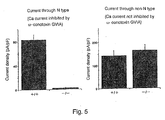
- the currents of the total Ca channels of nerve cells were measured for the Wt mouse and the N-KO, and the ⁇ -conotoxin GVIA (1 ⁇ M) was added to measure the current other than that for N-type Ca channel.
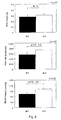
- Body weight, heart rate and average blood pressure of a Wt mouse and those of an N-KO mouse were compared and examined.
- artificial respiration was performed by using an animal ventilator (Columbs) with a ventilation volume of 0.2 ml at a respiratory frequency of 140 breaths/min.
- a polyethylene tube filled with physiological saline containing heparin was inserted into the right common carotid artery and connected to a pressure transducer (Millar, Model MPC-500) to measure the blood pressure.
- the heart rate was obtained from blood pressure pulsation.
- the results are shown in Fig. 6.
- the values in the figure are average values, and the significant differences were determined by the t-test. There was no difference in body weight between the two groups (28.2 ⁇ 3.2 g vs. 30.8 ⁇ 4.0 g).
- the heart rate and the average blood pressure of the N-KO mice were significantly higher than those of the Wt mice (562 ⁇ 101.9 beats/min vs. 742 ⁇ 32.5 beats/min, p ⁇ 0.05, 73.4 ⁇ 7.7 mmHg vs. 100.0 ⁇ 6.6 mmHg, p ⁇ 0.05).
- Example 2 Changes in blood pressure upon administration of ⁇ -conotoxin GVIA to mouse
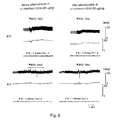
- a polyethylene tube filled with physiological saline containing heparin was inserted into the right common carotid artery and connected to a pressure transducer (Millar, Model MPC-500) to measure the blood pressure. Further, a catheter was indwelled in the left common carotid artery to administer ⁇ -conotoxin GVIA (omega-CgTx GVIA, 30 ⁇ g/kg).
- Fig. 7 The results are shown in Fig. 7.
- the values in the figure are average values, and the bars represent standard deviations.
- significant decreases in the heart rate and the blood pressure were observed from 10 minutes after the administration.
- no changes in the heart rate and the blood pressure were observed in the N-KO mouse even after the administration of ⁇ -conotoxin GVIA.
- N-type Ca channel should be involved in the controls of heart rate and blood pressure. Therefore, it is considered that the N-KO mouse is an animal model useful for elucidating the control mechanisms of heart rate and blood pressure.
- Example 3 Experiment about blood pressure control mechanism - Examination of blood pressure change with bilateral carotid occlusion
- a polyethylene tube filled with physiological saline containing heparin was inserted into the right common carotid artery and connected to a pressure transducer (Millar, Model MPC-500) to measure the blood pressure. Further, a silk thread (Natsume, suture needle with thread, Black broad silk No. 8-0) for artery occlusion was placed on the left common carotid artery, and the blood flow was transiently stopped by holding the silk thread upward to obtain a BCO state.
- a silk thread Natsume, suture needle with thread, Black broad silk No. 8-0
- the N-KO mouse lacked a pressure reflex mechanism through a pressure receptor present in the internal carotid artery, and that nerve transmitter substances were not released at least from a neuroterminal of the sympathetic nerve postganglionic fiber.
- Fig. 10 The results are shown in Fig. 10.
- the values in the figure are average values.
- the N-KO mice showed significantly low blood sugar levels compared with those of the Wt mice (t-test).
- the fasted condition no significant difference was observed between blood sugar levels of those mice.
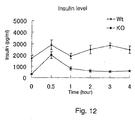
- the fasting blood sugar levels of the N-KO mice were significantly lower than those of the Wt mice, and the blood sugar levels changed within a significantly low value range even after glucose was administered. It was considered that the 9- to 10-month old Wt mice had age-related insulin resistance, whereas changes in the blood sugar levels of the N-KO mice were similar to those of young mice.
- pancreatic ⁇ cells in islets of Langerhans of a Wt mouse and an N-KO mouse were compared.
- a Wt mouse and an N-KO mouse (male, 11-month old) were anesthetized with Nembutal and subjected to abdominal section, then a portion around a valve of the right atrium was excised, and blood was removed.
- PBS containing heparin (4 U/ml) was injected from the left ventricle, and whitening of the liver was confirmed. Then, 4% paraformaldehyde dissolved in PBS was further injected. When rigor of each individual was confirmed, the pancreas was removed and fixed with 4% paraformaldehyde at 4°C for 1 hour. Following the fixation, the pancreas was left overnight in PBS containing 30% sucrose at 4°C and embedded in an OCT compound to prepare a thin section.
- the thin section was stained by using a guinea pig anti-insulin serum (Linco Research) as primary antibodies and rhodamine-labeled anti-guinea pig IgG antibodies (Chemicon International) as secondary antibodies, and the ⁇ cells containing insulin were observed with a fluorescence microscope. Similarly, the thin section was stained by using rabbit anti-glucagon antibodies (Linco Research) and FITC-labeled anti-rabbit IgG antibodies (Organon Teknika), and the ⁇ cells containing glucagon were observed.
- the basal stimulus was given with a frequency of 2 Hz, a voltage just above the threshold and a pulse width of 1 msec.
- the nerve stimulus was given with a frequency of 200 Hz, a voltage 1.5 times as high as the basal stimulus and a pulse width of 0.1 msec.
- Four nerve stimuli per basal stimulus were given during a refractory period of the cardiac muscle, which lasted 15 seconds.
- Fig. 13 shows experimental results in the left atrium and the right atrium of 5 cases. The values are average values, and the bars represent standard deviations.
- w-AgTx represents ⁇ -agatoxin GIVA.
- the atrial muscle contractile force of the Wt mouse was greatly increased by the nerve stimulus in the presence of atropine, and this increase in the contractile force was almost completely inhibited by 30 nM ⁇ -conotoxin GVIA ( ⁇ -agatoxin GIVA).
- ⁇ -conotoxin GVIA ⁇ -agatoxin GIVA
- this increase in the contractile force was not suppressed by the ⁇ -conotoxin GVIA up to 100 nM.
- These increases in the contractile force were completely inhibited by 0.1 ⁇ M tetrodotoxin, although the data are not shown in the figure.
- the present invention provides an animal that does not show a functional expression of N-type Ca channel.
- the function of the N-type Ca channel can be deduced.
- a drug to an N-KO animal and a Wt animal, whether the drug acts on the N-type Ca channel can be deduced from the difference in their responses.
- a method for screening for a substance having a pharmacological action on blood pressure control, transmission of pain, blood sugar level control and so forth by using the animal of the present invention a substance having a pharmacological action obtained by the screening method and a method for manufacturing a drug comprising screening for a substance having a pharmacological action by the screening method and manufacturing a drug comprising the obtained substance as an active ingredient.
Landscapes
- Health & Medical Sciences (AREA)
- Life Sciences & Earth Sciences (AREA)
- Chemical & Material Sciences (AREA)
- Engineering & Computer Science (AREA)
- Organic Chemistry (AREA)
- General Health & Medical Sciences (AREA)
- Veterinary Medicine (AREA)
- Bioinformatics & Cheminformatics (AREA)
- Animal Behavior & Ethology (AREA)
- Zoology (AREA)
- Genetics & Genomics (AREA)
- Medicinal Chemistry (AREA)
- Chemical Kinetics & Catalysis (AREA)
- Pharmacology & Pharmacy (AREA)
- General Chemical & Material Sciences (AREA)
- Public Health (AREA)
- Nuclear Medicine, Radiotherapy & Molecular Imaging (AREA)
- Environmental Sciences (AREA)
- Biomedical Technology (AREA)
- Diabetes (AREA)
- Biotechnology (AREA)
- Biochemistry (AREA)
- Wood Science & Technology (AREA)
- Neurology (AREA)
- Animal Husbandry (AREA)
- Biodiversity & Conservation Biology (AREA)
- General Engineering & Computer Science (AREA)
- Molecular Biology (AREA)
- Neurosurgery (AREA)
- Biophysics (AREA)
- Emergency Medicine (AREA)
- Physics & Mathematics (AREA)
- Cell Biology (AREA)
- Immunology (AREA)
- Toxicology (AREA)
- Gastroenterology & Hepatology (AREA)
- Hematology (AREA)
- Endocrinology (AREA)
- Cardiology (AREA)
- Heart & Thoracic Surgery (AREA)
Abstract
Description







Claims (19)
- A non-human animal in which a gene coding for the N-type calcium channel is disrupted to lack functional N-type calcium channel.
- The animal according to Claim 1, wherein the non-human animal is a rodent.
- The animal according to Claim 2, wherein the non-human animal is a mouse.
- The animal according to any one of Claims 1-3, wherein a gene coding for α1B subunit of the N-type calcium channel is disrupted.
- The animal according to Claim 4, wherein the gene comprises DNA defined in the following (a) or (b):(a) DNA which comprises the nucleotide sequence of SEQ ID NO: 1;(b) DNA which is hybridizable with DNA comprising the nucleotide sequence of SEQ ID NO: 1 under a stringent condition and codes for an α1B subunit of functional N-type calcium channel.
- A method for determining an action of a substance, which comprises steps of administering a substance to the animal as defined in any one of Claims 1-5 and determining an action of the substance on the animal.
- A method for determining an action of a substance, which comprises steps of administering a substance to the animal as defined in any one of Claims 1-5 and a wild-type animal, and comparing actions of the substance on the animal according to any one of Claims 1-5 and the wild-type animal to determine the action of the substance on the N-type calcium channel.
- A method for screening for a substance having a pharmacological action, which comprises a step of determining pharmacological action of the substance by the method as defined in Claim 6 or 7.
- A substance having a pharmacological action, which is obtained by the method as defined in Claim 8.
- A method for manufacturing a drug, which comprises steps of screening for a substance having a pharmacological action by the method as defined in Claim 8 and manufacturing a drug comprising the obtained substance as an active ingredient.
- The method according to Claim 8, wherein the pharmacological action is an action for lowering blood pressure.
- A substance having an action for lowering blood pressure, which is obtained by the method as defined in Claim 11.
- A method for manufacturing a hypotensive drug, which comprises steps of screening for a substance having an action for lowering blood pressure by the method as defined in Claim 11 and manufacturing a hypotensive drug comprising the obtained substance as an active ingredient.
- The method according to Claim 8, wherein the pharmacological action is an analgesic action.
- A substance having an analgesic action, which is obtained by the method according to Claim 14.
- A method for manufacturing an analgesic drug, which comprises steps of screening for a substance having an analgesic action by the method as defined in Claim 14 and manufacturing an analgesic drug containing the obtained substance as an active ingredient.
- The method according to Claim 8, wherein the pharmacological action is an action for lowering blood sugar level.
- A substance having an action for lowering blood sugar level, which is obtained by the method as defined in Claim 17.
- A method for manufacturing a hypoglycemic drug, which comprises steps of screening for a substance having an action for lowering blood sugar level by the method as defined in Claim 17 and manufacturing a hypoglycemic drug comprising the obtained substance as an active ingredient.
Applications Claiming Priority (7)
| Application Number | Priority Date | Filing Date | Title |
|---|---|---|---|
| JP30380999 | 1999-10-26 | ||
| JP30380999 | 1999-10-26 | ||
| JP2000000378 | 2000-02-16 | ||
| JP2000037839 | 2000-02-16 | ||
| JP2000000261 | 2000-08-31 | ||
| JP2000261979 | 2000-08-31 | ||
| PCT/JP2000/007503 WO2001030137A1 (en) | 1999-10-26 | 2000-10-26 | N-calcium channel knockout animal |
Publications (3)
| Publication Number | Publication Date |
|---|---|
| EP1240823A1 true EP1240823A1 (en) | 2002-09-18 |
| EP1240823A4 EP1240823A4 (en) | 2003-05-02 |
| EP1240823B1 EP1240823B1 (en) | 2008-08-20 |
Family
ID=27338631
Family Applications (1)
| Application Number | Title | Priority Date | Filing Date |
|---|---|---|---|
| EP00970097A Expired - Lifetime EP1240823B1 (en) | 1999-10-26 | 2000-10-26 | N-calcium channel knockout animal |
Country Status (8)
| Country | Link |
|---|---|
| EP (1) | EP1240823B1 (en) |
| JP (1) | JP2007105046A (en) |
| KR (1) | KR100770550B1 (en) |
| AT (1) | ATE405156T1 (en) |
| DE (1) | DE60040016D1 (en) |
| DK (1) | DK1240823T3 (en) |
| ES (1) | ES2312365T3 (en) |
| WO (1) | WO2001030137A1 (en) |
Cited By (1)
| Publication number | Priority date | Publication date | Assignee | Title |
|---|---|---|---|---|
| EP2915879A4 (en) * | 2012-10-31 | 2016-04-20 | Eisai R&D Man Co Ltd | Neural stem cell having increased passage ability, method for producing said neural stem cell having increased passage ability, and method for culturing neural stem cell for increasing passage ability of said neural stem cell |
Families Citing this family (4)
| Publication number | Priority date | Publication date | Assignee | Title |
|---|---|---|---|---|
| US20020133840A1 (en) * | 2000-12-11 | 2002-09-19 | Brennan Thomas J. | Transgenic mice containing disruptions in genes encoding A2D2 calcium ion channel subunit proteins |
| US20030180712A1 (en) * | 2002-03-20 | 2003-09-25 | Biostratum Ab | Inhibition of the beta3 subunit of L-type Ca2+ channels |
| AU2004304770B2 (en) | 2003-12-08 | 2010-05-06 | Idera Pharmaceuticals, Inc. | Modulation of immunostimulatory properties by small oligonucleotide-based compounds |
| US7470674B2 (en) | 2005-11-07 | 2008-12-30 | Idera Pharmaceuticals, Inc. | Immunostimulatory properties of oligonucleotide-based compounds comprising modified immunostimulatory dinucleotides |
Family Cites Families (3)
| Publication number | Priority date | Publication date | Assignee | Title |
|---|---|---|---|---|
| US5677288A (en) * | 1991-05-15 | 1997-10-14 | Cypros Pharmaceutical Corporation | Use of aminoglycosides to protect against excitotoxic neuron damage |
| JPH06509717A (en) * | 1991-08-15 | 1994-11-02 | メルク エンド カンパニー インコーポレーテッド | Human calcium channel compositions and methods |
| AU770018B2 (en) * | 1998-03-13 | 2004-02-12 | Brown University Research Foundation | Human N-type calcium channel isoform and uses thereof |
-
2000
- 2000-10-26 WO PCT/JP2000/007503 patent/WO2001030137A1/en not_active Ceased
- 2000-10-26 DK DK00970097T patent/DK1240823T3/en active
- 2000-10-26 AT AT00970097T patent/ATE405156T1/en not_active IP Right Cessation
- 2000-10-26 ES ES00970097T patent/ES2312365T3/en not_active Expired - Lifetime
- 2000-10-26 EP EP00970097A patent/EP1240823B1/en not_active Expired - Lifetime
- 2000-10-26 DE DE60040016T patent/DE60040016D1/en not_active Expired - Lifetime
- 2000-10-26 KR KR1020027005389A patent/KR100770550B1/en not_active Expired - Fee Related
-
2006
- 2006-10-31 JP JP2006296517A patent/JP2007105046A/en active Pending
Cited By (2)
| Publication number | Priority date | Publication date | Assignee | Title |
|---|---|---|---|---|
| EP2915879A4 (en) * | 2012-10-31 | 2016-04-20 | Eisai R&D Man Co Ltd | Neural stem cell having increased passage ability, method for producing said neural stem cell having increased passage ability, and method for culturing neural stem cell for increasing passage ability of said neural stem cell |
| US9574176B2 (en) | 2012-10-31 | 2017-02-21 | Eisai R&D Management Co., Ltd. | Neural stem cell having increased passage ability, method for manufacturing neural stem cell having said increased passage abiility, and method for culturing neural stem cells for increasing passage ability of neural stem cells |
Also Published As
| Publication number | Publication date |
|---|---|
| KR100770550B1 (en) | 2007-10-26 |
| WO2001030137A1 (en) | 2001-05-03 |
| ATE405156T1 (en) | 2008-09-15 |
| DE60040016D1 (en) | 2008-10-02 |
| JP2007105046A (en) | 2007-04-26 |
| ES2312365T3 (en) | 2009-03-01 |
| EP1240823A4 (en) | 2003-05-02 |
| DK1240823T3 (en) | 2008-12-08 |
| EP1240823B1 (en) | 2008-08-20 |
| KR20030022761A (en) | 2003-03-17 |
Similar Documents
| Publication | Publication Date | Title |
|---|---|---|
| Yoon et al. | DifferentMRF4Knockout Alleles Differentially Disrupt Myf-5 Expression: cis-Regulatory Interactions at theMRF4/Myf-5Locus | |
| US20100223686A1 (en) | Mouse in which genome is modified | |
| JPH11514886A (en) | Neurogenic differentiation (NeuroD) genes and proteins | |
| JPH10507084A (en) | Transgenic animal model of type II diabetes mellitus | |
| JP6282591B2 (en) | Gene knock-in non-human animal | |
| EP1240823B1 (en) | N-calcium channel knockout animal | |
| AU2016233250A1 (en) | Non-human animal exhibiting diminished upper and lower motor neuron function and sensory perception | |
| US7067714B1 (en) | N-calcium channel knockout animal | |
| US6753456B2 (en) | Point mutant mice with hypersensitive alpha 4 nicotinic receptors: dopaminergic pathology and increased anxiety | |
| AU752117B2 (en) | ATP-sensitive potassium channel gene-defective animals | |
| AU741340B2 (en) | Non human transgenic animal in which the expression of the gene coding for insulin is deleted | |
| US9999206B2 (en) | Model and method for a transgenic bovidae expressing cardiac fibrosis and associated pathology | |
| DE69734725T2 (en) | A NEW METHOD FOR VERIFYING THE DIFFERENTIAL STATE OF PANCREATIC CELLS OF ANIMALS | |
| KR100430199B1 (en) | Transgenic mouse with disrupted calcium ion channel alpha1D gene and production method thereof | |
| JPWO2001030137A1 (en) | N-type calcium channel knockout animals | |
| US20090320147A1 (en) | Nonhuman transgenic animal as type 2 diabetes model | |
| JP4303907B2 (en) | Radixin knockout animal | |
| JP3646161B2 (en) | Method for producing non-human animal enhanced foreign phase metabolism system by Keap1 gene modification | |
| JP2004508817A (en) | Non-human mammalian mutants for the expression of the alpha 6 subunit of the nicotinic acetylcholine receptor, and uses for screening substances capable of interacting with the receptor | |
| JP5054519B2 (en) | Non-human gene disrupted animal in which ADAM11 gene is disrupted | |
| US20050014834A1 (en) | Selective anesthetic agents and methods of identifying the same | |
| Campbell | To Investigate the Physiological Role of Arcuate Nucleus Cocaine-and Amphetamine-Regulated Transcript in Energy Homeostasis | |
| VIVO | Hironao Saegusa¹ and Tsutomu Tanabe¹ | |
| JP2006141283A (en) | Knockout non-human mammal with reduced expression of 3-phosphoglycerate dehydrogenase | |
| JPWO2001011951A1 (en) | Human cytochrome P450 transgenic mice |
Legal Events
| Date | Code | Title | Description |
|---|---|---|---|
| PUAI | Public reference made under article 153(3) epc to a published international application that has entered the european phase |
Free format text: ORIGINAL CODE: 0009012 |
|
| 17P | Request for examination filed |
Effective date: 20020515 |
|
| AK | Designated contracting states |
Kind code of ref document: A1 Designated state(s): AT BE CH CY DE DK ES FI FR GB GR IE IT LI LU MC NL PT SE |
|
| A4 | Supplementary search report drawn up and despatched |
Effective date: 20030317 |
|
| RIC1 | Information provided on ipc code assigned before grant |
Ipc: 7C 07K 14/705 B Ipc: 7A 61K 45/00 B Ipc: 7C 12N 15/12 B Ipc: 7A 61P 3/10 B Ipc: 7A 61P 9/12 B Ipc: 7A 61P 25/04 B Ipc: 7G 01N 33/15 B Ipc: 7A 01K 67/027 A Ipc: 7G 01N 33/50 B |
|
| 17Q | First examination report despatched |
Effective date: 20051221 |
|
| RAP1 | Party data changed (applicant data changed or rights of an application transferred) |
Owner name: EISAI R&D MANAGEMENT CO., LTD. |
|
| GRAP | Despatch of communication of intention to grant a patent |
Free format text: ORIGINAL CODE: EPIDOSNIGR1 |
|
| GRAS | Grant fee paid |
Free format text: ORIGINAL CODE: EPIDOSNIGR3 |
|
| GRAA | (expected) grant |
Free format text: ORIGINAL CODE: 0009210 |
|
| AK | Designated contracting states |
Kind code of ref document: B1 Designated state(s): AT BE CH CY DE DK ES FI FR GB GR IE IT LI LU MC NL PT SE |
|
| REG | Reference to a national code |
Ref country code: GB Ref legal event code: FG4D |
|
| REG | Reference to a national code |
Ref country code: CH Ref legal event code: EP |
|
| REG | Reference to a national code |
Ref country code: IE Ref legal event code: FG4D |
|
| REF | Corresponds to: |
Ref document number: 60040016 Country of ref document: DE Date of ref document: 20081002 Kind code of ref document: P |
|
| REG | Reference to a national code |
Ref country code: CH Ref legal event code: NV Representative=s name: KELLER & PARTNER PATENTANWAELTE AG |
|
| REG | Reference to a national code |
Ref country code: SE Ref legal event code: TRGR |
|
| REG | Reference to a national code |
Ref country code: DK Ref legal event code: T3 |
|
| PG25 | Lapsed in a contracting state [announced via postgrant information from national office to epo] |
Ref country code: FI Free format text: LAPSE BECAUSE OF FAILURE TO SUBMIT A TRANSLATION OF THE DESCRIPTION OR TO PAY THE FEE WITHIN THE PRESCRIBED TIME-LIMIT Effective date: 20080820 Ref country code: AT Free format text: LAPSE BECAUSE OF FAILURE TO SUBMIT A TRANSLATION OF THE DESCRIPTION OR TO PAY THE FEE WITHIN THE PRESCRIBED TIME-LIMIT Effective date: 20080820 |
|
| REG | Reference to a national code |
Ref country code: ES Ref legal event code: FG2A Ref document number: 2312365 Country of ref document: ES Kind code of ref document: T3 |
|
| PG25 | Lapsed in a contracting state [announced via postgrant information from national office to epo] |
Ref country code: PT Free format text: LAPSE BECAUSE OF FAILURE TO SUBMIT A TRANSLATION OF THE DESCRIPTION OR TO PAY THE FEE WITHIN THE PRESCRIBED TIME-LIMIT Effective date: 20090120 Ref country code: MC Free format text: LAPSE BECAUSE OF NON-PAYMENT OF DUE FEES Effective date: 20081031 |
|
| PLBE | No opposition filed within time limit |
Free format text: ORIGINAL CODE: 0009261 |
|
| STAA | Information on the status of an ep patent application or granted ep patent |
Free format text: STATUS: NO OPPOSITION FILED WITHIN TIME LIMIT |
|
| REG | Reference to a national code |
Ref country code: IE Ref legal event code: MM4A |
|
| 26N | No opposition filed |
Effective date: 20090525 |
|
| PG25 | Lapsed in a contracting state [announced via postgrant information from national office to epo] |
Ref country code: IE Free format text: LAPSE BECAUSE OF NON-PAYMENT OF DUE FEES Effective date: 20081026 |
|
| PG25 | Lapsed in a contracting state [announced via postgrant information from national office to epo] |
Ref country code: LU Free format text: LAPSE BECAUSE OF NON-PAYMENT OF DUE FEES Effective date: 20081026 Ref country code: CY Free format text: LAPSE BECAUSE OF FAILURE TO SUBMIT A TRANSLATION OF THE DESCRIPTION OR TO PAY THE FEE WITHIN THE PRESCRIBED TIME-LIMIT Effective date: 20080820 |
|
| PG25 | Lapsed in a contracting state [announced via postgrant information from national office to epo] |
Ref country code: GR Free format text: LAPSE BECAUSE OF FAILURE TO SUBMIT A TRANSLATION OF THE DESCRIPTION OR TO PAY THE FEE WITHIN THE PRESCRIBED TIME-LIMIT Effective date: 20081121 |
|
| REG | Reference to a national code |
Ref country code: CH Ref legal event code: PCAR Free format text: NEW ADDRESS: EIGERSTRASSE 2 POSTFACH, 3000 BERN 14 (CH) |
|
| REG | Reference to a national code |
Ref country code: FR Ref legal event code: PLFP Year of fee payment: 16 |
|
| REG | Reference to a national code |
Ref country code: FR Ref legal event code: PLFP Year of fee payment: 17 |
|
| REG | Reference to a national code |
Ref country code: FR Ref legal event code: PLFP Year of fee payment: 18 |
|
| PGFP | Annual fee paid to national office [announced via postgrant information from national office to epo] |
Ref country code: FR Payment date: 20171024 Year of fee payment: 18 Ref country code: DE Payment date: 20171019 Year of fee payment: 18 Ref country code: DK Payment date: 20171019 Year of fee payment: 18 |
|
| PGFP | Annual fee paid to national office [announced via postgrant information from national office to epo] |
Ref country code: NL Payment date: 20171019 Year of fee payment: 18 Ref country code: ES Payment date: 20171121 Year of fee payment: 18 Ref country code: BE Payment date: 20171019 Year of fee payment: 18 Ref country code: CH Payment date: 20171019 Year of fee payment: 18 Ref country code: IT Payment date: 20171023 Year of fee payment: 18 Ref country code: GB Payment date: 20171019 Year of fee payment: 18 Ref country code: SE Payment date: 20171019 Year of fee payment: 18 |
|
| REG | Reference to a national code |
Ref country code: DE Ref legal event code: R119 Ref document number: 60040016 Country of ref document: DE |
|
| REG | Reference to a national code |
Ref country code: DK Ref legal event code: EBP Effective date: 20181031 |
|
| REG | Reference to a national code |
Ref country code: SE Ref legal event code: EUG |
|
| REG | Reference to a national code |
Ref country code: CH Ref legal event code: PL |
|
| REG | Reference to a national code |
Ref country code: NL Ref legal event code: MM Effective date: 20181101 |
|
| GBPC | Gb: european patent ceased through non-payment of renewal fee |
Effective date: 20181026 |
|
| REG | Reference to a national code |
Ref country code: BE Ref legal event code: MM Effective date: 20181031 |
|
| PG25 | Lapsed in a contracting state [announced via postgrant information from national office to epo] |
Ref country code: SE Free format text: LAPSE BECAUSE OF NON-PAYMENT OF DUE FEES Effective date: 20181027 Ref country code: DE Free format text: LAPSE BECAUSE OF NON-PAYMENT OF DUE FEES Effective date: 20190501 Ref country code: NL Free format text: LAPSE BECAUSE OF NON-PAYMENT OF DUE FEES Effective date: 20181101 |
|
| PG25 | Lapsed in a contracting state [announced via postgrant information from national office to epo] |
Ref country code: BE Free format text: LAPSE BECAUSE OF NON-PAYMENT OF DUE FEES Effective date: 20181031 Ref country code: FR Free format text: LAPSE BECAUSE OF NON-PAYMENT OF DUE FEES Effective date: 20181031 Ref country code: LI Free format text: LAPSE BECAUSE OF NON-PAYMENT OF DUE FEES Effective date: 20181031 Ref country code: CH Free format text: LAPSE BECAUSE OF NON-PAYMENT OF DUE FEES Effective date: 20181031 |
|
| PG25 | Lapsed in a contracting state [announced via postgrant information from national office to epo] |
Ref country code: GB Free format text: LAPSE BECAUSE OF NON-PAYMENT OF DUE FEES Effective date: 20181026 Ref country code: IT Free format text: LAPSE BECAUSE OF NON-PAYMENT OF DUE FEES Effective date: 20181026 Ref country code: DK Free format text: LAPSE BECAUSE OF NON-PAYMENT OF DUE FEES Effective date: 20181031 |
|
| REG | Reference to a national code |
Ref country code: ES Ref legal event code: FD2A Effective date: 20191203 |
|
| PG25 | Lapsed in a contracting state [announced via postgrant information from national office to epo] |
Ref country code: ES Free format text: LAPSE BECAUSE OF NON-PAYMENT OF DUE FEES Effective date: 20181027 |