The present invention relates to a switching station,
a subscriber location information registration method, a
subscriber service information acquisition method, a
subscriber service information registration method, and
a subscriber service information transmission method.
There are two methods for mobility control in mobile
communication: an HLR (Home Location Register) method in
which location information and service information of
subscribers (users) are managed by an apparatus physically
separated from a switching station; and a VLR (Visited
Location Register) method in which subscriber location
information and service information are managed by a VLR
in a switching station.
In the case of the VLR method, if the location of a
user cannot be registered after the maximum number of
accommodated users has been reached, neither of call
origination and call termination by the user is allowed.
In connection processing of location registration
function, call origination function and call termination
function of the VLR method, when a mobile station moves
into an area covered by a switching station, the mobile
station recognizes change of location area and transmits
a location registration signal to the switching station.
The switching station acquires subscriber service
information about the mobile station from the switching
station in whose coverage area the mobile station has been
located (from the HLR at the time of the first location
registration). Also, information on the location of the
mobile station used at the time of call termination is
registered in the HLR. When the mobile station makes a
call origination, the switching station performs call
origination processing by using subscriber service
information from the VLR. At the time of call termination,
call termination processing is performed by using the
(subscriber) location information from the HLR.
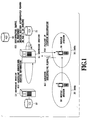
FIG. 1 is a diagram showing an example of a
conventional mobile communication system and an example
of processing when a location registration request is made.
Referring to FIG. 1, switching stations 11 and 12 have VLR
21 and 22, respectively.
When a mobile station 50 moves from an (service) area
32 of the switching station 12 into an area 31 of the
switching station 11 having the VLR 21 which has accepted
the maximum number of subscribers, the switching station
11 receives a location registration (request) signal from
the mobile station 50 (in S11 of FIG. 1) and acquires (in
S12) subscriber service information about the mobile
station 50 from the switching station 12 in whose coverage
area the mobile station 50 has been located. However, no
subscriber service information can be newly registered in
the VLR 21 (in S13). Therefore location registration
processing ends in failure (in S14) and updating
(registration) of subscriber location information in an
HLR 40 is not performed. If the subscriber makes call
origination in such a situation, call origination
processing is not normally performed since the switching
station 11 has no service information about the subscriber
on the VLR 21. Call termination processing also ends in
failure since the subscriber location information in the
HLR 40 has not been updated.
The number of subscribers (subscriber information
items) possible to be registered in the VLR depends on
hardware resources. Also, because the hardware resources
are fixedly assigned, it is not possible to manage
information on dynamically changing subscribers (users)
with flexibility.
Therefore an object of the present invention is to
enable a subscriber to acquire service without dependence
on the accommodation capacity of a management unit which
manages subscriber information.
In order to accomplish the above mentioned object, in
the first aspect of the present invention, there is
provided a switching station comprising: means for
receiving a location registration signal from a mobile
station; and means for registering, when the location
registration signal is received, subscriber location
information about the mobile station that has transmitted
the location registration signal in a second management
unit managing subscriber information in a case where no
subscriber service information can be newly registered in
a first management unit provided for use with the switching
station and managing subscriber information.
In the second aspect of the present invention, there
is provided a switching station comprising: means for
receiving a call origination signal from a mobile station;
and means for acquiring, when the call origination signal
is received, subscriber service information about the
mobile station that has transmitted the call origination
signal from a second management unit managing subscriber
information in a case where the subscriber service
information about the mobile station that has transmitted
the call origination signal is not registered in a first
management unit provided for use with the switching station
and managing subscriber information.
In the third aspect of the present invention, there
is provided a switching station comprising: means for
receiving a call termination signal to a mobile station;
and means for acquiring, when the call termination signal
is received, subscriber service information about the
mobile station designated as a destination of the call
termination signal from a second management unit managing
subscriber information in a case where the subscriber
service information about the mobile station designated
as the destination of the call termination signal is not
registered in a first management unit provided for use with
the switching station and managing subscriber
information.
Here, the first management unit may be a VLR.
Here, the second management unit may be an HLR.
In the fourth aspect of the present invention, there
is provided a switching station comprising: means for
receiving a location registration signal from a mobile
station; and means for registering, when the location
registration signal is received, subscriber service
information about the mobile station that has transmitted
the location registration signal in a management unit
provided for use with another switching station and
managing subscriber information in a case where no
subscriber service information can be newly registered in
a management unit provided for use with the switching
station and managing subscriber information.
In the fifth aspect of the present invention, there
is provided a switching station comprising: means for
receiving a call origination signal from a mobile station;
and means for acquiring, when the call origination signal
is received, subscriber service information about the
mobile station that has transmitted the call origination
signal from a management unit provided for use with another
switching station and managing subscriber information in
a case where the subscriber service information about the
mobile station that has transmitted the call origination
signal is not registered in a management unit provided for
use with the switching station and managing subscriber
information.
In the sixth aspect of the present invention, there
is provided a switching station comprising: means for
receiving a call termination signal to a mobile station;
and means for acquiring, when the call termination signal
is received, subscriber service information about the
mobile station designated as a destination of the call
termination signal from a management unit provided for use
with another switching station and managing subscriber
information in a case where the subscriber service
information about the mobile station designated as the
destination of the call termination signal is not
registered in a management unit provided for use with the
switching station and managing subscriber information.
In the seventh aspect of the present invention, there
is provided a switching station comprising: means for
registering, at a request from another switching station,
subscriber service information in a management unit
provided for use with the switching station and managing
subscriber information; and means for transmitting the
subscriber service information registered in the
management unit to the another switching station at a
request from the another switching station.
Here, the management unit may be a VLR.
In the eighth aspect of the present invention, there
is provided a switching station comprising: means for
receiving a location registration signal from a mobile
station; and means for deleting, when the location
registration signal is received, one of pieces of
subscriber service information presently registered in a
first management unit provided for use with the switching
station and managing subscriber information, and for
registering subscriber service information of the mobile
station that has transmitted the location registration
signal in the first management unit provided for use with
the switching station, in a case where no subscriber
service information can be newly registered in the first
management unit provided for use with the switching
station.
Here, the may further comprises means for registering
subscriber location information about a mobile station in
a second management unit managing subscriber information,
and means for receiving subscriber service information
about a mobile station from the second management unit,
wherein the switching station may register, when the
location registration signal is received, subscriber
location information about the mobile station that has
transmitted the location registration signal in a second
management unit managing subscriber information, receive
subscriber service information about the mobile station
that has transmitted the location registration signal from
the second management unit, delete one of pieces of
subscriber service information presently registered in
the first management unit provided for use with the
switching station, and register the subscriber service
information of the mobile station that has transmitted the
location registration signal in the first management unit
provided for use with the switching station, in a case where
no subscriber service information can be newly registered
in the first management unit provided for use with the
switching station.
Here, the switching station may further comprises
means for registering subscriber location information
about a mobile station in a second management unit managing
subscriber information, wherein when the switching
station deletes one of pieces of subscriber service
information presently registered in the first management
unit for use with the switching station, the switching
station may decide not to delete, from the first management
unit for use with the switching station, subscriber
location information about a mobile station corresponding
to the subscriber service information to be deleted, and
wherein when the switching station receives the location
registration signal from the mobile station, the switching
station may register in the second management unit the
subscriber location information about the mobile station
registered in the first management unit for use with the
switching station.
Here, the switching station may further comprises
means for receiving a call origination signal from a mobile
station, and means for acquiring subscriber service
information about a mobile station from a second management
unit managing subscriber information, wherein when the
switching station receives, after deleting one of pieces
of subscriber service information presently registered in
the first management unit for use with the switching
station, a call origination signal from a mobile station
corresponding to the deleted subscriber service
information, the switching station may acquire the
subscriber service information about the mobile station
from the second management unit, and, if the acquired
subscriber service information cannot be newly registered
in the first management unit for use with the switching
station, the switching station may delete one of pieces
of subscriber service information presently registered in
the first management unit, and registers the acquired
subscriber service information in the first management
unit for use with the switching station.
Here, the switching station may further comprises
means for receiving a call termination signal to a mobile
station, and means for acquiring subscriber service
information about a mobile station from a second management
unit managing subscriber information, wherein when the
switching station receives, after deleting one of pieces
of subscriber service information presently registered in
the first management unit for use with the switching
station, a call termination signal to a mobile station
corresponding to the deleted subscriber service
information, the switching station may acquire the
subscriber service information about the mobile station
from the second management unit, and, if the acquired
subscriber service information cannot be newly registered
in the first management unit for use with the switching
station, the switching station may delete one of pieces
of subscriber service information presently registered in
the first management unit, and registers the acquired
subscriber service information in the first management
unit for use with the switching station.
Here, the second management unit may be an HLR.
Here, the first management unit may be a VLR.
Here, the switching station may select the mobile
station whose subscriber service information is to be
deleted, in consideration of at least one of call
origination, call termination, location registration, and
power state of mobile stations.
Here, the switching station may select, as the mobile
station whose subscriber service information is to be
deleted, a mobile station which has made neither call
origination nor call termination during the longest time
period till the present time.
Here, the switching station may select, as the mobile
station whose subscriber service information is to be
deleted, a mobile station which has made neither call
origination, call termination nor location registration
for predetermined period of time, or a mobile station whose
power state is off.
Here, the switching station may select the mobile
station whose subscriber service information is to be
deleted, in consideration of communication state of mobile
stations.
Here, the switching station may register, when it
resisters subscriber service information, the subscriber
service information as first type of subscriber service
information or as second type of subscriber service
information, and select the subscriber service
information to be deleted from the first type of subscriber
service information.
In the ninth aspect of the present invention, there
is provided a subscriber location information
registration method comprising the steps of: receiving,
at a switching station, a location registration signal from
a mobile station; and registering, at the switching station,
when the location registration signal is received,
subscriber location information about the mobile station
that has transmitted the location registration signal in
a second management unit managing subscriber information
in a case where no subscriber service information can be
newly registered in a first management unit provided for
use with the switching station and managing subscriber
information.
In the tenth aspect of the present invention, there
is provided a subscriber service information acquisition
method comprising the steps of: receiving, at a switching
station, a call origination signal from a mobile station;
and acquiring, at the switching station, when the call
origination signal is received, subscriber service
information about the mobile station that has transmitted
the call origination signal from a second management unit
managing subscriber information in a case where the
subscriber service information about the mobile station
that has transmitted the call origination signal is not
been registered in a first management unit provided for
use with the switching station and managing subscriber
information.
In the eleventh aspect of the present invention, there
is provided a subscriber service information acquisition
method comprising the steps of: receiving, at a switching
station, a call termination signal to a mobile station;
and acquiring, at the switching station, when the call
termination signal is received, subscriber service
information about the mobile station designated as a
destination of the call termination signal from a second
management unit managing subscriber information in a case
where the subscriber service information about the mobile
station designated as the destination of the call
termination signal is not registered in a first management
unit provided for use with the switching station and
managing subscriber information.
In the twelfth aspect of the present invention, there
is provided a subscriber service information registration
method comprising the steps of: receiving, at a first
switching station, a location registration signal from a
mobile station; and registering, at the first switching
station, when the location registration signal is received,
subscriber service information about the mobile station
that has transmitted the location registration signal in
a management unit provided for use with a second switching
station and managing subscriber information in a case where
no subscriber service information can be newly registered
in a management unit provided for use with the first
switching station and managing subscriber information.
In the thirteenth aspect of the present invention,
there is provided a subscriber service information
acquisition method comprising the steps of: receiving, at
a first switching station, a call origination signal from
a mobile station; and acquiring, at the first switching
station, when the call origination signal is received,
subscriber service information about the mobile station
that has transmitted the call origination signal from a
management unit provided for use with a second switching
station and managing subscriber information in a case where
the subscriber service information about the mobile
station that has transmitted the call origination signal
is not registered in a management unit provided for use
with the first switching station and managing subscriber
information.
In the fourteenth aspect of the present invention,
there is provided a subscriber service information
acquisition method comprising the steps of: receiving, at
a first switching station, a call termination signal to
a mobile station; and acquiring, at the first switching
station, when the call termination signal is received,
subscriber service information about the mobile station
designated as a destination of the call termination signal
from a management unit provided for use with a second
switching station and managing subscriber information in
a case where the subscriber service information about the
mobile station designated as the destination of the call
termination signal is not registered in a management unit
provided for use with the first switching station and
managing subscriber information.
In the fifteenth aspect of the present invention,
there is provided a subscriber service information
transmission method comprising the steps of: registering,
at a first switching station, at a request from a second
switching station, subscriber service information in a
management unit provided for use with the first switching
station and managing subscriber information; and
transmitting, at the first switching station, the service
information registered in the management unit to the second
switching station at a request from the second switching
station.
In the sixteenth aspect of the present invention,
there is provided a subscriber service information
registration method comprising the steps of: receiving,
at a switching station, a location registration signal from
a mobile station; and deleting, at the switching station,
when the location registration signal is received, one of
pieces of subscriber service information presently
registered in a first management unit provided for use with
the switching station and managing subscriber information,
and registering, at the switching station, subscriber
service information of the mobile station that has
transmitted the location registration signal in the first
management unit provided for use with the switching station,
in a case where no subscriber service information can be
newly registered in the first management unit provided for
use with the switching station.
According to the above mentioned configurations, a
subscriber can acquire service without dependence on the
accommodation capacity of a management unit which manages
subscriber information.
The above and other objects, effects, features and
advantages of the present invention will become more
apparent from the following description of embodiments
thereof taken in conjunction with the accompanying
drawings.
Embodiments of the present invention will be described
in detail with reference to the accompanying drawings.
(FIRST EMBODIMENT)
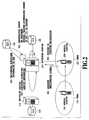
FIG. 2 is a diagram showing an example of a
configuration of a mobile communication system and an
example of processing when a location registration request
is made in the first embodiment of the present invention.
Referring to FIG. 2, switching stations 111 and 112 have
VLRs 121 and 122, respectively. The VLRs 121 and 122 may
be provided inside or outside the switching stations 111
and 112. The VLRs 121 and 122, which are management units
respectively used by the switching stations in management
of subscriber information, manage subscriber information
such as subscriber service information and subscriber
location information. An HLR 140 is a management unit
which is provided independently of switching stations, and
which manages subscriber information.
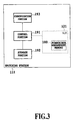
FIG. 3 is a diagram showing an example of a
configuration of a switching station. The switching
station 111 has a control portion 191 which performs
various kinds of control, a storage portion 192 which
stores various processing procedures, data, etc., and a
communication portion 193. A VLR 121 may be provided
inside or outside the switching station 111, as are those
described above. The control portion 191 performs
communication with other switching stations, mobile
stations, HLRs, VLRs, etc., through the communication
portion 193 and other switching stations, base stations
or the like. The VLR 121 has a subscriber management memory
180 which stores subscriber information. Other switching
stations (the switching station 112 etc.) can have the same
configuration as the switching station 111.
Referring again to FIG. 2, when a mobile station 150
moves from an area 132 of the switching station 112 into
an area 131 of the switching station 111 having the VLR
121 which has accepted the maximum number of subscribers,
the switching station 111 receives a location registration
signal from the mobile station 150 (in S21 of FIG. 2) and
acquires (in S22) subscriber service information about the
mobile station 150 from the switching station 112 in whose
coverage area the mobile station 150 has been located.
Here, no subscriber service information can be newly
registered in the VLR 121 (in S23). However, the switching
station 111 registers subscriber location information
about the mobile station 150 in the HLR 140 (in S24), as
it stores corresponding information in the VLR 121 in the
case where subscriber service information can be
registered in the VLR 121. The switching station 111
normally completes location registration processing (in
S25). The switching station 111 can store in the storage
portion 192 or the VLR 121, information of the mobile
station 150 as a mobile station whose subscriber service
information is not registered in the VLR 121. Thereby,
the switching station 111 can recognize that subscriber
service information of the mobile station 150 is not
registered in the VLR 121, when call origination from the
mobile station 150 or call termination to the mobile
station 150 occurs later.
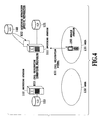
FIG. 4 is a diagram showing an example of processing
when a call origination request is made in the present
embodiment. Thereafter, when a call origination signal
is transmitted from the mobile station 150 to the switching
station 111 (in S31 of FIG. 4), the switching station 111
acquires subscriber service information about the mobile
station 150 from the HLR 140 (in step S32) since the VLR
121 has no subscriber service information about the mobile
station 150. Then the switching station 111 normally
performs call origination connection processing (in S33).
FIG. 5 is a diagram showing an example of processing
when a call termination request is made in the present
embodiment. When a call termination request is made to
the mobile station 150, call termination processing can
also be performed normally since the subscriber location
information about the mobile station 150 has been correctly
updated in the HLR 140. When a call termination signal
to the mobile station 150 is transmitted to the switching
station 111 (in S41 of FIG. 5), the switching station 111
acquires the subscriber service information about the
mobile station 150 from the HLR 140 (in S42) and performs
call termination processing (in S43).
(SECOND EMBODIMENT)
The arrangement may alternatively be such that in a
case where a switching station cannot register subscriber
service information in its own VLR, it registers the
subscriber service information in the VLR of another
switching station instead of acquiring the subscriber
service information from the HLR 140. "Another switching
station" may be an adjacent switching station, a switching
station in whose coverage area the mobile station has been
located, a switching station having a large capacity VLR,
etc. A first candidate, a second candidate, and so on for
"another switching station" may be determined in advance
with respect to each switching station. When one
switching station requests another switching station to
register subscriber service information, the requested
switching station registers the subscriber service
information. Each switching station stores information
that in which VLR the subscriber service information of
the mobile station was stored, if it had subscriber service
information registered by the another switching station
in a situation where it could not register the subscriber
service information of the mobile station in its own VLR.
Thereby, the switching station can recognize the VLR in
which the subscriber service information is stored, when
call origination from the mobile station or call
termination to the mobile station occurs later.
FIG. 6 is a diagram showing an example of processing
when a location registration request is made in the second
embodiment of the present invention. When the mobile
station 150 moves from the area 132 of the switching station
112 into the area 131 of the switching station 111 having
the VLR 121 which has accepted the maximum number of
subscribers, the switching station 111 receives a location
registration signal from the mobile station 150 (in S51
of FIG. 6) and acquires (in S52) subscriber service
information about the mobile station 150 from the switching
station 112 in whose coverage area the mobile station 150
has been located. Here, no subscriber service information
can be newly registered in the VLR 121 (in S53). However,
the switching station 111 registers subscriber location
information about the mobile station 150 in the HLR 140
(in S54), as it stores corresponding information in the
VLR 121 in the case where subscriber service information
can be registered in the VLR 121. Further, the switching
station 111 registers subscriber service information
about the mobile station 150 in another switching station
(in a VLR 123 of a switching station 113 in this example)
(in S55), and normally completes location registration
processing (in S56).
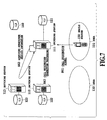
FIG. 7 is a diagram showing an example of processing
when a call origination request is made in the present
embodiment.
When a call origination signal is transmitted from the
mobile station to the switching station (in S61 of FIG.
7) after registration in the another VLR, the switching
station acquires subscriber service information about the
mobile station from the another VLR (in step S62) and
performs call origination connection processing (in S63).
When the switching station requests the another switching
station to transmit the subscriber service information,
the another switching station transmits the subscriber
service information to the switching station.
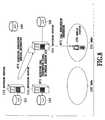
FIG. 8 is a diagram showing an example of processing
when a call termination request is made in the present
embodiment.
When a call termination signal is transmitted to the
mobile station (in S71 of FIG. 8) after registration in
the another switching station, the switching station
acquires the subscriber service information about the
mobile station from the another switching station (in S72)
and performs call termination processing (in S73). When
the switching station requests the another switching
station to transmit the subscriber service information,
the another switching station transmits the subscriber
service information to the switching station.
(THIRD EMBODIMENT)
As an alternative to the method of using the method
of acquiring subscriber service information from the HLR
140 or the method of registering subscriber service
information in another switching station, a method may be
used in which a switching station deletes one of pieces
of subscriber service information presently registered in
its own VLR to enable registration of subscriber service
information about a mobile station that has transmitted
a location registration signal in its own VLR.
FIG. 9 is a diagram showing an example of processing
when a location registration request is made in the third
embodiment of the present invention. When the mobile
station 150 moves from the area 132 of the switching station
112 into the area 131 of the switching station 111 having
the VLR 121 which has accepted the maximum number of
subscribers, the switching station 111 receives a location
registration signal from the mobile station 150 (in S81
of FIG. 9) and acquires (in S82) subscriber service
information about the mobile station 150 from the switching
station 112 in whose coverage area the mobile station 150
has been located. In this situation, no subscriber
service information can be newly registered in the VLR 121.
However, the switching station 111 deletes one of pieces
of subscriber service information presently registered in
the VLR 121 (assumed to be subscriber service information
about a mobile station 151) and registers the subscriber
service information about the mobile station 150 in the
VLR 121 (in S83). The switching station 111 then registers
subscriber location information about the mobile station
150 in the HLR 140 (in S84), and normally completes location
registration processing (in S85).
The arrangement may be such that when one piece of
subscriber service information presently registered in
the VLR of the switching station is deleted, deletion from
the VLR of the subscriber location information about the
mobile station corresponding to the subscriber service
information to be deleted is inhibited.
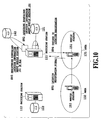
FIG. 10 is a diagram showing an example of processing
when a location registration request is made in the present
embodiment.
Thereafter, when a location registration signal is
received from the mobile station whose subscriber service
information has been deleted (in S91 of FIG. 10), the
switching station can acquire the subscriber location
information about the mobile station from its own VLR (in
S92), and register it in the HLR 140 (in S93). Then, the
switching station normally completes location
registration processing (in S94).
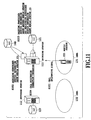
FIG. 11 is a diagram showing an example of processing
when a call origination request is made in the present
embodiment.
In a case where the switching station receives a call
origination signal from the mobile station whose
subscriber service information has been deleted (in S101
of FIG. 11), the switching station acquires the subscriber
service information about the mobile station from the HLR
140 (in S102). If the switching station cannot newly
register the acquired subscriber service information in
its own VLR, it may delete one of pieces of subscriber
service information presently registered in its own VLR
and register the acquired subscriber service information
in its own VLR (in S103). Then the switching station
performs call origination connection processing (in
S104).
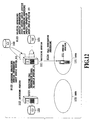
FIG. 12 is a diagram showing an example of processing
when a call termination request is made in the present
embodiment.
In a case where the switching station receives a call
termination signal to the mobile station whose subscriber
service information has been deleted (in S121 of FIG. 12),
the switching station acquires the subscriber service
information about the mobile station from the HLR 140 (in
S122). If the switching station cannot newly register the
acquired subscriber service information in its own VLR,
it may delete one of pieces of subscriber service
information presently registered in its own VLR and
register the acquired subscriber service information in
its own VLR (in S123). Then the switching station performs
call termination processing (in S124).
In the steps S83 S103 and S123, the mobile station
whose subscriber service information is to be deleted can
be selected in consideration of call origination, call
termination, location registration, power state, etc. of
mobile stations.
For example, as the mobile station whose subscriber
service information is to be deleted, a mobile station
which has made neither call origination nor call
termination during the longest time period till the present
time can be selected.
Also, for example, as the mobile station whose
subscriber service information is to be deleted, a mobile
station in detach state, i.e., a mobile station which has
made neither call origination, call termination nor
location registration for predetermined period of time,
or a mobile station whose power state is off can be
selected.
The second example will be described in detail.
FIG. 13 is a diagram for explaining attach state and
detach state. When location registration is performed for
a mobile station, a switching station makes the state of
the mobile station attach state. Thereafter, the
switching station finds, using a timer #2 (mobile not
reachable timer), a mobile station which has made neither
call origination, call termination nor location
registration for predetermined period of time in the area
of the switching station, and makes the state of the found
mobile station detach state. The switching station also
makes the state of a mobile station detach state, when it
receives from the mobile station a detach signal indicating
that the power has become off. When a mobile station whose
state is detach state makes call origination, call
termination or location registration, the switching
station makes the state of the mobile station attach state.
A mobile station periodically (for example, every three
hours) transmits, using a timer #1 (periodic routing update
timer), a location registration signal to the switching
station to request location registration. Attach state
and detach state can be represented, for example, by using
off and on of a (detach) flag.
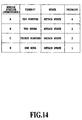
FIG. 14 is a diagram for explaining an example of
selecting a mobile station whose subscriber service
information is to be deleted. In FIG. 14, the timer #2
column shows, for each mobile station (subscriber),
elapsed time since the last time the mobile station made
call origination, call termination or location
registration. The priority of FIG. 14 is priority (rank)
for each mobile station to be selected as the mobile station
whose subscriber service information is to be deleted. In
the example of FIG. 14, since the state of mobile stations
A and B is attach state and the state of mobile stations
C and D is detach state, the mobile stations C and D have
higher priority than the mobile stations A and B. Between
mobile stations having the same state, a mobile station
having longer elapsed time has higher priority. Therefore,
the mobile station D has higher priority than the mobile
station C, and the mobile station B has higher priority
than the mobile station A.
The mobile station whose subscriber service
information is to be deleted can be selected in
consideration of communication state of mobile stations.
In general, when subscriber service information is deleted,
and if the mobile station corresponding to the deleted
subscriber service information is in communication, the
communication is disconnected unconditionally.
Therefore, as the mobile station whose subscriber service
information is to be deleted, a mobile station which is
not in communication can be selected. That is, when a
switching station intends to select a mobile station as
the mobile station whose subscriber service information
is to be deleted, and if the mobile station is in
communication, the switching station can select another
mobile station as the mobile station whose subscriber
service information is to be deleted. Communication state
of each mobile station can be managed, for example, at VLR
or a service control unit performing control regarding call
processing and service to subscriber, by having management
table of communication state.
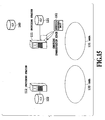
FIG. 15 is a diagram showing an example of inquiring
communication state of a service control unit, when the
service control unit manages the communication state. In
this embodiment, a service control unit is provided for
each switching station. The switching station 111
inquires communication state of each mobile station of a
service control unit 161, receives its response from the
service control unit 161, and selects in consideration of
the response, the mobile station whose subscriber service
information is to be deleted.
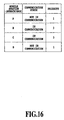
FIG. 16 is a diagram for explaining an example of
selecting a mobile station whose subscriber service
information is to be deleted. In the example of FIG. 16,
since the communication state of mobile stations A and D
is not in communication and the state of mobile stations
B and C is in communication, the mobile stations A and D
have higher priority than the mobile stations B and C. That
is, one of the mobile stations A and D is selected as the
mobile station whose subscriber service information is to
be deleted.
The switching station registers, when it resisters
subscriber service information, the subscriber service
information as subscriber service information possible to
be overwritten (subscriber service information possible
to be deleted when the maximum number of accommodated users
has been reached in VLR) or as subscriber service
information impossible to be overwritten, and selects the
subscriber service information to be overwritten from
(pieces of) subscriber service information possible to be
overwritten. For example, it is possible to register
subscriber service information of a subscriber who
frequently uses communication as subscriber service
information impossible to be overwritten, and register
subscriber service information of a subscriber who rarely
uses communication as subscriber service information
possible to be overwritten.
FIG. 17 is a diagram showing an example of preparing
an area possible to be overwritten and an area impossible
to be overwritten in a subscriber management memory of VLR.
The switching station 111 registers subscriber service
information possible to be overwritten in an area 181
possible to be overwritten, and registers subscriber
service information impossible to be overwritten in an area
182 impossible to be overwritten.
(OTHERS)
In the foregoing description, a case where subscriber
service information about a mobile station is acquired from
a switching station in whose coverage area the mobile
station has been located is described. However, the
subscriber service information can be acquired from HLR
when location registration other than the first location
registration is made as well as when the first location
registration is made.
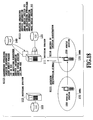
FIG. 18 is a diagram showing an example of processing
corresponding to the example of processing shown in FIG.
9 when a location registration request is made, in a case
where subscriber service information is acquired from an
HLR. When the switching station 111 having the VLR 121
which has accepted the maximum number of subscribers
receives a location registration signal from the mobile
station 150 (in S111 of FIG. 18), the switching station
111 registers subscriber location information about the
mobile station 150 in the HLR 140, and receives subscriber
service information about the mobile station 150 from the
HLR 140 (in S112). Then, the switching station 111 deletes
one of pieces of subscriber service information presently
registered in the VLR 121 and registers the subscriber
service information about the mobile station 150 in the
VLR 121 (in S113). In this way, location registration
processing is normally completed (in S114).
According to the present invention, as described above,
a subscriber can acquire service without dependence on the
accommodation capacity of a management unit which manages
subscriber information. That is, the system allows
location registration, call origination and call
termination processing for subscribers as an excess over
the maximum number of accommodated subscribers, and more
comfortable communication environment can be provided to
subscribers by effectively using VLR memories.
The present invention has been described in detail
with respect to preferred embodiments, and it will now be
apparent from the foregoing to those skilled in the art
that changes and modifications may be made without
departing from the invention in its broader aspects, and
it is the intention, therefore, in the appended claims to
cover all such changes and modifications as fall within
the true spirit of the invention.