EP1229047B1 - IL-1 Receptor fusion proteins used as antagonists and methods of making and using - Google Patents
IL-1 Receptor fusion proteins used as antagonists and methods of making and using Download PDFInfo
- Publication number
- EP1229047B1 EP1229047B1 EP02007831A EP02007831A EP1229047B1 EP 1229047 B1 EP1229047 B1 EP 1229047B1 EP 02007831 A EP02007831 A EP 02007831A EP 02007831 A EP02007831 A EP 02007831A EP 1229047 B1 EP1229047 B1 EP 1229047B1
- Authority
- EP
- European Patent Office
- Prior art keywords
- component
- nucleic acid
- acid molecule
- cell
- fusion polypeptides
- Prior art date
- Legal status (The legal status is an assumption and is not a legal conclusion. Google has not performed a legal analysis and makes no representation as to the accuracy of the status listed.)
- Expired - Lifetime
Links
- WRHGRVYCXDXLGH-NZJAWXIDSA-N CC1CC(CC(/C=C(\C=CC=C2)/C2=C\C=C)=C)CCCCCC1 Chemical compound CC1CC(CC(/C=C(\C=CC=C2)/C2=C\C=C)=C)CCCCCC1 WRHGRVYCXDXLGH-NZJAWXIDSA-N 0.000 description 1
Images


Classifications
-
- C—CHEMISTRY; METALLURGY
- C07—ORGANIC CHEMISTRY
- C07K—PEPTIDES
- C07K14/00—Peptides having more than 20 amino acids; Gastrins; Somatostatins; Melanotropins; Derivatives thereof
- C07K14/435—Peptides having more than 20 amino acids; Gastrins; Somatostatins; Melanotropins; Derivatives thereof from animals; from humans
- C07K14/705—Receptors; Cell surface antigens; Cell surface determinants
- C07K14/715—Receptors; Cell surface antigens; Cell surface determinants for cytokines; for lymphokines; for interferons
-
- A—HUMAN NECESSITIES
- A61—MEDICAL OR VETERINARY SCIENCE; HYGIENE
- A61P—SPECIFIC THERAPEUTIC ACTIVITY OF CHEMICAL COMPOUNDS OR MEDICINAL PREPARATIONS
- A61P19/00—Drugs for skeletal disorders
- A61P19/08—Drugs for skeletal disorders for bone diseases, e.g. rachitism, Paget's disease
- A61P19/10—Drugs for skeletal disorders for bone diseases, e.g. rachitism, Paget's disease for osteoporosis
-
- A—HUMAN NECESSITIES
- A61—MEDICAL OR VETERINARY SCIENCE; HYGIENE
- A61P—SPECIFIC THERAPEUTIC ACTIVITY OF CHEMICAL COMPOUNDS OR MEDICINAL PREPARATIONS
- A61P35/00—Antineoplastic agents
-
- C—CHEMISTRY; METALLURGY
- C07—ORGANIC CHEMISTRY
- C07K—PEPTIDES
- C07K2319/00—Fusion polypeptide
- C07K2319/01—Fusion polypeptide containing a localisation/targetting motif
- C07K2319/02—Fusion polypeptide containing a localisation/targetting motif containing a signal sequence
Definitions
- the present invention relates to IL-1 receptor fusion proteins used as antagonists to IL-1.
- WO93/19777 provides fusion proteins comprising a tumour necrosis factor receptor (TNF-R) polypeptide and at least one additional polypeptide selected from an interleukin-1 (IL-1R) and a second TNF-R polypeptide.
- WO98/08969 provides soluble interleukin-1 receptor accessory molecule (IL-1R AcM) protein, which is a member of the Ig super family, along with isolated nucleic acid molecules encoding human IL-1R AcM, and vectors, host cells and recombinant methods for producing said protein.
- WO97/31010 provides a receptor protein designated 2F1, the amino acid sequence which is said to indicate that it is a member of the IL-1 receptor family.
- EP-A-0 460,846 provides type II interleukin-1 receptor proteins, DNAs and expression vectors encoding type IIL-R, and processes for producing type II IL-1R as products of recombinant cell culture.
- WO95/11303 provides a cytokine antagonist protein capable of binding a cytokine to form a nonfunctional complex, comprising the soluble ⁇ specificity determining component of the cytokine receptor, and an extracellular domain of a ⁇ -component of the cytokine receptor.
- the invention provides an isolated nucleic acid molecule encoding a fusion polypeptide, which fusion polypeptide comprises the following fusion polypeptide components:
- fusion polypeptide comprises the following fusion polypeptide components:
- IL-1 binding portion is the minimal portion of the extracellular domain necessary to bind IL-1. It is accepted by those of skill in the art that a defining characteristic of a cytokine receptor is the presence of the two fibronectin-like domains that contain canonical cysteines and of the WSXWS box (Bazan, J.F., 1990, PNAS 87: 6934-6938). Sequences encoding the extracellular domains of the binding component of the IL-1 receptor and of the signal transducing component of the IL-1 receptor may also be used to create the fusion polypeptide of the invention. Similarly, longer sequences encoding larger portions of the components of the IL-1 receptor may be used. However, it is contemplated that fragments smaller than the extracellular domain will function to bind IL-1 and therefore, the invention contemplates fusion polypeptides comprising the minimal portion of the extracellular domain necessary to bind IL-1 as the IL-1 binding portion.
- the invention comprises a "specificity determining component" of an IL-1 receptor and a “signal transducing component” of said IL-1 receptor. Regardless of the nomenclature used to designate a particular component or subunit of an IL-1 receptor, one skilled in the art would recognize which component or subunit of a receptor is responsible for determining the cellular target of the cytokine, and thus would know which component constitutes the "specificity determining component.”
- the “signal transducing component” is a component of the native receptor which is not the specificity determining component and which does not bind or weakly binds the cytokine in the absence of the specificity determining component. In the native receptor, the “signal transducing component” may participate in signaling.
- IL-1 receptor components examples include Cytokine Specificity determining Component Signal transducing Component Interleukin-1 (IL-1) Type I IL-1R (ref. 1) IL-1R AcP (refs. 1,2) Type II IL-1R (ref. 1) IL-1RI (ref. 2) IL-1RII (ref. 2)
- the first, second, and third components of the fusion polypeptide are encoded in a single strand of nucleotides which, when expressed by a host vector system, produces a monomeric species of the fusion polypeptide.
- the monomers thus expressed then multimerize due to the interactions between the multimerizing components (the third fusion polypeptide components).
- Producing the fusion polypeptides in this manner avoids the need for purification of heterodirneric mixtures that would result if the first and second components were produced as separate molecules and then multimerized.
- heterodimeric proteins that function as CNTF or IL-6 antagonists.
- the heterodimers are purified from cell lines cotransfected with the appropriate alpha ( ⁇ ) and beta ( ⁇ ) components. Heterodimers are then separated from homodimers using methods such as passive elution from preparative, nondenaturing polyacrylamide gels or by using high pressure cation exchange chromatography. The need for this purification step is avoided by the methods of the present invention.
- the nucleotide sequence encoding the first component is upstream of the nucleotide sequence encoding the second component. In another embodiment of the invention, the nucleotide sequence encoding the first component is downstream of the nucleotide sequence encoding the second component. Further embodiments of the invention may be prepared in which the order of the first, second and third fusion polypeptide components are rearranged.
- the order of the components in the isolated nucleic acid of the invention as read from 5' to 3' may be any of the following six combinations: 1,2,3; 1,3,2; 2,1,3; 2,3,1; 3,1,2; or 3,2,1.
- the cytokine bound by the fusion polypeptide is interleukin-1.
- the multimerizing component comprises an immunoglobulin derived domain. More specifically, the immunoglobulin derived domain may be selected from the group consisting of the Fc domain of IgG, the heavy chain of IgG, and the light chain of IgG.
- the multimerizing component may be an Fc domain from which the first five amino acids (including a cysteine) have been removed to produce a multimerizing component referred to as Fc( ⁇ C1).
- the multimerizing component may be an Fc domain in which a cysteine within the first five amino acids has been substituted for by another amino acid such as, for example, serine or alanine.
- the present invention also provides for fusion polypeptides encoded by the isolated nucleic acid molecules of the invention.
- the fusion polypeptides are in multimeric form, due to the function of the third multimerizing component.
- the multimer is a dimer.
- Suitable multimerizing components are sequences encoding an immunoglobulin heavy chain hinge region (Takahashi et al., 1982, Cell 29 :671-679); immunoglobulin gene sequences, and portions thereof.
- immunoglobulin gene sequences, especially one encoding the Fc domain are used to encode the third multimerizing component.
- the present invention also contemplates a vector which comprises the nucleic acid molecule of the invention as described herein.
- an expression vector comprising a nucleic acid molecule of the invention as described herein, wherein the nucleic acid molecule is operatively linked to an expression control sequence.
- a host-vector system for the production of a fusion polypeptide which comprises the expression vector of the invention which has been introduced into a host cell suitable for expression of the fusion polypeptide.
- the suitable host cell may be a bacterial cell such as E. coli , a yeast cell, such as Pichia pastoris, an insect cell, such as Spodoptera frugiperda , or a mammalian cell, such as a COS, CHO, 293, BHK or NS0 cell.
- the present invention also provides for methods of producing the fusion polypeptides of the invention by growing cells of the host-vector systems described herein, under conditions permitting production of the fusion polypeptide and recovering the fusion polypeptide so produced.
- antagonists according to the invention are antagonists of interleukin-1 [Greenfeder, et al. J. Biol. Chem. 270:13757-13765 (1995); Guo, et al. J. Biol. Chem. 270:27562-27568 (1995)].
- compositions for use according to the invention include the antagonists described above in a pharmacologically acceptable liquid, solid or semi-solid carrier, linked to a carrier or targeting molecule (e.g., antibody, hormone, growth factor, etc.) and/or incorporated into liposomes, microcapsules, and controlled release preparation (including antagonist expressing cells) prior to administration in vivo .
- the pharmaceutical composition may comprise one or more of the antagonists in an aqueous solution, such as sterile water, saline, phosphate buffer or dextrose solution.
- the active agents may be comprised in a solid (e.g. wax) or semi-solid (e.g. gelatinous) formulation that may be implanted into a patient in need of such treatment.
- the administration route may be any mode of administration known in the art, including but not limited to intravenously, intrathecally, subcutaneously, by injection into involved tissue, intraarterially, intranasally; orally, or via an implanted device.
- Administration may result in the distribution of the active agent of the invention throughout the body or in a localized area.
- intravenous or intrathecal administration of agent may be desirable.
- an implant containing active agent may be placed in or near the lesioned area.
- Suitable implants include, but are not limited to, gelfoam, wax, or microparticle-based implants.
- the extracellular domains of human cytokine receptors were obtained by standard PCR techniques using tissue cDNAs (CLONTECH), cloned into the expression vector, pMT21 (Genetics Institute, Inc.), and the sequences were sequenced by standard techniques using an ABI 373A DNA sequencer and Taq Dideoxy Terminator Cycle Sequencing Kit (Applied Biosystems, Inc., Foster City, CA).
- tissue cDNAs CLONTECH
- pMT21 Genetics Institute, Inc.
- sequences were sequenced by standard techniques using an ABI 373A DNA sequencer and Taq Dideoxy Terminator Cycle Sequencing Kit (Applied Biosystems, Inc., Foster City, CA).
- IL-1RAcP nucleotides 1 through 1074 (corresponding to the amino acids 1-358) from the Genbank sequence, AB006357, were cloned.
- IL-1RI nucleotides 55 through 999 (corresponding to the amino acids 19-333) from the Genbank sequence, X16896, were
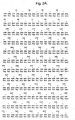
- Nucleotide sequences encoding cytokine traps were constructed from the individual cloned DNAs (described supra ) by standard cloning and PCR techniques. The sequences were constructed in frame such that the sequence encoding the first fusion polypeptide component was fused to the sequence encoding the second fusion polypeptide component followed by an Fc domain (hinge, CH2 and CH3 region of human IgG1) as the multimerizing component. Extra nucleotides were inserted in frame between sequences encoding the first and second fusion polypeptide components to add a linker region between the two components (See Figure 2A - Figure 2E - trap 569).
- the IL-1RAcP component is 5' followed by the IL-1RI component and then the Fc domain.
- the final constructs were cloned into the mammalian expression vector pCDNA3.1 (STRATAGENE).
- nucleotides 1-1074 encode the IL1RAcP component
- nucleotides 1075 -1098 encode a linker region
- nucleotides 1099-2043 encode the IL1RI component
- nucleotides 2044-2730 encode the Fc domain.
- DNA constructs were either transiently transfected into COS cells or stably transfected into CHO cells by standard techniques well known to one of skill in the art. Supernatants were collected and purified by Protein A affinity chromatography and size exclusion chromatography by standard techniques. (See for example Harlow and Lane, Antibodies - A Laboratory Manual, Cold Spring Harbor Laboratory, 1988).
- MRC5 human lung fibroblast cells respond to IL-1 by secreting IL-6 and thus were utilized to assay the ability of IL-1 traps to block the IL-1-dependent production of IL-6.
- IL1 Trap 1SC569 ( Figure 2A - Figure 2E) was tested against IL-1-RI.Fc which is the extracellular domain of the IL-1 Type I receptor fused to an Fc domain.
- MRC5 cells are suspended at 1 x 10 5 cells per ml in medium and 0.1 ml of cells are plated (10,000 cells per well) into the wells of a 96 well tissue culture plate. Plates are incubated for 24 hours at 37°C in a humidified 5% CO 2 incubator.
- IL-1 trap and recombinant human IL-1 at varying doses are pre-incubated in a 96 well tissue culture dish and incubated for 2 hours at 37°C. 0.1 ml of this mixture is then added to the 96 well plate containing the MRC5 cells such that the final concentration of IL-1 Trap is 10nM and the final concentrations of the IL-1 ranges from 2.4 pM to 5nM. Control wells contain trap alone or nothing.
- Plates are then incubated at 37°C for 24 hours in a humidified 5% CO 2 incubator. Supernatant is collected and assayed for levels of IL-6 using R&D Systems Quantikine Immunoassay Kit according to the manufacturer's instructions.
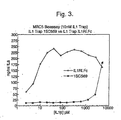
- Figure 30 shows that the trap 569 (Figure 2A - Figure 2E) is able to antagonize the effects of IL-1 and block the IL-6 production from MRC 5 cells upon treatment with IL-1.
- the trap 569 At a concentration of 10nM, the trap 569 is able to block the production of IL-6 up to an IL-1 concentration of 3nM.
- the IL-1RI.Fc is a much poorer antagonist of IL-1. It is only able to block the effects of IL-1 up to about 10-20 pM.
- the trap 569 is approximately 100x better at blocking IL-1 than IL1RI.Fc.
- IL-1 is a pro-inflammatory cytokine. Systemic administration of IL-1 has been shown to elicit acute responses in animals, including transient hyperglycemia, hypoinsulinemia, fever, anorexia, and increased serum levels of interleukin-6 (IL-6) (Reimers, 1998). Since mice are responsive to both murine and human IL-1, human IL-1 can be used and in vivo binding effects of human specific IL-1 antagonists can be evaluated. This acute mouse model was used to determine the ability of a human IL-1 trap to antagonize the in vivo effects of exogenously administered human IL-1. This provides a rapid indication of in vivo efficacy of the human IL-1 trap and can be used as an assay to help molecule selection.
- IL-6 interleukin-6
- mice were given subcutaneous injections of human IL-1 (0.3 ⁇ g/kg). Twenty-four hours prior to human IL-1 injection, the animals were pre-treated with either vehicle or 150-fold molar excess of human IL-1 trap (0.54 mg/kg). Two hours prior to sacrifice (26 hrs), the mice were given a second injection of human IL-1 (0.3 ⁇ g/kg). Blood samples were collected at various time points and sera were assayed for IL-6 levels.
Landscapes
- Health & Medical Sciences (AREA)
- Chemical & Material Sciences (AREA)
- Life Sciences & Earth Sciences (AREA)
- Organic Chemistry (AREA)
- General Health & Medical Sciences (AREA)
- Medicinal Chemistry (AREA)
- Physical Education & Sports Medicine (AREA)
- Biophysics (AREA)
- Zoology (AREA)
- Animal Behavior & Ethology (AREA)
- General Chemical & Material Sciences (AREA)
- Public Health (AREA)
- Veterinary Medicine (AREA)
- Cell Biology (AREA)
- Immunology (AREA)
- Toxicology (AREA)
- Pharmacology & Pharmacy (AREA)
- Gastroenterology & Hepatology (AREA)
- Molecular Biology (AREA)
- Nuclear Medicine, Radiotherapy & Molecular Imaging (AREA)
- Genetics & Genomics (AREA)
- Biochemistry (AREA)
- Proteomics, Peptides & Aminoacids (AREA)
- Orthopedic Medicine & Surgery (AREA)
- Chemical Kinetics & Catalysis (AREA)
- Rheumatology (AREA)
- Engineering & Computer Science (AREA)
- Bioinformatics & Cheminformatics (AREA)
- Peptides Or Proteins (AREA)
- Medicines That Contain Protein Lipid Enzymes And Other Medicines (AREA)
- Preparation Of Compounds By Using Micro-Organisms (AREA)
- Pharmaceuticals Containing Other Organic And Inorganic Compounds (AREA)
- Micro-Organisms Or Cultivation Processes Thereof (AREA)
- Acyclic And Carbocyclic Compounds In Medicinal Compositions (AREA)
Abstract
Description
- The present invention relates to IL-1 receptor fusion proteins used as antagonists to IL-1.
- WO93/19777 provides fusion proteins comprising a tumour necrosis factor receptor (TNF-R) polypeptide and at least one additional polypeptide selected from an interleukin-1 (IL-1R) and a second TNF-R polypeptide. WO98/08969 provides soluble interleukin-1 receptor accessory molecule (IL-1R AcM) protein, which is a member of the Ig super family, along with isolated nucleic acid molecules encoding human IL-1R AcM, and vectors, host cells and recombinant methods for producing said protein. WO97/31010 provides a receptor protein designated 2F1, the amino acid sequence which is said to indicate that it is a member of the IL-1 receptor family. EP-A-0 460,846 provides type II interleukin-1 receptor proteins, DNAs and expression vectors encoding type IIL-R, and processes for producing type II IL-1R as products of recombinant cell culture.
- In addition, WO95/11303 provides a cytokine antagonist protein capable of binding a cytokine to form a nonfunctional complex, comprising the soluble α specificity determining component of the cytokine receptor, and an extracellular domain of a β-component of the cytokine receptor.
- The invention provides an isolated nucleic acid molecule encoding a fusion polypeptide, which fusion polypeptide comprises the following fusion polypeptide components:
- (a) an Interleukin-1 (IL-1) binding portion of the extracellular domain of the specificity determining component of an IL-1 receptor;
- (b) an IL-1 binding portion of an extracellular domain of the signal transducing component of said IL-1 receptor; and
- (c) a multimerising component; which multimerising component (c) multimerises with a multimerising component (c) comprised in another of said fusion polypeptides to form a multimer of said fusion polypeptides;
-
-
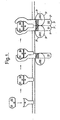
- FIGURE 1: Ordered binding of receptor components in a model of a generic cytokine receptor. The model indicates that cytokines contain up to 3 receptor binding sites and interact with their receptor components by binding first the optional α component, followed by binding to β1, and then β2. The β components for many cytokine receptors interact through membrane proximal regions (shaded boxes) with the Jak/Tyk family of cytoplasmic protein tyrosine kinases. Only upon dimerization of β components is signal transduction initiated, as schematized by the tyrosine phosphorylations (P) of the β components and the Jak/Tyk kinases.
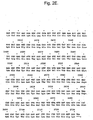
- FIGURE 2A-2E: Nucleotide sequence encoding and deduced amino acid sequence of fusion polypeptide designated 569 which is capable of binding the cytokine IL-1 to form a nonfunctional complex.
- FIGURE 3: Shows that the trap 1SC569 (described in Figs. 2A-2E) is able to antagonize the effects of IL-1 and block the IL-6 production from MRC 5 cells upon treatment with IL-1.
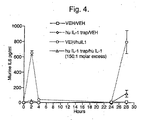
- FIGURE 4: Human IL-1 trap blocks the in vivo effects of exogenously administered huIL-1. BALB/c mice were given subcutaneous injection of huIL-1 (0.3 µg/kg) at time 0. Twenty-four hours prior to huIL-1 injection, the animals were pre-treated with either vehicle or 150-fold molar excess of huIL-1 trap. Two hours prior to sacrifice (26 hrs), the mice were re-challenged with a second injection of huIL-1 (0.3 µg/kg, s.c.). Blood samples were collected at various time points and sera were assayed for IL-1 levels (expressed as mean +/- SEM; n=5 per group).
-
- An isolated nucleic acid molecule encoding a fusion polypeptide, which fusion polypeptide comprises the following fusion polypeptide components:
- (a) an Interleukin-1 (IL-1) binding portion of the extracellular domain of the specificity determining component of an IL-1 receptor;
- (b) an IL-1 binding portion of an extracellular domain of the signal transducing component of said IL-1 receptor; and
- (c) a multimerising component; which multimerising component (c) multimerises with a multimerising component (c) comprised in another of said fusion polypeptides to form a multimer of said fusion polypeptides;
-
- By "IL-1 binding portion" what is meant is the minimal portion of the extracellular domain necessary to bind IL-1. It is accepted by those of skill in the art that a defining characteristic of a cytokine receptor is the presence of the two fibronectin-like domains that contain canonical cysteines and of the WSXWS box (Bazan, J.F., 1990, PNAS 87: 6934-6938). Sequences encoding the extracellular domains of the binding component of the IL-1 receptor and of the signal transducing component of the IL-1 receptor may also be used to create the fusion polypeptide of the invention. Similarly, longer sequences encoding larger portions of the components of the IL-1 receptor may be used. However, it is contemplated that fragments smaller than the extracellular domain will function to bind IL-1 and therefore, the invention contemplates fusion polypeptides comprising the minimal portion of the extracellular domain necessary to bind IL-1 as the IL-1 binding portion.
- The invention comprises a "specificity determining component" of an IL-1 receptor and a "signal transducing component" of said IL-1 receptor. Regardless of the nomenclature used to designate a particular component or subunit of an IL-1 receptor, one skilled in the art would recognize which component or subunit of a receptor is responsible for determining the cellular target of the cytokine, and thus would know which component constitutes the "specificity determining component."
- Similarly, regardless of the nomenclature used, one of skill in the art would know which component or subunit of a receptor would constitute the "signal transducing component." As used herein, the "signal transducing component" is a component of the native receptor which is not the specificity determining component and which does not bind or weakly binds the cytokine in the absence of the specificity determining component. In the native receptor, the "signal transducing component" may participate in signaling.
- Examples of the receptor components that may be used to prepare cytokine antagonists according to the invention are set forth in Table 1.
Cytokine Specificity determining Component Signal transducing Component Interleukin-1 (IL-1) Type I IL-1R (ref. 1) IL-1R AcP (refs. 1,2) Type II IL-1R (ref. 1) IL-1RI (ref. 2) IL-1RII (ref. 2) -
- 1. Greenfeder, et al., Journal of Biological Chemistry 270: 13757-13765 (1995)
- See page 13757, col. 1,
line 6 to col. 2, line 3 and col. 2, lines 10-12; page 13764, col. 2, last 3 lines and page 13765, col. 1, lines 1-7; - 2. Wesche, et al., Journal of Biological Chemistry 272: 7727-7731 (1997) See page 7731, lines 20-26.
-
- In preparing the nucleic acid sequence encoding the fusion polypeptide of the invention, the first, second, and third components of the fusion polypeptide are encoded in a single strand of nucleotides which, when expressed by a host vector system, produces a monomeric species of the fusion polypeptide. The monomers thus expressed then multimerize due to the interactions between the multimerizing components (the third fusion polypeptide components). Producing the fusion polypeptides in this manner avoids the need for purification of heterodirneric mixtures that would result if the first and second components were produced as separate molecules and then multimerized. For example, U.S. Patent No. 5,470,952 issued November 28, 1995 describes the production of heterodimeric proteins that function as CNTF or IL-6 antagonists. The heterodimers are purified from cell lines cotransfected with the appropriate alpha (α) and beta (β) components. Heterodimers are then separated from homodimers using methods such as passive elution from preparative, nondenaturing polyacrylamide gels or by using high pressure cation exchange chromatography. The need for this purification step is avoided by the methods of the present invention.
- In addition, PCT International Application WO 96/11213 published 18 April 1996 entitled Dimeric IL-4 Inhibitors states that the applicant has prepared homodimers in which two IL-4 receptors are bound by a polymeric spacer and has prepared heterodimers in which an IL-4 receptor is linked by a polymeric spacer to an IL-2 receptor gamma chain. The polymeric spacer described is polyethylene glycol (PEG). The two receptor components, IL-4R and IL-2Rgamma are separately expressed and purified. Pegylated homodimers and heterodimers are then produced by joining the components together using bi-functional PEG reagents. It is an advantage of the present invention that it avoids the need for such time consuming and costly purification and pegylation steps.
- In one embodiment of the invention, the nucleotide sequence encoding the first component is upstream of the nucleotide sequence encoding the second component. In another embodiment of the invention, the nucleotide sequence encoding the first component is downstream of the nucleotide sequence encoding the second component. Further embodiments of the invention may be prepared in which the order of the first, second and third fusion polypeptide components are rearranged. For example, if the nucleotide sequence encoding the first component is designated 1, the nucleotide sequence encoding the second component is designated 2, and the nucleotide sequence of the third component is designated 3, then the order of the components in the isolated nucleic acid of the invention as read from 5' to 3' may be any of the following six combinations: 1,2,3; 1,3,2; 2,1,3; 2,3,1; 3,1,2; or 3,2,1.
- The cytokine bound by the fusion polypeptide is interleukin-1.
- In preferred embodiments of the invention, the multimerizing component comprises an immunoglobulin derived domain. More specifically, the immunoglobulin derived domain may be selected from the group consisting of the Fc domain of IgG, the heavy chain of IgG, and the light chain of IgG. In another embodiment, the multimerizing component may be an Fc domain from which the first five amino acids (including a cysteine) have been removed to produce a multimerizing component referred to as Fc(ΔC1). Alternatively, the multimerizing component may be an Fc domain in which a cysteine within the first five amino acids has been substituted for by another amino acid such as, for example, serine or alanine.
- The present invention also provides for fusion polypeptides encoded by the isolated nucleic acid molecules of the invention. Preferably, the fusion polypeptides are in multimeric form, due to the function of the third multimerizing component. In a preferred embodiment, the multimer is a dimer. Suitable multimerizing components are sequences encoding an immunoglobulin heavy chain hinge region (Takahashi et al., 1982, Cell 29:671-679); immunoglobulin gene sequences, and portions thereof. In a preferred embodiment of the invention, immunoglobulin gene sequences, especially one encoding the Fc domain, are used to encode the third multimerizing component.
- The present invention also contemplates a vector which comprises the nucleic acid molecule of the invention as described herein.
- Also provided is an expression vector comprising a nucleic acid molecule of the invention as described herein, wherein the nucleic acid molecule is operatively linked to an expression control sequence. Also provided is a host-vector system for the production of a fusion polypeptide which comprises the expression vector of the invention which has been introduced into a host cell suitable for expression of the fusion polypeptide. The suitable host cell may be a bacterial cell such as E. coli, a yeast cell, such as Pichia pastoris, an insect cell, such as Spodoptera frugiperda, or a mammalian cell, such as a COS, CHO, 293, BHK or NS0 cell.
- The present invention also provides for methods of producing the fusion polypeptides of the invention by growing cells of the host-vector systems described herein, under conditions permitting production of the fusion polypeptide and recovering the fusion polypeptide so produced.
- The technology described herein may be applied to develop a cytokine trap for any cytokine that utilizes an α-component that confers specificity, as well as a β component which, when bound to the α-specificity component, has a higher affinity for the cytokine than either component alone. Accordingly, antagonists according to the invention are antagonists of interleukin-1 [Greenfeder, et al. J. Biol. Chem. 270:13757-13765 (1995); Guo, et al. J. Biol. Chem. 270:27562-27568 (1995)].
- Pharmaceutical compositions for use according to the invention include the antagonists described above in a pharmacologically acceptable liquid, solid or semi-solid carrier, linked to a carrier or targeting molecule (e.g., antibody, hormone, growth factor, etc.) and/or incorporated into liposomes, microcapsules, and controlled release preparation (including antagonist expressing cells) prior to administration in vivo. For example, the pharmaceutical composition may comprise one or more of the antagonists in an aqueous solution, such as sterile water, saline, phosphate buffer or dextrose solution. Alternatively, the active agents may be comprised in a solid (e.g. wax) or semi-solid (e.g. gelatinous) formulation that may be implanted into a patient in need of such treatment. The administration route may be any mode of administration known in the art, including but not limited to intravenously, intrathecally, subcutaneously, by injection into involved tissue, intraarterially, intranasally; orally, or via an implanted device.
- Administration may result in the distribution of the active agent of the invention throughout the body or in a localized area. For example, in some conditions which involve distant regions of the nervous system, intravenous or intrathecal administration of agent may be desirable. In some situations, an implant containing active agent may be placed in or near the lesioned area. Suitable implants include, but are not limited to, gelfoam, wax, or microparticle-based implants.
- The extracellular domains of human cytokine receptors were obtained by standard PCR techniques using tissue cDNAs (CLONTECH), cloned into the expression vector, pMT21 (Genetics Institute, Inc.), and the sequences were sequenced by standard techniques using an ABI 373A DNA sequencer and Taq Dideoxy Terminator Cycle Sequencing Kit (Applied Biosystems, Inc., Foster City, CA). For the IL-1RAcP,
nucleotides 1 through 1074 (corresponding to the amino acids 1-358) from the Genbank sequence, AB006357, were cloned. For the IL-1RI, nucleotides 55 through 999 (corresponding to the amino acids 19-333) from the Genbank sequence, X16896, were cloned. - Nucleotide sequences encoding cytokine traps were constructed from the individual cloned DNAs (described supra ) by standard cloning and PCR techniques. The sequences were constructed in frame such that the sequence encoding the first fusion polypeptide component was fused to the sequence encoding the second fusion polypeptide component followed by an Fc domain (hinge, CH2 and CH3 region of human IgG1) as the multimerizing component. Extra nucleotides were inserted in frame between sequences encoding the first and second fusion polypeptide components to add a linker region between the two components (See Figure 2A - Figure 2E - trap 569).
- For the IL-1 trap 569 (Figure 2A - to Figure 2E), the IL-1RAcP component is 5' followed by the IL-1RI component and then the Fc domain. The final constructs were cloned into the mammalian expression vector pCDNA3.1 (STRATAGENE).
- In the 569 sequence (Figure 2A - to Figure 2E), nucleotides 1-1074 encode the IL1RAcP component, nucleotides 1075 -1098 encode a linker region, nucleotides 1099-2043 encode the IL1RI component and nucleotides 2044-2730 encode the Fc domain.
- DNA constructs were either transiently transfected into COS cells or stably transfected into CHO cells by standard techniques well known to one of skill in the art. Supernatants were collected and purified by Protein A affinity chromatography and size exclusion chromatography by standard techniques. (See for example Harlow and Lane, Antibodies - A Laboratory Manual, Cold Spring Harbor Laboratory, 1988).
- MRC5 human lung fibroblast cells respond to IL-1 by secreting IL-6 and thus were utilized to assay the ability of IL-1 traps to block the IL-1-dependent production of IL-6. IL1 Trap 1SC569 (Figure 2A - Figure 2E) was tested against IL-1-RI.Fc which is the extracellular domain of the IL-1 Type I receptor fused to an Fc domain.
- MRC5 cells are suspended at 1 x 10⁵ cells per ml in medium and 0.1 ml of cells are plated (10,000 cells per well) into the wells of a 96 well tissue culture plate. Plates are incubated for 24 hours at 37°C in a humidified 5% CO2 incubator.
- IL-1 trap and recombinant human IL-1 at varying doses are pre-incubated in a 96 well tissue culture dish and incubated for 2 hours at 37°C. 0.1 ml of this mixture is then added to the 96 well plate containing the MRC5 cells such that the final concentration of IL-1 Trap is 10nM and the final concentrations of the IL-1 ranges from 2.4 pM to 5nM. Control wells contain trap alone or nothing.
- Plates are then incubated at 37°C for 24 hours in a humidified 5% CO2 incubator. Supernatant is collected and assayed for levels of IL-6 using R&D Systems Quantikine Immunoassay Kit according to the manufacturer's instructions.
- Figure 30 shows that the trap 569 (Figure 2A - Figure 2E) is able to antagonize the effects of IL-1 and block the IL-6 production from MRC 5 cells upon treatment with IL-1. At a concentration of 10nM, the trap 569 is able to block the production of IL-6 up to an IL-1 concentration of 3nM. In contrast, the IL-1RI.Fc is a much poorer antagonist of IL-1. It is only able to block the effects of IL-1 up to about 10-20 pM. Thus, the trap 569 is approximately 100x better at blocking IL-1 than IL1RI.Fc.
- IL-1 is a pro-inflammatory cytokine. Systemic administration of IL-1 has been shown to elicit acute responses in animals, including transient hyperglycemia, hypoinsulinemia, fever, anorexia, and increased serum levels of interleukin-6 (IL-6) (Reimers, 1998). Since mice are responsive to both murine and human IL-1, human IL-1 can be used and in vivo binding effects of human specific IL-1 antagonists can be evaluated. This acute mouse model was used to determine the ability of a human IL-1 trap to antagonize the in vivo effects of exogenously administered human IL-1. This provides a rapid indication of in vivo efficacy of the human IL-1 trap and can be used as an assay to help molecule selection.
- Mice were given subcutaneous injections of human IL-1 (0.3 µg/kg). Twenty-four hours prior to human IL-1 injection, the animals were pre-treated with either vehicle or 150-fold molar excess of human IL-1 trap (0.54 mg/kg). Two hours prior to sacrifice (26 hrs), the mice were given a second injection of human IL-1 (0.3 µg/kg). Blood samples were collected at various time points and sera were assayed for IL-6 levels.
- Exogenous administration of human IL-1 resulted a dramatic induction of serum IL-6 levels. At 150-fold molar excess, the human IL-1 trap completely blocked the IL-6 increase (Figure 4). Furthermore, the effects of the human IL-1 trap persisted for at least another 24 hours, preventing an IL-6 increase even when IL-1 was re-administered (Figure 4). Such long-lasting efficacy suggests that daily injection of an IL-1 trap may not be necessary for chronic applications.
- The present invention is not to be limited in scope by the specific embodiments described herein. Indeed, various modifications of the invention in addition to those described herein will become apparent to those skilled in the art from the foregoing description and accompanying figures. Such modifications are intended to fall within the scope of the appended claims.
which multimer binds to and traps IL-1 and thus acts as an antagonist of IL-1.
which multimer binds to and traps IL-1 and thus acts as an antagonist of IL-1.
Claims (19)
- An isolated nucleic acid molecule encoding a fusion polypeptide, which fusion polypeptide comprises the following fusion polypeptide components:which multimerising component (c) multimerises with a multimerising component (c) comprised in another of said fusion polypeptides to form a multimer of said fusion polypeptides;(a) an Interleukin-1 (IL-1) binding portion of the extracellular domain of the specificity determining component of an IL-1 receptor;(b) an IL-1 binding portion of an extracellular domain of the signal transducing component of said IL-1 receptor; and(c) a multimerising component;
which multimer binds to and traps IL-1 and thus acts as an antagonist of IL-1. - The isolated nucleic acid molecule of claim 1 wherein component (a) of said fusion polypeptide comprises an IL-1 binding portion of the extracellular domain of Type I IL-1R and component (b) comprises an IL-1 binding portion of an extracellular domain of IL-1R AcP.
- The isolated nucleic acid molecule of claim 1 wherein component (a) of said fusion polypeptide comprises an IL-1 binding portion of the extracellular domain of Type II IL-1R and component (b) comprises an IL-1 binding portion of an extracellular domain of IL-1R AcP.
- The isolated nucleic acid molecule of any one of the preceding claims wherein said multimer is a dimer.
- The isolated nucleic acid molecule of any one of the preceding claims, wherein the multimerizing component comprises an immunoglobulin-derived domain.
- The isolated nucleic acid molecule of claim 5, wherein the immunoglobulin-derived domain is selected from the Fc domain of IgG, the heavy chain of IgG, and the light chain of IgG.
- The isolated nucleic acid molecule of any one of the preceding claims, wherein the nucleotide sequence encoding component (a) is upstream of the nucleotide sequence encoding component (b).
- The nucleic acid molecule of any one of claims 1 to 6, wherein the nucleotide sequence encoding component (a) is downstream of the nucleotide sequence encoding component (b).
- A multimer comprising two or more fusion polypeptides encoded by the nucleic acid molecules of any one of the preceding claims, which multimer binds to and traps IL-1 and acts as an antagonist of IL-1.
- A multimer of claim 9 which is a dimer comprising two of said fusion polypeptides.
- A vector which comprises the nucleic acid molecule of any one of claims 1 to 8.
- An expression vector comprising a nucleic acid molecule of any one of claims 1 to 8, wherein the nucleic acid molecule is operatively linked to an expression control sequence.
- A host-vector system for the production of a fusion polypeptide, which comprises the expression vector of claim 12, in a host cell.
- The host-vector system of claim 13, wherein the host cell is a bacterial cell, yeast cell, insect cell, or mammalian cell.
- The host-vector system of claim 13, wherein the host cell is E. coli, a COS cell, a CHO cell, a 293 cell, a BHK cell or a NS0 cell.
- A method of producing fusion polypeptides which comprises growing cells of the host-vector system of claim 13, 14 or 15 under conditions permitting production of the fusion polypeptides and recovering the fusion polypeptides so produced.
- A method according to claim 16 further comprising allowing said fusion polypeptides to form multimers of fusion polypeptides as defined in claim 9.
- A method according to claim 17 wherein said multimers are dimers as defined in claim 10.
- A pharmaceutical composition comprising a multimer of claim 9 or a dimer of claim 10 in a pharmacologically acceptable liquid, solid or semi-solid carrier, linked to a carrier or targeting molecule and/or incorporated into liposomes, microcapsules or a controlled release preparation.
Applications Claiming Priority (5)
| Application Number | Priority Date | Filing Date | Title |
|---|---|---|---|
| US10185898P | 1998-09-25 | 1998-09-25 | |
| US101858P | 1998-09-25 | ||
| US09/313,942 US6472179B2 (en) | 1998-09-25 | 1999-05-19 | Receptor based antagonists and methods of making and using |
| US313942 | 1999-05-19 | ||
| EP99952942A EP1115876B1 (en) | 1998-09-25 | 1999-09-22 | Receptor based antagonists and methods of making and using |
Related Parent Applications (1)
| Application Number | Title | Priority Date | Filing Date |
|---|---|---|---|
| EP99952942A Division EP1115876B1 (en) | 1998-09-25 | 1999-09-22 | Receptor based antagonists and methods of making and using |
Publications (3)
| Publication Number | Publication Date |
|---|---|
| EP1229047A2 EP1229047A2 (en) | 2002-08-07 |
| EP1229047A3 EP1229047A3 (en) | 2002-10-02 |
| EP1229047B1 true EP1229047B1 (en) | 2004-11-24 |
Family
ID=26798712
Family Applications (3)
| Application Number | Title | Priority Date | Filing Date |
|---|---|---|---|
| EP03024727A Withdrawn EP1405915A1 (en) | 1998-09-25 | 1999-09-22 | IL-4 trap based on IL receptor fusion proteins |
| EP02007831A Expired - Lifetime EP1229047B1 (en) | 1998-09-25 | 1999-09-22 | IL-1 Receptor fusion proteins used as antagonists and methods of making and using |
| EP99952942A Expired - Lifetime EP1115876B1 (en) | 1998-09-25 | 1999-09-22 | Receptor based antagonists and methods of making and using |
Family Applications Before (1)
| Application Number | Title | Priority Date | Filing Date |
|---|---|---|---|
| EP03024727A Withdrawn EP1405915A1 (en) | 1998-09-25 | 1999-09-22 | IL-4 trap based on IL receptor fusion proteins |
Family Applications After (1)
| Application Number | Title | Priority Date | Filing Date |
|---|---|---|---|
| EP99952942A Expired - Lifetime EP1115876B1 (en) | 1998-09-25 | 1999-09-22 | Receptor based antagonists and methods of making and using |
Country Status (19)
| Country | Link |
|---|---|
| US (2) | US6472179B2 (en) |
| EP (3) | EP1405915A1 (en) |
| JP (1) | JP3902728B2 (en) |
| CN (1) | CN100345970C (en) |
| AT (2) | ATE283365T1 (en) |
| AU (1) | AU758970C (en) |
| BE (1) | BE2010C021I2 (en) |
| CA (1) | CA2345109C (en) |
| DE (3) | DE69932832T2 (en) |
| DK (1) | DK1229047T3 (en) |
| ES (2) | ES2233733T3 (en) |
| FR (1) | FR10C0025I2 (en) |
| HK (1) | HK1045847B (en) |
| IL (2) | IL142103A0 (en) |
| NO (2) | NO329976B1 (en) |
| NZ (1) | NZ510720A (en) |
| PL (1) | PL201246B1 (en) |
| PT (1) | PT1229047E (en) |
| WO (1) | WO2000018932A2 (en) |
Families Citing this family (100)
| Publication number | Priority date | Publication date | Assignee | Title |
|---|---|---|---|---|
| US6100071A (en) | 1996-05-07 | 2000-08-08 | Genentech, Inc. | Receptors as novel inhibitors of vascular endothelial growth factor activity and processes for their production |
| EP1047781B1 (en) * | 1998-01-23 | 2004-07-28 | Immunex Corporation | Il-18 receptors |
| US6927044B2 (en) * | 1998-09-25 | 2005-08-09 | Regeneron Pharmaceuticals, Inc. | IL-1 receptor based cytokine traps |
| US7083949B2 (en) | 1998-09-25 | 2006-08-01 | Regeneron Pharmaceuticals, Inc. | Receptor based antagonists and methods of making and using |
| US7083950B2 (en) * | 1998-09-25 | 2006-08-01 | Regeneron Pharmaceuticals, Inc. | High affinity fusion proteins and therapeutic and diagnostic methods for use |
| US20040120891A1 (en) * | 1998-12-21 | 2004-06-24 | Craig Hill | Compounds for intracellular delivery of therapeutic moieties to nerve cells |
| US20040220103A1 (en) | 1999-04-19 | 2004-11-04 | Immunex Corporation | Soluble tumor necrosis factor receptor treatment of medical disorders |
| PT2990420T (en) * | 2000-05-26 | 2017-03-16 | Immunex Corp | Use of interleukin-4 receptor antibodies and compositions thereof |
| CA2447632C (en) | 2000-06-16 | 2011-08-02 | Asterion Limited | Fusion protein agonist comprising a growth hormone binding portion and an external domain of a growth hormone receptor |
| AU2001290524A1 (en) * | 2000-08-08 | 2002-02-18 | Zymogenetics Inc. | Soluble zcytor 11 cytokine receptors |
| US7754208B2 (en) | 2001-01-17 | 2010-07-13 | Trubion Pharmaceuticals, Inc. | Binding domain-immunoglobulin fusion proteins |
| US20050112616A1 (en) * | 2001-12-10 | 2005-05-26 | William Lee | Functionalized materials and libraries thereof |
| US7795213B2 (en) * | 2001-12-13 | 2010-09-14 | Posco | Methods of contacting β amyloid protein with VEGF |
| US6846520B2 (en) * | 2002-01-17 | 2005-01-25 | Canon Kabushiki Kaisha | Epoxy resin composition, surface treatment method, liquid-jet recording head and liquid-jet recording apparatus |
| WO2003092610A2 (en) * | 2002-05-01 | 2003-11-13 | Regeneron Pharmaceuticals, Inc. | Methods of using cytokine antagonists to treat hiv infection and aids |
| US20040223966A1 (en) * | 2002-10-25 | 2004-11-11 | Wolfman Neil M. | ActRIIB fusion polypeptides and uses therefor |
| AU2003295471B2 (en) | 2002-11-15 | 2011-08-25 | Genmab A/S | Human monoclonal antibodies against CD25 |
| US6919012B1 (en) | 2003-03-25 | 2005-07-19 | Olimex Group, Inc. | Method of making a composite article comprising a ceramic coating |
| WO2004085479A2 (en) | 2003-03-26 | 2004-10-07 | Apogenix Gmbh | Treatment of viral infections |
| US20040224893A1 (en) * | 2003-05-06 | 2004-11-11 | Li-Hsien Wang | Methods of using IL-1 antagonists to treat neointimal hyperplasia |
| WO2004098596A1 (en) * | 2003-05-12 | 2004-11-18 | Altana Pharma Ag | Composition comprising roflumilast and il-1 trap |
| WO2005014646A1 (en) * | 2003-06-11 | 2005-02-17 | Wyeth | Method for producing a polypeptide |
| JP4599355B2 (en) * | 2003-07-28 | 2010-12-15 | ジェネンテック, インコーポレイテッド | Reduction of protein A leaching during protein A affinity chromatography |
| AU2004270774A1 (en) * | 2003-09-05 | 2005-03-17 | National Research Council Of Canada | Coiled-coil fusion proteins comprising cell receptor domains |
| UA93653C2 (en) | 2003-11-07 | 2011-03-10 | Иммунекс Корпорейшн | Antibody that specifically binds to human interleukin-4 receptor (il-4r) |
| WO2005085284A1 (en) * | 2004-02-27 | 2005-09-15 | Regeneron Pharmaceuticals, Inc. | Il-4/il-13 sepecific polypetides and therapeutic uses thereof |
| US7459426B2 (en) | 2004-06-04 | 2008-12-02 | Regeneron Pharmaceuticals, Inc. | Methods of using IL-1 antagonists to treat autoinflammatory disease |
| JP2008507288A (en) | 2004-07-23 | 2008-03-13 | アクセルロン ファーマ インコーポレーテッド | ActRII receptor polypeptides, methods, and compositions |
| ES2395035T3 (en) * | 2004-08-17 | 2013-02-07 | Regeneron Pharmaceuticals, Inc. | IL-1 antagonist formulations |
| ES2309427T3 (en) * | 2004-08-27 | 2008-12-16 | Conaris Research Institute Ag | SEQUENCES OF OPTIMIZED NUCLEOTIDS CODING FOR SGP130. |
| US7786261B2 (en) * | 2004-09-02 | 2010-08-31 | National Research Council Of Canada | Coiled-coil fusion proteins comprising cell receptor domains |
| CN101094688B (en) * | 2004-09-13 | 2013-05-01 | 建新公司 | Multimeric constructs |
| MX2007004374A (en) * | 2004-10-12 | 2008-01-29 | Amprotein Corp | Chimeric protein. |
| EA015706B1 (en) | 2004-10-22 | 2011-10-31 | Займоджинетикс, Инк. | Monoclonal antibody or its fragment, binding to il-22ra polypeptide, humanized antibody derived from said antibody, hybridomas and use of said antibody |
| WO2006079169A1 (en) * | 2005-01-25 | 2006-08-03 | Apollo Life Sciences Limited | Parameter selected gm-csf, il-3, il-4, il-5 and chimeras thereof for therapeutic and diagnostic purposes |
| CA3142945A1 (en) | 2005-03-25 | 2006-10-05 | Regeneron Pharmaceuticals, Inc. | Histidine-buffered formulations of vegf antagonist |
| US7732167B2 (en) * | 2005-06-17 | 2010-06-08 | Regeneron Pharmaceuticals, Inc. | Interferon-α/β binding fusion proteins and therapeutic uses thereof |
| US7608430B2 (en) * | 2005-07-08 | 2009-10-27 | Regeneron Pharmaceuticals, Inc. | Interferon-γ antagonists and therapeutic uses thereof |
| AU2006272555B2 (en) | 2005-07-25 | 2012-03-08 | Aptevo Research And Development Llc | B-cell reduction using CD37-specific and CD20-specific binding molecules |
| US7666622B2 (en) * | 2005-10-19 | 2010-02-23 | Regeneron Pharmaceuticals, Inc. | Monomeric self-associating fusion polypeptides and therapeutic uses thereof |
| US8067562B2 (en) | 2005-11-01 | 2011-11-29 | Amgen Inc. | Isolated nucleic acid molecule comprising the amino acid sequence of SEQ ID NO:1 |
| WO2007061981A2 (en) | 2005-11-21 | 2007-05-31 | Lumera Corporation | Surface plasmon resonance spectrometer with an actuator-driven angle scanning mechanism |
| US8128933B2 (en) | 2005-11-23 | 2012-03-06 | Acceleron Pharma, Inc. | Method of promoting bone growth by an anti-activin B antibody |
| CN112457389A (en) * | 2005-11-23 | 2021-03-09 | 阿塞勒隆制药公司 | Activin-ActRIIa antagonists and uses thereof for promoting bone growth |
| BRPI0618947B1 (en) * | 2005-11-23 | 2022-07-19 | Acceleron Pharma Inc | ACTRIIA POLYPEPTIDE THAT BINDS ACTIVIN, POLYNUCLEOTIDE ISOLATED, POLYNUCLEOTIDE, RECOMBINANT, METHOD FOR PREPARING AN ACTRIIA POLYPEPTIDE THAT BINDS ACTIVIN, PHARMACEUTICAL PREPARATION AND USE OF AN ACTRIIA-FC FUSION PROTEIN TO PROMOTE BONE GROWTH AND INHIBITS BONE RESORPTION |
| US7463358B2 (en) | 2005-12-06 | 2008-12-09 | Lumera Corporation | Highly stable surface plasmon resonance plates, microarrays, and methods |
| DK1999154T3 (en) | 2006-03-24 | 2012-12-03 | Merck Patent Gmbh | MANUFACTURED HETERODIMERED PROTEIN DOMAINS |
| CN105837690A (en) | 2006-06-12 | 2016-08-10 | 新兴产品开发西雅图有限公司 | Single-chain multivalent binding proteins with effector function |
| CA2654510C (en) | 2006-06-16 | 2015-03-17 | Regeneron Pharmaceuticals, Inc. | Vegf antagonist formulations suitable for intravitreal administration |
| DE602006016765D1 (en) * | 2006-06-30 | 2010-10-21 | Conaris Res Inst Ag | Improved sgp 130Fc dimer |
| US8106004B2 (en) * | 2006-07-28 | 2012-01-31 | Children's Memorial Hospital | Methods of inhibiting tumor cell aggressiveness using the microenvironment of human embryonic stem cells |
| JP5693004B2 (en) * | 2006-07-28 | 2015-04-01 | チルドレンズ メモリアル ホスピタル | Method for suppressing malignancy of tumor cells using microenvironment of human embryonic stem cells |
| US7632490B2 (en) * | 2006-10-20 | 2009-12-15 | Regeneron Pharmaceuticals, Inc. | Use of IL-1 antagonists to treat gout |
| BRPI0718469A2 (en) * | 2006-10-20 | 2014-01-21 | Regeneron Pharma | USE OF AN INTERLEUCIN 1 ANTAGONIST (IL-1), METHOD FOR TREATING, INHIBITING OR IMPROVING PSEUDOGOTA, USE OF ONE OR MORE THERAPEUTIC AGENTS, AND, PRODUCT. |
| US8895016B2 (en) | 2006-12-18 | 2014-11-25 | Acceleron Pharma, Inc. | Antagonists of activin-actriia and uses for increasing red blood cell levels |
| JP5272735B2 (en) * | 2007-01-30 | 2013-08-28 | 国立大学法人 新潟大学 | Biologics |
| TWI584815B (en) | 2007-02-01 | 2017-06-01 | 艾瑟勒朗法瑪公司 | Activin-ActRIIa antagonist and its use for treating or preventing breast cancer |
| TW201627320A (en) | 2007-02-02 | 2016-08-01 | 艾瑟勒朗法瑪公司 | Variants derived from ActRIIB and their uses |
| MX2009008510A (en) | 2007-02-09 | 2010-01-15 | Acceleron Pharma Inc | Activin-actriia antagonists and uses for promoting bone growth in cancer patients. |
| US8501678B2 (en) | 2007-03-06 | 2013-08-06 | Atara Biotherapeutics, Inc. | Variant activin receptor polypeptides and uses thereof |
| US9610327B2 (en) | 2007-03-06 | 2017-04-04 | Amgen Inc. | Variant activin receptor polypeptides, alone or in combination with chemotherapy, and uses thereof |
| TW201718635A (en) | 2007-03-06 | 2017-06-01 | 安美基公司 | Mutant activin receptor polypeptide and use thereof |
| WO2008113185A1 (en) | 2007-03-19 | 2008-09-25 | National Research Counsil Of Canada | Antagonists of ligands and uses thereof |
| WO2009010539A2 (en) * | 2007-07-19 | 2009-01-22 | Ablynx. N.V. | Receptor for interleukin-6 (il-6) from macaca fascicularis |
| CA2699936A1 (en) | 2007-09-18 | 2009-03-26 | Acceleron Pharma Inc. | Activin-actriia antagonists and uses for decreasing or inhibiting fsh secretion |
| MX2010004892A (en) * | 2007-10-31 | 2010-08-10 | Scripps Research Inst | Combination therapy to treat persistent viral infections. |
| US8004669B1 (en) | 2007-12-18 | 2011-08-23 | Plexera Llc | SPR apparatus with a high performance fluid delivery system |
| WO2010031168A1 (en) * | 2008-09-17 | 2010-03-25 | National Research Council Of Canada | HETERO-MULTIVALENT BINDING AGENTS FOR MEMBERS OF THE TGFβ SUPERFAMILY |
| NZ603059A (en) | 2008-04-11 | 2014-07-25 | Emergent Product Dev Seattle | Cd37 immunotherapeutic and combination with bifunctional chemotherapeutic thereof |
| US8216997B2 (en) | 2008-08-14 | 2012-07-10 | Acceleron Pharma, Inc. | Methods for increasing red blood cell levels and treating anemia using a combination of GDF traps and erythropoietin receptor activators |
| DK3750552T5 (en) | 2008-08-14 | 2024-08-26 | Acceleron Pharma Inc | GDF TRAPS |
| PE20150680A1 (en) | 2008-11-26 | 2015-05-16 | Amgen Inc | VARIANTS OF ACTIVIN IIB RECEPTOR POLYPEPTIDES AND APPLICATIONS OF THEM |
| MX355042B (en) | 2009-06-08 | 2018-04-02 | Acceleon Pharma Inc | Methods for increasing thermogenic adipocytes. |
| CN107267520A (en) | 2009-06-12 | 2017-10-20 | 阿塞勒隆制药公司 | The ACTRIIB FC fusion proteins of truncation |
| ES2658292T3 (en) | 2009-11-17 | 2018-03-09 | Acceleron Pharma, Inc. | ActRIIB proteins and variants and uses thereof with respect to the induction of utrophin for the treatment of muscular dystrophy |
| CA2817008A1 (en) | 2010-11-08 | 2012-05-18 | Acceleron Pharma Inc. | Actriia binding agents and uses thereof |
| WO2012142391A1 (en) | 2011-04-15 | 2012-10-18 | Merck Patemt Gmbh | Anti- il-1r1 inhibitors for use in cancer |
| JO3283B1 (en) | 2011-04-26 | 2018-09-16 | Sanofi Sa | Composition including Afflipersept, Folinic Acid, 5- Fluorouracil (5- Fu) and Irenosetan (FOLFIRI) |
| RU2678117C2 (en) | 2012-11-02 | 2019-01-23 | Селджин Корпорейшн | Activin-actrii antagonists and uses thereof for treating bone and other disorders |
| US10703799B2 (en) * | 2012-12-10 | 2020-07-07 | Vib Vzw | IL-33R and IL-1RAcP fusion proteins |
| KR20150136061A (en) | 2013-02-01 | 2015-12-04 | 산타 마리아 바이오테라퓨틱스, 인코포레이티드 | Administration of an anti-activin-a compound to a subject |
| JP6225197B2 (en) | 2013-02-15 | 2017-11-01 | アール−ファーム・ジョイント・ストック・カンパニーR−Pharm,Jsc | IL-1β inhibitor composition and use thereof |
| US12180264B2 (en) | 2014-03-24 | 2024-12-31 | R-Pharm Overseas, Inc. | IL1-R1 derived inhibitor of IL-1β and use thereof |
| CN114699529A (en) | 2014-06-13 | 2022-07-05 | 阿塞勒隆制药公司 | Methods and compositions for treating ulcers |
| RS58957B1 (en) | 2014-07-18 | 2019-08-30 | Sanofi Sa | Method for predicting the outcome of a treatment with aflibercept of a patient suspected to suffer from a cancer |
| MA41052A (en) | 2014-10-09 | 2017-08-15 | Celgene Corp | TREATMENT OF CARDIOVASCULAR DISEASE USING ACTRII LIGAND TRAPS |
| EP3226888B1 (en) | 2014-12-01 | 2021-04-21 | Ferring B.V. | Administration of a selective il-6-trans-signalling inhibitor |
| KR20240131465A (en) * | 2014-12-01 | 2024-08-30 | 훼링 비.브이. | Selective il-6-trans-signalling inhibitor compositions |
| EP3227675B1 (en) | 2014-12-03 | 2023-03-15 | Celgene Corporation | Activin-actrii antagonists and uses for treating myelodysplastic syndrome |
| GB201503453D0 (en) | 2015-03-01 | 2015-04-15 | Jain Arjun | Endothelin-1"sponge" |
| EP3294775B1 (en) * | 2015-05-12 | 2021-07-14 | Regeneron Pharmaceuticals, Inc. | Multimeric protein purity determination |
| HK1251480A1 (en) | 2015-09-21 | 2019-02-01 | Aptevo Research And Development Llc | Cd3 binding polypeptides |
| US10906957B2 (en) | 2016-09-27 | 2021-02-02 | Epicentrx, Inc. | Immunomodulatory fusion proteins |
| JP7657548B2 (en) | 2017-04-21 | 2025-04-07 | エランコ・ユーエス・インコーポレイテッド | IL4/IL13 RECEPTOR MOLECULES FOR VETERINARY USE - Patent application |
| KR102757384B1 (en) | 2017-09-27 | 2025-01-20 | 에피센트알엑스, 인코포레이티드 | immunomodulatory fusion protein |
| CN119431579A (en) | 2018-03-09 | 2025-02-14 | 艾吉纳斯公司 | Anti-CD73 antibodies and methods of use thereof |
| MX2021000644A (en) | 2018-07-18 | 2021-08-19 | Manzanita Pharmaceuticals Inc | Conjugates for delivering an anti-cancer agent to nerve cells, methods of use and methods of making thereof. |
| CN110950965B (en) * | 2018-09-26 | 2021-10-15 | 重庆精准生物技术有限公司 | Anti-human CD123 chimeric antigen receptor and its application |
| TW202607038A (en) | 2020-10-19 | 2026-02-16 | 美商碩騰服務公司 | Antibodies to canine and feline oncostatin m receptor beta and uses thereof |
| CN116286844A (en) * | 2023-02-13 | 2023-06-23 | 浙江大学 | Homologous dimer protein and application of combination of human IL-1R1 and human IL-1RAcP polypeptide fragments |
Family Cites Families (27)
| Publication number | Priority date | Publication date | Assignee | Title |
|---|---|---|---|---|
| WO1990005183A1 (en) | 1988-10-31 | 1990-05-17 | Immunex Corporation | Interleukin-4 receptors |
| WO1991018982A1 (en) * | 1990-06-05 | 1991-12-12 | Immunex Corporation | Type ii interleukin-1 receptors |
| EP0464533B1 (en) * | 1990-06-28 | 1998-07-29 | Hoechst Aktiengesellschaft | Fusionproteins with parts of immunoglobulins, their production and use |
| EP0533006A1 (en) * | 1991-09-18 | 1993-03-24 | F.Hoffmann-La Roche & Co. Aktiengesellschaft | Chimaeric interleukin 5-receptor/immunoglobulin polypeptides |
| EP0611302B1 (en) * | 1991-10-15 | 2000-03-29 | MULLARKEY, Michael F. | Receptors for treating late phase inflammatory responses |
| US5262522A (en) | 1991-11-22 | 1993-11-16 | Immunex Corporation | Receptor for oncostatin M and leukemia inhibitory factor |
| WO1993018047A1 (en) * | 1992-03-09 | 1993-09-16 | Ludwig Institute For Cancer Research | Nucleic acid sequences coding for or complementary to nucleic acid sequences coding for interleukin 9 receptor |
| US8211422B2 (en) * | 1992-03-18 | 2012-07-03 | The United States Of America, As Represented By The Secretary, Department Of Health And Human Services | Chimeric receptor genes and cells transformed therewith |
| WO1993019163A1 (en) * | 1992-03-18 | 1993-09-30 | Yeda Research And Development Co, Ltd. | Chimeric receptor genes and cells transformed therewith |
| DE69333027T2 (en) * | 1992-03-30 | 2004-05-06 | Immunex Corp., Seattle | FUSION PROTEIN, WHICH CONTAINS TWO RECEPTORS OF THE TUMORNECROSE FACTOR |
| JP3255699B2 (en) | 1992-04-23 | 2002-02-12 | 味の素株式会社 | Human IL-2 receptor gamma chain molecule |
| AU695869B2 (en) * | 1993-04-06 | 1998-08-27 | Fred Hutchinson Cancer Research Center | Chimeric cytokine receptors in lymphocytes |
| EP0716703A1 (en) * | 1993-09-03 | 1996-06-19 | PRENDERGAST, Kenneth, Francis | Glycophorin binding protein (gbp130) fusion compositions |
| DE69434934D1 (en) * | 1993-10-14 | 2007-04-12 | Harvard College | PROCESS FOR INDUCING AND CONSERVING NEURONAL CELLS |
| US5470952A (en) | 1993-10-20 | 1995-11-28 | Regeneron Pharmaceuticals, Inc. | CNTF and IL-6 antagonists |
| IL114825A0 (en) * | 1994-08-04 | 1995-12-08 | Regeneron Pharma | Rtk/cytokine receptor chimeras |
| WO1996011213A1 (en) | 1994-10-07 | 1996-04-18 | Amgen Boulder Inc. | Dimeric il-4 inhibitors |
| US5837544A (en) * | 1995-02-02 | 1998-11-17 | Cell Genesys, Inc. | Method of inducing a cell to proliferate using a chimeric receptor comprising janus kinase |
| US5837816A (en) * | 1995-05-10 | 1998-11-17 | Chiron Corporation | Interleukin-2 receptor subunit ectodomain fusion protein comprising a leucine zipper domain |
| GB9526131D0 (en) * | 1995-12-21 | 1996-02-21 | Celltech Therapeutics Ltd | Recombinant chimeric receptors |
| US5776731A (en) * | 1996-02-21 | 1998-07-07 | Immunex Corporation | DNA encoding type-I interleukin-I receptor-like protein designated 2F1 |
| US5710023A (en) * | 1996-03-01 | 1998-01-20 | Genetics Institute, Inc. | IL-13 cytokine receptor chain |
| WO1998002558A2 (en) * | 1996-07-17 | 1998-01-22 | University Of Medicine And Dentistry Of New Jersey | Chimeric receptors for jak-stat signal transduction |
| AU7011696A (en) * | 1996-08-26 | 1998-03-19 | Human Genome Sciences, Inc. | Soluble interleukin-1 receptor accessory molecule |
| GB9625899D0 (en) | 1996-12-13 | 1997-01-29 | Glaxo Group Ltd | Substances and their uses |
| US6087116A (en) * | 1997-03-12 | 2000-07-11 | Kabushiki Kaisha Hayashibara Seibutsu Kagaku Kenkyujo | Interleukin-18 (IL-18) receptor polypeptides and their uses |
| EP1047781B1 (en) * | 1998-01-23 | 2004-07-28 | Immunex Corporation | Il-18 receptors |
-
1999
- 1999-05-19 US US09/313,942 patent/US6472179B2/en not_active Expired - Fee Related
- 1999-09-22 EP EP03024727A patent/EP1405915A1/en not_active Withdrawn
- 1999-09-22 PL PL348529A patent/PL201246B1/en unknown
- 1999-09-22 AT AT02007831T patent/ATE283365T1/en active
- 1999-09-22 WO PCT/US1999/022045 patent/WO2000018932A2/en not_active Ceased
- 1999-09-22 IL IL14210399A patent/IL142103A0/en active IP Right Grant
- 1999-09-22 AT AT99952942T patent/ATE336583T1/en active
- 1999-09-22 NZ NZ510720A patent/NZ510720A/en not_active IP Right Cessation
- 1999-09-22 DE DE69932832T patent/DE69932832T2/en not_active Expired - Lifetime
- 1999-09-22 ES ES02007831T patent/ES2233733T3/en not_active Expired - Lifetime
- 1999-09-22 DE DE69922269T patent/DE69922269T2/en not_active Expired - Lifetime
- 1999-09-22 JP JP2000572379A patent/JP3902728B2/en not_active Expired - Lifetime
- 1999-09-22 EP EP02007831A patent/EP1229047B1/en not_active Expired - Lifetime
- 1999-09-22 EP EP99952942A patent/EP1115876B1/en not_active Expired - Lifetime
- 1999-09-22 AU AU64994/99A patent/AU758970C/en not_active Expired
- 1999-09-22 CA CA2345109A patent/CA2345109C/en not_active Expired - Lifetime
- 1999-09-22 CN CNB998137235A patent/CN100345970C/en not_active Expired - Lifetime
- 1999-09-22 DK DK02007831T patent/DK1229047T3/en active
- 1999-09-22 ES ES99952942T patent/ES2267300T3/en not_active Expired - Lifetime
- 1999-09-22 PT PT02007831T patent/PT1229047E/en unknown
-
2001
- 2001-03-19 IL IL142103A patent/IL142103A/en not_active IP Right Cessation
- 2001-03-23 NO NO20011513A patent/NO329976B1/en not_active IP Right Cessation
- 2001-08-08 HK HK02107225.0A patent/HK1045847B/en unknown
- 2001-08-23 US US09/935,868 patent/US20020164690A1/en not_active Abandoned
-
2010
- 2010-04-13 DE DE201012000023 patent/DE122010000023I1/en active Granted
- 2010-04-16 FR FR10C0025C patent/FR10C0025I2/en active Active
- 2010-04-20 BE BE2010C021C patent/BE2010C021I2/fr unknown
-
2011
- 2011-04-11 NO NO2011003C patent/NO2011003I1/en not_active IP Right Cessation
Also Published As
Similar Documents
| Publication | Publication Date | Title |
|---|---|---|
| HK1045847A1 (en) | Il-1 receptor fusion proteins used as antagonists and methods of making and using | |
| EP1572967B1 (en) | Il-1 receptor based antagonists and methods of making and using | |
| EP0460846B1 (en) | Type II interleukin-1 receptors | |
| Larsen et al. | Expression cloning of a human granulocyte colony-stimulating factor receptor: a structural mosaic of hematopoietin receptor, immunoglobulin, and fibronectin domains. | |
| US5464937A (en) | Type II Interleukin-1 receptors | |
| AU694232B2 (en) | Receptor for oncostatin M | |
| IE83679B1 (en) | Type II interleukin-1 receptors | |
| JP2002514079A (en) | Chimeric OPG polypeptide | |
| IE63450B1 (en) | Leukemia inhibitory factor receptors | |
| US5837816A (en) | Interleukin-2 receptor subunit ectodomain fusion protein comprising a leucine zipper domain | |
| US7008781B1 (en) | Method of enhancing the biological activity of ligands | |
| EP0676413B9 (en) | Interferon-alpha/beta binding protein, its preparation and use | |
| US7083949B2 (en) | Receptor based antagonists and methods of making and using | |
| HK1080511B (en) | Il-1 receptor based antagonists and methods of making and using | |
| HK1035377B (en) | Receptor based antagonists and methods of making and using |
Legal Events
| Date | Code | Title | Description |
|---|---|---|---|
| PUAI | Public reference made under article 153(3) epc to a published international application that has entered the european phase |
Free format text: ORIGINAL CODE: 0009012 |
|
| 17P | Request for examination filed |
Effective date: 20020408 |
|
| AC | Divisional application: reference to earlier application |
Ref document number: 1115876 Country of ref document: EP |
|
| AK | Designated contracting states |
Kind code of ref document: A2 Designated state(s): AT BE CH CY DE DK ES FI FR GB GR IE IT LI LU MC NL PT SE |
|
| PUAL | Search report despatched |
Free format text: ORIGINAL CODE: 0009013 |
|
| RIC1 | Information provided on ipc code assigned before grant |
Free format text: 7C 12N 15/62 A, 7C 07K 14/715 B, 7C 12N 15/12 B |
|
| AK | Designated contracting states |
Kind code of ref document: A3 Designated state(s): AT BE CH CY DE DK ES FI FR GB GR IE IT LI LU MC NL PT SE |
|
| 17Q | First examination report despatched |
Effective date: 20021108 |
|
| AKX | Designation fees paid |
Designated state(s): AT BE CH CY DE DK ES FI FR GB GR IE IT LI LU MC NL PT SE |
|
| GRAP | Despatch of communication of intention to grant a patent |
Free format text: ORIGINAL CODE: EPIDOSNIGR1 |
|
| GRAS | Grant fee paid |
Free format text: ORIGINAL CODE: EPIDOSNIGR3 |
|
| GRAA | (expected) grant |
Free format text: ORIGINAL CODE: 0009210 |
|
| AC | Divisional application: reference to earlier application |
Ref document number: 1115876 Country of ref document: EP Kind code of ref document: P |
|
| AK | Designated contracting states |
Kind code of ref document: B1 Designated state(s): AT BE CH CY DE DK ES FI FR GB GR IE IT LI LU MC NL PT SE |
|
| REG | Reference to a national code |
Ref country code: GB Ref legal event code: FG4D |
|
| REG | Reference to a national code |
Ref country code: CH Ref legal event code: EP |
|
| REF | Corresponds to: |
Ref document number: 69922269 Country of ref document: DE Date of ref document: 20041230 Kind code of ref document: P |
|
| REG | Reference to a national code |
Ref country code: IE Ref legal event code: FG4D |
|
| REG | Reference to a national code |
Ref country code: DK Ref legal event code: T3 |
|
| PG25 | Lapsed in a contracting state [announced via postgrant information from national office to epo] |
Ref country code: GR Free format text: LAPSE BECAUSE OF FAILURE TO SUBMIT A TRANSLATION OF THE DESCRIPTION OR TO PAY THE FEE WITHIN THE PRESCRIBED TIME-LIMIT Effective date: 20050224 |
|
| REG | Reference to a national code |
Ref country code: CH Ref legal event code: NV Representative=s name: PATENTANWAELTE SCHAAD, BALASS, MENZL & PARTNER AG |
|
| REG | Reference to a national code |
Ref country code: SE Ref legal event code: TRGR |
|
| REG | Reference to a national code |
Ref country code: HK Ref legal event code: GR Ref document number: 1045847 Country of ref document: HK |
|
| REG | Reference to a national code |
Ref country code: PT Ref legal event code: SC4A Free format text: AVAILABILITY OF NATIONAL TRANSLATION Effective date: 20050128 |
|
| REG | Reference to a national code |
Ref country code: ES Ref legal event code: FG2A Ref document number: 2233733 Country of ref document: ES Kind code of ref document: T3 |
|
| REG | Reference to a national code |
Ref country code: AT Ref legal event code: UEP Ref document number: 283365 Country of ref document: AT Kind code of ref document: T |
|
| PG25 | Lapsed in a contracting state [announced via postgrant information from national office to epo] |
Ref country code: CY Free format text: LAPSE BECAUSE OF FAILURE TO SUBMIT A TRANSLATION OF THE DESCRIPTION OR TO PAY THE FEE WITHIN THE PRESCRIBED TIME-LIMIT Effective date: 20050922 |
|
| PG25 | Lapsed in a contracting state [announced via postgrant information from national office to epo] |
Ref country code: LU Free format text: LAPSE BECAUSE OF NON-PAYMENT OF DUE FEES Effective date: 20050930 Ref country code: MC Free format text: LAPSE BECAUSE OF NON-PAYMENT OF DUE FEES Effective date: 20050930 |
|
| PLBE | No opposition filed within time limit |
Free format text: ORIGINAL CODE: 0009261 |
|
| STAA | Information on the status of an ep patent application or granted ep patent |
Free format text: STATUS: NO OPPOSITION FILED WITHIN TIME LIMIT |
|
| ET | Fr: translation filed | ||
| 26N | No opposition filed |
Effective date: 20050825 |
|
| REG | Reference to a national code |
Ref country code: DE Ref legal event code: 8364 Ref document number: 69922269 Country of ref document: DE |
|
| REG | Reference to a national code |
Ref country code: FR Ref legal event code: CP Free format text: PRODUCT NAME: RILONACEPT; REGISTRATION NO/DATE: EU/1/09/582/001 20091023 Spc suppl protection certif: 10C0025 Filing date: 20100416 |
|
| REG | Reference to a national code |
Ref country code: IT Ref legal event code: SPCF Ref document number: 502005901288706 Country of ref document: IT Free format text: PRODUCT NAME: RILONACEPT(ARCALYST); AUTHORISATION NUMBER(S) AND DATE(S): EU/1/09/582/001, 20091023 Spc suppl protection certif: 132010901830750 |
|
| REG | Reference to a national code |
Ref country code: FI Ref legal event code: SPCF Spc suppl protection certif: C20100013 |
|
| REG | Reference to a national code |
Ref country code: SE Ref legal event code: SPCF Free format text: PRODUCT NAME: RILONACEPT; NAT REG. NO/DATE: EG EU/1/09/582/001 20091023; FIRST REG.: EG EU/1/09/582/001 20091023 Spc suppl protection certif: 10900199.L |
|
| REG | Reference to a national code |
Ref country code: GB Ref legal event code: CTFF Free format text: PRODUCT NAME: RILONACEPT; REGISTERED: UK EU/1/09/582/001 20091023 Spc suppl protection certif: SPC/GB10/027 Filing date: 20100420 |
|
| REG | Reference to a national code |
Ref country code: FR Ref legal event code: CP Ref country code: FR Ref legal event code: CR Free format text: PRODUCT NAME: RILONACEPT; REGISTRATION NO/DATE IN FRANCE: EU/1/09/582/001 DU 20091023; REGISTRATION NO/DATE AT EEC: EU/1/09/582/001 DU 20091023 Spc suppl protection certif: 10C0025 Filing date: 20100416 |
|
| REG | Reference to a national code |
Ref country code: DK Ref legal event code: CTFF Spc suppl protection certif: CA 2010 00016 Filing date: 20100420 Expiry date: 20240922 |
|
| REG | Reference to a national code |
Ref country code: IE Ref legal event code: SPCF Free format text: SPC017/2010: 20100415 Spc suppl protection certif: SPC017/2010 Filing date: 20100415 |
|
| REG | Reference to a national code |
Ref country code: AT Ref legal event code: ESZA Ref document number: 283365 Country of ref document: AT Kind code of ref document: T Free format text: PRODUCT NAME: RILONACEPT Spc suppl protection certif: SZ 15/2010 Filing date: 20100414 |
|
| REG | Reference to a national code |
Ref country code: IT Ref legal event code: SPCG Ref document number: 502005901288706 Country of ref document: IT Free format text: PRODUCT NAME: RILONACEPT(ARCALYST); AUTHORISATION NUMBER(S) AND DATE(S): EU/1/09/582/001, 20091023 Spc suppl protection certif: 132010901830750 Extension date: 20240922 |
|
| REG | Reference to a national code |
Ref country code: NL Ref legal event code: KC1 Free format text: PRODUCT NAME: RILONACEPT; REGISTRATION NO/DATE: EU/1/09/582/001 20091023 Spc suppl protection certif: C300448 Filing date: 20100421 Extension date: 20240921 |
|
| REG | Reference to a national code |
Ref country code: AT Ref legal event code: EEZF Ref document number: 283365 Country of ref document: AT Kind code of ref document: T Free format text: PRODUCT NAME: RILONACEPT Spc suppl protection certif: SZ 15/2010 Filing date: 20100414 Extension date: 20240922 Effective date: 20100706 |
|
| REG | Reference to a national code |
Ref country code: IE Ref legal event code: SPCG Free format text: SPC017/2010: 20101001, EXPIRES: 20240921 Spc suppl protection certif: SPC017/2010 Filing date: 20101001 Expiry date: 20240921 |
|
| REG | Reference to a national code |
Ref country code: SE Ref legal event code: SPCG Spc suppl protection certif: 10900199.L |
|
| REG | Reference to a national code |
Ref country code: DE Ref legal event code: R065 Ref document number: 69922269 Country of ref document: DE Free format text: PRODUCT NAME: RILONACEPT; REGISTRATION NO/DATE: EU/1/09/582/001 20091023 Spc suppl protection certif: 122010000023 Filing date: 20100413 Expiry date: 20190923 Extension date: 20240922 Ref country code: DE Ref legal event code: R065 Ref document number: 69922269 Country of ref document: DE Free format text: PRODUCT NAME: RILONACEPT; AUTHORISATION NO/DATE: EU/1/09/582 20091023 Spc suppl protection certif: 122010000023 |
|
| REG | Reference to a national code |
Ref country code: DE Ref legal event code: R067 Ref document number: 69922269 Country of ref document: DE Free format text: PRODUCT NAME: RILONACEPT; REGISTRATION NO/DATE: EU/1/09/582/001 20091023 Spc suppl protection certif: 122010000023 Filing date: 20100413 Expiry date: 20190923 Extension date: 20240922 Ref country code: DE Ref legal event code: R067 Ref document number: 69922269 Country of ref document: DE Free format text: PRODUCT NAME: RILONACEPT; AUTHORISATION NO/DATE: EU/1/09/582 20091023 Spc suppl protection certif: 122010000023 |
|
| REG | Reference to a national code |
Ref country code: DE Ref legal event code: R069 Ref document number: 69922269 Country of ref document: DE Free format text: PRODUCT NAME: RILONACEPT; REGISTRATION NO/DATE: EU/1/09/582/001 20091023 Spc suppl protection certif: 122010000023 Filing date: 20100413 Expiry date: 20190923 Extension date: 20240922 Ref country code: DE Ref legal event code: R069 Ref document number: 69922269 Country of ref document: DE Free format text: PRODUCT NAME: RILONACEPT; AUTHORISATION NO/DATE: EU/1/09/582 20091023 Spc suppl protection certif: 122010000023 |
|
| REG | Reference to a national code |
Ref country code: FR Ref legal event code: AV Spc suppl protection certif: 10C0025 Ref country code: FR Ref legal event code: AV Ref country code: FR Ref legal event code: CY Free format text: PRODUCT NAME: RILONACEPT; REGISTRATION NO/DATE IN FRANCE: EU/1/09/582/001 DU 20091023; REGISTRATION NO/DATE AT EEC: EU/1/09/582/001 DU 20091023 Spc suppl protection certif: 10C0025 Filing date: 20100416 Extension date: 20240921 |
|
| REG | Reference to a national code |
Ref country code: DK Ref legal event code: CTFG Free format text: PRODUCT NAME: RILONACEPT Spc suppl protection certif: CA 2010 00016 Filing date: 20100420 |
|
| REG | Reference to a national code |
Ref country code: GB Ref legal event code: CTFG Free format text: PRODUCT NAME: RILONACEPT; REGISTERED: UK EU/1/09/582/001 20091023 Spc suppl protection certif: SPC/GB10/027 Filing date: 20100420 Extension date: 20240921 Effective date: 20120306 |
|
| REG | Reference to a national code |
Ref country code: DE Ref legal event code: R065 Ref document number: 69922269 Country of ref document: DE Free format text: PRODUCT NAME: RILONACEPT; REGISTRATION NO/DATE: EU/1/09/582/001 20091023 Spc suppl protection certif: 122010000023 Filing date: 20100413 Expiry date: 20190923 Extension date: 20240922 Effective date: 20110207 Ref country code: DE Ref legal event code: R069 Ref document number: 69922269 Country of ref document: DE Free format text: PRODUCT NAME: RILONACEPT; REGISTRATION NO/DATE: EU/1/09/582/001 20091023 Spc suppl protection certif: 122010000023 Filing date: 20100413 Expiry date: 20190923 Extension date: 20240922 Effective date: 20110311 |
|
| REG | Reference to a national code |
Ref country code: FI Ref legal event code: SPCG Spc suppl protection certif: 372 Extension date: 20240922 |
|
| REG | Reference to a national code |
Ref country code: FR Ref legal event code: PLFP Year of fee payment: 18 |
|
| REG | Reference to a national code |
Ref country code: FR Ref legal event code: PLFP Year of fee payment: 19 |
|
| REG | Reference to a national code |
Ref country code: FR Ref legal event code: PLFP Year of fee payment: 20 Ref country code: BE Ref legal event code: SPCF Free format text: PRODUCT NAME: RILONACEPT; AUTHORISATION NUMBER AND DATE: EU/1/09/582/001 20091026 Spc suppl protection certif: 2010C/021 Filing date: 20100420 Expiry date: 20190922 Extension date: 20240922 |
|
| PGFP | Annual fee paid to national office [announced via postgrant information from national office to epo] |
Ref country code: FR Payment date: 20180822 Year of fee payment: 20 Ref country code: NL Payment date: 20180824 Year of fee payment: 20 Ref country code: IE Payment date: 20180822 Year of fee payment: 20 Ref country code: DE Payment date: 20180821 Year of fee payment: 20 Ref country code: IT Payment date: 20180828 Year of fee payment: 20 |
|
| PGFP | Annual fee paid to national office [announced via postgrant information from national office to epo] |
Ref country code: BE Payment date: 20180822 Year of fee payment: 20 Ref country code: AT Payment date: 20180822 Year of fee payment: 20 Ref country code: CH Payment date: 20180828 Year of fee payment: 20 Ref country code: GB Payment date: 20180823 Year of fee payment: 20 Ref country code: DK Payment date: 20180824 Year of fee payment: 20 Ref country code: FI Payment date: 20180822 Year of fee payment: 20 Ref country code: SE Payment date: 20180824 Year of fee payment: 20 |
|
| REG | Reference to a national code |
Ref country code: BE Ref legal event code: SPCG Free format text: PRODUCT NAME: RILONACEPT; AUTHORISATION NUMBER AND DATE: EU/1/09/582/001 20091026 Spc suppl protection certif: 2010C/021 Filing date: 20100420 Expiry date: 20190922 Extension date: 20240922 Effective date: 20181204 |
|
| PGFP | Annual fee paid to national office [announced via postgrant information from national office to epo] |
Ref country code: PT Payment date: 20180903 Year of fee payment: 20 |
|
| PGFP | Annual fee paid to national office [announced via postgrant information from national office to epo] |
Ref country code: ES Payment date: 20181001 Year of fee payment: 20 |
|
| REG | Reference to a national code |
Ref country code: FR Ref legal event code: SPAY Free format text: PRODUCT NAME: RILONACEPT; REGISTRATION NO/DATE: EU/1/09/582/001 20091023 Spc suppl protection certif: 10C0025 Filing date: 20100416 Year of fee payment: 1 Extension date: 20240921 |
|
| REG | Reference to a national code |
Ref country code: DE Ref legal event code: R071 Ref document number: 69922269 Country of ref document: DE |
|
| REG | Reference to a national code |
Ref country code: DK Ref legal event code: EUP Effective date: 20190922 |
|
| REG | Reference to a national code |
Ref country code: NL Ref legal event code: MK Effective date: 20190921 |
|
| REG | Reference to a national code |
Ref country code: CH Ref legal event code: PL |
|
| REG | Reference to a national code |
Ref country code: GB Ref legal event code: CTFE Free format text: PRODUCT NAME: RILONACEPT; REGISTERED: UK EU/1/09/582/001 20091023 Spc suppl protection certif: SPC/GB10/027 Filing date: 20100420 Expiry date: 20190922 Extension date: 20240921 Ref country code: GB Ref legal event code: PE20 Expiry date: 20190921 |
|
| REG | Reference to a national code |
Ref country code: SE Ref legal event code: EUG |
|
| REG | Reference to a national code |
Ref country code: IE Ref legal event code: MK9A |
|
| REG | Reference to a national code |
Ref country code: BE Ref legal event code: MK Effective date: 20190922 |
|
| REG | Reference to a national code |
Ref country code: AT Ref legal event code: MK07 Ref document number: 283365 Country of ref document: AT Kind code of ref document: T Effective date: 20190922 |
|
| PG25 | Lapsed in a contracting state [announced via postgrant information from national office to epo] |
Ref country code: GB Free format text: LAPSE BECAUSE OF EXPIRATION OF PROTECTION Effective date: 20190921 |
|
| PG25 | Lapsed in a contracting state [announced via postgrant information from national office to epo] |
Ref country code: IE Free format text: LAPSE BECAUSE OF EXPIRATION OF PROTECTION Effective date: 20190922 Ref country code: PT Free format text: LAPSE BECAUSE OF EXPIRATION OF PROTECTION Effective date: 20191004 |
|
| REG | Reference to a national code |
Ref country code: ES Ref legal event code: FD2A Effective date: 20200721 |
|
| REG | Reference to a national code |
Ref country code: FR Ref legal event code: SPAY Free format text: PRODUCT NAME: RILONACEPT; REGISTRATION NO/DATE: EU/1/09/582/001 20091023 Spc suppl protection certif: 10C0025 Filing date: 20100416 Year of fee payment: 2 Extension date: 20240921 |
|
| PG25 | Lapsed in a contracting state [announced via postgrant information from national office to epo] |
Ref country code: ES Free format text: LAPSE BECAUSE OF EXPIRATION OF PROTECTION Effective date: 20190923 |
|
| REG | Reference to a national code |
Ref country code: FR Ref legal event code: SPAY Free format text: PRODUCT NAME: RILONACEPT; REGISTRATION NO/DATE: EU/1/09/582/001 20091023 Spc suppl protection certif: 10C0025 Filing date: 20100416 Year of fee payment: 3 Extension date: 20240921 |
|
| REG | Reference to a national code |
Ref country code: FR Ref legal event code: SPAY Free format text: PRODUCT NAME: RILONACEPT; REGISTRATION NO/DATE: EU/1/09/582/001 20091023 Spc suppl protection certif: 10C0025 Filing date: 20100416 Year of fee payment: 4 Extension date: 20240921 |
|
| REG | Reference to a national code |
Ref country code: SE Ref legal event code: SPCL Free format text: PRODUCT NAME: RILONACEPT FIRST MARKETING AUTHORIZATION SE: EG EU/1/09/582/001, 2009-10-23 Spc suppl protection certif: 1090019-9 |
|
| REG | Reference to a national code |
Ref country code: DK Ref legal event code: CTFL Free format text: PRODUCT NAME: RILONACEPT; REG. NO/DATE: EU/1/09/582/001 20091023 Spc suppl protection certif: CR 2010 00016 Filing date: 20100420 Expiry date: 20190922 |
|
| REG | Reference to a national code |
Ref country code: AT Ref legal event code: SPCL Ref document number: 283365 Country of ref document: AT Kind code of ref document: T Free format text: PRODUCT NAME: RILONACEPT; REGISTRATION NO/DATE: EU/1/09/582/001 20091023 Spc suppl protection certif: 15/2010 Filing date: 20100414 Expiry date: 20190922 Extension date: 20240922 Effective date: 20220922 |
|
| REG | Reference to a national code |
Ref country code: BE Ref legal event code: SPCL Free format text: PRODUCT NAME: RILONACEPT; AUTHORISATION NUMBER AND DATE: EU/1/09/582/001 20091026 Spc suppl protection certif: 2010C/021 Extension date: 20240922 Effective date: 20220930 |
|
| P01 | Opt-out of the competence of the unified patent court (upc) registered |
Effective date: 20230411 |
|
| REG | Reference to a national code |
Ref country code: FR Ref legal event code: SPAY Free format text: PRODUCT NAME: RILONACEPT; REGISTRATION NO/DATE: EU/1/09/582/001 20091023 Spc suppl protection certif: 10C0025 Filing date: 20100416 Year of fee payment: 5 Extension date: 20240921 |
|
| REG | Reference to a national code |
Ref country code: DE Ref legal event code: R071 Ref document number: 69922269 Country of ref document: DE Free format text: PRODUCT NAME: RILONACEPT; REGISTRATION NO/DATE: EU/1/09/582/001 20091023 Spc suppl protection certif: 122010000023 Filing date: 20100413 Expiry date: 20190923 Extension date: 20240922 Ref country code: DE Ref legal event code: SP71 Ref document number: 69922269 Country of ref document: DE Free format text: PRODUCT NAME: RILONACEPT; AUTHORISATION NO/DATE: EU/1/09/582 20091023 Spc suppl protection certif: 122010000023 |
|
| REG | Reference to a national code |
Ref country code: NL Ref legal event code: SPCX Free format text: PRODUCT NAME: RILONACEPT; REGISTRATION NO/DATE: EU/1/09/582/001 20091023 Spc suppl protection certif: 300448 Filing date: 20100421 Expiry date: 20190921 Extension date: 20240921 |
|
| REG | Reference to a national code |
Ref country code: GB Ref legal event code: SPCE Free format text: PRODUCT NAME: RILONACEPT; REGISTERED: UK EU/1/09/582/001 20091023 Spc suppl protection certif: SPC/GB10/027 Filing date: 20100420 Expiry date: 20190922 Extension date: 20240921 |