EP1224207B1 - 5-hydroxysapogenin derivatives with anti-dementia activity - Google Patents
5-hydroxysapogenin derivatives with anti-dementia activity Download PDFInfo
- Publication number
- EP1224207B1 EP1224207B1 EP00964452A EP00964452A EP1224207B1 EP 1224207 B1 EP1224207 B1 EP 1224207B1 EP 00964452 A EP00964452 A EP 00964452A EP 00964452 A EP00964452 A EP 00964452A EP 1224207 B1 EP1224207 B1 EP 1224207B1
- Authority
- EP
- European Patent Office
- Prior art keywords
- optionally substituted
- disease
- use according
- medicament
- composition
- Prior art date
- Legal status (The legal status is an assumption and is not a legal conclusion. Google has not performed a legal analysis and makes no representation as to the accuracy of the status listed.)
- Expired - Lifetime
Links
Images

Classifications
-
- C—CHEMISTRY; METALLURGY
- C07—ORGANIC CHEMISTRY
- C07J—STEROIDS
- C07J71/00—Steroids in which the cyclopenta(a)hydrophenanthrene skeleton is condensed with a heterocyclic ring
-
- A—HUMAN NECESSITIES
- A61—MEDICAL OR VETERINARY SCIENCE; HYGIENE
- A61K—PREPARATIONS FOR MEDICAL, DENTAL OR TOILETRY PURPOSES
- A61K31/00—Medicinal preparations containing organic active ingredients
- A61K31/56—Compounds containing cyclopenta[a]hydrophenanthrene ring systems; Derivatives thereof, e.g. steroids
- A61K31/58—Compounds containing cyclopenta[a]hydrophenanthrene ring systems; Derivatives thereof, e.g. steroids containing heterocyclic rings, e.g. danazol, stanozolol, pancuronium or digitogenin
-
- A—HUMAN NECESSITIES
- A61—MEDICAL OR VETERINARY SCIENCE; HYGIENE
- A61P—SPECIFIC THERAPEUTIC ACTIVITY OF CHEMICAL COMPOUNDS OR MEDICINAL PREPARATIONS
- A61P21/00—Drugs for disorders of the muscular or neuromuscular system
- A61P21/04—Drugs for disorders of the muscular or neuromuscular system for myasthenia gravis
-
- A—HUMAN NECESSITIES
- A61—MEDICAL OR VETERINARY SCIENCE; HYGIENE
- A61P—SPECIFIC THERAPEUTIC ACTIVITY OF CHEMICAL COMPOUNDS OR MEDICINAL PREPARATIONS
- A61P25/00—Drugs for disorders of the nervous system
- A61P25/04—Centrally acting analgesics, e.g. opioids
-
- A—HUMAN NECESSITIES
- A61—MEDICAL OR VETERINARY SCIENCE; HYGIENE
- A61P—SPECIFIC THERAPEUTIC ACTIVITY OF CHEMICAL COMPOUNDS OR MEDICINAL PREPARATIONS
- A61P25/00—Drugs for disorders of the nervous system
- A61P25/14—Drugs for disorders of the nervous system for treating abnormal movements, e.g. chorea, dyskinesia
-
- A—HUMAN NECESSITIES
- A61—MEDICAL OR VETERINARY SCIENCE; HYGIENE
- A61P—SPECIFIC THERAPEUTIC ACTIVITY OF CHEMICAL COMPOUNDS OR MEDICINAL PREPARATIONS
- A61P25/00—Drugs for disorders of the nervous system
- A61P25/14—Drugs for disorders of the nervous system for treating abnormal movements, e.g. chorea, dyskinesia
- A61P25/16—Anti-Parkinson drugs
-
- A—HUMAN NECESSITIES
- A61—MEDICAL OR VETERINARY SCIENCE; HYGIENE
- A61P—SPECIFIC THERAPEUTIC ACTIVITY OF CHEMICAL COMPOUNDS OR MEDICINAL PREPARATIONS
- A61P25/00—Drugs for disorders of the nervous system
- A61P25/28—Drugs for disorders of the nervous system for treating neurodegenerative disorders of the central nervous system, e.g. nootropic agents, cognition enhancers, drugs for treating Alzheimer's disease or other forms of dementia
-
- A—HUMAN NECESSITIES
- A61—MEDICAL OR VETERINARY SCIENCE; HYGIENE
- A61P—SPECIFIC THERAPEUTIC ACTIVITY OF CHEMICAL COMPOUNDS OR MEDICINAL PREPARATIONS
- A61P3/00—Drugs for disorders of the metabolism
-
- A—HUMAN NECESSITIES
- A61—MEDICAL OR VETERINARY SCIENCE; HYGIENE
- A61P—SPECIFIC THERAPEUTIC ACTIVITY OF CHEMICAL COMPOUNDS OR MEDICINAL PREPARATIONS
- A61P39/00—General protective or antinoxious agents
- A61P39/02—Antidotes
-
- A—HUMAN NECESSITIES
- A61—MEDICAL OR VETERINARY SCIENCE; HYGIENE
- A61P—SPECIFIC THERAPEUTIC ACTIVITY OF CHEMICAL COMPOUNDS OR MEDICINAL PREPARATIONS
- A61P43/00—Drugs for specific purposes, not provided for in groups A61P1/00-A61P41/00
-
- A—HUMAN NECESSITIES
- A61—MEDICAL OR VETERINARY SCIENCE; HYGIENE
- A61P—SPECIFIC THERAPEUTIC ACTIVITY OF CHEMICAL COMPOUNDS OR MEDICINAL PREPARATIONS
- A61P9/00—Drugs for disorders of the cardiovascular system
- A61P9/02—Non-specific cardiovascular stimulants, e.g. drugs for syncope, antihypotensives
Definitions
- the present invention relates to the use of sapogenin derivatives in treating cognitive disfunction and allied conditions.
- the invention is also concerned with the treatment of conditions that are characterised by a deficiency in the number or function of membrane-bound receptors.
- AD Alzheimer's disease
- SDAT senile dementia of the Alzheimer's type
- the present invention is of interest generally to the treatment of conditions attributable to intrinsic pathological conditions and/or exposure to adverse environmental conditions these conditions being characterised by a deficiency in the number or function of membrane-bound receptors or a deficiency in transmission at the junctions between neurones or at the junctions of neurones and effector cells.
- Conditions of the type mentioned above include Parkinson's disease, Lewi body dementia, postural hypotension, autism, chronic fatigue syndrome, Myasthenia Gravis, Lambert Eaton disease, diseases and problems associated with Gulf War Syndrome, occupational exposure to organophosphorus compounds and problems associated with ageing.
- AD Alzheimer's disease
- SDAT senile dementia of the Alzheimer's type
- Age-associated memory impairment is a characteristic of older patients who, while being psychologically and physically normal, complain of memory loss. It is a poorly defined syndrome, but agents which are effective in treatment of AD/SDAT may also be of value in these patients.
- AD/SDAT research into AD/SDAT is being carried out by traditional and conventional medical research methods and disciplines. In conventional medicine, there are several approaches to the treatment of AD/SDAT. It is known that the biochemical processes subserving memory in the cerebral cortex are (at least in part) cholinergically-mediated. Those skilled in the art will know that "cholinergically mediated" mechanisms may be directly attributable to acetylcholine acting on receptors, and these are direct effects. Other, clinically useful effects may also be caused by modulation of release of acetylcholine from pre-synaptic nerve endings or inhibition of enzymes that destroy acetylcholine. These modulating factors may be exerted through neurones where the mediator is non-cholinergic; these are referred to as indirect effects.
- NGF nerve growth factor
- compositions which modulate cholinergic function are known to affect memory and recall.
- nicotine stimulates nicotinic acetylcholine receptors, and the short lived memory enhancing effects of cigarette smoking are thought to be due to the effect of nicotine.
- Scopolamine an antagonist of acetylcholine, will produce amnesia and impaired cognitive function manifesting in psychomotor tests as a prolongation of simple reaction times, possibly as a result of impaired attention, and is used for this purpose as an adjunctive analgesic treatment.
- the amnesic effect of scopolamine can be antagonised by nicotine.
- Nicotinic receptors are ligand-gated ion channels, and their activation causes a rapid (millisecond) increase in cellular permeability to Na + and Ca ++ , depolarisation and excitation.
- muscarinic receptors can be stimulated by muscarine.
- Such muscarinic (M) receptors are G protein-coupled receptors. Responses of muscarinic receptors are slower; they may be excitatory or inhibitory. They are not necessarily linked to changes in ion permeability.
- Five types of muscarinic receptors have been detected by cholinergic receptor cloning, and are designated as m 1 -m 5 .
- Pharmacological effects are associated with four of the cloned receptors and they are designated as M 1 -M 4 based on pharmacological specificity.
- M 2 receptors are postsynaptic. Presynaptic muscarinic receptors are thought to be inhibitory, the binding of ACh to these receptors attenuating the release of further ACh to provide a negative feedback mechanism for Ach release. Selective M 2 receptor antagonists which are preferentially distributed to the brain may therefore be useful in treating Alzheimer's disease.
- Agonist activation at nicotinic receptors in brain has rapid onset and offset. A decreased affinity of the nicotinic receptors will reduce the desensitisation process. Schwarz R.D. et al (J. Neuro Chem 42, (1984), 1495-8) have shown that nicotine binding sites are presynaptically located on cholinergic (and also 5-hydroxytryptaminergic and catecholaminergic) axon terminals. A change in high affinity binding sites on AD/SDAT may also induce a change in the modulatory effect the nicotinic binding sites may have on other transmitter systems.
- Presynaptic cholinergic mechanisms are also under inhibitory control by GABAergic neurons and this inhibition is thought to be intensified in AD/SDAT. Removal or reduction of this inhibition intensifies presynaptic cortical cholinergic activity and enhances cognitive processing.
- a more radical approach to AD/SDAT and AAMI aims to increase the number of postsynaptic (M 1 ) receptors, in brain. It is known from Chinese Patent No. CN1096031A, that sarsasapogenin (SaG) can up-regulate M 1 cholinergic receptors.
- Patent applications have been published which claim the usefulness of a number of steroid sapogenins having spirostane, furo-spirostane, spirosolane or solanidine structures in the treatment of diseases.
- Two patent publications are of particular relevance here: Chinese patent application No CN1096031A discloses two-way regulator effects of the spirostane sapogenin, sarsasapogenin, on ⁇ -adrenergic and M-cholinergic receptors.
- the disclosure in this document is brief.
- patent publication DE 4303214A1 which claims the use of a very wide range of saponins and sapogenins in the treatment of a whole range of diseases that the inventors consider to be of viral origin.
- WO-A-99/48482 discloses the use of dacarbinol D as an agent for treating cognitive disfunction and similar conditions.
- sapogenin derivatives exhibit the ability to regulate receptors.
- these compounds have been found to increase the number of M2 receptors in the brain.
- a sapogenin derivative of general formula (I) in the manufacture of a medicament for the treatment of a condition characterised by a deficiency in membrane-bound receptor number or function.
- saponins tend to be fat-soluble whereas the saponins tend to be water-soluble. Sapogenins are therefore better able to cross the blood-brain barrier.
- the skilled man will also be aware of the epimerisation of certain sapogenins under conditions of acid hydrolysis.
- the variation in pharmacological properties and pharmacodynamic actions of various types of sapogenins underlines the need for selection of those agents which are most useful in the treatment of AD/SDAT.
- the discovery of novel facts about the action of sapogenin derivatives has made it possible to determine which substances are most useful for the treatment for the treatment of AD/SDAT and the like.
- the compounds may be used in the treatment of a condition characterized by the presence of neurofibrillary tangles and/or ⁇ -amyloid plaques.
- the compounds may be used for enhancing cognitive function in a human or animal patient suffering from age-related cognitive dysfunction.
- the compounds may be used for treating a disease chosen from: Alzheimer's disease, senile dementia of the Alzheimer's type, Parkinson's disease, Lewi body dementia, postural hypotension, autism, chronic fatigue syndrome, Myasthenia Gravis, Lambert Eaton disease, diseases and problems associated with Gulf War Syndrome, and occupational exposure to organophosphorus compounds.
- a disease chosen from: Alzheimer's disease, senile dementia of the Alzheimer's type, Parkinson's disease, Lewi body dementia, postural hypotension, autism, chronic fatigue syndrome, Myasthenia Gravis, Lambert Eaton disease, diseases and problems associated with Gulf War Syndrome, and occupational exposure to organophosphorus compounds.
- Sapogenin derivatives of interest in the present invention may occur naturally in a range of plant species, notably from the genera Smilax, Asparagus, Anemarrhena, Yucca and Agave.
- the species presently of greatest interest include Smilax regelii Kilip & Morton - commonly known as Honduran sarsaparilla; Smilax aristolochiaefolia Miller - commonly known as Mexican sarsaparilla; Smilax ornata Hooker - commonly known as Jamaican sarsaparilla; Smilax aspera - commonly known as Spanish sarsaparilla; Smilax glabra Roxburgh ; Smilax febrifuga - Kunth -commonly known as Ecuadorian or Peruvian sarsaparilla; Anemarrhena asphodeloides Bunge ; Yucca schidigera Roezl ex Ortgies ; and Yucca brevifolia Engelm.
- Sapogenin derivatives which may be of interest may also occur naturally in other genera, for example Dioscorea, Trillium, Solanum, Strophanthus, Digitalis and Trigonella. However, some sapogenin derivatives from these sources possess undesirable properties and are thus not recommended for use in the invention.
- Sapogenin derivatives of interest in the invention may also be commercially available; suppliers are well-known from the one skilled in the art and may include Sigma Aldrich, Research Plus Inc., Steraloids Inc., etc...
- Substitued sapogenins of interest in the present invention may be prepared by synthetic methods. For instance, they may be prepared from unsubstituted sapogenin derivatives, which may occur naturally or be commercially available, as stated above.
- the reaction may involve at least one substitution step, wherein the functional group is substituted on the sapogenin derivative; usually, the starting product is an unsubstituted sapogenin having the required sterechemistry, and the reaction may involve the substitution of one OH-group by the functional radical desired; smilagenin and epismilagenin are preferred as starting products.
- the compound thus prepared may be recovered from the reaction mixture by conventional means.
- the compounds may be recovered by distilling off the solvent from the reaction mixture or, if necessary after distilling off the solvent from the reaction mixture, pouring the residue into water followed by extraction with a water-immiscible organic solvent and distilling off the solvent from the extract.
- the product can, if desired, be further purified by various well techniques, such as recrystallization, reprecipitation or the various chromatography techniques, notably column chromatography or preparative thin layer chromatography.
- the present invention may be put into effect using a pharmaceutical composition having cognitive function enhancing properties which comprises an effective amount of a sapogenin derivative of the invention.
- the sapogenin derivatives used in the present invention are steroidal; they are preferably non-oestrogenic in effect.
- the invention may be put into effect using a pharmaceutical composition having cognitive function enhancing properties which comprises an effective amount of a sapogenin derivative of the invention in the form of an extract derived from a plant of the genus Smilax, Asparagus, Anemarrhena, Yucca or Agave.
- the invention embraces within its scope the use of the compositions defined above.
- the present invention enables a method of enhancing cognitive function which comprises administering to a human or animal an effective dosage of a composition of the invention.
- the invention enables a method of enhancing cognitive function in a human or non-human animal, which comprises administering an effective dose of sapogenin derivatives of the invention. Also, it concerns the use of the sapogenin derivatives of the invention in food product or beverage for enhancing cognitive function.
- cognitive function refers to functions such as thinking, reasoning, remembering, imagining and learning.
- the invention may be put into effect using a composition having cognitive function enhancing properties which comprises at least two, preferably two, sapogenin derivatives of the invention.
- Sapogenin derivatives for use in the present invenion have also been tested for activity in a number of in-vitro assays.
- the assays/experiments that were considered of key importance in determining possible activity in the elevation of membrane bound receptor numbers were as follows:
- the experiments indicate that the sapogenin derivatives for use in the invention were able to increase the number of muscarinic receptors expressed on the surface of CHO cells cultured in-vitro.
- the effect was not antagonised by tamoxifen, indicating that the mechanism involved did not involve the oestrogen receptor.
- the compounds for use in this invention act to normalise muscarinic receptor number - i.e. they tend to prevent decline in receptor number with time, and also tend to restore receptor number to normal levels when given to cells in which the receptor number is depressed. It is speculated here that the effect of the active compound specified in this patent may operate through an effect on G protein and that the effects on receptor numbers are secondary to an effect on G-protein.
- the compounds are increasing the synthesis or release or a decreased rate of degradation of neurotropic factors such as brain derived growth factor and/or nerve growth factor.
- neurotropic factors such as brain derived growth factor and/or nerve growth factor.
- These effects on growth factors might be due to an effect of the compound on a cytosolic or nuclear receptor or the binding of a compound to a promoter region with a consequent effect directly on the rate of production of mRNA for the growth factor or as a consequence of increasing the production of another material factor such as G-protein or fmally the effects may be secondary to an effect on receptor or G-protein procession.
- amyloid precursor protein APP
- amyloid precursor protein APP
- cerebrovascular amyloid deposits which are the major morphological hallmarks of Alzheimer's disease.
- processes regulating the proteolytic cleavage of APP into amyloidogenic and nonamyloidogenic fragments are the processes regulating the proteolytic cleavage of APP into amyloidogenic and nonamyloidogenic fragments.
- the cleavage of APP by the enzyme ⁇ -secretase within the ⁇ -amyloid sequence of the protein results in the formation of a non amyloidogenic C-Terminal fragment, and the soluble APPs ⁇ fragment; this latter fragment has been shown to have neurotropic and neuroprotective activity as well as to enhance memory in mice when injected intra-cerebro-ventrically (ICV).
- ICV intra-cerebro-ventrically
- ⁇ -secretase In contrast, processing of APP by ⁇ -secretase exposes the N-terminus of ⁇ -amyloid which is released by ⁇ -secretase cleavage at the variable C-terminus.
- the resulting ⁇ -amyloid peptides which contain 39-43 amino acids, have been shown to be neurotoxic and to accumulate in plaques which interfere with inter-neurone connections.
- NGF tyrosine kinase receptor
- RhkA tyrosine kinase receptor
- PKC protein kinase C
- any treatment which increases activity of protein-kinase C selectively in brain might therefore be expected to be of use in the management of Alzheimer's disease.
- agonists selective at the M 1 receptor have not been available.
- Non-selective agonists would be expected to stimulate pre-synaptic M 2 receptors which cause negative feedback and hence would further severely impair muscarinic transmission.
- Selective agonists at the M 1 receptor are now becoming available (talsaclidine) and such agents are under investigation for the treatment of AD.
- talsaclidine talsaclidine
- the clinical benefits seen will be severely limited in terms of the size of benefit by reducing receptor numbers or reducing sensitivity and in terms of side effects due to lack of receptor specificity.
- compounds as described in this invention which selectively increase muscarinic receptor numbers or function, would be expected to be devoid of the problems seen with a muscarinic agonist and hence have particular utility. Indeed the benefits may be seen in three parts as follows.
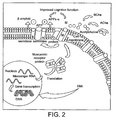
- Fig.2 a diagrammatic representation of the function of sapogenin derivatives for use in the invention is shown. It is believed that sapogenin derivatives act primarily on cell nuclei; the invention is not, however, limited to any particular mode of action. The observed increase in muscarinic receptor number consequential upon administration of sapogenin derivatives is interpreted as leading to increased expression of muscarinic receptor protein. The possible link between the secretases and ⁇ -amyloid protein formation (discussed above) is indicated in the drawing.
Landscapes
- Health & Medical Sciences (AREA)
- Chemical & Material Sciences (AREA)
- General Health & Medical Sciences (AREA)
- Organic Chemistry (AREA)
- Life Sciences & Earth Sciences (AREA)
- Medicinal Chemistry (AREA)
- Bioinformatics & Cheminformatics (AREA)
- Pharmacology & Pharmacy (AREA)
- Veterinary Medicine (AREA)
- Animal Behavior & Ethology (AREA)
- Engineering & Computer Science (AREA)
- Public Health (AREA)
- Chemical Kinetics & Catalysis (AREA)
- General Chemical & Material Sciences (AREA)
- Nuclear Medicine, Radiotherapy & Molecular Imaging (AREA)
- Neurology (AREA)
- Neurosurgery (AREA)
- Biomedical Technology (AREA)
- Epidemiology (AREA)
- Heart & Thoracic Surgery (AREA)
- Cardiology (AREA)
- Psychology (AREA)
- Orthopedic Medicine & Surgery (AREA)
- Hematology (AREA)
- Obesity (AREA)
- Hospice & Palliative Care (AREA)
- Psychiatry (AREA)
- Pain & Pain Management (AREA)
- Diabetes (AREA)
- Toxicology (AREA)
- Physical Education & Sports Medicine (AREA)
- Pharmaceuticals Containing Other Organic And Inorganic Compounds (AREA)
- Organic Low-Molecular-Weight Compounds And Preparation Thereof (AREA)
- Heterocyclic Carbon Compounds Containing A Hetero Ring Having Oxygen Or Sulfur (AREA)
- Steroid Compounds (AREA)
- Acyclic And Carbocyclic Compounds In Medicinal Compositions (AREA)
- Peptides Or Proteins (AREA)
- Preparation Of Compounds By Using Micro-Organisms (AREA)
- Coloring Foods And Improving Nutritive Qualities (AREA)
- Medicines Containing Plant Substances (AREA)
Abstract
Description
- The present invention relates to the use of sapogenin derivatives in treating cognitive disfunction and allied conditions. The invention is also concerned with the treatment of conditions that are characterised by a deficiency in the number or function of membrane-bound receptors. In the following, the present invention will be described principally with reference to the treatment of Alzheimer's disease (AD) and senile dementia of the Alzheimer's type (SDAT), where deficiencies in a number of receptor types have been demonstrated. However, it is to be understood that the present invention is of interest generally to the treatment of conditions attributable to intrinsic pathological conditions and/or exposure to adverse environmental conditions these conditions being characterised by a deficiency in the number or function of membrane-bound receptors or a deficiency in transmission at the junctions between neurones or at the junctions of neurones and effector cells.
- Conditions of the type mentioned above include Parkinson's disease, Lewi body dementia, postural hypotension, autism, chronic fatigue syndrome, Myasthenia Gravis, Lambert Eaton disease, diseases and problems associated with Gulf War Syndrome, occupational exposure to organophosphorus compounds and problems associated with ageing.
- Alzheimer's disease (AD) and senile dementia of the Alzheimer's type (SDAT) are grave and growing problems in all societies where, because of an increase in life expectancy and control of adventitious disease, the demographic profile is increasingly extending towards a more aged population. Agents which can treat, or help in the management of, AD/SDAT are urgently required.
- Age-associated memory impairment (AAMI) is a characteristic of older patients who, while being psychologically and physically normal, complain of memory loss. It is a poorly defined syndrome, but agents which are effective in treatment of AD/SDAT may also be of value in these patients.
- Research into AD/SDAT is being carried out by traditional and conventional medical research methods and disciplines. In conventional medicine, there are several approaches to the treatment of AD/SDAT. It is known that the biochemical processes subserving memory in the cerebral cortex are (at least in part) cholinergically-mediated. Those skilled in the art will know that "cholinergically mediated" mechanisms may be directly attributable to acetylcholine acting on receptors, and these are direct effects. Other, clinically useful effects may also be caused by modulation of release of acetylcholine from pre-synaptic nerve endings or inhibition of enzymes that destroy acetylcholine. These modulating factors may be exerted through neurones where the mediator is non-cholinergic; these are referred to as indirect effects. Some attempts at treatment have focussed on the role of other mediators such as 5-hydroxytryptamine, which is a mediator in other areas of brain, such as the mid-brain nuclei. However, since fibres from these areas are projected forward into the cerebral cortex where the primary transmitter is acetylcholine, attention has focussed on the management of this mediator in the search for appropriate therapeutic agents.
- Cholinergic strategies for the treatment of AD/SDAT have been directed at several points along the pathway of formation, synaptic release and removal of released acetylcholine.
- One approach involves treatment with high doses of lecithin and other precursors of acetylcholine. This is of limited use in producing sustained improvements in cognitive performance.
- Another approach involves the use of vegetable drugs such as Polygalae root extract, which has been shown to enhance choline-acetylcholine transferase (CAT) activity and nerve growth factor (NGF) secretion in brain. Oral administration of NGF has no effect on central nervous system neurons because it is a high molecular weight protein that cannot pass through the blood-brain barrier. However, agents which can pass through the blood-brain barrier and have a stimulating effect on NGF synthesis in the central nervous system have been proposed for the improvement of memory-related behaviour.
- The results of a third clinical approach, which uses cholinesterase inhibitors such as tacrine hydrochloride, have been marginally more positive than the above. Substances obtained from plants used in Chinese and Western medicine, for example huperzine, galanthamine, and physostigmine have all been shown to be of some - although limited - benefit in the treatment of AD/SDAT in clinical studies and also in laboratory models. All of these substances are inhibitors of acetylcholine esterase (AChE). In patients with AD/SDAT, there may be reduced synthesis of acetylcholine (ACh), reduced efficiency in release of ACh from presynaptic stores, and a decrease in the number or function of postsynaptic (M1) receptors. Reductions in pre-synaptic M2 receptors have also been shown. The beneficial effect of AChE inhibitors is attributed to enhancement of acetylcholine levels at synapses in brain by slowing down the destruction of released transmitter.
- Compositions which modulate cholinergic function are known to affect memory and recall. For example, nicotine stimulates nicotinic acetylcholine receptors, and the short lived memory enhancing effects of cigarette smoking are thought to be due to the effect of nicotine. Scopolamine, an antagonist of acetylcholine, will produce amnesia and impaired cognitive function manifesting in psychomotor tests as a prolongation of simple reaction times, possibly as a result of impaired attention, and is used for this purpose as an adjunctive analgesic treatment. The amnesic effect of scopolamine can be antagonised by nicotine.
- There are two families of nicotinic receptor subtypes (α and β), and each includes four subgroups which differ in ligand specificity. The role of nicotinic receptors in the CNS is not well understood at the molecular level. It is possible that agents binding to nicotinic receptors may modify the rate of turnover at muscarinic receptor sites in brain. Nicotinic receptors are ligand-gated ion channels, and their activation causes a rapid (millisecond) increase in cellular permeability to Na+ and Ca++, depolarisation and excitation.
- Another class of cholinergic receptors can be stimulated by muscarine. Such muscarinic (M) receptors are G protein-coupled receptors. Responses of muscarinic receptors are slower; they may be excitatory or inhibitory. They are not necessarily linked to changes in ion permeability. Five types of muscarinic receptors have been detected by cholinergic receptor cloning, and are designated as m1-m5. Pharmacological effects are associated with four of the cloned receptors and they are designated as M1-M4 based on pharmacological specificity.
- Using specific receptor proteins and monoclonal antibodies, it has been possible to further localise muscarinic receptors in brain as m1 (postsynaptic) and m2 (presynaptic). In heart, M2 receptors are postsynaptic. Presynaptic muscarinic receptors are thought to be inhibitory, the binding of ACh to these receptors attenuating the release of further ACh to provide a negative feedback mechanism for Ach release. Selective M2 receptor antagonists which are preferentially distributed to the brain may therefore be useful in treating Alzheimer's disease.
- It is known that, in disease states such as AD/SDAT, there is general neuronal loss and deficits in cholinergic nerve function. It has been speculated that the high affinity nicotinic binding sites in the remaining cholinergic neurons might be converted to low affinity binding sites in treating such diseases, thereby sustaining transmitter release. By lowering the affinity of the nicotinic binding sites, a quick desensitising process is avoided.
- Agonist activation at nicotinic receptors in brain has rapid onset and offset. A decreased affinity of the nicotinic receptors will reduce the desensitisation process. Schwarz R.D. et al (J. Neuro Chem 42, (1984), 1495-8) have shown that nicotine binding sites are presynaptically located on cholinergic (and also 5-hydroxytryptaminergic and catecholaminergic) axon terminals. A change in high affinity binding sites on AD/SDAT may also induce a change in the modulatory effect the nicotinic binding sites may have on other transmitter systems.
- Presynaptic cholinergic mechanisms are also under inhibitory control by GABAergic neurons and this inhibition is thought to be intensified in AD/SDAT. Removal or reduction of this inhibition intensifies presynaptic cortical cholinergic activity and enhances cognitive processing.
- The interactions of interneuronal fibres innervated by nicotine (reducing binding affinity), and dis-inhibition of GABAergic fibres both have a presynaptic locus.
- This is a simplistic model of central transmission, but provides a framework for understanding the attempts which have been made to increase the effective concentration of acetylcholine in central synapses. This further illustrates the concept of direct and indirect action. There are disadvantages attaching to the three conventional therapeutic approaches to AD/SDAT treatment mentioned above: ACh precursor supplementation, agonist replacement and acetylcholine esterase inhibition. These treatments may result in a short-term increase in the availability of ACh which may activate feedback mechanisms resulting in the desensitisation of postsynaptic receptors. On theoretical grounds, long term benefits would not be predicted and when treatment is interrupted, any benefits in management of AD/SDAT and AAMI disappear and the condition may even be aggravated.
- It has been shown that a compound with M1 agonist and M2/M3 antagonist activity improved cognitive performance in SDAT patients (Sramak et al, Life Sciences vol. 2, No. 3, 195-202, 1997). However, this compound causes unacceptable cholinergic side effects, such as fatigue, diarrhoea and nausea.
- A more radical approach to AD/SDAT and AAMI aims to increase the number of postsynaptic (M1) receptors, in brain. It is known from Chinese Patent No. CN1096031A, that sarsasapogenin (SaG) can up-regulate M1 cholinergic receptors.
- Patent applications have been published which claim the usefulness of a number of steroid sapogenins having spirostane, furo-spirostane, spirosolane or solanidine structures in the treatment of diseases. Two patent publications are of particular relevance here: Chinese patent application No CN1096031A discloses two-way regulator effects of the spirostane sapogenin, sarsasapogenin, on β-adrenergic and M-cholinergic receptors. The disclosure in this document, however, is brief. The other document of relevance is patent publication DE 4303214A1 which claims the use of a very wide range of saponins and sapogenins in the treatment of a whole range of diseases that the inventors consider to be of viral origin. This disclosure is however of dubious value in that it is well recognised that there is no infective element to a very large number of the conditions that are characterised by deficient synaptic transmission and thus the basic premise of the alleged invention is flawed. In addition they present no data of any kind that allows one skilled in the art to be able select a preferred compound from the large number that are claimed.
- WO-A-99/48482 (published: 30 September 1999; filed: 26 March 1999) discloses the use of anzurogenin D as an agent for treating cognitive disfunction and similar conditions.
- The inventors have found that certain sapogenin derivatives exhibit the ability to regulate receptors. In particular, these compounds have been found to increase the number of M2 receptors in the brain. Thus, according to one aspect of the invention, there is provided the use of a sapogenin derivative of general formula (I) in the manufacture of a medicament for the treatment of a condition characterised by a deficiency in membrane-bound receptor number or function.
- Those skilled in the art will be aware of the relationship between saponins and their sapogenins, and that the latter tend to be fat-soluble whereas the saponins tend to be water-soluble. Sapogenins are therefore better able to cross the blood-brain barrier. The skilled man will also be aware of the epimerisation of certain sapogenins under conditions of acid hydrolysis.
The variation in pharmacological properties and pharmacodynamic actions of various types of sapogenins underlines the need for selection of those agents which are most useful in the treatment of AD/SDAT. The discovery of novel facts about the action of sapogenin derivatives has made it possible to determine which substances are most useful for the treatment for the treatment of AD/SDAT and the like. - The inventors have found that the above-described properties are exhibited by sapogenin derivatives wherein there is a hydroxy at C5 of the fused ring system. In accordance with the invention, there is provided the use of compounds of general formula I:

and their pharmaceutically acceptable salts,
wherein: - in the general formula (I):
- -R1, R2, R3, R4, R5, R6, R7, R8, R10, are, independently of each other, either H, OH, =O or OR where R = optionally substituted alkyl, optionally substituted acyl, optionally substituted carbamoyl, alkoxycarbonyl;
- -R9, R12, R11, R13 can be either H, OH or OR where R = optionally substituted alkyl, optionally substituted acyl, optionally substituted carbamoyl, alkoxycarbonyl;
- -R14 = optionally substituted alkyl group or when ..... at C25 represents a double bond, an optionally substituted alkylidene group;
- - ..... represents an optional double bond,
- and the stereochemistry at C5 can be either R or S,
- The compounds may be used in the treatment of a condition characterized by the presence of neurofibrillary tangles and/or β-amyloid plaques.
- The compounds may be used for enhancing cognitive function in a human or animal patient suffering from age-related cognitive dysfunction.
- The compounds may be used for treating a disease chosen from: Alzheimer's disease, senile dementia of the Alzheimer's type, Parkinson's disease, Lewi body dementia, postural hypotension, autism, chronic fatigue syndrome, Myasthenia Gravis, Lambert Eaton disease, diseases and problems associated with Gulf War Syndrome, and occupational exposure to organophosphorus compounds.
- Preferably, in the general formula (I):
- -R4, R9, R12, R13 = H
- -R1, R2, R3, R5, R6, R7, R8, R10, can be independently of each other either H, OH, =O, OR where R = optionally substituted alkyl, optionally substituted acyl, optionally substituted carbamoyl, alkoxycarbonyl;
- - R11= H, OH, OR where R = optionally substituted alkyl, optionally substituted acyl, optionally substituted carbamoyl, alkoxycarbonyl;
- - R14 = optionally substituted alkyl group
- - ..... represents an optional double bond,
- and the stereochemistry at C5 can be either R or S
- More preferably, in the formula (I):
- -R1= R2= R4= R6= R7= R8= R10=R11= R9= R12= R13= H,
- - R3 = OH, or OCOCH3, or =O
- - R5 = OH, or OCOCH3, or =O
- -R14 = CH3
- - ..... represents an optional double bond,
- and the stereochemistry at C5 can be either R or S
- As used hereabove and hereafter:
- "Acyl" means an H-CO- or Alkyl-CO- group wherein the alkyl group is as herein described. Preferred acyls contain a lower alkyl. Exemplary acyl groups include formyl, acetyl, propanoyl, 2-methylpropanoyl, butanoyl and palmitoyl.
- "Alkyl" means an aliphatic hydrocarbon group which may be straight or branched, preferably having about 1 to about 20 carbon atoms in the chain. Preferred alkyl groups have 1 to about 12 carbon atoms in the chain. Branched means that one or more lower alkyl groups such as methyl, ethyl or propyl are attached to a linear alkyl chain. "Lower alkyl" means about 1 to about 4 carbon atoms in the chain which may be straight or branched. Exemplary alkyl groups include methyl, ethyl, n-propyl, i-propyl, n-butyl, t-butyl, n-pentyl, 3-pentyl.
- "Optionally substituted" means that the said group may be substituted with one or more substituents which may be the same or different, and include halo, alkyl, cycloalkyl, hydroxy, alkoxy, amino, acylamino, aryl, aroylamino, carboxy, alkoxycarbonyl, aralkoxycarbonyl, heteroaralkoxycarbonyl, optionally substituted carbamoyl.
- The term "pharmaceutical composition" means a composition comprising a compound of formula I and at least one component selected from the group comprising pharmaceutically acceptable carriers, diluents, adjuvants, excipients, or vehicles, such as preserving agents, fillers, disintegrating agents, wetting agents, emulsifying agents, suspending agents, sweetening agents, flavoring agents, perfuming agents, antibacterial agents, antifungal agents, lubricating agents and dispensing agents, depending on the nature of the mode of administration and dosage forms.
- "Pharmaceutically acceptable" means it is, within the scope of sound medical judgement, suitable for use in contact with the cells of humans and lower animals without undue toxicity, irritation, allergic response and the like, and are commensurate with a reasonable benefit/risk ratio.
- "Pharmaceutically acceptable dosage forms" means dosage forms of the compound of the invention, and includes, for example, tablets, dragees, powders, elixirs, syrups, liquid preparations, including suspensions, sprays, inhalants tablets, lozenges, emulsions, solutions, granules, capsules and suppositories, as well as liquid preparations for injections, including liposome preparations. Techniques and formulations generally may be found in Remington, Pharmaceutical Sciences, Mack Publishing Co., Easton, PA, latest edition.
- "Pharmaceutically acceptable salts" means the relatively non-toxic, inorganic and organic acid addition salts, and base addition salts, of compounds of the present invention. These salts can be prepared in situ during the final isolation and purification of the compounds. In particular, acid addition salts can be prepared by separately reacting the purified compound in its free base form with a suitable organic or inorganic acid and isolating the salt thus formed. See, for example S. M. Berge, et al., Pharmaceutical Salts, J. Pharm. Sci., 66: p.1-19 (1977) which is incorporated herein by reference. Base addition salts can also be prepared by separately reacting the purified compound in its acid form with a suitable organic or inorganic base and isolating the salt thus formed. Base addition salts include pharmaceutically acceptable metal and amine salts.
- Sapogenin derivatives of interest in the present invention may occur naturally in a range of plant species, notably from the genera Smilax, Asparagus, Anemarrhena, Yucca and Agave. The species presently of greatest interest include Smilax regelii Kilip & Morton - commonly known as Honduran sarsaparilla; Smilax aristolochiaefolia Miller - commonly known as Mexican sarsaparilla; Smilax ornata Hooker - commonly known as Jamaican sarsaparilla; Smilax aspera - commonly known as Spanish sarsaparilla; Smilax glabra Roxburgh; Smilax febrifuga - Kunth -commonly known as Ecuadorian or Peruvian sarsaparilla; Anemarrhena asphodeloides Bunge; Yucca schidigera Roezl ex Ortgies; and Yucca brevifolia Engelm.
Sapogenin derivatives which may be of interest may also occur naturally in other genera, for example Dioscorea, Trillium, Solanum, Strophanthus, Digitalis and Trigonella. However, some sapogenin derivatives from these sources possess undesirable properties and are thus not recommended for use in the invention. - Sapogenin derivatives of interest in the invention may also be commercially available; suppliers are well-known from the one skilled in the art and may include Sigma Aldrich, Research Plus Inc., Steraloids Inc., etc...
- Substitued sapogenins of interest in the present invention may be prepared by synthetic methods. For instance, they may be prepared from unsubstituted sapogenin derivatives, which may occur naturally or be commercially available, as stated above.
- Starting from these unsubstituted sapogenins, the reaction may involve at least one substitution step, wherein the functional group is substituted on the sapogenin derivative; usually, the starting product is an unsubstituted sapogenin having the required sterechemistry, and the reaction may involve the substitution of one OH-group by the functional radical desired; smilagenin and epismilagenin are preferred as starting products.
- Compounds useful according to the invention may be prepared by the application or adaptation of known methods, by which is meant methods used heretofore or described in the literature, for example those described by R. C. Larock in Comprehensive Organic Transformations, VCH publishers, 1989.
- In the reactions described hereinafter it may be necessary to protect reactive functional groups, for example hydroxy or carboxy groups, where these are desired in the final product, to avoid their unwanted participation in the reactions. Conventional protecting groups may be used in accordance with standard practice, for examples see T.W. Green and P.G.M.Wuts in "Protective Groups in Organic Chemistry" John Wiley and Sons, 1991; J. F. W. McOmie in "Protective Groups in Organic Chemistry" Plenum Press, 1973.
- The compound thus prepared may be recovered from the reaction mixture by conventional means. For example, the compounds may be recovered by distilling off the solvent from the reaction mixture or, if necessary after distilling off the solvent from the reaction mixture, pouring the residue into water followed by extraction with a water-immiscible organic solvent and distilling off the solvent from the extract. Additionally, the product can, if desired, be further purified by various well techniques, such as recrystallization, reprecipitation or the various chromatography techniques, notably column chromatography or preparative thin layer chromatography.
- The present invention may be put into effect using a pharmaceutical composition having cognitive function enhancing properties which comprises an effective amount of a sapogenin derivative of the invention.
- The sapogenin derivatives used in the present invention are steroidal; they are preferably non-oestrogenic in effect.
- In another aspect, the invention may be put into effect using a pharmaceutical composition having cognitive function enhancing properties which comprises an effective amount of a sapogenin derivative of the invention in the form of an extract derived from a plant of the genus Smilax, Asparagus, Anemarrhena, Yucca or Agave.
- It will be appreciated that the invention embraces within its scope the use of the compositions defined above. Thus, the present invention enables a method of enhancing cognitive function which comprises administering to a human or animal an effective dosage of a composition of the invention.
- The invention enables a method of enhancing cognitive function in a human or non-human animal, which comprises administering an effective dose of sapogenin derivatives of the invention. Also, it concerns the use of the sapogenin derivatives of the invention in food product or beverage for enhancing cognitive function.
- As used herein, the term "cognitive function" refers to functions such as thinking, reasoning, remembering, imagining and learning.
- According to a further aspect, the invention may be put into effect using a composition having cognitive function enhancing properties which comprises at least two, preferably two, sapogenin derivatives of the invention.
- In identifying compounds that would have use in the treatment of SDAT and other diseases characterised by reductions in receptor numbers or synaptic transmission, the inventors have given consideration to the need to identify compounds that would have the desired effect but would be devoid of any oestrogenic effects, as these would be unacceptable, particularly in male patients. A number of the compounds claimed to have activity in patent application DE 4303214A1 have marked oestrogenic activity and are therefore unacceptable. Preferably, sapogenin derivatives for use in the present invention however, do not display oestrogenic activity. In addition these compound were tested at other steroid receptors and were found to have no activity at any of the following receptors:
- Progesterone
- Glucocorticoid
- Testosterone
- Sapogenin derivatives for use in the present invenion have also been tested for activity in a number of in-vitro assays. The assays/experiments that were considered of key importance in determining possible activity in the elevation of membrane bound receptor numbers were as follows:
- Chinese hamster ovary (CHO) cells transfected with the a DNA fragment coding for a muscarinic receptor. The cell line used for the majority of the experiments was a cell line expressing the m2 receptor.
- The effects of various compounds on the expression of m2 receptors on CHO cells transfected with DNA for the m2 receptor were investigated. Receptor numbers were assayed using tritiated QNB binding and subtracting non-specific binding. Compounds were dissolved in DMSO and DMSO was used as a control.
Compounds were tested at a range of final concentrations. Compounds were also tested in the presence and absence of tamoxifen to try to distinguish an oestrogen receptor mediated mechanism.
The results are summarised in the Table 1 below. The results are summarised in the Table 1 below. Compounds are active when the effect on receptor expression given as a percentage increase compared to control is more than 15%.

Thus the experiments indicate that the sapogenin derivatives for use in the invention were able to increase the number of muscarinic receptors expressed on the surface of CHO cells cultured in-vitro. The effect was not antagonised by tamoxifen, indicating that the mechanism involved did not involve the oestrogen receptor.
It appears from the experimental work conducted that the compounds for use in this invention act to normalise muscarinic receptor number - i.e. they tend to prevent decline in receptor number with time, and also tend to restore receptor number to normal levels when given to cells in which the receptor number is depressed.
It is speculated here that the effect of the active compound specified in this patent may operate through an effect on G protein and that the effects on receptor numbers are secondary to an effect on G-protein. When a membrane bound G-protein linked receptor is stimulated two basic sets of events are initiated: the effecter response; and the internalisation of the receptor. The subsequent processing of the receptor to the state where it is again in a form on the cell surface or other membrane surface where it can interact with another receptor ligand appears to be subject to a number of factors. A number of these factors or mechanisms appear to be G-protein linked. There is evidence that activation of m3 receptors may have an effect on G-protein expression or levels. It is speculated that the actions of the compounds described in this patent may be due to an interaction in the processes of receptor regeneration, G-protein linkage or G-protein homeostasis. - An alternative hypothesis is that the compounds are increasing the synthesis or release or a decreased rate of degradation of neurotropic factors such as brain derived growth factor and/or nerve growth factor. These effects on growth factors might be due to an effect of the compound on a cytosolic or nuclear receptor or the binding of a compound to a promoter region with a consequent effect directly on the rate of production of mRNA for the growth factor or as a consequence of increasing the production of another material factor such as G-protein or fmally the effects may be secondary to an effect on receptor or G-protein procession.
- The increased expression and/or abnormal processing of the amyloid precursor protein (APP) is associated with the formation of amyloid plaques and cerebrovascular amyloid deposits which are the major morphological hallmarks of Alzheimer's disease. Of particular interest are the processes regulating the proteolytic cleavage of APP into amyloidogenic and nonamyloidogenic fragments. The cleavage of APP by the enzyme α-secretase within the β-amyloid sequence of the protein results in the formation of a non amyloidogenic C-Terminal fragment, and the soluble APPsα fragment; this latter fragment has been shown to have neurotropic and neuroprotective activity as well as to enhance memory in mice when injected intra-cerebro-ventrically (ICV). In contrast, processing of APP by β-secretase exposes the N-terminus of β-amyloid which is released by γ-secretase cleavage at the variable C-terminus. The resulting β-amyloid peptides, which contain 39-43 amino acids, have been shown to be neurotoxic and to accumulate in plaques which interfere with inter-neurone connections.
- A number of studies have shown that stimulation of the protein-kinase (PKC) linked muscarinic M1 and M3 receptors results in an increase in α-secretase activity. As a consequence processing of APP to APPsα with its neuroprotective effects is increased. In parallel, processing of APP by β- and γ-secretase is decreased and there is a consequential reduction of β-amyloid. Other transmitters such as nerve growth factor (NGF) and brain derived neurotropic factor (BDNF) as well as bradykinin and vasopressin may have similar effects in increasing the proportion of APP processed to APPsα. There may be a number of factors involved in the effects of NGF which may include binding of the factor to the tyrosine kinase receptor (TrkA) and the stimulation of phospholipase Cγ with subsequent phosphorylation and activation of protein kinase C (PKC) and increase in relative activity of α-secretase.
- Any treatment which increases activity of protein-kinase C selectively in brain might therefore be expected to be of use in the management of Alzheimer's disease. Until recently agonists selective at the M1 receptor have not been available. Non-selective agonists would be expected to stimulate pre-synaptic M2 receptors which cause negative feedback and hence would further severely impair muscarinic transmission. Selective agonists at the M1 receptor are now becoming available (talsaclidine) and such agents are under investigation for the treatment of AD. There is however, a substantial risk that, as with the chronic administration of any receptor agonist, the clinical benefits seen will be severely limited in terms of the size of benefit by reducing receptor numbers or reducing sensitivity and in terms of side effects due to lack of receptor specificity. Thus compounds as described in this invention, which selectively increase muscarinic receptor numbers or function, would be expected to be devoid of the problems seen with a muscarinic agonist and hence have particular utility. Indeed the benefits may be seen in three parts as follows.
- 1. A selective increase in M1 receptor numbers leading to increased synaptic transmission. Chronic administration of a selective agonist will, at best, have no adverse effect on transmission;
- 2. Secondary to the increased receptor numbers, an increase stimulation of PKC with a consequential increase in α-secretase activity, leading to:
- 2.1 A reduced production of β-amyloid and a consequent reduction of plaque formation and neuronal loss;
- 2.2 An increase in APPsα and a consequent improvement in cerebral function as witnessed by an improvement in short and long term memory.
- In order to illustrate the invention further by way of non-limiting example, reference will now be made to the accompanying drawings and to the Example which follows; in the drawings:
- FIGURE 1 illustrates the results obtained in Example 1 below;
- FIGURE 2 illustrates a hypothetical mode of action for sapogenin derivatives;
- Referring to Fig.2, a diagrammatic representation of the function of sapogenin derivatives for use in the invention is shown. It is believed that sapogenin derivatives act primarily on cell nuclei; the invention is not, however, limited to any particular mode of action. The observed increase in muscarinic receptor number consequential upon administration of sapogenin derivatives is interpreted as leading to increased expression of muscarinic receptor protein. The possible link between the secretases and β-amyloid protein formation (discussed above) is indicated in the drawing.
- The following Example is provided to illustrate the invention in a non-limiting manner.
- In a CHO cell line expressing recombinant human muscarinic receptors in vitro, the number of muscarinic receptors tends to decline with time. Sapogenin derivatives of the invention (1-10µM) incubated for 72 hours increase muscarinic receptor density.
- Effect of sapogenin derivatives of the invention on muscarinic receptor density in CHO cells expressing recombinant human muscarinic receptors.
Chinese hamster ovary (CHO) cells expressing high levels of receptor (~2.2 pmoles receptor/mg protein) were cultured in flasks (150 ml) for 24 hours before the start of the experiment. Vehicle (DMSO) and sapogenin derivatives (at 1 and 10 µM) were added to the medium for 48 h. The culture medium was discarded, the cells scraped off and resuspended in Hanks solution, centrifuged and m-receptor levels determined by incubating with [3H]-QNB for 30 min followed by liquid scintillation counting. Protein levels were determined by a micro Lowry method. - These are illustrated in Figure 1. Over the culturing period treatment with sapogenin derivatives of the invention prevents the decrease in muscarinic receptor number in a concentration-dependent manner.
but excluding anzurogenin-D,
in the manufacture of a medicament for enhancing cognitive function or for treating cognitive dysfunction.
The methods and the results of these experiments are now described in turn.
Claims (9)
- The use of compounds of general formula I:

and their pharmaceutically acceptable salts,
wherein:in the general formula (I):- R1, R2, R3, R4, R5, R6, R7, R8, R10, are, independently of each other, either H, OH, =O or OR where R = optionally substituted alkyl, optionally substituted acyl, optionally substituted carbamoyl, alkoxycarbonyl;- R9, R12, R11, R13 can be either H, OH or OR where R = optionally substituted alkyl, optionally substituted acyl, optionally substituted carbamoyl, alkoxycarbonyl;- R14 = optionally substituted alkyl group or when ..... at C25 represents a double bond, an optionally substituted alkylidene group;- ..... represents an optional double bond,
and the stereochemistry at C5 can be either R or S,
but excluding anzurogenin-D,
in the manufacture of a medicament for enhancing cognitive function or for treating cognitive dysfunction. - The use according to claim 1, wherein in the general formula (I):- R4, R9, R12, R13 = H- R1, R2, R3, R5, R6, R7, R8, R10 are, independently of each other, either H, OH, =O or OR where R = optionally substituted alkyl, optionally substituted acyl, optionally substituted carbamoyl, alkoxycarbonyl;
R11= H, OH, OR where R = optionally substituted alkyl, optionally substituted acyl, optionally substituted carbamoyl, alkoxycarbonyl;
R14 = optionally substituted alkyl group or when ..... at C25 represents a double bond, an optionally substituted alkylidene group;- ..... represents an optional double bond,
and the stereochemistry at C5 can be either R or S. - The use according to claim 1 or 2, wherein in the general formula (I):- R1= R2= R4= R6= R7= R8= R10=R11= R9= R12= R13= H,- R3 = OH, or OCOCH3, or =O- R5 = OH, or OCOCH3, or =O- R14 = CH3- ..... represents an optional double bond,
and the stereochemistry at C5 can be either R or S. - Use of compounds as defined in claim 1, excluding anzurogenin D, in the manufacture of a composition for the treatment of a condition characterized by the presence of neurofibrillary tangles and/or β-amyloid plaques.
- Use according to any one of the preceding claims, wherein said medicament or composition is for enhancing cognitive function in a human patient suffering from age-related cognitive dysfunction.
- Use according to any one of claims 1 to 4, wherein said medicament or composition is for enhancing cognitive function in an animal patient suffering from age-related cognitive dysfunction.
- Use according to any one of the preceding claims, wherein said medicament or composition is for treating a disease chosen from: Alzheimer's disease, senile dementia of the Alzheimer's type, Parkinson's disease, Lewi body dementia, postural hypotension, autism, chronic fatigue syndrome, Myasthenia Gravis, Lambert Eaton disease, diseases and problems associated with Gulf War Syndrome, and occupational exposure to organophosphorus compounds.
- Use according to claim 7, wherein said medicament or composition is for treating a disease chosen from Alzheimer's disease or senile dementia of the Alzheimer's type.
- Use according to claim 7, wherein said medicament or composition is for treating Parkinson's disease.
Applications Claiming Priority (3)
| Application Number | Priority Date | Filing Date | Title |
|---|---|---|---|
| GBGB9923078.1A GB9923078D0 (en) | 1999-09-29 | 1999-09-29 | Sapogenin derivatives and their use |
| GB9923078 | 1999-09-29 | ||
| PCT/GB2000/003750 WO2001023408A1 (en) | 1999-09-29 | 2000-09-29 | 5-hydroxysapogenin derivatives with anti-dementia activity |
Publications (2)
| Publication Number | Publication Date |
|---|---|
| EP1224207A1 EP1224207A1 (en) | 2002-07-24 |
| EP1224207B1 true EP1224207B1 (en) | 2006-02-15 |
Family
ID=10861839
Family Applications (1)
| Application Number | Title | Priority Date | Filing Date |
|---|---|---|---|
| EP00964452A Expired - Lifetime EP1224207B1 (en) | 1999-09-29 | 2000-09-29 | 5-hydroxysapogenin derivatives with anti-dementia activity |
Country Status (14)
| Country | Link |
|---|---|
| US (3) | US20030100542A1 (en) |
| EP (1) | EP1224207B1 (en) |
| JP (1) | JP2003525869A (en) |
| CN (1) | CN1377366A (en) |
| AT (1) | ATE317849T1 (en) |
| AU (1) | AU7538700A (en) |
| BR (1) | BR0014372A (en) |
| CA (1) | CA2385440C (en) |
| DE (1) | DE60026046T2 (en) |
| ES (1) | ES2257321T3 (en) |
| GB (1) | GB9923078D0 (en) |
| HK (1) | HK1045524B (en) |
| MX (1) | MXPA02003307A (en) |
| WO (1) | WO2001023408A1 (en) |
Families Citing this family (13)
| Publication number | Priority date | Publication date | Assignee | Title |
|---|---|---|---|---|
| GB9923076D0 (en) | 1999-09-29 | 1999-12-01 | Phytopharm Plc | Sapogenin derivatives and their use |
| GB0000228D0 (en) * | 2000-01-06 | 2000-03-01 | Phytopharm Plc | Fluoro substituted sapogenins and their use |
| CA2479249A1 (en) * | 2002-03-15 | 2003-09-25 | Samaritan Pharmaceuticals, Inc. | Neuroprotective spirostenol pharmaceutical compositions |
| JP4573157B2 (en) * | 2002-03-27 | 2010-11-04 | フィトファーム・パブリック・リミテッド・カンパニー | Method of treatment and use of sapogenin and its derivatives |
| PT1490071E (en) * | 2002-03-27 | 2009-05-25 | Phytopharm Plc | Therapeutic uses of sapogenins |
| PL213697B1 (en) * | 2002-03-27 | 2013-04-30 | Phytopharm Plc | Theraputic methods and uses of sapogenins and their derivatives |
| GB0409567D0 (en) | 2004-04-28 | 2004-06-02 | Phytopharm Plc | Chemical compounds |
| US8389739B1 (en) | 2006-10-05 | 2013-03-05 | Orphagen Pharmaceuticals | Modulators of retinoid-related orphan receptor gamma |
| CA2750510A1 (en) | 2009-01-24 | 2010-07-29 | Phytopharm Plc | Treatment of neurotrophic factor mediated disorders |
| JP2013543482A (en) | 2010-07-20 | 2013-12-05 | ファイトファーム ピーエルシー | Treatment of diseases induced by L-dopa, dopamine agonists and / or dopamine activators |
| CU20110244A7 (en) * | 2011-12-27 | 2013-08-29 | Ct De Investigación Y Desarrollo De Medicamentos Cidem | SPI-ESTEROID SYSTEMS WITH NEUROACTIVE AND ANTI-INFLAMMATORY EFFECTS |
| WO2013149580A1 (en) * | 2012-04-03 | 2013-10-10 | Chiming Che | Timosaponin compounds |
| KR101777920B1 (en) * | 2015-07-27 | 2017-09-14 | 재단법인 지능형 바이오 시스템 설계 및 합성 연구단 | The composition containing ginsenoside F1 for removing amyloid plaques |
Citations (11)
| Publication number | Priority date | Publication date | Assignee | Title |
|---|---|---|---|---|
| WO2001023407A1 (en) * | 1999-09-29 | 2001-04-05 | Phytopharm Plc | Sapogenin derivatives and their use in the treatment of cognitive dysfunction |
| WO2001023406A1 (en) * | 1999-09-29 | 2001-04-05 | Phytopharm Plc | 5-beta-sapogenin and pseudosapogenin derivatives and their use in the treatment of dementia |
| EP1140916B1 (en) * | 1998-12-16 | 2002-11-13 | Aventis Pharma Limited | Heteroaryl-cyclic acetals |
| EP1147101B1 (en) * | 1999-01-27 | 2002-11-20 | Abbott Laboratories | Reverse hydroxamate inhibitors of matrix metalloproteinases |
| EP1077984B1 (en) * | 1998-05-04 | 2003-06-18 | Pfizer Products Inc. | 2"-deoxy hygromycin derivatives |
| EP1112275B1 (en) * | 1998-09-09 | 2003-07-30 | Metabasis Therapeutics, Inc. | Novel heteroaromatic inhibitors of fructose 1,6-bisphosphatase |
| EP1075258B1 (en) * | 1998-05-08 | 2003-08-20 | Thia Medica AS | Novel fatty analogues for the treatment of obesity |
| EP1282622B1 (en) * | 2000-05-18 | 2003-09-17 | Neurocrine Biosciences, Inc. | Crf receptor antagonists and methods relating thereto |
| EP1212324B1 (en) * | 1999-08-23 | 2003-10-29 | MERCK SHARP & DOHME LTD. | Imidazo-triazine derivatives as ligands for gaba receptors |
| EP1075483B1 (en) * | 1998-05-04 | 2003-12-03 | Pfizer Products Inc. | Hygromycin a derivatives |
| EP1083889B1 (en) * | 1998-06-01 | 2003-12-10 | Ortho-McNeil Pharmaceutical, Inc. | Tetrahydronaphtalene compounds and their use for the treatment of neurodegenerative diseases |
Family Cites Families (52)
| Publication number | Priority date | Publication date | Assignee | Title |
|---|---|---|---|---|
| GB852847A (en) * | 1958-03-04 | 1960-11-02 | British Drug Houses Ltd | Improvements in or relating to 6-methyl steroid compounds |
| BE794362A (en) * | 1972-01-22 | 1973-07-23 | Merck Patent Gmbh | WATER-SOLUBLE STERINE SULPHATES |
| US3929769A (en) * | 1972-05-19 | 1975-12-30 | Ciba Geigy Corp | Process for the manufacture of steroid epoxides |
| CA985172A (en) * | 1972-10-06 | 1976-03-09 | Dushan M. Dvornik | Compositions and methods for reducing blood cholesterol |
| DE2416978A1 (en) * | 1974-04-08 | 1975-10-09 | Degussa | MEDICINAL PRODUCTS WITH THE MAIN APOGNANT OF THE HELLEBORUS SPECIES AS THE ACTIVE SUBSTANCE |
| LU81256A1 (en) * | 1979-05-15 | 1980-12-16 | Oreal | HAIR COSMETIC COMPOSITION, IN PARTICULAR FOR WASHING AND / OR UNMAKING HAIR, BASED ON AN EXTRACT OF PLANTS CONTAINING SAPONOSIDES |
| JPS5855500A (en) * | 1981-09-25 | 1983-04-01 | Tokiwa Yakuhin Kogyo Kk | Preparation of 16-dehydropregnenolone |
| US4602003A (en) * | 1982-05-17 | 1986-07-22 | Medical Research Foundation Of Oregon | Synthetic compounds to inhibit intestinal absorption of cholesterol in the treatment of hypercholesterolemia |
| US4602005A (en) * | 1982-05-17 | 1986-07-22 | Medical Research Foundation Of Oregon | Tigogenin cellobioside for treating hypercholesterolemia and atherosclerosis |
| US4562250A (en) * | 1982-09-13 | 1985-12-31 | Regents Of The University Of Minnesota | Steroidal glycosides produced by Yucca tissue culture |
| US4546097A (en) * | 1983-11-04 | 1985-10-08 | The United States Of America As Represented By The Department Of Health And Human Services | Saponin-based polyether polyols, pharmaceutical compositions and a method of using same |
| US4680289A (en) * | 1985-06-05 | 1987-07-14 | Progenics, Inc. | Treatment of obesity and diabetes using sapogenins |
| US5017562A (en) * | 1987-02-11 | 1991-05-21 | Regents Of The University Of Minnesota | Crystalline saponin-containing complex |
| DE3838716A1 (en) * | 1988-11-15 | 1990-05-17 | Kanoldt Arzneimittel Gmbh | MEDICINAL PRODUCTION OF ESTER DERIVATIVES OF HECOGENINE AND ITS USE FOR THE TREATMENT OF BENIGNER PROSTATE HYPERPLASIA |
| ATE188036T1 (en) * | 1990-01-18 | 2000-01-15 | Cura Nominees Pty Ltd | GLYCOALKALOIDS |
| US5252729A (en) * | 1991-10-23 | 1993-10-12 | Schering Corporation | Extraction of compounds from plant materials using supercritical fluids |
| US5244887A (en) * | 1992-02-14 | 1993-09-14 | Straub Carl D | Stanols to reduce cholesterol absorption from foods and methods of preparation and use thereof |
| JPH05246866A (en) * | 1992-03-06 | 1993-09-24 | Ruibosuteii Japan:Kk | Agent for stimulating cerebral metabolism and for improving cerebral function |
| CZ331094A3 (en) * | 1992-06-26 | 1995-09-13 | Pfizer | Steroidal glycosides and their use for treating hypercholesterolemia and atherosclerosis |
| DE4303214A1 (en) * | 1993-02-04 | 1994-08-11 | Wolfgang Marks | Treatment of diseases of viral, viroidal or oncogenic origin by steroid saponins or their aglycones |
| EP0696292A1 (en) * | 1993-04-28 | 1996-02-14 | Pfizer Inc. | Spirostanyl glycosidal crystalline monohydrate |
| CN1033754C (en) * | 1993-05-31 | 1997-01-08 | 上海第二医科大学 | Use of timosaponin as a bidirectional modulator of β-adrenergic and M choline receptors and its preparation method |
| CN1102186A (en) * | 1993-10-29 | 1995-05-03 | 沈阳医学院 | Determination and usage of new component of traditional Chinese medicine Chinese onion |
| US5589182A (en) * | 1993-12-06 | 1996-12-31 | Tashiro; Renki | Compositions and method of treating cardio-, cerebro-vascular and alzheimer's diseases and depression |
| JPH09500906A (en) * | 1993-12-28 | 1997-01-28 | ファイザー・インク. | Blood cholesterol lowering drugs |
| US5698526A (en) * | 1993-12-28 | 1997-12-16 | Pfizer Inc. | Steroidal glycosides |
| US5856535A (en) * | 1994-08-18 | 1999-01-05 | Magainin Pharmaceuticals, Inc. | Aminosterol ester compounds |
| US5840740A (en) * | 1995-06-07 | 1998-11-24 | Magainin Pharmaceuticals Inc. | Aminosterol compounds and a method of treating infection using the aminosterol compounds |
| SI9520092A (en) * | 1994-08-30 | 1997-12-31 | Pfizer | Spirostanyl glycosidal crystals |
| MX9702175A (en) * | 1994-09-20 | 1997-06-28 | Pfizer | Combination of a cholesterol absorption inhibitor and a cholesterol synthesis inhibitor. |
| WO1996038466A1 (en) * | 1995-05-29 | 1996-12-05 | Pfizer Inc. | Steroidal glycosides |
| US5840936A (en) * | 1995-06-07 | 1998-11-24 | Magainin Pharmaceuticals Inc. | Aminosterol compounds useful as inhibitors of the sodium/proton exchanger (NHE) |
| US5763430A (en) * | 1995-06-07 | 1998-06-09 | Magainin Pharmaceuticals Inc. | Method of treating a viral infection by administering a steroid compound |
| US5847172A (en) * | 1995-06-07 | 1998-12-08 | Magainin Pharmaceuticals Inc. | Certain aminosterol compounds and pharmaceutical compositions including these compounds |
| US5795885A (en) * | 1995-06-07 | 1998-08-18 | Magainin Pharmaceuticals Inc. | Method of inhibiting profileration of cells by administering an aminosterol compound |
| US5792635A (en) * | 1995-06-07 | 1998-08-11 | Magainin Pharmaceuticals, Inc. | Method of inhibiting the sodium/proton exchanger NHE3 and method of inhibiting growth by administering squalamine |
| US6143738A (en) * | 1995-06-07 | 2000-11-07 | Magainin Pharmaceuticals, Inc. | Therapeutic uses for an aminosterol compound |
| CU22860A1 (en) * | 1995-10-12 | 2003-05-26 | Univ La Habana | SPIROSTANONES WITH OXYGEN FUNCTIONS IN RING A. AS REGULATORS OF VEGETABLE GROWTH AND ITS PROCEDURE OF OBTAINING |
| DE69615214T2 (en) * | 1995-10-13 | 2002-06-27 | Banyu Pharmaceutical Co., Ltd. | SUBSTITUTED HETEROAROMATIC DERIVATIVES |
| US5726179A (en) * | 1996-04-01 | 1998-03-10 | The University Of Toledo | Muscarinic agonists |
| JP4228116B2 (en) * | 1996-05-09 | 2009-02-25 | ゼニス・オペレイションズ・プロプライエタリー・リミテッド | Treatment of asthma and airway diseases |
| US5804239A (en) * | 1996-07-26 | 1998-09-08 | Nouveau Technologies, Inc. | Method and composition for food flavoring |
| CN1131237C (en) * | 1997-09-26 | 2003-12-17 | 中国人民解放军军事医学科学院放射医学研究所 | Use of steroidal saponins in preventing and treating senile dementia and new steroidal saponins |
| JP3873097B2 (en) * | 1997-11-06 | 2007-01-24 | 独立行政法人理化学研究所 | Anti-obesity agent and lipid metabolism improving agent |
| US20030118673A1 (en) * | 1998-03-26 | 2003-06-26 | Zongqin Xia | Smilagenin and anzurogenin-D for the treatment of alzheimer's disease |
| EP1066033B1 (en) * | 1998-03-26 | 2005-12-28 | Phytopharm Plc | Smilagenin and anzurogenin-d for the treatment of alzheimer's disease |
| GB9905275D0 (en) * | 1999-03-08 | 1999-04-28 | Phytopharm Ltd | Treatment of conditions associated with membrane-bound receptors and their function |
| GB2347676A (en) * | 1999-03-08 | 2000-09-13 | Phytopharm Plc | Screening method |
| US6544566B1 (en) * | 1999-04-23 | 2003-04-08 | Protein Technologies International, Inc. | Composition containing plant sterol, soy protein and isoflavone for reducing LDL cholesterol |
| GB0000228D0 (en) * | 2000-01-06 | 2000-03-01 | Phytopharm Plc | Fluoro substituted sapogenins and their use |
| BR0001794A (en) * | 2000-05-15 | 2001-12-26 | Laboratorios Biosintetica Ltda | Application of phytosteroids (and their isomers), folic acid, cyanocobalamin and pyridoxine in dietary fibers (food) |
| US20050130948A1 (en) * | 2002-03-27 | 2005-06-16 | Daryl Rees | Therapeutic methods and uses of sapogenins and their derivatives |
-
1999
- 1999-09-29 GB GBGB9923078.1A patent/GB9923078D0/en not_active Ceased
-
2000
- 2000-09-29 EP EP00964452A patent/EP1224207B1/en not_active Expired - Lifetime
- 2000-09-29 AT AT00964452T patent/ATE317849T1/en not_active IP Right Cessation
- 2000-09-29 WO PCT/GB2000/003750 patent/WO2001023408A1/en not_active Ceased
- 2000-09-29 AU AU75387/00A patent/AU7538700A/en not_active Abandoned
- 2000-09-29 ES ES00964452T patent/ES2257321T3/en not_active Expired - Lifetime
- 2000-09-29 JP JP2001526558A patent/JP2003525869A/en active Pending
- 2000-09-29 CA CA002385440A patent/CA2385440C/en not_active Expired - Fee Related
- 2000-09-29 BR BR0014372-3A patent/BR0014372A/en not_active Application Discontinuation
- 2000-09-29 DE DE60026046T patent/DE60026046T2/en not_active Expired - Fee Related
- 2000-09-29 MX MXPA02003307A patent/MXPA02003307A/en active IP Right Grant
- 2000-09-29 CN CN00813604A patent/CN1377366A/en active Pending
- 2000-09-29 HK HK02106661.3A patent/HK1045524B/en not_active IP Right Cessation
-
2002
- 2002-03-28 US US10/108,737 patent/US20030100542A1/en not_active Abandoned
-
2006
- 2006-02-02 US US11/346,046 patent/US20060165757A1/en not_active Abandoned
-
2007
- 2007-08-20 US US11/894,105 patent/US20080020021A1/en not_active Abandoned
Patent Citations (12)
| Publication number | Priority date | Publication date | Assignee | Title |
|---|---|---|---|---|
| EP1077984B1 (en) * | 1998-05-04 | 2003-06-18 | Pfizer Products Inc. | 2"-deoxy hygromycin derivatives |
| EP1075483B1 (en) * | 1998-05-04 | 2003-12-03 | Pfizer Products Inc. | Hygromycin a derivatives |
| EP1075258B1 (en) * | 1998-05-08 | 2003-08-20 | Thia Medica AS | Novel fatty analogues for the treatment of obesity |
| EP1083889B1 (en) * | 1998-06-01 | 2003-12-10 | Ortho-McNeil Pharmaceutical, Inc. | Tetrahydronaphtalene compounds and their use for the treatment of neurodegenerative diseases |
| EP1112275B1 (en) * | 1998-09-09 | 2003-07-30 | Metabasis Therapeutics, Inc. | Novel heteroaromatic inhibitors of fructose 1,6-bisphosphatase |
| EP1140916B1 (en) * | 1998-12-16 | 2002-11-13 | Aventis Pharma Limited | Heteroaryl-cyclic acetals |
| EP1147101B1 (en) * | 1999-01-27 | 2002-11-20 | Abbott Laboratories | Reverse hydroxamate inhibitors of matrix metalloproteinases |
| EP1212324B1 (en) * | 1999-08-23 | 2003-10-29 | MERCK SHARP & DOHME LTD. | Imidazo-triazine derivatives as ligands for gaba receptors |
| WO2001023407A1 (en) * | 1999-09-29 | 2001-04-05 | Phytopharm Plc | Sapogenin derivatives and their use in the treatment of cognitive dysfunction |
| WO2001023406A1 (en) * | 1999-09-29 | 2001-04-05 | Phytopharm Plc | 5-beta-sapogenin and pseudosapogenin derivatives and their use in the treatment of dementia |
| EP1224206B1 (en) * | 1999-09-29 | 2004-09-22 | Phytopharm Plc | Sapogenin derivatives and their use in the treatment of cognitive dysfunction |
| EP1282622B1 (en) * | 2000-05-18 | 2003-09-17 | Neurocrine Biosciences, Inc. | Crf receptor antagonists and methods relating thereto |
Also Published As
| Publication number | Publication date |
|---|---|
| HK1045524A1 (en) | 2002-11-29 |
| AU7538700A (en) | 2001-04-30 |
| CA2385440C (en) | 2008-05-20 |
| ATE317849T1 (en) | 2006-03-15 |
| JP2003525869A (en) | 2003-09-02 |
| MXPA02003307A (en) | 2002-10-04 |
| DE60026046D1 (en) | 2006-04-20 |
| DE60026046T2 (en) | 2006-10-05 |
| HK1045524B (en) | 2006-05-12 |
| ES2257321T3 (en) | 2006-08-01 |
| WO2001023408A1 (en) | 2001-04-05 |
| US20080020021A1 (en) | 2008-01-24 |
| GB9923078D0 (en) | 1999-12-01 |
| CN1377366A (en) | 2002-10-30 |
| CA2385440A1 (en) | 2001-04-05 |
| BR0014372A (en) | 2002-06-25 |
| EP1224207A1 (en) | 2002-07-24 |
| US20030100542A1 (en) | 2003-05-29 |
| US20060165757A1 (en) | 2006-07-27 |
Similar Documents
| Publication | Publication Date | Title |
|---|---|---|
| US20080021004A1 (en) | Sapogenin derivatives and their use in the treatment of cognitive dysfunction | |
| EP1224205B1 (en) | 5-beta-sapogenin and pseudosapogenin derivatives and their use in the treatment of dementia | |
| US20080020021A1 (en) | 5-Hydroxysapogenin derivatives with anti-dementia activity | |
| CA2325633C (en) | Steroidal sapogenins and their derivatives for treating alzheimer's disease | |
| US6258386B1 (en) | Smilagenin and its use | |
| US7368137B2 (en) | Smilagenin and its use | |
| HK1073661A (en) | Sapogenin derivatives and their use in the treatment of cognitive dysfunction | |
| HK1092159A (en) | 5-beta-sapogenin and pseudosapogenin derivatives and their use in the treatment of dementia |
Legal Events
| Date | Code | Title | Description |
|---|---|---|---|
| PUAI | Public reference made under article 153(3) epc to a published international application that has entered the european phase |
Free format text: ORIGINAL CODE: 0009012 |
|
| 17P | Request for examination filed |
Effective date: 20020425 |
|
| AK | Designated contracting states |
Kind code of ref document: A1 Designated state(s): AT BE CH CY DE DK ES FI FR GB GR IE IT LI LU MC NL PT SE |
|
| AX | Request for extension of the european patent |
Free format text: AL PAYMENT 20020424;LT PAYMENT 20020424;LV PAYMENT 20020424;MK PAYMENT 20020424;RO PAYMENT 20020424;SI PAYMENT 20020424 |
|
| RIN1 | Information on inventor provided before grant (corrected) |
Inventor name: XIA, ZONGQIN Inventor name: REES, DARYL Inventor name: BARRACLOUGH, PAUL Inventor name: GUNNING, PHIL Inventor name: HU, YAER Inventor name: HANSON, JIM |
|
| 17Q | First examination report despatched |
Effective date: 20040113 |
|
| GRAP | Despatch of communication of intention to grant a patent |
Free format text: ORIGINAL CODE: EPIDOSNIGR1 |
|
| GRAS | Grant fee paid |
Free format text: ORIGINAL CODE: EPIDOSNIGR3 |
|
| GRAA | (expected) grant |
Free format text: ORIGINAL CODE: 0009210 |
|
| AK | Designated contracting states |
Kind code of ref document: B1 Designated state(s): AT BE CH CY DE DK ES FI FR GB GR IE IT LI LU MC NL PT SE |
|
| AX | Request for extension of the european patent |
Extension state: AL LT LV MK RO SI |
|
| PG25 | Lapsed in a contracting state [announced via postgrant information from national office to epo] |
Ref country code: FI Free format text: LAPSE BECAUSE OF FAILURE TO SUBMIT A TRANSLATION OF THE DESCRIPTION OR TO PAY THE FEE WITHIN THE PRESCRIBED TIME-LIMIT Effective date: 20060215 Ref country code: NL Free format text: LAPSE BECAUSE OF FAILURE TO SUBMIT A TRANSLATION OF THE DESCRIPTION OR TO PAY THE FEE WITHIN THE PRESCRIBED TIME-LIMIT Effective date: 20060215 |
|
| REG | Reference to a national code |
Ref country code: GB Ref legal event code: FG4D Ref country code: CH Ref legal event code: EP |
|
| REG | Reference to a national code |
Ref country code: IE Ref legal event code: FG4D |
|
| REF | Corresponds to: |
Ref document number: 60026046 Country of ref document: DE Date of ref document: 20060420 Kind code of ref document: P |
|
| REG | Reference to a national code |
Ref country code: CH Ref legal event code: NV Representative=s name: MOINAS & SAVOYE SA |
|
| REG | Reference to a national code |
Ref country code: HK Ref legal event code: GR Ref document number: 1045524 Country of ref document: HK |
|
| PG25 | Lapsed in a contracting state [announced via postgrant information from national office to epo] |
Ref country code: DK Free format text: LAPSE BECAUSE OF FAILURE TO SUBMIT A TRANSLATION OF THE DESCRIPTION OR TO PAY THE FEE WITHIN THE PRESCRIBED TIME-LIMIT Effective date: 20060515 Ref country code: SE Free format text: LAPSE BECAUSE OF FAILURE TO SUBMIT A TRANSLATION OF THE DESCRIPTION OR TO PAY THE FEE WITHIN THE PRESCRIBED TIME-LIMIT Effective date: 20060515 |
|
| PG25 | Lapsed in a contracting state [announced via postgrant information from national office to epo] |
Ref country code: PT Free format text: LAPSE BECAUSE OF FAILURE TO SUBMIT A TRANSLATION OF THE DESCRIPTION OR TO PAY THE FEE WITHIN THE PRESCRIBED TIME-LIMIT Effective date: 20060717 |
|
| LTIE | Lt: invalidation of european patent or patent extension |
Effective date: 20060215 |
|
| NLV1 | Nl: lapsed or annulled due to failure to fulfill the requirements of art. 29p and 29m of the patents act | ||
| REG | Reference to a national code |
Ref country code: ES Ref legal event code: FG2A Ref document number: 2257321 Country of ref document: ES Kind code of ref document: T3 |
|
| ET | Fr: translation filed | ||
| PLBE | No opposition filed within time limit |
Free format text: ORIGINAL CODE: 0009261 |
|
| STAA | Information on the status of an ep patent application or granted ep patent |
Free format text: STATUS: NO OPPOSITION FILED WITHIN TIME LIMIT |
|
| 26N | No opposition filed |
Effective date: 20061116 |
|
| PG25 | Lapsed in a contracting state [announced via postgrant information from national office to epo] |
Ref country code: GR Free format text: LAPSE BECAUSE OF FAILURE TO SUBMIT A TRANSLATION OF THE DESCRIPTION OR TO PAY THE FEE WITHIN THE PRESCRIBED TIME-LIMIT Effective date: 20060516 |
|
| PGFP | Annual fee paid to national office [announced via postgrant information from national office to epo] |
Ref country code: CH Payment date: 20080926 Year of fee payment: 9 Ref country code: ES Payment date: 20080630 Year of fee payment: 9 Ref country code: LU Payment date: 20080911 Year of fee payment: 9 |
|
| PG25 | Lapsed in a contracting state [announced via postgrant information from national office to epo] |
Ref country code: CY Free format text: LAPSE BECAUSE OF FAILURE TO SUBMIT A TRANSLATION OF THE DESCRIPTION OR TO PAY THE FEE WITHIN THE PRESCRIBED TIME-LIMIT Effective date: 20060215 |
|
| PGFP | Annual fee paid to national office [announced via postgrant information from national office to epo] |
Ref country code: AT Payment date: 20080909 Year of fee payment: 9 Ref country code: IE Payment date: 20080819 Year of fee payment: 9 Ref country code: IT Payment date: 20080909 Year of fee payment: 9 Ref country code: MC Payment date: 20080703 Year of fee payment: 9 |
|
| PGFP | Annual fee paid to national office [announced via postgrant information from national office to epo] |
Ref country code: GB Payment date: 20080929 Year of fee payment: 9 |
|
| PGFP | Annual fee paid to national office [announced via postgrant information from national office to epo] |
Ref country code: DE Payment date: 20080929 Year of fee payment: 9 |
|
| PGFP | Annual fee paid to national office [announced via postgrant information from national office to epo] |
Ref country code: BE Payment date: 20080829 Year of fee payment: 9 |
|
| PGFP | Annual fee paid to national office [announced via postgrant information from national office to epo] |
Ref country code: FR Payment date: 20080926 Year of fee payment: 9 |
|
| BERE | Be: lapsed |
Owner name: *PHYTOPHARM P.L.C. Effective date: 20090930 |
|
| PG25 | Lapsed in a contracting state [announced via postgrant information from national office to epo] |
Ref country code: MC Free format text: LAPSE BECAUSE OF NON-PAYMENT OF DUE FEES Effective date: 20090930 |
|
| REG | Reference to a national code |
Ref country code: CH Ref legal event code: PL |
|
| GBPC | Gb: european patent ceased through non-payment of renewal fee |
Effective date: 20090929 |
|
| REG | Reference to a national code |
Ref country code: FR Ref legal event code: ST Effective date: 20100531 |
|
| PG25 | Lapsed in a contracting state [announced via postgrant information from national office to epo] |
Ref country code: AT Free format text: LAPSE BECAUSE OF NON-PAYMENT OF DUE FEES Effective date: 20090929 |
|
| PG25 | Lapsed in a contracting state [announced via postgrant information from national office to epo] |
Ref country code: DE Free format text: LAPSE BECAUSE OF NON-PAYMENT OF DUE FEES Effective date: 20100401 Ref country code: FR Free format text: LAPSE BECAUSE OF NON-PAYMENT OF DUE FEES Effective date: 20090930 Ref country code: IE Free format text: LAPSE BECAUSE OF NON-PAYMENT OF DUE FEES Effective date: 20090929 |
|
| PG25 | Lapsed in a contracting state [announced via postgrant information from national office to epo] |
Ref country code: BE Free format text: LAPSE BECAUSE OF NON-PAYMENT OF DUE FEES Effective date: 20090930 |
|
| PG25 | Lapsed in a contracting state [announced via postgrant information from national office to epo] |
Ref country code: CH Free format text: LAPSE BECAUSE OF NON-PAYMENT OF DUE FEES Effective date: 20090930 Ref country code: LI Free format text: LAPSE BECAUSE OF NON-PAYMENT OF DUE FEES Effective date: 20090930 |
|
| PG25 | Lapsed in a contracting state [announced via postgrant information from national office to epo] |
Ref country code: GB Free format text: LAPSE BECAUSE OF NON-PAYMENT OF DUE FEES Effective date: 20090929 |
|
| PG25 | Lapsed in a contracting state [announced via postgrant information from national office to epo] |
Ref country code: IT Free format text: LAPSE BECAUSE OF NON-PAYMENT OF DUE FEES Effective date: 20090929 |
|
| PG25 | Lapsed in a contracting state [announced via postgrant information from national office to epo] |
Ref country code: LU Free format text: LAPSE BECAUSE OF NON-PAYMENT OF DUE FEES Effective date: 20090929 |
|
| REG | Reference to a national code |
Ref country code: ES Ref legal event code: FD2A Effective date: 20110714 |
|
| PG25 | Lapsed in a contracting state [announced via postgrant information from national office to epo] |
Ref country code: ES Free format text: LAPSE BECAUSE OF NON-PAYMENT OF DUE FEES Effective date: 20110704 |
|
| PG25 | Lapsed in a contracting state [announced via postgrant information from national office to epo] |
Ref country code: ES Free format text: LAPSE BECAUSE OF NON-PAYMENT OF DUE FEES Effective date: 20090930 |