EP1219716A2 - Diacylglycerol acyltransferase (DGAT) assay - Google Patents
Diacylglycerol acyltransferase (DGAT) assay Download PDFInfo
- Publication number
- EP1219716A2 EP1219716A2 EP01129629A EP01129629A EP1219716A2 EP 1219716 A2 EP1219716 A2 EP 1219716A2 EP 01129629 A EP01129629 A EP 01129629A EP 01129629 A EP01129629 A EP 01129629A EP 1219716 A2 EP1219716 A2 EP 1219716A2
- Authority
- EP
- European Patent Office
- Prior art keywords
- dgat
- chloroform
- acetone
- approximately
- activity
- Prior art date
- Legal status (The legal status is an assumption and is not a legal conclusion. Google has not performed a legal analysis and makes no representation as to the accuracy of the status listed.)
- Withdrawn
Links
- 108010001348 Diacylglycerol O-acyltransferase Proteins 0.000 title claims description 118
- 102000002148 Diacylglycerol O-acyltransferase Human genes 0.000 title claims description 118
- 238000003556 assay Methods 0.000 title description 42
- 230000000694 effects Effects 0.000 claims abstract description 76
- 238000000034 method Methods 0.000 claims abstract description 48
- 150000001875 compounds Chemical class 0.000 claims abstract description 30
- 239000002904 solvent Substances 0.000 claims abstract description 22
- 230000004071 biological effect Effects 0.000 claims abstract description 20
- 108020002494 acetyltransferase Proteins 0.000 claims abstract description 4
- 102000005421 acetyltransferase Human genes 0.000 claims abstract description 4
- 150000001982 diacylglycerols Chemical class 0.000 claims abstract description 4
- CSCPPACGZOOCGX-UHFFFAOYSA-N Acetone Chemical compound CC(C)=O CSCPPACGZOOCGX-UHFFFAOYSA-N 0.000 claims description 132
- LFQSCWFLJHTTHZ-UHFFFAOYSA-N Ethanol Chemical compound CCO LFQSCWFLJHTTHZ-UHFFFAOYSA-N 0.000 claims description 125
- HEDRZPFGACZZDS-UHFFFAOYSA-N Chloroform Chemical compound ClC(Cl)Cl HEDRZPFGACZZDS-UHFFFAOYSA-N 0.000 claims description 124
- 238000006243 chemical reaction Methods 0.000 claims description 26
- 239000000758 substrate Substances 0.000 claims description 24
- UFTFJSFQGQCHQW-UHFFFAOYSA-N triformin Chemical compound O=COCC(OC=O)COC=O UFTFJSFQGQCHQW-UHFFFAOYSA-N 0.000 claims description 19
- AFSHUZFNMVJNKX-LLWMBOQKSA-N 1,2-dioleoyl-sn-glycerol Chemical compound CCCCCCCC\C=C/CCCCCCCC(=O)OC[C@H](CO)OC(=O)CCCCCCC\C=C/CCCCCCCC AFSHUZFNMVJNKX-LLWMBOQKSA-N 0.000 claims description 18
- XDUHQPOXLUAVEE-BPMMELMSSA-N oleoyl-CoA Chemical compound O[C@@H]1[C@H](OP(O)(O)=O)[C@@H](COP(O)(=O)OP(O)(=O)OCC(C)(C)[C@@H](O)C(=O)NCCC(=O)NCCSC(=O)CCCCCCC\C=C/CCCCCCCC)O[C@H]1N1C2=NC=NC(N)=C2N=C1 XDUHQPOXLUAVEE-BPMMELMSSA-N 0.000 claims description 17
- 210000001589 microsome Anatomy 0.000 claims description 16
- 239000000203 mixture Substances 0.000 claims description 10
- 238000004519 manufacturing process Methods 0.000 claims description 9
- 239000011541 reaction mixture Substances 0.000 claims description 5
- 230000008859 change Effects 0.000 claims description 3
- 238000012216 screening Methods 0.000 abstract description 5
- 238000000605 extraction Methods 0.000 description 41
- IAZDPXIOMUYVGZ-UHFFFAOYSA-N Dimethylsulphoxide Chemical compound CS(C)=O IAZDPXIOMUYVGZ-UHFFFAOYSA-N 0.000 description 30
- IMNFDUFMRHMDMM-UHFFFAOYSA-N N-Heptane Chemical compound CCCCCCC IMNFDUFMRHMDMM-UHFFFAOYSA-N 0.000 description 25
- 108090000623 proteins and genes Proteins 0.000 description 19
- 102000004169 proteins and genes Human genes 0.000 description 19
- 230000003228 microsomal effect Effects 0.000 description 17
- 150000003626 triacylglycerols Chemical class 0.000 description 17
- XLYOFNOQVPJJNP-UHFFFAOYSA-N water Chemical compound O XLYOFNOQVPJJNP-UHFFFAOYSA-N 0.000 description 17
- AEUNNCUWYYNUSK-UHFFFAOYSA-N n-(2,5-dimethyl-6-oxobenzo[b][1,4]benzoxazepin-8-yl)-4-hydroxybenzamide Chemical compound C1=C2C(=O)N(C)C3=CC=C(C)C=C3OC2=CC=C1NC(=O)C1=CC=C(O)C=C1 AEUNNCUWYYNUSK-UHFFFAOYSA-N 0.000 description 13
- HEMHJVSKTPXQMS-UHFFFAOYSA-M Sodium hydroxide Chemical compound [OH-].[Na+] HEMHJVSKTPXQMS-UHFFFAOYSA-M 0.000 description 12
- 238000012546 transfer Methods 0.000 description 9
- 108010083294 ethanol acyltransferase Proteins 0.000 description 8
- 239000000872 buffer Substances 0.000 description 7
- 239000003153 chemical reaction reagent Substances 0.000 description 7
- -1 fatty acid triester Chemical class 0.000 description 7
- KFZMGEQAYNKOFK-UHFFFAOYSA-N Isopropanol Chemical compound CC(C)O KFZMGEQAYNKOFK-UHFFFAOYSA-N 0.000 description 6
- 241000700159 Rattus Species 0.000 description 6
- 235000014113 dietary fatty acids Nutrition 0.000 description 6
- 239000000194 fatty acid Substances 0.000 description 6
- 229930195729 fatty acid Natural products 0.000 description 6
- 239000003112 inhibitor Substances 0.000 description 6
- 210000004185 liver Anatomy 0.000 description 6
- 239000000047 product Substances 0.000 description 6
- QTBSBXVTEAMEQO-UHFFFAOYSA-N Acetic acid Chemical compound CC(O)=O QTBSBXVTEAMEQO-UHFFFAOYSA-N 0.000 description 5
- RTZKZFJDLAIYFH-UHFFFAOYSA-N Diethyl ether Chemical compound CCOCC RTZKZFJDLAIYFH-UHFFFAOYSA-N 0.000 description 5
- 102100027280 Fanconi anemia group A protein Human genes 0.000 description 5
- 101000914673 Homo sapiens Fanconi anemia group A protein Proteins 0.000 description 5
- 101000918487 Homo sapiens Fumarylacetoacetase Proteins 0.000 description 5
- 150000004665 fatty acids Chemical class 0.000 description 5
- 210000001853 liver microsome Anatomy 0.000 description 5
- 235000010482 polyoxyethylene sorbitan monooleate Nutrition 0.000 description 5
- 229920000053 polysorbate 80 Polymers 0.000 description 5
- 239000000243 solution Substances 0.000 description 5
- 239000012089 stop solution Substances 0.000 description 5
- 229910001868 water Inorganic materials 0.000 description 5
- 102000004190 Enzymes Human genes 0.000 description 4
- 108090000790 Enzymes Proteins 0.000 description 4
- 239000004743 Polypropylene Substances 0.000 description 4
- CZMRCDWAGMRECN-UGDNZRGBSA-N Sucrose Chemical compound O[C@H]1[C@H](O)[C@@H](CO)O[C@@]1(CO)O[C@@H]1[C@H](O)[C@@H](O)[C@H](O)[C@@H](CO)O1 CZMRCDWAGMRECN-UGDNZRGBSA-N 0.000 description 4
- 229930006000 Sucrose Natural products 0.000 description 4
- 230000008901 benefit Effects 0.000 description 4
- 230000015572 biosynthetic process Effects 0.000 description 4
- 230000007423 decrease Effects 0.000 description 4
- 229920001155 polypropylene Polymers 0.000 description 4
- 238000002360 preparation method Methods 0.000 description 4
- 239000005720 sucrose Substances 0.000 description 4
- 239000006228 supernatant Substances 0.000 description 4
- PEDCQBHIVMGVHV-UHFFFAOYSA-N Glycerine Chemical compound OCC(O)CO PEDCQBHIVMGVHV-UHFFFAOYSA-N 0.000 description 3
- 241001465754 Metazoa Species 0.000 description 3
- OKKJLVBELUTLKV-UHFFFAOYSA-N Methanol Chemical compound OC OKKJLVBELUTLKV-UHFFFAOYSA-N 0.000 description 3
- 239000003925 fat Substances 0.000 description 3
- 230000005484 gravity Effects 0.000 description 3
- 238000013537 high throughput screening Methods 0.000 description 3
- RAXXELZNTBOGNW-UHFFFAOYSA-N imidazole Natural products C1=CNC=N1 RAXXELZNTBOGNW-UHFFFAOYSA-N 0.000 description 3
- 230000005764 inhibitory process Effects 0.000 description 3
- 230000002452 interceptive effect Effects 0.000 description 3
- 150000002632 lipids Chemical class 0.000 description 3
- 238000012986 modification Methods 0.000 description 3
- 230000004048 modification Effects 0.000 description 3
- 239000008188 pellet Substances 0.000 description 3
- 238000003345 scintillation counting Methods 0.000 description 3
- DCXXMTOCNZCJGO-UHFFFAOYSA-N tristearoylglycerol Chemical compound CCCCCCCCCCCCCCCCCC(=O)OCC(OC(=O)CCCCCCCCCCCCCCCCC)COC(=O)CCCCCCCCCCCCCCCCC DCXXMTOCNZCJGO-UHFFFAOYSA-N 0.000 description 3
- PHYFQTYBJUILEZ-ZNBQCXRNSA-N 2,3-bis[[(z)-octadec-9-enoyl]oxy]propyl (z)-octadec-9-enoate Chemical compound CCCCCCCC\C=C/CCCCCCCC(=O)OCC(OC(=O)CCCCCCC\C=C/CCCCCCCC)[14CH2]OC(=O)CCCCCCC\C=C/CCCCCCCC PHYFQTYBJUILEZ-ZNBQCXRNSA-N 0.000 description 2
- 108010092861 2-acylglycerol O-acyltransferase Proteins 0.000 description 2
- KCXVZYZYPLLWCC-UHFFFAOYSA-N EDTA Chemical compound OC(=O)CN(CC(O)=O)CCN(CC(O)=O)CC(O)=O KCXVZYZYPLLWCC-UHFFFAOYSA-N 0.000 description 2
- 102000015779 HDL Lipoproteins Human genes 0.000 description 2
- 108010010234 HDL Lipoproteins Proteins 0.000 description 2
- NHTMVDHEPJAVLT-UHFFFAOYSA-N Isooctane Chemical compound CC(C)CC(C)(C)C NHTMVDHEPJAVLT-UHFFFAOYSA-N 0.000 description 2
- 102000004895 Lipoproteins Human genes 0.000 description 2
- 108090001030 Lipoproteins Proteins 0.000 description 2
- TWRXJAOTZQYOKJ-UHFFFAOYSA-L Magnesium chloride Chemical compound [Mg+2].[Cl-].[Cl-] TWRXJAOTZQYOKJ-UHFFFAOYSA-L 0.000 description 2
- 239000004793 Polystyrene Substances 0.000 description 2
- VYPSYNLAJGMNEJ-UHFFFAOYSA-N Silicium dioxide Chemical compound O=[Si]=O VYPSYNLAJGMNEJ-UHFFFAOYSA-N 0.000 description 2
- 229960000583 acetic acid Drugs 0.000 description 2
- 210000001789 adipocyte Anatomy 0.000 description 2
- 238000006555 catalytic reaction Methods 0.000 description 2
- 210000004027 cell Anatomy 0.000 description 2
- 239000007795 chemical reaction product Substances 0.000 description 2
- 230000003247 decreasing effect Effects 0.000 description 2
- 239000008367 deionised water Substances 0.000 description 2
- 229910021641 deionized water Inorganic materials 0.000 description 2
- JVSWJIKNEAIKJW-UHFFFAOYSA-N dimethyl-hexane Natural products CCCCCC(C)C JVSWJIKNEAIKJW-UHFFFAOYSA-N 0.000 description 2
- 239000011521 glass Substances 0.000 description 2
- 150000002327 glycerophospholipids Chemical class 0.000 description 2
- IXCSERBJSXMMFS-UHFFFAOYSA-N hydrogen chloride Substances Cl.Cl IXCSERBJSXMMFS-UHFFFAOYSA-N 0.000 description 2
- 238000011534 incubation Methods 0.000 description 2
- NOESYZHRGYRDHS-UHFFFAOYSA-N insulin Chemical compound N1C(=O)C(NC(=O)C(CCC(N)=O)NC(=O)C(CCC(O)=O)NC(=O)C(C(C)C)NC(=O)C(NC(=O)CN)C(C)CC)CSSCC(C(NC(CO)C(=O)NC(CC(C)C)C(=O)NC(CC=2C=CC(O)=CC=2)C(=O)NC(CCC(N)=O)C(=O)NC(CC(C)C)C(=O)NC(CCC(O)=O)C(=O)NC(CC(N)=O)C(=O)NC(CC=2C=CC(O)=CC=2)C(=O)NC(CSSCC(NC(=O)C(C(C)C)NC(=O)C(CC(C)C)NC(=O)C(CC=2C=CC(O)=CC=2)NC(=O)C(CC(C)C)NC(=O)C(C)NC(=O)C(CCC(O)=O)NC(=O)C(C(C)C)NC(=O)C(CC(C)C)NC(=O)C(CC=2NC=NC=2)NC(=O)C(CO)NC(=O)CNC2=O)C(=O)NCC(=O)NC(CCC(O)=O)C(=O)NC(CCCNC(N)=N)C(=O)NCC(=O)NC(CC=3C=CC=CC=3)C(=O)NC(CC=3C=CC=CC=3)C(=O)NC(CC=3C=CC(O)=CC=3)C(=O)NC(C(C)O)C(=O)N3C(CCC3)C(=O)NC(CCCCN)C(=O)NC(C)C(O)=O)C(=O)NC(CC(N)=O)C(O)=O)=O)NC(=O)C(C(C)CC)NC(=O)C(CO)NC(=O)C(C(C)O)NC(=O)C1CSSCC2NC(=O)C(CC(C)C)NC(=O)C(NC(=O)C(CCC(N)=O)NC(=O)C(CC(N)=O)NC(=O)C(NC(=O)C(N)CC=1C=CC=CC=1)C(C)C)CC1=CN=CN1 NOESYZHRGYRDHS-UHFFFAOYSA-N 0.000 description 2
- 210000000936 intestine Anatomy 0.000 description 2
- 238000002955 isolation Methods 0.000 description 2
- 238000005259 measurement Methods 0.000 description 2
- 239000012528 membrane Substances 0.000 description 2
- 229920002223 polystyrene Polymers 0.000 description 2
- 238000002731 protein assay Methods 0.000 description 2
- 238000003786 synthesis reaction Methods 0.000 description 2
- WRIDQFICGBMAFQ-UHFFFAOYSA-N (E)-8-Octadecenoic acid Natural products CCCCCCCCCC=CCCCCCCC(O)=O WRIDQFICGBMAFQ-UHFFFAOYSA-N 0.000 description 1
- LQJBNNIYVWPHFW-UHFFFAOYSA-N 20:1omega9c fatty acid Natural products CCCCCCCCCCC=CCCCCCCCC(O)=O LQJBNNIYVWPHFW-UHFFFAOYSA-N 0.000 description 1
- QSBYPNXLFMSGKH-UHFFFAOYSA-N 9-Heptadecensaeure Natural products CCCCCCCC=CCCCCCCCC(O)=O QSBYPNXLFMSGKH-UHFFFAOYSA-N 0.000 description 1
- 102000057234 Acyl transferases Human genes 0.000 description 1
- 108700016155 Acyl transferases Proteins 0.000 description 1
- 102000009027 Albumins Human genes 0.000 description 1
- 108010088751 Albumins Proteins 0.000 description 1
- 101710095342 Apolipoprotein B Proteins 0.000 description 1
- 102100040202 Apolipoprotein B-100 Human genes 0.000 description 1
- 108010008150 Apolipoprotein B-100 Proteins 0.000 description 1
- UXVMQQNJUSDDNG-UHFFFAOYSA-L Calcium chloride Chemical compound [Cl-].[Cl-].[Ca+2] UXVMQQNJUSDDNG-UHFFFAOYSA-L 0.000 description 1
- 208000024172 Cardiovascular disease Diseases 0.000 description 1
- 229920000298 Cellophane Polymers 0.000 description 1
- RGJOEKWQDUBAIZ-IBOSZNHHSA-N CoASH Chemical compound O[C@@H]1[C@H](OP(O)(O)=O)[C@@H](COP(O)(=O)OP(O)(=O)OCC(C)(C)[C@@H](O)C(=O)NCCC(=O)NCCS)O[C@H]1N1C2=NC=NC(N)=C2N=C1 RGJOEKWQDUBAIZ-IBOSZNHHSA-N 0.000 description 1
- 241000206602 Eukaryota Species 0.000 description 1
- UXDDRFCJKNROTO-UHFFFAOYSA-N Glycerol 1,2-diacetate Chemical compound CC(=O)OCC(CO)OC(C)=O UXDDRFCJKNROTO-UHFFFAOYSA-N 0.000 description 1
- VEXZGXHMUGYJMC-UHFFFAOYSA-N Hydrochloric acid Chemical compound Cl VEXZGXHMUGYJMC-UHFFFAOYSA-N 0.000 description 1
- 108090001061 Insulin Proteins 0.000 description 1
- 102000004877 Insulin Human genes 0.000 description 1
- 208000008589 Obesity Diseases 0.000 description 1
- 239000005642 Oleic acid Substances 0.000 description 1
- ZQPPMHVWECSIRJ-UHFFFAOYSA-N Oleic acid Natural products CCCCCCCCC=CCCCCCCCC(O)=O ZQPPMHVWECSIRJ-UHFFFAOYSA-N 0.000 description 1
- 241000700161 Rattus rattus Species 0.000 description 1
- 238000000692 Student's t-test Methods 0.000 description 1
- 241000245032 Trillium Species 0.000 description 1
- 239000007983 Tris buffer Substances 0.000 description 1
- 125000002252 acyl group Chemical group 0.000 description 1
- 238000004458 analytical method Methods 0.000 description 1
- 238000010171 animal model Methods 0.000 description 1
- 239000012131 assay buffer Substances 0.000 description 1
- 239000001110 calcium chloride Substances 0.000 description 1
- 229910001628 calcium chloride Inorganic materials 0.000 description 1
- 150000001840 cholesterol esters Chemical class 0.000 description 1
- RGJOEKWQDUBAIZ-UHFFFAOYSA-N coenzime A Natural products OC1C(OP(O)(O)=O)C(COP(O)(=O)OP(O)(=O)OCC(C)(C)C(O)C(=O)NCCC(=O)NCCS)OC1N1C2=NC=NC(N)=C2N=C1 RGJOEKWQDUBAIZ-UHFFFAOYSA-N 0.000 description 1
- 239000005516 coenzyme A Substances 0.000 description 1
- 229940093530 coenzyme a Drugs 0.000 description 1
- KDTSHFARGAKYJN-UHFFFAOYSA-N dephosphocoenzyme A Natural products OC1C(O)C(COP(O)(=O)OP(O)(=O)OCC(C)(C)C(O)C(=O)NCCC(=O)NCCS)OC1N1C2=NC=NC(N)=C2N=C1 KDTSHFARGAKYJN-UHFFFAOYSA-N 0.000 description 1
- 238000011161 development Methods 0.000 description 1
- 230000037213 diet Effects 0.000 description 1
- 235000005911 diet Nutrition 0.000 description 1
- IJKVHSBPTUYDLN-UHFFFAOYSA-N dihydroxy(oxo)silane Chemical compound O[Si](O)=O IJKVHSBPTUYDLN-UHFFFAOYSA-N 0.000 description 1
- 230000003292 diminished effect Effects 0.000 description 1
- 238000006911 enzymatic reaction Methods 0.000 description 1
- 238000001952 enzyme assay Methods 0.000 description 1
- 239000000284 extract Substances 0.000 description 1
- 239000003517 fume Substances 0.000 description 1
- 239000012362 glacial acetic acid Substances 0.000 description 1
- 150000002313 glycerolipids Chemical class 0.000 description 1
- 238000003306 harvesting Methods 0.000 description 1
- 230000007062 hydrolysis Effects 0.000 description 1
- 238000006460 hydrolysis reaction Methods 0.000 description 1
- 208000006575 hypertriglyceridemia Diseases 0.000 description 1
- 229940125396 insulin Drugs 0.000 description 1
- QXJSBBXBKPUZAA-UHFFFAOYSA-N isooleic acid Natural products CCCCCCCC=CCCCCCCCCC(O)=O QXJSBBXBKPUZAA-UHFFFAOYSA-N 0.000 description 1
- 239000007788 liquid Substances 0.000 description 1
- 238000011068 loading method Methods 0.000 description 1
- 238000004020 luminiscence type Methods 0.000 description 1
- 229910001629 magnesium chloride Inorganic materials 0.000 description 1
- ADKOXSOCTOWDOP-UHFFFAOYSA-L magnesium;aluminum;dihydroxide;trihydrate Chemical compound O.O.O.[OH-].[OH-].[Mg+2].[Al] ADKOXSOCTOWDOP-UHFFFAOYSA-L 0.000 description 1
- 239000000463 material Substances 0.000 description 1
- 108020004999 messenger RNA Proteins 0.000 description 1
- MYWUZJCMWCOHBA-VIFPVBQESA-N methamphetamine Chemical compound CN[C@@H](C)CC1=CC=CC=C1 MYWUZJCMWCOHBA-VIFPVBQESA-N 0.000 description 1
- 238000000329 molecular dynamics simulation Methods 0.000 description 1
- 208000010125 myocardial infarction Diseases 0.000 description 1
- 230000007935 neutral effect Effects 0.000 description 1
- 235000020824 obesity Nutrition 0.000 description 1
- 239000003921 oil Substances 0.000 description 1
- ZQPPMHVWECSIRJ-KTKRTIGZSA-N oleic acid Chemical compound CCCCCCCC\C=C/CCCCCCCC(O)=O ZQPPMHVWECSIRJ-KTKRTIGZSA-N 0.000 description 1
- 239000003960 organic solvent Substances 0.000 description 1
- 230000037361 pathway Effects 0.000 description 1
- 230000008569 process Effects 0.000 description 1
- 230000025160 regulation of secretion Effects 0.000 description 1
- 238000000926 separation method Methods 0.000 description 1
- 239000000377 silicon dioxide Substances 0.000 description 1
- 239000007787 solid Substances 0.000 description 1
- 238000013222 sprague-dawley male rat Methods 0.000 description 1
- 239000000126 substance Substances 0.000 description 1
- 238000012353 t test Methods 0.000 description 1
- 238000012360 testing method Methods 0.000 description 1
- 238000002560 therapeutic procedure Methods 0.000 description 1
- 230000032258 transport Effects 0.000 description 1
- LENZDBCJOHFCAS-UHFFFAOYSA-N tris Chemical compound OCC(N)(CO)CO LENZDBCJOHFCAS-UHFFFAOYSA-N 0.000 description 1
Images





Classifications
-
- C—CHEMISTRY; METALLURGY
- C12—BIOCHEMISTRY; BEER; SPIRITS; WINE; VINEGAR; MICROBIOLOGY; ENZYMOLOGY; MUTATION OR GENETIC ENGINEERING
- C12Q—MEASURING OR TESTING PROCESSES INVOLVING ENZYMES, NUCLEIC ACIDS OR MICROORGANISMS; COMPOSITIONS OR TEST PAPERS THEREFOR; PROCESSES OF PREPARING SUCH COMPOSITIONS; CONDITION-RESPONSIVE CONTROL IN MICROBIOLOGICAL OR ENZYMOLOGICAL PROCESSES
- C12Q1/00—Measuring or testing processes involving enzymes, nucleic acids or microorganisms; Compositions therefor; Processes of preparing such compositions
- C12Q1/48—Measuring or testing processes involving enzymes, nucleic acids or microorganisms; Compositions therefor; Processes of preparing such compositions involving transferase
-
- A—HUMAN NECESSITIES
- A61—MEDICAL OR VETERINARY SCIENCE; HYGIENE
- A61P—SPECIFIC THERAPEUTIC ACTIVITY OF CHEMICAL COMPOUNDS OR MEDICINAL PREPARATIONS
- A61P3/00—Drugs for disorders of the metabolism
- A61P3/04—Anorexiants; Antiobesity agents
-
- G—PHYSICS
- G01—MEASURING; TESTING
- G01N—INVESTIGATING OR ANALYSING MATERIALS BY DETERMINING THEIR CHEMICAL OR PHYSICAL PROPERTIES
- G01N2500/00—Screening for compounds of potential therapeutic value
-
- G—PHYSICS
- G01—MEASURING; TESTING
- G01N—INVESTIGATING OR ANALYSING MATERIALS BY DETERMINING THEIR CHEMICAL OR PHYSICAL PROPERTIES
- G01N2500/00—Screening for compounds of potential therapeutic value
- G01N2500/02—Screening involving studying the effect of compounds C on the interaction between interacting molecules A and B (e.g. A = enzyme and B = substrate for A, or A = receptor and B = ligand for the receptor)
Definitions
- the present invention generally provides a method of measuring the biological activity of diacylglycerol acyltransferase (DGAT). Specifically, the present invention provides a method for rapid, mass screening of compounds which are able to modulate the biological activity of DGAT. More specifically, the present invention provides an assay system for measuring DGAT activity which allows for greater DGAT activity while eliminating acyl CoA:acyltransferase (ACAT) and ethanol acyltransferase (EAT) activities as well as significantly reducing fatty acylhydrolase (AH) activity.
- ACAT acyl CoA:acyltransferase
- EAT ethanol acyltransferase
- AH significantly reducing fatty acylhydrolase
- Hypertriglyceridemia is a risk factor for the development of cardiovascular diseases (Gaziano J., Hennekens C., O'Donnell C, Breslow J., Buring J. Fasting triglycerides, high-density lipoprotein, and risk of myocardial infarction. Circulation 1997;96:2520-2525). Triglycerides (TG) also play an important role in the fat loading of adipocytes (Coleman R., Bell R. Triacylglycerol synthesis in isolated fat cells. J. Biol. Chem. 1976;251:4537-4543), and therefore play a major role in obesity.
- triglycerides are required for the assembly of apoB-100 containing lipoproteins such as VLDL and LDL (Bostrom K., Boren J., Wettesten M., et al. Studies on the assembly of apo B-100-containing lipoproteins in HepG2 cells. J. Bio. Chem. 1988;263:4434-4442; Pullinger C., North J., Teng B., Rifici V., Ronhild de Brito A; Scott J.
- the apolipoprotein B gene is constituitively expressed in HepG2 cells: regulation of secretion by oleic acid, albumin, and insulin, and measurement of the mRNA half-life. J . Lipid Res.
- DGAT diacylglycerol acyltransferase
- DGAT catalyzes the transfer of coenzymeA activated fatty acids to the 3 position of 1,2-diacylglycerols, forming a triglyceride molecule (Lehner R; Kuksis A. Biosynthesis of triacylglycerols. Prog. Lipid Res. 1996;35(No. 2):169-201; Bell R. Enzymes of glycerolipid synthesis in eukaryotes. Ann Rev. Biochem. 1980;49:459-487). Therefore, inhibition of DGAT activity would lead to decreased triglyceride production through this pathway, which would result in the concomitant lowering of plasma VLDL/LDL and possibly increases in HDL. However, a mass screen for the isolation of specific DGAT inhibitors has not been previously established due to technical difficulties associated with establishment of such an assay.
- Applicants have developed a solvent system comprising of acetone:chloroform or ethanol:chloroform which dramatically boosts DGAT activity while simultaneously suppressing the activity of interfering enzymes.
- a 1-step extraction method that specifically extracts TG from the DGAT catalyzed reaction mixture has been developed.
- applicants have modified the DGAT assay of the present invention and have altered the 1-step extraction method of the present invention into a 96-well format that allows for high throughput screening modulators/compounds. These modifications enable the DGAT assay to be automated, i.e., to be carried out by a robot.
- the present invention provides a method for measuring diacylglycerol acetyltransferase (DGAT) activity which utilizes a novel solvent system to reduce and/or eliminate the activities of related or interfering compounds.
- DGAT diacylglycerol acetyltransferase
- the present invention also discloses a method for determining whether a compound is useful for modulating DGAT biological activity.
- the method is capable of being utilized for mass screening of compounds as modulators of the biological activity of DGAT.
- Figure 1 shows graphs of the effects of various solvents on microsomal enzyme activities including DGAT, wherein (A) shows the effects of ethanol on microsomal activities; (B) shows the effects of acetone on DGAT activity; (C) shows the effects of chloroform on DGAT activity; (D) shows the effects of ethanol and chloroform on DGAT activity; and (E) shows the effects of acetone and chloroform on DGAT activity.
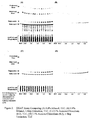
- Figure 2 shows various DGAT assays comparing (A) 0.8% ethanol, TLC; (B) 0.8% ethanol, 1-step extraction, TLC; (C) 2.1% acetone:chloroform (8:2), TLC; (D) 2.1% acetone:chloroform (8:2), 1-step extraction, TLC.
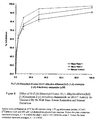
- Figure 3 is a graph illustrating the percent inhibition of DGAT activity by the compound N-(7,10-dimethyl-11-oxo-10,11-dihydro-dibenzo[b,f][1,4]-oxazepin-2-yl)-4-hydroxy-benzamide utilizing various solvents including 0.8% ethanol and 2.1% acetone:chloroform (8:2) and also comparing TLC versus 1-step extraction.
- AESSM Alkaline Ethanol Stop Solution Mix
- the present invention provides a method for measuring diacylglycerol acetyltransferase (DGAT) biological activity in an assay which allows for increased DGAT activity while at the same time greatly reducing and/or eliminating the activity of other reaction products or interfering products.
- DGAT diacylglycerol acetyltransferase
- DGAT activity is meant the transfer of coenzyme A activated fatty acids to the 3-position of 1,2-diacylglycerols, forming a triglyceride molecule.
- triglyceride refers to a fatty acid triester of glycerol. Triglycerides are typically non-polar and water-insoluble. Phosphoglycerides (or glycerophospholipids) are major lipid components of biological membranes. The fats and oils in animals comprise largely mixtures of triglycerides.
- a modulate is meant to increase or decrease a function.
- a compound that modulates DGAT activity e.g., triglyceride levels
- DGAT activity does so by at least 10%, more preferably by at least 25%, and most preferably by at least 50% and can be defined as a "modulator" of DGAT activity.
- the method generally includes the steps of combining at least one DGAT substrate with liver microsomes having DGAT associated therewith.
- the DGAT substrates and the microsomes are incubated together for a predetermined period of time.
- the preferred substrates for the present invention are a 1,2-diacylglycerol and a coenzymeA activated fatty acid.
- the method of the present invention preferably utilizes 1,2-dioleoyl-sn-glycerol and oleoyl CoA as the DGAT substrates.
- the termination of the reaction of DGAT with its substrates can be accomplished by the addition of a solution comprising approximately 12.5% absolute ethanol, approximately 10% deionized water, approximately 2.5% of 1N NaOH, and approximately 75% of a solution comprising approximately 78.4% isopropanol, approximately 19.6% n-heptane, and approximately 2.0% deionized water.
- the top (n-heptane) phase is analyzed for the presence of triglycerides as an indicator of DGAT biological activity.
- the presence of triglycerides can be detected and measured by utilizing phosphorimager plates or by utilizing scintillation counting.
- the top phase is transferred to a phosphoimager plate, preferably a FLASH PLATE (NEN Life Sciences, Inc., Boston, MA) which is a 96-well plate or solid support comprised of a white polystyrene microplate in which the interior of each well is coated with a thin layer of polystyrene-based scintillant.
- novel solvent systems are used to dissolve DGAT substrates. These particular solvent systems impart novel and advantageous properties to the method of the present invention. These properties include, but are not limited to, improved DGAT activity, enhanced DGAT selectivity and the ability to utilize a 1-step extraction in the method of the present invention.
- DGAT has significantly enhanced activity with ethanol as the solvent between 0.5% to 4.0%, with acetone between 2.5% to 10%, with chloroform between 0.2% to 0.4%, and the combinations of ethanol and chloroform, 0.2% to 2.0% and 0.1% to 0.6%, respectively, and in the combination of acetone and chloroform, 1.0% to 5.0% and 0.1% to 0.8%, respectively.
- DGAT activity for 0.8% ethanol, 10% acetone, 0.4% chloroform, 2.1% acetone:chloroform (8:2), and 0.8% ethanol:chloroform (1:1) increased 5.3-, 484-, 463-, 1,057-, and 1,143-fold, respectively.
- the combination of acetone:chloroform had the further advantage of eliminating ACAT and EAT activities as well as significantly reducing FAH activity by 9.4-fold.
- the 1-step extraction method utilized in the present invention is capable of only extracting out triglycerides from the DGAT assay.
- the method of the present invention can also be modified for use in determining whether a compound is useful for modulating DGAT biological activity.
- a compound to be analyzed for its ability to modulate DGAT activity is combined with the DGAT substrates and the microsomes.
- the remaining steps of the method are identical to those described above for the DGAT assay.
- the ability of the compound to modulate DGAT biological activity can be determined by a change in DGAT biological activity, relative to a control not contacted with the compound, which indicates that the compound modulates DGAT biological activity. That is, the increase, decrease or lack of change in the production of triglycerides from the combination of DGAT with the DGAT substrates, provides a direct and quantifiable measurement of the effect that a test compound has on DGAT biological activity.
- EDTA 0.5 M EDTA, pH 8.0 was obtained from Ambion (Austin, Texas).
- FLASHPLATES® were obtained from NEN Life Science Products, Inc, (Boston, Massachusetts).
- Robotic reagent reservoirs were obtained from TomTec Instrumentation (Hamden, Connecticut).
- Rattus rattus Male Sprague-Dawley rats ( Rattus rattus ), 350 to 400 g, were obtained from Charles River (Willmington, Maryland). Rats were housed in an Association for Assessment and Accreditation of Laboratory Animal Care International accredited facility and fed a chow diet for 2 weeks prior to harvest.
- Rats were euthanized using CO 2 affixation; their livers were immediately removed and placed in ice-cold microsome buffer (MC buffer) consisting of 125 mM sucrose, 3.0 mM imidazole, pH 7.4. Livers were cut into approximately 10 pieces, placed into 20 mL of ice cold MC buffer per liver and homogenized on ice in a glass Dounce power homogenizer using 10 up-and-down strokes. Homogenates were centrifuged at 1700 rpm in a Beckman JA-14 rotor for 10 minutes at 4°C. The supernatant was removed and placed on ice.
- MC buffer ice-cold microsome buffer
- the pellet was resuspended in 4.0 mL MC buffer per liver, rehomogenized as described above, and centrifuged at 1700 rpm in a Beckman JA-14 rotor for 10 minutes at 4°C. This supernatant was combined with the previous supernatant and centrifuged at 13,000 rpm in a Beckman JA-14 rotor for 20 minutes at 4°C. The supernatant was transferred to new tubes on ice, and the pellet was discarded.
- the supemate was centrifuged at 35,000 rpm in a Beckman Ti-70 rotor for 60 minutes at 4°C, and the resulting pellet, containing microsomal membranes, was resuspended in ice cold MC buffer using 17 strokes of a glass Dounce power homogenizer.
- Microsomal protein concentrations were determined by the Dc Protein Assay, and BSA was used to generate the standard curve. Microsomes were diluted to final protein concentration of 10 to 20 mg/mL. Microsomes were aliquoted into 1.0-mL tubes and stored in a liquid N 2 cryofreezer.
- DGAT Assay Buffer 0.25 M sucrose, 1.0 mM EDTA, pH 8.0, 150 mM Tris-HCI, pH 7.4, and 1.25 mg/mL fatty acid free BSA.
- [ 14 C]Oleoyl CoA and 1,2-dioleoyl-sn-glycerol dissolved in solvents are diluted into DAB at the indicated concentrations, the solution vortexed and kept on ice until the assay was performed.
- Stop Solution 78.4% isopropanol, 19.6% n-heptane, and 2.0% DI H 2 O was made in advance and stored in tightly sealed containers at room temperature for up to 1 month.
- Alkaline Ethanol Stop Solution Mix (AESSM): 12.5% of 100% nondenatured ethanol, 10.0% DI H 2 0, 2.5% 1.0N NaOH, 75.0% Stop Solution, made fresh prior to assay and stored at room temperature.
- the DGAT assay reaction was performed as follows: 5 ⁇ L of 10 ⁇ compound was added to Perkin Elmer thin-walled reaction tubes followed by 35 ⁇ L of DGAT substrate mixture and vortexed. The reaction was started by the addition of 10 ⁇ L of the diluted 5 ⁇ microsomes, vortexed, and incubated in a Perkin Elmer 9600 thermocycler for the indicated times and temperatures.
- Reactions were stopped by the addition of 150 ⁇ L of AESSM followed by the addition of 300 ⁇ L of n-heptane.
- the mixture is pipetted 5 ⁇ to mix and allowed to separate for 5 minutes at room temperature.
- the entire top phase, n-heptane phase is removed to new tubes and spotted onto silica TLC plates and processed as described above (see TLC method) or placed into 5-mL scintillation vials containing scintillation cocktail and counted.
- DGAT substrate mix consists of [ 14 C]oleoyl CoA 50 ⁇ Ci/mL diluted to 278 nCi/mL and 1,2-dioleoyl-sn-glycerol dissolved in acetone:chloroform (8:2) 19.5 mM, diluted to 672 nM into DAB, vortexed, and stored on ice until the assay was performed.
- the robot arm transfers the plate to multidrop 3 for the addition of 150 ⁇ L of AESSM.
- the robot arm transfers the plate to the multimek to begin the extraction.
- the reaction volume is transferred to a 96-midwell polypropylene extraction plate on the multimek.
- the tips are washed 3 ⁇ 100 ⁇ L of DI H 2 O in a reagent reservoir with a continuous flow of DI H 2 O.
- the multimek then washes out the 96-well reaction plate with 3 ⁇ 100 ⁇ L of n-heptane and transfers the volume to the extraction plate.
- the multimek mixes the volume in the extraction plate 6 ⁇ 100 ⁇ L, and the plate sits for 10 seconds.
- the tips are washed 3 ⁇ 100 ⁇ L of DI H 2 O in a continuous flow reagent reservoir.
- One hundred microliters of the top n-heptane phase is transferred to a Flash plate.
- the robot arm transfers the Flash plate to a carousel fitted with a fume hood, which allows the n-heptane to evaporate for a minimum of 6 hours.
- the plates are transferred to a plate sealer to be sealed, transferred to the top count scintillation counter, and counted for 1.0 minute. Data are collected and reported to the Trillium based compound management system.
- DGAT activity was measured using increasing amounts of these DAG solvents: ethanol, acetone, chloroform, and combinations of ethanol:chloroform or acetone:chloroform, where the acetone and ethanol concentrations were held constant while the chloroform concentrations were increased.
- TAG triacylglycerol
- ACAT, EAT, FAH, and DGAT are active in the presence of 0.8% ethanol (Figure 3A).
- Figure 3C the products of ACAT, cholesterol esters, and EAT, ethyl acyl esters, along with the triglycerides from DGAT are extracted ( Figure 3C).
- 2.1% acetone:chloroform (8:2) eliminates the products from ACAT and EAT and greatly reduces the activity of FAH, thereby increasing substrate availability for DGAT ( Figure 3C).
- Using 2.1% acetone:chloroform (8:2) in combination with the 1-step extraction method allows for the specific production and extraction of the [ 14 C]labeled triglycerides produced by DGAT ( Figure 3D).
- the IC 50 of the reference compound for DGAT inhibition ranges from 2.6 ⁇ M for the DGAT assay run with 0.8% ethanol and TLC, 2.4 ⁇ M for 0.8% ethanol extracted and run on TLC, 2.0 ⁇ M for 2.1% acetone:chloroform (8:2) and TLC to 2.5 ⁇ M for 2.1% acetone:chloroform (8:2) extracted and run on TLC ( Figure 3).
- the DGAT assay showed only significant changes when the DMSO concentration reached 4.5%, p ⁇ 0.05 ( Figure 6).
- the DGAT reaction is terminated by the addition of AAESS, which contains 1.0N NaOH, and then incubates for a period of time, less than 5 minutes, while the robot transports the plate for extraction.
- Triglycerides are susceptible to hydrolysis in a basic environment, as would be found in the AAESS.
- the extraction protocol from the mass screen was run on two separate 96-well plates, 6 columns from the first plate, 8 columns from the second plate, and 2 columns from the first plate manually extracted, using the DGAT inhibitor N-(7,10-dimethyl-11-oxo-10,11-dihydro-dibenzo[b,f][1,4]oxazepin-2-yl)-4-hydroxy-benzamide.
- the IC 50 for plate 1, plate 2, and the manually extracted samples are 1.50, 1.27, and 1.70 ⁇ M, respectively ( Figure 8).
- Applicants have tested a variety of parameters of the DGAT assay to develop a method that would allow for the mass screening of DGAT inhibitors without using TLC, a slow and laborious method.
- an acetone:chloroform solvent to dissolve the substrate, 1,2-dioleoyl-sn-glycerol, DGAT activity was increased over 1000-fold, ACAT and EAT activities were eliminated, and FAH activity was reduced over 9-fold.
- acetone:chloroform allowed for very high [ 14 C]triglyceride production, which facilitated its extraction by the 1-step extraction method.
- the assay became amiable to a 96-well format.
- the latter modification allows for a high throughput screening mass screening of DGAT inhibitors.
- Time, temperature and DMSO concentrations best suited for the 96-well DGAT Mass Screen method were established.
- the DGAT inhibitor, N-(7,10-dimethyl-11-oxo-10,11-dihydro-dibenzo[b,f][1,4]oxazepin-2-yl)-4-hydroxy-benzamide demonstrated the validity of the 96-well format assay to screen for DGAT inhibitors. Effect of Solvents on DGAT Activity.
- Solvent % in Reaction Activity Fold Increase Tween 80 0.8 20 ⁇ 0.2 1.0 95% EtOH 0.8 104 ⁇ 0.4 5.3 a Acetone 10 9,537 ⁇ 62 483.5 a Chloroform 0.4 9,256 ⁇ 21 462.8 Acetone:Chloroform (8:2) 2.1 20,851 ⁇ 248 1,057.0 95% EtOH:Chloroform 0.8 22,539 ⁇ 581 1,142.5 (1:1)
- Assays were performed at 37°C for 5 minutes using 40 ⁇ g microsomal protein, 20 nCi [ 14 C]oleoyl CoA, and 403 ⁇ M 1,2-dioleoyl-sn-glycerol for ethanol and 1.25 ⁇ g microsomal protein, 8.3 nCi [ 14 C]oleoyl CoA, and 403 ⁇ M 1,2-dioleoyl-sn-glycerol for acetone:chloroform.
Landscapes
- Chemical & Material Sciences (AREA)
- Health & Medical Sciences (AREA)
- Organic Chemistry (AREA)
- Life Sciences & Earth Sciences (AREA)
- Engineering & Computer Science (AREA)
- Proteomics, Peptides & Aminoacids (AREA)
- Zoology (AREA)
- Wood Science & Technology (AREA)
- Bioinformatics & Cheminformatics (AREA)
- General Health & Medical Sciences (AREA)
- Molecular Biology (AREA)
- Microbiology (AREA)
- Analytical Chemistry (AREA)
- Immunology (AREA)
- Biochemistry (AREA)
- Biotechnology (AREA)
- General Engineering & Computer Science (AREA)
- Genetics & Genomics (AREA)
- Biophysics (AREA)
- Physics & Mathematics (AREA)
- General Chemical & Material Sciences (AREA)
- Veterinary Medicine (AREA)
- Public Health (AREA)
- Animal Behavior & Ethology (AREA)
- Pharmacology & Pharmacy (AREA)
- Nuclear Medicine, Radiotherapy & Molecular Imaging (AREA)
- Medicinal Chemistry (AREA)
- Chemical Kinetics & Catalysis (AREA)
- Obesity (AREA)
- Hematology (AREA)
- Diabetes (AREA)
- Child & Adolescent Psychology (AREA)
- Measuring Or Testing Involving Enzymes Or Micro-Organisms (AREA)
- Investigating Or Analysing Biological Materials (AREA)
- Heterocyclic Carbon Compounds Containing A Hetero Ring Having Nitrogen And Oxygen As The Only Ring Hetero Atoms (AREA)
- Medicines That Contain Protein Lipid Enzymes And Other Medicines (AREA)
Abstract
Description
- The present invention generally provides a method of measuring the biological activity of diacylglycerol acyltransferase (DGAT). Specifically, the present invention provides a method for rapid, mass screening of compounds which are able to modulate the biological activity of DGAT. More specifically, the present invention provides an assay system for measuring DGAT activity which allows for greater DGAT activity while eliminating acyl CoA:acyltransferase (ACAT) and ethanol acyltransferase (EAT) activities as well as significantly reducing fatty acylhydrolase (AH) activity.
- Hypertriglyceridemia is a risk factor for the development of cardiovascular diseases (Gaziano J., Hennekens C., O'Donnell C, Breslow J., Buring J. Fasting triglycerides, high-density lipoprotein, and risk of myocardial infarction. Circulation 1997;96:2520-2525). Triglycerides (TG) also play an important role in the fat loading of adipocytes (Coleman R., Bell R. Triacylglycerol synthesis in isolated fat cells. J. Biol. Chem. 1976;251:4537-4543), and therefore play a major role in obesity. Additionally, triglycerides are required for the assembly of apoB-100 containing lipoproteins such as VLDL and LDL (Bostrom K., Boren J., Wettesten M., et al. Studies on the assembly of apo B-100-containing lipoproteins in HepG2 cells. J. Bio. Chem. 1988;263:4434-4442; Pullinger C., North J., Teng B., Rifici V., Ronhild de Brito A; Scott J. The apolipoprotein B gene is constituitively expressed in HepG2 cells: regulation of secretion by oleic acid, albumin, and insulin, and measurement of the mRNA half-life. J. Lipid Res. 1989;30:1065-1077). Consequentially, there is considerable interest in developing therapies for lowering triglyceride levels. The enzyme known to catalyze the final/committed step in triglyceride biosynthesis is diacylglycerol acyltransferase (DGAT) (Coleman R. Diacylglycerol acyltransferase and monoacylglycerol acyltransferase from liver and intestine. Methods in Enzymology 1992;209:98-104). DGAT catalyzes the transfer of coenzymeA activated fatty acids to the 3 position of 1,2-diacylglycerols, forming a triglyceride molecule (Lehner R; Kuksis A. Biosynthesis of triacylglycerols. Prog. Lipid Res. 1996;35(No. 2):169-201; Bell R. Enzymes of glycerolipid synthesis in eukaryotes. Ann Rev. Biochem. 1980;49:459-487). Therefore, inhibition of DGAT activity would lead to decreased triglyceride production through this pathway, which would result in the concomitant lowering of plasma VLDL/LDL and possibly increases in HDL. However, a mass screen for the isolation of specific DGAT inhibitors has not been previously established due to technical difficulties associated with establishment of such an assay.
- Conventional DGAT assays have low activities on the order of pmoles TG/min/mg microsomal protein and are contaminated by the products of several other enzymatic reactions. Furthermore, the product of the DGAT catalyzed reaction is usually resolved by TLC analysis, which is impractical for use in a mass screen. A method using organic solvents to extract DGAT generated TG from isolated microsomes has been previously described (Coleman R. A. Diacylglycerol acyltransferase and monoacylglycerol acyltransferase from liver and intestine. Meth. Enzymology 1992;209:98-104). However, several steps are involved in the extraction making this technique very difficult to adapt to a mass screen. Applicants have developed a solvent system comprising of acetone:chloroform or ethanol:chloroform which dramatically boosts DGAT activity while simultaneously suppressing the activity of interfering enzymes. In addition, a 1-step extraction method that specifically extracts TG from the DGAT catalyzed reaction mixture has been developed. To screen for modulators of DGAT activity, applicants have modified the DGAT assay of the present invention and have altered the 1-step extraction method of the present invention into a 96-well format that allows for high throughput screening modulators/compounds. These modifications enable the DGAT assay to be automated, i.e., to be carried out by a robot.
- The present invention provides a method for measuring diacylglycerol acetyltransferase (DGAT) activity which utilizes a novel solvent system to reduce and/or eliminate the activities of related or interfering compounds.
- The present invention also discloses a method for determining whether a compound is useful for modulating DGAT biological activity. The method is capable of being utilized for mass screening of compounds as modulators of the biological activity of DGAT.
- Figure 1 shows graphs of the effects of various solvents on microsomal enzyme activities including DGAT, wherein (A) shows the effects of ethanol on microsomal activities; (B) shows the effects of acetone on DGAT activity; (C) shows the effects of chloroform on DGAT activity; (D) shows the effects of ethanol and chloroform on DGAT activity; and (E) shows the effects of acetone and chloroform on DGAT activity. All assays were performed at 37°C for 5 minutes utilizing 40 µg of microsomal protein (ethanol, chloroform, ethanol:chloroform) or 1.25 µg of microsomal protein (acetone, acetone:chloroform), 33.3 nCi of [14C]oleoyl CoA, 403 µM of 1,2-dioleoyl-sn-glycerol, and ethanol, acetone and chloroform at the indicated concentrations for each reaction. N-(7,10-Dimethyl-11-oxo-10,11-dihydro-dibenzo[b,f][1,4]-oxazepin-2-yl)-4-hydroxy-benzamide was made up in DMSO to 100 times and diluted to final indicated concentrations. Values represent averages, n = 3 ± SEM.
- Figure 2 shows various DGAT assays comparing (A) 0.8% ethanol, TLC; (B) 0.8% ethanol, 1-step extraction, TLC; (C) 2.1% acetone:chloroform (8:2), TLC; (D) 2.1% acetone:chloroform (8:2), 1-step extraction, TLC.
- Figure 3 is a graph illustrating the percent inhibition of DGAT activity by the compound N-(7,10-dimethyl-11-oxo-10,11-dihydro-dibenzo[b,f][1,4]-oxazepin-2-yl)-4-hydroxy-benzamide utilizing various solvents including 0.8% ethanol and 2.1% acetone:chloroform (8:2) and also comparing TLC versus 1-step extraction. Assays were performed at 37°C for 5 minutes using 40 µg microsomal protein, 20 nCi [14C]oleoyl CoA, and 403
µM 1,2-dioleoyl-sn-glycerol per reaction for 0.8% ethanol and 1.25 µg microsomal protein, 8.3 nCi [14C]oleoyl CoA, and 403µM 1,2-dioleoyl-sn-glycerol per reaction for 2.1% acetone:chloroform. Values represent averages, n = 3 ± SEM. - Figure 4 shows the effects of N-(7,10-dimethyl-11-oxo-10,11-dihydro-dibenzo[b,f][1,4]oxazepin-2-yl)-4-hydroxy-benzamide on DGAT activity from (A)
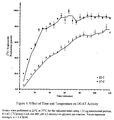
Group 1, (B)Group 2, (C) Group 3, and (D)Group 4 rat liver microsome preparations comparing TLC, 1-step extraction/TLC, and 1-step extraction/scintillation counting. Assays were performed at 37°C for 5 minutes using 1.25 µg microsomal protein, 8.3 nCi [14C]oleoyl CoA, and 403µM 1,2-dioleoyl-sn-glycerol per reaction. [14C]Triglyceride was measured either by TLC alone, 1-step extraction and TLC, or 1-step extraction and scintillation counting. Values represent averages, n = 3 ± SEM. - Figure 5 shows the effect of time and temperature on DGAT activity. Assays were performed at 22°C or 37°C for the indicated times using 1.25 µg microsomal protein, 8.3 nCi [14C]oleoyl CoA, and 403
µM 1,2-dioleoyl-sn-glycerol per reaction. Values represent averages, n = 3 ± SEM. - Figure 6 shows the effects of DMSO on DGAT activity. Assays were performed at 22°C for 20 minutes or 37°C for 5 minutes using 1.25 µg microsomal protein, 8.3 nCi [14C]oleoyl CoA, 403
µM 1,2-dioleoyl-sn-glycerol per reaction, and DMSO at the indicated concentrations. Values represent averages, n = 3 ± SEM. - Figure 7 shows the effect of Alkaline Ethanol Stop Solution Mix (AESSM) on the stability of [14C]triglyceride produced in DGAT assay. Assays were performed at 37°C for 5 minutes using 1.25 µg microsomal protein, 8.3 nCi [14C]oleoyl CoA, and 403
µM 1,2-dioleoyl-sn-glycerol per reaction. Reactions were stopped by the addition of 150 µL of AESSM and incubated at the indicated times at room temperature. Values represent averages, n = 3 ± SEM. - Figure 8 shows the effect of N-(7,10-dimethyl-11-oxo-10,11-dihydro-dibenzo[b,f][1,4]oxazepin-2-yl)-4-hydroxy-benzamide on DGAT activity as measured by 96-well mass screen extraction and manual extraction. Assays were performed at 22°C for 60 minutes using 1.25 µg microsomal protein, 8.3 nCi [14C]oleoyl CoA, and 403
µM 1,2-dioleoyl-sn-glycerol per reaction. Values for plate extraction represent averages, n = 6 ± SEM forplate 1 and n = 8 ± SEM forplate 2. Values for hand extraction represent averages, n = 2 ± SEM. - The present invention provides a method for measuring diacylglycerol acetyltransferase (DGAT) biological activity in an assay which allows for increased DGAT activity while at the same time greatly reducing and/or eliminating the activity of other reaction products or interfering products.
- By "DGAT activity" is meant the transfer of coenzyme A activated fatty acids to the 3-position of 1,2-diacylglycerols, forming a triglyceride molecule.
- As used herein, the term "triglyceride" (triacylglycerol or neutral fat) refers to a fatty acid triester of glycerol. Triglycerides are typically non-polar and water-insoluble. Phosphoglycerides (or glycerophospholipids) are major lipid components of biological membranes. The fats and oils in animals comprise largely mixtures of triglycerides.
- As used herein, the term "modulate" is meant to increase or decrease a function. Preferably, a compound that modulates DGAT activity (e.g., triglyceride levels) does so by at least 10%, more preferably by at least 25%, and most preferably by at least 50% and can be defined as a "modulator" of DGAT activity.
- The method generally includes the steps of combining at least one DGAT substrate with liver microsomes having DGAT associated therewith. The DGAT substrates and the microsomes are incubated together for a predetermined period of time. The preferred substrates for the present invention are a 1,2-diacylglycerol and a coenzymeA activated fatty acid. The method of the present invention preferably utilizes 1,2-dioleoyl-sn-glycerol and oleoyl CoA as the DGAT substrates.
- The termination of the reaction of DGAT with its substrates can be accomplished by the addition of a solution comprising approximately 12.5% absolute ethanol, approximately 10% deionized water, approximately 2.5% of 1N NaOH, and approximately 75% of a solution comprising approximately 78.4% isopropanol, approximately 19.6% n-heptane, and approximately 2.0% deionized water.
- Following termination of the reaction, the top (n-heptane) phase is analyzed for the presence of triglycerides as an indicator of DGAT biological activity. The presence of triglycerides can be detected and measured by utilizing phosphorimager plates or by utilizing scintillation counting. Preferably, the top phase is transferred to a phosphoimager plate, preferably a FLASH PLATE (NEN Life Sciences, Inc., Boston, MA) which is a 96-well plate or solid support comprised of a white polystyrene microplate in which the interior of each well is coated with a thin layer of polystyrene-based scintillant.
- This process can be performed by automated machines or robots in order to increase the rate at which samples can be analyzed. In the present invention, as pointed out above, novel solvent systems are used to dissolve DGAT substrates. These particular solvent systems impart novel and advantageous properties to the method of the present invention. These properties include, but are not limited to, improved DGAT activity, enhanced DGAT selectivity and the ability to utilize a 1-step extraction in the method of the present invention.
- DGAT has significantly enhanced activity with ethanol as the solvent between 0.5% to 4.0%, with acetone between 2.5% to 10%, with chloroform between 0.2% to 0.4%, and the combinations of ethanol and chloroform, 0.2% to 2.0% and 0.1% to 0.6%, respectively, and in the combination of acetone and chloroform, 1.0% to 5.0% and 0.1% to 0.8%, respectively. When compared to 0.8
% Tween 80 the initial solvent used for 1,2-dioleoyl-sn-glycerol in the DGAT assay, DGAT activity for 0.8% ethanol, 10% acetone, 0.4% chloroform, 2.1% acetone:chloroform (8:2), and 0.8% ethanol:chloroform (1:1) increased 5.3-, 484-, 463-, 1,057-, and 1,143-fold, respectively. The combination of acetone:chloroform had the further advantage of eliminating ACAT and EAT activities as well as significantly reducing FAH activity by 9.4-fold. Using the acetone:chloroform solvents, the 1-step extraction method utilized in the present invention is capable of only extracting out triglycerides from the DGAT assay. - The method of the present invention can also be modified for use in determining whether a compound is useful for modulating DGAT biological activity. In order to ascertain the capacity of a compound to modulate DGAT biological activity, a compound to be analyzed for its ability to modulate DGAT activity is combined with the DGAT substrates and the microsomes. The remaining steps of the method are identical to those described above for the DGAT assay. The ability of the compound to modulate DGAT biological activity can be determined by a change in DGAT biological activity, relative to a control not contacted with the compound, which indicates that the compound modulates DGAT biological activity. That is, the increase, decrease or lack of change in the production of triglycerides from the combination of DGAT with the DGAT substrates, provides a direct and quantifiable measurement of the effect that a test compound has on DGAT biological activity.
- The following examples further illustrate the present invention. These examples are intended merely to be illustrative of the present invention and are not to be construed as limiting.
- [14C]Oleoyl CoA and [14C]glycerol trioleate were obtained from Amersham (Buckinghamshire, England).
- Acetone, chloroform, methanol, isopropanol, ethanol, diethyl ether, N-heptane, isooctane, glacial acetic acid, HCl, sucrose, imidizole, fatty acid free BSA, 50% NaOH solution, DMSO, KCI, CaCl2, MgCl2, 1,2-dioleoyl-sn-glycerol were obtained from Sigma Chemical Co. (St. Louis, Missouri).
- 1.0 M Tris HCI, pH 7.4 was obtained from Digene (Beltsville, Maryland).
- 0.5 M EDTA, pH 8.0 was obtained from Ambion (Austin, Texas).
- All buffers were filter-sterilized using a 0.22-µ filter before use.
- N-(7,10-Dimethyl-11-oxo-10,11-dihydro-dibenzo[b,f][1,4]-oxazepin-2-yl)-4-hydroxy-benzamide (Chemistry, PGRD, Ann Arbor, Michigan).
- Dc Protein Assay was obtained from BioRad (Hercules, California).
- 20 × 20 cm Whatman LK6D Silica Gel 60 A TLC Plates, Costar 3794 96-well polypropylene plates, and Costar 3956 96-midwell polypropylene plates were obtained from VWR (Chicago, Illinois).
- FLASHPLATES® were obtained from NEN Life Science Products, Inc, (Boston, Massachusetts).
- Robotic reagent reservoirs were obtained from TomTec Instrumentation (Hamden, Connecticut).
- Male Sprague-Dawley rats (Rattus rattus), 350 to 400 g, were obtained from Charles River (Willmington, Maryland). Rats were housed in an Association for Assessment and Accreditation of Laboratory Animal Care International accredited facility and fed a chow diet for 2 weeks prior to harvest.
-
- Homogenizers: Polytron PT 3100; Gerald K. Keller Co., GT-21 Mixer/Homogenizer
- Centrifuge: Beckman/Coulter Avanti J-30I
- Ultracentrifuge: Beckman L8-80 M
- Microplate Spectrophotometer: Molecular Devices Spetra Max Plus
- Incubation: Perkin Elmer 9600 Thermocycler
Gravity Convection Oven, 1310, VWR - Phosphorlmager: Molecular Dynamics Storm 860 Phosphorlmager
Multimek 96 Robotic Pipetor, Beckman/Coulter
Multidrop 384, Titertek, Beckman/Coulter
Saigen Carousels, Beckman/Coulter
Orca Robotic Arm, Beckman/Coulter
Saigen Plate Sealer Model 041-03-00043, Beckman/Coulter
Topcount NXT, Microplate Scintillation, and Luminescence Counter, Packard
Instrument Company
Beckman/Sagian Core Systems Software, Beckman/Coulter -
- Rats were euthanized using CO2 affixation; their livers were immediately removed and placed in ice-cold microsome buffer (MC buffer) consisting of 125 mM sucrose, 3.0 mM imidazole, pH 7.4. Livers were cut into approximately 10 pieces, placed into 20 mL of ice cold MC buffer per liver and homogenized on ice in a glass Dounce power homogenizer using 10 up-and-down strokes. Homogenates were centrifuged at 1700 rpm in a Beckman JA-14 rotor for 10 minutes at 4°C. The supernatant was removed and placed on ice. The pellet was resuspended in 4.0 mL MC buffer per liver, rehomogenized as described above, and centrifuged at 1700 rpm in a Beckman JA-14 rotor for 10 minutes at 4°C. This supernatant was combined with the previous supernatant and centrifuged at 13,000 rpm in a Beckman JA-14 rotor for 20 minutes at 4°C. The supernatant was transferred to new tubes on ice, and the pellet was discarded. The supemate was centrifuged at 35,000 rpm in a Beckman Ti-70 rotor for 60 minutes at 4°C, and the resulting pellet, containing microsomal membranes, was resuspended in ice cold MC buffer using 17 strokes of a glass Dounce power homogenizer. Microsomal protein concentrations were determined by the Dc Protein Assay, and BSA was used to generate the standard curve. Microsomes were diluted to final protein concentration of 10 to 20 mg/mL. Microsomes were aliquoted into 1.0-mL tubes and stored in a liquid N2 cryofreezer.
- DGAT Assay Buffer (DAB): 0.25 M sucrose, 1.0 mM EDTA, pH 8.0, 150 mM Tris-HCI, pH 7.4, and 1.25 mg/mL fatty acid free BSA.
- [14C]Oleoyl CoA and 1,2-dioleoyl-sn-glycerol dissolved in solvents (
Tween - Compounds were dissolved in DMSO and diluted to make 10× with DAB (10× compound) and kept at room temperature until the assay was performed.
- Frozen aliquots of microsomes (10-20 mg/mL total protein) were thawed on ice and diluted to make a 5× working stock at the indicated concentrations with MC buffer and stored on ice until use.
- Stop Solution: 78.4% isopropanol, 19.6% n-heptane, and 2.0% DI H2O was made in advance and stored in tightly sealed containers at room temperature for up to 1 month.
- Alkaline Ethanol Stop Solution Mix (AESSM): 12.5% of 100% nondenatured ethanol, 10.0
% DI H 20, 2.5% 1.0N NaOH, 75.0% Stop Solution, made fresh prior to assay and stored at room temperature. - The DGAT assay reaction was performed as follows: 5 µL of 10× compound was added to Perkin Elmer thin-walled reaction tubes followed by 35 µL of DGAT substrate mixture and vortexed. The reaction was started by the addition of 10 µL of the diluted 5× microsomes, vortexed, and incubated in a Perkin Elmer 9600 thermocycler for the indicated times and temperatures.
- Reactions were stopped by the addition of 10 µL of 0.75N HCl. Samples were then spotted onto TLC plates and dried in a gravity convection oven at 70°C for 30 minutes. Plates were developed in a 27 × 7.5 × 26 cm TLC chamber for 60 minutes at room temperature in 102 mL of isooctane:ethyl ether:acetic acid (75:25:2) for triglyceride determination. TLC plates were removed from the chamber, dried in a gravity convection oven at 70°C for 30 minutes, wrapped in cellophane, and exposed to phosphorimager plates overnight. Phospholmager plates were scanned on a phosphorimager and images were analyzed using ImageQuant software. A [14C]glycerol trioleate standard was titrated onto TLC plates for mass determinations. All statistics were performed using Microsoft Excel's analysis software using a two-tailed t-test for means.
- Reactions were stopped by the addition of 150 µL of AESSM followed by the addition of 300 µL of n-heptane. The mixture is pipetted 5× to mix and allowed to separate for 5 minutes at room temperature. The entire top phase, n-heptane phase, is removed to new tubes and spotted onto silica TLC plates and processed as described above (see TLC method) or placed into 5-mL scintillation vials containing scintillation cocktail and counted.
- DGAT substrate mix consists of [14C]
oleoyl CoA 50 µCi/mL diluted to 278 nCi/mL and 1,2-dioleoyl-sn-glycerol dissolved in acetone:chloroform (8:2) 19.5 mM, diluted to 672 nM into DAB, vortexed, and stored on ice until the assay was performed. - Frozen aliquots of microsomes (10-20 mg/mL total protein) were thawed on ice and diluted to make 0.0625 mg/mL working stock with DAB and stored on ice until the assay was performed.
- Compounds were ordered from Compound Management, PGRD, Ann Arbor, dissolved in DMSO at 10 mM with 1.0 µL spotted into 96-well round bottom polypropylene plates. Plates are loaded onto the robot carousel. The robotic arm transfers the plates to a
multidrop 1 for addition of 30 µL of substrate mix, and shaken for 1.0 minute at room temperature. The robot arm transfers the plate to multidrop 2 for the addition of 20 µL of diluted microsomes and shaken for 1.0 minute at room temperature. The robot arm transfers the plate back to the carousel where it incubates for 1.0 hour at room temperature. - The robot arm transfers the plate to multidrop 3 for the addition of 150 µL of AESSM. The robot arm transfers the plate to the multimek to begin the extraction. The reaction volume is transferred to a 96-midwell polypropylene extraction plate on the multimek. The tips are washed 3 × 100 µL of DI H2O in a reagent reservoir with a continuous flow of DI H2O. The multimek then washes out the 96-well reaction plate with 3 × 100 µL of n-heptane and transfers the volume to the extraction plate. The multimek mixes the volume in the extraction plate 6 × 100 µL, and the plate sits for 10 seconds. The tips are washed 3 × 100 µL of DI H2O in a continuous flow reagent reservoir. One hundred microliters of the top n-heptane phase is transferred to a Flash plate. The robot arm transfers the Flash plate to a carousel fitted with a fume hood, which allows the n-heptane to evaporate for a minimum of 6 hours. The plates are transferred to a plate sealer to be sealed, transferred to the top count scintillation counter, and counted for 1.0 minute. Data are collected and reported to the Trillium based compound management system.
- DGAT activity was measured using increasing amounts of these DAG solvents: ethanol, acetone, chloroform, and combinations of ethanol:chloroform or acetone:chloroform, where the acetone and ethanol concentrations were held constant while the chloroform concentrations were increased. DGAT activity increases with increasing concentrations of ethanol, R2 = 0.9626, with a significant increase of 121% above control at 0.5% ethanol, p = 0.013, to a level of 180% above controls at 4.0% ethanol, p = 0.005 (Figure 1A). DGAT activity also increases with increasing acetone concentrations, R2 = 0.9901, to a level of 394% above controls at 10.0% acetone, p = 0.0006 (Figure 1B). DGAT activity increases with increasing concentrations of chloroform, R2 = 0.9763, to a level of 955% of control at 0.35% chloroform, p = 0.0004 (Figure 1C). When using the combination of ethanol:chloroform, keeping ethanol at 1.5%, DGAT activity increases with increasing concentrations of chloroform, R2 = 0.9866 and achieves a level of 1436% above control at 0.6% chloroform, p = 0.0012 (Figure 1D). When using the combination of acetone:chloroform, DGAT activity, with 1.67% acetone, is increased with increasing concentrations of chloroform, R2 = 1.000 and achieves a level of 581% above control at 0.8% chloroform, p = 0.003, although this increase ceases to be linear past 0.4% chloroform. The benefit of chloroform is diminished as the acetone concentration increases above 1.67% (Figure 1E).
- Known quantities of a [14C]triacylglycerol (TAG), also known as triglyceride, standard were spotted onto TLC plates along with the DGAT reaction to determine the rate of [14C]TAG production using the various DAG solvents. Production of [14C]TAG ranged from 20 ± 0.02 pmoles, 104 ± 0.4 pmoles, 9.5 ± 0.06 nmoles, 20.9 ± 0.025 nmoles, and 22.5 ± 0.58 nmoles [14C]TAG/mg microsome protein/minute for 0.8
% Tween 80, 0.8 % ethanol, 10% acetone, 2.1% acetone:chloroform (8:2) and 0.8% ethanol:chloroform 1:1, respectively (Table 1). All values were significantly above or below the ethanol control, p <0.001. - Relative to
Tween 80, all other solvents increased DGAT activity with the most dramatic being observed for the combination of acetone/chloroform or 95% ethanol/chloroform, 1057- and 1142-fold, respectively. However, acetone:chloroform (8:2) had the great advantage of eliminating ACAT and EAT activity and reducing FAH activity 9.4-fold (Figure 3A) and (Figure 3C). These benefits allowed the microsome concentration to be reduced 32-fold and the [14C]oleoyl CoA substrate concentration could be decreased 12-fold from the initial conditions used to assay with DGAT. - Although the DGAT activity varied dramatically with the different solvents, the IC50 of the reference compound, N-(7,10-dimethyl-11-oxo-10,11-dihydro-dibenzo[b,f][1,4]oxazepin-2-yl)-4-hydroxy-benzamide, was relatively constant ranging between 2.0 and 2.6 µM (Table 2).
- ACAT, EAT, FAH, and DGAT are active in the presence of 0.8% ethanol (Figure 3A). When using the 1-step extraction protocol, the products of ACAT, cholesterol esters, and EAT, ethyl acyl esters, along with the triglycerides from DGAT are extracted (Figure 3C). Using 2.1% acetone:chloroform (8:2) eliminates the products from ACAT and EAT and greatly reduces the activity of FAH, thereby increasing substrate availability for DGAT (Figure 3C). Using 2.1% acetone:chloroform (8:2) in combination with the 1-step extraction method allows for the specific production and extraction of the [14C]labeled triglycerides produced by DGAT (Figure 3D). The IC50 of the reference compound for DGAT inhibition, N-(7,10-dimethyl-11-oxo-10,11-dihydro-dibenzo[b,f][1,4]oxazepin-2-yl)-4-hydroxy-benzamide, ranges from 2.6 µM for the DGAT assay run with 0.8% ethanol and TLC, 2.4 µM for 0.8% ethanol extracted and run on TLC, 2.0 µM for 2.1% acetone:chloroform (8:2) and TLC to 2.5 µM for 2.1% acetone:chloroform (8:2) extracted and run on TLC (Figure 3).
- Four separate rat liver microsome preparations were used in a DGAT assay to compare the TLC and 1-step extraction methods, as well as comparing the phosphorimager and scintillation methods for detecting [14C]triglyceride while using N-(7,10-dimethyl-11-oxo-10,11-dihydro-dibenzo[b,f][1,4]oxazepin-2-yl)-4-hydroxy-benzamide. The IC50 for
Groups - When running the DGAT assay at 22°C for 2 hours, the production of [14C]triglyceride increases in a linear manner up to 70 minutes, R2 = 0.9760, and proceeds to level off past the 70 minutes to the final 120 minutes. When running the DGAT assay at 37°C for 2 hours, the production of [14C]triglyceride increases in a linear manner up to 25 minutes, R2 = 0.9758, and proceeds to level off past the 25 minutes out to 120 minutes (Figure 5).
- DMSO decreases DGAT activity in a linear manner when DGAT is assayed at both 37°C, R2 = 0.8566, and 22°C, R2 = 0.7907. For both 37°C and 22°C, the DGAT assay showed only significant changes when the DMSO concentration reached 4.5%, p <0.05 (Figure 6).
- During the running of the 96-well DGAT Mass Screen method, the DGAT reaction is terminated by the addition of AAESS, which contains 1.0N NaOH, and then incubates for a period of time, less than 5 minutes, while the robot transports the plate for extraction. Triglycerides are susceptible to hydrolysis in a basic environment, as would be found in the AAESS. When the DGAT reaction products are incubated at 22°C in the presence of the AAESS, prior to extraction, the [14C]triglyceride produced in the assay showed no significant decrease for incubations up to 20 minutes, R2 = 0.1225, p >0.05 (Figure 7).
- The extraction protocol from the mass screen was run on two separate 96-well plates, 6 columns from the first plate, 8 columns from the second plate, and 2 columns from the first plate manually extracted, using the DGAT inhibitor N-(7,10-dimethyl-11-oxo-10,11-dihydro-dibenzo[b,f][1,4]oxazepin-2-yl)-4-hydroxy-benzamide. The IC50 for
plate 1,plate 2, and the manually extracted samples are 1.50, 1.27, and 1.70 µM, respectively (Figure 8). - Applicants have tested a variety of parameters of the DGAT assay to develop a method that would allow for the mass screening of DGAT inhibitors without using TLC, a slow and laborious method. By using an acetone:chloroform solvent to dissolve the substrate, 1,2-dioleoyl-sn-glycerol, DGAT activity was increased over 1000-fold, ACAT and EAT activities were eliminated, and FAH activity was reduced over 9-fold. Using acetone:chloroform allowed for very high [14C]triglyceride production, which facilitated its extraction by the 1-step extraction method. By adjusting the DGAT assay reagent volumes and the 1-step extraction method, the assay became amiable to a 96-well format. The latter modification allows for a high throughput screening mass screening of DGAT inhibitors. Time, temperature and DMSO concentrations best suited for the 96-well DGAT Mass Screen method were established. The DGAT inhibitor, N-(7,10-dimethyl-11-oxo-10,11-dihydro-dibenzo[b,f][1,4]oxazepin-2-yl)-4-hydroxy-benzamide, demonstrated the validity of the 96-well format assay to screen for DGAT inhibitors.
Effect of Solvents on DGAT Activity. Solvent % in Reaction Activity (pmole TAG formed/ mg protein/min) Fold Increase Tween 80 0.8 20 ± 0.2 1.0 95% EtOH 0.8 104 ± 0.4 5.3a Acetone 10 9,537 ± 62 483.5a Chloroform 0.4 9,256 ± 21 462.8 Acetone:Chloroform (8:2) 2.1 20,851 ± 248 1,057.0 95% EtOH:Chloroform 0.8 22,539 ± 581 1,142.5 (1:1) Assays were performed at 37°C for 5 minutes using 40 µg microsomal protein, 20 nCi [14C]oleoyl CoA, and 403 µM 1,2-dioleoyl-sn-glycerol for ethanol and 1.25 µg microsomal protein, 8.3 nCi [14C]oleoyl CoA, and 403µM 1,2-dioleoyl-sn-glycerol for acetone:chloroform. Values represent averages, n = 3 ± SEM.Effect of N-(7,10-Dimethyl-11-oxo-10,11-dihydro-dibenzo[b,f][1,4]oxazepin-2-yl)-4-hydroxy-benzamide on DGAT Activity From Four Separate Rat Liver Microsome Preparations Comparing TLC method, 1-Step Extraction/TLC, and 1-Step Extraction/ Scintillation Group 1 IC50 [µM] Group 2 IC50 [µM]Group 3 IC50 [µM] Group 4 IC50 [µM]TLC 1.07 1.52 1.74 0.91 1-Step/TLC 0.95 1.14 2.30 0.73 1-Step/Scintillation 1.66 1.12 2.05 1.10 Assays were performed at 37°C for 5 minutes using 1.25 µg microsomal protein, 8.3 nCi [14C]oleoyl CoA, and 403 µM 1,2-dioleoyl-sn-glycerol per reaction. - The examples clearly demonstrate the utility of the method of the present invention for measuring DGAT activity and for the high throughput screening of compounds as modulators of DGAT activity.
- In view of the foregoing, it will be understood and appreciated that numerous modifications and variations of the aforedescribed invention may be readily implemented. The discussion, description, and examples set forth herein are illustrative of particular embodiments of the present invention, but are not meant to be limitations upon the practice thereof. It is the following claims, including all equivalents, which define the scope of the invention.
Claims (11)
- A method for measuring diacylglycerol acetyltransferase (DGAT) activity, said method comprising the steps of:(a) providing at least one DGAT substrate;(b) combining microsomes having DGAT associated therewith with the DGAT substrate to form a reaction mixture;(c) incubating the mixture of the microsomes and the DGAT substrate for a predetermined time interval;(d) terminating the reaction of DGAT with the DGAT substrate; and(e) detecting triglyceride production as an indicator of DGAT biological activity.
- A method according to Claim 1, wherein the DGAT substrate comprises oleoyl CoA, 1,2-dioleoyl-sn-glycerol, and radioisotopes thereof.
- A method according to Claim 1, wherein the at least one DGAT substrate is dissolved in acetone:chloroform solvent.
- A method according to Claim 3, wherein the ratio of acetone to chloroform is 8:2.
- A method according to Claim 3, wherein the concentration of acetone ranges from approximately 1.0% to approximately 5.0%, by volume.
- A method according to Claim 3, wherein the concentration of chloroform ranges from approximately 0.1% to approximately 0.8%, by volume.
- A method according to Claim 1, wherein the DGAT substrates are dissolved in ethanol:chloroform solvent.
- A method according to Claim 7, wherein the ratio of ethanol to chloroform is 1:1.
- A method according to Claim 7, wherein the concentration of ethanol ranges from approximately 0.2% to approximately 2.0%, by volume.
- A method according to Claim 7, wherein the concentration of chloroform ranges from approximately 0.1% to approximately 0.6%, by volume.
- A method for determining whether a compound is useful for modulating diacylglycerol acyltransferase (DGAT) biological activity, said method comprising the steps of:(a) providing DGAT substrates;(b) providing microsomes having DGAT associated therewith;(c) contacting a compound to be analyzed for its ability to modulate DGAT biological activity with the substituents set forth in (a) and (b) to form a reaction mixture;(d) incubating the reaction mixture for a predetermined time interval;(e) terminating any reaction of DGAT with the at least one DGAT substrate in the reaction mixture; and(f) measuring DGAT biological activity, wherein a change in DGAT biological activity, relative to a control not contacted with the compound, indicates that the compound modulates DGAT biological activity.
Applications Claiming Priority (2)
| Application Number | Priority Date | Filing Date | Title |
|---|---|---|---|
| US25868100P | 2000-12-28 | 2000-12-28 | |
| US258681P | 2000-12-28 |
Publications (2)
| Publication Number | Publication Date |
|---|---|
| EP1219716A2 true EP1219716A2 (en) | 2002-07-03 |
| EP1219716A3 EP1219716A3 (en) | 2004-01-28 |
Family
ID=22981664
Family Applications (1)
| Application Number | Title | Priority Date | Filing Date |
|---|---|---|---|
| EP01129629A Withdrawn EP1219716A3 (en) | 2000-12-28 | 2001-12-12 | Diacylglycerol acyltransferase (DGAT) assay |
Country Status (5)
| Country | Link |
|---|---|
| US (1) | US6607893B2 (en) |
| EP (1) | EP1219716A3 (en) |
| JP (1) | JP2002306199A (en) |
| CA (1) | CA2365642A1 (en) |
| MX (1) | MXPA01012317A (en) |
Cited By (9)
| Publication number | Priority date | Publication date | Assignee | Title |
|---|---|---|---|---|
| WO2006067071A1 (en) * | 2004-12-22 | 2006-06-29 | Janssen Pharmaceutica N.V. | Diacylglycerol acyltransferase assay |
| WO2007147023A1 (en) * | 2006-06-14 | 2007-12-21 | Bristol-Myers Squibb Company | An assay for measuring acyltransferase activity |
| US7317125B2 (en) | 2005-02-07 | 2008-01-08 | Hoffman-La Roche Inc. | Diacylglycerol acyltransferase inhibitors |
| US7485752B2 (en) | 2005-05-10 | 2009-02-03 | Hoffman-La Roche Inc. | Diacylglycerol acyltransferase inhibitors |
| US7714126B2 (en) | 2005-11-28 | 2010-05-11 | Via Pharmaceuticals, Inc. | Diacylglycerol acyltransferase inhibitors |
| WO2010107765A1 (en) | 2009-03-18 | 2010-09-23 | Schering Corporation | Bicyclic compounds as inhibitors of diacylglycerol acyltransferase |
| WO2011031628A1 (en) | 2009-09-14 | 2011-03-17 | Schering Corporation | Inhibitors of diacylglycerol acyltransferase |
| WO2013015535A2 (en) | 2011-07-27 | 2013-01-31 | 한국보건산업진흥원 | Novel pyrimidine derivative and pharmaceutical composition including same as an active ingredient |
| WO2014054053A1 (en) | 2012-10-03 | 2014-04-10 | Advinus Therapeutics Limited | Spirocyclic compounds, compositions and medicinal applications thereof |
Families Citing this family (13)
| Publication number | Priority date | Publication date | Assignee | Title |
|---|---|---|---|---|
| US20030100480A1 (en) * | 1998-06-24 | 2003-05-29 | Smith Steven J. | Methods and compositions for modulating sebaceous glands |
| US20030074695A1 (en) * | 1998-06-24 | 2003-04-17 | Farese Robert V. | Plant diacylglycerol O-acyltransferase and uses thereof |
| US20030154504A1 (en) * | 1998-06-24 | 2003-08-14 | Farese Robert V. | Methods and compositions for modulating carbohydrate metabolism |
| US20030167483A1 (en) * | 1998-06-24 | 2003-09-04 | Farese Robert V. | Diacylglycerol O-acyltransferase |
| MXPA01012317A (en) * | 2000-12-28 | 2002-07-22 | Warner Lambert Co | Diacylglycerol acyltransferase (dgat) assay. |
| US20040185559A1 (en) | 2003-03-21 | 2004-09-23 | Isis Pharmaceuticals Inc. | Modulation of diacylglycerol acyltransferase 1 expression |
| AR044152A1 (en) * | 2003-05-09 | 2005-08-24 | Bayer Corp | RENTAL DERIVATIVES, METHOD OF PREPARATION AND USE FOR THE TREATMENT OF OBESITY |
| US7825235B2 (en) * | 2003-08-18 | 2010-11-02 | Isis Pharmaceuticals, Inc. | Modulation of diacylglycerol acyltransferase 2 expression |
| ES2397661T3 (en) | 2006-08-04 | 2013-03-08 | Isis Pharmaceuticals, Inc. | Compositions and their uses directed to diacylglycerol acyltransferase 1 |
| WO2009119534A1 (en) | 2008-03-26 | 2009-10-01 | 第一三共株式会社 | Novel tetrahydroisoquinoline derivative |
| WO2009137938A1 (en) * | 2008-05-16 | 2009-11-19 | The Governors Of The University Of Alberta | High throughput methods of identifying neutral lipid synthases |
| CA2779948A1 (en) | 2009-11-05 | 2011-05-12 | Piramal Life Sciences Limited | Carboxy oxazole or thiazole compounds as dgat-1 inhibitors useful for the treatment of obesity |
| CA2991894A1 (en) | 2015-07-10 | 2017-01-19 | Ionis Pharmaceuticals, Inc. | Modulators of diacyglycerol acyltransferase 2 (dgat2) |
Family Cites Families (1)
| Publication number | Priority date | Publication date | Assignee | Title |
|---|---|---|---|---|
| MXPA01012317A (en) * | 2000-12-28 | 2002-07-22 | Warner Lambert Co | Diacylglycerol acyltransferase (dgat) assay. |
-
2001
- 2001-11-29 MX MXPA01012317A patent/MXPA01012317A/en unknown
- 2001-12-12 EP EP01129629A patent/EP1219716A3/en not_active Withdrawn
- 2001-12-19 US US10/027,938 patent/US6607893B2/en not_active Expired - Fee Related
- 2001-12-20 CA CA002365642A patent/CA2365642A1/en not_active Abandoned
- 2001-12-27 JP JP2001396139A patent/JP2002306199A/en active Pending
Non-Patent Citations (5)
| Title |
|---|
| COLEMAN R ET AL: "TRI ACYL GLYCEROL SYNTHESIS IN ISOLATED FAT CELLS STUDIES ON THE MICROSOMAL DI ACYL GLYCEROL ACYL TRANSFERASE EC-2.3.1.20 ACTIVITY USING ETHANOL DISPERSED DI ACYL GLYCEROLS" JOURNAL OF BIOLOGICAL CHEMISTRY, vol. 251, no. 15, 1976, pages 4537-4543, XP002262927 ISSN: 0021-9258 * |
| LEHNER RICHARD ET AL: "Biosynthesis of triacylglycerols" PROGRESS IN LIPID RESEARCH, vol. 35, no. 2, 1996, pages 169-201a, XP002262929 ISSN: 0163-7827 * |
| ROSALIND A. COLEMAN: "Diacylglycerol Acyltransferase and monoacylglycerol Acyltransferase from liver and Intestine" METHODS IN ENZYMOLOGY, vol. 209, 1992, pages 98-104, XP001156659 * |
| TOMODA H ET AL: "AMIDEPSINES, INHIBITORS OF DIACYLGLYCEROL ACYLTRANSFERASE PRODUCED BY HUMICOLA SP. FO-2942" JOURNAL OF ANTIBIOTICS, JAPAN ANTIBIOTICS RESEARCH ASSOCIATION. TOKYO, JP, vol. 48, no. 9, 1995, pages 937-941, XP002919364 ISSN: 0021-8820 * |
| YASHIRO KOJI ET AL: "Microsomal diacylglycerol acyltransferase in rat parotid and submandibular glands: Acylation of 1,2-dioleoyl-sn-glycerol dispersed with phospholipids" INTERNATIONAL JOURNAL OF BIOCHEMISTRY AND CELL BIOLOGY, vol. 28, no. 8, 1996, pages 895-903, XP002262928 ISSN: 1357-2725 * |
Cited By (11)
| Publication number | Priority date | Publication date | Assignee | Title |
|---|---|---|---|---|
| WO2006067071A1 (en) * | 2004-12-22 | 2006-06-29 | Janssen Pharmaceutica N.V. | Diacylglycerol acyltransferase assay |
| US7317125B2 (en) | 2005-02-07 | 2008-01-08 | Hoffman-La Roche Inc. | Diacylglycerol acyltransferase inhibitors |
| US7485752B2 (en) | 2005-05-10 | 2009-02-03 | Hoffman-La Roche Inc. | Diacylglycerol acyltransferase inhibitors |
| US7714126B2 (en) | 2005-11-28 | 2010-05-11 | Via Pharmaceuticals, Inc. | Diacylglycerol acyltransferase inhibitors |
| WO2007147023A1 (en) * | 2006-06-14 | 2007-12-21 | Bristol-Myers Squibb Company | An assay for measuring acyltransferase activity |
| WO2010107765A1 (en) | 2009-03-18 | 2010-09-23 | Schering Corporation | Bicyclic compounds as inhibitors of diacylglycerol acyltransferase |
| WO2010107768A1 (en) | 2009-03-18 | 2010-09-23 | Schering Corporation | Bicyclic compounds as inhibitors of diacylglycerol acyltransferase |
| US8637507B2 (en) | 2009-03-18 | 2014-01-28 | Merck Sharp & Dohme Corp. | Bicyclic compounds as inhibitors of diacylglycerol acyltransferase |
| WO2011031628A1 (en) | 2009-09-14 | 2011-03-17 | Schering Corporation | Inhibitors of diacylglycerol acyltransferase |
| WO2013015535A2 (en) | 2011-07-27 | 2013-01-31 | 한국보건산업진흥원 | Novel pyrimidine derivative and pharmaceutical composition including same as an active ingredient |
| WO2014054053A1 (en) | 2012-10-03 | 2014-04-10 | Advinus Therapeutics Limited | Spirocyclic compounds, compositions and medicinal applications thereof |
Also Published As
| Publication number | Publication date |
|---|---|
| MXPA01012317A (en) | 2002-07-22 |
| US20020127627A1 (en) | 2002-09-12 |
| US6607893B2 (en) | 2003-08-19 |
| EP1219716A3 (en) | 2004-01-28 |
| JP2002306199A (en) | 2002-10-22 |
| CA2365642A1 (en) | 2002-06-28 |
Similar Documents
| Publication | Publication Date | Title |
|---|---|---|
| US6607893B2 (en) | Diacylglycerol acyltransferase (DGAT) assay | |
| Martinelle et al. | Kinetics of acyl transfer reactions in organic media catalysed by Candida antarctica lipase B | |
| Gilham et al. | Techniques to measure lipase and esterase activity in vitro | |
| Beisson et al. | Methods for lipase detection and assay: a critical review | |
| Corbin et al. | Characterization of the enzymic transfer of arachidonoyl groups to 1‐acyl‐phosphoglycerides in mouse synaptosome fraction | |
| Holm et al. | Hormone-sensitive lipase and neutral cholesteryl ester lipase | |
| Hanel et al. | Multiple enzymic activities of the human cytosolic 85-kDa phospholipase A2: Hydrolytic reactions and acyl transfer to glycerol | |
| Mateos-Díaz et al. | High-throughput screening method for lipases/esterases | |
| Fleming et al. | 1-Alkyl-sn-glycero-3-phosphate: acyl-CoA acyltransferase in rat brain microsomes. | |
| Beisson et al. | Use of naturally fluorescent triacylglycerols from Parinari glaberrimum to detect low lipase activities from Arabidopsis thaliana seedlings1 | |
| Chumnanpuen et al. | Integrated analysis of transcriptome and lipid profiling reveals the co-influences of inositol–choline and Snf1 in controlling lipid biosynthesis in yeast | |
| English et al. | Diacylglycerol generation in fluoride-treated neutrophils: involvement of phospholipase D | |
| El Alaoui et al. | A continuous spectrophotometric assay that distinguishes between phospholipase A1 and A2 activities [S] | |
| Briquet-Laugier et al. | Determining lipoprotein lipase and hepatic lipase activity using radiolabeled substrates | |
| US5972595A (en) | Enzyme assay using a solid phase substrate | |
| Coleman et al. | Stereospecificity of monoacylglycerol acyltransferase activity from rat intestine and suckling rat liver. | |
| Tait | Development of a radiometric spot-wash assay for squalene synthase | |
| Olivera et al. | Sphingosine kinase: assay and product analysis | |
| Cai et al. | Identification of the gene and characterization of the activity of the trans-aconitate methyltransferase from Saccharomyces cerevisiae | |
| Jamdar et al. | Glycerolipid biosynthesis in rat adipose tissue. Influence of age and cell size on substrate utilization | |
| Burns et al. | Physical characterization and lipase susceptibility of short chain lecithin/triglyceride mixed micelles. Potential lipoprotein models. | |
| Hirashima et al. | Activities of enzymes metabolizing phospholipids in rat cerebral ischemia | |
| Chattopadhyay et al. | Membrane‐associated phospholipase D activity in rat sciatic nerve | |
| WO2007147023A1 (en) | An assay for measuring acyltransferase activity | |
| Gsell et al. | A yeast mutant deleted of GPH1 bears defects in lipid metabolism |
Legal Events
| Date | Code | Title | Description |
|---|---|---|---|
| PUAI | Public reference made under article 153(3) epc to a published international application that has entered the european phase |
Free format text: ORIGINAL CODE: 0009012 |
|
| AK | Designated contracting states |
Kind code of ref document: A2 Designated state(s): AT BE CH CY DE DK ES FI FR GB GR IE IT LI LU MC NL PT SE TR |
|
| AX | Request for extension of the european patent |
Free format text: AL;LT;LV;MK;RO;SI |
|
| PUAL | Search report despatched |
Free format text: ORIGINAL CODE: 0009013 |
|
| AK | Designated contracting states |
Kind code of ref document: A3 Designated state(s): AT BE CH CY DE DK ES FI FR GB GR IE IT LI LU MC NL PT SE TR |
|
| AX | Request for extension of the european patent |
Extension state: AL LT LV MK RO SI |
|
| 17P | Request for examination filed |
Effective date: 20040728 |
|
| AKX | Designation fees paid |
Designated state(s): AT BE CH CY DE DK ES FI FR GB GR IE IT LI LU MC NL PT SE TR |
|
| RAP1 | Party data changed (applicant data changed or rights of an application transferred) |
Owner name: WARNER-LAMBERT COMPANY LLC |
|
| 17Q | First examination report despatched |
Effective date: 20050504 |
|
| STAA | Information on the status of an ep patent application or granted ep patent |
Free format text: STATUS: THE APPLICATION IS DEEMED TO BE WITHDRAWN |
|
| 18D | Application deemed to be withdrawn |
Effective date: 20050915 |