EP1214410B1 - Chimaeric plant viruses with mucin peptides - Google Patents
Chimaeric plant viruses with mucin peptides Download PDFInfo
- Publication number
- EP1214410B1 EP1214410B1 EP00958882A EP00958882A EP1214410B1 EP 1214410 B1 EP1214410 B1 EP 1214410B1 EP 00958882 A EP00958882 A EP 00958882A EP 00958882 A EP00958882 A EP 00958882A EP 1214410 B1 EP1214410 B1 EP 1214410B1
- Authority
- EP
- European Patent Office
- Prior art keywords
- virus
- muc1
- plant
- peptide
- cpmv
- Prior art date
- Legal status (The legal status is an assumption and is not a legal conclusion. Google has not performed a legal analysis and makes no representation as to the accuracy of the status listed.)
- Expired - Lifetime
Links
Images










Classifications
-
- C—CHEMISTRY; METALLURGY
- C07—ORGANIC CHEMISTRY
- C07K—PEPTIDES
- C07K14/00—Peptides having more than 20 amino acids; Gastrins; Somatostatins; Melanotropins; Derivatives thereof
- C07K14/005—Peptides having more than 20 amino acids; Gastrins; Somatostatins; Melanotropins; Derivatives thereof from viruses
-
- A—HUMAN NECESSITIES
- A61—MEDICAL OR VETERINARY SCIENCE; HYGIENE
- A61K—PREPARATIONS FOR MEDICAL, DENTAL OR TOILETRY PURPOSES
- A61K39/00—Medicinal preparations containing antigens or antibodies
- A61K39/0005—Vertebrate antigens
- A61K39/0011—Cancer antigens
- A61K39/001169—Tumor associated carbohydrates
- A61K39/00117—Mucins, e.g. MUC-1
-
- C—CHEMISTRY; METALLURGY
- C07—ORGANIC CHEMISTRY
- C07K—PEPTIDES
- C07K14/00—Peptides having more than 20 amino acids; Gastrins; Somatostatins; Melanotropins; Derivatives thereof
- C07K14/435—Peptides having more than 20 amino acids; Gastrins; Somatostatins; Melanotropins; Derivatives thereof from animals; from humans
- C07K14/46—Peptides having more than 20 amino acids; Gastrins; Somatostatins; Melanotropins; Derivatives thereof from animals; from humans from vertebrates
- C07K14/47—Peptides having more than 20 amino acids; Gastrins; Somatostatins; Melanotropins; Derivatives thereof from animals; from humans from vertebrates from mammals
- C07K14/4701—Peptides having more than 20 amino acids; Gastrins; Somatostatins; Melanotropins; Derivatives thereof from animals; from humans from vertebrates from mammals not used
- C07K14/4727—Mucins, e.g. human intestinal mucin
-
- C—CHEMISTRY; METALLURGY
- C12—BIOCHEMISTRY; BEER; SPIRITS; WINE; VINEGAR; MICROBIOLOGY; ENZYMOLOGY; MUTATION OR GENETIC ENGINEERING
- C12N—MICROORGANISMS OR ENZYMES; COMPOSITIONS THEREOF; PROPAGATING, PRESERVING, OR MAINTAINING MICROORGANISMS; MUTATION OR GENETIC ENGINEERING; CULTURE MEDIA
- C12N15/00—Mutation or genetic engineering; DNA or RNA concerning genetic engineering, vectors, e.g. plasmids, or their isolation, preparation or purification; Use of hosts therefor
- C12N15/09—Recombinant DNA-technology
- C12N15/63—Introduction of foreign genetic material using vectors; Vectors; Use of hosts therefor; Regulation of expression
- C12N15/79—Vectors or expression systems specially adapted for eukaryotic hosts
- C12N15/82—Vectors or expression systems specially adapted for eukaryotic hosts for plant cells, e.g. plant artificial chromosomes (PACs)
- C12N15/8201—Methods for introducing genetic material into plant cells, e.g. DNA, RNA, stable or transient incorporation, tissue culture methods adapted for transformation
- C12N15/8202—Methods for introducing genetic material into plant cells, e.g. DNA, RNA, stable or transient incorporation, tissue culture methods adapted for transformation by biological means, e.g. cell mediated or natural vector
- C12N15/8203—Virus mediated transformation
-
- C—CHEMISTRY; METALLURGY
- C12—BIOCHEMISTRY; BEER; SPIRITS; WINE; VINEGAR; MICROBIOLOGY; ENZYMOLOGY; MUTATION OR GENETIC ENGINEERING
- C12N—MICROORGANISMS OR ENZYMES; COMPOSITIONS THEREOF; PROPAGATING, PRESERVING, OR MAINTAINING MICROORGANISMS; MUTATION OR GENETIC ENGINEERING; CULTURE MEDIA
- C12N15/00—Mutation or genetic engineering; DNA or RNA concerning genetic engineering, vectors, e.g. plasmids, or their isolation, preparation or purification; Use of hosts therefor
- C12N15/09—Recombinant DNA-technology
- C12N15/63—Introduction of foreign genetic material using vectors; Vectors; Use of hosts therefor; Regulation of expression
- C12N15/79—Vectors or expression systems specially adapted for eukaryotic hosts
- C12N15/82—Vectors or expression systems specially adapted for eukaryotic hosts for plant cells, e.g. plant artificial chromosomes (PACs)
- C12N15/8241—Phenotypically and genetically modified plants via recombinant DNA technology
- C12N15/8242—Phenotypically and genetically modified plants via recombinant DNA technology with non-agronomic quality (output) traits, e.g. for industrial processing; Value added, non-agronomic traits
- C12N15/8257—Phenotypically and genetically modified plants via recombinant DNA technology with non-agronomic quality (output) traits, e.g. for industrial processing; Value added, non-agronomic traits for the production of primary gene products, e.g. pharmaceutical products, interferon
-
- A—HUMAN NECESSITIES
- A61—MEDICAL OR VETERINARY SCIENCE; HYGIENE
- A61K—PREPARATIONS FOR MEDICAL, DENTAL OR TOILETRY PURPOSES
- A61K39/00—Medicinal preparations containing antigens or antibodies
- A61K2039/51—Medicinal preparations containing antigens or antibodies comprising whole cells, viruses or DNA/RNA
- A61K2039/525—Virus
- A61K2039/5256—Virus expressing foreign proteins
-
- A—HUMAN NECESSITIES
- A61—MEDICAL OR VETERINARY SCIENCE; HYGIENE
- A61K—PREPARATIONS FOR MEDICAL, DENTAL OR TOILETRY PURPOSES
- A61K39/00—Medicinal preparations containing antigens or antibodies
- A61K2039/54—Medicinal preparations containing antigens or antibodies characterised by the route of administration
- A61K2039/541—Mucosal route
- A61K2039/543—Mucosal route intranasal
-
- A—HUMAN NECESSITIES
- A61—MEDICAL OR VETERINARY SCIENCE; HYGIENE
- A61K—PREPARATIONS FOR MEDICAL, DENTAL OR TOILETRY PURPOSES
- A61K39/00—Medicinal preparations containing antigens or antibodies
- A61K2039/57—Medicinal preparations containing antigens or antibodies characterised by the type of response, e.g. Th1, Th2
-
- A—HUMAN NECESSITIES
- A61—MEDICAL OR VETERINARY SCIENCE; HYGIENE
- A61K—PREPARATIONS FOR MEDICAL, DENTAL OR TOILETRY PURPOSES
- A61K39/00—Medicinal preparations containing antigens or antibodies
- A61K2039/60—Medicinal preparations containing antigens or antibodies characteristics by the carrier linked to the antigen
- A61K2039/6031—Proteins
- A61K2039/6075—Viral proteins
-
- C—CHEMISTRY; METALLURGY
- C12—BIOCHEMISTRY; BEER; SPIRITS; WINE; VINEGAR; MICROBIOLOGY; ENZYMOLOGY; MUTATION OR GENETIC ENGINEERING
- C12N—MICROORGANISMS OR ENZYMES; COMPOSITIONS THEREOF; PROPAGATING, PRESERVING, OR MAINTAINING MICROORGANISMS; MUTATION OR GENETIC ENGINEERING; CULTURE MEDIA
- C12N2770/00—MICROORGANISMS OR ENZYMES; COMPOSITIONS THEREOF; PROPAGATING, PRESERVING, OR MAINTAINING MICROORGANISMS; MUTATION OR GENETIC ENGINEERING; CULTURE MEDIA ssRNA viruses positive-sense
- C12N2770/00011—Details
- C12N2770/18011—Comoviridae
- C12N2770/18022—New viral proteins or individual genes, new structural or functional aspects of known viral proteins or genes
Definitions
- a well-characterised tumour antigen is "polymorphic epithelial cell mucin” (PEM), the product of the MUC1 gene.
- PEM polymorphic epithelial cell mucin
- carcinomas breast, pancreas, ovary, lung, urinary bladder, prostate, and endometrium
- Both humoral and cellular immune responses specific to PEM have been detected in cancer patients.
- These properties make PEM particularly well-suited to act as a target molecule for cancer immunotherapy.
- the over-expression of mucin on tumour cells suggests that the mucin may be important for the maintenance of the tumour.
- viruses which have a ⁇ -barrel structure provide convenient sites for the insertion of mucin peptides. Modification of one or more loops is a preferred strategy for the expression of mucin peptides in accordance with the present invention.
- viruses include all members of the following virus families: Caulimoviridae, Bromoviridae, Comoviridae, Geminiviridae, Reoviridae, Partitiviridae, Sequiviridae, Tombusviridae, and the following virus genera: Luteovirus, Marafivirus, Sobemovirus, Tymovirus, Enamovirus and Idaeovirus.
- viruses from nine plant virus genera and three subgroup 2 ssRNA satellite viruses have had their tertiary and quaternary structures solved at high resolution. These are: Name Acronym Genus Family Southern bean mosaic virus SBMV Sobemovirus not assigned Sesbania mosaic virus SMV Sobemovirus not assigned tomato bushy stunt virus TBSV Tombusvirus Tombusviridae turnip crinkle virus TCV Carmovirus Tombusviridae cowpea chlorotic mottle virus CCMV Bromovirus Bromoviridae alfalfa mosaic virus AMV Alfamovirus Bromoviridae bean pod mottle virus BPMV Comovirus Comoviridae cowpea mosaic virus CPMV Comovirus Comoviridae red clover mottle virus RCMV Comovirus Comoviridae tobacco ringspot virus TRSV Nepovirus Comoviridae turnip yellow mosaic TYMV Tymovirus not assigned tobacco necrosis virus TNV Necrovirus Tombusviridae satellite tobacco necrosis virus Sub
- the capsids of these latter viruses are composed of 180 identical coat protein subunits, each consisting of a single ⁇ -barrel domain. These domains can occupy three different positions, namely A, B and C, within the virions (see Figure 1 in WO92/18618 ).
- Such an insertion site may lie in a short loop at one of the axes of symmetry of the virus or in one of the much longer connecting strands which form the body of the protein subunits and which may contain additional secondary structure and form loops on the surface of the virus.
- the S protein C' and C" ⁇ -strands represent a secondary structure formed in the loop between the ⁇ C and ⁇ D strands.
- a method of producing a chimaeric virus particle which comprises introducing a nucleotide sequence coding for a tumour-associated mucin peptide to modify the plant viral nucleic acid which codes for the coat protein, infecting plants, plant tissue, plant cells, or protoplasts with the modified viral nucleic acid, and harvesting chimaeric virus particles.
- the introduced nucleotide sequence is preferably inserted in that part of the plant viral nucleic acid which codes for an exposed region of the coat protein.
- RNA virus the modified cDNA or an RNA transcript thereof is prepared for inoculation of plant cells or preferably whole plants so as to achieve a multiplication stage prior to the harvesting of assembled particles of the modified virus.
- DNA virus the DNA itself is introduced into the plant. In this way, the mucin peptide is initially expressed as part of the capsid protein and is thereby produced as part of the whole virus particle.
- the method is applied to an RNA plant virus, in which case the method comprises introducing a DNA coding for the tumour-associated mucin peptide into a cDNA corresponding to the RNA of the plant virus which codes for an exposed portion of its coat protein, inoculating plants, plant tissue, plant cells, or protoplasts with the thus modified cDNA or an RNA transcript thereof, if necessary together with any other DNA or RNA required for multiplication and assembly of whole virus particles in the plant material, and harvesting chimaeric virus particles.
- Cowpea plants Vigna unguiculata cv. Blackeye were inoculated with linearised pCP1 and pCP7-MUC1 as described by Dessens et al. [ supra ].
- DNA maxi-preps were made of each plasmid using the Qiagen purification system. 50 ⁇ g pCP1 were digested with Mlu I and 50 ⁇ g pCP7-MUC1 were digested with Eco II .
- the plasmids were purified by phenol/chloroform extraction and ethanol precipitation and each resuspended in 125 ⁇ l 10mM sodium phosphate buffer pH 7.0.
- the plasmids were mixed together and 50 ⁇ l of the mixture were inoculated onto one primary leaf of each of five 10 day old cowpea plants by manual abrasion in the presence of carborundum powder.
- Transgenic mice expressing human MUC1 and non-transgenic mice were immunised subcutaneously with 100 ⁇ g of CPMV-MUC1(16), wild type CPMV or 25 ⁇ g MUC1-KLH, using QuilA adjuvant, and boosted with the same dose on day 14. Sera were pooled for mice in the same group, except for the transgenic mice immunised with CPMV-MUC1(16) which were analysed individually ( Fig. 5 ).
- CPMV-MUC1(16) was shown to be highly immunogenic in human MUC1-transgenic mice with anti-MUC1 peptide antibody titres only a little lower than those elicited in non-transgenic mice ( Fig. 5 ). Moreover, the anti-MUC1 peptide antibodies elicited in the transgenic mice by CPMV-MUC1(16) immunisation were considerably greater than those elicited by the MUC1 peptide conjugated to KLH ( Fig. 5 ).
- the cDNA genomic clone of RNA is modified by site directed mutagenesis at positions 3078 (A to G) and 3081 (G to C), to create a unique Apa LI restriction site, and at positions 3108 to 3111 (ACTC to GTTA) to create a unique Hpa I restriction site ( Fig.14A ).
- the mutation at position 3081 is not silent, the correct codon can be restored when ligating in oligonucleotides to generate the epitope insertion.
- the modified genomic clone is digested with these restriction enzymes and separated from the small excised fragment which is replaced by oligonucleotides coding for the excised nucleotide sequence plus nucleotides coding for the MUC1(16) epitope.
- the six constructs shown in Fig.14B insert the epitope sequence between coat protein amino acids 221-222, 222-223, 223-224, 224-225, 225-226, or 226-227.
- This example can be adapted to allow insertions of any peptide into any exposed RCNMV loop.
Landscapes
- Health & Medical Sciences (AREA)
- Life Sciences & Earth Sciences (AREA)
- Genetics & Genomics (AREA)
- Chemical & Material Sciences (AREA)
- Engineering & Computer Science (AREA)
- Organic Chemistry (AREA)
- Molecular Biology (AREA)
- Biomedical Technology (AREA)
- Zoology (AREA)
- Biotechnology (AREA)
- General Health & Medical Sciences (AREA)
- Medicinal Chemistry (AREA)
- Biochemistry (AREA)
- General Engineering & Computer Science (AREA)
- Biophysics (AREA)
- Bioinformatics & Cheminformatics (AREA)
- Wood Science & Technology (AREA)
- Microbiology (AREA)
- Pharmacology & Pharmacy (AREA)
- Gastroenterology & Hepatology (AREA)
- Cell Biology (AREA)
- Physics & Mathematics (AREA)
- Proteomics, Peptides & Aminoacids (AREA)
- Plant Pathology (AREA)
- Virology (AREA)
- Veterinary Medicine (AREA)
- Oncology (AREA)
- Immunology (AREA)
- Mycology (AREA)
- Epidemiology (AREA)
- Animal Behavior & Ethology (AREA)
- Public Health (AREA)
- Toxicology (AREA)
- Peptides Or Proteins (AREA)
- Medicines Containing Antibodies Or Antigens For Use As Internal Diagnostic Agents (AREA)
- Micro-Organisms Or Cultivation Processes Thereof (AREA)
Description
- This invention is in the field of vaccination, more particularly cancer vaccines. It relates to antigenic materials peptides which are rendered more antigenic by being presented on carrier virus particles. The peptides are able to induce antibodies to tumour antigens.
- Based on the success of vaccines for the treatment and prevention of infectious diseases, there have been attempts over the years to develop cancer vaccines. Early attempts at cancer vaccines were based on immunising the cancer patient with killed tumour cells together with adjuvant.
- Further development of cancer vaccines has focused on directing the immune response to identified tumour antigens present on the surface of tumour cells. The advent of monoclonal antibodies enabled the identification of so-called "tumour-specific" antigens. Typically, however, tumour antigens not tumour-specific, but are over-expressed on tumour cells and rarely expressed, or under-expressed, on normal cells.
- A well-characterised tumour antigen is "polymorphic epithelial cell mucin" (PEM), the product of the MUC1 gene. PEM is over-expressed and aberrantly glycosylated in many carcinomas (breast, pancreas, ovary, lung, urinary bladder, prostate, and endometrium) thus resulting in cancer cells expressing antigenically-distinct PEM molecules on their surface. Both humoral and cellular immune responses specific to PEM have been detected in cancer patients. These properties make PEM particularly well-suited to act as a target molecule for cancer immunotherapy. In addition, the over-expression of mucin on tumour cells suggests that the mucin may be important for the maintenance of the tumour. Such over-expression of mucin would alleviate potential problems of tumour cells escaping immunotherapy by down-regulating the MUC1 gene.
US patents 4,963,484 &US 5,053,489 and international patent applicationWO88/05054 - Zhang et al. [Cancer. Res. (1996) 56:3315-3319] disclose the preparation of several MUC1 peptide vaccines and compares their immunogenicity. Vaccines comprising adjuvant and a MUC1 peptide covalently linked to the protein carrier KLH achieved greatest immunogenicity. The authors concluded that
MUC 1 peptides of 30 or more amino acids are better immunogens thanMUC 1 peptides of 20 amino acids. - The
MUC 1 gene product is a high molecular weight (MW>200kDa) transmembrane glycoprotein expressed on the apical surface of many simple epithelial cells. It has a relatively large extracellular domain varying from 1000 to 2200 amino acids and a cytoplasmic tail of 69 amino acids. The extracellular domain consists mainly of tandem repeats of the 20 amino acid sequence PDTRPAPGSTAPPAHGVTSA [for a review, see Apostolopoulos & McKenzie (1994) Crit. Rev. Immunol., 14: 293-309]. Variability in the number of repeats accounts for the variability in the size of the extracellular domain. Each repeat contains five potential O-linked glycosylation sites and two or possibly three of these sites are believed to be utilised. - The aberrant glycosylation of PEM observed in a variety of cancers is due to alterations in the activity of glycosyltransferases with some transferases being inactive and the activity of others being increased. Abnormal glycosylation of PEM in cancer cells leads to three types of cancer-associated epitopes: (a) peptides, from the core protein, that are exposed following under-glycosylation; (b) "new" carbohydrates resulting from deficient and aberrant glycosylation; and (c) "new" glycopeptides resulting from deficient and aberrant glycosylation.
- Many different approaches have been considered as potential cancer vaccines aimed at inducing a beneficial immune response directed towards PEM-expressing tumour cells. These include: cells expressing mucins; mucin purified from cancer cells; mucin core protein produced as a recombinant protein; different mucin glycoproteins produced by transfected cells; peptide or glycopeptide based on the tandem repeat; recombinant animal viruses expressing portions of the MUC1 DNA gene product; synthetic carbohydrates based on short aberrant chains present on mucins on cancer cells; naked MUC1 DNA; and anti-MUC 1 antibodies.
- Of these, anti-MUC1 antibodies, synthetic carbohydrates, recombinant animal viruses, and peptides based on the tandem repeat have been developed sufficiently to reach evaluation in clinical trials. However, one significant problem with all of the above approaches is that a poor and/or inadequate immune response towards mucin-expressing tumour cells is observed.
- It is an object of the present invention to alleviate this problem by providing an effective means for presenting a peptide of a tumour-associated mucin.
- According to a first aspect of the invention, there is provided a chimaeric virus particle (CVP) derived from a plant virus, having a coat protein with a beta-barrel structure, and modified by insertion of an immunogenically active peptide of a tumour-associated mucin at an immunogenically effective site in the coat protein.
- These CVPs provide, inter alia, two main advantages over the above-identified prior art antigen-presenting means. Firstly, conventional live animal virus vectors (as carriers) can be dispensed with. Secondly, the need for separate mucin peptide synthesis and the need for time-consuming chemical-coupling thereof to a conventional carrier, such as keyhole limpet haemocyanin (KLH), can be avoided. In addition, the CVPs have been shown to induce good mucosal immunity (e.g. when administered intranasally), they are superior to the 'standard' of presentation by conjugation to KLH [Zhang et al., supra], they do not require the addition of exogenous adjuvants to induce a strong immune response, and show good The bias.
- It has been found that surprisingly superior immunogenicity to a mucin antigen can be obtained by presenting a mucin peptide in a composite particle derived from certain plant viruses. The plant viruses especially useful for the purposes of the present invention are those having a coat protein with a β-barren structure containing loops between β-sheets. Composite virus particles of this general type and the methods of constructing such particles are disclosed in international patent applications
WO92/18618 WO96/02649 - An advantage of the use of viruses which have a β-barrel structure is that the loops between the individual strands of β-sheet provide convenient sites for the insertion of mucin peptides. Modification of one or more loops is a preferred strategy for the expression of mucin peptides in accordance with the present invention. These viruses include all members of the following virus families: Caulimoviridae, Bromoviridae, Comoviridae, Geminiviridae, Reoviridae, Partitiviridae, Sequiviridae, Tombusviridae, and the following virus genera: Luteovirus, Marafivirus, Sobemovirus, Tymovirus, Enamovirus and Idaeovirus. Of the Tombusviridae family, the following genera are mentioned in particular: Dianthovirus, Machlomovirus and Necrovirus. An advantage of the Comoviridae and Sequiviridae is that their capsid contains sixty copies each of 3 different β-barrels which can be individually manipulated. All other virus families and genera listed above have similar 3-dimensional structures but with a single type of β-barrel. Viruses selected from the family Comoviridae (e.g. cowpea mosaic virus and bean pod mottle virus) are particularly preferred, with CPMV being the most preferred virus.
- The invention can be applied to any plant virus having a coat protein with a β-barrel structure. In a preferred embodiment the three dimensional structure of a plant virus is examined in order to identify portions of a coat protein which are particularly exposed on the virus surface and which are therefore potentially optimum sites for insertion. In a further embodiment the amino acid sequence of the exposed portions of a coat protein is examined for amino acids which break α-helical structures because these are potentially optimum sites for insertion. Examples of suitable amino acids are proline and hydroxyproline, both of which whenever they occur in a polypeptide chain interrupt the α-helix and create a rigid kink or bend in the structure.
- All plant viruses possessing icosahedral symmetry whose structures have been solved conform to the eight stranded β-barrel fold as exemplified by CPMV, and it is likely that this represents a common structure in all icosahedral viruses. All such viruses are suitable for use in this invention for the presentation of foreign peptide sequences in the loops between the β-strands.
- To date, viruses from nine plant virus genera and three
subgroup 2 ssRNA satellite viruses have had their tertiary and quaternary structures solved at high resolution. These are:Name Acronym Genus Family Southern bean mosaic virus SBMV Sobemovirus not assigned Sesbania mosaic virus SMV Sobemovirus not assigned tomato bushy stunt virus TBSV Tombusvirus Tombusviridae turnip crinkle virus TCV Carmovirus Tombusviridae cowpea chlorotic mottle virus CCMV Bromovirus Bromoviridae alfalfa mosaic virus AMV Alfamovirus Bromoviridae bean pod mottle virus BPMV Comovirus Comoviridae cowpea mosaic virus CPMV Comovirus Comoviridae red clover mottle virus RCMV Comovirus Comoviridae tobacco ringspot virus TRSV Nepovirus Comoviridae turnip yellow mosaic TYMV Tymovirus not assigned tobacco necrosis virus TNV Necrovirus Tombusviridae satellite tobacco necrosis virus Subgroup 2 satellite panicum mosaic virus Subgroup 2 satellite tobacco mosaic virus Subgroup 2 - The similarity of the secondary structural elements and their spatial organisation is illustrated in
Figure 1 . Any of the loops which lie between the β-strands can be used for insertion of foreign epitopes, but the insertions are made such that the additions are exposed on either the internal or external surface of the virus and such that assembly of the coat protein subunits and the infectivity of the virus are not abolished. The choice of a particular loop can be made using knowledge of the structure of individual coat protein subunits and their interactions with each other, as indicated by the crystal structure, such that any insertions are unlikely to interfere with virus assembly. The choice of precise insertion site can be made, initially, by inspection of the crystal structure, followed by in vivo experimentation to identify the optimum site. - The present invention is also applicable to those β-barrel containing plant viruses whose crystal structures have not yet been determined. Where significant sequence homology within the coat protein genes exists between one virus whose crystal structure is unknown and a second virus whose crystal structure has been determined, alignment of the primary structures will allow the locations of the loops between the β -strands to be inferred [Dolja & Koonin (1991) J. Gen. Virol. 72:1481-1486]. In addition, where a virus has only minimal coat protein sequence homology to those viruses whose crystal structure has been determined, primary structural alignments may be used in conjunction with appropriate secondary and tertiary structural prediction algorithms to allow determination of the location of potential insertion sites.
- CPMV comprises two subunits, the small (S) and the large (L) coat proteins, of which there are 60 copies of each per virus particle. Mucin peptide sequences may be expressed on either the L or S proteins or on both coat proteins on the same virion. Thus, up to 120 copies of the mucin peptide sequence may be expressed on a single virus particle.
- A 3.5Å electron density map of CPMV (see
Figure 1 inWO92/18618 Figure 1 inWO92/18618 Figure 1 inWO92/18618 - X-ray diffraction analysis of crystals of CPMV and BPMV shows that their 3-D structures are very similar and are typical of the Comoviridae in general.
- In the structures of CPMV and BPMV, each β -barrel consists principally of 8 strands of antiparallel β-sheet connected by loops of varying length. The connectivity and nomenclature of the strands is given in
Figure 2 ofWO92/18618 - One difference between the Comoviridae and the animal Picornaviridae is that the protein subunits of Comoviridae lack the large insertions between the strands of the β-barrels found in Picornaviridae. The four loops (βB-βC, βD-βE, βF-βG and βH-βI - see
Figure 3 inWO92/18618 - The βB-βC loop in the small capsid protein is particularly preferred as the insertion site. This loop has an engineered AatII. site and a unique NheI site at position 2708 of the M RNA-specific sequence where mucin peptide sequences may be inserted (see
Figure 4 ofWO92/18618 - To demonstrate the present invention, the plant virus CPMV in particular has been primarily chosen.
- Various sites in the CPMV coat protein have been identified as suitable for insertion of the foreign peptide. The co-ordinates given below refer to the linear amino acid sequence of the CPMV coat protein (S or L subunit).
- Any insertion site which does not lie between the N-terminus of a subunit and a β-strands, or between a β-strand and the C-terminus, is considered to lie between two β-strands. Such an insertion site may lie in a short loop at one of the axes of symmetry of the virus or in one of the much longer connecting strands which form the body of the protein subunits and which may contain additional secondary structure and form loops on the surface of the virus. In particular, there are α-helices present in some of the connecting strands which form the body of the protein subunits, and the co-ordinates given for some of the insertion sites may indicate that an α-helix is present between the insertion site and the preceding or proceeding β-strand. For example, the S protein C' and C" β-strands represent a secondary structure formed in the loop between the βC and βD strands.
-
- S Subunit (A Domain) Insertion Sites
- βB-βC: The residue between the β-strands are
Thr 19 toVal 2, and the preferred insertion site is between amino-acids residues - βC'-βC": The residues between the β-strands are
Val 42 to Asn 46. - βH-βI: This site is at the tip of the five-fold axis and the residues between the β-strands are Thr 152 to Gln 158.
- βD-βE: Again, this site is at the tip of the five-fold axis and the residues between the β-strands are
Ala 80 toGln 90. - βE-βF: This site is not at the tip of the five-fold axis, but lies 'behind' and to one side of the β-strand. The residues between the β-strands are Arg 96 to Ala 106. Residues 98 to 102 are preferred.
- βB-βC: The residue between the β-strands are
- L Subunit (B Domain) Insertion Sites
The B domain of the L subunit comprises ammo acids 183-374 of the linear amino-acid sequence.- βB-βC: This site is in the equivalent location on the subunit to the standard S protein insertion site and is at the three-fold axis of the virus. The residues between the β-strands are Pro201 to Glu209.
- βH- βI: Again this site is at the three-fold axis of the virus and the residues between the β-strands are His331-Asp341.
- βC-αA (βC- βD): This site lies between the βC and βD strands. The protein chain loops out to form part of the body of the protein domain. Within this loop is an α-helix (termed αA) and the insertion site is a surface exposed portion which lies between the βC strand and the αA helix. The surface exposed residues are Ala 223to Ala226.
- βG-αD (βG- βH): This site lies between the βG and βH strands. The protein chain loops out to form part of the body of the protein domain. Within this loop is an α-helix (termed αD) and the insertion site is a surface portion which lies between the αD helix and βH strands which are surface exposed. The surface exposed residues are Pro314 to Thr317.
- βE-αB (βE- βF): This site lies between the βE and βF strands. The protein chain loops out to form part of the body of the protein domain. Within this loop is an α-helix (termed αβ) and the insertion site is a surface portion which lies between the βE strand and the αB helix. The surface exposed residues are Gly269 to Phe275.
- L subunit (C Domain) Insertion Sites
The C Domain of the L Subunit comprises amino-acids 1-182 of the linear amino-acid sequence.- βE-αB (βE-βF): This site lies between the βE and βF strands. The protein chain loops out to form part of the body of the protein domain. Within this loop is an α-helix (termed αB) and the insertion site is a surface exposed portion which lies between the βE strand and the αB helix. The surface exposed residues are Gly95 to Thr102.
- αD-βH (βG-βH): This site lies between the βG and βH strands. The protein chain loops out to form part of the body of the protein domain. Within this loop is an α-helix (termed αD) and the insertion site is a surface portion which lies between the αD helix and the βH strands. The surface exposed residues are Ser142 and Arg145.
- β-αA (βC-βD): This site lies between the βC and βD strands. The protein chain loops out to form part of the body of the protein domain. Within this loop is an α-helix (termed αA) and the insertion site is a surface exposed portion which lies between the βC strand and the αA helix. The surface exposed residues, not part of any secondary structural element, are Gly53 to Phe56.
- (βB-βC: This site is an equivalent location on this domain to the S protein βB-βC (identified above) insertion site and is at the three-fold axis of the virus. The residues between the β-strands are Ser33 to Leu42.
-
- S Subunit (A Domain) Insertion Sites
- β-G-βH: This protein chain between β-strands points in towards the interior of the virus
- and forms a 'double loop'. One insertion site comprises residues Pro128 to Ser130.
- L Subunit (B Domain) Insertion Sites
- βF- βG: This loop is at the three-fold axis symmetry of the virus, and is the bottom loop of the four. The residues in the loop are Gln287 to Glu293.
- C Domain β1-B Domain βB: This is the junction between the B and C domains of the L subunit. This linker sequence comprises residues Asn374 to Asp186. The insertion site is around Ala185, which is assigned to the B domain.
- L Subunit (C Domain) Insertion Sites
- βG-αD (βG-βH): This site lies between the βG and βH strands. The protein chain loops out to form part of the body of the protein domain. Within this loop is an α-helix (termed αD) and the insertion site is an internal projecting loop which lies between the βG strands and the αD helix. The residues in this loop are Ass130 to Ser135.
- The RNA or DNA encoding the mucin peptide may be inserted into the plant virus genome in a variety of configurations. For example, it may be inserted as an addition to the existing nucleic acid or as a substitution for part of the existing sequence, the choice being determined largely by the structure of the capsid protein and the ease with which additions or replacements can be made without interference with the capacity of the genetically-modified virus to assemble. Determination of the permissible and most appropriate size of addition or deletion for the purposes of this invention may be achieved in each particular case by experiment in the light of the present disclosure. The use of addition inserts appears to offer more flexibility than replacement inserts in some instances.
- The mucin peptides which may be incorporated into plant viruses according to this invention may be of highly diverse types and are subject only to the limitation that the nature and size of the peptide and the site at which it is placed on or in the virus particle do not interfere with the capacity of the modified virus to assemble when cultured in vitro or in vivo. The peptide preferably contains 5 or more amino acids.
- The following are preferred mucin peptides sequences for forming CVPs in accordance with the present invention. Optionally repeating sequences of the 20 amino acid sequence "PDTRPAPGSTAPPAHGVTSA" (SEQ. ID No.1) are preferred. An optionally repeating partial sequence of the above 20 amino acid sequence is particularly preferred. In this respect the peptide sequences "PDTRP" (SEQ. ID No.2) and "APDTR" (SEQ. ID No.3) are particularly preferred, as are the mimetic peptide sequences: "DAHWESWL" (SEQ. ID No.4) and "DLHWASWV" (SEQ. ID No.5).
- The mucin peptide may be of the general formula "(aa)xPDTRP(aa)y", or "(aa)xAPDTR(aa)y" where aa is an amino acid residue, the same or different in each position, x is an integer from 0 to 1000, and y is an integer from 0 to 1000. Preferably x is an integer from 0 to 500, more preferably 0 to 100, most preferably 0 to 10, and y is an integer from 0 to 500, more preferably 0 to 100, most preferably 0 to 10.
- It is most preferred that the sequence "PDTRP" or "APDTR" is located towards the middle of the mucin peptide sequence of interest (as for example in the MUC1(16) defined hereinafter). Alternatively, the peptide sequence "PDTRP" or "APDTR" may be located towards the beginning of the mucin peptide sequence of interest (as for example in the MUC1(23) defined hereinafter). The above sequences/partial sequences are based on the 20 amino acid tandem repeat sequence of the extracellular of PEM.
- According to a second aspect of the invention, there is provided a method of producing a chimaeric virus particle which comprises introducing a nucleotide sequence coding for a tumour-associated mucin peptide to modify the plant viral nucleic acid which codes for the coat protein, infecting plants, plant tissue, plant cells, or protoplasts with the modified viral nucleic acid, and harvesting chimaeric virus particles. The introduced nucleotide sequence is preferably inserted in that part of the plant viral nucleic acid which codes for an exposed region of the coat protein.
- This procedure is best carried out by direct manipulation of the DNA of the virus in the case of DNA viruses or by manipulation of the cDNA corresponding to the RNA of an RNA virus. In the case of an RNA virus, the modified cDNA or an RNA transcript thereof is prepared for inoculation of plant cells or preferably whole plants so as to achieve a multiplication stage prior to the harvesting of assembled particles of the modified virus. In the case of a DNA virus, the DNA itself is introduced into the plant. In this way, the mucin peptide is initially expressed as part of the capsid protein and is thereby produced as part of the whole virus particle.
- In order to produce modified virus on a commercial scale, it is not necessary to prepare infective inoculant (DNA or RNA transcript) for each batch of virus production. Instead, an initial inoculant may be used to infect plants and the resulting modified virus may be passaged in the plants to produce whole virus or viral RNA as inoculant for subsequent batches.
- Preferably the method is applied to an RNA plant virus, in which case the method comprises introducing a DNA coding for the tumour-associated mucin peptide into a cDNA corresponding to the RNA of the plant virus which codes for an exposed portion of its coat protein, inoculating plants, plant tissue, plant cells, or protoplasts with the thus modified cDNA or an RNA transcript thereof, if necessary together with any other DNA or RNA required for multiplication and assembly of whole virus particles in the plant material, and harvesting chimaeric virus particles. More preferably, the modified cDNA is produced by introducing the DNA encoding the mucin peptide into a DNA fragment excised from the plant viral cDNA, and reinserting the modified excised fragment so as to constitute the plant viral cDNA in modified form.
- According to a third aspect of the invention, there is provided a vaccine comprising CVPs, as hereinbefore described, as an immunogenic component thereof. The vaccine may further comprise adjuvant, for example Freund's complete adjuvant (FCA), QuilA, QS-21, ISCOM matrix, algammulin, alum, or combinations thereof. QS-21 is preferred. Alternatively, adjuvant may be omitted from the vaccine. It is particularly surprising that the chimaeric virus particles of the present invention are strongly immunogenic in the absence of an adjuvant (e.g. see Examples 7 & 8).
- Vaccines according to the present invention are particularly suited for nasal administration. For comparison purposes, a chimaeric plant virus particle comprising alfalfa mosaic virus coat protein and a rabies virus peptide is described in Modelska et al. [PNAS USA (1998) 95:2481-85]. The chimeric plant virus coat protein assembled in planta into virus-like particles which (in contrast to the CVPs of the present invention) were non-infectious to plants. Three doses of 50µg of the virus-like particles were required to obtain an immune response when administered to mice by injection in the absence of an adjuvant. In contrast, a strong immune response was achieved in accordance with the present invention by either subcutaneous or nasal administration to mice of two 100µg doses of CPMV-MUC1(16) in the absence of an adjuvant (see Examples 7 & Example 8). The nasal vaccines of the invention may be adapted for intranasal administration, such as by nasal spray, nasal drops, gel or powder [Almeida & Alpar (1996) J. Drug Targeting 3:455-467].
-
-
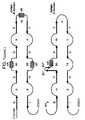
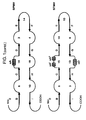
Fig. 1 is a simple line drawing of all the solved β-barrel containing virus structures showing the secondary structural elements which make up the coat protein domains. -
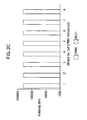
Fig. 2 shows CPMV-specific and MUC1-60mer-specific IgG1/IgG2a values following immunisation with CVPs of the invention.Fig. 2A shows data using MUC1(16), 2B shows data using MUC1(23), and 2C shows control data using wild type CPMV. Titres are expressed as end-point titres obtained with sera from individual mice. Results are of a single experiment representative of a further two experiments. -
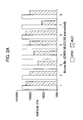
Fig. 3 shows the extent of staining of tumour cells by serum from mice immunised with CVPs of the invention. Results are expressed as mean fluorescence intensity (MFI). -
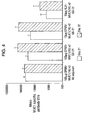
Fig. 4 compares the induction of MUC1-specific antibodies by CVPs with the MUC1(16) insert or by the MUC1 peptide conjugated to KLH. Results are expressed as mean end-point titres (standard deviations shown) obtained with sera from individual mice. -
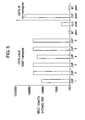
Fig. 5 shows antibody titres induced in six transgenic mice using CVPs of the invention (CVP1 to 6). Control samples were pooled. -
Fig. 6 shows the effect of various adjuvants on IgGl/IgG2a titres. Titres are expressed as the mean end-point titre obtained with the sera from individual mice within each group. Standard deviations are shown for each value. -
Fig. 7 shows serum IgG1/IgG2a (7A) and lavage IgA (7B) titres, comparing values with and without CT adjuvant in intranasal immunisation. 7C shows results using ISCOMs as intranasal adjuvant. Titres for each mouse are expressed as end-point titres obtained from individual mice. -
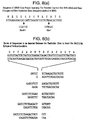
Fig. 8A shows the nucleotide and protein sequences of SBMV coat protein (starting at nucleotide 3955) spanning a potential insertion site. The bold nucleotides show base changes to introduce new restriction sites.Fig. 8B shows a series of sequences to be inserted between the restriction sites to insert the MUC1(16) epitope at various locations. -
Fig. 9 shows a comparison of the βH-βI loop of three sobemoviruses. Conserved residues are highlighted in bold and the locations of the loops (=) and β-strands (#) are indicated. -
Fig.10 shows the same asFig. 8 , but for LTSV coat protein (starting at nucleotide 3954). -
Fig. 11 shows a Lipman-Pearson alignment of the coat protein sequences of RCNMV and TBSV coat proteins. -
Fig. 12 shows a Chou-Fasman β-region prediction plot for RCNMV coat protein residues 214-254, using an algorithm based upon the structures found in 64 proteins. -
Fig. 13 shows the application of the EMBL PHDsec algorithm program to part of the same RCNMV sequence shown inFig. 12 . "AA" shows the amino acid sequence; "PHD sec" indicates "profile network prediction Heidelberg" of secondary structure, with "H" indicating helix and "E" indicating extended (sheet); "Rel sec" indicates the reliability index of the prediction; "prH", "prE" and "prL" indicate the probability for assigning a helix, strand of loop; "SUB" indicates a subset of the prediction, for all residues with an average expected accuracy of >82%. -
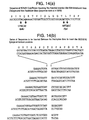
Fig. 14 shows the same asFig. 8 , but for RCNMV coat protein (starting at nucleotide 3070). - In Examples 1-9, either a 16mer or a 23mer peptide sequence derived from the MUC1 gene product tandem repeat was expressed in the βB-βC loop of CPMV S protein. The corresponding CVPs are known herein as CPMV-MUC1(16) and CPMV-MUC1(23), respectively. The CVPs were used to immunise mice and the MUC1-specific immune response was examined. The CVPs were shown to be highly efficient carriers of the
MUC 1 peptide sequences, eliciting high titres of anti-MUC1 antibodies that strongly recognised MUC1-bearing tumour cells and fresh breast tissue. Mucin-based CVPs therefore have significant potential as cancer vaccines against mucin-expressing epithelial cancers. - Experimental Animals. Female C57BL/6 mice and C57BL6xSacII MUC1-transgenic mice (both H-2b), aged 6-8 weeks, were used in these studies.
- Monoclonal antibodies (mAbs) and cell lines. HMFG2 is a MUC1-specific mouse IgGI mAb [Burchell et al. (1983) J. Immunol. 131:508-513]. E4 cells are derived from the murine (BALB/c) mammary epithelial cancer cell line 410.4 transfected with the MUC1 gene. T47D is a human breast carcinoma cell line, obtained from ATCC.
- ELISA for detection of MUC1-specific antibody. ELISAs for the detection of MUC1-specific and CPMV-specific antibody in sera was performed as described by Porta et al. [Virology (1994) 202:949-955] and Usha et al. [Virology (1993) 197:366-374]. For the detection of anti-MUC1 antibody, the wells of 96-well ELISA plates (Dynatech Immulon-4) were coated with 0.1µg/well streptavidin for 1hr at 37°C followed by 0.1 µg /well of
biotinylated MUC 1 60-mer peptide for 1hr at 37°C. For the detection of anti-CPMV antibody, the wells were coated directly with 0.1 µg/well of CPMV for 1 hr at 37°C. A series of doubling dilutions of serum were incubated on the antigen-coated plates for 1 and 4hr respectively at 37°C. Bound antibody was detected with alkaline phosphatase conjugated goat anti-mouse IgG1 and IgG2a (a mix of the two conjugates) or with IgA, with p-nitrophenyl phosphate (PNPP) as the substrate. The products were quantified with an automated ELISA reader at 405nm. For CPMV-specific titres, the results are expressed as an end-point titre, calculated as the inverse of the dilution that gave a mean OD405 higher than the OD405 obtained with a 1:50 dilution of pooled serum from unimmunised mice. For MUC1-specific titres, end-point titres are the inverse of the dilution that gave a mean OD405 higher than the OD405, obtained with a 1:50 dilution of pooled serum from wild-type CPMV-immunised mice. - Peptides. A
MUC 1 60-mer peptide representing 3 tandem repeats was synthesised using an automated peptide synthesizer and used for ELISA. A MUC1 16-mer peptide, corresponding to the sequence expressed on CPMV-MUC1 (16) was synthesised and coupled to KLH by the EDC method (coupling efficiency approximately 15-25 peptide copies per KLH molecule). - Flow cytometry. Tumour cells (410.4, E4 and T47D; 2x10⁵) were incubated with 40 µl of 1:4 diluted antisera (either NMS, or wild type-, CPMV-MUC1(16)- and CPMV-MUC1(23)-immunised serum) or 1:2 diluted monoclonal antibody HMFG2 supernatant for 1 hr on ice. After washing with PBS/3%FCS, the cells were incubated with 20µl of 1:20 diluted PE-labelled goat anti-mouse IgG. The mean fluorescence intensity of the staining was quantified by flow cytometry (FACSCAN).
- Collection of Intestinal IgA. Intestinal lavages were collected from mice as follows. Mice were culled by exsanguination and the intestines and caeca washed out with 3ml of ice-cold 50mM EDTA containing soybean trypsin inhibitor. The lavage fluids were centrifuged at 13000g for 10mins to remove large debris and then 10µl/ml of 0.2M PMSF in ethanol (95% v/v) and 10µl/ml of sodium azide (2% w/v) added to the clarified supernatant. Foetal calf serum was added to 3% and the samples were stored at -80°C.
- The genome of CPMV consists of two molecules of single stranded plus sense RNA, (RNA1 and RNA2) which were cloned on separate plasmids as full length cDNAs (pCP1 and pCP2 respectively), as described by Dessens & Lommonossoff [J. Gen. Virol. (1993) 74:889-892].
- Vector pCP2-0.51 is derived from pCP2 (see Example 6 of
WO96/02649 - Vector pCP2-0.51 was then digested with SacII and EcoRI to release a DNA fragment carrying the CaMV 35S promoter fused to the full-length cDNA clone of CPMV RNA2. This fragment was ligated into similarly digested pBSII SK+ (Stratagene) to make vector pCP7-HRVII. The HRV sequence together with CPMV flanking sequences were then excised by digestion with NheII and AatII and replaced by a pair of chemically synthesised overlapping oligonucleotides carrying the CPMV flanking sequences only [Usha et al., supra], thus restoring the normal CPMV sequence between these two restriction sites. All the cloning junctions described were verified by sequence analysis and the resultant vector was called pCP7. Subsequently the complete sequence of the CaMV35S-CPMV RNA2 cassette was determined between the SacII and EcoRI restriction sites.
- To produce CPMV-MUC1(16) and CPMV-MUC1(23), pCP7 was digested with NheII and AatII and the excised fragment replaced by oligonucleotides coding for the excised wild-type CPMV sequences plus either a 16-mer MUC1 peptide "GVTSAPDTRPAPGSTA" (SEQ. ID No. 6) or a 23-mer MUC1 peptide "PDTRPAPGSTAPPAHGVTSAPDT" (SEQ. ID No. 7), forming plasmids pCP7-MUC1(16) and pCP7-MUC1(23), respectively.
- Cowpea plants (Vigna unguiculata cv. Blackeye) were inoculated with linearised pCP1 and pCP7-MUC1 as described by Dessens et al. [supra]. DNA maxi-preps were made of each plasmid using the Qiagen purification system. 50µg pCP1 were digested with MluI and 50µg pCP7-MUC1 were digested with EcoII. The plasmids were purified by phenol/chloroform extraction and ethanol precipitation and each resuspended in 125µl 10mM sodium phosphate buffer pH 7.0. The plasmids were mixed together and 50µl of the mixture were inoculated onto one primary leaf of each of five 10 day old cowpea plants by manual abrasion in the presence of carborundum powder.
- All five inoculated plants developed chlorotic lesions in the inoculated leaves and a chlorotic mosaic on the secondary leaves. The recombinant virus spread throughout the growing plant in a manner similar to that of a natural infection with wild type CPMV. After 2-3 weeks, small samples (∼10mg) of tissue were taken from the youngest leaves of each plant, which were showing good symptoms of viral infection. Each sample was ground in 400µl 0.1M sodium phosphate buffer, the extract was emulsified with an equal volume of a 1:1 mixture of chloroform/n-butanol, clarified by centrifugation and the aqueous phase was retained. 100µl of 1 M NaCl/20% PEG 8000 were added, followed by incubation on ice for 20 minutes. The precipitate was collected by centrifugation for 5 min and resuspended in 20µl sterile deionised water. 2µl of each particle 'mini-prep' were then analysed by RT-PCR and agarose gel electrophoresis, and the products of the PCR reaction were sequenced. In all 5 plants, a single band of the expected size was seen in the RT-PCR reaction and the sequence data showed that the sequence of the inserted RNA was correct in each case.
- The leaf material of all the plants was then harvested and the recombinant virus purified according to standard techniques (as described in Example 2 of
WO96/02649 - The characterised particles from the first round of infection were designated as master stocks and used to initiate a second round of infection in a further five plants in order to generate a working stock [as described by Usha et al., supra]. After 2-3 weeks the plant leaves were harvested and the recombinant virus purified and characterised as before, with the same results. This demonstrated that the inserted peptide sequence was stable over at least two passages.
- Each CVP expressed 60 copies of the appropriate MUC1 peptide sequence. 1µg CVP contains approximately 17ng of the appropriate peptide sequence.
- Mice (8 per group) were immunised subcutaneously with 100µg of CPMV-MUC1(16), CPMV-MUC1(23) or wild-type CPMV in Freund's complete adjuvant (FCA). Subsequent 25µg boosters in incomplete Freund's adjuvant (IFA) were administered on
day day 42 for analysis by ELISA. - Both engineered CVPs and the wild-type CPMV elicited very high titres of CPMV-specific antibody on day 42 (
Figs. 2A-C ). However, only the CVP-immunised mice produced MUC1-specific antibody, which was not detected in the sera of wild type immunised mice (Figs. 2A-C ). Titres elicited by CPMV-MUC1(16) (mean titre of 100,800) and CPMV-MUC1(23) (mean titre of 86,300) were generally similar. - Thus CPMV is a highly effective carrier of peptides from the MUC1 tandem repeat for vaccination purposes. The three doses of CVP which were administered totalled 150µg, which constitutes only ∼3µg MUC1 peptide.
- Sera from mice immunised with the above CVPs in FCA were shown to stain mouse E4 and human T47D tumour cells, both of which express MUC1, very intensely by flow cytometric analysis (
Fig. 3A ). The staining of both cell lines using sera from CPMV-MUC1(16)-immunised mice was stronger than that of CPMV-MUC1(23)-immunised sera (Fig. 3A ). The staining of T47D cells using sera from CPMV-MUC1(16)-immunised mice was comparable to that achieved with the anti-MUC1 mAb HMFG2. - In a second experiment, sera from mice immunised with CPMV-MUC1(16) in QS-21 also strongly stained the two MUC1-expressing cell lines but not the MUC1-negative 410.4 cells (
Fig. 3B ). In both studies, the staining was highly specific since the staining of the MUC1-expressing cells with sera from wild-type CPMV-immunised mice and normal mouse serum was extremely weak. Mice immunised with the MUC1 peptide conjugated to KLH elicited only low titres of MUC1-specific IgG and consequently stained the cells only very weakly (Fig. 3B ). - The intense specific staining of the cells could also be visualised under a fluorescence microscope. Sera from CPMV-MUC1(16)-immunised mice strongly stained both cell lines, which were only very weakly stained with sera from wild-type CPMV-immunised mice. In contrast, the staining of MUC1-negative 410.4 cells was extremely weak.
- Sera from CPMV-MUC1(16) and CPMV-MUC1(23)-immunised mice was also demonstrated to specifically stain fresh human breast cancer tissue (data not shown).
- Serum obtained following intranasal immunisation with MUC1(16)+QS-21 was also able to stain T47D cells (data not shown).
- Mice were immunised subcutaneously on
days high levels 21 days after primary immunisation (Fig. 4 ). KLH was a far less effective carrier than CVPs for generating MUC1-specific IgG even when adjuvant was used. - Immunisation with 100µg CPMV-MUC1(16), with and without QS-21 adjuvant, also gave food antibody responses (
Figure 4 ). Presenting two 2µg doses of peptide, as contained in 100µg of the CVP, without additional adjuvant thus leads to high levels of serum antibody which exceed those attained using two 100µg doses of theMUC 1 peptide conjugated to KLH using QS-21 as adjuvant. Thus, the CVP presented 50-fold less peptide than the peptide-KLH conjugate and still induced a 50-fold increase in the titre of anti-peptide antibody in the immunised animals. - In a further set of experiments, mice (5 per group) were immunised subcutaneously on
days day 21 were as follows:Immunogen Mouse No. 1 2 3 4 5 10 µg CPMV-MUC1(16) 6400 12800 51200 51200 208400 1 µg CPMV-MUC 1 (16) 25600 25600 25600 25600 102400 50 µg MUC 1-KLH 3200 3200 102400 3200 150 - The conclusion is that two doses of 1µg CPMV-MUC1(16) (∼20ng of 16-mer peptide per dose) induced generally higher and more consistent titres of anti-peptide antibodies than did two doses of 50µg of the MUC1 16mer peptide conjugated to KLH. This is particularly remarkable since there is in excess of 2000-fold more peptide being presented by the KLH conjugate.
- Similarly high post-immunisation (day 28) titres were seen in mice immunised with either 0.5µg or 5µg CPMV-MUC1(16) on
days - To be effective in humans, a MUC1-based vaccine must be able to overcome immune privilege and elicit MUC1-specific antibodies when present as a self antigen. In the previous examples, the MUC1 peptides were not functioning as self antigens, but were foreign (mouse and human sequences -30% homology). To address this issue, mice transgenic for human MUC1 were tested [Graham, et al. (1996) Int. J. Cancer 65:664-670] as a better model of humans.
- Transgenic mice expressing human MUC1 and non-transgenic mice were immunised subcutaneously with 100µg of CPMV-MUC1(16), wild type CPMV or 25µg MUC1-KLH, using QuilA adjuvant, and boosted with the same dose on
day 14. Sera were pooled for mice in the same group, except for the transgenic mice immunised with CPMV-MUC1(16) which were analysed individually (Fig. 5 ). - CPMV-MUC1(16) was shown to be highly immunogenic in human MUC1-transgenic mice with anti-MUC1 peptide antibody titres only a little lower than those elicited in non-transgenic mice (
Fig. 5 ). Moreover, the anti-MUC1 peptide antibodies elicited in the transgenic mice by CPMV-MUC1(16) immunisation were considerably greater than those elicited by the MUC1 peptide conjugated to KLH (Fig. 5 ). The average titres of anti-MUC1 antibodies were 40,500 following immunisation with CPMV-MUC1(16), 400 following immunisation with MUC1-KLH, and 120 following immunisation with wild type CPMV (seeFig. 5 ). These data confirm and further support the enhanced presentation system of the present invention by demonstrating that the presentation of a mucin peptide on the surface of a plant virus is significantly better than the presentation as conjugated to KLH (the conventional carrier). - In summary, over 10-fold less peptide was presented on CPMV as compared to KLH, and a 100-fold higher level of anti-peptide antibody was induced by CPMV-MUC1(16) as compared to corresponding presentation by KLH (1,000-fold difference in total).
- Because FCA is not a suitable adjuvant for human use, further studies were conducted with CPMV-MUC1(16) adjuvanted with less toxic adjuvants including the saponin-based adjuvants QuilA (20µg/dose), QS-21 (20µg/dose) and ISCOM matrix (10µg/dose), or with algammulin (a mixture of alum and gamma-inulin; 10µg/dose). Mice were immunised subcutaneously with 50µg CPMV-MUC1(16) in the above adjuvants and boosted with 25µg on
days - Mice immunised with CPMV-MUC1(16) in QS-21 elicited higher titres of MUC1-specific antibody than all other adjuvants tested (
Fig. 6 ), including FCA, when assayed onday 42. Titres in all the adjuvant groups remained high for 70 days and then began to drop, except for the FCA and QS-21 groups which still had high titres on day 150 (mean titres of 76,800 and 57,600 respectively;Fig. 6 ). - Thus QS-21 facilitates optimal and sustained responses to CVPs and, together with its favourable safety profile, provides a suitable choice as an adjuvant for inclusion in a CVP-based cancer vaccine for human use.
- Mice were immunised subcutaneously with 100µg of CPMV-MUC1(16) on
days days Fig. 4 ). Although the use of QS-21 is beneficial in increasing, and probably also prolonging, the immune response to the mucin peptide present on the CPMV particle, the use of an adjuvant such as QS-21 is not essential. CPMV-MUC1(16) administered without any adjuvant induced a good immune response to the MUC1 peptide. - Mice were immunised intranasally on
days - The titres of anti-peptide IgG antibodies in the sera following intranasal administration of CPMV-MUC1(16) were approximately the same when the CVP was administered with or without CT (1:53,440 with CT, 1:57,680 without CT, see
Fig. 7A ). In addition, high titres of anti-MUC1 IgA antibodies in intestinal lavages were found in animals immunised with or without CT (seeFig. 7B ). - The conclusion is that CT is not necessary to induce mucosal or systemic immune responses to CPMV-MUC1(16) administered via a nasal route. Furthermore, CT does not enhance the immune response to CPMV-MUC1(16) following intranasal administration.
- In further experiments, ISCOMs were used as intranasal adjuvants in place of CT. Mice were immunised with 4 doses of 100µg CPMV-MUC1(16) + 10µg ISCOM matrix. On
days 42, high titres of CPMV- and MUC1-specific IgG were detected in sera, and specific IgA in bronchial, intestinal and, to a lesser extent, vaginal lavages (Figure 7C ). The titres obtained with ISCOMs, however, were not significantly higher than those obtained without any exogenous adjuvant. - In mice, Th1 cells mediate macrophage and cytotoxic T cell activation and B cell class-switching to the IgG2a sub-class [Mosmann et al. (1986) J. Immunol. 136:2248-2357]. IgG2a is the principal effector isotype of IgG that induces antibody-dependent cell cytotoxicity (ADCC) and phagocytosis, and better protects mice against tumours [Kaminksi et al. (1986) J. Immunol. 136:1123-1130]. Conversely, Th2 cells induce B cells to produce IgG1, which is ineffective at mediating ADCC or phagocytosis. In view of the opposing functions of Th1 and Th2 CD4+ cells and of the IgG isotypes generated by these subsets, it is desirable for cancer vaccines to
prime Th 1 cells. - The isotype of MUC1-specific antibodies was examined in mice immunised with two doses of 100µg CPMV-MUC1(16) without adjuvant, or two doses of 10µg or 100µg CPMV-MUC1(16) in QS-21. Titres of all isotypes were present, but IgG2a and IgG2b were predominant over IgG1. This bias towards a Th1-type response was most pronounced in the absence of adjuvant. The control mice, immunised with KLH-MUC1 in QS-21, produced predominantly IgG1.
- The bias of the isotype response appear to be related to the ability of the virus to prime virus-specific Th1 cells which produce IFN-γ but little IL-4, allowing class-switching of peptide-specific B cells to IgG2a producing plasma cells.
- The ability of CPMV-MUC1(16) to elicit antibodies which can cause regression of tumours expressing the MUC1 protein was demonstrated in a mouse tumour model. Tumour cells expressing the MUC1 protein were injected subcutaneously into mice which had previously been immunised with CPMV-MUC1(16). Full details are described below.
- Nine C57BLScSn mice were immunised subcutaneously with 100 µg of CPMV-MUC1(16) on
day day 42 all mice were administered with 2x10⁵ MUC1 RMA cells by subcutaneous injection in the flank and the tumour size measured in two dimensions over the following month using vernier calipers. Tumour volumes were calculated as (a x b 2)/2 where a represents the largest diameter and b the smallest diameter. Mice were sacrificed when tumours reached - 1 to 1.5 cm in diameter. The results are summarised below:Vaccine Mouse No. Days post challenge 9 14 16 21 23 28 30 CVP 1 0.108 0.06 0 0 0 0 0 2 0.0108 0.06 0.032 0.032 0.032 0.013 0.004 3 0.05 0.05 0 0 0 0 0 4 0.062 0.032 0 0 0 0 0 5 0.062 0.062 0.062 0.0864 1.14 1.8 6 0.108 0.126 0.196 0.6 0.85 1.617 7 0.126 0.126 0.441 0.441 0.793 1.68 8 0.126 0.126 0.108 0 0 0 9 0.075 0.148 0.22 1.27 PBSA 10 0.126 0.5 0.55 1.68 11 0.108 0.428 0.5 1.37 12 0.17 0.256 0.936 13 0.075 0.5 0.55 1.37 14 0.0907 0.108 0.108 0.256 0.5 1.372 15 0.171 0.5 0.726 1.47 - It can be seen from the above data that over 50% of the mice (5/9 mice) immunised with CPMV-MUC1 were protected compared to 0% (6/6) in the PBSA-immunised control group.
- Examples 1-10 illustrate the presentation of a tumour-associated mucin at the βB-βC insertion site of the CPMV S subunit. Alternative insertion sites within the S subunit are also suitable for achieving the CVPs of the present invention. In this respect, knowing the nucleic acid sequence encoding the S subunit and a range of desired insertion locations therein, the skilled person can simply prepare a suitable expression vector in a manner analogous to the preparation of pCP7.
- Similarly, knowing the nucleic acid sequence encoding the L subunit of CPMV and a range of desired insertion locations therein, the skilled person can simply prepare an expression vector encoding, inter alia, the L subunit in a manner analogous to the preparation of pCP7.
- Although examples 1 to 10 employ the MUC1(16) and MUC1(23) epitopes, any mucin peptide epitope sequence can be used.
- As mentioned above, a mucin peptide (e.g. the 16-mer) can be inserted in the βC'βC" loop of the small coat protein of CPMV. For example, the peptide can be cloned in between D44+D45, in a suitable vector. This results in a good viral yield with good immunological properties.
- Insertions in the βC'βC"loop can also be combined with insertions in the C-terminus of the VP-S. The C-terminus of VP-S sticks out from the surface of the virion and is highly immunogenic. The region that is not part of the "body" of the virus starts with Pro182 and runs up to the C-terminus Ala213. Insertions of mucin epitopes can be made in this region, with a particularly effective insertion site being between R199 and S200.
- The following examples illustrate the application of the present invention to plant viruses other than CPMV - any icosahedral plant virus can be used as a potential carrier for these mucin peptides. This example describes the use of SBMV instead of CPMV as a carrier for the MUC 1(16) epitope.
- Inspection of the crystal structure of SBMV strain C reveals that a portion of the loop between the βH and βI strands is well exposed upon the surface of the virus at the five-fold and quasi-six fold axes. This portion of the loop comprises amino-acids 251 to 255 of the linear coat protein sequence and nucleotides 3967 to 3981 of the genomic RNA sequence.
- The cDNA of the complete 4194bp RNA genome of SBMV is cloned into a derivative of pBluescriptII plasmid vector lacking the T7 and T3 promoters using standard techniques. The cDNA is cloned immediately downstream of a bacteriophage T7 such that a unique restriction enzyme site is present at the 3' terminus of the cDNA, thus allowing linearisation of the recombinant plasmid to generate run-off transcripts which mimic the wild-type RNA. As an alternative, the cauliflower mosaic virus (CaMV) 35S promoter may be used.
- A sub-clone is then made from this full-length cDNA clone by inserting the BglI-XmnI fragment (genomic RNA nucleotides 3165-4161), which contains within it the whole coat protein open reading frame, into BamHI/HincII digested pBluescriptII. This sub-clone is further manipulated via site-directed mutagenesis at genomic nucleotide positions 3969 (change A to C) and 3984 (G to T) to create BamHI and HpaI restriction sites, respectively (
Figure 8A ). The modified subclone is digested with these enzymes and separated from the small excised fragment which is replaced by oligonucleotides coding for the excised nucleotide sequence plus nucleotides coding for the MUC1(16) insert. The five constructs shown inFigure 8B contain the insert between coat protein amino acids 251-252, 252-253, 253-254, 254-255, or 255-256. - The modified region of the coat protein from each of these constructs is isolated on a HindIII/AvrII fragment (genomic nucleotides 3434-4096) and used to replace the corresponding fragment in the full-length cDNA clone of the virus. Each of these clones is then linearised at the 3' terminus of the cDNA and, in the case of a T7 bacteriophage promoter construct, used to generate capped run-off RNA transcripts which are then inoculated onto the host-plant (Vigna unguiculata), or inoculated directly when under the control of the 35S promoter.
- The inoculated plants are monitored for symptoms, and the strength of symptoms, yield and stability for each construct are assessed in order to determine the optimal insertion site. If desirable, purified virus may also be used to immunise experimental animals in order to determine the levels of immune response generated by each construct.
- This example can be extrapolated to allow insertion in any of the exposed loops of SBMV. Similarly, any mucin peptide epitope sequence can be used instead of MUC1(16).
- This example describes the determination of a potential insertion site for epitopes by alignment of the primary sequence of a virus whose structure is unknown (LTSV), against those of viruses whose structure has been determined.
- The crystal structures of two sobemoviruses (SBMV and SMV) have been solved at high resolution. Comparison of the crystal structures reveals that secondary structural elements are well conserved between the viruses and, in particular, the protruding loop between the βH and βI is almost identical in shape and location between the two viruses. This structural element would therefore be expected to be well conserved in all sobemoviruses.
- Alignment of the primary sequences of LTSV, SBMV and SMV shows a strong conservation of residues between the three viruses within the βH strand region and significant sequence homology within the βI strand (
Fig.9 ). This allows the loop region of LTSV to be inferred as spanningamino acids 218 to 224 of the coat protein. - The 4275bp LTSV RNA genome is cloned as cDNA, as described for SBMV in example 12. The genomic clone is then modified by site directed mutagenesis at position 3959 (C to T) and position 3998 (T to C) to create unique PstI and KpnI restriction enzyme sites, respectively (
Fig.10A ). The modified genomic clone is digested with these restriction enzymes and separated from the small excised fragment which is replaced by oligonucleotides coding for the excised nucleotide sequence plus nucleotides coding for the epitope sequence MUC1(16). The six constructs shown inFig.10B contain the epitope sequence between coat protein amino acids 218-219, 219-220, 220-221, 221-222, 222-223, or 223-224. - Each of these clones is linearised at the 3' terminus of the cDNA and, in the case of a T7 bacteriophage promoter construct, used to generate capped run-off RNA transcripts which are then inoculated onto the host-plant (Nicotiana clevelandii), or inoculated directly when under the control of the 35S promoter. The inoculated plants are used as described in example 12.
- This example can be adapted to insert of any peptide into any of the exposed loops of LTSV.
- Like example 13, this example describes the determination of potential insertion sites in a virus (red clover necrotic mosaic virus, RCNMV), whose crystal structure is unknown, using primary structural alignments with a second virus whose crystal structure has been determined (TBSV). This example uses secondary structure prediction algorithms.
- The crystal structure of the coat protein of TBSV reveals that each of the 180 coat protein subunits forming the T=3 icosahedron consists of two β-barrel domains. The first domain forms the surface of the virus particle and is termed the S domain and is equivalent to the single domain found in SBMV. The second, much smaller, domain forms a surface protrusion at right angles to the plane of the S domain. This P domain forms dimeric interactions with the P domain of a neighbouring coat-protein subunit at the strict and quasi two-fold axes of the icosahedron. The presence of the P domain causes the virions to appear distinctly granular when examined under the electron microscope. Between the S and P domains is a short flexible linker followed by a pair of β-strands connected by a loop which appears to be highly exposed on the viral surface with no obvious role in the contacts between subunits. This loop provides a potential target for epitope insertions.
- Dianthoviruses (e.g. RCNMV) also appear distinctly granular when subjected to electron microscopy, and this together with the size of the coat proteins and their limited homology with those of tombusviruses suggests that they may have structural similarity. Alignment of the coat protein sequences of RCNMV and TBSV (
Fig. 11 ) using a Lipman-Pearson alignment algorithm, which recognises sequence conservation as well as identity, gives a similarity index of 26.9 (strict homology is 23%). From the alignment it can be seen that the S domain is better conserved (TBSV residues 100 to 269,strict homology 36%) than the P domain (TBSV residues 270-388, poorly conserved). - The loop of interest comprises TBSV residues L280 A281G282 and the sequence around this region shows some similarity to the sequence of RCNMV. Secondary structure prediction algorithms are also used to predict the location of β-strands, however, and hence the loops which lie between them.
Fig. 12 shows a Chou-Fasman β-region prediction plot of RCNMV residues 214-254 using an algorithm based upon the structures found in 64 proteins which is claimed to be 80% accurate at predicting β-strands of interest. The plot suggests that β-strands of interest are located between residues 214-221 and 226-228, and hence the loop at the tip of the domain will be residues 222-225 and residues 245-248. A more sophisticated prediction algorithm, the EMBL PHDsec program based upon trained neural networks, may also be used. The resulting output for the region of interest is shown inFig. 13 . This locates the β-strands to residues 220-223 and 227-239, therefore the loop is comprised of residues 224-226. Combining the two sets of data, the loop will lie within the region spanned byresidues 222 to 226. - Dianthoviruses have a bipartite RNA genome, both RNAs being required for infectivity. Accordingly,
RCNMV RNAs - The cDNA genomic clone of RNA is modified by site directed mutagenesis at positions 3078 (A to G) and 3081 (G to C), to create a unique ApaLI restriction site, and at positions 3108 to 3111 (ACTC to GTTA) to create a unique HpaI restriction site (
Fig.14A ). Although the mutation at position 3081 is not silent, the correct codon can be restored when ligating in oligonucleotides to generate the epitope insertion. The modified genomic clone is digested with these restriction enzymes and separated from the small excised fragment which is replaced by oligonucleotides coding for the excised nucleotide sequence plus nucleotides coding for the MUC1(16) epitope. The six constructs shown inFig.14B insert the epitope sequence between coat protein amino acids 221-222, 222-223, 223-224, 224-225, 225-226, or 226-227. - As in examples 12 and 13, each of these clones is linearised at the 3' terminus of the cDNA and, in the case of a T7 promoter construct, used to generate capped run-off RNA transcripts. These are then mixed with similar transcripts from the linearised cDNA clone of genomic RNA2 and inoculated onto the host-plant. Linearised clones are inoculated directly when under the control of the CaMV 35S promoter. Inoculated plants are used as described previously.
- This example can be adapted to allow insertions of any peptide into any exposed RCNMV loop.
- It will be understood that the invention has been described by way of example only and modifications may be made whilst remaining within the scope of the invention.
-
- <110> The Dow Chemical Company
- <120> CHIMAERIC PLANT VIRUSES WITH MUCIN PEPTIDES
- <130>
P023925WO - <140>
PCT/GBOO/03500
<141> 2000-09-11 - <150>
GB-9921337.3
<151> 1999-09-09 - <160> 7
- <170> SeqWin99
- <210> 1
<211> 20
<212> PRT
<213> Artificial Sequence - <220>
<223> MUC1 20mer - <400> 1

- <210> 2
<211> 5
<212> PRT
<213> Artificial Sequence - <220>
<223>MUC1 5mer - <400> 2

- <210> 3
<211> 5
<212> PRT
<213> Artificial Sequence - <220>
<223> MUC1 5mer - <400> 3

- <210> 4
<211> 8
<212> PRT
<213> Artificial Sequence - <220>
<223> MUC1 8mer - <400> 4

- <210> 5
<211> 8
<212> PRT
<213> Artificial Sequence - <220>
<223> MUC1 8mer - <400> 5

- <210> 6
<211> 16
<212> PRT
<213> Artificial Sequence - <220>
<223> MUC1(16) - <400> 6

- <210> 7
<211> 23
<212> PRT
<213> Artificial Sequence - <220>
<223> MUC1(23) - <400> 7

Claims (21)
- A chimaeric virus particle derived from a plant virus having a coat protein with a beta barrel structure and modified by insertion of an immunogenically active peptide of a tumour-associated mucin at an immunogenically effective site in the coat protein.
- A chimaeric virus particle according to Claim 1, in which the insert is present in a loop connecting beta sheets.
- A chimaeric virus particle according to Claim 1, in which the insert is present in the region of the C-terminus of a coat protein.
- A chimaeric virus particle according to Claim 3, in which the insert is present at a point within 30 amino acids, preferably within 15 amino acids, of the C-terminus.
- A chimaeric virus particle according to any of Claims 1 to 4, in which the tumour-associated mucin is PEM.
- A chimaeric virus particle according to Claim 5, in which the insert is a peptide derived from the 20 amino acid repeat of the extracellular portion of the MUC1 transmembrane molecule.
- A chimaeric virus particle according to Claim 6, in which the peptide is a 16-mer, preferably SEQ ID 6, or a 23-mer peptide, preferably SEQ ID 7.
- A chimaeric virus particle according to any of the preceding claims, in which the plant virus is a comovirus.
- A chimaeric virus particle according to Claim 8, in which the plant virus is cowpea mosaic virus.
- A chimaeric virus particle according to Claim 9, in which the insert is present in the S protein of the virus.
- A method for producing a chimaeric virus particle according to any of Claims 1 to 10, which comprises introducing a nucleotide sequence coding for the tumour-associated mucin peptide to modify the plant viral nucleic acid which codes for the coat protein; infecting plants, plant tissue, plant cells, or protoplasts with the modified viral nucleic acid; and harvesting chimaeric virus particles.
- A method according to Claim 11, in which the introduced nucleotide sequence is inserted in that part of the plant viral nucleic acid which codes for an exposed region of the coat protein.
- A method according to Claim 11, applied to an RNA plant virus, which comprises introducing a DNA coding for the tumour-associated mucin peptide into a cDNA corresponding to the RNA of the plant virus which codes for an exposed portion of its coat protein; inoculating plants, plant tissue, plant cells, or protoplasts with the thus modified cDNA or an RNA transcript thereof, if necessary together with any other DNA or RNA required for multiplication and assembly of whole virus particles in the plant material; and harvesting chimaeric virus particles.
- A method according to Claim 13, in which the modified cDNA is produced by introducing the DNA encoding the mucin peptide into a DNA fragment excised from the plant viral cDNA, and reinserting the modified excised fragment so as to constitute the plant viral cDNA in modified form.
- A method according to any of Claims 11 to 14, in which modified virus produced, or RNA extracted therefrom, is passaged in plants to produce further yields of modified virus.
- A vaccine comprising chimaeric virus particles according to any of Claims 1 to 10 as an immunogenic component thereof.
- A vaccine according to Claim 16, further comprising an adjuvant.
- A vaccine according to Claim 17, in which the adjuvant is selected from Freund's complete adjuvant, QuilA, QS-21, ISCOM matrix, alum, algammulin; or combinations thereof.
- A vaccine according to Claim 16, said vaccine being substantially free from adjuvant.
- A chimaeric virus particle according to any of Claims 1 to 10 for use as a vaccine.
- The use of a chimaeric virus particle according to any of Claims 1 to 10 in the manufacture of a vaccine for the treatment and/or prevention of tumours and/or cancer.
Applications Claiming Priority (3)
| Application Number | Priority Date | Filing Date | Title |
|---|---|---|---|
| GBGB9921337.3A GB9921337D0 (en) | 1999-09-09 | 1999-09-09 | Modified plant viruses |
| GB9921337 | 1999-09-09 | ||
| PCT/GB2000/003500 WO2001018199A1 (en) | 1999-09-09 | 2000-09-11 | Chimaeric plant viruses with mucin peptides |
Publications (2)
| Publication Number | Publication Date |
|---|---|
| EP1214410A1 EP1214410A1 (en) | 2002-06-19 |
| EP1214410B1 true EP1214410B1 (en) | 2008-08-06 |
Family
ID=10860649
Family Applications (1)
| Application Number | Title | Priority Date | Filing Date |
|---|---|---|---|
| EP00958882A Expired - Lifetime EP1214410B1 (en) | 1999-09-09 | 2000-09-11 | Chimaeric plant viruses with mucin peptides |
Country Status (8)
| Country | Link |
|---|---|
| US (1) | US6979448B1 (en) |
| EP (1) | EP1214410B1 (en) |
| AR (1) | AR029180A1 (en) |
| AT (1) | ATE403722T1 (en) |
| AU (1) | AU7029200A (en) |
| DE (1) | DE60039773D1 (en) |
| GB (1) | GB9921337D0 (en) |
| WO (1) | WO2001018199A1 (en) |
Families Citing this family (24)
| Publication number | Priority date | Publication date | Assignee | Title |
|---|---|---|---|---|
| MXPA05000287A (en) | 2002-07-05 | 2005-09-08 | Leclerc Denis | Adjuvant viral particle. |
| US8101189B2 (en) | 2002-07-05 | 2012-01-24 | Folia Biotech Inc. | Vaccines and immunopotentiating compositions and methods for making and using them |
| US10086095B2 (en) | 2012-10-09 | 2018-10-02 | Case Western Reserve University | Rod-shaped plant virus nanoparticles as imaging agent platforms |
| WO2014113203A1 (en) | 2013-01-17 | 2014-07-24 | Case Western Reserve University | Viral nanoparticle multimers |
| US11998594B2 (en) | 2014-04-02 | 2024-06-04 | Case Western Reserve University | Anti-cancer plant virus particles linked to HER2 antigens |
| US9925281B2 (en) | 2014-08-05 | 2018-03-27 | Case Western Reserve University | Coated plant virus imaging agents |
| AU2015342790B2 (en) | 2014-11-07 | 2019-10-03 | Case Western Reserve University | Cancer immunotherapy using virus particles |
| US12465624B2 (en) | 2018-05-08 | 2025-11-11 | Case Western Reserve University | Cancer immunotherapy using virus particles and immune checkpoint therapy |
| US11617787B2 (en) | 2014-11-07 | 2023-04-04 | Case Western Reserve University | Cancer immunotherapy using virus particles |
| WO2017004123A1 (en) | 2015-06-29 | 2017-01-05 | Case Western Reserve University | Anticancer drug-containing plant virus particles |
| EP3725332B1 (en) | 2015-07-16 | 2023-10-04 | Case Western Reserve University | Plant virus particles for delivery of antimitotic agents |
| WO2017210682A1 (en) | 2016-06-03 | 2017-12-07 | Case Western Reserve University | Rod-shaped plant viral nanoparticles or virus-like particles for agricultural applications |
| EP3487527A4 (en) | 2016-07-21 | 2020-03-11 | Case Western Reserve University | PARTICLES OF VEGETABLE OR VIRAL-LIKE PARTICLES |
| US11654117B2 (en) | 2016-11-03 | 2023-05-23 | Case Western Reserve University | Melt processed viral nanoparticle constructs |
| US12433840B2 (en) | 2016-11-03 | 2025-10-07 | Case Western Reserve University | Melt processed viral nanoparticle constructs |
| US11590183B2 (en) | 2017-03-10 | 2023-02-28 | Case Western Reserve University | Cancer immunotherapy using virus particles |
| WO2018213587A1 (en) | 2017-05-17 | 2018-11-22 | Case Western Reserve University | Anticancer trail-targeted plant virus particles |
| WO2019084555A1 (en) | 2017-10-27 | 2019-05-02 | Case Western Reserve University | Tymovirus virus and virus-like particles as nanocarriers for imaging and therapeutic agents |
| US11390853B2 (en) | 2019-04-26 | 2022-07-19 | Case Western Reserve University | Freeze dried viral nanoparticle constructs |
| US11896676B2 (en) | 2019-08-07 | 2024-02-13 | Case Western Reserve University | Targeting cancer cells and tissue using filamentous plant virus particles |
| US11529430B2 (en) | 2019-12-20 | 2022-12-20 | Case Western Reserve University | Polydopamine decorated tobacco mosaic theranostic virus nanoparticles |
| US12203073B2 (en) | 2019-12-20 | 2025-01-21 | Case Western Reserve University | Plant viral RNA delivery nanoparticles and uses thereof |
| CN118684781A (en) * | 2023-03-21 | 2024-09-24 | 深圳赫兹生命科学技术有限公司 | GnRH-VLP recombinant castration vaccine and preparation method thereof |
| WO2025165878A1 (en) * | 2024-01-29 | 2025-08-07 | Flagship Pioneering Innovations Vii, Llc | Methods of delivering therapeutic agents to target tissues and organs |
Family Cites Families (7)
| Publication number | Priority date | Publication date | Assignee | Title |
|---|---|---|---|---|
| US5053489A (en) | 1988-01-29 | 1991-10-01 | Dana-Farber Cancer Institute, Inc. | Genetically engineered polypeptides with determinants of the human DF3 breast carcinoma-associated antigen |
| US4963484A (en) | 1988-01-29 | 1990-10-16 | Dana-Farber Cancer Institute, Inc. | Genetically engineered polypeptides with determinants of the human DF3 breast carcinoma-associated antigen |
| GB9108386D0 (en) * | 1991-04-19 | 1991-06-05 | Agricultural Genetics Co | Modified plant viruses as vectors |
| GB9414118D0 (en) * | 1994-07-13 | 1994-08-31 | Axis Genetics Ltd | Modified plant viruses as vectors of heterologous peptides |
| EP1012276A2 (en) | 1997-02-24 | 2000-06-28 | Therion Biologics Corporation | Recombinant pox virus for immunization against muc1 tumor-associated antigen |
| JP4480800B2 (en) | 1997-05-08 | 2010-06-16 | オンコシリオン・インコーポレイテッド | Methods for generating activated T cells and antigen pulse labeled antigen presenting cells |
| GB9712282D0 (en) * | 1997-06-12 | 1997-08-13 | Innes John Centre Innov Ltd | Epitope presentation system |
-
1999
- 1999-09-09 GB GBGB9921337.3A patent/GB9921337D0/en not_active Ceased
-
2000
- 2000-09-11 EP EP00958882A patent/EP1214410B1/en not_active Expired - Lifetime
- 2000-09-11 AU AU70292/00A patent/AU7029200A/en not_active Abandoned
- 2000-09-11 AR ARP000104759A patent/AR029180A1/en unknown
- 2000-09-11 US US10/070,566 patent/US6979448B1/en not_active Expired - Fee Related
- 2000-09-11 AT AT00958882T patent/ATE403722T1/en not_active IP Right Cessation
- 2000-09-11 WO PCT/GB2000/003500 patent/WO2001018199A1/en not_active Ceased
- 2000-09-11 DE DE60039773T patent/DE60039773D1/en not_active Expired - Lifetime
Also Published As
| Publication number | Publication date |
|---|---|
| WO2001018199A9 (en) | 2002-09-06 |
| US6979448B1 (en) | 2005-12-27 |
| AR029180A1 (en) | 2003-06-18 |
| EP1214410A1 (en) | 2002-06-19 |
| WO2001018199A1 (en) | 2001-03-15 |
| ATE403722T1 (en) | 2008-08-15 |
| AU7029200A (en) | 2001-04-10 |
| DE60039773D1 (en) | 2008-09-18 |
| GB9921337D0 (en) | 1999-11-10 |
Similar Documents
| Publication | Publication Date | Title |
|---|---|---|
| US6979448B1 (en) | Chimaeric plant viruses with mucin peptides | |
| US6884623B1 (en) | Modified plant viruses as vectors of heterologous peptides | |
| Marquet-Blouin et al. | Neutralizing immunogenicity of transgenic carrot (Daucus carota L.)-derived measles virus hemagglutinin | |
| CA2170412C (en) | Modified plant viruses as vectors of heterologous peptides | |
| US7901691B2 (en) | Chimeric G protein based rabies vaccine | |
| Porta et al. | Scope for using plant viruses to present epitopes from animal pathogens | |
| CN102770016A (en) | Highly pathogenic avian influenza virus protein vaccine derived from transgenic plants and preparation method thereof | |
| EP1147178A1 (en) | Production of biomedical peptides and proteins in plants using transcomplementation systems | |
| WO2024193290A1 (en) | Castration cpmv virus-like particle subunit vaccine and preparation method therefor | |
| US20030191076A1 (en) | Prime-boost vaccination strategy | |
| CA2414396A1 (en) | Production of vaccines using transgenic plants | |
| US20090053261A1 (en) | Modified tobacco mosaic virus particles as scaffolds for display of protein antigens for vaccine applications | |
| AU785020B2 (en) | Plant Virus particles with exogenous internal eitopes | |
| KR102444019B1 (en) | Recombinant vectors for the preparation of antigens for prevention of African swine fever and uses thereof | |
| CN100415891C (en) | Rabbit hemorrhagic disease vaccine and antigen | |
| KR20230105738A (en) | RECEPTOR BINDING DOMAIN OF SPIKE PROTEIN OF SARS-CoV-2 PRODUCED FROM GLYCOENGINEERING PLANTS AND USES THEREOF | |
| US20060210585A1 (en) | Method for the production of hiv-1 gag virus-like particles | |
| EP2381958A1 (en) | Potato virus a coat protein-based vaccine for treating melanoma and its use | |
| US7135282B1 (en) | Viral particles with exogenous internal epitopes | |
| JP2023514392A (en) | IgG variants for induction of immune response without adjuvant | |
| Almohaimeed et al. | Generation of dengue 3 envelope domain III using tobacco mosaic virus-based vector system and its immunological response mouse model by generating anti-dengue virus antibodies | |
| JP2003116385A (en) | Transgenic plants containing the gene encoding the Japanese encephalitis vaccine | |
| WO1989006971A1 (en) | Conserved rotavirus gene segments and use in immunization and neutralization | |
| Verch | Engineering and use of plant viral expression vectors | |
| HRP20000702A2 (en) | Viral particles with exogenous internal epitopes |
Legal Events
| Date | Code | Title | Description |
|---|---|---|---|
| PUAI | Public reference made under article 153(3) epc to a published international application that has entered the european phase |
Free format text: ORIGINAL CODE: 0009012 |
|
| 17P | Request for examination filed |
Effective date: 20020409 |
|
| AK | Designated contracting states |
Kind code of ref document: A1 Designated state(s): AT BE CH CY DE DK ES FI FR GB GR IE IT LI LU MC NL PT SE |
|
| AX | Request for extension of the european patent |
Free format text: AL;LT;LV;MK;RO;SI |
|
| RAP1 | Party data changed (applicant data changed or rights of an application transferred) |
Owner name: DOW GLOBAL TECHNOLOGIES INC. |
|
| 17Q | First examination report despatched |
Effective date: 20030711 |
|
| RAP1 | Party data changed (applicant data changed or rights of an application transferred) |
Owner name: DOW GLOBAL TECHNOLOGIES INC. |
|
| GRAP | Despatch of communication of intention to grant a patent |
Free format text: ORIGINAL CODE: EPIDOSNIGR1 |
|
| GRAS | Grant fee paid |
Free format text: ORIGINAL CODE: EPIDOSNIGR3 |
|
| GRAA | (expected) grant |
Free format text: ORIGINAL CODE: 0009210 |
|
| AK | Designated contracting states |
Kind code of ref document: B1 Designated state(s): AT BE CH CY DE DK ES FI FR GB GR IE IT LI LU MC NL PT SE |
|
| REG | Reference to a national code |
Ref country code: GB Ref legal event code: FG4D |
|
| REG | Reference to a national code |
Ref country code: CH Ref legal event code: EP Ref country code: CH Ref legal event code: NV Representative=s name: FIAMMENGHI-FIAMMENGHI |
|
| REG | Reference to a national code |
Ref country code: IE Ref legal event code: FG4D |
|
| REF | Corresponds to: |
Ref document number: 60039773 Country of ref document: DE Date of ref document: 20080918 Kind code of ref document: P |
|
| PG25 | Lapsed in a contracting state [announced via postgrant information from national office to epo] |
Ref country code: ES Free format text: LAPSE BECAUSE OF FAILURE TO SUBMIT A TRANSLATION OF THE DESCRIPTION OR TO PAY THE FEE WITHIN THE PRESCRIBED TIME-LIMIT Effective date: 20081117 |
|
| PG25 | Lapsed in a contracting state [announced via postgrant information from national office to epo] |
Ref country code: FI Free format text: LAPSE BECAUSE OF FAILURE TO SUBMIT A TRANSLATION OF THE DESCRIPTION OR TO PAY THE FEE WITHIN THE PRESCRIBED TIME-LIMIT Effective date: 20080806 Ref country code: AT Free format text: LAPSE BECAUSE OF FAILURE TO SUBMIT A TRANSLATION OF THE DESCRIPTION OR TO PAY THE FEE WITHIN THE PRESCRIBED TIME-LIMIT Effective date: 20080806 |
|
| PGFP | Annual fee paid to national office [announced via postgrant information from national office to epo] |
Ref country code: BE Payment date: 20080929 Year of fee payment: 9 |
|
| PG25 | Lapsed in a contracting state [announced via postgrant information from national office to epo] |
Ref country code: BE Free format text: LAPSE BECAUSE OF FAILURE TO SUBMIT A TRANSLATION OF THE DESCRIPTION OR TO PAY THE FEE WITHIN THE PRESCRIBED TIME-LIMIT Effective date: 20080806 |
|
| PG25 | Lapsed in a contracting state [announced via postgrant information from national office to epo] |
Ref country code: MC Free format text: LAPSE BECAUSE OF NON-PAYMENT OF DUE FEES Effective date: 20080930 Ref country code: DK Free format text: LAPSE BECAUSE OF FAILURE TO SUBMIT A TRANSLATION OF THE DESCRIPTION OR TO PAY THE FEE WITHIN THE PRESCRIBED TIME-LIMIT Effective date: 20080806 |
|
| PG25 | Lapsed in a contracting state [announced via postgrant information from national office to epo] |
Ref country code: PT Free format text: LAPSE BECAUSE OF FAILURE TO SUBMIT A TRANSLATION OF THE DESCRIPTION OR TO PAY THE FEE WITHIN THE PRESCRIBED TIME-LIMIT Effective date: 20090106 |
|
| PLBE | No opposition filed within time limit |
Free format text: ORIGINAL CODE: 0009261 |
|
| STAA | Information on the status of an ep patent application or granted ep patent |
Free format text: STATUS: NO OPPOSITION FILED WITHIN TIME LIMIT |
|
| 26N | No opposition filed |
Effective date: 20090507 |
|
| PG25 | Lapsed in a contracting state [announced via postgrant information from national office to epo] |
Ref country code: IT Free format text: LAPSE BECAUSE OF FAILURE TO SUBMIT A TRANSLATION OF THE DESCRIPTION OR TO PAY THE FEE WITHIN THE PRESCRIBED TIME-LIMIT Effective date: 20080806 |
|
| PG25 | Lapsed in a contracting state [announced via postgrant information from national office to epo] |
Ref country code: SE Free format text: LAPSE BECAUSE OF FAILURE TO SUBMIT A TRANSLATION OF THE DESCRIPTION OR TO PAY THE FEE WITHIN THE PRESCRIBED TIME-LIMIT Effective date: 20081106 |
|
| REG | Reference to a national code |
Ref country code: GB Ref legal event code: 732E Free format text: REGISTERED BETWEEN 20100610 AND 20100616 |
|
| PG25 | Lapsed in a contracting state [announced via postgrant information from national office to epo] |
Ref country code: CY Free format text: LAPSE BECAUSE OF FAILURE TO SUBMIT A TRANSLATION OF THE DESCRIPTION OR TO PAY THE FEE WITHIN THE PRESCRIBED TIME-LIMIT Effective date: 20080806 Ref country code: LU Free format text: LAPSE BECAUSE OF NON-PAYMENT OF DUE FEES Effective date: 20080911 |
|
| PG25 | Lapsed in a contracting state [announced via postgrant information from national office to epo] |
Ref country code: GR Free format text: LAPSE BECAUSE OF FAILURE TO SUBMIT A TRANSLATION OF THE DESCRIPTION OR TO PAY THE FEE WITHIN THE PRESCRIBED TIME-LIMIT Effective date: 20081107 |
|
| PGFP | Annual fee paid to national office [announced via postgrant information from national office to epo] |
Ref country code: CH Payment date: 20110913 Year of fee payment: 12 |
|
| PGFP | Annual fee paid to national office [announced via postgrant information from national office to epo] |
Ref country code: IE Payment date: 20120912 Year of fee payment: 13 Ref country code: GB Payment date: 20120905 Year of fee payment: 13 |
|
| PGFP | Annual fee paid to national office [announced via postgrant information from national office to epo] |
Ref country code: DE Payment date: 20120905 Year of fee payment: 13 Ref country code: FR Payment date: 20120926 Year of fee payment: 13 |
|
| PGFP | Annual fee paid to national office [announced via postgrant information from national office to epo] |
Ref country code: NL Payment date: 20120908 Year of fee payment: 13 |
|
| REG | Reference to a national code |
Ref country code: NL Ref legal event code: V1 Effective date: 20140401 |
|
| REG | Reference to a national code |
Ref country code: CH Ref legal event code: PL |
|
| GBPC | Gb: european patent ceased through non-payment of renewal fee |
Effective date: 20130911 |
|
| REG | Reference to a national code |
Ref country code: DE Ref legal event code: R119 Ref document number: 60039773 Country of ref document: DE Effective date: 20140401 |
|
| REG | Reference to a national code |
Ref country code: FR Ref legal event code: ST Effective date: 20140530 |
|
| REG | Reference to a national code |
Ref country code: IE Ref legal event code: MM4A |
|
| PG25 | Lapsed in a contracting state [announced via postgrant information from national office to epo] |
Ref country code: GB Free format text: LAPSE BECAUSE OF NON-PAYMENT OF DUE FEES Effective date: 20130911 Ref country code: CH Free format text: LAPSE BECAUSE OF NON-PAYMENT OF DUE FEES Effective date: 20130930 Ref country code: IE Free format text: LAPSE BECAUSE OF NON-PAYMENT OF DUE FEES Effective date: 20130911 Ref country code: LI Free format text: LAPSE BECAUSE OF NON-PAYMENT OF DUE FEES Effective date: 20130930 |
|
| PG25 | Lapsed in a contracting state [announced via postgrant information from national office to epo] |
Ref country code: DE Free format text: LAPSE BECAUSE OF NON-PAYMENT OF DUE FEES Effective date: 20140401 Ref country code: NL Free format text: LAPSE BECAUSE OF NON-PAYMENT OF DUE FEES Effective date: 20140401 Ref country code: FR Free format text: LAPSE BECAUSE OF NON-PAYMENT OF DUE FEES Effective date: 20130930 |